
India
Defense News India :- In a diplomatic move, Badruddin Haqqani, a prominent figure within the Taliban and currently serving as the Charge d'Affaires (CdA) for the 'Islamic Republic of Afghanistan,' has received an invitation from the Indian Embassy in Abu Dhabi to attend the Republic Day celebrations, as per reliable sources.This invitation adheres to standard diplomatic procedures, with sources in Kabul confirming that it was sent to the duly accredited CdA of Afghanistan, recognized by the Government of the United Arab Emirates (UAE). Notably, the UAE does not officially recognize the Taliban.Despite the Taliban's preference for the title 'Islamic Emirate of Afghanistan,' the invitation was formally addressed to the Charge d'Affaires of the Embassy of the 'Islamic Republic of Afghanistan,' as reported by India Today. The Afghan Embassy in Abu Dhabi consistently upholds the practice of displaying the Republic flag, distinct from the Taliban flag.This routine invitation, part of the Republic Day reception for all accredited Ambassadors/CdAs, was extended to Badruddin Haqqani, who assumed the role of Charge d'Affaires in October 2023 and holds accreditation from the UAE government. He is the son of Jalaluddin Haqqani and the brother of Sirajuddin Haqqani, the Interior Minister of Afghanistan.India's decision to invite Haqqani aligns with its commitment to diplomatic norms and the engagement of representatives from accredited missions. This approach, while not recognizing the Taliban regime, reflects India's adherence to international diplomatic protocols.India has engaged with Taliban officials in various capacities, exemplified by the reopening of its embassy in Kabul with a team of 'technical experts.' However, formal recognition has been withheld, mirroring the broader international approach to the Taliban-led administration in Afghanistan.
Read More → Posted on 2024-01-25 05:20:11
India
Defense News ,India :- In a significant milestone, the Indian Navy, in collaboration with BrahMos Aerospace Private Limited (BAPL), achieved a successful engagement of a land target at an extended range using an advanced supersonic cruise missile on Wednesday.The test is believed to be for the 800 km extended range version of the BrahMos supersonic cruise missile, reaffirming India's commitment to 'Aatmanirbharta' (self-reliance) in extended-range precision strike capabilities from combat-ready ships.Earlier this year, the Indian Army conducted a successful test of the extended-range variant known as BrahMos-ER, with reports indicating that the trial took place in the Andaman and Nicobar Islands as part of the induction trials for the extended-range version.The BrahMos-ER variant, with a maximum range of 400 to 500 kilometers, is designed to strike both land and sea targets. An Indian Army officer emphasized that the missile is yet to be formally inducted, and its induction will depend on the outcomes of the trial. Further trials are anticipated before the missile becomes part of the army's arsenal.The BrahMos missile, initially tested in June 2001, had a baseline range of 290 km for striking sea-borne targets. Jointly developed by Russian NPO Mashinostroyeniya and India's Defence Research and Development Organisation, it is based on the Russian P-800 Onyx missile. Over the years, the missile has undergone iterative developments, extending its range to 500 km and incorporating an advanced 'Made-in-India' active radar seeker.India has diversified its BrahMos arsenal by introducing an air-launched version named BrahMos-A, which is lighter at 2.5 tonnes compared to the ground and ship-launched variant weighing 3 tonnes. Additionally, work is underway on the BrahMos-NG missile, a lighter and faster variant, which is compatible with Tejas Mk-1A fighter jets. The BrahMos-NG is poised to enhance India's aerial precision strike capabilities in the near future.
Read More → Posted on 2024-01-25 05:09:18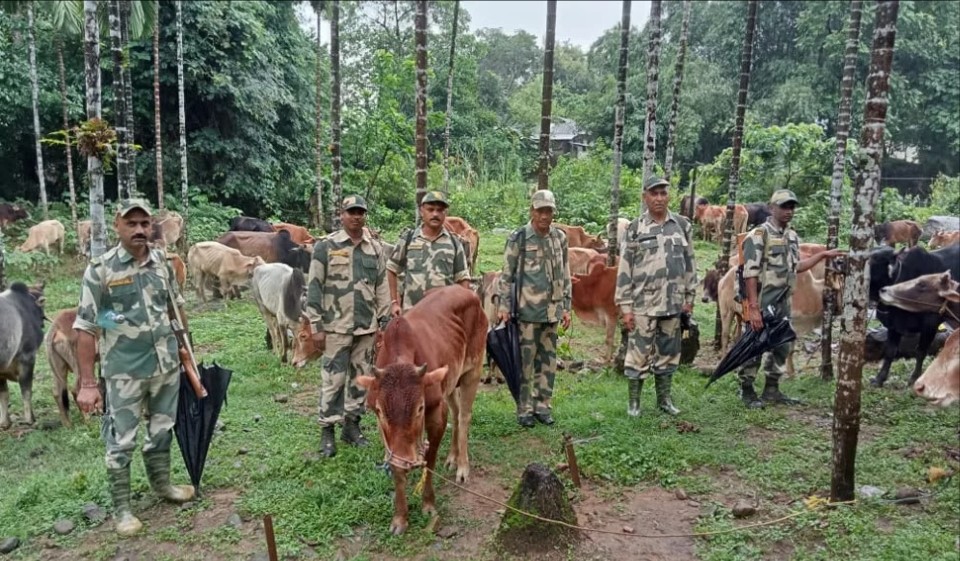
India
Defense News ,India & Bangladesh :- In the early hours of Tuesday morning, a Border Guard Bangladesh (BGB) sepoy, identified as Mohammed Raisuddin, was reportedly shot dead by the Border Security Force (BSF). The incident occurred near Sutia in Bongaon, North 24-Parganas, along the India-Bangladesh border.According to the BSF, Raisuddin, aged 35, was allegedly part of a group involved in cattle smuggling and had crossed into Indian territory. The BSF claimed that the group, armed with sharp weapons, attacked on-duty BSF personnel who were attempting to thwart their smuggling attempt through an unfenced stretch of the border.A.K. Arya, the BSF’s South Bengal Frontier spokesperson and Deputy Inspector General, stated, "Our jawans spotted the gang and tried to prevent the smuggling attempt. But the smugglers retaliated when one of our jawans opened fire in self-defence, resulting in the death of one person while others managed to flee."The BSF discovered Raisuddin lying injured around 5 am and rushed him to the Bongaon subdivisional hospital, where he later succumbed to his injuries.Arya expressed shock at the revelation that a BGB jawan could be involved with smugglers and infiltrate Indian territory wearing a lungi and T-shirt for cattle smuggling.The BGB authorities identified Raisuddin as missing and contacted the BSF, leading to a flag meeting. The BGB shared a picture of the missing jawan, who belonged to the Jessore-based 49-Battalion, and it matched the appearance of the smuggler killed by the BSF.A BSF source reported that a team from the Sutia outpost spotted a group of four smugglers at around 4:30 am on Tuesday.Expressing suspicion about the involvement of other BGB jawans in smuggling activities, a senior BSF official stated, "It is quite suspicious... How can a BGB jawan move with the smugglers unless he was involved in smuggling activities?"Senior BSF officers in Calcutta deemed the matter serious and reported it to the Union Ministry of Home Affairs. Bangladeshi media reported that the BGB authorities demanded a thorough investigation and sent a "protest note" to the BSF.
Read More → Posted on 2024-01-24 16:26:53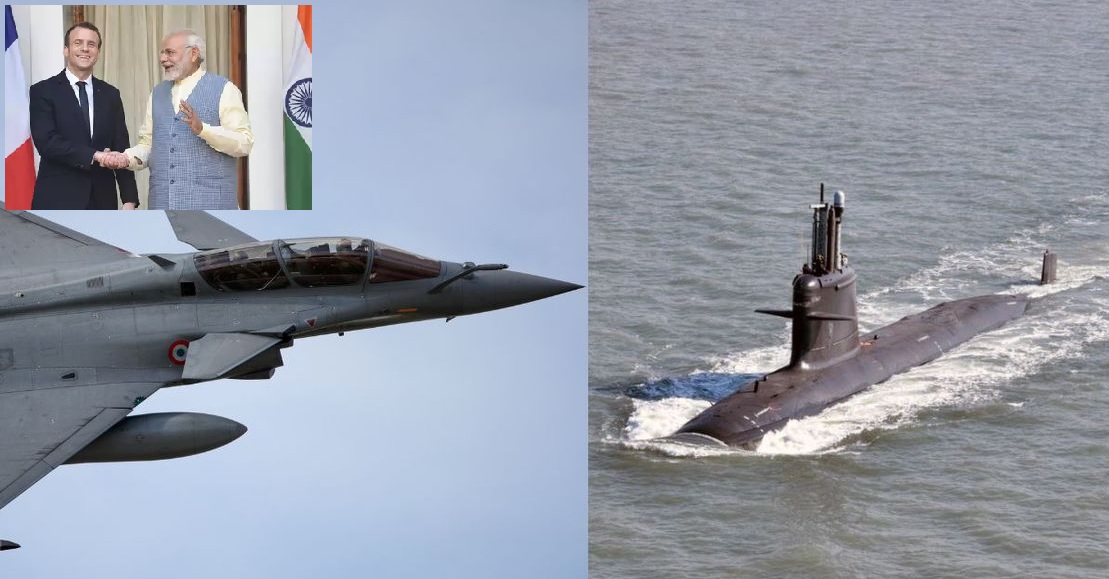
India
Defense News ,India & France :- French President Emmanuel Macron's upcoming visit to India is poised to bolster significant defense agreements, particularly the sale of Rafale fighter planes and Scorpene-class submarines. The visit, scheduled to commence in Jaipur, marks President Macron's participation as the Chief Guest in India's 75th Republic Day celebrations, featuring French armed forces and fighter aircraft in the parade on Rajpath, New Delhi.The anticipated discussions between President Macron and Prime Minister Narendra Modi are expected to kickstart price negotiations for the acquisition of Rafale-M (Marine) fighter jets and submarines for the Indian Navy, as per official sources from ABP LIVE. These multi-billion dollar deals received clearance from the Ministry of Defence's Defence Acquisition Council (DAC) in July, preceding Prime Minister Modi's Bastille Day visit to France.India's plans include the purchase of 26 Rafale-M fighter planes, designated for deployment on aircraft carriers INS Vikrant and INS Vikramaditya. The Indian Navy expressed a preference for the French Rafale-M over Boeing's F/A-18 Super Hornet in early 2023. Additionally, the Navy aims to acquire three more Scorpene-class submarines, to be constructed at Mazagon Dockyard Ltd. (MDL) in Mumbai under a repeat order for Project-75.During Modi's visit to France in July, concerns arose as both deals were omitted from the joint statement. Subsequently clarified by both governments, the deals, although approved, required price negotiations that had not commenced.President Macron's inclusion of Defence Minister Sebastien Lecornu in the visit signals an intent to initiate these negotiations. Preliminary discussions took place in October during Defence Minister Rajnath Singh's visit to Paris for the 5th Annual Defence Dialogue.The visit coincides with heightened tensions around the Red Sea, where Iran-backed Houthis target merchant vessels amid the Israel-Hamas conflict. India, along with the US and the UK, is closely monitoring the situation. Discussions on this crisis are expected during talks between Modi and Macron.India and France, strategic partners under the Indo-Pacific framework, are set to discuss the unfolding situation and determine their next steps. The Indo-France Indo-Pacific Roadmap, signed in July, emphasizes the crucial role of their partnership in the region.President Macron, previously in India in 2018, will tour Amber Fort in Jaipur, engage with artisans and stakeholders of Indo-French cultural projects, and join Prime Minister Modi in visiting landmarks like Jantar Mantar. The Republic Day parade will be a key event during President Macron's visit, concluding with his departure on the same day.
Read More → Posted on 2024-01-24 15:56:54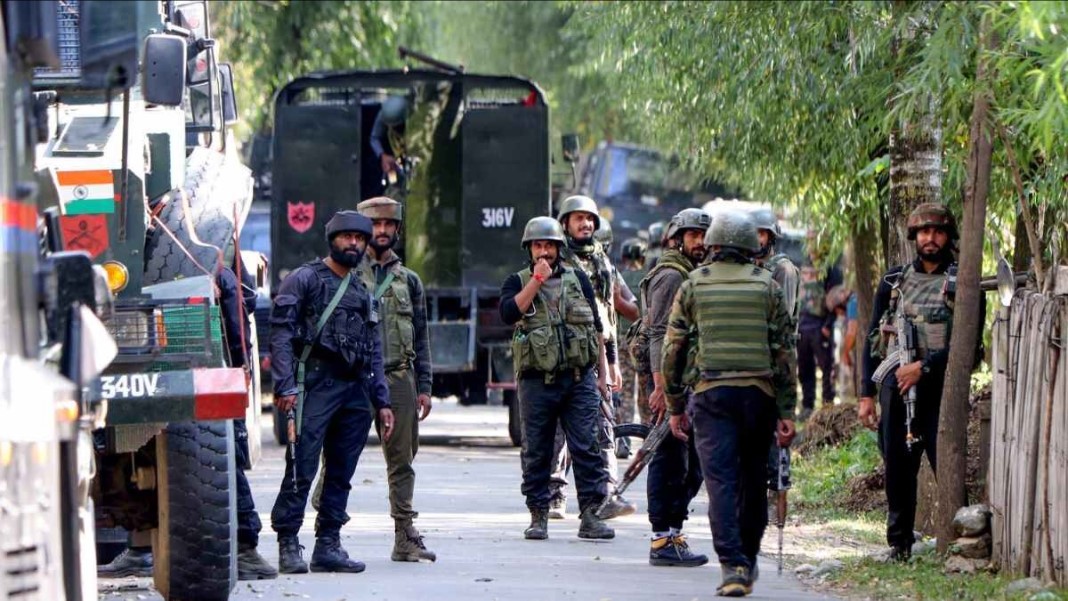
India
Defense News ,India :- In preparation for Republic Day, the Indian Army has deployed snipers and employed cutting-edge technology for night patrols to safeguard the Line of Control in Gurez, Bandipora, Jammu and Kashmir.An army personnel assigned to the duty of border security in Gurez highlighted, "We employ surveillance equipment to monitor our adversaries round the clock. Our teams operate in rotational shifts, ensuring constant vigilance."Simultaneously, the Central Reserve Police Force (CRPF) has intensified security measures along the Jammu-Srinagar National Highway (NH-44) in anticipation of the Republic Day celebrations on January 26. Checkpoints have been strategically established, with thorough vehicle inspections conducted at various locations.A CRPF official shared insights, stating, "Metal detectors are being utilized by patrol teams to scan the entire highway. We remain prepared to address any situation that may arise. Drones are actively employed for monitoring, and a dog squad has been deployed as an additional security measure."Major General Sumit Mehta revealed that, for the first time, an all-women tri-service contingent, featuring women troops from the Army's military police and the other two services, will participate in the Republic Day Parade. The parade, commencing at 10:30 a.m. on January 26 from Vijay Chowk to Kartavya Path, will be led by Delhi Area Commander Lt Gen Bhavnish Kumar.To enhance public participation in the national festival, around 13,000 special guests have been invited to witness the parade, aligning with the government's vision of Jan Bhagidari (people's participation). The move aims to provide individuals from diverse backgrounds with the opportunity to partake in the celebrations of the Republic Day.
Read More → Posted on 2024-01-24 14:40:46
India
Defense News ,India :- The recent consecration ceremony of Ram Lalla at the Ayodhya temple has reignited concerns over potential security threats, with fugitive Indian terrorist Farhatullah Ghauri and The Resistance Front (TRF), an offshoot of Lashkar-e-Taiba, issuing renewed threats. This development raises alarms about possible attempts to exploit religious sentiments and poses a significant security challenge.A video circulating online features Ghauri's purported voice, accompanied by images of prominent figures, including Prime Minister Narendra Modi and Uttar Pradesh Chief Minister Yogi Adityanath. In the video, threats are directed at media personnel, heightening worries about the potential for violence.Ghauri expressed frustration over the diminishing support for terrorism in Indian cities such as Mumbai, Bhatkal, Azamgarh, and Hyderabad. The video includes visuals of the Ram Temple, weaponry, and symbolic bulldozers demolishing structures.Additionally, Ghauri condemned liberal Muslim personalities, including scholar Faiz Syed and former parliamentarian Mahmood Asad Madani, labeling them as "sellouts" for their opposition to jihad.Security experts are cautioning against the possibility of Pakistan-based terror groups exploiting the Ram Temple inauguration to manipulate vulnerable individuals and advance their agenda in India. There is a concern that these groups may perceive the event as an opportunity to incite violence and destabilize the region.The threats issued by Ghauri and TRF have introduced a significant security concern, adding a layer of tension to the upcoming Ram Temple inauguration. While authorities are expected to implement heightened security measures, it is imperative for individuals to remain vigilant and report any suspicious activity. This collective effort is crucial to ensuring a peaceful and secure event, safeguarding the ceremony from potential disruptions.
Read More → Posted on 2024-01-24 14:21:58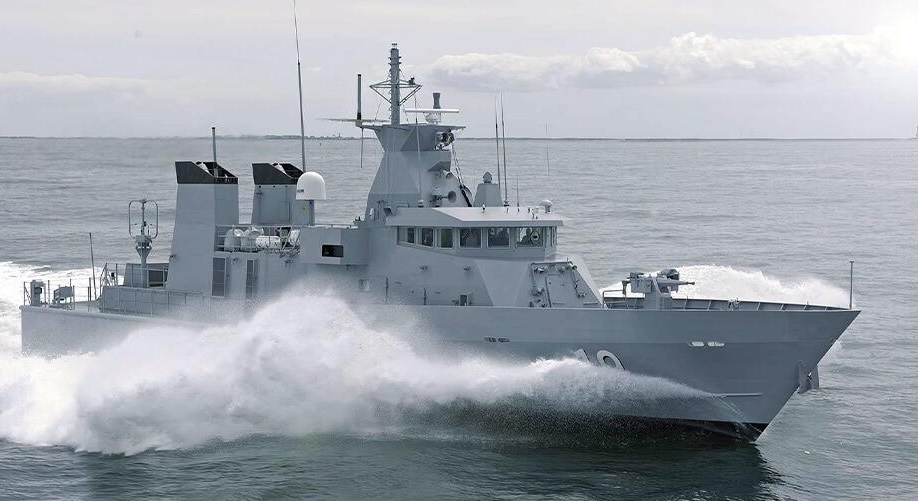
India
Defense News ,India :- In a significant development, the Defence Ministry finalized a Rs 1,070 crore agreement with Mazagon Dock Shipbuilders Ltd (MDL) on Wednesday for the procurement of 14 fast patrol vessels dedicated to the Indian Coast Guard. These versatile fast patrol vessels will be designed, developed, and manufactured in-house by MDL, with an expected delivery timeframe of 63 months.Announcing the contract signing, the Ministry of Defence stated, "The Ministry of Defence has officially contracted MDL Mumbai on January 24 for the acquisition of 14 Fast Patrol Vessels (FPVs) for the Indian Coast Guard, with a contract value of Rs 1,070 crore."Highlighting the advanced capabilities of the FPVs, the ministry added, "These vessels will be equipped with cutting-edge features, including multipurpose drones, wirelessly-controlled remote water rescue craft, lifebuoys, and artificial intelligence capabilities."Emphasizing the crucial role these FPVs will play, the statement noted, "These vessels are designed to be instrumental in surveillance and anti-smuggling operations, significantly enhancing the Indian Coast Guard's operational capabilities. This acquisition aligns with the government's heightened commitment to maritime security."Further underlining the significance of the agreement, the ministry expressed, "In line with the 'Atmanirbhar Bharat' initiative, this contract will not only strengthen the nation's indigenous shipbuilding capabilities but also contribute to the growth of maritime economic activities. Additionally, it will foster the development of ancillary industries, particularly benefiting the MSME sector."This strategic move is expected to reinforce India's maritime strength while supporting the principles of self-reliance and indigenous development in the defense sector.
Read More → Posted on 2024-01-24 14:13:49
India
Defense News ,India :- The President of the 78th Session of the United Nations General Assembly (PGA), Dennis Francis, has embarked on a five-day visit to India, offering a valuable opportunity to bolster the ties between India and the UN, with a particular focus on the general assembly, recognized as the most representative organ of the United Nations.During his visit, President Francis is scheduled to meet with Foreign Minister S Jaishankar on Tuesday, engaging in discussions that encompass various aspects of India-UN collaboration. A key agenda item will be India's advocacy for reforms within the United Nations, specifically targeting the Security Council. The objective is to make the council more equitable and representative, with the aim of enhancing the participation of developing countries on the global stage.The government, in its official statement, emphasized that the visit serves as a strategic opportunity to augment India's partnership with the United Nations. This includes addressing Indian priorities and collaboratively addressing global challenges that resonate with the concerns of the Global South.Highlighting the significance of the visit, the government underscored its commitment to pushing for reforms within the United Nations, particularly within the Security Council framework. The overarching goal is to foster a more inclusive and balanced representation, ensuring the voices of developing nations are duly considered in the decision-making processes of the international body.In addition to diplomatic discussions, the visit is expected to pave the way for strengthened cooperation between India and the United Nations. It will provide a platform for both parties to explore avenues for collaboration on issues of mutual interest and to jointly address the pressing challenges faced by the Global South.As President Dennis Francis engages with Indian officials, the visit is poised to contribute to the ongoing dialogue on reshaping the United Nations to better reflect the diverse interests and perspectives of its member states, especially those from the developing world.
Read More → Posted on 2024-01-24 07:28:16
India
Defense News ,India :- The prevailing majority of anti-personnel mines globally are pressure-activated, designed to explode under the weight of a person walking on them. To mitigate the risk, meticulous design and mathematical considerations have emphasized distributing the soldier's weight over a large surface area to reduce the pressure per unit area, making it insufficient to trigger most mines.Despite ongoing global efforts to eliminate anti-personnel mines, their numbers persist, posing a threat to both military personnel and civilians in conflict zones. The Treaty of Ottawa, in effect for nearly three decades, has not significantly impacted the situation.In response to this persistent threat, the Defence Research and Development Organisation (DRDO) has developed the Boot Anti Mine Infantry (BAMI) for assault operations. This efficient foot protection system boasts a lower mass, providing ease of movement without causing fatigue. Crafted from chrome-tanned leather, the BAMI not only shields against extreme temperatures but also protects the wearer's foot from the debris generated by an anti-personnel mine explosion.Anti-personnel mines containing high explosive can exert a peak pressure of 45,000 kg/cm2 upon detonation. The BAMI successfully reduces this explosive overpressure to less than 100 kg/cm2, a safe pressure transmitted to the wearer's heel. Independent lab tests have confirmed the boots' ability to resist the blast of a 35-gram CE pellet, equivalent in weight to a human.The upper part of the BAMI is constructed from chrome-tanned leather, offering protection against elements and debris resulting from mine explosions. The sole features two configurations for the heel and ball sides, each incorporating deflectors made of fibre-reinforced polymer (FRP) to absorb and redirect blast energy. Ceramic honeycomb material further absorbs stress and minimizes the energy transmitted to the wearer's foot.The ball side of the sole combines woollen felt and ceramic honeycomb material for lighter weight and enhanced comfort. Both configurations are integrated into the flexible and wear-resistant polyurethane sole.It is essential to note that while these specialized boots strengthen protection against pressure mines, they may not safeguard against directed anti-personnel mines activated by an operator's command or a blown fuse. Nevertheless, these anti-mine shoes have proven effective in preventing serious injuries to soldiers, underscoring their utility. Looking ahead, advancements in robotic mine-clearing equipment offer promising prospects for enhanced minefield safety. For the Indian Army, these specially designed boots cater to soldiers deployed in Northern and Eastern Commands, specifically along the Line of Control (LOC) and the Line of Actual Control (LAC) in eastern Ladakh, as well as in Arunachal Pradesh.
Read More → Posted on 2024-01-24 07:02:38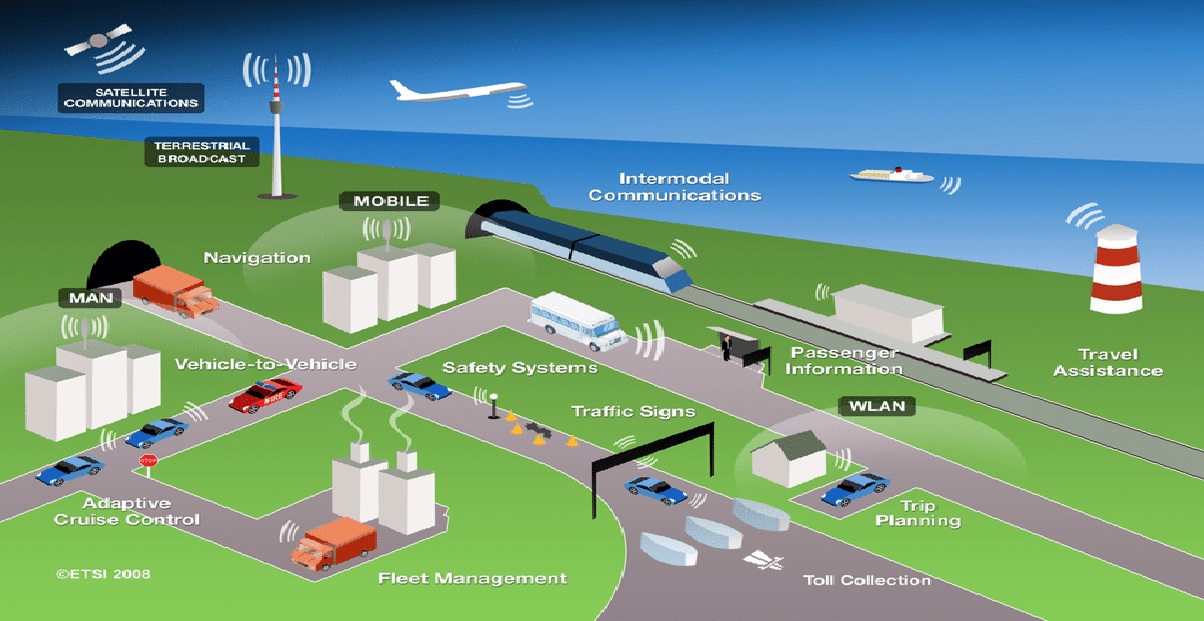
India
Defense News ,India :- In a significant stride toward applying space technology to terrestrial needs, the Indian National Space Promotion and Authorization Centre (IN-SPACe), operating under the Department of Space, Government of India, has recently inked a Framework Memorandum of Understanding (MoU) with Skytrack Technologies Private Limited. This Guwahati-based startup, located in Assam, is set to pioneer the design and development of an Intelligent Transportation System (ITS) using state-of-the-art technologies.The MoU, finalized on January 19, 2024, delineates the partnership between IN-SPACe and Skytrack for the creation of an Intelligent Transportation System leveraging APIs and data products sourced from the Indian Space Research Organisation (ISRO). Skytrack Technologies, acknowledged as a Start-Up by DPIIT and classified as a Small Industry under the Ministry of Medium, Small, and Micro Enterprises, specializes in developing cutting-edge technologies for Intelligent Transportation Systems, utilizing Geographic Information System (GIS) applications, APIs, and data products.Within the scope of the agreement, Skytrack will harness remote sensing data products and APIs from the National Remote Sensing Centre (NRSC), an integral part of ISRO, for the validation and development of new applications in the realm of Intelligent Transportation Systems. The collaborative effort aims to amplify the application of space-derived technologies for tangible use on Earth, potentially reshaping the intersection of space technology and transportation systems.As outlined in the framework agreement, ISRO will extend support to Skytrack, providing access to pre-processed user products, and engaging in collaborative efforts for technology development. In return, Skytrack gains access to pre-processed data, APIs, and relevant requirements from NRSC and ISRO, fostering the exchange of technical information and support.The Intelligent Transportation System (ITS) signifies a paradigm shift in conventional transportation, integrating advanced technologies to optimize efficiency, safety, and sustainability. Leveraging real-time data, communication networks, and smart devices, ITS seeks to enhance traffic flow, minimize congestion, and improve overall transportation management. This groundbreaking system addresses the challenges posed by urbanization, offering advantages such as reduced travel time, lower fuel consumption, enhanced safety through predictive analytics, and a more sustainable, eco-friendly transportation ecosystem.The signing ceremony, a pivotal moment in Assam's technological journey, occurred at IN-SPACe’s headquarters in Ahmedabad, as announced in a press release.
Read More → Posted on 2024-01-23 16:08:04
India
Defense News ,India :- In a significant development, aerospace and defence manufacturing startup Jeh Aerospace officially launched its manufacturing hub in Hyderabad on Tuesday. The newly inaugurated facility, boasting the potential for expansion up to 160,000 square feet, is positioned to offer advanced manufacturing solutions to the aerospace and defence sector, as per the company's official statement.This strategic move to establish the manufacturing hub closely follows Jeh Aerospace's achievement of securing substantial seed funding amounting to USD 2.75 million. The funding comes from notable sources, including General Catalyst and industry veterans such as Dwarakanath Srinivasan, former CEO and MD of Airbus India, and Pratyush Kumar, former President of Boeing India.Founded by Vishal R Sanghavi, former Chief Operating Officer at Tata Boeing Aerospace, and Venkatesh Mudragalla, ex-senior executive at Tata Sikorsky Aerospace Ltd, Jeh Aerospace specializes in delivering turnkey manufacturing solutions to the aerospace and defence (A&D) industry. Leveraging scalable manufacturing facilities and a meticulously vetted supplier network, the company aims to meet the evolving demands of its clientele.The newly established manufacturing hub, operating through vetted supplier networks that adhere to or surpass global quality standards, is anticipated to revolutionize the supply chain experience for aerospace customers worldwide, according to the company's announcement.Vishal R Sanghavi, co-founder of Jeh Aerospace, emphasized that the manufacturing hub transcends its physical dimensions and holds the potential to reshape the global aerospace and defence supply chain. The facility is envisioned as a catalyst for creating a more resilient and adaptable aerospace supply chain, contributing to the overall enhancement of industry capabilities, as highlighted by Sanghavi.In summary, Jeh Aerospace's state-of-the-art manufacturing hub marks a significant step forward in the aerospace and defence sector, promising transformative changes in the global supply chain landscape and reinforcing the industry's capabilities and resilience.
Read More → Posted on 2024-01-23 15:36:01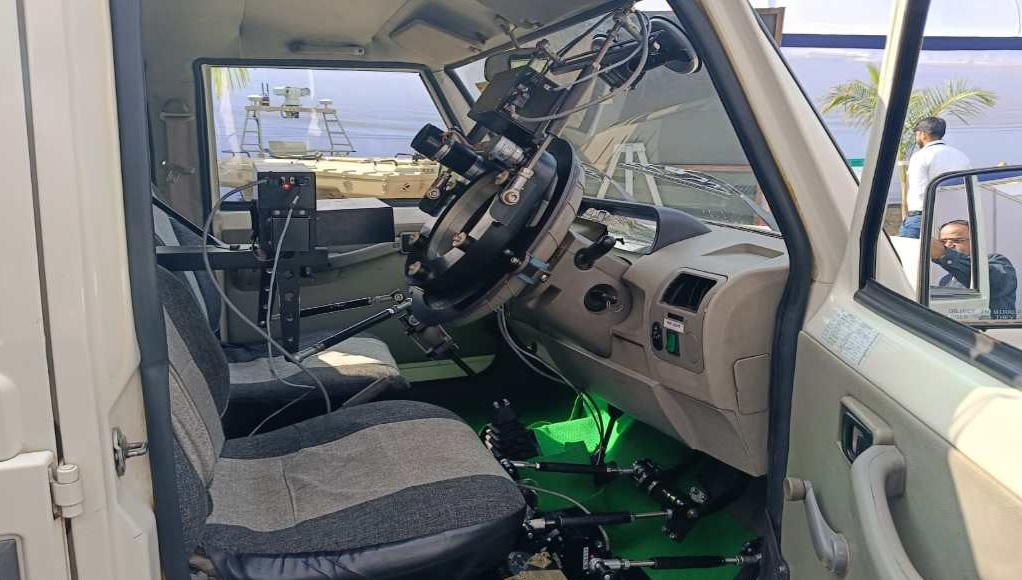
India
Defense News ,India:- A revolutionary two-day exhibition recently took place in Pashan, Pune, featuring numerous defense-focused startups presenting their latest innovations alongside the Defense Research and Development Organization (DRDO). Among the exhibition's highlights was the unveiling of DRDO's groundbreaking robotic car kit, designed to facilitate remote-controlled driving for any car, addressing specific challenges faced by the Armed Forces.The exceptional feature of this kit lies in its adaptability, allowing seamless installation in any car to transform it into a fully automatic and unmanned vehicle. The kit replaces conventional car controls, including steering, clutch, accelerator, and brakes, rendering them entirely automatic and controlled through a remote sensor.Key Features:1. Versatile Weapon Integration: The kit offers the flexibility to equip the car with various weapons, including guns and rocket launchers, meeting the specific requirements of the Armed Forces.2. Payload Capability: In critical situations, the car's roof can accommodate a payload, enabling the integration of diverse weapons, enhancing the vehicle's strategic capabilities.3. Remote Control Operation: Once installed, the kit enables remote operation of the car, making it unmanned and suitable for deployment in critical and emergency situations.Scientific Advancements and Patent Application:Manish Sahu, a Scientist from DRDO's Vehicle Research Department in Ahmednagar, shared insights into the development process, stating, "The kit, developed at the Vehicle Research Development Laboratory in Ahmednagar, is a first-of-its-kind innovation in India. We have applied for a patent and eagerly await its approval."Named the "Robotic Car Kit," the technology is equipped with hundreds of microcontrollers. A 360-degree camera constantly monitors the car's brakes, accelerator, and speed, providing real-time data for effective remote control.Sahu emphasized that the primary design focus of the kit is on military applications and emergency situations, especially during times of war. Currently designed exclusively for the army's use, the exhibition served as a platform not only to showcase DRDO's cutting-edge creation but also to foster collaboration and innovation within the defense technology sector.The success of this groundbreaking kit adds another feather to DRDO's cap, reinforcing its commitment to advancing technological capabilities for the country's defense forces.
Read More → Posted on 2024-01-23 14:50:37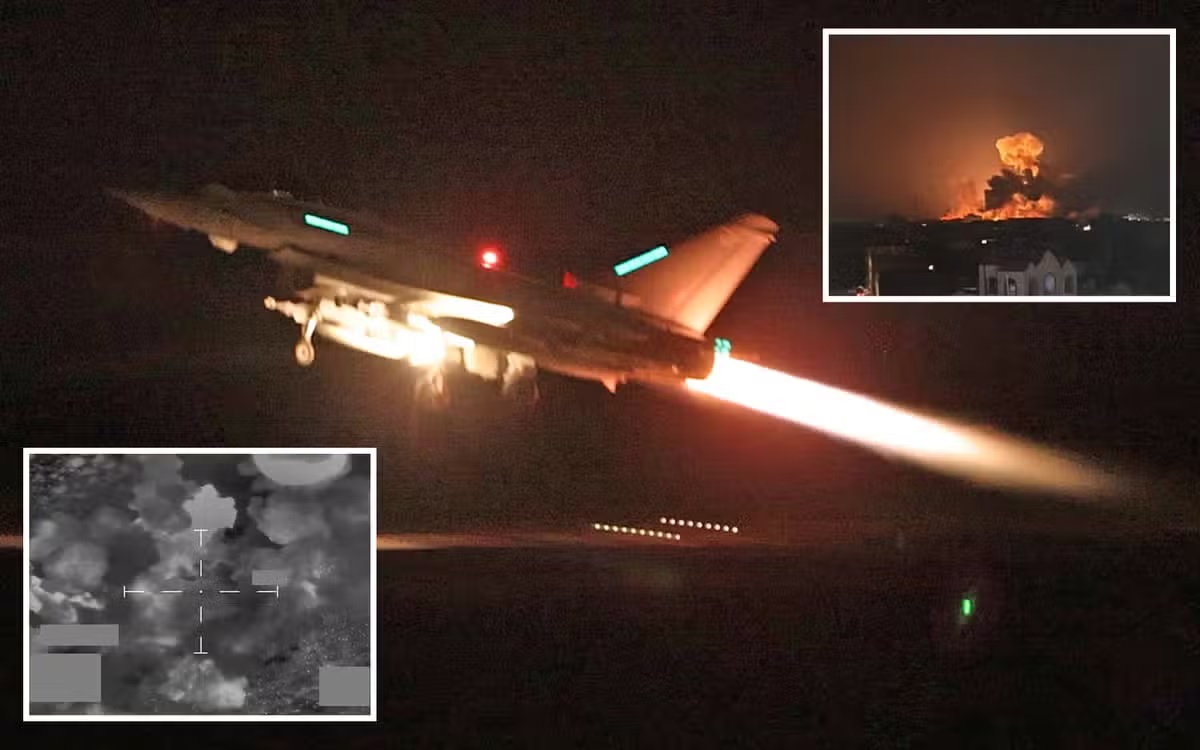
India
Defense News ,India :- On Monday, U.S. and British forces, with support from Australia, Bahrain, Canada, and the Netherlands, conducted a new series of strikes in Yemen, aiming at a Houthi underground storage site and disabling missile and surveillance capabilities used by the Iran-aligned group against Red Sea shipping, as confirmed by the Pentagon.The Houthis, who dominate the most populous regions of Yemen, claim their attacks are in solidarity with Palestinians amidst Israel's strikes on Gaza. However, the repercussions of these Houthi actions extend beyond regional tensions, as they disrupt global shipping and raise concerns about potential global inflation. The situation has also heightened fears of broader instability in the Middle East, stemming from the fallout of the Israel-Hamas conflict.In this recent response, the joint statement from the U.S., Britain, Australia, Bahrain, Canada, and the Netherlands outlined strikes at eight different locations in Yemen. Approximately 25 to 30 munitions, including those launched from a U.S. aircraft carrier, were employed, according to a senior U.S. military official who spoke on condition of anonymity.Despite eight rounds of previous strikes in the past month, Houthi attacks on shipping persist. U.S. officials assert that the strikes have, nevertheless, hampered the Houthis' ability to execute complex attacks, though specific figures on the destruction of missiles, radar, drones, or other military capabilities remain undisclosed.British Defence Minister Grant Shapps stated that the latest strikes were carried out in self-defense, aiming to further diminish Houthi stockpiles and their capacity to pose a threat to global trade.President Joe Biden, acknowledging the limitations of airstrikes in halting Houthi attacks, asserted that the military action would continue. The broader strategy concerning Yemen seeks to weaken Houthi militants without an explicit goal of defeating the group or directly confronting Iran, their main sponsor.The current strategy involves a combination of limited military strikes and sanctions, intending to prevent a wider Middle East conflict while penalizing the Houthis for their Red Sea shipping attacks. The consequences are already visible, with container vessels opting to pause or divert from the Red Sea route leading to the Suez Canal. Many ships are compelled to take the longer journey via the Cape of Good Hope instead, disrupting the traditional and faster freight route from Asia to Europe.
Read More → Posted on 2024-01-23 14:38:33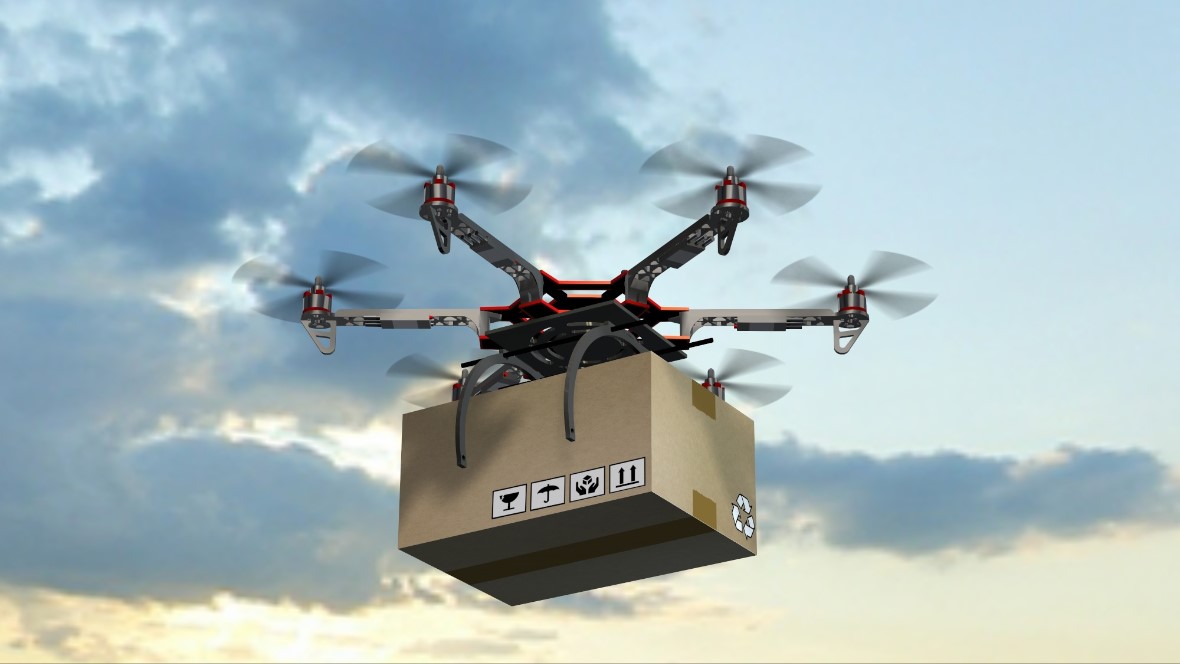
India
Defense News ,India :- In a significant move towards modernization, the Indian Army has initiated the deployment of logistics drones to replace its long-standing reliance on robust mules for transporting essential military supplies. For over a century, these surefooted animals have been instrumental in ferrying crucial loads to forward border posts that lack proper roads or tracks.This shift towards logistics drones is a pivotal component of the army's ongoing "force restructuring and optimization" initiative, aiming to reduce manpower by approximately 100,000 personnel by the year 2027, as highlighted in a report by The Times of India. In addition to drones, the army plans to utilize robotic mules and all-terrain vehicles to deliver supplies across challenging terrains and under extreme weather conditions.As part of this modernization effort, the Indian Army has set a target to disband its entire animal transport fleet by 2025. Already, steps have been taken to decrease the number of "mountain artillery mules" by 1,500, and by the end of the decade, over 3,300 "general service mules" responsible for transporting rations, fuel, water, and ammunition will be retired.In a gesture of recognition for their years of service, retired mules are expected to receive commendation cards from the Indian military. This symbolic acknowledgment underscores the invaluable role these animals have played in supporting the armed forces over the years.To facilitate the transition to modern logistics solutions, the Indian Army has awarded contracts totaling 320 crore Indian rupees ($38.5 million) for the procurement of 563 logistics drones, as reported by The Times of India. These unmanned systems are specifically designed to operate in high-altitude areas, surpassing 12,000 feet (3,657 meters). Sources indicate that these drones will play a crucial role in last-mile delivery to troops stationed along the borders, effectively reducing the dependency on soldiers, porters, and animal transport companies for transporting supplies and ammunition.This strategic move not only marks a technological leap for the Indian Army but also aligns with global trends in military logistics, emphasizing efficiency, reduced manpower, and enhanced capabilities in challenging terrains.
Read More → Posted on 2024-01-23 14:34:51
India
Defense news ,India & Myanmar :- A military aircraft from Myanmar met with an accident at Lengpui airport in Mizoram on Tuesday morning while on a mission to transport Myanmarese soldiers back to their home country. The soldiers had sought refuge in India after clashes with an ethnic insurgent group the previous week.According to officials, the small plane, carrying 14 people, overshot the tabletop runway during landing, resulting in a crash that caused the aircraft to split into two. Eight individuals on board sustained injuries and were promptly taken to the Lengpui primary health centre for treatment.The Directorate General of Civil Aviation (DGCA) has initiated an investigation into the crash, as reported by a state government official. In the meantime, all incoming flights have been diverted, and the resumption of flight services remains uncertain.Last week, a total of 276 Myanmarese soldiers had entered Mizoram, with 184 of them sent back on Monday. The remaining 92 soldiers, scheduled for repatriation on Tuesday, were on the ill-fated plane. Their destination was Sittwe in Myanmar's Rakhine state.The soldiers had entered Bandukbanga village on January 17, located at the India-Myanmar-Bangladesh trijunction, after their camp was overrun by 'Arakan Army' fighters. Seeking assistance, they approached the Assam Rifles and subsequently fled to Mizoram.Under the supervision of the Assam Rifles, the soldiers were initially taken to the Parva camp and later shifted to Lunglei. Over the weekend, they were transported to Aizawl for their repatriation from the Lengpui airport.The group, led by a colonel and comprising 36 officers and 240 lower-rank personnel, marked a total of 635 Myanmar soldiers seeking refuge in Mizoram due to conflicts with ethnic armed organizations and pro-democratic forces in recent months.This unfortunate incident follows a series of similar events, including the repatriation of Myanmar army personnel via Indian Air Force helicopters in November and the return of 255 soldiers through Myanmar air force planes earlier this month. Mizoram shares a 510-km-long border with Myanmar.
Read More → Posted on 2024-01-23 14:30:17Search
Top Trending in 24 Hours
-
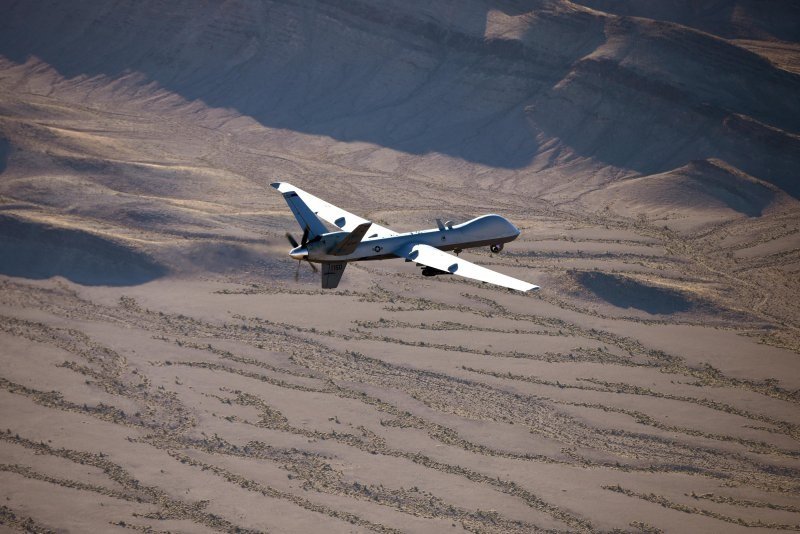 Iran’s IRGC Claims It Shot Down 53rd U.S. MQ-9 Reaper Over Qeshm Island
-
 Thales Launches HexaForce AI-Enhanced Command and Control System for Multi-Domain Operations
-
 China Privately Urges Iran to Restrain Houthis After Saudi Appeal
-
 Former Italian Navy Carrier Enters Indonesian Waters to Join Indonesian Navy as Indonesia’s First Aircraft Carrier
-
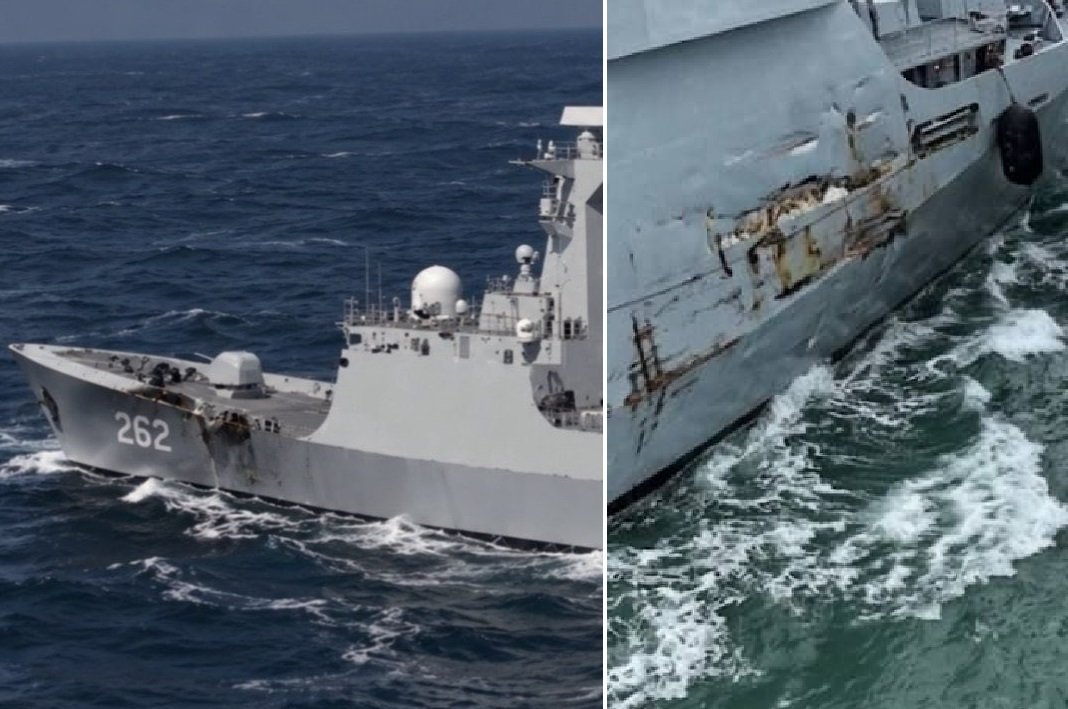 Pakistani Navy’s PNS Hunain Damaged After Collision With Indian Navy Warship in North Arabian Sea
-
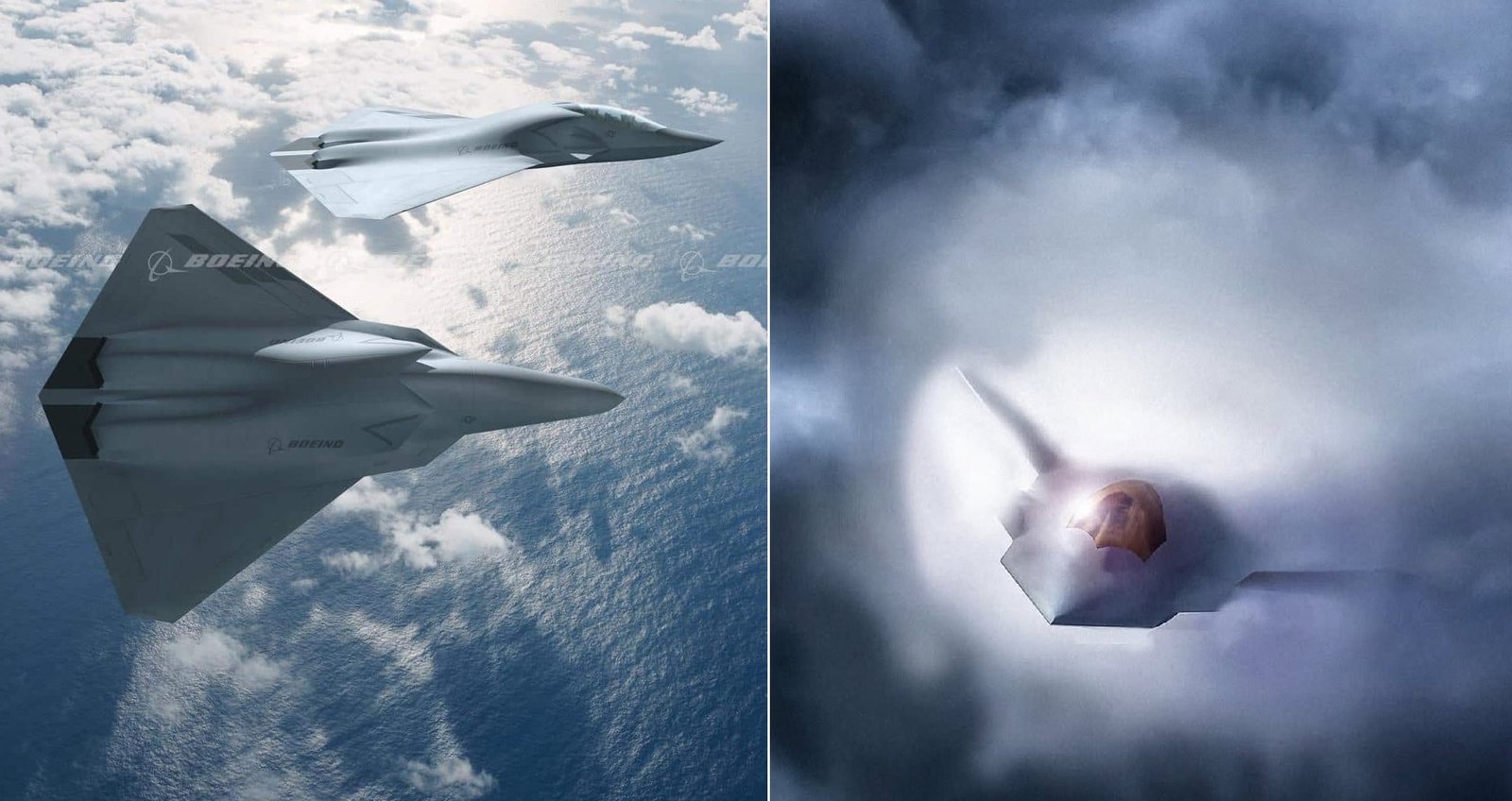 Pentagon Raises Concerns Over Defense Industry Capacity for F-47 and F/A-XX Sixth-Generation Fighter Programs at the Same Time
-
 U.S. Navy Awards $280.5 Million in Prototype Agreements to Three Shipyards for LCU 1700 Landing Craft
-
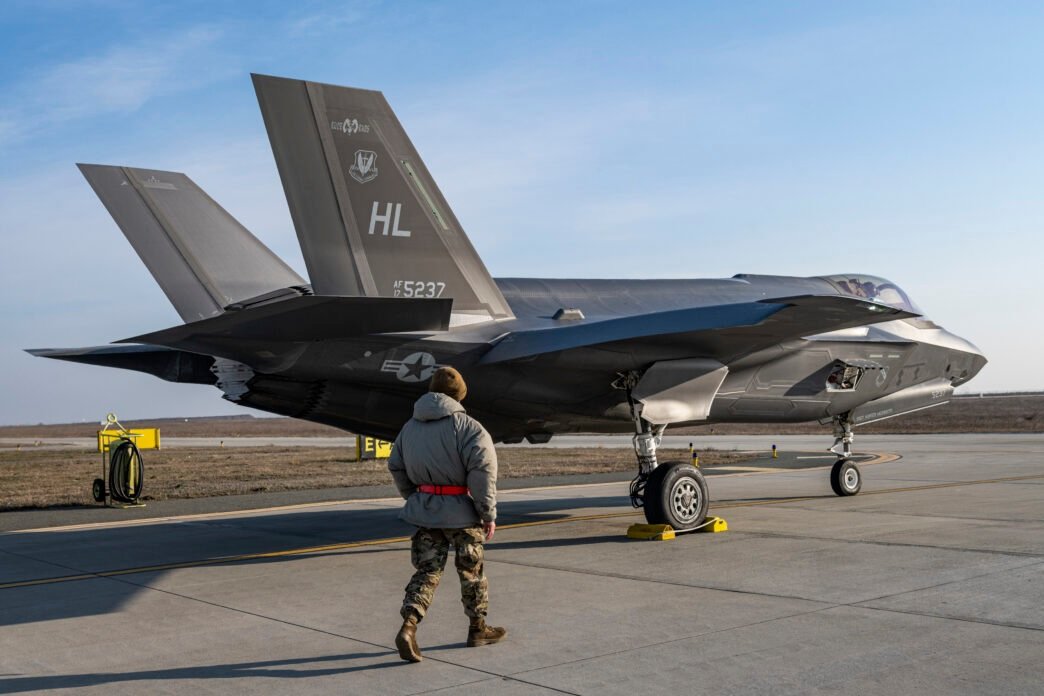 U.S. Intelligence Warns Proposed F-35 Sale to Saudi Arabia Could Expose Technology to China
Top Trending in 4 Days
-
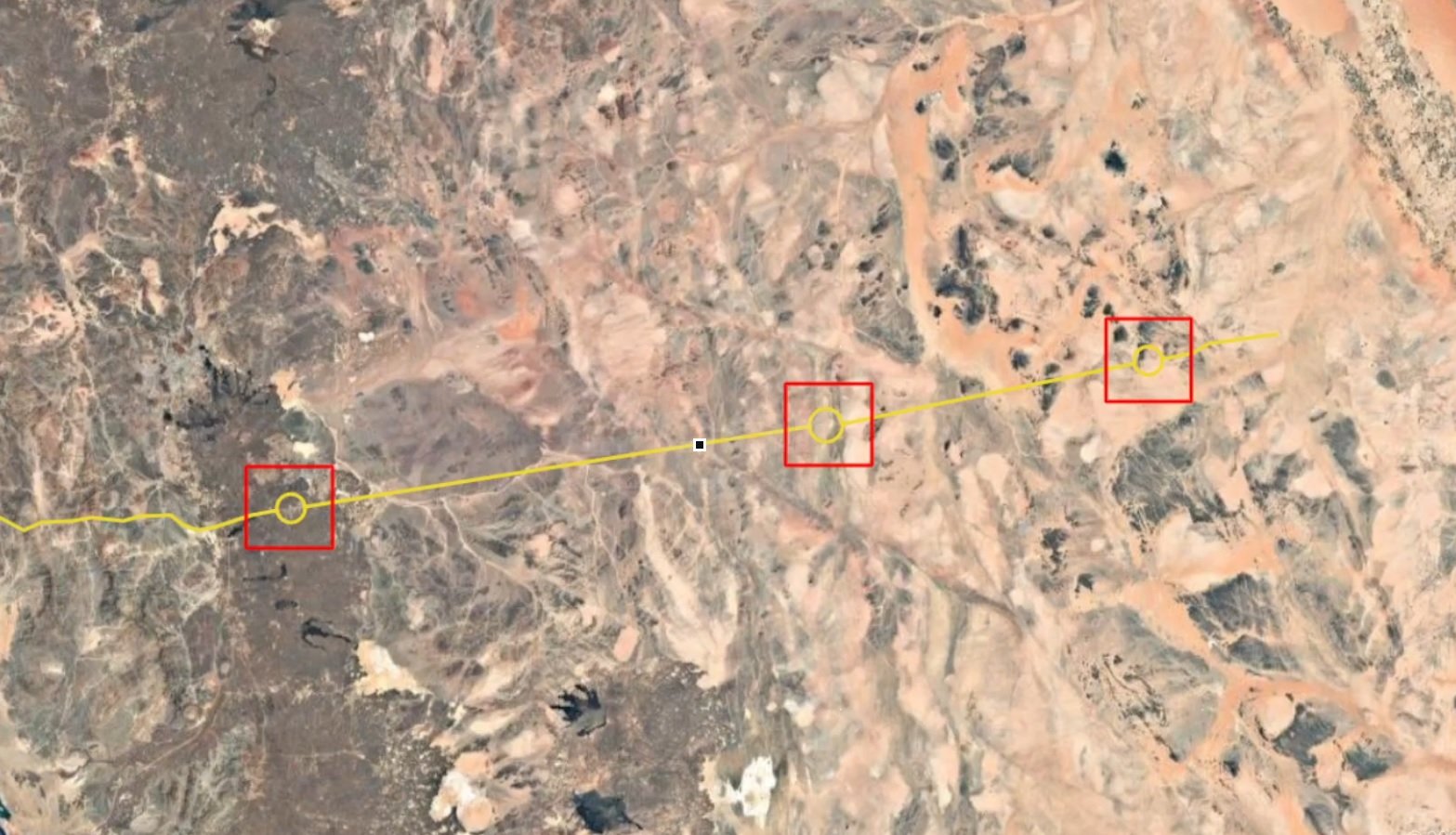 Satellite Imagery Shows Extensive Damage to Saudi Arabia’s East-West Oil Pipeline, Indicating More Than a Single Strike
-
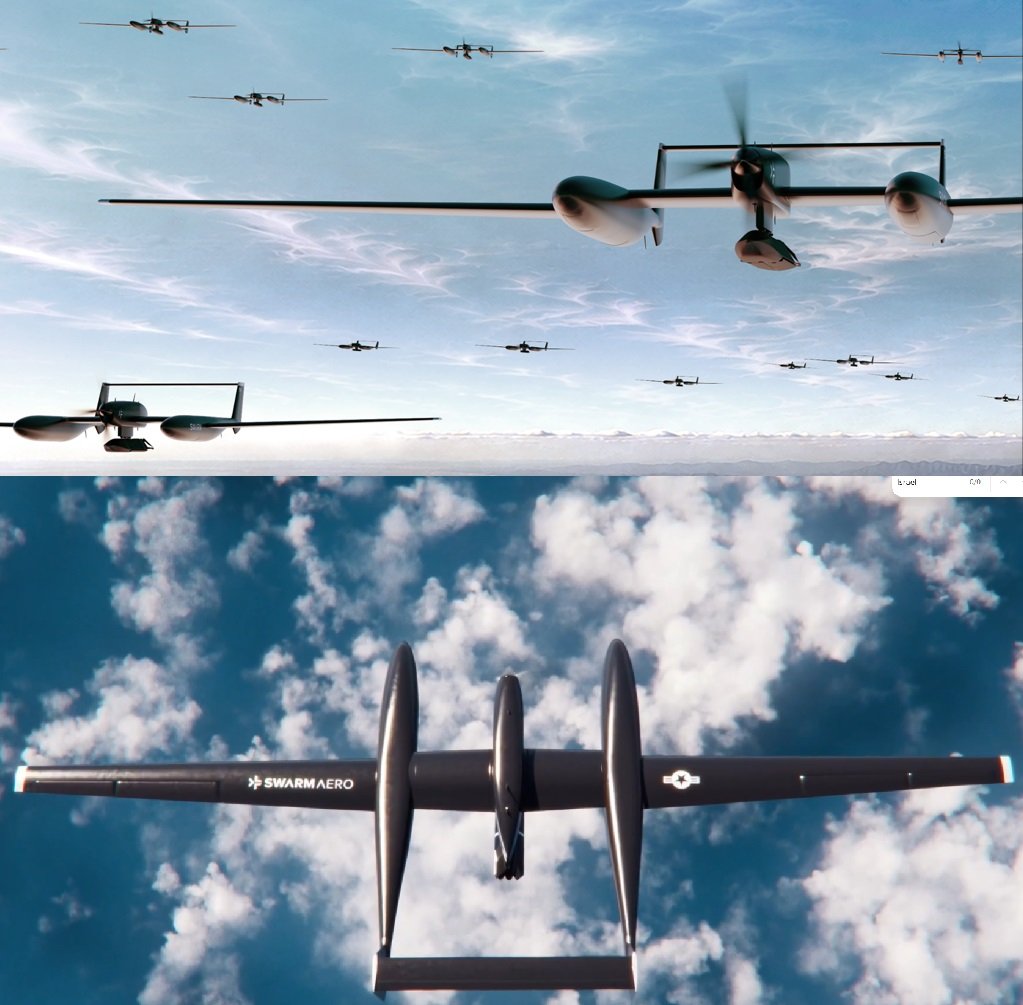 U.S. Firm Swarm Aero Unveils Gamera Group 5 UAS With 9,000-Nautical-Mile Range and Heavy Strike Payload
-
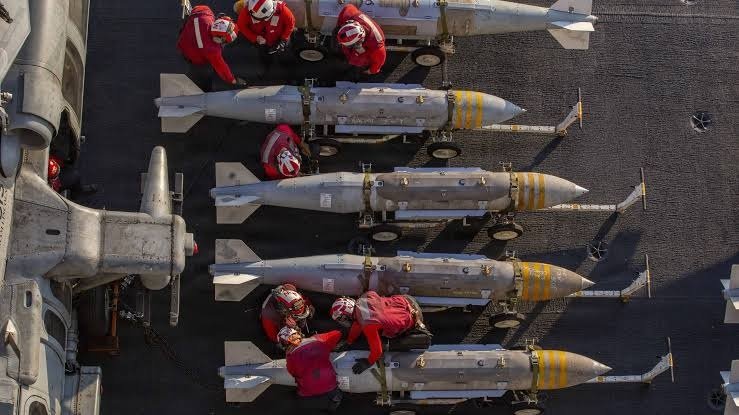 Pentagon Inspector General Report Finds Iran War Caused U.S. Ammunition Shortfalls and Industrial Bottlenecks
-
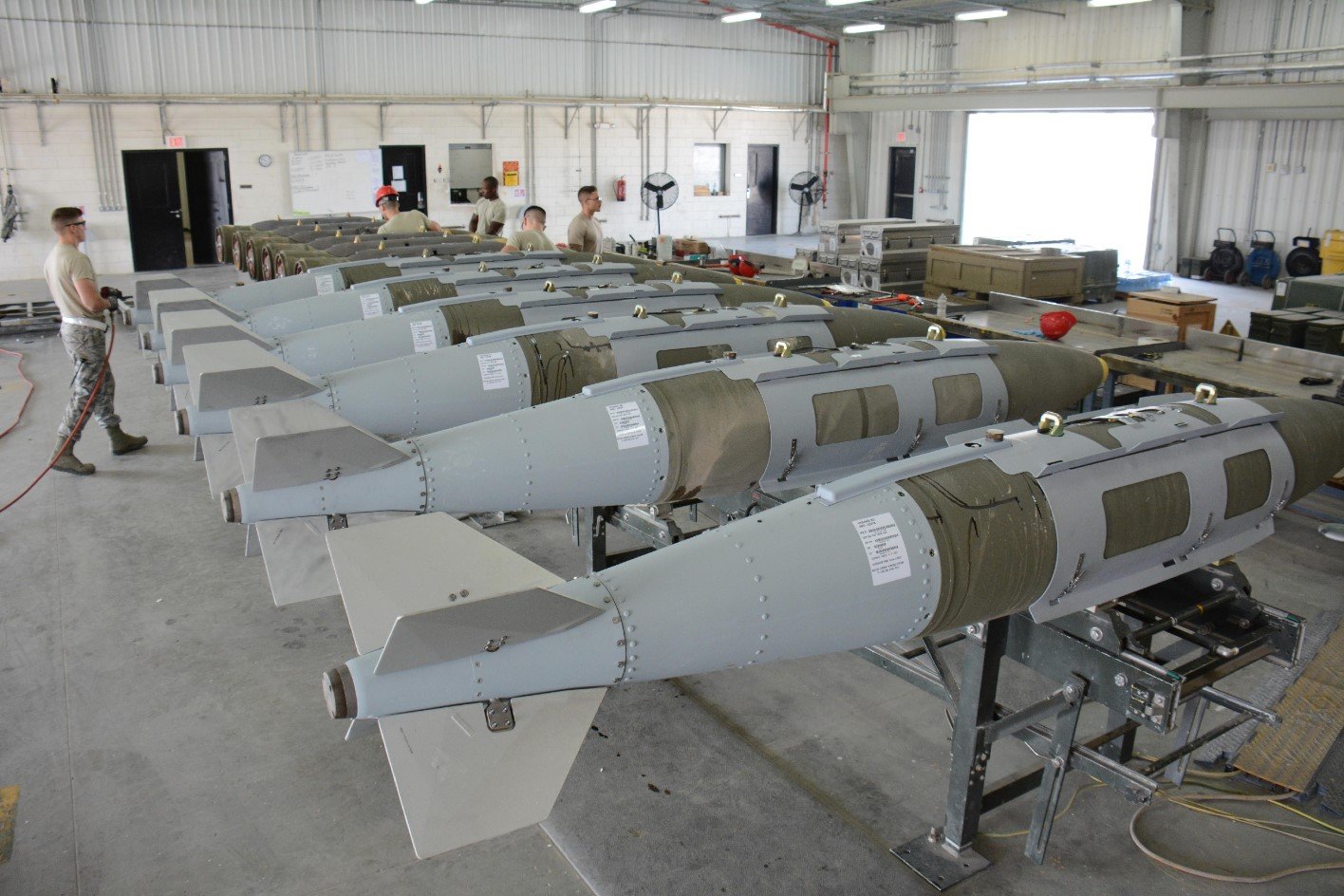 U.S. Plans $2.8 Billion Sale of 40,000 Heavy Bombs and 20,000 I-2000 Penetrator Warheads to Israel
-
 Pentagon and Honeywell Complete Four-Hour Pacific Flight Using Quantum Magnetic Navigation Without GPS
-
 Swedish Gripens Bound for Ukraine to Be Armed with French Rocket-Assisted Hammer Precision Bombs
-
 U.S. Air Force Officially Names First Collaborative Combat Aircraft FQ-42 Vengeance and FQ-44 Fury, Targets 500 by 2032
-
 Russia Ramps Up Production of Jet-Powered Geran-5 Drones and Banderol Missiles, With Low Cost of Around $100,000 Per Unit