
India and Ukraine Strengthen Ties with Four Key Agreements, Paving the Way for Strategic Cooperation
India
In a significant diplomatic move, India and Ukraine signed four key agreements on Friday, reaffirming their commitment to expanding cooperation across various sectors, including defense, trade, education, and green energy. Prime Minister Narendra Modi and Ukrainian President Volodymyr Zelenskyy met in Kyiv to discuss the future of their bilateral relationship, which they aim to elevate from a comprehensive partnership to a strategic one.Modi’s visit to Ukraine, the first by an Indian prime minister since Ukraine’s independence in 1991, highlights India's growing interest in the region despite the ongoing Russia-Ukraine conflict. Arriving in Kyiv on a special train, Modi engaged in extensive talks with Zelenskyy, focusing not only on the war but also on enhancing bilateral ties across multiple areas.Expanding Defense and Trade RelationsOne of the key highlights of the meeting was the emphasis on strengthening defense cooperation. Both leaders agreed to explore joint collaborations and partnerships in manufacturing military hardware in India, a move that aligns with India’s “Make in India” initiative. This collaboration could open doors for Ukraine’s advanced defense technology to be integrated into India’s defense manufacturing ecosystem.In addition to defense, trade and economic relations were a significant focus. With bilateral trade having taken a hit due to the conflict in Ukraine, both sides committed to revitalizing economic ties. External Affairs Minister S. Jaishankar emphasized that discussions covered diverse areas like pharmaceuticals, agriculture, education, and green energy. A renewed focus on rebuilding trade ties was underscored by the leaders’ directive to the India-Ukraine Inter-Governmental Commission to restore and surpass pre-war trade levels.Strengthening Educational and Cultural ExchangesEducation and cultural exchange also formed an important part of the agreements. The two countries expressed interest in mutual recognition of educational qualifications and the potential opening of branches of higher education institutions. As part of the cultural collaboration, they signed pacts focusing on humanitarian assistance, agriculture, and the food industry. Such initiatives are expected to deepen people-to-people ties and promote educational opportunities, particularly for Indian students.Strategic Global Cooperation and UN ReformThe joint statement issued after the talks reflected a shared vision on global governance, with Ukraine reiterating its support for India’s bid for a permanent seat in a reformed and expanded UN Security Council. Both countries highlighted the urgent need for UN reform to reflect the current geopolitical realities and called for more effective global action against terrorism and extremism.In light of the evolving geopolitical environment, Modi and Zelenskyy’s discussions also explored new areas of cooperation such as digital public infrastructure and green energy. These areas represent potential growth sectors that could see significant collaboration in the coming years.Looking Ahead: Mutual Reconstruction Efforts and Future EngagementsAn important outcome of the talks was India’s potential involvement in Ukraine’s post-war reconstruction efforts. Both countries agreed to explore opportunities for Indian companies to contribute to Ukraine’s recovery process. This could involve infrastructure projects, technology partnerships, and investment opportunities that would not only aid Ukraine’s rebuilding but also strengthen India’s economic footprint in Eastern Europe.The meeting concluded with Modi extending an invitation to President Zelenskyy to visit India, signaling a deepening of ties that could have long-term strategic implications for both nations.The agreements inked during this visit underscore a mutual desire to forge a closer partnership that transcends current challenges and focuses on shared goals. As both nations navigate a complex global landscape, the foundations laid during this meeting could lead to a more robust and strategic relationship in the years to come.
Read More → Posted on 2024-08-24 14:50:51
India
The United States has approved a major defense sale to India involving cutting-edge anti-submarine warfare (ASW) sonobuoys, signaling a boost to the strategic partnership between the two nations. Secretary of State Antony Blinken approved the potential sale, which is valued at $52.8 million. This move further cements the growing defense ties between Washington and New Delhi, aligning with the U.S.'s broader goals of enhancing security in the Indo-Pacific region.The sale includes a variety of sonobuoys, which are essential tools in tracking and neutralizing submarines. India’s request includes the AN/SSQ-53G High Altitude Anti-Submarine Warfare (HAASW) sonobuoys, AN/SSQ-62F HAASW sonobuoys, and AN/SSQ-36 sonobuoys. Each of these devices serves a distinct purpose in detecting underwater threats. The AN/SSQ-53G, for example, is renowned for its wide-area acoustic coverage, making it effective in different maritime environments. On the other hand, the AN/SSQ-62F specializes in precise localization of submarines. These sonobuoys are typically deployed from MH-60R Seahawk helicopters, which are already part of India's naval fleet, enhancing India's ability to counter underwater threats.The Defense Security Cooperation Agency (DSCA), responsible for overseeing foreign military sales, notified Congress of the potential deal. In its statement, the DSCA emphasized that the sale aligns with U.S. foreign policy goals by reinforcing India's position as a key partner in maintaining stability and security in South Asia and the Indo-Pacific. As a “Major Defense Partner,” India plays a vital role in regional security, and this acquisition will enhance its capacity to conduct ASW missions effectively.In addition to the sonobuoys, the package includes technical documentation, data publications, and engineering support, ensuring that India can seamlessly integrate these systems into its defense framework. The sale is designed to support India’s ongoing efforts to modernize its naval forces while also maintaining the regional military balance. The principal contractors involved in the sale are Sparton Corporation and Undersea Sensor Systems Inc. (USSI), both of whom are leading U.S. manufacturers specializing in underwater acoustic systems.One critical aspect of this deal is that it involves no offset agreements, meaning there are no conditions requiring technology transfer or local manufacturing as part of the sale. The straightforward nature of this transaction highlights the U.S.'s confidence in India's ability to absorb and operationalize these advanced systems without complications.This deal underscores the strategic depth of the U.S.-India defense relationship, which has been expanding rapidly in recent years. For India, acquiring these sonobuoys is crucial as it looks to bolster its maritime surveillance capabilities, especially in the Indian Ocean, where both Chinese submarine activity and regional security challenges are on the rise.With this purchase, India is expected to significantly enhance its ability to detect and neutralize underwater threats, thereby contributing to regional peace and stability. The sale also reflects the broader strategic alignment between India and the U.S. as they work together to counterbalance potential adversarial influences in the Indo-Pacific region.
Read More → Posted on 2024-08-24 14:47:51
India
During his recent visit to Ukraine, Prime Minister Narendra Modi presented four advanced 'BHISHM Cubes' to Ukrainian President Volodymyr Zelensky. This gesture highlights India’s continued humanitarian support to Ukraine amid the ongoing conflict. The BHISHM (Bharat Health Initiative for Sahyog Hita and Maitri) Cubes are state-of-the-art mobile medical units designed to offer rapid emergency care in disaster and war scenarios. Zelensky expressed his gratitude to PM Modi for the invaluable aid, which marks a significant enhancement in Ukraine’s capacity to deliver critical medical services.The BHISHM Cube is a "Made in India" innovation, meticulously crafted for disaster management. Designed for rapid deployment, the Cube can be airlifted, making it a versatile asset in challenging terrains and emergency situations. A team of Indian experts has also been deployed to provide hands-on training to Ukrainian personnel, ensuring the effective operation of these mobile hospitals.What makes the BHISHM Cube unique is its modular design. It consists of smaller, highly organized mini-cubes, each containing essential medicines and equipment tailored to address various injuries and medical emergencies, from trauma and burns to fractures and severe bleeding. The mini-cubes are compact, with each weighing no more than 20 kg, allowing for easy transportation by a single person. These mini-cubes can be configured into larger "mother cubes," and two such mother cubes together form a complete BHISHM Cube. One mother cube is stocked with medicines and equipment for general first aid, while the other contains surgical tools to set up a basic operating room capable of handling 10-15 surgeries daily.Each BHISHM Cube is equipped to manage up to 200 cases of diverse emergencies, making it a vital resource for frontline medical care. Additionally, the Cube is designed to be self-sufficient, capable of generating its own power and oxygen in limited amounts. This feature ensures uninterrupted medical care even in remote or resource-constrained environments.Part of India’s broader Project Aarogya Maitri, the BHISHM initiative showcases India’s growing capacity in humanitarian technology. Last week, the Indian Air Force and Army successfully conducted a paradrop of the world’s first portable hospital at an elevation of 15,000 feet, utilizing components from the Aarogya Maitri Health Cube, an integral element of the BHISHM initiative. The project's core vision is to package essential medical supplies and equipment into durable, easily transportable cubes that can be delivered by air, land, sea, or even drones.The technological sophistication of the BHISHM Cube is further enhanced with a dedicated app and digital tablet, offering instructional videos and operational guidelines in around 180 languages. This ensures that the medical crew can access critical know-how instantly, regardless of language barriers.In gifting these BHISHM Cubes, India underscores its commitment to global humanitarian efforts while showcasing indigenous technological advancements. This contribution will significantly boost Ukraine’s medical preparedness, offering timely, efficient care in the face of ongoing crises.
Read More → Posted on 2024-08-24 14:45:44
India
Prime Minister Narendra Modi's upcoming visit to Ukraine marks a historic first for an Indian leader. This visit is set to emphasize the enhancement of defense cooperation between India and Ukraine, two countries with a significant history of military collaboration. With India operating an extensive inventory of military equipment from both Russian and Ukrainian origins, this visit comes at a crucial time.Since the onset of the war in Ukraine in early 2022, India has faced challenges with its defense supplies. The conflict caused delays and shortages in spare parts and components, impacting India’s military readiness. The disruption in supply chains led India to seek alternatives, diversifying its procurement sources and increasingly relying on domestic manufacturers to bridge the gap. Despite these efforts, the situation has not yet returned to pre-war conditions, though improvements have been made with more consistent deliveries from both Russia and Ukraine.During the visit, Modi is expected to explore deeper collaboration in defense manufacturing. Ukraine, having developed several advanced and battle-tested defense systems, has shown interest in forming joint ventures with Indian companies. This opportunity could enhance India’s defense capabilities while fostering technological exchange between the two nations.The war’s impact on India’s defense services has been profound. The Indian Army, for instance, has had to halt several contracts related to air defense, armor, and artillery due to skyrocketing prices and supply issues. In response, the Army, Navy, and Air Force have increasingly turned to indigenous manufacturers and explored partnerships with countries such as Poland, Estonia, Bulgaria, and the Czech Republic. These measures have been crucial in minimizing the reliance on international suppliers and mitigating the risks associated with global conflicts.One of the significant impacts has been on the Indian Navy, which relies heavily on engines from Ukraine’s Zorya Nashproekt. To address these issues, the Navy has mapped out a plan to enhance local servicing capabilities and has initiated partnerships with Indian firms to manage engine maintenance, reducing dependency on Ukraine.Despite the setbacks, defense trade between India and Ukraine continued up until the onset of the conflict. Notably, after the Balakot airstrike in 2019, the Indian Air Force made emergency purchases of R-27 air-to-air missiles from Ukraine. Additionally, agreements signed during Aero India 2021 included the sale of new weapons and the maintenance of existing equipment, reflecting the ongoing strategic partnership between the two countries.Modi’s visit aims to solidify these defense ties and explore new avenues for collaboration, which could play a pivotal role in both nations' military strategies and technological advancements.
Read More → Posted on 2024-08-23 15:52:32
India
The issue of illegal immigration in Assam has remained a sensitive and highly politicized matter for decades, and recent government data has shed new light on its religious dynamics. According to official records, 47,928 individuals were identified as illegal immigrants in the state between 1971 and 2014. Of these, 43% are reported to be Hindus, while the majority—57%—are Muslims. These figures were brought to public attention during a recent assembly session where Assam Chief Minister Himanta Biswa Sarma, who also handles the Home Department, responded to a question posed by AGP MLA Ponakan Baruah.The detection and categorization of these individuals as foreigners was carried out by Assam’s Foreigners’ Tribunals over this extended period. Out of the total 47,928 illegal immigrants, 20,613 were Hindus, and 27,309 were Muslims. Interestingly, a significant proportion of the Hindu illegal immigrants came from the Cachar district (8,139), while many others were found in Guwahati city (2,884), Lakhimpur district (1,574), and Dibrugarh district (1,038). On the other hand, Jorhat, Guwahati city, and Dibrugarh were major hubs where Muslims were detected, with figures standing at 4,182, 3,897, and 2,829 respectively.The Assam Accord of 1985 remains central to the state's policy on illegal immigration. According to this accord, the cut-off date for identifying and deporting illegal migrants is midnight on March 24, 1971. Anyone entering Assam after this date without valid documentation is considered an illegal immigrant, and the detection process largely revolves around this guideline.The demographic shift in Assam has fueled intense debates on cultural identity and indigenous rights. As per the 2011 census, Assamese-speaking people accounted for 48.38% of the state’s population of 3.12 crore, while Bengali-speaking people made up 28.92%. The rise in the number of non-Assamese speakers, particularly Bengalis, has been a point of concern among Assamese nationalists who view it as a potential threat to the cultural and linguistic identity of the indigenous communities. In his response to these concerns, Chief Minister Sarma acknowledged that the situation is under constant observation.The state government’s data has once again brought the spotlight on Assam’s complex socio-political landscape, where issues of identity, migration, and religious affiliation intersect in often contentious ways. The substantial presence of Hindu illegal immigrants contrasts with the common narrative that predominantly focuses on Muslims, indicating a more nuanced scenario. The topic is likely to remain a key element in Assam's ongoing discussions about identity, citizenship, and regional autonomy.
Read More → Posted on 2024-08-23 15:35:58
India
In a significant stride towards bridging the digital divide in one of India's most remote and strategically important regions, the Indian Army has partnered with local authorities and Airtel to introduce 4G mobile services to Phobrang village, located near the Line of Actual Control (LAC) in Ladakh. The successful launch of this connectivity initiative underscores the vital role that collaborative efforts can play in enhancing infrastructure and communication in border areas.On August 21, 2024, Phobrang, a small village nestled in the rugged terrain of Ladakh, witnessed a new chapter in its development as it joined the digital world with the arrival of 4G connectivity. The inauguration event was attended by key figures, including Chushul Councillor Konchok Stanzin and Brigadier S. Rana of the 118 Brigade, marking a momentous occasion for both the villagers and the personnel stationed nearby.The deployment of the Airtel 4G network in this remote region was no small feat. The initiative was driven by a coordinated effort involving the local administration, the Indian Army, and the enthusiastic participation of the villagers. The project received crucial backing from the deputy commissioner and the Fire and Fury Corps, who facilitated the laying of five kilometers of optical fibre cable (OFC) in one of the most challenging terrains in India.The newly installed 4G service provides multiple benefits, not just for the residents but also for the army units stationed along the LAC. Improved communication is vital in these high-altitude areas where strategic operations require robust and reliable connectivity. The villagers, who previously had limited or no access to modern communication channels, can now access information, educational resources, government services, and emergency assistance with greater ease.For the Indian Army, the presence of 4G infrastructure bolsters its operational readiness, offering better communication lines for coordination, surveillance, and quick response capabilities. The initiative is also seen as a morale booster for both troops and locals, who now feel more connected to the rest of the country despite the geographic isolation.This development represents a broader vision to modernize infrastructure in remote border areas and reflects the growing emphasis on ensuring that even the most isolated communities can benefit from technological advancements. As India continues to focus on securing its borders and empowering its citizens, projects like these highlight how strategic and civilian needs can converge to bring tangible progress to regions that have long been overlooked.The introduction of 4G services in Phobrang is not just a technological upgrade but a significant step toward digital inclusion, laying the foundation for further development in these far-flung areas. With this milestone, the Indian Army’s collaboration with local authorities and telecom providers is poised to bring lasting benefits to the region, paving the way for enhanced connectivity, security, and quality of life for those living near the LAC.
Read More → Posted on 2024-08-23 15:33:26
India
In a significant demonstration of its strategic capabilities, India successfully test-fired the Prithvi-II ballistic missile during a night trial on August 22, 2024. The test, conducted at around 7:46 pm from a defense facility along the Odisha coast, reaffirms India’s growing proficiency in advanced missile technology, particularly in night-time operational scenarios.The Prithvi-II, a product of the Defence Research and Development Organisation (DRDO), plays a critical role in India’s defense strategy. This missile, part of the Prithvi series, has been a vital component of India’s nuclear deterrence doctrine. With a range of 350 kilometers, it is capable of delivering both conventional and nuclear warheads with remarkable precision. This recent test underscored the missile's accuracy, as it successfully hit its designated target during the trial.Designed for precision strikes, the Prithvi-II is powered by a single-stage liquid propulsion system. This technology not only ensures a smooth trajectory but also provides the missile with the thrust required to cover its full range. The missile is equipped with a state-of-the-art guidance system that enhances its targeting capabilities, making it a formidable asset in India’s strategic arsenal. The missile’s payload capacity, which ranges from 500 to 1,000 kilograms, allows it to be versatile in its deployment, capable of carrying various types of warheads.The recent night trial was part of a series of tests intended to validate the missile's reliability in different operational conditions. The Strategic Forces Command (SFC), responsible for managing India's nuclear weapons, conducted the launch, further demonstrating the missile's readiness for deployment. The success of this trial underscores the operational readiness of the Prithvi-II, ensuring that it can perform effectively under the stresses of real-world combat scenarios.The Prithvi-II’s deployment flexibility is a critical asset, allowing it to be launched from various platforms, enhancing its tactical and strategic utility. Its successful test-firing during a night trial highlights India's ability to respond to threats under all conditions, reinforcing its position in the region. This achievement not only showcases the DRDO's capability in developing indigenous missile technology but also reflects India’s commitment to maintaining a robust and credible defense posture.India’s ‘credible minimum deterrence’ strategy is significantly bolstered by the Prithvi-II’s capabilities, providing the country with a reliable nuclear option that adheres to its ‘no first use’ policy. The successful induction and operational readiness of the Prithvi-II further solidify India’s standing as a nation capable of defending its interests while promoting strategic stability in the region.
Read More → Posted on 2024-08-23 15:28:25
India
The tragic discovery of the bodies of a trainee pilot and his instructor has left Jharkhand’s aviation community in mourning after their Cessna 152 aircraft, which went missing on Tuesday, was located at the bottom of Chandil Dam. The aircraft had taken off from Jamshedpur’s Sonari Aerodrome and lost contact with air traffic control shortly afterward, triggering an extensive search and rescue operation. The bodies were recovered by search teams on Thursday, ending a tense waiting period for the families.The ill-fated flight was operated by Alchemist Aviation, an organization responsible for training aspiring pilots. The aircraft, identified as VT-TAJ, was on a routine training sortie with trainee pilot Shubhrodeep Dutta and instructor Captain Jeet Satru Anand on board. After taking off at around 9:30 AM on Tuesday, the plane went off the radar at approximately 11:10 AM, leading to a frantic search operation.A pair of shoes floating in the dam on Wednesday sparked fears that the aircraft may have crashed into the water, prompting officials to focus their search on the reservoir. The operation involved not only local police and rescue teams but also specialized forces such as the Indian Navy and the National Disaster Response Force (NDRF). The Navy deployed advanced Sonic Navigation and Ranging (SONAR) equipment to pinpoint the exact location of the wreckage underwater.The bodies of Shubhrodeep Dutta, a resident of Adityapur, and Captain Anand, who hailed from Patna, were found in separate locations within the dam. The recovery was made possible through the coordinated efforts of multiple agencies, despite the search being hampered by poor weather conditions. The inclement weather delayed the process significantly, but once conditions improved, divers were able to carry out their work more effectively.The Directorate General of Civil Aviation (DGCA), in conjunction with the Aircraft Accident Investigation Bureau (AAIB), has launched a formal inquiry into the incident. According to Alchemist Aviation, the aircraft was in airworthy condition, having completed only 16,000 out of its 30,000-hour lifespan. The Lycoming engine installed in the aircraft was directly purchased from the manufacturer in the United States, with no locally overhauled parts involved. The plane was carrying 80 liters of fuel, providing an endurance of up to 4 hours and 30 minutes, although the scheduled flying time was just one hour.In a statement, the flight school expressed deep sorrow over the loss of the two pilots, stating, "This is an irreparable loss for us, and our hearts go out to the families. We have always prioritized safety, and this tragic incident has been our greatest setback." The investigation is ongoing, with authorities examining the aircraft’s flight path, mechanical systems, and communication logs to determine the cause of the crash.The incident has raised questions about safety protocols and the challenges of flying in regions prone to unpredictable weather. The focus will now shift to understanding what went wrong and whether preventive measures could have been taken. For the families of the victims and the aviation community at large, however, the priority remains mourning the loss of two dedicated individuals who shared a passion for flight.
Read More → Posted on 2024-08-22 15:12:56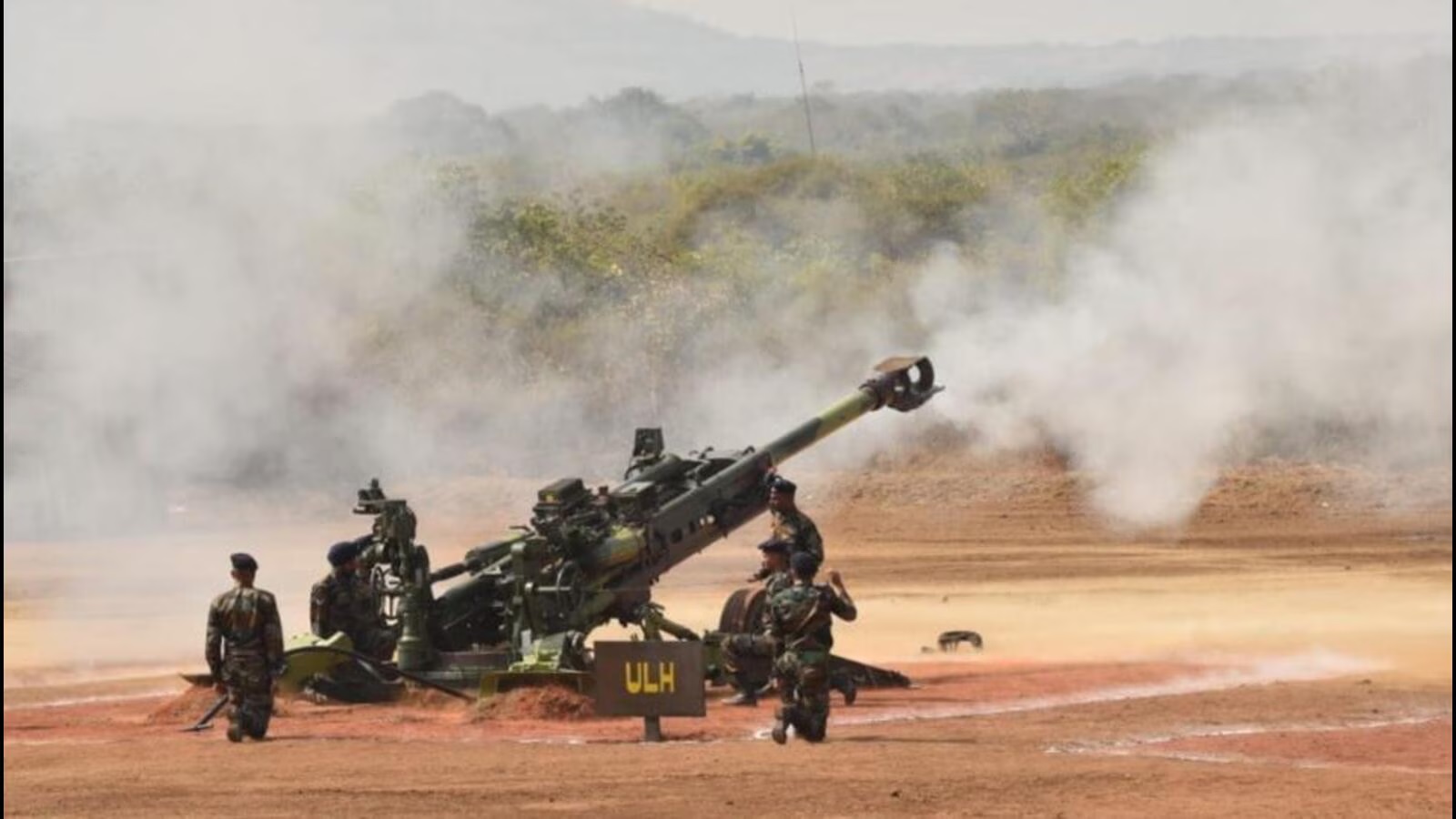
India
The Indian Army has launched a major procurement drive to enhance its artillery capabilities by acquiring more powerful, lighter, and technologically advanced artillery guns. Valued at around ₹7,000 crore, this acquisition is a crucial part of the broader strategy to modernize the country’s defense infrastructure and align it with contemporary warfare requirements. The move signifies India's shift towards self-reliance in defense manufacturing, as the tender emphasizes that the guns must be designed, developed, and built within the country, with over 50% indigenous content.At the core of this procurement is the demand for 400 next-generation towed artillery guns in the initial phase, with the potential for more orders as older systems are phased out. These guns, primarily 155mm/52 caliber, are expected to be lighter, more versatile, and far more capable than the systems currently in service, including the Advanced Towed Artillery Gun System (ATAGS) developed by Bharat Forge and Tata Advanced Systems Ltd in partnership with the Defence Research and Development Organisation (DRDO). These two companies, along with Larsen & Toubro (L&T), which previously delivered the K9 Vajra self-propelled guns to the army, are seen as key contenders for this massive order.One of the standout features of these next-gen systems is their higher levels of automation and precision, which will significantly enhance the army’s operational flexibility. They are designed to be more adaptable and capable of firing a diverse range of specialized ammunition, making them well-suited to future combat scenarios. The automation improvements will not only reduce the crew required to operate these guns but also enhance their deployment speed and accuracy, key factors in modern artillery warfare.Currently, India’s artillery backbone comprises primarily 130mm field guns, many of which are being upgraded to 155mm under the Sharang project. The shift to 155mm caliber is consistent with global trends, offering improved range, firepower, and effectiveness. The army’s tender specifies a total requirement exceeding 1,200 guns of this type, though the initial procurement will be done in phases to manage budgetary constraints.This purchase represents a significant opportunity for India’s private defense sector, which has seen considerable investments in recent years. Companies like Bharat Forge, Tata Advanced Systems Ltd, and L&T have poured resources into developing indigenous artillery solutions, and this order would be a major validation of those efforts. Moreover, this deal aligns with the government's "Make in India" initiative, aimed at bolstering domestic defense production and reducing reliance on imports.The advanced 155mm/52 caliber guns being sought are expected to outperform the existing ATAGS in terms of weight, versatility, and automation. These upgrades are critical as the army gears up to meet evolving battlefield challenges, where faster mobility, higher precision, and the ability to fire various types of ammunition will be decisive.The phased approach to procurement underscores the complexity and long-term nature of this modernization drive. Alongside this, the army is progressing with other artillery acquisitions, further broadening its firepower capabilities. The successful completion of this tender will mark a significant milestone in India’s defense evolution, ensuring that the nation’s armed forces remain well-equipped and strategically prepared.Overall, this procurement is not just about acquiring new artillery systems; it’s a step towards establishing a robust, self-reliant defense manufacturing ecosystem capable of meeting the future needs of the Indian Army.
Read More → Posted on 2024-08-22 15:03:49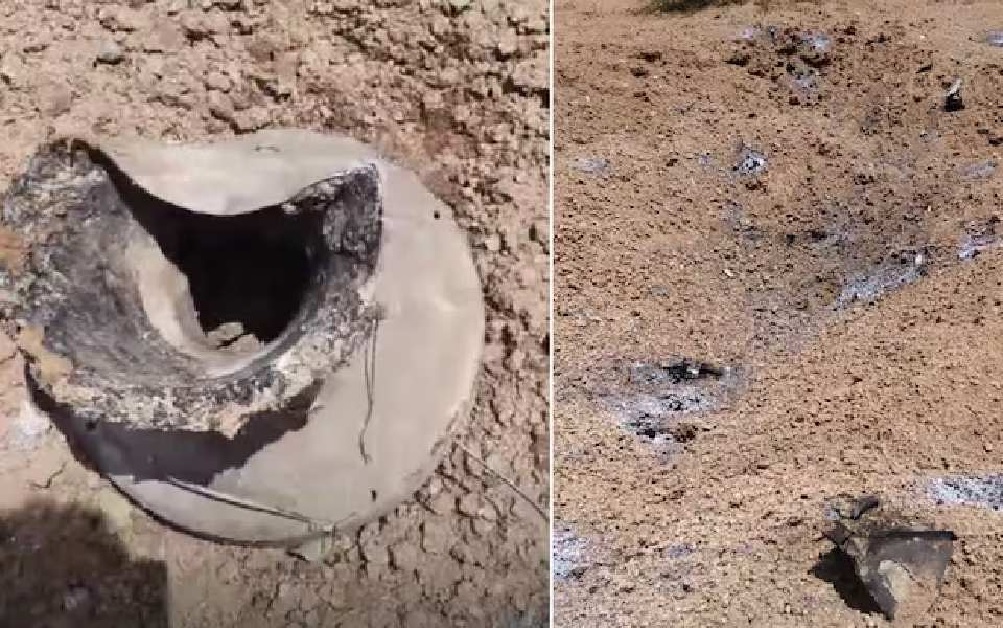
India
A routine training mission took an unexpected turn near the Pokhran firing range in Rajasthan when an Indian Air Force (IAF) combat jet inadvertently released an "air store" on Wednesday due to a technical malfunction. The incident, which occurred in an isolated area, sparked immediate concern, but fortunately, no damage to life or property was reported.The term "air store" in military jargon refers to any equipment or object that can be attached to an aircraft, including bombs, missiles, munitions, and even external fuel tanks. In this instance, while the exact nature of the dropped item remains undisclosed, the event has raised questions about the safety protocols involved.According to the IAF, the release was unintended and stemmed from a technical glitch. In a statement shared on the platform 'X' (formerly Twitter), the IAF said, "An inadvertent release of an air store from an Indian Air Force fighter aircraft took place near Pokhran firing range area, due to technical malfunction, today." The force also confirmed that an inquiry has been launched to investigate the precise cause and prevent similar occurrences in the future.Local reports from the area highlight that a loud bang was heard about a kilometer away from a nearby village. Concerned residents rushed to the site, where they discovered debris scattered across the ground. Sub-Inspector Shankar Lal of Ramdevra police station noted that the villagers were initially alarmed but later reassured upon learning that no one was injured.While the Pokhran range is a well-known site for military testing and exercises, such incidents remain rare. The IAF regularly conducts drills in this region, using controlled conditions to ensure safety. Nevertheless, this incident underscores the inherent risks involved in military operations and the importance of rigorous safety checks.The ongoing investigation is expected to shed light on the specific malfunction and outline measures to strengthen operational protocols. Although no harm was done this time, the IAF’s swift response and commitment to transparency signal its seriousness in addressing the situation.As the inquiry progresses, the IAF is likely to review its training procedures and technical systems to mitigate any potential future risks, ensuring both operational readiness and public safety.
Read More → Posted on 2024-08-22 15:00:56
India
India and Japan are taking a significant step to modernize their security relationship in response to the changing geopolitical landscape, particularly due to China’s expanding assertiveness in the Indo-Pacific region. Both nations have agreed to update their 2008 Joint Declaration on Security Cooperation to better align with contemporary challenges. The decision comes after a 2+2 dialogue involving the foreign and defense ministers of both countries, reflecting their deepening strategic ties and shared vision for a stable, rules-based Indo-Pacific.The updated security pact is expected to be formally announced later this year during Prime Minister Narendra Modi’s visit to Japan. It is designed to build on the foundation laid by the original 2008 declaration, which established robust security ties through high-level dialogues and consultations. However, the revised agreement will expand its scope to address current security concerns such as China’s growing military presence and economic influence in the region. The enhanced collaboration will likely include closer coordination in defense, intelligence sharing, and joint exercises.India and Japan’s cooperation is part of a broader strategy to engage with other like-minded countries to ensure peace and stability in the Indo-Pacific. Both nations have been increasingly aligned in their strategic outlook, particularly in countering China’s aggressive posture in disputed waters and along international trade routes. Japan has been a key partner for India in forums like the Quad, which includes the United States and Australia, to promote a free and open Indo-Pacific.External Affairs Minister S. Jaishankar emphasized the shared commitment to a "free, open, and rules-based Indo-Pacific," highlighting that coordinated security efforts between the two countries are essential for regional stability. The announcement of a new Indian consulate in Fukuoka, Japan, further signifies the growing depth of their bilateral ties.The 2+2 dialogue also touched on other pressing global issues, including the ongoing conflict between Russia and Ukraine. Both sides reaffirmed their commitment to upholding international norms and condemned any unilateral attempts to alter the status quo. The discussions also covered the need to combat cross-border terrorism, with both nations stressing the importance of bringing those responsible for past attacks to justice.This modernization of the 2008 security pact signals a strong message of India and Japan’s unified approach to maintaining regional stability. As China continues to assert its influence in the Indo-Pacific, this enhanced partnership marks a critical step toward ensuring a balanced power dynamic in the region.
Read More → Posted on 2024-08-22 14:46:34
UK to Construct State-of-the-Art 'Silent Hangar' for F-35 Testing and Electronic Warfare Simulation.
India
The United Kingdom’s Ministry of Defence is embarking on a significant project to enhance its capabilities in electronic warfare by constructing a massive, cutting-edge “silent hangar” designed to test military assets like the F-35 fighter jets and Chinook helicopters against various forms of electronic interference, including GPS jamming. This £20 million (approximately $26 million USD) project, led by U.K. defense technology company QinetiQ, will be one of the largest and most advanced facilities of its kind in Europe.A New Era in Electronic Warfare TestingThe silent hangar, which will be located at the Ministry of Defence’s Boscombe Down site in southwest England, is scheduled to open in 2026. The facility will be large enough to accommodate advanced military equipment such as the F-35 jet, Chinook helicopters, and MQ-9B Protector drones. The hangar will provide a controlled environment where these assets can be tested for their resilience against electronic warfare tactics like GPS jamming, a growing concern in modern military conflicts.Electronic warfare has been increasingly prominent in recent global conflicts, particularly in Ukraine, where Russian forces have extensively used GPS jamming to disrupt the accuracy of Western-supplied guided missiles. This tactic has also been employed to interfere with drone operations, which have become a crucial element of modern warfare. The lessons learned from these conflicts underscore the importance of having resilient military systems capable of operating in electronically contested environments. The Strategic Importance of the Silent HangarThe new facility will allow the UK to simulate hostile environments and test the integrity of its military equipment without risking interference with civilian infrastructure, such as emergency services or air-traffic control. The hangar’s advanced design will minimize radio-frequency wave reflections and prevent any signals from escaping, ensuring that tests can be conducted safely and effectively.Richard Bloomfield, the head of Electronic Warfare Space at the UK’s Defence Equipment and Support, emphasized the significance of this facility: “Not only will this be one of the largest such chambers in Europe, but it will also be one of the most up-to-date and high-tech in the world, where hostile environments can be safely recreated to put military equipment, such as fighter jets and drones, through testing.”The hangar will be equipped with GPS simulators and threat emulators that can replicate various hostile scenarios, providing a vital resource for testing the UK’s military platforms against potential electronic warfare threats. This will be particularly crucial for ensuring that platforms like the F-35, with its 15.7-meter length, and the Protector drone, with its 24-meter wingspan, can operate effectively in combat zones where electronic interference is a constant threat.Addressing Emerging ThreatsThe Ministry of Defence’s investment in this facility reflects a growing recognition of the need to counter the evolving threats posed by electronic warfare. The war in Ukraine and China’s rapid military modernization have highlighted the importance of electronic warfare capabilities, with many military analysts noting that there is still significant ground to cover in this domain.Robert Wall, an editor at the International Institute for Strategic Studies, wrote in August last year about the renewed focus on high-end electronic warfare as a response to the lessons learned from Ukraine and other global conflicts. The U.S. Army has also taken note, with observations from the Russia-Ukraine war influencing its development of new jammers and prioritizing electronic warfare after years of relative neglect.As GPS jamming and other forms of electronic interference become increasingly common on the battlefield, the UK’s new silent hangar will play a pivotal role in preparing its armed forces for the challenges of modern warfare. By investing in this state-of-the-art facility, the UK is positioning itself at the forefront of electronic warfare preparedness, ensuring that its military platforms remain effective and resilient in the face of emerging threats.
Read More → Posted on 2024-08-22 08:57:25
India
In a groundbreaking development, the U.S. Army’s XVIII Airborne Corps has been refining a cutting-edge targeting system capable of allowing small teams to engage up to 1,000 targets per hour. The system, known as the Maven Smart System, is a product of the Scarlet Dragon experiments, which have been ongoing since late 2020 and are now actively utilized in U.S. Central Command operations. Evolution of the Scarlet Dragon ExperimentThe Scarlet Dragon experiment was initiated by the XVIII Airborne Corps, which oversees some of the Army’s most elite units, including the 82nd Airborne Division, 10th Mountain Division, 101st Airborne Division, and 3rd Infantry Division. The first iteration of Scarlet Dragon began with a collaboration between the Army and the Marine Corps' II Marine Expeditionary Force. This early experiment involved using commercial satellite imagery combined with an algorithm to detect and target an inflatable tank positioned at Fort Liberty, North Carolina.Initially, the process to pass the targeting data to the Marine missile system took more than 12 hours. However, through relentless innovation and refinement, the targeting process has been dramatically reduced to under one minute, showcasing a quantum leap in operational efficiency.The Maven Smart System: A Game-ChangerThe Maven Smart System is the core of this new capability, integrating sensors and sophisticated software with artificial intelligence (AI) and machine learning. This combination enables users to rapidly analyze vast amounts of data and identify targets with unprecedented speed and accuracy. Brig. Gen. John Cogbill, deputy commanding general of the XVIII Airborne Corps, emphasized the system's readiness, stating, “This is a tool that we can ‘fight tonight’ with.”The development of the Maven system was heavily influenced by Gen. Michael Kurilla, who, during his tenure as commander of the XVIII Airborne Corps, expressed a desire for the first AI-enabled Corps in the Army. Now, as head of U.S. Central Command, Kurilla has integrated Maven's capabilities into CENTCOM’s operations, demonstrating its versatility beyond targeting to include logistical applications.Strategic Implications and Future ApplicationsThe Maven Smart System not only represents a significant technological advancement but also offers strategic advantages. The system's ability to streamline the targeting process has matched the efficiency of the time-critical target cell used during Operation Iraqi Freedom (OIF), which was once considered the gold standard in U.S. military history. Notably, while the OIF targeting cell required over 2,000 personnel, the Maven system achieved comparable results with just 20 soldiers.The Army is also exploring the potential of Maven to enhance logistical operations. By providing commanders with a comprehensive view of supply chains and enabling scenario-based planning, the system could revolutionize how the military manages resources in real time. The Road AheadThe Scarlet Dragon experiments are set to continue, with another round scheduled for the coming months and a series of further tests planned throughout 2025. The system is also slated for a significant debut during the Yama Sakura training exercise in late 2026, a U.S.-Japanese military command post exercise in the Pacific.The Maven Smart System is not just a technological marvel; it represents a paradigm shift in how the U.S. Army approaches both targeting and logistics. As it continues to evolve, this system could redefine the capabilities of small Army units, making them more lethal, efficient, and responsive than ever before.
Read More → Posted on 2024-08-22 08:45:13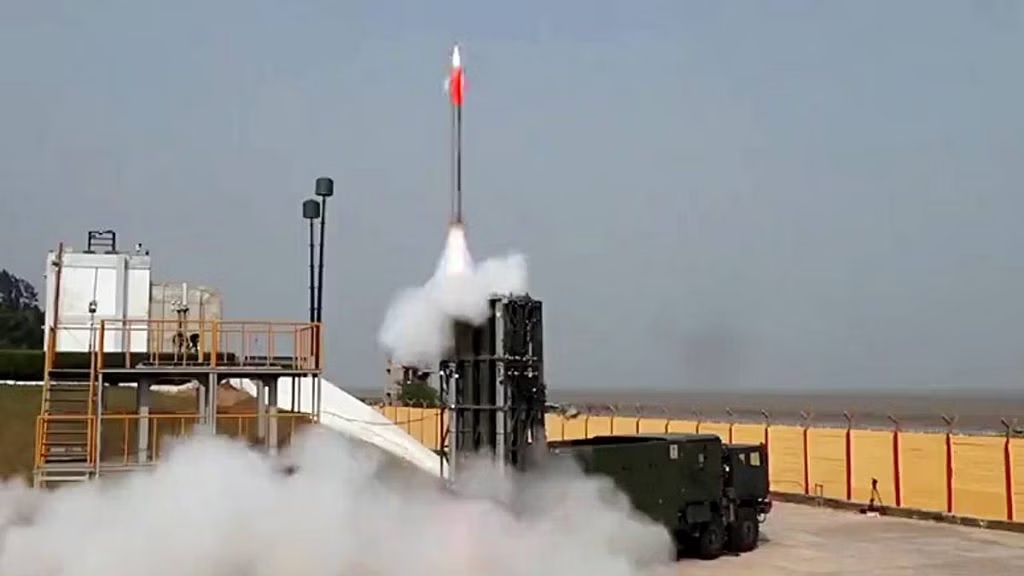
India
India is making significant strides in missile defense technology with the development of a new long-range surface-to-air missile for the Indian Navy. This advanced missile, part of the Long Range Surface-to-Air Missile (LRSAM) system, is designed to enhance India’s ability to intercept Anti-Ship Ballistic Missiles (ASBMs) traveling at speeds of up to Mach 7, providing a robust defense against an array of aerial threats.The new missile boasts a range exceeding 250 km, placing it in a league similar to the Russian S-400 system, which is known for its extensive air defense capabilities. This missile is expected to be a naval variant of the missile being developed under Project Kusha. Project Kusha aims to develop a family of long-range air defense missiles with ranges of 150 km, 250-300 km, and 400 km, enhancing India’s defensive measures against both tactical and strategic threats.In tandem with this development, DRDO is also working on a comprehensive ballistic missile defense shield to protect India from long-range nuclear missiles. The LRSAM system is particularly focused on defending against tactical and short-range ballistic missiles, especially during their terminal phase when they pose the greatest threat.Rising Threat of Anti-Ship Ballistic MissilesAnti-Ship Ballistic Missiles are a recent innovation in missile technology, repurposed from land-based roles to target naval vessels with high precision and destructive power. These missiles follow a ballistic trajectory and can deliver substantial kinetic energy to their targets. China has been at the forefront of developing these missiles, deploying various types including the short-range CM-401, medium-range DF-21D, and the YJ-21. The DF-21D, in particular, is renowned as a "carrier killer" due to its capability to strike aircraft carriers from great distances.Other nations, including Iran and non-state actors like the Houthis, have also acquired or claimed to possess similar missiles. This proliferation has heightened concerns about global maritime security, as these weapons are capable of targeting commercial and military vessels alike.Indian Navy’s Strategic ResponseIn response to the escalating threat from ASBMs, the Indian Navy is actively enhancing its defensive capabilities. Last year, the DRDO and the Indian Navy successfully tested a Naval Ballistic Missile Defence (BMD) system designed to intercept nuclear missiles both in space and within the Earth’s atmosphere. This successful test underscored India’s capability to safeguard its naval assets against long-range missile threats.The new long-range surface-to-air missile will add a vital layer to India’s defense arsenal, akin to the American SM-6 missile. With dual capabilities, it will not only intercept aircraft at considerable distances but also engage ballistic missiles during their terminal phases. This will provide a comprehensive, multi-layered defense system, crucial for protecting the Indian Navy’s fleet in contested waters.The ongoing development and integration of these advanced missile systems highlight India’s commitment to securing its maritime interests and maintaining strategic superiority. As these technologies evolve, they will enhance the Indian Navy’s ability to operate effectively in hostile environments, ensuring robust protection against emerging missile threats.
Read More → Posted on 2024-08-21 15:44:23
India
In a notable effort to strengthen its defense capabilities, the Indian Army has issued a Request for Information (RFI) to seek domestic production of 125mm Armour Piercing Fin Stabilized Discarding Sabot (APFSDS) ammunition. This move is set to enhance the firepower of the Army’s T-72 and T-90 main battle tanks, which are central to India's armored forces.The RFI highlights the need for APFSDS ammunition with advanced Depth of Penetration (DoP) capabilities. In today’s battlefield, where adversaries often deploy tanks with sophisticated armor protection, having ammunition that can effectively penetrate these defenses is critical. The upgraded APFSDS rounds are expected to offer significant improvements in penetrating power, ensuring that the T-72 and T-90 tanks remain effective against modern armored threats.This initiative is a key component of the Indian government's 'Make in India' program, which aims to boost local defense production and reduce dependency on foreign suppliers. By fostering domestic manufacturing of this essential munition, the Indian Army not only enhances its operational capabilities but also supports the growth of the local defense industry.The RFI reflects the Indian Army's commitment to modernizing its military equipment and achieving greater self-reliance in defense production. This strategic step is anticipated to strengthen India's defense readiness and position in the global defense arena.
Read More → Posted on 2024-08-21 15:39:25Search
Top Trending in 24 Hours
-
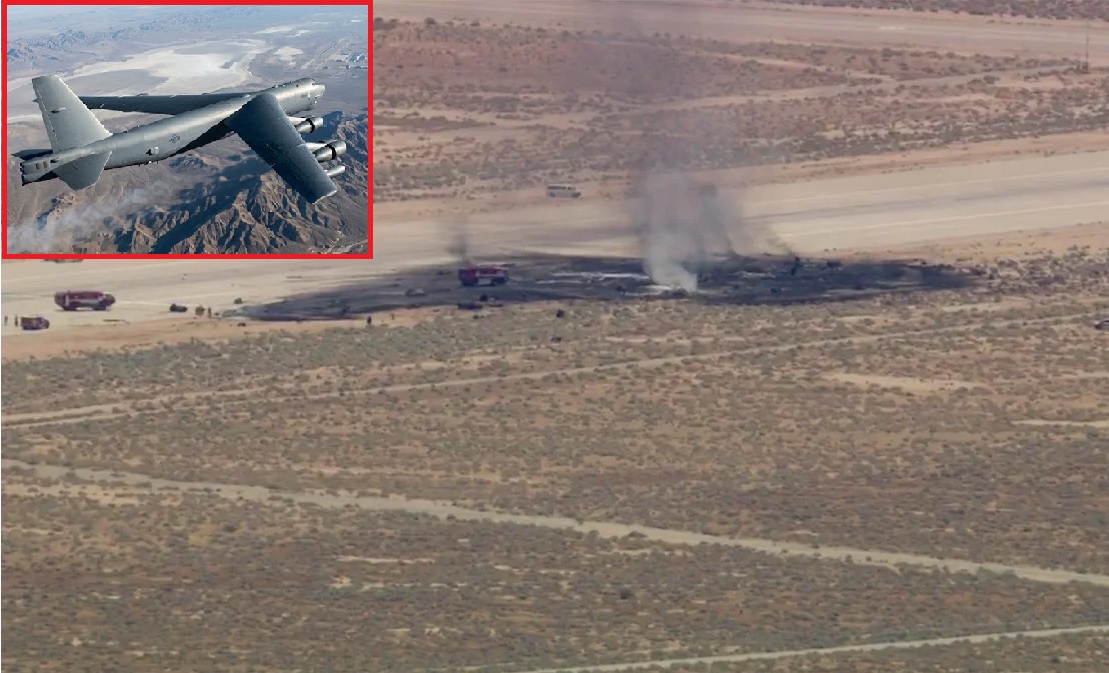 8 U.S. Air Force Crew Members Killed in B-52 Bomber Crash During Test Flight at Edwards Air Force Base
-
 Ukraine Introduces Balloon-Launched DART Missile Designed to Defeat Electronic Warfare
-
 Lockheed Martin Wins $514 Million U.S. Space Force Contract for Two New GPS IIIF Satellites
-
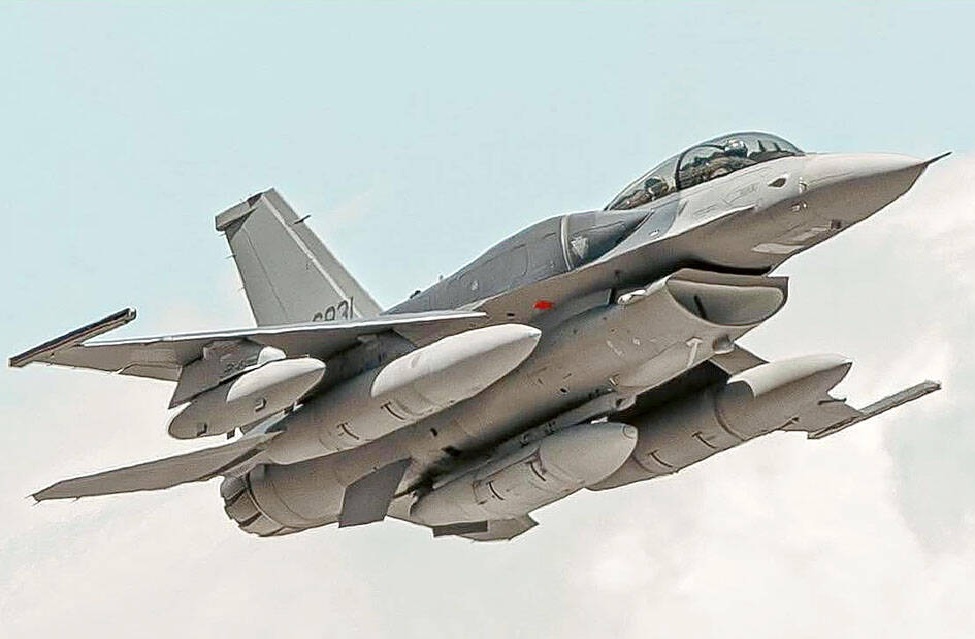 First Taiwanese F-16 Block 70 Flies with Five-Tank Fuel Configuration During Texas Tests
-
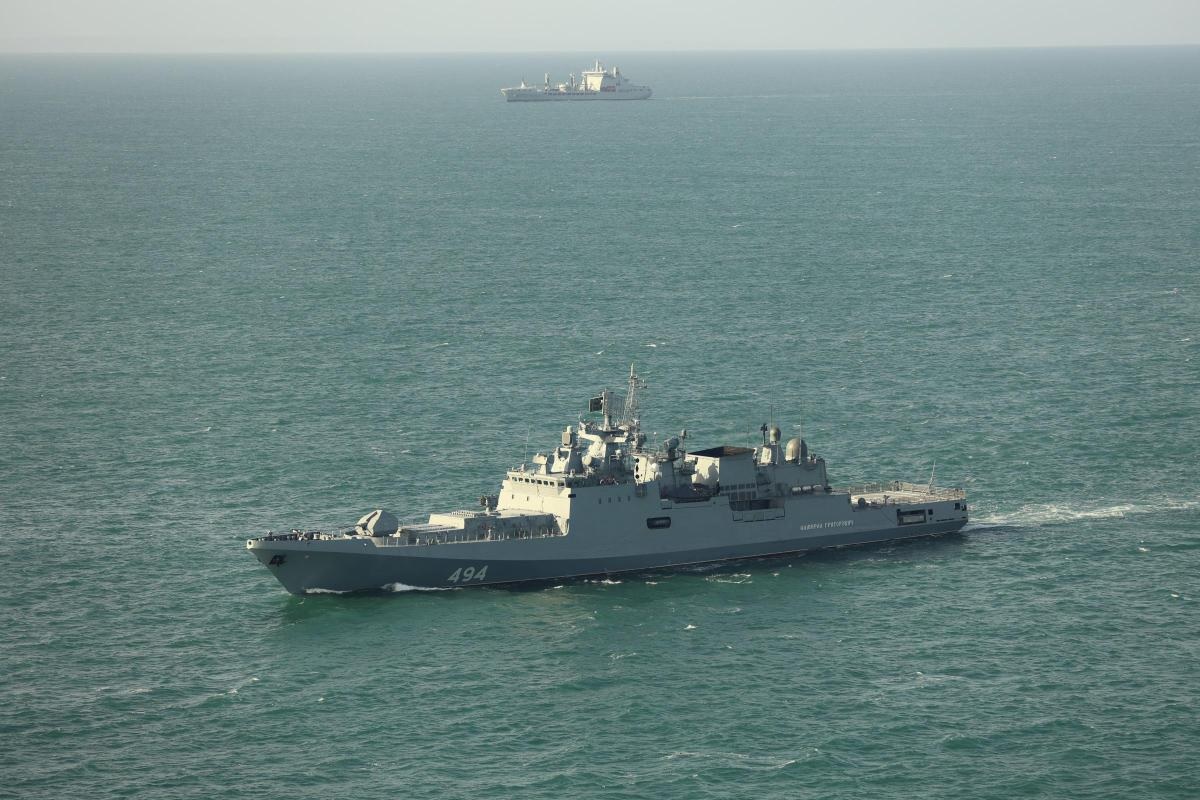 Russian Frigate Admiral Grigorovich Challenges UK Yacht in English Channel With Warning Shots
-
 UK Announces £210 Million Deal to Supply Enriched Uranium to Ukraine for Two Years
-
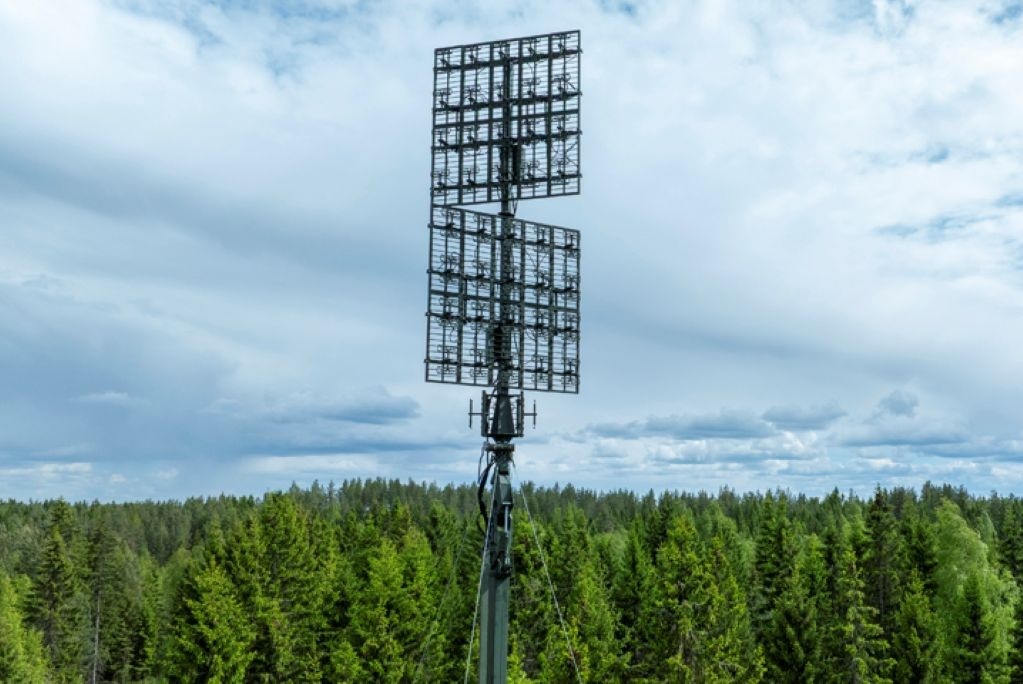 Patria Launches WISPR Passive Counter-Battery Radar with Silent Detection Capability at Eurosatory 2026
-
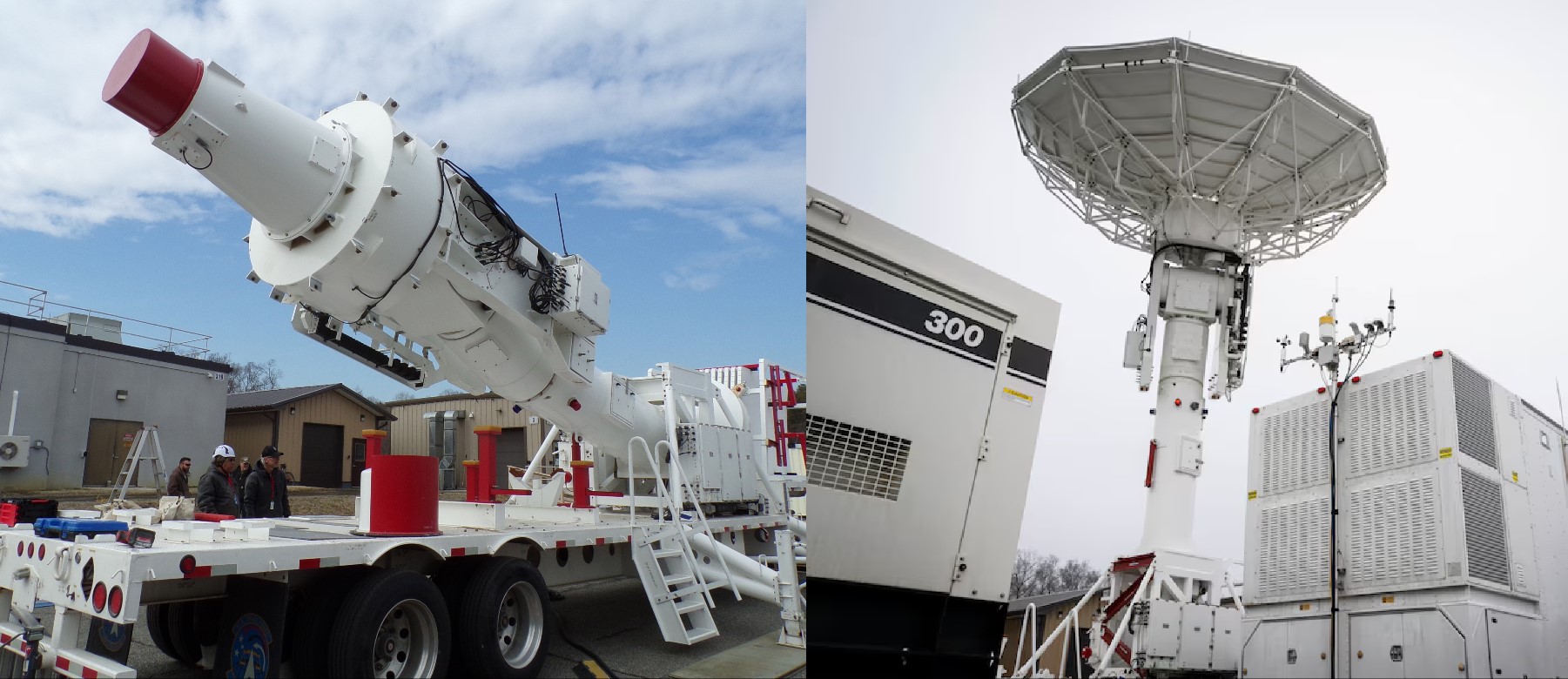 Space Force Transfers Transportable Satellite Tracking Antenna to Naval Research Laboratory
Top Trending in 4 Days
-
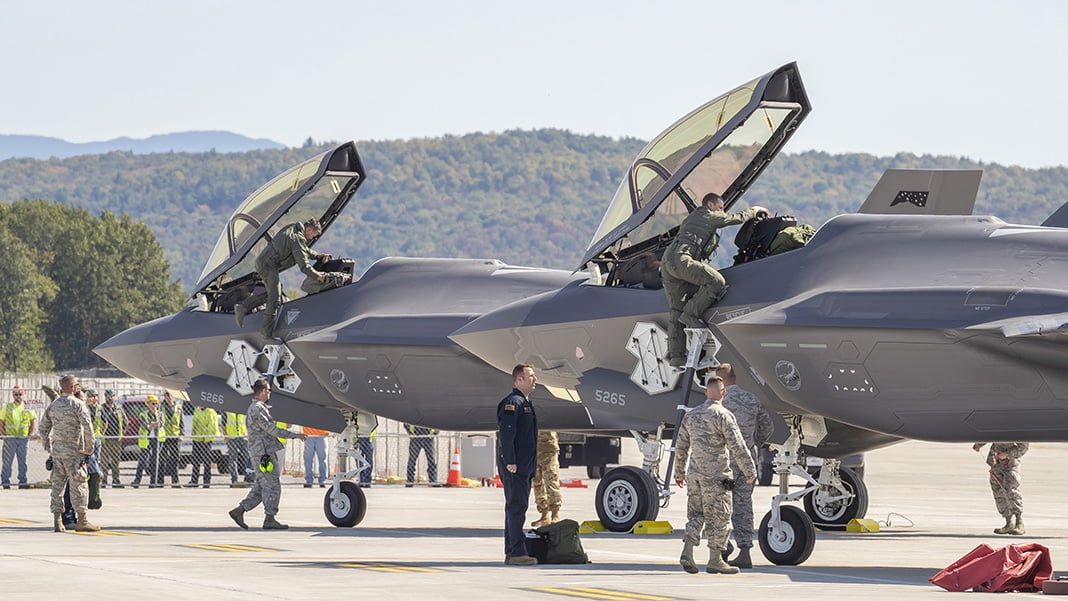 F-35 Fleet Readiness Falls to 25% Amid Parts Shortages and Software Delays: GAO Report
-
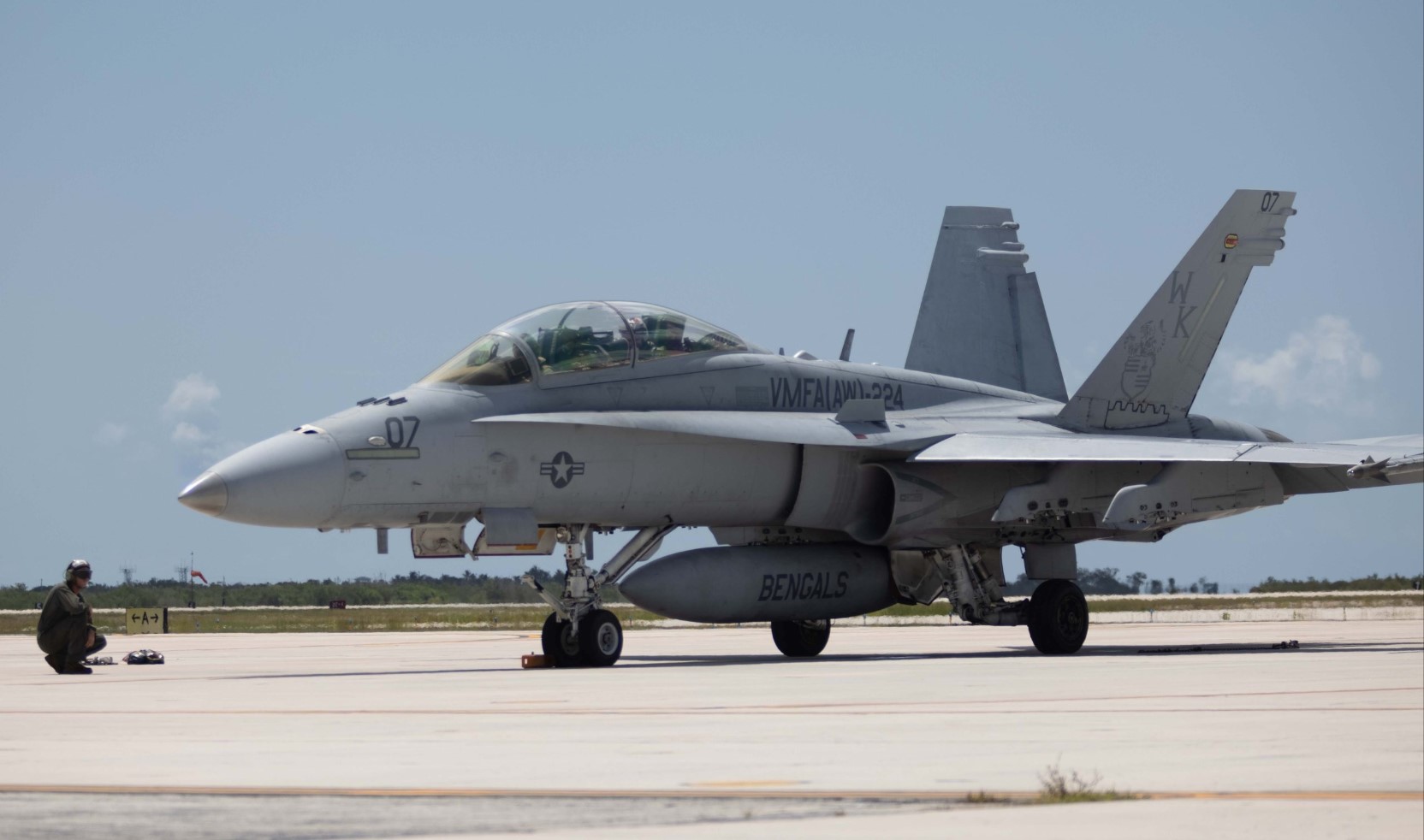 US Marine Corps F/A-18D Hornet Crashes During Training Flight in Washington Mountains; Pilot Ejects Safely
-
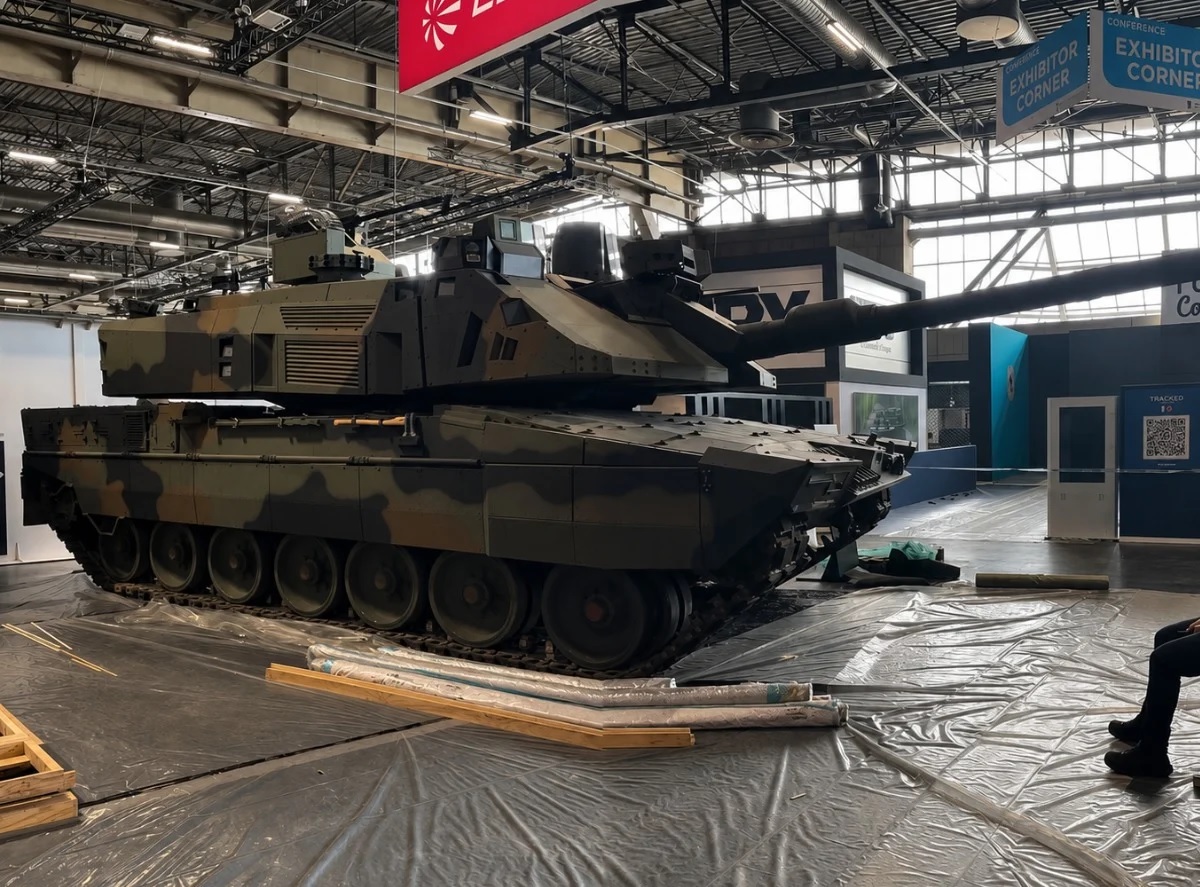 Leonardo Rheinmetall to Unveil Italy’s New IMBT Main Battle Tank at Eurosatory 2026
-
 Tulsi Gabbard Releases Declassified Files Detailing U.S.-Backed Network of 120 Biolaboratories Across 30+ Countries
-
8 U.S. Air Force Crew Members Killed in B-52 Bomber Crash During Test Flight at Edwards Air Force Base
-
 NASA X-59 Achieves Planned Mission Conditions with Mach 1.4 Flight at 55,000 Feet
-
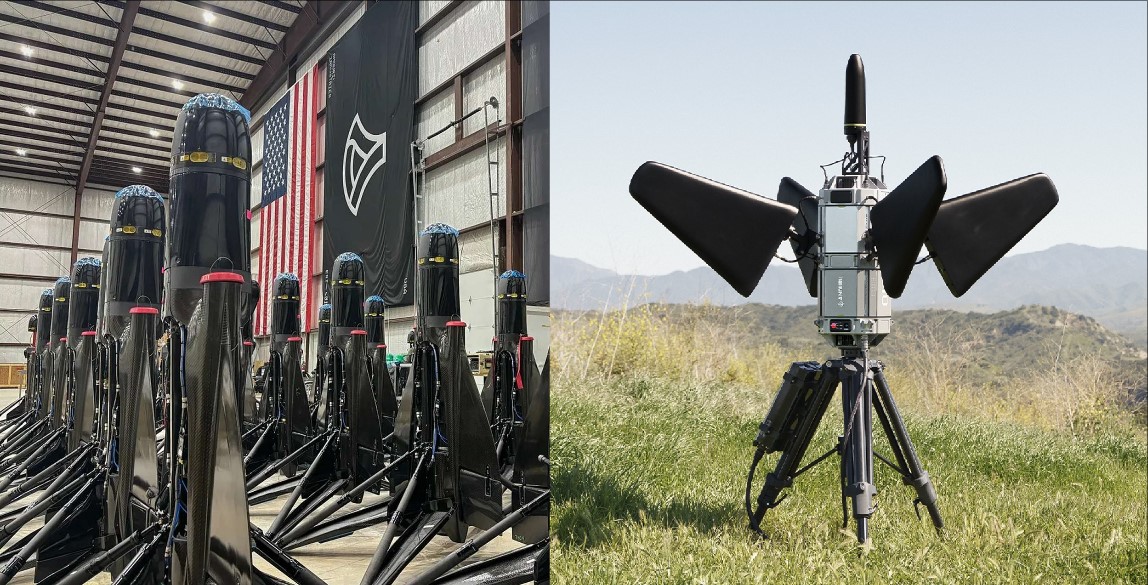 U.S. Approves $1.98 Billion Sale of Anduril AI-Powered Counter-Drone Systems to Kuwait
-
 Russia Launches 1,400 Jet-Powered Drones in 2026 as Strike Tactics Evolve to Challenge Ukraine's Air Defenses