
India
In a significant move to bolster security cooperation between Israel and India, a seminar held in Delhi from September 2 to 4 saw nine prominent Israeli defence companies presenting advanced technologies designed to neutralize the rising threat of drones. Organized in collaboration with various Israeli and Indian defence and industrial bodies, the event highlighted the growing concern over the role of drones in modern warfare, intelligence gathering, and criminal activities.The seminar was a platform for security and economic representatives from Israel’s Ministry of Defense, along with attaches and officials from India’s Ministry of Defence and key defence industry players from both nations. The focus was on combating the versatile and potent nature of drone technology, which is increasingly being employed for surveillance, precise attacks, and even weapon delivery. The ability of drones to gather intelligence and execute highly targeted strikes has made them a formidable tool for both military and criminal actors. As a result, the demand for cutting-edge counter-drone solutions has never been higher.Throughout the event, the participating Israeli companies shared their extensive operational experience, showcasing a range of technologies aimed at detecting, identifying, and neutralizing drone threats. Companies like D-Fend Solutions, Septier, and Sentrycs unveiled Cyber Radio Frequency (CRF)-based systems that can not only detect and locate drones but also neutralize them effectively. These systems provide a non-kinetic solution to drone threats, avoiding physical damage by using radio frequencies to jam or take control of rogue drones.Meanwhile, Smart Shooter demonstrated its advanced fire control systems that allow small arms to intercept drones with precision. This intelligent targeting technology transforms regular firearms into highly effective anti-drone tools, enhancing the ability of security forces to counter even the most agile UAVs (unmanned aerial vehicles).In the realm of artificial intelligence and automation, ThirdEye Systems showcased its AI-driven vision and robotics systems that can detect and identify drones as well as small aircraft. These systems use advanced computer vision algorithms, which can distinguish between different types of aerial threats, providing a higher level of accuracy in high-stakes situations.Heavyweights of the Israeli defence sector, such as ELTA Systems, Rafael, Elbit Systems, and Skylock, displayed sophisticated solutions integrating sensors, radars, electronic warfare (EW), and communication systems. These technologies are designed to create a multi-layered defence strategy, where drones can be detected, tracked, and neutralized through a combination of radar, EW jamming, and communication interception.One of the key aspects of the seminar was the exploration of business synergies between Indian and Israeli companies. The event facilitated over 150 business meetings, creating opportunities for partnerships that could bring Israeli expertise in counter-drone technology to India's growing defence market. Notably, these collaborations are not limited to military applications. The growing threat of drones in civilian airspace—ranging from smuggling operations to potential terrorist attacks—has spurred interest in deploying these solutions for civil defence as well.The seminar also included site visits to prominent Indian entities, providing the Israeli delegation with an opportunity to gain a deeper understanding of the unique challenges India faces in its fight against drones. As India continues to modernize its defence infrastructure, particularly along its borders, these collaborations with Israeli companies could prove instrumental in addressing current and future drone-related threats.According to Natasha Zangin, Economic Counsellor at the Israeli Embassy, the seminar is a testament to the high regard in which Israeli homeland security technologies are held in India. The event has sparked significant interest from both public and private sectors, and Israeli companies are keen to forge partnerships that could enhance the security apparatus of both nations. Zangin emphasized that the Israeli government will continue to support its defence companies in building stronger relationships with Indian counterparts, fostering mutual benefits in terms of security and economic cooperation.As drone technology evolves and becomes more accessible, the need for effective countermeasures is paramount. Events like this seminar not only highlight the innovative solutions being developed but also underline the importance of international collaboration in addressing shared security challenges.This seminar marked an important milestone in the growing defence relationship between India and Israel, and as more advanced counter-drone systems become integrated into India’s security infrastructure, the partnership is poised to deliver tangible results in securing airspace and critical installations across the region.
Read More → Posted on 2024-09-06 14:53:58
India
The Indian Navy’s latest investment in the P17B frigates is generating considerable attention due to their hefty price tag. Each of these advanced warships will cost $1.19 billion, a striking 50% increase over their predecessors, the P15B destroyers. While this sharp rise in cost has sparked debate, a closer look at the specifications and capabilities of the P17B frigates reveals several factors that justify the price hike.The P17B frigates are the next evolution of the Indian Navy's frontline combat ships, succeeding the Nilgiri-class frigates. Designed with cutting-edge technologies, these frigates are expected to bolster India's maritime defense significantly. While the exact configuration of the P17B remains classified, defense analysts predict substantial improvements in armament and combat systems, making them a force to be reckoned with in the region.One of the major reasons behind the price increase is the advanced weaponry expected on these frigates. The P17B frigates will likely feature at least 48 vertical launch cells capable of deploying Long-Range Surface-to-Air Missiles (LRSAMs). These missiles could have ranges exceeding 250 kilometers, providing the ships with a far more extended reach and greater offensive and defensive capabilities compared to their predecessors. Additionally, the frigates are expected to carry more robust anti-submarine warfare (ASW) systems, including advanced sonar and torpedo defense systems.The sophisticated sensor and radar packages that the P17B is projected to include further contribute to the cost. These ships will likely be equipped with state-of-the-art multi-function radars, enhancing their ability to detect and engage multiple aerial, surface, and subsurface threats simultaneously. The enhanced electronic warfare (EW) systems on board are also expected to provide superior countermeasures against enemy missiles and radar.Beyond the firepower, a significant portion of the $1.19 billion per unit cost is allocated to ensuring the ships’ operational lifespan. The cost of base and depot spares for the frigates' entire 20 to 25-year service life accounts for around 15-20% of the total cost. This long-term investment ensures that the ships will remain in peak operational condition throughout their lifespan, reducing the need for costly mid-life upgrades.In comparison to other classes of frigates, such as the Talwar-class, which are significantly cheaper, the P17B’s higher cost is tied to its enhanced technological profile. These ships are designed to play a critical role in the Indian Navy’s long-term strategy to maintain maritime dominance, especially in the Indian Ocean Region. Their advanced capabilities make them more versatile and potent, capable of handling a wide array of threats, from missile attacks to submarine engagements.While the $1.19 billion per ship may seem steep, the cost reflects the Navy’s commitment to equipping itself with the best technologies available to address emerging threats in the region. In an era of rapid technological advancements in naval warfare, the P17B frigates will ensure that the Indian Navy remains at the forefront of regional maritime security.Ultimately, these frigates are a strategic investment in the future of India's naval power. Though the higher price tag has sparked discussions, the capabilities and technological advancements embedded in the P17B frigates represent a crucial step forward in safeguarding the nation's maritime interests.
Read More → Posted on 2024-09-06 14:46:53
India
Polish defence major WB Group is making waves in the Indian market with its strategic push to establish a long-term presence and production capabilities. Piotr Wojciechowski, President-CEO of WB Group, underscored India's significance, calling it both a massive market and an essential industrial partner. Having already delivered their Warmate loitering munitions to the Indian Army, WB Group is looking at deeper engagement, investments, and expanding its portfolio in India.The relationship between WB Group and India is evolving beyond just sales. The company has set up a joint venture, WB Electronics India Pvt. Ltd., to spearhead its production activities. According to Wojciechowski, India is an attractive location for the group due to its highly educated talent pool and resource availability, a contrast to the challenges of finding skilled talent in Poland. The company is planning to leverage India's "Make in India" initiative, aligning with the country's ambition of local manufacturing and self-reliance in the defence sector.WB Group’s investment in India isn’t just limited to the Warmate systems. The company is keen on expanding its product line in India, which includes software-defined radios and the FlyEye UAV—both of which have been rigorously tested in the war in Ukraine. The FlyEye UAV, touted as one of the best in the world, complements the Warmate by extending its range to 100 km when controlled through aerial surveillance. These systems, fully compatible with NATO standards, add to the appeal for countries looking to modernize their arsenals with cutting-edge, interoperable technology.Indian armed forces have already shown immense interest in WB Group’s offerings, especially under the Emergency Procurement (EP) route. In recent years, India has fast-tracked the acquisition of drones, loitering munitions, and counter-drone systems to bolster its military capabilities. Under the latest EP-4 scheme, the Indian Army concluded over 70 procurement projects, valued at ₹11,000 crore, while the Indian Air Force signed contracts worth around ₹8,137 crore. This surge in demand for advanced technology presents a golden opportunity for WB Group, which is already benefiting from the Indian Army’s use of Warmate drones in the challenging conditions of the Indian subcontinent.Since its founding in 1997, WB Group has expanded to encompass 20 companies employing 250,000 people. While the company initially focused on communication systems and electronics, its unmanned aerial systems (UAVs), particularly the Warmate and FlyEye, have gained significant attention in recent years. The company reported a substantial increase in demand for the Warmate system since 2021, with deliveries surpassing 5,000 units. The success of these drones, particularly in war-torn Ukraine, has cemented WB Group’s reputation as a leading player in the global defence industry.In India, WB Group’s future ambitions go beyond just local sales. CEO Wojciechowski is clear in his vision: the production facilities they plan to establish in India will not only cater to domestic needs but also serve WB Group’s global supply chain. By sourcing components such as composites, electronics, and software from India, the company aims to position India as a key supplier for its global operations. Ashish Sharma, CEO of WB Electronics India, emphasized the company’s commitment to local manufacturing and collaboration with Indian industry and academia, further underscoring the long-term nature of WB Group’s presence in India.Europe, too, remains an essential market for WB Group, especially as countries ramp up their defence spending following Russia’s invasion of Ukraine in 2022. Poland, WB Group’s home country, is allocating a significant portion of its GDP (around 4-4.5%) to modernize its military, and WB Group is currently focused on meeting domestic demand. However, Wojciechowski stressed that exports, especially to markets like India, will play a crucial role in the company’s long-term growth.As India continues to scale up its military capabilities, the collaboration with WB Group signals a critical shift towards enhanced self-reliance in defence manufacturing. WB Group’s wide-ranging expertise in communication, reconnaissance, unmanned systems, and modernisation of military vehicles aligns well with India’s current needs and future ambitions. With plans to integrate Indian talent and resources into their global operations, WB Group is positioning itself as a significant player in India’s defence ecosystem.
Read More → Posted on 2024-09-06 14:43:06
India
India’s defense capabilities are set to receive a significant boost with the development of the SASTRA radar by Bharat Electronics Limited (BEL). This advanced Long Range Radar (LRR) boasts a range of over 2000 kilometers and is designed to track conventional aircraft, unmanned aerial vehicles (UAVs), and even stealth aircraft, known for their low Radar Cross Section (RCS). The SASTRA radar stands poised to transform India’s air defense by providing unparalleled early warning and situational awareness, making it a critical asset in countering modern aerial threats.What makes the SASTRA radar particularly noteworthy is its ability to detect stealth aircraft, which have traditionally been difficult to track due to their advanced RCS reduction technologies. Stealth aircraft, such as the American F-35 or the Chinese J-20, are engineered to evade radar detection, thus giving adversaries a considerable edge in modern air combat. However, the SASTRA radar is equipped with cutting-edge radar technology, potentially using frequency-hopping and multiple radar bands to pick up faint signatures from these stealthy targets, ensuring they are not entirely invisible to Indian defenses.The project, initially conceptualized by the Defence Research and Development Organisation (DRDO), has now moved into its fabrication phase under BEL's stewardship. Developmental trials are expected to take place soon, signaling the final stretch towards its deployment. This radar’s reach of over 2000 kilometers allows it to monitor vast regions, providing India with strategic depth when it comes to early detection of potential aerial threats. Its impressive range means that India can monitor not only its own airspace but also detect incursions from neighboring regions well in advance.SASTRA is believed to share DNA with the Long Range Tracking Radar (LRTR) developed for India’s Ballistic Missile Defence (BMD) program. This connection suggests that the radar is not limited to conventional air defense but could also serve a dual purpose by tracking ballistic missile threats. Its high-resolution tracking capability makes it a formidable tool in any layered defense system, whether monitoring missile launches or high-altitude reconnaissance UAVs.Given the rising use of drones and UAVs in warfare, such as their role in recent conflicts in the Middle East and Eastern Europe, the SASTRA radar's capacity to detect smaller, slower-moving aerial platforms like UAVs adds another layer of security to India’s defense infrastructure. Whether it's high-speed, stealthy aircraft or low-altitude drones, the radar's comprehensive coverage ensures that it can track a wide range of threats.Moreover, the radar’s design likely incorporates sophisticated algorithms for tracking fast-moving targets, advanced signal processing to filter out background noise, and the ability to operate in varied terrain, from mountains to deserts. These specifications are crucial for India, given the country’s diverse geography and the need for systems that can operate efficiently in different environments. Whether at high altitudes near the Himalayas or along the expansive coastline, the SASTRA radar will be a critical part of India’s defense network.As the world moves toward stealth-based combat platforms and UAV swarm technologies, India’s development of SASTRA comes at a crucial time. It underscores the nation's intent to protect its airspace with the latest technology, staying ahead of evolving threats. The radar, with its advanced detection capabilities, will ensure that India remains vigilant and prepared against stealthy and conventional threats alike, helping safeguard the nation's borders and beyond.The SASTRA radar is not just an enhancement of India’s air defense; it represents a leap forward in the country’s ability to maintain continuous surveillance over a vast area. Its deployment will significantly augment India’s air defense network, providing a reliable shield against hostile air incursions while giving the military the critical time needed to respond to emerging threats.
Read More → Posted on 2024-09-06 14:34:10
India
=India and Brunei have taken a significant step in deepening their bilateral ties, with Prime Minister Narendra Modi and Sultan Hassanal Bolkiah expanding cooperation in critical areas such as space technology, LNG supplies, and strategic security. During Modi's landmark visit to Brunei, the two nations emphasized the need for collaboration in satellite development, maritime security, and sustainable growth, sending a subtle but clear message about maintaining stability and peace in the Indo-Pacific region.Prime Minister Modi's visit marked the first bilateral visit by an Indian prime minister to Brunei. The two leaders underscored the importance of their 40-year-old diplomatic relations by elevating them to a higher partnership level. In his speeches and statements, Modi pointedly emphasized India's "policy of development, not expansionism," a veiled reference to China’s increasing assertiveness in the region, particularly in the South China Sea.Space cooperation emerged as a key highlight of the visit. India and Brunei renewed an important memorandum of understanding (MoU) that ensures ongoing collaboration in satellite development, remote sensing, and the training of space scientists. The existing telemetry, tracking, and command station established by the Indian Space Research Organisation (ISRO) in Brunei since 2000 plays a critical role in monitoring India’s satellite launches, especially those aimed eastward. Modi expressed his deep appreciation to Brunei for hosting the ground station, a testament to the country’s unique role in India's space missions.As space technology continues to be a crucial area for India's future, the renewed MoU strengthens the bond between ISRO and Brunei’s technical expertise, setting the stage for further advancements in satellite applications, data analysis, and remote sensing technology. The cooperation is not only scientific but also strategic, highlighting Brunei's contribution to India’s space ambitions in the region.Energy security was another focal point of the talks, as both nations discussed long-term cooperation in the supply of liquefied natural gas (LNG). With India’s growing domestic energy demand, securing stable LNG supplies is of paramount importance. Brunei, a key producer of LNG in Southeast Asia, could be a reliable partner for India in this sector. Although bilateral trade has seen fluctuations in recent years—particularly after a decline in India’s crude oil imports from Brunei—the potential for a long-term LNG agreement could reinvigorate economic exchanges between the two countries.Beyond energy and space, Modi and Sultan Bolkiah addressed a broad spectrum of areas for enhanced collaboration. These included fintech, cyber-security, pharmaceuticals, health, agri-industries, and the defence sector. Cooperation in defence, particularly training and capacity building, was also high on the agenda, reinforcing India's growing role as a security partner in Southeast Asia. They agreed to work on curbing terrorism, pledging to ensure that no country harbours terrorists or allows its land to be used for terrorism-related activities.An interesting development from the visit was the announcement by Royal Brunei Airlines that it would begin direct flights from Bandar Seri Begawan, Brunei’s capital, to Chennai in November. This new connectivity is expected to foster stronger people-to-people links, boost tourism, and facilitate more vibrant trade exchanges between the two nations.As India and Brunei celebrate four decades of diplomatic relations, both countries appear committed to pushing forward on multiple fronts—whether it’s in space, energy, security, or trade. Modi’s visit to Brunei symbolizes a new era of cooperation, marked by a shared vision for a peaceful and prosperous Indo-Pacific region. This strengthening of ties between the two nations fits well into India's larger "Act East" policy, which seeks to deepen engagements with Southeast Asian countries.After concluding his visit to Brunei, Modi traveled to Singapore, where additional agreements are expected to be signed, including an important MoU on creating a semiconductor ecosystem, further strengthening India's technological and industrial standing in the region.
Read More → Posted on 2024-09-05 15:48:39
Bhumi Entech Unveil Mobile Anti-ARM Decoy System to Protects IAF Radars From Anti-Radiation Missiles
India
Bhumi Entech, a Delhi-based defence firm, has developed an advanced solution to counter the growing threat of anti-radiation missiles (ARMs), which target crucial radar installations. This cutting-edge mobile Anti-ARM Decoy system, recently inducted into the Indian Air Force (IAF) after passing rigorous tests, employs a clever tactic—deception—to safeguard vital military radars from enemy missile strikes. The system is expected to become an essential part of India’s defence infrastructure.At its core, the mobile Anti-ARM Decoy system works by mimicking the electromagnetic signature of radar installations. Anti-radiation missiles, which are designed to lock onto radar emissions and neutralize them, get lured away from the real target by the decoy’s false signals. By tricking these missiles into locking onto the decoy instead of the actual radar, the system dramatically reduces the risk of damage to critical radar units, ensuring they remain operational in high-stakes combat situations.Mounted on a compact, mini-truck platform, the mobile decoy is not just highly effective but also versatile. Its mobility allows it to be quickly deployed or repositioned based on the dynamics of the battlefield, making it a valuable asset in the IAF’s defence strategy. In addition, the decoy’s electromagnetic emissions are powerful enough to convince even the most advanced anti-radiation missiles that they have found their target, enhancing the decoy’s effectiveness against a wide range of missile threats.According to Bhumi Entech, the induction of a smaller batch of these decoys into the IAF has shown great promise, and the firm is optimistic about securing larger contracts soon. As threats from ARMs continue to grow, the need for such decoy systems is expected to rise significantly. The company anticipates that this system will play a crucial role in protecting radar installations, not just for the IAF but potentially for other armed forces worldwide as well.What makes this system truly innovative is its simplicity combined with effectiveness. While radar jamming technologies also aim to interfere with missile systems, Bhumi Entech’s approach takes a different path by using deception rather than interference. By creating a convincing false target, the decoy draws the missile away and allows the actual radar to remain functional. This dual benefit of protection and continued operational capability makes the decoy system a game-changer in electronic warfare.Bhumi Entech's mini-truck-based decoy is also built with resilience in mind. The system is designed to withstand harsh environments and continuous deployment, which is critical for maintaining long-term operational integrity. As modern warfare increasingly relies on electronic systems, the need to protect them is greater than ever. Bhumi Entech’s decoy system offers a smart, cost-effective solution that significantly enhances radar survivability in hostile conditions.With the successful induction into the IAF, the company is well-positioned to expand its reach and influence in the defence sector. Given the ever-evolving threats from missile technology, systems like Bhumi Entech’s Anti-ARM Decoy could soon become indispensable for modern militaries aiming to protect their radar infrastructure from sophisticated missile attacks.
Read More → Posted on 2024-09-05 15:33:57
India
India is on the verge of a significant leap in its defence technology with plans to develop a cutting-edge 5.5-generation fighter jet, known as the Advanced Medium Combat Aircraft (AMCA). The ambitious project is set to produce its first prototype by 2028, marking a significant milestone in the nation's journey towards self-reliance in military capabilities.The AMCA is expected to be a game-changer for the Indian Air Force (IAF). Weighing approximately 27 tonnes, it will incorporate advanced stealth technologies and a large weapons payload capacity. Unlike older fighter jets, the AMCA will carry its armament in an internal weapons bay, drastically reducing its radar signature and making it harder for adversaries to detect. This stealth characteristic is crucial in modern combat, where detection often means destruction.The aircraft will be developed with a focus on next-gen capabilities like supercruise, where the fighter can sustain supersonic speeds without engaging afterburners. This capability allows it to move swiftly through hostile airspace while conserving fuel, ensuring greater range and endurance in combat missions. The jet will also be equipped with advanced avionics, artificial intelligence integration, and sophisticated electronic warfare systems, all designed to enhance its survivability and effectiveness in contested environments.India's decision to build the AMCA is a testament to its growing emphasis on indigenizing its defence sector. The Cabinet Committee on Security has already cleared the initial funding of around ₹15,000 crore for the project. The Aeronautical Development Agency (ADA), a part of the Defence Research and Development Organisation (DRDO), is spearheading this initiative in collaboration with Hindustan Aeronautics Limited (HAL) and several private sector partners.The development of the AMCA is more than just a technological endeavor; it has significant economic and strategic ramifications. The project is set to create a large number of jobs and foster innovation within the Indian aerospace industry. Moreover, it positions India as a serious player in the global defence sector, potentially reducing the nation's reliance on foreign fighter jet imports.While the AMCA will be India's first 5.5-generation fighter, it will not be the only indigenous aircraft in the IAF’s fleet. The TEJAS MK-2, a 4.5-generation fighter, is also being developed and is expected to be ready for mass production by 2029. The TEJAS MK-2 will feature a more powerful engine, advanced avionics, and increased range compared to its predecessor. Together, these two programs highlight India's commitment to building a robust and technologically advanced air force, capable of securing its airspace against modern threats.The AMCA's engine development, a critical part of the program, is expected to use advanced turbofan technologies, with talks of potential international collaboration for developing its power plant. Once engine production moves forward as scheduled, India will unveil the first prototype by 2028. Testing and refinement will follow, with the aircraft expected to become combat-ready within six to seven years after the prototype is rolled out.By 2035, India plans to start mass-producing the AMCA, with more than 200 jets expected to be inducted into the Indian Air Force by 2040. The aircraft will provide India with a strategic edge in air combat, particularly in a region where air dominance is becoming increasingly crucial due to growing military developments in China and Pakistan.As the AMCA progresses, it will help shape the future of Indian aerospace development, establishing the foundation for India to produce sixth-generation fighters. This initiative is a bold step towards India’s military modernization, positioning the country as a major force in the global defence arena.
Read More → Posted on 2024-09-05 15:26:17
India
GE Aerospace is preparing to deliver the first two F-404 engines to India this month, marking a crucial step in accelerating the production of the Tejas Light Combat Aircraft (LCA). The US aerospace giant has committed to supplying a total of eight engines by March 2025, providing the necessary power for Hindustan Aeronautics Limited (HAL) to speed up the delivery of Tejas Mk1 Trainer and Mk1A jets to the Indian Air Force (IAF).This new phase of deliveries aligns perfectly with HAL’s production schedule. The company has already completed five Tejas Mk1 Trainer aircraft, and three more are expected to be ready by the end of the year. The first batch of these aircraft will soon be ready for the IAF, boosted by the timely arrival of the F-404 engines. By the end of March 2025, HAL aims to complete three more Trainer jets, alongside several Mk1A models, ensuring that India's air defense capabilities continue to grow.The F-404 engine is integral to the performance of the Tejas LCA, known for its reliability and efficiency in combat aircraft. This engine, developed by GE Aerospace, is a low-bypass turbofan engine that has powered a range of fighter jets worldwide. The F-404 provides thrust levels of around 10,500 pounds and can achieve supersonic speeds with high fuel efficiency. Its design also incorporates advanced cooling systems and materials that enhance durability and operational performance. For HAL, integrating the F-404 engines into the Tejas Trainer and Mk1A variants offers the ability to meet the demanding specifications required by the IAF, especially as they work to replace older Grade B engines in some Trainer models.HAL has strategically chosen to replace some of these older engines before the final aircraft are delivered to the IAF, ensuring maximum efficiency and reliability. The collaboration between HAL and GE Aerospace is a key component in India's push to strengthen its domestic defense manufacturing capabilities, and the timely delivery of the F-404 engines underscores this partnership's success.With the steady supply of F-404 engines from GE Aerospace, HAL is well-positioned to meet the IAF’s growing demands for the Tejas Mk1A, a crucial element in India’s defense arsenal. This production ramp-up signifies a major milestone in India's indigenous fighter aircraft program, demonstrating the country's determination to reduce reliance on foreign aircraft and boost its domestic defense industry.As India continues to build its aerospace capabilities, the collaboration between GE and HAL highlights the importance of global partnerships in achieving technological milestones and delivering advanced military solutions. The F-404 engine will play a critical role in this journey, powering India’s future in modern air combat.
Read More → Posted on 2024-09-05 15:22:37
India
The Defence Research and Development Organisation (DRDO) is making significant strides in India's next-generation fighter aircraft, the Advanced Medium Combat Aircraft (AMCA). One of the most exciting developments in this ambitious project is the exploration of an Electro-Optical Targeting System (EOTS) to enhance the aircraft's stealth capabilities and reduce its radar cross-section (RCS). This move aligns the AMCA with global trends in fifth-generation fighter jets and promises to make it a formidable player in modern air warfare.At the heart of this innovation is the Instruments Research & Development Establishment (IRDE), a key wing of the DRDO, tasked with developing this cutting-edge technology. The EOTS is expected to transform how the AMCA identifies and engages targets, offering a passive sensor solution that doesn't compromise the aircraft's invisibility to enemy radar. This feature is crucial for stealth operations, as it eliminates the need for active radar emissions, which can give away the aircraft's position.The technology behind EOTS is not entirely new; it's already in use in advanced fighters like the American F-35 Lightning II and China's J-20. These systems use high-resolution infrared cameras to detect and track targets without revealing the aircraft's presence. Unlike conventional radar systems that emit detectable signals, the EOTS works passively, allowing the fighter to maintain a low profile in contested airspace. This stealth capability is a cornerstone of fifth-generation aircraft, where invisibility can mean the difference between success and failure in combat.One of the most striking features of the EOTS being developed for the AMCA is its innovative design. The system is built around a conformal dome made from segmented sapphire windows, a material chosen for its strength and transparency in the infrared spectrum. These sapphire segments are carefully joined using advanced adhesives, creating a hermetically sealed chamber that protects the sensitive electro-optical components inside. The dome’s design minimizes aerodynamic drag and helps maintain the aircraft's low RCS, ensuring that the AMCA remains difficult to detect even at supersonic speeds.The system is mounted on a two-axis gimbal, which allows for high-precision targeting and superior tracking capabilities. This setup enables the EOTS to capture high-resolution images of targets, improving the pilot's situational awareness in critical moments. The gimbal mechanism also provides operational resilience, allowing the system to function effectively even in high-speed, high-G environments.Interestingly, not all fifth-generation fighters have embraced EOTS. While the F-35 and J-20 both feature this technology, Russia's Su-57 uses an Infrared Search and Track (IRST) system instead. IRST systems are effective at detecting infrared signatures, but they tend to have a larger RCS, which can compromise an aircraft's stealth profile. The decision to go with EOTS for the AMCA suggests that the DRDO is prioritizing stealth while still ensuring the aircraft has cutting-edge target acquisition and engagement capabilities.The inclusion of EOTS also positions the AMCA closer to global benchmarks for fifth-generation aircraft. Initial AMCA models displayed at Aero India and other defense expos did not feature an EOTS, but this new development suggests that DRDO is considering its integration in future iterations. Whether EOTS will be included in the initial production models or reserved for later upgrades remains to be seen, but its potential addition could significantly elevate the AMCA's standing among its peers.With the AMCA expected to play a pivotal role in India's defense strategy, the development of EOTS underscores DRDO's commitment to equipping the aircraft with the latest in stealth and targeting technology. By reducing the aircraft's RCS and enhancing its ability to engage targets without being detected, the EOTS could be a game-changer for the AMCA, making it one of the most advanced fighter jets in the world.The journey towards a fully operational AMCA with EOTS integration is still ongoing, but this promising development signals that India is well on its way to fielding a stealth fighter capable of matching the world's best. As DRDO continues to push the boundaries of technology, the AMCA project stands as a testament to India's growing capabilities in defense innovation.
Read More → Posted on 2024-09-05 07:25:20
India
In a significant move reflecting deepening defense ties, Japan has confirmed the export of its advanced naval ship communications antenna, known as the UNICORN, to India. This agreement marks a milestone as the NORA-50 antenna becomes the second defense equipment Japan has exported since lifting its ban on non-lethal defense equipment in 2014. The decision follows Japan’s recent exports of air surveillance radar to the Philippines and the Patriot Advanced Capability system to the US, underscoring Tokyo's increasing role in global defense partnerships.The UNICORN, officially referred to as the Unified Complex Radio Antenna, represents a leap forward in naval technology. Developed by a collaboration among NEC Corporation, Sampa Kogyo KK, and Yokohama Rubber, this sophisticated antenna system is currently utilized on Japan Maritime Self-Defense Force’s Mogami-class stealth frigates. Its primary function is to detect missiles and drones by sensing radio waves, a critical capability in modern naval warfare.The antenna's design is particularly notable for its stealth features. The UNICORN consolidates multiple antennas that were previously mounted on separate masts into a single, streamlined support structure. This innovation reduces the radar cross-section, enhancing the ship's stealth capabilities by minimizing its visibility to enemy radar systems. The radome covering further protects the antennas while contributing to the overall stealth profile of the vessel.Additionally, the optimal placement of antennas within the UNICORN system not only improves the maximum detection range of incoming threats but also simplifies both maintenance and installation. This advanced technology is expected to bolster India’s naval capabilities significantly, integrating seamlessly with the country's defense strategies.During the recent Japan-India 2+2 Foreign and Defence Ministerial Meeting, officials from both nations expressed satisfaction with the progress on this technology transfer and discussed potential future collaborations in ship maintenance and unmanned ground vehicle robotics. This agreement reflects a broader trend of expanding defense cooperation between the two countries, emphasizing shared interests in enhancing maritime security and technological advancement.The export of the UNICORN antenna symbolizes a new era of strategic partnership between Japan and India, highlighting the growing synergy in defense technology and mutual commitment to regional stability.
Read More → Posted on 2024-09-04 15:58:29
India
In a significant move towards bolstering India's defense capabilities, the country's top military leaders convened in Lucknow for the inaugural Joint Commanders' Conference. This high-level meeting, chaired by Chief of Defence Staff General Anil Chauhan, brought together the chiefs of the Army, Navy, and Air Force, along with other senior military officials, to discuss the government's ambitious plans for the creation of Integrated Theatre Commands and to assess the nation's overall security challenges, particularly along the borders with China and Pakistan.The central theme of the conference, "Sashakt and Surakshit Bharat: Transforming Armed Forces," underscores the government's vision of creating a more robust and secure India through the modernization and integration of its military forces. The discussions primarily focused on establishing joint command and control centers, which are seen as crucial for enhancing the operational efficiency and responsiveness of the armed forces in the face of emerging threats.General Chauhan, in his opening address, emphasized the importance of operational preparedness and the need for continuous modernization to ensure that India's military remains ready and relevant in an increasingly complex global security environment. He highlighted that achieving strategic autonomy requires not only advanced technology and equipment but also a seamless integration of the Army, Navy, and Air Force.The government's theaterisation model aims to achieve precisely this integration by combining the capabilities of the three services into cohesive units that can operate jointly in specific geographical areas. This approach is designed to optimize the use of resources, enhance coordination, and enable more effective responses to security challenges, whether they arise from conventional warfare or asymmetric threats.One of the key aspects discussed during the conference was the establishment of command and control centers equipped with the necessary infrastructure to facilitate rapid decision-making and coordination among the services. These centers will play a pivotal role in ensuring that the military can execute "effect-based operations," a concept that General Chauhan stressed as essential for adapting to the future contours of warfare.The commanders also conducted a comprehensive review of the current security situation along the Line of Actual Control (LAC) with China, particularly in the eastern Ladakh sector, where Indian and Chinese troops have been engaged in a prolonged standoff. Additionally, the security dynamics along the Line of Control (LoC) in Jammu and Kashmir were scrutinized, with a focus on maintaining stability in the region.As part of the broader efforts to enhance jointness and future planning within the military, the conference also addressed the importance of establishing a joint logistics infrastructure and ensuring synergy in financial planning. General Chauhan commended the three services for their ongoing efforts to foster cross-service cooperation, noting that this was a crucial step towards building a "joint culture" that will ultimately lead to fully integrated forces capable of conducting joint operations.The conference's second day is expected to see the participation of Defence Minister Rajnath Singh, who will address the military leadership and provide further guidance on the path ahead. Meanwhile, General Chauhan is scheduled to chair a tri-service financial conference in Delhi, aimed at enhancing cohesion and synergy in the financial management of the armed forces.As India continues to navigate a challenging security environment, the creation of joint command and control centers and the broader theaterisation initiative represent a strategic shift towards a more integrated and capable military. These efforts are crucial for ensuring that India's armed forces are well-prepared to defend the nation's interests and maintain stability in the region.
Read More → Posted on 2024-09-04 15:42:16
India
The Indian Air Force (IAF) has long been on a quest to bolster its indigenous fighter jet capabilities, with the Tejas Mk2 being one of its most ambitious projects. At the heart of this development lies the Indian Air Force's Software Development Institute (SDI), a lesser-known yet pivotal entity that is quietly transforming the way weapons are integrated and tested on fighter jets. The SDI’s involvement is proving to be a game-changer, especially in testing advanced weaponry like the Astra, ASRAAM, and RudraM missiles, all without the need for an actual Tejas Mk2 aircraft.Virtual Integration: A New Frontier in Fighter Jet DevelopmentTraditionally, integrating and testing new weapons on fighter jets required actual flight tests, a process that was not only time-consuming but also expensive. However, the collaboration between the SDI and the Aeronautical Development Agency (ADA) has ushered in a new era of virtual integration. This innovative approach allows engineers to simulate the integration of various weapon systems onto the Tejas Mk2, assessing their performance and compatibility without ever needing the physical aircraft to take to the skies.This method is particularly beneficial for a project as complex as the Tejas Mk2, which is designed to carry a sophisticated arsenal of weapons. By conducting these tests virtually, the IAF can identify and address potential issues early on, ensuring that the aircraft and its weapons systems are fully optimized before they are even physically paired. This not only accelerates the development timeline but also significantly reduces costs and risks associated with live testing.Key Weapons in the Tejas Mk2 ArsenalThe Tejas Mk2 is set to be equipped with a diverse range of weapons, many of which are at the cutting edge of military technology. Among these are the Astra Mark 1 and Mark 2 beyond-visual-range air-to-air missiles (BVR-AAMs), which have been indigenously developed to enhance the IAF’s air superiority capabilities. These missiles are designed to engage enemy aircraft at ranges of up to 110 kilometers, providing the Tejas Mk2 with a formidable long-range strike capability.In addition to the Astra missiles, the Tejas Mk2 will also be armed with the Advanced Short-Range Air-to-Air Missile (ASRAAM), which is known for its exceptional agility and accuracy in close-combat scenarios. These missiles will be mounted on the aircraft’s wingtips, a design choice that maximizes the fighter's aerodynamic efficiency while maintaining its lethal strike potential.The RudraM anti-radiation missiles, developed by the Defence Research and Development Organisation (DRDO), are another critical component of the Tejas Mk2’s weaponry. These missiles are designed to target and destroy enemy radar installations, thereby crippling their ability to track and engage the aircraft. The SDI has been instrumental in developing the software necessary to integrate these missiles with the Tejas Mk2’s avionics systems, ensuring seamless operation and precise targeting.Beyond Air Combat: Expanding the Tejas Mk2’s RoleThe Tejas Mk2 is not just a platform for air superiority; it is also being designed to excel in ground-attack roles. The aircraft will be equipped with various bombs and guided munitions, including the Tara high-speed, low-drag glide bomb and laser-guided bombs (LGBs) fitted with laser-guidance kits. These weapons will enable the Tejas Mk2 to strike ground targets with pinpoint accuracy, making it a versatile asset in the IAF’s arsenal.Moreover, the Tejas Mk2 will also be capable of carrying the SCALP missile, a long-range, air-launched cruise missile originally procured for the Rafale fighters. The integration of the SCALP missile onto the Tejas Mk2 will further enhance the aircraft's ability to carry out deep strikes against high-value targets.A Future of Self-Reliance and EfficiencyThe SDI’s role in the Tejas Mk2 project goes beyond just integrating weapons. By working closely with the ADA, the SDI is transferring critical technical knowledge to the IAF, enabling the air force to become more self-reliant in the future. This transfer of knowledge is empowering the IAF to conduct its own integration and flight testing, reducing its dependence on external entities and making the process more efficient.As the Tejas Mk2 project progresses, the SDI’s contributions are proving to be invaluable. Through its innovative approach to virtual integration, the SDI is ensuring that the Tejas Mk2 will not only meet but exceed expectations as a next-generation fighter jet. This collaboration is setting a new standard for how advanced weapons systems are integrated and tested, paving the way for a more self-reliant and capable Indian Air Force.
Read More → Posted on 2024-09-04 15:28:46
India
In a significant advancement for India's defense technology, the Indian Navy has reportedly conducted trials of a 2-kilowatt (kW) Directed Energy Weapon (DEW). This trial marks a crucial milestone in India's ongoing efforts to modernize its military capabilities, particularly in the realm of futuristic weaponry. Directed Energy Weapons represent a new frontier in military technology, offering the ability to engage targets with concentrated energy, such as lasers, at the speed of light. These systems have the potential to neutralize a wide range of threats, from incoming missiles to drones, with unprecedented precision and speed. The 2 kW DEW trial is just the beginning, as the Indian Navy is expected to test more powerful versions of these weapons in the near future.The recent trials focused on the 2 kW DEW, which is a relatively low-power system compared to what the future holds. While specific details about the trials remain under wraps, the success of this initial test paves the way for the development of more potent systems. According to unconfirmed reports, plans are already in place to conduct trials for a 10 kW DEW, which would offer significantly enhanced operational capabilities. A 10 kW DEW would not only be more powerful but also more versatile, capable of neutralizing larger or more resilient targets. This progression in DEW technology is part of a broader strategy by the Defence Research and Development Organisation (DRDO) to equip the Indian military with cutting-edge weapons systems. The DRDO is reportedly working on even more advanced DEWs, with power levels ranging from 50 to 100 kW. These high-power systems are designed to counter more substantial threats and could play a crucial role in India's future defense strategy.The potential applications of DEWs are vast. They could be used to disable enemy electronics, destroy unmanned aerial vehicles (UAVs), or even counter missile threats. The key advantage of DEWs lies in their ability to deliver destructive energy almost instantaneously, minimizing the time available for an adversary to react. This capability makes DEWs a formidable addition to any military arsenal, particularly in scenarios where speed and precision are critical.India's investment in DEW technology aligns with global trends, as many advanced militaries are exploring and developing similar systems. The successful testing of the 2 kW DEW by the Indian Navy is a clear indication that India is determined to be at the forefront of this technological revolution.As the development of DEWs progresses, the Indian Navy, along with other branches of the armed forces, will likely continue to play a key role in testing and integrating these weapons into the country's defense architecture. The future trials of more powerful DEWs, such as the upcoming 10 kW system, will be closely watched as they represent a significant step toward fully operational directed energy capabilities.In conclusion, the Indian Navy's recent trials of a 2 kW DEW system signal a promising start in the country's journey toward mastering Directed Energy Weapons. With ongoing efforts to develop more advanced systems, India is positioning itself to enhance its defense capabilities in response to evolving security challenges. As these technologies mature, they will likely become a critical component of India's strategic defense arsenal, offering a powerful new tool in the protection of the nation's interests.
Read More → Posted on 2024-09-04 15:24:43
India
Bengaluru-headquartered Flying Wedge Defence and Aerospace (FWDA) recently celebrated a significant milestone with the successful maiden flight of its indigenously developed unmanned aerial vehicle (UAV), the FWD 200B. This Medium Altitude Long Endurance (MALE) drone has been engineered for both surveillance and airstrike missions, offering an intriguing blend of capabilities designed to bolster India’s defense autonomy. Yet, despite the achievements, there are lingering questions about the UAV's classification as a "bomber," particularly when considering its relatively modest payload capacity.A Promising Design with Strategic PotentialThe FWD 200B represents a significant stride in India's UAV development, showcasing a design that is both sophisticated and versatile. The aircraft, which features a wingspan of five meters and a length of 3.5 meters, has a maximum take-off weight of 102 kg. The UAV is powered by a compact yet efficient propulsion system, allowing it to reach a maximum speed of 250 km/h and sustain a cruise speed of 152 km/h. With an operational range of 800 kilometers and an endurance of seven hours, the FWD 200B is well-suited for extended missions, making it a valuable asset for reconnaissance and surveillance operations.However, where the FWD 200B truly distinguishes itself is in its indigenous development. Every component, from the airframe to the control systems, was developed in-house at FWDA's cutting-edge facility in Bengaluru. This level of self-reliance is a testament to the growing capabilities of India’s defense sector and highlights the potential for reduced dependency on foreign military imports.The Payload Dilemma: Can It Truly Be Called a Bomber?While the FWD 200B's engineering is impressive, its designation as a "bomber" has sparked debate. The UAV is equipped to carry a payload of up to 30 kg, which, in military terms, is a relatively light load. This payload capacity raises questions about the effectiveness of the FWD 200B in a bomber role. For comparison, traditional bombers carry payloads in the hundreds or even thousands of kilograms, delivering devastating firepower against enemy targets. The FWD 200B’s 30 kg payload could be equipped with missile-like weapons or small bombs, but the actual destructive capability is limited. A 30 kg bomb could potentially damage light vehicles, small structures, or personnel, but it is unlikely to cause significant destruction against fortified positions or larger targets.Given these limitations, it might be more accurate to classify the FWD 200B as a "strike UAV" or even a "kamikaze drone" rather than a bomber. Such a classification would better reflect its intended use in precision strikes against specific, high-value targets, rather than broader, area-effect bombing.A Cost-Effective Solution with Room for ImprovementFWDA is positioning the FWD 200B as a cost-effective alternative to more expensive imported military drones, such as those from the United States or Israel. This approach has merit, as indigenous production can lead to significant cost savings and reduce the logistical and political complexities of relying on foreign suppliers. However, for the FWD 200B to be a truly viable alternative, it may need further development to enhance its payload capacity and strike capabilities.In its current form, the FWD 200B seems well-suited for roles such as tactical reconnaissance, limited strike missions, or even as a loitering munition (kamikaze drone) where it can be used in a one-time attack. As a platform for larger-scale bombing missions, however, its capabilities fall short. Addressing this discrepancy would be key to unlocking the full potential of the FWD 200B in the Indian military arsenal.ConclusionThe FWD 200B marks an important achievement for FWDA and India’s broader defense sector, representing a step forward in the nation’s UAV development capabilities. While its current payload limitations may preclude it from being an effective "bomber" in the traditional sense, the platform still offers significant strategic value, particularly in cost-effective, precision-strike roles. Moving forward, addressing its payload capacity and refining its mission profile will be critical in ensuring that the FWD 200B can meet the evolving needs of the Indian armed forces.
Read More → Posted on 2024-09-04 15:22:13
India
The Jaguar strike aircraft, a mainstay of the Indian Air Force (IAF) since the late 1970s, has long been celebrated for its unique capabilities. But now, with plans to retire the fleet by 2035, there's a growing debate about whether it's too soon to phase out this remarkable aircraft. A recent article by retired IAF Jaguar pilot Vijainder K Thakur in the Eurasian Times argues passionately for extending the Jaguar's service life, highlighting its distinct advantages in modern warfare.A Stealthy Contender in Low-Altitude OperationsOne of the Jaguar's most striking qualities is its ability to operate at low altitudes. Thakur points out that the aircraft's ability to fly close to the ground makes it stealthier than even some of the most advanced jets, like the F-22 Raptor, in certain scenarios. This isn't due to some magical cloaking device, but rather because at lower altitudes, the Jaguar can blend into the natural terrain and avoid detection by enemy radar more effectively than aircraft designed primarily for high-altitude stealth.This low-flying ability is particularly valuable in an age where sophisticated air defense systems have become increasingly deadly. Modern radar systems, especially those employed in conflict zones like Ukraine, are highly sensitive to high-flying aircraft. However, they can struggle to detect and engage jets that remain close to the earth, navigating through valleys and using the terrain to mask their approach. Here, the Jaguar, with its rugged design and robust airframe, proves to be an asset that newer, more delicate aircraft might struggle to match.Why Retire the Jaguar?The current plan to retire the Jaguar fleet by 2035 stems from concerns over aging airframes, increased maintenance costs, and the aircraft's relatively limited ability to evolve with cutting-edge technology. However, Thakur argues that these concerns, while valid, can be addressed through a comprehensive Service Life Extension Program (SLEP). Such programs would involve reinforcing the airframe and updating key systems, effectively giving the Jaguars a new lease on life.Upgrading the Power Plant: The HTFE-25 EngineOne of the most critical upgrades proposed by Thakur involves the engine. Currently powered by the Rolls-Royce Adour Mk.811 engines, the Jaguars could benefit greatly from an upgrade to a more powerful variant. Thakur suggests that Hindustan Aeronautics Limited (HAL) could retrofit the fleet with a reheat version of the HTFE-25 engine, which is currently under development in India. The reheat variant would significantly enhance the aircraft's performance, range, and payload capacity, making it even more versatile in combat scenarios.Alternatively, upgrading the existing Adour engines to a higher thrust variant could also extend the aircraft's range and endurance. While these are challenging propositions without the original equipment manufacturer's support, they are not impossible. If HAL can navigate the technical hurdles, these modifications could keep the Jaguars in the air well beyond 2035.Enhanced Combat Capabilities with DARIN UpgradesThe Jaguar is far from obsolete, thanks in part to the DARIN (Display Attack Ranging Inertial Navigation) series of upgrades. The latest DARIN-3 upgrade has equipped the Jaguar with a sophisticated array of avionics, including an Active Electronically Scanned Array (AESA) radar, which significantly boosts its situational awareness and combat effectiveness. Additionally, the upgraded Jaguars can carry advanced weaponry like the RAMPAGE air-to-ground missile and Smart Anti-Airfield Weapon (SAAW), making them formidable in both air-to-ground and anti-radiation roles.These upgrades, coupled with the restoration of in-flight refueling capabilities, have allowed the Jaguar to remain an integral part of the IAF's network-centric warfare strategy. Thakur argues that these enhancements demonstrate how the focus in modern air warfare has shifted toward avionics and weapon systems, making the Jaguar more relevant than ever.Balancing Costs with Operational AdvantagesWhile extending the Jaguar's service life will undoubtedly incur costs, Thakur emphasizes that these must be weighed against the operational advantages the aircraft brings to the table. The DARIN-3 upgrade alone showcases India's indigenous capabilities in upgrading older platforms with state-of-the-art technologies. The economic argument, therefore, isn't just about the cost of maintenance or upgrades; it's about ensuring the IAF retains a versatile, multi-role strike platform that can effectively deter adversaries in various combat scenarios.Conclusion: A Future for the Jaguar Beyond 2035?Thakur's call to keep the Jaguar flying beyond 2035 is grounded in a deep understanding of its unique capabilities and the evolving demands of modern aerial combat. With strategic planning, targeted upgrades, and perhaps a bit of bold thinking, the IAF could continue to leverage the Jaguar's strengths for years to come. As defense budgets tighten and adversaries grow bolder, retaining this proven platform could ensure that the IAF remains ready and able to meet the challenges of an unpredictable future.By keeping the Jaguar in the air, the IAF wouldn't just be preserving a piece of its past; it would be securing a key component of its future arsenal.
Read More → Posted on 2024-09-03 15:11:31Search
Top Trending in 24 Hours
-
 Ukraine Introduces Balloon-Launched DART Missile Designed to Defeat Electronic Warfare
-
 UK Announces £210 Million Deal to Supply Enriched Uranium to Ukraine for Two Years
-
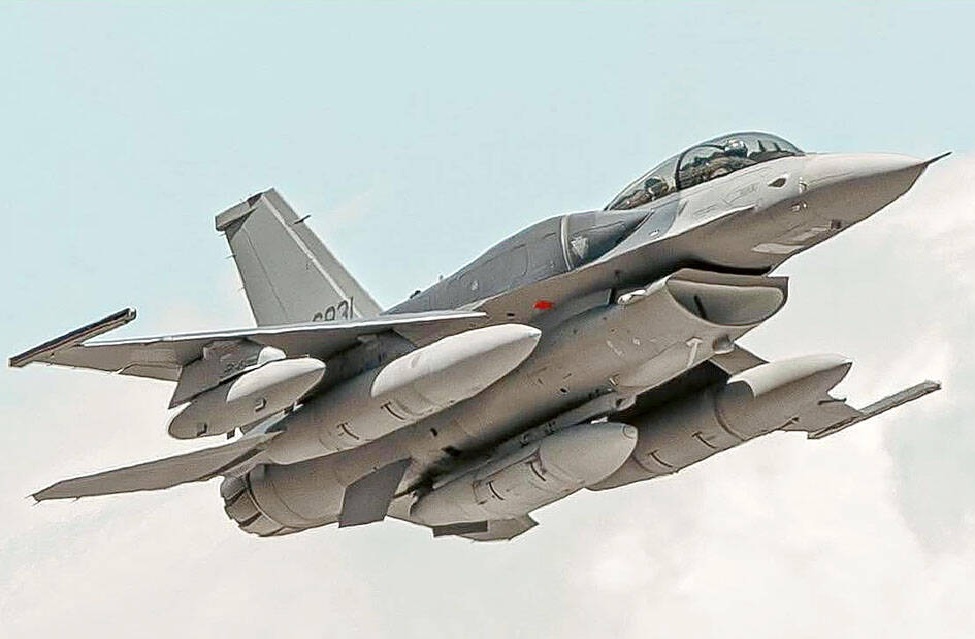 First Taiwanese F-16 Block 70 Flies with Five-Tank Fuel Configuration During Texas Tests
-
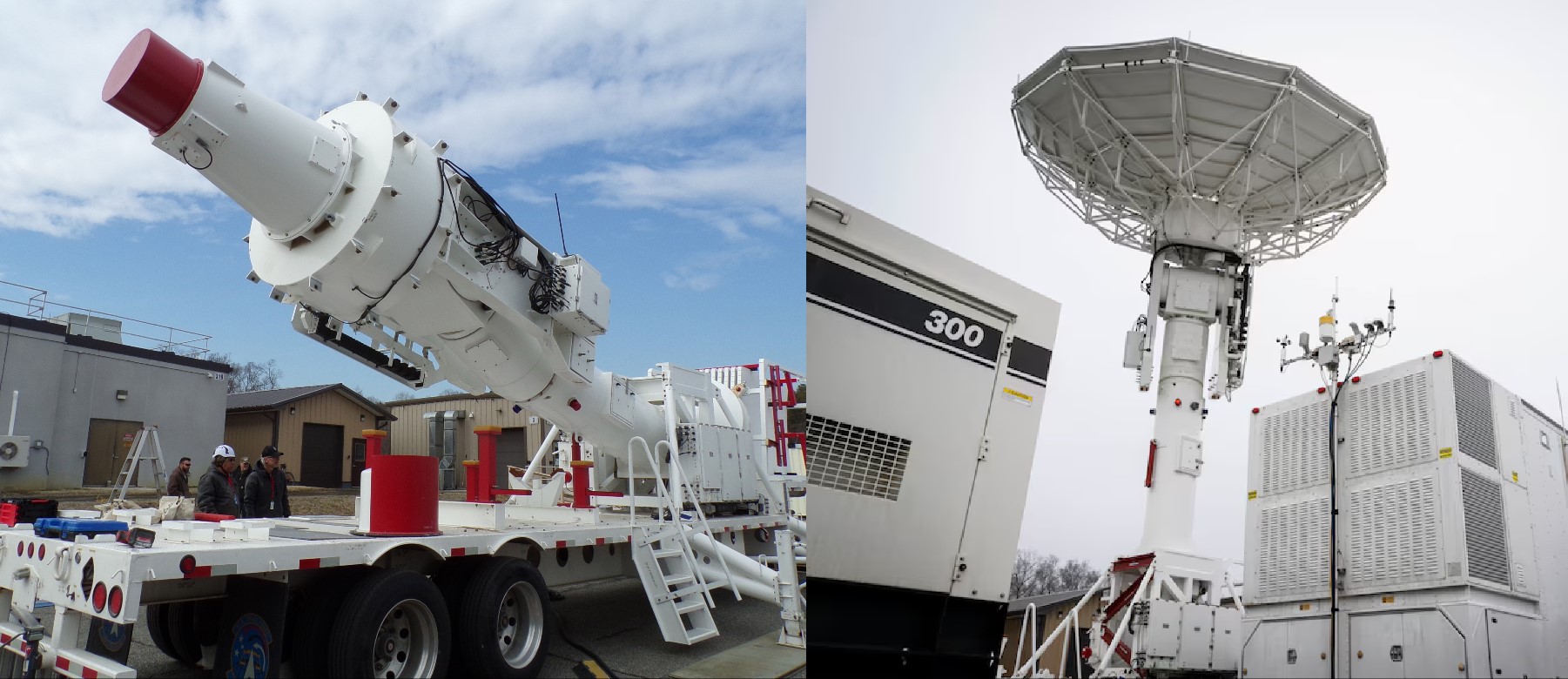 Space Force Transfers Transportable Satellite Tracking Antenna to Naval Research Laboratory
-
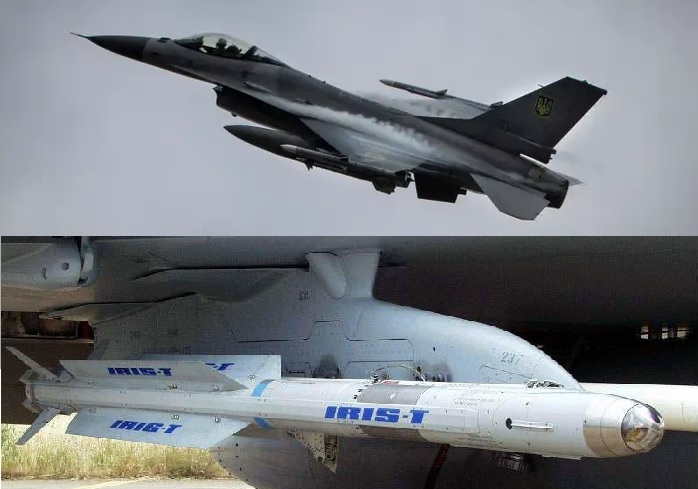 Ukraine’s F-16 Fighters Set to Receive German IRIS-T Air-to-Air Missiles
-
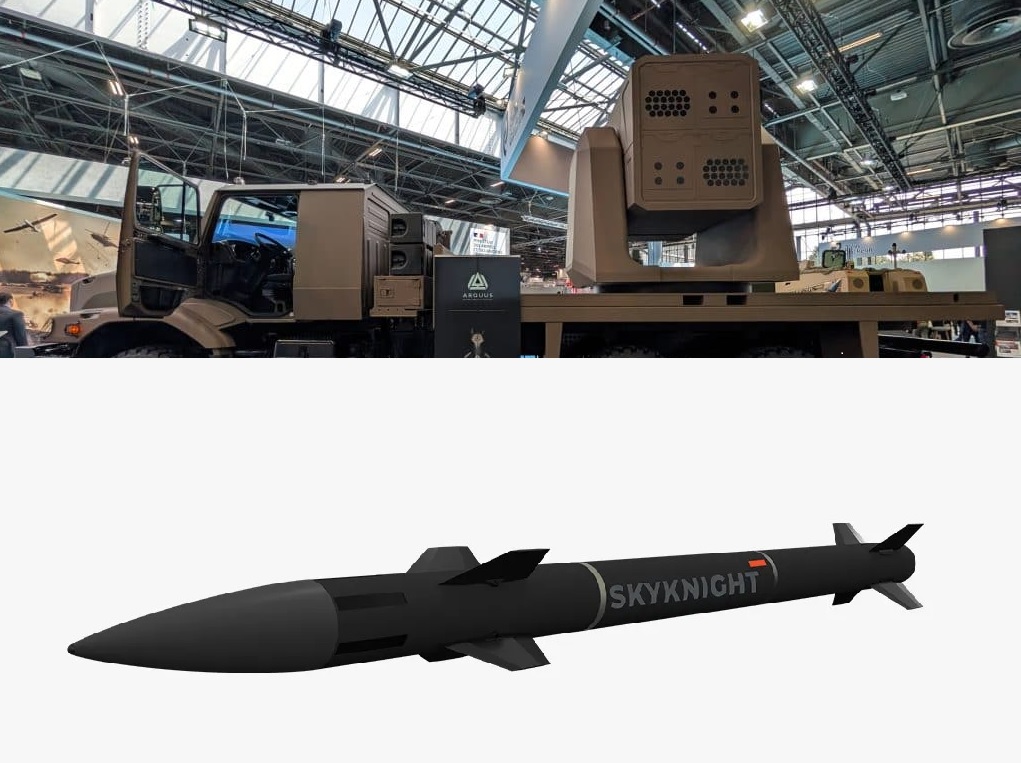 Naval Group Unveils Rampart Modular CIWS Multi-Purpose Weapon System for Naval and Ground Forces at Eurosatory 2026
-
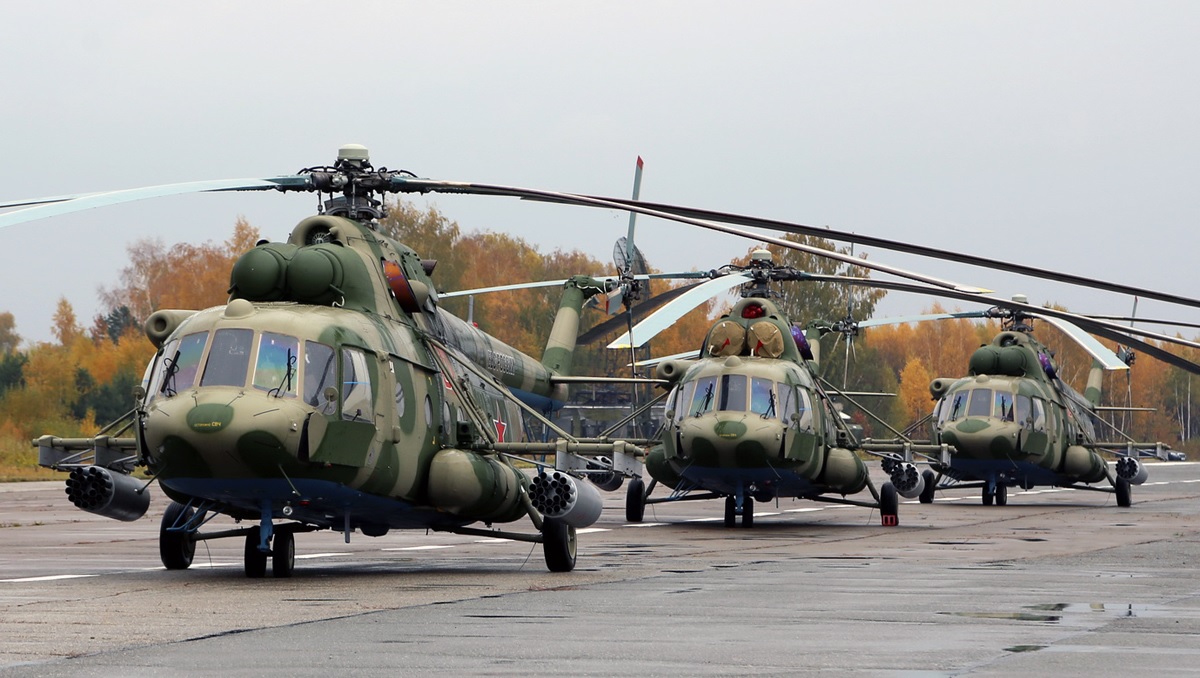 Iran Signs Deal with Russia for 20 Mi-8 and Mi-17 Helicopters to Boost Rescue and Medical Missions
-
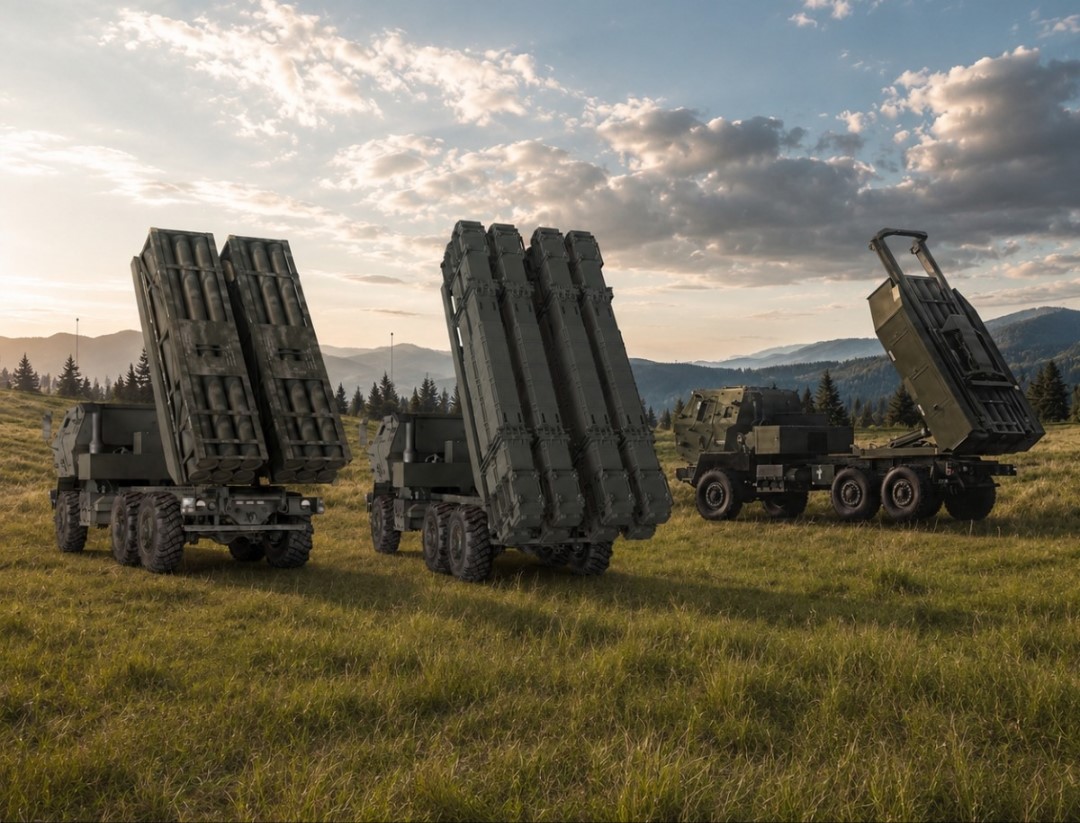 Lockheed Martin Unveils HIMARS FLEX with Dual-Pod Launcher and NATO-Compatible Air Defense Integration
Top Trending in 4 Days
-
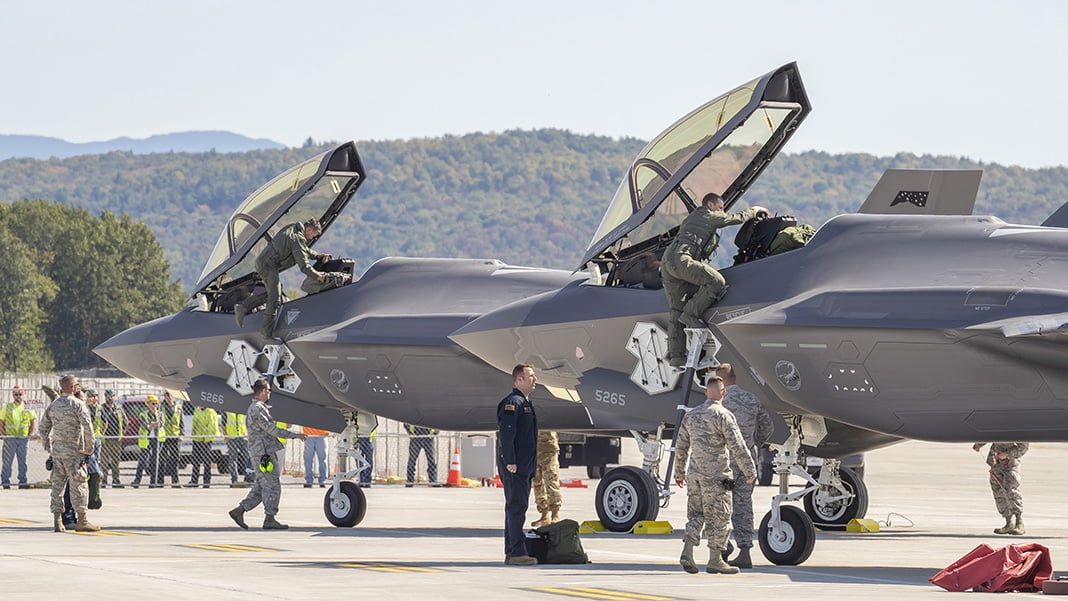 F-35 Fleet Readiness Falls to 25% Amid Parts Shortages and Software Delays: GAO Report
-
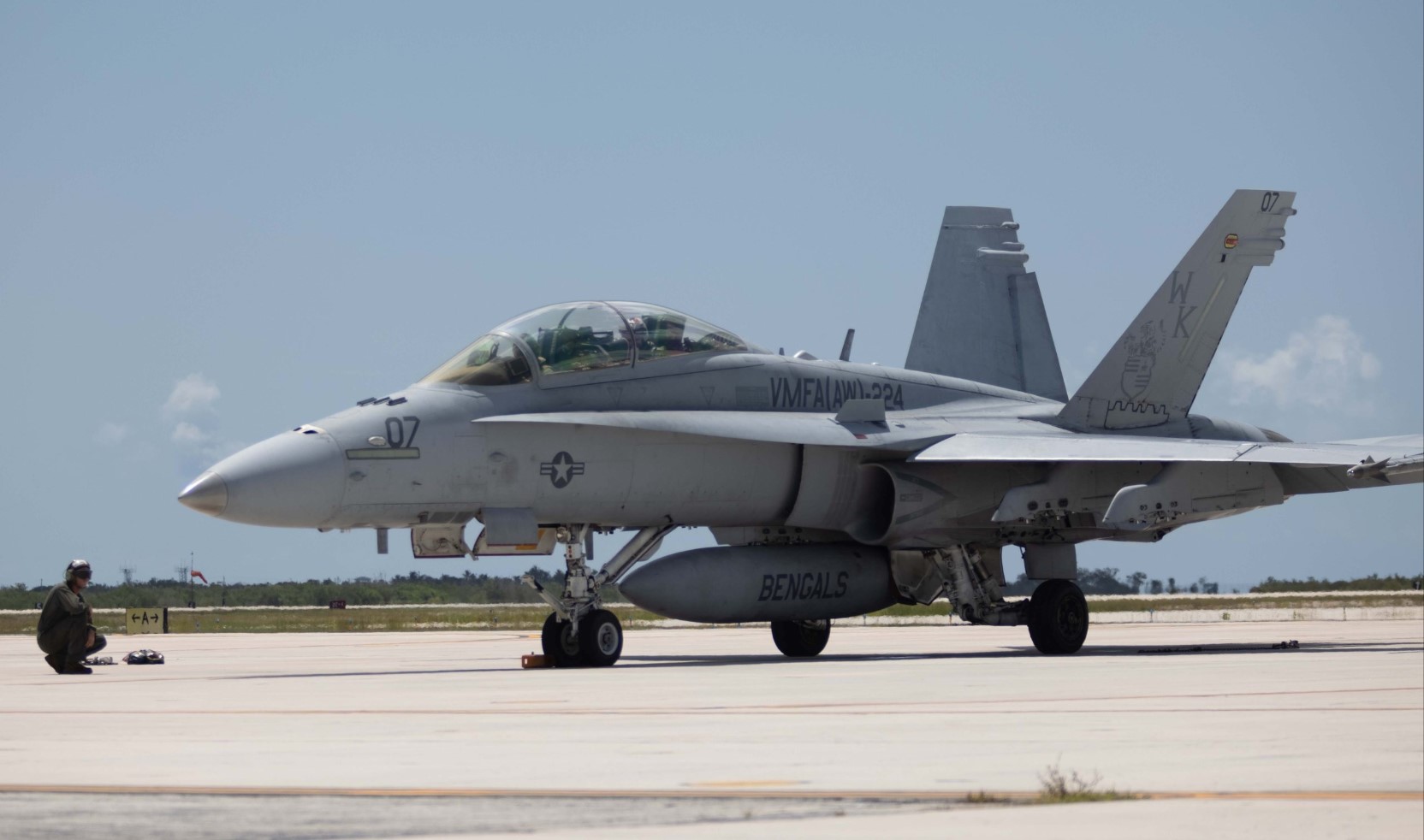 US Marine Corps F/A-18D Hornet Crashes During Training Flight in Washington Mountains; Pilot Ejects Safely
-
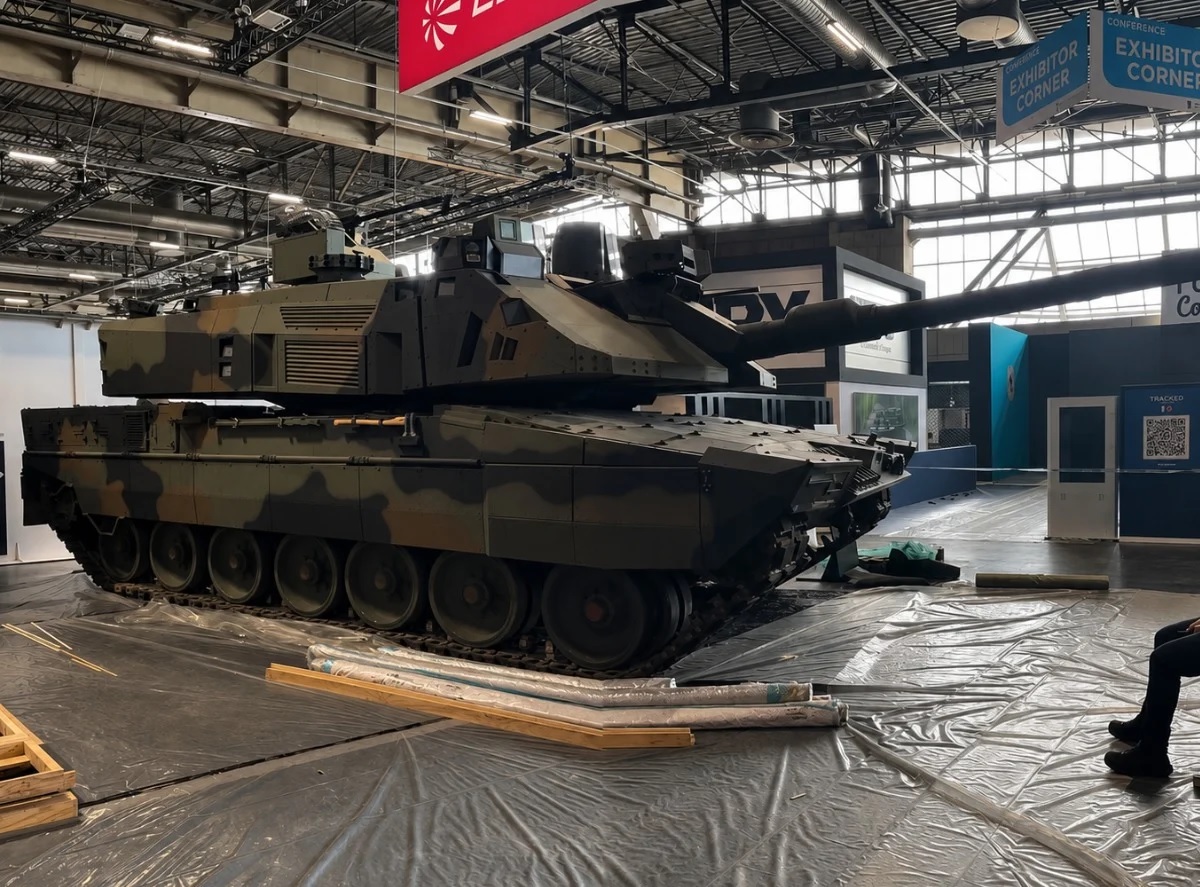 Leonardo Rheinmetall to Unveil Italy’s New IMBT Main Battle Tank at Eurosatory 2026
-
 Tulsi Gabbard Releases Declassified Files Detailing U.S.-Backed Network of 120 Biolaboratories Across 30+ Countries
-
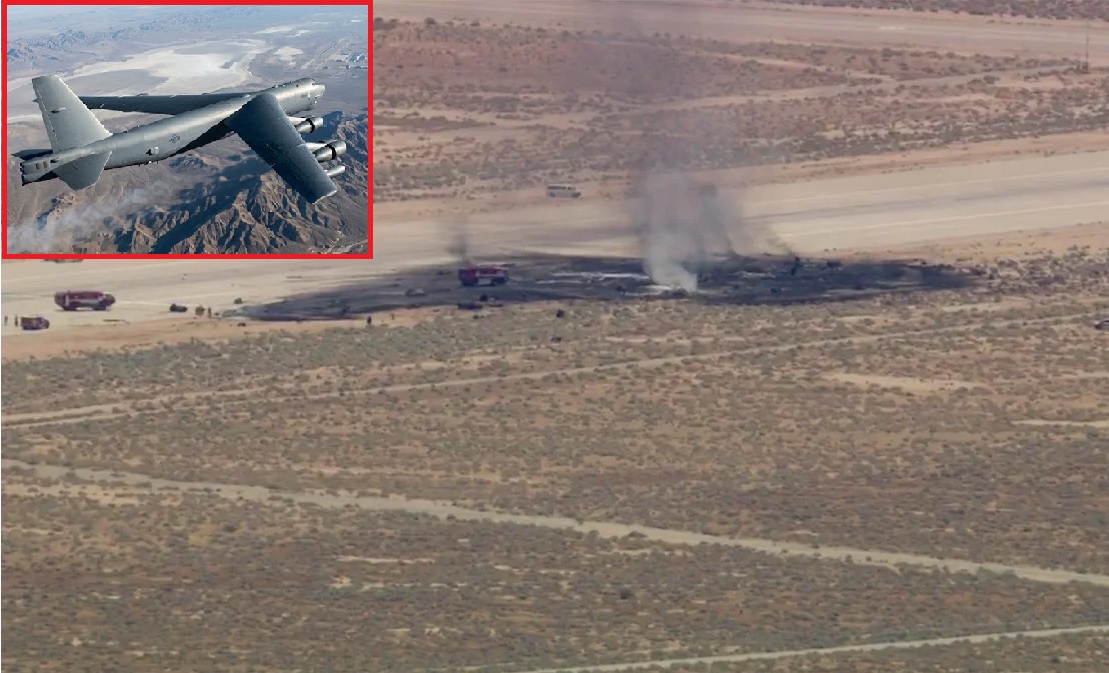 8 U.S. Air Force Crew Members Killed in B-52 Bomber Crash During Test Flight at Edwards Air Force Base
-
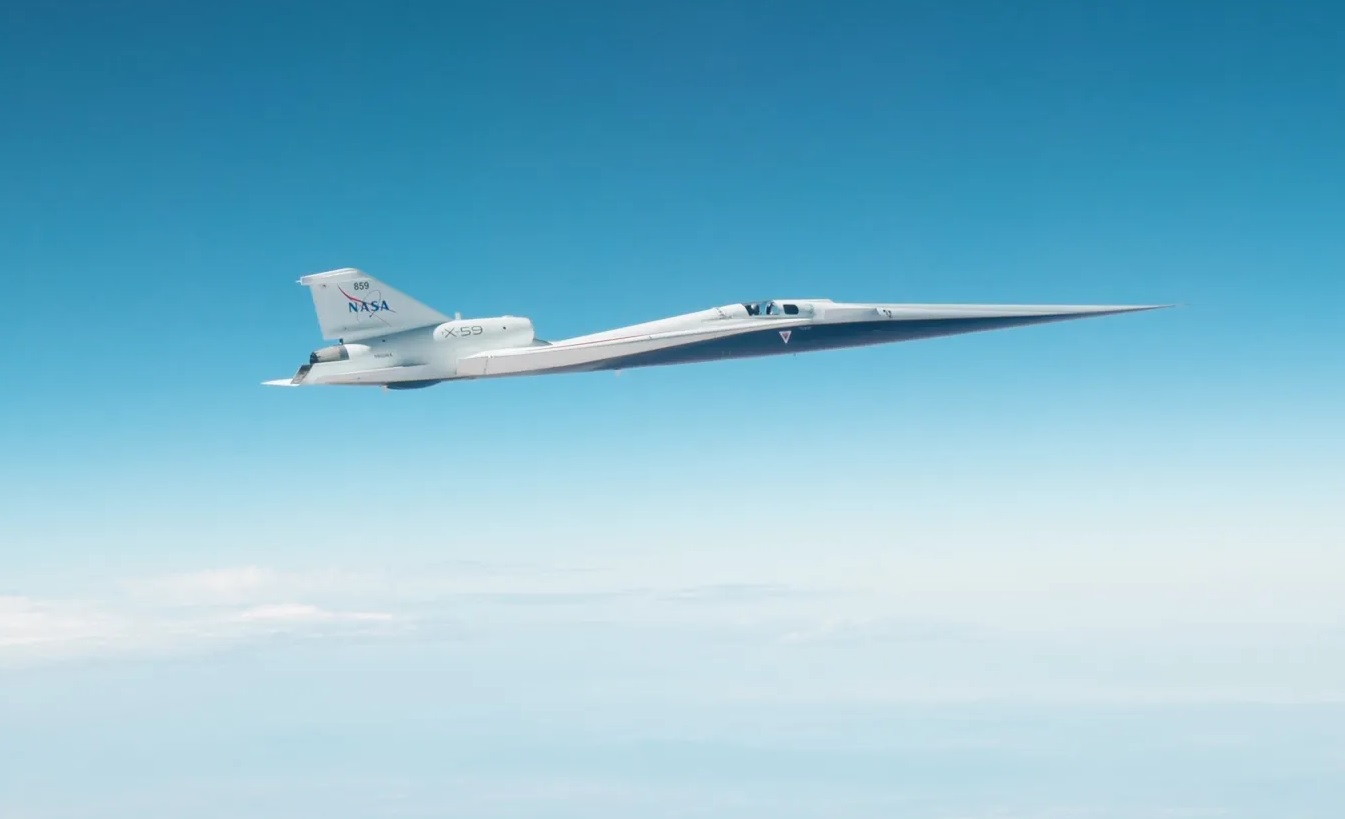 NASA X-59 Achieves Planned Mission Conditions with Mach 1.4 Flight at 55,000 Feet
-
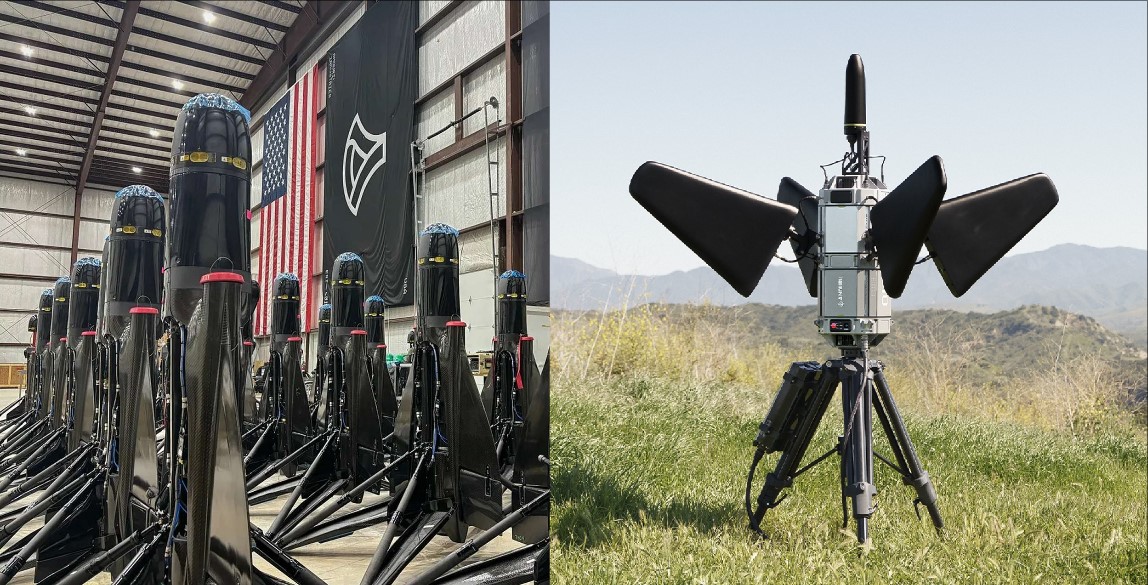 U.S. Approves $1.98 Billion Sale of Anduril AI-Powered Counter-Drone Systems to Kuwait
-
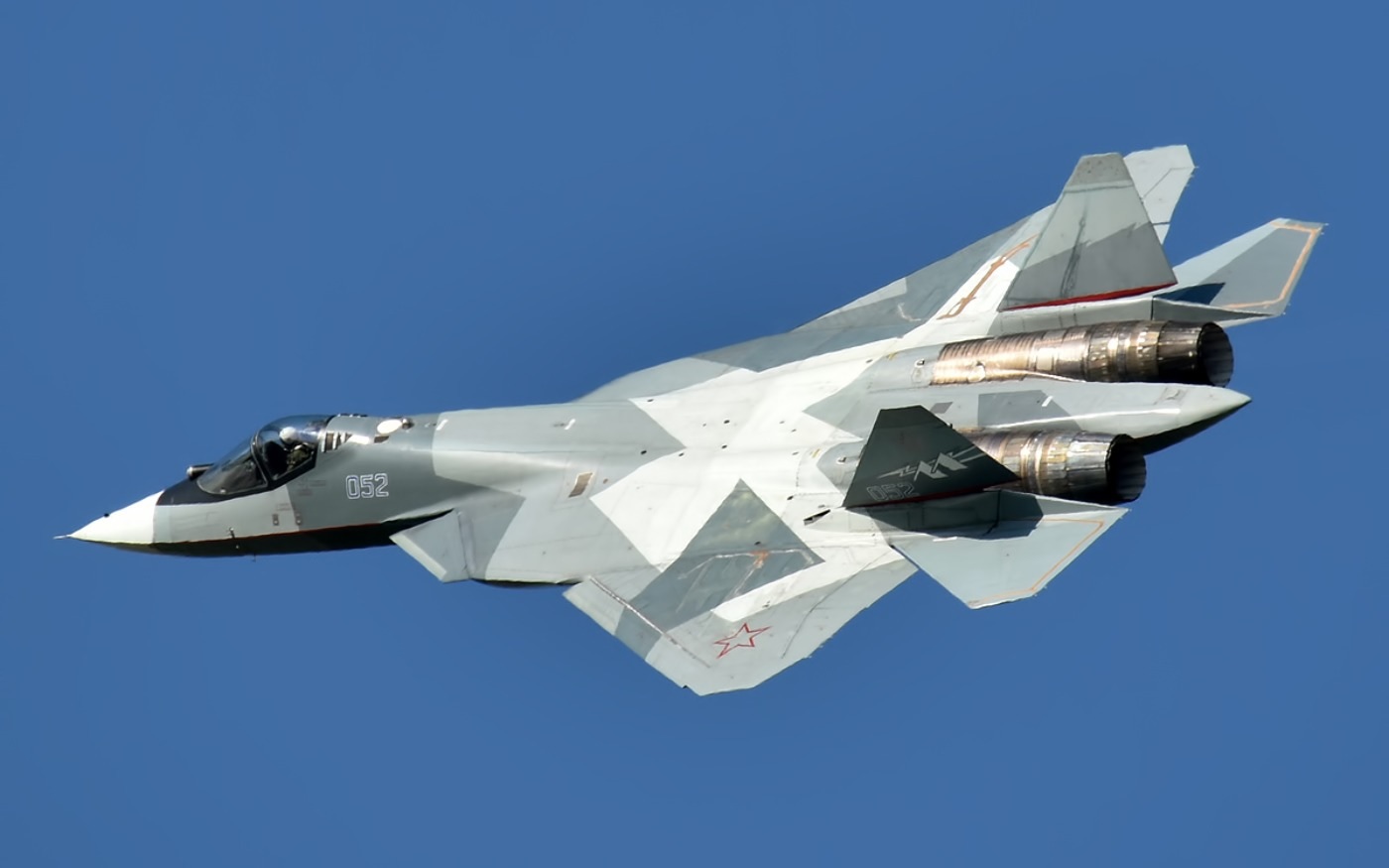 Russian Analysts Debate Su-57 Capabilities After Putin Calls Fighter Superior to F-35