
India
In a significant advancement for maritime defense, the Indian Navy is set to deploy high-explosive pre-fragmented (HEPF) shells on its AK-630 naval guns, enhancing its capability to counter the rising threat of swarm drones. These advanced munitions, designed to engage multiple aerial targets simultaneously, mark a crucial step forward in protecting naval assets from increasingly sophisticated drone attacks.The HEPF shells, developed indigenously by the Armament Research and Development Establishment (ARDE) under the Defence Research and Development Organisation (DRDO), are specifically tailored for use in modern naval warfare. Each shell carries a 1kg explosive payload and, upon detonation, disperses around 600 metal shrapnels at a blistering speed of 850 meters per second. This rapid dispersal creates a lethal cloud with a radius of up to five kilometers, capable of neutralizing multiple drones in one strike. The inclusion of such a high-density shrapnel pattern ensures that even the most agile of swarm drones find it nearly impossible to evade destruction.The AK-630 gun, a close-in weapon system (CIWS) already deployed across various Indian naval vessels, is well-suited to accommodate these advanced shells. The system, known for its rapid-fire capability and precision, can deliver up to 5,000 rounds per minute, making it a formidable defense mechanism against fast-moving aerial threats. The integration of HEPF shells into this platform significantly boosts the Navy’s ability to protect its vessels, especially in high-risk zones such as the Gulf of Aden and the Indian Ocean Region, where drone attacks have become a growing concern.The Indian Navy’s decision to adopt the HEPF shell comes in response to the evolving nature of aerial threats, particularly the use of swarm drones by adversaries. These drones, often deployed in large numbers, can overwhelm traditional defense systems, making them a serious threat to naval operations. By deploying HEPF shells, the Navy ensures that it has a reliable countermeasure to these tactics, capable of engaging multiple targets simultaneously and with high effectiveness.The development of the HEPF shell was a collaborative effort between ARDE and the Indian Navy, with the Navy providing crucial technical inputs throughout the process. Extensive trials were conducted to validate the shell’s performance, ensuring it met the stringent operational requirements of the Navy. The successful completion of these trials has paved the way for the mass production of these shells, with production documents already handed over to the Naval Armament Inspectorate. This move allows the Navy to place orders based on its operational needs, ensuring a steady supply of these critical munitions.In addition to its primary role in countering drone threats, the HEPF shell also enhances the Navy’s overall firepower, providing an effective solution against a range of aerial and surface threats. The versatility of the AK-630 gun, combined with the advanced capabilities of the HEPF shell, ensures that the Indian Navy is well-prepared to face the challenges of modern maritime warfare.As drone technology continues to evolve, the Indian Navy’s proactive approach in adopting advanced countermeasures like the HEPF shell demonstrates its commitment to maintaining a robust defense posture. This development not only strengthens the Navy’s ability to protect its assets but also serves as a testament to India’s growing capabilities in defense technology and indigenous weapon systems.
Read More → Posted on 2024-09-01 15:23:59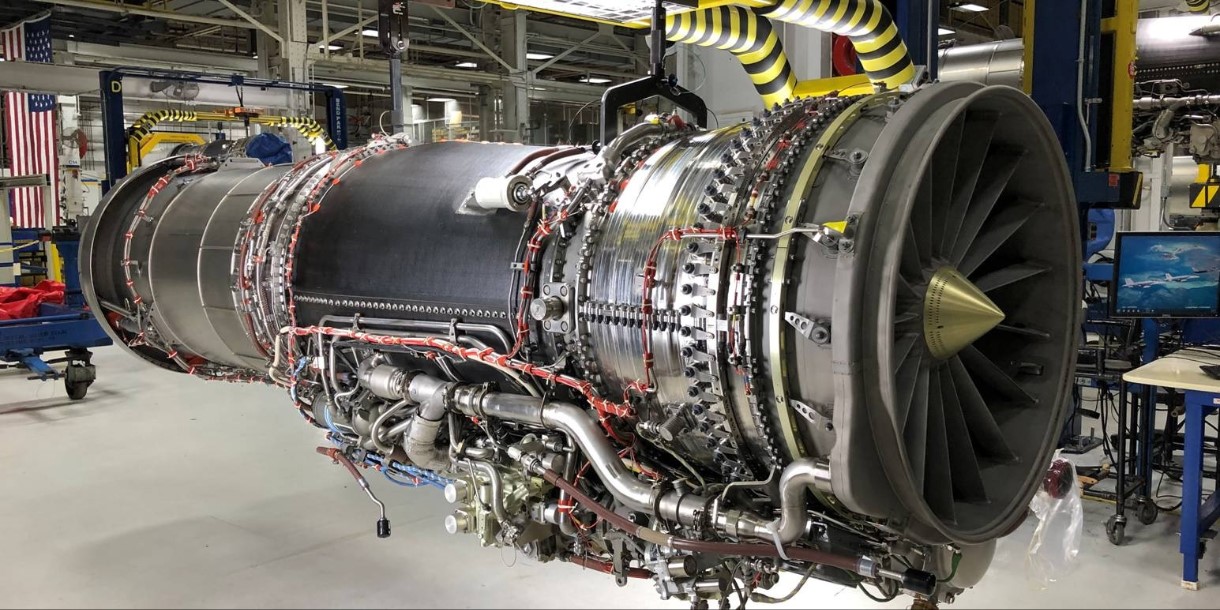
India
India’s ambitious plans for developing indigenous fighter jets, such as the Advanced Medium Combat Aircraft (AMCA) and Tejas MkII, hinge on advanced materials and cutting-edge technology. At the heart of this mission is Mishra Dhatu Nigam Limited (MIDHANI), a state-owned enterprise specializing in metallurgical and material science innovations. Under the leadership of Dr. Sanjay Kumar Jha, MIDHANI is poised to play a critical role in powering India’s future combat aircraft by developing and supplying the high-performance materials needed for these engines.One of MIDHANI’s key collaborations is with the Gas Turbine Research Establishment (GTRE), which is spearheading the development of a new 110kN thrust engine designed for the AMCA. This engine is expected to be a game-changer in India’s defence capabilities, providing the power and efficiency needed for the next generation of stealth fighters. MIDHANI’s role in this collaboration involves developing advanced materials that can withstand the extreme temperatures and stresses encountered in such high-performance engines.The expertise that MIDHANI brings to the table is not just theoretical but has been proven in practice. For instance, the company has already developed five critical materials for the Dry Kaveri engine program, a project aimed at creating an indigenous jet engine for India’s combat aircraft. The success in developing these materials demonstrates MIDHANI’s deep understanding of advanced metallurgy and its ability to innovate in the field of material science.Beyond the AMCA, MIDHANI is also involved in the development of the Tejas MkII fighter jet. The Tejas MkII will be powered by the GE F-414 engine, which will be locally manufactured by Hindustan Aeronautics Limited (HAL) with substantial Transfer of Technology (ToT) from GE, amounting to an impressive 80%. MIDHANI is set to supply the materials and components necessary for this local production, further cementing its role as a cornerstone of India’s defence manufacturing ecosystem.Dr. Jha has emphasized the strategic importance of developing indigenous capabilities in defence technology, particularly in the context of material science. By focusing on local production and reducing dependency on foreign suppliers, MIDHANI is enhancing India’s national security and promoting self-reliance—a key objective for the nation as it seeks to establish itself as a global leader in defence technology.Moreover, MIDHANI’s potential partnerships with global aerospace giants like Safran, GE, and Rolls-Royce could bring in additional cutting-edge technology and expertise, further boosting India’s capabilities in indigenous engine development. These collaborations are not just about acquiring technology; they are about building the capacity to innovate and produce advanced materials domestically, ensuring that India remains at the forefront of defence technology.As India continues to advance its fighter jet programs, MIDHANI’s role will become increasingly important. The company’s commitment to innovation in material science is not just about supporting current projects like the AMCA and Tejas MkII; it’s about laying the foundation for the future of India’s defence industry. With MIDHANI’s expertise, India is well on its way to achieving technological self-sufficiency in the crucial domain of defence engine development.
Read More → Posted on 2024-09-01 15:09:02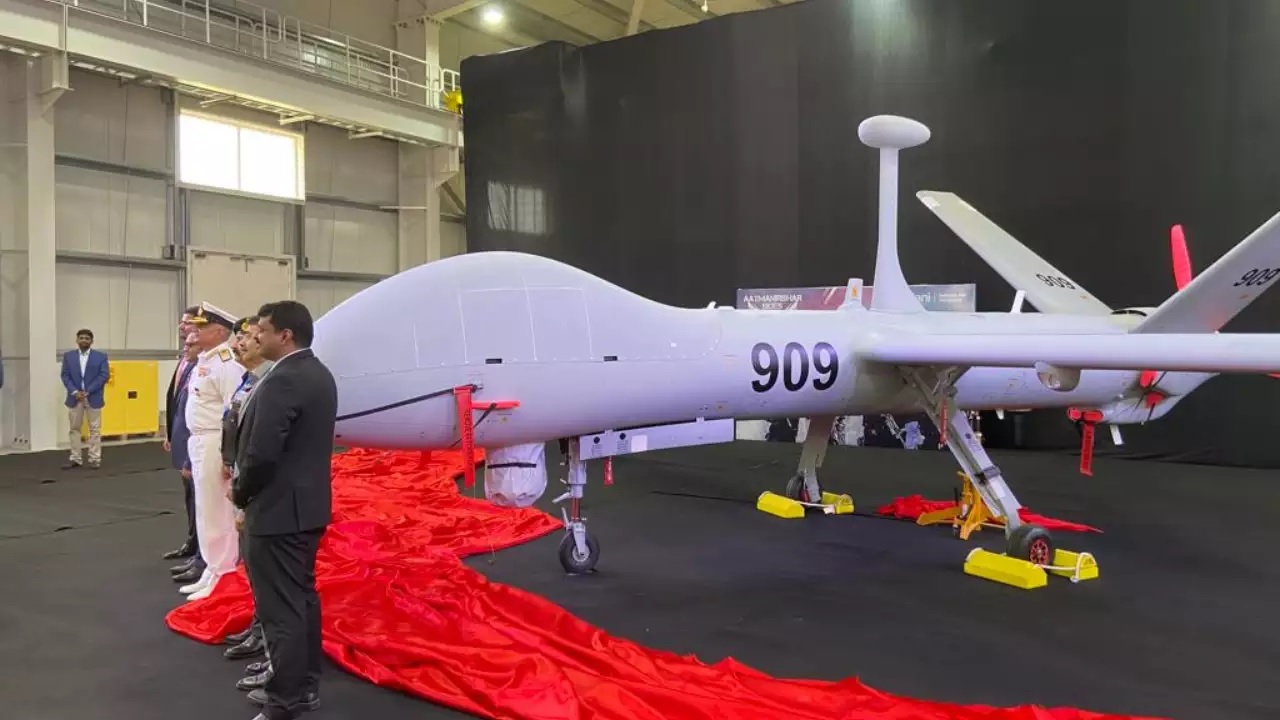
India
The Indian Army is on the brink of enhancing its surveillance capabilities with the upcoming deployment of Drishti-10 Medium Altitude Long Endurance (MALE) UAVs. Recent images from Adani Defence have revealed that these advanced drones, known as the Drishti-10 Starliner, are in their final preparation stages, signaling an imminent handover to the Army.Initially, the deployment of these drones was scheduled for May, but an unspecified delay pushed back their delivery. Despite this setback, the arrival of the Drishti-10 UAVs at the Bhatinda base is now expected soon. This deployment will be crucial for the Indian Army, especially in bolstering surveillance operations along the sensitive western border with Pakistan.The Drishti-10 UAVs are being procured under emergency provisions, a testament to their strategic importance. These provisions, which require at least 60% indigenous content, align with the Indian government's "Make in India" initiative, emphasizing the nation's commitment to self-reliance in defense manufacturing.The Drishti-10 Starliner is not just another UAV; it's a sophisticated platform designed for high-endurance surveillance missions. With its advanced electro-optical and infrared sensors, the drone can operate in diverse weather conditions, providing the Army with real-time intelligence and enhancing situational awareness. The MALE classification means that these drones can fly at medium altitudes for extended periods, making them ideal for continuous monitoring of India's borders.These UAVs are expected to play a pivotal role in the Indian Army's modernization efforts. As threats evolve, the need for advanced surveillance systems becomes increasingly critical. The Drishti-10 Starliner, with its state-of-the-art technology, will enable the Army to maintain a vigilant watch over critical areas, enhancing national security.In addition to surveillance, the Drishti-10 UAVs are likely to be integrated into a broader network of intelligence, surveillance, and reconnaissance (ISR) assets. This integration will allow for seamless communication and data sharing between different branches of the military, ensuring a coordinated response to any potential threats.The Indian Army's acquisition of the Drishti-10 UAVs is a significant step forward in its quest to modernize its forces and improve its operational capabilities. As these drones enter service, they will undoubtedly become a cornerstone of India's defense strategy, providing the Army with the tools it needs to effectively monitor and protect the nation's borders.
Read More → Posted on 2024-08-31 15:30:08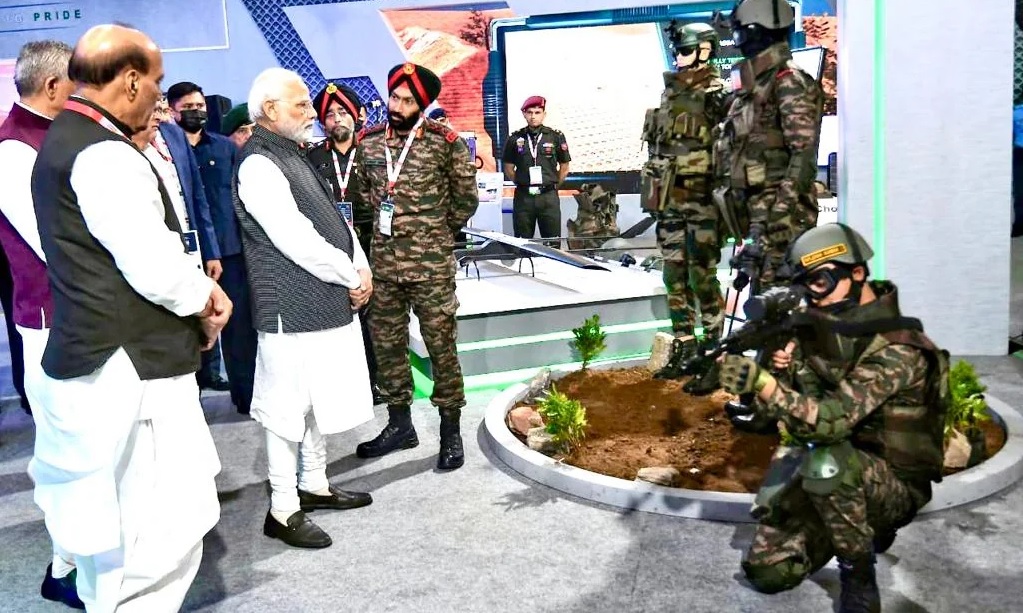
India
India’s drive towards self-reliance in defence is on an ambitious path, with the government setting significant targets for the sector by 2029. At an event in Thiruvananthapuram, Defence Minister Rajnath Singh laid out a bold vision, highlighting the country’s goal to achieve Rs 3 lakh crore in defence production and Rs 50,000 crore in defence exports by 2029. This push aligns with Prime Minister Narendra Modi’s broader vision of an ‘Aatmanirbhar Bharat’ or self-reliant India, which emphasizes the importance of indigenous capabilities in every sector, especially in defence.The Defence Minister's announcement is a testament to the strides India has made in recent years. Historically, India was heavily dependent on imports to meet its defence needs, with up to 70% of its military equipment coming from abroad. However, this scenario has undergone a significant transformation. Today, India manufactures approximately 65% of its defence equipment domestically, with only 35% being imported. This shift underscores the government's commitment to reducing dependence on foreign suppliers and boosting local manufacturing capabilities.One of the pivotal steps in this direction has been the establishment of Defence Industrial Corridors in Uttar Pradesh and Tamil Nadu. These corridors are designed to create a robust ecosystem for defence production and innovation, fostering collaboration between government, industry, and academia. Additionally, the Ministry of Defence has issued five Positive Indigenisation Lists, which include more than 5,500 items that are to be manufactured domestically. This move is aimed at enhancing self-reliance and reducing the import burden on the country.The collaboration between India and global defence companies is also a key factor in achieving these ambitious targets. During a recent visit to the United States, Rajnath Singh engaged in fruitful discussions with American defence firms, who expressed enthusiasm for participating in the ‘Make in India’ program. A significant outcome of this partnership is the decision to manufacture GE-414 jet engines in India, a move that marks a milestone in the country’s engine-making capabilities.The Defence Minister highlighted that India’s defence production has already crossed Rs 1.27 lakh crore annually, and the target for the current fiscal year is set at Rs 1.75 lakh crore. This trajectory of growth is a clear indicator that the Rs 3 lakh crore target by 2029 is not just aspirational but achievable.On the export front, India is also making impressive progress. In the financial year 2023-24, defence exports crossed Rs 21,000 crore, reflecting the growing global demand for Indian-made defence equipment. The target to reach Rs 50,000 crore in exports by 2029 is ambitious, but with the current momentum, it seems well within reach. This export growth is expected to be fueled by India's expanding capabilities in manufacturing advanced military hardware, including missiles, aircraft, and naval vessels, which have garnered interest from countries around the world.Rajnath Singh also took the opportunity to reflect on India's rising stature on the global stage. He cited Prime Minister Modi’s recent diplomatic efforts in conflict zones like Russia and Ukraine, where Modi has emerged as a key voice. This growing influence is also reflected in the numerous international honors bestowed upon the Prime Minister, including Russia’s highest civilian award. Such recognition not only enhances India’s global standing but also strengthens its defence partnerships.The Defence Minister’s speech also touched on the broader context of India’s economic growth and stability. Since 2014, India’s economy has transformed from being one of the ‘Fragile Five’ to one of the ‘Fabulous Five,’ with a consistent growth rate that has positioned the country as the world’s fifth-largest economy. Looking ahead, projections suggest that India could become the third-largest economy by 2027, driven by its robust growth and investment in critical sectors like defence.In conclusion, the ambitious targets set for defence production and exports by 2029 are a clear reflection of India’s determination to achieve self-reliance and establish itself as a global defence powerhouse. With the continued support of the government, industry, and international partners, India is well on its way to realizing this vision, ensuring not only its own security but also contributing to global peace and stability.
Read More → Posted on 2024-08-31 15:20:51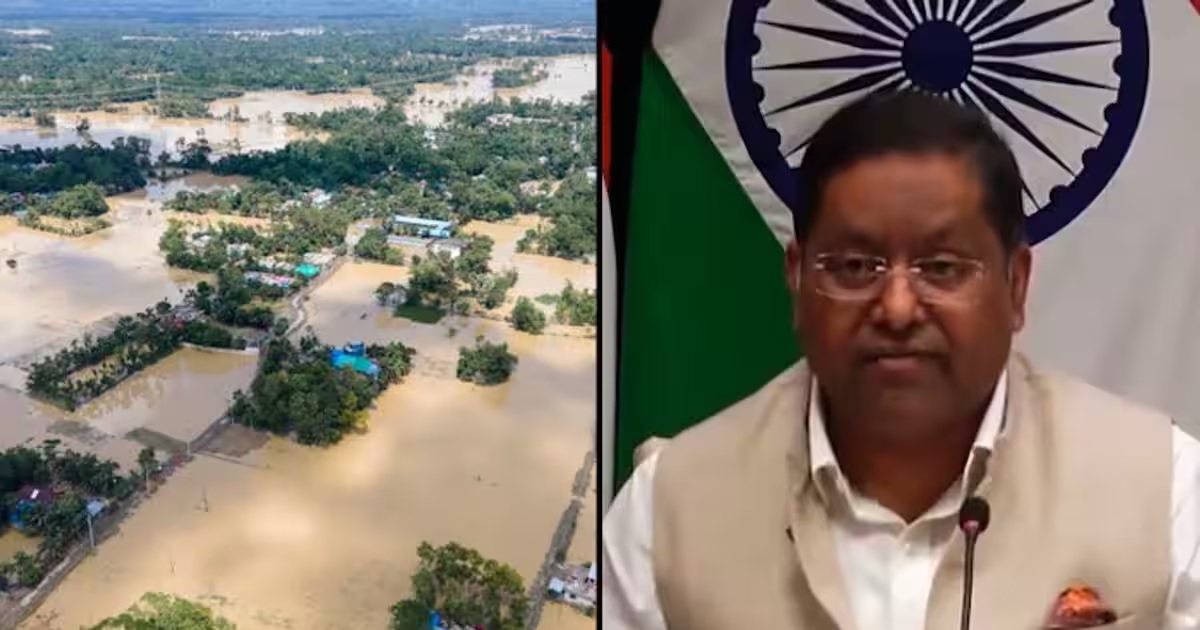
India
In a recent statement, the Ministry of External Affairs (MEA) of India strongly refuted allegations made in a CNN report suggesting that India was responsible for the devastating floods in Bangladesh. The report, which stirred significant concern and misinformation, accused India of releasing water from the Dumbur dam in Tripura without warning, contributing to the flooding in Bangladesh’s Feni district.During a media briefing, MEA spokesperson Randhir Jaiswal addressed the claims, labeling the report as “misleading” and “factually not correct.” He emphasized that the narrative presented by CNN overlooked critical facts and ignored the longstanding cooperation between India and Bangladesh in managing shared water resources. "We have a regular and timely exchange of data and critical information between the two countries through existing joint mechanisms for water resources management," Jaiswal said, underscoring the collaborative efforts in place to mitigate such situations.The controversy arose after CNN reported that residents of Feni, a town near the India-Bangladesh border, accused India of releasing water from the Dumbur dam without prior notice. According to the report, locals claimed that the sudden release of water exacerbated the already severe flooding caused by excessive monsoon rains. Shoriful Islam, a local volunteer, was quoted saying, "They opened the gate, but no information was given," reflecting the frustration and confusion among affected communities.However, the Indian government clarified that the flooding was primarily due to unprecedented rainfall and that any water release from the dam was not intentional. The MEA highlighted that the heavy rains had caused a power outage and communication breakdown, which hindered the usual process of issuing warnings to downstream areas, including Bangladesh.The CNN report’s implications were particularly troubling given the scale of the disaster in Bangladesh. According to the United Nations, more than 18 million people have been affected by the monsoon floods, with over 1.2 million families displaced. The worst-hit areas include the regions of Chattogram and Sylhet, where major rivers have surged above danger levels, leading to widespread destruction of homes, roads, and farmlands. The UN and UNICEF have reported significant damage to livelihoods, with many seeking refuge in temporary shelters.Despite the challenging circumstances, India and Bangladesh have historically maintained a cooperative approach to managing their shared rivers. The MEA's swift response to the CNN report aimed to prevent any erosion of trust between the two nations and to ensure that the facts surrounding the flood situation are accurately represented.The situation underscores the complexities of transboundary water management, particularly in a region prone to extreme weather events. Both India and Bangladesh continue to face the formidable challenge of balancing the needs and safety of their populations while managing the natural resources they share.
Read More → Posted on 2024-08-31 15:17:56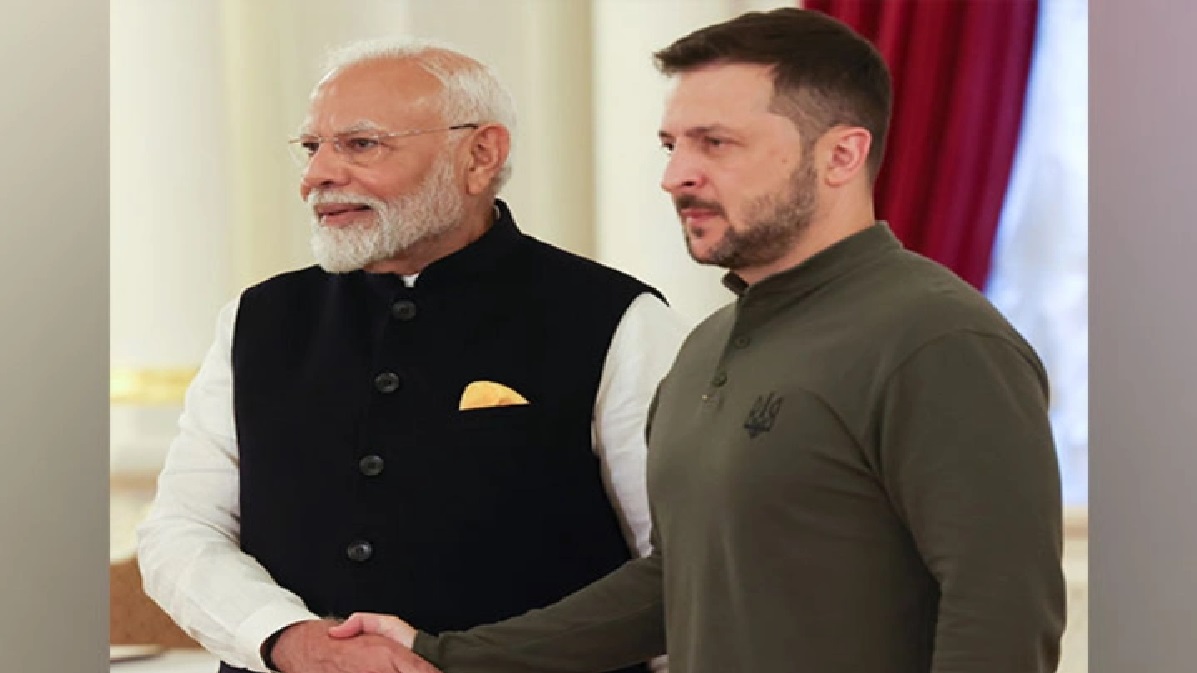
India
India has reaffirmed its commitment to facilitating peace between Russia and Ukraine, reiterating its support for any feasible and mutually acceptable solution that could help end the ongoing conflict. The Ministry of External Affairs (MEA) emphasized this stance during a press briefing on Friday, with spokesperson Randhir Jaiswal stating that India is prepared to assist in peace talks, but the initiation of such discussions remains the prerogative of the warring parties.Jaiswal highlighted India's role as a friend and partner to both nations, indicating that New Delhi would back any peace process that could lead to a sustainable resolution. "The decision as to when and how to commence peace talks is the prerogative of the two parties to the conflict. As friends and partners, we would support any feasible and mutually acceptable solution or format that could restore peace," he said.This statement follows closely on the heels of Prime Minister Narendra Modi's recent visit to Ukraine, where he met with President Volodymyr Zelenskyy. During the visit, Modi reiterated India's longstanding position that dialogue is the only viable path to lasting peace. He assured Zelenskyy of India’s willingness to play a constructive role in the peace process if required.Addressing Concerns of Indians in RussiaIn addition to discussing the Russia-Ukraine conflict, the MEA provided updates on Indian nationals in Russia. Jaiswal confirmed that 15 Indians who were stuck in Russia have been released and safely returned to India. He added that the Indian Embassy remains in close contact with Russian authorities to facilitate the release of others who wish to return."We have an update as of now, as of today, we have 15 Indians who have been released and they have returned to India. There are others who are waiting for discharge. Our mission, our embassy, is in touch with Russian authorities, and we hope that those who want to return back to India will be released soon," Jaiswal stated.India's Constructive Engagement StrategyThe MEA spokesperson also emphasized India's approach to the conflict, which focuses on constructive, solution-oriented, and practical engagement with all stakeholders. This strategy is part of India’s broader effort to achieve a negotiated settlement between Russia and Ukraine."India has always advocated constructive, solution-oriented, and practical engagement with all stakeholders to achieve a negotiated settlement to the conflict between Russia and Ukraine," Jaiswal said. He underscored that India's outreach to both Russia and Ukraine at the highest levels reflects its commitment to finding a peaceful resolution.However, Jaiswal was cautious about discussing the specific modalities of peace talks, noting that it is too early to comment on the potential pathways for negotiation. He reiterated that any peace initiative must be acceptable to both parties involved. Addressing Other Diplomatic IssuesDuring the same briefing, Jaiswal addressed concerns regarding Indian nationals stranded at Sao Paulo Airport in Brazil. The Indian Consulate in Sao Paulo is in contact with local authorities and the Brazilian Foreign Office to resolve the situation, ensuring that the stranded Indians receive adequate care and assistance."Our consulate is in touch with the foreign office representative in Sao Paulo and has sought a meeting with local authorities. The Indians at the airport are being taken care of in terms of food nourishment and other necessities," Jaiswal assured.Strengthening India-Africa TiesJaiswal also spoke at a Confederation of Indian Industry (CII) event focused on Africa, where he highlighted the historic and special nature of India-Africa relations. He noted that the recent 19th CII India-Africa Conclave, held in Delhi, had given a significant boost to economic ties between India and African nations.The conclave saw participation from high-level representatives across Africa, including vice presidents from several countries and 40 ministerial participants, alongside over 1,200 delegates from 65 nations. The event underscored India's commitment to deepening its economic partnership with Africa and strengthening the voice of the Global South.The CII has played a pivotal role in enhancing India-Africa ties over the past 25 years, with 75 counterpart organizations in 37 African countries facilitating business exchanges and cooperation.ConclusionIndia’s proactive diplomatic stance underscores its commitment to playing a constructive role on the global stage. Whether through facilitating peace talks between Russia and Ukraine or strengthening ties with Africa, New Delhi continues to emphasize dialogue, cooperation, and mutually acceptable solutions as the keys to addressing global challenges.
Read More → Posted on 2024-08-31 08:42:10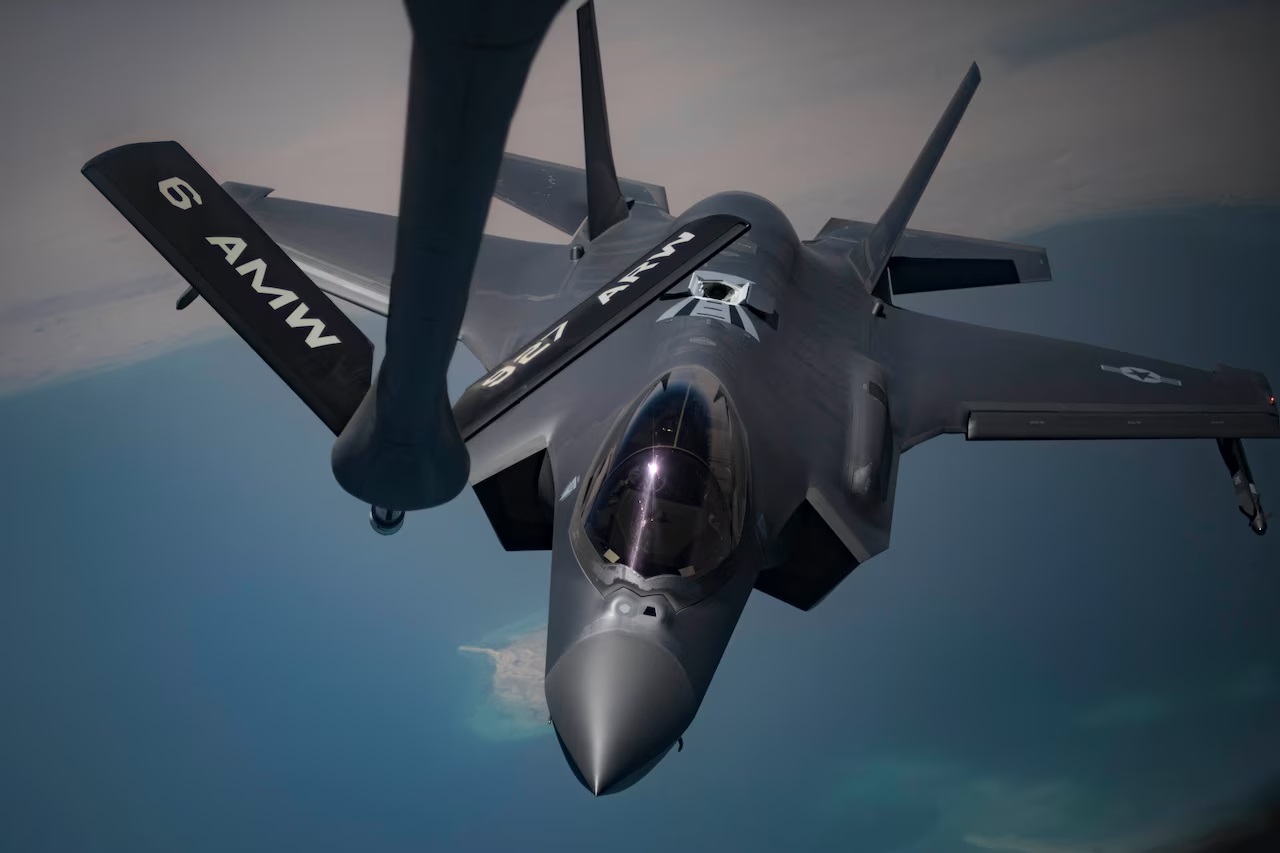
India
The newest batch of F-35 Joint Strike Fighters, equipped with upgraded software, are now capable of more advanced training missions. However, the Department of Defense (DOD) is withholding millions of dollars in payments to Lockheed Martin until these jets can prove they are combat-ready.Lockheed Martin, in partnership with the F-35 Joint Program Office (JPO), announced that the latest F-35s have received software updates that enhance their training capabilities, moving beyond the initial basic training functionalities that were previously available. These enhancements are part of the Technology Refresh 3 (TR-3) upgrades, which are essential for the jets' full operational potential. However, despite these advancements, the government is holding back approximately $5 million per jet until the F-35s can be certified for combat.The TR-3 Software ChallengeThe delivery of the TR-3-equipped F-35s had been halted since July 2023 due to issues with software integration and hardware shortfalls. Lockheed Martin continued production during this period, storing the jets at its Fort Worth, Texas, facility while working on a solution. A partial, "truncated" version of the TR-3 software was eventually developed, which allowed the jets to conduct basic training missions, though they remained unsuitable for combat operations.In July 2024, after the truncated software was deemed sufficient for training purposes, the government resumed accepting deliveries of these F-35s. Despite this progress, the jets are not expected to be combat-ready until 2025, prompting the DOD to withhold a portion of payments to Lockheed Martin as a penalty for the delayed combat capability.The Importance of TR-3 and Block 4 UpgradesThe TR-3 upgrades are a critical stepping stone toward the more comprehensive Block 4 modernization program, which will significantly enhance the F-35's combat capabilities. Block 4 will introduce improvements such as the ability to carry additional weapons, enhanced target identification, and advanced electronic warfare capabilities. The TR-3's enhancements in display technology, computer memory, and processing power are vital for these forthcoming upgrades.However, the delays in TR-3's full implementation have caused ripple effects across the F-35 program. The U.S. Air Force, Marine Corps, and Navy have all experienced disruptions in their plans to field these jets, with some units receiving fewer aircraft than anticipated.Financial Implications for Lockheed MartinThe financial impact on Lockheed Martin is significant, with approximately $5 million being withheld for each jet that fails to meet combat readiness standards. This decision was part of a broader agreement between the government and Lockheed to resume F-35 deliveries despite the ongoing limitations.The cost of these jets is substantial, with the newest F-35A fighters, flown by the U.S. Air Force, priced at about $82.5 million each. The F-35B, used by the Marine Corps for short takeoff and vertical landing operations, costs around $109 million per unit. The F-35C, designed for carrier operations by both the Navy and Marine Corps, comes in at approximately $102.1 million.Impact on the Air Force and BeyondThe delays have had tangible consequences for the U.S. Air Force, particularly for its European-based squadrons at RAF Lakenheath in England. General James Hecker, commander of U.S. Air Forces in Europe, noted that the TR-3 delays have led to a slowdown in the number of F-35s arriving at Lakenheath, with fewer than a dozen jets being delayed. Hecker acknowledged that while the current software is sufficient for training, more work remains to be done to achieve full combat capability.As the TR-3-equipped jets are delivered to training bases, the Air Force plans to transfer combat-capable jets from these bases to operational squadrons like those at Lakenheath. However, until TR-3 is fully operational, the rollout of the Block 4 upgrades will be slowed, delaying the next phase of F-35 modernization.Andrew Hunter, the Air Force’s acquisition chief, emphasized that the service will not pay full price for jets that have not yet delivered the promised capabilities. “We will not pay for that which we have not yet received,” Hunter stated, highlighting the Air Force's commitment to ensuring value for taxpayer dollars.Looking AheadAs Lockheed Martin continues to address the challenges posed by the TR-3 upgrade, the F-35 program remains under intense scrutiny. The DOD's decision to withhold payments underscores the high stakes involved in ensuring that these advanced fighter jets meet their full combat potential. With combat readiness expected in 2025, the pressure is on for Lockheed Martin to deliver on its promises and for the F-35 to solidify its role as the cornerstone of U.S. air superiority in the years to come.
Read More → Posted on 2024-08-31 08:29:16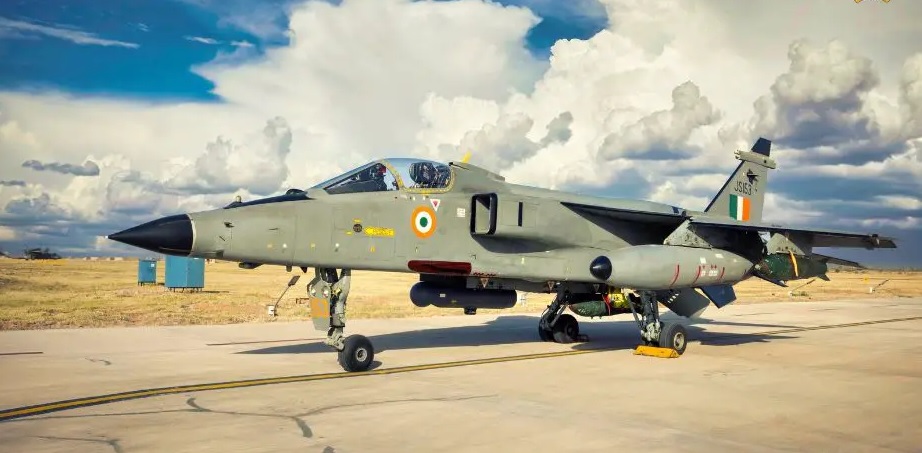
India
In a notable advancement for the Indian Air Force (IAF), Jaguars have been spotted outfitted with the Israeli-made Rampage missiles, hinting at a potential integration of this advanced weaponry onto the Jaguar strike aircraft. This move represents a significant enhancement in the IAF's offensive capabilities, marking a new chapter in the modernization of India's air fleet.The Rampage missile, renowned for its impressive speed and low drag, offers a range of 200 kilometers, significantly extending the reach and precision of the IAF's strike capabilities. Previously tested successfully on aircraft like the Sukhoi-30MKI and MiG-29K, the Rampage's integration onto the Jaguar platform is a testament to its reliability and effectiveness. The missile's design ensures high-speed delivery and precision targeting, making it a valuable asset for precision strikes.Adding the Rampage missile to the Jaguar fleet aligns with the IAF's broader strategy to enhance its arsenal with state-of-the-art technology. This development is not just a tactical upgrade but also part of India's larger goal to boost self-reliance in defense production. Under a technology transfer agreement with Israel, plans are underway to manufacture the Rampage missile locally, which will further bolster India's defense industry and reduce dependency on foreign arms.The Aircraft Systems and Testing Establishment (ASTE) has been pivotal in facilitating this integration. Their role in adapting new weapon systems to IAF aircraft ensures that these upgrades are smoothly implemented, maximizing operational efficiency and effectiveness.This upgrade is a clear indication of the IAF's commitment to staying ahead of technological advancements and preparing for future defense challenges. By integrating the Rampage missile, the IAF is not only enhancing its current operational capabilities but also positioning itself for strategic advantages in the evolving landscape of air warfare.
Read More → Posted on 2024-08-30 15:40:13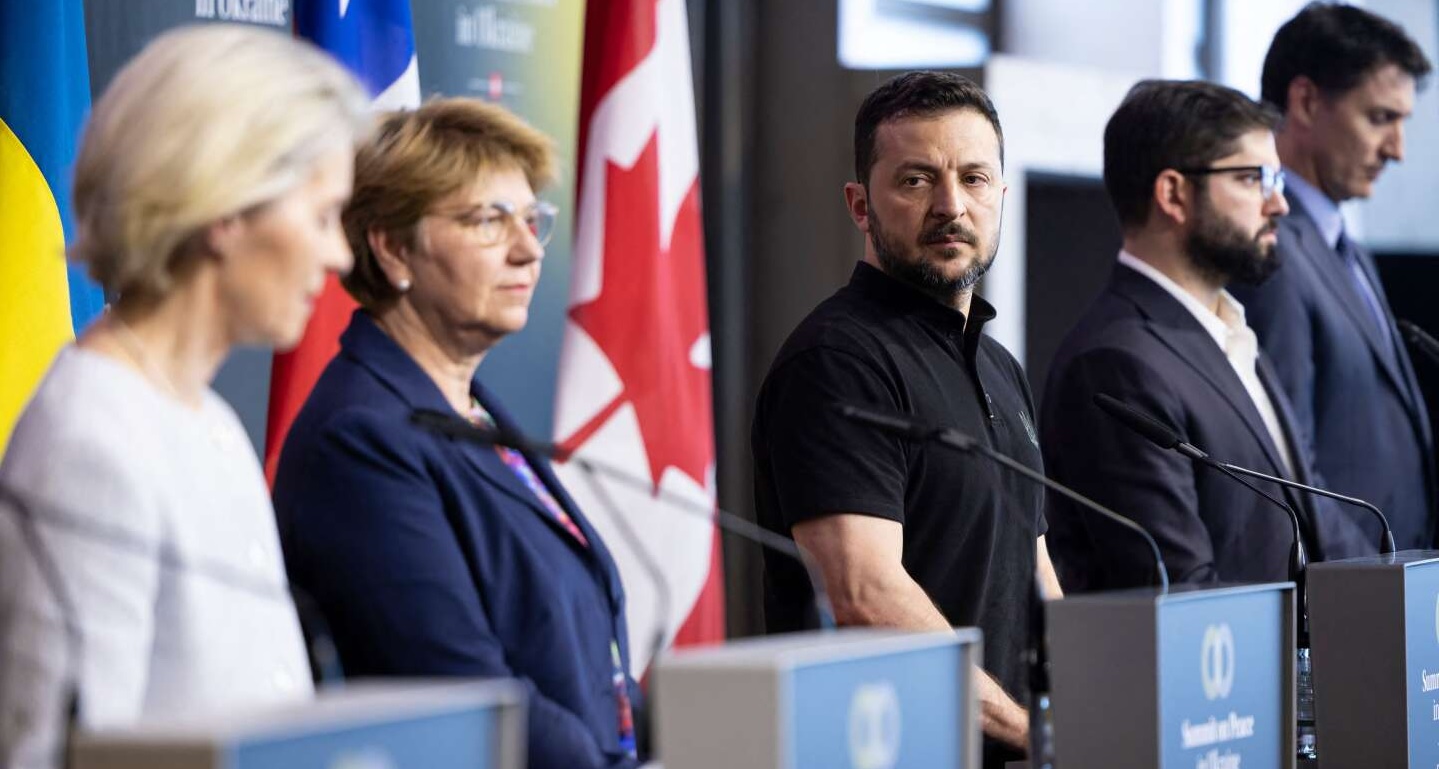
India
Ukrainian President Volodymyr Zelenskiy has proposed holding a high-stakes summit in India aimed at ending the ongoing conflict with Russia. This proposal emerged during a recent visit by Indian Prime Minister Narendra Modi to Kyiv, where Zelenskiy and Modi discussed potential strategies for peace.The proposed summit would be a follow-up to a June meeting in Switzerland, which sought to rally support from nations of the Global South for Ukraine's efforts. This meeting is envisioned as a crucial step before the upcoming U.S. presidential election in November, as Zelenskiy seeks to build a broader coalition of support for Ukraine’s 10-point peace plan. The plan includes key demands such as the withdrawal of Russian forces and the establishment of a framework for negotiations.India, which has been cautious about supporting Ukraine’s peace initiative due to its exclusion of Russia, might play a pivotal role in this new diplomatic effort. While Modi has shown support for Ukraine’s sovereignty, he has yet to commit to hosting the proposed summit. India's Ministry of External Affairs has not provided a response to the proposal as of now.The urgency of the situation has heightened following recent developments on the battlefield. Russian forces have made significant advances in Ukraine’s eastern Donetsk region, and Ukraine's military has conducted a surprising incursion into Russia’s Kursk region. These actions underscore the escalating nature of the conflict, which began with Russia’s invasion of Ukraine in February 2022.Zelenskiy’s spokesman, Serhiy Nykyforov, has indicated that Ukraine is particularly interested in holding the summit in a Global South country like India. However, for the summit to be effective, Russia must be involved in the discussions, a point that has been a sticking point in previous negotiations. Despite Ukraine’s openness to including Russia, the Kremlin has consistently shown reluctance to engage with Kyiv’s proposals.The June summit hosted by Switzerland, which attracted over 100 countries and organizations, fell short of achieving its goals. Notably, China did not attend, and India, along with other key nations, declined to sign the final communiqué. This communiqué had been narrowed to focus on specific issues, such as nuclear and food safety, and the return of abducted children and prisoners, to garner broader support.India’s skepticism towards Ukraine's initiative is partly due to the exclusion of Russia, which remains a significant concern for Indian officials. Modi's visit to Kyiv marked the first time an Indian prime minister visited Ukraine since its independence in 1991. Despite offering direct support for Ukraine's territorial integrity, Modi reiterated his belief that a diplomatic resolution remains the only viable path to peace.India has maintained its political and economic ties with Russia, which supplies India with affordable oil and military equipment. Modi’s recent trip to Moscow and his discussions with President Vladimir Putin, coupled with his public statements on the need for peace, underscore India's complex balancing act in the ongoing conflict.As the situation evolves, the prospects for a summit involving Russia remain uncertain. The recent escalation, including a significant Russian aerial attack on Ukraine’s infrastructure, highlights the challenges faced by Zelenskiy in pursuing a diplomatic resolution. Meanwhile, Ukrainian forces are grappling with the ongoing threat in the east, particularly around the critical city of Pokrovsk.Zelenskiy plans to present his “victory plan” to U.S. President Joe Biden and presidential candidates next month, aiming to strengthen international support for Ukraine. Despite the setbacks, Ukraine continues to seek a resolution through both military and diplomatic channels.In summary, while the proposal for an Indian summit represents a significant diplomatic effort, the path to peace remains fraught with challenges as both sides continue their aggressive maneuvers.
Read More → Posted on 2024-08-30 15:37:38
India
India is gearing up to bolster its maritime defense capabilities with the imminent commissioning of its third nuclear-powered ballistic missile submarine (SSBN) within the next six months. This development is particularly significant given the ongoing border tensions with China, where the strategic need for a robust nuclear deterrent is more crucial than ever.The new SSBN, expected to be named INS Aridhaman, is currently undergoing rigorous sea trials and is set to join its predecessors, INS Arihant and INS Arighaat, in the country's Strategic Forces Command. INS Aridhaman is a significant upgrade over the earlier submarines, with a larger displacement and enhanced missile-carrying capacity. This submarine is designed to carry more long-range nuclear-tipped missiles, further extending India’s second-strike capability.The recent induction of INS Arighaat, which took place at the shipbuilding center in Visakhapatnam, marked a major milestone in India’s naval capabilities. INS Arighaat, with its 6,000-tonne displacement and four missile silos, can deploy K-4 ballistic missiles with a range exceeding 3,000 kilometers. This range is a substantial improvement over the 750-kilometer range of the K-15 missiles carried by INS Arihant. The enhanced range of the K-4 missiles is crucial for maintaining a credible deterrent, particularly in the context of the military standoff with China.India’s SSBNs are a cornerstone of its nuclear triad, which comprises land-based missiles, air-launched nuclear weapons, and sea-based nuclear deterrents. The ability of these submarines to remain submerged for extended periods allows them to operate with stealth, providing a secure platform for retaliatory strikes in the event of a nuclear attack. This strategic capability is essential for deterring adversaries and ensuring national security.INS Aridhaman, with its advanced indigenous technology, represents a significant leap in India’s underwater warfare capabilities. The submarine is designed to be more capable than its predecessors, with improved stealth, endurance, and firepower. Alongside INS Arighaat and INS Arihant, INS Aridhaman will play a critical role in enhancing India’s deterrence posture and maintaining strategic stability in the region.India’s SSBN program is part of the Advanced Technology Vessel (ATV) project, which has been underway since the 1990s. The project, with a budget exceeding Rs 90,000 crore, aims to develop a fleet of nuclear submarines to secure India’s maritime borders and project power in the Indian Ocean. Although smaller than the SSBNs of other major powers like the United States, China, and Russia, India’s submarines are a vital component of its defense strategy.China, with its fleet of six Jin-class SSBNs equipped with 10,000-kilometer range JL-3 missiles, and its growing number of nuclear-powered attack submarines (SSNs), presents a significant challenge to India’s security. In response, India is not only expanding its SSBN fleet but also planning to develop more advanced submarines. These include a future class of 13,500-tonne SSBNs with more powerful 190 MW reactors, capable of carrying even more long-range missiles.In addition to the SSBNs, India is also pursuing a project to build two 6,000-tonne nuclear-powered attack submarines (SSNs). These 'hunter-killer' submarines, armed with torpedoes and missiles, will add another layer to India’s naval capabilities. The project, estimated to cost Rs 40,000 crore, is awaiting final approval from the Cabinet Committee on Security, led by the Prime Minister. Once approved, the project is expected to take a decade to complete, further enhancing India’s ability to defend its maritime interests.As India prepares to commission INS Aridhaman, the country takes another step towards securing its place as a formidable maritime power in the Indo-Pacific region. With tensions simmering along its northern borders, these advancements in naval capabilities will be crucial in maintaining a strategic balance and ensuring the nation’s security.
Read More → Posted on 2024-08-30 15:35:08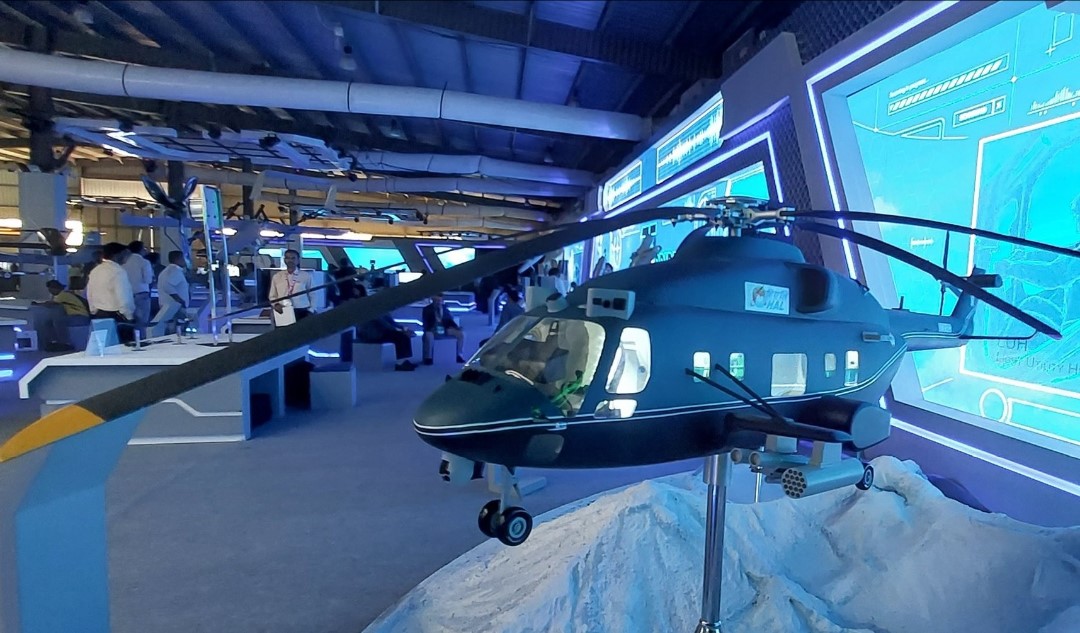
India
In a strategic move to enhance India's indigenous defense capabilities, Hindustan Aeronautics Limited (HAL) has joined forces with SAFHAL Helicopter Engines Pvt Ltd (SAFHAL) to develop the cutting-edge 'Aravalli' engine. This partnership marks a significant milestone in India's journey towards self-reliance in critical defense technologies, with the new engine set to power the country’s next-generation helicopters.Named after the ancient Aravalli mountain range, the Aravalli engine is designed to be the heart of the 13-ton Medium Lift Indian Multi-Role Helicopter (IMRH) and its naval counterpart, the Deck-Based Multi-Role Helicopter (DBMRH). These helicopters, currently under development by HAL, are poised to become vital assets for the Indian Armed Forces, enhancing their operational capabilities both on land and at sea.The collaboration between HAL and SAFHAL, a joint venture between HAL and Safran Helicopter Engines of France, highlights the growing emphasis on 'Aatmanirbharta' or self-reliance in India’s defense sector. The Aravalli engine is expected to play a pivotal role in this vision, as it promises to equip India's armed forces with advanced helicopter technology that is both powerful and reliable.HAL’s Chairman and Managing Director, CB Ananthakrishnan, praised the partnership, calling it a landmark achievement in India’s aerospace and defense industries. He emphasized that this collaboration would not only bolster the capabilities of the IMRH and DBMRH helicopters but also contribute to the development of homegrown defense technologies.Safran Helicopter Engines, a key player in the global aviation industry, has a long-standing relationship with HAL. The two companies have worked together for decades, starting with engines for HAL’s Cheetah and Chetak helicopters and continuing with the Shakti engine used in the Advanced Light Helicopter (ALH) and Light Combat Helicopter (LCH). The Aravalli project is a natural progression of this partnership, aiming to produce an engine that meets the highest global standards.The development of the Aravalli engine involves utilizing state-of-the-art design and manufacturing processes, with an emphasis on rigorous testing to ensure reliability and performance. The engine is designed to operate in a wide range of environments, from the hot deserts to the cold, high-altitude regions of the Himalayas, making it a versatile solution for India’s diverse operational needs.Beyond its military applications, the Aravalli engine is also expected to have significant potential in civilian markets. Its advanced technology makes it suitable for various uses, including offshore operations, VIP transport, and utility services. The collaboration between HAL and SAFHAL extends beyond just the development of the engine; it also encompasses maintenance and repair services, ensuring long-term support and reliability.The signing of the contract between HAL and SAFHAL representatives, including S Anbuvelan, CEO of HAL’s Helicopter Complex, and Olivier Savin, Director of SAFHAL Helicopter Engines, signifies the importance of this partnership. Cedric Goubet, CEO of Safran Helicopter Engines, expressed pride in the collaboration, highlighting how it strengthens the already robust relationship between Safran and HAL.As India continues to advance its indigenous defense capabilities, the Aravalli engine represents a critical step forward. It promises to enhance the operational effectiveness of India’s next-generation helicopters, contributing to a stronger, more independent defense infrastructure. The HAL-SAFHAL collaboration, underpinned by years of partnership and shared expertise, is set to propel India’s aerospace industry into a new era of self-reliance and technological innovation.
Read More → Posted on 2024-08-30 15:26:41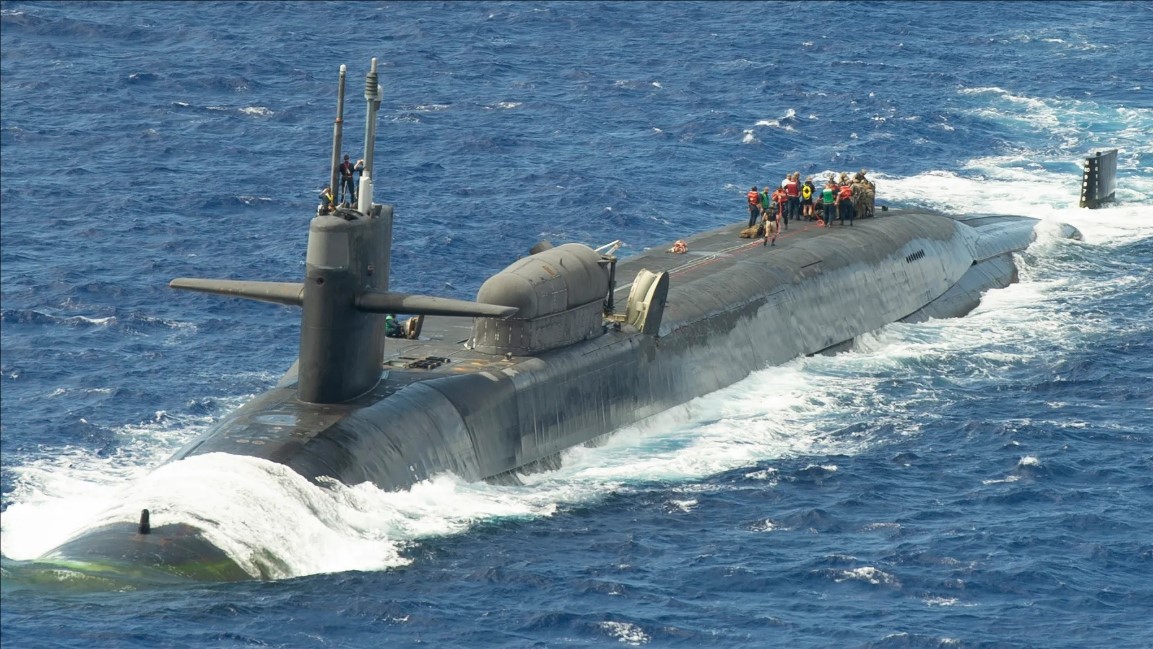
India
India's push to solidify its position as a global naval power is steadily advancing with the construction of the fifth S-4 class nuclear ballistic missile submarine (SSBN). This submarine, which is being built at the Ship Building Center (SBC) in Visakhapatnam, is a part of India's ambitious plan to enhance its strategic deterrence capabilities. The S-4 class submarines represent a significant upgrade over their predecessors, the Arihant class, with improved design and enhanced missile capabilities.The Indian Navy's SSBN fleet currently includes the INS Arihant and INS Arighat, both of which play a critical role in the country's nuclear triad. These submarines, with a submerged displacement of around 6,000 tons, are equipped with advanced technology that allows them to carry and launch nuclear missiles from underwater, providing India with a secure second-strike capability.The S-4 class submarines, including the newly developed S4 and the upcoming S4* (Star), are designed with a stretched hull and have a submerged displacement of approximately 7,000 tons. This design evolution not only allows for greater operational range and endurance but also provides the capability to carry more advanced weaponry. Satellite imagery has confirmed that the S4 and S4* submarines have already been moved to the outdoor fitment area at SBC, indicating significant progress in their construction.The fifth S-4 class SSBN, whose construction has now surpassed the 50% mark, is expected to be a crucial addition to India's strategic arsenal. The completion of this submarine will bring the total number of SSBNs in the Indian Navy to five, significantly enhancing the country's nuclear deterrence. The construction of this fifth SSBN, like its predecessors, is being closely monitored, and it is expected that the submarine will move from the dry docks to the outdoor fitment area in the next couple of years, followed by rigorous sea trials.What sets the S-4 class apart from earlier SSBNs is its armament. These submarines are the first in India to be equipped with the K-5 submarine-launched ballistic missiles (SLBMs). The K-5 SLBMs have a formidable range of 5,000 kilometers, allowing them to reach targets across vast distances. This capability significantly enhances India's ability to deliver a credible nuclear response, even in the event of a first strike. The K-5 missiles are a critical component of India's strategic deterrence, ensuring that the country can maintain a secure and effective second-strike capability.As India continues to build its SSBN fleet, the Navy is also looking ahead to the development of the S5 class of submarines. These next-generation SSBNs are expected to have a submerged displacement of around 13,000 tons, nearly double that of the S-4 class. The S5 class submarines will be equipped with even more advanced missiles, including the K-6 SLBMs with a range exceeding 6,000 kilometers and the highly classified K-8 missiles. The first S5 submarine is expected to be inducted into the Indian Navy by the mid-2030s, marking the next major leap in India's undersea nuclear deterrence capabilities.The ongoing development of the S-4 class and the future S5 class submarines underscores India's commitment to maintaining a robust and credible nuclear deterrent. As the fifth S-4 class SSBN moves closer to completion, it is clear that India is steadily advancing towards achieving its strategic goals, ensuring that its naval forces remain capable of meeting the challenges of the 21st century.
Read More → Posted on 2024-08-30 15:20:31
India
India and China recently held the 31st meeting of the Working Mechanism for Consultation & Coordination on India-China Border Affairs (WMCC) in Beijing on August 29, 2024. The discussions, described as "frank, constructive, and forward-looking," centered on finding an early resolution to the long-standing issues along the Line of Actual Control (LAC). This meeting marked a significant continuation of diplomatic engagements aimed at de-escalating tensions at the border.The meeting comes just weeks after the 30th WMCC meeting, which was held on July 31. Despite the proximity of these diplomatic engagements, there were no Corps Commander-level military talks between the two WMCC meetings. This absence of military-level discussions underscores the critical role that diplomatic channels are playing in attempting to bridge the differences between the two nations.During the meeting, the Indian delegation, led by Gourangalal Das, Joint Secretary (East Asia) in the Ministry of External Affairs (MEA), and the Chinese delegation, headed by Hong Liang, Director General of the Boundary & Ocean Affairs Department of the Chinese Ministry of Foreign Affairs, reaffirmed their commitment to maintaining peace and tranquillity along the border. Both sides agreed to uphold the principles outlined in the bilateral agreements and protocols, emphasizing that respect for the LAC is essential for restoring normalcy in their bilateral relations.The recent dialogue builds on the momentum generated by the two Foreign Ministers' meetings held in Astana and Vientiane in July 2024. These meetings, where India's External Affairs Minister S. Jaishankar and China's Foreign Minister Wang Yi discussed the border situation, provided guidance for accelerating the resolution process. Both ministers highlighted the need to address the military standoff at the LAC, which has persisted for over four years, with a renewed sense of urgency.The commitment to continued dialogue through both diplomatic and military channels was a key outcome of the 31st WMCC meeting. The two countries have been engaged in a series of discussions at various levels, including the Corps Commander-level talks, which last convened in February 2024. Despite the ongoing challenges, the diplomatic efforts signify a concerted push towards resolving the remaining friction points in eastern Ladakh, where the standoff has been most intense.As the situation along the LAC remains a critical aspect of India-China relations, these meetings underscore the importance of sustained dialogue in addressing and potentially resolving the complex issues at the border. The next steps will likely involve a mix of continued diplomatic engagement and strategic military discussions, with both sides aiming to narrow down their differences and achieve a mutually acceptable solution.
Read More → Posted on 2024-08-30 15:12:59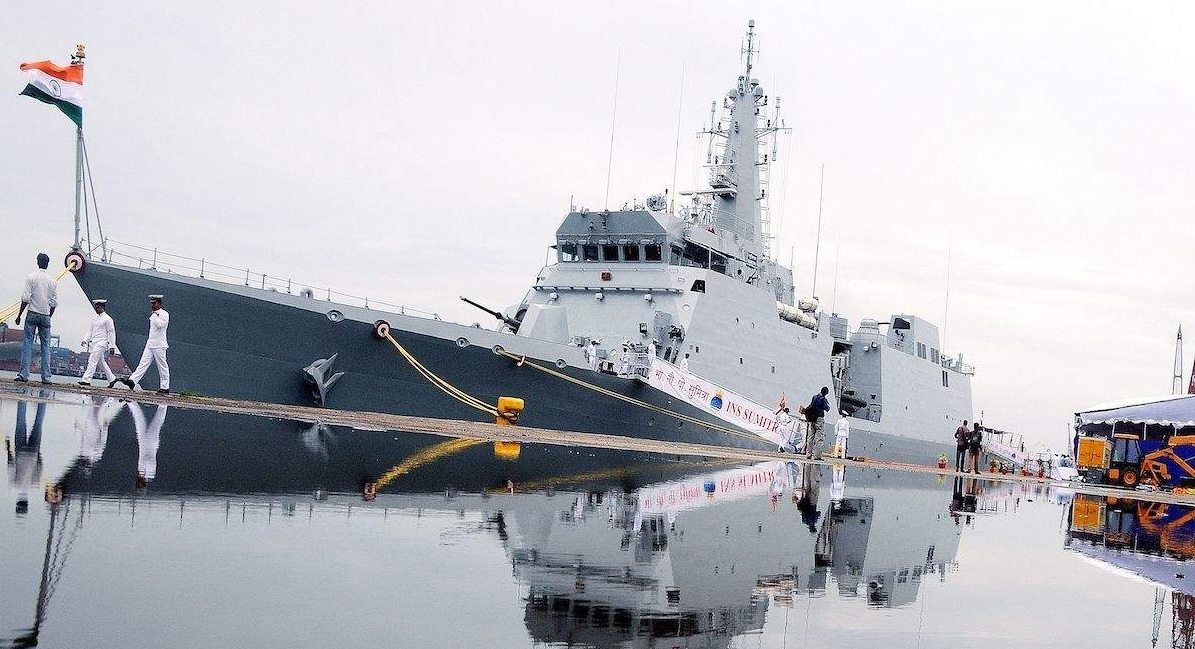
India
In a significant boost to India's maritime capabilities, Goa Shipyard Limited (GSL) has delivered a ₹2,500 crore Pollution Control Vessel (PCV) to the Indian Coast Guard. This new vessel, launched in a ceremony at Vasco, Goa, marks a pivotal step in enhancing the country's efforts to protect its vast coastline and marine environment. The launch was attended by several dignitaries, including Union Minister of State for Defence, Sanjay Seth, who underscored the importance of this vessel in safeguarding India’s coastal waters.The vessel, known as GSL Yard 1267, is a testament to India's growing prowess in indigenous shipbuilding. With 72 percent of its components sourced domestically, this vessel aligns with the nation’s "Atmanirbhar Bharat" (self-reliant India) initiative. The vessel is specifically designed to combat coastal pollution, a pressing issue given India’s extensive 7,500-kilometer coastline that is increasingly vulnerable to environmental threats, including oil spills.Sanjay Seth, speaking at the launch, highlighted that the Pollution Control Vessel is equipped with state-of-the-art technology aimed at mitigating oil pollution and preserving marine ecosystems. The vessel’s advanced capabilities include containment and recovery systems for oil spills, modern detection sensors, and equipment for firefighting and chemical spill management. These features make it an indispensable asset in the Indian Coast Guard's mission to patrol and protect India’s maritime borders.The vessel’s construction and launch reflect the robust health of India’s defense sector. Over his last 85 days as Minister of State for Defence, Seth noted, he has gained a deeper understanding of the nation’s defense forces and their needs. He emphasized that this vessel is not just a technological achievement but also a significant step toward ensuring the safety and security of India’s marine environment.The PCV’s capabilities extend beyond pollution control; it is also designed for search and rescue operations, law enforcement, and emergency response, making it a versatile addition to the Coast Guard's fleet. Its advanced navigation and communication systems, combined with its ability to operate in a wide range of sea conditions, ensure that it can effectively fulfill its role in diverse maritime scenarios.Inspector General Bhisham Sharma, Commander of the Coast Guard Region (West), who was also present at the launch, expressed confidence that the new vessel would significantly enhance the Coast Guard's operational readiness. He noted that with the addition of this vessel, the Indian Coast Guard is better equipped to tackle the multifaceted challenges posed by both natural and man-made maritime threats.The launch of this Pollution Control Vessel is more than just a shipbuilding achievement; it is a symbol of India's commitment to protecting its maritime interests and environment. As the Indian Coast Guard continues to expand its capabilities, this new vessel will play a critical role in ensuring the safety, security, and sustainability of India’s coastal waters for years to come.
Read More → Posted on 2024-08-30 15:08:26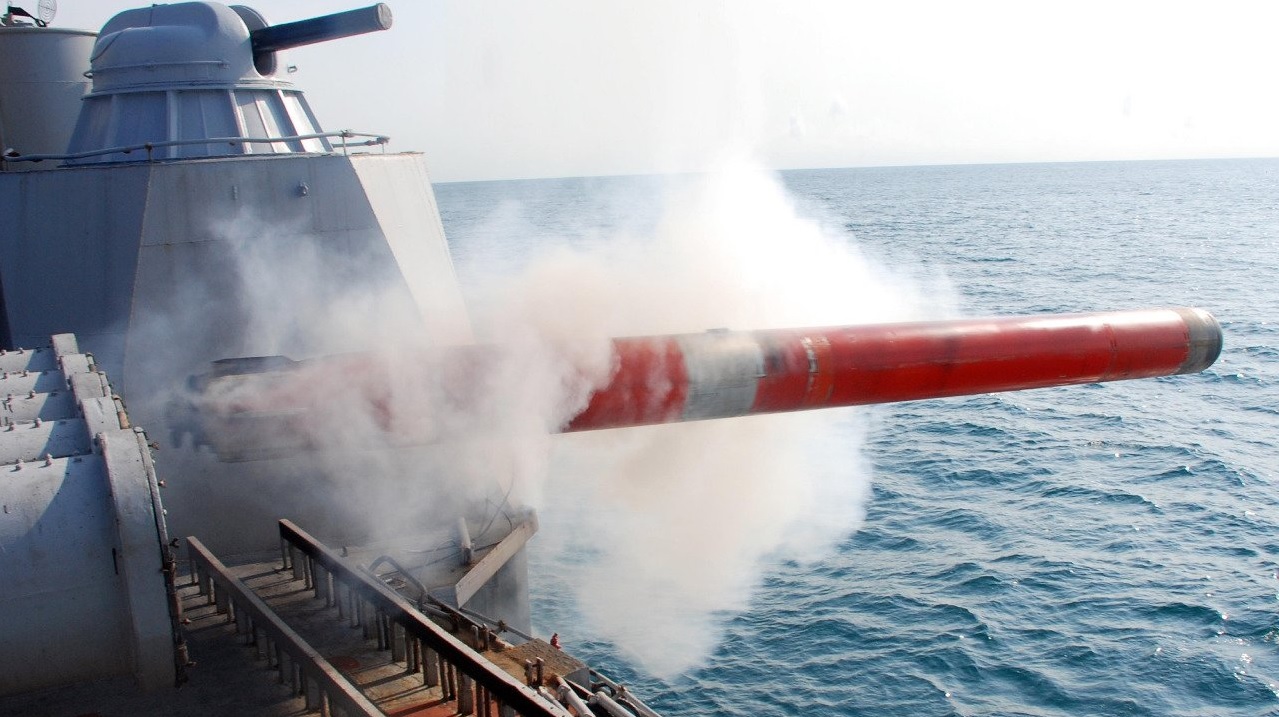
India
Apollo Micro Systems Ltd has clinched a major contract worth ₹10.90 crore from Bharat Dynamics Limited (BDL) to develop an advanced Software Defined Universal Homing System for Heavy Weight Torpedoes. This cutting-edge system, a product of collaboration between Apollo Micro Systems and the Defence Research and Development Organisation (DRDO), aims to significantly boost the targeting precision of India's torpedo arsenal.The advanced homing system is set to enhance the capabilities of Heavy Weight Torpedoes, integrating seamlessly into the nation's strategic submarines. This development is a crucial step towards aligning with the Ministry of Defence’s Embargo List, which emphasizes the need for incorporating indigenous technologies into the Indian Armed Forces.Apollo Micro Systems, recognized as the sole qualified vendor for this high-tech component, underscores its pivotal role in advancing India’s underwater warfare capabilities. The company’s innovative approach and technological expertise have positioned it as a key player in the defence sector.In addition to this landmark order, Apollo Micro Systems has secured another project worth ₹5.73 crore from the Controllerate of Naval Armament. This project focuses on the development of a Rocket Guided Bomb designed for Anti-Submarine Warfare, which can be launched from ships in multiple salvos. Apollo’s success isn’t limited to these projects. The company has also made significant strides in developing systems for Expendable Decoys and Underwater Mines. Furthermore, Apollo Micro Systems has adapted its advanced homing technology for Light Weight Torpedoes in partnership with BDL, showcasing its ability to address various underwater threats with sophisticated solutions.These achievements highlight Apollo Micro Systems' expanding role in the defence sector, reinforcing its commitment to enhancing India's self-reliance and technological edge in underwater warfare.
Read More → Posted on 2024-08-29 15:04:37Search
Top Trending in 24 Hours
-
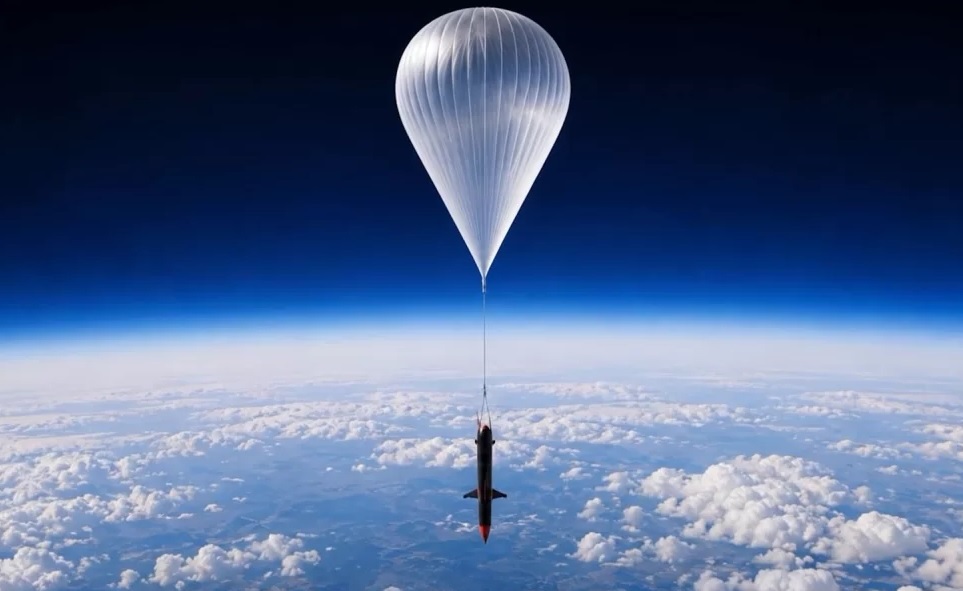 Ukraine Introduces Balloon-Launched DART Missile Designed to Defeat Electronic Warfare
-
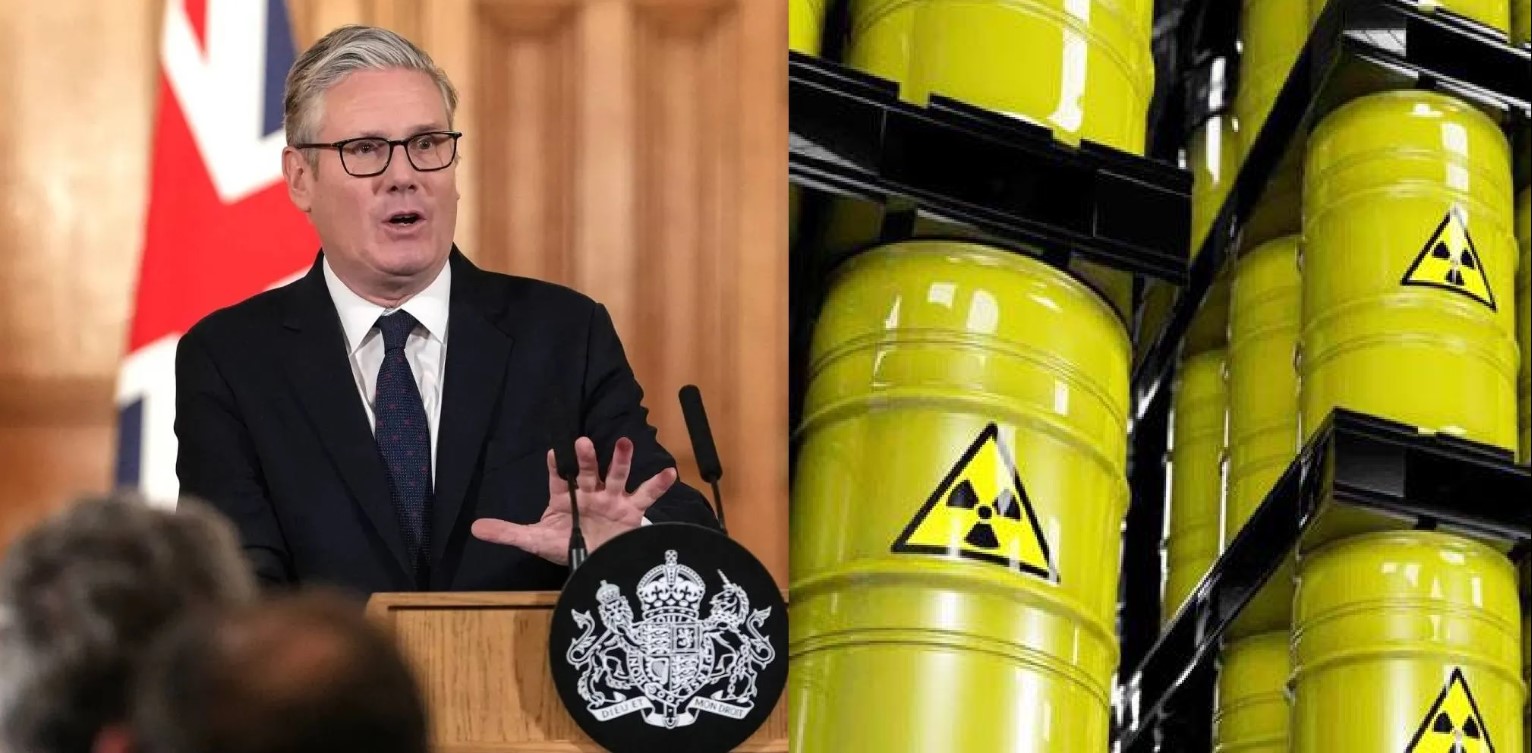 UK Announces £210 Million Deal to Supply Enriched Uranium to Ukraine for Two Years
-
 First Taiwanese F-16 Block 70 Flies with Five-Tank Fuel Configuration During Texas Tests
-
 Russian Frigate Admiral Grigorovich Challenges UK Yacht in English Channel With Warning Shots
-
 Patria Launches WISPR Passive Counter-Battery Radar with Silent Detection Capability at Eurosatory 2026
-
 Space Force Transfers Transportable Satellite Tracking Antenna to Naval Research Laboratory
-
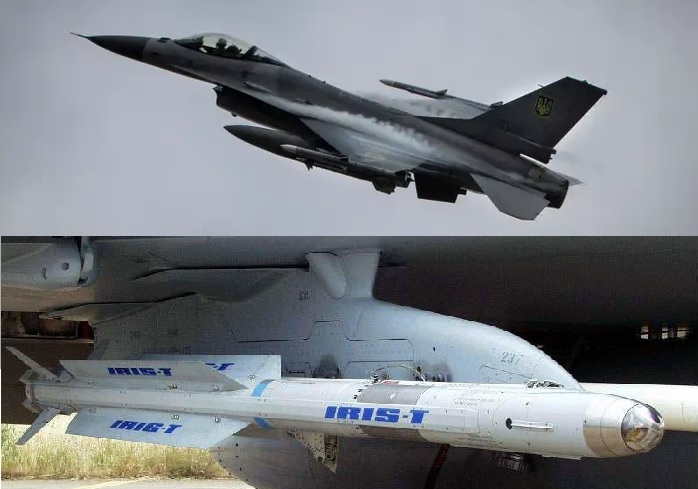 Ukraine’s F-16 Fighters Set to Receive German IRIS-T Air-to-Air Missiles
-
 Canada's Roshel and Daimler Truck Defence Sign Strategic Partnership for Armored Military Vehicles
Top Trending in 4 Days
-
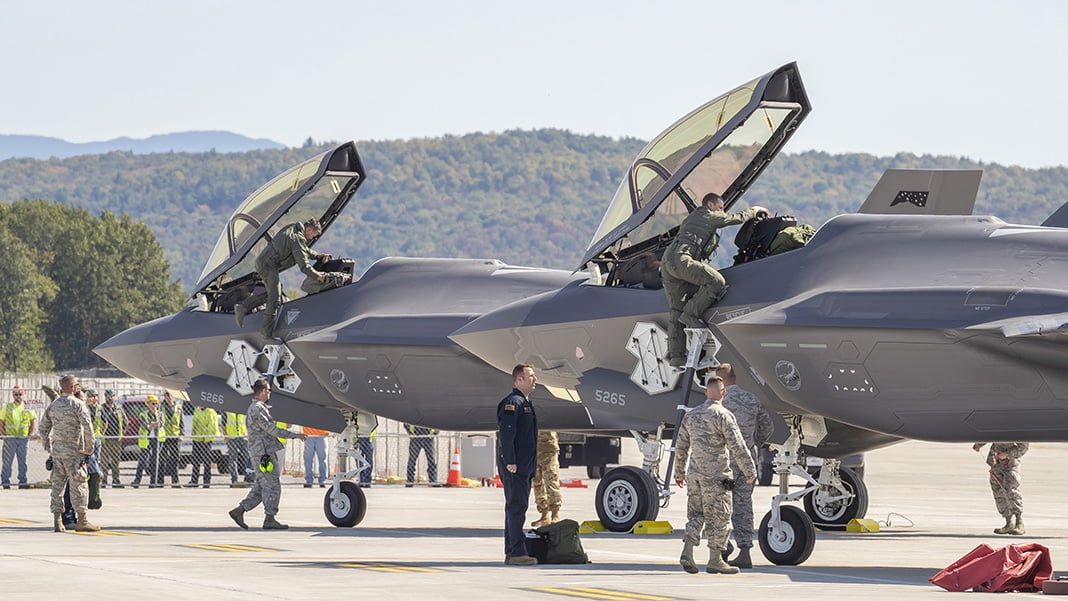 F-35 Fleet Readiness Falls to 25% Amid Parts Shortages and Software Delays: GAO Report
-
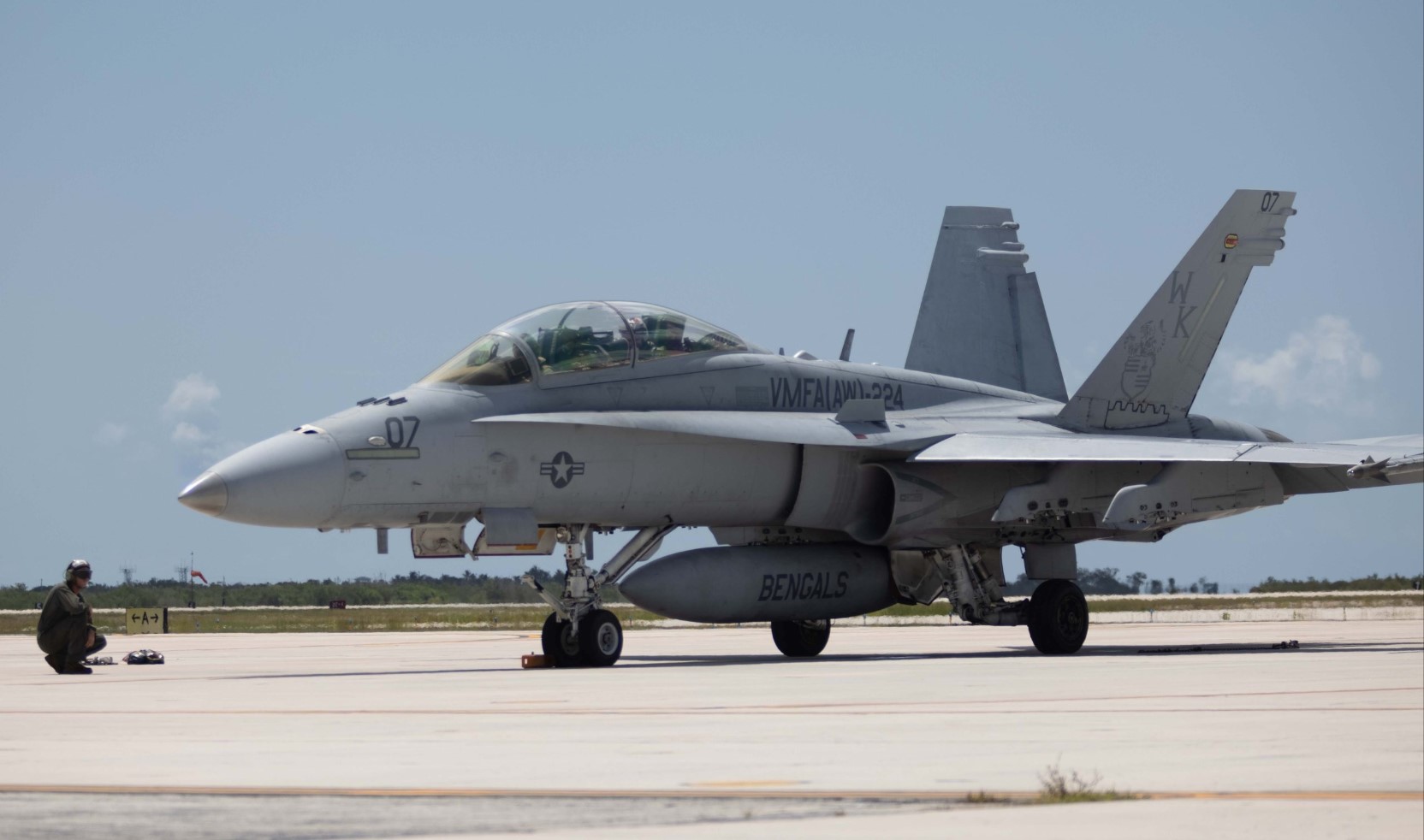 US Marine Corps F/A-18D Hornet Crashes During Training Flight in Washington Mountains; Pilot Ejects Safely
-
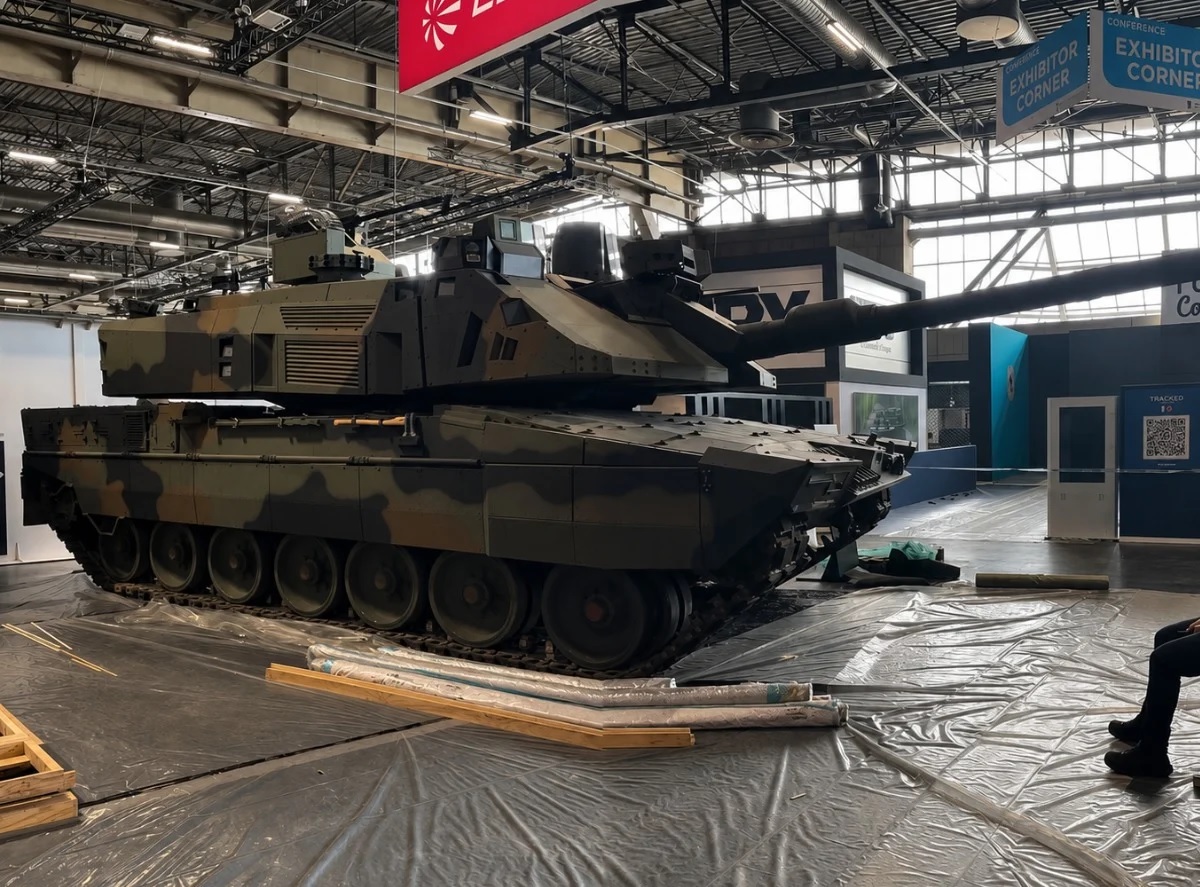 Leonardo Rheinmetall to Unveil Italy’s New IMBT Main Battle Tank at Eurosatory 2026
-
 Tulsi Gabbard Releases Declassified Files Detailing U.S.-Backed Network of 120 Biolaboratories Across 30+ Countries
-
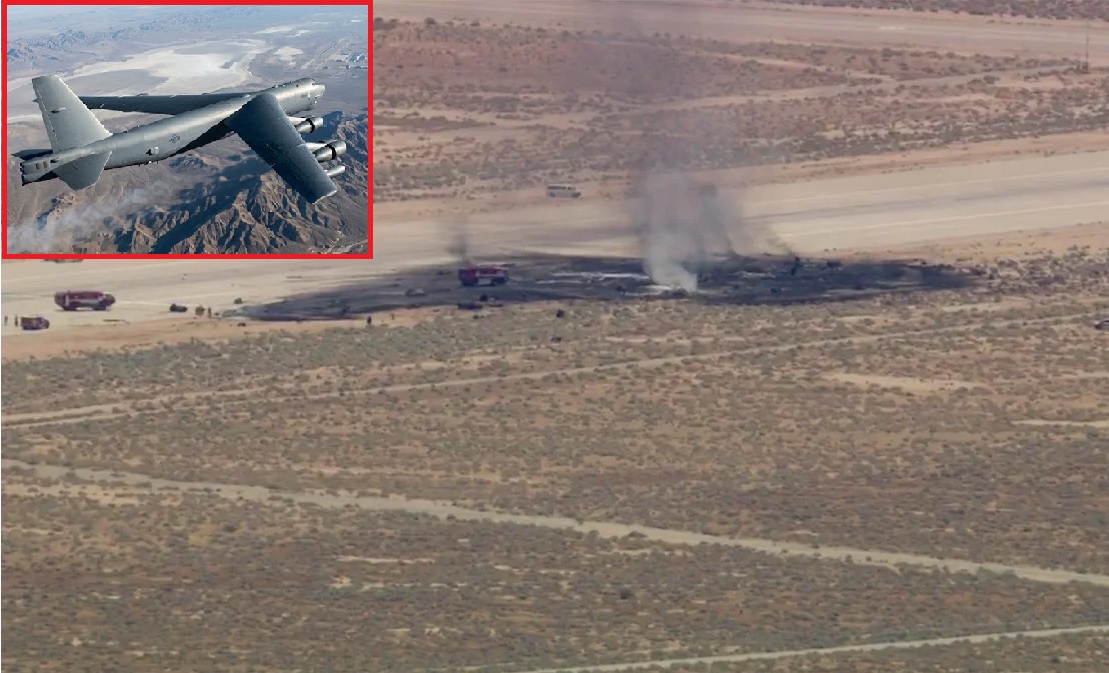 8 U.S. Air Force Crew Members Killed in B-52 Bomber Crash During Test Flight at Edwards Air Force Base
-
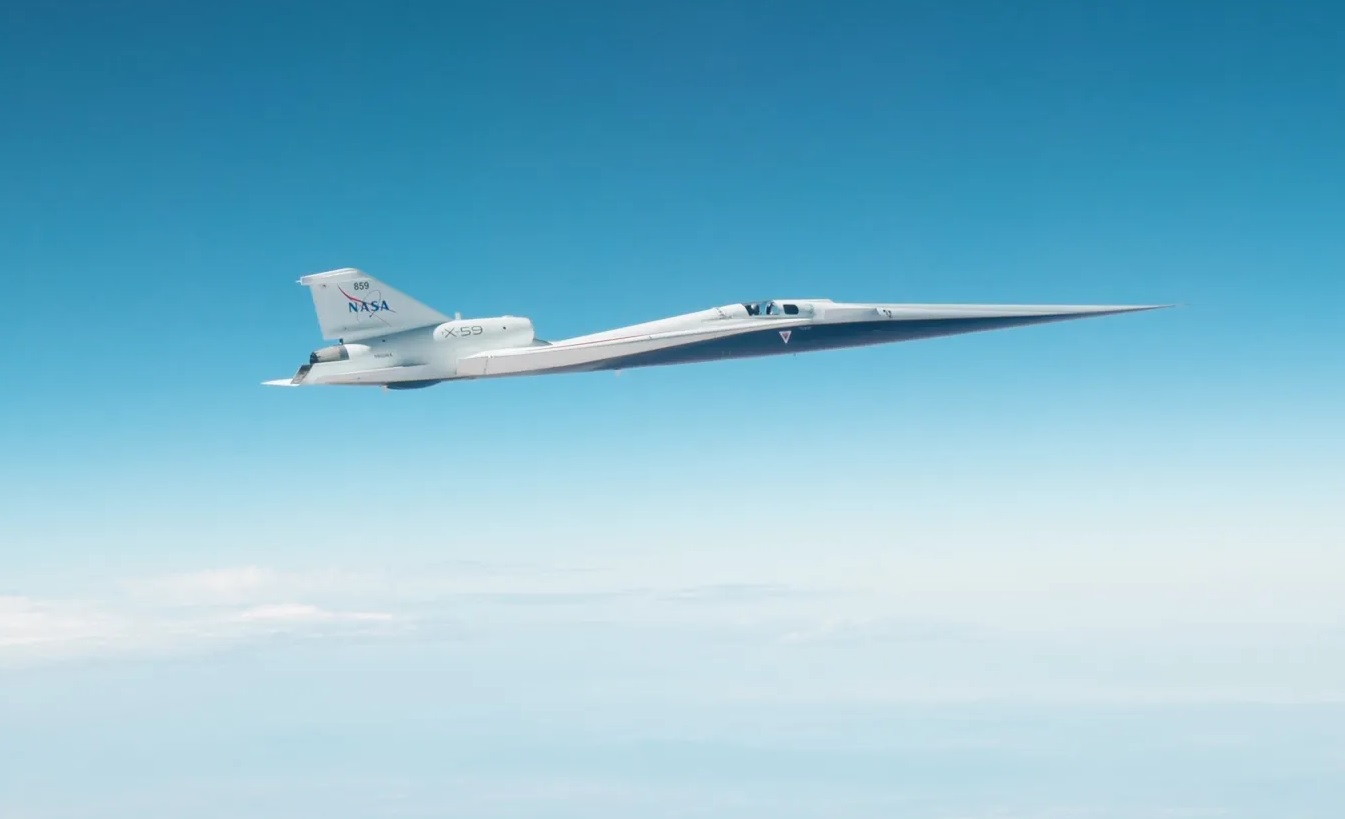 NASA X-59 Achieves Planned Mission Conditions with Mach 1.4 Flight at 55,000 Feet
-
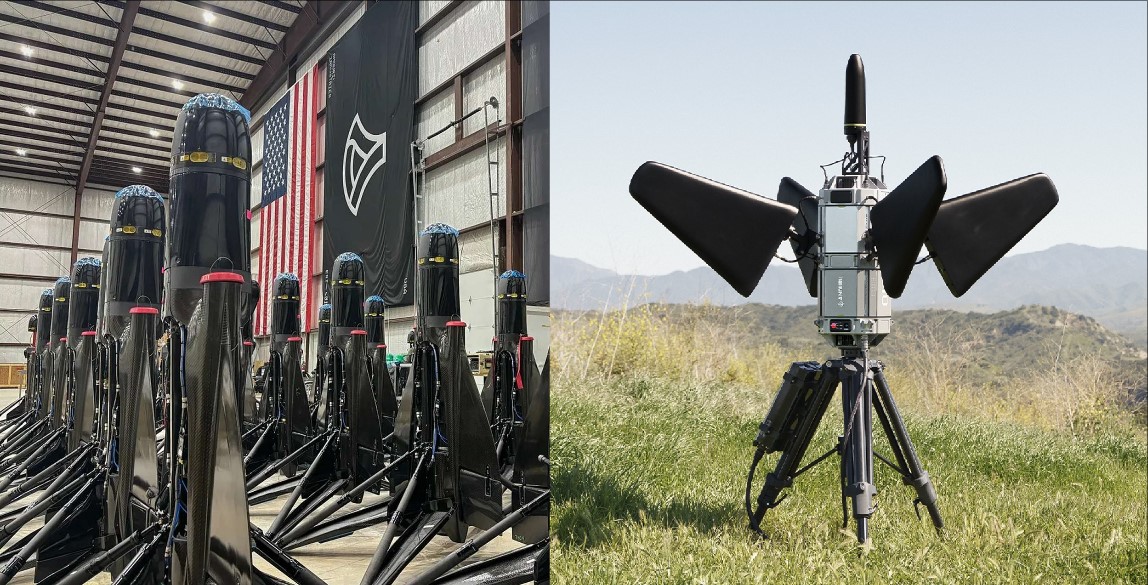 U.S. Approves $1.98 Billion Sale of Anduril AI-Powered Counter-Drone Systems to Kuwait
-
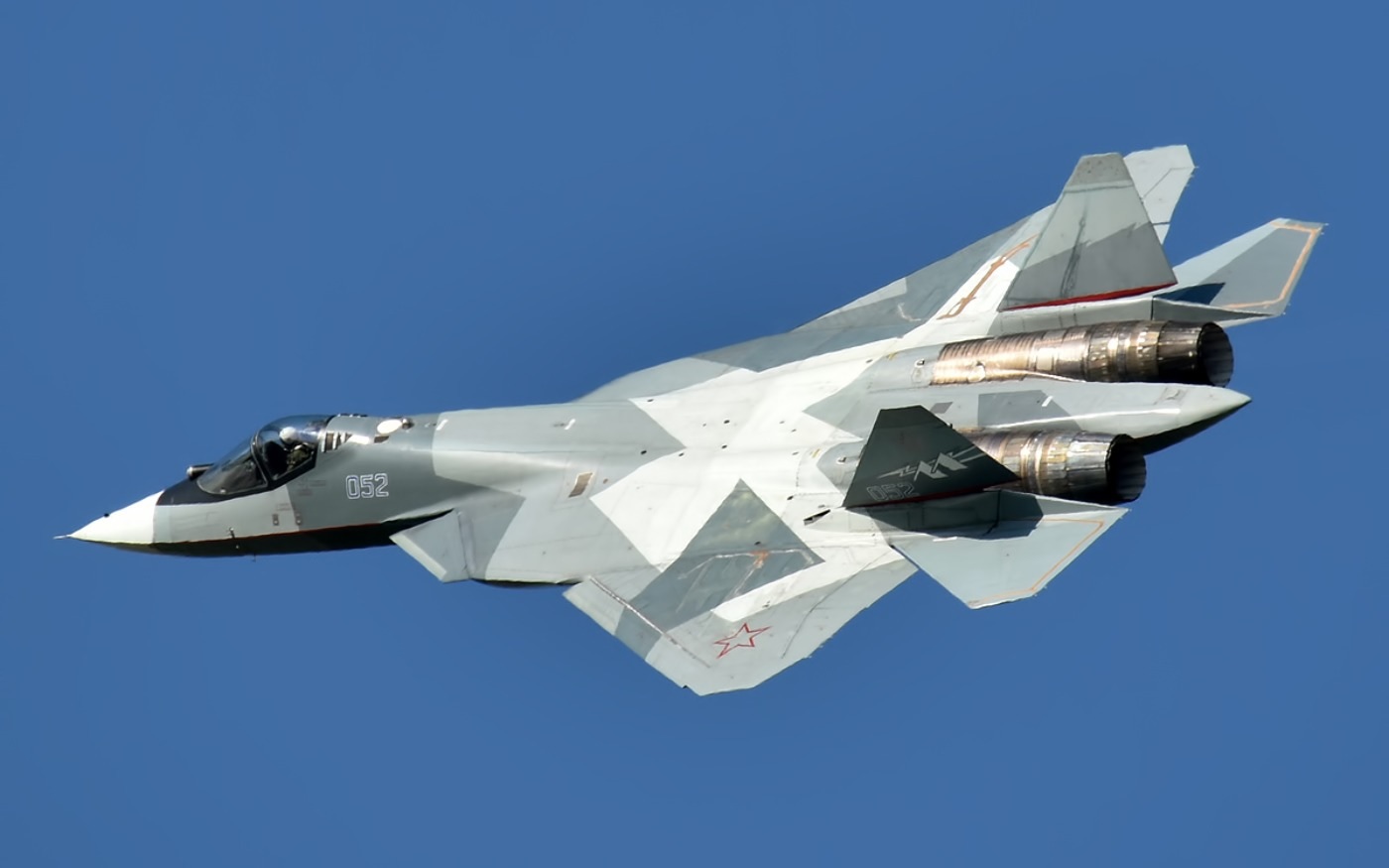 Russian Analysts Debate Su-57 Capabilities After Putin Calls Fighter Superior to F-35