The Indian Air Force (IAF) is gearing up for a significant shift in its fleet composition. Starting in 2045, the IAF will begin gradually phasing out its older Su-30MKI fighter jets, marking the end of an era for an aircraft that has played a pivotal role in securing India's airspace since 2001. This shift is part of the broader modernization program aimed at introducing the highly advanced, indigenous Advanced Medium Combat Aircraft (AMCA) Mk II into its fleet.
The Su-30MKI, a versatile and powerful multi-role fighter, has been a cornerstone of the IAF’s operations for over two decades. Produced by Hindustan Aeronautics Limited (HAL) under a license agreement with Russia’s Sukhoi Corporation, the Su-30MKI was designed to adapt to India’s unique defense requirements. Its combination of thrust-vectoring engines, long-range capabilities, and multi-role mission versatility made it an essential asset. However, as time marches on and technology rapidly evolves, the need for more advanced platforms has become apparent.
The first wave of retirement will affect around 100 older Su-30MKI variants, while newer models, inducted in the 2020s, will continue serving until at least 2060. These remaining jets will not be left behind technologically, as the IAF plans to upgrade them under the "Super Sukhoi" program. This initiative will bolster their radar, avionics, and electronic warfare systems, ensuring that they remain relevant in modern combat. The upgraded Su-30MKIs will also carry more sophisticated weapons, such as the BrahMos-NG cruise missile and Astra air-to-air missiles, extending their combat utility.
Replacing these aircraft will be the AMCA Mk II, which represents a giant leap forward for India’s indigenous aerospace industry. Developed by the Aeronautical Development Agency (ADA) and Hindustan Aeronautics Limited (HAL), the AMCA Mk II is a 5.5-generation stealth fighter designed to incorporate cutting-edge technologies. With superior stealth capabilities, advanced avionics, and multi-mission roles, the AMCA will serve as the backbone of the IAF’s future fleet.
Stealth is a defining feature of the AMCA Mk II, which will include radar-absorbing materials and a design optimized for low observability. This will give the aircraft a significant edge in modern combat scenarios, especially when combined with advanced sensor fusion technology, which allows the AMCA to process vast amounts of battlefield data in real-time. Its versatility will enable it to undertake air superiority missions, deep-strike operations, and electronic warfare, making it a formidable replacement for the Su-30MKI.
The phased retirement of the Su-30MKI will ensure that there is no sudden gap in the IAF’s operational capabilities. By 2045, the AMCA Mk II is expected to be in full-scale production, with 4-5 squadrons already operational. The gradual transition will allow the IAF to maintain its combat readiness while introducing the next generation of airpower. By continuing to upgrade the remaining Su-30MKIs and gradually introducing the AMCA Mk II, the IAF ensures that its air superiority remains uncontested for decades to come.
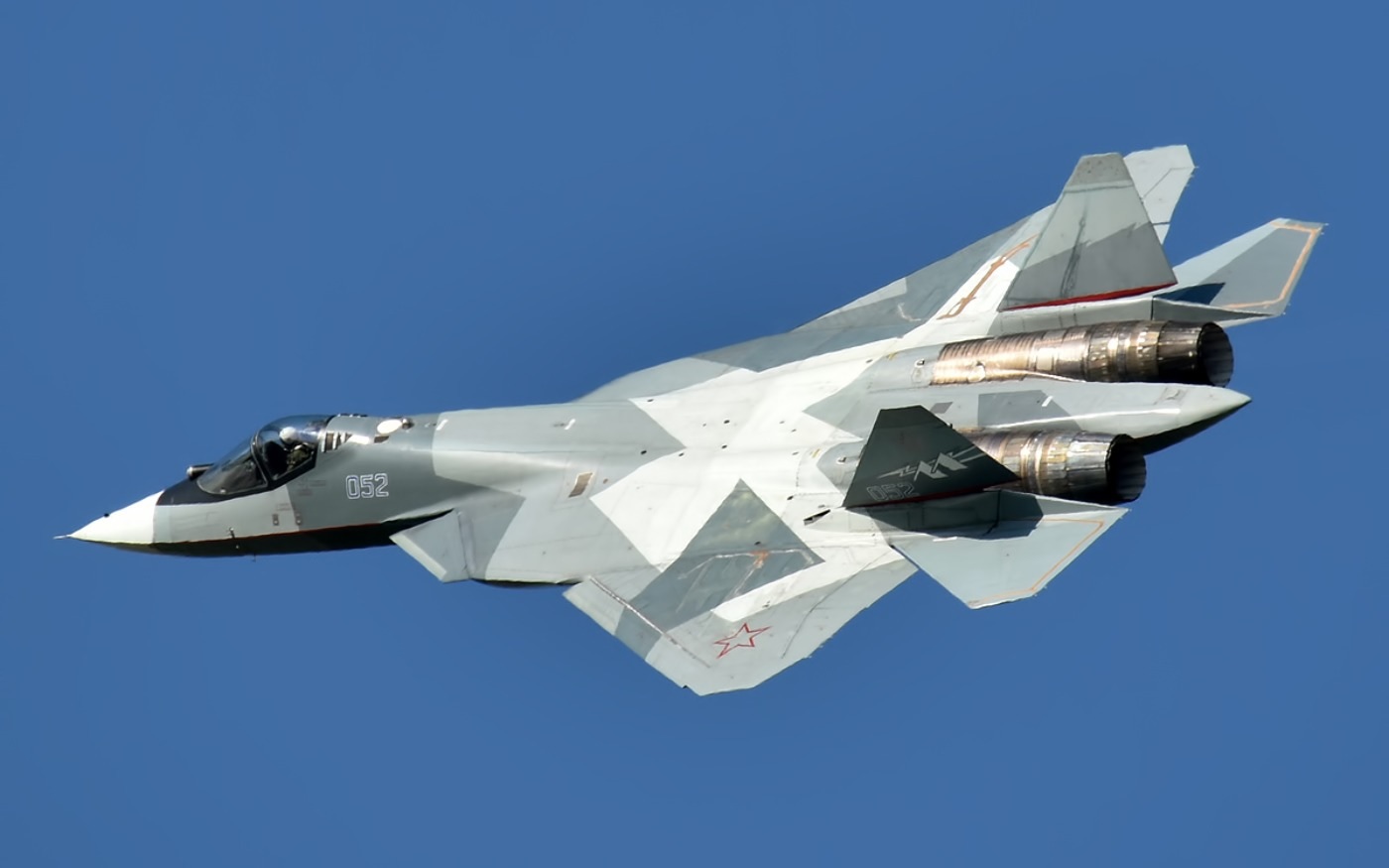
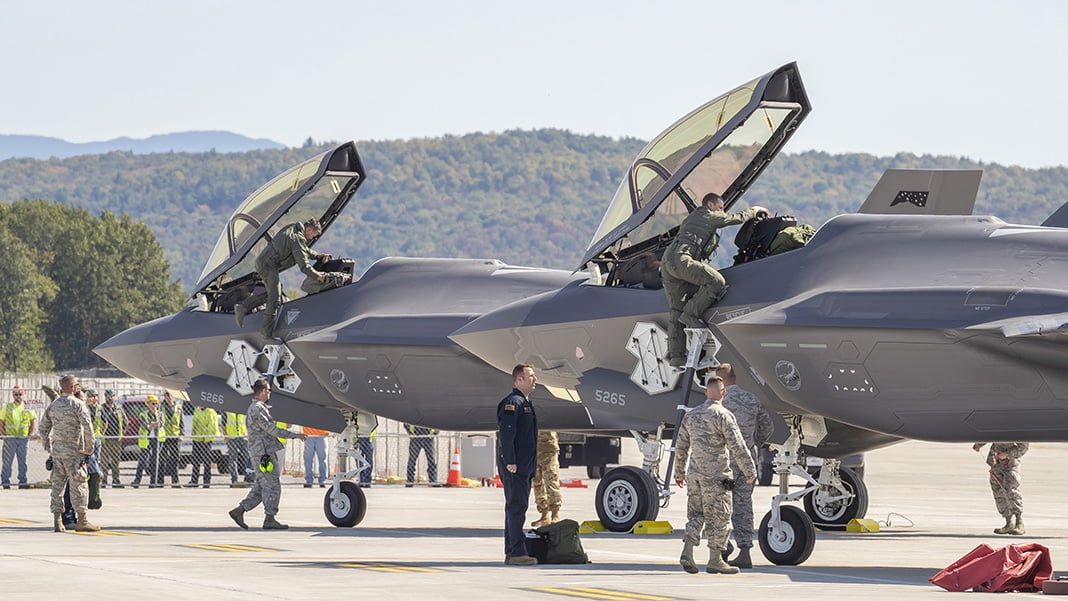
The AMCA Mk II’s introduction fits into a global trend in military aviation, with several countries developing advanced fifth-generation and even 6th-gen fighter platforms. These new aircraft are designed with next-generation combat environments in mind, where stealth, electronic warfare, and sensor integration will be critical. The AMCA Mk II will place India at the forefront of this evolution, enabling the IAF to compete with the best air forces in the world.
This transition is not just about aircraft, but about positioning the IAF to meet the strategic challenges of the future. The integration of indigenous technologies, enhanced with international collaboration, sets a new trajectory for India's defense capabilities. By 2060, the IAF’s fleet will be a mix of highly upgraded Su-30MKIs and advanced AMCA Mk II squadrons, ensuring India’s dominance in the skies well into the 21st century.
——— End of Article ———