
India
The Indian Navy’s recent decision to procure LM2500 gas turbine engines from GE Aerospace has sparked widespread discussion, particularly on social media, where debates about India’s reliance on foreign defence technology have been reignited. The move comes at a time when India is heavily promoting self-reliance in defence through the "Make in India" initiative. Critics argue that instead of turning to external suppliers, India should focus on developing indigenous solutions, such as the Kaveri Marine Gas Turbine (KMGT), or explore alternatives from European nations.At the heart of the issue lies the balancing act between India’s long-term goal of self-sufficiency and its immediate defence needs. The LM2500 engines have an established track record within the Indian Navy, already powering major vessels like the Shivalik-class and Nilgiri-class frigates, as well as the INS Vikrant aircraft carrier. These engines are praised for their reliability, fuel efficiency, and ease of maintenance. In contrast, indigenous alternatives like the Kaveri engine are still in development, and other foreign options, such as Rolls-Royce’s MT30 or Siemens' SGT-500, come with challenges of their own.The Appeal of the LM2500 EngineOne of the primary reasons India chose the LM2500 engines is their proven performance. These gas turbines have powered vessels in navies across the world for decades, providing a level of reliability and operational efficiency that the Indian Navy trusts. The LM2500 boasts a 30 MW power output, making it ideal for powering large ships like frigates and aircraft carriers. This high power-to-weight ratio is one of its standout features, offering superior performance without demanding excessive space or weight on board the vessels.In addition to this, the LM2500’s fuel efficiency and ease of maintenance reduce long-term operational costs—factors that are crucial for a navy looking to modernize without overspending. The Indian Navy has already had positive experiences with these engines, and integrating them into newer vessels requires minimal reconfiguration compared to switching to entirely new platforms.Another critical consideration is the track record of the LM2500 compared to other gas turbines. Over the years, India has experienced challenges with its Zorya engines from Ukraine, particularly regarding reliability and the availability of support. With the ongoing conflict in Ukraine, sourcing spare parts and technical assistance has become even more challenging. The LM2500, on the other hand, has a global supply chain, making it easier for the Navy to maintain and service these engines in the long run.The Local Assembly FactorThough critics of the deal argue that India is once again turning to foreign suppliers, the agreement with GE Aerospace involves local assembly through Hindustan Aeronautics Limited (HAL). This is viewed as a step toward India’s broader self-reliance goals, even if the engines themselves are not fully manufactured domestically. By assembling the LM2500 engines in India, HAL is expected to gain valuable expertise and contribute to job creation and industrial development within the country’s defence sector. This arrangement is also seen as facilitating future technology transfer, helping India build the foundation for developing its own advanced gas turbines in the future.The Kaveri Marine Gas Turbine: A Work in ProgressWhile the LM2500 offers an immediate solution, India has long been working on the Kaveri Marine Gas Turbine (KMGT) through the Defence Research and Development Organisation (DRDO). However, the KMGT is still in the development phase and has not yet matured to the point where it can be reliably deployed across naval platforms. Building a marine gas turbine from scratch is a highly complex and resource-intensive process, and even with significant advancements, it will take time for the KMGT to meet the Indian Navy’s stringent requirements.For now, India is not in a position to wait for the KMGT to become fully operational. The Navy needs engines that can be deployed on its vessels now, not in a decade. This reality necessitates the use of foreign engines like the LM2500 in the interim, with the hope that once the KMGT is ready, future naval ships can transition to fully indigenous powerplants.Why Not European Alternatives?In addition to the KMGT, there are European alternatives, such as the Rolls-Royce MT30 and Siemens SGT-500. However, these options come with their own set of challenges. The Rolls-Royce MT30, while powerful, is significantly larger and more expensive than the LM2500, which could complicate its integration into the existing fleet of Indian ships. Reconfiguring vessels to accommodate the MT30 would involve extensive modifications, adding to both the cost and complexity of the transition.Similarly, the Siemens SGT-500, although widely used in industrial settings, lacks the long-established naval pedigree of the LM2500. This raises concerns about its reliability in marine environments and its suitability for Indian naval operations. Given the importance of naval readiness and the high operational tempo required of modern warships, choosing an engine with a proven naval track record is paramount.While India’s decision to choose the LM2500 over indigenous or European alternatives has its critics, it is rooted in pragmatism. The Indian Navy needs reliable, efficient engines now, and the LM2500 meets those needs with minimal risk. The agreement with GE Aerospace also allows for local assembly, contributing to India’s long-term goal of self-reliance in defence manufacturing.Though the Kaveri Marine Gas Turbine shows promise, it is still years away from being ready for deployment. Until then, the LM2500 offers a bridge between India’s current defence requirements and its future ambitions for self-reliance. In the complex and fast-evolving world of naval technology, this choice allows India to maintain operational readiness while continuing to invest in its indigenous capabilities.
Read More → Posted on 2024-10-19 15:42:32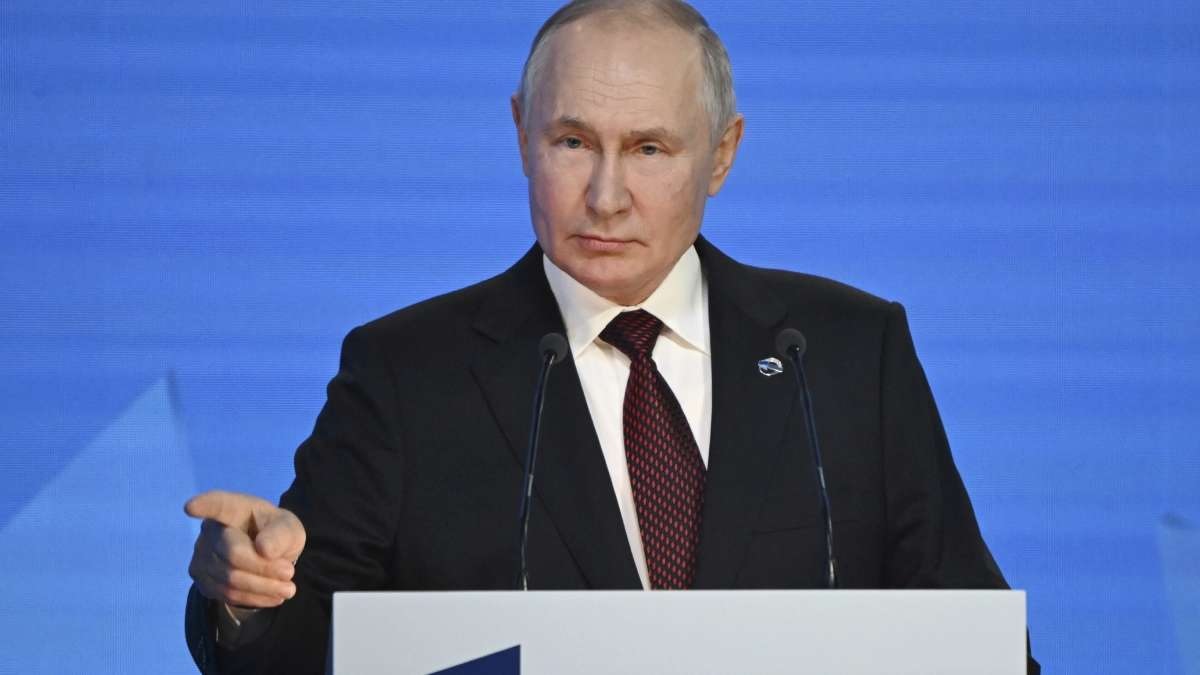
India
In a clear alignment with Indian Prime Minister Narendra Modi's perspective, Russian President Vladimir Putin has emphasized that BRICS, the economic grouping comprising Brazil, Russia, India, China, and South Africa, is not an anti-Western bloc but a non-Western one. This clarification came ahead of the BRICS Summit scheduled for October 22-24, which will be hosted by Putin in Kazan, Russia.During a recent interaction with senior journalists from BRICS nations, Putin echoed Modi's words, saying, “BRICS is not an anti-Western group; it’s just a non-Western group.” He went on to elaborate that BRICS does not seek to position itself against any other bloc or nation but rather represents a collective of countries that share values of cooperation, mutual respect, and a desire for development. The emphasis, Putin noted, is on respecting each other’s interests while working towards common goals.This statement aligns with a broader message that both Russia and India have been communicating in global forums—that BRICS is not intended to challenge the West directly but to offer an alternative platform for dialogue and cooperation among emerging economies. By positioning BRICS as "non-Western," both Putin and Modi are highlighting the group's focus on balancing global influence without seeking to undermine or oppose Western powers.Putin also used the occasion to express his gratitude to PM Modi for consistently raising concerns about the Ukraine conflict during their conversations. "Every time we speak, PM Modi brings up the Ukraine situation and shares his thoughts on finding a peaceful resolution. We appreciate his concerns," Putin remarked. He reiterated that Russia is open to resolving the conflict through negotiations but claimed that it was the Ukrainian side that withdrew from talks, not Russia.This acknowledgment comes shortly after PM Modi’s visit to Kyiv, where he met with Ukrainian President Volodymyr Zelenskyy and reaffirmed India's commitment to supporting a peaceful end to the conflict. Modi's diplomatic approach to the war has been marked by a careful balance, engaging with both Ukraine and Russia while urging dialogue and de-escalation.The upcoming BRICS Summit in Kazan is significant not just because Russia holds the presidency of BRICS this year, but also due to the growing influence of the group. Since its formation in 2006, when leaders from Russia, India, and China first met on the sidelines of the G8 Outreach Summit, BRICS has evolved into a major economic coalition. South Africa joined in 2010, and in 2024, the group expanded further to include Egypt, Ethiopia, Iran, and the United Arab Emirates.The 16th BRICS Summit is expected to focus on several critical global issues, including the geopolitical shifts following the Ukraine conflict, economic cooperation, and strengthening the BRICS bank to reduce dependency on Western financial systems. Putin’s comments, reiterating that BRICS is "non-Western," serve as a reminder of the group’s aim to carve out a more significant space for emerging nations in global governance.PM Modi is set to attend the summit, accepting Putin’s invitation to visit Russia from October 22-23. The interaction between these two leaders highlights the growing significance of India-Russia relations within the BRICS framework. The partnership between the two nations, both of which share a long history of cooperation, has seen renewed focus as global tensions continue to rise, especially after the Ukraine conflict.As BRICS continues to expand, the group's role in shaping the future of global governance cannot be understated. With its unique approach to development, cooperation, and diplomacy, BRICS is increasingly becoming a platform for countries that seek an alternative to traditional Western-dominated institutions without actively opposing them. Putin’s alignment with Modi’s stance only reinforces this perspective, signaling that BRICS is here to offer a non-Western path forward for many emerging nations.BRICS has, over the years, hosted 15 summits, the first of which was held in Yekaterinburg, Russia, in 2009. The group’s Chairship rotates annually, and India notably held the position in 2021, coinciding with the 15th anniversary of BRICS.As the world looks forward to the upcoming BRICS Summit, the message from both Modi and Putin is clear—BRICS is about building bridges, not walls. It's a grouping focused on cooperation and development, offering a "non-Western" alternative that respects the diversity and interests of its member states.
Read More → Posted on 2024-10-19 15:26:51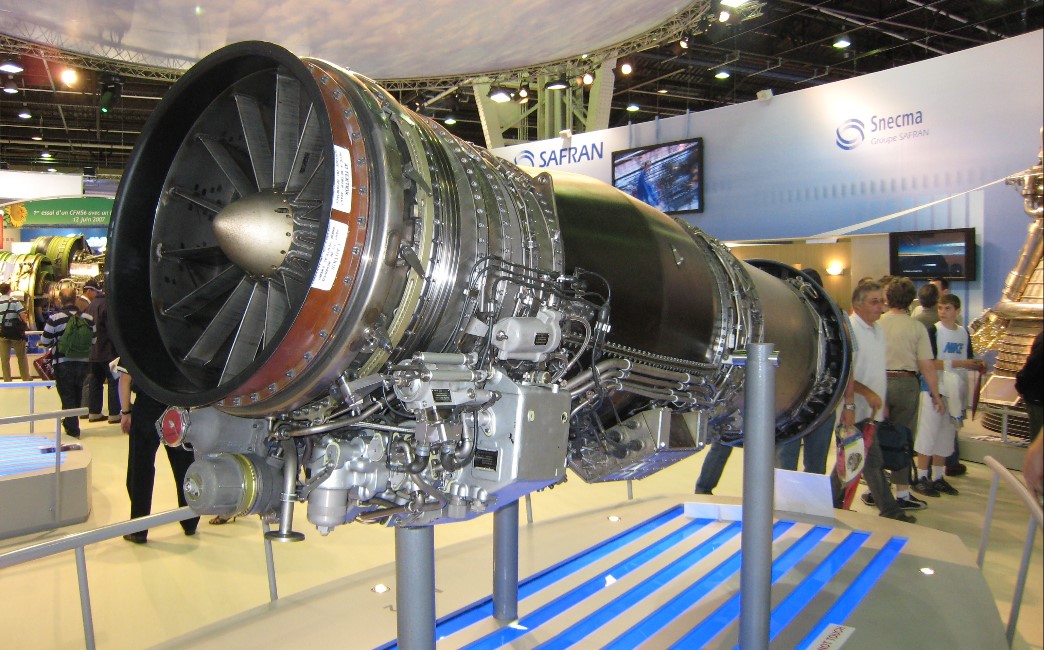
India
In a strategic move to bolster Dassault Aviation's chances in India's Medium Range Fighter Aircraft (MRFA) tender, Safran, a global leader in aerospace and defense, has committed to producing M-88 engines entirely in India. This decision is a significant step in supporting India's "Make in India" initiative, aimed at boosting domestic manufacturing capabilities, especially in the defense sector.The M-88 engine powers the Rafale fighter jet, a key contender for the Indian Air Force's (IAF) ambitious MRFA tender, which calls for the procurement of 114 new fighter jets. The engine, known for its robust performance and reliability, is a crucial component in the Rafale’s competitiveness. With Safran's commitment, India is poised to benefit from local production of this advanced engine, increasing self-reliance while securing a technological edge in defense manufacturing.Safran’s existing Maintenance, Repair, and Overhaul (MRO) facility in Hyderabad is already equipped to handle M-88 engine production. The company plans to scale up its operations to meet the IAF’s future requirements. The MRFA project alone could necessitate the production of at least 240 M-88 engines, alongside 186 engines for India’s current fleet of 62 Rafale jets. This brings the total engine requirement to 350 units over the next four decades, should Dassault’s Rafale be selected for the MRFA tender.A significant part of Safran’s strategy is the transfer of technology to its Indian subsidiary. This move will enable local production and assembly of the M-88 engines, involving Indian private sector companies in the supply chain. By increasing the indigenous content of the engines to at least 60%, Safran is aiming to boost the maintainability of the Rafale fleet. With a target maintainability rate of 75%, the IAF's Rafales will be better positioned for operational readiness, ensuring sustained performance in critical missions.This local manufacturing initiative not only strengthens Dassault's MRFA bid but also aligns with India's broader vision of self-reliance in defense. As India seeks to modernize its air force, the localized production of M-88 engines will reduce the country's dependence on foreign suppliers and foster technological innovation within its borders.The MRFA tender has attracted fierce competition from global defense giants, including Boeing’s F/A-18 Super Hornet, Lockheed Martin’s F-21 (an enhanced variant of the F-16), Saab’s Gripen, the Eurofighter Typhoon, and Russia’s MiG-35. Dassault’s Rafale, already proven in the IAF’s service, is looking to secure a significant edge with Safran’s local production of M-88 engines.Safran’s commitment to "Make in India" goes beyond just meeting the immediate needs of the MRFA project. It is about establishing a long-term partnership with India that benefits both nations. By investing in local manufacturing and technology transfer, Safran is promoting technological growth and economic development in India while ensuring that Dassault’s Rafale remains a competitive and sustainable option for the IAF.As the tender progresses, Safran’s pledge to produce M-88 engines in India could become a game-changer. It not only adds significant value to Dassault’s bid but also strengthens India’s position as a key player in the global defense manufacturing landscape. With the ability to locally produce, maintain, and sustain such critical components, India is moving closer to its goal of defense self-reliance, further solidifying the Rafale’s potential as the IAF's preferred choice for the MRFA tender.
Read More → Posted on 2024-10-19 15:23:45
India
In a significant move, the Union government has decided to overhaul the VIP security apparatus by removing the National Security Guard (NSG) commandos from protecting high-risk individuals and handing over their security to the Central Reserve Police Force (CRPF). The transition, which is expected to be completed within a month, involves nine prominent ‘Z plus’ category VIPs who will now be guarded by CRPF personnel.This decision marks a major shift in how India manages the security of its top leaders. The Ministry of Home Affairs (MHA) has approved the creation of a new battalion within the CRPF, comprising personnel who were previously assigned to Parliament security duties. This battalion will now be deployed to provide protection to the nine high-profile individuals previously under the watch of the elite NSG, often known as ‘black cat’ commandos.The VIPs affected by this transition include Uttar Pradesh Chief Minister Yogi Adityanath, Union Defence Minister Rajnath Singh, veteran BJP leader L.K. Advani, Andhra Pradesh Chief Minister N. Chandrababu Naidu, and several other influential political figures such as Mayawati, Farooq Abdullah, Ghulam Nabi Azad, Sarbananda Sonowal, and Raman Singh. These individuals are considered to be under high-risk threat levels, which is why they were initially assigned to the NSG.Shift in StrategyThe NSG, originally established in 1984 to handle counter-terrorism and counter-hijack operations, had been progressively assigned the additional responsibility of securing VIPs. However, this was not part of its original mandate, and the burden of providing VIP security began to limit the NSG’s core functions. Over the years, there has been growing concern that this allocation of NSG commandos for VIP security is detracting from their primary role of rapid counter-terrorism response.This restructuring aims to allow the NSG to refocus on its original charter. Sources have indicated that over 450 NSG commandos will be relieved from VIP security duties, freeing them up for specialized operations. The government plans to deploy NSG strike teams in high-risk areas, such as near the Ram Temple in Ayodhya and critical assets in the southern parts of the country, where their counter-terrorism expertise will be put to better use.The MHA has also sanctioned the deployment of a seventh VIP security battalion under the CRPF, which will absorb the tasks currently handled by the NSG. This battalion comprises personnel who were reassigned after the CRPF was replaced by the Central Industrial Security Force (CISF) for guarding the Parliament following a security breach last year.Advanced Security ProtocolsTwo of the VIPs in this list, Defence Minister Rajnath Singh and Uttar Pradesh Chief Minister Yogi Adityanath, will continue to receive advanced security protocols, including the Advanced Security Liaison (ASL). The ASL involves a pre-emptive reconnaissance of locations that the VIP will visit, ensuring any threats are neutralized before they arrive. The CRPF already employs this protocol for other high-profile figures like Home Minister Amit Shah, former Prime Minister Manmohan Singh, and the Gandhis—Sonia Gandhi, Rahul Gandhi, and Priyanka Gandhi Vadra.The transfer of VIP security responsibilities from the NSG to the CRPF is part of a long-standing plan that dates back to 2012, when security experts began to question the use of NSG commandos for such duties. The concern was that should multiple terror attacks happen simultaneously, the NSG’s deployment for VIP protection could compromise its ability to respond effectively. In fact, in 2020, after the removal of the Special Protection Group (SPG) from guarding the Gandhi family, discussions about reducing the NSG’s role in VIP security gained momentum.A New Era for NSGWith this latest move, the NSG will now have a more streamlined focus on counter-terror operations and reducing the burden of protecting high-risk individuals. This decision comes just as the NSG celebrates its 40th anniversary of its formation. For more than two decades, the NSG commandos have played a critical role in guarding some of India’s most prominent figures, but the Union government believes it is time to reassign this responsibility to forces like the CRPF, which are better equipped to handle long-term VIP security duties.The NSG’s involvement in VIP security duties was originally meant to be temporary. The government’s decision to phase them out aligns with its broader aim of ensuring the elite force can focus exclusively on its core task of counter-terrorism and emergency response. The complete transfer of responsibilities between the NSG and the CRPF is expected to be concluded by November. As the NSG steps away from this role, the CRPF will now be tasked with guarding India’s top leaders, ensuring their safety through a blend of experience, newly allocated resources, and highly trained personnel.This strategic reshuffling of security roles underscores the government’s long-term vision to bolster the country’s counter-terrorism capabilities while maintaining the safety of its political and public figures.
Read More → Posted on 2024-10-18 16:17:59
India
The Indian Air Force (IAF) has made a major advancement in its combat capabilities by equipping its Light Combat Aircraft (LCA) Tejas with Joint Direct Attack Munition (JDAM) kits. This strategic upgrade transforms the Tejas from a jet deploying unguided bombs to one capable of launching precision-guided munitions, significantly enhancing both its accuracy and strike range.This acquisition, part of a 2022 deal under India's delegated financial powers, comes at a time when the IAF is focused on modernizing its fleet to ensure readiness in modern warfare. The integration of JDAM kits enables the Tejas to convert existing dumb bombs into smart munitions, increasing the aircraft’s capability to hit enemy targets like bunkers, infrastructure, and runways with pinpoint accuracy.Enhanced Strike Range and PrecisionWith the JDAM system installed, the Tejas fighter jets can now engage targets at ranges exceeding 80 kilometers. This extended range, combined with the system’s accuracy, boosts the tactical advantages of the Tejas during combat missions. The JDAM system uses a hybrid of GPS and Inertial Navigation System (INS) to guide bombs with incredible precision. The result is a highly reliable strike system that minimizes collateral damage, crucial in both offensive and defensive operations.Government sources have pointed out that with JDAM technology, the IAF will have greater precision than what was witnessed during the 2019 Balakot airstrikes. These strikes, which were conducted using the Mirage 2000, successfully demonstrated India's ability to carry out deep-penetration attacks. The addition of JDAM-equipped Tejas adds a new dimension to the IAF’s capability to hit enemy installations and strategic locations with enhanced accuracy, which is vital in scenarios where minimizing civilian casualties is paramount.JDAM: A Trusted Precision SolutionThe JDAM technology itself is a tried and tested innovation, jointly developed by the United States Air Force and Navy. Instead of being a standalone weapon, JDAM is essentially a guidance kit that attaches to a variety of unguided bombs, effectively transforming them into precision-guided weapons. The kit has been widely used in multiple theaters of war, from Afghanistan to Iraq, proving its efficacy and reliability in various operational conditions.One of JDAM’s greatest strengths is its adaptability. It can be fitted to a wide range of bomb types, from 500-pound to 2,000-pound munitions, making it a versatile tool for air forces around the world. For India, this means that its Tejas jets, which already boast an array of indigenous weapons and advanced avionics, can now be paired with precision-guided munitions to further enhance its firepower.Tejas' Growing Role in India's Defense StrategyThe integration of JDAM kits underscores India’s commitment to developing a modern, well-rounded air force capable of addressing emerging threats. As India seeks to secure its borders and assert regional air superiority, the ability to carry out long-range precision strikes is becoming increasingly critical. With the JDAM, the Tejas moves a step closer to being a top-tier fighter jet, not just in India but in the broader South Asian region.The Tejas, which already boasts advanced radar, modern avionics, and multi-role capabilities, will now be able to operate more effectively in precision strike missions. This upgrade is expected to boost the Tejas’ role in future conflicts, allowing it to conduct surgical strikes with minimal risk to civilian populations.The delivery of JDAM kits to the IAF is a significant milestone for India’s defense modernization efforts. By equipping its Tejas fleet with this advanced technology, India is demonstrating its commitment to not only enhancing the combat readiness of its air force but also ensuring that its military is equipped with the tools needed to meet modern challenges. With the JDAM-equipped Tejas in its arsenal, the IAF is poised to play an even more strategic role in securing India's skies and safeguarding its interests on the battlefield.This move also signals India's growing defense collaboration with global powers like the U.S., aligning with its broader goal of self-reliance in military technologies while leveraging foreign expertise for cutting-edge innovations. As the Tejas continues to evolve, its integration with precision-guided munitions like JDAM reflects India's clear vision for a modern, capable, and formidable air force.
Read More → Posted on 2024-10-18 16:04:10
India
In a remarkable demonstration of skill and precision, the Indian Army Corps of Engineers has successfully recovered an Advanced Light Helicopter (ALH) Dhruv that was forced to make an emergency water landing in the flood-ravaged Lakhandei River, located in Bihar’s Muzaffarpur district. The incident, which occurred during flood relief operations, highlighted both the challenges faced by the forces in responding to natural disasters and the resilience of their equipment.Earlier this month, the ALH Dhruv, operated by the Indian Air Force (IAF), encountered difficulties while conducting relief efforts in the flood-swollen region. The helicopter, reportedly performing critical disaster relief and rescue missions in the area, sustained damage mid-operation, resulting in an emergency landing. Images from the scene showed the helicopter partially submerged in the river, with significant damage to its left side. Despite this, the tail section and other major components of the helicopter appeared intact, fueling optimism for its eventual restoration.The rescue and recovery of the Dhruv was no small feat. The Indian Army Corps of Engineers mobilized a dedicated task force to undertake this highly complex mission. Battling adverse weather conditions, strong river currents, and the delicate state of the helicopter, the task force worked swiftly and efficiently to ensure the safe retrieval of the aircraft. Their expertise in both logistics and engineering played a pivotal role in preventing further damage, safeguarding a valuable asset of the Indian Air Force.The Advanced Light Helicopter (ALH) Dhruv, designed and manufactured by Hindustan Aeronautics Limited (HAL), is known for its versatility and robustness. Capable of performing a wide range of missions—from military transport and reconnaissance to disaster relief—the Dhruv is a backbone of the Indian armed forces’ helicopter fleet. With a maximum take-off weight of 5.5 tons, it can carry up to 14 passengers in addition to its crew. Its twin-engine design provides a strong power-to-weight ratio, and the helicopter is equipped with cutting-edge avionics and navigation systems, allowing it to operate in a variety of challenging environments.One of the most notable features of the Dhruv is its ability to perform at high altitudes and in extreme conditions, making it ideal for missions in the Himalayas and other difficult terrains. The helicopter has a range of approximately 640 kilometers and can reach speeds of up to 295 km/h. In addition, the Dhruv has proven itself to be a critical asset in disaster relief operations, thanks to its adaptability and reliability in delivering supplies and evacuating civilians from affected areas.Following the recovery of the aircraft, the Indian Air Force, in coordination with HAL, is expected to conduct a detailed assessment of the damage. This will determine whether the helicopter can be restored to operational status. Given the relatively undamaged tail section and other critical parts, there is hope that the Dhruv may be repairable and eventually returned to service.This incident once again underscores the crucial role helicopters like the ALH Dhruv play in emergency response operations across India. Whether conducting rescue operations in flooded regions or supplying troops in remote locations, the Dhruv continues to be a key element of India's military and humanitarian efforts. The successful recovery of the helicopter by the Army Corps of Engineers not only showcases their technical prowess but also reinforces the commitment of India’s armed forces to safeguarding their assets and ensuring the continuity of critical operations even in the most adverse conditions.As India continues to face increasingly erratic and severe weather events, helicopters like the Dhruv will remain central to disaster management strategies. The capability to deploy quickly and access otherwise unreachable areas makes these machines indispensable during floods, landslides, and other natural calamities. The recovery of the Dhruv from the Bihar floodwaters is a testament to both the resilience of the aircraft and the skill of the engineers who ensured its safe retrieval.
Read More → Posted on 2024-10-18 15:46:50
India
India’s diplomatic tensions with Canada have escalated to new heights as New Delhi publicly criticized Ottawa for its failure to act on multiple extradition requests. The Ministry of External Affairs (MEA) expressed its deep frustration over what it sees as Canada's harboring of criminals and anti-India elements, a situation that has been festering for over a decade. This ongoing strain adds to the already fragile relationship between the two nations, especially after Canadian Prime Minister Justin Trudeau’s controversial allegations linking India to the assassination of a designated terrorist on Canadian soil.During a recent press conference, MEA spokesperson Randhir Jaiswal revealed that 26 extradition requests remain pending with Canada, some of which date back over a decade. These requests involve individuals wanted for serious crimes, including terrorism. Among those whose extradition India seeks are well-known names such as Gurjeet Singh, Gurjinder Singh, Gurpreet Singh, Lakbir Singh Landa, and Arshdeep Singh Gill—all alleged to be involved in terror-related activities. Despite India’s repeated appeals for cooperation, Canadian authorities have failed to act on both extradition and provisional arrest requests, leaving New Delhi increasingly frustrated. Jaiswal highlighted that in addition to formal extradition requests, India had shared intelligence with Canadian officials regarding the operations of gangs like the Lawrence Bishnoi group. He noted, “We have provided detailed intelligence and security-related information about these criminals to the Canadian side, requesting action under their laws. Unfortunately, no steps have been taken, which is a serious concern for us.”This mounting tension also points to what Indian officials describe as a contradiction in Canada's approach. Jaiswal pointed out that some of the individuals India has sought to extradite are now being blamed by Canadian law enforcement for criminal activities within Canada, yet the Indian government is being held accountable. “It’s perplexing that the Royal Canadian Mounted Police (RCMP) has named individuals like those in the Lawrence Bishnoi gang for crimes in Canada, while India is still being accused of involvement. This inconsistency is difficult to ignore,” Jaiswal said.One of the most volatile episodes in the recent diplomatic row was the accusation made by Canadian Prime Minister Justin Trudeau, who claimed that Indian diplomats were collecting intelligence on Canadian citizens. These allegations, coupled with Trudeau's earlier claim that India was behind the murder of Hardeep Singh Nijjar, have significantly worsened the already strained relations. Nijjar, a Canadian citizen, was shot dead outside a Sikh temple in Surrey in June 2023. India had designated him a terrorist for his involvement in pro-Khalistani activities, making him a contentious figure in the diplomatic dispute.Trudeau has maintained that his government attempted to engage India diplomatically over the Nijjar killing before going public with the allegations. However, during an inquiry, he admitted that while Canada had shared intelligence with India, it did not possess hard evidence to back its claims. This admission has raised further questions about the basis of Canada’s accusations, which India has consistently denied, describing them as "absurd and motivated."As the diplomatic spat intensifies, both countries have taken significant steps. Canada’s government labeled India’s High Commissioner and other diplomats as “persons of interest” in connection with the Nijjar case. In response, India recalled its High Commissioner and five diplomats from Canada, citing concerns for their safety. Jaiswal explained that India had acted preemptively to withdraw its personnel before Canada officially requested their departure, stating, “We summoned Canada’s acting High Commissioner to inform them that we do not have confidence in their ability to ensure the safety of our diplomats.”This ongoing diplomatic standoff has wider implications for India-Canada relations, which have been strained for some time. New Delhi has consistently voiced concerns over Canada’s perceived leniency towards extremists and anti-India elements, particularly those advocating for Khalistan, a separate Sikh state. The issue of extradition, particularly regarding individuals involved in terrorism and organized crime, is just one of many points of contention between the two governments.India’s frustration is evident, as the country demands concrete action from Canada on the 26 pending extradition requests. Whether this diplomatic row will lead to any significant policy shifts or deeper cooperation remains uncertain, but for now, the gulf between the two nations continues to widen.
Read More → Posted on 2024-10-18 15:39:56
India
Hindustan Aeronautics Limited (HAL) is set to receive six LM2500 marine gas turbine engine kits from GE Aerospace, marking a significant step in powering the Indian Navy's upcoming Next Generation Missile Vessels (NGMV). These vessels, which are under construction at Cochin Shipyard Limited, will benefit from the reliability and performance of the LM2500 engines, known for their robust capabilities in naval propulsion.The LM2500 gas turbine engines are among the most trusted engines globally, used by 39 navies, including a substantial portion of the United States Navy's fleet. Manufactured at GE's Evendale facility in Ohio, the engine kits will be delivered to HAL’s Industrial & Marine Gas Turbine Division in Bangalore. Here, they will undergo final assembly and rigorous testing before being installed in the NGMVs. This local assembly process is in line with India's "Make in India" initiative, which emphasizes domestic manufacturing and reducing dependence on foreign imports.This partnership between HAL and GE Aerospace is not new. HAL has been assembling, inspecting, and testing LM2500 gas turbines for the Indian Navy for years, having already delivered 22 engines for 11 naval ships. The LM2500's proven performance makes it a preferred choice for various naval operations, including high-speed maneuvers and missile engagements, thanks to its power output of up to 33,600 horsepower (25 MW).In addition to its reliability, the LM2500 is prized for its ease of maintenance. Its modular design allows for quick component replacement, reducing downtime and ensuring that naval vessels can remain operational during critical missions. Its efficiency and compactness are also key factors, as modern naval vessels require propulsion systems that maximize space and performance.What makes the LM2500 particularly attractive to the Indian Navy is the engine's adaptability to different vessel types and its compatibility with future upgrades. These turbines are versatile, able to integrate with various ship configurations, whether in destroyers, frigates, or fast-attack missile vessels like the NGMVs. The engines’ global support network ensures that the Indian Navy will have access to spare parts and maintenance expertise whenever needed, enhancing operational readiness.In 2023, GE and HAL extended their collaboration by signing a Memorandum of Understanding (MOU) to explore assembling and testing another gas turbine engine model, the LM500. This engine, smaller but no less important, could be used in future Indian naval projects as a 4-megawatt generator, further solidifying HAL's role in the country’s naval shipbuilding industry.The six LM2500 kits mark another milestone in GE’s long-standing partnership with India’s defense sector. The delivery and assembly of these engines not only bolster the Indian Navy’s capability but also highlight the growing self-reliance in critical defense technology under the "Make in India" banner. HAL’s involvement in assembling and testing these high-performance engines showcases India's increasing expertise in complex marine engineering and advanced propulsion systems, crucial for maintaining a modern naval fleet.As India focuses on expanding its maritime presence in the Indian Ocean, having missile vessels equipped with powerful, reliable, and tested engines like the LM2500 will ensure that the Indian Navy is prepared for a variety of defense scenarios. This investment in advanced marine propulsion systems positions India’s naval forces as a formidable player in regional security and defense.The LM2500 engine’s legacy of global success, coupled with HAL's continued efforts to enhance local manufacturing capabilities, represents a major leap forward in equipping the Indian Navy with cutting-edge technology. This collaboration promises to drive innovation in India’s defense sector, with HAL playing a central role in bringing advanced marine turbine technology to the nation’s military fleet.
Read More → Posted on 2024-10-17 14:44:52
India
The Indian Air Force (IAF) is exploring the use of Artificial Intelligence (AI) to transform its human resource management, particularly in the process of officer postings. The aim is to overhaul the traditional, manual method of assigning officers to various units and establishments, replacing it with a more streamlined, data-driven approach that promises increased efficiency, transparency, and fairness.Currently, the officer posting process in the IAF is time-consuming and resource-intensive, involving significant manual effort, coordination, and analysis. Human factors can introduce bias and errors, and the administrative workload takes up valuable time that could be better spent on operational matters. As the Air Force continues to modernize, there is a pressing need for more effective and sophisticated methods to manage personnel, which is where AI comes into play.How the AI System Will WorkThe new AI-powered officer posting system will leverage advanced data processing and analytics to automate the planning process. It will use algorithms to evaluate multiple factors—such as the needs of different units, an officer's career history, qualifications, performance records, and personal preferences—to make more informed posting decisions. This is a major shift from the current approach, where postings involve a mix of manual data analysis and subjective decision-making.By integrating AI into the posting process, the system will be able to identify patterns and correlations in data that might not be immediately obvious to human planners. It can also simulate different posting scenarios to optimize officer placements, ensuring that the right person is assigned to the right unit based on their skills and experience. The goal is to not only fill positions but to align personnel with roles that maximize their potential and meet organizational needs effectively.Key Benefits of the AI-Powered ApproachOptimized Resource Allocation: The system will ensure that officers are posted in roles that align with their skills, qualifications, and career aspirations while meeting the requirements of different units. This can lead to better resource utilization and improved operational readiness across the force.Reduced Administrative Burden: Automating routine tasks like data collection, analysis, and communication will significantly cut down on the time and effort required for posting-related administrative work. This will free up personnel for more critical tasks.Enhanced Transparency and Fairness: A data-driven, algorithmic approach to decision-making will reduce human bias and increase objectivity. Officers will be able to see the criteria used for postings, which can help in fostering trust in the system.Minimized Subjectivity: Since AI algorithms are designed to make decisions based on data-driven criteria, the potential for subjective influences in the posting process is greatly reduced. This will help ensure a fairer and more merit-based approach to officer assignments.Challenges and ConsiderationsWhile the potential benefits of an AI-driven officer posting system are significant, there are still challenges to be addressed. The AI algorithms need to be meticulously designed to ensure that they incorporate all relevant factors and avoid unintended biases. The system must also be adaptable enough to consider evolving requirements and the unique circumstances of individual officers. Additionally, as with any technological solution, there will be a need for robust data privacy and security measures to protect sensitive personnel information.Moreover, integrating AI into the IAF's human resource management will likely require a cultural shift, as officers and administrators adjust to a new way of making personnel decisions. Training and familiarization with the system will be essential to ensure smooth adoption and maximize its potential benefits.The introduction of an AI-powered officer posting system represents a significant step forward for the Indian Air Force's modernization efforts. By embracing cutting-edge technology to streamline its human resource management, the IAF aims to build a more efficient, transparent, and fair organizational structure. As the system continues to be developed and refined, it could potentially set a new standard for personnel management within the armed forces, paving the way for other branches of the military and government agencies to follow suit.In the future, the IAF's AI-driven approach could also be expanded beyond officer postings to encompass other aspects of human resource management, such as training, career development, and talent retention, further enhancing the operational effectiveness of the service.By leveraging AI in this manner, the IAF is not just addressing current challenges but is also positioning itself for future demands, ensuring that its personnel management system evolves in line with technological advancements and the changing nature of warfare.This AI-driven initiative could prove to be a transformative move for the IAF, ultimately making the organization more adaptive and responsive to its operational requirements and personnel needs.
Read More → Posted on 2024-10-16 15:49:26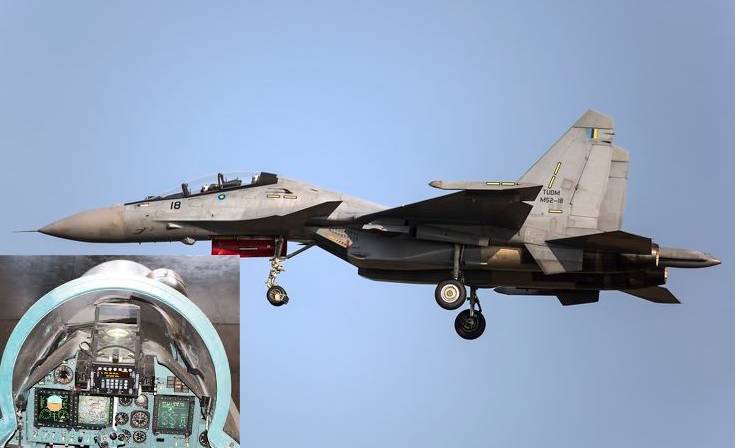
India
In a move that highlights India's growing role in the global defense market, Samtel Avionics System Ltd., a leading avionics company based in Uttar Pradesh, has secured a crucial contract with the Royal Malaysian Air Force (RMAF). This agreement involves equipping all 18 of Malaysia's Sukhoi-30MKM fighter jets with state-of-the-art Multi-Function Displays (MFDs) and Head-Up Displays (HUDs). The contract underscores the strengthening defense ties between India and Malaysia and reflects India's rising status as a provider of cutting-edge defense technology.The Su-30MKM is a Malaysian variant of the Sukhoi Su-30, a highly capable multirole fighter jet. By integrating Samtel’s advanced avionics into these aircraft, the RMAF stands to significantly boost the operational efficiency of its fleet. The MFDs, which will be installed as part of the upgrade, come in various sizes—5"x5", 6"x6", and 5"x4"—and offer a host of benefits, including enhanced situational awareness for pilots. These displays present critical flight data and weapons information in a more user-friendly format, allowing for quicker decision-making during combat or high-speed maneuvers.Samtel’s MFDs are not new to the field of fighter jet avionics. The company has successfully supplied over 1,000 MFDs to Hindustan Aeronautics Limited (HAL) for use in India’s own fleet of Su-30MKIs, the Indian Air Force's (IAF) primary air superiority fighter. These MFDs have proven their reliability and effectiveness in combat situations, ensuring that they are a battle-tested solution for enhancing the avionics of high-performance jets. For the RMAF, this means that the Su-30MKM’s modernization will bring the aircraft up to the latest standards, extending their operational life and improving mission performance.In addition to the MFDs, Samtel Avionics will also be supplying advanced Head-Up Displays (HUDs) for the Malaysian Su-30MKMs. These HUDs are essential for projecting key flight information—such as speed, altitude, and target data—directly onto the pilot’s field of vision. This allows the pilot to remain focused on the external environment without needing to glance down at traditional cockpit instruments. The tactical advantage gained through the integration of these HUDs is critical, particularly during high-pressure combat operations or complex aerial maneuvers. The HUDs significantly reduce pilot workload and enhance response times.The deal is a product of Samtel’s collaboration with Hindustan Aeronautics Limited under the joint venture Samtel HAL Display Systems (SHDS). This partnership has been a cornerstone of India’s indigenous defense development, focusing on producing high-quality avionics for the IAF’s Su-30MKI fleet. The systems being delivered to Malaysia have been proven in India’s demanding operational environment, ensuring that the RMAF is receiving a tried-and-tested solution. The avionics upgrade is expected to be a major step in modernizing the Su-30MKMs, which have been a key component of Malaysia’s air defense capabilities since their induction.This contract also reflects the broader shift in Malaysia’s defense procurement strategy, as the country looks to India for reliable, cost-effective solutions. It strengthens the defense relationship between the two nations, paving the way for future collaborations. Samtel Avionics, through its work with HAL, has positioned itself as a key player in the global defense market, particularly in the realm of avionics and display systems.In conclusion, Samtel’s partnership with the Royal Malaysian Air Force represents a significant win for India's defense industry. The integration of cutting-edge MFDs and HUDs into Malaysia’s Su-30MKM fleet not only enhances the aircraft’s capabilities but also underscores India’s ability to provide world-class defense solutions to international clients. This deal is likely to serve as a model for future collaborations between India and other nations seeking to modernize their air forces with advanced technology.
Read More → Posted on 2024-10-16 15:22:57
India
Safran Data Systems (SDS), a key player in aerospace, defense, and automotive telemetry, is expanding its presence in India with the opening of a cutting-edge facility in Chennai. This strategic move is a significant step towards bolstering India's capabilities in the space and defense sectors, aligning with the country’s Atmanirbhar Bharat initiative, which promotes self-reliance in technology and manufacturing.SDS has long been a trusted partner in India, supporting high-profile national projects such as the Indian Space Research Organisation’s (ISRO) Chandrayaan and Aditya L1 missions, as well as contributing to the development of Light Combat Aircraft (LCA) variants like TEJAS with the Defence Research and Development Organisation (DRDO). With this new facility, SDS is set to deepen its role in India's ambitious space and defense programs, providing advanced telemetry, testing, and simulation solutions.The state-of-the-art facility in Chennai was inaugurated by B. Krishnamoorthy, Special Secretary of the Government of Tamil Nadu, and Jeetendra Gavankar, Chief Executive of Safran Data Systems India. They were joined by senior leaders from Safran, including Executive Vice President of SDS France, Noel Ballot, and Vinod Mathew, Managing Director of SDS India. The new center will not only serve as a hub for design and development but also play a key role in supporting the growing demands of India’s space ecosystem.A critical aspect of this expansion is Safran’s focus on leveraging Chennai’s highly skilled engineering workforce. This talent pool is expected to drive innovation and support Safran’s mission to deliver world-class solutions tailored to India’s needs. Gavankar emphasized that Safran’s efforts will help India’s space industry scale new heights, ensuring that the country’s ambitious space missions are well-supported by cutting-edge technology under the “Make in India” banner.Tamil Nadu’s government is also eager to support this high-tech initiative. B. Krishnamoorthy highlighted the state’s commitment to fostering innovation and helping companies like Safran find the right local talent and resources. Under the Tamil Nadu Industrial Development Corporation (TIDCO) umbrella, Safran will benefit from a supportive ecosystem for testing, certification, and talent acquisition.Safran Data Systems India, formerly known as Captronic Systems, was established in 1999. Over the years, it has become a pivotal player in India’s aerospace and defense sectors. The company's expansion marks a new chapter in its ongoing partnership with both public and private organizations, reinforcing its commitment to helping India achieve technological self-reliance.This new facility is set to contribute significantly to India’s aspirations in the global space and defense arena, providing innovative solutions to meet the growing demands of these industries. With its advanced telemetry and testing capabilities, Safran Data Systems is well-positioned to support India’s journey towards greater technological autonomy.By expanding its footprint in India, Safran not only strengthens its global presence but also contributes to the nation’s growing role as a technology leader in the aerospace and defense sectors. This Chennai facility is expected to be a cornerstone for future innovations, supporting India’s ambitious space programs and defense initiatives for years to come.
Read More → Posted on 2024-10-16 15:20:24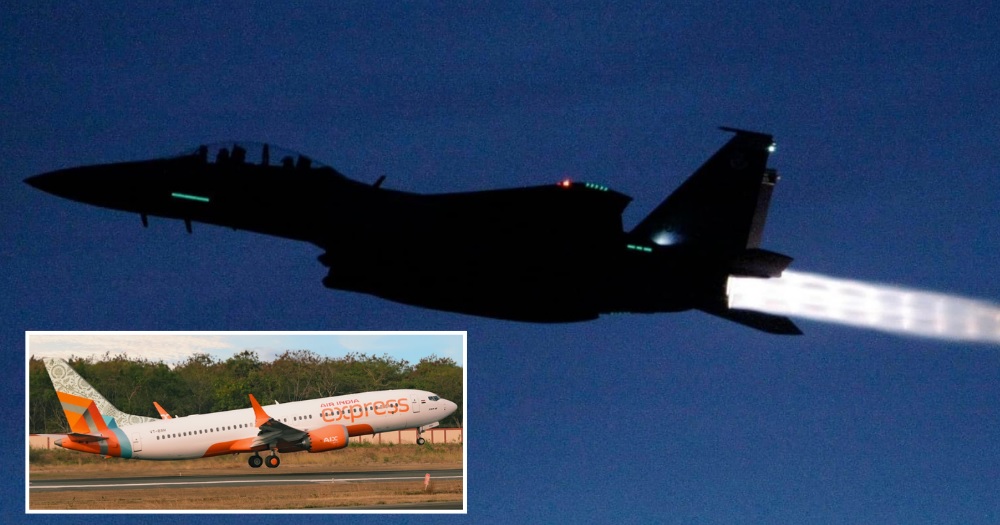
India
On a tense evening in Singapore, the calm of the skies was shattered as a bomb threat was issued against an Air India Express flight. The plane, operating as Flight IX 684 from Madurai to Singapore, received the threat through an alarming email, reportedly from Khalistani elements. This triggered an urgent and immediate response from Singapore's air defense.Singapore’s Defence Minister, Ng Eng Hen, shared details of the incident on social media, confirming that the Republic of Singapore Air Force (RSAF) scrambled two of its F-15SG fighter jets to intercept and escort the aircraft. The fighter jets were dispatched with precision and speed, ensuring that the plane was directed away from populated areas as it made its approach to Changi Airport. This decisive action highlights the high level of preparedness and coordination between Singapore’s military and civilian authorities in response to potential threats.The F-15SG jets, which are a key part of Singapore’s aerial defense arsenal, have advanced radar and avionics systems that allow them to quickly assess and neutralize threats. Their speed and agility were crucial in this situation, ensuring that the Air India Express flight remained under close observation throughout its journey into Singapore airspace. These jets, part of the RSAF's fleet, are often used for air defense and homeland security missions, making them a perfect fit for such urgent scenarios.Upon safely landing at Singapore's Changi Airport at around 10:04 PM, the aircraft was immediately surrounded by airport police and ground-based air defense systems. Explosive Ordnance Disposal (EOD) teams were also activated to thoroughly check the plane for any potential explosive devices. Fortunately, no immediate danger was found, and the threat was deemed a false alarm. However, investigations are still ongoing to trace the source of the email and assess the severity of the situation.Singapore Armed Forces (SAF) showed exemplary coordination and professionalism throughout the ordeal. The rapid deployment of fighter jets, alongside the ground support teams, underscored the country's ability to protect its airspace from potential dangers. The collaboration between SAF and the Home Team—a collective term for Singapore’s internal security forces—was instrumental in managing the situation and ensuring the safety of all on board.While the exact number of passengers on the Air India Express flight was not immediately released, no injuries were reported, and the incident concluded without harm. Air India Express has yet to issue an official statement regarding the event, but the airline is expected to cooperate with authorities as the investigation unfolds.This incident serves as a stark reminder of the ever-present security challenges faced by airlines worldwide, particularly in regions where political tensions or extremist ideologies might surface in dangerous ways. In this case, it appears that the bomb threat may have originated from Khalistani sympathizers, a separatist movement based in Punjab, India, which has occasionally been linked to threats and unrest abroad.Singapore, with its world-class aviation security systems and highly trained armed forces, once again demonstrated its commitment to passenger safety and regional security. Whether the threat was a credible one or merely an attempt to create panic, the nation’s response was swift and effective, ensuring that the situation was handled with the seriousness it demanded.This bomb threat incident, though resolved without incident, highlights the importance of maintaining robust international protocols for handling in-flight threats. For Singapore, the swift action of scrambling F-15 jets was not only a demonstration of military readiness but also a powerful signal that safety remains a top priority in its skies.
Read More → Posted on 2024-10-16 15:11:34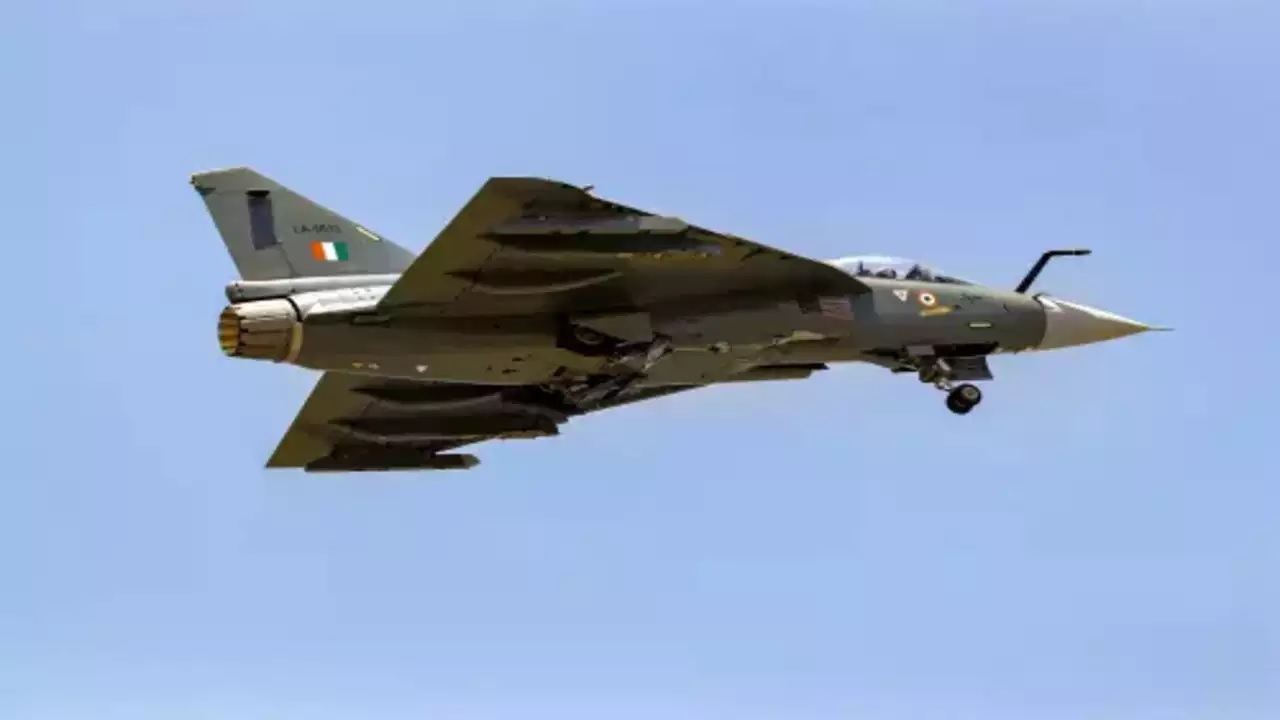
India
The Democratic Republic of Congo (DRC) is actively seeking to upgrade its aging air force as regional tensions escalate and the country pursues military modernization. In an effort to replace its old Soviet-era Sukhoi Su-25 and MiG-23 fighter jets, the DRC is showing strong interest in India's indigenous Tejas Mk1A multi-role fighter jet, which has gained international attention for its advanced capabilities and competitive cost.In August, a high-level delegation from the DRC Air Force (Forces Aériennes Congolaises - FAC), including its top leadership, traveled to India to discuss the potential acquisition of the Tejas. The delegation met with representatives from Hindustan Aeronautics Limited (HAL), the state-owned manufacturer of the Tejas. These discussions focused not just on the aircraft’s technical features, but also on how it could address the DRC's specific defence needs, especially in light of its security challenges.The FAC's current fleet, largely composed of outdated Su-25s and MiG-23s, has struggled to keep pace with the country’s demands for modern air power. The eastern DRC has been the scene of prolonged conflict, with the government fighting armed rebel groups such as M23. This conflict has drawn in neighboring countries, with Uganda accused of backing the M23 rebels, and Rwanda allegedly supplying them with military support. Tensions between the DRC and Rwanda flared significantly last year when a Rwandan missile brought down a DRC Su-25 that was said to have crossed into Rwandan airspace.In this volatile environment, the Tejas Mk1A stands out as a versatile, cost-effective solution. The Tejas is equipped with cutting-edge avionics, radar systems, and the ability to carry various weapons, making it well-suited for both air-to-air combat and ground-attack roles. The jet also boasts fly-by-wire technology, a modern electronic warfare suite, and the capability to refuel mid-air, significantly extending its operational range. For a country like the DRC, where reliable support and maintenance are critical, HAL’s offer to provide comprehensive after-sale support adds to the appeal.From a broader perspective, this potential deal underscores India's growing role in the global arms market, particularly in Africa, where nations are seeking affordable but advanced military hardware. India’s Tejas has been attracting attention not just from the DRC but from other African countries like Botswana, which is also in talks to acquire the fighter jets.However, the path to finalizing such deals is not always smooth. Despite a year of discussions, the DRC has yet to officially sign an agreement, and HAL is still navigating its own production timelines as it works to fulfill commitments to the Indian Air Force, which has experienced delays in the induction of the Tejas Mk1A.Nevertheless, if the DRC moves forward with the acquisition of the Tejas, it could represent a pivotal moment in the modernization of its air force. The Tejas would provide the FAC with a much-needed technological leap, bolstering its capacity to defend its borders and maintain regional stability. For India, it would further cement its position as a serious player in the African defense market, enhancing its strategic ties and influence on the continent.
Read More → Posted on 2024-10-16 15:02:03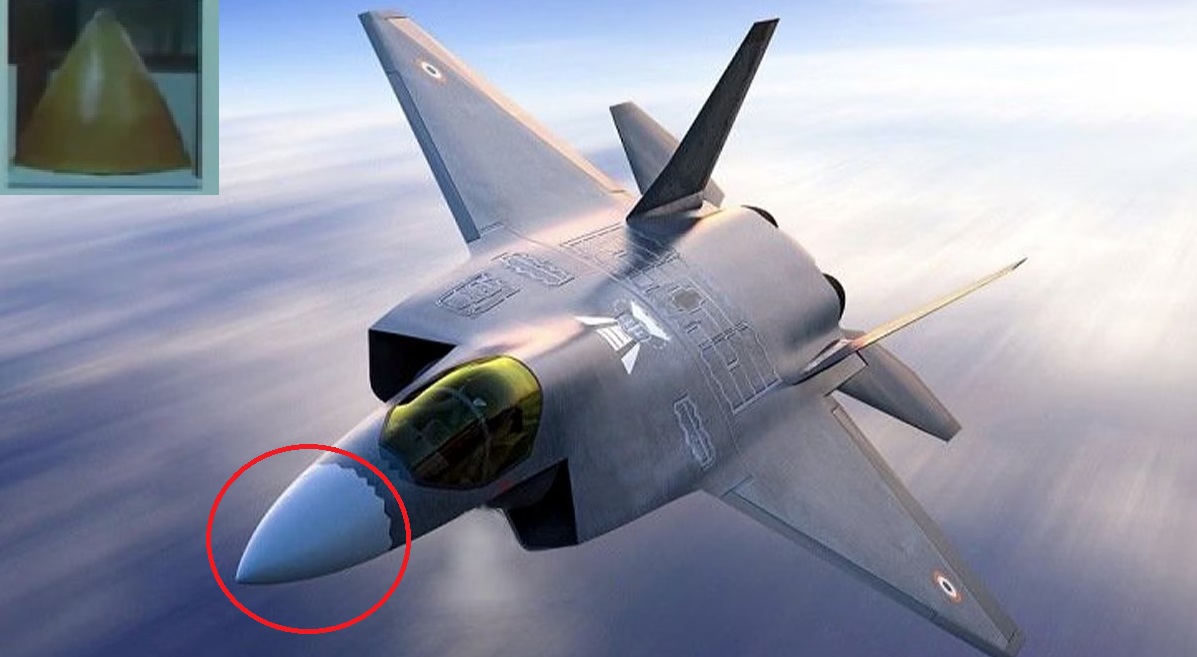
India
The Council of Scientific and Industrial Research-National Aerospace Laboratories (CSIR-NAL) has taken a significant step forward in India's defense capabilities by developing a sophisticated Frequency Selective Surface (FSS) radome. This cutting-edge radome is designed specifically for India’s fifth-generation Advanced Medium Combat Aircraft (AMCA) fighter jet program, a crucial project aimed at bolstering the Indian Air Force's stealth and combat capabilities. The FSS-radome not only represents a leap in indigenous technology but also significantly enhances the AMCA’s stealth features, a necessity in modern-day aerial warfare.Stealth Capabilities Enhanced with FSS-RadomeThe AMCA is India's ambitious effort to create a stealth-capable, multirole fighter jet that can compete on the global stage. One of the key components in maintaining the aircraft’s low observability to enemy radar systems is the FSS-radome, which CSIR-NAL has successfully developed and tested. The radome's primary function is to allow radar signals to pass through efficiently in a specific frequency range, while simultaneously minimizing the radar cross-section (RCS), making the aircraft difficult to detect.What makes the FSS-radome stand out is its ability to work effectively within the X-band frequency range, a spectrum used by most modern radar systems. The FSS-radome displays remarkable transmission capabilities in the X-band, but its effectiveness doesn't stop there. The design also provides excellent roll-off characteristics outside this band, covering a wide frequency range from 2 to 18 GHz, essential for ensuring stealth while maintaining high operational performance.Cutting-Edge Design and MaterialsThe FSS-radome's development was no easy feat. CSIR-NAL went through a rigorous proof-of-concept phase, fabricating a multilayered planar laminate that measures 660 mm by 520 mm. This laminate was embedded with FSS elements, a crucial step in making the radome function optimally for radar signal transmission. Additionally, a curved prototype radome, 500 mm in height from the aircraft’s nose tip, was tested under various conditions to ensure it met the complex requirements of a fifth-generation stealth fighter.The FSS design plays a pivotal role in reducing the RCS, a critical factor in stealth technology. With this new radome, the out-of-band RCS is reduced by around 10 decibels per square meter (dBsm), a significant improvement compared to traditional monolithic radomes. This reduction in RCS drastically lowers the AMCA's detectability by enemy radar systems, a critical feature that enhances survivability in combat situations.Advanced Transmission Characteristics and Rigorous TestingOne of the primary objectives in developing the FSS-radome was to ensure superior transmission characteristics in the X-band, allowing onboard radar systems to function optimally without compromising the aircraft’s stealth profile. The prototypes have undergone extensive testing, both in laboratory conditions and real-world scenarios, to validate their performance. These tests have proven the radome’s capability to maintain radar transparency while ensuring that the AMCA’s overall stealth performance is not compromised.The stringent testing is a testament to the precision required in modern fighter jet technology. As the AMCA program progresses, the FSS-radome will be a cornerstone of its stealth systems, providing India with a fighter jet capable of competing with other global defense powers.A Milestone for India's Defense SectorThe successful development of the FSS-radome is a landmark achievement in India's journey toward self-reliance in defense technology. With the AMCA expected to become a central part of the Indian Air Force's fleet in the coming years, innovations like the FSS-radome are crucial for the aircraft’s competitiveness. This technology marks a significant step in reducing India's dependence on foreign defense technologies and helps strengthen national security through homegrown advancements.The AMCA program is not just about stealth; it's about creating a multirole fighter jet capable of air superiority, ground attack, and intelligence gathering—all while evading enemy radar. The FSS-radome developed by CSIR-NAL ensures that the AMCA will have the technological edge needed to thrive in modern combat scenarios.As India continues to enhance its defense capabilities, the CSIR-NAL's FSS-radome stands out as a beacon of innovation, pushing the boundaries of what indigenous technology can achieve. The development reflects India’s growing prowess in the aerospace sector and signals the nation’s determination to maintain strategic autonomy in defense technologies.
Read More → Posted on 2024-10-15 15:11:48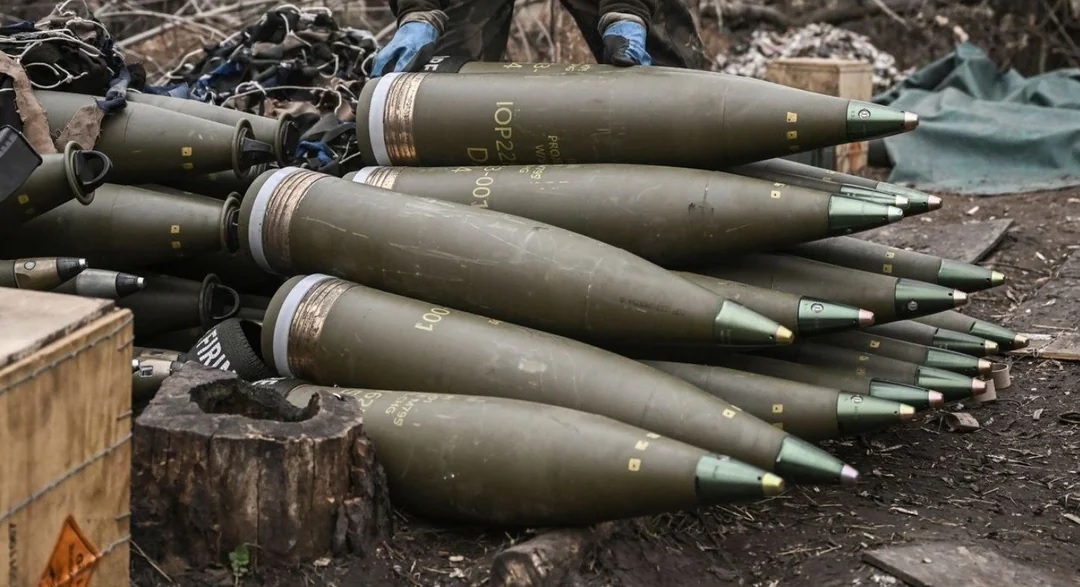
India
India's foreign policy has always walked a fine line between maintaining good relations with global powers while preserving its strategic autonomy. However, recent diplomatic tensions with the United States and Canada have sparked new debates about whether India should reconsider its defense exports policy. Specifically, the inaction by both countries on the issue of Khalistani extremism has triggered discussions about whether India should strengthen its ties with Russia, a trusted defense partner, by supplying arms directly—a move that would not only boost India’s geopolitical leverage but also send a strong message to the West.The Growing Frustration with the WestIndia has long been concerned about the growing influence of Khalistani separatist groups in Canada and the U.S., groups that advocate for an independent Sikh state. Despite New Delhi's repeated attempts to address this issue through diplomatic channels, there has been little concrete action from either government. Canadian Prime Minister Justin Trudeau, in particular, has been criticized for what many in India see as an "anti-India" stance, especially given his perceived failure to curb the activities of Khalistani extremists. The inaction by both the U.S. and Canada, combined with the perception of Western "hypocrisy" in dealing with separatist movements, has significantly strained India’s relationship with these countries. Many Indian officials believe that both nations have prioritized political gain over the legitimate national security concerns of India. The tolerance of these separatist groups has been seen as an affront to India's sovereignty, leading to increasing frustration in New Delhi.Russia: A Reliable Partner in India's Defense IndustryRussia has been a critical defense partner for India since the Cold War. Over the years, India has developed significant indigenous capabilities to manufacture Russian-designed weaponry, including Su-30MKI fighter jets and T-90 tanks. Despite this, India has largely avoided directly supplying arms to Russia in order to maintain its neutral, non-aligned stance in global conflicts. However, the current geopolitical climate is pushing Indian policymakers to reconsider this position.One recent development that has captured attention is the revelation that some Indian-made equipment has reportedly made its way to Ukrainian forces through European intermediaries during the ongoing conflict between Russia and Ukraine. While India has officially maintained a neutral stance, this incident highlights the complexities of the global arms trade and raises the question: why shouldn’t India directly supply arms to Russia, especially when it continues to face diplomatic challenges from the West?The Case for Arms Sales to RussiaRussia has stood by India in times of need, from supporting India in international forums to providing critical defense supplies when other countries hesitated. Given this, selling arms to Russia could serve as a strategic move, reinforcing the partnership while also signaling to the West that India will not tolerate disregard for its national security concerns.Furthermore, such a decision could offer India greater leverage on the global stage, especially as it navigates a world where geopolitical alliances are constantly shifting. By strengthening ties with Russia, India could assert its independence and remind the U.S. and Canada that their inaction on Khalistani extremism comes with consequences.The Risks of Such a MoveHowever, supplying arms to Russia is not without risks. The U.S. and Canada are important trade and diplomatic partners for India, and any significant shift toward Russia could result in backlash from the West. This could potentially lead to sanctions or diplomatic isolation, complicating India’s efforts to maintain a balanced foreign policy.Additionally, aligning too closely with Russia could undermine India's relationships with other key partners, particularly in Europe, where countries are increasingly wary of Russia's actions. It could also impact India's participation in Western-led initiatives, including access to advanced military technologies and economic partnerships that are critical for India’s long-term strategic goals.A Delicate Balancing ActIndia now faces a challenging decision as it seeks to balance its relationships with Russia and the West. On one hand, maintaining ties with Russia through defense cooperation could reinforce India’s strategic autonomy and send a clear message to the U.S. and Canada about the consequences of ignoring India’s security concerns. On the other hand, such a move risks further alienating Western allies at a time when global alliances are becoming increasingly complex.While the Khalistani issue has fueled tensions between India and the West, it has also created an opportunity for India to rethink its defense exports policy. If the West continues to ignore India's concerns, direct arms sales to Russia may emerge as a viable option for India to assert its global standing and protect its national interests.In the end, the question of whether India should sell arms to Russia in retaliation for the U.S. and Canada's perceived "hypocrisy" on Khalistani extremism is more than just a policy debate. It is a reflection of India’s evolving role on the global stage and its determination to protect its sovereignty, even in the face of challenging geopolitical realities.
Read More → Posted on 2024-10-15 15:01:52Search
Top Trending in 24 Hours
-
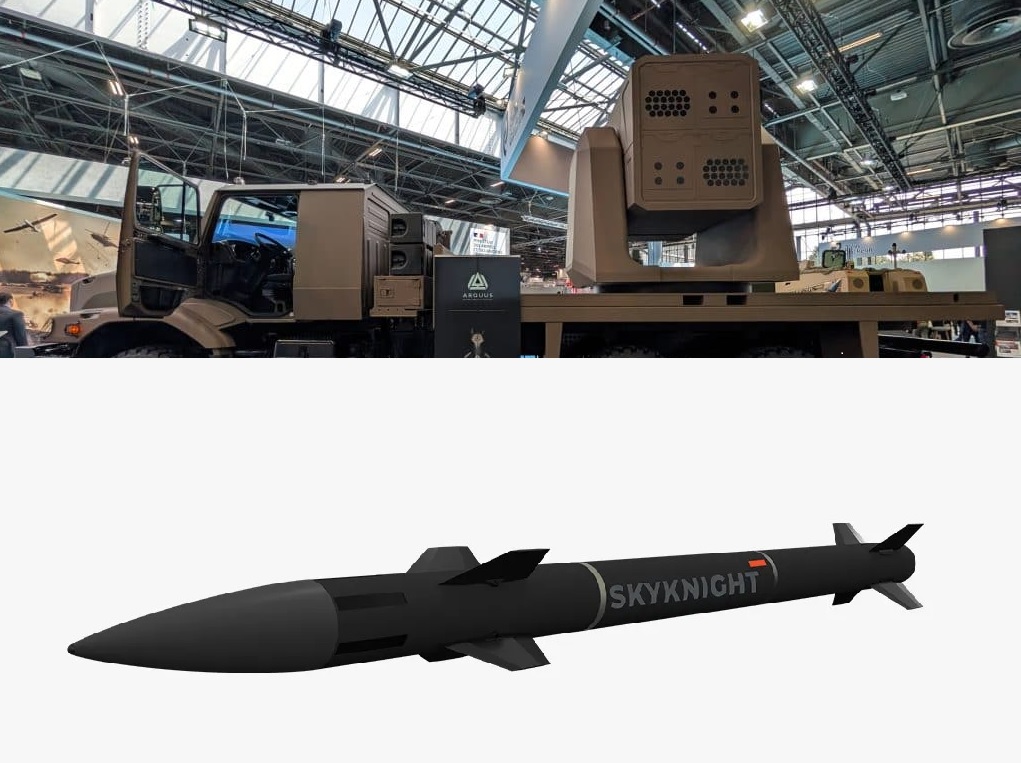 Naval Group Unveils Rampart Modular CIWS Multi-Purpose Weapon System for Naval and Ground Forces at Eurosatory 2026
-
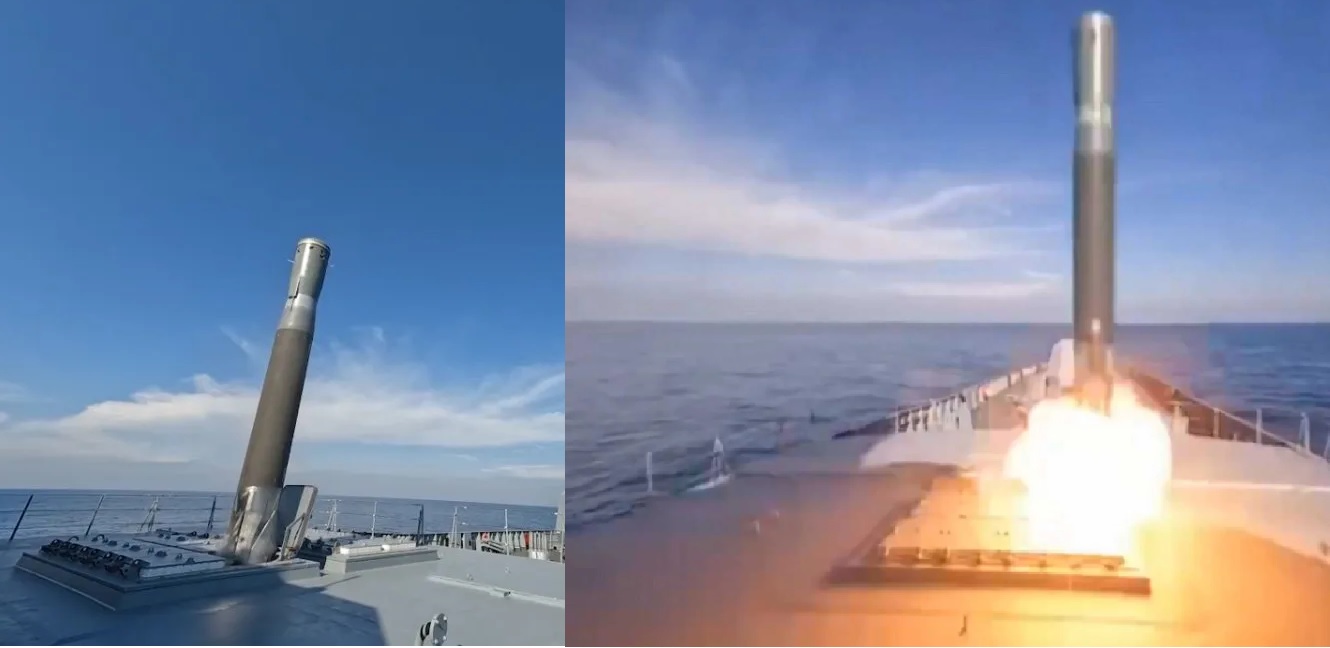 Open-Source Evidence Suggests Russia's Zircon Is a Quasi-Ballistic Missile, Not a True Hypersonic Cruise Weapon
-
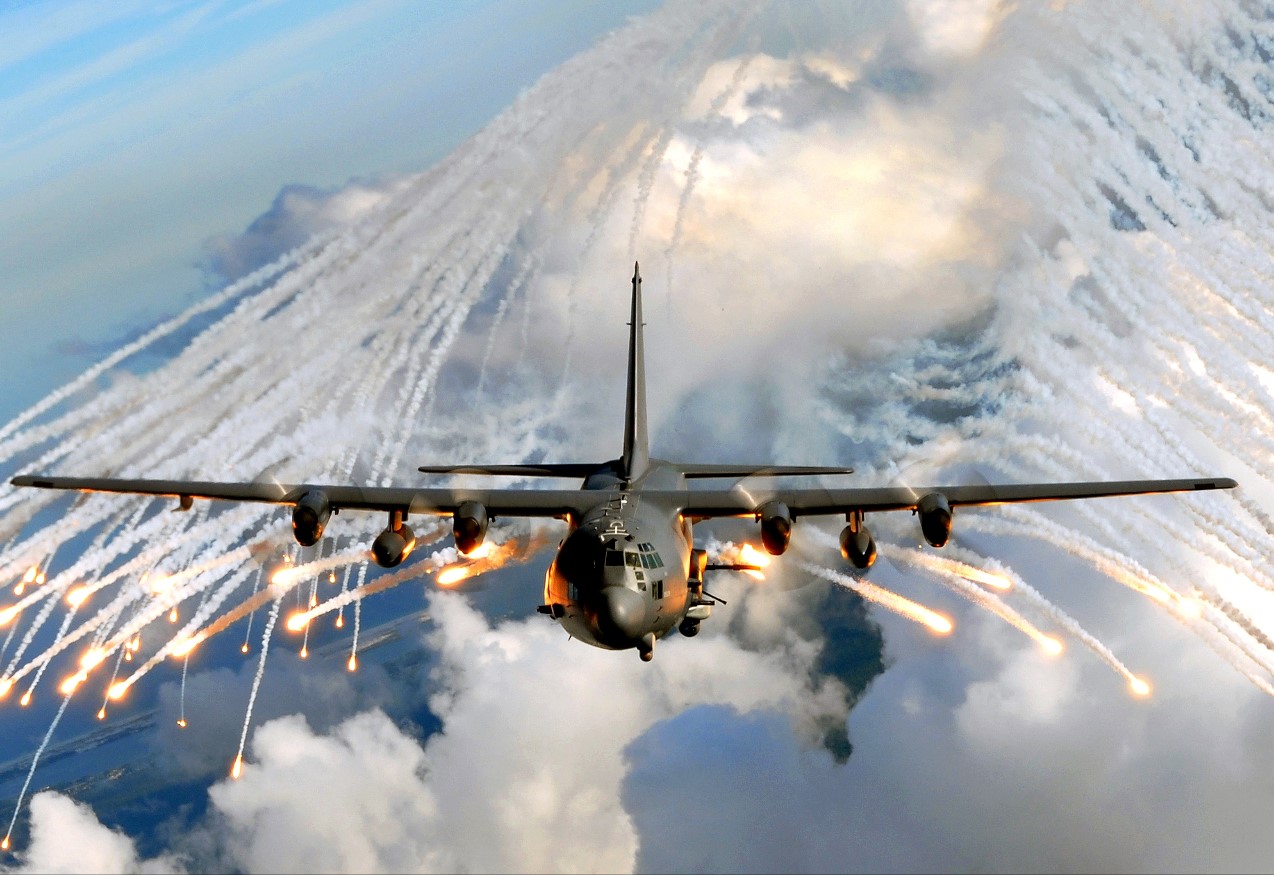 Pentagon Expands Alloy Surfaces Contract to $328.8 Million for Advanced Aircraft Decoy Flares Amid Evolving Drone Threats
-
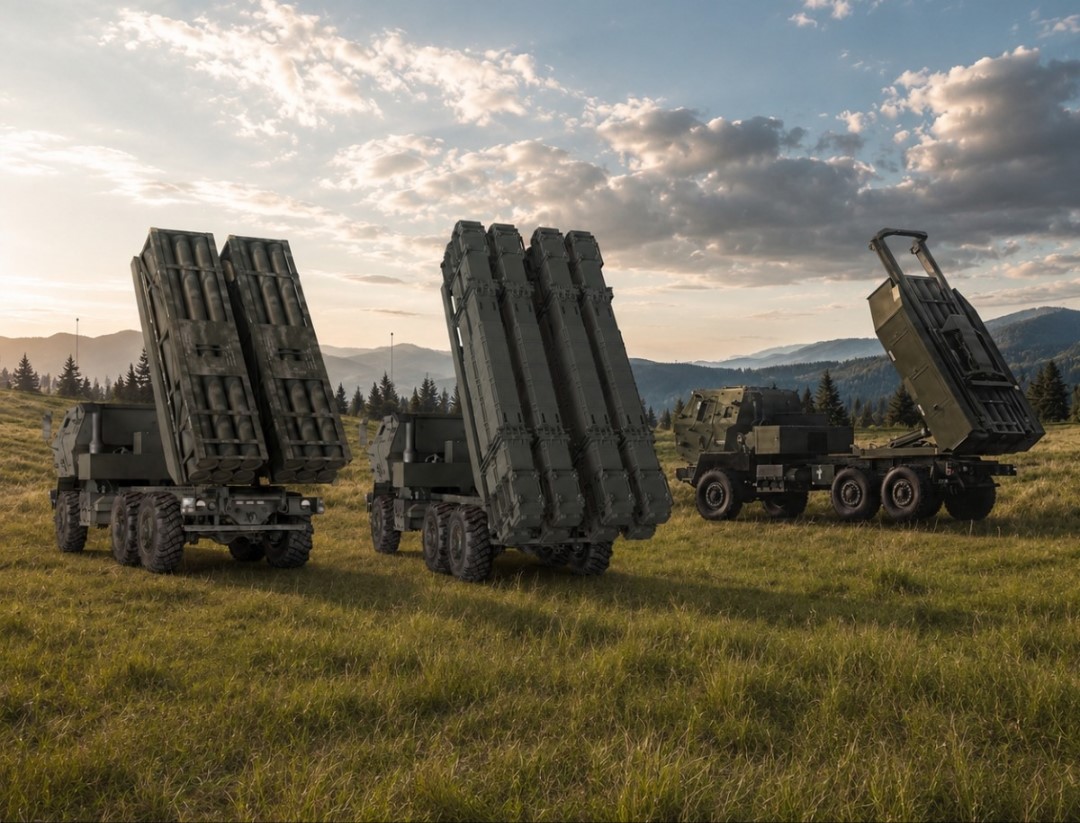 Lockheed Martin Unveils HIMARS FLEX with Dual-Pod Launcher and NATO-Compatible Air Defense Integration
-
 Why the U.S. Restored Pacific Command Name, Ending the Indo-Pacific Designation After Eight Years
-
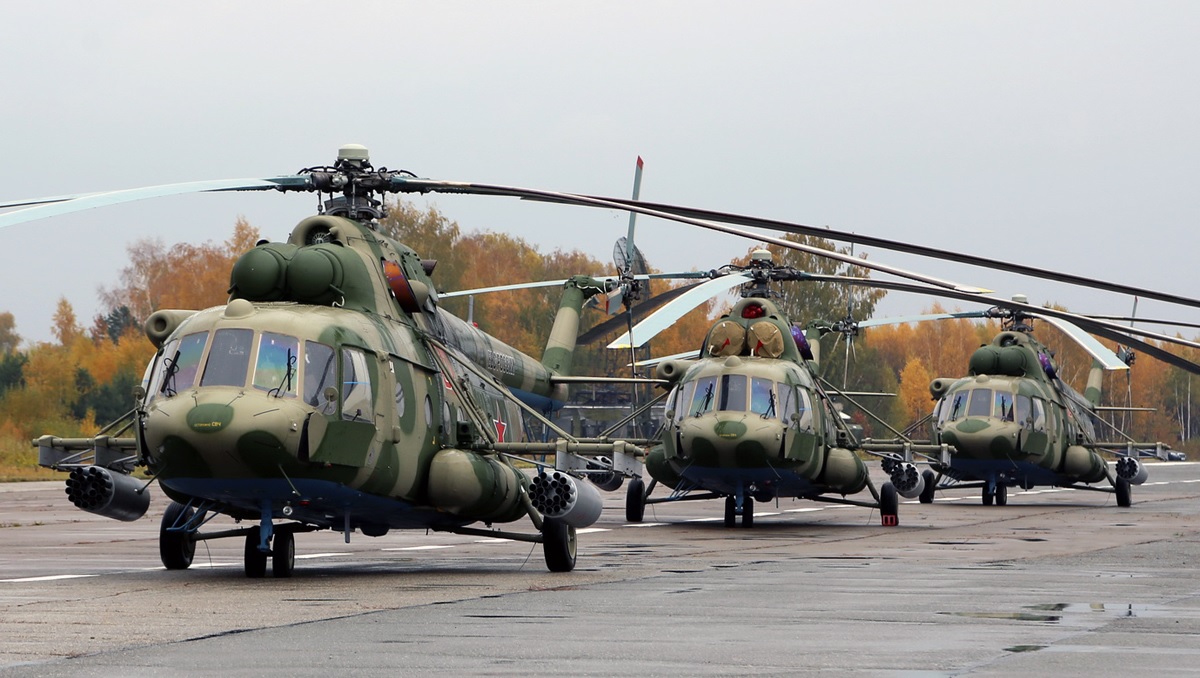 Iran Signs Deal with Russia for 20 Mi-8 and Mi-17 Helicopters to Boost Rescue and Medical Missions
-
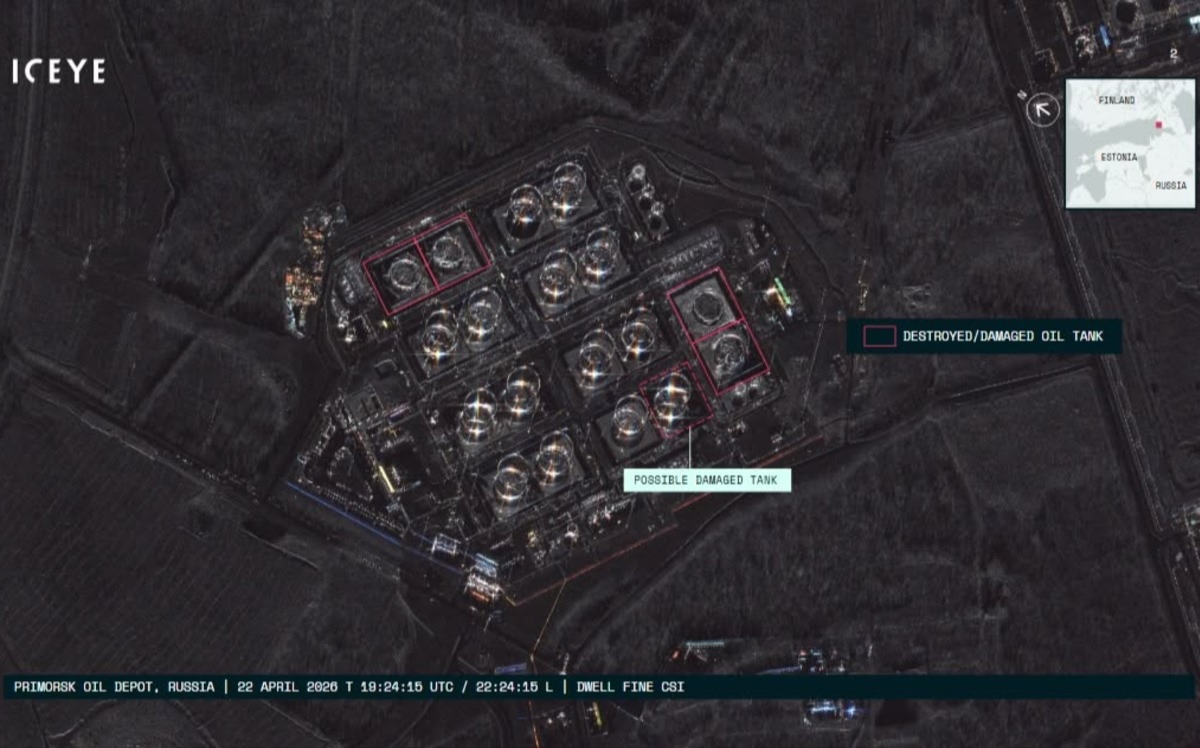 Portugal Doubles Sovereign SAR Satellite Fleet with Order for Two Additional ICEYE Satellites
-
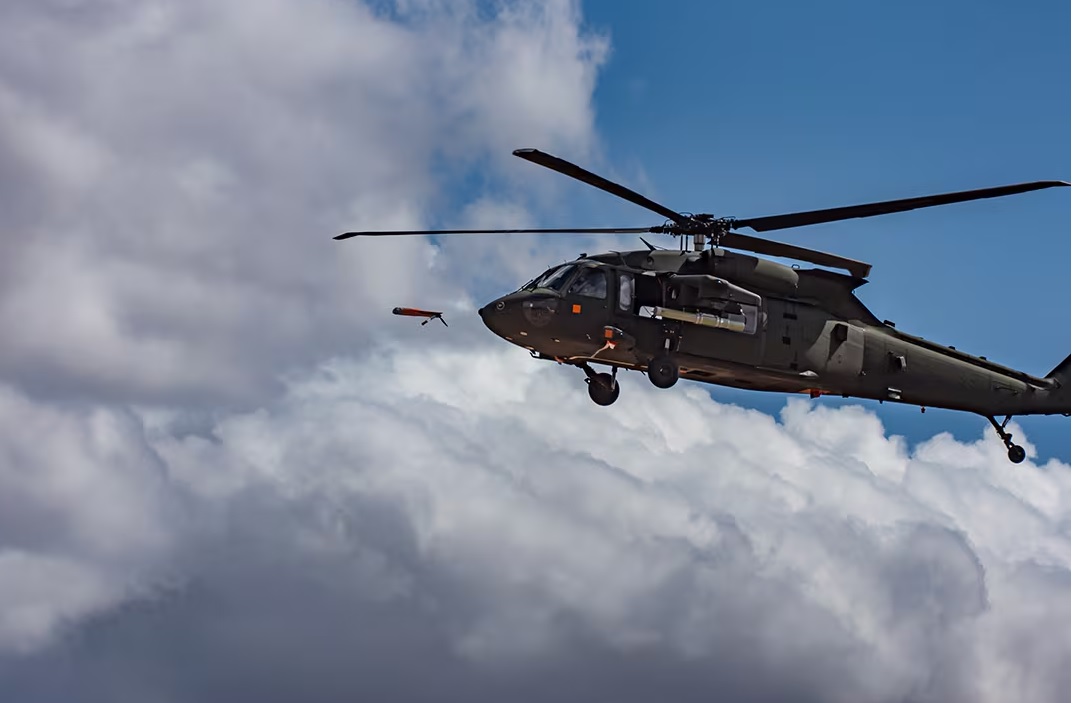 U.S. Army Completes First Flight Test of Medium-Range Air-Launched Effects from Black Hawk Helicopter
Top Trending in 4 Days
-
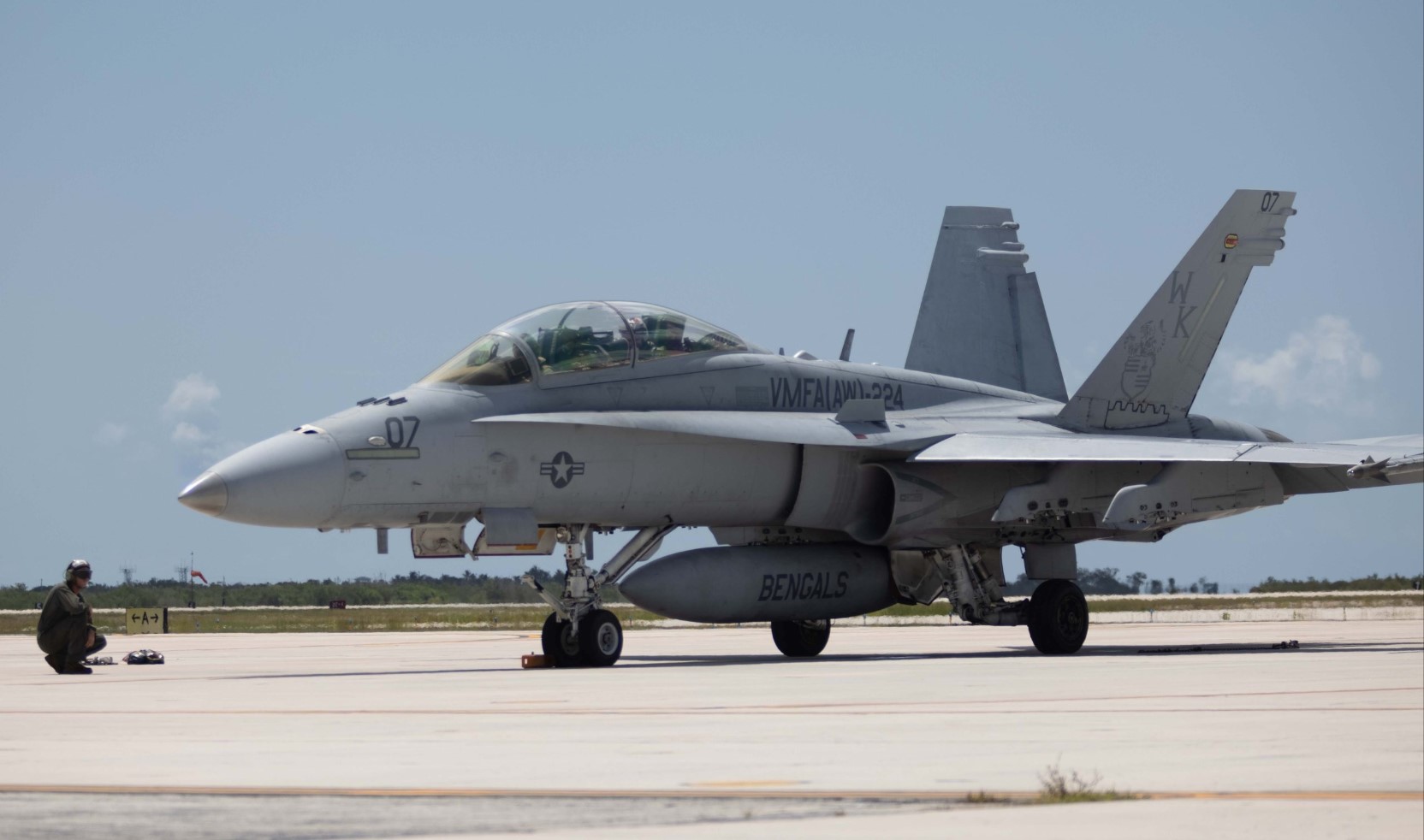 US Marine Corps F/A-18D Hornet Crashes During Training Flight in Washington Mountains; Pilot Ejects Safely
-
 Tulsi Gabbard Releases Declassified Files Detailing U.S.-Backed Network of 120 Biolaboratories Across 30+ Countries
-
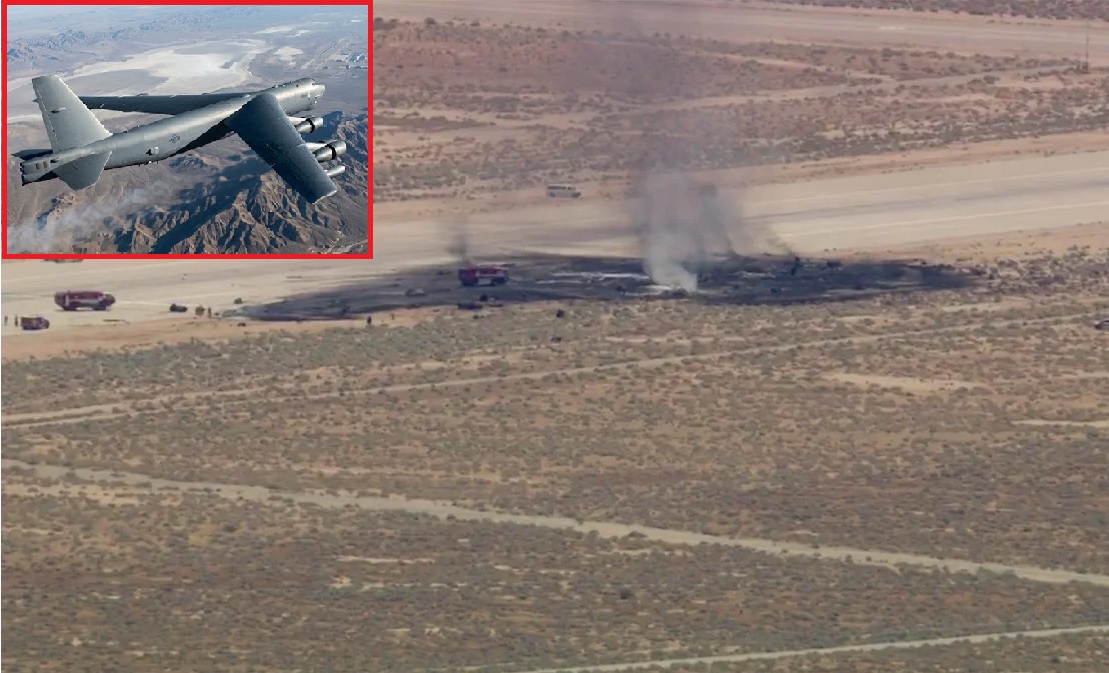 8 U.S. Air Force Crew Members Killed in B-52 Bomber Crash During Test Flight at Edwards Air Force Base
-
 Ukraine Introduces Balloon-Launched DART Missile Designed to Defeat Electronic Warfare
-
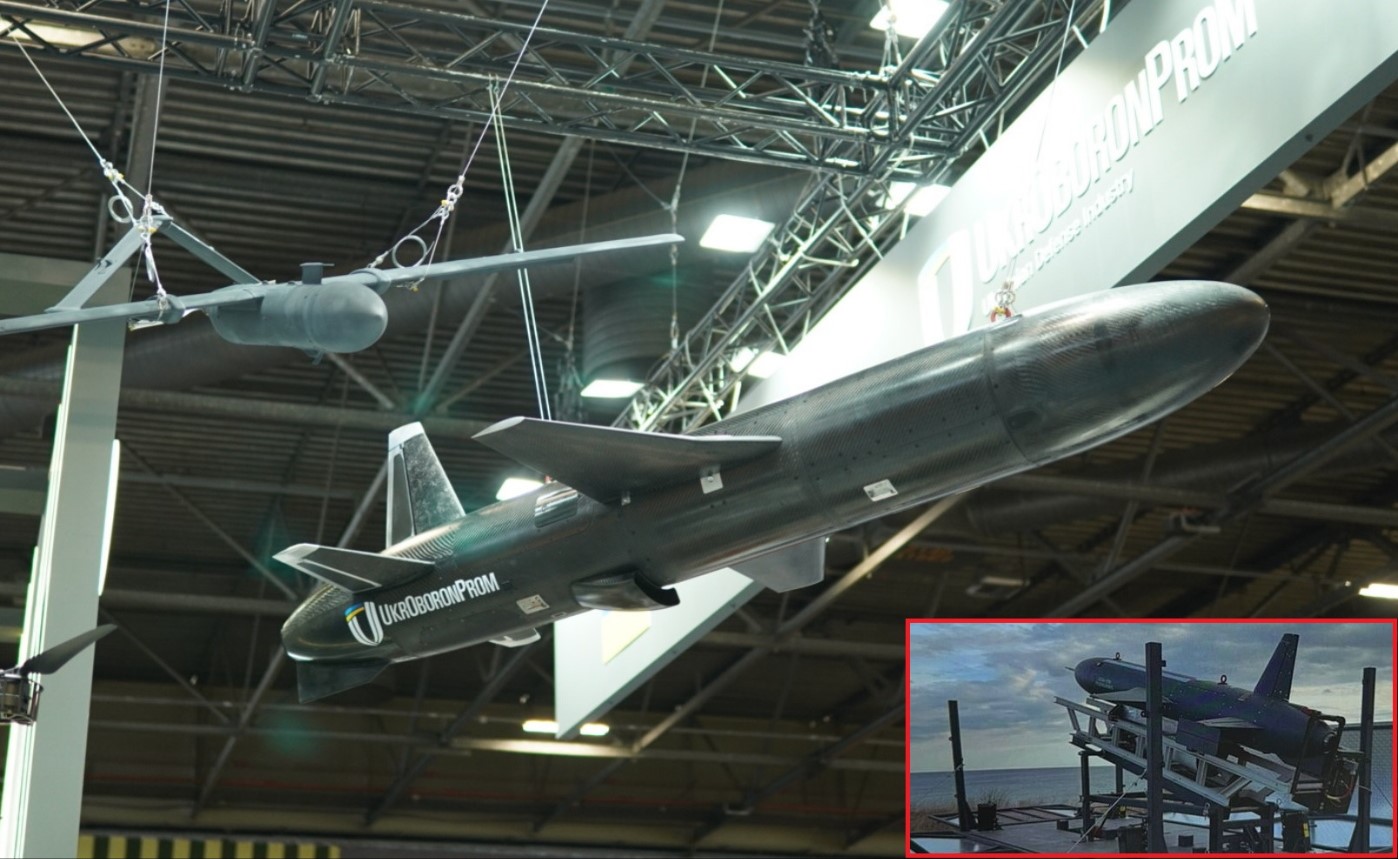 Ukraine Unveils UAV-290 Jet-Powered Strike Drone with 650 km Range at Eurosatory 2026
-
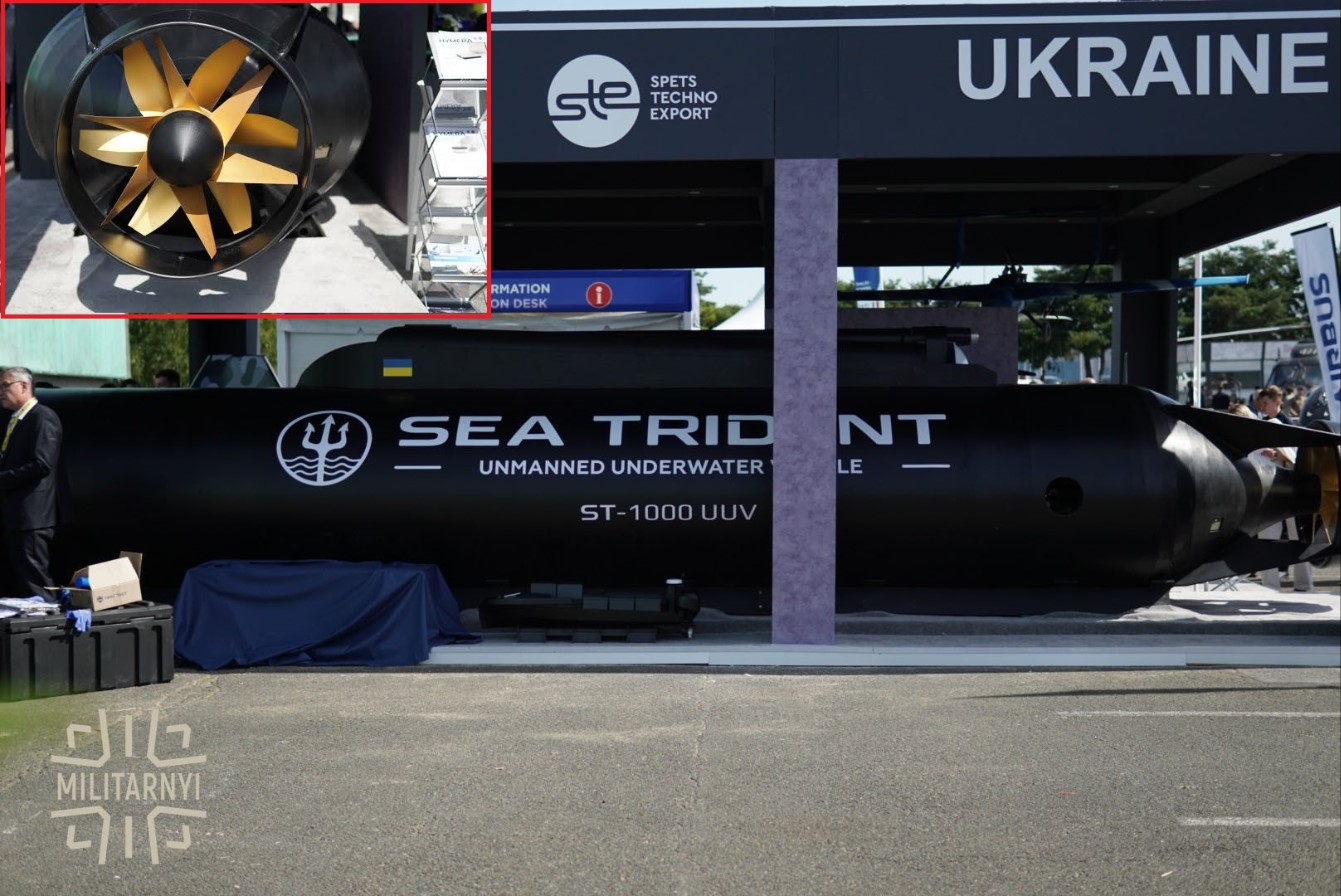 Ukraine Unveils 'Sea Trident' 10-Ton Autonomous Underwater Drone at Eurosatory 2026
-
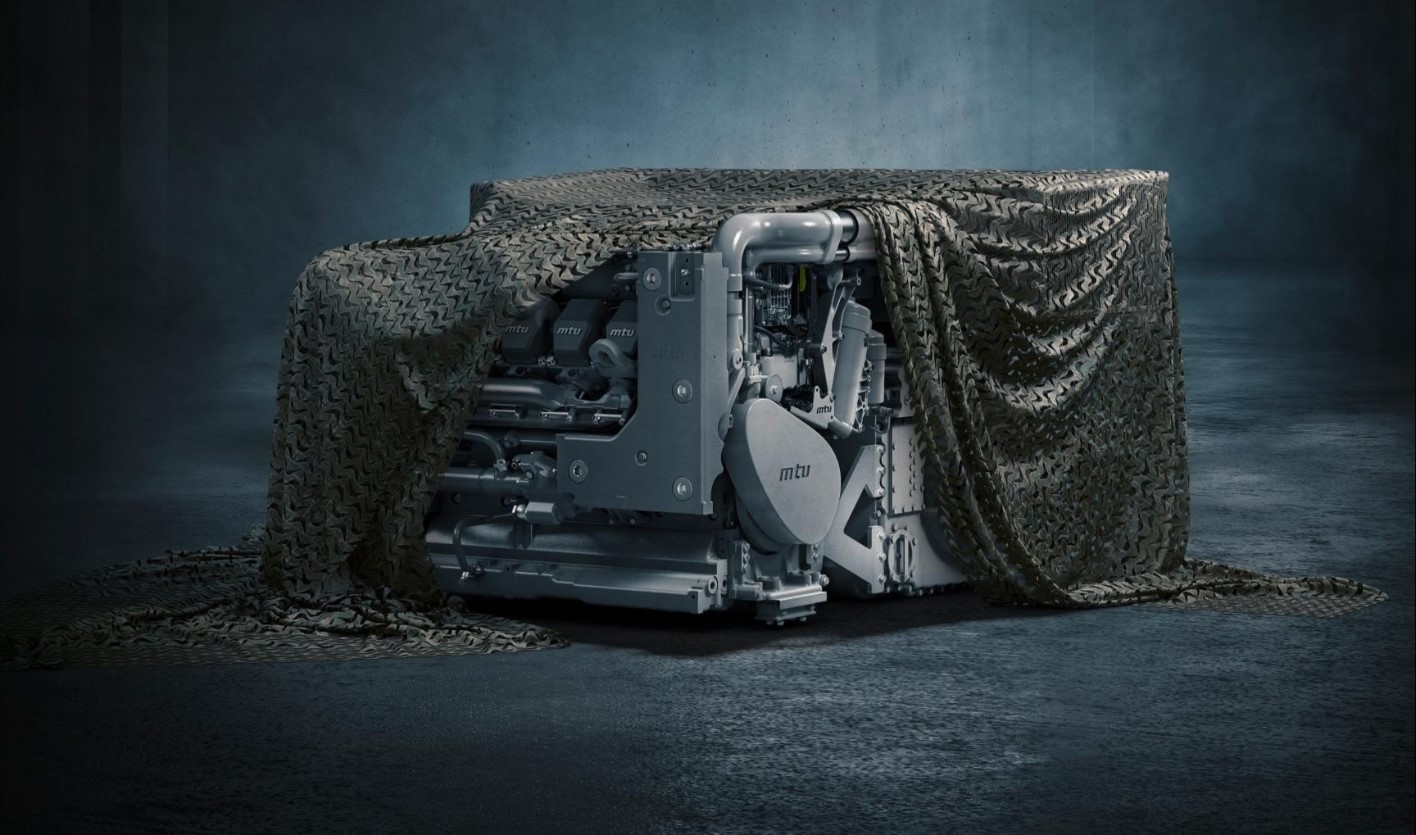 Rolls-Royce Unveils New Hybrid Powertrain for Heavy Military Vehicles at Eurosatory 2026
-
 France Agrees to Equip Future Indian Rafales with AI, MUM-T and Secure Satellite Links Under F5 Standard