
India
Advanced Weapons and Equipment India Limited (AWEL), a prominent player in India’s defense sector, is on a groundbreaking mission to collaborate with private sector firms to develop a next-gen AI-powered robotic sniper for the Indian Army. This ambitious initiative aims to bolster India’s defense capabilities by introducing autonomous or remotely controlled sniper robots, designed specifically to operate in the country’s diverse and often treacherous terrains.This strategic collaboration comes as modern warfare is increasingly shaped by technology that enables precise and reliable operations in hostile environments. AWEL’s vision is to equip the Indian Armed Forces with a formidable robotic sniper system, capable of taking on reconnaissance, long-range targeting, and precision sniping duties. The ultimate goal is to achieve operational superiority while reducing risks to soldiers, particularly in missions where human presence is perilous.The Future of Combat: AI-Enhanced Robotic SniperAWEL’s robotic sniper system is envisioned as a cutting-edge blend of robotics, artificial intelligence, and advanced weaponry. Key to this innovation is its dual-operational capability; it can function autonomously, carrying out tasks with AI-driven precision, or be controlled remotely, allowing operators to oversee missions from a safe distance. This adaptability is essential in a battlefield environment where situations can change rapidly, and having multiple control options provides valuable flexibility.The robot will feature a high-precision sniper rifle, engineered for accuracy at long distances. In autonomous mode, the sniper system will leverage sophisticated targeting algorithms, likely incorporating deep learning and machine vision to identify and track targets. This AI-driven targeting mechanism allows the robot to respond in real-time to visual cues, minimizing the need for direct human intervention during engagements. The result is a platform that can engage targets with pinpoint accuracy, even in situations where communication might be limited or compromised.Navigating Challenging TerrainsOne of the standout features of AWEL’s robotic sniper system is its rugged, GPS-guided navigation system. Designed to navigate terrains as varied as deserts, rocky highlands, muddy swamps, and even densely vegetated areas, the robot is being built to handle India’s diverse operational landscapes. Whether deployed in the high-altitude, snow-covered terrain of the Himalayas or the arid deserts of Rajasthan, this system’s GPS navigation, paired with AI-enhanced decision-making, ensures that it can maneuver effectively in challenging conditions, remaining steady and operational in extreme weather.The focus on terrain adaptability means the robot will likely incorporate advanced sensors that help it assess and respond to environmental challenges. This could include terrain mapping using LiDAR, infrared for nighttime operations, and thermal sensors to track targets in low-visibility conditions. These enhancements make it ideal for missions in hostile zones where the landscape can be just as dangerous as enemy combatants.Reducing Risks to SoldiersDeploying autonomous robots in combat situations represents a major leap forward in military safety. By using robots to take on high-risk roles, the Indian Army can maintain combat effectiveness while reducing the potential for casualties among soldiers. The robotic sniper can act as a forward observer, providing real-time reconnaissance, and can engage enemies directly if needed. This approach not only minimizes soldier exposure to hazardous situations but also gives commanders a valuable asset in their arsenal to make real-time decisions.A Collaborative Approach for Swift DevelopmentThe project underscores AWEL’s commitment to a public-private partnership model in India’s defense sector. By bringing in expertise from private firms, especially in areas like AI, robotics, and material sciences, AWEL aims to ensure that the final product is both technologically superior and quickly operational. Private companies in India have been steadily building capabilities in AI and robotics, and this collaboration is a way to harness these skills for national defense.This collaboration could expedite the development process by drawing on the private sector's innovations, pushing the robotic sniper system from concept to reality faster than a purely public development approach would allow. AWEL is committed to rigorous standards of performance, reliability, and adaptability, recognizing that successful deployment hinges on creating a robot that can stand up to the unique challenges of military operations.Strategic Implications for India’s Defense LandscapeAWEL’s robotic sniper project aligns with India’s broader push to modernize its military and increase its self-reliance in defense technology. A successful outcome would place India among the few countries developing advanced robotic combat systems, positioning it as a leader in defense innovation within the region. As tensions continue to shape India’s strategic requirements, having AI-driven systems on the battlefield could significantly strengthen its defensive and offensive operations.This development is not only about technological advancement; it’s also a strategic maneuver to enhance India’s autonomy in defense. AWEL’s initiative shows a deep understanding of the future of warfare, where technology plays a central role in safeguarding national security and minimizing risk to human life.With this project, AWEL and its future private sector partners are set to make history by bringing AI-powered robotic snipers to the Indian Army—a powerful testament to India’s commitment to high-tech defense solutions and public-private innovation.
Read More → Posted on 2024-10-27 16:29:38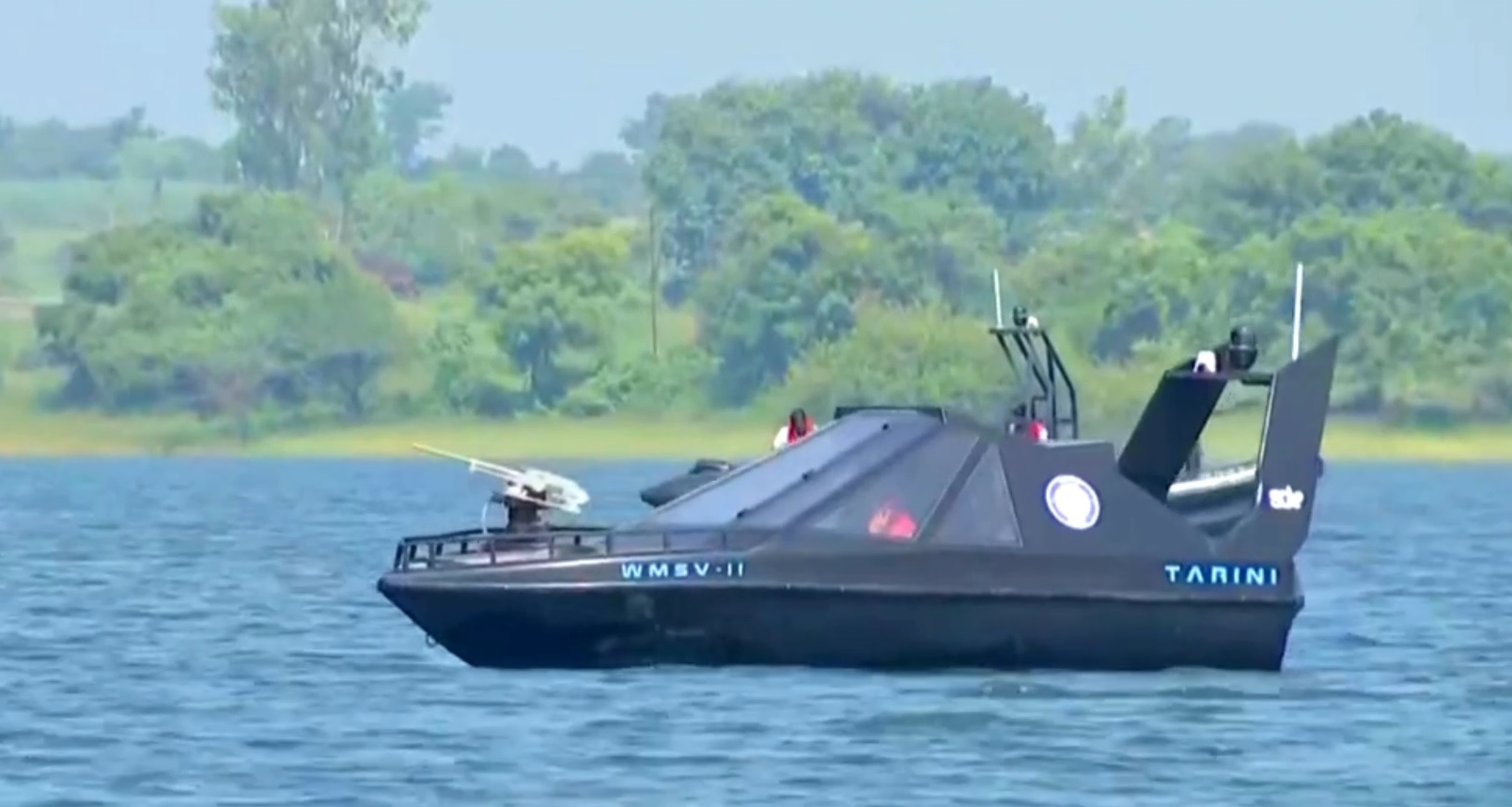
Indian Navy Ordered 12 Units of Sagar Defence's Autonomous Weaponized Boat Swarm, 2 for Pangong Lake
India
The Indian Navy has launched trials for a major innovation in naval defense: the Autonomous Weaponized Boat Swarm (AWBS) developed by Sagar Defence Engineering. These tests, held in the coastal waters of Mumbai, represent a powerful step forward for India's defense capabilities as the Navy explores the potential of unmanned technology to strengthen its maritime security. With plans to acquire 12 of these boats, the Indian Navy signals a commitment to cutting-edge, homegrown technology aimed at securing both oceanic and inland water regions. A Game-Changer in Naval DefenseThe AWBS is not just any defense vehicle; it's a fully autonomous system designed to tackle threats in real time. Each boat within the swarm is equipped with a 12.7 mm Stabilized Remote Controlled Gun (SRCG), a powerful weapon controlled remotely to engage and neutralize hostile targets effectively. Beyond firepower, each vessel in the AWBS is outfitted with dual high-resolution cameras and specialized radars that allow for 24/7 threat detection—day and night. This means that the boats can independently monitor their surroundings, flag potential dangers, and alert control operators at a remote command station. The system's autonomous capabilities are augmented by an onboard unmanned aerial vehicle (UAV), adding an aerial perspective to enhance situational awareness. This UAV can survey vast oceanic stretches from above, identify nearby boats or individuals, and even detect anomalies in real time, making the AWBS an invaluable asset in active combat or surveillance scenarios. To ensure it remains effective in challenging environments, the boats rely on GPS alongside India's NaVIC navigation system, which adds resilience in cases where GPS signals might be blocked or compromised. Swarm Control: Multiple Boats, One CommandOne of the standout features of Sagar Defence's AWBS is its ability to function in swarms controlled from a single monitoring station. This technology allows operators to direct and oversee multiple boats simultaneously, creating a synchronized fleet that can react as one to complex situations or independently if needed. By deploying in swarms, these boats are particularly well-suited for securing extended coastline areas or performing operations in narrow inland waterways like Pangong Lake. The ability to control multiple vessels from one point of command offers significant tactical flexibility for the Indian Navy, allowing it to respond dynamically to evolving threats.Expanding the Reach: Deployment at Pangong LakeWhile the primary allocation of these autonomous vessels is for naval operations, two units are earmarked for the Indian Army for deployment at Pangong Lake, a high-altitude, strategically sensitive lake in the Himalayas. The lake has long been a contested zone between India and China, and adding autonomous defense technology to the region represents a smart shift toward ensuring robust, real-time security. Unlike larger, crewed ships, these lightweight autonomous boats are agile and adaptable to shallow or constrained environments, making them ideal for lake or riverine missions.Sagar Defence Engineering: Pioneers in Indigenous Defense InnovationPune-based Sagar Defence Engineering has been instrumental in advancing this state-of-the-art technology, marking a critical success in India’s push for self-reliance in defense manufacturing. The AWBS exemplifies the government’s "Make in India" initiative, which aims to cultivate a self-sustaining defense industry. By deploying indigenously designed and manufactured vessels, the Indian Navy can maintain security while reducing dependency on foreign technology, paving the way for more advanced homegrown solutions.Securing India's Future with Autonomous CapabilitiesThe AWBS trials position India among a select group of countries employing such advanced autonomous technology for national defense. As India faces increasing maritime threats, from piracy to territorial conflicts, incorporating AWBS into its fleet promises to provide a versatile and robust layer of protection for the country’s expansive coastal borders and inland waters.With more testing and integration to come, Sagar Defence’s AWBS holds immense potential to redefine the Indian Navy’s approach to security. From safeguarding critical waterways to adapting to high-altitude regions like Pangong Lake, this autonomous boat swarm could soon be an indispensable part of India’s defense strategy.
Read More → Posted on 2024-10-26 15:27:54
India
The Indian Air Force (IAF) is rapidly advancing the operational readiness of its Light Combat Aircraft (LCA) Tejas Mk1A with a series of enhancements aimed at maximizing its survivability and effectiveness in contested airspace. The latest addition to the Tejas Mk1A is the Israeli-made ELL-8212/ELL-8222 Self-Protection Jamming Pod, an advanced electronic countermeasure system developed by ELTA Systems to protect fighter jets from radar-guided missile threats. The move underscores the IAF's commitment to equipping its fleet with top-tier technology while indigenous solutions remain in development.Enhancing Combat Survivability with Israeli Jamming PodsThe integration of the ELL-8212/ELL-8222 jamming pods provides the Tejas Mk1A with a crucial line of defense against enemy radar systems. These compact, lightweight pods are engineered to disrupt radar frequencies used by hostile missile systems, effectively "jamming" enemy radars and concealing the jet from detection. The ELL-8212 is specifically optimized for self-defense in air combat, while the ELL-8222 variant offers expanded jamming capabilities, enhancing mission survivability in high-threat environments. The pods' design also ensures minimal drag, preserving the Tejas Mk1A's speed and maneuverability while allowing pilots to conduct missions with greater confidence against air-based and ground-based radar threats. Furthermore, the modular nature of the jamming system means the Tejas Mk1A can adapt its countermeasures to the specific mission profile, providing flexibility to the pilot.Indigenous ASPJ Pod in Development: A Step Toward Self-RelianceWhile the ELL jamming pods offer immediate operational benefits, the IAF is working closely with India’s Defence Research and Development Organisation (DRDO) to develop an indigenous electronic warfare (EW) solution known as the Advanced Self-Protection Jammer (ASPJ) Pod. Still in the testing phase, the ASPJ is being tailored to meet the unique needs of the IAF and is expected to eventually replace the Israeli pods as the primary self-protection system for the Tejas Mk1A fleet.Reports indicate that DRDO’s ASPJ is designed to not only match but potentially exceed the capabilities of the ELL system, specifically adapting to the operational demands of the Indian Air Force. The ASPJ, along with the indigenous Uttam Active Electronically Scanned Array (AESA) radar, is expected to be installed on Tejas Mk1A units from the 51st production unit onward. This phased integration plan allows the IAF to fulfill immediate defense requirements with the ELL pods while DRDO completes the rigorous testing and validation required for the ASPJ’s full operational deployment.Powering Offensive Capability with Astra MkI MissilesIn addition to defensive upgrades, the Tejas Mk1A is also being outfitted with Astra MkI Beyond Visual Range (BVR) missiles. These indigenously developed air-to-air missiles are capable of engaging targets at distances of up to 110 kilometers, providing the Tejas Mk1A with powerful offensive capabilities in long-range engagements. Astra MkI’s range and precision make it a formidable asset, giving pilots a crucial advantage in maintaining air superiority while keeping adversaries at a safe distance.Balancing Immediate Needs with Indigenous DevelopmentThe dual approach taken by the IAF—acquiring proven international technology for immediate requirements and simultaneously investing in homegrown solutions—demonstrates a strategic blend of operational readiness and self-reliance. The choice to integrate both the ELL jamming pod and Astra missiles into the Tejas Mk1A not only enhances the aircraft’s performance in the short term but also provides the IAF with invaluable experience in electronic warfare as it awaits the ASPJ’s operational rollout.By equipping the Tejas Mk1A with the Israeli ELL jamming pods while DRDO completes the ASPJ, India is ensuring that its pilots are prepared and protected in high-threat scenarios without delay. Once the ASPJ and Uttam radar systems are operationally ready, they will offer the IAF an entirely indigenous solution for its future fleet, reducing reliance on foreign technology while reinforcing India’s strategic defense capabilities.This approach aligns with India’s broader goals of defense self-sufficiency, ensuring that the Tejas Mk1A remains a modern and effective platform well into the future. With a blend of cutting-edge imported technology and promising indigenous solutions, the IAF is positioning the Tejas Mk1A as a versatile and formidable asset in India’s air defense strategy, prepared for both current operational demands and future challenges.
Read More → Posted on 2024-10-26 15:09:00
India
In a significant stride for India's naval capabilities, the Garden Reach Shipbuilders and Engineers (GRSE) Ltd. recently launched the seventh Anti-Submarine Warfare Shallow Water Craft (ASW SWC) named ‘Abhay’ for the Indian Navy. This launch marks an essential milestone in India’s defense manufacturing and naval expansion, as Abhay joins a class of eight ASW SWCs designed to tackle threats beneath the surface of India’s coastal waters. With the ongoing maritime security needs, the Navy's reliance on locally-built, advanced anti-submarine ships has become a top priority, and Abhay represents the cutting edge of this defense strategy.The launch ceremony, held with full naval tradition and maritime reverence, was inaugurated by Sandhya Pendharkar, the president of Navy Welfare and Wellness and spouse of Vice Admiral Rajesh Pendharkar, the Eastern Naval Command chief. According to naval custom, the ship’s sponsor or "mother" performs the launch, giving the ship her official name and "birth" before she embarks on decades of service. This unique maritime tradition, particularly in launching warships, is symbolic of giving life and purpose to a vessel destined to serve its nation.GRSE’s ASW SWCs, including the new INS Abhay, are built for agility and functionality in shallow waters, where submarines often operate with stealth. One of the standout features of these crafts is their compact design, measuring 77.6 meters in length and 10.5 meters wide, while requiring a minimal draught of just 2.7 meters. This design makes Abhay capable of maneuvering close to the shoreline, where it can conduct comprehensive sub-surface surveillance and counter low-intensity maritime threats. The ASW SWCs are designed with waterjet propulsion, allowing for speeds up to 25 knots (approximately 46 km/h). This speed is not only ideal for swift response to threats but also helps the craft evade potential attacks while it tracks and counters underwater targets. Abhay, like her sister ships, is equipped with a powerful suite of anti-submarine weaponry, including lightweight torpedoes, ASW rockets, and mines, making her a potent coastal defense asset. Additionally, Abhay's defense capabilities extend to above-water threats with a 30 mm Close-In Weapon System (CIWS) and 12.7 mm stabilized remote-controlled guns, both vital for safeguarding against aerial or surface-level hostilities. For underwater surveillance, the vessel boasts a sophisticated sonar system, with a Hull-Mounted Sonar and a Low-Frequency Variable Depth Sonar, ensuring enhanced detection and tracking of submarines. These systems enable the ship to engage effectively in coordinated anti-submarine warfare with support from naval aircraft, further reinforcing India’s maritime defense network.This latest vessel shares its name with an older ASW Corvette, INS Abhay, which has been in the Indian Navy’s service since 1989. Built in the Soviet Union, the original INS Abhay has faithfully served in anti-submarine operations for 35 years, becoming the only remaining vessel of the Abhay class. With the introduction of the new ASW SWC, the Navy prepares to retire this longstanding craft, replacing it with a modernized, more advanced counterpart capable of addressing contemporary sub-surface threats.During the launch, Vice Admiral Pendharkar expressed his appreciation for GRSE’s contributions, emphasizing the vital role these new ASW SWCs play in addressing potential submarine threats. “With enemy submarines potentially operating in Indian waters, these crafts fill a major gap left by the decommissioning of older corvettes. Importantly, over 80% of the equipment on these warships is sourced from Indian suppliers and OEMs,” he stated. Highlighting GRSE’s efficiency, he added that almost 40% of the work on INS Abhay was completed before the official launch, reflecting the shipyard’s commitment to timely, high-quality defense production.GRSE’s chairman, Cmde P R Hari, commended the team’s perseverance despite pandemic-related challenges and disruptions in supply chains. “We overcame all challenges to meet our commitments,” Cmde Hari noted, recalling the resilience displayed after GRSE signed the contract for the series of eight ASW SWCs. He also reaffirmed the shipbuilder's goal of achieving 100 warship deliveries in the coming decade, underscoring GRSE's reputation as a dependable partner for the Indian Navy.With the addition of INS Abhay, GRSE strengthens the Indian Navy’s coastal defense force, equipped with the necessary tools and technologies to safeguard the nation’s maritime borders. As the Navy looks toward future expansions, these domestically produced vessels signify India's journey toward self-reliance in defense, ready to face and neutralize maritime threats with state-of-the-art capability.
Read More → Posted on 2024-10-26 15:04:30
India
The Indian defense landscape is witnessing significant advancements, particularly with the indigenous development of the Light Combat Aircraft (LCA) Naval trainer prototype, known as NP5. This aircraft, which successfully completed its maiden flight at Hindustan Aeronautics Limited (HAL) airport last year, is set to play a pivotal role in testing and refining the upcoming Twin-Engine Deck-Based Fighter (TEDBF). Designed specifically for naval operations, the NP5 is more than just a trainer; it is a sophisticated platform poised to enhance India's naval aviation capabilities.The NP5 will serve as a critical testbed for the TEDBF program, which aims to create a formidable fighter jet capable of operating from aircraft carriers. With an anticipated weight of around 26 tons, the TEDBF is designed to engage in complex maritime operations, and the data collected from the NP5 will be invaluable. The trainer will simulate various take-off and landing procedures specific to aircraft carriers, helping engineers understand the performance characteristics necessary for the TEDBF.One of the significant aspects of the NP5 is its ability to gather crucial data related to aircraft operations. This includes analyzing take-off and landing speeds, engine performance under various conditions, and structural integrity during different phases of flight. By focusing on these parameters, engineers can refine the design of the TEDBF, ensuring it meets the stringent requirements of naval aviation. The NP5’s specifications, including its aerodynamic design and advanced avionics, contribute to creating a reliable test environment for the systems that will ultimately be integrated into the TEDBF.While the TEDBF program is still awaiting clearance from the Cabinet Committee on Security (CCS) and the completion of its Conceptual Design Review (CDR), work on the NP5 is progressing steadily. This proactive approach allows engineers to address potential challenges early in the development process, thereby minimizing risks associated with the TEDBF's eventual rollout. The NP5 will not only provide a platform for testing but also foster innovation in technologies that will enhance the performance and safety of naval operations.As the TEDBF research program moves forward, the role of the NP5 will become increasingly crucial. Its ability to simulate real-world scenarios will enable the team to fine-tune the aircraft's systems, paving the way for a smoother transition from prototype to operational fighter. This meticulous preparation underscores India's commitment to developing a self-reliant defense industry capable of meeting its strategic needs.In conclusion, the NP5 LCA Naval trainer prototype stands as a testament to India's advancing capabilities in naval aviation. As it prepares to test critical aspects of the TEDBF program, it will undoubtedly play a vital role in shaping the future of India's maritime defense. This initiative not only enhances national security but also bolsters India's position as a rising power in the global defense arena, showcasing homegrown innovations that are set to make a significant impact on naval warfare.
Read More → Posted on 2024-10-25 15:23:03
India
In a groundbreaking move towards sustainable energy, NTPC, one of India's largest power companies, has teamed up with the Indian Army to establish a Solar Hydrogen-based Microgrid in Chushul, Ladakh. This collaboration is not just about meeting immediate energy needs but represents a significant leap toward enhancing energy security while reducing reliance on fossil fuels.The initiative was formalized through a Memorandum of Understanding (MoU) signed by Mr. Mohit Bhargava, the CEO of NTPC Renewable Energy Ltd. (NTPC REL), and Lt. General Rajinder Dewan of the Indian Army. This partnership is particularly crucial as it aims to provide a reliable power supply of 200 kW, specifically designed to function under the harsh winter conditions of Ladakh, where temperatures can drop to extreme levels. The need for continuous power in such an environment is vital for military operations and local communities.The design and development of this innovative renewable energy project will fall under NTPC REL's expertise, focusing on solar and wind energy solutions that cater to the unique demands of the Indian Army. Utilizing a Build, Own and Operate (BOO) model, NTPC will take responsibility for the entire project lifecycle, from inception to operation. This approach not only ensures a seamless execution of the project but also aligns with NTPC's commitment to sustainable energy practices.This collaboration is a part of India's broader vision for decarbonization and energy independence. By shifting away from traditional diesel generators, which have long been the mainstay in remote and off-grid areas, this project highlights a pivotal transition toward cleaner energy sources. The microgrid system will leverage hydrogen as an energy storage medium, a step that showcases NTPC's commitment to advancing hydrogen technologies.NTPC has a history of engaging in hydrogen-related projects, including hydrogen blending with natural gas and exploring hydrogen-based mobility solutions. By integrating hydrogen technology in this microgrid project, NTPC is positioning itself at the forefront of the renewable energy revolution in India. This initiative not only strengthens military capabilities but also sets a precedent for similar projects in remote locations across the country.In conclusion, the partnership between NTPC and the Indian Army symbolizes a significant stride towards a sustainable future. By harnessing the power of green hydrogen and renewable energy, they are not only addressing immediate power needs but also paving the way for energy independence and resilience in the face of climate change. This innovative project in Ladakh serves as a model for future endeavors that prioritize sustainability while meeting the demands of critical infrastructure.
Read More → Posted on 2024-10-25 15:06:58
India
In a notable stride for India’s defense sector, Chennai-based TridenTech Engineering Pvt Ltd, in collaboration with partners such as IIT Madras, Bharat Electronics Limited (BEL), Research and Analysis Laboratory (RAL), and BILVA Technologies, has successfully test-fired an indigenously developed 80mm unguided rocket. This achievement reflects India’s growing emphasis on self-reliance in defense technology, particularly through public-private partnerships that leverage expertise across various fields. The successful test of the 80mm rocket not only strengthens India's defense capabilities but also showcases the country’s potential to develop robust and cost-effective rocket systems in-house.The development of the rocket was a collaborative effort with each partner bringing specialized expertise. TridenTech Engineering Pvt Ltd led the project from initial concept and design to final testing, reflecting the central role that private-sector firms can play in defense innovation. Their work in developing the physical structure, propulsion systems, and stabilizing mechanisms of the rocket has been essential to its functionality.Academic and Industrial CollaborationIIT Madras, under the guidance of Professor Ramakrishna, offered a wealth of academic and research support. Their work focused on rocketry, propulsion systems, and material science, providing essential theoretical backing and simulation data that helped refine the rocket's initial designs. BEL, represented by Abhishek Hegde, added substantial expertise in electronic and defense systems, which proved critical to developing performance-assurance components essential for field reliability.RAL and BILVA Technologies also played key roles, particularly in materials research and control system development. These components ensure the rocket's structural integrity under high-stress launch conditions and its consistency in propulsion, making sure it performs as expected in a range of scenarios. The resulting 80mm unguided rocket offers the Indian military an effective tool for rapid, area-based fire support in battlefield conditions, especially useful in scenarios where quick saturation fire is required.Performance and Operational AdvantagesAlthough an unguided system, the 80mm rocket is designed for battlefield suppression, where its ability to deliver a large payload rapidly is valuable. The recent test fire evaluated basic stability and performance metrics, affirming the design's reliability. These rockets, despite lacking guidance systems, can still cover a defined area effectively, making them an asset for scenarios that do not require pinpoint accuracy. The system has a scalable design that can be adapted or upgraded to meet different combat requirements, which makes it both versatile and economical.The success of this test marks only the beginning, as further trials will continue to refine key performance metrics such as range, accuracy, and payload capacity. The potential to add guidance features in future variants could transform this rocket into a precision weapon, expanding its use cases. A guided version would provide a new level of accuracy and control, ideal for missions where precision targeting is essential.Future OutlookThe upcoming phases of testing will assess various deployment scenarios and may lead to adjustments in payload flexibility, accuracy, and speed of deployment. With a successful track record in testing, this indigenous rocket could eventually enter larger-scale production. Further refinements could even open up the possibility of export, positioning India as a producer of competitive defense technology. This successful demonstration underscores the ability of India’s private sector to meet stringent defense standards, providing the Indian military with options tailored to national defense needs and suited to rapid, cost-effective deployment. Through such indigenous advancements, India is positioning itself for a more self-reliant defense landscape, with private players like TridenTech Engineering setting the stage for innovation in the years to come.
Read More → Posted on 2024-10-25 14:58:51
India
In a major leap forward for India's defense capabilities, the Defence Research and Development Organisation (DRDO) has received approval from the Indian Air Force (IAF) to transform its experimental Stealth Wing Flying Testbed (SWiFT) into a fully operational unmanned combat aerial vehicle (UCAV). Originally designed as a technology demonstrator, SWiFT will now evolve into a 1-ton stealthy UCAV, uniquely tailored for precision mini-bomber roles as well as intelligence, surveillance, and reconnaissance (ISR) operations. This move marks India’s commitment to pushing the boundaries of stealth technology and expanding its aerial combat and surveillance capabilities.The Evolution of SWiFT from Demonstrator to UCAVThe SWiFT project initially aimed to test essential technologies that would eventually feed into larger UCAV programs. Key areas of focus included stealth, aerodynamics, and unmanned flight capabilities, particularly for operations where human involvement is high-risk. By proving these technologies in SWiFT, DRDO planned to pave the way for a new generation of stealthy unmanned systems, an approach now coming to fruition with this recent IAF nod.This progression to a full-scale UCAV not only reflects SWiFT’s technical maturity but also highlights the IAF’s growing emphasis on integrating stealthy unmanned platforms. With this green light, the SWiFT UCAV is expected to join the forefront of India's aerial combat strategy, where its operational flexibility and precision will provide substantial support in high-stakes scenarios.Advanced Features: Stealth, Payload, and Engine PowerThe newly approved SWiFT UCAV is designed to handle a wide array of missions, with advanced features engineered to meet the rigorous demands of modern combat. To maintain its stealth profile, SWiFT will feature an internal weapons bay, a sophisticated element typically reserved for advanced stealth aircraft. This internal bay minimizes radar signatures by housing weapons within the body, rather than external mounting, which would make the aircraft more detectable. This design enables SWiFT to carry precision-guided munitions while staying under radar detection thresholds, allowing it to carry out deep strikes undetected.Powering SWiFT is the Small Turbo Fan Engine (STFE), a compact yet powerful engine previously deployed in the Nirbhay cruise missile. Developed in India, the STFE is celebrated for its reliability and efficiency, which makes it an excellent fit for SWiFT’s stealthy, agile design. This engine provides the necessary thrust to support extended flight operations, facilitating missions that range from precision bombing to extended ISR (Intelligence, Surveillance, and Reconnaissance) without compromising stealth or endurance.Combat Versatility and ISR CapabilitiesThe SWiFT UCAV's 1-ton payload capacity further enhances its versatility on the battlefield. As a mini-bomber, it can engage high-value targets in contested territories where manned aircraft might be more vulnerable. This will allow the IAF to execute precise strikes while minimizing human risk. The UCAV’s ISR capabilities are equally impressive: equipped with advanced sensors, it is designed to conduct surveillance operations and provide real-time intelligence. This information is critical for ground commanders, allowing them to make informed decisions in fast-evolving combat scenarios.Stealth UCAVs like SWiFT bring significant strategic advantages, particularly in the Asia-Pacific region, where various military powers are advancing their air defense capabilities. For India, SWiFT represents not just a technological advancement, but also a shift in tactical options, allowing the military to gather vital intelligence or launch attacks even in heavily defended airspace.A Growing Global Trend in Unmanned CombatThe shift towards stealthy UCAVs aligns India with the global trend of incorporating unmanned systems capable of executing "dull, dirty, and dangerous" missions. With advancements in artificial intelligence and autonomous flight, UCAVs are now critical assets in modern warfare, especially in environments where human pilots may face intense hazards. Defense analysts predict that these unmanned systems will be invaluable in future conflicts, allowing militaries to maintain operational flexibility and maximize impact while minimizing personnel exposure to risk.DRDO’s ongoing work on SWiFT, coupled with its successful integration of the STFE engine, is evidence of India’s commitment to leading in unmanned combat systems. The project signifies a strong move towards operational self-reliance and innovation in defense technology, and it signals India's intent to be a key player in the realm of stealth and unmanned aerial capabilities. With SWiFT, India is not only advancing its defense technology but also shaping a new chapter in aerial warfare, where UCAVs will likely play a transformative role.
Read More → Posted on 2024-10-25 14:52:48
India
The Indian Air Force's Tejas Mk1A fighter jet, part of India’s ambitious homegrown fighter program, has just gained a significant capability boost with the integration of the Joint Direct Attack Munition-Extended Range (JDAM-ER). Known for its agility and versatility as a light combat aircraft, the Tejas Mk1A now benefits from the precision and range offered by JDAM-ER, underscoring India’s commitment to outfitting its defense systems with top-tier technology. This upgrade puts the Tejas Mk1A squarely in the multirole combat fighter class, capable of smart, long-range precision strikes that were previously achievable only by more expensive, heavier fighters in the IAF’s fleet.What the JDAM-ER Brings to the Tejas Mk1AJDAM-ER kits, which began arriving from the United States following a 2022 order, are designed by Boeing to convert standard unguided bombs into highly accurate, precision-guided munitions. The "ER" in JDAM-ER denotes “Extended Range,” an essential upgrade that stretches the effective range of the munition to over 70 kilometers. This extended reach allows the Tejas Mk1A to strike from a safer distance, minimizing the risk of exposure to enemy defenses and giving pilots a critical advantage in contested airspaces.The JDAM-ER kits utilize GPS guidance, offering pinpoint accuracy and allowing for precise targeting in various weather conditions. This precision is crucial in modern combat, where minimizing collateral damage and maximizing strike effectiveness are key goals. For the Tejas Mk1A, which was initially conceived as a lightweight, multirole fighter, this new capability marks a transition towards performing more demanding strike roles alongside other established aircraft.Complementing the Tejas Mk1A’s Versatile ArsenalJDAM-ER is not the Tejas Mk1A's only smart weapon. The fighter already carries a selection of advanced munitions from partners like Israel and France, enhancing its versatility for diverse combat missions:1. Griffin Laser-Guided Bombs (LGB): Provided by Israel’s Elbit Systems, the Griffin LGB offers high-precision targeting and is lightweight enough for the Tejas Mk1A to carry multiple bombs, enhancing its strike potential on each sortie. With laser guidance, it can hit designated targets with remarkable accuracy, making it suitable for both moving and stationary targets.2. AASM Hammer: Developed by France's Safran Electronics & Defense, the Armement Air-Sol Modulaire (AASM) Hammer adds yet another layer of capability with its modular guidance options. The AASM can be equipped with GPS, laser, or infrared guidance, and offers a range of up to 60 kilometers. This flexibility allows the Tejas Mk1A to perform precision strikes on fixed and moving targets, regardless of the weather or time of day.With JDAM-ER joining this arsenal, the Tejas Mk1A now has the potential to conduct both short and long-range precision strikes, providing the IAF with tactical flexibility in a variety of combat scenarios. The aircraft’s capacity to carry and deploy munitions from multiple global sources – Israel, France, and now the United States – demonstrates India’s strategic defense relationships and its commitment to sourcing top-of-the-line technology.Expanding Tejas Mk1A's Mission CapabilitiesThis JDAM-ER integration is part of India’s broader vision to make the Tejas Mk1A not only a multirole fighter but also an adaptable platform capable of taking on evolving missions. As a lightweight fighter initially designed for air defense and close air support, Tejas Mk1A can now undertake roles that involve deeper strikes into contested areas, previously handled by heavier, legacy platforms like the MiG-21, which the Tejas Mk1A is set to replace.Equipped with precision-guided munitions like JDAM-ER, Griffin LGBs, and AASM Hammer, the Tejas Mk1A is expected to play a frontline role in IAF operations, from rapid-response strikes to more complex, planned assault missions. The aircraft’s evolution from a light multirole fighter to a smart-strike platform reflects India’s commitment to developing a versatile, indigenous fighter fleet equipped to meet the complex demands of modern air warfare.The Tejas Mk1A program showcases not only the expanding technical abilities of Indian aerospace engineering but also highlights the importance of international defense partnerships. Each upgrade, whether sourced from Israel, France, or the United States, enhances the operational flexibility of this indigenous fighter. With JDAM-ER now in its arsenal, the Tejas Mk1A cements its status as a cutting-edge aircraft, capable of executing precision strikes that meet the IAF’s tactical needs for years to come.
Read More → Posted on 2024-10-25 14:40:16
India
In a major leap for India’s defense capabilities, the Indian Air Force (IAF) has given the green light to fully develop the Defence Research and Development Organisation’s (DRDO) Stealth Wing Flying Testbed (SWiFT) program. Originally conceived as a technology demonstrator, SWiFT has now transitioned into a full-scale project aimed at producing a 1-ton Unmanned Combat Aerial Vehicle (UCAV). This UCAV is set to play a vital role in India’s future air combat strategies, with a focus on stealth, intelligence, and precision strike capabilities.The SWiFT program is no longer just a testbed; it’s evolving into a full-fledged unmanned aircraft with serious combat potential. The IAF’s approval signifies a broader strategic push towards enhancing unmanned capabilities in line with modern warfare requirements. The project’s elevation from a mere demonstrator to a sophisticated combat-ready UCAV signals India’s intent to develop unmanned systems that are capable of performing deep strike missions, intelligence, surveillance, and reconnaissance (ISR) operations, and combat support tasks—all while evading enemy detection.Stealth and Precision: Core Features of the SWiFT UCAVThe SWiFT UCAV is being designed to carry out a range of high-risk missions, especially in environments that are heavily defended by advanced air defense systems. To achieve this, the platform’s stealth characteristics are critical. One of its standout features will be the internal weapons bay, a common trait in modern stealth aircraft. By carrying weapons like precision-guided bombs inside the fuselage, SWiFT minimizes its radar cross-section, maintaining its low observable profile during combat.This internal configuration is key to ensuring that the UCAV remains hidden from enemy radar while still packing a punch in terms of firepower. The ability to deliver precision-guided munitions without compromising stealth makes SWiFT an ideal platform for penetrating hostile airspace, where traditional manned aircraft could face significant risks.Powered by India’s Own Small Turbo Fan Engine (STFE)At the heart of the SWiFT’s capabilities is the Small Turbo Fan Engine (STFE), which has already proven itself in India’s Nirbhay cruise missile program. The STFE is a compact yet powerful engine, designed to meet the specific demands of unmanned aircraft. Its integration into SWiFT will provide the thrust necessary for the UCAV to perform a range of missions, from deep strikes on enemy infrastructure to extended ISR operations.The engine’s compact size complements the UCAV’s stealth design, ensuring that SWiFT remains agile and can stay undetected while flying at high speeds. The STFE’s proven reliability in the Nirbhay missile makes it a natural choice for SWiFT, offering long endurance and enough power to carry out a variety of missions.A Versatile Combat PlatformThe SWiFT UCAV is not just about stealth—it’s about versatility. With a payload capacity of 1 ton, the aircraft can be configured for different roles depending on the mission. In its mini-bomber configuration, it can strike deep into enemy territory, delivering high-precision attacks on critical targets. In ISR mode, SWiFT will be able to provide real-time intelligence to military commanders, giving them the information they need to make swift, informed decisions on the battlefield.The drone’s ability to switch between offensive and reconnaissance roles makes it a multi-purpose asset for the IAF, capable of operating in complex, contested airspace where manned aircraft might face greater risks. In contested environments, SWiFT will be able to carry out high-risk missions, gather critical intelligence, and perform strikes without endangering the lives of human pilots.Strategic Importance of Stealth UCAVs for the IAFThe development of stealth UCAVs like SWiFT marks a strategic shift in India’s defense strategy, particularly in how it approaches future aerial combat. As air defense systems become more advanced, the need for aircraft that can operate undetected is more critical than ever. The SWiFT’s stealth capabilities give the IAF a significant advantage, especially in situations where survivability and precision are paramount.By investing in stealth unmanned platforms, India is preparing itself for a future where UCAVs will play a key role in not just gathering intelligence but also in delivering strikes deep within enemy lines. The SWiFT program positions India alongside other major military powers that are increasingly relying on unmanned systems to perform complex missions in high-threat environments.The decision to move SWiFT into full-scale development reflects the growing importance of unmanned, stealthy combat aircraft in modern warfare. With its stealth features, versatile mission capabilities, and the reliable STFE engine, SWiFT represents a crucial step forward in India’s quest for an advanced aerial combat fleet that can take on a wide range of threats, all while reducing the risk to human pilots.The Indian Air Force’s decision to fully back the SWiFT program represents a major milestone for India’s defense capabilities. By transitioning the platform from a technology demonstrator to a fully operational UCAV, the DRDO and IAF are embracing a future where stealth, precision, and unmanned systems play an increasingly important role. With the SWiFT UCAV in its arsenal, India will be better equipped to tackle modern threats and maintain a competitive edge in aerial warfare.The SWiFT UCAV is set to be a game-changer, providing India with an indigenous, stealthy, and versatile platform capable of performing a range of critical missions. As the program moves forward, it will likely serve as a cornerstone of India’s future air combat strategies, ensuring that the nation remains at the forefront of unmanned aerial technology.
Read More → Posted on 2024-10-24 15:49:06
India
Hindustan Aeronautics Limited (HAL) has opted to take a long-term view in its partnership with GE Aerospace, waiving contractual penalties despite a significant delay in the delivery of F-404 engines, crucial to powering India’s Tejas Mk1A fighter jets. Originally set under a 2021 contract, GE was scheduled to supply 99 F-404 engines to HAL, but the company has been hampered by global supply chain disruptions, resulting in a delay of nearly 10 months.The F-404 engines are vital for the Tejas Mk1A, a fighter jet developed indigenously for the Indian Air Force. The aircraft is key to India's defense modernization efforts, and the delays have naturally caused concern. However, instead of taking punitive measures, HAL has chosen a more strategic route. Sources close to the situation report that HAL's decision to waive penalties stems from its focus on fostering a long-term partnership with GE Aerospace, which could bear fruit in future projects, particularly the next-generation Tejas MkII.The delay in engine deliveries highlights the broader challenges facing the global aerospace industry. The COVID-19 pandemic, coupled with supply chain bottlenecks, has severely impacted the availability of critical raw materials and components, leading to delays in production. GE Aerospace, like many others in the industry, has been struggling to keep up with its commitments due to these external factors. While frustrating, HAL appears to have acknowledged the wider context and is betting on future cooperation rather than immediate financial recourse.What makes this partnership particularly important for HAL is the potential for collaboration beyond the F-404 engines. The Tejas Mk1A program is not the only one relying on GE's technological prowess. HAL is eyeing a much more advanced partnership when it comes to the F-414 engines, which will be the powerplant for the future Tejas MkII. These engines are expected to provide even greater thrust and performance, necessary for the next phase of India's indigenous fighter jet program.In fact, one of HAL's strategic aims is to secure a transfer of technology (ToT) agreement with GE for the local manufacturing of the F-414 engines in India. Such an arrangement would be a significant step in enhancing India's defense self-reliance and advancing its capabilities in aerospace manufacturing. HAL's decision to forgo penalties could play a crucial role in ensuring these negotiations remain on track, as penalizing GE might have soured the relationship just when HAL needs GE's cooperation the most.Despite the delays, GE Aerospace has assured HAL that deliveries of the F-404 engines will begin soon, possibly within this month. The company has also committed to an accelerated production schedule to make up for the lost time. If all goes according to plan, GE aims to ramp up production to meet both the Tejas Mk1A and Tejas MkII programs by 2026, which is when demand for engines will be at its peak.The Tejas Mk1A itself is a lightweight, multi-role fighter designed to replace India's aging fleet of MiG-21s. It features numerous upgrades over its predecessor, the Tejas Mk1, including an advanced radar system, mid-air refueling capabilities, and a higher payload capacity. Powered by the GE F-404 engines, it is expected to significantly enhance the Indian Air Force’s operational capabilities. The Mk1A’s successful deployment is crucial to India's defense strategy, and HAL’s focus on securing a stable supply chain of engines reflects just how critical this project is.By opting for a more collaborative approach, HAL is looking beyond immediate issues and laying the groundwork for a robust partnership with GE Aerospace. This strategy is aimed not just at delivering the F-404 engines but also at ensuring that the more advanced F-414 engines, and possibly future technologies, can be co-developed or manufactured locally in India. Such a move would be a game-changer for the Indian defense industry, furthering the nation's goals of self-reliance under the "Make in India" initiative.In summary, HAL's decision to forgo penalties in favor of long-term cooperation with GE Aerospace may turn out to be a strategic masterstroke. By focusing on the bigger picture, HAL ensures that India’s fighter jet programs remain on course, while simultaneously strengthening its ties with a key global aerospace player.
Read More → Posted on 2024-10-24 15:37:13
India
In a major step towards self-reliance in defense manufacturing, India's "Make in India" initiative is set to reach a new milestone with the complete indigenization of AK-203 rifles by December 2024. The breakthrough comes from the Small Arms Factory (SAF) in Kanpur, which has successfully developed a metal that meets Russia’s stringent GOST (Gosstandart) standards—an achievement that will allow the full production of AK-203 rifles on Indian soil.The AK-203, a modern variant of the legendary Kalashnikov assault rifle, has long been regarded as one of the most reliable and effective small arms in the world. It combines the battle-proven design of the AK-47 with updated features such as improved accuracy, lighter weight, and compatibility with modern attachments. With its rugged design and capacity to withstand harsh conditions, the AK-203 has been chosen as the future standard issue rifle for the Indian Armed Forces. Over 770,000 of these rifles are planned to be produced, and the move towards complete indigenization is critical to ensuring supply chain security and reducing dependence on foreign components.For years, while the assembly of AK-203 rifles has taken place in India at the Indo-Russian Rifles Private Limited (IRRPL) facility in Amethi, key components, particularly metal parts, were imported from Russia. This limited the degree to which the rifles could be truly labeled as “Made in India.” The recent breakthrough in Kanpur changes that, making it possible for all components, including barrels and springs, to be produced domestically. Surendra Pati Yadav, General Manager of SAF, described the achievement as a "Eureka moment" for his team, marking the end of their long quest to develop metal that meets the exacting GOST standards required for the AK-203.The GOST certification is essential because it ensures the high quality and durability of Russian-designed firearms. Russian weapons, known for their robustness and reliability, have historically set a global benchmark in military hardware. Replicating the exact specifications of these materials was no easy task, requiring meticulous research, testing, and multiple adjustments before achieving success. This metal, now developed entirely in India, will be used in all future production runs of the AK-203 rifles, starting in December 2024.This development not only marks a major technical achievement for India’s defense sector but also significantly boosts the country’s strategic autonomy. By eliminating the need for imported materials, India is taking a step closer to building a self-sustaining defense industry—one that can supply its armed forces with the equipment they need without being reliant on foreign sources. This is especially important in a geopolitical landscape where supply chains can easily be disrupted by international tensions or sanctions.The rifles themselves are designed to meet the needs of modern warfare, with features like a collapsible stock for better maneuverability, rails for mounting sights or scopes, and enhanced accuracy over its predecessors. The AK-203 can fire 7.62x39mm rounds at a rate of 600 rounds per minute and has an effective range of around 300 meters, making it suitable for a wide range of combat scenarios.The IRRPL facility in Amethi, which is a joint venture between India's Advanced Weapons and Equipment India Limited (AWEIL) and Russia's Kalashnikov Concern, will continue to be at the center of this production effort. The plant is expected to meet the growing demands of the Indian Army, as well as potentially providing exports in the future. The complete indigenization of the AK-203 rifles will ensure a more stable and cost-effective supply of these critical weapons.While the first batches of AK-203 rifles produced in India did include some Russian components, this will no longer be the case moving forward. Yadav emphasized that by December 2024, the rifles will be entirely Indian-made, from the smallest springs to the most crucial metal parts. The capability to manufacture all components locally signifies a historic moment for India's defense manufacturing capabilities and represents a key success in the government's push for self-reliance in critical military hardware.As the Indian Armed Forces gear up to receive these fully indigenized rifles, the benefits of this project will extend beyond just military readiness. The domestic production of such a high-volume order will likely spur further developments in India’s defense industrial base, creating jobs, fostering technological innovation, and enhancing the country’s ability to produce more advanced weaponry in the future.The AK-203 project stands as a testament to India’s growing capabilities in defense manufacturing and engineering. The success of this initiative will be watched closely not only in India but also around the world, as it could serve as a model for other nations looking to reduce their dependence on foreign suppliers and bolster their domestic defense industries.By December 2024, India will not just be assembling AK-203 rifles—it will be producing them entirely from materials and components made within its borders, symbolizing a significant leap forward in its defense self-sufficiency goals.
Read More → Posted on 2024-10-24 15:17:54
India
Defence Minister Rajnath Singh is set to visit Russia in early December to commission the INS Tushil, a state-of-the-art stealth frigate that marks a significant milestone in the modernization of the Indian Navy. This visit, initially planned for November, was rescheduled at Moscow's request, underlining the ongoing defence cooperation between India and Russia amid global challenges. The event symbolizes the strong military ties between the two nations as they navigate a complex geopolitical landscape.The INS Tushil is the first of two advanced stealth frigates being built at the Yantar Shipyard in Kaliningrad, Russia. These vessels are part of a $2.5 billion contract signed in 2016 and finalized in 2018, a continuation of the successful collaboration between India and Russia on the Talwar-class frigates. This deal includes the construction of two ships in Russia and two at Goa Shipyard Limited (GSL) in India, with Russian technical assistance.The INS Tushil, based on the Russian Krivak III-class design, is a more advanced version of the earlier Talwar-class frigates, which have long been a core part of the Indian Navy’s fleet. The upgraded frigates boast improved stealth features, making them harder to detect by enemy radar, and have enhanced sensors that allow for superior situational awareness. Additionally, these ships are equipped with sophisticated weaponry systems that significantly enhance their combat capabilities.One of the most notable features of INS Tushil is its integration of BrahMos supersonic cruise missiles. These missiles, developed through an Indo-Russian joint venture, replace the older 3M-54E Klub-N anti-ship missiles previously used in Talwar-class vessels. The inclusion of BrahMos not only increases the offensive range and strike capabilities of the frigate but also cements India's position as a leading military power with access to cutting-edge technology.While the construction of the frigates faced delays due to several factors—including the COVID-19 pandemic, payment issues between India and Russia, and the ongoing Russia-Ukraine conflict—the project has reached its final stages. Around 200 Indian Navy personnel are currently stationed in Russia to supervise the last phase of construction and conduct acceptance trials. These trials are expected to wrap up by mid-September, with the formal commissioning of INS Tushil scheduled for December. The second frigate, INS Tamal, is expected to follow by early next year.The frigates will be powered by M90FR gas turbines, which India has procured from Ukraine. These engines, manufactured by the Ukrainian company Zorya-Mashproekt, highlight the intricate nature of international defence procurement, especially in light of the ongoing conflict between Russia and Ukraine. Despite these challenges, India remains committed to sourcing critical defence technologies that will strengthen its naval fleet.During his visit, Rajnath Singh will also engage in broader discussions with his Russian counterpart to review the ongoing defence cooperation between the two countries. One of the key points of discussion is expected to be the timely delivery of critical defence systems, such as the S-400 missile systems, which have also seen delays due to the global political climate.The commissioning of INS Tushil is more than just a milestone in India’s naval modernization—it symbolizes the enduring partnership between India and Russia in the field of defence technology, even as both countries navigate an increasingly complicated international arena. The addition of this advanced stealth frigate will undoubtedly enhance India’s maritime security and boost its naval strength in the region.
Read More → Posted on 2024-10-23 14:39:08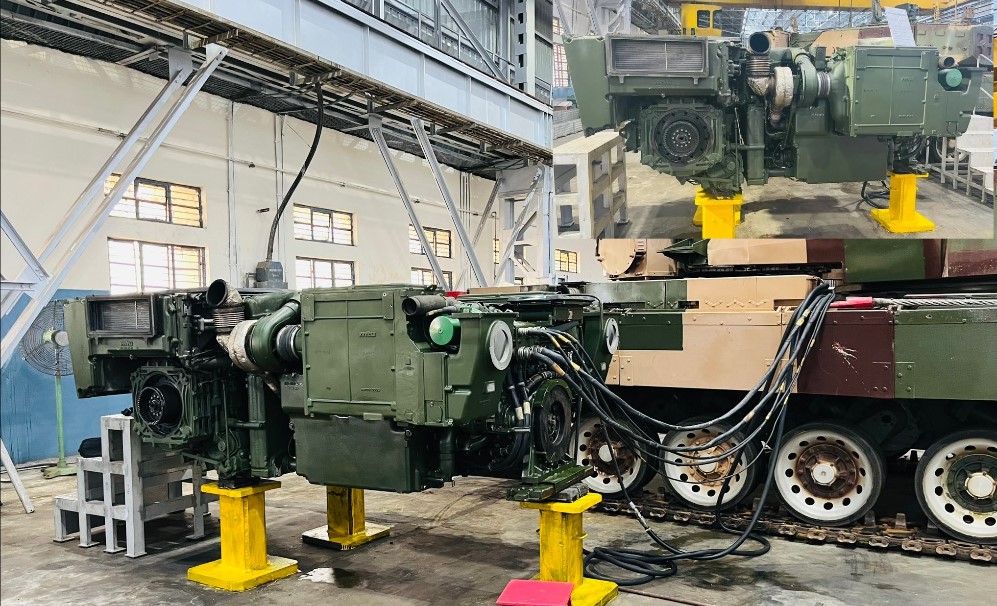
India
In a significant leap for India's defense industry, BEML Limited, a leading manufacturer of military equipment, has secured a contract to design and supply 20 Datran 1500hp engines for the country’s Main Battle Tanks (MBTs). This development is a notable stride in India’s push for self-reliance in defense technology, showcasing its capability to produce state-of-the-art propulsion systems for military use.The Datran 1500hp engine is not just another piece of equipment but a vital component poised to transform India's armored forces. Built with advanced technology, the engine promises to enhance the performance of MBTs, providing them with superior power, maneuverability, and durability—qualities essential for modern battlefield demands. This new engine will not only power the older Arjun prototypes during initial testing but will also serve as a critical element in the Future Ready Combat Vehicle (FRCV) program, setting a new benchmark for military propulsion.The Power Behind the Datran EngineThe Datran 1500hp engine stands out for its cutting-edge features designed to meet the rigorous demands of combat operations. With its 1500-horsepower output, the engine offers a high power-to-weight ratio, enabling tanks to accelerate faster, tackle difficult terrain with ease, and outmaneuver opponents. The engine's robust design is tailored for Indian terrain, from the high-altitude conditions of up to 5000 meters to the extreme heat and sandstorms of desert regions. It can operate efficiently in temperatures ranging from -40°C to +55°C, ensuring that India's tanks remain operational in diverse environments.One of the standout features of the Datran engine is its Electronic Control System, which incorporates Common Rail Direct Injection (CRDi) technology. CRDi ensures precise fuel injection, optimizing performance while improving fuel efficiency. This system also reduces emissions, making the engine not only powerful but environmentally friendly—an essential feature for modern military engines.The Electronic Warning Control system adds another layer of reliability, continuously monitoring the engine’s performance and sending alerts in case of any malfunction. This proactive feature minimizes the risk of sudden breakdowns in the field, ensuring that the tanks remain combat-ready with minimal downtime for repairs.Another impressive feature is the engine’s self-cleaning air filters, which are particularly beneficial for operations in dusty or debris-laden environments, such as deserts. These filters prevent clogging, reducing the need for frequent maintenance and ensuring smooth engine performance during extended missions.A Strategic Milestone for India’s Military FutureBEML’s project is part of a broader government effort to boost domestic defense manufacturing under the 'Make in India' initiative. The project to develop the Datran engines began in 2020, and BEML is expected to complete it by mid-2025, with these 20 engines serving as the testing ground for future deployments.Earlier this year, in March 2024, Defence Secretary Giridhar Aramane attended the maiden test-firing of the 1500hp engine at BEML's Engine Division in Mysuru, where he called it a "transformative moment" for India’s defense capabilities. This test marked a major milestone in the journey to equip India’s military with homegrown technology that is competitive on the global stage.These engines are not just for immediate use but form the foundation for future innovation. The Datran 1500hp engine, with its reliability and advanced technology, is expected to be a key player in India's Future Ready Combat Vehicle program, which aims to create the next generation of MBTs for the Indian Army. This strategic program is designed to modernize the country’s armored forces, enabling them to remain a formidable force in both regional and global military theaters.With testing underway and production expected to conclude by 2025, the successful deployment of these engines will mark a significant advancement for India's defense sector. The Datran 1500hp engine is more than just an engine—it’s a symbol of India’s growing technological prowess in defense and its commitment to becoming self-sufficient in critical military technologies.As India continues its march towards military modernization, the introduction of the Datran engines could revolutionize the operational capabilities of its Main Battle Tanks, ensuring that they are well-prepared for the complexities of modern warfare.
Read More → Posted on 2024-10-23 14:09:33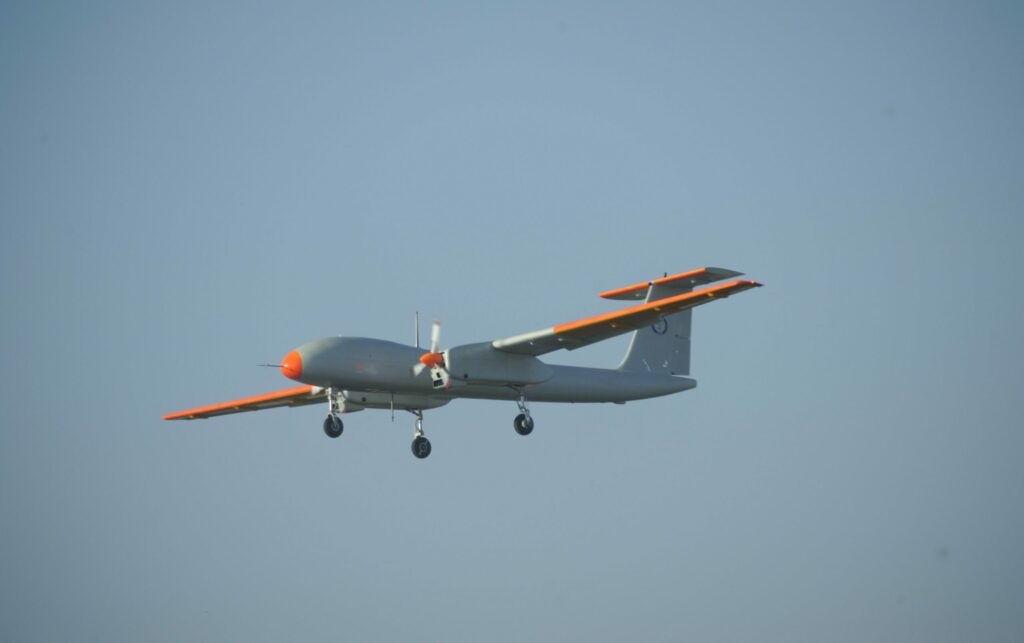
India
In a statement reflecting India's ongoing quest for self-reliance in defense technology, Vice Admiral Krishna Swaminathan, Vice Chief of the Indian Navy, emphasized that the US-made MQ-9B Reaper is better equipped to meet the Navy’s long-range surveillance needs than the domestically developed TAPAS UAV. His comments, delivered at the Navy's ‘Swavlamban’ seminar on innovation and indigenization, highlight both the progress and limitations of India’s indigenous defense industry, particularly in the context of maritime security.The MQ-9B Reaper, designed by General Atomics, is renowned for its endurance and long-range capabilities. It can fly for over 40 hours, with a range that extends beyond 6,000 nautical miles. This kind of sustained operational capacity is vital for the Indian Navy, which must monitor expansive regions of the Indian Ocean, a zone of increasing geopolitical interest given China's growing naval presence. The MQ-9B is equipped with advanced surveillance systems, including synthetic aperture radar, maritime radar, and electro-optical infrared sensors, allowing it to identify and track threats across both sea and land.In contrast, the TAPAS (Tactical Airborne Platform for Aerial Surveillance) UAV, developed by India’s DRDO (Defence Research and Development Organisation), has yet to meet the Navy’s expectations. Vice Admiral Swaminathan acknowledged that TAPAS has some good capabilities but said, "The TAPAS drones in their current form do not entirely meet our requirements.” Specifically, he pointed to its inability to maintain surveillance over wide areas for extended periods, a crucial factor in maritime defense operations.This comes just after a landmark $4 billion deal between India and the United States, under which India will procure 31 MQ-9B Reapers. Of these, 15 units will be assigned to the Indian Navy, while the remaining 16 will be divided between the Army and the Air Force. These drones are expected to significantly enhance India’s reconnaissance capabilities, particularly in monitoring adversarial movements in the Indian Ocean Region, where Chinese activity has been steadily rising.While the TAPAS program was seen as a major step forward in India's drive for indigenization, the platform still needs further refinement. The Vice Chief noted that for TAPAS to be fully operational in a combat-ready environment, multiple versions and variants would be required. "We hope the next version of TAPAS will be much better," Swaminathan remarked optimistically, adding that the Navy is committed to working closely with DRDO to improve the UAV’s performance. He indicated that the Navy would continue providing feedback, helping to drive the platform closer to its full potential.The Vice Chief’s candid assessment points to the broader challenge of balancing India’s strategic goal of self-reliance in defense manufacturing with the immediate need to secure its maritime borders. While there is hope that future iterations of TAPAS will close the gap between Indian innovation and international standards, the immediate need for a robust surveillance solution has made the MQ-9B Reaper an attractive choice. These drones are proven, battle-tested, and provide a level of sophistication that the Navy needs to address contemporary threats.Moreover, the MQ-9B’s integration into the Navy’s operations comes at a time when maritime security is increasingly central to India’s defense strategy. The ability to maintain long-term surveillance in the vast Indian Ocean is essential for keeping an eye on not only Chinese movements but also other security concerns, such as piracy and illegal fishing. The Reaper’s endurance, combined with its sensor suite, makes it the superior choice for such missions at present.Vice Admiral Swaminathan’s comments reflect the Navy’s pragmatic approach to its operational needs. Although India is eager to develop homegrown defense technologies, the Navy cannot afford to compromise its capabilities while waiting for platforms like TAPAS to catch up. With MQ-9B Reapers soon joining the fleet, India is taking a significant step forward in bolstering its maritime surveillance capacity, ensuring that it can meet current challenges while continuing to support the development of indigenous alternatives for the future.
Read More → Posted on 2024-10-23 14:02:51Search
Top Trending in 24 Hours
-
 Pentagon Expands Alloy Surfaces Contract to $328.8 Million for Advanced Aircraft Decoy Flares Amid Evolving Drone Threats
-
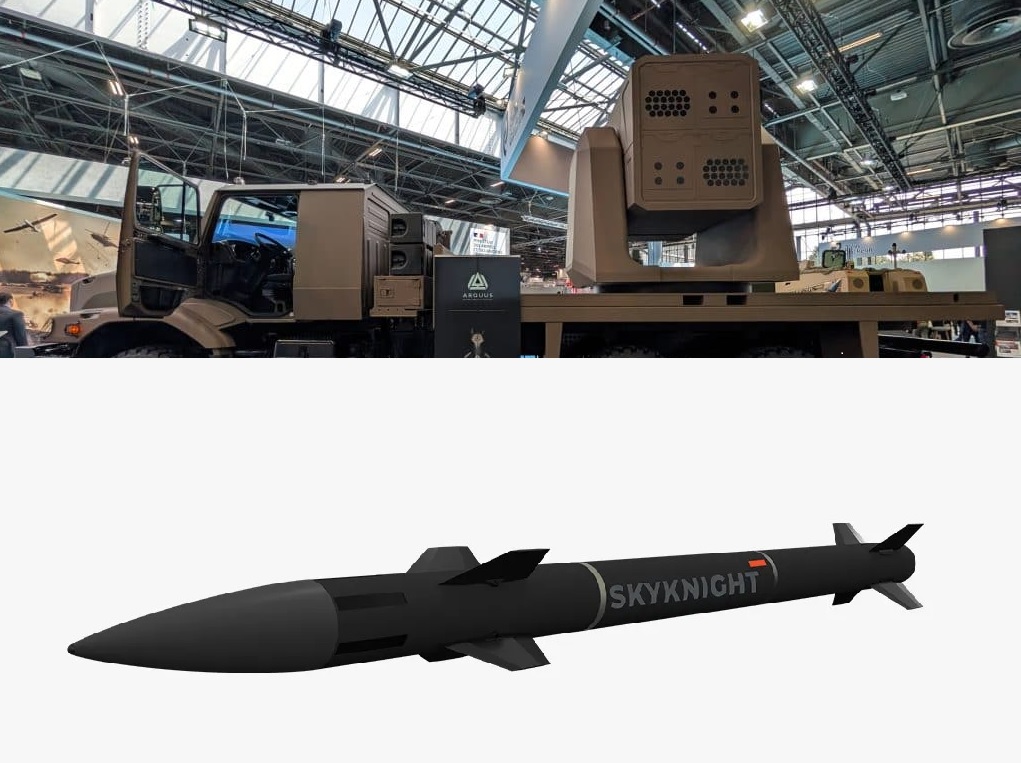 Naval Group Unveils Rampart Modular CIWS Multi-Purpose Weapon System for Naval and Ground Forces at Eurosatory 2026
-
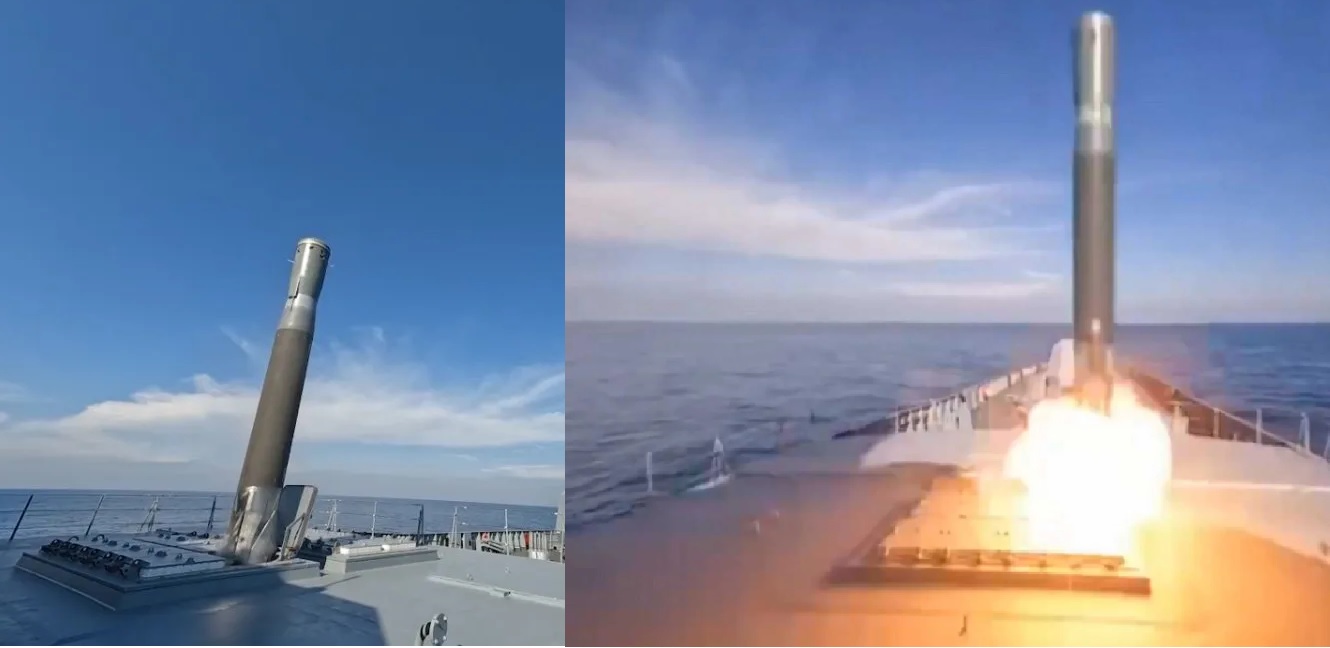 Open-Source Evidence Suggests Russia's Zircon Is a Quasi-Ballistic Missile, Not a True Hypersonic Cruise Weapon
-
 Why the U.S. Restored Pacific Command Name, Ending the Indo-Pacific Designation After Eight Years
-
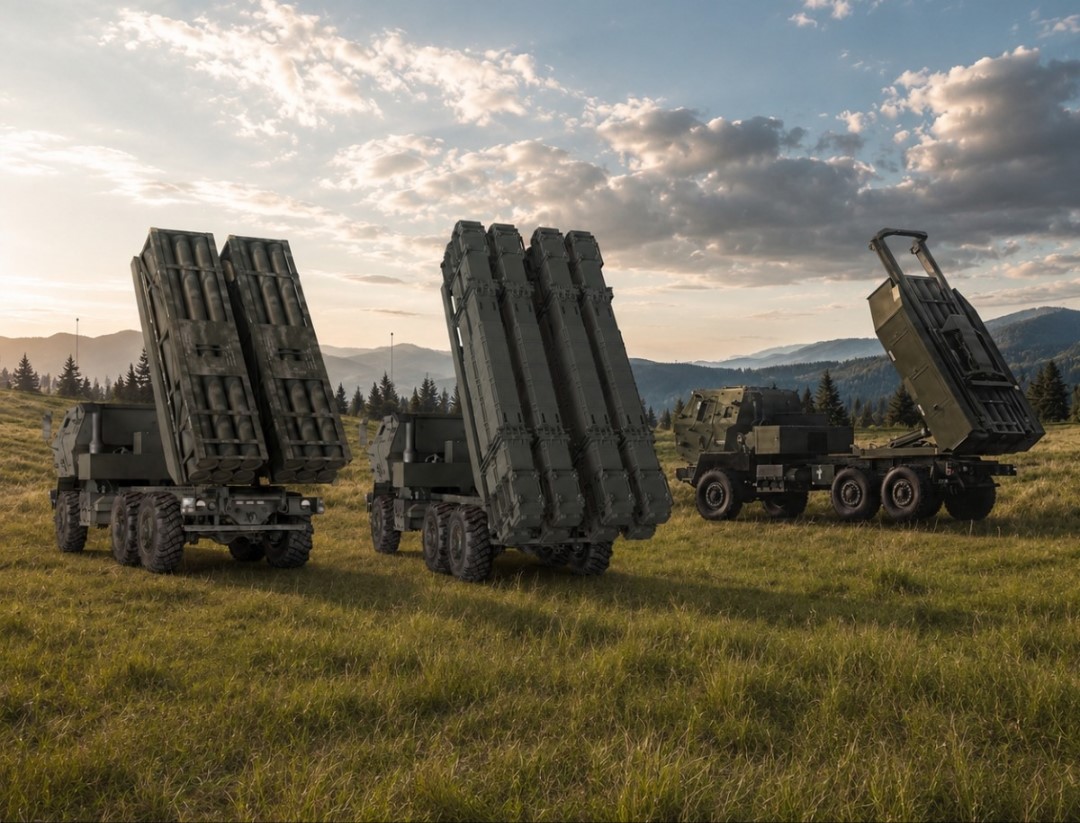 Lockheed Martin Unveils HIMARS FLEX with Dual-Pod Launcher and NATO-Compatible Air Defense Integration
-
 Iran Signs Deal with Russia for 20 Mi-8 and Mi-17 Helicopters to Boost Rescue and Medical Missions
-
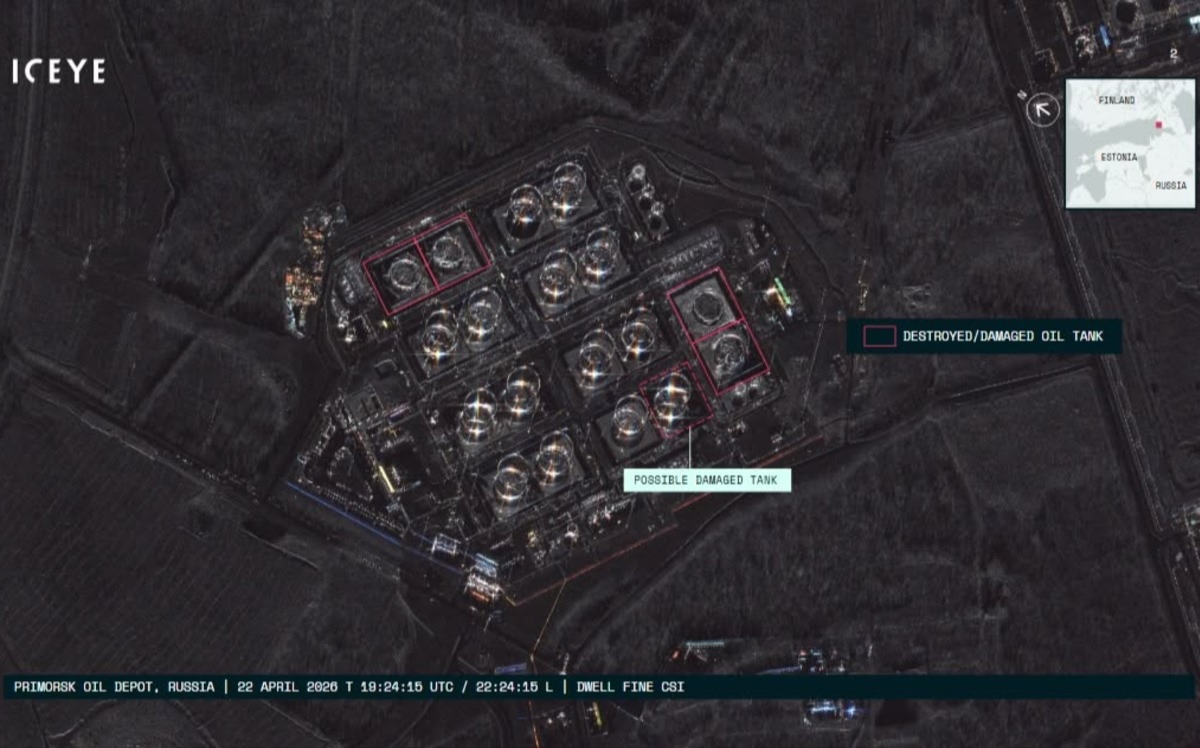 Portugal Doubles Sovereign SAR Satellite Fleet with Order for Two Additional ICEYE Satellites
-
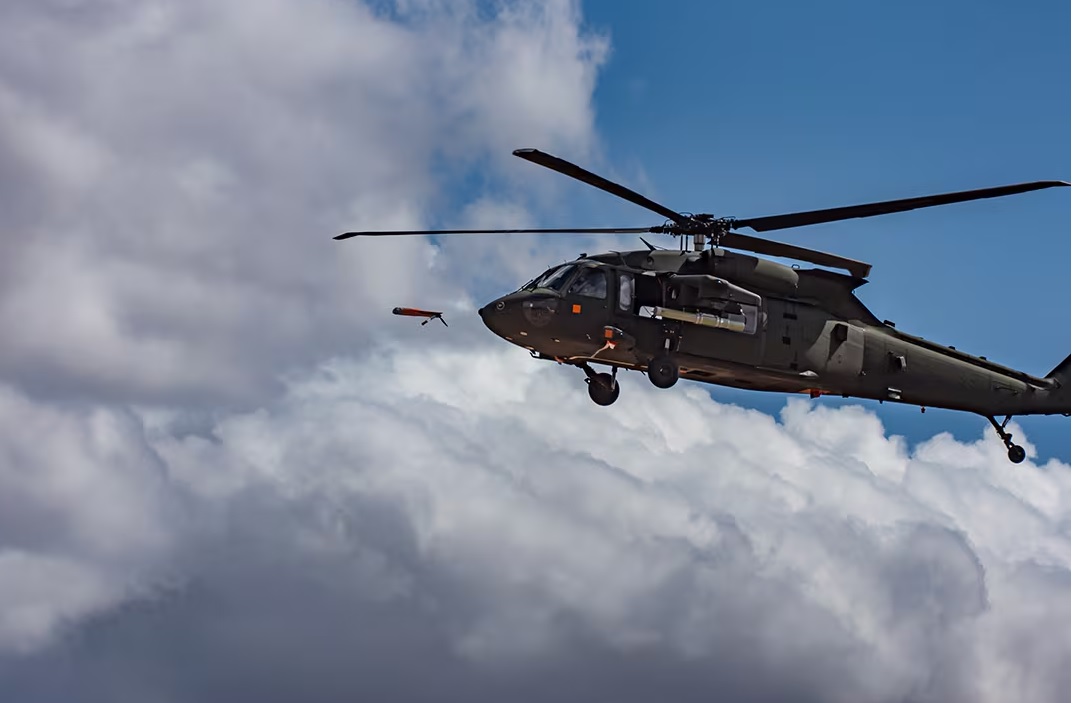 U.S. Army Completes First Flight Test of Medium-Range Air-Launched Effects from Black Hawk Helicopter
Top Trending in 4 Days
-
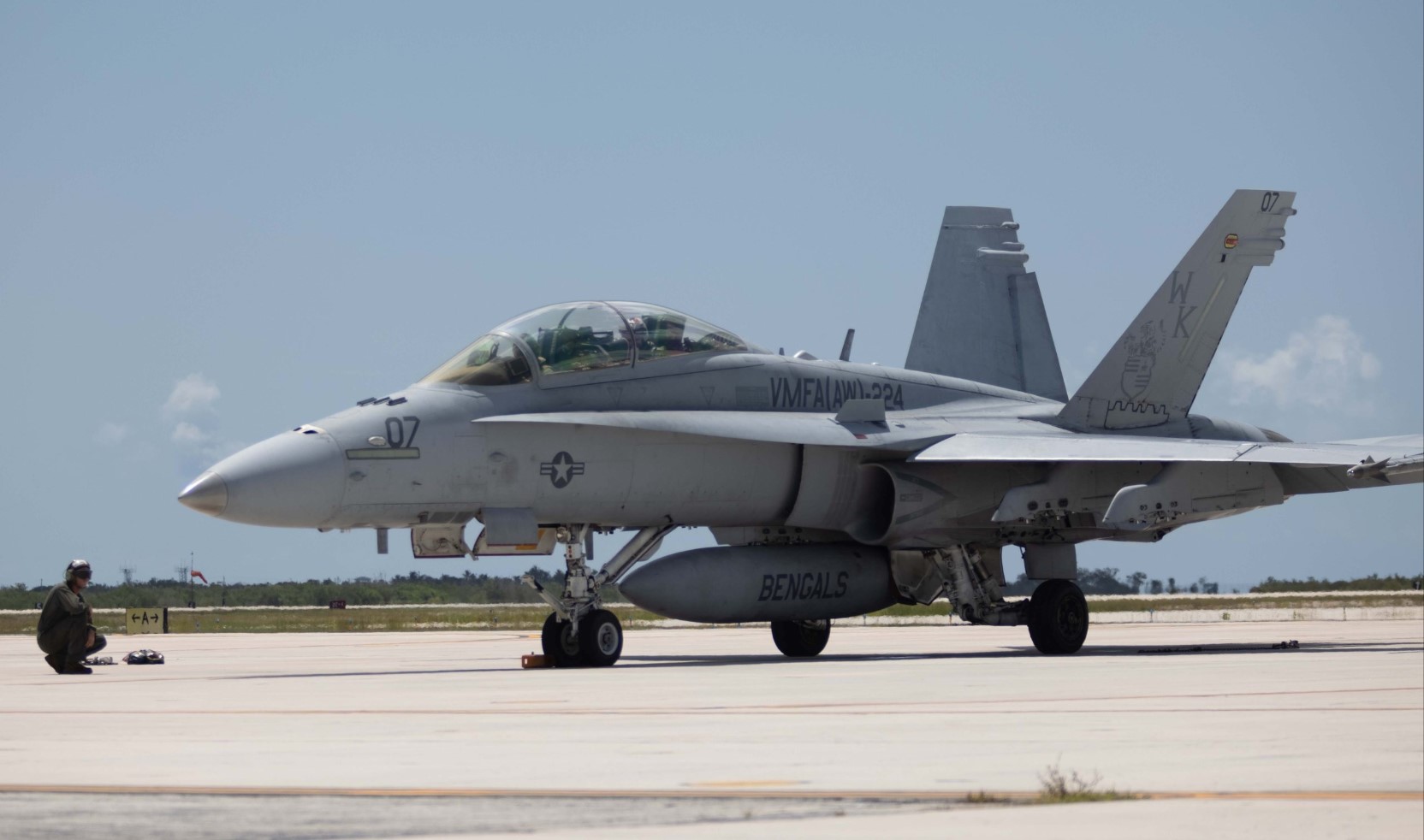 US Marine Corps F/A-18D Hornet Crashes During Training Flight in Washington Mountains; Pilot Ejects Safely
-
 Tulsi Gabbard Releases Declassified Files Detailing U.S.-Backed Network of 120 Biolaboratories Across 30+ Countries
-
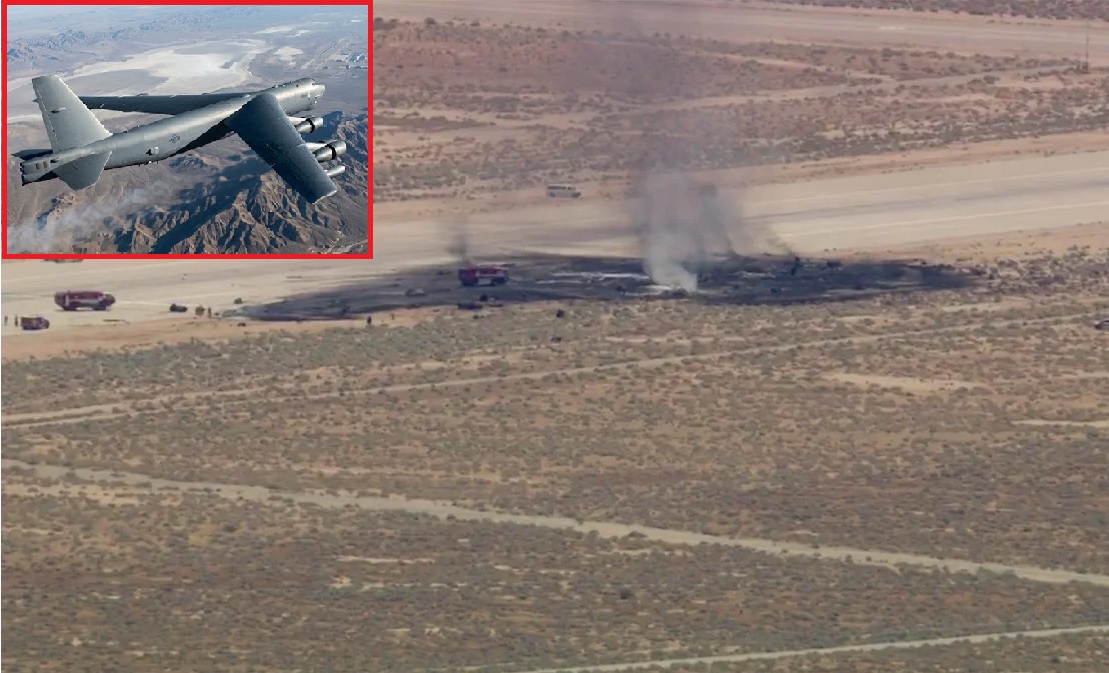 8 U.S. Air Force Crew Members Killed in B-52 Bomber Crash During Test Flight at Edwards Air Force Base
-
 Ukraine Introduces Balloon-Launched DART Missile Designed to Defeat Electronic Warfare
-
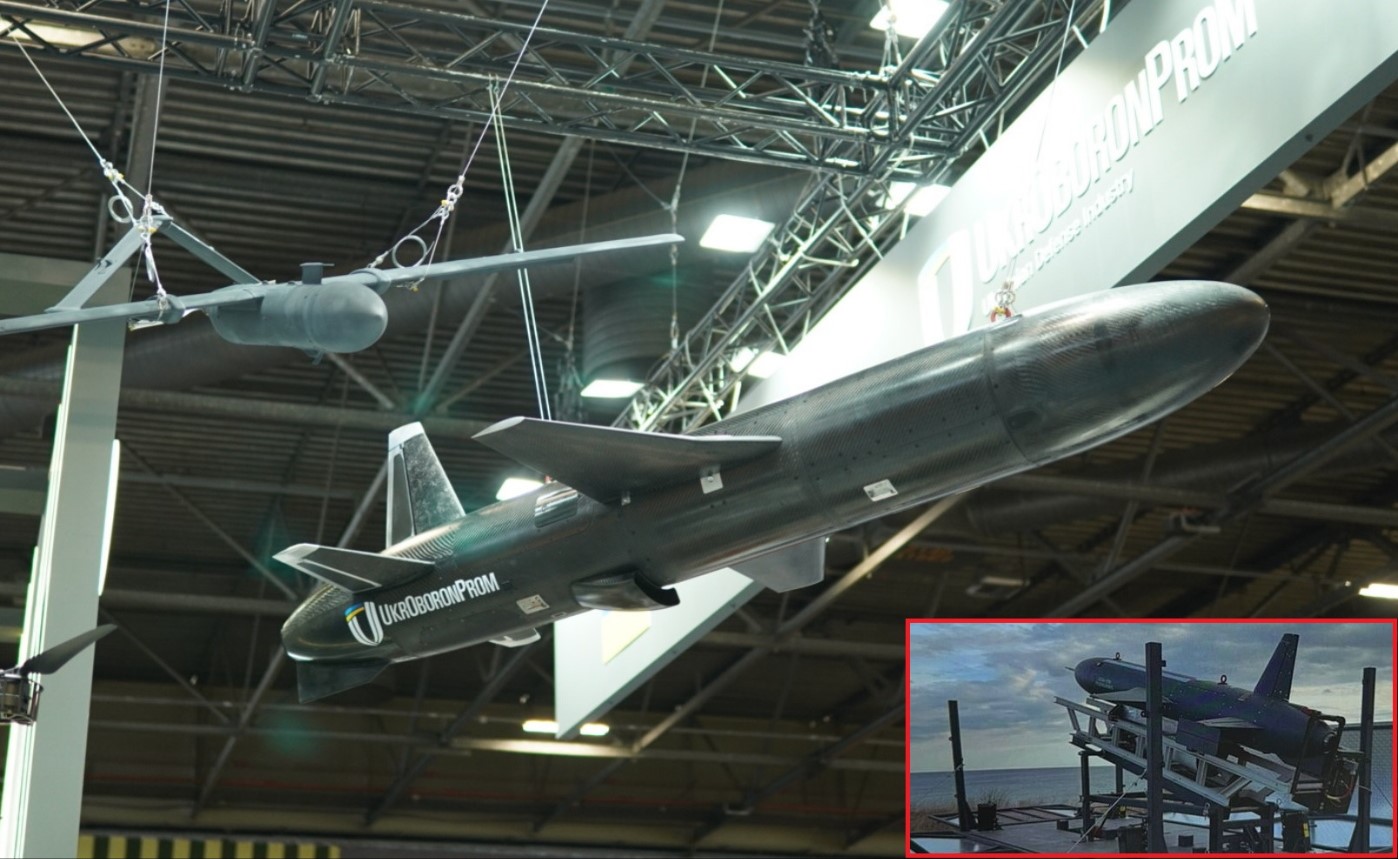 Ukraine Unveils UAV-290 Jet-Powered Strike Drone with 650 km Range at Eurosatory 2026
-
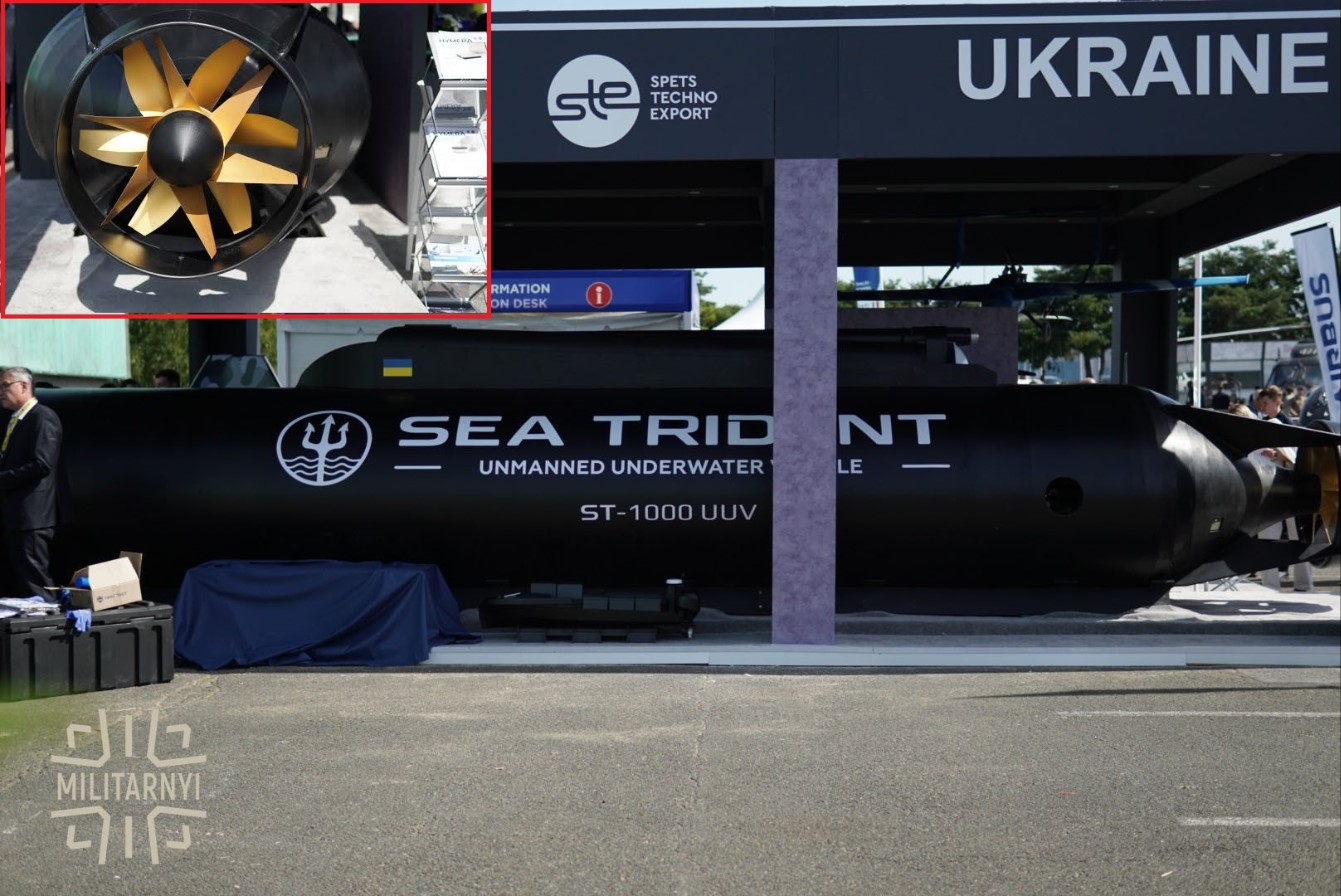 Ukraine Unveils 'Sea Trident' 10-Ton Autonomous Underwater Drone at Eurosatory 2026
-
 Rolls-Royce Unveils New Hybrid Powertrain for Heavy Military Vehicles at Eurosatory 2026
-
 KNDS Unveils CAPINT Main Battle Tank at Eurosatory 2026 as Leclerc Stopgap