
India
India’s journey to modernize its airborne defence capabilities took a giant leap forward with the recent unveiling of the DRDO-Airbus NETRA AEW&C (Airborne Early Warning and Control) Mk2 model. Displayed during the inauguration of the new C295 aircraft final assembly line in Vadodara, the model represents India’s commitment to enhancing its surveillance and command infrastructure with state-of-the-art technology and international partnerships. The NETRA AEW&C Mk2 is no ordinary surveillance aircraft. It combines the latest in radar technology and airborne warning systems, purpose-built for the Indian Air Force (IAF). Designed as an upgrade over India’s existing NETRA Mk1 systems, the Mk2 model brings an impressive set of enhancements, beginning with its core radar: DRDO’s indigenous Uttam Active Electronically Scanned Array (AESA) radar. The Power of the Uttam RadarA standout feature of the NETRA AEW&C Mk2 is its incorporation of the Uttam AESA radar. Originally developed for the Tejas Light Combat Aircraft, the Uttam radar’s multi-target tracking capability is key to the Mk2's enhanced situational awareness. Known for its capacity to monitor and lock onto multiple targets at once, the radar can detect both airborne and maritime threats with high precision. This versatility significantly boosts the IAF’s defensive and offensive reach, offering a broader and more detailed scope of enemy activities across the operational theater.The Uttam radar is also versatile across weather conditions and can differentiate between friend and foe, a crucial advantage in modern warfare. With its electronically scanned array, the radar offers a broader field of vision compared to traditional mechanically scanned radars, helping Indian forces detect threats early and with minimal delay.Airbus A321: A Sturdy Platform for an Advanced SystemThe A321 aircraft itself, modified extensively to house this advanced AEW&C system, has been customized to carry the NETRA’s radar and support equipment while maintaining excellent performance and range. Airbus is conducting these structural modifications in its Spain facilities, where the aircraft is being equipped with essential subsystems to prepare it for AEW&C operations. Once these modifications are complete, the aircraft will return to India, where DRDO will perform the final integration of the Uttam radar and other indigenous components.These customizations enable the A321 to meet the needs of the NETRA system while also accommodating additional power sources and cooling systems for the radar and onboard sensors, which have considerable power demands. The Airbus platform thus becomes a high-endurance, long-range asset for surveillance and reconnaissance.Multi-Role and Enhanced Surveillance CapabilitiesThe NETRA AEW&C Mk2’s value extends beyond radar technology. This platform is equipped to operate as a mobile command center, directing both air and maritime operations and coordinating multiple platforms. With its advanced sensor systems, it can pinpoint the location of hostile aircraft, ships, and missiles, all while maintaining secure communications with other Indian assets. The Mk2 model thus plays a key role in joint operations by bridging data and communications among IAF and Indian Navy assets.The platform also features electronic intelligence (ELINT) and communications intelligence (COMINT) capabilities, collecting and analyzing signals from hostile forces and providing IAF commanders with invaluable intelligence. These advanced systems allow the NETRA Mk2 to function not only as an early warning system but as a comprehensive command-and-control center in the sky.Building a Fleet for the FutureIndia’s ambitious expansion of its airborne surveillance network is notable. The IAF is planning to add 12 AEW&C Mark-1A and Mark-2 platforms by the 2030s. These aircraft will join the current fleet of three NETRA Mk1 AEW&C systems and three Phalcon AWACS units, creating a formidable airspace monitoring network across the Indian subcontinent. This fleet expansion aligns with India’s goal of establishing a robust, self-reliant airborne surveillance capability capable of deterring and responding to any regional threats.Strategic Collaboration and Indigenous DevelopmentThe DRDO-Airbus partnership reflects India’s strategy to strengthen its indigenous defence manufacturing sector while harnessing the expertise of global aerospace leaders. The modifications undertaken by Airbus enable DRDO to implement the full suite of NETRA’s systems within a reliable and tested platform, reducing the program’s development time and enhancing its operational readiness. With the A321 platform’s proven reliability and the high-tech modifications from DRDO, the Mk2 model showcases the blend of foreign collaboration and domestic innovation crucial to India’s defence strategy.India’s NETRA AEW&C Mk2 model represents a significant advancement in India’s military technology. With its powerful Uttam radar, modular A321 platform, and comprehensive suite of electronic warfare and command systems, this airborne early warning system is poised to become an indispensable asset for the Indian Armed Forces, cementing India’s stature in regional defence and surveillance capabilities.
Read More → Posted on 2024-11-01 12:51:32
India
Armenia is signaling a decisive shift in its defense procurement strategy by turning to India for fighter jets, bypassing Russia’s Su-30SM Flanker-C aircraft after significant delays. The Armenian Ministry of Defense recently entered negotiations with Hindustan Aeronautics Limited (HAL), India's state-owned aerospace manufacturer, to secure Su-30MKI Flanker-H fighters. These negotiations highlight Armenia’s frustration with Russia, which has failed to deliver on a contract for eight additional Su-30SMs initially signed in 2019. Armenia’s potential pivot to India marks not only a shift in Armenia’s defense alliances but also highlights the growing appeal of Indian defense technology on the international stage.The Backstory: Armenia’s Su-30SM Order and Russia’s DelaysIn 2019, Armenia received four Russian Su-30SMs, but almost immediately sought to bolster its fleet with eight more. The initial deliveries met Armenia’s defense needs and appeared to strengthen ties between Armenia and Russia. However, the subsequent order for additional Su-30SMs has been stalled despite a 70% down payment. Russia, preoccupied with meeting its own military needs amid global pressures and conflicts, has left Armenia waiting with no aircraft produced. As Armenia’s patience wears thin, it now appears ready to break from Russia's orbit, turning to Indian-made alternatives that offer both quality and timely delivery.Why the Su-30MKI?India’s Su-30MKI is a highly customized variant of the Russian Su-30, developed in collaboration with Sukhoi but produced domestically by HAL. The Su-30MKI is equipped with several key upgrades, including the Indian-made Uttam Active Electronically Scanned Array (AESA) radar. The AESA radar provides significant improvements in target tracking and engagement capabilities over the traditional Russian radar systems used in the Su-30SM, offering Armenia a technological edge.For Armenia, the move to Su-30MKIs would not only mean acquiring new aircraft but also upgrading the existing Su-30SM fleet to Indian specifications. The Armenian government is reportedly considering retrofitting its current Su-30SMs with the same Uttam AESA radar and other advanced features available in the Su-30MKI, transforming these older jets into competitive, modern fighters.Weaponry to Match: India's Advanced ArsenalIndia’s negotiation package for Armenia also includes access to several indigenous missile systems. The proposed deal would likely involve the Astra-1, India’s first domestically developed beyond-visual-range air-to-air missile. This weapon can engage targets at ranges of up to 110 km, providing Armenia with a long-range strike capability suited to both defense and deterrence.Another significant addition would be the Rudram-1, an anti-radiation missile developed to target enemy radar and air defense systems. This could prove a game-changer for Armenia, enhancing its air force's ability to neutralize ground-based threats during combat. Finally, the Smart Anti-Airfield Weapon (SAAW), a precision-guided bomb designed for airfield denial missions, rounds out the weaponry package. Together, these systems would give Armenia a versatile and modern arsenal, enhancing its defense capabilities beyond what Russia’s offerings could currently provide.Armenia’s Growing Defense Ties with IndiaThis potential purchase is part of Armenia’s ongoing efforts to diversify its defense partnerships, particularly following the $2 billion defense cooperation deal signed with India in 2020. This partnership has already led to significant Armenian purchases of Indian-made weaponry, including Pinaka multi-barrel rocket launchers, artillery systems, and anti-tank weapons. Armenia’s pivot to India not only demonstrates India’s rising prominence in global defense but also highlights the gradual shift of former Russian allies toward alternate suppliers in light of delays and challenges within Russia's defense sector.What Lies AheadWhile the final contract between Armenia and India has yet to be solidified, the potential deal underscores a changing landscape for international defense cooperation. For Russia, losing Armenia as a defense customer may be more than a financial setback; it could represent a waning influence in regions where it once held unchallenged dominance. For India, securing a deal to export the Su-30MKI would mark a milestone in its burgeoning defense export ambitions, showcasing its ability to meet global standards for quality and reliability in military aviation.With negotiations ongoing, the emerging contract has already placed India on the radar as a significant player in the defense sector, particularly for countries looking to diversify away from traditional suppliers like Russia. The decision to align with India not only grants Armenia a modern and versatile air force but also signals the country's increasing autonomy and adaptability in response to evolving regional dynamics.
Read More → Posted on 2024-11-01 12:46:01
India
In a powerful shift in strategy, the Indian Army has introduced BMP-2 armored vehicles and reconnaissance unmanned aerial vehicles (UAVs) into its counter-terrorism operations in Jammu and Kashmir. This strategic pivot, unveiled in a recent operation in Akhnoor, reflects a new, technology-driven approach to counter the complex and increasingly sophisticated tactics of Pakistan-backed terrorist groups in the region.The Akhnoor encounter, which successfully neutralized a significant number of heavily armed militants, highlighted the role of BMP-2 Infantry Fighting Vehicles (IFVs) in enhancing both the safety and effectiveness of ground forces. Traditionally used for mechanized warfare, the BMP-2 brings a level of resilience and firepower uncommon in counter-terrorism scenarios, where lighter vehicles and foot patrols have been the norm. The BMP-2, designed for both offense and defense, offers troops armored protection against high-caliber rounds and shrapnel, enabling them to engage enemies with greater confidence and sustain fewer casualties. The vehicle is equipped with a 30mm automatic cannon, an anti-tank guided missile launcher, and a 7.62mm machine gun, giving it significant firepower against fortified positions and enemy movements.Complementing the BMP-2 vehicles, reconnaissance UAVs have been deployed to provide real-time aerial intelligence and to help plan operations with higher precision. These drones give commanders a clear visual overview of combat zones, tracking enemy positions and movements to provide actionable insights. In Kashmir's rugged terrain, where militants can exploit natural cover to evade detection, UAVs act as the Army's “eye in the sky,” ensuring that troops can approach with an accurate understanding of what lies ahead. In addition, the drones provide ongoing surveillance throughout operations, allowing ground forces to adapt quickly to changing conditions.A significant motivator for this shift has been the rise in ambushes and complex attacks by militant groups, often supported by Pakistan. These groups have started deploying improvised explosive devices (IEDs) and using the rugged terrain to their advantage, making conventional approaches less effective and more dangerous. The BMP-2’s enhanced armor and advanced optics help counter these tactics by allowing forces to engage from safer distances and assess threats more effectively.Recent attacks on Army convoys in the region had led to significant casualties, which has accelerated the shift to prioritize troop safety through the use of heavy armor and advanced technology. By deploying BMP-2s, which can withstand explosive blasts and heavy fire, the Army is better equipped to handle ambush scenarios, where rapid response and durability are essential. Specialized canine units are also being employed, adding a new layer of detection for hidden threats like explosives or concealed militants.The Indian Army’s emphasis on advanced technology in counter-terrorism aligns with a broader trend observed in militaries worldwide. Increasingly, armed forces are leveraging technology such as drones, AI, and autonomous vehicles to reduce risks to personnel while enhancing operational effectiveness. The use of UAVs, in particular, allows for efficient surveillance without compromising the safety of ground troops. In Kashmir, the combination of armored vehicles, UAVs, and canine units represents a move toward a more integrated, technology-driven approach that makes it harder for militants to predict Army strategies and carry out surprise attacks.As these new tactics are implemented, experts suggest they may help reduce the risk to both soldiers and civilians in Jammu and Kashmir, where urban and rural areas are closely interwoven. By using heavy armor to secure convoys and UAVs for intelligence gathering, the Indian Army is setting a precedent for safer, more controlled operations that minimize collateral damage.This tactical shift, marked by the use of BMP-2s and UAVs, demonstrates the Army’s commitment to adapting to evolving threats in a region long plagued by insurgent activity. As the situation in Kashmir remains tense, this willingness to employ unconventional methods reflects a steadfast dedication to protecting national security and responding proactively to the tactics of militant groups. While the effectiveness of this approach will be assessed over time, it signifies a significant leap forward in India’s counter-terrorism operations, showcasing the adaptability and resilience of its forces.
Read More → Posted on 2024-11-01 12:18:03
India
The Indian Navy’s Autonomous Surface Vessel (ASV) Matangi, developed by Sagar Defence Engineering (SDE), has successfully completed the first 600 km (about 350 nautical miles) of its autonomous sea voyage from Mumbai to Karwar, a segment of its overall journey to Tuticorin. This 1500 km voyage marks a significant milestone in India's naval capabilities, highlighting the potential of autonomous technologies in national defense and maritime security. Launched under the "Sagarmala Parikrama" initiative on October 29, 2024, this journey aims to demonstrate cutting-edge innovations from Indian startups.The Matangi’s journey began with its flag-off by India’s Defense Minister Rajnath Singh during Swavlamban 2024, a major defense innovation summit held at Bharat Mandapam. The voyage is intended not only to underline India’s self-reliance in defense technology but also to celebrate the strides made by startups in autonomous maritime solutions. The Matangi is equipped with a sophisticated, indigenously developed “navigation & collision avoidance software,” allowing it to operate independently without human intervention.Technological Highlights of MatangiBuilt by Sagar Defence Engineering, the Matangi is a 12-meter-long ASV that relies on artificial intelligence and machine learning algorithms to autonomously navigate through complex marine environments. Its systems include GPS-based navigation, real-time data processing, and sensors that continuously scan the surroundings for potential obstacles. The vessel uses multiple cameras, sonar, radar, and LiDAR sensors, enabling it to calculate the safest and most efficient route and adjust its path in response to changing maritime conditions.The Matangi’s performance during the initial 600 km voyage from Mumbai to Karwar underscores the reliability of its navigation system, which is designed to avoid collisions even in night-time conditions and challenging coastal environments. The software guiding Matangi is a remarkable blend of navigation intelligence, allowing it to make route adjustments in real-time. It autonomously handles all elements of navigation, from identifying obstacles to adjusting course to avoid other vessels or debris, particularly important during overnight stretches.The Sagarmala Parikrama: Showcasing Innovation in DefenseThe Sagarmala Parikrama initiative highlights India’s commitment to developing indigenous defense technology, a vision that has gained momentum through the collaboration of startups and government-backed defense programs. The Matangi’s mission aligns with India’s "Aatmanirbhar Bharat" (self-reliant India) initiative, aiming to reduce dependency on foreign technology and bolster domestic manufacturing in high-tech defense sectors. SDE’s development of Matangi exemplifies this push for innovation, incorporating capabilities that make the vessel suitable for a variety of roles, from patrolling coastal areas to reconnaissance and monitoring critical sea routes.An Autonomous Future for India’s Naval FleetThis autonomous journey marks a turning point for India’s naval operations, as autonomous vessels like the Matangi offer an opportunity to enhance patrol and surveillance capabilities across India’s vast maritime boundaries. Designed to be a force multiplier, the Matangi provides a cost-effective, low-risk alternative to manned vessels, potentially transforming naval operations by minimizing the need for human presence in remote or high-risk areas.As the Matangi sails onward, covering the remaining 850 nautical miles (approximately 1500 kilometers) to its final destination of Tuticorin, it continues to showcase India’s advancements in maritime autonomy. With real-time tracking and regular updates from the Indian Navy and SDE, the progress of this mission highlights not only a technological triumph but also a strategic move towards a more secure and self-sufficient maritime presence.
Read More → Posted on 2024-11-01 12:13:13
India
The Indian Air Force (IAF) has given its Jaguar fighter-bomber fleet a fresh edge with a major upgrade, marking a new era for these iconic aircraft. The centerpiece of this upgrade is the DARIN-III (Display Attack Ranging Inertial Navigation III) modernization program, which enhances navigation, avionics, and weaponry. A standout feature in this enhancement is the integration of the AIM-132 ASRAAM (Advanced Short-Range Air-to-Air Missile), a high-speed missile built for agile, close-range dogfighting. This upgrade not only extends the Jaguar’s operational viability but also aligns the fleet with the IAF's modern combat demands.DARIN-III: The Heart of the ModernizationThe DARIN-III package is a comprehensive overhaul aimed at boosting the Jaguar’s ability to compete in modern aerial warfare. The key focus is on upgrading the avionics and navigation systems while adding the ability to carry advanced weaponry like the ASRAAM. This modern suite of systems fundamentally transforms the operational potential of the Jaguars, equipping them to better handle the demands of both air-to-air and ground-attack missions.At the core of the DARIN-III upgrade is a new mission computer that integrates seamlessly with a series of multi-function displays (MFDs). These MFDs are vital for the pilots, offering them real-time, critical data that improves situational awareness and helps in rapid decision-making during intense combat situations. Enhanced inertial navigation, another upgrade under DARIN-III, allows for precise and accurate targeting, critical for missions that may require pinpoint strikes against high-value targets.The DARIN-III’s avionics and systems improvements ensure that the Jaguars can keep pace with contemporary aircraft, increasing their effectiveness in both defensive and offensive roles. The upgrade essentially refines the Jaguar’s ability to carry out advanced combat tactics and brings significant improvements to its radar and tracking capabilities. This leap in avionics, combined with the inclusion of cutting-edge weaponry, places these aircraft in a stronger position than ever before.The AIM-132 ASRAAM: Adding New Bite to Jaguar’s FirepowerA major addition to the Jaguar fleet’s firepower is the AIM-132 ASRAAM, a highly agile, infrared-guided air-to-air missile that transforms the Jaguar’s role in aerial combat. The ASRAAM is known for its "fire-and-forget" technology, where the pilot can launch the missile without needing to maintain guidance, letting them quickly switch focus to other threats or evasive maneuvers. This is a game-changer for dogfight scenarios, where reaction times and agility can mean the difference between victory and loss.The ASRAAM's features bring a host of benefits:Exceptional Agility: Built for intense, high-speed maneuvers, the ASRAAM can outmaneuver many threats in close-range combat. Its agility makes it effective against modern, highly agile enemy fighters, ensuring the Jaguars have an edge in short-range encounters.Extended Range: For a short-range missile, the ASRAAM offers an impressive reach. It covers a larger distance within its category, giving Jaguar pilots flexibility to engage from varying angles and distances.Lock-On After Launch (LOAL): The ASRAAM’s LOAL capability allows the missile to engage its target even if the pilot cannot establish a direct lock at the time of launch. This feature allows the pilot to evade enemy fire or make tactical movements immediately after firing, maintaining mission focus without the risk of losing target.The Combined Edge: Operational and Strategic BenefitsThe combined DARIN-III and ASRAAM upgrades bring a new operational edge to the IAF's Jaguars:Enhanced Self-Defense: With the ASRAAM, Jaguars now have better short-range defense capabilities, enabling them to respond swiftly and effectively to aerial threats in close combat, improving their survival chances in contested airspaces.Prolonged Service Life: DARIN-III upgrades aim to extend the operational life of the Jaguar fleet significantly, postponing the need for a costly replacement program. By integrating modern avionics and weapons, the IAF retains a reliable ground-attack and air-combat platform for years to come.Cost-Efficiency: Modernizing the existing fleet with DARIN-III proves to be a cost-effective approach. Rather than investing in a new fleet, the IAF can maintain the Jaguar’s relevance in combat, ensuring that each aircraft can continue to support the IAF's mission needs without the expense of new aircraft acquisitions.Broader Impact on India’s Defense CapabilitiesThese DARIN-III upgraded Jaguars are now capable of multi-role missions, from precision ground attacks to aerial defense. The ASRAAM gives the fleet a modern combat weapon for short-range engagements, while the advanced avionics enhance their overall versatility. This makes the Jaguars an invaluable asset within India’s broader air defense strategy, as they can be deployed quickly and effectively across a variety of mission profiles.In the context of regional security, having these enhanced Jaguars strengthens India’s air force capabilities, providing an improved tactical reach and response in the event of aerial confrontations. This contributes to a stronger, more responsive air defense posture for the country and serves as a deterrent to potential aerial threats.With the DARIN-III and ASRAAM upgrades, the IAF’s Jaguar fleet is poised to perform in today’s high-stakes air combat environment. These enhancements bring a new level of tactical flexibility, allowing the Jaguars to tackle diverse mission demands with better avionics, weaponry, and self-defense capabilities. The integration of the AIM-132 ASRAAM, in particular, aligns the fleet with modern air combat requirements, making these Jaguars a versatile, efficient, and potent force within India’s air defense arsenal.
Read More → Posted on 2024-11-01 12:02:22
India
In a recent update, the Ministry of Defence (MoD) dispelled circulating rumors about penalties for General Electric (GE) over the delayed supply of F404 engines for India’s Tejas Mk1A Light Combat Aircraft (LCA). The MoD clarified that despite delays, no penalties have been imposed on GE, as the contract for these engines, crucial to the Indian Air Force (IAF), is strictly between Hindustan Aeronautics Limited (HAL) and GE. This decision reflects the broader strategic partnership between India and GE, underscoring a collaborative approach to managing supply chain setbacks rather than enforcing punitive measures.The delay has been attributed to significant supply chain issues, particularly following the bankruptcy of a major South Korean supplier that provided essential components for the engines. Originally, GE’s deliveries were expected to begin in 2023 as part of a $716 million deal signed with HAL in 2021 to supply 99 F404 engines. However, as the supply chain struggles intensified, this delivery timeline was revised to March 2025. Notably, this update was formalized during Defence Minister Rajnath Singh’s visit to Washington, where he and officials met with GE to reassess the schedule and address the hurdles in the pipeline.Despite these setbacks, the MoD has emphasized its commitment to keeping the Tejas program on track. HAL aims to complete production of 14 Tejas Mk1A airframes with fully integrated systems within this financial year, which should help mitigate any immediate gaps in the IAF’s operational needs. The absence of penalties highlights a calculated decision by HAL, as the organization acknowledges GE’s pivotal role in both current and future plans for the Tejas aircraft. In particular, GE’s involvement in the F414 engines, intended for the more advanced Tejas MkII, is another factor in the penalty-free approach. The MoD and HAL view the delay as an obstacle best navigated through collaborative adjustments rather than punitive measures, keeping in mind India’s long-term plans to develop and expand its defense capabilities. Additionally, ongoing negotiations are underway to secure a Transfer of Technology (ToT) agreement, which would enable local manufacturing of the F414 engines in India, significantly boosting domestic production capabilities and strengthening the indigenous defense industry.The Tejas Mk1A program is integral to India’s Make in India initiative, showcasing the country's strides toward self-reliance in defense production. The F404 engine, a compact yet powerful unit, has been a reliable choice for many single-engine fighter jets, including the Tejas. Known for its high thrust-to-weight ratio, the F404 delivers the agility required for modern combat operations, supporting the Tejas’s role as an air superiority fighter and tactical support aircraft for the IAF. Moreover, its successor, the F414, is expected to power the Tejas MkII variant, which is designed to have advanced avionics and enhanced thrust.By prioritizing the relationship with GE, the MoD and HAL are fostering an essential partnership that could serve as the foundation for more extensive collaborations. As the delays are addressed, India aims to reinforce its defense infrastructure and technology base, ensuring that the Tejas series of aircraft remains at the forefront of its military aviation strategy.
Read More → Posted on 2024-10-30 16:36:24
India
In a bold modernization step, the Indian Air Force (IAF) is set to equip 84 of its Su-30MKI fighter jets with the European Advanced Short-Range Air-to-Air Missile (ASRAAM) by MBDA, replacing the older Russian-made R-73 missile. This upgrade is part of the IAF’s extensive "Super Sukhoi" program, which not only aims to revamp the aircraft's weaponry but also bring advancements in avionics, radar systems, and targeting capabilities to ensure the Su-30MKI remains competitive against evolving threats.ASRAAM vs. R-73: An Evolution in Missile TechnologyThe shift from the R-73 to the ASRAAM is significant, reflecting the IAF’s ongoing trend of integrating Western missile systems to bolster close-combat effectiveness. The Russian R-73 has long been a reliable weapon with infrared guidance, but its capabilities are starting to lag behind newer technology. In contrast, ASRAAM offers superior range, maneuverability, and “fire-and-forget” capability, meaning that once the pilot locks onto a target and fires, they no longer need to actively guide the missile. This advantage frees up the pilot to refocus on the combat environment, increasing overall survivability and effectiveness.The ASRAAM’s specifications further illustrate its advantages. It weighs only 88 kilograms, which is significantly lighter than many other air-to-air missiles, aiding in its superior maneuverability. The ASRAAM also boasts a range exceeding 25 kilometers, granting pilots a critical advantage in targeting threats well before they come within striking distance of the Su-30MKI.Strategic Advantage of the ASRAAMThe ASRAAM’s advanced infrared guidance system and off-axis firing capabilities allow it to engage targets even at extreme angles, offering a distinct advantage in dynamic air-to-air combat. This capability is particularly useful in intense, fast-moving dogfights where quick response times and agility are paramount. The ASRAAM’s extended range and ability to engage at close quarters make it a formidable addition to the Su-30MKI, a multi-role fighter known for its adaptability and firepower.The missile’s effectiveness has already been validated on other IAF platforms, such as the Jaguar DARIN-III and the LCA Tejas Mk1A, where it demonstrated exceptional performance in both range and target acquisition. This successful deployment encouraged the IAF to incorporate ASRAAM into its more formidable fighter fleets, solidifying its role as the IAF’s go-to short-range air-to-air missile.‘Super Sukhoi’ Modernization Program: Enhancing Combat ReadinessThe ASRAAM integration is just one part of the larger ‘Super Sukhoi’ upgrade initiative, a comprehensive program designed to extend the operational life and increase the combat readiness of the Su-30MKI fleet. By upgrading radar, avionics, and weapon systems, the IAF aims to make the Su-30MKI as formidable in close-range combat as it is in long-range engagements. This shift aligns with India’s strategy of reducing reliance on single-source defense procurement and gradually adopting a more versatile, globally sourced arsenal.Indigenous Development and Strategic PartnershipsBharat Dynamics Limited (BDL) and Hindustan Aeronautics Limited (HAL) are spearheading the ASRAAM integration on the Su-30MKI, demonstrating India’s push towards self-reliance in defense manufacturing. Working closely with MBDA, these Indian defense firms have customized the ASRAAM to suit the unique operational needs of the IAF and its aircraft. This partnership reflects India’s broader strategy of fostering homegrown defense technology and reducing dependency on imports while still collaborating with trusted international partners for cutting-edge technology.Expanding ASRAAM’s Role in the IAFThe Su-30MKI isn’t the only aircraft slated to carry the ASRAAM. The IAF plans to standardize this missile across multiple platforms, including the upcoming Tejas Mk2 fighter jets and HAL’s Combat Air Teaming System (CATS) Loyal Wingman unmanned aircraft. Standardizing weaponry across various platforms not only simplifies logistics but also boosts interoperability, giving the IAF a strategic edge in coordinated missions involving different aircraft types.A Strategic Shift Toward InteroperabilityWith the ASRAAM’s integration into diverse airframes, the IAF aims to maximize flexibility and efficiency in combat. This standardization approach allows the IAF to pool resources and streamline maintenance, while also equipping a broader range of aircraft with potent short-range engagement capabilities. The ASRAAM upgrade on the Su-30MKI is a crucial step forward in enhancing the operational flexibility and combat readiness of the IAF’s aerial fleet.This strategic upgrade to the Su-30MKI’s weapon systems is part of a larger, forward-looking vision for the IAF. By prioritizing weaponry that integrates seamlessly across multiple platforms, the IAF is ensuring its fleets can adapt to various mission types with a versatile, potent combat toolkit. As the IAF continues to evolve, integrating technologies like ASRAAM into its frontline fighters highlights India’s growing commitment to modernizing its air combat capabilities and enhancing its defense posture on a global scale.
Read More → Posted on 2024-10-30 16:28:31
India
At Swavlamban 2024, an event spotlighting India’s defence innovations, Artemon Aerospace introduced a cutting-edge multi-barrel launch-capable loitering munition designed specifically to enhance the operational reach of the Indian Navy’s P-8I maritime aircraft. This new munition represents a significant leap for India’s naval and aerial defence, promising greater precision, adaptability, and self-reliance in line with the country’s ‘Atmanirbhar Bharat’ defence initiative.Artemon Aerospace, in collaboration with Munitions India Limited (MIL), has engineered this munition to provide Indian forces with a versatile weapon that combines advanced surveillance capabilities with precise strike potential. Sushil Ghule, Director of Artemon Aerospace, emphasized that this indigenous system aims to transform how the Indian Navy approaches both offensive and surveillance missions, using advanced multi-barrel technology to create a powerful deterrent. Ghule stated that Artemon’s ongoing commitment to innovative, reliable aerospace solutions will be instrumental in bolstering India’s defence arsenal, particularly for the Indian Armed Forces’ maritime wing.Tailored for Maritime Operations: Seamless P-8I IntegrationOne of the defining features of this loitering munition is its compatibility with the sonobuoy tubes of the Indian Navy’s P-8I aircraft, a Boeing-developed maritime patrol and reconnaissance platform. This unique adaptation enables the P-8I to carry up to 120 munitions in a single flight, allowing it to take on a dual role as a surveillance and strike craft. This capacity not only maximizes the operational versatility of the P-8I but also significantly enhances the strategic options available to the Indian Navy in both offensive and defensive scenarios.Dual-Use Surveillance and Strike SystemArtemon Aerospace’s loitering munition doesn’t simply serve as an offensive weapon; it also functions as an intelligence, surveillance, and reconnaissance (ISR) tool. Equipped with a high-resolution Electro-Optical/Infrared (EO/IR) camera suite, the munition can provide real-time data on target locations, movements, and environments. This high-tech surveillance capability allows it to gather and relay critical information, improving mission outcomes by providing both an eye in the sky and the means to take direct action on high-value targets.Swarm and Kamikaze Modes for Strategic FlexibilityThe loitering munition unveiled at Swavlamban 2024 showcases two standout functionalities: swarm mode and kamikaze mode. In swarm mode, multiple munitions can be deployed simultaneously, enabling cooperative target tracking and engagement. This group coordination approach strengthens the munition’s effectiveness in complex, multi-target environments and makes it an excellent tool against fast-moving or evasive targets.In kamikaze mode, each munition is fitted with a warhead ranging between 1 and 1.5 kilograms, giving it the ability to strike targets directly with devastating accuracy. With an operational range of up to 100 kilometers and an endurance of approximately one hour, the munition can travel a considerable distance from the P-8I, providing flexibility for varied mission profiles. Additionally, operators have the option to abort the mission mid-flight, which enhances adaptability in evolving tactical scenarios.Lightweight, Stealthy, and Hard to DetectCrafted from carbon fiber, the loitering munition boasts a lightweight, durable construction that offers both endurance and resilience. This material choice not only contributes to longer flight times but also reduces the munition’s radar cross-section, making it more challenging for adversaries to detect and intercept. Its low observability and portability make it ideal for high-threat environments, where stealth and agility are paramount.A New Era of Naval Strike and SurveillanceArtemon’s multi-barrel launch-capable loitering munition stands as a groundbreaking addition to the Indian Navy’s operational toolkit, combining ISR, precision strike, and multi-target engagement capabilities in a single, robust package. The munition’s introduction is not only a testament to India’s growing technological prowess but also marks an important step towards self-reliance in defence manufacturing. Through partnerships with industry players like MIL, Artemon Aerospace is helping position India as a formidable force in the modern defence landscape, making it well-equipped to meet the challenges of maritime security and beyond.
Read More → Posted on 2024-10-29 17:13:12
India
The Indian government has imposed multiple penalties on General Electric (GE) due to delays in the delivery of the F404-IN20 engines, a crucial component for the Tejas Mk1A light combat aircraft. The Tejas Mk1A program, led by Hindustan Aeronautics Limited (HAL), is designed to strengthen India’s air defense capabilities and reduce reliance on imported fighter jets. However, setbacks in GE’s engine delivery timeline have disrupted the production and deployment of these aircraft, leading to significant concerns within the Indian Air Force (IAF) and prompting actions by the Indian government.Originally, GE was expected to begin engine deliveries by March 2023. However, supply chain issues and financial challenges faced by a South Korean supplier of critical engine components have pushed this timeline back to March or April 2025. This delay has left the IAF, which has been eagerly awaiting the Tejas Mk1A fleet to modernize its resources, in a challenging position.The delays have reached the highest levels of the Indian government, with both Prime Minister Narendra Modi and Defence Minister Rajnath Singh reportedly addressing the issue in discussions with the U.S. leadership during recent visits. In response, GE has acknowledged these disruptions, attributing them to challenges within its global supply chain rather than any intentional delay. CEO Larry Culp publicly recognized the issues but assured that steps are being taken to rectify the situation.The F404-IN20 engines, specially developed for the Tejas Mk1A, offer advanced capabilities and are essential for the aircraft’s operational performance. These engines are built to enhance speed, maneuverability, and efficiency for the Tejas Mk1A, which already includes upgraded avionics, radar systems, and electronic warfare capabilities. While the exact penalties levied on GE remain undisclosed due to ongoing contractual negotiations, insiders confirm that the contract stipulates fines for each phase of delay. The imposition of these penalties underscores India’s commitment to holding GE accountable for timely deliveries, especially given the strategic importance of the Tejas program.Despite GE’s delays, HAL has assured that its production facilities are ready. The company recently established a new assembly line in Nashik with the capacity to produce up to 24 aircraft per year. However, actual production and deployment hinge on GE’s engine delivery. HAL recently conducted the maiden flight of the first Tejas Mk1A aircraft in March 2024, albeit using older “Category B” engines. These older engines are a temporary solution until the arrival of the F404-IN20 units, essential for the full operational capability of the Mk1A.The delay poses additional challenges for India’s defense strategy, as the country pushes to reduce its dependency on foreign suppliers for critical defense assets. With China and Pakistan as close and active adversaries, India is working to build its domestic manufacturing capabilities to avoid potential supply-chain risks in critical situations. This move aligns with Prime Minister Modi’s “Atmanirbhar Bharat” (Self-Reliant India) initiative, emphasizing domestic production in key areas, including defense. India’s defense partnerships are also diversifying. Historically reliant on Russia, India has increasingly turned to Western nations, including the U.S., for advanced defense technology. The delays from GE, however, underscore the complexities of managing such partnerships in a globalized defense industry, where delays or disruptions in one part of the supply chain can impact entire projects.Looking forward, the IAF is hopeful that GE will meet the revised timeline and that India can soon begin to realize the full potential of the Tejas Mk1A program. With the new April 2025 target, both HAL and the IAF await the arrival of the F404 engines to proceed with final testing and deployment, marking a critical step in India’s pursuit of defense modernization and self-reliance.
Read More → Posted on 2024-10-29 16:24:58
India
The Indian Army has embarked on a landmark acquisition journey to secure a new generation of artillery guns aimed at reinforcing its firepower and agility across diverse terrains. At the heart of this project, valued at around ₹7,000 crore, lies a clear mandate: to acquire 400 state-of-the-art howitzers that not only enhance range and accuracy but also align with India's “Make in India” initiative by sourcing them domestically.Strengthening India’s Artillery with Indigenous TechThe tender calls for the procurement of advanced 155mm/52 calibre towed artillery gun systems (TAGS) built under the Indigenously Designed, Developed, and Manufactured (IDDM) category. These howitzers are set to replace older, less potent 105mm field guns that, though lightweight, lack the enhanced range and firepower needed in modern combat.The move to 155mm calibre offers a standardization that boosts lethality, accuracy, and flexibility for the Army. The shift to a larger calibre, combined with a weight limit of 15,000 kg, makes these artillery pieces lighter and more suitable for rapid deployment, especially in challenging, high-altitude areas along the Line of Actual Control (LAC) with China.Key Features and Technological AdvancementsThe Army’s new artillery systems promise an impressive firing range of up to 40 km, making them capable of reaching distant targets with enhanced precision. Advanced technological integrations include automated sighting and ammunition handling, a first for many artillery systems within the Indian Army, which will help reduce response times and improve accuracy. This shift towards automated systems enables these howitzers to be operated with a higher level of efficiency, allowing troops to quickly adapt to dynamic combat situations.The Army has placed a high priority on mobility, given the variable terrain of the Indian border regions. The emphasis on a lighter, more adaptable artillery system is a strategic move to ensure easy transport and faster deployment.Diverse Ammunition Types for Varied Combat ScenariosThe new howitzers are designed to handle an array of specialized ammunition types, providing the Army with increased versatility on the battlefield.High Explosive (HE) Shells: These include standard HE shells for fragmentation effects against personnel and light fortifications. Extended Range HE shells, equipped with Base Bleed (BB) technology, are another addition, enhancing range without compromising on blast impact.Terminally Guided Munitions (TGM): Featuring precision guidance systems, these shells can hit targets with a Circular Error Probable (CEP) of approximately 10 meters. This precision allows for effective targeting even in complex terrain, crucial for India’s diverse geographical challenges.Smart Artillery Shells: In collaboration with IIT-Madras, these shells are being designed with advanced navigation systems leveraging India’s NavIC satellite constellation. Capable of multiple detonation modes, they offer significantly improved targeting accuracy and can adapt to various combat situations.Smoke and Illumination Rounds: Smoke rounds generate multispectral cover, masking troop movements and hindering enemy visibility. Illumination rounds provide light in dark or low-visibility conditions, facilitating night-time operations.Anti-Structure Ammunition: Specialized HE shells designed for penetration allow these guns to dismantle fortified structures, an advantage in scenarios requiring significant firepower against strongholds.Indian Defence Industry Set to Compete for the ContractSeveral prominent Indian defence firms are expected to participate in this bid, including Bharat Forge, Larsen & Toubro, Adani Defence & Aerospace, and the Ordnance Factory Board. Each of these companies has prior experience in artillery projects, positioning them well to fulfill the Army’s requirements for cutting-edge, indigenously produced artillery systems. This contract, however, goes beyond mere production; it is also a strategic step toward enhancing the technological capabilities and self-reliance of India’s defence industry.Strategic and Operational AdvantagesThe new artillery systems will be a key upgrade for the Indian Army, especially in high-altitude and challenging terrains. The lighter, more powerful howitzers enable swift positioning and quicker strikes, a necessity along the LAC where rapid response is vital. The new systems’ extended range and diverse ammunition options further ensure that they are not only effective against ground targets but also flexible enough for multi-dimensional combat scenarios, including area denial and target illumination.A Major Step Towards Self-Reliance in DefenceThis artillery procurement drive underlines the Indian Army’s commitment to indigenization and strengthening domestic defence capabilities. By investing in advanced, locally-produced howitzers, the Army not only secures essential technology but also supports India’s defence ecosystem, propelling economic growth and technological advancement. This move is part of a broader plan aimed at achieving full operational modernization by 2042, laying a strong foundation for India’s long-term defence strategy.With enhanced firepower, range, and precision, these advanced artillery systems will bolster the Indian Army’s strategic edge, especially in border regions where tensions are high. The modernization of the Army’s artillery systems thus marks a significant leap towards a stronger, self-reliant India, aligning national security interests with economic and technological growth.
Read More → Posted on 2024-10-29 16:16:24
India
India’s quest to bolster its air capabilities is set to take a crucial turn as the government explores a streamlined and transparent process for the acquisition of 114 advanced fighter jets for the Indian Air Force (IAF). This significant procurement, designed to boost IAF’s modern fleet, aims to sidestep past controversies surrounding defense deals, notably the high-profile 2016 Rafale purchase. The government now seems keen to adopt an “open tender” method, marking a departure from previous single-vendor deals. By involving multiple vendors, officials are hopeful this approach will be efficient and free from public scrutiny issues, especially given the heightened global demand for fighter jets.Meeting IAF’s Demand for Modern FightersThe IAF has expressed an urgent need for 4.5 generation multi-role fighters, a generation known for their balanced mix of stealth, radar capabilities, and advanced avionics. These aircraft will serve as a critical asset, especially with India’s existing fighter jets, such as the MiG-21, Mirage-2000, and Jaguars, nearing retirement over the next few years. With the phasing out of these aircraft, there’s a pressing need for replacements capable of addressing threats on both India’s western and northern borders. An open tender, according to officials, could satisfy this demand transparently while encouraging multiple vendors to participate and align with India’s defense manufacturing goals under the “Make in India” initiative.A Fresh Start to Avoid “Rafale-like” ControversyIndia’s previous defense purchase, a 36-unit order for Rafale jets in 2016, quickly became contentious, drawing allegations of corruption and sparking public debate on defense procurement. The urgency to acquire fighter jets under that deal led to a government-to-government purchase between India and France. Despite the IAF’s satisfaction with the Rafale jets, the deal’s controversies escalated, ultimately reaching the Supreme Court.This time, sources reveal, the government is committed to a more cautious and transparent approach. By favoring a multi-vendor open tender, India aims to prevent a repeat of the Rafale scenario. This tender process will likely focus on the technical and operational performance of the competing aircraft, allowing IAF to select a model that meets stringent operational requirements while fostering competition and cost-effectiveness.Prospects for a Diverse Fighter FleetWith an open tender, India could potentially attract leading defense manufacturers, including Boeing, Lockheed Martin, Saab, and Russia’s United Aircraft Corporation, in addition to Dassault Aviation, the maker of Rafale. Each of these companies brings a model with unique features and capabilities:Dassault Rafale: Known for its combat-proven capabilities, the Rafale is a 4.5 generation fighter with robust multi-role capabilities, advanced avionics, and compatibility with India’s weapons systems.Boeing F/A-18 Super Hornet: An upgraded 4.5 generation aircraft, the Super Hornet offers twin-engine reliability, powerful radar, and sensor fusion technology, which could suit the IAF’s operational needs, especially for carrier-based operations.Lockheed Martin F-21: A variant of the F-16 specifically configured for India, the F-21 has advanced radar, communication systems, and weapons compatibility, making it a cost-effective option.Saab Gripen E: This Swedish fighter boasts advanced electronic warfare capabilities, low operational costs, and versatility, aligning with India’s requirement for a multi-role, cost-effective option.Timeline, Challenges, and Make in India ProspectsAccording to sources, the government is aware that a final decision must come soon, given IAF’s urgent needs. However, even after a deal is signed, the timeline for manufacturing and deploying these jets may extend beyond 10 years due to the complexities of production and supply chains. For instance, Dassault Aviation has a full order book from global clients, meaning a delay if India opts to expand its Rafale fleet.A pivotal part of the acquisition process will be India’s “Make in India” mandate, which requires foreign vendors to partner with local firms for assembly and manufacturing. This could strengthen India’s defense ecosystem by promoting technology transfer and building a skilled local workforce. Not only does this meet national security needs, but it also boosts the domestic defense industry, making India more self-reliant in critical defense areas.Path Forward: Avoiding Delays and Fostering TransparencyThe potential open tender model offers the IAF flexibility to select a platform that best matches its operational requirements. It also aligns with the government’s commitment to improving defense procurement transparency and efficiency, avoiding delays and the kind of public controversies seen with the Rafale deal. By opening the process to multiple vendors, the government aims to introduce competitive pricing, ensuring a cost-effective solution for taxpayers.In its journey to strengthen the IAF’s fleet with modern 4.5 generation fighters, India’s government hopes to avoid “Rafale-like” controversies by placing emphasis on transparency, competitive procurement, and domestic production. As the country finalizes its strategy, this tender could not only shape the future of the IAF but also serve as a benchmark for future defense procurements in India.
Read More → Posted on 2024-10-29 15:51:41
India
Bharat Dynamics Limited (BDL) has officially launched the production of HELINA anti-tank missile launchers for the Indian Army, marking a significant milestone in India's defense self-reliance and modernization efforts. This initial batch, consisting of over 20 launchers, is part of a targeted order that includes seven key components essential to the HELINA system’s operation. The HELINA, a potent, helicopter-launched weapon system, represents a major advancement for India's anti-tank capabilities, giving the Army an effective "fire-and-forget" solution for ground targets.The HELINA Missile System: Technology and CapabilitiesDeveloped by the Defence Research and Development Organisation (DRDO), the HELINA (Helicopter-launched Nag) is a third-generation, fire-and-forget anti-tank guided missile (ATGM). Designed to be launched from rotary-wing platforms like the Dhruv Advanced Light Helicopter, the HELINA is built on the success of the land-launched Nag missile, adapting it for airborne deployment with increased precision and extended reach. The system's advanced imaging infrared (IIR) seeker enables it to lock onto targets prior to launch. This sophisticated seeker mechanism allows HELINA to distinguish and pursue targets even in poor visibility or challenging battlefield environments, such as those with heavy smoke or foliage. This all-weather capability ensures the Indian Army can deploy the system with confidence, regardless of the operational setting.The HELINA’s strike range is estimated to reach up to 7 kilometers, a distance that places it among the most powerful anti-tank systems available for helicopters. At such ranges, the missile can deliver pinpoint accuracy, a crucial feature when engaging armored targets in complex terrains. The missile’s design, featuring a tandem warhead, is especially effective against enemy armor, including vehicles with Explosive Reactive Armor (ERA), which it can penetrate with ease. This lethality, combined with the fire-and-forget targeting ability, enables HELINA-equipped helicopters to engage multiple targets in a single mission, significantly enhancing the Army's combat flexibility.Current Production and Assembly SpecificationsIn its first production phase, BDL is assembling the HELINA launchers at its state-of-the-art manufacturing facility. A key designated vendor is tasked with producing the launcher assembly, ensuring it meets precise technical specifications critical to performance. However, this initial run does not include the gas bottle and cooling system, which are integral to the full functionality of the HELINA system. These elements will be incorporated into future production phases, once the Army has had time to test and assess the initial units' performance.Each launcher is built to withstand the high-stress environments faced by helicopter-mounted systems. This requires precise engineering and stringent quality control throughout the assembly process. The production team’s scope of work involves complex calibration and extensive testing to ensure the launcher units perform as required, including integration testing with the DRDO-developed HELINA missiles.Future Deployment and Strategic ImportanceThe Indian Army’s order for these launchers is an essential first step in a broader vision of outfitting the armed forces with indigenous, high-tech weaponry. After this initial limited production run, a larger-scale manufacturing effort is expected to follow, with the aim of equipping more Army aviation units with HELINA-ready helicopters.The HELINA system, specifically designed for integration with India's indigenous Dhruv helicopters, strengthens India’s military capabilities by allowing armed forces to engage hostile armor quickly and accurately. With its range, precision, and advanced targeting abilities, HELINA is positioned to become a critical component in India’s defense against armored threats.As the production of these missile launchers progresses, BDL and DRDO continue to advance the system’s overall efficiency and reliability. This production marks a step toward a larger, long-term objective to enhance India's defensive self-reliance, reduce dependence on foreign ATGM systems, and provide the Army with cutting-edge tools to meet modern battlefield challenges.
Read More → Posted on 2024-10-29 06:01:49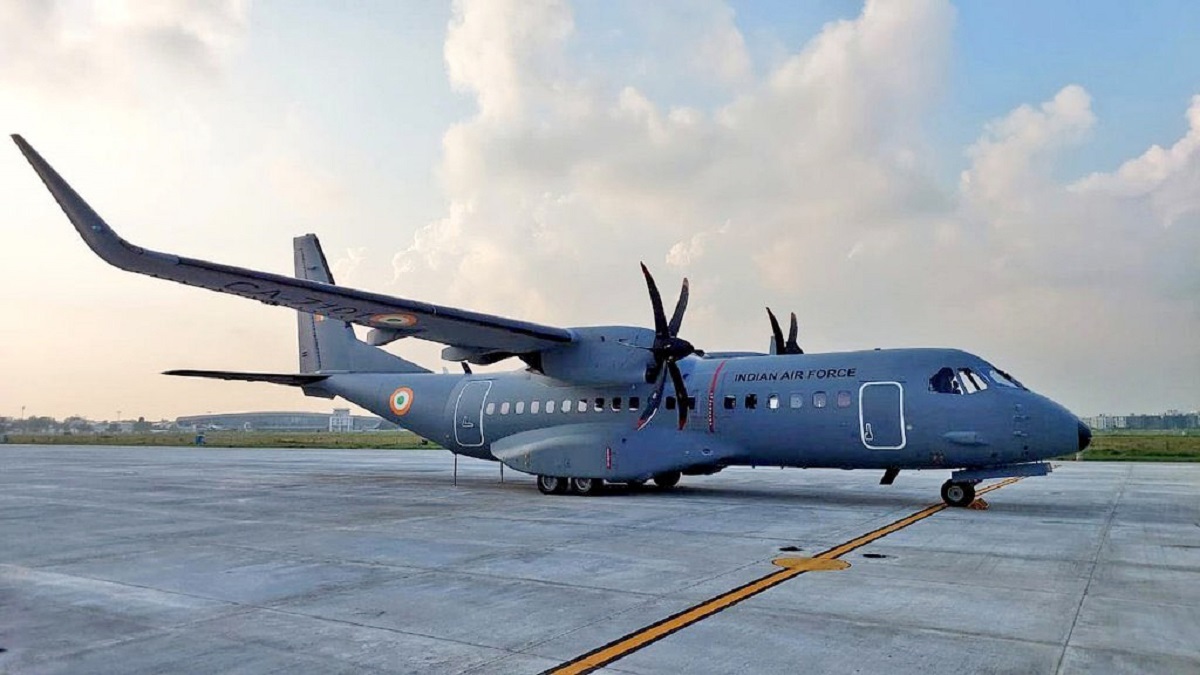
India
India’s ambitious project to manufacture C-295 military transport aircraft is moving forward, with the first "Made-in-India" model expected to roll out in September 2026. The project, led by Airbus and Tata Advanced Systems Ltd. (TASL), marks a significant step toward strengthening India’s defense industry and reducing reliance on foreign-made military equipment. By August 2031, the Indian Air Force (IAF) is anticipated to receive all 40 of the C-295s set for production in India. An Historic Facility in VadodaraThe manufacturing of C-295 aircraft will take place in Vadodara, Gujarat, where Prime Minister Narendra Modi laid the foundation stone in October 2022. This facility will serve as India’s first private sector final assembly line for military aircraft, setting a new precedent in India’s aerospace industry. In addition to boosting self-reliance, this facility is expected to create numerous jobs and build a skilled workforce in advanced manufacturing, maintenance, and aircraft assembly.Ahead of its official inauguration, Spanish Prime Minister Pedro Sanchez is scheduled to visit India from October 28-30, 2024. During his trip, he will join PM Modi to inaugurate the Vadodara facility, underscoring India and Spain’s collaborative partnership in defense and technology.The C-295 Contract and TimelineIn 2021, the Ministry of Defence signed a ₹21,935 crore contract with Airbus Defense and Space SA, Spain, for 56 C-295 aircraft. Under the agreement, 16 of these planes will be delivered in flyaway condition directly from Spain. Meanwhile, TASL will manufacture the remaining 40 aircraft domestically under a technology transfer arrangement. This initiative is part of India’s broader strategy to build an indigenous defense ecosystem while maintaining strong alliances with international partners.The Vadodara facility aims to deliver the first Indian-built C-295 by September 2026, and the remaining 39 aircraft will be completed by August 2031. This timeline aligns with India’s goal of gradually replacing the IAF’s aging fleet of Avro-748 planes, which have served for over six decades, with a newer, more versatile fleet.C-295: A Versatile and Robust Tactical Transport AircraftThe C-295 is a medium tactical transport aircraft recognized for its flexibility and suitability in various operational environments. Built with a high-wing design, it can perform challenging missions, including troop transport, medical evacuation, and logistical support, even in rugged and unprepared airstrips. Some of the C-295’s key specifications and features include:Capacity: The C-295 can carry up to 71 troops or 50 paratroopers and transport payloads up to 9,250 kg, making it ideal for rapid deployment scenarios.Range and Endurance: With a range of approximately 2,000 nautical miles, the C-295 can cover substantial distances without refueling, critical for India’s varied geography.Short Takeoff and Landing (STOL): The aircraft’s STOL capability allows it to operate on short and rough runways, even under adverse weather conditions. This adaptability enables the IAF to access hard-to-reach areas, such as remote border regions or mountainous terrain.Advanced Avionics and Self-Protection: Equipped with cutting-edge avionics and optional self-protection systems, the C-295 offers enhanced operational safety. Its defensive aids include radar warning receivers, missile approach warning systems, and countermeasure dispensers, which boost survivability in hostile environments.This makes the C-295 not only a versatile military asset but also valuable for disaster relief and humanitarian missions.Strengthening India’s Aerospace EcosystemThe Vadodara C-295 facility represents a pivotal move in India’s drive for “Atmanirbhar Bharat” or “self-reliant India.” This project is more than an acquisition; it is an investment in the nation’s defense manufacturing capabilities. With Airbus transferring technology to TASL, the facility will not only build aircraft but will also establish infrastructure and expertise in aircraft manufacturing. The collaboration will involve over 125 suppliers across India, leading to a ripple effect on the local economy, from parts manufacturing to maintenance services.India’s defense establishment hopes this move will set the stage for more such collaborations and empower local industry players to participate in the global supply chain. By mastering the production and maintenance of advanced military aircraft like the C-295, India stands to gain both strategic autonomy and economic benefits.Strategic Implications and Future ProspectsReplacing the IAF’s outdated Avro-748 fleet with the C-295 provides India with an updated and versatile fleet, crucial for both military and non-military missions. This upgrade will significantly boost India’s ability to mobilize troops, deliver supplies, and provide relief during emergencies.With this large-scale production capability, India may also explore the potential for exporting the C-295 to other countries seeking a reliable, medium-capacity tactical transport. Such prospects could further boost India’s defense export goals while strengthening ties with international allies.As the Vadodara facility gears up for production, the rollout of the first Indian-made C-295 will be a momentous occasion, underscoring India’s growing prowess in advanced defense manufacturing. This initiative not only reflects India’s commitment to bolstering its military capabilities but also its ambition to become a hub for aerospace innovation in the coming years.
Read More → Posted on 2024-10-29 04:09:39
India
The Indian Army is driving a significant expansion in defense technology and research to meet the complex challenges faced across varied operational terrains. Northern Army Commander Lieutenant General M V Suchindra Kumar recently highlighted that the army has identified 135 specific areas where collaboration with the industry can bridge critical operational gaps. This proactive approach, which includes 93 research and development (R&D) projects at various stages of advancement, is part of a broader strategy to integrate cutting-edge technology into the armed forces.The army's push for collaboration comes as it navigates multiple, challenging fronts in the Northern Command. This region, which spans the plains of Jammu to the high-altitude zones of eastern Ladakh, is seen as an invaluable testing ground for modern military equipment. The challenging conditions here provide defense companies and startups with real-world scenarios where they can evaluate and refine their technologies. With the Indian Army designating 2024 as the “year of technology absorption,” the stage is set for a rapid infusion of innovation aimed at boosting national security capabilities.A major focus area for the army is the incorporation of disruptive technologies such as drones, counter-drone systems, artificial intelligence (AI), robotics, advanced communication systems, electronic warfare setups, and enhanced mobility solutions for personnel and vehicles. These technologies are crucial in modern warfare, where speed, agility, and precision are often deciding factors. For these projects, the Indian Army has engaged over 12,000 Micro, Small, and Medium Enterprises (MSMEs), involving nearly 500 industries with projects collectively worth close to Rs 2 lakh crore. These collaborations are not just technological; they are strategically vital for maintaining defense self-reliance.To facilitate operations and ensure coordination at every level, five joint command and control centers have been established across the Northern Command. This infrastructure helps synchronize the army’s activities on the ground, especially in areas affected by cross-border challenges. By working closely with other security forces such as the Border Security Force (BSF) and Central Reserve Police Force (CRPF), the Indian Army ensures cohesive action against both terrorism and infiltration. Special training has also been extended to Village Defense Groups (VDGs), enhancing community-based security measures.The Indian Army’s readiness to embrace indigenously developed weapons and equipment is also evident in the Northern Command’s theater. Defense companies are granted access to these high-altitude regions to better understand the unique operational demands faced by soldiers. Lt Gen Kumar noted that this exposure is essential for companies to build solutions that are not just innovative but also practical and durable in extreme conditions. The close interaction between defense forces and academia allows the army’s requirements to be clearly translated into technical specifications, making it easier for the industry to meet the needs of soldiers on the ground.Furthermore, Operation Sadbhavana, a goodwill initiative in Kashmir, reflects the army's commitment to building trust and fostering stability among the local population. With 43 Army Goodwill Schools and educational programs that reach over 16,000 students, many from remote areas, the Indian Army is ensuring that quality education is accessible even in the most challenging regions. Nearly 1.6 lakh students have graduated from these schools, and many have successfully cleared competitive exams like the JEE, NEET, and UPSC. This educational focus helps address socio-economic issues in the region and strengthens the bond between the army and local communities.With additional troops now deployed in violence-affected areas, the Indian Army is bolstering its capability to respond swiftly and effectively to emerging threats. New camps are being set up, and specialized operation groups have been reinforced to maintain high levels of readiness. The close cooperation between the army and other security forces enables a well-coordinated approach to security, ensuring that each force’s strengths are utilized effectively.In conclusion, the Indian Army’s efforts in technological collaboration, coupled with community-centric initiatives like Operation Sadbhavana, mark a substantial shift towards a technologically advanced and socially engaged defense strategy. This comprehensive approach is helping the army stay ahead of modern warfare challenges while simultaneously fostering peace and development in conflict-prone regions. As 2024 unfolds, the impact of these initiatives is expected to redefine the operational landscape of the Indian defense forces, paving the way for a more resilient and technologically capable military.
Read More → Posted on 2024-10-27 16:56:00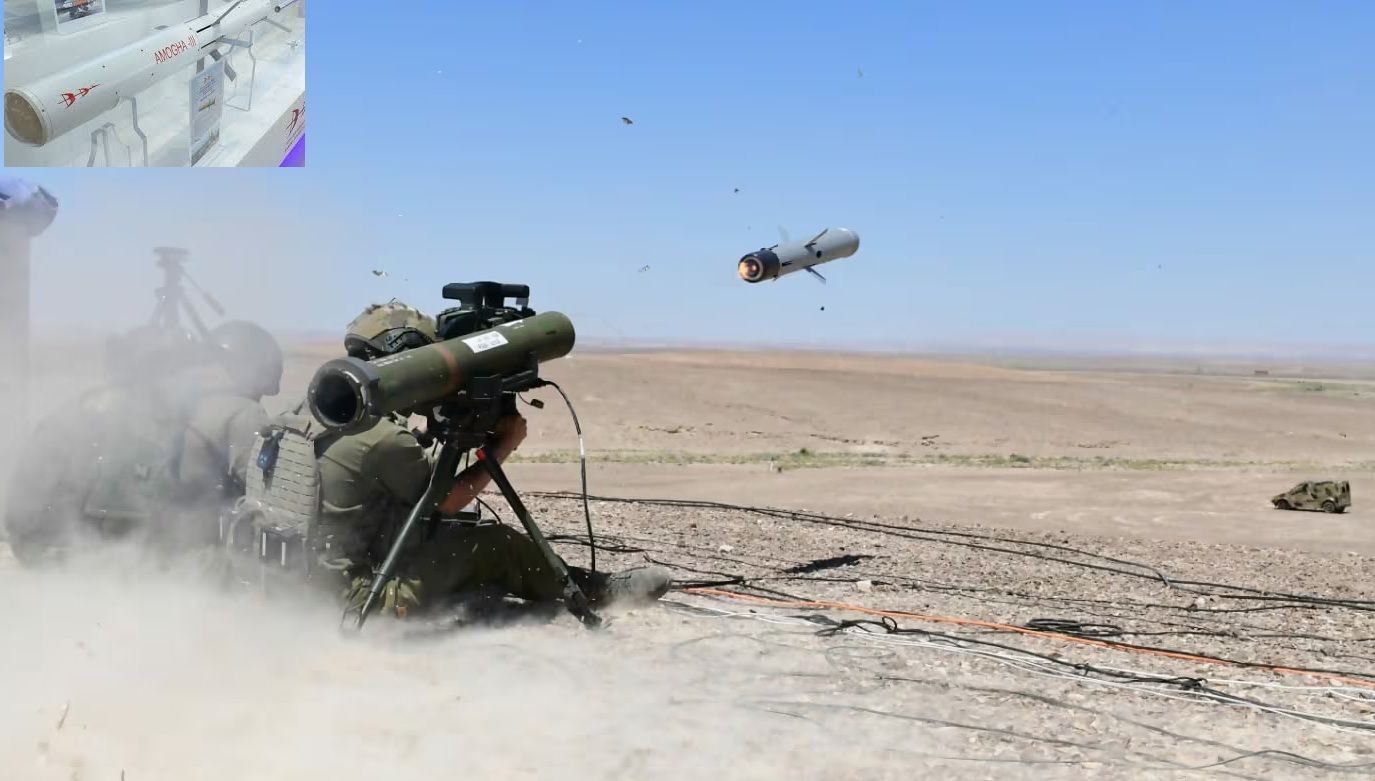
India
Bharat Dynamics Limited (BDL), a leader in India's defense manufacturing sector, is currently in advanced discussions with multiple countries to export its homegrown Amogha-III anti-tank guided missile (ATGM). This third-generation, fire-and-forget missile has not only drawn considerable interest internationally but also signals India’s rising status in the global defense industry. Designed to meet modern warfare needs, the Amogha-III’s capabilities were highlighted during successful field firing tests conducted in 2023. The missile has since become a focal point for foreign buyers looking to strengthen their anti-armor capabilities.The Amogha-III stands out as a man-portable missile with impressive features tailored for today’s fast-evolving combat requirements. With a range of 200 to 2,500 meters, this missile provides substantial operational flexibility, allowing troops to target armored threats from a safe distance. Its fire-and-forget technology enables operators to move swiftly after launching, reducing their exposure and enhancing battlefield safety. This is further supported by the missile’s “soft launch” capability, which minimizes backblast and thus protects operators from the harmful effects of traditional launch systems.Equipped with a dual-mode imaging infrared (IIR) seeker, the Amogha-III can lock onto targets in all weather conditions and is effective both day and night. This dual-mode seeker allows for precision even in low-visibility scenarios, an essential trait for today’s multifaceted combat environments. The missile also incorporates a tandem warhead capable of penetrating over 650 mm of Explosive Reactive Armor (ERA), a feature that positions it as a formidable weapon against advanced armored threats. ERA is commonly used in modern tanks to counteract the impact of shaped charges; the Amogha-III’s ability to pierce such defenses makes it a strong option for nations seeking enhanced anti-armor systems.The Amogha-III’s smokeless propulsion system minimizes the visual signature, which is key to avoiding detection, particularly in covert operations. Its aerodynamic design and thrust vector control further contribute to high in-flight stability, allowing the missile to maintain its trajectory with accuracy. Together, these features present a package that is both lethal and highly adaptive to modern combat conditions.While the Indian Army is still conducting its final user trials, BDL’s engagement with international buyers is well underway. According to company representatives, discussions with two or three countries are in advanced stages, though they have yet to result in binding agreements. The international interest reflects the growing demand for versatile, indigenous missile systems like the Amogha-III in the global arms market, and BDL’s proactive outreach has positioned it as a serious competitor in this space.This pursuit of export opportunities for the Amogha-III aligns with India’s broader defense goals under the "Make in India" initiative. Launched in 2014, this initiative aims to build India’s industrial and defense manufacturing capacities to reduce dependency on imports and, ultimately, become a key player in the global defense export market. With the Amogha-III, BDL demonstrates India’s ability to develop advanced, indigenous military technology that can meet international standards and potentially compete with well-established defense products from around the world.If these negotiations culminate in finalized orders, it would represent a milestone for BDL and for India's defense export industry as a whole. Not only would it be a significant achievement for BDL, but it would also reinforce India’s reputation as an emerging leader in defense production. This development could open doors for other Indian defense firms to explore global markets, expanding India's footprint in the international defense industry and further validating the success of the Make in India vision.
Read More → Posted on 2024-10-27 16:47:39Search
Top Trending in 24 Hours
-
 Why the U.S. Restored Pacific Command Name, Ending the Indo-Pacific Designation After Eight Years
-
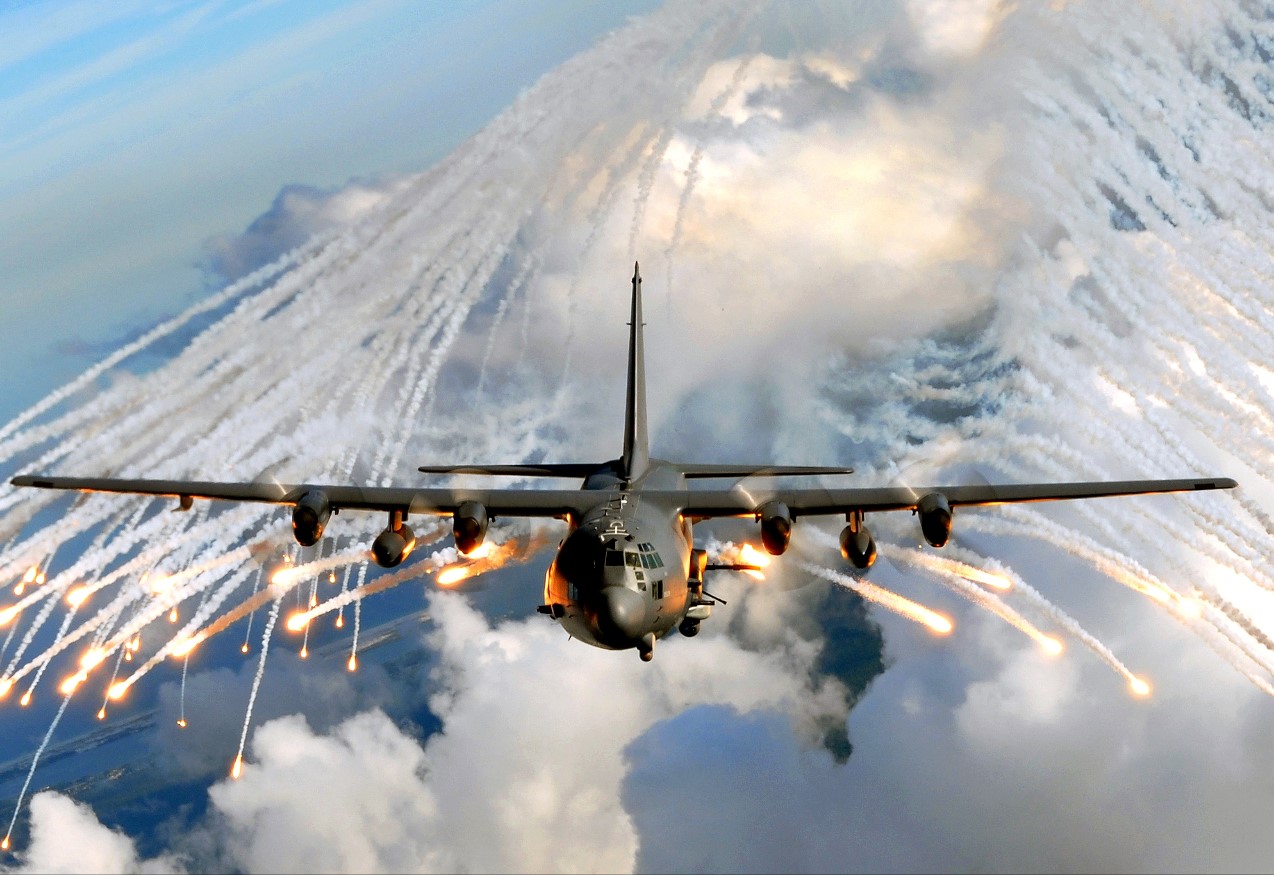 Pentagon Expands Alloy Surfaces Contract to $328.8 Million for Advanced Aircraft Decoy Flares Amid Evolving Drone Threats
-
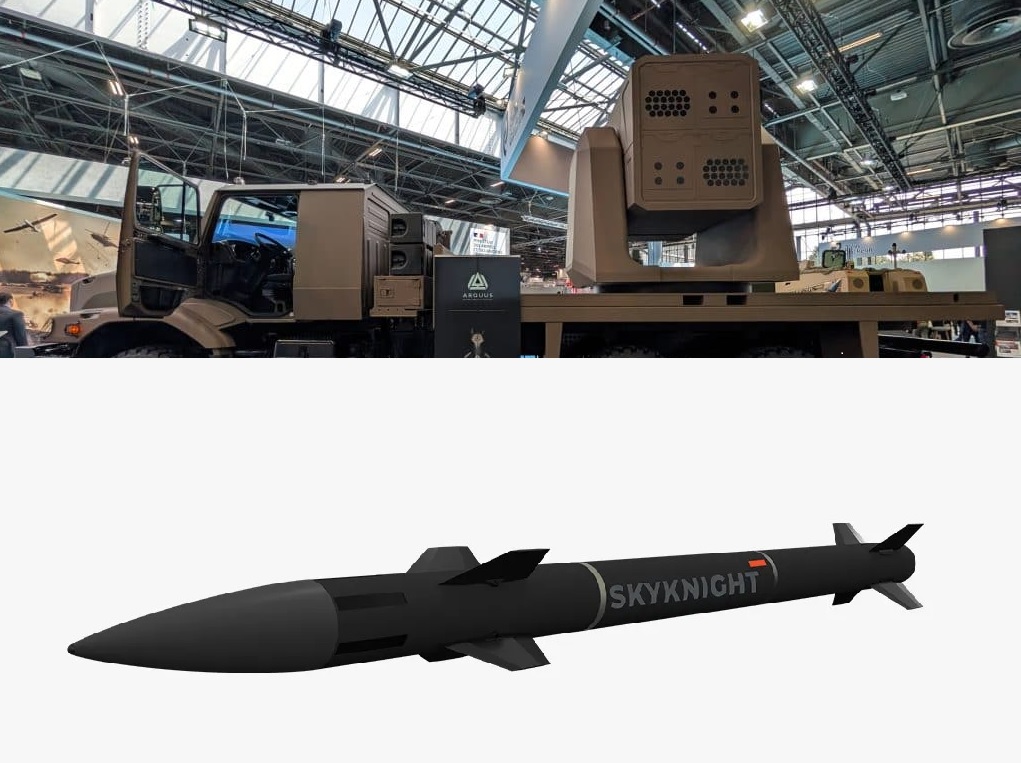 Naval Group Unveils Rampart Modular CIWS Multi-Purpose Weapon System for Naval and Ground Forces at Eurosatory 2026
-
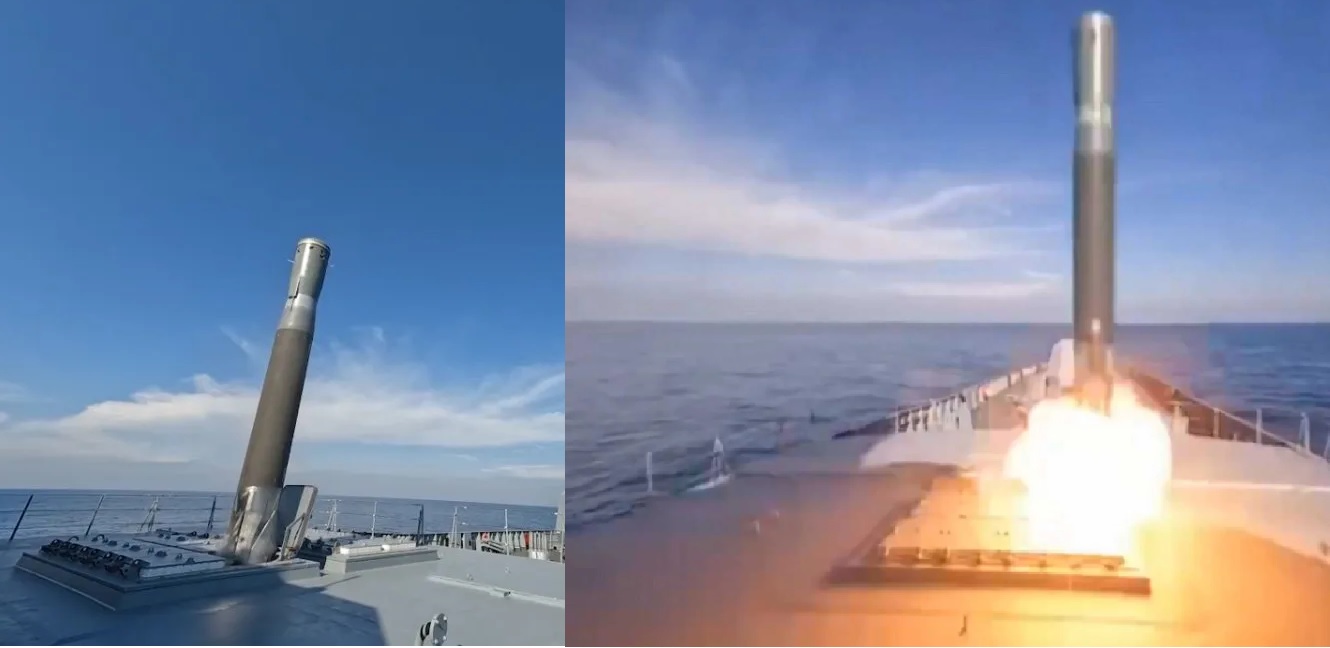 Open-Source Evidence Suggests Russia's Zircon Is a Quasi-Ballistic Missile, Not a True Hypersonic Cruise Weapon
-
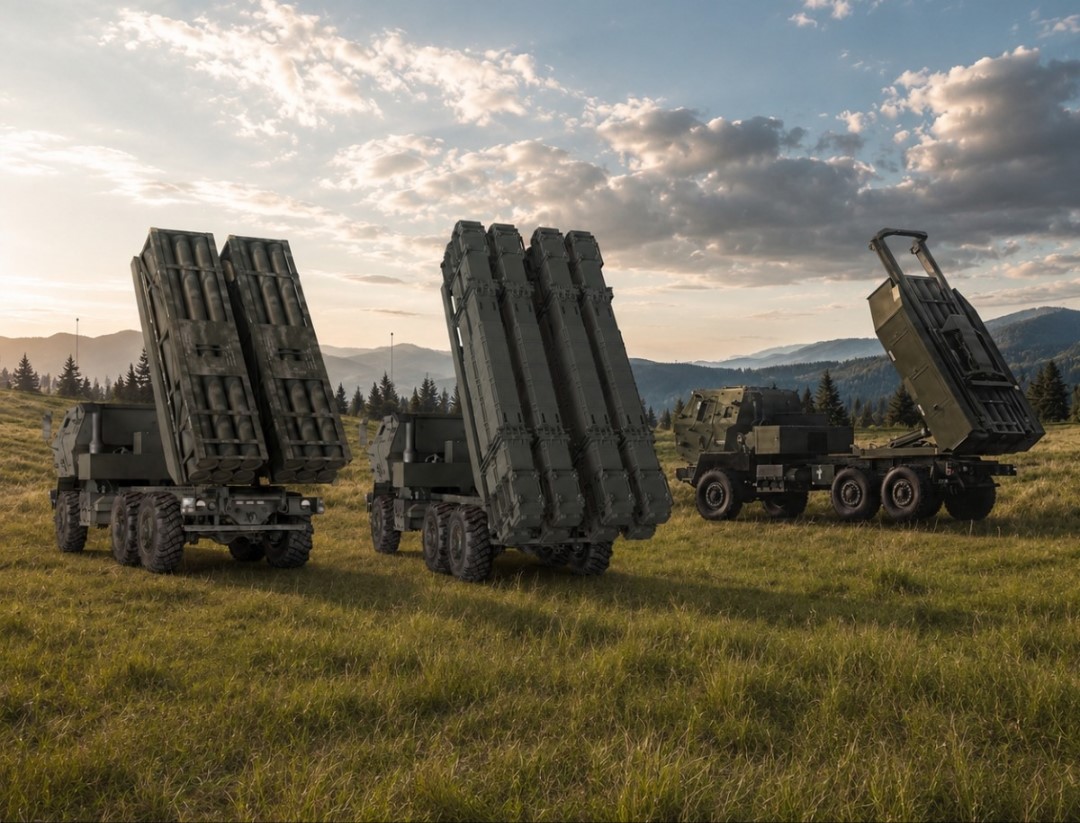 Lockheed Martin Unveils HIMARS FLEX with Dual-Pod Launcher and NATO-Compatible Air Defense Integration
-
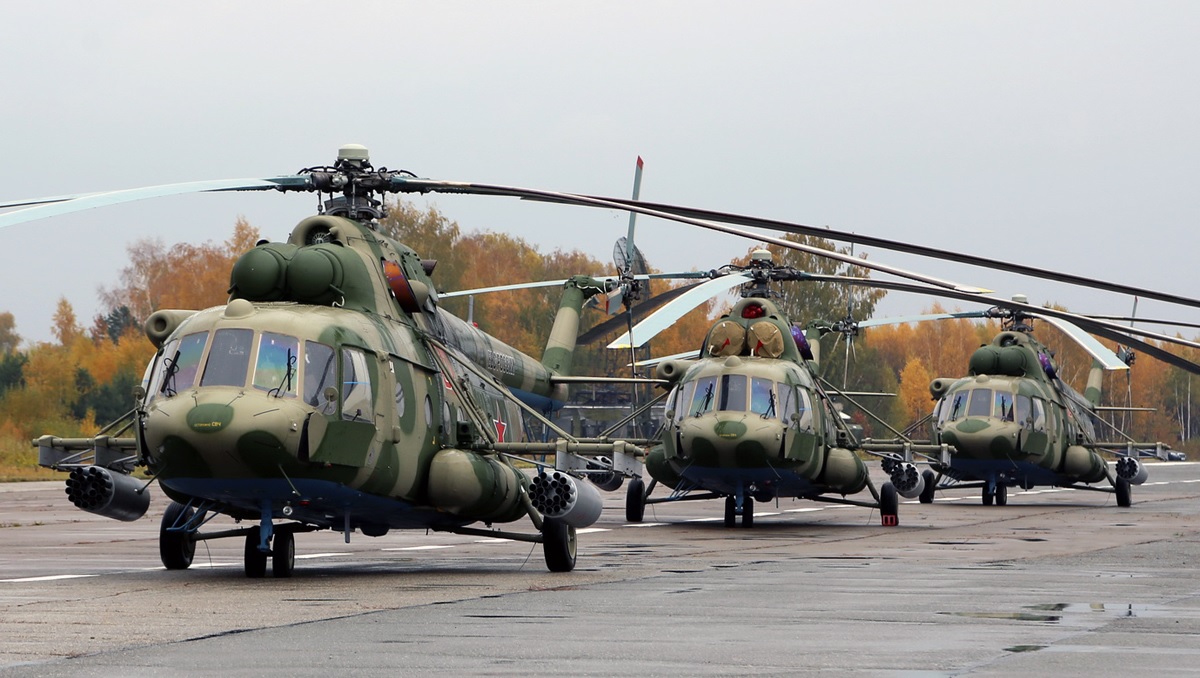 Iran Signs Deal with Russia for 20 Mi-8 and Mi-17 Helicopters to Boost Rescue and Medical Missions
-
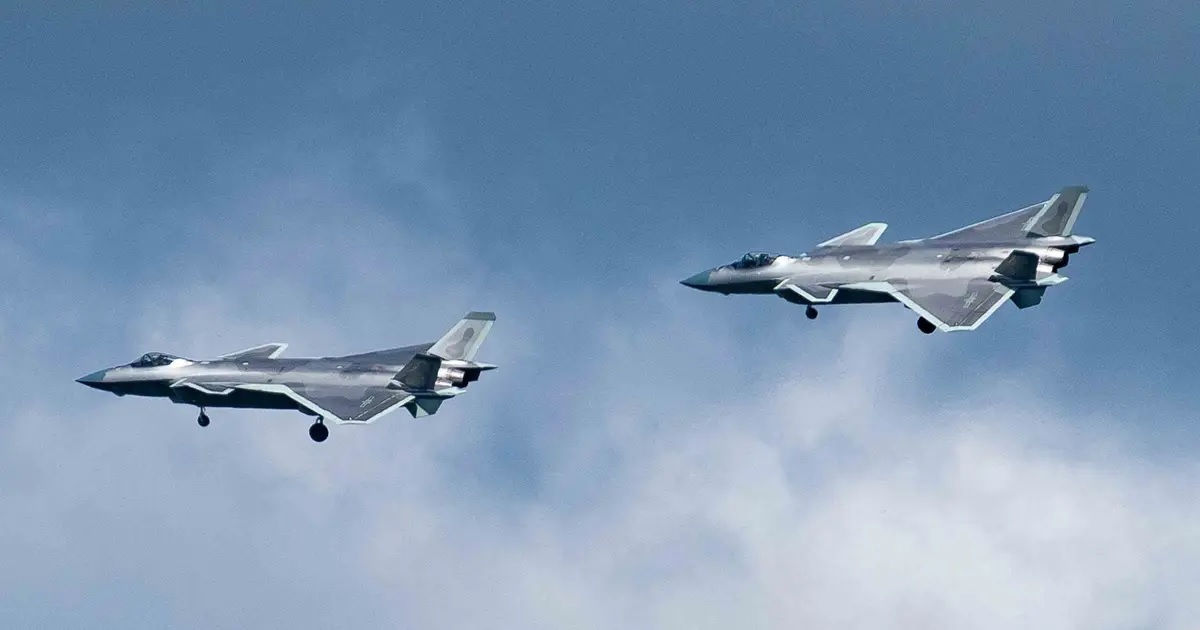 China Surpasses Russia as World’s Second-Most Powerful Air Force Amid Rapid J-20 and J-35 Expansion
-
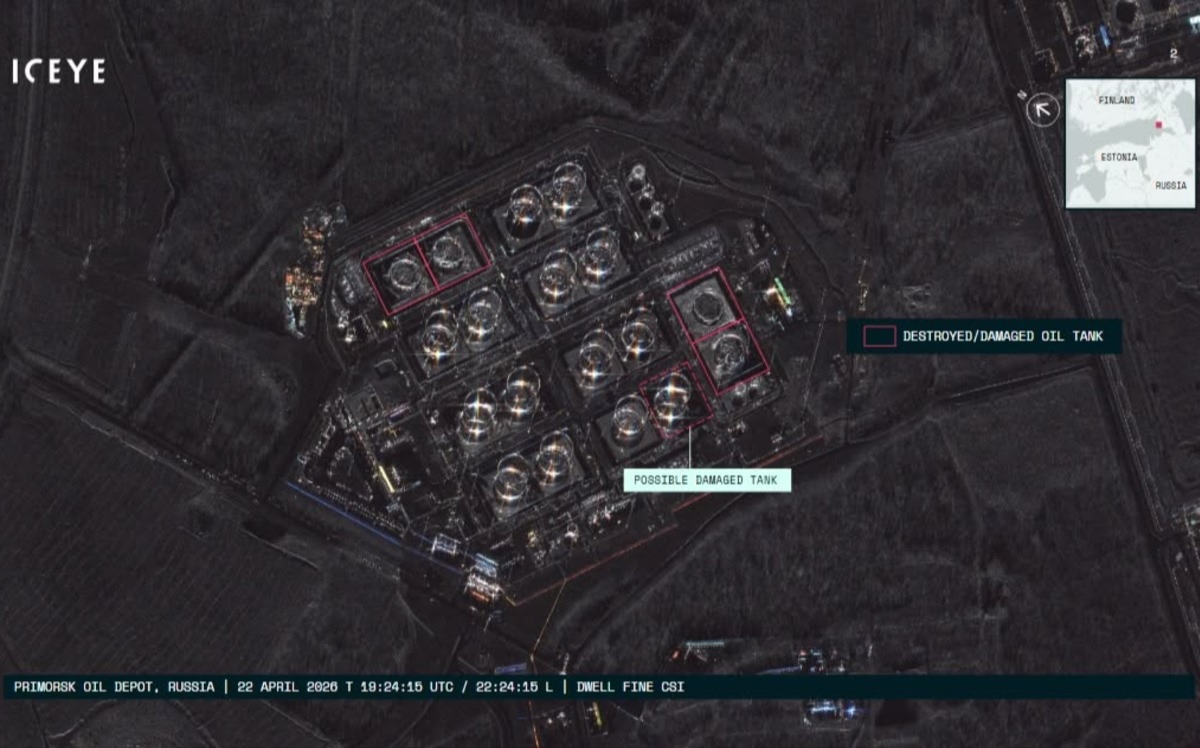 Portugal Doubles Sovereign SAR Satellite Fleet with Order for Two Additional ICEYE Satellites
Top Trending in 4 Days
-
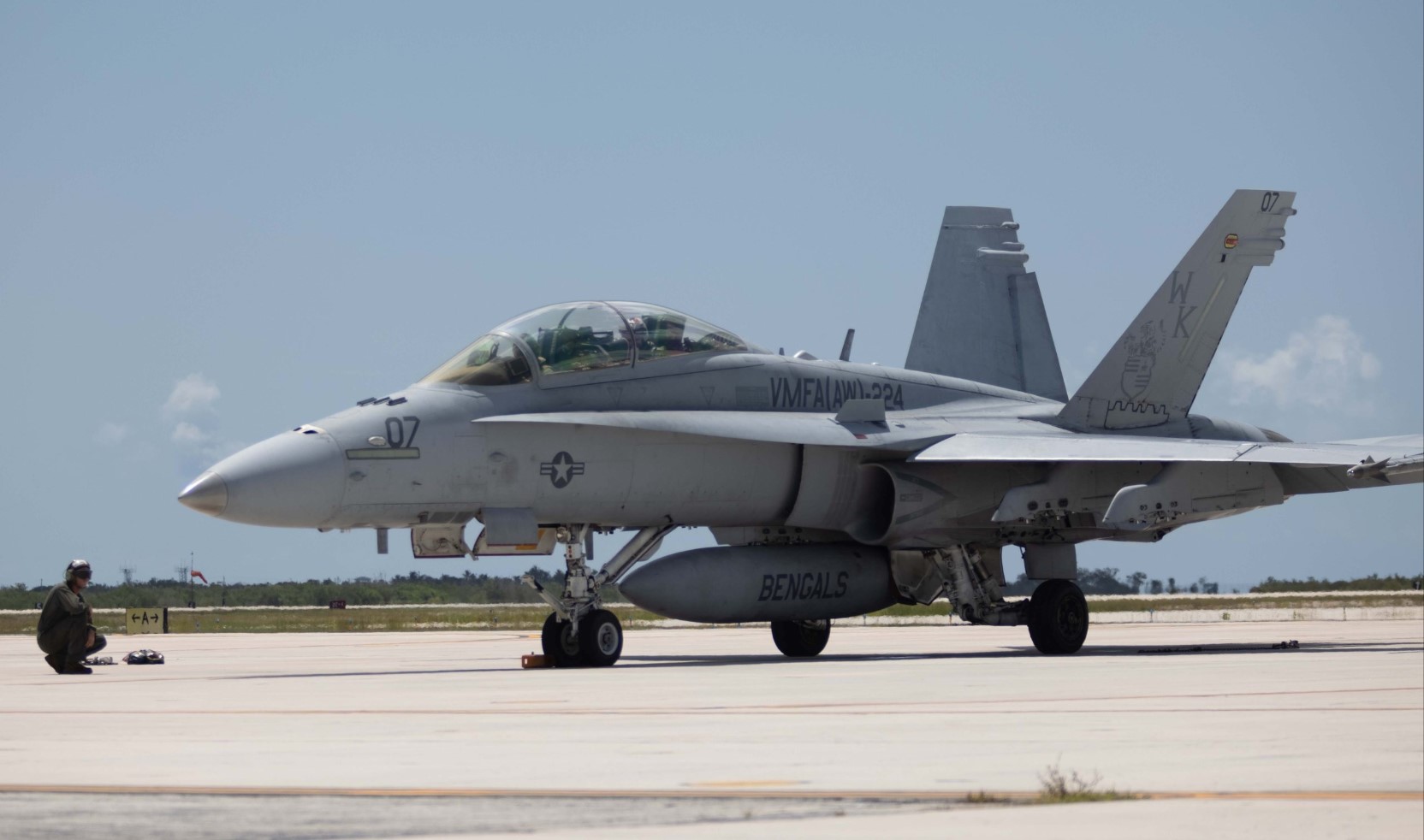 US Marine Corps F/A-18D Hornet Crashes During Training Flight in Washington Mountains; Pilot Ejects Safely
-
 Tulsi Gabbard Releases Declassified Files Detailing U.S.-Backed Network of 120 Biolaboratories Across 30+ Countries
-
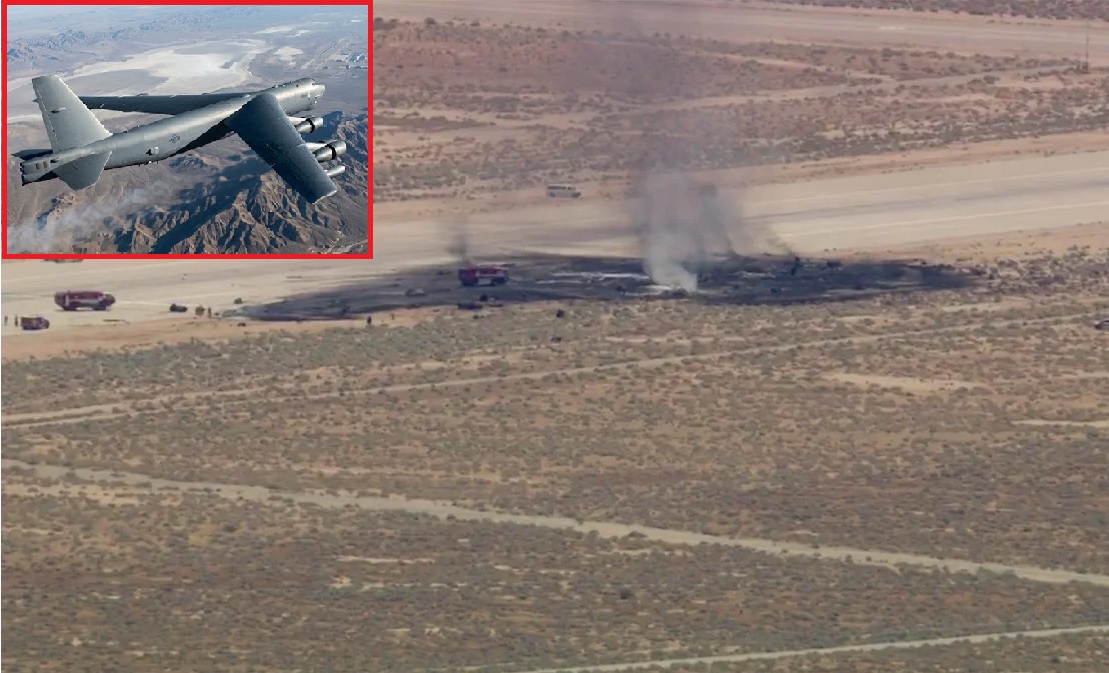 8 U.S. Air Force Crew Members Killed in B-52 Bomber Crash During Test Flight at Edwards Air Force Base
-
 Ukraine Introduces Balloon-Launched DART Missile Designed to Defeat Electronic Warfare
-
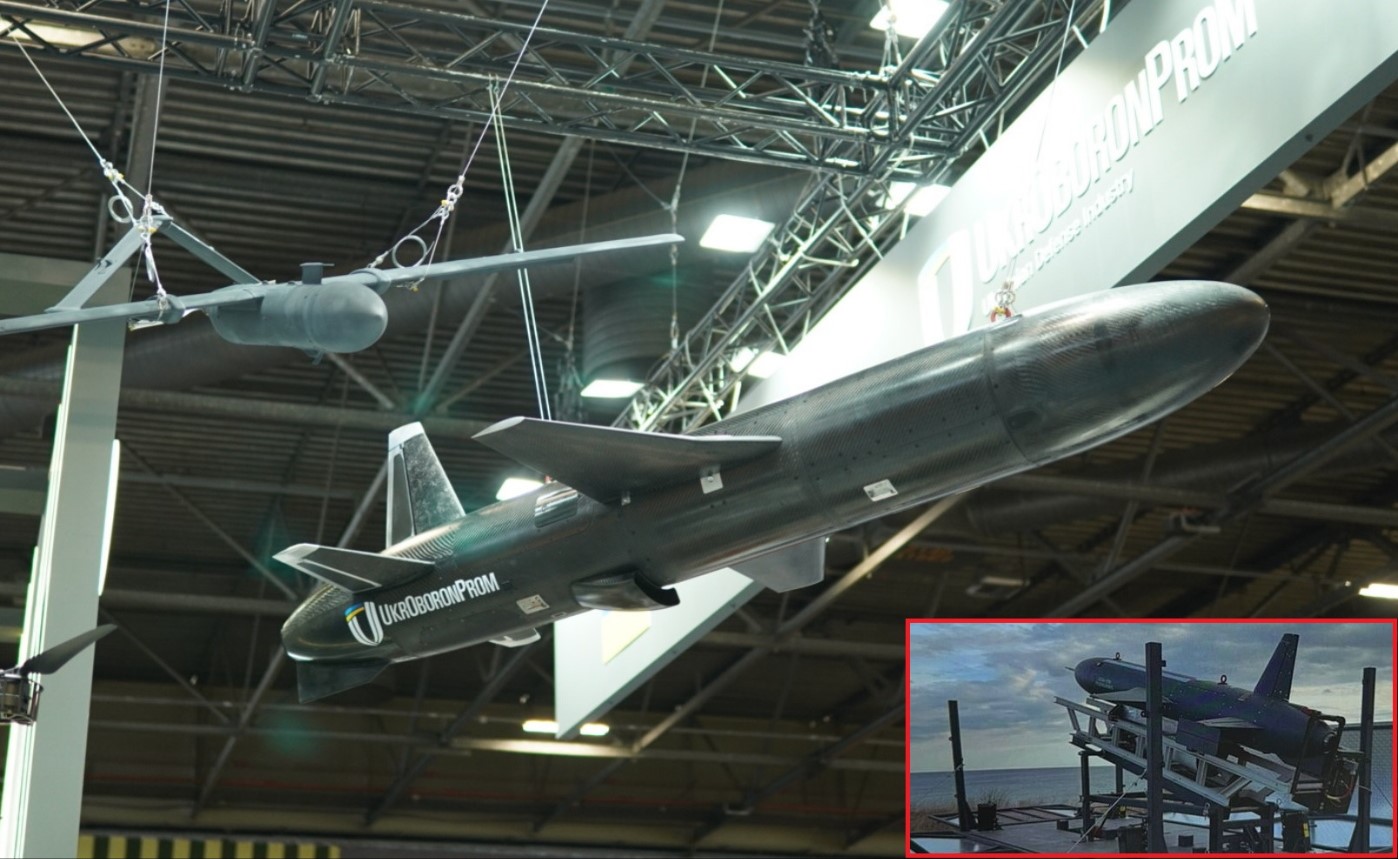 Ukraine Unveils UAV-290 Jet-Powered Strike Drone with 650 km Range at Eurosatory 2026
-
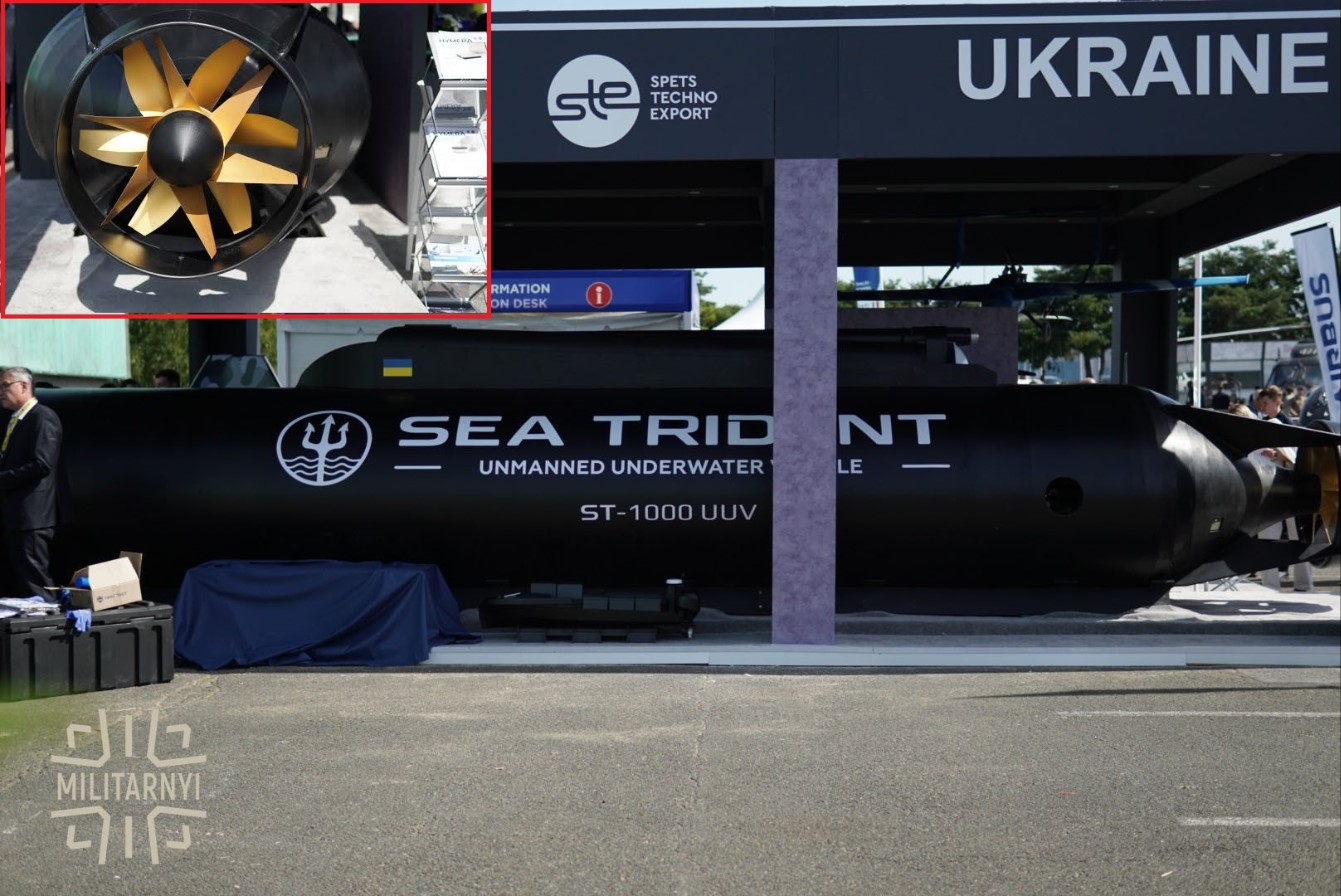 Ukraine Unveils 'Sea Trident' 10-Ton Autonomous Underwater Drone at Eurosatory 2026
-
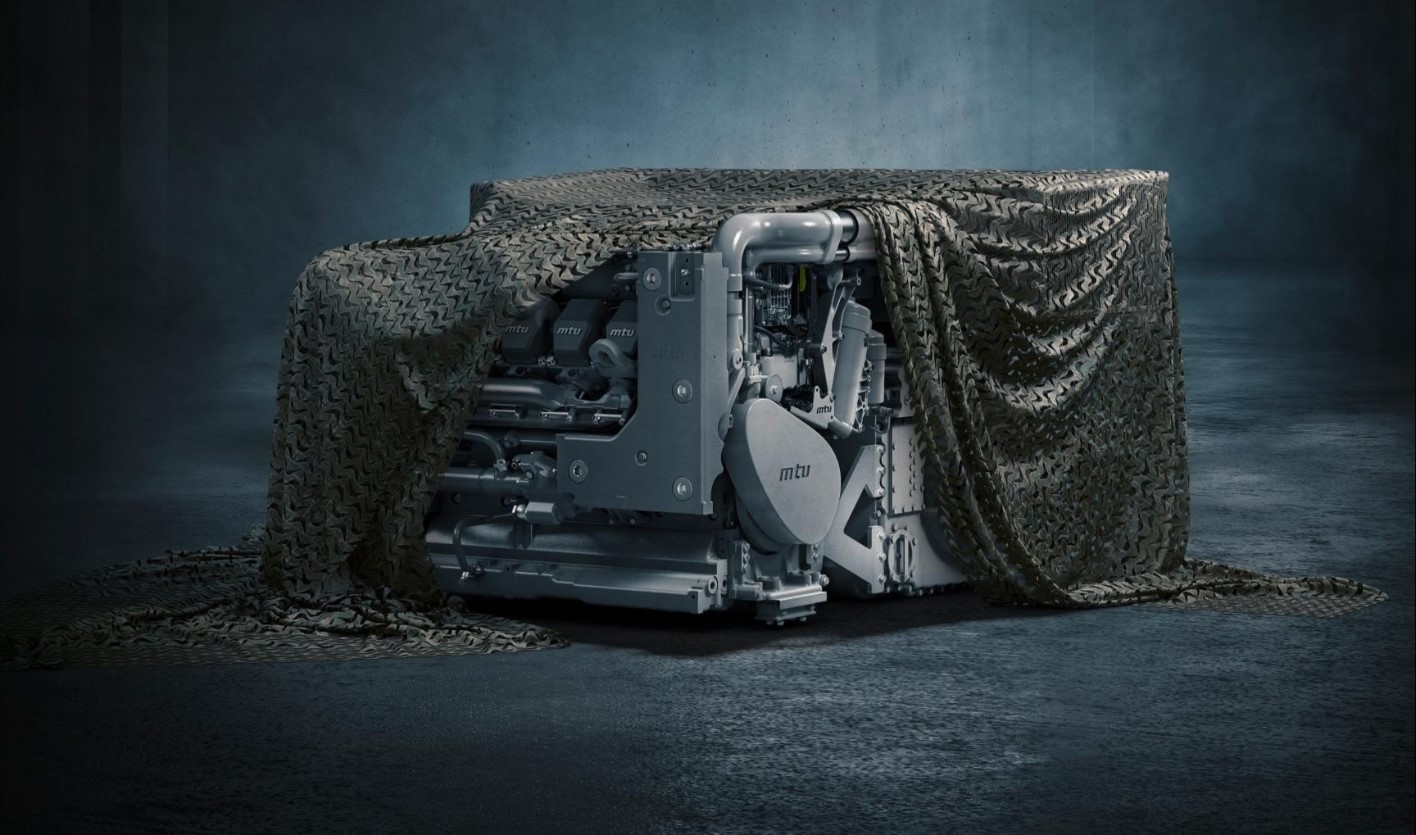 Rolls-Royce Unveils New Hybrid Powertrain for Heavy Military Vehicles at Eurosatory 2026
-
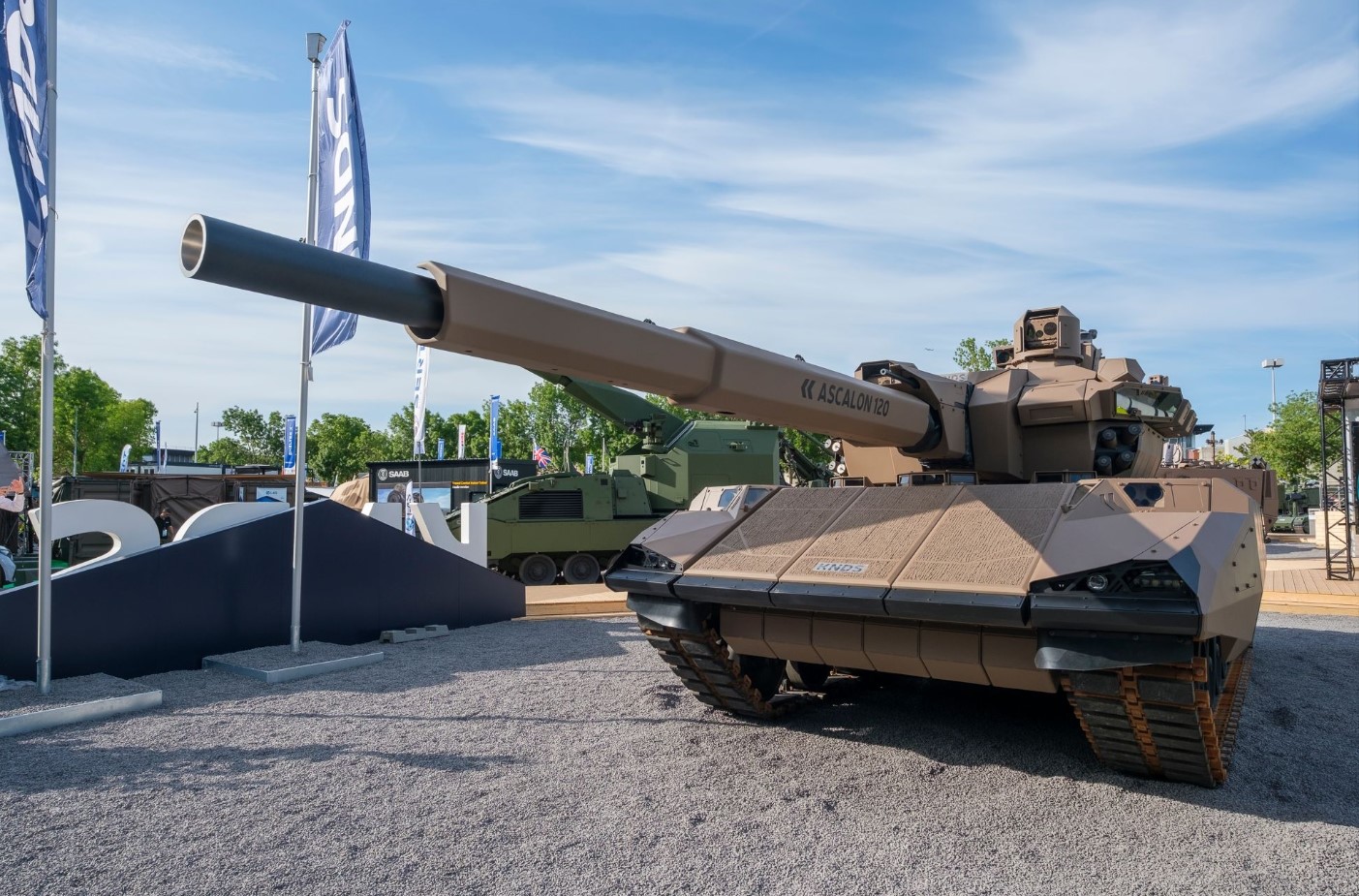 KNDS Unveils CAPINT Main Battle Tank at Eurosatory 2026 as Leclerc Stopgap