
World
Germany has officially placed an order for 120 PAC-3 Missile Segment Enhancement (MSE) interceptors to enhance its Patriot air and missile defence system. The purchase, valued at EUR 763.5 million, was approved by the German Bundestag’s Budget Committee on December 18, 2024. This acquisition is part of Germany’s ongoing efforts to strengthen its defence capabilities amid evolving security challenges. The procurement is being facilitated through the U.S. Foreign Military Sales (FMS) programme, which enables allied nations to purchase American military equipment under the same conditions as the U.S. Armed Forces. Lockheed Martin, the manufacturer of the PAC-3 MSE missiles, has been contracted as the primary supplier. In order to secure an early delivery position, the German government has made an advance payment covering the entire contract cost. The Bundeswehr’s special fund will finance EUR 641.6 million, while the remaining EUR 121.9 million in import VAT will be covered by the defence budget upon delivery. Germany is set to receive 75 of these advanced interceptors in 2028, with the remaining 45 arriving in 2029. Additionally, two missiles will remain in the United States for potential lot verification. If these missiles are not required for testing, they will be delivered to Germany after a minimum of five years. The PAC-3 MSE is a vital component of the Patriot air defence system, offering enhanced capabilities to counter advanced aerial threats, including ballistic and cruise missiles. This purchase underscores Germany’s commitment to modernizing its air defence network as geopolitical tensions persist in Europe and beyond.
Read More → Posted on 2025-03-13 15:07:48
World
Russia has escalated its air campaign by deploying the FAB-3000 bomb, one of the most powerful conventional explosives in its arsenal, in a high-impact strike near Sudzha, Kursk region. The attack reportedly targeted an ammonium nitrate plant, where Ukrainian troops may have been present, causing an explosion so massive that its plume resembled the aftermath of a tactical nuclear blast. The Power of FAB-3000 The FAB-3000, often referred to as a "tsar bomb" due to its sheer destructive power, carries approximately 1,400 kg of high-explosive material. Originally developed in the Soviet era and used in Afghanistan during the 1980s, the bomb was later phased out due to its indiscriminate destruction. However, recent reports indicate that Russia has revived its production as part of its intensified bombing campaign in Ukraine. The bomb’s core blast radius is estimated to be around 35 meters, with structural and concussive damage extending up to 150 meters. While its raw power is undeniable, its effectiveness against well-fortified Ukrainian positions remains a subject of debate. Unlike Western precision-guided munitions, Russian guided bomb kits tend to have a 30 to 50-meter accuracy range, making them more suited for large-scale destruction rather than targeted strikes. Surge in Russian Bombing Campaign Since early 2024, Russia has significantly ramped up the use of aerial bombs, including the FAB-500 and FAB-1500, in an effort to weaken Ukrainian defenses. Russian state media has highlighted increased production, with reports suggesting a doubling of FAB-1500 manufacturing and a renewed focus on the FAB-3000. The revival of these high-impact bombs underscores Russia’s shift toward more devastating aerial tactics, particularly in areas where precision strikes may not be feasible. Battlefield Impact The full extent of the damage from the recent strike remains unclear, as Ukrainian forces have yet to confirm whether military personnel were present at the targeted site. However, the use of such large-scale weaponry raises concerns over the escalating intensity of Russia’s air campaign. With continued reliance on massive bombs like the FAB-3000, Russia appears to be prioritizing brute force over precision, a strategy that could significantly alter the battlefield dynamics in the months ahead.
Read More → Posted on 2025-03-12 16:21:44
World
Airbus Helicopters has officially introduced the H140, a cutting-edge light twin-engine helicopter, at the VERTICON vertical lift industry show in Dallas, Texas. Positioned as the next evolution in the 3-tonne rotorcraft category, the H140 is designed to offer best-in-class performance, cost efficiency, and passenger comfort, making it a compelling addition to Airbus’ helicopter lineup. A New Standard in Light Twin Helicopters The H140 is set to complement Airbus’ existing light twin models, catering to key markets such as emergency medical services (EMS), passenger transport, and private aviation. Deliveries are scheduled to begin in 2028, with EMS operators being the first to receive the aircraft. Bruno Even, CEO of Airbus Helicopters, emphasized that the H140’s design is a direct response to customer needs, incorporating feedback from H135 operators. Enhancements include a larger cabin, optimized engine performance, and increased payload capacity, ensuring superior range, efficiency, and operational flexibility. Cutting-Edge Design and Features Airbus showcased a full-scale model of the H140 in its EMS configuration at VERTICON, highlighting the helicopter’s advanced design and mission versatility. Key features include: T-Shaped Tail Boom with Fenestron: Reduces noise levels for quieter operations. Five-Blade Bearingless Main Rotor: Enhances efficiency, stability, and ride comfort. Spacious Cabin with Large Windows: Provides better visibility, accessibility, and seating for up to six passengers. High Tail Boom & Clamshell Doors: Facilitates rear loading for EMS missions, accommodating various medical stretcher systems such as intensive care units and transport incubators. Unmatched Performance and Safety The H140 is powered by two Safran Arrius 2E engines, each delivering 700 shaft horsepower (shp). Equipped with a dual-channel Full Authority Digital Engine Control (FADEC) system, the aircraft ensures: Reliable and optimized performance under all flight conditions. Significant power reserves in one-engine-inoperative (OEI) scenarios, enhancing safety. To further elevate safety and ease of operation, the H140 integrates Airbus’ Helionix avionics suite, which is already present in the H135, H145, H160, and H175 models. This system, coupled with a four-axis autopilot, improves: Situational awareness for pilots. Reduced workload, making flights smoother and safer. Optimized Maintenance and Testing One of the biggest advancements in the H140 is its simplified maintenance. The bearingless main rotor design significantly reduces the need for frequent servicing, leading to: Extended inspection intervals. Synchronized airframe and engine servicing, cutting down operating costs. To ensure a smooth market entry, Airbus has deployed four dedicated prototypes, with the first aircraft already undergoing flight tests at its Donauwörth facility in Germany. These tests will validate the H140’s performance, efficiency, and reliability before its commercial launch. With its innovative design, high-performance engines, advanced avionics, and cost-effective maintenance, the H140 is set to redefine the light twin-engine helicopter segment, making it a game-changer for operators worldwide.
Read More → Posted on 2025-03-12 16:18:10
World
Pakistani security forces launched a major operation on Tuesday to rescue passengers taken hostage by armed militants who hijacked a train in Balochistan. While dozens of people have been freed, the deadly standoff continues, with hundreds still held captive by the attackers. The armed group, identified as the Baloch Liberation Army (BLA), stopped the train in a remote, mountainous area of Sibi district after bombing the railway track. The train was on its way from Quetta to Peshawar, a journey that takes more than 30 hours, when the militants stormed aboard and seized control of the carriages. The attack occurred around 1:00 PM local time (0800 GMT), just before the train reached a tunnel surrounded by rugged terrain, making a counter-operation challenging. Rescue Efforts and Heavy Clashes Pakistani forces launched a counter-operation and successfully rescued 80 hostages, including 43 men, 26 women, and 11 children. However, with over 450 passengers still in captivity, the situation remains critical. Fierce gunfire is ongoing between security personnel and the militants, and authorities have vowed to continue the operation until the remaining hostages are freed. At least 13 militants have been killed so far, while casualties among civilians and security personnel have also been reported. The train driver, a police officer, and a soldier lost their lives in the attack. Emergency measures have been implemented at hospitals in Sibi, and a makeshift medical facility has been set up at the Mach railway station to treat the wounded. The BLA issued a warning, stating that any rescue attempt would result in “severe consequences.” The group has a history of targeting infrastructure and security forces, and their attacks have intensified in recent months. Balochistan Insurgency and Rising Militancy Balochistan, Pakistan’s largest but least developed province, has been the epicenter of an ongoing separatist insurgency for decades. The BLA and other militant groups claim that the province’s vast natural resources are being exploited by outsiders, leaving local communities marginalized and underdeveloped. The recent surge in violence in Pakistan’s western border regions, particularly since the Taliban's return to power in Afghanistan in 2021, has heightened tensions. Pakistani authorities accuse the Taliban government of harboring militant groups that conduct cross-border attacks, a claim that Kabul has consistently denied. The BLA has escalated its operations, staging major attacks, including: The massacre of Punjabi travelers earlier this year, where seven individuals were singled out and executed. The November 2023 bombing at Quetta’s main railway station, which killed 26 people, including 14 soldiers. A deadly highway siege in which militants stopped vehicles and executed non-Baloch passengers. Ongoing Crisis and Military Response As the hostage crisis unfolds, the Pakistani military remains engaged in an intense standoff with the militants. The train remains immobilized, stuck just before a tunnel, while security forces attempt to corner the attackers and secure the passengers. With 2023 being the deadliest year for Pakistan in nearly a decade, this latest attack underscores the deepening security crisis in Balochistan. The government faces mounting pressure to reinforce counterterrorism measures and secure key transportation routes, especially in insurgency-hit regions. The rescue operation is ongoing, and authorities remain hopeful that the remaining hostages will be safely freed. However, the attack has once again highlighted the persistent security challenges in Pakistan’s most volatile province.
Read More → Posted on 2025-03-12 16:14:17
World
In a major step toward strengthening regional security, multiple Baltic Sea nations have signed a $29 million contract with U.S.-based Persistent Systems to deploy state-of-the-art mobile ad hoc networking (MANET) technology. This initiative will establish a unified, high-bandwidth communication network across 2,500 miles of coastline, enhancing interoperability among naval, air, and ground forces. At the core of this upgrade is Persistent Systems’ MPU5 Wave Relay® MANET device, a powerful networking solution that enables real-time exchange of voice, video, sensor data, GPS tracking, and text messages without reliance on fixed infrastructure. Unlike traditional systems, which often suffer from bandwidth limitations and vulnerability to disruptions, the MPU5’s self-forming and self-healing capabilities ensure uninterrupted connectivity even in complex maritime environments. To maximize coverage, the system will incorporate tower-mounted Integrated Antenna Solutions, modeled after Persistent Systems’ Infrastructure-based Regional Operation Network (IRON), which is already operational over a 25,000-square-mile area for the U.S. Air Force. This setup will enable seamless coordination between NATO allies, improving surveillance, threat detection, and response efficiency. Persistent Systems’ Director of Business Development, Tom Hanlon, emphasized the importance of the new network, stating, “Interoperability in the Baltic Sea has long been a challenge to NATO integrated readiness. This initiative provides NATO mission partners with an unprecedented level of connectivity, coordination, and situational awareness.” MPU5 Wave Relay® MANET Device – Key Specifications Frequency Bands: Operates across L-, S-, and C-bands (UHF, VHF, LTE, and 5GHz) Data Transmission: Peer-to-peer networking with voice, video, and sensor data support Encryption: AES-256-bit encryption for secure communications Range: Extended range through multi-hop relay capabilities Durability: MIL-STD-810H compliant (shock, vibration, and extreme weather resistance) Interoperability: Integrates with unmanned aerial and maritime platforms By implementing this cutting-edge communication system, Baltic Sea nations will significantly enhance their maritime domain awareness, rapid response capabilities, and cross-border military coordination, reinforcing the region’s defense posture against potential threats.
Read More → Posted on 2025-03-12 16:09:52
World
India has taken a significant step toward modernizing its aging T-72 Ural main battle tanks by awarding a $248-million contract to Russia’s Rosoboronexport. The agreement will see the replacement of the existing 780-horsepower engines with more powerful 1,000-horsepower units, enhancing the performance and battlefield capabilities of these Soviet-era tanks. The Indian Army currently operates around 2,500 T-72 tanks, many of which have been in service since the 1970s. The original engines, while reliable, are now considered outdated, limiting the operational efficiency of the fleet. By upgrading to higher-powered engines, the T-72s will see improved mobility, acceleration, and endurance, making them more effective in combat scenarios. A key aspect of the deal is the transfer of technology from Rosoboronexport to India’s state-owned Armoured Vehicles Nigam Ltd. (AVNL). This initiative will enable licensed manufacturing of the new engines in India, reducing dependency on foreign suppliers and strengthening the country’s defense production capabilities. The move aligns with India’s broader push for self-reliance in military hardware and supports its long-term modernization plans. The T-72 Ural: A Battle-Tested War Machine The T-72, a backbone of the Indian Armoured Corps for decades, is a formidable combat vehicle with a length of 10 meters (33 feet) and a weight of 44.5 tonnes (98,106 pounds). It is armed with a 125mm smoothbore cannon, complemented by 7.62mm and 12.7mm machine guns. The tank’s armor combines steel and composite materials designed to withstand kinetic energy penetrators, offering enhanced battlefield protection. In terms of mobility, the T-72 features a hydraulic-assisted transmission with seven forward gears, a fuel capacity of 1,200 liters, and a maximum speed of 60 km/h (37 mph). Its operational range extends up to 500 kilometers (311 miles), making it a versatile asset for ground warfare. The latest engine upgrade is expected to significantly improve the tank’s combat readiness, allowing it to better navigate rugged terrains and respond more swiftly in high-intensity combat situations. India’s Future Armored Modernization Plans The engine replacement is part of a larger effort by India to modernize its armored forces. In 2023, the Indian government announced plans to locally produce 500 new combat vehicles to replace older T-72 tanks, signaling a shift toward next-generation military hardware. While the T-72 upgrade ensures continued effectiveness for the existing fleet, future procurement plans will likely focus on advanced platforms with enhanced firepower, survivability, and digital warfare capabilities. By partnering with Russia for this upgrade, India is not only extending the operational life of its T-72 tanks but also reinforcing its strategic defense ties with Moscow. With improved mobility and performance, the modernized T-72s will remain a key part of India’s armored warfare strategy for years to come.
Read More → Posted on 2025-03-12 16:01:03
World
In a significant move to bolster defense against emerging aerial threats, Anduril Industries has been awarded a $642 million contract by the U.S. Marine Corps (USMC) to provide advanced counter-drone systems. This 10-year agreement aims to enhance the security of USMC installations worldwide by deploying cutting-edge technologies designed to detect, track, and neutralize small unmanned aircraft systems (sUAS). Scope of the Contract Under this contract, Anduril will be responsible for the installation, delivery, and maintenance of counter-sUAS solutions across various Marine Corps bases globally, with the project extending through 2035. The initiative underscores the growing need to protect military installations from the increasing threat posed by small drones, which can be used for surveillance or as weaponized platforms. Technological Components While the specific models and quantities of the systems to be delivered were not disclosed, the contract emphasizes the need for both kinetic and non-kinetic countermeasures. This means the systems should be capable of physically destroying incoming threats and disrupting their operations through electronic means. Anduril's suite of counter-drone technologies includes: Anvil Interceptor Drone: A high-speed quadcopter designed to autonomously intercept and disable hostile drones by direct collision. The Anvil can reach speeds up to 200 mph and utilizes computer vision to identify and engage targets. Pulsar Electronic Warfare System: An advanced electronic warfare platform capable of jamming and disrupting the communications of enemy drones, rendering them ineffective without physical engagement. Lattice AI Operating System: Anduril's proprietary artificial intelligence software that integrates sensor data to provide real-time detection, tracking, and targeting information, enhancing the effectiveness of both kinetic and non-kinetic countermeasures. Operational Deployment The majority of the work (80%) will be conducted at Anduril's headquarters in Costa Mesa, California, with the remaining efforts distributed between Washington, D.C., and various USMC installations. This strategic allocation ensures that the systems are tailored to meet the specific needs of different locations, providing a robust and adaptable defense network against drone threats. Strategic Importance The awarding of this contract to Anduril highlights the USMC's commitment to advancing its defensive capabilities in response to the evolving threat landscape. Small drones have become increasingly accessible and can be employed for malicious purposes, making it imperative for military installations to have effective countermeasures in place. By integrating Anduril's state-of-the-art technologies, the Marine Corps aims to establish a comprehensive defense system that not only safeguards personnel and assets but also ensures operational continuity in the face of potential drone incursions. This partnership also reflects a broader trend of incorporating advanced artificial intelligence and autonomous systems into national defense strategies, marking a significant step forward in modern military preparedness.
Read More → Posted on 2025-03-12 15:56:30
World
Leonardo, the renowned Italian defence and aerospace giant, has outlined its updated Industrial Plan for 2025-2029, reinforcing its commitment to digital transformation, efficiency, and strategic collaborations. The plan aims to enhance Leonardo’s global competitiveness by focusing on next-generation technologies, cost-saving initiatives, and expanding its role in defence and security. Strategic Vision and Cost Optimisation Building upon its previous roadmap, first launched in March 2024, Leonardo has set ambitious targets for operational efficiency. The company aims to achieve €1.8 billion in cost savings throughout the plan’s duration, with €191 million already realised in 2024. A major focus is optimising production, streamlining logistics, and integrating digital technologies into its core operations. Strengthening Defence and Security Capabilities Leonardo is positioning itself as a leader in advanced defence systems, particularly through its involvement in the Global Combat Air Programme (GCAP)—an international initiative developing a next-generation fighter jet. The company is investing heavily in integrated sensing and communication systems, ensuring enhanced digital connectivity across air, land, and naval platforms. Additionally, Leonardo is intensifying its focus on interoperable defence solutions, aiming to create a seamless network of military technologies. Key collaborations include partnerships with Rheinmetall for armoured combat systems and Baykar for unmanned aerial vehicles (UAVs), which are expected to generate substantial revenue over the coming years. Emphasis on Digitalisation and AI A core element of the new Industrial Plan is digitalisation. Leonardo is integrating AI-driven predictive maintenance, digital twins, and cloud-based operational management to streamline production and increase efficiency. The company’s Hypercomputing Continuum (LHyC) business line will spearhead advancements in high-performance computing and AI, catering to the defence, aerospace, and public administration sectors. Expansion in the Space Sector Recognising the growing potential of the space industry, Leonardo has established a dedicated Space Division to capitalise on intelligence, surveillance, and data-driven solutions. This division will focus on satellite technology, Earth observation, and space-based defence capabilities, securing Leonardo’s role in the rapidly evolving space market. Financial Projections and Workforce Development Leonardo expects the new initiatives to drive cumulative orders worth €5.4 billion and revenues of €3.1 billion over the plan period. By 2029, total revenue is projected to reach €24 billion, bolstered by increased production capacity and cutting-edge technology adoption. To sustain this transformation, the company is investing heavily in talent acquisition and workforce training. Special emphasis is being placed on quantum technologies, AI, and cybersecurity, with recruitment programmes designed to attract top-tier engineers and digital specialists. Securing Leonardo’s Future in a Competitive Landscape With its updated Industrial Plan, Leonardo is reinforcing its position as a global leader in aerospace and defence. By focusing on innovation, strategic alliances, and digital evolution, the company is well-positioned to navigate the changing geopolitical and technological landscape. This roadmap will not only drive long-term growth but also strengthen Leonardo’s contribution to international security and advanced defence solutions.
Read More → Posted on 2025-03-12 15:52:39
World
Boeing has completed the delivery of the final AH-64E Apache attack helicopter to the British Army, fulfilling a contract signed in 2016. The milestone aircraft, the 50th of the program, was handed over at Boeing’s Arizona facility and will be transferred to Suffolk in 2026 after further evaluations. Once operational, it will join the British Army’s active Apache fleet at Wattisham Flying Station and the training fleet at the British Army Aviation Centre in Middle Wallop, Hampshire. The AH-64E represents a major upgrade over the D-model Apache, which has been in British service for more than 20 years. The new variant integrates next-generation avionics, a modern fuselage, and enhanced operational capabilities, enabling all-weather, round-the-clock combat readiness. The aircraft was successfully tested in frontline missions in 2023, and its operational capability was officially declared the same year. Colonel David Amlôt, from the British Army’s Combat Aviation Program, emphasized the broader impact of the Apache fleet, stating, “Through this procurement, we will see increased interoperability with our NATO and allied partners. By the end of the decade, an expected 19 nations will be operating the Apache, further strengthening our collective deterrence.” Maria Laine, President of Boeing UK, hailed the final delivery as a landmark achievement in Boeing’s long-standing partnership with the UK. “Delivering the 50th E-model Apache to the British Army marks a significant milestone in our enduring alliance, a relationship that spans more than 80 years. I am immensely proud of our global team for their dedication in delivering and supporting this advanced Apache fleet, a vital capability that will bolster UK national security for decades to come.” AH-64E Apache: A Lethal and Versatile Combat Platform The AH-64E Apache is designed to dominate modern battlefields with its advanced weaponry and cutting-edge technology. It is powered by twin General Electric T700-GE-701D turboshaft engines, each delivering approximately 1,900 horsepower. This allows the helicopter to achieve a top speed of 186 mph (299 km/h) and operate at altitudes of up to 21,000 feet (6,401 meters). With a range of over 1,000 nautical miles (1,151 miles/1,852 km), the Apache can execute extended missions without frequent refueling. The aircraft is armed with a 30mm M230 chain gun, AGM-114 Hellfire laser-guided missiles, and Hydra 70 unguided rockets, making it a formidable asset in combat scenarios. With the delivery now complete, the British Army’s Apache fleet stands fully modernized, reinforcing the UK’s aerial combat capabilities and strengthening its strategic partnerships with NATO allies.
Read More → Posted on 2025-03-12 15:51:14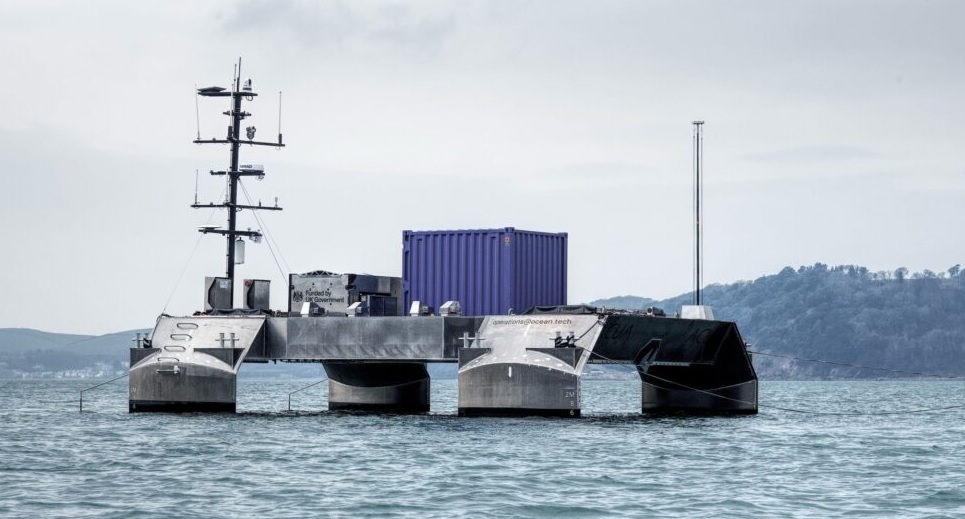
World
ACUA Ocean has officially introduced its latest uncrewed surface vessel (USV), the PIONEER, marking a significant advancement in maritime autonomy and naval technology. The naming ceremony, held on March 4, 2025, was a momentous occasion, bringing together industry leaders, stakeholders, and partners to celebrate years of research and innovation. The event was led by ACUA Ocean Chair Marta Krupinska, who performed the ceremonial christening by breaking a champagne bottle against PIONEER’s hull. The bottle held special significance, as it was awarded to ACUA Ocean in 2021 for winning the Rapid Challenge Competition, which recognized the company as one of the UK’s most innovative engineering startups. A Collaborative Effort Towards Autonomous Maritime Solutions During the ceremony, Krupinska emphasized that PIONEER’s development was a collective achievement, made possible by the support of partners and industry collaborations. CEO Neil Tinmouth also highlighted the vessel’s role as a platform for integrating advanced sensors and payloads, catering to various maritime operations. Industry experts from The Crown Estate, Blue Action, BP, and the Royal Navy participated in panel discussions, exploring the increasing adoption of uncrewed systems in defense, environmental monitoring, and offshore operations. The event underscored the growing reliance on autonomous solutions for enhancing efficiency and safety in maritime activities. PIONEER's Capabilities and Specifications The USV PIONEER is designed to operate across multiple domains, offering enhanced capabilities for defense, security, and environmental missions. Some of its key specifications include: Length: Approximately 12 meters Weight: Around 5,000 kg Endurance: Capable of extended missions with a range of over 1,500 nautical miles Propulsion: Hybrid propulsion system with hydrogen fuel-cell technology Speed: Capable of reaching speeds up to 20 knots Payload Capacity: Modular design supporting various sensor and weapon payloads Autonomy: Advanced AI-driven navigation for autonomous and remote-controlled operations Applications: Environmental monitoring, offshore infrastructure support, and naval defense PIONEER Begins Sea Trials Following the official unveiling, ACUA Ocean began testing and evaluation of PIONEER on March 11 in Plymouth Sound. Early sea trials have shown promising results under favorable weather conditions, but the vessel is set to undergo more rigorous testing in challenging environments to validate its full range of capabilities. With its cutting-edge design and adaptability, PIONEER is set to play a crucial role in the future of autonomous maritime operations, supporting both commercial and defense sectors in enhancing security, surveillance, and sustainability at sea.
Read More → Posted on 2025-03-11 16:02:01
World
Tajikistan has officially showcased its newly acquired HQ-17AE air defense system for the first time, marking a significant step in its military modernization efforts. The unveiling took place during a grand military parade celebrating the 32nd anniversary of the Tajik Armed Forces. The event highlighted four combat vehicles and two transporter-loader vehicles, signaling an increasing defense collaboration between Tajikistan and China. The HQ-17AE is an advanced short-range surface-to-air missile (SAM) system designed to intercept low- to medium-altitude aerial threats. Developed as a modernized version of the Russian Tor-M1, the HQ-17AE is known for its all-weather operational capability. It is equipped with state-of-the-art radar and fire-control systems, making it highly effective in neutralizing incoming aircraft, drones, and cruise missiles. Specifications of the HQ-17AE Missile Weight: Approximately 165 kg Missile Length: 2.9 meters Missile Diameter: 0.23 meters Interception Range: 1.5 km to 15 km Altitude Engagement: 10 meters to 10 km Radar System: 3D active phased-array radar Vehicle Speed: Up to 90 km/h Response Time: 10 seconds from target detection to engagement The HQ-17AE’s capabilities slightly surpass those of its Russian predecessor, offering improved tracking and engagement features. The system entered service with the Chinese People’s Liberation Army (PLA) in 2013 and was officially acknowledged by Chinese military officials in 2015. Tajikistan’s procurement of this air defense system reflects a broader regional shift toward Chinese-made military hardware. The country follows in the footsteps of its neighbor, Uzbekistan, which has also strengthened its air defenses with Chinese-built FM-90 and KS-1C missile systems. China's HQ-17AE has found buyers beyond Central Asia as well, with Serbia and Saudi Arabia among its international operators. This expanding export market underscores China's growing influence in global arms sales. For Tajikistan, the introduction of the HQ-17AE is more than just an upgrade—it is a strategic shift, positioning the country closer to China in defense and security cooperation.
Read More → Posted on 2025-03-11 15:57:53
World
The UK Commando Force, an elite unit within the Royal Marines, has officially adopted the Sig Sauer MCX rifle, marking a significant shift in their small arms arsenal. With over 1,500 rifles now in service, this move is part of a £6 million ($7.7 million) investment facilitated by British firearms distributor Edgar Brothers. The new weapons will replace older models from Colt Canada while complementing the existing Knights Armament Stoner 1 (KS-1) rifles. Enhanced Firepower for Specialized Missions Designed for extreme conditions, the Sig Sauer MCX will be deployed primarily by the Commando Forces operating with the Royal Navy’s Littoral Response Groups. These specialized units are tasked with high-stakes missions, including counter-terrorism and rapid-response operations worldwide. Lieutenant Colonel Olly Osborne, who is part of the Commando Force Programme team, emphasized the importance of this upgrade, stating, "These rifles reinforce the commitment of the Navy and Defence to our transformation, and the value the Commando Force provides to our national and international security." To ensure operational effectiveness, the Marines have undergone rigorous training with the MCX, including force-on-force drills and live-fire exercises, preparing them for combat in diverse and hostile environments. Sig Sauer MCX: Versatility and Performance While the Royal Navy has not disclosed the exact configuration of the procured rifles, the MCX is known for its modularity and adaptability. This firearm is capable of accommodating multiple calibers, including: 5.56x45mm NATO .300 Blackout 7.62x39mm 6.8mm Fury 5.56mm SIG Fury The rifle also offers various barrel lengths to suit different combat scenarios: 406mm (16-inch) Patrol Version – Ideal for standard infantry engagements 229mm (9-inch) Short-Barreled Rifle – Optimized for close-quarters battle A key feature of the MCX is its short-stroke gas piston system, which reduces recoil and enhances reliability, particularly in adverse conditions. A Tactical Leap for the UK’s Elite Forces The introduction of the Sig Sauer MCX reflects the Royal Marines' commitment to modernization and adaptability. With these new rifles, the UK Commando Force gains a highly capable and mission-flexible weapon system, ensuring they remain at the forefront of modern warfare and global security operations.
Read More → Posted on 2025-03-11 15:54:18
World
The United Nations Security Council is scheduled to hold a closed-door meeting on Wednesday to deliberate on Iran's expanding stockpile of uranium enriched near weapons-grade levels. This session comes at the request of six member countries: France, Greece, Panama, South Korea, the United Kingdom, and the United States. The primary agenda is to assess Iran's compliance with its international obligations and the potential implications for global security. Concerns Over Uranium Enrichment Levels Iran has been enriching uranium up to 60% purity, approaching the 90% threshold required for nuclear weapons. The International Atomic Energy Agency (IAEA) has expressed alarm over this acceleration, noting that such a high level of enrichment is uncommon for civilian nuclear programs. Iran maintains that its nuclear endeavors are solely for peaceful purposes, denying any intention to develop nuclear weapons. Historical Context: The 2015 Nuclear Agreement In 2015, Iran entered into the Joint Comprehensive Plan of Action (JCPOA) with six world powers—Britain, Germany, France, the U.S., Russia, and China. This accord lifted specific sanctions on Tehran in exchange for limitations on its nuclear program. However, in 2018, the U.S. withdrew from the agreement, prompting Iran to gradually deviate from its commitments under the JCPOA. Potential Reinstatement of Sanctions The JCPOA included a "snapback" mechanism, allowing for the re-imposition of international sanctions if Iran violated the terms. The United Nations Security Council Resolution endorsing the deal is set to expire on October 18, 2025. Before this date, Britain, France, and Germany have indicated their readiness to trigger the snapback provision to prevent Iran from acquiring a nuclear weapon. International Diplomatic Efforts Former U.S. President Donald Trump has expressed a desire to negotiate a new nuclear agreement with Iran, having sent a letter to Iran's Supreme Leader, Ayatollah Ali Khamenei, proposing the initiation of discussions. However, Iranian officials have dismissed the proposal, demanding the lifting of U.S. sanctions before any negotiations. Regional Military Developments In a display of military cooperation, China, Iran, and Russia have conducted joint naval drills in the Gulf of Oman. These exercises underscore the strengthening ties between these nations amid escalating tensions between Tehran and the U.S. Implications for Global Security The escalation of Iran's uranium enrichment activities poses significant challenges to international non-proliferation efforts. The upcoming UN Security Council meeting will be pivotal in determining the international community's response to Iran's nuclear advancements and in shaping the future of the JCPOA.
Read More → Posted on 2025-03-11 15:46:17
World
Russia has extended an offer to India for the transfer of technology (ToT) and local manufacturing of components for the S-400 air defence system. This proposal comes at a crucial time, as the delivery of the final two S-400 squadrons to the Indian Air Force (IAF) remains uncertain due to supply chain disruptions and geopolitical challenges stemming from the ongoing Ukraine conflict. The S-400 Deal and India's Air Defence Plans India signed a $5.43 billion contract with Russia in 2018 to procure five squadrons of the S-400 Triumf system. So far, three squadrons have been delivered and deployed along India's northern and eastern borders, significantly enhancing its aerial defence capability. These systems have already been integrated into India's air defence network and are being actively used for operational training. The S-400, known as the SA-21 Growler in NATO terminology, is a state-of-the-art mobile surface-to-air missile (SAM) system. It is designed to detect, track, and neutralize a wide range of aerial threats, including fighter jets, UAVs, cruise missiles, and even ballistic missiles. The system can engage targets at a maximum range of 400 km and an altitude of up to 30 km, making it one of the most formidable air defence platforms globally. However, the delivery of the final two squadrons has been delayed, raising concerns over supply chain reliability. In response, Russia has offered ToT and localized production of critical components to help India sustain and potentially expand its S-400 inventory. A Strategic Move Towards Self-Reliance Russia's offer aligns well with India's "Make in India" and "Aatmanirbhar Bharat" (self-reliant India) initiatives, aimed at strengthening domestic defence manufacturing capabilities. If India accepts the proposal, it could lead to the establishment of local supply chains for key S-400 components, ensuring a steady replenishment of spare parts and reducing dependency on foreign suppliers. However, implementing the ToT will require India to navigate multiple challenges, including: Technology Integration: Ensuring seamless absorption of transferred Russian technology into India's existing defence manufacturing ecosystem. Intellectual Property Considerations: Negotiating access to proprietary Russian defence technologies while maintaining India's strategic autonomy. Supply Chain Management: Securing raw materials and critical electronic components amidst ongoing Western sanctions on Russia. Project Kusha: India’s Indigenous Air Defence Alternative While considering Russia’s proposal, India is also developing its own long-range air defence system, Project Kusha, under the Defence Research and Development Organisation (DRDO). This indigenous project aims to develop an advanced air defence system with capabilities similar to the S-400, featuring a multi-layered missile defence network. Expected to have a range exceeding 350 km, Project Kusha is projected to be operational by 2028-29. If successful, Project Kusha could reduce India’s dependence on imported missile defence systems in the long run. However, until its completion, bolstering the S-400 system through localized manufacturing remains a practical solution to maintain India’s air defence readiness. India's decision regarding Russia’s ToT offer will be influenced by multiple factors, including strategic considerations, financial feasibility, and geopolitical risks associated with Western sanctions on Russian defence firms. If accepted, the move could significantly enhance India's defence self-sufficiency while ensuring uninterrupted operational capability of the S-400 system. With India balancing between enhancing indigenous capabilities and sustaining its existing defence infrastructure, the next steps will be crucial in shaping the country’s air defence strategy for the coming decades.
Read More → Posted on 2025-03-11 15:43:27
World
The OCCAR HYDIS (Hypersonic Defence Interceptor Study) programme has marked a crucial milestone with the successful completion of its first Solution Space Review (SSR). This achievement was followed by the 5th Workshop, where representatives from Germany, France, Italy, and the Netherlands convened at MBDA France to advance discussions on the next-generation interceptor system. Key Focus Areas The workshop was a platform for national and industry experts to deliberate on essential aspects of interceptor development. Among the primary areas of focus were: Resilience to Environmental Conditions: Ensuring the system remains effective across diverse and extreme operational environments. Safety and Tolerance Levels: Addressing stringent safety requirements and operational thresholds. Launch Platform Integration: Refining how the interceptor can be deployed from various ground and naval-based platforms. Sustainability in Long-Term Operations: Evaluating lifecycle management and future-proofing the system against emerging threats. Experts also discussed advancements in radar sensors, surface launch systems, and tactical datalinks. These elements are critical in shaping the interceptor’s effectiveness, improving target acquisition, and enhancing interoperability with allied defense networks. Interceptor Specifications While detailed specifications are still under refinement, the interceptor under development is expected to feature: Speed: Capable of engaging hypersonic threats exceeding Mach 5. Guidance System: Multi-mode seeker with radar and infrared tracking for enhanced accuracy. Propulsion: Advanced dual-stage rocket motor for extended range and maneuverability. Operational Range: Expected to cover a wide engagement envelope suitable for both land and naval defense. Kill Mechanism: Hit-to-kill technology for neutralizing high-speed threats with precision. Networking Capabilities: Enhanced tactical datalink integration for real-time target tracking and coordination with air and missile defense systems. Next Steps The 6th User Workshop is scheduled for April 2025 in Paris. This session will further refine integration strategies to ensure compatibility with national defense systems, advancing the programme’s objective of strengthening Europe’s hypersonic threat defense capabilities.
Read More → Posted on 2025-03-11 15:28:31Search
Top Trending in 24 Hours
-
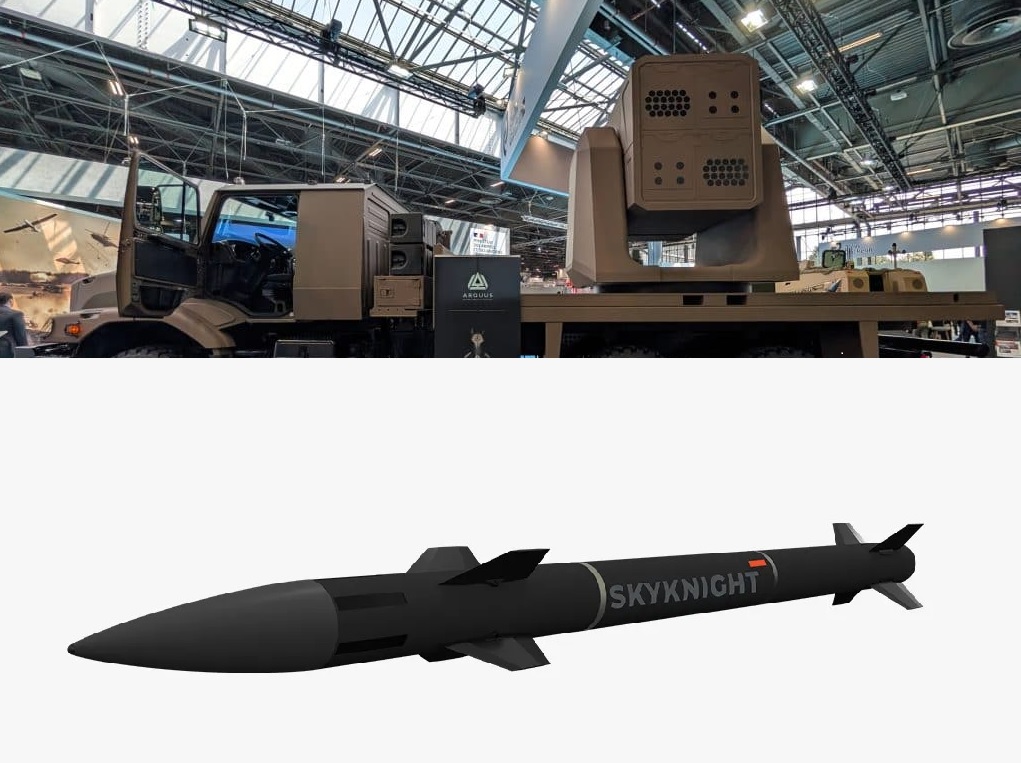 Naval Group Unveils Rampart Modular CIWS Multi-Purpose Weapon System for Naval and Ground Forces at Eurosatory 2026
-
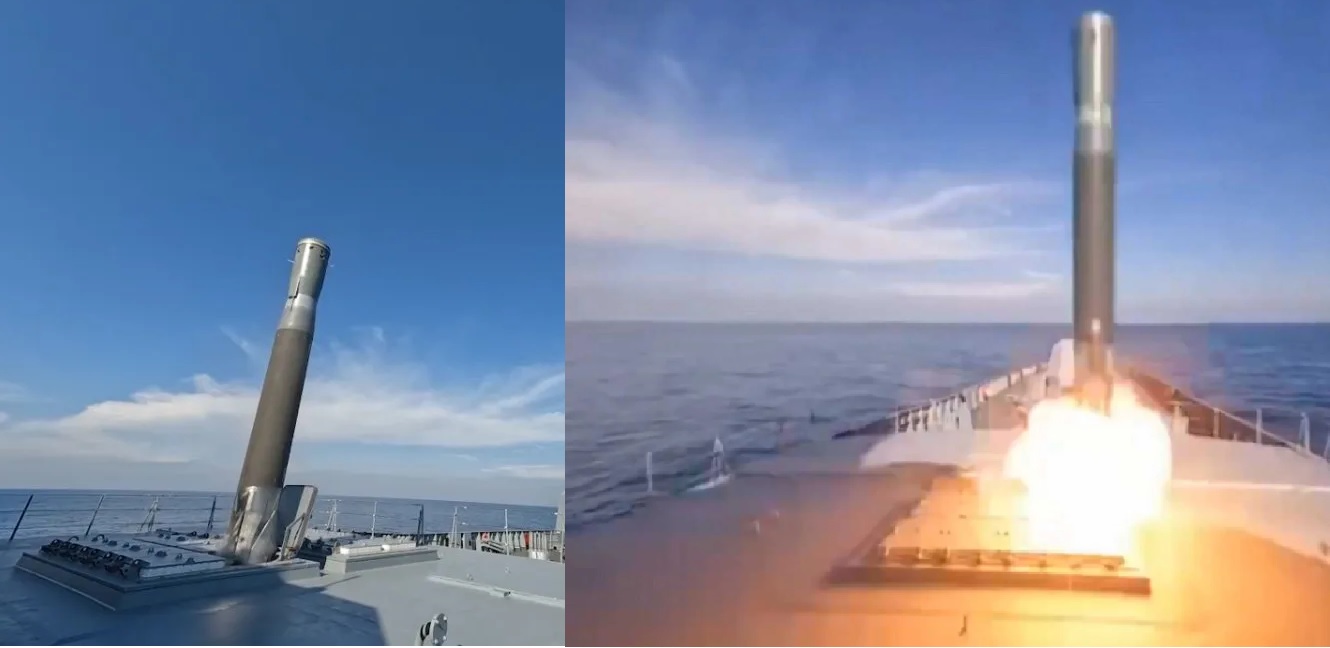 Open-Source Evidence Suggests Russia's Zircon Is a Quasi-Ballistic Missile, Not a True Hypersonic Cruise Weapon
-
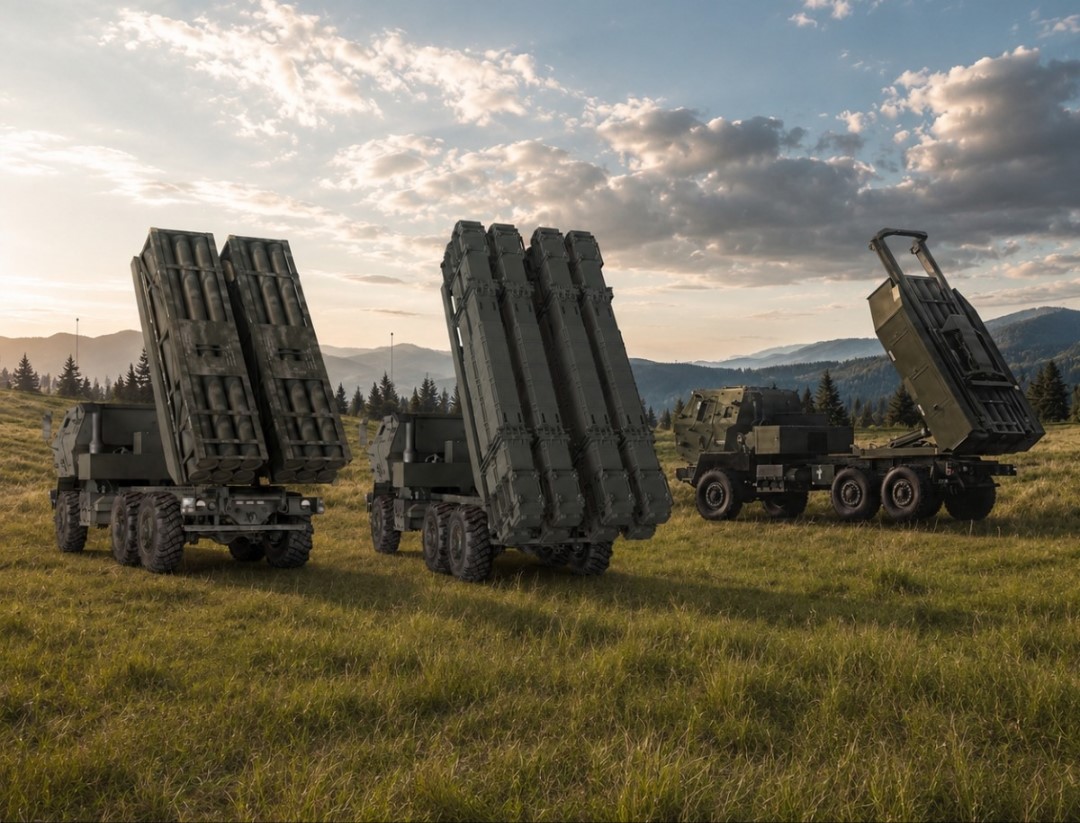 Lockheed Martin Unveils HIMARS FLEX with Dual-Pod Launcher and NATO-Compatible Air Defense Integration
-
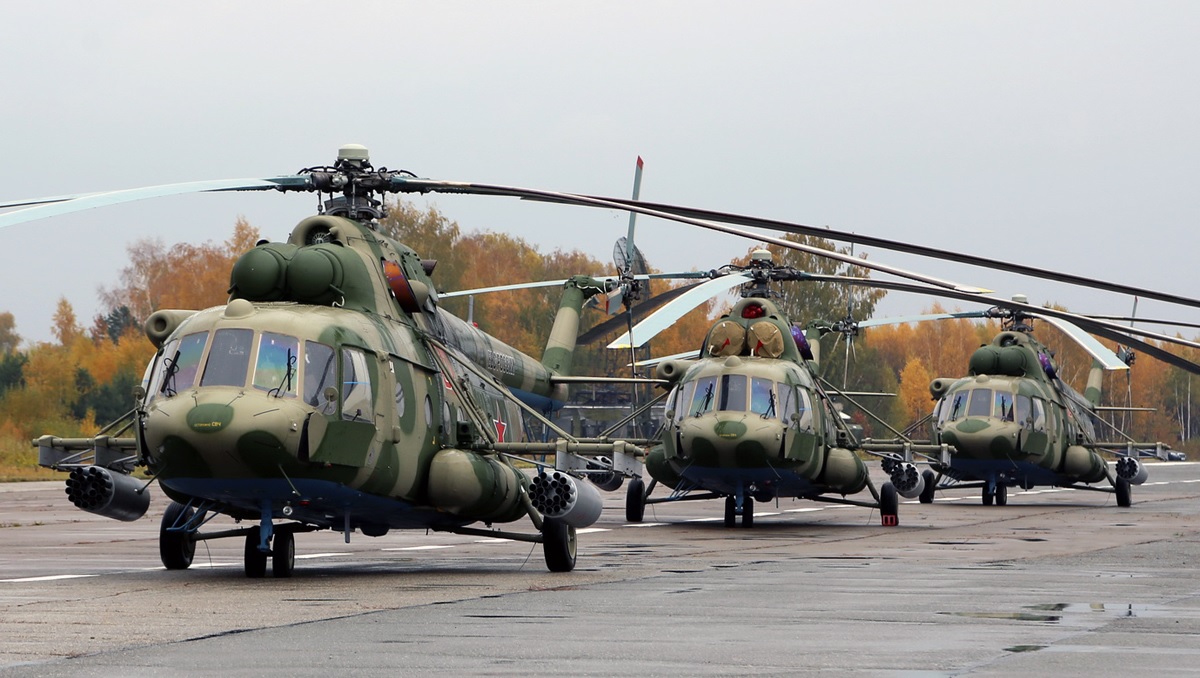 Iran Signs Deal with Russia for 20 Mi-8 and Mi-17 Helicopters to Boost Rescue and Medical Missions
-
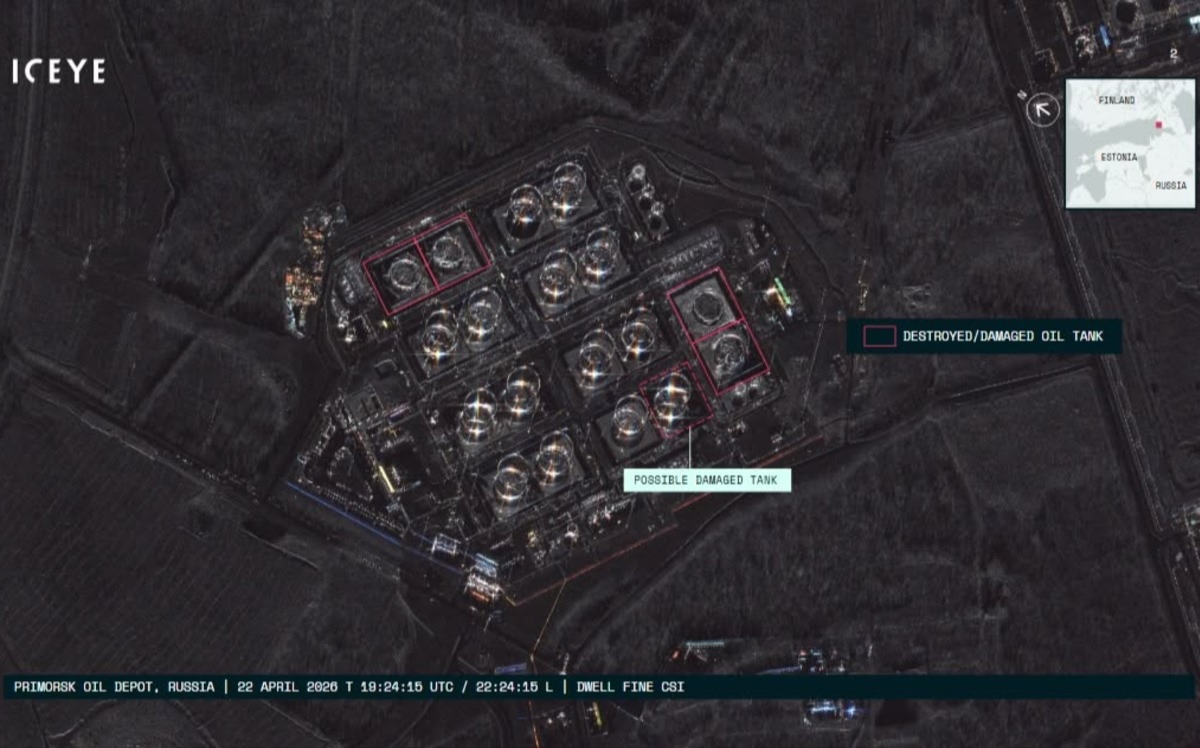 Portugal Doubles Sovereign SAR Satellite Fleet with Order for Two Additional ICEYE Satellites
-
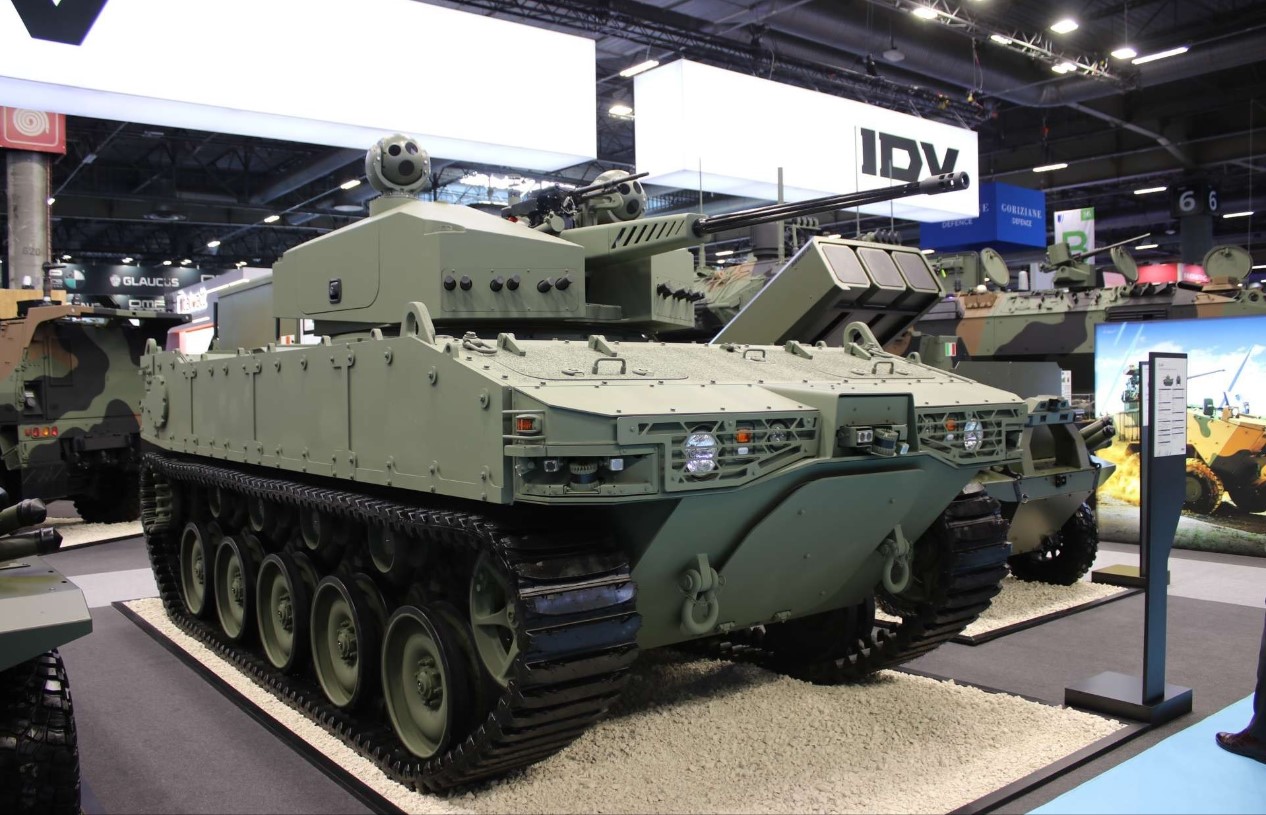 IDV Unveils CL2X Hybrid Uncrewed Light Tank at Eurosatory 2026
-
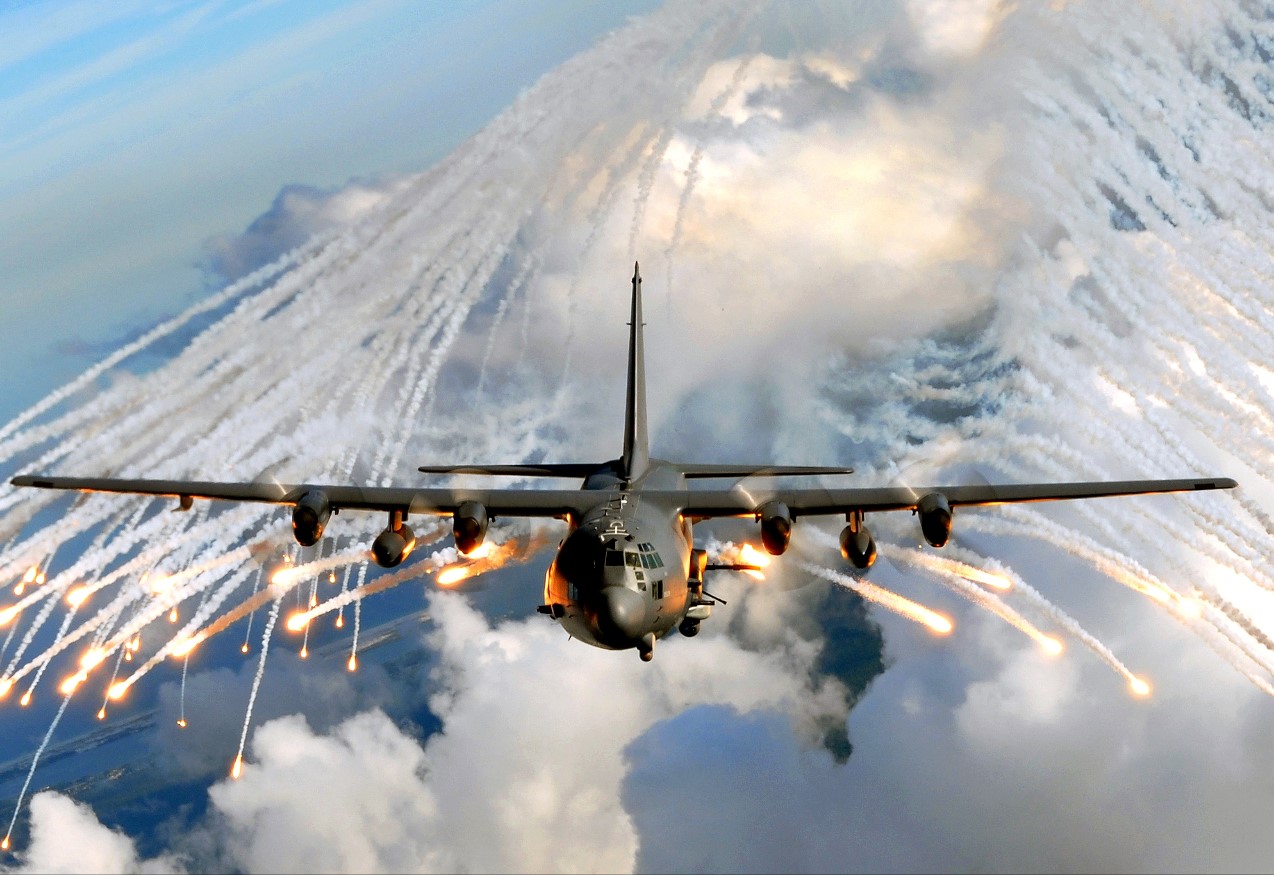 Pentagon Expands Alloy Surfaces Contract to $328.8 Million for Advanced Aircraft Decoy Flares Amid Evolving Drone Threats
-
 Why the U.S. Restored Pacific Command Name, Ending the Indo-Pacific Designation After Eight Years
Top Trending in 4 Days
-
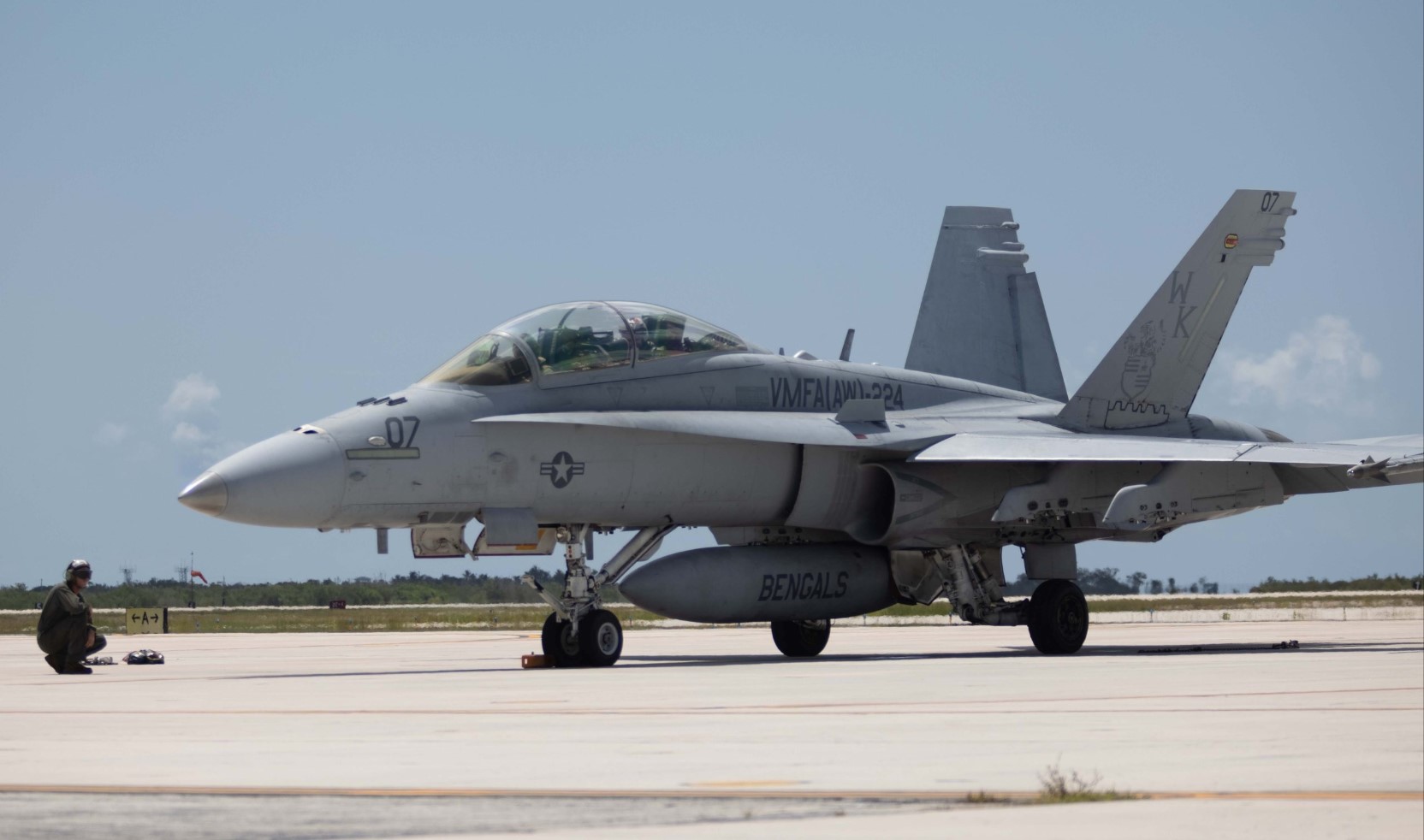 US Marine Corps F/A-18D Hornet Crashes During Training Flight in Washington Mountains; Pilot Ejects Safely
-
 Tulsi Gabbard Releases Declassified Files Detailing U.S.-Backed Network of 120 Biolaboratories Across 30+ Countries
-
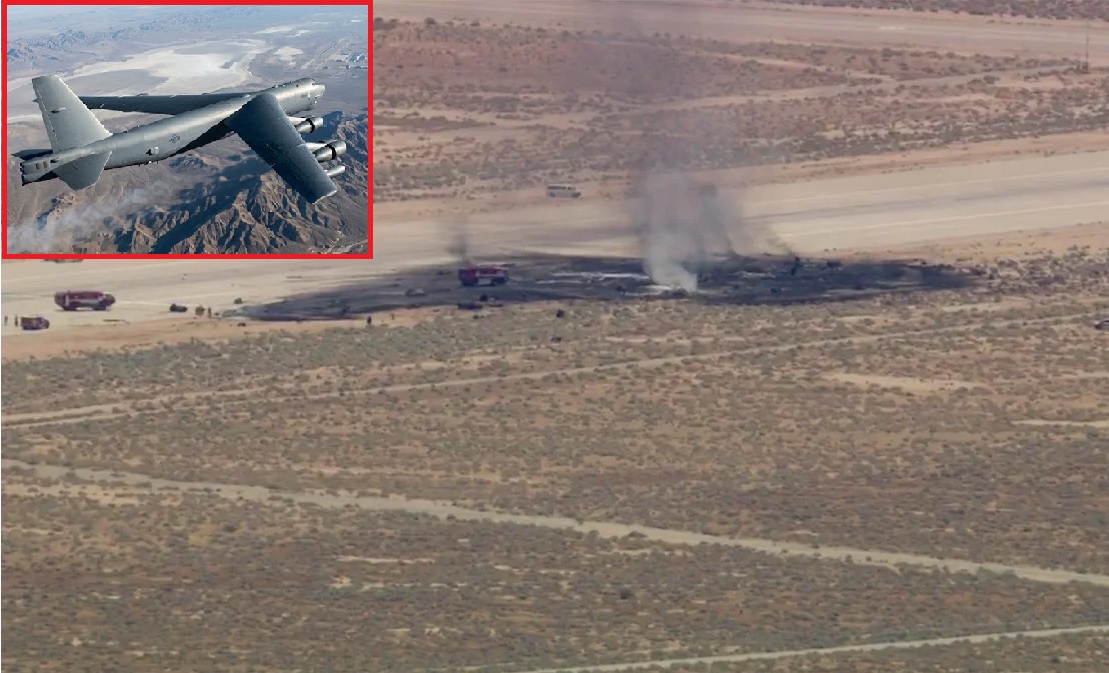 8 U.S. Air Force Crew Members Killed in B-52 Bomber Crash During Test Flight at Edwards Air Force Base
-
 Ukraine Introduces Balloon-Launched DART Missile Designed to Defeat Electronic Warfare
-
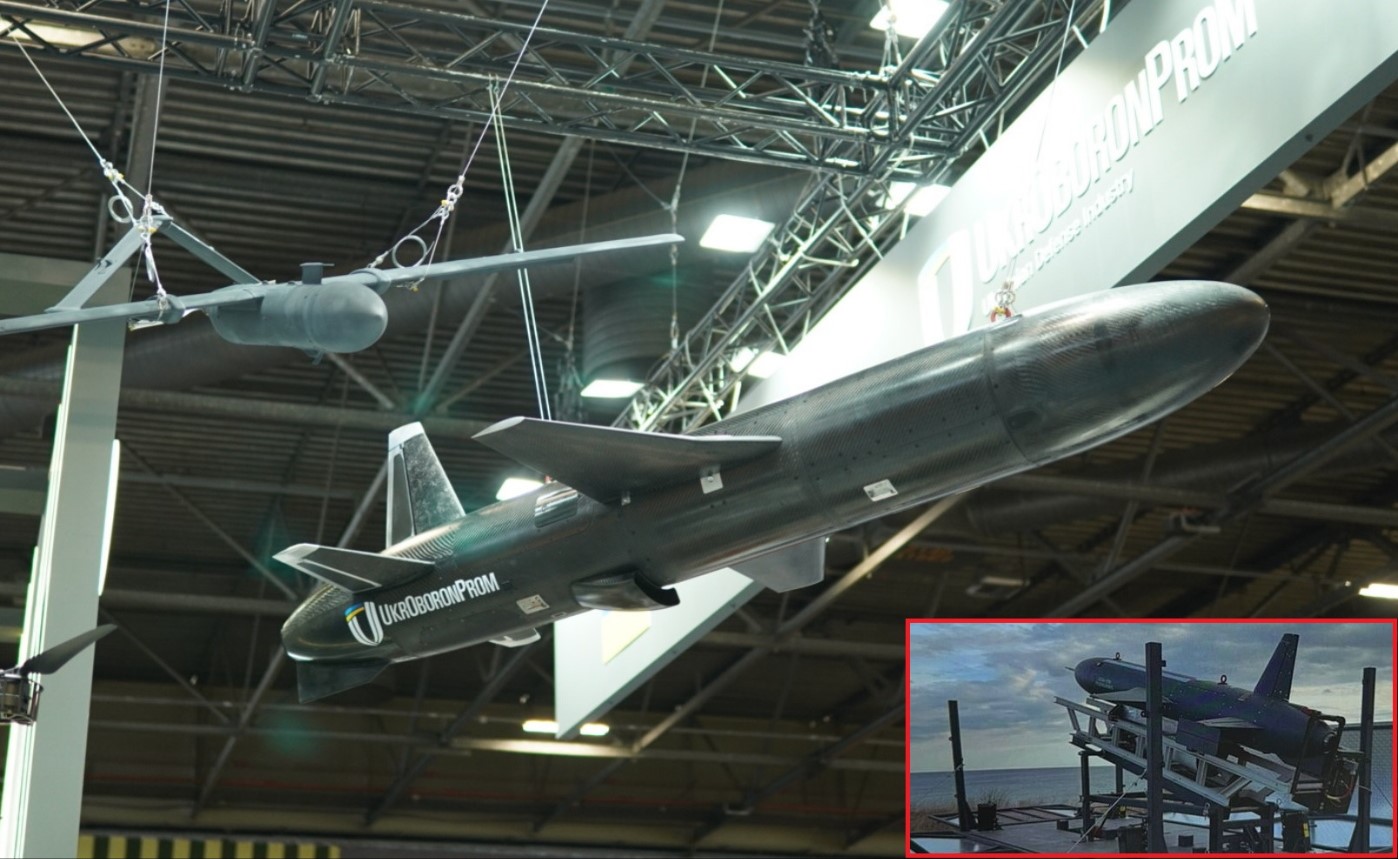 Ukraine Unveils UAV-290 Jet-Powered Strike Drone with 650 km Range at Eurosatory 2026
-
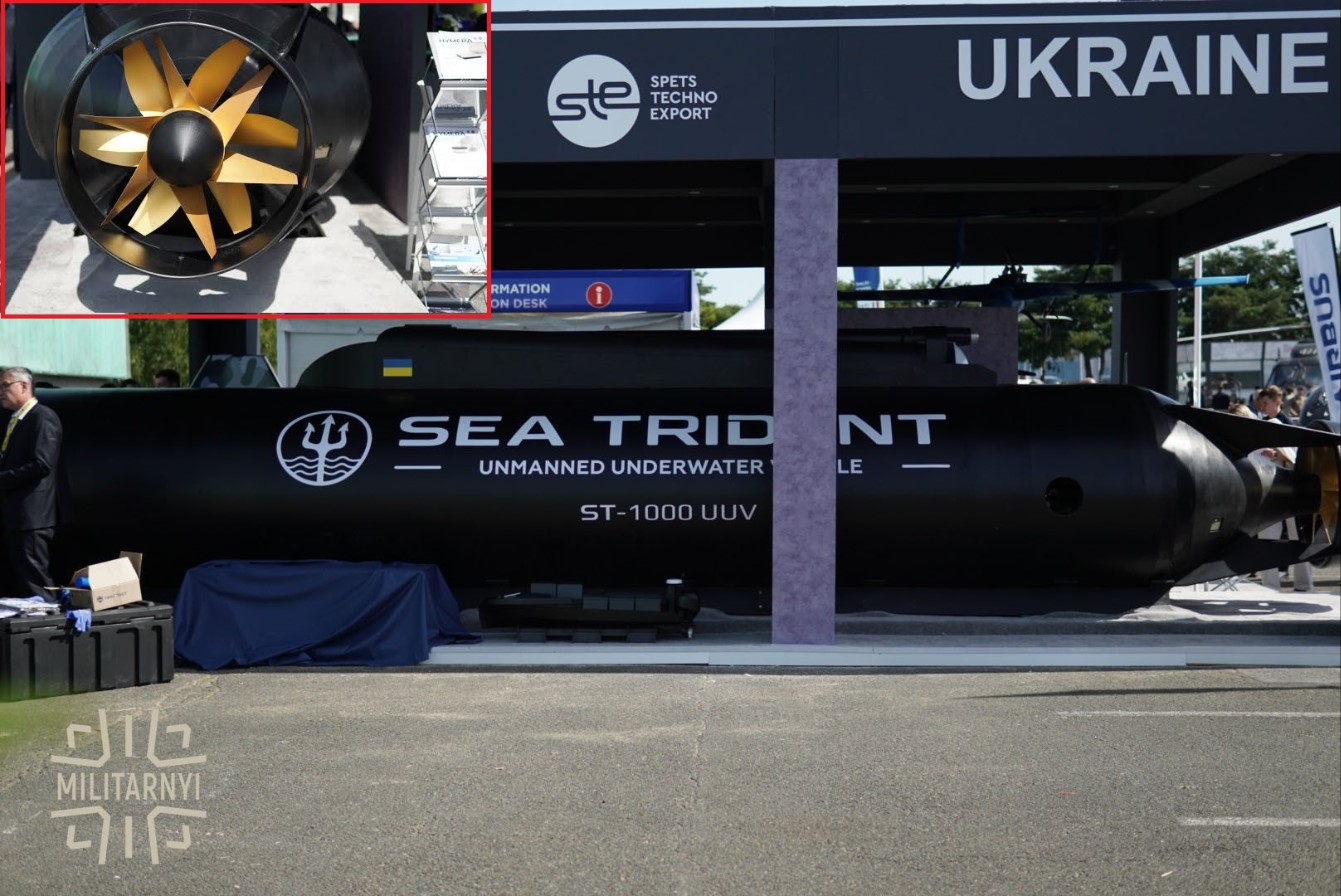 Ukraine Unveils 'Sea Trident' 10-Ton Autonomous Underwater Drone at Eurosatory 2026
-
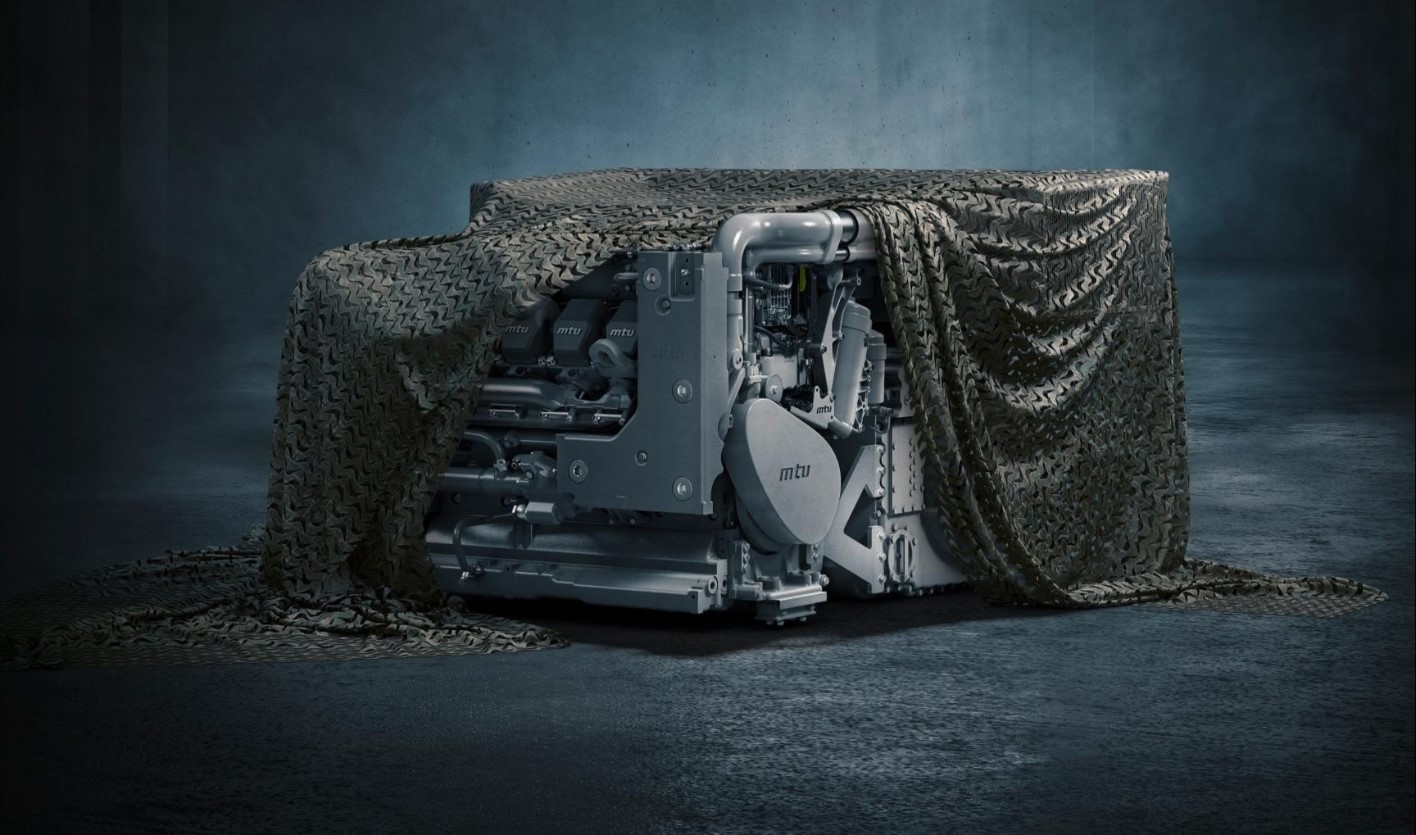 Rolls-Royce Unveils New Hybrid Powertrain for Heavy Military Vehicles at Eurosatory 2026
-
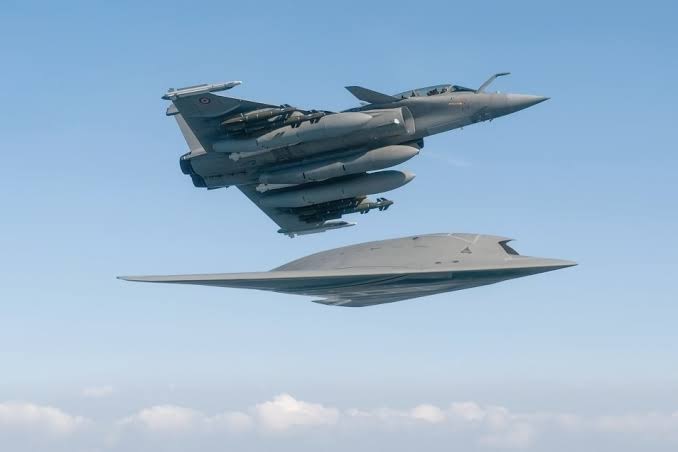 France Agrees to Equip Future Indian Rafales with AI, MUM-T and Secure Satellite Links Under F5 Standard