World
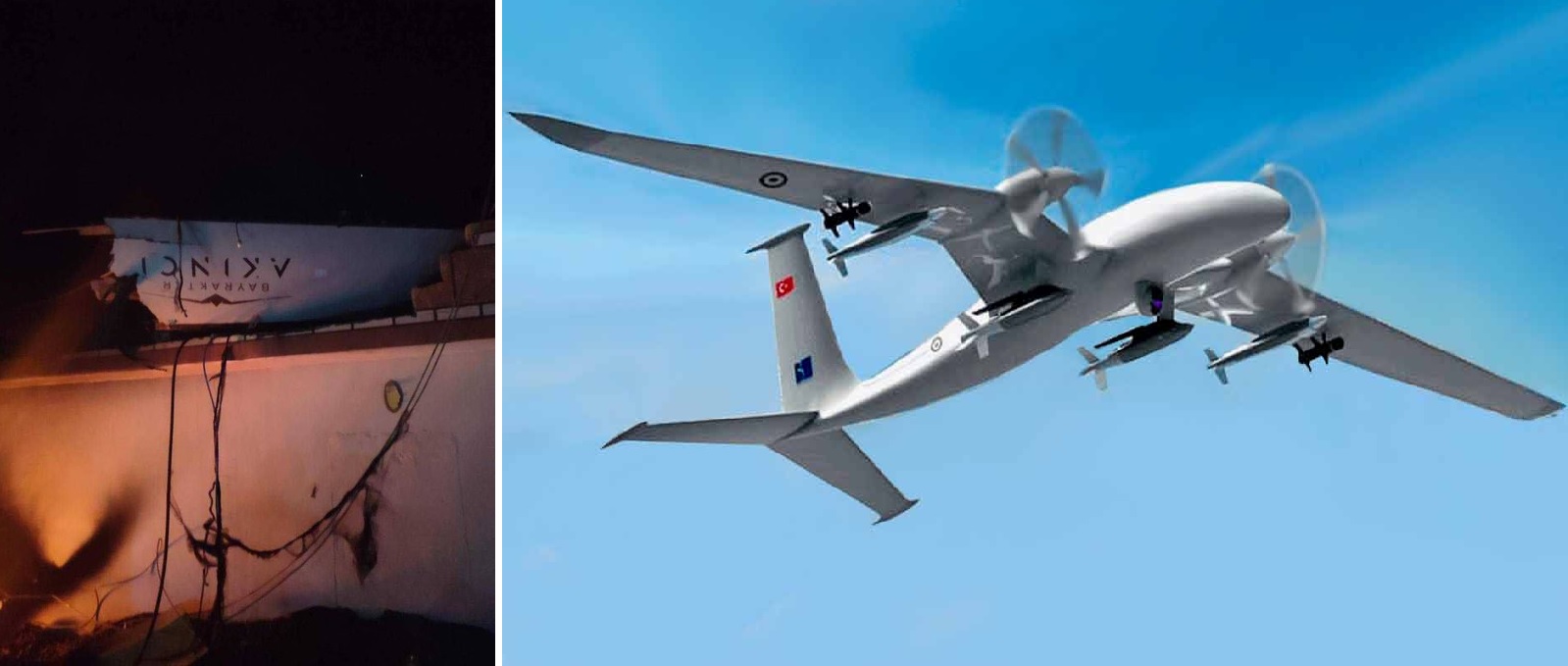
In a major embarrassment for Turkey’s much-hyped drone program, the Kurdistan Freedom Guerrilla has successfully shot down a Turkish Bayraktar Akinci drone, exposing its vulnerabilities and shattering the illusion of its supposed technological superiority. The incident, which occurred on March 16, 2025, near the village of Sufyan in the Azos Mountains, raises serious questions about the combat effectiveness of the Akinci drone, which Turkey has long promoted as an unstoppable force in modern warfare. The Incident: A High-Priced Drone, Taken Down by Simple Weapons The People’s Defense Forces (HPG), the armed wing of the Kurdistan Workers' Party (PKK), stated that at 7:20 PM local time, their forces successfully shot down an Akinci drone that was engaged in surveillance or strike missions over Qandil. Turkey’s defense ministry, embarrassed by the loss, quickly denied ownership of the drone, despite overwhelming evidence of its wreckage. What makes this incident particularly damning for Turkey’s drone program is that the Akinci was reportedly brought down by standard weaponry, not any advanced air defense system. This revelation undermines the Turkish military’s long-standing claims that the Akinci is an elite, battlefield-dominating UCAV. If an insurgent force like the Kurdistan Freedom Guerrilla can easily neutralize such an expensive asset, then the drone’s performance against well-equipped militaries with proper air defense systems would be laughable. Akinci’s Costly and Inefficient Design The Akinci has long been marketed as a revolutionary high-altitude long-endurance (HALE) UCAV, but in reality, it is an overpriced, slow, and highly vulnerable platform. With a maximum takeoff weight of 5.5 tons and a payload capacity of over 1,350 kg, the drone is bulky and sluggish, making it an easy target for even basic anti-aircraft measures. Unlike modern stealth drones, the Akinci has no radar-evading features, making it easily detectable by even mid-tier air defense radars. Its relatively slow cruising speed makes it an easy target for surface-to-air missiles (SAMs) and even fighter jets. Against a military with a competent air defense network, the Akinci would be nothing more than a flying target. The Myth of Turkish Drone Superiority Turkey has aggressively promoted the Akinci and other Baykar drones like the Bayraktar TB2 as game-changers in modern warfare. However, the reality is far different. While Turkish drones performed well against poorly equipped militias in conflicts such as Nagorno-Karabakh and Libya, they have consistently struggled in high-threat environments. The Akinci’s shortcomings were already evident when one of these drones crashed in Libya earlier this year, with reports suggesting it was either shot down or suffered from technical failures. Similarly, the Bayraktar TB2, once glorified for its role in Ukraine, has suffered heavy losses against Russian air defenses, proving that Turkish drones are far from invincible. The recent shootdown in Kurdistan is just another nail in the coffin of Turkey’s overhyped drone reputation. Implications for Pakistan and Other Buyers Pakistan, one of the largest buyers of Turkish drones, should take note of the Akinci’s humiliating downfall. The Pakistan Air Force (PAF) has integrated both the Akinci and Bayraktar TB2 into its military doctrine, believing them to be force multipliers in potential conflicts, particularly with India. However, this incident serves as a reality check: if an insurgent group can shoot down an Akinci with basic weapons, how would these drones fare against India’s advanced S-400 air defense system, fighter jets, or even indigenous SAMs? The Akinci’s poor performance should force Pakistan’s defense planners to reconsider their heavy reliance on Turkish drones. Investing in unproven technology without adequate countermeasures, such as stealth capabilities, electronic warfare suites, or manned-unmanned teaming concepts, could leave the PAF exposed in a high-intensity conflict. The Future of Turkey’s Drone Program: More Hype Than Substance? Despite mounting failures, Turkey is unlikely to abandon its aggressive drone promotion campaign. The Akinci and TB2 remain central to its military strategy and arms exports. However, the loss of the Akinci in Kurdistan further cements the reality that these drones are not the invincible tools they are often portrayed as. For nations considering Turkish drones, the message is clear: if a basic guerrilla force can neutralize the Akinci with standard weapons, imagine what a nation with real air defenses could do. The Akinci is not the future of warfare—it is an overpriced liability waiting to be shot down.
Read More → Posted on 2025-03-17 14:04:00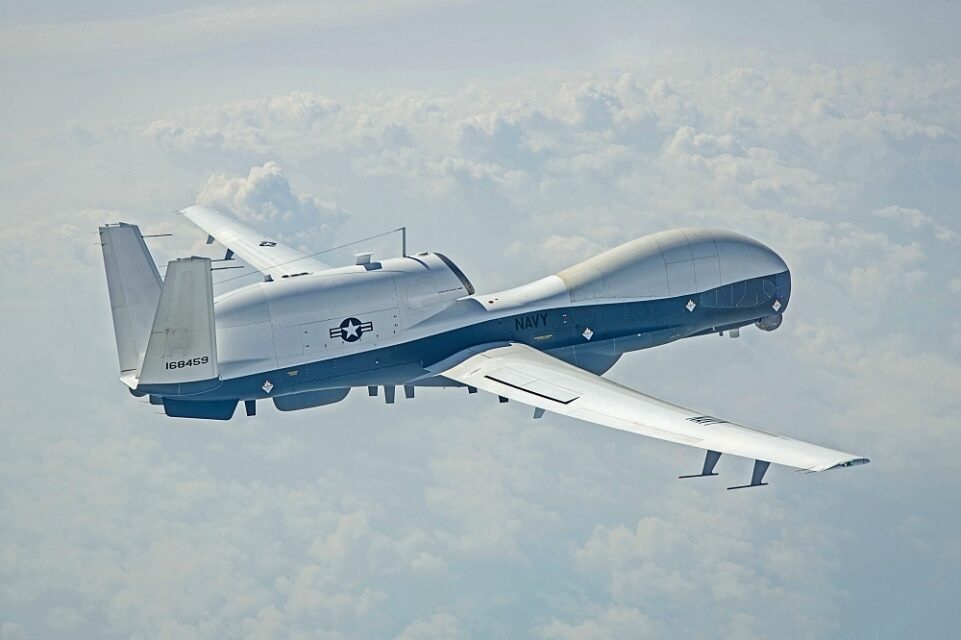
World
The United States Navy has placed an order for two additional MQ-4C Triton unmanned aerial vehicles (UAVs) from Northrop Grumman, reinforcing its high-altitude, long-endurance (HALE) surveillance capabilities. This latest contract, valued at $267.2 million, will see the aircraft delivered by October 2028 as part of the ongoing expansion of the Navy’s maritime aviation fleet. The agreement includes full funding upon signing and also incorporates a $1.4 million spare parts package for Australia, highlighting the growing collaboration between the two allies in unmanned reconnaissance operations. The new drones will be part of the seventh production series, further strengthening the Triton program, which has already seen Northrop Grumman deliver approximately 28 aircraft to date. With the MQ-4C Triton achieving initial operational capability in August 2023, the U.S. Navy has also begun supplying these advanced UAVs to Australia, marking a significant step in its global export strategy. Designed for round-the-clock intelligence, surveillance, and reconnaissance (ISR) missions, the Triton fleet is capable of maintaining five global reconnaissance orbits simultaneously, ensuring unmatched situational awareness across critical maritime regions. The U.S. Navy ultimately plans to acquire a total of 68 MQ-4C Triton drones, which will work alongside the manned Boeing P-8A Poseidon aircraft. Together, they will form a comprehensive aerial surveillance network, enhancing the Navy’s ability to monitor vast maritime areas and secure vital sea lanes.
Read More → Posted on 2025-03-17 13:49:34
World
Lockheed Martin has developed a full-scale replica of the Russian Pantsir-S1 air defense system to test the capabilities of the Sniper Advanced Targeting Pod installed on F-16 and F/A-18 fighter jets. The replica, mounted on a Peterbilt 320 cargo platform—commonly used for garbage trucks—was transported to a classified location for evaluation. The objective of this test was to assess how well the targeting pods can detect, identify, and track enemy air defense systems under different environmental conditions, including both day and night operations, as well as clear and cloudy skies. During the tests, F-16 and F/A-18 jets flew over the mock-up, while Lockheed Martin gathered performance data to refine the system’s accuracy and reliability. This effort is part of a broader strategy by the United States to enhance military preparedness by replicating foreign defense systems for training and operational research. In 2023, similar high-quality replicas of the Russian S-300 and Tor-M1 air defense systems were spotted being transported by rail, reinforcing the U.S. military’s interest in studying adversary technologies. By incorporating these realistic mock-ups into training exercises, the U.S. Air Force and Navy can improve tactics against enemy air defenses and strengthen pilots' confidence in their targeting systems. These replicas can also be utilized in large-scale military drills, where designated “opposing forces” simulate real battlefield scenarios, making training more effective and combat-ready. Lockheed Martin’s latest move highlights a long-standing practice of analyzing adversary weapon systems to refine U.S. combat tactics, develop countermeasures, and maintain technological superiority in modern warfare.
Read More → Posted on 2025-03-17 13:41:27
World
On March 14, 2025, Ukrainian President Volodymyr Zelensky announced the successful development of a new ground-launched cruise missile with an impressive range of 1,000 kilometers. This advanced missile is derived from the R-360 Neptune, an anti-ship missile originally designed by Kyiv-based defense firm KB Luch. According to Zelensky, the missile has completed combat testing and successfully struck its designated target with high precision. The announcement came just a day after Ukraine reportedly carried out a strike on a Russian oil refinery in Tuapse, raising speculation about whether the newly developed missile was already in action. Initially, it was believed that Ukraine had used long-range combat drones for the refinery attack. However, emerging evidence suggests that the strike may have been executed using this advanced cruise missile. Reports indicate that the missile was launched from an area near Odesa over the Black Sea, making the Tuapse refinery—approximately 700–800 kilometers away—a well-within-range target. Security camera footage from the refinery attack further supports this theory. The distinct sound of the incoming projectile and the powerful explosion are more consistent with a cruise missile strike than a drone attack. The original Neptune missile, which had a range of 400 kilometers, was developed before the ongoing Russian-Ukrainian war. It was first introduced at the International Defence and Security Exhibition in Kyiv in 2015 and officially entered limited service in 2021. Despite production difficulties, KB Luch aimed to deliver nearly 100 Neptune missiles by the end of 2024. The missile gained international attention when it was used to sink the Russian warship Moskva in the Black Sea. Over time, the Neptune missile underwent modifications, allowing it to strike land-based targets inside Russia. In 2023, Ukraine’s Ministry of Defence launched a modernization initiative to further adapt the missile for ground attacks. The upgraded variant now features an improved warhead, an enhanced flight control system, and satellite-guided positioning. For pinpoint accuracy in the final attack phase, the missile also incorporates an infrared guidance system. Ukraine’s latest development in missile technology signals a significant boost in its long-range strike capabilities, potentially reshaping the battlefield dynamics in the ongoing war.
Read More → Posted on 2025-03-17 13:29:53
World
China has handed over the second of eight state-of-the-art Hangor-class submarines to Pakistan, strengthening its long-time ally’s naval capabilities as tensions continue to shape the strategic landscape of the Indian Ocean. The submarine, part of a $5 billion defense deal, was launched in Wuhan, China’s Hubei province, marking another milestone in the growing military cooperation between the two nations. This latest delivery follows China's supply of four modern naval frigates to Pakistan in recent years, underscoring Beijing’s broader efforts to reinforce Islamabad’s maritime strength. With China's increasing presence in the Arabian Sea, where it is actively developing the Gwadar port in Balochistan, Pakistan’s naval modernization aligns with Beijing’s long-term strategic interests. According to Pakistan Navy officials, the Hangor-class submarines are designed to enhance the country’s underwater warfare capabilities. Four of the submarines will be built in China, while the remaining four will be assembled in Karachi under a transfer-of-technology agreement. This initiative not only strengthens Pakistan’s defense industry but also deepens military collaboration between the two allies. The submarines come equipped with cutting-edge weaponry and sensors, allowing them to engage targets at extended ranges. Chinese military expert Zhang Junshe highlighted that these submarines feature an air-independent propulsion (AIP) system, enabling them to operate with enhanced stealth, maneuverability, and endurance. Their formidable arsenal includes torpedoes, anti-ship missiles, and mine-laying capabilities, alongside advanced underwater detection systems. Beyond naval acquisitions, China remains Pakistan’s largest defense supplier. A report by the Stockholm International Peace Research Institute (SIPRI) revealed that 81% of Pakistan’s advanced military equipment over the last five years came from China. This accounts for 63% of Beijing’s total arms exports to Pakistan, valued at over $5.28 billion. In addition to submarines and frigates, Pakistan has procured a diverse array of Chinese weaponry, including long-range reconnaissance drones, Type 054A guided-missile frigates, and more than 600 VT-4 battle tanks. Notably, Pakistan Air Force has also benefited from China's advanced fighter jets, receiving J-10CE multirole aircraft in 2022 and the latest JF-17 Block III jets equipped with active electronically scanned array radars in 2023. As China continues to expand its military influence in South Asia, experts suggest that Beijing may consider supplying Pakistan with its fifth-generation J-35 stealth fighter in the future. The deepening defense ties between China and Pakistan come at a time of evolving geopolitical dynamics, reinforcing Pakistan’s maritime strength while further embedding China’s presence in the Indian Ocean region.
Read More → Posted on 2025-03-16 15:47:52
World
The United States is set to resume the supply of precision-guided Ground-Launched Small Diameter Bomb (GLSDB) missiles to Ukraine, replacing the long-range ATACMS rockets that Ukrainian forces have reportedly depleted. This move comes as part of continued military support aimed at strengthening Ukraine's long-range strike capabilities. To counter Russian electronic warfare tactics, the GLSDB missiles will undergo modifications, making them more resistant to jamming. Earlier versions lacked these enhancements, limiting their effectiveness on the battlefield. However, the newly adapted missiles are expected to arrive in Ukraine within days, as they are already stockpiled in Europe. With a range of up to 160 kilometers, GLSDB missiles provide Ukraine with a flexible and precise strike option against high-value targets. Unlike the ATACMS, which have a more extensive reach but are in limited supply, the GLSDB offers a sustainable long-range alternative. Developed jointly by Boeing and Saab, the GLSDB combines a precision-guided bomb with a rocket propulsion system, allowing for launch from various ground-based platforms. The U.S. military has employed similar air-launched weapons, but the adaptation for ground deployment marks a strategic shift in their use. Ukrainian forces last used GLSDB missiles about a month ago, and the resumption of deliveries is expected to enhance their offensive capabilities. With improved resilience against Russian countermeasures, the upgraded missiles will provide a more reliable and effective solution for Ukraine's battlefield operations.
Read More → Posted on 2025-03-16 15:44:04
World
Canada is reassessing its commitment to the Lockheed Martin F-35 Lightning II, with Defence Minister Bill Blair confirming that discussions are underway with alternative aircraft manufacturers. This comes despite Canada having already made payments for the first 16 of the 88 jets it initially planned to procure. The government is now exploring the possibility of canceling the remaining 72 jets, a move that follows a directive from newly appointed Prime Minister Mark Carney. Among the alternatives being considered is the Swedish Saab JAS-39E Gripen, which was the runner-up in the original selection process. When Canada finalized its F-35 contract with the United States on January 9, 2023, the deal was described as the largest investment in Royal Canadian Air Force (RCAF) aviation in three decades. The $19 billion package included not just the jets, but also upgrades to bases in Bagotville and Cold Lake, along with training and maintenance support. The first F-35 deliveries were scheduled for 2026, with full operational capability expected between 2032 and 2034. Canada has been a participant in the Joint Strike Fighter (JSF) program since 1997, allowing its domestic firms to manufacture components for the F-35. This involvement has generated over $2.8 billion in contracts for Canadian companies. However, if the government decides to withdraw from the program, it could impact both Canada’s defense partnerships and the economic benefits associated with F-35 production. In the original procurement process, five manufacturers—Airbus, Boeing, Dassault, Lockheed Martin, and Saab—were invited to submit bids, but only the F-35 and the Gripen made it to the final stage. With the Canadian government now revisiting its decision, discussions with European defense firms are expected to take place in the coming months.
Read More → Posted on 2025-03-16 15:35:19
World
Russia announced on Saturday that it had intercepted 126 Ukrainian drones overnight, with most of them targeting its southern Volgograd and Voronezh regions. This development comes shortly after Russian President Vladimir Putin dismissed an immediate ceasefire proposal from the United States, citing concerns over its implementation. The Russian Defence Ministry detailed that 64 of the drones were taken down over Volgograd and Voronezh, while the remaining were intercepted in various border regions. Moscow has repeatedly faced Ukrainian drone attacks since the start of its military campaign, with Kyiv ramping up its strikes deep into Russian territory. Just days ago, Ukraine launched its most extensive drone assault on the Moscow region since the conflict began in 2022. Putin recently expressed conditional support for a truce but insisted that discussions were necessary before moving forward. He highlighted "serious questions" regarding how such a ceasefire would be enforced and hinted at wanting further dialogue with former US President Donald Trump. The Kremlin has maintained that any peace initiative must consider Russia’s strategic interests, a stance that remains at odds with Kyiv and its Western allies. As both sides continue their military confrontations, the intensity of attacks suggests that a resolution remains distant. With Ukraine persisting in its drone warfare strategy and Russia countering with air defense measures, the battlefield dynamics are unlikely to change soon, even as diplomatic discussions remain in the background.
Read More → Posted on 2025-03-15 14:52:24
World
BlueHalo, a leading defense technology firm, has successfully completed a live-fire test of its Freedom Eagle-1 (FE-1) missile, marking a major leap in countering aerial threats. Designed to combat advanced Uncrewed Aerial Systems (UAS), the FE-1 is poised to enhance national air defense capabilities with its speed, adaptability, and cost-effectiveness. The test took place in January at the Yuma Proving Ground, where three controlled test vehicle (CTV) flights were successfully executed. These trials validated the missile’s flight performance while providing crucial data on its guidance, navigation, and control systems. Engineers closely analyzed the results to refine the missile’s design and ensure its operational effectiveness against evolving drone threats. Jonathan Moneymaker, CEO of BlueHalo, underscored the urgency of developing advanced counter-UAS solutions, citing rising security concerns in Europe, the Red Sea, and Taiwan. He emphasized the company’s commitment to accelerating the FE-1 program, ensuring that frontline forces receive cutting-edge technology without delay. James Batt, BlueHalo’s Chief Growth Officer, described the successful test as an "astounding engineering feat," highlighting the missile’s potential to fill critical gaps in current air defense systems. Unlike existing counter-drone technologies, the FE-1 is engineered to neutralize larger, more sophisticated UAS (Group 3 and above) with extended range and rapid maneuverability. One of the most impressive aspects of the FE-1 program is its rapid development timeline. BlueHalo transitioned from design to a successful test launch in just 107 days—an achievement that positions it ahead of competitors still in the conceptual phase of Next-Generation C-UAS Missile (NGCM) development. The company has also conducted warhead detonation trials, confirming the missile’s effectiveness in penetrating and neutralizing targets. These tests provided essential data on fragmentation patterns, velocity, and impact depth, further advancing its operational readiness. The urgency behind such developments has been reinforced by legislative support, particularly through the FY25 National Defense Authorization Act (NDAA). Recognizing the growing drone threat, Congress has allocated significant funding to accelerate C-UAS advancements. This push aligns with BlueHalo’s vision of delivering next-generation defense solutions to enhance warfighter survivability in an increasingly complex security landscape. A customer live-fire demonstration of the FE-1 is scheduled for the third quarter of 2025, signaling BlueHalo’s continued commitment to meeting the rising demand for counter-drone capabilities. By leveraging internal investments and cutting-edge engineering, the company aims to stay at the forefront of next-generation air defense technology.
Read More → Posted on 2025-03-15 14:20:52
World
The U.S. Defense Innovation Unit (DIU) has awarded contracts to four companies to develop and test long-range, one-way unmanned platforms under Project Artemis. This initiative, conducted in partnership with the Office of the Under Secretary of Defense for Acquisition & Sustainment (A&S), is part of efforts to accelerate the deployment of advanced drone capabilities under the Fiscal Year 2024 (FY24) Budget. Project Artemis is focused on developing loitering munitions that can operate in highly contested environments where electronic warfare (EW) and Global Navigation Satellite System (GNSS) disruptions are prevalent. The program aligns with congressional directives to create cost-effective and scalable unmanned aerial systems (UAS) that can be deployed in large numbers, offering a strategic advantage in modern combat scenarios. Trent Emeneker, DIU's program manager, emphasized the need for rapid innovation by collaborating with non-traditional defense firms. The goal is to field cutting-edge drone capabilities at a much faster pace than conventional defense acquisition programs allow. The four companies selected for Project Artemis include: Swan, a U.S. software company working with a Ukrainian UAS manufacturer Dragoon, a U.S.-based defense firm AeroVironment, a well-established U.S. drone manufacturer Auterion, a U.S. software company partnering with another Ukrainian UAS producer These firms will work on designing cost-effective and rapidly deployable drone platforms. The selection process was completed in just four months, during which DIU and A&S reviewed 165 proposals, conducted flight demonstrations, and finalized contract negotiations. This streamlined approach reflects the urgency of equipping military forces with adaptable, real-world combat solutions. By May 2025, the program is expected to complete the prototyping phase and move towards full operational demonstrations. The Artemis drones will be ground-launched, long-range, and designed for one-way missions, capable of flying 50-300+ km while navigating at low altitudes. Crucially, they will function effectively in environments where satellite navigation and communication systems are jammed or denied. Project Artemis represents a major shift in how the U.S. military acquires advanced drone capabilities. By leveraging commercial innovation and non-traditional defense partners, the initiative aims to bypass lengthy procurement cycles, ensuring that new technologies reach the battlefield faster than ever before.
Read More → Posted on 2025-03-15 13:57:48
World
The Baloch Liberation Army (BLA), an insurgent group active in Pakistan’s Balochistan province, has claimed responsibility for the hijacking of the Jaffar Express train, escalating tensions in the region. The train, en route from Quetta to Peshawar, was targeted when militants blew up railway tracks, forcing it to halt. Carrying approximately 450 passengers, the train became the center of a high-stakes hostage situation. According to reports, the BLA took a large number of hostages, with conflicting figures emerging. The group claimed to have detained over 200 individuals, while Pakistani authorities later confirmed that around 250 people were still in captivity at one stage of the crisis. In response, Pakistani security forces launched a rescue operation, successfully freeing more than 190 hostages so far, though efforts continue to secure the remaining captives. The BLA also declared that it had executed a significant number of Pakistan’s security personnel during the standoff, with some reports suggesting the number could be as high as 100. However, these claims have not been independently verified by authorities or other news agencies. Meanwhile, counter-operations by security forces led to the elimination of at least 30 militants, further intensifying the conflict. The hijacking of the Jaffar Express is part of the BLA’s broader campaign against the Pakistani state, as the group continues to demand independence for Balochistan. The situation remains fluid, with fears of further violence if the standoff persists. The Pakistani government has yet to confirm the full extent of casualties and continues its efforts to neutralize the insurgency.
Read More → Posted on 2025-03-13 15:55:40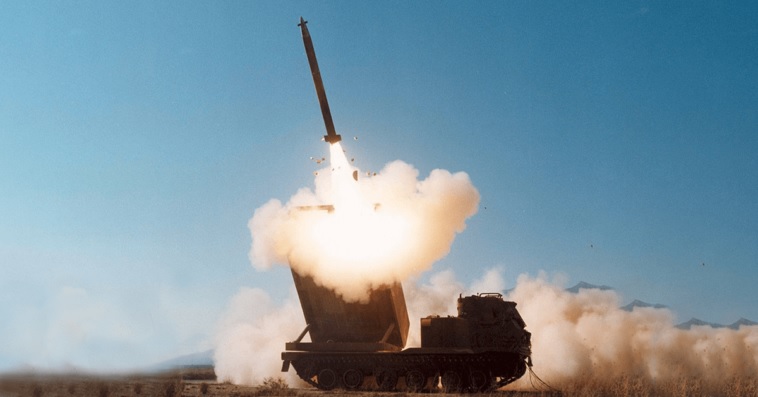
World
The United States has approved a potential sale of precision-guided munitions to Australia, valued at approximately $91.2 million. This agreement includes the provision of 54 Guided Multiple Launch Rocket Systems-Alternate Warhead (GMLRS-AW) rounds, telemetry kits, engineering services, and related support. The GMLRS-AW is a type of rocket designed for precision strikes in various weather conditions. It carries a fragmentation warhead containing around 160,000 preformed tungsten fragments, which helps minimize the risks associated with unexploded ordnance. This munition is compatible with Australia's existing M142 High Mobility Artillery Rocket Systems (HIMARS) and can also be launched from the M270 Multiple Launch Rocket System (MLRS). Lockheed Martin and its Australian counterpart, Lockheed Martin Australia, are the principal contractors for this sale. In January 2024, Australia signed a $24-million agreement with Lockheed Martin to commence domestic production of GMLRS missiles by 2025. This initiative involves assembling components sourced from the United States. The agreement was later expanded to include the manufacturing of rocket motors and warheads for the Australian-produced GMLRS munitions, with Thales Australia supplying these components. The U.S. Defense Security Cooperation Agency has stated that this proposed sale will support Australia's goal of enhancing its national and territorial defense, improving interoperability with U.S. forces, and fostering the development of its defense industry as a new source of supply. This development underscores the strengthening defense ties between the United States and Australia, reflecting a shared commitment to regional security and cooperation.
Read More → Posted on 2025-03-13 15:49:50
World
Lockheed Martin has been awarded a contract by the U.S. Department of Defense’s Innovation Unit (DIU) to develop a cutting-edge quantum-enabled Inertial Navigation System (INS). This breakthrough technology, known as QuINS, is designed to provide highly accurate navigation capabilities even in environments where GPS signals are unavailable, such as deep-sea operations or contested military zones. QuINS leverages advanced quantum sensing to measure position, speed, and orientation without relying on external signals. Unlike traditional navigation systems that depend on GPS, QuINS uses the principles of quantum mechanics to enhance accuracy and reliability, making it a critical asset for national defense. Dr. Valerie Browning, vice president of Research & Technology at Lockheed Martin, highlighted the company’s commitment to advancing quantum technology for real-world applications. “Our intent is to mature this innovative technology and transition quantum sensors out of the laboratory to address real-world national security needs,” she stated. A key element of this initiative is Lockheed Martin’s collaboration with leading quantum technology firms, Q-CTRL and AOSense. Q-CTRL specializes in quantum control engineering, developing software solutions that improve quantum system performance. AOSense, on the other hand, focuses on high-performance quantum sensors for Position, Navigation, and Timing (PNT) applications. “We’re excited to be working with a key industry leader like Lockheed Martin to transition innovative technologies from science to capability,” said Prof. Michael J. Biercuk, CEO and Founder of Q-CTRL. “Lockheed has shown the right mix of risk appetite and expertise to deliver truly transformational capabilities to the warfighter that few others can.” The initial phase of the contract will focus on validating QuINS and demonstrating its real-world applications. Lockheed Martin will leverage its expertise in sensor hardening and platform integration to ensure the system’s success. Working closely with the DIU, the company and its partners aim to refine the technology and explore its operational potential. With this latest investment in quantum navigation, Lockheed Martin reinforces its role as a leader in defense innovation. The development of QuINS is expected to provide warfighters with a significant strategic advantage, ensuring precise navigation in even the most challenging environments.
Read More → Posted on 2025-03-13 15:28:13
World
On March 11, 2025, the Jaffar Express, a passenger train traveling from Quetta to Peshawar with approximately 440 passengers, was hijacked by militants in Balochistan province. The attackers, identified as members of the Baloch Liberation Army (BLA), used explosives to derail the train near the mountainous terrain of Gudalar and Piru Kunri, approximately 160 kilometers from Quetta. They then seized control of the train, taking hundreds of passengers hostage. The BLA, a separatist group seeking greater autonomy for the Balochistan region, claimed responsibility for the attack. They demanded the release of Baloch political prisoners and threatened to execute hostages if their demands were not met. The militants reportedly segregated passengers based on their regional backgrounds and targeted security personnel and specific individuals. In response, Pakistani security forces launched a large-scale rescue operation involving hundreds of troops, special forces, and air support. The rugged terrain and the militants' use of suicide vests among the hostages complicated the rescue efforts. After intense fighting that lasted over a day, the military successfully ended the standoff, killing all 33 militants and rescuing the remaining hostages. Tragically, 21 passengers and four paramilitary soldiers lost their lives during the ordeal. The incident has drawn national and international attention to the ongoing insurgency in Balochistan. The region, rich in natural resources, has long been a site of conflict, with separatist groups like the BLA accusing the central government of exploiting local resources without fair distribution of benefits to the Baloch people. This attack marks a significant escalation in the tactics employed by the insurgents, highlighting the persistent challenges faced by Pakistani authorities in maintaining security and addressing the grievances of the Baloch population. Pakistani Prime Minister Shehbaz Sharif condemned the attack and expressed condolences to the families of the victims. He praised the security forces for their swift action in rescuing the hostages and reiterated the government's commitment to combating terrorism and addressing the underlying issues in Balochistan. The hijacking of the Jaffar Express serves as a stark reminder of the volatile situation in Balochistan and underscores the need for a comprehensive approach to address the region's socio-economic and political challenges.
Read More → Posted on 2025-03-13 15:18:36
World
Ukraine has introduced a domestically developed loitering munition, the Seth drone, which closely resembles the Iranian Shahed-136 kamikaze drones extensively used by Russia. This new addition to Ukraine’s arsenal marks a significant step toward reducing reliance on foreign military aid and bolstering its offensive capabilities against Russian forces. The Seth drone, designed with a tailless delta-wing structure, mirrors the aerodynamic features of the Shahed-136 and its Russian variant, the Geran-2. However, this homegrown solution allows Ukraine to better adapt to the challenges of drone warfare by incorporating localized improvements suited for the battlefield. The first batch of Seth drones, funded and supplied by Ukraine’s Come Back Alive Foundation, has been delivered to the 12th Special Operations Brigade "Azov" under the Ukrainian National Guard. These drones have already been deployed on the Toretsk front, an area witnessing intense clashes between Ukrainian and Russian forces. As Ukraine continues to refine its drone technology, the deployment of Seth could help offset the persistent Russian aerial assaults and strengthen Ukraine’s asymmetric warfare tactics. The introduction of indigenous kamikaze drones also underscores Ukraine’s growing defense innovation, ensuring a sustainable and independent military production pipeline in the face of an extended conflict.
Read More → Posted on 2025-03-13 15:13:01Search
Top Trending in 24 Hours
-
 Naval Group Unveils Rampart Modular CIWS Multi-Purpose Weapon System for Naval and Ground Forces at Eurosatory 2026
-
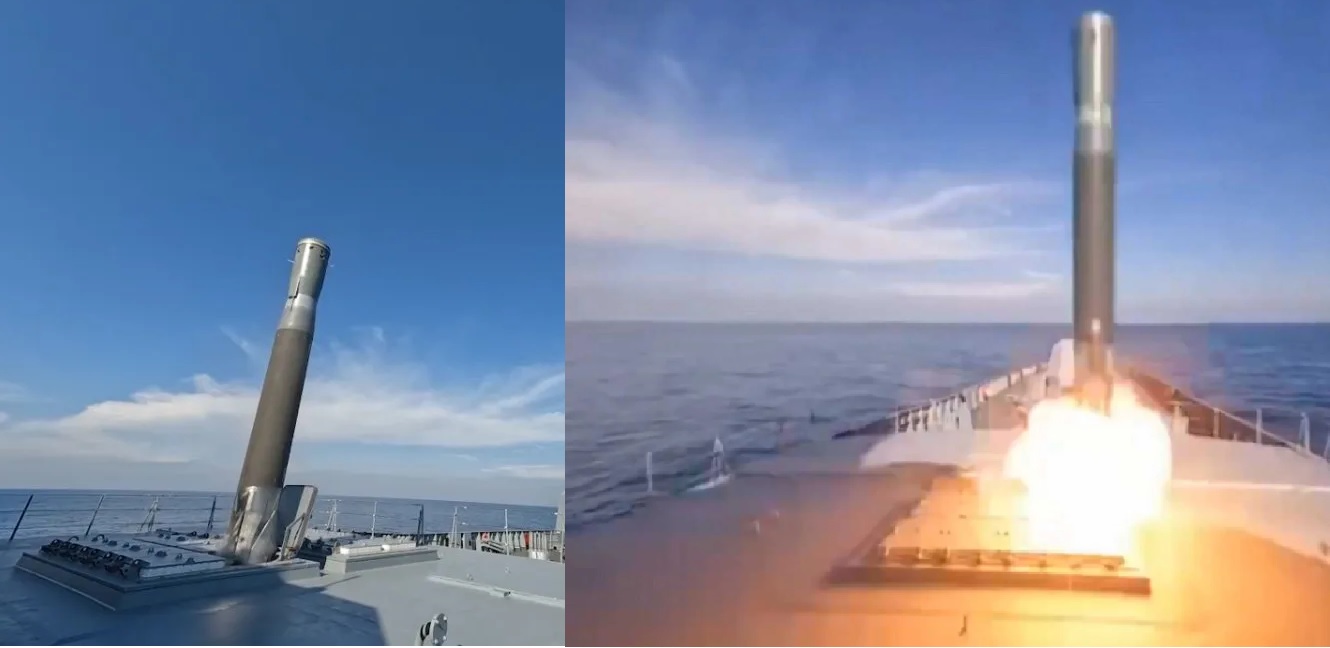 Open-Source Evidence Suggests Russia's Zircon Is a Quasi-Ballistic Missile, Not a True Hypersonic Cruise Weapon
-
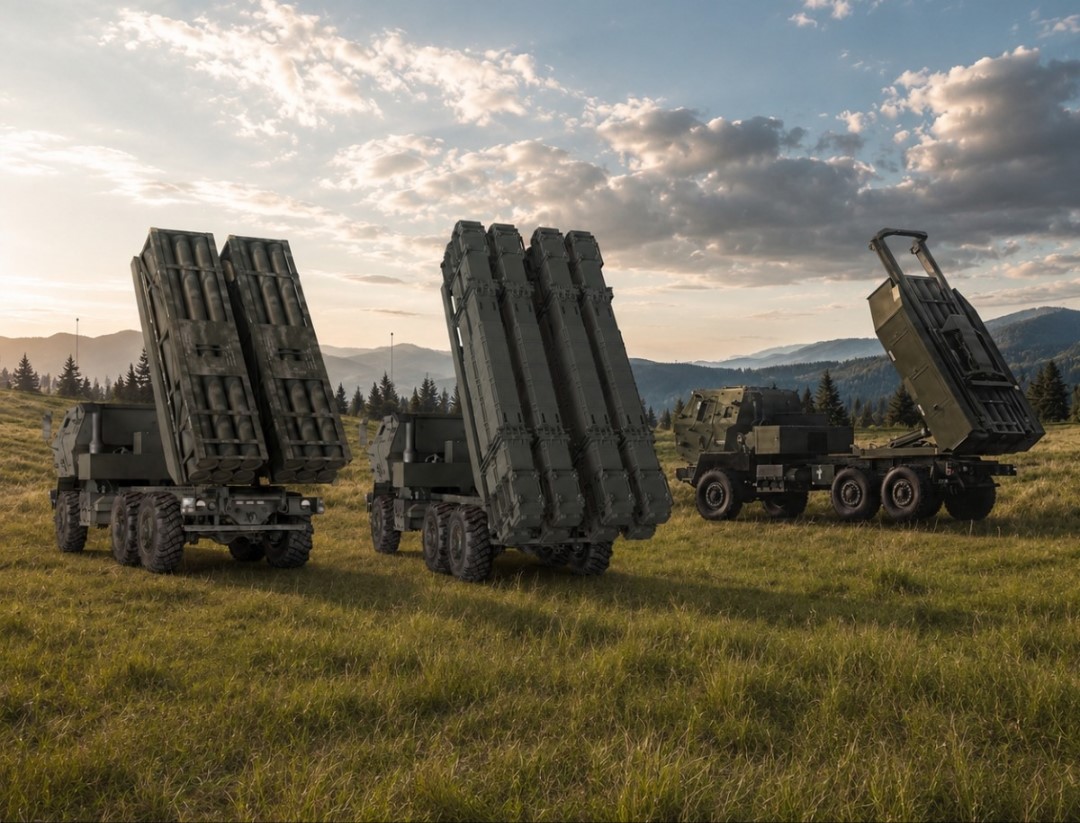 Lockheed Martin Unveils HIMARS FLEX with Dual-Pod Launcher and NATO-Compatible Air Defense Integration
-
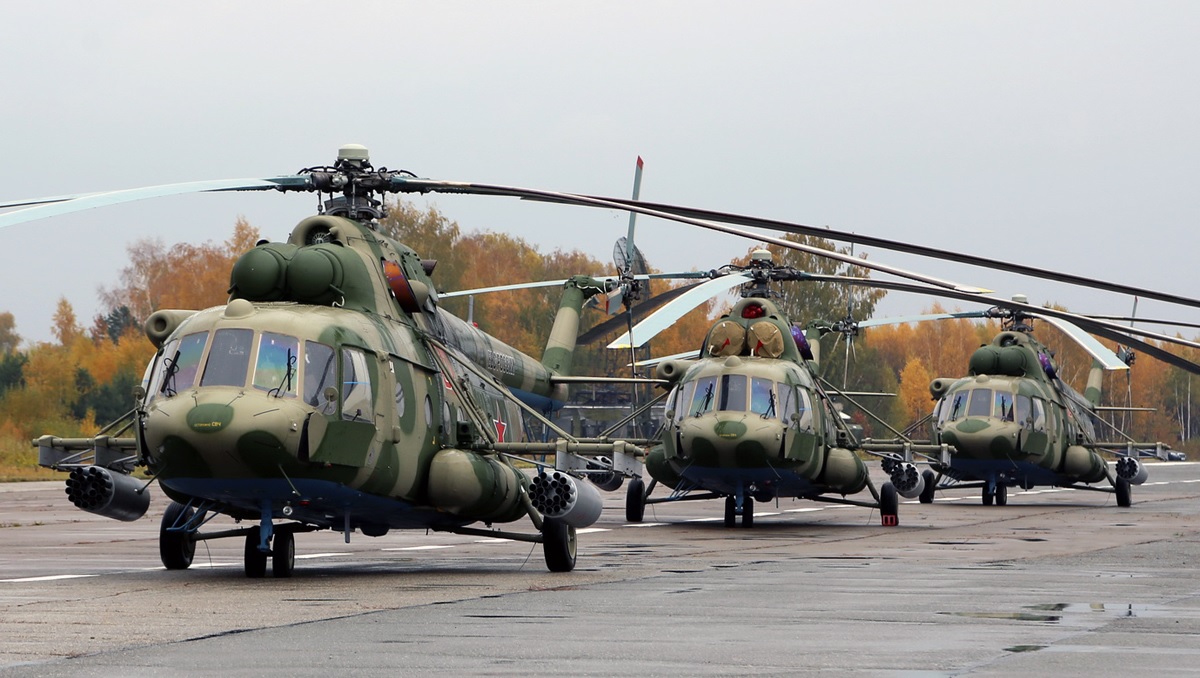 Iran Signs Deal with Russia for 20 Mi-8 and Mi-17 Helicopters to Boost Rescue and Medical Missions
-
 Why the U.S. Restored Pacific Command Name, Ending the Indo-Pacific Designation After Eight Years
-
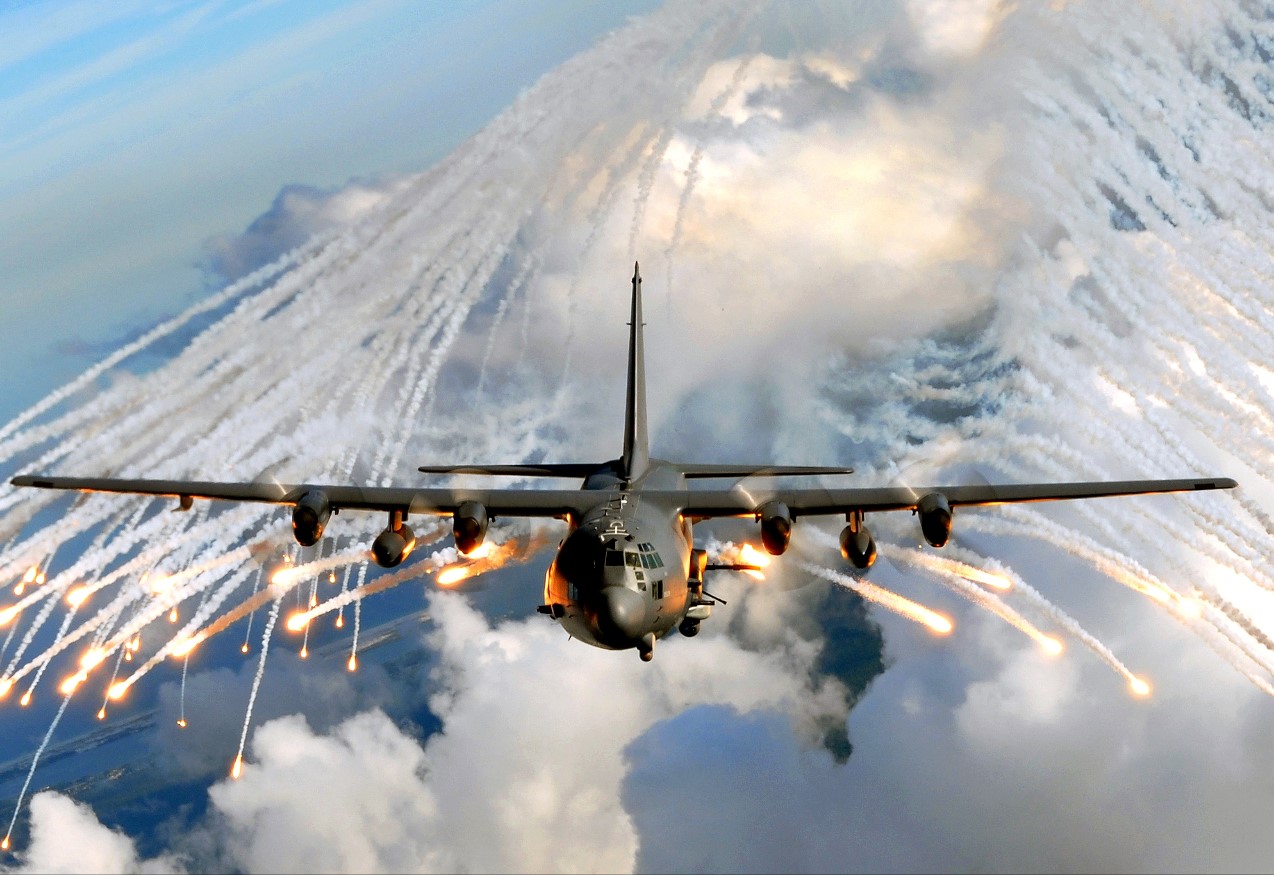 Pentagon Expands Alloy Surfaces Contract to $328.8 Million for Advanced Aircraft Decoy Flares Amid Evolving Drone Threats
-
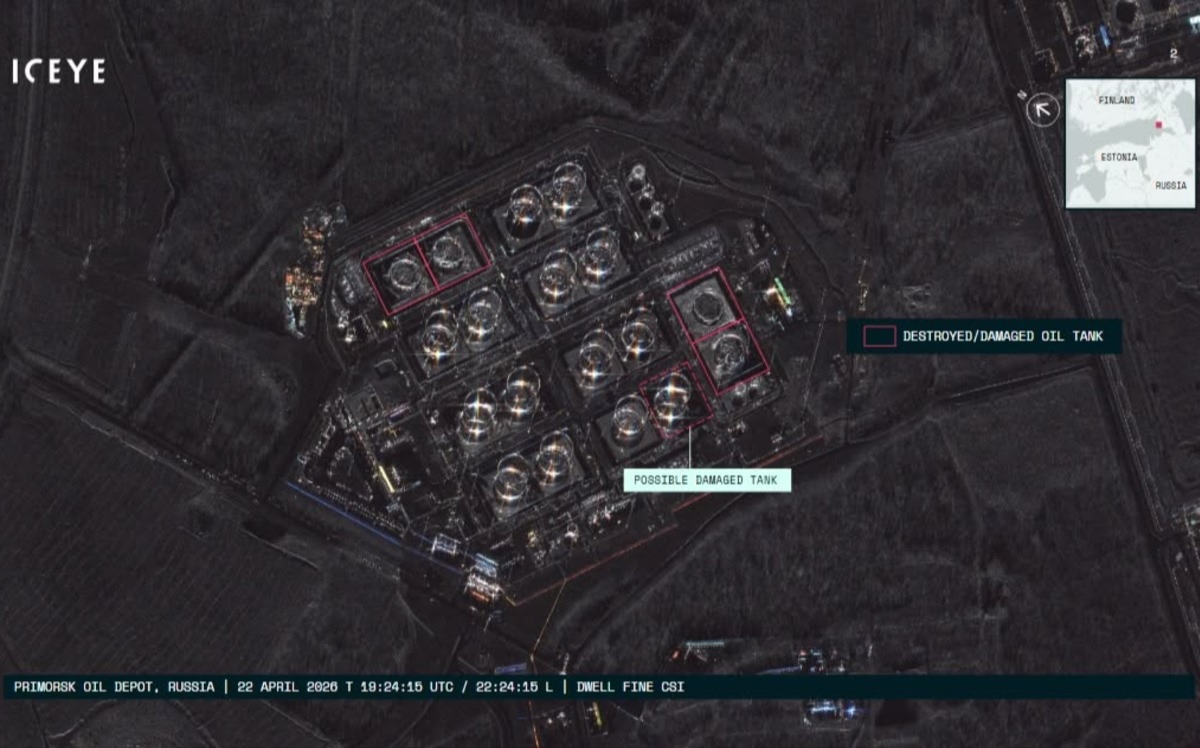 Portugal Doubles Sovereign SAR Satellite Fleet with Order for Two Additional ICEYE Satellites
-
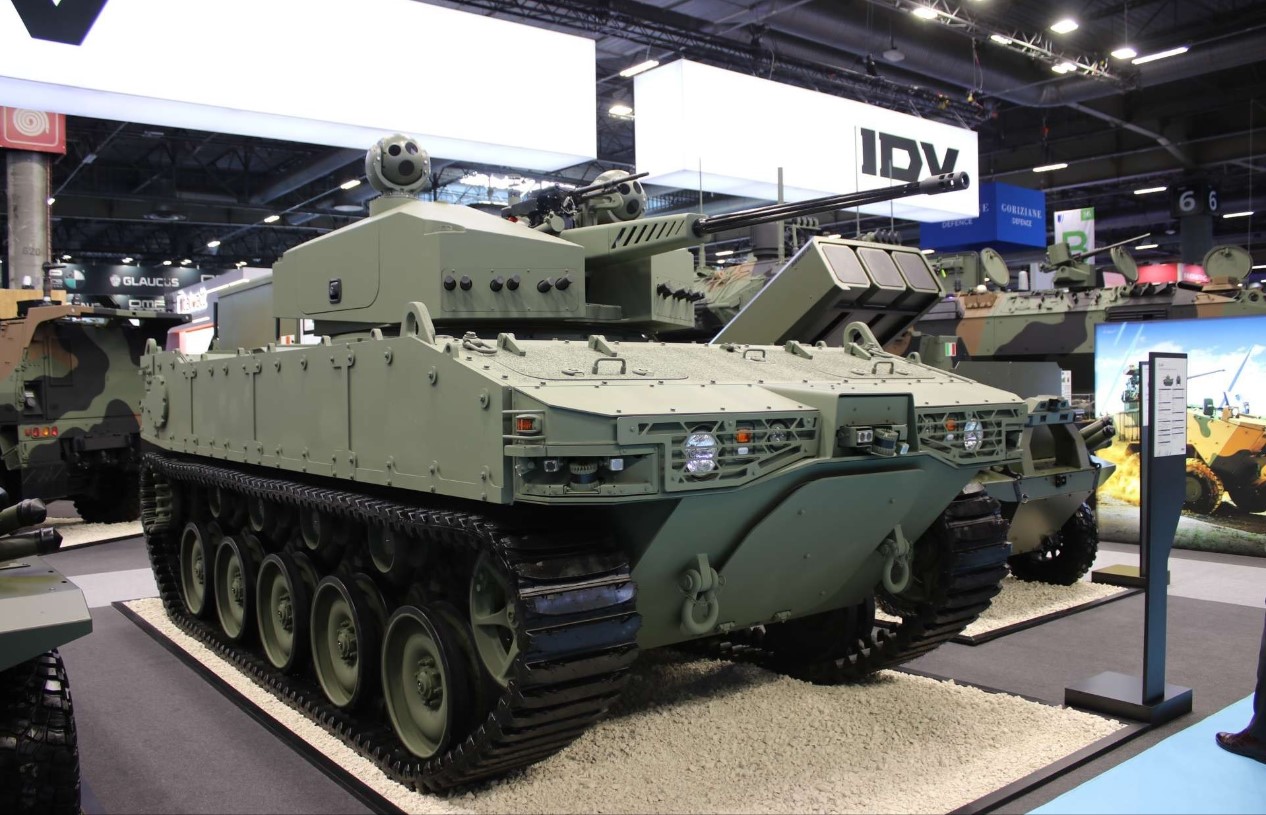 IDV Unveils CL2X Hybrid Uncrewed Light Tank at Eurosatory 2026
Top Trending in 4 Days
-
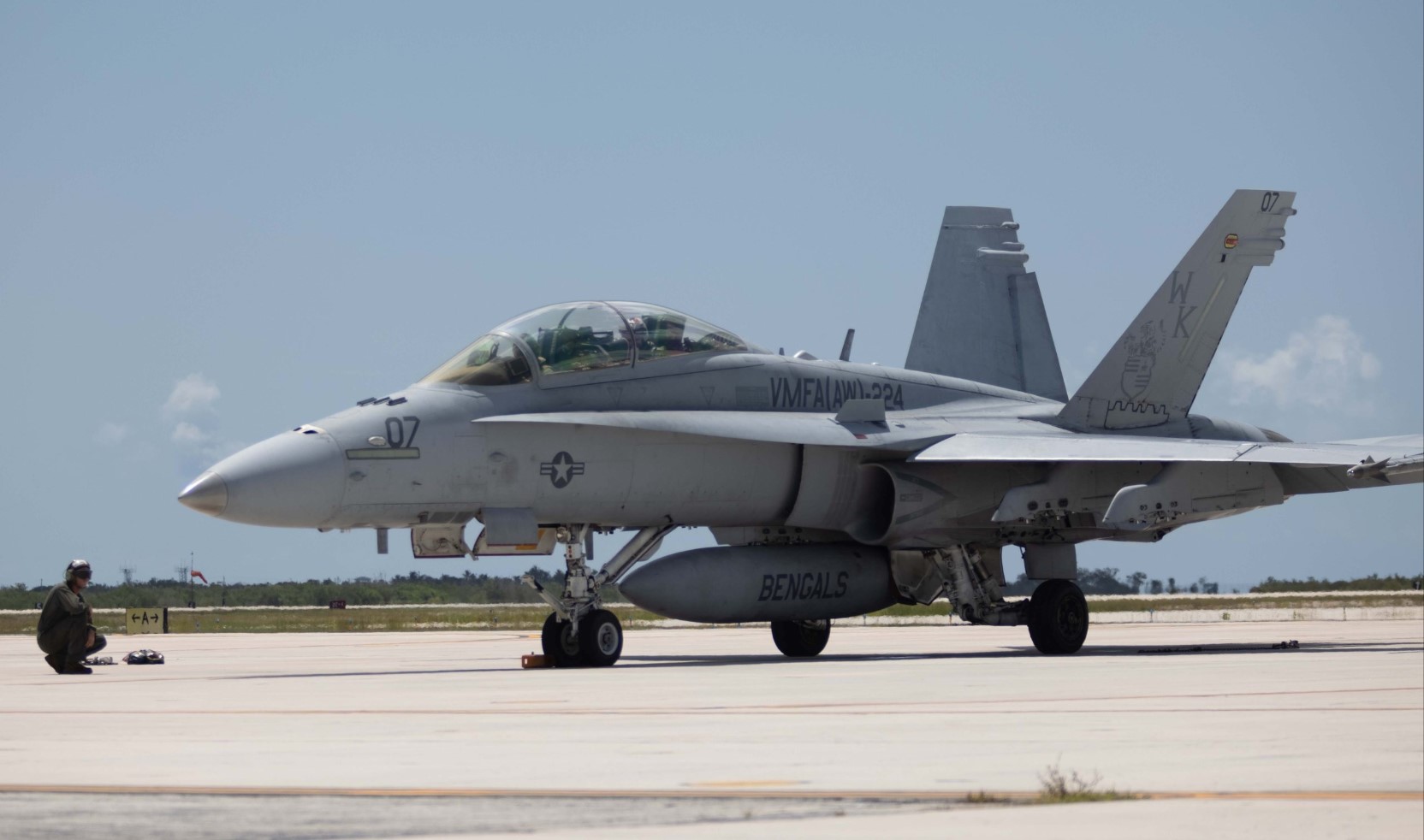 US Marine Corps F/A-18D Hornet Crashes During Training Flight in Washington Mountains; Pilot Ejects Safely
-
 Tulsi Gabbard Releases Declassified Files Detailing U.S.-Backed Network of 120 Biolaboratories Across 30+ Countries
-
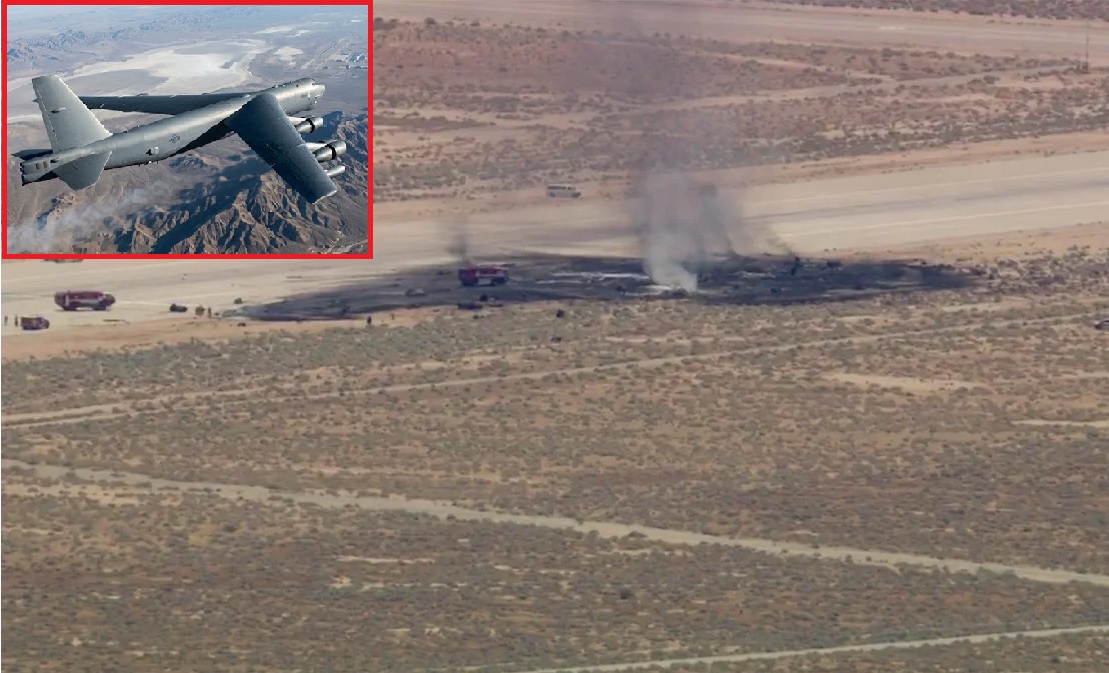 8 U.S. Air Force Crew Members Killed in B-52 Bomber Crash During Test Flight at Edwards Air Force Base
-
 Ukraine Introduces Balloon-Launched DART Missile Designed to Defeat Electronic Warfare
-
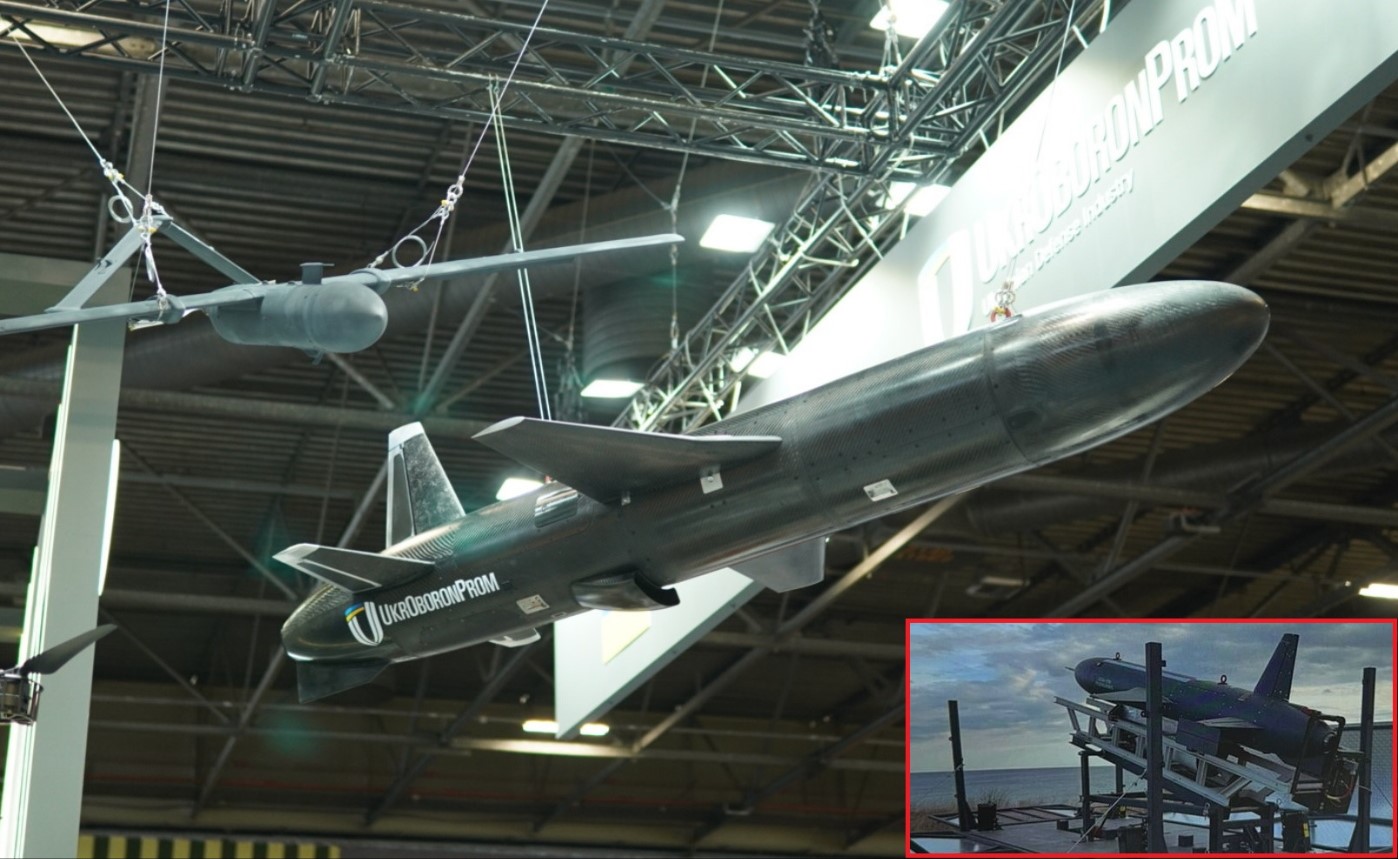 Ukraine Unveils UAV-290 Jet-Powered Strike Drone with 650 km Range at Eurosatory 2026
-
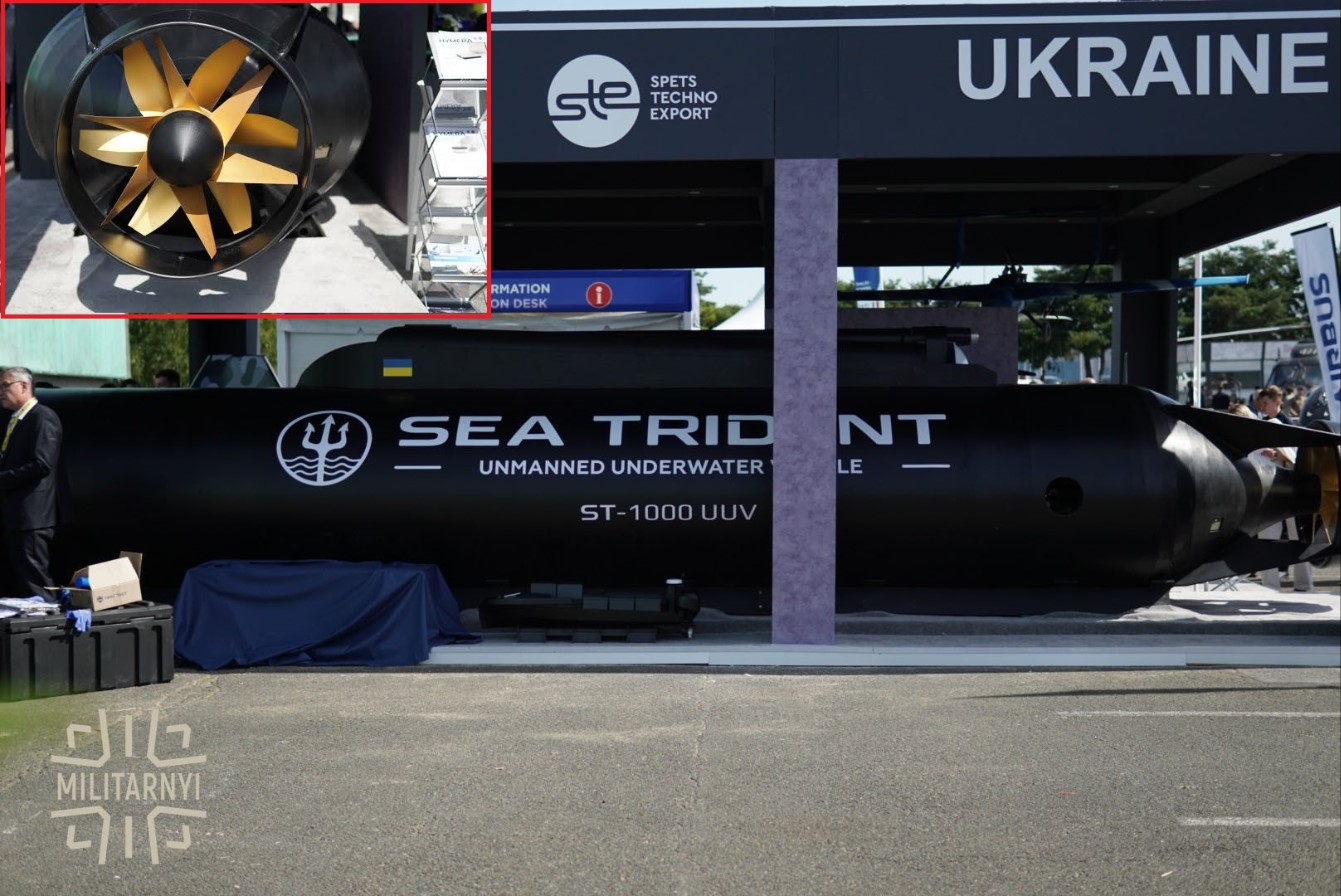 Ukraine Unveils 'Sea Trident' 10-Ton Autonomous Underwater Drone at Eurosatory 2026
-
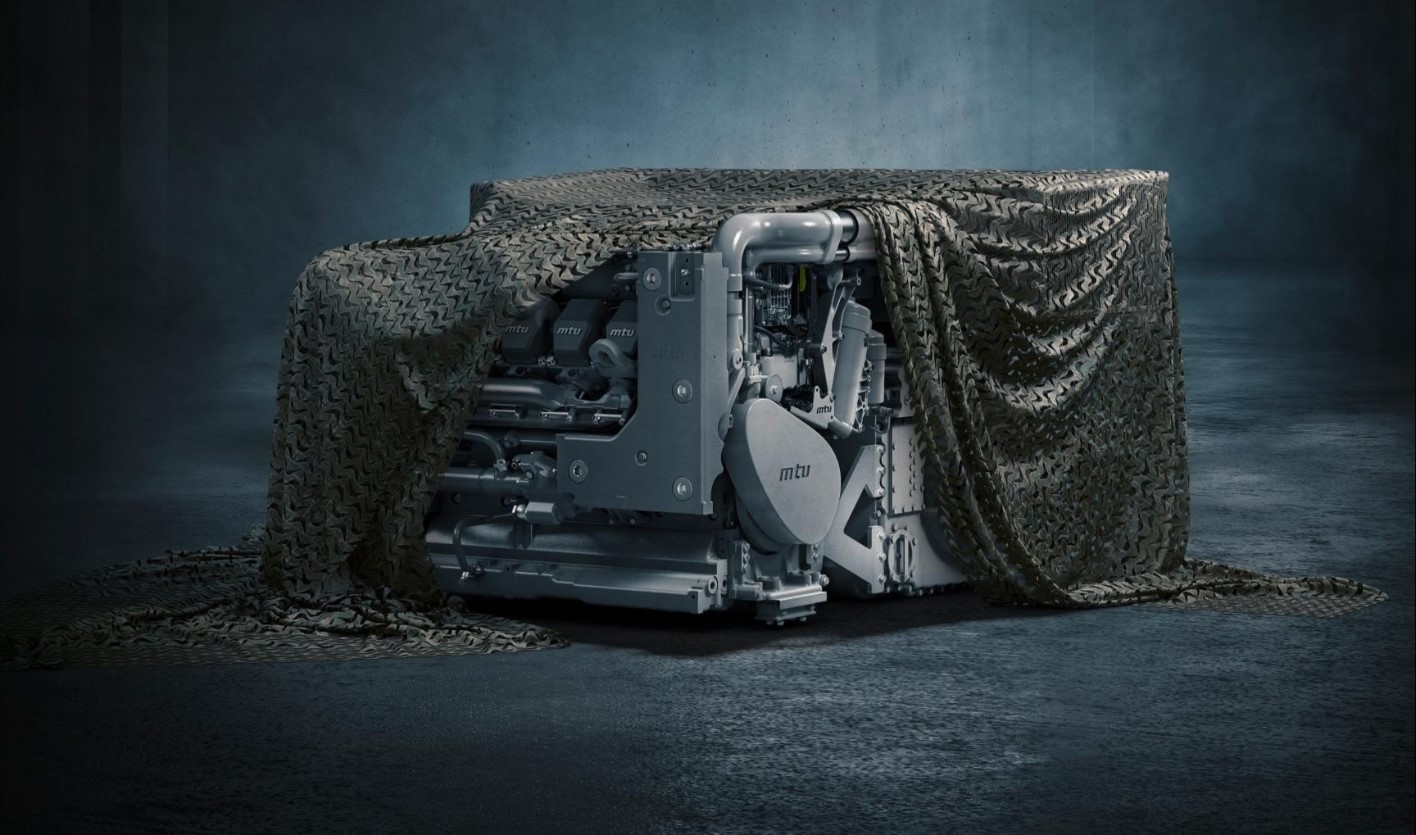 Rolls-Royce Unveils New Hybrid Powertrain for Heavy Military Vehicles at Eurosatory 2026
-
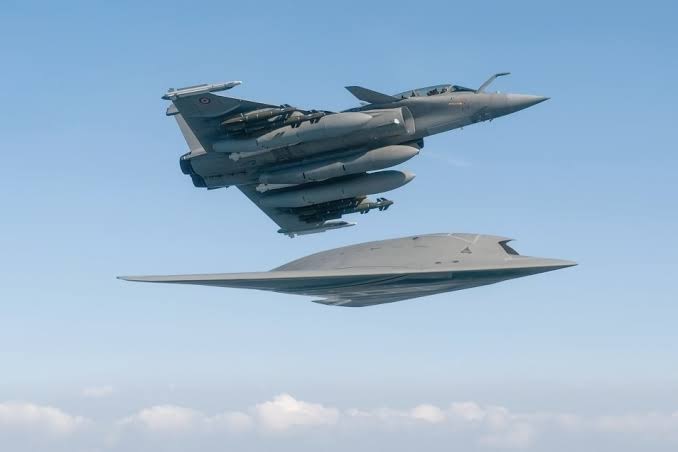 France Agrees to Equip Future Indian Rafales with AI, MUM-T and Secure Satellite Links Under F5 Standard