
World
In a historic move, former President Donald Trump has ordered the declassification of 80,000 pages of documents related to the assassination of John F. Kennedy. This decision is part of his broader commitment to restoring public trust in the intelligence community and ensuring transparency in government records. Why Are These Files Important? The JFK assassination remains one of the most scrutinized events in American history, fueling conspiracy theories for decades. Many believe there is more to the story than the official conclusion that Lee Harvey Oswald acted alone. Over the years, various documents related to the case were either withheld or heavily redacted, leading to speculation that the U.S. government was hiding critical information. What Was Released? The 80,000 pages of declassified records include: FBI and CIA files on Lee Harvey Oswald, his activities in the U.S. and Mexico, and potential connections to foreign governments. Internal government communications discussing intelligence agencies' responses to the assassination. Secret testimonies and witness accounts gathered in the aftermath of JFK's death. Redacted portions of previous releases, allowing a clearer picture of events surrounding the case. The documents are now accessible online and at the National Archives in College Park, Maryland. Unscanned files are being digitized for public viewing. What’s the Government’s Official Stance? Tom Samoluk, a former deputy director of the Assassination Records Review Board, reviewed these files and stated that there is "no smoking gun" in the documents—meaning there is no new evidence contradicting the official finding that Oswald acted alone. However, the release is significant because it allows the public to scrutinize previously censored details. What Secrets Do These Files Reveal? While there is no direct proof of a conspiracy, the declassified records shed light on several key aspects: Oswald’s Foreign Contacts: Documents confirm that Oswald visited the Soviet and Cuban embassies in Mexico City weeks before JFK's assassination. He reportedly attempted to secure a visa to Cuba, which has fueled theories that he sought foreign backing. CIA Knowledge of Oswald: The files reveal that the CIA had been monitoring Oswald long before JFK’s assassination but failed to act on warnings that he could be a threat. Some reports suggest intelligence agencies were aware of his movements but did not intervene. Internal Concerns Over Conspiracy Theories: Government agencies were concerned that the public would not believe Oswald acted alone. Some documents detail efforts to counter conspiracy theories in the media. FBI's Handling of Evidence: The FBI was immediately concerned about Oswald’s connections and his possible ties to communist groups. Internal reports show the agency scrambled to determine if he was part of a broader plot. Final Thoughts: What Does It Mean? While the newly released files provide a more detailed look into intelligence operations and governmental reactions to JFK’s assassination, they do not conclusively prove an alternate theory beyond the lone-gunman narrative. However, the documents expose lapses in intelligence handling, raise questions about Oswald’s foreign interactions, and confirm the government’s efforts to control public perception of the case. For those who have long believed in a cover-up, the documents may not provide the ultimate answer, but they do offer a rare glimpse into the classified world of intelligence agencies during one of the most controversial moments in U.S. history.
Read More → Posted on 2025-03-20 15:19:05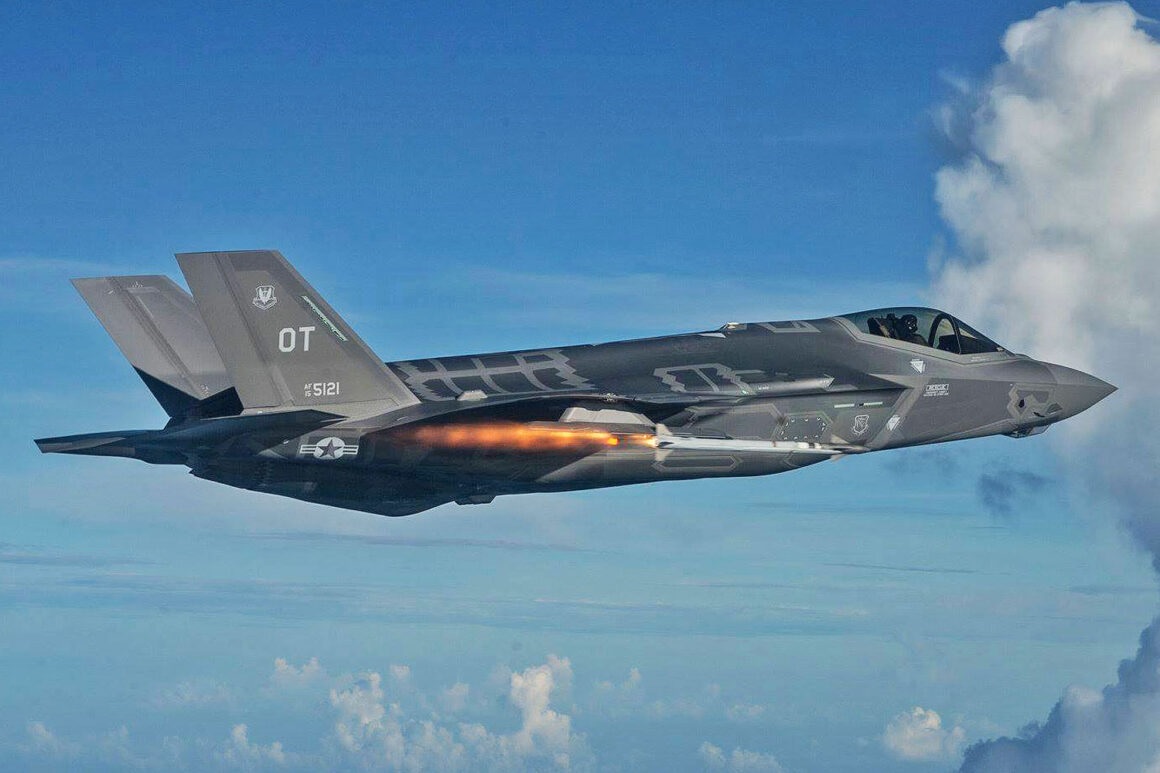
World
The Pentagon has strongly rejected claims that the US has installed a remote “kill switch” in exported F-35 fighter jets, dismissing fears that Washington could deactivate the aircraft at will. The speculation arose following former President Donald Trump’s announcement of halting military aid and intelligence sharing with Ukraine, leading to concerns that similar measures could be applied to foreign-operated F-35s. Canada, which has placed an order for 88 F-35s, is now facing calls to reconsider its purchase over concerns about the extent of US control over the aircraft. Some defense analysts have raised questions about whether the US could limit access to critical software updates, potentially affecting the operational capability of foreign fleets. In response, the Joint Program Office (JPO) overseeing the F-35 program firmly stated that no such remote deactivation mechanism exists. The office emphasized that all international users have full control over their aircraft, backed by agreements ensuring complete operational functionality. “There is no kill switch,” the JPO clarified. “The program operates under well-established agreements that guarantee all F-35 operators have the necessary capabilities to sustain and operate their aircraft effectively.” Concerns Over Software Dependency Despite the Pentagon’s assurances, some defense experts believe that US control over software and maintenance could still pose a strategic risk to foreign operators. Joachim Schranzhofer, head of communications at German defense firm Hensoldt, suggested that the claims of a hidden “kill switch” might not be entirely baseless. While he did not provide specifics, Schranzhofer pointed out that the US could potentially restrict access to software updates, spare parts, or critical maintenance support—actions that could severely impact the combat readiness of foreign-operated F-35s. A defense analyst from the Center for a New American Security explained that, in the event of political tensions, Washington could disable key functionalities of foreign F-35s without a physical kill switch. “Without regular software updates, F-35s could still fly but would be significantly more vulnerable to enemy air defenses,” he noted. A Widespread Concern Among US Allies As of March 2025, 14 countries operate or have ordered F-35s, including key US allies like Australia and Japan. The debate over software dependency and potential vulnerabilities continues to fuel discussions in defense circles, particularly among nations investing billions in the stealth aircraft. While the US insists that all F-35 operators have full autonomy over their jets, the growing reliance on American software and maintenance raises broader questions about long-term control over advanced military assets. For now, the Pentagon maintains that exported F-35s remain fully operational under the control of their respective nations, with no external mechanism for remote shutdown.
Read More → Posted on 2025-03-20 15:13:24
World
ELTA North America has been awarded a contract by the U.S. Department of Defense to evaluate its state-of-the-art Multi-Mission/Multi-Sensor Suite (M3S2). This cutting-edge system is designed to revolutionize battlefield protection by integrating multiple defensive capabilities into a single, compact platform. Advanced Protection for Modern Warfare The M3S2 sensor suite enhances combat vehicle defense by combining Active Protection Systems (APS), Counter-Unmanned Aerial Systems (C-UAS), and ground surveillance into one seamless unit. This integration significantly improves situational awareness, allowing military forces to detect and neutralize threats more effectively. Unlike traditional systems that rely on separate radar and electro-optical technologies, M3S2 merges them into a low Size, Weight, and Power (SWaP) configuration. This makes it highly efficient and adaptable for a wide range of combat vehicles and critical infrastructure, ensuring enhanced protection without adding excessive bulk or power demands. 360-Degree Threat Detection Joe Adams, CEO of ELTA North America, emphasized the importance of M3S2 in modern warfare, stating:"As modern threats evolve, so must our defensive solutions. The M3S2 provides 360-degree tactical vehicle protection, seamlessly combining advanced sensors to counter a wide range of threats." With its ability to detect and respond to aerial and ground-based threats in real time, M3S2 will play a crucial role in strengthening U.S. military operations. Enhancing Military Readiness This contract highlights the U.S. Department of Defense’s commitment to next-generation technology aimed at improving battlefield survivability, operational efficiency, and personnel protection. The M3S2 system is expected to address emerging threats and bolster the defense capabilities of combat forces, ensuring greater resilience in high-risk environments. By integrating cutting-edge sensor technology into a unified platform, ELTA North America’s M3S2 represents a significant step forward in modern military defense systems. Its deployment could redefine the future of vehicle protection and battlefield awareness for U.S. forces.
Read More → Posted on 2025-03-20 15:10:26
World
The French Air Force has reached a major milestone in its air defense modernization as the first serial GF 300 MRI radar successfully completed its Factory Acceptance Test (FAT). Developed by Thales under the FSAF-PAAMS program managed by OCCAR, the radar is a key component of the SAMP/T NG (New Generation) air and missile defense system. The FAT took place at Thales' Limours facility in France, where the radar underwent rigorous testing to ensure it meets the highest operational standards. Designed for superior air and missile defense, the GF 300 MRI radar boasts a 360-degree coverage range and is equipped with cutting-edge Active Electronically Scanned Array (AESA) technology. This allows for high-precision detection, tracking, and classification of multiple threats, including Air-Breathing Targets (ABT) and Tactical Ballistic Missiles (TBM). GF 300 MRI Radar Specifications: Technology: Active Electronically Scanned Array (AESA) Coverage: Full 360-degree detection Threat Handling: Capable of tracking multiple air and missile threats simultaneously Target Classification: Advanced algorithms for precise identification of threats Operational Role: Integrated into the SAMP/T NG system for enhanced air and missile defense The FAT was conducted in collaboration with Thales, Eurosam, and key defense agencies, including DGA experts, DGA Governmental Quality Assurance (GQA), and OCCAR. With the successful completion of this phase, the radar is now being integrated with other components of the SAMP/T NG system. This next-generation air defense system will soon be delivered to the French Air Force for initial trials, marking a significant step forward in strengthening France’s ability to counter evolving aerial and missile threats.
Read More → Posted on 2025-03-20 14:34:52
World
In a significant move to strengthen India's artillery capabilities, the Cabinet Committee on Security (CCS) has approved a ₹7,000 crore deal for the procurement of 307 Advanced Towed Artillery Gun Systems (ATAGS). This landmark decision aligns with India's push for self-reliance in defence manufacturing and aims to modernize the Indian Army’s long-range firepower. Developed by the Defence Research and Development Organisation (DRDO), the ATAGS is a state-of-the-art 155mm, 52-caliber howitzer with a striking range of up to 48 km. The gun boasts advanced automation, high accuracy, and superior mobility, making it a critical asset for the Army, especially in high-altitude and border regions. The system's reduced crew workload and quick response time offer a tactical advantage in modern warfare scenarios. The contract has been split between two Indian defence giants—Bharat Forge, which secured 60% of the order, and Tata Advanced Systems, which received the remaining 40%. This allocation ensures wider industrial participation and reinforces India’s defence manufacturing ecosystem. Beyond its military significance, the ATAGS project is expected to generate approximately 20 lakh man-days of employment, further boosting the Indian defence industry and local supply chains. The deal marks a crucial step towards reducing India's dependence on foreign artillery systems and enhancing its strategic autonomy. With the induction of ATAGS, the Indian Army will be equipped with one of the most advanced artillery systems in the world, reinforcing its firepower and operational readiness. This decision underscores India’s commitment to self-sufficiency and technological advancement in the defence sector.
Read More → Posted on 2025-03-20 14:30:57
World
Princeton-based defense firm BANC3 Inc. has successfully developed an advanced Extended Reality (XR) training system for the US Air Force Special Operations Command (AFSOC), marking a significant leap in military training technology. The system integrates state-of-the-art augmented reality (AR) and mixed reality (MR) headsets, creating an immersive and adaptable training environment. By offering realistic simulations, it allows AFSOC operators to refine their skills in dynamic, mission-specific scenarios. Real-time tracking and repeatable exercises ensure that personnel can consistently improve their performance under varying conditions. One of the key features of this system is its ability to introduce adaptive stress-inducing elements, helping trainees operate effectively under pressure. This prepares them for high-stakes missions, where decision-making and precision are crucial. BANC3 emphasized that the new system significantly enhances operational readiness, allowing AFSOC personnel to conduct specialized mission rehearsals in a virtual environment that closely mirrors real-world challenges. The system has already been delivered to AFSOC for integration into its training programs. AFSOC plays a critical role in providing specialized airpower for counterterrorism, irregular warfare, and high-risk special operations. Given the complexity of modern combat environments, traditional training methods often fall short in replicating real-world conditions. BANC3’s CEO, Babu Cherukuri, highlighted that their XR solution bridges this gap by delivering an interconnected, dynamically reconfigurable training experience. “By merging commercial AR/MR advancements, we have redefined mission rehearsal and tactical planning, ensuring our warfighters are fully prepared for the complexities of real-world missions,” he stated. With this innovation, AFSOC operators now have access to cutting-edge technology that enhances their training, improves mission success rates, and ensures they are prepared for the most demanding operations.
Read More → Posted on 2025-03-20 14:23:44
World
For decades, spinal cord injuries leading to paralysis were considered irreversible. Even the most advanced brain-computer interfaces (BCIs), such as those pioneered by Elon Musk’s Neuralink, operated on the assumption that a patient’s paralysed limbs were beyond natural recovery. However, a groundbreaking clinical trial led by China’s Fudan University has shattered that belief, demonstrating that paralysis can, in fact, be reversed. In a remarkable breakthrough, four paralysed patients regained control of their legs within just 24 hours of undergoing a minimally invasive surgery. Within weeks, they were walking independently, and more importantly, their nerve functions were being restored. Unlike Neuralink’s technology, which connects the brain to external robotic devices, China’s brain-spinal interface has enabled the body's own nervous system to rewire itself. The key to this achievement lies in a set of electrode chips implanted into the brain and spinal cord. These chips act as a “neural bypass,” reconnecting the severed communication pathways between the brain and body. Instead of merely controlling prosthetics, this method sparks what scientists call “neural remodelling,” a process that stimulates natural nerve regeneration, potentially eliminating the need for long-term technological assistance. The success of this approach was evident in the first patient, a 34-year-old man who had been paralysed after a severe fall. Following his surgery on January 8, he was able to lift his legs within 24 hours. By the second week, he could step over obstacles with support, and within a month, he was walking several meters. The other three patients, who underwent surgery in February and March, also experienced similar recoveries. What makes this achievement even more significant is the speed of neural remodelling. In previous studies conducted in Switzerland, patients showed signs of neural regeneration around six months after surgery. In contrast, the Chinese trial saw these effects emerging within just two weeks. This suggests that the new generation of brain-spinal interfaces developed in China is not only more effective but also less damaging to the body. Moreover, all the instruments and implants used in these surgeries were developed and manufactured in China, marking a major leap in the country’s medical innovation. According to researcher Jia Fumin, who led the project, this achievement represents an entirely new class of brain-spinal interface solutions—one that could redefine the treatment of paralysis worldwide. China’s rapid advancements in neurotechnology are narrowing the gap with the United States, which currently leads global health sciences research. With 3.74 million spinal cord injury patients in China alone and 90,000 new cases every year, this breakthrough could be life-changing for millions. Scientists believe that with continued development and long-term rehabilitation, this technology could permanently free patients from reliance on external devices, offering a real chance at recovery. For the first time, paralysis is no longer a life sentence—it is a condition that can be reversed.
Read More → Posted on 2025-03-19 15:34:26
World
Lockheed Martin has officially unveiled its new Common Multi-Mission Truck (CMMT) missile, also known as "Comet," marking a significant shift in the approach to cost-effective and scalable warfare solutions. What initially appeared as a teaser video has now evolved into a full-fledged missile development program designed to meet the increasing demand for affordable mass weaponry. A New Approach to Warfare Scott Callaway, Director of Affordable Mass at Lockheed Martin, emphasized the urgent need for a missile that is both low-cost and rapidly producible, ensuring that military forces can sustain high-volume operations without depleting expensive long-range missiles. CMMT is a family of modular and scalable air vehicles that can be deployed from multiple platforms, including fighter jets, bombers, airlifters, helicopters, and ground-based launchers. The missile’s key selling points include its modular architecture and its ability to integrate a variety of warheads, sensors, and propulsion systems depending on the mission requirements. It follows Lockheed Martin’s philosophy of prioritizing affordability and mass production over expensive, high-end precision weapons. Key Features and Capabilities CMMT has been designed as a highly flexible weapon system with two initial configurations: Airlifter-Deployable Variant – This version can be released from transport aircraft like the C-130 and C-17, allowing for rapid deployment over long distances. It boasts a range exceeding 500 nautical miles. Helicopter-Launched Variant – A shorter, long-range effect version specifically designed for launch from rotary-wing platforms. One of the standout features of CMMT is its compatibility with various launch platforms. The missile is small enough to fit inside the internal weapons bay of an F-35 but can also be configured for ground-based and naval applications. Additionally, Lockheed Martin has emphasized that the system is designed with Weapon Open System Architecture (WOSA), allowing for seamless integration with existing U.S. military platforms. Manufacturing and Cost Efficiency Lockheed Martin is taking a unique approach with the CMMT program, focusing on mass production scalability. The missile is designed for high-volume manufacturing using distributed production techniques, which allow multiple factories to produce different components simultaneously. Each production line is expected to roll out approximately 2,500 units, with the potential for expansion as demand increases. By leveraging digital design tools and existing proven missile technologies, Lockheed has managed to cut the time required for preliminary design review by 50%. The company aims to offer the CMMT at a competitive price point, comparable to the U.S. Air Force’s Franklin missile, which costs around $150,000 per unit. Potential Naval and Ground Applications While primarily an air-launched system, Lockheed Martin has hinted at its potential naval applications. Thanks to its modular design, CMMT can be adapted for ship-based launchers or be fitted with boosters for ground-based systems like HIMARS. This adaptability could prove valuable in modern combat scenarios where forces require high volumes of cost-effective missiles to maintain battlefield superiority. Addressing Affordability and Combat Readiness The development of CMMT comes at a time when militaries worldwide are grappling with the challenge of maintaining sufficient firepower without exhausting their stockpiles of expensive, high-precision missiles. The U.S. military has traditionally prioritized performance over cost efficiency, but the rising need for a high-volume, cost-effective alternative to weapons like JASSM and LRASM has driven Lockheed’s approach. Experts suggest that CMMT could fill the affordability gap by providing an expendable, long-range missile option that complements more advanced cruise missiles. However, challenges remain, particularly in balancing affordability with advanced targeting and warhead capabilities, especially in maritime operations where larger warheads and specialized seekers are often required. Looking Ahead Lockheed Martin’s CMMT program is poised to redefine mass warfare by offering a modular, low-cost missile that can be rapidly produced and deployed across multiple platforms. As global conflicts evolve, the demand for cost-effective and scalable solutions will only grow, making CMMT a critical asset for future military operations. The coming months will be crucial as Lockheed Martin continues testing and refining its new missile family. If successful, CMMT could set a new standard for modern warfare, ensuring that militaries can sustain prolonged engagements without breaking the bank.
Read More → Posted on 2025-03-19 15:27:09
Macron Announces Expanded Rafale Jet Orders to Strengthen France’s Defense Due to Ukraine Russia War
World
In a significant move to bolster France’s military preparedness, President Emmanuel Macron announced that the country would be ordering more Rafale fighter jets than initially planned. The decision comes as Europe faces mounting security concerns due to the ongoing Russia-Ukraine conflict and broader geopolitical instability. Speaking at the Luxeuil-les-Bains military base on March 18, 2025, Macron stressed the importance of strengthening France’s air and space force to maintain national and European security. “We will boost and expedite our procurement of Rafales,” he stated, underlining the urgent need to modernize and reinforce France’s military capabilities. The additional Rafale jets will be part of a broader strategy to enhance France’s airpower, particularly in nuclear deterrence. To support this expansion, the French government plans to invest around €1.5 billion (approximately $1.6 billion) in upgrading the Luxeuil airbase. This investment will ensure that the base is equipped to handle new squadrons of Rafales, which will feature advanced nuclear missile technology. Macron emphasized that by 2035, this modernization effort will be a crucial part of France’s nuclear defense strategy. The move also aligns with Europe’s push for greater military autonomy. Macron highlighted that France must remain prepared for any security threats, especially as some European nations fear a potential decline in U.S. military support. Other European countries, such as Germany, have already begun increasing their defense budgets to counter rising threats. Macron has been advocating for a significant increase in France’s defense spending, proposing a rise from the current 2% of GDP to between 3% and 3.5%. His vision reflects a broader shift in European security policy, aiming to reduce dependence on external allies and strengthen the continent’s own defense capabilities. With tensions in Eastern Europe showing no signs of easing, France’s decision to accelerate its Rafale procurement marks a crucial step in ensuring its military remains well-equipped to face future challenges.
Read More → Posted on 2025-03-19 14:49:38
World
Swedish defense giant Saab, in collaboration with the Swedish Air Force and other key partners, has unveiled a groundbreaking counter-drone system named “Loke”—developed and tested in a record 84 days. Designed to tackle the growing threat of unmanned aerial systems (UAS), Loke is a modular and scalable solution that covers the entire kill chain—from detection to elimination. It utilizes Saab’s Giraffe 1X multi-mission radar for drone detection, the Trackfire remote weapon station for interception, and a lightweight command and control system adapted from Sweden’s short-range air defense concept. According to Saab, the rapid development of Loke was achieved by integrating existing technologies with new innovations, allowing for swift deployment against emerging aerial threats. The ongoing war between Russia and Ukraine has demonstrated the increasing impact of drones on the battlefield, making counter-drone capabilities more crucial than ever. Major General Jonas Wikman, Chief of the Swedish Air Force, emphasized that Loke represents Sweden’s commitment to adapting quickly to modern threats. “This is a clear example of how we are building the required capabilities and are prepared to deviate from traditional processes to respond rapidly,” he stated. The project was led by various Swedish military institutions, including the Air Warfare School, Command and Control Warfare School, and the Norrbotten Air Wing (F21), with support from the Ground Warfare School. Loke is expected to be fully integrated into Swedish Air Force combat units by late 2025.
Read More → Posted on 2025-03-19 14:37:29
World
European aerospace and defense technology company Destinus has taken a significant step in strengthening its position in the UAV sector by acquiring key assets, technology, and personnel from Aerialtronics, a Dutch specialist in multicopter drone platforms. This strategic move enhances Destinus' presence in the Netherlands and expands its expertise in AI-driven drone technology. The acquisition aligns with the European Union’s €800 billion ReArm Europe initiative, which focuses on bolstering defense investments. By integrating Aerialtronics’ advanced UAV solutions with its existing aerospace systems, Destinus aims to expand its capabilities in both civilian and military applications, reinforcing Europe’s security and surveillance infrastructure. Aerialtronics is renowned for its cutting-edge drone solutions equipped with advanced sensor payloads and AI-driven analytics. These technologies convert raw data into actionable intelligence, improving surveillance, security, and inspection capabilities across various industries. By securing Aerialtronics' intellectual property and proprietary technologies, Destinus enhances its position as a key player in next-generation aerospace solutions. This marks Destinus’ second major acquisition in the Netherlands, solidifying its commitment to the country as a hub for aerospace innovation. CEO Mikhail Kokorich emphasized the strategic importance of the move, highlighting that access to Dutch AI and aerospace talent will fuel further technological advancements. He also reaffirmed Destinus’ focus on customer-driven growth and regional expansion. The deal was finalized following Aerialtronics’ bankruptcy proceedings and was completed in compliance with Dutch insolvency laws. While acquiring the company’s technology and assets, Destinus has not assumed any liabilities from the former entity, ensuring a smooth transition and continued innovation. With Aerialtronics' team now part of Destinus, the company is set to accelerate developments in UAV technology. This acquisition strengthens its role in autonomous flight systems and reinforces its commitment to advancing Europe's defense and security landscape.
Read More → Posted on 2025-03-19 14:30:03
World
Thales has been selected to supply an advanced sonar suite for the Royal Netherlands Navy’s future Orka-class submarines, reinforcing the country’s maritime defense capabilities. This contract, awarded as part of the Replacement Netherlands Submarine Capability (RNSC) program, is a significant step in enhancing the Dutch Navy’s underwater warfare strength. The Orka-class submarines will be equipped with Thales' state-of-the-art sonar technology, designed to detect, track, and classify underwater threats with high precision. Modern naval warfare demands cutting-edge acoustic superiority, especially as adversary submarines become increasingly silent. The Thales sonar suite will provide an extensive underwater situational awareness network, ensuring the Dutch Navy maintains a strategic edge in undersea operations. The sonar package includes multiple high-performance acoustic sensors, such as bow, flank, and obstacle-avoidance sonars. Additionally, the system will integrate an intercept array, passive towed-array sonar, underwater voice communication system, and signal processing racks, allowing for long-range threat detection across various frequencies. Naval Group, which is leading the Orka-class submarine development, emphasized that Thales' sonar technology was a crucial factor in its winning proposal for the RNSC program. According to Sylvain Perrier, Programme Director at Naval Group, this collaboration will ensure the acoustic superiority of the new submarines while strengthening Dutch industry partnerships. The deal also aligns with the Netherlands’ defense policy of supporting domestic industries involved in naval technology. Thales has partnered with Dutch firm Optics11 to integrate OptiArray technology into the passive towed-array sonar, further bolstering the country’s indigenous defense capabilities. Sébastien Guérémy, Vice President of Underwater Systems at Thales, expressed confidence in the company’s sonar technology, stating that it would provide the Royal Netherlands Navy with unparalleled underwater surveillance and defense capabilities. With Thales’ expertise in underwater warfare systems—already deployed on more than 50 submarines worldwide—the Orka-class submarines will be among the most advanced in Europe, ensuring their effectiveness in complex maritime environments.
Read More → Posted on 2025-03-19 14:14:03
World
The U.S. Army has taken a significant step forward in autonomous warfare technology by showcasing the cutting-edge Autonomous Multi-Domain Launcher (AMDL) during Project Convergence-Capstone 5 (PC-C5). This high-profile military exercise, held at Fort Irwin, California, provided a platform for testing and evaluating next-generation battlefield technologies aimed at increasing precision, responsiveness, and operational flexibility. Revolutionizing Future Warfare with AMDL At the heart of this year’s event was the AMDL, a highly advanced launcher system designed to revolutionize firepower deployment through autonomous capabilities. The system successfully demonstrated its ability to provide rapid, precise fire support with minimal human intervention, a crucial factor in modern warfare where speed and adaptability can determine battlefield success. The AMDL’s multi-domain integration allows it to engage targets across land, air, sea, space, and cyber domains, making it an essential asset for future conflicts. By utilizing advanced artificial intelligence (AI) and automation, the launcher can swiftly identify threats, execute precise strikes, and operate with enhanced situational awareness. Key Features and Capabilities The AMDL is part of the Army’s broader Autonomous Multi-Domain Launcher (AML) initiative, aimed at enhancing firepower while reducing reliance on personnel. Some of its standout features include: Autonomous Mobility: The launcher can conduct convoy operations, navigate rugged terrain, and reposition itself autonomously, ensuring greater battlefield survivability. Remote Operations: Equipped with remote turret and fire control systems, the AMDL can be controlled from a safe distance, minimizing risks to troops. Increased Firepower: The system is designed to triple the Army’s magazine capacity, allowing for sustained firepower during extended engagements. C-130 Transportability: The AMDL is compact and light enough to be deployed quickly via C-130 aircraft, ensuring rapid deployment to conflict zones. Shaping the Future of U.S. Military Strategy Project Convergence-Capstone 5 provided a unique opportunity for multinational military forces to collaborate and test advanced combat systems. The successful integration of the AMDL into these exercises reinforces the U.S. Army’s commitment to staying ahead in autonomous warfare capabilities. As threats continue to evolve, the AMDL represents a transformational leap in modern combat technology, ensuring that U.S. and allied forces remain equipped to handle the complex challenges of future battlefields.
Read More → Posted on 2025-03-18 14:49:32
World
Rafael Advanced Defence Systems Ltd. and Elbit Systems Ltd. have secured a contract to supply an advanced Naval Decoy Control & Launching System (DCLS) to protect new frigates of NATO European countries. The contract, spanning four years, will cover five vessels and enhance naval defence capabilities against evolving maritime threats. The collaboration brings together Elbit’s cutting-edge DESEAVER MK-4 Stabilized and Trainable DCLS and Rafael’s high-end decoy countermeasures. These systems are designed to counter advanced anti-ship missiles (ASM) by deploying both passive and active decoys, improving the survivability of naval assets in modern warfare. Rafael’s decoy solutions include BEAM TRAP, SMOKE TRAP, and WIZARD, along with the latest C-GEM active decoy, which is specifically developed to counter sophisticated missile threats. Meanwhile, Elbit’s DESEAVER MK-4 system is an advanced electronic warfare (EW) solution capable of handling complex missile attack scenarios. It integrates seamlessly with naval combat systems, providing high situational awareness and rapid response to threats. The integrated system will fire a variety of decoy rounds from multiple launchers, offering a flexible and efficient defence mechanism against simultaneous missile threats. This upgrade marks a transition from traditional fixed decoy launchers to modern, trainable, and stabilized launchers that deploy countermeasures with precision. Executives from both Rafael and Elbit emphasized their commitment to providing cutting-edge electronic warfare solutions that ensure mission success and strengthen NATO’s naval defences. This contract further cements their role as leading providers of self-protection solutions across naval and air domains, reinforcing the technological edge of allied forces at sea.
Read More → Posted on 2025-03-18 14:32:34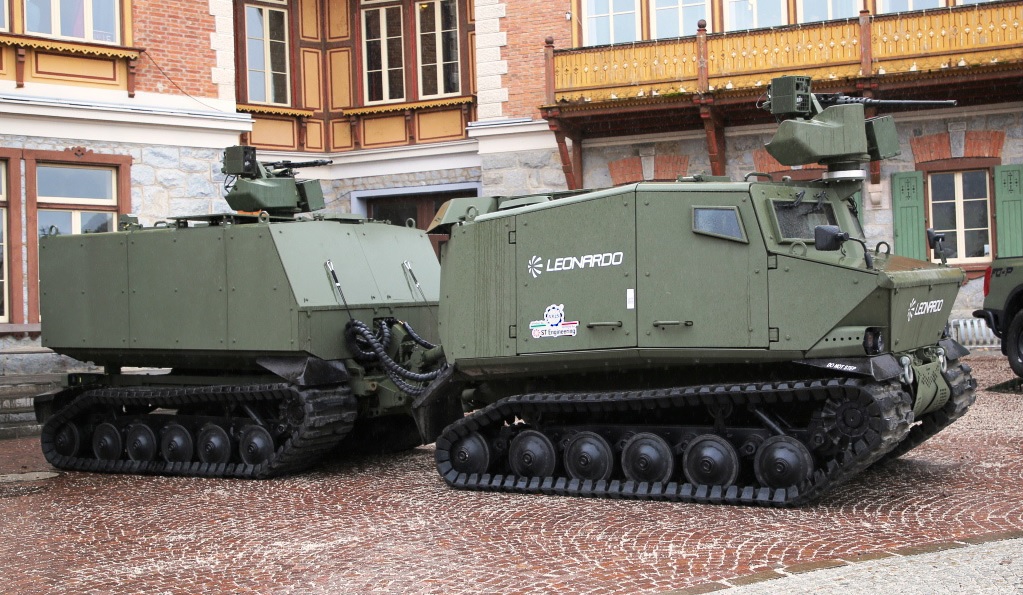
World
As the Italian Army advances its Arctic capability to support NATO’s northern front, the need for a modern all-terrain vehicle has led to the consideration of ST Engineering’s Bronco 3 All-Terrain Tracked Carrier. Partnering with Turin-based ARIS and Italian defence giant Leonardo, ST Engineering aims to replace the ageing BV206 fleet, which has been in service since the 1980s. The Bronco 3 was showcased during the high-profile “Volpe Bianca” military exercise in the Dolomites, where top political and military officials gathered for the Arctic Forum Dolomites 2025. The event saw various companies presenting cold-weather operational equipment, but the Bronco 3 stood out, marking its official introduction to the Italian market with the logos of all three partner companies. Designed for extreme environments, the Bronco 3 weighs 10,000 kg and can carry an additional 6,000 kg of payload. In its personnel carrier configuration, it accommodates four passengers in the front cabin and eight in the rear. Powered by a 325 hp diesel engine, it reaches speeds of 65 km/h and can traverse steep slopes, deep snow, and water, making it fully amphibious at 16 tonnes. The vehicle’s armour can be customized for different threats, with add-on kits for protection against armour-piercing rounds, landmines, and rocket-propelled grenades. The Bronco 3 displayed in Dobbiaco featured two Leonardo Hitrole Light remotely controlled weapon stations—one with a 12.7 mm machine gun and another with a 7.62 mm MG—enhancing its combat capability beyond traditional logistical roles. Additionally, the rear unit can be modified for various roles, including a flatbed cargo carrier or a mobile mortar system using ST Engineering’s 120 mm SRAMS. If selected by the Italian Army, Leonardo would act as the prime contractor and system integrator, while ARIS would handle licensed production. Leonardo would also develop specialized variants such as command posts, mortar carriers, and casualty evacuation vehicles. The modular design enables quick adaptation between roles, with mission modules being easily swapped using outriggers instead of heavy cranes. The project is expected to involve around 25 Italian SMEs, supporting 2,800 jobs across the country. While official procurement figures remain undisclosed, estimates suggest that the Italian Army’s requirement for Arctic-capable vehicles could be in the three-digit range. If approved, the Bronco 3 would significantly enhance Italy’s ability to operate in extreme environments, reinforcing NATO’s northern defence strategy.
Read More → Posted on 2025-03-18 14:28:20Search
Top Trending in 24 Hours
-
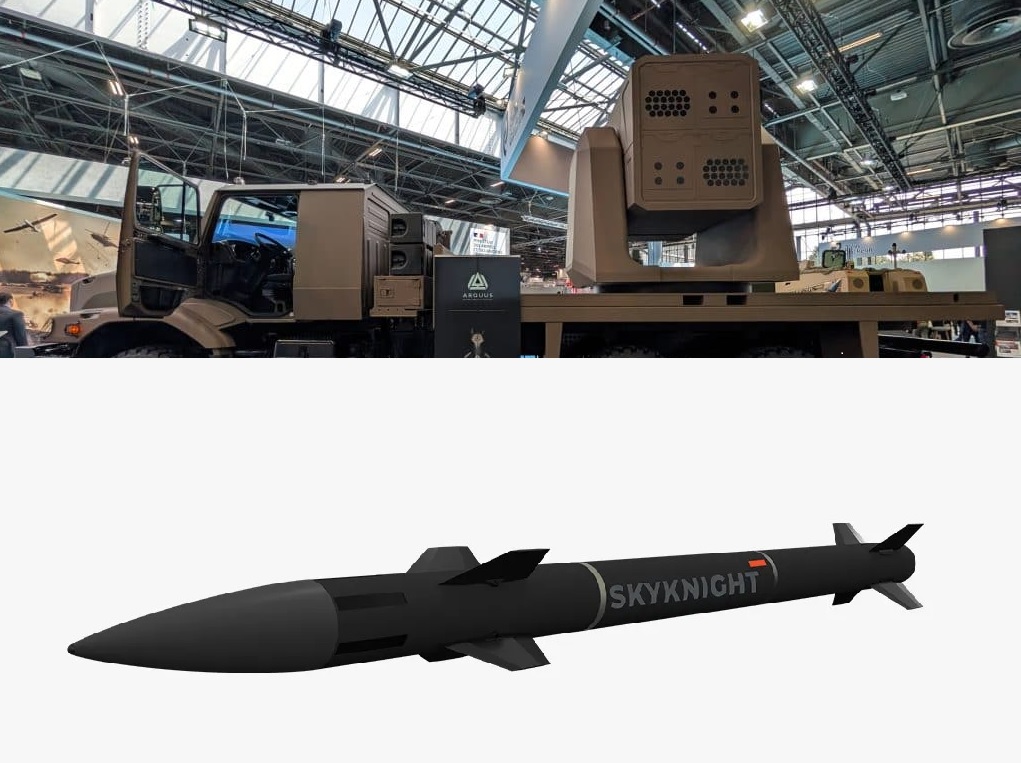 Naval Group Unveils Rampart Modular CIWS Multi-Purpose Weapon System for Naval and Ground Forces at Eurosatory 2026
-
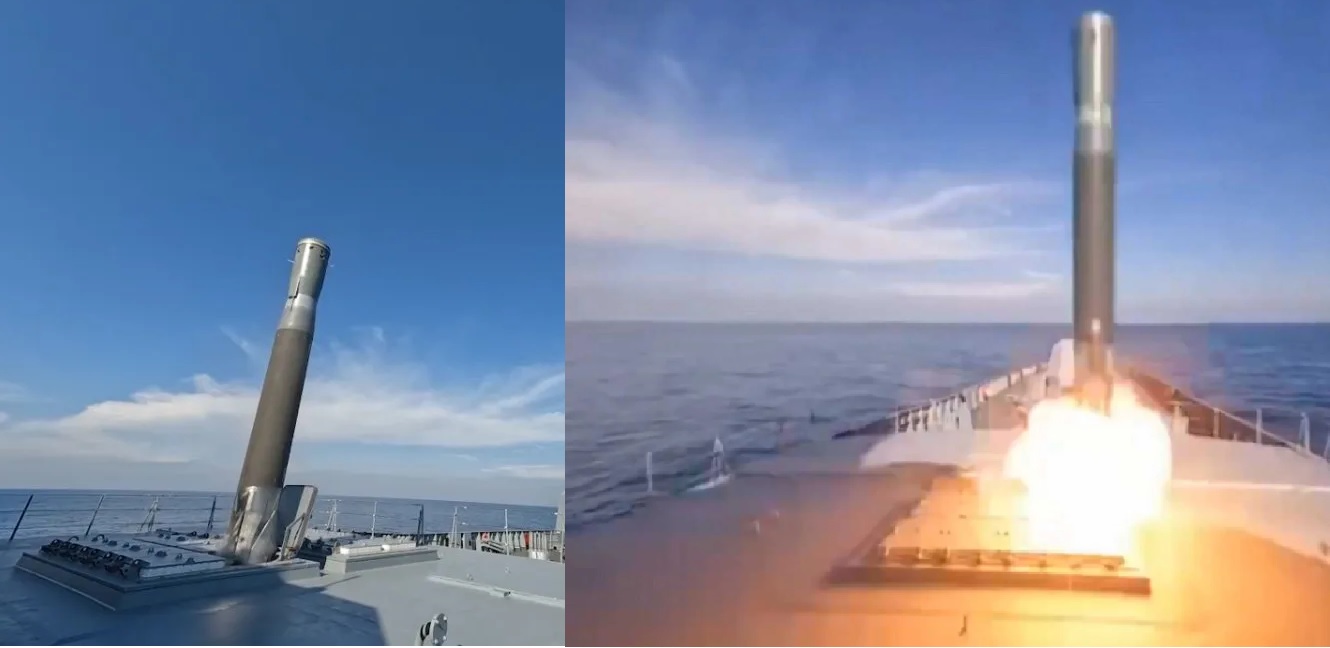 Open-Source Evidence Suggests Russia's Zircon Is a Quasi-Ballistic Missile, Not a True Hypersonic Cruise Weapon
-
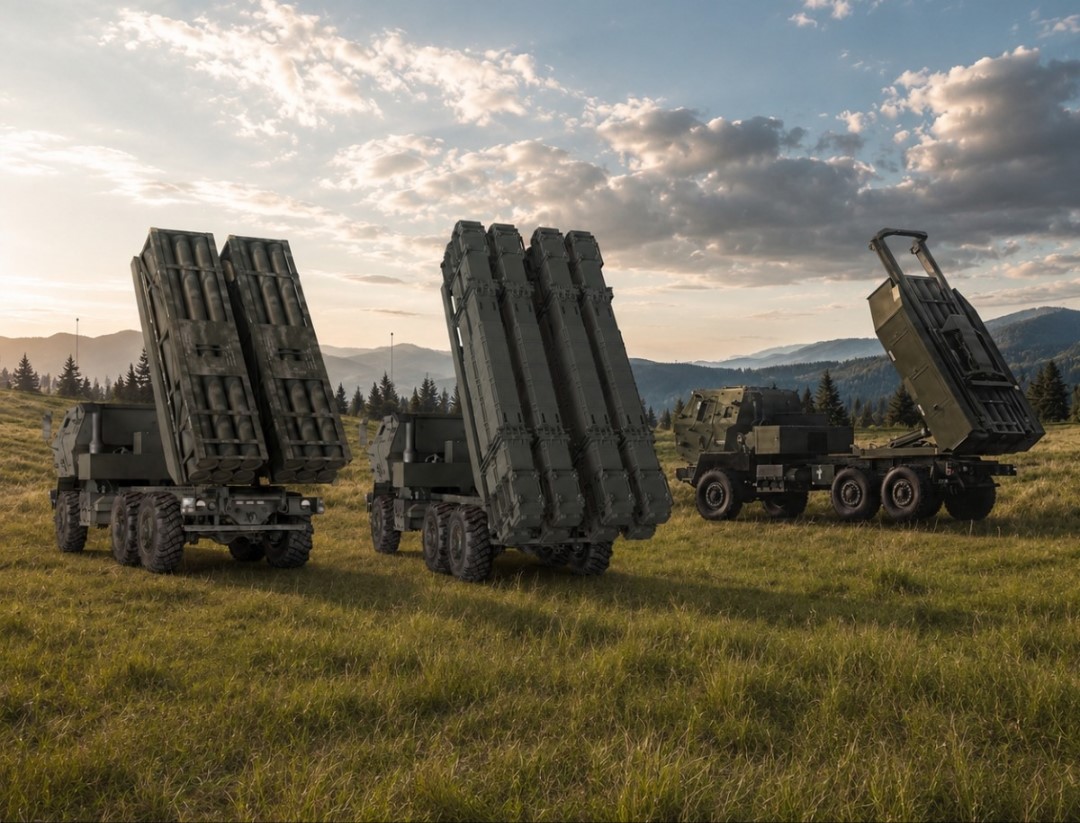 Lockheed Martin Unveils HIMARS FLEX with Dual-Pod Launcher and NATO-Compatible Air Defense Integration
-
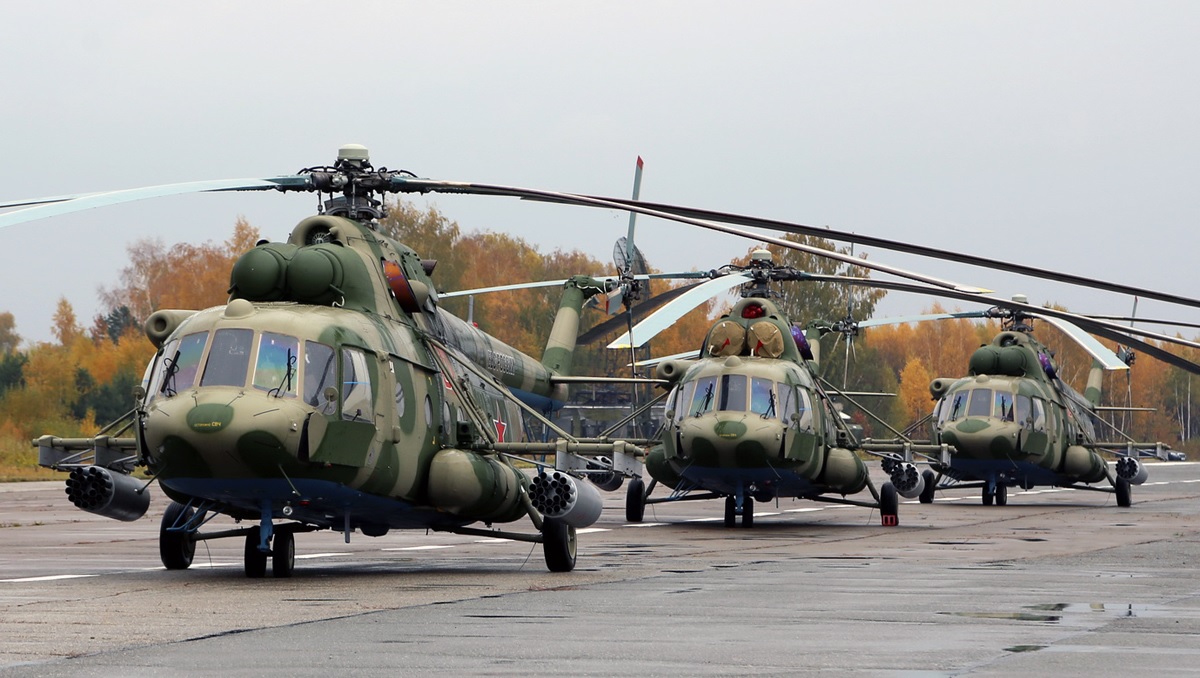 Iran Signs Deal with Russia for 20 Mi-8 and Mi-17 Helicopters to Boost Rescue and Medical Missions
-
 Pentagon Expands Alloy Surfaces Contract to $328.8 Million for Advanced Aircraft Decoy Flares Amid Evolving Drone Threats
-
 Why the U.S. Restored Pacific Command Name, Ending the Indo-Pacific Designation After Eight Years
-
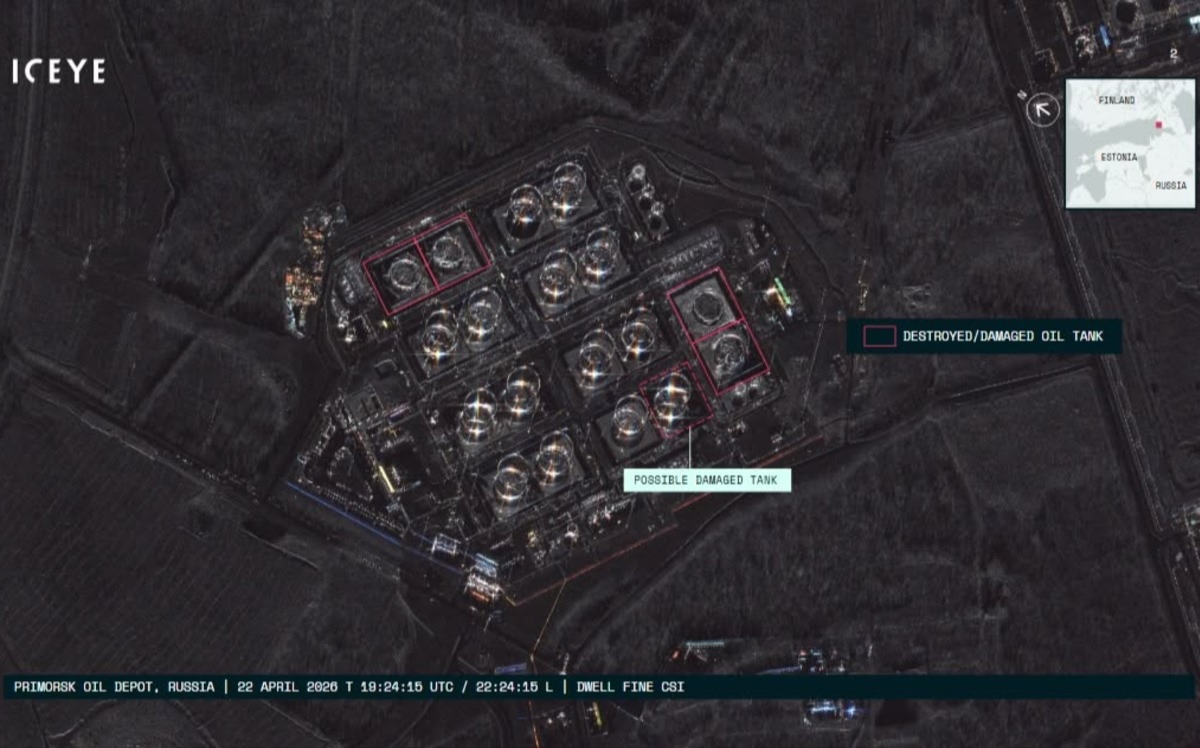 Portugal Doubles Sovereign SAR Satellite Fleet with Order for Two Additional ICEYE Satellites
-
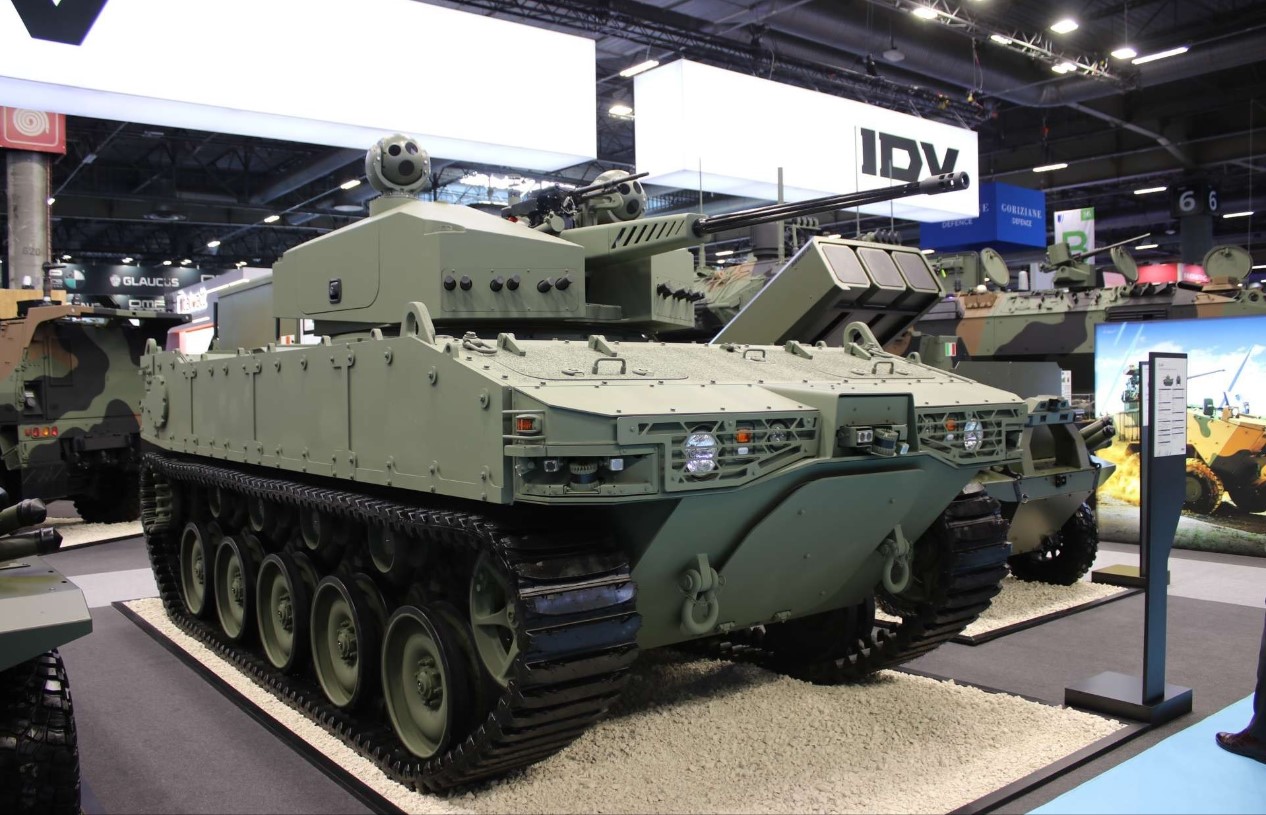 IDV Unveils CL2X Hybrid Uncrewed Light Tank at Eurosatory 2026
Top Trending in 4 Days
-
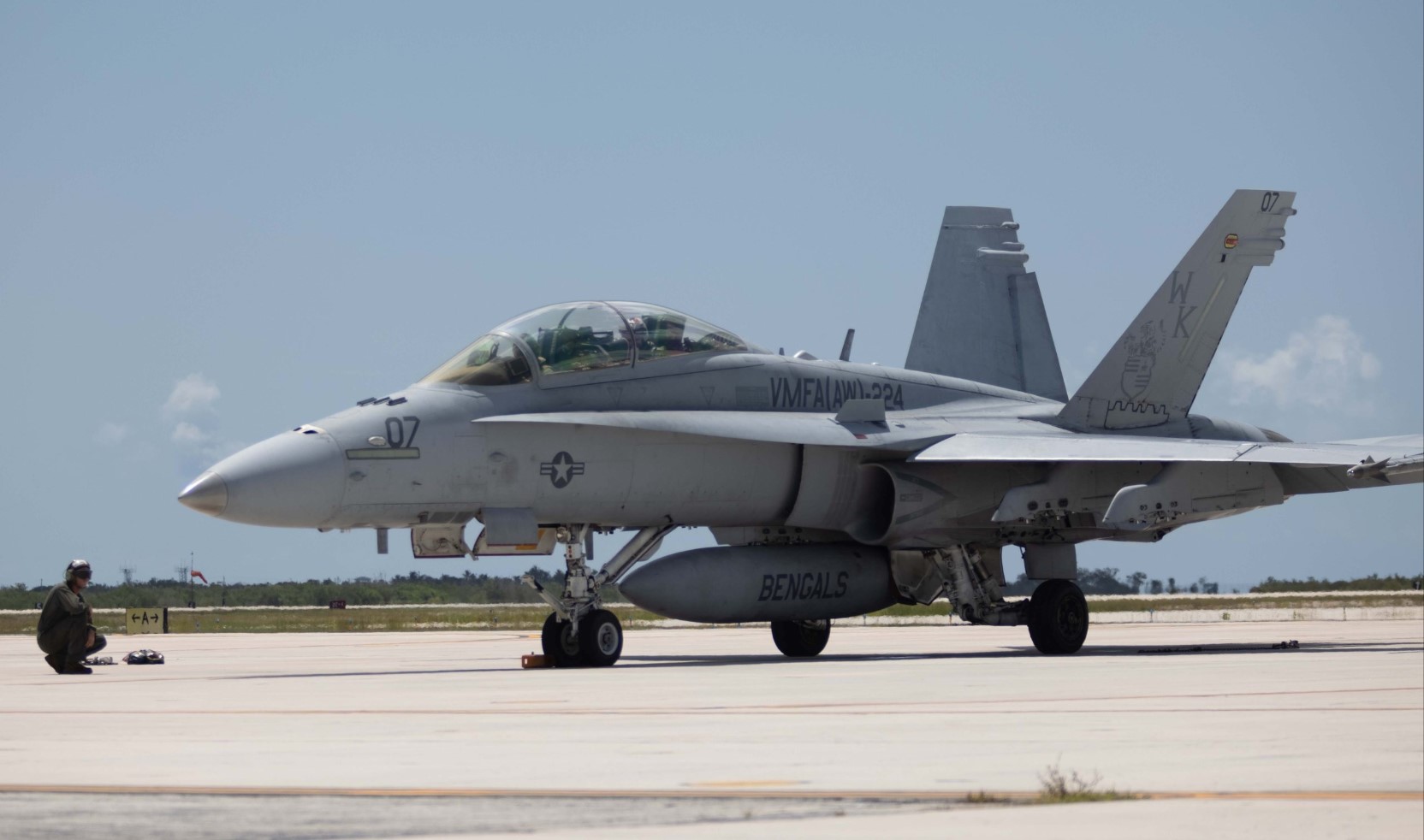 US Marine Corps F/A-18D Hornet Crashes During Training Flight in Washington Mountains; Pilot Ejects Safely
-
 Tulsi Gabbard Releases Declassified Files Detailing U.S.-Backed Network of 120 Biolaboratories Across 30+ Countries
-
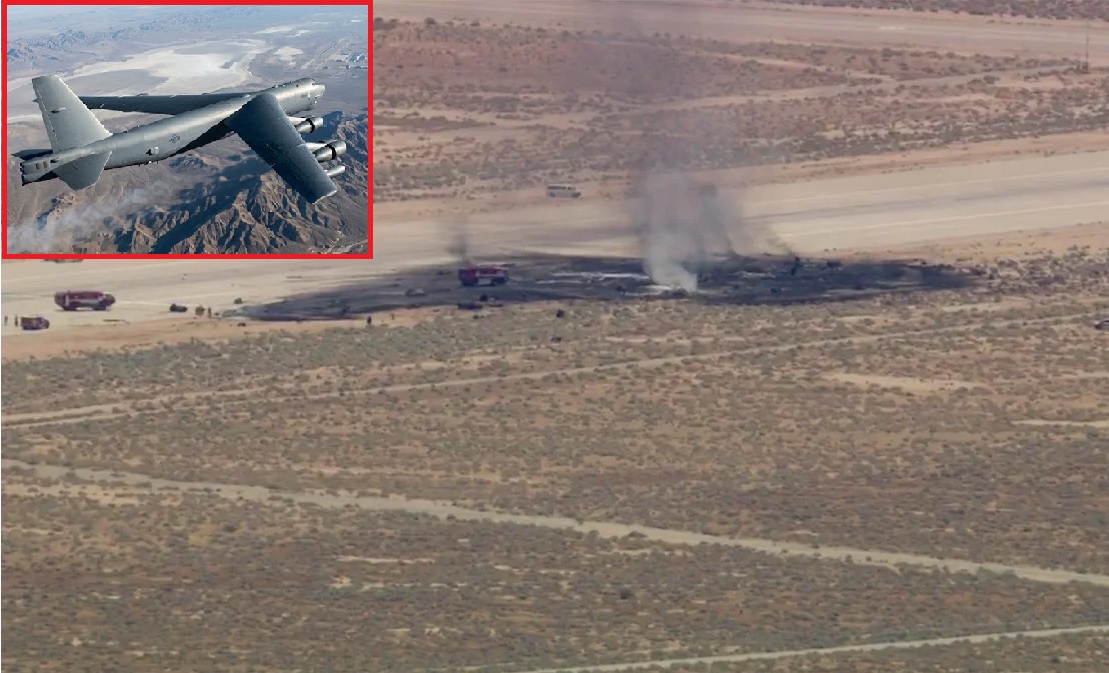 8 U.S. Air Force Crew Members Killed in B-52 Bomber Crash During Test Flight at Edwards Air Force Base
-
 Ukraine Introduces Balloon-Launched DART Missile Designed to Defeat Electronic Warfare
-
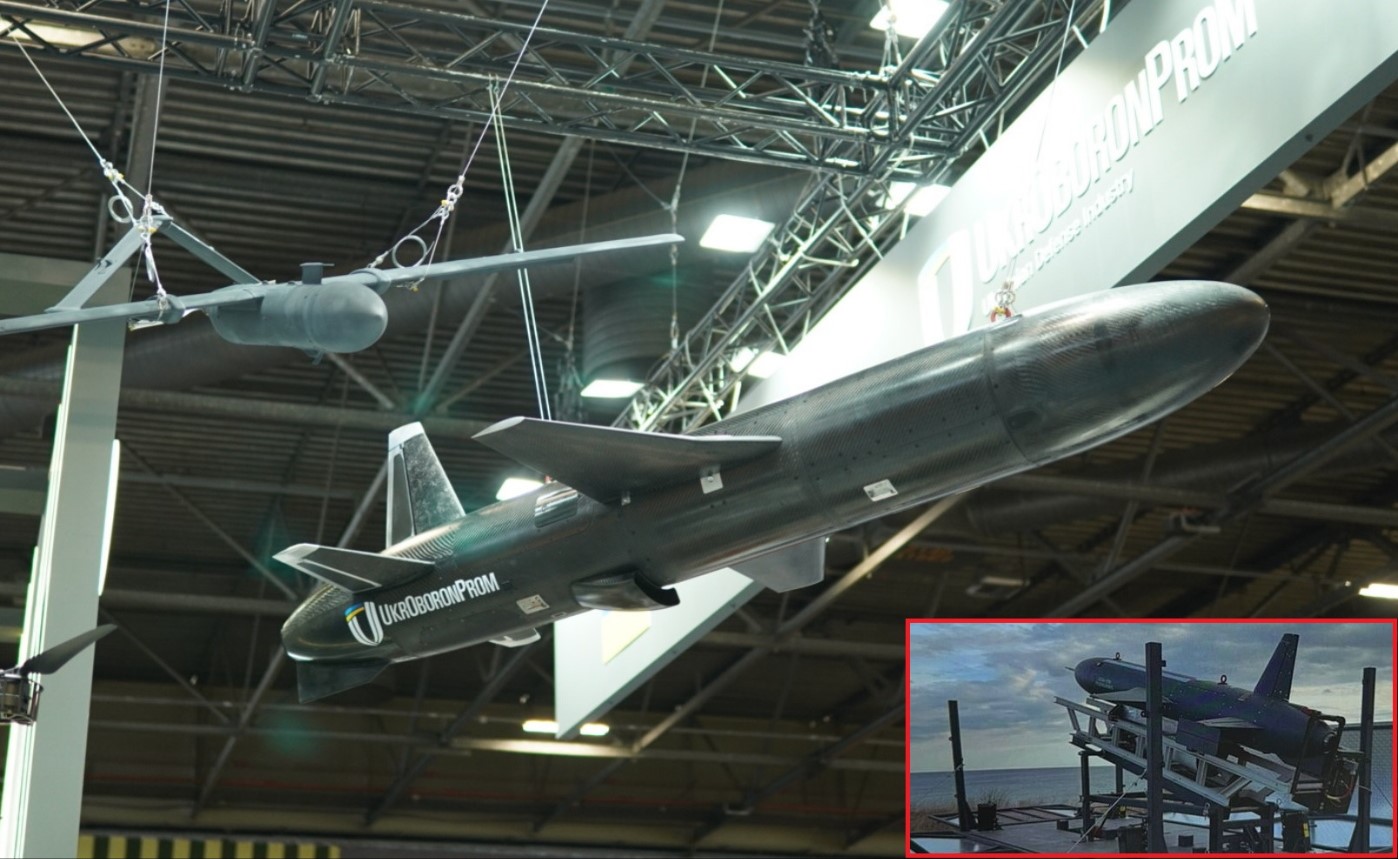 Ukraine Unveils UAV-290 Jet-Powered Strike Drone with 650 km Range at Eurosatory 2026
-
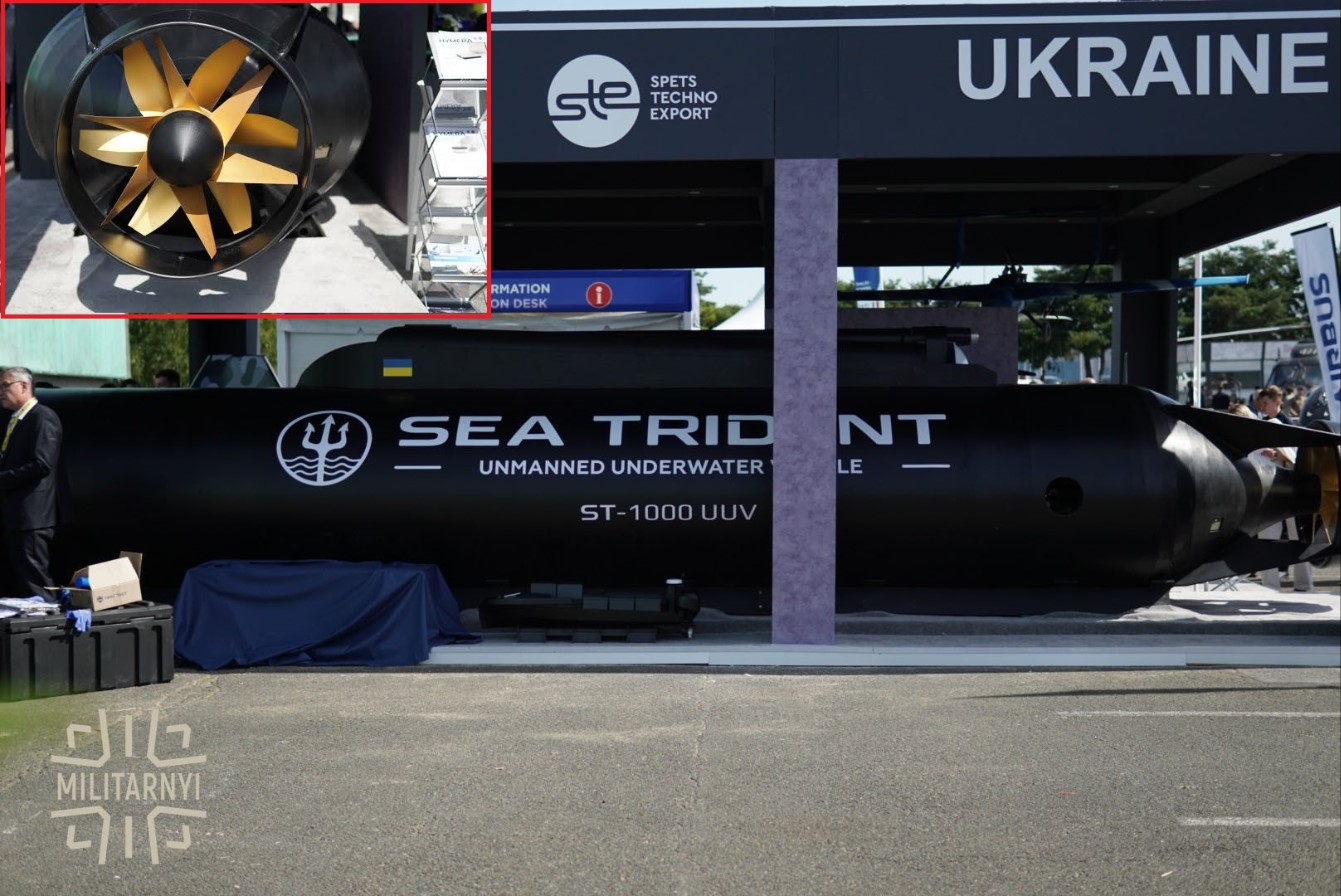 Ukraine Unveils 'Sea Trident' 10-Ton Autonomous Underwater Drone at Eurosatory 2026
-
 Rolls-Royce Unveils New Hybrid Powertrain for Heavy Military Vehicles at Eurosatory 2026
-
 France Agrees to Equip Future Indian Rafales with AI, MUM-T and Secure Satellite Links Under F5 Standard