World
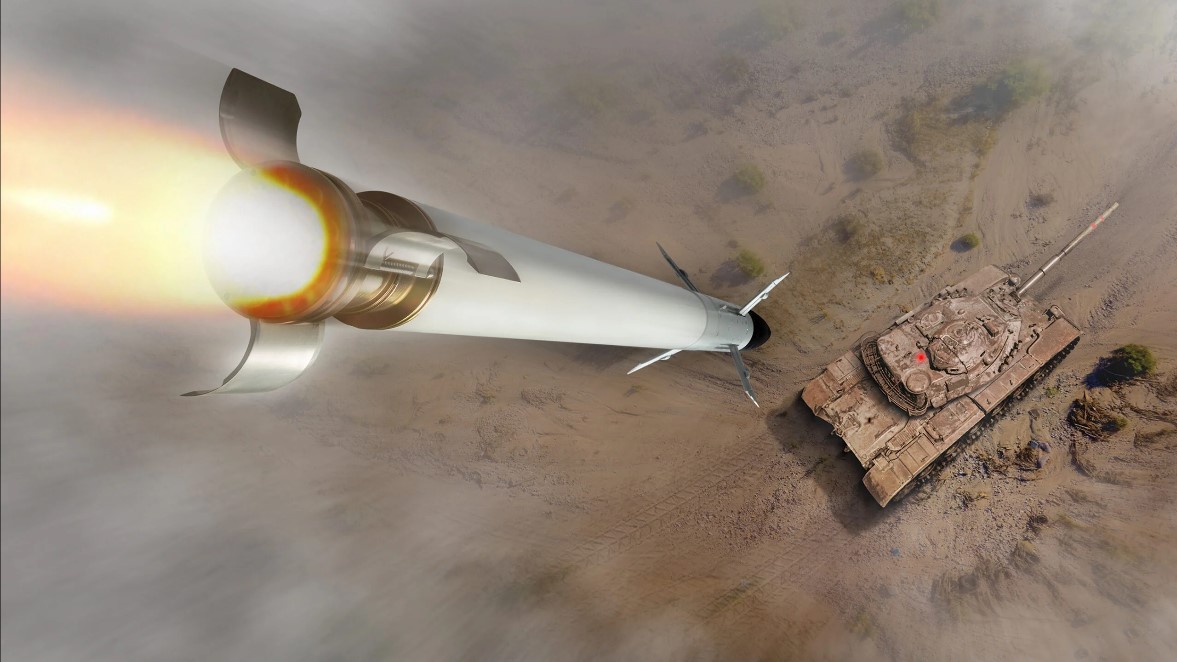
The United States has approved a major arms sale to Saudi Arabia, granting the Kingdom access to 2,000 Advanced Precision Kill Weapon Systems (APKWS) II, a laser-guided missile system designed to enhance precision targeting while minimizing collateral damage. The deal, valued at $100 million, includes not just the weapons but also essential spare parts, support equipment, missile software, and extensive training and technical assistance. Boosting Saudi Arabia’s Defence Capabilities The APKWS II system, developed by BAE Systems, is a game-changer for precision strikes. It converts standard 70mm (2.75-inch) rockets into guided munitions, significantly increasing their effectiveness against various threats. By using semi-active laser guidance, these weapons provide pinpoint accuracy, reducing the risk of unintended casualties. With a warhead weighing around 10 pounds (4.5 kg) and the ability to reach speeds of up to 1,000 meters per second (3,280 feet per second), the APKWS is a highly effective tool for countering aerial and ground threats. Saudi Arabia has previously used this system to intercept and destroy Houthi-launched attack drones, demonstrating its reliability in real combat scenarios. Strategic Importance of the Deal Beyond military benefits, the sale aligns with Washington’s broader foreign policy goals. Strengthening Saudi Arabia’s defence capabilities reinforces the security of a key ally in the Gulf region, a critical area for global political and economic stability. The United States sees Saudi Arabia as an important partner in maintaining security against regional threats, including drone and missile attacks. The deal, however, still requires congressional approval before it can be finalized. Given past debates in the US regarding arms sales to Saudi Arabia, lawmakers will weigh the Kingdom’s human rights record and regional military engagements before granting full clearance. A Cost-Effective, Combat-Proven System One of the biggest advantages of the APKWS II is its affordability. At an estimated cost of $22,000 per unit, it provides an economical alternative to more expensive guided missile systems. This makes it ideal for countering low-cost aerial threats such as drones and enemy rocket attacks without overburdening defence budgets. With its proven combat effectiveness and strategic importance, the sale of these precision-guided weapons marks another step in the US-Saudi defence partnership. If approved, it will enhance the Kingdom’s ability to address evolving security challenges while reinforcing US interests in the region.
Read More → Posted on 2025-03-22 14:25:49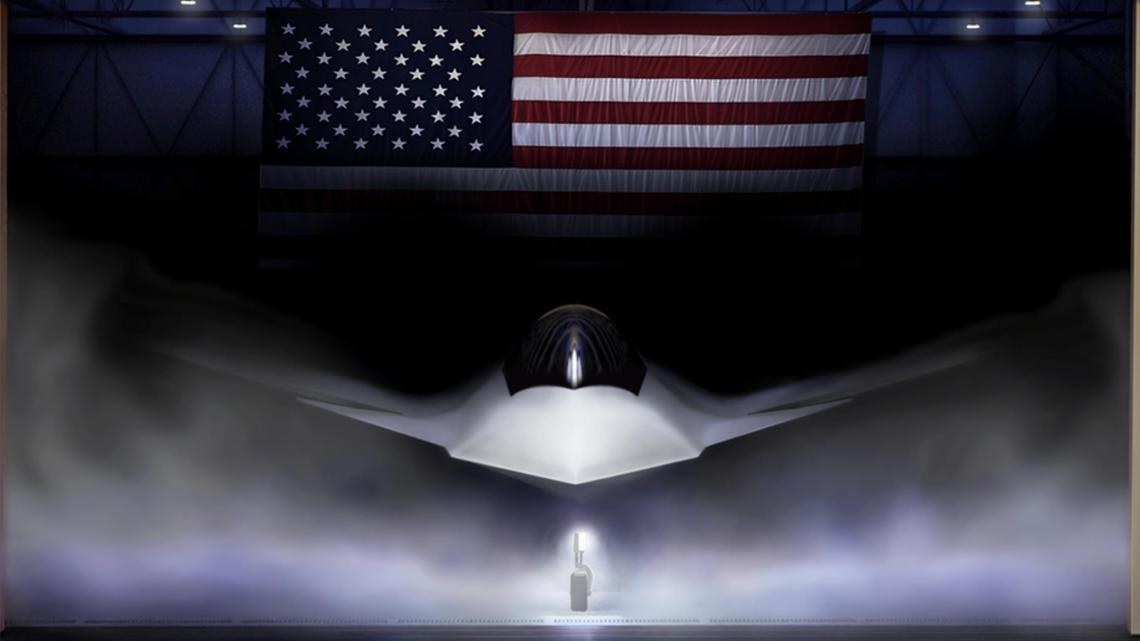
World
The U.S. Department of Defense has awarded Boeing a massive $20 billion contract to develop the F-47, a next-generation fighter jet under the Next Generation Air Dominance (NGAD) program. The announcement was made by former President Donald Trump during a White House briefing on March 21. F-47: The Future of Air Combat The F-47 is set to replace the aging F-22 Raptor and will be the most advanced combat aircraft ever built. Boeing secured the contract over Lockheed Martin, a strong competitor known for developing the F-22 and F-35 fighter jets. Trump emphasized that the F-47 would feature revolutionary stealth technology, unmatched maneuverability, and superior air combat capabilities. He also revealed that a prototype version of the aircraft had been secretly test-flown for nearly five years. Though details remain classified, the U.S. Air Force has released a minimal outline of the jet’s nose design. Defense Secretary Pete Hegseth described the deal as a historic milestone for American air power. Boeing Expands Production for F-47 To support the project, Boeing is expanding its operations in St. Louis, Missouri, where the company currently produces the F/A-18 Super Hornet, which will be phased out by 2027. The resources from the Super Hornet program will be redirected to NGAD-related work. Additionally, Boeing will build three new facilities in St. Louis: A laboratory and testing center An advanced coatings facility A final assembly hall A separate plant in Arizona will be developed to produce advanced composite materials for the F-47’s airframe. NGAD: A $28 Billion Investment in Air Superiority General David W. Allvin, Chief of Staff of the U.S. Air Force, stated that the F-47 will be the centerpiece of the NGAD program, integrating next-generation technologies to maintain U.S. air dominance for decades. The total cost of the NGAD program is expected to exceed $28 billion by 2029, making it one of the largest investments in American air combat capabilities. With Boeing at the helm of the F-47’s development, the U.S. is positioning itself to lead the next era of aerial warfare, ensuring its superiority in future conflicts.
Read More → Posted on 2025-03-22 14:21:32
World
China’s ambitious sixth-generation stealth fighter has been spotted once again in flight, sparking fresh discussions about the country’s rapid advancements in next-generation air combat technology. The latest sighting comes at a time when former U.S. President Donald Trump is reportedly preparing to announce the Pentagon’s decision on America’s own next-generation fighter under the highly classified Next Generation Air Dominance (NGAD) program. A Second Sighting in Chengdu New images and footage of China’s futuristic tailless aircraft began circulating online, showing the massive jet flying over the southwestern city of Chengdu, home to its developer, Chengdu Aircraft Industry Group. Unlike its first sighting in December 2023—when it flew alongside a J-20S fifth-generation fighter—this time, the aircraft was flying solo, with its landing gear seemingly retracted. Experts believe this test flight was focused on evaluating the aircraft’s aerodynamic performance and landing gear systems. The short gap of fewer than three months between the first two known test flights suggests that the program is progressing rapidly and that the developers are confident in the aircraft’s stability. Unveiling Key Design Features Several notable design elements of the new fighter were visible in the recent images, including diverterless supersonic inlet (DSI) air intakes on its dorsal section and split flaps near the wingtips. These features suggest a strong focus on stealth and high-speed maneuverability. Satellite imagery of Chengdu Aircraft’s manufacturing site has also shown two newly built shelters, much larger than those housing existing fighter jets like the J-10 and J-20. These are believed to be dedicated facilities for servicing and testing the new aircraft. Unverified footage has even shown the fighter producing three distinct exhaust flames during acceleration, leading to speculation that it could have a three-engine configuration—an unusual but potentially groundbreaking setup for enhanced thrust and speed. Dubbed the "Ginkgo Leaf" due to its distinct shape, the aircraft has also been referred to as the J-36, based on prototype markings that resemble early designations of the J-20 stealth fighter. China’s Sixth-Gen Race Against the U.S. China has been testing multiple next-generation fighters, with another tailless stealth jet also spotted in December in Shenyang, indicating that two different aircraft designs may be in development simultaneously. This aggressive testing schedule reflects Beijing’s ambition to match, if not surpass, the U.S. in next-generation air warfare capabilities. Meanwhile, across the Pacific, the U.S. is also moving forward with its own next-generation fighter program. Trump is reportedly set to announce the Pentagon’s decision on the NGAD contract, which is expected to be worth at least $20 billion. The NGAD fighter is designed to replace the aging F-22 Raptor and will be capable of operating alongside autonomous drones. While details of the American NGAD aircraft remain classified, it is widely expected to feature enhanced stealth capabilities, next-generation sensors, and advanced propulsion systems. A New Era of Aerial Warfare With both China and the U.S. accelerating their sixth-generation fighter programs, the race for air superiority is entering a new phase. While China remains secretive about its progress, the rapid pace of test flights suggests it is making significant strides in next-gen aviation technology. The coming years will determine how these aircraft stack up against each other, but one thing is clear—stealthy, AI-integrated, and highly maneuverable fighters will define the future of air combat.
Read More → Posted on 2025-03-21 15:27:56
World
The U.S. Department of Defense has confirmed a $141 million contract modification awarded to Raytheon Co. for the supply of Standard Missile-2 (SM-2) spares to five key allies under the Foreign Military Sales (FMS) program. This deal strengthens the naval air defense capabilities of Japan, Australia, the Netherlands, Spain, and Germany, ensuring these nations maintain operational readiness in their maritime defense systems. Breakdown of the SM-2 Spares Procurement Japan is the largest recipient of the SM-2 spares, accounting for 57% of the total procurement, followed by Australia (19%), the Netherlands (13%), Spain (6%), and Germany (5%). The distribution reflects the strategic maritime defense needs of these nations, particularly in the Indo-Pacific and European regions. Work under the contract will be carried out at two primary locations in the U.S.: 72% in East Camden, Arkansas, and 28% in Tucson, Arizona. Production and deliveries are scheduled to be completed by June 2030. The SM-2: A Critical Naval Defense Weapon The Standard Missile-2 (SM-2) is a long-range, surface-to-air missile designed to provide fleet area air defense and ship self-protection. Manufactured by Raytheon, the missile is capable of intercepting enemy aircraft and anti-ship missiles midflight, making it a vital component of modern naval warfare. It is extensively used by both the U.S. Navy and allied forces to counter aerial threats in contested maritime environments. Strengthening Global Maritime Security The contract was arranged through the Naval Sea Systems Command (NAVSEA), which manages the acquisition and lifecycle support of naval weapon systems. The continued production and international sales of the SM-2 highlight its importance in global naval defense strategies, particularly in regions where maritime security remains a priority. By securing these additional missile spares, the five allied nations reinforce their naval defense capabilities, ensuring readiness against evolving threats in the Indo-Pacific and European theaters.
Read More → Posted on 2025-03-21 15:25:43
World
Australia has taken a significant leap in strengthening its maritime strike capabilities with the successful live firing of the AGM-158C Long Range Anti-Ship Missile (LRASM). This milestone marks a critical advancement in the Royal Australian Air Force’s (RAAF) ability to conduct long-range precision strikes against naval threats. The live-fire test, conducted off the coast of California at the Point Mugu Sea Range, involved an RAAF F/A-18F Super Hornet. Supported by the United States Navy, the operational test confirmed the missile’s readiness for deployment, validating its weapons preparation, loading, targeting, and successful engagement of a simulated maritime threat. With a range exceeding 370 kilometers, the LRASM significantly enhances Australia’s ability to deter potential adversaries in the Indo-Pacific region. The missile is designed to autonomously locate and engage enemy warships, even in electronic warfare environments where traditional GPS guidance might be compromised. The Albanese Government has allocated $895.5 million for the acquisition of LRASM, reinforcing Australia’s commitment to modernizing its defence forces. Over the next decade, a broader investment of $28–35 billion will be directed towards improving targeting and long-range strike capabilities across the Australian Defence Force (ADF). During the operational test, an Australian E-7A Wedgetail and EA-18G Growler aircraft provided critical support, working alongside a U.S. Navy P-8A Poseidon. This collaboration with the United States underscores the strong defence partnership between the two allies and highlights the integration of cutting-edge military technologies in Australia’s strategic planning. Deputy Prime Minister Richard Marles emphasized the importance of such capabilities in safeguarding Australia’s maritime approaches. He noted that the LRASM would be deployed across the Super Hornet, Poseidon, and F-35 fleets, enhancing the ADF’s ability to respond to evolving regional security challenges. Defence Minister Pat Conroy described the LRASM acquisition as a major step forward in strengthening Australia’s long-range strike capability. He reiterated the government’s focus on equipping the armed forces with the necessary tools to defend national interests effectively. The LRASM itself is an advanced weapon derived from the Joint Air-to-Surface Standoff Missile Extended Range (JASSM-ER). Equipped with an anti-jam GPS system, radio frequency sensor, and infrared targeting, it operates with minimal reliance on external intelligence, making it highly effective in contested environments. Its low observability and ability to engage protected enemy ships under all weather conditions further enhance its strategic value. This successful live-fire event marks a significant boost to Australia’s defence posture, aligning with its broader vision of maintaining a technologically superior and combat-ready military force in the Indo-Pacific region.
Read More → Posted on 2025-03-21 15:23:05
World
A series of drone strikes hit the Engels-2 airbase in Russia’s Saratov region overnight, triggering explosions near one of the country’s most critical military facilities. The airbase, known for housing Russia’s long-range strategic bombers, came under attack in what appears to be another strike deep inside Russian territory. Eyewitnesses described multiple explosions in the early hours, with thick smoke rising from the area. According to local reports, emergency services were quickly deployed, and authorities ordered evacuations for residents living near the base due to the fires caused by the attack. Saratov Oblast Governor Roman Busargin confirmed the evacuations, citing security concerns. Engels-2 airbase serves as a key hub for Russia’s strategic bomber fleet, including the Tu-95MS and Tu-160 aircraft, which have been used in long-range missions and missile strikes. This is not the first time the base has been targeted—previous attacks in 2022 and 2023 exposed vulnerabilities in Russia’s air defenses, despite its advanced radar and missile systems. While the extent of the damage remains uncertain, the attack signals the growing role of long-range drones in modern warfare. The Kremlin has yet to officially comment on the incident, leaving questions about potential military losses unanswered. However, the repeated strikes on such a critical airbase highlight the increasing pressure on Russian air defense systems and the evolving tactics of drone warfare.
Read More → Posted on 2025-03-21 15:20:54
World
In a major leap forward for military technology, US tech giants Booz Allen Hamilton and Shield AI have partnered to integrate cutting-edge artificial intelligence (AI) into uncrewed military systems. This collaboration aims to enhance battlefield efficiency, allowing autonomous vehicles to operate seamlessly even in high-risk environments where GPS and communications may be jammed. Advanced AI for Next-Gen Warfare At the core of this partnership is Shield AI’s Hivemind, a sophisticated AI software capable of piloting a wide range of uncrewed vehicles—from kamikaze drones to advanced fighter jets like the F-16. Unlike traditional remotely operated systems, Hivemind enables these vehicles to function independently, executing missions without relying on human pilots. It also supports swarming operations, where multiple drones or autonomous aircraft work together to overwhelm enemy defenses. Booz Allen Hamilton, with its deep expertise in mission engineering, will integrate and scale Hivemind’s capabilities to ensure rapid deployment across various military platforms. The goal is to create AI-driven, software-defined autonomy that can adapt to complex combat scenarios in real-time. Maintaining the US Military’s Technological Edge One of the biggest challenges in modern warfare is ensuring that military assets remain operational even when conventional communication networks are compromised. The AI-driven autonomy solutions developed by Booz Allen and Shield AI address this challenge by allowing uncrewed systems to navigate and complete their missions even when GPS signals are blocked or enemy forces attempt electronic interference. Booz Allen brings a wealth of experience in integrating cutting-edge technologies into mission-critical operations. By working closely with the defense industry and commercial tech ecosystem, the company ensures that these AI-powered systems are not just innovative but also practical and cost-effective for real-world deployment. Enhancing Warfighter Safety and Effectiveness Shield AI President Brandon Tseng highlighted the importance of deploying the right technology in combat zones. “The best technology is useless unless it can be quickly and seamlessly deployed in real-life, high-stakes environments,” he stated. “That’s why we chose to partner with Booz Allen. They know the technology, they understand what warfighters need, and they can see to it that we swiftly accomplish this mission.” By integrating AI-powered autonomy into uncrewed military platforms, the partnership aims to provide the US military with a decisive advantage over adversaries. The ability to deploy autonomous systems in dynamic and hostile environments enhances both operational effectiveness and troop protection, ensuring that warfighters can focus on mission success while reducing risk. With this collaboration, Booz Allen and Shield AI are not just advancing military technology—they are shaping the future of autonomous warfare.
Read More → Posted on 2025-03-21 14:56:15
World
Denmark has moved a step closer to modernizing its ground-based air defence systems, with the Danish Ministry of Defence Acquisition and Logistics Organisation (DALO) shortlisting six suppliers from an initial pool of twelve contenders. This selection marks a crucial phase in Denmark’s efforts to bolster its air defence capabilities in alignment with NATO’s requirements. Two-Tier Procurement Approach The procurement process is divided into two categories: long-range air defence systems and short- to medium-range systems. The shortlisted suppliers have been invited to submit bids covering costs, personnel requirements, maintenance expenses, and long-term support. For long-range air defence, Denmark is evaluating two competing solutions: Patriot System (USA): A battle-tested system that could be acquired through the U.S. government. SAMP/T NG (Eurosam, Europe): A European alternative offering advanced missile defence capabilities. For short- to medium-range defence, four systems are in the running: NASAMS (Norway, Kongsberg): A widely used system known for its flexibility and high accuracy. IRIS-T SLM (Germany, Diehl Defence): A modern European solution with strong mobility and precision. VL MICA (France, MBDA): A highly adaptable system offering multiple missile variants. IFPC System (USA): A U.S.-based option designed to counter various airborne threats. Selection Criteria and Deployment Timeline Denmark’s decision will be based on key factors such as NATO interoperability, security of supply, operational effectiveness, and delivery schedules. The final contracts are expected to be signed by the end of 2025, with full operational deployment slated for 2028. Meanwhile, Denmark is considering leasing or temporarily acquiring air defence capabilities between 2025 and 2026 to bridge the gap until the new systems are fully operational. Denmark’s Growing Air Defence Strategy Currently, Denmark’s ground-based air defence is limited to very short-range FIM-92 Stinger systems. To strengthen its defences, Denmark is also planning to introduce Skyranger 30 mobile air defence systems mounted on Piranha V armoured vehicles, as part of its participation in the European Sky Shield Initiative (ESSI). These systems will enhance protection against aerial threats at close range. However, the backbone of Denmark’s air defence remains its Air Force and Navy. The Royal Danish Air Force is transitioning from F-16 fighter jets to advanced F-35 aircraft, while the Royal Danish Navy operates five frigates armed with RIM-162 ESSM and SM-2 Block IIIA missiles, capable of providing medium- and long-range air defence. With these new acquisitions, Denmark is positioning itself as a key player in European air defence, ensuring robust protection against modern aerial threats.
Read More → Posted on 2025-03-21 14:49:43
World
North Korea has once again demonstrated its growing military capabilities by test-firing a new anti-aircraft missile system. The announcement came as Russia’s top security official, Sergei Shoigu, met with North Korean leader Kim Jong Un, underscoring the deepening ties between Moscow and Pyongyang. Kim Jong Un Oversees Missile Test State-run media reported that Kim personally oversaw the latest missile test, which was designed to enhance North Korea’s air defense capabilities. While the exact timing of the test was not revealed, the Korean Central News Agency (KCNA) claimed the new system would significantly boost the country’s combat readiness. Kim hailed the weapon as a major step in strengthening North Korea’s military, further solidifying its defensive capabilities against perceived threats. This test comes just days after South Korea and the United States concluded their annual joint military exercise, Freedom Shield, a large-scale drill that North Korea has repeatedly condemned as a provocation. Pyongyang often uses these exercises as justification for its weapons tests, arguing that they are necessary for self-defense. Russia-North Korea Alliance Strengthens Amid escalating tensions in the region, Shoigu’s visit to Pyongyang highlights the growing military partnership between Russia and North Korea. He delivered personal greetings from President Vladimir Putin and praised the Strategic Partnership Treaty signed last year, which includes a mutual defense clause. The agreement has raised concerns among Western nations, particularly as reports suggest that North Korea has been supplying Russia with weapons and even sending troops to assist in its war against Ukraine. While Moscow and Pyongyang have denied troop deployments, intelligence sources from South Korea and the West claim that thousands of North Korean soldiers were sent to Russia last year, with additional reinforcements being deployed recently. These troops are reportedly stationed near the Ukrainian border, assisting Russian forces in various roles. Weapons for Export? Experts believe North Korea’s recent missile tests could also serve another purpose—demonstrating military technology for potential export to Russia. Some analysts suggest Pyongyang is using tensions with South Korea and the US as a cover to develop and test weapons that could be supplied to Moscow for use in Ukraine. South Korean intelligence has previously accused North Korea of shipping large quantities of ammunition, missiles, and military equipment to Russia. If Pyongyang is indeed enhancing its missile interception and air defense systems with Russian assistance, it could significantly alter the regional security landscape. There is also speculation that Moscow could be helping North Korea improve its radar systems and battlefield command vehicles in return. Rising Tensions on the Korean Peninsula Relations between North and South Korea have hit a new low, with Pyongyang conducting multiple ballistic missile tests in violation of UN sanctions. The latest developments indicate that North Korea is not only advancing its military capabilities but also strengthening its strategic partnership with Russia in ways that could have far-reaching consequences. With Russia and North Korea drawing closer, and Pyongyang continuing its aggressive weapons testing, tensions in the region are likely to escalate further. The growing military cooperation between the two nations poses new challenges for South Korea, the US, and their allies, who are closely watching the evolving security dynamics in East Asia.
Read More → Posted on 2025-03-21 14:42:34
World
France’s Elwave is set to provide Ukraine with its cutting-edge Tetrapulse sensor to enhance underwater mine countermeasure operations. This advanced system is based on the company’s Controlled Electric Detection And Ranging (CEDAR) technology, enabling the detection of both metallic and non-metallic mines, even in areas with low visibility or at greater depths. A Game-Changer in Mine Detection Traditional mine detection methods, such as magnetometers, acoustic sensors, and video-based systems, often struggle in challenging underwater environments. The Tetrapulse sensor is designed to overcome these limitations, ensuring continuous anti-mine operations in areas where conventional methods fail. This capability will play a crucial role in helping Ukraine secure its waterways and harbors, which are vital for both national security and economic recovery. Supporting Ukraine’s Economic Revitalization Beyond military applications, the deployment of Tetrapulse is expected to assist Ukraine in restoring essential maritime trade and industrial activities. By clearing explosive threats from key ports and shipping routes, the country can take significant steps toward reviving its economy. Elwave CEO Pierre Tuffigo emphasized the importance of this mission, stating that the selection of Tetrapulse by demining and unexploded ordnance specialists highlights confidence in the technology’s effectiveness and operational readiness. Integration with Exail’s R7 Underwater Drone Elwave’s initiative aligns with its collaboration with Exail, a Paris-based defense contractor, to integrate Tetrapulse into the R7 remotely operated underwater vehicle (ROV). This partnership enhances the R7’s ability to detect and track objects made of aluminum, steel, and fiberglass composites, making it an even more versatile asset for mine countermeasure operations. The R7 drone is equipped with a five-function robotic arm, capable of handling and transporting objects. It can operate at depths of up to 300 meters (984 feet), travel at speeds of 3 knots (3.4 miles/5.5 kilometers per hour), and carry payloads of up to 35 kilograms (77 pounds). The integration of Tetrapulse further strengthens the drone’s capabilities in underwater surveillance and demining tasks. Enhancing Ukraine’s Maritime Security With the war continuing to pose threats to Ukraine’s infrastructure, securing strategic maritime zones remains a top priority. The deployment of Elwave’s Tetrapulse sensor, combined with Exail’s R7 drone, represents a significant technological advancement in mine countermeasure operations. By leveraging these innovations, Ukraine can effectively safeguard its territorial waters while working toward long-term economic stability.
Read More → Posted on 2025-03-21 14:33:53
World
Assam is set to witness a major infrastructural leap, with the state preparing to enable fighter jets to land on its national highways. Chief Minister Himanta Biswa Sarma announced on Thursday that a section of the highway between Dibrugarh and Jorhat will soon be upgraded to meet international standards, allowing Indian Air Force (IAF) aircraft to operate from it. Speaking after a Cabinet meeting in Dibrugarh, CM Sarma highlighted the ambitious project, stating, “We are upgrading the national highway between Dibrugarh and Jorhat to international standards. Soon, Indian Air Force fighter jets will be able to land on this highway. Assam will witness several significant developments this year.” Infrastructure Push Amid Criticism The Chief Minister also took the opportunity to address opposition voices, asserting that his government is actively engaged in transformative projects despite skepticism from some quarters. “Some people criticise us when we discuss developmental initiatives, but the truth is that our government is working on projects such as building underwater tunnels and international standard highways. These advancements will be visible within a year,” he remarked. Boosting Business and Employment Apart from infrastructure development, the Assam government has introduced new measures to support business growth. The Cabinet has decided to allow shops in Guwahati, Dibrugarh, and Silchar to operate 24 hours a day, a move aimed at boosting commercial activity. In other urban areas, businesses will be permitted to remain open until 2 a.m., while rural businesses can function until 11 p.m. To protect worker rights, CM Sarma clarified that no business establishment can compel employees to work beyond nine hours a day or 48 hours a week. Shops operating round-the-clock must hire at least three employees to ensure manageable work shifts. “This decision will not only enhance business opportunities but also create new jobs, particularly in small-scale enterprises,” the Chief Minister stated, expressing optimism that the move will fuel economic growth, especially during festive seasons like Bihu and Puja. With fighter jets set to land on highways and businesses gaining greater flexibility, Assam is stepping into a new era of development that promises to reshape both its infrastructure and economy.
Read More → Posted on 2025-03-21 14:29:35
World
Chinese scientists have proposed an ambitious plan to build a massive radio telescope array on the far side of the Moon, aiming to explore the universe’s earliest days before the first stars ignited. If approved, this could become the first operational lunar radio observatory, providing groundbreaking insights into the cosmic "dark ages"—a period that remains one of the biggest mysteries in astrophysics. A Telescope Beyond Earth’s Limits The proposed telescope, spanning 30 kilometers, would consist of 7,200 butterfly-shaped wire antennas designed to detect ultra-long wavelength cosmic signals. These signals, which are blocked by Earth’s atmosphere, hold crucial information about the universe's infancy, helping scientists understand how the first structures formed in deep space. Unlike previous proposals by the United States, China’s version could be realized within a decade, thanks to its rapid advancements in lunar exploration. The project is expected to leverage upcoming robotic and crewed Moon missions, as well as the International Lunar Research Station, a China-led initiative set to take shape by 2035. Step-by-Step Construction on the Moon Given the immense complexity of building such an array, the Chinese research team has outlined a phased approach: Initial Deployment (1-3 Years) – The Chang’e-7 and Chang’e-8 missions will place a 4x4 unit of 16 antennas on the lunar surface. This will allow scientists to map the cosmic radio background and test the telescope’s capabilities. Expansion Phase (3-5 Years) – A core section with around 100 antennas will be deployed using multiple rocket launches. Astronauts will play a key role in setting up this phase during extravehicular activities. Full Deployment (5-10 Years) – With support from China’s lunar research base, the final expansion will see all 7,200 antennas assembled, creating one of the most powerful radio observatories ever conceived. Why the Moon’s Far Side? The Moon’s far side is the most radio-quiet location in the solar system, free from interference caused by Earth’s atmosphere and human-made signals. This makes it an ideal location for studying ultra-low frequency radio waves that could reveal hidden details about the universe’s earliest moments. A Race for Lunar Astronomy China is not alone in exploring this frontier. NASA had previously proposed the Lunar Crater Radio Telescope (LCRT) in 2021, a concept involving a 1-km-wide dish suspended inside a lunar crater. However, China’s phased approach and its ongoing lunar missions could give it an edge in establishing the first working Moon-based radio telescope. If successful, this project could revolutionize our understanding of the cosmos, unlocking secrets from a time before the first galaxies were born and paving the way for even more ambitious deep-space exploration.
Read More → Posted on 2025-03-20 15:40:33
World
Ultra Maritime has secured a CA$89 million contract from Lockheed Martin Canada to supply three shipsets of Surface Ship Torpedo Defense (SSTD) systems for the Royal Canadian Navy’s River-class destroyers. This contract further strengthens Ultra Maritime’s role in enhancing Canada’s naval defense capabilities against underwater threats. A Powerful Defense Against Torpedo Threats The SSTD system provides a comprehensive “sense to effect” torpedo defense solution, widely used by navies worldwide. It combines advanced threat detection with automated alerting, ensuring a high probability of detecting incoming torpedoes while minimizing false alarms. The system also features a single in-line tow, which offers effective protection without occupying excessive space on the ship. With more than 20 years of experience in torpedo defense, Ultra Maritime has supplied similar systems to numerous navies globally. The company has deployed over 30,000 expendable countermeasures and continues to refine its technology to offer integrated solutions for detecting, tracking, and neutralizing torpedo threats. Strengthening Canada’s Naval Capabilities Ultra Maritime’s partnership with Lockheed Martin Canada has been instrumental in advancing Canada’s anti-submarine warfare (ASW) capabilities. In addition to the latest SSTD contract, the company previously secured an order to supply Hull Mounted Sonars (HMS) for the River-class destroyers and delivered 12 UWSU towed arrays for the Halifax-class frigates. John Gallagher, Vice President and General Manager of Ultra Maritime Canada, emphasized the significance of this contract, stating, “We take great pride in supporting the Royal Canadian Navy by delivering life-saving capabilities. Our partnership with Lockheed Martin Canada and the Canadian defense sector strengthens our commitment to providing cutting-edge ASW solutions.” Steve Rogers, Senior Director of RCD Programs at Ultra Maritime, echoed this sentiment, noting that the SSTD contract marks a major milestone for the company as it enters 2025. With its expertise spanning multiple global operations, Ultra Maritime is well-positioned to execute the program effectively. Boosting Canada’s Defense Industry The River-class destroyer program and Canada’s Industrial Technological Benefits (ITB) policy have provided Ultra Maritime with the opportunity to establish an ASW Center of Excellence in Dartmouth, Nova Scotia. This initiative has contributed significantly to Canada’s economic and technological landscape. Ultra Maritime has invested over $20 million in capital, creating more than 150 high-value manufacturing jobs and supporting a wide network of suppliers, including small and medium-sized enterprises. The company’s continued innovation in ASW technology not only enhances the Royal Canadian Navy’s capabilities but also drives local economic growth. With the new SSTD systems set to be integrated into the River-class destroyers, Canada is taking a decisive step toward strengthening its naval defense against evolving underwater threats. Ultra Maritime’s proven expertise and commitment to innovation ensure that the Royal Canadian Navy remains well-equipped to protect its waters.
Read More → Posted on 2025-03-20 15:34:23
World
The Japan Maritime Self-Defense Force (JMSDF) has taken a significant step in modernizing its underwater surveillance capabilities by acquiring two advanced underwater gliders for evaluation. The service has received the SeaExplorer X2 from French company Alseamar and the Slocum G3 from American firm Teledyne Webb Research. These unmanned underwater vehicles (UUVs) will be tested for their effectiveness in oceanographic research and potential defense applications. Why Japan is Investing in Underwater Gliders Japan is strengthening its undersea warfare capabilities as tensions rise in the region, particularly near the Nansei Islands and the Senkaku Islands, areas of strategic importance due to China's increasing maritime activities. Underwater gliders play a crucial role in gathering oceanographic data, which is essential for detecting and tracking submarines, monitoring acoustic conditions, and improving naval operations. The JMSDF aims to integrate autonomous UUVs into its maritime defense strategy. The newly acquired SeaExplorer X2 and Slocum G3 will be used to study water temperature structures and assess their suitability for long-term deployment. How These Underwater Gliders Work SeaExplorer X2 (France) The SeaExplorer X2 is a multi-mission underwater glider that moves autonomously without the need for a traditional engine or propeller. It shifts its center of gravity using an internal lithium-ion battery, enabling precise underwater navigation. When it surfaces, it communicates with satellites, transmitting data and receiving updates. Its modular design allows it to be equipped with different sensors for specific missions. Slocum G3 (USA) The Slocum G3 is another autonomous underwater glider capable of diving up to 1,000 meters deep. It utilizes a buoyancy control mechanism and a shifting battery to glide underwater for extended periods. It can be remotely controlled and updated via satellite communication, making it an ideal tool for long-term ocean observations and potential defense applications. Japan’s Plan for These UUVs The JMSDF will conduct independent research on these underwater gliders until March 2026, with the goal of selecting the most suitable model for future operations. Initial tests were planned as performance trials, but the Navy shifted to an independent research approach since both gliders are already commercially available. A long-term objective is to build a fleet of 10-12 underwater gliders by 2030-2032, potentially for use in oceanographic research and underwater warfare. These UUVs could play a role in acoustic intelligence and anti-submarine missions, further strengthening Japan’s naval capabilities. While the Slocum G3 benefits from being the most widely used underwater glider globally, the SeaExplorer X2 has an advantage due to its existing presence in Japan, with several units already operated by civilian organizations. Future Expansion: Seafloor Mapping and Underwater Surveillance Beyond monitoring water temperatures, Japan is also considering acquiring UUVs for seafloor topography surveys and acoustic research. The JMSDF has allocated 200 million yen ($1.35 million) in its 2024 budget for research into maritime observation UUVs. A contract for further study and sample selection will be signed before March 2025, with a trial model expected to be chosen in the following fiscal year. Strengthening Japan’s Maritime Security Japan’s investment in underwater gliders is part of a broader effort to counter growing regional challenges. Military analysts believe that in the future, Japan may use UUVs for mine warfare and anti-submarine operations, particularly around the Miyako Strait, a key waterway for Chinese naval movements. As China continues to expand its naval presence in the East China Sea, the JMSDF is preparing to leverage cutting-edge technology to enhance underwater situational awareness and maritime security. The ongoing evaluation of these gliders marks the beginning of a larger push toward integrating autonomous systems into Japan’s maritime defense strategy.
Read More → Posted on 2025-03-20 15:31:12
World
Ukraine has successfully tested a new long-range drone capable of striking targets up to 3,000 kilometers (1,864 miles) away, raising its ability to hit deep inside Russian territory. The announcement was made by President Volodymyr Zelensky, who emphasized the need to expand the country’s military capabilities. Ukraine’s New Long-Range Strike Capability “There is good news regarding long-range drones: our 3,000-kilometer-range drone has successfully passed testing,” Zelensky stated, thanking the developers and manufacturers. He highlighted that the advancement in long-range strike capabilities would play a crucial role in ensuring Ukraine’s security. While specific details about the drone remain undisclosed, its extended range means it could potentially target Moscow, Saint Petersburg, and other key Russian locations. This development signals Kyiv’s intent to strengthen its offensive capabilities despite the ongoing war. Past Ukrainian Drone Strikes on Russian Soil Ukraine has previously used long-range drones to strike deep inside Russia. In December 2024, a Ukrainian drone targeted an apartment building in Kazan, a city located about 1,000 kilometers (620 miles) from the Ukrainian border. Earlier, Ukraine’s Security Service carried out a drone attack on a Russian oil refinery in Bashkortostan, nearly 1,200 kilometers (746 miles) from the border. Reports suggest that the drone flew approximately 1,500 kilometers (932 miles) to reach its target. The successful drone test comes shortly after Ukraine tested the Long Neptune cruise missile, which has a range of 1,000 kilometers (621 miles). The combination of advanced drones and long-range missiles indicates Kyiv’s push to enhance its strike capabilities against Russian military and infrastructure targets. Ceasefire Talks Stalled as Putin Rejects Proposal Meanwhile, diplomatic efforts to ease tensions have hit a roadblock. Russian President Vladimir Putin reportedly agreed to temporarily halt attacks on Ukrainian energy infrastructure following discussions with U.S. President Donald Trump. However, Putin conditioned a proposed 30-day ceasefire on the West completely stopping its military and intelligence support for Ukraine. Zelensky rejected this demand, stating that it effectively amounted to dismissing the ceasefire proposal altogether. “Today, Putin effectively rejected the proposal for a full ceasefire,” he said. As Ukraine continues to advance its long-range strike capabilities, the conflict shows no signs of de-escalation. The successful drone test marks another milestone in Kyiv’s efforts to challenge Russia’s military advantage, potentially shifting the battlefield dynamics in the coming months.
Read More → Posted on 2025-03-20 15:26:35Search
Top Trending in 24 Hours
-
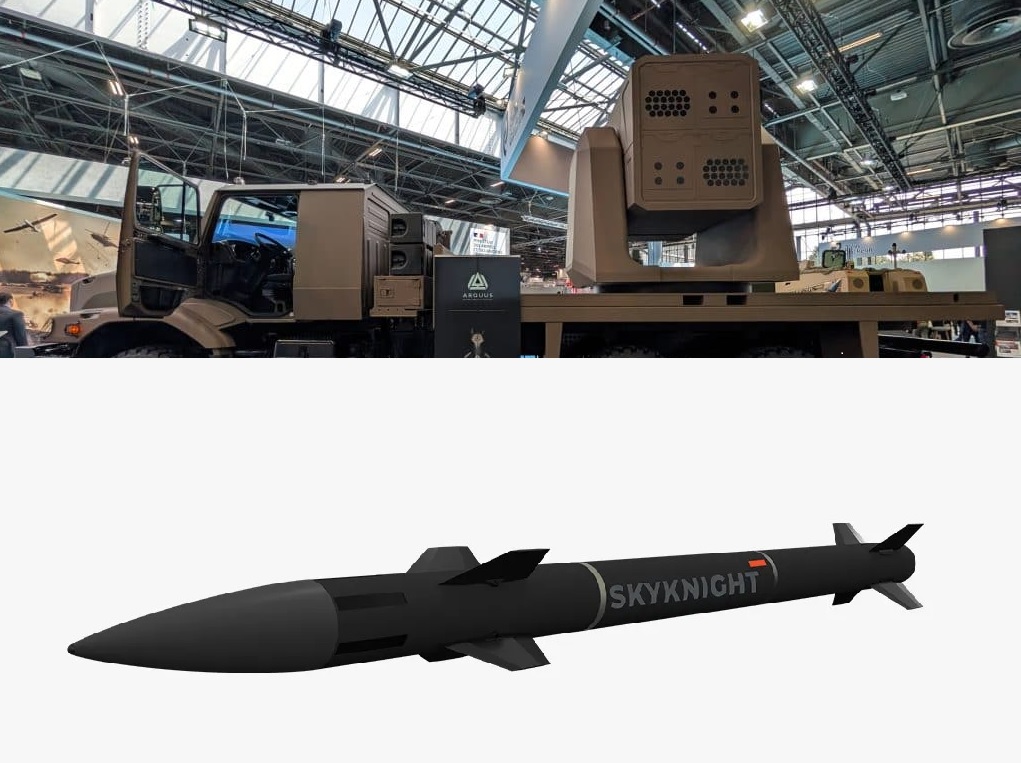 Naval Group Unveils Rampart Modular CIWS Multi-Purpose Weapon System for Naval and Ground Forces at Eurosatory 2026
-
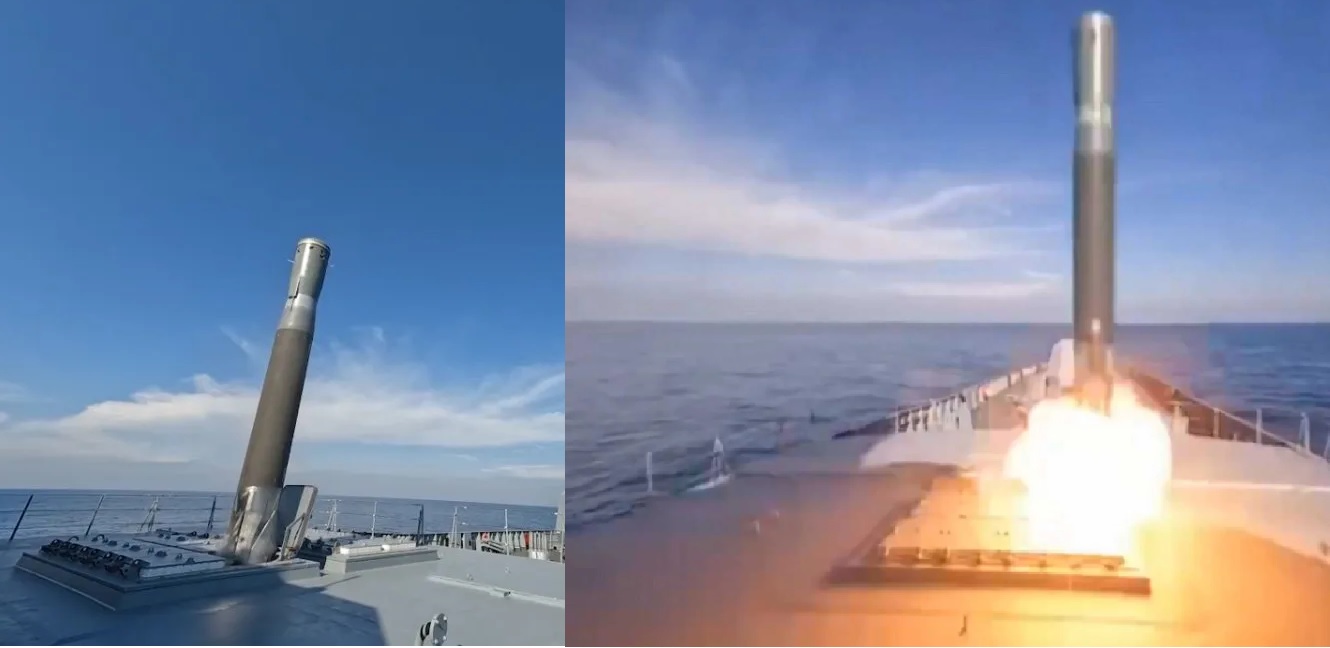 Open-Source Evidence Suggests Russia's Zircon Is a Quasi-Ballistic Missile, Not a True Hypersonic Cruise Weapon
-
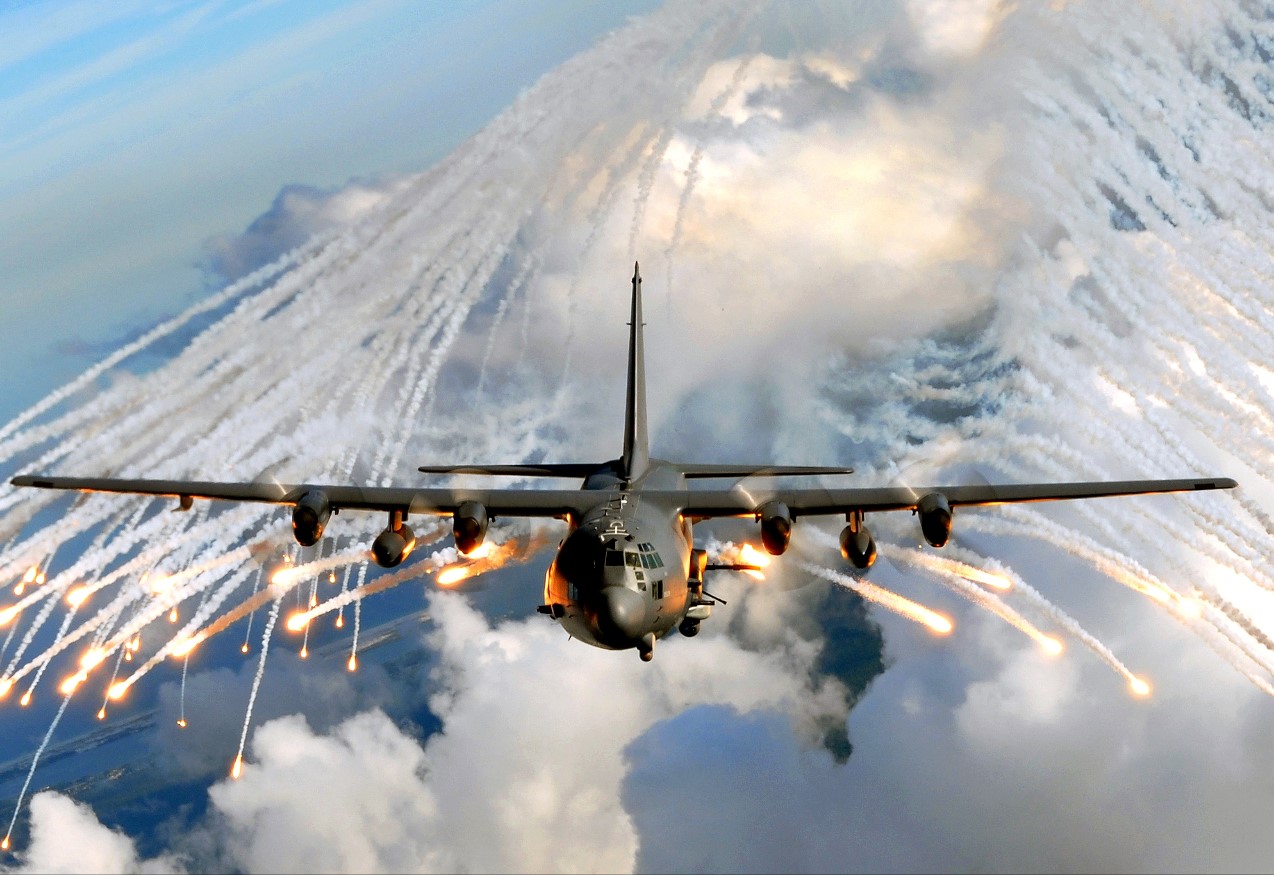 Pentagon Expands Alloy Surfaces Contract to $328.8 Million for Advanced Aircraft Decoy Flares Amid Evolving Drone Threats
-
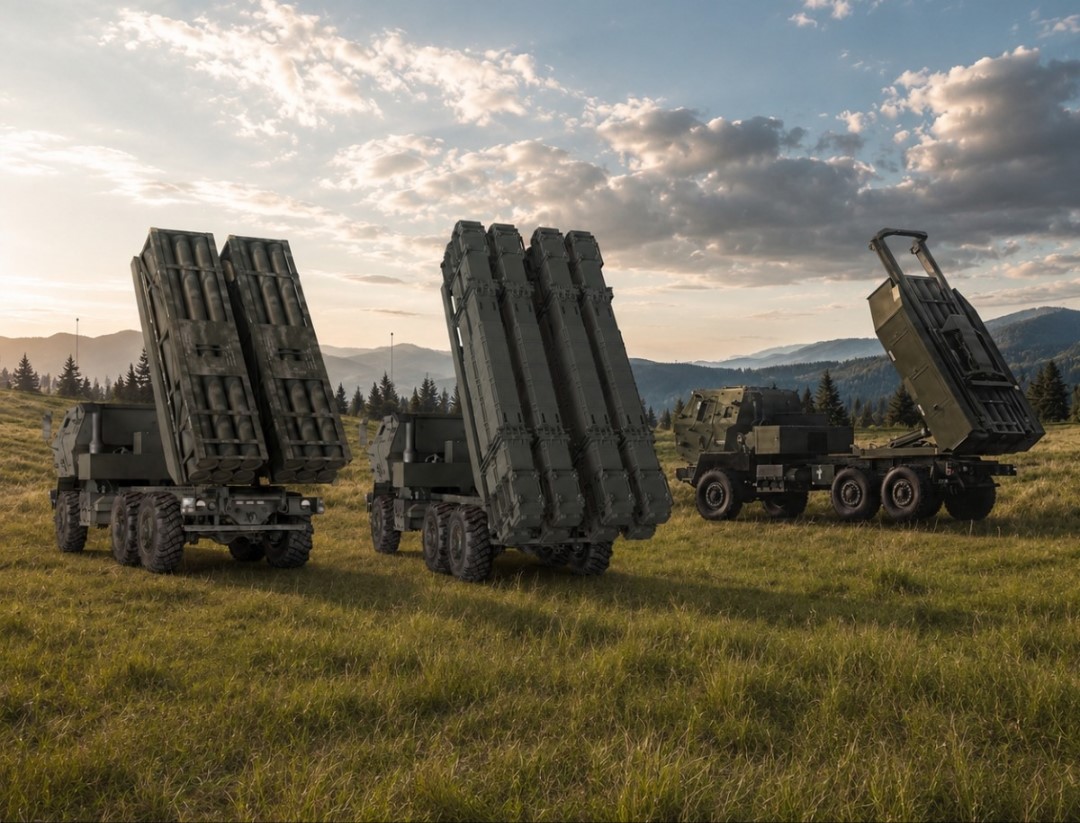 Lockheed Martin Unveils HIMARS FLEX with Dual-Pod Launcher and NATO-Compatible Air Defense Integration
-
 Why the U.S. Restored Pacific Command Name, Ending the Indo-Pacific Designation After Eight Years
-
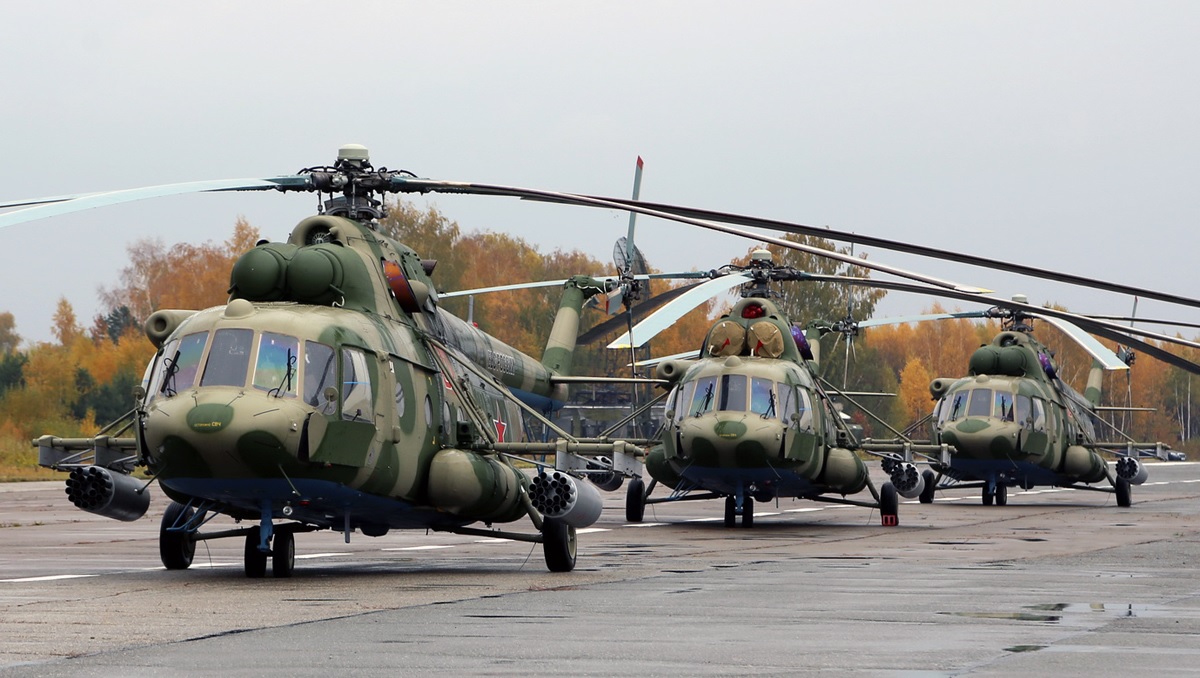 Iran Signs Deal with Russia for 20 Mi-8 and Mi-17 Helicopters to Boost Rescue and Medical Missions
-
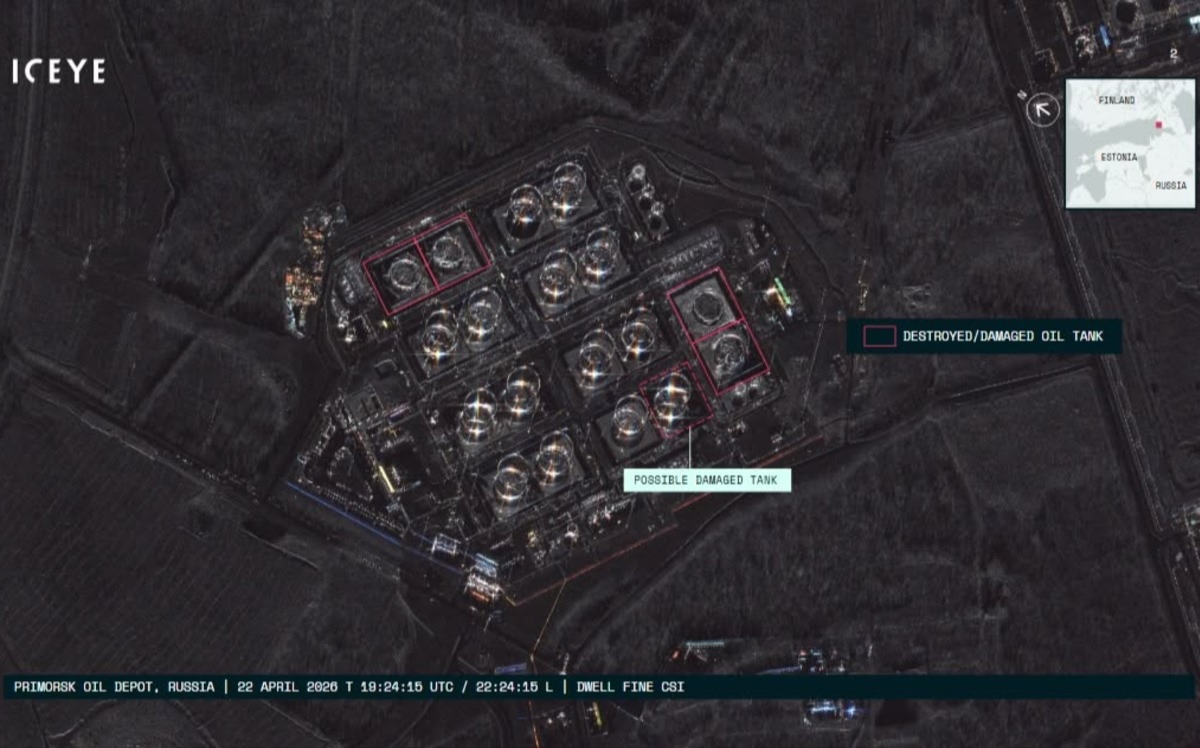 Portugal Doubles Sovereign SAR Satellite Fleet with Order for Two Additional ICEYE Satellites
-
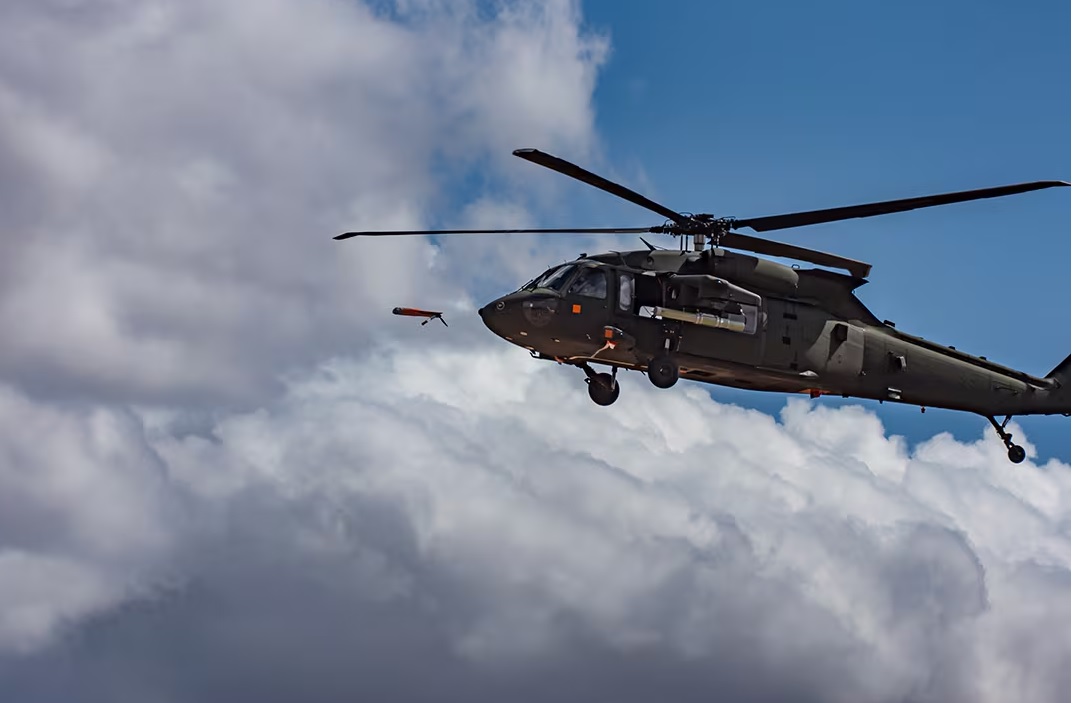 U.S. Army Completes First Flight Test of Medium-Range Air-Launched Effects from Black Hawk Helicopter
Top Trending in 4 Days
-
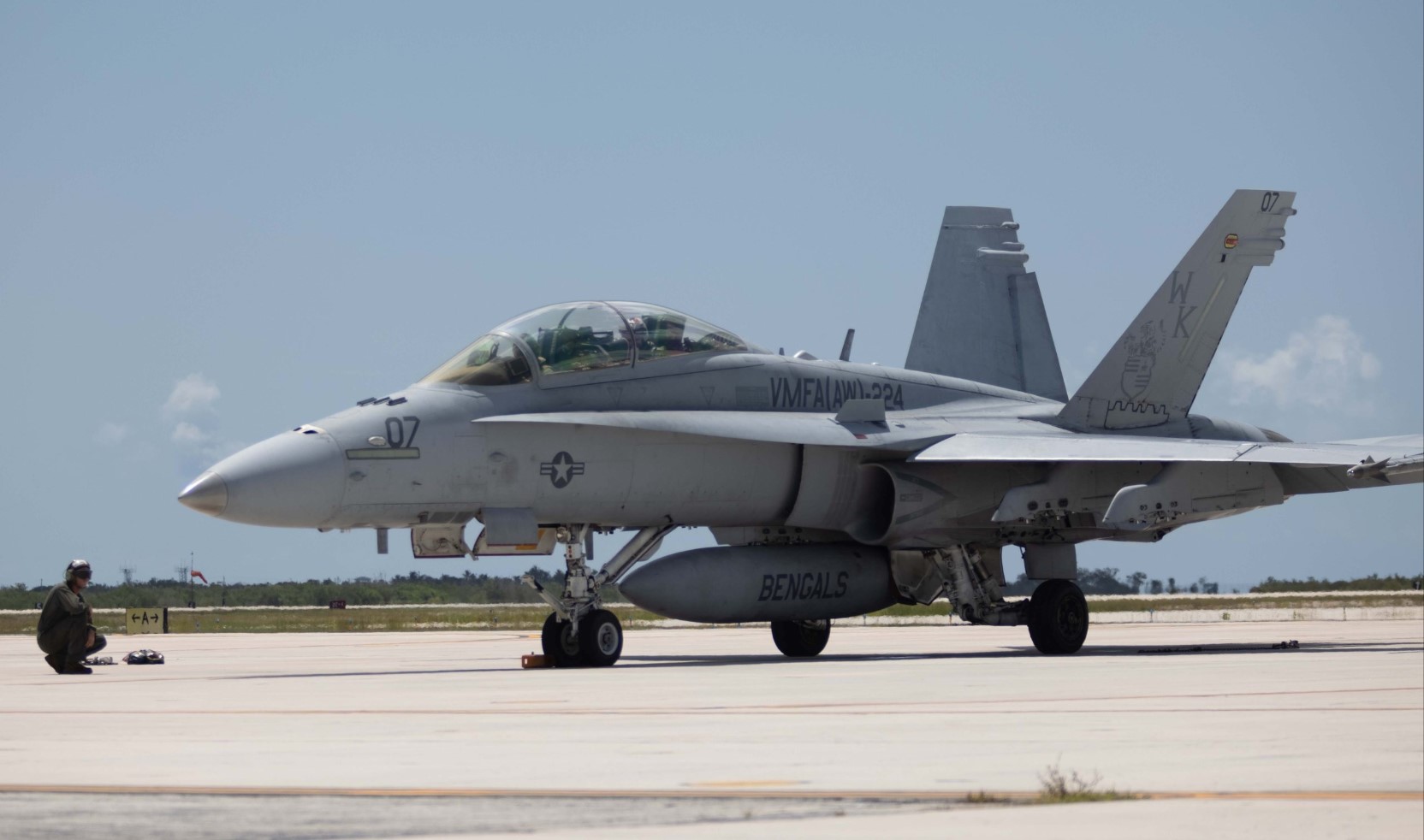 US Marine Corps F/A-18D Hornet Crashes During Training Flight in Washington Mountains; Pilot Ejects Safely
-
 Tulsi Gabbard Releases Declassified Files Detailing U.S.-Backed Network of 120 Biolaboratories Across 30+ Countries
-
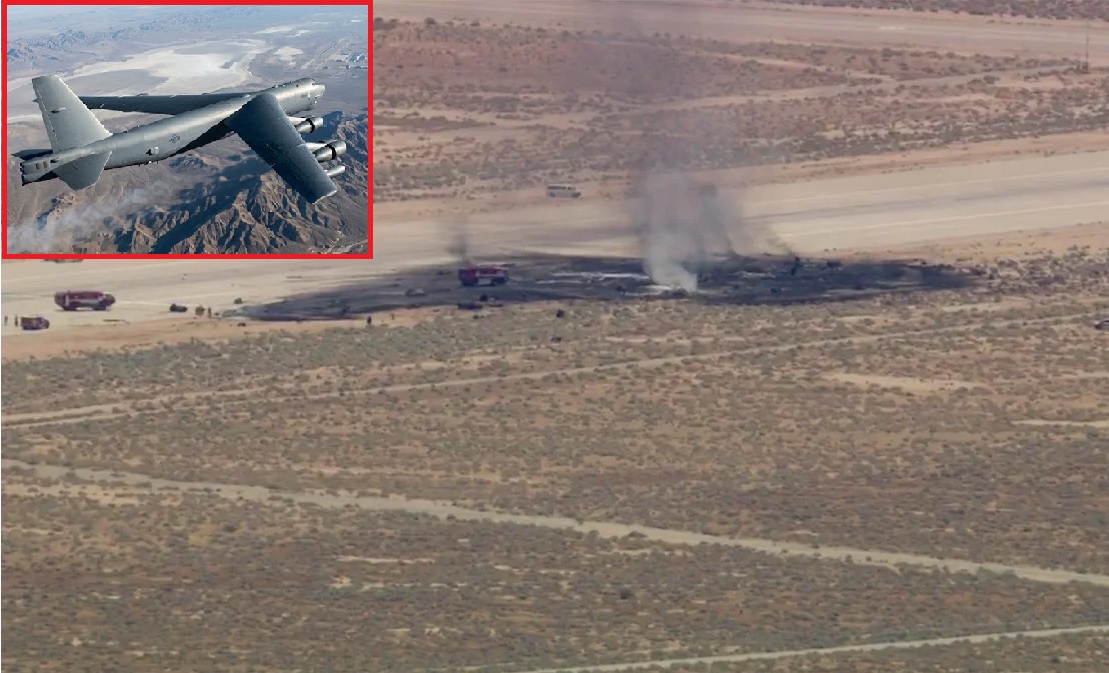 8 U.S. Air Force Crew Members Killed in B-52 Bomber Crash During Test Flight at Edwards Air Force Base
-
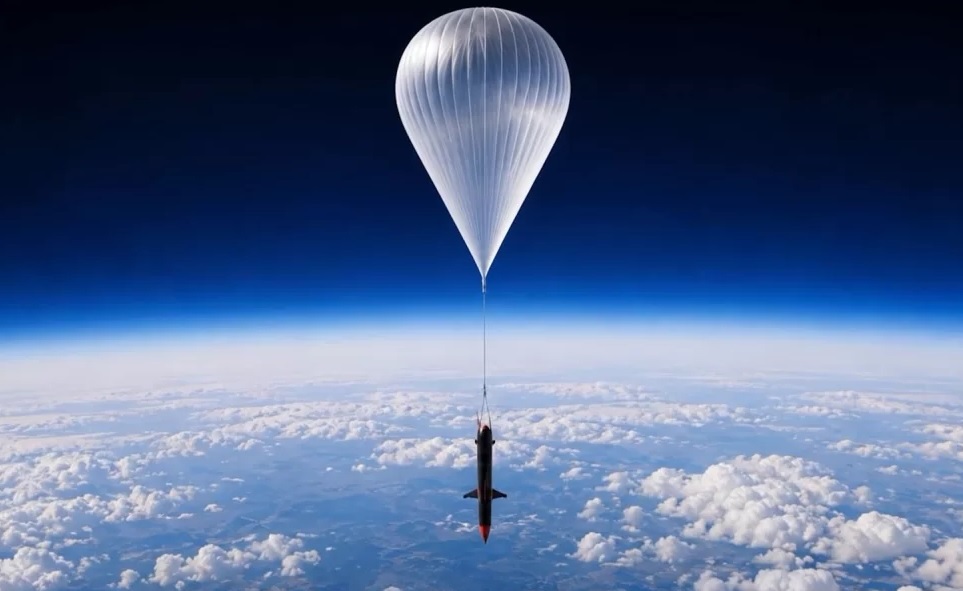 Ukraine Introduces Balloon-Launched DART Missile Designed to Defeat Electronic Warfare
-
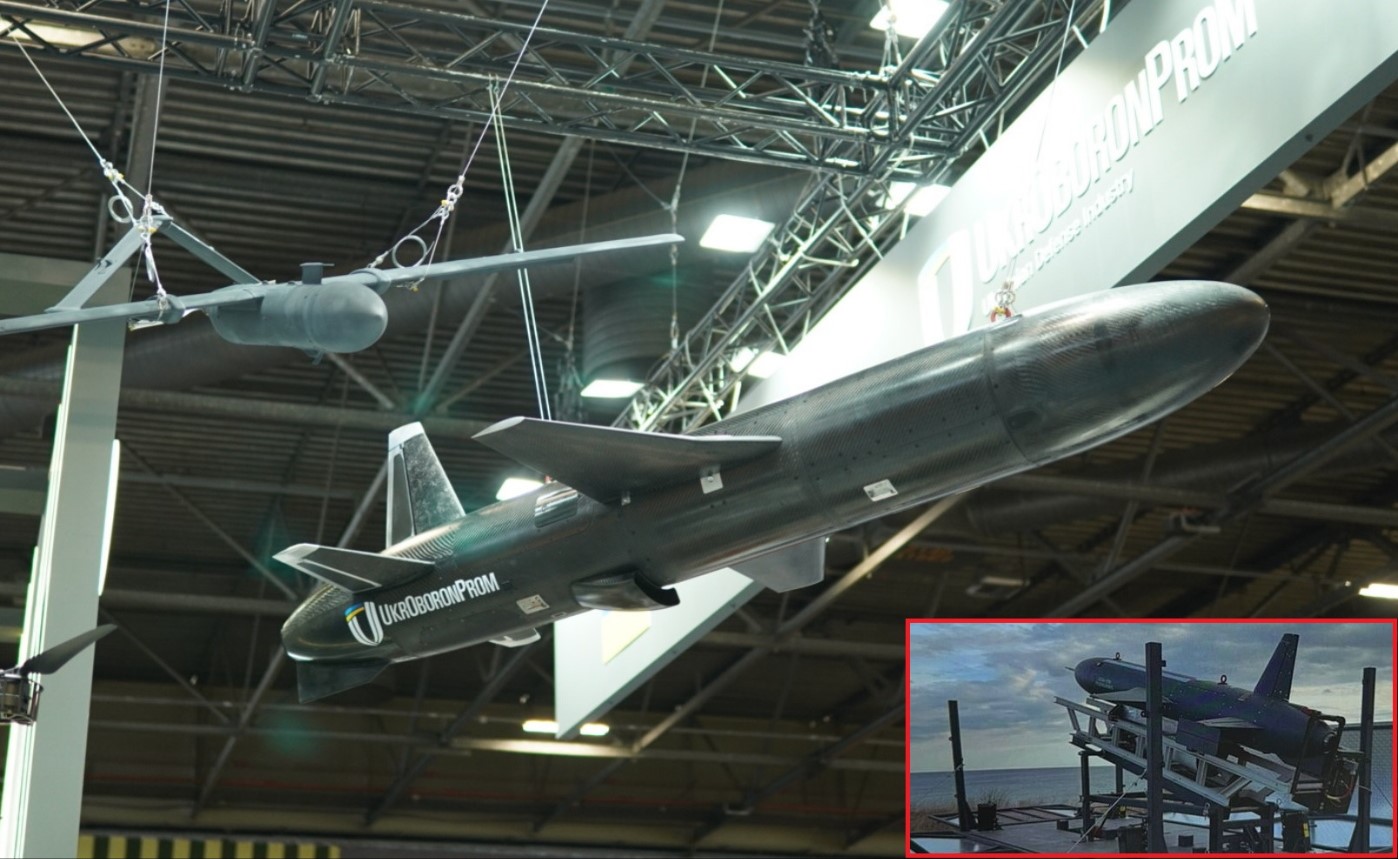 Ukraine Unveils UAV-290 Jet-Powered Strike Drone with 650 km Range at Eurosatory 2026
-
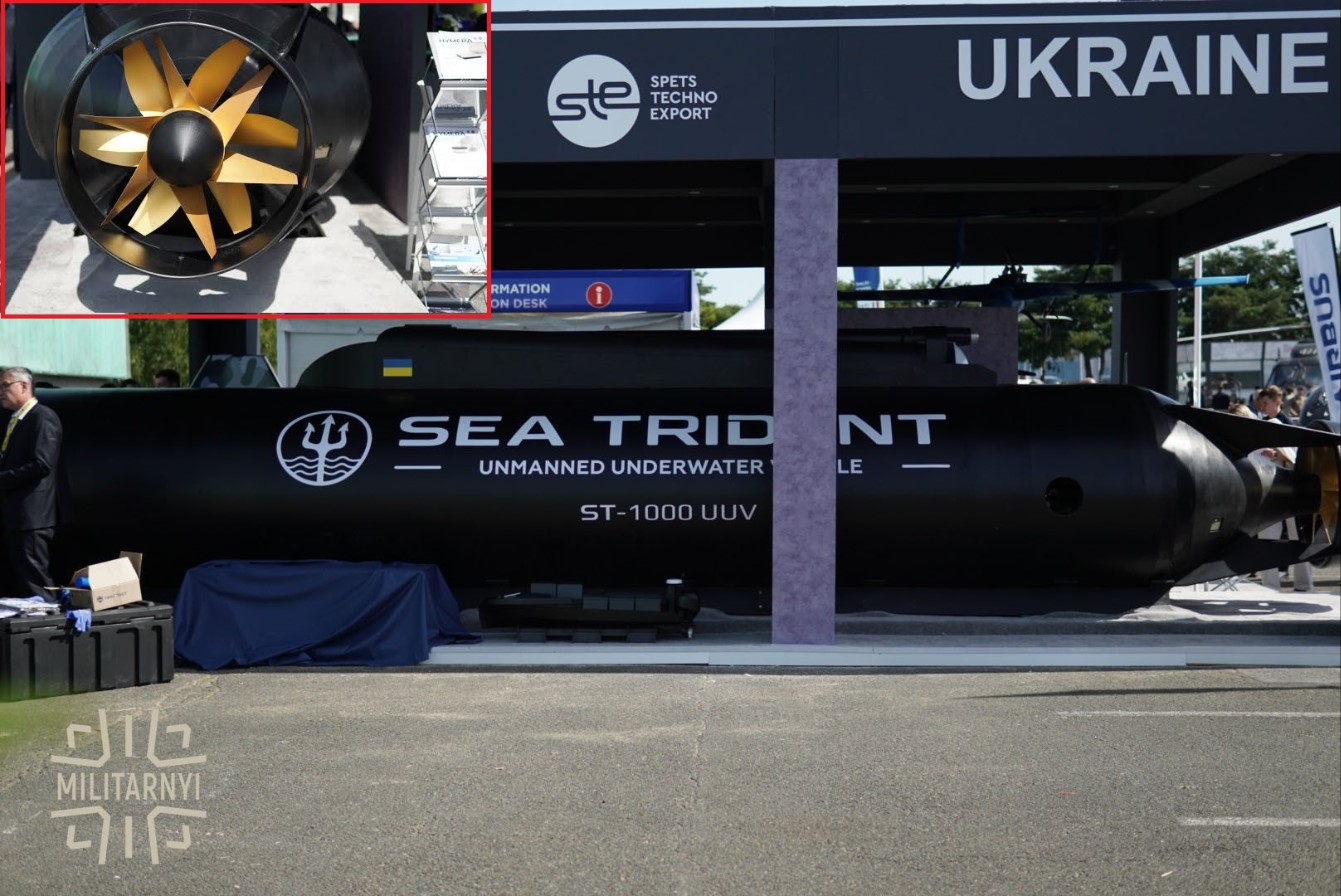 Ukraine Unveils 'Sea Trident' 10-Ton Autonomous Underwater Drone at Eurosatory 2026
-
 Rolls-Royce Unveils New Hybrid Powertrain for Heavy Military Vehicles at Eurosatory 2026
-
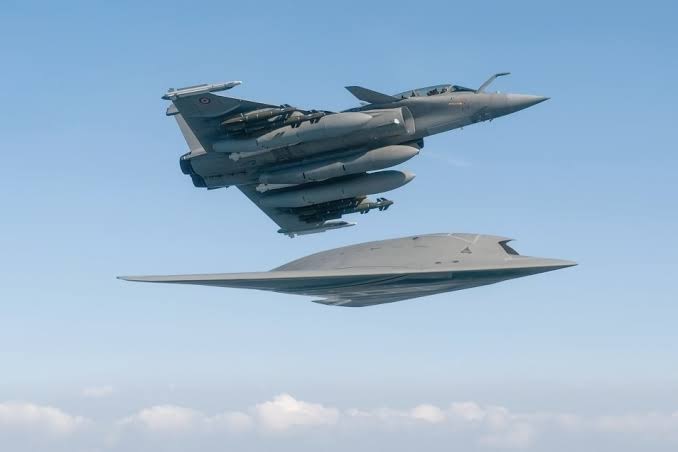 France Agrees to Equip Future Indian Rafales with AI, MUM-T and Secure Satellite Links Under F5 Standard