
World
In a groundbreaking move to support Ukraine’s armed forces, UK defense firm Babcock has been awarded a proof-of-concept contract by the UK Ministry of Defence that could revolutionize how military equipment is maintained in conflict zones. The initiative centers on using 3D printing technology to recreate spare parts and critical components for military hardware—on demand and near the battlefield. Under this new arrangement, Babcock will work in partnership with British defense technology company QinetiQ. Together, they aim to provide Ukraine with the tools and technical know-how to produce essential military parts locally. This includes creating detailed digital drawings and computer-aided design (CAD) files that can be used to 3D print a wide variety of components. What makes this initiative particularly significant is its focus on reverse engineering. Many of the weapons systems and vehicles used by Ukraine originate from multiple countries and span various generations of design. Spare parts for older equipment—such as the Australian version of the M113 armored vehicle—are no longer readily available or even in production. By reverse engineering these parts, engineers can understand their structure and function and recreate them digitally, allowing for precise 3D printing whenever needed. Tom Newman, CEO of Babcock’s Land Sector, explained the motivation behind this technological push: “We aim to give Ukraine the capability to recreate the military parts that they need, where and when it really matters.” He emphasized that this project builds on Babcock’s long-standing engineering and technical strengths, pushing the boundaries of what can be achieved through 3D printing in defense. From QinetiQ’s side, the focus will be on ensuring that these printed parts meet technical standards. Alan Hart, Managing Director of Science, Technology, and Weapons at QinetiQ, noted, “We are immensely proud that QinetiQ is able to draw on our world-leading expertise in technical assurance to assist.” The impact of this program on Ukraine’s battlefield operations could be significant. With supply chains strained and traditional manufacturing slow to respond to urgent wartime needs, this new approach offers speed, flexibility, and autonomy. For a military that relies on a patchwork of foreign-supplied equipment—ranging from NATO-standard gear to aging Soviet-era systems—the ability to print parts on demand will help keep critical machinery operational. Furthermore, field-based 3D printing eliminates long delays and logistical bottlenecks. Instead of waiting weeks for a single part to be sourced and delivered, Ukrainian technicians could potentially print it within hours. This can drastically increase equipment readiness and reduce the time units spend inactive due to mechanical issues. In a broader sense, this initiative highlights the future of warfare logistics. As conflicts become more complex and reliant on multinational systems, additive manufacturing may play a vital role in keeping modern armies agile, responsive, and self-sufficient—especially in unpredictable or hostile environments. By combining reverse engineering, advanced CAD modeling, and in-theater 3D printing, the UK-led program represents a new frontier in defense innovation—one where Ukraine is the first real-world testing ground for scalable battlefield manufacturing.
Read More → Posted on 2025-04-07 15:11:34
Rheinmetall Strengthens Ammunition Supply Chain with Acquisition of Nitrocellulose Maker Hagedorn-NC
World
In a strategic move to ensure a steady supply of vital raw materials for ammunition production, German defence giant Rheinmetall AG has announced its acquisition of Hagedorn-NC GmbH—a historic producer of industrial nitrocellulose based in Osnabrück, Lower Saxony. The deal is pending antitrust approval but marks a significant step in Rheinmetall’s efforts to secure its defence production lines amidst rising global demand. Hagedorn-NC, which has been in operation for over a century, specializes in nitrocellulose—a key ingredient in the production of propellants for various types of ammunition, especially artillery shells. Until now, the company focused primarily on civilian markets. However, under Rheinmetall’s ownership, a portion of its output will be redirected towards military applications, including the manufacture of 155mm artillery ammunition, which has seen heightened demand due to ongoing geopolitical tensions. Rheinmetall CEO Armin Papperger described the acquisition as a crucial move to “overcome a strategic bottleneck in propellant production,” reinforcing the company’s vertical integration strategy. With this deal, Rheinmetall not only secures a new and reliable source of nitrocellulose but also brings more of the ammunition supply chain directly under its control—from raw material to finished product. The company already operates nitrocellulose production facilities in Switzerland (Wimmis), Spain (Murcia), and South Africa (Wellington). By adding Hagedorn-NC’s Lingen site, Rheinmetall is broadening its production footprint and reducing dependence on external or non-European suppliers. This geographic diversification enhances supply chain resilience—especially critical during times of conflict or trade disruption. Going forward, Rheinmetall plans to adapt parts of the Lingen plant to produce military-grade nitrocellulose, while still maintaining support for Hagedorn-NC’s existing civilian customer base. Around 90 employees from Hagedorn-NC will join the Rheinmetall Group, and their future employment is expected to remain secure. Gerd Hofmann, CEO of Hagedorn AG, voiced optimism about the transition, noting that the partnership with Rheinmetall will open new avenues for growth and collaboration. His confidence is rooted in the shared industrial know-how and the complementary strengths of both companies. This acquisition comes at a time when NATO countries are increasing their stockpiles of ammunition and expanding defence manufacturing capabilities. By securing a stable source of nitrocellulose—an essential yet often overlooked element in the ammunition-making process—Rheinmetall is positioning itself as a reliable and self-reliant defence supplier in Europe and beyond. In essence, the deal goes beyond just acquiring a company—it’s about controlling a critical link in the defence production chain. By bringing in Hagedorn-NC, Rheinmetall is not just making propellants—it’s fortifying its ability to meet the growing defence needs of allied nations for years to come.
Read More → Posted on 2025-04-07 15:05:34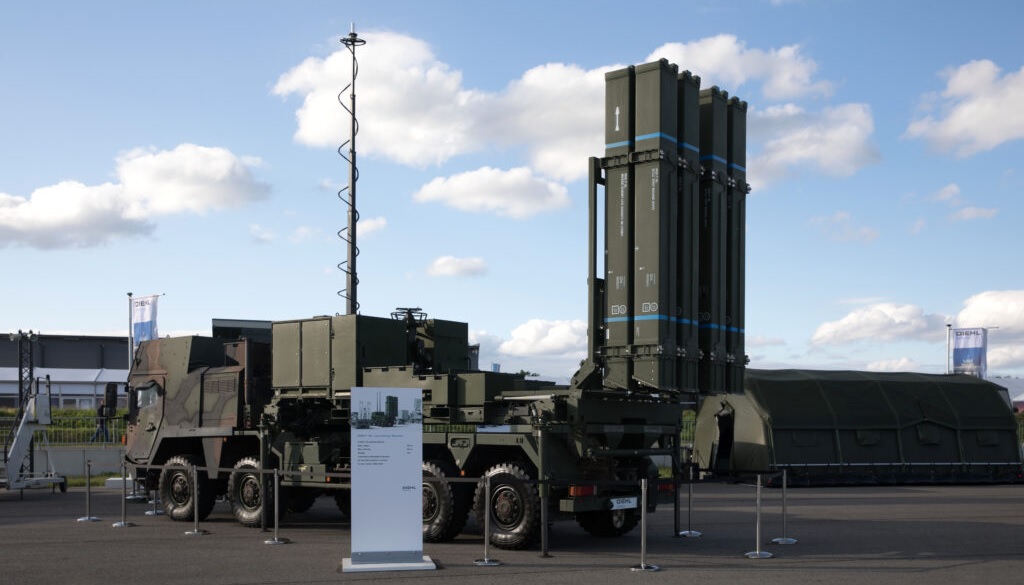
World
Estonia is preparing to make one of its largest-ever defense purchases—an estimated €1 billion ($1.1 billion) long-range air defense system—in response to the growing threat of Russian ballistic missiles stationed just across its eastern border. With its small size and geographic proximity to Russia, Estonia has always been wary of potential aggression, but the war in Ukraine has heightened its sense of urgency and pushed Tallinn to act swiftly to bolster its defenses. This major procurement is aimed at acquiring a system capable of intercepting ballistic missiles—something that current systems in the country cannot do. According to Estonia’s Center for Defense Investments (RKIK), the country is now considering three advanced options: the Israeli David’s Sling, the U.S.-made Patriot, and the Franco-Italian SAMP/T system. Each of these platforms offers high-altitude, long-range interception capabilities, including defense against ballistic missile threats. This new push comes on the heels of Estonia’s recent acquisition of the German-made IRIS-T Surface Launched Medium-range (SLM) air defense system. In 2023, Estonia signed a deal worth €400 million ($439 million) to procure three IRIS-T SLM batteries, including radars and command-and-control infrastructure. The first deliveries of that system are expected by the end of 2025. While highly effective against aircraft and cruise missiles, the IRIS-T SLM’s range of 40 kilometers (25 miles) is insufficient to protect against high-speed ballistic threats. Estonian officials have acknowledged this gap in capability. “We are going to procure long-range air defense, with capabilities against ballistic missiles,” said Mati Tikerpuu, a senior defense official at RKIK. According to him, the aim is to secure a system that can intercept incoming threats up to 100 kilometers (62 miles) away, at altitudes of 20 kilometers (12 miles). The threat Estonia faces is not hypothetical. Russia’s 9K720 Iskander-M, a short-range ballistic missile with a range of 500 kilometers and speeds of up to 8,000 kilometers per hour, is already deployed in areas like Kaliningrad and western Russia—well within range of Estonia’s cities and critical infrastructure. Interestingly, Estonia has ruled out the Israeli Arrow 3 missile system, which is designed for exoatmospheric interception (outside the Earth’s atmosphere). Tikerpuu explained that because Russia is so close, its missiles would be launched from relatively short distances, making a high-altitude, long-range interception system like Arrow 3 less practical for Estonia’s needs. The three options under consideration each have unique strengths. The David’s Sling is designed to intercept medium- to long-range rockets and missiles and is already part of Israel’s multi-layered missile defense. The Patriot system, widely used across NATO, is battle-tested and offers flexibility with various missile types. The SAMP/T, meanwhile, is Europe’s answer to integrated air and missile defense, developed by France and Italy with a strong focus on interoperability and mobility. While talks are ongoing and no final contract has been signed, Estonia has already initiated early conversations with the manufacturers. The next steps will involve detailed negotiations over system specifications, delivery timelines, pricing, and quantities. Given the scale and complexity of the procurement, the final deal could run into the billions of euros. This planned investment underscores Estonia’s broader strategic shift: moving from basic deterrence to building a credible and layered air defense shield. In the current European security environment, smaller NATO nations like Estonia are realizing that survival may depend on the ability to stop incoming missiles within seconds—and decisions made now could define the country’s security posture for decades.
Read More → Posted on 2025-04-07 14:59:29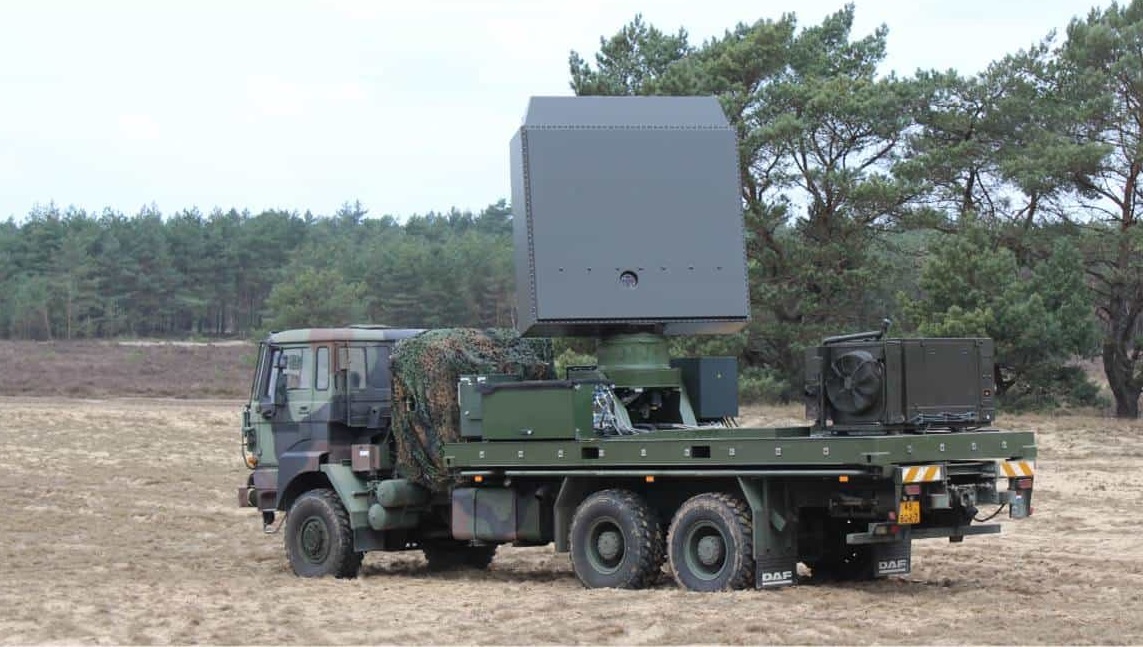
World
In a major move to enhance its national security and airspace protection, the Swedish Defence Materiel Administration (FMV) has signed a contract with French defence company Thales for the procurement of the Ground Master 200 Multi-Mission Compact radar (GM200 MM/C). This strategic acquisition comes at a time of rising security challenges in the Nordic and Baltic regions. The GM200 MM/C radar is a next-generation, medium-range multi-mission radar system, built to significantly improve the Swedish Armed Forces' situational awareness and response capability. It uses cutting-edge 4D AESA (Active Electronically Scanned Array) technology, which allows for simultaneous detection, tracking, and classification of various types of aerial threats — including aircraft, helicopters, unmanned aerial vehicles (UAVs), and incoming missiles. Key Features and Specifications of GM200 MM/C: Technology: 4D AESA radar offering superior tracking precision Range: Medium-range surveillance, typically around 250 kilometers Target Tracking: Can track hundreds of targets simultaneously Mobility: Highly compact and mobile — can be rapidly deployed in various terrains Operation: Designed for quick set-up and relocation, ideal for both stationary and mobile missions Modes: Multi-mission — air surveillance, ground-based air defence (GBAD), and counter-UAV roles Coverage: 360-degree surveillance with high update rate Climate Resistance: Built to function reliably in harsh weather conditions The deliveries are expected to begin in 2026, marking Thales’s ability to meet tight operational timelines. The fast-paced schedule has been made possible due to the company’s strong industrial ramp-up programme that ensures efficient production and timely delivery. This radar system is not only a technical upgrade but also reflects Sweden’s increasing alignment with NATO defence standards. With this deal, Sweden becomes the fifth NATO nation to adopt the GM200 MM/C, reaffirming the system’s effectiveness and trustworthiness among allied forces. Its compact design and operational flexibility make it especially suitable for Sweden's defence strategy, which emphasizes rapid deployment, adaptability, and interoperability within NATO frameworks. The radar’s multi-role capabilities ensure it can support a range of operations, from routine surveillance to crisis scenarios. Thales expressed its pride in being chosen for this important role in Sweden’s defence architecture. Håkan Ahlström, Country Director Sweden at Thales, stated, “We are very proud to be selected by FMV to further strengthen Swedish sovereign and defence capabilities in an increasingly challenging environment. The Thales GM200 MM/C, with its high-end technology, will play a vital role contributing to the overall national security.” As regional tensions and aerial threats continue to evolve, Sweden’s investment in the GM200 MM/C represents a strong step forward in protecting its skies, securing its sovereignty, and enhancing its role within the broader NATO defence network.
Read More → Posted on 2025-04-07 14:55:39
World
In a fresh blow to diplomatic hopes, Iran has firmly turned down former U.S. President Donald Trump’s call for direct nuclear talks, arguing that dialogue under threat is both pointless and contradictory. The refusal comes amid rising tensions between Tehran and Washington, with Iran accusing the United States of using coercive language and failing to show genuine commitment to peaceful diplomacy. Last month, Trump sent a letter to Iran’s Supreme Leader Ayatollah Ali Khamenei through the United Arab Emirates, suggesting direct negotiations to resolve longstanding concerns over Iran’s nuclear program. The letter included a stern warning that if diplomacy failed, military options were still on the table. Despite this, Trump recently doubled down on his stance, stating that face-to-face talks would be “faster” and more effective than negotiations through intermediaries. But Tehran isn’t buying it. Iran’s top diplomat Abbas Araghchi dismissed the proposal outright, calling direct talks meaningless with a country that issues threats and contradicts itself. “We are dealing with a government that constantly violates international norms by threatening the use of force,” Araghchi said. He added that Iran remains open to indirect negotiations but emphasized the need for mutual respect and seriousness in diplomacy. President Masoud Pezeshkian echoed this sentiment, questioning the logic of negotiating with a nation that simultaneously speaks of peace while brandishing threats. “If you truly want dialogue, then why the constant pressure and threats?” he asked, reiterating Iran’s willingness to engage on equal footing but only in an environment free of coercion. Iran's leaders made it clear they are not rejecting diplomacy altogether—they're rejecting the form and tone in which it's being offered. Iran’s Strategic Calculations Iran’s response, delivered through Oman, stressed its preference for peace and regional stability. General Mohammad Bagheri, Chief of Staff of Iran’s armed forces, underlined that while Iran does not seek war, it stands fully prepared to defend itself if provoked. This diplomatic standoff comes against the backdrop of the long-dormant 2015 nuclear agreement, formally known as the Joint Comprehensive Plan of Action (JCPOA). The deal, signed between Iran and six world powers, limited Iran’s nuclear activities in exchange for the lifting of economic sanctions. However, in 2018, Trump unilaterally withdrew from the pact and reinstated harsh sanctions, pushing Iran to gradually abandon its commitments and ramp up its nuclear program. While Western powers continue to accuse Tehran of trying to build nuclear weapons, Iran insists its program is strictly for civilian purposes. Still, the pressure is mounting. In a stark warning, Ali Larijani, a senior adviser to Ayatollah Khamenei, cautioned that while Iran does not desire nuclear weapons, it might be forced to pursue them if the country faces an existential threat. Why Iran Is Saying “No” to Direct Talks At the heart of Iran’s rejection is a deep-seated mistrust rooted in decades of hostility, regime change efforts, sanctions, and broken agreements. Iranian officials see direct talks, especially with Trump—who dismantled the JCPOA—as unreliable and laden with bad faith. For them, returning to the table without guarantees or mutual respect is a trap, not a solution. In their view, negotiating under threat is not diplomacy—it’s blackmail. That’s why, despite being open to indirect dialogue through trusted intermediaries like Oman, Iran is standing firm on refusing direct engagement for now. Final Thoughts Iran’s rebuff to Trump’s direct diplomacy reflects not just a rejection of one man’s offer, but a broader skepticism about American intentions. As both sides dig in, the window for a peaceful, negotiated solution remains open—but only barely. Without a shift in tone, trust, and tactics, the road to resolving the nuclear issue may remain blocked by a wall of suspicion and strategic calculation.
Read More → Posted on 2025-04-06 14:53:14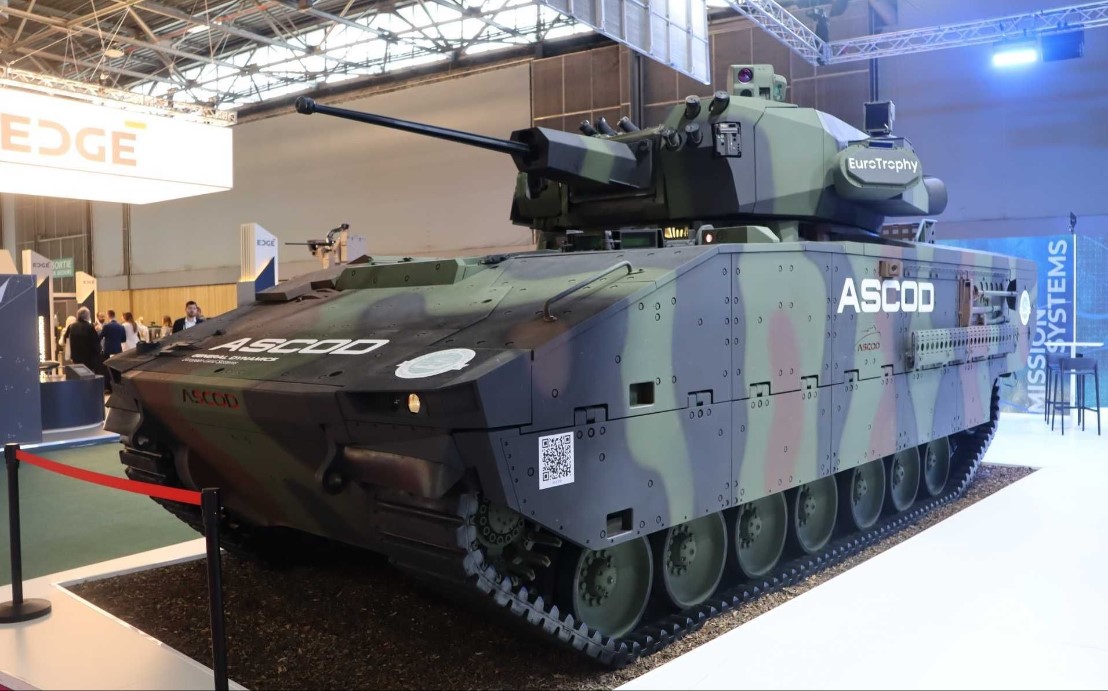
World
Latvia is taking a major step to modernize its military by purchasing 42 ASCOD infantry fighting vehicles (IFVs) from Spain’s defense company, GDELS-Santa Bárbara Sistemas. The deal, valued at €373 million (around $408 million), is part of a broader plan to strengthen the Latvian National Armed Forces, especially its mechanized infantry brigade. This purchase is more than just a replacement for outdated vehicles—it marks a significant upgrade in Latvia’s combat readiness. The new ASCOD IFVs will take the place of the older CVR(T) reconnaissance vehicles previously bought from the United Kingdom. Compared to those older models, the ASCOD offers far better protection, mobility, and firepower. Each ASCOD comes with NATO-standard Level 4 armor, a powerful 30mm automatic cannon, anti-tank weapon systems, and advanced communication and sensor systems. It’s operated by a crew of three and can carry six fully armed soldiers into battle. The new vehicles will serve one battalion of Latvia’s mechanized infantry brigade, but the Ministry of Defense has made it clear that this is just the beginning. If more funding becomes available, more battalions could be equipped with similar vehicles. The contract also leaves room for the future possibility of domestic production or assembly of ASCOD vehicles in Latvia—something that would boost local manufacturing and defense capabilities. An important part of the deal is that 30% of its total value is reserved for the Latvian industry. This means local companies could benefit through technology transfer, producing parts, or offering maintenance and support services. It’s not just about buying vehicles—it’s also about building Latvia’s long-term defense potential from within. The choice of the ASCOD platform also reflects a move toward greater compatibility across military units. Using the same type of vehicle in different battalions makes logistics, maintenance, and training easier and more cost-effective over time. In terms of battlefield value, the ASCOD is a strong asset. Its high-level armor ensures better protection for troops, while its weapons and advanced systems make it suitable for both offensive and defensive operations. With today’s complex threats—from hybrid warfare to direct armed conflict—Latvia’s army needs tools that can adapt and perform in multiple scenarios. The ASCOD does exactly that. This move also aligns with broader NATO goals, as Latvia continues to invest in meeting alliance standards and increasing its contribution to regional security, especially given current tensions in Eastern Europe. In summary, this deal is more than a vehicle purchase—it’s a smart, strategic investment in Latvia’s future defense capabilities. It boosts the military’s firepower, supports local industry, and prepares the nation to better face modern security challenges.
Read More → Posted on 2025-04-06 14:51:05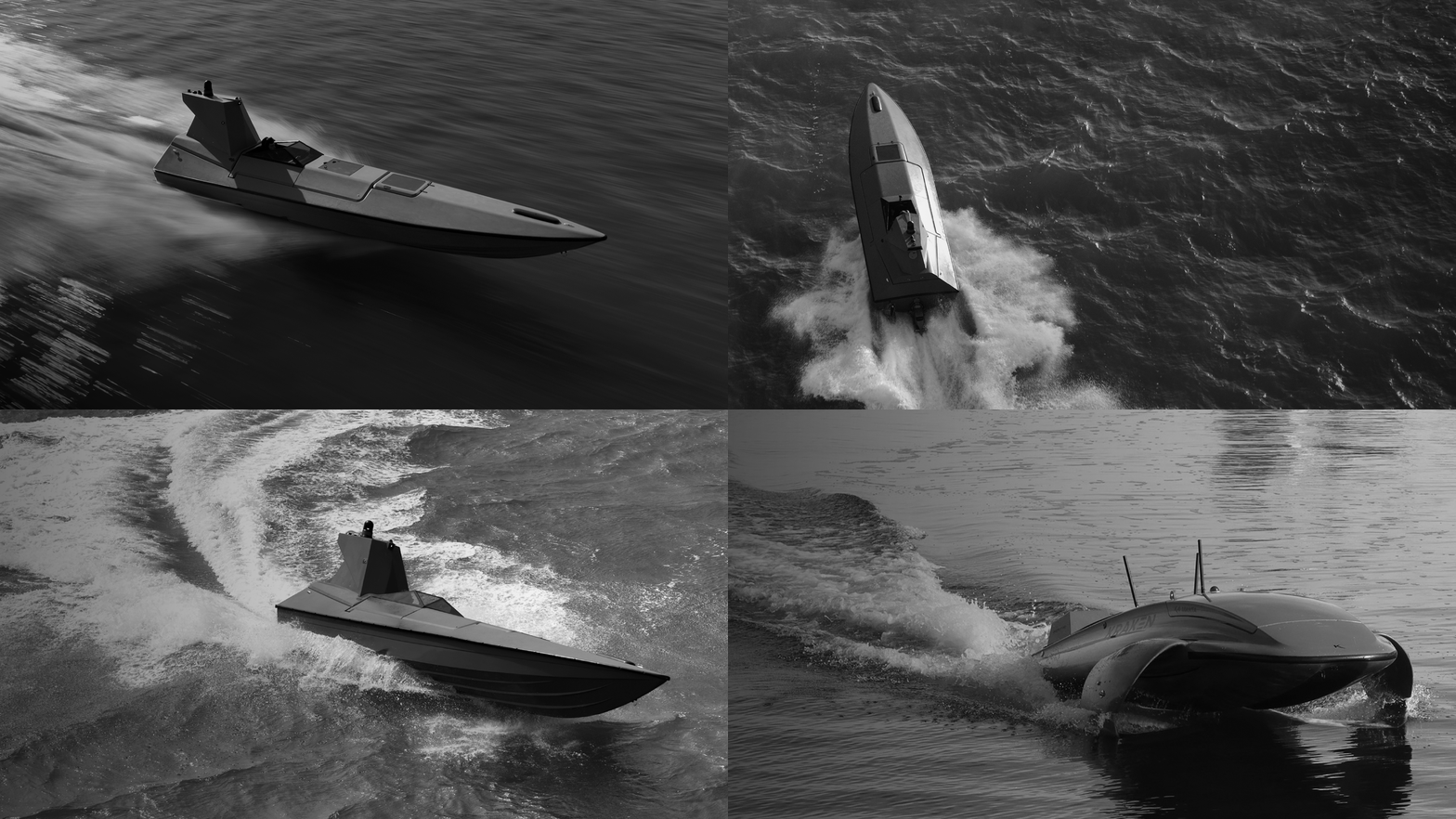
World
Kraken Technology Group has officially launched full-scale operations at its state-of-the-art AREA 1 manufacturing facility, marking a major milestone in the development and deployment of uncrewed maritime technologies. With a current output exceeding 500 advanced uncrewed surface and subsurface systems annually, the company has positioned itself as a leading force in the growing market for autonomous naval platforms. Kraken confirmed that the facility is fully operational, with further expansion planned in 2025, including additional production lines to meet growing demand. Described by the company as "no smoke, no mirrors," AREA 1 is engineered to deliver scalable, high-performance, and cost-effective uncrewed systems for global use. Flagship Systems: K3SCOUT and K4 MANTA Kraken’s production line currently focuses on two advanced uncrewed platforms — the K3SCOUT and the K4 MANTA — each designed with distinct mission profiles in mind: K3SCOUT: Agile and Discreet The K3SCOUT is a compact, low-signature autonomous surface vessel optimized for stealth and agility. It is ideal for missions such as: Maritime surveillance Coastal perimeter defence Lightweight logistics and supply transfer The vessel’s design emphasizes minimal detectability, making it highly effective in contested or sensitive coastal environments. With its quiet propulsion system and modular payload capacity, the K3SCOUT can be quickly adapted for various operational needs, including humanitarian support or tactical reconnaissance. Key Specifications of K3SCOUT: Compact hull for rapid deployment Low-acoustic signature propulsion Range optimized for near-shore operations Remote command and autonomous operation modes K4 MANTA: A Hybrid Naval Game-Changer The K4 MANTA stands out as a revolutionary hybrid platform, capable of both high-speed surface travel and limited subsurface operation. Dubbed a “foiling uncrewed surface-subsurface vehicle,” the K4 MANTA is built for: ISR (Intelligence, Surveillance, and Reconnaissance) Precision strike capabilities Covert special operations Its hydrofoil design enables enhanced stability and speed over water, while its submerged functionality increases stealth during critical mission phases. The K4 MANTA is especially suited for modern naval challenges where flexibility and reduced visibility are key. Key Specifications of K4 MANTA: Dual-mode operation: surface and subsurface Hydrofoil technology for enhanced speed and range Modular mission bay for payload versatility Covert navigation systems with low detectability Scaling to Meet Global Demand The launch of AREA 1 aligns with rising global interest in autonomous maritime platforms for both commercial and defense sectors. While Kraken has not publicly disclosed its client list, the company confirmed that active contracts are already in progress, spanning both governmental and non-governmental applications. With its sharp focus on innovation, modularity, and mission readiness, Kraken Technology Group is rapidly establishing itself as a leader in the uncrewed maritime domain. The expansion of the AREA 1 facility is expected to support this growth well into the future, as demand for smarter, faster, and more versatile naval systems continues to rise. Kraken’s bold vision and technological edge are now backed by full-scale production capabilities — making advanced maritime autonomy not just a concept, but a reality today.
Read More → Posted on 2025-04-06 14:28:09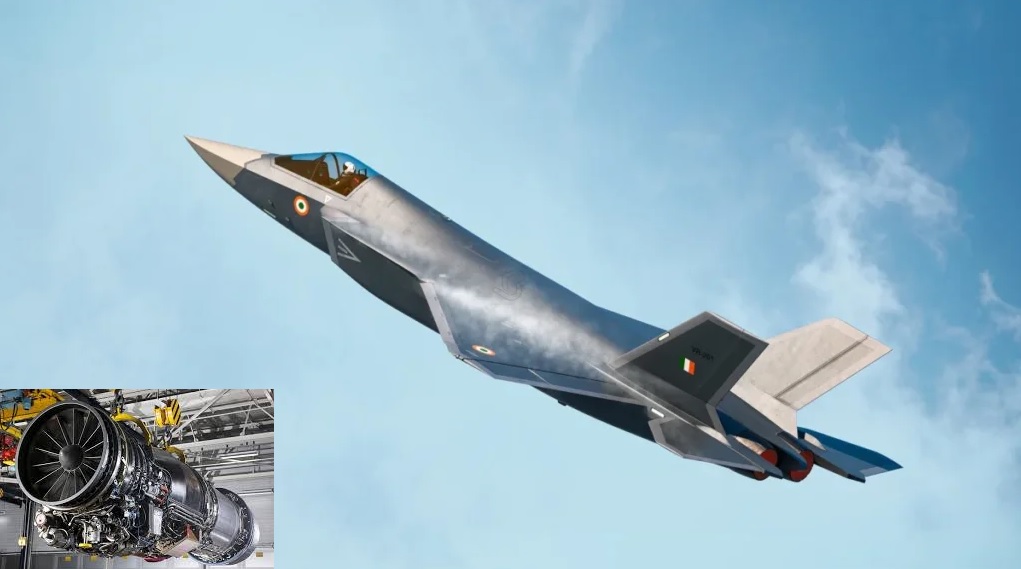
World
In a bold and forward-looking move, Indian engineering giant Larsen & Toubro (L&T) has proposed the development of a fully indigenous 110 kilonewton (kN) thrust jet engine to power the next generation of Indian fighter aircraft — the Tejas Mk2 and the Advanced Medium Combat Aircraft (AMCA). The proposal, if greenlit, could mark a watershed moment for India's defence manufacturing capabilities. Jayant Damodar Patil, who leads L&T’s aerospace and defence operations, outlined the company’s vision to drive this high-tech engine program in collaboration with other leading private sector firms. The thrust class being targeted — 110kN — is necessary for powering medium-weight and stealth fighters, making it a critical need for India’s future air combat roadmap. Crucially, Patil has made a strong pitch for a shift in how such defence programs are awarded. He urged the government to move beyond the long-followed "L1 syndrome," where contracts are given to the lowest bidder, regardless of capability. Instead, he advocates for a merit-based approach that rewards technical excellence, innovation, and proven capability. This, he believes, will be vital to attract serious industry players and ensure the success of the complex engine development mission. Learning from the Kaveri Experience The Kaveri engine, developed by the DRDO’s Gas Turbine Research Establishment (GTRE), was India's first attempt to build a fighter jet engine. Despite decades of effort and a budget of over ₹2,000 crore, the engine failed to meet the required thrust levels for Tejas Mk1, which ultimately led India to adopt General Electric’s F404 engines for operational use. However, as Patil pointed out, the Kaveri project wasn’t a total loss. It laid important groundwork in key technologies like metallurgy, turbine blade design, and compressor systems. These learnings, he said, will serve as a springboard for the proposed 110kN engine — only this time with a broader ecosystem of public-private collaboration. A National Mission in the Making The proposed engine would not only meet the needs of the Tejas Mk2 but is also expected to be the heart of the AMCA — India’s indigenous stealth fighter under development. These platforms are key to the Indian Air Force's future force structure and strategic deterrence capability. Unlike the Kaveri, which was developed largely by GTRE in isolation, L&T is suggesting a consortium model. This could bring together the best of Indian industry — including firms like Tata Advanced Systems, Mahindra Aerospace, and Godrej Aerospace — to pool talent, infrastructure, and financial muscle. Such a collaborative model also aligns with global best practices, where complex aerospace programs often rely on multi-agency participation rather than placing the entire burden on a single organisation. Financial and Technological Hurdles Creating a 110kN jet engine is an enormously complex and resource-intensive project. Industry estimates suggest it may require investments in the range of ₹15,000 to ₹20,000 crore, and a timeline stretching 10 to 15 years. That would put an engine prototype in place around 2035 — just in time for AMCA’s production phase. One of the major technical challenges is mastering the ‘hot section’ of the engine — the part that operates under extreme temperatures and pressures. This involves sophisticated materials like single-crystal turbine blades and advanced cooling techniques. Though India has gained some expertise through the development of a dry (non-afterburning) Kaveri variant — now earmarked for unmanned combat drones like Ghatak — more advanced know-how is still needed. There may also be a requirement for strategic foreign partnerships for critical subsystems, echoing earlier talks with France’s Safran for potential collaboration on the Kaveri program. Strategic and Policy Alignment The timing of L&T’s proposal is significant. India’s 'Atmanirbhar Bharat' (Self-Reliant India) policy places strong emphasis on developing indigenous defence capabilities. A successful engine program would not only reduce dependence on foreign suppliers but also provide India with strategic autonomy in aerospace propulsion — a technology currently mastered by only a handful of nations. The DRDO is also pursuing next-generation engine development, suggesting alignment at the national level. Whether L&T’s specific proposal receives formal backing remains to be seen, but it certainly fits within the broader policy thrust. Final Word L&T’s proposal represents not just an engineering challenge, but a test of India’s defence industrial vision. If the government embraces a merit-based approach, supports public-private collaboration, and ensures sustained funding, India could finally cross the threshold into jet engine self-reliance — a goal that has remained elusive for decades. A homegrown 110kN engine could power more than just aircraft. It could power a new era of technological independence, industrial growth, and strategic confidence for India’s defence sector.
Read More → Posted on 2025-04-06 14:24:56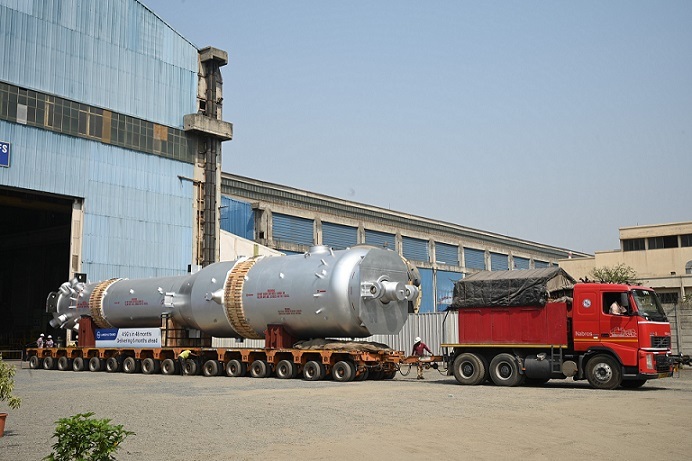
World
Larsen & Toubro (L&T) Heavy Engineering has achieved a key milestone by dispatching the fourth and final Steam Generator (SG) for the Kaiga Atomic Power Station in Karnataka. This successful delivery marks the completion of a critical component set for one of India’s upcoming 700 MWe Pressurised Heavy Water Reactors (PHWR), a part of the country’s ambitious 10x700 MWe nuclear expansion programme. What makes this achievement stand out is not just the completion of the fourth SG, but the fact that it was delivered a remarkable nine months ahead of schedule. L&T managed to manufacture and dispatch the entire set of four steam generators within just 45 months, with the first one ready in a record time of 33 months — setting new global standards in nuclear equipment production and timely delivery. Steam generators play a vital role in nuclear power plants. Acting as large-scale heat exchangers, they transfer heat from the reactor’s core to convert water into steam, which then drives turbines to generate electricity. The quality and reliability of these components are essential for the safety and efficiency of nuclear operations. L&T has long been a trusted name in this domain. With more than 42 steam generators built for India’s nuclear plants so far, the company’s manufacturing expertise is well-established. These SGs are fabricated using advanced technologies within dust-free enclosures at L&T’s A.M. Naik Heavy Engineering Complex in Hazira, Gujarat. The facility’s cutting-edge infrastructure allows it to meet the stringent quality standards required for nuclear-grade equipment. The dispatch ceremony of the final SG was attended by senior officials from the Nuclear Power Corporation of India Ltd. (NPCIL), underlining the strategic partnership between L&T and India’s premier nuclear power body. Anil V Parab, Whole-time Director and Senior Executive Vice President at L&T Heavy Engineering, described this accomplishment as a reflection of the company’s strong nuclear quality culture and its contribution toward national development goals. This milestone comes at a time when India is intensifying its focus on clean and sustainable energy. The Kaiga plant already houses four 220 MWe PHWRs and is currently expanding with two more 700 MWe units. These additions are part of India’s broader aim to triple its nuclear power capacity to 22.48 GWe by 2032 and ultimately reach 100 GWe by 2047 under the “Viksit Bharat 2047” vision — a roadmap to position India as a developed, energy-secure nation. L&T’s contribution also aligns with the Aatmanirbhar Bharat (self-reliant India) initiative, as it showcases indigenous capabilities in manufacturing highly specialized and critical nuclear components. In a world increasingly leaning toward clean energy, such domestic capabilities not only strengthen India’s energy security but also reduce dependence on foreign suppliers for strategic infrastructure. Looking ahead, L&T’s proven record and forward-looking investments in nuclear technology will continue to support India’s transition toward a greener future, with nuclear energy expected to play a central role in meeting both rising energy demand and the nation’s climate goals.
Read More → Posted on 2025-04-06 14:22:04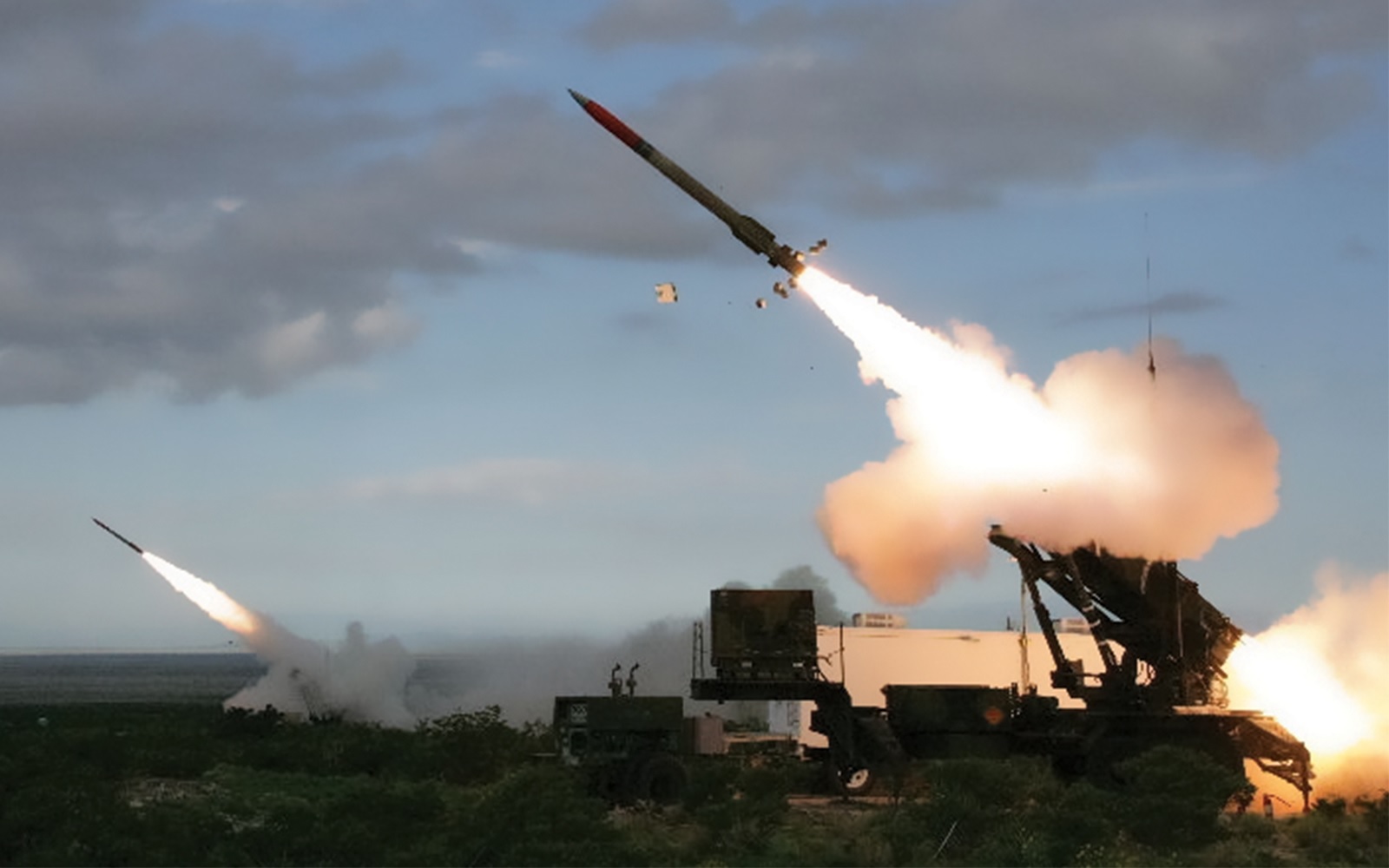
World
In a significant move reflecting shifting global security priorities, the United States has temporarily redeployed its advanced Patriot missile defense systems from South Korea to the Middle East. This marks the first known instance where U.S. Forces Korea (USFK) assets are being relocated to support operations in a different region, highlighting growing American concerns over potential Iranian retaliation. The systems involved include the highly capable Patriot Advanced Capability-3 (PAC-3) interceptors—an essential component of the layered defense shield designed to protect South Korea from North Korean missile threats. Despite this redeployment, U.S. officials have stressed that the overall readiness and deterrence posture on the Korean Peninsula remains fully intact. According to U.S. Forces Korea, the movement of personnel and equipment is part of a rotational deployment, not a permanent withdrawal. This assurance aims to calm anxieties both in Seoul and among regional observers who closely watch the balance of power on the peninsula. "USFK will still maintain a ready, capable, and lethal force on the Korean Peninsula prepared to respond to any contingency," the command emphasized in a statement. Behind this redeployment lies a broader strategic calculation. Tensions between the United States and Iran have been simmering over Tehran’s refusal to return to direct negotiations on its nuclear program. American defense planners now fear possible Iranian retaliation or escalation, particularly in response to U.S. or Israeli actions targeting Iranian interests. By bolstering its defenses in the Middle East, Washington aims to preemptively secure its bases and personnel across a volatile region. U.S. Secretary of Defense Pete Hegseth has reportedly approved the transfer of at least two Patriot batteries from Asia to the Middle East. While exact details about the number of systems and their final destination remain classified, it's understood that additional support assets are on standby should the regional threat picture worsen. This strategic redeployment has not gone unnoticed in South Korea, where it has reignited discussions about the country's reliance on U.S. military support and the long-standing debate over cost-sharing. Former President Donald Trump's “America First” policy had already pressured Seoul to significantly increase its financial contributions to U.S. military operations in the region, and similar sentiments could resurface depending on how long the redeployment lasts and whether further assets are shifted. South Korean officials have so far avoided making public statements on the issue, though defense insiders suggest the country’s own air defense systems will continue to operate effectively. With indigenous systems like the KM-SAM and M-SAM being enhanced, South Korea has been investing in strengthening its own missile shield, anticipating scenarios where U.S. support may be partially reallocated elsewhere. While the U.S. has not confirmed the duration of the deployment, analysts believe it could stretch for several months, depending on how the situation with Iran evolves. The move underscores the Pentagon's ability to swiftly reallocate critical defense assets in response to emerging threats—but it also raises questions about balancing commitments across multiple global flashpoints. In essence, the redeployment of Patriot missiles reflects Washington’s strategic flexibility, but it also serves as a reminder of how interconnected global defense priorities have become. As tensions with Iran rise, the ripple effects are being felt far beyond the Middle East—reaching all the way to Northeast Asia.
Read More → Posted on 2025-04-05 15:18:14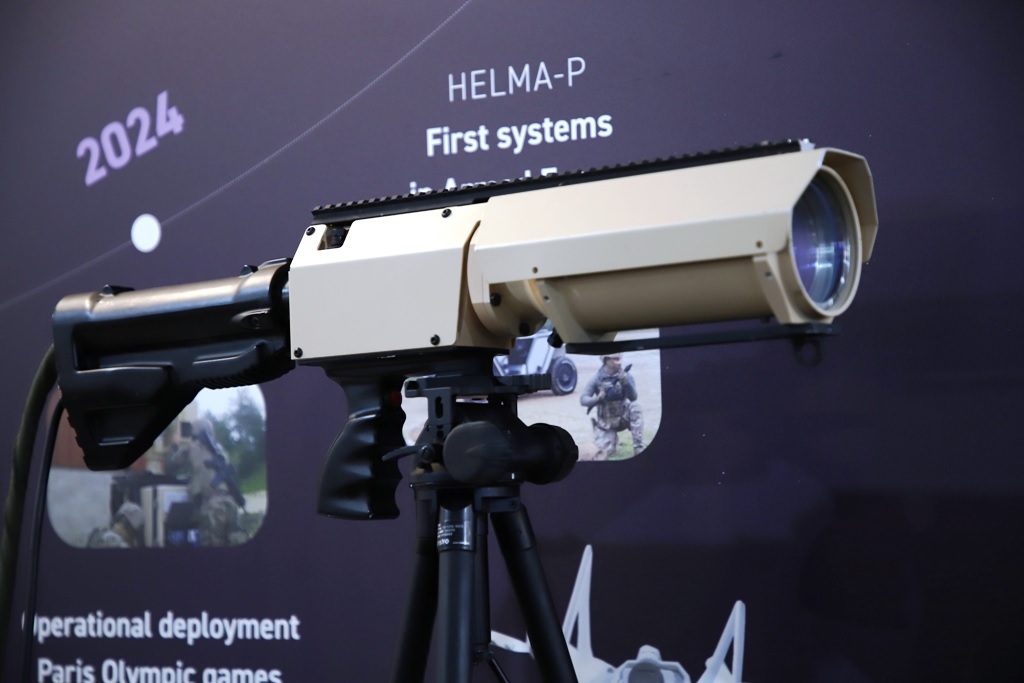
World
At the SOFINS 2025 special forces exhibition, French laser technology leader CILAS unveiled its latest innovation in directed-energy weapons: the HELMA-LP. This new portable laser weapon is a compact and man-portable evolution of the previously fielded HELMA-P system, which gained operational experience with the French Navy and even played a role in securing events during the 2024 Paris Olympics. The HELMA-LP – with “LP” standing for Laser Portable – is a next-generation tool designed specifically for destroying static soft targets using concentrated laser energy. Unlike its predecessor, the HELMA-P, which was a more stationary platform, the HELMA-LP is meant for mobility, precision, and discretion. A Rifle-Like Design with Tactical Features Despite the futuristic illustrations in its promotional materials, the actual prototype showcased at SOFINS 2025 looked like a high-tech rifle. It included a stock and pistol grip reminiscent of an AR-15 platform. A central parallelepipedal housing contains the laser emitter, while a cylindrical optical lens at the front focuses the beam on the target. Mounted on top is a Picatinny rail, allowing for the attachment of sniper-style optics and sights, enhancing aiming precision in tactical scenarios. While the static display didn’t include the sight, it’s part of the modular system and can be added as needed. How It Works The HELMA-LP is optimized for targeting and neutralizing soft static threats such as: Canvas tents and coverings Sensitive electronic devices (radios, laptops, screens) Optronic systems (cameras, sensors, gimbals) Armored glass and delicate optics The weapon engages targets from a distance of 300 to 500 meters, with the laser beam maintaining a 20 mm diameter at maximum range. Because its laser power is lower than the larger HELMA-P, the operator must keep the laser on target for longer durations—typically between 5 to 15 seconds, with a maximum possible engagement time of 60 seconds. To ensure accuracy and effectiveness, operators can use either a tripod or stabilize the weapon using the backpack power supply for low-profile firing positions. Additionally, visible or infrared markers can assist with target acquisition. Portability and Power The HELMA-LP consists of two main parts: A rifle-style laser effector A battery-powered rucksack, connected via two cables The entire system weighs around 15 kilograms, making it light enough to carry and deploy by a single soldier. The backpack battery pack powers multiple engagements without needing a recharge, though detailed battery specifications have not yet been disclosed. Key Specifications Type: Man-portable laser weapon Target Range: 300–500 meters Beam Diameter at 500m: 20 mm Engagement Duration: 5–15 seconds (max 60 seconds) Total Weight: ~15 kg Power Source: Battery pack (carried in rucksack) Operating Temperature: -20°C to +35°C Noise Profile: Silent Visibility: Beam invisible to the naked eye A Weapon of Surprise and Precision One of HELMA-LP’s strongest advantages lies in its stealthy nature. Silent and invisible, this “sniper laser” can engage and disable key equipment without revealing the operator’s position. This feature is expected to bring psychological pressure and confusion to enemy forces who can’t immediately trace the source of damage. CILAS also confirmed interest from manufacturers of remote-controlled weapon stations (RCWS), who see potential in integrating the HELMA-LP for vehicle or robotic applications. Its compact, efficient, and non-lethal nature (against personnel) also opens possibilities for crowd control, infrastructure protection, and counter-drone operations. As the world steadily embraces directed-energy weapons, the HELMA-LP stands out as a uniquely tactical solution, giving dismounted operators and special forces a new tool in future battlefield scenarios.
Read More → Posted on 2025-04-05 15:12:49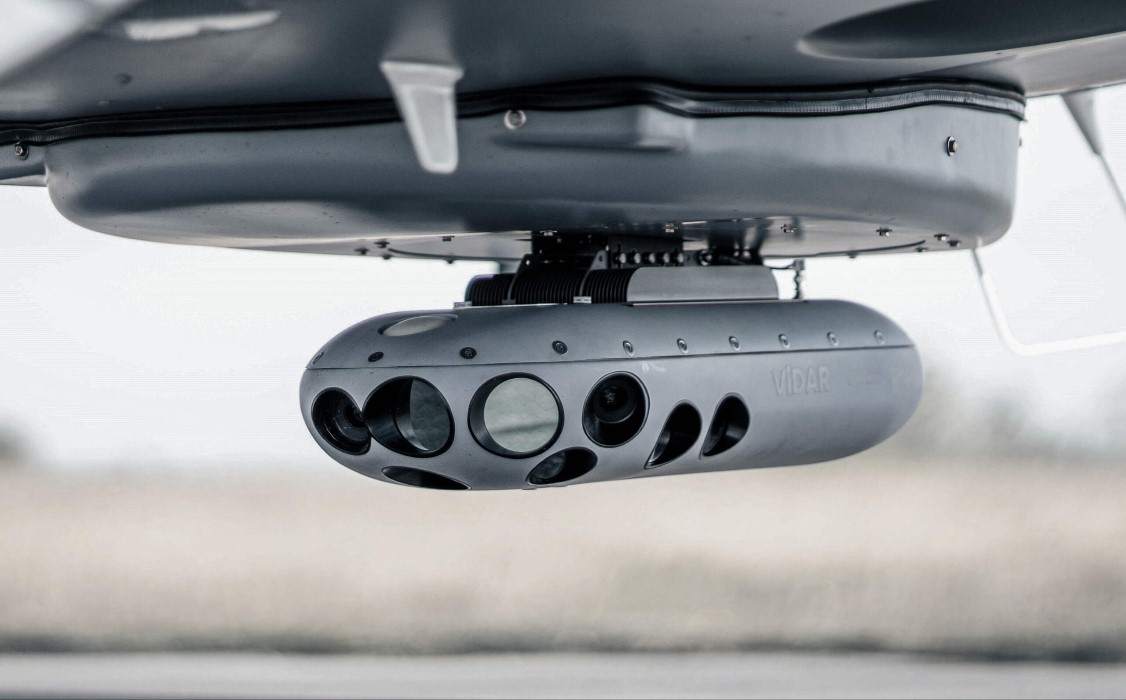
World
In a major leap forward for battlefield surveillance, Shield AI, a San Diego-based defense technology company, has introduced the ViDAR Pod—a radar-free, AI-powered surveillance system designed to detect and track threats without revealing the presence of the aircraft carrying it. Launched just before the Sea-Air-Space Expo, this cutting-edge Visual Detection and Ranging (ViDAR) system is built to revolutionize intelligence, surveillance, and reconnaissance (ISR) operations, especially in high-threat and radar-contested environments. Unlike conventional radar, ViDAR is a completely passive system, which means it does not emit signals that could betray its location to enemy forces. How It Works The ViDAR Pod is compact—only about 60 centimeters in length—and mounts under the belly of an aircraft. Inside this sleek tube are multi-spectral cameras, a built-in processor, and an inertial measurement unit, all working together with advanced AI algorithms to constantly scan, detect, and track activity on land and sea. This system doesn’t just operate in daylight or clear weather—it performs equally well at night and in poor visibility, making it a powerful surveillance tool in complex scenarios. Whether it's detecting a vehicle on a dusty road, a dark vessel with its AIS (Automatic Identification System) turned off, or even a fast-moving small craft, ViDAR delivers highly accurate threat detection without giving away the aircraft’s position. Why It Matters Radar systems, while highly effective, emit signals that can easily be picked up by enemy receivers—essentially broadcasting a platform’s location. In contrast, Shield AI’s ViDAR keeps the aircraft hidden and undetectable, which is becoming more important in modern, electronic warfare-heavy battlefields. “Detection at scale has long been dominated by radar, but ViDAR changes that paradigm,” said Christian Gutierrez, Vice President of Hivemind Solutions at Shield AI. “Modern battlefields demand stealth, agility, and autonomy—qualities ViDAR delivers without compromise.” Versatility and Mission Flexibility One of the strongest features of the ViDAR Pod is its adaptability. It can be mounted on a wide range of platforms, from unmanned aerial systems (UAS) like drones to rotary and small fixed-wing aircraft. It can operate as a standalone system or in tandem with radar, providing mission planners with flexibility depending on the situation. This flexibility makes it suitable for various missions, including: Force protection Targeting and threat tracking Maritime patrol Coastal security Counter-smuggling and counter-terrorism operations Performance and Efficiency Despite its small size, ViDAR is remarkably powerful, capable of outperforming many sensors in its category, particularly in detecting low radar cross-section (RCS) threats such as semi-submersibles or stealthy watercraft. Shield AI emphasizes that it delivers persistent surveillance while consuming significantly less space, weight, and power compared to traditional ISR solutions. The Bigger Picture Shield AI is no newcomer to military innovation. Since its founding in 2015, the company has focused on building AI-powered autonomous systems for defense. Its flagship products like the V-BAT drone and the Hivemind AI software have already been integrated into operations of the U.S. military and allied forces across the globe. The company is rapidly expanding its international footprint, with offices in Australia, Ukraine, and the UAE, underlining its commitment to building technologies that empower modern militaries. Final Take With the unveiling of the ViDAR Pod, Shield AI is pushing the boundaries of what’s possible in military surveillance. In a world where stealth and situational awareness can determine the outcome of missions, this radar-free, AI-driven system offers a much-needed edge. As conflict zones become increasingly hostile to traditional sensing technologies, systems like ViDAR are likely to become the future standard for ISR missions in contested environments.
Read More → Posted on 2025-04-05 15:04:46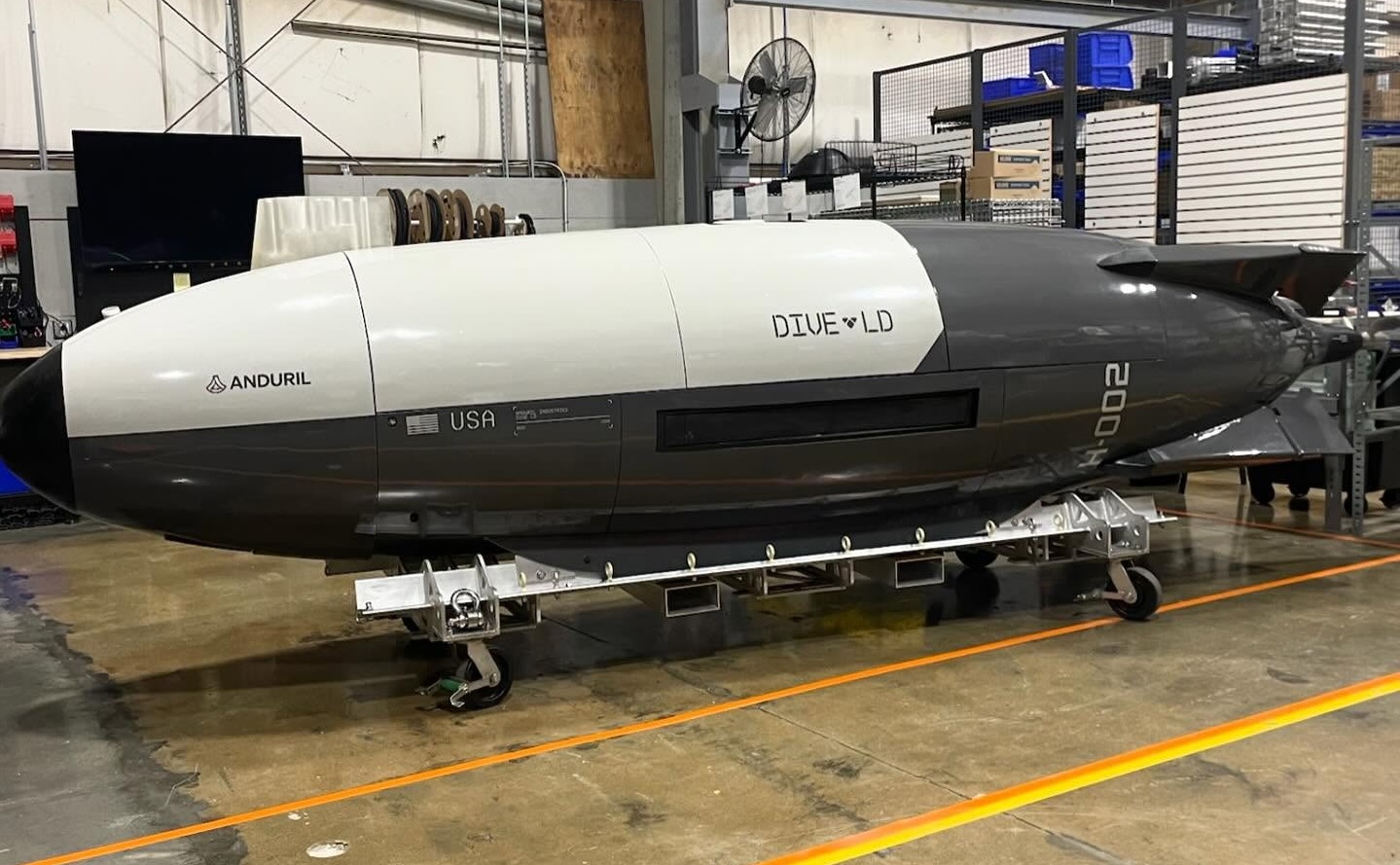
Anduril Delivers Dive-LD Autonomous Underwater Vehicle to U.S. Navy for Next-Gen Undersea Operations
World
In a significant move towards enhancing maritime autonomy, U.S. defense technology company Anduril Industries has successfully delivered its first Dive-LD autonomous underwater vehicle (AUV) to the United States Navy. The advanced underwater drone has been handed over to Unmanned Undersea Vehicle Squadron 1 (UUVRON-1), the Navy’s dedicated unit for operating unmanned undersea systems. AUV for the Future of Naval Missions The Dive-LD is designed to carry out a wide range of missions without the need for human intervention. From seabed mapping and intelligence gathering to communications relays and infrastructure inspection, this long-endurance platform is built for versatility in challenging underwater environments. According to Anduril, Dive-LD’s design provides “critical solutions to missions undersea” by combining endurance, modularity, and advanced autonomy. Key Features and Capabilities While full technical specifications remain classified, several notable features highlight Dive-LD’s role as a next-generation AUV: Endurance: Capable of long-duration missions, Dive-LD can operate autonomously for days or even weeks, depending on the payload and mission profile. Modular Payloads: The vehicle can be equipped with a range of sensors and equipment, allowing it to switch between tasks like surveillance, mine detection, or data collection. Low-Profile Construction: Designed to minimize detectability in hostile environments, its sleek shape enhances stealth in operations. 3D-Printed Exteriors: The use of additive manufacturing enables rapid customization and reduces production costs. Advanced Navigation: Equipped with modern inertial navigation systems and real-time path planning for navigating complex undersea terrain. Compact but Capable The Dive-LD is relatively compact compared to traditional undersea vehicles, making it easier to deploy from ships, submarines, or even shore-based facilities. Despite its size, it offers powerful capabilities that make it ideal for both military operations and commercial applications like offshore energy inspection or underwater infrastructure surveys. A Strategic Asset for the U.S. Navy The U.S. Navy’s delivery of the Dive-LD aligns with its larger strategic pivot towards distributed maritime operations, where smaller, networked, and autonomous systems operate in coordination. UUVRON-1, based in Keyport, Washington, will now begin rigorous testing of the Dive-LD in operational environments to evaluate its performance and integration into future mission sets. This delivery represents more than just a new tool—it reflects a shift in how the Navy conducts undersea warfare. With autonomy, endurance, and adaptability at its core, Dive-LD symbolizes the growing importance of unmanned systems in securing the oceans of tomorrow.
Read More → Posted on 2025-04-05 15:00:59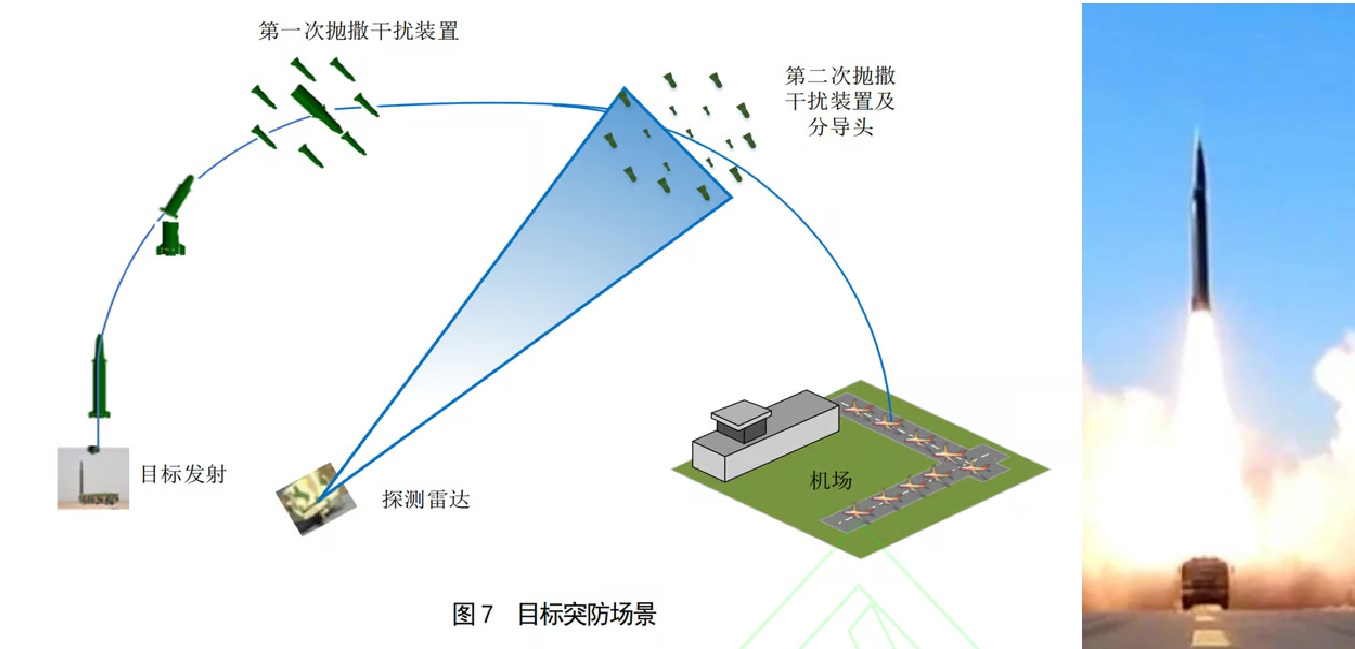
World
In a bold and calculated move, China has conducted one of its most significant and rare missile defence tests in the vast expanse of the Gobi Desert, pushing the boundaries of modern military technology. In this trial, the People’s Liberation Army (PLA) launched 16 ballistic missiles simultaneously at a single target to test the effectiveness of a new radar system designed to detect and neutralise complex, large-scale threats. This exercise was not just about firing missiles—it was a show of strength, technological maturity, and strategic messaging. The test featured China’s newly developed dual-band phased array radar system, combining both S-band (for wide-area detection) and X-band (for high-resolution tracking) technologies. This advanced radar successfully identified, tracked, and guided interception of all incoming missiles with what Chinese engineers claimed was 100% accuracy. What makes this test so notable is the sheer scale. Even among top-tier military powers, such as the United States or Russia, firing this number of ballistic missiles in a single peacetime drill is virtually unheard of. The complexity of defending against such a barrage mimics real-world “saturation attack” scenarios, where numerous incoming threats are designed to overwhelm a defence system, just as seen in the October 2024 Iranian missile strike on Israel. Despite Israel’s highly praised Arrow system, some missiles broke through, highlighting the difficulty of these kinds of defences. The Gobi Desert test replicated similar high-pressure conditions. Chinese engineers reported the radar system was able to track 31 decoys and prioritize 7 real high-value threats, even while dealing with electronic jamming and countermeasures. This suggests a significant step forward in China’s ability to neutralize advanced threats like hypersonic glide vehicles and MIRV-equipped missiles, which are capable of deploying multiple warheads and decoys mid-flight. More importantly, this test serves as a real-world demonstration of China’s readiness to handle future challenges. As tensions remain high in the Taiwan Strait and South China Sea, the ability to protect against large-scale missile attacks is crucial for any superpower. This test wasn't just about proving radar efficiency—it was about changing the equation in modern warfare, particularly in scenarios where the risk of saturation attacks is high. Analysts also point to another layer: the cost and industrial capacity behind the test. Launching 16 ballistic missiles in one go is enormously expensive, but China has shown it's prepared to invest heavily in its military preparedness. This is backed by footage previously released by state broadcaster CCTV, showing automated missile production lines—factories capable of producing weapons with minimal human input, sometimes referred to as "lights-out factories." These facilities imply that China not only has a growing stockpile of missiles but the industrial muscle to replenish them rapidly, a game-changing factor in prolonged conflict situations. In essence, this test wasn’t just a technical trial—it was a message. With precision radar, layered defence capabilities, and scalable manufacturing, China is signalling that it has moved into a new era of missile defence strategy. It reflects a calculated shift in deterrence thinking, showcasing a powerful blend of science, readiness, and strategic intent in a world of rising geopolitical tension.
Read More → Posted on 2025-04-05 14:55:47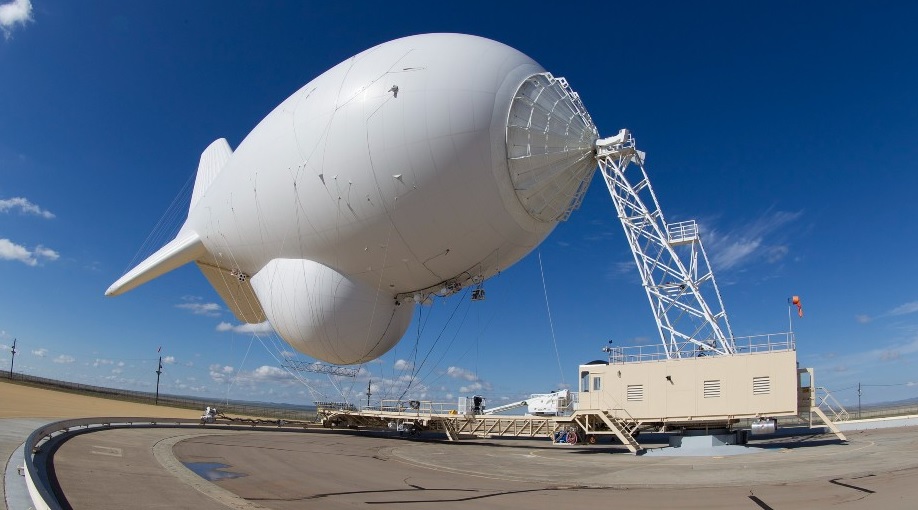
World
In a major move to strengthen its long-range surveillance and intelligence operations, the U.S. Army has awarded a massive 10-year contract worth $4.19 billion to ten companies for the supply and support of aerostat systems. The contract, officially known as a Multiple Award Task Order Contract (MATOC), is aimed at advancing the Army’s airborne surveillance capabilities through cutting-edge tethered balloon systems and integrated intelligence technologies. The MATOC will support the Product Director Aerostats Production office and includes a wide range of services—ranging from hardware procurement and engineering to system fielding, logistics, life-cycle support, and replenishment of Army stocks. In simple terms, this means the selected companies will not only deliver aerostat systems but also help maintain and evolve them over the next decade. Aerostats are large, tethered balloons equipped with powerful sensors that can stay aloft for extended periods. Their primary role is to provide persistent Intelligence, Surveillance, and Reconnaissance (ISR) in various environments. These systems are especially useful for monitoring large areas, detecting threats early, and providing real-time intelligence to troops on the ground. Among the key systems covered under this contract is the Persistent Surveillance System – Tethered (PSS-T). This platform has already proven its value in overseas contingency operations and is also included in prepositioned Army stocks for rapid deployment. PSS-T combines multiple sensors, giving commanders a steady flow of visual and data-based intelligence, which can be crucial during combat or border security missions. The MATOC will also support another critical program—the Persistent Surveillance Dissemination System of Systems (PSDS2). This system connects various sensors and aerostats into a unified network, enabling faster delivery of intelligence to field units and command centers. In short, it acts like a digital nervous system, linking surveillance tools and getting the right information to the right people at the right time. One of the standout features of this contract is its flexibility. The Army can add or remove vendors as operational needs change, ensuring that its surveillance systems stay technologically current and mission-ready. This adaptability is vital in today’s fast-changing security landscape, where threats evolve rapidly and intelligence systems must keep pace. The ten firms selected for this prestigious contract are: Raytheon Company Leidos Inc. Qinetiq Inc. TCOM LLC Tyonek Technical Services LLC Advanced Technology Systems Company Elevated Technologies Mission Solutions Group Skyship Services Inc. Thunderbolt Software These companies bring a wide range of expertise—from aerostat manufacturing and integration to advanced software and operations support—ensuring a holistic and robust approach to airborne surveillance. A Strategic Investment in Persistent Surveillance This contract is not just about equipment—it represents a strategic investment in the Army’s ability to maintain a constant watch over critical regions, both at home and abroad. As global tensions continue to rise and asymmetric threats like drones and insurgent movements become harder to track, persistent ISR systems like aerostats are more important than ever. By awarding this long-term contract, the U.S. Army is ensuring that its surveillance infrastructure remains effective, flexible, and ready for the challenges of tomorrow. The combination of hardware, software, and operational support built into this agreement reflects a modern approach to defense—one that prioritizes information dominance as much as firepower.
Read More → Posted on 2025-04-05 14:50:31Search
Top Trending in 24 Hours
-
 Pentagon Expands Alloy Surfaces Contract to $328.8 Million for Advanced Aircraft Decoy Flares Amid Evolving Drone Threats
-
 Why the U.S. Restored Pacific Command Name, Ending the Indo-Pacific Designation After Eight Years
-
 Naval Group Unveils Rampart Modular CIWS Multi-Purpose Weapon System for Naval and Ground Forces at Eurosatory 2026
-
 Open-Source Evidence Suggests Russia's Zircon Is a Quasi-Ballistic Missile, Not a True Hypersonic Cruise Weapon
-
 Lockheed Martin Unveils HIMARS FLEX with Dual-Pod Launcher and NATO-Compatible Air Defense Integration
-
 Iran Signs Deal with Russia for 20 Mi-8 and Mi-17 Helicopters to Boost Rescue and Medical Missions
-
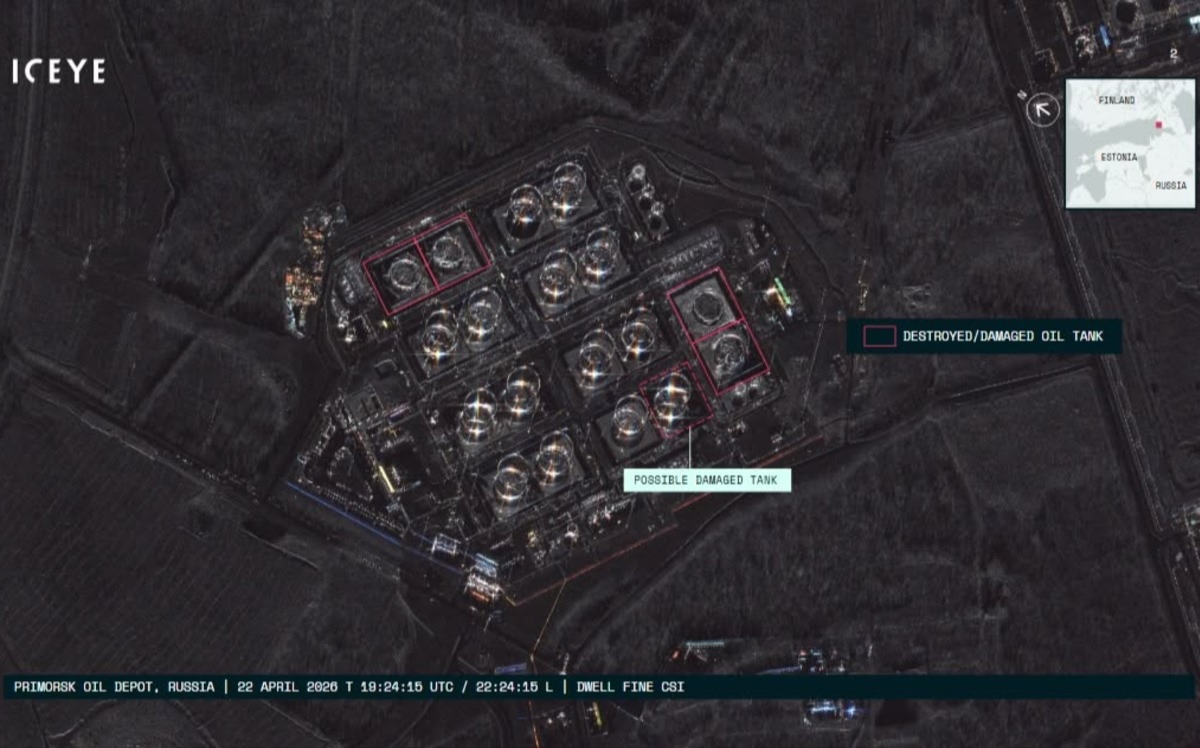 Portugal Doubles Sovereign SAR Satellite Fleet with Order for Two Additional ICEYE Satellites
-
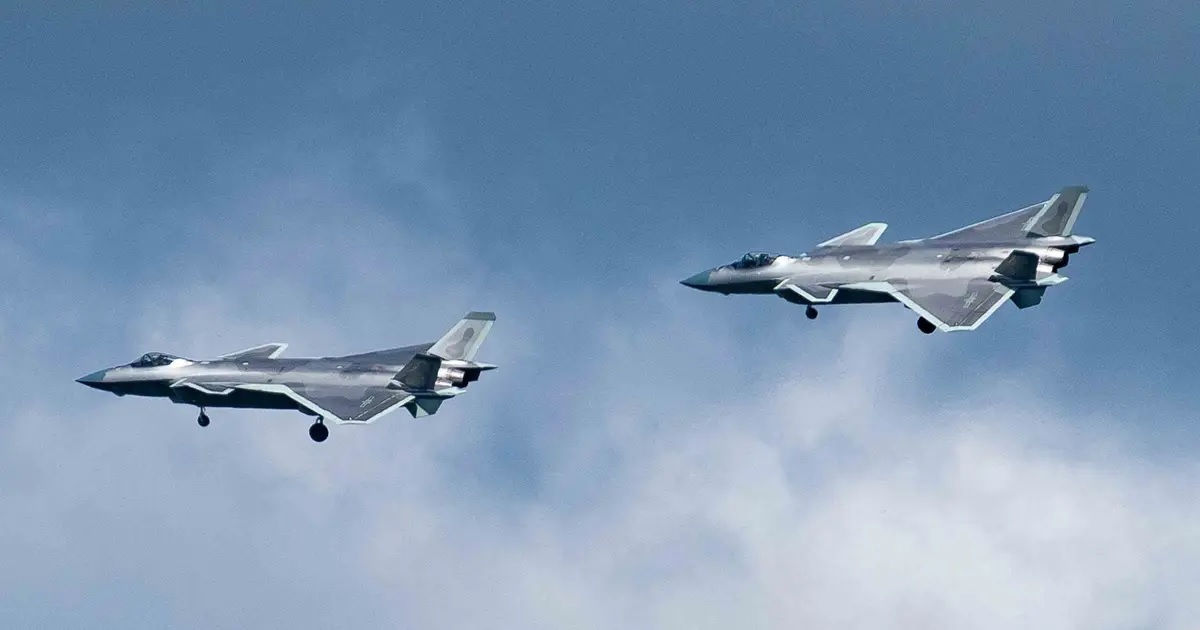 China Surpasses Russia as World’s Second-Most Powerful Air Force Amid Rapid J-20 and J-35 Expansion
Top Trending in 4 Days
-
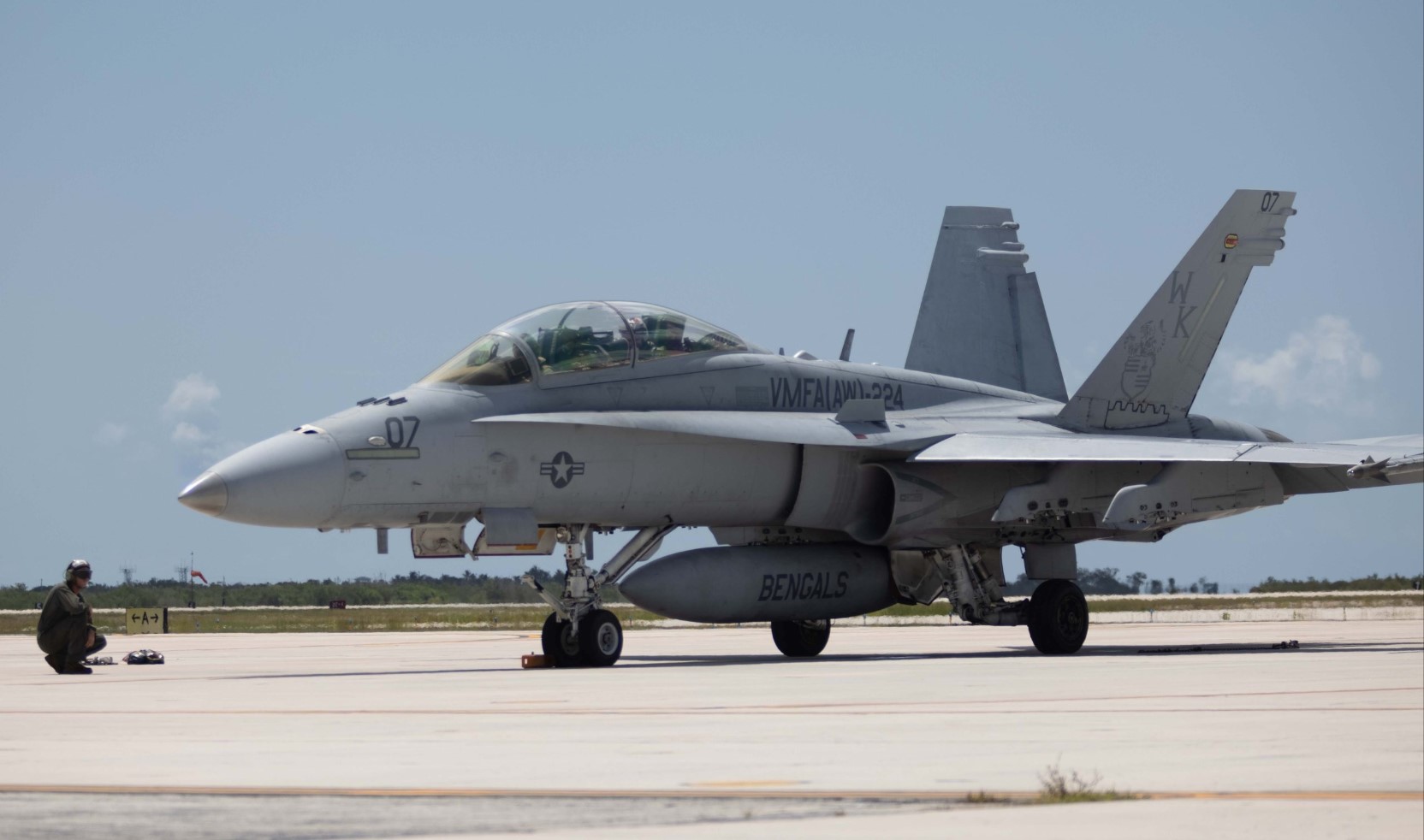 US Marine Corps F/A-18D Hornet Crashes During Training Flight in Washington Mountains; Pilot Ejects Safely
-
 Tulsi Gabbard Releases Declassified Files Detailing U.S.-Backed Network of 120 Biolaboratories Across 30+ Countries
-
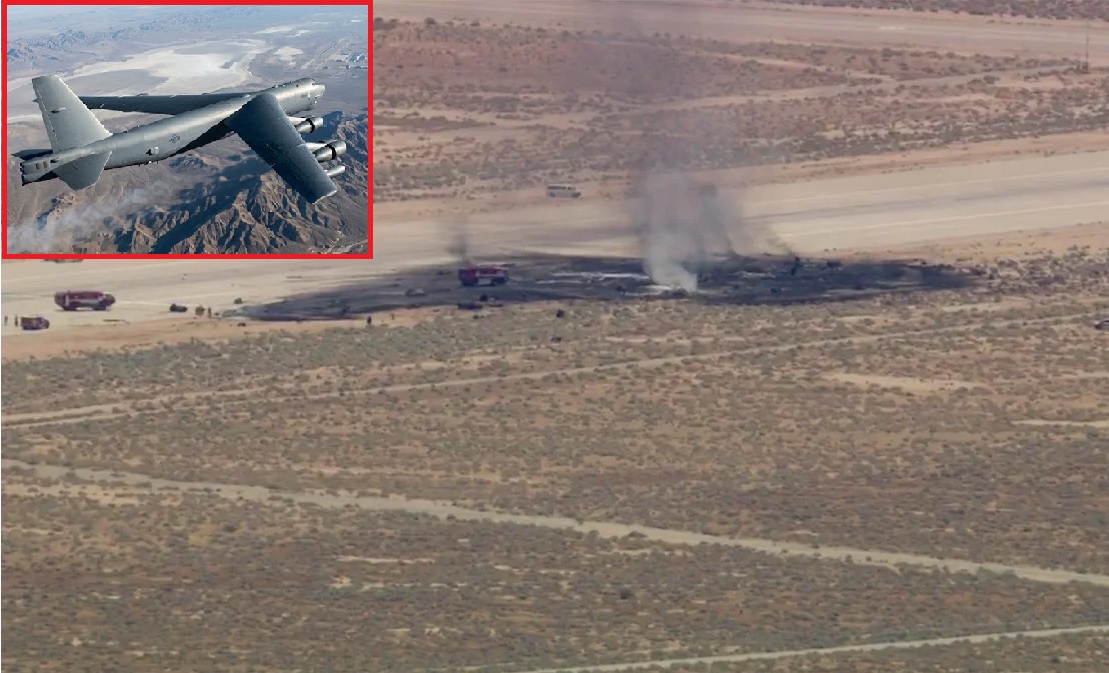 8 U.S. Air Force Crew Members Killed in B-52 Bomber Crash During Test Flight at Edwards Air Force Base
-
 Ukraine Introduces Balloon-Launched DART Missile Designed to Defeat Electronic Warfare
-
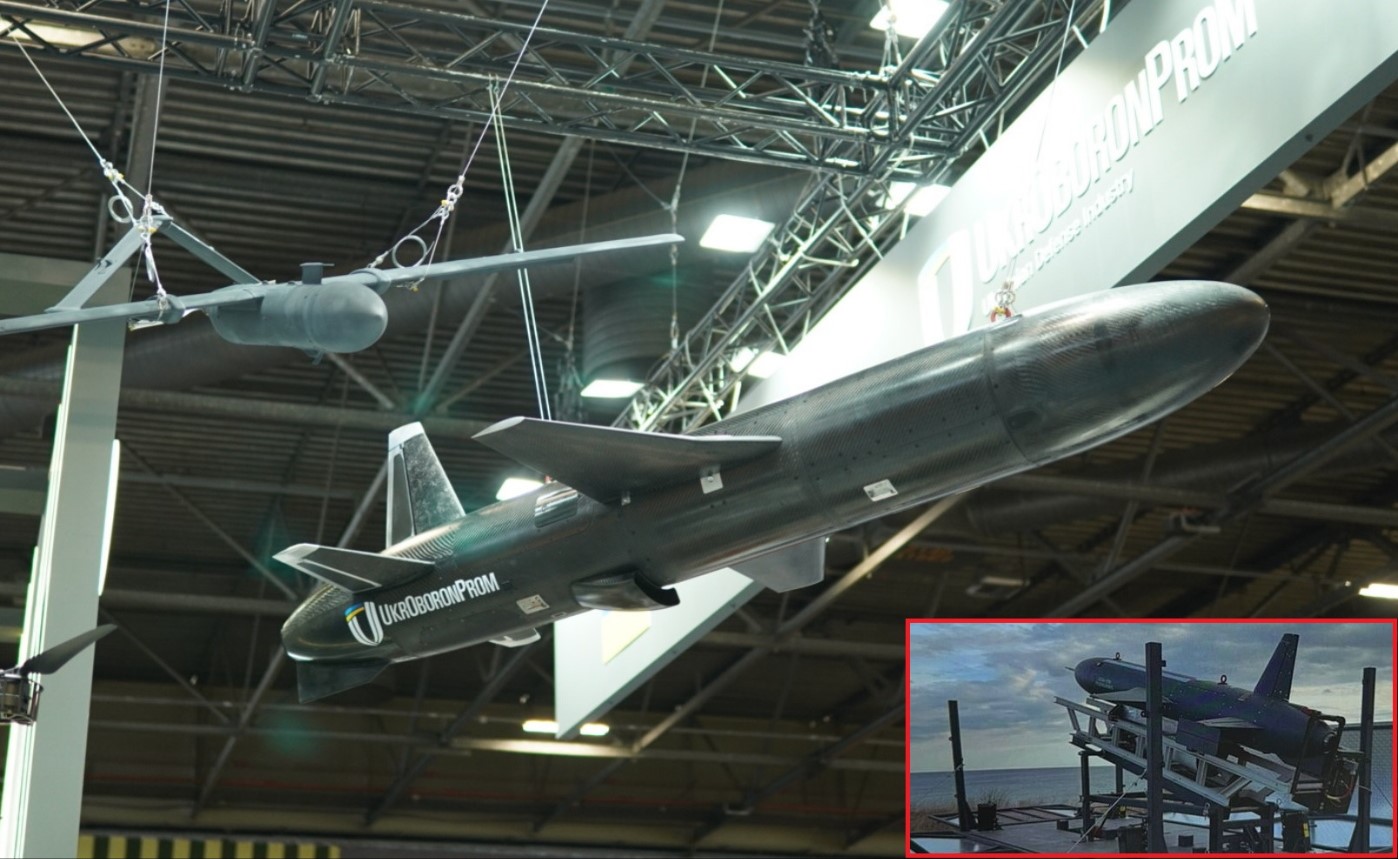 Ukraine Unveils UAV-290 Jet-Powered Strike Drone with 650 km Range at Eurosatory 2026
-
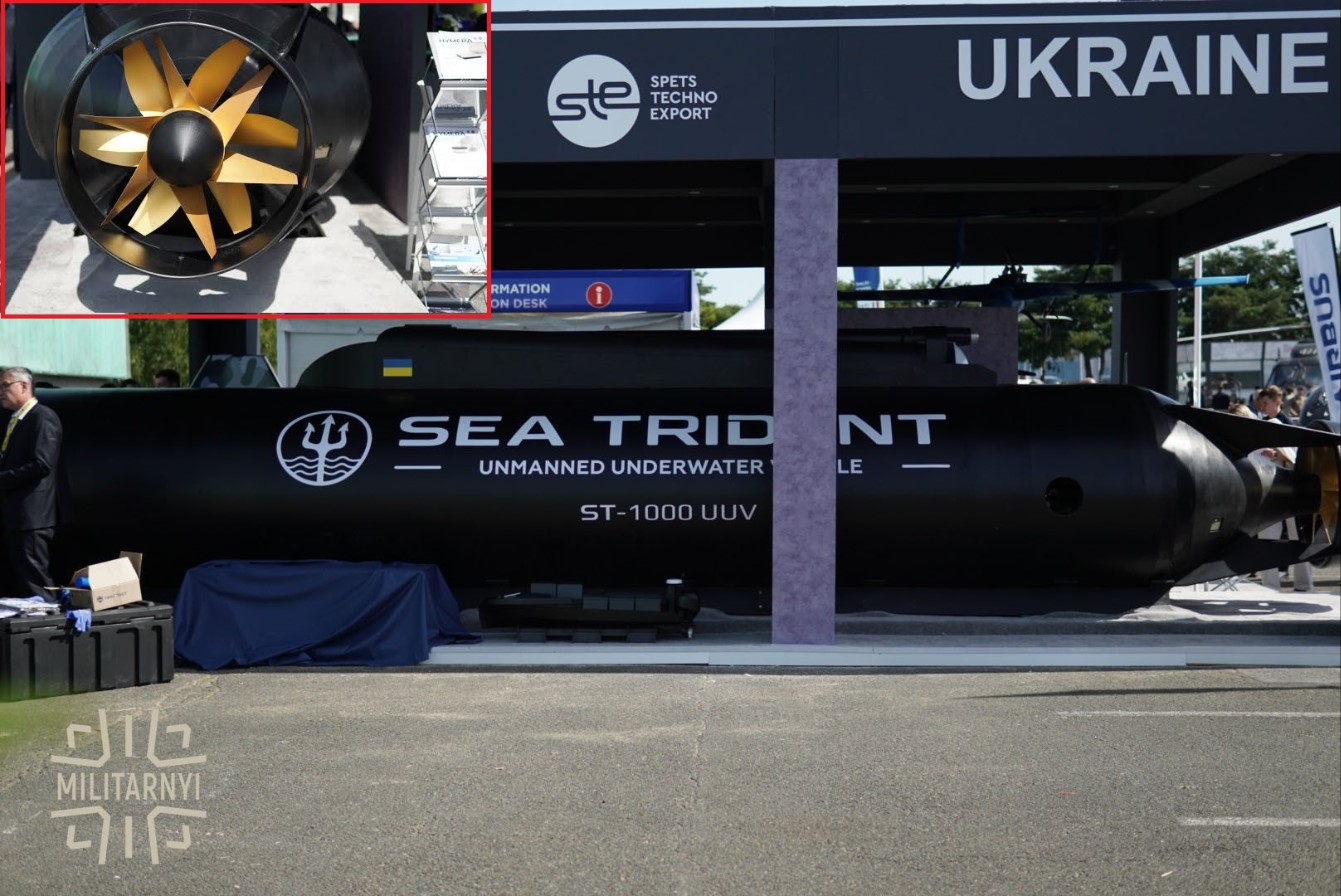 Ukraine Unveils 'Sea Trident' 10-Ton Autonomous Underwater Drone at Eurosatory 2026
-
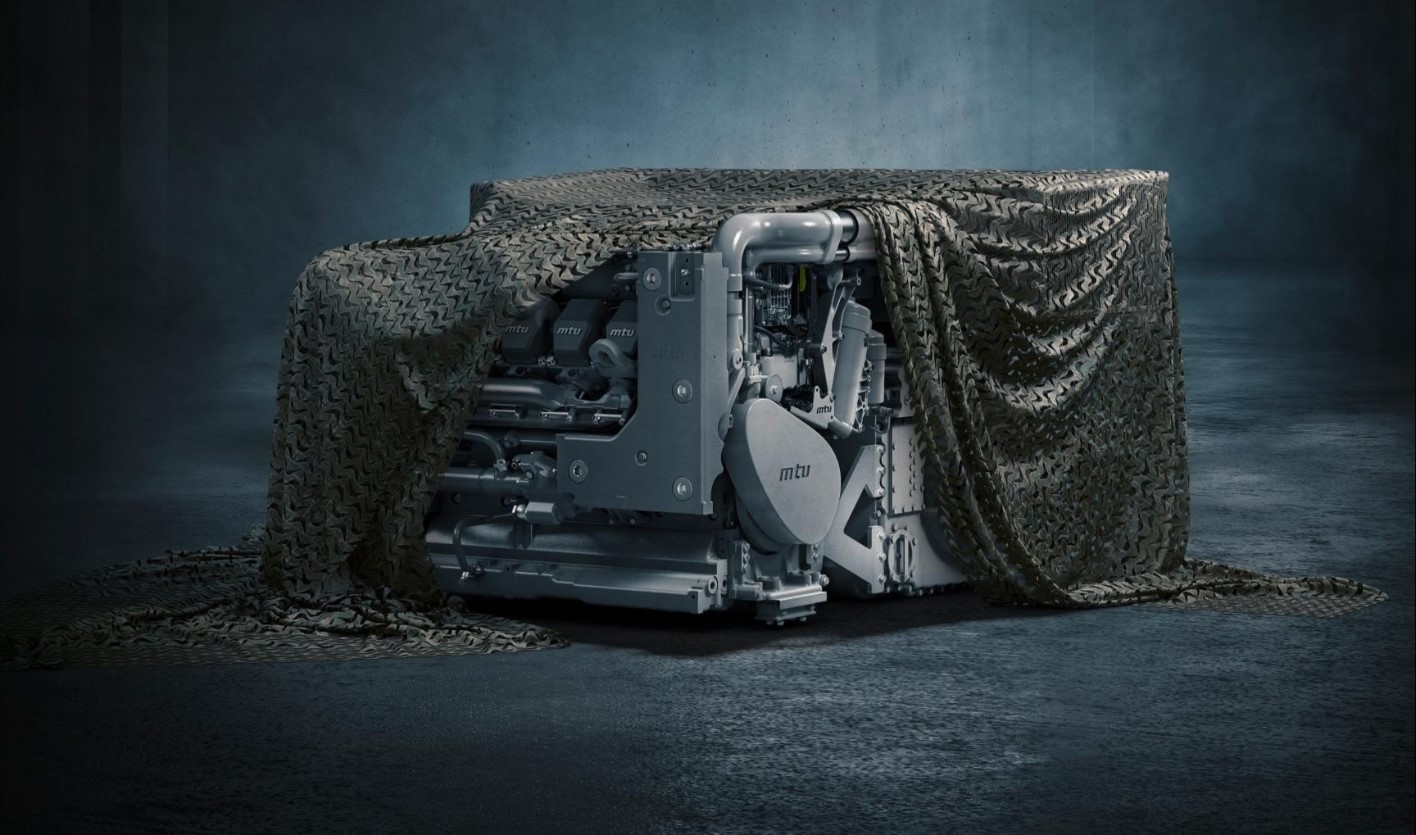 Rolls-Royce Unveils New Hybrid Powertrain for Heavy Military Vehicles at Eurosatory 2026
-
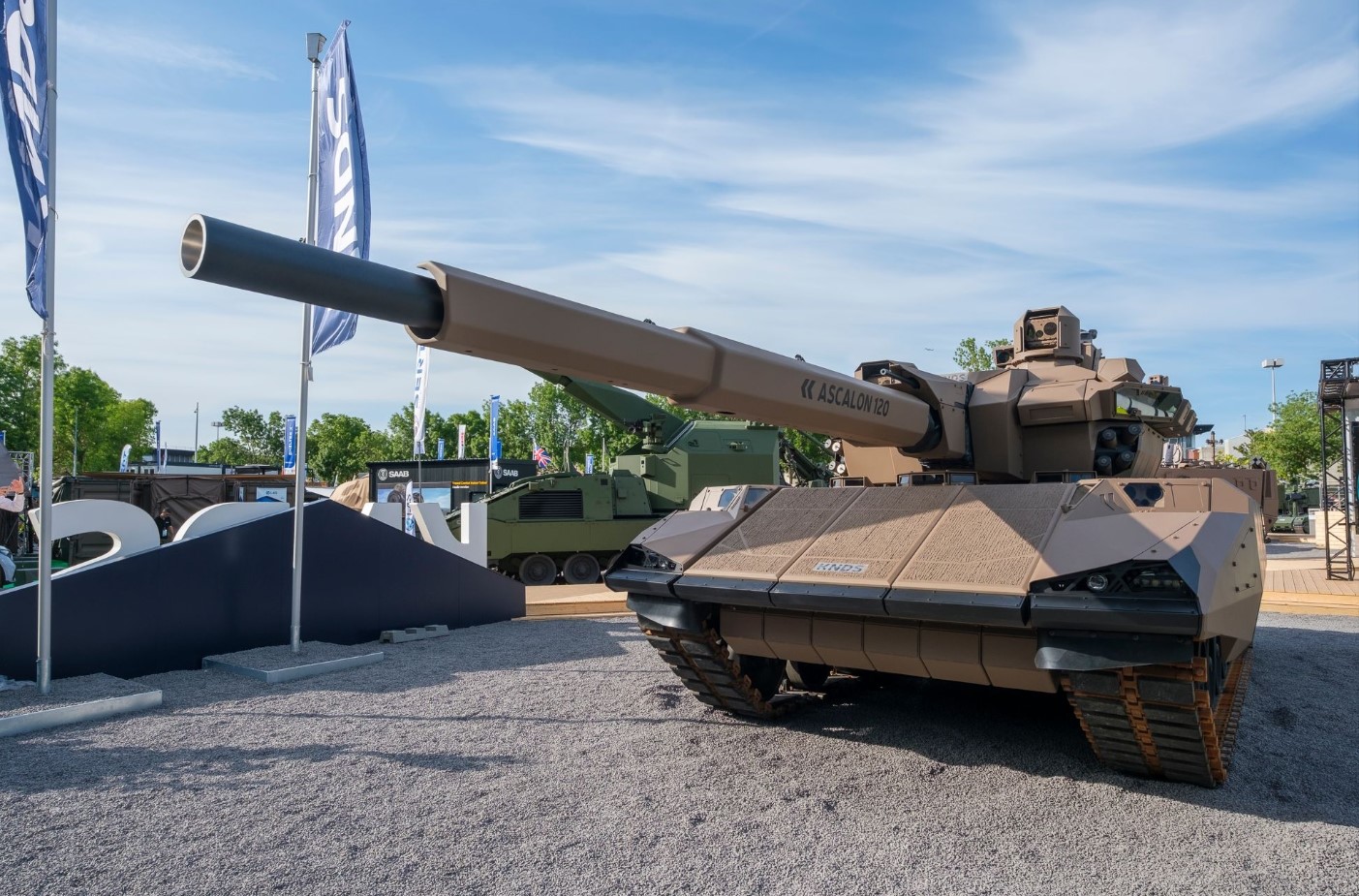 KNDS Unveils CAPINT Main Battle Tank at Eurosatory 2026 as Leclerc Stopgap