
World
The Russian Navy has officially welcomed its newest diesel-electric submarine, Yakutsk, into service, marking the completion of the Project 636.3 submarine series for the Pacific Fleet. The handover ceremony took place on June 11, 2025, at the Admiralty Shipyards in St. Petersburg, attended by senior naval officials and shipbuilders. During the ceremony, Admiral Vladimir Vorobyov, Deputy Commander-in-Chief of the Russian Navy, addressed the crew, urging them to serve with dedication and carry out their future missions with honor. The acceptance of Yakutsk not only strengthens Russia’s submarine force but also marks the end of a significant construction program that began several years ago. About the Project 636.3 Kilo-Class Submarines Known by NATO as the "Improved Kilo-class," Project 636.3 submarines are an advanced version of the earlier Kilo-class boats. These submarines are recognized for their low acoustic signature, earning them the nickname “Black Holes” in naval circles due to how difficult they are to detect underwater. They are designed primarily for anti-submarine warfare (ASW), anti-surface ship warfare (ASuW), and intelligence-gathering operations, with the ability to deploy land-attack cruise missiles. Specifications of Yakutsk (Project 636.3 Kilo-Class) Displacement: Surfaced: approx. 2,350 tons Submerged: approx. 3,950 tons Length: 73.8 meters Beam: 9.9 meters Draft: 6.2 meters Propulsion: Diesel-electric with one shaft 2 × diesel generators 1 × electric motor 1 × standby electric motor Speed: Surfaced: 17 knots Submerged: 20 knots Range: 7,500 nautical miles at 7 knots Endurance: 45 days Diving Depth: Operational: up to 240 meters Maximum: 300 meters Crew: 52 personnel Armament: 6 × 533 mm torpedo tubes Can carry 18 torpedoes or a mix of torpedoes and Kalibr-PL cruise missiles Capable of laying naval mines Sensors and Systems: Advanced sonar suite Electronic warfare support systems Periscopes with infrared and low-light capabilities Integrated combat control system Operational Importance Yakutsk is the sixth and final submarine built for the Pacific Fleet under this program. The previous five submarines — Petropavlovsk-Kamchatsky, Volkhov, Magadan, Ufa, and Mozhaisk — have been gradually deployed to the Russian Far East. With its arrival, the Pacific Fleet now has a full squadron of six modern Kilo-class submarines, enhancing Russia’s strategic underwater capabilities in the Asia-Pacific region. This addition comes at a time when global maritime tensions are on the rise, and Russia has been stepping up its naval operations, particularly in the Pacific. Although no official timeline has been announced for Yakutsk’s transfer voyage to its new homeport, it is expected to soon join its sister submarines at the Primorskaya Flotilla. A Significant Milestone for Russian Shipbuilding The completion of Yakutsk also marks the twelfth Project 636.3 submarine delivered by Admiralty Shipyards to the Russian Navy since the program began. It underscores Russia’s continued focus on maintaining a capable, modern submarine fleet for both regional defense and global deterrence. With its stealth, long-range cruise missile capability, and advanced sensors, Yakutsk is set to play a vital role in Russia's maritime strategy in the years ahead.
Read More → Posted on 2025-06-12 16:25:27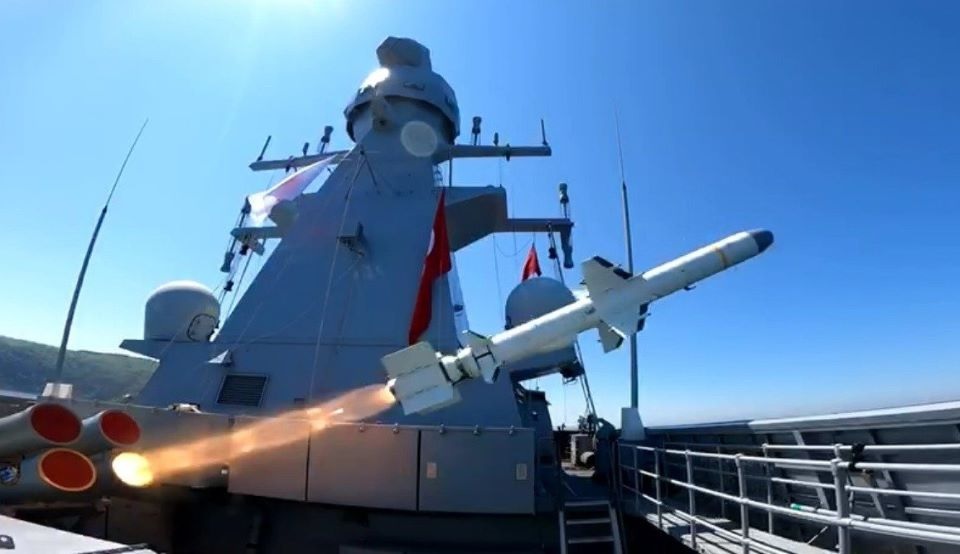
World
In a major leap for Southeast Asia’s defense capabilities, Türkiye’s leading defense firm Roketsan and Indonesia’s PT Republik Defence Indonesia (RDI) signed a landmark agreement on June 11, 2025, to jointly produce the ATMACA anti-ship cruise missile. The deal, formalized during the Indo Defence 2025 exhibition in Jakarta, represents a significant step toward regional self-reliance in advanced missile technologies and a deepening of strategic cooperation between the two nations. The ATMACA missile, developed by Roketsan, is a cutting-edge anti-ship cruise missile designed for long-range, high-precision maritime strikes. Capable of operating in all weather conditions, it uses a combination of GPS, INS, radar altimeter, and barometric sensors, with an active radar seeker guiding it to its target. It can hit moving or stationary naval targets over 250 kilometers away and is equipped with a 220 kg high-explosive fragmentation/penetration warhead. A key strength of ATMACA lies in its data link, which allows real-time mission updates, target changes, or even mission aborts while in flight, offering unmatched flexibility during operations. Designed originally as Türkiye’s replacement for the U.S.-made Harpoon missile, ATMACA reflects Ankara’s goal of becoming self-sufficient in defense production. It has already been adopted by the Turkish Navy and successfully tested on ships such as the Ada-class corvettes. The missile is modular and can be integrated into various platforms—surface ships, patrol boats, corvettes, and potentially submarines in the future. Indonesia’s interest in ATMACA comes at a time of increasing maritime tensions, particularly in the Natuna Islands region, where Chinese vessels have repeatedly violated Indonesia’s Exclusive Economic Zone (EEZ). By co-producing these advanced missiles, Indonesia is enhancing its sea-denial and anti-access/area denial (A2/AD) capabilities—key elements in modern naval strategy. The ATMACA missile gives the Indonesian Navy a strategic tool to strengthen its maritime deterrence posture while boosting the local defense industry through technology transfer and domestic production. Unlike traditional arms procurement, this agreement sets the foundation for long-term industrial cooperation. The missile will not just be delivered but co-produced in Indonesia, opening opportunities for local assembly, potential exports, and deeper technology integration. It follows the earlier partnership between Türkiye and Indonesia on the KAAN fifth-generation fighter jet program, underlining a broader commitment to shared defense development. Although financial terms have not been publicly disclosed, earlier reports indicated that Indonesia would acquire 45 ATMACA missiles under a contract signed in March 2024. The new joint production deal will not only increase output speed but also reduce costs per unit and build a scalable system for future production and potential exports across ASEAN and beyond. Strategically, this move aligns Indonesia more closely with NATO-compatible defense technologies while offering an alternative to Chinese and Western systems. It positions Indonesia as a defense manufacturing hub in Southeast Asia, capable of supplying modern weapon systems to regional allies and partners. For Türkiye, it strengthens its presence in the Indo-Pacific and underscores the global appeal of its rapidly growing defense industry. The Roketsan-PT RDI partnership thus stands as more than a missile deal—it marks the rise of a new defense alliance bridging Europe and Asia. By investing in co-production and shared innovation, both nations are laying the groundwork for a more balanced and independent regional security architecture.
Read More → Posted on 2025-06-12 16:20:47
World
Latvia has taken a significant step toward modernizing its defense capabilities by signing a letter of intent with Sweden for the purchase of 18 Archer self-propelled artillery systems. The agreement, signed on June 10, marks a new chapter in military cooperation between the two countries and is expected to strengthen Latvia’s national defense and regional security in the Baltic area. The Archer artillery system, developed by Sweden, is an advanced 155mm howitzer mounted on an 8x8 wheeled chassis. Known for its precision, mobility, and rapid-fire capability, the system is designed to deliver powerful fire support while maintaining high survivability and mobility. With this acquisition, Latvia aims to significantly enhance the firepower and responsiveness of its National Armed Forces. Deliveries of the Archer systems are planned to begin in 2026, following the conclusion of a formal intergovernmental agreement, which both nations have committed to finalizing in the near future. In the meantime, Sweden has pledged to lease similar systems to Latvia to maintain operational readiness during the transition period. This ensures that Latvia's artillery units remain active and capable while awaiting the arrival of the new equipment. Latvian Minister of Defence Andris Sprūds emphasized the importance of the deal, stating that it not only strengthens Latvia’s defense capabilities but also highlights the growing strategic partnership between Latvia and Sweden. He noted that the collaboration is especially vital in today’s tense geopolitical climate, where collective security efforts have taken on greater urgency. The agreement was signed by Major General Andis Dilāns, representing Latvia’s Ministry of Defence, and Göran Mårtensson, Director of the Swedish National Armaments. It sets the stage for more extensive defense collaboration, including joint training exercises and the potential creation of a combined Latvian-Swedish 6x6 wheeled artillery unit. In addition to acquiring the Archer systems, Latvia is looking to involve its own defense industry in the supply chain. This opens the door for local manufacturing and maintenance support, which could boost the domestic defense sector and create opportunities for Latvian companies to participate in future European defense projects. This move reflects Latvia’s broader strategy to modernize its armed forces and deepen defense ties with like-minded nations. By partnering with Sweden, a country with strong defense technology and experience, Latvia is taking clear steps to increase its military readiness and contribute more effectively to regional deterrence in the face of evolving security threats.
Read More → Posted on 2025-06-12 15:47:13
World
In a significant breakthrough for satellite communications, US-based company Kymeta has developed a revolutionary dual-band antenna capable of connecting to both Ku- and Ka-band satellite networks simultaneously. This innovation marks a major leap forward in defense communications technology, promising to simplify and strengthen data connectivity for military and autonomous systems operating in complex or hostile environments. Traditionally, accessing both Ku and Ka satellite bands required the use of two separate antennas. This added extra weight, power requirements, and hardware complexity to military and commercial platforms. Kymeta’s new antenna changes the game by integrating both bands into a single, compact device — a feat that has never been successfully accomplished before. This new design allows the antenna to manage four active communication beams at once. That means higher speeds, greater bandwidth, and expanded coverage — all without switching equipment. The result is faster, more reliable communications that remain stable even during movement or under challenging conditions. For defense forces and autonomous systems that depend on uninterrupted data links, especially in remote locations or high-threat areas, this dual-band capability brings unmatched flexibility. It also enhances the ability to "roam" between different satellite networks, similar to how smartphones transition between cell towers. This roaming function sets the stage for more seamless and resilient global communications, even under adverse operational conditions. Kymeta's antenna is not just a technical marvel; it's designed with the modern battlespace in mind. As militaries increasingly rely on AI, autonomous vehicles, and edge computing, the demand for dependable, high-speed communication continues to grow. The US Space Force has already laid out a vision for a “network of networks” — a strategy that integrates multiple satellite orbits, frequencies, and technologies to ensure agile and uninterrupted connectivity. Retired US Army General Paul J. Kern praised the innovation, noting how this technology would have significantly enhanced his command operations in challenging environments like the deserts of Iraq. According to him, the ability to seamlessly switch between satellite bands ensures “always-on communications” that are vital for advanced military operations. The system has already passed successful field demonstrations and is now being positioned as a robust solution for maintaining communication in environments vulnerable to signal jamming, bandwidth congestion, or deliberate interference. In high-stakes missions where connectivity can mean the difference between success and failure, Kymeta’s new antenna could provide the critical edge. By solving the long-standing challenge of dual-band satellite connectivity, Kymeta has opened the door to a new era of streamlined, resilient communications — one that aligns perfectly with the future of warfare and global data mobility.
Read More → Posted on 2025-06-12 15:42:47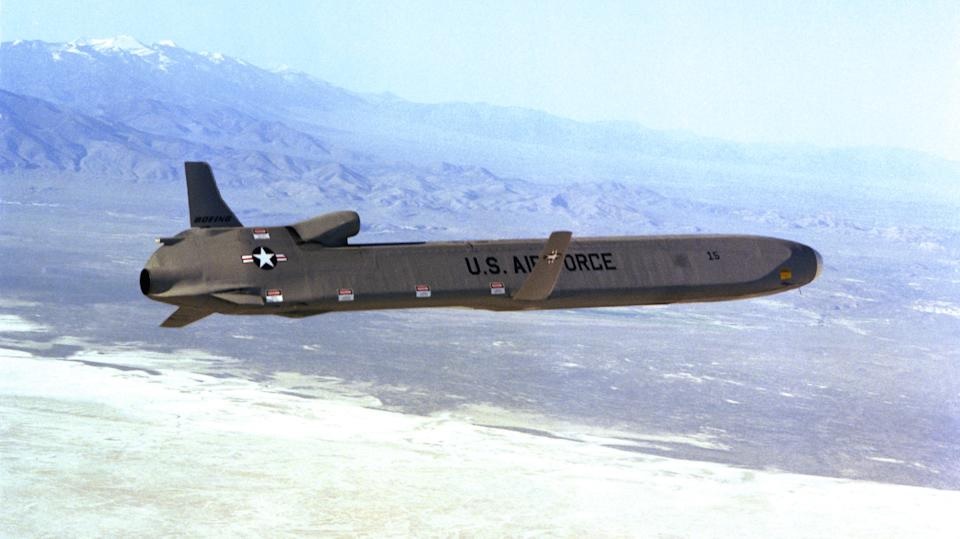
World
On 9 June 2025, the United States Air Force officially released the first-ever rendering of its next-generation AGM-181A Long-Range Standoff (LRSO) nuclear cruise missile. This new missile is being developed as a key part of America’s efforts to modernize its nuclear triad — the combination of land-based missiles, submarine-launched missiles, and air-launched weapons that together provide a powerful nuclear deterrent. The AGM-181A is intended to replace the AGM-86B Air-Launched Cruise Missile (ALCM), which has been in service since the early 1980s. While the AGM-86B has served well over the years, new technology and growing threats from advanced enemy air defense systems have made it necessary to develop a more capable and survivable weapon. Designed for B-21 and B-52 Bombers The new LRSO will be carried by both the B-52H Stratofortress and the B-21 Raider — the U.S. Air Force's upcoming stealth bomber. For the B-21, the missile has been described as a "critical capability," alongside its ability to deploy the latest B61-12 and B61-13 nuclear bombs. Notably, the more powerful B61-13 bomb is expected to be carried exclusively by the B-21 Raider. First Look at the Missile While the exact design remains classified for security reasons, the rendering revealed by the Air Force shows a missile with a trapezoidal-shaped body, wedge-like nose, and tail sections. It includes folding wings, a vertical tail located underneath the missile, and slightly angled horizontal tail fins — similar in concept to the AGM-86B but with modern aerodynamic refinements. Some critical features, like its air intake for the engine, have been intentionally left out of the image to maintain operational secrecy. Expected Features and Capabilities Although official specifications have not been fully disclosed, available information suggests the AGM-181A LRSO will use a subsonic, air-breathing jet engine and is designed as a long-range, precision standoff weapon. This means it can be launched from a bomber aircraft while remaining far from enemy airspace, allowing it to strike heavily defended targets without risking the bomber itself. Importantly, the missile is built to penetrate advanced Integrated Air Defense Systems (IADS), which are becoming more sophisticated in countries like Russia and China. Its combination of stealthy design, long range, and nuclear capability ensures it can deliver strategic deterrence even in highly contested airspace. Development Progress Defense contractor Raytheon was selected as the prime developer of the LRSO program in 2020. The missile entered its Engineering, Manufacturing, and Development (EMD) phase in 2021. A year later, the program successfully completed nine major flight tests, which demonstrated its ability to separate safely from the B-52 bomber, its engine performance, stability in flight, and overall flight control reliability. According to Andrew Hunter, the former Service Acquisition Executive of the U.S. Air Force, the program remains on schedule and within budget, steadily moving toward becoming a fully operational capability. The AGM-181A Long-Range Standoff Missile represents a crucial step in strengthening America’s nuclear deterrent for the coming decades. With its ability to strike from long distances while evading modern air defenses, it will serve as a key tool in maintaining strategic balance and protecting U.S. interests worldwide. As the world enters an era of renewed nuclear competition and increasingly capable air defense systems, weapons like the AGM-181A ensure that the U.S. Air Force can reliably deliver a powerful response if ever required.
Read More → Posted on 2025-06-12 14:43:55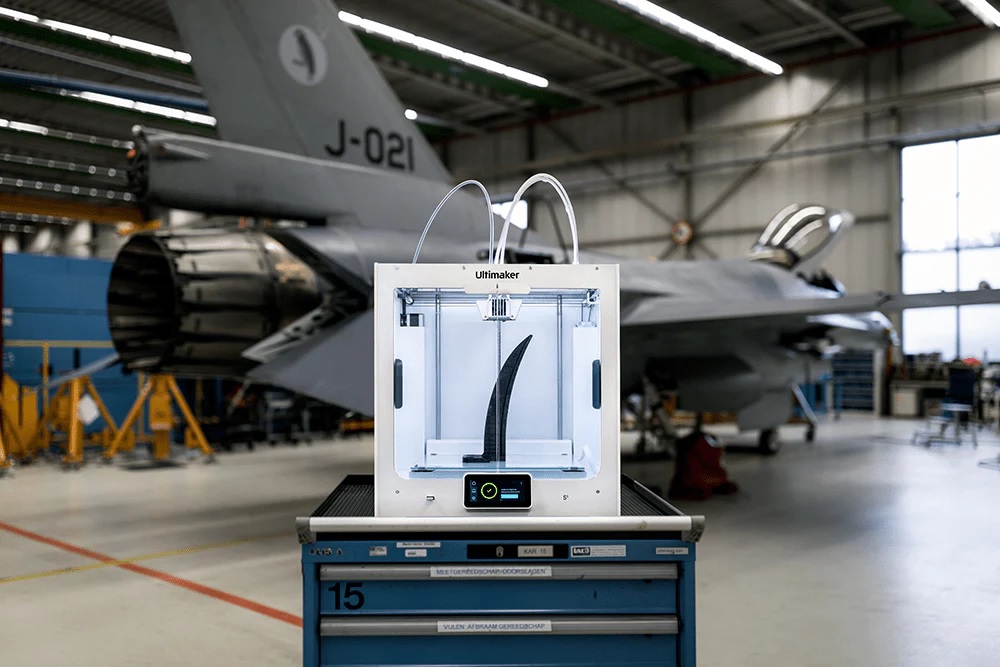
World
In a significant shift in military strategy, a top U.S. general has proposed that 3D printers should be deployed alongside weapons on the battlefield to allow soldiers to carry out rapid repairs in combat zones, especially when traditional maintenance and logistics support is out of reach. General Dan Caine, Chairman of the Joint Chiefs of Staff, recently highlighted this idea during a congressional hearing, where he underlined the growing importance of being self-sufficient in high-stakes warzones. “We need to sustain our force out there at the edge,” Caine said, stressing that in future conflicts—particularly against technologically advanced adversaries like China or Russia—troops may not have the luxury of waiting for resupplies from large, centralized bases. The concept revolves around additive manufacturing, better known as 3D printing. This approach would allow soldiers to reproduce essential parts on-site using digital blueprints and raw materials, bypassing long waits for replacements or the risky practice of “cannibalization,” where working components are stripped from one piece of equipment to fix another. The U.S. Government Accountability Office has long warned that cannibalization causes serious and persistent maintenance challenges, especially for high-demand defense systems. General Caine noted his optimism about ongoing innovation in this field. “I’m really encouraged by the innovation that’s happening to look at things like additive manufacturing, where we get a hold of the specs and can just 3D-print right on the spot,” he said. The idea is not just theoretical. The U.S. military has already been working with 3D printing across several areas. Soldiers have used the technology to create parts for vehicles, tools, and even medical devices in field environments. For example, research in Hawaii is exploring how 3D-printed skin might help treat chemical and burn injuries, offering rapid aid in places where advanced medical facilities are not available. In addition to field repairs, the Army has been testing how additive manufacturing can be used to rebuild damaged vehicles without sending them back to far-off bases. There is also a growing interest in using 3D printing for military construction, producing buildings and infrastructure directly from digital models, which can be faster and more cost-effective than traditional methods. However, the shift to 3D printing on the battlefield also comes with challenges. General Caine acknowledged that troops will need training to operate these printers and must be supported by manufacturers to ensure that the printed parts meet strict performance and safety standards. He also emphasized the importance of pre-positioning the materials and blueprints for frequently needed components to allow for quick and reliable production in the field. If implemented widely, this strategy could redefine how the U.S. military approaches logistics, especially in a future where long supply chains may be too vulnerable or slow. With the right preparation, American forces could become far more agile, capable of fixing what breaks without having to wait—possibly making the difference between success and failure in fast-moving combat scenarios.
Read More → Posted on 2025-06-11 14:24:15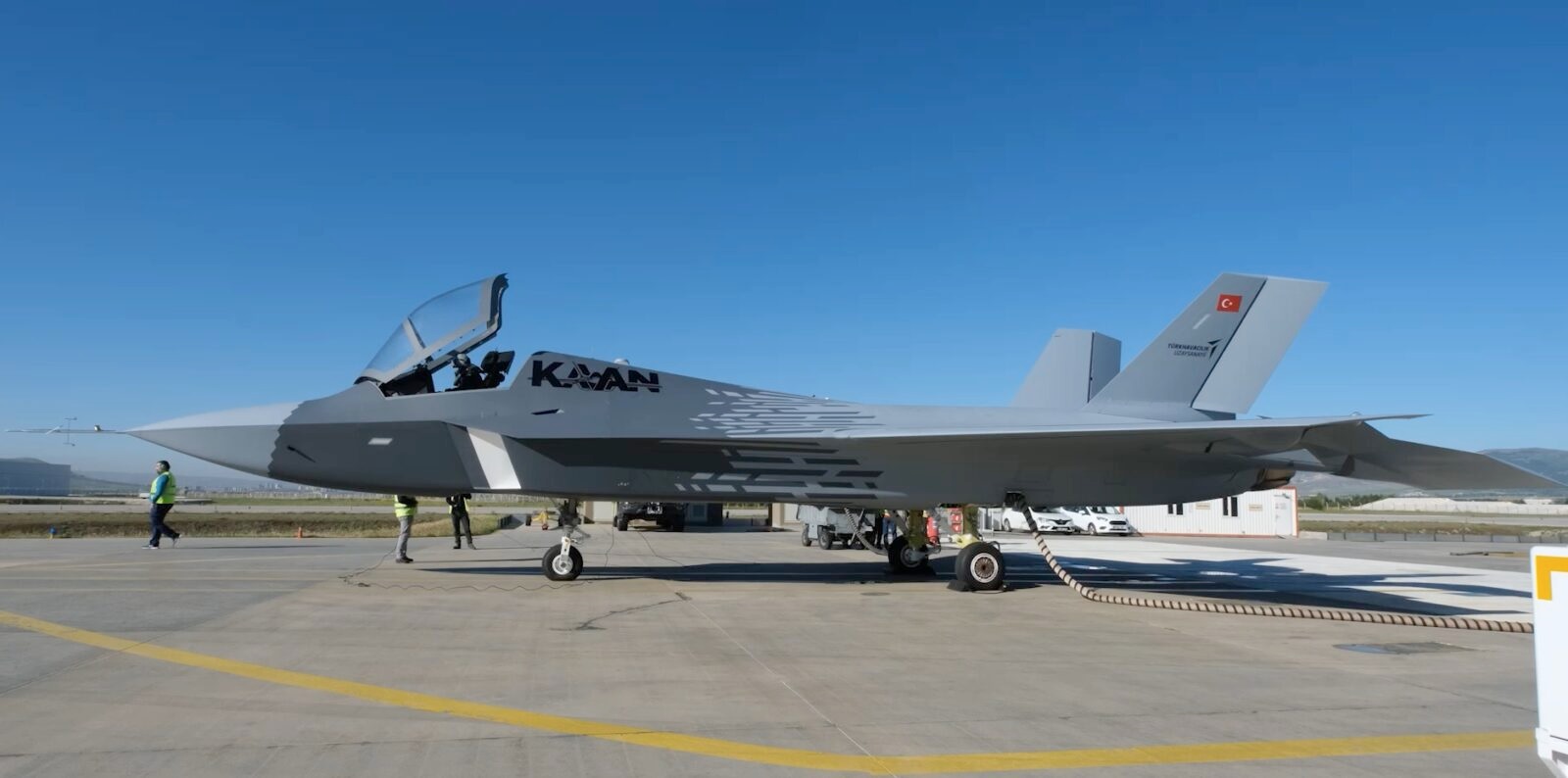
World
In a landmark move that could reshape the global defense industry, Türkiye has sealed its largest-ever arms export deal by signing a $10 billion agreement with Indonesia for 48 KAAN fifth-generation stealth fighter jets. Finalized on June 11, 2025, during the Indo Defence 2025 exhibition in Jakarta, this contract not only marks a turning point in Türkiye’s rise as a defense exporter but also signals a major shift in Indonesia’s airpower strategy. The KAAN, previously known as the TF-X, is Türkiye’s answer to cutting-edge fighter jets like the U.S. F-35 and China’s J-20. Designed by Turkish Aerospace Industries (TAI), the KAAN features advanced stealth design, twin engines, and powerful integrated systems including AESA radar, sensor fusion, and infrared tracking. It’s capable of flying at Mach 1.8 with a combat radius of 600 nautical miles. The fighter supports both air superiority and strike roles, with future upgrades aimed at enabling AI-assisted operations and drone teaming—key hallmarks of next-generation warfare. The aircraft completed its first flight in February 2024 and is currently undergoing further test flights, with six prototypes in production. While early models are powered by U.S.-made F110 engines, Türkiye is working to transition to its own locally developed engines by 2030. This homegrown development is a direct response to Türkiye’s removal from the U.S. F-35 program in 2019, which spurred a renewed national effort toward military self-reliance. Indonesia’s decision to buy the KAAN marks its most expensive defense acquisition to date, surpassing previous deals such as the $8.1 billion Rafale purchase from France and the now-canceled $1.14 billion Su-35 agreement with Russia. With this bold move, Jakarta seeks to modernize its air force while reducing its dependence on Western and Russian military suppliers. At an estimated cost of $208 million per aircraft, the KAAN offers a balance of affordability, advanced technology, and operational independence—especially when compared to the lifetime costs of over $400 million per unit for the F-35. The geopolitical implications are just as significant. Indonesia, located at a strategic chokepoint between the South China Sea and the Indian Ocean, faces growing tensions due to China’s expanding naval influence. The stealth capabilities and sensor superiority of the KAAN will enhance Jakarta’s ability to monitor, deter, and defend its airspace in increasingly contested skies. Additionally, the deal includes a cooperative production model. Parts of the KAAN jets will be manufactured in Indonesia, with technology sharing and domestic industrial participation woven into the contract. This supports Jakarta’s long-term ambition to build its own defense industry, reducing reliance on external suppliers and strengthening national sovereignty in defense matters. While the $10 billion contract exceeds Indonesia’s entire 2024 defense budget, strategic offsets—such as tech transfer, local production, and long-term maintenance benefits—make the investment more sustainable. The KAAN deal also builds upon growing defense ties between Türkiye and Indonesia, following earlier agreements on drone development and missile technology co-production. For Türkiye, this agreement is more than just an economic milestone. It places the country among the very few globally capable of developing and exporting fifth-generation fighter jets. Turkish defense exports have already seen a dramatic rise—106% growth in just four years—and the KAAN deal could further push annual revenues for TAI to over $2.4 billion by 2029. Moreover, this export breakthrough is likely to attract interest from other nations, with countries like Saudi Arabia, Azerbaijan, Qatar, and Malaysia reportedly eyeing the platform. The pressure is now on TAI and Türkiye’s broader defense ecosystem to deliver all 48 jets within the agreed 10-year window. This will require rapid scaling of production, on-time development of local engines, and robust logistical support. But success in fulfilling this deal could position Türkiye as a credible alternative to the West and China in the global arms market—especially for nations seeking high-tech systems without political strings attached. In essence, the Türkiye-Indonesia KAAN deal is not just a commercial transaction—it is a strategic statement. It highlights Türkiye’s emergence as a major defense player and Indonesia’s evolution from a buyer of systems to a partner in development. As new alliances form and old paradigms shift, the KAAN may well become a flagship of how defense cooperation is reimagined in a multipolar world.
Read More → Posted on 2025-06-11 14:07:15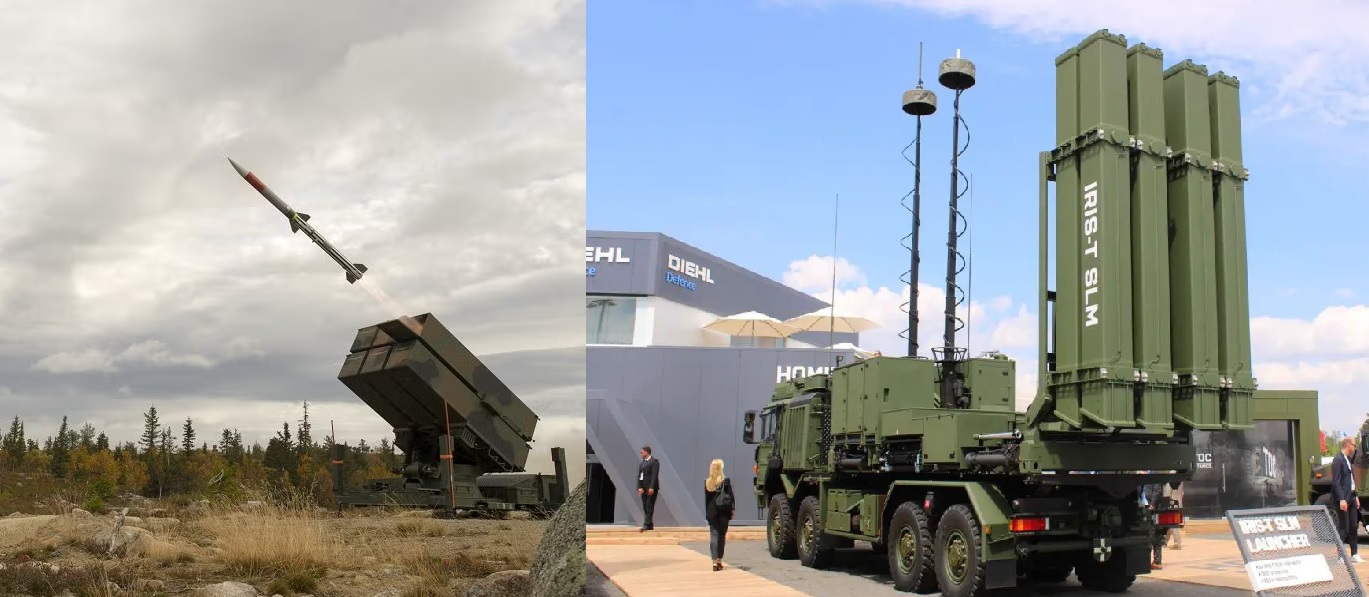
World
In a bold and urgent move to boost its national security, Denmark has decided to procure three different short-range air defence systems from three separate countries—Germany, France, and Norway. The Danish Ministry of Defence announced the decision on 10 June as part of a rapid procurement initiative aimed at protecting its population, military sites, and key infrastructure from modern aerial threats. The approach is unusual but strategic. Faced with the growing need to rapidly build up ground-based air defence, Denmark concluded that no single supplier could deliver the required systems within the tight deadline. To meet operational readiness by 2026, the country opted to spread its bets—selecting one system each from different manufacturers. After evaluating 10 proposals from companies across Germany, Norway, France, Italy, Turkey, and Israel, Denmark finalized its selections. It will purchase the IRIS-T SLM system from Germany's Diehl Defence, buy the VL MICA system from MBDA France, and lease the NASAMS system from Norway’s Kongsberg Defence & Aerospace. The total value of the contract package exceeds 6 billion Danish kroner, or around 800 million euros. This procurement marks the first phase of a two-track plan approved by the Danish government earlier this year. The initial goal is to quickly deploy temporary systems to cover the country’s most critical air defence needs. The second phase will focus on selecting permanent systems for long-term protection, with a final decision expected later in 2025. The Ministry of Defence emphasized that the urgency stems from rising geopolitical tensions and an evolving security landscape in Europe. Denmark’s current ground-based air defence capabilities are minimal, and the government is taking steps to ensure it is no longer left exposed to threats from drones, missiles, or aircraft. The selected systems represent some of the most trusted and widely used technologies in NATO countries. The IRIS-T SLM has been fielded successfully by Ukraine against Russian missile and drone attacks. NASAMS, a joint U.S.-Norwegian system, is already in use in many Western nations, including for the protection of Washington, D.C. The VL MICA, meanwhile, offers a highly mobile solution with strong performance in short- to medium-range engagements. Denmark’s plan to mix and match these systems reflects a new kind of defence strategy—fast, flexible, and tailored to urgent needs. It also demonstrates the country's commitment to strengthening NATO’s collective deterrence posture at a time of global uncertainty.
Read More → Posted on 2025-06-11 09:57:26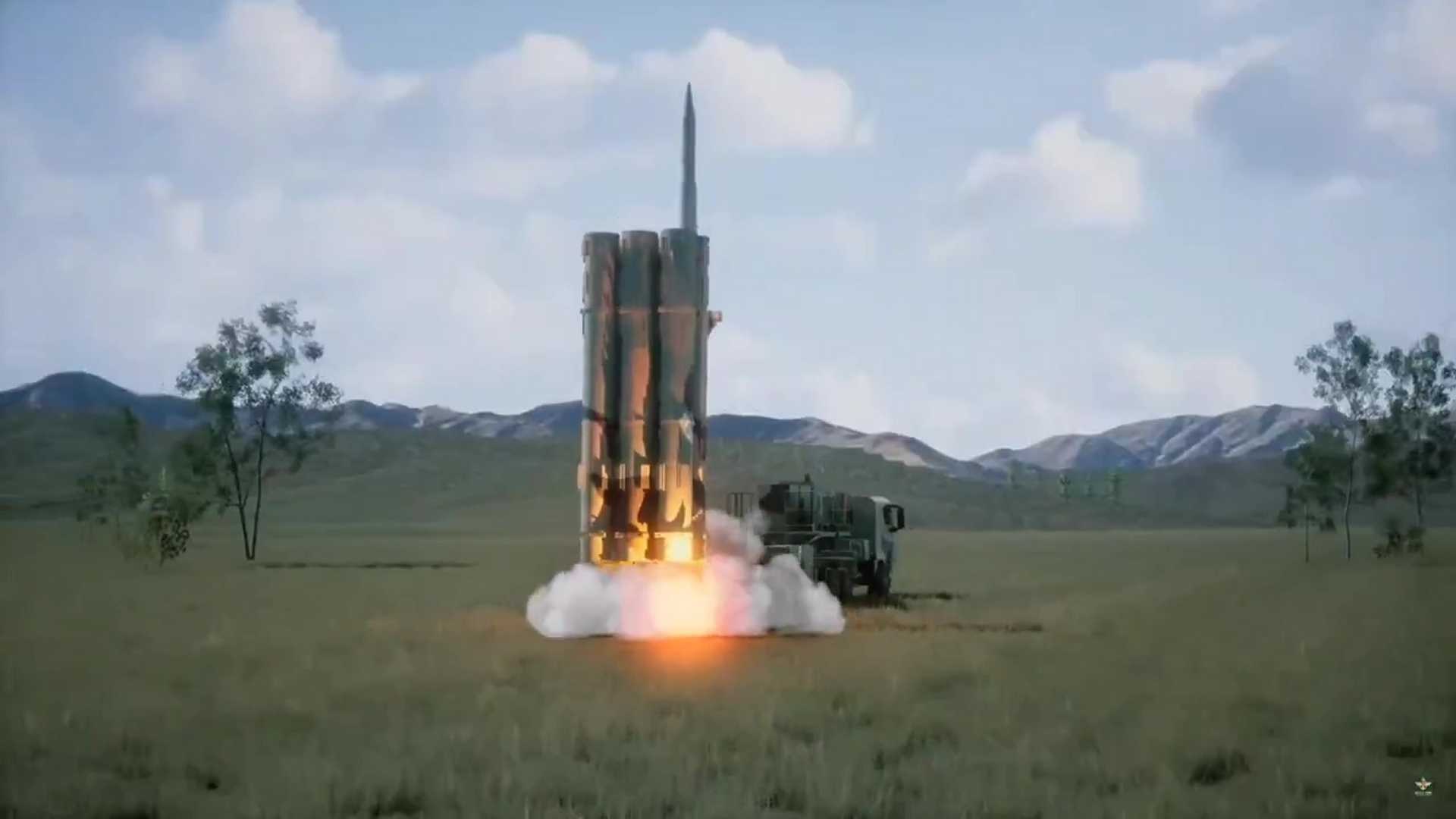
World
South Korea has officially launched the development of its next-generation missile defense system, known as L-SAM-II, which aims to strengthen the country’s ability to intercept advanced ballistic missiles at much higher altitudes than existing systems. On June 10, 2025, Hanwha Aerospace signed a major contract worth 198.6 billion won (about $145.5 million) with South Korea’s Agency for Defense Development (ADD) to spearhead this ambitious program. The L-SAM-II will build upon the successful foundation of the earlier L-SAM system, which is currently preparing for mass production and deployment. The original L-SAM was designed to engage missiles at altitudes of 40 to 60 kilometers with a maximum range of around 150 kilometers. However, with the evolution of ballistic missile technology — featuring faster speeds, unpredictable flight paths, and sophisticated countermeasures — South Korea recognized the need for a more capable upper-tier defense system. The L-SAM-II is engineered to intercept ballistic missiles at altitudes reaching up to 180 kilometers, placing it in the same category as the U.S. THAAD (Terminal High Altitude Area Defense) system. This higher operational ceiling offers critical advantages, allowing South Korea to detect and engage missiles earlier in their trajectory, providing additional opportunities for interception and expanding protection over a broader area. In fact, the coverage of L-SAM-II is expected to be three to four times greater than the original L-SAM system, safeguarding vital infrastructure and densely populated regions. Advanced Technology at Its Core Central to the L-SAM-II’s design are two highly advanced technologies: Divert and Attitude Control System (DACS):This system uses ten small rocket thrusters positioned around the interceptor missile, allowing it to make precise adjustments to its flight path at extremely high altitudes where aerodynamic control surfaces become ineffective. The DACS ensures that the interceptor can achieve a direct collision, or “hit-to-kill”, with incoming ballistic missiles even in the thin upper atmosphere. High-Performance Propulsion System:To reach THAAD-like altitudes and intercept threats traveling at high speeds, the L-SAM-II requires a highly efficient propulsion system capable of rapid acceleration and long-distance flight. The system must also manage shorter response times due to the limited window for intercepting high-altitude ballistic missiles. Part of South Korea’s Multi-Layered Defense Network The L-SAM-II forms the top layer of South Korea’s Korea Air and Missile Defense (KAMD) strategy. This multi-layered setup involves integrating various missile defense systems that operate at different altitudes and ranges. The structure includes: Lower and Medium-Tier Systems:Such as KM-SAM (Cheongung) and Patriot PAC-3 for intercepting lower-altitude threats. Upper-Tier Systems:L-SAM-II will operate alongside the U.S.-deployed THAAD batteries stationed in South Korea, creating overlapping coverage and improving the chances of successfully intercepting any incoming missile. This layered configuration is designed to ensure that if one system fails to neutralize a threat, another system will have an opportunity to engage it — offering multiple lines of defense against increasingly complex ballistic missile threats. Cutting-Edge Components and Capabilities The L-SAM-II system will feature: State-of-the-art radar systems capable of detecting, tracking, and identifying incoming ballistic missiles at extreme altitudes and ranges. Mobile launch platforms for flexible deployment, enhancing the survivability of the system in hostile environments. An advanced command and control network that processes incoming data and makes rapid interception decisions within tight timeframes. The program will involve rigorous live-fire tests and operational trials through 2028, verifying the system’s capability to intercept realistic targets and perform under combat conditions. A Step Towards Global Defense Markets As ballistic missile threats continue to spread globally, there’s growing international demand for multi-layered air and missile defense systems. Hanwha Aerospace views the L-SAM-II program not only as a vital upgrade to South Korea’s own defense posture but also as a significant opportunity to enter the global missile defense market. The earlier L-SAM program has already drawn interest from foreign buyers due to its balance of high performance and cost-effectiveness. By consolidating critical missile defense technologies through the L-SAM-II program, South Korea aims to enhance its defense self-reliance while also establishing itself as a competitive exporter of sophisticated missile defense solutions. the L-SAM-II represents a major leap forward in South Korea’s missile defense capability. Once completed, it will provide comprehensive, layered protection against modern ballistic missile threats and position South Korea as a key player in the global missile defense industry.
Read More → Posted on 2025-06-11 09:53:23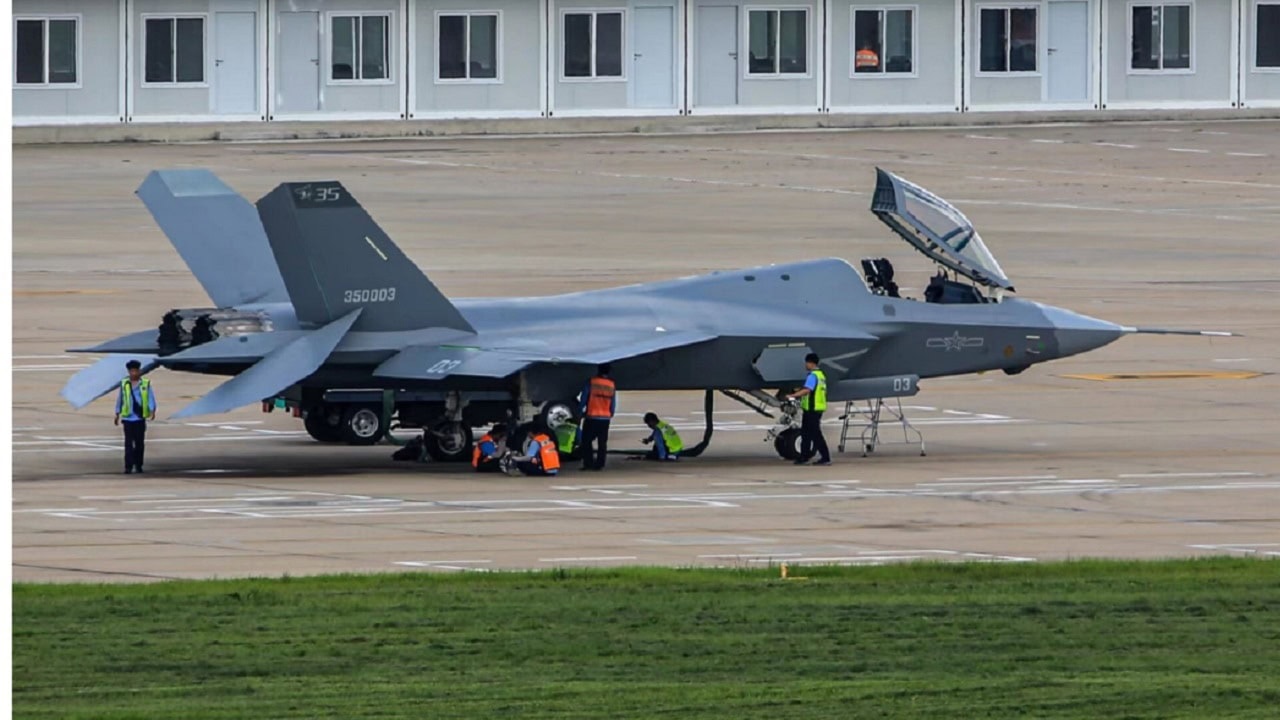
World
In a telling move that signals both strategic desperation and technological dissatisfaction, Pakistan is pushing hard to induct China’s fifth-generation J-35 stealth fighter — barely three years after introducing the J-10C into its fleet in March 2022. The haste with which Islamabad is trying to secure the J-35, despite already committing billions to the J-10C, reflects a growing disillusionment with the latter’s combat potential, especially under high-threat scenarios such as Indian air superiority operations or missile strikes. The J-10C, touted by Chinese media as a “4.5-generation game-changer,” was inducted amid fanfare, with claims that it would counter India’s Rafales. But the reality has proved otherwise. During Operation Sindoor — India’s multi-pronged, precision strike campaign — Indian Air Force assets, including Su-30MKIs and possibly Rafales, executed standoff missile strikes deep into Pakistani territory. Chinese-supplied radar and air defense systems, including HQ-9/P batteries and JL-3D-90A radars, failed to detect or respond effectively. Not a single Indian missile or aircraft was intercepted. This operational failure has rattled Rawalpindi. Internal assessments, reportedly submitted to Pakistan’s Ministry of Defence and the Air Headquarters, revealed that Chinese sensor-fusion and radar systems performed poorly under electronic warfare environments. This is particularly alarming as India is known to possess advanced jamming platforms like the DRDO-developed "Himshakti" and Israeli-origin EW pods on Mirage and Su-30 fleets. In response, Pakistan has reached out to the United States, Turkey, and even Germany to procure advanced air defense systems. This includes fresh interest in Lockheed Martin’s NASAMS, the Turkish HISAR-O+, and potential radar acquisitions from Hensoldt of Germany. These overtures represent not just a diversification of suppliers but a significant loss of confidence in Chinese defense technology — a telling irony for a country that for years prided itself on its “iron brotherhood” with Beijing. Meanwhile, the Chinese J-35 — still under development for the PLA Navy — has yet to be proven in real combat or even enter serial production. By courting the J-35 now, Pakistan seems to be making a desperate gamble to leapfrog its current limitations. However, integrating a fifth-generation platform into a force that still largely relies on JF-17s — themselves plagued by engine and software issues — is a massive challenge. Questions remain about interoperability, sustainment, training pipelines, and data-link compatibility with existing systems. Experts also point to a deeper doctrinal crisis within the Pakistan Air Force (PAF). The move from JF-17 to J-10C and now to J-35 in such rapid succession reflects reactive, not strategic, thinking. In contrast, India’s Air Force is undergoing structured modernization, backed by indigenous programs like the LCA Tejas Mk1A, the upcoming AMCA stealth jet, and Next - Gen EW and missile upgrades. Moreover, China's inability to protect even its own drones — several Wing Loong and CH-4 UAVs used by Pakistan were reportedly neutralized or jammed during Indian strikes — raises concerns about the real-world viability of its next-generation platforms. If Beijing’s current generation of jets and systems cannot defend Pakistan in a regional conflict, the premise of J-35 superiority becomes speculative at best. In conclusion, Pakistan’s urgent pivot to the Chinese J-35, amid a simultaneous hunt for non-Chinese air defense systems, reveals a two-fold crisis: growing doubts about Chinese military tech and a strategic vacuum within Pakistan’s defense planning. For a country locked in a long-term rivalry with India, betting on under-tested platforms from a faltering supplier may offer temporary prestige — but not lasting security.
Read More → Posted on 2025-06-11 09:48:16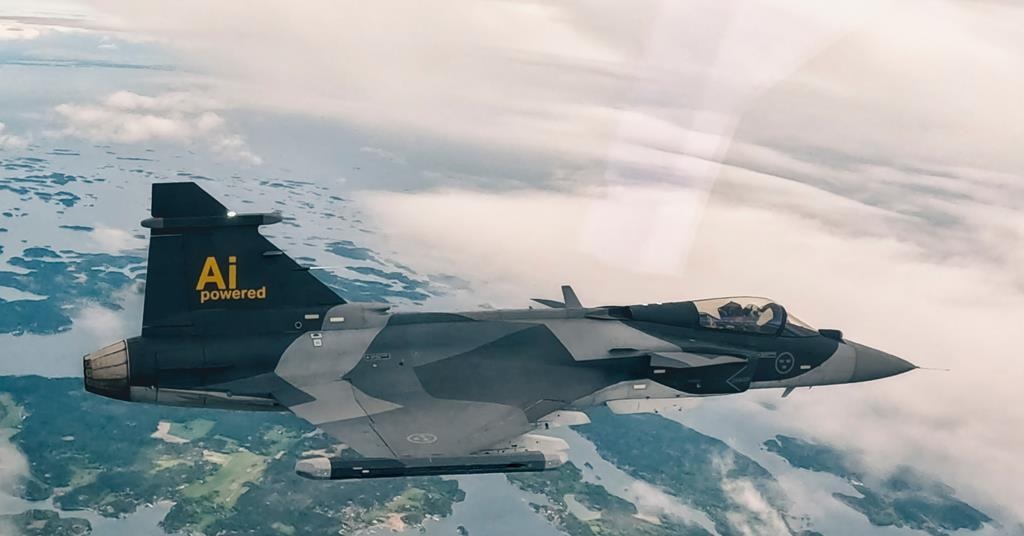
World
In a major leap forward for the future of air combat, Swedish defense company Saab has announced the successful testing of an artificial intelligence (AI)-controlled Gripen E fighter jet in real Beyond Visual Range (BVR) air combat scenarios. The tests, conducted between May 28 and June 3, 2025, in Swedish civilian airspace, are part of a bold experimental initiative known as Project Beyond. At the core of these trials is a cutting-edge AI system called Centaur, developed by German tech firm Helsing, which was integrated directly into the avionics of the Gripen E. The project is fully funded by the Swedish Defence Materiel Administration (FMV) under a wider national effort to shape the country’s future fighter capabilities. For the first time ever, an operational frontline fighter jet flown by AI faced off against a human-piloted aircraft in real-time, live BVR engagements. During one of the most advanced sorties, the AI-controlled Gripen E engaged a Gripen D piloted by a Swedish Air Force test pilot. These trials weren’t simulations—they took place in real airspace using real aircraft, making it a historic milestone for both aviation and military AI systems. The tests were far from basic. Saab and Helsing designed complex conditions to push the AI’s capabilities. They altered distances, speeds, and angles of engagement, and even turned off command-and-control (C2) links in some runs to test Centaur’s resilience. The AI was able to autonomously identify, track, and respond to threats using onboard sensors, executing intelligent tactical manoeuvres without any external commands. According to Saab, the system even cued the human pilot on when to fire in cooperative engagements. The key to making this AI integration work lies in the unique architecture of the Gripen E. Unlike traditional fighter jets, the Gripen’s software is modular—its critical flight control systems are separate from the mission-specific software. This allowed Centaur to be embedded into the system without compromising flight safety. As a result, testing and modifying the AI software became faster and more flexible, avoiding the long development timelines usually associated with military aircraft upgrades. Helsing's Centaur AI has been trained using reinforcement learning, where the system simulates dogfights against itself in high-speed simulations running thousands of scenarios simultaneously. It achieved what would equate to 50 years of flying experience in just a few hours. In total, the system has accumulated over 500,000 hours of virtual combat training, enabling it to generate creative, non-traditional tactics—such as feint missile launches followed by surprise re-engagements—much like experienced human pilots. One of the flights was personally overseen by Marcus Wandt, Saab’s Chief Innovation Officer and a former fighter pilot. He activated Centaur mid-flight and described the AI’s performance as both disciplined and innovative. It operated within all aircraft limits and even pulled off aggressive tactics with precision. Wandt noted that the gap between AI and human pilots is narrowing rapidly and that future air forces will need new doctrines to adapt to this evolving landscape. Project Beyond is part of Sweden’s broader Krigsberedskapens framtida system (KFS), a study into future combat readiness. The Swedish government is expected to decide by 2031 whether to invest in a new indigenous fighter program—potentially a hybrid of manned and unmanned aircraft. Though Saab was once involved in the UK-led Tempest program, the company has shifted its focus back home, emphasizing software-defined warfare and national autonomy in defense tech. Looking ahead, Saab and Helsing plan more test flights throughout 2025. These will include increasingly complex scenarios such as multi-aircraft coordination, with the AI potentially facing off against multiple human pilots at once. They are also exploring applications beyond air-to-air combat, including electronic warfare, reconnaissance, and fully autonomous operations. Saab insists that AI is being developed to support human pilots, not replace them. All critical decisions remain under human control in line with Western ethical standards. But the rapid pace of software-driven development, as demonstrated by Centaur, is redefining how modern fighter jets evolve. With fast update cycles, agile integration, and growing AI capability, Saab envisions a future where software agility becomes more important than traditional generational labels like “fifth-gen” or “sixth-gen” fighters. The success of Project Beyond shows how AI could soon become a trusted teammate in the cockpit—not only in Sweden but across allied air forces seeking next-generation combat advantage.
Read More → Posted on 2025-06-11 08:47:21
World
In a major step towards strengthening its defense, Japan has officially deployed its first Hypervelocity Gliding Projectile (HVGP) missile battalions. These new units are now stationed in Kyushu and Hokkaido, marking a historic milestone in the country’s modern military strategy. Why This Matters for Japan Japan’s long-held defense policy has focused mainly on protecting its territory. But rising tensions in the Indo-Pacific, especially with China, North Korea, and Russia, have pushed the country to develop more advanced weapons. The HVGP missile system is part of this new approach, offering Japan not just protection but also the ability to strike back if necessary. The new units are called “Island Defense High-Speed Sliding Missile Special Operations Battalions.” Their mission is to protect Japan’s faraway islands and nearby seas. Kyushu’s battalion will cover the East China Sea, including areas around the disputed Senkaku Islands, while Hokkaido’s unit will monitor threats from the Sea of Okhotsk and nearby Russian territories. What Is the Hypervelocity Gliding Projectile (HVGP)? The HVGP is a new kind of missile that travels at hypersonic speeds — more than five times the speed of sound (Mach 5) — while gliding through the upper atmosphere. Unlike regular missiles, it can change direction during flight, making it very difficult for enemy air defenses to track or shoot down. This missile is specially designed to strike enemy bases and military targets from long distances, keeping Japanese forces safe from immediate counterattacks. Even though it’s officially labeled a defensive weapon, experts believe it gives Japan a powerful offensive capability for the first time in decades. How It Works The HVGP is carried and launched from a specially built 8x8 military vehicle, similar to a mobile missile launcher. This vehicle can move across rough terrain and is built to protect its crew with an armored cabin. At the back, it has two large launch canisters that can fire the missiles quickly when needed. The launcher design allows these battalions to move around and hide from enemy attacks. They don’t have to stay in one place, making it harder for opponents to locate and destroy them before they can launch their missiles. Future Plans and Upgrades Right now, Japan is deploying the first version of the missile, known as BIOCK1, which can hit targets up to 900 kilometers away. But by the 2030s, two more advanced versions called BIOCK2A and BIOCK2B are expected to enter service, with ranges of around 2,000 to 3,000 kilometers. These upgraded missiles will allow Japan to strike targets across the entire East Asia region if needed. A New Direction in Japan’s Defense Policy For decades after World War II, Japan followed a strictly defensive military policy. But with the introduction of the HVGP, the country is signaling a shift toward what it calls “counterstrike capabilities.” This means Japan is now preparing for situations where it may have to strike enemy positions first if a serious threat is detected. These missiles are designed not just to defend Japan’s islands but also to deter countries like North Korea and China from launching attacks in the first place. With hypersonic missiles now part of its arsenal, Japan has taken a bold step to secure its national interests in an increasingly unstable region.
Read More → Posted on 2025-06-10 15:57:39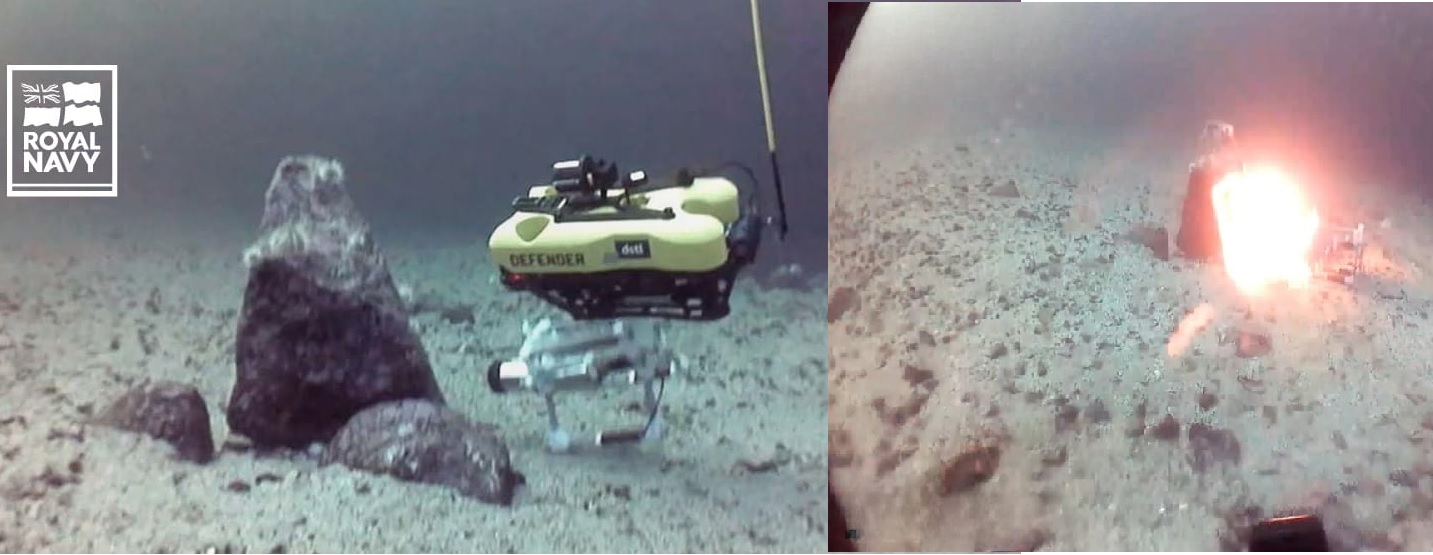
World
In a bold step to counter growing threats to underwater infrastructure, the United Kingdom has tested a new underwater robot designed to safeguard undersea cables and pipelines from sabotage. On June 6, 2025, the Defence Science and Technology Laboratory (Dstl), working alongside British companies, introduced a remotely operated underwater vehicle (ROV) that offers a modern and repeatable solution for one of NATO’s most vulnerable domains—the seabed. This development comes in the wake of several suspected sabotage incidents, especially in the Baltic Sea, where concerns have grown over Russian and Chinese activities around key underwater assets. With over 50 Russian ships suspected of loitering near vital subsea installations, the UK’s new robotic system is aimed at filling a crucial gap in defence: how to monitor and protect these difficult-to-access locations without relying heavily on human divers. The underwater robot is the result of close cooperation between Dstl and industry partners including Alford Technologies, Atlantas Marine, Sonardyne, and ECS Special Projects. Rather than starting from scratch, the team combined advanced Dstl subsystems with a proven commercial ROV platform. The result is a powerful system that can detect, inspect, and even neutralize explosive threats on the seafloor. Key features include high-resolution sonar, live camera feeds, precision tools for explosive placement, and a robust suite of sensors. It can dive far deeper than human divers, stay submerged for long durations, and be easily launched from either ships or shore facilities. Its design supports both military missions and civil protection, such as safeguarding undersea energy grids and international communication lines. The robot has already gone through rigorous testing in varied conditions—ranging from the Royal Navy bases in Portsmouth and Portland to the challenging waters off South Wales and Norway. Importantly, this new system is not just a standalone device; it’s built to work within a broader network of autonomous robots. This allows for seamless coordination in mapping the seabed, identifying threats, and neutralizing them—without exposing human lives to danger. Compared to similar platforms used by other nations, such as Norway’s HUGIN or the U.S. Navy’s Kingfish system, the British ROV stands out for its flexibility. It combines both detection and disposal in one small and cost-effective unit, reducing the need for multiple tools or complex support systems. Unlike fully autonomous vehicles that depend heavily on satellite communications, this hybrid system offers both autonomous capabilities and manual control—ideal for complex or contested waters. Strategically, this technology could change the way NATO defends its underwater territory. In regions like the North Atlantic and Arctic waters, where tensions have been rising, the ability to continuously monitor critical infrastructure without relying on limited human teams is a major breakthrough. Other countries facing similar risks, such as Taiwan, could also benefit from this approach as concerns grow over possible Chinese sabotage in the Pacific. This new ROV represents more than just technical innovation—it marks a shift in how nations prepare for modern, low-visibility conflicts known as “grey-zone” warfare. As threats increasingly target infrastructure instead of front-line forces, having persistent, responsive, and intelligent tools on the seabed becomes essential. In conclusion, the UK’s latest underwater drone is a smart, forward-thinking response to evolving threats beneath the ocean’s surface. With its combination of robotics, explosive expertise, and seabed awareness, it adds a critical layer of protection in an era where control of the underwater domain is as vital as land or air.
Read More → Posted on 2025-06-10 14:17:09
World
Hanwha Systems of South Korea and BAE Systems of the United Kingdom have signed a Memorandum of Understanding (MoU) to jointly develop a next-generation multi-sensor satellite system, aimed at transforming how surveillance and intelligence are gathered from space. The partnership brings together the technical strengths of both defence giants, with a focus on creating a cutting-edge space-based Intelligence, Surveillance, and Reconnaissance (ISR) capability. At the core of this collaboration is the integration of BAE Systems’ advanced ultra-wideband Radio Frequency (RF) sensor technology and Hanwha Systems’ growing expertise in Synthetic Aperture Radar (SAR) satellite development. Together, they plan to create a new satellite platform that can collect, combine, and analyze data from multiple sources in orbit. By using machine learning to process fused data from both RF and SAR sensors, the system will provide high-resolution, real-time insights that can support critical decision-making for defence and security operations. This new initiative is particularly significant at a time when global interest in space-based ISR is rapidly increasing. Small SAR satellites are gaining recognition for their ability to offer consistent imaging, even through clouds and in darkness—capabilities that optical satellites often lack. RF sensing, on the other hand, allows for the detection and tracking of electronic signals and activities on the ground, making the fusion of these two technologies a powerful combination for comprehensive situational awareness. Leaders from both companies expressed optimism about the collaboration. Rachael Hoyle, Space Director at BAE Systems Digital Intelligence, highlighted the potential for this partnership to push the boundaries of ISR capabilities for international markets. Hanwha’s Space Division Head, Sung-Chan Song, emphasized the growing strategic value of small SAR satellites and expressed confidence in the partnership's potential to expand their global satellite footprint. Hanwha Systems is already a key player in South Korea's military space ambitions. It has been instrumental in the 425 Project, South Korea’s first military reconnaissance satellite program, and successfully launched a 1-meter resolution small SAR satellite in December 2023. This satellite was entirely developed using domestic technology, showcasing Hanwha’s ability to independently support national Earth observation and defence needs. Moreover, Hanwha is also contributing to the development of South Korea’s first low Earth orbit (LEO) communications satellite under the leadership of the Agency for Defense Development (ADD). These efforts are all part of a broader national push to build a secure and independent satellite constellation for military use. The MoU with BAE Systems marks a significant step for both companies. For Hanwha, it opens new doors to the international defence and space market. For BAE Systems, it strengthens its position in satellite-based sensing technologies and broadens its reach in the Asia-Pacific region. As the two firms begin their joint research and development, the satellite system they aim to create could redefine how data is gathered, analyzed, and used from orbit—making space an even more critical domain for global defence operations.
Read More → Posted on 2025-06-10 14:12:34
World
The United States has officially approved a potential $325 million military sale to Kuwait, aimed at sustaining and supporting its fleet of M1A2 Abrams main battle tanks. This decision, cleared by the U.S. State Department, highlights ongoing defense cooperation between the two nations and reflects Kuwait’s continuing investment in military readiness and modernization. This latest package includes critical logistics and sustainment support for both the legacy M1A2 tanks and the newer M1A2K variant. The deal encompasses a wide range of services and equipment such as spare parts, repair components, replacement materials, tools, and program support that will help keep Kuwait’s armored capabilities fully operational and combat-ready. Currently, Kuwait operates approximately 218 Abrams tanks, a key pillar of its ground forces. The U.S. Defense Security Cooperation Agency noted that this sale will enhance Kuwait’s ability to counter present and future security threats by ensuring its armored units remain at high readiness levels. The support will also aid in Kuwait’s broader goals to modernize its military and raise its professional standards. General Dynamics Land Systems, the original manufacturer of the Abrams tank, will act as the principal contractor for the sustainment effort. Importantly, there is no offset agreement included in this sale, indicating a straightforward support and logistics arrangement. This is not the first Abrams-related deal between the U.S. and Kuwait. In December 2023, the U.S. approved a $300 million sale to support general vehicle maintenance and sustainment across Kuwait’s military fleet. Additionally, in September 2022, a separate $250 million sale was approved to supply M1A2K tank ammunition. Kuwait has been steadily increasing its defense investments, with military spending reaching a record $6.1 billion in 2024. This upward trend is expected to continue, with an annual growth rate of more than 3 percent forecasted from 2025 to 2029. The latest Abrams sustainment deal fits squarely into this broader defense modernization strategy, reinforcing Kuwait’s long-standing defense partnership with the United States and ensuring its armored forces remain both modern and mission-ready.
Read More → Posted on 2025-06-09 15:38:14Search
Top Trending in 24 Hours
-
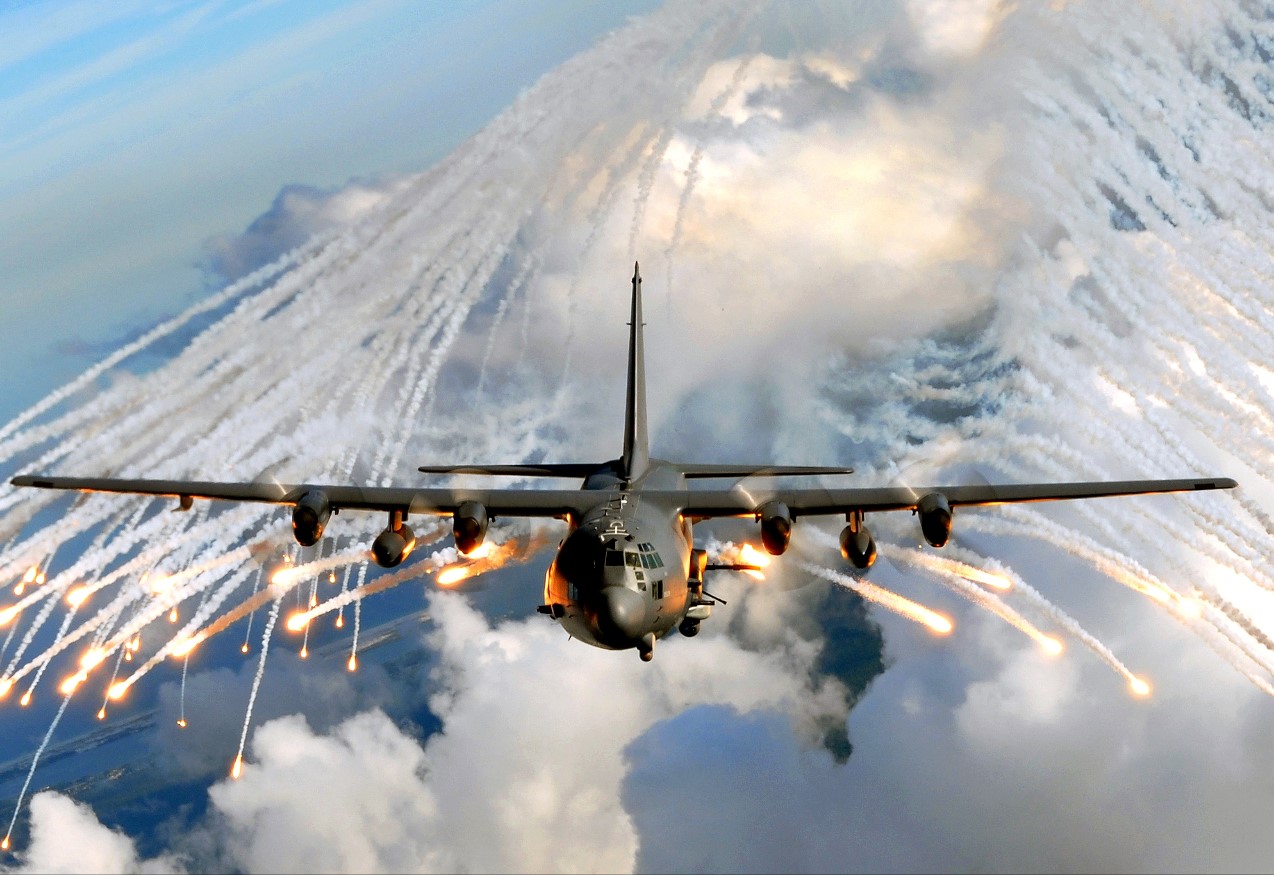 Pentagon Expands Alloy Surfaces Contract to $328.8 Million for Advanced Aircraft Decoy Flares Amid Evolving Drone Threats
-
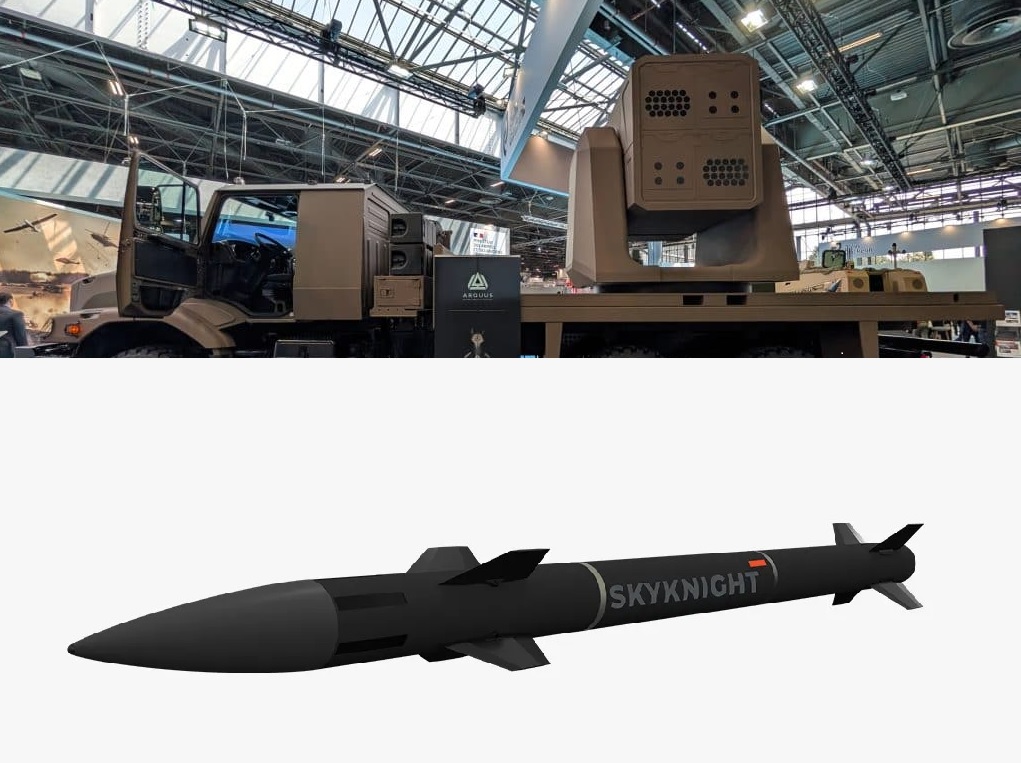 Naval Group Unveils Rampart Modular CIWS Multi-Purpose Weapon System for Naval and Ground Forces at Eurosatory 2026
-
 Why the U.S. Restored Pacific Command Name, Ending the Indo-Pacific Designation After Eight Years
-
 Open-Source Evidence Suggests Russia's Zircon Is a Quasi-Ballistic Missile, Not a True Hypersonic Cruise Weapon
-
 China Surpasses Russia as World’s Second-Most Powerful Air Force Amid Rapid J-20 and J-35 Expansion
-
 Lockheed Martin Unveils HIMARS FLEX with Dual-Pod Launcher and NATO-Compatible Air Defense Integration
-
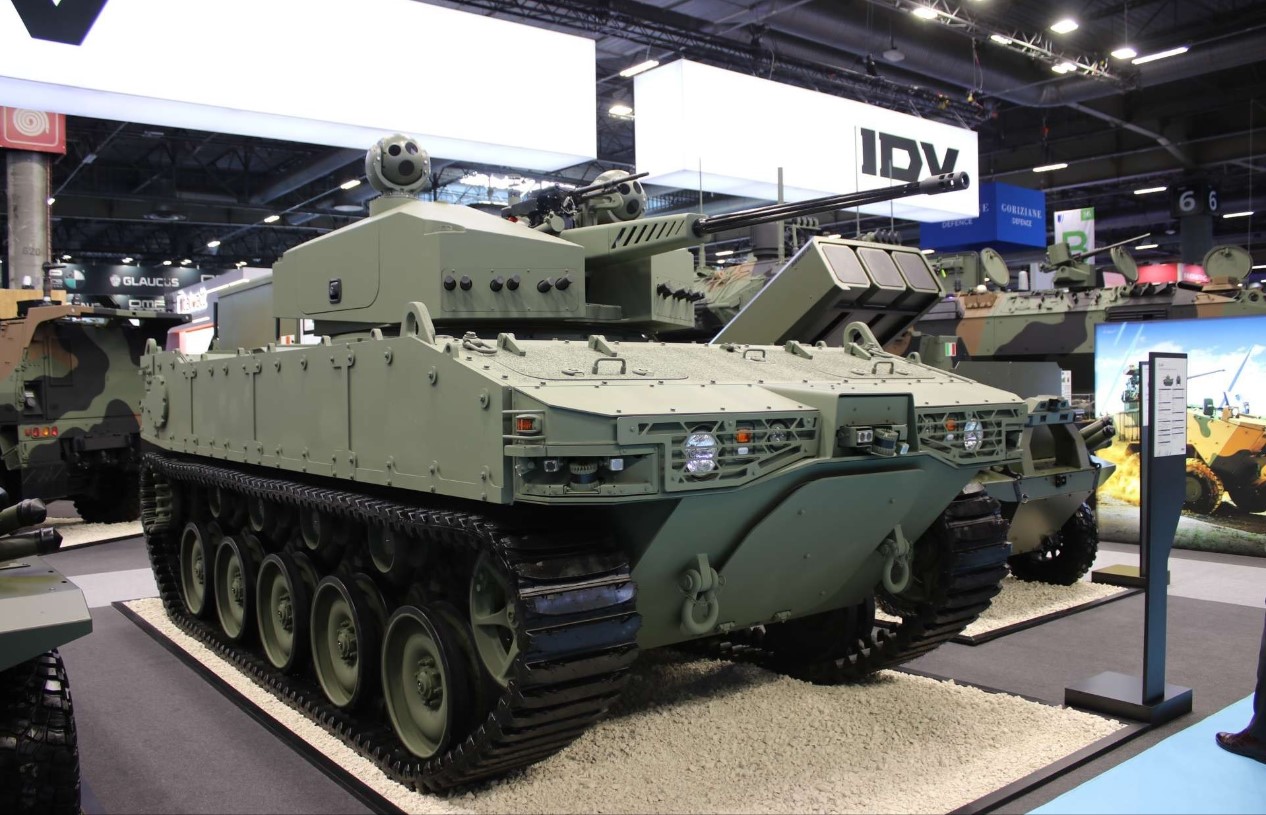 IDV Unveils CL2X Hybrid Uncrewed Light Tank at Eurosatory 2026
-
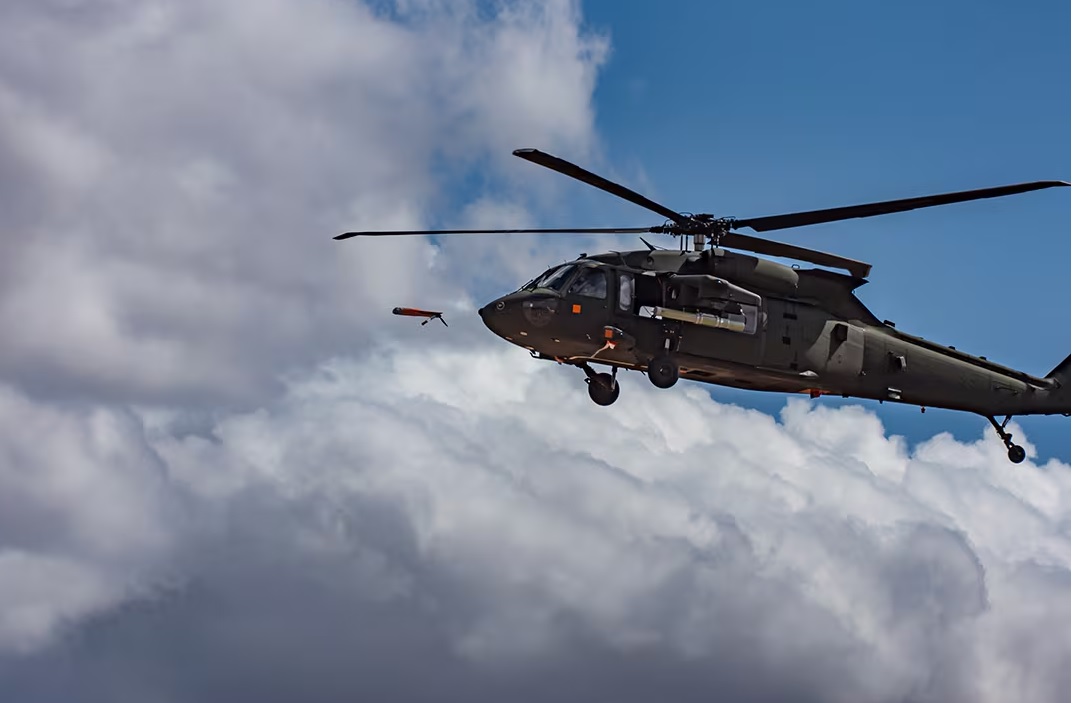 U.S. Army Completes First Flight Test of Medium-Range Air-Launched Effects from Black Hawk Helicopter
Top Trending in 4 Days
-
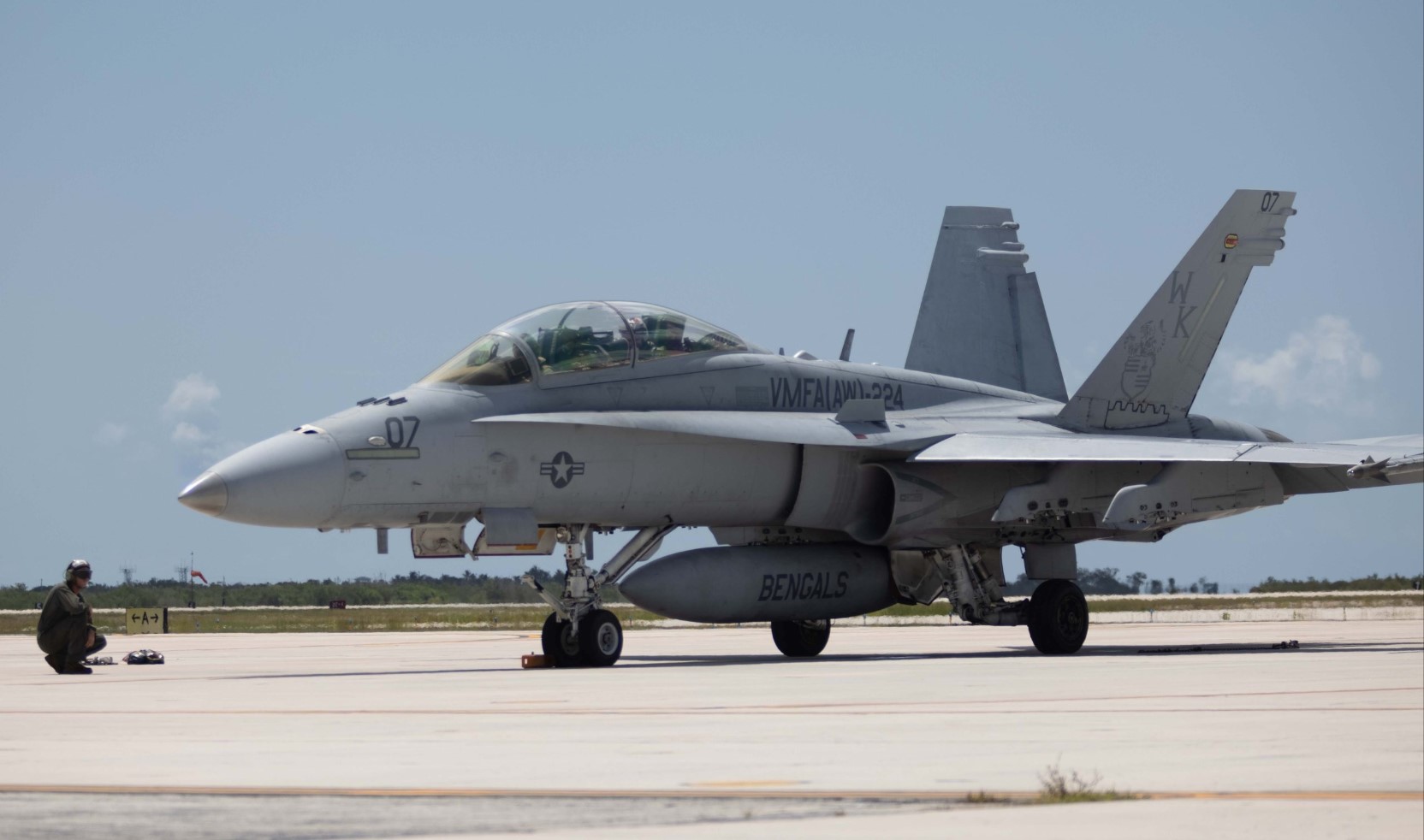 US Marine Corps F/A-18D Hornet Crashes During Training Flight in Washington Mountains; Pilot Ejects Safely
-
 Tulsi Gabbard Releases Declassified Files Detailing U.S.-Backed Network of 120 Biolaboratories Across 30+ Countries
-
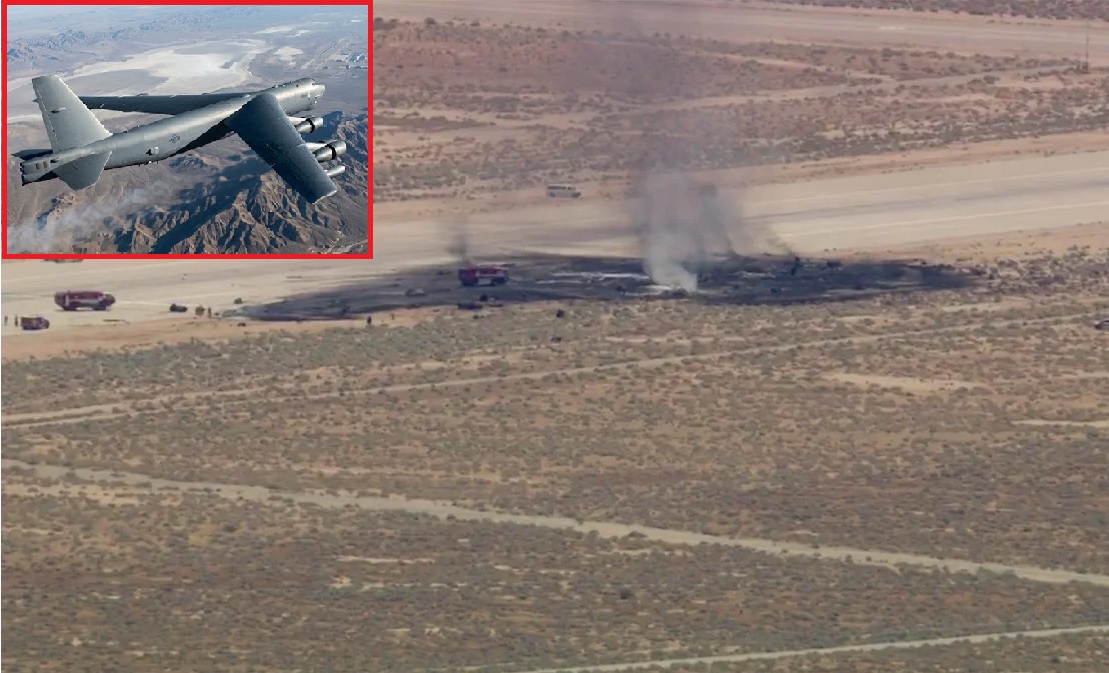 8 U.S. Air Force Crew Members Killed in B-52 Bomber Crash During Test Flight at Edwards Air Force Base
-
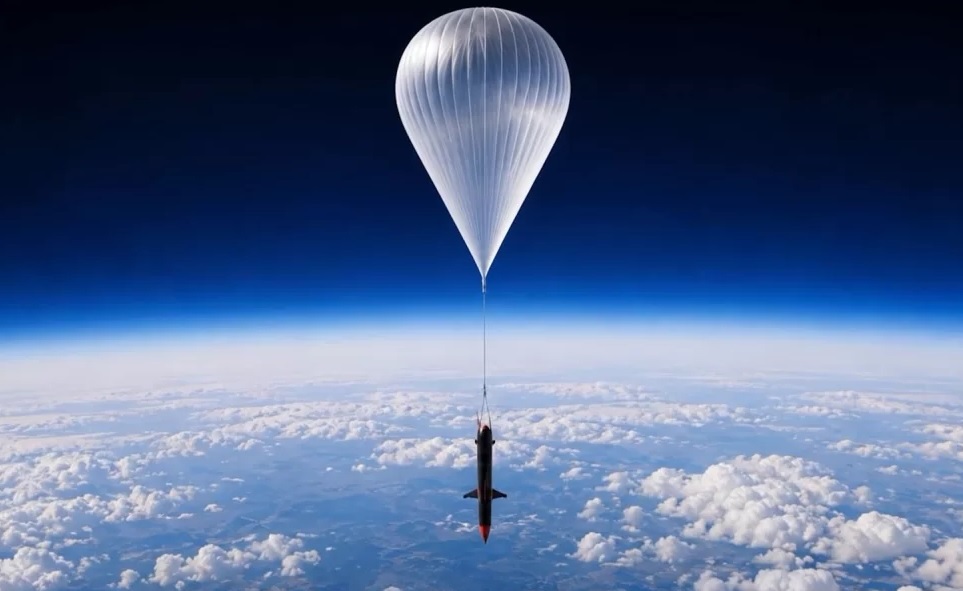 Ukraine Introduces Balloon-Launched DART Missile Designed to Defeat Electronic Warfare
-
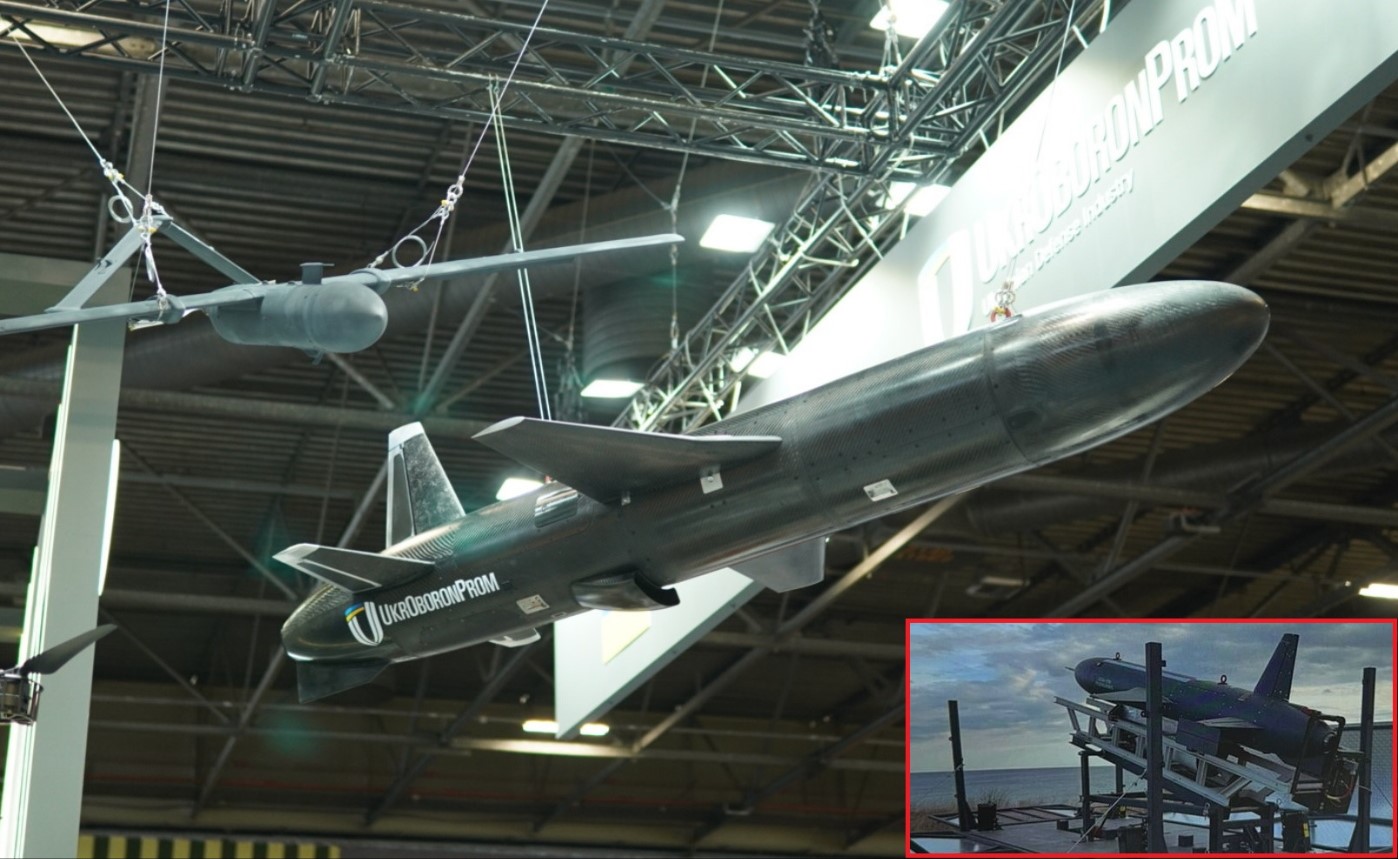 Ukraine Unveils UAV-290 Jet-Powered Strike Drone with 650 km Range at Eurosatory 2026
-
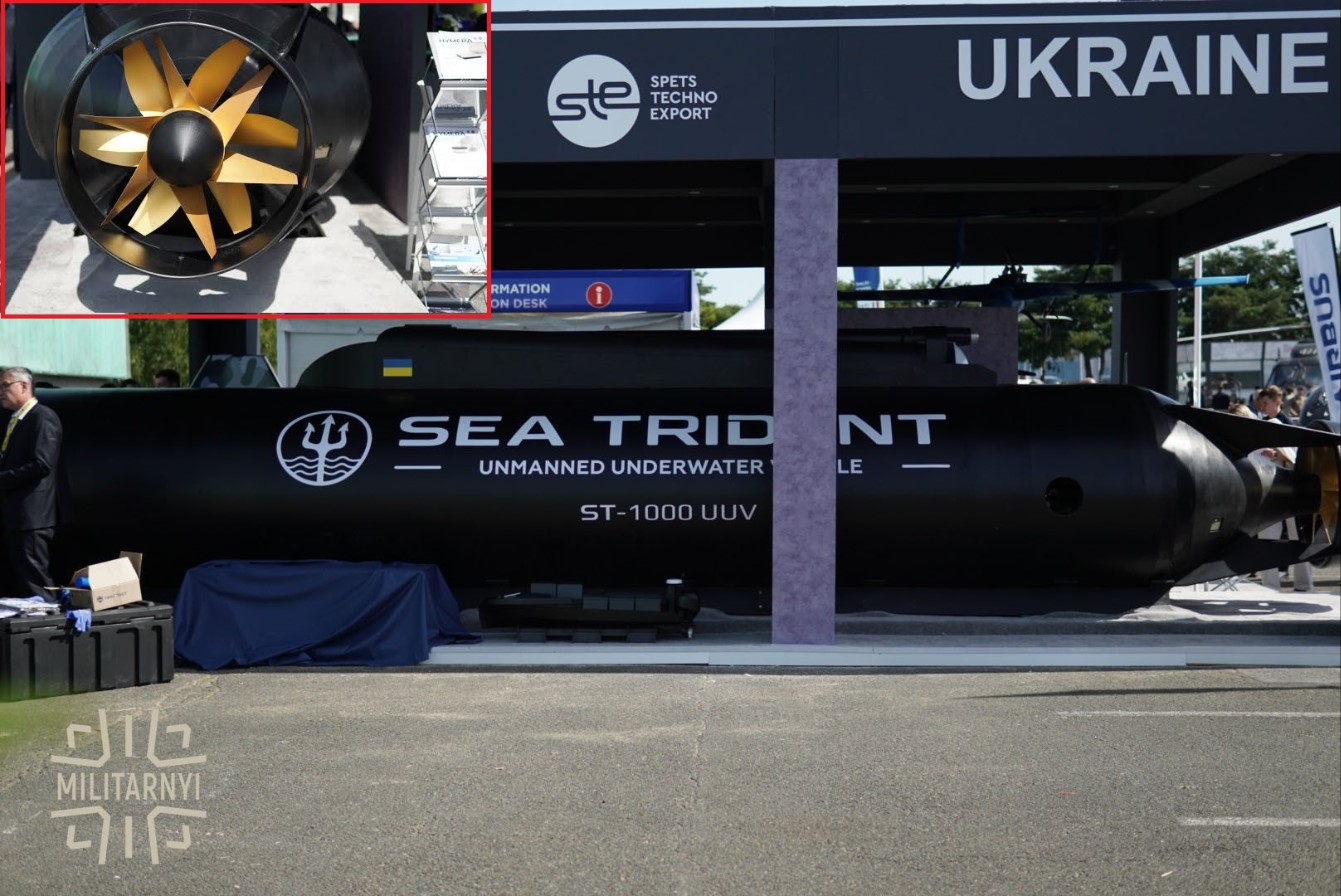 Ukraine Unveils 'Sea Trident' 10-Ton Autonomous Underwater Drone at Eurosatory 2026
-
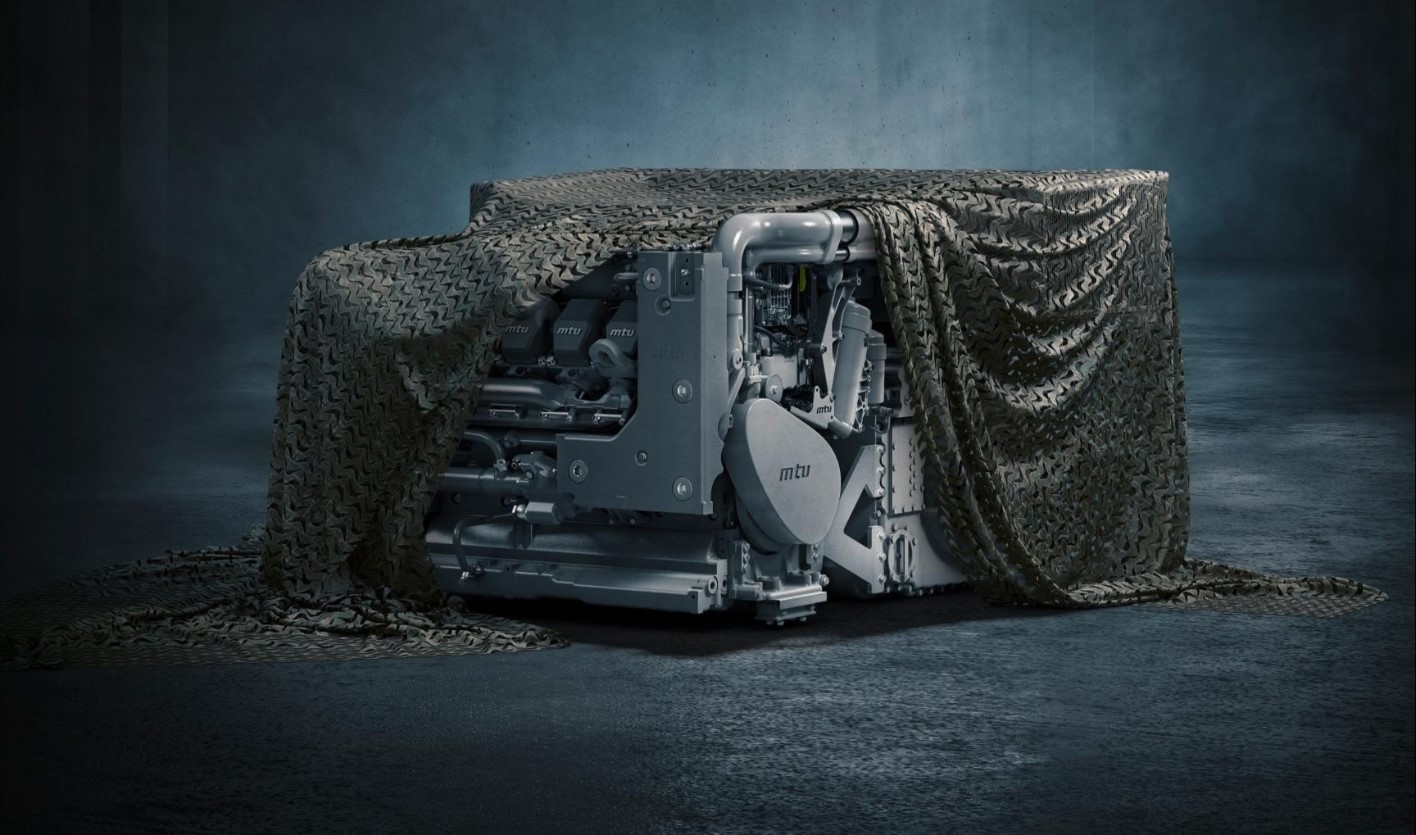 Rolls-Royce Unveils New Hybrid Powertrain for Heavy Military Vehicles at Eurosatory 2026
-
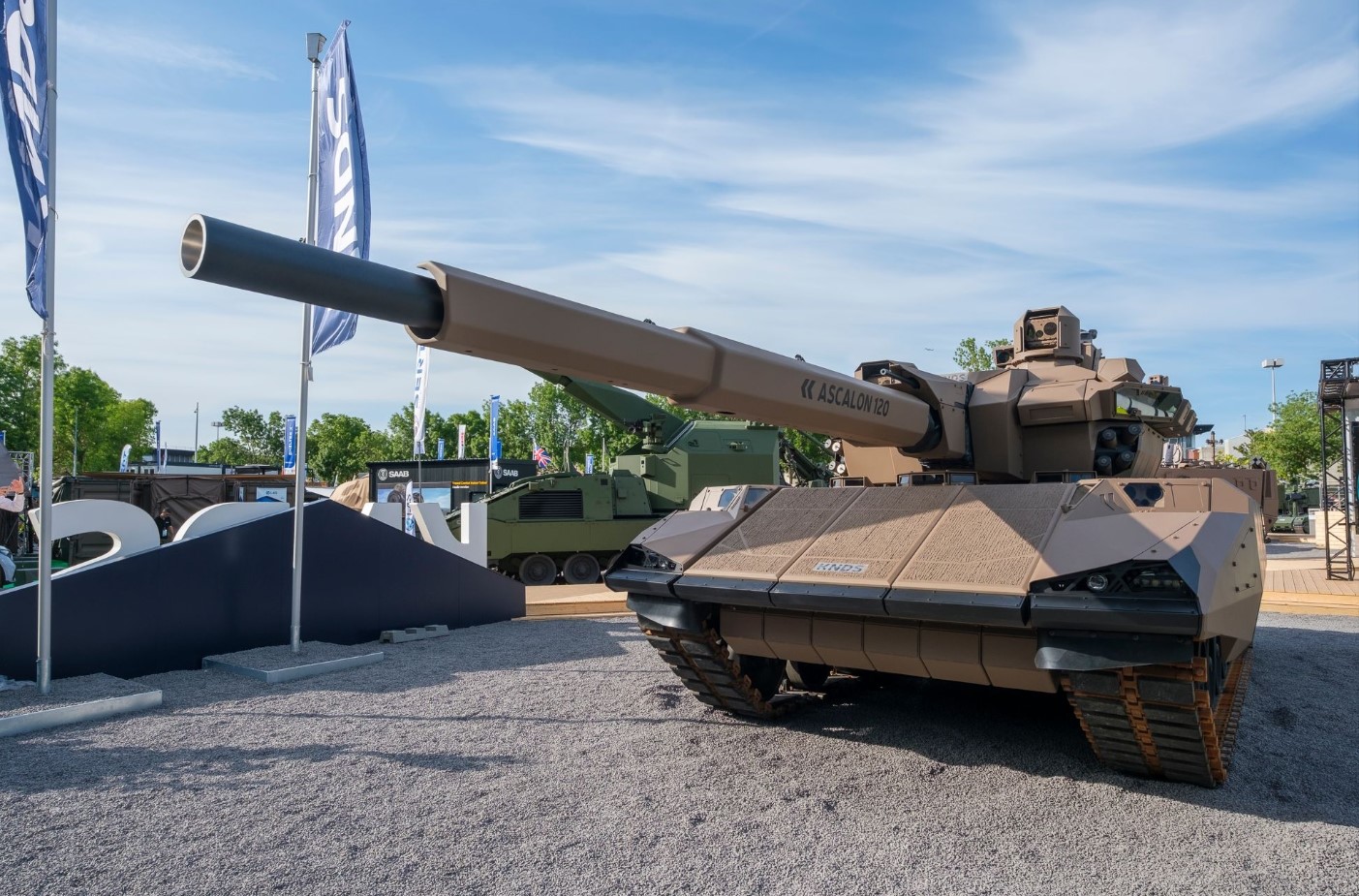 KNDS Unveils CAPINT Main Battle Tank at Eurosatory 2026 as Leclerc Stopgap