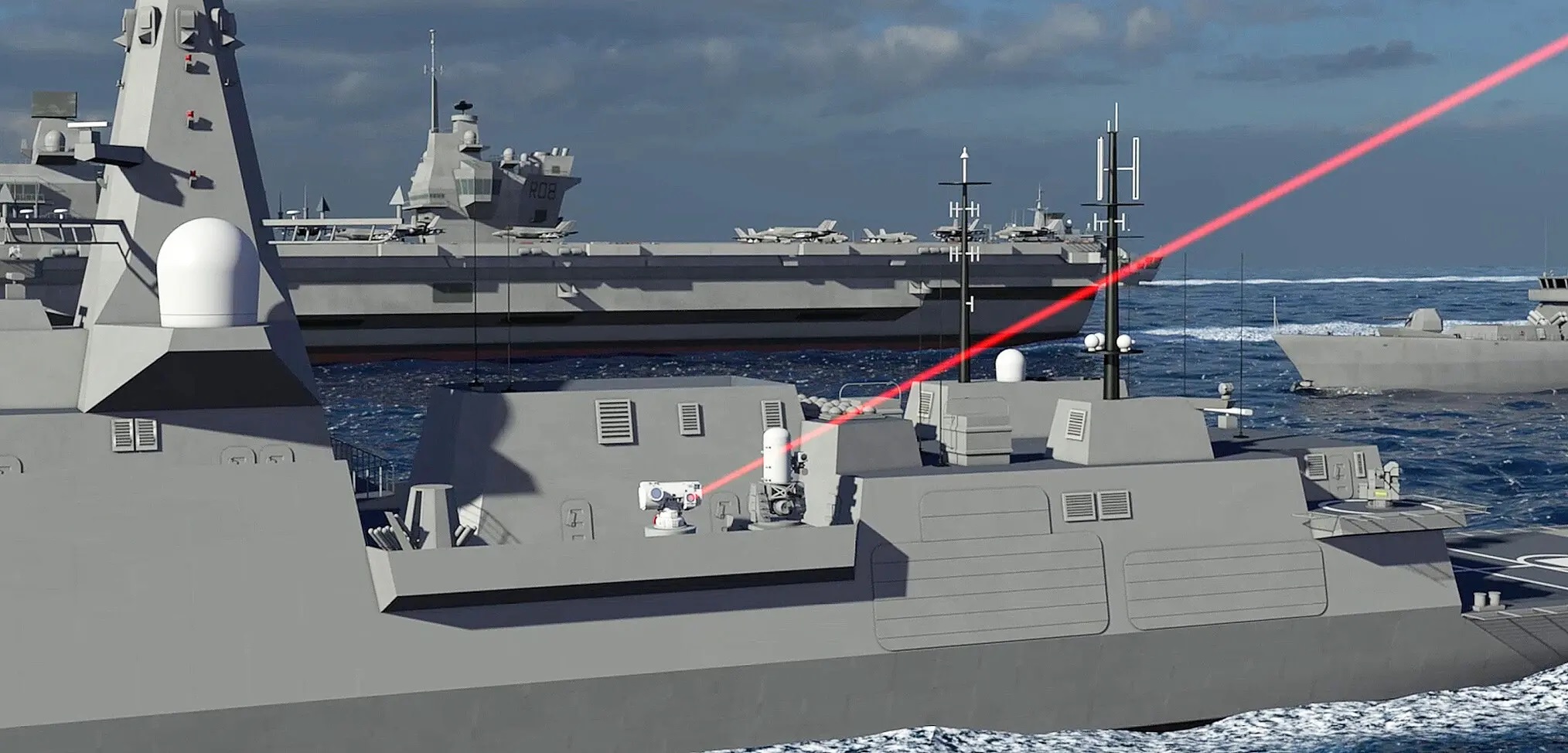
In a landmark move to modernise its armed forces, the United Kingdom has announced a £1 billion investment into Directed Energy Weapons (DEW), spearheaded by the advanced DragonFire laser system. This initiative is part of a wider £5 billion defence technology plan outlined in the latest Strategic Defence Review (SDR), which focuses on preparing British forces for modern warfare.
The DragonFire laser weapon will be the first of its kind to be deployed by a European nation and is set to be installed on a Royal Navy Type 45 destroyer by 2027. Designed to target aerial threats such as drones with precision and speed, this high-powered laser fires at the speed of light, offering a revolutionary alternative to traditional missile systems. Unlike conventional arms, laser weapons promise reduced operational costs, near-instant engagement, and minimal collateral damage.
Beyond the Navy, the UK Ministry of Defence also plans to introduce a similar system for the British Army later this decade. These developments are part of a new approach to layered air defence—combining traditional systems with cutting-edge energy weapons to respond faster and more efficiently to threats across land, sea, and air.
Defence Secretary John Healey hailed the project as the biggest leap in UK military technology in decades. “These investments will ensure our Armed Forces are equipped with the tools they need to tackle a rapidly changing world,” he stated, underlining the strategic importance of innovation in modern combat.
The DragonFire laser system is expected not only to enhance UK combat readiness but also to reduce dependency on expensive ammunition and long logistics chains—an issue that has become more pressing following lessons from the ongoing war in Ukraine. By focusing on digital warfare, drone defence, and data-driven operations, the UK aims to keep pace with the evolving nature of global conflict.
Chancellor of the Exchequer Rachel Reeves emphasized the economic and industrial significance of the move. “A strong economy needs a strong national defence,” she said. “That’s why we are delivering the biggest sustained defence investment since the Cold War—placing innovation at the heart of our national security.”
This defence upgrade will also generate 300 new high-skilled jobs across the country, adding to the 200 already sustained by previous DEW-related efforts. It marks a decisive shift toward future-focused military strategy, reinforcing the UK’s role as a leading force within NATO and ensuring its defences are robust both at home and abroad.
——— End of Article ———