World
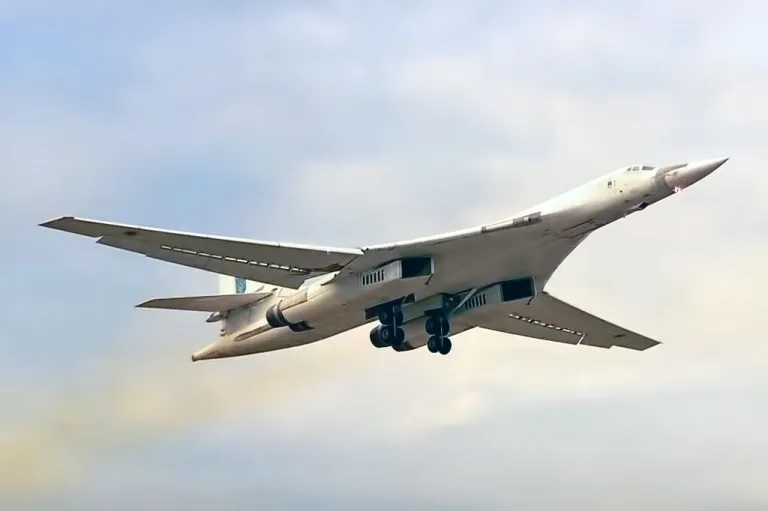
In a surprising move that blends military strategy with geopolitical tension, Russia has relocated its powerful Tu-160 strategic bombers to a far eastern base near the U.S. border. The deployment places these long-range aircraft just 500 kilometers from Alaska — a shift that highlights Moscow’s urgent need to protect its bomber fleet from Ukraine’s growing drone threat. Satellite images have confirmed at least two Tu-160 bombers at the Anadyr airbase, also known as Ugolny, situated in Russia's Chukotka region. The base lies more than 6,600 kilometers from the war-torn zones of Ukraine and is so isolated that it depends on air transport and seasonal maritime routes for supplies, with no road access. This relocation is a direct response to the damage caused by Ukraine's “Spider Web” drone campaign, which has successfully targeted several Russian bomber bases, including Engels and Olenya. These attacks have severely threatened Russia's limited fleet of Tu-160s — aircraft that are both expensive to maintain and symbolically significant as part of the country’s nuclear triad. What makes this decision especially noteworthy is the strategic irony: to protect its bombers from Ukrainian attacks, Russia is moving them closer to the United States — its long-standing adversary. The relocation places these assets within reach of American radar systems, intelligence surveillance, and potential interception forces. It’s a risky calculation that reflects how drastically Russia’s priorities have shifted. The Kremlin now sees drone raids from Ukraine as a more immediate danger than the proximity of U.S. military forces. While Tu-160s saw limited action throughout 2023 and early 2024, their use in missile strikes has increased in recent months. Ukrainian sources have reported cruise missile launches by these bombers on May 26 and June 6, and intelligence indicates Russia may be preparing for another wave of strikes between June 9 and 12. Operating from Anadyr, however, brings its own difficulties. The base’s remoteness makes regular resupply, fueling, and maintenance operations more complex and expensive. Still, Russia appears willing to accept these logistical challenges to ensure its bombers are safe from further Ukrainian sabotage. In effect, by placing its bombers so close to American territory, Russia is making a dual statement: it feels vulnerable at home but remains defiant on the global stage. The move illustrates Moscow’s evolving military strategy — one where survival from drone strikes has now taken precedence over Cold War-era deterrence logic.
Read More → Posted on 2025-06-09 15:06:21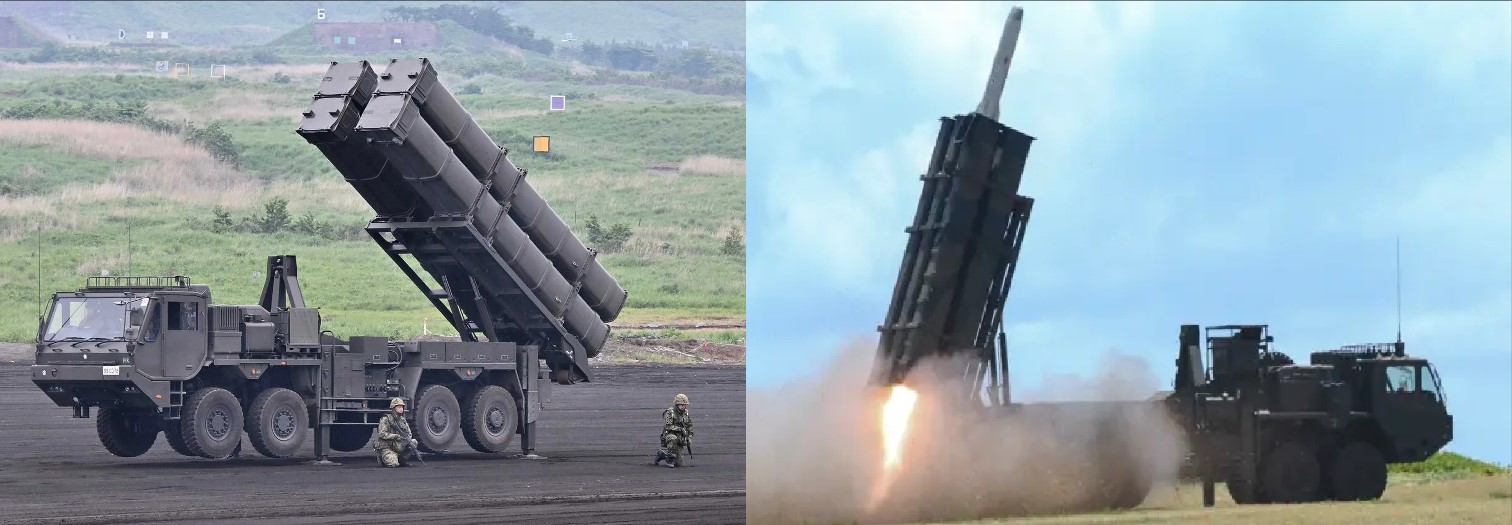
World
Japan has taken a major step toward strengthening its maritime defenses with the official public debut of its upgraded Type 12 Surface-to-Ship Missile (12SSM) system. Showcased for the first time during the Fuji Firepower Exercise on June 8, 2025, the new missile system was revealed at the Higashi-Fuji training grounds in Shizuoka Prefecture. This advanced platform is designed to protect Japan’s coastline and surrounding islands from increasing naval threats in the region. The highlight of the system is its dramatically extended range—now reaching up to 1,000 kilometers. This means the missile can engage hostile ships well before they approach Japanese territory. The enhanced strike capability gives Japan a broader coverage area in the East China Sea and beyond, allowing its forces to respond more proactively to any maritime aggression. The Type 12 missile system is built on a mobile, high-mobility 8x8 wheeled chassis, which serves as a transporter-erector-launcher (TEL). The vehicle carries eight missile launch canisters arranged in two rows, ready for rapid salvo launches. It also includes hydraulic stabilizers to keep the vehicle steady during firing, a protected crew cabin, and integrated fire-control and targeting systems for autonomous operation. Because of its mobility, the system can quickly reposition across Japan’s rugged coastlines and island chains—an essential feature for defending the country’s long and strategically important archipelago. This missile system was previously test-fired from Niijima Island in 2024, demonstrating its long-range strike capabilities from remote locations. The success of that test helped confirm the missile’s ability to deliver precision strikes over extended distances, further enhancing Japan’s deterrence posture. One of the most important features of the upgraded Type 12 missile is its stealth design. The missile’s low radar signature makes it more difficult to detect and intercept, increasing its chances of reaching its target even in contested environments with modern naval defenses. This makes the system particularly useful in modern warfare scenarios where survivability and speed are crucial. Japan’s decision to field this powerful system is largely driven by growing regional tensions. China has been increasingly assertive in maritime disputes, particularly around the Senkaku Islands, while North Korea continues to test ballistic missiles near Japan’s Exclusive Economic Zone. Russia, too, has ramped up military activity around the Kuril Islands. In response, Japan is expanding its defensive capabilities to maintain security and freedom of navigation. Production of the new TEL units began in fiscal year 2023, and the Ministry of Defense plans to deploy them to seven missile regiments located from Hokkaido in the north to Okinawa in the south. This wide geographic distribution creates a strong, layered coastal defense network across some of the most vulnerable parts of Japan’s maritime zone. By integrating modern targeting systems, mobile platforms, and long-range missiles, the Type 12 SSM system is not just a coastal defense asset—it’s a strategic tool. It allows Japan to project force and maintain control over vital sea lanes and chokepoints like the Miyako Strait, all without relying solely on its navy or air force. In essence, the public display of the upgraded Type 12 missile system marks Japan’s evolution into a nation capable of more flexible and proactive defense. It reflects a broader shift in Japan’s military doctrine, moving from strictly defensive operations toward credible counterstrike capabilities in an increasingly unstable region.
Read More → Posted on 2025-06-09 15:02:46
World
In a dramatic turn of events early Monday morning, Israeli naval forces intercepted the Gaza-bound vessel Madleen and detained 12 international activists on board, including prominent figures like climate activist Greta Thunberg, Brazilian campaigner Thiago Avila, and French-Palestinian EU Parliament member Rima Hassan. The boat, part of the Freedom Flotilla Coalition's protest mission, was attempting to breach Israel’s longstanding maritime blockade on the Gaza Strip — a blockade the activists claim exacerbates the humanitarian crisis in the war-torn enclave. The Madleen departed from Sicily last week, defying multiple Israeli warnings to alter course. Around 3 a.m., Israel’s elite Shayetet 13 naval commando unit, along with the Snapir harbor patrol, boarded the ship after final warnings were ignored. The boat was subsequently towed to Ashdod Port, where all 12 passengers were safely detained and scheduled for deportation. The Israeli Foreign Ministry called the Madleen a “selfie yacht,” criticizing the voyage as a “publicity stunt” that offered “less than a single truckload” of aid. Officials emphasized that the same amount of aid could have been delivered through legal, coordinated channels. The ministry highlighted that over 1,200 aid trucks had entered Gaza in the last two weeks, and more than 11 million meals had been distributed by the Gaza Humanitarian Foundation. A video shared by the Israeli government showed soldiers peacefully escorting the detained passengers ashore. In an attempt to downplay concerns about their well-being, the ministry posted an image of Thunberg being offered a sandwich, stating she was “in good spirits.” Israeli Defense Minister Yoav Gallant commended the navy for executing the operation without violence. His colleague, Defense Minister Israel Katz, took a harder stance. In a tweet following the interception, Katz praised the swift action and announced that the detained activists would be shown a 43-minute video titled Bearing Witness— a graphic compilation of atrocities committed by Hamas during the October 7, 2023, massacre. The footage, compiled from bodycams and other sources, has previously been used to bolster Israel's international campaign against Hamas. “It’s appropriate that Greta the antisemite and her Hamas-supporting friends should see exactly who is the terror group Hamas that they support,” Katz stated. He further accused the activists of undermining legitimate humanitarian efforts and endangering lives by attempting to breach a military blockade in a conflict zone. Despite the failure of their mission, the Freedom Flotilla Coalition maintains that the Israeli navy’s actions were unlawful. They accused Israel of kidnapping their crew, seizing a civilian vessel, and confiscating essential supplies such as baby formula and medical aid. Before losing contact, the group began releasing pre-recorded appeals from onboard members, asking their respective governments for support. While Madleen’s interception ended without violence, the incident rekindles memories of previous high-profile flotilla missions — most notably the 2010 Mavi Marmara affair, which resulted in the deaths of 10 activists and global condemnation. A similar attempt last month ended more violently when a different ship affiliated with the same coalition was allegedly struck by drones in international waters near Malta. That attack was widely attributed to Israel, though it never officially claimed responsibility. Israel has enforced a tight land, air, and sea blockade on Gaza since Hamas seized control of the coastal strip in 2007. Officials insist the blockade is necessary to prevent weapons smuggling. Critics, however, argue it amounts to collective punishment of Gaza’s two million residents. Since the October 7 Hamas-led assault on southern Israel, which killed around 1,200 people and saw over 250 hostages taken, the war has raged with devastating consequences. Israel says it has eliminated more than 20,000 Hamas fighters in Gaza. Meanwhile, the Hamas-run Gaza health ministry claims over 54,000 people have been killed or are missing, though the figures include fighters and cannot be independently verified. In defending its actions, Israel maintains that it takes significant steps to avoid civilian casualties, even as it accuses Hamas of using civilian infrastructure such as hospitals, homes, and schools as military shields. As the Madleen’s voyage ends in detention and deportation, the political reverberations of the flotilla mission are likely to linger — not only as a statement on the humanitarian crisis in Gaza but also as a fresh flashpoint in the ongoing information war surrounding the Israel-Hamas conflict.
Read More → Posted on 2025-06-09 08:19:28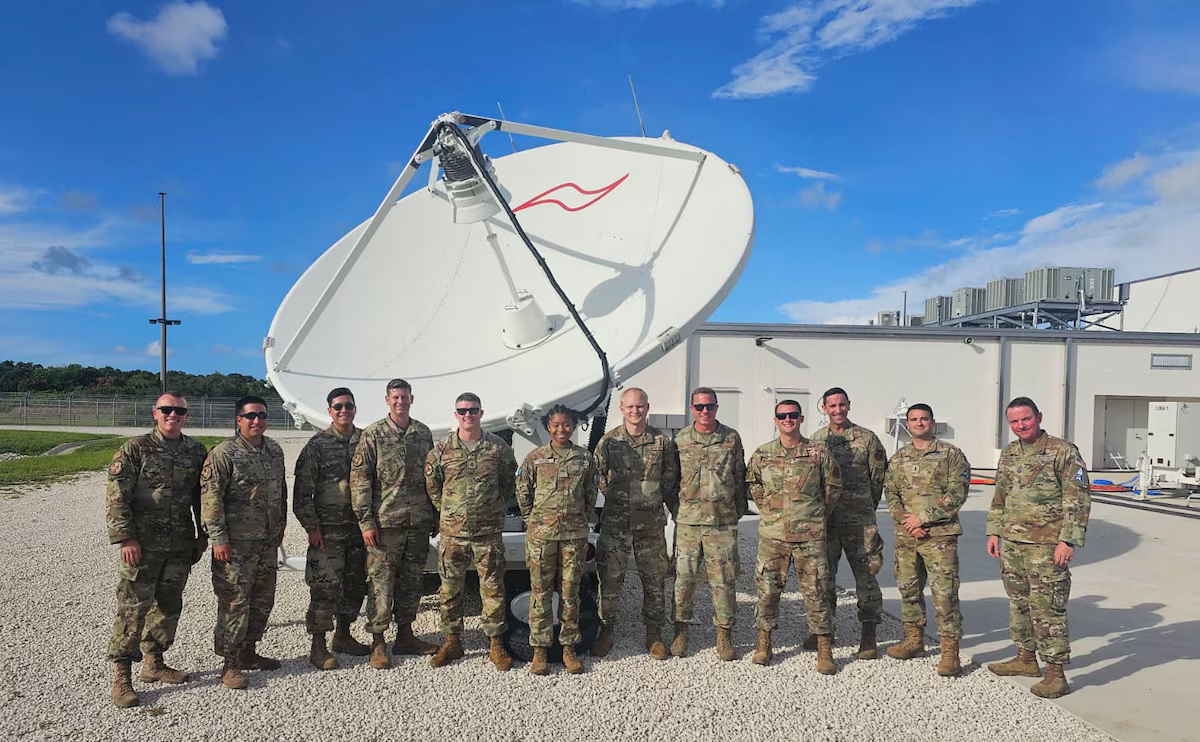
World
L3Harris Technologies has delivered its latest cutting-edge electromagnetic warfare system, known as Meadowlands, to the U.S. Space Force’s Electromagnetic Warfare unit. This important addition marks a significant step in boosting America’s ability to defend its space-based assets and communications in an increasingly contested space environment. The Meadowlands system is a ground-based, transportable Counter Communications System (CCS), specifically designed to block or disrupt enemy satellite communications. In modern warfare, satellites play a crucial role in navigation, intelligence gathering, surveillance, and military communications. Disabling an adversary’s ability to effectively use these space-based systems can provide a major tactical advantage on the battlefield. One of the standout features of Meadowlands is its compact and mobile design. Unlike its larger predecessor, this system is mounted on wheeled trailers, making it easier to move, deploy rapidly, and harder for enemies to locate and neutralize. This mobility also means the system can be repositioned according to operational needs, giving U.S. forces flexibility in fast-changing situations. Technically, the Meadowlands system uses advanced radio frequency (RF) equipment capable of jamming or disrupting satellite communication signals. It is built with an open architecture, allowing it to be easily upgraded as new technologies and electronic warfare techniques become available. This ensures the system remains relevant and effective against evolving threats. According to U.S. Space Force Gen. Stephen Whiting, the need for systems like Meadowlands has become urgent due to the rapid development of space warfare capabilities by rivals, particularly China. He highlighted the growing threat of terrestrial and on-orbit weapons designed to target U.S. space assets. The program has already completed successful contractor testing and has now entered the government’s developmental and operational testing phase. Officials are optimistic that this more rigorous testing will pave the way for Meadowlands to become a frontline capability in U.S. space operations. Uses and Importance: Jamming enemy satellites to disrupt their military communications, navigation, and surveillance operations. Protecting U.S. and allied space assets by limiting adversaries' ability to coordinate attacks or gather intelligence via space-based systems. Providing a mobile and quickly deployable option for electromagnetic warfare, especially useful in modern, fast-paced conflicts. Enhancing national defence by strengthening space domain awareness and counter-space capabilities. For over six decades, L3Harris has supplied innovative defence solutions, and Meadowlands represents the latest in its long line of strategic technologies aimed at giving U.S. and allied forces a decisive edge in space operations. As the space domain becomes increasingly crowded and contested, systems like Meadowlands will play a vital role in preserving security and operational superiority beyond Earth’s atmosphere.
Read More → Posted on 2025-06-09 08:08:57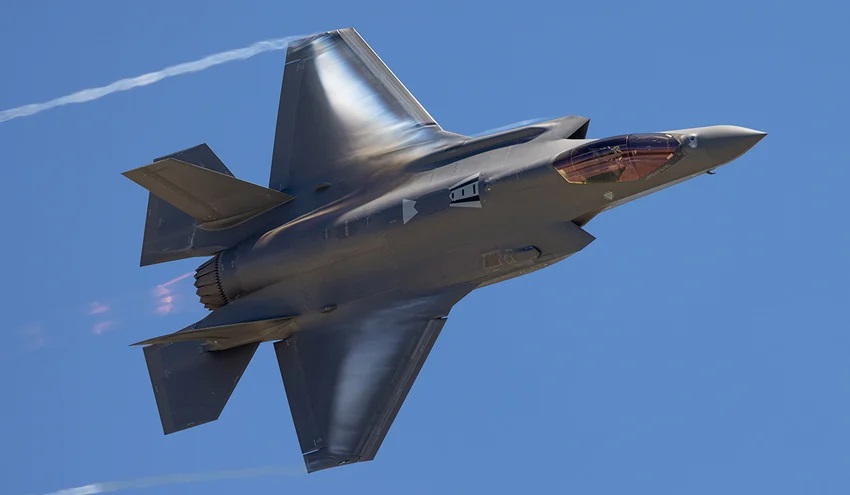
World
Lockheed Martin has once again emphasized the advanced combat capabilities of its fifth-generation stealth fighter, the F-35 Lightning II, highlighting how the jet’s real-time mission integration and battlefield coordination features give it an edge in modern warfare. In today’s complex combat environments — where threats come from the air, land, sea, space, and cyberspace simultaneously — being able to instantly collect, process, and share battlefield data is critical. The F-35 has been specifically designed to meet these demands, offering a highly connected, multi-domain operations capability. Seamless Real-Time Intelligence Sharing At the heart of the F-35’s combat effectiveness is its ability to function as a powerful data-gathering and distribution hub. The aircraft can detect and process vital information on enemy positions, incoming threats, and changes in battlefield conditions, then instantly share that intelligence with other aircraft, ground forces, and command centres. For example, in situations involving enemy electronic jamming, drone swarms, or advancing hostile ground forces, the F-35 provides pilots with a continuous, real-time tactical picture. Even if enemy forces try to jam communications, the F-35 can redirect intelligence streams, ensuring mission-critical information reaches where it’s needed most without delay. Battlefield Coordination Made Easy The F-35’s advanced systems allow it to coordinate with nearby friendly assets, such as other fighter jets, unmanned drones, or ground-based missile systems. By instantly sharing targeting data and situational awareness updates, the aircraft helps allied forces to respond effectively to aerial and ground threats. This ensures that while air units handle incoming dangers, ground troops can stay focused on protecting strategic infrastructure and advancing their objectives. Lockheed Martin describes this seamless integration as key to achieving swift deterrence of enemy forces, maintaining the safety of critical infrastructure, and preserving operational control in contested environments. Cutting-Edge Onboard Technologies Several integrated systems contribute to the F-35’s superior combat awareness: AN/APG-81 AESA Radar:A high-performance radar system capable of long-range detection, tracking, and targeting for both air and ground missions. It offers superior resistance to jamming and interference. Electro-Optical Targeting System (EOTS):Mounted within the fuselage, this system provides long-range, high-precision targeting for air-to-air and air-to-ground weapons, even in poor visibility. Distributed Aperture System (DAS):A network of six infrared cameras placed around the aircraft delivers a continuous 360-degree view of the battlespace. All of this is projected onto the pilot’s Helmet Mounted Display (HMD), giving them real-time visuals of both the battlefield and critical mission data directly in their line of sight. This next-generation helmet not only enhances visibility but also enables pilots to track multiple threats, identify targets, and navigate even under electronic warfare conditions. Unified Tactical Picture and Interoperability What makes the F-35 stand out is its ability to fuse data from all these sensors and systems into a single, unified tactical picture. This fusion dramatically improves pilot decision-making, speeds up response times, and allows for greater adaptability in fast-changing combat situations. Additionally, the F-35’s networked systems ensure it can operate seamlessly alongside a variety of allied platforms — from other fighter aircraft to naval ships and ground-based systems. This level of interoperability supports faster, smarter joint-force operations, enabling air forces to achieve and sustain air dominance in contested and dynamic war zones. Lockheed Martin’s showcase of the F-35’s real-time mission integration and battlefield coordination abilities underscores why this fighter is considered one of the most advanced combat aircraft in the world today. By combining stealth, speed, advanced sensors, and powerful data integration, the F-35 offers unmatched battlefield awareness and coordination — qualities essential for modern air superiority and joint-force operations. As multi-domain warfare becomes increasingly complex, platforms like the F-35 Lightning II will play a central role in maintaining operational advantage for any military force that operates them.
Read More → Posted on 2025-06-08 15:06:43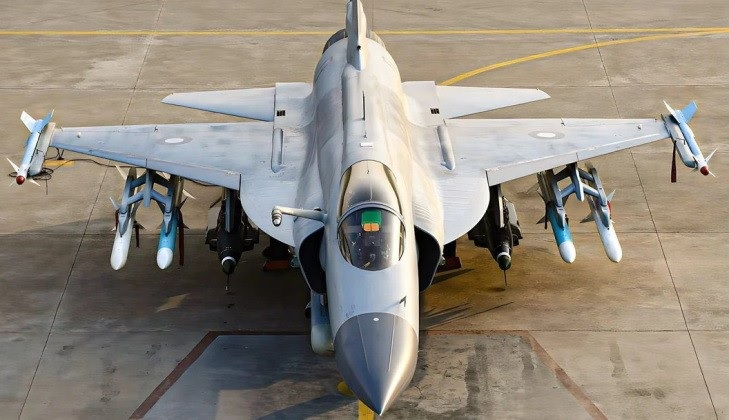
World
In a landmark development for Pakistan's defence exports, Azerbaijan has signed a record-breaking $4.6 billion deal to acquire 40 JF-17 Thunder fighter jets, significantly expanding its earlier order of 16 aircraft. This agreement marks the largest arms export contract in Pakistan’s history and firmly establishes Azerbaijan as the biggest foreign operator of the JF-17 series. The JF-17 Thunder, jointly developed by Pakistan Aeronautical Complex (PAC) and China’s Chengdu Aircraft Corporation, has gained global attention for being a highly capable yet cost-effective multi-role combat aircraft. The deal also includes a $2 billion investment package, signalling deepening military and economic cooperation between Baku and Islamabad. Azerbaijan will receive the latest Block III version of the JF-17, a major leap in capability over its predecessors. The Block III variant features cutting-edge technology such as an Active Electronically Scanned Array (AESA) radar, a modern glass cockpit, improved electronic warfare systems, and compatibility with long-range PL-15 and PL-10 air-to-air missiles. These upgrades offer Azerbaijan a strong edge in both aerial combat and precision strike missions. Since its maiden flight in 2019, the JF-17 Block III has been praised for bringing 4.5-generation fighter capabilities to air forces at a fraction of the cost of Western alternatives. Reports also suggest that Azerbaijan may enhance its JF-17s further by integrating Turkish-made Gökdoğan and Bozdoğan missiles, reflecting the trio's growing defence collaboration involving Türkiye, Pakistan, and Azerbaijan. Another key addition to the Azerbaijani JF-17s will be the Turkish-developed ASELPOD targeting system. This pod enhances precision strike capabilities and situational awareness, and its inclusion places Azerbaijan in an exclusive group of users that includes Pakistan and Nigeria. This major acquisition underscores Azerbaijan's commitment to modernising its air force amid evolving regional security dynamics. It also reflects Pakistan’s emergence as a reliable defence supplier and partner for countries seeking affordable but modern air combat platforms. The deal strengthens the strategic triangle among Pakistan, Azerbaijan, and Türkiye, aligning their defence industries and security interests more closely. With deliveries expected in phases, Azerbaijan’s air force is poised for a significant transformation in the years ahead.
Read More → Posted on 2025-06-08 14:53:16
World
Lockheed Martin has signed a major $1.7 billion agreement with the U.S. Department of Defense to supply advanced targeting and pilot vision systems for the AH-64E Apache attack helicopter fleet. The agreement focuses on delivering the cutting-edge M-TADS/PNVS (Modernized Target Acquisition Designation Sight/Pilot Night Vision Sensor) systems, a vital piece of technology that enhances the Apache’s precision strike and reconnaissance capabilities in all weather and lighting conditions. This long-term framework deal, confirmed by the Pentagon, sets the stage for multiple follow-on contracts that will be rolled out over the coming years. Although the base agreement has been finalized, actual production and deliveries will commence through specific task orders expected to be signed soon. The entire program is scheduled for completion by 2027. The M-TADS/PNVS system is often referred to as the "eyes of the Apache." It allows pilots to see farther and clearer, both day and night, using high-resolution infrared and electro-optical sensors. This gives Apache helicopters a significant edge in tracking enemy targets, coordinating missions, and striking with precision from safe stand-off distances. The system is combat-tested and has been a critical part of Apache operations since its first fielding in 2005. To date, over 1,240 units have already been delivered to the U.S. Army and allied forces around the world. Lockheed Martin has continuously upgraded the system with newer technologies like the Modernized Day Sensor Assembly (M-DSA) and the Modernized Turret (M-TUR), ensuring that pilots benefit from sharper image quality, better reliability, and improved targeting accuracy. The deal also reinforces the U.S. Army's long-term investment in the Apache platform, which remains one of the world’s most powerful and versatile attack helicopters. By upgrading to the latest fire control systems, the Army aims to maintain air superiority, increase mission success rates, and improve pilot safety in modern combat environments. This agreement further highlights Lockheed Martin’s role as a key partner in delivering advanced battlefield technologies. It also strengthens the company’s presence in the global defence industry, as international customers continue to procure Apaches and seek integrated systems for enhanced mission effectiveness.
Read More → Posted on 2025-06-07 16:01:42
MV-75 Tiltrotor Aircraft to Revolutionize U.S. Army 101st Airborne Division’s Air Assault Operations
World
On June 6, 2025, a historic moment unfolded at Fort Campbell, Kentucky, as the U.S. Army’s legendary 101st Airborne Division — known worldwide as the "Screaming Eagles" — officially unveiled the scale model of its next-generation combat aircraft, the MV-75 Future Long Range Assault Aircraft (FLRAA). This marks a bold leap forward for U.S. Army aviation, signaling the dawn of a new era in air assault warfare. The MV-75 is a key element of the U.S. Army’s Future Vertical Lift (FVL) program, aimed at replacing the iconic but aging UH-60 Black Hawk helicopters. After decades of reliable service, the Black Hawk’s limitations in speed, range, and digital adaptability have become apparent on modern, technology-driven battlefields. The MV-75 promises to overcome these shortcomings and deliver unmatched capability for decades to come. A Next-Generation Aircraft for Modern Battlefields The MV-75’s most distinctive feature is its tiltrotor design, combining the vertical takeoff and landing ability of a helicopter with the speed and range of a fixed-wing aircraft. This hybrid configuration allows it to switch quickly between hover mode and high-speed forward flight, ideal for rapid troop insertions, casualty evacuations, and deep-penetration raids. At the heart of its performance is the advanced technology derived from the Bell V-280 Valor tiltrotor, refined further to meet the U.S. Army’s specific operational needs. Key Specifications of the MV-75 Tiltrotor Aircraft: Cruise Speed: Approximately 280 knots (518 km/h) — nearly twice that of the Black Hawk. Combat Radius: Over 1,000 nautical miles (1,850 km) without the need for mid-mission refueling. Flight Controls: Fly-by-wire system for precision handling, stability, and safety. Airframe: Advanced composite materials offering durability, crashworthiness, and weight reduction. Payload Capacity: Capable of carrying a full infantry squad with combat gear over extended ranges, even in high-altitude and high-temperature conditions. Survivability: Features low-observable design elements, built-in electronic countermeasures, crashworthy systems, and integrated threat detection technologies. Mission Systems: Real-time digital battlefield integration, next-gen sensors, AI-assisted mission planning, and modular open-systems architecture for rapid technology upgrades. Why the MV-75 Matters for the 101st Airborne Division For over 80 years, the 101st Airborne Division has been a spearhead of rapid deployment and air assault operations. The addition of the MV-75 promises to multiply the division’s combat potential by providing: Extended Operational Reach: Doubling the range of the Black Hawk, the MV-75 can conduct operations deeper into hostile territory without refueling, striking where enemies feel safe. Rapid Troop Deployment: Higher speeds cut mission times dramatically, allowing forces to respond quickly to emerging threats or seize key objectives before enemies can react. Superior Survivability in High-Threat Zones: Enhanced electronic warfare systems and advanced defensive aids protect crews and troops in contested airspaces. Next-Generation Battlefield Connectivity: Seamless integration with allied platforms, ground forces, and command structures ensures that airborne operations remain precise, coordinated, and agile in complex multi-domain operations. A New Tactical Edge for Future Conflicts While the UH-60 Black Hawk has been a combat-proven workhorse since the 1970s, modern warfare’s rapidly evolving demands require aircraft capable of high-speed, long-range, networked, and survivable operations. The MV-75 represents this future, offering enhanced operational flexibility for missions ranging from precision air assault to medevac, logistics support, and special operations deep behind enemy lines. Its modular, open-system design also ensures it can rapidly incorporate emerging technologies like autonomous flight systems, advanced sensors, and artificial intelligence capabilities — keeping it effective and future-ready well into the 21st century. The Road Ahead The MV-75 is currently in the engineering and manufacturing development phase, following a $1.3 billion contract awarded to Bell Textron Inc. in December 2022. Production will scale up over the next several years, with the MV-75 expected to gradually replace the Black Hawk fleet across key U.S. Army air assault units. For the 101st Airborne Division, this aircraft is more than a technological upgrade — it’s a tool to preserve their legendary reputation for fast, flexible, and fearless air assault operations on future battlefields. The MV-75 will enable the Screaming Eagles to stay ahead of evolving threats, conduct high-risk missions with greater safety and speed, and uphold their place as the U.S. Army’s tip of the spear. In summary, the MV-75 tiltrotor aircraft will redefine U.S. Army aviation and air assault strategy, providing the 101st Airborne Division with an unprecedented combination of speed, range, survivability, and adaptability to lead the way in future high-threat, complex combat environments.
Read More → Posted on 2025-06-07 15:42:47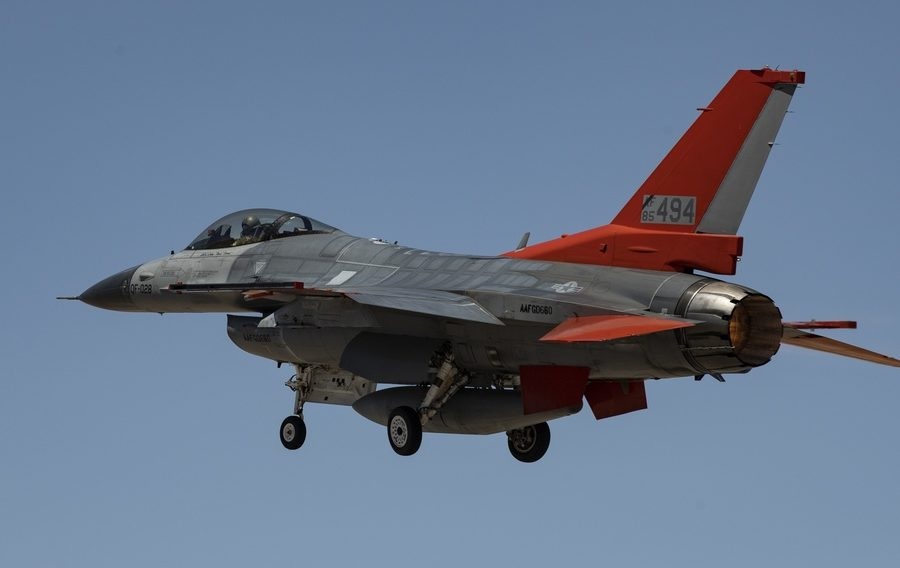
World
On 4 June 2025, the United States Department of Defense officially awarded a fresh $10.25 million contract to Boeing for the conversion of additional retired F-16 Fighting Falcon fighter jets into QF-16 FSAT (Full Scale Aerial Target) drones. This move is part of a long-running program aimed at improving the realism and effectiveness of air combat training for the U.S. Air Force. This latest agreement continues a series of similar contracts under which Boeing has already converted 75 F-16s into aerial target drones. These QF-16 aircraft are highly advanced, remotely piloted drones capable of mimicking real fighter jets in combat scenarios — offering live-fire training opportunities that are as close to real combat conditions as possible. What Is the QF-16? The QF-16 is essentially a converted F-16 Fighting Falcon that can be flown both remotely as a drone and conventionally by a human pilot when needed. These aircraft retain their full manoeuvring capabilities, including supersonic speeds and up to 9G turns — making them extremely challenging targets for testing air-to-air missiles, ground-based air defence systems, and radar tracking technology. Nicknamed the "Zombie Viper," the QF-16 reflects the idea of giving a second life to retired F-16s, many of which are sourced from the AMARG (Aerospace Maintenance and Regeneration Group) — famously known as the U.S. Air Force’s aircraft boneyard in Arizona. Where and How Are They Converted? The initial conversions were handled at Boeing’s facility at Cecil Field in Jacksonville, Florida, later followed by another conversion line near the AMARG facility at Davis–Monthan Air Force Base in Arizona. The conversion process includes: A thorough inspection and refurbishment of the airframe Installation of advanced remote control systems Integration of scoring recorders to track missile impacts Fitting emergency self-destruct systems for safety in case of drone malfunction These drones are typically recovered from among the most heavily used F-16 airframes in storage and are granted a new operational life of around 300 flight hours — enough for multiple training missions before being expended in live-fire exercises or retired for spare parts. Operational Role and Capabilities Once converted, the QF-16s are assigned to the 82nd Aerial Targets Squadron at Tyndall Air Force Base, Florida, and a detachment at Holloman Air Force Base, New Mexico. These squadrons conduct highly realistic air combat training operations, with QF-16s often flown remotely from ground-based simulation cockpits. In addition to controlled piloting, the QF-16s are equipped with systems that enable them to perform pre-programmed autonomous manoeuvres during specific mission phases, adding unpredictability and realism to training exercises. Not every mission ends in destruction — some flights are used to calibrate radar systems or test electronic warfare countermeasures, ensuring U.S. defence systems stay sharp and capable of handling modern aerial threats. Specifications of the QF-16 Type: Full Scale Aerial Target (FSAT) Base Aircraft: F-16 Fighting Falcon (various Block models) Top Speed: Mach 2.0 (approx. 2,470 km/h) Max G Tolerance: Up to 9G Operational Flight Life: Approx. 300 flight hours per drone Control Mode: Remotely piloted or optionally manned Features: Autonomous manoeuvre capability, scoring system, remote command link, self-destruct system Why It Matters The continued investment in QF-16 conversions highlights the Pentagon’s commitment to providing U.S. Air Force pilots and ground-based air defence teams with the most realistic combat training possible. By simulating the speed, agility, and combat manoeuvres of actual enemy fighters, the QF-16 ensures American forces remain prepared for modern air warfare scenarios. This new $10.25 million contract ensures that the U.S. Air Force's training programs remain among the most advanced and demanding in the world — an essential edge in maintaining air superiority.
Read More → Posted on 2025-06-07 11:48:44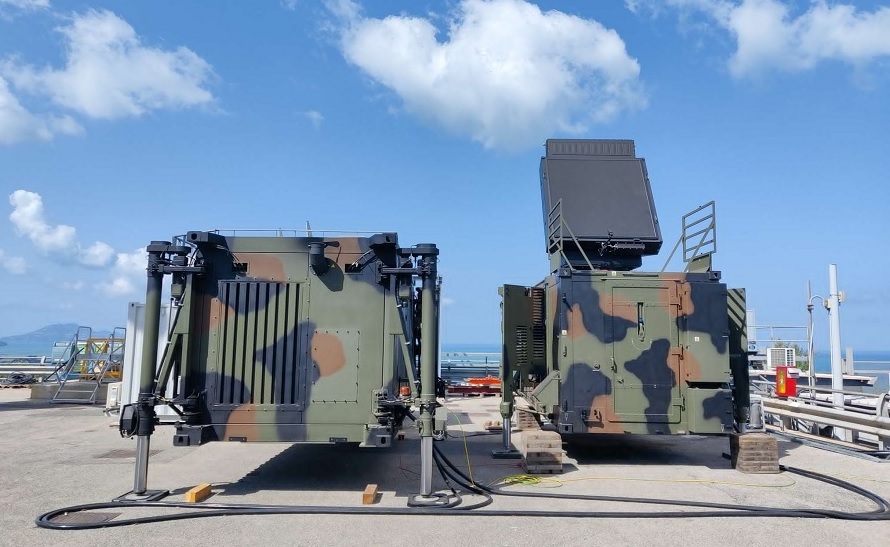
World
Italy’s air defence modernisation programme has taken an important step forward as the fourth Kronos GM HP radar successfully passed its Factory Acceptance Tests (FAT). The tests were conducted at Leonardo’s advanced facilities in Fusaro / Arco Felice, Italy, with the supervision of experts from OCCAR (Organisation for Joint Armament Cooperation). This radar is a crucial component of Italy’s SAMP/T NG (Sol-Air Moyenne Portée/Terrestre New Generation) air defence system. The new-generation system is designed to protect against a wide range of airborne threats, including tactical ballistic missiles, cruise missiles, fighter aircraft, helicopters, and drones. The Kronos GM HP radar, developed by Italian defence firm Leonardo, is part of the FSAF-PAAMS (Family of Surface-to-Air Anti-Missile Systems - Principal Anti-Air Missile System) programme led by OCCAR, with the production contract awarded to EUROSAM in 2021. About Kronos GM HP Radar The Kronos GM HP (Ground Mobile High Power) is a state-of-the-art, multifunctional radar system equipped with an Active Electronically Scanned Array (AESA) antenna. This advanced technology allows the radar to perform multiple roles at once — from air surveillance to threat detection and missile guidance. Key Specifications & Features: Radar Type: Ground-based, multifunctional, high-performance AESA radar Frequency Band: C-band operation for wide area surveillance Antenna Type: AESA with solid-state transceivers Coverage: 360° azimuth coverage Long-range detection for both air-breathing targets and tactical ballistic missiles Functions: Simultaneous air surveillance, tracking, target classification, and missile guidance Capable of handling multiple threats of various types at once Range: Able to detect and track a variety of airborne threats including ballistic missiles, cruise missiles, aircraft, helicopters, and UAVs over long distances Mobility: Rapid deployability with the ability to operate from different locations as required by military operations Importance for the SAMP/T NG System The SAMP/T NG is Europe’s next-generation mobile air defence system, jointly developed by France and Italy under the FSAF-PAAMS framework. It aims to provide enhanced protection for military forces and key infrastructure against evolving airborne threats. The successful FAT of the fourth radar (unit K6) is an important intermediate milestone. It ensures that the production remains on schedule and meets the performance benchmarks required for delivery to the Italian Armed Forces in the coming years. According to OCCAR, numerous tests were conducted to evaluate the radar’s full range of operational capabilities. These included assessments of detection accuracy, tracking stability, target classification, and its integration with the SAMP/T NG fire control system. What Comes Next With this milestone achieved, the production and testing of remaining radars for Italy’s SAMP/T NG systems will continue, keeping the programme on track for deployment. The addition of these cutting-edge Kronos GM HP radars will significantly strengthen Italy’s ability to monitor and counter modern aerial and missile threats, contributing to the country’s national and NATO-aligned air defence posture.
Read More → Posted on 2025-06-06 15:59:43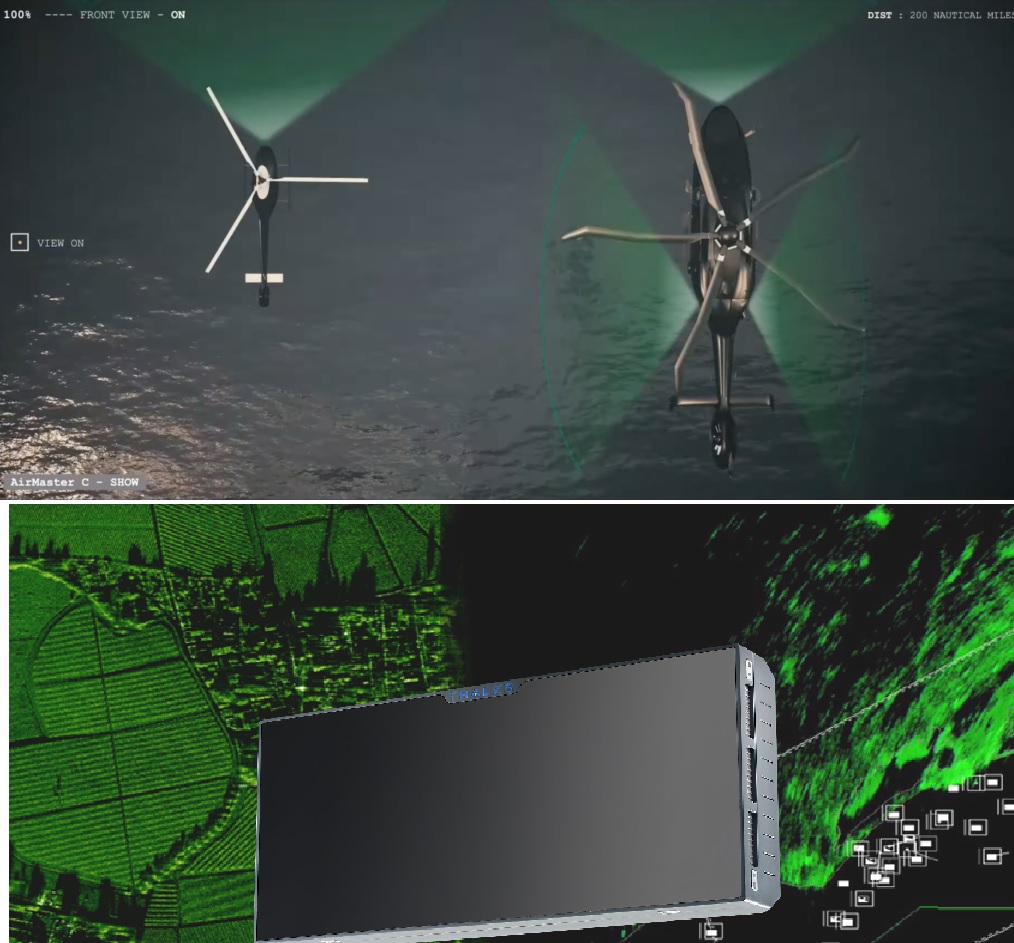
World
France has taken a major step forward in modernizing its light helicopter fleet by officially beginning flight trials of the new AirMaster C radar system, which will be installed on the upcoming H160M Guepard helicopters. Developed by Thales under the DRAGON program, this advanced radar promises to significantly boost the surveillance, detection, and targeting capabilities of the French Armed Forces. What is the AirMaster C Radar? The AirMaster C is a next-generation AESA (Active Electronically Scanned Array) radar, specifically designed for light, airborne platforms like helicopters and drones. It operates in the X-band frequency and uses cutting-edge Silicon-Germanium (SiGe) technology, which makes it highly compact, lightweight, and energy-efficient without sacrificing performance. It’s built with a modular structure and open software architecture, meaning it can be easily upgraded and customized. The radar is also AI-ready, supporting artificial intelligence-driven features like: Autonomous tactical analysis Machine learning-based detection Automatic target classification This allows the radar to process large amounts of data, recognize different targets on its own, and assist operators in making faster, smarter decisions during missions. Specifications of the AirMaster C Radar Feature Details Type Active Electronically Scanned Array (AESA) Frequency Band X-band Technology Silicon-Germanium (SiGe) based Key Modes Tracking, SAR (Synthetic Aperture Radar), GMTI (Ground Moving Target Indicator), MTI (Moving Target Indicator), Mapping Processing Capability AI-driven, autonomous tactical analysis, machine learning-enabled target classification Operation Mode interleaving — multiple radar functions at once Energy Consumption Low power, high efficiency due to SiGe tech Size & Weight Compact, optimized for light airborne platforms Integration Modular, open software, compatible with military-standard data buses Testing and Trials The French Defence Procurement Agency (DGA) confirmed that flight testing began in May 2025 at the DGA Flight Test Centre in Istres. A modified SA330 Puma helicopter is currently serving as the test platform. These trials aim to evaluate: Multi-target detection capabilities Performance in degraded environments Thermal stability and vibration resistance Electromagnetic compatibility Integration with onboard avionics and computers Once these assessments are completed, the radar will be cleared for integration with the H160M Guepard fleet. The Guepard Light Joint Helicopter The H160M Guepard, developed by Airbus Helicopters, is part of France’s ambitious Light Joint Helicopter (HIL) program aimed at replacing multiple legacy helicopters in the Army, Navy, and Air & Space Force with a single, versatile platform. Key Features of the H160M Guepard: Modular airframe for multiple mission profiles Reinforced survivability for contested environments Advanced digital cockpit and avionics Common operational configuration for all military services Equipped with state-of-the-art sensors like the AirMaster C radar Deployment Plans Under France’s 2024–2030 Military Programming Law, the Armed Forces will induct 169 Guepard helicopters by 2030: 80 for the French Army (ALAT): Armed reconnaissance, fire support, special forces missions 49 for the French Navy: Maritime combat, special operations, anti-surface warfare 40 for the French Air & Space Force: Search and rescue (SAR), air surveillance, intelligence gathering A New Chapter in French Aerial Modernization The integration of the AirMaster C AESA radar with the Guepard helicopter marks a significant advancement for the French military’s airborne capabilities. It ensures better situational awareness, rapid multi-target detection, and AI-assisted decision-making for missions ranging from maritime surveillance to special operations. Additionally, the successful development of this radar under the DRAGON program not only strengthens France’s domestic sensor technology but also opens up future export opportunities, offering a competitive, modern, multi-role helicopter system for international defense markets.
Read More → Posted on 2025-06-06 15:57:42
World
The German Navy is taking a significant step towards modernizing its naval capabilities by officially beginning preparations to introduce unmanned surface vehicles (USVs) into its fleet. After successfully testing the BlueWhale autonomous underwater vehicle last year, the German Navy is now turning its attention to the surface domain, with plans to experiment, evaluate, and eventually procure combat-capable USVs. This initiative is part of Germany’s Future Combat Surface System (FCSS) program — a forward-looking project aimed at integrating both manned and unmanned systems for next-generation naval warfare. A New Chapter in Naval Strategy Vice Admiral Jan Christian Kaack, Inspector of the Navy, recently revealed that the FCSS program would be one of the German Navy’s flagship efforts this year. According to the newly published “Course Marine” strategy paper, the long-term goal is to create a highly networked naval force combining manned warships, autonomous drones, and unmanned vehicles. This concept also involves managing drone swarms and integrating them with existing assets like K130 corvettes. The plan outlines the procurement of at least 18 USVs, with each K130 corvette eventually being paired with two USVs for joint missions, enhancing operational flexibility and reducing risks to human crews. What Will These USVs Be Capable Of? The German Navy’s FCSS program envisions highly capable unmanned surface vehicles equipped for a range of roles — from surveillance and reconnaissance to direct combat operations. The procurement process will start with Operational Experimentation (OPEX) campaigns, where different USV designs will be tested under real-world conditions to assess their performance and military utility. The first phase of these sea trials is scheduled between September 15, 2025, and October 5, 2025, in the Baltic Sea near Eckernförde. Detailed Specifications for the USV Trials To participate in these trials, manufacturers must meet strict minimum requirements. Here’s a breakdown of what the German Navy is seeking for its combat USVs: First Trial Campaign (September–October 2025) Platform Technology Readiness Level (TRL): 9 (Fully mature and operational) Autonomy: Capable of autonomous navigation using waypoints Remote Operation: Must support remote piloting Emergency Mode: Ability to operate with a minimal crew if needed Collision Avoidance: Initial active collision avoidance system Range: Minimum 300 nautical miles at 38 knots Situational Awareness Systems: Command & Control (C2) system Navigation radar Electro-Optical (EO) sensor systems Armament: At least one weapon system with a minimum 30mm caliber gun Optional capability for loitering munitions or missiles Payload/Weight Reserve: 6 tons Second Trial Campaign (November 2025) The requirements remain largely similar, with a few adjustments: Operational Readiness: Capable of operating in sea state 5 Endurance: At least 5 continuous days at sea Armament: Guns as primary weapon Optional provision for loitering munitions or missiles Potential Contenders Meeting a TRL of 9 is a demanding requirement, and only a few USVs worldwide currently meet this standard. Possible candidates include: Autonomous Ocean Core (Saab): A system based on the Combat Boat 90, already operational. Seagull USV (Elbit Systems): In active use with at least one navy, offering anti-submarine, mine countermeasure, and surface combat capabilities. However, as per the German Bundeswehr planning office, the OPEX campaigns are purely for technology evaluation and not an immediate armament procurement process. The focus is to assess operational capabilities, integration potential with existing fleet systems, and identify areas for future improvement. Shaping the Future of German Naval Operations The integration of unmanned systems like USVs marks a strategic shift in Germany’s naval doctrine, aiming to enhance maritime situational awareness, reduce crew risks, and improve combat effectiveness. Through programs like FCSS, the German Navy plans to evolve into a hybrid force of manned and unmanned assets, paving the way for the next generation of naval warfare in the increasingly contested waters of Europe and beyond. The outcome of these trials will not only determine the future of USV procurement in Germany but could also influence broader NATO naval strategies in the years to come.
Read More → Posted on 2025-06-06 15:51:18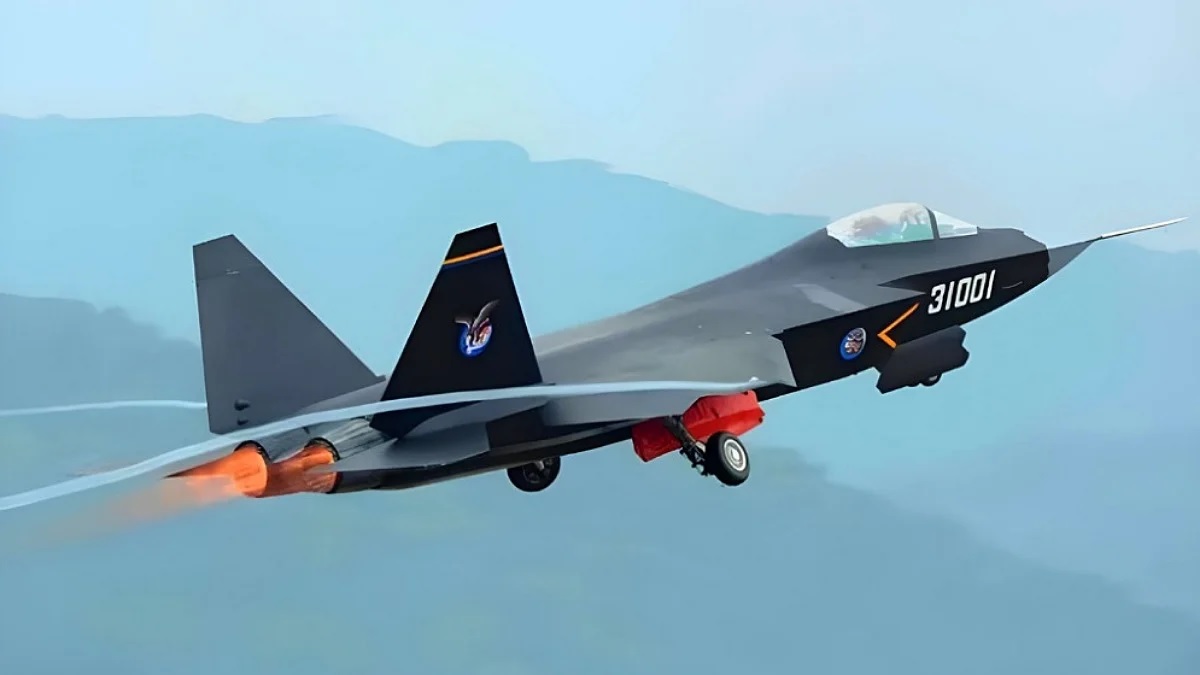
World
In a major development for regional air power dynamics, Pakistan is set to receive advanced fifth-generation stealth fighter jets from China within the coming months. According to recent confirmations from Pakistani government officials, the long-anticipated FC-31 Gyrfalcon stealth aircraft will soon begin joining the Pakistan Air Force (PAF) as part of its ongoing fleet modernization program. Pakistan had first hinted at this acquisition in 2024 during the induction of other Chinese-made military aircraft and transport planes. While the specific deal structure and financial terms have not been publicly disclosed, earlier reports suggest that Pakistan could acquire between 30 to 40 units of the FC-31, marking a significant leap in its air combat capabilities. About the FC-31 Gyrfalcon Developed by China’s state-owned Shenyang Aircraft Corporation, the FC-31 Gyrfalcon is a fifth-generation multi-role stealth fighter jet designed for both air superiority and strike missions. Originally intended for service with China’s own air and naval forces, the FC-31 has gained international attention as China’s answer to American fifth-generation fighters like the F-35 Lightning II. Key Specifications: Length: 17 meters (56 feet) Wingspan: 12 meters (38 feet) Height: 4.8 meters (15.7 feet) Maximum Speed: Mach 1.8 (approximately 2,223 km/h or 1,381 mph) Operational Range: 2,000 kilometers (3,219 miles) Service Ceiling: 16,000 meters (52,493 feet) Engines: Twin Klimov RD-93 or WS-13E afterburning turbofans Advanced Features: The FC-31 boasts low radar cross-section (RCS) stealth design, enabling it to evade enemy detection. It is equipped with state-of-the-art electronic warfare systems, infrared search and track (IRST), and an advanced active electronically scanned array (AESA) radar. The aircraft has internal weapon bays and multiple hardpoints on its wings, allowing it to carry a mix of air-to-air missiles, guided bombs, and supersonic multi-domain missiles. A particularly notable addition to the Pakistani fleet will be the inclusion of the PL-17 long-range air-to-air missile on these jets. The PL-17 reportedly has a range of over 400 kilometers (249 miles), giving Pakistan’s air force a significant edge in beyond-visual-range (BVR) engagements. Strategic Importance: For Pakistan, acquiring the FC-31 represents a significant boost in its capability to counter regional threats and maintain a credible deterrent, particularly in light of India’s own modernization programs, which include the indigenous HAL Tejas Mk1A, upcoming Tejas Mk2, and the fifth-generation Advanced Medium Combat Aircraft (AMCA) project. The addition of these stealth fighters, coupled with long-range weaponry and electronic warfare systems, is expected to considerably enhance Pakistan’s defensive and offensive aerial operations.
Read More → Posted on 2025-06-06 15:39:07
World
In a revelation that has sparked significant debate, Israeli Prime Minister Benjamin Netanyahu has confirmed that Israel is supporting an armed group in Gaza that opposes Hamas. This admission follows claims made by former Israeli Defence Minister Avigdor Liberman, who alleged that the government had handed weapons to what he described as “criminals and felons.” The group in question, reportedly associated with a local Bedouin tribe led by Yasser Abu Shabab, is active in the Rafah area of southern Gaza. According to the European Council on Foreign Relations, Abu Shabab is known not for political resistance but for heading a so-called "criminal gang" involved in looting and other illicit activities, including attacks on aid convoys. Netanyahu defended the strategy, arguing that enlisting local forces against Hamas was a move that ultimately benefits Israeli soldiers. “What did Liberman leak? That security sources activated a clan in Gaza that opposes Hamas? What is bad about that? It is only good; it is saving lives of Israeli soldiers,” he said in a video statement posted online. However, the move has raised questions about the nature of Israel’s partnerships in Gaza. Michael Milshtein, a Palestinian affairs expert from Tel Aviv’s Moshe Dayan Center, explained that the Abu Shabab group is not a traditional militia but a network rooted in smuggling and criminal operations. He noted that Abu Shabab had previously been jailed by Hamas and that his clan leaders have since disowned him, branding him a collaborator and gangster. Despite the controversy, reports suggest that Israeli authorities, possibly including the internal security agency Shabak, have provided the group with weapons, financial support, and even protection from military action in exchange for acting against Hamas. Hamas responded harshly, accusing the group of betrayal and collaboration with Israel, and calling on Palestinian civilians to reject them. Recent incidents have also highlighted the tensions surrounding the group’s activities. Hamas allegedly killed four members of Abu Shabab’s faction just days before Netanyahu’s remarks, indicating that the conflict between Hamas and the militia has escalated. Additionally, there are unconfirmed reports that Abu Shabab’s brother was killed by Hamas during efforts to suppress attacks on UN aid convoys. The group, which calls itself the "Popular Forces," has denied acting as an Israeli proxy. In a statement posted on Facebook, it claimed, “We have never been, and will never be, a tool of the occupation.” The group also insisted its weapons are old and sourced from local supporters. Critics warn that arming a criminal-linked militia in a war zone could backfire. “This is a fantasy, not something you can really describe as a strategy,” Milshtein cautioned. “I really hope it will not end with catastrophe.” As the war between Israel and Hamas nears its twentieth month, the use of unconventional alliances to weaken Hamas may carry more risks than rewards, especially if those alliances are built on shaky ground.
Read More → Posted on 2025-06-06 15:35:11
World
In a fiery public spat that has sent shockwaves across both political and tech circles, former U.S. President Donald Trump and billionaire entrepreneur Elon Musk have dramatically fallen out — ending what was once touted as a mutually beneficial relationship between politics and private innovation. From admiration to antagonism, the clash between the two powerhouses escalated sharply over the past week, triggering serious implications for the future of SpaceX and U.S. space dominance. The Fallout Begins The storm began when Trump publicly criticized Musk, saying: “I’m disappointed in Elon. Elon and I had a great relationship. I don’t know if we’ll ever be together again.” This surprising statement came amid growing friction between Musk’s opposition to a major budget bill — which Trump reportedly supported — and the former president’s claims that Musk had no real objections. Trump attempted to downplay Musk's dissent, saying: “Elon has no problem with this bill.” But Musk was quick to respond with biting clarity: “Wrong. This bill was never shown to me once. It was passed overnight.” The disagreement revealed the deep cracks forming behind the scenes, with Musk increasingly distancing himself from the former president’s policy moves, which he now views as reckless and opaque. Why Elon Musk Left the Trump Administration Elon Musk had initially served as an economic advisor during Trump’s presidency, hoping to steer innovation policy, green energy investments, and space exploration in a pragmatic direction. However, tensions grew over time. Musk left the Trump administration in 2017 following Trump's decision to pull out of the Paris Climate Accord. Musk had made it clear that climate change and sustainable energy were non-negotiables for him. At the time, Musk tweeted: “Climate change is real. Leaving Paris is not good for America or the world.” That marked the beginning of a widening ideological divide — but back then, the separation was relatively quiet. Today’s conflict, however, is anything but. Trump’s Retaliation: Targeting SpaceX Now, years after that initial break, the feud has reached new heights. Trump, infuriated by Musk’s criticisms and refusal to align with his agenda, lashed out with a direct threat to SpaceX: “The easiest way to save money in our budget — billions of dollars — is to stop Elon’s government grants and contracts.” This threat has massive implications. SpaceX holds contracts with NASA, the Pentagon, and other federal agencies, worth tens of billions. Trump’s statement, while not an official order, sent tremors through the aerospace and defense sectors. Many now question whether future administrations aligned with Trump’s ideology might jeopardize SpaceX's dominance in government space operations. Elon Musk Fires Back Elon Musk’s response was swift and stinging: “SpaceX will begin decommissioning its Dragon spacecraft immediately after Trump’s statement on canceling my government contracts.” While it’s unclear whether SpaceX is actually pulling the plug on Dragon — which has been instrumental in ferrying astronauts and cargo to the ISS — the statement served as a symbolic warning. Musk seems to be making it clear: if the U.S. government doesn’t want him, he’ll take his vision and capital elsewhere — possibly even more aggressively into the private or international sector. And in a mic-drop moment that went viral, Musk added: “Have a nice day, DJT… Mark this post for the future.” Musk’s Claim: ‘Without Me, Trump Would Not Have Won’ Adding fuel to the fire, Musk claimed that Trump owed part of his 2016 victory to him: “Without me, Trump would not have won.” It’s unclear what Musk was specifically referencing — possibly the influence of Tesla and SpaceX’s American success stories on the economy, or perhaps Musk’s past social media support that appealed to young technocrats. Either way, it suggests Musk believes his influence on innovation and culture had real political weight — weight Trump no longer appreciates. What Comes Next? This public unraveling could have far-reaching consequences. If a future Trump-aligned administration attempts to curb SpaceX funding or favor competitors like Blue Origin, America’s space dominance could suffer. At the same time, Musk’s growing disdain for political interference might push him toward more international cooperation or privately-funded ventures — shifting the future of space away from the hands of governments altogether. Meanwhile, political observers are watching closely: Will Musk throw his influence behind a Trump rival in 2024 or 2028? Could this feud evolve into a full-blown cultural and economic battle between the old populist right and Silicon Valley libertarians?
Read More → Posted on 2025-06-06 15:32:28Search
Top Trending in 24 Hours
-
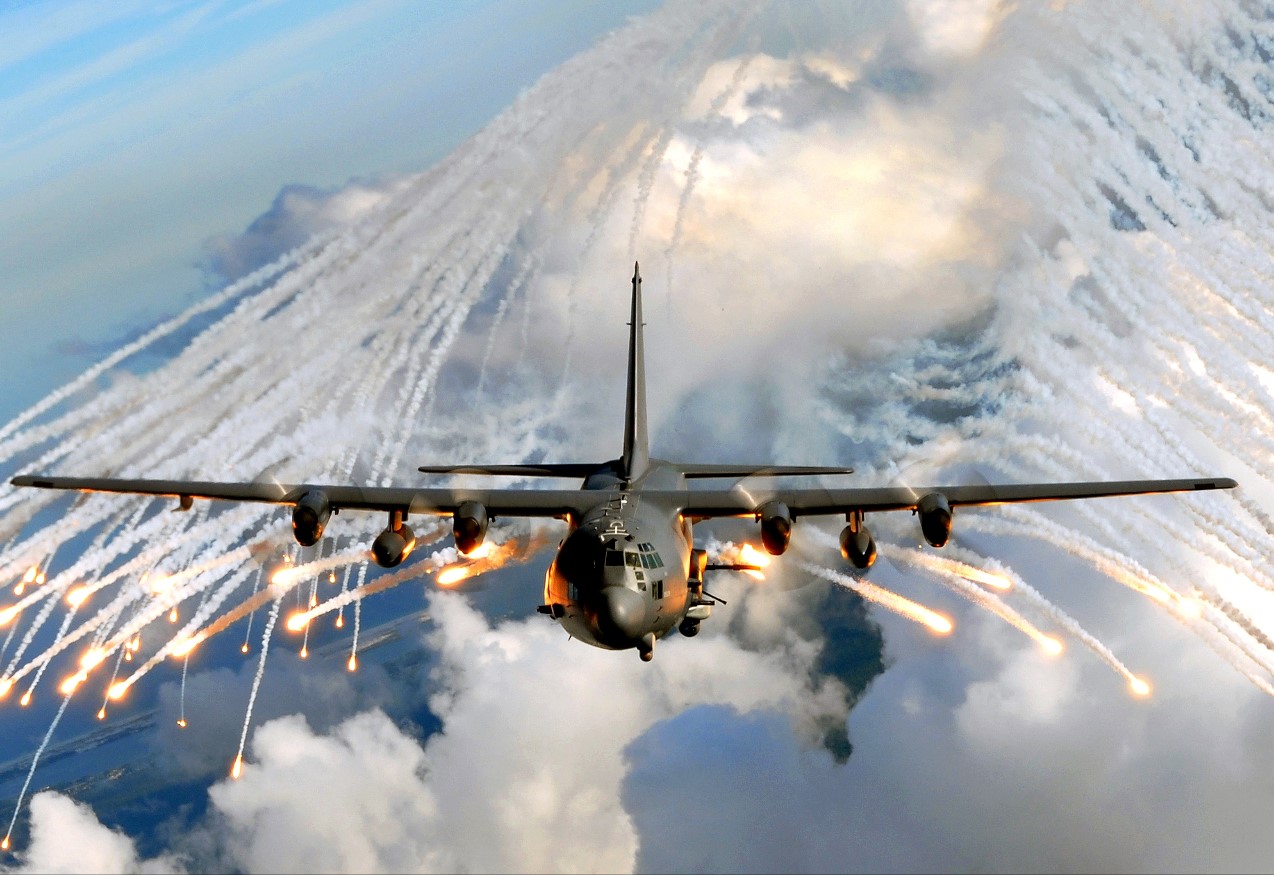 Pentagon Expands Alloy Surfaces Contract to $328.8 Million for Advanced Aircraft Decoy Flares Amid Evolving Drone Threats
-
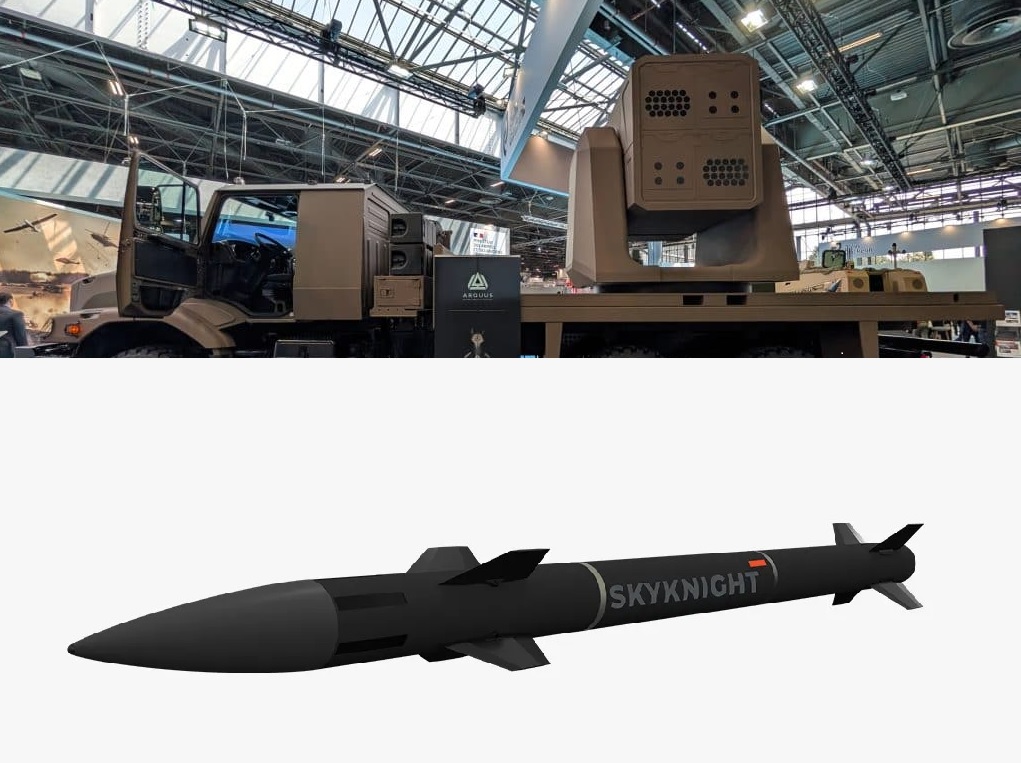 Naval Group Unveils Rampart Modular CIWS Multi-Purpose Weapon System for Naval and Ground Forces at Eurosatory 2026
-
 Why the U.S. Restored Pacific Command Name, Ending the Indo-Pacific Designation After Eight Years
-
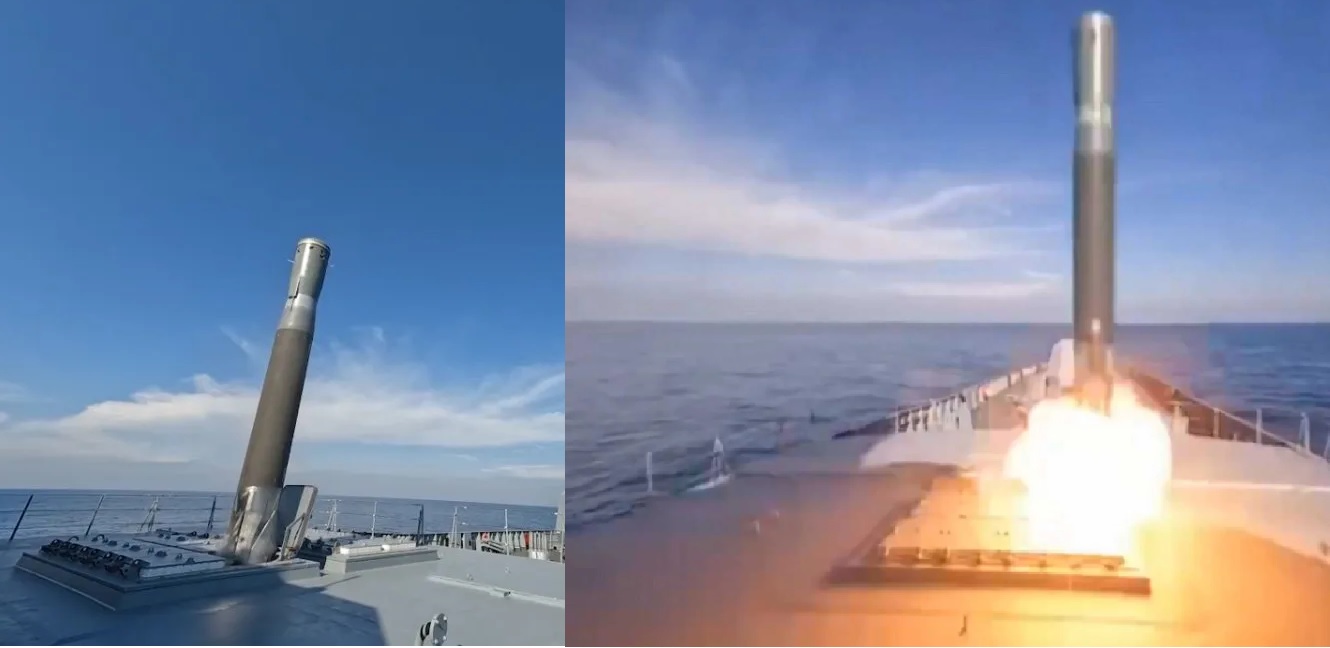 Open-Source Evidence Suggests Russia's Zircon Is a Quasi-Ballistic Missile, Not a True Hypersonic Cruise Weapon
-
 China Surpasses Russia as World’s Second-Most Powerful Air Force Amid Rapid J-20 and J-35 Expansion
-
 IDV Unveils CL2X Hybrid Uncrewed Light Tank at Eurosatory 2026
-
 U.S. Army Completes First Flight Test of Medium-Range Air-Launched Effects from Black Hawk Helicopter
-
 Lockheed Martin Unveils HIMARS FLEX with Dual-Pod Launcher and NATO-Compatible Air Defense Integration
Top Trending in 4 Days
-
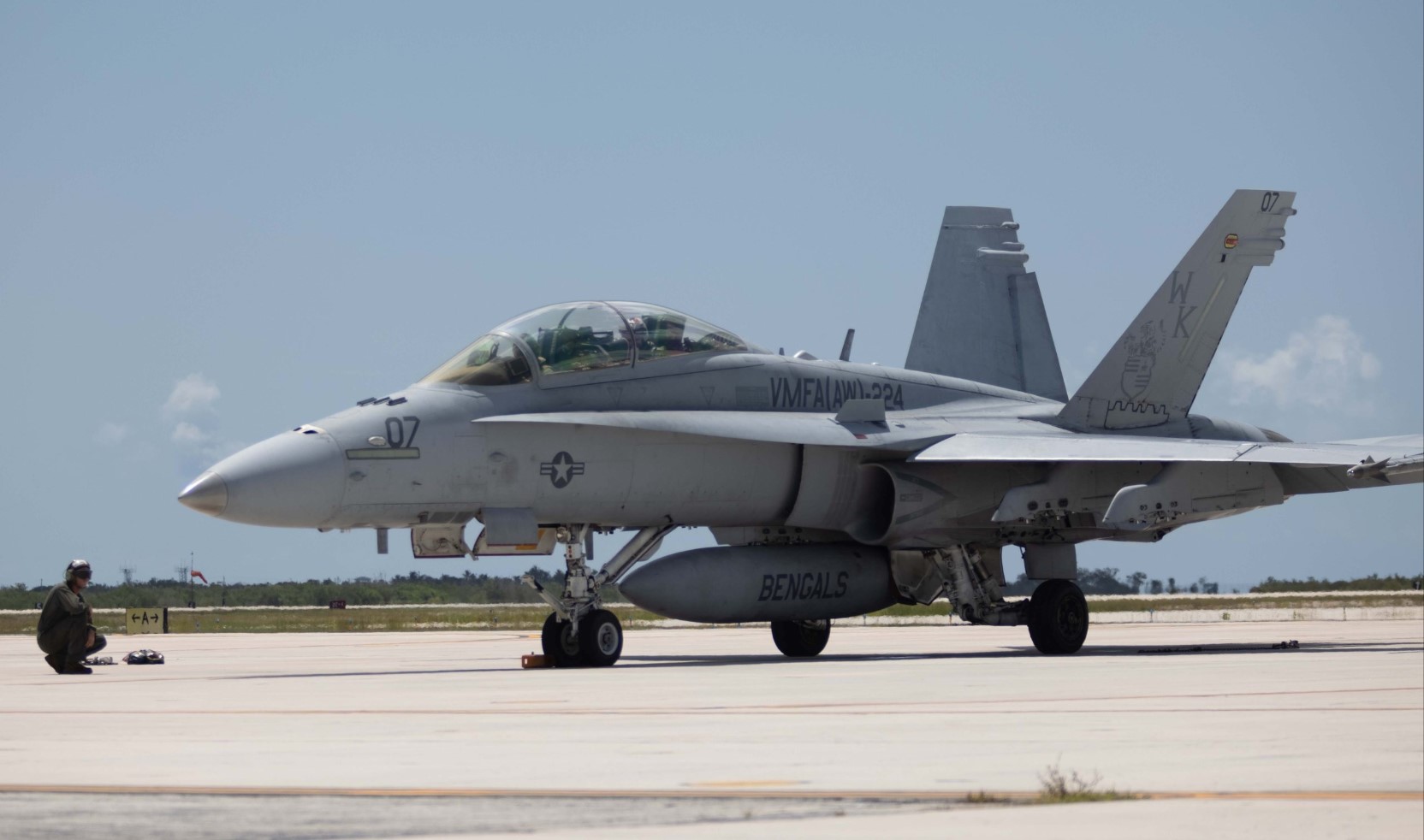 US Marine Corps F/A-18D Hornet Crashes During Training Flight in Washington Mountains; Pilot Ejects Safely
-
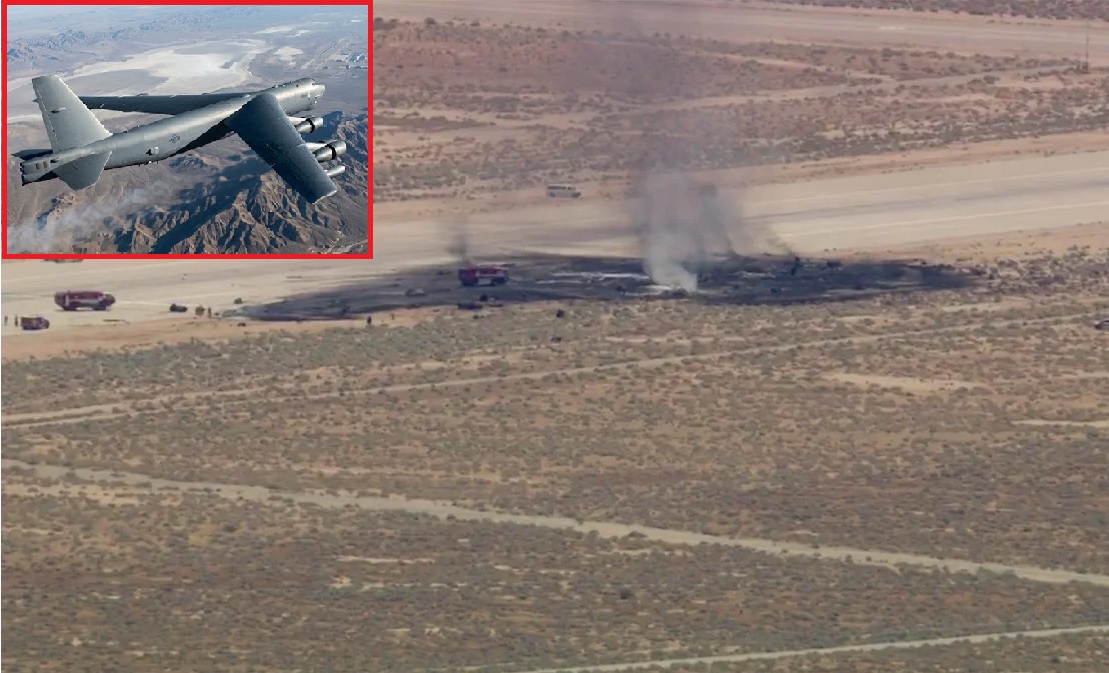 8 U.S. Air Force Crew Members Killed in B-52 Bomber Crash During Test Flight at Edwards Air Force Base
-
 Tulsi Gabbard Releases Declassified Files Detailing U.S.-Backed Network of 120 Biolaboratories Across 30+ Countries
-
 Ukraine Introduces Balloon-Launched DART Missile Designed to Defeat Electronic Warfare
-
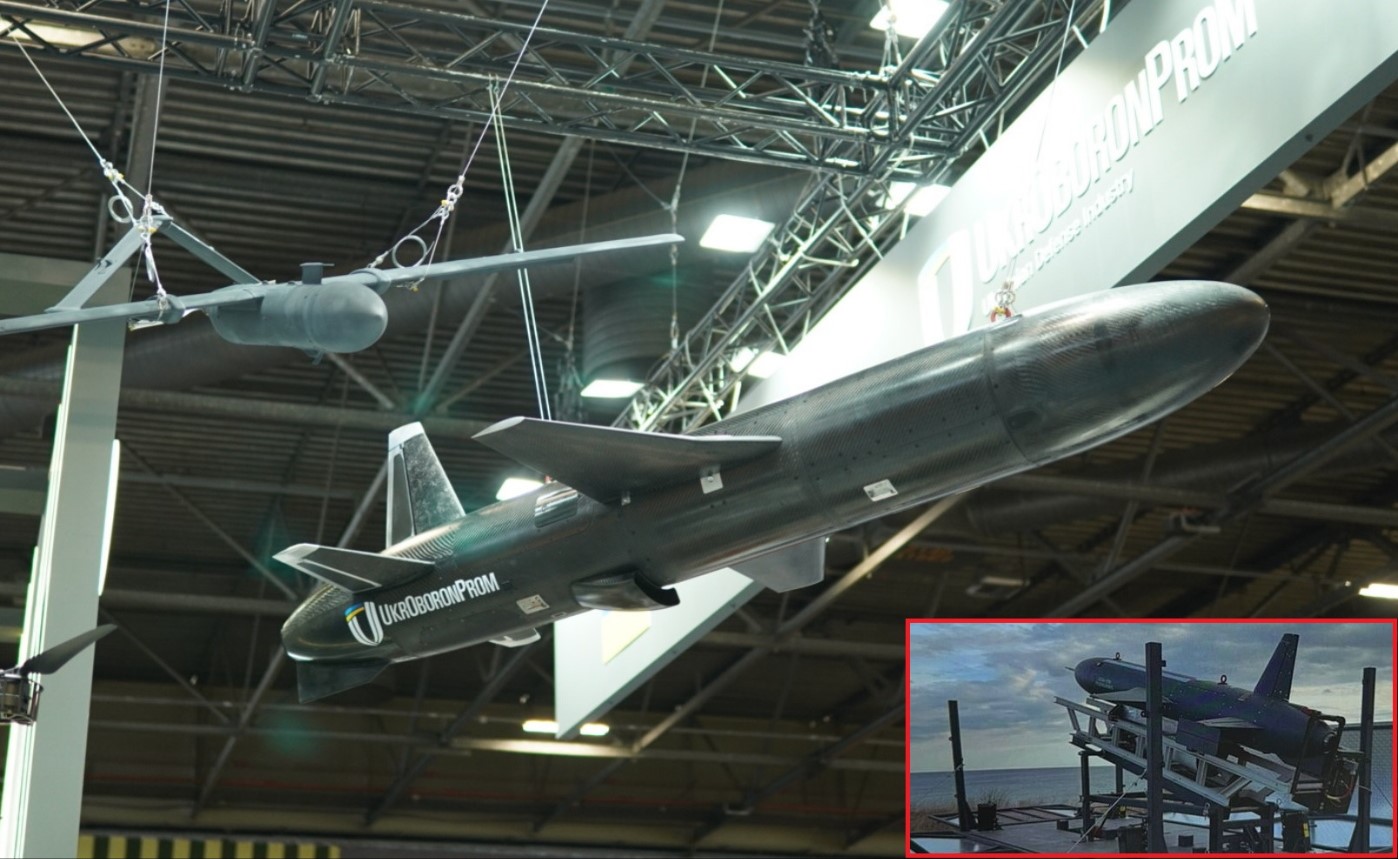 Ukraine Unveils UAV-290 Jet-Powered Strike Drone with 650 km Range at Eurosatory 2026
-
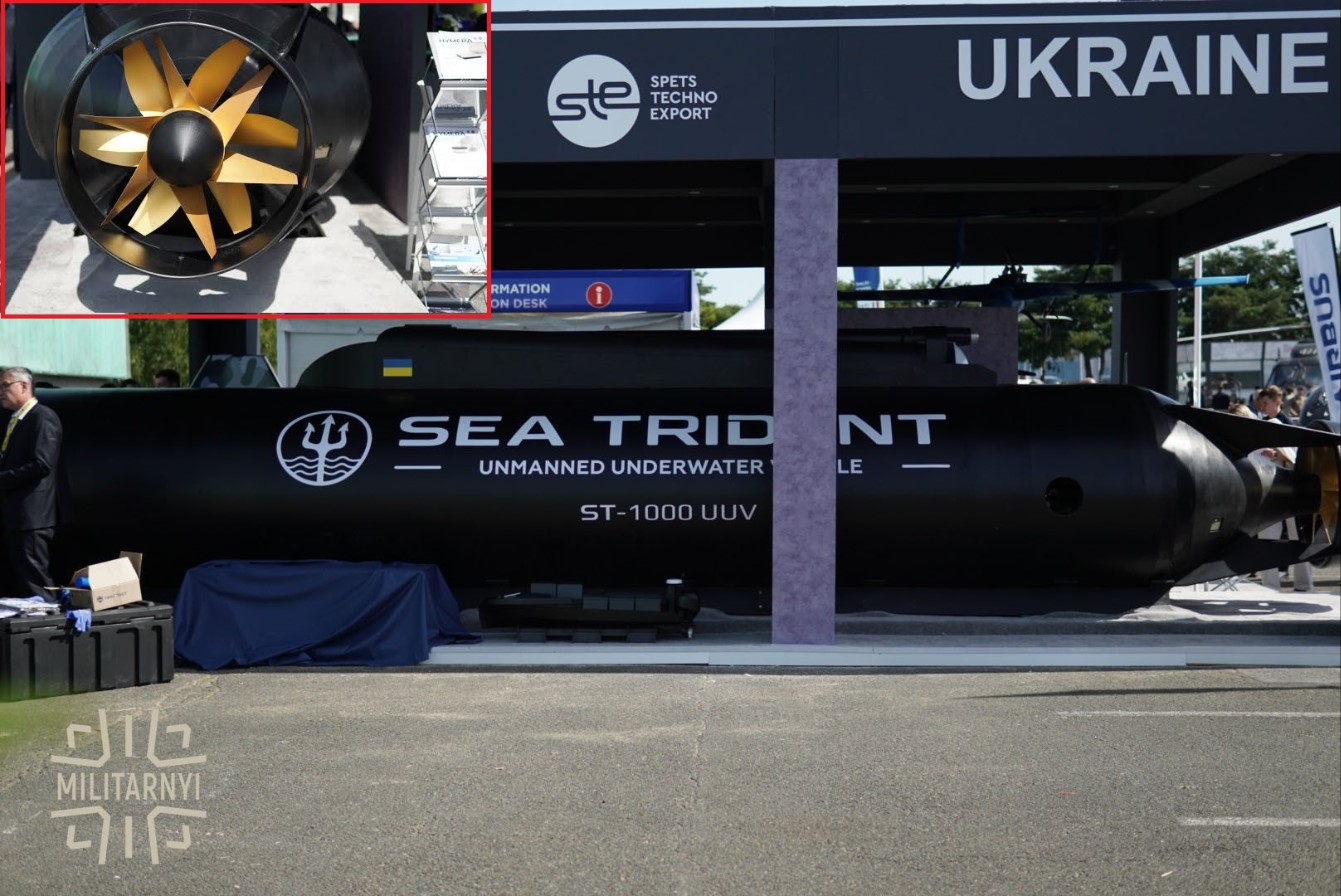 Ukraine Unveils 'Sea Trident' 10-Ton Autonomous Underwater Drone at Eurosatory 2026
-
 Rolls-Royce Unveils New Hybrid Powertrain for Heavy Military Vehicles at Eurosatory 2026
-
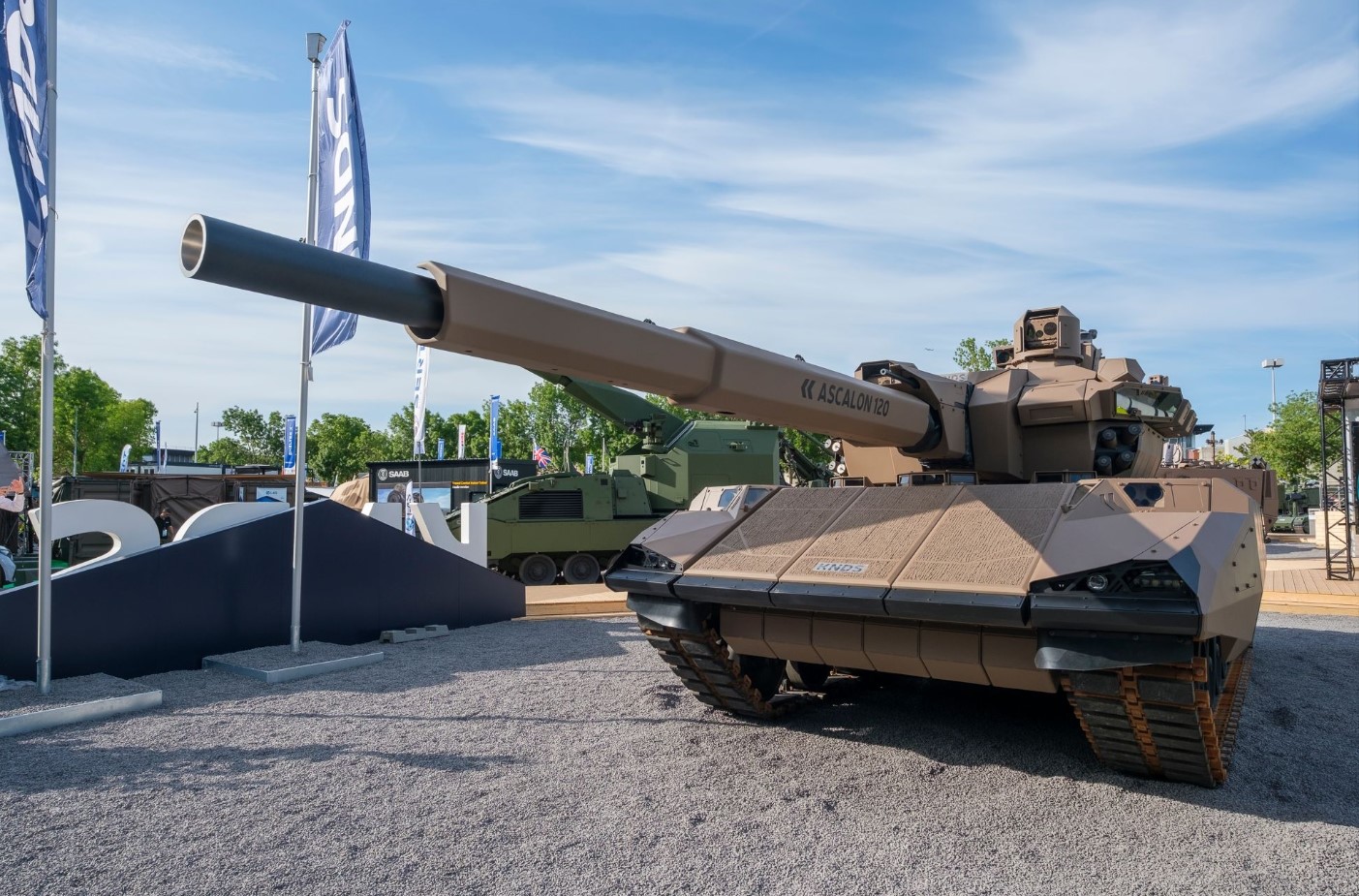 KNDS Unveils CAPINT Main Battle Tank at Eurosatory 2026 as Leclerc Stopgap