World
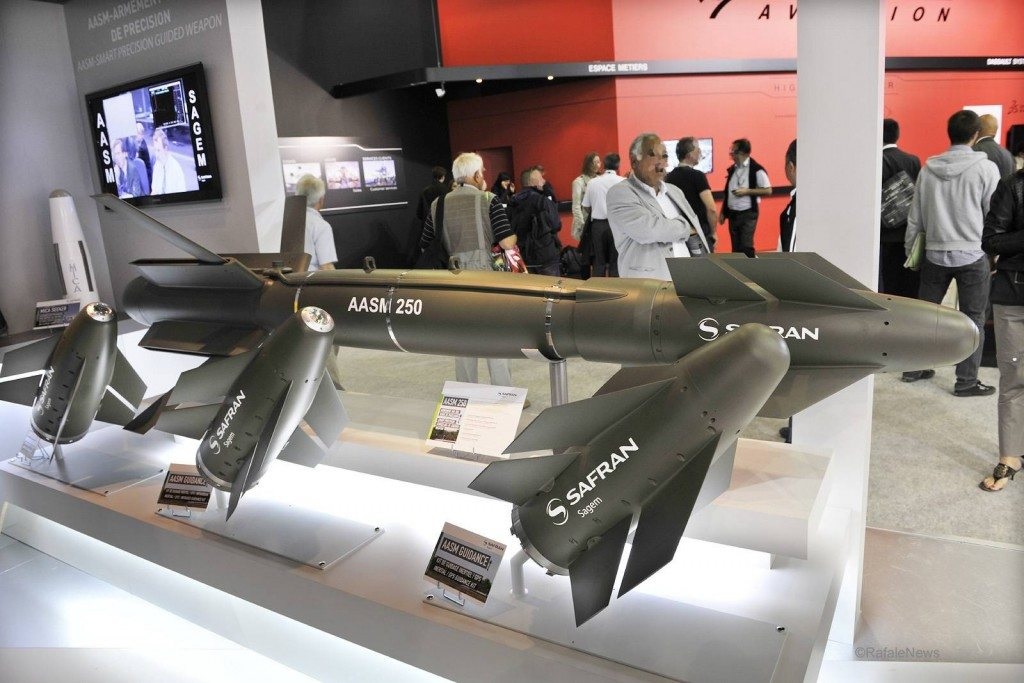
At the 2025 Paris Air Show, France’s defense industry marked a major leap in precision strike capabilities with the unveiling of the new AASM XLR (Extended Long Range) smart bomb. Developed by Safran Electronics & Defense, the AASM XLR is a significant upgrade to the existing AASM Hammer family of air-to-ground munitions, promising to double the strike range of the Rafale multirole fighter jet, especially the upcoming F5 standard version. This next-generation smart bomb is built around the same core idea as the earlier AASM versions: modularity, flexibility, and precision. But now, with advanced propulsion and improved guidance, the AASM XLR brings long-range strike capability to a new level. Two Powerful Variants: XLR 250 & XLR 1000 Safran showcased two main versions of the AASM XLR: AASM XLR 250: Designed for medium-range stand-off missions like Suppression of Enemy Air Defenses (SEAD) and low-altitude strikes, this variant uses a 250 kg Mk82 bomb with a 40 kg warhead. It features an integrated turbojet engine and dual-mode terminal guidance (including inertial navigation, GPS, infrared, and/or laser). This makes it ideal for precision attacks from outside enemy air defense zones. AASM XLR 1000: This variant is tailored for hitting hardened, high-value targets from long distances. It carries a heavier 1,000 kg Mk84 or BLU-109 bomb, retaining the modular design but significantly increasing its destructive power. Like the 250 version, it integrates smoothly with the Rafale’s targeting systems and offers high accuracy even in GNSS-denied environments. Boosting the Rafale's Reach With the new turbojet propulsion module, the AASM XLR's range can reach 150 to 200 kilometers, depending on launch altitude and speed. This effectively doubles the strike envelope of the Rafale, enabling it to hit targets far beyond the reach of conventional gravity bombs or short-range precision weapons. This extended range allows Rafale jets to launch precision strikes while remaining well outside hostile air defense zones—making missions safer and more effective. A Proven Legacy, Now Enhanced The AASM family, originally developed by Sagem in the early 2000s, is known for its modularity. It allows for combinations of different bomb sizes, guidance systems, and propulsion types. The AASM Hammer 250 is already operational in several countries, including France, India, Egypt, Qatar, Morocco, and Croatia. The AASM Hammer 1000 is currently used by France’s Air and Space Force on Rafale F4.1 aircraft. With the unveiling of the XLR version, Safran is extending this proven system into the future battlefield—where range, precision, and flexibility are more important than ever. Future Prospects As the Rafale fighter sees wider adoption across Europe, Asia, and the Middle East, the AASM XLR is poised to become a key export item. Countries like the UAE, which will begin receiving Rafale F4 jets from 2027, could soon benefit from this new smart bomb, depending on future procurement decisions. The AASM XLR is more than just an upgraded bomb—it represents a strategic shift in air-launched weapons. By offering a longer reach, stronger punch, and unmatched precision, it turns the Rafale into a true long-range strike platform, capable of operating in even the most contested environments. Safran’s innovation ensures that France and its allies remain a step ahead in modern aerial warfare.
Read More → Posted on 2025-06-17 15:00:20
World
In a significant move blending cutting-edge technology with national security, OpenAI has won a $200 million contract from the US Department of Defense. This contract marks the beginning of OpenAI’s deeper involvement in government and military projects, aiming to apply its powerful generative AI tools in defense and security operations. The announcement was made through the US Department of Defense’s official list of awarded contracts. According to the posting, San Francisco-based OpenAI will develop prototype AI systems to tackle critical national security challenges, both on the battlefield and within the defense department’s administrative functions. This is the first formal partnership under OpenAI’s new initiative to provide AI solutions to governments. The company stated that its advanced AI technologies will not only assist in combat-related tasks but also improve routine administrative services like managing health care for military personnel and strengthening cybersecurity systems. Importantly, OpenAI emphasized that all military applications will adhere to its strict usage guidelines. This reassurance comes amid ongoing public debates about the ethical use of artificial intelligence in warfare and surveillance. The deal places OpenAI among a growing list of tech companies — including Meta, Palantir, and Anduril Industries — offering AI solutions to the US military. While Palantir, founded by tech billionaire Peter Thiel, has long been a key player in defense technology, OpenAI’s entry signals a broader shift as more mainstream AI developers move into the defense sector. Last year, OpenAI and defense tech startup Anduril Industries formed a partnership to create AI-powered defense systems, particularly aimed at protecting against threats like aerial drones and other unmanned aircraft systems. That alliance combined OpenAI’s advanced AI models with Anduril’s military platforms for modern security missions. Speaking about OpenAI’s defense ventures, CEO Sam Altman previously noted that the company is committed to building AI for the benefit of people while supporting democratic values. He stressed that the technology should be used responsibly, especially in sensitive areas like national defense. This $200 million agreement not only reflects the growing trust of the US government in AI technologies but also highlights how AI is becoming a crucial tool in national security operations, from enhancing cyber defenses to potentially assisting in complex military scenarios. As global threats evolve, the collaboration between tech innovators and defense agencies is expected to deepen, with AI playing a central role in future warfare, security, and military administration.
Read More → Posted on 2025-06-17 14:51:07
World
Czech aerospace company PBS Group has introduced its most powerful jet engine to date, the PBS TJ200, aimed at transforming the capabilities of drones, cruise missiles, and unmanned systems. The engine was officially unveiled at the 55th International Paris Air Show in a ceremony attended by the Czech Minister for Industry and Trade, Lukáš Vlček. Developed at PBS Group’s facility in Velká Bíteš, the TJ200 engine represents a major leap in performance for the company. It delivers a sustained thrust of 2,280 newtons and can push up to 2,700 newtons for short bursts of up to 30 seconds—marking a significant boost over previous engine models offered by PBS. What sets the TJ200 apart is not just its thrust, but its integration of modern aerospace technologies. The engine includes a state-of-the-art FADEC (Full Authority Digital Engine Control) system for precision control, a BLDC (brushless DC) starter-generator for efficient ignition and energy management, and a fuel-lubricated system that enhances performance reliability. Despite its powerful output, the engine maintains low fuel consumption, making it ideal for long-range missions. Designed for use in a range of aerial and naval defense applications—including unmanned aerial vehicles (UAVs), cruise missiles, target drones, and marine-based drones—the TJ200 combines high performance with compact dimensions. Its structure is built to resist harsh conditions, including seawater, broadening its operational scope across different environments. PBS Group CEO Ing. Petr Kádner emphasized that the new engine was developed in response to current market demands. “We are already receiving preliminary orders from major global manufacturers,” he said, noting the TJ200 is poised to become the company’s flagship product in the years ahead. The engine is already attracting international attention, with its potential applications aligning with global defense trends that favor lighter, faster, and more autonomous platforms. The increased thrust capacity enables drones and missiles to fly farther and faster, while maintaining the flexibility required for precision strikes or extended reconnaissance. In parallel with the TJ200, PBS is also collaborating with Ukraine’s Ivchenko Progress on a larger engine—the AI-PBS-350. This joint project, first revealed at the Farnborough International Airshow in 2024, aims to power long-range cruise missiles and larger UAVs, indicating PBS’s expanding role in the international defense engine market. With the launch of the TJ200, PBS Group not only strengthens its position in the aerospace sector but also signals the growing importance of advanced propulsion systems in the evolving landscape of modern warfare.
Read More → Posted on 2025-06-17 14:29:55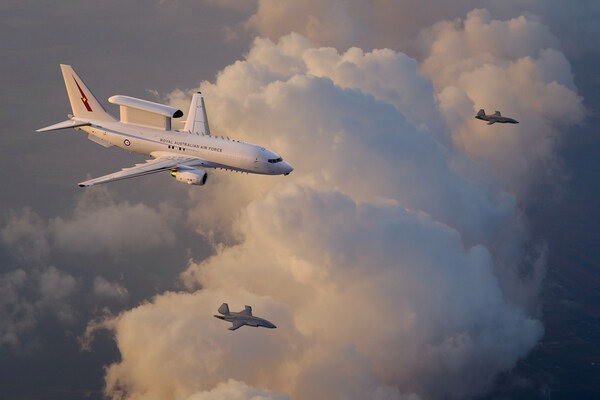
World
In a major milestone for modern air combat technology, Boeing and the Royal Australian Air Force (RAAF) have successfully carried out a groundbreaking mission by controlling multiple uncrewed MQ-28 Ghost Bat aircraft from an airborne E-7A Wedgetail command aircraft. This is the first time in history that such a mission has been achieved, marking a new chapter in airborne warfare and the use of advanced unmanned systems alongside crewed aircraft. What Happened? During this landmark mission, two operational MQ-28 Ghost Bat drones and one digital (virtual) aircraft were remotely controlled from a single E-7A Wedgetail in the air. An operator sitting inside the Wedgetail managed the drones, simulating their role in protecting and supporting manned aircraft during missions. This demonstration was part of Capability Demonstration 2025 (CD25) — a series of planned events by the RAAF to test and showcase the operational capabilities of the MQ-28 and its integration with other combat aircraft like the F/A-18F Super Hornet and F-35 Lightning II in the future. Why Is This Important? This successful mission proves that advanced uncrewed aircraft like the MQ-28 can be effectively operated from airborne control platforms like the E-7A Wedgetail. It highlights how future air forces can use a combination of manned and unmanned aircraft working together, creating what experts call a "family-of-systems". This approach increases battlefield awareness, improves decision-making, and enhances combat power while reducing risks to human pilots. As Glen Ferguson, director of MQ-28 Global Programs, explained:"It validated a key element of the MQ-28’s operational concept — showing how collaborative combat aircraft can extend and enhance the role of the E-7A Wedgetail to meet future military needs." Australian Defence Industry Minister Pat Conroy also praised the achievement, calling the Ghost Bat a potential game-changer."The Ghost Bat can turn a single fighter jet into a fighting team, with its advanced sensors acting like hundreds of eyes in the sky," he said. About the MQ-28 Ghost Bat The MQ-28 Ghost Bat is Australia’s first indigenously designed combat drone and a key part of the country’s future air defence plans. Developed by Boeing Australia, it’s designed to fly alongside crewed fighter jets and other assets, carrying out missions such as reconnaissance, surveillance, and even electronic warfare. Key Features of MQ-28 Ghost Bat: Length: 11.7 meters Wingspan: 7.3 meters Range: Over 3,700 kilometers Speed: Subsonic Modular Nose: Can carry different mission systems including radar, sensors, and electronic warfare equipment Autonomous Capabilities: Can operate independently or in coordination with manned aircraft The drone is equipped with advanced sensors and artificial intelligence systems, allowing it to detect threats, gather information, and provide crucial battlefield awareness to its operators. About the E-7A Wedgetail The E-7A Wedgetail is a high-performance airborne early warning and control (AEW&C) aircraft. Based on the Boeing 737 airliner, it features a powerful radar mounted on top of the fuselage, giving it 360-degree coverage. It serves as a flying command and control centre, managing air operations over a wide area. Key Features of E-7A Wedgetail: Radar Range: Over 400 kilometers Operational Crew: Typically 6–10 operators managing radar, communications, and combat data Primary Role: Airborne surveillance, command, and control What’s Next? This successful demonstration is just the beginning. As part of Capability Demonstration 2025, more complex missions involving Ghost Bats and manned fighters like the F-35 and F/A-18F Super Hornet are planned. These missions will further test the drones’ ability to work alongside human pilots, expanding the reach and effectiveness of Australia’s air combat forces. As Boeing’s Adam Tsacoumangos noted,"It has been an exceptional collaborative effort between governments, contractors, and international partners." This trial not only marks a major step in the evolution of unmanned systems but also confirms that the future of air combat will be a seamless blend of human and machine working together in the sky.
Read More → Posted on 2025-06-16 16:15:49
World
A major diplomatic row has erupted between Israel and France after French authorities shut down four Israeli defence company stands at the prestigious Paris Airshow. The decision, which has drawn sharp criticism from Israeli officials and defence executives, comes amid growing tensions between the two countries over Israel’s military actions in Gaza. According to reports, France ordered the removal of offensive or kinetic weapons from display at the event — an instruction that several Israeli companies reportedly refused to follow. As a result, the stands of major Israeli defence firms including Elbit Systems, Rafael, Israel Aerospace Industries (IAI), and Uvision were closed. The move was made following a directive from a French security agency. Although three smaller Israeli stalls and a stand representing the Israeli Ministry of Defence remained open, the main industry pavilions displaying actual military hardware were ordered to shut down. Israel’s Defence Ministry reacted angrily, calling the decision “outrageous and unprecedented.” In a strongly worded statement, it accused France of using political motives to block Israeli-made weapons from competing with domestic French defence products at the show. “This decision reeks of policy-driven and commercial considerations,” said the Israeli defence ministry. “The French are hiding behind political excuses to exclude Israeli offensive systems from the exhibition.” Adding to the controversy, the Israeli stands were reportedly concealed overnight behind tall black walls erected by exhibition organisers — a move that Israel Aerospace Industries’ CEO, Boaz Levy, compared to the segregation of Jews in Europe’s darker chapters of history. French President Emmanuel Macron had earlier made it clear that while France supports Israel's right to defend itself, it does not back Israeli strikes on Iran or its ongoing military operations in Gaza. This decision to limit Israel’s presence at one of the world’s largest defence exhibitions appears to reflect France's hardening stance. Prominent U.S. Republican figures attending the air show also condemned France’s action. Governor Sarah Huckabee Sanders called it “absurd,” while Senator Katie Britt labelled it “short-sighted.” Meshar Sasson, a senior executive at Elbit Systems, accused France of trying to suppress fair competition, hinting that Israeli defence firms had been winning significant contracts in Europe, making them a commercial threat to French defence companies. “If you cannot beat them in technology, just hide them, right? There’s no other explanation,” Sasson said. Israeli defence company Rafael echoed these sentiments, describing the move as “unjustified, unprecedented, and politically motivated.” As the controversy gained international attention, the organisers of the Paris Airshow issued a statement acknowledging the situation and confirmed that they were holding discussions to help the involved parties find a possible resolution. This incident marks a significant diplomatic and commercial flashpoint in the traditionally close ties between Israel and France, with defence cooperation now under visible strain due to disagreements over Israel’s military conduct and France's balancing act between supporting Israel’s security and criticising its regional policies.
Read More → Posted on 2025-06-16 15:59:40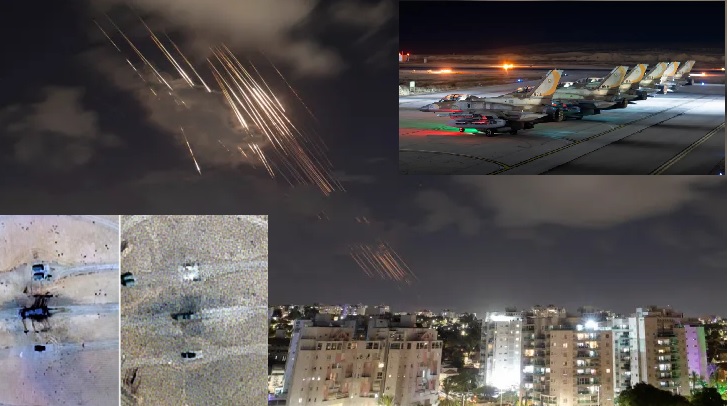
World
In a dramatic display of military precision, Israel’s Air Force took control of western Iranian airspace—including the skies above Tehran—within just 48 hours of launching its surprise campaign. Israeli warplanes now strike targets deep inside Iran’s territory, using short-range guided bombs, without the need for expensive long-range missile strikes. It’s a rapid and decisive achievement that highlights the importance of air superiority in modern warfare — something Russia, even with one of the world’s largest air forces, has failed to accomplish in Ukraine after over three years of fighting. Why Israel Succeeded and Russia Stumbled Since February 2022, Russia has struggled to achieve full air dominance over Ukraine. The war there turned into a grinding, bloody ground conflict. Israel’s blitz over Iran followed a completely different pattern — fast, coordinated, and calculated to destroy Iran’s air-defence network before it could react. Military experts explain the difference lies not in the size of the air forces, but in planning, intelligence integration, and precision strike capability. Israel’s air force, though smaller, operates as a highly agile, technology-driven force, tightly integrated with cyber units and real-time intelligence support. Israeli Prime Minister Benjamin Netanyahu confirmed this shift in the conflict’s dynamic, announcing that the Israeli Air Force now controls the skies over Tehran. How the Israeli Air Force Pulled It Off According to Lt. Gen. Eyal Zamir, Chief of the Israeli General Staff, their pilots flew high-risk missions hundreds of kilometres from Israel, breaching Iranian defences and carrying out hundreds of precision strikes. Israel’s primary combat aircraft included: F-35I ‘Adir’ stealth fighters (modified from the US F-35, integrated with Israeli EW systems, missiles, and data-links) F-15I Ra’am strike aircraft (carrying heavy JDAM and Spice-guided bombs) F-16I Sufa multirole fighters (for close air support and escort missions) With Iran’s defences crippled, even older Israeli aircraft entered the battle, deploying low-cost, highly accurate bombs like the JDAM (Joint Direct Attack Munition) and Spice 250/1000 smart bombs — munitions that convert regular gravity bombs into precision weapons guided by GPS and electro-optics. Iran’s Weak, Fragmented Air Defences Iran’s air-defence system was no match for Israel’s rapid assault. While Iran operates systems like the Russian S-300 PMU2, Chinese HQ-2, and locally built platforms like the Bavar-373 and Khordad-15, these systems are poorly integrated, scattered, and limited by outdated radar and command networks. Worse, Iran had spent more on missile stockpiles and proxy groups like Hezbollah than on modernising its own air-defence infrastructure. That left large gaps in radar coverage, especially after Israeli drones and cyber-attacks took out several key radar and command nodes in the first wave of the operation. Covert Tactics and Element of Surprise A key reason behind Iran’s vulnerability was deception. While the world’s attention was focused on upcoming US-Iran talks scheduled for 15 June, Israel deliberately launched its attack on 13 June. Using covert operations, Israeli teams eliminated top IRGC leaders and disabled air-defence hubs with short-range drones and sabotage operations from inside Iran. This completely blindsided Iran’s air-defence network. Multi-Layered Israeli Air Defence at Home While seizing the skies over Iran, Israel continues to defend its own cities against Iranian missile and drone attacks. Its air defence network is layered and highly effective: Iron Dome: Intercepts short-range rockets, over 90% success rate. David’s Sling: Engages medium-range missiles. Arrow-2 & Arrow-3: High-altitude interceptors targeting ballistic missiles even in space. Iron Beam: A laser-based system under development for cost-effective drone and rocket defence. US-supplied THAAD systems deployed in Israel to bolster long-range interception. Israel’s jets and air-defence helicopters have also shot down drones and missiles heading toward Israeli cities. Jordanian fighter jets reportedly intercepted some Iranian projectiles too. Striking the Launchers Next Israel’s next strategic move is clear — destroying Iran’s missile launchers before they can be fired. Retired US Air Force General Timothy Ray summed it up: “The best way to shoot a missile is when it’s still on the ground.” Israel’s air force continues to use F-35s and F-15s to hunt down and bomb these mobile launchers, aiming to neutralise Iran’s remaining offensive capability. Key Lessons for the World The Israel-Iran conflict offers harsh lessons about modern warfare: Air superiority is decisive. The side that controls the sky controls the war. Integrated intelligence, cyber, and air power coordination trumps sheer size. Rapid, precise, and high-risk strikes can paralyse an enemy faster than prolonged ground campaigns. Air defences, no matter how advanced individually, are useless without proper integration, redundancy, and leadership. As British Air Marshal Martin Sampson aptly noted, “From Israel’s side, the campaign objective is to destroy and degrade—and Iran doesn’t have that ability.” Military planners from Washington to New Delhi are closely studying this air war. The difference between Israel’s swift success and Russia’s drawn-out struggle in Ukraine highlights one hard truth of modern conflict — he who owns the skies, owns the outcome.
Read More → Posted on 2025-06-16 15:53:51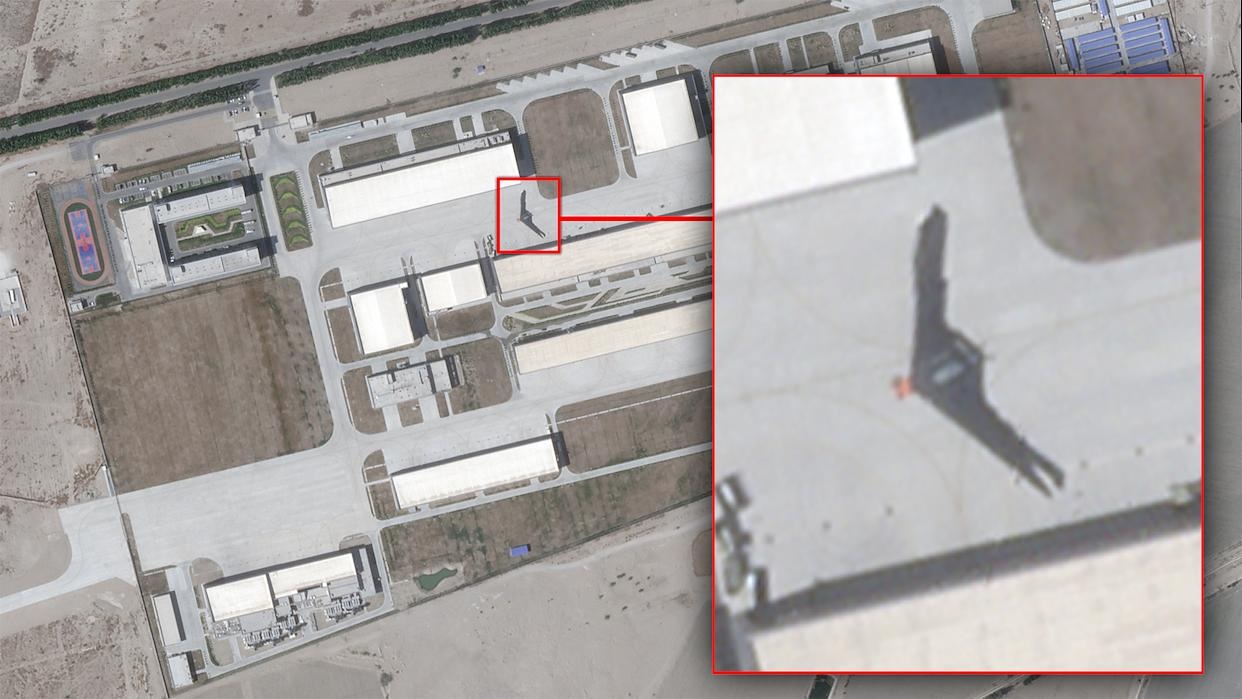
World
A significant leap in China’s next-generation air combat capabilities has come into sharp focus with the discovery of a massive, low-observable flying wing aircraft at the secretive Malan test base in Xinjiang province. Captured in a high-resolution satellite image dated May 14, 2025, this aircraft represents what could be the world’s largest high-altitude, long-endurance (HALE) stealth drone—marking a potential game-changer in unmanned aerial warfare. The Aircraft: A Colossus of the Skies The aircraft’s wingspan measures an estimated 52 meters (approximately 170 feet), placing it between the U.S. B-2 Spirit and B-21 Raider in sheer size. This size makes it larger than any known unmanned system fielded by China to date. The flying wing configuration—characterized by its smooth, blended body and wing surfaces—minimizes radar cross-section and maximizes stealth. Unlike the B-2 or B-21, no cockpit or crew compartment is visible, strongly suggesting this is a purely unmanned platform. Design features include: Clipped wingtips and a domed center section, which may house key avionics, sensor systems, or engines. Small, canted vertical fins at the rear, which could enhance directional stability—a critical factor for large flying wing designs. Absence of visible air inlets, implying hidden or flush-mounted intakes, possibly optimized for high-altitude, fuel-efficient operation. A slender planform focused on endurance rather than high-speed penetration. The aircraft’s design signals an emphasis on long-duration missions at high altitudes—ideal for surveillance, targeting, or even strategic strike roles deep across the Pacific. The Malan Base: A Stealth Drone Incubator The Malan test base, long shrouded in secrecy, has seen massive expansion in recent years. The satellite image revealed that this giant drone was parked adjacent to a sprawling new complex comprising numerous hangars—some of which rival those used to house American stealth bombers. This infrastructure suggests: The site supports a multi-platform ecosystem, potentially including the H-20 stealth bomber, large stealth drones like this new HALE aircraft, the rumored J-36 and J-XDS stealth fighters, and smaller tactical UAVs. The variety in hangar sizes and layouts hints at Malan’s role as a hub for integrated manned-unmanned operations—the future of air combat. A Calculated Reveal It is implausible that China would unintentionally expose such a significant asset to commercial satellite surveillance. Analysts believe the aircraft’s presence in the open was deliberate—a message of technological maturity and strategic intent. At a time when U.S.-China tensions simmer over Taiwan, the South China Sea, and beyond, this reveal serves multiple purposes: Demonstrate technological parity or superiority with the U.S. in unmanned stealth aviation. Deter potential adversaries by showcasing the ability to field systems capable of long-range surveillance and strike. Sow uncertainty among foreign intelligence agencies—whether this is an operational prototype, a full-scale mock-up, or a decoy remains ambiguous. Strategic Implications The emergence of this aircraft could reshape the regional military balance. A HALE stealth drone of this size and sophistication would: Enhance China’s ability to surveil vast areas of the Pacific, including tracking U.S. carrier groups and forward bases. Support precision targeting and electronic warfare in contested environments. Enable persistent presence over key areas without the risk to pilot lives, fitting into China’s concept of integrated deterrence. This development aligns with both U.S. and Chinese trends toward distributed, networked airpower, where swarms of unmanned systems operate alongside manned platforms as part of a cohesive combat web. H-20 or HALE Drone? While speculation continues about whether this could be the elusive H-20 strategic bomber, available evidence points elsewhere. The absence of a cockpit, the design optimized for endurance over speed, and subtle planform differences all suggest: This is not the H-20. The H-20 is expected to be a subsonic, manned stealth bomber with a large payload designed for strategic nuclear or conventional strikes at intercontinental ranges. Instead, this is likely a HALE drone, part of a new family of unmanned systems that will complement China’s manned bombers and fighters. A New Era Dawns The appearance of this giant flying wing at Malan underscores China’s determination to close the gap—or even surpass—the U.S. in critical aerospace technologies. Whether this is an operational prototype undergoing flight testing or a psychological ploy in the information domain, its existence is a stark reminder of the fast-changing nature of military aviation. As China continues to integrate advanced drones, stealth bombers, and next-gen fighters into a seamless combat ecosystem, the strategic stakes for the Indo-Pacific and beyond have never been higher. The balance of airpower is no longer just about the number of fighters or bombers a nation fields—but how effectively it combines manned and unmanned assets in future conflicts.
Read More → Posted on 2025-06-16 14:51:34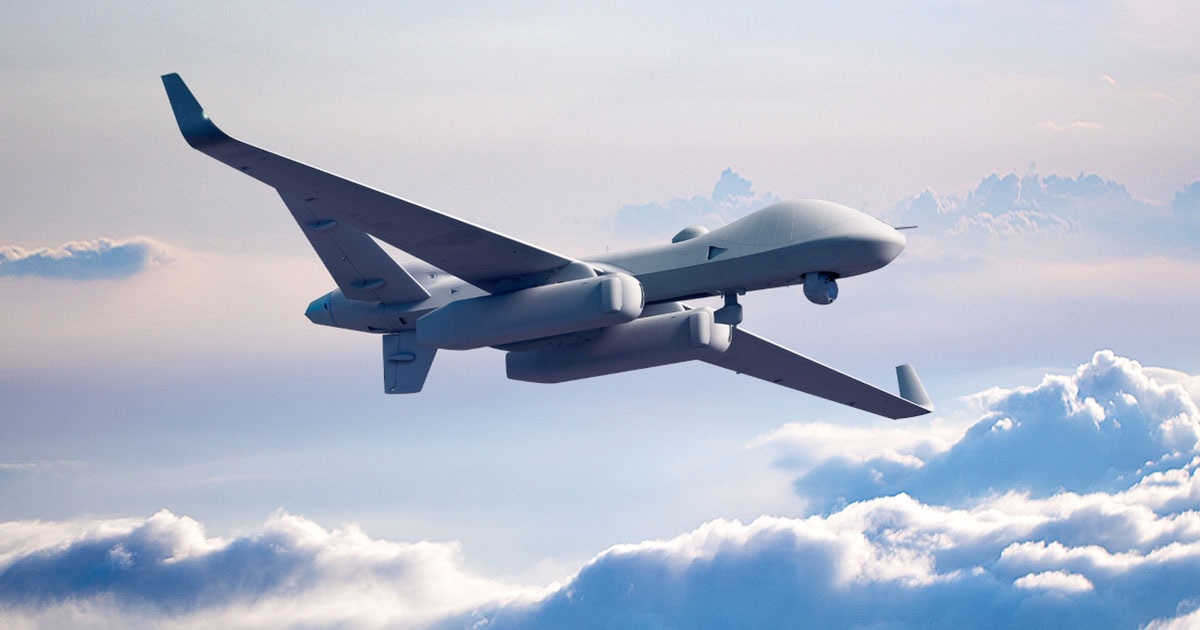
World
In a significant development that could reshape the global airborne early warning and control (AEW&C) landscape, General Atomics Aeronautical Systems, Inc. (GA-ASI) announced on 15 June 2025 its partnership with Saab to integrate cutting-edge AEW capabilities onto the MQ-9B series of Remotely Piloted Aircraft Systems (RPAS). This collaboration promises to deliver an affordable, flexible, and persistent airborne early warning solution that challenges traditional manned platforms in cost, endurance, and operational safety. At the heart of this initiative is the fusion of Saab’s proven AEW sensor technology—renowned globally for platforms like the GlobalEye and Erieye systems—with GA-ASI’s MQ-9B SkyGuardian®, SeaGuardian®, and the soon-to-be-unveiled MQ-9B STOL (Short Takeoff and Landing) variant. The first flight of the AEW-configured MQ-9B is slated for 2026, marking a major milestone in unmanned AEW development. GA-ASI President David R. Alexander highlighted the strategic imperative behind the move: “High- and low-tech air threats both pose major challenges to global air forces. We’re developing an affordable AEW solution in cooperation with Saab, the leading provider of AEW&C systems, that will transform our customers’ operations against both sophisticated cruise missiles and simple but dangerous drone swarms. We’re also making AEW capability possible in areas it doesn’t exist today, such as from some navy warships at sea.” The MQ-9B AEW package aims to deliver critical airborne sensing against an array of threats—ranging from tactical aircraft and cruise missiles to unmanned drone swarms—at a fraction of the cost and risk of legacy manned platforms like the E-2D Advanced Hawkeye or E-3 Sentry AWACS. With unmatched endurance, capable of 40+ hour missions depending on configuration, MQ-9B AEW can loiter far beyond the reach of manned aircraft and provide persistent coverage over vast areas, including maritime domains where traditional AEW coverage is sparse or absent. Importantly, the unmanned nature of the MQ-9B means aircrews are kept safely out of harm’s way while operational availability remains extraordinarily high. This makes the system especially attractive for nations lacking the resources or infrastructure to field or sustain expensive manned AEW platforms. The Saab-GA-ASI AEW solution is designed with versatility in mind: Early detection and warning of aerial threats Long-range detection and simultaneous tracking of multiple targets Integration with national or coalition combat management systems Connectivity via line-of-sight and satellite communications (SATCOM) These capabilities will not only extend the reach of existing AEW assets but also provide a potent stand-alone solution for smaller or emerging air forces seeking to enhance situational awareness and survivability in modern combat environments. The MQ-9B platform itself is already a favorite among global operators, with orders from the United Kingdom, Belgium, Canada, Poland, Japan, Taiwan, India, and the United States Air Force (Special Operations Command). MQ-9Bs have also proven their mettle in major joint exercises like Northern Edge, RIMPAC, Integrated Battle Problem, and Group Sail, consistently demonstrating their utility across domains. Beyond traditional military use, this new AEW-configured MQ-9B could be employed for maritime security, homeland defense, border surveillance, and disaster response coordination, further expanding its value proposition for civil and military users alike. With Saab’s AEW technology aboard, MQ-9B customers could soon access a persistent airborne surveillance capability that was once the preserve of only the wealthiest air forces, helping to close the gap in global airborne early warning coverage. As the global threat environment grows increasingly complex with the rise of hypersonic weapons, low-observable cruise missiles, and swarming drones, GA-ASI and Saab’s partnership represents a timely and transformative step in modern AEW&C capability.
Read More → Posted on 2025-06-16 14:45:20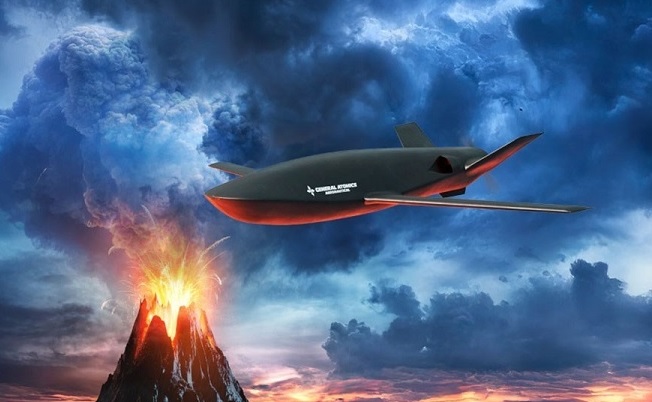
World
General Atomics Aeronautical Systems, Inc. (GA-ASI), a leading American defence and aerospace company known for its cutting-edge unmanned aircraft, has officially revealed a new small launched effect aircraft called PELE. Designed to expand the capabilities of uncrewed systems in the modern battlefield, PELE promises to play a vital role in multi-mission operations where versatility, endurance, and survivability are crucial. Interestingly named after Pele, the Hawaiian goddess of natural forces and fire, the Precision Exportable Launched Effect (PELE) is a compact, lightweight, propeller-driven unmanned aircraft built for semi-autonomous operations. It’s designed to serve as an expendable asset that can safely extend the surveillance and operational reach of larger unmanned or manned aircraft, as well as ground forces, especially in highly contested or dangerous environments. Key Specifications of PELE: Wingspan: 11 feet Length: 9 feet Takeoff Weight: Up to 250 pounds Engine: 16-horsepower Endurance: Up to 7 hours Operational Range: 500 nautical miles Sensors: Electro-Optical Infrared (EO/IR) for real-time full-motion video Launch Options: Can be launched from the air (from aircraft like MQ-9B SkyGuardian) or from ground-based platforms Multi-Mission Capabilities PELE has been specifically designed to integrate seamlessly with GA-ASI’s well-known MQ-9B SkyGuardian®, a medium-altitude, long-endurance unmanned aerial vehicle already in service with several countries worldwide. Thanks to its attrition-tolerant design, PELE can be deployed in high-risk areas where it might encounter enemy defences, taking on the more dangerous reconnaissance or targeting roles to protect its more valuable mothership aircraft. With its onboard electro-optical infrared sensors, PELE can capture and relay live video, making it ideal for real-time intelligence, surveillance, and reconnaissance (ISR) missions. Additionally, it can carry internal mission payloads based on operational needs, providing flexibility to switch between different roles — from locating hostile air defence systems to identifying moving targets. Operational Flexibility One of PELE’s biggest advantages lies in its operational flexibility. On one day, an air force could deploy an MQ-9B for long-endurance patrols without external payloads to maximise time in the air. The next day, the same aircraft could launch several PELE units into hostile airspace, allowing them to scout, identify threats, or even act as decoys while keeping the mothership safely away from danger. This system offers an effective, modern solution for situations where sending manned or high-value unmanned aircraft deep into contested airspace would be too risky. By operating from international airspace or safe stand-off distances, platforms like MQ-9B can extend their operational influence using launched effects like PELE. A Step Toward the Future of Warfare The introduction of PELE marks a significant development in how uncrewed aircraft can be utilised in future conflicts. It not only strengthens GA-ASI’s position as a leader in unmanned systems but also highlights a growing global trend towards attritable, expendable assets that can support frontline operations without risking valuable, high-cost platforms. In modern warfare, where agility, survivability, and rapid, flexible response matter more than ever, systems like PELE represent a smart, tactical edge for armed forces worldwide.
Read More → Posted on 2025-06-16 14:41:16
World
The world is quietly slipping into a dangerous new phase of nuclear competition. According to the latest Stockholm International Peace Research Institute (SIPRI) Yearbook 2025, China has rapidly increased its nuclear weapons stockpile, raising serious concerns among global security experts. As of January 2025, China now possesses at least 600 nuclear warheads, adding about 100 warheads each year in 2023 and 2024. This makes China the fastest-growing nuclear power in the world today. What’s more alarming is that this expansion is happening at a time when the long-standing trend of reducing nuclear weapons since the end of the Cold War seems to be reversing. SIPRI’s report highlights that all nine nuclear-armed countries — the United States, Russia, China, the United Kingdom, France, India, Pakistan, North Korea, and Israel — are actively modernising their arsenals. This involves upgrading older weapons, deploying new missile systems, and developing advanced technologies to improve their nuclear capabilities. A Changing Global Nuclear Landscape Out of an estimated 12,241 nuclear warheads worldwide by early 2025, about 9,614 are currently held in military stockpiles, ready for potential use. Of these, 3,912 are already deployed on missiles or aircraft. Even more concerning, nearly 2,100 of them are on high operational alert, mostly belonging to the United States and Russia. Russia and the United States still control around 90% of the world’s nuclear weapons, with Russia holding 5,459 warheads and the US about 5,177. However, China’s rapid build-up is changing the balance. The country has completed or is close to finishing around 350 new intercontinental ballistic missile (ICBM) silos in its northern deserts and eastern mountains — a clear sign of long-term strategic planning. If this growth continues, experts believe China could match the number of ICBMs held by the US or Russia by the end of this decade. At the current pace, China may possess around 1,000 warheads within 7–8 years, and possibly 1,500 by 2035. Even then, it would still have about one-third of the stockpiles maintained by the two major nuclear superpowers — but its rise could trigger intensified competition. Other Nations Modernising Too Other nuclear-armed countries are also updating their arsenals: India’s stockpile has grown to about 180 warheads, and the country is developing new missile systems for land, air, and sea. Pakistan maintains around 170 warheads, with new delivery systems in development. North Korea has about 50 warheads, but enough fissile material to possibly double that number soon. The United Kingdom and France continue to modernise and maintain their arsenals, with possible expansions in the future. Israel’s nuclear stockpile remains stable at around 90 warheads, although details about its program are officially unconfirmed. Growing Risks in a New Technological Era SIPRI’s experts have raised alarms about the growing risks of nuclear war or accidental conflict, made worse by the rise of emerging technologies. The rapid development of artificial intelligence, cyber warfare, missile defence systems, and quantum computing is changing the nature of nuclear deterrence. These advancements increase the chances of misjudgment or miscalculation, especially in a high-tension global environment. Adding to this uncertainty is the weakening of arms control agreements. The New START treaty, the last major nuclear weapons agreement between the US and Russia, is set to expire in 2026, with no replacement deal currently in sight. A Return to Cold War Tensions According to SIPRI Director Dan Smith, the world is now entering an era reminiscent of Cold War rivalries — but with even greater complexity due to advanced technology and more nuclear players. The steady reduction in nuclear weapons, a positive trend that had continued for decades after the Cold War, is now giving way to a period of modernisation, expansion, and heightened nuclear risks. At the heart of this shifting nuclear landscape is China’s rapid and determined build-up, which is reshaping the balance of power and forcing other nations to respond. If these trends continue unchecked, the world could see the dawn of a new and dangerous nuclear arms race.
Read More → Posted on 2025-06-16 14:32:27
World
As tensions between Israel and Iran continue to dominate global headlines, some security analysts warn of another, potentially greater threat lurking in the background: Pakistan. While Iran’s nuclear ambitions have been the focus of Israeli military planning for decades, Pakistan’s existing nuclear arsenal — the only one in the Islamic world — presents unique and deeply concerning challenges for Israel’s security. Recent comments by Iranian officials and troubling intelligence reports have only added fuel to this growing concern. Pakistan: The Only Nuclear-Armed Islamic Nation Since 1998, when Pakistan successfully tested its first nuclear weapons, it has held the distinction of being the only Muslim-majority country with an operational nuclear arsenal. With an estimated stockpile of 160-170 warheads (as per various open-source intelligence estimates), Pakistan possesses nuclear capability far beyond any other Islamic nation. While Pakistan’s nuclear doctrine is officially India-centric, the rhetoric from sections of its political and military elite has, on occasion, broadened to include Israel. Over the years, some Pakistani leaders and extremist voices have made veiled or direct threats about the potential use of these weapons against Israel in a broader “defense of the Islamic world.” This, combined with the fact that Pakistan's nuclear technology was developed under a clandestine program led by Dr. A.Q. Khan — a program later found to have shared technology with Iran, Libya, and North Korea — underscores the risk of nuclear technology leakage. Indeed, it was Pakistan’s nuclear smuggling network that provided Iran with key know-how on uranium enrichment centrifuges in the 1990s and early 2000s, according to IAEA reports and declassified Western intelligence documents. Terrorism and Pakistan’s Fragile Command What particularly alarms Israel — as well as the United States and European powers — is the perceived vulnerability of Pakistan’s nuclear arsenal to internal instability and extremist infiltration. Pakistan’s nuclear weapons are stored at multiple sites across the country, under the control of its military’s Strategic Plans Division. But the country’s history of coups, internal dissent, and the presence of powerful jihadist groups raise legitimate fears. Could these weapons, or the technology behind them, fall into the wrong hands? This concern is echoed in numerous U.S. and Israeli assessments. Successive U.S. administrations have quietly worked with Pakistan to enhance nuclear security measures, yet many experts believe that the risk of insider threats or theft remains dangerously high. Recent Iranian Remarks Deepen Worries Iranian officials, emboldened by what they see as Pakistan’s unchallenged nuclear status, have hinted at the need for closer cooperation in resisting Israel. In a recent interview, Mohsen Rezaei, a senior Iranian official and former IRGC commander, stated: “The Muslim world must stand united with all its means, including nuclear science and missiles, to defend against Zionist aggression. Pakistan’s strength is the strength of the ummah (Islamic community).” Such remarks, interpreted by Israeli strategists as encouragement for deeper nuclear ties between Pakistan and Iran, have raised alarm bells. They feed into longstanding Israeli fears that Pakistan’s nuclear assets might one day directly or indirectly support Iranian ambitions — or be shared in an act of Islamic solidarity during a major conflict. Pakistan’s Missile Capability and Range to Israel One of the most alarming aspects for Israeli planners is that Pakistan has developed missiles capable of striking Israeli territory. The distance between Pakistan and Israel by air is approximately 3,375 kilometers (2,097 miles). Pakistan’s missile force includes: Shaheen-III: A solid-fueled ballistic missile with an estimated range of 2,750 km and a payload capacity of about 1,000 kg. Though this is slightly short of direct reach, launches from Pakistan’s western regions or with lighter payloads could bring Israel within range. Potential future developments: There have been reports and speculations about longer-range missile designs (e.g., Ghauri-III or Shaheen variants) capable of exceeding 3,000 km. These capabilities mean that, in theory, Pakistan could target Israel with nuclear or conventional warheads, either directly or through future missile improvements. Why Israel Might Act From Israel’s perspective, Pakistan represents a dangerous and unpredictable nuclear threat. Unlike Iran, Pakistan already possesses nuclear weapons. Unlike Iran, Pakistan has a proven record of sharing nuclear technology. And unlike Iran, Pakistan’s internal instability makes it a potentially greater danger, as its nuclear weapons could be seized or used by extremist actors. If Israeli intelligence concluded that Pakistan’s nuclear weapons were at risk of falling into terrorist hands, or that Pakistan was covertly aiding Iran’s nuclear program further, Israel might feel compelled to act — whether through covert sabotage, cyber operations, or in an extreme scenario, preemptive strikes. While Israel’s immediate focus remains on Iran, Pakistan looms as a potentially greater threat: a nuclear-armed Islamic country with an unstable internal environment, missile capability that could threaten Israel, and a troubling history of proliferation. For Israeli security planners, the nightmare scenario is clear — and it might one day force Israel and its allies to take decisive, difficult actions in the name of survival.
Read More → Posted on 2025-06-16 11:52:46
World
In a clear rebuttal to circulating misinformation, the White House has firmly denied reports that Pakistan’s Army Chief, General Asim Munir, was invited to attend the upcoming military parade in Washington. The clarification comes amid attempts by some to portray the alleged invitation as a diplomatic snub to India and a signal of shifting alliances. A White House official categorically stated that no foreign military leaders had been invited to the event, labeling the viral claims as "false." The parade, scheduled for Saturday, is being described as one of the most elaborate military spectacles in recent U.S. history. It is intended to celebrate the founding of the United States Army on June 14, 1775—one year before American independence—and to project a strong image of American military might. Adding further symbolism to the day, the parade also coincides with the 79th birthday of former U.S. President Donald Trump, who is expected to take the ceremonial salute. The event will feature thousands of troops, tanks, helicopters, and aerial flyovers, offering a rare glimpse of America’s full-spectrum defense capabilities. Such displays are uncommon in the U.S., which traditionally does not hold military parades like those seen in India or France. The last such display occurred in 1991 following the Gulf War victory in what was called the National Victory Celebration. The fake news about General Munir’s alleged invitation stirred political controversy, particularly in India, where opposition leaders seized the moment to criticize Prime Minister Narendra Modi’s diplomatic approach. Congress leader Jairam Ramesh called it a failure of Indian diplomacy, while an editorial in Shiv Sena-UBT’s mouthpiece Saamana accused the government of being blind followers of Trump and failing to defend India's dignity on the global stage. However, with the White House's denial, the narrative quickly unraveled. It exposed the story as a politically charged attempt to stir tension between India and the United States at a time when both nations are enjoying growing strategic and defense cooperation. For Pakistan, the debunked claim was seen as an attempt to claim diplomatic relevance. It followed recent setbacks, including the inability of former Foreign Minister Bilawal Bhutto Zardari’s delegation to secure high-level meetings with senior U.S. officials during his visits. The narrative of an invitation to Munir was seemingly crafted to counterbalance that failure and present a perception of parity with India. Ultimately, the White House’s swift and direct clarification has reinforced that the parade is a purely American event, devoid of foreign participation. It also serves as a reminder of how misinformation, particularly in a geopolitically sensitive region like South Asia, can quickly inflame public sentiment and disrupt diplomatic narratives if not addressed promptly.
Read More → Posted on 2025-06-16 11:04:36
World
The future of rotorcraft took to the skies above France this week as Airbus Helicopters' much-anticipated Racer (Rapid And Cost-Effective Rotorcraft) demonstrator made its debut arrival at Le Bourget for the Paris Air Show 2025 (Salon du Bourget). After a scenic and symbolic flight from its birthplace in the South of France, Racer is now on static display and set to wow audiences during flight demonstrations throughout the air show. The Racer program, part of Europe's ambitious Clean Sky 2 research initiative, aims to bridge the gap between conventional helicopters and fixed-wing aircraft by delivering higher cruise speeds, improved fuel efficiency, and reduced environmental impact — without compromising the versatility and vertical lift capability for which helicopters are known. A Speed Machine with a Purpose Airbus has confirmed that during recent test flights, Racer has smashed expectations, reaching a remarkable 472 km/h (255 knots) in stabilized level flight at an altitude of 10,000 feet (3,048 meters). This performance places it among the fastest rotorcraft ever flown, and significantly faster than traditional helicopters that typically cruise at around 250 km/h (135 knots). Its hybrid design — a blend of helicopter and airplane characteristics — is what enables this leap in speed. The aircraft features a main rotor for vertical lift and two lateral pusher propellers mounted on short wings for forward thrust. This configuration not only boosts speed but also reduces fuel consumption by offloading some of the lift and thrust demands from the main rotor. Key Specifications of the Racer Cruise Speed: ~400 km/h (215 knots) targeted; demonstrated up to 472 km/h (255 knots) Engines: Twin Safran Aneto-1X turboshaft engines with an eco-mode system that allows one engine to be paused during cruise to reduce fuel burn Altitude Performance: Tested up to ~10,000 ft during high-speed trials Design: Asymmetrical low-drag wings with lateral pusher propellers High-efficiency main rotor system Extensive use of composite materials for reduced weight Mission Focus: Emergency medical services, search and rescue, law enforcement, passenger transport, and more Environmental Goals: Up to 15-20% lower fuel consumption and emissions compared to current high-speed helicopters A Showcase of European Collaboration The Racer is not just an Airbus Helicopters achievement — it represents a pan-European technological effort, with major contributions from companies and research institutions across the EU. The project reflects Europe's strategic focus on next-generation sustainable aviation technologies. Eyes on Paris At PAS25 (Paris Air Show 2025), Racer is expected to draw large crowds, both on the static display and during its dynamic flight demonstrations. Visitors will witness firsthand how this demonstrator is redefining what rotorcraft can achieve, blending speed, efficiency, and mission flexibility. As the air show unfolds, the Racer will serve as a tangible symbol of how bold innovation can shape the future of air mobility — faster, greener, and smarter.
Read More → Posted on 2025-06-15 15:39:29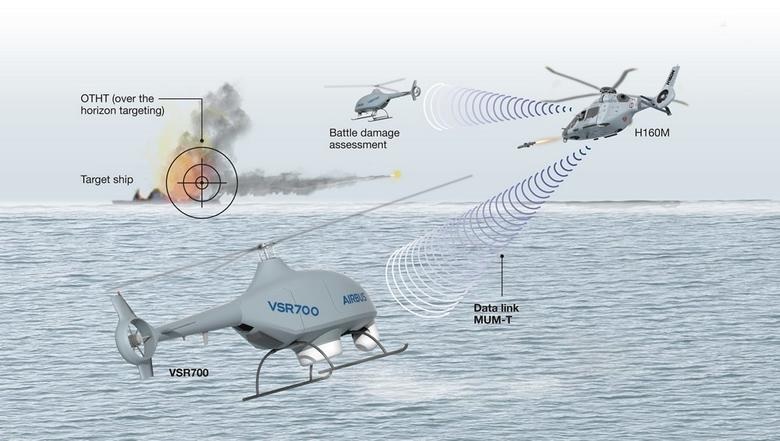
World
At the Paris Air Show 2025 (PAS25), Airbus is drawing global attention with its cutting-edge unmanned aerial system, the VSR700. This rotary-wing tactical drone, now showcased in a new armed configuration, promises to redefine the operational capabilities of modern militaries. Designed as a multi-role platform, the VSR700 can seamlessly integrate into both naval and land-based operations, extending combat reach, enhancing situational awareness, and providing critical support to armed forces. A Game-Changer for Military Missions The VSR700 stands out for its versatility. Airbus envisions this drone operating alongside military customers in a variety of missions — from intelligence, surveillance, and reconnaissance (ISR) to anti-submarine warfare, target designation, and now, direct combat support thanks to its new weaponized options. On the battlefield, the armed VSR700 offers a significant advantage: it allows forces to project combat capabilities beyond the immediate line of engagement, reduce pilot risk in hostile environments, and enable persistent surveillance over critical areas. Its compact size and low logistical footprint make it ideal for deployment from frigates, corvettes, and other naval vessels, as well as from forward operating bases on land. New Armed Configuration At PAS25, Airbus revealed that the VSR700 can now carry a variety of weapons systems tailored to mission requirements. These may include: Lightweight guided missiles Precision-guided munitions Machine gun pods or rockets (in development stages) This new configuration transforms the VSR700 from a passive observer into an active combat participant — capable of neutralizing threats on land or at sea. VSR700: Key Specifications The VSR700 is based on the civil Guimbal Cabri G2 helicopter platform, adapted for military use with autonomous flight systems and mission-specific equipment. Here’s a closer look at its technical details: Specification Details Length 6.2 m Rotor Diameter 7.2 m Maximum Take-Off Weight (MTOW) 700 kg Payload Capacity ~100 kg (depending on configuration) Endurance 8 to 10+ hours (depending on mission load) Range Up to 200 km line-of-sight (can be extended with satellite comms) Cruise Speed ~110 knots (200 km/h) Engine Type Single piston engine (based on Cabri G2) Sensors & Systems Maritime radar, EO/IR turret, electronic support measures, LIDAR (optional), sonobuoy launcher (for ASW variant) Weapons (new configuration) Light missiles, guided rockets, modular pods Designed for Seamless Integration A key strength of the VSR700 lies in its modularity and interoperability. It can be easily integrated with existing naval combat management systems, making it a natural complement to manned helicopters and surface ships. The VSR700’s autonomous takeoff and landing system allows it to operate safely from confined spaces such as ship decks, helipads, or unprepared terrain. Moreover, its low radar signature and quiet piston engine improve survivability during covert missions, enhancing its value in both peacetime surveillance and high-intensity conflict scenarios. The Future of the VSR700 Airbus continues to develop and test the VSR700 with military customers, including the French Navy, as part of programs like the Système de Drone Aérien de la Marine (SDAM). The new armed configuration indicates Airbus' ambition to meet growing demand for combat-capable unmanned systems that can operate in complex, multi-domain environments. As militaries worldwide adapt to evolving threats, the VSR700 emerges as a critical tool, capable of bridging the gap between traditional manned platforms and fully autonomous strike systems. At PAS25, Airbus has made it clear: the future of tactical drones is not just about seeing — it's about striking when needed.
Read More → Posted on 2025-06-15 15:28:25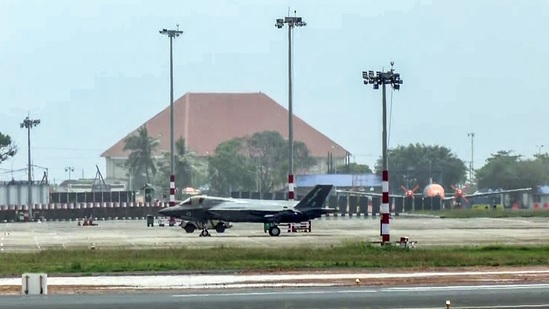
World
In a rare but safely executed maneuver, a British F-35 stealth fighter jet made an emergency landing at Kerala’s Thiruvananthapuram International Airport on Saturday night after reportedly running low on fuel during its flight. The Indian Air Force (IAF) confirmed the incident and stated that it fully coordinated and facilitated the landing for flight safety reasons. The fifth-generation F-35 fighter, widely regarded as one of the most advanced combat aircraft in the world, is believed to have been operating from a British aircraft carrier when the situation arose. According to sources, the jet required immediate diversion after experiencing critically low fuel levels during its transit over the region. The landing took place smoothly at around 9:30 PM, without any technical issues or disruption to airport operations. Airport authorities, alongside Indian Air Force personnel, ensured that the aircraft was received safely and securely on the ground. The IAF, in a brief official statement, described the incident as a “normal occurrence of diversion” and reassured that such instances are not uncommon when it comes to international military aircraft transiting or operating over international airspace near Indian territory. The statement emphasized that the IAF was fully aware of the jet’s diversion and assisted in ensuring its safe landing in Kerala. Although details about the exact mission or flight path of the F-35 remain confidential due to operational security reasons, it is likely that the aircraft was either en route to a scheduled exercise or returning from one. The fact that it was allowed to land at a civilian airport in India indicates the close level of coordination and professionalism maintained by Indian authorities in handling unexpected situations involving foreign military assets. Emergency landings like this are usually pre-approved under international military cooperation frameworks, especially when they involve NATO or allied countries. The incident also underscores the importance of India's strategic geographic location and the readiness of its airspace and aviation infrastructure to respond swiftly to in-flight emergencies involving even the most modern military platforms. The British fighter jet is expected to resume its journey once refueling and necessary checks are completed, in coordination with relevant Indian and UK defense authorities.
Read More → Posted on 2025-06-15 14:33:44Search
Top Trending in 24 Hours
-
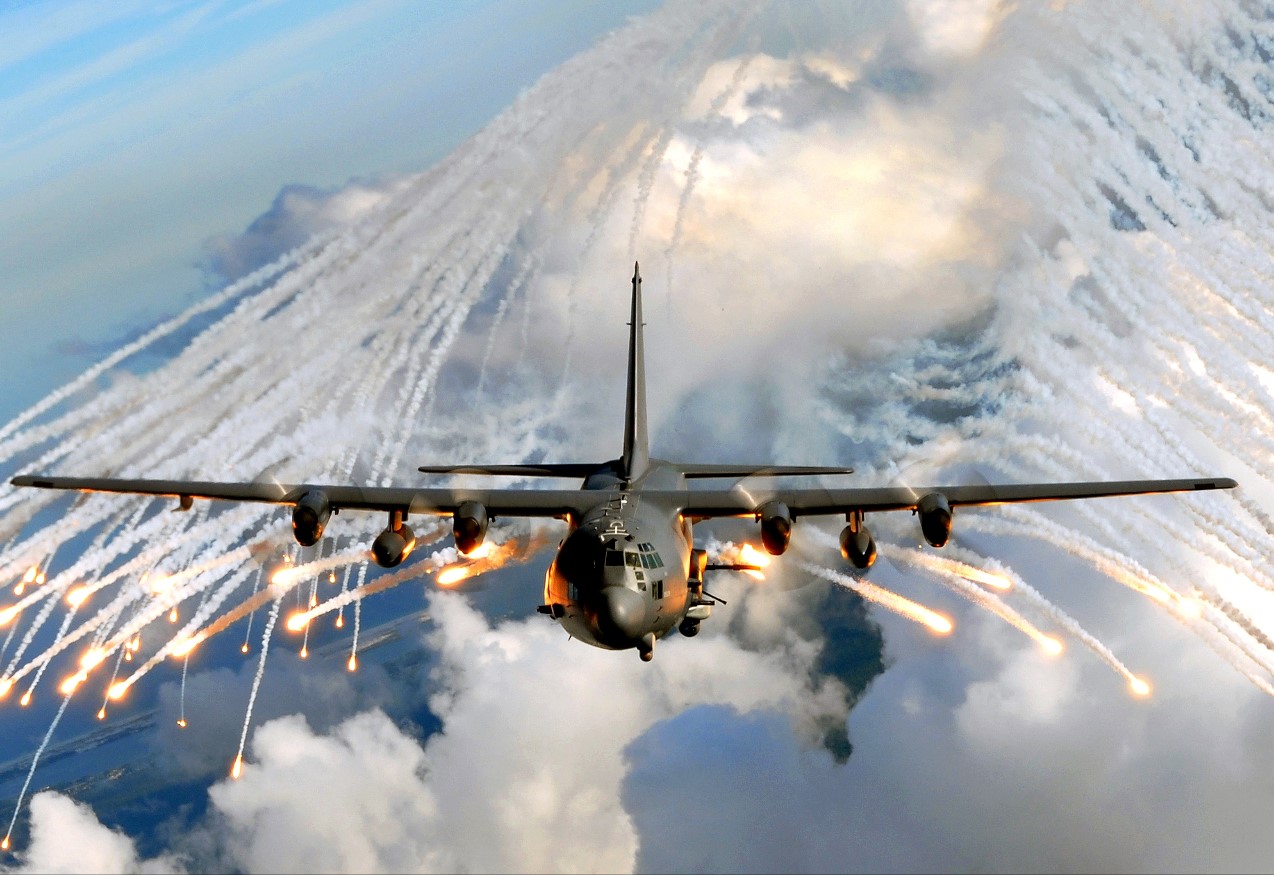 Pentagon Expands Alloy Surfaces Contract to $328.8 Million for Advanced Aircraft Decoy Flares Amid Evolving Drone Threats
-
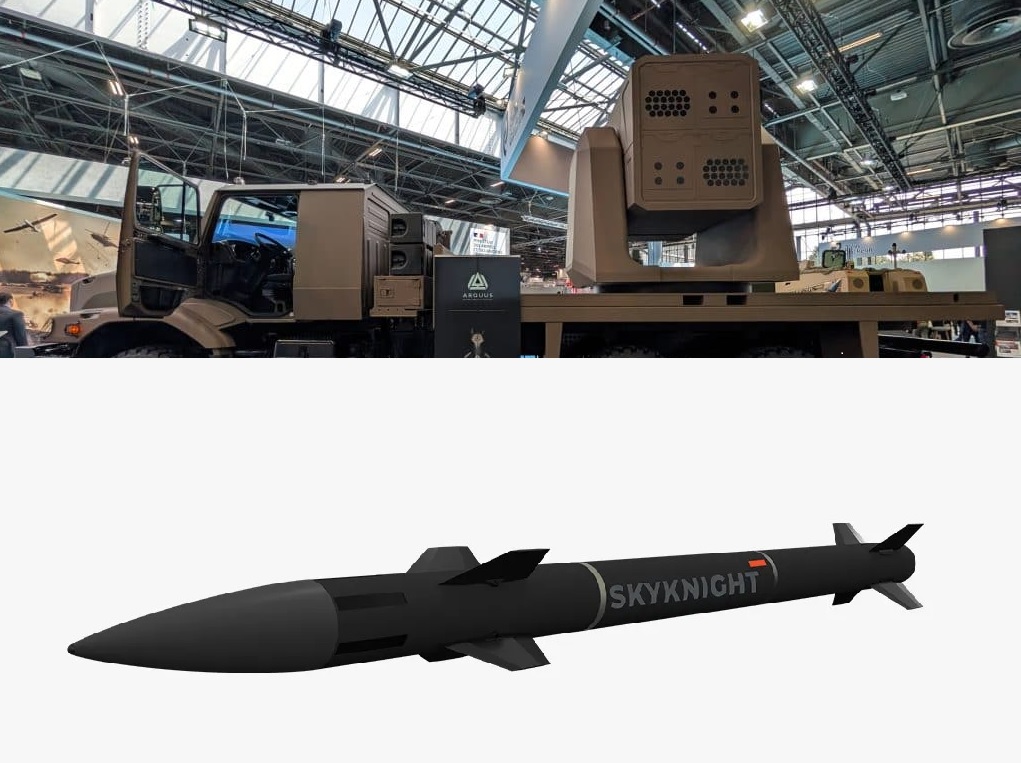 Naval Group Unveils Rampart Modular CIWS Multi-Purpose Weapon System for Naval and Ground Forces at Eurosatory 2026
-
 Why the U.S. Restored Pacific Command Name, Ending the Indo-Pacific Designation After Eight Years
-
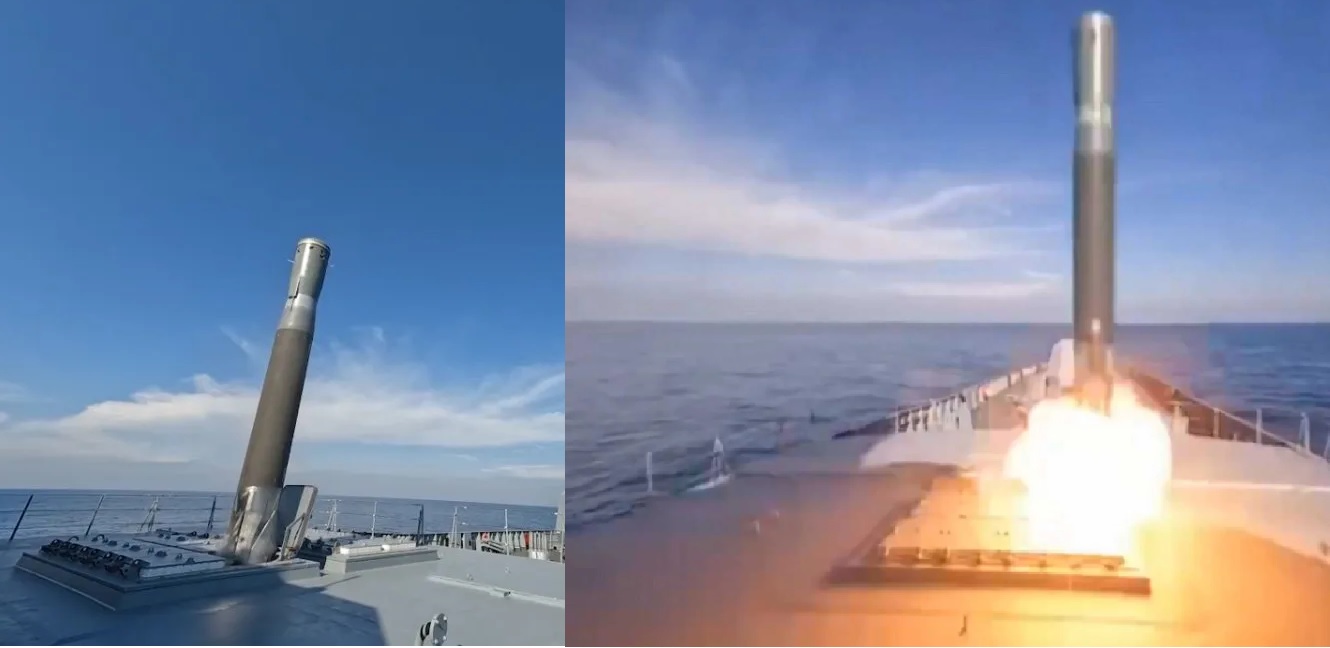 Open-Source Evidence Suggests Russia's Zircon Is a Quasi-Ballistic Missile, Not a True Hypersonic Cruise Weapon
-
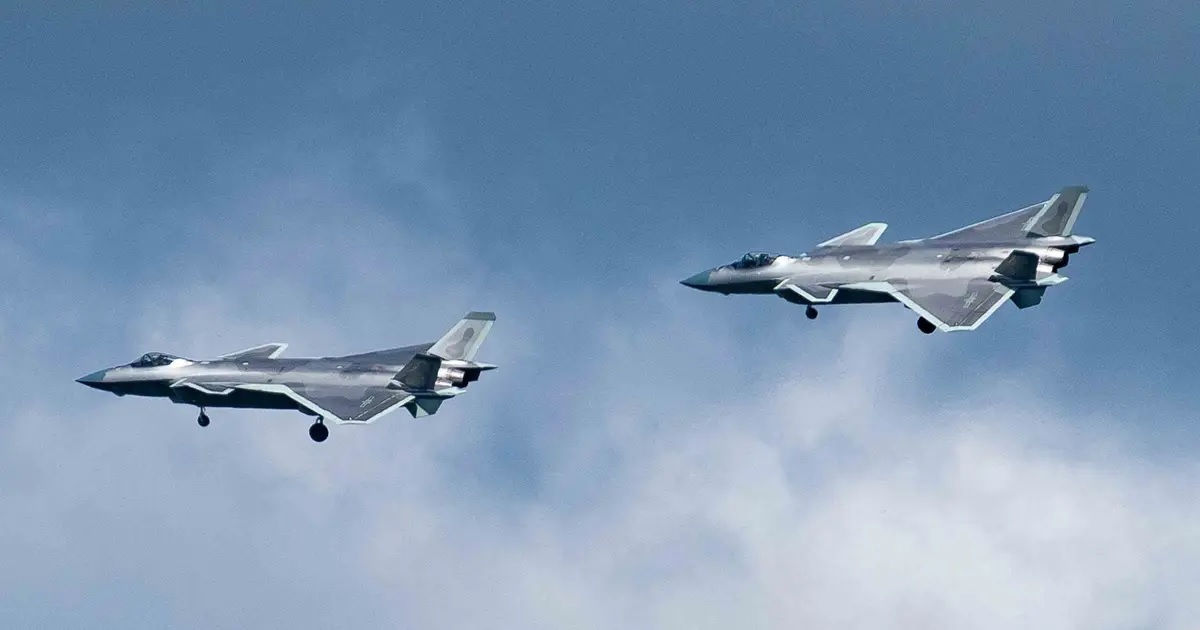 China Surpasses Russia as World’s Second-Most Powerful Air Force Amid Rapid J-20 and J-35 Expansion
-
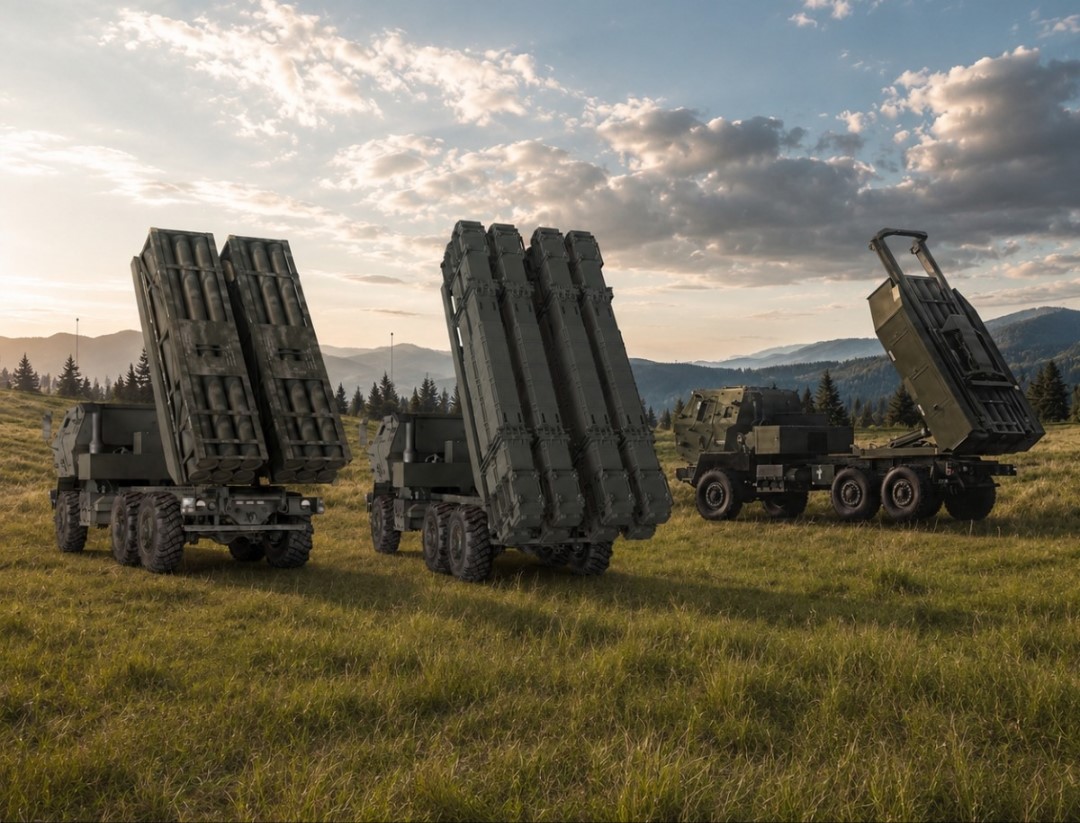 Lockheed Martin Unveils HIMARS FLEX with Dual-Pod Launcher and NATO-Compatible Air Defense Integration
-
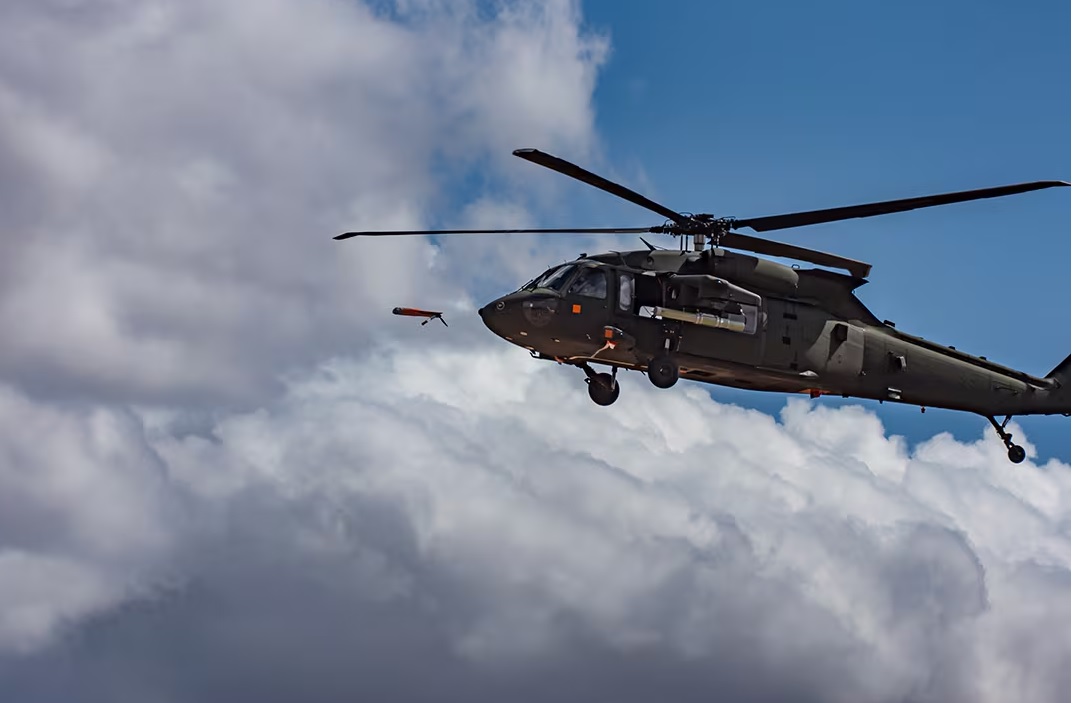 U.S. Army Completes First Flight Test of Medium-Range Air-Launched Effects from Black Hawk Helicopter
-
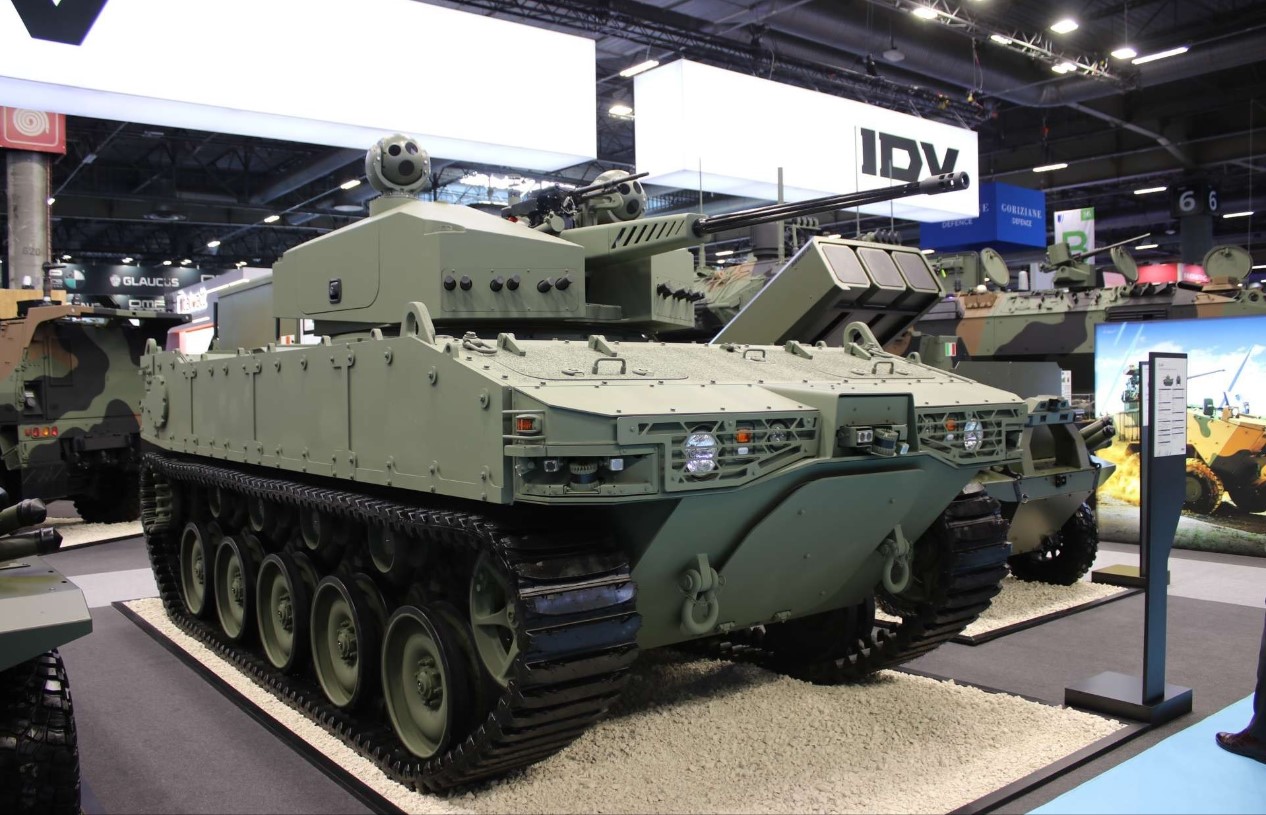 IDV Unveils CL2X Hybrid Uncrewed Light Tank at Eurosatory 2026
Top Trending in 4 Days
-
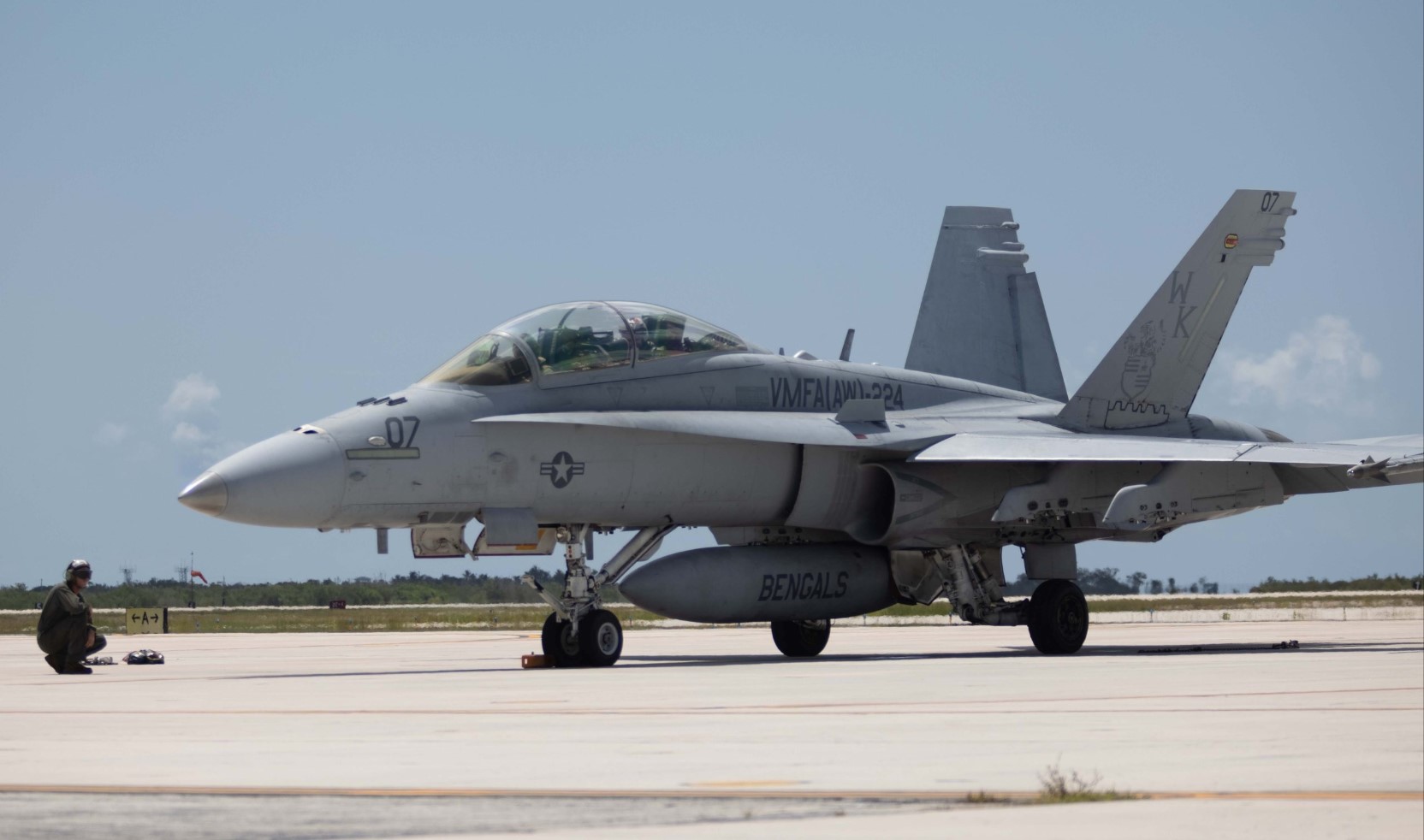 US Marine Corps F/A-18D Hornet Crashes During Training Flight in Washington Mountains; Pilot Ejects Safely
-
 Tulsi Gabbard Releases Declassified Files Detailing U.S.-Backed Network of 120 Biolaboratories Across 30+ Countries
-
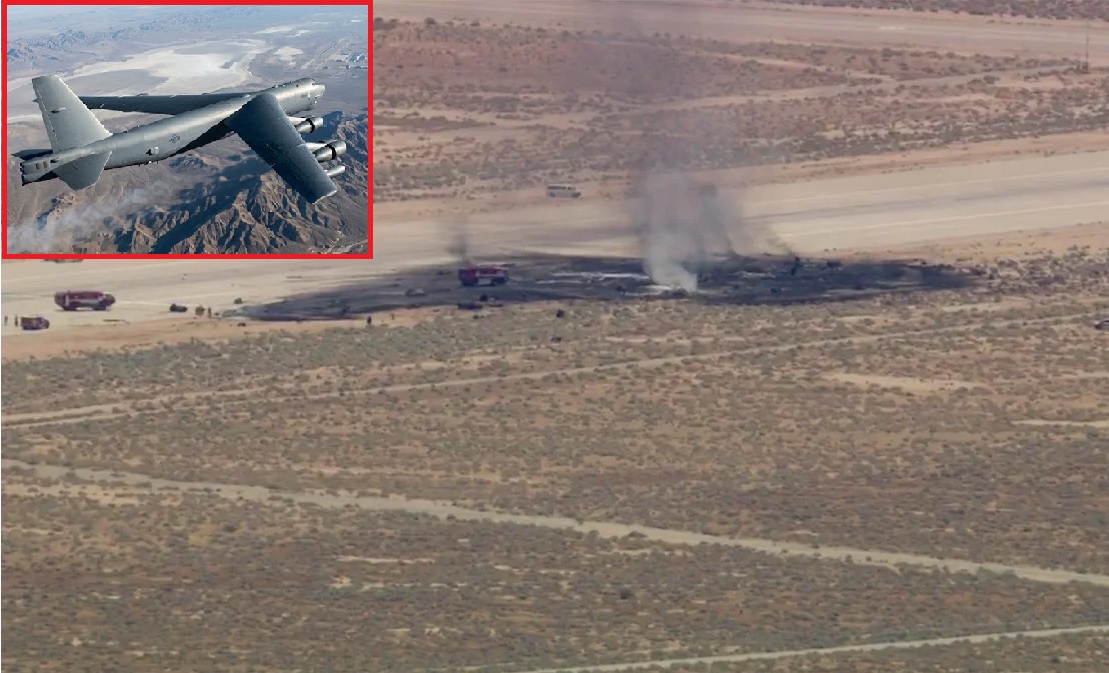 8 U.S. Air Force Crew Members Killed in B-52 Bomber Crash During Test Flight at Edwards Air Force Base
-
 Ukraine Introduces Balloon-Launched DART Missile Designed to Defeat Electronic Warfare
-
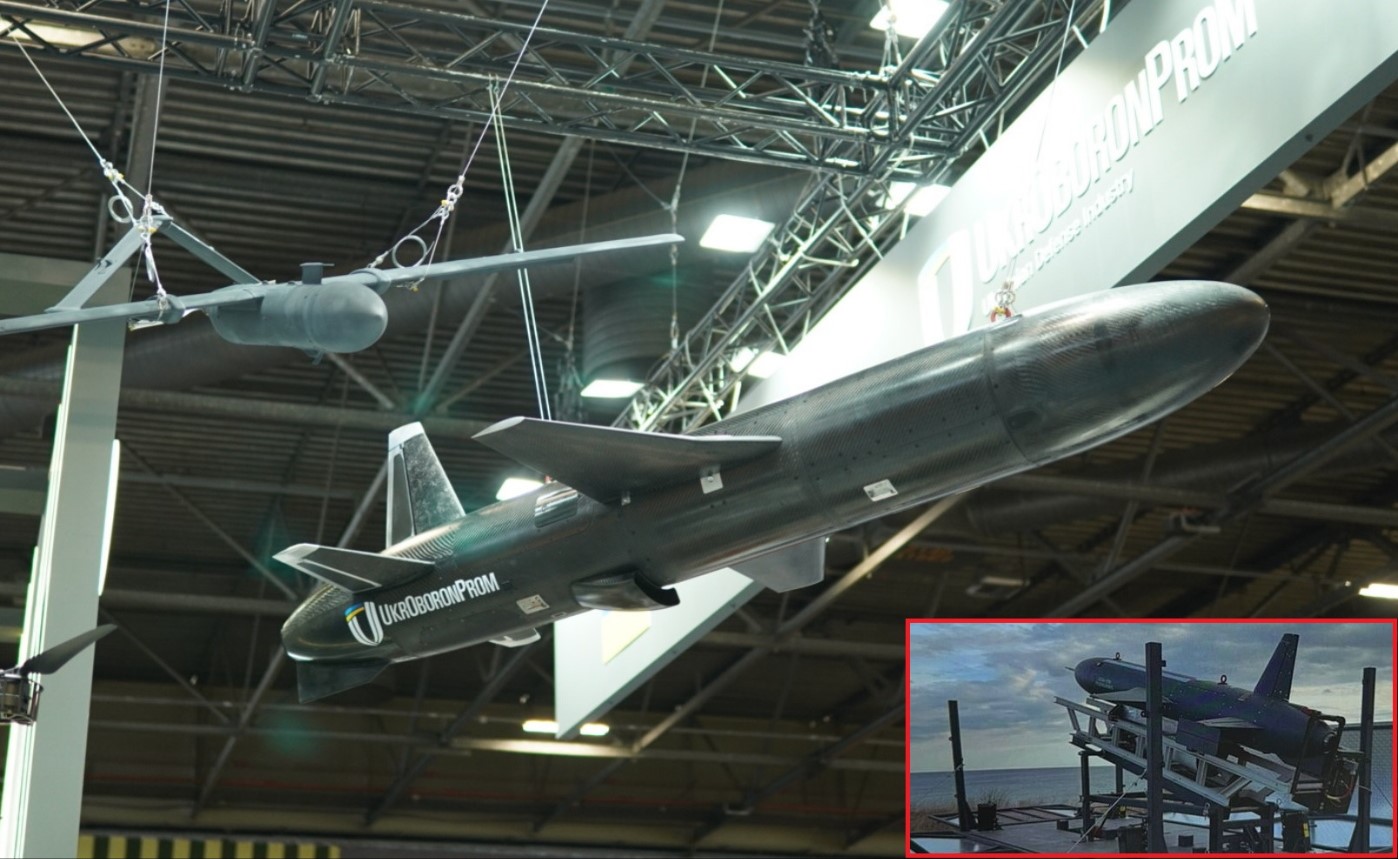 Ukraine Unveils UAV-290 Jet-Powered Strike Drone with 650 km Range at Eurosatory 2026
-
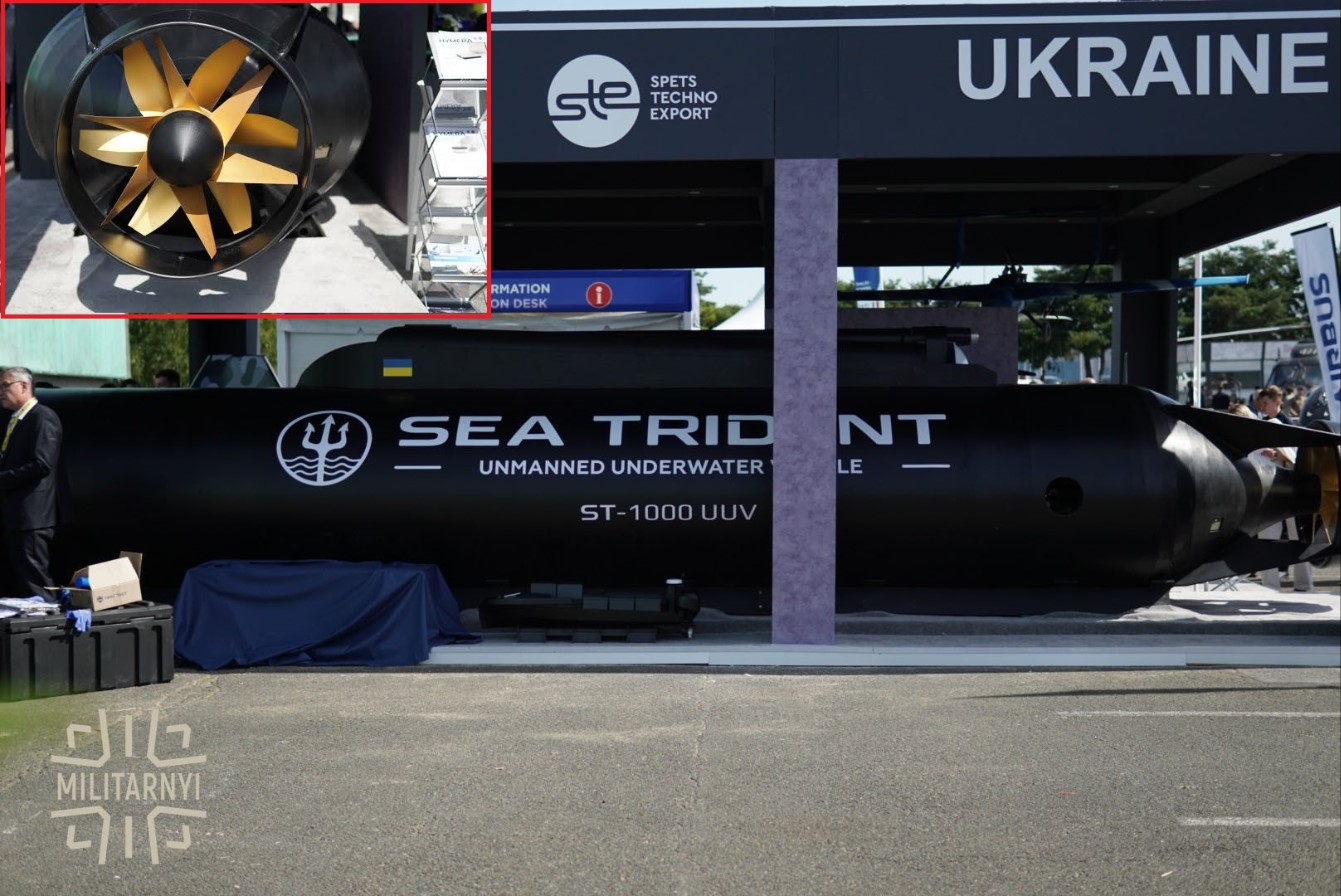 Ukraine Unveils 'Sea Trident' 10-Ton Autonomous Underwater Drone at Eurosatory 2026
-
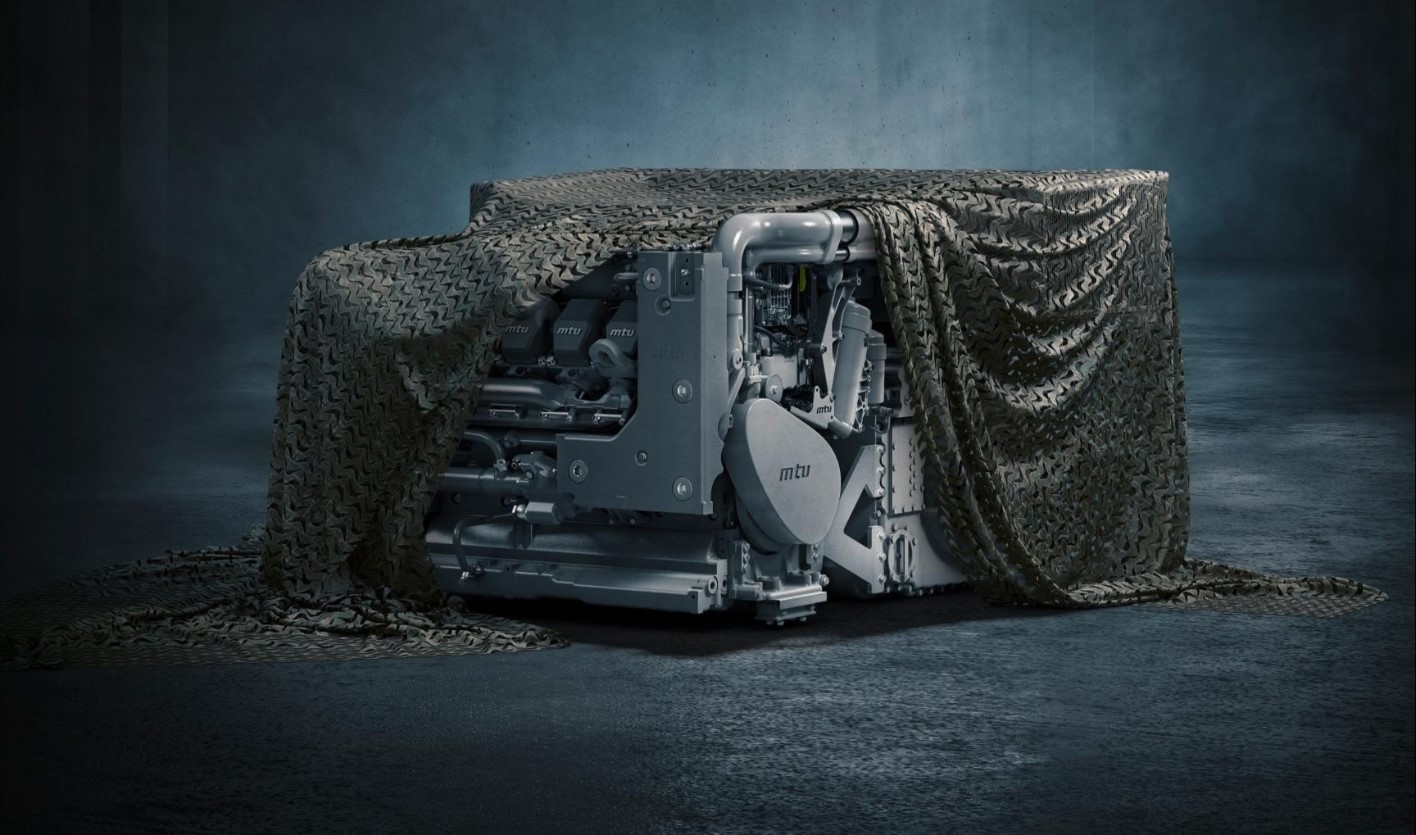 Rolls-Royce Unveils New Hybrid Powertrain for Heavy Military Vehicles at Eurosatory 2026
-
 KNDS Unveils CAPINT Main Battle Tank at Eurosatory 2026 as Leclerc Stopgap