World
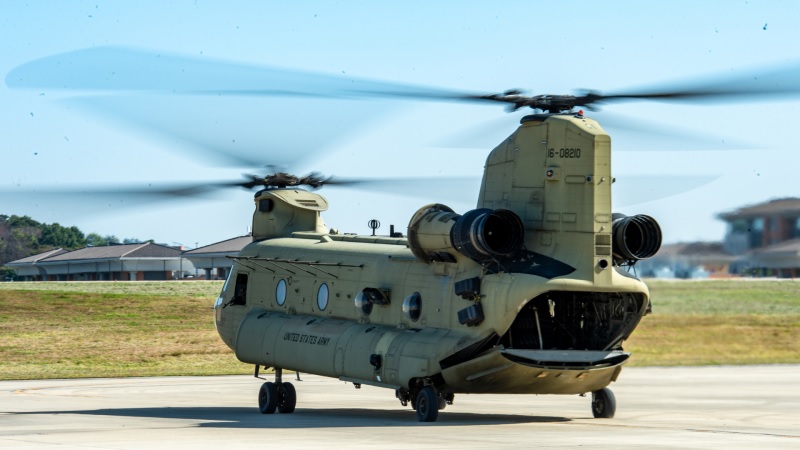
The United States and South Korea have launched a new agreement to carry out Maintenance, Repair, and Overhaul (MRO) for US Army CH-47 Chinook helicopters directly in South Korea. This move is designed to improve the combat readiness of US forces stationed on the Korean Peninsula while also boosting South Korea’s defense industry. This pilot program will allow local South Korean defense firms to handle critical maintenance work for the Chinooks used by the US Army’s 3rd General Support Aviation Battalion, which is part of the 2nd Combat Aviation Brigade under the 2nd Infantry Division. These helicopters are stationed at Camp Humphreys, in Pyeongtaek, which is the largest overseas US military base. The Chinook helicopters, operated by the battalion nicknamed “Nightmare”, play a vital role in transporting troops and cargo, conducting joint drills, and executing rapid response missions. By servicing these helicopters locally, both countries aim to reduce downtime, increase operational efficiency, and deepen military cooperation. Though the specific companies involved in the MRO tasks haven’t been officially announced, Hanwha Aerospace has emerged as a strong potential partner. According to Yonhap News, Hanwha is currently the only company in South Korea with the right combination of technical know-how and certified facilities to handle the Chinook’s T55 turboshaft engines. Hanwha Aerospace, in a LinkedIn post, welcomed the move to establish South Korea as a regional hub for Chinook engine maintenance. The company called the agreement a strategic milestone for both nations under the Pentagon’s regional sustainment framework, which aims to create stronger MRO networks with US allies around the world. Hanwha’s Changwon facility already holds multiple international certifications, including from the US Federal Aviation Administration (FAA). The company stated it would leverage its 46 years of experience to support the alliance and expand its footprint in the global MRO business. In fact, Hanwha’s capabilities extend beyond aircraft. Its maritime division has recently overhauled several US Navy Military Sealift Command ships, including the USNS Wally Schirra, and secured new contracts for the USNS Yukon and USNS Charles Drew in 2025. This MRO pact is part of a larger US strategy announced last year to expand logistics and sustainment capabilities in key regions. By localizing helicopter maintenance, the US not only strengthens ties with Seoul but also ensures faster turnaround times and lower operational costs, which are crucial in a high-tension region like East Asia. Overall, this agreement signals a deepening of US-South Korea defense cooperation, with mutual benefits for both countries’ military readiness and industrial growth.
Read More → Posted on 2025-07-28 14:23:07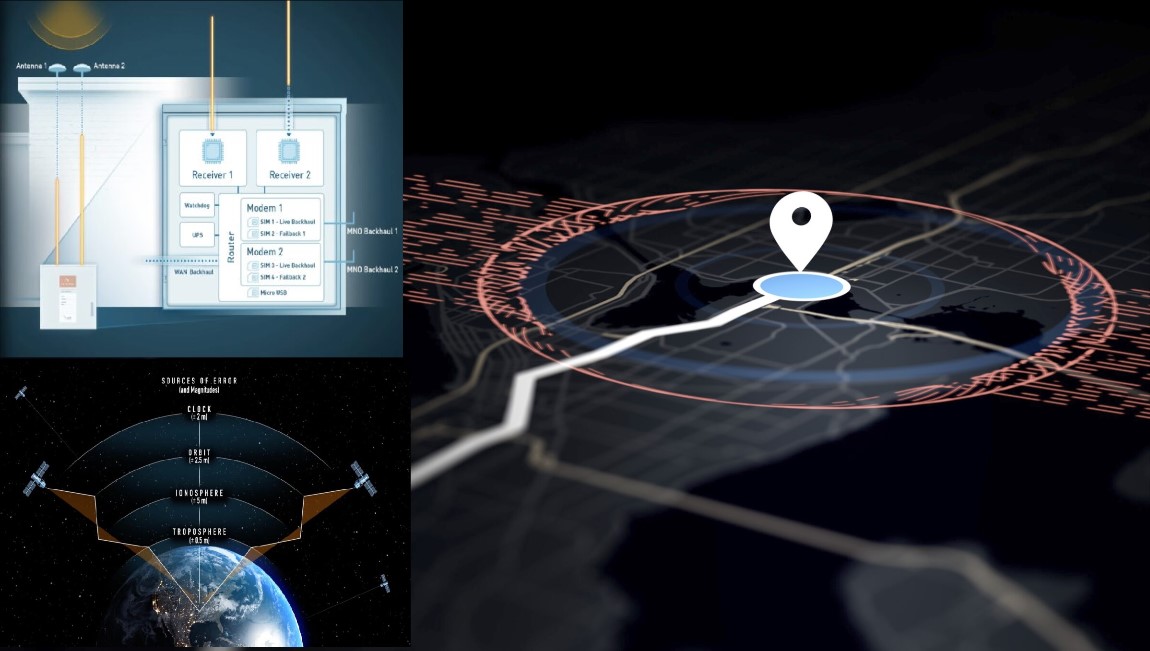
World
A California-based company, Swift Navigation, has announced a major leap in location technology, claiming its new system can make GPS up to 100 times more accurate using cloud computing. The company introduced Skylark, a cloud-powered positioning service that aims to fix one of GPS’s biggest limitations—its inaccuracy in precision-based tasks. While traditional GPS gives location data with an error margin of 3 to 10 meters, Skylark claims to reduce that to just a few centimeters. How It Works Skylark doesn’t depend on local base stations or dense ground infrastructure like older positioning systems. Instead, it uses advanced atmospheric modeling, carrier-grade networks, and a fully cloud-based architecture to correct GPS signal distortions in real time. GPS signals traveling from satellites are often distorted by various factors—satellite clock errors, orbital shifts, ionospheric interference, and even weather-related issues in the troposphere. Skylark tackles all these challenges by processing the signal data through its cloud platform, which calculates and sends real-time corrections to supported devices. This cloud-based approach allows the system to offer centimeter-level accuracy, making it especially valuable for autonomous vehicles, delivery drones, agriculture machinery, and mobile robots—applications where even minor errors can lead to failure or danger. Industry First Swift Navigation says Skylark is the first real-time, cloud-based positioning system to receive certifications that meet key road vehicle safety standards. That means it’s not only precise, but also compliant with strict requirements for use in public transport systems and autonomous driving. The benefits extend beyond accuracy. Since there’s no need for installing local correction towers or infrastructure, deployment is easier and more cost-effective across various industries. Big Funding to Go Global To bring Skylark to a wider audience, Swift Navigation recently raised $50 million in Series E funding. The investment round was led by Crosslink Capital, with support from major backers like New Enterprise Associates, Eclipse Ventures, and First Round Capital. New investors Niterra Ventures, AlTi Tiedemann Global, and EnerTech Capital also joined in, pushing Swift’s total funding beyond $250 million. According to CEO Timothy Harris, the new capital will help the company expand its partnerships, scale up deployment, and drive adoption in both civilian and military sectors. “We’re thrilled to have the support of such a strong group of investors who recognize the transformative power of precise positioning,” Harris said. “This funding enables us to accelerate growth and continue to innovate.” With Skylark, Swift Navigation is not just making GPS more accurate—it’s setting the foundation for a future where precision location is standard, scalable, and affordable.
Read More → Posted on 2025-07-28 14:14:55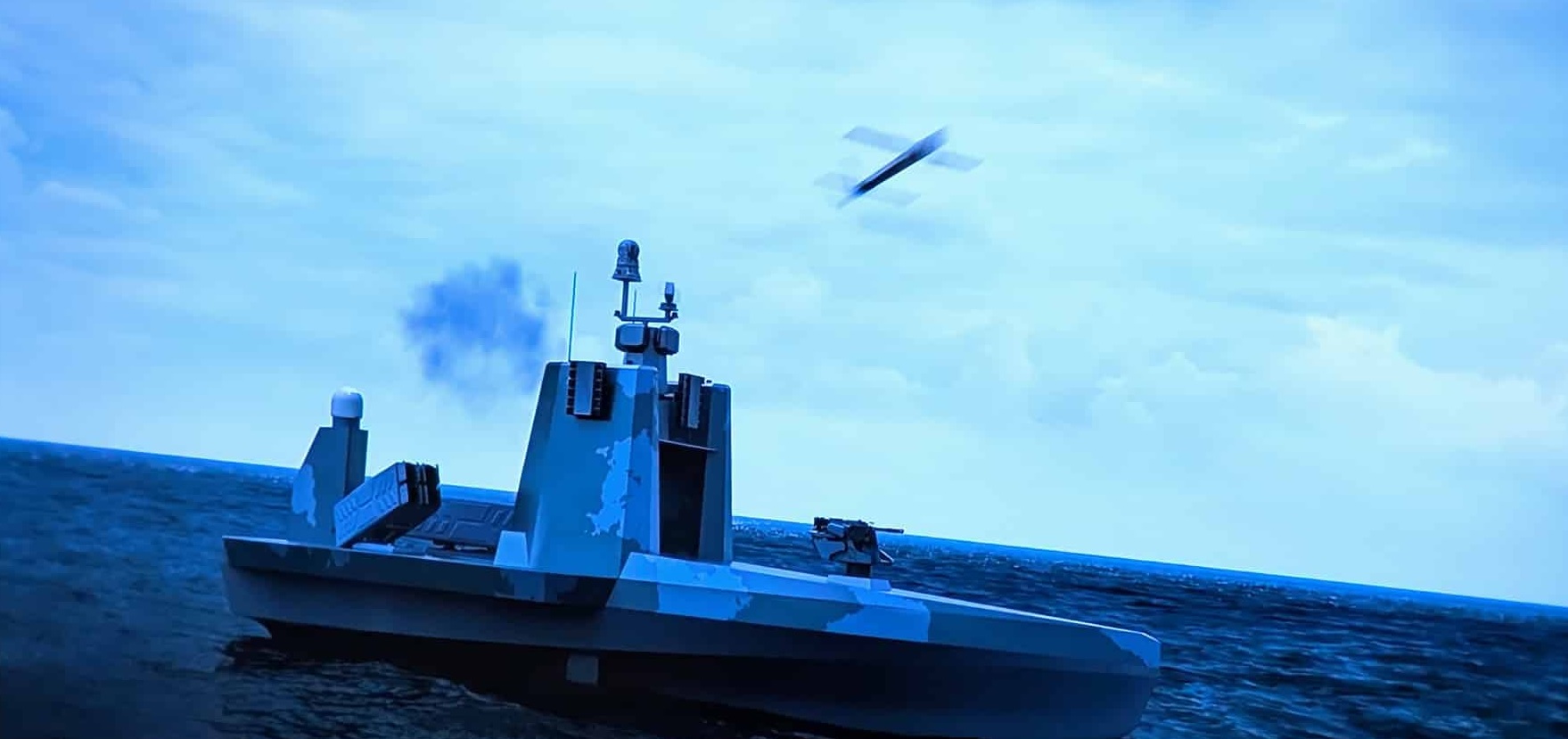
World
SEAir has officially launched the ARROW USV (Uncrewed Surface Vessel) program, a major new initiative aimed at enhancing European maritime security. With over 90,000 kilometers of coastline and growing maritime threats, Europe is now turning to faster and more advanced unmanned technology to protect its waters. The ARROW project is set to become a key part of that strategy. The ARROW vessel is a 12-metre hydrofoil-powered craft capable of operating with or without a crew. Designed for speed and efficiency, it can travel at 35 to 45 knots and cover up to 400 nautical miles, all while consuming 50% less fuel. The vessel is also built for low visibility and minimal wake, allowing for stealthy operations in sensitive environments. This program is being led by SEAir, a French maritime innovation company, and involves a consortium of 10 European partners. These include eight SMEs (Small and Medium Enterprises) and two Research and Technology Organizations (RTOs) from eight EU member states and associated countries. Some of the key names involved are C&V Defence, Maritime Robotics AS, Riga Technical University, Tallinn University of Technology, and Maxwell Applied Tech. Funded by the European Defence Fund (EDF) with a budget of €7.5 million, the ARROW program is scheduled to deliver a fully autonomous USV platform by 2028. The EDF’s mission is to support innovation and strengthen the strategic autonomy of Europe’s defense sector by investing in collaborative projects like this one. The ARROW program was highlighted at Euronaval 2024, where SEAir also showcased new USV designs, including the SCP120, a model derived from the ARROW concept. The project is currently in the design phase, with a prototype expected by 2027 to begin sea trials. As Europe faces increasing challenges in protecting its maritime borders and infrastructure, the ARROW USV is expected to offer a cost-effective, agile, and high-performance solution for future naval operations.
Read More → Posted on 2025-07-27 15:27:40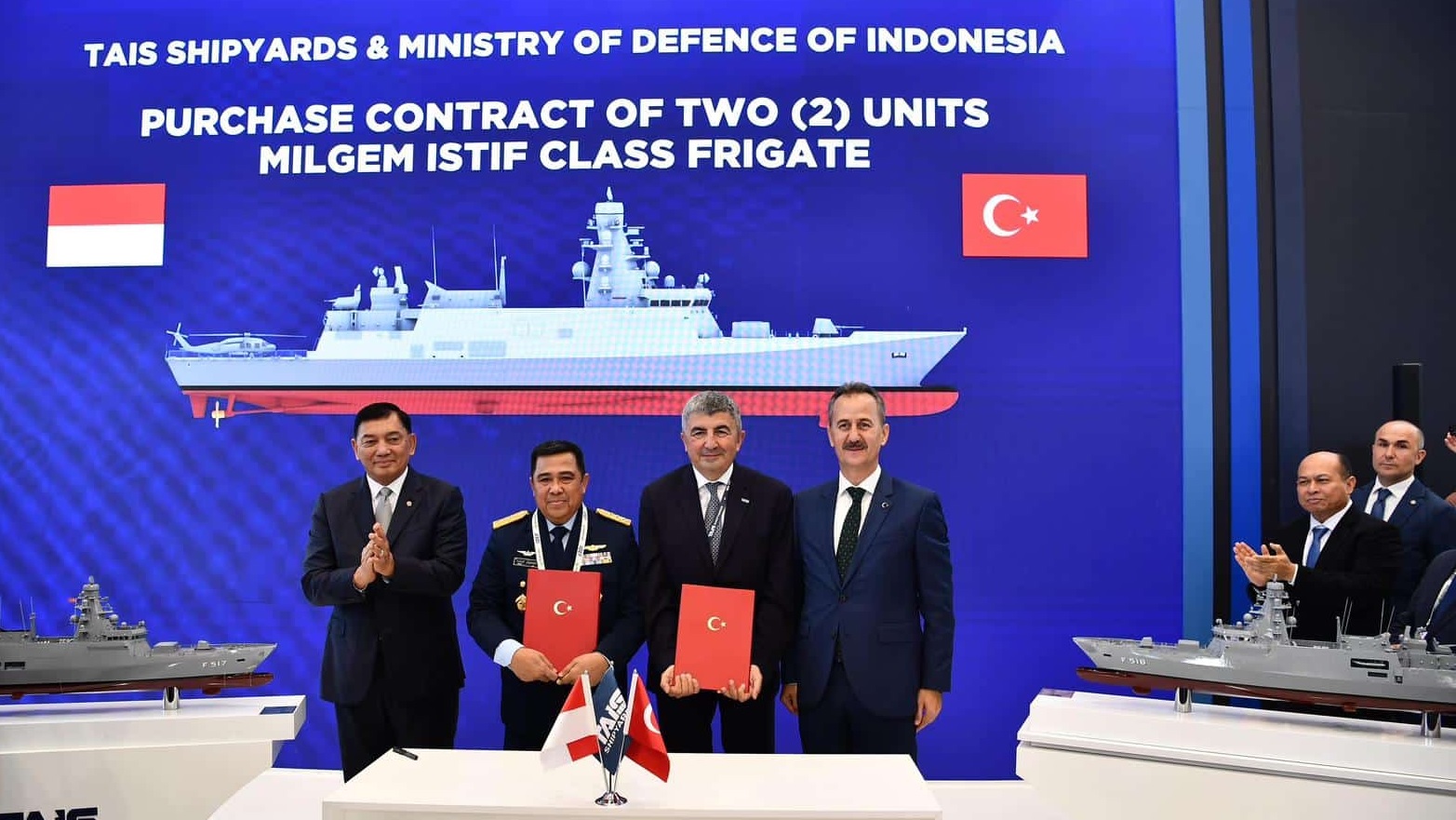
World
In a major boost to Türkiye’s defense exports, TAIS Shipyards has signed a landmark agreement with Indonesia’s Ministry of Defence to supply two advanced MILGEM Istif-class frigates. The announcement was made on July 26, 2025, at the IDEF 2025 defense exhibition in Istanbul, marking Türkiye’s first-ever export of MILGEM-class warships to a Southeast Asian nation. The deal was finalized in the presence of Prof. Dr. Haluk Görgün, President of Türkiye’s Defense Industries (SSB), and symbolizes a turning point for Turkish naval engineering on the international stage. The two frigates will significantly boost the Indonesian Navy’s capabilities, as Jakarta pursues a broad naval modernization plan in response to rising maritime challenges in the Indo-Pacific region. The Istif-class represents the latest generation in Türkiye’s indigenous MILGEM (National Ship) program, a long-term project that began in the early 2000s. Unlike the earlier ADA-class corvettes, the Istif-class brings enhanced size, range, and firepower, making it suitable for blue-water operations. Each frigate is approximately 113 meters long, displaces 3,100 tons, and is powered by a Combined Diesel and Gas (CODAG) propulsion system, ensuring both high speed and endurance. These multi-role ships are equipped with a 16-cell MIDLAS vertical launch system, compatible with HISAR air defense missiles, Atmaca anti-ship missiles, and a variety of advanced sensor systems including a national AESA radar, electronic warfare suites, and anti-submarine warfare gear like a hull-mounted sonar, towed array sonar, and a flight deck for S-70B Seahawk helicopters. The lead ship of this class, TCG Istanbul (F-515), began sea trials in 2023 and serves as the blueprint for the frigates being delivered to Indonesia. The builder, TAIS Shipyards, is a powerhouse in Turkish naval construction, consisting of Anadolu, Sedef, and Sefine Shipyards. Earlier this year, TAIS demonstrated its industrial strength by launching two Istif-class frigates simultaneously for the Turkish Navy. Indonesia’s choice of the Istif-class reflects a growing confidence in Türkiye’s naval technology and opens the door to industrial cooperation and potential technology transfer—key goals for Jakarta as it seeks to strengthen its domestic shipbuilding sector. This export is part of Türkiye’s broader push to become a global supplier of advanced naval platforms. In recent years, Turkish shipbuilders have delivered or started work on warships for several nations, including Pakistan, Ukraine, and now Indonesia, while also exploring markets in North Africa, Eastern Europe, and the Middle East. The Indonesia-Türkiye frigate deal not only strengthens bilateral defense ties but also underlines Türkiye’s emergence as a serious player in the global maritime defense industry. With continued state support and investments in homegrown technologies, Türkiye is increasingly seen as a competitive and reliable partner in the world of modern warship exports.
Read More → Posted on 2025-07-27 14:53:49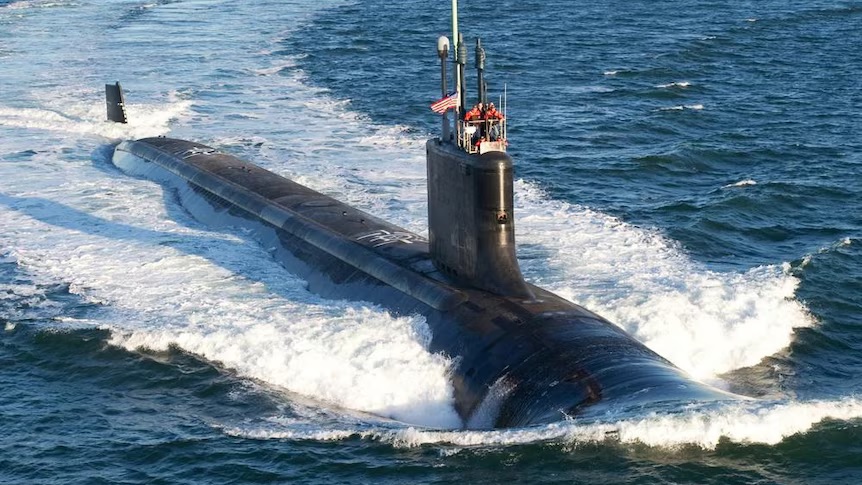
World
In a major step forward for the AUKUS alliance, Australia and the United Kingdom signed a landmark 50-year agreement on July 26, 2025, to cooperate on nuclear-powered submarines. Known as the Geelong Treaty, the pact was formalised in Geelong, Victoria, and marks a long-term strategic commitment under AUKUS Pillar I, which focuses on nuclear-powered submarine capabilities. The treaty was signed during the UK-Australia Defence Ministers’ Meeting by Australia’s Deputy Prime Minister and Defence Minister Richard Marles and the UK’s Defence Secretary John Healey. This agreement lays the groundwork for both nations to collaborate on designing, building, operating, and maintaining a new generation of SSN-AUKUS submarines. Beyond just submarines, the treaty supports the development of a broader ecosystem—covering infrastructure, workforce, training systems, and nuclear regulation—required for Australia’s nuclear-powered submarine program. It also ensures full compliance with international nuclear non-proliferation agreements, including the Treaty on the Non-Proliferation of Nuclear Weapons and the South Pacific Nuclear Free Zone Treaty. A key feature of the treaty includes port visits and rotational deployment of the UK’s Astute-class submarines at HMAS Stirling in Western Australia. This forms part of the Submarine Rotational Force – West, further integrating UK forces into Australia’s strategic naval presence. The agreement is also aimed at strengthening trilateral cooperation between Australia, the UK, and the United States, by enhancing shared supply chains and technological capabilities under the broader AUKUS framework. Officials said this collaboration is critical for maintaining security in both the Indo-Pacific and Euro-Atlantic regions. According to Richard Marles, the Geelong Treaty highlights the deep trust between the two countries and will help Australia acquire conventionally-armed, nuclear-powered submarines. He stressed that this effort will be backed by a growing pool of skilled workers, advanced infrastructure, and cutting-edge technologies. UK Defence Secretary John Healey described the treaty as a "historic milestone" and reaffirmed the UK’s long-term commitment to the Indo-Pacific through AUKUS. He noted that this agreement reflects not just military cooperation but also economic and industrial partnership, with both countries expected to see thousands of jobs created and significant growth in their defence industries. Together with the AUKUS Naval Nuclear Propulsion Agreement (ANNPA), the treaty signals a significant leap in undersea capabilities and sets the stage for decades of strategic defence cooperation between Australia and the UK—anchored in shared values, regional stability, and technological leadership.
Read More → Posted on 2025-07-27 14:48:26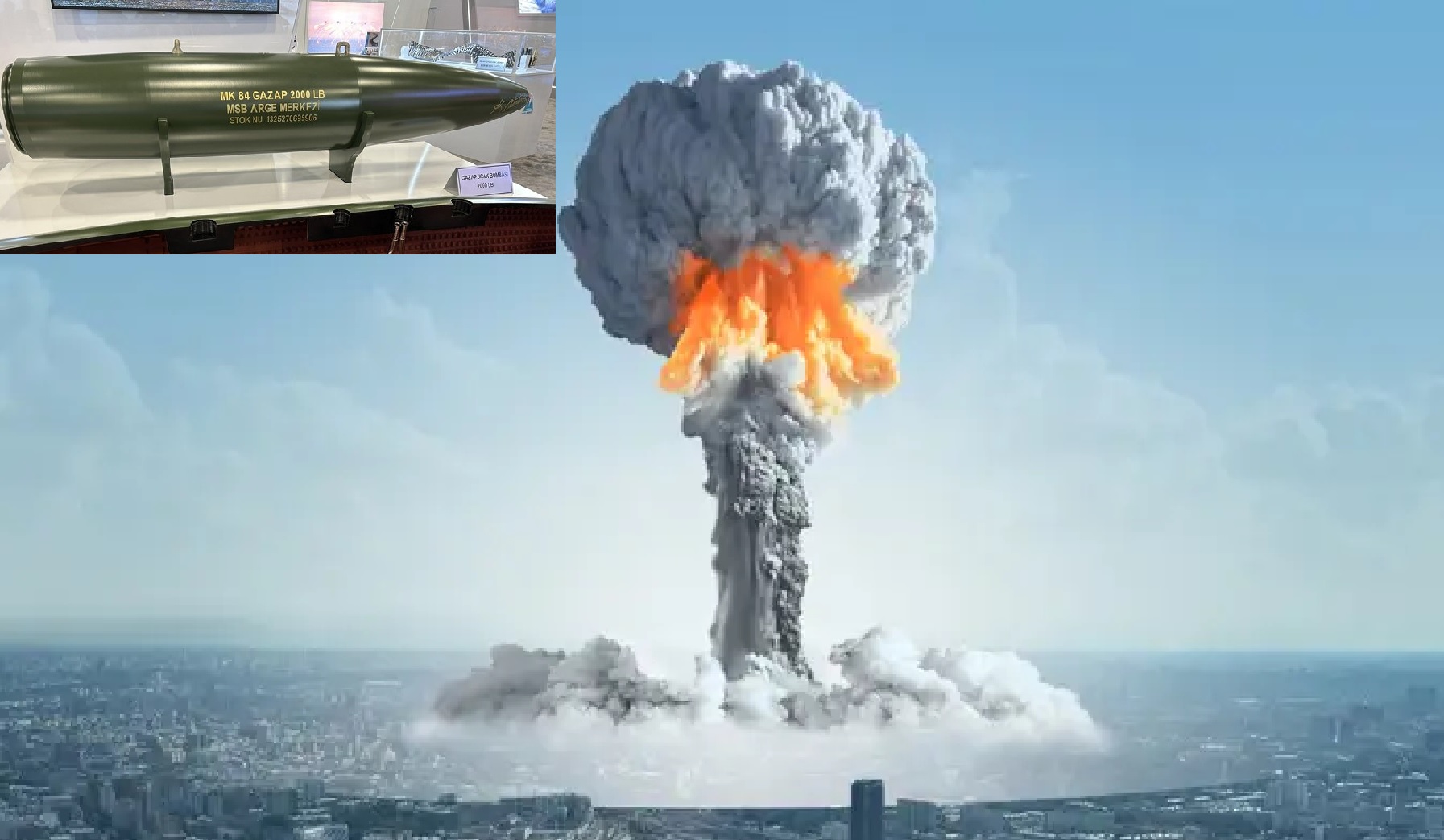
World
In a bold demonstration of its advancing defence capabilities, Türkiye has introduced what it claims is its most powerful non-nuclear bomb ever — the 970-kilogram GAZAP, developed by the Ministry of National Defence’s R&D division. The bomb made its debut at IDEF 2025, the country’s premier international defence expo held in Istanbul, alongside other major Turkish-made military systems. GAZAP stands out due to its extremely high fragment density, reportedly producing 10.16 fragment explosions per meter, far surpassing the earlier standard of one explosion every three meters. This technology drastically boosts the lethality and area coverage of the bomb, making it highly effective in conventional combat without stepping into the nuclear realm. The bomb is compatible with F-16 fighter jets, providing easy integration into Türkiye’s existing air fleet. But while Türkiye calls the GAZAP its most powerful non-nuclear bomb to date, a closer comparison with similar weapons from other military powers reveals that such large-scale, high-yield conventional bombs have long been in service elsewhere: Global Comparison of Heavy Non-Nuclear Bombs Country Bomb Name Weight (kg) Type Notes USA GBU-43/B MOAB ("Mother of All Bombs") 9,800 kg Massive Ordnance Air Blast Largest non-nuclear bomb in US arsenal; used in Afghanistan in 2017 Russia FOAB ("Father of All Bombs") ~7,000 kg (equivalent TNT yield) Thermobaric Claimed to be 4x more powerful than MOAB China Unnamed Air-dropped Bomb ~5,000 kg (est.) Thermobaric Tested in 2019; called China’s MOAB India DRDO’s Penetrator Bomb ~1,000 kg Bunker-buster Designed for deep penetration; mostly classified UK Storm Shadow Cruise Missile (Warhead) ~450 kg Precision-guided While lighter, highly accurate for strategic targets Türkiye GAZAP 970 kg Fragmentation bomb Türkiye's heaviest and most advanced conventional bomb to date When placed against these heavyweight contenders, Türkiye’s GAZAP is modest in size and yield. While it may be the most powerful bomb developed indigenously by Türkiye, it falls well behind the 9.8-tonne MOAB of the United States and the thermobaric FOAB of Russia in terms of destructive capacity. Yet, where the GAZAP makes its mark is in technological sophistication and target-specific lethality. Its high fragmentation rate is designed for maximum personnel and light structure damage over a wide area, rather than raw explosive force. This makes it ideal for modern combat environments requiring precise, high-impact damage with minimal collateral risk. NEB-2 Ghost: Bunker Buster With a Delay Twist Also revealed at the expo was the NEB-2 Ghost, another 970-kg bomb, this one tailored for bunker-busting missions. In a dramatic test, the bomb was dropped on an island target and penetrated 90 meters underground, causing landslides, gas leaks, and destroying rock formations across a 160-meter radius. The detonation was delayed by 240 milliseconds after impact — a sharp contrast to the standard 25 milliseconds, allowing it to dig deeper before exploding. This delay technique significantly increases its underground destructive potential. Tayfun Block 4: Türkiye’s Hypersonic Leap The final showstopper was the Tayfun Block 4, Türkiye’s first hypersonic ballistic missile, developed by Roketsan. The missile promises high manoeuvrability, long-range precision, and the ability to evade missile defence systems, reflecting Türkiye’s ambition to join the elite club of hypersonic missile producers like the US, Russia, and China. Türkiye’s Message: Self-Reliance and High-Tech Warfare While Türkiye's newly unveiled bombs may not rival the physical mass or yield of their American or Russian counterparts, they underscore a significant milestone: indigenous development of smart, effective, and mission-specific weaponry. The focus is not just on brute force but on adaptability, precision, and technological integration—hallmarks of next-generation warfare. The unveiling of GAZAP, NEB-2 Ghost, and Tayfun Block 4 sends a clear message: Türkiye is rapidly modernizing its military arsenal with homegrown solutions, aiming for strategic independence and a stronger role in global defence markets. Whether it becomes a leader in firepower is yet to be seen, but it is certainly proving itself as a fast-rising player in the defence innovation race.
Read More → Posted on 2025-07-27 14:40:04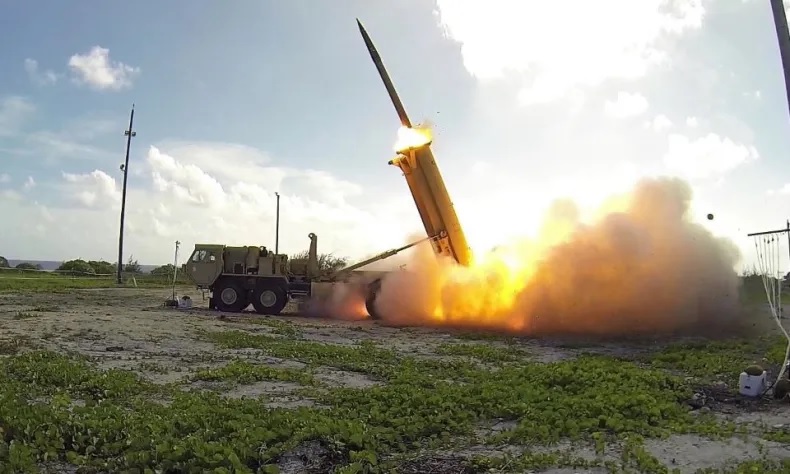
World
During the recent 12-day conflict between Israel and Iran, the United States’ advanced THAAD missile defense system played a major role in protecting Israeli airspace. More than 150 THAAD interceptor missiles were used during this period, marking one of the largest operational deployments of the system in recent years. The Terminal High Altitude Area Defense (THAAD) system, made by Lockheed Martin, is designed to intercept ballistic missiles at high altitudes—typically in the final phase of their flight. Each THAAD battery includes 3 to 6 mobile launchers, radar systems, and fire control units. A single launcher can carry eight interceptor missiles. Initially, Israel had one permanent U.S. THAAD battery on its soil. But during the conflict, a second THAAD battery was rushed in by Washington, a rare step considering the U.S. only operates eight such batteries globally. According to The Wall Street Journal, this move reflected the urgency and seriousness of the threat posed by Iran’s missile barrage. The 150+ THAAD interceptors used in just under two weeks represent about 25% of the total U.S. stockpile of nearly 650 missiles acquired since 2010. Replacing these would be a long process. The Pentagon plans to procure only 37 more interceptors next year, which means it could take up to four years to replenish the spent missiles at current production rates. Although Lockheed Martin has the ability to ramp up production to around 100 interceptors a year, this would require additional funding and time. Each interceptor comes with a hefty price tag—over $15 million per missile. In addition to THAAD, American Navy warships in the region launched about 80 SM-3 interceptors to support Israel’s layered missile shield. On its part, Israel activated its indigenous Arrow (Hetz) missile defense systems, which were co-developed with the United States, to handle the bulk of the incoming threats. Iran, in retaliation for earlier Israeli strikes, reportedly launched nearly 500 ballistic missiles toward Israel. Despite the sophisticated defenses, some Iranian missiles did penetrate, resulting in 29 Israeli deaths and over 100 injuries. According to analysts, the rapid depletion of high-cost interceptors like THAAD was a key reason behind Israel’s decision to halt further military escalation. The strain on air defense inventories underlined how even advanced systems can face logistical and strategic limits during intense, prolonged missile warfare.
Read More → Posted on 2025-07-27 14:34:47
World
United Kingdom has officially submitted an offer to sell 40 Eurofighter Typhoon fighter jets to Ankara. The proposal follows the signing of a Memorandum of Understanding (MoU) between both nations during the IDEF 2025 defence exhibition held in Istanbul, marking a significant step toward expanding military cooperation. The MoU was signed by Turkish Defence Minister Yaşar Güler and UK Defence Secretary John Healey, laying the groundwork for Türkiye’s possible acquisition of the advanced multi-role combat aircraft. This offer marks the first formal step in what could be a major defence deal between two long-time NATO allies. Jorge Tamarit-Degenhardt, the CEO of Eurofighter Jagdflugzeug GmbH, the company behind the aircraft, welcomed the development. He described the agreement as a “positive sign” and expressed confidence in the continued negotiations. Highlighting the shifting security environment across Europe and the Middle East, Tamarit-Degenhardt said, “The Typhoon jet is a major asset in keeping our skies safe.” The Eurofighter Typhoon is a product of a four-nation collaboration involving the UK, Germany, Italy, and Spain. It is known for its agility, speed, and multirole combat capability, making it a popular choice among NATO countries. The aircraft is also designed to provide operational independence, a factor that could appeal to Türkiye’s broader military modernization goals. Türkiye is currently in the market for 120 new fighter jets, which includes: 40 Eurofighter Typhoons 40 F-16s from the United States 40 F-35s, a programme from which Türkiye was removed in 2019 The removal from the F-35 programme followed Ankara’s controversial purchase of Russian S-400 air defence systems, which Washington said compromised NATO security. Despite the expulsion, Türkiye has not given up its interest in rejoining the F-35 programme, citing its industrial role in producing nearly 1,000 parts for the jet. Officials in Ankara also maintain that participation is essential for maintaining NATO interoperability. Meanwhile, Türkiye has accelerated the development of its indigenous fifth-generation fighter jet, KAAN, using the knowledge and manufacturing experience gained from the F-35 programme. If the deal for the Eurofighters moves forward, it could provide Türkiye with a critical boost in capability, especially at a time when regional tensions are high and airspace security is a growing concern. For the UK, it would not only strengthen defence ties with a key NATO partner but also support its aerospace industry and demonstrate the strategic value of the Eurofighter Typhoon on the international stage.
Read More → Posted on 2025-07-26 14:39:20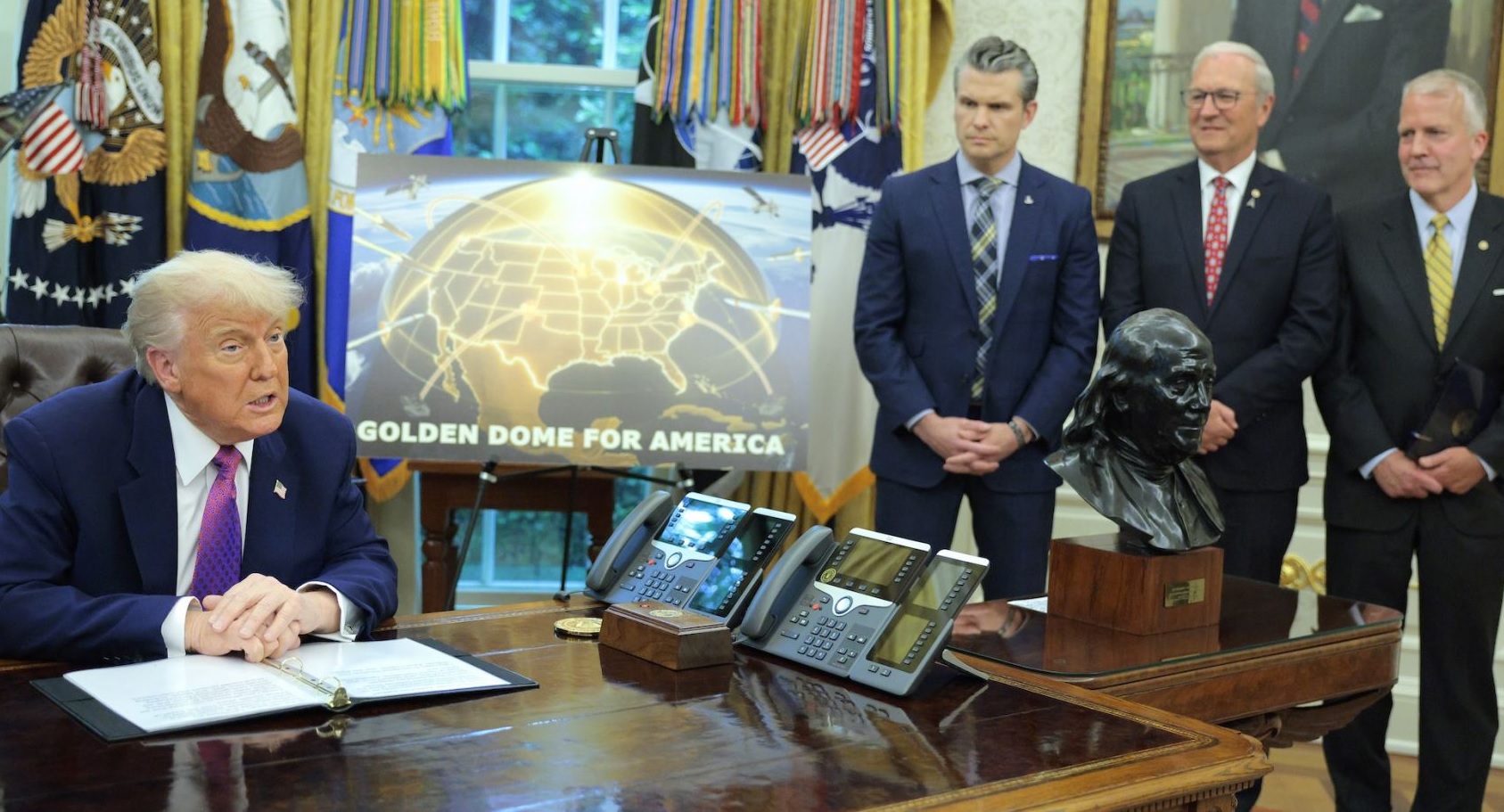
World
The United States has officially launched a massive $151 billion missile defense initiative called SHIELD (Scalable Homeland Integrated Ecosystem for Layered Defense) — also known as the “Golden Dome” — to protect the American homeland from growing missile threats, especially hypersonic weapons. The program, announced on July 25, 2025 in Financial Times, marks the most ambitious homeland missile defense plan in U.S. history. At its core, SHIELD aims to build a multi-layered network of land-based interceptors, space-based sensors, AI-powered command systems, and cutting-edge radar arrays. This system will cover the entire continental United States, with the goal of detecting and intercepting missiles at all stages of flight — whether they are ballistic, cruise, or the more advanced and harder-to-detect hypersonic missiles. A starting budget of $13 billion has already been committed to set up the basic framework and infrastructure. Retired U.S. Space Force General Michael Guetlein will lead the program through a new federal missile defense authority based at Redstone Arsenal in Huntsville, Alabama, a key hub for U.S. missile defense development. The move comes in response to rapid advancements by U.S. adversaries in missile technologies. Nations like China, Russia, North Korea, and Iran are either deploying or testing weapons that can travel at hypersonic speeds (Mach 5+) or carry multiple nuclear warheads. These include China’s DF-17 glide vehicle, Russia’s Avangard and Kinzhal hypersonic systems, North Korea’s Hwasong-17 ICBM, and Iran’s evolving precision-strike missile platforms. These weapons are especially dangerous due to their speed, maneuverability, and low radar visibility, making them extremely difficult to detect and intercept using legacy systems like the Ground-Based Midcourse Defense (GMD) or THAAD. Hypersonic missiles, for instance, can change course mid-flight and travel below radar coverage, giving defenders only a few minutes to respond. In contrast to existing systems that focus on midcourse or terminal interception, SHIELD is designed to neutralize threats in all three phases of flight — boost, midcourse, and terminal — using a layered, integrated approach. The project also includes plans for cybersecurity, research and development, and integration of new weapons systems. Major U.S. defense companies like Lockheed Martin, Raytheon, Northrop Grumman, and General Atomics are expected to bid for contracts under the SHIELD program. However, commercial space companies such as SpaceX and Amazon’s Project Kuiper are not part of the initial phase, raising discussions over whether private-sector satellite technology should play a larger role. According to the U.S. Missile Defense Agency, proposal requests for system components will be issued soon, as the government seeks to build a network capable of handling next-generation missile threats. Over the next decade, the $151 billion budget will be distributed across multiple areas — including interceptor development, sensor networks, battle management, and support infrastructure. With SHIELD, the U.S. is fundamentally shifting its defense strategy — no longer depending solely on regional or single-domain systems, but instead creating a nationwide, fully connected defense shield. This initiative could become the future blueprint for missile defense not just in the U.S., but globally, especially as hypersonic weapons reshape modern warfare. Once complete, the Golden Dome will stand as a powerful symbol of U.S. technological readiness and commitment to homeland protection in an era of high-speed, high-stakes missile threats.
Read More → Posted on 2025-07-26 14:27:09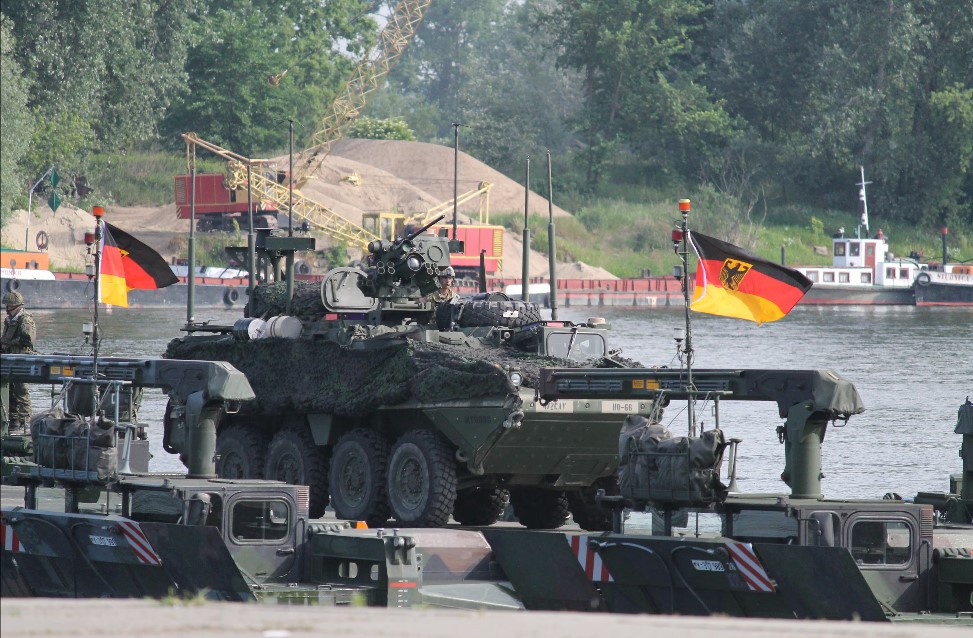
World
Germany is taking big steps to make its military stronger—and faster. The government has just approved a new draft law designed to speed up defense procurement and construction projects, a move seen as crucial given the growing threats on Europe’s eastern borders. Under this proposed law, Germany will ease or skip lengthy bidding rules for military contracts, especially in urgent cases. This means big defense deals won’t need to be split into smaller contracts anymore—a process that often causes delays. The rules around how much can be spent before triggering a formal procurement process are also being relaxed. For example, the current threshold of €15,000 ($16,685) will rise to €50,000 ($58,685). For construction work, the cap will jump to €1 million ($1.1 million), and for other goods and services, to €443,000 ($519,173). These changes are expected to be in place for 10 years, giving Germany a long runway to build up its military infrastructure and capabilities. German Defense Minister Boris Pistorius said the changes are long overdue. “We are removing many of the constraints that have prevented us from moving even faster,” he explained. “We can now truly focus on what matters in the interests of the Bundeswehr’s defense capability and equipment.” This move isn’t happening in isolation. Germany, along with many EU countries, is ramping up defense readiness as worries grow over Russia’s behavior and potential future conflicts. The new law fits in with broader efforts in Brussels to speed up military investments across Europe. Just last month, the European Commission proposed new rules to cut approval times for defense projects from several years to just 60 days. It also wants each country to create special teams that would help defense companies navigate red tape. These changes are part of the “ReArm Europe” initiative, a bold plan announced by Commission President Ursula von der Leyen. The goal? Mobilize €800 billion ($841 billion) to boost Europe’s defense production and better coordinate efforts between member states. In short, Germany’s new law is a direct response to today’s tense geopolitical climate. With Europe taking defense more seriously than it has in decades, Berlin wants to ensure it doesn’t get left behind—and that its armed forces are equipped, ready, and well-supported in the years ahead.
Read More → Posted on 2025-07-26 13:48:08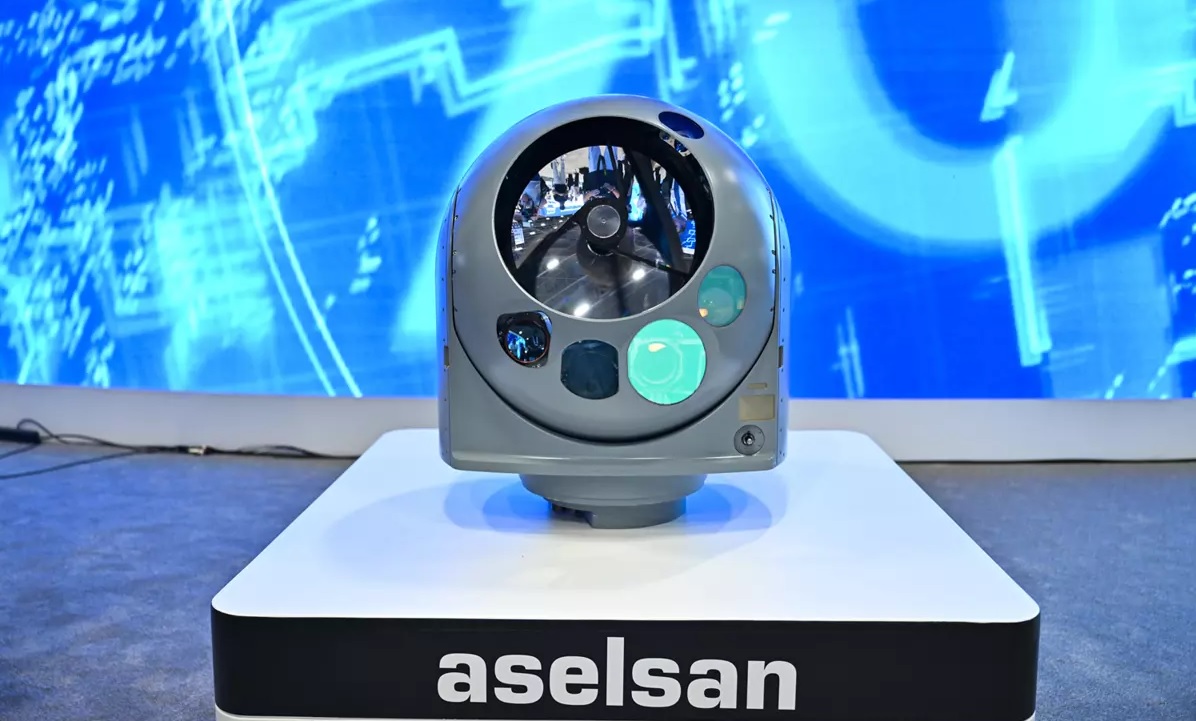
World
ASELSAN, Turkey’s top defense technology firm, has officially unveiled the ASELFLIR 600, its most advanced electro-optical targeting system yet. The launch took place at the prestigious IDEF 2025 defence exhibition in İstanbul, drawing wide attention from global military observers and defence experts. The new ASELFLIR 600 is designed specifically for HALE (High-Altitude Long-Endurance) class unmanned aerial vehicles, which are crucial for extended surveillance and high-precision military missions. Compared to its predecessor, the ASELFLIR 500, this next-generation system represents a significant technological leap — not just in hardware, but in smart, AI-enabled capability. What makes this system truly next-generation is its combination of AI-powered object recognition, multi-band high-definition sensors, and a long-range laser suite, all packed inside a much larger 25-inch gimbal. These features allow it to detect, identify, and track targets from extreme distances and under challenging operational conditions — day or night, across multiple spectrums. Its expanded aperture and multispectral optics ensure better image clarity and range, giving operators a superior view of the battlefield. But more importantly, the system isn’t just about sharp images. It's about real-time intelligence. The integrated AI capabilities mean the ASELFLIR 600 can automatically distinguish between different types of vehicles, people, and threats — reducing human workload and improving mission efficiency. Ahmet Akyol, ASELSAN’s President and CEO, emphasized the company's evolving vision during the launch. “With the introduction of systems from our T-LINK family and the ASELFLIR 600, we are redefining smart airpower with fully indigenous, future-ready solutions,” he said. Akyol highlighted the importance of synchronized connectivity and superior sensing in achieving air dominance in modern warfare. ASELSAN has been at the forefront of Turkey’s defense modernization, and the ASELFLIR 600 adds to its growing suite of smart technologies for both manned and unmanned aerial platforms. These innovations are crucial for supporting secure, networked operations and improving situational awareness — key needs in today’s increasingly complex and contested airspaces. The unveiling of ASELFLIR 600 is not just about a new product — it reflects ASELSAN’s larger ambition. The company is actively working toward becoming one of the world’s top 30 defense firms by 2030, and systems like ASELFLIR 600 showcase the technological edge and strategic focus that could help it get there. In short, ASELFLIR 600 is not just another sensor. It’s a leap into a smarter, more connected, and more precise future for unmanned aerial warfare.
Read More → Posted on 2025-07-26 13:30:28
World
Tensions between Thailand and Cambodia have reached a critical point, with Thai Prime Minister Sudarat Keyuraphan officially rejecting mediation offers from both the United States and China, warning that the ongoing border clashes “could escalate into a full-scale war.” The situation along the disputed frontier — particularly near the Preah Vihear Temple and surrounding highlands — has rapidly deteriorated over the past week, with artillery exchanges, drone incursions, and ground skirmishes reported daily. Over 130,000 civilians from border provinces have been displaced, seeking refuge in temporary camps or crossing into safer interior areas of both countries. Thailand Prime Minister's Statement In a televised address from Government House in Bangkok this afternoon, PM Sudarat declared: “Thailand will not accept external mediation at this stage. Our sovereignty is not negotiable, and we will respond with the full strength of our military if provoked further. We urge Cambodia to immediately cease its hostilities or face consequences.” The Prime Minister's statement came just hours after diplomatic messages from both Washington and Beijing proposed urgent ceasefire negotiations and offered to mediate a de-escalation framework. Both proposals were dismissed by the Thai government, citing lack of neutrality and national security concerns. Current Status of the Conflict Clashes have intensified along several sections of the border, particularly in the provinces of Sisaket (Thailand) and Preah Vihear (Cambodia). Thai Armed Forces have deployed additional battalions, artillery units, and combat UAVs to the frontier, with air patrols increased over contested areas. Cambodian forces are reportedly reinforcing key outposts and have also mobilized irregular militias in some sectors. Reports indicate drone reconnaissance flights, long-range rocket artillery, and heavy mortars being used by both sides in a series of tit-for-tat strikes since Monday. While official casualty figures remain unclear, sources suggest at least 40 soldiers and dozens of civilians may have been killed or injured in the latest round of fighting. UN Security Council Responds With regional peace at risk, the United Nations Security Council (UNSC) has called for an emergency closed-door session tonight in New York to address the deteriorating situation. UN Secretary-General António Guterres has urged both sides to "exercise maximum restraint" and warned of "grave consequences for regional stability" if war breaks out. International Reactions ASEAN, of which both Thailand and Cambodia are members, has expressed “deep concern” and is reportedly trying to organize an extraordinary ministerial summit. The United States has advised American citizens to avoid travel to both countries and has begun evacuating staff from its consulate in Chiang Mai. China, while calling for calm, has warned of “external forces” trying to exploit the crisis — a veiled reference to U.S. involvement. The conflict stems from a decades-old territorial dispute over the area surrounding the 11th-century Preah Vihear Temple. Though the International Court of Justice (ICJ) awarded the temple to Cambodia in 1962, the surrounding land remains contested, and minor clashes have occurred intermittently since 2008. The latest escalation appears to have been triggered by a border patrol incident earlier this month that left several soldiers dead on both sides. With diplomatic efforts faltering and troop mobilizations intensifying, the region is bracing for further violence. The next 24 to 48 hours are considered critical. Unless urgent diplomatic pressure can halt the trajectory, Southeast Asia may be on the brink of its most serious interstate conflict in decades.
Read More → Posted on 2025-07-25 16:07:57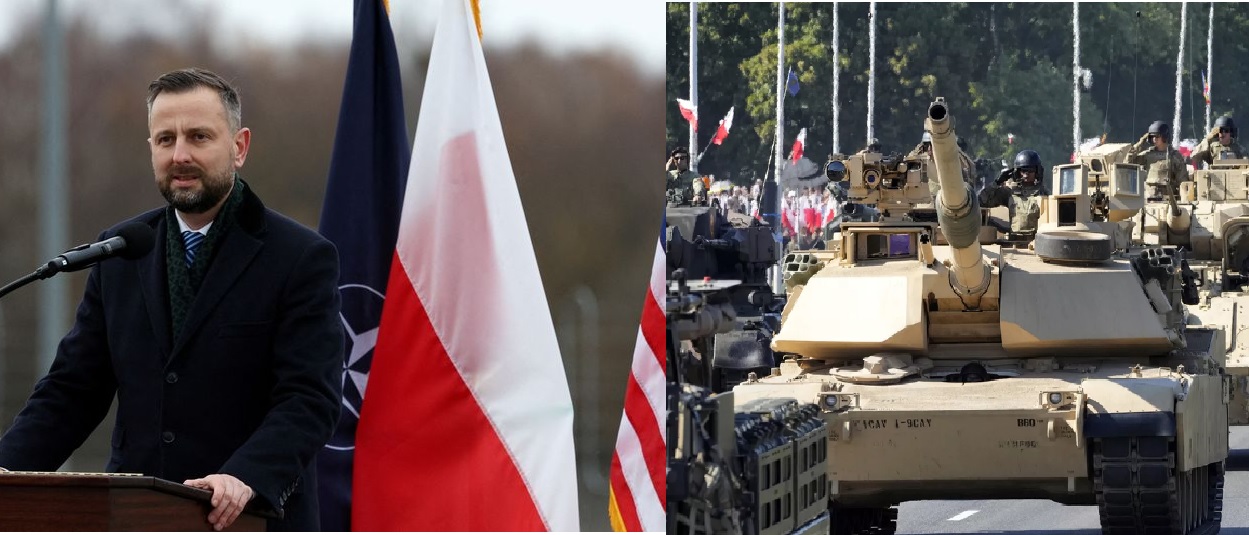
World
To strengthen its military capabilities, Poland will sign a $4 billion loan guarantee agreement with the United States on July 25, aimed at modernising its armed forces. The announcement came from Poland’s Ministry of National Defence, highlighting the country’s commitment to enhancing national security at a time when regional tensions are at their highest in decades. This loan is part of a broader effort by Poland to upgrade its defence systems and reinforce NATO’s eastern flank, especially since Russia’s full-scale invasion of Ukraine in 2022. The U.S. has already provided over $11 billion in loans and guarantees to Poland since the war began, helping the country buy advanced systems like the Patriot missile defence system, HIMARS rocket launchers, and Apache attack helicopters. But this latest deal isn’t just about buying equipment—it’s also a reflection of Poland’s changing mindset. The war in neighbouring Ukraine has shaken Poland to its core, leading to a deep sense of urgency about military readiness and national defence. After years of keeping defence spending relatively moderate, Poland has now emerged as the NATO country spending the highest share of its economy on defence. In 2025, Warsaw plans to spend 4.7% of its Gross Domestic Product (GDP) on the military—a staggering increase compared to earlier years. And this number is expected to climb even higher, with projections reaching 5% of GDP in 2026. To put this shift into perspective: before the Ukraine war, Poland’s defence spending hovered closer to 2% of GDP, which was roughly in line with NATO recommendations but not extraordinary. The Russian invasion, however, changed everything. Fear of aggression spreading westward has turned Poland into one of Europe’s fastest-growing military powers. In just a few years, Poland has massively ramped up its military procurement, ordering hundreds of tanks, fighter jets, and artillery systems, not just from the U.S. but also from South Korea and European manufacturers. The country is not only investing in hardware but also building new infrastructure and increasing troop numbers. The new $4 billion U.S. loan guarantee is another brick in that wall of defence—one that Poland hopes will keep it secure in a region where peace can no longer be taken for granted.
Read More → Posted on 2025-07-25 15:09:13
World
In Southeast Asia, the military balance between neighboring nations often reflects both current strategic priorities and deep-rooted historical tensions. Among these, Thailand and Cambodia share a complex relationship shaped by border disputes, ancient rivalry, and differing defense capabilities. A comparison of their armed forces reveals stark contrasts in strength, organization, and modernization. Current Military Comparison: Thailand vs Cambodia (2025) Category Thailand Cambodia Active Personnel ~360,000 ~125,000 Defence Budget (2024) ~$6.1 billion ~$620 million Main Battle Tanks ~300+ (M60A3, T-84 Oplot, Stingray) ~80+ (T-55, Type 59/69) Armored Vehicles ~3,500+ ~500+ Artillery (Towed + Self-Propelled) ~2,000+ ~300+ Fighter Aircraft ~60 (Gripen C/D, F-5E, Alpha Jet) None (Only utility helicopters and trainers) Navy Ships ~130 (1 aircraft carrier, frigates, corvettes) ~20 (mostly patrol boats) Helicopters ~250+ ~80+ Drones/ISR Yes (domestic + imported UAVs) Limited Thailand has a significantly stronger and more technologically advanced military. It is a long-standing U.S. ally and operates modern systems such as the Saab Gripen fighter jets, T-84 Oplot tanks, and even maintains the HTMS Chakri Naruebet aircraft carrier. Cambodia, on the other hand, operates a largely outdated Soviet-era inventory and has minimal air power. Historical Conflict: The Cambodian-Thai Border Clashes Although Thailand and Cambodia have not engaged in a full-scale war, several military incidents have occurred—primarily due to border disputes surrounding the Preah Vihear Temple. 2008–2011 Border Conflict Cause: Dispute over 4.6 sq km surrounding the Preah Vihear Temple, a UNESCO site awarded to Cambodia by the International Court of Justice (ICJ) in 1962. Notable Clashes: October 2008: First major skirmish; several soldiers killed on both sides. April 2009 & February 2011: Artillery duels led to casualties and displacement of civilians. Outcome: Casualties: Dozens dead (20+ Thai, 30+ Cambodian), hundreds injured. No decisive victory, but both sides claimed success. ICJ intervened again in 2013, reaffirming Cambodia’s sovereignty over the temple area. Military Analysis: Thailand’s superior firepower and air assets gave it a tactical edge, but political and international pressure prevented a full-blown escalation. Strategic Partnerships & Modernization Thailand: Major Non-NATO Ally of the U.S. Regular joint exercises like Cobra Gold with the U.S. and Japan. Imports high-end defense equipment from the U.S., South Korea, China, and Sweden. Cambodia: Increasingly aligned with China. Receives Chinese aid and equipment, including armored vehicles and small arms. Limited defense infrastructure compared to regional peers. Geopolitical Implications Thailand's military might positions it as a dominant regional player, particularly in the Indo-China peninsula. Cambodia, while growing in defense ties with China, remains focused on internal security and border defense. Despite historical clashes, both nations have managed to avoid full-scale war. Diplomatic efforts, especially through ASEAN, have played a critical role in maintaining a fragile peace. In any theoretical military confrontation, Thailand holds overwhelming superiority in nearly every domain—from air power to mechanized infantry. However, both nations today prioritize diplomatic channels over military aggression. The lessons from the Preah Vihear conflict underscore the risks of escalation and the importance of international arbitration in resolving sensitive border issues. As of 2025, the Thailand-Cambodia military equation remains one of imbalance but also relative stability—thanks to regional cooperation and shared economic interests.
Read More → Posted on 2025-07-25 14:49:30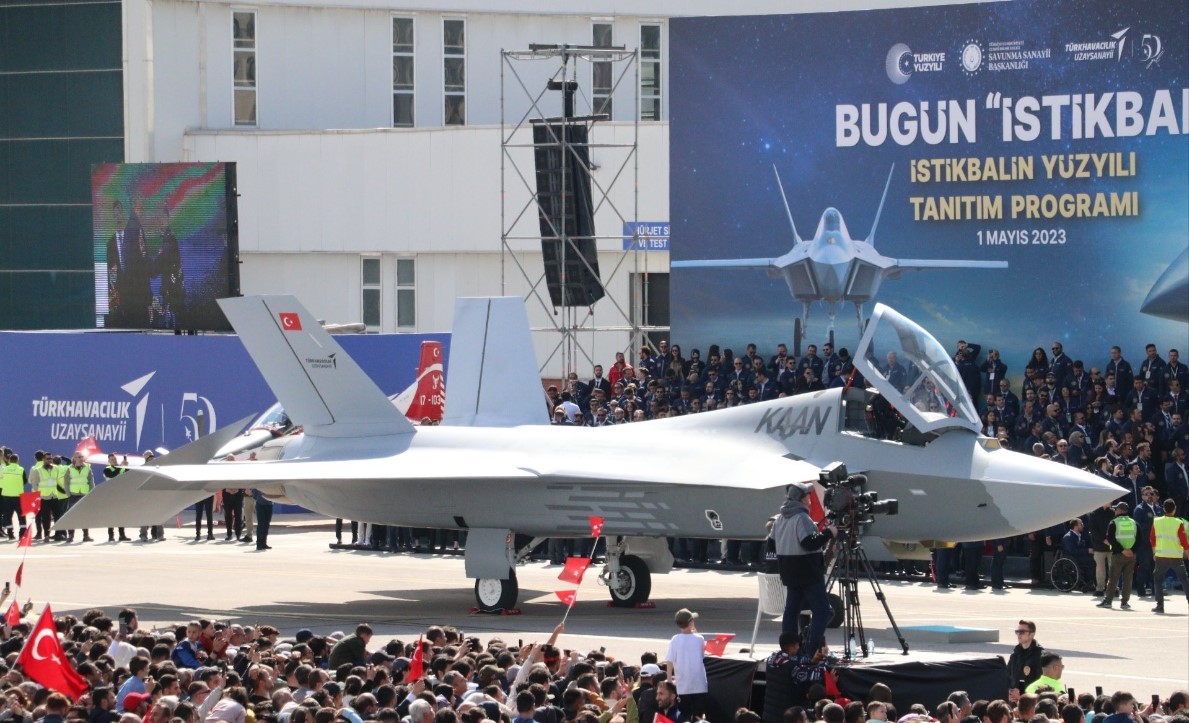
World
In a big leap for Turkey's defense industry, the country’s upcoming KAAN fifth-generation fighter jet is set to be equipped with advanced electronic warfare systems that can confuse enemy radars and jam drones in combat. A Turkish company called Electronic Warfare Systems Engineering (EHSIM) has developed two powerful tools aimed at protecting the KAAN from modern threats. The first is a radar decoy system known as SIS (RF Active Expendable Decoy Systems). This device is designed to be fired away from the aircraft during missions and has the smart ability to make one jet look like 10 to 20 aircraft on an enemy’s radar screen. That kind of trickery could distract or mislead enemy missiles, increasing the jet’s chances of surviving an attack. The second system, named JINN (Jammer Integrated Nullification Node), acts like a high-tech signal jammer, especially aimed at hostile drones. It sends out false signals to confuse enemy drone sensors and guidance systems, making it harder for them to stay locked on or complete their missions. Both SIS and JINN are part of EHSIM’s broader Countermeasure Dispensing Systems (CMDS) program, a national effort to make Turkish air platforms more resilient in the face of increasingly sophisticated radar and missile threats. According to EHSIM CEO Fatih Say, these systems are ready for mass production after passing their testing phase. Fatih Say highlighted the changing nature of aerial warfare: “Missiles today are becoming smarter, equipped with AI and better sensors. So, our countermeasures must be smarter too,” he said. With over 20 years of electronic warfare experience, EHSIM believes it is well-positioned to lead Turkey’s push for next-gen aircraft protection. The KAAN fighter jet, currently under development, is seen as Turkey’s answer to other fifth-generation jets like the F-35. It is expected to enter service around 2028, and these new decoy and jamming systems could play a critical role in giving it an edge in modern warfare. In today’s sky battles, being invisible or confusing to the enemy is just as important as firepower. With systems like SIS and JINN, Turkey is betting on brains over brute force—outsmarting threats before they strike.
Read More → Posted on 2025-07-25 14:48:35Search
Top Trending in 24 Hours
-
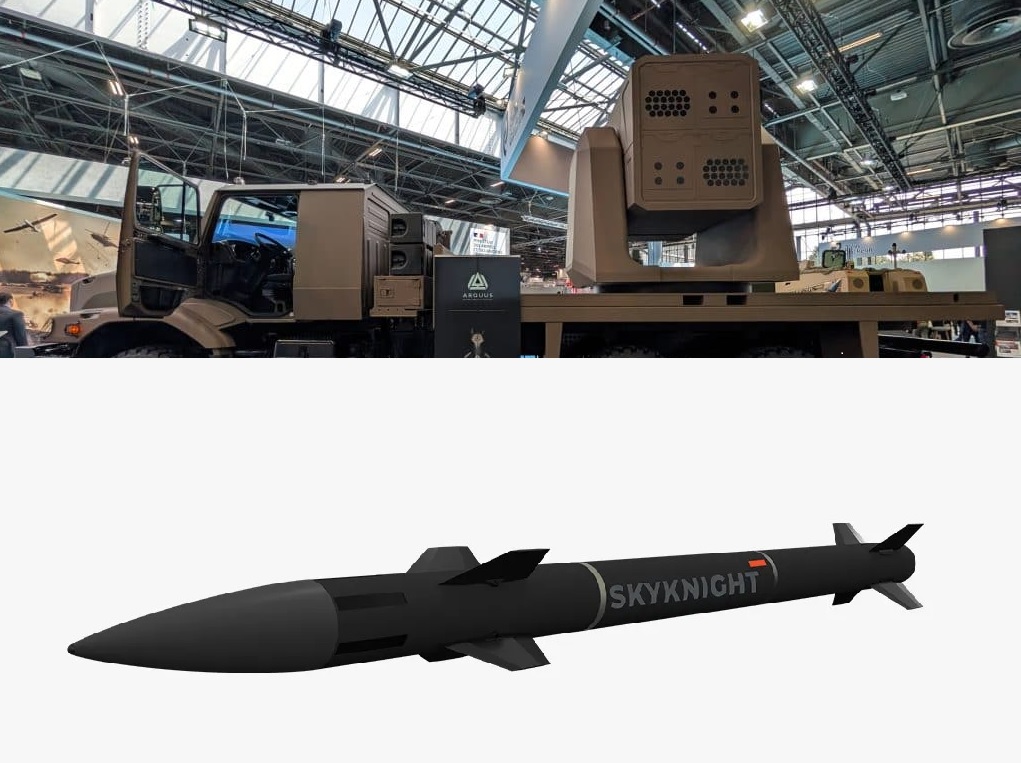 Naval Group Unveils Rampart Modular CIWS Multi-Purpose Weapon System for Naval and Ground Forces at Eurosatory 2026
-
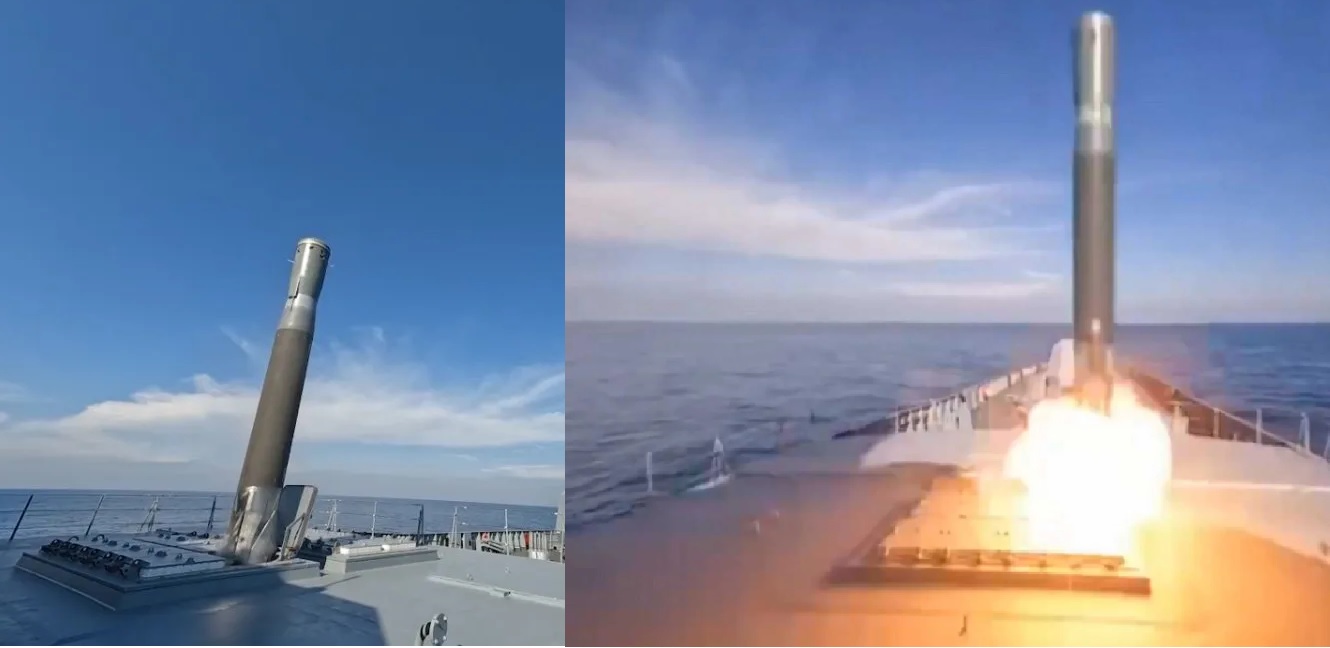 Open-Source Evidence Suggests Russia's Zircon Is a Quasi-Ballistic Missile, Not a True Hypersonic Cruise Weapon
-
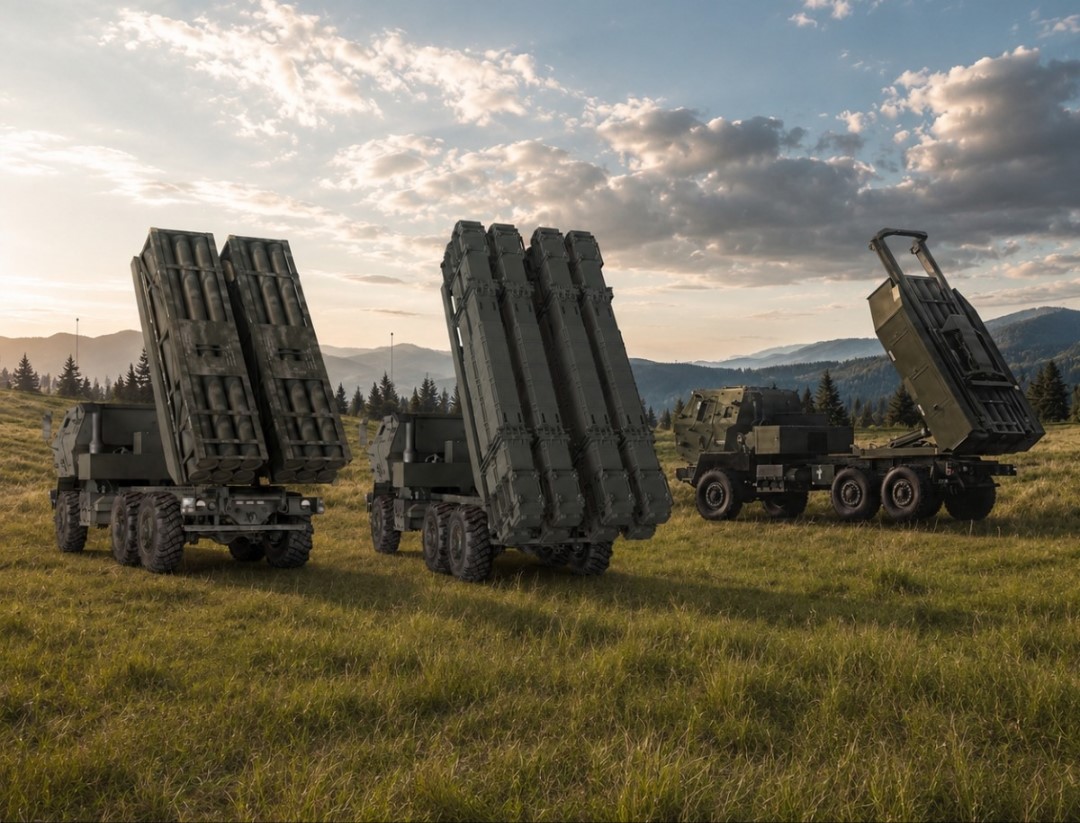 Lockheed Martin Unveils HIMARS FLEX with Dual-Pod Launcher and NATO-Compatible Air Defense Integration
-
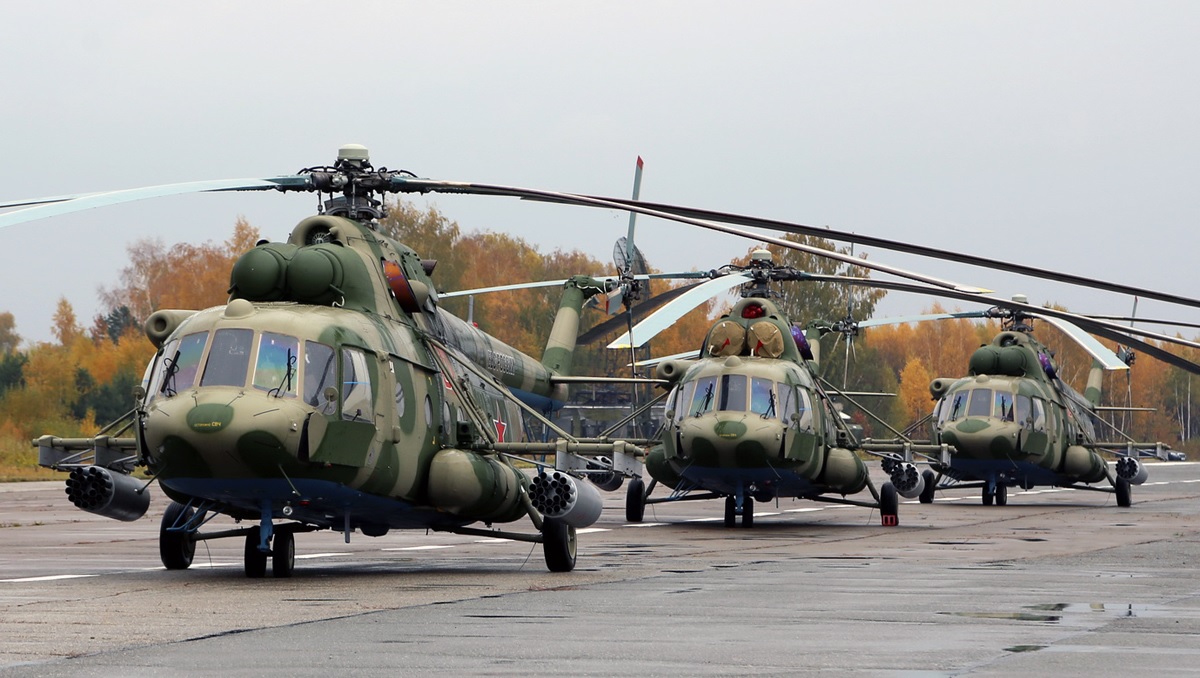 Iran Signs Deal with Russia for 20 Mi-8 and Mi-17 Helicopters to Boost Rescue and Medical Missions
-
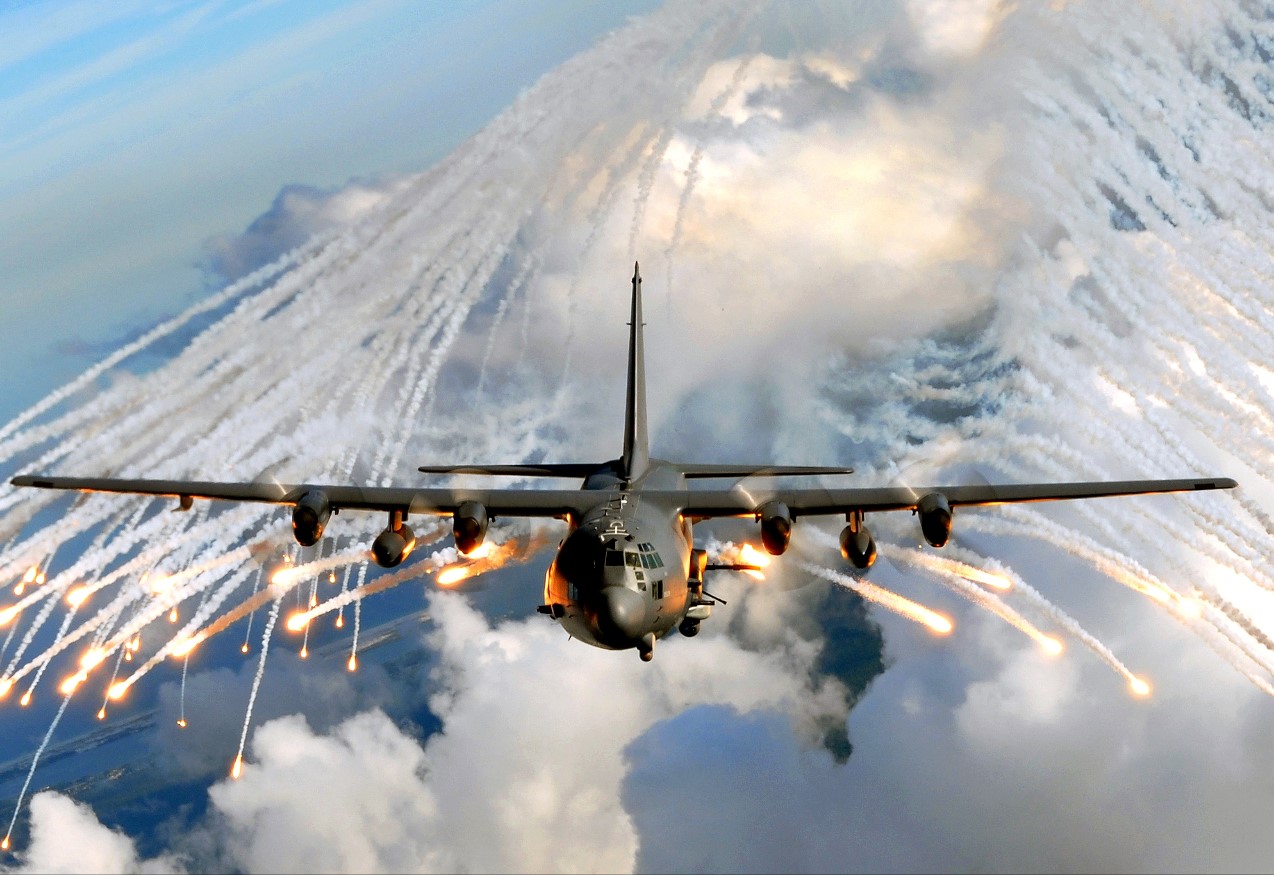 Pentagon Expands Alloy Surfaces Contract to $328.8 Million for Advanced Aircraft Decoy Flares Amid Evolving Drone Threats
-
 Why the U.S. Restored Pacific Command Name, Ending the Indo-Pacific Designation After Eight Years
-
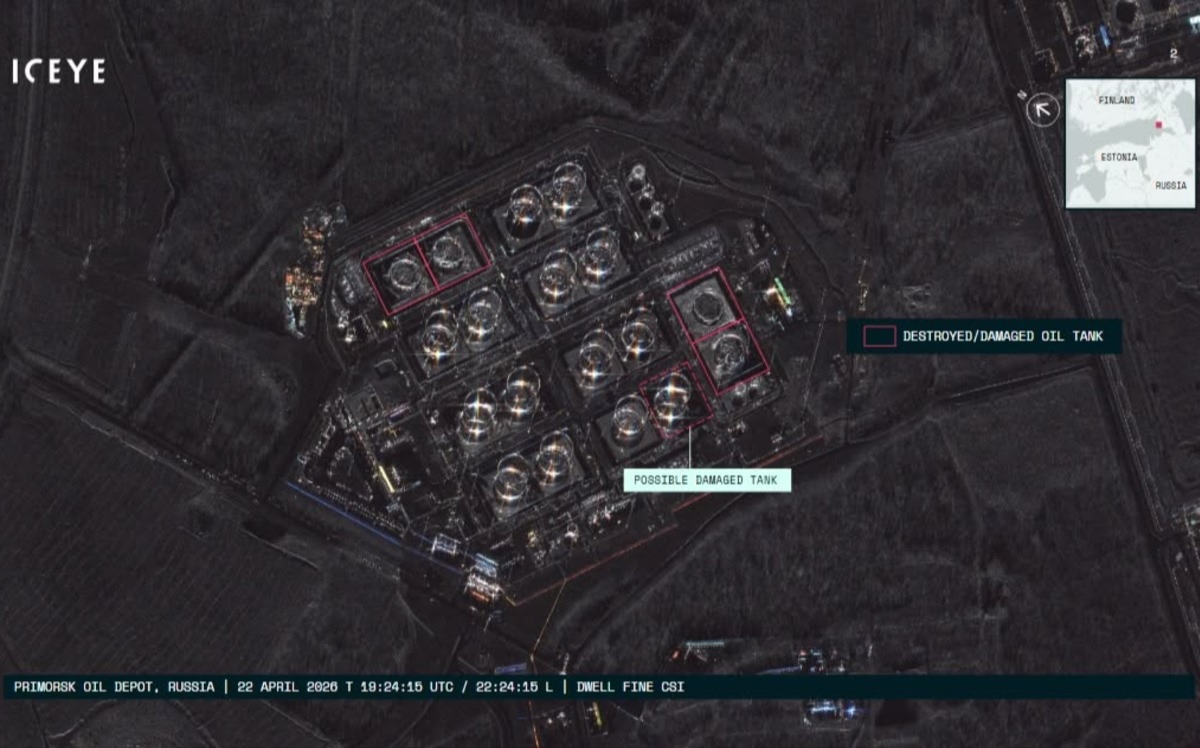 Portugal Doubles Sovereign SAR Satellite Fleet with Order for Two Additional ICEYE Satellites
-
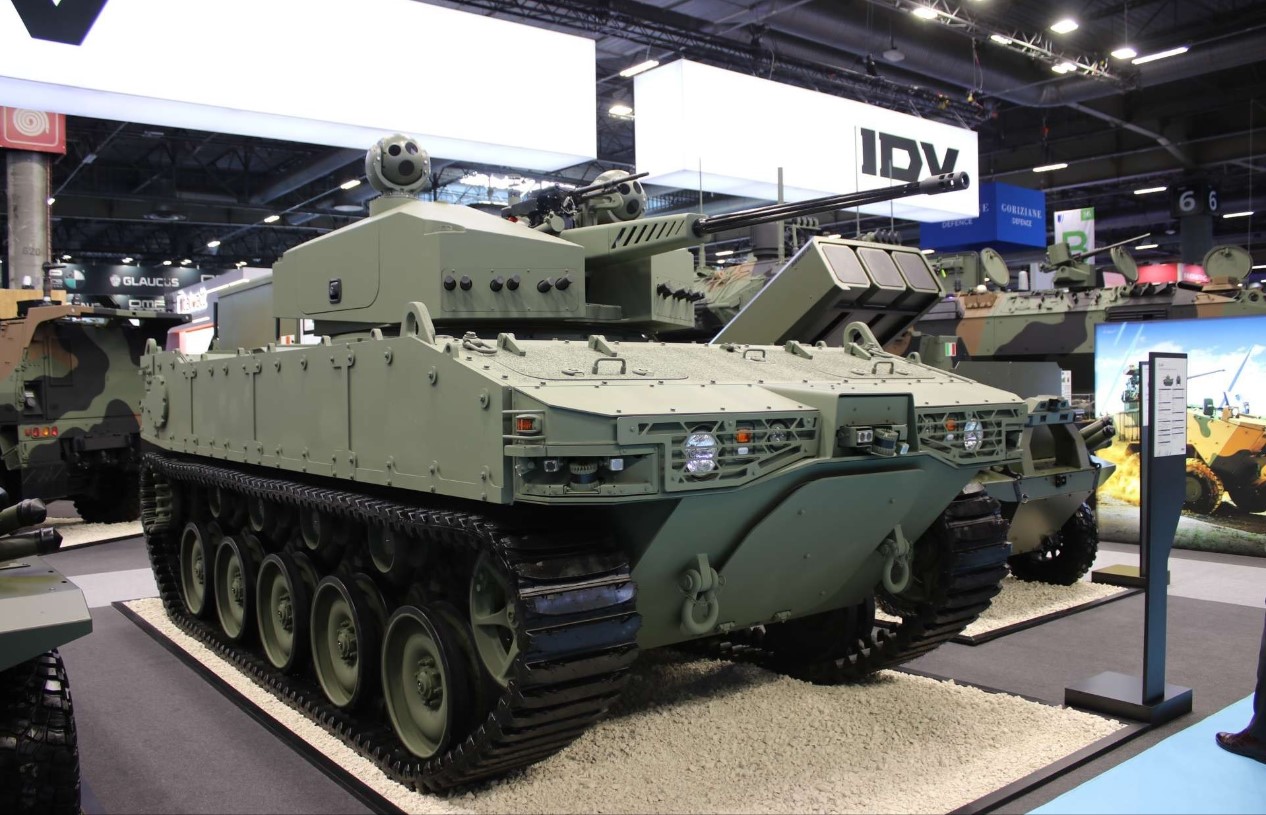 IDV Unveils CL2X Hybrid Uncrewed Light Tank at Eurosatory 2026
Top Trending in 4 Days
-
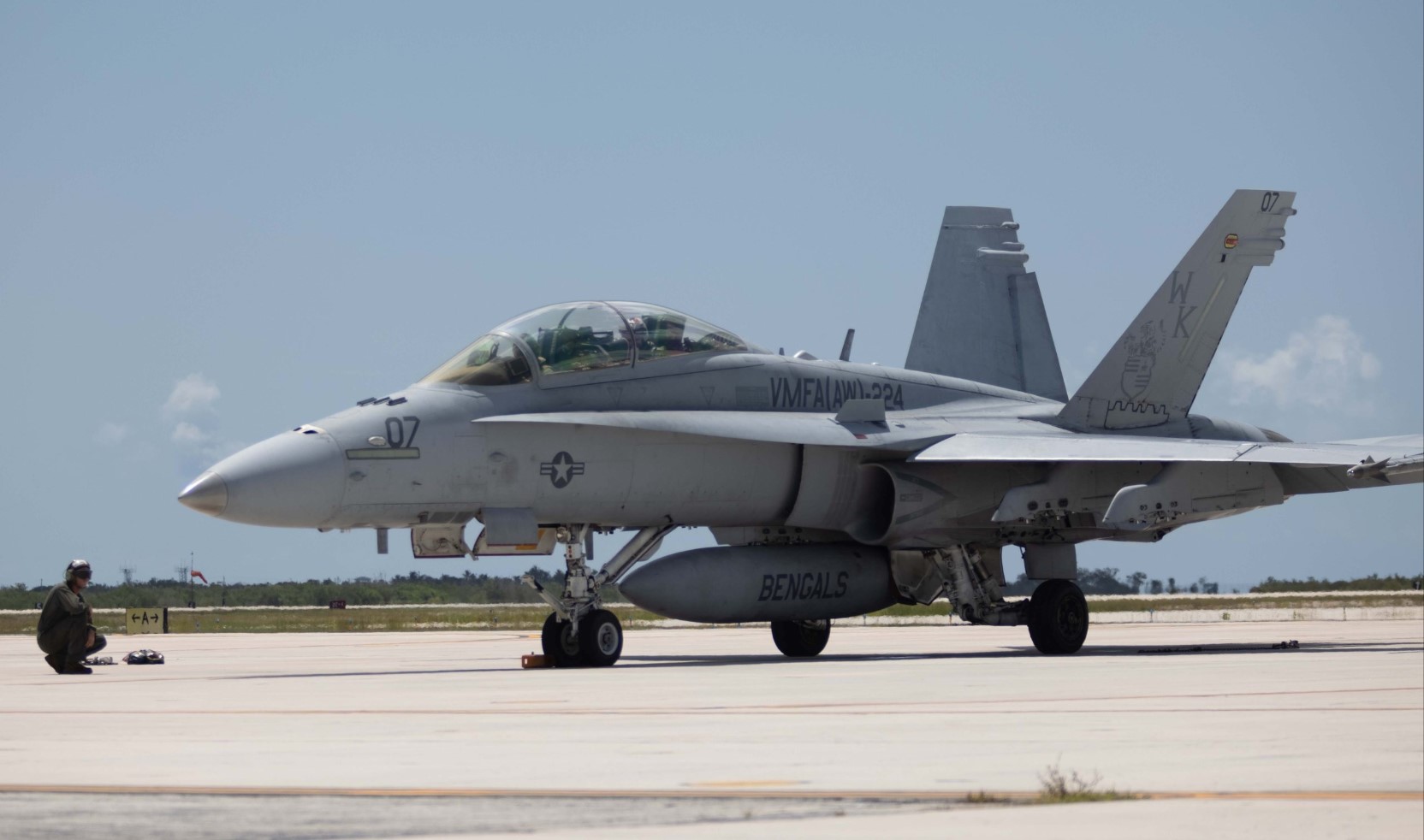 US Marine Corps F/A-18D Hornet Crashes During Training Flight in Washington Mountains; Pilot Ejects Safely
-
 Tulsi Gabbard Releases Declassified Files Detailing U.S.-Backed Network of 120 Biolaboratories Across 30+ Countries
-
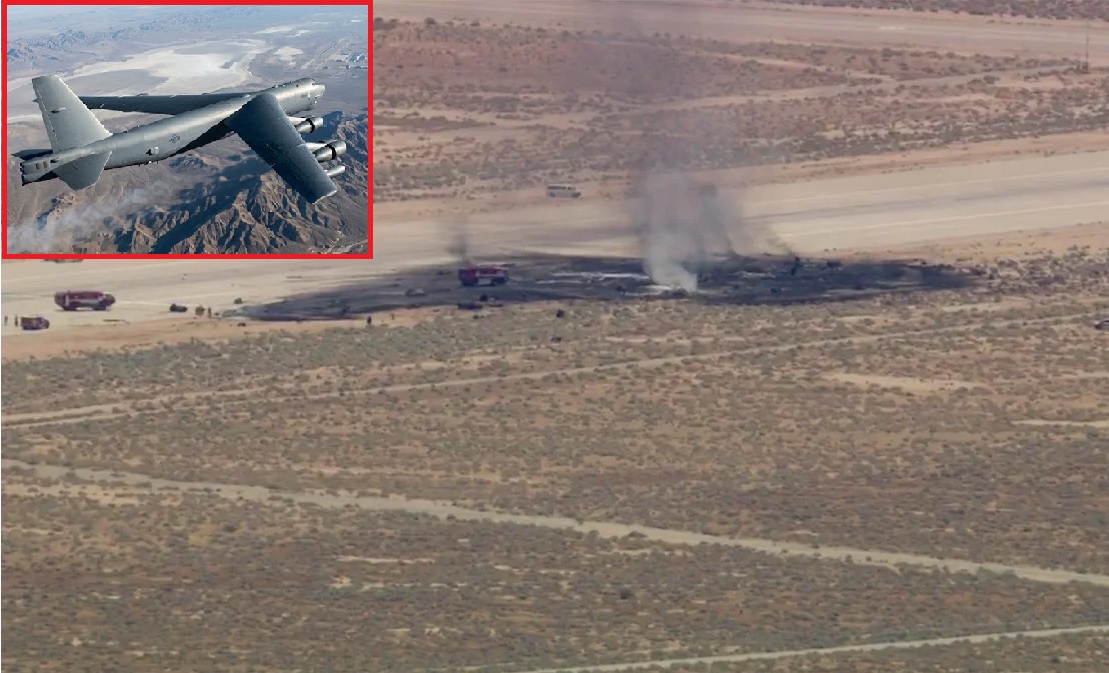 8 U.S. Air Force Crew Members Killed in B-52 Bomber Crash During Test Flight at Edwards Air Force Base
-
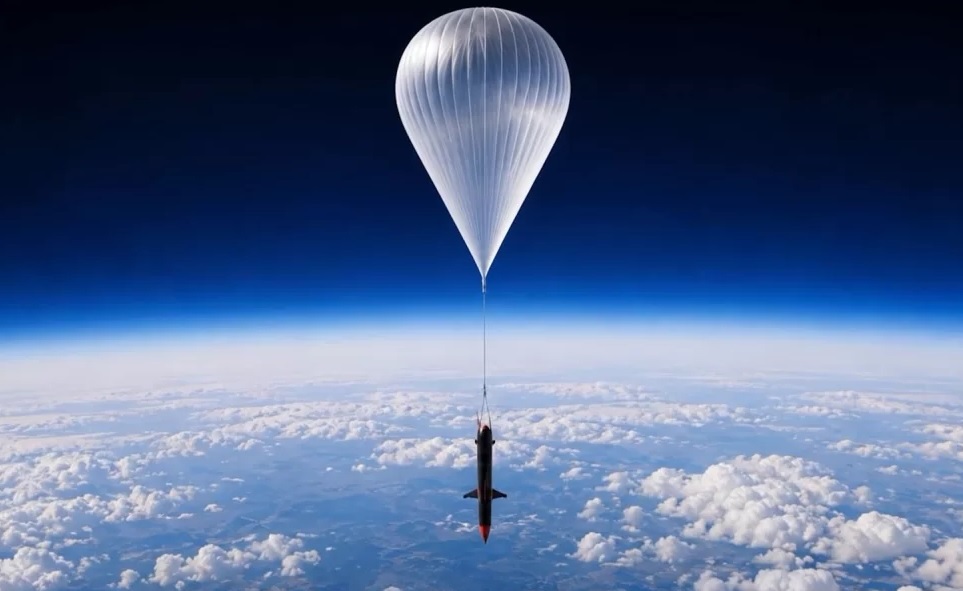 Ukraine Introduces Balloon-Launched DART Missile Designed to Defeat Electronic Warfare
-
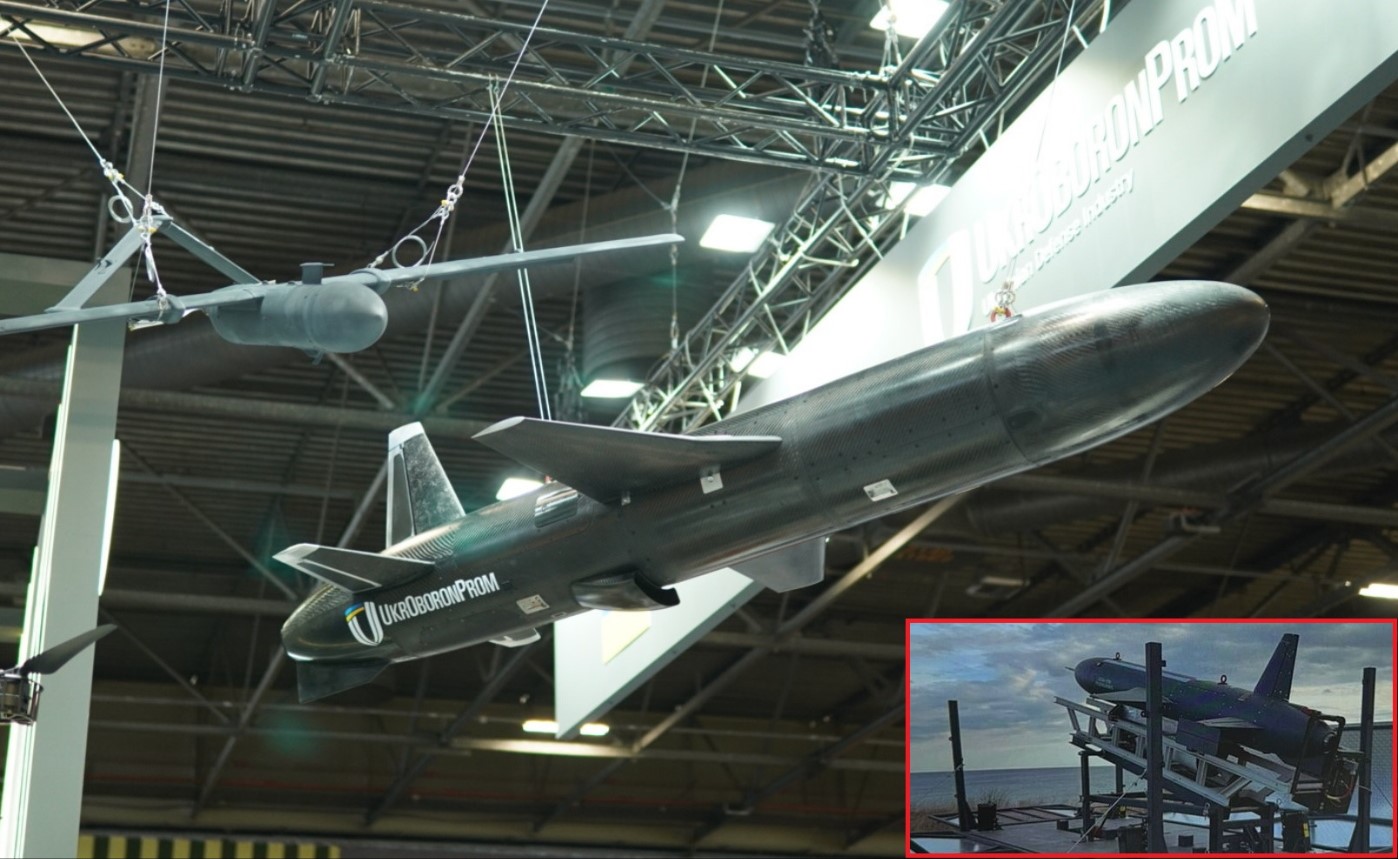 Ukraine Unveils UAV-290 Jet-Powered Strike Drone with 650 km Range at Eurosatory 2026
-
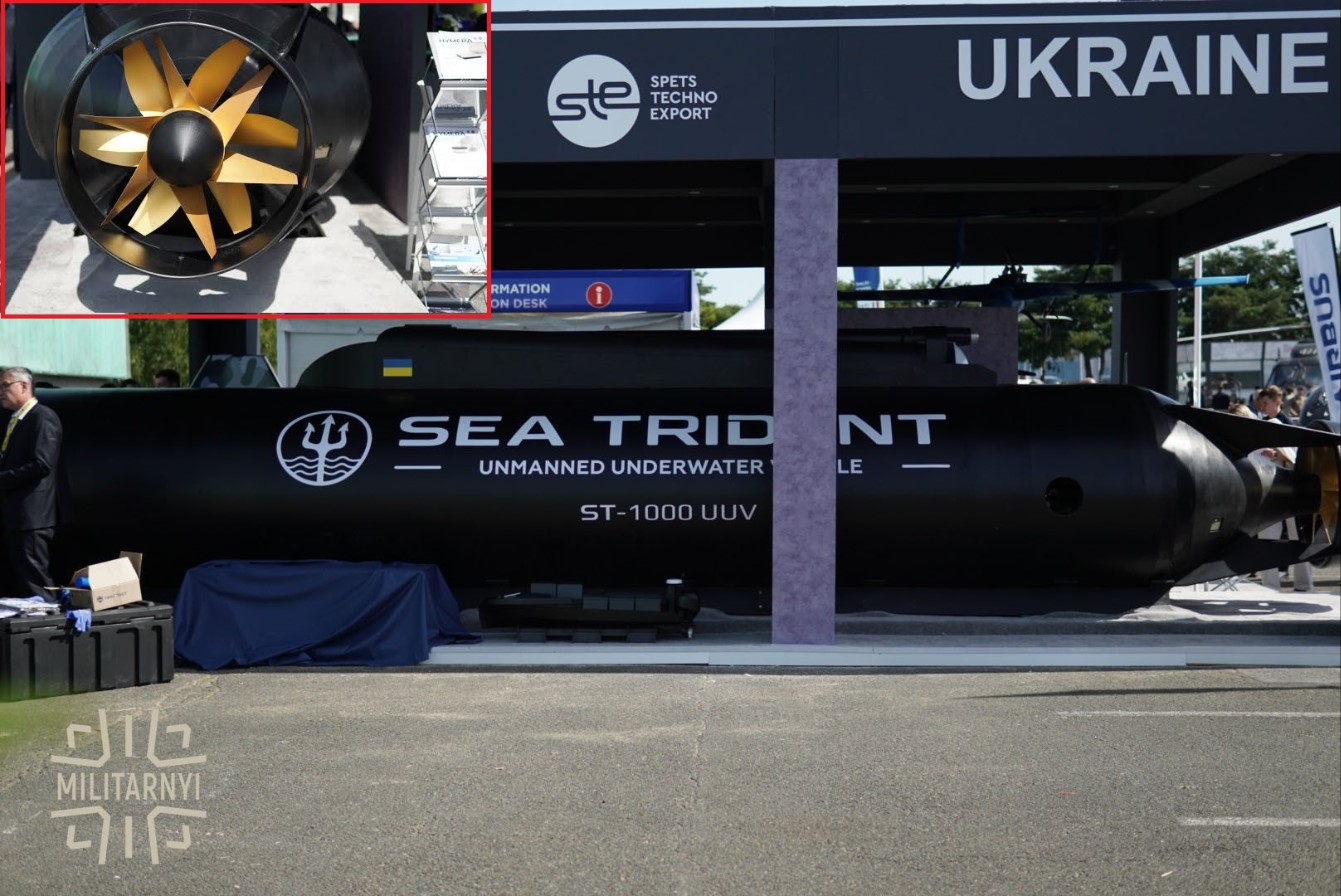 Ukraine Unveils 'Sea Trident' 10-Ton Autonomous Underwater Drone at Eurosatory 2026
-
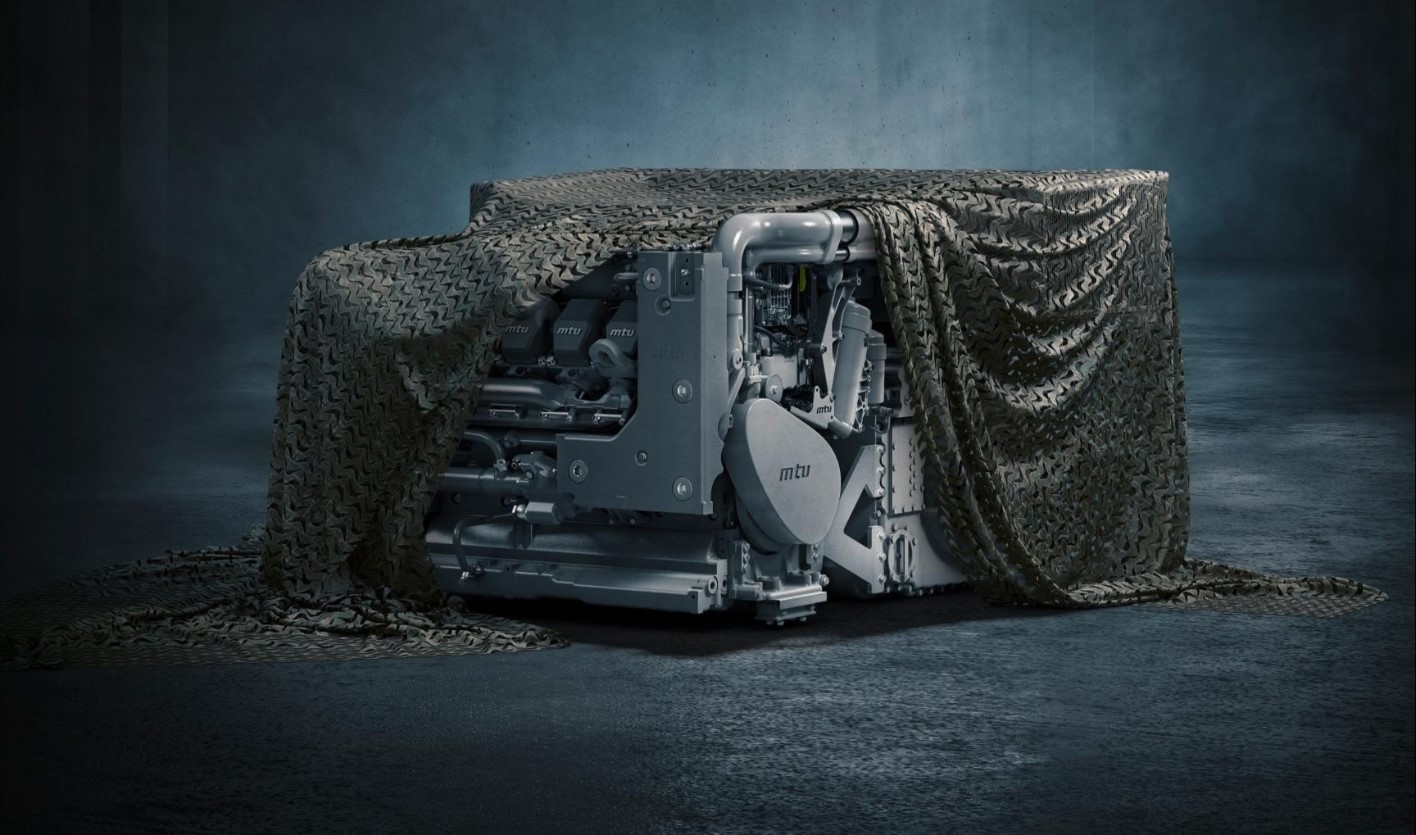 Rolls-Royce Unveils New Hybrid Powertrain for Heavy Military Vehicles at Eurosatory 2026
-
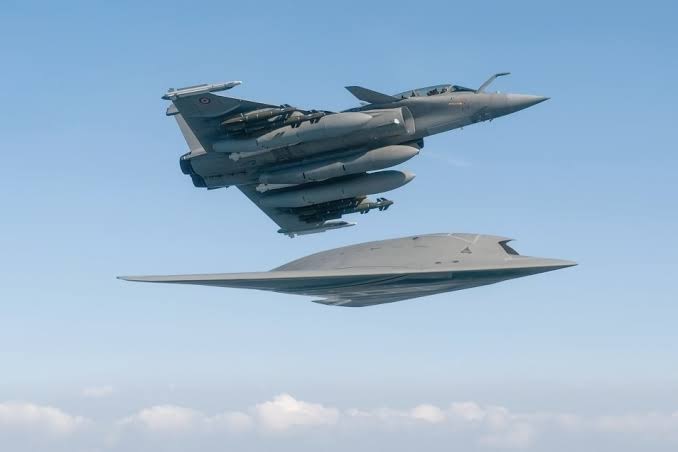 France Agrees to Equip Future Indian Rafales with AI, MUM-T and Secure Satellite Links Under F5 Standard