
World
At the IDEF 2025 defense exhibition in Istanbul, Turkish Aerospace Industries (TAI) officially unveiled its newest innovation — the Şimşek-K High-Speed Target Drone System. This marks an important advancement in Türkiye’s defense training capabilities, focusing on simulating fast and complex aerial threats to prepare armed forces for modern combat scenarios. The Şimşek-K drone is designed specifically for military training and air defense exercises, acting as a high-speed, realistic target for fighter jets, missile systems, and naval defenses. With the world witnessing more advanced threats, especially from missiles and UAVs, drones like Şimşek-K help countries train against those challenges in a safer and cost-effective way. The drone is 2.4 meters long with a 1.5-meter wingspan, and it weighs 83 kilograms at takeoff. Despite its compact size, it carries a payload of up to 18 kilograms, including radar cross-section enhancers, infrared signature boosters, and cameras for improved mission simulation. Powered by 35 liters of fuel, it can fly at speeds up to Mach 0.63, reach altitudes of 25,000 feet, and stay airborne for more than 45 minutes. Its datalink range is 150 kilometers, and the total operational range extends beyond 500 kilometers. One of Şimşek-K’s key features is its fully autonomous and encrypted flight system, which allows for mid-flight mission updates, emergency procedures, and automated landing. It can be launched from the ground, sea vessels, or even airborne platforms, using rocket-assisted takeoff, and it returns via a parachute recovery system, making it reusable and cost-efficient. This new drone builds on over a decade of development in TAI’s target drone program. The original Şimşek was first tested in 2012, followed by upgrades like the Super Şimşek. In 2020, the Şimşek was successfully launched from an Anka combat drone, proving its adaptability. The Şimşek-K now represents the most advanced version, reflecting lessons learned from earlier versions and operational feedback. Compared to older systems and foreign drones, Şimşek-K brings a blend of speed, modularity, and security in a compact form. While many similar drones offer basic functions, Şimşek-K includes real-time encrypted telemetry, reprogrammable missions, and multi-threat simulation capabilities. These features make it a valuable asset for NATO allies and countries looking for cost-effective, indigenous defense solutions. Beyond technology, Şimşek-K symbolizes Türkiye’s growing independence in defense manufacturing and its ambition to become a global supplier of advanced training systems. By offering realistic, reusable, and autonomous drones, Türkiye is reducing its reliance on Western imports and expanding its defense partnerships — especially in regions like the Middle East, Central Asia, and Africa. In short, Şimşek-K is not just a drone — it’s a strategic tool that enhances training while strengthening Türkiye’s defense industry. With global threats becoming more unpredictable and fast-moving, systems like Şimşek-K will play a crucial role in helping armed forces prepare for the future of warfare.
Read More → Posted on 2025-07-30 15:02:53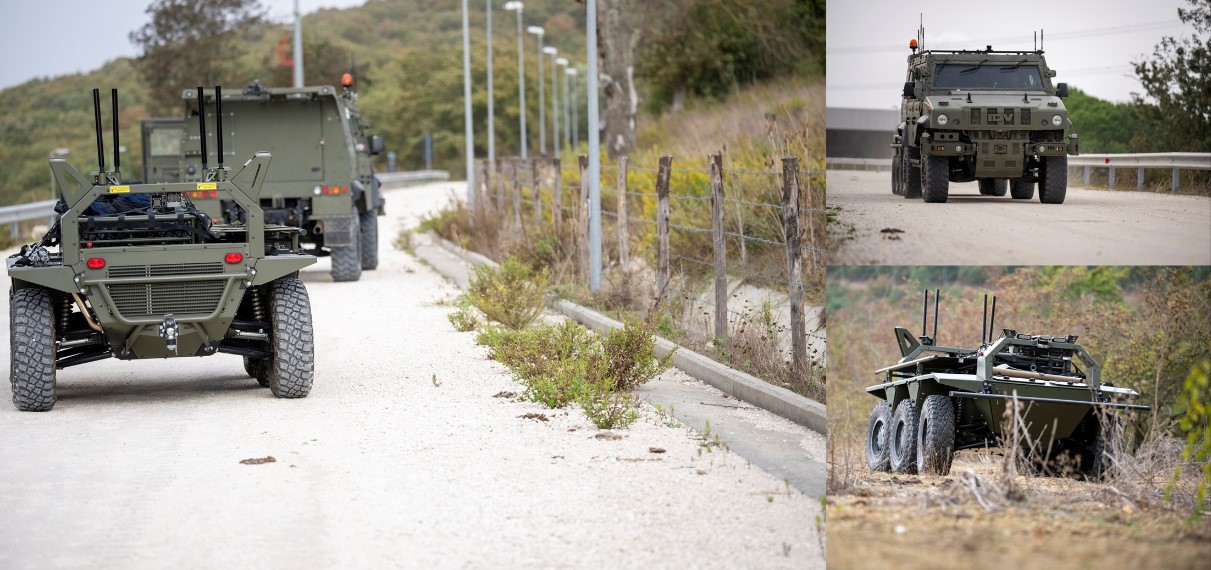
World
The NATO Support and Procurement Agency (NSPA) has awarded a three-year contract aimed at enhancing Robotics and Autonomous Systems (RAS) experimentation and development. This move is part of a wider push by a NATO Nation to modernize its military by integrating advanced technologies, including Artificial Intelligence (AI), Machine Learning (ML), and networked sensors into its defence strategy. This initiative builds on five years of collaboration where NSPA has supported the nation using the DOTMLPFI framework—a comprehensive structure covering Doctrine, Organisation, Training, Materiel, Leadership, Personnel, Facilities, and Interoperability. The goal is to reimagine how military forces are structured and how they operate in future combat environments. A key focus of the programme is on Uncrewed Ground Vehicles (UGVs) and Uncrewed Air Systems (UAS). These systems will operate under a sophisticated, interoperable Command and Control (C2) architecture built to Autonomy Levels for Uncrewed Systems (ALFUS) level 5. This setup allows the systems to work seamlessly across different military domains through a resilient network of distributed nodes. By integrating robotics, AI, ML, and Intelligence, Surveillance, and Reconnaissance (ISR) into a Concept Development and Experimentation (CD&E) framework, NSPA is helping to shape new tactics and operational models. These emerging RAS technologies are seen as vital force multipliers—enhancing situational awareness, improving decision-making, and enabling missions to be carried out faster, more precisely, and more safely. The programme aims to develop integrated human-machine teams, allowing troops to work alongside autonomous systems that can adapt in real time to the battlefield. However, the emphasis remains on maintaining human oversight, especially as the systems transition into RAS-Integrated and eventually RAS-Supervised Teams, offering greater autonomy without losing control. Testing of these capabilities will take place in realistic, non-lethal operational environments, developed jointly with military end-users. These trials will explore how much autonomy is suitable for various missions, with a strong focus on trust, performance, and operational control. This effort is being driven under the COMMIT partnership, which supports NATO Nations in transforming their operational concepts. Céline Danielli, Programme Manager for NSPA General and Cooperative Services (LB), stated, “This contract represents a step forward, providing our NATO Nation access to some of the most advanced RAS capabilities.” She added, “By combining robotics, autonomy, cutting-edge AI/ML, and ISR solutions, we are preparing for the complex battlefields of tomorrow.” The contract also highlights the NSPA Operations Directorate’s role in ensuring that technological advances directly support operational readiness and real-world deployment. This development places NSPA and its NATO partners at the forefront of the global effort to bring autonomous and AI-enabled systems into mainstream military operations.
Read More → Posted on 2025-07-29 15:37:19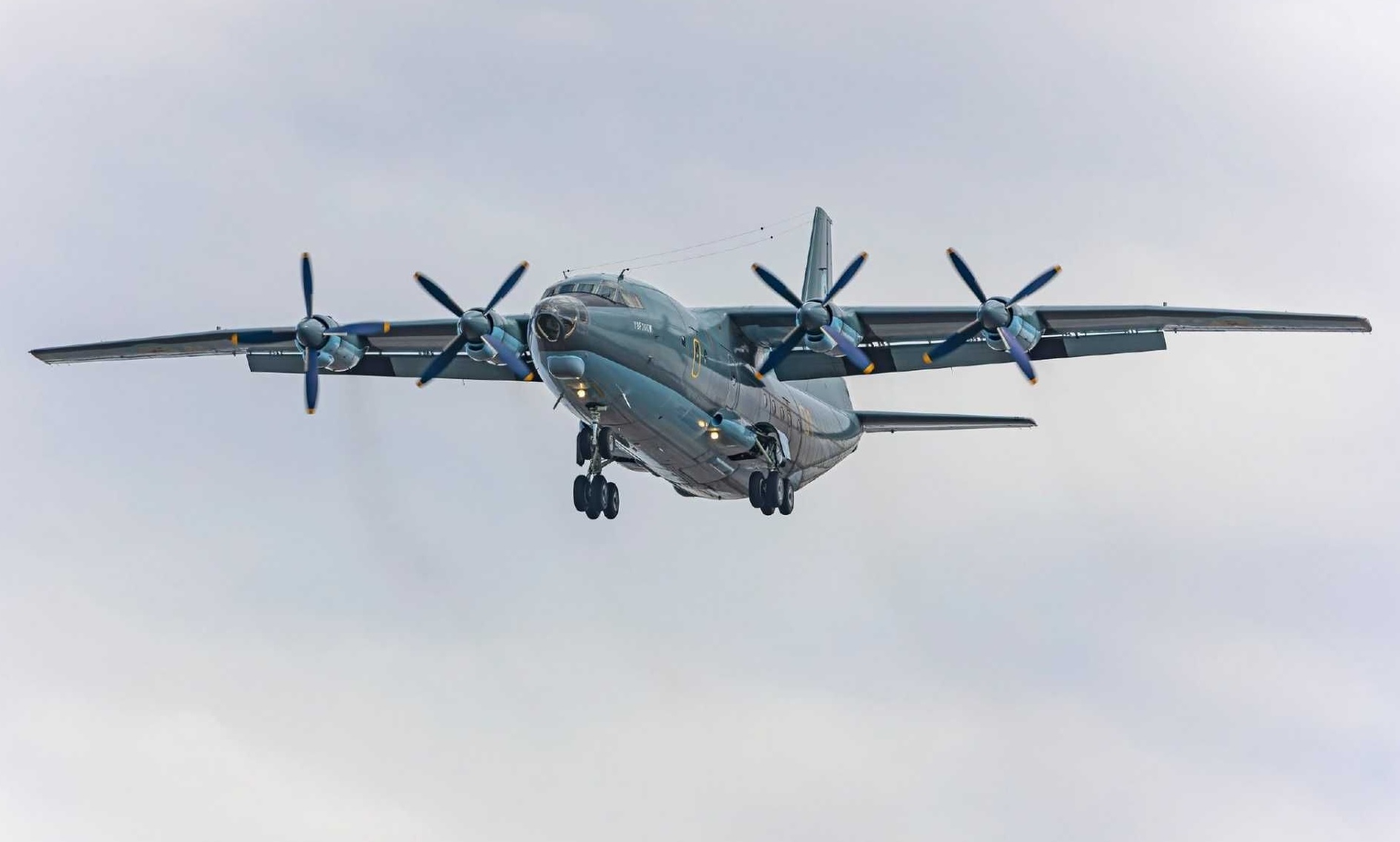
World
China has delivered three more Y-8F-200WA military transport aircraft to Kazakhstan, significantly strengthening the airlift capabilities of the Central Asian country’s National Guard. The latest aircraft—tail numbers 04, 05, and 06—were spotted in newly released photos taken on July 22, 2025, confirming their delivery. These new additions raise Kazakhstan’s total fleet of Chinese Y-8 aircraft to six, with two more deliveries expected in the future. The aircraft are used primarily by the National Guard, a paramilitary force responsible for internal security, emergency response, and logistics. The delivery marks one of the first major documented instances of Chinese military transport aircraft being supplied to a former Soviet republic, signaling growing defense ties between Beijing and Nur-Sultan. This aircraft deal was initiated back in 2018, when Kazakhstan and China’s Shaanxi Aircraft Corporation signed an agreement for the delivery of eight Y-8F-200WA aircraft. The first unit, bearing tail number 01, was delivered in September 2018, followed by tail number 02 in December 2023 and 03 in April 2024. The new aircraft were delivered throughout 2025, as previously reported, and were seen sporting the livery of Kazakhstan’s National Guard. Ceremonies involving Chinese test pilots marked the arrival of earlier deliveries. The Y-8F-200WA, also known as the “Pegasus”, is a modern export-oriented version of China’s Y-8, which itself was developed from the Soviet Antonov An-12 through reverse engineering after the Sino-Soviet split. Built by Shaanxi Aircraft Corporation, the Y-8 series has evolved into one of China’s most versatile military aircraft platforms. The F-200WA model includes a stretched fuselage, improved cargo handling, and four WJ-6 turboprop engines with 4,250 horsepower each. It can carry up to 23 tons of cargo, 96 troops, or 60 medical stretchers, making it ideal for logistics, troop transport, and disaster relief operations. The aircraft offers strong value for countries like Kazakhstan, combining short takeoff and landing (STOL) performance with Soviet-style compatibility, allowing it to operate from semi-prepared airstrips across the country’s vast territory. These features are especially useful given Kazakhstan’s rugged terrain and dispersed population centers. While Kazakhstan still operates Soviet-era platforms like the An-74, it has recently expanded its airlift fleet with modern Western aircraft. In December 2024, the country received its first Airbus A400M, with a second one expected in 2026. This is part of a broader multi-vector military procurement strategy, which includes partnerships with both European and Chinese defense manufacturers. Kazakhstan also signed a memorandum with Airbus for maintenance and overhauls of its C295 fleet. The Y-8 series has been exported to several other countries, including Pakistan, Myanmar, Venezuela, and Sri Lanka, with over 169 units produced by 2010. While China continues to develop newer versions, like the Y-8F-600 and Y-9, the Y-8F-200WA remains a cost-effective workhorse for many nations. The growing fleet of Chinese aircraft in Kazakhstan may reflect a broader realignment in regional military logistics, especially as Ukraine’s Antonov production remains impacted by ongoing conflict. China, with its active aircraft manufacturing capability, is likely to play an increasing role in supplying transport aircraft to Central Asia. Once the final two aircraft are delivered, Kazakhstan’s eight-strong Y-8 fleet will form one of the largest Chinese-built military airlift groups in the region—working alongside A400Ms and older An-series aircraft to meet the country’s strategic and tactical mobility needs.
Read More → Posted on 2025-07-29 15:23:28
World
Russia is testing a new robotic tank called the ‘Shturm’, built using the chassis of the Soviet-era T-72 or T-90 tanks, giving old military machines a fresh role on the modern battlefield. This unmanned ground vehicle (UGV) is designed specifically for high-risk urban combat and can be remotely controlled, though recent videos suggest it still operates with crew onboard during trials. Developed by Uralvagonzavod for the Russian Ministry of Defense, the Shturm system includes two main components: a combat vehicle and a mobile command unit, both heavily modified from traditional tank hulls. The combat version features a shortened 125mm D-414 main gun, frontal dynamic armor, a bulldozer blade, and a slightly modified turret, all tailored for maneuverability in tight, urban environments. The command vehicle, which is also tracked and armored, can reportedly control multiple robotic tanks within a 3-kilometer range. It’s protected against rocket-propelled grenades (RPGs) and other anti-tank weapons, making it suitable for forward command in combat zones. First introduced in 2018, the Shturm has been quietly progressing through development. New footage shared by Russian military analyst Andrei_bt indicates that the vehicle is undergoing field testing, possibly signaling a move toward operational deployment. However, observers noticed that at least one prototype had a crew onboard, raising questions about whether true remote control is fully functional yet. What makes the Shturm particularly interesting is its modular firepower. There are four main variants under development: A main assault version with a 125mm gun, with reports suggesting a 152mm upgrade is being considered. A variant equipped with RPO-2 “Shmel” thermobaric rocket launchers and a PKTM machine gun. A third version armed with twin 30mm 2A42 automatic cannons, also supported by the same secondary weapons. A heavy rocket platform variant, capable of launching 16 unguided 220mm thermobaric rockets. The Shturm appears to be Russia’s attempt to repurpose old Soviet platforms for modern warfare, especially for missions that are too risky for human crews, like breaching fortified enemy positions or clearing dense urban areas. While the system is more advanced than previous Russian UGVs like the Uran-9, it's still unclear how autonomous or effective it will be in real combat. For now, the Shturm represents another step in Moscow’s effort to blend legacy hardware with modern robotics, potentially setting the stage for a new era of semi-autonomous armored warfare.
Read More → Posted on 2025-07-29 15:20:09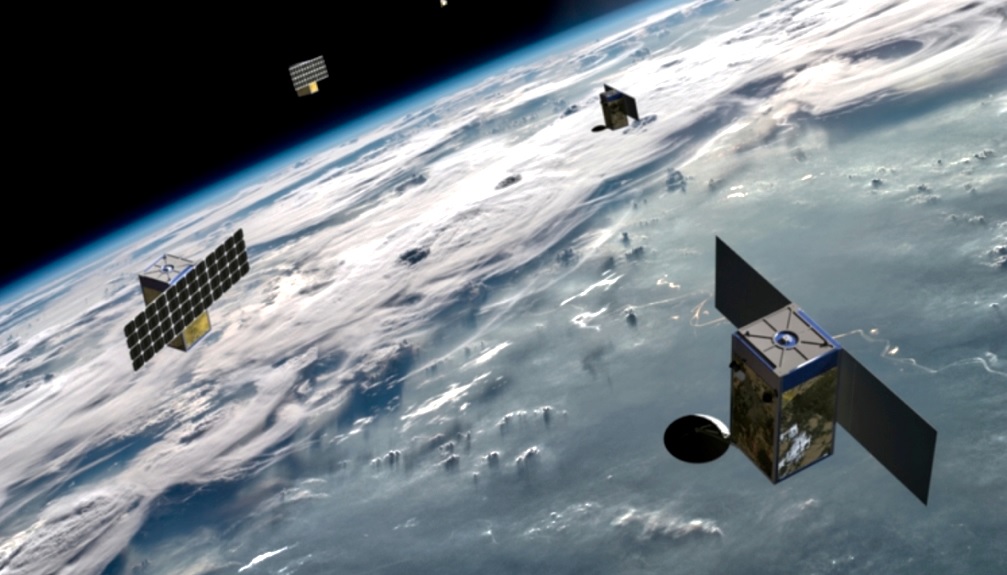
World
BlackSky Technology has landed a new phase of a U.S. Navy research contract aimed at enhancing its next-generation satellites with high-speed optical inter-satellite links (OISLs). These laser-based communication systems will allow satellites to talk directly to each other in space, speeding up the transfer of large amounts of imagery and data before it even reaches the ground. This development is part of the ongoing evolution of BlackSky’s Gen-3 satellite constellation, which is designed to deliver real-time, high-resolution earth imagery for military and intelligence operations. With the new contract, the company will focus on building advanced hardware and software that allow these satellites to connect through high-speed data links, significantly improving the speed and volume of data movement. Brian O’Toole, CEO of BlackSky, called the award a key step in delivering fast, high-impact intelligence that can support decision-making on the frontlines of military operations. He emphasized that OISLs are a critical innovation, especially for tactical intelligence, surveillance, and reconnaissance (ISR) missions across naval fleets. One of the major goals of the program is to ensure the OISL-equipped satellites can integrate smoothly with both the U.S. Space Development Agency’s Transport Layer and commercial communications networks. This would give military users more flexible, secure, and faster access to satellite-based imagery. According to O’Toole, the upgraded Gen-3 satellites are expected to deliver data 10 times faster and handle five times more volume than current systems. The OISL technology will not only improve speed but also boost data security, helping to protect against jamming and interference—a growing concern during modern military operations. By cutting down the time it takes to transmit and process information, these laser communications offer a major leap in capability for defense and intelligence agencies. This step forward underscores BlackSky’s role in advancing next-generation space-based intelligence systems that can perform under the demanding conditions of today’s global conflicts.
Read More → Posted on 2025-07-29 15:08:53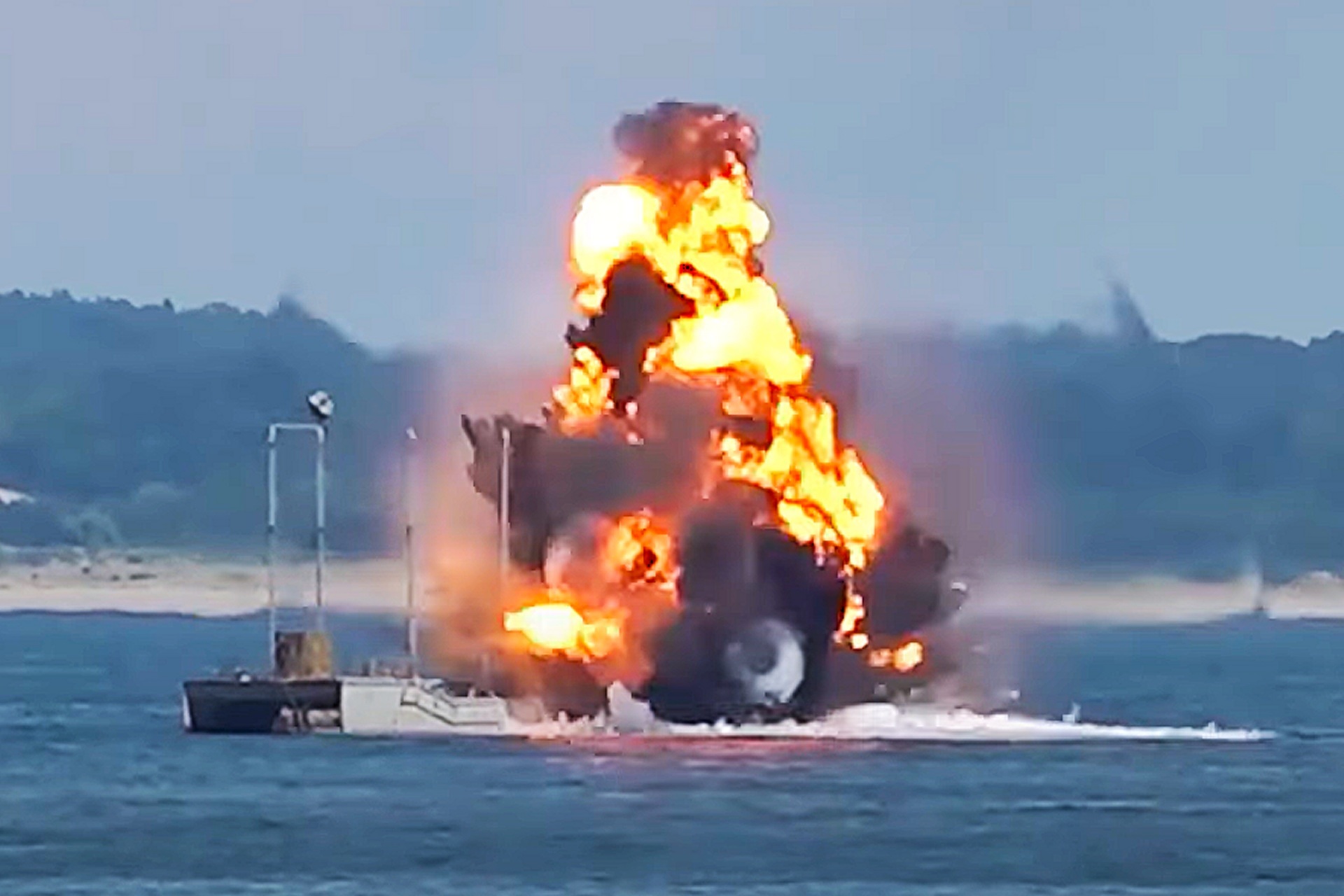
World
Russia has showcased a powerful new unmanned surface drone during its large-scale naval drills in the Baltic Sea, signaling a growing focus on autonomous maritime warfare. The exercise, called "July Storm", was held on July 26, 2025, and featured the dramatic deployment of a crewless vessel loaded with explosives, which was filmed speeding toward a floating target before detonating in a large explosion. According to the Russian Ministry of Defense, the drone is meant to simulate attacks on maritime targets, and its display was part of broader drills meant to test and demonstrate next-generation naval combat systems. While the explosion was impressive, analysts say the test lacked realism. The drone targeted a static, unprotected structure in calm waters, which does not reflect real combat conditions. Despite these limitations, pro-Kremlin commentators made bold claims, stating the drone could operate autonomously for 24 hours and strike targets over 300 kilometers away. Such a range would put Ukrainian port cities like Odesa and Izmail within reach from occupied Crimea. However, these performance figures remain unverified, and there is no public evidence yet of the drone being used in real operations or produced in large numbers. The Ministry of Defense did not name the new drone, but it confirmed that various unmanned systems were tested during "July Storm," including FPV drones, aerial drones, helicopters, and underwater vehicles. This suggests Russia is attempting to develop integrated unmanned warfare capabilities, although the actual effectiveness of these systems remains unclear. President Vladimir Putin commented on the exercises, saying they aim to improve the Russian Navy's ability to respond to modern maritime threats and conduct complex naval missions, drawing on lessons from the ongoing war in Ukraine. Some observers initially linked the drone test to the conflict with Ukraine, but analysts point out that Ukraine’s navy was largely destroyed early in the war. Instead, Kyiv has turned to asymmetric tactics, such as homemade sea drones and missile strikes against Russian naval assets—strategies that have caused serious damage to Russia’s Black Sea Fleet. In contrast, Russia’s “July Storm” drills appear to be focused more on future confrontations with NATO, rather than Ukraine. NATO forces are also adapting to the threat of unmanned maritime systems. The U.S. Navy, for example, is introducing new training programs to prepare sailors for encounters with autonomous sea drones in high-risk regions. The global rise of these systems is reshaping naval warfare. In places like the Red Sea, Iran-backed Houthi rebels have used armed sea drones to attack commercial ships, disrupting vital trade routes and drawing international concern. Ultimately, Russia’s Baltic Sea exercise shows a shift toward autonomous naval systems in modern warfare. While these developments borrow from Ukraine’s tactics, they reflect a broader Russian ambition to strengthen its maritime position against both regional and global adversaries, including NATO. As tensions in the Baltic grow, the appearance of explosive unmanned drones marks another step in the evolving arms race on the world’s seas.
Read More → Posted on 2025-07-29 15:04:01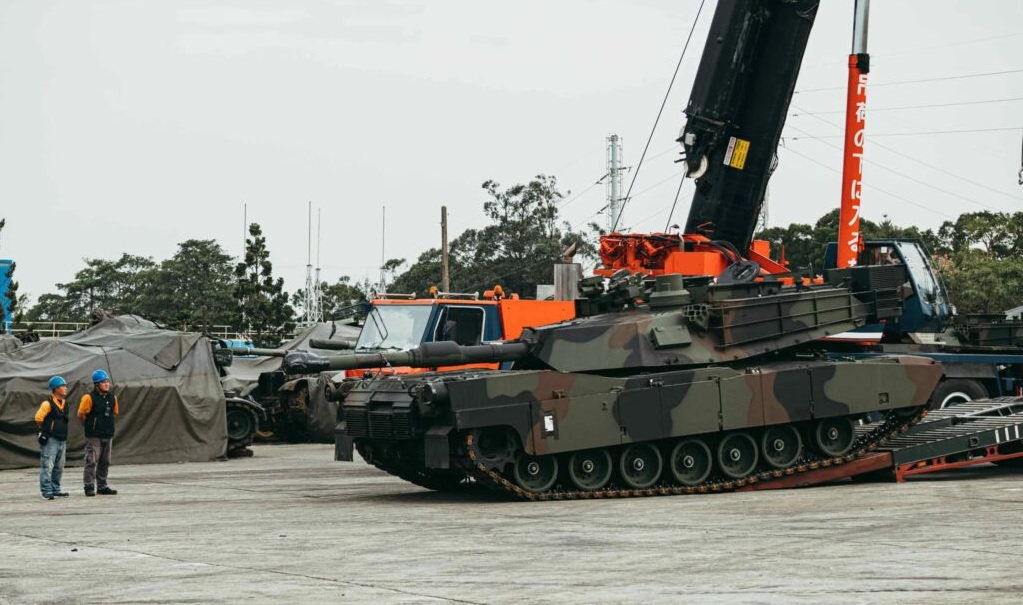
World
Taiwan has officially received its second shipment of U.S.-made M1A2T Abrams main battle tanks, adding 42 more units to its growing armored fleet. The delivery is part of a larger defense agreement with the United States, which approved the sale of 108 advanced tanks to Taipei in 2019. The latest batch of Abrams tanks arrived at the Port of Taipei in Bali District and was quickly moved to the Army Armor Training Command located in Hukou Township, Hsinchu County. From there, the tanks will be distributed across various army units that operate heavy platforms. Local media reported that the handover had been delayed due to stormy weather, but operations resumed once conditions stabilized. After the tanks were offloaded, some were transported via flatbed trucks to the military base, covered in black sheets, and escorted by armed forces and local police along Provincial Highway No. 61 to maintain secrecy and safety. This delivery comes after the first batch of 38 Abrams tanks arrived in December 2024. Since then, Taiwan’s armed forces have begun training personnel on the operation and maintenance of the system. A large-scale live-fire exercise using the Abrams tanks is also planned to help crews become more familiar with the vehicles in combat-like conditions. Taiwan is acquiring these tanks to boost its ground defense capabilities amid growing concerns about a possible invasion or military pressure from China. The M1A2T Abrams, a version of the M1A2 tailored specifically for Taiwan, represents a significant upgrade to the island’s existing armored fleet. The Abrams system, developed by General Dynamics, is one of the most powerful and advanced main battle tanks in the world. Originally introduced in the 1980s, it has seen numerous upgrades to enhance its protection, firepower, and mobility. The M1A2 version includes composite armor, a 120mm smoothbore cannon, .50 caliber and M240 machine guns, and advanced digital fire control systems. Each tank is powered by a Honeywell AGT1500 gas turbine engine producing 1,500 horsepower, allowing it to reach speeds of over 40 miles per hour (64 kilometers per hour) and travel up to 260 miles (418 kilometers) on a full tank. With more tanks expected to be delivered soon, Taiwan is steadily reinforcing its armored divisions, signaling to both domestic and international observers that it is serious about preparing for any potential conflict in the region.
Read More → Posted on 2025-07-29 15:00:42
World
U.S. defence giant Northrop Grumman is setting its sights on a central role in the Pentagon’s ambitious “Golden Dome for America” program — a major homeland missile defense effort inspired by Israel’s Iron Dome. The plan aims to build a layered defense system that protects the continental United States from a wide range of aerial and missile threats, including drones, cruise missiles, ballistic missiles, and potentially hypersonic weapons. With the U.S. administration pushing for initial capability in the next few years, Northrop Grumman says it’s ready to move fast. During the company’s second-quarter earnings call, CEO Kathy Warden said the firm is already working across the full architecture of the program — blending current systems with new technologies, including space-based interceptors that are now under development. At the heart of Northrop Grumman’s offering is the Integrated Battle Command System (IBCS). This system acts as a nerve center that connects various radars, sensors, and missile interceptors into a unified network. In simple terms, it allows the military to detect and engage incoming threats faster and more accurately, using information from multiple sources simultaneously. Already fielded by the U.S. Army and adopted by international partners, IBCS could form the backbone of the Golden Dome system. Another key technology is the G/ATOR radar, a multi-mission radar capable of spotting drones, cruise missiles, and artillery. It works in tandem with other surveillance tools like the MQ-4C Triton, a high-altitude drone that offers long-range surveillance across vast areas — crucial for early detection. Northrop Grumman also highlighted its experience in systems integration — not just building hardware, but combining interceptors, sensors, software, and communications into seamless defense solutions. This is especially critical in a complex shield like Golden Dome, which will rely on quick coordination between ground, air, and space assets. A major component under development is space-based interceptors, designed to strike enemy missiles in mid-flight — particularly useful against hypersonic weapons that travel too fast for traditional ground-based systems to handle. These interceptors could become a new layer of missile defense, complementing land-based systems and extending the U.S.'s protective reach. As global interest in missile defense rises, Northrop Grumman is seeing strong international demand. In Q2 2025 alone, it reported an 18% jump in international sales, especially in Europe and the Middle East, where nations are racing to upgrade their air defenses. The company has signed partnership deals with countries like the UK, South Korea, and Lithuania, aiming to co-produce systems and support local defense industries — a move that helps secure long-term contracts and access to foreign markets. Domestically, Northrop Grumman is investing heavily. It’s spending $1 billion to expand its solid rocket motor production — key components used in both missile interceptors and tactical rockets. With upgrades at facilities in West Virginia and Maryland, the company plans to nearly double production from 13,000 motors in 2024 to 25,000 by 2029. The firm is already seeing rewards from this ramp-up. Recently, the U.S. Navy selected Northrop Grumman to supply second-stage rocket motors for its extended-range missile program. The company developed and tested the new motor in under a year — proof, Warden said, of its agility and technical depth. Golden Dome fits into a wider U.S. defense policy shift, which emphasizes faster acquisition cycles and closer public-private cooperation. The FY2026 budget reflects a 22% increase in procurement and R&D spending, creating a more favorable environment for defense contractors like Northrop Grumman. Warden noted that this environment has already benefited major programs like Sentinel and the B-21 stealth bomber, and she expects Golden Dome to follow suit. While no official contracts for Golden Dome have been awarded yet, analysts believe Northrop Grumman’s capabilities, technologies, and integration experience make it a top contender. Warden also pointed to the company’s space segment as a major beneficiary of the program, especially as space-based sensors and interceptors become more integrated into defense strategies. Financially, Northrop Grumman remains strong. It reported $10.4 billion in sales in Q2 2025, a 9% increase over Q1, with 28% growth in earnings per share and gains across all business units. As the Pentagon advances its homeland missile defense plans, Northrop Grumman appears ready to lead — combining battlefield-tested systems with new technologies to help shield the U.S. from tomorrow’s most dangerous threats.
Read More → Posted on 2025-07-29 14:56:38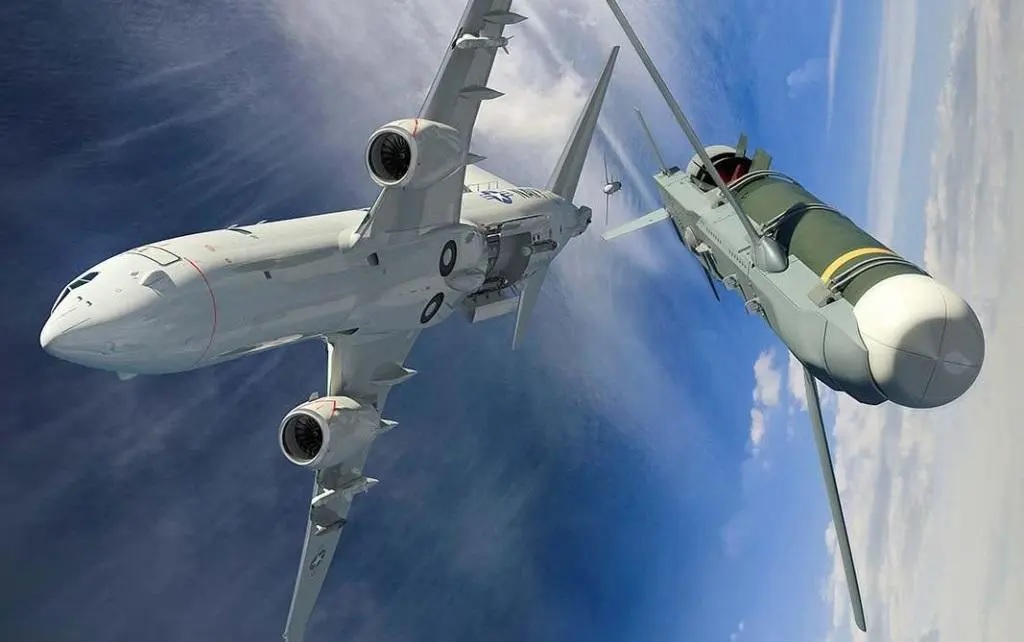
World
Boeing has secured a $61.2 million contract to provide additional High Altitude Anti-Submarine Weapon Capability (HAAWC) kits to the U.S. Navy, ensuring continued support for anti-submarine warfare even as the Navy restructures parts of the program. The HAAWC system, which became operational in 2022, is a specialized technology that allows the P-8A Poseidon aircraft to launch torpedoes from high altitudes, far from hostile environments. This means the aircraft doesn’t need to fly low or get dangerously close to enemy waters to deploy weapons. Instead, it can release a torpedo from cruising altitude, with the HAAWC kit guiding the weapon all the way down to its underwater target. How HAAWC Works At the core of HAAWC is a glide kit attached to the Mark 54 lightweight torpedo, which acts like a small winged bomb. When dropped from high above, the glide kit steers the torpedo toward the sea surface, where it detaches and allows the torpedo to dive underwater and home in on a submarine. This standoff capability enhances both accuracy and safety, as it keeps the launching aircraft away from enemy air defense systems. Recent Changes and Upgrades The Navy had earlier planned further development of HAAWC, especially to fully integrate it with the newer Mark 54 Mod 2 torpedo. However, that plan was recently cancelled and replaced with an incremental development approach. The main challenge has been that Mod 2 torpedoes differ in weight and shape from the earlier Mod 0/1 versions, which the current HAAWC kits were originally built for. Despite this shift, the Navy confirmed that the current HAAWC kits will still support early Mod 2 torpedoes, especially a hybrid version combining parts of Mod 1 and Mod 2. This version, referred to as Increment 1, uses the Mod 2's improved seeker, control systems, and warhead, but keeps the older propulsion system until the new Stored Chemical Energy Propulsion System (SCEPS) is ready for full deployment in Increment 2. Production and Future Outlook HAAWC kits have been in full-rate production since 2022 at Boeing’s facility in St. Charles, Missouri, and this new order will help continue that pace. The current contract assures that existing Navy requirements will be met, even if follow-on upgrades are paused for now. Boeing has not commented on whether HAAWC might be adapted for other systems like the Vertical Launch ASROC (VL-ASROC) used on Navy surface ships. However, the continued investment and production suggest that HAAWC remains an essential tool for the Navy’s anti-submarine missions. In simple terms, this deal means the U.S. Navy will keep getting advanced submarine-hunting weapons that let aircraft stay safe and still strike deep under the sea—a valuable edge in today’s contested maritime zones.
Read More → Posted on 2025-07-28 16:43:58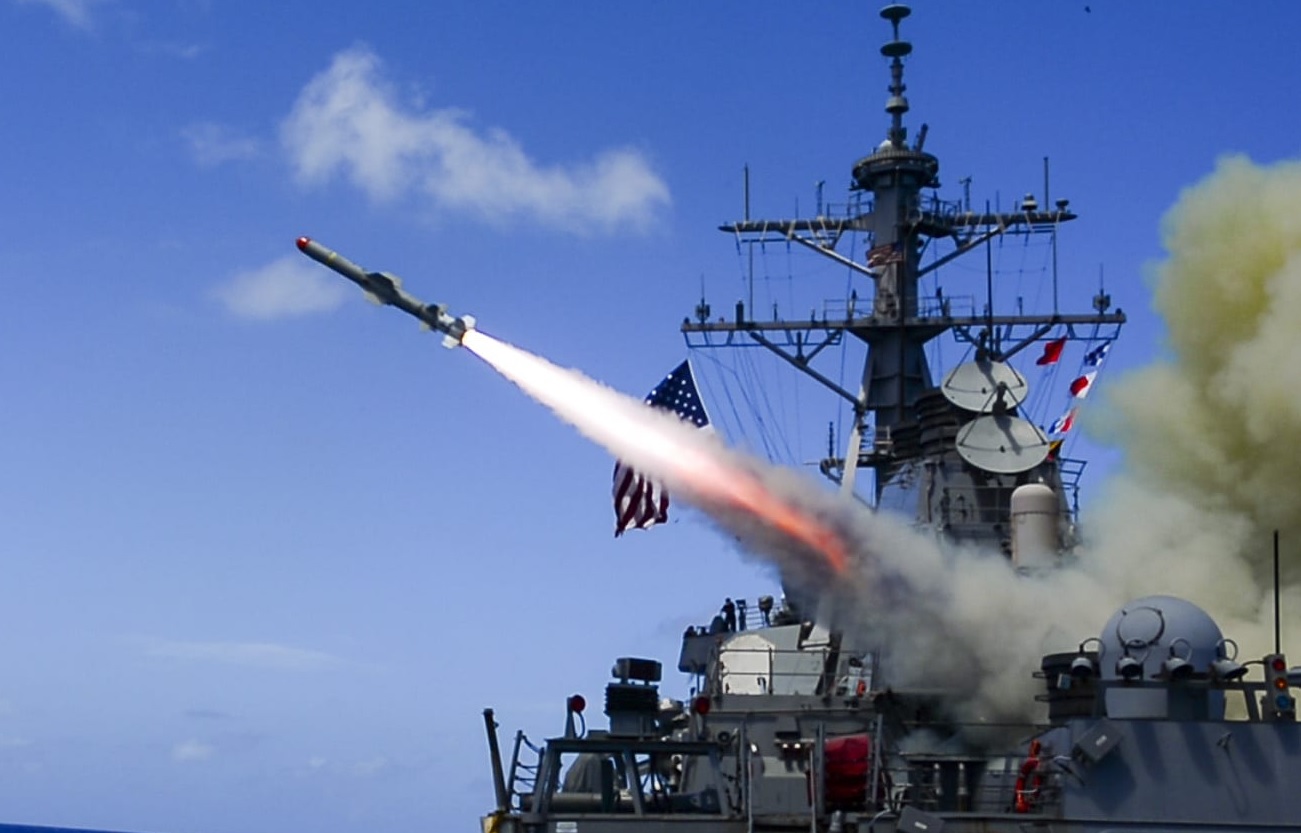
World
The U.S. Navy is planning a major upgrade to its long-serving Harpoon anti-ship missiles by adding modern seekers, as part of a broader Service Life Extension Program. This move aims to keep the missile relevant in today's fast-changing naval warfare environment, especially with increasing focus on Chinese military activity in the Indo-Pacific. The upgrade will be handled by Raytheon Missiles & Defense (RTX), which has been identified by Naval Air Systems Command (NAVAIR) as the only contractor capable of designing and manufacturing the necessary seekers. According to a NAVAIR solicitation, RTX is the original developer of the Harpoon seeker system and is best positioned to handle the upgrades. Originally introduced in the 1970s, the Harpoon has remained a key part of the Navy’s surface strike capability. Over the decades, it has undergone several improvements, with the Block II+ version currently in service capable of hitting targets as far as 248 kilometers. However, the Navy now wants to ensure that its existing stockpile of Harpoons can continue to perform effectively alongside newer systems. While newer missiles like the Naval Strike Missile (NSM), Maritime Strike Tomahawk, and SM-6 Block IB are being integrated into the fleet, the Navy isn’t ready to retire the Harpoon yet. In fact, the service has even reintroduced a submarine-launched version of the Harpoon, first revealed in 2021. That version uses upgraded Block IC missiles that can be modified for underwater launch — a capability the Navy had moved away from years ago. Raytheon, which previously supplied sensor systems to Boeing (the Harpoon’s main contractor), has also partnered with Norway’s Kongsberg to pitch the NSM to the U.S. Navy. The NSM has already been chosen as the primary strike weapon for the Littoral Combat Ships, Arleigh Burke-class destroyers, and the upcoming Constellation-class frigates, each of which will carry 16 NSMs. Several allied navies, like those of the UK and Australia, have also begun replacing their Harpoons with the NSM. Still, the U.S. is not abandoning Harpoon. In addition to modernization, new Harpoon missiles are being built for Taiwan, which ordered 400 missiles for coastal defense batteries — a clear sign of the missile’s ongoing geopolitical importance. By upgrading Harpoons while also adopting newer missile systems, the Navy is diversifying its strike options and mitigating concerns about munitions shortages in a potential prolonged conflict. Recent wars in Ukraine, the Middle East, and the Red Sea have underlined how crucial it is to maintain both stockpile depth and technological edge in precision-guided weapons. This upgrade program is expected to not only improve targeting capabilities but also ensure that Harpoon missiles remain a viable and flexible tool for U.S. naval power projection in the years ahead.
Read More → Posted on 2025-07-28 16:39:42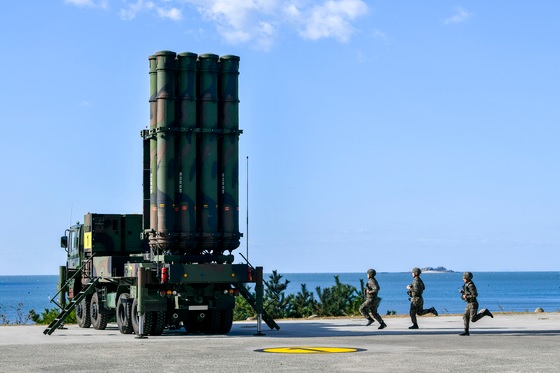
World
South Korea has taken a major step forward in strengthening its air defenses by upgrading its Cheongung-I missile system to the more advanced Cheongung-II, which is now capable of intercepting both aircraft and ballistic missiles. The announcement was made by the country’s Defense Acquisition Program Administration (DAPA) earlier this week. This upgraded version has already started its initial deployment with the South Korean military, and full-scale deployment is expected to be completed by 2027. The original Cheongung-I system was designed mainly to defend against hostile aircraft. However, it couldn’t handle ballistic missile threats, which have become a rising concern—especially with North Korea's frequent missile tests. The new Cheongung-II fills that gap by providing medium-altitude interception capability using advanced radar, guidance systems, and high-speed interceptors. One of the biggest advantages of this upgrade is its cost-effectiveness. Instead of building entirely new systems, South Korea is retrofitting existing Cheongung-I units to bring them up to Cheongung-II standards. This helps speed up deployment while saving money. The Cheongung-II system has been in development since 2012, shortly after the original version was completed. It was declared combat-ready in 2017 after passing a series of qualification tests that met all performance standards. Developers say the improved system features faster missiles, greater range, and precision targeting—all of which enable it to hit ballistic targets in real-time. It also works autonomously and fits into the broader command-and-control network used by South Korea’s armed forces. Cheongung-II is now a central part of South Korea’s Korea Air and Missile Defense (KAMD) system—a multi-layered shield designed to counter growing missile threats in the region. The system has also gained attention overseas. Countries like the United Arab Emirates and Saudi Arabia have purchased the Cheongung system for their own air defense needs, highlighting the growing global interest in South Korea’s defense technology. While DAPA has not revealed how many Cheongung-II systems are currently in service, it confirmed that the rollout will continue in stages until all units are fully upgraded and integrated across the military.
Read More → Posted on 2025-07-28 16:37:16
Hackers Claim Theft of 1TB of Data from France’s Naval Group, Including Submarine Combat System Code
World
On July 22, a hacker group identifying itself as “Neferpitou” claimed responsibility for breaching the systems of Naval Group, France’s largest naval defense shipbuilder, stealing over 1 terabyte of sensitive data. The cyberattack—allegedly one of the most serious against a European defense contractor—reportedly exposed classified submarine combat system source code, internal communications, and technical documents dating from 2019 to 2024. To substantiate their claim, the hackers released a 13GB sample of the stolen data, demanding that Naval Group contact them within 72 hours, or they would leak the full cache. When no response was made public, the group reportedly published the entire dataset on July 26. What Was Stolen According to leaked file metadata and cybersecurity analysts who reviewed the sample, the stolen data appears to include: Source code for submarine combat management systems (CMS) used on platforms such as France’s nuclear attack submarines Technical documents marked “Restricted Distribution” and “Special France”, covering internal systems between 2006 and 2024, with a focus on the last five years Detailed network maps of Naval Group's internal infrastructure Developer virtual machines and CMS simulation environments Confidential HCL Notes communications and inter-office messaging files Operational manuals and sensor integration schematics for Naval platforms One of the most revealing files is reportedly a video recording of a submarine monitoring interface, though it is dated 2003, suggesting the breach may also include legacy systems or archived materials. Cybersecurity researchers from Bitdefender and Cybernews who reviewed the leaked data noted no obvious signs of fabrication, and internal file structures appear consistent with known Naval Group software architectures. Naval Group Response Naval Group acknowledged the allegations in a public statement, stating that: “As of now, no intrusion into our IT environments has been confirmed. We are working with French authorities and cybersecurity experts to assess the situation thoroughly.” The company also described the leak as a “reputational attack” amid increased international competition, especially with ongoing tenders in Asia, the Middle East, and Europe. Despite mounting evidence suggesting the authenticity of the breach, no ransom was publicly demanded, and the company stated it would not enter into contact with the attackers, in line with French government policy. Who Are the Hackers? The group Neferpitou, which first appeared in cybercrime forums earlier this year, has not previously been linked to any high-profile hacks. The structure of the leak—release of a partial sample, countdown threats, followed by full publication—matches tactics used by data extortion groups, though the lack of financial demands suggests possible geopolitical motivations. Cyber intelligence analysts believe the attack may be a state-sponsored operation or a proxy effort targeting France’s defense capabilities, especially as Naval Group plays a central role in Europe’s military-industrial base. National Security Ramifications If verified, the leak could have far-reaching implications: Combat systems source code could be reverse-engineered to identify and exploit vulnerabilities in France’s submarine fleet and possibly export versions like the Scorpene-class submarines used by India, Brazil, and Malaysia Exposure of network topology and infrastructure schematics might allow adversarial actors to map, mimic, or attack Naval Group’s digital supply chain Access to developer environments and virtual machines could offer attackers insights into simulation and test configurations used in real-time platform development Cyber defense specialists warn that the compromise of even non-operational systems can result in devastating operational impacts over time. Ongoing Investigation The incident is now under review by: ANSSI (French Cybersecurity Agency) France’s Ministry of Armed Forces Europol’s European Cybercrime Centre (EC3) NATO’s Cooperative Cyber Defence Centre of Excellence (CCDCOE) Naval Group and its shareholders, including Thales Group, are also likely to launch a sweeping internal audit of all source code repositories, access logs, and credential records. Historical Context Naval Group has previously been targeted. In 2016, a similar leak exposed 22,000 pages of documents related to the Indian Navy’s Scorpene-class submarines. That breach led to an overhaul of cybersecurity policies and operational secrecy across several programs. Given that France is currently bidding for major submarine and frigate deals in multiple countries, analysts suspect the timing of the July 2025 hack may not be coincidental. What Comes Next? Security experts caution that Naval Group’s clients, particularly in Asia and the Middle East, may demand additional assurances or contract renegotiations. The leaked data—if confirmed as genuine—could also result in broader reviews of Europe’s defense sector cybersecurity posture. The French government has yet to make a formal statement on the potential scope of the breach. For now, defense insiders say this case may serve as a pivotal moment in how the global defense industry treats cyber resilience, particularly in protecting sensitive platform design and combat system infrastructure.
Read More → Posted on 2025-07-28 16:34:46
World
In a major advancement of air combat capability, the Russian Air Force has reportedly deployed the R-77M air-to-air missile in active combat over Ukraine, with confirmed engagements from nearly 200 kilometers away—the longest known intercept distance ever recorded in real warfare. A photo released on July 24, 2025, showed a Russian Su-35S fighter armed with the R-77M, confirming its operational use. Previously seen only in test imagery with Su-57 stealth jets, this is the first verified combat deployment. Ukrainian sources also confirmed the presence of matching missile wreckage, supporting its use in battle. The R-77M (also called K-77M or Izdeliye 180) is a completely overhauled version of the original R-77 missile, eliminating the older lattice fins and replacing them with cropped cruciform stabilizers to reduce drag and radar signature. Developed for compatibility with both the Su-35S and Su-57, it marks a generational leap in Russian missile technology. With its dual-pulse solid-fuel motor, the R-77M maintains thrust during flight, pushing its effective range to a reported 190–200 km. It uses an AESA radar seeker (9B-1348M) for better lock-on and electronic countermeasure resistance, and is believed to support hybrid guidance modes, enabling precise tracking even under jamming. The missile's speed reportedly exceeds Mach 4.2, with terminal velocities around 5100 km/h, and it can operate up to 30,000 meters altitude, withstanding up to 27 Gs during maneuvers. It is designed to intercept fighters, cruise missiles, and even incoming air-to-air threats, giving Russian jets a strong standoff advantage. Already integrated with Su-35S, Su-30SM2, Su-57, MiG-31BM, and potentially future aircraft like the Su-75, the R-77M greatly enhances Russia’s air superiority. Its recent use in long-range patrol missions over Ukraine threatens legacy fighters like the MiG-29, which lack comparable reach or countermeasures. Until now, the European MBDA Meteor missile held the longest recorded intercept in real combat at just over 130 km, achieved during a Royal Air Force engagement in 2024. However, the R-77M's near-200 km combat use surpasses this, establishing a new global record for air-to-air missile range in wartime conditions. While the Meteor, with its ramjet propulsion and wide no-escape zone, remains a top-tier Western missile, Russia’s R-77M has now taken the lead in terms of practical engagement distance. A possible future version of the R-77M, called R-77ME (Izdeliye 180-PD), may introduce ramjet power similar to Meteor, but it has yet to be fielded. With the R-77M now entering routine frontline service, its deployment signals a new chapter in air combat, giving Russia the longest-range air-to-air missile kill on record and forcing adversaries to rethink their aerial tactics and survivability.
Read More → Posted on 2025-07-28 15:20:08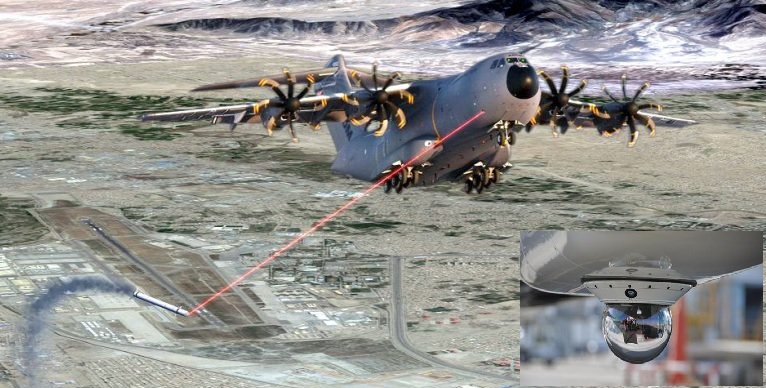
Elbit Systems Secures $260 Million Deal to Equip German A400M Planes with Missile Defense Technology
World
Elbit Systems has landed a $260 million contract from Airbus Defence and Space to supply advanced DIRCM (Directed Infrared Counter Measures) systems for the German Air Force’s A400M military transport aircraft. The project is part of a larger effort by Germany to boost the protection of its strategic air fleet and will be completed over six years. The system being delivered is Elbit’s J-MUSIC™ DIRCM, a high-tech solution designed to protect aircraft from infrared-guided missiles, particularly MANPADS (Man-Portable Air Defense Systems)—small, shoulder-fired weapons that pose a serious threat during takeoff, landing, or low-altitude flight. At the core of the J-MUSIC system is a laser-based countermeasure that works automatically. When a missile is detected, the system tracks the threat in real time using advanced sensors and fires a laser beam to confuse or "blind" the missile's heat-seeking mechanism, throwing it off course. One of the key benefits is that no input from the crew is required during this process—everything happens autonomously. The system’s modular and compact design makes it easier to install on different aircraft types without affecting flight performance. It can be easily integrated with existing missile warning systems and has already been successfully deployed in countries like Israel, Italy, Brazil, the Netherlands, and Germany itself on other platforms. This new contract follows a formal procurement decision by Germany’s Federal Office for Equipment, Information Technology and Operations of the Bundeswehr (BAAINBw). It reflects Germany’s commitment to modernizing and protecting its military air transport capabilities. Bezhalel (Butzi) Machlis, CEO of Elbit Systems, highlighted the importance of the deal, saying, “Our systems are already trusted by numerous air forces and defence organisations around the world, and we are proud to support Germany in enhancing the protection of their strategic air assets.” He also praised the ongoing cooperation with Airbus Defence and Space, adding that Elbit’s role in enhancing the safety and readiness of the A400M fleet is a significant step in strengthening the company’s global position in aircraft protection technologies. With increasing threats from portable missile systems in modern conflict zones, Germany’s decision to invest in proven self-protection tech like DIRCM reflects a broader trend across NATO and allied forces to upgrade airborne survivability against modern threats.
Read More → Posted on 2025-07-28 14:35:27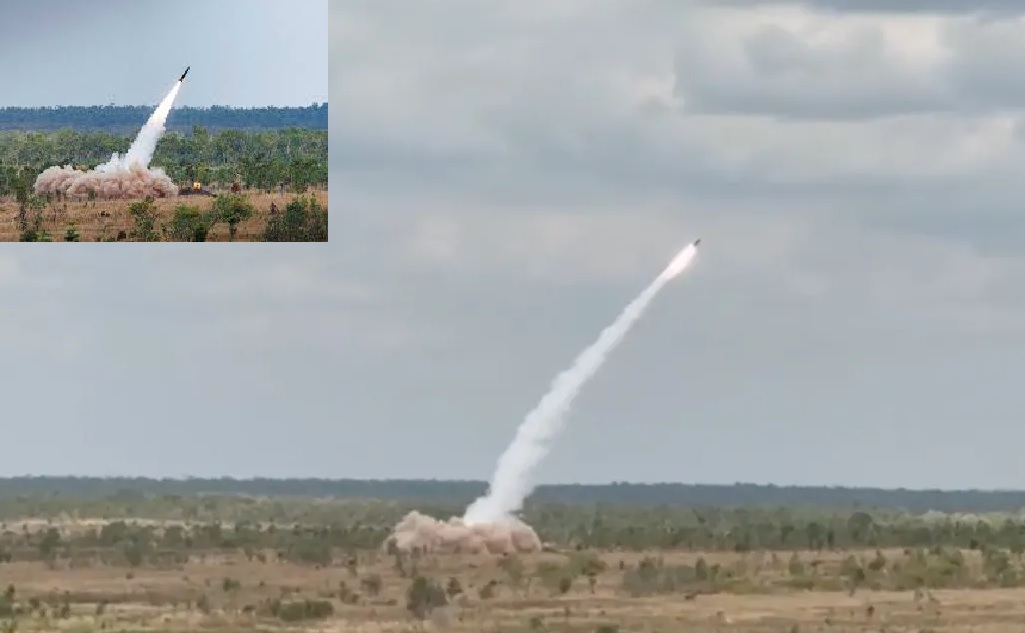
World
Australia has successfully conducted its first-ever test firing of the Precision Strike Missile (PrSM), a new-generation long-range missile developed jointly with the United States. The test, which took place at the Mount Bundey Training Area in the Northern Territory, marks a key step in strengthening the Australian Defence Force’s (ADF) ability to strike targets at long distances. The missile was launched using a High Mobility Artillery Rocket System (HIMARS) — also a U.S.-origin system — and this was the first time the Australian Army had fired the PrSM using HIMARS on Australian soil. Defence Industry Minister Pat Conroy and U.S. Secretary of the Army Daniel Driscoll were present to witness the test, underscoring the growing defence collaboration between the two countries. The PrSM is capable of hitting targets beyond 500 kilometres, and its range is expected to eventually exceed 1,000 kilometres with future upgrades. It forms a key part of Australia’s new defence posture, outlined in the 2024 National Defence Strategy, which places a high priority on long-range strike power and preparing the Army for littoral (coastal) manoeuvre operations. What makes this event particularly significant is that the test happened two years ahead of schedule, thanks to the early delivery of both the missile and the HIMARS launchers. This early achievement is seen as a “twenty-five-fold increase” to the Army’s long-range firepower, according to Minister Conroy. Earlier this year, Australia and the U.S. signed a Memorandum of Understanding (MoU) for the joint production, maintenance, and future development of the PrSM. Talks are also set to begin on domestic manufacturing and sustainment options, potentially giving Australia a local defence industry boost. The PrSM is designed to eventually include better sensors and more advanced warheads, keeping pace with evolving battlefield demands. Its compact design also means two missiles can be loaded into a single HIMARS pod, doubling firepower without increasing the size of the system. This test adds to a series of successful missile evaluations Australia has carried out recently, all part of the Albanese Government’s efforts to fast-track modern defence capabilities in response to changing regional security dynamics.
Read More → Posted on 2025-07-28 14:28:43Search
Top Trending in 24 Hours
-
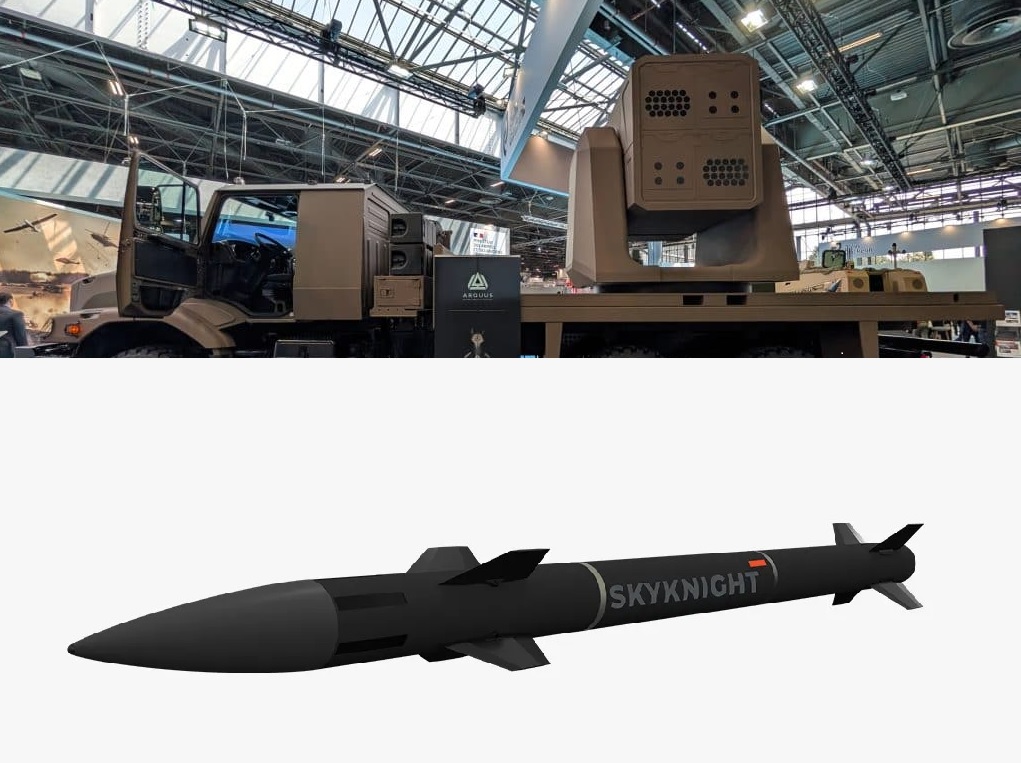 Naval Group Unveils Rampart Modular CIWS Multi-Purpose Weapon System for Naval and Ground Forces at Eurosatory 2026
-
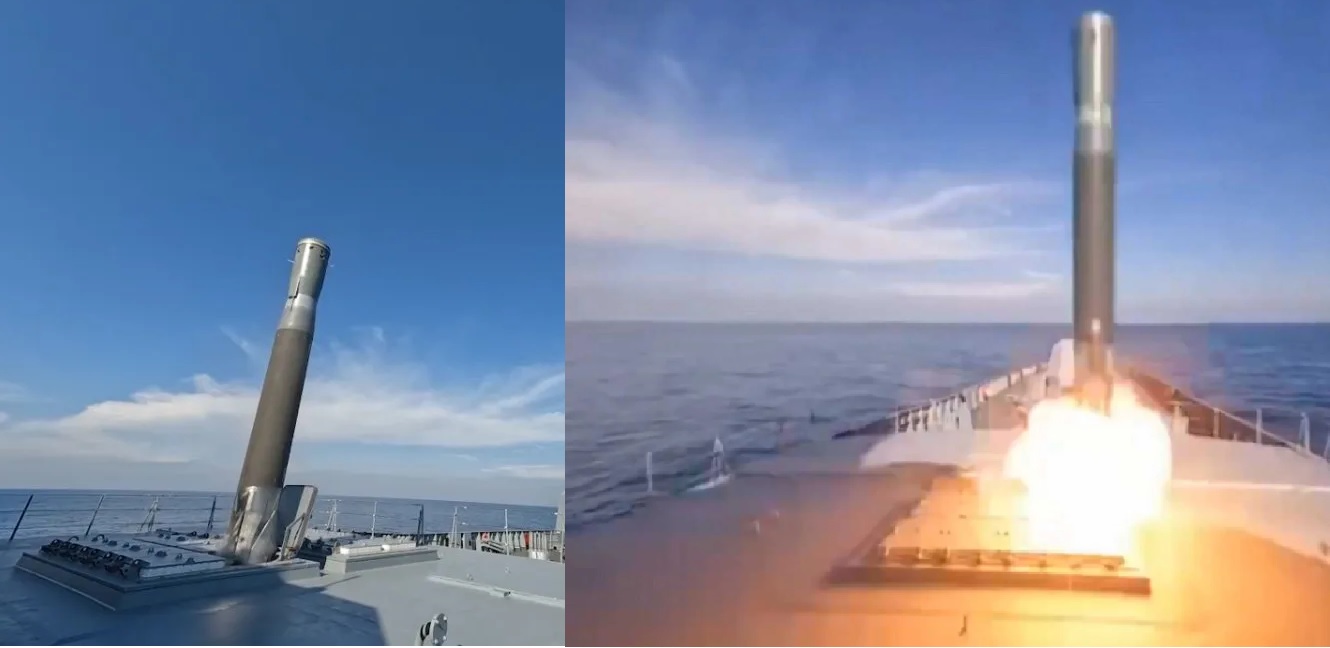 Open-Source Evidence Suggests Russia's Zircon Is a Quasi-Ballistic Missile, Not a True Hypersonic Cruise Weapon
-
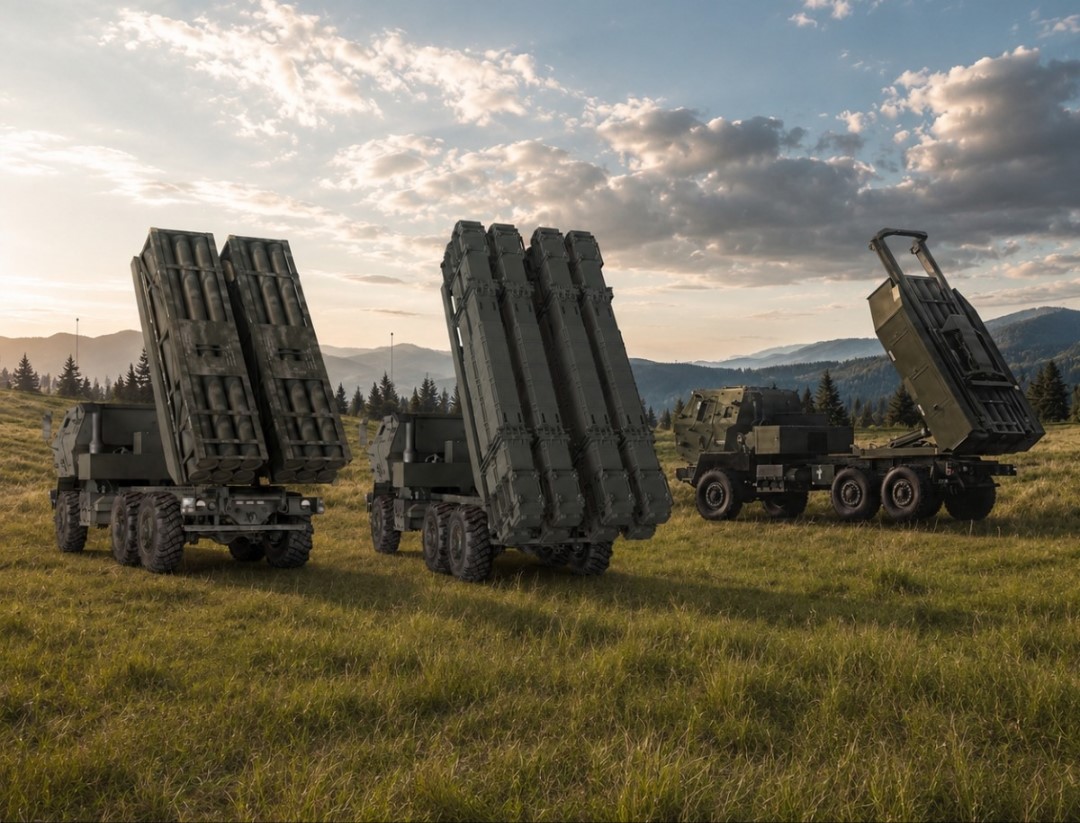 Lockheed Martin Unveils HIMARS FLEX with Dual-Pod Launcher and NATO-Compatible Air Defense Integration
-
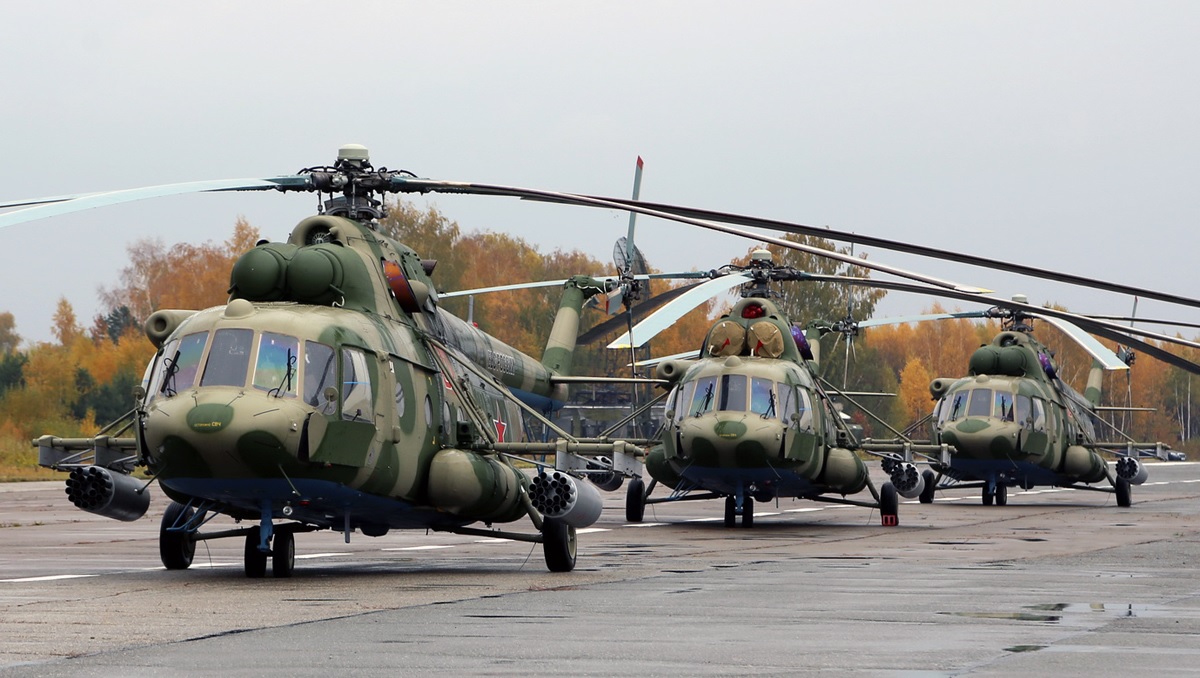 Iran Signs Deal with Russia for 20 Mi-8 and Mi-17 Helicopters to Boost Rescue and Medical Missions
-
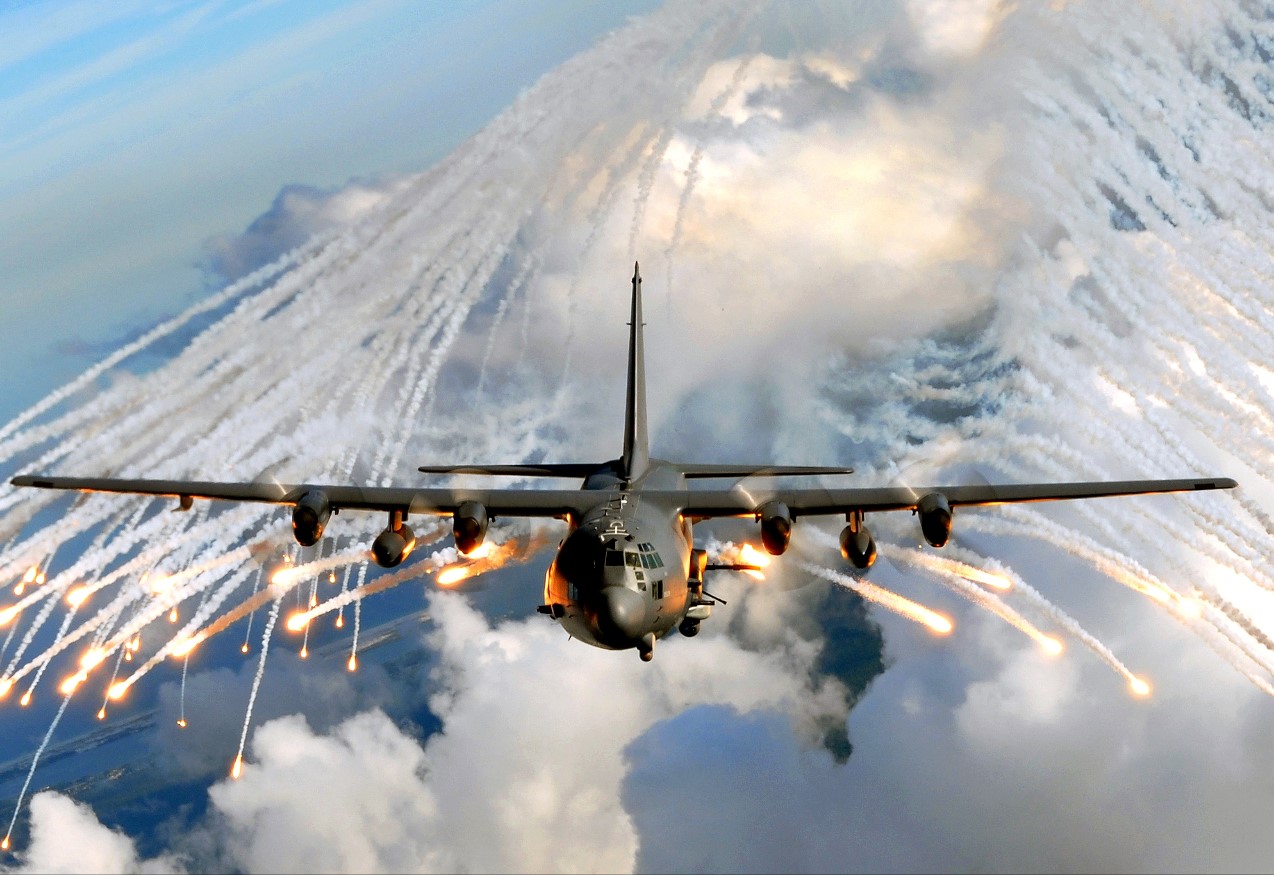 Pentagon Expands Alloy Surfaces Contract to $328.8 Million for Advanced Aircraft Decoy Flares Amid Evolving Drone Threats
-
 Why the U.S. Restored Pacific Command Name, Ending the Indo-Pacific Designation After Eight Years
-
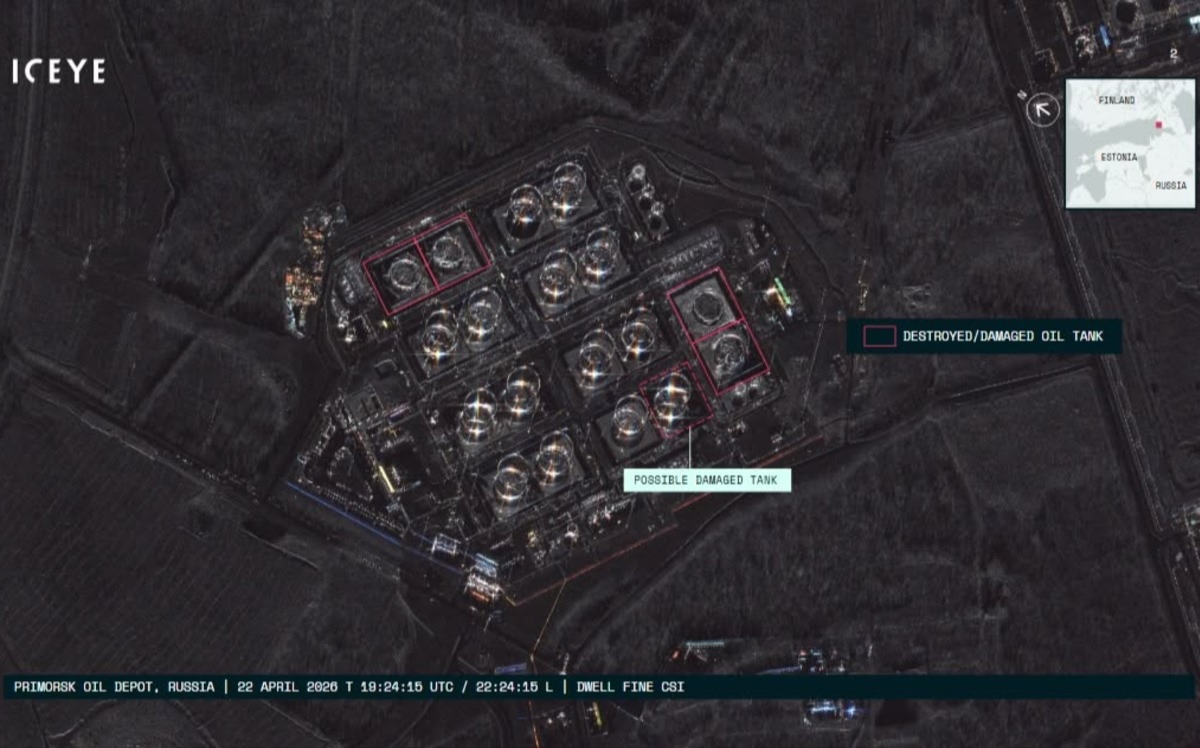 Portugal Doubles Sovereign SAR Satellite Fleet with Order for Two Additional ICEYE Satellites
-
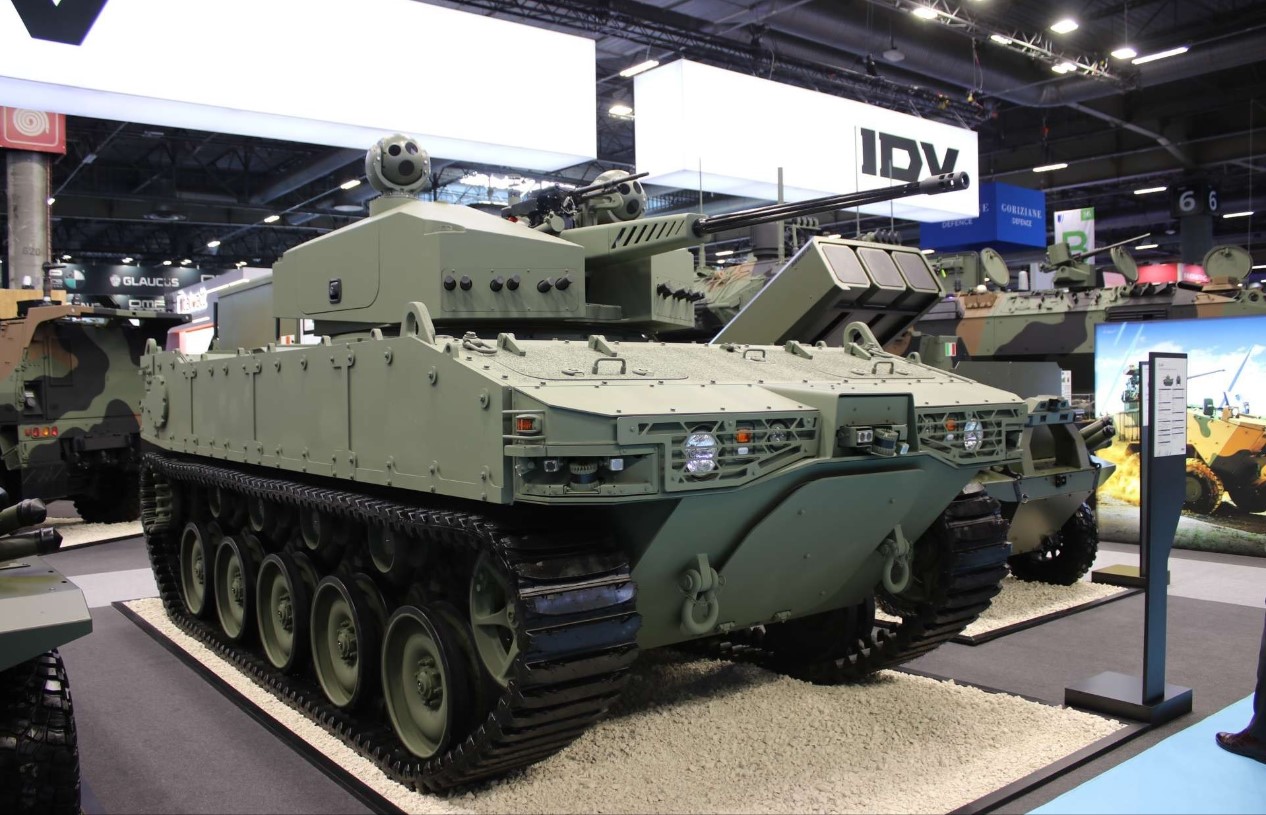 IDV Unveils CL2X Hybrid Uncrewed Light Tank at Eurosatory 2026
Top Trending in 4 Days
-
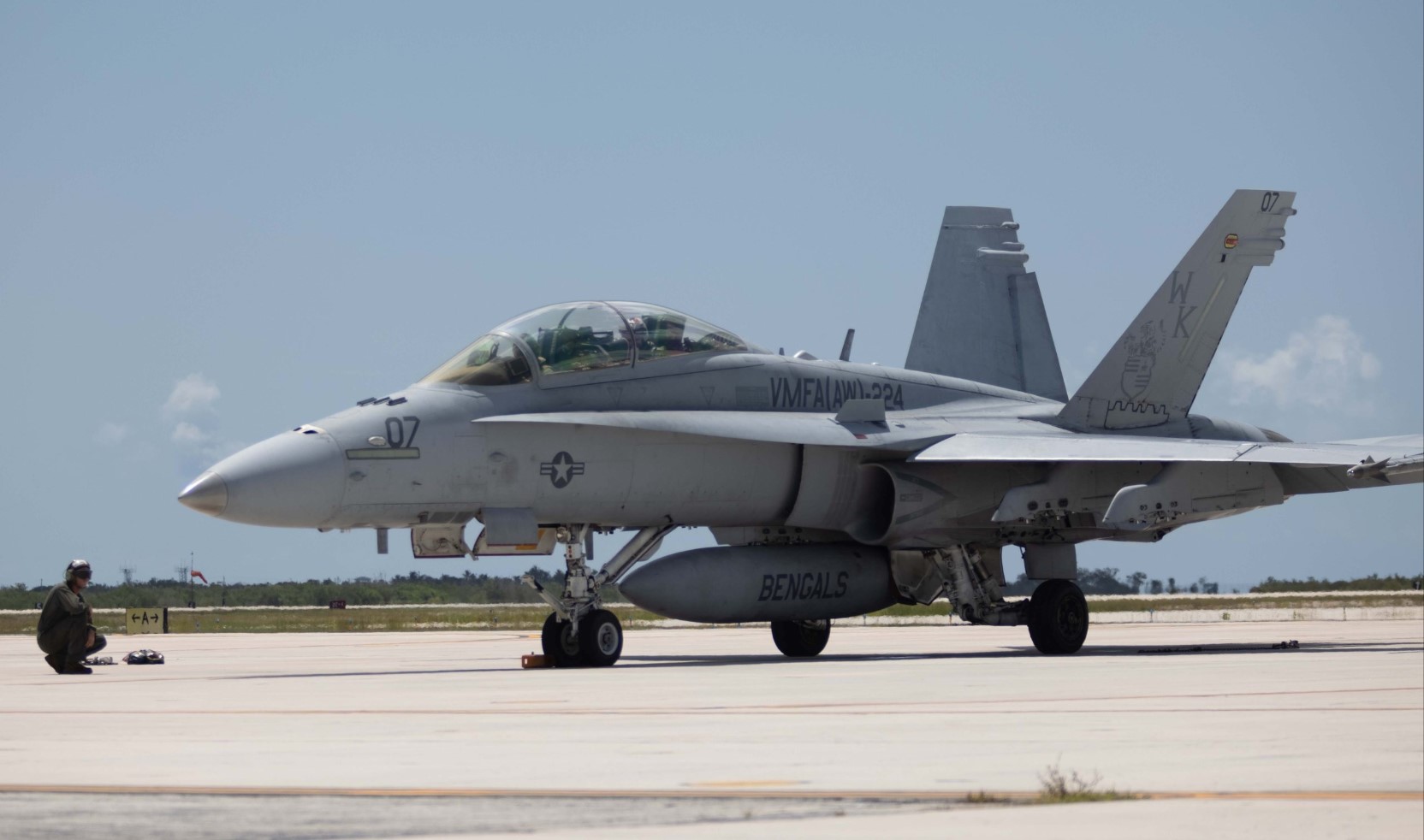 US Marine Corps F/A-18D Hornet Crashes During Training Flight in Washington Mountains; Pilot Ejects Safely
-
 Tulsi Gabbard Releases Declassified Files Detailing U.S.-Backed Network of 120 Biolaboratories Across 30+ Countries
-
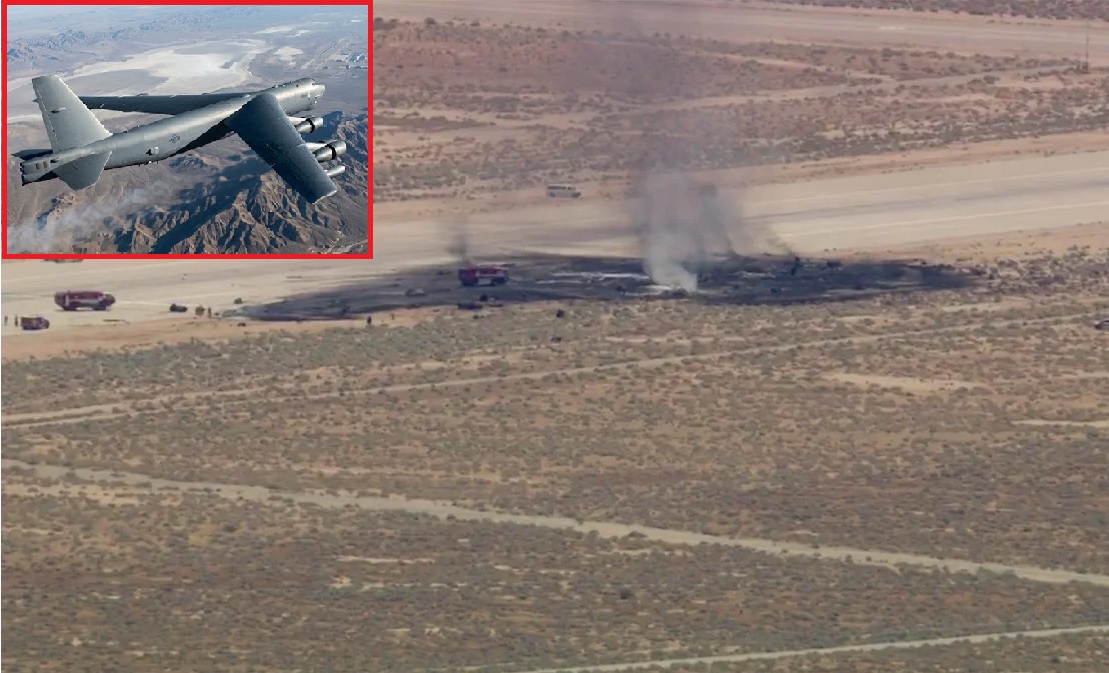 8 U.S. Air Force Crew Members Killed in B-52 Bomber Crash During Test Flight at Edwards Air Force Base
-
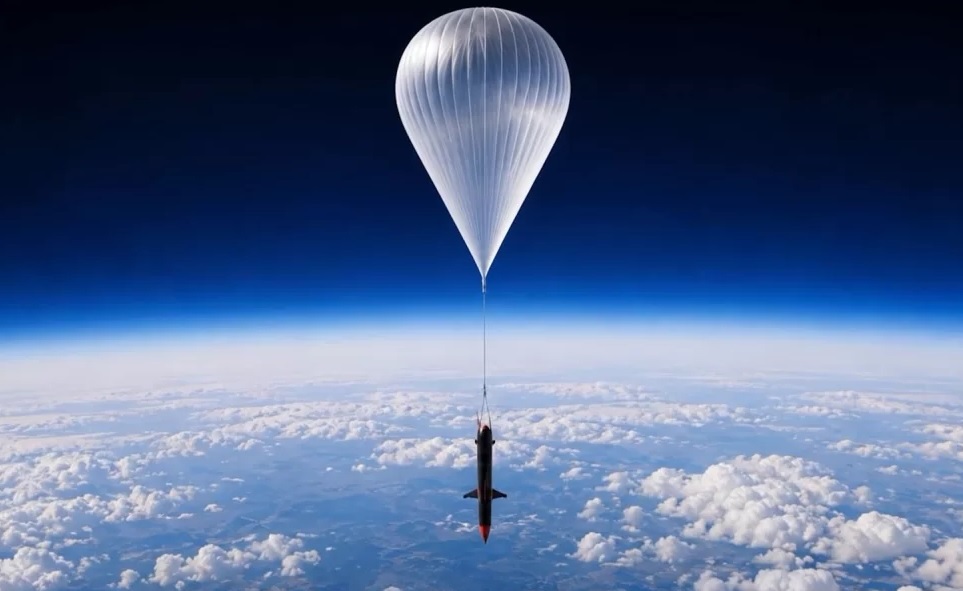 Ukraine Introduces Balloon-Launched DART Missile Designed to Defeat Electronic Warfare
-
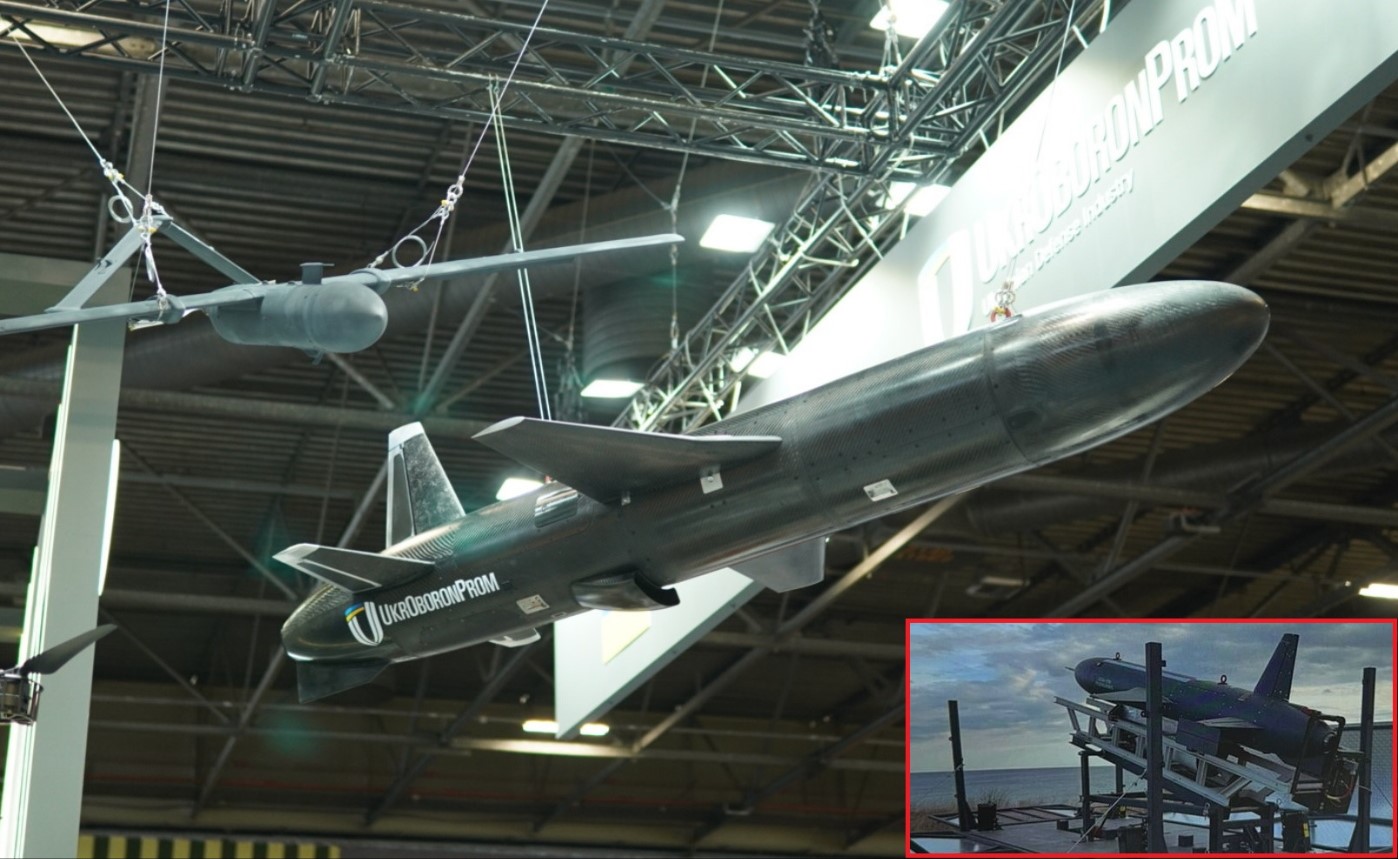 Ukraine Unveils UAV-290 Jet-Powered Strike Drone with 650 km Range at Eurosatory 2026
-
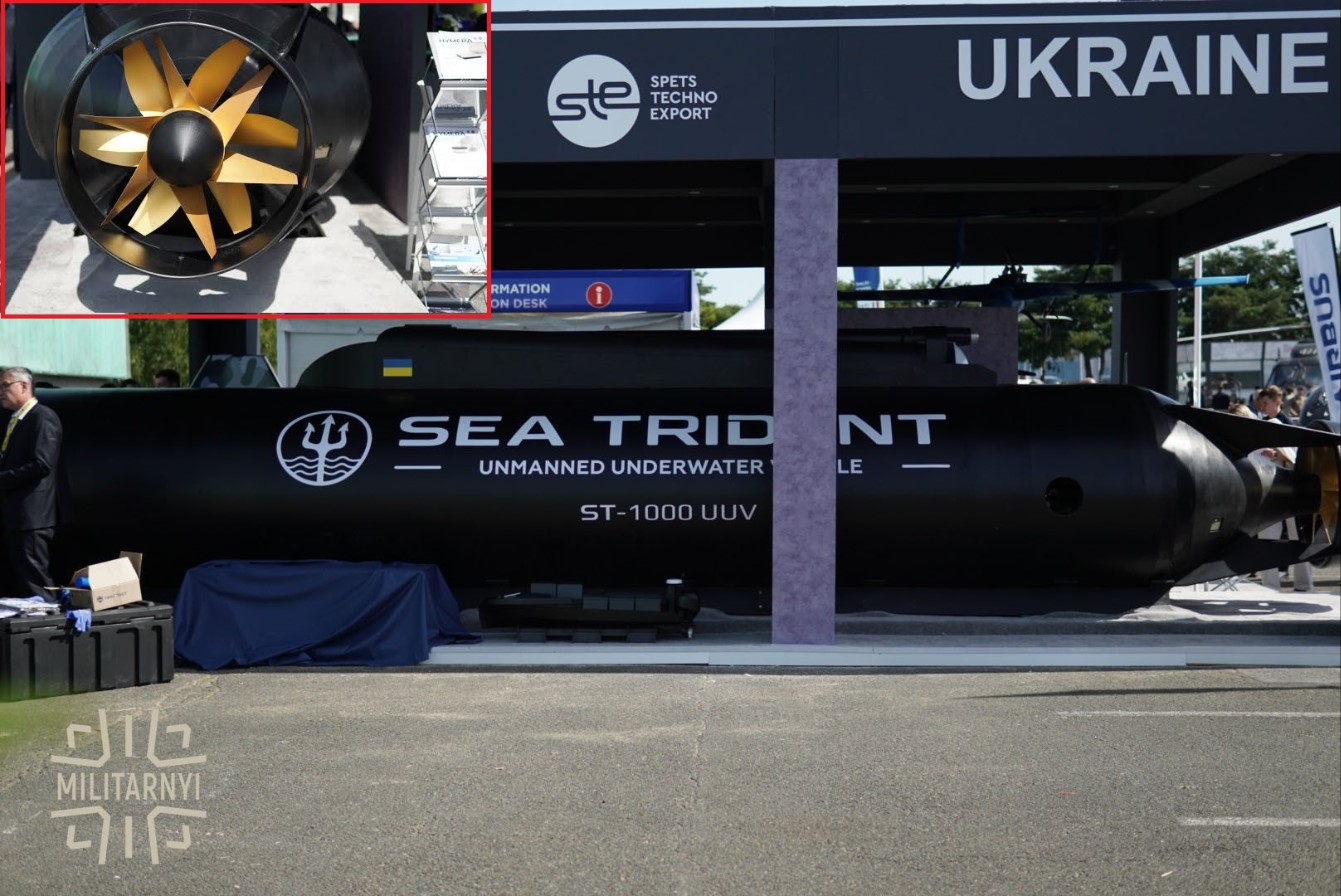 Ukraine Unveils 'Sea Trident' 10-Ton Autonomous Underwater Drone at Eurosatory 2026
-
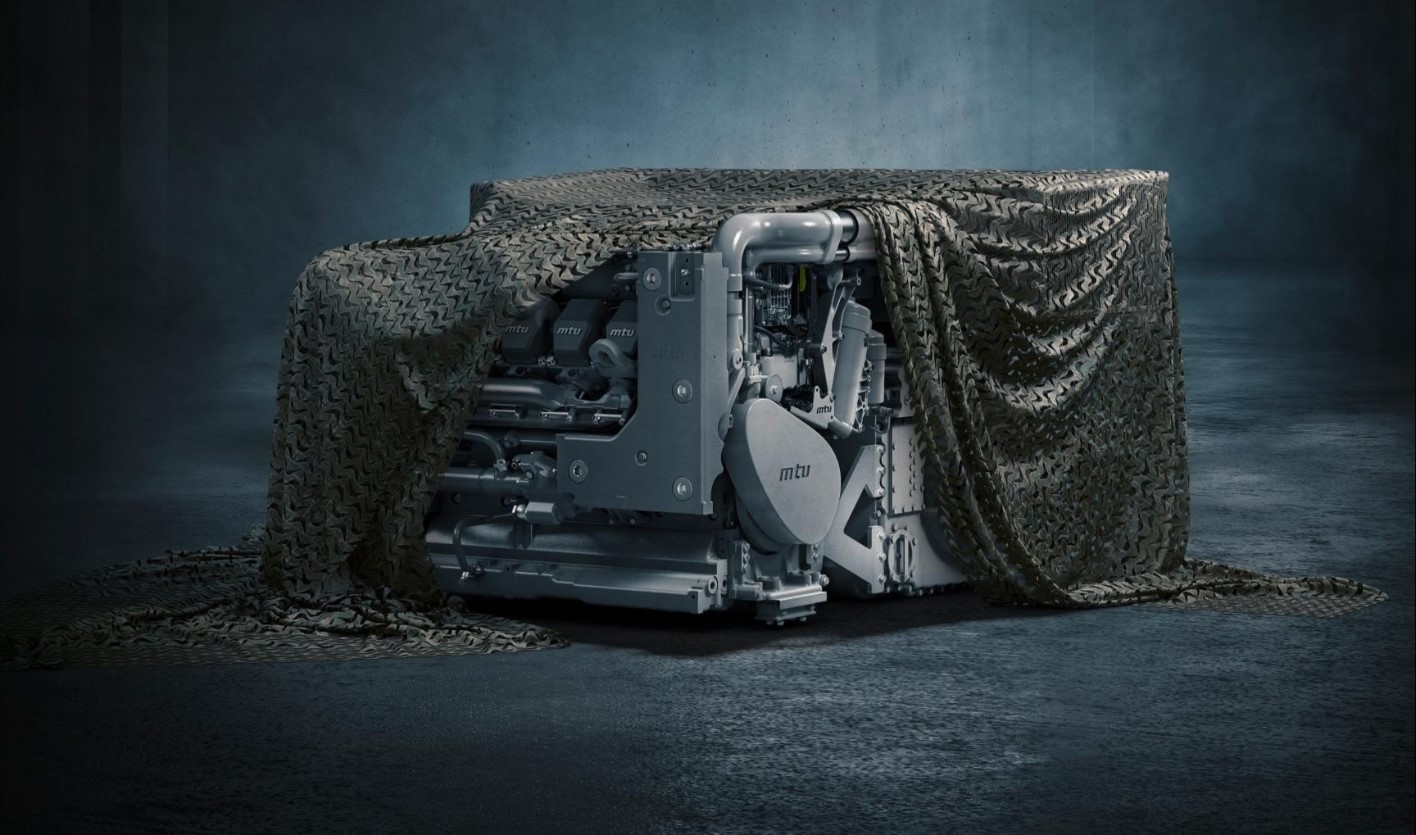 Rolls-Royce Unveils New Hybrid Powertrain for Heavy Military Vehicles at Eurosatory 2026
-
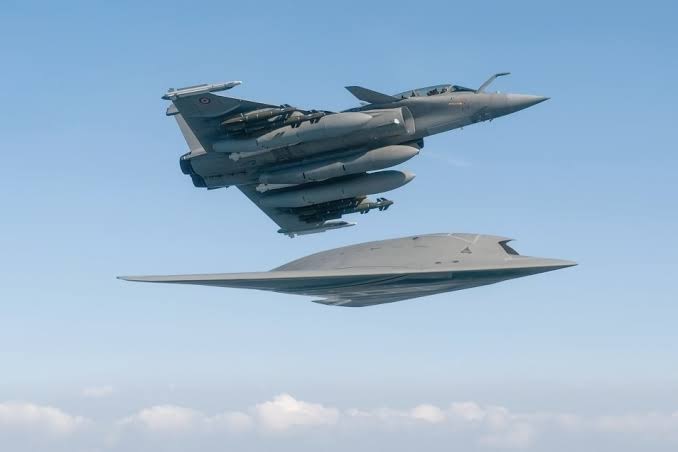 France Agrees to Equip Future Indian Rafales with AI, MUM-T and Secure Satellite Links Under F5 Standard