World
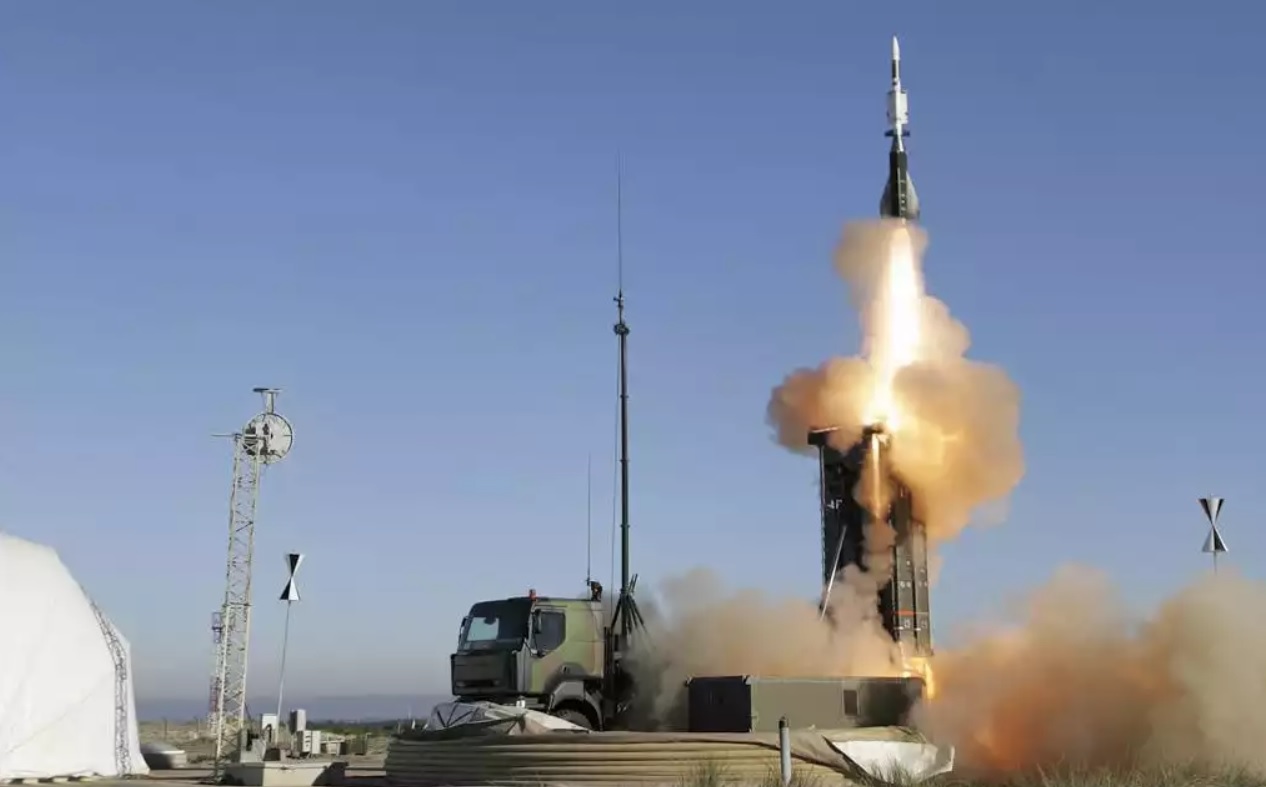
In a major milestone for European air defence, EUROSAM has successfully completed a second test firing of the ASTER B1 New Technology (ASTER B1NT) missile, confirming its long-range capabilities and bringing the SAMP/T NG air defence system one step closer to full qualification. The launch took place at the DGA Essais de Missiles test range in France, under the observation of defence representatives from France, Italy, and the United Kingdom, the three nations involved in the long-standing FSAF-PAAMS air defence cooperation, managed by OCCAR (Organisation for Joint Armament Co-operation). This second firing, following the first successful test in October 2024, demonstrated the missile’s capability to intercept threats at a range of up to 150 kilometers and at higher altitudes. The ASTER B1NT, developed by MBDA, features several enhancements over previous versions, including a new Ka-band seeker, improved algorithms for target discrimination, and increased agility—key traits for engaging advanced, high-speed, and stealth aerial threats, including ballistic and hypersonic missiles. The test marks a crucial success for the joint ASTER B1NT and SAMP/T NG programs, which are being developed by EUROSAM for the French and Italian armed forces. The SAMP/T NG, an upgraded ground-based air defence system, will be deployed by both the Armée de l’Air et de l’Espace (French Air and Space Force) and the Italian Army and Air Force, providing a future-ready shield against evolving airborne threats. The ASTER B1NT’s integration into naval systems is also in progress. The missile will be part of the Mid-Life Update (MLU) for the Horizon-class air defence destroyers of both France and Italy. Under this modernization, the ships will be upgraded with new radars (Kronos Grand Naval by Leonardo for Italy, SMART-L MM by Thales for France), modern electronic warfare systems, and next-generation combat management systems—Athena/SADOC Mk 4 on Italian vessels and SETIS on French ones. Beyond its core land and naval roles, the ASTER B1NT is designed for Ballistic Missile Defence (BMD), capable of intercepting short-range ballistic missiles with ranges up to 1,500 km. During recent briefings, MBDA and DGA officials highlighted its capability to counter next-generation hypersonic weapons like Russia’s Zircon and Kinzhal, and China’s DF-21D anti-ship ballistic missile. One of the ASTER B1NT’s most significant innovations is its Ka-band active radar seeker—a rare feature in European missiles. Although Ka-band seekers typically have a narrower field of view and shorter range, MBDA engineers have extended its detection range by fine-tuning the beam shape, which also enhances its ability to distinguish real threats from decoys. As of now, the ASTER missile family has recorded more than 250 successful firings, with over 100 operational launches, particularly in high-threat environments like Ukraine and the Red Sea, where the French Navy alone has used over 20 ASTER missiles in recent months, according to Admiral Defougère of the French Navy. The success of the latest test not only reinforces Europe's missile defence capability but also strengthens EUROSAM’s position in the global air defence landscape. With systems like the SAMP/T NG and ASTER B1NT, Europe now possesses a credible and modern defence solution against emerging aerial and missile threats—including ballistic, hypersonic, stealth, and highly maneuverable targets.
Read More → Posted on 2025-08-01 14:15:02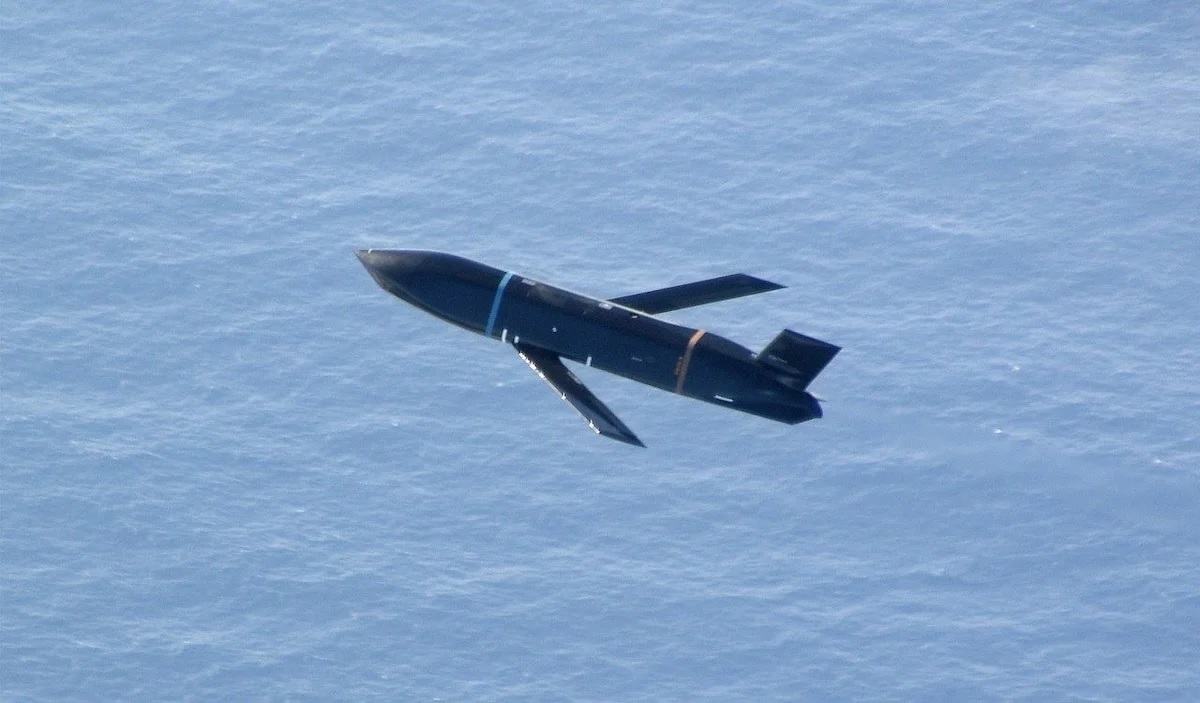
World
In a major boost to advanced missile production, Lockheed Martin has signed a $4.3 billion framework agreement with the U.S. Department of Defense for the production of two key long-range precision weapons — the AGM-158B JASSM-ER and the AGM-158C LRASM. The JASSM-ER (Joint Air-to-Surface Standoff Missile – Extended Range) is a long-range, air-launched cruise missile, while the LRASM (Long Range Anti-Ship Missile) is a stealthy missile designed to counter heavily defended maritime targets. Both systems are crucial to enhancing the U.S. military's ability to strike high-value targets from a safe distance. The agreement, announced on 31 July, outlines production and deliveries that will continue through January 2033. Although the full deal is worth $4.3 billion, an initial installment of $1.4 billion has been released to kick-start the work. In addition to fulfilling U.S. military needs, this agreement also includes missile deliveries to foreign allies under the Foreign Military Sales (FMS) program. Four countries — Poland, the Netherlands, Japan, and Finland — are confirmed recipients of the AGM-158B JASSM-ER under this contract. These nations are collectively contributing $239 million toward the first batch of exports. The Netherlands, Japan, and Finland plan to deploy the JASSM-ER on their F-35A/B Lightning II fighter jets, while Japan will also integrate the missiles onto its upgraded F-15J Eagle aircraft. The exact number of missiles being delivered remains undisclosed, but the contract reflects a growing global interest in long-range precision strike capabilities, especially among U.S. allies in Europe and the Indo-Pacific. This deal follows previous contracts aimed at increasing the production of both JASSM-ER and LRASM, signaling continued investment in next-generation missile technology amid rising geopolitical tensions.
Read More → Posted on 2025-08-01 14:12:15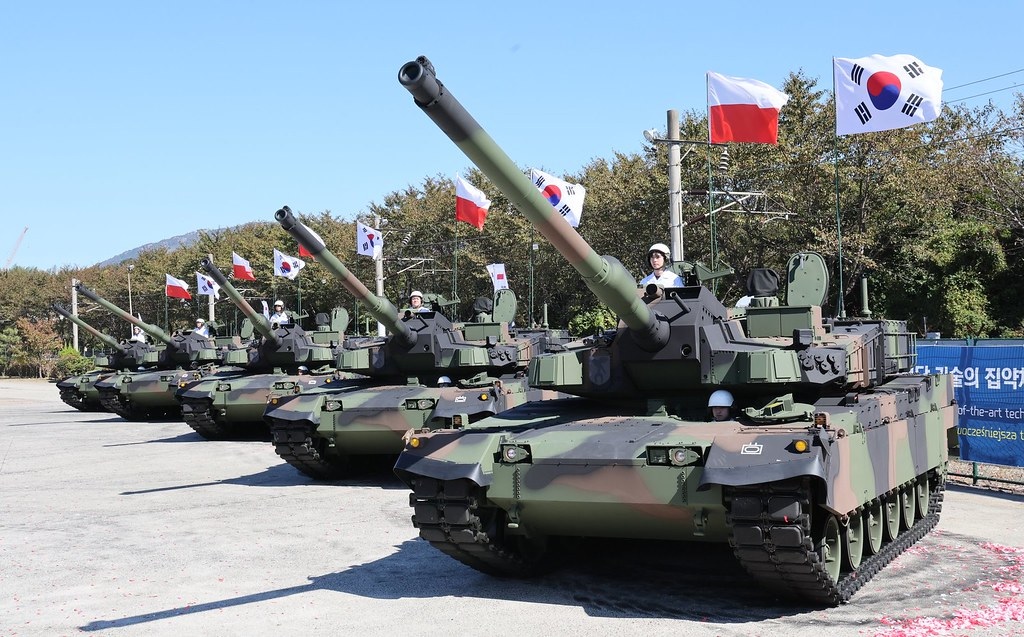
World
Poland has signed a $6.5 billion agreement with South Korea’s Hyundai Rotem for the delivery of 180 K2 Black Panther main battle tanks and 81 support vehicles. The contract was finalized during an official ceremony in Gliwice, Poland, attended by Polish Defence Minister Władysław Kosiniak-Kamysz and South Korean Defence Minister Ahn Gyu-back, highlighting the growing defense ties between the two countries. This is the second major deal Poland has signed for the K2 tanks, following a 2022 order for another 180 units. The newly signed agreement is part of a broader framework that allows Poland to eventually procure up to 1,000 K2 tanks, signaling a long-term strategy to replace older Soviet-era tanks with modern platforms. Delivery Plan and Local Production The delivery of the tanks will take place between 2026 and 2030. The contract specifies that: 116 tanks will be delivered in the K2GF variant, manufactured in South Korea. 64 tanks will be delivered in the K2PL variant, which is a Poland-specific version with enhanced armor, firepower, and onboard systems tailored for European terrain and battlefield needs. Production of the K2PL variant will begin in South Korea, with the first three units built there. Then, Poland’s Bumar-Łabędy facility, a subsidiary of the state-owned Polska Grupa Zbrojeniowa (PGZ), will take over production of the remaining 61 tanks, promoting technology transfer and domestic industrial capability. Minister Kosiniak-Kamysz stated that full-scale production in Poland will take place from 2028 to 2030, aligning with Warsaw’s goal to establish independent manufacturing capacity for next-generation armored vehicles. Included Vehicles and Support Package In addition to the main battle tanks, the deal includes: 81 support vehicles, such as armored recovery vehicles (ARVs) and bridge-laying tanks, designed to operate in coordination with the K2 fleet. Training and logistics support, including simulators and spare parts. A maintenance and repair infrastructure package, enabling Polish forces to sustain operations without relying on foreign repair hubs. This comprehensive support will ensure the Polish Armed Forces are not just equipped but also operationally ready and capable of maintaining the fleet over decades. Specifications of the K2 Black Panther The K2 Black Panther is one of the most advanced tanks currently in service worldwide, developed by South Korea’s Agency for Defense Development (ADD) and produced by Hyundai Rotem. Key specifications include: Main Armament: 120mm L/55 smoothbore gun with an autoloader (3 rounds per 15 seconds) Secondary Armament: 7.62mm coaxial MG and 12.7mm heavy MG Armor: Modular composite armor with Explosive Reactive Armor (ERA) and optional Active Protection System (APS) Engine: 1,500 hp diesel engine Suspension: In-arm hydropneumatic suspension system (ISU), allowing variable ground clearance and tilt for urban or mountainous terrain Speed: Maximum road speed over 70 km/h; reverse up to 30 km/h Crew: 3 (commander, gunner, driver) Weight: Approx. 55 tons The K2PL version is expected to be heavier—around 60 tons—due to extra armor and upgraded battlefield systems, potentially including Polish or NATO-standard communications and fire control modules. Strategic Context Poland's increasing military procurement from South Korea is part of a broader shift in defense policy. Since Russia's full-scale invasion of Ukraine, Warsaw has ramped up defense spending to 4% of its GDP, one of the highest in NATO. The country is seeking new-generation, NATO-compatible systems that can be quickly delivered and, ideally, produced domestically. In recent years, Poland has also signed deals for: 48 FA-50 light attack aircraft 212 K9A1 self-propelled howitzers 288 K239 Chunmoo multiple rocket launchers The South Korea-Poland defense partnership has emerged as one of the fastest-growing in Europe, with technology transfer, joint production, and logistics support forming the backbone of these agreements. The K2 tank deal is a cornerstone in this growing alliance, aimed at reshaping Poland into a central hub for advanced armored warfare systems in NATO. By securing these tanks and the associated production capacity, Poland is not only reinforcing its national defense but also positioning itself as a key player in European defense manufacturing for years to come.
Read More → Posted on 2025-08-01 14:03:13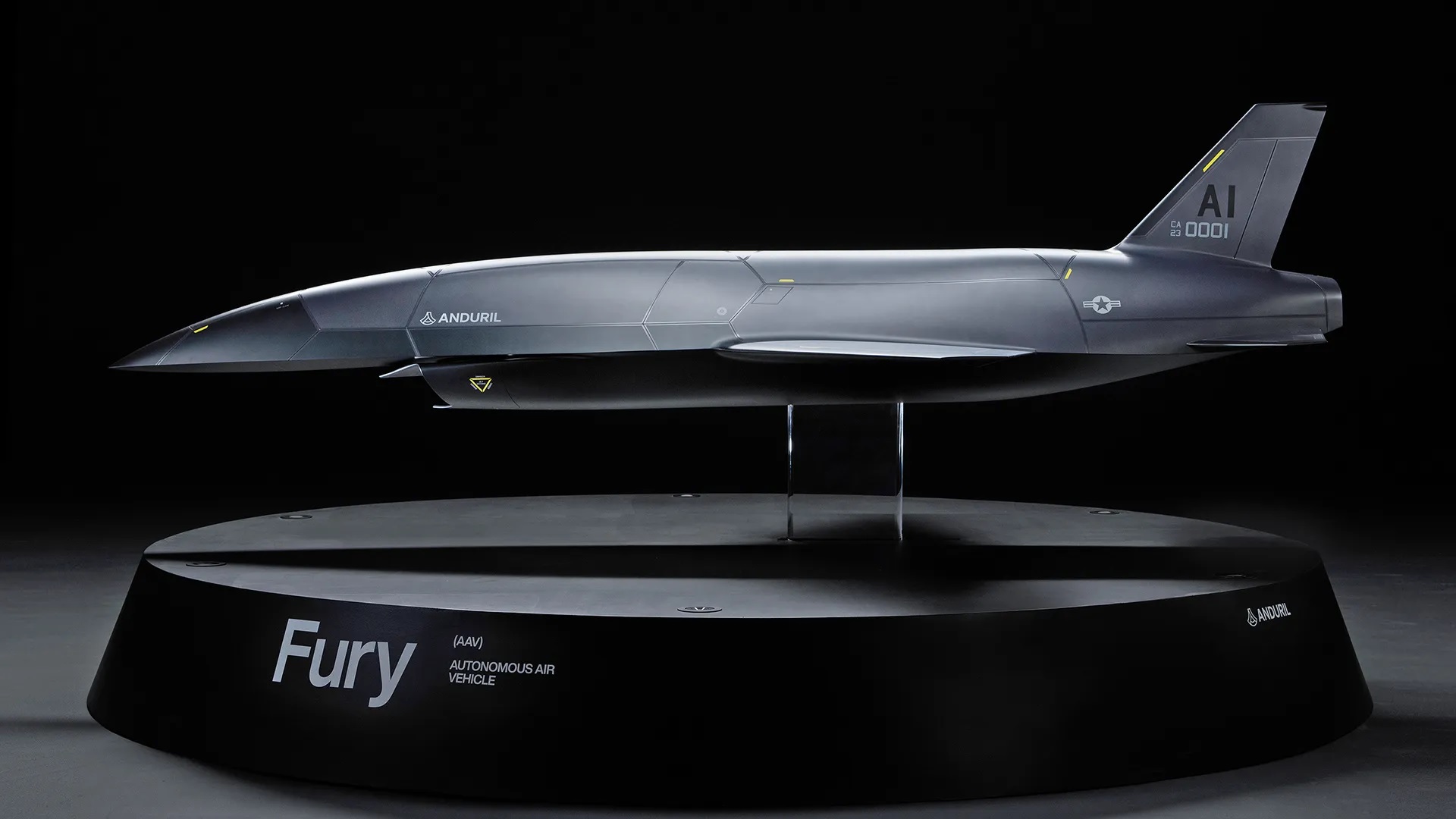
World
Taiwan is set to strengthen its drone and defense tech capabilities through a new agreement with U.S. defense company Anduril, known for its cutting-edge work in autonomous systems and command software. According to reports from Taiwan's Liberty Times, the island’s National Chung-Shan Institute of Science and Technology (NCSIST) has signed a memorandum of understanding with Anduril to acquire both unmanned aerial systems (UAS) and a command and control platform. At the center of the deal is Anduril’s Lattice software, a high-tech command and control system designed to improve how battlefield information is collected and used for decision-making. This system helps combine data from different sensors and delivers it quickly to where it's needed — a key part of modern "sensor-to-shooter" warfare. While the exact drone models Taiwan is eyeing haven’t been officially revealed, Anduril’s recently unveiled Fury drone could be a strong contender. This next-generation uncrewed combat aircraft is built to work in tandem with manned fighter jets and is capable of conducting electronic warfare, air combat, and suppression of enemy air defenses. This cooperation comes as Anduril’s founder Palmer Luckey is scheduled to visit Taiwan on August 4, signaling growing U.S.-Taiwan defense collaboration. Taiwan’s interest in Anduril isn’t new. It has already placed an order for 1,000 attack drones from the United States, including 291 Altius 600M-Vs developed by Anduril. These drones will likely play a key role in Taiwan’s effort to build an asymmetric defense strategy — using smart technology to offset the military size advantage of China. In addition to foreign deals, Taipei recently announced plans to manufacture 50,000 drones domestically over the next two years. The move reflects Taiwan’s urgent push to modernize its defense and bolster its unmanned capabilities in light of increasing regional tensions. This new partnership with Anduril is expected to bring advanced battlefield coordination tools and versatile combat drones into Taiwan’s arsenal, helping the island adapt to the demands of modern warfare.
Read More → Posted on 2025-08-01 13:39:06
World
In a significant leap in electromagnetic warfare research, Chinese military scientists have revealed a new design for a microwave weapon capable of firing 10-gigawatt (GW) power pulses at ultra-high repetition rates — potentially transforming future satellite and space-based combat scenarios. The weapon, still in development, is based on a phenomenon known as superradiance, first observed by Soviet researchers during the Cold War. This advanced concept allows for exceptionally fast and powerful bursts of microwave energy, far exceeding the limitations seen in current systems. The findings were published in a peer-reviewed study by the PLA Academy of Military Sciences and the Key Laboratory of Advanced Science and Technology on High Power Microwave, in the Chinese journal Modern Applied Physics (June edition). What the Weapon Can Do The new system can fire bursts of over 10GW, with the first pulse reaching 16.6GW, thanks to an electron beam design that enhances energy efficiency to an astounding 143% conversion rate. This doesn’t break physics laws — instead, it harnesses the coherent, avalanche-like radiation from bunched electron pulses. Each pulse lasts about 0.77 nanoseconds, with a frequency near 9.7GHz, and can be repeated at 126 million times per second (126 MHz) — a rate once thought impossible for combat-grade microwave systems due to electrical and thermal limitations. To compare, earlier systems firing 1GW pulses were already considered enough to damage satellites by disabling solar panels, crashing electronics, and cutting communication. With this new 10GW-class system, even satellites in higher orbits could become vulnerable. How It Works The microwave generator uses a compact relativistic electron beam moving through a specially designed slow-wave structure. This structure has graded corrugations that amplify the interaction between the beam and microwaves, enabling rapid micro-bunching of electrons and superradiant energy bursts. A reflector at one end bounces waves back to intensify the process, while an output coupler lets energy escape and helps trigger the next burst. With a long enough input pulse, this creates a chain reaction of microwave emissions — like a machine gun of energy blasts. Why This Is a Breakthrough Historically, there was always a trade-off between power and firing speed — systems could be high-power but slow, or fast but weak. This design breaks that trade-off, achieving both high power and high repetition rate in one system. The researchers also improved key factors like voltage rise speed, cooling systems, and beam control, helping to shrink the system’s size while boosting its performance. Military Implications A weapon like this could: Neutralize satellites silently, without explosions or visible attacks. Bypass hardened defenses with rapid-fire bursts. Cause cumulative damage too fast for countermeasures to react. Operate through both "front-door" (antennas) and "back-door" (circuit paths) vulnerabilities. Still a Prototype Despite the promise, the system is not yet deployable. Integrating such tech into actual weapons faces major engineering obstacles like: Electromagnetic interference Thermal control Miniaturization for mobile platforms Steering and focusing beams through the atmosphere The lead researcher, Zhang Guangshui, emphasized that it is “still at a preliminary stage,” though competition is growing within China. Other teams are reportedly developing even more powerful systems, such as a 100GW coaxial Cherenkov generator, with efficiency over 2%, though few details are public. This development highlights a growing global interest in non-kinetic space warfare, where energy weapons could silently disable enemy infrastructure from the ground — without ever firing a missile. If realized, such weapons could redefine the balance of power in both Earth and near-Earth orbit.
Read More → Posted on 2025-07-31 16:06:56
World
A new United Nations Security Council (UNSC) report has clearly identified The Resistance Front (TRF)—a group based in Pakistan and linked to Lashkar-e-Taiba (LeT)—as responsible for the April 22, 2025 terror attack in Pahalgam, Jammu and Kashmir, that killed 26 civilians at a popular tourist site. According to the UNSC 1267 Monitoring Team’s July 2025 report, five terrorists carried out the strike, and TRF immediately claimed responsibility for the attack not once but twice. It even published a photo from the site on the same day. But four days later, TRF withdrew its claim—a move that has drawn international attention. Importantly, no other group has claimed responsibility, making TRF’s role all the more significant. What makes this report a diplomatic breakthrough for India is that this is the first time since 2019 that a Pakistan-backed group like LeT or its proxy has been explicitly named in a UNSC document. The move reinforces India’s long-standing position that Pakistan sponsors terrorism in Kashmir while trying to mask its role through newer group names like TRF, which are often presented as homegrown or secular. Interestingly, the report also highlights differences among UNSC member countries. One country noted that the attack couldn’t have occurred without LeT’s support, and described TRF as essentially another name for Lashkar-e-Taiba. But another member claimed that LeT was defunct, indicating disagreement over how deeply the two groups are connected. Still, the inclusion of TRF in the Monitoring Team report comes despite Pakistan’s efforts to have the group omitted from official UNSC communications. Earlier, Pakistan’s Foreign Minister Ishaq Dar claimed success in removing TRF’s name from a press statement condemning the attack. But this new report—backed by inputs and evidence shared by India’s Ministry of External Affairs (MEA)—puts TRF back in the spotlight, along with Pakistan’s role in sheltering it. Since December 2023, India has been providing detailed dossiers on TRF to the UN and held multiple briefings with UNSC members. After the Pahalgam incident, India also launched Operation Sindoor, targeting terror infrastructure across Pakistan and Pakistan-occupied Kashmir (PoK). Overall, the UNSC Monitoring Team’s findings confirm: TRF’s involvement in the Pahalgam terror attack; Its direct links to Lashkar-e-Taiba; The group’s published image from the attack site; And the widening concerns that Pakistan-based terror outfits are exploiting India-Pakistan tensions. Because UNSC Monitoring Team reports are adopted by consensus, this one holds serious diplomatic weight. It signals that the international community is increasingly aligned with India’s counter-terrorism narrative, and puts added pressure on Pakistan’s attempts to deny or downplay its terror links in the region.
Read More → Posted on 2025-07-31 15:40:46
World
Northrop Grumman has officially completed the delivery of all major components of the Integrated Battle Command System (IBCS) under a key production phase for the U.S. Army. This achievement marks a major step in equipping the Army with next-generation air and missile defense capabilities. Under the Low-Rate Initial Production (LRIP) contract, Northrop Grumman produced and handed over 142 major end items (MEIs) from its Huntsville, Alabama facility. These included 35 Engagement Operations Centers, 32 Integrated Fire Control Network Relays, and 75 Integrated Collaborative Environments. According to Jeremy Knupp, Vice President of Global Command and Control Solutions at Northrop Grumman, this milestone reflects the company's commitment to fast, high-quality production. “We have the manufacturing depth and capacity to deliver IBCS at speed,” he said, highlighting the system’s role in providing enhanced situational awareness, precision in decision-making, and adaptability in operations. The IBCS is a modular and open-architecture command and control system. It links both current and future sensors and weapons across different military services and domains. By doing so, it creates a single, unified view of the battlespace, helping commanders make faster, better-informed decisions in high-threat environments. This system is central to the U.S. Army’s modernization of its integrated air and missile defense strategy, and it’s designed to work in joint and coalition operations. Its networked approach means it can support a wide range of missions, both today and in the future. In December 2021, Northrop Grumman was awarded a five-year contract worth over $1 billion by the U.S. Army for both the low-rate and full-rate production of IBCS. With the LRIP phase now complete, the company is moving into full-rate production at its Enhanced Production and Integration Center (EPIC) in Madison, Alabama. This advanced facility is equipped to increase production capacity and accelerate delivery of vital defense systems. Northrop Grumman, with a workforce of nearly 100,000 people and over 30 million square feet of manufacturing space across the U.S., continues to invest in its infrastructure and talent. Its focus remains on delivering cutting-edge solutions to meet the evolving demands of national defense.
Read More → Posted on 2025-07-31 15:14:31
World
A U.S. Navy F‑35C Lightning II stealth fighter jet crashed on Wednesday evening, around 6:30 p.m., just north of Naval Air Station Lemoore in central California. The aircraft, assigned to the Strike Fighter Squadron VFA‑125 “Rough Raiders”, went down during a routine training mission . The pilot ejected safely and was quickly located in a nearby field; he was transported to a local hospital for evaluation and is expected to recover (. No other personnel were injured during the crash, and base officials confirmed no additional staff were affected . Local emergency responders—including deputies, CAL Fire, EMS and the California Highway Patrol—swiftly reached the site, where the wreckage had ignited a fire in a cotton field, eventually contained by around 8:30 p.m. Bulldozers were used to clear access paths for fire crews to reach and extinguish the blaze . Video footage from local affiliates shows thick black smoke and flames billowing from the crash site, underscoring the severity of the incident . The F-35C Lightning II is the carrier-based variant of the F-35 family and features advanced stealth, sensors, and avionics. It is cornerstoned for the U.S. Navy’s future strike capabilities . The jet belonged to VFA‑125 “Rough Raiders”, a Fleet Replacement Squadron under the Navy's Joint Strike Fighter Wing at NAS Lemoore, tasked with training crew before deployment into frontline carrier-based squadrons . This marks one of several high-profile mishaps involving F-35 variants this year: in January 2025, an F-35A crashed during a training mission in Alaska, with the pilot ejecting safely in that incident as well . The crash adds to mounting scrutiny over the aircraft's reliability and readiness: a January 2025 Pentagon report found that the F‑35 fleet still falls short of key performance benchmarks related to operational availability, reliability, and maintainability . Investigations into the cause are currently underway, led by Navy safety officials with support from defense contractor Lockheed Martin, the manufacturer of the F‑35 . Meanwhile, defense analysts and partner nations are closely watching these developments. Complaints have surfaced from other global operators, including the UK and Australia, raising questions about whether the F‑35 program’s complexity and cost justify its expanding deployment . Why It Matters The incident raises serious concerns about the readiness and reliability of America’s most advanced stealth fighter. Each F-35 costs over $100 million, making such crashes not just dangerous but also financially significant. Frequent mishaps risk undermining confidence among international partners invested in F‑35 squadrons. Data from recent accident histories suggests maintenance challenges, system glitches, and complex avionics remain ongoing hurdles Fortunately, this crash ended without loss of life, and the pilot’s survival speaks to both emergency planning and ejection system reliability. But as investigations continue, the events compound concerns over whether the F‑35 is living up to its promise—or instead burdening the U.S. military with increasing complexity, cost, and risk.
Read More → Posted on 2025-07-31 15:12:03
World
The US Army is testing a new autonomous robot vehicle called ULTRA (Uncrewed Long-range Transport Autonomy), designed to carry out resupply missions without needing a driver, remote control, or even GPS. ULTRA is being developed by a tech company called Overland AI. What makes it special is its ability to move through rough and unpredictable terrain completely on its own—even in areas where GPS is jammed, communication lines are weak, or visibility is poor. At the heart of this robot is Overland AI’s OverDrive software, which is paired with military-grade hardware. It uses a high-tech mix of stereo cameras, thermal imagers, lidar sensors, and GPS-denied navigation systems. These sensors help ULTRA “see” its environment, detect obstacles, and recalculate its path in real-time, no matter the conditions. The vehicle can carry a modular payload of up to 1,000 pounds (about 454 kg). Depending on the mission, it can deliver supplies, deploy sensors, evacuate wounded troops, or even transport explosives. With the choice between all-electric and hybrid drive systems, ULTRA offers flexibility and can operate for over eight hours depending on the terrain and cargo weight. For added safety and coordination in the field, ULTRA is built with cybersecurity features, tactical mesh networking, and secure processors, allowing it to connect smoothly with military command systems. Recently, ULTRA was tested by soldiers from the 1st Squadron, 91st Cavalry Regiment during Exercise Agile Spirit 25 in Krtsanisi, Georgia. The trials were held in the rugged, forested Vaziani Training Area, where ULTRA carried out multiple autonomous resupply tasks—including cargo delivery, off-road driving, and joining convoys—without using GPS. During the test, troops observed how ULTRA navigated muddy roads, avoided obstacles, and adjusted its path without any help. Soldiers said the robot could significantly reduce exposure to threats such as ambushes or roadside bombs, making it a safer option for future logistics missions. Encouraged by the results, the US Army plans to conduct more trials in late 2025 and early 2026, pushing ULTRA closer to becoming a regular part of battlefield support in GPS-denied environments.
Read More → Posted on 2025-07-31 14:56:53
World
Pakistan has reportedly begun receiving Z-10ME attack helicopters from China, marking a significant step in Islamabad’s efforts to modernize its aging tactical helicopter fleet. While no official announcements have been made by either government, verified images and videos have surfaced online showing the Chinese-built helicopters painted with Pakistan Army insignia, confirming the delivery. The new helicopters are expected to replace the decades-old American-made AH-1F Cobras, which have been in service with Pakistan since the 1980s. In an earlier attempt to modernize the fleet, Pakistan secured a deal with the United States in 2015 to acquire AH-1Z Viper helicopters. However, rising diplomatic tensions between Islamabad and Washington caused the deal to stall, creating an opportunity for China to step in with its own offer. That’s when China's Z-10ME, the export version of its homegrown Z-10 attack helicopter, became a viable alternative for Pakistan. Although rumors and reports about the procurement had been circulating for years, the recent visual evidence suggests that the deal has finally moved past the trial and production phase into active delivery. The Z-10ME, developed by China’s Changhe Aircraft Industries Corporation, is a medium-weight attack helicopter designed for anti-tank missions and limited air-to-air combat. The aircraft is powered by two WZ-9C turboshaft engines, each delivering around 1,600 horsepower. It has a length of 14 meters, a rotor diameter of 13 meters, and can fly at speeds of up to 160 knots (296 km/h). The helicopter is capable of operating at altitudes as high as 6,400 meters (20,997 feet) and offers a range of 430 nautical miles (796 km). It is armed with a revolving cannon, guided and unguided rockets, multi-role missiles, and even loitering munitions, making it a versatile weapon in both offensive and defensive operations. Currently, the People’s Liberation Army (PLA) operates around 200 Z-10 helicopters, highlighting China’s confidence in the system. The export of this system to Pakistan also represents growing defense ties between Beijing and Islamabad, especially at a time when Western military cooperation with Pakistan appears to be cooling. While the full number of units Pakistan is acquiring remains undisclosed, the induction of the Z-10ME could significantly enhance its battlefield capabilities, especially in mountainous and rugged terrains, where rotary-wing assets are crucial for tactical advantage.
Read More → Posted on 2025-07-31 14:35:43
World
In a major move to strengthen its defense capabilities, Taiwan has announced plans to purchase over 100,000 military drones, making it the country's largest-ever drone procurement initiative. The effort includes a new order for more than 50,000 unmanned aerial systems (UAS), which will be added to an earlier confirmed purchase of 48,750 drones by the Ministry of National Defense. Together, these acquisitions are expected to fully engage Taiwan's domestic drone production capacity for at least the next five years. This announcement was made during an industry briefing on July 29, organized by the Executive Yuan’s Aerospace Program Office and the Armaments Bureau. Officials highlighted that the increased demand is part of a broader strategy to enhance national resilience and expand Taiwan’s distributed drone fleet, especially for protecting critical infrastructure and supporting homeland defense. The new batch of 50,000 drones will serve both civilian and military roles, such as monitoring energy and transportation facilities, and expanding the multi-layered unmanned defense systems across the island. Earlier this year, the Ministry of National Defense confirmed its plan to acquire drones across five key categories, including micro surveillance drones, attack drones, and medium-range reconnaissance platforms. The total military budget alone is expected to exceed NT$50 billion. Local manufacturers are already stepping up. Drone maker Thunder Tiger Technologies announced its intent to compete for all five categories of defense drones, as well as the new 50,000-unit order under the Executive Yuan’s plan. Another major player, Century Minsheng, is also scaling up production, with ambitions to enter global defense markets, including Europe and the U.S. The drone briefing, held at the 202nd Plant in Nangang, drew over 400 participants, including drone makers, electronics firms, material suppliers, and communications companies. Due to high interest, each company was limited to two representatives. Officials clarified that the procurement process will follow a “multi-award” model, allowing contracts to be shared among several vendors. This will not only speed up production and delivery, but also help reduce risks tied to supply chain disruption. While many drone specs remain classified, insiders suggest the new fleet will include autonomous flight systems, secure communications, and swarming capabilities—all adapted for Taiwan’s mountainous terrain and urban environments. Analysts view this massive procurement effort as a turning point for Taiwan’s defense industry, positioning it as a key player in the global drone market amid rising geopolitical tensions and a worldwide push for defense modernization.
Read More → Posted on 2025-07-30 16:04:40
World
The U.S. Air Force, working with Northrop Grumman, has successfully completed a full-scale qualification test of the stage-two solid rocket motor for the LGM-35A Sentinel intercontinental ballistic missile (ICBM). The test was carried out on July 20 by the 717th Test Squadron at the Arnold Engineering Development Complex in Tennessee. It marks a critical step in the U.S. military’s efforts to modernize its land-based nuclear missile force. To simulate high-altitude launch conditions, the test was conducted inside a vacuum chamber. This allowed engineers to gather detailed information on how the motor performs — including thrust output, burn rate, and how well it can be steered using its thrust vector control system. This second-stage motor is one of three booster stages that power the Sentinel missile. The recent test is part of a broader campaign to verify how well the missile components align with digital models created through a model-based engineering approach. These models are designed to reduce the need for physical prototypes and speed up development. Brigadier General William S. Rogers, the Air Force’s program executive officer for ICBMs, said the test shows steady progress: “We’re not just testing hardware — we’re proving that our models are accurate, our development timeline is achievable, and the system will be ready to deliver when called upon.” The data collected will help engineers fine-tune the design of the second-stage motor and minimize technical risks before entering mass production. It also plays a key role in verifying the accuracy of digital simulations used throughout the missile’s development. This successful test comes after a stage-one motor test in March at Northrop Grumman’s facility in Promontory, Utah, which also met expectations and matched performance predictions based on simulations. The Sentinel program represents a major overhaul of the U.S. nuclear arsenal. It is replacing the aging Minuteman III missiles that have been in service for decades. Northrop Grumman is the lead contractor on the project, and the Air Force has emphasized the use of digital engineering tools to make development faster, more efficient, and more cost-effective. More stage-two tests are scheduled later this year to evaluate how the motor performs in different environmental conditions, further ensuring that the Sentinel system will be ready to operate under real-world launch scenarios. General Rogers added, “This isn’t just about one motor test. It’s about building confidence — in our engineering; in our program schedule; and, most importantly, in our ability to deter aggression and defend the nation.” The Sentinel missile is expected to become the cornerstone of America’s land-based nuclear deterrent well into the 21st century.
Read More → Posted on 2025-07-30 15:29:12
World
QinetiQ US has won a $26 million subcontract from General Dynamics Electric Boat to provide advanced electrical and electromechanical systems for two of the US Navy’s most important submarine programs—the Virginia-class and Columbia-class nuclear-powered submarines. The work, which will be carried out at QinetiQ’s US-based facilities, involves building, testing, and delivering key mission systems that are essential for the submarines' performance and reliability. These systems are expected to enhance the Navy’s undersea warfare capabilities and contribute to maintaining technological superiority beneath the ocean surface. “This award highlights Electric Boat’s confidence in QinetiQ’s engineering and manufacturing strength,” said Tom Vecchiolla, President and CEO of QinetiQ US. “Our systems are designed to support mission-critical operations and reinforce the Navy’s undersea dominance.” The Virginia-class submarines, which are already in service, are fast attack nuclear submarines replacing the older Los Angeles-class boats. They are built for multi-mission roles like hunting enemy submarines, gathering intelligence, and supporting special operations. Each Virginia-class submarine is armed with Tomahawk cruise missiles and Mk 48 Advanced Capability torpedoes, and can reach speeds over 25 knots (46 km/h or 28 mph). So far, more than 20 Virginia-class vessels have been commissioned into the fleet. In a related move earlier this month, General Dynamics Electric Boat secured a $1.85 billion contract to begin early construction and procure components for future Virginia-class submarines—highlighting the scale and importance of this program. Meanwhile, the Columbia-class submarines are being developed to replace the aging Ohio-class boats that currently carry the US Navy’s sea-based nuclear deterrent. These next-generation ballistic missile submarines are designed for stealth, endurance, and strategic firepower. Each vessel will be 560 feet (171 meters) long, 43 feet (13 meters) wide, and capable of traveling over 20 knots (37 km/h or 23 mph). Powered by an electric-drive propulsion system, the Columbia-class submarines will be equipped with Trident II D5 (LE) ballistic missiles, 16 missile launch tubes, and MK48 torpedoes. They are still under construction, with deliveries expected to begin later this decade. QinetiQ’s role in these programs reinforces its position as a key defense supplier in the submarine industrial base, contributing to both tactical missions and strategic deterrence for the United States Navy.
Read More → Posted on 2025-07-30 15:26:12
World
In a major move to ramp up military preparedness, 18 European Union countries have applied for loans worth at least €127 billion ($147 billion) under a new defense funding initiative launched by the European Commission. The scheme, called SAFE (Strategic Technologies for Europe Platform), is aimed at helping EU nations rearm and modernize their defense forces in response to growing threats, particularly from Russia. The SAFE plan, introduced in May 2025, offers cheaper EU-backed loans to member states, with a total potential value of €150 billion ($171 billion). These loans are designed to boost defense purchases across Europe while reinforcing the EU’s own defense manufacturing capabilities. According to EU Defense Commissioner Andrius Kubilius, the high demand shows strong European unity and ambition in strengthening collective security. Countries like France, Italy, Spain, and Poland are among the leading applicants for the funds, and more applications are expected before the deadline at the end of November. This push comes as NATO allies, especially those in Europe, are under increasing pressure to meet higher defense spending targets. At the NATO summit held in The Hague in June, members committed to spending 3.5% of GDP on military budgets and another 1.5% on broader security measures by 2035. This represents a significant jump in defense outlays compared to previous years. While the SAFE scheme aims to boost EU-made weapon systems, analysts note that countries like the United States could still benefit indirectly. Many EU nations continue to place orders for American weapons systems, such as F-35 fighter jets, Patriot missile systems, and HIMARS launchers, due to their proven capabilities and interoperability with NATO forces. This trend suggests that despite the EU’s push for internal defense manufacturing, U.S. defense companies are likely to see increased demand as European militaries accelerate procurement. However, the SAFE program does include strict conditions to ensure a large portion of funds go toward weapons produced within the EU, supporting local defense firms and reducing long-term dependency on non-European suppliers. The European Commission has also loosened budget rules to allow more flexibility in defense-related spending, signaling a broader policy shift toward military readiness and strategic autonomy. In short, the EU’s $147 billion loan push marks a turning point in how Europe is preparing for a more volatile security environment — one where the U.S. remains a key defense supplier, but where Europe is also working hard to stand on its own feet militarily.
Read More → Posted on 2025-07-30 15:16:27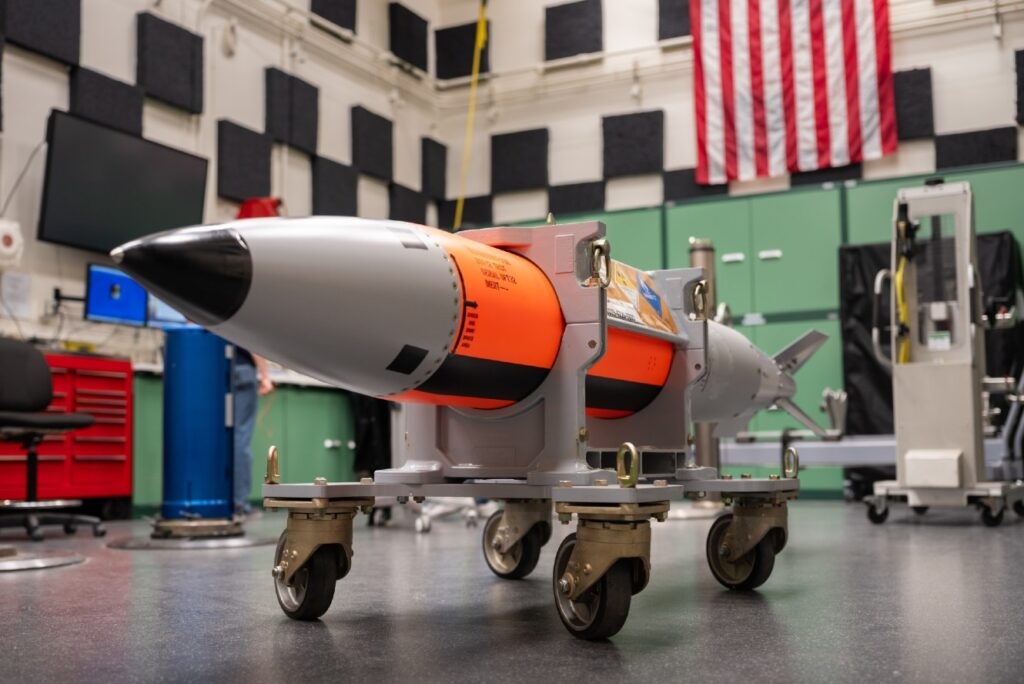
World
The United States Air Force has reportedly delivered B61-12 nuclear gravity bombs to RAF Lakenheath in the United Kingdom, marking the first such deployment since their removal in 2008. The development, if confirmed, would signal a notable shift in NATO’s nuclear posture amid rising tensions with Russia. The delivery was tracked by defense watchers after a US Air Force C-17 Globemaster III, operated by the 62nd Airlift Wing, flew from Kirtland Air Force Base in New Mexico — the headquarters of the Air Force Nuclear Weapons Center — to the UK airbase. RAF Lakenheath, located in Suffolk, hosted US nuclear weapons during the Cold War and has been undergoing major infrastructure upgrades since January 2024 to support “high-value assets”. Although there is no official confirmation from either the US or UK governments, multiple sources suggest that the B61-12 bombs were offloaded at Lakenheath and the aircraft returned to routine operations in the US afterward. “It looks like it went to England, dropped off those weapons, and then it went back to regular operations,” said William Alberque, former director of NATO’s nuclear non-proliferation center. This move comes as part of a broader pattern. According to Hans Kristensen, Director of the Nuclear Information Project at the Federation of American Scientists, similar deployments of B61-12 bombs to other European bases have taken place quietly since January 2025. Kristensen suggests that this could represent a shift in NATO strategy, indicating that the alliance may be responding more assertively to Russia’s nuclear rhetoric and actions. If these reports are accurate, it would be the first time the US has increased its tactical nuclear weapons presence in Europe since the end of the Cold War. The move also coincides with recent UK defense announcements, including the procurement of 12 additional F-35A fighter jets, which are capable of carrying B61-12 bombs. These aircraft are operated by the 493rd and 495th Fighter Squadrons at RAF Lakenheath, both of which are nuclear-certified units. The UK Ministry of Defence declined to comment, sticking to the usual policy of neither confirming nor denying the presence of nuclear weapons. However, the Campaign for Nuclear Disarmament has raised concerns. Its Chair, Tom Unterrainer, called on Prime Minister Keir Starmer to explain the UK’s role in what he described as “a dangerous escalation.” The B61-12, part of a nuclear family that has served for over five decades, recently completed a $9 billion life extension program. The new version includes advanced guidance systems and can deliver variable explosive yields, ranging from 0.3 kilotons to 50 kilotons — potentially three times more powerful than the bomb dropped on Hiroshima. In today’s context of rising global nuclear tensions, especially involving Russia and NATO, the reported deployment of these weapons adds a strategic layer to Western deterrence in Europe. Whether or not the move becomes public policy, it signals that the US and its allies may be preparing for a more nuclear-sensitive security environment.
Read More → Posted on 2025-07-30 15:07:46Search
Top Trending in 24 Hours
-
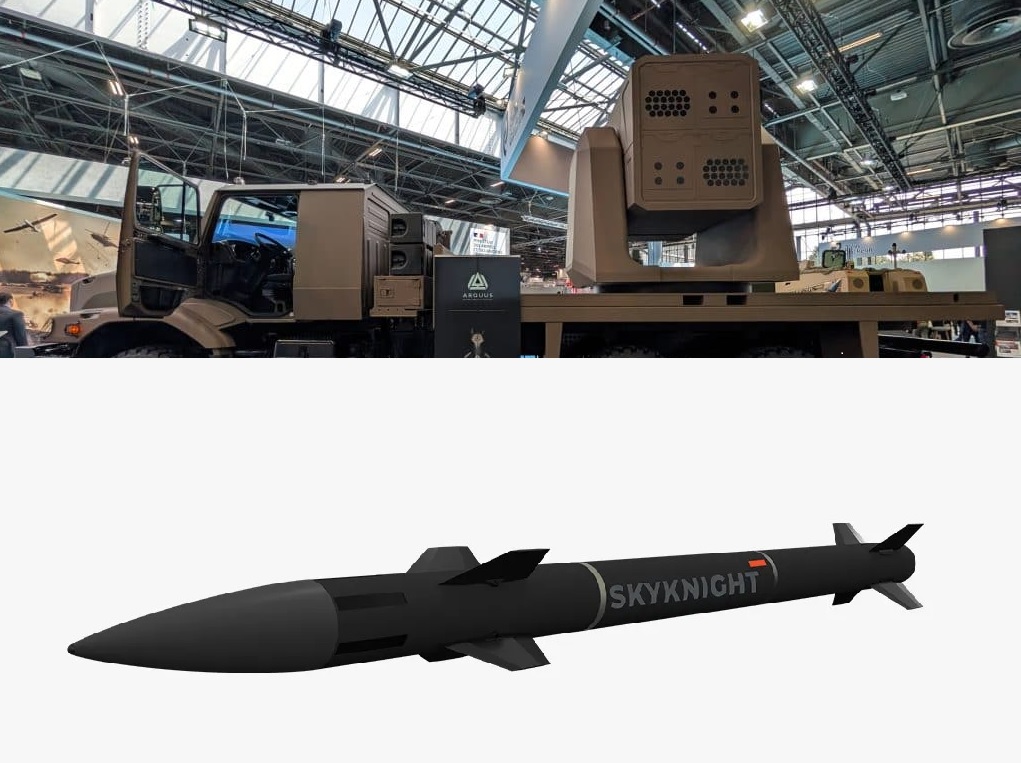 Naval Group Unveils Rampart Modular CIWS Multi-Purpose Weapon System for Naval and Ground Forces at Eurosatory 2026
-
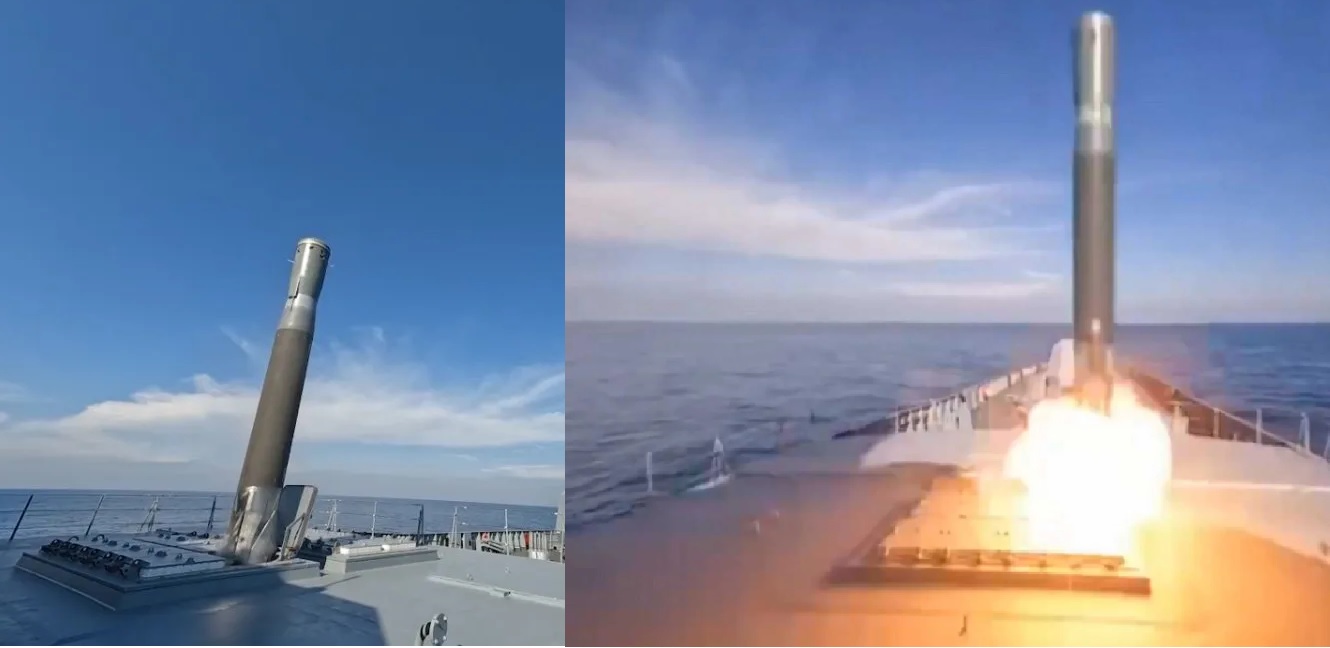 Open-Source Evidence Suggests Russia's Zircon Is a Quasi-Ballistic Missile, Not a True Hypersonic Cruise Weapon
-
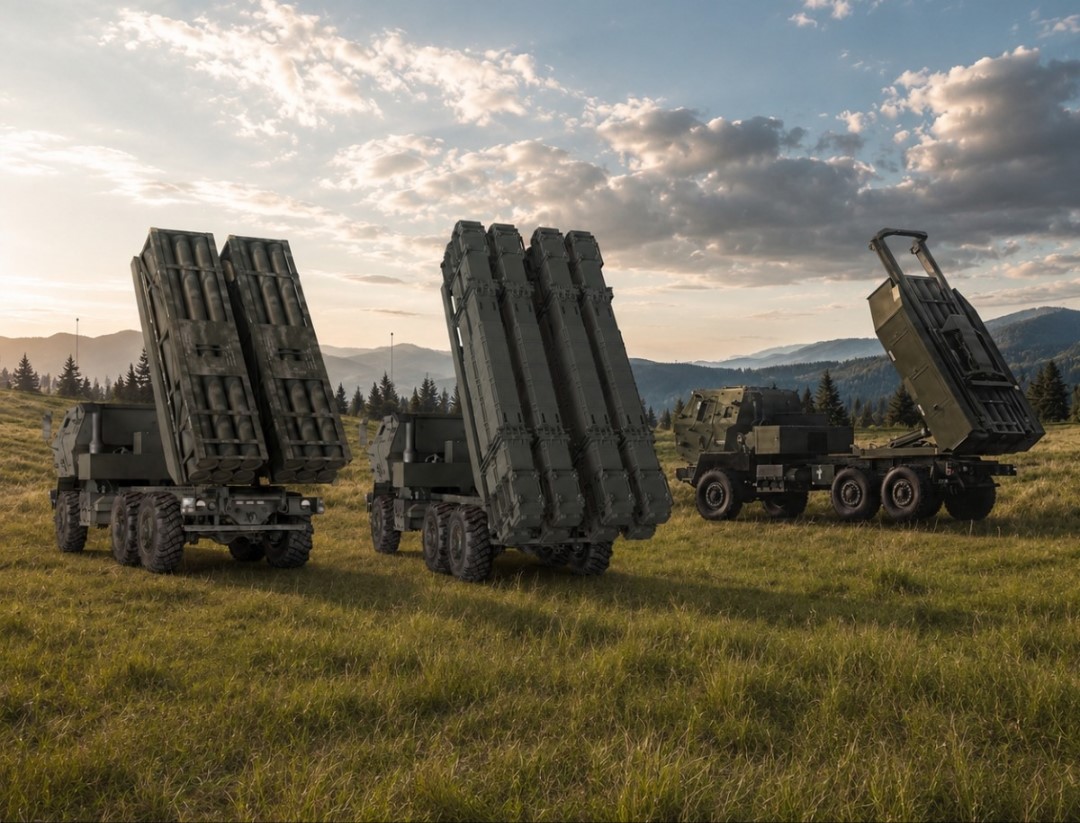 Lockheed Martin Unveils HIMARS FLEX with Dual-Pod Launcher and NATO-Compatible Air Defense Integration
-
 Iran Signs Deal with Russia for 20 Mi-8 and Mi-17 Helicopters to Boost Rescue and Medical Missions
-
 Why the U.S. Restored Pacific Command Name, Ending the Indo-Pacific Designation After Eight Years
-
 Pentagon Expands Alloy Surfaces Contract to $328.8 Million for Advanced Aircraft Decoy Flares Amid Evolving Drone Threats
-
 Portugal Doubles Sovereign SAR Satellite Fleet with Order for Two Additional ICEYE Satellites
-
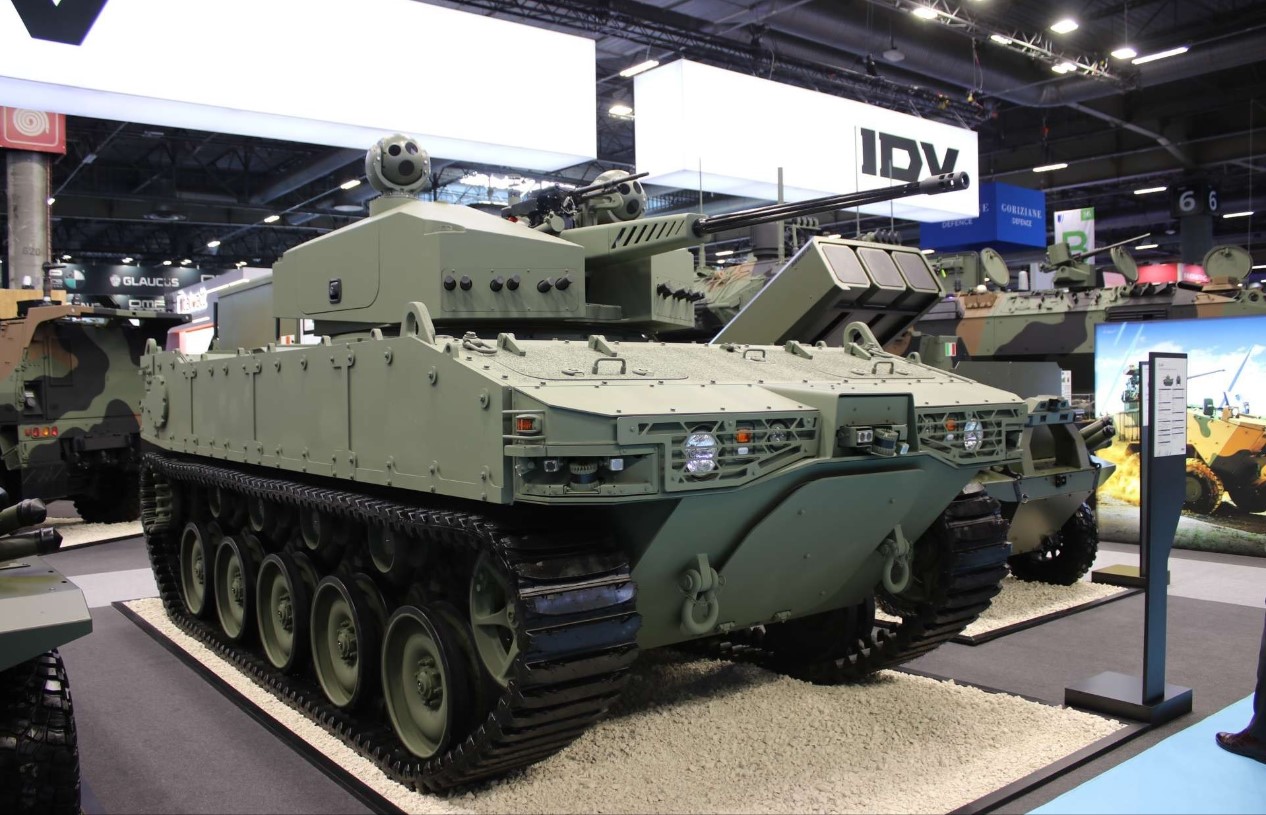 IDV Unveils CL2X Hybrid Uncrewed Light Tank at Eurosatory 2026
Top Trending in 4 Days
-
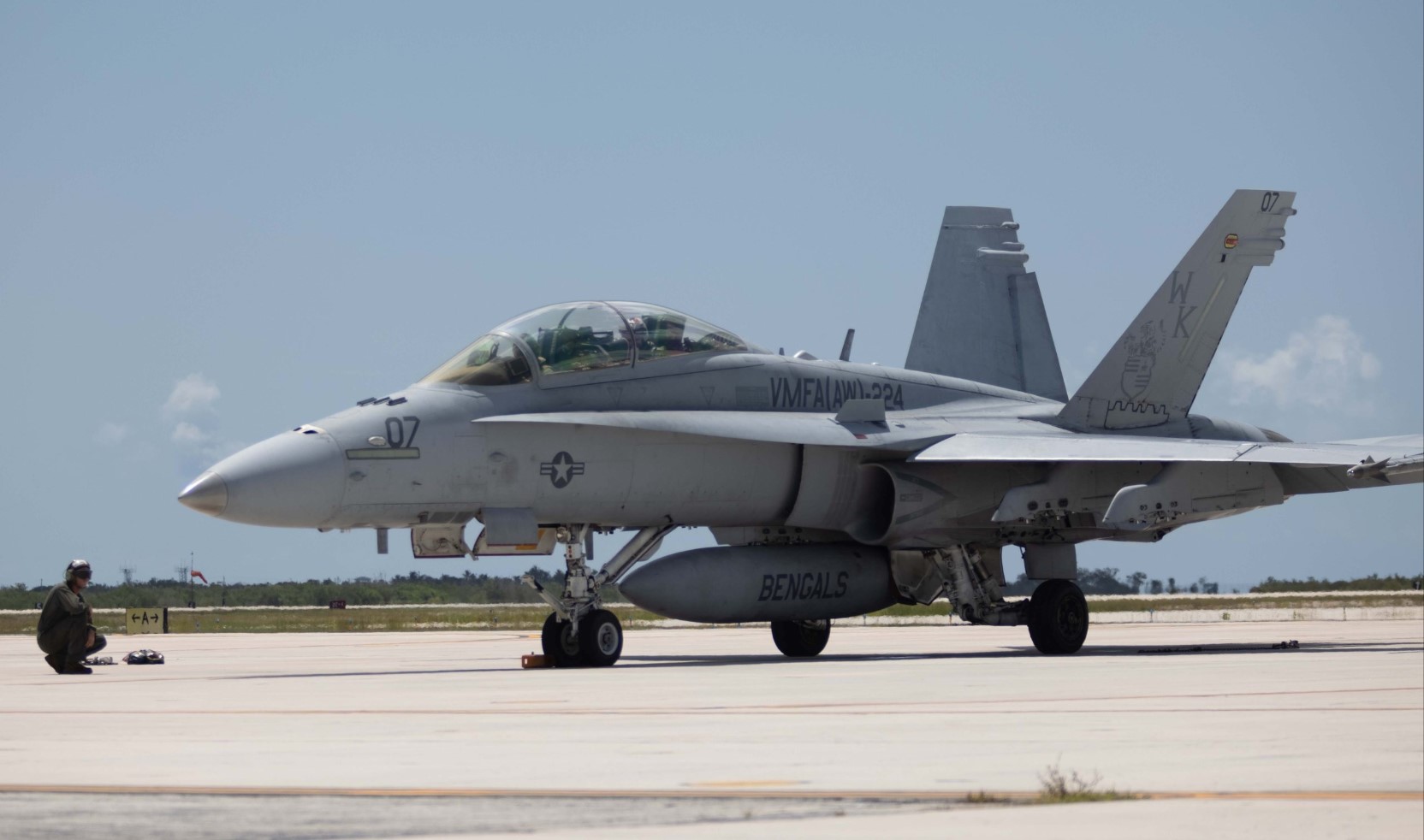 US Marine Corps F/A-18D Hornet Crashes During Training Flight in Washington Mountains; Pilot Ejects Safely
-
 Tulsi Gabbard Releases Declassified Files Detailing U.S.-Backed Network of 120 Biolaboratories Across 30+ Countries
-
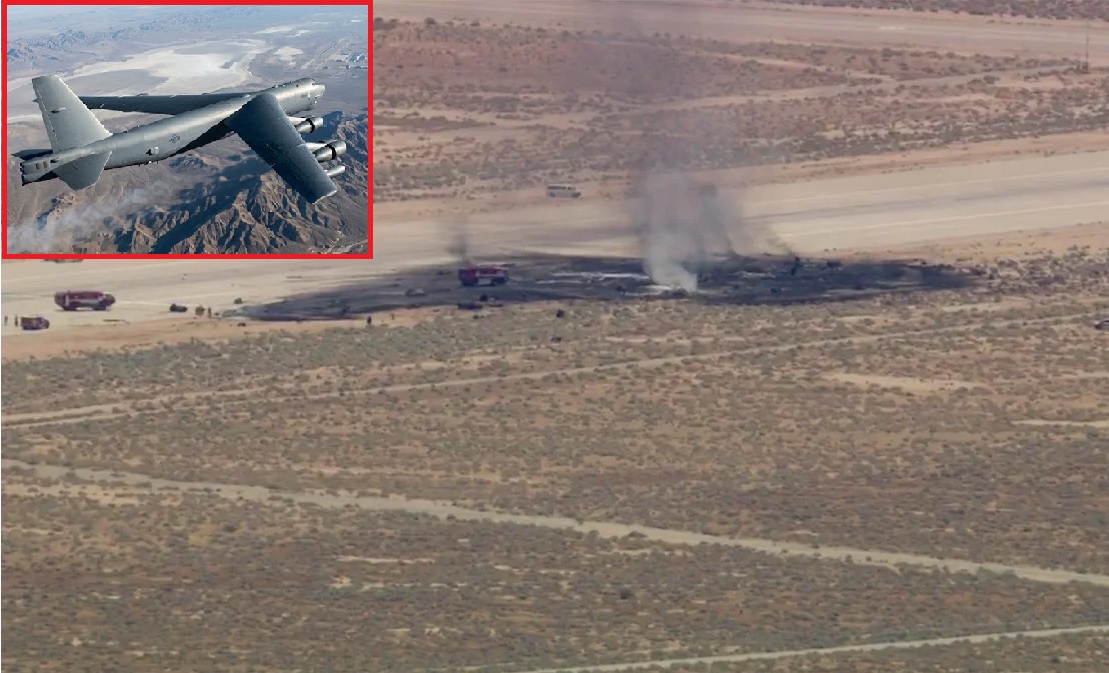 8 U.S. Air Force Crew Members Killed in B-52 Bomber Crash During Test Flight at Edwards Air Force Base
-
 Ukraine Introduces Balloon-Launched DART Missile Designed to Defeat Electronic Warfare
-
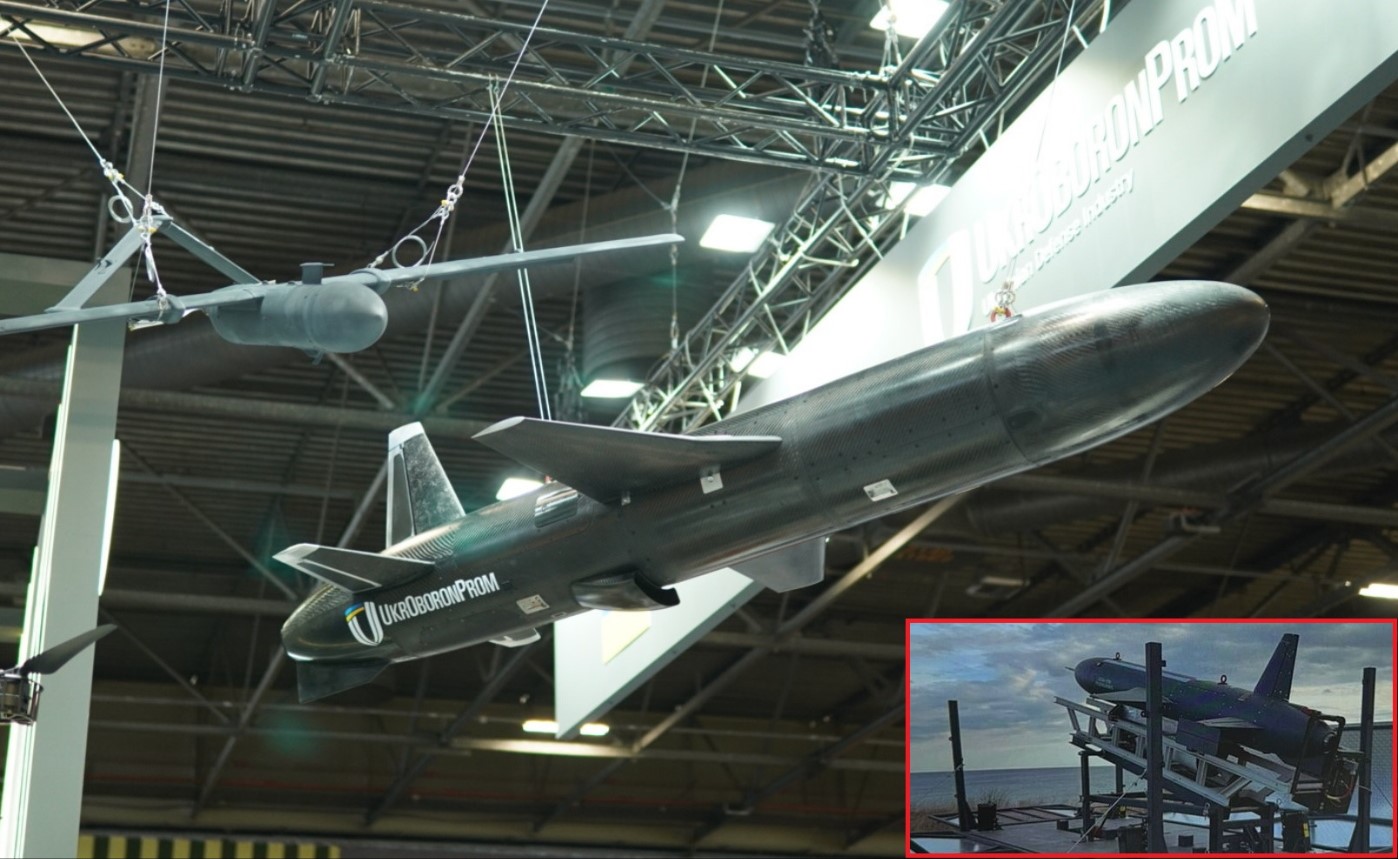 Ukraine Unveils UAV-290 Jet-Powered Strike Drone with 650 km Range at Eurosatory 2026
-
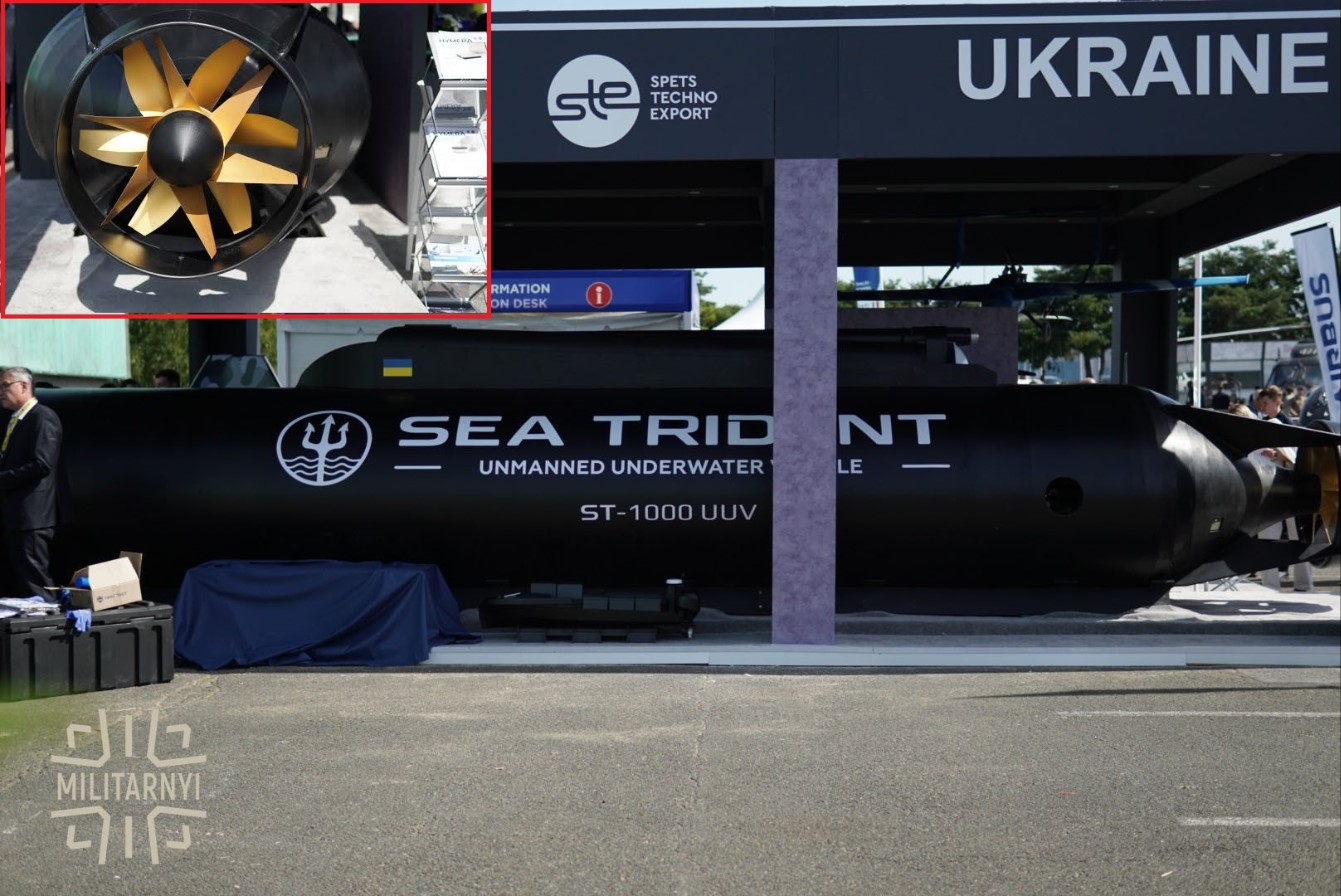 Ukraine Unveils 'Sea Trident' 10-Ton Autonomous Underwater Drone at Eurosatory 2026
-
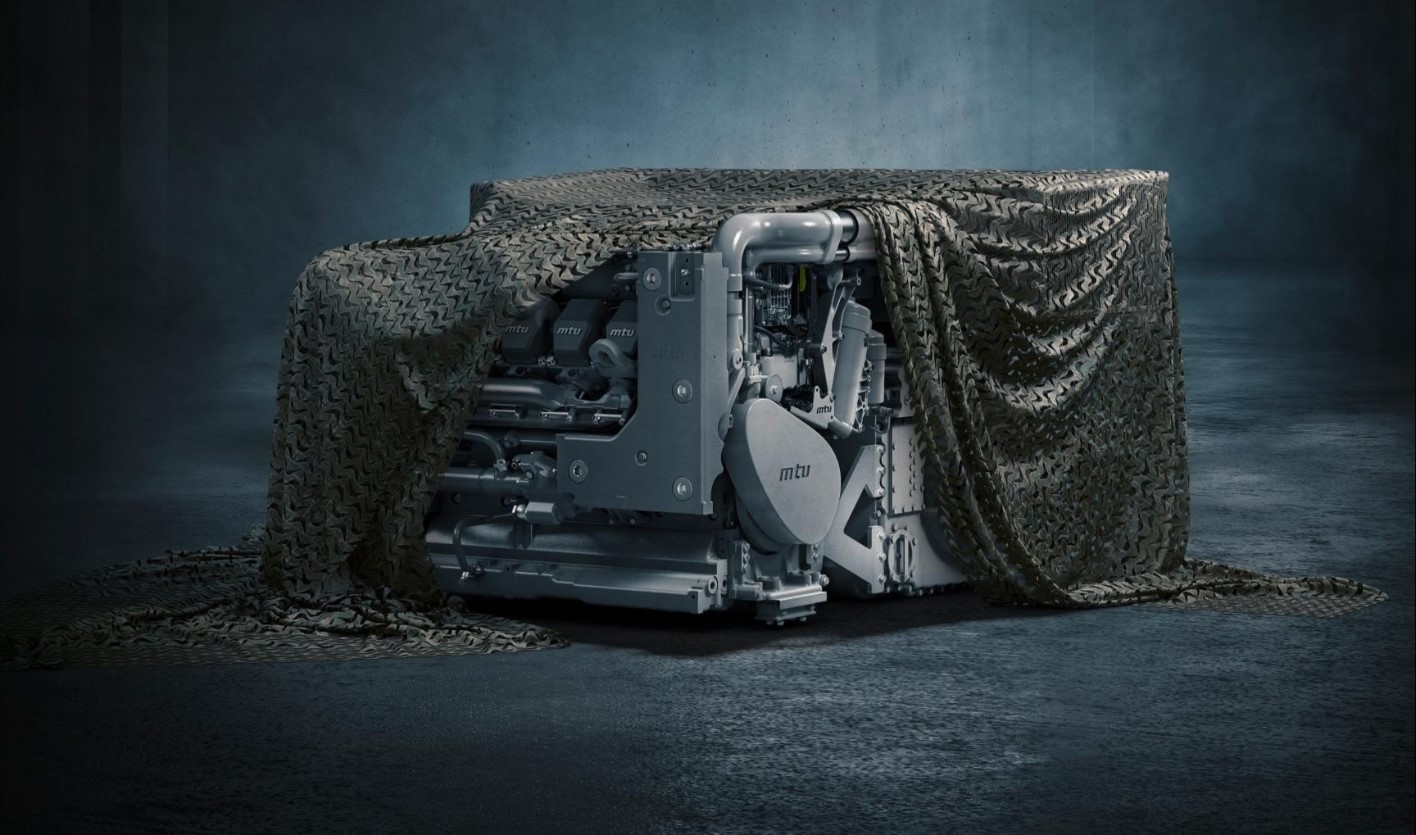 Rolls-Royce Unveils New Hybrid Powertrain for Heavy Military Vehicles at Eurosatory 2026
-
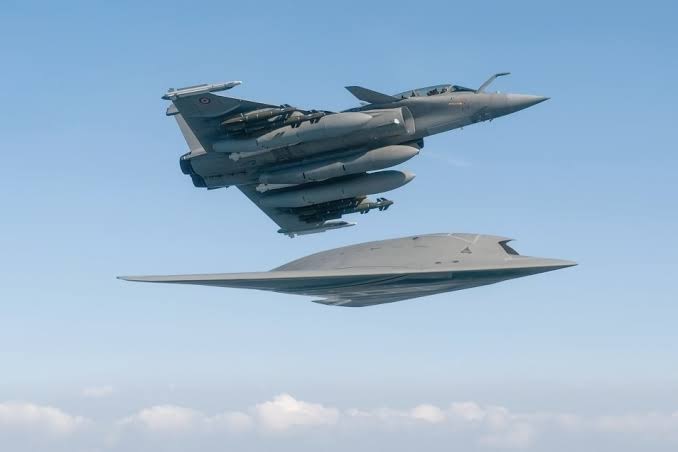 France Agrees to Equip Future Indian Rafales with AI, MUM-T and Secure Satellite Links Under F5 Standard