
World
In a major step forward for directed energy weapons, Electro Optic Systems (EOS) has landed a €71.4 million (around A$125 million) deal to supply a 100-kilowatt laser-based drone defence system to a European NATO member state. This marks a world-first export of a laser weapon in the 100kW class, a powerful indication of where modern battlefield technology is heading. The contract includes not just the delivery of the high-energy laser weapon itself, but also spare parts, training, and technical documentation. Shipments will take place between 2025 and 2028, and the system will be produced at EOS’s advanced manufacturing facility in Singapore. This isn’t just a typical arms sale. It reflects the rising demand for cost-effective, scalable solutions to one of the most pressing threats in today’s warfare: drone swarm attacks. Unmanned aerial vehicles, often cheap and used in large numbers, are becoming increasingly dangerous. In response, EOS has spent the last three years testing and refining its new laser system to provide a reliable, clean, and kinetic-free method of defence. The 100kW laser system is designed to detect, track, and disable drones with pinpoint accuracy. It integrates a suite of advanced technologies, including: High-powered directed energy beam Radar systems for target detection Advanced algorithms for threat analysis Beam locking and tracking systems for precision engagement These capabilities allow the laser to neutralize aerial threats silently and without collateral damage, making it ideal for use in urban or sensitive environments where explosive countermeasures are not suitable. Unlike traditional missile or gun-based air defence, laser weapons offer a near-instant response time and very low cost per shot, allowing sustained operations against large numbers of small drones without logistical strain. EOS’s new system builds on its previous work in kinetic counter-drone technologies, but the shift to directed energy represents a major leap in capability. The company credited the contract win to “extensive marketing, live demonstrations, and close collaboration with customers” throughout the development and testing phase. This breakthrough deal not only boosts Australia-based EOS's standing in the global defence market, but also signals growing international confidence in high-energy laser weapons as part of next-generation layered air defence systems. It also adds to the ongoing trend among NATO countries of rapidly enhancing counter-UAV capabilities in response to lessons learned from recent conflicts, including in Ukraine and the Middle East, where drones have transformed the battlefield. The announcement was formally released to the Australian Securities Exchange (ASX) by EOS’s Board of Directors.
Read More → Posted on 2025-08-05 15:05:56
World
In a bold step toward defense self-reliance, Greece is developing its first domestically-built military satellite, signaling a new era in its national security strategy. The project is spearheaded by the Hellenic Defense Innovation Center (ELKAK), a state-owned organization focused on modernizing Greece’s defense capabilities through indigenous innovation. This new satellite will serve intelligence, surveillance, and reconnaissance (ISR) roles and is required to use Synthetic Aperture Radar (SAR) technology — a powerful imaging system capable of capturing high-resolution images regardless of weather or lighting conditions. Unlike traditional optical imaging, SAR uses radar signals to generate images, making it particularly valuable for round-the-clock military observation, even through clouds or darkness. The Greek government has allocated €25 million (approximately $28.8 million) to design, develop, and produce the satellite entirely within the country. The goal is to secure full sovereignty over vital space-based defense assets while also giving a boost to the local defense and tech industry. “Space is now recognized as the fifth operational domain — alongside land, sea, air, and cyberspace,” said ELKAK CEO Pantelis Tzortzakis, underlining the strategic importance of this venture. Alongside the ISR satellite, ELKAK has also launched separate initiatives to explore two other critical defense technologies: counter-unmanned aerial systems (C-UAS) and electronic warfare (EW) platforms. Counter-Drone Technology Greece’s planned counter-drone system aims to detect, track, and neutralize both individual drones and drone swarms. The requirement outlines a modular architecture, combining kinetic measures (like anti-drone guns or interceptors) and non-kinetic tools (such as jamming or microwave systems). The platform must also be compatible with multiple military systems, allowing smooth integration with existing defense infrastructure. This move comes as drone threats continue to escalate globally, particularly in conflict zones where small UAVs are frequently used for surveillance and attack missions. Advanced Electronic Warfare System The electronic warfare platform Greece is seeking would perform electronic surveillance, and should be capable of detecting, tracking, and jamming enemy radar and communication systems. Importantly, the system must be AI-driven, allowing it to autonomously adapt to new or evolving threats. ELKAK specified that the system must also be modular and suitable for both fixed and mobile deployment, fully compatible with Greece’s C4I (Command, Control, Communications, Computers, and Intelligence) infrastructure. These high-tech projects are part of a broader defense modernization plan unveiled by Athens in April 2025, aimed at enhancing the operational readiness and technological edge of its armed forces amid rising regional tensions. By pursuing space capabilities and next-gen warfare technologies like AI-driven EW and counter-drone systems, Greece is clearly positioning itself to become more self-reliant, resilient, and digitally agile in the face of emerging threats.
Read More → Posted on 2025-08-05 14:56:55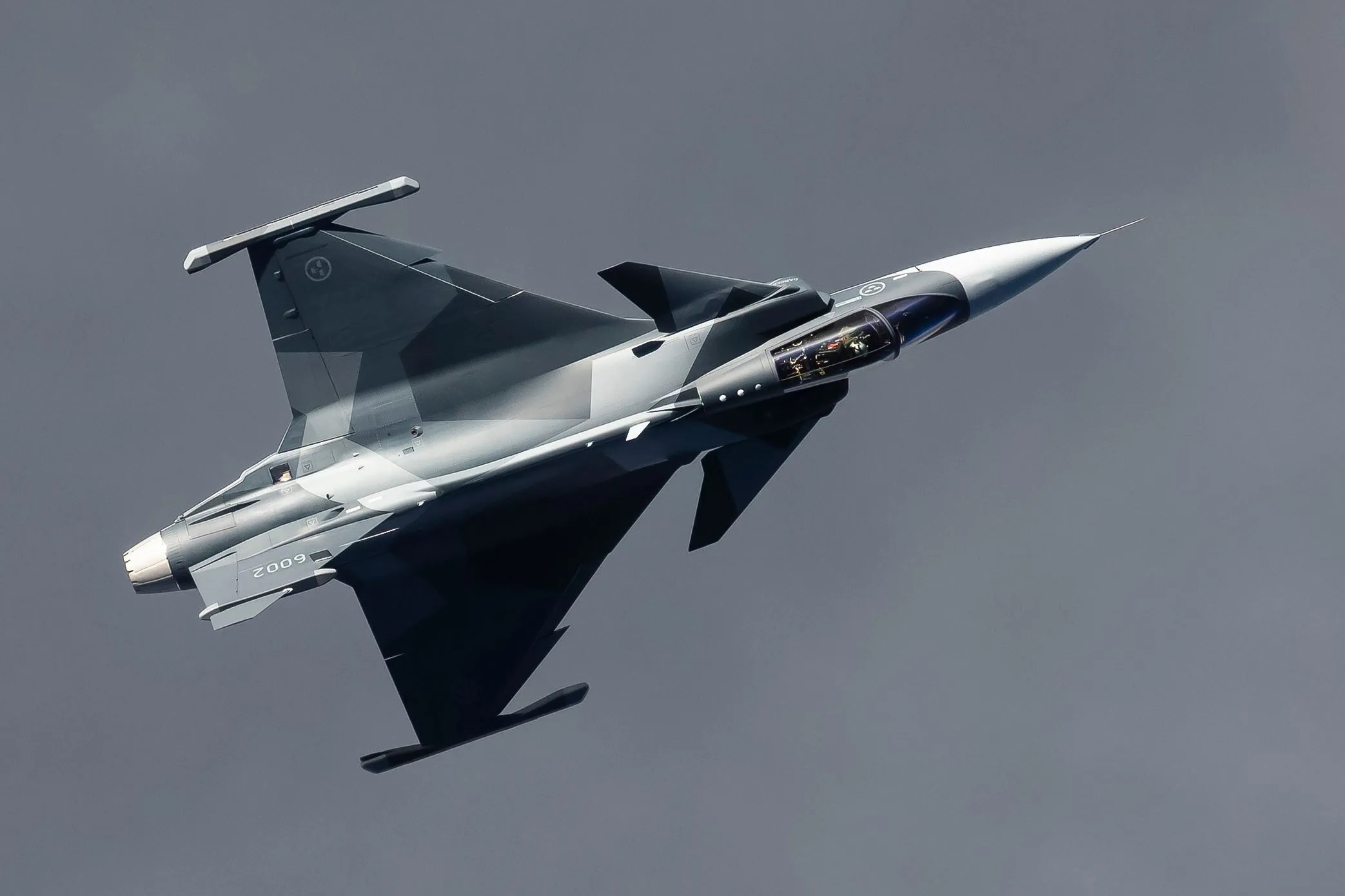
World
In a significant move to boost its air combat strength, Thailand has approved a $600 million deal to purchase four new Saab JAS 39 Gripen fighter jets from Sweden, according to an announcement by the Royal Thai Air Force (RTAF) on Tuesday. The decision comes just a week after a tense ceasefire was reached with Cambodia following deadly border clashes that left more than 40 people dead—the most violent encounter between the two countries in decades. The newly approved jets are part of Thailand’s long-term effort to modernize its air force and replace aging U.S.-made F-16 aircraft that have been in service since the 1980s. A special procurement committee had been reviewing options since August last year and eventually chose the Swedish-built Gripen over updated variants of the F-16. The decision followed a 10-month evaluation process focused on cost-efficiency, operational capability, and long-term maintenance advantages. Thailand already operates a fleet of 11 JAS 39 Gripens, acquired in the late 2000s, and this new order will further strengthen that capability. According to the air force, the acquisition was aimed at ensuring national security and protecting Thai sovereignty, especially in light of rising regional tensions and evolving threats. The JAS 39 Gripen is a lightweight, multirole fighter jet developed by Saab, Sweden’s top aerospace company. Known for its agility, advanced radar systems, and cost-effectiveness, the Gripen is used by several countries including Sweden, Hungary, the Czech Republic, Brazil, and South Africa. Experts say Gripen's high maneuverability and short takeoff capability make it suitable for rapid-response missions, particularly in Southeast Asia's unpredictable terrain and political climate. Its open-architecture system also allows easier upgrades over time, helping nations avoid expensive overhauls or complete replacements. Why Not F-16? Although the F-16 remains a globally dominant fighter with decades of proven performance, Thailand’s decision was reportedly influenced by the lower operating cost and ease of integration offered by the Gripen. U.S. export controls and geopolitical concerns may have also played a role. Defense Spending and Strategic Context Thailand's total defense budget stands at around 200 billion baht ($6 billion), which includes funding for the army, navy, and air force. The air force’s share is now being increasingly directed toward high-tech modernization, including surveillance drones and multirole fighters like the Gripen. During the recent border conflict with Cambodia, Thailand deployed F-16s for precision strikes, but concerns about the aging fleet’s sustainability have driven urgency in upgrading the air wing. The Royal Thai Air Force is expected to receive the new Gripens within the next few years, and additional orders may follow depending on regional developments and budget availability. This latest approval underscores Thailand’s growing focus on self-reliant, versatile air power in a region where geopolitical friction is intensifying. With the addition of these advanced Swedish jets, Thailand is aiming to keep its skies secure and its deterrence credible.
Read More → Posted on 2025-08-05 14:52:32
World
China’s recent promotion of its ‘kill chain’ air combat system—a networked approach allowing older jets like the J-10C to shoot down stealth fighters—has caught international attention. But while Beijing showcases its technological edge in tightly controlled military exercises, the real-world use of this system by Pakistan against India raises serious doubts about its actual combat effectiveness. During a televised military exercise featured in CCTV's documentary series Forging Ahead, China’s People’s Liberation Army Air Force (PLAAF) claimed that a J-10C fighter, guided by a KJ-500A airborne warning and control system (Awacs) and electronic warfare support, was able to shoot down a stealth aircraft using a PL-15 missile. Chinese officials claimed this as a demonstration of how systematic integration—rather than just individual aircraft capability—could allow older jets to defeat more advanced stealth platforms. China's media and officials have compared this simulation to Pakistan’s claimed use of similar tactics during recent skirmishes with India. Pakistan suggested its J-10Cs, supported by ZDK-03 Awacs and Data Link 17, managed to shoot down multiple Indian fighter jets, including the Rafale, during cross-border tensions. However, those claims are entirely baseless. No Proof, Just Propaganda Till now, Pakistan has failed to provide any visual or technical evidence—not in state media, not on social platforms, and not through independent verification—to support its claim of downing multiple Indian jets. These narratives appear to be aimed at boosting domestic morale rather than grounded in reality. On the contrary, India has officially acknowledged the loss of only one aircraft, and even that was due to a technical malfunction, not enemy fire. Indian authorities and military analysts have repeatedly debunked Pakistan’s exaggerated claims. India Shows Real Proof, Pakistan Shows None While Pakistan continues to rely on unverified claims, India has presented credible evidence of successfully damaging or shooting down multiple Pakistani aircraft. Not only were wreckages documented, but also several unexploded Chinese-made PL-15 missiles were recovered in Indian territory. This strongly suggests that Indian electronic warfare and jamming systems successfully neutralized these missiles mid-flight, highlighting a major weakness in the so-called “kill chain.” In fact, Indian Air Force (IAF) sources indicate that enemy missiles either failed to lock on or were jammed, falling harmlessly to the ground. This undercuts the narrative that Pakistan’s or China’s systems are fully war-proven. China's Technology: More Hype Than Reality? China’s military exercises, while technically impressive, are highly scripted and carefully controlled. Their success is measured under ideal conditions—not the chaos, unpredictability, and countermeasures of a real combat zone. While Chinese platforms like the PL-15 missile (with an estimated range of 200–300 km) and AESA radar-equipped J-10Cs appear advanced on paper, there’s little actual wartime success to validate their full effectiveness. The Indian experience, particularly the recovery of PL-15 missiles that failed to detonate, raises serious questions: If these weapons are so precise, why were they jammed and neutralized by Indian aircraft? If the kill chain is so effective, why hasn’t China—or Pakistan—produced combat evidence? The reality suggests that China’s campaign to promote these technologies may be more about military image-building and export marketing than actual battlefield performance. Claims Don’t Equal Capability The Chinese “kill chain” might represent a step forward in air combat strategy on paper—but real war tells a different story. Pakistan’s unproven use of it against India only highlights the gap between theory and battlefield reality. Without solid combat validation, these claims remain speculative, and their use in media appears more like propaganda than proof. As of now, the technology may be advanced, but its wartime success is questionable—especially when the few instances it was reportedly used, it failed against India’s robust defense systems.
Read More → Posted on 2025-08-04 16:27:29
World
Turkey's state-owned MKE (Mechanical and Chemical Industry Corporation) made headlines at IDEF 2025 by revealing a brand-new family of canister-launched loitering munitions, signaling a major step forward in the country’s indigenous weapons development. These munitions—often called “kamikaze drones”—have become a critical tool in modern warfare due to their ability to loiter over a battlefield before striking with precision. The new systems, showcased in the R&D section of MKE’s pavilion, include three distinct loitering munitions, all designed to be launched from a common platform. At the show, MKE presented an eight-cell trailer-mounted launcher, although the modular system can be reconfigured for land or naval use. The munitions are ejected from the tubes using a pneumatic launch system, after which their respective propulsion systems take over. Key Design Features All three versions share a similar airframe, constructed mainly from carbon fiber to minimize weight. They feature a near-square fuselage, foldable straight wings, and rear vertical stabilizers, allowing them to fit inside the launch tubes. Upon launch, the tail fins deploy first, followed by wing extension. Navigation is guided by GNSS with anti-jamming capability provided by four CRPA antennas. The munitions are optimized for low-altitude flight, helping avoid radar detection, and claim a targeting accuracy within 10 meters (CEP). Electric Version 1: Anti-Tank Munition This first electric variant has its motor mounted at the rear, spinning a two-blade folding propeller. It weighs 20 kg, with a 5 kg warhead. It reaches speeds of 140 km/h and has an operational range of 40 km. Two warhead types are planned: High-explosive fragmentation (with steel balls), or Shaped-charge anti-armor (for penetrating heavily protected targets). The shaped charge variant has a wider fuselage nose, though how it maintains the promised 10m accuracy is unclear—perhaps requiring an alternate seeker system. Electric Version 2: Fibre-Optic Guided Munition This jamming-resistant variant uses fibre-optic guidance, which provides real-time control via First-Person View (FPV). Since the fibre reel is placed at the rear, the electric motor is moved to the front to make space. Speed: 125 km/h (slightly reduced for cable management) Warhead: 2 kg high-explosive fragmentation, optimized for controlled strikes Control: Full manual control until impact via fibre-optic link The system is at Technology Readiness Level (TRL) 6/7, with airframe flight tests already done and full system tests upcoming. Turbine-Powered Jet Version The third and most powerful variant is powered by a small turbine engine (imported from Thailand) that runs on diesel, kerosene, or Jet A1 fuel. It uses the same general airframe structure with a rear-mounted engine. Speed: Over 300 km/h Range: 65 km Take-off weight: 60 kg, including a 20 kg high-explosive fragmentation warhead Lethal radius: 25 meters This version is also at TRL 6, with flight tests (minus warhead) completed and full-system trials scheduled next. MKE’s loitering munitions program shows how Turkey is pushing aggressively into next-generation guided weapons, joining a growing global trend toward modular, precision-strike drone systems. While these new drones remain unnamed for now, the unveiling at IDEF suggests they are nearing operational maturity. With flexible launcher platforms and varied mission-specific payloads, MKE’s loitering drones are poised to become a strategic asset for Turkish armed forces, and potentially for export to allied nations.
Read More → Posted on 2025-08-04 16:04:33
Ukrainian Soldiers Build Robotic Air Defense System Using Igla Missiles on Remote-Controlled Vehicle
World
In a powerful example of frontline innovation, Ukrainian soldiers from the 28th Mechanized Brigade have developed a robotic air defense system that blends combat tech with creativity to tackle Russian aerial threats. The unit’s engineers have mounted a shoulder-fired Igla MANPADS (Man-Portable Air Defense System) onto a 4×4 Unmanned Ground Vehicle (UGV), creating a mobile, remotely operated missile launcher. This makeshift air defense platform is already proving effective in battle. According to Ukraine’s defense news outlet Militarnyi, the brigade reported that the system has successfully downed a Russian helicopter in combat — a major achievement for a custom-built system operating under real war conditions. What makes this system stand out is its remote operation capability. A custom-built targeting module lets the operator aim and fire the missile from a safe location, without directly exposing themselves to enemy fire. This drastically reduces risk, especially when deployed close to contested frontlines or in high-threat areas. Photos released by the brigade show the UGV maneuvering over rough terrain, with the Igla missile launcher securely mounted on top. The vehicle’s compact, modular design allows for quick repositioning and supports mobile air denial missions — all while the crew remains under cover. The Igla system, originally developed by the Soviet Union and still widely used by Ukrainian forces, is a short-range infrared-guided missile designed to hit low-flying aircraft. On this robotic platform, it gives troops a stealthy, flexible, and cost-effective way to neutralize helicopters and low-altitude drones. This innovation is part of a broader Ukrainian trend: repurposing existing weapons and tech to keep up with the dynamic demands of modern warfare. As Russian drones and helicopters continue to pose threats across eastern Ukraine, such ground-level ingenuity offers vital new options for defense. By adapting available tools into smart battlefield solutions, Ukraine’s military shows that sometimes survival and success hinge more on imagination than on new hardware.
Read More → Posted on 2025-08-04 16:01:21
World
L3Harris Technologies has completed a major step in developing the U.S. Navy’s future underwater weapons by successfully testing the power plant system for the MK 54 MOD 2 Increment 2 Advanced Lightweight Torpedo. This test marks a key milestone in the Navy’s efforts to upgrade its undersea warfare tools with smarter and more powerful systems. At the heart of this breakthrough is the Stored Chemical Energy Propulsion System (SCEPS) — a cutting-edge propulsion technology that uses chemical energy to generate steam and drive a turbine, allowing the torpedo to travel faster and farther under water. The recently tested power plant is the core of this propulsion system. According to Scott Alexander, President of Missile Solutions at Aerojet Rocketdyne, a division of L3Harris, this successful trial confirms the strength and reliability of the power plant design. It also clears the way for the next round of testing, where the entire propulsion system — including the tail and afterbody — will undergo design verification later this year. The MK 54 MOD 2 torpedo is an upgraded version of the Navy’s widely used MK 54 lightweight torpedo. It’s designed for both deep and shallow water missions and is typically launched from ships, helicopters, and P-8A Poseidon maritime patrol aircraft. With SCEPS, the new version is expected to deliver greater range, speed, and stealth, making it more effective against modern underwater threats. One of the key technologies behind SCEPS is a lithium boiler, which produces intense heat to create high-pressure steam. This steam spins a turbine, which in turn drives the torpedo forward. Compared to older propulsion systems, this method is compact, powerful, and quiet — a major advantage in underwater combat. L3Harris is developing and manufacturing SCEPS components at its Center of Excellence for Undersea Propulsion Manufacturing in Orlando, Florida. This facility is not only producing parts for current Navy contracts but also working on new prototypes to push the technology even further. With the U.S. Navy focusing more on undersea dominance, especially in regions like the Indo-Pacific, the SCEPS-powered MK 54 MOD 2 could become a vital asset in future naval operations. The current progress places L3Harris at the center of this strategic transformation, giving the Navy a more capable and modern edge beneath the surface. The design verification testing scheduled later this year will be critical to finalize the system for deployment. If all goes well, the U.S. Navy could begin fielding the new torpedo variant in the near future, signaling a new era in underwater weapons technology.
Read More → Posted on 2025-08-04 15:56:20
World
In a surprising development that could shake up naval dynamics in the Arctic and beyond, Ukraine's military intelligence agency (HUR) has claimed a successful operation that breached Russian naval security. According to HUR, the operation resulted in the acquisition of classified documents related to Russia’s newest nuclear-powered submarine, the Knyaz Pozharsky, just days after it officially entered service. The Knyaz Pozharsky, a Project 955A Borei-A class nuclear missile submarine, is one of the most advanced vessels in the Russian Navy’s strategic arsenal. Built over nearly a decade and finally commissioned in July 2025, it is equipped with 16 RSM-56 Bulava submarine-launched ballistic missiles (SLBMs) — each capable of carrying nuclear warheads. This submarine is part of Russia’s Northern Fleet, operating out of Gadzhievo, Murmansk, and plays a key role in Russia’s nuclear deterrent posture. But now, that very deterrence capability may be under question. Ukrainian intelligence operatives claim to have secured internal documents that detail critical technical and operational aspects of the submarine. These reportedly include: Crew lists with personal details and fitness reports Combat protocols and instructions Engineering schematics of onboard systems Emergency procedures, including evacuation methods for injured crew Confidential crew manuals and regulatory documents Some of these documents have already been published by HUR, raising alarms about the potential exposure of weaknesses in the submarine’s design and operational strategy. HUR argues that the data reveals technical limitations and could affect other submarines in the same class, posing a broader threat to the Russian Navy's strategic security. The Project 955A Borei-A class is regarded as Russia's most advanced and stealthy nuclear submarine platform, designed to avoid detection and ensure second-strike capability. The Knyaz Pozharsky is one of five improved variants built under this project, each serving as a mobile, underwater nuclear launch platform — essential in the event of a large-scale conflict. Russia’s Ministry of Defence has not commented on the reported breach, and the authenticity of the released documents has not yet been independently verified. However, the sheer detail and timing of the leak — so close to the submarine’s induction — has sparked significant concern among Western analysts. NATO officials have long been monitoring Russian submarine movements in the Arctic, especially as Moscow ramps up its military activity in the region. The Arctic is increasingly seen as a potential flashpoint, given its strategic shipping lanes, natural resources, and military importance. This intelligence leak could offer NATO valuable insights into Russia’s underwater capabilities and may prompt further shifts in regional military planning. If confirmed, this breach marks one of the most significant intelligence wins for Ukraine in the ongoing conflict — not only as a morale boost but also as a potential strategic asset for Ukraine’s allies. As the war continues and espionage plays a bigger role on both sides, the exposure of secret Russian submarine data could reshape how both militaries — and their global partners — plan for the future.
Read More → Posted on 2025-08-04 15:03:14
World
In July 2025, the British Army achieved a major operational milestone by conducting the first live-fire exercise of its Archer 155mm wheeled self-propelled howitzers during a NATO mission in Estonia. This marks the first time the UK has employed the Archer artillery system in a live operation, showcasing its readiness and capability under real battlefield conditions. The firing took place under the command of the NATO enhanced Forward Presence (eFP) Battle Group Estonia, a multinational force based in the Baltic region to deter potential threats from Russia. The UK's contribution of advanced artillery systems like the Archer is part of NATO’s broader effort to modernize firepower and reinforce its eastern frontier. The Archer system, developed by BAE Systems Bofors in Sweden, was chosen by the UK in 2023 to replace its aging AS90 tracked howitzers, which were donated to Ukraine. The £140 million deal included 14 Archer units, along with supporting logistics, equipment, and training. The systems were delivered in 2024 and are now operated by Royal Artillery units fully integrated into NATO structures. What makes the Archer 155mm howitzer stand out is its combination of mobility, speed, and precision. Mounted on a 6x6 Volvo truck chassis, the system can fire at targets over 35 km away with conventional ammunition, and beyond 50 km with extended-range precision-guided munitions. Its fully automated firing process, operated from an armored cabin, allows it to shoot and relocate in under 30 seconds, making it one of the fastest “shoot-and-scoot” systems in NATO’s arsenal. During the exercise in Estonia, British Archer systems coordinated with NATO forward observers and Joint Terminal Attack Controllers (JTACs), demonstrating seamless integration with allied surveillance and targeting systems. This training confirmed the system’s battlefield readiness and its role in delivering precision strikes in high-threat environments. The deployment comes amid heightened tensions in Europe following Russia’s 2022 full-scale invasion of Ukraine. NATO’s enhanced Forward Presence in the Baltics—first established after Russia's annexation of Crimea in 2014—has become a cornerstone of the alliance’s strategy to deter further aggression. The UK leads the Estonia-based battlegroup, supported by troops and equipment from France, Denmark, and Iceland. With Archer now operational in Estonia, the British Army is signaling a strategic shift toward faster, more flexible, and digitally enabled artillery forces. It also reflects the UK's firm commitment to defending NATO allies with modern and resilient military capabilities. This debut not only reinforces the combat strength of NATO's front-line defenses but also sends a clear message of resolve and readiness to adversaries watching from the east.
Read More → Posted on 2025-08-04 14:58:41
World
In response to a fatal midair collision over Washington D.C. earlier this year, the U.S. Army is rolling out a new navigation system across its helicopter fleet to improve safety and prevent future crashes. The move comes after a Black Hawk helicopter from the Fort Belvoir-based 12th Aviation Battalion collided with American Eagle Flight 5342 on the evening of January 29, killing all 67 people aboard both aircraft. The tragic incident happened over the Potomac River, near Reagan National Airport, in one of the most crowded and complex airspaces in the U.S. To address the shortcomings exposed by the crash, the Army is now distributing about 1,700 Stratus navigation devices to helicopter crews, according to a report by The Washington Post. The 12th Aviation Battalion, which operated the Black Hawk involved in the collision, is receiving priority access to these tools. The Stratus system works by integrating with tablet devices used by pilots and providing real-time data on surrounding aircraft and weather conditions. The aim is to improve situational awareness, especially in congested or low-visibility airspace—conditions that contributed to the January disaster. While the Army has not released full details about the manufacturer or technical capabilities of Stratus, officials believe its widespread use could help prevent similar incidents, particularly in areas with frequent low-altitude government aircraft operations. The crash is still under active investigation by both the U.S. Army and the National Transportation Safety Board (NTSB). It was previously revealed that the Black Hawk was flying under a special waiver, allowing it to turn off certain tracking systems due to the sensitivity of its route. Although a Stratus device was reportedly onboard at the time, it's still unclear if it was being used or functioning properly during the flight. In the months following the collision, the Army has expanded requirements for helicopters to use transmitters that broadcast real-time location data to nearby aircraft. Training flights have resumed, but Army helicopters are still barred from using the Pentagon helipad, due to an unrelated safety incident in May. Families of the victims and some lawmakers have criticized the government's response as slow, despite the rollout of new technology and policy updates. They are urging for more transparency and quicker reforms in flight safety procedures. Final safety recommendations are expected to be made public once the investigations by the Army and NTSB are completed in the coming weeks.
Read More → Posted on 2025-08-04 14:55:36
World
In a significant leap for modern military training, Russia has developed the world’s first anti-drone rifle simulator, offering a virtual but realistic environment to practice counter-drone operations. The simulator was created by students of Southern Federal University (SFU) and is designed to train users in both anti-drone weaponry and drone detection systems. Built using the Unreal Engine, one of the world’s most powerful game engines, the platform replicates real-world drone combat scenarios with remarkable precision. Trainees can use virtual replicas of actual anti-drone rifles like the "Pars" and "Harpy", as well as advanced detection systems such as "Bulat" version 3. The simulator also includes various drone types, from FPV racing drones and commercial DJI models to military-grade Leleki-100 drones. What makes this simulator unique is its focus on realism. It accurately mimics radio signal interference, GPS functioning, and the interactive behavior of all devices involved. According to the development team, the goal is to make the experience feel as close as possible to a real training ground—without the risks and high costs of live drills. The system is not just about virtual shooting; it is a comprehensive training tool. It includes a theoretical module filled with instructional material and quizzes. Some tests even incorporate video scenarios, challenging users to respond with the correct tactical actions based on real-life situations. Military analyst Yuri Lyamin praised the innovation, stating that it’s a useful tool for early-stage training, particularly in understanding equipment functionality and operational decision-making. However, he also stressed the importance of transitioning to real-world practice afterward. For a more immersive experience, Lyamin suggested adding virtual reality (VR) elements and physical gun replicas, as tactile feedback is key to becoming proficient with weapons. As drones play an increasingly prominent role in both surveillance and attack operations across the world, this Russian simulator could serve as a template for future military training systems globally. By merging gaming technology with defense requirements, Russia is positioning itself at the forefront of next-generation warfare preparation.
Read More → Posted on 2025-08-04 14:49:37
World
Baykar Technologies has officially entered serial production of its next-generation Bayraktar Kızılelma combat drone, marking a major milestone in Turkey’s growing defense and aerospace industry. The first batch is expected to be delivered to the Turkish Armed Forces by 2026, according to the company’s Chairman of the Board, Selçuk Bayraktar. The announcement comes as the sixth prototype of the Kızılelma is currently being completed. This advanced unmanned combat aerial vehicle (UCAV) represents a significant leap in Turkey’s domestic aerospace capabilities. Speaking about the achievement, Bayraktar said, “Turkey, which previously could not even design its own aircraft, has now become a global leader in unmanned aerial technologies.” He revealed that Baykar currently holds 65% of the global UCAV market, with 60% of that share belonging to the company alone, highlighting its strong international presence and export success. The Kızılelma drone is unique in many ways. It is jet-powered, capable of carrier operations, and built with low radar visibility and high maneuverability, enabling it to conduct missions in contested airspaces. It is designed to work in coordination with manned fighter jets and other drones, enhancing networked warfare capabilities for future combat scenarios. What makes the project even more significant is its fully domestic supply chain. Bayraktar confirmed that “all of its components are manufactured in Turkey,” underlining the country’s shift towards defense self-sufficiency. He also stated that Kızılelma is the first combat drone of its class to enter mass production, achieving this milestone ahead of countries like the United States and Israel. The Kızılelma (which translates to "Red Apple") project is seen as a centerpiece of Turkey’s broader defense modernization strategy. First unveiled in 2022, it has undergone multiple successful flight tests and attracted attention for its potential to revolutionize air combat through autonomous and semi-autonomous operations. With mass production now underway, and the first operational units set to join the Turkish Armed Forces by 2026, Turkey is positioning itself as a serious player in the future of aerial warfare—not just regionally, but globally.
Read More → Posted on 2025-08-04 14:46:25
Indonesia Inducts Turkish-Made KHAN Ballistic Missile System, Gains First Tactical Strike Capability
World
In a significant boost to its military power, Indonesia has acquired its first-ever tactical ballistic missile system, the Turkish-made KHAN (ITBM-600), marking a major milestone in the country’s defense modernization efforts. The development, confirmed on August 1, 2025, was revealed through a series of verified images posted by defense platform Sahabat Keris, showing the KHAN system stationed at Raipur A base in East Kalimantan. This deployment is more than symbolic—it’s a strategic leap. The KHAN system, developed by Türkiye’s Roketsan, is a precision-guided tactical missile capable of hitting high-value targets up to 280 kilometers away. This gives Indonesia, for the first time, the ability to conduct long-range strikes well beyond conventional artillery ranges. The variant received, the ITBM-600, is the most advanced export version offered by Roketsan, and it reflects Indonesia’s intention to strengthen its deterrent capabilities amidst growing regional tensions. The missile is launched from a Tatra 8×8 mobile platform, designed for all-terrain mobility—an essential feature for a nation like Indonesia, spread across thousands of islands. Each 2,500 kg missile, with a 610 mm diameter, is equipped with hybrid navigation (GPS, GLONASS, and inertial guidance), ensuring high accuracy even in environments where jamming is a risk. It is optimized for striking strategic assets like command centers, military bases, and logistics hubs far behind enemy lines. Despite not having an active protection system, the KHAN’s mobility, concealment, and rapid deployment ability enhance its survivability. Its warhead type remains undisclosed, but analysts suggest the system can carry multiple payload configurations suited to varying operational needs. This breakthrough comes under a 2022 defense deal between Indonesia and Türkiye, which not only involved system acquisition but also the transfer of advanced missile technology. This contract has further cemented defense ties between the two countries and could pave the way for future joint production or localized manufacturing of missile components. Strategically, positioning the KHAN system in East Kalimantan is critical. From this location on Borneo island, Indonesia can effectively cover vast maritime areas, including key sea lanes and territorial waters. This capability is especially important in an era of increasing geopolitical friction in Southeast Asia. With this acquisition, Indonesia enters a new era of defense readiness. The country has long emphasized its non-aligned foreign policy, but the arrival of the KHAN missile system signals a clear intent to protect national interests with modern, home-operable deterrence tools. It also reflects a broader regional trend: Southeast Asian nations are seeking more independent and advanced military capabilities amid uncertain global alignments. This move will likely draw attention from neighboring countries and could influence their defense strategies as well. While Indonesia maintains its policy of regional stability, the operationalization of a ballistic missile system demonstrates that Jakarta is prepared to defend its sovereignty using precision and reach like never before.
Read More → Posted on 2025-08-04 14:43:23
World
In a bold step towards modernizing military training, the UK Ministry of Defence has announced the launch of its first-ever military esports league, called the International Defence Esports Games (IDEG), set to kick off in 2026. The tournament is being developed in collaboration with the British Esports Federation and aims to tap into gaming as a tool for building digital-age defence capabilities. Unlike traditional sports competitions, IDEG focuses on skills increasingly relevant to today’s battlefields—cybersecurity awareness, digital literacy, and even the operation of unmanned aerial systems (UAS). The initiative draws inspiration from the Ukrainian military’s use of simulator games to train drone operators and enhance battlefield coordination. Initially, UK service members and reservists will be eligible to participate, with plans to later expand the competition to cadets, veterans, civil servants, and defence industry personnel. The tournament will culminate in a major final event in the UK, though regional and partner-nation competitions are also expected to be part of the run-up. “Esports will help attract, develop, and retain top cyber and digital talent, while supporting this government’s Plan for Change,” said Alistair Carns, Minister for Veterans and People at the UK Ministry of Defence. He called the initiative “an exciting opportunity to foster collaboration and overcome traditional boundaries with international partners.” The program is backed by major defence contractors like BAE Systems, alongside smaller military tech firms, underlining the UK government’s push to integrate high-tech industries with military readiness. It also builds upon recent steps like the formal recognition of esports as a military sport in the UK and the launch of the Cyber Direct Entry Scheme, which fast-tracks recruits into cyber roles with shorter basic training. In a symbolic nod to this shift in military culture, the Royal Navy has already set up an esports center aboard the HMS Prince of Wales, a Queen Elizabeth-class aircraft carrier. The gaming hub is equipped with high-end systems from Alienware, NVIDIA, and Intel, supporting the IDEG initiative. UK Strategic Command, which manages the country’s joint military capabilities, will oversee the coordination of IDEG. Lieutenant General Sir Tom Copinger-Symes, Deputy Commander of the Strategic Command, emphasized the growing relevance of esports: “For centuries, we’ve used ball games like rugby and football to build teamwork and resilience. Esports now complements these, preparing us for 21st-century security challenges.” The UK’s move is part of a wider global trend where gamification and digital platforms are increasingly being integrated into defense training. With warfare rapidly shifting into cyber and hybrid domains, IDEG represents a future-forward step in ensuring that armed forces are equipped not just physically, but digitally and cognitively, for the challenges ahead.
Read More → Posted on 2025-08-04 14:36:43
World
Rheinmetall and Lockheed Martin have officially begun testing their jointly developed Global Mobile Artillery Rocket System (GMARS) at the White Sands Missile Range in the United States. This follows the system’s public debut at the Eurosatory 2024 defence exhibition in Paris, marking a key step in its development towards full operational capability. Built on the Rheinmetall HX truck platform, the GMARS system integrates a double-pod multiple rocket launcher with advanced fire control systems. It is engineered to handle all-weather, 24/7 operations, supporting the MLRS Family of Munitions (MFOM)—the same munitions used by established platforms like the M270 and HIMARS. This design choice makes GMARS fully interoperable with NATO-standard systems. The GMARS system is optimized for high mobility and fast action, featuring a "shoot and scoot" capability that allows it to fire and quickly reposition without requiring additional setup. It uses a combined inertial and GPS-guided navigation system, enabling precision strikes at ranges beyond 400 km, with further range extensions in the pipeline. Weighing less than 40 tonnes, GMARS can reach speeds of 100 km/h and has an operational road range of up to 700 kilometres. Its compact size allows for smooth travel on regular roads and easy rail transport, improving its strategic flexibility. Designed for a two-person crew with an optional third seat, GMARS also includes an integrated crane for quick reloading in any weather condition. Shared components with existing NATO artillery systems help reduce the learning curve for operators and streamline maintenance processes. Earlier this year, Rheinmetall and Lockheed Martin co-hosted an international summit in Europe, where they presented GMARS to defence representatives from 14 countries. The event featured technical briefings, factory tours, and discussions on NATO interoperability and long-range precision fires. The summit concluded with plans for a live-fire demonstration in summer 2025. Dr. Björn Bernhard, Head of Rheinmetall’s Vehicle Systems Division, said, “We were pleased to showcase the capabilities of the GMARS launcher at the summit with our partner Lockheed Martin.” Paula Hartley, Vice President and General Manager of Tactical Missiles at Lockheed Martin, echoed that sentiment: “The GMARS programme is a prime example of this commitment, and we were pleased to discuss its capabilities and benefits with customers at the summit.” The event also featured remarks by LTG (R) Ben Hodges, who emphasized the rising importance of advanced mobile artillery in addressing future battlefield challenges. With testing now underway, GMARS is positioning itself as a next-generation artillery solution that combines long-range firepower, rapid deployment, and NATO interoperability—key features that make it a strong candidate for modern military forces worldwide.
Read More → Posted on 2025-08-03 16:37:49Search
Top Trending in 24 Hours
-
 Naval Group Unveils Rampart Modular CIWS Multi-Purpose Weapon System for Naval and Ground Forces at Eurosatory 2026
-
 Open-Source Evidence Suggests Russia's Zircon Is a Quasi-Ballistic Missile, Not a True Hypersonic Cruise Weapon
-
 Lockheed Martin Unveils HIMARS FLEX with Dual-Pod Launcher and NATO-Compatible Air Defense Integration
-
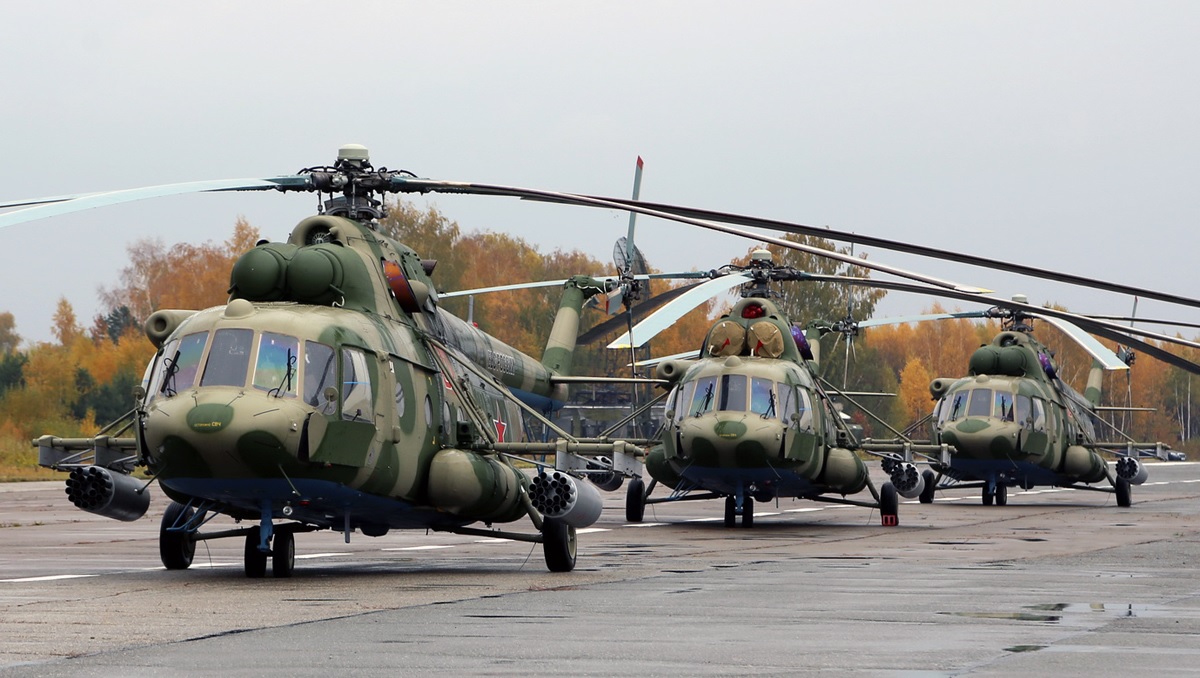 Iran Signs Deal with Russia for 20 Mi-8 and Mi-17 Helicopters to Boost Rescue and Medical Missions
-
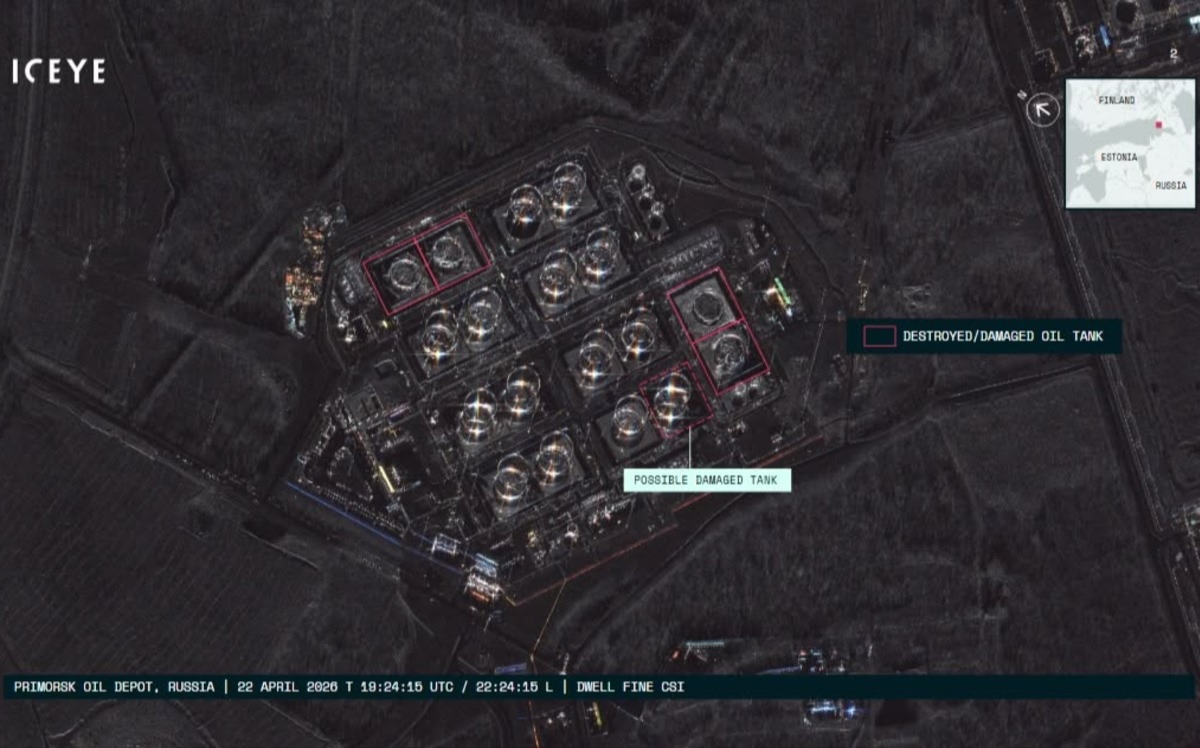 Portugal Doubles Sovereign SAR Satellite Fleet with Order for Two Additional ICEYE Satellites
-
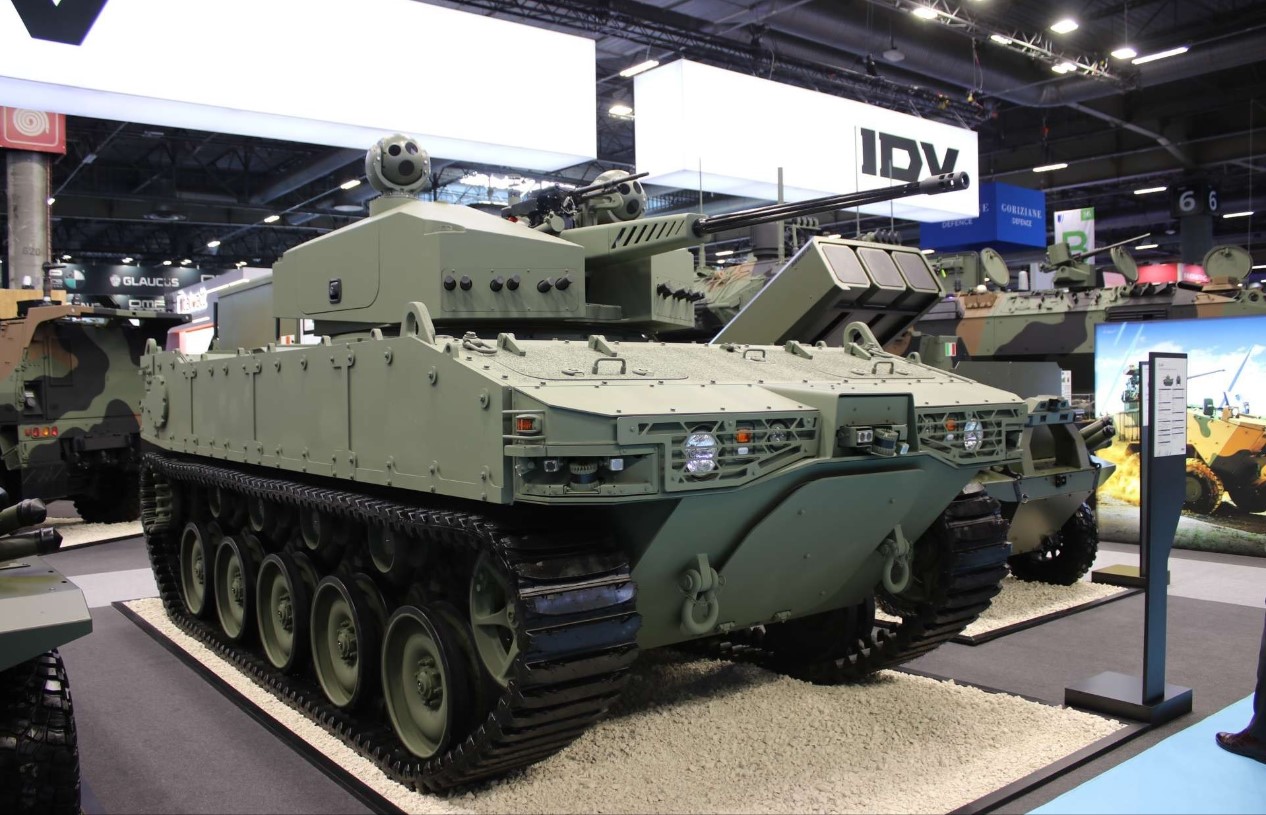 IDV Unveils CL2X Hybrid Uncrewed Light Tank at Eurosatory 2026
-
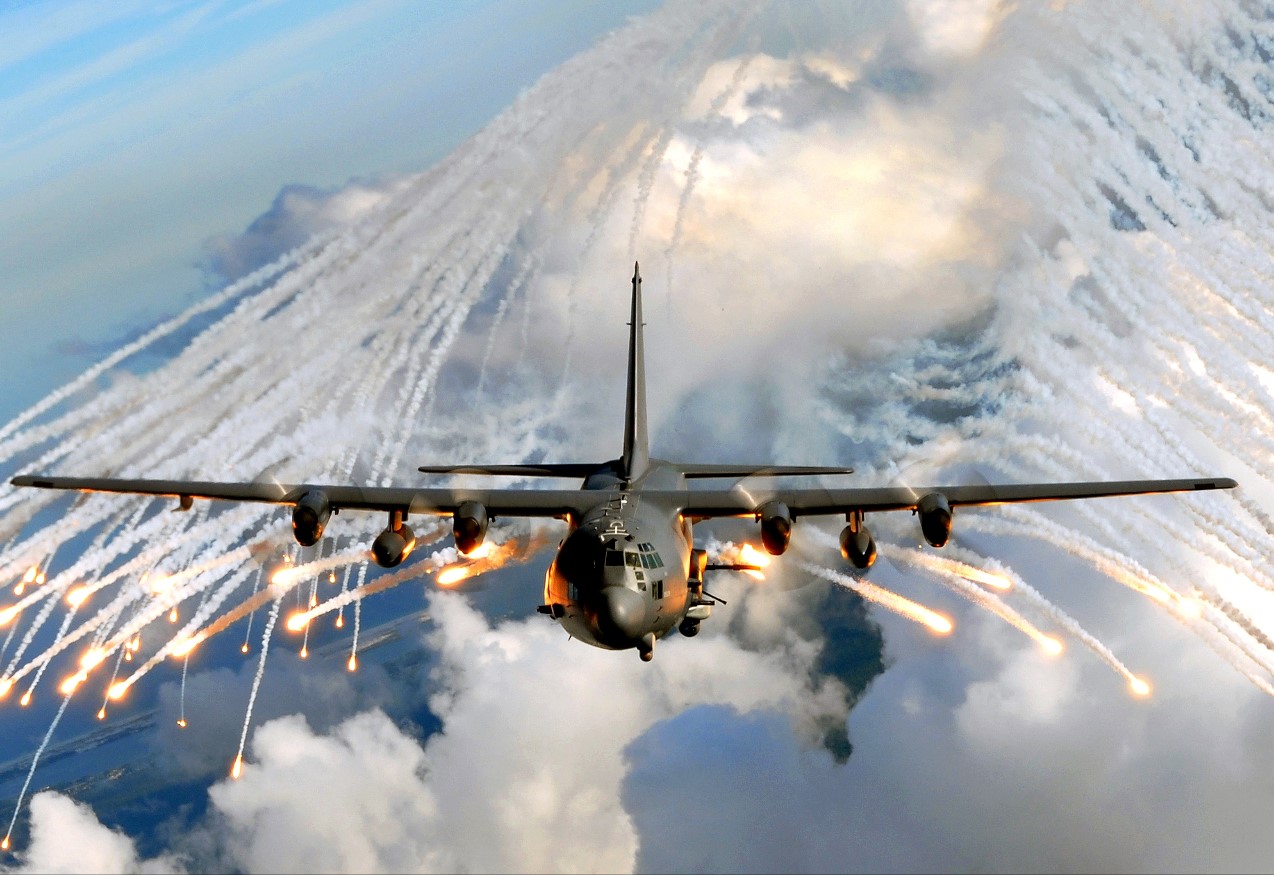 Pentagon Expands Alloy Surfaces Contract to $328.8 Million for Advanced Aircraft Decoy Flares Amid Evolving Drone Threats
-
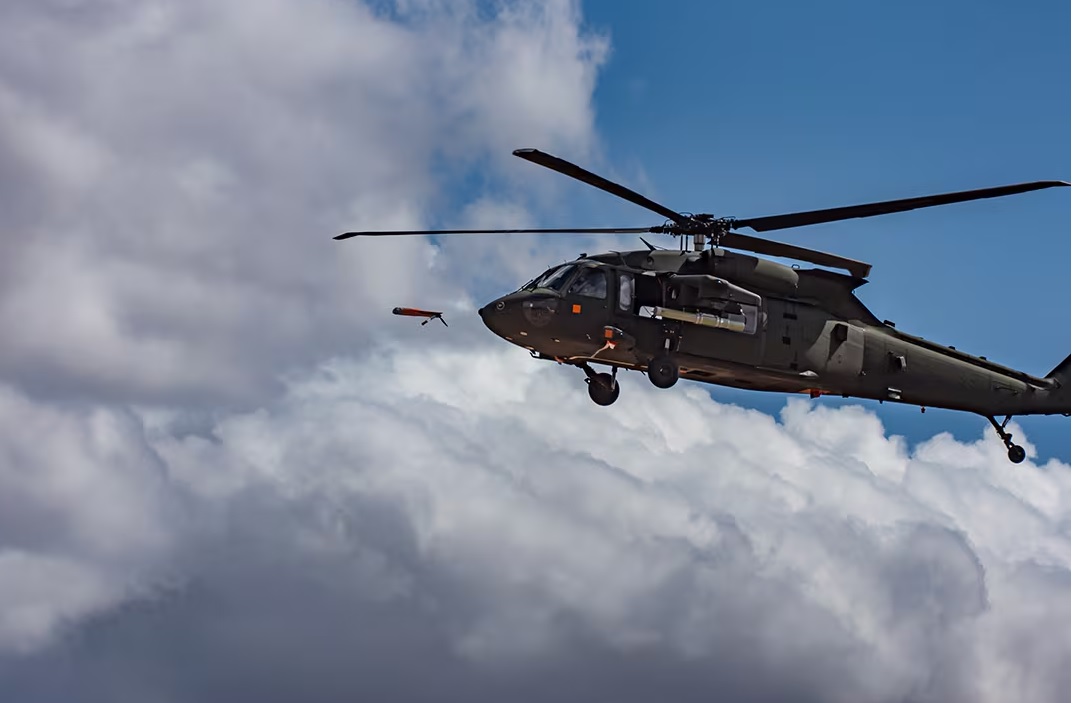 U.S. Army Completes First Flight Test of Medium-Range Air-Launched Effects from Black Hawk Helicopter
Top Trending in 4 Days
-
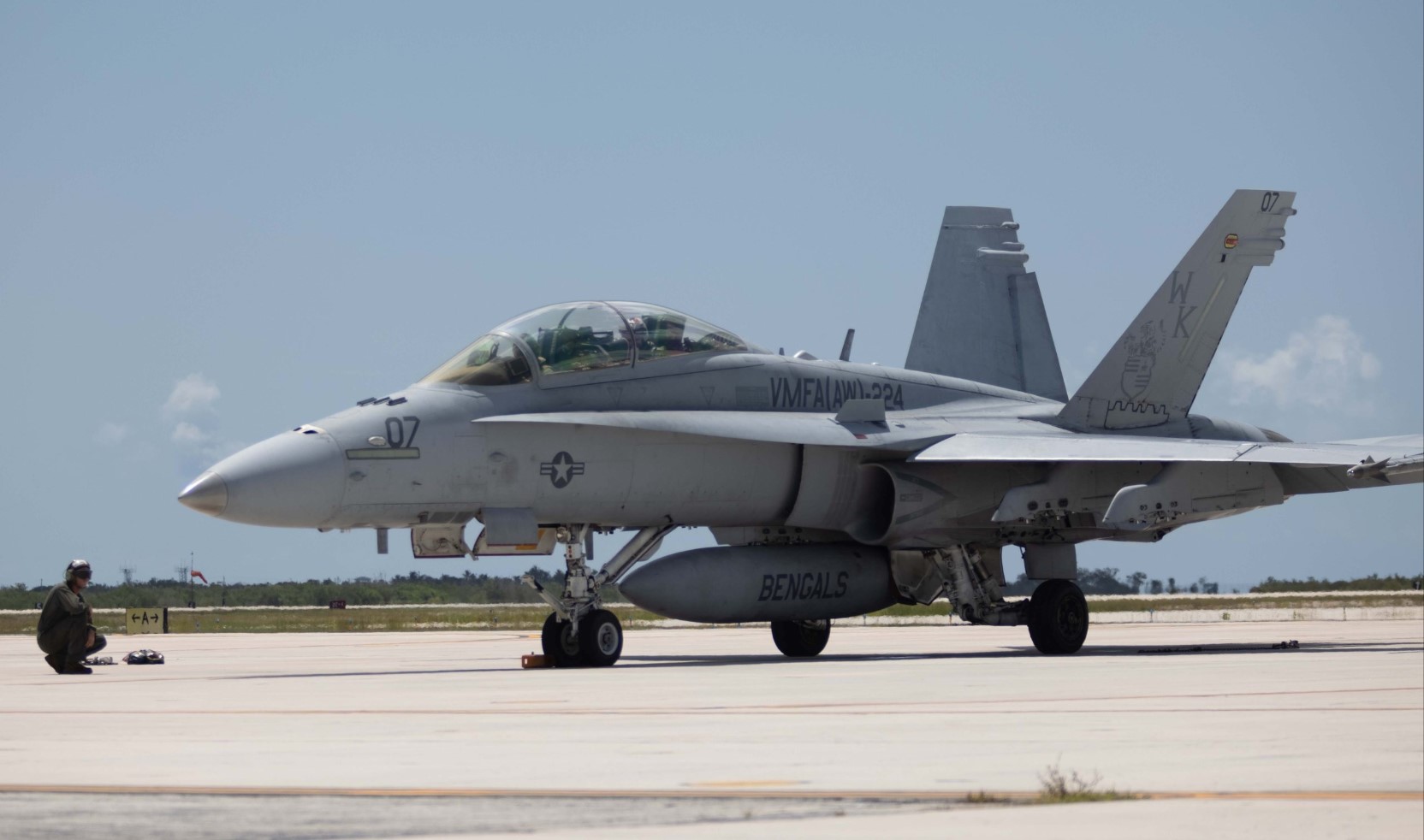 US Marine Corps F/A-18D Hornet Crashes During Training Flight in Washington Mountains; Pilot Ejects Safely
-
 Tulsi Gabbard Releases Declassified Files Detailing U.S.-Backed Network of 120 Biolaboratories Across 30+ Countries
-
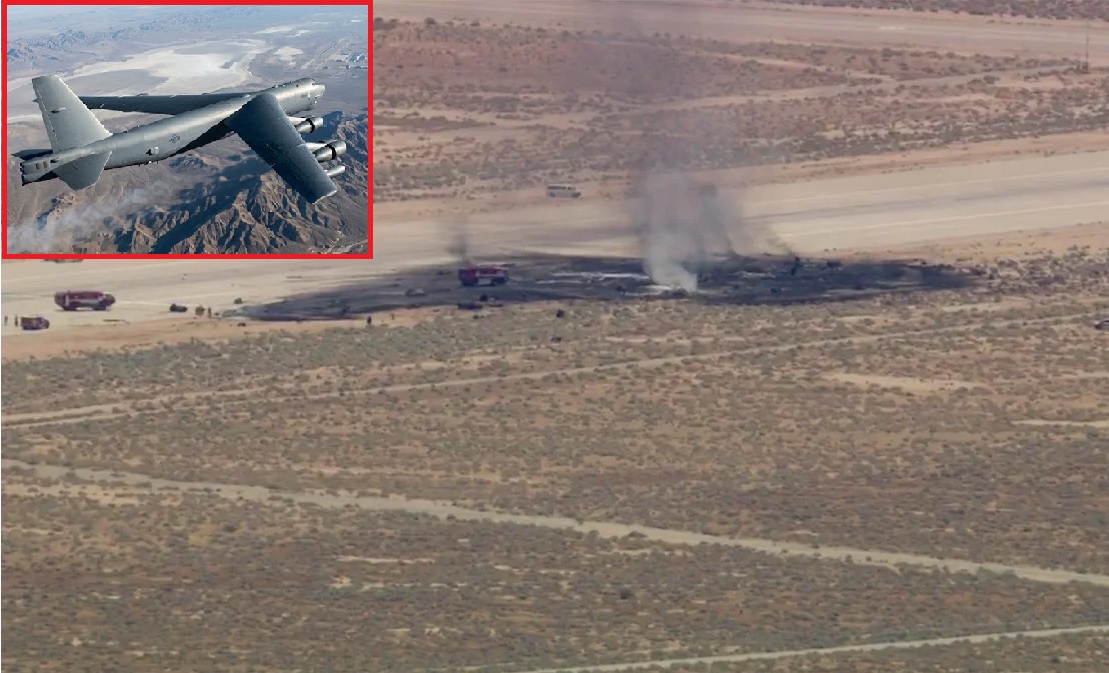 8 U.S. Air Force Crew Members Killed in B-52 Bomber Crash During Test Flight at Edwards Air Force Base
-
 Ukraine Introduces Balloon-Launched DART Missile Designed to Defeat Electronic Warfare
-
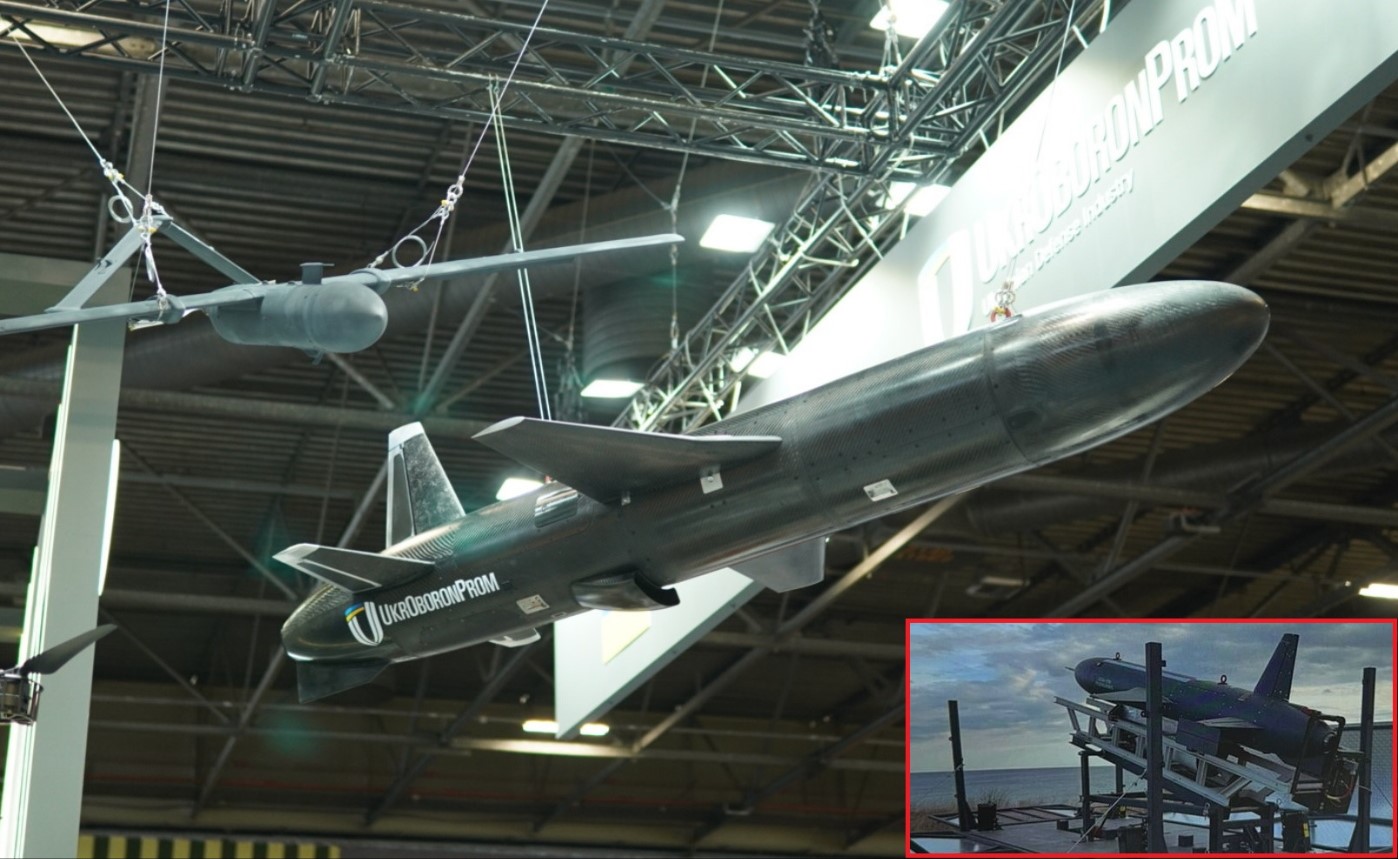 Ukraine Unveils UAV-290 Jet-Powered Strike Drone with 650 km Range at Eurosatory 2026
-
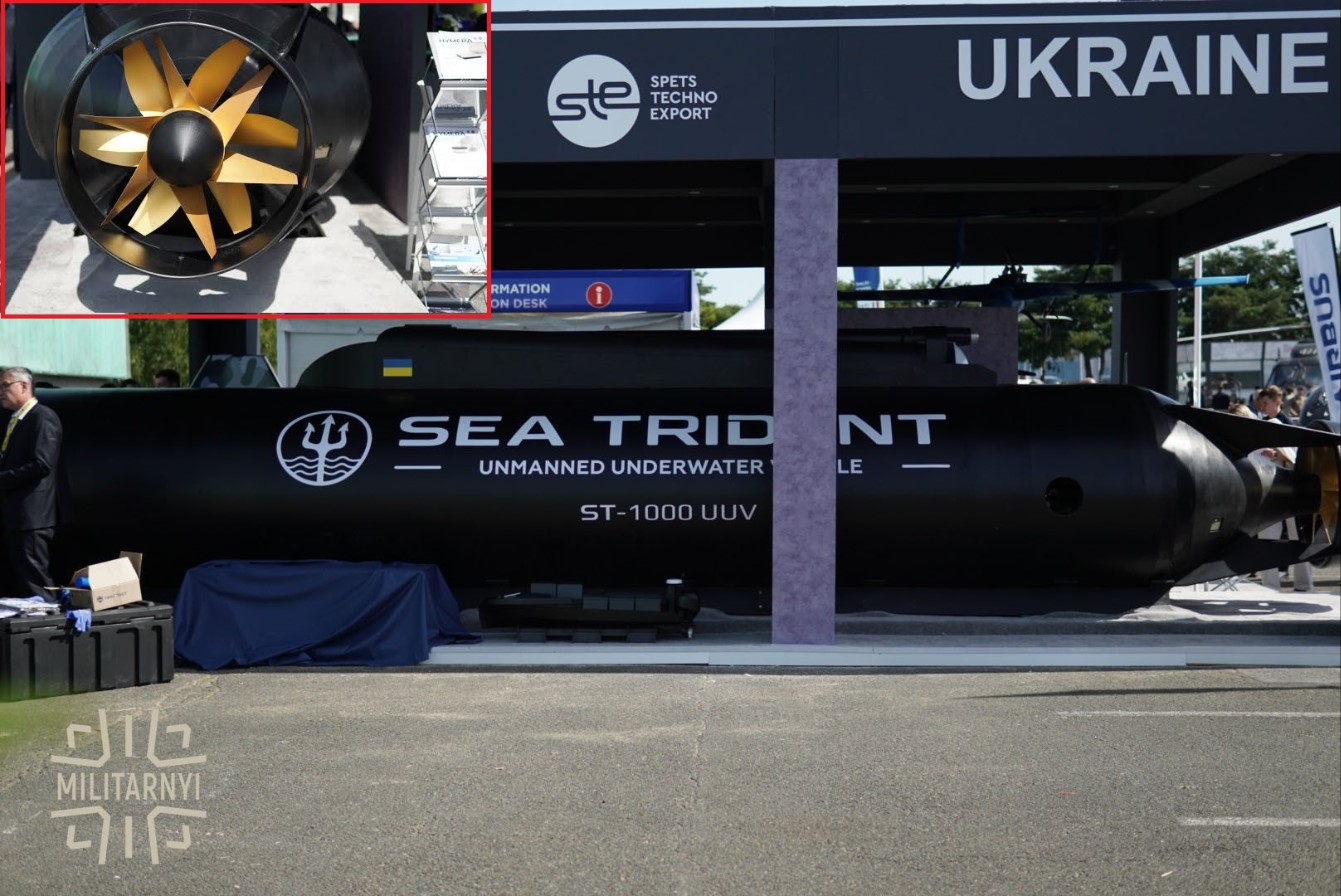 Ukraine Unveils 'Sea Trident' 10-Ton Autonomous Underwater Drone at Eurosatory 2026
-
 Rolls-Royce Unveils New Hybrid Powertrain for Heavy Military Vehicles at Eurosatory 2026
-
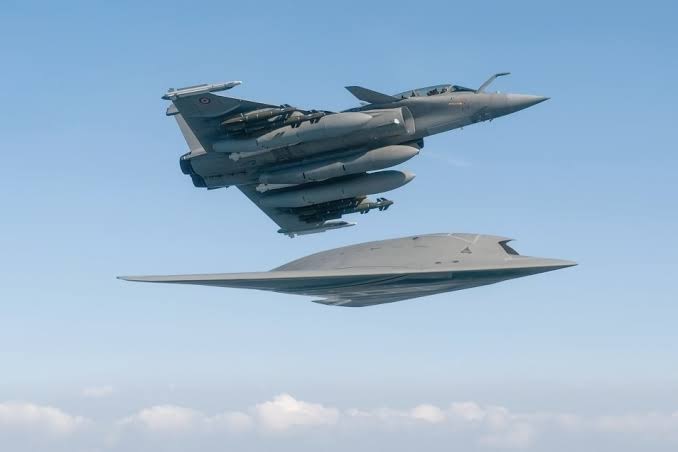 France Agrees to Equip Future Indian Rafales with AI, MUM-T and Secure Satellite Links Under F5 Standard