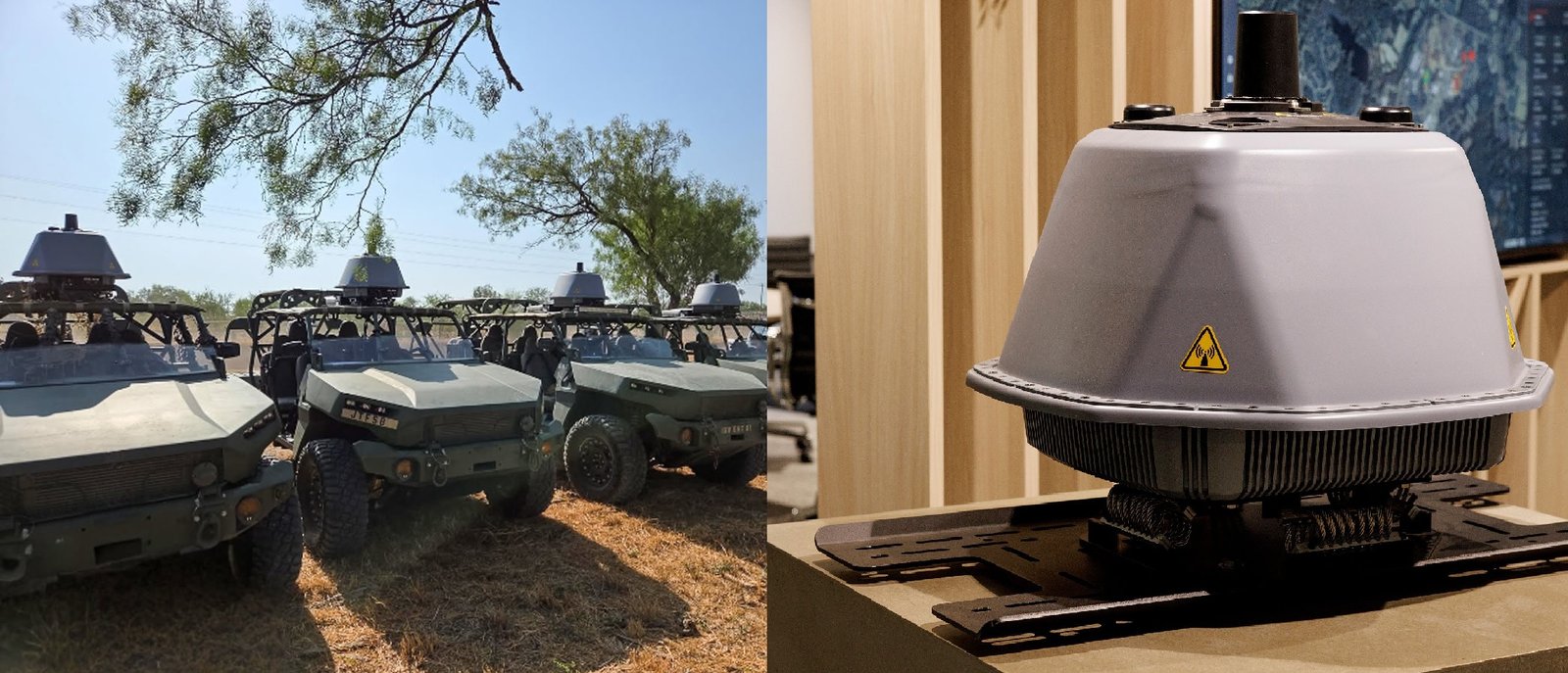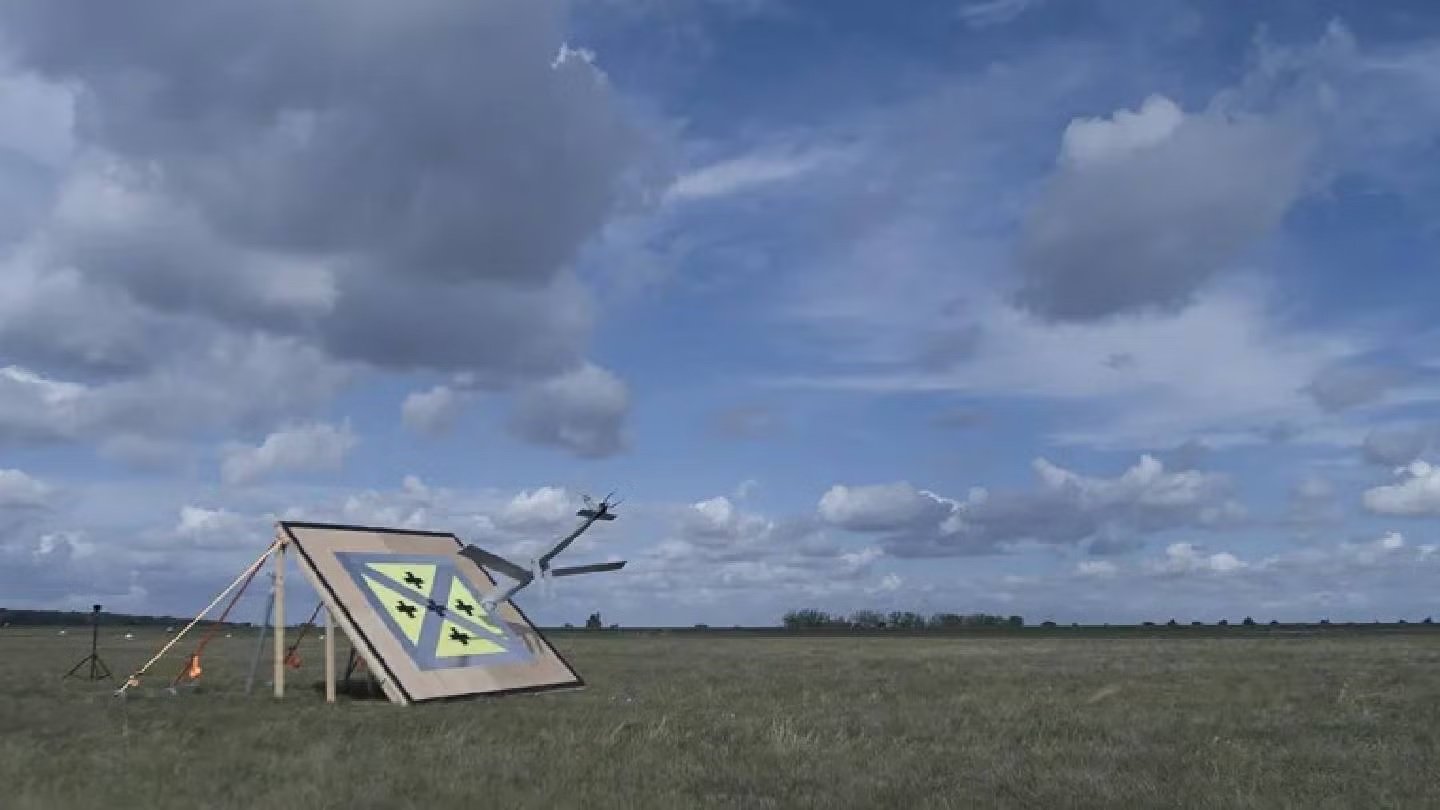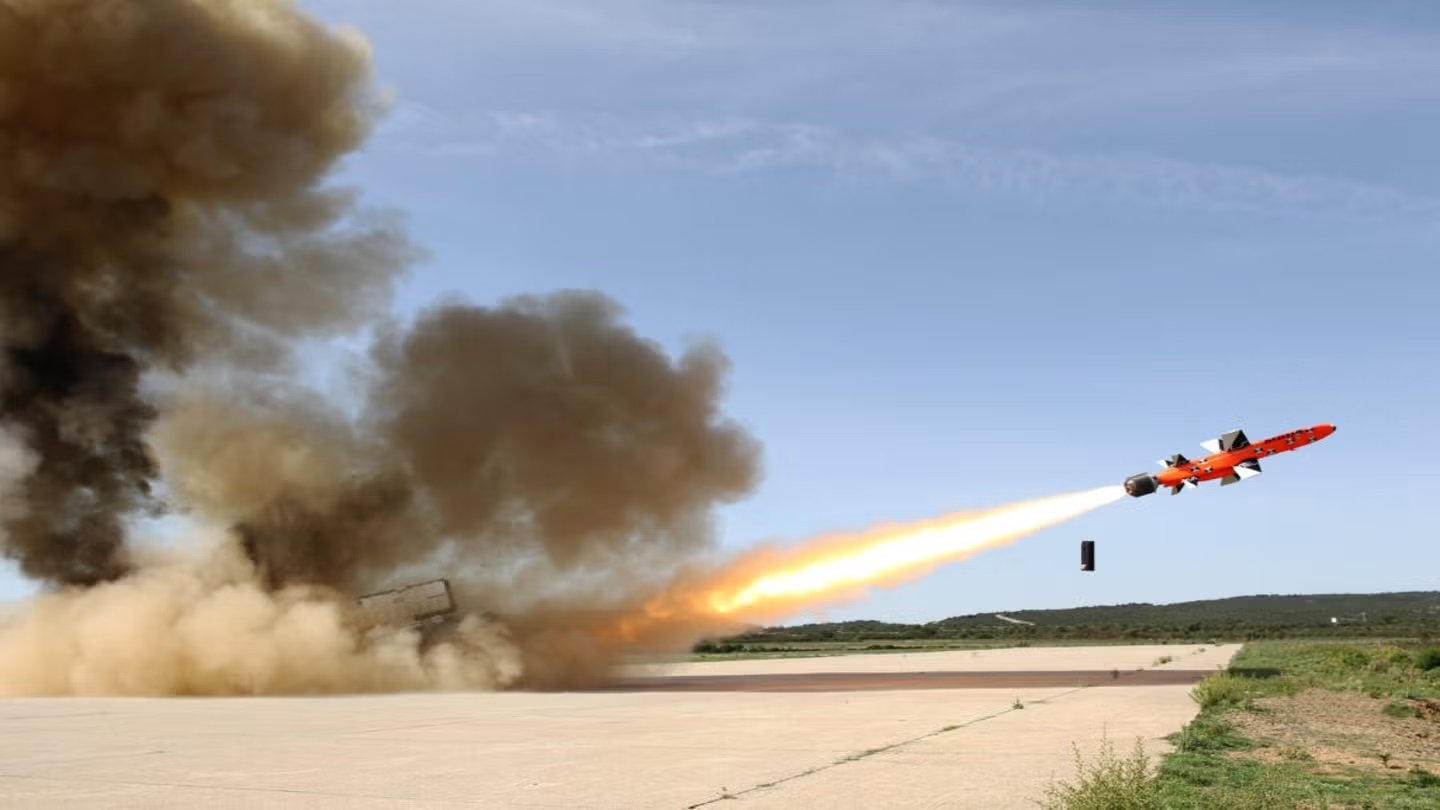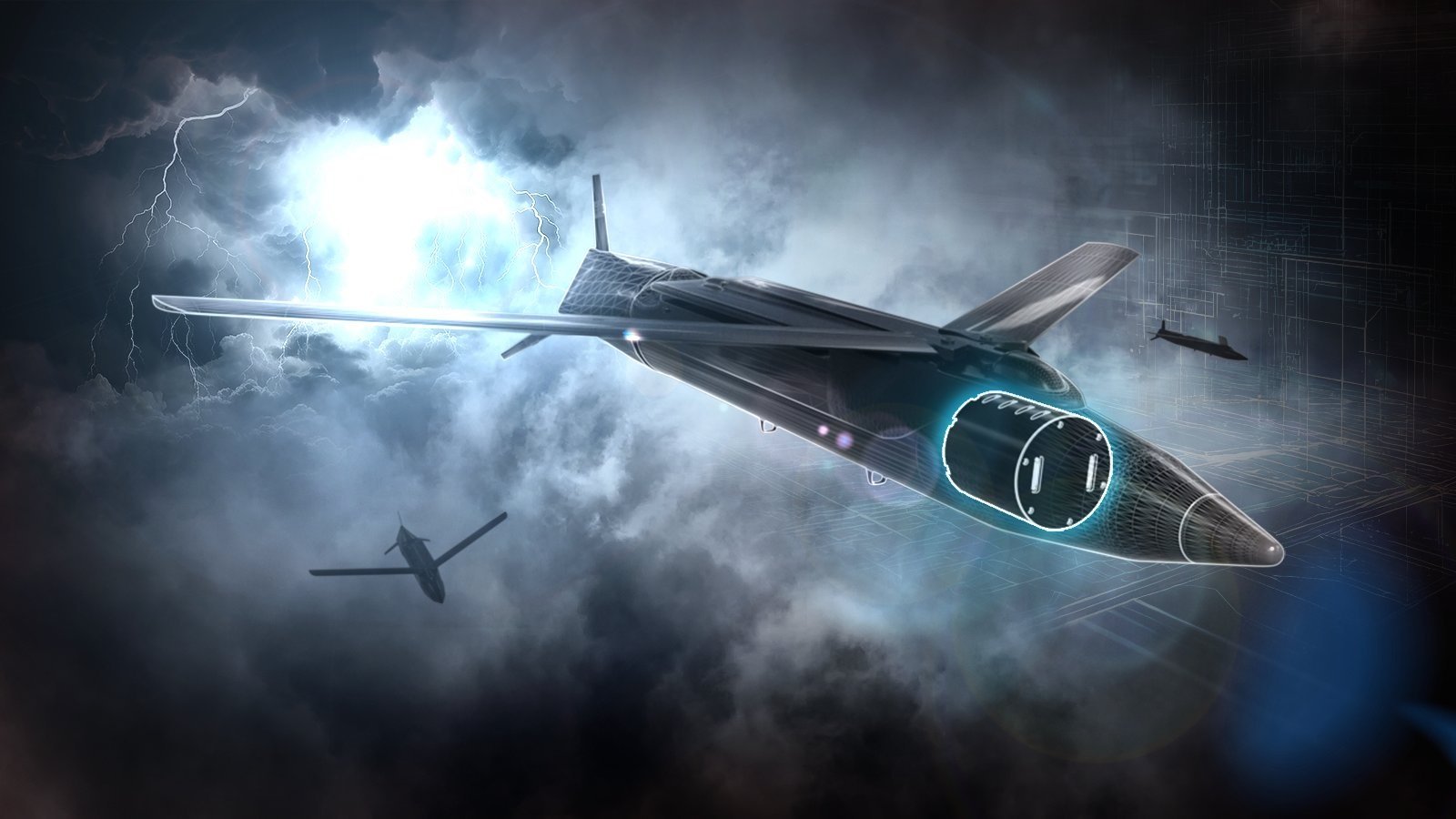
NASHUA, N.H. — BAE Systems has launched its Shadow EW family of compact electronic warfare (EW) systems designed for small airborne platforms, including drones, munitions and other attritable systems.
The company announced the new systems at the AFA Air, Space & Cyber Conference in National Harbor, Maryland. Shadow EW is designed with low size, weight and power (SWaP) requirements, allowing the systems to be integrated onto smaller platforms and produced in high volumes.
Three Shadow EW Variants
The Shadow EW family includes three variants:
- Shadow EW 100: Designed for smaller drones and attritable systems, with an operating frequency range of 70 MHz–6.0 GHz.
- Shadow EW 120: Designed for radar electronic warfare, signals intelligence and communications intelligence, covering 5 MHz–6.0 GHz.
- Shadow EW 500: Provides edge-processing capabilities for Weapons Open System Architecture (WOSA) platforms and operates across 10 MHz–18 GHz.
Software-Defined EW Capabilities
The systems use open architecture standards and software-defined technology, allowing field upgrades through software updates as threats evolve.
Shadow EW supports missions including situational awareness, targeting, deception, survivability and collaborative effects. BAE Systems said some variants can detect, identify, geolocate and track an adversary based on its radio-frequency emissions.
Commercial Components and Production
BAE Systems said Shadow EW uses commercial microchips for high-performance computing and supply-chain efficiency. Engineers adapted the components for the demanding conditions experienced by drones, missiles and glide bombs.
The company developed the family through internal investment to support affordable, high-volume electronic warfare capabilities that can be rapidly integrated across different platforms. The systems can also operate independently or alongside existing EW suites on larger aircraft, helicopters and legacy platforms.
Production will take place at BAE Systems’ facility in Cedar Rapids, Iowa, which has established high-volume manufacturing capabilities. Software development and design work will be conducted in Nashua, New Hampshire.
Company Statements
Josh Niedzwiecki, BAE Systems’ vice president and general manager of Electronic Combat Solutions, said some Shadow EW variants provide a single drone or munition with the ability to detect, identify, geolocate and track an emitter. He compared the capability with BAE Systems’ passive RF seeker technology used on the Lockheed Martin AGM-158C Long-Range Anti-Ship Missile (LRASM), but for a lower-cost class of system.
Rebecca Cruz, director of Shadow EW products at BAE Systems, said the systems combine flexible, configurable hardware with iterative software updates to address rapidly changing threats.
——— End of Article ———