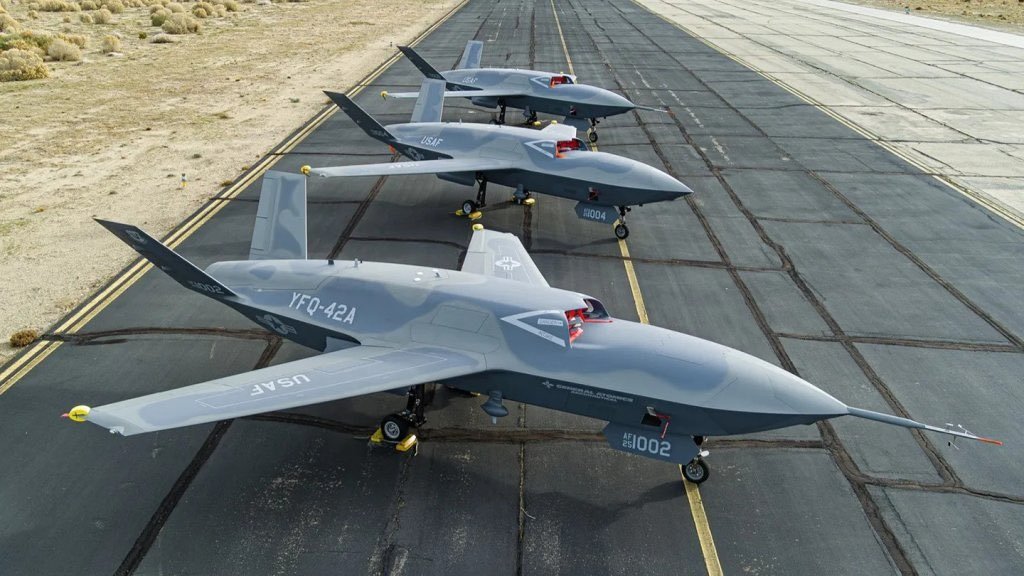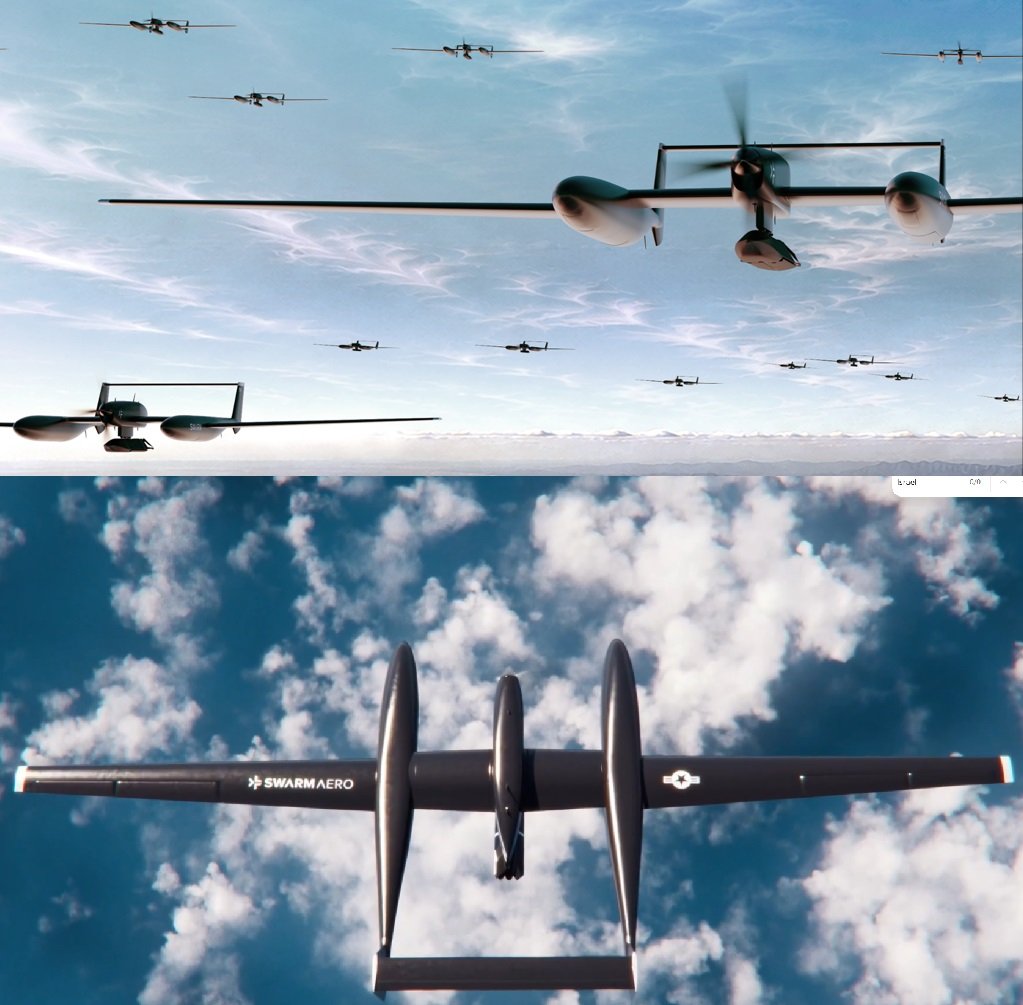
NATIONAL HARBOR, Md. / OXNARD, Calif. — Swarm Aero has unveiled Gamera, a new Group 5 uncrewed aircraft system (UAS) designed for long-range strike, sensing and other missions. The California-based company introduced the aircraft at the Air & Space Forces Association’s Air, Space & Cyber Conference 2026.
Gamera is a clean-sheet aircraft designed around mass production, high-rate manufacturing and a lower cost structure than traditional high-value military aircraft. Swarm Aero said the platform is intended to provide long-range effects while allowing larger numbers of aircraft to be produced and operated.
The aircraft has an approximate 72-foot wingspan and an unrefueled range exceeding 9,000 nautical miles. Its payload capacity is more than 2,800 pounds, distributed across seven available store locations.
Meet Gamera, a new category of Group 5 strike and sensing UAS that we unveiled at @AFA_Air_Space's Air, Space & Cyber Conference today.
— Swarm Aero (@SwarmAero) September 14, 2026
Mass-producible, significantly lower cost than legacy platforms, and the first UAS specifically designed to employ bomber-class strike… pic.twitter.com/UhT9bgcTPn
Designed for Heavy Long-Range Weapons
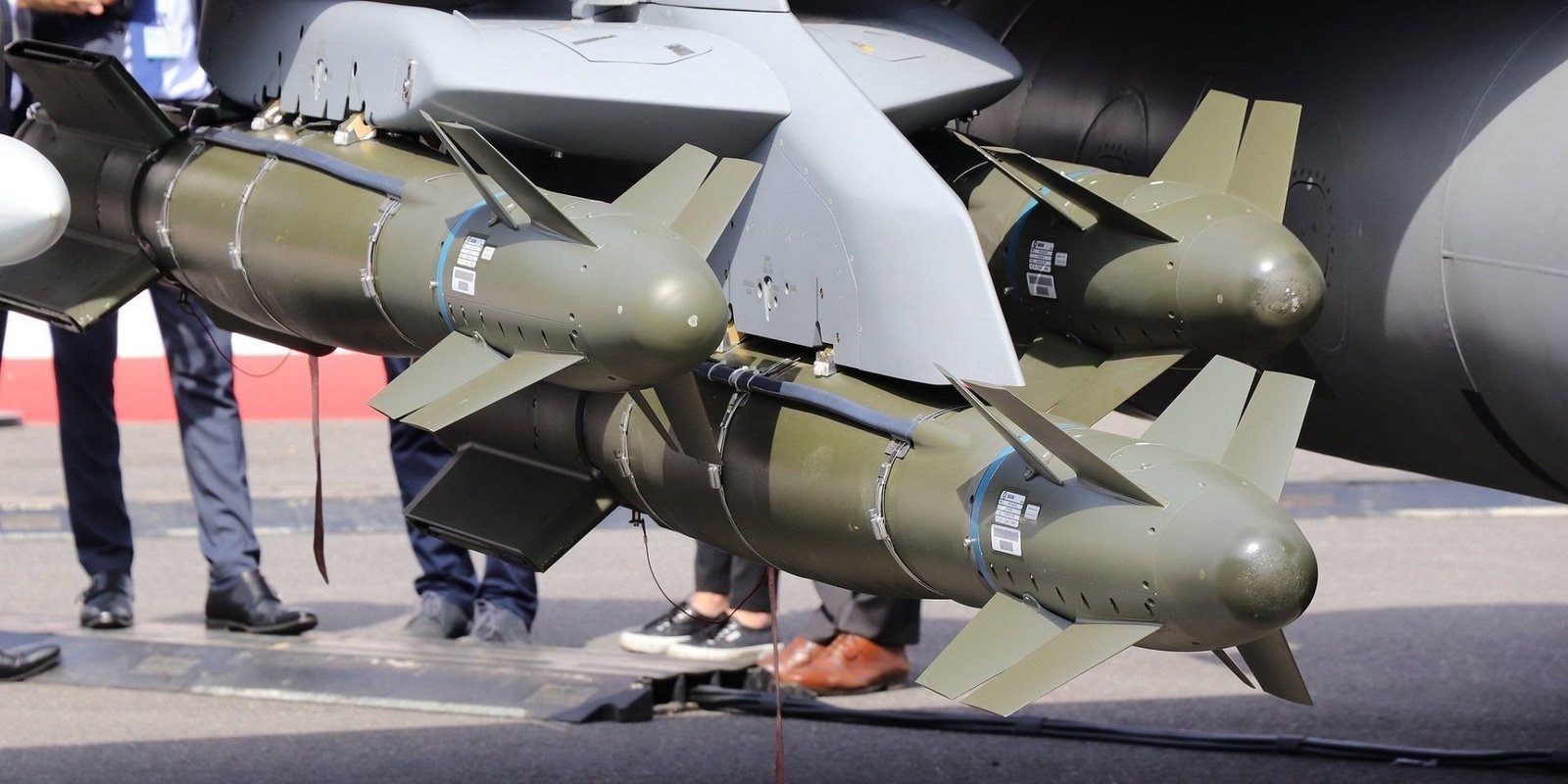
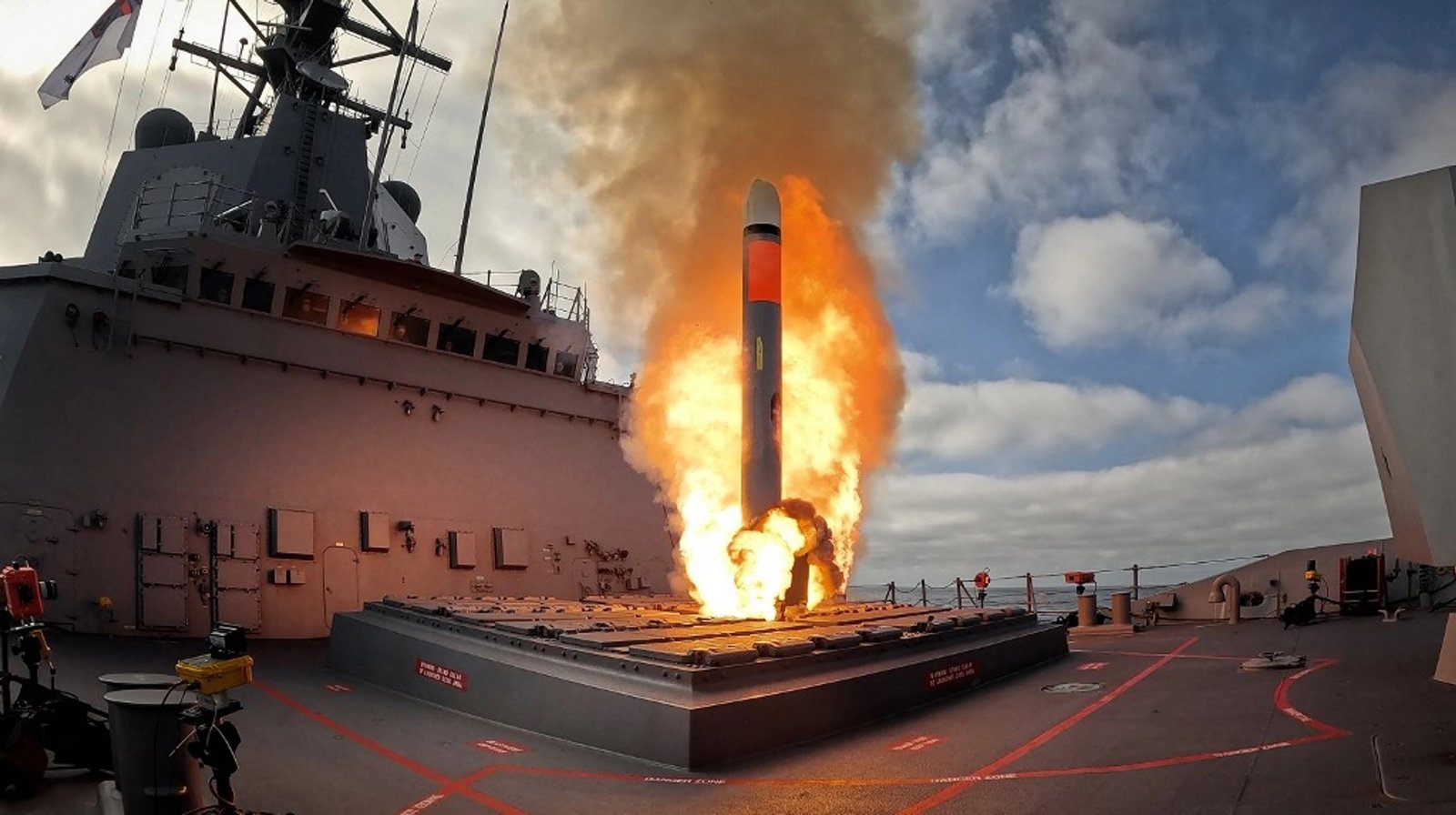
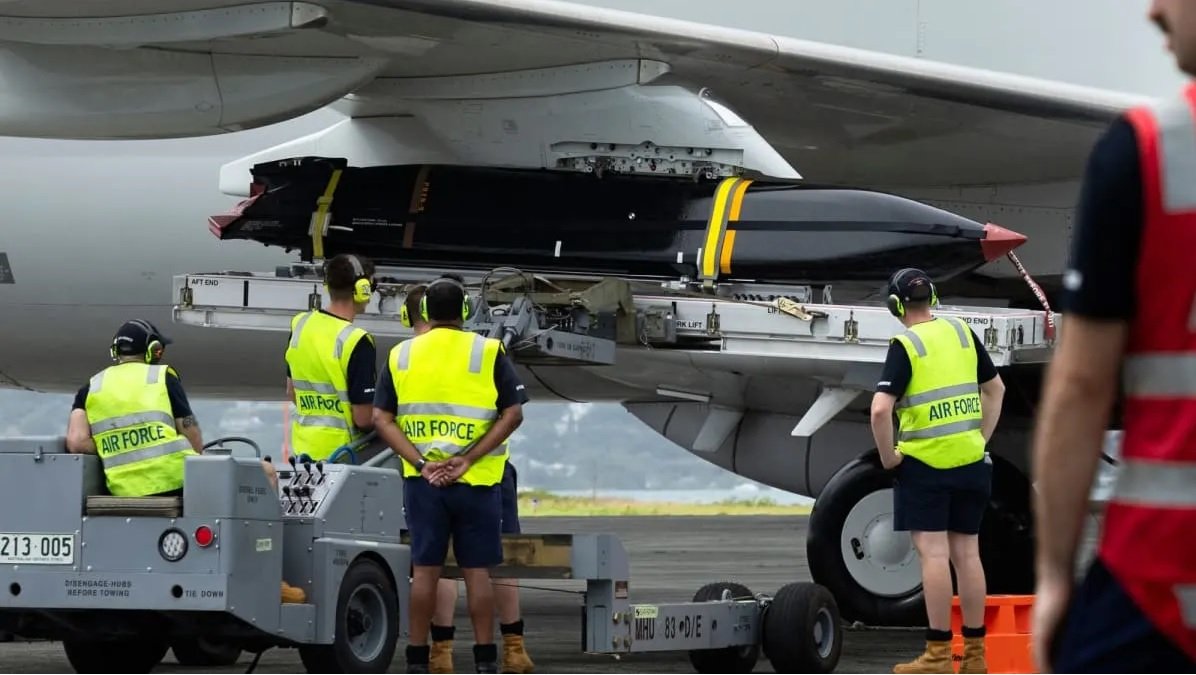
A key feature of Gamera is its ability to carry heavyweight, long-range weapons. Swarm Aero describes it as the first UAS specifically designed to deploy bomber-class strike weapons, including the AGM-158C Long Range Anti-Ship Missile (LRASM) and JASSM-ER.
The aircraft can also carry newer classes of low-cost cruise and hypersonic missiles. Its modular design allows different payloads to be carried depending on the mission, including air-to-air, air-to-surface and advanced sensing payloads.
Swarm Aero said Gamera can perform surveillance and strike missions currently associated with the MQ-9 Reaper, while carrying weapons and payloads that the MQ-9 cannot accommodate. The company also says its approach can provide standoff strike effects at approximately one-tenth the cost-per-effect of legacy approaches.
Twin-Boom Aircraft Design
Gamera uses a twin-boom configuration rather than a conventional single central fuselage arrangement. The aircraft is powered by a tractor-configured Honeywell TPE331 turboprop engine, with the propeller positioned ahead of the wing.
A full-scale Gamera model displayed at the conference included a representation of an LRASM-class munition, highlighting the aircraft's intended heavy-payload role.
The combination of long range, payload capacity and modularity is central to Swarm Aero's approach to the aircraft.
Development Began in 2022
Swarm Aero began developing Gamera in 2022, using what the company describes as a first-principles approach to aircraft design, manufacturing and future combat requirements.
The company has invested tens of millions of dollars in aircraft design, manufacturing methods and prototyping. It has also secured government contracts valued in the tens of millions of dollars.
Among those contracts is more than $10 million from the Air Force Research Laboratory for work focused on materials and manufacturing processes intended to support high-rate, lower-cost production of large composite airframes.
Swarm Aero has raised $59 million in funding and established an 80,000-square-foot Advanced Manufacturing Center in Fayetteville, Arkansas. The company is targeting 2027 for Gamera's first flight.
Designed for the Massed Modular Aircraft Program
Gamera is being positioned for the U.S. Air Force and Defense Innovation Unit's Massed Modular Aircraft (MMA) program.
The MMA effort is focused on aircraft that can be produced at high rates while maintaining modularity and controlling ownership costs. The program's requirements include at least 2,800 pounds of payload, an unrefueled combat radius of about 2,300 nautical miles, and a one-way self-deployment range of at least 8,000 nautical miles.
The requirements also call for a modular open systems architecture and the ability for one operator to control multiple aircraft.
The concept is intended to complement higher-value aircraft with more affordable platforms that can operate in contested environments and accept greater levels of attrition than traditional expensive aircraft.
Legion Command-and-Control System
Gamera will operate with Swarm Aero's Legion command-and-control and autonomy software.
Legion is designed to allow a single operator or a small team to control multiple heterogeneous uncrewed systems at the same time. The system has been tested in operational environments, including the U.S. Navy's Fleet Experimentation (FLEX) 2026, where one operator managed multiple air and maritime assets through find, fix, track, target, engage and assess sequences.
Legion was previously selected by the Defense Innovation Unit (DIU) as one of three software providers for its Autonomous Collaborative Teaming program, which is linked to the Department of Defense's Replicator efforts.
Swarm Operations
Swarm Aero intends for multiple Gamera aircraft to operate together or alongside existing military forces. The aircraft is designed for missions including surface strike, sensing, electronic warfare and communications relay.
The company's approach is based on combining long-range operations, a large payload capacity and lower production costs in a platform designed for high-rate manufacturing.
Swarm Aero co-founder and Chief Revenue Officer Oliver Palmer, a former Pentagon official focused on China and Taiwan strategy, said the company had changed conventional approaches to aircraft design, manufacturing and combat operations to develop an affordable, mass-producible strike platform.
Swarm CEO and co-founder Peter Kalogiannis highlighted the team's experience in long-endurance aircraft design and the production of military aircraft at volume.
With its development work, government contracts and manufacturing investment, Swarm Aero is now preparing Gamera for flight testing and potential production at scale.
——— End of Article ———