WASHINGTON — A Pentagon inspector general report has found that four months of intense U.S. combat operations against Iran created strategic ammunition shortfalls and exposed bottlenecks across the U.S. defense industrial base.
The first mandatory quarterly report to Congress on Operation Epic Fury, covering February 28 through June 30, 2026, estimates the Department of Defense spent $33.4 billion on the operation. Of that amount, $22.3 billion went to expended munitions, $7.4 billion to operating costs and $3.7 billion to equipment losses. The figure does not include infrastructure repair costs.
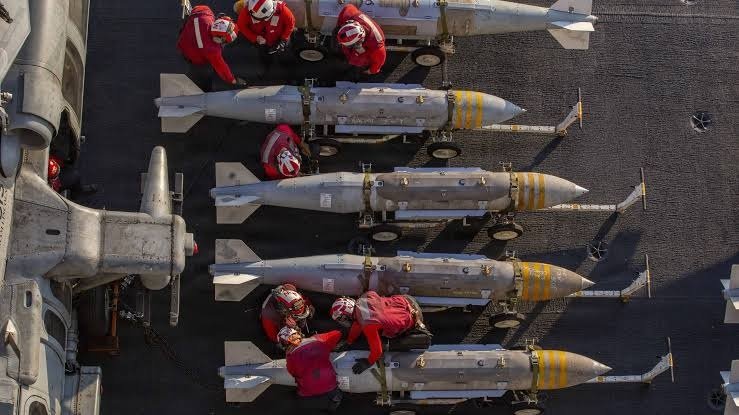
Munitions Shortfalls and Production Bottlenecks
The report states that “the munitions expenditure on OEF has resulted in strategic inventory shortfalls and revealed industrial base bottlenecks for munitions resupply.”
Officials from the Office of the Under Secretary of Defense for Acquisition and Sustainment told investigators that heavy weapons use created gaps in strategic stockpiles and exposed limits in the supply chain and defense industry's ability to replenish weapons quickly.
The Pentagon is working to shorten procurement and production timelines and increase stocks of critical materials, components and selected munitions. However, the report identifies continuing bottlenecks involving solid rocket motors, high-grade explosives and propellants, and skilled manufacturing labor.
Aircraft Losses and Air-Defense Demand
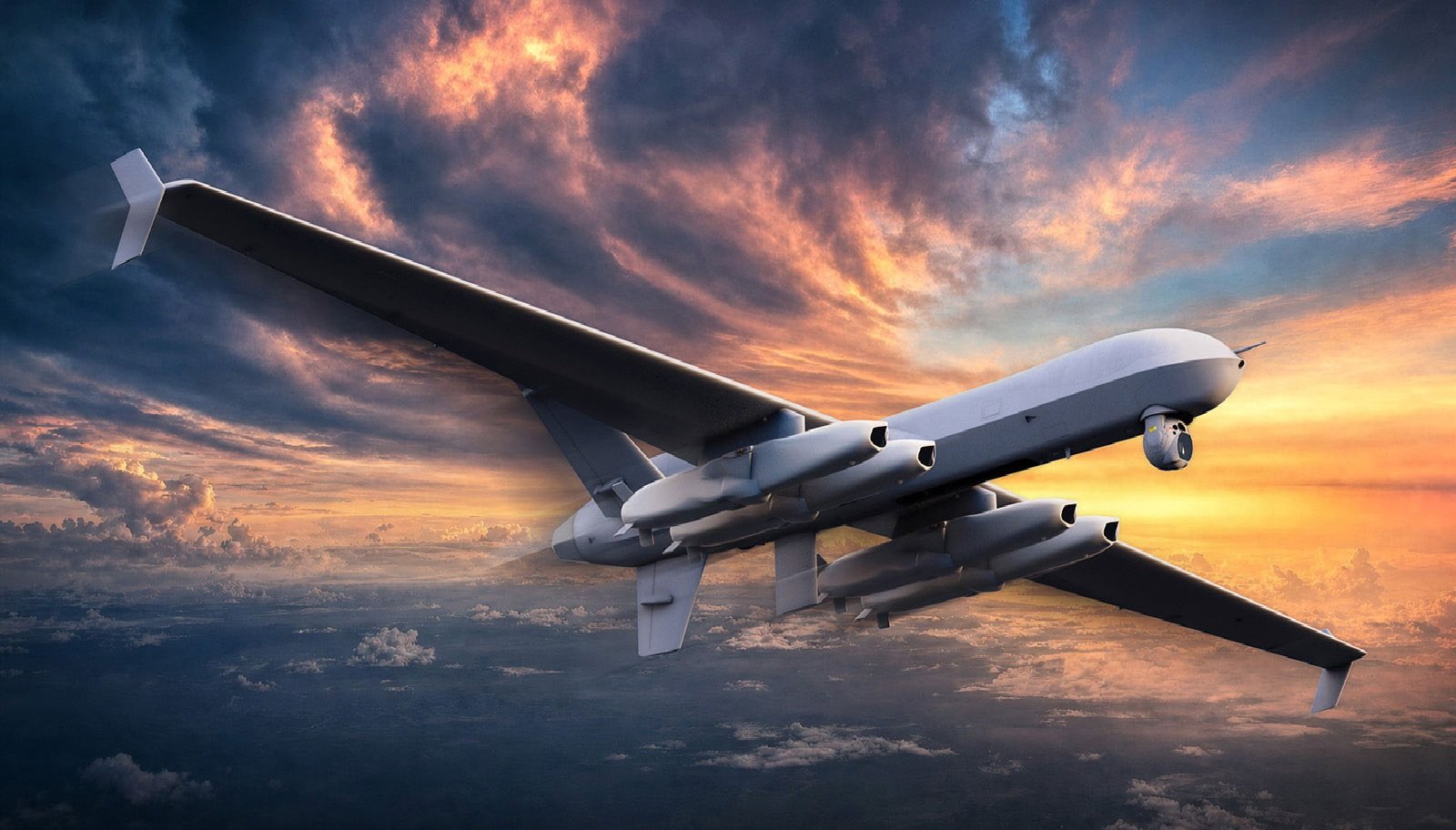
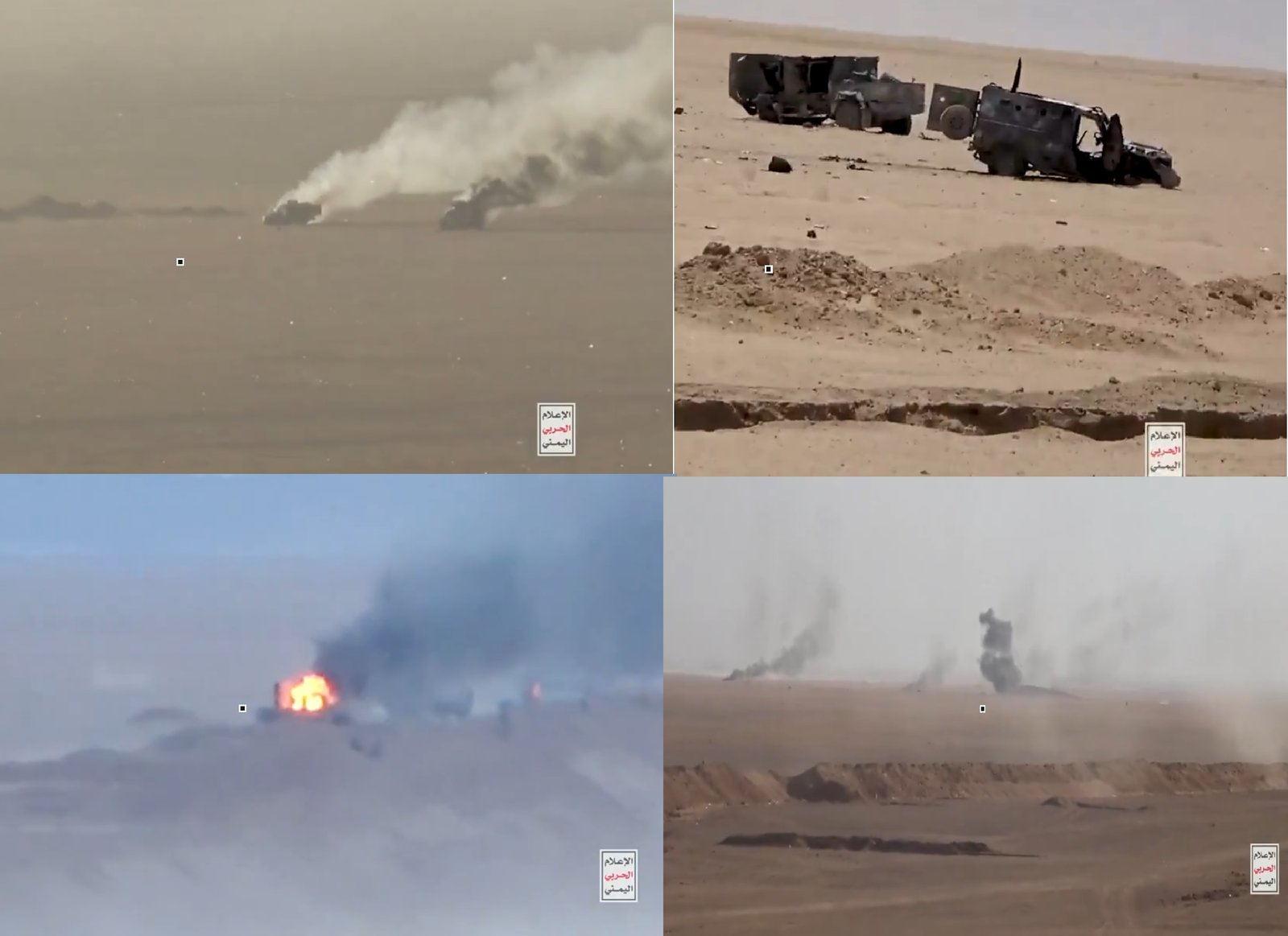
The report records several U.S. aircraft losses and damage during the period. These include four F-15s destroyed, one F-35 damaged, seven KC-135 tankers damaged and up to 30 MQ-9 Reaper drones destroyed.
Other accounts of the operation reported an A-10 destroyed, an E-3 Sentry damaged on the ground in Saudi Arabia, an AH-64 Apache downed near the Strait of Hormuz, and four AH-6 helicopters destroyed by U.S. forces to prevent their capture.
U.S. air-defense systems also faced heavy demand, intercepting more than 6,000 one-way attack drones and 1,500 ballistic missiles targeting U.S. forces, regional allies and commercial shipping lanes.
Patriot Production Under Pressure
The campaign highlighted the difficulty of rapidly replacing air-defense missiles. Lockheed Martin's Camden, Arkansas, facility produces about 750 Patriot missiles per year, while approximately 1,500 Patriots were reportedly launched during the conflict.
Each Patriot interceptor costs around $4 million. Lockheed Martin is working to increase annual production from about 750 to 2,000 missiles. Missile division head Tim Cahill described the effort as “controlled chaos.”
Debate Over U.S. Weapons Stocks
The inspector general's findings contrast with statements from President Donald Trump, who has said the United States has “virtually unlimited amounts of Mid to High Grade Ammunition” and is producing munitions at levels never seen before.
Defense Secretary Pete Hegseth has also urged the defense industry to increase production.
Mark Cancian of the Center for Strategic and International Studies (CSIS) said the United States has enough weapons for a war with Iran but warned that sustaining a longer conflict with China would present a much greater challenge. He said the United States might have enough munitions for a month but could face difficulty sustaining operations into the second, third and fourth months.
Damage and Additional Costs
The conflict also created costs outside direct military operations. The State Department spent $79.2 million on conflict-related contingencies, including evacuation operations.
Iranian strikes caused approximately $184 million in damage to U.S. diplomatic facilities in Iraq, Kuwait, Saudi Arabia and the UAE.
Iranian missile and drone attacks also damaged or destroyed hundreds of buildings and structures at U.S. military installations in Kuwait, Bahrain, Qatar, the UAE, Saudi Arabia, Iraq, Oman and Jordan. The inspector general did not provide a total repair estimate and said it remains unclear which facilities will be rebuilt or who will pay for the work.
Earlier estimates of Operation Epic Fury's cost were lower. A Pentagon official told Congress in April that the operation had cost about $25 billion, while U.S. officials familiar with internal assessments put the figure closer to $50 billion at that time. Later estimates increased as the conflict continued.
The inspector general's report, based on information from the Defense Department, State Department and U.S. Agency for International Development inspectors general, provides the first quarterly assessment of the operation and highlights the challenge of replenishing U.S. weapons inventories after sustained combat operations.
——— End of Article ———