
Europe
CHERBOURG, FRANCE, — Naval Group has transferred Rubis (S639), the fifth Suffren-class nuclear-powered attack submarine (SSN) under France’s Barracuda programme, to a DME floating platform-type shiplift at its Cherbourg facility. The milestone begins the submarine’s final completion phase ahead of dockside checks and sea trials. French Minister for the Armed Forces and Veterans Catherine Vautrin attended the ceremony. The Barracuda programme, led by France’s defence procurement agency (DGA) in partnership with the French Atomic Energy and Alternative Energies Commission (CEA), aims to replace the six ageing Rubis-class submarines that entered service from the 1980s. Four Suffren-class submarines have been delivered between November 2020 and June 2026, with all six scheduled for delivery by 2030. Naval Group Chairman and CEO Pierre Éric Pommellet said the transfer came 17 months after the corresponding milestone for De Grasse. He highlighted cooperation between Naval Group, the DGA, industrial partners and the submarine’s crew in delivering the vessels required by the French Navy. Suffren-Class Specifications and Weapons The Suffren class measures approximately 99.5 metres in length, with a surface displacement of 4,765 tonnes and a submerged displacement of 5,300 tonnes. It uses a 150-megawatt K15 pressurised-water nuclear reactor, combined with turbines, turbo-alternators and electric motors driving a pump-jet propulsor. The submarine can reach speeds of up to 25 knots and has a reported test depth exceeding 350 metres. Its X-shaped rudders and enclosed pump-jet form part of its underwater design. The submarine has four 533 mm torpedo tubes and can carry a payload of 20 weapons, including F21 Artemis heavyweight torpedoes, Exocet SM39 Mod2 anti-ship missiles, FG29 multi-influence mines and MdCN naval cruise missiles for long-range precision land attacks. Designed for special operations, the submarine normally carries a crew of 60 and can accommodate up to 15 Commandos Marine. A removable dry deck shelter can be installed behind the sail to deploy swimmer delivery vehicles. Industrial Cooperation and Historical Name Naval Group is responsible for the submarines’ design, construction, logistical support and maintenance at the Toulon naval base. TechnicAtome works with the company on the development and production of the main nuclear boiler components. Around 3,000 people, including approximately 800 Naval Group subcontractor personnel, are involved in the programme, which draws on hundreds of companies across France’s defence industrial and technological base. The submarine is named after the original Rubis, a Saphir-class minelaying submarine that joined General Charles de Gaulle’s Free French Naval Forces after France’s defeat in 1940. Operating from Dundee, Scotland, alongside the Royal Navy, it completed 28 operational patrols and laid nearly 700 mines, sinking or damaging more than 20 Axis vessels. On October 14, 1941, de Gaulle made the submarine a Companion of the Order of Liberation. Delivery Timeline and Future Plans According to Naval News, Rubis is expected to begin alpha trials by summer 2027, with delivery to the French Navy planned for the end of 2027. The fourth submarine, De Grasse, was delivered in June 2026 after rolling out in May 2025, completing dockside trials, starting its reactor in December 2025 and conducting a four-month sea-trial campaign beginning in February 2026. The first three submarines—Suffren, Duguay-Trouin and Tourville—are already in active service. The final boat, Casabianca (S640), is progressing through production at Cherbourg, where its stern section is visible on the production line. Meanwhile, the DGA and Naval Group are developing the Evol SNA modernisation roadmap to keep the six Suffren-class submarines updated throughout their planned 30-year service lives. Preliminary studies have also begun on France’s proposed third-generation nuclear attack submarine, known as SNA3G, although it has not yet entered a formal procurement programme. The transfer of Rubis marks another step towards completing the Barracuda programme and renewing the French Navy’s nuclear attack submarine fleet.
Read More → Posted on 2026-10-17 13:32:19
Europe
ALBACETE, Spain — German defence contractor Rheinmetall is investing approximately €20 million to expand ammunition and mortar production at its Albacete facility in Spain. The project, led by subsidiary Rheinmetall Expal Munitions, will introduce medium-calibre ammunition production and increase mortar manufacturing capacity, raising the site's workforce from around 210 to approximately 300 employees. The investment is part of Rheinmetall's Firepower programme, which aims to increase ammunition production across Europe to meet demand from NATO members and other allied forces. Medium-Calibre Ammunition Production Starting in October 2026, the Albacete facility is scheduled to produce approximately three million medium-calibre ammunition components annually, including 1.2 million projectiles and 1.8 million cartridge cases in calibres ranging from 20 mm to 35 mm. The components are intended for infantry fighting vehicles and anti-aircraft gun systems. Production will include armour-piercing projectiles, kinetic-energy time-fuze ammunition and AHEAD ammunition used in air defence and counter-drone operations. The components will be shipped to other Rheinmetall facilities, including its Burgos plant in Spain, for processing into finished ammunition. To support production, Rheinmetall has modernised and extended an existing 5,700-square-metre building, installing new machinery, technical infrastructure and automation technology. Expanded Mortar Manufacturing Rheinmetall has also constructed a separate 5,200-square-metre building in less than a year to expand mortar production. The facility will support annual production of 40 Dual-Eimos 81 mm mortar systems and more than 650 standard mortars in 60 mm, 81 mm and 120 mm calibres. The site already specialises in EIMOS 81 mm systems and is preparing for series production of the EIMOS 120. The new building is also structurally designed to accommodate aircraft maintenance operations. Officials Highlight Strategic Importance The expansion ceremony was attended by Spanish Secretary of State for Defence Amparo Valcarce, German Ambassador to Spain Heiko Thoms, Albacete Mayor Manuel Serrano López and Rheinmetall Chief Executive Armin Papperger. Valcarce said a credible deterrent requires well-prepared and properly equipped armed forces capable of sustaining operations, highlighting the importance of a strong defence industry. Papperger described Albacete as a key centre for ammunition components and weapon systems manufacturing. He said the investment would introduce a new medium-calibre capability while strengthening the site's existing mortar production expertise, increasing its importance for Rheinmetall, Spain and Europe. European Expansion and 2030 Targets Rheinmetall is expanding its European production network through new ammunition plants in Unterlüß, Germany, and Baisogala, Lithuania, alongside upgrades at existing facilities such as Aschau am Inn in Germany. By 2030 at the latest, the company aims to achieve annual production capacity of four million medium-calibre rounds, 1.5 million rounds of 155 mm artillery ammunition and 240,000 rounds of 120 mm anti-tank ammunition. The Albacete expansion is expected to create additional opportunities for regional suppliers. The facility currently works directly with 23 local companies and another 87 regional firms. Across Spain, Rheinmetall reports approximately 3,400 direct employees at the Madrid headquarters of Rheinmetall Expal Munitions and its six factories. Its Spanish operations are supported by around 1,300 suppliers receiving annual orders worth approximately €500 million. The investment strengthens Albacete's established role in mortar systems and ammunition components while adding medium-calibre production capacity to Rheinmetall's European manufacturing network.
Read More → Posted on 2026-10-16 15:44:42
Europe
STOCKHOLM, — Swedish defence company Saab, the Swedish Defence Materiel Administration (FMV) and the Swedish Armed Forces have completed the first phase of a Large Uncrewed Underwater Vehicle (LUUV) demonstrator project following successful sea trials. FMV awarded Saab a SEK 60 million contract in August 2025 for the vehicle's design, construction and testing. Saab is the prime contractor, while FMV leads the project in cooperation with the Swedish Armed Forces. The demonstrator progressed from concept to sea trials in less than a year, marking the completion of the project's initial phase. Autonomous Underwater Surveillance The LUUV is designed primarily as a sensor platform, not a weapons system. Its intended missions include seabed monitoring and mapping, intelligence, surveillance and reconnaissance (ISR), protection of critical underwater infrastructure, and detection of potential underwater threats. The vehicle could operate alongside existing naval platforms, including crewed submarines, to increase endurance, improve situational awareness and strengthen Sweden's underwater capabilities. It is intended to support operators by collecting information and helping them assess underwater conditions. Saab has also referred to the vehicle in some contexts as the Autonomous Ocean Drone (AOD). Reported baseline specifications for the ISR-configured version include a length of approximately 7 metres, a diameter of 1.4 metres and a weight of around 6.5 tonnes. Powered by lithium-ion batteries, it has a reported range exceeding 600 nautical miles at a patrol speed of approximately 4 knots. Earlier FMV design requirements specified a length of around 6.5 metres, a maximum speed of 14 km/h and a maximum operating depth of 500 metres. These earlier figures are design requirements, not necessarily the demonstrator's final specifications. Saab's Autonomous Technology The rapid development was supported by Saab's software-centric approach and its Autonomous Ocean Core control system, which provides autonomous capabilities for surface and underwater platforms. The system combines with Sweden's expertise in submarine design and sensor integration, building on Saab's earlier work in autonomous underwater systems. The project reflects Sweden's growing focus on protecting Baltic Sea infrastructure, including undersea cables and other critical maritime assets. Autonomous underwater vehicles could help monitor large areas and complement existing naval platforms in surveillance missions. Further Testing and Development The project will now enter a more advanced testing phase in relevant marine environments. Future work will focus on software development, advanced sensor integration and expanded autonomous functions. The long-term objective is for the vehicle to remain at sea for extended periods, operating with or without direct human supervision. Potential launch and recovery from submarines or other platforms is also part of the concept. Martin Nyqvist, FMV's project manager for underwater warfare systems, said the next step would involve continued evaluation in relevant marine environments. Mats Wicksell, head of Saab's Naval business area, said: “This project demonstrates how new technologies can be rapidly translated into practical operational value. The uncrewed underwater vehicle can contribute to increased endurance, enhanced situational awareness and strengthened underwater capabilities. The fact that we have also been able to develop and test the system in such a short timeframe demonstrates the strength of the collaboration between the Swedish Armed Forces, FMV and Saab.” The demonstrator's test results will support further development and help Swedish authorities assess future procurement and operational use of autonomous underwater systems. Although the first phase has been completed, the vehicle is not yet confirmed as operationally ready or in military service.
Read More → Posted on 2026-10-16 13:49:08
Europe
PORTSMOUTH, UK, — The Royal Navy’s Type 45 destroyer HMS Dauntless (D33) has been fitted with two unidentified launcher units believed to be designed for interceptor drones. Images taken on October 10 during exercises off the Isle of Wight show the equipment, which could provide an additional layer of defence against hostile unmanned aerial vehicles (UAVs) and drone swarms. Unidentified Launchers Spotted on HMS Dauntless The two black containers are positioned on the port and starboard sides of the destroyer’s main communications mast. Visual assessments suggest they measure approximately 2 metres by 1 metre and may house multi-cell launch systems for interceptor drones. No new dedicated sensor arrays are visible. The system could therefore use targeting information from the ship’s existing Sampson multifunction radar, S1850M long-range radar and electro-optical sensors. However, the launcher type, operating mechanism and integration arrangements have not been confirmed. A Royal Navy spokesperson declined to provide details, stating: “Due to operational sensitivities, we are not going to discuss this equipment fit.” Possible Link to Project TALON The equipment was reportedly installed in August 2026 and could be related to Project TALON, the Royal Navy’s initiative to develop counter-uncrewed aerial systems (C-UAS). On March 3, 2026, the Navy issued a Request for Information seeking a mature counter-drone system requiring little or no ship integration and suitable for rapid introduction. The stated requirements included: Defeating NATO Class 2 drones weighing 150–600 kg, including Shahed-type systems. Protecting an area of at least 100 square kilometres, ideally up to 2,500 square kilometres. Engaging at least 25 targets before reloading, with 100 as the preferred capacity. No formal contract award for Project TALON has been publicly confirmed, and the Royal Navy has not established a connection between the project and HMS Dauntless’s launchers. Related initiatives include Project METIS, focused on low-cost effectors housed in containers, and Project HORUS, which concerns air-search sensors for uncrewed vessels. Red Sea Operations Highlight Need for Additional Defences The suspected upgrade follows the Royal Navy’s experience in the Red Sea in 2024, when sister ship HMS Diamond faced drone and missile attacks from Houthi forces in Yemen. Type 45 destroyers carry 48 vertical launch cells for the Sea Viper air-defence system, which uses Aster missiles. Repeatedly firing expensive missiles against low-cost drones can rapidly deplete a ship’s ammunition reserves. Phalanx close-in weapon systems and 30 mm guns provide additional defensive options, but drone swarms can place pressure on a ship’s layered defences. Interceptor drones could offer a lower-cost alternative against suitable aerial targets, allowing ships to preserve their missiles for more demanding threats. Their effectiveness will depend on the system’s capabilities and integration, which remain undisclosed. Other Royal Navy Counter-Drone Programmes The Ministry of Defence plans to introduce DragonFire laser-directed energy weapons on at least two Type 45 destroyers from 2027. The Royal Navy is also pursuing the use of Martlet, or Lightweight Multirole Missiles (LMM), carried by Wildcat helicopters to engage aerial threats. These efforts are part of a broader move towards layered protection against drones and missiles. The French Navy is pursuing similar measures involving electronic jammers, gun systems, first-person-view (FPV) drones and interceptor technologies. HMS Dauntless Completes Training with Ukrainian Minehunters The launchers were spotted as HMS Dauntless conducted a passing exercise off the Isle of Wight with five Ukrainian minehunters: UNS Henichesk, Mariupol, Melitopol, Chernihiv and Cherkasy. The Ukrainian vessels completed seven days of training as the final phase of Exercise Lion Protector, which began in August. The exercise aims to improve coordination among Joint Expeditionary Force nations in protecting Europe’s northern flank. Training included gunnery, manoeuvring as a task group and locating and destroying practice mines using Seafox remotely operated mine-disposal vehicles. Chernihiv and Cherkasy also conducted live Seafox firings. The vessels are based in Portsmouth as part of UK support to Ukraine. HMS Dauntless also undertook operational sea training in September, including Exercise Sharpshooter, which involved live firing against aerial and surface drone targets. Destroyer Prepares for High North Deployment HMS Dauntless is preparing to escort the UK aircraft carrier HMS Prince of Wales when the carrier resumes its Firecrest 2026 deployment to the High North. Meanwhile, HMS Dragon returned to Portsmouth in early October after a seven-month deployment covering the Mediterranean and Red Sea. The suspected interceptor launchers have not been reported on that ship, making HMS Dauntless the only Type 45 identified with the equipment so far. The Royal Navy has not confirmed whether the system has completed trials or been declared operational. Main Source : Navalnews
Read More → Posted on 2026-10-14 15:13:48
Europe
WARSAW, — Poland is considering reintroducing mandatory military service for men and women as the government seeks to expand its armed forces and strengthen national defence capabilities. Deputy Defence Minister Magdalena Sobkowiak-Czarnecka said on October 14 that the government is examining different models of compulsory military service. She supports conscription for both genders, potentially beginning with a transitional period focused on voluntary military service. However, no final decision or implementation timeline has been announced. Poland suspended compulsory military service in 2009 and has since maintained a professional military supported by volunteers. The government aims to increase its active force to 300,000 personnel and establish a reserve force of 200,000, with longer-term plans targeting approximately 500,000 personnel, including reservists, by 2039. Public opinion remains divided. An Opinia24 poll conducted for RMF FM between October 5 and 7, involving 1,001 adults, found that 48% supported restoring compulsory military service. Of those surveyed, 22% favoured conscription for both men and women, while 24% supported applying it only to men. Another 38% preferred retaining a fully professional army, and 16% were undecided. The proposal comes amid broader European efforts to strengthen military readiness following Russia’s full-scale invasion of Ukraine. Any reintroduction of compulsory service would require further government consideration, legislative work and preparations for training and infrastructure.
Read More → Posted on 2026-10-14 14:26:25
Europe
BORDIGHERA, Italy, — Sentiq Defence has officially commenced operations as an Italian integrator of autonomous and remotely operated maritime systems for defence, security and the blue economy. Operating as a commercial brand of AJB Subsea SRL, the company integrates uncrewed surface vessels (USVs), underwater surveillance systems, remotely operated vehicles (ROVs) and unmanned aerial systems (UAS) developed with international manufacturers. The company aims to address the challenges faced by navies, coast guards, port authorities, energy operators and telecommunications companies in monitoring large maritime areas and protecting underwater infrastructure with limited resources. By integrating commercial off-the-shelf (COTS) platforms, sensors and software, Sentiq plans to provide turnkey solutions through a single Italian point of contact, including system integration, training and long-term logistical support. Three-Domain Portfolio Sentiq Defence's portfolio covers surface, underwater and aerial operations. Surface: The modular SQ family of USVs can be configured for hydrographic surveys, environmental monitoring, offshore asset inspections and persistent surveillance, as well as defence missions such as mine countermeasures (MCM) and anti-submarine warfare (ASW). Underwater: The company offers fixed SQ DDS, portable SQ PDDS and long-range SQ UDS sonars for intruder detection and the protection of ports, naval bases, coastlines and critical infrastructure. Inspection-class ROVs support underwater inspection activities. Air: Tactical UAS extend the surveillance range of surface vessels beyond the horizon. The integrated approach is intended to reduce the difficulties associated with sourcing equipment from multiple suppliers, including incompatible interfaces, separate support arrangements and varying export restrictions. Founder and Company Strategy Sentiq Defence was founded by Antonio J. Belfiore, a retired Italian Navy Commander with 25 years of active service specialising in mine warfare. His career included operational and staff appointments at national and international levels. After leaving the Navy, he worked in business development and sales for defence and subsea technology companies in the United Kingdom and Denmark. He established a strategic consultancy in 2025 and developed the framework for Sentiq Defence in 2026. Belfiore, now the company's CEO, said integration was a central challenge in maritime technology. He said Sentiq would provide mission-focused solutions developed with international partners, customised in Italy and supported by experienced personnel. The company operates under the principle “Command your space.” Headquartered in Bordighera on Italy's western Ligurian coast, Sentiq has access to the maritime centres of Genoa and La Spezia, as well as France's naval and technology hubs in Toulon and Sophia Antipolis. Its three-stage growth plan includes consolidating international technology partnerships, establishing an assembly, integration and test hub in western Liguria, and expanding training and long-term support services for Italian and international customers. Sentiq Defence is scheduled to make its first major public appearance at the EURONAVAL naval exhibition in Paris Nord Villepinte, France, from November 3 to 6, 2026. Focus on Maritime Infrastructure Security The company enters the market amid increased attention to protecting ports, undersea cables and pipelines. The 2022 Nord Stream pipeline explosions and subsequent damage to power and data cables in the Baltic Sea have highlighted the challenges of monitoring underwater infrastructure. Sentiq aims to address these requirements by combining surface, underwater and aerial technologies into mission-specific systems, supported by integration, training and logistical services from Italy.
Read More → Posted on 2026-10-13 14:03:21
Europe
TALLINN, Estonia, — Estonia is considering acquiring light jet aircraft to counter Russia’s growing use of high-speed, jet-powered attack drones, Defence Minister Martin Herem said in an interview with The Baltic Sentinel after visiting Ukraine. Herem said jet-powered drones can fly faster and higher than conventional drones, with some variants reportedly reaching up to 800 km/h. Ukraine has reported that its interception rate against long-range drones has fallen from about 90 per cent to 70 per cent, while jet-powered variants are expected to become more common. Herem said aircraft using air-to-air weapons could be an effective option against these targets. Turboprop aircraft may not be fast enough, while Ukraine also uses computer-controlled cannons and heavy machine guns. Conventional interceptor drones can struggle to catch faster jet-powered targets. Estonia has no fighter jets of its own and relies on NATO allies for air policing. Its air force leases two L-39C Albatros jet trainers from Aerohooldus OÜ for tactical air controller training. Although the aircraft could theoretically be armed, their civilian status and lease conditions prevent combat modifications. The threat reached Estonian airspace in May 2026, when a Romanian F-16 operating under Baltic Air Policing shot down a drone that entered southern Estonia. The interception followed early warning from Latvian radar and local detection. During his October 11 visit to Kyiv, Herem met Ukrainian President Volodymyr Zelenskyy and Defence Minister Yevhen Khmara to discuss air defence, defence-industrial cooperation, drones, electronic warfare and applying Ukrainian battlefield experience to Estonia’s defence planning. Estonia is also strengthening ground-based air defence. It received the first components of the IRIS-T SLM system in June 2026, with the remaining two of three ordered fire units expected in 2027. Estonia is also evaluating longer-range systems capable of countering ballistic missiles. The light-jet proposal remains under consideration, with no aircraft type, quantity, budget or delivery schedule announced. Main Source : militarnyi
Read More → Posted on 2026-10-12 16:17:48
Europe
PARIS, — The French Defence Innovation Agency (AID) and the French Navy have selected three industrial teams for the second phase of the DANAE armed autonomous surface vehicle (USV) programme. DANAE, short for Drone de surface Autonome Naval avec capacité d’Armement Embarqué, was launched in January 2026 under the direction of the French Directorate General of Armaments (DGA). The programme aims to develop armed autonomous surface vessels for the protection of civilian and military port infrastructure and for escorting high-value naval units and warships. The programme is supported technically by DGA Techniques Navales. Seven existing USV solutions were evaluated during sea trials held from January 19 to 23, 2026, off Saint-Mandrier near Toulon. The trials assessed navigation, endurance and autonomous decision-making, including the detection and management of threats. Threat neutralisation was not part of the assessment. The seven participants were Exail, Keys4sea, Marine Tech, SeaOwl, Thales, SIREHNA and the ORCAS group led by SEAir. The three teams selected for the next phase are: SeaOwl — NEMEZIS: A dual-mode system based on the EDO 4G MN boat, capable of crewed or autonomous operation. It includes an advanced sensor suite and a non-lethal dissuasion turret and is designed for continuous patrol, surveillance and escort missions. Its high level of autonomous decision-making and payload integration allows a single operator to manage the system. ORCAS Group — SEAir, ÆGIR, MBDA and Diades Marine: The group is developing a multi-mission “Flying USV” using hydrofoils. The design is intended to provide higher speed, lower energy use, longer endurance, improved stealth and better stability for sensors and weapons in rough seas. Its compact size allows deployment from frigates, with roles including offensive and defensive missions and protection of ports and maritime sites. SIREHNA, Couach and Naval Group — Seaquest S: A modular 9-metre-class USV designed from the outset as an unmanned vessel. It is intended to integrate with existing naval combat systems, operate in degraded sea conditions and be deployed independently or in cooperative groups. The second phase began in September 2026 and will continue until the end of 2027. The three teams will develop larger and more capable prototypes over the next 12 months, followed by longer sea trials conducted by the AID, French Navy and DGA Techniques Navales. The programme focuses on autonomous navigation, energy management for extended missions, autonomous threat classification and decision-making. However, the final authority to use weapons and make firing decisions will remain with a human operator. Jean-François Thomas, AID innovation acceleration manager and DANAE project lead, said the three teams were selected because they demonstrated the most mature solutions and best matched the French Navy's requirements. A final solution is expected to be selected toward the end of 2027 or early 2028, after which production would proceed under DGA acquisition. The programme's stated goal is to achieve first deliveries from 2028, although the number of USVs to be ordered has not yet been announced. DANAE is part of France's wider effort to develop autonomous maritime systems and move towards a hybrid navy combining manned ships with unmanned platforms. It runs alongside other DGA initiatives, including long-endurance surface drones for intelligence, surveillance and reconnaissance missions.
Read More → Posted on 2026-10-12 15:18:12
Europe
OTTOBRUNN / TAUFKIRCHEN, Germany — Airbus and Kratos Defense & Security Solutions have completed the first European flight of the U740 Valkyrie uncrewed combat aircraft, marking a major test milestone in their effort to deliver a combat-ready Collaborative Combat Aircraft (CCA) for the German Air Force and other European armed forces by 2029. First European Flight The flight was conducted on September 29, 2026, at a test facility in Northern Europe and met all planned objectives. The U740 performed a runway-independent, rocket-assisted takeoff, manoeuvred at different altitudes and reached speeds of up to Mach 0.8. It also demonstrated in-flight changes to its mission. The aircraft took off at around 10:30 a.m. using rocket boosters that separated after approximately two seconds. It initially flew a diamond-shaped pattern before transitioning to a longer racetrack profile. The test included flight levels of 10,000, 20,000 and 30,000 feet, acceleration and deceleration phases, and reconfiguration of a pre-planned route. The aircraft completed its recovery as planned and landed inside the designated area. The ride of the Valkyrie ⚔️ With the successful first flight of the Airbus U740 Valkyrie in Europe, we are one step closer to introducing an operational uncrewed Collaborative Combat Aircraft (CCA) to the German and other European Armed Forces. The flight achieved all objectives, including a rocket-assisted take-off, manoeuvers at various altitudes and speeds up to Mach 0.8, and in-flight mission adjustments. These learnings will pave the way for subsequent flight tests with our MARS mission system. Based on the Kratos-built airframe, we’re equipping the Valkyrie with our own mission system that will serve as the uncrewed CCA’s “European brain”. Ensuring full control over software as well as mission applications, data and system hardware, MARS enables German and European Armed Forces to operate the Valkyrie with full operational sovereignty. The Valkyrie will also play a critical role in enhancing crewed combat aircraft such as the Eurofighter with extended range, firepower, and survivability. The aircraft design enables operational resilience through its rail launch capability, while offering conventional, runway based, take-off and landing as an option. Learn more: https://t.co/KggUSYkztO — Airbus Defence (@AirbusDefence) October 12, 2026 MARS Mission System The first European flight clears the way for further testing of Airbus' Multi-platform Autonomous Reconfigurable and Secure (MARS) mission system. Airbus describes MARS as the aircraft's “European brain.” The system is designed to keep the aircraft's software, mission applications, data and system hardware under German or European sovereign control. MARS uses AI-enhanced software to support autonomous mission execution and coordination of groups of aircraft. A control hierarchy keeps a human in the loop so that critical decisions follow established rules of engagement and ethical and legal standards. The next flight-test campaign is planned for mid-2027 and is expected to include the first increment of MARS. Teamed flights with Eurofighter aircraft are scheduled later in 2027. U740 Valkyrie The U740 is based on the Kratos XQ-58A Valkyrie, which first flew in the United States in 2019. Airbus revealed the U740 designation for the European variant at the ILA Berlin air show in 2026. The aircraft is 9.1 metres long with an 8.2-metre wingspan. It has a maximum take-off weight of approximately three tonnes, a range exceeding 5,000 kilometres and a service ceiling of 45,000 feet. The U740 features an internal weapons bay and external payload stations beneath its wings. It is designed for autonomous operation and can also be controlled by crewed aircraft such as the Eurofighter for high-risk missions. Its rail-launch capability allows operations without fixed runways, while conventional runway takeoff and landing remain available as an option. Airbus-Kratos Partnership Airbus and Kratos announced their partnership in July 2025 to combine the established Valkyrie airframe with Airbus' European mission technology for the CCA programme. Airbus has been preparing two Valkyrie aircraft acquired from Kratos for testing, initially at Manching near Munich. Airbus Defence and Space CEO Mike Schoellhorn said the combination of Kratos' Valkyrie airframe and Airbus' sovereign European mission system is intended to provide an affordable and combat-ready CCA by the end of the decade. He also said the Valkyrie will support crewed combat aircraft such as the Eurofighter by extending their range, firepower and survivability. Kratos President and CEO Eric DeMarco said the maturity of the Valkyrie system and cooperation between the Airbus and Kratos teams contributed to the successful flight. He said the partnership combines Kratos' drone manufacturing experience with Airbus' MARS mission system and other aerospace capabilities. Airbus and Kratos are targeting a combat-ready system by 2029. No firm order has been placed yet, while Schoellhorn has indicated that the German Air Force could require around 500 Collaborative Combat Aircraft.
Read More → Posted on 2026-10-12 14:38:14
Europe
BRUSSELS, October 11, 2026 — The European Commission is preparing proposals to tighten Schengen visa rules for Russian citizens, with a regulatory package expected in January 2027. According to Politico, the move follows growing concerns over suspected Russian state-backed hybrid threats, including espionage, sabotage and attacks on European infrastructure. Sweden, Poland and Estonia are among the countries pushing for stricter controls. They argue that tourist visas could be used as a cover for intelligence activities and operations targeting critical infrastructure, including military industries producing and supplying weapons to Ukraine. Swedish Justice Minister Gunnar Strömmer said the current system has security vulnerabilities and expressed support for the Commission's plans, adding that Sweden would prefer the restrictions to be introduced earlier. Estonian Foreign Minister Margus Tsahkna has called for an EU-wide approach to restricting former Russian military personnel. He estimates that around 650,000 former combatants could potentially seek entry into the EU and has warned that some could be involved in organised crime or attacks with support from Russian intelligence services. Estonia has proposed assessing individuals on a case-by-case basis. Russian visa numbers remain significant. EU member states issued approximately 478,000 Schengen tourist visas to Russian citizens in 2025, while total Schengen visas issued to Russian nationals reached around 620,000. Many tourist visas allowed multiple entries. European Commissioner for Migration Magnus Brunner has urged member states to strengthen application checks and reduce the number of visas issued to Russians. He said the initial decline in visa numbers had levelled off and raised concerns about authorities' ability to verify every applicant's background. In June 2026, ministers from nine EU countries, along with Iceland and Norway, called on the Commission to establish a more uniform visa policy, warning that differences between national approaches could undermine Schengen security and the EU's pressure on Russia. The issue is expected to be raised at the EU Foreign Affairs Council meeting on October 12, 2026, alongside proposals for additional restrictions on Russian diplomats. The new initiative builds on measures introduced after Russia's full-scale invasion of Ukraine in 2022, when the EU suspended its visa facilitation agreement with Russia and later ended multiple-entry visas for most Russian applicants. Annual Schengen visa issuance to Russian citizens fell from around four million before 2022 to roughly 500,000 in recent years. The Commission's new package has not yet been formally presented or adopted. Its final scope, implementation timeline and the categories of applicants affected will become clearer when the proposals are published.
Read More → Posted on 2026-10-11 13:51:15
Europe
LONDON — British startup Cody Aerospace & Defence has unveiled its first weapon, the Badger Mk1 ground-launched strike missile, alongside plans for a new manufacturing facility called Ordnance One. The announcement was made at the Apex Europe defence show at Magazine London earlier this week. Founded in February 2026, the company aims to help NATO and allied forces replenish weapons stockpiles more quickly. Badger Mk1 Missile and Launcher The Badger Mk1 is designed as a ground-to-ground indirect-fire weapon with a projected range of 70 to 100 miles (110 to 160 km) and a warhead weighing up to 100 kg (220 pounds). Cody plans to offer it as an integrated system using Abode, a converted 20-foot ISO shipping container launcher equipped with radar and open-source fire-control software. The company intends to use commercially available seekers, rocket motors and guidance systems to accelerate development. The missile remains in the design phase, and Cody is raising pre-seed funding. Founder and CEO Henry Price expects development and testing to take 18 months to two years. The company has not announced customers, unit prices or specific test dates. Faster Stockpile Replenishment Price, who has 15 years of experience working with major aerospace manufacturers and tier-one defence suppliers, said Cody aims to address delays in replacing weapons during high-intensity conflicts. He pointed to the UK's long-term complex-weapons procurement arrangements, including the Ministry of Defence's Complex Weapons Pipeline with MBDA, as a challenge when rapid production increases are required. “If you look at the problem statement of seven to ten days of stockpiles on the shelf for the UK in intensive warfare, and three years to replace it, that’s all we need to solve,” Price said. According to Price, replacing stocks through off-the-shelf purchases from the United States takes roughly three years, while US order priorities can extend foreign delivery times to four or five years. Cody aims to reduce the replenishment cycle to less than a year once the Badger enters production. Ordnance One Factory and Supply Chain Cody plans to establish Ordnance One to manufacture the Badger Mk1 and produce weapons for other companies and countries under licence. Inspired by Britain's Second World War-era shadow factories, the facility is intended to expand manufacturing capacity. Its location, construction cost and production capacity have not been disclosed. The company is seeking British suppliers for explosives and rocket motors. However, Price said suppliers estimate that a completely British supply chain could cost three to four times as much. Cody therefore expects to continue relying on international suppliers for rare earth elements and composite materials that Europe does not fully control. “I want engineers to be delivering capability, not managing obsolescence,” Price said. Future Interceptor and NATO Standardisation A few years after the Badger Mk1 enters production, Cody plans to integrate an interceptor missile, referred to in some reports as Swift, into the same container-based launcher. This could allow the system to perform both strike and air-defence missions, although the interceptor remains a future development plan. Price also advocates NATO-wide standardisation of rocket munitions so that similar-sized rounds can be fired from different allied launchers, subject to technical and safety requirements. Cody's planned missile-agnostic fire-control software is intended to support interoperability. The UK government has allocated £11.1 billion for stockpiles through its Defence Investment Plan, and Cody hopes to help the Ministry of Defence use that funding more efficiently. Another British startup, Cambridge Aerospace, secured a Ministry of Defence order for its Skyhammer interceptor less than two years after its founding. Cody says its integrated launcher and missile package is intended to reduce training requirements and documentation costs while offering a substantially lower price than comparable systems. However, it has not released pricing figures, and its production targets remain unproven until development, testing and manufacturing are completed.
Read More → Posted on 2026-10-11 12:39:58
Europe
BRUSSELS, — NATO and European Union officials are pressing Greece and Spain to transfer their stocks of Patriot PAC-2 interceptor missiles to Ukraine, according to a report published by The Telegraph on October 9. Both countries possess significant stocks of the missiles, some of which are approaching the end of their 23-year certified service life. Ukrainian President Volodymyr Zelenskyy has said Kyiv needs between 300 and 360 additional Patriot interceptors to counter Russian ballistic missile attacks and protect energy infrastructure, power plants and urban centres ahead of winter. He also stated that Ukraine received three times fewer interceptor missiles from its partners in 2026 than in 2025. Greece Holds at Least 200 Missiles Greece is estimated to possess at least 200 Patriot PAC-2 missiles delivered to the Hellenic Air Force under a 1999 contract, with deliveries beginning around 2002. The country operates six Patriot batteries but has previously declined requests to transfer complete systems or larger quantities of missiles, citing its own defence requirements and regional security concerns. Earlier reports indicated that Ukraine had requested up to 200 missiles from Greek stocks. One option discussed involved selling them to an ally, such as Norway, for onward delivery to Ukraine. Athens has not publicly agreed to a further transfer. Spain's exact stockpile remains undisclosed. In September, Foreign Minister José Manuel Albares announced plans to supply Ukraine with five additional Patriot interceptors. Spain has also reported supplying more than 70 anti-aircraft missiles of various types since February. Madrid operates Patriot systems and has signed a $1.7 billion contract with Raytheon for four new batteries, due later in the decade. Expiring Does Not Mean Unusable The missiles' approaching expiration dates do not necessarily mean they are defective. Fabian Hoffmann, a missile expert at the University of Oslo, has explained that the end of a certified service life means the manufacturer's original performance guarantee expires. The missiles may remain usable after inspections and recertification, which can involve replacing components such as batteries and rocket motors. Transferring eligible missiles before recertification could help Ukraine while avoiding some associated costs and logistical requirements. However, their individual condition must be assessed. EU foreign policy chief Kaja Kallas raised the issue during informal talks in Ireland last month, saying that European countries with interceptors nearing expiration should consider giving them to Ukraine. A diplomatic source cited by The Telegraph said officials were discussing how allies could help Greece and Spain reach a decision. The negotiations have largely remained private to limit diplomatic friction. Global Supply Shortages Add Pressure Patriot interceptor supplies remain under pressure because of demand from Ukraine and other military operations. The supplied reports estimate that the United States and its allies fired at least 800 Patriot interceptors during the opening days of the ongoing US-Iran conflict in the Middle East. Ukraine already operates Patriot air defence systems compatible with PAC-2 interceptors, making additional serviceable missiles an important potential source of ammunition. NATO and EU officials are also exploring stock transfers, priority production arrangements and financing options to increase deliveries. As of October 10, 2026, neither Greece nor Spain had publicly confirmed a new transfer of the aging PAC-2 missiles in response to the latest reported requests.
Read More → Posted on 2026-10-10 15:31:32
Europe
Europe — European Union countries paid an estimated €7.88 billion for liquefied natural gas (LNG) from Russia’s Yamal project between January and September 2026, even as the bloc prepares to end Russian gas imports under its phase-out policy. The figures come from an analysis by German environmental organisation Urgewald, based on shipping data from Kpler. European ports received a record 12.18 million tonnes of Yamal LNG across 167 cargoes during the first nine months of the year, a 9.5% increase compared with the same period in 2025. The EU accounted for 85% of the project's recorded worldwide deliveries, despite a 1.3% decline in the project's overall global shipments. The figures highlight a gap between Europe's commitment to reduce its dependence on Russian energy and its continued purchases of Russian gas. France leads EU purchases in September France was the largest destination for Russian LNG delivered to the EU in September, receiving nearly three-quarters of the month's shipments. The ports of Dunkirk and Montoir together handled 571,716 tonnes. The Netherlands received 146,461 tonnes, while Portugal imported 74,263 tonnes. No Yamal LNG cargoes were recorded at Spanish ports or Belgium's Zeebrugge terminal during the month. Estimated payments totalled €2.88 billion in the first quarter, €3.08 billion in the second quarter and €1.92 billion in the third quarter. Third-quarter deliveries amounted to 2.21 million tonnes, down 13.6% compared with the same period in 2025. For September, Urgewald estimated the value of deliveries at approximately €818 million, slightly above the figure for September 2025. The payment estimates were calculated using delivered tonnage, an energy conversion factor of 13.7 megawatt-hours per tonne and the relevant monthly European TTF benchmark gas price. They represent indicative gross values rather than verified net revenue received by Russian companies, as they do not account for contract discounts, transport costs, regasification fees, taxes or subsequent resales. What do EU restrictions mean for Russian LNG? The EU has adopted a phased prohibition on Russian natural gas imports, including LNG. Under the rules, restrictions on imports under qualifying existing short-term LNG contracts took effect on 25 April 2026, while the prohibition on imports under qualifying existing long-term LNG contracts is scheduled to apply from 1 January 2027. The continued deliveries therefore need to be understood in the context of the transition arrangements and the contracts governing the trade. The import figures alone do not establish that every cargo violated EU sanctions. Urgewald sanctions campaigner Sebastian Rötters said the limited effect of the short-term contract restrictions was expected because much of Yamal's export capacity remains tied to long-term contracts. Seasonal maintenance and changes in shipping routes also affect delivery volumes. Yamal LNG is located in Russia's Arctic region and relies on specialised Arc7 ice-class tankers to transport gas through Arctic waters. Europe remains a major nearby market for these shipments. Does Europe indirectly help Russia finance the war? Yes, continued purchases provide Russia with an economic benefit and can indirectly support its ability to finance the war against Ukraine. However, the LNG figures alone cannot establish how much of this money was ultimately spent on military operations. There are three important points: Revenue from energy exports: Russian LNG producers earn money from selling gas. These earnings support companies, workers, suppliers and the wider Russian economy, while taxes and other payments can contribute to government revenue. Continued access to a major market: With the EU accounting for 85% of Yamal LNG's recorded deliveries, European demand remains commercially important to the project. The effect on sanctions: Continued purchases weaken the immediate economic pressure that a complete energy cutoff would create. However, they do not mean that all EU sanctions against Russia have been abandoned. The distinction is important: buying Russian gas does not mean European governments are deliberately funding Russia's military campaign. It does mean that their energy purchases can sustain economic activity that benefits Russia while the war continues. What about sanctions against Russia? The EU has imposed extensive sanctions on Russia, including restrictions on energy imports, financial activities and entities connected with the Russian economy. But sanctions are not the same as a complete embargo on every Russian product. 25 April 2026 — Short-term LNG contracts The EU's prohibition on Russian LNG imports under qualifying existing short-term contracts took effect, subject to the regulation's conditions and exceptions. 1 January 2027 — Long-term LNG contracts The EU's prohibition on imports under qualifying existing long-term LNG contracts is scheduled to take effect. United States — Additional sanctions authority The Lindsey O. Graham Sanctioning Russia and Iran Act of 2026 became US Public Law 119-111 on 18 September 2026. Its enactment does not mean every Russian LNG vessel has automatically been sanctioned; the effects depend on the law's provisions and subsequent implementation. Why does Europe continue buying Russian gas? The main issue is the balance between energy security and economic pressure on Russia. European buyers must maintain gas supplies while existing contracts are phased out and alternative suppliers are used. That helps explain the transition period, but it does not remove the contradiction: Europe is seeking to reduce Russian energy dependence while continuing to pay substantial sums for Russian LNG. The bottom line: Europe is imposing sanctions on Russia while some European companies and countries continue to purchase Russian energy under arrangements permitted during the phase-out period. Those purchases provide economic support to Russia and may indirectly strengthen its capacity to sustain the war. The €7.88 billion figure is an estimate of the value of the gas delivered, not a calculation of Russian military funding.
Read More → Posted on 2026-10-10 14:34:00
Europe
BERLIN, — Germany is advancing plans to acquire low-cost, long-range cruise missiles for large-scale army deployment, with initial deliveries potentially beginning in 2027. Lieutenant General Christian Freuding, Inspector of the German Army, outlined the plan at a parliamentary evening hosted by the Army Supporters’ Association (Förderkreis Deutsches Heer) in Berlin on Thursday, October 8, according to the German news agency DPA. The missiles are intended to strike targets approximately 1,500 kilometres inside enemy territory and overwhelm air defence networks through large-scale deployment. Freuding said these weapons would complement more expensive conventional cruise missiles reserved for strategically important targets. The German government also intends to purchase higher-value cruise missile systems from the United States for army use. Two Systems Under Evaluation The Bundeswehr is evaluating two commercially available missile systems, although Freuding did not identify them. Both must complete qualification and certification before entering service. He said initial deliveries from 2027 were possible and that the army aimed to meet this timeline. One potential candidate is Anthem, developed by US defence technology company Covenant. However, Germany has not publicly confirmed an order for the missile. Covenant Opens Production Facility in Leipzig Covenant opened a 10,000-square-metre production facility in Leipzig, eastern Germany, earlier this week to manufacture cruise missiles for European NATO allies. Anthem production is scheduled to begin in 2027, with a target of 1,000 missiles in the first year and 5,000 annually by 2028. Anthem is designed for a range of up to 1,500 kilometres and a reported payload capacity of 200 to 300 kilograms. The company plans to price it below $1 million per unit, a six-figure sum in US dollars, compared with several million dollars for many conventional cruise missiles. The missile is designed for precision strikes, and the Leipzig facility will handle assembly, with warheads integrated later at customer locations. Covenant has indicated interest from European customers and held discussions related to the Bundeswehr, but no specific German purchase has been publicly confirmed. The company also aims to source less than 5 per cent of components from outside Europe for missiles built in Leipzig, establishing a largely European supply chain and reducing exposure to potential international trade restrictions. Other Candidates and Germany’s Long-Range Strike Plans German Defence Ministry planning documents reported in mid-2026 identified Anthem alongside Ukrainian-linked systems, including the Flamingo, developed by Fire Point, and BARS, as potential candidates for evaluation and possible mass production. No final selection has been publicly announced. The proposed procurement would expand the German Army’s long-range strike capabilities by combining relatively inexpensive missiles for large-scale deployment with higher-value weapons for strategic targets. The next steps are qualification, certification and selection, with initial deliveries targeted for 2027 if the process proceeds as planned.
Read More → Posted on 2026-10-10 14:25:43
Europe
GRAFENWOEHR, Germany, — U.S. Army AH-64 Apache helicopter crews destroyed three unmanned aircraft using targeting data from ground-based radar during Operation Skyfall II at the Grafenwoehr Training Area in Germany on October 6. The exercise tested how air defense units and aviation crews can work together to detect, track and engage drones. Soldiers from the 5th Battalion, 4th Air Defense Artillery Regiment, part of the 52nd Air Defense Artillery Brigade, operated the AN/MPQ-64 Sentinel radar to track Outlaw drones, low-cost unmanned aircraft used as training targets. The tracking data was sent to a tactical operations center, which provided target location information and vectors to the Apache crews. The helicopters then conducted air-to-air engagements and destroyed all three drones individually. One Apache crew, flown by Chief Warrant Officer 4 Jarrad Walter, with Chief Warrant Officer 4 Cody Schoonover serving as gunner, engaged the targets using the helicopter’s 30 mm cannon in short bursts. The aviation operations involved the 2nd Battalion, 159th Aviation Regiment, assigned to the 12th Combat Aviation Brigade. The Sentinel radar provides continuous low-altitude alerts and tracking information, helping helicopter crews receive earlier warnings and locate potential threats. “We’re sending the data of where the track is in time and space, so the Apache pilot knows exactly where the track is,” said Lt. Col. John Vermeil, commander of the 5th Battalion, 4th Air Defense Artillery Regiment. He added that the tactical operations center can also provide a vector to help determine whether the target can be engaged. Building on Project Flytrap Operation Skyfall II is part of Project Flytrap, the U.S. Army’s broader modernization effort to develop counter-drone capabilities. It followed the first Operation Skyfall in March 2026, which demonstrated that Apache helicopters could pursue and engage drone targets. The second exercise expanded the concept by testing how crews could use targeting data supplied by ground-based sensors to locate and engage unmanned aircraft. Supporting NATO Air Defense The Army is continuing to refine the tactics, techniques and procedures for using helicopters against drones. The demonstration showed how sharing radar data between ground units and aviation crews could provide commanders with additional options for protecting military assets in contested airspace. “What’s important about Skyfall is the integration with the air defenders and the protection warfighter function for NATO,” said Maj. Tyler Jamison, operations officer of the 2nd Battalion, 159th Aviation Regiment. He added that the cooperation “has helped us operationalize what it means to destroy a drone.” The 52nd Air Defense Artillery Brigade serves as the primary tactical air and missile defense integrator for U.S. Army Europe and Africa. Its mission includes joint and combined operations to counter air and missile threats and protect critical infrastructure and military assets across the U.S. European Command (EUCOM) and U.S. Africa Command (AFRICOM) areas of responsibility. The Skyfall series supports the Army’s effort to integrate sensors and weapons more effectively, enabling air defense and aviation units to coordinate their response to unmanned threats.
Read More → Posted on 2026-10-10 14:02:58Search
Top Trending in 24 Hours
-
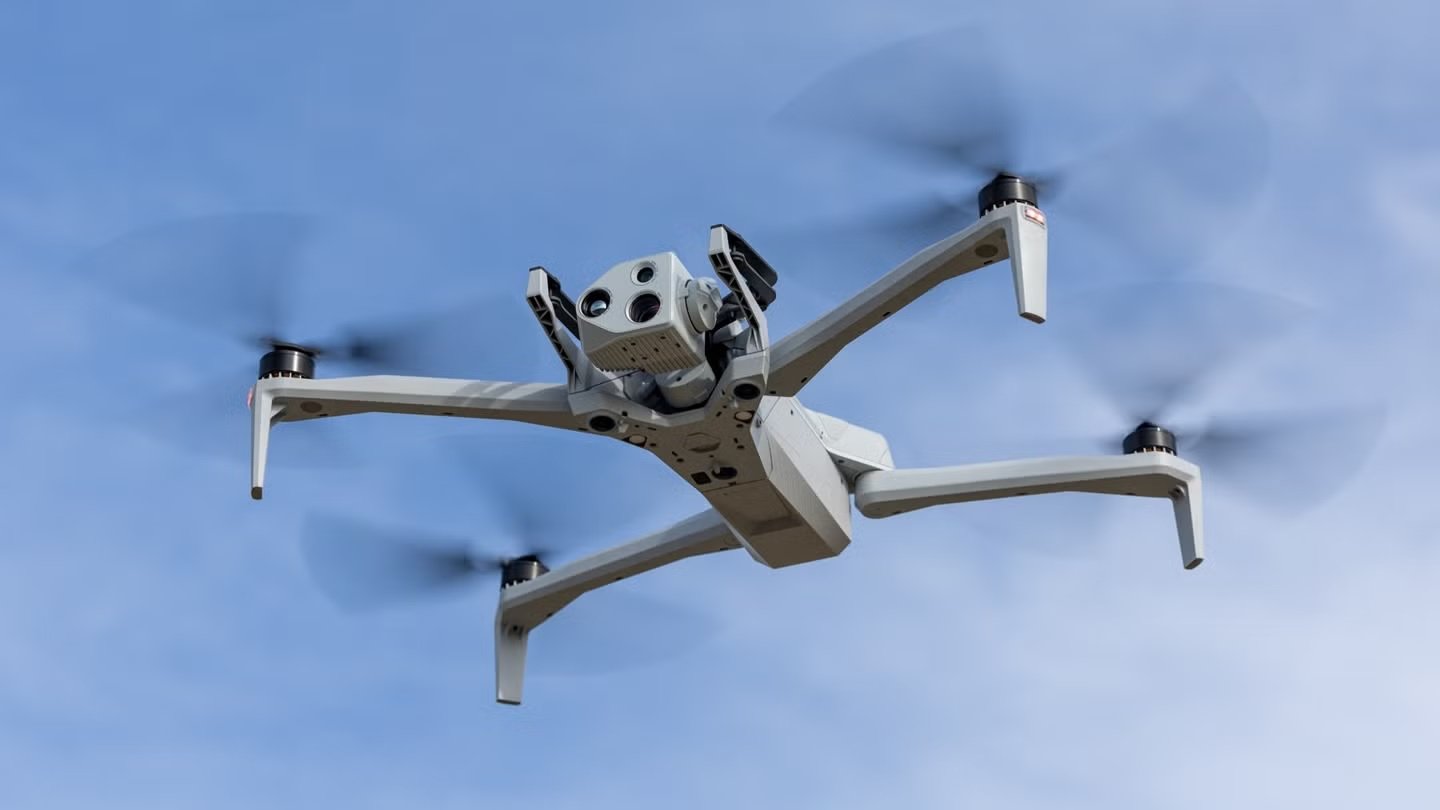 UK Ministry of Defence Opens £120,000 Tender for Skydio X10D Drones
-
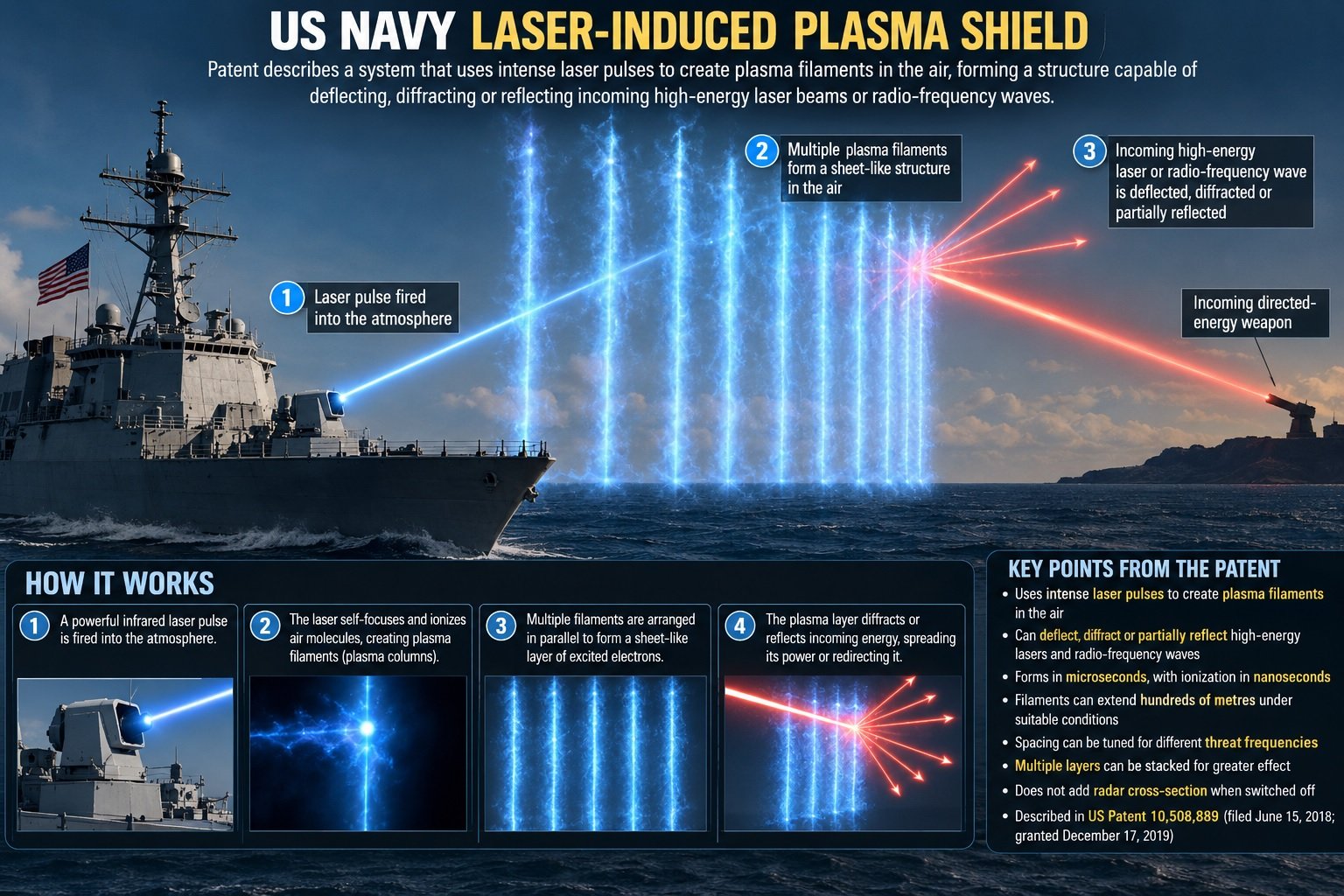 US Navy Patent Details Laser-Induced Plasma System to Deflect Directed-Energy Weapons
-
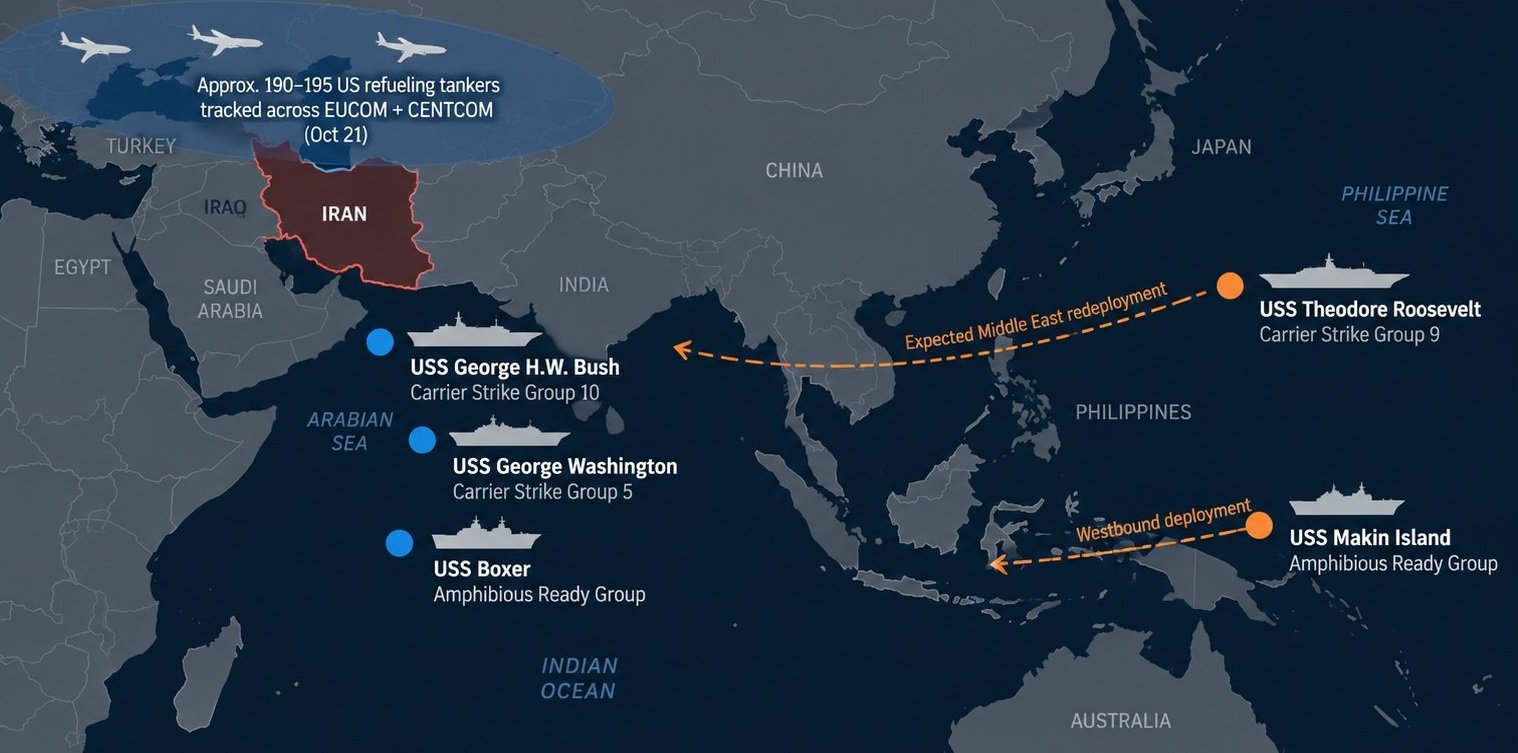 US Expands Military Buildup Near Iran with Third Aircraft Carrier and Additional Marines
-
 India Issues NOTAM for High Altitude Pseudo Satellite Test at DRDO Chitradurga Facility
-
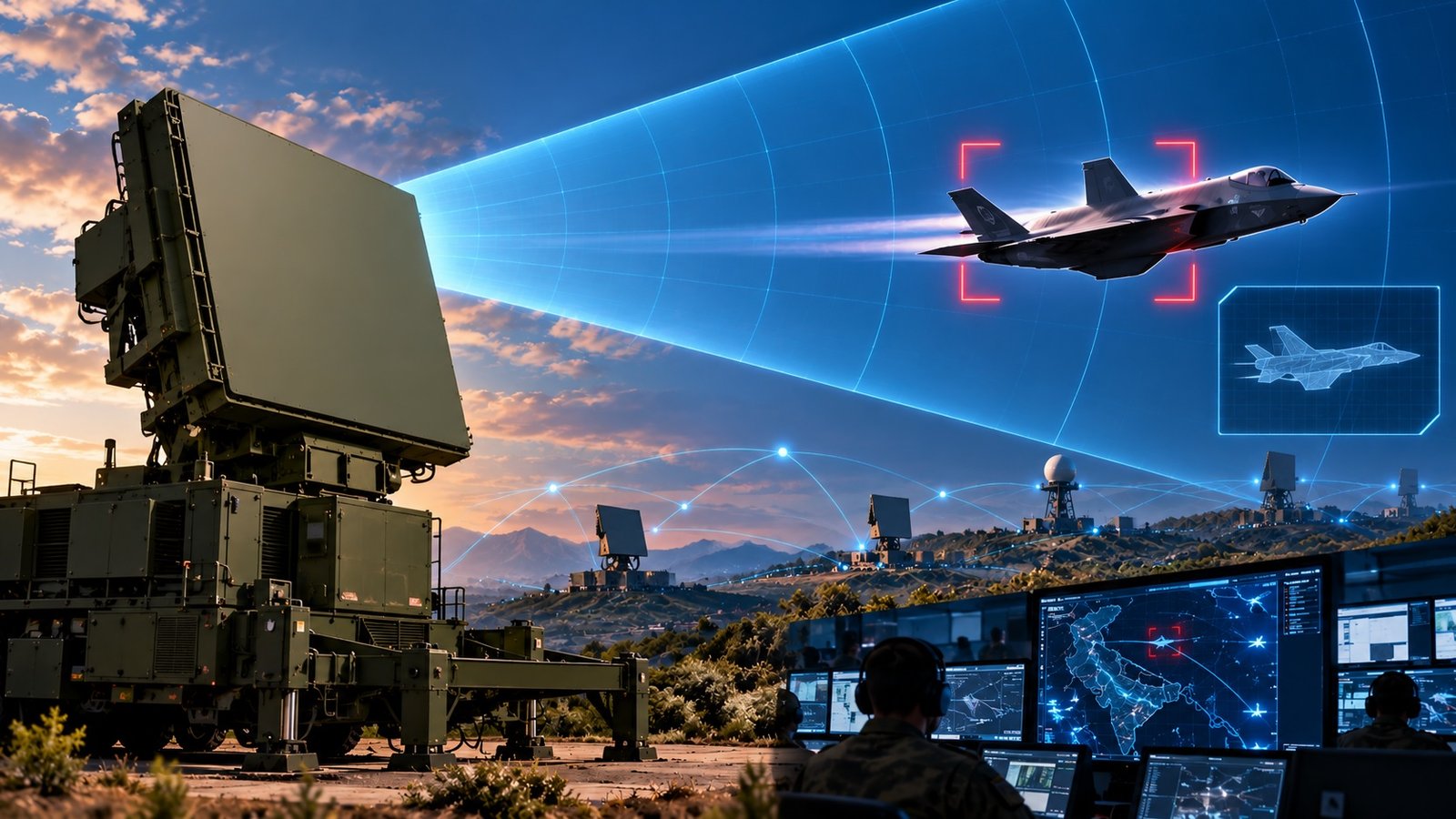 DRDO’s Arudhra Radar Reportedly Tracks F-35-Like Stealth Target in AI-Assisted Simulation: How It Works
-
 EDGE Integrates Autonomous Naval Systems in UAE-US Maritime Demonstration
-
 China Launches Six New Remote-Sensing Satellites into Orbit to Expand Earth-Observation Network
-
 Italy Reportedly Orders 30 Panther Tanks and 48 Lynx IFVs in €3.7 Billion Deal
Top Trending in 4 Days
-
 NASA Demonstrates Space-to-Space Wi-Fi Between Two Orbiting Spacecraft
-
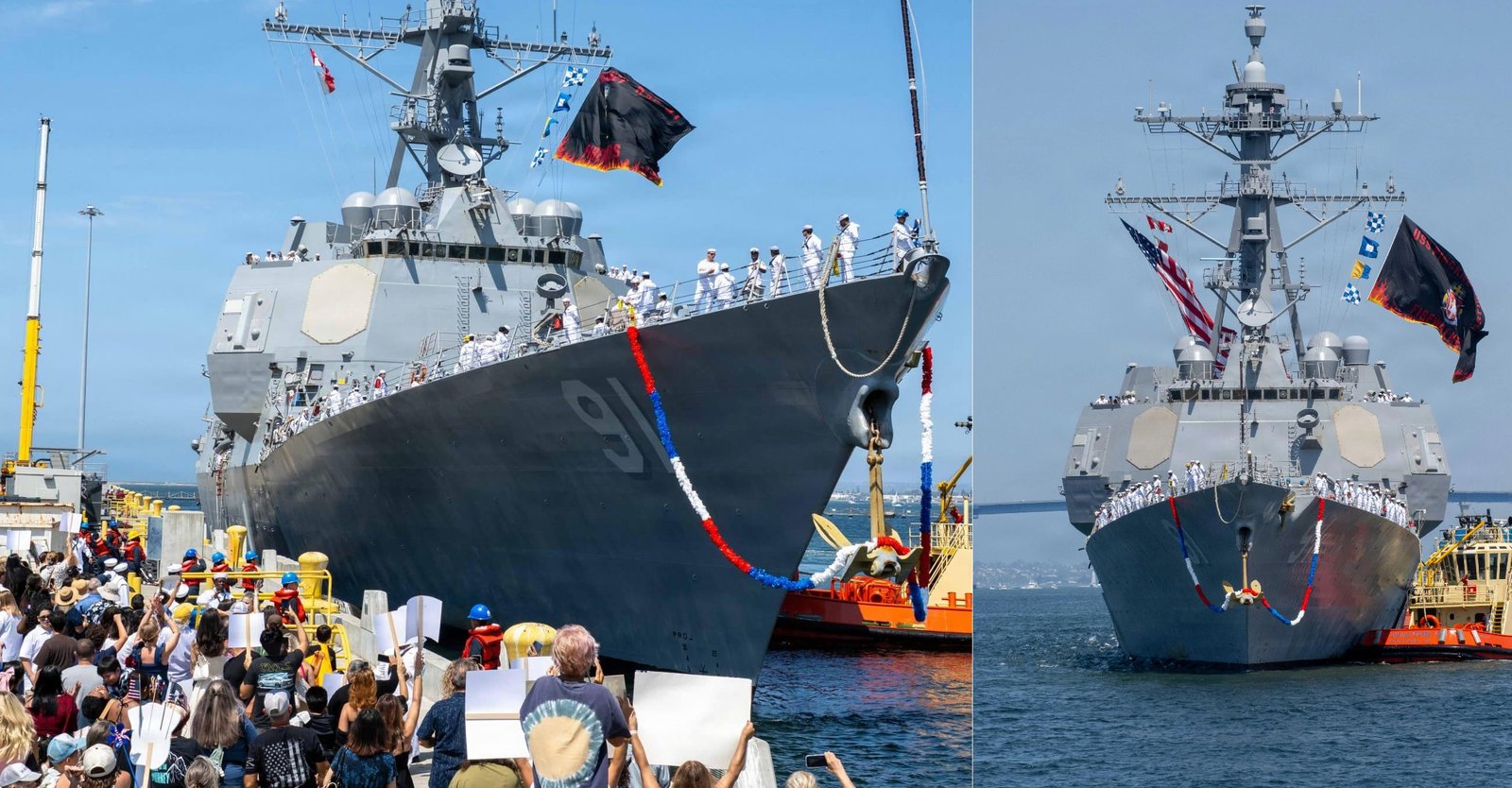 USS Pinckney Becomes First U.S. Navy Destroyer to Begin Phase Two Modernization with Advanced SPY-6 Radar
-
 U.S. Military to Ban Chinese Automaker BYD Vehicles from Kadena Air Base in Japan Over Security Concerns
-
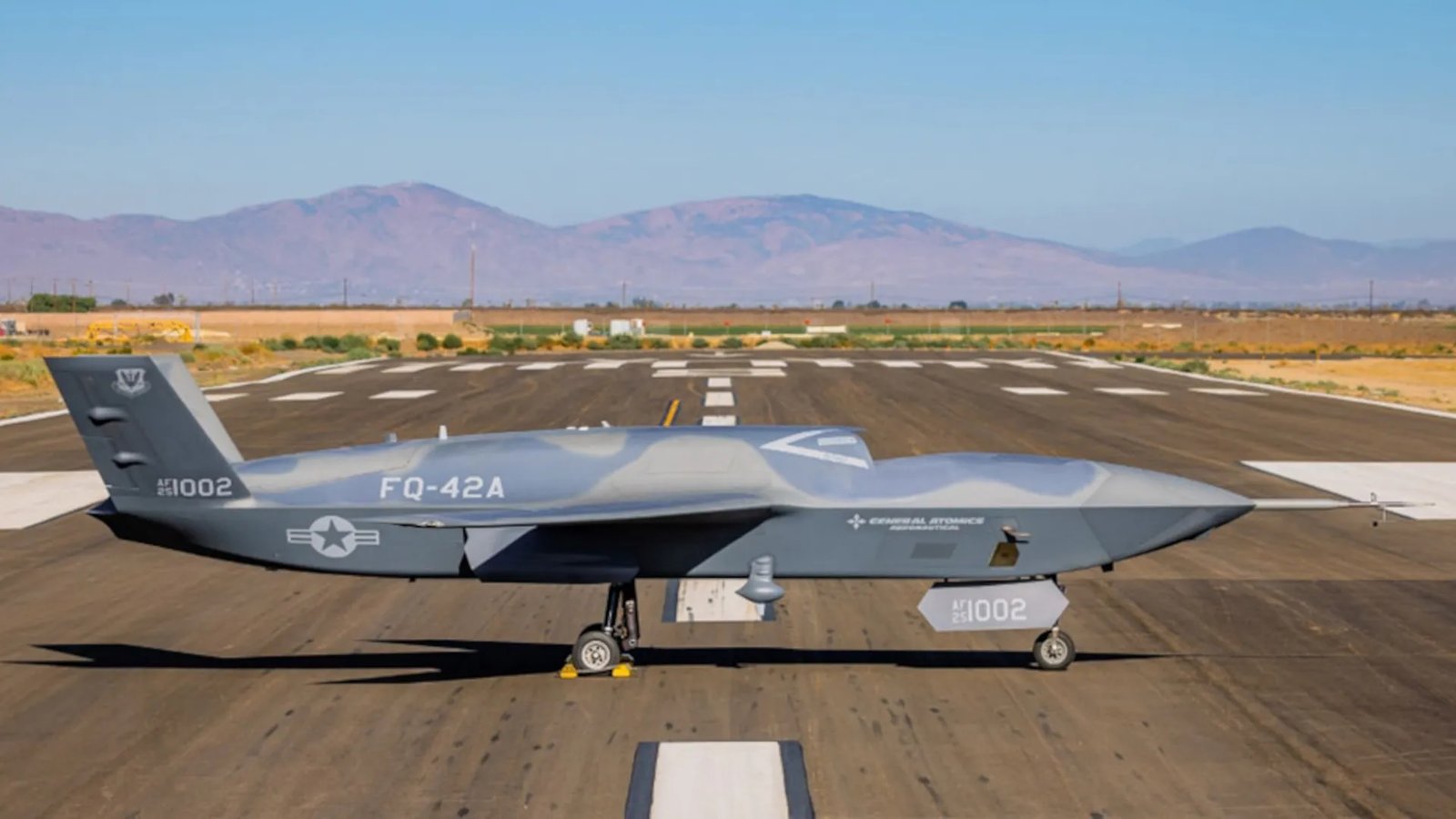 General Atomics Partners With Spirit Defense to Expand FQ-42 Vengeance Production
-
UK Ministry of Defence Opens £120,000 Tender for Skydio X10D Drones
-
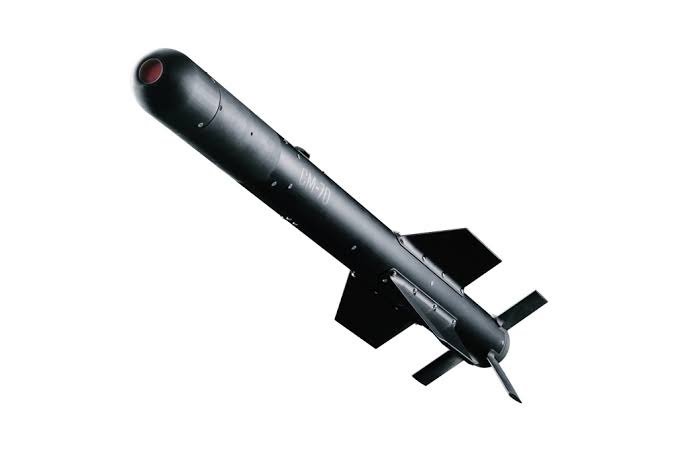 CSG and North Vector Dynamics Sign MoU to Explore European Production of CM-70 Counter-Drone Interceptor
-
 Unitree Unveils H2-X ‘Kung Fu Legend: Guardian’ Humanoid Robot for Security and Rescue
-
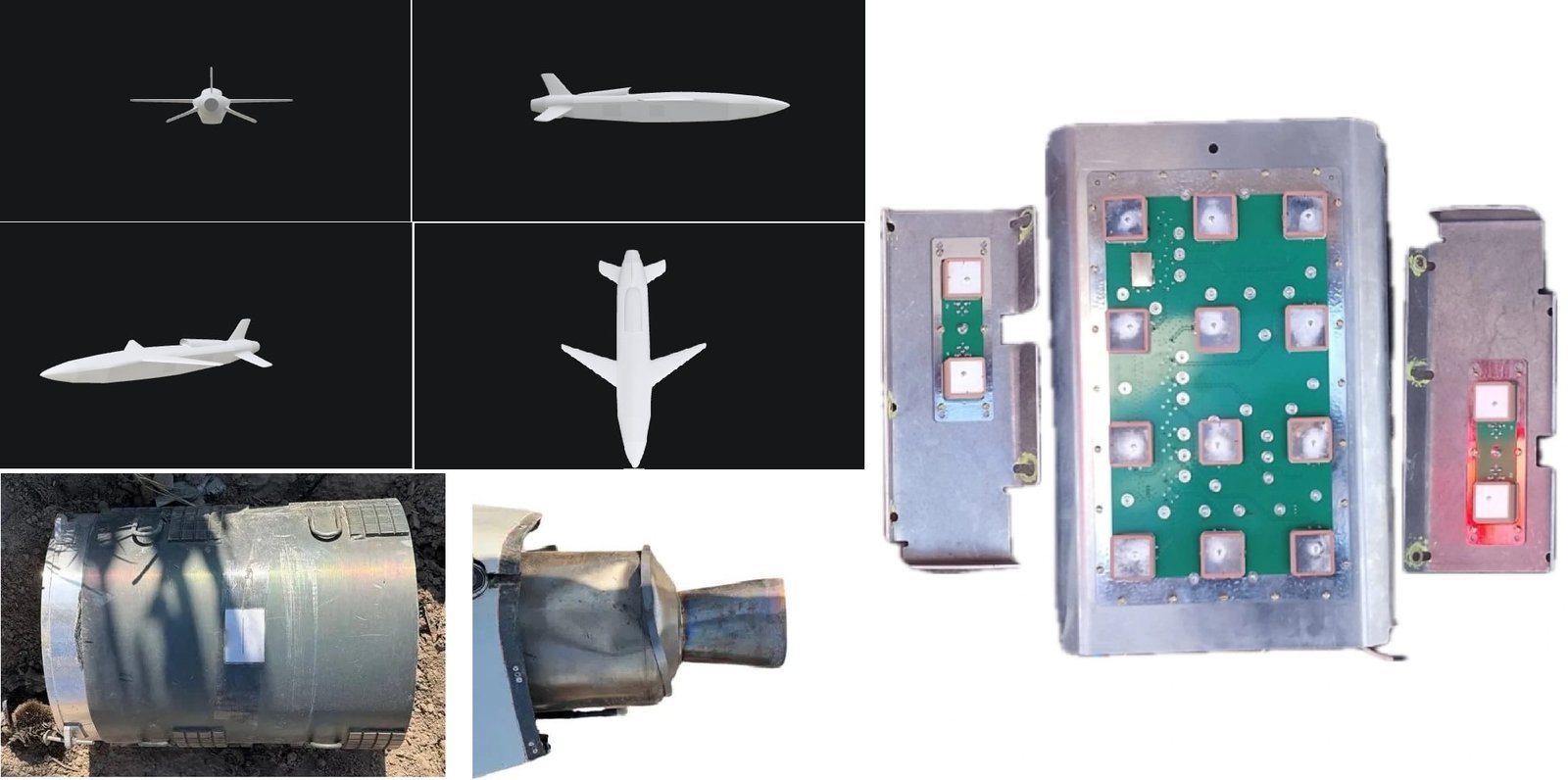 Ukraine Reveals Technical Details of Russia’s New Filin Cruise Missile