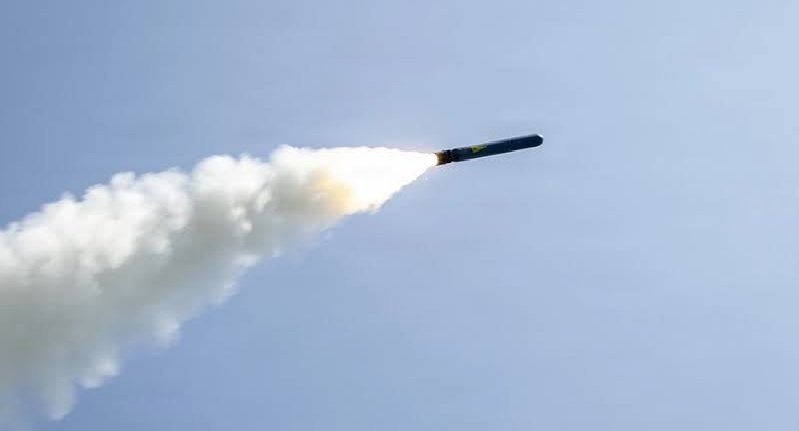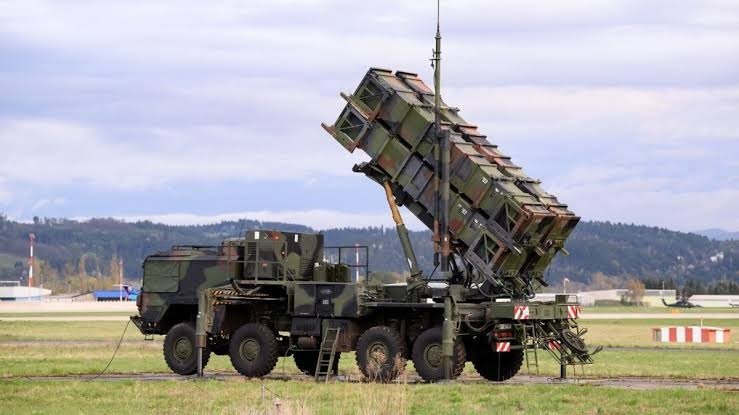
BRUSSELS, — NATO and European Union officials are pressing Greece and Spain to transfer their stocks of Patriot PAC-2 interceptor missiles to Ukraine, according to a report published by The Telegraph on October 9. Both countries possess significant stocks of the missiles, some of which are approaching the end of their 23-year certified service life.
Ukrainian President Volodymyr Zelenskyy has said Kyiv needs between 300 and 360 additional Patriot interceptors to counter Russian ballistic missile attacks and protect energy infrastructure, power plants and urban centres ahead of winter. He also stated that Ukraine received three times fewer interceptor missiles from its partners in 2026 than in 2025.
Greece Holds at Least 200 Missiles
Greece is estimated to possess at least 200 Patriot PAC-2 missiles delivered to the Hellenic Air Force under a 1999 contract, with deliveries beginning around 2002. The country operates six Patriot batteries but has previously declined requests to transfer complete systems or larger quantities of missiles, citing its own defence requirements and regional security concerns.
Earlier reports indicated that Ukraine had requested up to 200 missiles from Greek stocks. One option discussed involved selling them to an ally, such as Norway, for onward delivery to Ukraine. Athens has not publicly agreed to a further transfer.
Spain's exact stockpile remains undisclosed. In September, Foreign Minister José Manuel Albares announced plans to supply Ukraine with five additional Patriot interceptors. Spain has also reported supplying more than 70 anti-aircraft missiles of various types since February. Madrid operates Patriot systems and has signed a $1.7 billion contract with Raytheon for four new batteries, due later in the decade.
Expiring Does Not Mean Unusable
The missiles' approaching expiration dates do not necessarily mean they are defective. Fabian Hoffmann, a missile expert at the University of Oslo, has explained that the end of a certified service life means the manufacturer's original performance guarantee expires. The missiles may remain usable after inspections and recertification, which can involve replacing components such as batteries and rocket motors.
Transferring eligible missiles before recertification could help Ukraine while avoiding some associated costs and logistical requirements. However, their individual condition must be assessed.
EU foreign policy chief Kaja Kallas raised the issue during informal talks in Ireland last month, saying that European countries with interceptors nearing expiration should consider giving them to Ukraine. A diplomatic source cited by The Telegraph said officials were discussing how allies could help Greece and Spain reach a decision. The negotiations have largely remained private to limit diplomatic friction.
Global Supply Shortages Add Pressure
Patriot interceptor supplies remain under pressure because of demand from Ukraine and other military operations. The supplied reports estimate that the United States and its allies fired at least 800 Patriot interceptors during the opening days of the ongoing US-Iran conflict in the Middle East.
Ukraine already operates Patriot air defence systems compatible with PAC-2 interceptors, making additional serviceable missiles an important potential source of ammunition. NATO and EU officials are also exploring stock transfers, priority production arrangements and financing options to increase deliveries.
As of October 10, 2026, neither Greece nor Spain had publicly confirmed a new transfer of the aging PAC-2 missiles in response to the latest reported requests.
——— End of Article ———