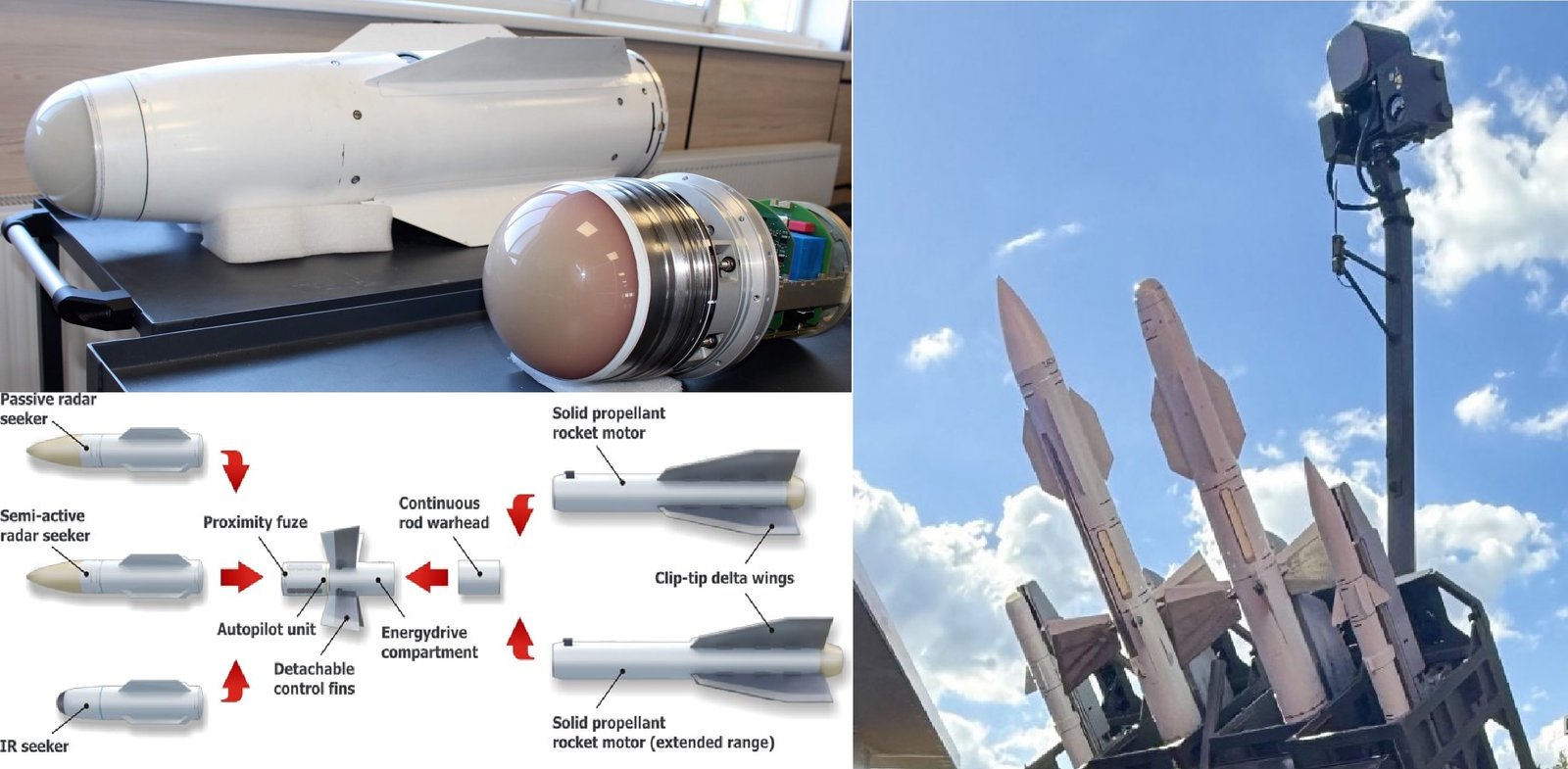
On October 17, 2024, Switzerland officially signed a declaration of accession to the European Sky Shield Initiative (ESSI), marking its entry as the 15th member of this growing European defense coalition. This step comes after several months of discussions, deliberations, and approvals within the Swiss government and its key political committees. The ESSI, a collaboration aimed at strengthening ground-based air defense (GBAD) systems across Europe, now includes Switzerland as a significant player in its mission to bolster collective defense against aerial threats.
Switzerland's Path to Joining ESSI
Switzerland's journey toward becoming part of the ESSI began earlier in 2024. On April 10, the Swiss Federal Council gave its formal approval for the country’s accession to the initiative, authorizing the Federal Department of Defence, Civil Protection, and Sport (DDPS) to sign both the ESSI Cooperative Procurement Framework Memorandum of Understanding (MoU) and a separate unilateral declaration. These agreements are crucial for outlining how Switzerland will engage with the initiative while maintaining its traditional stance of neutrality.
In July 2024, the Swiss Chief of Armament, Urs Loher, signed the application for membership on behalf of Switzerland, marking the first formal step in the accession process. After a consultation with ESSI member states, the application was accepted without any conditions. This cleared the way for Switzerland's full accession, which was finalized on October 17, when Loher signed the MoU and the accompanying unilateral declaration.
What the ESSI Means for Switzerland
By joining the European Sky Shield Initiative, Switzerland gains significant opportunities for international cooperation in air defense, particularly in the realm of ground-based systems. The ESSI provides a platform for better coordination among its member states in areas such as procurement, training, and logistics related to air defense systems. This collaboration opens doors for Switzerland to share and exchange expertise, especially in medium-range ground-based air defense projects—an area of immediate focus.
One of the most appealing aspects of ESSI membership is the flexibility it offers. Switzerland, like all other member states, retains full autonomy over its level of participation in various ESSI programs and projects. This means that even after signing the MoU, Switzerland can decide to what extent it wants to engage with the initiative and which defense systems it will procure.
Moreover, the initiative does not impose binding commitments on its members. Switzerland's participation in specific projects will be determined on a case-by-case basis, allowing the country to maintain its legal and political stance of neutrality. In fact, when Switzerland signed the MoU, it included a clause that allows it to suspend its cooperation in case one of the ESSI member states becomes involved in an international armed conflict—an essential safeguard given Switzerland's long-standing policy of neutrality.
Neutrality Safeguards and Future Cooperation
Switzerland’s accession to the ESSI comes with carefully considered neutrality reservations, ensuring that the country’s commitment to staying neutral in global conflicts remains intact. These reservations were emphasized in Switzerland's unilateral declaration of accession and reaffirmed during the signing of the MoU. The agreement includes a suspension clause, which gives Switzerland the option to withdraw from cooperative defense efforts if another ESSI member becomes embroiled in an international military conflict.
Looking ahead, Switzerland’s involvement in the ESSI will initially concentrate on medium-range air defense systems, but the potential for broader cooperation in both shorter-range and longer-range air defense is significant. This multi-tiered approach could allow Switzerland to enhance its defensive capabilities while contributing to the overall security architecture of Europe. Over time, these collaborations could lead to more advanced systems being developed and shared among ESSI members, strengthening Europe's collective air defense against evolving threats.
Strategic Importance of ESSI Membership
The European Sky Shield Initiative was established to address growing concerns about air threats in an increasingly unpredictable security landscape. By working together, member countries aim to create a more integrated and effective network of air defense systems. Switzerland's decision to join reflects its recognition of the importance of being part of a broader defensive framework in Europe, even as it maintains its neutral stance.
For Switzerland, the ESSI provides a valuable opportunity to modernize its air defense capabilities while benefiting from shared technological advancements and joint procurement projects. At the same time, Switzerland’s membership strengthens the ESSI, bringing in a nation with strong defense industry expertise and a commitment to peace.
In conclusion, Switzerland's signing of the ESSI accession declaration marks a new chapter in its defense policy, one that balances the need for stronger international cooperation with the country's traditional neutrality. By joining the European Sky Shield Initiative, Switzerland is taking a calculated step toward enhancing its national security while contributing to the collective defense of Europe.
——— End of Article ———