India
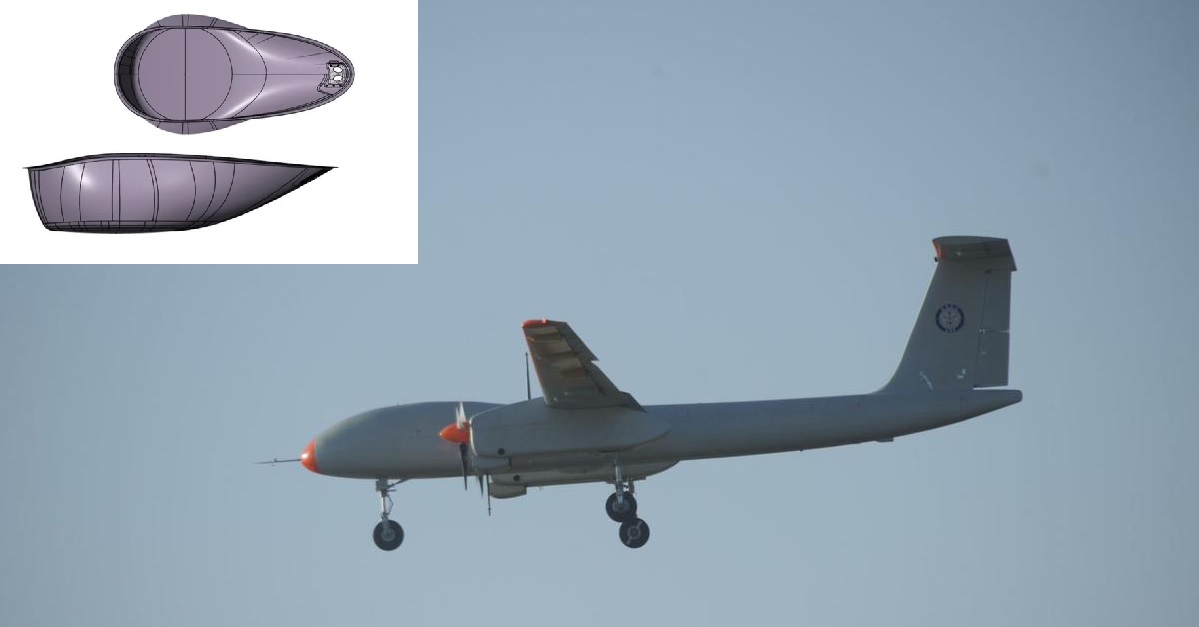
The Aeronautical Development Establishment (ADE), a prominent laboratory under India’s Defence Research and Development Organisation (DRDO), is pushing the boundaries of unmanned aerial technology with its latest project—the integration of advanced radar systems into the TAPAS UAV. The TAPAS (Tactical Airborne Platform for Aerial Surveillance) is already a formidable unmanned aerial vehicle, but the addition of a Multi-Parameter Phased Array Radar (MPAR) and a Synthetic Aperture Radar (SAR) is set to enhance its surveillance capabilities, particularly for naval requirements.This development is being driven by the Indian Navy’s growing need for robust maritime surveillance tools in regions like the Andaman and Nicobar Islands. The islands are strategically vital, offering India a vantage point over some of the busiest and most sensitive sea lanes in the Indian Ocean Region (IOR). In recent years, Chinese naval activities, including submarines and warships operating in these waters, have increased significantly. This has heightened India's need for persistent intelligence, surveillance, and reconnaissance (ISR) capabilities to safeguard its maritime borders.TAPAS UAV: The Indian Navy’s New Maritime SentinelThe Indian Navy has shown a keen interest in the TAPAS UAV, with plans to acquire 10 units for bolstering maritime surveillance. The UAV’s long endurance and capability to operate at extended ranges make it an ideal asset for continuous monitoring of the IOR. However, what makes TAPAS truly stand out is the advanced radar systems it will carry—the MPAR and SAR.These radars bring cutting-edge technology that will allow the TAPAS UAV to perform a variety of missions that require both real-time and all-weather monitoring. Whether it is tracking enemy ships or submarines, detecting incursions into Indian waters, or maintaining an overall awareness of maritime activities, TAPAS is poised to become a critical player in India’s naval defense strategy.MPAR: Versatile and EfficientThe Multi-Parameter Phased Array Radar (MPAR) is a next-generation radar system that offers several advantages over traditional radar technologies. The most significant feature of MPAR is its ability to electronically steer its radar beam. Unlike conventional radars that require mechanical movement of the antenna, MPAR can quickly switch between different scanning modes, allowing for faster and more efficient detection.Simultaneous Target Tracking: MPAR excels in tracking multiple targets simultaneously, be it surface ships, submarines, or airborne threats. This makes it invaluable in busy maritime zones, where numerous vessels are constantly moving.All-Weather Monitoring: MPAR’s design ensures it functions effectively even in harsh weather conditions. Whether it’s the heavy rains of the monsoon season or rough sea states, MPAR guarantees uninterrupted surveillance.Rapid Scanning of Large Areas: MPAR’s phased array technology enables it to cover vast oceanic expanses quickly. This rapid scanning is particularly useful in the IOR, where early detection of foreign vessels is critical for naval security.SAR: High-Resolution Imaging for Persistent SurveillanceSynthetic Aperture Radar (SAR) is another advanced technology that makes TAPAS a powerful tool for maritime surveillance. SAR operates by using the motion of the UAV to simulate a much larger radar antenna, producing high-resolution images of the Earth’s surface. This allows for detailed imagery, regardless of environmental conditions, making it ideal for detecting stealthy platforms like submarines or smaller vessels that may otherwise evade detection.Long-Range Detection: TAPAS equipped with SAR can monitor vast stretches of ocean, providing long-range detection of surface and subsurface threats. In the context of the Indian Navy’s operations, this capability is crucial for maintaining an early-warning system against Chinese naval activity in the region.Surface and Subsurface Detection: SAR has the ability to penetrate surface layers, which is key to detecting submarines at shallow depths. Chinese submarines, which have been increasingly active in the IOR, often attempt to evade detection by staying submerged. SAR can pick up on subtle disturbances on the water’s surface or even slight temperature changes, making it an effective countermeasure against these stealthy incursions.High-Resolution Imagery in All Conditions: SAR can capture detailed images in adverse conditions like rain, fog, or darkness. This gives the Indian Navy a consistent and reliable tool to monitor maritime activities, especially in the IOR where weather conditions can frequently hamper traditional surveillance systems.A Strategic Boost for India’s Maritime SecurityThe integration of MPAR and SAR radars into the TAPAS UAV will significantly enhance India’s Maritime Domain Awareness (MDA). By deploying these UAVs from the Andaman and Nicobar Islands, the Indian Navy can maintain round-the-clock surveillance over a critical part of the Indian Ocean. This region is becoming increasingly important, not just for India’s maritime security but for the broader strategic dynamics involving China’s growing naval presence.Moreover, TAPAS will also contribute to India’s anti-submarine warfare (ASW) efforts. The UAV’s endurance and real-time radar capabilities will allow it to work in tandem with Indian Navy ships and aircraft to detect, track, and counter potential threats from Chinese submarines and warships operating in the region. This layered defense strategy is crucial for India to maintain its dominance in the Indian Ocean and protect its maritime interests.With the integration of MPAR and SAR radars, ADE is positioning the TAPAS UAV as a game-changer for India’s maritime defense. The system will offer the Indian Navy a comprehensive surveillance solution, capable of detecting, tracking, and monitoring a wide range of maritime threats in real-time. As India continues to modernize its defense capabilities, TAPAS, equipped with these advanced radar systems, will play a key role in safeguarding the nation’s maritime interests in an increasingly contested region.
Read More → Posted on 2024-10-14 15:04:07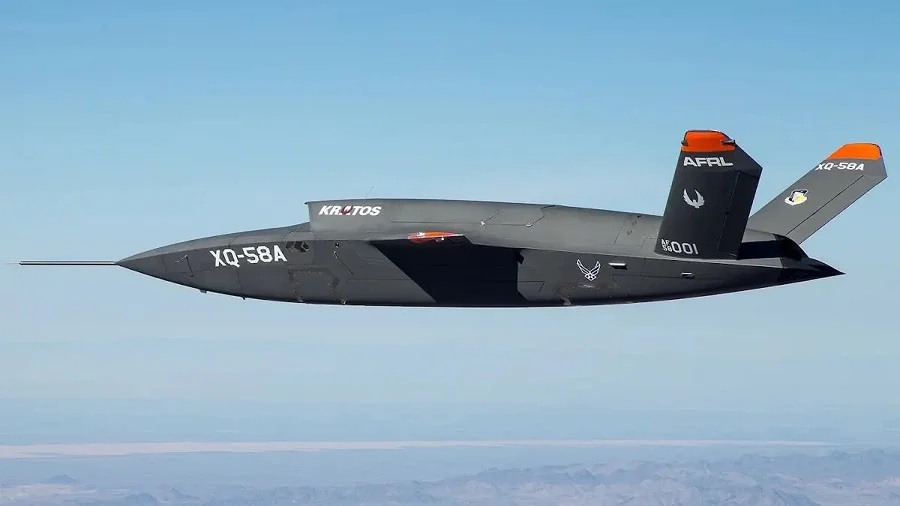
World
The US Marine Corps has made a significant leap in advancing its unmanned aerial capabilities with a successful flight test of the XQ-58A Valkyrie, now equipped with Link-16 tactical communication capabilities. This demonstration, conducted last month, marks a critical development in the Marine Corps' drive to enhance its integrated and joint operational capabilities. The addition of Link-16 enables the Valkyrie to share real-time tactical data — including text, images, and voice communications — with a broader network of users, including NATO allies and other global military forces.The Power of Link-16Link-16 is a secure, standardized tactical data link network widely used by NATO countries. Its integration into the XQ-58A Valkyrie unmanned aircraft allows seamless communication across platforms, enhancing battlefield awareness. This upgrade aligns with the Marine Corps' mission to deter conflict and defeat enemies in rapidly evolving combat environments. The test was groundbreaking in that it was the first instance of a US military aircraft being controlled via an off-board communication system, opening new possibilities for future autonomous and semi-autonomous operations.The successful integration of Link-16 will play a key role in the upcoming Emerald Flag 2024 exercise, a multi-service and multi-domain event designed to showcase the ability to integrate various military assets in complex scenarios. This training exercise, scheduled for October, will push the boundaries of how the Valkyrie and similar UAVs can be deployed in real-world operations.XQ-58A Valkyrie: Specifications and CapabilitiesThe XQ-58A Valkyrie, developed by Kratos Defense, is a versatile, low-cost unmanned aircraft designed to serve multiple roles on the battlefield. The Valkyrie cruises at a speed of Mach 0.72, can reach altitudes of up to 45,000 feet, and boasts an impressive range of approximately 3,000 miles. The cost per unit, including test and support equipment, hovers around $5.5 million, although Kratos is actively working to reduce this to as low as $2 million per unit — cheaper than many current missile systems. Additionally, the XQ-58B variant costs slightly less, at around $4 million.One of the most valuable aspects of the XQ-58A Valkyrie is its runway independence, meaning it can be launched from remote, austere locations closer to enemy bases. This capability provides a significant operational advantage, particularly in contested environments where traditional runways may be unavailable or vulnerable to attack.Expanding Roles for the ValkyrieBeyond its kinetic strike potential, the Marine Corps envisions the Valkyrie playing key roles in electronic warfare, surveillance, reconnaissance, and even as a "loyal wingman" for crewed fighter jets like the F-35B Lightning II. Its adaptability makes it an excellent candidate for a variety of missions, allowing it to serve as a force multiplier in both offensive and defensive operations.The Marine Corps' plans for the XQ-58A don’t stop at basic flight testing. The Valkyrie is central to the "penetrating affordable autonomous collaborative killer portfolio" program, a broader effort aimed at developing low-cost, expendable drones capable of supporting manned aircraft in combat scenarios. These autonomous UAVs could augment air patrols and provide crucial electronic support to manned platforms, thereby increasing the survivability and effectiveness of the entire fleet.In early 2023, the Marine Corps acquired two XQ-58As and has since conducted three test flights. These tests are part of a broader series of six planned flights to evaluate various technologies, including autonomous flight and AI-enabled platforms. This testing phase is critical to determining how the XQ-58A can work in tandem with crewed aircraft like the F-35B, providing real-time support and potentially changing the dynamics of modern air warfare.The Road AheadThe Marine Corps’ successful test of the XQ-58A Valkyrie with Link-16 integration is a promising step toward realizing the full potential of unmanned aircraft in modern warfare. As the Valkyrie continues to evolve, it will likely become a pivotal component of future air operations, particularly in contested environments where speed, adaptability, and communication are crucial.With the upcoming Emerald Flag exercise on the horizon, the Marine Corps is setting the stage for a future where manned and unmanned systems work seamlessly together, enhancing the force's ability to respond to threats across multiple domains. The XQ-58A Valkyrie, with its new Link-16 capabilities, will undoubtedly play a significant role in this vision.
Read More → Posted on 2024-10-14 14:53:35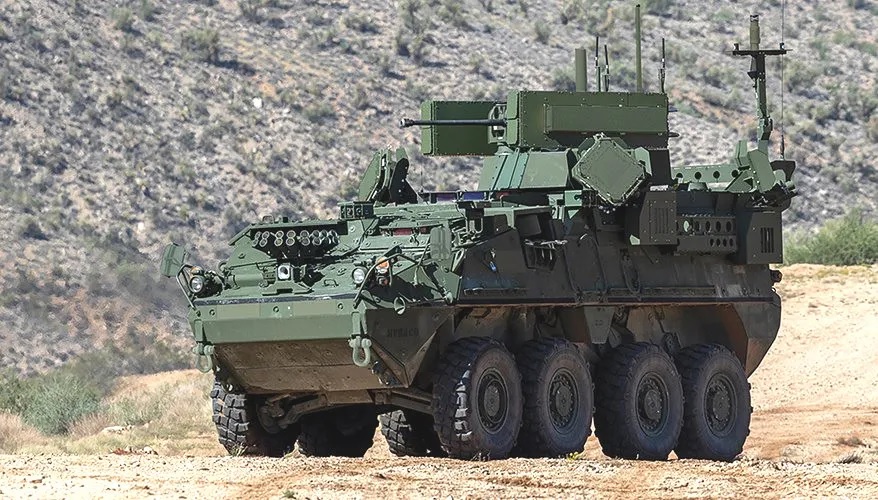
World
Leonardo DRS, Inc. and BlueHalo recently demonstrated a breakthrough in counter-drone technology, showcasing their new Counter-Unmanned Aircraft System (C-UAS) Directed Energy (DE) Stryker. This live-fire engagement took place in Socorro, New Mexico, and marked a significant leap forward in the U.S. military’s ability to combat unmanned aerial threats.The event, spanning two days, was a culmination of months of rapid development. U.S. Army officials observed as the Stryker-based system effectively neutralized numerous Group 1-3 drones using a combination of laser and kinetic technology. BlueHalo's LOCUST Laser Weapon System, a 26kW powerhouse, played a pivotal role in these engagements. The system also employed a 30mm remote weapon station (RWS) for kinetic takedowns, showcasing the versatility of the platform in dealing with a wide range of aerial threats.The integration of multiple advanced technologies is key to the success of the C-UAS DE Stryker. The vehicle is equipped with radar systems capable of long-range drone detection, providing the Army with vital early warnings of incoming threats. This radar is paired with BlueHalo's non-kinetic Titan C-UAS and Titan-SV systems, designed for surveillance and drone disruption. The ability to detect, track, and engage drones from a mobile platform provides unparalleled flexibility and protection for frontline troops.One of the standout features of this system is its adaptability and rapid deployment. Leonardo DRS and its industry partners, including BAE Systems, Northrop Grumman, and EOS Defense Systems USA, completed the design, building, and testing process within an impressive eight-month window. Aaron Hankins, Senior Vice President at Leonardo DRS Land Systems, expressed pride in the team's ability to meet the U.S. Army's urgent need for advanced air defense systems, highlighting the importance of rapid innovation in today's complex battle environments.The heart of the system is the LOCUST Laser Weapon System, a modular directed energy weapon that can be fired from within the Stryker vehicle. This high-energy laser is specifically designed to target small, fast-moving aerial vehicles like drones, ensuring that even the most elusive threats are neutralized. The laser works in tandem with traditional kinetic weapons like the XM914 30mm cannon, creating a layered defense system that can handle a wide spectrum of drone threats.Mary Clum, Executive Vice President at BlueHalo, emphasized the importance of collaboration in bringing this technology to life. She praised the partnership between Leonardo DRS and other defense industry giants, noting that the combination of advanced kinetic and non-kinetic effectors allows for a robust and scalable system ready for deployment in contested environments.The demonstration also highlighted the Stryker’s ability to integrate seamlessly into the Forward Area Air Defense Command and Control (FAAD C2) network, allowing for real-time communication and coordination with other air defense assets. This ensures that the C-UAS DE Stryker can provide comprehensive battlefield protection, responding quickly to both aerial and ground threats.With the success of the New Mexico demonstration, Leonardo DRS and BlueHalo are preparing to showcase the system at the upcoming 2024 AUSA Annual Meeting. Army officials, defense contractors, and international military representatives are expected to witness the next level of drone defense capabilities, positioning the C-UAS DE Stryker as a crucial asset in future U.S. Army operations.In short, the C-UAS DE Stryker offers the U.S. Army a mobile, powerful, and technologically advanced solution for dealing with the rapidly evolving threat posed by unmanned aerial systems. By combining the firepower of traditional weapons with cutting-edge directed energy technology, Leonardo DRS and BlueHalo have created a system that ensures military forces remain ahead of the curve in drone warfare.This groundbreaking collaboration between major industry players highlights a commitment to innovation and the defense of troops in increasingly contested environments.
Read More → Posted on 2024-10-14 14:48:22
India
The delivery of India’s first indigenously produced artillery gun, the Dhanush, is facing significant delays, making it unlikely that the project will meet the planned March 2026 deadline. The Dhanush, an upgraded version of the Bofors gun, is being manufactured by Advanced Weapons and Equipment India Limited (AWEIL), a successor of the Ordnance Factory Board (OFB). Despite its promising capabilities, the slow pace of delivery has raised concerns within the Indian Army about meeting operational needs on time.The Dhanush project, which aims to induct 114 guns by 2026, began with high hopes of reducing dependency on foreign suppliers. These artillery systems boast 80% indigenous content, making them a landmark achievement in India's military self-reliance. However, as of 2024, fewer than two regiments have become operational, a stark contrast to the initial expectations. Given that one regiment consists of 18 guns, this sluggish production pace may push the final delivery well beyond the set deadline.Dhanush Gun Specifications and CapabilitiesThe Dhanush is a 155mm/45 calibre howitzer and represents a major leap forward from the old Bofors system. Its firing range of up to 36 kilometers surpasses the Bofors gun’s 30 kilometers, thanks to its longer barrel—approximately 877mm longer. This increased range provides the Army with greater flexibility in countering threats in hostile terrains, especially along challenging borders such as the Line of Actual Control (LAC) in Ladakh. The Dhanush is capable of both day and night operations, a critical feature in modern warfare.Not only is the Dhanush more capable than the Bofors in terms of range, but it also benefits from a series of technological upgrades. Equipped with modern targeting systems, electronic sights, and improved ordnance delivery, the Dhanush offers higher accuracy and efficiency. It is also built to withstand harsh terrain, making it ideal for deployment in remote, high-altitude areas like Ladakh.Another significant advantage of the Dhanush is its cost-effectiveness. Each unit costs approximately ₹14 crore, which is significantly lower than the cost of importing foreign artillery systems like the Bofors. The high indigenous content also simplifies maintenance, ensuring a steady supply of spare parts within India, a critical aspect for long-term operational readiness.Delays and Future ChallengesWhile the Dhanush project began with the induction of the first gun in April 2019, the current pace of production raises doubts about the Army’s ability to field the full 114-gun complement by 2026. Senior defense officials have expressed concern that, with just two years remaining, meeting the deadline is becoming increasingly unlikely. The delays are compounded by the fact that the Army’s artillery modernization plans extend beyond the Dhanush. The Indian Army is in the process of acquiring several other 155mm artillery systems, including 300 Advanced Towed Artillery Gun Systems (ATAGS), 300 Mounted Gun Systems (MGS), and 400 Towed Gun Systems (TGS) ,Additionally, the Army has already inducted 100 K9 Vajra-T guns, with plans to add 100 more. This extensive procurement effort is part of the Army’s broader strategy to standardize its artillery to the 155mm/52 calibre by 2042.Lieutenant General Adosh Kumar, Director General of Artillery, outlined the long-term vision for India's artillery modernization. The Army has laid out plans extending to 2027, 2042, and even 2047, aimed at transforming India's artillery capabilities for decades to come.Despite these ambitious plans, the Dhanush remains a critical component of the Indian Army's arsenal. Its indigenous design, superior range, and cost-effectiveness position it as a valuable asset. However, if the current pace of production persists, the full operational deployment of these advanced guns may be delayed, potentially impacting India's defense preparedness along crucial borders.In conclusion, while the Dhanush represents a significant leap in India’s indigenous defense production capabilities, the project’s slow progress is causing concern. The Army’s push for modernization and standardization of artillery systems is essential, but the timely delivery of the Dhanush will be critical in ensuring that India remains prepared for future challenges.
Read More → Posted on 2024-10-14 14:45:24
Space & Technology
In an extraordinary feat of engineering, SpaceX took another major leap forward in space exploration on Sunday, pulling off its most daring Starship test to date. For the first time, the company successfully caught a returning Starship booster with massive mechanical arms, marking a historic milestone in its mission to revolutionize space travel.SpaceX's Starship rocket, towering nearly 400 feet (121 meters), blasted off from the southern tip of Texas at sunrise, aiming for the stars. This launch, the fifth attempt of its kind, sought to push the boundaries of spaceflight with a goal unlike any before it: not only launching the rocket but also retrieving its booster mid-air, an achievement that Elon Musk excitedly called “science fiction without the fiction part.”The Starship rocket, constructed primarily of stainless steel, shot across the Gulf of Mexico, repeating the path of earlier Starships. However, where past rockets had met fiery ends—either exploding or splashing down in the ocean—this test flight ended in a triumphant recovery. Just seven minutes after liftoff, the massive 232-foot (71-meter) first-stage booster returned to the launch pad. Waiting for it were SpaceX's "chopsticks," the colossal metal arms mounted on the launch tower, which snatched the booster out of the air and held it securely, dangling it high above the ground. The sheer precision of the operation had the SpaceX team erupting in celebration.Musk, the founder and CEO of SpaceX, took to X (formerly Twitter) to share his excitement. “The tower has caught the rocket!! Big step towards making life multi-planetary was made today,” he announced. The retrieval of the booster marked a significant step in SpaceX’s ultimate goal of reusability—a key factor in reducing the cost of space travel and making ambitious missions to the moon and Mars feasible.The feat was met with jubilation not only at SpaceX but across the space community. NASA Administrator Bill Nelson joined in congratulating the SpaceX team, highlighting the importance of this achievement in pushing the boundaries of what’s possible in modern space exploration.While the booster was caught by the mechanical arms, the empty Starship spacecraft, which had been launched atop it, completed its orbit around the Earth and made a controlled descent, landing in the Indian Ocean exactly as planned. Cameras stationed in the ocean captured the spacecraft’s descent, with flames shooting from the impact as it touched down on water, a calculated part of the mission's plan.This achievement was no ordinary test flight. According to SpaceX, everything had to align perfectly for this complex retrieval mission to succeed. The flight director held manual control and made real-time decisions on whether to proceed with the catch. Both the booster and the tower needed to be in stable condition for the mid-air retrieval to be safe and precise. With all systems greenlit, SpaceX pulled off this groundbreaking feat.This latest test flight builds on lessons learned from a previous Starship launch in June, which saw parts of the spacecraft come off towards the end of its flight. Since then, SpaceX has made significant upgrades, improving the rocket’s heat shield and overhauling the flight software to ensure greater stability and protection during reentry.For over nine years, SpaceX has been perfecting the recovery of its smaller Falcon 9 rocket boosters, landing them on ocean platforms or concrete pads miles from the launch site. But the Starship booster retrieval marks a whole new level of innovation. Unlike the Falcon 9, this much larger and more powerful rocket is designed to be caught mid-air, with a vision of significantly ramping up reusability. The Starship’s first-stage booster is powered by 33 methane-fueled Raptor engines, giving it immense thrust and making it the largest rocket ever built.This breakthrough test isn’t just a victory for SpaceX—it’s a significant advancement for space exploration as a whole. NASA has already contracted two Starship rockets for lunar landings later this decade, and Musk envisions Starship as the vehicle that will carry humans and supplies to Mars in the not-too-distant future. Sunday’s test flight brings us one step closer to that reality, as SpaceX pushes the envelope of what's possible in space travel.“What a day,” SpaceX spokesman Dan Huot remarked at the end of the successful test. “Let’s get ready for the next one.”With Starship's potential for rapid reusability, space travel is on the brink of becoming more accessible and affordable, opening the door for missions beyond our planet that were once the realm of science fiction.
Read More → Posted on 2024-10-14 14:40:05
World
In a significant move, Germany has given the green light to initiate technical negotiations with Turkey on the potential sale of Eurofighter Typhoon jets. This decision marks a major shift in Berlin’s stance, which had previously blocked the sale due to concerns over Turkey's potential use of the fighter jets in conflict zones like Syria and Iraq, where they could be deployed against Kurdish groups. However, Germany’s decision now paves the way for deeper discussions regarding this high-profile defense deal.The Eurofighter Typhoon is a multi-role fighter jet developed by a consortium of European nations, including Germany, the UK, Spain, and Italy. Known for its advanced capabilities, the Typhoon is a versatile platform designed for air superiority, ground attack, and reconnaissance missions. Powered by twin engines, the aircraft can reach a top speed of Mach 2 (roughly 2,400 kilometers per hour) and is equipped with state-of-the-art avionics, a range of air-to-air and air-to-ground weapons, and cutting-edge radar systems. The jet’s combination of speed, agility, and firepower makes it one of the most formidable fighters in Europe.Turkey is eyeing up to 40 Eurofighter jets in a deal reportedly valued at $5.6 billion. The acquisition would significantly bolster Turkey's air combat capabilities, adding to its existing fleet and filling gaps left by the ongoing disputes over the U.S.-made F-35 program. Ankara plans to take delivery of 24 Eurofighter jets in the initial phase, with the remaining 16 to arrive in later stages. This acquisition comes at a critical time, as Turkey seeks to modernize its air force and adapt to evolving regional security dynamics.One of the pivotal moments leading up to the German decision occurred during a meeting between German Chancellor Olaf Scholz and Turkish President Recep Tayyip Erdoğan on the sidelines of the United Nations General Assembly. Both leaders engaged in discussions that likely helped ease German concerns over the sale. Additionally, Chancellor Scholz’s upcoming visit to Ankara in October is expected to further solidify negotiations.Though technical consultations have begun, it doesn’t guarantee that the deal will materialize. The German Federal Security Council’s decision allows the Eurofighter consortium to share the fighter's specifications with Turkish officials and initiate technical discussions. According to sources, these talks will cover key aspects such as procurement stages, training programs, spare parts management, and long-term maintenance protocols. This exchange of information is crucial for Turkey to fully understand the scope of the potential deal and assess how the jets would integrate into its existing military infrastructure.While the German government has opened the door to negotiations, it still retains options to block the process later on. Political hurdles remain, but the growing regional tensions, particularly the ongoing conflicts between Ukraine and Russia and the Gaza war, may have influenced Berlin’s reconsideration of its earlier position. Airbus, one of the main partners in the Eurofighter consortium, has expressed optimism about the potential deal. According to Simon Ward, Airbus's Turkey chief, the company is working diligently to smooth out political challenges, and there is a possibility that Eurofighters could arrive in Turkey sooner than anticipated. This accelerated timeline would be a major boon for Turkey, which is eager to enhance its defense capabilities amid a challenging geopolitical environment.The decision has broader implications beyond the immediate military context. Some sources suggest that the deal might be tied to broader negotiations between Germany and Turkey, particularly regarding the repatriation of Turkish citizens whose asylum applications in Germany have been rejected. This aspect highlights how defense deals can often be influenced by diplomatic and humanitarian considerations.In the meantime, Turkish defense ministry sources remain optimistic, indicating that the sale process is progressing positively and that a resolution could be reached in the near future. With Chancellor Scholz’s visit to Ankara just weeks away, all eyes will be on how the next round of negotiations unfolds.Should the sale proceed, the Eurofighter Typhoons would provide Turkey with a significant upgrade in aerial combat capabilities, offering advanced radar and sensor systems, precision-guided munitions, and enhanced situational awareness. For Turkey, the jets are not just about upgrading military hardware but also about asserting its position as a key regional power.In sum, while obstacles remain, the opening of technical negotiations marks a promising step forward in Turkey’s quest to acquire Eurofighter Typhoon jets. As discussions continue, both sides will carefully navigate political sensitivities and strategic priorities to reach a mutually beneficial agreement.
Read More → Posted on 2024-10-14 14:36:08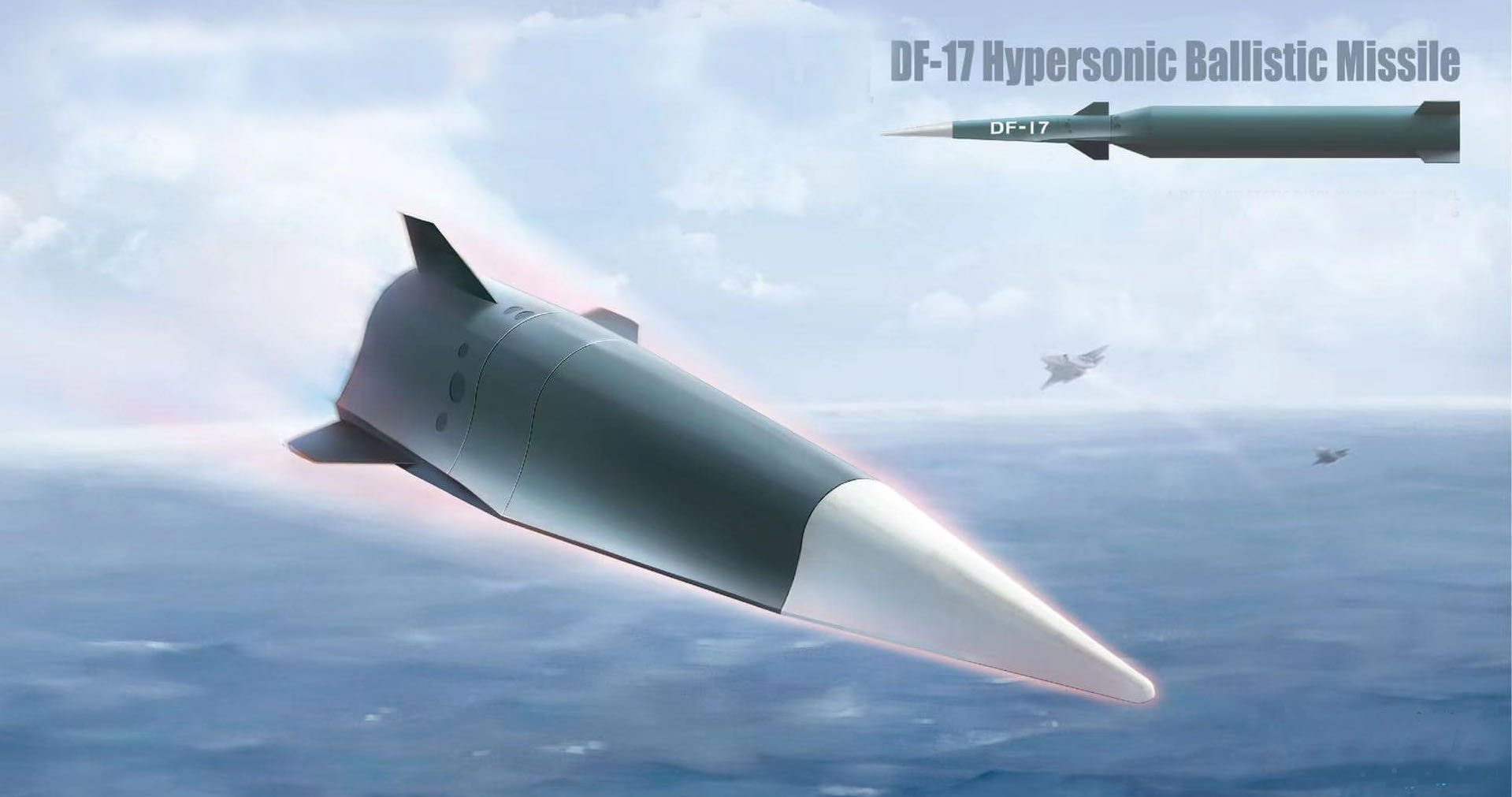
World
China's DF-17 missile, a hypersonic weapon capable of reaching speeds over Mach 5, has been a significant subject of interest in the global military landscape. Lauded as a breakthrough in hypersonic missile technology, the DF-17's potential to evade missile defense systems and strike targets with precision has created a buzz around its strategic impact. However, a closer examination reveals several limitations that may temper some of the hype surrounding its purported capabilities. This article explores these limitations and contrasts them with the advertised specifications provided by China.The Hype: China's DF-17 Missile CapabilitiesChina unveiled the DF-17 missile during its 70th National Day military parade in 2019. The missile is a medium-range hypersonic glide vehicle (HGV) with an estimated range of around 1,800-2,500 kilometers. It is designed to travel at hypersonic speeds, making it significantly faster than traditional ballistic or cruise missiles. The ability of the DF-17 to maneuver during flight allows it to evade existing missile defense systems, which are primarily designed to counter predictable ballistic trajectories.The missile’s glide vehicle, which detaches from the booster rocket during mid-course flight, is capable of sharp turns and rapid adjustments, potentially making it harder for defense systems like the U.S. THAAD (Terminal High Altitude Area Defense) and Aegis to track and intercept. China claims that the DF-17 is not only capable of conventional strike missions but also could be equipped with a nuclear warhead, thus enhancing its deterrence capability.Limitations of the DF-17: The RealityDespite the fanfare surrounding the DF-17, there are several limitations and concerns that cast doubt on the missile’s revolutionary impact. These limitations stem from factors such as technological constraints, countermeasures, strategic application, and operational deployment.1. Technological MaturityWhile the DF-17 represents a leap in hypersonic technology for China, it is essential to recognize that hypersonic glide vehicles (HGVs) are still a relatively new technology. Developing a reliable guidance and control system for a vehicle traveling at hypersonic speeds presents significant technical challenges. At such high speeds, the heat generated by air friction and the stress on the airframe can affect the performance of the guidance system, potentially leading to inaccuracies in hitting targets. Even minor deviations can cause significant errors over long distances, raising questions about the DF-17's precision in real-world scenarios.Moreover, the hypersonic glide vehicles must maintain stable flight dynamics at extreme speeds and altitudes. Turbulence, changes in atmospheric conditions, and ionization caused by frictional heating can disrupt communication with the missile and interfere with onboard sensors.2. Limited Operational RangeThe advertised range of the DF-17 is around 1,800-2,500 kilometers. While this is sufficient for targeting regional threats, it is not a global strategic weapon in the same category as intercontinental ballistic missiles (ICBMs). The limited range confines the missile’s strategic utility to within East Asia, covering countries like Japan, Taiwan, South Korea, and U.S. military bases in the region. For China to target more distant adversaries, such as mainland United States or European nations, it would require different delivery systems or forward-deployed platforms, which could expose China's forces to preemptive strikes. Thus, while the DF-17 adds value to China's regional deterrence posture, it does not necessarily shift the global strategic balance.3. Vulnerability to Emerging CountermeasuresHypersonic weapons like the DF-17 are often considered "unstoppable" due to their speed and maneuverability. However, advancements in missile defense technology are progressing at a rapid pace. Countries like the United States are developing new interception methods, such as directed energy weapons (lasers) and advanced kinetic interceptors, which could eventually be effective against hypersonic threats.Additionally, space-based sensors and tracking technologies are being improved to detect hypersonic weapons’ distinct flight profiles, providing early warning and targeting data for interception attempts. Although intercepting hypersonic missiles is more challenging than traditional ballistic missiles, future missile defense systems may reduce the DF-17's perceived invulnerability.4. Logistical and Deployment ChallengesOperational deployment of the DF-17 raises logistical considerations that may limit its flexibility. The missile is designed to be launched from road-mobile launchers, which offer strategic mobility. However, the transportation of such large and sophisticated systems requires secure and well-maintained road networks. Furthermore, the deployment of mobile launchers must be carefully planned to avoid detection by adversary surveillance, which could render them vulnerable to preemptive strikes.The reliance on specific geographic launch points due to the missile’s limited range also restricts the number of strategic options available to China's military planners. In a conflict scenario, China's DF-17 launchers could become high-priority targets, and their survivability in a contested environment remains an open question.5. Overreliance on Hype for DeterrenceThe DF-17 is often portrayed as a symbol of China's advancing military capabilities, which serves as a psychological tool for deterrence. However, hyping the missile’s capabilities can backfire if the actual performance falls short of expectations during a conflict. Overstating the effectiveness of hypersonic technology might push adversaries to accelerate the development of countermeasures and new offensive capabilities, potentially sparking an arms race.Strategic Implications: A Regional, Not Global, Game-ChangerWhile the DF-17 undoubtedly enhances China's regional military posture, its limitations prevent it from being a decisive factor in altering the global strategic landscape. It is particularly relevant for deterrence scenarios involving Taiwan or U.S. bases in the Asia-Pacific region, but its impact diminishes when considering global power projection. The missile’s capabilities must be viewed within the broader context of China’s overall military strategy, which still emphasizes anti-access/area-denial (A2/AD) capabilities rather than global strike.The DF-17 represents a significant step forward in China's military modernization, showcasing progress in hypersonic technology and signaling China's intent to challenge U.S. military supremacy in the region. However, the missile’s limitations, including technological hurdles, range constraints, evolving countermeasures, and logistical deployment challenges, suggest that the DF-17 may not be as revolutionary as often portrayed.In essence, the DF-17 should be viewed as part of a broader strategy to complicate U.S. and allied military planning in East Asia, rather than a silver bullet that fundamentally shifts the balance of power. The reality behind the missile's hype is that while it enhances China's regional deterrence, its strategic utility and operational readiness may not yet live up to the ambitious claims made by Chinese officials.
Read More → Posted on 2024-10-13 16:04:22
World
Ukraine's defense forces have found an effective solution to Russia's escalating drone warfare in the form of the VAMPIRE Surface-to-Air Missile (SAM) system. Recently, the Ukrainian Navy released footage showcasing the success of this mobile defense platform, intercepting Russian attack drones with remarkable precision. At least eight confirmed interceptions highlight the system's reliability in neutralizing unmanned aerial threats.The VAMPIRE system, short for Vehicle-Agnostic Modular Palletized ISR Rocket Equipment, was developed by L3Harris. It was initially designed as a multi-purpose platform capable of using a variety of weapon systems, but its integration with the Advanced Precision Kill Weapon System (APKWS) laser-guided rockets has made it particularly lethal against drones. Originally used by U.S. forces for air-to-ground strikes, these laser-guided rockets have adapted well to the VAMPIRE platform, transforming it into a formidable drone defense system.Mounted on flatbed trucks for high mobility, the VAMPIRE system features a sensor ball for precise targeting and four APKWS launchers. This allows Ukrainian forces to intercept drones with laser-guided precision at a fraction of the cost of traditional surface-to-air missile systems. Given the rising frequency of drone attacks by Russian forces, the cost-efficiency of the VAMPIRE system has become a key advantage. Each APKWS rocket is significantly cheaper than conventional missiles, yet provides enough firepower to neutralize small aerial threats effectively. The introduction of the VAMPIRE system marks a pivotal moment in Ukraine's defense strategy. Unlike high-cost air defense systems, which are often reserved for larger aircraft or missile threats, VAMPIRE focuses specifically on dealing with the swarms of drones Russia has deployed on the battlefield. Its versatility and adaptability have been crucial in securing not only military positions but also critical civilian infrastructure that could be vulnerable to drone attacks. The United States supplied this system as part of its ongoing military aid package to Ukraine. As the war with Russia drags on, the need for versatile and affordable defense solutions has only grown more pressing. VAMPIRE’s success in intercepting drones has offered a timely and effective response to this need, shielding Ukraine from the disruptive potential of Russia’s unmanned aerial vehicles (UAVs).The importance of this development cannot be overstated. Russia’s drones, used for both surveillance and attack, have become an increasingly persistent threat in the war. Ukraine's ability to defend against these low-flying, hard-to-detect threats with VAMPIRE's APKWS laser-guided rockets is a significant step forward. It underscores a broader shift toward more affordable, scalable, and adaptable military technologies in modern warfare.As these systems continue to prove their value, they could reshape Ukraine's tactical capabilities in the ongoing conflict. Alongside other innovations, the VAMPIRE SAM system represents the future of affordable, precision-based air defense in a world where unmanned threats are becoming more frequent and complex.
Read More → Posted on 2024-10-13 15:53:39
World
The Australian Army's ambitious modernization program has taken a significant leap forward with the sighting of its first AS9 Huntsman self-propelled howitzer in South Korea. This advanced artillery system is part of Australia's LAND 8116 Phase 1 program, a major initiative aimed at enhancing the nation's artillery capabilities to meet future battlefield demands.The AS9 Huntsman, a heavily modified version of Hanwha Defense's K9 Thunder, is set to play a pivotal role in boosting Australia's long-range artillery firepower. The K9 Thunder, which serves as the foundation for the AS9, is already widely regarded as one of the most effective self-propelled howitzers globally. It's currently in service with multiple countries, including NATO and non-NATO members, thanks to its battle-proven reliability, mobility, and superior firepower. However, the Australian variant brings additional improvements tailored specifically for the Australian Army's operational needs.Why the AS9 Huntsman is a Game-ChangerThe AS9 Huntsman isn't just a copy of the K9 Thunder—it incorporates numerous upgrades and modifications that make it uniquely suited for Australia's defense requirements. Like the K9, the AS9 is equipped with a 52-caliber 155mm gun system, capable of delivering powerful, precise strikes over extended ranges. However, the AS9 benefits from technological advancements derived from the global experience of K9 users, ensuring that it remains at the cutting edge of modern artillery warfare.One of the critical upgrades in the AS9 is its improved armor protection, which enhances survivability on the battlefield. This increased protection ensures that the crew inside the howitzer remains safe from enemy fire and shrapnel, a crucial feature in high-threat environments. The vehicle also boasts enhanced mobility, allowing it to traverse rugged terrain with greater ease, an essential characteristic for Australia's diverse landscapes.Australia’s Major Investment in ArtilleryIn 2021, Australia's Department of Defence signed a deal worth AUD 1 billion (USD 665 million) with Hanwha Defense Australia (HDA) to procure a total of 30 AS9 Huntsman howitzers and 15 AS10 armored ammunition resupply vehicles. These vehicles are set to be delivered starting in 2025, representing a major step forward in strengthening Australia's artillery capabilities.The AS10 resupply vehicle, based on the K10 platform, is another key component of the Australian Army’s modernization effort. Its automated ammunition loading system ensures that soldiers remain well-protected from enemy fire while maintaining the AS9's rapid firing capability. The system is designed to minimize exposure to danger by keeping soldiers inside the armored vehicle during resupply operations, ensuring the sustained effectiveness of the artillery unit.This partnership between Hanwha and the Australian government also highlights Australia's growing role in the global defense industry. As Hanwha integrates lessons from the K9's extensive service record, Australia is positioning itself as a major player in military technology and artillery systems.Global Popularity of the K9 FamilyThe K9 Thunder, on which the AS9 is based, has become one of the most widely used self-propelled howitzers globally. It is currently operational in nine countries, spanning Europe, Asia, and the Middle East, including nations like Norway, Estonia, and Egypt. With the addition of the AS9 to its fleet, Australia joins a growing list of countries that recognize the K9's exceptional performance in a variety of combat scenarios.Australia's choice to adopt the AS9 variant signals a commitment to ensuring its military remains well-equipped for modern warfare. This new howitzer, combined with the AS10 resupply vehicle, will provide the Australian Army with the enhanced firepower, protection, and mobility needed to face future threats.As the first AS9 Huntsman is spotted in South Korea, it marks a significant milestone in Australia's journey to modernize its defense capabilities. With deliveries set to begin in 2025, the Huntsman family of vehicles is poised to reshape Australia's artillery landscape for decades to come.
Read More → Posted on 2024-10-13 15:50:32
World
In a direct response to recent speculations, the Russian Foreign Ministry has firmly denied any military ambitions associated with BRICS, an intergovernmental association that includes Brazil, Russia, India, China, and South Africa. Addressing claims made in a September article by The Times, which suggested BRICS could pose a threat to NATO, Russia clarified that BRICS has never been, nor will it become, a military union. The Foreign Ministry's statement stressed that BRICS remains focused on promoting economic and political cooperation rather than any military alignment.The Russian Foreign Ministry was emphatic in its response, saying, “BRICS is not, has never been, and is not going to become a military union. BRICS is not even an international organization or an integration structure, but a multinational union of equal members.” This statement underscores the primary essence of BRICS: a strategic partnership centered on politics, security, economics, and culture, rather than military interests.The core of BRICS' mission, according to Russia, lies in fostering a fair and multilateral global economic system. The group aims to address global economic imbalances and enhance the role of developing nations in international governance. Since its establishment in 2006, BRICS has advocated for peaceful resolutions to international disputes, rooted in international law and respect for national sovereignty. This has been a guiding principle as BRICS expanded its global influence.While speculation about BRICS' military role may have arisen in response to the bloc's recent expansion, Russia stressed that BRICS operates on a foundation of equality, mutual respect, and non-confrontation. This is reflected in its three key pillars: politics and security, economics and finance, and cultural and humanitarian ties. BRICS, the ministry added, seeks pragmatic collaboration among its members, with no intention of opposing any other global powers or alliances, including NATO.The recent expansion of BRICS, which now includes Egypt, Ethiopia, Iran, the United Arab Emirates, and Saudi Arabia, reflects the shifting dynamics of the global economy. These new additions further solidify BRICS’ role as a voice for the developing world, bringing the group’s influence beyond its original five members. This widening membership base signals a growing interest from emerging economies in aligning themselves with BRICS’ goals of economic cooperation, fair development, and multilateralism.With Russia currently holding the BRICS chairmanship for 2024, the country has placed significant emphasis on strengthening multilateral ties for global development and security. Under Russia's leadership, over 200 political, economic, and social events are planned, marking an active year for the association. Moscow aims to use this period to reinforce BRICS’ role in shaping a more equitable world order, countering Western-dominated narratives while promoting an alternative model of global governance.As BRICS continues to grow and adapt to the changing global landscape, the Russian Foreign Ministry has reiterated its commitment to peaceful collaboration. The organization remains, above all, a forum for economic and political dialogue, rather than a platform for military engagement.
Read More → Posted on 2024-10-13 15:46:01
World
The ongoing conflict between Hezbollah and Israel has intensified, with fresh skirmishes reported near Ramiya village in southern Lebanon. Hezbollah, the Iranian-backed militant group, announced it was engaged in fierce battles with Israeli troops attempting to infiltrate the area. This latest escalation has also led to a third United Nations peacekeeper being wounded, as Israeli strikes rattled UNIFIL (United Nations Interim Force in Lebanon) positions in southern Lebanon. The conflict is part of a broader escalation between Hezbollah and Israel, which erupted about a year ago when Hezbollah began launching rockets into northern Israel in solidarity with Hamas during the Gaza war. In response, Israel has expanded its military operations, carrying out airstrikes in southern Lebanon, Beirut's southern suburbs, and the Bekaa Valley. Hezbollah, in turn, has retaliated by launching hundreds of projectiles into Israel. On Saturday alone, the Israel Defense Forces (IDF) reported that Hezbollah fired 320 projectiles from Lebanon, prompting the Israeli military to declare certain areas in northern Israel off-limits to the public.The violence has reached a critical point, with international actors becoming increasingly alarmed. U.N. Secretary-General Antonio Guterres condemned the Israeli attacks on UNIFIL’s main base, which suffered damage due to nearby explosions. The United Nations emphasized the need to protect the security of peacekeeping forces stationed in Lebanon, while several Western nations echoed this concern. France, Italy, and Spain issued a joint statement, calling the attacks "unjustifiable," and France summoned Israel’s ambassador in protest. U.S. President Joe Biden also urged Israel to avoid targeting UNIFIL forces, while Russia expressed its outrage over the strikes on peacekeepers.The situation in Gaza is similarly grim, with Israeli strikes on Saturday killing at least 29 Palestinians, as Israeli forces advanced deeper into the densely populated Jabalia area. Thousands of civilians in Jabalia remain trapped under heavy bombardment, adding to the humanitarian crisis. As the conflict rages on, evacuation orders have been issued to residents of 23 villages in southern Lebanon. The Israeli military argues that Hezbollah is using civilian areas to store weapons and launch attacks, a claim Hezbollah denies.Meanwhile, calls for a ceasefire have been largely rejected by Israel. The U.S. has been pushing for a "diplomatic pathway" to resolve the conflict, but so far, military actions continue to dominate. U.S. Defense Secretary Lloyd Austin expressed concern over the increasing risk to U.N. peacekeepers during a conversation with Israeli Defense Minister Yoav Gallant. Austin urged caution, calling for an end to military operations in Lebanon in favor of diplomacy. Despite international pressure, Israel has made no indication it will halt its military campaign, with operations continuing both in Lebanon and Gaza.The growing conflict is not limited to Lebanon and Israel. The Islamic Resistance in Iraq claimed responsibility for a drone attack on an Israeli military site in the Golan Heights, signaling that other groups may be joining Hezbollah in its fight. In Syria, Iran-backed militias have also been targeted by U.S.-led coalition forces, further complicating the already tense regional situation.With no signs of de-escalation, the Middle East remains on high alert, bracing for what could be a prolonged and deadly conflict. Both sides are digging in their heels, leaving little room for immediate peace efforts. The involvement of international players and peacekeepers adds another layer of complexity, making the situation increasingly volatile and dangerous.In this charged atmosphere, Hezbollah and Israel seem locked in a cycle of retaliation, with civilians and peacekeepers caught in the crossfire. How long this escalation will continue is uncertain, but the human toll continues to rise on both sides.
Read More → Posted on 2024-10-13 15:43:54
World
Boeing's Compact Laser Weapon System (CLWS) recently achieved a significant milestone by taking down larger, more advanced uncrewed aerial systems (UAS), known as Group 3 drones, during a live test at the Red Sands Integrated Experimentation Center in Saudi Arabia. These drones, capable of carrying heavier payloads and weighing up to 1,320 pounds (about 600 kilograms), represent a growing threat on the modern battlefield. Boeing’s CLWS successfully neutralized these targets using its 5-kilowatt laser, demonstrating the weapon's capability to defend against increasingly complex UAS threats.What makes this accomplishment stand out is that Boeing's engineers were able to integrate the CLWS with the Army's Forward Area Air Defense (FAAD) Command and Control (C2) system within minutes. This swift integration allowed the CLWS to receive targeting cues from a radar system, which is crucial for real-time battlefield operations. The demonstration was conducted alongside representatives from the U.S. Army Combat Capabilities Development Command (DEVCOM) and U.S. Army Central Command, further highlighting the system’s operational readiness.The Red Sands Counter-UAS ExerciseThe live test was part of the annual Red Sands exercise, a counter-UAS challenge hosted by U.S. Central Command and the Saudi Arabian Armed Forces. This event was designed to evaluate the capabilities of various defense technologies in harsh, real-world conditions such as the desert heat, dust, and atmospheric disturbances. Boeing’s CLWS was the only directed energy weapon at the event, positioning it as a key player in the defense against aerial threats.According to Ron Dauk, Boeing’s Directed Energy portfolio program manager, the system performed exceptionally well in these extreme conditions. “There’s no substitute for working alongside servicemembers in real theater conditions where you have desert heat, dust, atmospherics — you name it — to fine-tune our c-UAS systems and show what they can do,” he explained. This demonstration emphasized the growing importance of laser weapons as part of a layered defense strategy in modern warfare.Impressive Specifications and Capabilities of CLWSBoeing’s Compact Laser Weapon System is a highly flexible, combat-proven system designed to neutralize various drone threats, from small, first-person-view drones to larger Group 3 UASs. The CLWS is capable of engaging targets at distances ranging from 650 feet (200 meters) to 1.6 miles (2.5 kilometers), making it highly effective in a range of battlefield scenarios. Its versatility allows it to operate both in fixed, containerized configurations or on mobile platforms, which is crucial for rapid deployment in the field.The CLWS has now successfully destroyed nearly 500 drones in different testing environments. What stands out is the system's user-friendly interface, which allows operators to control it using an Xbox controller. With as little as one hour of training, soldiers can operate this high-tech weapon, making it highly practical for combat situations where quick deployment is critical.The system’s ability to integrate with both U.S. and international C2 networks ensures that it can operate within various military frameworks, enhancing its appeal to international defense markets. The CLWS is also capable of simultaneously detecting and defeating multiple UAS threats, providing a full-spectrum counter-UAS solution for modern militaries.A Proven Track Record in CombatBoeing’s CLWS has already been tested in a wide range of environments. Prior to the Red Sands exercise, the system participated in a similar counter-UAS event at Fort Drum, New York, where it was mounted on a military-grade all-terrain vehicle and integrated with Army C2 networks. The system has also recently returned from a multi-year deployment with the U.S. Marine Corps, further solidifying its reputation as a reliable, combat-ready solution.The Future of Counter-UAS TechnologyThe success of Boeing’s Compact Laser Weapon System against Group 3 drones at Red Sands marks a significant leap forward in counter-UAS capabilities. As drones become more advanced and capable of carrying larger payloads, the need for highly effective, rapid-response defense systems is growing. Boeing’s CLWS has proven that directed energy weapons can play a crucial role in this evolving battlefield, providing a scalable, flexible solution to a wide range of UAS threats.With its ability to integrate seamlessly into existing command and control networks, its ease of use, and its combat-proven track record, the CLWS is poised to become a key component of modern air defense systems. As threats from drones continue to rise, Boeing’s laser weapon system offers a glimpse into the future of warfare — one where precision, speed, and adaptability are critical to success.This successful demonstration at Red Sands underscores the growing role of directed energy weapons in the defense sector, providing militaries with a new tool to counter increasingly complex threats. The CLWS has firmly established itself as a valuable asset in the fight against drone-based warfare, capable of meeting the demands of the modern battlefield.
Read More → Posted on 2024-10-13 15:39:31
India
The Indian Air Force’s much-anticipated next-generation fighter, the Tejas Mk2, is finally nearing a significant milestone. The assembly of the first prototype of the Tejas Mk2 is slated to begin soon, with expectations for a formal rollout by March 2026. This is a major step forward for India’s ambitious indigenous fighter jet program, which has been under development for several years.According to officials at the Aeronautical Development Agency (ADA), this new timeline indicates steady progress for the project. Director of Avionics and Weapons Systems at ADA, Prabhulla Chandran VK, recently confirmed that the prototype should roll out within 18 months, putting it on track for its much-anticipated first flight sometime in 2026.Once the first prototype is ready, the testing phase will begin. This involves a series of rigorous assessments, including taxi trials, ground engine runs, and systems checks, all crucial steps before the aircraft can take to the skies for its maiden flight. These evaluations are designed to ensure that the Tejas Mk2 meets performance expectations and fulfills the mission requirements of the Indian Air Force (IAF).What makes the Tejas Mk2 a standout aircraft is the range of upgrades and improvements over its predecessor, the Tejas Light Combat Aircraft (LCA). This new variant is classified as a 4.5-generation fighter, featuring state-of-the-art enhancements that place it closer to the performance capabilities of advanced fighter jets globally. One of the most significant upgrades is the integration of the General Electric GE-F414 engine, a more powerful and efficient propulsion system that will boost the aircraft’s speed, endurance, and overall performance.Design-wise, the Tejas Mk2 introduces a redesigned fuselage with close-coupled canards, which enhance maneuverability, especially in dogfights. These canards contribute to better aerodynamic control, allowing the aircraft to make sharper turns and quicker adjustments during combat scenarios. Additionally, the Tejas Mk2 will be equipped with an advanced Infra-Red Search and Track System (IRST), a sensor suite designed to detect and track enemy aircraft without relying on radar. This IRST system improves the pilot's situational awareness, giving them a distinct tactical advantage in combat.The cockpit will also feature an enhanced avionics package, including an active electronically scanned array (AESA) radar, capable of tracking multiple targets simultaneously and offering superior tracking range and precision. The Tejas Mk2’s avionics will integrate seamlessly with various weapon systems, enabling the jet to carry a wide array of air-to-air, air-to-ground, and air-to-sea munitions, significantly expanding its combat role. While there were some early concerns about potential delays, the program now seems firmly back on track, a testament to the collaborative effort between ADA, Hindustan Aeronautics Limited (HAL), and multiple private and public sector entities. This partnership underscores India’s push to reduce reliance on foreign defense imports by fostering indigenous development.Looking ahead, the Tejas Mk2 will play a crucial role in the future of the Indian Air Force. It is expected to complement advanced fighter jets like the Rafale and serve alongside the planned Advanced Medium Combat Aircraft (AMCA), solidifying India’s defense capabilities and enhancing its strategic position in the region. Once inducted, the Tejas Mk2 will not only boost India's air superiority but also demonstrate the country's growing prowess in aerospace and defense technology on the global stage.With the clock ticking toward the prototype’s rollout and subsequent first flight, the Tejas Mk2 is poised to become a critical asset for India’s military aviation, furthering the nation’s goals of self-reliance in defense production and strengthening its strategic capabilities.
Read More → Posted on 2024-10-13 15:36:55
India
India's ambitious Advanced Medium Combat Aircraft (AMCA) Mk2 project is facing a critical moment. The development of a powerful, high-thrust engine—specifically a 110 kN thrust engine—is seen as the linchpin for the success of the 5th generation fighter jet, according to former Indian Air Force Chief, Air Chief Marshal R.K.S. Bhadauria. In a recent interview, Bhadauria emphasized that without this engine, the AMCA Mk2 may struggle to compete with global peers.The AMCA program, which was recently greenlit by India's Cabinet Committee on Security (CCS), is part of India's larger push towards self-reliance in defense technology. The Mk1 variant of the AMCA will be powered by an upgraded GE F414 engine, which produces around 98 kN of thrust. But the Mk2, designed to have more advanced capabilities, requires an indigenously developed 110 kN engine. This engine will not only ensure the aircraft's high-speed performance but also deliver the stealth, maneuverability, and fuel efficiency critical for modern combat scenarios.The new engine will be developed in collaboration with a foreign aerospace firm, an approach that seeks to combine India’s growing expertise in aeronautics with international experience in high-thrust engine design. Bhadauria's comments reflect a sense of urgency: the engine's development timeline must be maintained to prevent delays that could set back the entire AMCA project. The stakes are high since this engine is expected to give the AMCA Mk2 a competitive edge in both regional and global defense markets.One of the most anticipated features of the new engine is the ability to achieve supercruise—sustained supersonic flight without engaging afterburners. This feature is already present in advanced jets like the F-22 Raptor and Eurofighter Typhoon, and its inclusion in the AMCA Mk2 would make the Indian fighter one of the few aircraft globally capable of such performance. Supercruise enhances fuel efficiency and gives a strategic advantage in combat, allowing the aircraft to maintain high speeds over long periods without burning excessive fuel.Bhadauria's caution stems from past lessons, particularly the challenges faced by the Kaveri engine project, which was intended for India’s Light Combat Aircraft (LCA) Tejas. The Kaveri engine, developed indigenously by the Gas Turbine Research Establishment (GTRE), failed to meet the performance requirements and encountered several delays, eventually forcing the LCA program to rely on foreign engines like the GE F404. The Kaveri's setbacks underscored the complexity of developing a high-performance engine in-house, an effort that requires technical expertise, precision manufacturing, and sustained funding.However, Bhadauria believes that the lessons from the Kaveri project can guide the AMCA Mk2's engine development, helping to avoid similar pitfalls. To mitigate risks, India is reportedly in talks with multiple aerospace companies, seeking to strike a balance between indigenization and international collaboration. This partnership will likely ensure that the AMCA Mk2’s engine meets global standards of reliability and performance while incorporating Indian innovations in engine design.The AMCA Mk2 is envisioned to operate as a multi-role fighter with a focus on air superiority and strike missions. Its 110 kN engine is expected to support various mission profiles, including high-altitude interceptions, ground attack, and even deep-strike capabilities. The jet will be equipped with advanced stealth technologies, a state-of-the-art avionics suite, and an array of precision-guided munitions, all of which will require the engine to provide consistent, reliable performance across diverse combat scenarios.As India aims to field the AMCA Mk1 by the early 2030s, the Mk2 variant will follow soon after, assuming the engine development proceeds without significant delays. Bhadauria’s warnings highlight the need for close monitoring of the engine project to ensure that the timelines are adhered to. He noted that any technical hiccups or bureaucratic delays in engine development could have a cascading effect on the entire AMCA program.Ultimately, the success of the AMCA Mk2 and its 110 kN engine will represent a milestone in India's defense modernization efforts. This project holds the potential to solidify India’s position in the global aerospace industry, marking a significant step toward self-reliance in high-end defense technologies. With a capable and reliable engine, the AMCA Mk2 could become a benchmark for future fighter jet programs, both within India and globally.
Read More → Posted on 2024-10-13 15:33:03
World
In a dramatic escalation of economic measures, the U.S. government has imposed sanctions on Gabbaro Ship Services, an Indian shipping company, for its role in transporting Iranian oil. The sanctions are part of a broader response to Iran's missile attack on Israel on October 1, a strike that targeted the heavily populated city of Tel Aviv. The attack, described by U.S. National Security Advisor Jake Sullivan as having the potential to kill hundreds or thousands of people, led to swift retaliatory measures from the U.S.Gabbaro Ship Services, based in India, was specifically singled out for its involvement in managing the oil tanker *Hornet*, which was allegedly used to transport Iranian crude oil. The U.S. State Department claimed that Gabbaro knowingly engaged in a significant transaction involving the shipment of oil from Iran, defying existing U.S. restrictions on Iranian energy trade. This action was linked to Iran’s so-called "Ghost Fleet"—a shadowy network of vessels involved in clandestine oil shipping, which evades detection through tactics like turning off tracking systems and conducting ship-to-ship transfers. This fleet has become a lifeline for Iran to circumvent international sanctions, and Gabbaro’s involvement placed it in the crosshairs of the U.S. Treasury and State Departments.The sanctions come as part of a broader strategy to target Iran's energy sector, which the U.S. claims helps fund Tehran’s missile programs and support to terrorist groups. Iran’s oil exports, despite being under heavy sanctions for years, are sustained through illicit shipping networks operating in various jurisdictions, including the Middle East and Asia. Max Maritime Solutions, a company based in the United Arab Emirates, was also sanctioned for orchestrating ship-to-ship oil transfers involving Iranian vessels linked to the National Iranian Tanker Company (NITC). This organization, in turn, transports oil for Iran’s National Iranian Oil Company (NIOC), moving crude to refineries in countries like China.Along with Gabbaro Ship Services, several other firms across Asia and beyond were named in the latest round of sanctions. These include Suriname-based Strong Roots Provider NV, Malaysia-based Alya Marine Sendirian Berhad, and Hong Kong-based Celia Armas Ltd., among others. The aim of these sanctions, according to the U.S., is to tighten the financial chokehold on Iran and cut off revenue streams that Tehran uses to fund its missile and drone development programs, as well as its support for proxy groups across the Middle East.The missile attack on Israel, which was a clear demonstration of Iran’s aggressive military capabilities, prompted an international outcry, and the U.S. has been quick to follow through on its promises of significant retaliation. "Iran’s efforts to funnel revenue from its energy industry into destabilizing activities—whether that be missile development or terrorist proxies—have dangerous consequences for the region and the world," said U.S. Treasury Secretary Janet Yellen. She emphasized that the U.S. is committed to holding Iran accountable and warned of further action if Iran continues to defy international norms.The sanctions also mark a new chapter in the enforcement of U.S. restrictions on Iran’s energy trade, focusing not just on Iranian companies but also on foreign entities that facilitate these transactions. The involvement of companies like Gabbaro Ship Services underscores the global scale of Iran's illicit oil trade and the challenges the U.S. faces in curbing these activities.This move by the U.S. comes amid rising geopolitical tensions in the Middle East, with Iran remaining at the center of much of the unrest. The sanctions are expected to further strain relations between the U.S. and countries involved in Iran’s energy network, while also signaling Washington’s intent to take a more aggressive stance on enforcing sanctions that have so far failed to significantly hinder Iran’s oil exports.
Read More → Posted on 2024-10-13 15:30:44
World
On October 12, Iran faced one of its most significant cyberattacks in recent history, with nearly all sectors of its government and crucial infrastructure under siege. This attack disrupted operations across the judiciary, legislative, and executive branches, hitting vital services and infrastructures. However, it wasn’t just the governmental functions that were affected; Iran’s nuclear facilities were also reportedly targeted, raising serious concerns about the potential players behind this massive digital assault.The timing of the attack is notable, coming on the heels of escalating tensions between Iran and Israel. Just days earlier, on October 1, Iran launched a missile strike that many observers believe was aimed at provoking Israel. Israel, in turn, had issued stern warnings, with Israeli Defense Minister Yoav Gallant promising a "lethal and surprising" retaliation. As the cyberattacks crippled Iran’s networks, questions quickly surfaced about whether Israel was responsible for this offensive.A Nation in Digital ChaosThe scope of the attack on Iran is staggering. Ali Firouzabadi, former secretary of Iran’s Supreme Council of Cybersecurity, expressed the gravity of the situation, noting that nearly every branch of the Iranian government was affected. In addition to government functions, vital sectors including transportation, fuel distribution, municipal services, and ports were disrupted. Even Iran's prized nuclear facilities were compromised, with reports of sensitive information being stolen, further deepening the crisis.These attacks are viewed as more than just isolated incidents. They were precise and well-coordinated, affecting critical services that are essential for the daily operations of the country. It’s clear that whoever orchestrated this strike knew exactly which targets would cause maximum disruption, and it doesn’t appear to be a coincidence that these attacks followed the recent missile tensions between Iran and Israel.Israel’s Unspoken Hand?Israel and Iran have been locked in a shadow war for years, with cyber warfare becoming a primary battleground. From Stuxnet to more recent cyber clashes, Israel has a history of using sophisticated digital tools to undermine Iran’s nuclear ambitions. The latest cyberattacks bear hallmarks of Israel's previous strategies: targeted, disruptive, and timed with precision.Yoav Gallant’s earlier statement warning of a “lethal and surprising” retaliation adds fuel to the theory that Israel could be behind these attacks. He had emphasized that Iran "wouldn’t understand what happened," a chilling forecast given the scale and stealth of the cyber campaign that unfolded days later. Although Israel has not officially claimed responsibility, the timing and precision of the attacks align with Gallant's promise.Broader Regional ImplicationsThis latest cyber onslaught is not just another chapter in the Israel-Iran conflict; it has far-reaching implications for the entire Middle East. Israel is already engaged in military operations in Gaza and Lebanon, facing threats from Hezbollah and other militant groups. The widening conflict with Iran could further destabilize an already volatile region.Iran’s inability to shield its nuclear infrastructure from these cyberattacks exposes a significant vulnerability, making it a prime target in the future. The fear is that as Israel continues to flex its cyber capabilities, Iran might be forced to retaliate in more unpredictable ways, potentially leading to an all-out cyber war. Such a conflict would not be limited to the virtual world; it could have very real and dangerous repercussions for the broader geopolitical landscape.The global community, particularly the United States, is watching these developments with great concern. While President Biden has expressed reluctance to support strikes on Iran’s nuclear facilities, the growing cyber tension adds another layer of complexity to the fragile balance in the region.A Digital Cold WarAs the dust settles, the Iranian government will undoubtedly work to recover from the cyber assault, but the damage may be deeper than just disrupted services. The theft of sensitive data from nuclear facilities raises questions about how secure Iran’s programs are from external attacks. This incident reinforces the notion that cyberspace has become the new frontline in the long-standing rivalry between Iran and Israel.With neither side backing down, the world remains on edge, wondering what the next move will be in this dangerous digital chess game.
Read More → Posted on 2024-10-13 15:27:21
India
India has made yet another leap in its drive toward defence self-reliance with Mazagon Dock Shipbuilders Limited (MDL) and SEC Industries, Hyderabad, developing a crucial piece of equipment—the Battery Loading Trolley for submarines. This advancement marks a major milestone as India continues to indigenize its defence manufacturing capabilities, gradually reducing its dependency on foreign imports. The Battery Loading Trolley, a previously imported product from Spain's Mesursa, is now made entirely in India, a step forward in promoting local expertise and innovation.The Battery Loading Trolley is a critical component in submarine operations. It is used to safely and efficiently load batteries into the vessel’s battery compartments. Submarines, especially the Scorpene class being constructed by MDL, rely on these batteries for power when submerged, making the process of loading and securing the batteries extremely important. Each Scorpene submarine is equipped with two battery compartments, and a total of 180 large batteries are required to ensure optimal performance during underwater missions.The indigenously developed trolley not only simplifies the handling of these heavy batteries but also ensures their safe placement into the confined spaces of submarines. This equipment plays a key role in streamlining the battery-loading process, ensuring that it is not only efficient but also minimizes any risk of damage to the batteries, which are vital for the submarine’s operations. Given the sensitivity of submarines’ electrical systems, the proper loading and alignment of batteries are essential for their overall operational safety and efficiency.This collaboration between MDL and SEC Industries represents a broader effort to promote indigenous innovation in the defence sector. By eliminating the need to import such specialized equipment, India is not only cutting costs but also gaining critical expertise that could be applied to future naval projects. This development is expected to benefit the Indian Navy by offering a more seamless, efficient, and cost-effective solution, especially as the country ramps up the production of its Scorpene submarines under the 'Make in India' initiative.The indigenization of defence technologies is one of the strategic pillars of India's national security strategy. The successful development of the Battery Loading Trolley underlines India’s capability to manufacture complex and high-precision equipment domestically. Beyond immediate cost savings, this advancement reduces the logistical delays often involved in importing critical components from foreign suppliers. It also contributes to the growth of India’s defence industrial base, creating opportunities for further collaboration between public-sector enterprises like MDL and private firms such as SEC Industries.India’s push for indigenous solutions in defence technology is gaining momentum, with the MDL and SEC Industries collaboration being a prime example of what can be achieved when public and private sectors work together. As the country continues to enhance its manufacturing capabilities, developments like these will not only bolster India’s self-reliance but also position it as a competitive player in the global defence market.This breakthrough adds to India’s growing portfolio of indigenously developed defence equipment, reaffirming the government's long-term goal of achieving self-sufficiency in defence production while reducing its reliance on international vendors. As MDL continues to build Scorpene-class submarines, these advancements are set to play a crucial role in supporting the nation’s defence objectives and operational readiness in the maritime domain.
Read More → Posted on 2024-10-13 15:26:03
World
On October 11, 2024, Russia celebrated the launch of its latest diesel-electric submarine, the "Yakutsk," at the Admiralty Shipyards in St. Petersburg. This event marked a significant milestone for the Russian Navy, as the vessel is the sixth and final addition to the Project 636.3 series, a fleet designed to bolster the Pacific Fleet's operational strength in the Asia-Pacific region. The "Yakutsk" is not just another submarine; it represents a culmination of years of advanced naval engineering and strategic focus on enhancing Russia's maritime presence.The Project 636.3 submarines, also known as the "Varshavyanka" class, have earned a reputation for their exceptional stealth capabilities and combat readiness. They are designed primarily for anti-ship and anti-submarine warfare but are versatile enough to handle a variety of missions. Equipped with advanced sonar systems and powerful weaponry, including Kalibr cruise missiles, these submarines are considered one of the quietest in the world, earning the nickname "Black Holes" by NATO due to their low acoustic signatures.Vice Admiral Igor Mukhmetshin, Deputy Commander-in-Chief of the Russian Navy, underscored the importance of this launch, noting that the “Yakutsk” completes the series of six submarines aimed at strengthening Russia’s Pacific Fleet. According to him, the Project 636.3 submarines have consistently proven their reliability and effectiveness in different operational environments, making them a critical asset for the navy. The launch, which he referred to as a triumph of Russian engineering, is seen as a significant boost to Russia’s naval capabilities, particularly in the contested waters of the Asia-Pacific.The "Yakutsk" was first laid down in August 2021 under the supervision of President Vladimir Putin. This construction was part of a broader initiative to modernize the Russian Navy’s submarine forces and extend their reach in strategically vital regions. Former Navy Commander-in-Chief, Vladimir Korolev, who now serves as an advisor to the United Shipbuilding Corporation (USC), praised the submarine's launch, calling it the vessel’s "second birthday." Korolev, along with other officials, highlighted the impressive design and combat potential of the submarine, crediting the Rubin Design Bureau for its engineering expertise and the Admiralty Shipyards for the flawless execution of the project.Following its launch, "Yakutsk" will undergo several phases of testing and outfitting. It will first undergo pier-side outfitting, followed by mooring trials to ensure all systems are functional while docked. This will be followed by sea trials, where the submarine will be tested in various maritime conditions. Once these trials are successfully completed, the "Yakutsk" will be delivered to the Pacific Fleet, where it is expected to play a crucial role in projecting Russian naval power across the Asia-Pacific region.The Project 636.3 submarines are particularly prized for their stealth. Built with state-of-the-art noise-reduction technology, they can operate undetected in hostile environments, making them ideal for reconnaissance and combat missions. They are equipped with advanced sonar that enables them to track enemy vessels at great distances, while their Kalibr cruise missiles allow them to strike targets with pinpoint accuracy from long ranges. These capabilities make the “Yakutsk” a formidable tool for Russia’s military ambitions, particularly in contested waters where naval superiority is key.The launch of the “Yakutsk” marks the conclusion of an ambitious construction program for the Russian Navy’s Pacific Fleet. With the vessel’s advanced systems and stealth capabilities, Russia is sending a clear signal that it intends to maintain a strong naval presence in strategic regions, particularly as geopolitical tensions continue to rise in the Asia-Pacific. The “Yakutsk” is not just another submarine; it is a testament to Russia’s commitment to advancing its military technology and asserting its influence on the global stage.
Read More → Posted on 2024-10-12 18:21:23
India
Hindustan Aeronautics Ltd (HAL), one of India’s leading public sector enterprises, has officially joined the prestigious group of 'Maharatna' companies. This announcement, made by the Government of India (GoI) via its Department of Public Enterprises (DPE), marks a significant leap for the aerospace and defense powerhouse. The news was shared through the DPE's official 'X' (formerly Twitter) account, confirming that Finance Minister Nirmala Sitharaman approved HAL’s promotion to Maharatna status.HAL's new Maharatna designation places it among the top 14 public sector undertakings (PSUs) in India. This elite recognition is reserved for PSUs that demonstrate exceptional performance and leadership within their sectors. For HAL, the upgrade serves as a testament to its outstanding contributions to India's defense and aerospace capabilities, as well as its consistent financial success.Financial Performance and GrowthHAL’s financials were key to securing its Maharatna status. The company posted impressive results for the fiscal year 2023-24, with an annual turnover of ₹28,162 crore and a net profit of ₹7,595 crore. These figures reflect not only the company’s robust business operations but also its ability to maintain steady profitability in a highly competitive and technologically advanced field. HAL’s success in manufacturing aircraft, helicopters, and related aerospace systems has been vital to India’s defense infrastructure, making it an indispensable asset to the nation.Increased Autonomy and Strategic FlexibilityOne of the primary benefits of Maharatna status is the increased autonomy that comes with it. HAL can now invest up to ₹5,000 crore or 15% of its net worth in a single project, whichever is applicable in the future, without requiring government approval. This expanded financial freedom allows HAL to take on larger, more ambitious projects that align with its strategic vision, whether domestically or internationally.This newfound flexibility extends to mergers, acquisitions, and joint ventures, giving HAL the ability to explore strategic opportunities more freely. As a Maharatna company, HAL now holds the potential to compete on a larger global stage, engaging in partnerships and ventures that can elevate its technological and operational capabilities even further.A Leader in India’s Aerospace and Defense SectorsHAL’s journey to Maharatna status underscores its crucial role in India’s aerospace and defense landscape. The company has long been a leader in producing fighter jets, helicopters, engines, and other critical defense equipment. HAL’s product portfolio includes flagship projects such as the Tejas Light Combat Aircraft, Dhruv Advanced Light Helicopter, and the Sukhoi Su-30MKI fighter jet, among others. Its collaboration with international partners and indigenous innovations continues to strengthen India’s defense manufacturing ecosystem.Moreover, HAL's expertise in research and development (R&D) has enabled it to innovate in key areas such as unmanned aerial vehicles (UAVs), new-generation helicopters, and aircraft upgrades. This expertise is set to grow further under its Maharatna status, as the company now has more resources to fuel R&D and invest in cutting-edge technologies.A National Asset with Global PotentialAs HAL ascends to Maharatna status, it symbolizes India’s broader ambitions to become a global aerospace leader. With its expanded investment capabilities and operational freedom, HAL is now better equipped to collaborate with international defense manufacturers, explore export opportunities, and contribute to India’s growing footprint in the global defense market.In the coming years, HAL’s new status is expected to fuel even greater innovation, enhanced production capabilities, and broader global outreach. The company is poised to play a crucial role in India’s ‘Atmanirbhar Bharat’ initiative, which aims to make India self-reliant in defense manufacturing and reduce its dependency on foreign imports.The Government of India’s recognition of HAL as a Maharatna PSU is not just a celebration of the company's past accomplishments but a significant step toward future growth and global competitiveness in the defense and aerospace sectors.
Read More → Posted on 2024-10-12 18:19:04
World
In an ongoing show of military preparedness, China has upgraded its Type 15 light tanks with "cope cages," a move that highlights the evolving dynamics of modern warfare along the Line of Actual Control (LAC) with India. These prominent anti-drone defenses are specifically designed to counter the rising threat of India's expanding arsenal of loitering suicide drones.The Type 15, also known as the ZTQ-15, is a lightweight tank designed for high-altitude and rugged terrains, making it ideal for deployment in the mountainous regions of the LAC. Weighing between 33 to 36 tons, it offers the Chinese People's Liberation Army (PLA) a mobile, versatile option for areas where heavier main battle tanks (MBTs) would struggle. Its 105mm rifled gun allows it to fire both standard high-explosive rounds and anti-tank missiles, giving it an effective punch in a variety of combat situations. However, despite these capabilities, the tank’s comparatively thin armor makes it vulnerable to aerial attacks, particularly from modern drones.In recent military drills conducted in October 2024, these upgraded Type 15 tanks were seen fitted with large metal cages, which have become commonly known as "cope cages" or "slat armor." These cage-like structures, mounted on the top, sides, and rear of the tank, are designed to pre-detonate incoming explosive projectiles like rocket-propelled grenades (RPGs) and, more importantly, loitering munitions. These suicide drones, capable of hovering in an area before diving onto a target, can be particularly dangerous, exploiting the thin upper armor of tanks that are generally vulnerable to vertical attacks.India’s increasing reliance on loitering suicide drones, both domestic and imported, has played a significant role in pushing China towards this upgrade. These drones, designed to hover over battlefields and target tanks from above, present a serious threat to armored units. China’s adoption of cope cages is a strategic response to this growing challenge, adding a passive layer of defense to the active protection systems (APS) already in use on the Type 15. While APS is designed to intercept incoming missiles and RPGs through radar-guided countermeasures, cope cages provide a physical buffer to protect against drone strikes, particularly those with warheads that explode on contact.The influence of the ongoing Russia-Ukraine conflict can also be seen in this move. Russia’s own experience with widespread drone warfare has led to the increased use of such cage defenses on its tanks, particularly as drones have repeatedly proven effective at disabling even well-armored vehicles. Chinese military experts, including prominent analysts like Jesús Roman, have pointed out that the PLA's shift mirrors the global trend of beefing up tank defenses against these highly mobile, hard-to-detect aerial threats.The use of cope cages on Type 15 tanks is particularly crucial given the ongoing tensions between India and China along the LAC, a region that has seen numerous military standoffs and skirmishes in recent years. Since the deadly clashes in 2020, both nations have ramped up their military presence and defenses in the area. The addition of these cages reflects China’s recognition that future conflicts in this border region could involve an array of modern threats, including India's drone capabilities.China’s Western Theater Command, which oversees military operations in Tibet and Xinjiang, has been actively testing these upgraded Type 15 tanks in high-altitude exercises, preparing for potential combat scenarios in areas where drone warfare is expected to play a significant role. While China’s military is technologically advanced, these upgrades suggest that it is still very aware of its vulnerabilities to low-cost, high-efficiency threats like loitering munitions.In this era of rapid advancements in drone technology, the cope cage upgrade for China's Type 15 tanks is just one example of how military strategies are evolving. As the situation along the LAC continues to simmer, both India and China are likely to explore further enhancements to their armored and aerial arsenals.
Read More → Posted on 2024-10-12 18:14:07Search
Top Trending in 24 Hours
-
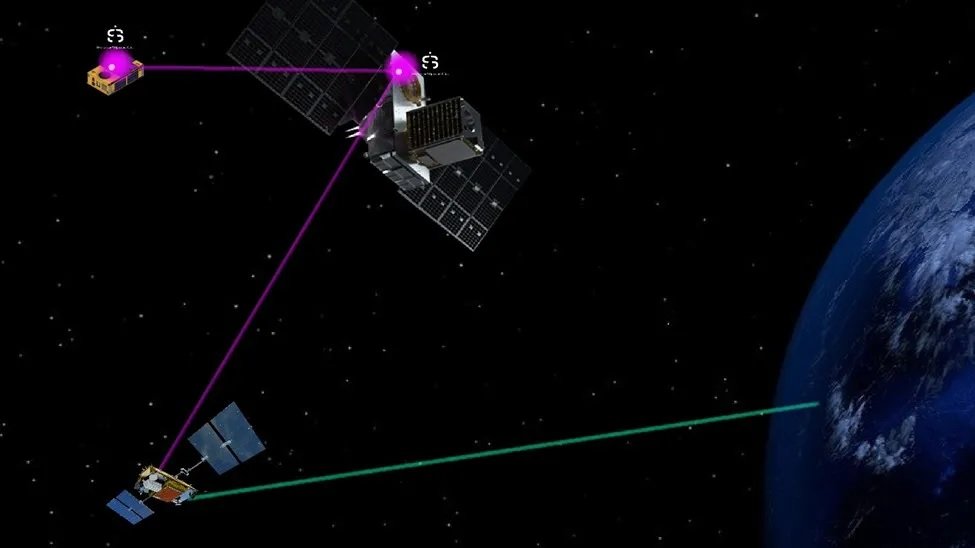 NASA Demonstrates Space-to-Space Wi-Fi Between Two Orbiting Spacecraft
-
 USS Pinckney Becomes First U.S. Navy Destroyer to Begin Phase Two Modernization with Advanced SPY-6 Radar
-
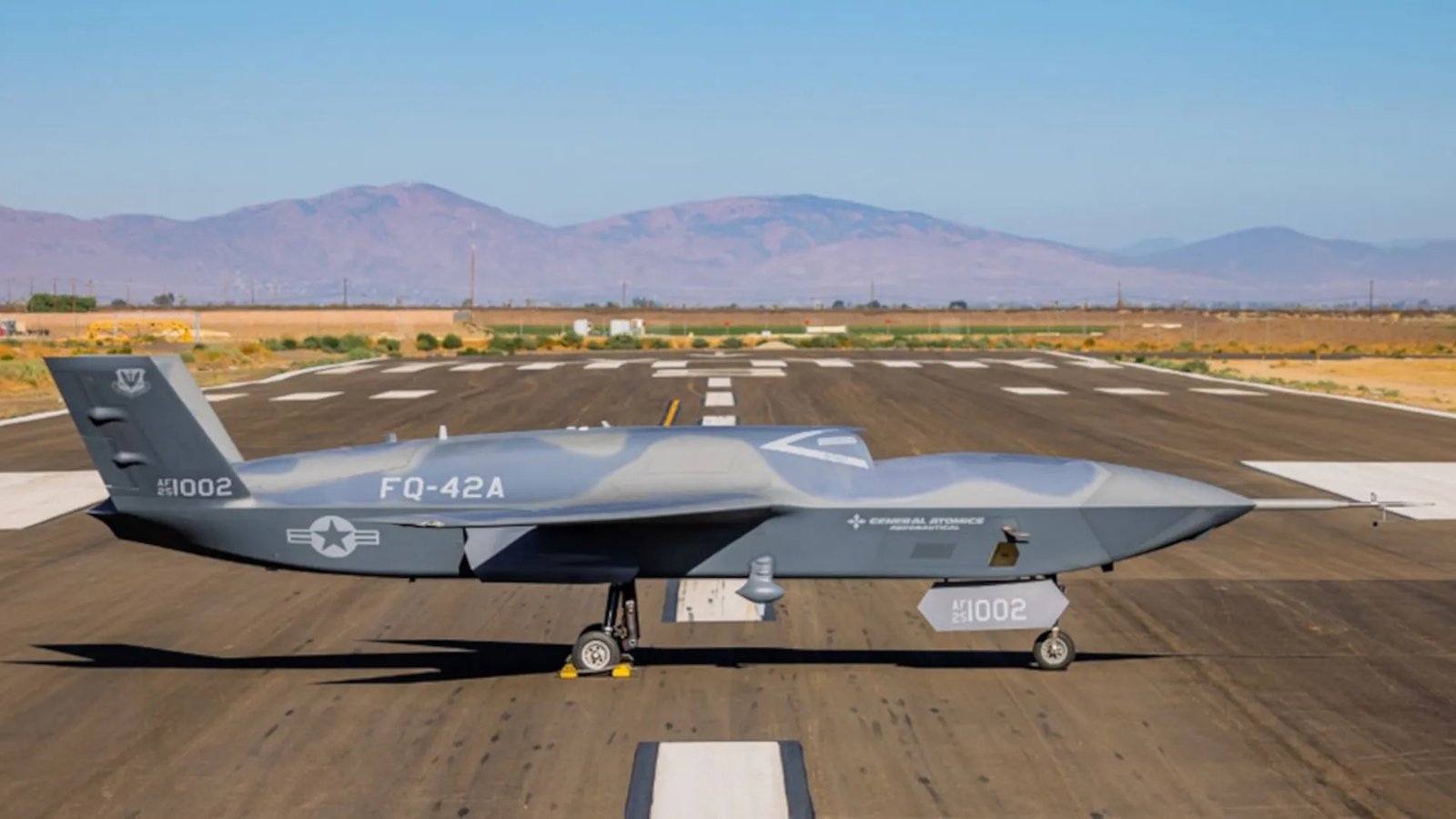 General Atomics Partners With Spirit Defense to Expand FQ-42 Vengeance Production
-
 U.S. Military to Ban Chinese Automaker BYD Vehicles from Kadena Air Base in Japan Over Security Concerns
-
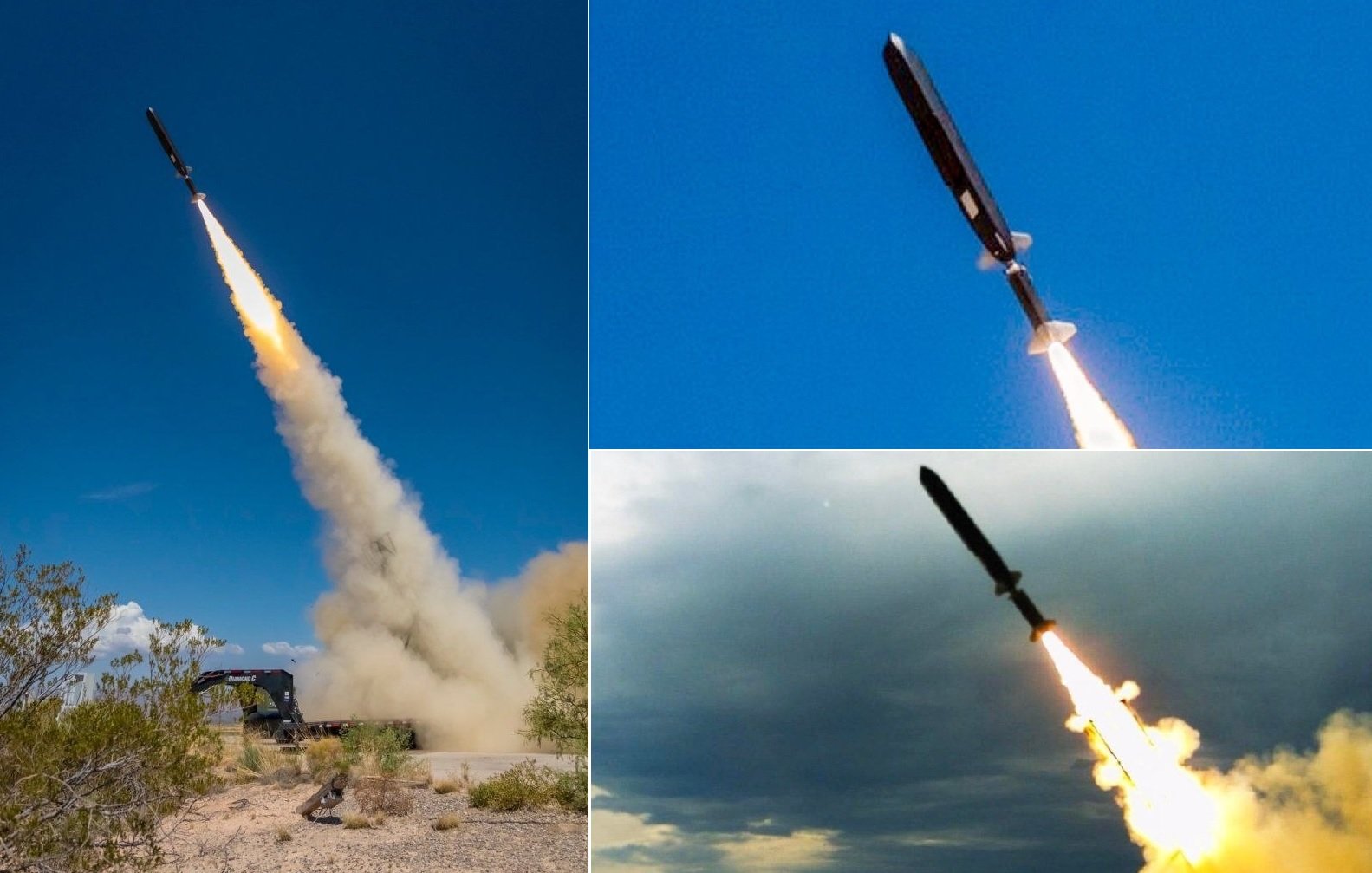 Zone 5 Technologies Demonstrates Ground Launch of Upgraded AGM-188A Rusty Dagger Missile
-
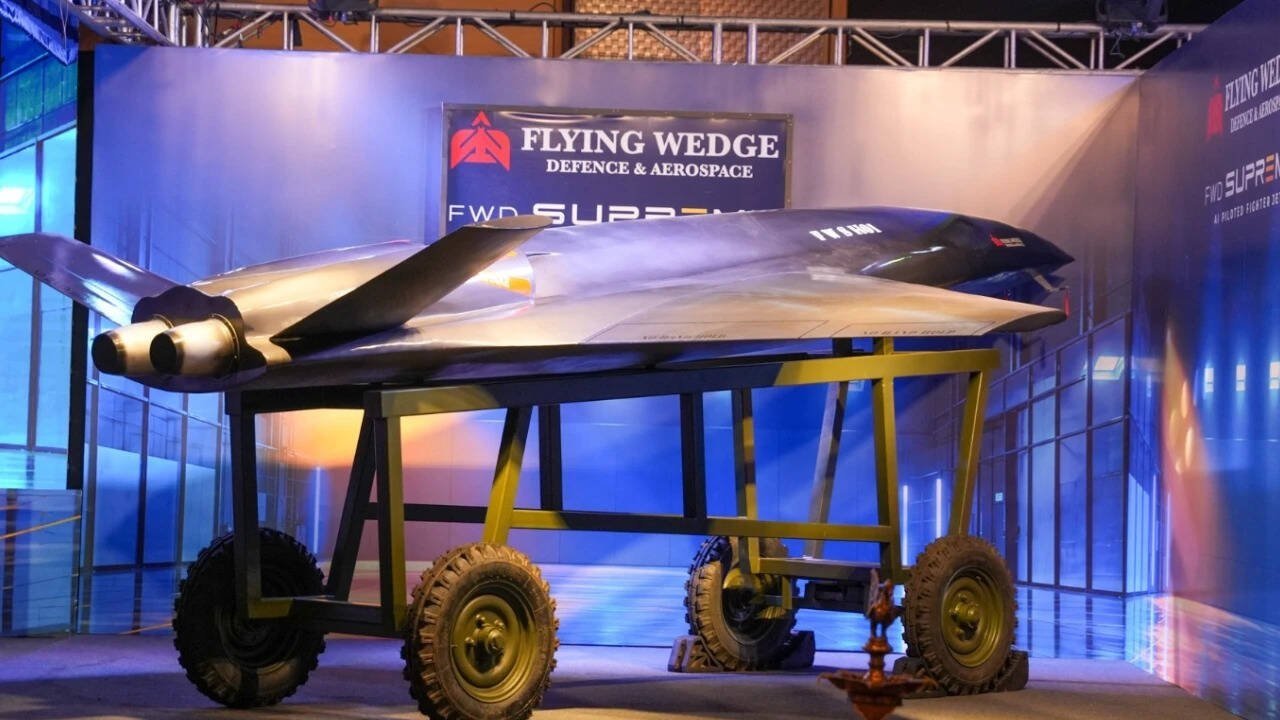 Bengaluru Startup FWDA Unveils FWD Supreme AI-Piloted Loyal Wingman Prototype
-
 Russia Launches Project 20380 Corvette Grozny for Pacific Fleet at Amur Shipyard
-
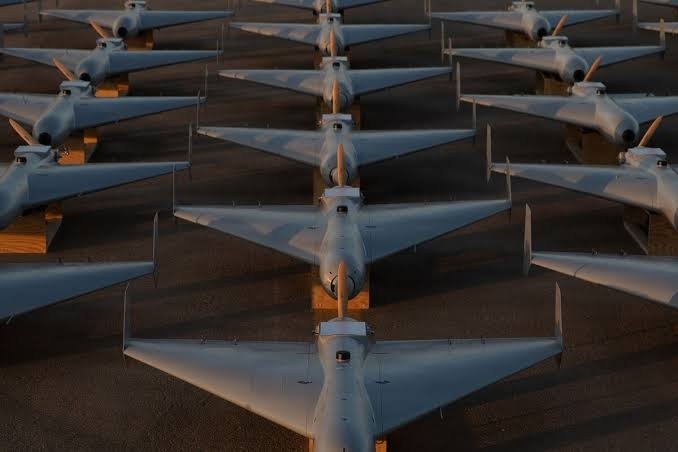 Pentagon Orders 60,000 Kamikaze Drones Under Second Phase of Drone Dominance Program
Top Trending in 4 Days
-
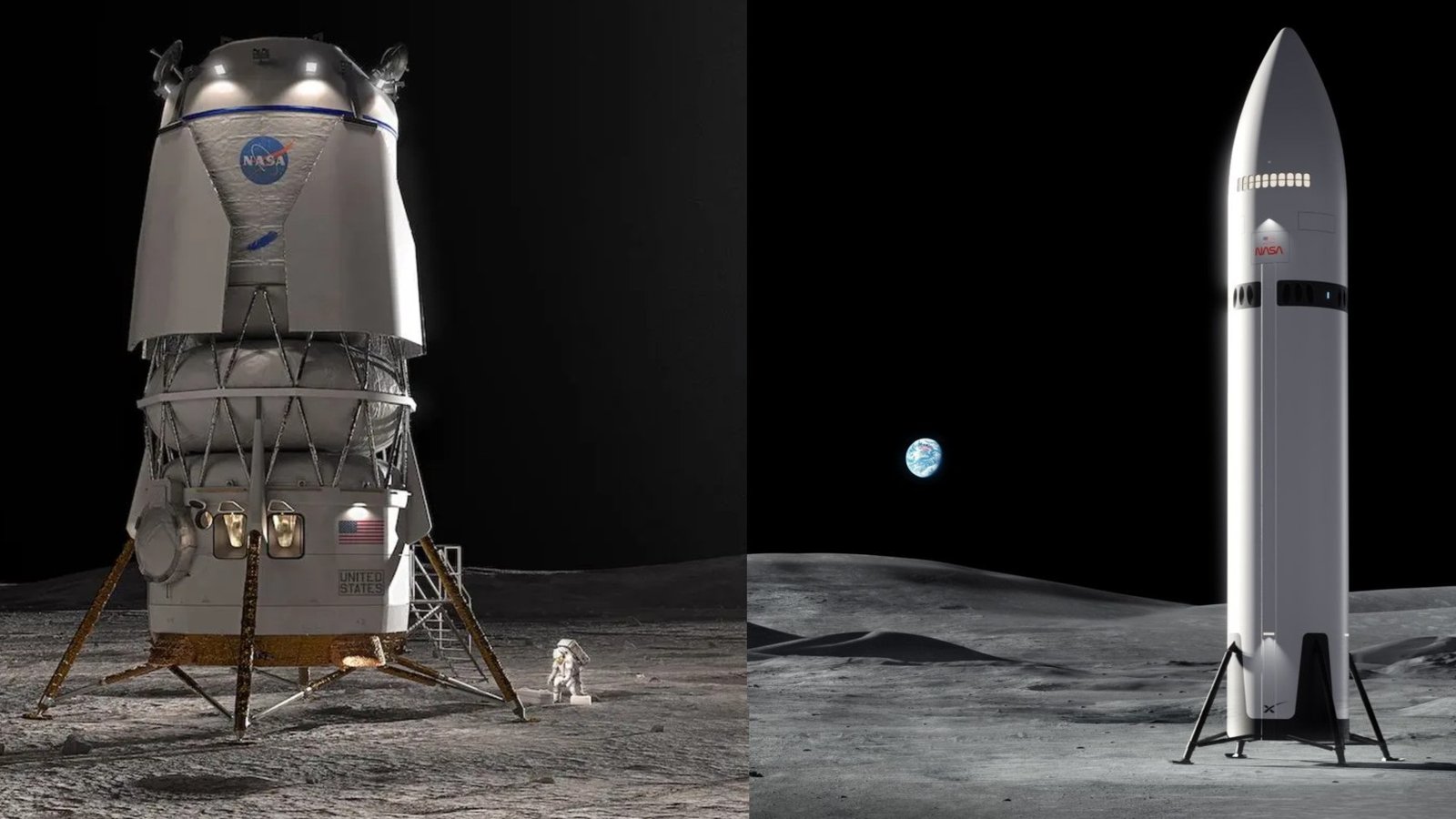 NASA Sets New Artemis Milestones as SpaceX and Blue Origin Target Moon Landings in 2027–2028
-
NASA Demonstrates Space-to-Space Wi-Fi Between Two Orbiting Spacecraft
-
USS Pinckney Becomes First U.S. Navy Destroyer to Begin Phase Two Modernization with Advanced SPY-6 Radar
-
General Atomics Partners With Spirit Defense to Expand FQ-42 Vengeance Production
-
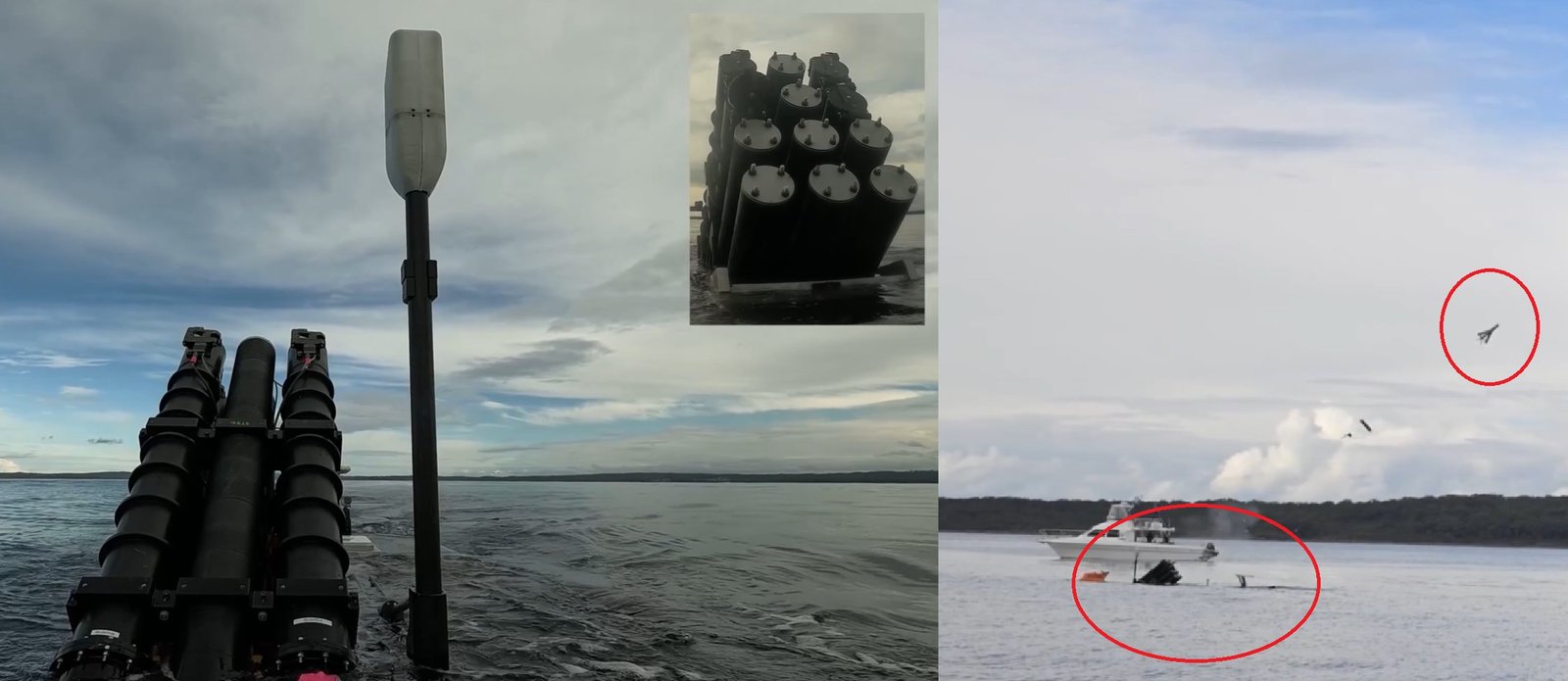 Australia Unveils Ghost Shark Autonomous Submarine’s Mine, Drone and Logistics Capabilities
-
 L3Harris Opens ‘Arsenal of Freedom’ Rocket Motor Plant in Arkansas to Double Production Capacity
-
U.S. Military to Ban Chinese Automaker BYD Vehicles from Kadena Air Base in Japan Over Security Concerns
-
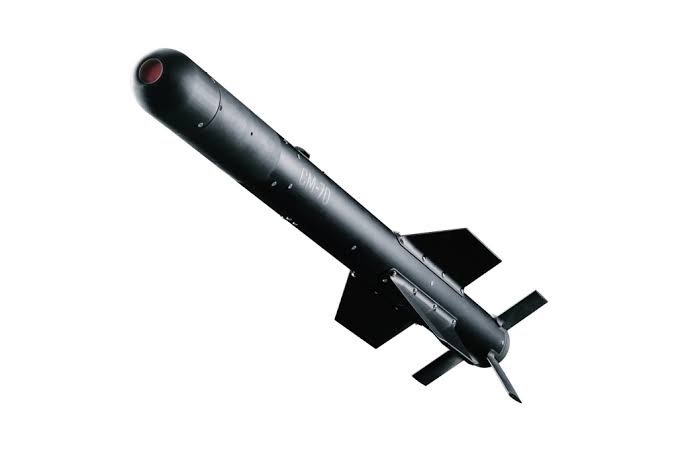 CSG and North Vector Dynamics Sign MoU to Explore European Production of CM-70 Counter-Drone Interceptor
