World
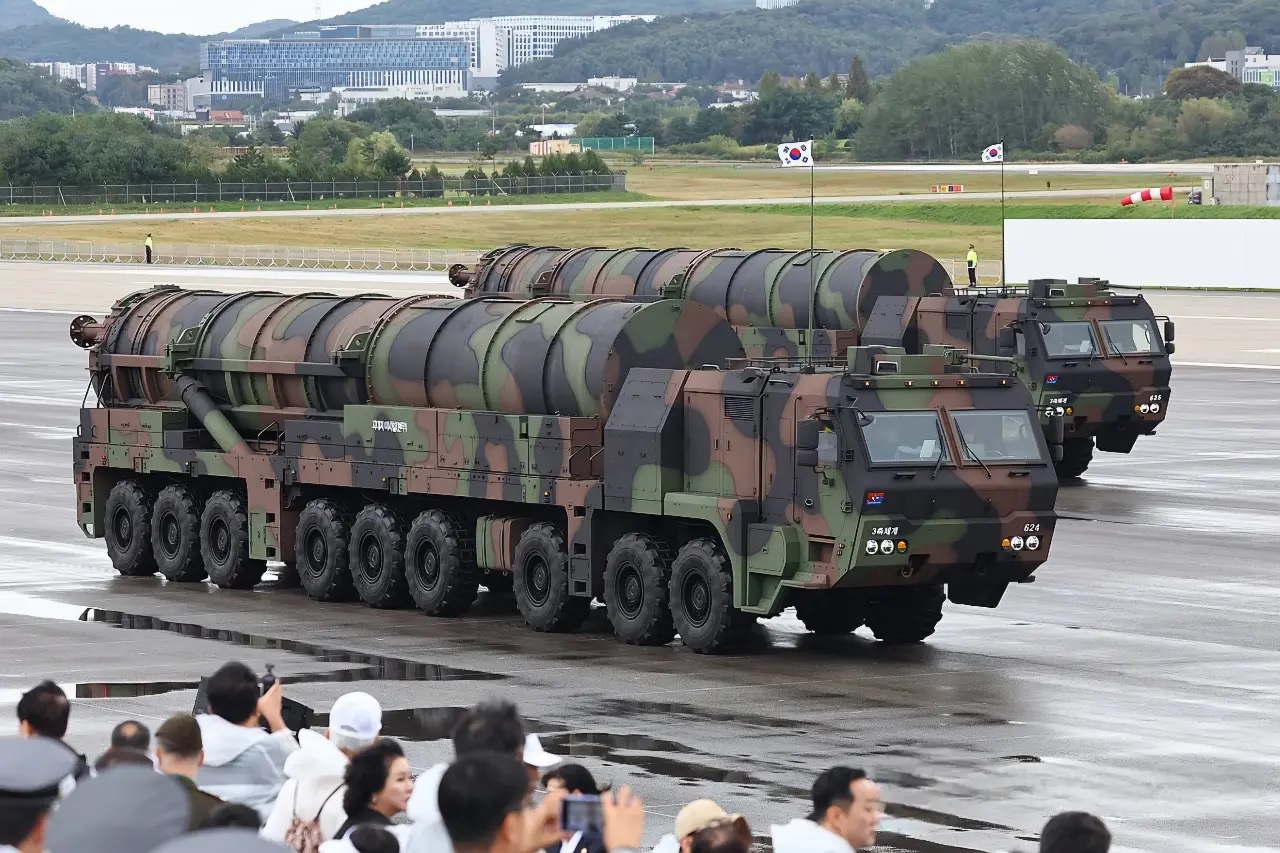
During the 76th Armed Forces Day parade on October 1st, South Korea showcased two significant developments in its defense strategy: the Hyunmoo-V ballistic missile and the concept of the Joint Strike Ship (JSS). These advancements form part of the nation's broader "Three-Axis" defense system aimed at countering the threat posed by North Korea. The unveiling of these assets underscores South Korea's commitment to strengthening its military capabilities, particularly in the face of growing tensions on the Korean Peninsula.Hyunmoo-V Ballistic Missile: A Powerful New AdditionThe Hyunmoo-V ballistic missile represents the latest and most formidable addition to South Korea's Hyunmoo missile family. As a crucial component of the Korea Massive Punishment and Retaliation (KMPR) strategy, the missile is designed for preemptive or retaliatory strikes against North Korean military assets, including fortified underground facilities. The KMPR is one pillar of South Korea's "Three-Axis" system, which also includes the Kill Chain and the Korea Air and Missile Defense (KAMD) frameworks. Together, these systems aim to detect threats, intercept incoming missiles, and deliver devastating counterattacks in the event of an escalation.The Hyunmoo-V's capabilities are impressive:Warhead weight: The missile carries an 8-9 ton warhead, the heaviest among conventional ballistic missiles, allowing for substantial destructive power.Range: While officially confirmed to have a minimum range of 300 km, its maximum range could extend up to 5,000 km if a lighter warhead is used. This places major North Korean facilities well within its reach, and even targets beyond the Korean Peninsula could be threatened.Underground strike capability: The missile’s warhead can penetrate and destroy structures located over 100 meters below ground, making it effective against fortified bunkers and underground facilities used by North Korea to store weapons of mass destruction (WMDs) or operate command centers.Speed: In its terminal descent, the missile can reach speeds of nearly Mach 10, making it extremely difficult for existing missile defense systems to intercept.The Hyunmoo-V's composition, incorporating heavy metals in its warhead, enables deep-penetration strikes, while its active guidance system ensures accurate targeting even against evasive or hardened installations. This capability provides South Korea with a potent tool for neutralizing North Korea's deeply buried infrastructure, a key element of its military strategy.The Joint Strike Ship: A Strategic Naval Asset in DevelopmentSouth Korea's defense strategy also extends to the sea, with plans to operate Hyunmoo-V missiles aboard a future Joint Strike Ship (JSS). The JSS is envisioned as a multi-role naval platform capable of deploying ballistic missiles, launching airstrikes, and supporting amphibious operations. The idea was initially introduced at MADEX 2023, and the project is still in the concept research phase, without formal requirements from the Republic of Korea (ROK) Joint Chiefs of Staff. Although the details remain vague, the ship's potential role in South Korea's strategic operations is clear.Key Features and ChallengesThe JSS would likely incorporate advanced stealth features and be equipped with a vertical launch system (VLS) to carry various missile types, including the Hyunmoo-V. This capability would give South Korea a new maritime-based strike option, potentially enhancing the KMPR's reach. Additionally, it could serve as a floating platform for air defense, missile launch operations, and amphibious assaults, providing greater operational flexibility in the Indo-Pacific region.However, the JSS program faces challenges, including the significant costs involved, debates over strategic value, and the need for adequate manpower to operate the vessel. Like the CVX aircraft carrier project, which has faced similar scrutiny, the JSS is a subject of debate within South Korea's defense community. As the country’s interests extend further into the South China Sea and the broader Indo-Pacific, there is increasing pressure to ensure that such programs are well-justified and capable of meeting the evolving regional security landscape.The "Three-Axis" Defense System and Strategic CommandThe Hyunmoo-V and JSS align with South Korea's "Three-Axis" defense system, which is composed of:Kill Chain: A preemptive strike mechanism targeting North Korean missile and nuclear sites in the event of a detected threat.Korea Air and Missile Defense (KAMD): An integrated defense network aimed at intercepting incoming ballistic missiles using various systems, including the U.S.-provided THAAD, and South Korea's L-SAM, M-SAM, and Patriot systems.Korea Massive Punishment and Retaliation (KMPR): A retaliatory strategy involving massive strikes against North Korean leadership and key facilities in response to an attack.The recent establishment of the ROK Strategic Command underscores the importance of these systems. This new command is tasked with overseeing South Korea’s nuclear and WMD response operations, integrating advanced technologies in space, cyber, and electronic warfare. As more strategic assets come under its purview, the command will be critical in ensuring the country’s preparedness against nuclear and missile threats.Enhancing Deterrence in the Face of Regional TensionsThe unveiling of the Hyunmoo-V and the development of the JSS represent more than just technological advancements; they signal a strategic shift towards a more assertive defense posture in response to North Korea’s continued nuclear and missile tests. The Hyunmoo-V’s ability to deliver deep underground strikes complements the KMPR’s goal of deterring North Korean aggression by ensuring that any attack would be met with overwhelming retaliation. Meanwhile, the JSS, if realized, would provide South Korea with a mobile platform to project power across the region.Together, these assets add to South Korea’s growing military capabilities, making the country not just a regional power but a strategic player in the broader Indo-Pacific security landscape. As debates continue regarding the feasibility and scope of these projects, the underlying message is clear: South Korea is taking significant steps to bolster its defense posture and ensure its national security in an increasingly complex environment.
Read More → Posted on 2024-10-15 15:43:46
World
In a significant move to bolster its defense capabilities, Taiwan has signed contracts to purchase nearly 1,000 loitering munitions, commonly referred to as "killer drones," from the United States. The procurement, valued at approximately NT$5.27 billion (US$163.9 million), comes at a time of heightened military tensions between Taiwan and China. The deal was finalized shortly after the People's Liberation Army (PLA) conducted extensive military exercises near the island, in response to statements made by Taiwanese leader William Lai Ching-te that Beijing interpreted as pro-independence.Details of the Drone AcquisitionThe agreement includes two distinct types of drones, each with specific capabilities designed to enhance Taiwan's asymmetric defense strategy. The Taiwanese army signed two contracts with the American Institute in Taiwan, the U.S.'s unofficial embassy in Taipei, detailing the acquisition of 685 Switchblade 300 drones and 291 Altius 600M-V drones. These drones will be strategically stationed across the island in key locations, including Taoyuan, Taichung, Kaohsiung, and Hualien.Switchblade 300: Developed by AeroVironment, this lightweight loitering munition is designed for targeting personnel. The drone can be deployed from various platforms in less than two minutes and features a range of 30 km (18.6 miles), with a flight duration exceeding 20 minutes. The Switchblade 300 has already demonstrated its battlefield effectiveness in Ukraine, where it has been used against Russian forces. It is expected to be delivered to Taiwan by the end of November 2029.Altius 600M-V: Manufactured by Anduril, the Altius 600M is a larger drone with a range of 440 km and a loitering time of up to four hours. It can be launched from land, air, or sea platforms and is equipped with multiple seeker and warhead options, allowing it to be adapted for a variety of missions, including anti-armor strikes. The Altius drones are expected to arrive in Taiwan by the end of 2027.Both systems are classified as loitering munitions, meaning they can patrol a designated area, identify targets, and engage them when necessary. This capability allows Taiwan's forces to maintain a persistent presence over contested regions, potentially deterring or neutralizing any threats that may arise.Strategic Importance of the DealThe purchase of nearly 1,000 loitering munitions is part of Taiwan's effort to modernize its military and develop a multi-layered defense strategy. The drones will complement Taiwan's existing arsenal, which includes precision missiles and domestically produced unmanned systems. By expanding its loitering munitions capabilities, Taiwan aims to strengthen its ability to conduct asymmetric warfare—a strategy that emphasizes using smaller, mobile forces and technology to counterbalance a larger adversary's conventional military strength.The timing of the acquisition is significant, as it follows a series of military drills conducted by the PLA around Taiwan. In recent months, China has ramped up its military activities near the island, including joint combat exercises simulating a blockade. The latest round of drills involved a record number of 153 warplane sorties and the participation of 17 PLA warships and 17 coastguard vessels. These exercises are widely seen as a response to Taiwanese leader William Lai's remarks asserting Taiwan's separate identity from mainland China.U.S. Support for Taiwan’s DefenseThe drone deal is part of a broader U.S. policy aimed at helping Taiwan enhance its defense capabilities in light of growing Chinese military pressure. Although the United States, like most countries, does not officially recognize Taiwan as an independent state, it is committed to providing the island with defensive arms under the Taiwan Relations Act. The U.S. approved the sale of the drones in June, with officials emphasizing that the systems would help Taiwan modernize its armed forces and maintain a credible defensive posture.The use of loitering munitions, such as the Switchblade and Altius drones, adds a new dimension to Taiwan’s defense strategy. These drones provide a cost-effective way to engage potential threats without relying on larger, more expensive missile systems. The drones can also be integrated into existing military networks to support Taiwan’s command and control infrastructure, allowing for a quicker and more coordinated response to any potential aggression.Cross-Strait Tensions and Regional ImplicationsThe PLA's military drills near Taiwan have intensified since Lai's election as Taiwan's leader in January, with Beijing viewing his administration as pushing for independence. His statements during the May inauguration, asserting that "Taiwan and mainland China are not subordinate to each other," further fueled tensions. Beijing labeled him a “separatist” and increased its military presence around the island, leading to frequent displays of military force.The acquisition of loitering munitions is seen as Taiwan's response to this escalating pressure, aiming to deter potential military actions by demonstrating enhanced readiness and capability. By investing in these drones, Taiwan signals its determination to defend its airspace and territorial integrity, while also adapting to modern warfare trends where unmanned systems play a critical role.The purchase of nearly 1,000 U.S. loitering munitions marks a significant step in Taiwan’s efforts to counter the growing military pressure from China. The drones provide the island with a versatile tool to engage a variety of threats, including personnel and armored vehicles, across a wide area. As Taiwan continues to modernize its military and enhance its defense capabilities, this acquisition underscores the island's commitment to maintaining a credible deterrence posture amidst rising regional tensions.By investing in advanced drone technology and bolstering its asymmetric warfare capabilities, Taiwan is preparing to meet future challenges with a stronger, more agile military force.
Read More → Posted on 2024-10-15 15:36:43
World
Norway is ramping up its defense production capabilities and increasing military exports to Ukraine in response to growing security challenges in Europe. The Norwegian government has unveiled a program worth 967 million kroner ($89.9 million), aimed at enhancing the country's defense industry, particularly supporting small- and medium-sized companies that supply advanced technology and military equipment to Ukraine.The initiative is a direct response to the ongoing conflict in Ukraine, where the need for defense materiel has become urgent. Norwegian Defense Minister Bjørn Arild Gram stated that the deteriorating security situation has highlighted the critical demand for military supplies, both for Ukraine and Norway's own defense needs. By expanding its defense production, Norway seeks to bolster national security while also aiding its allies.Supporting Cutting-Edge Technology and Industry GrowthA key focus of the program is to support small- and medium-sized defense companies in Norway that provide innovative military technologies. The country’s defense industry, known for producing advanced weaponry and defense solutions, will now see a concerted effort to scale up production and meet the growing demand. The initiative will involve local companies and institutions in various projects, including:Establishing a new rocket motor production line: This will boost the supply of advanced propulsion systems needed for various military applications.Developing hexamine production for explosives: Hexamine is a key component in the manufacture of military-grade explosives, and increased production will address the shortages faced by the defense sector.Feasibility study for a new explosives production facility: As part of long-term efforts, Norway is considering the establishment of a new plant to ensure a steady supply of explosives for defense use.These measures aim to not only equip Ukraine with the needed military supplies but also strengthen Norway's own defense capabilities and contribute to NATO's collective security efforts.A Broader Defense Strategy: Nansen Support Program and BeyondThe new initiative is part of the larger Nansen Support Program for Ukraine, which aims to provide both civilian and military aid over a five-year period from 2023 to 2027, with a total budget of 75 billion kroner ($6.8 billion). Under this program, Norway is committed to delivering significant aid:In 2023, Norway allocated 8.9 billion kroner ($810 million) for civilian and humanitarian aid and an additional 11 billion kroner ($1 billion) in military assistance to Ukraine.The program is a long-term strategy that recognizes the enduring nature of the conflict and aims to provide sustained support to Ukraine and other affected regions.Record Defense Spending and Strategic PrioritiesBeyond its support for Ukraine, Norway is undertaking a historic increase in its own defense budget. The country has planned a 12-year defense spending program worth 600 billion kroner ($60 billion), which will be implemented by 2036. The budget is structured to significantly enhance Norway's military capabilities and address various aspects of national defense, including:Strengthening maritime defense packages: This involves updating naval assets and improving capabilities to protect Norway’s extensive coastline and maritime interests.Upgrading air defense systems and situational awareness: Norway aims to enhance its early-warning and surveillance systems, as well as deploy more advanced air defense equipment.Army and Home Guard expansion: The plan includes increased recruitment and training efforts, ensuring that both the standing army and reserve forces are better prepared to respond to threats.The overarching goal is to reinforce Norway’s military cooperation with NATO, as well as ensure readiness in the face of emerging threats in Northern Europe. The expanded defense budget reflects a recognition of the shifting security landscape, with Norway positioning itself as a proactive member of the alliance.Impact on Norway’s Defense Industry and the Wider RegionThe boost in defense spending and increased production capacity is expected to significantly impact Norway's defense industry. Small and medium-sized companies, which form the backbone of Norway’s defense sector, will play a crucial role in meeting both domestic and international demands. By focusing on high-tech and strategic military goods, Norway aims to establish itself as a key defense supplier in the region.For Ukraine, the increased support from Norway comes at a crucial time, as the country continues to resist aggression and rebuild its military capabilities. The military aid provided by Norway, including the potential for advanced munitions, explosives, and other military hardware, is expected to strengthen Ukraine's defense posture significantly.The investment in defense production aligns with Norway's long-term vision of a more robust, self-sufficient, and internationally integrated defense sector. It is a step towards ensuring that Norway remains a strong player in regional security while also standing by its commitment to support allies in times of need.Norway’s recent initiatives to scale up defense production and export capabilities represent a comprehensive approach to bolstering national security and supporting Ukraine in a time of crisis. The program not only seeks to meet immediate defense requirements but also aims to establish a long-term foundation for a more resilient and capable defense industry. As security challenges continue to evolve, Norway’s proactive measures reflect a commitment to maintaining regional stability and reinforcing collective defense with NATO partners.
Read More → Posted on 2024-10-15 15:29:47
World
Leonardo, the Italian aerospace and defense company, has introduced a groundbreaking electronic warfare system named BriteStorm, designed to help military forces penetrate heavily defended enemy airspace. BriteStorm aims to counter modern Integrated Air Defence Systems (IADS) that guard critical areas, providing a significant advantage to armed forces operating in hostile environments. Its launch marks a leap forward in electronic warfare capabilities, combining innovative jamming techniques with flexibility to adapt to various platforms and missions.What Sets BriteStorm Apart At its core, BriteStorm offers stand-in jamming, a unique airborne electronic warfare capability that deploys ahead of the main force. This approach allows it to perform high-powered jamming closer to enemy air defenses, degrading their ability to detect, track, and engage incoming aircraft or other assets. The system essentially blinds the enemy’s radars by emitting electronic interference that disrupts their signal processing. With BriteStorm in play, the effectiveness of an adversary’s IADS can be significantly reduced, making it safer for friendly forces to carry out their missions.BriteStorm's jamming capability is enhanced by its Digital Radio Frequency Memory (DRFM) technology. The DRFM-based system can precisely analyze the enemy's radar signals and generate deceptive responses. This capability ranges from basic techniques, such as broadcasting intense electronic noise to drown out radar signals, to more advanced methods like creating realistic "ghost" aircraft signatures. These fake radar returns can trick enemy operators into believing there are multiple targets, spreading confusion and drawing their attention away from the real strike force.Flexibility and Integration One of the most impressive features of BriteStorm is its platform-agnostic design. This means it can be mounted on a wide array of unmanned aerial vehicles (UAVs), drones, and other airborne assets, allowing operators to tailor its use to various mission types. The payload is compact, lightweight, and includes a combination of transmit-receive modules, antennas, and Leonardo’s Miniature Technique Generator, which facilitates the delivery of sophisticated jamming effects while maintaining a small form factor. The system's easy integration ensures that it can quickly become part of existing military forces without significant modification to current platforms. This ease of deployment is especially useful for countries that need to rapidly upgrade their electronic warfare capabilities without a complete overhaul of their military hardware. Furthermore, BriteStorm has been designed to be attritable, meaning it is low-cost enough to be used in high-risk missions where loss of equipment is likely. This aspect makes it an effective choice for use in large numbers or as expendable assets.Building on Proven Technology BriteStorm is not Leonardo's first foray into electronic warfare. It builds on the success of the company’s BriteCloud technology, an in-service countermeasure that uses DRFM technology to confuse incoming radar-guided missiles. While BriteCloud is intended to defeat airborne threats by diverting missile guidance systems, BriteStorm takes the concept a step further by targeting ground-based air defense radars. The ability to prevent these systems from accurately tracking friendly aircraft represents a substantial enhancement in electronic warfare.Developed at Leonardo’s electronic warfare hub in Luton, UK, BriteStorm leverages advanced research in signal processing and electronic deception techniques. This development has drawn on Leonardo's broader digital transformation efforts, which aim to integrate more powerful computational capabilities into smaller, lighter, and more adaptable packages. The result is a system that not only suppresses air defense but can also be reprogrammed to respond to evolving threats swiftly.Testing and Global Reach The UK’s Royal Air Force Rapid Capabilities Office (RCO) has been actively involved in testing BriteStorm, already conducting several successful trial flights. The RAF’s trials have validated BriteStorm’s ability to operate in real-world conditions, confirming its potential to enhance electronic warfare capabilities. This collaboration also aligns with the UK Ministry of Defence's broader strategy to upgrade the country’s electronic warfare readiness.Leonardo has also targeted the U.S. Department of Defense as a potential customer, given the system's relevance to American efforts to maintain a technological edge in contested electronic environments. BriteStorm’s flexible architecture and readiness for export make it an attractive solution not only for NATO allies but also for military forces in Europe, the Middle East, and the Asia-Pacific. With demonstration units already shipped to the U.S., interest from various global markets is expected to grow, driven by the increasing need for advanced electronic warfare solutions.A New Era in Electronic Warfare In conclusion, BriteStorm represents a significant advancement in electronic warfare, designed to suppress even the most sophisticated air defense systems. Its ability to perform stand-in jamming using cutting-edge DRFM technology gives military forces the means to penetrate enemy defenses while minimizing exposure to hostile fire. With a focus on flexibility, rapid integration, and scalable deployment, BriteStorm is set to become a valuable tool in the arsenals of armed forces around the world, enhancing their capacity to operate in the most heavily defended airspace.For Leonardo, BriteStorm is more than just a new product; it symbolizes the company's commitment to pushing the boundaries of what electronic warfare can achieve, setting the stage for future innovations in defense technology. "Leonardo Unveils BriteStorm: A New Era in Electronic Warfare for Suppressing Modern Air Defenses"
Read More → Posted on 2024-10-15 15:17:15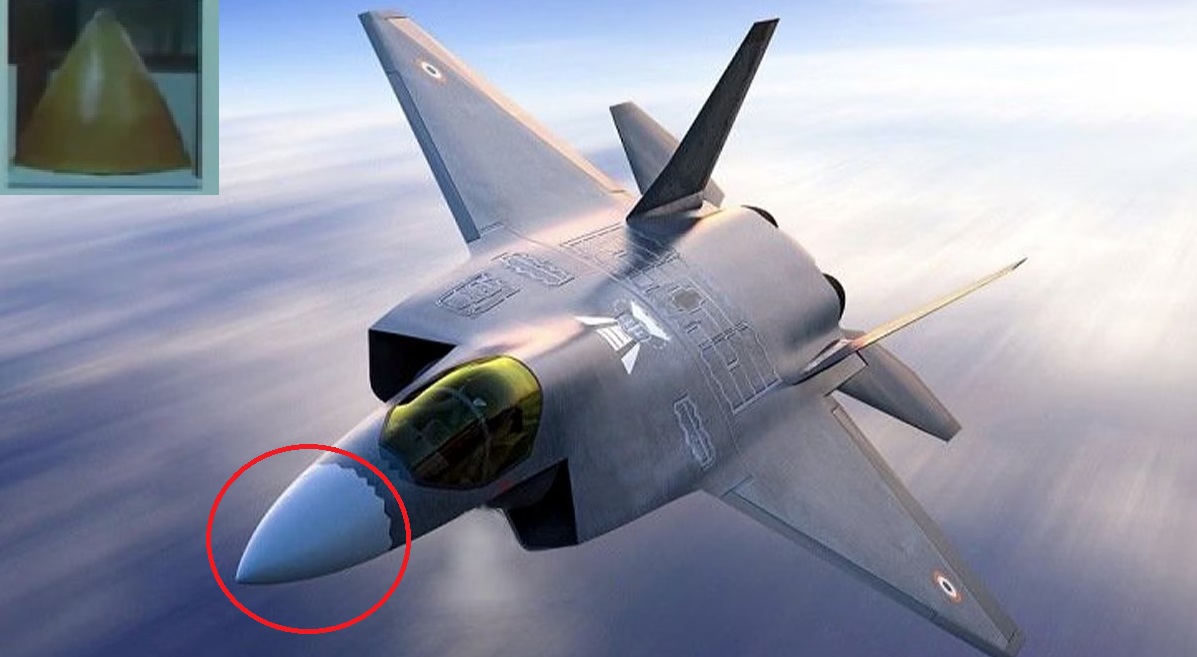
India
The Council of Scientific and Industrial Research-National Aerospace Laboratories (CSIR-NAL) has taken a significant step forward in India's defense capabilities by developing a sophisticated Frequency Selective Surface (FSS) radome. This cutting-edge radome is designed specifically for India’s fifth-generation Advanced Medium Combat Aircraft (AMCA) fighter jet program, a crucial project aimed at bolstering the Indian Air Force's stealth and combat capabilities. The FSS-radome not only represents a leap in indigenous technology but also significantly enhances the AMCA’s stealth features, a necessity in modern-day aerial warfare.Stealth Capabilities Enhanced with FSS-RadomeThe AMCA is India's ambitious effort to create a stealth-capable, multirole fighter jet that can compete on the global stage. One of the key components in maintaining the aircraft’s low observability to enemy radar systems is the FSS-radome, which CSIR-NAL has successfully developed and tested. The radome's primary function is to allow radar signals to pass through efficiently in a specific frequency range, while simultaneously minimizing the radar cross-section (RCS), making the aircraft difficult to detect.What makes the FSS-radome stand out is its ability to work effectively within the X-band frequency range, a spectrum used by most modern radar systems. The FSS-radome displays remarkable transmission capabilities in the X-band, but its effectiveness doesn't stop there. The design also provides excellent roll-off characteristics outside this band, covering a wide frequency range from 2 to 18 GHz, essential for ensuring stealth while maintaining high operational performance.Cutting-Edge Design and MaterialsThe FSS-radome's development was no easy feat. CSIR-NAL went through a rigorous proof-of-concept phase, fabricating a multilayered planar laminate that measures 660 mm by 520 mm. This laminate was embedded with FSS elements, a crucial step in making the radome function optimally for radar signal transmission. Additionally, a curved prototype radome, 500 mm in height from the aircraft’s nose tip, was tested under various conditions to ensure it met the complex requirements of a fifth-generation stealth fighter.The FSS design plays a pivotal role in reducing the RCS, a critical factor in stealth technology. With this new radome, the out-of-band RCS is reduced by around 10 decibels per square meter (dBsm), a significant improvement compared to traditional monolithic radomes. This reduction in RCS drastically lowers the AMCA's detectability by enemy radar systems, a critical feature that enhances survivability in combat situations.Advanced Transmission Characteristics and Rigorous TestingOne of the primary objectives in developing the FSS-radome was to ensure superior transmission characteristics in the X-band, allowing onboard radar systems to function optimally without compromising the aircraft’s stealth profile. The prototypes have undergone extensive testing, both in laboratory conditions and real-world scenarios, to validate their performance. These tests have proven the radome’s capability to maintain radar transparency while ensuring that the AMCA’s overall stealth performance is not compromised.The stringent testing is a testament to the precision required in modern fighter jet technology. As the AMCA program progresses, the FSS-radome will be a cornerstone of its stealth systems, providing India with a fighter jet capable of competing with other global defense powers.A Milestone for India's Defense SectorThe successful development of the FSS-radome is a landmark achievement in India's journey toward self-reliance in defense technology. With the AMCA expected to become a central part of the Indian Air Force's fleet in the coming years, innovations like the FSS-radome are crucial for the aircraft’s competitiveness. This technology marks a significant step in reducing India's dependence on foreign defense technologies and helps strengthen national security through homegrown advancements.The AMCA program is not just about stealth; it's about creating a multirole fighter jet capable of air superiority, ground attack, and intelligence gathering—all while evading enemy radar. The FSS-radome developed by CSIR-NAL ensures that the AMCA will have the technological edge needed to thrive in modern combat scenarios.As India continues to enhance its defense capabilities, the CSIR-NAL's FSS-radome stands out as a beacon of innovation, pushing the boundaries of what indigenous technology can achieve. The development reflects India’s growing prowess in the aerospace sector and signals the nation’s determination to maintain strategic autonomy in defense technologies.
Read More → Posted on 2024-10-15 15:11:48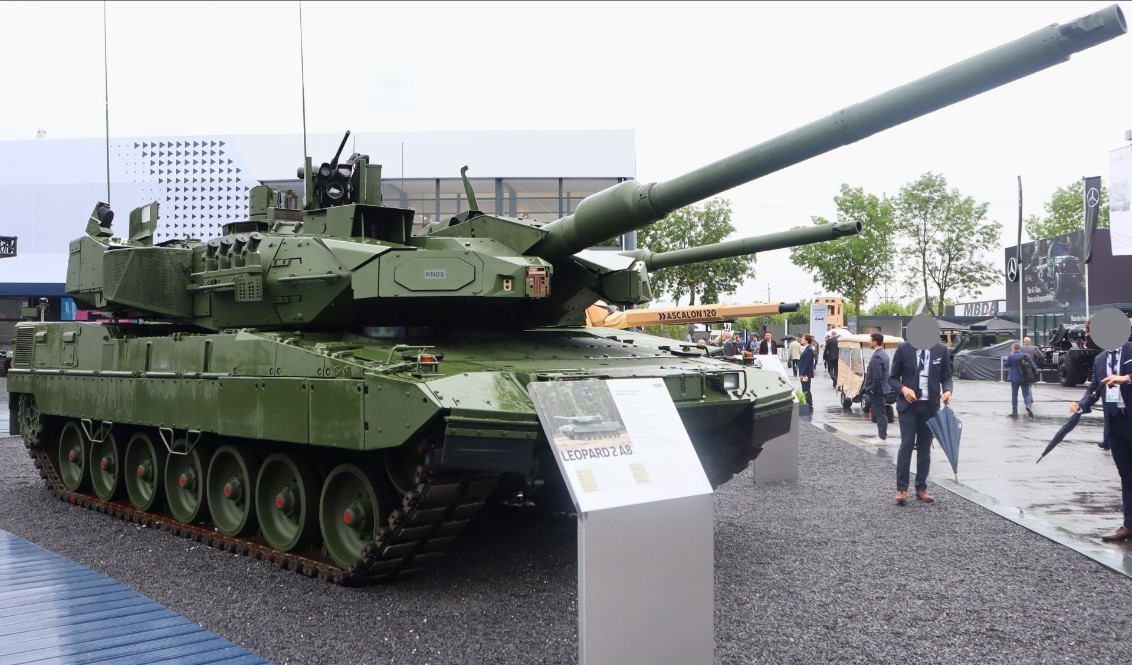
World
Thales has signed a significant contract with KNDS to supply state-of-the-art power systems for the Leopard 2A8 main battle tanks, marking a crucial step in enhancing the electrical efficiency and combat readiness of these armored vehicles. The contract focuses on delivering High-Power Solid-State Power Distribution Boards (SSPDBs), which play a critical role in managing electrical power in military vehicles. Designed to meet the unique power requirements of the Leopard 2A8, these SSPDBs offer sophisticated power management, providing features like overcurrent and short-circuit protection to ensure the tank’s operational reliability in demanding battlefield conditions.Thales has been a leading figure in the development of power systems for over two decades, and this contract with KNDS underscores its reputation in military technology. The first batch of these SSPDBs is expected to be delivered by the third quarter of 2024, with hundreds more scheduled to follow by 2027, reflecting the long-term nature of the partnership. The systems are specifically engineered to handle high-power needs, with channels rated up to 160A, allowing for a robust power supply across multiple vehicle systems.The Leopard 2A8, an evolution of the Leopard 2 series, is known for its enhanced armor, mobility, and firepower. As these tanks require complex electrical systems to support advanced weaponry, communications, and navigation, the SSPDBs from Thales will ensure that power is distributed efficiently. Thales has placed a strong emphasis on optimizing Size, Weight, and Power (SWaP), critical factors in the design of systems that need to fit within the confined space of a tank while providing the required electrical output. The SSPDBs also offer intelligent power management capabilities through pre-programmed profiles, allowing for real-time power adjustments based on mission requirements, enhancing the tank's flexibility in different combat scenarios.The partnership between Thales and KNDS further strengthens the modernization of European military forces, particularly as the Leopard 2A8 is slated to be a cornerstone of several NATO countries' armored divisions. Thales’ Swiss team, led by Martin Bernhardsgrütter, expressed confidence in the continued success of this collaboration, emphasizing that their expertise in protected vehicle power systems is a major asset in fulfilling the demanding operational needs of these tanks. As militaries worldwide continue to invest in advanced technologies for their armored fleets, Thales’ involvement in the Leopard 2A8 project highlights its role as a key player in the future of defense power systems. By delivering cutting-edge, scalable solutions that ensure operational readiness and electrical efficiency, Thales is contributing to the ongoing evolution of modern warfare capabilities.
Read More → Posted on 2024-10-15 15:07:08
India
India's foreign policy has always walked a fine line between maintaining good relations with global powers while preserving its strategic autonomy. However, recent diplomatic tensions with the United States and Canada have sparked new debates about whether India should reconsider its defense exports policy. Specifically, the inaction by both countries on the issue of Khalistani extremism has triggered discussions about whether India should strengthen its ties with Russia, a trusted defense partner, by supplying arms directly—a move that would not only boost India’s geopolitical leverage but also send a strong message to the West.The Growing Frustration with the WestIndia has long been concerned about the growing influence of Khalistani separatist groups in Canada and the U.S., groups that advocate for an independent Sikh state. Despite New Delhi's repeated attempts to address this issue through diplomatic channels, there has been little concrete action from either government. Canadian Prime Minister Justin Trudeau, in particular, has been criticized for what many in India see as an "anti-India" stance, especially given his perceived failure to curb the activities of Khalistani extremists. The inaction by both the U.S. and Canada, combined with the perception of Western "hypocrisy" in dealing with separatist movements, has significantly strained India’s relationship with these countries. Many Indian officials believe that both nations have prioritized political gain over the legitimate national security concerns of India. The tolerance of these separatist groups has been seen as an affront to India's sovereignty, leading to increasing frustration in New Delhi.Russia: A Reliable Partner in India's Defense IndustryRussia has been a critical defense partner for India since the Cold War. Over the years, India has developed significant indigenous capabilities to manufacture Russian-designed weaponry, including Su-30MKI fighter jets and T-90 tanks. Despite this, India has largely avoided directly supplying arms to Russia in order to maintain its neutral, non-aligned stance in global conflicts. However, the current geopolitical climate is pushing Indian policymakers to reconsider this position.One recent development that has captured attention is the revelation that some Indian-made equipment has reportedly made its way to Ukrainian forces through European intermediaries during the ongoing conflict between Russia and Ukraine. While India has officially maintained a neutral stance, this incident highlights the complexities of the global arms trade and raises the question: why shouldn’t India directly supply arms to Russia, especially when it continues to face diplomatic challenges from the West?The Case for Arms Sales to RussiaRussia has stood by India in times of need, from supporting India in international forums to providing critical defense supplies when other countries hesitated. Given this, selling arms to Russia could serve as a strategic move, reinforcing the partnership while also signaling to the West that India will not tolerate disregard for its national security concerns.Furthermore, such a decision could offer India greater leverage on the global stage, especially as it navigates a world where geopolitical alliances are constantly shifting. By strengthening ties with Russia, India could assert its independence and remind the U.S. and Canada that their inaction on Khalistani extremism comes with consequences.The Risks of Such a MoveHowever, supplying arms to Russia is not without risks. The U.S. and Canada are important trade and diplomatic partners for India, and any significant shift toward Russia could result in backlash from the West. This could potentially lead to sanctions or diplomatic isolation, complicating India’s efforts to maintain a balanced foreign policy.Additionally, aligning too closely with Russia could undermine India's relationships with other key partners, particularly in Europe, where countries are increasingly wary of Russia's actions. It could also impact India's participation in Western-led initiatives, including access to advanced military technologies and economic partnerships that are critical for India’s long-term strategic goals.A Delicate Balancing ActIndia now faces a challenging decision as it seeks to balance its relationships with Russia and the West. On one hand, maintaining ties with Russia through defense cooperation could reinforce India’s strategic autonomy and send a clear message to the U.S. and Canada about the consequences of ignoring India’s security concerns. On the other hand, such a move risks further alienating Western allies at a time when global alliances are becoming increasingly complex.While the Khalistani issue has fueled tensions between India and the West, it has also created an opportunity for India to rethink its defense exports policy. If the West continues to ignore India's concerns, direct arms sales to Russia may emerge as a viable option for India to assert its global standing and protect its national interests.In the end, the question of whether India should sell arms to Russia in retaliation for the U.S. and Canada's perceived "hypocrisy" on Khalistani extremism is more than just a policy debate. It is a reflection of India’s evolving role on the global stage and its determination to protect its sovereignty, even in the face of challenging geopolitical realities.
Read More → Posted on 2024-10-15 15:01:52
India
India and the United States have formalized a significant defense agreement, worth ₹34,500 crore (approximately $4 billion), to acquire 31 MQ-9B Predator drones for the Indian armed forces. This deal marks another step in deepening defense cooperation between the two countries, aiming to strengthen India’s surveillance and combat capabilities, particularly along sensitive borders like the one shared with China.The MQ-9B Predator drones, manufactured by General Atomics, are highly advanced long-endurance unmanned aerial vehicles (UAVs). They have already demonstrated their combat effectiveness in several high-profile operations, most notably the elimination of al-Qaeda leader Ayman al-Zawahiri in Kabul. These drones, capable of flying for over 35 hours, can carry up to four Hellfire missiles and approximately 450 kg of bombs. Their versatility extends beyond just surveillance, making them a potent tool for both intelligence gathering and strike missions.Under the terms of the deal, 15 drones will be assigned to the Indian Navy, and 8 each to the Indian Air Force and Army. This distribution is designed to enhance India’s maritime and land-based surveillance, providing real-time data to decision-makers on potential threats along its vast coastline and borders. The drones are expected to be a key asset in countering China's growing influence in the Indian Ocean and along the disputed border in the northern region.In addition to the procurement of the drones, the deal includes the establishment of a maintenance, repair, and overhaul (MRO) facility in India. This will not only ensure the continued operational readiness of the drones but also bolster India's growing defense manufacturing sector. General Atomics, in partnership with Bharat Forge, has committed to producing UAV components locally, with the MRO facility poised to become a global hub for servicing drones. This strategic move is likely to reduce dependency on foreign maintenance and enhance India’s self-reliance in defense technology.The agreement has been in the works for some time, with final approval secured earlier this year during a Defense Acquisition Council meeting. The Cabinet Committee on Security (CCS) gave its nod just ahead of the October 31 deadline set by the U.S. The signing of the deal was witnessed by key defense officials, including Vivek Lall, CEO of General Atomics Global Corporation, who played a pivotal role in the negotiations.These drones represent the latest technology in long-range UAVs. The MQ-9B Reaper, which these drones are modeled after, boasts a maximum altitude of around 50,000 feet and is equipped with advanced radar systems, sensors, and the ability to carry various munitions, making it both a reconnaissance and strike asset. The drones are set to be stationed at key strategic bases, including INS Rajali near Chennai, Porbandar in Gujarat, and military airbases in Sarsawa and Gorakhpur.The addition of these high-altitude UAVs is seen as a game-changer for India's defense strategy. They will significantly enhance India's capacity to monitor large swathes of the Indian Ocean Region, especially amid the growing presence of Chinese naval forces. Similarly, along the northern borders, these drones will improve India's surveillance capabilities and offer a more dynamic response to cross-border threats.There are also indications that the two countries may work towards a technology transfer agreement, potentially allowing India to develop its own combat drones in the future. General Atomics has already committed to providing consultancy for India’s drone development programs, marking a deeper level of collaboration in high-tech defense projects.This massive deal not only adds a formidable asset to India’s defense arsenal but also strengthens the strategic partnership between India and the U.S., particularly in the defense and technology sectors. As both countries continue to navigate shifting geopolitical landscapes, such collaborations are likely to play a key role in shaping regional and global security dynamics.
Read More → Posted on 2024-10-15 14:54:36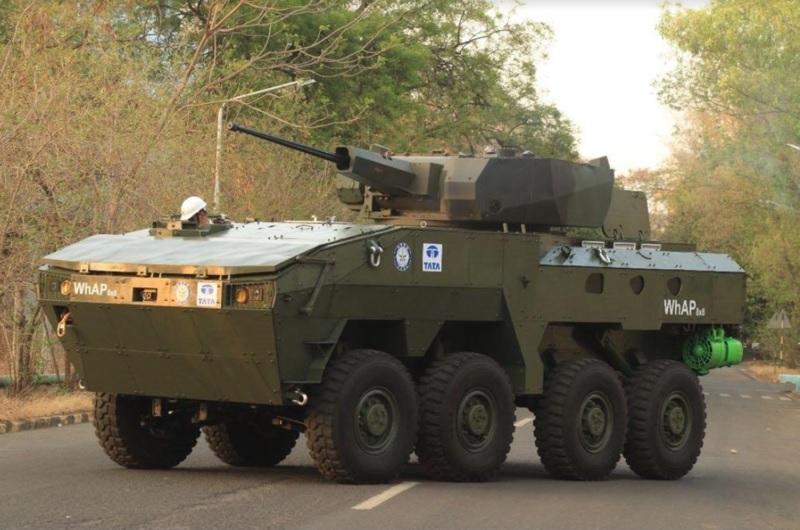
India
In a significant move to modernize its military, Morocco is poised to acquire 400 additional Tata WhAP 8x8 Infantry Fighting Vehicles (IFVs), which will replace the country’s aging fleet of French-supplied VAB IFVs and AML-90/60 armored vehicles. This acquisition marks a crucial shift in Morocco’s defense strategy, aimed at enhancing the mobility, firepower, and protection of its armed forces. The Moroccan military's decision to invest in Tata's Wheeled Armoured Platform (WhAP) is not only about upgrading equipment but also about diversifying military partnerships away from traditional suppliers like France.Initially, Morocco signed a deal with Tata Motors to procure 150 WhAP IFVs. These units will support the country's Abrams tank units, playing critical roles in troop transport, reconnaissance missions, and fire support. The success of this initial acquisition has sparked plans for an additional 400 vehicles, ensuring a complete overhaul of the current fleet, which includes the outdated VAB IFVs and AML-90/60 reconnaissance vehicles, some of which have been in service for decades.The Tata WhAP, developed in collaboration between Tata Advanced Systems and India’s Defence Research and Development Organisation (DRDO), represents a leap forward in military vehicle technology. This vehicle offers all-terrain capability, amphibious operations, and advanced protection features, making it highly versatile for the Moroccan Armed Forces. With its 8x8 wheel configuration, the WhAP can navigate difficult terrains while providing superior speed and mobility compared to tracked vehicles. It also boasts strong armor protection against small arms fire, mine blasts, and IEDs, crucial for operations in volatile environments.Morocco’s decision to establish a manufacturing facility for these IFVs in collaboration with Tata Motors further highlights the country’s commitment to developing its defense industry. This move is expected to bring significant economic benefits, including technology transfers, job creation, and a boost to local industrial capacity. For Morocco, this is more than just a military upgrade—it's a step toward becoming a regional hub for defense manufacturing.The WhAP is currently in limited service with the Indian Army, primarily deployed in harsh border conditions like Ladakh, underscoring its durability and operational capability in extreme environments. For Morocco, acquiring such a versatile and battle-proven platform means significantly enhancing its ability to handle diverse military operations, from border patrols to combat engagements.By selecting the Indian-made WhAP, Morocco is diversifying its defense procurement strategies, moving away from its traditional reliance on French and Western suppliers. This shift aligns with a broader trend in global defense markets where countries are exploring new suppliers to meet their evolving security needs. For India, this deal further establishes its growing reputation as a global arms exporter, with the WhAP being one of its flagship offerings in the IFV market.Overall, the acquisition of the Tata WhAPs positions Morocco to field a more modern, capable, and flexible armored force. The vehicles' integration with existing systems, such as the Abrams tanks, will offer Morocco a formidable military capability. As Morocco continues to invest in high-tech defense solutions, it is signaling its intention to be a major military power in North Africa.The deal also signifies a deepening relationship between India and Morocco, with potential for further defense cooperation in the years to come. Both nations stand to gain from this partnership, militarily and economically, as the Tata WhAP deal sets the stage for a new era in Morocco’s defense strategy.
Read More → Posted on 2024-10-15 14:50:30
Space & Technology
The Indian Space Research Organisation (ISRO) is gearing up for a crucial docking test, known as the Space Docking Experiment (Spadex), expected to take place before December 15, 2024. This docking test represents a significant step in the lead-up to India’s ambitious Gaganyaan mission, which will send astronauts into low Earth orbit, marking India’s debut in human spaceflight.The Gaganyaan mission is at the heart of ISRO’s space exploration aspirations. It aims to demonstrate India's ability to conduct manned missions in space, further expanding its capability in the global space race. One of the mission’s vital components is the ability to dock spacecraft in orbit—a skill crucial not only for crewed missions but also for long-term projects like building India’s own space station and facilitating lunar missions like Chandrayaan-4.The Importance of the Spadex MissionAt the core of this upcoming test is ISRO's Space Docking Experiment (Spadex), which is designed to validate India's docking capabilities. The mission will see two satellite components launched separately, which will then rendezvous and dock while orbiting Earth. This demonstration of orbital docking is crucial for the future of space missions that will require joining spacecraft mid-flight, such as constructing space stations or facilitating crew and supply transfers in space.ISRO Chairman S Somanath has noted that the Spadex mission is nearing its final stages of preparation. The integration of the two docking satellite units is almost complete, with full testing and simulations scheduled in the weeks leading up to the December docking test. Success in this test will bring India closer to mastering the technical complexity required for future space endeavors.The docking experiment is more than just a trial run. It serves as a precursor to ISRO’s long-term goals, including crewed spaceflights and possible future collaborations on international space station projects. It’s also an essential validation for the Gaganyaan-1 (G1) mission, scheduled for December 2024, which will be the first uncrewed test of the Gaganyaan spacecraft.Vyommitra: The Humanoid Aboard GaganyaanAdding a futuristic touch to the Gaganyaan mission is the humanoid robot Vyommitra, a key part of ISRO’s human spaceflight experiment. During the G1 mission, Vyommitra will simulate human activity onboard the spacecraft, performing tasks and monitoring life support systems. Vyommitra’s role is not just for show; it will gather vital data on conditions in the spacecraft, mimicking how future human astronauts would interact with the environment.In addition to Vyommitra, ISRO is testing the Environmental Control and Life Support System (ECLSS), a system essential for maintaining a livable environment for astronauts. An unpressurized engineering model of the ECLSS will be part of the G1 mission, validating its design and functionality before actual human use.Preparing for India's First Crewed MissionThe Spadex mission and the uncrewed Gaganyaan test flights are all leading up to the ultimate goal of sending Indian astronauts, or "Vyomanauts," into space. The modified LVM3 rocket, equipped with a new cryogenic stage, will provide the necessary power to launch the Gaganyaan spacecraft into orbit. This upgraded cryogenic engine is critical for delivering the thrust required to safely transport crew members into space and ensure their return.The uncrewed G1 test flight in December 2024 will be a significant milestone in assessing Gaganyaan's human spaceflight capabilities. The success of these docking and flight tests will demonstrate ISRO’s readiness for crewed missions, paving the way for India's entry into human space exploration.In conclusion, the upcoming docking test before December 15 is a pivotal moment for ISRO’s Gaganyaan program. As India moves closer to realizing its human spaceflight ambitions, this test not only validates the technical prowess of the space agency but also sets the stage for a new era in Indian space exploration.
Read More → Posted on 2024-10-15 14:46:00
World
At the 2024 AUSA (Association of the United States Army) conference, BAE Systems introduced two new prototypes of its highly adaptable Armoured Multi-Purpose Vehicle (AMPV), highlighting the platform’s versatility in meeting the evolving demands of the U.S. Army. These prototypes bring forward cutting-edge technologies aimed at enhancing battlefield readiness, with distinct mission capabilities and advanced turret systems.The two vehicles showcased at AUSA 2024 offer different capabilities, underscoring the AMPV's flexibility. One of the prototypes is equipped with a 30mm turret, while the other features a Modular Turreted Mortar System (MTMS), which recently completed rigorous evaluations at the U.S. Army’s Yuma Test Center. A standout feature of the AMPV platform is BAE Systems’ innovative "common top plate," allowing the integration of over 30 different turret systems. This modularity makes it easier for the Army to quickly adapt the vehicles for various combat roles without the need for significant reconfiguration or delays.The AMPV with the 30mm turret configuration represents the fifth prototype BAE Systems has revealed within a year. This version boasts the KONGSBERG Medium Caliber Turret (MCT), a lightweight, remote-controlled system, which is also favored by the U.S. Marine Corps for its Amphibious Combat Vehicle programme. The MCT enhances the vehicle’s firepower while maintaining flexibility and agility, ideal for a wide range of combat scenarios.In contrast, the AMPV fitted with the MTMS incorporates a 120mm remote-controlled turreted mortar system. This prototype has already been through successful live-fire demonstrations, including one at the Maneuver Warfighter Conference in Georgia. Such tests validate the system’s effectiveness in dynamic battlefield conditions and demonstrate its ability to deliver precision fire support from a highly mobile platform.Bill Sheehy, the AMPV programme director at BAE Systems, emphasized the importance of the common top plate in keeping the AMPV platform highly adaptable and cost-effective. By enabling rapid integration of new turret systems, this innovation ensures that the AMPV can evolve in line with emerging threats and technological advancements. “This vehicle is future-proofed,” Sheehy stated, explaining how the AMPV's modular design will support a broad range of mission roles while providing room for future upgrades.In addition to the 30mm turret and MTMS prototypes, BAE Systems has already integrated other systems onto the AMPV platform. These include a counter-unmanned aerial system (C-UAS) turret, an unmanned 30mm turret, and another medium-caliber 30mm weapon system. Each of these configurations highlights the platform's flexibility and ability to adapt to a variety of mission needs, from direct fire support to air defense and reconnaissance roles.Looking ahead, BAE Systems is nearing completion of a significant expansion of its AMPV production line in York, Pennsylvania. This expansion will allow for an increased production rate, ensuring the U.S. Army receives these advanced vehicles faster to meet their operational demands. As battlefield needs evolve, the ability to rapidly produce and deploy vehicles with adaptable capabilities will be critical in maintaining a tactical edge.The AMPV prototypes unveiled at AUSA 2024 reflect the growing emphasis on modularity, adaptability, and advanced weapon systems integration in modern military vehicles. With its proven track record in real-world testing and live-fire demonstrations, BAE Systems continues to push the boundaries of what is possible for the U.S. Army’s armoured fleet, ensuring soldiers have the tools they need to succeed in increasingly complex combat environments.
Read More → Posted on 2024-10-15 14:40:40
World
In a time of heightened global tensions, Russia's defense pact with North Korea has taken center stage, with Moscow stating that the terms of the agreement are straightforward and transparent. The Kremlin clarified its position on Tuesday after questions arose concerning the details of a treaty signed between the two nations in June. This defense pact, as emphasized by Kremlin spokesperson Dmitry Peskov, ensures "mutual assistance" between Russia and North Korea in the event either country faces external aggression.While the language of the treaty might raise eyebrows internationally, Russia insists that there is no need for further clarification. "It is quite clear," Peskov remarked. He added that the agreement points to "strategic, deepened cooperation" across a variety of sectors, particularly in security. The pact, signed during Russian President Vladimir Putin's visit to Pyongyang, was met with North Korean leader Kim Jong Un hailing Putin as North Korea's "dearest friend," marking a deepening of ties between the two nations.This announcement comes at a time when tensions in the region are escalating. North Korea's recent actions, such as the destruction of key roads linking it to South Korea, have reignited hostilities on the Korean peninsula. In response, Seoul initiated a "counter-fire" operation, heightening concerns of further conflict in the area.Despite these developments, the defense treaty between Moscow and Pyongyang has broader implications. Western nations, particularly the U.S. and its allies, believe North Korea may be providing military support to Russia, possibly supplying arms for Russia's ongoing offensive in Ukraine. Ukrainian President Volodymyr Zelensky even accused North Korea last week of sending troops to bolster Moscow's efforts in the conflict.However, many key aspects of the Russia-North Korea pact remain ambiguous. One of the most pressing questions is whether the treaty places North Korea under Russia's nuclear umbrella. While the text of the treaty itself does not explicitly mention nuclear support, speculation continues over how far Russia would go in defending its ally, especially in light of its nuclear capabilities. Putin has already sent the agreement to Russian lawmakers for ratification, but the full scope of the pact's security guarantees remains uncertain.In a global context, Russia's growing relationship with North Korea signals a broader shift in geopolitical alliances. Both nations face international isolation, with North Korea under severe sanctions for its nuclear ambitions and Russia increasingly isolated due to its war in Ukraine. The defense agreement can be seen as a consolidation of two nations looking to assert their interests amidst growing pressure from the West. As both countries continue to face economic sanctions and diplomatic criticism, their cooperation could mark a new phase in regional and global power dynamics.
Read More → Posted on 2024-10-15 14:38:33
India
The Indian Navy has taken a major step in its journey towards self-reliance with the launch of 'Samarthak,' the first indigenous Multi-Purpose Vessel (MPV), built at the L&T Shipyard in Kattupalli, near Chennai. The name 'Samarthak,' meaning "Supporter," captures the essence of the vessel’s multifaceted role in the Navy's operations. The launch ceremony, which took place on Monday, was graced by Mrs. Shashi Tripathi, President of the Navy Welfare and Wellness Association (NWWA), with Chief of Naval Staff, Admiral Dinesh K Tripathi, presiding over the event.This significant milestone is part of India’s broader "Aatmanirbhar Bharat" and "Make in India" initiatives, aimed at enhancing self-reliance in defense production. The contract for constructing two MPVs was awarded to L&T Shipyard on March 25, 2022. These vessels represent a leap in India's shipbuilding capabilities and demonstrate a continued commitment to reducing reliance on foreign imports for defense assets.At 106 meters in length and 16.8 meters in width, Samarthak is designed to perform a wide variety of tasks that are crucial to naval operations. The ship can achieve a top speed of 15 knots, making it an agile and efficient vessel for its intended roles. Its versatility stems from the array of tasks it can undertake, ranging from towing naval vessels to supporting advanced naval trials.One of the critical functions of Samarthak is its ability to serve as a trial platform for indigenous weapons and sensors. This capability is pivotal for advancing homegrown technologies, enabling the Indian Navy to test new defense systems in a real-world maritime environment. Additionally, the vessel will enhance operational flexibility by handling support roles that would typically occupy larger warships. This frees up frontline vessels to focus on more demanding missions, optimizing the Navy’s combat readiness.Samarthak is also equipped for mine countermeasures (MCM), an essential function that boosts the Navy’s capacity to detect and neutralize underwater mines, ensuring the safety of both military and commercial shipping lanes. The vessel’s capability to launch and recover targets is another valuable feature, particularly for naval exercises and weapons testing. Moreover, the integration of unmanned autonomous vehicles expands the scope of operations to include advanced underwater and surface drone activities, reflecting the growing emphasis on modern naval warfare.The introduction of Samarthak into the Indian Navy's fleet is not only a testament to India’s growing defense manufacturing capabilities but also a significant boost to the Navy’s operational reach. The vessel provides mobility, flexibility, and enhanced support to forward-deployed units, giving the Navy the ability to project power at critical points.This launch is part of a larger vision for modernizing the Indian Navy, which includes an ongoing commitment to indigenous shipbuilding. The second MPV under this project is already under construction and is expected to join the fleet soon, further enhancing India’s maritime strength.As Admiral Dinesh K Tripathi highlighted during the launch, "These vessels provide our forward-deployed units with the necessary mobility, flexibility, and versatility to project power and presence." Samarthak's launch is a proud moment for India, demonstrating the strength of its defense industry and the Navy’s forward-looking approach to maritime security.
Read More → Posted on 2024-10-15 14:36:05
World
In a bold escalation of its campaign against Russian military infrastructure, Ukraine claimed on Monday that its forces had destroyed a Russian military transport aircraft deep within Russian territory. The incident reportedly took place over the weekend, marking another strike behind Moscow's lines as Ukraine intensifies its efforts to undermine Russian military operations.According to Kyiv, the aircraft in question was a Soviet-era Tu-134, a transport plane used primarily to ferry high-ranking officials from the Russian Ministry of Defence. The Ukrainian military intelligence agency, Defence Intelligence of the Ministry of Defence of Ukraine (GUR), announced the destruction of the plane, which was stationed at a military airfield in the Orenburg region, approximately 1,000 kilometers from Ukraine’s border.The attack occurred overnight between Saturday and Sunday. In a statement posted on social media, GUR shared footage that purportedly showed the aftermath of the attack, with flames engulfing the aircraft. However, the Ukrainian agency did not provide specific details on how the strike was executed, leaving room for speculation about the methods employed. This secrecy has been typical of Kyiv’s recent operations, many of which have focused on disrupting Russian military logistics far from the active frontlines.The Soviet-designed Tu-134, while no longer cutting-edge, remains in service in limited roles, primarily used by the Russian military to transport personnel and officials. It was once a workhorse of Soviet aviation, and its use today is mostly for administrative purposes rather than combat missions.This incident is part of a broader trend. Over recent months, Ukraine has increasingly targeted military and infrastructure sites within Russia, including energy facilities, airfields, and supply depots. Kyiv’s aim appears to be to destabilize Russia’s military supply chain and force Moscow to reconsider the security of its rear bases, which were previously considered out of reach. The attack on the airfield in Orenburg aligns with these efforts, as Ukraine looks to stretch Russian forces and make them vulnerable in areas far from the battlefield.There has been no official confirmation or denial from Moscow regarding the Ukrainian claims. The Kremlin, generally tight-lipped about Ukrainian strikes on its territory, has previously refrained from acknowledging damage caused by such attacks. However, the growing frequency of reported sabotage and arson incidents within Russia has led to speculation that these operations are coordinated efforts by Ukrainian forces or their sympathizers within Russia.Since the full-scale invasion began in February 2022, Russia has faced a rising number of sabotage attempts on military and strategic targets within its borders. Moscow has responded by cracking down on internal dissent and sabotage, detaining hundreds of people accused of involvement in attacks on railways, military facilities, and energy infrastructure. These arrests are part of a larger effort by the Russian government to stem the tide of internal unrest that could further complicate its war effort.The destruction of the Tu-134, if confirmed, would represent a significant morale boost for Ukraine as it continues to push for territorial gains and undermine Russia's war efforts. The attack also underscores Kyiv's growing capability to strike far beyond the traditional frontlines, signaling that no part of Russian territory is completely immune from its reach.As Ukraine's military campaign progresses, such operations are likely to increase, further complicating Russia's logistical and strategic planning. The ongoing war is increasingly being fought not just on the fields of eastern Ukraine but also deep within Russia itself, making it clear that this conflict has moved well beyond the borders of both nations.
Read More → Posted on 2024-10-15 14:33:57
World
The Netherlands is taking a significant step in boosting its air defense capabilities by acquiring additional systems from Kongsberg Defence & Aerospace, a deal worth approximately NOK 11 billion (USD 1 billion). This acquisition forms a critical part of the Dutch Ministry of Defense's CITADEL program, an ambitious initiative aimed at enhancing the country's air and missile defense infrastructure. With the purchase of the NASAMS (National Advanced Surface-to-Air Missile System) and the newly developed NOMADS (Networked and Mobile Air Defense System), the Netherlands is poised to strengthen its protective measures for both military and civilian targets.NASAMS: A Proven Defense SolutionThe NASAMS system, developed by Kongsberg and Raytheon, is a well-established air defense solution widely used across NATO. Originally acquired by the Netherlands in 2006, the system is known for its medium-range capability and versatility in intercepting a variety of aerial threats, such as aircraft, drones, and missiles. The new acquisition will include upgraded NASAMS units, featuring state-of-the-art missile technology that significantly extends its reach and precision. The enhanced configuration will utilize advanced missiles like the AMRAAM-ER (Advanced Medium-Range Air-to-Air Missile Extended Range) and AIM-9X Sidewinder, allowing for a combination of longer- and shorter-range interception capabilities.The AMRAAM-ER missile provides a greater range compared to its predecessor, ensuring that threats can be neutralized further away from the protected area. This expanded engagement envelope is crucial in modern conflict scenarios where high-speed and high-altitude threats can pose significant risks. The AIM-9X Sidewinder, with its infrared-guided technology, enhances the system’s ability to tackle close-range threats, giving the Netherlands a layered defense approach.NOMADS: The Mobile ShieldIn addition to NASAMS, the acquisition includes the new NOMADS system, which brings an agile and highly mobile air defense capability to the Dutch arsenal. NOMADS is specifically designed for protecting ground forces in contested environments, making it an ideal solution for dynamic battlefield scenarios. It will feature two launch canisters, a 3D radar, and KONGSBERG’s PROTECTOR remote weapon station, providing the ability to detect, track, and engage aerial threats from a moving platform.NOMADS' mobile nature and interoperability with existing NASAMS infrastructure allow it to operate either as an independent unit or as part of a networked defense system, integrated with other NATO air defense assets. This makes the NOMADS system not just a national asset for the Netherlands but also a valuable component in the collective defense posture of NATO.The Strategic Importance of the CITADEL ProgramThe CITADEL program is a comprehensive effort by the Dutch Ministry of Defense to modernize its air and missile defense capabilities in response to evolving global security threats. With the purchase of these advanced systems, the Netherlands aims to bolster its ground-based air defense coverage, providing a multi-layered shield that can protect against a broad range of threats, from ballistic missiles to low-flying drones. The program’s recommendation to Parliament on October 14, 2024, marks a significant milestone in the country’s defense policy, prioritizing technological upgrades and interoperability with allies.The integration of NASAMS and NOMADS will not only enhance national defense but will also contribute to NATO’s integrated air defense network, reinforcing the alliance’s collective security. The move comes amid increased demand for modern air defense solutions across Europe, where nations are seeking to bolster their capabilities against potential aerial threats, including drones, cruise missiles, and advanced aircraft.Industry Collaboration and Future TimelineThe contract is expected to be signed by the end of the year, with the first deliveries of NASAMS and NOMADS slated to begin in 2028. Kongsberg will work closely with Dutch industry partners to ensure smooth production and integration of the systems. This collaboration is aimed at ensuring that the Dutch military gets cutting-edge technology while also benefiting from local industrial expertise.The Netherlands’ decision to acquire additional air defense systems from Kongsberg is a forward-looking move to address current and future security challenges. The combination of NASAMS' proven capabilities and NOMADS' mobility brings a flexible, multi-layered defense approach that can adapt to changing threat environments. As the CITADEL program continues to unfold, the Netherlands is set to not only enhance its own security but also strengthen the collective defense capabilities of NATO.
Read More → Posted on 2024-10-14 15:35:22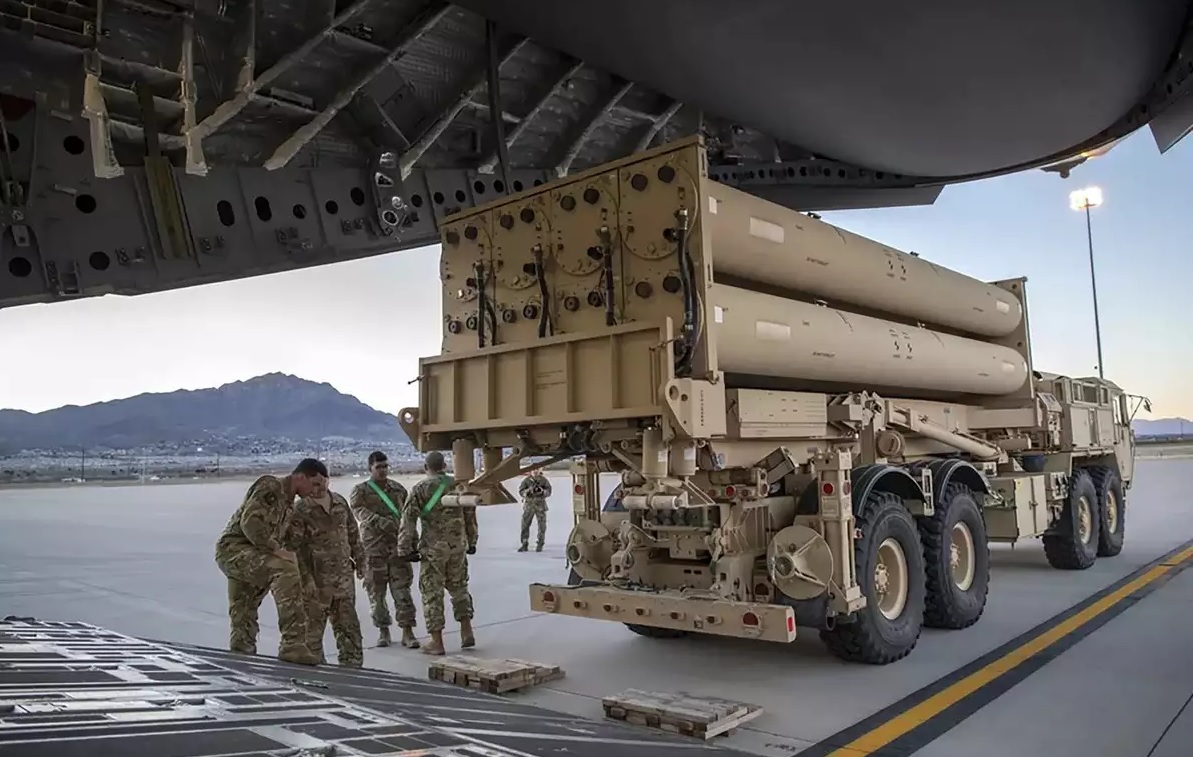
World
The United States has announced that it will deploy its advanced Terminal High-Altitude Area Defense (THAAD) missile system to Israel, sending a powerful signal of support amid increasing hostilities in the region. The decision to deploy the THAAD battery, along with a U.S. military crew to operate it, was made following a series of escalating threats from Iran and recent incidents that have heightened tensions in the Middle East.What is THAAD and Why is it Significant?THAAD is one of the world’s most advanced missile defense systems, designed to intercept and destroy short, medium, and intermediate-range ballistic missiles during their final phase of flight. Unlike other missile defense systems, THAAD intercepts incoming threats at high altitudes—outside the Earth's atmosphere—using the kinetic energy of impact to neutralize the target. The system employs a powerful radar, advanced fire control, and interceptor missiles, making it highly effective against complex missile threats.The THAAD battery's deployment in Israel marks a significant enhancement to the country's already sophisticated air defense network, which includes systems such as Iron Dome, David's Sling, and Arrow. By integrating with these existing layers, the THAAD system adds a new dimension to Israel's missile defense, particularly against long-range ballistic missiles that may be launched from adversaries like Iran.The Strategic Context: Rising Tensions with IranThe deployment of the THAAD system to Israel comes in response to Iran's intensified military activities and its support for groups like Hezbollah in Lebanon. On April 13 and October 1, Iran launched unprecedented attacks on Israel, escalating a conflict that has seen increased rocket fire and border skirmishes. The U.S. move is intended to bolster Israel's defense capabilities and send a clear message to Iran about America's commitment to defending its ally.The THAAD deployment also coincides with a recent incident in which Israeli troops were targeted by anti-tank missile fire from southern Lebanon, resulting in multiple injuries. This has underscored the volatile situation along Israel's northern border and raised concerns about a broader conflict potentially involving Iranian-backed forces.U.S. Commitment and Military Presence in the RegionPentagon Press Secretary Maj. General Pat Ryder confirmed that the deployment is part of a broader U.S. strategy to support Israel and safeguard American citizens in the region. "This action underscores the United States' ironclad commitment to the defense of Israel and to protecting Americans from further ballistic missile attacks by Iran," Ryder stated. This isn’t the first time the THAAD system has been deployed to the Middle East. The U.S. previously stationed a THAAD battery in Israel back in 2019 for a training exercise to evaluate the integration of American and Israeli air defense systems. Such exercises are essential for ensuring that the THAAD system can function seamlessly within the existing defense architecture of Israel, which includes close collaboration between Israeli forces and U.S. military personnel.Enhancing Israel’s Layered Air Defense NetworkIsrael’s air defense strategy is built around a multi-layered approach, utilizing different systems to intercept various types of threats. While Iron Dome focuses on countering short-range rockets and artillery, David's Sling and Arrow provide medium to long-range missile defense capabilities. The addition of THAAD enhances this network by offering an extra layer to intercept missiles at higher altitudes and longer ranges, providing additional time to neutralize threats.The THAAD system’s radar, known as AN/TPY-2, is also one of the most powerful in the world. It can detect, track, and discriminate between multiple missile threats from long distances, giving Israel greater situational awareness and reaction time. When integrated with Israel's existing air defense systems, this radar capability offers a more robust early-warning system to detect incoming ballistic missiles, potentially launched from Iran or its allied militias.Implications for the RegionDeploying the THAAD system in Israel not only strengthens the country’s defense against direct threats but also acts as a deterrence strategy against Iran and its proxies. By positioning advanced U.S. military technology in the region, the U.S. is reaffirming its support for Israel while signaling to Tehran that any aggressive actions will be met with a robust defense response. This move may also reassure other U.S. allies in the Middle East, who are concerned about Iran’s growing influence and missile capabilities.The deployment could have broader geopolitical implications. With tensions rising and regional actors closely watching, the presence of THAAD could deter further provocations from Iran while potentially triggering a military buildup in neighboring states. The Middle East is no stranger to arms races, and the addition of THAAD to Israel's defense arsenal could lead to increased military posturing from regional rivals.The U.S. decision to deploy the THAAD missile defense system in Israel highlights the importance of adapting to evolving security challenges in the Middle East. As Israel faces a complex array of threats, particularly from Iran, the THAAD system provides an additional layer of protection that enhances the country’s multi-layered air defense network. It also reinforces the U.S.-Israel defense partnership, ensuring that both nations are better prepared to address missile threats, protect civilians, and maintain stability in a volatile region. The deployment serves as a powerful statement of support from the U.S. to Israel, amid ongoing hostilities and unpredictable developments that characterize the current security landscape in the Middle East.
Read More → Posted on 2024-10-14 15:20:49
India
Noida-based Brainwave Science Private Limited has introduced a groundbreaking innovation that could reshape the future of lie detection and truth verification. Their AI-powered app, "iCognative," claims an impressive 99% accuracy in detecting deception, making it a powerful tool for law enforcement, security agencies, and even corporate investigations.iCognative isn't just another polygraph test or conventional lie detector. It relies on analyzing brainwave patterns in real-time, using advanced algorithms to detect deception at a cognitive level. The core of this technology lies in identifying a specific brainwave response known as the "P300." When a person is exposed to familiar information—something they are trying to conceal—the brain triggers a P300 response, a measurable signal linked to memory and attention. By capturing this subtle brainwave activity, iCognative can determine whether a subject is hiding the truth.The company has equipped the iCognative app with a headset that records the subject's brainwaves, making the entire process smooth and non-invasive. What sets it apart from other lie detection methods is the precision with which it can analyze data. iCognative incorporates deep learning and neuroscience advancements into its framework, ensuring that it stays up-to-date with the latest scientific breakthroughs.According to Krishna Ika, CEO of Brainwave Science, "iCognative is a game-changer in the field of deception detection. Its ability to uncover hidden truths with an accuracy rate of 99% offers a revolutionary solution for investigators." The web-based app is also easy to use, requiring minimal training for operators and eliminating the need for bulky equipment. This accessibility makes it ideal for law enforcement officers and investigators in the field, who need real-time results without extensive setup.What makes iCognative particularly innovative is its versatility. The application of this technology extends across various domains, from counter-terrorism and crime investigations to corporate security screenings. In counter-terrorism, it can help identify individuals with knowledge of planned attacks or hidden information about terrorist networks. In corporate environments, it could be used to detect fraud or misconduct, providing an extra layer of security.The success of iCognative is supported by an extensive database built through collaboration with law enforcement agencies worldwide. This vast repository of real-life scenarios helps the system refine its ability to interpret human behavior and distinguish deception. Moreover, its integration of artificial intelligence allows iCognative to continually evolve, ensuring it remains at the cutting edge of truth detection.Some of the app's most impressive features include rapid real-time analysis, which is crucial for fast-paced investigative environments. Its proprietary EEG headset is designed to provide high-quality brainwave data while utilizing sophisticated techniques to remove noise and artifacts from the readings. The technology is robust against countermeasures, meaning individuals cannot easily trick the system, even in highly complex scenarios.Additionally, iCognative boasts an autonomous system that reduces reliance on human oversight, allowing AI to take control of test administration. Investigators are further supported by an AI assistant integrated into the platform, which guides them through the process and improves their overall efficiency. And with the system moving to a cloud-based infrastructure, scalability is no longer an issue. iCognative can now be deployed at scale while ensuring strict adherence to data security protocols.Despite its promising potential, iCognative does raise some ethical concerns, particularly around privacy and the risk of misuse. Questions have also been raised about the possibility of false positives, though Brainwave Science insists that the system has been rigorously tested and validated to meet the highest standards of accuracy. They believe that the benefits far outweigh any potential risks, provided that the technology is used responsibly.In an era where security challenges are becoming increasingly sophisticated, Brainwave Science’s iCognative offers a cutting-edge solution that brings the future of lie detection into the present. With its AI-driven approach and a strong focus on accuracy and ease of use, it could reshape how investigators around the world uncover the truth.
Read More → Posted on 2024-10-14 15:15:55
World
NATO’s RQ-4D "Phoenix" drones played a pivotal role during Ramstein Flag 2024, a large-scale military exercise held in Greece. These sophisticated Unmanned Aerial Systems (UAS) form the backbone of NATO's Intelligence, Surveillance, and Reconnaissance Force (NISRF), which was tasked with providing near-real-time data to Allied forces. The purpose? To enhance situational awareness, prioritize target listings, and support complex operations, such as Counter Anti-Access/Area Denial (C-A2/AD) and Integrated Air and Missile Defense.Ramstein Flag 2024 served as a key proving ground for NATO’s enhanced ISR capabilities. By executing the full spectrum of ISR processing—collecting, analyzing, and disseminating information in real time—the NISRF showcased how it can directly support military operations with high-value intelligence. Brigadier General Clark, Commander of NISRF, described the event as "a unique opportunity to improve platform interoperability and data integration across the Alliance," highlighting the importance of seamless data sharing between nations and platforms.One of the standout features of this exercise was the use of the RQ-4D "Phoenix" drone, a key asset in NATO’s intelligence arsenal. With its advanced radar reconnaissance capabilities, the Phoenix operates both day and night, regardless of weather conditions. This ensures NATO forces maintain uninterrupted ground surveillance, even in the most challenging operational environments.The RQ-4D Phoenix, based at NATO's Sigonella Air Base in Italy, has proven to be one of the most reliable tools for gathering critical intelligence. These high-altitude, long-endurance drones are equipped with synthetic aperture radar (SAR) and Ground Moving Target Indicator (GMTI) technology, which enables them to monitor vast swathes of territory and track moving objects on the ground. This capability is crucial for supporting NATO's defensive posture in Europe, particularly in missions requiring rapid threat detection and response.During Ramstein Flag 2024, the NISRF's drones captured organic imagery and gathered essential data, delivering quick analyses that were fed directly into operational planning processes. The high-quality intelligence provided by the NISRF was instrumental in enhancing the situational awareness of aircrews, allowing them to make more informed decisions in real time. This level of integration, both in terms of data and operational capabilities, demonstrates NATO's ongoing efforts to stay ahead of evolving threats.The NISRF, originally established in 2015 under the name NATO Alliance Ground Surveillance Force (NAGSF), has steadily grown into one of the most advanced surveillance forces in the world. Its fleet of five RQ-4D drones, often referred to as the "eyes in the sky" for NATO, can autonomously operate for over 30 hours at a stretch, monitoring enemy movements, identifying critical targets, and relaying actionable intelligence to ground commanders.These drones, with a wingspan of nearly 40 meters and a cruising altitude of 60,000 feet, offer unparalleled surveillance coverage. This makes them particularly useful in countering Anti-Access/Area Denial (A2/AD) threats, where traditional surveillance platforms might struggle to operate safely. Their ability to stay aloft for extended periods ensures that NATO forces have continuous access to intelligence, allowing for quicker reaction times and more strategic decision-making.Beyond their technical capabilities, the RQ-4D Phoenix drones also play a crucial role in strengthening interoperability between NATO member states. By participating in joint exercises like Ramstein Flag, NISRF ensures that intelligence data from its drones can be seamlessly integrated with information from other Allied platforms, enabling a more cohesive and responsive defense network.The significance of the RQ-4D Phoenix and NISRF’s role during Ramstein Flag 2024 cannot be understated. As NATO faces an increasingly complex global security environment, the ability to collect, analyze, and share intelligence rapidly is more critical than ever. This exercise underscored the Alliance’s commitment to maintaining a strong defensive posture while continuing to advance technological and operational integration across its member nations.The success of Ramstein Flag 2024 highlights NATO's ongoing investment in ISR technologies and the continued importance of multinational cooperation in safeguarding European security. With its fleet of RQ-4D drones, the NISRF stands as a testament to the Alliance’s ability to adapt and thrive in an ever-changing threat landscape.
Read More → Posted on 2024-10-14 15:12:17
India
The Cabinet Committee on Security (CCS) has taken a crucial step in advancing India's defence capabilities by approving the establishment of a new tactical missile testing range in Nagayalanka, Andhra Pradesh. This move comes at a pivotal moment when the Defence Research and Development Organisation (DRDO) is deep into developing a range of missile systems, particularly those designed for short-range air defence and anti-tank warfare.India’s missile development programs have gained momentum in recent years, reflecting a growing emphasis on indigenous technology. The newly approved range will serve as a dedicated platform for testing critical missile systems such as Very Short Range Air Defence Systems (VSHORADS), anti-tank guided missiles (ATGMs), and other tactical systems designed to protect ground forces in battlefield conditions. The approval of this facility provides a significant boost to the testing of domestically developed weaponry.Why the New Missile Range is SignificantWith this approval, the DRDO is set to benefit from a facility that allows for extensive testing under real-world conditions. This range will cater to missile systems designed for quick deployment and response during combat situations. For instance, the VSHORADS—a highly portable air defence missile—is built for rapid deployment to protect troops against low-flying aircraft and drones. On the other hand, the anti-tank guided missiles, both man-portable and vehicle-launched, are developed to target modern armoured vehicles, crucial for India's ground forces.While India already has missile testing facilities such as the Integrated Test Range (ITR) in Odisha, this new facility in Andhra Pradesh will be focused on tactical missile systems. The terrain and geographical features of the Nagayalanka region are ideal for such tests, allowing DRDO to simulate battlefield conditions more effectively.DRDO’s Growing Portfolio of Tactical MissilesThe DRDO has been making significant strides in the development of tactical missile systems, with several of them being close to induction. Among these are the VSHORADS and various anti-tank missile systems like the MPATGM (Man-Portable Anti-Tank Guided Missile). These missiles are designed to be lightweight, versatile, and capable of being operated by soldiers in diverse terrains—from the plains of Punjab to the mountainous regions of Ladakh.Additionally, quick-reaction surface-to-air missiles (QRSAMs) and vertically launched short-range air defence systems (VL-SRSAM) are also in development. These systems are intended to protect key military installations and assets, including ground vehicles and personnel, from enemy air attacks. The new missile testing range will support the evaluation and refinement of these cutting-edge systems.A Broader Strategy for National DefenceThe establishment of the missile testing range is not an isolated move. The CCS meeting also gave the green light to several other significant proposals. These include the acquisition of 31 Predator drones from the United States—capable of conducting surveillance and precision strikes—and the construction of two nuclear submarines under Project ATV, which is responsible for India’s indigenous strategic submarine development.The expansion of India’s missile testing infrastructure is part of a larger vision to boost the country's self-reliance in defence technology. With growing tensions in the region and an evolving security landscape, having an advanced, well-equipped defence research framework is essential for maintaining military preparedness.However, as with any significant defence project, there are both advantages and challenges. On the positive side, the new range will streamline the testing process, making it easier for DRDO to advance its projects to the next phase. But on the downside, setting up and maintaining such a facility comes with environmental and logistical concerns, including potential disruptions to local ecosystems and the need for adequate infrastructure development.The Road AheadThis new testing range marks another milestone in India’s defence modernization efforts, aligning with the country’s long-term goal of achieving self-reliance in critical military technologies. For DRDO, it presents an opportunity to accelerate the pace of missile development and deliver world-class systems to the Indian Armed Forces.While the approval of the missile range is a major win for India’s defence sector, the execution of the project will be equally critical. Ensuring that the range becomes operational on time and meets the required standards will be key in supporting DRDO’s ambitious missile development agenda. As India continues to develop and enhance its tactical and strategic capabilities, this new facility could become a cornerstone in testing and refining systems crucial for the country's defence.
Read More → Posted on 2024-10-14 15:10:23
India
The Armenian Army has successfully completed trials of the Indian-made Advanced Towed Artillery Gun System (ATAGS), marking a significant milestone in defense cooperation between the two nations. Armenia, which first purchased these systems in 2023, tested a batch of six 155mm ATAGS across various regions of the country, adapting them to local terrain and operational conditions. The trials were critical, as they not only evaluated the gun's technical capabilities but also confirmed its adaptability to the specific needs of the Armenian military.The ATAGS tested in Armenia were modified to accommodate the Armenian Army's unique requirements, including programming the trajectory computational model in the Armenian language. The extensive testing phase aimed to ensure that these guns, initially tested in India, could operate effectively under Armenia's varied environmental conditions. The trials reportedly went well, setting the stage for a larger arms deal.A Larger Deal on the HorizonArmenia is now expected to place a much larger order for an additional 84 ATAGS units, valued at approximately $155 million. This comes after the country confirmed its interest in expanding its artillery capabilities to bolster its defenses against Azerbaijan. The ATAGS howitzer is part of a broader effort by Armenia to diversify and upgrade its military hardware, with several purchases from India including the Akash air defense system, Swathi counter-battery radars, and Pinaka multi-barrel rocket launchers.Specifications of the ATAGSThe ATAGS is a 155mm/52-caliber towed artillery system that was developed in India by a collaboration between the Armament Research and Development Establishment, Tata Advanced Systems, and Kalyani Strategic Systems. It represents a significant leap forward in India's indigenous defense manufacturing capabilities and was primarily designed to meet the needs of the Indian Army.The gun is known for its impressive specifications:Range: The ATAGS has a maximum firing range of 48 kilometers (about 30 miles), which gives it a substantial advantage in long-range engagements.Rate of Fire: In burst mode, the howitzer can fire up to 5 rounds per minute. In intense mode, it can fire 10 rounds in 2 minutes and 30 seconds. Its sustained fire rate is 60 rounds per hour, making it highly effective in prolonged engagements.Weight and Mobility: Despite its 18-ton weight, the gun is designed for mobility, allowing it to be towed across rugged terrain by specialized vehicles. A crew of six operates the system, making it an efficient asset in terms of manpower.The development of the ATAGS began in 2013, and after several trials, including its first test in 2016, the system was officially cleared for induction into the Indian Army in 2022. Its advanced fire control system, precision, and ability to operate in harsh environments make it a top-tier artillery system, and these qualities were put to the test during the trials in Armenia.Armenia's Growing Defense Partnership with IndiaThis deal is just one aspect of Armenia’s growing defense relationship with India. Beyond the ATAGS artillery system, Armenia has also turned to India for assistance with other critical military assets. Reports indicate that Armenia is exploring options to upgrade its fleet of Su-30 fighter jets and may also be looking to acquire advanced missile systems from India. This expanding partnership highlights Armenia's efforts to modernize its military, relying on India's growing defense production capabilities as a key supplier.The trials of the ATAGS in Armenia signal the beginning of what could be a long-term collaboration in defense technology between the two countries. With successful tests and a larger order on the way, the ATAGS howitzer is set to play a pivotal role in Armenia’s defense strategy moving forward.
Read More → Posted on 2024-10-14 15:07:30Search
Top Trending in 24 Hours
-
 NASA Demonstrates Space-to-Space Wi-Fi Between Two Orbiting Spacecraft
-
 USS Pinckney Becomes First U.S. Navy Destroyer to Begin Phase Two Modernization with Advanced SPY-6 Radar
-
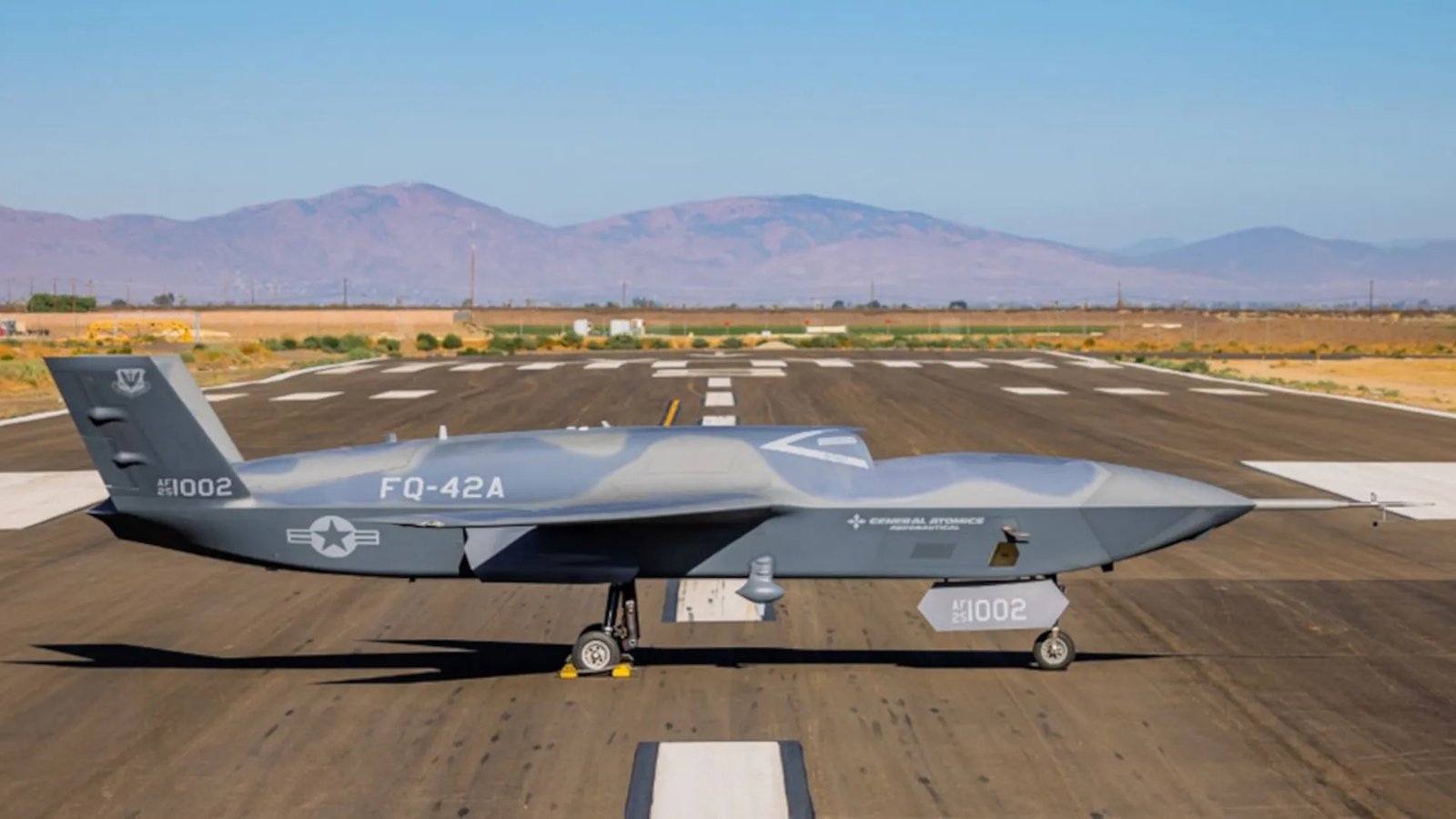 General Atomics Partners With Spirit Defense to Expand FQ-42 Vengeance Production
-
 U.S. Military to Ban Chinese Automaker BYD Vehicles from Kadena Air Base in Japan Over Security Concerns
-
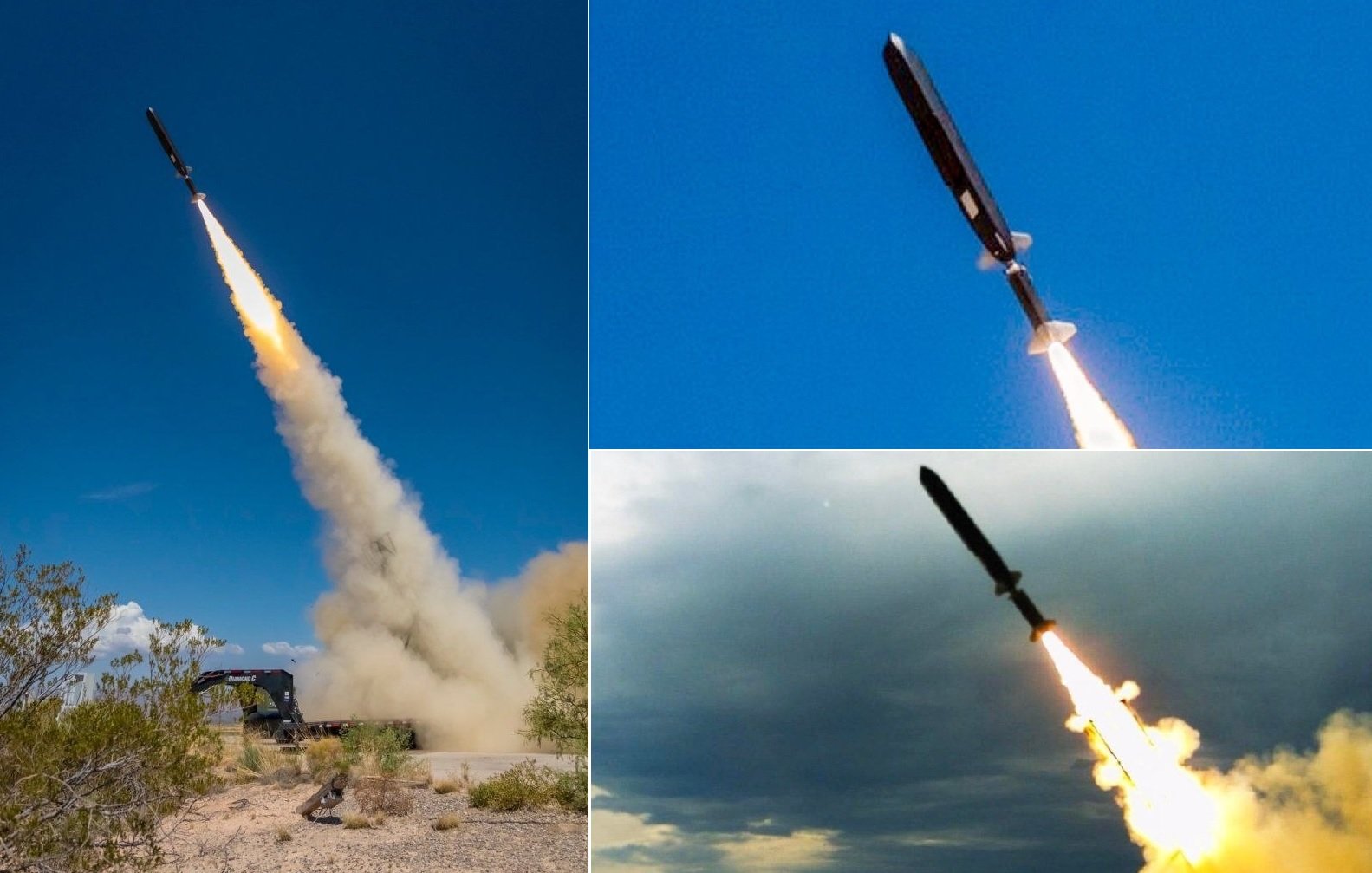 Zone 5 Technologies Demonstrates Ground Launch of Upgraded AGM-188A Rusty Dagger Missile
-
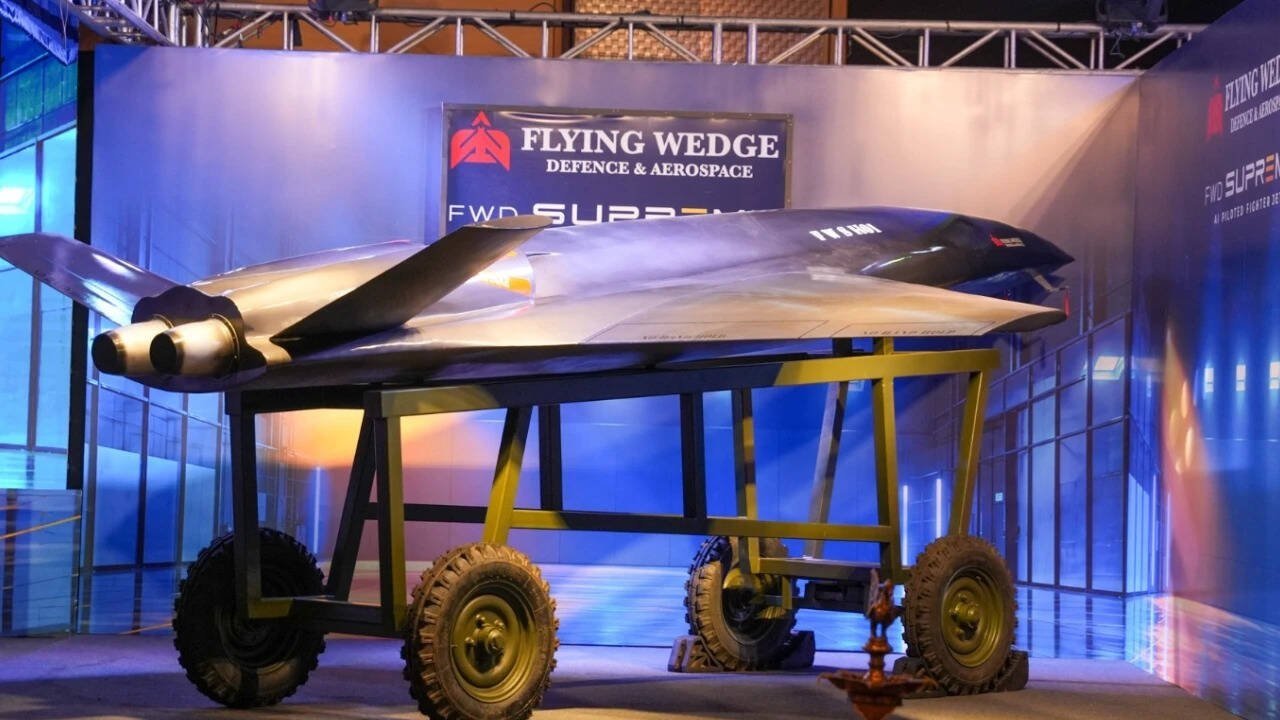 Bengaluru Startup FWDA Unveils FWD Supreme AI-Piloted Loyal Wingman Prototype
-
 Russia Launches Project 20380 Corvette Grozny for Pacific Fleet at Amur Shipyard
-
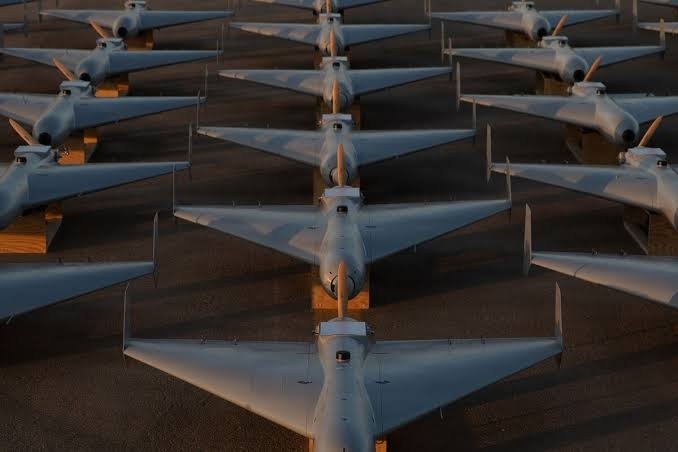 Pentagon Orders 60,000 Kamikaze Drones Under Second Phase of Drone Dominance Program
Top Trending in 4 Days
-
 NASA Sets New Artemis Milestones as SpaceX and Blue Origin Target Moon Landings in 2027–2028
-
NASA Demonstrates Space-to-Space Wi-Fi Between Two Orbiting Spacecraft
-
USS Pinckney Becomes First U.S. Navy Destroyer to Begin Phase Two Modernization with Advanced SPY-6 Radar
-
General Atomics Partners With Spirit Defense to Expand FQ-42 Vengeance Production
-
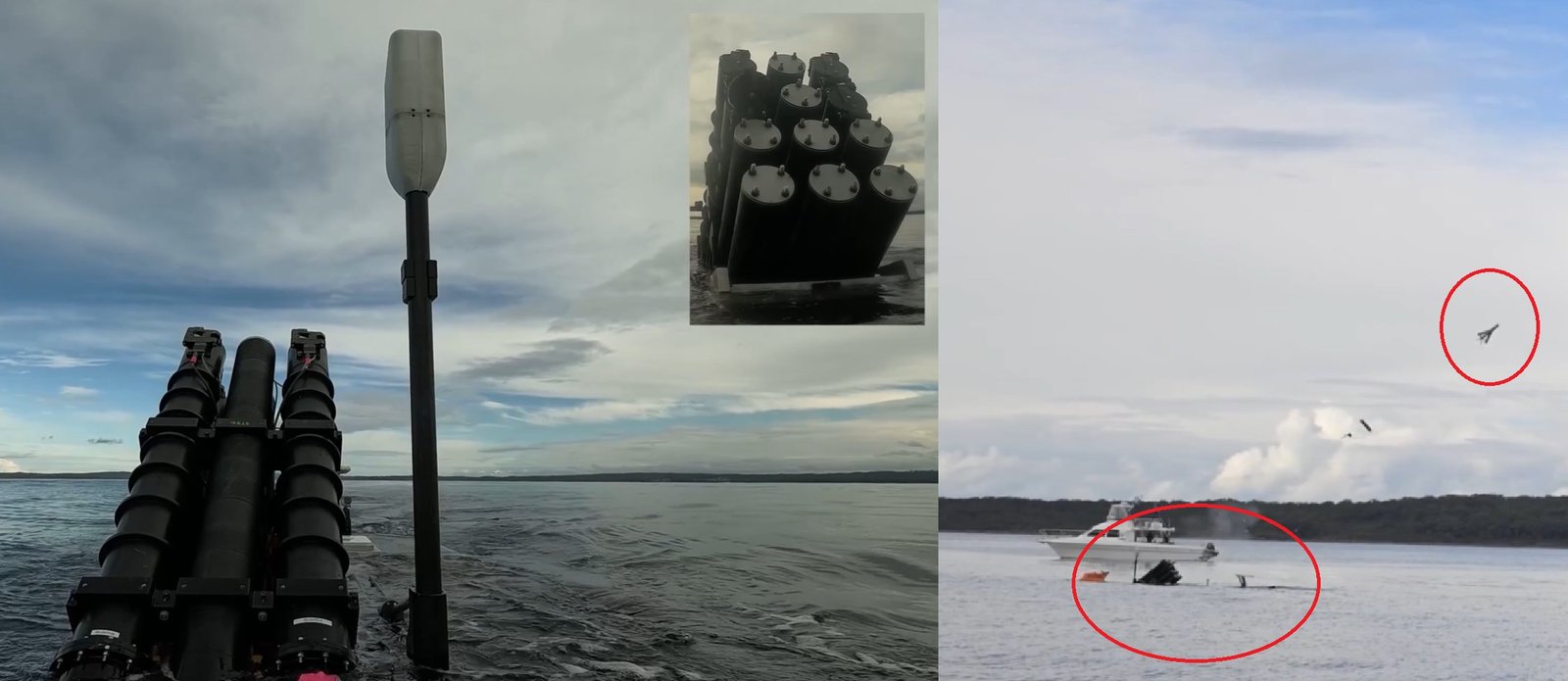 Australia Unveils Ghost Shark Autonomous Submarine’s Mine, Drone and Logistics Capabilities
-
 L3Harris Opens ‘Arsenal of Freedom’ Rocket Motor Plant in Arkansas to Double Production Capacity
-
U.S. Military to Ban Chinese Automaker BYD Vehicles from Kadena Air Base in Japan Over Security Concerns
-
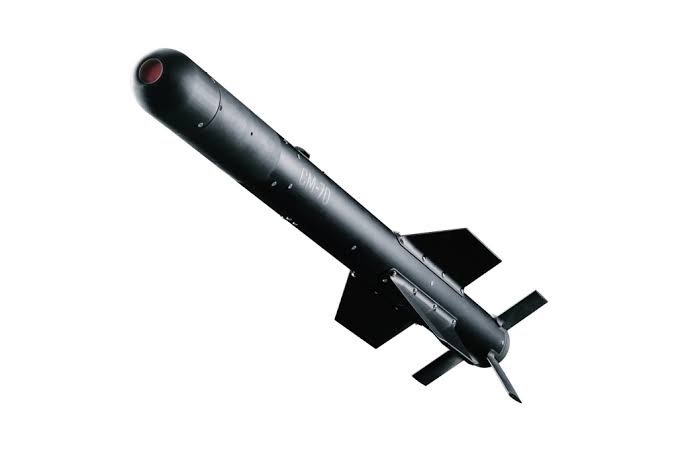 CSG and North Vector Dynamics Sign MoU to Explore European Production of CM-70 Counter-Drone Interceptor
