
World
South Korea has uncovered evidence that Russia has supplied anti-aircraft missiles and other military equipment to North Korea in exchange for sending troops to support Moscow's war efforts in Ukraine. National Security Director Shin Wonsik revealed that over 10,000 North Korean soldiers have been dispatched to bolster Russian forces, a claim supported by U.S. intelligence. In return, Russia provided not only weapons to enhance Pyongyang's air defense but also economic assistance. The revelation intensifies concerns among South Korea, the U.S., and other allies about potential transfers of sensitive nuclear or missile technologies between the two nations. This alarming development also raises questions about North Korea's ambitions in leveraging these deals for strategic military gains. The collaboration signals a deepening alliance between two nations heavily sanctioned by the international community, potentially destabilizing regional and global security dynamics .
Read More → Posted on 2024-11-22 18:20:52
World
At the International Defence Exhibition and Seminar (IDEAS) 2024 in Karachi, Pakistani filmmaker Awais Rauf made a surprising announcement, claiming to have developed a long-range air surveillance radar system capable of monitoring airspace up to 350 kilometers. Known as the AM350S, this radar is being presented as a cutting-edge mobile system, developed in collaboration with Pakistan’s National Radio Telecommunication Corporation (NRTC) and private sector entities. However, the bold claims have been met with skepticism due to a lack of transparency and evidence.Specifications and Potential CapabilitiesThe AM350S radar, as described, is a mobile platform designed for rapid deployment. If the claims are accurate, the radar could enable Pakistan to monitor a large portion of its airspace and potentially track aerial threats over significant distances. Similar radar systems, such as China’s YLC-18A, feature advanced technologies like phased array scanning, low-altitude blind compensation, and three-dimensional airspace monitoring. For example, the YLC-18A boasts an effective range of over 500 kilometers with highly precise resolution and programmable digital signal processing.If the AM350S includes even a fraction of these technologies, it could represent a significant step forward for Pakistan’s defense capabilities. However, the absence of concrete technical specifications or demonstration of its abilities leaves room for speculation about its authenticity and effectiveness.Credibility ConcernsAwais Rauf’s background as a film producer, notably of the 2022 spy thriller Zarrar, has raised doubts about his expertise in defense technology. Blue Search Private Limited, the company purportedly behind the radar’s development, has no visible operational footprint, website, or detailed information available online. This lack of transparency has drawn scrutiny from analysts, who question the feasibility of such an advanced project emerging from a relatively unknown entity.Even with the involvement of NRTC, a reputable state-owned organization specializing in defense telecommunications, the level of collaboration and its role in the radar’s development remain unclear. This further fuels skepticism, as building a radar with such specifications typically requires years of research and development by specialized defense firms.Possible Strategic ImplicationsDespite the doubts, the announcement has attracted attention, with claims that “friendly countries” have shown interest in acquiring the system. If legitimate, the AM350S could serve as a significant export product and bolster Pakistan’s defense industry. However, the lack of disclosed details about these countries or any confirmed deals casts further uncertainty on the project’s viability.Broader ContextObservers speculate whether this claim is part of a narrative to project self-reliance in defense technology rather than a genuine breakthrough. This is not unprecedented, as countries often use such exhibitions to showcase ambitious projects to attract international partnerships or demonstrate technological advancements. Without more substantial evidence or independent verification, the AM350S radar remains a controversial topic, drawing as much skepticism as intrigue.While the unveiling of the AM350S radar has sparked conversations about Pakistan’s defense ambitions, the lack of technical details, the unverified credentials of its developers, and the absence of clear operational demonstrations make it difficult to take the claims at face value. Whether this radar represents a true leap in technology or a strategic showcase remains to be seen.
Read More → Posted on 2024-11-22 17:55:16
India
The Bengaluru Tech Summit 2024 became a stage for technological marvels as the Defence Research and Development Organisation (DRDO) unveiled its latest projects that promise to redefine India’s defence surveillance and reconnaissance capabilities. In its 27th edition, the summit witnessed the introduction of cutting-edge advancements, including the Intelligence, Surveillance, Target Acquisition, and Reconnaissance (ISTAR) systems, Multi-Mode Maritime Aircraft (MMMA), and Airborne Early Warning and Control (AEW&C) platforms.ISTAR: Revolutionizing Battlefield IntelligenceOne of the standout projects revealed was the ISTAR system, designed to serve as the backbone of real-time battlefield intelligence. According to DRDO scientist Dr. Satish Kumar, this advanced platform will provide seamless integration of data, transforming the Indian Air Force’s (IAF) situational awareness capabilities. ISTAR systems are envisioned as game-changers, enabling precision targeting, threat analysis, and network-centric warfare strategies.The ISTAR aircraft will host a suite of high-performance sensors, including Synthetic Aperture Radar (SAR), Electro-Optical and Infrared (EO/IR) systems, and advanced signal intelligence (SIGINT) modules. Leading contenders for hosting these systems include the Bombardier Global 6000 and Gulfstream G550 aircraft, known for their operational range and reliability. These platforms will enhance coordination with UAVs and existing ground control systems, ensuring comprehensive threat monitoring.MMMA: Fortifying Maritime SurveillancePragya, another senior DRDO scientist, spotlighted the Multi-Mode Maritime Aircraft (MMMA) program, which is being tailored to address India's expanding maritime security challenges. Leveraging the versatile C295 aircraft platform, the MMMA variant is being developed for the Indian Coast Guard, while its sibling, the Medium-Range Maritime Reconnaissance (MRMR) aircraft, will cater to the Indian Navy.Equipped with Active Electronically Scanned Array (AESA) radars, advanced infrared detection systems, and air-droppable sonobuoys, the MMMA will enable precise tracking and engagement of maritime threats. The system also supports anti-submarine warfare (ASW) and surface surveillance, crucial for India’s maritime domain awareness. Pragya highlighted that partnerships with private sector players are in active consideration to accelerate the delivery timeline for these aircraft.AEW&C: Advancing Aerial SurveillanceIndia’s AEW&C project, aimed at boosting its airborne early warning capabilities, is undergoing significant modernization. Six Airbus A321 aircraft are currently being retrofitted to house next-generation radar and communication modules. These systems feature advanced gallium nitride-based (GaN) radars, which offer a 300-degree coverage range and improved efficiency over conventional systems.This initiative, expected to reach operational status by 2027-28, will strengthen India's aerial defence grid, ensuring early detection of threats and superior command and control capabilities. Additionally, the existing Netra Mark-1A AEW&C systems are set to receive similar upgrades, further bolstering the IAF’s readiness.Indigenous Innovation Takes Center StageThe unveiling of these advanced projects underscores DRDO’s push towards self-reliance in defence technology, aligned with India’s “Make in India” initiative. By integrating indigenous design with global best practices, DRDO aims to establish India as a leader in advanced defence systems. The Bengaluru Tech Summit also reinforced Karnataka’s standing as a hub for aerospace innovation, providing a platform for stakeholders to witness and contribute to this transformative journey. With projects like ISTAR, MMMA, and AEW&C, India is poised to enhance its defensive and offensive capabilities, cementing its position in the global defence aviation arena.
Read More → Posted on 2024-11-22 17:46:37
World
Elbit Systems of America, a subsidiary of the renowned Israeli defense company Elbit Systems, has embarked on a significant modernization effort for the United States Air Force (USAF). The company has secured an Indefinite Delivery/Indefinite Quantity (ID/IQ) contract valued at up to $89 million to supply cutting-edge Wide-Angle Conventional Head-Up Displays (WACHUD) for the USAF’s F-16 Block 40/42 aircraft. This ambitious program signals a technological leap in avionics, promising enhanced operational efficiency and safety for one of the world’s most widely used fighter jets.The contract’s first delivery order, amounting to over $57.5 million, was awarded in September 2024. Elbit America will carry out the production and integration of these systems at its state-of-the-art facility in Talladega, Alabama, with deliveries scheduled through September 2027. The facility is a well-established hub for military systems sustainment and repair, serving a vast customer base and leveraging decades of expertise in avionics technology.A Critical Upgrade for the F-16 FleetThe WACHUD system represents a significant enhancement over the older Diffractive Optic Head-Up Displays currently installed in parts of the F-16 fleet. By projecting essential flight and mission data directly into the pilot’s field of view, the system enables rapid and precise decision-making in high-pressure combat and operational scenarios. This technological edge not only improves mission success rates but also ensures safer navigation and maneuverability for pilots.The wide-angle feature provides an expanded field of view, allowing pilots to maintain situational awareness without diverting attention from their primary focus. Unlike its predecessors, the WACHUD offers increased brightness, sharper visuals, and improved reliability, all of which are critical for missions conducted in diverse and challenging environments.Simplifying Maintenance and OperationsOne of the standout advantages of the new system is the standardization it brings to the F-16 fleet. According to Scott Tumpak, Senior Vice President of Electronic Systems at Elbit America, this upgrade introduces a unified configuration across the fleet, streamlining maintenance, supply chain logistics, and training efforts. “The single configuration benefits pilots, maintainers, and the supply chain, making it easier to manage and maintain across the entire fleet,” Tumpak explained.This modernization aligns with the USAF’s long-term goals of improving fleet readiness while minimizing operational costs. By replacing aging components with advanced, reliable systems, the WACHUD project ensures that the F-16 remains a formidable asset in the USAF’s arsenal for years to come.Leveraging Expertise at TalladegaElbit America’s Talladega facility, known for its prowess in military system sustainment, will spearhead the production and integration of the WACHUD systems. Jimmy Johns, Vice President of Operations at Elbit America, emphasized the team's deep familiarity with the F-16 platform. “Our Talladega workforce has supported the avionics and Head-Up Displays of the majority of F-16 aircraft for decades. We’re proud to continue this legacy through this multi-year program,” he said.This initiative not only underscores Talladega’s strategic importance but also highlights Elbit America’s commitment to expanding its aftermarket services, ensuring robust support for military operations globally.Enhancing Combat ReadinessAs the USAF continues to operate a diverse fleet of aircraft, the integration of advanced technologies like the WACHUD ensures that legacy platforms like the F-16 remain relevant in modern warfare. The upgraded displays are a testament to the importance of maintaining cutting-edge capabilities in a rapidly evolving defense landscape. By combining technological innovation, operational efficiency, and strategic foresight, the WACHUD program represents a pivotal step in the evolution of one of the most iconic fighter jets in history. This modernization effort reaffirms the F-16's enduring legacy while equipping it for the challenges of the future.
Read More → Posted on 2024-11-22 17:41:55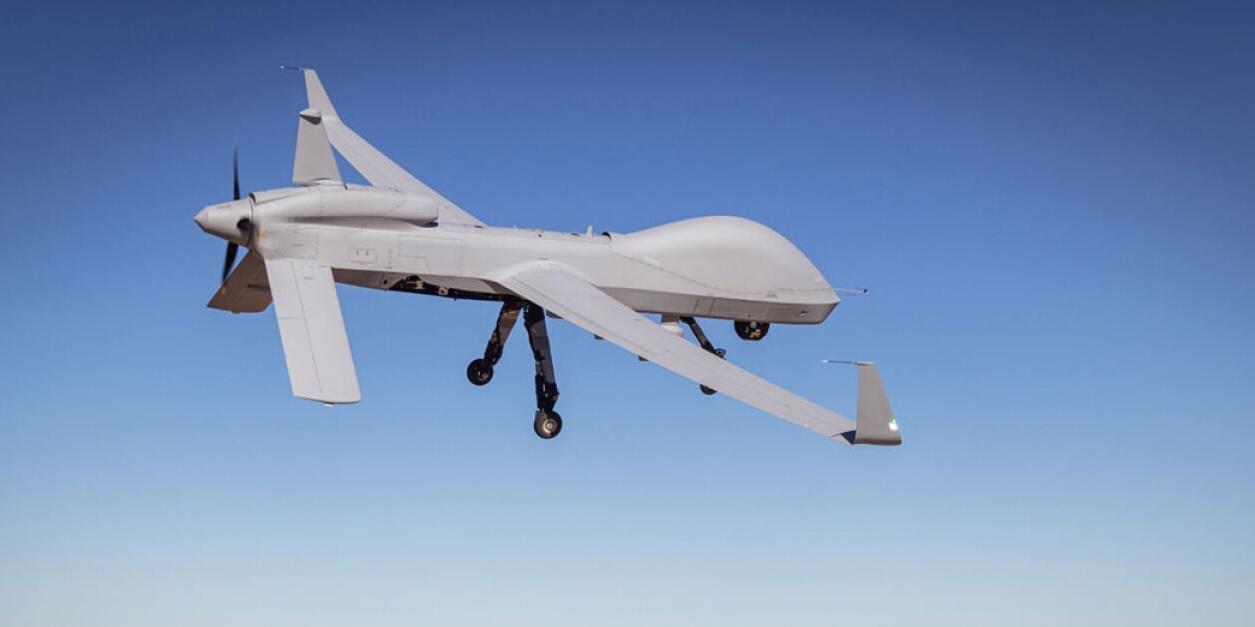
World
General Atomics Aeronautical Systems Inc. (GA-ASI) has successfully completed rigorous testing of its next-generation heavy fuel engine, the HFE 2.0, designed to elevate the capabilities of the Gray Eagle 25M unmanned aerial system (UAS). Conducted in El Mirage, California, the qualification trials mark a major milestone in advancing the drone's performance and durability to meet modern military demands.A Leap in Engine PerformanceThe HFE 2.0, a 200-horsepower heavy fuel engine, delivers a significant performance boost compared to its predecessor. Offering a 40% increase in service life and 50% more power for mission payloads, the engine redefines the operational capabilities of the Gray Eagle platform. This advancement supports low-sustainment and maintenance-free operations, catering to the complex needs of multi-domain battlefields.Extensive Testing Validates DurabilityOver the past 18 months, the HFE 2.0 underwent rigorous endurance testing, simulating flight conditions under extreme stress for durations of 200, 400, and 651 hours. It further completed 50 hours of trials within its operational envelope, confirming its reliability under various flight conditions. During the recent three-week qualification phase, the engine met the US Federal Aviation Administration’s (FAA) primary performance standards for commercial applications, a testament to its engineering excellence.Army Integration on the HorizonFollowing the FAA validation, the HFE 2.0 will undergo an additional qualification process with the US Army. This step is essential to authorize the engine's integration into the Gray Eagle Extended Range drones, replacing the aging 180-horsepower engines in the current fleet. The upgrade promises to enhance mission endurance and payload capacity, solidifying the Gray Eagle's role as a critical asset in reconnaissance and strike operations.David Alexander, President of GA-ASI, highlighted the significance of the achievement: “This test is the culmination of the extensive durability and flight test program for the HFE 2.0 engine. It’s been great to see the outstanding test results that have validated the design and development of the HFE 2.0 engine we have worked on so passionately for the past seven years and to bring this world-class engine to the Gray Eagle fleet.” Advanced Capabilities of the Gray EagleThe Gray Eagle UAS is engineered for versatility, featuring a length of 28 feet (9 meters) and a wingspan of 56 feet (17 meters). It boasts a top speed of 167 knots (192 mph or 309 km/h) and a service ceiling of 29,000 feet (8,839 meters). The drone can be equipped with a variety of payloads, including air-to-air and air-to-ground missiles, making it a formidable asset for military operations.Recent enhancements to the platform include cutting-edge radar and sensing technologies capable of detecting threats at a distance of 50 miles (80 kilometers), alongside a next-generation flight computer offering increased memory, processing power, and high-speed data transfer capabilities.Future ProspectsThe Gray Eagle is being positioned as a critical component in the US Army’s evolving vertical lift strategy. While the Future Attack Reconnaissance Aircraft (FARA) program, which envisions drone-helicopter teams, is currently on hold, the Gray Eagle continues to demonstrate its value with advancements like the HFE 2.0 engine.With a history of securing substantial contracts, such as a $389-million deal in late 2023, and continuous innovation in sensing and operational efficiency, the Gray Eagle is set to remain a cornerstone of US Army reconnaissance and strike capabilities. The latest engine upgrade ensures the platform remains future-ready, addressing emerging challenges on the modern battlefield. This milestone not only strengthens the Gray Eagle’s operational edge but also reinforces General Atomics’ position as a leader in cutting-edge UAS technology.
Read More → Posted on 2024-11-22 17:35:19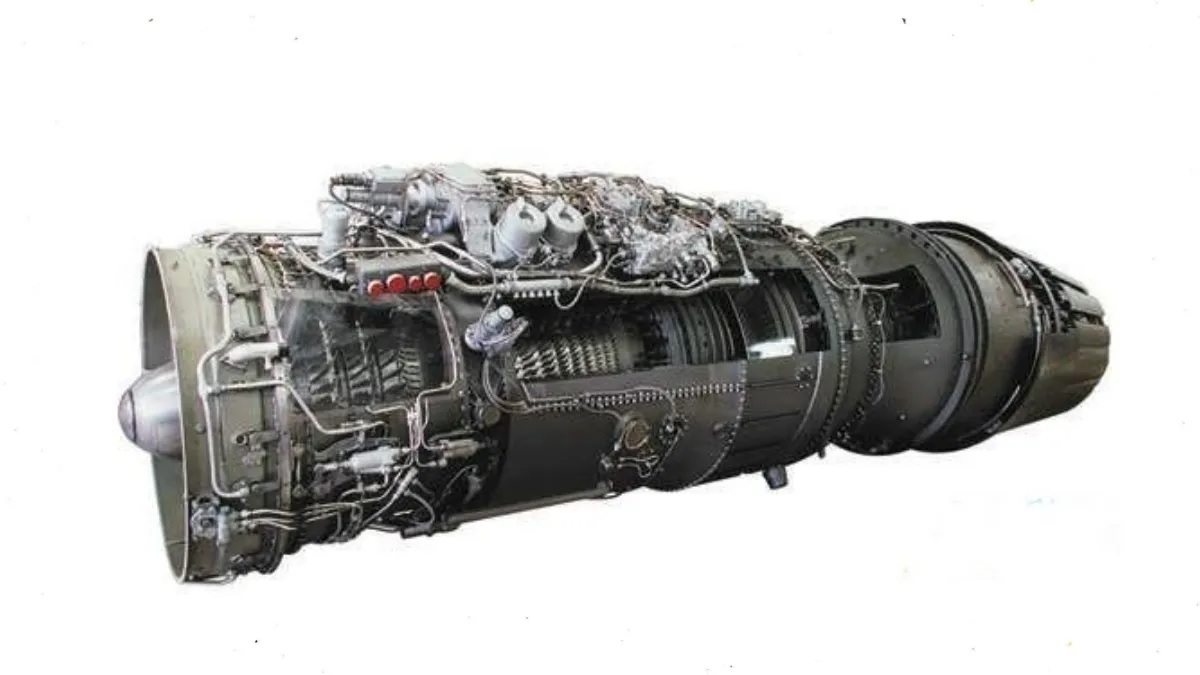
India
Hindustan Aeronautics Limited (HAL) is making a groundbreaking move in India's defence manufacturing sector by taking up the challenge of producing AL-31FP engines for the Sukhoi Su-30MKI fighter aircraft entirely within the country. This ambitious effort aligns with the Indian government's "Atmanirbhar Bharat" (Self-Reliant India) vision, which aims to reduce dependency on foreign suppliers and strengthen the domestic defence industry.A Landmark Contract for Indigenous ManufacturingOn September 9, 2024, HAL secured a ₹26,000 crore ($3.1 billion) contract with the Indian Ministry of Defence to produce 240 AL-31FP engines. This significant order sets a precedent for the integration of cutting-edge manufacturing capabilities within India. The engines are to be delivered over eight years, starting with a production rate of 30 engines annually from HAL's Koraput division in Odisha.The AL-31FP engine, known for its thrust-vectoring capabilities, powers India's fleet of Su-30MKI jets, which form the backbone of the Indian Air Force (IAF). Each engine delivers a thrust of around 12,500 kgf with afterburners and 7,600 kgf in dry thrust, enabling high maneuverability and sustained supersonic performance. By focusing on localized production, HAL aims to ensure a steady supply of these critical components while reducing reliance on imports.Indigenization EffortsThe contract stipulates that the engines will have at least 54% indigenous content at the outset, which HAL plans to increase to over 63% by the end of the agreement. Currently, about 40% of the work on AL-31FP engines involves Indian industries, a figure expected to exceed 50% within two to three years. This includes sourcing raw materials, fabricating complex components, and assembling finished products entirely within the country.Addressing Geopolitical ChallengesIndia's dependency on foreign-made parts, particularly from Russia, has faced challenges due to global geopolitical tensions, including the ongoing Russia-Ukraine conflict. These disruptions have highlighted the vulnerabilities in the supply chain for critical military components. HAL's initiative to produce the AL-31FP engines domestically addresses this issue by creating a sustainable and self-sufficient ecosystem for defence manufacturing.HAL's Advanced Koraput FacilityHAL’s Koraput division plays a pivotal role in this endeavor. The facility boasts state-of-the-art equipment and highly skilled personnel capable of handling the complexities of aero-engine manufacturing. It is designed to manage the entire production process, from raw material processing to the final assembly and testing of engines. The first AL-31FP engine delivery within weeks of the contract signing underscores HAL’s operational readiness and technical expertise.Broader ImplicationsThis indigenization drive is more than just an operational achievement; it has far-reaching implications for India’s defence sector. By integrating local industries into the supply chain, HAL is fostering an ecosystem that benefits not only the IAF but also the broader aerospace and manufacturing sectors. This initiative could also pave the way for India to become an exporter of high-performance aero engines in the future.Moreover, HAL’s project serves as a model for other defence programs aiming for greater self-reliance. It demonstrates how public-sector enterprises can lead the charge in reducing dependency on foreign technology while enhancing domestic capabilities.Long-Term ImpactThe successful indigenization of the AL-31FP engine will significantly bolster India's operational readiness by ensuring the availability of spare parts and reducing maintenance downtimes for the Su-30MKI fleet. Additionally, this move is expected to create jobs, enhance technical expertise, and contribute to the nation's economic growth. HAL's initiative not only strengthens India’s defence posture but also positions the country as a global hub for advanced aerospace manufacturing. With this achievement, HAL is setting a precedent for future collaborations and indigenous production efforts, firmly steering India towards self-reliance in defence technology.
Read More → Posted on 2024-11-22 17:32:00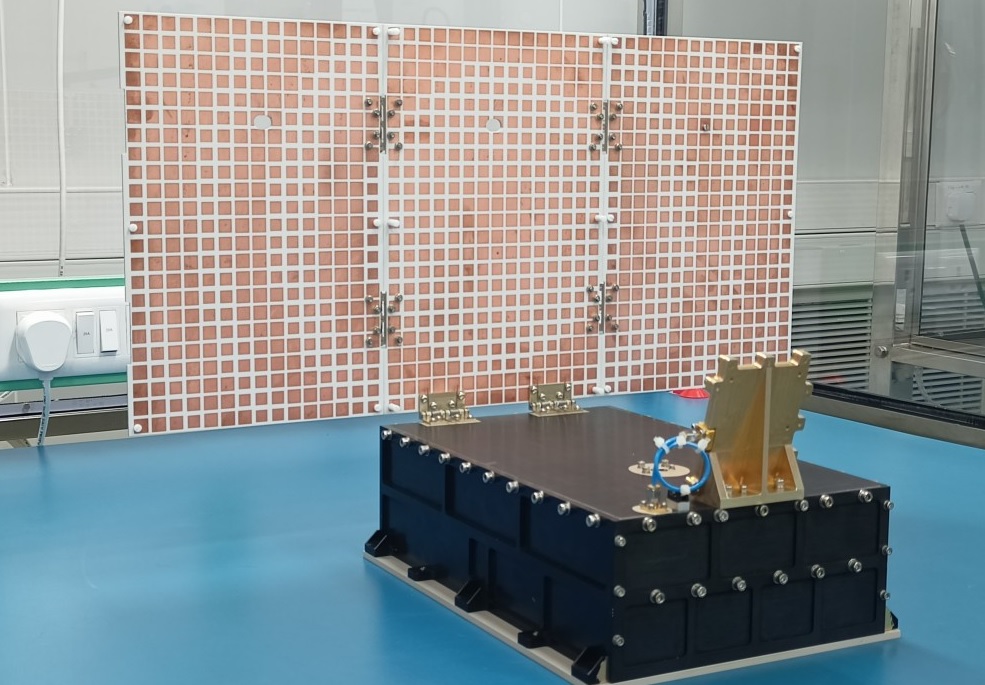
India
Indian spacetech start-up PierSight, based in Ahmedabad, has made a groundbreaking entry into the global satellite market with the unveiling of its first all-weather maritime surveillance satellite. Combining Synthetic Aperture Radar (SAR) and Automatic Identification System (AIS) technologies, this advanced satellite represents a significant leap in maritime monitoring, catering to sectors such as defense, shipping, and environmental conservation.Cutting-Edge Features: SAR and AIS IntegrationThe standout feature of PierSight’s satellite is its ability to operate seamlessly in all weather conditions. Unlike traditional optical satellites, which are hampered by cloud cover or lack of daylight, the SAR technology provides high-resolution imaging regardless of weather. This makes it invaluable for real-time maritime surveillance, whether it’s tracking vessels, detecting illegal fishing, or monitoring oil spills. Additionally, the AIS system augments this capability by identifying and locating ships equipped with transponders, enabling a comprehensive view of oceanic activities.With revisit times as short as 30 minutes, the satellite ensures frequent and updated coverage of critical maritime zones. This rapid response capability is crucial for situations requiring immediate attention, such as search-and-rescue operations or monitoring suspicious vessel movements.Ambitious Vision Backed by Strategic FundingPierSight recently raised $6 million in seed funding to accelerate the development of its technology. The funding round, led by Alpha Wave Ventures and Elevation Capital, with contributions from Techstars, underscores the confidence investors have in the start-up’s vision. The funds are earmarked for hardware acquisition, team growth, and the design and deployment of both demonstration and operational satellites.The ultimate goal is to establish a constellation of SAR-AIS satellites, functioning as “eyes and ears” across global waters. This constellation is expected to redefine the standards of maritime surveillance, offering unparalleled monitoring capabilities that could transform oceanic oversight on a global scale.Pioneering a Growing IndustryPierSight’s innovation comes at a time when the Indian spacetech sector is experiencing rapid growth. The industry is projected to expand significantly, driven by increasing demand for satellite-based applications across multiple domains. PierSight is well-positioned to lead this transformation, leveraging its technological advancements and forward-thinking approach.Beyond its technological achievements, the start-up’s vision aligns with pressing global needs, including environmental protection, maritime security, and the sustainable use of oceanic resources. By addressing these challenges, PierSight is poised to make a meaningful impact on both the Indian and international stages.A Bright Future for Indian SpacetechAs the first Indian start-up to integrate SAR and AIS in a single satellite for all-weather maritime surveillance, PierSight is setting a new benchmark for innovation in spacetech. Its achievements reflect the potential of India’s growing private space sector, signaling a future where indigenous technology can drive global solutions. With its pioneering satellite and ambitious plans for a constellation, PierSight is not just monitoring the seas—it is shaping the future of maritime surveillance.
Read More → Posted on 2024-11-22 17:25:58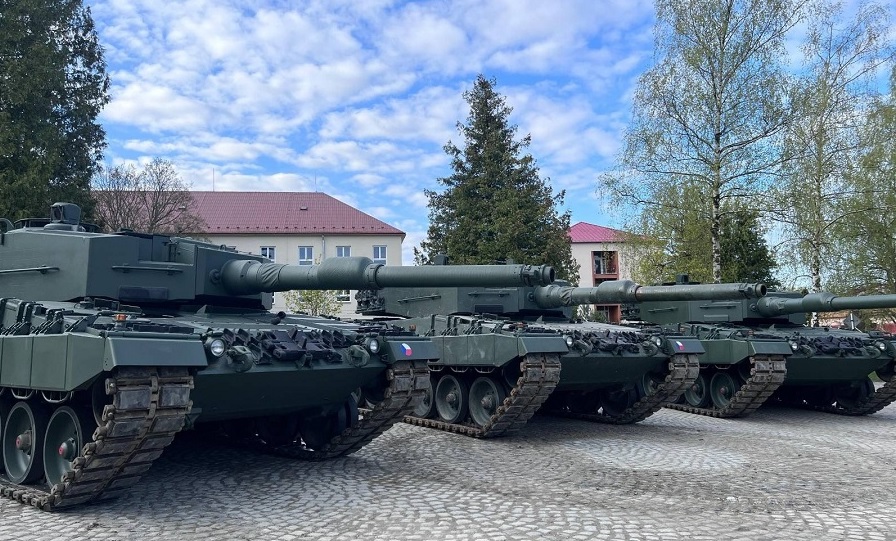
World
The Czech Republic is gearing up to bolster its defense capabilities by acquiring 14 more Leopard 2A4 main battle tanks from Germany. The deal, valued at 3.98 billion korunas ($162.8 million), will see the tanks delivered as part of a contract expected to be finalized with Rheinmetall Landsysteme by the end of the year. This addition will increase the Czech Leopard 2A4 fleet to 42 units, representing a significant step toward meeting the goals set forth in the country’s June defense strategy.Modernizing Czech ArmorThe Leopard 2A4s will replace the aging Soviet-era T-72 M4 tanks that have served the Czech military since the 1970s. The move reflects a broader modernization effort influenced by lessons learned from modern warfare, particularly from Russia's ongoing conflict in Ukraine. In a press briefing, the Czech Ministry of Defence emphasized the importance of main battle tanks in high-intensity warfare, citing the Leopard 2 series as a prime example of durability, mobility, and firepower.“Tanks are a cornerstone of the heavy brigade we committed to building for NATO’s collective defense,” the ministry stated. “Without acquiring the Leopard 2A4s, meeting our alliance obligations on time would be impossible.”Advanced Features of the Leopard 2A4The Leopard 2A4 is a robust and versatile tank widely regarded as one of the most advanced of its kind. Key specifications include: Dimensions and Weight: The tank measures 11 meters in length and weighs 62 tons. Armor: It features multilayer armor with a specialized coating to protect critical components against modern threats. Power and Mobility: Powered by an MTU diesel engine, it achieves speeds exceeding 70 kilometers per hour (43 mph) with an operational range of 450 kilometers (280 miles). Weaponry: The tank is equipped with an L44 smoothbore cannon, offering high firepower, and a 7.62-millimeter machine gun for additional versatility. The Czech defense deal also includes associated communication and information systems, training equipment, and an initial stockpile of ammunition, ensuring the tanks are operationally ready upon arrival.Looking Ahead: Leopard 2A8 PlansWhile the Leopard 2A4 is a significant upgrade, the Czech Republic has its sights set on acquiring the more advanced Leopard 2A8 variant in the future. This strategy will further enhance the country’s armored capabilities, providing cutting-edge technology to its military forces.Strategic ImportanceThe Leopard fleet is critical to Czechia’s plans for its heavy brigade, a NATO obligation reflecting the alliance's collective defense goals. The urgency to modernize stems from geopolitical tensions and the evident effectiveness of Western-designed tanks in protecting crews and engaging in high-stakes combat scenarios. By integrating the Leopard 2A4s, the Czech Republic is not only modernizing its military but also reinforcing its commitment to NATO and regional security. This acquisition represents a vital step in adapting to the evolving landscape of modern warfare.
Read More → Posted on 2024-11-22 17:22:58
World
The Defense Innovation Unit (DIU) has selected L3Harris Technologies to lead the development of an advanced prototype command-and-control (C2) system designed to orchestrate large-scale autonomous swarms across land, air, and sea domains. This project is a cornerstone of the U.S. Department of Defense’s (DoD) ambitious Replicator program, which seeks to deploy cutting-edge autonomous capabilities to enhance military operations in contested environments.At the heart of this initiative is the need for seamless collaboration between diverse uncrewed systems—ranging from drones and robotic vehicles to autonomous ships. L3Harris’ open-architecture solution will integrate commercial technologies, enabling dynamic and scalable autonomy to meet evolving battlefield challenges. According to Toby Magsig, Vice President and General Manager of Enterprise Autonomous Solutions at L3Harris, the company’s system is envisioned as a “multi-domain and multi-mission autonomous ecosystem” capable of tackling the complexities of modern warfare.A Leap Towards Collaborative AutonomyThe C2 system will serve as the brain behind swarm operations, providing a robust user interface and real-time situational awareness for commanders. By leveraging L3Harris’ enterprise autonomy architecture, the system aims to: Facilitate rapid integration of third-party algorithms and models. Scale collaboration across hundreds or even thousands of autonomous platforms. Adapt to mission-specific needs, whether it’s reconnaissance, logistics, or direct engagement. L3Harris’ approach underscores the importance of agility. The architecture supports plug-and-play adaptability, allowing new software updates, AI models, and sensors to be incorporated swiftly. This adaptability ensures that the system remains relevant as threats evolve and technological advancements emerge.Partnership with InnovatorsWhat sets this project apart is L3Harris’ collaboration with venture-backed startups and unconventional tech firms. By tapping into non-traditional sources of innovation, the company aims to accelerate advancements in autonomy while ensuring the system aligns with the military’s stringent operational requirements. This strategy also promotes cost-efficiency, as integrating proven commercial technologies reduces the need for ground-up development.Beyond ExperimentationThe DIU isn’t the only DoD organization to recognize the potential of L3Harris’ enterprise autonomy solutions. The system is already undergoing rigorous experimentation to refine its capabilities. These trials focus on scaling collaborative autonomy, ensuring that autonomous swarms can operate cohesively in contested environments where traditional communication systems may be disrupted.Transforming WarfareL3Harris’ involvement in the Replicator program reflects the company’s commitment to redefining the future of warfare. The autonomous C2 system is more than just a technological achievement—it’s a force multiplier designed to enhance decision-making, reduce risk to human personnel, and outpace adversaries in high-stakes scenarios.This partnership also highlights the urgency surrounding autonomous innovation. “As the Trusted Disruptor, we are fully invested in delivering scalable and open capabilities to our warfighters,” Magsig emphasized.Technical HighlightsAlthough specific technical details remain classified, the open-architecture nature of the system allows for integration with: Advanced AI-driven decision-making algorithms. Secure communication protocols resistant to electronic warfare. Multi-domain synchronization tools for seamless coordination between air, land, and maritime assets. The Bigger PictureAs adversaries develop their own autonomous capabilities, systems like the one being developed by L3Harris will play a pivotal role in maintaining a technological edge. By merging commercial innovation with military-grade reliability, this C2 system could set a new benchmark for autonomous operations in defense.
Read More → Posted on 2024-11-21 16:40:39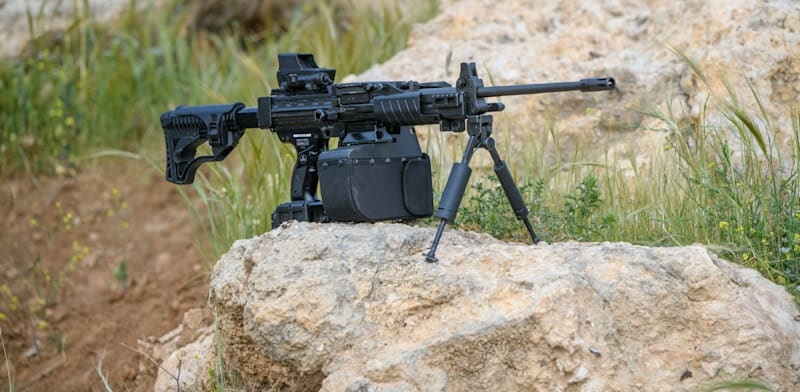
India
The India-Israel partnership in defense technology has reached a pivotal moment with the deployment of the AI-driven "Arbel" weapon enhancement system in active combat scenarios in Gaza. This cutting-edge system, developed jointly by Adani Defence and Aerospace and Israel Weapon Industries (IWI), represents a revolutionary leap in modern warfare. Its integration of artificial intelligence aims to bolster the lethality, accuracy, and adaptability of small arms in high-stress combat situations.The Arbel System: Next-Gen Combat TechnologyThe Arbel Intelligent Fire Control System (IFCS) is engineered to seamlessly integrate with assault rifles and machine guns, including renowned models like the Tavor, ACE, and Negev. Key features include a rechargeable, field-replaceable battery, a motion-sensitive microprocessor, and customizable optics. This adaptability ensures soldiers can tailor the system to diverse terrains and mission demands without needing optical reconfiguration.AI algorithms underpin Arbel's game-changing capabilities. These include rapid target acquisition, enhanced hit probabilities even under adverse conditions, and precise recoil management. Notably, the system memorizes data from the first shot fired, optimizing subsequent rounds for consistent accuracy. Its battery-efficient design ensures functionality during extended missions, and it remains operational even when the battery depletes.Tactical Edge in Modern WarfareDeployed in Gaza, Arbel provides Israeli forces with a strategic advantage in urban and rugged combat zones. It allows for swift, accurate responses to threats, increasing survivability and mission success rates. These enhancements reflect broader global trends where AI is reshaping military operations, emphasizing precision and efficiency over sheer firepower.Strategic Significance for IndiaIndia's involvement in this breakthrough highlights its growing prominence in AI-driven defense innovation. By collaborating with IWI, Adani Defence strengthens India's military-industrial base and positions it as a global leader in advanced weaponry. This partnership also aligns with India's strategic focus on integrating AI into its defense capabilities to address evolving security challenges.The Arbel system's deployment is a testament to the transformative potential of AI in warfare, showcasing how technological advancements can redefine combat dynamics while highlighting India's and Israel's shared commitment to pioneering defense solutions.
Read More → Posted on 2024-11-21 16:29:22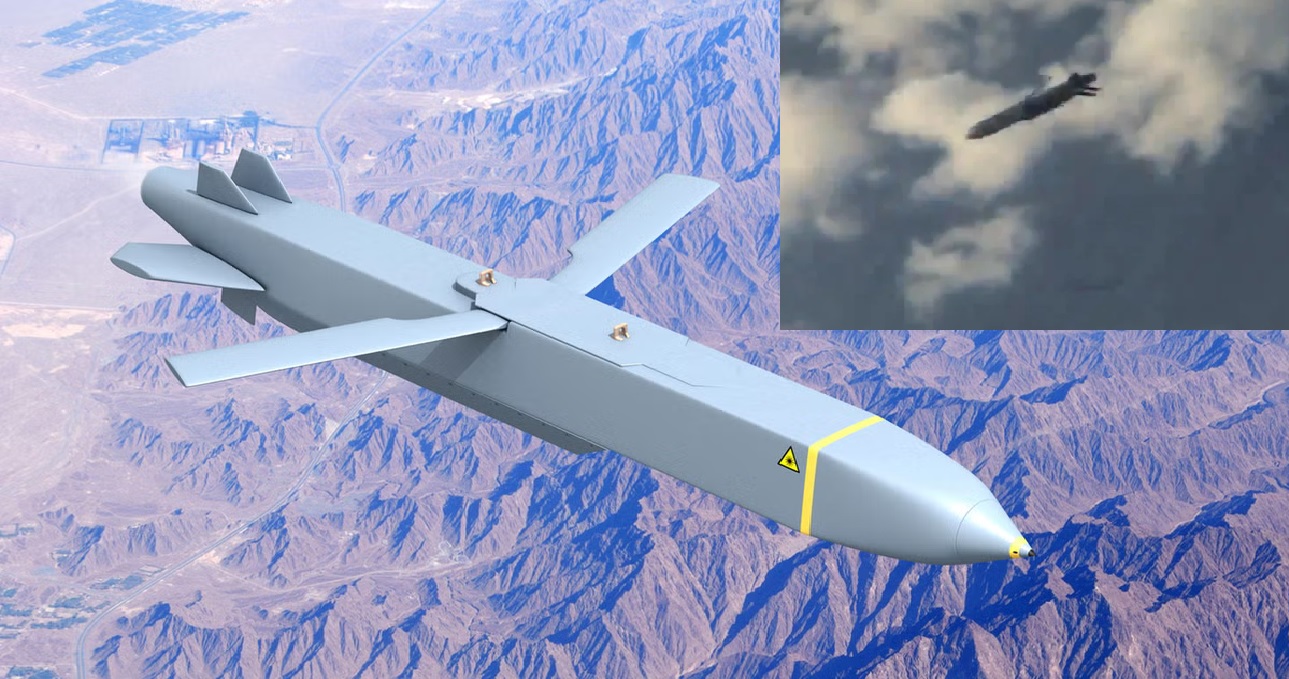
World
Ukraine has reportedly taken a bold step by deploying UK-supplied Storm Shadow missiles to strike targets deep within Russian territory. This marks a significant escalation in the conflict, underpinned by Kyiv’s growing confidence in leveraging advanced Western-supplied weaponry to counter Russian aggression. The strikes, allegedly targeting Russia’s Kursk region, have drawn attention worldwide, both for their strategic implications and the risks of further escalation.Unveiling the Storm Shadow Missile StrikesThe Storm Shadow missile, a product of UK-France collaboration, is an advanced long-range cruise missile renowned for its precision. With a range of approximately 250 kilometers (155 miles), it is designed to penetrate heavily fortified targets such as bunkers and ammunition depots. Launched from aircraft, the missile’s low flight trajectory evades radar detection, delivering a high-explosive payload with devastating accuracy. Previously used in conflicts in Iraq, Libya, and the Gulf, this $1 million weapon is prized for its effectiveness in neutralizing hardened enemy infrastructure.In a reported attack, up to 12 Storm Shadow missiles were launched, with fragments identified near the village of Marino in Russia’s Kursk region. While Ukrainian officials have neither confirmed nor denied these strikes, Defense Minister Rustem Umerov hinted at Ukraine’s capacity to respond decisively. Western intelligence corroborates the missile fragments’ origins, adding credibility to these claims.Strategic Context: A Shift in Battlefield DynamicsThe deployment of Storm Shadow missiles on Russian soil underscores a significant shift in Ukraine’s military strategy. Until now, Ukraine had limited its use of these long-range missiles to within its borders. The recent U.S. approval of ATACMS missile strikes against Russian targets appears to have paved the way for Kyiv to expand its operational theater.Experts suggest the use of these advanced missiles is not merely tactical but also psychological. Deborah Haynes, Sky News’ defense editor, emphasizes the potential disruption to Russian logistics and morale. While Ukraine’s Storm Shadow stockpile is limited, each strike sends a strong message about Kyiv’s growing military prowess and willingness to target Russian infrastructure.Western Reactions and ImplicationsWestern allies have cautiously supported Ukraine’s actions while refraining from direct confirmation of the missile strikes. UK Defense Secretary John Healey remarked that “Ukraine’s actions on the battlefield speak for themselves,” while U.S. officials have declined to elaborate on their role in guiding such operations. This cautious stance reflects concerns about escalating tensions with Moscow, which has already branded the use of Western-supplied long-range missiles as a provocation.Risks and Escalation ConcernsThe strikes have not gone unnoticed in Moscow. Russian President Vladimir Putin has reportedly adjusted the nation’s nuclear policy in response to these developments, potentially lowering the threshold for deploying nuclear weapons. Analysts warn that such escalations could prolong the conflict, which has already inflicted immense human and economic tolls.Matthew Savill, a military expert at the Royal United Services Institute (RUSI), notes that while the Storm Shadow’s impact is primarily psychological, it may provoke stronger Russian retaliation, potentially escalating the war further. The international community remains on edge, weighing the benefits of supporting Ukraine’s counteroffensive against the risks of triggering a broader conflict.Conclusion: A High-Stakes GambleUkraine’s decision to use Storm Shadow missiles on Russian soil is a calculated risk aimed at showcasing its resilience and leveraging its advanced capabilities. While the strikes highlight Kyiv’s determination to challenge Moscow’s dominance, their strategic impact may be limited due to the missiles’ high cost and Ukraine’s finite stockpile. However, the broader implications for the conflict’s trajectory are significant, as both sides brace for what could be a protracted and intensified battle. Western allies face a delicate balancing act, supporting Ukraine’s sovereignty while mitigating the risks of an uncontrollable escalation. As Kyiv continues to push the boundaries of its military strategy, the world watches closely, aware that each strike could redefine the conflict’s future.
Read More → Posted on 2024-11-21 16:23:14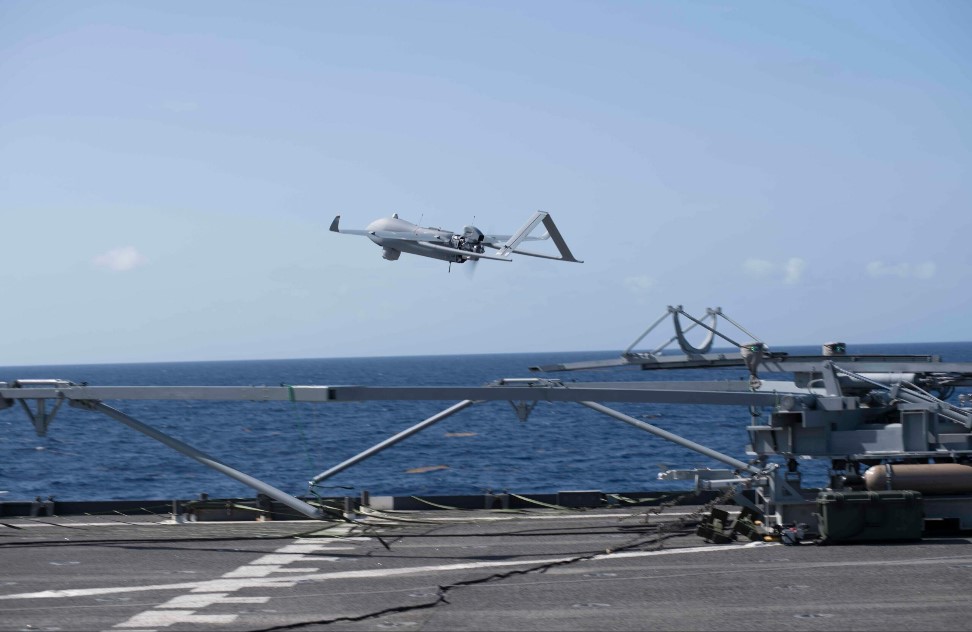
Textron Secures $64 Million Deal to Deliver Drone-Based ISR Support for US Navy’s 5th and 6th Fleets
World
Textron Systems has been awarded a $64 million contract by the US Navy to provide cutting-edge drone-enabled intelligence, surveillance, and reconnaissance (ISR) support for ships in the Navy’s 5th and 6th Fleets. This move highlights the growing reliance on unmanned aerial systems (UAS) to enhance maritime operational capabilities.The contracts adopt a contractor-owned, contractor-operated (COCO) model, where Textron Systems will deploy its Aerosonde small expeditionary UAS and provide trained personnel to support maritime ISR tasks. This arrangement allows the Navy to focus on its mission while Textron manages the system's full lifecycle, including operations, maintenance, and technology integration.Expanding ISR Coverage for Navy FleetsThe bulk of the $64 million funding—$47 million—will go toward supporting three littoral combat ships (LCS) operating in the 5th Fleet, which oversees key maritime zones including the Red Sea, Arabian Sea, Persian Gulf, and parts of the Indian Ocean. The remaining funds will support ISR capabilities for a single vessel in the 6th Fleet, responsible for operations in the Mediterranean Sea.This initiative expands Textron's ISR coverage for the Navy to a total of 11 ships, spanning a range of vessels such as LCS, Expeditionary Sea Base ships, and Arleigh Burke-class destroyers. The integration of the Aerosonde UAS offers the Navy enhanced operational flexibility, particularly for missions requiring extended situational awareness in complex maritime environments.Textron’s Aerosonde: A Versatile UAS SolutionThe Aerosonde UAS, a centerpiece of this contract, is designed for versatility and endurance, making it a valuable asset for ISR operations. It is available in four configurations tailored to meet specific mission requirements. The drone's specifications are as follows: Wingspan: Up to 14 feet (4 meters) Payload Capacity: Up to 50 pounds (23 kilograms) Operational Range: 75 nautical miles (86 miles/139 kilometers) Maximum Altitude: 18,200 feet (5,547 meters) Top Speed: 65 knots (75 miles/120 kilometers per hour) Flight Endurance: Approximately 20 hours Equipped with advanced mission payloads, the Aerosonde can perform a variety of ISR tasks, including real-time reconnaissance, surveillance of maritime routes, and intelligence gathering in high-stakes operational zones. Its compact size and adaptability make it suitable for deployment on ships with limited space and resources.A Strategic PartnershipDavid Phillips, Senior Vice President of Air, Land, and Sea Systems at Textron, emphasized the benefits of the COCO model, stating, “The flexibility in a COCO mission allows the Navy to extend their capabilities while we as the contractor manage the full life cycle of the system, ultimately resulting in greater efficiency and reliability.”Textron's extensive experience with COCO operations has proven invaluable, as the company has provided ISR services using the Aerosonde UAS for over a decade. By shouldering responsibilities such as spares, repairs, and human factors integration, Textron enables the Navy to concentrate on mission-critical tasks without being burdened by the logistical complexities of UAS management.Enhancing Naval Operations with TechnologyThis partnership underscores the increasing importance of unmanned systems in modern naval warfare. The Aerosonde UAS not only enhances situational awareness but also supports a range of missions from surveillance to disaster response, making it a vital tool for the Navy’s operational objectives in strategic maritime regions. The Textron-Navy collaboration signifies a step forward in leveraging technology for maritime security, ensuring that the 5th and 6th Fleets remain equipped to handle evolving challenges across their respective theaters of operation.
Read More → Posted on 2024-11-21 16:18:24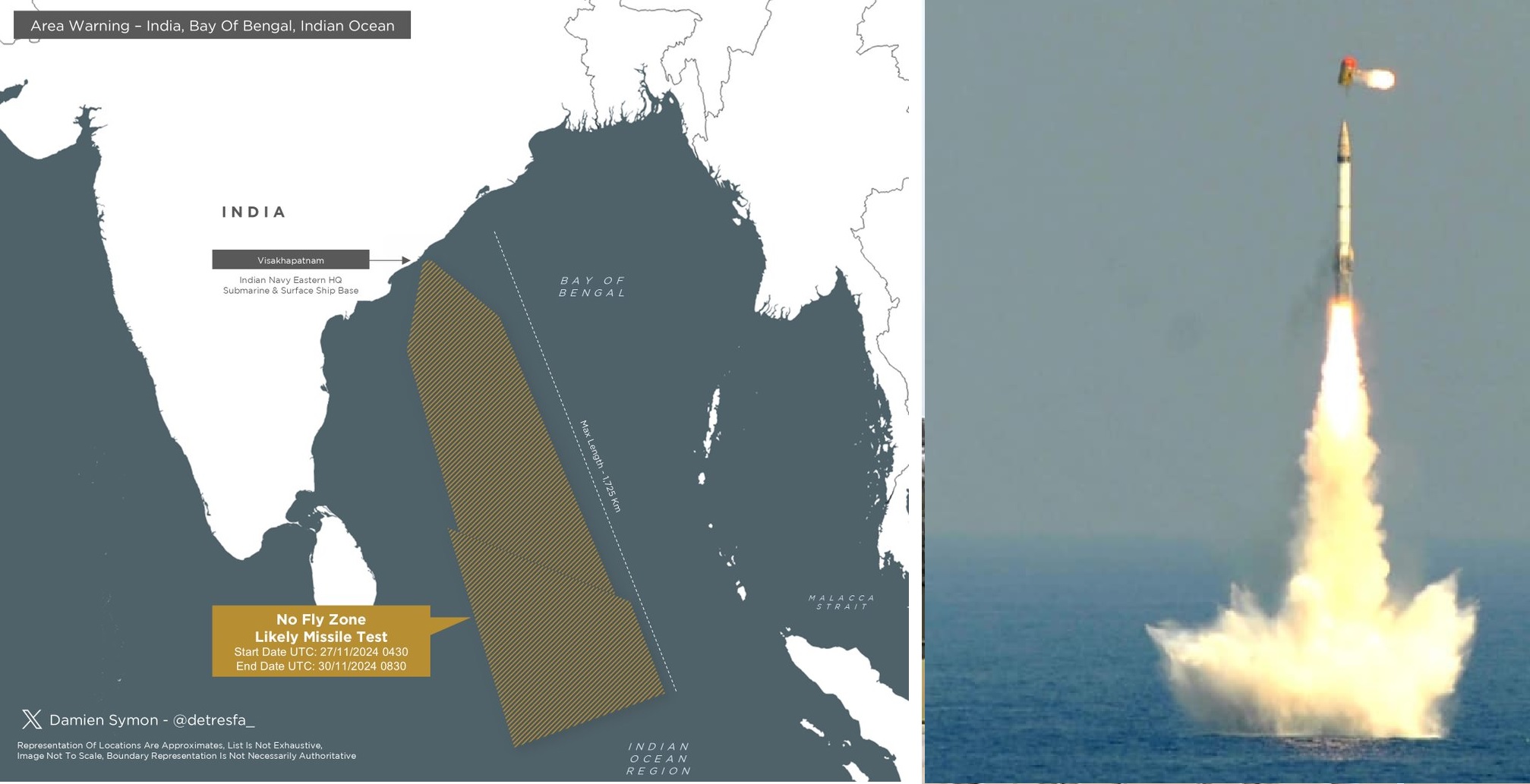
India
India has issued a Notice to Airmen (NOTAM) over a vast 1,725-kilometer stretch of the Bay of Bengal, indicating an upcoming missile test likely by the Indian Navy. Scheduled between November 27 and November 30, 2024, the test hints at significant advancements in India's long-range missile capabilities, sparking curiosity and speculation about the specific system being evaluated.The area covered by the NOTAM suggests the possibility of testing a missile with an extended range, possibly exceeding 1,500 kilometers. While the exact missile remains undisclosed, defense analysts believe it could involve one of several advanced platforms under development.Potential Missile CandidatesAmong the candidates is the Indigenous Technology Cruise Missile (ITCM), a subsonic cruise missile boasting a 1,500-kilometer range. Designed for versatility, the ITCM can be launched from both surface ships and submarines, offering India a potent tool for deep-strike operations. The missile leverages indigenous propulsion technology, marking a step forward in self-reliant defense capabilities.Another contender is a new indigenous long-range cruise missile, reportedly in development. Details about this missile remain classified, but it aligns with India’s broader goal of expanding its stand-off strike arsenal.Alternatively, the test might involve a submarine-launched cruise missile (SLCM). India’s K-15 (B-05) missile, with a range of approximately 750 kilometers, is already a cornerstone of its sea-based deterrence. However, a new or upgraded SLCM variant could push the envelope, demonstrating India’s evolving second-strike capabilities.Strategic Implications of the 1,725-kilometer RangeThe distance covered in the NOTAM underscores the long reach of the missile system in question. A missile with such a range would significantly bolster India’s ability to project power in the Indo-Pacific region, ensuring the Navy can strike targets well beyond its immediate maritime boundaries. This aligns with India’s strategy of enhancing maritime dominance and securing its interests in the broader Indian Ocean region.If the test involves a submarine-launched platform, it further highlights India's progress in sea-based nuclear deterrence, a critical component of its nuclear triad. A successful demonstration of such technology would reinforce India's strategic posture amid evolving regional security dynamics.Broader Context and SignificanceThis test comes at a pivotal time as India intensifies its efforts to modernize its naval forces. From commissioning new warships to developing indigenous missile systems, India is actively enhancing its maritime strength. Such initiatives are crucial in maintaining a credible deterrent against potential adversaries and ensuring regional stability in the Indo-Pacific, an area of growing strategic contestation.The development and testing of advanced missile platforms underscore India's commitment to indigenization in defense production, aligning with the “Make in India” initiative. By advancing its technological edge, India not only strengthens its defense capabilities but also sends a clear message about its readiness to safeguard its sovereignty and interests in an increasingly multipolar world. As the scheduled test window approaches, the world will watch closely, recognizing the implications of this event for India’s strategic and technological trajectory. Whether it’s a new cruise missile or an enhancement of submarine-launched systems, the results will likely mark a significant milestone in India’s defense evolution.
Read More → Posted on 2024-11-21 16:03:48
India
The Defence Research and Development Laboratory (DRDL), a crucial arm of India's defence technology ecosystem, is advancing its expertise with the development of the SAMOOHA constellation, a state-of-the-art electronic intelligence (ELINT) system. Building on the foundation laid by earlier initiatives like the EMISAT satellite under Project Kautilya, SAMOOHA represents a shift toward multi-satellite systems designed for space-based electronic surveillance.This ambitious project aligns with India's strategic vision to bolster its situational awareness and counter emerging threats in an increasingly contested global landscape.Technological Leap: Formation Flying and Advanced Signal AnalysisThe SAMOOHA constellation distinguishes itself by adopting formation flying techniques, wherein satellites operate in coordinated orbits to enhance their collective data-gathering capabilities. This approach mirrors practices used by other global powers, such as China's Yaogan satellite clusters, which are known for their ELINT functionalities. Formation flying allows satellites to triangulate signals, improving the accuracy of source detection and geolocation. Such a design could provide India with near-real-time monitoring of radar and communication emissions, a critical asset for modern electronic warfare.The satellites will likely carry payloads optimized for detecting electromagnetic signals, analyzing frequency spectra, and characterizing radar emissions. These payloads will build on the legacy of EMISAT, which currently serves as a standalone platform for pinpointing radar systems by detecting their electromagnetic emissions.Integration into India’s Defence EcosystemSAMOOHA is expected to complement India's existing assets, such as ground-based ELINT systems and dual-use satellites like GSAT-7 for naval operations and RISAT for synthetic aperture radar (SAR) imaging. The constellation's space-based perspective will fill gaps in ground coverage, providing a holistic surveillance capability that is indispensable for monitoring large swaths of territory, including India's maritime zones and border regions.This system will also contribute to India's military strategy by enabling early threat detection, secure communication, and efficient target acquisition. As seen with China's BeiDou and the United States' GPS and SIGINT satellite constellations, these capabilities are pivotal for national security and force modernization.A Strategic ImperativeGlobally, nations are increasingly investing in satellite constellations for ELINT, and SAMOOHA positions India to maintain parity in this strategic domain. For example, China's rapid deployment of its Yaogan series demonstrates the utility of such systems for monitoring adversary activities. SAMOOHA, when operational, will act as a counterbalance, ensuring India's capability to track, locate, and analyze potential threats effectively.While EMISAT marked India’s entry into the space-based ELINT domain, SAMOOHA signifies a maturing of this capability into a robust, scalable constellation system. It is anticipated to reduce India's reliance on single-satellite solutions, offering the redundancy and global coverage essential for uninterrupted surveillance.SAMOOHA’s development reflects DRDL’s ambition to deliver cutting-edge solutions for national security. By leveraging advanced technologies like formation flying and integrating them into India’s broader defence strategy, the project underscores the country’s commitment to indigenous innovation in space-based intelligence systems. As geopolitical tensions evolve, such capabilities will be vital for ensuring India’s operational readiness and safeguarding its interests. This constellation, once operational, will mark a significant milestone in India’s journey toward becoming a space power capable of countering regional and global challenges effectively.
Read More → Posted on 2024-11-21 15:57:33
India
Brazil is making waves in the global defence market with its interest in acquiring India’s Tejas Mk1A Light Combat Aircraft (LCA) to replace its aging fleet of Northrop F-5 Tiger II fighter jets. This strategic initiative could mark a milestone in defence collaboration between India and Brazil, with the South American nation proposing an intriguing barter arrangement: Brazil would purchase the Tejas Mk1A while offering its advanced Embraer C-390M military transport aircraft to the Indian Air Force (IAF) under India’s Medium Transport Aircraft (MTA) procurement program.The Modernization Imperative for BrazilThe Brazilian Air Force (FAB) is at a critical juncture in its modernization journey. The Northrop F-5 Tiger II jets, long the workhorse of the FAB, are reaching the end of their operational lifespan. While the FAB has started integrating Saab’s Gripen-E fighters into its fleet, these high-end aircraft are expensive to operate in large numbers. To maintain operational readiness and capability, Brazil is actively seeking a cost-effective, versatile fighter to complement its Gripens.The Tejas Mk1A, developed by India’s Hindustan Aeronautics Limited (HAL), is a strong candidate. With its advanced avionics, active electronically scanned array (AESA) radar, electronic warfare systems, and multirole combat capability, the Tejas offers an impressive combination of affordability and performance. Its compact design, enhanced agility, and low maintenance costs make it ideal for operations in diverse terrains—a factor critical for Brazil's expansive geography.The Tejas Mk1A: A Technological MarvelThe Tejas Mk1A represents India’s leap in indigenous aerospace engineering. Equipped with an AESA radar, integrated electronic warfare suite, and beyond-visual-range (BVR) missile capability, the aircraft is built for 21st-century combat. The LCA’s modern cockpit and fly-by-wire system ensure precision and ease of handling, while its multi-mission capability allows it to undertake air superiority, ground attack, and reconnaissance missions.Brazil’s Strategic Offer: Embraer C-390MIn an effort to sweeten the deal, Brazil is leveraging its Embraer C-390M Millennium, a cutting-edge medium-lift transport aircraft. Renowned for its reliability, speed, and fuel efficiency, the C-390M is designed to operate in diverse conditions, making it a versatile choice for India’s MTA tender, which seeks 60 transport aircraft to replace the aging Avro HS 748 fleet. The Millennium's capabilities, including short takeoff and landing on unprepared airstrips, a payload capacity of up to 26 tons, and compatibility with aerial refueling operations, align closely with the IAF’s operational requirements.A Symbiotic PartnershipThis potential barter arrangement underscores a win-win scenario for both nations. For India, exporting the Tejas Mk1A to a major South American market would elevate its standing as a global defence exporter and reinforce its "Make in India" initiative. It would also open doors for the Tejas to other Latin American nations with similar needs. For Brazil, the acquisition of a proven, cost-effective fighter jet like the Tejas would bridge its capability gap while securing a lucrative contract for the C-390M.Challenges and OpportunitiesWhile the deal presents immense strategic benefits, it is not without hurdles. Negotiations would need to address cost-sharing, timelines, and operational compatibility. Additionally, both nations would need to navigate bureaucratic and regulatory processes to finalize the agreement. However, the potential benefits—economic, diplomatic, and military—make this deal a compelling prospect. As India and Brazil explore this innovative partnership, the world watches closely. The success of this arrangement could redefine defence collaborations and set a precedent for similar barter deals in the global arms market.
Read More → Posted on 2024-11-21 15:51:32
World
In a chilling turn of events in the ongoing conflict, Russia launched an intercontinental ballistic missile (ICBM) during a morning assault on Ukraine on Thursday. According to Ukraine's air force, the missile was fired from Russia’s southern Astrakhan region and targeted critical infrastructure in the central-eastern city of Dnipro. This marked the first recorded use of such a powerful, long-range weapon in the 33-month war, underscoring a sharp escalation in hostilities.The missile strike followed Ukraine’s use of U.S.- and British-supplied missiles to attack targets inside Russia earlier this week—a move that Moscow had repeatedly warned would provoke a severe response. While the full extent of the damage from the ICBM attack remains unclear, the targeting of enterprises and essential facilities in Dnipro signifies an intensifying strategy in the conflict.The Significance of the ICBM UseIntercontinental ballistic missiles are typically designed for long-range attacks and have the capacity to carry both nuclear and conventional warheads. Their range spans thousands of kilometers, making them a weapon of strategic significance in warfare. The specific type of ICBM used in this attack has not been disclosed, but its deployment signals a stark message: the conflict has reached a new phase of military brinkmanship.While ICBMs are traditionally associated with nuclear deterrence, their use with conventional warheads can cause devastating destruction over vast areas. Their deployment in a conventional attack could indicate Russia's readiness to leverage its most advanced military technologies to assert dominance in the region.Ukraine’s Air Defenses in ActionDespite the unprecedented nature of the ICBM strike, Ukraine’s air defense systems successfully intercepted six Kh-101 cruise missiles that were part of the same offensive. These cruise missiles, known for their precision and range, have been a recurring element of Russia’s strategy in Ukraine. The interception of these missiles highlights the resilience and capability of Ukraine’s air defense, which continues to adapt to evolving threats with the support of Western-supplied systems.Rising Stakes in the ConflictThe timing of Russia’s ICBM launch is significant. It came shortly after Ukraine demonstrated its ability to strike deep into Russian territory using advanced Western weaponry. The attacks inside Russia, which Kyiv has neither confirmed nor denied, targeted critical infrastructure and underscored Ukraine's growing military capabilities. Moscow has consistently framed such actions as a red line, and the ICBM launch appears to be its response to what it perceives as provocative escalations.This latest development raises concerns about the potential for further escalation, including the risk of the conflict spilling over into neighboring regions. The use of an ICBM, even without a nuclear payload, is a stark reminder of the high stakes involved and the devastating power of the weapons at both sides' disposal.A Critical JunctureAs the war grinds into its third year, the use of such strategic weaponry may reshape international perceptions of the conflict. It underscores the urgency for diplomatic efforts to de-escalate tensions before the war spirals further into uncharted territory. For Ukraine, the ability to defend against these new threats will hinge on continued support from Western allies, while for Russia, the ICBM launch serves as both a warning and a signal of its resolve. The situation remains fluid, with global powers closely monitoring these developments as the conflict edges closer to a dangerous tipping point.
Read More → Posted on 2024-11-21 15:47:24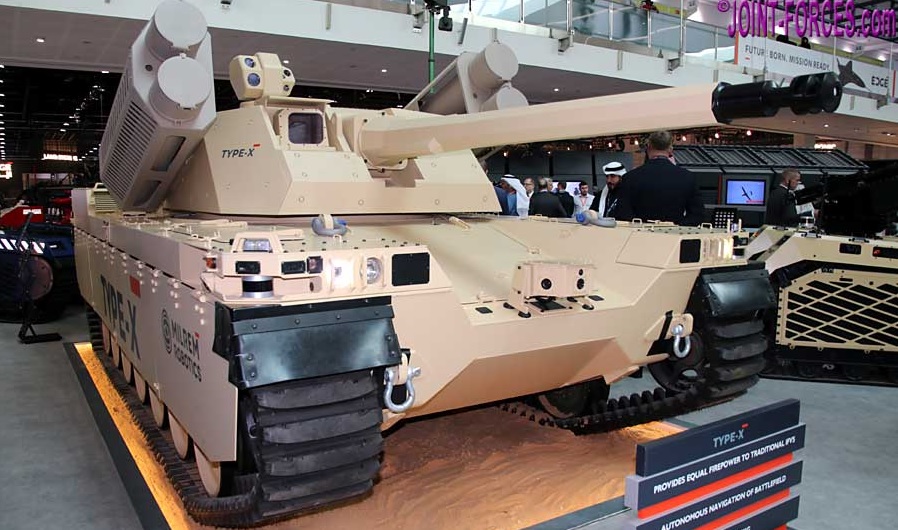
World
In a groundbreaking move for the future of autonomous military systems, Milrem Robotics, a global leader in unmanned ground vehicles (UGVs), has partnered with French mobility solutions expert Texelis to develop the next generation of robotic combat vehicles (RCVs). This collaboration, which centers on integrating advanced mobility systems into modular platforms, promises to redefine the standards for robotic combat vehicles in modern warfare.Advanced Mobility for Unparalleled Battlefield Performance At the heart of this partnership is Texelis’ Tank Electrified Drivetrain, a state-of-the-art mobility subsystem tailored specifically for the demands of tracked vehicles. This drivetrain will empower robotic platforms weighing over 12 tons, ensuring exceptional performance in even the most challenging environments.The drivetrain boasts features such as superior durability, enhanced endurance, and the ability to traverse complex terrains, making it a game-changer for future battlefield scenarios. By leveraging Texelis' decades of expertise in high-performance mobility systems for armored platforms, Milrem’s RCVs are set to deliver unmatched operational flexibility and reliability.A Union of Robotics and Mobility ExpertiseMilrem Robotics is renowned for its pioneering UGVs like the THeMIS and Type-X RCVs, which have already set benchmarks in autonomous defense technology. Texelis, on the other hand, is celebrated for its innovative drivetrain systems, including those used in the French Army's Serval 4×4 vehicles.Kuldar Väärsi, CEO of Milrem Robotics, underscored the significance of the collaboration:“Selecting Texelis as our strategic supplier of mobility subsystems is a crucial step in developing our next-generation robotic combat vehicles. Their proven expertise will ensure our platforms can traverse the most complex terrains while reinforcing our cooperation with the French defense industry.”Jean Vandel, CEO of Texelis, echoed this sentiment, emphasizing the partnership’s potential:“Working with Milrem Robotics, the world leader in robotics and autonomous solutions, is a fantastic opportunity for Texelis. Together, we’re pushing the boundaries of what’s possible in mobility and autonomous defense systems.”Driving Innovation and European Defence CooperationThis collaboration not only advances the capabilities of robotic combat vehicles but also strengthens European defense industrial cooperation. Milrem and Texelis’ joint efforts align with key objectives such as achieving autonomy in critical technologies and bolstering regional security.The partnership will likely see the integration of innovative features like advanced sensor suites, modular payload systems, and autonomous navigation technologies, ensuring these platforms remain at the forefront of military innovation. Milrem’s previous contributions to the European Defence Industrial Development Programme (EDIDP) project, iMUGS, demonstrate its commitment to fostering cutting-edge solutions.Paving the Way for Next-Gen RCVsThe development of these advanced RCVs comes at a time when modern militaries are increasingly relying on unmanned systems for high-risk operations. By combining Milrem’s robotics expertise with Texelis’ proven mobility systems, the next generation of robotic combat vehicles will offer unparalleled agility, survivability, and adaptability in dynamic combat environments.This partnership is a testament to the potential of cross-border collaboration in advancing defense technology. As these systems evolve, they are set to play a pivotal role in reshaping the landscape of modern warfare, providing enhanced capabilities to armed forces worldwide.A Vision for the FutureMilrem Robotics and Texelis are not just building robotic combat vehicles; they are crafting the future of defense technology. With groundbreaking innovations like the Tank Electrified Drivetrain and a shared vision of excellence, the partnership sets a new standard for robotic and autonomous military solutions, promising a safer and more efficient battlefield of tomorrow.
Read More → Posted on 2024-11-21 15:43:24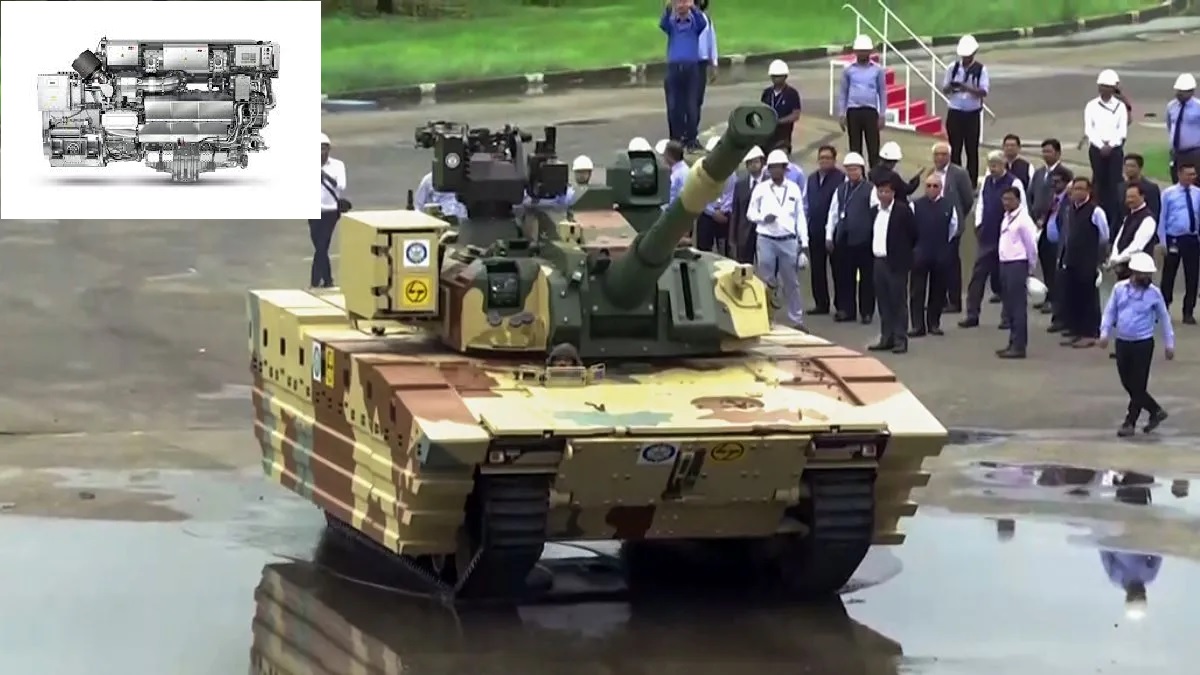
India
The rollout of India’s Zorawar light tank, a project pivotal to modernizing the Indian Army’s high-altitude combat capabilities, faced a four-month delay due to late engine deliveries from German manufacturer MTU. J.D. Patil, the CEO and Managing Director of Larsen & Toubro (L&T), recently highlighted the challenges and innovative solutions that kept the program on track despite these setbacks.MTU Engine Delays and the ImpactInitially, L&T had selected MTU engines for the Zorawar light tank, given the German firm's reputation for producing high-performance, reliable powerplants for military vehicles. However, the engines were delayed by seven months, disrupting the original development schedule. If delivered on time, the Zorawar prototype could have been rolled out in just 14 months.Determined not to let the delay stall progress, L&T turned to American manufacturer Cummins for a substitute powerplant. The first prototype was powered by Cummins engines, allowing L&T to complete the development within 18 months—a timeline Patil described as a record for a project of this magnitude.The Zorawar Light Tank: A High-Altitude WarriorNamed after Zorawar Singh, a 19th-century military commander known for his campaigns in the Himalayas, the Zorawar light tank is engineered to excel in challenging terrains, including high-altitude regions like Ladakh and Arunachal Pradesh. Here are some of its standout features:Weight: Approximately 25 tons, making it light enough for easy transport by air or rail.Mobility: Designed for agility and rapid deployment in rugged and mountainous environments.Armament: Equipped with a 105mm gun, advanced fire control systems, and the ability to integrate guided missiles for precision strikes.Protection: Modular armor that provides defense against small arms and explosive threats while maintaining a low profile.The Zorawar is also built with modularity in mind, allowing upgrades in armament, protection, and electronic warfare systems.Moving Toward Indigenous EnginesAligning with India’s push for indigenization in defense manufacturing, the Defence Research and Development Organisation (DRDO) is actively working on a domestically produced engine for the Zorawar. Until this indigenous engine becomes operational, the first batch of 59 tanks will likely continue using Cummins engines.A Record-Breaking FeatDespite the setbacks caused by the MTU delays, L&T has been lauded for completing the Zorawar prototype in record time. The company’s quick pivot to alternative engines underscores its adaptability and commitment to meeting the Indian Army’s needs without compromising on quality or timelines.The Zorawar light tank is more than a military vehicle—it represents India’s growing capability to develop cutting-edge defense technology under challenging circumstances. With high-altitude tensions showing no signs of abating, the Zorawar is set to play a crucial role in bolstering India’s combat readiness in some of the world's most demanding terrains.
Read More → Posted on 2024-11-21 15:38:28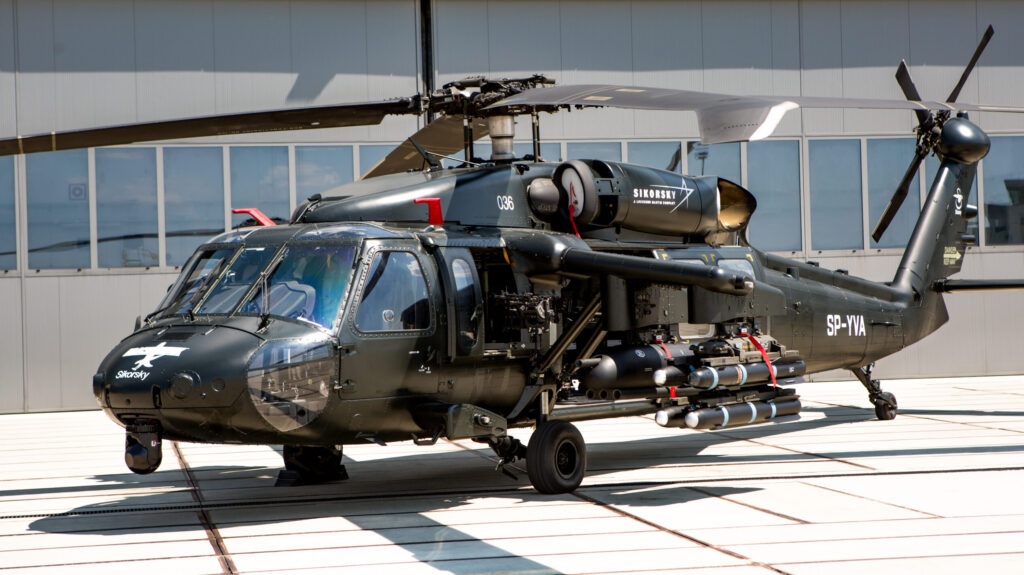
World
Poland has officially welcomed the final two S-70i Black Hawk helicopters from Lockheed Martin, marking the completion of a 2021 contract for four advanced medium-utility aircraft. The delivery, led by Lockheed Martin’s Polish subsidiary PZL Mielec, bolsters Poland’s air mobility and operational readiness. With these additions, Poland now operates a total of eight S-70i helicopters, a critical asset for both military and emergency response missions.The S-70i helicopters are based on the UH-60M Black Hawk, a renowned platform developed for the U.S. Army. The design has proven versatile and reliable in diverse scenarios, including combat, logistics, and disaster relief. Notably, the initial S-70i units delivered to Poland demonstrated their capabilities during a swift response to floods in the country’s southern regions.Expanding the FleetThe Polish Ministry of Defense has shown significant interest in further expanding its S-70i fleet, following the proven success of the helicopters in operational roles. In addition to the four units ordered in 2021, Poland procured four earlier S-70i models in 2019 for its Special Forces, which have since become integral to the country’s defense capabilities.The S-70i’s delivery represents a key milestone in the ongoing partnership between Lockheed Martin and the Polish Armed Forces. Janusz Zakręcki, President and General Director of PZL Mielec, emphasized the importance of this collaboration, stating: “This delivery of the last two contracted Black Hawk helicopters brings the Polish Armed Force’s fleet to eight aircraft, which will significantly enhance their operational capabilities and increase the country’s security.” Specifications of the S-70i Black HawkThe S-70i is a versatile and robust helicopter, known for its adaptability to various missions. It offers impressive performance metrics, including: Capacity: Accommodates up to 12 passengers or roughly 9,000 pounds (4,082 kilograms) of cargo. Engine Power: Equipped with twin General Electric T700 turboshaft engines, each generating 1,940 horsepower. Performance: Achieves a maximum speed of 195 knots (224 miles/361 kilometers per hour) and a service ceiling of 20,000 feet (6,096 meters). Range: Covers distances up to 290 miles (467 kilometers). Dimensions: Features a rotor diameter of 54 feet (16 meters) and an overall airframe length of 64 feet (20 meters). These specifications make the S-70i suitable for demanding operations, from troop transport to disaster relief. Its reliability and performance have established it as a trusted asset in the military fleets of 10 nations, including the United States and Ukraine.Future ProspectsThe addition of these helicopters is part of Poland’s broader effort to modernize its military capabilities amid rising regional security concerns. Negotiations are reportedly underway for acquiring additional units to further enhance the country’s air mobility and combat readiness. With its advanced engineering and operational flexibility, the S-70i continues to play a pivotal role in strengthening Poland’s defense infrastructure while reinforcing its strategic ties with Lockheed Martin.
Read More → Posted on 2024-11-21 15:30:45
World
Finland’s burgeoning space technology sector is taking center stage in a critical defense initiative as ICEYE, a leading Finnish space technology company, spearheads a consortium to develop advanced space and intelligence solutions. This ambitious project is part of Finland's Industrial Participation Program tied to the acquisition of F-35 fighter jets, marking a strategic leap in integrating space technologies with defense operations.At its core, the initiative is designed to bolster Finland’s Intelligence, Surveillance, and Reconnaissance (ISR) capabilities, leveraging cutting-edge innovations to address the unique challenges posed by Arctic and Nordic environments. With Finland’s geography demanding unparalleled situational awareness, this program exemplifies the nation’s commitment to adopting dual-use technologies that serve both civilian and military domains.Building a Strong Consortium for Advanced SolutionsThe consortium includes key Finnish organizations—ICEYE, Insta, Huld, DA-Group, and the Finnish Meteorological Institute (FMI)—working alongside global defense giant Lockheed Martin. Each partner brings specialized expertise to create a synergy of capabilities that aim to redefine ISR for modern defense requirements.ICEYE: Known for its advanced Synthetic Aperture Radar (SAR) satellite technology, ICEYE will provide high-performance imaging solutions capable of delivering precise data regardless of weather conditions or visibility. These SAR systems are designed to support rapid decision-making across land, sea, and air domains.Insta: A leader in Command and Control (C2) systems, Insta will focus on enhancing multi-domain situational awareness. Their innovations aim to deliver real-time intelligence that is critical for operational success in dynamic scenarios.Huld: Renowned for its expertise in space systems and defense technologies, Huld will contribute to improving the digital architecture and design of ISR systems. Their work ensures these technologies remain adaptable and future-proof.DA-Group: This specialist in advanced security systems will integrate innovative hardware and software solutions to support secure communications and data handling. Their role ensures the integrity and reliability of critical ISR data.FMI (Finnish Meteorological Institute): Leveraging its role as Finland’s premier provider of satellite data, FMI will offer advanced environmental intelligence to enhance operational planning, particularly in harsh Arctic conditions.Lockheed Martin’s Strategic RoleLockheed Martin, a key partner in this collaboration, is introducing its Global Automated Target Recognition (GATR) system to the program. This cloud-based AI tool can analyze vast quantities of satellite imagery in near real-time, providing actionable intelligence to NATO allies and mission partners. Rod Drury, Vice President for Global Business at Lockheed Martin Space, emphasized the company’s dedication to enhancing the operational capabilities of its allies through such advanced systems.Addressing Arctic Challenges with Tailored InnovationsThe Arctic's extreme conditions pose unique challenges for ISR operations, including persistent low visibility, harsh weather, and limited infrastructure. The consortium is addressing these challenges through:AI-Powered Analytics: Algorithms designed to process large volumes of data quickly and accurately, enabling commanders to make informed decisions in real time.Mobile ISR Cells: Deployable units capable of collecting and analyzing data in remote locations, offering flexibility in complex operational environments.SAR Imaging: High-resolution, all-weather imaging that ensures consistent data acquisition, even in polar regions.Strengthening National and Allied CapabilitiesThis program not only strengthens Finland’s defense posture but also aligns with NATO’s broader strategic goals. By developing dual-use technologies, Finland enhances its position as a key contributor to regional security while fostering innovation in its burgeoning space industry.Pekka Laurila, Chief Strategy Officer and Co-founder of ICEYE, highlighted the program’s significance: “This initiative underscores Finland’s ability to provide cutting-edge technologies that enhance both national and allied defense capabilities.”A Step Toward the Future of Defense TechnologyFinland’s F-35 Industrial Participation Program demonstrates how national security can drive innovation in emerging industries. By merging space technology with advanced AI and ISR systems, the consortium is setting a new benchmark for how nations can leverage dual-use technologies for strategic advantage. This collaboration not only strengthens Finland’s defense capabilities but also positions its space technology sector as a leader in the global market.With the Arctic region becoming increasingly significant in global geopolitics, Finland's investment in these capabilities ensures that its defense forces—and its allies—are well-equipped to respond to the challenges of tomorrow.
Read More → Posted on 2024-11-20 16:01:42Search
Top Trending in 24 Hours
-
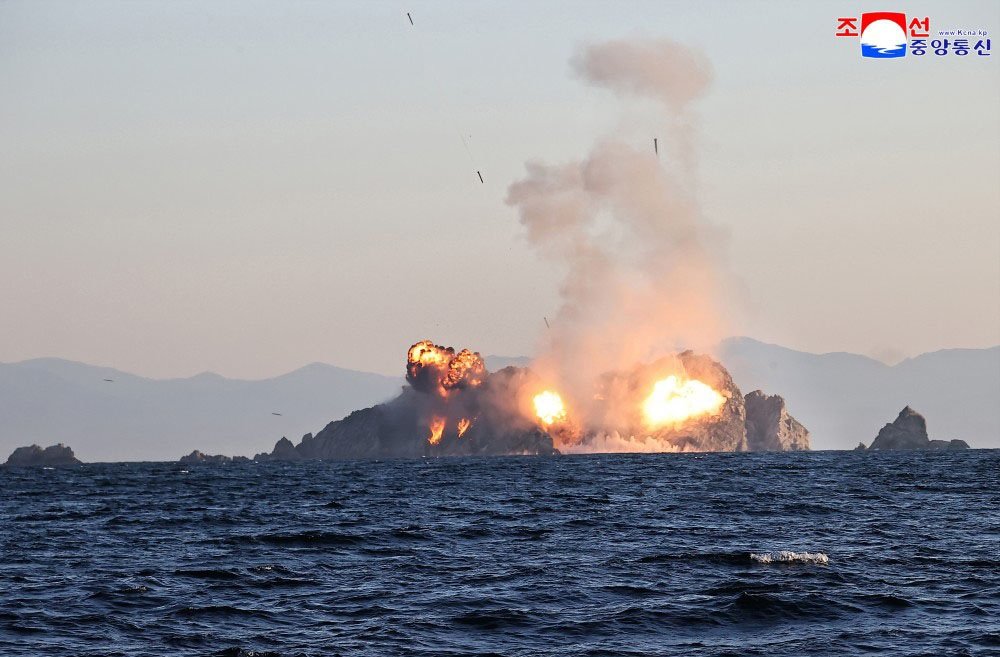 North Korea Fires Short-Range Ballistic Missile Toward Sea of Japan After Freedom Edge 26
-
 India’s xTerra Robotics Launches Indigenous DHAV-Hy Wheeled-Legged Quadruped for Industrial Inspection
-
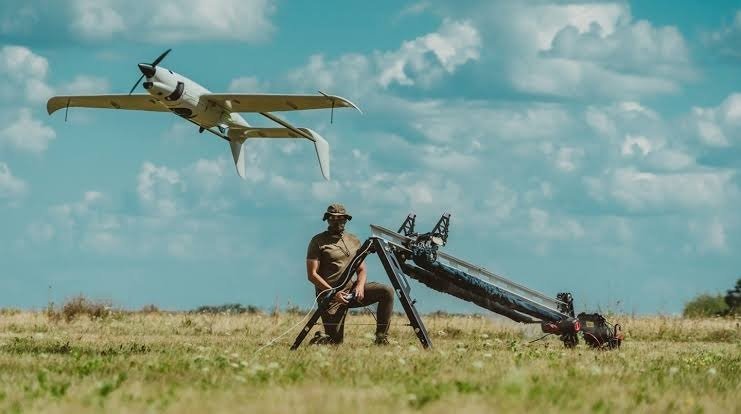 U.S. Army Awards $10.64 Million Contract to Ukrainian Drone Maker Skyeton for Raybird Systems
-
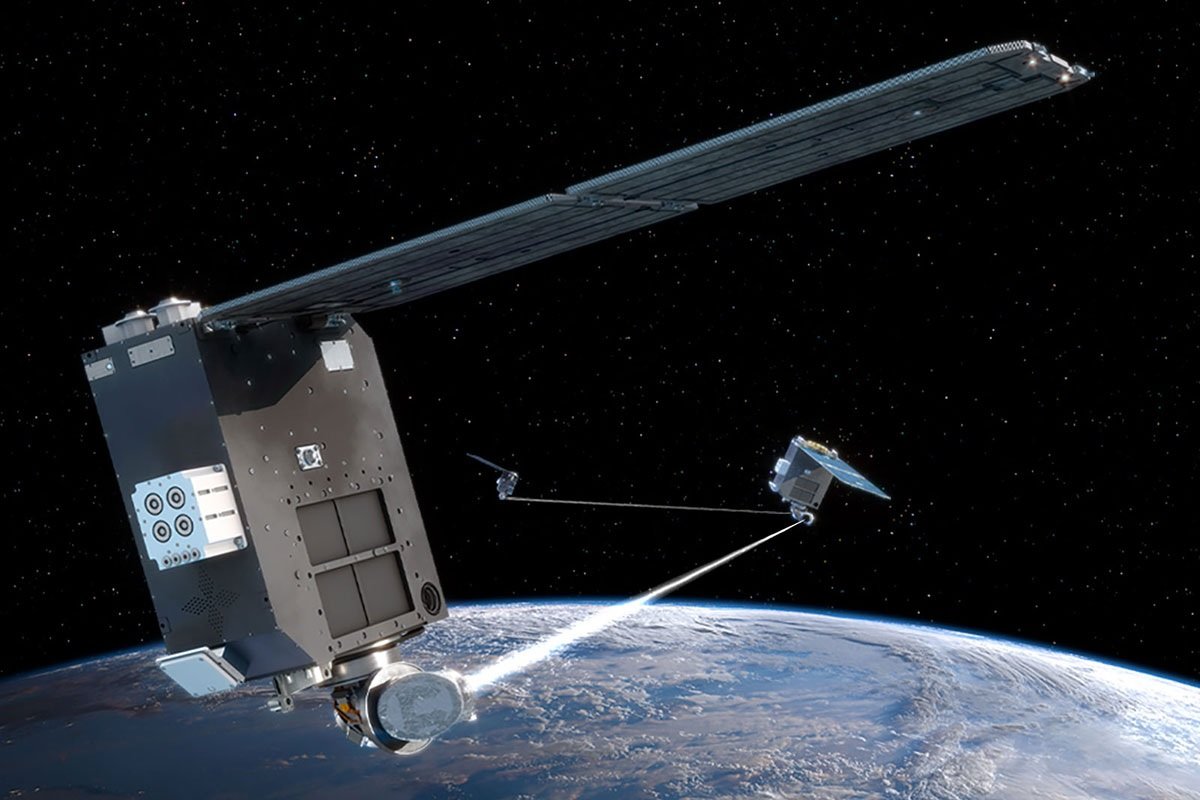 U.S. Space Force Seeks Rapid-Response Satellites for Close-Range Orbital Inspections
-
 U.S. Government Seizes Almasirah.net, Houthi-Linked News Website
-
 BEL Showcase X-Band Multi-Function Radar for QRSAM to Japanese Delegation
-
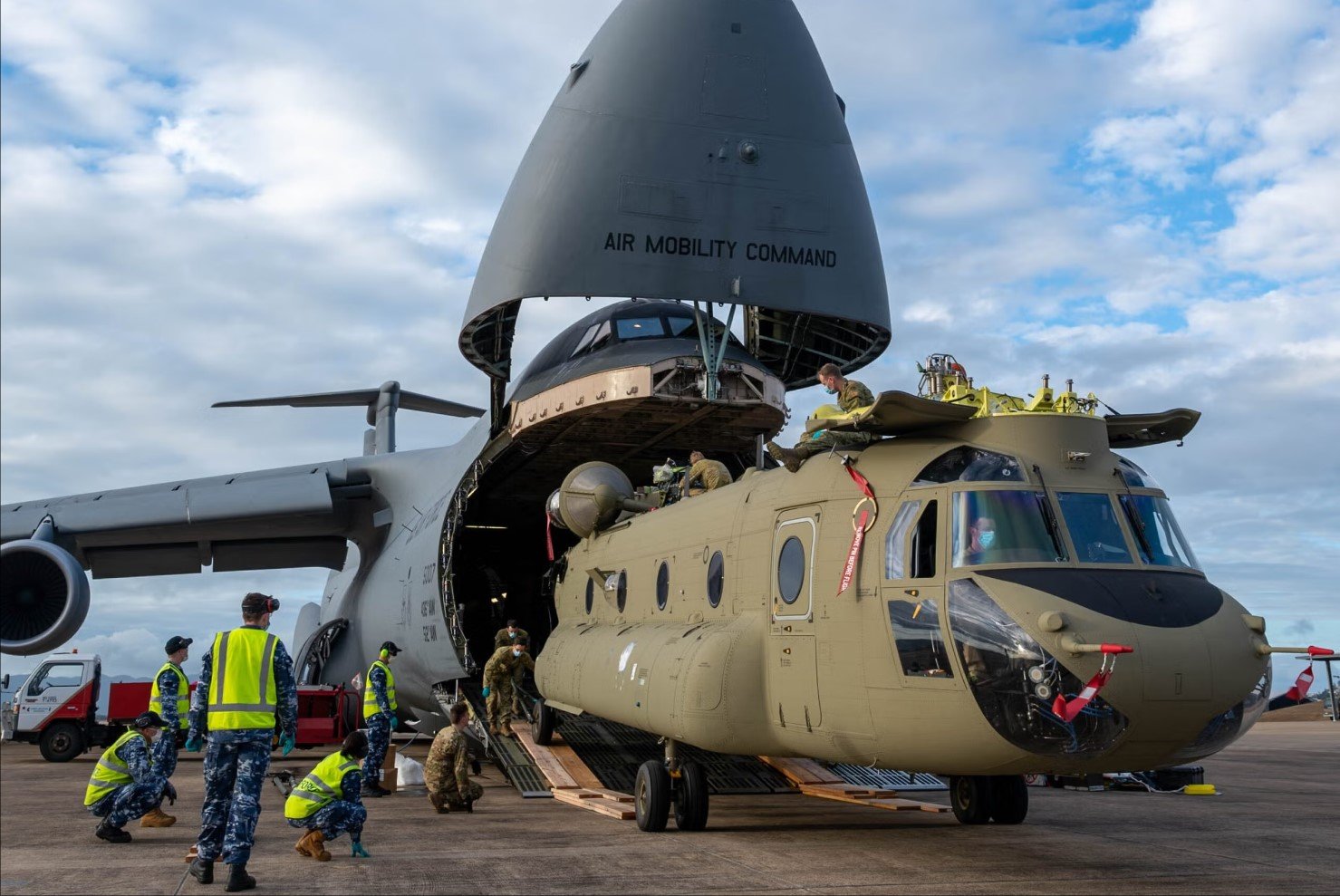 U.S. Delivers First CH-47F Chinook to Egypt Under 12-Helicopter Deal
-
 IRGC Experts Visit Bab El-Mandeb to Oversee Radar Installation and Tunneling, Houthi Sources Say
Top Trending in 4 Days
-
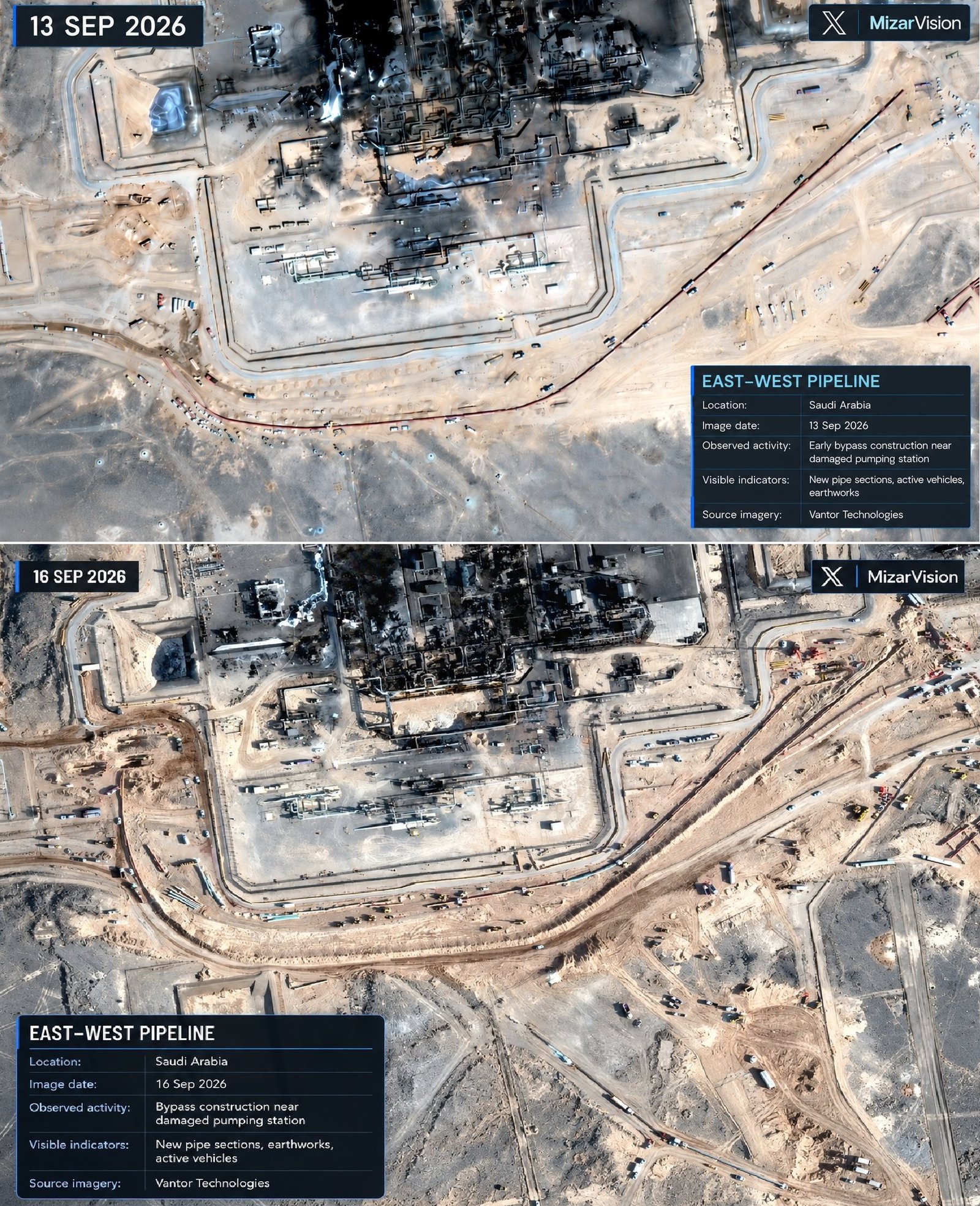 Satellite Images Show Saudi Arabia Building Emergency Bypass Around Damaged East-West Oil Pipeline Station
-
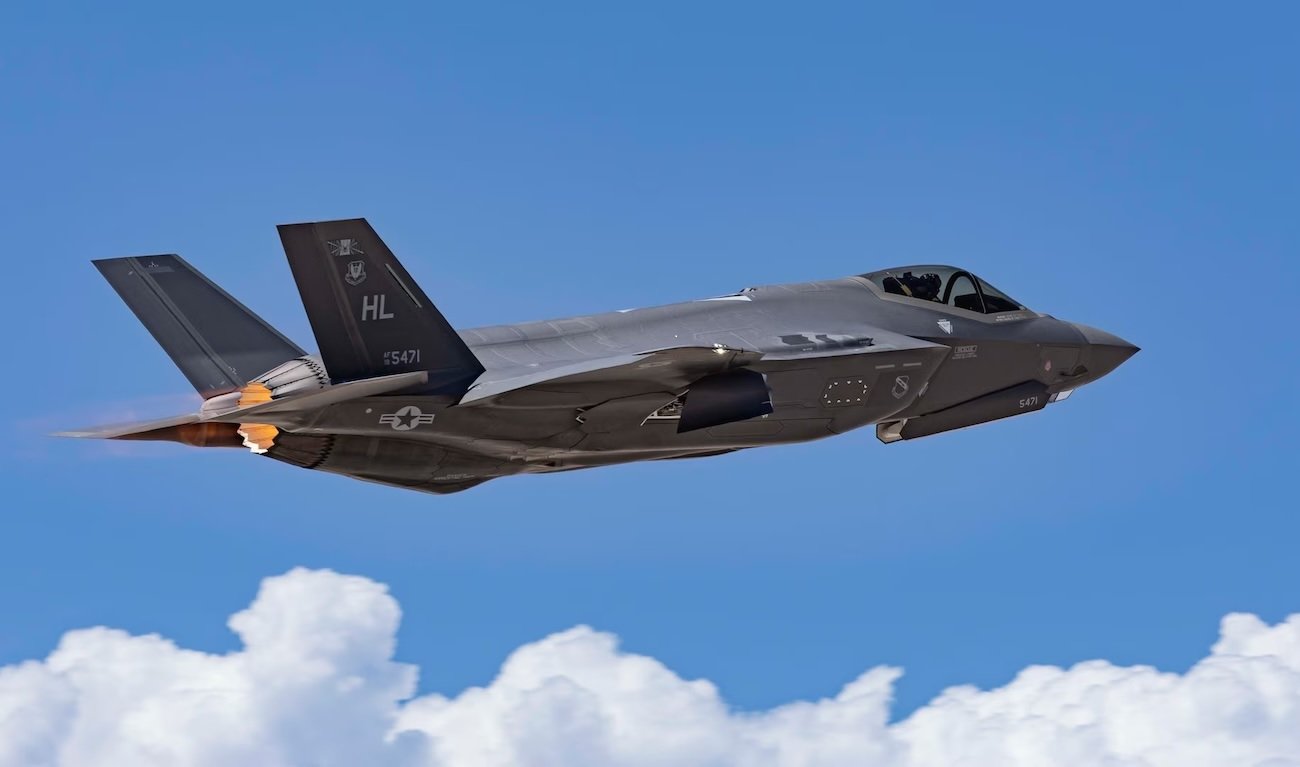 Sensitive F-35 Components Diverted to Hong Kong, Some Parts Missing
-
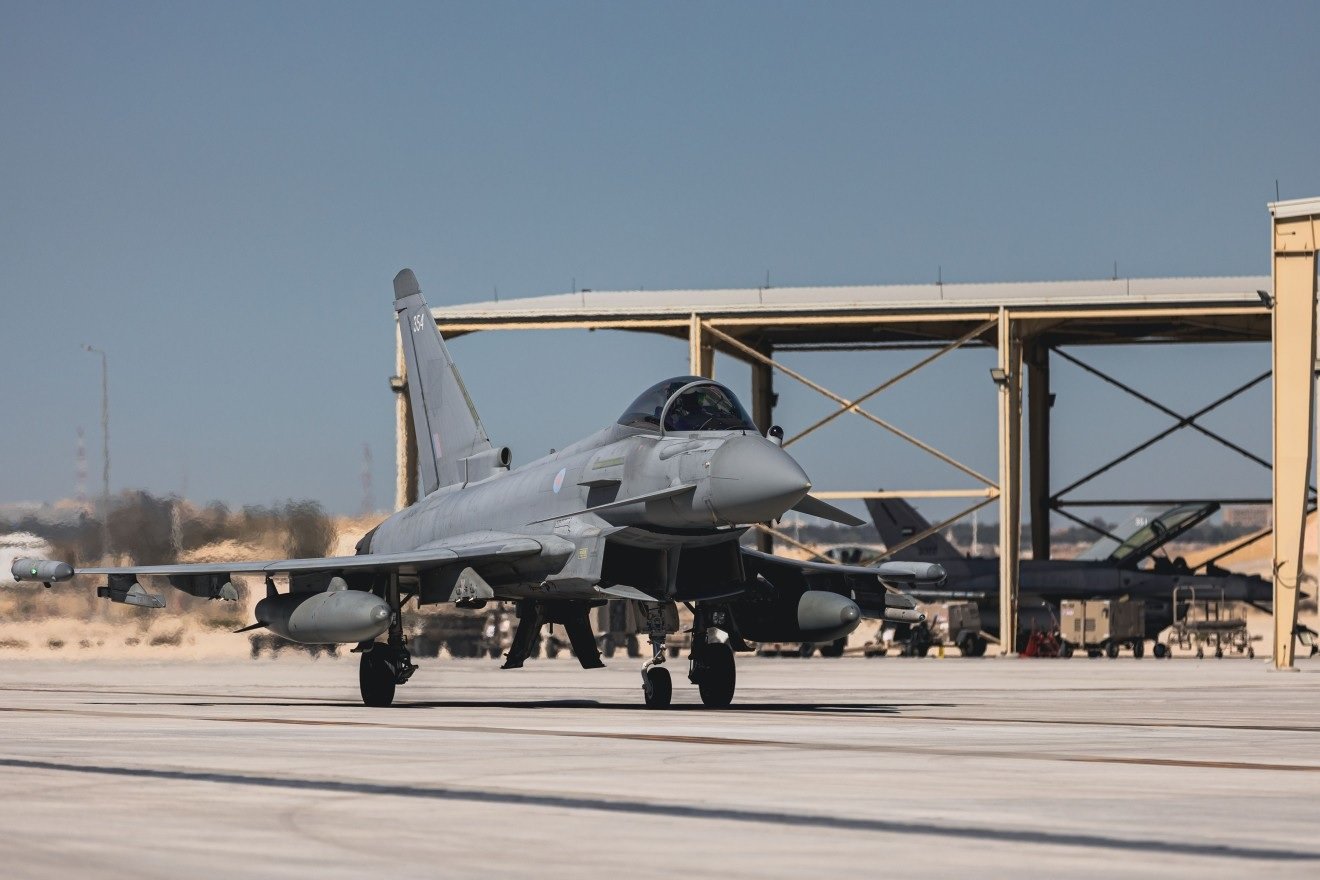 Italian Eurofighter Damaged in Houthi Attack on Saudi Arabia’s King Fahd Air Base
-
 U.S. Secures Permanent Military Rights in Greenland in Historic Security Pact with Denmark
-
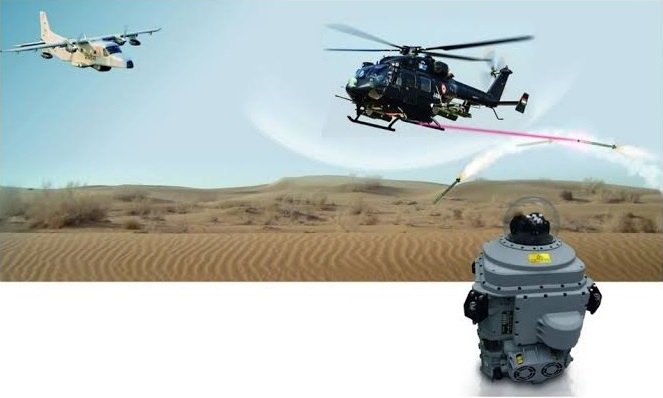 BEL Signs Export Deal with Elbit Systems for Directed Infrared Countermeasure Sub-Assemblies, Secures ₹648 Crore in Additional Orders
-
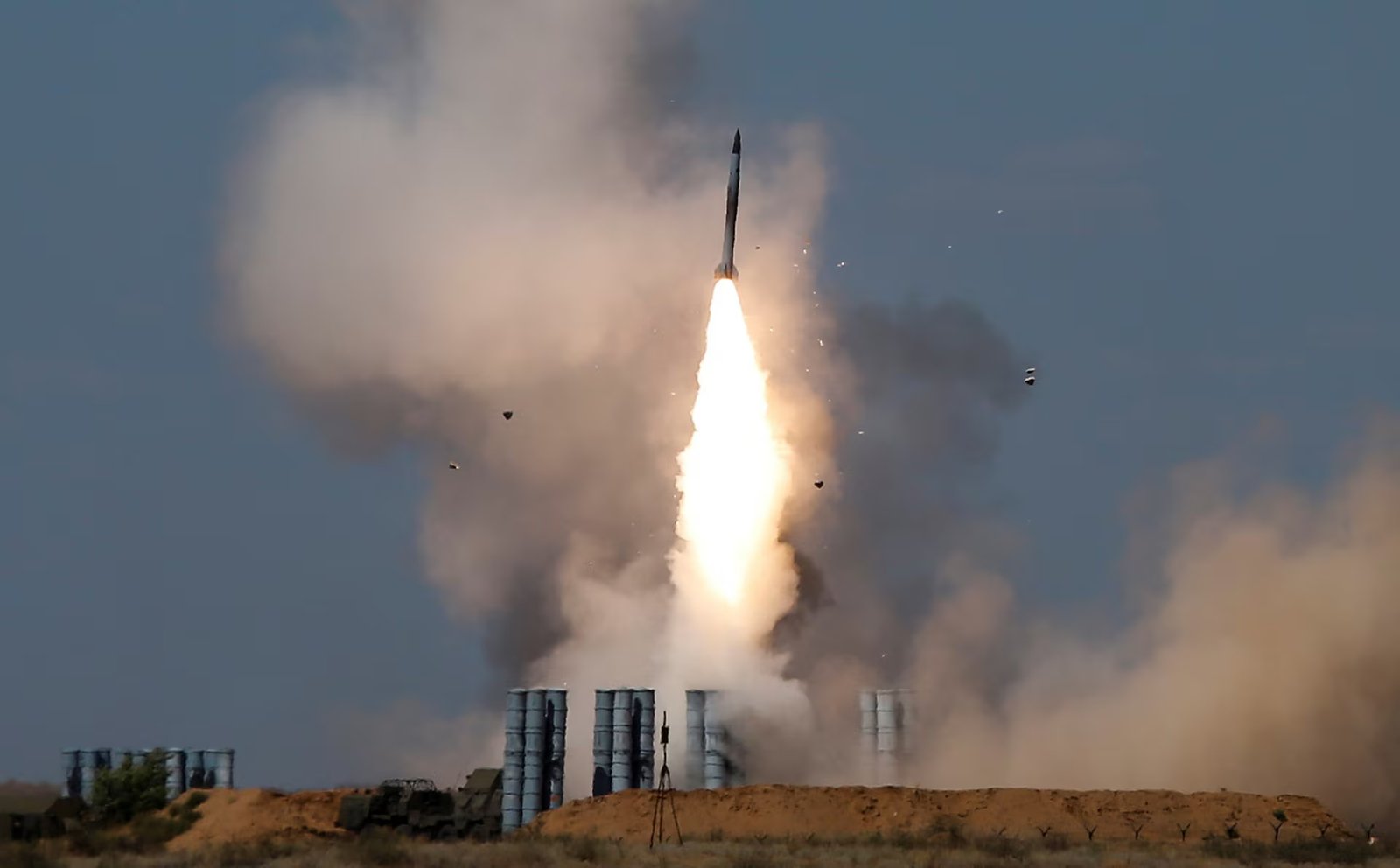 U.S. Approves Potential $2.68 Billion Air Defense Package for Ukraine Including S-300 Clone Missiles
-
 China Privately Urges Iran to Restrain Houthis After Saudi Appeal
-
 Israeli Firm Arbe Robotics Unveils Alerion High-Resolution 4D Radar for Counter-Drone Operations
