World
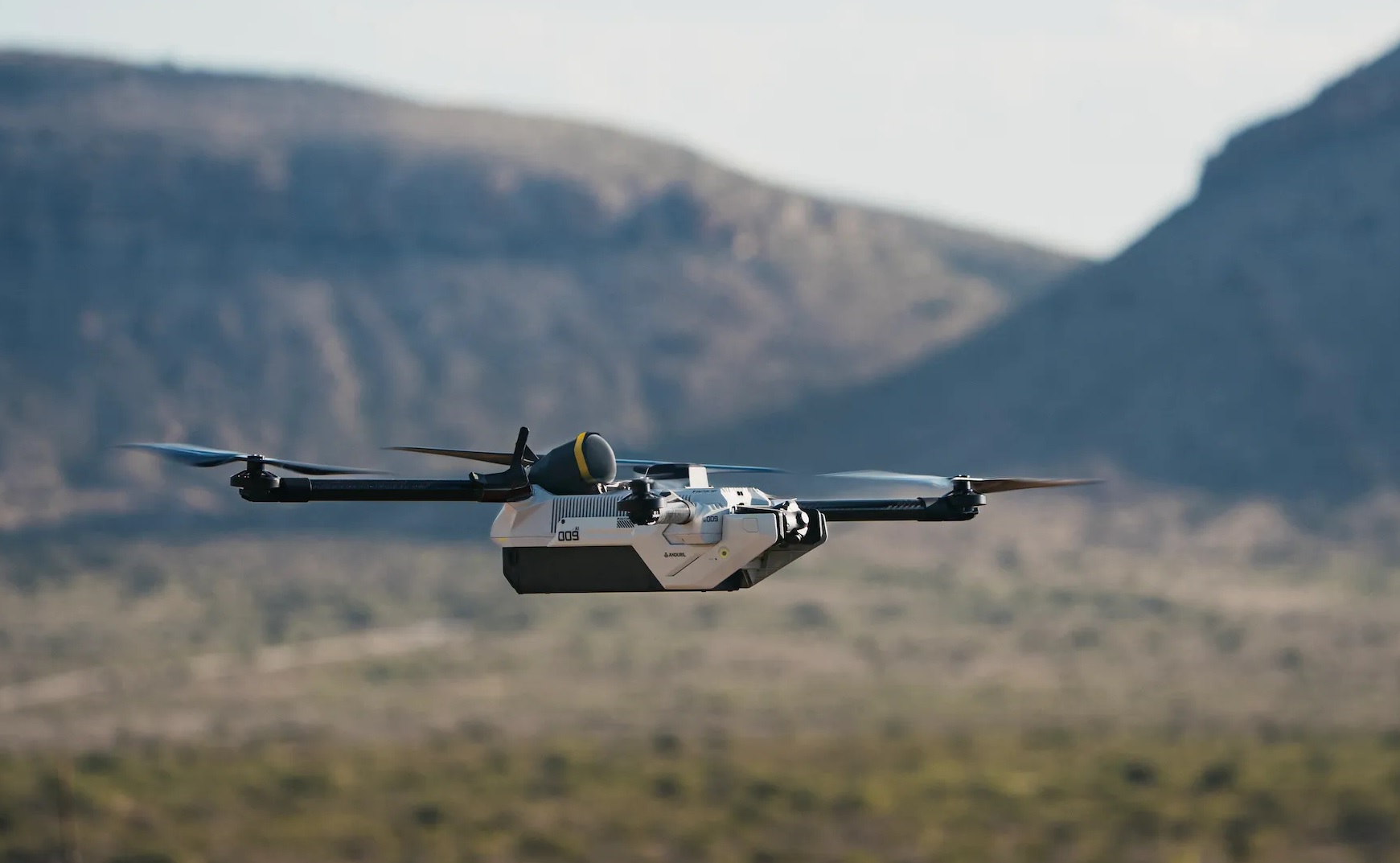
Anduril Industries has taken a significant leap in defense technology by securing a $200 million, five-year contract to supply the U.S. Marine Corps with advanced counter-drone systems. This partnership underscores the growing necessity for robust solutions to counter the increasing threat posed by unmanned aerial systems (UAS) on modern battlefields. The contract, awarded under the Marine Air Defense Integrated System (MADIS) program, is aimed at upgrading the Marine Corps' expeditionary counter-drone capabilities. Known as the Counter Unmanned Aerial System (CUAS) Engagement System (CES), this technology is a cornerstone of the effort to protect Marine Air Ground Task Force (MAGTF) units from evolving aerial threats. It represents not just a technological leap but also a new paradigm in modular, scalable, and rapidly adaptable air defense systems.The Technology Behind MADIS CESAt the heart of Anduril’s CES lies the Anvil, an autonomous kinetic interceptor engineered to neutralize Group 1 and Group 2 drones. These drones, often categorized as small but potentially lethal, are challenging to counter with traditional defense mechanisms. The Anvil stands out with its advanced onboard computing capabilities, precision-guided engagements, and high-speed response times. It’s designed to operate effectively even in complex and dynamic combat scenarios, where traditional defenses might falter.Complementing the Anvil is Anduril’s Lattice command-and-control operating system. This platform integrates cutting-edge sensor fusion, computer vision, and artificial intelligence (AI) to streamline decision-making. By processing vast amounts of data in real-time, Lattice provides operators with actionable insights, enabling them to respond swiftly to threats. The combination of kinetic and software-driven capabilities ensures a robust, multi-layered defense against aerial threats.A Modular, Future-Proof DesignOne of the standout features of the CES is its modular architecture. This design allows the system to accommodate future upgrades through Engineering Change Proposals (ECPs). As drone technology evolves, so too will the CES, thanks to its software-centric approach. This adaptability ensures the Marines remain at the cutting edge of air defense without needing to overhaul existing infrastructure.The CES isn’t limited to countering small drones. It’s capable of addressing a wide spectrum of aerial threats, including rotary and fixed-wing aircraft. This versatility is vital in modern warfare, where adversaries employ a mix of conventional and unconventional aerial systems.Proven Track Record and Operational ReadinessAnduril’s experience in CUAS deployments has significantly shaped the CES. The company’s Sentry Towers, deployed at Marine Corps bases across the U.S., have demonstrated remarkable effectiveness in detecting, tracking, and neutralizing small drones autonomously. These fixed-site installations provided valuable insights that were incorporated into the design of the MADIS CES.The CES is now poised to transition from testing to active deployment. Frontline Marine units will soon benefit from this state-of-the-art technology, enhancing their ability to operate in contested airspaces.Enhancing Defense Capabilities for the FutureThis contract marks a pivotal step in Anduril’s collaboration with the Marine Corps. Chris Brose, Chief Strategy Officer at Anduril Industries, emphasized the transformative potential of AI and autonomy in modern warfare. The CES, he noted, represents a scalable and effective solution to emerging threats, ensuring Marines are well-equipped for the challenges of tomorrow.Pat Morris, Anduril’s Vice President of Air Defense, echoed this sentiment, highlighting the company’s commitment to delivering mission-critical solutions. He underscored the role of the CES in building a comprehensive defense ecosystem capable of addressing both immediate and long-term threats.Towards an Integrated Defense EcosystemAs aerial threats become more sophisticated, systems like the CES are vital for ensuring the safety of personnel and assets. By enhancing situational awareness and enabling rapid response, the CES contributes to a more integrated and resilient defense network. This partnership between Anduril and the Marine Corps sets a new standard for counter-drone systems, combining innovation, adaptability, and effectiveness.In an era where drones are increasingly used for reconnaissance, attack, and disruption, the MADIS CES offers a promising solution to maintain battlefield superiority. With its modular design and cutting-edge technologies, the CES is not just a defense system—it’s a blueprint for the future of air defense.
Read More → Posted on 2024-11-20 15:40:40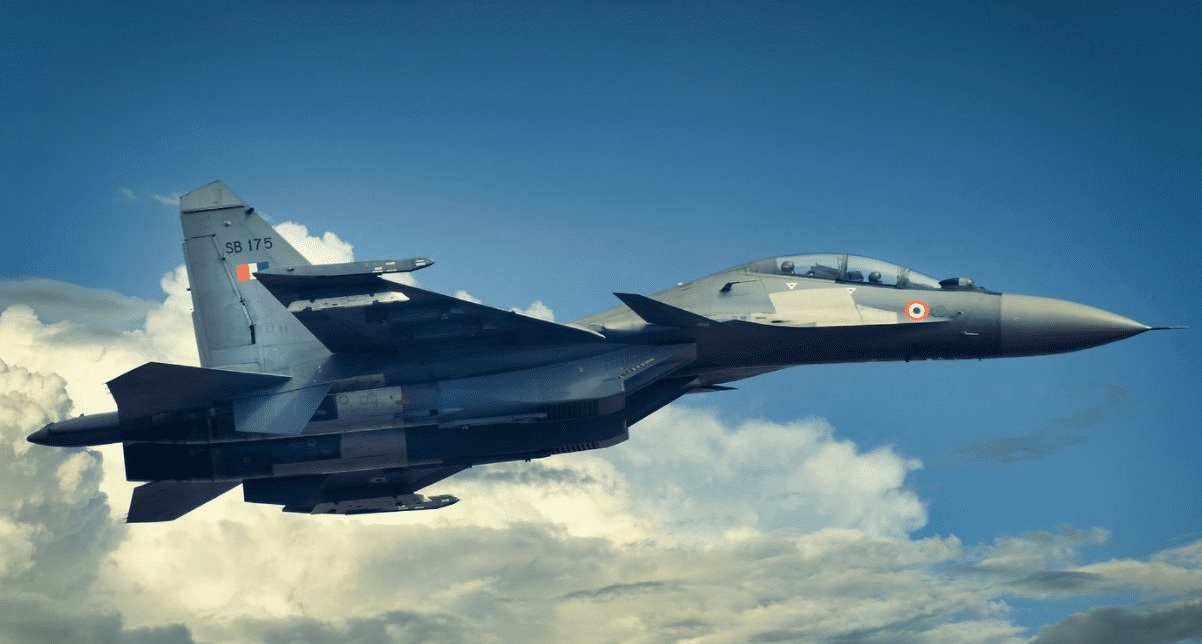
India
The Zhuhai Airshow 2024 marked a turning point in China's aerial combat strategy with the debut of the J-15D electronic warfare (EW) fighter jet. This new platform underscores China's focus on dominating the electronic battlefield, a key factor in modern warfare where electromagnetic supremacy can decide the outcome of conflicts. For India, this development reignites questions about its delayed plans to upgrade the Su-30MKI into a robust EW platform.A Closer Look at the J-15D The J-15D, derived from China's J-15 carrier-based fighter jet, represents a significant step forward for the People's Liberation Army Navy (PLAN). Built by Shenyang Aircraft Corporation, the J-15D is tailored for electronic attack missions. It features advanced jamming pods mounted under its wings, capable of disrupting enemy radars, communications, and missile guidance systems. Notably, the J-15D’s avionics suite and internal wiring have been optimized for EW tasks, and the aircraft reportedly integrates an active electronically scanned array (AESA) radar. While it draws visual and structural similarities to the J-15, the J-15D eliminates the internal 30mm cannon to make room for its EW equipment. With this, the J-15D inches closer to the U.S. Navy’s EA-18G Growler, widely regarded as the gold standard for EW fighter jets. India's Stalled "Desi Growler" While China flexes its EW capabilities, India continues to lag in this critical domain. The Indian Air Force (IAF) has long envisioned an EW variant of the Su-30MKI—one of its most versatile and capable fighter jets. However, bureaucratic inertia, funding limitations, and delayed decision-making have stalled progress on this vital project. India's proposed EW Su-30MKI, colloquially referred to as the "Desi Growler," could carry an array of indigenous systems, including DRDO-developed jamming pods and radar warning receivers. Equipped with an AESA radar and systems like the DARE-developed "Tarang" radar warning suite, such a platform could neutralize advanced enemy air defense systems while supporting strike missions deep into contested territories. The Su-30MKI has the payload capacity and endurance to accommodate the additional equipment required for an EW role. However, the absence of a clear roadmap has hindered its evolution into a multi-role electronic attack platform. Strategic Implications The J-15D’s unveiling is a wake-up call for India. As China narrows the gap with Western powers like the United States in EW technology, India's failure to prioritize similar advancements risks leaving its air force at a disadvantage in a region dominated by dense air defense networks. The Su-30MKI’s potential as an EW fighter is vast, but unlocking it requires urgent action. A dedicated EW platform would not only enhance the IAF's ability to operate in contested airspaces but also align with India's broader objectives of indigenization and strategic autonomy. By fast-tracking the "Desi Growler," India could reduce its dependence on foreign systems and reinforce its regional military posture. Conclusion The debut of the J-15D demonstrates China's rapid strides in naval and electronic warfare. For India, the writing is on the wall. To remain competitive in the evolving landscape of aerial combat, it must bridge its EW capability gap by transforming the Su-30MKI into a cutting-edge EW platform. The longer India delays, the wider the gap grows—a reality it cannot afford in an era defined by electronic dominance.
Read More → Posted on 2024-11-20 15:33:52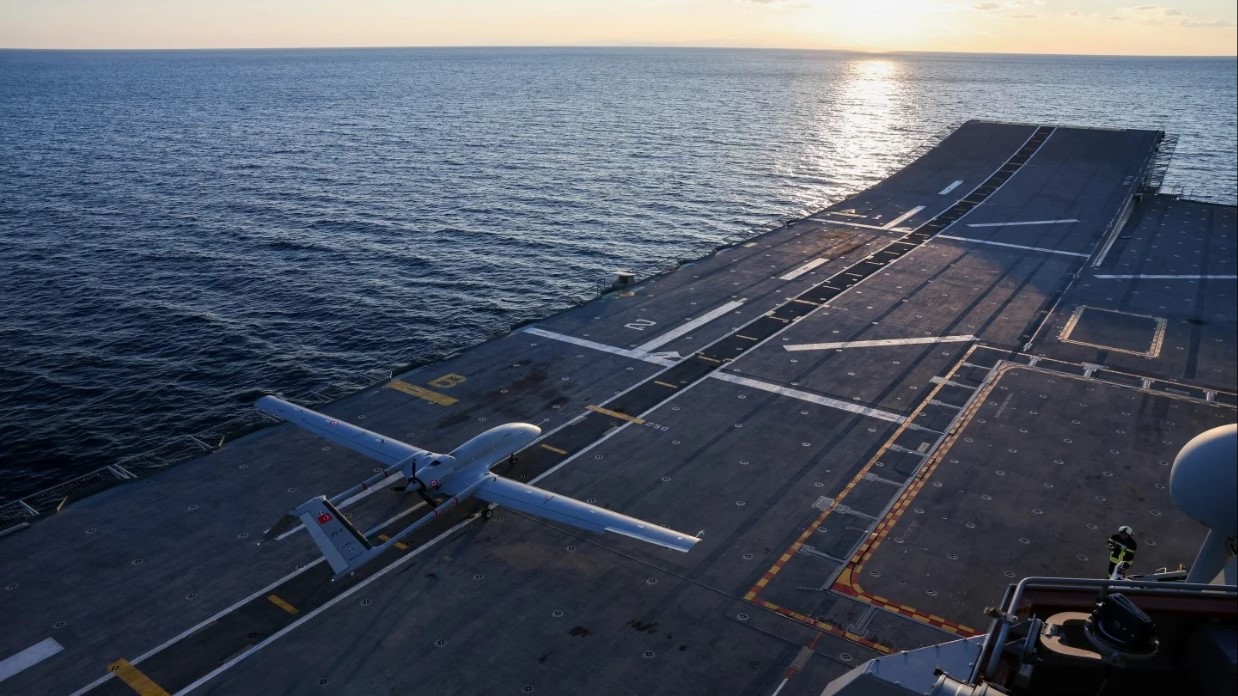
World
In a groundbreaking achievement, Türkiye's Bayraktar TB3 unmanned combat aerial vehicle (UCAV) has become the first of its kind to successfully take off and land on the short-runway aircraft carrier TCG Anadolu. This milestone marks a pivotal advancement in naval aviation and the integration of unmanned systems with modern military assets. A Revolutionary Flight on TCG Anadolu The feat, celebrated widely on social media, was announced by Baykar, the developer of the TB3, with a statement: “The Bayraktar TB3 has made history as the first unmanned aerial vehicle to successfully take off and land on the short-runway carrier TCG Anadolu!” This event highlights not only the technical prowess of the TB3 but also the capabilities of the TCG Anadolu, Türkiye’s first multi-purpose LHD (Landing Helicopter Dock) class amphibious assault ship, commissioned in 2023. TCG Anadolu serves as a versatile platform capable of hosting a variety of aerial and amphibious assets, including drones like the TB3. Designed to operate with limited deck space, the Bayraktar TB3’s successful integration aligns with Türkiye’s strategic goal of strengthening its naval power while embracing cutting-edge unmanned technologies. Key Features and Technological Edge of Bayraktar TB3 The Bayraktar TB3 is a marvel of modern engineering, crafted to meet the unique demands of carrier-based operations. Its foldable wings ensure efficient storage and deployment from confined spaces, a feature crucial for short-runway carriers like the TCG Anadolu. Key specifications include: Payload Capacity: Up to 280 kilograms, enabling it to carry precision-guided munitions and intelligence-gathering equipment.Operational Range: Capable of covering over 1,000 kilometers, allowing extended mission durations.Endurance: The TB3 can remain airborne for over 24 hours, making it suitable for surveillance, reconnaissance, and strike missions.Maiden Flight: Conducted in late October 2023, the UCAV's first flight coincided with the 100th anniversary of the Republic of Türkiye, a symbolic alignment with national pride.Tested for Excellence Before its historic carrier operation, the TB3 underwent rigorous evaluations, including ski-jump tests from a land-based platform earlier this year. The tests culminated in a series of successful flights, with the company sharing footage of the drone completing its sixth ski-jump test just days before its carrier-based operation. These tests validate the TB3’s advanced aerodynamics and control systems, ensuring it can handle the challenges of short-runway operations while maintaining stability and precision during takeoff and landing. Baykar’s Rising Dominance Baykar, the maker of the TB3, has cemented its position as a leader in the defense industry. The company accounted for nearly one-third of Türkiye’s record $5.5 billion in defense exports last year, underscoring its impact on global markets. Baykar’s success with earlier models like the Bayraktar TB2, renowned for its effectiveness in conflicts worldwide, has paved the way for innovations like the TB3. Strategic Implications The successful deployment of the Bayraktar TB3 on TCG Anadolu signifies a leap forward in Türkiye’s naval and drone capabilities. By combining cutting-edge unmanned technologies with versatile platforms, the nation is positioning itself as a key player in maritime security and power projection. The TB3’s unique ability to operate from a short-runway carrier enhances the flexibility and reach of naval forces, a crucial factor in the geopolitically sensitive Mediterranean and Aegean regions. This accomplishment also sets the stage for future advancements, as Baykar is reportedly working on the Bayraktar Kızılelma, a next-generation unmanned fighter jet, which is expected to expand the operational scope of Türkiye’s naval and aerial forces. In sum, the Bayraktar TB3’s successful integration with TCG Anadolu is a historic moment that showcases Türkiye’s commitment to innovation and self-reliance in defense. This achievement not only strengthens the country’s military but also redefines the possibilities of unmanned combat in naval operations.
Read More → Posted on 2024-11-20 15:28:41
India
The Indian Institute of Technology Madras (IIT Madras) is spearheading groundbreaking research that could revolutionize India’s artillery capabilities. A team led by Lt. Gen. P.R. Shankar (Retd.), a former Director General of Artillery in the Indian Army, is developing ramjet propulsion technology to enhance the range of the Pinaka Multi-Barrel Rocket Launcher (MBRL) system. This technological leap aims to extend the rocket's range from its current 75 kilometers to an estimated 225 kilometers, marking a pivotal advancement in the nation’s defense arsenal.The Current Pinaka System The Pinaka Mk II, an integral part of India's artillery framework, operates with a high-energy composite solid-fuel rocket motor. This system allows for precise strikes up to 75 kilometers, making it an effective medium-range weapon for the Indian Army. However, as the need for longer-range and precision-strike capabilities grows, the current technology is reaching its limits. How Ramjet Technology Transforms the Pinaka Ramjet propulsion technology offers a novel solution to overcome range limitations. Unlike traditional rocket motors that carry both fuel and oxidizers, a ramjet engine is air-breathing. It uses the rocket's forward motion to compress incoming air for combustion, resulting in a lighter design and sustained thrust throughout the projectile's flight. This reduction in onboard oxidizer weight not only boosts fuel efficiency but also enables the rocket to maintain high speeds over extended distances. This means the enhanced Pinaka would achieve a significantly reduced drag profile, allowing for a range that is three times greater than its current capacity. Challenges in Adopting Ramjet Propulsion While promising, adapting the Pinaka MBRL for ramjet propulsion involves several engineering challenges. Modifications to the rocket's aerodynamics, propulsion mechanisms, and guidance systems are critical. Additionally, ramjet engines require advanced materials capable of withstanding extreme thermal and mechanical stresses during high-speed flight. Cost considerations also factor into the equation, as the integration of ramjet technology demands sophisticated manufacturing techniques and precision engineering. However, the strategic advantages far outweigh these hurdles, making it a worthwhile investment. Strategic Implications Once operational, a ramjet-powered Pinaka with a range of 225 kilometers would offer unprecedented tactical flexibility. Indian forces could engage targets deep within adversary territory while remaining at a safe distance from counterfire. This enhanced reach would also reduce the need for frequent repositioning of artillery units, improving operational efficiency during prolonged engagements. Moreover, the development aligns with India's push for self-reliance in defense technology. By advancing indigenous capabilities in propulsion and long-range strike systems, IIT Madras is contributing to the nation’s strategic preparedness and global standing in military innovation. The Road Ahead As the project progresses, the IIT Madras team is navigating the complexities of integrating ramjet propulsion into the Pinaka system. Their work is a testament to India's growing emphasis on harnessing cutting-edge technology to bolster its defense infrastructure. If successful, this breakthrough could not only redefine the Pinaka’s capabilities but also set a new benchmark for artillery systems worldwide. This innovation underscores the critical role of academia-industry collaboration in shaping the future of defense technologies and securing India’s strategic interests.
Read More → Posted on 2024-11-20 15:16:47
World
BAE Systems is stepping up its efforts to revolutionize electronic warfare capabilities for the U.S. Army's combat vehicles. Under a recently secured follow-on contract, the company will further develop its Multi-Class Soft Kill System (MCSKS), a cutting-edge solution aimed at neutralizing modern battlefield threats such as guided missiles and other nearby dangers. This advancement is pivotal for enhancing the survivability of ground combat vehicles and ensuring mission success in increasingly complex combat environments. A New Frontier in Active Protection Systems At the core of the MCSKS program are two advanced technologies: the laser-based Stormcrow and TERRA RAVEN countermeasure systems. Both systems play a key role in the U.S. Army’s electronic warfare-driven Active Protection System (APS), which is designed to efficiently neutralize threats without exhausting kinetic countermeasures. Stormcrow and TERRA RAVEN represent BAE Systems’ focus on creating a robust defense umbrella around military platforms. By leveraging electro-optic/infrared (EO/IR) and radio-frequency (RF) spectrum technologies, these systems detect, track, and disrupt incoming threats with unparalleled speed and precision. This approach allows combat vehicles to maintain their effectiveness even under adverse weather conditions or in rugged terrain. What Sets MCSKS Apart The MCSKS platform is lightweight, modular, and highly rugged, making it adaptable to a wide range of combat scenarios. The system is equipped with multi-function sensors and advanced intelligent processing capabilities, enabling enhanced situational awareness and rapid response times. The focus on modularity ensures the system can be cost-effectively upgraded as threats evolve. Additionally, the program builds upon the proven success of earlier systems such as the Advanced Layered Soft Kill System (ALSKS) and Layered Soft Kill System (LSKS), which have demonstrated their reliability through multiple successful trials. A Legacy of Excellence With decades of expertise in electromagnetic warfare, BAE Systems is a trusted name in survivability solutions for the U.S. Department of Defense and allied forces worldwide. The company’s ability to innovate and adapt to emerging threats is underpinned by its FAST Labs organization in Merrimack, New Hampshire, where cutting-edge research fuels the development of next-generation technologies. Manufacturing and integration are carried out at BAE Systems’ advanced facility in Austin, Texas. Beyond the Battlefield Jared Belinsky, the director of Integrated Survivability Solutions at BAE Systems, highlights the broader vision behind the company’s work: “Today’s combat vehicles need active protection systems that quickly and efficiently counter modern threats. Missile countermeasures are part of our full-spectrum approach to electromagnetic warfare. We’re creating an Intrepid Shield™ around our customers’ platforms – improving their effectiveness on the battlefield.” This "Intrepid Shield" reflects a comprehensive strategy to ensure U.S. Army vehicles remain at the forefront of defense technology, combining proven solutions with groundbreaking innovations. Looking Ahead BAE Systems' continued investment in electronic warfare countermeasures reinforces its leadership in the defense industry. The MCSKS program exemplifies how advanced technology can redefine battlefield survivability, offering unparalleled protection for combat vehicles. With these advancements, the U.S. Army is better equipped to navigate the challenges of modern warfare, securing not just missions but also the lives of its soldiers.
Read More → Posted on 2024-11-20 15:12:57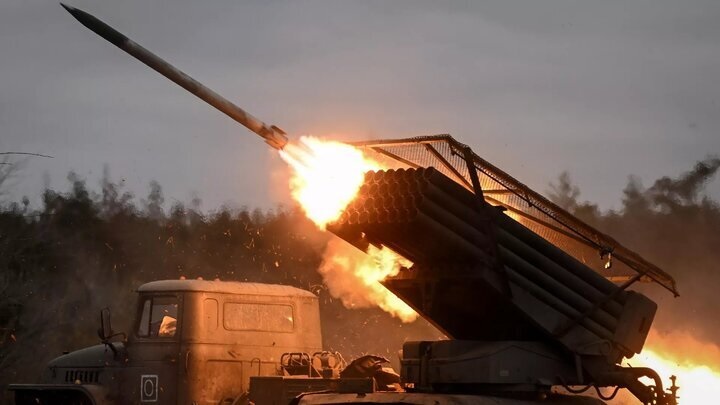
World
Russia's Ministry of Defense has reported the successful interception and destruction of 44 Ukrainian drones during a nighttime operation. Among these, 20 drones were neutralized over the Novgorod region in the northwest, with the remaining 24 intercepted across various parts of central and western Russia. This latest development highlights the intensifying use of unmanned aerial vehicles (UAVs) in the ongoing conflict, underscoring their strategic role in reconnaissance and targeted attacks.The drones were brought down using advanced air defense systems, which remain a cornerstone of Russia's efforts to counter aerial incursions. These systems often include a mix of S-400 missiles and specialized counter-drone technologies that can detect and neutralize UAVs before they inflict damage. However, the Russian defense ministry did not disclose details about potential damages or casualties resulting from this incident, nor did it elaborate on the drones' intended targets.This wave of drone activity represents a broader trend in the war. Ukraine has increasingly leveraged drones to reach deep into Russian territory, often targeting critical infrastructure, military installations, and symbolic locations such as Moscow. In recent months, such incursions have prompted Russia to bolster its defenses, particularly in regions previously considered out of reach for Ukrainian forces. The Novgorod region, for instance, lies far from the active frontline, marking a significant expansion in the operational range of Ukraine's UAV campaigns.The ongoing drone warfare underscores the evolving nature of modern conflict, where relatively low-cost technologies can deliver significant strategic impacts. While Russia's air defenses remain formidable, the persistent drone incursions indicate Ukraine's commitment to disrupting logistics and showcasing vulnerabilities in Russia's defensive grid.This incident also reflects the broader geopolitical stakes, as NATO and allied nations continue to provide Ukraine with resources and expertise in drone technology. With neither side showing signs of backing down, such events emphasize the increasing complexity and unpredictability of the conflict.
Read More → Posted on 2024-11-20 15:07:31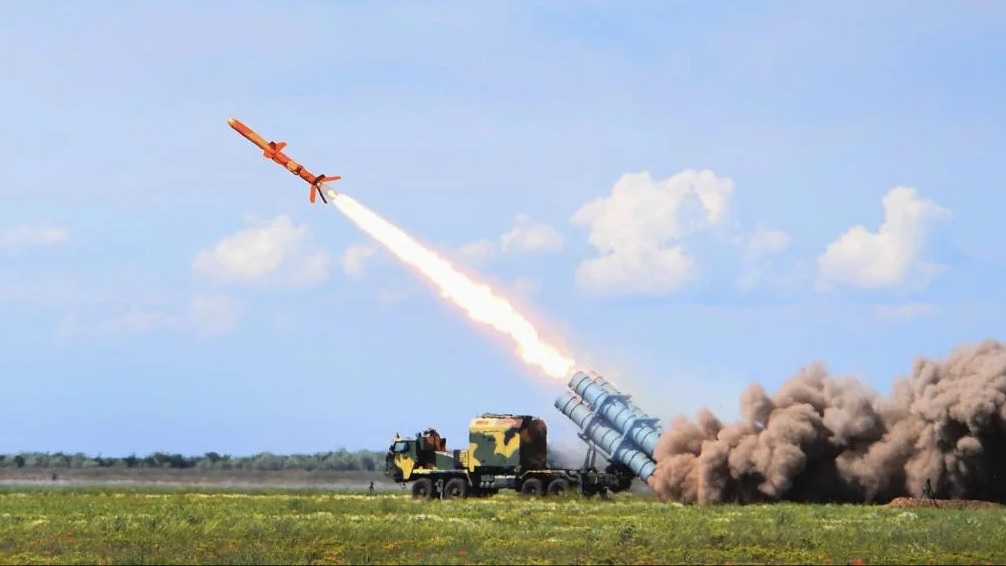
World
Ukraine has achieved a significant milestone in its defense manufacturing capabilities, producing over 100 Neptune cruise missiles and introducing advanced features to enhance their range and effectiveness. This announcement, made by Ukrainian Defence Minister Rustem Umerov, underscores the country's commitment to bolstering its military prowess amid ongoing conflict with Russia.The R-360 Neptune missile first gained international attention in 2022 when it played a pivotal role in sinking the Russian Black Sea Fleet's flagship, the Moskva cruiser. This remarkable success demonstrated the strategic value of Ukraine's domestically developed missile systems, cementing Neptune's status as a critical asset in Ukraine's defense arsenal.Enhanced Range and Mass ProductionMinister Umerov revealed that the mass production of the Neptune missile has been successfully scaled up, with significant improvements in its capabilities. While specific technical details remain classified, the updated version is reportedly capable of striking targets at longer distances, a critical upgrade that increases its tactical flexibility. The first batch of 100 missiles produced this year marks a landmark achievement in Ukraine’s defense manufacturing efforts.The expansion of Neptune's production is part of a broader initiative to fortify the country's missile program. Umerov recently convened with missile manufacturers to outline ambitious goals for 2025, focusing on innovation and self-reliance in defense technology.Collaboration with State and Private SectorsBeyond the Neptune missile, Ukraine is diversifying its arsenal through initiatives like the Palianytsia drone-based missile system. This project highlights a collaborative effort involving state entities, private industry, and international partners. The integration of drone technology into missile systems reflects Ukraine's forward-looking approach to modern warfare, leveraging emerging technologies to enhance its defensive and offensive capabilities.Technical Specifications of the Neptune MissileThe Neptune missile system is a subsonic, low-altitude cruise missile designed primarily for anti-ship operations. Here are some key features:Type: R-360 NeptuneWeight: Approximately 870 kg (1,918 lbs)Warhead: 150 kg high-explosive fragmentationRange: Initially up to 280 km (174 miles), now enhancedGuidance System: Active radar homing with GPS/INS supportLaunch Platform: Mobile coastal defense systemsThese features make Neptune a formidable tool for Ukraine's military, capable of neutralizing high-value maritime targets with precision.A Path Forward for Ukraine's Defense IndustryUkraine's advancements in missile production come at a critical juncture, reflecting a growing emphasis on domestic capabilities to counter external threats. President Volodymyr Zelenskyy recently highlighted that the production of over 100 missiles is a testament to the nation's resilience and ingenuity. As Ukraine continues to refine its missile technologies and expand collaborations, its defense industry is poised to play a decisive role in the country’s broader strategic objectives.The development of systems like the Neptune and Palianytsia not only strengthens Ukraine's immediate defense posture but also signals a broader shift towards self-reliance in high-tech military manufacturing.
Read More → Posted on 2024-11-20 14:45:25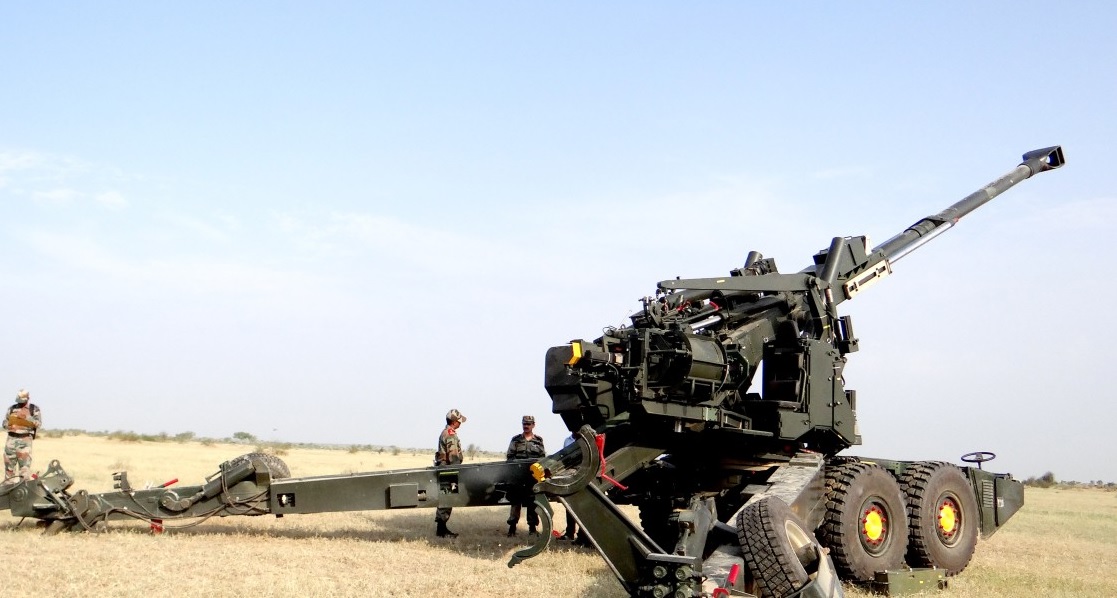
India
After successfully deploying and testing an initial batch of six Advanced Towed Artillery Gun Systems (ATAGS), Armenia is entering advanced discussions to acquire 78 additional units from India’s Kalyani Strategic Systems Limited (KSSL). This move underscores the growing strategic ties between Armenia and India, as well as the increasing global demand for India's cutting-edge defense technology.Proven Performance in Armenia's Unique TerrainThe six ATAGS units delivered to Armenia in 2023 were rigorously evaluated in diverse and challenging conditions, including high-altitude mountainous regions and open plains. The trials demonstrated the gun system's exceptional performance, particularly its long-range precision, adaptability, and robust reliability. To better suit Armenian operational needs, the systems were modified with features like an Armenian-language user interface, ensuring seamless integration with local forces.The Armenian Army's positive experience with these initial units has paved the way for the country’s Ministry of Defence to pursue a larger procurement of this advanced 155mm/52-calibre artillery gun. These additional units are expected to include refinements based on the feedback from the initial deployment, ensuring they are tailored to Armenia's specific tactical requirements.ATAGS: A Technological PowerhouseDeveloped by India’s Defence Research and Development Organisation (DRDO) in collaboration with private sector giants like Kalyani Strategic Systems, ATAGS boasts a range of features that set it apart on the global stage. The gun system offers:Exceptional Range: Capable of firing beyond 48 kilometers with extended-range ammunition.High Burst Rate of Fire: ATAGS can fire five rounds in short bursts, maintaining high operational efficiency.Advanced Automation: A fully automated loading system ensures speed and safety during operations.Robust Design: Designed for diverse terrains, including deserts, plains, and high-altitude areas.Strategic Mobility: Despite its heavy build, ATAGS can be efficiently deployed in varied conditions.These features make ATAGS a formidable asset, not only for Armenia but also for other countries seeking advanced yet cost-effective artillery solutions.Strengthening Indo-Armenian Defense TiesThis prospective deal builds on Armenia’s earlier purchases of Indian defense systems, such as the Pinaka multi-barrel rocket launchers. The growing partnership reflects India’s expanding footprint in global arms markets, particularly in regions like Eastern Europe. For Armenia, this collaboration aligns with its strategic need for reliable and versatile defense solutions amidst its complex regional security dynamics.A Growing Global Presence for Indian DefenseIndia's ATAGS has already gained international attention for its cutting-edge capabilities. While Armenia is advancing its partnership with KSSL, the Indian Army is simultaneously negotiating a contract to procure 307 ATAGS units. However, reports suggest that India is exploring options for a lighter, more agile artillery system with enhanced automation for future requirements.The Road AheadIf finalized, this expanded deal with Armenia would not only bolster the country’s military capabilities but also mark another milestone for India’s defense export ambitions. It would reaffirm ATAGS as a globally competitive artillery solution and further strengthen India’s position as a reliable partner in the international defense market.As Armenia and India deepen their defense ties, this partnership serves as a testament to the shared vision of innovation, security, and self-reliance in the evolving global defense landscape.
Read More → Posted on 2024-11-20 14:40:05
India
The Indian Navy is embarking on a transformative journey to achieve full self-reliance in marine and diesel propulsion systems by 2047, a target closely tied to the national vision of *Aatmanirbhar Bharat* (Self-Reliant India). This ambitious initiative not only seeks to end dependence on foreign suppliers but also aims to solidify India's position as a global leader in defense manufacturing.Current Dependency and Challenges India's reliance on imported propulsion systems for its naval fleet has long been a strategic vulnerability. Key suppliers include Ukraine, which has provided engines for frontline warships, and global aerospace giants like GE Aerospace and Rolls-Royce, known for their advanced gas turbine engines. However, geopolitical uncertainties, such as the Russia-Ukraine conflict, have highlighted the risks of relying on external sources for critical defense equipment. These challenges have galvanized efforts to develop indigenous alternatives. The Path to Self-Reliance The Indian Navy, alongside the Defence Research and Development Organisation (DRDO) and its Gas Turbine Research Establishment (GTRE), has initiated a series of projects to build indigenous propulsion systems. A pivotal endeavor in this direction is the development of the Kaveri Marine Gas Turbine (KMGT). Derived from the GTX-35VS Kaveri engine originally designed for fighter jets, the KMGT represents a significant leap in adapting aerospace propulsion technologies for marine applications. Looking further ahead, the Navy plans to develop a marine gas turbine based on the advanced engine under development for the AMCA (Advanced Medium Combat Aircraft), India’s fifth-generation stealth fighter. This effort underscores India's commitment to leveraging synergies across its defense platforms to create versatile, cutting-edge technologies. Indigenous Diesel Engine Development In parallel, the Navy is fostering partnerships with Indian private-sector companies specializing in heavy engineering and engine manufacturing. These collaborations aim to create diesel engines for smaller ships and auxiliary vessels. Meeting stringent naval standards, these engines are expected to ensure consistent performance while reducing operational costs. Local manufacturing offers a dual advantage: a dependable supply chain for spares and reduced maintenance downtime. The long-term cost-effectiveness of indigenous propulsion systems will also contribute to enhanced fleet readiness. Broader Implications The shift towards self-reliance in propulsion systems is more than just a technological milestone—it represents a strategic pivot for India’s naval capabilities. Indigenous propulsion systems will not only enhance the operational autonomy of the Indian Navy but also stimulate the domestic defense manufacturing ecosystem, creating jobs and fostering innovation. Moreover, achieving this goal by 2047, the centenary of India’s independence, will serve as a powerful symbol of the country’s defense and technological prowess. As these engines power India’s naval fleet across the high seas, they will embody the spirit of Aatmanirbhar Bharat in every mission. This initiative also aligns with global trends emphasizing the localization of defense manufacturing, ensuring that India stays ahead in a rapidly evolving geopolitical landscape. With focused R&D efforts, robust collaborations, and strategic investments, the Indian Navy is steadily charting a course towards a future powered by fully indigenous marine and diesel engines.
Read More → Posted on 2024-11-20 14:32:16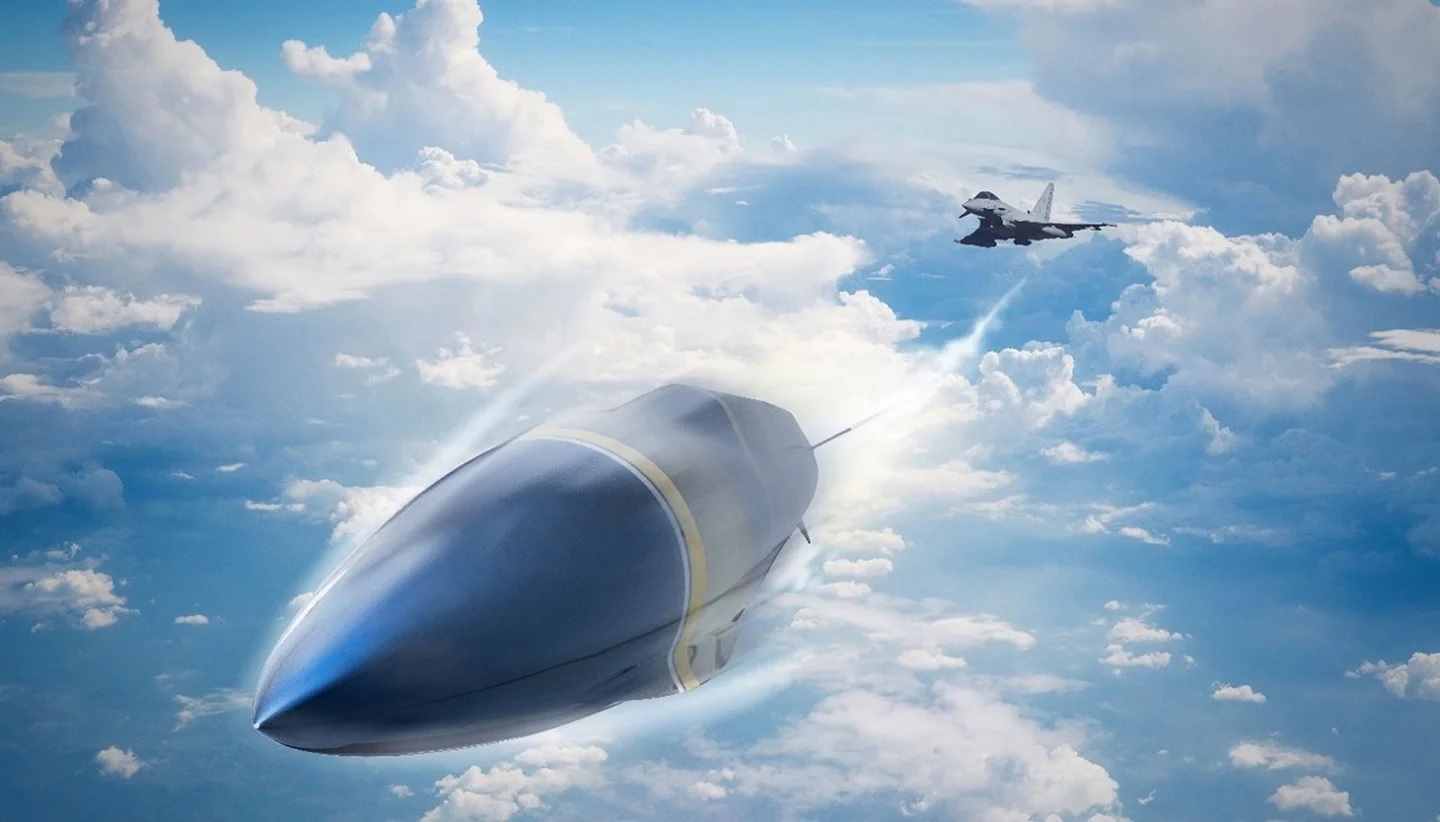
World
The AUKUS alliance—comprising Australia, the United Kingdom, and the United States—has embarked on an ambitious journey to pioneer hypersonic weaponry under a groundbreaking collaboration. Known as the Hypersonic Flight Test and Experimentation Project (HyFliTE), this initiative aims to fast-track the development and testing of both offensive and defensive hypersonic technologies, solidifying the trio’s edge in modern warfare. Accelerating Hypersonic Excellence The partnership, backed by a total funding pool of $252 million, reflects a shared commitment to stay ahead of emerging threats. Hypersonic vehicles, known for their ability to travel at speeds exceeding Mach 5, are at the heart of this program. These cutting-edge systems promise revolutionary advancements in long-range strike capabilities, precision targeting, and defense against enemy hypersonic threats. Under the HyFliTE initiative, the three nations will conduct up to six joint flight test campaigns by 2028. This collaborative effort will explore breakthroughs in high-temperature materials, advanced propulsion systems, and guidance and control technologies—all crucial for the performance of hypersonic systems. Heidi Shyu, the U.S. Under Secretary of Defense for Research and Engineering, emphasized the importance of these technologies: “Each of these technologies is integral to the performance of hypersonic weapon systems and provides enhanced operational capability.” Strategic Aims and Broader Implications The agreement goes beyond technology; it prioritizes the seamless sharing of resources, knowledge, and expertise among the AUKUS nations. UK Defence Secretary John Healey noted that the program strengthens collective security while acting as a deterrent against adversaries: “This work will keep us ahead of our adversaries on the battlefield, enhance our collective security, and contribute to maintaining peace and stability in an increasingly complex and dangerous world.” The program is one of the most significant ventures under the AUKUS partnership, launched in 2021 to bolster trilateral security cooperation. While AUKUS initially focused on providing nuclear-powered submarines to Australia, its scope has expanded to include cutting-edge domains such as artificial intelligence, cyber defense, quantum technologies, and undersea systems. Testing Milestones and Recent Advances In line with its hypersonic ambitions, AUKUS nations have already conducted remarkable tests showcasing their technological prowess. Earlier this year, the three partners tested AI-enabled unmanned aerial vehicles capable of precision interception and destruction of enemy assets. In another feat, they remotely controlled unmanned vessels across a distance of over 10,000 miles, with ships in Australian waters operated from a station in Portugal. These achievements underscore the alliance’s ability to innovate and integrate. The upcoming hypersonic tests under HyFliTE will further cement the AUKUS partnership as a global leader in next-generation defense systems. Beyond the Battlefield While the HyFliTE initiative is framed within a military context, its impact could extend to other areas, including space exploration and civilian aerospace advancements. High-temperature materials and advanced propulsion systems developed for hypersonics could revolutionize industries far beyond defense. With their eyes on 2028, AUKUS nations are setting a bold precedent, ensuring their technological superiority in a rapidly evolving global security landscape. As the world watches, the alliance’s hypersonic ambitions promise not just deterrence but a glimpse into the future of warfare and innovation.
Read More → Posted on 2024-11-20 14:21:56
India
The Indian Institute of Science (IISc) Bangalore has achieved a significant milestone in advancing India's self-reliance in defense technology by developing a cutting-edge indigenous fuel injection system tailored for fighter jet engines. This innovation enhances the performance and efficiency of high-speed aircraft engines, marking a critical step in India’s defense and aerospace sector.The fuel injection system designed by IISc focuses on producing finer atomized fuel droplets, ensuring more efficient combustion and reduced emissions. This system is particularly pivotal for afterburner-equipped engines, like those used in advanced fighter jets. Afterburners rely on the precise injection of additional fuel into the exhaust stream to dramatically boost thrust during combat or high-speed maneuvers. The IISc solution integrates advanced atomization techniques, improving both fuel delivery and the stability of combustion under varying operational conditions.Supported by agencies such as the Aeronautical Research and Development Board (ARDB), the research incorporated high-speed diagnostics to optimize the interplay of fuel sprays, airflow, and combustion dynamics. This innovation will significantly contribute to the performance of engines for projects like India’s Advanced Medium Combat Aircraft (AMCA), a critical next-generation fighter jet under development.This development not only aligns with the "Make in India" initiative but also strengthens India's strategic capabilities in aerospace technologies, reducing dependency on foreign systems. The system has the potential for further adaptation in various high-performance engines, ensuring broader applications in both military and civilian domains.
Read More → Posted on 2024-11-20 14:14:47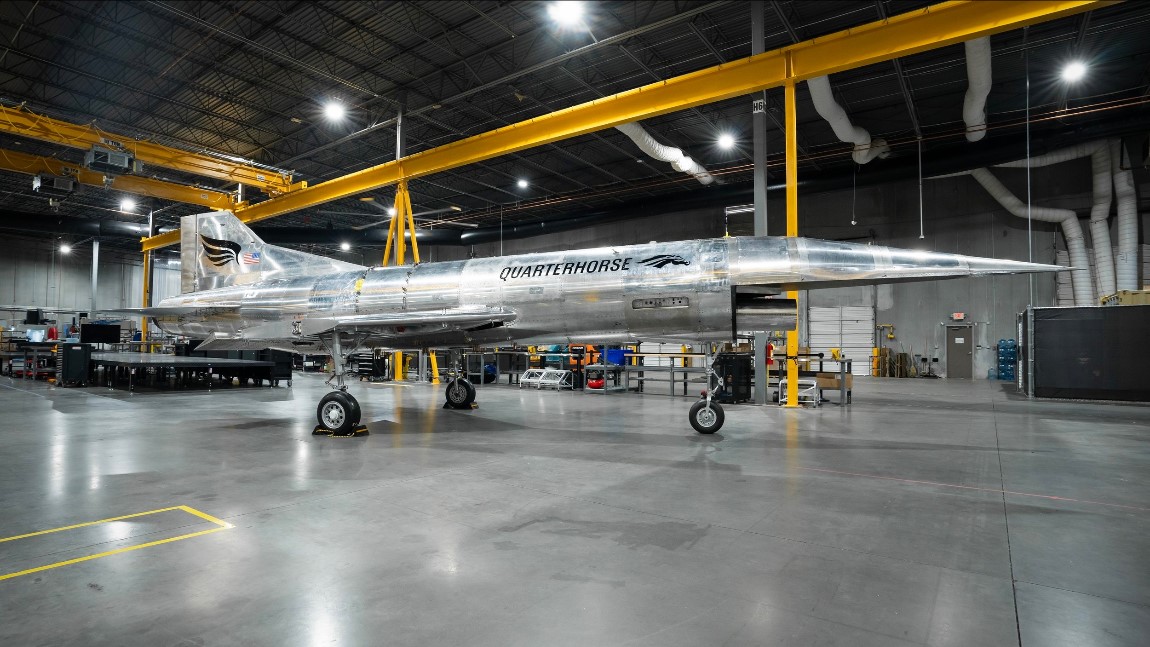
World
Hermeus, a cutting-edge aerospace and defense technology company, has taken a bold step toward the future of hypersonic aviation by integrating SpaceX’s Starlink satellite communication system into its Quarterhorse Mk 1 aircraft. This breakthrough highlights the synergy between hypersonic technology and advanced satellite communications, paving the way for revolutionary developments in aviation. Seamless Integration in Record Time In just 17 days, Hermeus managed to adapt and implement Starlink’s satellite communication capabilities into the Quarterhorse Mk 1—a feat that underscores the company’s rapid innovation model. This swift integration occurred without disrupting an active taxi test campaign, demonstrating the agility of Hermeus’s engineering team. The move reflects the reliability of Starlink technology, which has also been successfully tested on SpaceX’s Starship program. The primary goal of this integration is to enable robust, beyond-visual-line-of-sight (BVLOS) command and control. For an uncrewed hypersonic aircraft like the Quarterhorse, maintaining a stable communication link is critical, especially as it ventures into high-speed, high-altitude environments. Quarterhorse Mk 1: Designed for Hypersonic Innovation The Quarterhorse Mk 1 is a remotely piloted, uncrewed aircraft powered by the GE J85 engine, capable of demonstrating advanced high-speed takeoff and landing operations. This capability is central to developing future hypersonic aircraft designed for both commercial and defense applications. By leveraging Starlink’s global satellite network, the aircraft achieves unparalleled connectivity, ensuring real-time communication between ground operators and the vehicle. This integration is particularly vital for missions at hypersonic speeds, where split-second decisions rely on seamless data transfer. Current Progress and Future Goals Flight testing of the Quarterhorse Mk 1 is set to commence at Edwards Air Force Base. With the aircraft already stationed at the site, medium and high-speed taxi tests will soon assess its readiness for full-scale flight. These tests aim to validate the integration of Starlink and evaluate the performance of its high-speed systems under real-world conditions. The Quarterhorse program is just the beginning of Hermeus’s ambitious roadmap. The company is also developing the Darkhorse, another uncrewed hypersonic vehicle tailored for defense applications. Both platforms are part of Hermeus’s strategy to redefine air travel and defense by pushing the boundaries of speed, efficiency, and connectivity. Revolutionary Approach to Aerospace Hermeus employs a unique development model, combining iterative hardware testing with cutting-edge computational tools. This methodology enabled the rapid design, build, and testing of their hybrid turbojet-ramjet engine, a critical propulsion system that underpins their hypersonic vehicle programs. Starlink’s integration is more than just a milestone; it’s a testament to how advanced communication systems can enhance the capabilities of next-generation aircraft. By achieving this integration in record time, Hermeus has set a new benchmark in the aerospace industry. As hypersonic flight continues to evolve, partnerships between companies like Hermeus and SpaceX will play a pivotal role in transforming the future of aviation, unlocking speeds and capabilities once thought impossible.
Read More → Posted on 2024-11-19 16:04:33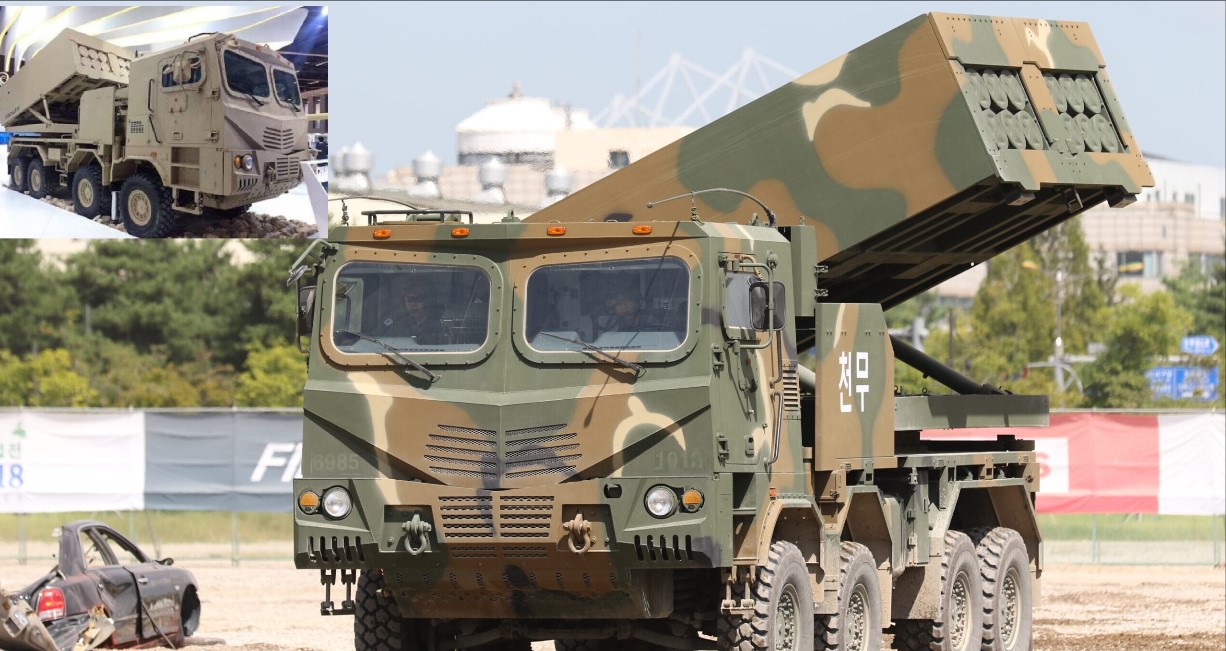
World
The K239 Chunmoo, South Korea's highly versatile rocket artillery system, has made headlines again, this time in Saudi Arabia. Defense expert Mason shared images of the system on their X platform, marking a significant moment in the growing presence of South Korean military technology in the Middle East. This sighting underscores the Chunmoo’s rising influence in a region increasingly focused on modernizing its defense capabilities. The K239 Chunmoo isn’t just any multi-launch rocket system (MLRS); it’s a modular powerhouse capable of deploying an array of precision-guided munitions. The variant seen in Saudi Arabia is equipped with a tactical ballistic missile pod featuring the CTM-290 missiles, which boast a formidable range of up to 290 kilometers. These advanced ballistic missile pods have previously been spotted in the United Arab Emirates (UAE) and were showcased during a Polish presidential visit to South Korea, further highlighting the system’s appeal to diverse global customers. A Rising Star in the Defense Market Saudi Arabia and the UAE have reportedly acquired multiple K239 systems, signaling a broader trend of Middle Eastern nations investing heavily in cutting-edge defense technology. This surge in demand reflects regional security priorities and a recognition of the Chunmoo’s adaptability and firepower. The K239 is compatible with a wide range of munitions, including 130mm, 227mm, and 239mm rockets, in addition to the CTM-290 tactical missiles. This flexibility allows the system to engage targets at varying ranges, making it suitable for diverse combat scenarios. Its firepower is complemented by advanced fire-control systems, GPS-guided targeting, and rapid reloading capabilities. With over 300 units already operational in South Korea, the K239 has also been exported to nations like Poland and the UAE, solidifying its status as a major competitor to the U.S.-made HIMARS. While HIMARS dominates the global market for advanced rocket artillery systems, the K239’s cost-effectiveness and modular design give it a competitive edge, particularly in regions looking to diversify their defense imports. Strategic Implications in the Middle East The arrival of the K239 in Saudi Arabia signifies more than just a weapons sale; it marks a strategic alignment between the Kingdom and South Korea. As Riyadh seeks to bolster its military self-reliance, systems like the Chunmoo offer an ideal mix of advanced technology and operational flexibility. The deployment also highlights the growing influence of South Korea’s defense industry on the global stage. Recent years have seen Seoul aggressively push its defense exports, with significant deals across Europe, the Middle East, and Asia. Analysts estimate that the total global exports of the K239 system could reach 500–600 units in the coming years, reflecting its growing popularity among nations seeking high-performance artillery solutions. A Challenging Rivalry with HIMARS Despite its growing footprint, the K239 Chunmoo faces stiff competition from the HIMARS, which has long been considered the gold standard in rocket artillery systems. HIMARS offers unparalleled precision and a proven track record, but the Chunmoo counters with a more customizable platform capable of accommodating diverse munitions and configurations. This flexibility makes it particularly attractive to nations seeking tailored solutions for complex security challenges. In the Middle East, where geopolitical tensions often necessitate robust defense postures, the K239’s arrival underscores a broader regional trend toward acquiring next-generation military hardware. Its deployment in Saudi Arabia not only enhances the Kingdom’s military capabilities but also positions South Korea as a formidable player in the global defense market. As Saudi Arabia and the UAE continue to expand their arsenals with state-of-the-art systems like the Chunmoo, the balance of power in the region could see a subtle but significant shift, underpinned by the growing influence of South Korean technology.
Read More → Posted on 2024-11-19 15:57:14
India
In a dramatic salvage operation, the INS Brahmaputra, an integral asset of India's naval power, has been righted after a severe fire nearly capsized it. The guided-missile frigate was undergoing a major refit at the Mumbai Naval Dockyard when a blaze broke out in July 2024, tragically killing one sailor and causing the ship to list precariously. The incident led to extensive flooding from firefighting efforts, which added substantial weight to the vessel, further complicating recovery attempts.The 24-year-old frigate, part of the Brahmaputra-class series, faced extensive structural damage that required unprecedented salvage techniques. A team of foreign experts, including specialists from Singapore, collaborated with the Indian Navy to de-ballast and stabilize the ship using large, balloon-like structures. These innovative devices were essential in gradually lifting the vessel from its 40-45 degree tilt, a process that demanded precision engineering and extensive planning.INS Brahmaputra's specifications underline its importance to India's maritime security. Commissioned in the early 2000s, the ship features a 5,300-ton displacement, is 125 meters long, and boasts a beam of 14.4 meters. Its armaments include advanced surface-to-air and surface-to-surface missile systems, torpedo launchers, and medium-range and close-range guns. It also supports helicopter operations with Seaking and Chetak aircraft, making it a formidable multi-role frigate. Despite its age, it remains vital to the Western Naval Fleet, which underscores the urgency of its restoration.Though the ship is now upright, Indian Navy officials warn that full repairs will be a slow and methodical endeavor, possibly stretching over several months. Specialists must assess the full extent of the damage before commencing comprehensive repairs to ensure the ship's structural integrity and seaworthiness. The complexity of the task is reminiscent of past naval incidents, such as the INS Betwa’s salvage, but Brahmaputra’s unique challenges have necessitated collaboration with global experts.Navy leadership, including Chief of Naval Staff Admiral Dinesh K Tripathi, has prioritized this operation, underscoring the frigate's strategic value. Vice Chief of Naval Staff Vice Admiral Krishna Swaminathan acknowledged the intricate challenges but expressed confidence in India's and the international team’s capabilities. Meanwhile, safety audits have been intensified across naval facilities to prevent future mishaps.As the salvage progresses, India's naval command continues to balance restoration efforts with operational readiness, aiming to reintegrate this key asset into the fleet as soon as possible, although the timeline remains uncertain.
Read More → Posted on 2024-11-19 15:50:01
World
In a significant step forward for Spain's military capabilities, Airbus has officially launched the final assembly line for the SIRTAP (Tactical Remotely Piloted Aircraft System) at its Getafe facility near Madrid. This new phase, marking the start of assembly for Spain's advanced unmanned aerial vehicle, is geared towards delivering two SIRTAP prototypes with the goal of boosting Spain’s tactical and technological independence in unmanned systems.The assembly process commenced with the arrival of key components such as the fuselage and wings, all produced by Spanish companies. This not only highlights Spain’s domestic industrial capacity but also reinforces the SIRTAP project’s focus on national technological sovereignty. Airbus has scheduled the completion of the first SIRTAP prototype by spring 2025, followed by extensive ground tests at the Getafe facility. By late 2025, the prototype will move into flight testing, with the Centre of Excellence for Unmanned Systems (CEUS) in Moguer, southern Spain, hosting the trials. This site, operated by the National Institute for Aerospace Technology (INTA), is a specialized hub for UAV testing.The SIRTAP drone, built with a modular design, is capable of fulfilling diverse operational needs, ranging from border security and disaster response to maritime surveillance. Airbus has developed the drone for the Spanish Army and the Spanish Air and Space Force, reinforcing their capacity to conduct crucial missions such as search and rescue, illegal fishing monitoring, drug trafficking prevention, and disaster assessment. The SIRTAP’s design also includes enhanced autonomy and resilience, enabling it to operate effectively in various environments, whether at sea, along rugged coastlines, or across national borders.Airbus’s agreement with Spanish defense authorities includes the delivery of nine SIRTAP systems, each comprised of three UAVs and a ground control station, ensuring robust, distributed surveillance capabilities. Additionally, two operator training simulators are being developed for this project. These simulators recently passed critical project reviews, paving the way for high-quality training for military personnel and promoting operational readiness as SIRTAP systems enter active use. The UAV simulators are expected to give operators a realistic, responsive training experience, equipping them with the skills needed to maximize the SIRTAP's capabilities in real-time missions.Highlighting the importance of the SIRTAP project, Airbus noted that the design, development, and manufacturing of this remotely piloted vehicle embody a significant leap in Spain’s strategic technological autonomy. The project not only reinforces the nation's defense capabilities but also fosters industrial growth by involving a network of Spanish suppliers in the production process.In all, the SIRTAP project promises to provide Spain with an essential tool for national security and resilience. With its advanced assembly and testing underway, Spain is set to strengthen its defense capabilities and extend its control over crucial tactical domains, ensuring an adaptable and autonomous response to a variety of modern-day challenges. The completion and deployment of the SIRTAP systems will be closely watched as a marker of Spain’s evolving role in UAV technology and defense readiness.
Read More → Posted on 2024-11-19 15:41:22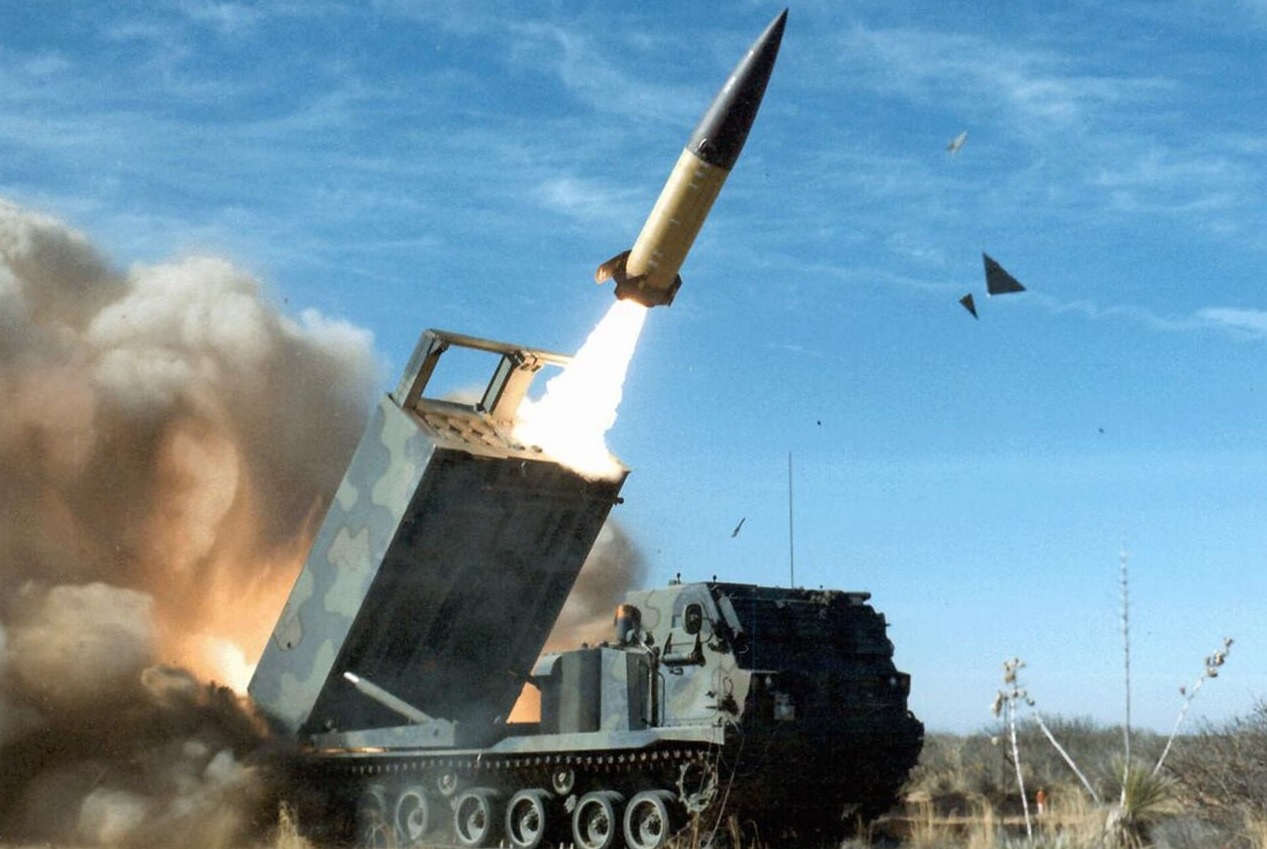
World
In a remarkable shift in its military capabilities, Ukraine marked the 1,000th day of the war with a significant blow against Russia, deploying U.S.-supplied ATACMS missiles for the first time. The attack occurred on Tuesday and aimed at a Russian military facility in the Bryansk region, approximately 110 kilometers (70 miles) from the Ukrainian border. This use of the long-range missiles symbolizes a pivotal moment in the ongoing conflict and has already prompted intense rhetoric from Moscow.Russia’s defense ministry reported that its forces managed to intercept and destroy five out of the six missiles launched by Ukraine. However, the remnants of one missile reportedly struck the targeted military installation. The damage was limited, with no casualties or serious destruction confirmed by Russian officials. Nonetheless, Ukraine celebrated the strike as a strategic success, claiming to have hit an arms depot, sparking secondary explosions that rippled across the area. The exact scale of the impact remains somewhat unclear, but the message sent was unmistakable: Ukraine now has the capability to reach deep into Russian territory.The ATACMS (Army Tactical Missile System) used by Ukraine is known for its precision and significant range, with some variants capable of hitting targets up to 300 kilometers away. The missiles can be launched from HIMARS (High Mobility Artillery Rocket Systems) and other compatible platforms, giving Ukraine a potent new tool in its arsenal. The decision to provide these weapons came after extensive negotiations between Washington and Kyiv, with President Joe Biden only granting approval earlier this week. This move has heightened tensions considerably, with Russian officials warning that such escalations risk dragging the United States directly into the conflict.Moscow has accused the U.S. of becoming a de facto participant in the war, arguing that the supply of these missiles could prompt retaliatory measures. The Kremlin's rhetoric underscores the fragile and dangerous balance between supporting Ukraine and avoiding an outright NATO-Russia confrontation. For Ukraine, however, the acquisition of ATACMS represents a long-awaited opportunity to strengthen its defensive and offensive capabilities, particularly as the country grapples with the uncertain future of Western support.As Ukraine grapples with the grinding war, President Volodymyr Zelensky remains resolute. Addressing parliament, he emphasized that the coming year would likely be a turning point. “At this stage of the war, it is being decided who will prevail,” Zelensky declared, alluding to the global stakes involved. He framed the conflict not only as a fight for Ukraine’s sovereignty but as a broader struggle for the freedom of all who oppose authoritarianism.The symbolic weight of Tuesday’s events was palpable, especially as Ukraine’s forces and citizens prepared for vigils commemorating 1,000 days of conflict. In Kyiv, the sound of air raid sirens continues to punctuate daily life, and weary soldiers on the front lines endure relentless challenges. The human cost remains staggering: thousands of lives lost, millions displaced, and entire communities fractured. The invasion ordered by Russian President Vladimir Putin has turned into Europe’s largest and most destructive conflict since World War II.Yet, even as Ukraine gains some tactical advantages, the road ahead appears daunting. Military experts note that while U.S. weapons like the ATACMS can be game-changers in specific scenarios, they are unlikely to decisively alter the broader trajectory of the war. The fighting remains brutal and costly, and both sides seem determined to avoid significant concessions.In the background, geopolitics add another layer of uncertainty. Former U.S. President Donald Trump, who is set to return to power in two months, has pledged to end the conflict swiftly, though he has not explained how he would achieve this goal. The possibility of a shift in U.S. policy, combined with war fatigue among some Western allies, has cast a shadow over Ukraine’s long-term strategy.As evening approached on Tuesday, Ukrainians prepared for a candle-lit vigil, remembering loved ones lost and reflecting on the resilience that has kept their nation standing. Despite the horrors of war, Ukraine remains defiant, ready to face whatever challenges the next phase of this grueling conflict might bring.
Read More → Posted on 2024-11-19 15:38:19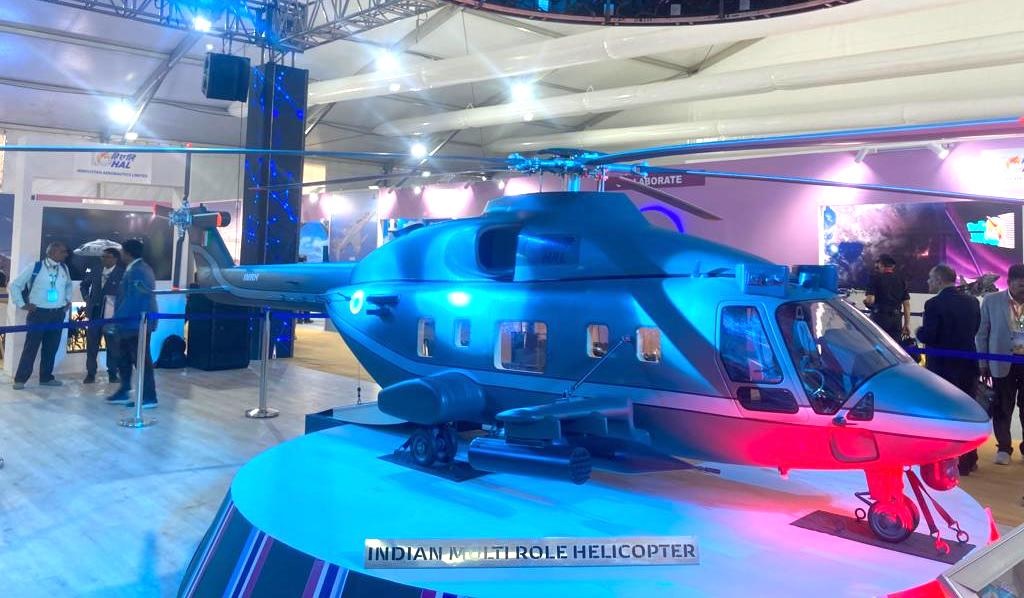
India
Hindustan Aeronautics Limited (HAL) is advancing in the development of its Indian Multi-Role Helicopter (IMRH), a bold step forward for India's aerospace industry. As part of this ambitious project, HAL has announced that the IMRH will feature the high-power Aravalli engine, developed in collaboration with SAFHAL Helicopter Engines, a joint venture with Safran Helicopter Engines. The IMRH, designed as a 13-ton medium-lift helicopter, promises to cater to the diverse needs of India’s defense forces while holding potential for civilian applications as well.First introduced during Aero India 2023, the IMRH symbolizes India’s growing prowess in aerospace technology and its commitment to self-reliance under the "Atmanirbhar Bharat" initiative. The helicopter is expected to replace a range of aging rotorcraft currently used by the Indian Armed Forces, offering a domestically produced alternative with global-level capabilities.The Aravalli Engine: A Leap Toward Self-RelianceA standout feature of the IMRH will be the integration of the indigenous Aravalli engine. This engine represents a major milestone for India's aerospace engine technology, emphasizing fuel efficiency, performance, and reliability. Developed by SAFHAL Helicopter Engines Pvt. Ltd., the engine aims to eliminate dependence on foreign powerplants and marks a transformative step for Indian aerospace engineering. The Aravalli engine will initially be rolled out in later batches of the IMRH, with early prototypes expected to use existing Safran engines.Multi-Mission Versatility and Advanced FeaturesThe IMRH’s mission profile covers a broad range of operations, such as troop transport, logistics, medical evacuation, and search and rescue. Designed to perform in extreme environments, including high-altitude regions like the Himalayas, the helicopter will be equipped with advanced avionics and safety features. The IMRH will be able to transport up to 24 fully equipped soldiers or a significant cargo load, thanks to its 13-ton lift capability.Beyond structural and aerodynamic enhancements, HAL has ensured that the IMRH's design is modular to allow for quick role changes. This versatility could extend the helicopter's utility to naval operations, where it could serve aboard warships as the Deck-Based Multi-Role Helicopter (DBMRH) variant, with design adjustments tailored to maritime conditions.Domestic and International Market PotentialHAL envisions the IMRH as a contender in the international medium-lift helicopter market, competing with established players such as the Sikorsky S-92 and Airbus H225M. Drawing on the export success of its Dhruv Advanced Light Helicopter, HAL is optimistic about the IMRH's prospects, particularly in regions where affordability and performance make Indian platforms attractive.Roadmap to 2027 and BeyondHAL has set an ambitious timeline, with the first Ground Test Vehicle and prototype expected to be ready by 2027. Following extensive testing and fine-tuning, mass production will commence, aiming to meet both domestic demand and international interest. The integration of the Aravalli engine will be a game changer, as it gradually replaces the foreign engines in the initial production runs, making the IMRH a fully indigenous product.The collaboration with SAFHAL not only aligns with India's defense self-reliance goals but also ensures that critical technologies remain within the country. With continued advancements and rigorous testing, HAL hopes that the IMRH will redefine India’s presence in the global aerospace market and enhance its strategic airlift capabilities.This development sets the stage for an exciting new chapter in Indian aviation, where cutting-edge technology and strategic foresight are driving aerospace innovation.
Read More → Posted on 2024-11-19 15:34:38
India
India's BrahMos-2 hypersonic missile project has hit the pause button, but this decision is rooted in strategic and financial calculations rather than technological incapacity. The BrahMos-2, envisioned as a high-speed missile based on Russia’s 3M22 Zircon, aimed to reach Mach 6-7. However, as hypersonic missile development remains an expensive frontier, Indian defense forces have expressed reservations about the program's feasibility, particularly the prohibitive per-unit cost, which could limit large-scale acquisition.Instead of pushing forward with the BrahMos-2, India has turned its attention to enhancing the capabilities of the already formidable BrahMos missile. Co-developed by India and Russia, the current BrahMos is a supersonic cruise missile capable of flying at Mach 3. The renewed focus is on upgrading its engine technology, aiming to nudge speeds closer to Mach 5. This enhancement could provide a "near-hypersonic" edge, significantly boosting the missile's ability to penetrate modern air defense systems.The BrahMos-1 missile family is a strategic asset for India, already versatile in its deployment from land, sea, and air platforms. The future upgrades are not just about speed. Plans include improving range capabilities—boosting the missile from its current reach of 450-500 km to potentially over 800 km—and exploring a lighter version, making it more adaptable for diverse launch platforms like submarines and smaller aircraft. This approach allows India to modernize its defense posture without the financial strain of investing in full-fledged hypersonic technology.Moreover, concerns about Russia's burgeoning ties with China have also complicated India's calculus. Although Moscow remains a critical defense partner, fears persist that Russia’s technology-sharing arrangements with China could potentially undercut Indian security interests. Additionally, global sanctions on Russia and the threat of Western repercussions on joint projects are significant risks that India cannot overlook. Despite the hold on the BrahMos-2, India continues to explore indigenous hypersonic capabilities through parallel projects like the Hypersonic Technology Demonstrator Vehicle (HSTDV) and the Shaurya missile. These initiatives reflect India's broader aim of achieving self-reliance in advanced missile technology, ensuring that the country remains ahead in the rapidly evolving field of defense systems.In short, India’s decision to focus on enhancing the BrahMos missile rather than developing BrahMos-2 at this juncture is a calculated move. It ensures operational relevance while allowing time to address the challenges associated with hypersonic technologies and the complexities of global defense partnerships.
Read More → Posted on 2024-11-19 15:30:57
World
Lockheed Martin has officially started construction on the US Navy’s inaugural E-130J aircraft, a pivotal advancement in strategic command and control capabilities. This aircraft, developed under the Take Charge and Move Out (TACAMO) program, is poised to modernize the airborne communication infrastructure essential for national security, replacing the aging E-6B Mercury fleet.Built on the tried-and-true airframe of the C-130J-30 Super Hercules, the E-130J represents a leap forward in both performance and strategic functionality. It is designed to operate as a highly reliable airborne command center, maintaining critical communication links between national leaders, including the President and the Secretary of Defense, with strategic forces, particularly the US military’s intercontinental ballistic missile (ICBM) systems. The TACAMO mission's essence is to ensure uninterrupted connectivity, especially during times of crisis, ensuring the nuclear command and control network remains impenetrable and fully operational.The specifications of the E-130J highlight its robust design. Measuring approximately 98 feet in length and spanning a wingspan of 133 feet, it promises remarkable agility and operational endurance. The aircraft is powered by four Rolls-Royce AE 2100D3 turboprop engines, each delivering around 4,600 horsepower, allowing it to achieve a maximum speed of 362 knots (417 miles or 670 kilometers per hour). It can reach altitudes up to 28,000 feet, enabling flexibility and a broad operational range across diverse environments.One of the most transformative elements of the E-130J is its role as a strategic communication relay. It will integrate sophisticated communication systems, including a Very Low Frequency (VLF) subsystem by Collins Aerospace, vital for secure, long-range transmissions with nuclear forces. This enhancement ensures that the US nuclear deterrence posture remains robust and adaptable to evolving threats.The designation of the E-130J, confirmed in October 2024, reflects the airframe's lineage, as “E” stands for electronic installation, “130” represents its C-130 base model, and “J” denotes its variant series. The airframe will be operated by the US Navy's Strategic Communications Wing 1, headquartered at Tinker Air Force Base in Oklahoma. This wing consists of squadrons such as the “Ironmen” of VQ-3 and the “Shadows” of VQ-4, who will be responsible for the mission readiness and deployment of this critical asset.Lockheed Martin's commitment to delivering the first E-130J by 2026 underscores the strategic urgency of replacing the aging E-6B fleet, which has served as the backbone of America’s airborne command and control operations. As the E-6B nears the end of its operational life, the E-130J will assume this pivotal role, ensuring continuous and unbroken communication with US strategic forces, bolstering the nation’s nuclear deterrent and command architecture.The evolution of the TACAMO aircraft highlights the continuous advancement of strategic communication capabilities, ensuring the US maintains a technological edge in safeguarding national security interests, especially in an era of emerging threats and increasing geopolitical complexities.
Read More → Posted on 2024-11-19 15:24:01
World
Germany’s Defense Minister, Boris Pistorius, has voiced suspicions about recent damage to undersea data cables in the Baltic Sea, underscoring rising concerns about hybrid warfare threats against critical infrastructure in Europe. On Tuesday, Pistorius emphasized that although no definitive proof of sabotage exists, the incidents bear all the hallmarks of deliberate tampering, especially given the strategic importance of these connections.The first case of damage was identified on Monday on the C-Lion1 cable, a nearly 1,200-kilometer (750-mile) link stretching from Helsinki, Finland, to Rostock, Germany. Simultaneously, another key line running between Lithuania and Sweden also suffered damage. Such disruptions come at a precarious time for Europe, as the region navigates threats not only from Russia’s ongoing war in Ukraine but also from malicious hybrid activities targeting essential systems.Pistorius, speaking at an EU defense ministers' gathering in Brussels, called the incidents "a very clear sign that something is afoot," referring to the broader strategic context. He pointed out the unlikelihood of accidental damage from anchors, a common risk in busy maritime zones, dismissing theories that this might be a coincidence. Instead, he drew attention to the evolving nature of threats, which extend beyond traditional military tactics to include covert actions aimed at destabilizing European infrastructure.Germany and Finland’s foreign ministries released a joint statement noting that the timing of these disruptions raises suspicions. They stressed the need to defend vital networks that underpin not only communication but also the broader economy and security framework of Europe. The response from NATO allies has been swift, with renewed calls for robust protection measures.This incident adds to mounting worries about Europe's vulnerabilities after previous attacks, including the 2022 Nord Stream pipeline explosions. That event served as a catalyst for heightened NATO focus on safeguarding underwater infrastructure. In recent efforts, Germany and Norway have advocated for a dedicated NATO Center for Security of Critical Undersea Infrastructure. This center achieved initial operational status in early 2024 and aims to oversee an intricate network of cables and pipelines stretching across vast maritime areas, from the Black Sea to the North Atlantic.Plans are now in motion to establish regional hubs, leveraging local expertise to monitor and defend these critical lines. Germany and Norway, as leaders in these initiatives, are committed to bolstering NATO's defense strategies to counter hybrid threats that could cripple economic and communication lifelines.The damage to these data cables acts as a stark reminder of the vulnerabilities facing Europe in an era of increasingly sophisticated sabotage operations. As investigations continue, the emphasis is firmly on ensuring that the infrastructure binding the continent remains resilient against emerging threats.
Read More → Posted on 2024-11-19 15:17:14Search
Top Trending in 24 Hours
-
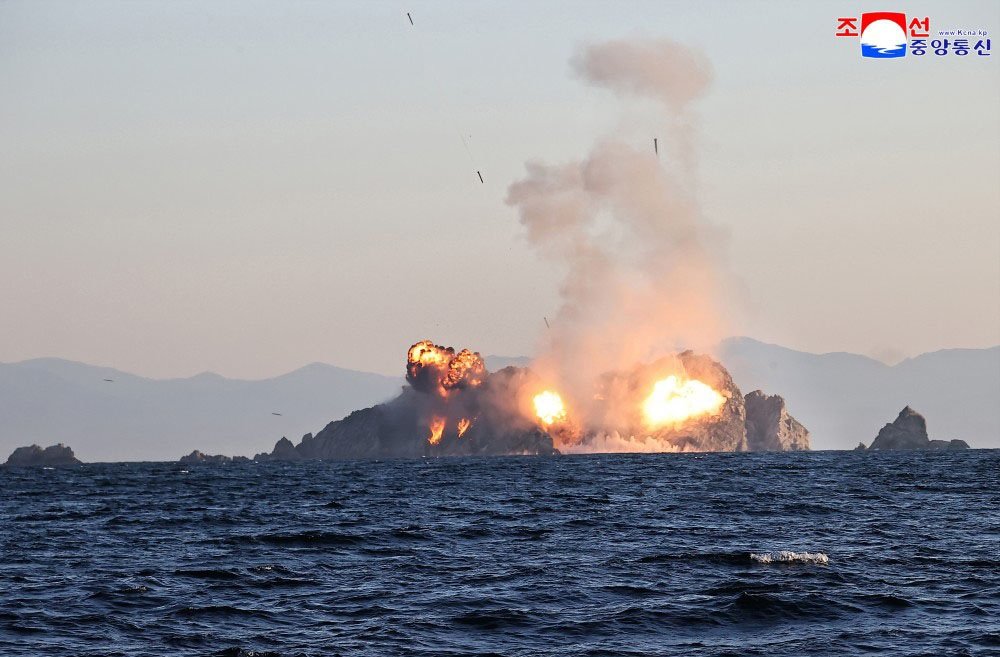 North Korea Fires Short-Range Ballistic Missile Toward Sea of Japan After Freedom Edge 26
-
 India’s xTerra Robotics Launches Indigenous DHAV-Hy Wheeled-Legged Quadruped for Industrial Inspection
-
 U.S. Army Awards $10.64 Million Contract to Ukrainian Drone Maker Skyeton for Raybird Systems
-
 U.S. Space Force Seeks Rapid-Response Satellites for Close-Range Orbital Inspections
-
 U.S. Delivers First CH-47F Chinook to Egypt Under 12-Helicopter Deal
-
 BEL Showcase X-Band Multi-Function Radar for QRSAM to Japanese Delegation
-
 U.S. Government Seizes Almasirah.net, Houthi-Linked News Website
-
 IRGC Experts Visit Bab El-Mandeb to Oversee Radar Installation and Tunneling, Houthi Sources Say
Top Trending in 4 Days
-
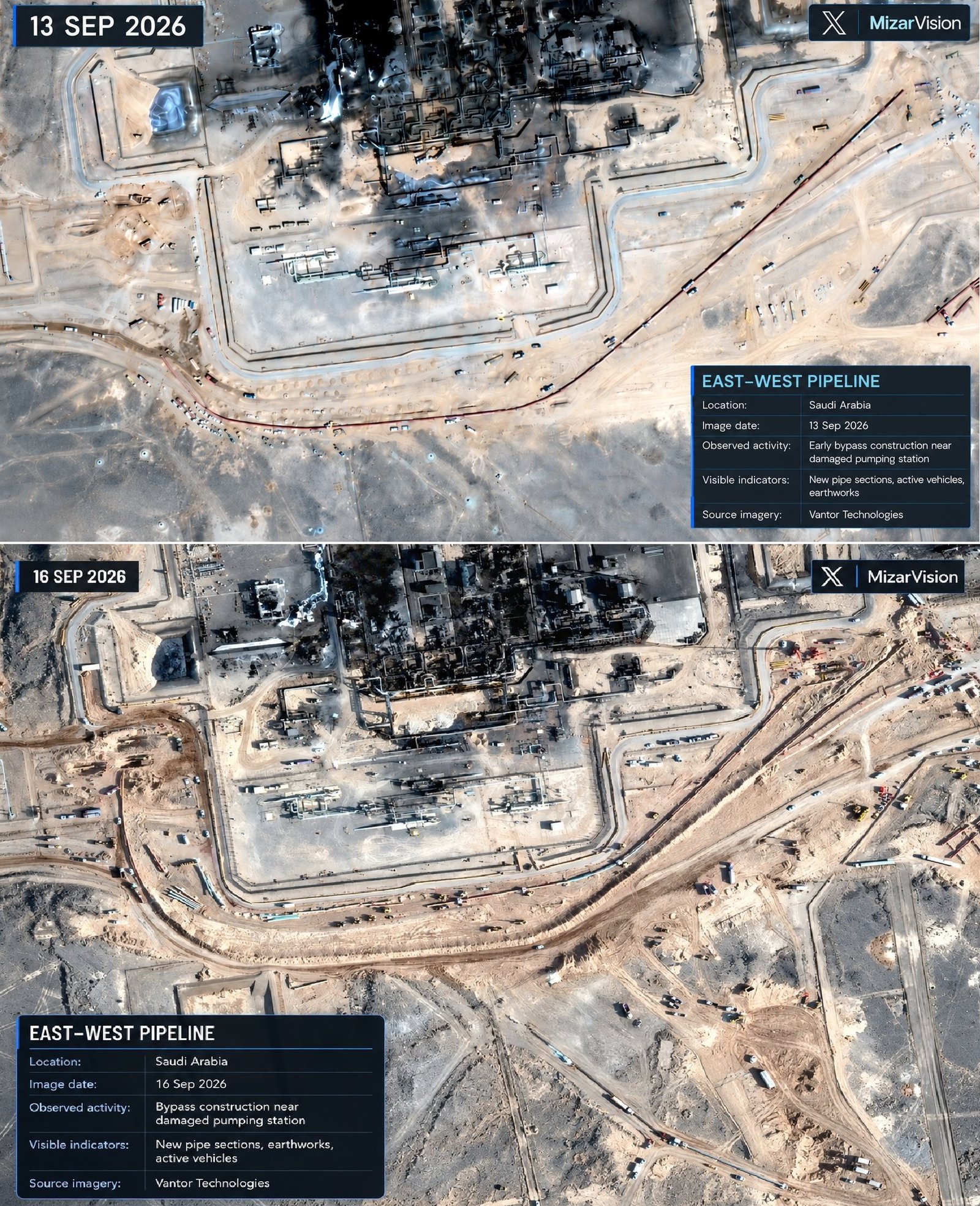 Satellite Images Show Saudi Arabia Building Emergency Bypass Around Damaged East-West Oil Pipeline Station
-
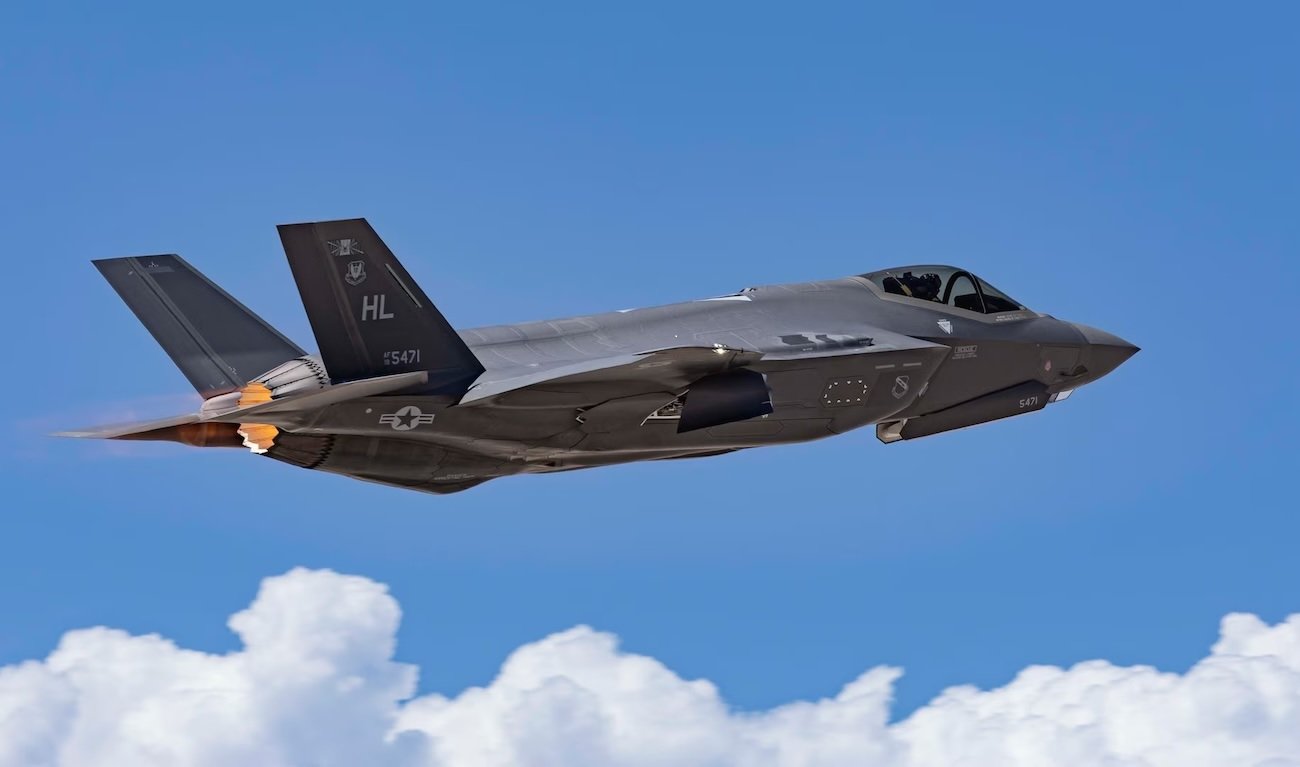 Sensitive F-35 Components Diverted to Hong Kong, Some Parts Missing
-
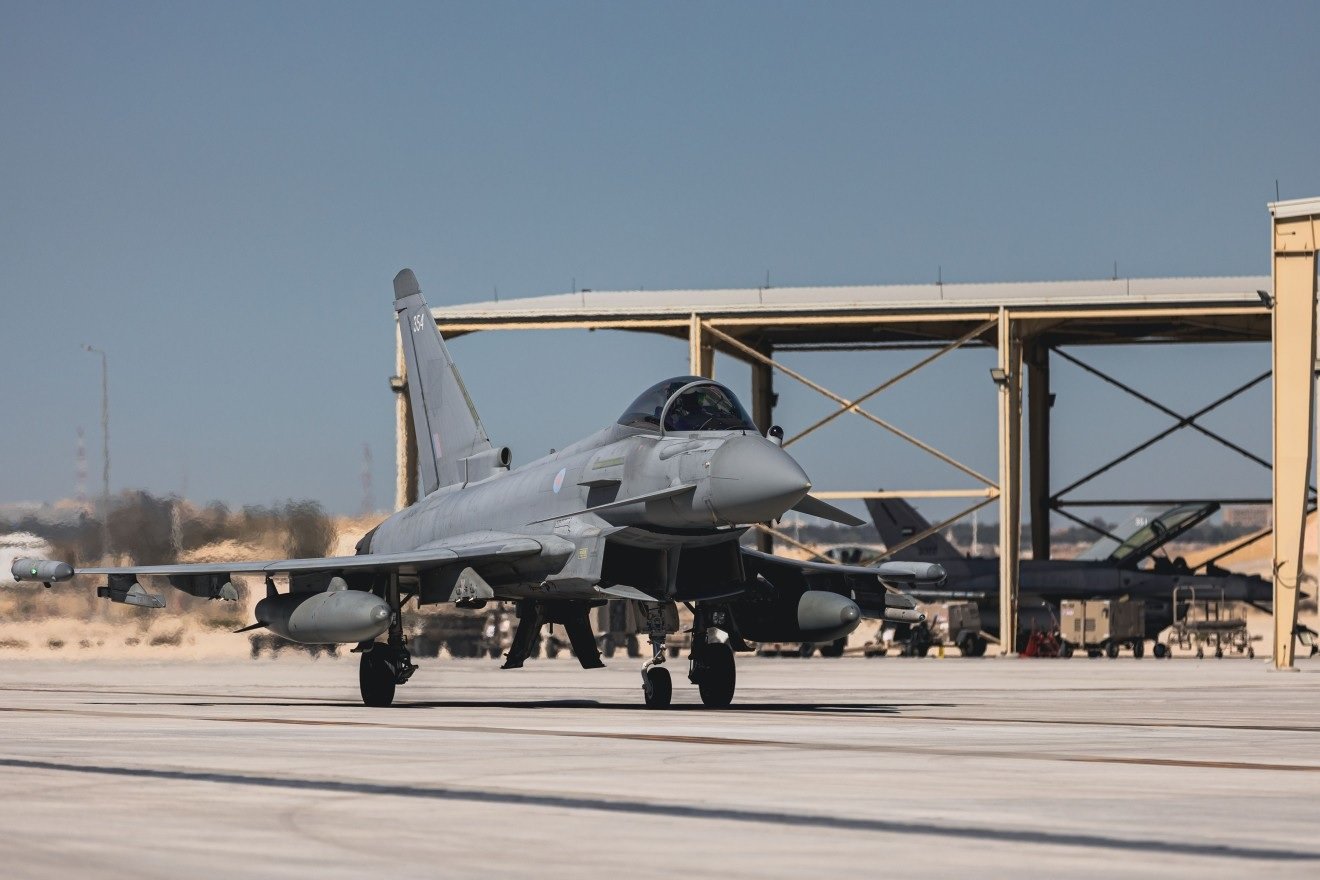 Italian Eurofighter Damaged in Houthi Attack on Saudi Arabia’s King Fahd Air Base
-
 U.S. Secures Permanent Military Rights in Greenland in Historic Security Pact with Denmark
-
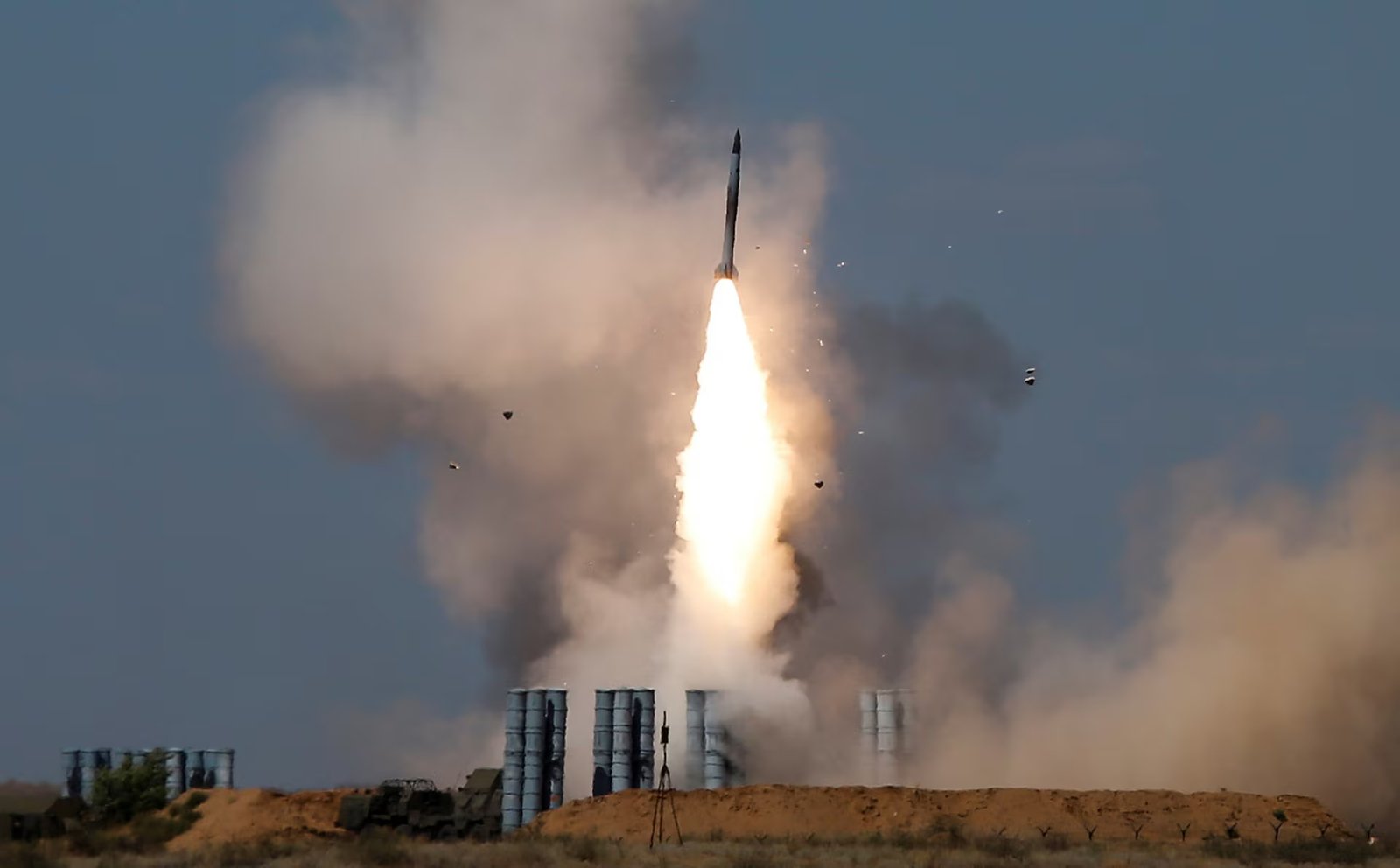 U.S. Approves Potential $2.68 Billion Air Defense Package for Ukraine Including S-300 Clone Missiles
-
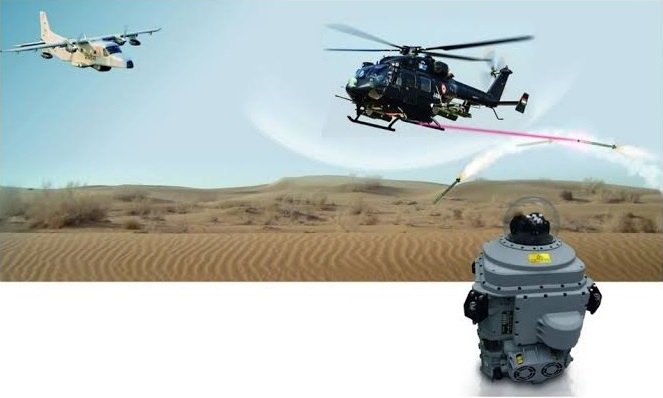 BEL Signs Export Deal with Elbit Systems for Directed Infrared Countermeasure Sub-Assemblies, Secures ₹648 Crore in Additional Orders
-
 China Privately Urges Iran to Restrain Houthis After Saudi Appeal
-
 Israeli Firm Arbe Robotics Unveils Alerion High-Resolution 4D Radar for Counter-Drone Operations
