World
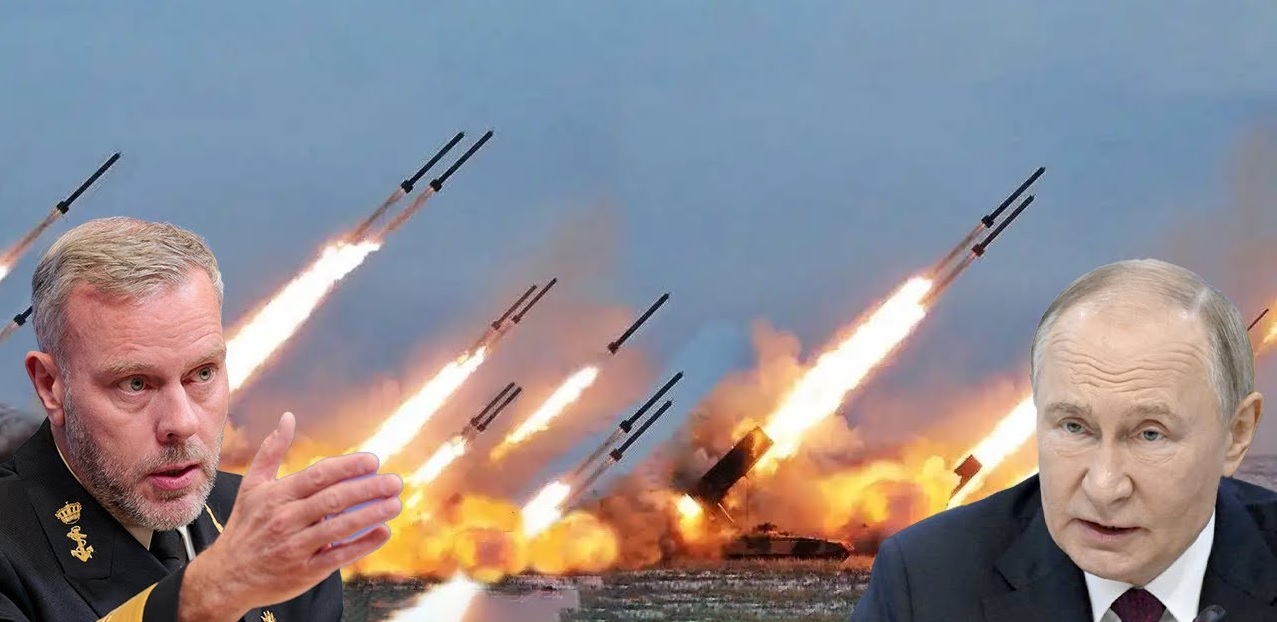
Recent comments from Admiral Rob Bauer, the chairman of NATO’s Military Committee, have stirred a heated debate about the alliance's stance toward Russia. Speaking at the European Policy Center in Brussels, Bauer suggested that NATO should adopt a proactive approach to threats, highlighting the need for “deep precision strikes” to neutralize weapons aimed at member states. His remarks, widely interpreted as a call for targeting Russia’s missile systems, drew sharp criticism from Russian Foreign Minister Sergei Lavrov, who accused NATO of abandoning its defensive principles.Lavrov labeled the comments as a revelation of NATO's “true intentions,” asserting that such statements breach the alliance's long-standing defensive posture. Russian media amplified this interpretation, alleging that NATO was considering preemptive strikes, though Bauer clarified that his statements were about responding to aggression rather than initiating it.Adding to the geopolitical tension, Germany has revived efforts to refurbish its World War II-era bomb shelters, signaling a broader trend in Europe toward heightened readiness amid escalating fears of conflict. This move reflects growing apprehension about the implications of an expanded NATO-Russia standoff.Amid the rhetorical skirmishes, NATO's position remains consistent: the alliance will act only in defense of its members. However, the suggestion of “attacking the archer” rather than waiting for “arrows” has brought renewed scrutiny to its strategies. These developments underscore a broader shift in NATO’s strategic doctrine, with a focus on adapting to evolving threats, including those posed by advanced missile technologies.As both sides escalate their rhetoric, the stakes for miscommunication and miscalculation remain dangerously high. While NATO insists on its defensive role, the specter of preemptive action—real or perceived—risks fueling further instability in the region.
Read More → Posted on 2024-11-27 08:51:09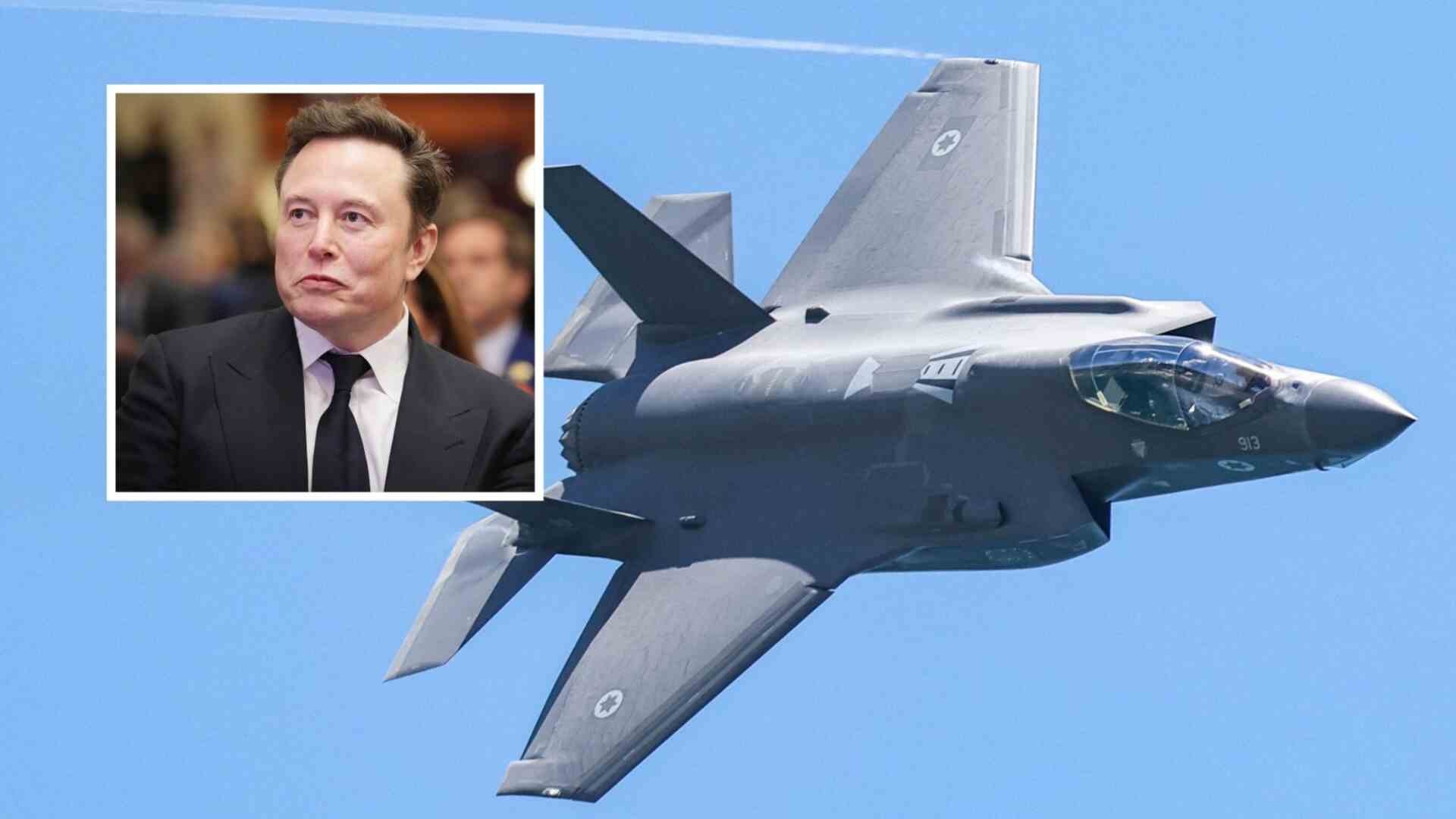
Elon Musk’s Critique of F-35 Jets Sparks Debate: Implications for U.S. and Indian Defense Strategies
India
Elon Musk, never one to shy away from controversy, has once again stirred the waters of defense innovation. In a pointed critique, Musk dismissed the Pentagon’s ambitious $1.7 trillion F-35 Lightning II fighter jet program as a “sh*t design.” This critique, delivered through social media, has rekindled questions about the program's efficiency and relevance in an era where unmanned aerial systems (UAS) are reshaping the landscape of military strategy.The F-35: A Costly Yet Essential AssetThe F-35, developed as a versatile stealth fighter, was designed to fulfill multi-role operations for the U.S. military and its allies. Despite its cutting-edge technology, including stealth capabilities, advanced sensors, and interoperability with allied forces, the program has been plagued by budget overruns, delays, and technical glitches. Each F-35 unit costs between $80 million to $110 million, depending on the variant, making it one of the most expensive defense platforms in history.Despite the criticisms, the F-35 remains a pivotal asset, with over 950 units delivered globally and a growing list of international customers. Countries like the U.K., Israel, Japan, and South Korea rely on it to maintain air superiority and strategic deterrence. However, Musk’s concerns point to a broader challenge: whether the F-35’s manned design is future-proof in a world where drones and autonomous systems dominate combat scenarios.Musk’s Vision: Drones Over Manned FightersMusk’s advocacy for drones as the future of warfare is not new. He argues that the rapid advancement of unmanned systems, powered by artificial intelligence (AI) and advanced networking, makes traditional manned fighter jets increasingly obsolete. Drones offer unparalleled flexibility, cost-efficiency, and lower risk to human life.Recent conflicts have underscored the effectiveness of drones, from Turkish Bayraktar TB2 drones disrupting armored columns to U.S. MQ-9 Reapers excelling in reconnaissance and precision strikes. Musk’s belief is that investing in autonomous drone swarms and AI-driven combat systems will not only save costs but also outpace potential adversaries in innovation.Implications for the Indian Air ForceFor India, which has been bolstering its defense capabilities, Musk’s comments resonate with a growing shift towards unmanned technologies. The Indian Air Force (IAF) has been working to modernize its fleet with a mix of manned and unmanned platforms. On the manned side, acquisitions like the Rafale jets and the planned Advanced Medium Combat Aircraft (AMCA) are critical for ensuring air dominance.However, India is also focusing on expanding its drone capabilities. The MQ-9B SeaGuardian drones, procured from the U.S., provide India with enhanced surveillance and strike capabilities. Domestically, the Defense Research and Development Organisation (DRDO) is developing platforms like the Archer-Ng and Tapas drones, aiming to establish indigenous expertise in unmanned systems.A Balanced Approach: Lessons from Musk’s CritiqueMusk’s sharp critique serves as a reminder for India to tread carefully when allocating resources to its defense programs. While manned aircraft will remain essential for air superiority and deep-strike roles, the future of warfare will likely lean heavily on unmanned systems, electronic warfare, and AI-driven platforms. For the IAF, this means:Accelerating UAS Development: India must fast-track its indigenous drone programs and ensure they are equipped with cutting-edge technologies like AI, swarming capabilities, and electronic countermeasures.Balancing Capabilities: A hybrid strategy integrating both manned and unmanned systems will allow the IAF to adapt to diverse mission requirements while staying cost-effective.Investing in AI and Networking: Future battles will be won by those who can process data and deploy assets quickly. Developing robust AI algorithms and secure communication networks is crucial.Cost-Effective Innovation: Musk’s criticism of the F-35’s ballooning costs is a cautionary tale. By focusing on indigenization and leveraging public-private partnerships, India can reduce reliance on expensive imports. The Bigger PictureElon Musk’s remarks highlight the tension between legacy defense systems and emerging technologies. While the F-35 represents a significant leap in traditional air combat capabilities, it may not align with the rapidly changing dynamics of 21st-century warfare. For both the U.S. and India, the challenge lies in finding the right balance—leveraging the strengths of manned platforms while embracing the potential of drones and autonomous systems. As defense budgets face increasing scrutiny and technology continues to evolve, the race to define the future of warfare is far from over. Musk’s vision, whether polarizing or prophetic, is a call for all nations to rethink their strategies for the battles yet to come.
Read More → Posted on 2024-11-27 08:43:31
World
In a significant development for the Middle East, Israel and the Lebanon-based Hezbollah militant group agreed to a ceasefire on Wednesday, aiming to halt nearly 14 months of intense fighting. The truce, brokered with U.S. and French mediation, began at 4 a.m., marking a potential turning point in a region marred by escalating violence. As the first hours of calm unfolded, Beirut's southern suburbs, which bore the brunt of Israeli airstrikes, saw celebratory gunfire, but no breaches of the agreement were reported.Ceasefire Terms and ConditionsThe ceasefire stipulates a two-month cessation of hostilities. It requires Hezbollah to withdraw its armed forces north of the Litani River, about 30 kilometers from the Israeli border, while Israeli troops retreat to their side. In their place, thousands of Lebanese soldiers and U.N. peacekeepers will deploy to ensure compliance. An international panel, led by the U.S., will monitor the situation, with Israel reserving the right to respond if it perceives any violations.Prime Minister Benjamin Netanyahu emphasized that Israel would retaliate "with might" against any breach, while Lebanese caretaker Prime Minister Najib Mikati hailed the agreement as a step toward stability. However, Hezbollah has expressed reservations, with officials signaling a review of the final agreement to ensure it aligns with their understanding of Lebanon's sovereignty.Escalation and Humanitarian TollThe agreement follows one of the most intense periods of fighting, including Israel's largest wave of airstrikes on Beirut since the conflict's inception. On the eve of the ceasefire, Israeli forces targeted key Hezbollah-linked sites, resulting in at least 42 fatalities across Lebanon. The southern suburbs of Beirut, a Hezbollah stronghold, were particularly devastated, with residential and commercial areas heavily bombarded.The humanitarian toll has been immense. Over the past 13 months, Lebanese health officials report more than 3,760 fatalities, predominantly civilians, and the displacement of 1.2 million people. On the Israeli side, 75 individuals, including civilians and soldiers, have lost their lives, with 50,000 residents evacuated from northern regions. Hezbollah's rockets, which have reached as far as Tel Aviv, have underscored the conflict's far-reaching impact.Broader ImplicationsThe ceasefire in Lebanon holds significant geopolitical implications, potentially reducing the likelihood of a broader conflict involving Iran, a key backer of both Hezbollah and Hamas. Israel's recent military operations in Lebanon were seen as part of a broader strategy to weaken Iran's influence in the region, especially after direct confrontations between Israeli and Iranian forces earlier this year.Despite the truce, tensions remain high, particularly regarding the ongoing Gaza conflict. The ceasefire does not extend to Gaza, where Hamas continues to hold dozens of Israeli hostages. U.S. President Joe Biden, who described the Lebanon ceasefire as "good news," acknowledged the complexity of brokering peace in Gaza, where negotiations have repeatedly faltered.Challenges to StabilityThe fragility of the agreement is underscored by lingering disputes. Israel insists it retains the right to preemptively strike Hezbollah if it suspects violations, a stance rejected by Lebanese and Hezbollah officials. This ambiguity poses a potential flashpoint for renewed hostilities.Additionally, the deep scars left by the conflict, both in human and infrastructural terms, highlight the daunting challenges ahead. The evacuation of southern Lebanon and the destruction of civilian areas have fueled resentment, complicating efforts to foster lasting peace.The ceasefire offers a glimmer of hope for a region that has endured relentless violence. However, its success will hinge on the commitment of all parties to uphold the terms and the international community's ability to mediate disputes. For now, the world watches cautiously, aware that the road to peace remains fraught with challenges. This truce, while promising, is a fragile first step in addressing the broader issues that have perpetuated decades of conflict in the region.
Read More → Posted on 2024-11-27 08:20:32
India
India has strongly voiced its concern over the arrest of Hindu leader Chinmoy Krishna Das Brahmachari, head of Pundarik Dham in Chittagong and a spokesperson for the Bangladesh Sanatan Jagaran Mancha. The incident has triggered a wave of disquiet in India, highlighting longstanding fears about the treatment of minorities in Bangladesh. Das was detained by the Detective Branch (DB) of Dhaka Metropolitan Police at the Hazrat Shahjalal International Airport on Monday and was denied bail during a court hearing on Tuesday.The Indian Ministry of External Affairs (MEA), in a sharply worded statement, condemned the arrest, calling it deeply troubling. "This incident follows multiple attacks on Hindus and other minorities by extremist elements in Bangladesh," the MEA stated, adding that such actions threaten to erode the fabric of peaceful coexistence.A Troubling Arrest Amid Ongoing Minority PersecutionDas’s arrest comes amidst rising concerns about the safety and rights of Hindus and other minorities in Bangladesh. The leader is a prominent figure in the International Society for Krishna Consciousness (ISKCON), an organization known globally for its message of peace and devotion. The Bangladeshi authorities accused him of undisclosed charges, sparking outrage across Hindu communities within and beyond Bangladesh.The MEA highlighted a troubling pattern of violence against minorities in Bangladesh, including documented incidents of arson, looting, vandalism, and desecration of temples. While perpetrators of such violence often evade justice, Das’s peaceful advocacy for minority rights has landed him behind bars.“It is deeply unfortunate that a spiritual leader representing legitimate concerns through peaceful gatherings faces prosecution, while violent offenders remain free,” the MEA noted, urging Bangladesh to ensure justice, safety, and the right to peaceful assembly for all minorities.Widespread Protests and Global OutrageThe arrest has spurred protests across Bangladesh, particularly in Chittagong, where hundreds of Hindus gathered to demand Das’s release. Viral videos show police using force to disperse demonstrators, leaving many injured. These developments have drawn the attention of international organizations, including ISKCON, which issued a fervent appeal for Das’s immediate release.“We are appalled by the baseless allegations against a peace-loving spiritual leader,” ISKCON said in a statement. “This is not just an attack on one individual but a direct affront to the Hindu community in Bangladesh. We urge both the Government of Bangladesh and the Government of India to take necessary steps to restore justice and peace.”India’s Diplomatic PressureIndia’s government has called on Bangladesh to prioritize the safety of its minority communities, emphasizing the importance of respecting their rights to freedom of expression and assembly. The MEA’s statement underscores the broader implications of such incidents on bilateral relations, particularly in the context of shared cultural and historical ties.A Persistent StruggleWhile India’s call for action has brought global attention to the issue, the situation underscores the persistent challenges faced by minorities in Bangladesh. The Hindu community, though a significant part of the country’s heritage, continues to grapple with systemic marginalization and periodic violence.By advocating for justice and accountability, India aims not only to support a spiritual leader but also to uphold the principles of secularism and tolerance in the region. However, achieving these goals requires concerted efforts from both governments to foster a climate of mutual respect and safety for all citizens. This incident has reignited discussions about the importance of protecting minority rights and ensuring that acts of violence or discrimination are met with swift justice rather than impunity. The road to harmony, though challenging, is essential for sustaining the pluralistic ethos that both nations aspire to uphold.
Read More → Posted on 2024-11-26 16:58:07
World
On November 23, 2024, the battlefield in Eastern Europe witnessed a significant turn as a precision-guided missile strike targeted one of Russia's most advanced air defense systems, the S-400, in the village of Bolshoe Zhirovo, Kursk region. The strike, reportedly carried out by three ATACMS (Army Tactical Missile System) ballistic missiles, delivered a severe blow to the Russian military, crippling vital components of the air defense network and inflicting substantial personnel losses.The attack destroyed key elements of the S-400 system, including the 92N6E radar station—a critical part of the system's tracking and engagement capabilities—and two missile launchers. The precision of the strike was amplified by the fact that the S-400 unit was in a non-combat state, undergoing maintenance and repairs. This downtime proved to be a fatal vulnerability, highlighting both the sophistication of the ATACMS and the meticulous intelligence efforts preceding the operation.The human toll of the attack was equally significant. Among those killed were five senior officers, including Major Maxim Solodovnikov and Captain Sergey Zavorin, along with three technicians from Almaz-Antey JSC, the firm responsible for developing the S-400. The losses of both military and civilian specialists underline the far-reaching impact of the strike, not just in terms of hardware but also expertise.Unpacking the ATACMS AdvantageThe ATACMS missiles used in this strike represent a key capability in modern warfare. With a range of up to 300 kilometers and equipped with GPS-guided precision, these missiles can deliver devastating results against high-value targets. Each missile carries a substantial warhead capable of neutralizing hardened positions, radar installations, and command centers. The system's mobility and rapid deployment make it a potent choice for Ukraine in countering Russian strategic assets.First confirmed successful ATACMS strike on Russian soil. S-400 air defence system radar and two launchers were destroyed in the Kursk region of Russia on 23.11.2024: «On November 23, 2024, a missile strike was carried out on the S-400 air defense system in the village of… pic.twitter.com/2aD1ZWNig5— Special Kherson Cat 🐈🇺🇦 (@bayraktar_1love) November 25, 2024 The decision to target the S-400, a cornerstone of Russia's layered air defense strategy, reflects a calculated effort to degrade Moscow's ability to project air dominance. The S-400 is renowned for its capacity to engage multiple types of aerial threats, from low-flying cruise missiles to high-altitude ballistic missiles, at ranges exceeding 400 kilometers. By incapacitating this system, Ukrainian forces have not only created a gap in Russia’s air defense but also sent a clear message about their evolving capabilities and strategic resolve.Broader Implications of the StrikeThe strike holds profound implications for the ongoing conflict. First, it exposes vulnerabilities in Russian military logistics and maintenance practices, even for its most advanced systems. The S-400's inability to defend itself during downtime raises questions about operational readiness and situational awareness within Russian ranks.Second, the use of ATACMS within Russian territory marks a notable escalation in Ukraine's tactical repertoire. While these missiles had been a subject of intense diplomatic negotiations and warnings from Moscow, their deployment in this instance underscores Kyiv's determination to leverage its growing arsenal for strategic gains. This move may compel Russia to reevaluate its defensive postures and redeploy resources to safeguard critical assets deeper within its borders.Finally, the psychological impact of the strike cannot be understated. The loss of a high-profile asset like the S-400, coupled with the deaths of senior personnel, is a morale blow to the Russian military and a propaganda victory for Ukraine. For Kyiv, this operation serves as both a demonstration of capability and a deterrent against future aggression.As the conflict continues, the precision and efficacy of modern missile systems like the ATACMS are likely to play an increasingly pivotal role. For Ukraine, the successful neutralization of the S-400 exemplifies how strategic ingenuity and advanced technology can overcome numerical and logistical disadvantages. For Russia, the incident underscores the need for heightened vigilance and adaptability in an era where precision strikes can exploit the slightest lapse in readiness. The strike on Bolshoe Zhirovo is not merely a tactical victory; it is a strategic signal, reshaping the contours of a conflict that is as much about technological supremacy as it is about territorial control.
Read More → Posted on 2024-11-26 16:49:59
India
In a groundbreaking achievement, the Indian Army has successfully established optical fiber connectivity at Siachen Glacier and Daulat Beg Oldi (DBO), two of the most remote and inhospitable locations on Earth. These sites, nestled at altitudes exceeding 18,000 feet in Ladakh's Karakoram range, are known for their strategic significance and the extreme challenges faced by personnel stationed there.The Siachen Glacier, often called the “Roof of the World,” serves as the highest militarized zone globally. Temperatures frequently plunge below -50°C, and the terrain is marked by icy peaks, crevasses, and treacherous winds. Soldiers stationed here endure severe risks, including frostbite and altitude sickness, making reliable communication a logistical triumph.Daulat Beg Oldi, a critical military base near the Line of Actual Control, has now joined Siachen in benefiting from this advanced communication infrastructure. This connectivity allows seamless data transfer, enhancing operational efficiency and ensuring faster decision-making in the strategically vital region.The Army's Fire and Fury Corps orchestrated this feat against all odds. Laying optical fiber cables across such unforgiving terrain required navigating icy crevasses, bone-chilling winds, and unpredictable weather. Their efforts were hailed as an example of engineering prowess and unwavering determination. The optical fiber setup promises high-speed communication, enabling real-time updates and better integration with national defense systems. These advancements also pave the way for improved logistical support, healthcare access, and connectivity for personnel operating in these remote outposts .
Read More → Posted on 2024-11-26 16:43:18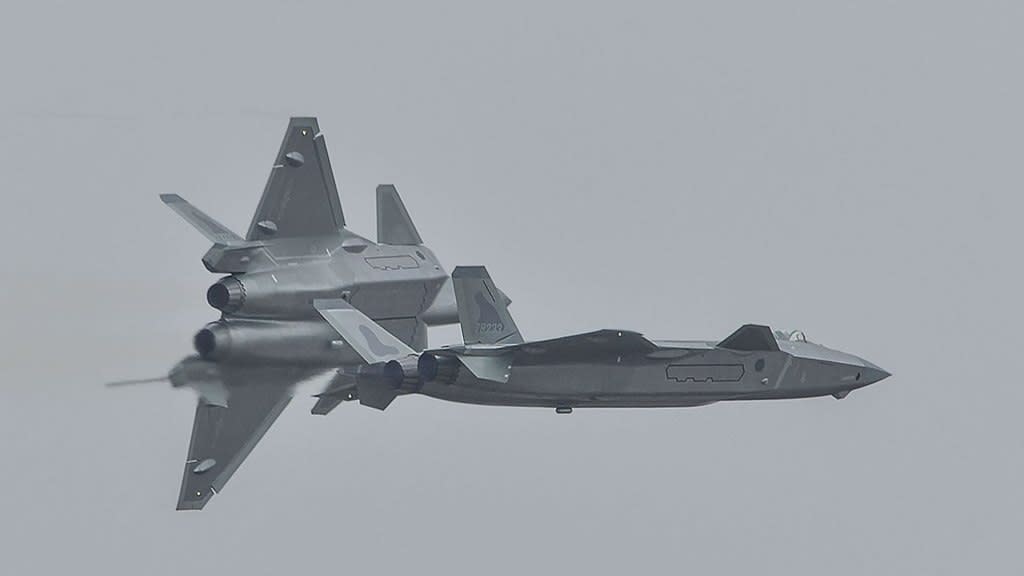
World
Chinese military researchers claim to have developed a revolutionary stealth coating capable of neutralizing advanced radar systems designed to detect stealth aircraft. This technological breakthrough, attributed to scientists at the National University of Defence Technology (NUDT), marks a significant step in radar evasion capabilities and could redefine the stealth dynamics of modern aerial warfare.The newly developed material is exceptionally thin, likened to the thickness of two sheets of standard printing paper. Despite its minimal profile, the coating demonstrates remarkable properties in absorbing low-frequency electromagnetic (EM) waves, a crucial domain for modern anti-stealth radars. These radars often operate in the P-band and L-band frequencies, which have been particularly effective in tracking stealth aircraft like the American F-22 Raptor and F-35 Lightning II.How It Works: The Science Behind the CoatingThe stealth coating employs an intricate network of specialized metal circuits capable of interacting with incoming EM waves. When radar signals in wavelengths ranging from 70 cm (2.3 feet) to 20 cm strike the surface, these circuits generate surface currents that convert the radar signals into heat. This heat dissipates harmlessly into the air, effectively nullifying the radar signature of the object coated with this material.This design solves a long-standing challenge in stealth technology: countering the longer wavelengths of anti-stealth radars. Traditional stealth materials, often bulkier and less effective at absorbing low-frequency signals, have struggled in this area. By addressing this vulnerability, China’s new coating promises a more comprehensive stealth capability.Versatility and Manufacturing AdvantagesIn addition to its performance, the coating is lightweight, flexible, and cost-efficient to produce in bulk. This makes it suitable for a wide array of military applications, including aircraft, naval vessels, and potentially ground vehicles. Its ease of application further enhances its utility, ensuring seamless integration into existing and future military platforms.Strategic ImplicationsChina’s advancements in stealth technology align with its broader efforts to modernize its military and counter adversarial systems in an increasingly contested regional and global security environment. The development of this stealth coating comes amid escalating tensions in the Indo-Pacific, where radar detection systems are critical to monitoring airspace and enforcing defense strategies.Should these claims hold true under operational conditions, the technology could offer China a distinct advantage in aerial combat, where radar evasion is pivotal. Enhanced stealth capabilities may complicate adversaries’ radar operations, disrupt their early warning systems, and alter the strategic calculus in potential conflicts.Challenges and Future ProspectsWhile the breakthrough is promising, independent verification and operational testing remain key to assessing its effectiveness. Modern anti-stealth radars often rely on multiple frequency bands and layered detection methods, making it uncertain whether a single technological advancement can entirely outmatch such systems. However, the development underscores the rapid pace of innovation in China’s defense sector and signals its intent to achieve parity—or dominance—in key military technologies.As the competition for stealth supremacy intensifies, this new stealth coating could herald a transformative era in military technology, raising the stakes in aerial defense and offense strategies worldwide.
Read More → Posted on 2024-11-26 16:16:03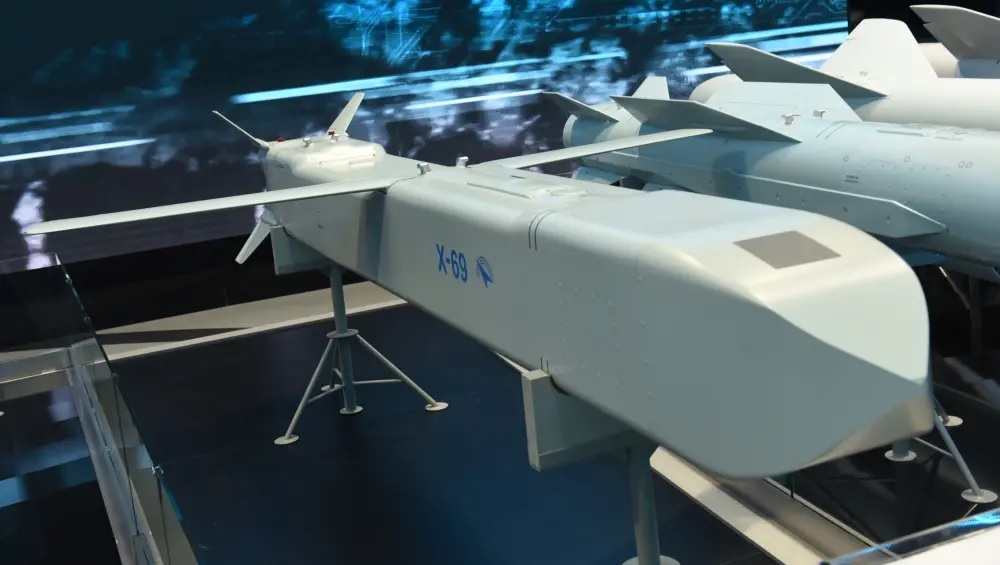
India
Russia is stepping up efforts to bolster the firepower of the Indian Air Force (IAF) by offering its state-of-the-art Kh-69 stealth cruise missile for integration with the Su-30MKI fighter jets. The proposal, if accepted, could significantly elevate India’s precision strike capabilities. However, the move is set against the backdrop of India's growing emphasis on indigenous defense production, creating a potential tug-of-war between foreign and domestic options.A Closer Look at the Kh-69 Stealth MissileDeveloped by Russia's Tactical Missiles Corporation (KTRV) and design bureau MKB Raduga, the Kh-69 is an advanced subsonic cruise missile engineered to destroy high-value, stationary targets with exceptional precision. Key features include: Stealth Design: The missile boasts a low radar cross-section, making it challenging for enemy air defense systems to detect and intercept.Extended Range: With an operational range exceeding 400 kilometers, the Kh-69 enables deep-strike missions without exposing the launching aircraft to significant threats.Heavy Warhead: Its 310 kg warhead is capable of neutralizing heavily fortified targets, including bunkers and military installations.Integration with Su-30MKI: The missile is designed to seamlessly fit with the Su-30MKI's weapon systems, leveraging the aircraft's advanced avionics for precision targeting. The Kh-69 is particularly suited for operations that demand stealth and precision, ranging from strategic missions to tactical support roles. However, much of its technical details remain classified, reflecting its cutting-edge design.India’s Modernization Agenda and the Su-30MKIThe Su-30MKI, manufactured by Hindustan Aeronautics Limited (HAL) under license, forms the backbone of the IAF's fleet. Equipped with advanced radar, electronic warfare systems, and a powerful AL-31FP engine, the Su-30MKI is a versatile platform capable of carrying a variety of weaponry, including air-to-air, air-to-ground, and cruise missiles.Adding the Kh-69 to the Su-30MKI’s arsenal would provide the IAF with a powerful tool for deep-penetration strikes. However, the decision isn’t straightforward. India is concurrently pursuing its own missile programs, including the Defence Research and Development Organisation’s (DRDO) work on indigenous stealth cruise missiles.Indigenous CompetitionIndia's focus on "Atmanirbhar Bharat" (self-reliant India) has seen a surge in domestic defense manufacturing initiatives. The DRDO, in collaboration with HAL, is developing long-range cruise missiles with stealth features that could rival the Kh-69. These projects aim to reduce dependency on imports, ensure technology control, and potentially lower costs in the long term.The BrahMos-NG, a lightweight version of the BrahMos supersonic cruise missile, is one such indigenous alternative. While it offers different operational parameters, its development underscores India’s capability to produce high-quality missile systems.Challenges Facing the Kh-69 in IndiaRussia’s proposal for the Kh-69 comes with several hurdles: Cost Factors: Integrating the missile with the Su-30MKI would require substantial investment, including modifications to the aircraft's systems. Indigenous Priorities: The IAF’s procurement strategy increasingly aligns with the government’s push for domestic production. Operational Fit: The IAF will need to evaluate if the Kh-69 meets its specific mission requirements better than available alternatives. The Way ForwardWhile the Kh-69 offers undeniable capabilities, its success in the Indian defense market hinges on multiple factors. Russia will need to provide competitive pricing, technology transfer assurances, and operational demonstrations to sway decision-makers. Simultaneously, India’s defense planners must weigh the benefits of acquiring a proven system against the strategic imperative of fostering indigenous innovation. As India continues to modernize its military, the battle between foreign technology and homegrown solutions will shape the future of its defense landscape. The Kh-69 may find a place in this dynamic equation, but it will have to overcome the formidable challenge posed by India’s growing missile development ecosystem.
Read More → Posted on 2024-11-26 16:10:39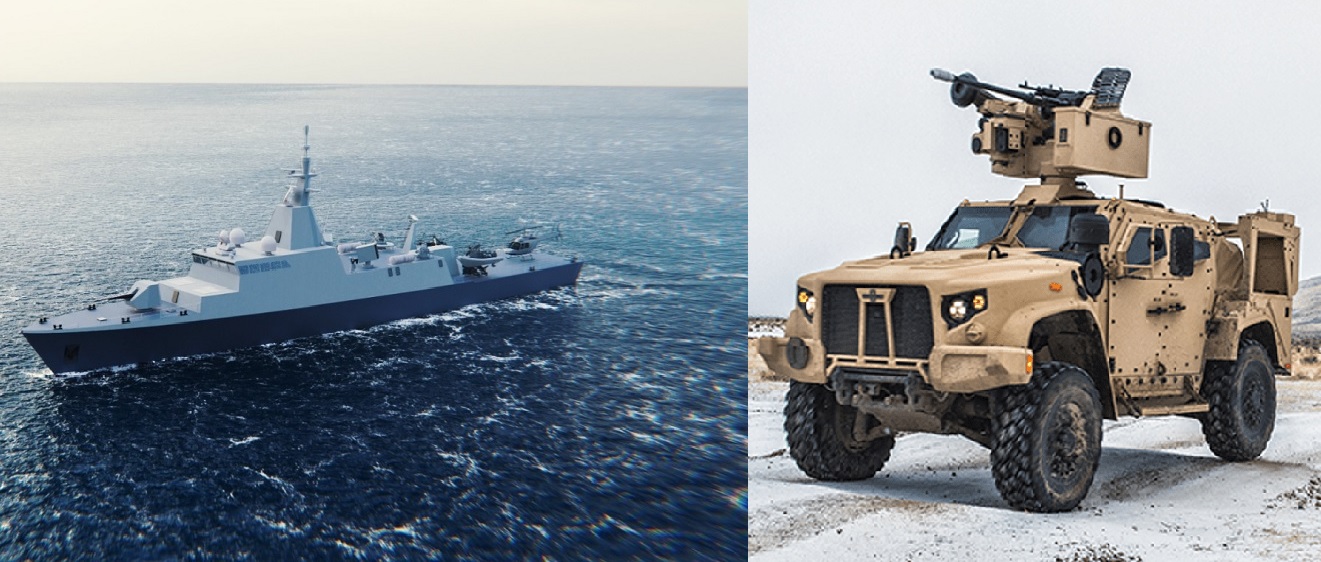
World
In a significant step to modernize its defense capabilities, Israel has approved the procurement of advanced missile ships and tactical vehicles under a comprehensive defense upgrade initiative. The acquisition, authorized by the Israel Military Procurement Ministerial Committee, focuses on replacing aging equipment and enhancing the Israel Defense Forces (IDF) readiness for emerging threats. The decision aligns with the recommendations of the Nagel Committee, a body formed to reassess Israel’s defense needs following recent geopolitical tensions, including the October 7th conflict.Reshef-Class Missile Ships: Next-Gen Naval PowerCentral to this procurement package is the acquisition of five Reshef-class missile ships, set to replace the decades-old Sa’ar 4.5-class vessels that have been the backbone of Israel’s naval operations for over 40 years. Built by Israel Shipyards, the Reshef-class ships are designed with cutting-edge combat systems, including Elbit Systems' advanced electronic warfare (EW) capabilities, advanced radar, and missile systems optimized for multi-domain warfare. The vessels will also feature stealth enhancements and modular systems, allowing rapid reconfiguration for various mission profiles .The Reshef ships will strengthen the IDF's maritime operations, particularly in securing offshore energy assets and countering potential threats in the Eastern Mediterranean. The construction process will take place in Israel, fostering local employment and reinforcing the domestic defense industry.Joint Light Tactical Vehicles: Mobility and ProtectionAnother cornerstone of this procurement is the addition of hundreds of Joint Light Tactical Vehicles (JLTVs), manufactured by Oshkosh Defense. These vehicles are engineered to provide exceptional protection and mobility for the IDF's ground forces. With their modular design, JLTVs can be equipped with an array of weapons and communication systems. The vehicles are built to withstand improvised explosive devices (IEDs) and small-arms fire while maintaining high-speed mobility in diverse terrains. Delivery will occur in phased installments over the coming years, ensuring a smooth integration into the IDF’s operations .Strategic ImplicationsThis procurement reflects a strategic pivot to prioritize domestic manufacturing and advanced technologies. By replacing outdated systems, Israel aims to maintain its qualitative military edge in a region marked by evolving security challenges. Defense Minister Yoav Gallant emphasized that the upgrades are vital for addressing modern warfare scenarios, including asymmetrical threats and cyber-electronic warfare .Final Approval and ImplementationThe approved acquisitions now await the green light from the Knesset’s Joint Committee for the Defense Budget. Upon parliamentary approval, these projects will enter the implementation phase, reinforcing the IDF’s readiness and long-term strategic objectives .This ambitious defense package underscores Israel’s commitment to staying at the forefront of military technology, ensuring national security, and adapting to a dynamic regional landscape.
Read More → Posted on 2024-11-26 16:06:46
World
China deployed warplanes and naval vessels to monitor a U.S. Navy P-8A Poseidon maritime patrol aircraft as it transited the Taiwan Strait, underscoring intensifying tensions between Washington and Beijing over Taiwan. The U.S. military described the flight as adhering to international law, emphasizing its commitment to freedom of navigation and a free Indo-Pacific.Beijing sharply criticized the move, labeling it provocative and harmful to regional stability. The People’s Liberation Army (PLA) Eastern Theater Command stated that Chinese forces closely tracked the U.S. aircraft and vowed to defend national sovereignty.The Taiwan Strait, a vital yet disputed waterway, often witnesses such high-stakes military maneuvers. The U.S. frequently operates in the region to support Taiwan, a self-ruled democracy Beijing claims as part of its territory. In contrast, China has ramped up its military presence near Taiwan, including record-breaking exercises and daily incursions by aircraft and ships.The P-8A Poseidon, a sophisticated reconnaissance and anti-submarine warfare aircraft, played a key role in this mission. Its transit came after U.S. Defense Secretary Lloyd Austin’s talks with his Chinese counterpart, signaling ongoing efforts to stabilize bilateral military communications amid friction over Taiwan, South China Sea disputes, and broader strategic rivalry . This incident reflects the escalating competition in the Indo-Pacific, with Taiwan at the core of U.S.-China contention.
Read More → Posted on 2024-11-26 15:59:16
India
The recent crash of an Indian Air Force (IAF) MiG-29UPG has sparked global discussions about the complexities of emergency ejections in combat aviation. Pierre Henri Chuet, a former French Navy fighter pilot renowned for his expertise with aircraft like the Rafale Marine and Super Etendard, offered a detailed analysis of the incident, shedding light on the unique challenges pilots face in such critical moments.The MiG-29UPG, an upgraded twin-engine fighter jet known for its agility and combat capabilities, entered a flat spin—a perilous situation where an aircraft loses aerodynamic control and descends rapidly while rotating on its horizontal axis. Flat spins are particularly dangerous due to the intense G-forces and unpredictable movement, making controlled recovery nearly impossible.The Pilot’s Decisive ActionChuet praised the MiG-29UPG pilot for displaying exceptional composure and quick thinking. Despite the high stakes, the pilot ensured the aircraft was directed away from populated areas before initiating ejection. Such decisions reflect the profound responsibility pilots bear not just for their own survival but also for minimizing risks to civilians on the ground.Chuet underscored the pilot's critical decision to eject at a safe altitude, ensuring the ejection seat and parachute system had adequate time to deploy and function. This swift action highlights the importance of rigorous training and mental preparedness, which enable pilots to act decisively under extreme pressure.The Science and Art of EjectionEjecting from a fighter jet, particularly in a flat spin, is a complex process influenced by numerous factors. Modern ejection seats, like the K-36DM used in the MiG-29UPG, are designed to operate effectively across a range of altitudes and speeds. However, flat spins complicate this process due to rapid vertical descent and unpredictable rotational dynamics, which can affect the trajectory of the ejection seat.Chuet elaborated on the critical role of parachutes in ejection scenarios. These parachutes are often color-coded to suit specific environments—neutral tones for stealth in combat zones or bright colors to facilitate rescue operations in peacetime emergencies. Such considerations are integral to pilot survival and recovery strategies.Challenges of Fleet ModernizationBeyond the immediate incident, Chuet touched on broader issues faced by the IAF. The MiG-29UPG represents a blend of legacy airframes and modern avionics, embodying the challenges of operating a diverse fleet. Maintaining older platforms while integrating cutting-edge technology demands significant resources and expertise. This complexity impacts operational readiness, fleet standardization, and long-term sustainability.The MiG-29UPG itself is an upgraded variant of the original MiG-29, featuring improved avionics, radar systems, and air-to-air refueling capabilities. While these upgrades enhance the aircraft’s performance, the aging airframe poses inherent risks, as highlighted by this incident.Lessons in Training and TechnologyChuet emphasized the value of advanced pilot training and mental fortitude in navigating high-risk scenarios. The successful ejection in such extreme conditions underscores the effectiveness of the IAF’s rigorous training programs. Additionally, the incident highlights the ongoing need for technological advancements to enhance aircraft safety and reliability.The analysis by Chuet not only celebrates the skill and heroism of the IAF pilot but also provides critical insights into the challenges of combat aviation. From the physics of ejection to the complexities of fleet management, the incident serves as a reminder of the intricate balance between human capability and technological innovation in modern air forces. This commentary underscores the importance of continuous investment in pilot training, emergency preparedness, and fleet modernization to ensure the safety and effectiveness of combat aviation in the face of evolving challenges.
Read More → Posted on 2024-11-26 15:55:51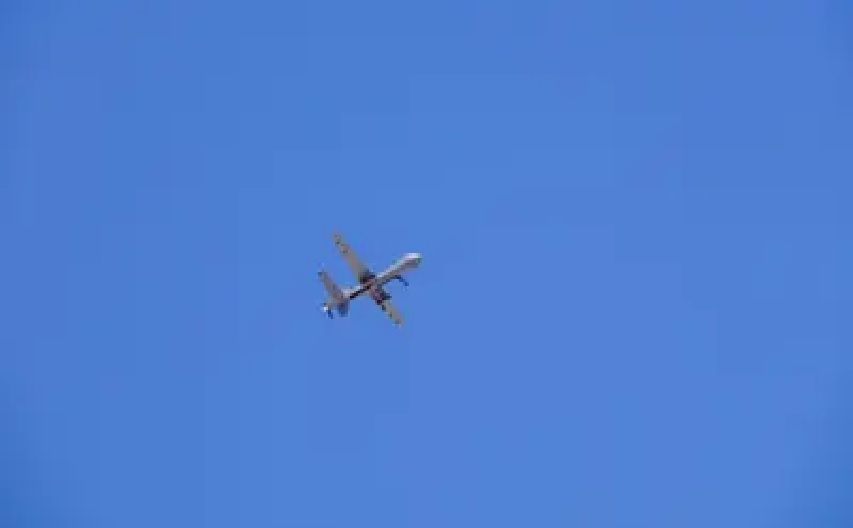
World
A series of mysterious drone sightings over RAF Lakenheath, Mildenhall, and Feltwell in eastern England has raised alarm among UK and US defense officials. Between November 20 and 22, drones of varying sizes and configurations were observed near these bases, which host a significant number of American troops and serve as critical nodes in NATO operations. RAF Lakenheath, in particular, houses the only US F-35/F-15 fighter wing in Europe, highlighting the strategic importance of these sites.The US Air Forces in Europe confirmed the sightings but emphasized that the drones did not disrupt base operations or compromise personnel safety. Specific countermeasures and security responses remain classified, though investigations are ongoing in collaboration with UK authorities to determine the drones’ origin and potential intent. The proximity of these drones to sensitive facilities, some believed to be connected to nuclear weapons storage, has heightened suspicions of potential espionage or surveillance efforts.This incident is not an isolated one. In December 2023, similar drones were detected over Langley Air Force Base in Virginia. Additionally, the Pentagon has documented at least 18 instances of unidentified aerial activity near US nuclear sites in recent years, underscoring a persistent and growing security challenge.The UK Ministry of Defence and US military officials are working to enhance airspace security, including the potential deployment of advanced counter-UAS (Unmanned Aerial System) technologies. However, no group or entity has claimed responsibility for the recent UK drone incursions, leaving their origin shrouded in mystery. As drones become increasingly accessible and sophisticated, their potential for unauthorized surveillance, interference with operations, and even sabotage at critical defense installations has become a pressing concern. This latest incident underscores the urgent need for comprehensive measures to mitigate risks associated with unmanned aerial threats .
Read More → Posted on 2024-11-26 15:50:31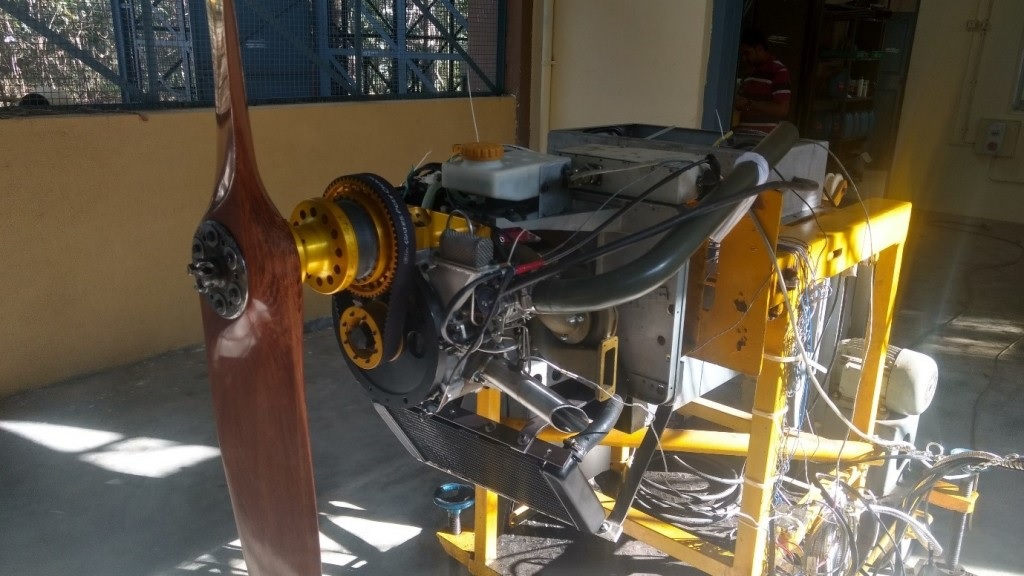
India
The National Aerospace Laboratories (NAL), India’s premier aerospace research institution, is pushing the boundaries of Wankel rotary engine technology, making significant strides in unmanned aerial vehicles (UAVs) and various other advanced applications. With a focus on developing compact, efficient, and high-performance engines, NAL’s contributions are cementing India’s position as a global player in aerospace innovation.Understanding Wankel Rotary EnginesOriginally designed by German engineer Felix Wankel in the 1950s, the Wankel rotary engine is distinct for its eccentric rotary design that transforms pressure into rotational motion. Unlike conventional piston engines, Wankel engines boast a compact structure, smoother operation, and fewer moving parts, resulting in less vibration and wear. However, they come with challenges, such as lower thermal efficiency and higher emissions.Despite these limitations, their advantageous power-to-weight ratio and ability to function in compact spaces make them ideal for specialized applications, particularly in aerospace and defense.NAL’s Breakthroughs in Wankel Engine DevelopmentTactical UAV Engines: The 55 hp Wankel EngineNAL has developed a 55 hp Wankel engine tailored for tactical UAVs under the Defense Research and Development Organisation (DRDO). This engine is airworthiness-certified, meeting stringent standards required for defense operations. It exemplifies NAL’s commitment to producing indigenous technologies that can meet critical national security needs.Powering Kamikaze Drones: The 30 hp Wankel EngineBuilding on its expertise, NAL introduced a 30 hp Wankel engine specifically designed for loitering munitions, commonly known as kamikaze drones. These advanced drones, capable of carrying payloads up to 120 kg, are engineered for precision strikes and effective operation in GPS-denied environments. Such advancements highlight the adaptability of Wankel engines in modern warfare.Hybrid Configurations for Enhanced PerformanceRecognizing the potential of hybrid propulsion systems, NAL is exploring combinations of Wankel engines with electric propulsion. This integration aims to create versatile systems for UAVs and cruise missiles, offering improved fuel efficiency and performance.Specialized Facilities at NALNAL’s Rotary Engines and Ceramics Application Laboratory (RECAL) is at the forefront of designing and testing Wankel rotary combustion engines. The lab supports a wide power range from 1 to 120 hp and is equipped with: Advanced test rigs to measure engine-propeller thrust. Exhaust gas emission analysers for precise monitoring. This infrastructure ensures that the engines meet the highest standards of reliability and efficiency, making them suitable for both military and civilian applications.Expanding Applications Beyond AerospaceNAL’s Wankel engines are finding use beyond UAVs, showcasing their versatility: Compact generators: Ideal for portable energy needs. Outboard motors: Enhancing efficiency in marine applications. Powered hang gliders: Offering lightweight propulsion for recreational aviation. Hybrid vehicles: Exploring green solutions for future transportation. These applications underline the adaptability of Wankel engines, particularly in industries where compact design and high power output are critical.Pioneering India’s Aerospace FutureNAL’s ongoing work with Wankel engines highlights its dedication to advancing India’s aerospace and defense capabilities. By continuously innovating and optimizing this technology, NAL is addressing both the challenges and opportunities associated with rotary engines. The focus on hybrid solutions and diverse applications underscores their relevance in both military and civilian contexts, ensuring a robust and sustainable future for India’s aerospace sector. With the development of state-of-the-art propulsion systems, NAL is positioning India as a leader in global aerospace innovation while catering to the unique demands of modern technology and defense.
Read More → Posted on 2024-11-26 15:42:31
World
Sierra Nevada Corporation (SNC) has achieved a significant milestone with the successful maiden flight of its Rapcon-X intelligence, surveillance, and reconnaissance (ISR) aircraft. Conducted in Hagerstown, Maryland, this marks a pivotal development for the platform, which is designed to redefine aerial reconnaissance capabilities for military and strategic applications.Revolutionary ISR CapabilitiesThe Rapcon-X represents a cutting-edge ISR solution, tailored for high-altitude, long-endurance operations. Developed as part of SNC's $600 million ATHENA program contract with the U.S. Army, this aircraft will deliver advanced airborne reconnaissance capabilities over the next five years. Its development aligns with the program's objectives of improving battlefield intelligence through contractor-owned ISR platforms.One of the aircraft's standout features is its ability to operate at altitudes exceeding 45,000 feet while offering over 14 hours of mission endurance. Such capabilities allow the Rapcon-X to maintain extended surveillance over expansive areas, gathering critical intelligence across multiple domains.Modular and Adaptable DesignWhat sets the Rapcon-X apart is its modular architecture. Developed using model-based systems engineering, the aircraft enables rapid integration of new systems and technologies, minimizing downtime. This design supports seamless reconfiguration for various missions, ranging from signals intelligence and electro-optical surveillance to ground-moving target tracking.The platform integrates SNC’s proprietary TRAX command and control software, ensuring real-time data sharing with battlefield networks and enhanced situational awareness for decision-makers. Furthermore, the Rapcon-X allows quick equipment swaps, making it adaptable to specific operational needs without extensive redesigns.Collaboration and Advanced EngineeringSNC collaborated with industry leaders to bring the Rapcon-X to fruition. Bombardier provided the aircraft's airframe, while ThinKom Solutions contributed advanced communication technologies. Leonardo USA played a key role in developing integrated ISR systems, ensuring the platform meets modern combat demands.Broader Implications and Future ExpansionThe reconfiguration capabilities of the Rapcon-X extend beyond its current iteration. SNC has hinted at the adaptability of its engineering approach for other aircraft, including the Bombardier Challenger 650 and King Air 350ER, potentially expanding its ISR offerings. With the successful completion of its first flight, the Rapcon-X is poised to become a cornerstone of ISR operations, emphasizing adaptability, endurance, and technological superiority in modern reconnaissance missions.
Read More → Posted on 2024-11-26 15:14:17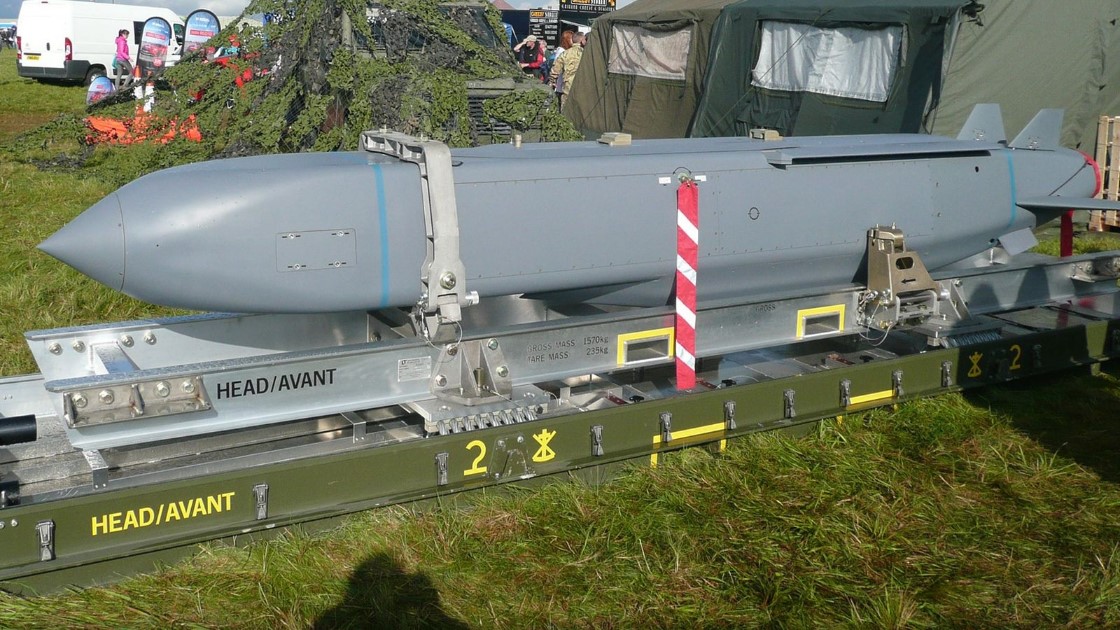
World
The United Kingdom has reaffirmed its steadfast support for Ukraine in its struggle against Russian aggression by delivering a new batch of Storm Shadow cruise missiles. This move underscores a deepening strategic partnership between London and Kyiv, as reported by Bloomberg. The shipment of these precision-guided weapons aligns with a broader Western strategy to enhance Ukraine’s capacity for long-range strikes against Russian military infrastructure.A Covert but Crucial DeliveryAccording to informed sources, the latest delivery comprises dozens of Storm Shadow missiles. The shipment, conducted discreetly to avoid escalating tensions, reportedly took place weeks ago but has only recently come to light. The timing aligns with mounting Ukrainian operational demands as stocks of long-range missiles have dwindled in the ongoing conflict. This marks the first missile delivery under UK Prime Minister Keir Starmer, signaling his administration’s commitment to maintaining robust support for Ukraine.Bloomberg sources also revealed that the UK coordinated with the United States before allowing the use of such weaponry for extended-range operations. These long-range strikes represent a crucial capability for Ukraine, especially in targeting heavily fortified Russian positions and logistical hubs deep behind the front lines.Why Storm Shadow MattersThe Storm Shadow cruise missile, co-developed by the UK’s MBDA and France, is renowned for its precision and destructive power. With an operational range exceeding 250 kilometers (around 155 miles), it enables Ukraine to strike high-value targets far from the battlefield. Its low observability and advanced guidance systems make it highly effective in neutralizing strategic assets, such as command centers, ammunition depots, and critical infrastructure.Key features of the Storm Shadow include: Advanced Guidance: A combination of GPS, inertial navigation, and terrain matching ensures exceptional accuracy. Penetrative Capability: Designed to defeat hardened targets, its tandem warhead can breach reinforced structures. Stealth Design: Low radar cross-section minimizes detectability, increasing survivability during missions. The missile’s ability to deliver a precise payload with minimal collateral damage underscores its strategic value in modern warfare, making it a game-changer for Ukraine's military objectives.Strategic and Political ImplicationsThe delivery represents a calculated effort to balance military necessity with geopolitical caution. While the precise number of missiles remains undisclosed, the decision to supply such advanced weaponry reflects confidence in Ukraine’s ability to responsibly employ these systems. It also signals a unified Western front, with the UK and US leading the charge to provide Kyiv with the tools needed to challenge Russian advances effectively.Prime Minister Keir Starmer’s approval of this shipment is particularly noteworthy. It suggests continuity in the UK's pro-Ukraine policy, regardless of changes in leadership. As Ukraine continues to face an aggressive adversary, such support serves not only as a lifeline but also as a message of resilience and solidarity to the international community.A Significant Step in a Prolonged ConflictAs the war grinds on, the provision of Storm Shadow missiles highlights the evolving nature of Ukraine’s defense strategy. The ability to execute precision strikes at longer ranges will likely be instrumental in countering Russian tactics and maintaining Ukrainian momentum. For the UK, this delivery reinforces its position as a key ally, committed to Ukraine’s sovereignty and security. While the specifics of this latest shipment remain shrouded in operational secrecy, its implications are clear: Ukraine’s arsenal is being significantly bolstered, ensuring it remains a formidable force in an increasingly complex and high-stakes battlefield.
Read More → Posted on 2024-11-26 15:11:27
World
Speculation is mounting over Algeria's potential acquisition of Russia's Su-57E stealth fighter jet, following Rosoboronexport's recent announcement at Airshow China 2024 that the aircraft has secured its first export contract. Although the buyer's identity remains undisclosed, Algeria is a prime candidate due to its longstanding military ties with Russia and its pursuit of modernizing its air force to maintain regional dominance.Algeria's interest in advanced fighter jets has intensified in response to Morocco's purchase of cutting-edge F-16 Block 72 fighters from the U.S., creating a competitive military landscape in North Africa. Algeria's current fleet includes Russian-made Su-30MKAs and MiG-29s, making the integration of the Su-57E a logical progression. The Su-57E, an export variant of Russia's fifth-generation Su-57 Felon, offers stealth capabilities, advanced sensors, and combat-tested technologies, distinguishing itself from older platforms.The Su-57E boasts specifications tailored for international buyers. Its advanced avionics suite supports missions ranging from air superiority to ground strike. Powered by twin engines generating 14,500 kgf thrust each, the aircraft achieves supercruise speeds exceeding Mach 1.6 and incorporates "supermaneuverability," critical for dynamic aerial combat. Its range, extended to 7,800 km with in-flight refueling, and its ability to carry up to 10 tons of payload, including hypersonic weapons, make it a formidable tool for Algeria's defense strategy.Russia's emphasis on combat-proven reliability adds to the Su-57E's appeal. The aircraft has reportedly been deployed in limited operations in conflict zones like Ukraine and Syria, showcasing its operational readiness. The export variant unveiled in China included live demonstrations, reflecting Russia's intent to attract global buyers. For Algeria, acquiring this jet could signal a shift in regional power dynamics, possibly prompting neighboring countries to reevaluate their military postures.While alternative buyers such as China or Iran have been discussed, China's focus on domestic projects like the J-20 and its sixth-generation fighter program reduces its likelihood. Iran's financial constraints, exacerbated by international sanctions, further diminish its chances, leaving Algeria as the most plausible candidate. If the deal is confirmed, it would not only enhance Algeria's strategic capabilities but also mark a milestone in Russia's arms export program, given the Su-57E's high-profile status as a fifth-generation fighter.The implications of Algeria's possible Su-57E acquisition are significant, both regionally and globally. It underscores Algeria's role as a key North African military power and reflects its broader geopolitical ambitions. At the same time, it could intensify the arms race in the region, especially as neighboring states seek to counterbalance such advanced acquisitions.Although no official confirmation has emerged, reports suggest that discussions are progressing. This potential deal highlights Algeria's enduring reliance on Russian defense technology, contrasting with nations like India, which are diversifying their procurement strategies toward Western suppliers. For Russia, a confirmed sale would reaffirm its foothold in the global defense market despite facing competition from other fifth-generation fighter manufacturers.
Read More → Posted on 2024-11-25 16:31:07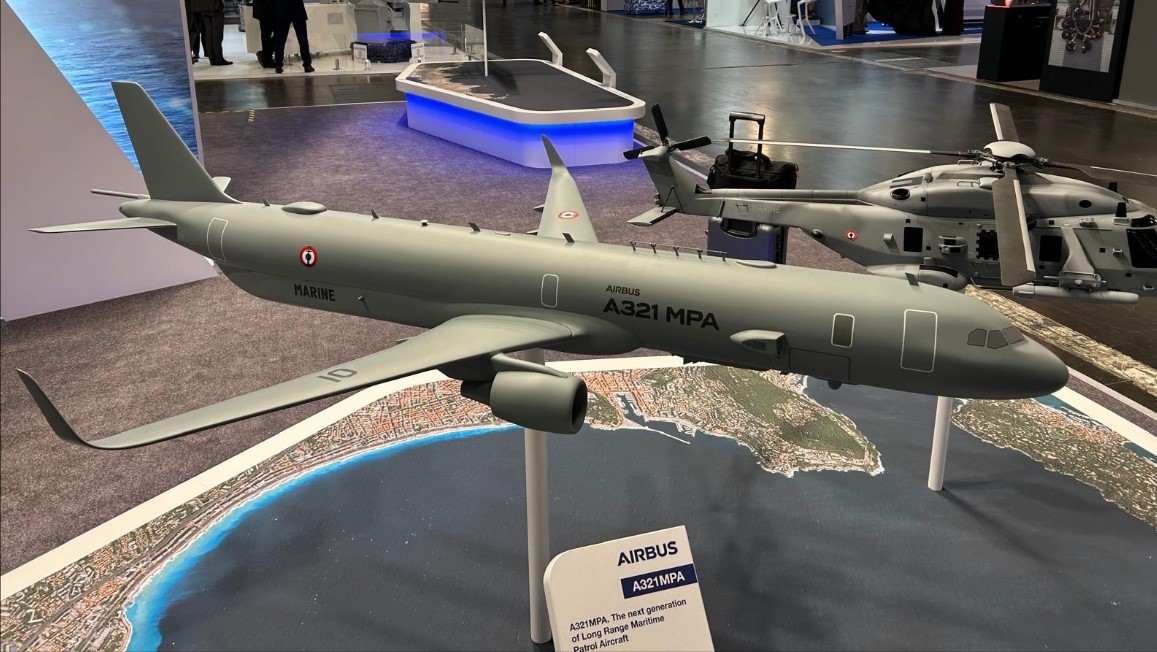
World
At Euronaval 2024, Airbus Defense and Space showcased its ambitious new concept for the next-generation Maritime Patrol Aircraft (MPA), based on the A321XLR platform. This proposal is part of the French Navy's "PATMAR Future" program, aimed at replacing the aging Dassault Atlantique 2 fleet in the 2030s. The unveiling marked a significant milestone in the ongoing competition with Dassault Aviation to shape the future of France’s maritime defense capabilities.Advanced Design and FeaturesThe A321XLR platform offers notable advancements tailored for maritime patrol operations. With an extended range of 4,700 nautical miles and endurance of up to 11 hours, the aircraft is designed for "slow and low" operations critical for Anti-Submarine Warfare (ASW) and Anti-Surface Warfare (ASuW). Key enhancements include: Conformal Weapon Bay: A large, aft-mounted bay accommodates advanced payloads, such as the upcoming supersonic anti-ship missile (FMAN) from the FC/ASW program. This design minimizes structural changes to the airframe, reducing development costs and risks.Tailored Sensor Suite: Collaborating with Thales, Airbus integrates cutting-edge technology, including conformal radar arrays, a Magnetic Anomaly Detector (MAD) boom, and advanced Electro-Optical/Infrared (EO/IR) systems. The aircraft also features a 360° AESA radar for comprehensive maritime surveillance.Minimal Structural Modifications: To optimize cost and reliability, Airbus focused on preserving the A321XLR’s aerodynamics and structural integrity while adding mission-specific capabilities. Mission and Operational BenefitsThe A321XLR-based MPA is optimized for diverse maritime roles, including surveillance, reconnaissance, and combat missions. It can deploy sonobuoys, track underwater targets, and conduct extended patrols, making it a versatile asset for the French Navy. The model also includes accommodations for a secondary crew, extending mission durations—a critical advantage over Dassault’s Falcon 10X-based competitor.Broader Context and Program StatusBoth Airbus and Dassault received contracts from the French Directorate General of Armaments (DGA) in January 2023 to develop proposals for the PATMAR Future program. Airbus’ focus on leveraging the A321XLR’s range, payload, and advanced sensor integration appears to give it an edge. However, final procurement decisions are expected by 2026, with the program’s budget already allocating €89 million for initial development.Implications for Maritime DefenseThe Airbus A321XLR MPA represents a forward-looking approach to maritime patrol, balancing cost efficiency with cutting-edge technology. As the French Navy modernizes its fleet, the choice between Airbus and Dassault will not only determine the future of French maritime operations but could also influence broader trends in global naval aviation.This advanced platform highlights Airbus’ commitment to innovation, potentially redefining the role of maritime patrol aircraft in the decades to come.
Read More → Posted on 2024-11-25 16:28:29
World
Russia has unveiled new footage highlighting the 2S43 Malva, an innovative self-propelled artillery system that signifies a shift in the nation’s artillery strategy. The release comes as part of training exercises for cadets from the Mikhailovskaya Military Artillery Academy, showcasing the system’s capabilities in a controlled yet dynamic environment. This marks a critical phase in integrating the Malva into the Russian military, emphasizing its versatility and ease of operation for the next generation of artillery operators.The 2S43 Malva stands out from Russia's traditional armored artillery systems, diverging from the tank-like, heavily armored designs that have long defined the nation's arsenal. Mounted on the BAZ-6910-027 “Voshchina” chassis—a robust 8×8 all-wheel-drive platform—the Malva offers unmatched mobility for an artillery system of its class. Its lightweight, turretless design allows it to be rapidly transported and deployed, an advantage that aligns with modern warfare’s demand for agility and swift operational readiness.Key Features of the Malva Artillery SystemAt its core, the Malva is equipped with a 152mm 2A64 rifled gun, a reliable weapon borrowed from the widely-used 2S19 “Msta-S.” This consistency in caliber enables seamless integration with existing ammunition stocks, streamlining logistics for Russian artillery units. The system boasts a range of 24.5 kilometers, positioning it as a formidable threat against diverse targets, including enemy command posts, defensive fortifications, armored vehicles, and missile batteries.Operating the Malva requires a crew of five, who manage its firing system and ammunition capacity of 30 rounds. The absence of heavy armor on the gun mount makes the system significantly lighter than its predecessors, a factor that enhances its maneuverability. Furthermore, the Malva can be transported by aircraft such as the Il-76, a feature that broadens its strategic deployment options across both domestic and international theaters of operation.Combat Proven and ReadyThe Malva first gained attention during combat operations in Ukraine’s Kharkiv and Russia’s Kursk regions. Its deployment in these areas highlighted its ability to perform in varied terrains and under complex combat conditions. The system’s design, focusing on speed and adaptability, proved particularly advantageous in regions where traditional tracked howitzers might struggle.The delivery of the first production units in late 2023 marked a significant milestone for the Russian Armed Forces. By incorporating this wheeled platform into their arsenal, Russia is not only modernizing its artillery forces but also signaling a broader strategic pivot toward systems that prioritize rapid response and flexibility over sheer firepower and protection.A Glimpse into the FutureThe Malva’s development reflects Russia’s evolving military doctrine, which increasingly values mobility and cost-effectiveness. As traditional armored systems face challenges in modern warfare—ranging from logistical constraints to vulnerability against advanced anti-armor weaponry—the Malva offers a compelling alternative. Its ability to strike hard and relocate swiftly could redefine how artillery is used in both defensive and offensive roles. The newly released footage of cadets operating the Malva not only demonstrates its user-friendly design but also underscores the Russian military’s commitment to training personnel in the use of cutting-edge technology. As the system continues to be integrated into active service, it represents a significant leap forward in artillery innovation, blending tradition with modernity in Russia's ongoing quest for battlefield superiority.
Read More → Posted on 2024-11-25 16:23:27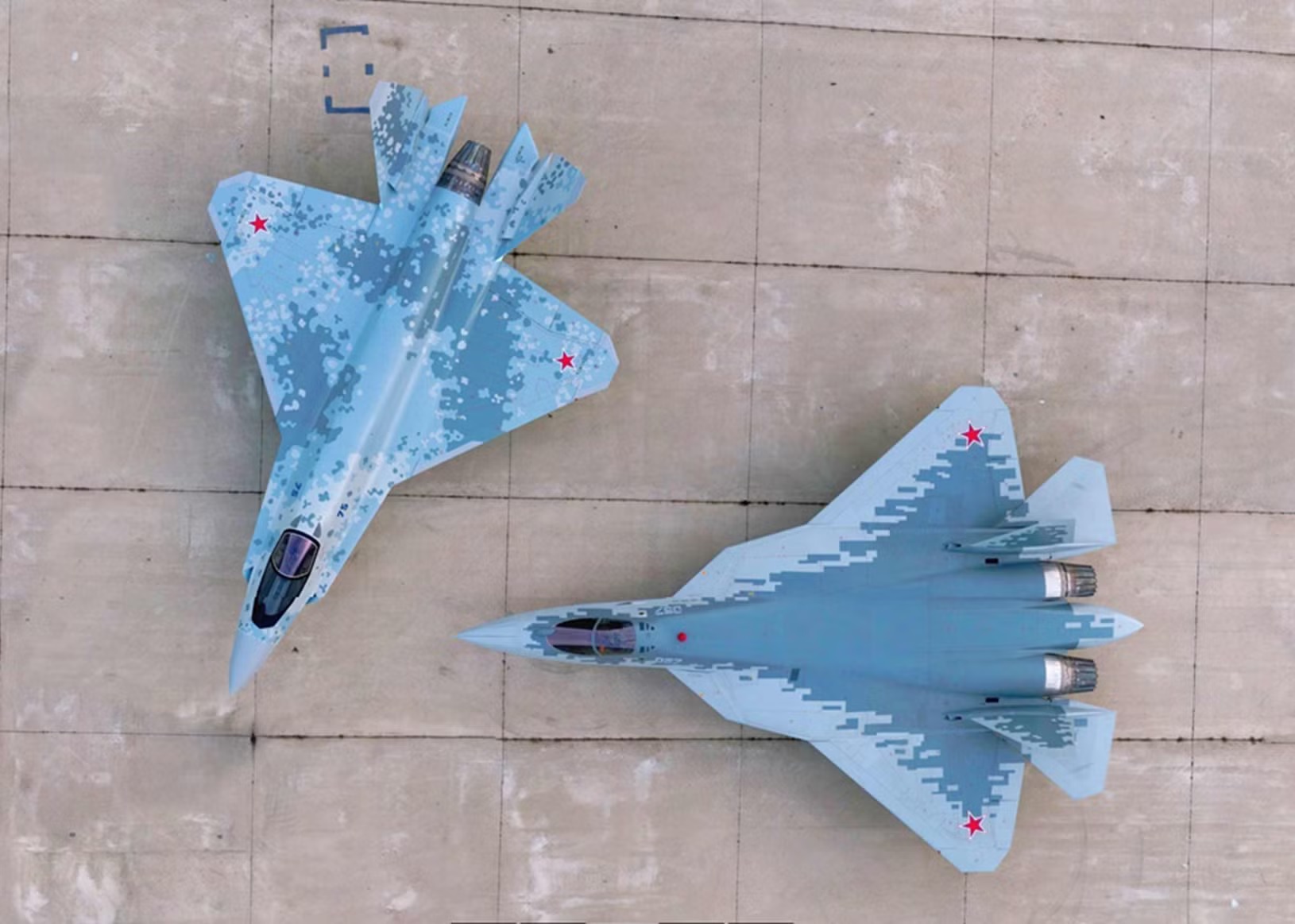
India
India's quest to modernize its air combat capabilities faces a crossroads as the Parliamentary Standing Committee on Defence prepares to push for an alternative to the stalled Multi-Role Fighter Aircraft (MRFA) program. With the Indian Air Force's (IAF) squadron strength dwindling, the committee is expected to urge the government to consider an "over-the-counter" purchase of fifth-generation fighter jets. This suggestion, while pragmatic, opens a debate about the balance between urgent requirements and long-term goals for defense self-reliance.The MRFA Delays and Rising ConcernsThe MRFA project, envisioned to procure 114 advanced fighter aircraft under the "Make in India" initiative, has been plagued by bureaucratic delays and procedural complexities. Estimated at $20 billion, the program aims to integrate state-of-the-art technology while fostering domestic manufacturing capabilities through partnerships with global aerospace firms. However, the pace of progress has been disappointingly slow, raising fears of a repeat of prolonged development timelines seen in the Light Combat Aircraft (LCA) Tejas and Kaveri engine programs.The Parliamentary Committee has repeatedly flagged the risks of inaction. The IAF's sanctioned squadron strength of 42 has dwindled to around 30 squadrons, even as threats in the region grow. China's rapidly advancing airpower and Pakistan's acquisition of new fighter jets exacerbate the situation, leaving India in a precarious position.Over-the-Counter Fifth-Generation Fighters: A Short-Term Fix?To address these immediate concerns, the committee is advocating for the purchase of fifth-generation fighters directly from international manufacturers. Aircraft like the American F-35 Lightning II, the most advanced multi-role stealth fighter currently operational, are often cited as potential candidates. The F-35 offers cutting-edge capabilities, including: Stealth Technology: Advanced materials and designs ensure minimal radar visibility. Sensor Fusion: Real-time integration of data from multiple sensors for unmatched situational awareness. Network-Centric Warfare: Interoperability with other platforms, enabling seamless coordination in combat. Versatility: Capable of air superiority, ground attack, and intelligence missions. However, acquiring such jets over the counter comes with high financial costs, estimated at $80–100 million per aircraft, excluding additional expenses for infrastructure, training, and maintenance. Moreover, reliance on foreign-made jets could undermine the momentum of indigenous projects like the Advanced Medium Combat Aircraft (AMCA), India’s ambitious effort to field a homegrown fifth-generation platform by 2035.Striking the Balance: Short-Term vs. Long-Term NeedsWhile the urgency of the IAF's capability shortfall cannot be overstated, experts caution against prioritizing immediate purchases at the cost of long-term objectives. The AMCA program, though years away from operational readiness, represents a cornerstone of India’s defense aspirations. A similar argument applies to the stalled Kaveri jet engine project, which holds potential to reduce reliance on foreign propulsion systems.To mitigate risks, India could consider a hybrid approach. This might involve limited over-the-counter purchases of fifth-generation fighters to meet pressing needs while accelerating AMCA and other indigenous programs. International collaboration, as seen with India's deal with GE Aerospace for fighter jet engines, could also help bridge capability gaps without derailing domestic initiatives.Conclusion: Navigating a Strategic ChoiceThe Parliamentary Committee's anticipated recommendation reflects a stark reality: the IAF's immediate operational requirements cannot wait for bureaucratic red tape to untangle. However, the government must tread carefully. A knee-jerk shift to foreign purchases could undermine India’s vision of self-reliance, a goal championed by the "Make in India" campaign. As India deliberates its options, the challenge lies in balancing the need to bolster its defenses now with the imperative to cultivate a robust and independent defense ecosystem for the future.
Read More → Posted on 2024-11-25 16:20:16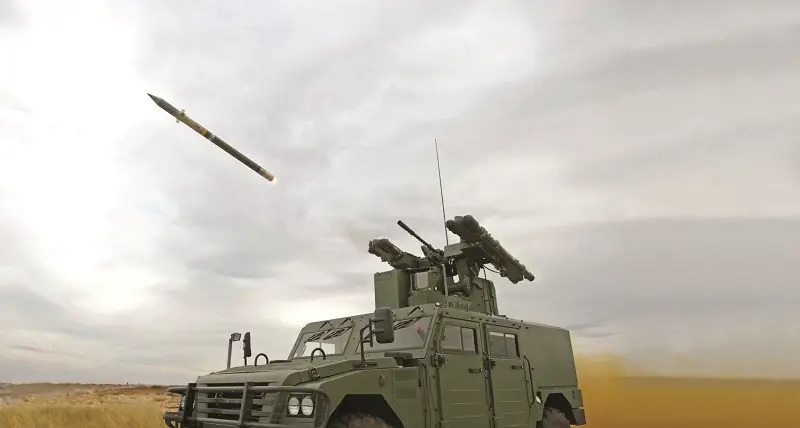
World
In a landmark decision, the European Commission has approved a joint procurement initiative for the highly advanced Mistral 3 surface-to-air missiles, led by France. This collaborative effort, involving nine European nations—France, Belgium, Cyprus, Estonia, Hungary, Romania, Spain, Slovenia, and Denmark—marks a significant stride in bolstering the continent’s air defense capabilities. The decision, announced on November 14, 2024, reflects the growing emphasis on unified defense strategies amidst evolving security challenges in the region.A Unified European Defense VisionThe project, part of the European Defence Industry Reinforcement through Common Procurement Act (EDIRPA), is a testament to Europe's commitment to fortifying its defense industrial base through joint acquisitions. By pooling resources and requirements, the participating nations aim to enhance not just their collective security, but also the resilience and competitiveness of the European defense industry.France’s Defense Procurement Agency (DGA) will oversee the acquisition of 1,500 Mistral 3 missiles from MBDA, a leading European missile manufacturer. This deal, underpinned by a cooperation framework agreement signed during the Eurosatory exhibition in June 2024, is poised to provide long-term visibility to defense manufacturers, ensuring operational continuity and innovation.Mistral 3: Cutting-Edge TechnologyAt the heart of this initiative lies the Mistral 3 missile, an exemplary short-range air defense system known for its versatility and precision. The Mistral 3 is equipped with a "fire-and-forget" guidance system, allowing it to lock onto targets autonomously after launch. Its advanced seeker technology, including dual-band imaging infrared and laser proximity fuse, ensures high accuracy even in cluttered or countermeasure-heavy environments.Key specifications of the Mistral 3 include: Speed: Exceptional agility with speeds exceeding Mach 2. Target Capability: Effective against aircraft, helicopters, drones, cruise missiles, and loitering munitions. Mobility: Weighing under 20 kilograms and measuring less than two meters, it is easily portable by ground units. Operational Range: Covers targets at a distance of up to 6 kilometers and altitudes of 3 kilometers. These attributes make the Mistral 3 a critical component in addressing modern aerial threats, particularly in low-altitude, high-threat scenarios.Strategic ImplicationsThis joint procurement effort is more than just an acquisition; it represents a shift toward greater European defense integration. By adopting a cooperative framework, member states aim to minimize costs, avoid duplication, and create a more unified response to shared threats. Moreover, this initiative ensures participating nations receive state-of-the-art technology while fostering industrial synergies within the European Union.The approval of the Mistral 3 project underscores the EU's resolve to adapt to an increasingly contested airspace. As security dynamics evolve, projects like this not only enhance national defense but also strengthen the bloc's collective deterrence capabilities. The European defense landscape is entering a new era of collaboration and technological advancement. With the Mistral 3 initiative leading the way, participating nations have set a precedent for future joint procurements, signaling a robust and united approach to safeguarding European airspace. As the project progresses, it is poised to become a cornerstone of European security, bolstering both military readiness and industrial resilience.
Read More → Posted on 2024-11-25 16:16:08Search
Top Trending in 24 Hours
-
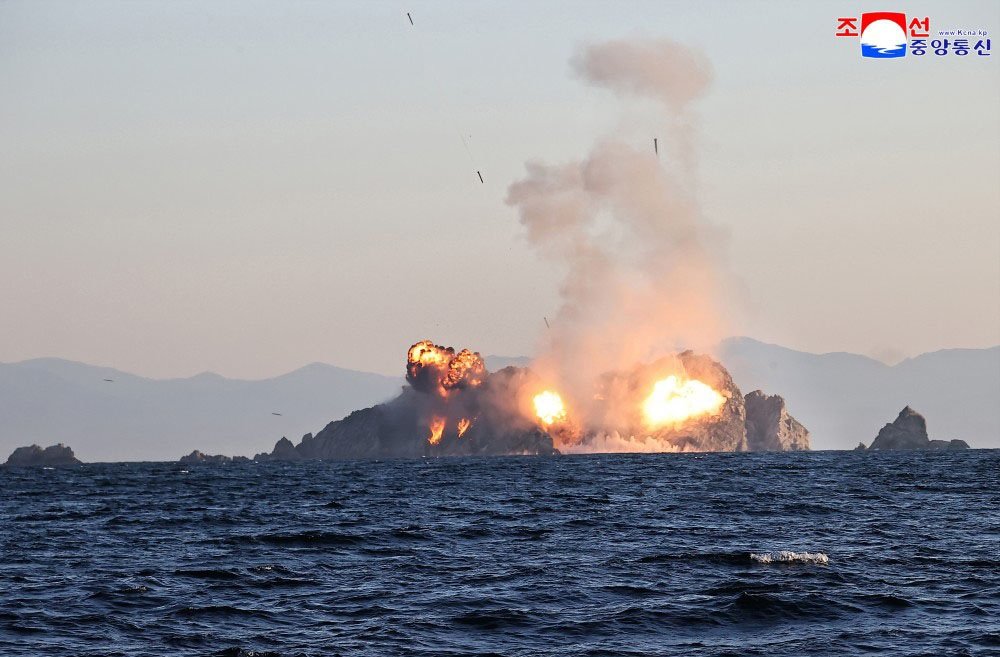 North Korea Fires Short-Range Ballistic Missile Toward Sea of Japan After Freedom Edge 26
-
 India’s xTerra Robotics Launches Indigenous DHAV-Hy Wheeled-Legged Quadruped for Industrial Inspection
-
 U.S. Army Awards $10.64 Million Contract to Ukrainian Drone Maker Skyeton for Raybird Systems
-
 U.S. Space Force Seeks Rapid-Response Satellites for Close-Range Orbital Inspections
-
 U.S. Government Seizes Almasirah.net, Houthi-Linked News Website
-
 BEL Showcase X-Band Multi-Function Radar for QRSAM to Japanese Delegation
-
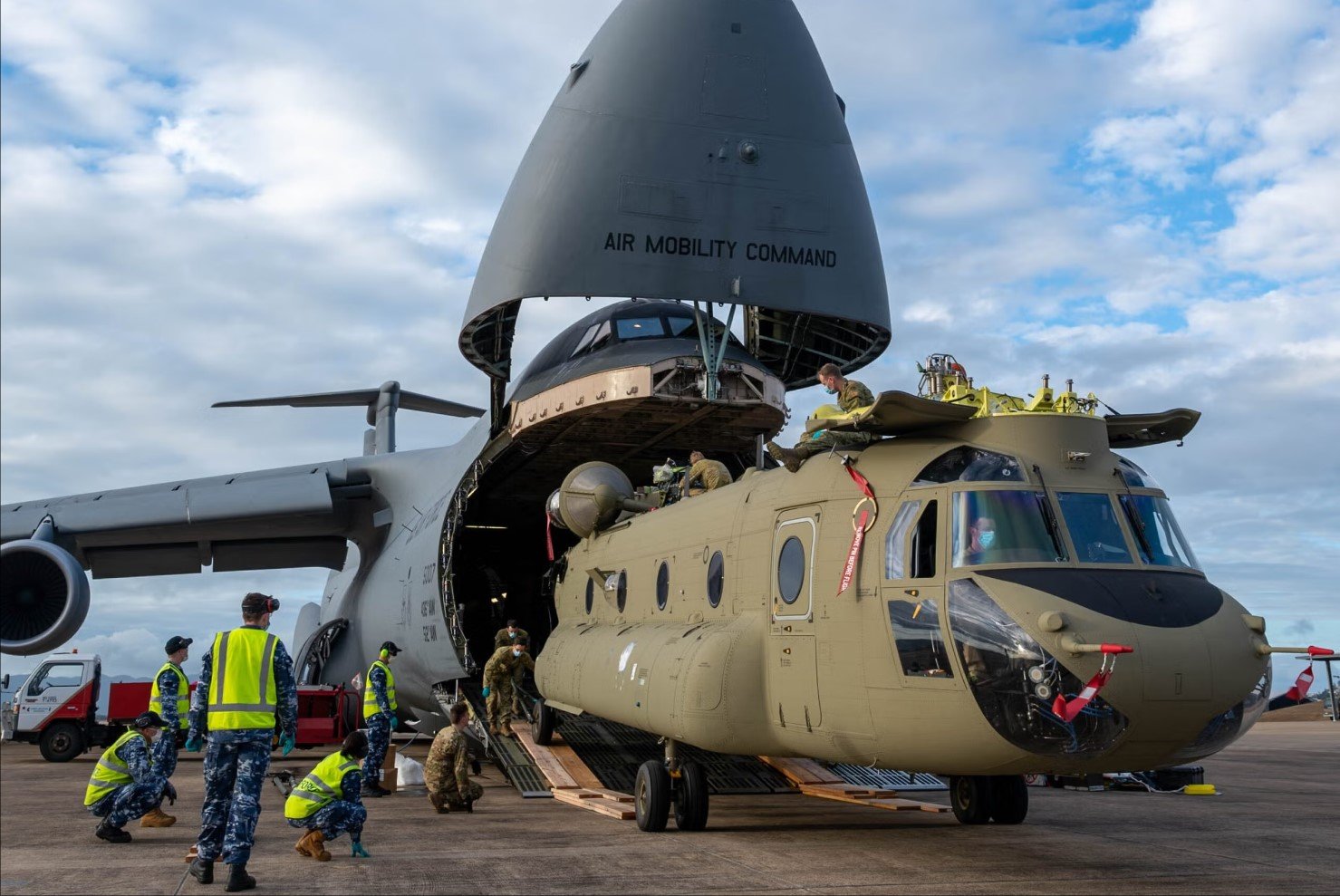 U.S. Delivers First CH-47F Chinook to Egypt Under 12-Helicopter Deal
-
 IRGC Experts Visit Bab El-Mandeb to Oversee Radar Installation and Tunneling, Houthi Sources Say
Top Trending in 4 Days
-
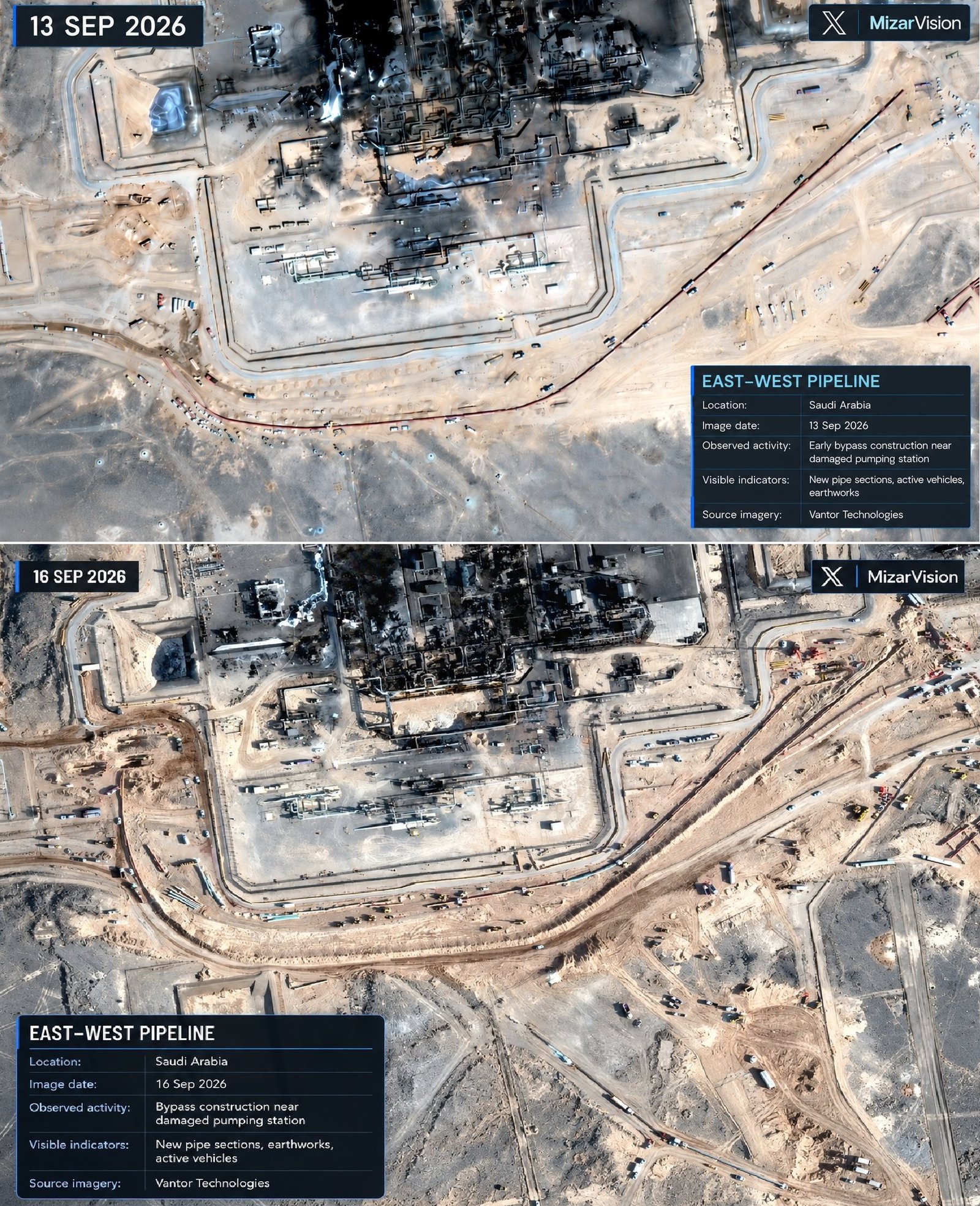 Satellite Images Show Saudi Arabia Building Emergency Bypass Around Damaged East-West Oil Pipeline Station
-
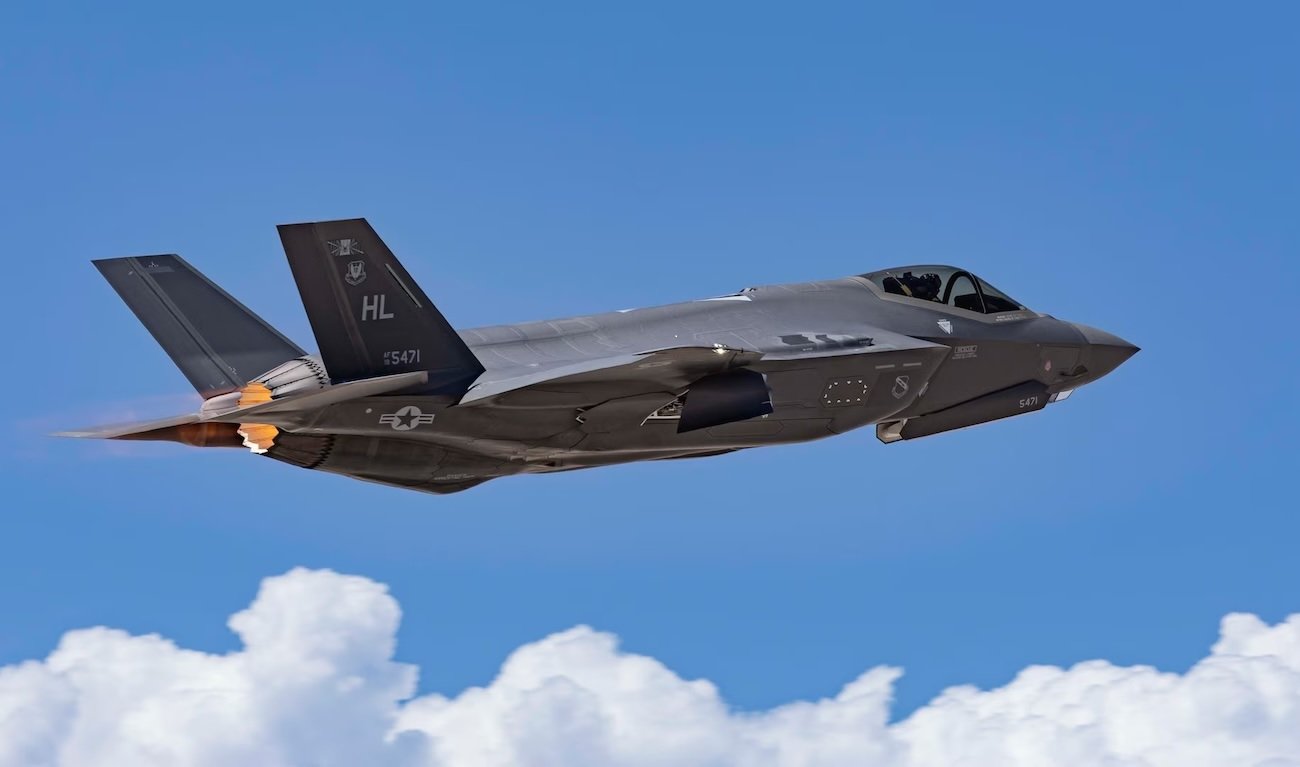 Sensitive F-35 Components Diverted to Hong Kong, Some Parts Missing
-
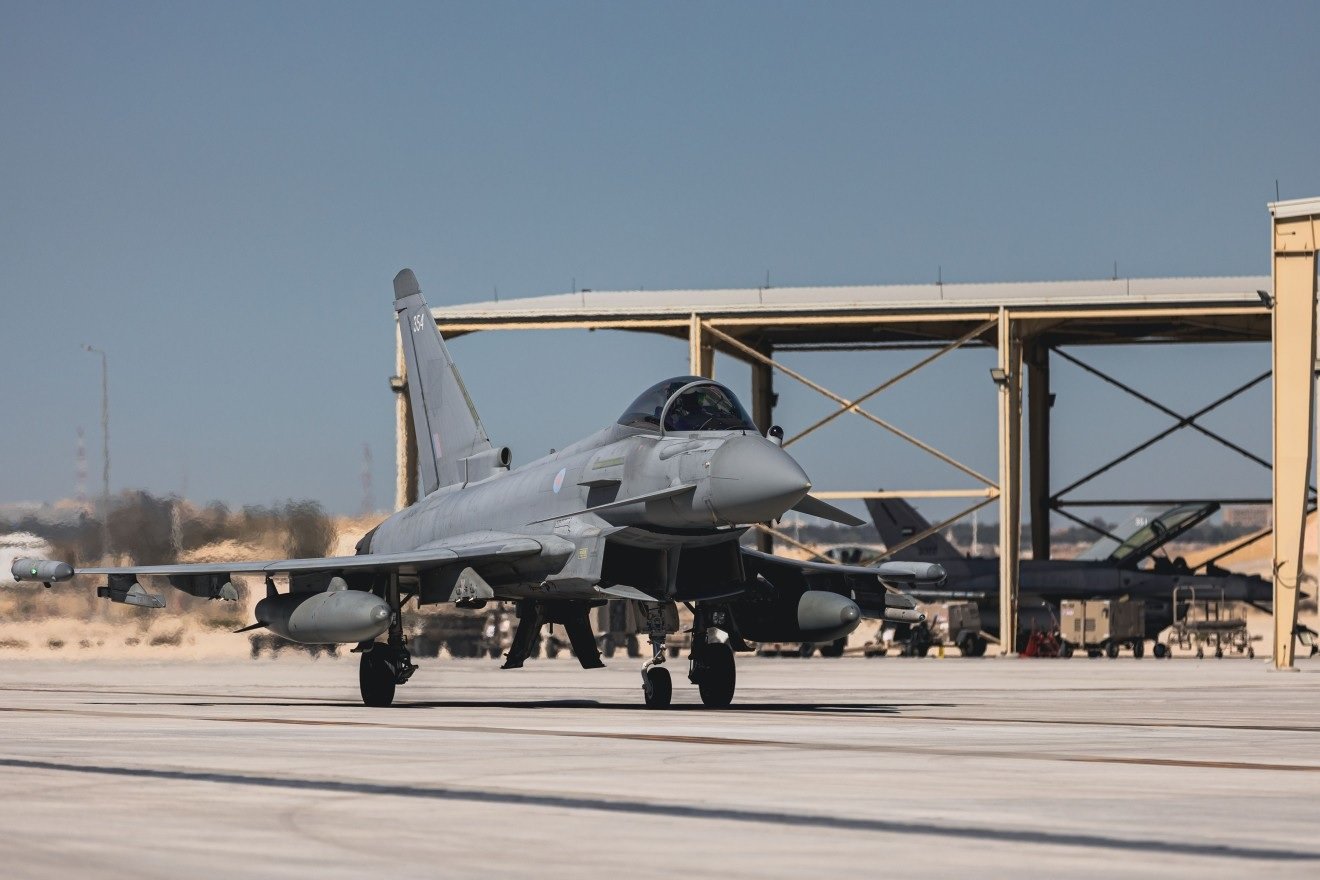 Italian Eurofighter Damaged in Houthi Attack on Saudi Arabia’s King Fahd Air Base
-
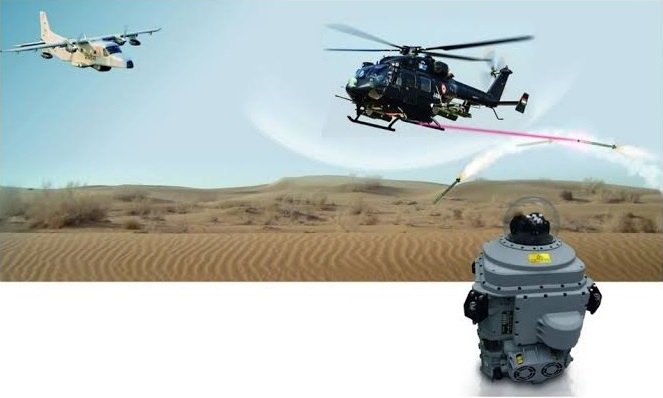 BEL Signs Export Deal with Elbit Systems for Directed Infrared Countermeasure Sub-Assemblies, Secures ₹648 Crore in Additional Orders
-
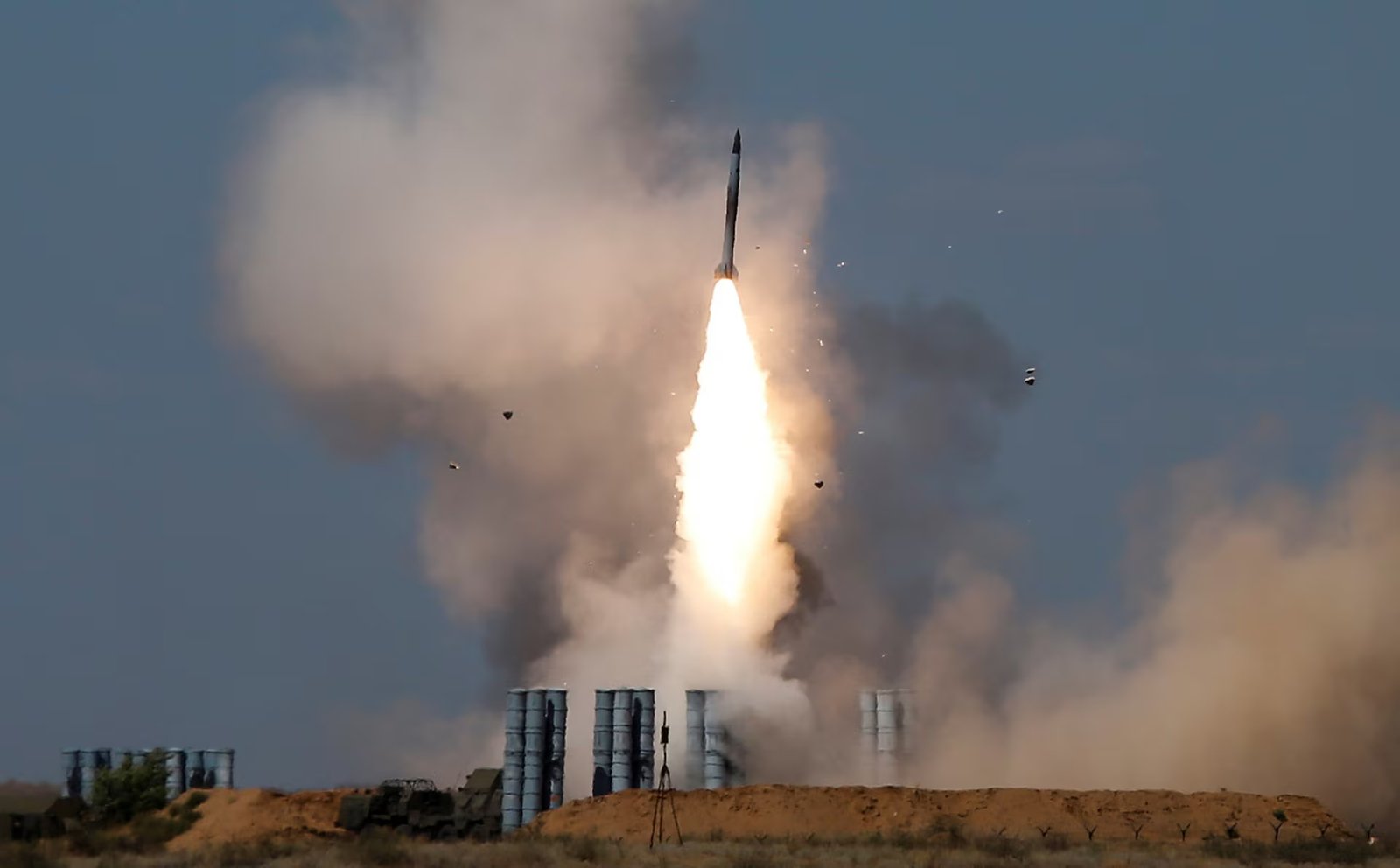 U.S. Approves Potential $2.68 Billion Air Defense Package for Ukraine Including S-300 Clone Missiles
-
 U.S. Secures Permanent Military Rights in Greenland in Historic Security Pact with Denmark
-
 China Privately Urges Iran to Restrain Houthis After Saudi Appeal
-
 Israeli Firm Arbe Robotics Unveils Alerion High-Resolution 4D Radar for Counter-Drone Operations
