
World
The U.S. Army is once again turning its attention to the venerable M1 Abrams tank, this time with a focus on upgraded fire control software designed to enhance the tank’s lethality and survivability. As one of the most iconic and effective main battle tanks in modern military history, the Abrams has continuously evolved since its introduction in the late 1970s. The latest round of testing, conducted at the Yuma Proving Ground (YPG) in Arizona, aims to push the boundaries of the tank's already formidable capabilities. At the heart of these trials is the tank's fire control system, which governs the performance of its primary and secondary armaments. The 120 mm smoothbore cannon, renowned for its destructive power, is being fine-tuned alongside its suite of machine guns—a .50 caliber heavy machine gun and two 7.62 mm machine guns—as well as its onboard grenade launchers. The overarching goal is to achieve faster target acquisition and greater accuracy under the intense demands of real-world combat scenarios, all without sacrificing the platform's hallmark mobility and durability. Precision Meets Complexity Testing involved rigorous simulations of combat conditions, including a 50-mile endurance course that replicated the rugged terrains Abrams crews might face in operational theaters. Jose Jaramillo, the program's test officer, highlighted the importance of these tests in ensuring that the upgraded software surpasses previous iterations. "We verify that the software performs better than the previous version and that the vehicle’s computer can implement the correct parameters for projectile paths, even while maneuvering over rough terrain," Jaramillo said. The software enhancements were put to the test through a series of dynamic scenarios. The tank fired at stationary and moving targets while both stationary and in motion, providing a comprehensive evaluation of its turret stabilization and targeting systems. These evaluations used inert rounds, allowing testers to precisely gauge the accuracy of impacts through visual and acoustic scoring. Resilience in Extreme Conditions YPG's arid environment, with summer temperatures regularly exceeding 100 degrees Fahrenheit, served as an ideal proving ground for stress testing the upgraded systems. These harsh conditions are reflective of the environments where the Abrams is likely to be deployed, ensuring the tank's resilience and performance when operated by soldiers in the field. The Abrams' positioning system also underwent significant evaluation during the trials. Using precisely surveyed waypoints, testers verified the tank's navigation accuracy, which is crucial for maintaining battlefield awareness and coordination during operations. Staying Ahead in Modern Warfare The M1 Abrams has remained a linchpin of U.S. ground forces and a trusted asset for allied nations. Its adaptability has been a cornerstone of its longevity, with regular upgrades ensuring it stays ahead of potential adversaries. The current fire control software upgrades align with this philosophy, aiming to integrate advanced computing power and algorithms into the tank’s systems. These enhancements also dovetail with broader modernization efforts, including improved communication systems, more robust armor solutions, and advancements in situational awareness tools. Such upgrades ensure that the Abrams remains not just relevant but dominant on the 21st-century battlefield. As the Army continues its evaluation process, the M1 Abrams solidifies its position as a testament to engineering ingenuity and military innovation. The current tests represent not just an incremental improvement but a leap toward future-proofing a system that has defined armored warfare for decades.
Read More → Posted on 2024-12-05 16:21:48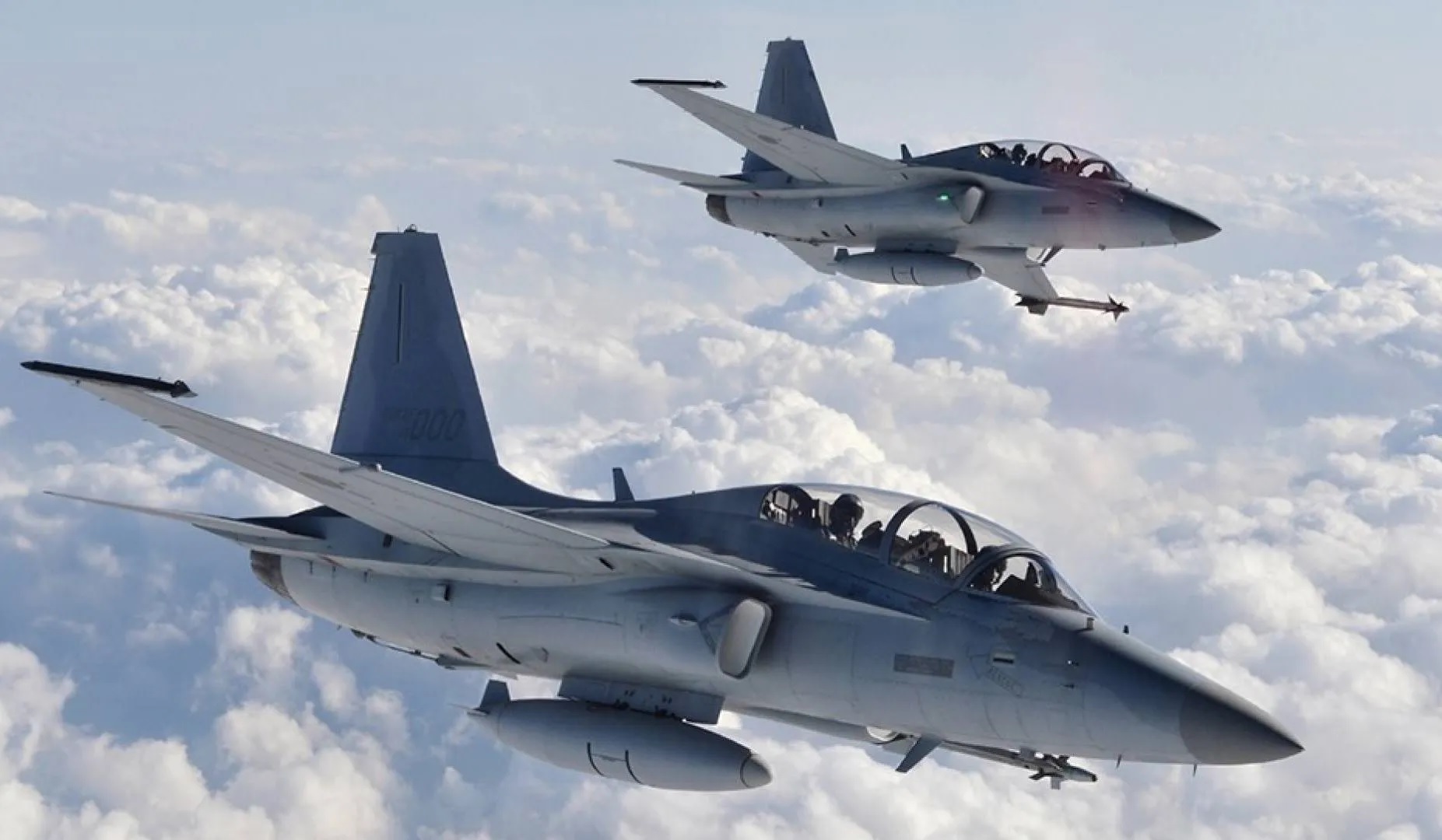
India
Korea Aerospace Industries (KAI) is stepping into the future of aerial combat with its ambitious "K-AI Pilot" program, designed to transform its FA-50 Fighting Eagle into a cutting-edge platform featuring artificial intelligence (AI)-driven pilot systems. This bold initiative not only showcases KAI's innovation in military aviation but also positions the FA-50 as a formidable competitor against India's HAL Tejas and Pakistan-China's JF-17 Thunder in the lucrative global light combat aircraft (LCA) market. By incorporating AI technology, KAI is aiming for a future where fighter jets can operate autonomously or with minimal human intervention. The K-AI Pilot project is expected to enable semi-autonomous flight capabilities by 2025 and full autonomy by 2026. If successful, this development will make the FA-50 one of the most advanced LCAs on the market, offering unparalleled versatility and combat effectiveness. FA-50: A Proven Platform, Now Smarter The FA-50, a derivative of KAI’s T-50 Golden Eagle trainer, is already well-regarded for its versatility, low cost, and multi-role capabilities. Equipped with advanced avionics, precision-guided weapons, and a General Electric F404 engine, the FA-50 can perform air-to-air, air-to-ground, and reconnaissance missions. With the addition of AI, its combat capabilities will reach new heights. The K-AI Pilot system aims to harness real-time data processing and machine learning algorithms to assist or replace human pilots during missions. This technology could include features like advanced threat recognition, automated tactical responses, and mission planning, allowing the FA-50 to adapt to rapidly changing battlefield scenarios with unprecedented precision. Competing with the Tejas and JF-17 KAI’s move to integrate AI comes at a time when competition in the LCA market is heating up. The JF-17 Thunder, jointly developed by Pakistan and China, is a cost-effective option for developing nations. Meanwhile, India's HAL Tejas is gaining traction due to its indigenous development, modern avionics, and an increasing push from the Indian government for defence exports. The K-AI Pilot will give the FA-50 an edge in this competitive space. By offering AI-driven capabilities, the aircraft can outperform its rivals in terms of operational flexibility and survivability. For instance, while the JF-17 and Tejas require human pilots to manage all tactical decisions, the FA-50’s AI system could autonomously analyze threats, optimize weapon deployment, and execute evasive maneuvers, giving it a clear battlefield advantage. The Future of Autonomous Combat KAI's embrace of AI technology is not just about enhancing the FA-50; it represents a larger trend in military aviation. The integration of AI into existing platforms serves as a stepping stone towards the development of fully unmanned combat aerial vehicles (UCAVs). These systems, capable of operating in hostile environments without risking human lives, are expected to dominate future air warfare. By leading the charge in AI integration, KAI is not only boosting its competitiveness but also aligning with the global shift toward automation in defence systems. The FA-50’s new capabilities will likely attract buyers looking for advanced technology without the costs associated with larger, more complex aircraft like the F-35. Strategic Implications for the Global Market The addition of the K-AI Pilot could make the FA-50 an attractive option for nations looking to modernize their air forces. Potential buyers may include Southeast Asian and African countries, where the FA-50 has already seen success due to its affordability and adaptability. Furthermore, AI-powered combat systems could pave the way for expanded mission profiles, such as long-range reconnaissance, electronic warfare, and high-risk strike missions. Final Thoughts KAI’s development of an AI pilot for the FA-50 fighter jet marks a transformative moment in military aviation. By pushing the boundaries of what LCAs can do, the company is setting a new benchmark for innovation in the defence sector. If the K-AI Pilot program achieves its goals, the FA-50 will not only challenge the dominance of the JF-17 and Tejas but also shape the future of air combat in an era increasingly defined by autonomous systems. As the global defence market continues to evolve, KAI’s bold vision could position South Korea as a key player in the next generation of military aviation.
Read More → Posted on 2024-12-05 16:17:58
Space & Technology
In a remarkable demonstration of international cooperation and India’s space prowess, ISRO’s trusted Polar Satellite Launch Vehicle (PSLV-C59) successfully carried the European Space Agency’s (ESA) Proba-3 satellites into orbit on Thursday. The launch, conducted from the Satish Dhawan Space Centre in Sriharikota, took place at 4:04 PM, following a 24-hour postponement due to a minor anomaly in the propulsion system of one of the satellites. The liftoff marked a significant milestone for NewSpace India Ltd (NSIL), ISRO’s commercial arm, which secured the contract with ESA to deploy the Proba-3 mission. The mission aims to showcase cutting-edge technology and global collaboration, emphasizing precision and innovation in space exploration. A Synergy of Science and Engineering Proba-3, short for Project for Onboard Autonomy, is an advanced mission comprising two satellites designed to fly in formation with millimeter-level precision. This synchronized formation is critical for the mission’s goal: to study the Sun’s corona—the outermost layer of the solar atmosphere. By positioning the two spacecraft in a precise alignment, the mission simulates the effect of a coronagraph, allowing scientists to observe solar phenomena otherwise obscured by the Sun's intense brightness. The two satellites, dubbed ‘Coronagraph’ and ‘Occulter,’ are stacked together during launch and will separate once in orbit to execute their complex maneuvers. The intricate coordination between the two spacecraft will help researchers gain insights into the dynamic behavior of the corona, which plays a vital role in understanding solar activity and its impact on space weather. The Rocket Behind the Mission Standing at an imposing height of 44.5 meters, PSLV-C59 reaffirmed its reputation as a reliable workhorse of ISRO’s launch vehicle fleet. Known for its versatility and success in deploying satellites of varying configurations into diverse orbits, the PSLV has been a cornerstone of India’s space program. Thursday’s launch was no exception, as it delivered on precision, reliability, and technical excellence. The Proba-3 mission also showcases ISRO’s legacy of successful partnerships with ESA. This collaboration dates back to 2001, when ISRO launched Proba-1, ESA's first satellite in the Proba series. Over two decades later, the synergy continues, with ISRO cementing its role as a trusted partner in global space initiatives. From Challenge to Triumph The launch on Wednesday had to be called off mere minutes before liftoff due to an anomaly detected in one of the satellite's propulsion systems. The quick resolution of this issue and the successful launch the following day underscore ISRO’s commitment to operational excellence and safety. Following the liftoff, ISRO celebrated the achievement in a social media post, stating, “PSLV-C59 has successfully soared into the skies, marking the commencement of a global mission led by NSIL, with ISRO’s technical expertise, to deploy ESA’s groundbreaking PROBA-3 satellites. A proud moment celebrating the synergy of international collaboration and India’s space achievements.” A Step Forward in Space Exploration Proba-3’s Latin roots, meaning "Let’s try," perfectly encapsulate the mission's spirit of innovation and discovery. This project is not only a technical triumph but also a testament to the growing importance of international collaboration in addressing complex scientific questions. As ISRO continues to expand its global footprint, missions like Proba-3 underline India’s critical role in advancing space technology and fostering partnerships that push the boundaries of human knowledge. For ISRO, ESA, and the broader scientific community, this launch marks a bold step forward in the quest to unravel the mysteries of the universe.
Read More → Posted on 2024-12-05 16:11:05
World
Chinese President Xi Jinping has intensified his anti-corruption drive within the People's Liberation Army (PLA), urging the military to root out graft and sharpen its readiness for warfare. In remarks delivered to troops from the PLA's Information Support Force, Xi stressed the importance of enforcing strict discipline to ensure the military's loyalty, purity, and reliability, according to state broadcaster CCTV. This directive comes as part of a broader effort by Xi, who has led an anti-corruption campaign since ascending to power over a decade ago. While touted as a bid to enhance governance, critics suggest the campaign doubles as a mechanism for consolidating political power by sidelining rivals. Recent Corruption Purges The PLA has become a key focus of these efforts, with senior officials, including top figure Miao Hua, removed from their posts in recent months. Miao’s fall aligns with a larger pattern: over the past year, numerous high-ranking military officials have faced similar fates as Xi tightens his grip on the armed forces. Xi’s calls to "rigorously enforce discipline" and "combat corruption" are not merely administrative measures—they are strategic steps to mold the PLA into a more cohesive and trustworthy force. Analysts believe this move is essential for reinforcing Xi’s authority within the military, a critical pillar of his governance. The Role of the Information Support Force The Information Support Force, established in April 2024, reflects the PLA's evolution to meet modern military challenges. This new branch consolidates cyber, information, logistics, and space operations, positioning China to better navigate the complexities of 21st-century warfare. Xi emphasized that this unit must prioritize its ability to "fight and win wars," underscoring Beijing’s commitment to technological and strategic advancements in defense. Rising Regional Tensions Xi’s call for a war-ready military coincides with escalating tensions in the Indo-Pacific. Taiwan remains a flashpoint, with China asserting its claim over the self-governed island and refusing to renounce the use of force to achieve reunification. Taiwan President Lai Ching-te’s recent Pacific tour, which included stops in Hawaii and Guam, has drawn Beijing's ire, with China cautioning the United States about the dangers posed by "separatist acts" in Taiwan. Simultaneously, confrontations in the South China Sea have underscored the region’s volatility. On Wednesday, the Philippines accused China’s Coast Guard of firing water cannons and colliding with a Philippine vessel during a patrol in disputed waters. Beijing defended its actions, claiming it was exercising control over the area. Strategic Implications Xi’s dual emphasis on combating corruption and enhancing combat readiness signals a strategic recalibration of China’s military posture. As Beijing navigates complex regional dynamics, maintaining an incorruptible and highly capable military is pivotal to its broader ambitions, including asserting dominance in contested areas like Taiwan and the South China Sea. Xi's directives highlight not only his vision for a disciplined and modernized PLA but also the increasing inseparability of domestic governance and foreign policy in China's rise as a global power. As regional tensions persist, the PLA's transformation will remain central to Beijing’s strategic calculus.
Read More → Posted on 2024-12-05 16:07:38
India
In a strategic move that underscores the Indian Air Force's (IAF) commitment to autonomous warfare, plans are underway to acquire at least 150 Ghatak Unmanned Combat Aerial Vehicles (UCAVs). Equivalent to forming eight to nine full squadrons, this ambitious procurement highlights India’s growing focus on indigenization and advanced drone warfare. The Ghatak UCAV, a cutting-edge project spearheaded by the Aeronautical Development Establishment (ADE) in collaboration with the Defence Research and Development Organisation (DRDO), is designed to redefine air combat operations. With stealth, precision, and artificial intelligence (AI) as its core features, the Ghatak is poised to operate in some of the world's most challenging air defense environments. Stealth Meets Precision: Ghatak’s Tactical Edge Weighing approximately 13 tons, the Ghatak UCAV incorporates an array of stealth features, including its sleek, radar-evading flying-wing design. Built to penetrate deep into heavily fortified enemy territories, it features an internal weapons bay designed to carry a variety of payloads, such as precision-guided bombs and air-to-ground missiles. By avoiding external hardpoints, the UCAV minimizes its radar signature, enabling covert operations even in areas with advanced air defense systems. The weapons systems will allow the Ghatak to execute surgical strikes, suppression of enemy air defenses (SEAD), and high-risk reconnaissance missions. Advanced composite materials are also being used in the airframe to ensure it remains lightweight while offering high durability under combat conditions. Powered by Indigenous Innovation: The Kaveri Dry Engine A defining feature of the Ghatak UCAV is its propulsion system—the indigenous Dry Kaveri engine. Developed as a non-afterburning variant of the Kaveri engine, this powerplant has been optimized for unmanned aerial applications. The engine provides a thrust of approximately 52 kilonewtons, making it ideal for long-endurance missions while maintaining stealth. The integration of the Kaveri engine not only reduces reliance on foreign propulsion technologies but also signifies India's progress in achieving self-reliance in critical defence technology. This development follows years of dedicated research, overcoming challenges related to efficiency, cooling systems, and reliability for combat scenarios. AI-Driven Autonomy: Smarter, Faster, Deadlier Central to the Ghatak UCAV’s operations is its advanced AI framework. The onboard AI systems are being designed to enable autonomous navigation, target detection, threat assessment, and real-time decision-making without human intervention. These capabilities make it suitable for missions involving deep strikes, electronic warfare, or intelligence gathering in contested airspace. The UCAV will also feature swarming capabilities, allowing multiple Ghataks to operate in coordinated formations, overwhelming enemy defenses. This synergy between AI and operational flexibility gives the platform a significant edge in modern warfare scenarios. Development Timelines and Future Deployment Fabrication of the prototype is already underway, with early test flights anticipated by 2028. Following a rigorous testing phase and operational evaluations, the Ghatak is expected to join the IAF fleet by the late 2030s. While these timelines are ambitious, they represent a strategic push toward bolstering the country’s unmanned combat capabilities. The production process is receiving active support from the private sector as part of India's ‘Make in India’ initiative. Companies involved in advanced avionics, stealth coatings, and sensor technologies are likely to play pivotal roles in the Ghatak program's success. Strategic Implications for India’s Defence Once inducted, the Ghatak UCAV will drastically enhance the IAF’s ability to conduct high-stakes missions with reduced risk to human pilots. Its versatility, paired with its stealth and AI-driven systems, will make it a formidable asset for the IAF, capable of countering evolving threats from adversaries in the region. It also positions India as a serious contender in the global UCAV market, with potential export opportunities in the future. This bold step by the IAF reflects a clear vision to stay ahead in the rapidly evolving domain of autonomous warfare. The Ghatak UCAV, with its indigenous roots and futuristic design, is not just a technological leap but a statement of intent: India’s airpower is ready to meet the challenges of tomorrow.
Read More → Posted on 2024-12-05 16:04:00
World
Norway has embarked on an ambitious journey to strengthen its defence production capabilities with the construction of a cutting-edge artillery ammunition factory in Raufoss. The groundbreaking ceremony for the facility, led by Nammo, a leading Nordic defence group, marks a critical milestone in Norway’s bid to address the soaring global demand for artillery shells and rocket motors amid ongoing geopolitical tensions. The significance of this project is reflected in its integration into Norway's broader defence strategy, underpinned by a substantial 1.083 billion NOK agreement between the Norwegian government and Nammo. This initiative aims to ensure enhanced production readiness for the next 15 years, positioning Norway as a reliable defence partner within NATO and a vital contributor to Ukraine's defence needs. Meeting an Urgent Global Demand Hans Christian Kjølseth, State Secretary in the Ministry of Defence, underscored the strategic importance of the new facility during the ceremony. “The establishment of the new Nammo factory is a milestone for Norway’s defence industry. This will boost the production of artillery ammunition and rocket motors, which are crucial for Norway, NATO, and Ukraine,” he stated. The factory's construction comes at a time of heightened demand for artillery ammunition due to the war in Ukraine. According to Kjølseth, existing production capacities across Europe have proven insufficient to meet the unprecedented needs created by the conflict. The new facility is a proactive response, aiming to significantly ramp up production while reinforcing Norway's industrial resilience in the face of global challenges. Strategic Features and Broader Impacts This state-of-the-art factory will be equipped to produce high-quality artillery shells and advanced rocket motors, with an emphasis on efficiency and scalability. The facility is expected to integrate environmentally friendly production technologies, aligning with Norway's commitment to sustainable industrial practices. Beyond its strategic military contributions, the project is also expected to provide a boost to Norway's domestic economy. By creating jobs and fostering technological innovation, the facility will serve as a catalyst for local economic growth. Furthermore, the factory is part of Norway's broader involvement in the European Union's ASAP programme, which co-finances critical defence projects to enhance collective European security capabilities. Strengthening Norway’s Defence Industry The Norwegian government has taken additional measures to solidify the country's position as a defence production leader. Long-term contracts with Nammo and other industry players have been established to ensure consistent production and readiness. Such commitments are aimed at safeguarding Norway’s defence interests while contributing to NATO's collective capabilities. The factory's construction also symbolizes a forward-looking approach to national security, reflecting Norway’s understanding of modern defence needs. By addressing both immediate and long-term production challenges, this initiative reinforces the country’s role as a dependable partner within the international security framework. A Step Towards Strategic Independence As global demand for critical defence materials continues to surge, the new facility at Raufoss represents a significant stride toward enhancing Norway's self-reliance in defence production. This proactive investment in domestic manufacturing capacity ensures that Norway can meet its own security requirements while playing a key role in supporting NATO allies and other partners, including Ukraine. With construction now underway, the Nammo factory is poised to emerge as a cornerstone of Norway’s defence industry, blending cutting-edge technology, strategic foresight, and economic opportunity into a single, transformative project.
Read More → Posted on 2024-12-05 16:01:54
India
Hindustan Aeronautics Limited (HAL) and General Electric (GE) are working closely to tackle supply chain challenges that have disrupted the delivery schedule of the F-404 engines, a critical element of India’s Light Combat Aircraft (LCA) Tejas Mk1A program. Despite the hurdles, both companies are optimistic about achieving their production targets, with GE committing to delivering 24-26 engines annually starting in 2026. The F-404 engines power the Tejas Mk1A, which has emerged as a vital project for the Indian Air Force (IAF) and India's indigenous defense manufacturing ecosystem. These engines, known for their robust design and proven reliability, offer a maximum thrust of 18,100 pounds with afterburner, enabling the Tejas Mk1A to perform complex combat and reconnaissance missions. The twin-shaft, low-bypass turbofan design of the F-404 provides a balance of power, durability, and adaptability, which is particularly important for multi-role fighter jets like the Tejas. Addressing Delays and Scaling Production Global supply chain disruptions have caused delays in engine deliveries, pushing HAL’s production timelines off schedule. However, GE has assured HAL of stabilizing supply by delivering 24-26 F-404 engines annually from 2025-26. This commitment aligns with HAL’s plan to scale up its Tejas Mk1A production to 24 aircraft per year, ensuring timely delivery of the 83 jets ordered by the IAF. HAL’s leadership has expressed confidence in overcoming these logistical challenges by collaborating with GE to streamline engine deliveries. By 2026, HAL aims to resolve the backlog caused by earlier delays and adhere to the Tejas Mk1A program’s original timelines. Supporting Domestic and Export Markets While fulfilling domestic commitments to the IAF remains a top priority, HAL is also targeting the international market with the Tejas Mk1A. Its advanced avionics, active electronically scanned array (AESA) radar, mid-air refueling capability, and competitive cost make it a strong contender in the global light combat aircraft segment. HAL is actively engaged in discussions with multiple countries interested in acquiring the Tejas Mk1A. With GE’s stabilized engine deliveries expected by 2026, HAL is confident that export agreements finalized in the coming years will be fulfilled without delay. The company views this as an opportunity to position the Tejas Mk1A as a globally recognized light combat aircraft, strengthening India’s presence in the international aerospace industry. Overcoming Challenges for a Promising Future Despite supply chain disruptions, HAL and GE’s collaborative efforts are setting the stage for long-term success. The stabilization of F-404 engine deliveries not only supports HAL’s peak production capacity but also boosts India’s ambitions of becoming a major player in the global defense market. As HAL meets domestic and export demands for the Tejas Mk1A, the program’s success highlights the importance of partnerships like the one with GE, which enable the development of indigenous capabilities and enhance India’s defense self-reliance.
Read More → Posted on 2024-12-05 15:59:30
India
Armenian Defence Minister Suren Papikyan's recent visit to the DEFEXPO exhibition in Gandhinagar, India, marked a significant step in deepening defence cooperation between Armenia and India. The visit, which took place on December 3, 2024, showcased Armenia's intent to bolster its military capabilities through collaboration with Indian defence industries. Papikyan explored various state-of-the-art defence systems, including Akash air defence systems and advanced combat drones, reflecting Armenia's strategic interest in enhancing its defensive arsenal. This focus is driven by the country's ongoing efforts to modernize its armed forces following the Nagorno-Karabakh conflict, which exposed critical vulnerabilities in its military equipment. The Armenian Defence Minister met with his Indian counterpart, Rajnath Singh, to discuss expanding military-technical cooperation. Although no formal agreements were signed during the visit, discussions reportedly included Armenia's potential procurement of key defence platforms. Notably, India's expertise in drone warfare, air defence, and indigenous technology development has positioned it as a valuable partner for Armenia in its military modernization efforts. India's defence exports have surged in recent years, with countries such as Armenia recognizing the cost-effectiveness and reliability of Indian systems. Last year, Armenia placed orders worth $250 million for Indian-made Pinaka rocket systems, artillery, and ammunition. The DEFEXPO visit served to reinforce these ties, offering Armenian officials a closer look at India's latest technological advancements in defence. The exhibition, one of India's largest defence events, featured cutting-edge solutions from Indian firms like Bharat Electronics Limited, Hindustan Aeronautics Limited, and private players such as Tata Advanced Systems. Armenia's interest in these offerings reflects its broader geopolitical strategy of diversifying its defence partnerships beyond traditional suppliers like Russia. This visit also highlights India’s growing role as a global defence exporter and strategic partner to nations seeking robust military capabilities. For Armenia, strengthening ties with India represents a strategic move to secure reliable defence supplies while addressing its regional security challenges. By engaging with Indian defence companies and officials at DEFEXPO, Armenia is signaling a clear commitment to diversifying its defence partnerships and reinforcing its military capabilities in the face of persistent regional tensions【9†source】【10†source】.
Read More → Posted on 2024-12-05 15:56:13
World
The Bangladesh Armed Forces have taken a significant step in modernizing their surveillance and security apparatus by deploying Turkish-made Bayraktar TB2 unmanned aerial vehicles (UAVs) near the West Bengal border. This development has captured regional attention, not only for its strategic implications but also for the cutting-edge technology embodied in these drones, which represent a growing trend in the militarization of border security. Cutting-Edge Capabilities of the Bayraktar TB2 The Bayraktar TB2, manufactured by Turkish defense giant Baykar, is a medium-altitude, long-endurance (MALE) UAV renowned for its versatility and combat-proven performance. It is equipped with advanced avionics, including: Surveillance and Targeting Systems: Electro-optical and infrared cameras for day and night operations, laser designators, and range finders. Communication and Control: A secure data link with an operational range of up to 300 km and satellite communication (SATCOM) options for extended reach. Armament: Capable of carrying precision-guided munitions such as MAM-L and MAM-C missiles, making it suitable for light strike missions. Performance Metrics: The TB2 can stay airborne for up to 27 hours, reach a maximum altitude of 27,000 feet, and operate in various weather conditions. Bangladesh has received six out of an expected fleet of twelve TB2 drones, marking a significant enhancement in its intelligence, surveillance, and reconnaissance (ISR) capabilities. Operated by the 67th Army Brigade, these UAVs aim to strengthen the country's border monitoring efforts and maintain vigilance in sensitive areas. Strategic Deployment Near the West Bengal Border The stationing of these advanced drones near the West Bengal border has raised eyebrows in India, a country that closely observes developments along its eastern front. Bangladesh has maintained that the TB2 UAVs are intended solely for defensive purposes, focusing on ISR operations to enhance border security and counteract smuggling, human trafficking, and other cross-border activities. However, the move inevitably carries strategic undertones. Given the Bayraktar TB2's proven track record in conflicts like those in Libya, Syria, and Nagorno-Karabakh, their presence near a shared border introduces a new dimension to regional security dynamics. India's Countermeasures and Strategic Calculations India, already a significant player in UAV technology, has been investing heavily in its own drone programs to ensure it keeps pace with neighboring advancements. Notable systems include: Heron TP Drones: High-altitude, long-endurance UAVs used extensively for surveillance and reconnaissance. Ghatak Program: An indigenous project to develop stealth combat drones capable of precision strikes. Counter-Drone Measures: India is increasingly focusing on technologies to detect, intercept, and neutralize hostile UAVs, a response shaped by the growing deployment of advanced drones in its vicinity. Bangladesh’s deployment of TB2 drones may act as a catalyst for India to accelerate its UAV acquisitions and refine its border surveillance infrastructure. Broader Regional Implications The growing reliance on UAVs in South Asia reflects a broader shift in military strategy. Drones like the Bayraktar TB2 enable nations to monitor borders more effectively, conduct precision operations, and gather actionable intelligence. Yet, such deployments near contentious or sensitive areas could inadvertently escalate tensions. While Bangladesh has reiterated its peaceful intentions, India's defense community is likely to interpret the move as a signal to remain vigilant. This development underscores the delicate balance between enhancing security and maintaining stability in a region where even technological advancements can trigger ripple effects in bilateral relations. Conclusion The deployment of Bayraktar TB2 drones near the West Bengal border highlights Bangladesh's efforts to leverage cutting-edge technology for national security while inadvertently reshaping regional dynamics. As nations like India and Bangladesh adopt advanced UAVs, the importance of diplomatic engagement and clear communication in preventing misunderstandings or escalations cannot be overstated. By bringing drone technology into their strategic toolkit, countries in South Asia are not only addressing modern security challenges but also navigating a complex web of geopolitical considerations. The Bayraktar TB2's role in this evolving landscape is a testament to the transformative impact of UAVs on contemporary defense strategies.
Read More → Posted on 2024-12-05 15:54:17
World
Mali has taken a significant step in its fight against armed groups by acquiring Turkish-made Bayraktar Akinci drones, a move aimed at bolstering its military's operational efficiency amid ongoing security challenges. The drones were formally handed over to the Malian Armed Forces in a ceremony presided over by transitional President General Assimi Goita in Bamako. Defense Minister General Sadio Camara underscored that the acquisition was entirely funded through Mali's national budget, signaling the government's prioritization of national security. The Akinci drones, developed by Turkey's Baykar, are state-of-the-art unmanned aerial systems (UAS) renowned for their versatility and advanced features. Each drone is powered by dual AI-driven avionics, enabling enhanced situational awareness through real-time data processing. This makes them highly effective for intelligence gathering, surveillance, and combat missions. Additionally, their high payload capacity—capable of carrying a mix of guided bombs and missiles like the MAM-L and MAM-C—provides Mali with the ability to conduct precise air-to-ground attacks even in difficult terrains. Equipped with advanced systems, including dual satellite communication capabilities, synthetic aperture radar, and collision-avoidance technology, the Akinci can operate in both air-to-air and air-to-ground roles. These features allow it to neutralize threats across Mali's diverse and often remote landscapes, addressing the complexities of combating Tuareg separatist groups, jihadist factions, and other insurgents. The deployment of these drones marks a significant shift in Mali’s defense strategy. With Mali facing persistent attacks from extremist groups and an ongoing reliance on Russian mercenaries like the Wagner Group, the introduction of these drones adds a layer of operational independence and technological sophistication. This development also reflects Turkey's growing influence in the Sahel region, where its economic and military partnerships with countries like Mali, Niger, and Burkina Faso have gained traction in recent years. The Akinci drones not only symbolize Mali's effort to modernize its defense forces but also hint at the broader implications of increased drone warfare in Africa. As regional powers enhance their surveillance and strike capabilities, the balance of power and strategies against insurgencies are likely to evolve, potentially reshaping security dynamics across the Sahel【8†source】【9†source】【10†source】.
Read More → Posted on 2024-12-05 15:51:10
World
General Atomics Electromagnetic Systems (GA-EMS) is charting a new course in advanced artillery technology with its latest contract from the U.S. Navy. Facilitated by Advanced Technology International (ATI), the award under the Naval Surface Technology Innovation Consortium’s (NSTIC) Other Transaction Authority (OTA) contract vehicle focuses on refining the Long Range Maneuvering Projectile (LRMP) Common Round. This initiative promises to transform the offensive capabilities of 155 mm artillery systems, elevating their range and precision to unprecedented levels. The LRMP is not just another artillery round—it's a leap forward in modern warfare. The system boasts a sleek, simplified design that eliminates the need for auxiliary propulsion or rocket assist. Instead, its aerodynamically optimized projectile shape enables it to glide over distances exceeding 120 kilometers, a fourfold increase compared to conventional artillery systems. This dramatic range extension provides the Navy with the ability to strike both static and moving targets from far beyond current operational limits, enhancing the strategic depth of missions. Scott Forney, President of GA-EMS, highlights the LRMP’s versatility, describing it as “an innovative design delivering greater range, maneuverability, precision, and payload flexibility.” These features make the projectile ideal for a variety of missions, from high-impact strike operations to intelligence, surveillance, and reconnaissance (ISR). Cutting-Edge Features The LRMP is designed with compatibility in mind, ensuring seamless integration with existing artillery systems. Whether it’s legacy launchers, autoloaders, or handling equipment, the LRMP fits effortlessly into current platforms. This avoids the costly overhauls often associated with adopting new technology. Enhanced maneuverability and accuracy are central to the system’s value. The projectile's ability to adjust its trajectory mid-flight expands engagement zones without requiring launcher repositioning. This feature is particularly advantageous in dynamic combat scenarios, where flexibility and rapid response are critical. In addition to its operational capabilities, the LRMP offers a range of payload options. This flexibility enables the weapon to adapt to mission-specific needs, making it a versatile tool for the modern battlefield. Testing and Development GA-EMS has already made significant strides in proving the LRMP’s capabilities. Successful tests have demonstrated its survivability, aerodynamic performance, and operational effectiveness. According to Mike Rucker, Head of Weapon Programs at GA-EMS, preparations are underway for glide testing at Dugway Proving Grounds in Utah, a critical milestone in the program. The five-year contract covers a comprehensive development roadmap, including the design, manufacturing, assembly, and testing of LRMP rounds. These efforts aim to fine-tune the projectile’s performance while ensuring it meets the Navy’s rigorous standards for reliability and effectiveness. Strategic Implications The LRMP represents more than a technological breakthrough—it’s a game-changer for military strategy. By enabling precision strikes at extended ranges, the system reduces the risk to personnel and equipment while increasing the effectiveness of artillery operations. Its compatibility with existing platforms ensures a cost-effective upgrade path, making it an attractive option for military forces worldwide. As the U.S. Navy continues to emphasize long-range strike capabilities, innovations like the LRMP are set to redefine the battlefield. General Atomics’ commitment to cutting-edge solutions ensures that its technologies will play a pivotal role in shaping the future of defense. This contract solidifies GA-EMS’s position as a leader in advanced weapon systems, paving the way for a new era of precision and versatility in artillery technology.
Read More → Posted on 2024-12-04 15:55:07
World
Raytheon, a business under RTX, has achieved a significant milestone in the development of its Advanced Electronic Warfare (ADVEW) system for the U.S. Navy's F/A-18E/F Super Hornet. By completing the Delta Design Review ahead of schedule, the company solidifies its commitment to equipping the Super Hornet with cutting-edge electronic warfare capabilities that are critical for modern combat operations. The ADVEW prototype is designed to replace legacy systems, offering superior electronic attack and support functionalities. These enhancements are pivotal for ensuring the survivability of the Super Hornet in increasingly complex threat environments. The Delta Design Review focused on weapons replaceable assemblies (WRAs), confirming that the hardware meets stringent performance requirements. This validation marks a leap forward in preparing the system for integration with operational aircraft. A Multi-Functional Approach to Modern Warfare At the heart of ADVEW's innovation lies its multi-function design, which combines electronic support and electronic attack in a single, highly adaptable system. According to Bryan Rosselli, President of Advanced Products & Solutions at Raytheon, “This milestone demonstrates our commitment to delivering advanced solutions capable of countering the most sophisticated threats. ADVEW embodies the future of electronic warfare, enabling our forces to maintain a tactical edge.” The system integrates seamlessly with Open Mission Systems (OMS), ensuring compatibility with a wide range of platforms and easing future upgrades. This adaptability is essential as adversaries deploy increasingly advanced radar, communication, and jamming technologies. Engineering Innovation to Mitigate Risks Raytheon utilized digital and model-based systems engineering tools throughout ADVEW’s development process. These tools ensured rigorous traceability of requirements and facilitated a more streamlined design process. By employing shared materials and advanced manufacturing techniques, the company has minimized supply chain risks while also reducing overall production costs. This approach reflects a broader trend in defense procurement, where digital engineering and modular design enable faster development cycles and improved reliability. By reducing the risk of delays or cost overruns, the Navy can expedite fielding this critical capability. Future Steps for ADVEW Having secured an $80 million contract in December 2022 to prototype ADVEW, Raytheon now transitions to the next program phase. This will involve rigorous laboratory testing in government facilities to validate OMS compliance and demonstrate the system’s operational capabilities. The integration phase will also ensure that ADVEW aligns with the Super Hornet’s existing systems, paving the way for enhanced mission readiness. Advanced Specifications of ADVEW Multi-Mode Capabilities: Combines electronic attack and support functionalities in a unified package. Open Mission Systems (OMS) Compliance: Ensures interoperability and future scalability. Digital Engineering: Employs model-based systems engineering to streamline design and integration. Compact WRAs: Modular design allows for easy maintenance and potential upgrades. Enhanced Survivability: Designed to counter advanced radar and jamming technologies in contested environments. The ADVEW system exemplifies the Navy’s focus on modernizing its fleet to stay ahead of evolving threats. With this technology, the F/A-18E/F Super Hornet is positioned to remain a formidable platform in electronic warfare for years to come. This new milestone underscores the collaborative effort between Raytheon and the U.S. Navy to future-proof critical aircraft systems. As adversaries evolve their electronic warfare capabilities, solutions like ADVEW will play a vital role in maintaining strategic and tactical advantages in contested battlespaces.
Read More → Posted on 2024-12-04 15:50:59
India
Pakistan faces mounting pressure to bolster its naval capabilities as India's nuclear-equipped naval fleet continues to grow in size and sophistication. The urgency of this issue was underscored by Abdul Basit, a former Pakistani High Commissioner to India, who has called for Pakistan to acquire nuclear-powered submarines. In a recent interview, Basit emphasized that achieving maritime nuclear parity is vital for regional stability and national security. India's Strategic Edge India's nuclear-powered submarine program is a cornerstone of its naval modernization. The Arihant-class submarines, designed to carry submarine-launched ballistic missiles (SLBMs), have significantly enhanced India's second-strike capability—an essential deterrent in the nuclear equation. Recent tests of the K-4 SLBM, capable of striking targets up to 3,500 km away, have cemented India's position as a dominant naval power in the Indian Ocean. These advancements have not gone unnoticed in Pakistan, where concerns about India’s growing ability to project power and sustain prolonged naval operations are escalating. The introduction of nuclear-powered submarines in India's arsenal allows for stealthier operations, longer underwater endurance, and a robust second-strike capability—factors that heavily tilt the strategic balance. Pakistan’s Current Submarine Fleet Pakistan currently operates diesel-electric submarines, which, while effective in certain tactical scenarios, lack the endurance and stealth of nuclear-powered vessels. Efforts are underway to arm conventional submarines with nuclear-capable missiles, but this approach is limited compared to India's dedicated platforms. The disparity poses a significant challenge to Pakistan's deterrence posture, particularly in an era of rapid technological advancements in naval warfare. The Case for Nuclear Submarines Basit argued that nuclear-powered submarines are not merely an aspirational goal but a strategic necessity. They could provide Pakistan with credible second-strike capability—a critical factor in maintaining deterrence stability. Nuclear-powered submarines can stay submerged for extended periods, offering both survivability and operational flexibility that diesel-electric submarines cannot match. Acquiring such advanced platforms, however, is fraught with challenges. Pakistan would need to overcome significant technological barriers, secure substantial financial investment, and navigate complex geopolitical dynamics. Unlike India, which benefits from established partnerships with Russia and growing collaboration with the U.S. and France, Pakistan lacks comparable avenues for acquiring cutting-edge naval technology. Technological and Financial Hurdles Building or acquiring nuclear-powered submarines requires a high degree of industrial and technological infrastructure. Developing miniaturized nuclear reactors for submarines is a monumental task that demands expertise and years of research. Financially, such a project would require billions of dollars—an investment that could strain Pakistan’s already stretched defense budget. Moreover, international scrutiny and non-proliferation concerns would likely complicate Pakistan’s efforts. Unlike India, which has successfully balanced its nuclear ambitions with strategic partnerships, Pakistan faces diplomatic isolation and stringent restrictions that could hinder its progress in this domain. A Realistic Path Forward? Basit's remarks highlight a broader concern within Pakistan’s strategic circles about India's growing naval dominance. However, many defense analysts question whether nuclear-powered submarines are a realistic solution for Pakistan in the short to medium term. Alternative approaches, such as enhancing conventional submarine capabilities, investing in underwater drone technology, or developing robust anti-submarine warfare systems, may offer more immediate and cost-effective options. While the acquisition of nuclear-powered submarines remains an ambitious goal, it underscores Pakistan’s strategic concerns in the face of India’s naval modernization. Whether Pakistan can translate these ambitions into reality will depend on its ability to navigate the technological, financial, and diplomatic challenges that lie ahead.
Read More → Posted on 2024-12-04 15:47:20
World
In a dramatic turn of events over the increasingly contentious Baltic Sea, a Russian warship reportedly fired warning shots at a German military helicopter engaged in a reconnaissance mission. This incident, confirmed by Germany’s Foreign Minister Annalena Baerbock, has further strained the already precarious relations between NATO and Russia. The Incident: A Clash Over the Baltic The German military helicopter, part of the Luftwaffe’s reconnaissance operations, was flying over the Baltic as part of NATO’s efforts to monitor escalating Russian military activities. According to reports from the German news agency DPA, citing sources in Brussels, the Russian vessel fired signal munitions—non-lethal rounds commonly used as warnings—towards the helicopter as it approached. Although the helicopter was unharmed and returned to its base safely, the act has been denounced by German officials as a deliberate act of aggression. Speaking anonymously to the DPA, one official remarked, “This was clearly an unacceptable act of aggression.” Foreign Minister Baerbock, while attending a NATO meeting in Brussels, acknowledged the situation but refrained from delving into details. “We are aware of the situation and are working closely with our allies to ensure maritime safety and de-escalation,” she stated. A Brewing Storm in the Baltic The Baltic Sea, a strategically significant region bordered by several NATO and EU nations, has become a flashpoint of military tension. Both NATO and Russia have ramped up their naval drills, surveillance operations, and patrols, leading to a series of confrontations. The German helicopter’s reconnaissance mission was part of NATO’s initiative to bolster surveillance in the area, particularly as Russian naval activity intensifies. For NATO, such missions are vital to ensuring collective security and deterring potential threats. For Moscow, however, these actions are often perceived as provocations. Western analysts view the Russian ship’s actions as part of a broader strategy by Moscow to assert dominance and challenge NATO’s presence in contested waters. Incidents like these—though they involve warning shots rather than direct strikes—highlight the precarious balance between deterrence and escalation. Implications and Reactions NATO officials have yet to issue a formal response, but the incident is expected to feature prominently in upcoming military and diplomatic discussions. A NATO representative underscored the importance of maintaining open communication channels to prevent misunderstandings that could escalate into more significant conflicts. The firing of signal munitions by the Russian vessel raises pressing questions about the protocols and communication mechanisms in place to avoid confrontations. With military assets from both sides operating in close proximity, the potential for accidents or unintended escalation looms large. Strategic Stakes in the Baltic Since the Ukraine war began, the Baltic Sea has seen a surge in military activities, transforming it into a hotspot for geopolitical maneuvering. Both NATO and Russia have conducted overlapping exercises, with each side seeking to project strength. For Russia, the Baltic holds critical importance as it provides access to the global maritime trade through the Baltic ports, while NATO views the region as vital for the security of its member states. This latest confrontation is a stark reminder of the high stakes involved. It underscores the need for clear protocols and robust diplomatic efforts to mitigate risks. However, with trust between NATO and Moscow at an all-time low, achieving such measures remains a daunting task. As tensions persist, the Baltic Sea will likely continue to serve as a theater for power plays, with incidents like this highlighting the fragile balance of peace in the region.
Read More → Posted on 2024-12-04 15:23:23
World
Russia has embarked on a cutting-edge project to develop a stratospheric balloon designed to elevate its military intelligence, surveillance, and reconnaissance (ISR) capabilities. Spearheaded by the state-owned Dolgoprudny Design Bureau of Automation (DKBA) in collaboration with Bauman Moscow State Technical University, this initiative represents a strategic push into high-altitude surveillance technology. Pioneering Stratospheric Surveillance The proposed stratospheric balloon will operate at an astonishing altitude of up to 32 miles (50 kilometers) above Earth's surface. This height places the platform in the stratosphere, where it can effectively evade conventional threats and deliver unparalleled observational capabilities. With a massive volume capacity of up to 5,000 cubic meters (176,573 cubic feet), the balloon is engineered to remain airborne for prolonged durations, providing a persistent ISR presence in critical areas. A standout feature of this platform is its automated pneumatic balancing system, designed to regulate internal pressure. This advanced system ensures the balloon maintains stability despite temperature fluctuations, a vital factor in the harsh conditions of the upper atmosphere. This technological innovation could allow the Russian military to gather intelligence and maintain communication networks in challenging operational environments. Strategic Implications and Capabilities Once operational, the stratospheric balloon will likely offer Russia a tactical edge by filling gaps left by traditional ISR platforms like satellites and aircraft. Unlike satellites, which follow fixed orbits, high-altitude balloons can loiter over specific areas for extended periods, enabling continuous monitoring. They are also more cost-effective and deployable than manned or unmanned aircraft, making them a practical solution for wide-area surveillance. In addition to intelligence gathering, the platform could play a crucial role in electronic warfare and communications. By serving as a high-altitude relay station, the balloon could support secure communication channels in remote or contested regions, bolstering Russia's strategic posture. Spy Balloons: A Resurgent Trend Russia’s interest in stratospheric balloons aligns with a broader trend of increasing reliance on high-altitude ISR platforms. The resurgence of spy balloons as a viable military asset has been notably highlighted by China, which has deployed such systems for both domestic and international surveillance. In early 2023, a Chinese balloon reportedly penetrated US airspace, triggering a diplomatic standoff and raising awareness of their strategic utility. Another Chinese balloon was recently detected near Taiwan, underscoring their role in Beijing's ongoing efforts to assert military influence in the region. In response, the United States announced its own plans to develop high-altitude balloon systems, aiming for operational capability by 2025. This arms race underscores the growing significance of stratospheric platforms in modern warfare. Russia’s Vision for the Future By investing in stratospheric balloon technology, Russia seeks to solidify its position in this evolving battlespace. The development of such a platform not only enhances its ISR capabilities but also signals its intent to compete with global powers like China and the United States in emerging military technologies. With the promise of extended operational endurance, advanced pressure regulation systems, and unmatched altitude capabilities, the stratospheric balloon initiative could redefine how nations conduct surveillance in the 21st century. As global tensions rise and battlespace dynamics shift, these platforms will likely become indispensable tools for maintaining strategic superiority.
Read More → Posted on 2024-12-04 14:58:47
India
REDON Systems has introduced a groundbreaking addition to modern warfare with its Achuk Loitering Munition System, showcased recently on the versatile Tata 4×4 Light Mobility Vehicle (LMV). This cutting-edge system reflects the growing demand for precision, mobility, and adaptability in today’s combat scenarios. By seamlessly integrating advanced loitering munitions with a robust vehicle platform, REDON Systems positions the Achuk as a crucial tool for tactical superiority. The Achuk System: An Overview At its core, the Achuk Loitering Munition System is a barrel-launched platform designed for diverse operational scenarios. Whether engaging terrorist hideouts, neutralizing armored vehicles, or disabling critical infrastructure such as fuel and ammunition depots, Achuk delivers precision strikes with a lethal edge. Its adaptability extends to swarm operations, allowing multiple units to work in unison, overwhelming even the most sophisticated defenses. Features That Define Excellence The Achuk system stands out for its advanced software capabilities, ensuring unparalleled operational efficiency. Its Object Identification and Tracking feature enables precise target acquisition, while GPS Target Relay ensures real-time data sharing with ground control stations. These capabilities are fortified by encrypted communication systems that facilitate secure swarm configurations, amplifying the system’s tactical flexibility. Key Specifications Achuk’s operational metrics underscore its battlefield versatility: Strike Radius and Altitude: With a range of 30 kilometers and a maximum operational altitude of 3,500 meters, Achuk provides both reach and strategic depth. Payload Capacity: Capable of carrying 1.5 kilograms of explosives, optics, or electronics, it is optimized for high-precision missions. Environmental Resilience: The system performs effectively in extreme temperatures, from -20°C to 50°C, making it suitable for diverse geographical challenges. Rapid Deployment: A 15-minute setup time ensures readiness in dynamic combat environments, allowing for swift responses to evolving threats. Mounted on Tata 4×4 LMV: A Tactical Advantage The choice of the Tata 4×4 LMV as the Achuk system’s mobility platform highlights the importance of ruggedness and adaptability. Known for its off-road capabilities, high payload capacity, and operational reliability, the Tata LMV ensures that the Achuk system can be deployed in challenging terrains and high-stress scenarios. The vehicle also offers advanced communication systems, further enhancing the operational capabilities of the Achuk loitering munition. Addressing Modern Battlefield Challenges The Achuk Loitering Munition System is a response to the evolving dynamics of modern warfare, where agility and precision are paramount. Its ability to operate autonomously or semi-autonomously, coupled with swarm capabilities, positions it as a critical asset in asymmetric warfare, border security, and counter-terrorism operations. As REDON Systems continues to innovate, the Achuk system represents a leap forward in integrating mobility with advanced weaponry. By leveraging cutting-edge technology and robust platforms like the Tata 4×4 LMV, it sets a new benchmark for loitering munitions in the defense sector.
Read More → Posted on 2024-12-04 14:53:24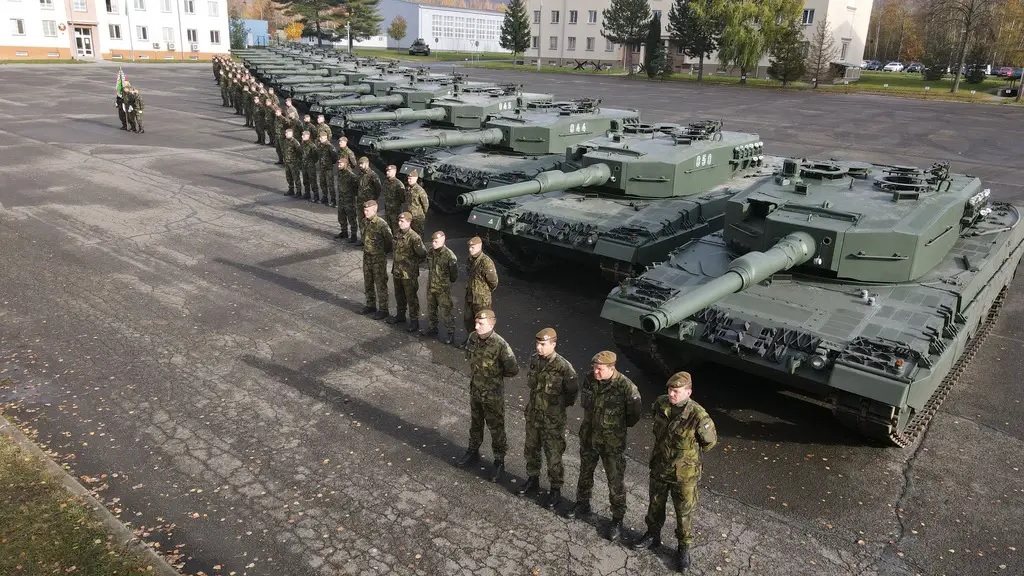
World
The Czech Republic has taken a significant step toward modernizing its armed forces with a new agreement to acquire 14 additional Leopard 2A4 main battle tanks from German defense giant Rheinmetall Landsysteme GmbH. Valued at approximately 3.98 billion CZK (excluding VAT), the deal includes a comprehensive package with advanced communication systems, initial ammunition supplies, and supplementary equipment. Deliveries are expected to conclude by the end of 2026, further enhancing the country’s defensive capabilities. This acquisition comes on the heels of Germany’s donation of 28 Leopard 2A4 tanks to the Czech Republic, a gesture of appreciation for its support of Ukraine during the ongoing conflict. With this new procurement, the Czech Army's fleet will expand to 42 Leopard 2A4 tanks, complemented by two Büffel 3 armored recovery vehicles. This marks a decisive move to phase out Soviet-era equipment, specifically the ageing T-72M4CZ tanks, which are no longer adequate for modern combat needs. Why Leopard 2A4? The Leopard 2A4 is celebrated as one of NATO’s most reliable and widely deployed main battle tanks. It is powered by a 1,500-horsepower MTU MB 873 Ka-501 diesel engine, providing excellent mobility with a top speed of around 68 km/h on roads and 31 km/h off-road. Its Rheinmetall 120mm smoothbore gun delivers superior firepower, and advanced fire control systems ensure exceptional accuracy, even in challenging conditions. The tank’s modular armor system also offers enhanced crew protection against kinetic and chemical threats. For the Czech Army, transitioning to this NATO-standard platform delivers multiple advantages. Standardized 120mm ammunition ensures logistical efficiency within the alliance, while interoperability with allied forces allows seamless integration during joint operations. The acquisition also aligns with NATO’s push for unified and modernized defense systems among member states. Modernizing Czech Defense Capabilities The Leopard 2A4 tanks will replace the Soviet-designed T-72M4CZ, which has long been considered obsolete due to its limited firepower and inadequate crew protection. Defense Minister Jana Černochová emphasized the strategic importance of this modernization effort, stating that it represents a crucial step in strengthening not only the army’s tank forces but also its overall military readiness. The new tanks will be deployed with the Czech Army's 73rd Tank Battalion, completing the transition from Soviet-era equipment to NATO-standard vehicles. This shift is expected to significantly enhance the battalion's operational effectiveness, enabling it to meet the demands of modern combat scenarios. Local Collaboration and Future Prospects In addition to acquiring the tanks, the Czech Republic is focused on building domestic servicing capabilities. Discussions with the local defense industry aim to establish a robust support framework for maintenance and upgrades, ensuring long-term sustainability for the Leopard fleet. This initiative is expected to bolster the Czech defense sector, creating opportunities for technological advancement and economic growth. Strategic Implications The procurement underscores the Czech Republic’s commitment to strengthening its defense infrastructure amid growing regional tensions and evolving security challenges. By adopting the Leopard 2A4, the country not only enhances its military capabilities but also reinforces its role within NATO, contributing to collective defense initiatives and regional stability. This move represents a broader trend among European nations seeking to replace outdated Soviet-era equipment with modern, Western-made systems. As the Czech Republic integrates these state-of-the-art tanks into its arsenal, it positions itself as a key player in NATO’s defense strategy, ready to respond to emerging threats with cutting-edge technology. Conclusion The Leopard 2A4 deal symbolizes a transformative moment for the Czech Army, signaling its shift toward a modernized, NATO-aligned defense force. With advanced tanks, upgraded systems, and a focus on domestic collaboration, the Czech Republic is taking decisive steps to ensure its security and contribute to allied defense efforts in an increasingly uncertain world.
Read More → Posted on 2024-12-04 14:46:19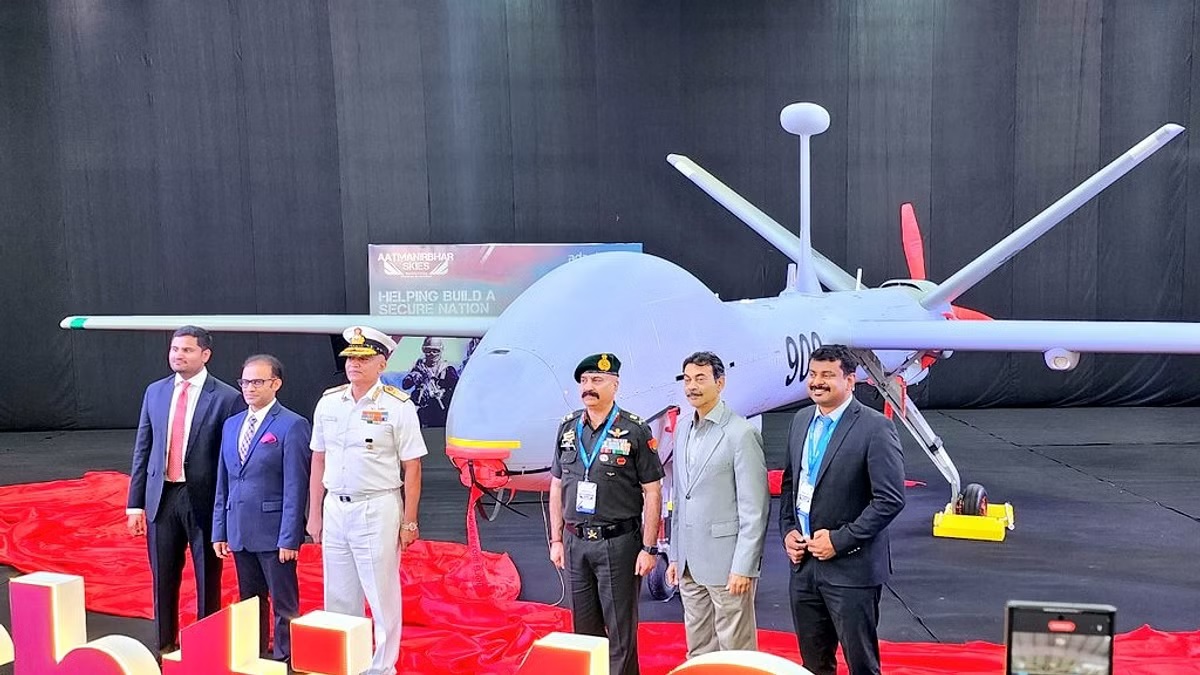
India
Adani Defence and Aerospace has taken another leap in bolstering India’s maritime surveillance capabilities by delivering the second Drishti-10 Starliner drone to the Indian Navy. This advanced unmanned aerial vehicle (UAV) is set to enhance the Navy’s ability to monitor critical shipping lanes, deter piracy, and secure the vast expanse of the nation’s maritime borders. The Drishti-10 Starliner, an adaptation of Israel’s Hermes 900 medium-altitude long-endurance (MALE) UAV, represents a significant achievement in India's indigenous defense production. Manufactured at Adani's state-of-the-art Hyderabad facility, this drone is built to endure harsh operational conditions while maintaining exceptional performance. With a flight endurance of 36 hours and a payload capacity of up to 450 kilograms, the Drishti-10 Starliner is equipped to handle diverse intelligence, surveillance, and reconnaissance (ISR) missions. Cutting-Edge Capabilities What sets the Drishti-10 apart is its STANAG 4671 certification, a NATO-standard that ensures the UAV's airworthiness in both segregated and unsegregated airspaces. This certification makes it the only all-weather military UAV in India’s arsenal, capable of fully autonomous operations supported by satellite communication (Satcom) for over-the-horizon missions. The drone’s modular payload design integrates advanced sensors and systems, enabling real-time data collection and analysis across vast maritime territories. Its ability to operate above 32,000 feet provides unparalleled situational awareness, making it a true force multiplier for the Indian Navy. Strategic Deployment The second Drishti-10 was inducted at the Porbandar base in Gujarat, following the deployment of the first unit earlier this year. Rear Admiral Janak Bevli, VSM, Assistant Chief of Naval Staff (Air), recently visited the base to review the drone's operations and commended its role in strengthening maritime security. The Indian Army has also adopted the Drishti-10, with two units ordered for deployment along the western border. One unit has already been stationed at Bhatinda, Punjab, where it plays a pivotal role in monitoring the frontier with Pakistan. The drone’s operational success across diverse terrains, from coastal areas to the challenging climates of the Himalayas, underscores its versatility and resilience. Driving Indigenous Innovation Adani Defence’s rapid development and delivery of the Drishti-10—achieved in less than three years—highlight India’s growing prowess in defense technology. Traditionally, such capabilities would take five to six years to materialize. The company’s collaboration with the Indian Navy and Army marks a defining moment in the nation’s journey toward self-reliance in defense production. Beyond being a technological marvel, the Drishti-10 Starliner represents a larger vision for India’s defense sector. It showcases the seamless integration of indigenous innovation, robust manufacturing, and strategic deployment, reinforcing India's commitment to protecting its maritime interests and asserting its presence in the region. As the Drishti-10 begins its new chapter with the Indian Navy, it symbolizes not just a step forward in surveillance capabilities, but also a testament to India’s unwavering resolve to safeguard its strategic interests through innovation and resilience.
Read More → Posted on 2024-12-04 14:43:00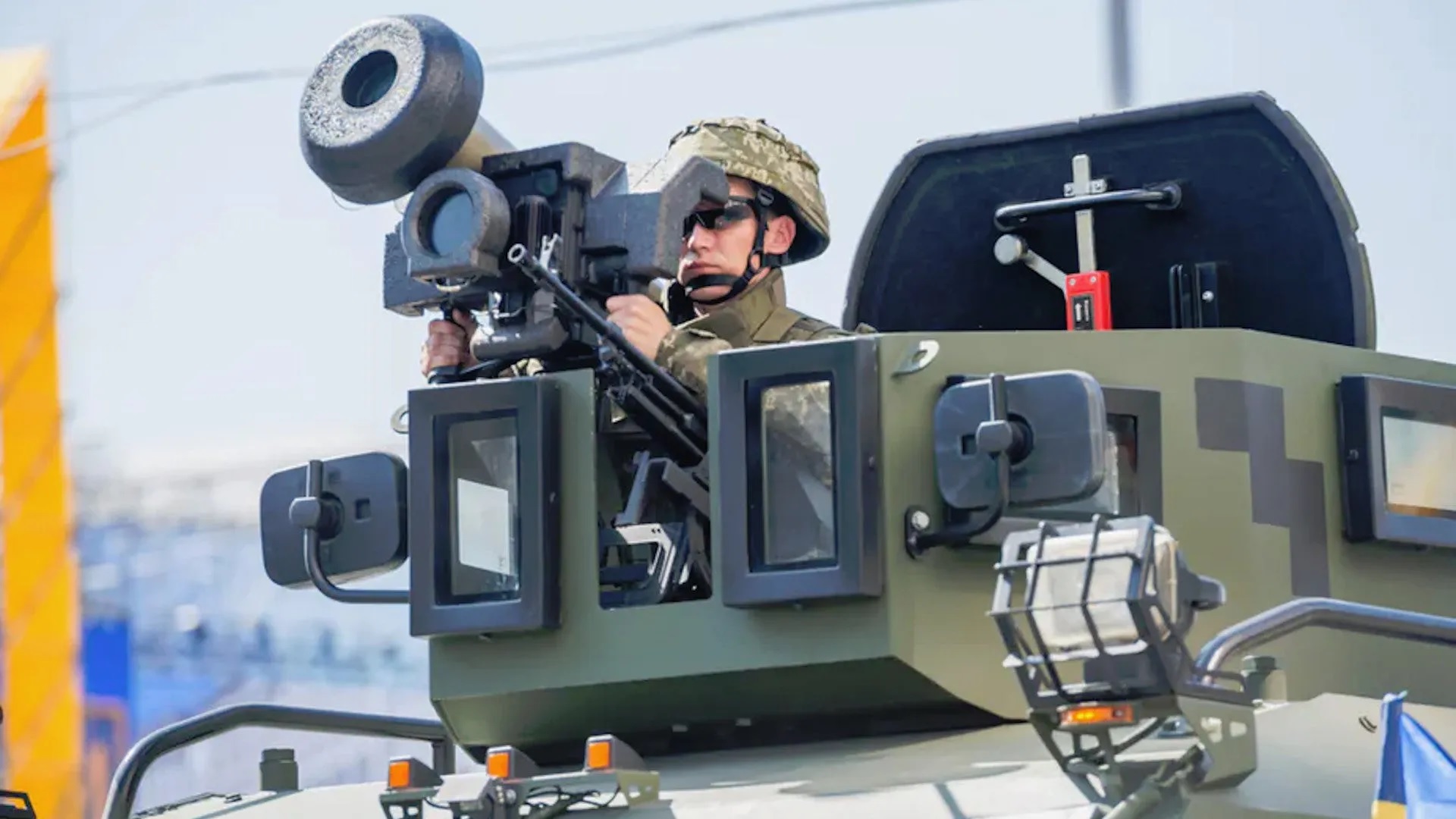
World
In a significant move to bolster Tunisia's military capabilities, the United States has approved a $108-million foreign military sale (FMS) involving FGM-148F Javelin missiles. The deal, authorized by the US State Department and announced by the Defense Security Cooperation Agency (DSCA), includes 184 advanced Javelin missiles and 30 lightweight command launch units. This package is designed to enhance Tunisia's ability to address threats to its sovereignty and to improve its long-term defense capabilities. A Game-Changing Weapon for Tunisia The FGM-148F Javelin, a state-of-the-art man-portable anti-tank missile, has been globally recognized for its effectiveness in neutralizing armored vehicles, including main battle tanks. Known for its "fire-and-forget" technology, the missile allows operators to fire and immediately take cover or reposition. This feature minimizes the risk of counterattacks, making it highly effective in asymmetric warfare scenarios. Another standout characteristic of the Javelin is its top-attack capability, which enables it to strike the weakest points of an armored vehicle. Once launched, the missile climbs above its target before descending to hit with precision. Equipped with a high-explosive warhead, the Javelin can travel at speeds of 140 meters per second (313 miles per hour) and has an operational range of up to 2.5 kilometers (1.5 miles). Comprehensive Package to Meet Tunisia's Needs The approved deal extends beyond just the missiles and launch units. Tunisia will also receive spare parts, training equipment for both indoor and outdoor use, and essential maintenance and logistics support. The package ensures that the Tunisian Army has the resources needed for sustained operational readiness. Lockheed Martin and RTX, global leaders in defense technology, will serve as the primary contractors for the FMS. Their involvement underscores the strategic importance of this sale and ensures high-quality delivery and support for the Tunisian military. Addressing Security Challenges Tunisia faces ongoing terrorist threats that challenge its national security and territorial integrity. The acquisition of Javelin missiles is expected to significantly improve its military's ability to counter such threats. As a major non-NATO ally, Tunisia plays a critical role in regional security and peacekeeping operations across Africa. The US government has emphasized that this sale aligns with its foreign policy objectives, strengthening an important partner in promoting stability in the region. Proven Effectiveness in Global Conflicts The Javelin missile system has been extensively deployed in conflicts worldwide, demonstrating remarkable success. It is currently in service with several countries, including Australia, France, Norway, Taiwan, the United Kingdom, Poland, and Ukraine. In Ukraine, the Javelin has proven particularly effective against Russian armored vehicles, solidifying its reputation as a reliable and versatile weapon system. This sale not only reinforces the strong defense ties between the US and Tunisia but also sends a message about America's commitment to supporting its allies in addressing shared security challenges. As Tunisia integrates the Javelin missile system into its arsenal, it will gain a significant edge in safeguarding its national interests and contributing to regional stability.
Read More → Posted on 2024-12-04 14:34:29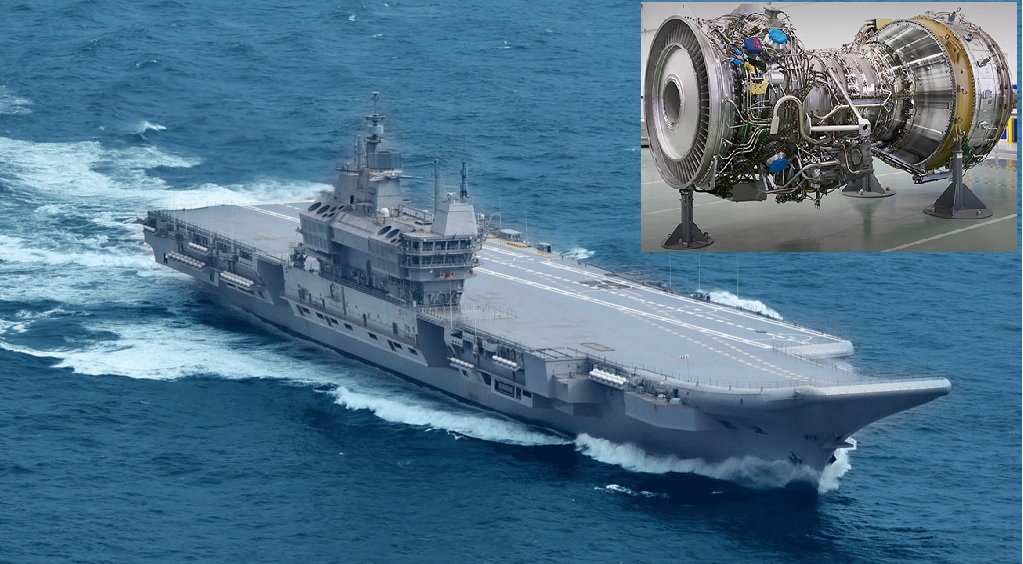
India
India's ambitious naval expansion plans are poised for a technological leap, as its second Indigenous Aircraft Carrier (IAC-2) considers adopting the Rolls-Royce MT-30 gas turbine engine paired with an Integrated Electric Propulsion System (IEPS). This potential transition signifies a departure from the U.S.-sourced LM2500 engines, aligning India's maritime capabilities with cutting-edge global standards. The Rolls-Royce MT-30: A Powerhouse in Naval Propulsion The Rolls-Royce MT-30 has gained acclaim as one of the most power-dense marine gas turbines available, delivering up to 36 MW of power per unit. This capability has been proven aboard elite vessels like the Royal Navy's HMS Queen Elizabeth and HMS Prince of Wales. These ships utilize the MT-30 within an electric propulsion framework, achieving enhanced efficiency, operational versatility, and reduced acoustic signatures—an invaluable feature for naval stealth and survivability. Why MT-30 for IAC-2? India's first Indigenous Aircraft Carrier, INS Vikrant, operates with four LM2500 gas turbines. However, the IAC-2 could leverage the MT-30's compact and lightweight design to optimize space for advanced weapon systems, aviation facilities, and crew accommodations. Furthermore, the IEPS integration would allow the ship to utilize electric power for various systems, enabling quieter operations and reducing fuel consumption during lower-speed missions. The MT-30's origins as a derivative of Rolls-Royce’s Trent aero engines ensure reliability and long-term performance. Its ability to propel vessels at speeds exceeding 40 knots, when paired with diesel engines, reflects its unmatched power density—a crucial advantage for modern aircraft carriers operating in contested environments. Strengthening UK-India Defense Ties The decision to consider Rolls-Royce propulsion systems is bolstered by the Joint Working Group on Electric Propulsion Capability Partnership, a bilateral initiative between India and the UK. This collaboration aims to foster technological exchange and enhance industrial partnerships, paving the way for the MT-30 and IEPS to become mainstays in future Indian naval projects. Besides IAC-2, the Indian Navy’s destroyers, frigates, corvettes, and landing platform docks (LPDs) are likely candidates for this propulsion upgrade, underscoring a broader trend toward modernizing fleet-wide capabilities. Beyond Power: Strategic Implications The adoption of Rolls-Royce marine turbines would mark a significant shift in India's defense sourcing strategy. For decades, India has relied on propulsion systems from the U.S., Russia, and Ukraine. Diversifying with UK-origin technology not only reduces dependency but also strengthens interoperability with allied navies. For the Indian Navy, the benefits are multifold: Enhanced Ship Performance: The MT-30 enables higher speeds and extended operational ranges, critical for aircraft carrier missions. Reduced Maintenance Costs: The turbine's modern design minimizes upkeep, ensuring cost efficiency over the vessel's lifecycle. Global Compatibility: Leveraging the MT-30 aligns India’s naval fleet with contemporary propulsion standards, enhancing operational cohesion in joint exercises with partner nations. IAC-2: A Future-Ready Carrier Although the propulsion system for IAC-2 is yet to be finalized, the MT-30’s proven track record makes it a compelling choice. If selected, this propulsion overhaul will position the IAC-2 as a technologically advanced platform capable of supporting India’s growing maritime ambitions. Furthermore, the integration of IEPS could set a precedent for future Indian warships, advancing the Navy’s capability to project power across the Indo-Pacific. As India continues to assert its role as a maritime powerhouse, the IAC-2, with Rolls-Royce MT-30 engines at its heart, could symbolize a new era of naval innovation—an era that embraces technological independence, strategic partnerships, and operational excellence.
Read More → Posted on 2024-12-04 14:31:28Search
Top Trending in 24 Hours
-
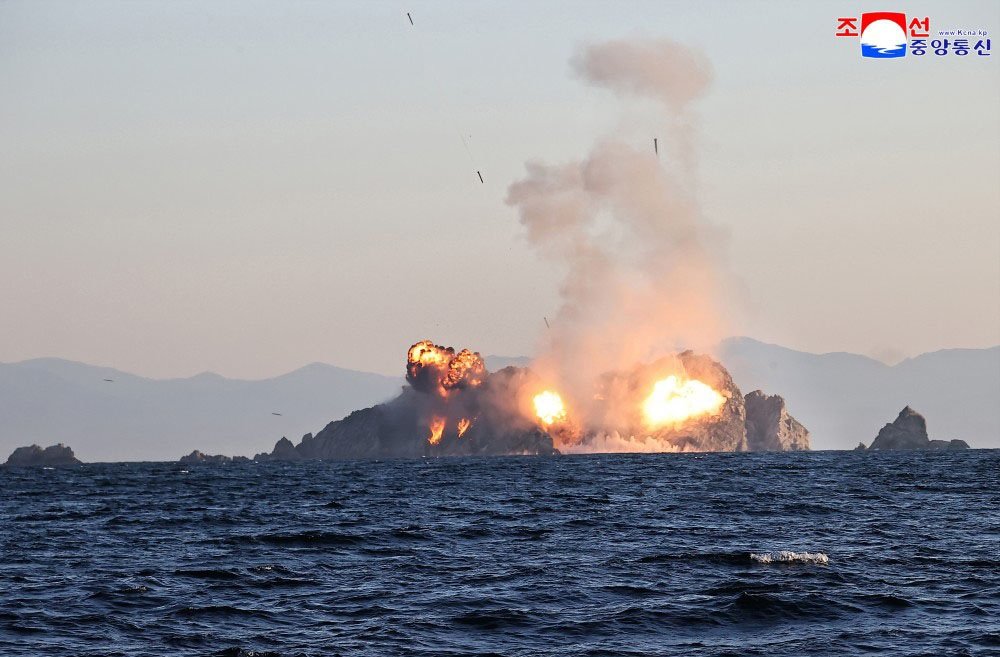 North Korea Fires Short-Range Ballistic Missile Toward Sea of Japan After Freedom Edge 26
-
 India’s xTerra Robotics Launches Indigenous DHAV-Hy Wheeled-Legged Quadruped for Industrial Inspection
-
 U.S. Army Awards $10.64 Million Contract to Ukrainian Drone Maker Skyeton for Raybird Systems
-
 U.S. Space Force Seeks Rapid-Response Satellites for Close-Range Orbital Inspections
-
 U.S. Government Seizes Almasirah.net, Houthi-Linked News Website
-
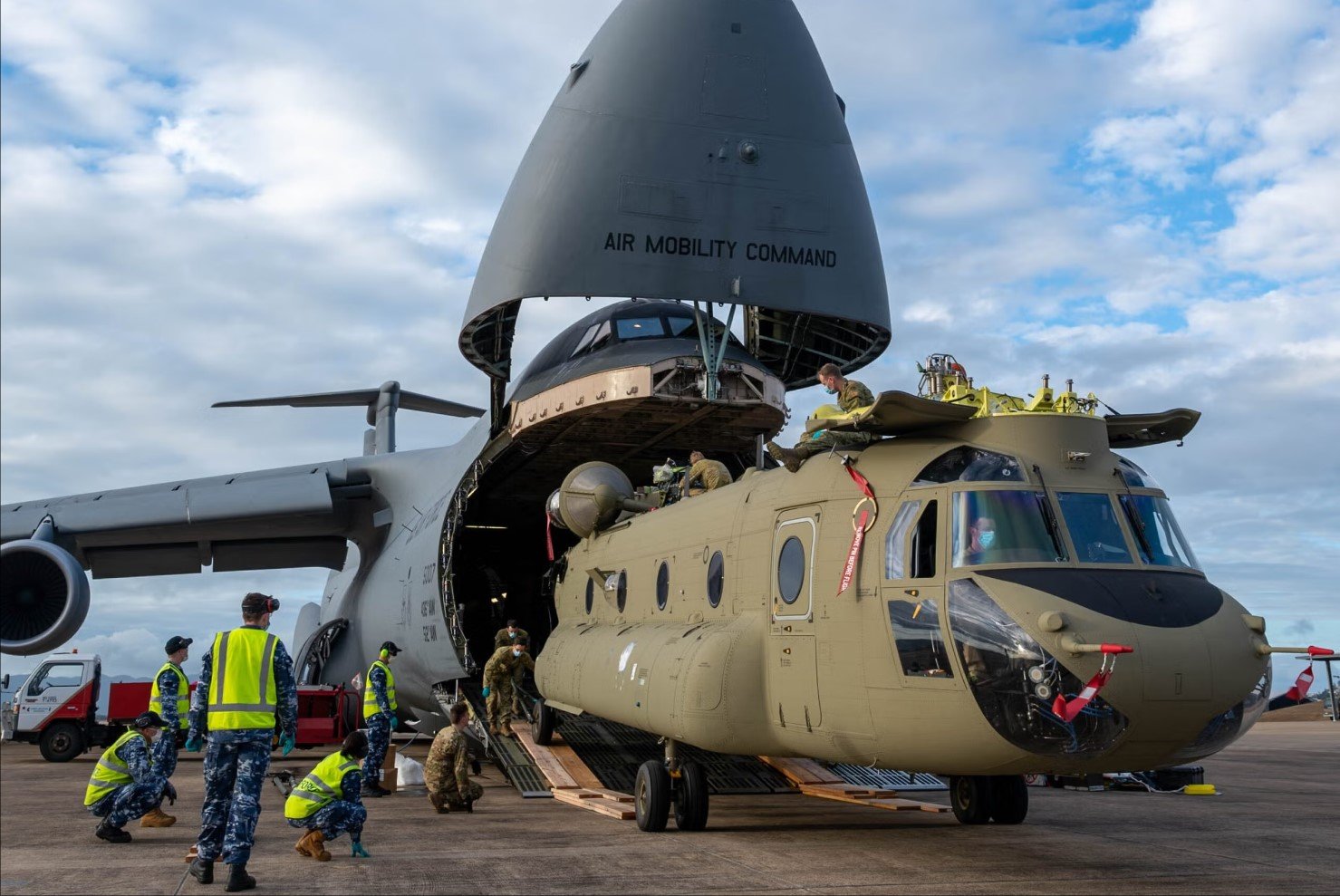 U.S. Delivers First CH-47F Chinook to Egypt Under 12-Helicopter Deal
-
 BEL Showcase X-Band Multi-Function Radar for QRSAM to Japanese Delegation
-
 IRGC Experts Visit Bab El-Mandeb to Oversee Radar Installation and Tunneling, Houthi Sources Say
Top Trending in 4 Days
-
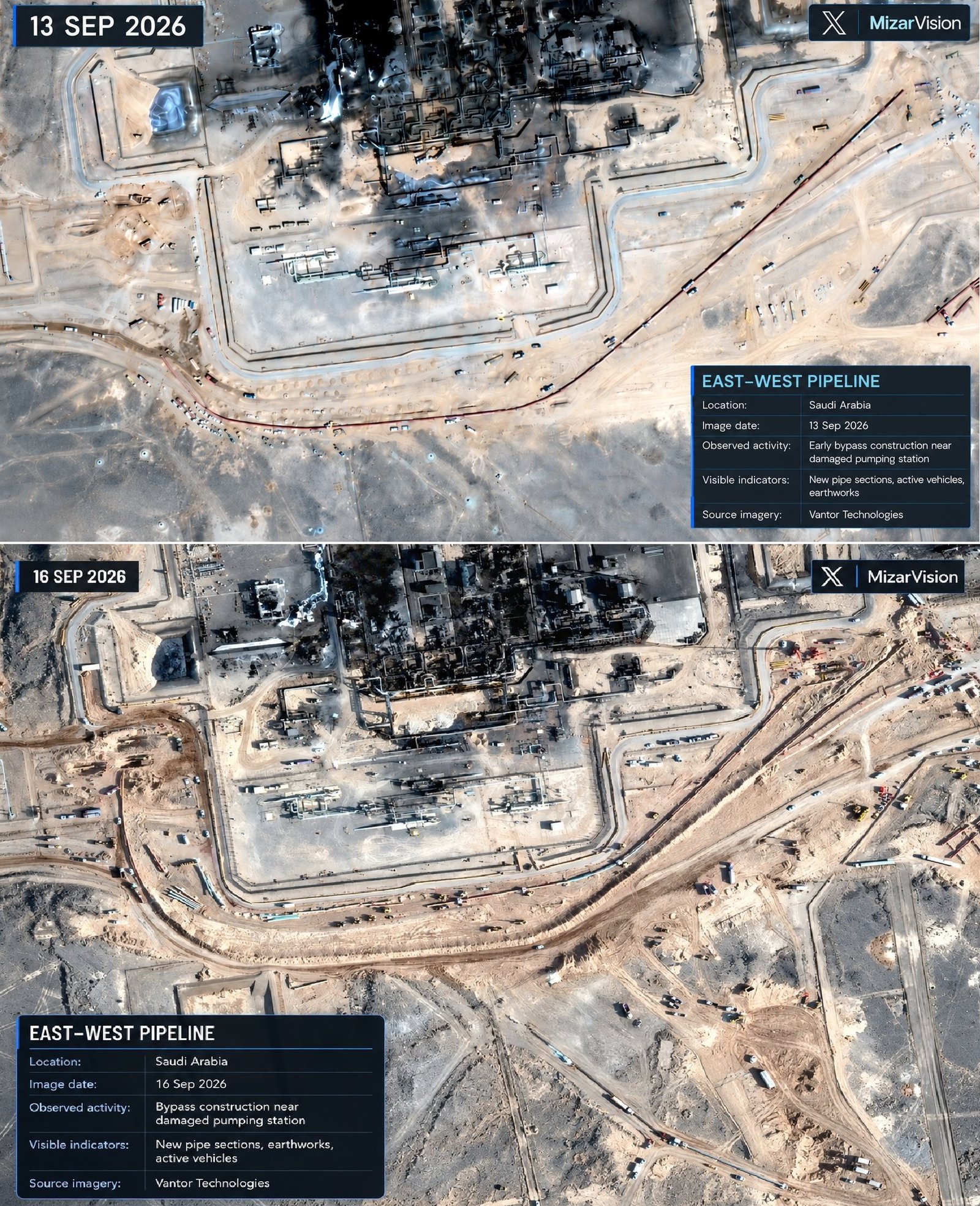 Satellite Images Show Saudi Arabia Building Emergency Bypass Around Damaged East-West Oil Pipeline Station
-
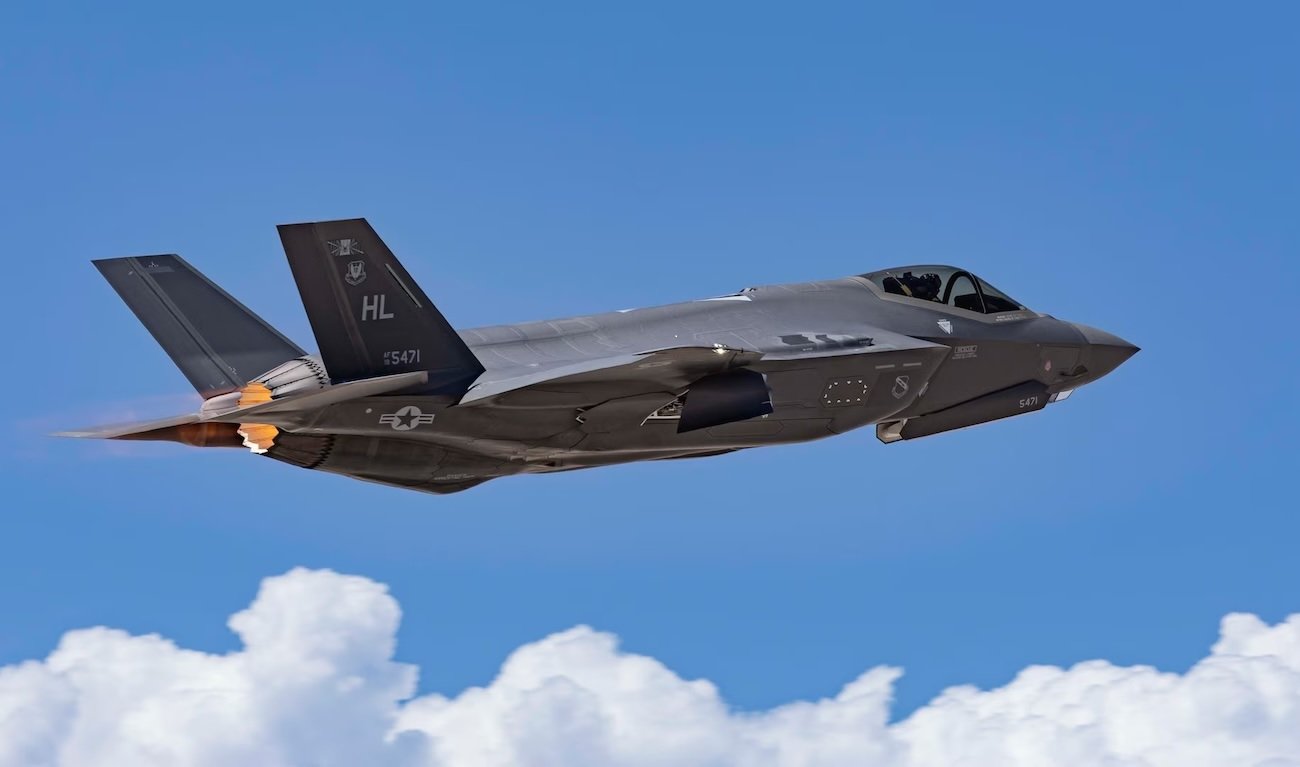 Sensitive F-35 Components Diverted to Hong Kong, Some Parts Missing
-
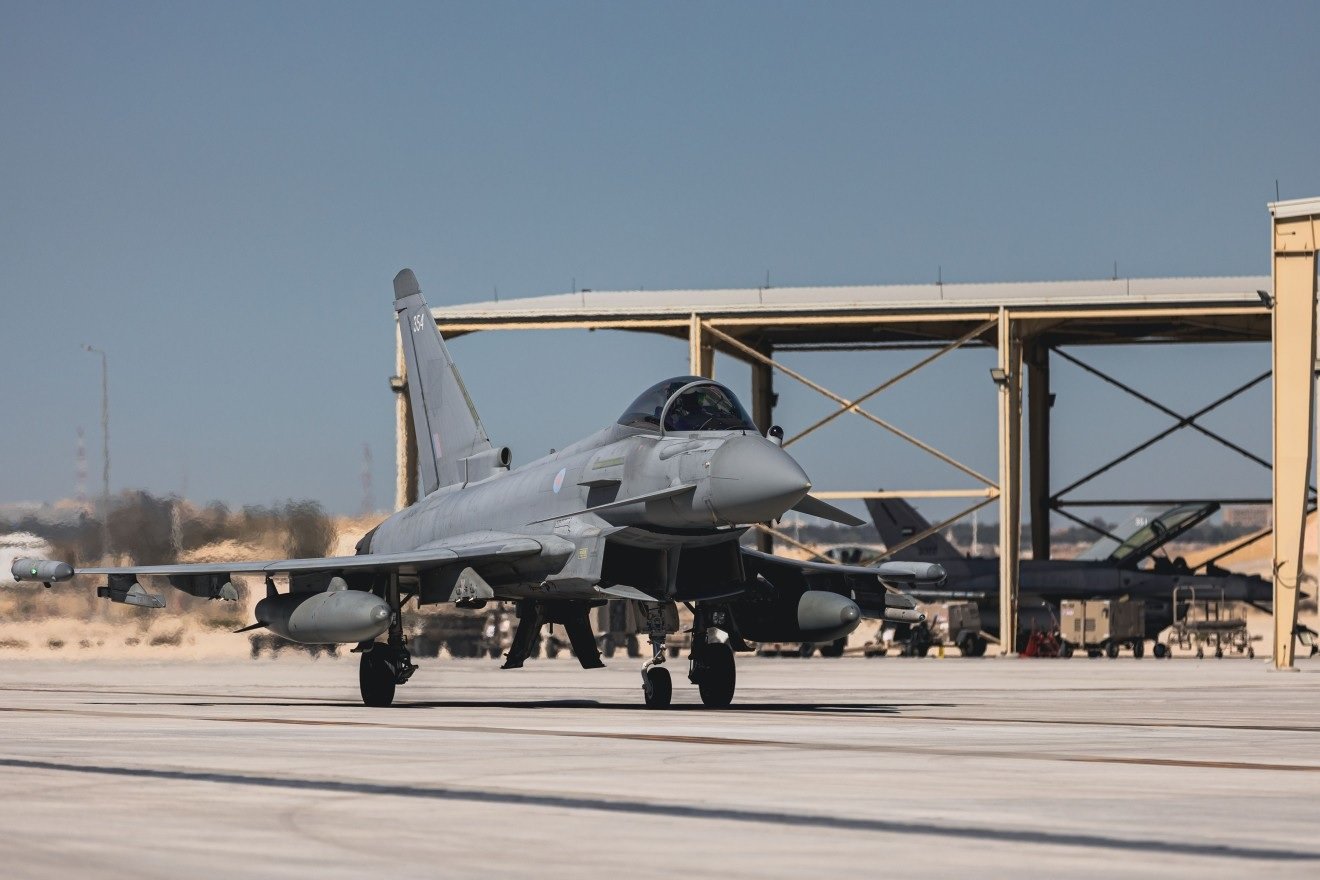 Italian Eurofighter Damaged in Houthi Attack on Saudi Arabia’s King Fahd Air Base
-
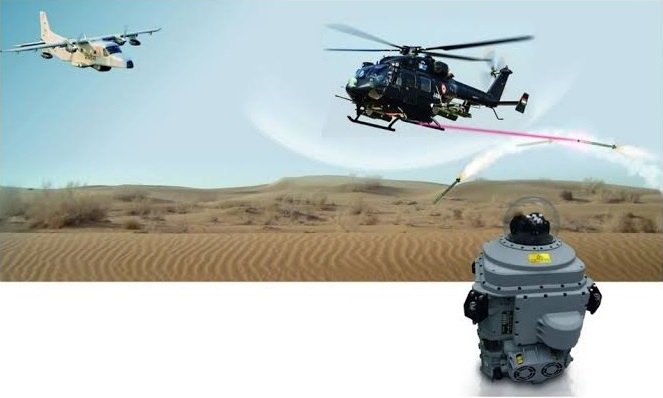 BEL Signs Export Deal with Elbit Systems for Directed Infrared Countermeasure Sub-Assemblies, Secures ₹648 Crore in Additional Orders
-
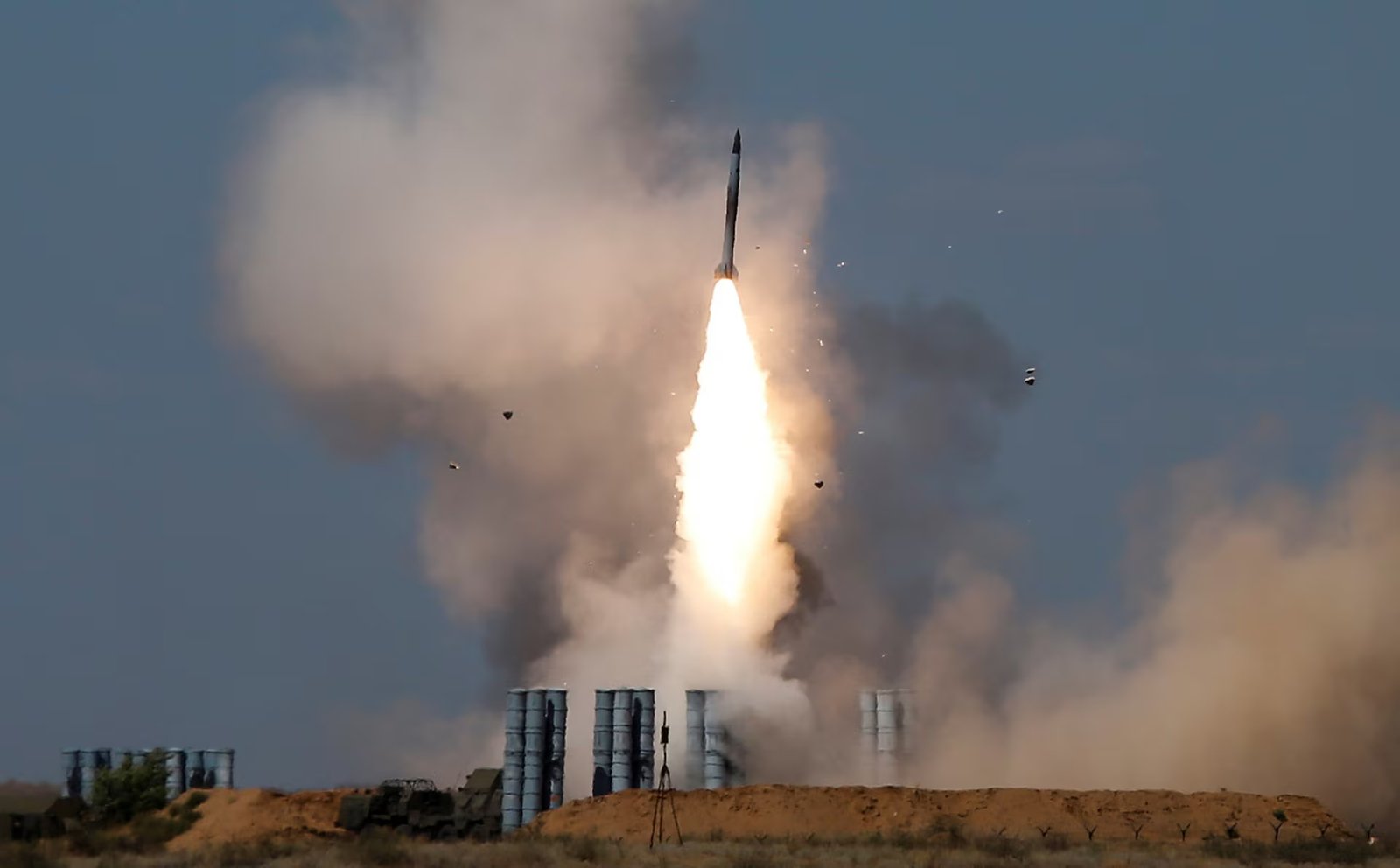 U.S. Approves Potential $2.68 Billion Air Defense Package for Ukraine Including S-300 Clone Missiles
-
 U.S. Secures Permanent Military Rights in Greenland in Historic Security Pact with Denmark
-
 China Privately Urges Iran to Restrain Houthis After Saudi Appeal
-
 Israeli Firm Arbe Robotics Unveils Alerion High-Resolution 4D Radar for Counter-Drone Operations
