
World
In a significant escalation of its involvement in the Syrian conflict, Lebanon's Hezbollah has reportedly dispatched 2,000 fighters to bolster its positions near the Syrian border. This move comes as the Assad regime faces mounting pressure from a sweeping rebel offensive that has captured major cities and now threatens key government strongholds. A source close to Hezbollah, speaking on condition of anonymity due to the sensitive nature of the matter, disclosed that the fighters were sent to the Qusayr region, a strategically vital area near the border with Lebanon. While these forces have yet to engage in combat, their presence underscores the group's determination to defend its ally, Damascus, during a critical juncture in the Syrian Civil War. The Qusayr Connection Qusayr holds a pivotal role in the Syrian conflict due to its geographical and logistical significance. Situated near vital supply routes between Damascus and the coastal stronghold of Latakia, control of this area is essential for both the Syrian government and rebel factions. Hezbollah's deployment reflects its intent to secure these routes and prevent further rebel advances. The Syrian opposition has already made dramatic gains, seizing the cities of Aleppo and Hama. These victories have emboldened the rebels, bringing them to the outskirts of Homs, Syria's third-largest city and a critical hub for the Assad regime. With rebel forces now at the gates of Homs, fears of a potential escalation in urban warfare loom large. Military Advisors in Homs In addition to deploying fighters to Qusayr, Hezbollah has reportedly sent 150 military advisors to Homs. These advisors are tasked with supporting Syrian government forces in defending the city should fighting erupt. Their expertise, drawn from Hezbollah's extensive combat experience, could provide a critical advantage in the defense of this strategically and symbolically important city. Broader Implications Hezbollah's involvement in Syria marks a deepening of the group's regional entanglements. It highlights the symbiotic relationship between Hezbollah and the Assad regime, with each relying on the other for survival in an increasingly volatile Middle East. For Hezbollah, Syria serves as a conduit for Iranian support, while Damascus benefits from the group's battle-hardened fighters and strategic expertise. However, this increased involvement also carries significant risks. It exposes Hezbollah to criticism and potential backlash within Lebanon, where opinions on the Syrian conflict remain deeply divided. Moreover, the group's engagement in Syria's civil war could strain its resources and provoke further regional tensions. The Road Ahead As the Syrian conflict enters another turbulent phase, Hezbollah's role is likely to remain critical in shaping the outcome of battles near the Lebanese border. The group's commitment to defending the Assad regime underscores its strategic priorities and regional alliances, but it also raises questions about the long-term consequences for Lebanon and the broader Middle East. For now, the deployment of fighters to Qusayr and advisors to Homs signals that Hezbollah is doubling down on its efforts to tip the balance of power in Syria. How this gamble will play out in the face of an increasingly determined rebel offensive remains to be seen.
Read More → Posted on 2024-12-07 14:59:23
World
Ukraine has reached a pivotal milestone in its defense capabilities by commencing serial production of the "Peklo" drone-missiles, an advanced strike weapon designed to bolster the nation's strategic arsenal. This breakthrough reflects a powerful combination of engineering ingenuity, wartime necessity, and a growing emphasis on self-reliance in military technology. The handover ceremony of the first batch to the Armed Forces of Ukraine, attended by President Volodymyr Zelenskyy and senior military leaders, underscored the significance of this achievement. Although the exact number of missiles delivered remains undisclosed, photos suggest at least a dozen units were included. These drones have already seen action in combat, with Ukrainian officials confirming five successful operational missions. A Leap in Indigenous Technology Nicknamed "Peklo" (meaning "Hell" in Ukrainian), these drone-missiles are a homegrown innovation developed entirely by Ukrainian defense manufacturers within an unprecedented timeframe of one year. Designed to rival existing cruise missile technology, the Peklo offers a balance of range, speed, and cost-effectiveness that could shift the dynamics of the conflict. While the full specifications of the Peklo remain classified, officials have provided tantalizing glimpses into its capabilities. Powered by jet engines, the drones boast a range exceeding 700 km and a top speed of 700 km/h, making them suitable for deep strikes against high-value targets. Comparisons have been drawn to Russian models, but Peklo is reportedly more cost-efficient, a critical advantage in prolonged warfare. Modular Design and Combat Versatility The Peklo drone-missiles are believed to incorporate modular design principles, allowing them to be adapted for various mission profiles. This includes potential upgrades to improve resistance to electronic warfare, enhance reliability, and increase precision. Additionally, work is underway to develop new warhead variants, broadening the scope of targets the Peklo can engage. Though the launch mechanism has not been publicly disclosed, speculation suggests the drones may use mobile launch platforms or customized rail systems, providing operational flexibility. Strategic Independence The Peklo program signifies Ukraine's determination to build a robust domestic defense industry, reducing dependency on foreign suppliers. This independence allows the country to scale production more rapidly and adjust to battlefield demands with greater agility. According to Minister of Strategic Industries Herman Smetanin, this project is a testament to Ukraine's ability to "create and deliver modern weapons under challenging conditions." President Zelenskyy highlighted the broader implications of the Peklo drones, stating, "These modern weapons of Ukrainian origin are crucial for our defenders. Scaling up production is the next step to ensure widespread deployment." A Strategic Weapon in Ukraine's Arsenal By leveraging indigenous innovation, Ukraine has introduced a weapon system capable of targeting Russian military infrastructure and logistical hubs deep within enemy territory. The Peklo's ability to strike at over 700 km distances could prove instrumental in disrupting supply lines, command centers, and critical assets, thereby reshaping the battlefield in Ukraine's favor. In a conflict defined by asymmetric strategies, the introduction of Peklo drone-missiles demonstrates Ukraine's resolve to turn technological advancement into a force multiplier. The scaling of its production will likely be a cornerstone of Ukraine's defense strategy in the months to come. A Step Toward the Future As the Peklo system undergoes continuous refinement, it not only addresses immediate military needs but also lays the foundation for a sustainable, independent defense ecosystem. In a time of existential challenges, this achievement symbolizes Ukraine's resilience and ability to innovate under pressure.
Read More → Posted on 2024-12-07 14:56:51
India
India’s aerospace industry stands at a pivotal crossroads, where indigenous innovation can redefine global perceptions of its technological capabilities. The Gas Turbine Research Establishment (GTRE), tasked with developing India’s homegrown Kaveri jet engine, has faced technical and logistical challenges that have delayed its operational readiness. However, collaboration with the Indian Space Research Organisation (ISRO)—a beacon of propulsion and materials engineering excellence—offers a transformative pathway forward. The Promise of ISRO’s Expertise ISRO’s stellar achievements in propulsion systems, including its CE-20 cryogenic engine for the GSLV Mk III and the Vikas engine used in PSLV and GSLV missions, are testaments to its ability to master high-thrust, high-efficiency propulsion technologies. These engines, built to handle extreme stresses and temperatures, have a direct conceptual overlap with the demands of jet engine development, albeit in a different operational environment. ISRO’s rich experience in cutting-edge metallurgy and precision manufacturing holds untapped potential to address GTRE’s hurdles with the Kaveri engine. By utilizing advanced alloys, composites, and single-crystal turbine blades, ISRO has demonstrated its capability to produce components with high-temperature resistance, fatigue life, and reliability—all of which are critical for a jet engine operating in supersonic regimes. Bridging the Gaps: Lessons from ISRO’s Successes Material Science MasteryJet engines operate in high-stress, high-temperature environments, making advanced materials indispensable. ISRO’s work on nickel-based superalloys and thermal barrier coatings for rocket engines could directly aid GTRE. These innovations might enable the Kaveri engine to achieve greater efficiency and durability while overcoming the material deformation issues that have plagued its development. Precision Manufacturing for Turbine BladesISRO’s achievements in creating single-crystal turbine blades—a key requirement for jet engines—could drastically improve the Kaveri’s performance. These blades can withstand higher temperatures and rotational speeds, pushing the engine closer to the performance standards required for military-grade jets like the Tejas. Thermal Management InnovationsEffective cooling systems are paramount for the efficient functioning of jet engines. ISRO’s work in managing cryogenic and semi-cryogenic systems provides valuable insights into thermal optimization, which could be adapted to the air-breathing combustion cycle of jet engines. Enhanced cooling methods would not only improve the Kaveri’s thrust performance but also extend its operational lifespan. Enhanced Thrust-to-Weight RatiosISRO’s ability to develop lightweight yet robust propulsion systems could inspire design improvements that reduce the Kaveri engine’s weight while maintaining or improving thrust capabilities. Such advancements would make it more competitive with foreign counterparts. A Win-Win Collaboration By pooling resources, expertise, and infrastructure, a partnership between GTRE and ISRO could fast-track the Kaveri engine’s development. GTRE could benefit from ISRO’s extensive R&D facilities and manufacturing methodologies, while ISRO could gain insights into jet propulsion technologies, diversifying its aerospace expertise. Moreover, the collaboration would strengthen India's defense aviation ecosystem by reducing reliance on foreign technology. A domestically developed and reliable jet engine like Kaveri could become a cornerstone for future platforms, including unmanned aerial vehicles (UAVs) and advanced fighter aircraft. A Broader Vision for India’s Aerospace Future This synergy isn’t just about solving technical challenges; it’s about creating a culture of shared innovation. The success of the Kaveri engine would not only affirm India’s aerospace self-reliance but also establish the nation as a formidable force in the global defense market. Exporting indigenous engines could open new revenue streams, fueling further advancements in the aerospace domain. By combining GTRE’s domain knowledge with ISRO’s pioneering spirit, India could finally achieve its long-standing dream of operationalizing a world-class indigenous jet engine. This collaboration could become a cornerstone of India’s quest for technological independence, showcasing its ability to bridge the gap between aspiration and achievement.
Read More → Posted on 2024-12-07 14:53:43
World
Recent developments in Syria have highlighted the fragility of the Assad regime's hold over key territories. In Deir Ezzor province, government forces have withdrawn from several positions as a coalition of opposition groups, including factions like Hay’at Tahrir al-Sham (HTS), launched coordinated offensives. This marks a significant shift in the Syrian civil war, which had seen a stalemate in recent years. The opposition's resurgence reflects a blend of local grievances and renewed support from international actors. The Context Behind the Retreats Deir Ezzor, a strategic area with oil reserves and proximity to Iraq, has been contested throughout the civil war. The Syrian Observatory for Human Rights confirmed that U.S. airstrikes targeting Iran-backed militias in the region exacerbated the challenges faced by pro-Assad forces. Meanwhile, HTS-led offensives in northern Syria and other rebel factions' advances in Hama and Aleppo have further stretched government resources. Daraa and Sweida, historically significant for their roles in the 2011 uprising and as a Druze minority stronghold, have also seen intensified clashes. Former rebel groups in Daraa, allowed to retain light arms under a 2018 Russian-brokered deal, have re-emerged as potent forces. In Sweida, widespread dissatisfaction with Damascus over economic and political marginalization fueled local fighters' takeover of checkpoints and administrative centers. Opposition's Renewed Strength The opposition's recent offensives, particularly in Aleppo and Hama, demonstrate a newfound coordination among diverse factions. HTS, operating from Idlib, has significantly restructured its forces to resemble a conventional military, with specialized units capable of executing night raids. These developments coincide with external support from actors reportedly providing training and logistical aid, though specifics remain under wraps. The Syrian Democratic Forces (SDF), backed by the U.S., have also capitalized on the government's weakening grip, advancing in Deir Ezzor and clashing with pro-Iranian militias. This confluence of rebel gains in the north, south, and east has left the Assad regime struggling to regroup. Syrian state media has portrayed the situation as a temporary redeployment, but the scope of losses indicates deeper structural issues. Implications for the Assad Regime The rapid territorial losses raise questions about the long-term stability of Assad's rule. While Russia and Iran remain steadfast allies, their resources and focus are divided by broader geopolitical challenges, including Russia's commitments in Ukraine and Iran's regional tensions. The withdrawal from key areas such as Hama and Deir Ezzor could embolden opposition forces to push toward Damascus, increasing pressure on the regime. Moreover, the shifting dynamics in Sweida highlight the unique challenges of governing minority regions. The Druze community's disillusionment, coupled with widespread economic hardships, may inspire other marginalized groups to challenge the government’s authority. Conclusion Syria's ongoing conflict has entered a volatile new phase. The withdrawal of government troops from Deir Ezzor and other areas underscores the complexity of maintaining control in a fragmented nation. As opposition forces gain momentum and international actors recalibrate their strategies, the Assad regime faces a growing array of challenges that threaten its tenuous hold on power.
Read More → Posted on 2024-12-07 14:49:35
India
In a dynamic shift within the global arms market, India has been diversifying its defense procurement strategy, moving away from its historical reliance on Russian equipment towards greater collaboration with Western manufacturers, particularly the United States. However, a Russian think tank has recently issued a stark warning to India, raising concerns about the cybersecurity risks associated with U.S. fighter jets. These risks, according to the think tank, include the possibility of "backdoor" Trojans embedded in the software of these advanced aircraft. The Alleged Threat of Cyber Vulnerabilities At the core of the warning is the claim that U.S. military systems, including fighter jets, might harbor hidden malware or backdoors capable of allowing unauthorized access or control. Such vulnerabilities, the think tank suggests, could potentially compromise the operational security of the Indian Air Force (IAF). The concern isn't merely hypothetical; the increasing digitization and reliance on software in modern warfare make cybersecurity a critical factor in defense planning. In fighter jets, where avionics systems are deeply integrated with sensors, weapons, and communication networks, even a minor breach could lead to catastrophic consequences, such as disabling key systems during combat or leaking sensitive mission data. The Russian think tank's cautionary stance comes at a time when India is preparing to acquire advanced fighter jets like the F-15EX and the F-35 Lightning II, both renowned for their cutting-edge technologies but also reliant on proprietary American software. India’s Defense Procurement Shift: A Strategic Realignment The Russian warning coincides with India's significant reduction in arms imports from Russia over the past decade. From accounting for 76% of India’s total arms imports in 2009, Russian arms now represent only 36% as of 2023. The change is part of a broader strategic realignment driven by factors such as the war in Ukraine, which exposed Russia's logistical struggles, and India's desire to enhance domestic defense production under the "Make in India" initiative. India's growing ties with U.S. defense manufacturers are evident in contracts worth nearly $20 billion signed since 2018. These agreements cover a wide array of systems, including Predator drones, Apache helicopters, and advanced air defense systems. The move reflects India's intent to modernize its military capabilities in line with Western standards and to diversify its defense suppliers. Balancing Modernization with Legacy Dependencies Despite this pivot, India remains tied to Russia for certain critical military systems. Russian-origin equipment such as the Sukhoi Su-30MKI fighter jets and T-90 tanks form the backbone of India's armed forces. The Indian military also depends on Russia for spare parts and maintenance support for these legacy platforms. Moreover, Russia continues to play a vital role in India's nuclear submarine program, including the leasing of nuclear-powered attack submarines. This dependency underscores the delicate balance India must maintain between modernizing its military with Western technology and sustaining operational readiness with existing Russian systems. Navigating the Cybersecurity Challenge The warnings about cybersecurity risks add a new layer of complexity to India’s defense procurement strategy. While U.S. systems promise technological superiority, the reliance on proprietary software raises concerns about potential vulnerabilities. To address these, India may explore strategies such as demanding access to source codes, conducting independent cybersecurity audits, or integrating indigenous cybersecurity protocols into imported systems. This approach aligns with India's broader focus on indigenization, ensuring that foreign acquisitions do not compromise national security. For example, India’s Defence Research and Development Organisation (DRDO) is increasingly collaborating with private industry to develop secure communication systems and counter-cyber espionage tools. The Road Ahead India's transition from being a predominantly Russian-equipped military to one that incorporates diverse suppliers, including the United States, is both a strategic necessity and a challenge. While the advantages of acquiring U.S. fighter jets are undeniable—ranging from superior performance to greater interoperability with Western allies—cybersecurity concerns cannot be ignored. Balancing modernization, cybersecurity, and legacy dependencies will require India to adopt a pragmatic and forward-thinking approach, ensuring that its defense capabilities remain robust and secure in an increasingly digitized battlefield. In this evolving landscape, India’s decisions will not only shape its military future but also influence global arms dynamics, highlighting the intersection of technology, geopolitics, and national security.
Read More → Posted on 2024-12-07 14:45:47
India
India’s maritime ambitions have taken a transformative turn with the development of two cutting-edge naval bases: INS Varsha on the eastern coast and INS Kadamba on the western coast. These bases are not just facilities but represent a monumental leap in enhancing the Indian Navy's operational readiness and strategic deterrence. By fortifying its presence in the Indo-Pacific region, India is not only safeguarding its coastline but also asserting its role as a major maritime power. INS Varsha: A Silent Guardian Beneath the Waves Nestled near Rambilli, Andhra Pradesh, INS Varsha is a subterranean marvel tailored for India’s nuclear-powered submarine fleet. Designed with stealth and resilience, it is set to become a cornerstone of India’s maritime defense. Key Features and Advancements: Subterranean Design for Stealth: Unlike conventional naval bases, INS Varsha is equipped with an intricate tunnel system that allows submarines to discreetly enter and exit. This underground infrastructure minimizes the risk of detection by adversary satellites, ensuring operational secrecy. Strategic Location: Proximity to the Bhabha Atomic Research Centre (BARC) makes the base a hub for nuclear propulsion and missile technology research. This geographical advantage streamlines logistical and technical support for nuclear submarines. Capacity and Technology: Spanning 20 square kilometers, INS Varsha is designed to house at least 10 nuclear submarines by 2026, including advanced ballistic missile submarines (SSBNs) like the Arihant-class and future attack submarines (SSNs). Integrated Operations: The base will feature advanced command and control systems, repair docks, and state-of-the-art crew accommodations. These facilities aim to reduce turnaround time for missions, enhancing India’s readiness to counter regional threats. INS Varsha serves as more than a naval base; it is a critical enabler of India’s nuclear triad. By projecting strength in the Bay of Bengal, it complements India’s strategic partnerships under frameworks like the Quad, reinforcing collective security in the Indo-Pacific. INS Kadamba: A Superpower's Maritime Nerve Center Located along the pristine coastline of Karwar, Karnataka, INS Kadamba is poised to become the largest naval base east of the Suez Canal. This sprawling base, developed under Project Seabird, reflects India's vision of an agile, robust, and globally capable navy. What Sets INS Kadamba Apart? Ship-Lift Facility: INS Kadamba is home to India’s first ship-lift system. This innovative technology simplifies the docking and undocking of vessels, including submarines and large warships, enhancing maintenance efficiency. Natural Deep-Water Harbour: The base’s naturally deep waters can accommodate larger vessels like the INS Vikramaditya, India’s flagship aircraft carrier, and the future INS Vikrant. This is a significant operational advantage over other ports with depth restrictions. Phase-IIA Expansion: The ongoing upgrades aim to increase the base’s capacity to host up to 50 warships, including advanced destroyers, frigates, and offshore patrol vessels. This expansion also includes a new pier and modern residential facilities for naval personnel. Strategic Proximity to Threats: Positioned closer to Pakistan’s maritime boundary than Mumbai, INS Kadamba allows for swift deployments while staying out of the range of potential aerial threats. As India’s maritime hub on the western seaboard, INS Kadamba enhances the Navy’s ability to monitor and dominate the Arabian Sea. Its pivotal location ensures swift responses to challenges posed by China’s expanding naval footprint and regional instabilities. A Dual-Front Naval Strategy The combined capabilities of INS Varsha and INS Kadamba underscore India’s commitment to securing its maritime interests. While Varsha fortifies the eastern seaboard with its focus on nuclear deterrence and stealth operations, Kadamba acts as a logistical and strategic powerhouse on the western front. Together, they enable India to maintain a two-ocean strategy, balancing power in both the Arabian Sea and the Bay of Bengal. Beyond Defense: A Signal to the World The development of these bases sends a clear message: India is prepared to defend its sovereignty and contribute to regional stability. This expansion of naval infrastructure aligns with India’s growing participation in international naval exercises and its commitment to upholding freedom of navigation in critical waterways. As geopolitical tensions intensify in the Indo-Pacific, these bases symbolize India’s emergence as a maritime giant. INS Varsha and INS Kadamba are not merely facilities—they are the bedrock of a stronger, more confident India asserting its rightful place on the global stage.
Read More → Posted on 2024-12-06 16:54:10
World
In the fast-evolving world of drone technology, the ability to navigate without relying on GPS is becoming a game-changer. A new celestial navigation system, developed by scientists at the University of South Australia (UniSA), promises to make drones not only more resilient to electronic interference but also harder to detect. By turning to the stars for guidance, this innovative approach offers exciting possibilities for military and civilian applications alike. A Starry Alternative to GPS For centuries, humans have relied on celestial navigation, using the stars to chart paths across oceans and continents. This ancient practice has now been reimagined for the modern age. While aircraft and spacecraft have long employed complex star-based systems, the challenge was to adapt this method for smaller, lightweight drones. The UniSA researchers, led by Samuel Teague and Javaan Chahl, have achieved this by designing a lightweight, cost-effective system that eliminates the need for bulky stabilization equipment. Their celestial navigation device integrates visual observations of the night sky with standard autopilot technologies, allowing drones to determine their position without emitting detectable GPS signals. In field tests using a fixed-wing UAV, the system demonstrated impressive accuracy, pinpointing the drone's location within 2.5 miles (4 kilometers). This precision, achieved with minimal hardware, underscores its potential for widespread use across various drone platforms. Why It Matters: Resilience Against GPS Jamming GPS jamming has emerged as a critical concern, particularly in military operations. During the ongoing conflict in Ukraine, Russia has extensively deployed mobile jammers to disrupt GPS signals, complicating navigation for both drones and other systems. By bypassing GPS entirely, celestial navigation provides a robust alternative, immune to such electronic warfare tactics. This capability also introduces stealth advantages. Traditional GPS systems rely on signal transmissions that adversaries can detect and track. In contrast, a star-based navigation system operates passively, making it virtually undetectable. This makes drones equipped with celestial guidance harder to locate and target, enhancing their survivability in contested airspaces. Beyond the Battlefield: Civilian Applications While the military benefits are clear, the technology's potential extends far beyond defense. In remote environmental monitoring, disaster response, and long-duration surveillance missions, GPS availability can often be unreliable or nonexistent. Celestial navigation offers a dependable solution, enabling operations in the most challenging conditions. For instance, drones used to study ecosystems in remote regions, or for mapping vast, undeveloped areas, could benefit greatly from this technology. Similarly, during natural disasters where communication infrastructure is compromised, drones equipped with celestial systems could play a crucial role in search-and-rescue missions. Implications for Future Warfare and Security The ability to navigate without GPS could also have unintended consequences. Drones that do not rely on signal transmissions are harder to detect, potentially making them a preferred tool for covert operations. This stealth factor poses challenges for air defense systems, which are already struggling to counter the growing threat of small, agile UAVs. As drone technology becomes more advanced and accessible, the implications for global security are profound. Smaller, cheaper drones equipped with advanced navigation systems like this one could transform air warfare, shifting focus from large, manned fighter jets to swarms of autonomous UAVs. The Road Ahead The UniSA team's breakthrough marks an exciting step forward in the field of unmanned aerial systems. Their work, published in the journal Drones, highlights the growing importance of resilient, cost-effective navigation methods for the next generation of UAVs. As nations continue to grapple with the challenges and opportunities posed by drone technology, innovations like celestial navigation will undoubtedly play a central role in shaping the future of air operations—military and civilian alike. The stars, it seems, are not just guiding explorers of the past but also charting the course for the unmanned systems of tomorrow.
Read More → Posted on 2024-12-06 16:49:03
Space & Technology
India’s ambitious Gaganyaan mission, a critical step toward joining the elite club of nations capable of human spaceflight, is on the verge of a major milestone. The Indian Space Research Organisation (ISRO) is preparing to launch the first uncrewed spaceflight under the program, likely by the end of December 2024. This mission, referred to as G1, will serve as a foundational experiment to validate key technologies essential for future crewed missions. The Vision Behind Gaganyaan Unveiled in 2018, the Gaganyaan program aspires to position India as the fourth country in history to send humans into space, after Russia, the United States, and China. With a planned crewed mission slated for late 2026, Gaganyaan represents not just a technological feat but also a testament to India’s growing prowess in space exploration. The current uncrewed mission is designed to rigorously test ISRO’s human-rated systems, including the Crew Escape System, environmental control mechanisms, and orbital stability. These tests are crucial for ensuring the safety and viability of subsequent missions that will carry astronauts—or "Gaganyatris"—into space. What Makes G1 Mission Critical The upcoming G1 mission will feature ISRO’s human-rated launch vehicle, which incorporates both solid and liquid propulsion systems. The C32 cryogenic stage—a key element of the launch vehicle—is nearing finalization, and the integration of various components is already underway. The spacecraft itself will comprise two primary modules: The Crew Module (CM): This is the space where astronauts will eventually live and work during future missions. The CM is designed to support life by maintaining a habitable atmosphere and shielding against space radiation. The Service Module (SM): Equipped with vital propulsion and power systems, the SM will ensure the spacecraft’s functionality in orbit. The uncrewed G1 mission will also validate the launch vehicle’s capability to carry and safely recover the crew module. The spacecraft will be fitted with sensors to collect data on performance metrics during flight, which will help engineers fine-tune systems for the subsequent missions planned in 2025 and early 2026. Addressing Challenges in Space The development of the Gaganyaan program has not been without hurdles. The global shortage of semiconductor components—a critical element for the mission’s sophisticated hardware—posed a significant challenge. To mitigate this, ISRO has diversified its supply chain, engaging multiple vendors to ensure the timely availability of components. Recognizing the critical role of the private sector, ISRO has also collaborated extensively with Indian industry stakeholders. The Gaganyaan Industry Meet was organized to elevate industry standards and ensure compliance with the stringent quality requirements for human spaceflight. Training the Gaganyatris Another key aspect of the Gaganyaan program is astronaut training. Four Indian Air Force pilots were selected for the mission and have undergone extensive training. Two of the three planned training semesters have already been completed. The astronauts have been trained on Independent Training Simulators and Static Mock-Up Simulators to familiarize themselves with the spacecraft’s operational dynamics. The training program covers areas such as space medicine, high-gravity simulations, and emergency protocols. This rigorous regimen is designed to prepare the astronauts for the unique challenges of space travel. The Road Ahead The success of the G1 mission will pave the way for two additional uncrewed flights planned for Q3 2025 and Q1 2026. These missions will further refine the systems and technologies required for a human presence in space. The culmination of these efforts will be India’s first crewed spaceflight, targeted for the October-December 2026 window. As the countdown begins for the G1 mission, it marks a defining moment for India’s space exploration journey. Gaganyaan isn’t just a mission—it’s a leap into the future, carrying the aspirations of a billion people into orbit.
Read More → Posted on 2024-12-06 16:00:35
India
Hindustan Aeronautics Limited (HAL), India’s state-owned aerospace and defense behemoth, has set its sights on revolutionizing air combat capabilities with the development of the CATS Warrior, a state-of-the-art Loyal Wingman Unmanned Combat Aerial Vehicle (UCAV). This advanced system, part of the broader Combat Air Teaming System (CATS) initiative, is being positioned as a game-changer for the Indian Air Force (IAF). With a targeted price tag of under $5 million per unit, the CATS Warrior promises a blend of affordability, versatility, and cutting-edge technology that is set to redefine the role of UCAVs in modern warfare. A Technological Marvel in the Making The CATS Warrior is being built as a stealthy, highly autonomous aerial platform capable of operating at altitudes between 36,000 and 40,000 feet. Its operational radius of 300 kilometers and endurance of up to two hours make it an ideal candidate for a variety of combat missions, particularly those deemed too risky for manned aircraft. The platform's low observability is enhanced by its stealth-optimized design, enabling it to penetrate heavily contested airspaces and operate effectively in hostile environments. At the heart of this innovation is the use of two PTAE-W turbojet engines, an upgraded iteration of the propulsion systems initially developed by India’s Defence Research and Development Organisation (DRDO) for the Lakshya pilotless target aircraft. These engines ensure a reliable and efficient power source for the CATS Warrior, leveraging proven technology while keeping production costs low. Multi-Role Capabilities for Diverse Combat Needs The CATS Warrior has been designed with modularity in mind, making it a highly adaptable platform for a range of operational roles. Its versatility ensures that it can seamlessly transition between offensive and defensive missions, depending on the battlefield scenario. Air Superiority: Equipped with a compact Active Electronically Scanned Array (AESA) radar, the UCAV can intercept and neutralize airborne threats such as enemy drones, UAVs, and attack helicopters. This capability ensures that the Warrior can dominate contested airspaces, acting as a force multiplier for IAF fighter jets. Precision Strike Missions: The UCAV is armed with two Smart Anti-Airfield Weapons (SAAW), precision-guided munitions developed by DRDO. These allow the Warrior to conduct surgical strikes on enemy airfields, radar installations, and other high-value targets, crippling adversary infrastructure with minimal risk to human pilots. A Force Multiplier for India’s Air Force HAL envisions the CATS Warrior as an indispensable asset for the IAF. With its affordable price point and high production scalability, the UCAV is set to be procured in large numbers, potentially transforming the composition of India’s aerial combat fleet. By acting as a Loyal Wingman to manned aircraft like the Tejas fighter, the Warrior can extend the combat reach and situational awareness of the IAF while reducing the risk to pilots in high-stakes scenarios. Additionally, the CATS Warrior’s low operating costs and advanced capabilities align perfectly with India’s vision of developing a self-reliant defense ecosystem. The platform’s indigenous design and reliance on domestically produced components underscore HAL’s commitment to the "Make in India" initiative. Looking Ahead With the CATS Warrior, HAL is not just delivering a new UCAV; it’s laying the foundation for a new era in Indian air combat. The platform’s unique combination of stealth, adaptability, and affordability makes it a promising candidate to address the IAF’s evolving operational needs. As development progresses, the Warrior is poised to become a cornerstone of India’s aerial defense strategy, enabling the country to maintain a technological edge in a rapidly changing security landscape. This innovative UCAV, which marries cost-effectiveness with advanced capabilities, is emblematic of India’s growing prowess in indigenous defense technology—a leap forward that places HAL and the IAF firmly on the global map of modern air warfare.
Read More → Posted on 2024-12-06 15:57:51
World
The Hungarian Defence Forces have taken another significant step toward modernizing their military capabilities with the addition of four Leopard 2A7HU tanks to the Klapka György 1st Armored Brigade. These cutting-edge tanks, delivered to bolster the Tarczay Ervin 11th Tank Battalion, are part of Hungary’s broader effort to strengthen its defense readiness and deter potential threats in an evolving geopolitical environment. This recent delivery brings the total number of Leopard 2A7HU tanks in Hungary's arsenal to 30. The procurement is part of a larger contract signed in 2018 with Krauss-Maffei Wegmann (KMW), a prominent German defense manufacturer, for a total of 44 tanks. The remaining units are scheduled for delivery by 2025, allowing the Hungarian military to gradually phase out its aging fleet of Soviet-era T-72M1 tanks. Hungarian Defense Minister Kristóf Szalay-Bobrovniczky underscored the importance of these additions, stating that the tanks represent a critical component of Hungary’s defensive posture. “Our constantly arriving high-tech equipment continues to build our deterrent power,” the minister wrote on X, highlighting the role of modern technology in ensuring the nation’s peace and security. A Closer Look at the Leopard 2A7HU: Hungary’s Armored Powerhouse The Leopard 2A7HU is a tailored version of Germany's Leopard 2A7, designed to meet the specific operational needs of the Hungarian Defence Forces. This main battle tank combines advanced firepower, mobility, and protection, making it one of the most formidable armored vehicles in the world. Primary Armament: The tank features a 120-millimeter Rheinmetall L55A1 smoothbore gun, renowned for its exceptional accuracy and ability to engage targets at distances of up to 5 kilometers (3.1 miles). This weapon is compatible with a wide range of NATO-standard ammunition, including advanced kinetic energy and high-explosive rounds. Secondary Armament: To address diverse combat scenarios, the Leopard 2A7HU is equipped with two secondary weapons. A 7.62-millimeter FN MAG machine gun provides reliable support for infantry engagements, while a roof-mounted 12.7-millimeter M2 heavy machine gun adds significant firepower against lightly armored vehicles and low-flying aircraft. Engine and Mobility: At the heart of the Leopard 2A7HU lies the MTU MB 873 Ka-501 diesel engine, delivering 1,500 horsepower. This powerhouse allows the tank to reach speeds of up to 68 kilometers (42 miles) per hour, even on challenging terrains. With an operational range of 500 kilometers (310 miles), the tank can undertake prolonged missions without frequent refueling, a crucial capability in modern combat scenarios. Protection Systems: The Leopard 2A7HU boasts a sophisticated modular armor system that provides enhanced protection against kinetic, chemical, and explosive threats. Advanced sensors and targeting systems further increase its survivability and battlefield effectiveness. Strategic Implications The induction of Leopard 2A7HU tanks signifies Hungary’s commitment to bolstering its defense infrastructure amid growing regional security challenges. As a NATO member, Hungary’s efforts to modernize its armored forces not only strengthen its national security but also contribute to the alliance’s collective deterrence capabilities in Central and Eastern Europe. The Leopard 2A7HU’s state-of-the-art technology and robust performance capabilities position it as a critical asset for the Hungarian Defence Forces. These tanks ensure that Hungary is well-prepared to respond to a wide range of threats while adhering to its obligations as part of the NATO alliance. As deliveries continue over the next year, the Leopard 2A7HU will play a central role in Hungary’s armored strategy, replacing older platforms and providing a technological edge on the battlefield. This investment in advanced military equipment reflects Hungary’s focus on achieving a balance between deterrence and defense, ensuring stability in a region marked by evolving security dynamics.
Read More → Posted on 2024-12-06 15:53:44
India
In a landmark move to bolster defense cooperation between India and Saudi Arabia, Zeus Numerix, a prominent Indian defense technology firm, showcased its advanced munitions and innovative solutions at the Saudi-India Defence Industry Seminar held in Riyadh. The seminar, a key event for strengthening bilateral ties, highlighted India’s growing expertise in defense manufacturing and its potential to contribute to Saudi Arabia's defense modernization efforts. Zeus Numerix, known for its groundbreaking work in defense technology, presented a suite of products that address the dynamic challenges of modern warfare. Among the highlights were solutions designed to enhance precision, scalability, and cost-effectiveness in military operations—key elements in today’s battlefield environments. Precision Guidance Kits for Mortars: Revolutionizing Accuracy At the forefront of Zeus Numerix's exhibit was its Precision Guidance Kit (PGK) for mortar systems. This cutting-edge technology transforms traditional mortars into precision-strike weapons by integrating advanced guidance mechanisms. The PGK ensures unparalleled accuracy, allowing rounds to hit their intended targets with pinpoint precision while minimizing collateral damage. Such innovation not only enhances operational efficiency but also aligns with the growing emphasis on precision in modern combat scenarios. UAV Weaponization Kit: Redefining Drone Lethality Another standout was Zeus Numerix’s UAV Weaponization Kit (UVW), a modular system designed to arm unmanned aerial vehicles (UAVs) with advanced munitions. This scalable solution simplifies the integration of strike capabilities into UAV platforms, providing military forces with a flexible and sustainable approach to drone-based operations. Drone-Agnostic Solutions: Expanding Possibilities Zeus Numerix further demonstrated its leadership in drone-based munitions with two notable innovations: Ejector Rack Unit: A versatile system enabling drones to deploy a wide range of munitions with efficiency and precision. This innovation underscores the importance of adaptability in drone operations. UAV-Dropped Munition: Designed for high-impact precision strikes, these munitions significantly enhance the operational lethality of drones. By integrating such capabilities, Zeus Numerix has positioned itself as a key player in the rapidly evolving domain of unmanned warfare. A Strategic Milestone in Saudi-India Defense Relations The seminar served as a pivotal platform for Zeus Numerix and other Indian defense firms to demonstrate their technological capabilities to Saudi decision-makers. As Saudi Arabia continues to modernize its defense infrastructure under its Vision 2030 initiative, India’s growing defense industry, exemplified by firms like Zeus Numerix, is poised to play a significant role in meeting the kingdom's strategic needs. The advanced solutions showcased by Zeus Numerix not only highlight India’s defense manufacturing prowess but also align with the global trend toward precision and sustainability in military operations. By presenting innovative, cost-effective, and scalable solutions, Zeus Numerix has reinforced its commitment to addressing the evolving demands of modern armed forces. The Saudi-India Defence Industry Seminar marks a significant step in fostering a deeper partnership between the two nations, opening new avenues for collaboration in the defense sector. For Zeus Numerix, the event was an opportunity to underscore India’s readiness to contribute to global defense modernization efforts, firmly establishing itself as a reliable partner in cutting-edge military technology.
Read More → Posted on 2024-12-06 15:48:57
World
In a major leap for electronic warfare capabilities, the U.S. Navy has awarded Raytheon, a division of RTX, a $590 million production contract for its Next Generation Jammer Mid-Band (NGJ-MB) system. Announced on December 5, 2024, the deal aims to equip the Navy's EA-18G Growler fleet—a platform dedicated to airborne electronic attack—with one of the most advanced jamming systems ever developed. This investment reaffirms the Navy’s focus on maintaining a technological edge in contested electromagnetic environments. The NGJ-MB system is not merely an upgrade; it represents a generational shift in airborne electronic warfare. Jointly developed with the Royal Australian Air Force (RAAF), this collaboration underscores the close defense ties between the U.S. and Australia. Both nations have invested heavily in this project, showcasing its strategic importance in countering modern threats. Designed to disrupt advanced radar systems, complex communication networks, and unconventional radio frequency (RF) operations, the system positions allied forces to dominate the electromagnetic spectrum in future conflicts. Revolutionary Capabilities Raytheon describes the NGJ-MB as a "revolutionary offensive electronic attack system," and the specifications back up that claim. The system introduces unprecedented range and versatility, allowing EA-18G Growlers to engage multiple targets simultaneously while disrupting adversarial kill chains. This is crucial in an era where electronic warfare is increasingly vital for neutralizing sophisticated air defenses and command-and-control systems. The NGJ-MB leverages cutting-edge technologies, including high-power active electronically scanned array (AESA) antennas, digital radio frequency memory (DRFM) systems, and advanced signal processing. These components enable real-time detection, analysis, and jamming of threats. The system also uses modular, open-architecture designs, allowing for easier upgrades and future-proofing against evolving threats. Crucially, the NGJ-MB addresses a longstanding limitation in electronic attack capabilities—its ability to simultaneously operate against multiple frequency bands ensures that adversaries cannot "frequency-hop" to evade detection and disruption. Supporting the EA-18G Growler The EA-18G Growler, a derivative of the F/A-18 Super Hornet, has long been the U.S. Navy’s go-to platform for airborne electronic attack. Equipped with the NGJ-MB, the Growler will become even more formidable, extending its operational range and effectiveness. This enhancement aligns with broader U.S. Department of Defense goals to ensure superiority in multi-domain operations, where electromagnetic dominance plays a critical role. Barbara Borgonovi, Raytheon’s president of Naval Power, emphasized the NGJ-MB’s transformative potential, calling it a “game-changer” for modern warfare. “This system will empower Navy personnel to disrupt adversary operations effectively and decisively,” she stated. Contract Details and Production Timeline The $590 million contract goes beyond supplying jammer systems. It also includes support equipment, spare parts, and engineering services for both the U.S. Navy and the Royal Australian Air Force. Production will occur across several U.S. facilities, including McKinney, Texas; Forest, Mississippi; El Segundo, California; and Fort Wayne, Indiana. Deliveries are scheduled to extend through 2028, aligning with the Navy’s strategic timelines for modernizing its electronic warfare capabilities. This extended timeline also ensures sufficient testing and integration to meet the high operational demands of the EA-18G Growler fleet. Replacing Legacy Systems The NGJ-MB will replace aging jamming systems currently in service, which struggle to address modern, agile threats. As adversaries continue to develop increasingly sophisticated radar and RF technologies, the NGJ-MB’s advanced features will provide the Navy and its allies with a significant tactical advantage. By integrating this cutting-edge system, the U.S. Navy is not only enhancing its current fleet but also future-proofing its capabilities for the complex battlefields of tomorrow. With the NGJ-MB onboard, the EA-18G Growler stands poised to remain a cornerstone of airborne electronic warfare, ensuring allied forces can dominate even the most contested electromagnetic environments. This collaboration between Raytheon and the U.S. Navy highlights the critical role that partnerships and innovation play in maintaining military superiority, a necessity in the face of rapidly evolving threats worldwide.
Read More → Posted on 2024-12-06 15:42:12
India
In a significant boost to the Indian Navy's maritime prowess, the Russian-built warship INS Tushil is set to be officially commissioned on December 9 in a ceremony hosted in Russia. The event, which highlights the deep military cooperation between India and Russia, will see Defence Minister Rajnath Singh as the chief guest, with Navy Chief Admiral Dinesh K. Tripathi also in attendance. This milestone underscores India's ongoing efforts to modernize its naval capabilities amidst evolving regional and global maritime challenges. A Protector Shield with Advanced Capabilities INS Tushil, the latest addition to the Indian Navy, belongs to the P1135.6 class of stealth frigates—a class renowned for its multi-dimensional combat capabilities. The ship was built at the Yantar Shipyard in Kaliningrad, Russia, and launched in October 2021. Its name, "Tushil," is derived from the Sanskrit word for "Protector Shield," symbolizing its role as a sentinel of India's maritime interests. What sets INS Tushil apart is its advanced combat systems tailored to the Indian Navy's requirements. The frigate is equipped with a sophisticated array of indigenous and Russian-made weaponry and technology. Its arsenal includes: Anti-ship missiles: These are designed to neutralize enemy warships, ensuring dominance in surface warfare. Land-attack cruise missiles: These enable precision strikes on onshore targets, extending the ship's operational reach far beyond traditional naval engagement zones. Advanced radars and sonar systems: These ensure superior situational awareness in air, surface, and sub-surface dimensions. Stealth features: The ship incorporates low radar and acoustic signatures, enhancing its survivability and effectiveness in contested environments. This frigate is part of a broader strategic initiative under an Inter-Governmental Agreement (IGA) between India and Russia. Signed in October 2018, the agreement includes the construction of four Project 1135.6 ships—two in Russia and two at Goa Shipyard Limited (GSL) in India. This collaborative effort underscores India's focus on indigenization and self-reliance while leveraging Russian expertise in shipbuilding. India's Growing Maritime Arsenal The commissioning of INS Tushil marks a significant step in strengthening India's maritime defense strategy. Designed to operate across air, surface, and underwater domains, this ship is poised to play a crucial role in safeguarding India's expansive maritime interests, from the Indian Ocean Region to distant global waters. The Indian Navy's official statement, shared on the social media platform X, encapsulates the ship's symbolic and strategic importance: "INSTushil - New Sentinel of the Seas. Set to strengthen the arsenal of the #IndianNavy on #09Dec, this mighty guardian is ready to uphold #India's Maritime Legacy." Strengthening Indo-Russian Defense Ties The induction of INS Tushil also serves as a reminder of the robust defense partnership between India and Russia, which has been a cornerstone of India's defense procurement strategy for decades. Defence Minister Rajnath Singh's presence at the commissioning ceremony reflects the continued emphasis on this partnership. His visit follows several high-level exchanges between Indian and Russian leaders, including Prime Minister Narendra Modi's visits to Moscow earlier this year for the BRICS Summit and the 22nd Russia-India Summit. India's investment in Russian-built frigates, combined with indigenous manufacturing under the Make-in-India initiative, highlights a dual strategy of leveraging global expertise while building local capabilities. The Project 1135.6 ships, known for their combat versatility, will significantly enhance the Indian Navy's ability to address evolving maritime threats. A Maritime Legacy Strengthened With INS Tushil ready to join the fleet, the Indian Navy is set to reinforce its maritime strength further, ensuring operational readiness in an increasingly complex security environment. As a state-of-the-art stealth frigate, Tushil represents not only technological advancement but also a commitment to safeguarding India's maritime sovereignty and interests. As December 9 approaches, the commissioning of INS Tushil will stand as a testament to India's growing defense capabilities and enduring partnerships, positioning the nation as a formidable maritime power.
Read More → Posted on 2024-12-06 15:38:20
World
Joby Aviation, a leader in electric vertical takeoff and landing (eVTOL) aircraft, recently completed a significant milestone by training members of the US Air Force in maintaining electric air taxis. This collaboration, part of the US Air Force's forward-looking Agility Prime program, marks a step toward integrating cutting-edge electric aviation technology into military operations. The four-week training program was held at Joby’s state-of-the-art facilities in Marina, California. It provided Air Force personnel, including flight test pilots and maintenance teams, with detailed knowledge of the inspection, repair, and upkeep processes for Joby’s eVTOL aircraft. The curriculum, designed around Joby’s Aircraft Maintenance Manual, included classroom instruction, hands-on technical training, and pre-flight inspection exercises, ensuring a thorough understanding of this next-generation aviation technology. This training supports Joby’s broader goal of achieving FAA aircraft-type certification, essential for the eventual commercial deployment of its air taxis. Notably, the eVTOL air taxi developed by Joby for the Air Force features a top speed exceeding 200 mph, capacity for a pilot and four passengers, and a focus on quiet operation and zero emissions—a distinct advantage over conventional helicopters. Under the Agility Prime initiative, Joby has already delivered its first aircraft ahead of schedule to Edwards Air Force Base, and two additional units are slated for MacDill Air Force Base. The program aims to leverage modern technologies like eVTOL to enhance battlefield mobility and base operations. Joby’s participation demonstrates its ability to align advanced electric aircraft capabilities with military requirements, opening doors to potential further collaborations. Joby’s advances in eVTOL technology are underscored by the company’s ongoing work in operational readiness. For example, the firm has developed "ElevateOS," a comprehensive software platform that supports air taxi operations by managing tasks such as flight bookings and fleet maintenance. Joby also achieved FAA certifications for its maintenance and safety programs, a testament to its commitment to rigorous operational standards. By integrating these eVTOL technologies into military operations, the US Air Force gains access to quieter, cleaner, and faster aerial mobility solutions. At the same time, Joby benefits from real-world feedback from Air Force personnel, further refining its aircraft for commercial and defense applications. This partnership highlights the growing synergy between innovative aviation companies and military stakeholders in advancing electric flight technology. For Joby, the collaboration is a stepping stone toward its ambitious vision of launching commercial eVTOL services by 2025, revolutionizing urban transportation and reinforcing its position as a pioneer in the electric aviation industry.
Read More → Posted on 2024-12-06 15:33:35
World
In a calculated escalation of support, Iran is preparing to send advanced military equipment, including missiles and drones, to Syria, along with increasing its military advisory presence. This decision comes as Syrian President Bashar al-Assad faces intensified challenges from anti-Assad rebels who recently made their most significant gains in over a decade of civil war. A senior Iranian official disclosed these plans, emphasizing Tehran's unwavering commitment to safeguarding its ally and maintaining influence in the region. The senior official, speaking anonymously, noted that Iran has already begun enhancing its intelligence and satellite support for Assad's regime. This move underscores the strategic importance of Syria in Iran's broader "Axis of Resistance" — a coalition designed to counterbalance the influence of Israel and the United States in the Middle East. A Critical Alliance Tested by Regional Challenges For Iran, Assad's survival is pivotal. Syria serves as a key link in Tehran’s network of regional influence, enabling access to Hezbollah in Lebanon and bolstering its ability to project power across the Levant. Over the years, Iran, alongside Russia, has provided Assad with both military and economic lifelines. However, recent developments have strained this alliance. Hezbollah, Iran’s most formidable proxy, has sustained heavy losses in its ongoing conflict with Israel, weakening its ability to support Assad on the Syrian front. Despite these setbacks, Tehran remains resolute. “Iran and Syria are united in preventing rebels from advancing toward major cities,” the official explained. While Syria has not yet requested Iranian ground forces, the current strategy focuses on intensified airstrikes by Syrian and Russian forces, supplemented by Iranian military intelligence. Strategic Diplomacy Amid Rising Tensions In response to the rebel advances, Iran is also ramping up its diplomatic efforts. High-level meetings are being convened to address the crisis. The foreign ministers of Iran, Turkey, and Russia are set to meet in Doha to discuss Syria’s future and the implications of the rebel resurgence. Notably, Turkey, a NATO member that supports the opposition to Assad, has been urged by Tehran to avoid aligning with U.S. and Israeli interests. Additionally, Iranian Foreign Minister Abbas Araqchi plans to meet with his Iraqi and Syrian counterparts in Baghdad. These discussions are expected to explore joint defense initiatives involving resistance groups and regular armies, signaling Iran's intent to deepen its military collaboration in the region. Advanced Weaponry and Expanded Presence Iran’s decision to deploy drones and missiles marks a significant escalation in its involvement in Syria. Drones have become a cornerstone of Iran's military strategy, offering both surveillance and strike capabilities. Coupled with precision-guided missiles, these systems could bolster Assad’s ability to counter rebel advances and regain lost ground. The addition of more Iranian military advisers will likely enhance the effectiveness of these efforts, providing tactical guidance and operational expertise. This buildup reflects Tehran's belief that its adversaries — particularly Israel and the United States — are working to weaken its regional allies. By doubling down on its support for Assad, Iran aims to counter this perceived threat and maintain its strategic foothold in Syria. Broader Implications for the Region Iran's actions in Syria are part of a larger strategy to project power and resist external pressures. The involvement of regional players like Turkey and Iraq, along with global powers such as Russia and the United States, underscores the complexity of the Syrian conflict. As Tehran expands its military and diplomatic efforts, the situation in Syria remains a flashpoint with far-reaching implications for the Middle East. With the conflict entering a critical phase, Iran’s commitment to Assad underscores the high stakes involved. The coming weeks will reveal whether Tehran’s increased support can tip the balance in favor of its embattled ally, or if it will further entangle the region in a protracted and costly confrontation.
Read More → Posted on 2024-12-06 15:29:34
India
The Indian Navy is gearing up to significantly enhance its amphibious warfare capabilities with the acquisition of four new Landing Platform Docks (LPDs). These advanced vessels are set to play a pivotal role in a range of operations, including amphibious assaults, troop transportation, disaster relief, and humanitarian missions. As India focuses on expanding its maritime influence and modernizing its fleet, the LPD program stands out as a cornerstone of the Navy’s future strategy. A Critical Choice: Indigenous Design or Global Collaboration The project, which has been in the works since 2021, gained momentum when the Ministry of Defence (MoD) issued a Request for Information (RFI) specifying that the ships should be built by Indian shipyards. While this aligns with the government’s “Aatmanirbhar Bharat” (self-reliant India) initiative, the complexity of designing and building LPDs has necessitated collaboration with foreign defense firms for advanced technology and design expertise. This hybrid approach allows Indian shipbuilders to partner with experienced international players, ensuring the Navy gets state-of-the-art vessels while also boosting indigenous manufacturing capabilities. Two major contenders have emerged for this ambitious project: Hindustan Shipyard Limited (HSL) and Larsen & Toubro (L&T). The Competition: Key Partnerships and Designs HSL has joined forces with France's Naval Group, leveraging the company's rich expertise in amphibious shipbuilding. Naval Group has a stellar reputation, having developed several cutting-edge naval platforms, which could provide a technological edge to HSL's proposal. Meanwhile, L&T has partnered with Spain’s Navantia, presenting a strong case with their variant of the Juan Carlos I-class amphibious assault ship. The Juan Carlos I design is renowned for its multi-role capability, featuring a large well deck for landing craft, advanced aviation facilities for helicopters and fighter jets, and substantial cargo capacity. Its proven operational efficiency makes it a highly attractive option for the Indian Navy. Both shipyards are expected to incorporate significant indigenous content, ensuring compliance with India’s defense procurement policies. The vessels will likely be outfitted with cutting-edge combat management systems, radar technology, and anti-missile defense systems sourced from Indian companies, further solidifying the program's domestic manufacturing focus. Specifications and Capabilities The Indian Navy's LPDs are envisioned as multi-role platforms capable of carrying out both combat and non-combat missions. Each LPD is expected to have a displacement of 25,000 to 30,000 tons, a length of approximately 200 meters, and the capacity to transport over 1,000 troops. The ships will also house several helicopters, including advanced utility and attack variants, along with the ability to operate unmanned aerial vehicles (UAVs). The well deck is a critical feature, designed to accommodate landing craft and amphibious vehicles, enabling seamless ship-to-shore operations. Additionally, the ships will feature medical facilities to support humanitarian and disaster relief efforts. Their endurance and range are expected to enable extended deployments, bolstering India’s ability to project power in the Indian Ocean and beyond. Challenges Ahead Despite the promising partnerships and advanced design proposals, the LPD program faces several hurdles. Budgetary constraints are a significant concern, as the cost of building four such sophisticated vessels is substantial. Additionally, the success of the program hinges on smooth technology transfer agreements with foreign collaborators and the ability to maintain stringent timelines for delivery. The government’s push for private-sector involvement in defense manufacturing has also introduced a competitive dynamic. However, this competition could drive innovation and efficiency, ensuring that the Navy receives world-class vessels. Strategic Significance Once operational, these LPDs will be transformative for the Indian Navy’s amphibious and humanitarian missions. Their ability to deploy troops, equipment, and helicopters quickly in remote or contested regions will enhance India’s rapid response capabilities. Moreover, these vessels will reinforce India’s maritime presence in the Indian Ocean, aligning with its broader geopolitical objectives in an increasingly contested region. A final decision on the winning bidder is anticipated soon, and the outcome will mark a significant milestone in the Navy's modernization journey. Whether built on a fully indigenous blueprint or shaped by foreign expertise, the new LPDs will be pivotal in enhancing India’s naval power and strategic readiness.
Read More → Posted on 2024-12-06 15:26:54
India
The Twin Engine Deck-Based Fighter (TEDBF) program, currently under review by India’s National Security Council Secretariat (NSCS), marks a transformative leap in the Indian Navy’s quest for modernizing its carrier-based air fleet. Designed to replace the aging Mikoyan MiG-29Ks aboard the INS Vikramaditya and the recently commissioned INS Vikrant, the TEDBF embodies India’s ambition to bolster its maritime security with indigenously developed cutting-edge technology. A Modern Marvel in the Making The TEDBF, a collaborative project between the Aeronautical Development Agency (ADA) and Hindustan Aeronautics Limited (HAL), features a canard delta wing configuration—a hallmark of advanced aerodynamics. While classified as a "5th generation minus" fighter, the aircraft is poised to deliver exceptional performance across various combat roles, including air superiority, anti-ship warfare, and electronic warfare. This state-of-the-art jet will be powered by twin General Electric F414 engines, enabling superior thrust and shorter take-offs from India's Short Take-Off Barrier Arrested Recovery (STOBAR) aircraft carriers. To further optimize its stealth and combat readiness, the TEDBF incorporates a reduced radar cross-section and semi-recessed missile bays. Such enhancements underline its ability to operate effectively in highly contested environments. Advanced Features and Capabilities The Indian Navy has outlined 14 critical upgrades for the TEDBF, of which four have already been validated on the TEJAS Navy platform. Noteworthy innovations include automatic take-off and landing capabilities, a significant improvement over existing systems. This automation is expected to enhance operational safety and efficiency, especially under challenging maritime conditions. Other features include enhanced avionics, next-generation sensors, and an electronic warfare suite designed to provide the aircraft with a tactical edge. With an expected payload capacity of over 9 tons, the TEDBF will also support a diverse arsenal, from beyond-visual-range missiles to precision-guided munitions. Adjusted Requirements and Strategic Alignment Initially, the Indian Navy envisioned a fleet of 145 TEDBFs under a three-carrier operational model. However, recent policy revisions have recalibrated the requirement to approximately 87 aircraft, aligning with a two-carrier strategy. This streamlined approach ensures a balance between operational needs and budgetary feasibility, reflecting the Navy's evolving priorities in a rapidly changing geopolitical landscape. Development and Operational Timeline The TEDBF program has made significant progress despite delays in some design reviews. The first prototype is scheduled for a maiden flight by 2028, with production expected to commence by 2031. The program has already secured inter-ministerial clearances and is currently seeking a developmental budget of ₹14,000 crores for four prototypes. A Critical Design Review (CDR), slated for early 2025, will pave the way for securing Cabinet Committee on Security (CCS) funding approval. Once greenlit, the program will accelerate toward achieving its developmental milestones, ensuring the aircraft’s timely induction into the Navy’s fleet. A Pivotal Role in India’s Maritime Security The TEDBF is not merely a replacement for the MiG-29K; it represents a strategic asset designed to safeguard India’s maritime interests in the Indian Ocean Region (IOR). As tensions rise in the Indo-Pacific, the need for robust, carrier-based air power has never been more critical. By focusing on indigenous development, the TEDBF aligns with India’s Aatmanirbhar Bharat (self-reliant India) initiative, reducing dependency on foreign imports and fostering domestic technological expertise. The Navy plans to procure the TEDBF in two batches, with the first 45 units expected by the mid-2030s. Challenges and the Road Ahead Like any complex defense program, the TEDBF faces challenges, including budgetary constraints, technological hurdles, and evolving operational requirements. However, its successful realization will significantly enhance the Indian Navy’s combat readiness and operational flexibility, ensuring dominance in blue-water operations. The TEDBF program stands as a cornerstone of India’s naval modernization drive. It promises to deliver a formidable platform that not only replaces aging fleets but also redefines the capabilities of carrier-based aviation in the region. As the program progresses, its impact on India’s maritime security and defense ecosystem will undoubtedly be profound.
Read More → Posted on 2024-12-06 15:24:19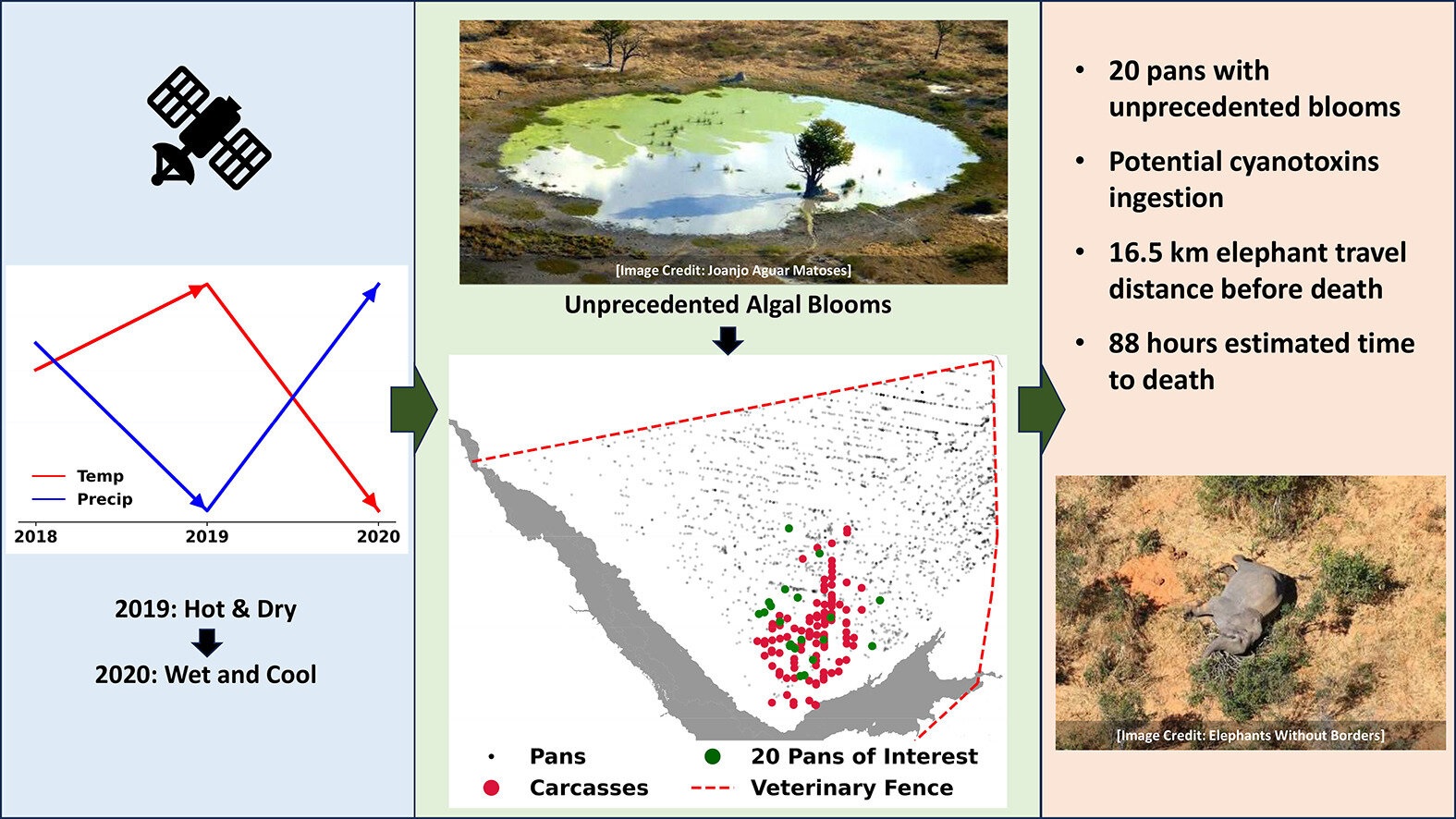
Secrets/Mystery
In early 2020, a mysterious tragedy struck Botswana’s Okavango Delta: over 300 African elephants died in one of the largest and most perplexing wildlife mortality events in recent history. The unexplained deaths, dubbed a "conservation disaster," left researchers scrambling for answers. Now, satellite imagery and a fresh analysis of environmental data have revealed a likely cause — cyanobacterial toxins fueled by extreme climate shifts. A Mystery Unfolds The scene in the Okavango Delta was grim: elephant carcasses scattered near waterholes, many collapsed face-first as if in a final act of desperation. Early theories ranged from poaching to infectious diseases, but intact tusks ruled out human interference. Despite the urgency, pandemic-era restrictions and the remote location delayed field investigations, limiting the collection of vital water and tissue samples. Years later, scientists have used satellite observations and aerial surveys to piece together the environmental puzzle. Their findings highlight the deadly role of cyanobacteria, microscopic blue-green algae that can produce neurotoxins harmful to both animals and humans. By analyzing over a decade of satellite data, researchers uncovered evidence of an ecological cascade driven by climate extremes, leading to the proliferation of toxic algae in waterholes. Climate Whiplash and Deadly Algae Blooms The Okavango Delta experienced an unprecedented climatic shift in the years leading up to the event. A severe drought in 2019 left many waterholes completely dry. Then, unusually heavy rains in early 2020 delivered a dramatic influx of water, stirring up nutrient-rich sediments. This created ideal conditions for cyanobacteria to bloom at record levels. Satellite imagery revealed that algae growth peaked between March and May 2020, coinciding with rising temperatures and stagnant waters — conditions that enhance toxin production. Elephants, being large animals requiring significant daily water intake, were particularly vulnerable. Unlike smaller animals that sip cautiously from the edges, elephants often wade into waterholes, increasing their exposure to concentrated toxins. The study estimates that affected elephants traveled up to 16.5 kilometers (10.25 miles) and succumbed to the toxins within 88 hours, exhibiting symptoms consistent with cyanotoxin poisoning. A Warning for the Future This tragic event underscores the broader impacts of climate change on Africa's ecosystems. As temperatures rise and rainfall patterns grow more erratic, the conditions that foster harmful algal blooms are becoming more common. Scientists warn that similar events could occur with greater frequency, threatening not only elephants but entire ecosystems reliant on freshwater sources. Botswana, home to roughly one-third of Africa’s remaining elephants, faces unique conservation challenges. The Okavango Delta, a UNESCO World Heritage Site, is not only a sanctuary for wildlife but also a critical water resource for the region. Researchers emphasize the urgent need for improved water quality monitoring and proactive conservation strategies to mitigate the risks of future mass die-offs. The Role of Technology The study marks a significant step forward in the use of satellite technology for wildlife conservation. By leveraging decades of environmental data, scientists were able to uncover patterns that would have been impossible to observe from the ground. While cyanotoxins themselves remain undetectable via satellite, the ability to monitor algal blooms and climatic changes provides a powerful tool for predicting and preventing similar events in the future. As Niall McCann of the U.K.’s National Park Rescue noted, the findings highlight the interconnectedness of climate, wildlife health, and human activity. They serve as a stark reminder that the ripple effects of climate change extend far beyond visible disasters, manifesting in subtle yet devastating ways across the natural world. Looking Ahead The 2020 elephant deaths are a sobering example of how climate change exacerbates existing ecological vulnerabilities. Without intervention, such events may become a recurring feature of Africa’s conservation landscape. The study underscores an urgent need for international cooperation, advanced monitoring technologies, and adaptive management strategies to protect the continent's iconic species and the ecosystems they inhabit.
Read More → Posted on 2024-12-05 16:36:34
World
On December 3, 2024, the Russian Ministry of Defense revealed its latest missile capabilities in an ambitious military exercise conducted over the Mediterranean Sea. The event showcased cutting-edge weaponry, including the much-discussed 3M22 Tsirkon (or Zircon) hypersonic missile, marking a pivotal moment in Russia's demonstration of its advanced military technology. These drills were not only a strategic show of force but also provided the first visual confirmation of the Tsirkon missile in action, quelling speculation about its design and performance. A Multi-Pronged Display of Firepower The exercises involved an impressive array of military assets, including the frigates Admiral Gorshkov and Admiral Golovko from Project 22350, which fired Tsirkon missiles. Meanwhile, the diesel-electric submarine Novorossiysk (Project 06363 Varshavyanka) launched 3M14 Kalibr cruise missiles, and the K-300P Bastion coastal defense system deployed supersonic 3M55 Onyx missiles. This diversified missile barrage targeted a makeshift barge stacked with containers, achieving direct hits. Adding to the grandeur, the drills also featured over 1,000 personnel, 10 warships, and 24 aircraft, including MiG-31K fighter jets armed with Kinzhal hypersonic missiles. The location of these firings, while not explicitly disclosed, is believed to be near Syria’s coast, utilizing Russia’s base infrastructure in the region. A Closer Look at the Tsirkon For the first time, the public got a clear view of the Tsirkon missile, dispelling previous speculative depictions. Unlike earlier artistic renderings, the actual Tsirkon features a conventional design akin to the Onyx missile, with a central circular air intake capped during transport and launch. This simplicity belies the sophistication of its hypersonic technology. Manufactured by NPO Mashinostroyeniya, the Tsirkon is equipped with advanced propulsion systems that enable it to achieve speeds of Mach 5.5 during cruise and up to Mach 7.5 during terminal descent. It flies in the upper atmosphere, reducing air resistance and making it challenging for conventional missile defense systems to intercept. However, research conducted after Ukrainian forces recovered remnants of the missile suggests that its speeds fall slightly short of the claimed Mach 9 threshold. Strategic Implications The Tsirkon’s capabilities signify a new era of naval warfare. Its hypersonic speed, combined with its ability to maneuver at high altitudes, makes it a formidable weapon against high-value targets. The missile is currently compatible with Russia's advanced Project 22350 frigates, Project 08850 nuclear submarines, and land-based Bastion launchers, ensuring its operational versatility. The timing of this demonstration is significant. Russia appears to be repositioning its military assets in the region, potentially as part of a strategic withdrawal from Tartus, Syria, while framing the move as a routine training cycle. By conducting such high-profile exercises, Moscow projects strength even amid geopolitical shifts. The Future of Hypersonic Warfare With the Tsirkon entering serial production and deliveries underway, Russia is solidifying its hypersonic arsenal. This development underscores the growing importance of hypersonic technology in modern military strategy, as nations worldwide scramble to counter these advanced weapons. For now, only top-tier systems, like the MBDA Aster 30 B1NT, are thought capable of intercepting missiles like the Tsirkon, placing immense pressure on global defense development. This Mediterranean showcase, paired with the unveiling of the Tsirkon’s true design, highlights the evolving dynamics of military power in the region and beyond. Whether for deterrence or dominance, Russia’s hypersonic capabilities are shaping the future battlefield.
Read More → Posted on 2024-12-05 16:28:54
World
The Syrian conflict, long characterized by shifting fronts and relentless bloodshed, has taken a dramatic turn with the fall of Hama, the nation’s fourth-largest city. On Thursday, the Syrian army confirmed it had withdrawn from Hama after insurgents breached its defenses. This development, just days after the opposition’s shocking capture of Aleppo, signals a renewed surge in the decade-long war that many had hoped was winding down. Hama's Strategic Importance Hama, located 200 kilometers north of Damascus, serves as a vital juncture connecting Syria’s central, northern, eastern, and western regions. The city’s proximity to the coastal province of Latakia—an Assad stronghold—further amplifies its significance. Historically, Hama is also infamous for the 1982 massacre, when Hafez Assad, Bashar Assad’s father, crushed a Muslim Brotherhood uprising, killing thousands. For decades, this city has remained under tight government control, symbolizing regime stability amidst the chaos of civil war. Its loss, therefore, is not just a territorial setback but a psychological blow to the Assad regime. The Insurgents' Offensive The assault on Hama was spearheaded by Hayat Tahrir al-Sham (HTS), a powerful jihadi faction, and the Syrian National Army, a coalition of Turkish-backed militias. Their advance into the city followed three days of intense fighting on its outskirts, marked by suicide attacks that overwhelmed the government’s defenses. Insurgents reportedly entered Hama’s center early Thursday, claiming the city in a swift but bloody campaign. The insurgents’ success comes on the heels of their surprise offensive that began on November 27, resulting in the capture of Aleppo. The fall of Aleppo—an ancient trade hub and once Syria’s largest city—was a devastating defeat for Assad, reminiscent of the city’s earlier battles that required Russian airpower to reclaim it in 2016. The Syrian Army's Response In its statement, the Syrian military acknowledged the heavy toll of the clashes, with numerous soldiers killed during the defense of Hama. Officials described the retreat as a "redeployment" aimed at minimizing civilian casualties. The army’s focus now shifts to defending the surrounding regions and preparing for possible attacks on nearby Homs, another major urban center and the insurgents’ likely next target. Renewed Uncertainty in Syria's Civil War The insurgents’ gains have reignited a conflict that had seen a fragile stalemate in recent years. Tens of thousands of civilians have been displaced by the renewed fighting, highlighting the humanitarian toll of the escalating violence. The opposition’s victories also underscore the weakening grip of Assad’s forces, as his key allies—Russia, Iran, and Hezbollah—grapple with their own geopolitical distractions and internal conflicts. Hama’s fall has not gone unnoticed by international observers. Rami Abdurrahman, head of the Britain-based Syrian Observatory for Human Rights, described it as a critical moment: "If Hama falls, it means the beginning of the regime's collapse." While this may be an overstatement, the loss of Hama undeniably shifts the balance of power, emboldening the opposition and threatening the regime’s stronghold in Damascus. The Road Ahead The capture of Hama and Aleppo has revitalized opposition forces, but it also sets the stage for a potentially brutal counteroffensive by Assad’s military. The regime, with its dwindling resources, must decide how to respond to the growing momentum of its adversaries. For the Syrian people, the latest flare-up in violence is a grim reminder that peace remains a distant hope in this protracted and devastating war.
Read More → Posted on 2024-12-05 16:25:45Search
Top Trending in 24 Hours
-
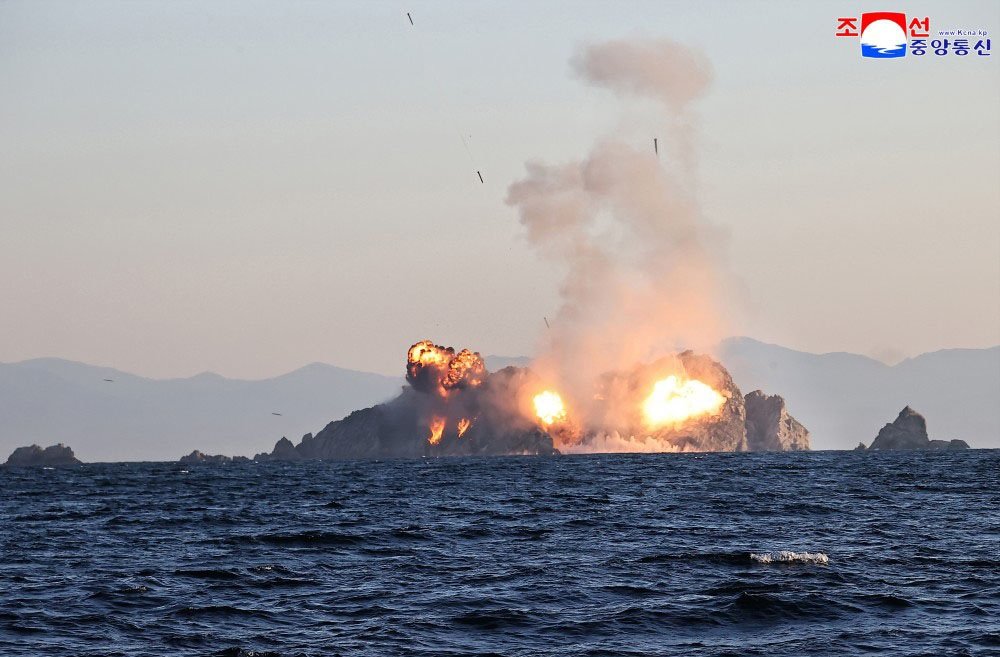 North Korea Fires Short-Range Ballistic Missile Toward Sea of Japan After Freedom Edge 26
-
 India’s xTerra Robotics Launches Indigenous DHAV-Hy Wheeled-Legged Quadruped for Industrial Inspection
-
 U.S. Army Awards $10.64 Million Contract to Ukrainian Drone Maker Skyeton for Raybird Systems
-
 U.S. Government Seizes Almasirah.net, Houthi-Linked News Website
-
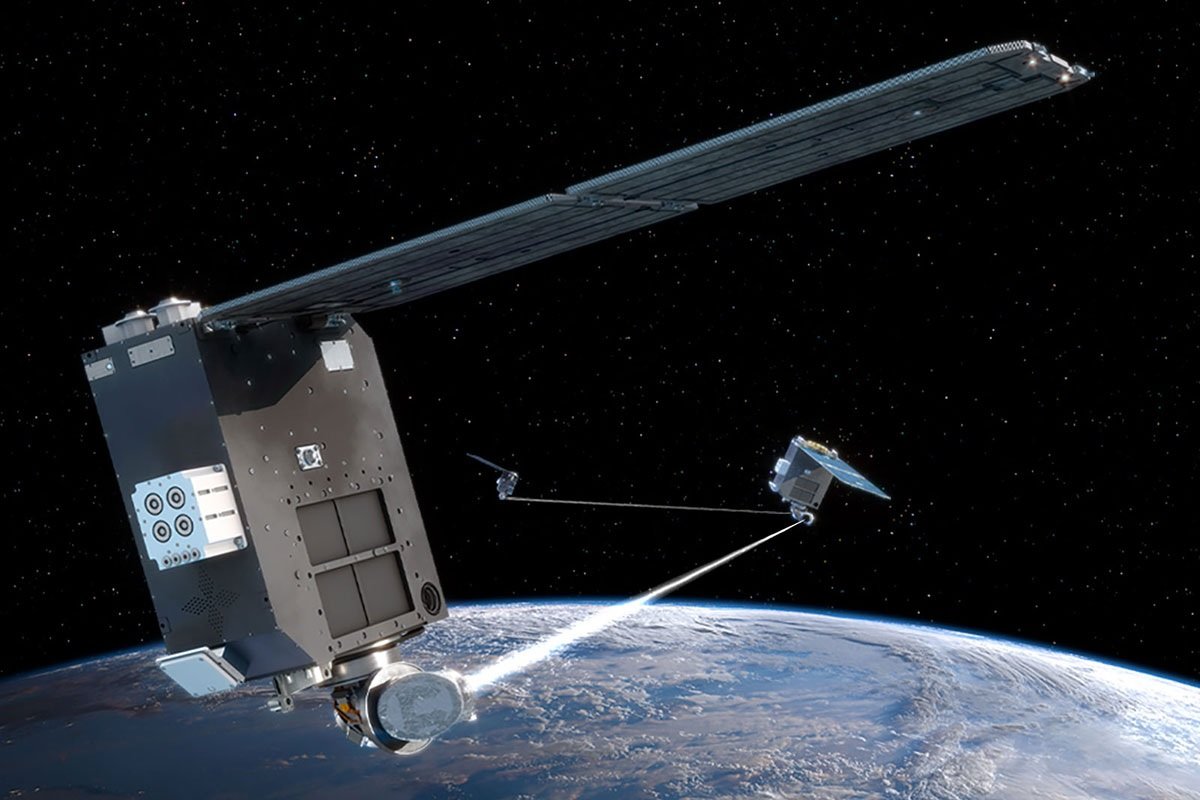 U.S. Space Force Seeks Rapid-Response Satellites for Close-Range Orbital Inspections
-
 BEL Showcase X-Band Multi-Function Radar for QRSAM to Japanese Delegation
-
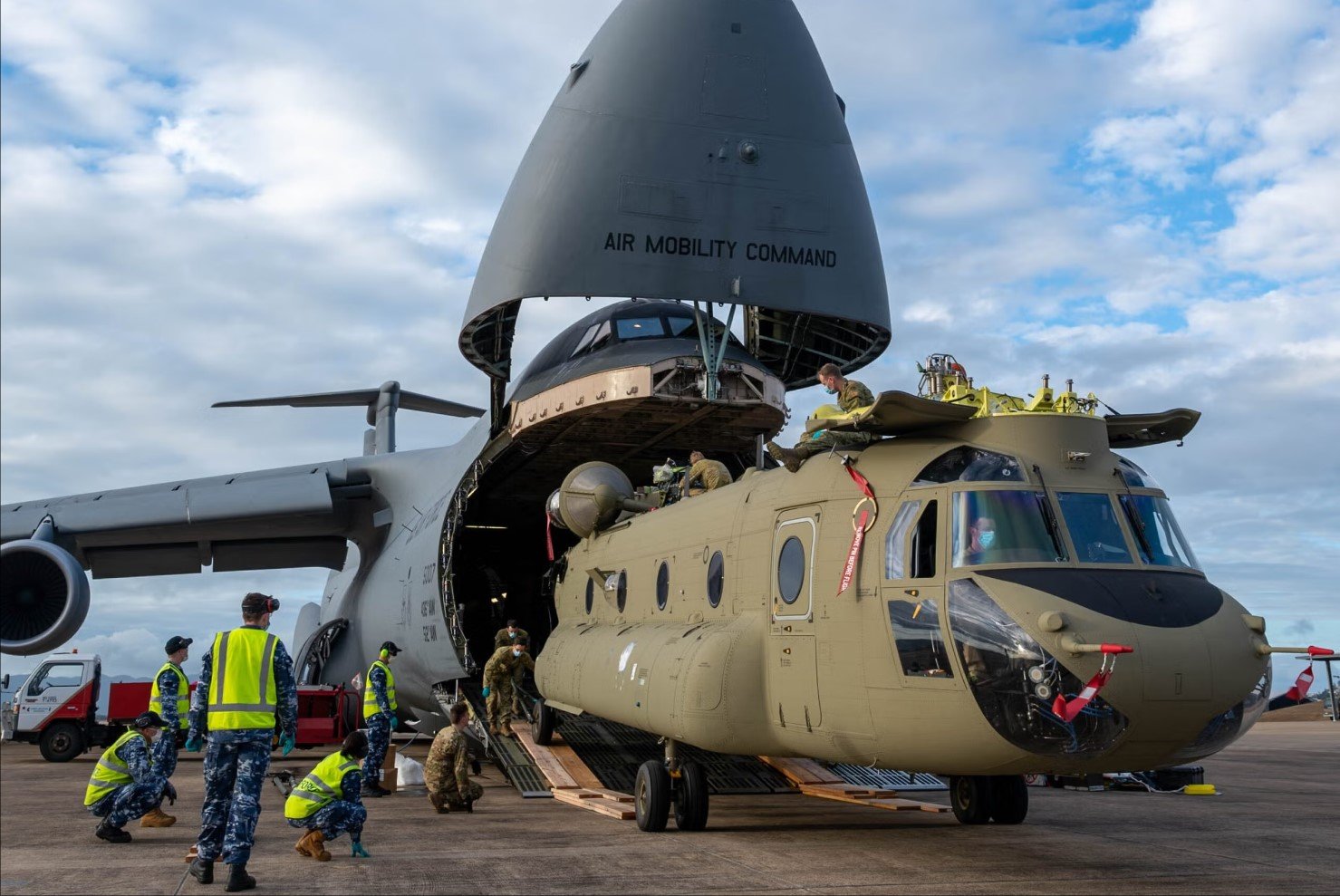 U.S. Delivers First CH-47F Chinook to Egypt Under 12-Helicopter Deal
-
 IRGC Experts Visit Bab El-Mandeb to Oversee Radar Installation and Tunneling, Houthi Sources Say
Top Trending in 4 Days
-
 Satellite Images Show Saudi Arabia Building Emergency Bypass Around Damaged East-West Oil Pipeline Station
-
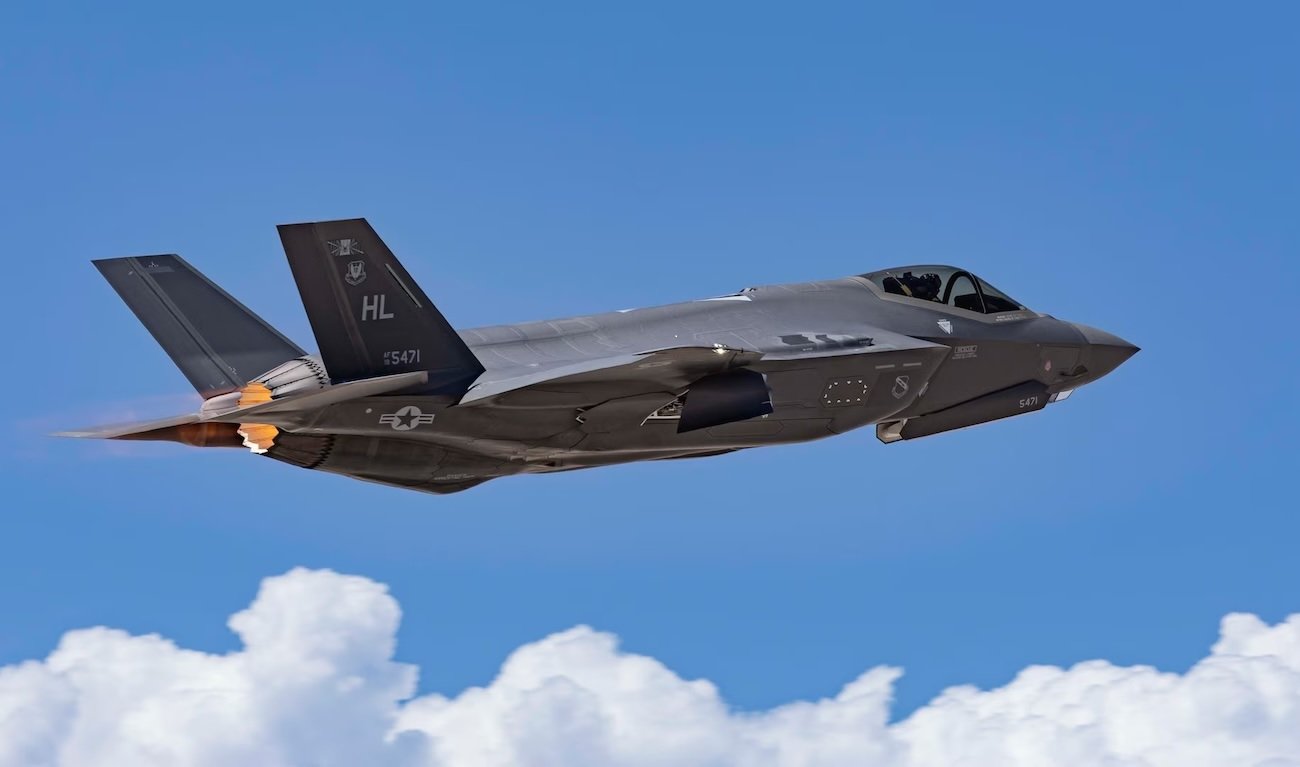 Sensitive F-35 Components Diverted to Hong Kong, Some Parts Missing
-
 Italian Eurofighter Damaged in Houthi Attack on Saudi Arabia’s King Fahd Air Base
-
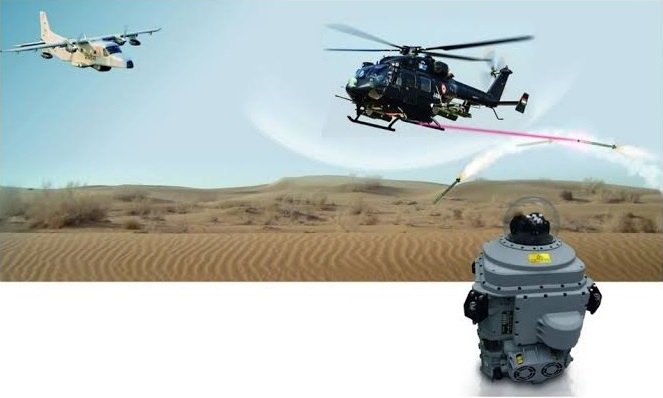 BEL Signs Export Deal with Elbit Systems for Directed Infrared Countermeasure Sub-Assemblies, Secures ₹648 Crore in Additional Orders
-
 U.S. Secures Permanent Military Rights in Greenland in Historic Security Pact with Denmark
-
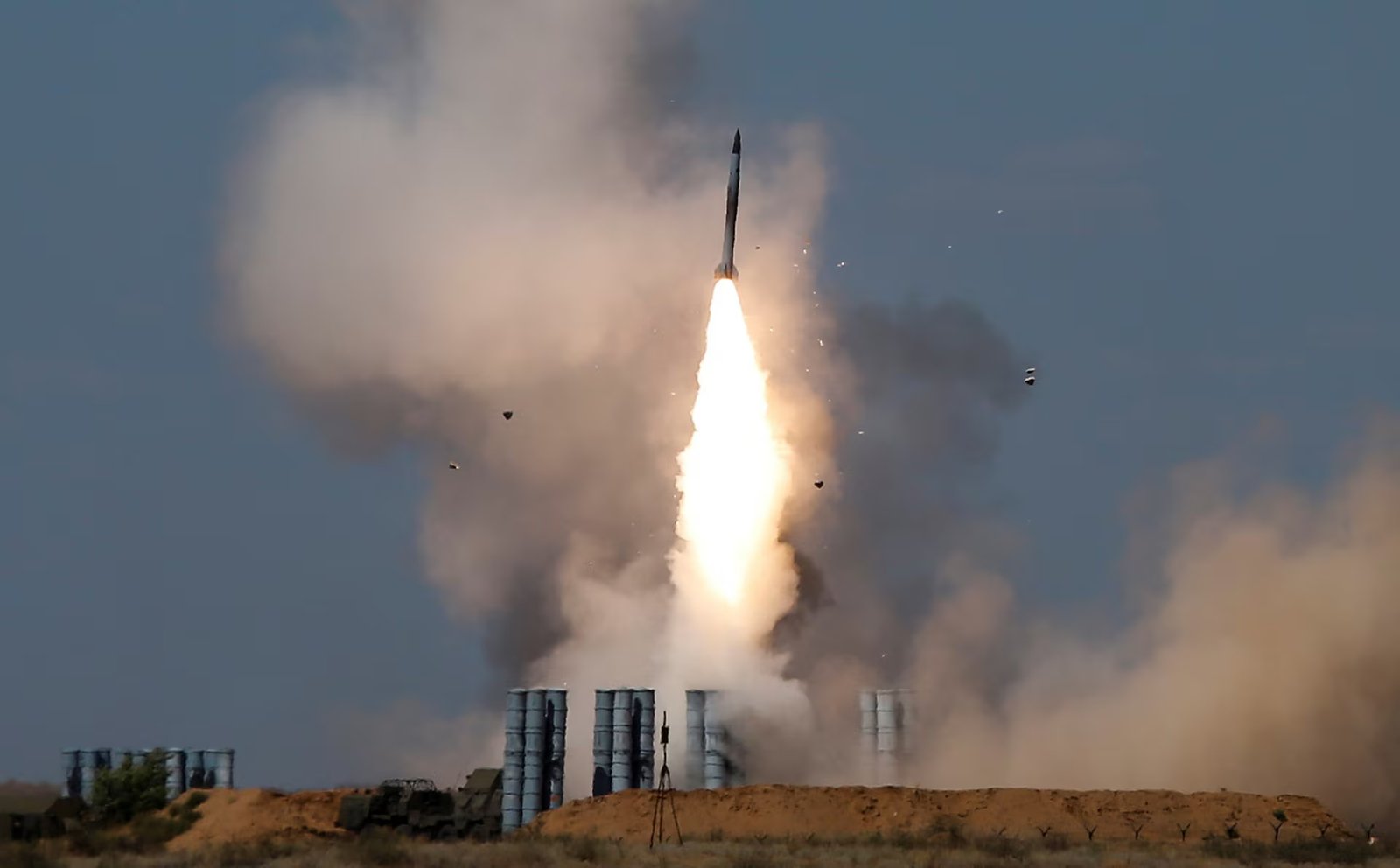 U.S. Approves Potential $2.68 Billion Air Defense Package for Ukraine Including S-300 Clone Missiles
-
 China Privately Urges Iran to Restrain Houthis After Saudi Appeal
-
 Israeli Firm Arbe Robotics Unveils Alerion High-Resolution 4D Radar for Counter-Drone Operations
