World
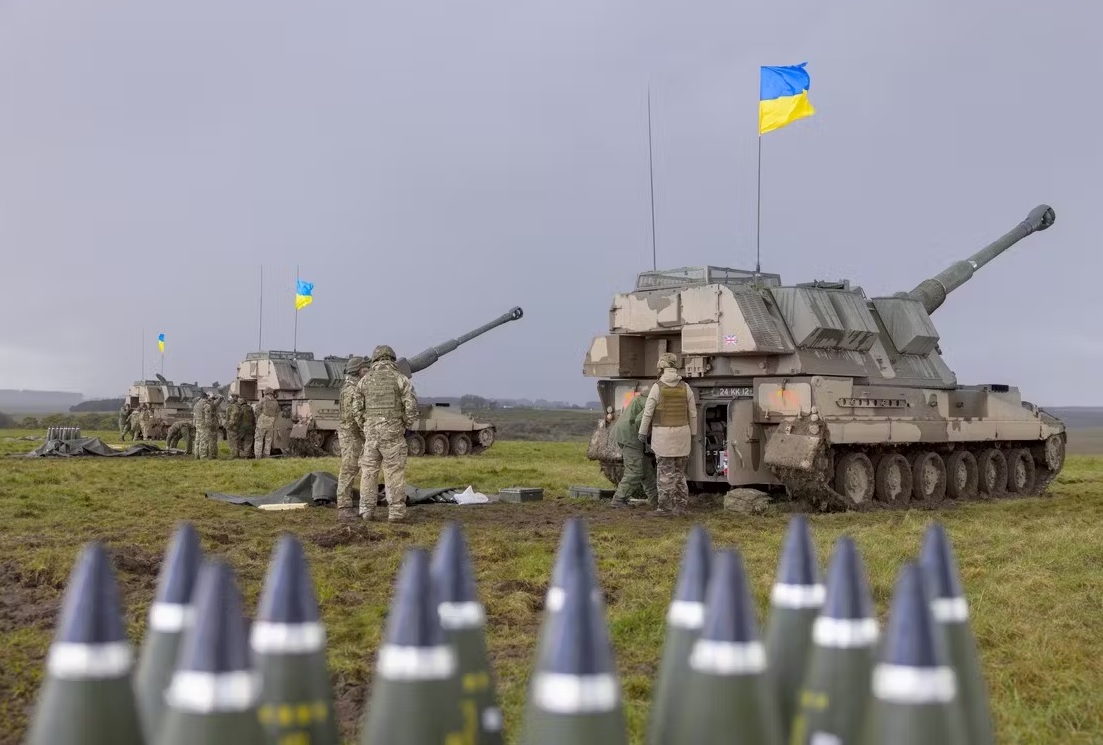
Ukraine has formally requested military assistance worth €100 million ($108.4 million) from Estonia as it continues to defend itself against Russian aggression. The aid package is expected to include unmanned aerial and ground systems, watercraft, medical supplies, and other essential equipment sourced from Estonian defence manufacturers. Estonia’s Commitment to Ukraine’s Defence While Estonia has not disclosed the exact timeline or quantity of the aid package due to security concerns, the move aligns with Tallinn’s ongoing commitment to support Kyiv. Estonia has pledged to allocate at least 0.25% of its annual GDP to Ukraine’s defence efforts. Estonian Defence Minister Hanno Pevkur highlighted the strong response from local manufacturers willing to contribute to the aid package. “It was gratifying to see that there were a lot of Estonian manufacturers who offered their products,” he stated. “Today we received feedback from Ukraine, which will allow us to deliver the aid to the Ukrainians as quickly as possible.” Continued Military Support From Estonia Since the start of Russia’s full-scale invasion in February 2022, Estonia has consistently been one of Ukraine’s strongest European allies. Earlier this month, Tallinn announced plans to increase its defence spending to approximately 5% of its GDP, reinforcing its commitment to regional security. In February, Estonia also launched an initiative to send 10,000 artillery shells to Ukraine, further strengthening the Ukrainian Armed Forces' firepower on the battlefield. With this latest request, Ukraine continues to rely on its Baltic ally for critical military supplies, ensuring its forces remain equipped to resist Russian advances. Estonia’s support, despite being a small nation, underscores its strategic role in the broader European efforts to assist Ukraine in its fight for sovereignty.
Read More → Posted on 2025-03-24 14:59:47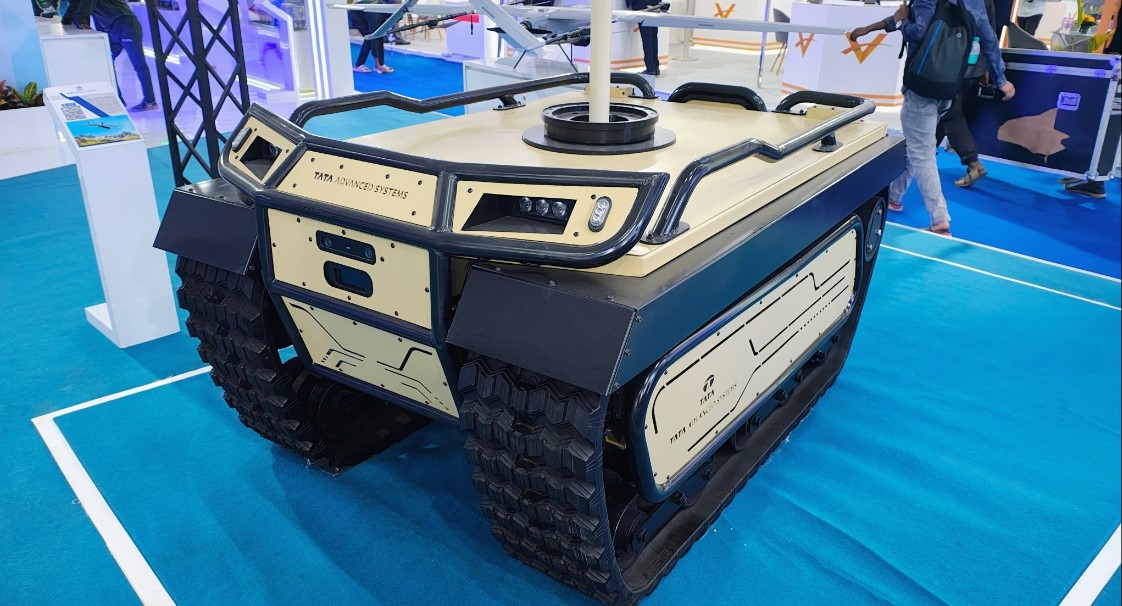
India
Tata Advanced Systems Limited (TASL) has introduced its latest innovation in autonomous defence technology—the UGV Tracked, a powerful unmanned ground vehicle designed to enhance military and security operations. Built with indigenous technology, this cutting-edge system not only strengthens India’s self-reliance in defence manufacturing but also marks a major step forward in the country’s "Make in India" initiative. A Game-Changer in Military Logistics and Combat Support The UGV Tracked is engineered for versatility, making it suitable for a range of missions, from supply transportation to combat support. With a payload capacity of up to 1000kg, it can efficiently carry ammunition, medical supplies, and surveillance equipment, reducing the need for human personnel in high-risk environments. One of its standout features is its hybrid-electric power system, offering two operational modes. The Battery Electric drive ensures silent, zero-emission movement, ideal for stealth operations, while the Hybrid Electric mode provides extended range with a built-in range extender. This combination makes the vehicle highly adaptable for various mission profiles. Key Features of the UGV Tracked High Payload Capacity: Can transport up to 1000kg, supporting logistics in difficult terrains. Extended Endurance: Offers a range of up to 80km, enabling longer missions without frequent recharging. Optimal Speed: Capable of reaching 20 km/h, striking a balance between mobility and stability. Advanced Navigation System: Developed in India, this system ensures precise movement and obstacle avoidance, increasing mission efficiency. Fully Indigenous Design: Strengthens India’s self-reliance in defence technology under the Atmanirbhar Bharat initiative. Future Possibilities: A Wheeled Variant in Development? While the focus is currently on the tracked version, TASL has hinted at the development of a wheeled UGV variant. This could offer greater speed and efficiency on urban and less rugged terrains, making it suitable for operations in cities and rural areas where high maneuverability is crucial. Compared to tracked vehicles, wheeled UGVs typically provide better fuel economy and faster movement on paved roads but may sacrifice some off-road capabilities. Strengthening India's Defence Capabilities The unveiling of the UGV Tracked represents a significant leap in India’s autonomous defence solutions. By integrating advanced mobility, hybrid power, and indigenous navigation, TASL has positioned itself at the forefront of unmanned ground vehicle technology. This innovation not only enhances the operational capabilities of India’s defence forces but also reduces dependency on foreign military equipment, reinforcing the nation's vision of self-reliance in defence manufacturing. With continuous advancements in autonomous warfare technology, the UGV Tracked is set to play a crucial role in modern military operations, ensuring safer and more efficient missions for India’s armed forces.
Read More → Posted on 2025-03-24 14:56:40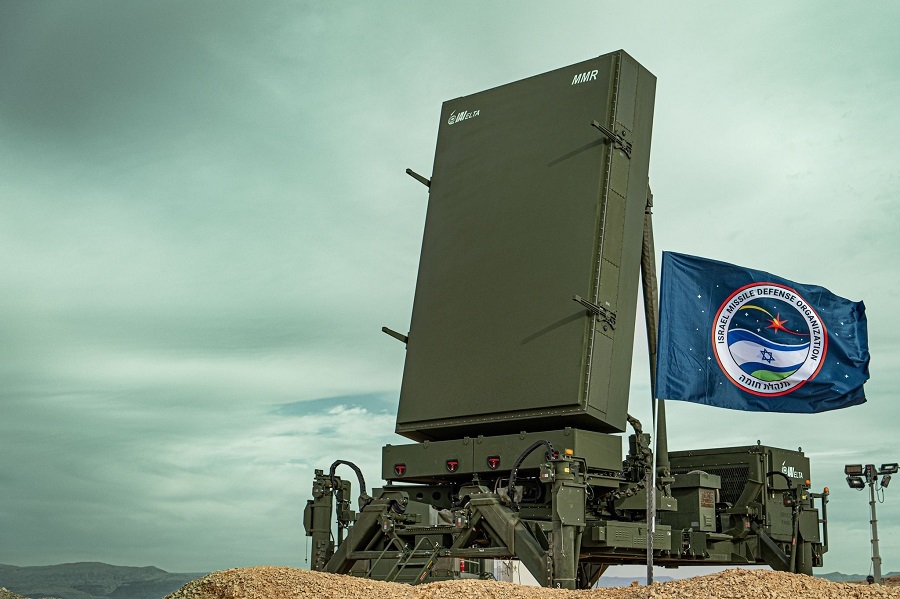
World
Switzerland has taken another step towards strengthening its national security by joining the NATO Support and Procurement Agency’s (NSPA) Patriot Support Partnership (PATRIOT SP). The decision, approved by the Federal Council, aims to enhance the availability of spare parts, streamline maintenance, and ensure better operational support for the country’s ground-based air defence systems. By becoming part of the NSPA Patriot framework, Switzerland will now collaborate with other users of the Patriot missile defence system, gaining access to shared resources in areas such as ammunition monitoring, procurement, technical assistance, training, and logistics. This partnership is a significant boost to Switzerland’s defence capabilities, ensuring a more reliable and cost-effective approach to maintaining its air defence infrastructure. The move aligns with Switzerland’s Air2030 programme, which focuses on modernizing the country’s defence systems. Air2030 also includes the procurement of F-35A fighter jets, alongside a long-term logistics strategy that involves cooperation with original manufacturers and multinational defence networks like the NSPA. Switzerland’s collaboration with NATO in defence logistics is not new. The country has worked with the NSPA since 1996 and is already part of support agreements for AMRAAM and Stinger missile systems. With the addition of the Patriot system, Switzerland now has three active agreements under the NSPA umbrella. A key advantage of this partnership is the opportunity for Swiss industrial companies to participate in NSPA tenders, potentially boosting the nation’s security-related technological and industrial sectors. As a result, Swiss firms may gain access to contracts related to missile system maintenance and logistics, strengthening the country’s defence industry. The decision also aligns with Switzerland’s 2021 Security Policy Report and 2022 Supplementary Report, which emphasize the importance of international cooperation. The government is actively exploring additional collaborations with the NSPA, such as mutual recognition of quality assessments (GQA) with other partner nations. Despite joining this multinational initiative, Switzerland has reaffirmed its neutrality. The Federal Council has made it clear that participation in the NSPA Patriot Support Partnership does not compromise Switzerland’s non-aligned stance. Should any participating country become involved in an armed conflict, Switzerland retains the right to withdraw from the agreement, ensuring that its commitment to neutrality remains intact. This strategic partnership underscores Switzerland’s commitment to enhancing national defence while maintaining neutrality, leveraging international cooperation to secure its airspace without engaging in military alliances.
Read More → Posted on 2025-03-24 14:52:06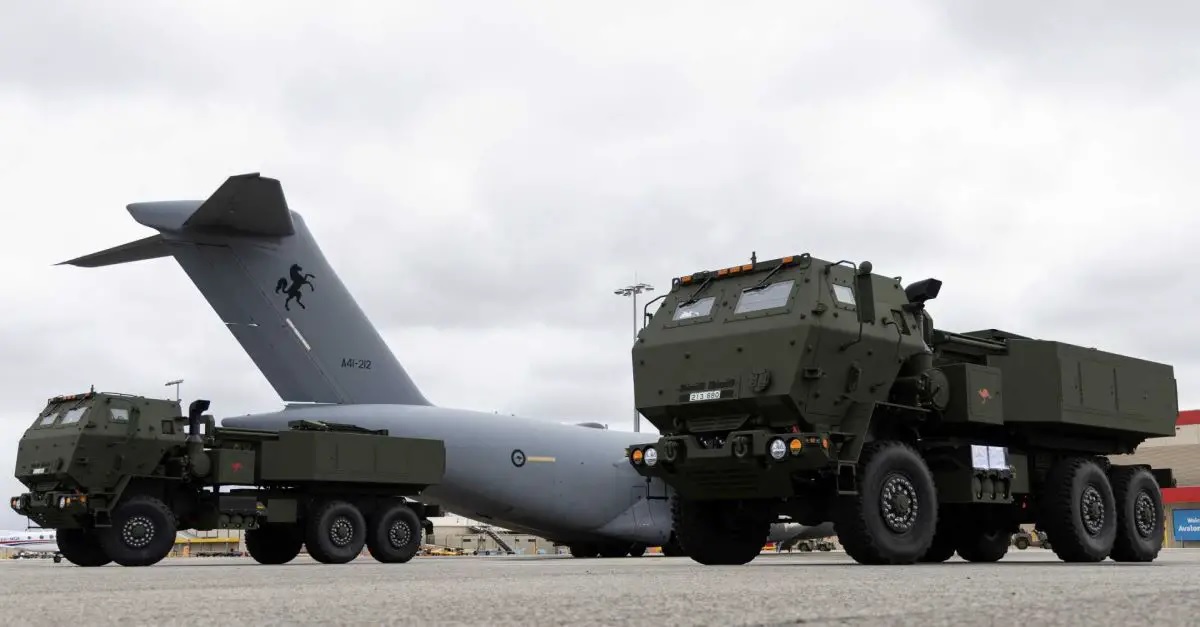
World
Australia has officially taken delivery of its first M142 High Mobility Artillery Rocket System (HIMARS) from the United States, marking a significant milestone in the country’s efforts to enhance its long-range precision strike capabilities. This acquisition is part of a broader strategy to modernize the Australian Defence Force (ADF) and ensure it remains equipped to counter emerging threats in the Indo-Pacific region. A Major Investment in Defence The Australian government has committed 1.6 billion Australian dollars ($1 billion) to the HIMARS program, which includes the procurement of up to 42 launch systems. This investment is designed to provide the ADF with a highly mobile and lethal artillery system capable of delivering rapid and precise firepower. To further bolster the effectiveness of the HIMARS, Australia is also gearing up for domestic missile production. Later this year, the country will begin manufacturing key munitions for the system, including the Guided Multiple Launch Rocket System (GMLRS), which has a range of over 70 kilometers (44 miles), and the Precision Strike Missile (PrSM), capable of hitting targets up to 499 kilometers (310 miles) away. This move is expected to not only enhance operational readiness but also strengthen Australia’s defence supply chain and create local jobs. A ‘Ten-Fold’ Increase in Strike Range Defence Industry Minister Pat Conroy emphasized the significance of the HIMARS program, stating that it represents a major leap forward in Australia’s military capabilities. “This delivers on our commitment to accelerate the acquisition of HIMARS, which are now on track to be fully operational four years ahead of the schedule of the former Morrison-Dutton Government,” Conroy said. He further highlighted that the introduction of HIMARS would provide the ADF with “accurate firepower” and a “more than ten-fold increase” in its striking range. By investing in both the system and the supporting munitions infrastructure, Australia aims to maintain greater control over its defence assets while reducing reliance on foreign suppliers. Formation of the 10th Fires Brigade To integrate and oversee the HIMARS fleet, the Australian Army has established the 10th Fires Brigade in Adelaide. This newly formed brigade will be responsible for managing Australia’s artillery capabilities, including HIMARS and the National Advanced Surface-to-Air Missile System (NASAMS), ensuring the country’s land-based defence remains strong. Deputy Prime Minister Richard Marles underscored the importance of this organizational change, stating that it aligns with recommendations from Australia’s Defence Strategic Review. “These changes to the Army are about responding to the recommendations of the Defence Strategic Review to maintain peace, security, and prosperity in our region,” Marles explained. The re-establishment of the 10th Fires Brigade reflects a broader effort to adapt to modern warfare challenges, ensuring the ADF remains agile and well-equipped in an evolving security environment. With HIMARS now operational and domestic missile production set to begin, Australia is taking a decisive step toward a more self-reliant and capable defence force, reinforcing its position as a key player in regional security.
Read More → Posted on 2025-03-24 14:49:42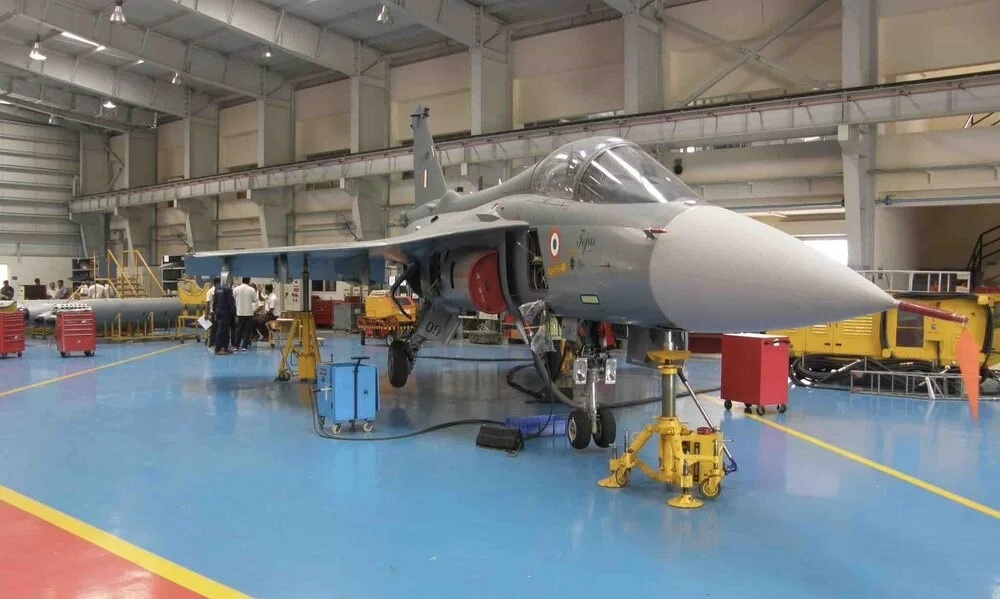
India
India’s push for self-reliance in defence manufacturing has taken a significant leap forward with Larsen & Toubro’s (L&T) introduction of a robotic drilling machine for the Light Combat Aircraft (LCA) Tejas. This cutting-edge automation has transformed the production of Tejas fighter jet wings, reducing the drilling time per hole from 25-35 minutes to just one minute—an improvement of over 95%. Hindustan Aeronautics Limited (HAL), the manufacturer of the Tejas, has been striving to accelerate production to meet the Indian Air Force’s (IAF) growing demand, particularly for the advanced LCA-Tejas Mk1A variant. One of the major bottlenecks in the process was the manual drilling of around 8,000 holes required for each wing set, a task that previously consumed thousands of hours. Recognizing the need for efficiency, L&T, a key supplier of Tejas wings, introduced an advanced robotic drilling system to automate the process. The new system can drill approximately 66% of the required holes—about 5,280 out of 8,000—significantly reducing production time. What makes this system revolutionary is its ability to maintain precision and consistency. Equipped with sophisticated sensors and automated control mechanisms, the robotic machine dynamically adjusts for variations in material thickness and type, ensuring high accuracy while minimizing errors, rework, and material wastage. The impact of this automation is staggering. Under the manual process, drilling 5,280 holes would take an estimated 2,640 hours. The robotic system now completes the same task in just 88 hours, saving over 2,500 hours per set of wings. This drastic reduction in production time allows HAL to scale up Tejas deliveries, bringing India closer to its goal of delivering 16 to 18 aircraft annually. By integrating such cutting-edge automation, India is not only advancing its indigenous fighter jet program but also laying the foundation for more efficient aerospace manufacturing in the future. This breakthrough is a testament to the country’s growing technological capabilities and its commitment to self-sufficiency in defence production.
Read More → Posted on 2025-03-23 15:53:26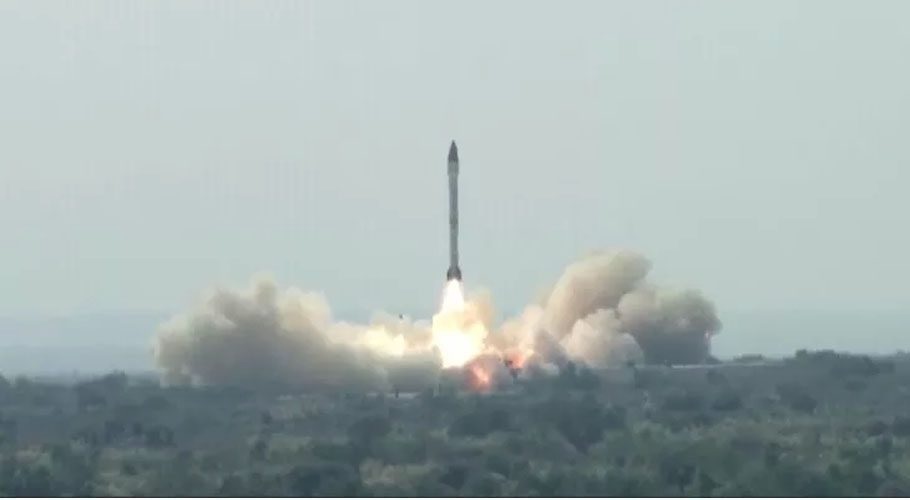
World
Iran’s Revolutionary Guards have unveiled new missile systems on three key islands in the Persian Gulf, reinforcing their military presence near the Strait of Hormuz, a crucial global shipping route. The deployment, announced on Saturday, is seen as a direct message to regional adversaries and Western powers amid escalating tensions over Iran’s nuclear program and U.S. military warnings. Missiles Positioned to Target Enemy Bases and Vessels The newly installed missile systems are stationed on Greater Tunb, Lesser Tunb, and Abu Musa, three islands long controlled by Iran but claimed by the United Arab Emirates. These advanced weapons reportedly have a range of 600 kilometers (370 miles), enabling them to strike enemy bases, warships, and assets in the region. Naval commander Alireza Tangsiri of the Islamic Revolutionary Guard Corps (IRGC) emphasized the strategic importance of fortifying these islands. “We have a tactic that we must arm this island group and make it operative,” he stated, adding that the systems can "completely destroy any target" within their range. Show of Strength as U.S. Urges Renewed Talks The missile deployment follows recent military exercises by the IRGC in the Gulf and comes at a sensitive time. Iran is currently considering a response to a letter from U.S. President Donald Trump, which calls for a resumption of nuclear talks while also warning of potential military action if Tehran refuses. Iran’s Supreme Leader Ayatollah Ali Khamenei dismissed U.S. threats, saying, “If they do anything malign to the Iranian nation, they will get a hard slap.” Foreign Minister Abbas Araghchi described Trump’s letter as “more of a threat” than a diplomatic outreach, though he acknowledged it also presented opportunities for dialogue. A Long-Standing Dispute Over Gulf Sovereignty The three islands have been under Iranian control since 1971, but the United Arab Emirates has long contested their sovereignty. The latest military buildup suggests Iran is not only preparing for potential external threats but also reinforcing its territorial claims against UAE-backed regional forces. Tangsiri recently stated that Iran is “expanding” its defense capabilities on the islands, a move likely to raise concerns among Gulf states and Western allies. As tensions rise, Iran’s latest military deployment serves as a stark reminder of its growing regional influence and readiness to respond to external pressures, whether through diplomacy or force.
Read More → Posted on 2025-03-23 15:46:36
World
China’s People’s Liberation Army (PLA) is integrating artificial intelligence into its military support systems, with the newly developed AI tool, DeepSeek, being deployed across military hospitals and non-combat functions. This move highlights China’s growing emphasis on AI-driven efficiency while maintaining a cautious approach to its role in combat decision-making. AI in Military Healthcare: A Game-Changer The General Hospital of the PLA Central Theatre Command has become one of the first institutions to embed DeepSeek’s R1-70B large language model (LLM) to assist doctors in treatment planning. The PLA has assured that all patient data will remain secure, processed on local servers to ensure privacy. Similar deployments have been seen in other top-tier military hospitals, including the PLA General Hospital in Beijing (301 Hospital), which treats high-ranking officials and is known to store highly sensitive data. By utilizing DeepSeek, PLA hospitals aim to streamline medical decision-making, improve diagnostic accuracy, and enhance patient care. The AI provides treatment suggestions, helping doctors make more informed choices while reducing the workload on medical professionals. Beyond Healthcare: Expanding AI in Military Operations DeepSeek’s influence is spreading beyond hospitals. The People’s Armed Police (PAP) and national defense mobilization units are also adopting the AI model for various functions. PAP units have begun using the tool for physical training and psychological counseling, with soldiers leveraging it to create personalized exercise routines and address anxiety. Additionally, Chinese government agencies are integrating AI models like DeepSeek into broader applications, including anti-corruption efforts, manufacturing advancements, and urban development projects. This suggests a growing reliance on AI across multiple sectors, reinforcing China’s push for technological dominance. PLA’s AI Strategy: Human Judgment First Despite these advancements, the PLA remains cautious about relying too heavily on AI in critical military operations. In a January publication in the PLA Daily, the military emphasized that while AI can enhance decision-making, it should not replace human judgment, particularly in battlefield scenarios. “AI must work in tandem with human commanders to optimize decision-making rather than replace human agency,” the publication stated. This aligns with China’s long-term military modernization strategy, which seeks to integrate AI into warfare without compromising accountability or strategic adaptability. AI in Future Warfare: The Road Ahead While DeepSeek is currently focused on non-combat applications, analysts believe its deployment in battlefield intelligence, surveillance, and decision-making is only a matter of time. AI models like DeepSeek are designed to process massive amounts of battlefield data in real time, enabling precise situational awareness and rapid strategic planning. Experts suggest that the PLA is testing DeepSeek in controlled environments first—such as hospitals and training centers—before deploying it in high-risk combat scenarios. Drone swarm coordination, pilot training simulations, and AI-assisted battlefield decision-making are some of the expected future applications. China’s AI Push: A Global Wake-Up Call? China’s successful integration of AI in military support functions is being closely monitored by global defense experts. The low-cost efficiency of DeepSeek has drawn international attention, especially as it reportedly outperformed ChatGPT in popularity on Apple’s App Store. As China continues to refine its AI capabilities, it is likely to set new benchmarks for AI integration in both military and civilian domains. For now, DeepSeek remains a powerful tool for non-combat operations, but its potential role in shaping the future of AI-driven warfare cannot be ignored. The PLA’s gradual yet deliberate approach suggests that China is laying the groundwork for a future where AI plays a crucial role in military strategy while ensuring human oversight remains at the core of decision-making.
Read More → Posted on 2025-03-23 15:43:22
Space & Technology
American defence technology company BlueHalo has achieved a significant milestone in space communication, successfully demonstrating its two-terminal, long-haul, multi-orbit laser communication system. This breakthrough, announced on March 21, 2025, paves the way for faster and more secure data transmission between satellites, benefiting both national security and commercial sectors. Next-Generation Laser Communication in Space During the demonstration, BlueHalo’s optical terminals successfully performed key functions such as pointing, acquisition, and tracking under simulated space conditions. These included extreme temperatures, vacuum environments, and vibrations that mimic the challenges of space. The system proved its capability at operational power levels, validating its effectiveness in real-world scenarios. Revolutionizing Satellite Data Transfer BlueHalo’s system is designed to enable high-bandwidth, long-distance data transfer across multiple orbits, including Low Earth Orbit (LEO), Medium Earth Orbit (MEO), and Geostationary Orbit (GEO). Unlike traditional radio frequency-based communication, laser technology offers significantly faster transmission speeds with greater security and resistance to interference. With this achievement, the system has reached Technology Readiness Level 6 (TRL-6), meaning it has been successfully tested in relevant environments and is now ready for near-term deployment. Preparing for Real-World Deployment Mary Clum, President of BlueHalo’s Product & Space Systems division, highlighted the revolutionary nature of the technology, stating that it offers an “orders of magnitude greater” capability than current on-orbit communication systems. She confirmed that BlueHalo is now prepared to move into production for operational satellite integration. The advanced optical terminals are engineered for extended range, improved accuracy, and enhanced reliability. Building upon BlueHalo’s existing space communication systems, this innovation strengthens the company’s position in the rapidly evolving field of laser-based satellite networks. With this milestone, BlueHalo is set to redefine the future of space communication, providing critical advancements for defence applications, commercial satellite networks, and next-generation space exploration missions.
Read More → Posted on 2025-03-23 15:40:59
India
Goa Shipyard Limited (GSL) has achieved another significant milestone in India’s warship construction with the launch of ‘Tavasya,’ the second frigate under Project 1135.6. The event, held on March 22, 2025, underscores India's growing self-reliance in defence manufacturing and its commitment to strengthening the Indian Navy’s capabilities. The launch ceremony was graced by Raksha Rajya Mantri Shri Sanjay Seth, with the ship being ceremonially launched by Smt. Neeta Seth. In his address, the minister lauded GSL’s ability to deliver two advanced frigates within just eight months despite global supply chain challenges. He emphasized that the successful integration of indigenous systems, including the BrahMos missile system, sonar, torpedo launchers, and auxiliary control systems, highlights India's technological prowess and self-sufficiency in naval defence. With a displacement of over 3,800 tons, ‘Tavasya’ is built to handle diverse naval operations, ensuring strategic dominance in the Indian Ocean Region. Designed with advanced stealth features, next-generation combat systems, and high endurance, the frigate marks a substantial boost to the Indian Navy’s operational strength. The government’s vision for defence exports was also reinforced, with a goal of achieving ₹50,000 crore in defence exports by 2029, positioning India as a major global warship supplier. Shri Brajesh Kumar Upadhyay, Chairman and Managing Director of GSL, highlighted the shipyard’s transformation into a strategic defence asset. He noted that the successful launch of ‘Tavasya’ reflects GSL’s ability to deliver complex naval platforms with efficiency and precision. From being a mid-sized shipbuilder, GSL has emerged as a leader in indigenous warship construction, strengthening India’s maritime security. The event saw the presence of senior officials, including Vice Admiral SJ Singh (FOC-in-C, Western Naval Command), Vice Admiral Rajaram Swaminathan (CWP&A), members of Parliament, and senior personnel from the Ministry of Defence and Indian Navy. The launch of ‘Tavasya’ represents a major step forward for India’s shipbuilding industry. Previously, these frigates were imported as fully built units, but GSL has successfully constructed them domestically, achieving over 56% indigenous content—far exceeding the 25% seen in earlier imports. This achievement reinforces India's defence manufacturing capabilities and strengthens its position in the global naval industry. With GSL launching seven ships within a year, the shipyard continues to push the boundaries of indigenous warship building, proving itself as a key player in India’s defence sector. ‘Tavasya’ is not just a new addition to the Indian Navy—it is a symbol of India’s strategic and technological evolution in maritime defence.
Read More → Posted on 2025-03-23 15:39:02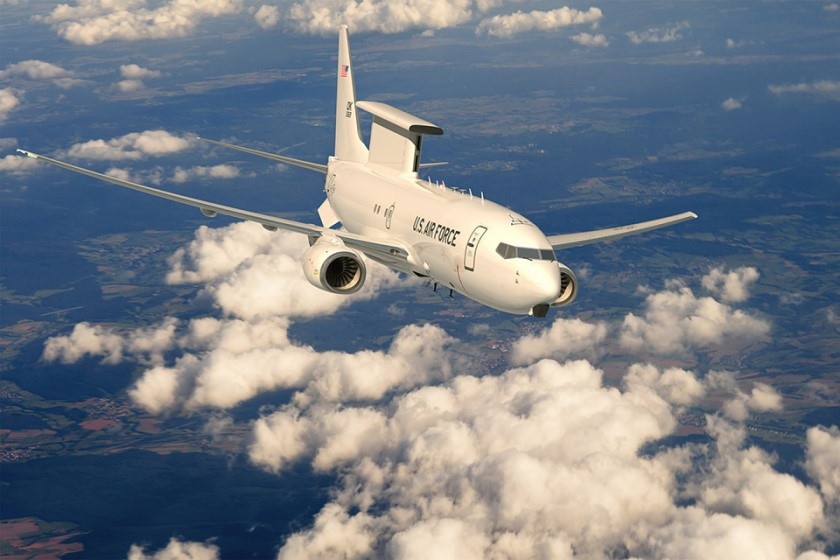
World
For more than 75 years, Airborne Early Warning & Control (AEW&C) platforms have played a critical role in military operations worldwide. From tracking threats to coordinating air defenses, these systems ensure superior situational awareness in complex battle environments. Among them, the E-7 aircraft stands out as a key airborne command and control platform, directing fleet operations with unmatched precision. At the heart of the E-7’s capabilities is Northrop Grumman’s Multi-Role Electronically Scanned Array (MESA) radar. This advanced sensor delivers 360-degree coverage, enabling operators to detect, track, and classify threats across air, sea, and land. By providing real-time intelligence, MESA helps commanders make informed decisions, ensuring mission success in rapidly evolving combat scenarios. Advancing Combat Identification for Mission Success One of MESA’s most crucial advancements is its combat identification (ID) technology. This capability allows operators to distinguish between friendly and hostile forces instantly, reducing the risk of misidentification in high-pressure situations. With modern warfare demanding faster response times, MESA’s ability to dynamically manage battlespace information at mission speed gives allied forces a decisive edge. In collaboration with Boeing and the Royal Australian Air Force (RAAF), Northrop Grumman recently enhanced MESA’s combat ID features. Unlike traditional methods that rely on simulated testing, these upgrades were integrated and tested on an operational E-7 aircraft, demonstrating the system’s technical maturity and real-world readiness. Flight tests conducted at RAAF Base Williamtown validated MESA’s ability to identify threats faster and process intelligence with greater accuracy. “Military operators need instant, precise identification data to make real-time decisions, especially as the battle landscape continues to advance at an exceedingly rapid pace,” said Ed Griebel, vice president of airborne surveillance programs at Northrop Grumman. “We’re modernizing our multifunction sensor technology – including MESA – to deliver resilient capabilities quickly and without disruption.” Innovation, Collaboration, and Future Readiness Northrop Grumman’s success in evolving MESA stems from its commitment to digital transformation, advanced manufacturing, and rigorous testing. By working closely with customers and platform operators, the company ensures its systems remain aligned with current mission requirements. The open-systems architecture of both the E-7 and MESA allows for continuous enhancements, ensuring these platforms remain adaptable to future threats. The enhanced MESA system is now being integrated into existing and future E-7 fleets, including those operated by the U.S. Air Force and Royal Air Force. With operational deployments already in Australia, Turkey, and South Korea, MESA continues to shape the future of airborne surveillance and battle management. As warfare grows increasingly complex, the ability to process, analyze, and act on real-time intelligence is more critical than ever. With its latest advancements, Northrop Grumman’s MESA ensures that allied forces remain ahead of emerging threats, making every second in the battlespace count.
Read More → Posted on 2025-03-23 15:35:55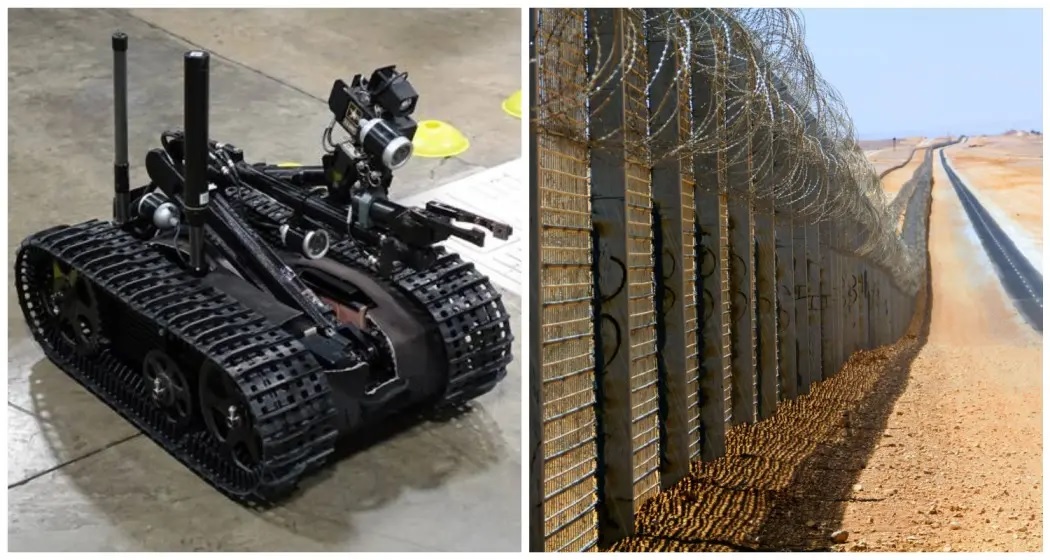
India
Researchers at the Indian Institute of Technology (IIT) Guwahati have made a significant breakthrough in border security technology by developing AI-driven autonomous robots designed for real-time surveillance. This innovation comes from Da Spatio Rhobotique Laboratory Pvt. Ltd (DSRL), a deep-tech start-up incubated at IIT-Guwahati, with a focus on enhancing security along India’s borders. These advanced robots have already gained recognition from the Defence Research and Development Organisation (DRDO) and are currently undergoing field trials with the Indian Army. How These AI Robots Enhance Border Security Unlike traditional security systems that rely on stationary cameras and drones, these AI-powered robots offer continuous surveillance with superior adaptability. They can efficiently navigate rough terrains, autonomously avoid obstacles, and even traverse poles, making them ideal for complex border environments. Arnab Kumar Barman, CEO of DSRL, emphasized that these robots represent a leap forward in defence surveillance. Their AI-driven reconnaissance capabilities enable them to detect, analyze, and respond to potential threats, providing an edge over conventional security measures. A Major Step Towards Indigenous Defence Technology Keyur Sorathia, Head of the Technology Incubation Centre at IIT-Guwahati, stated that this development is a strategic step toward national security self-reliance. With India facing modern threats such as rogue drones and infiltration attempts, these homegrown AI-powered robots offer a crucial advantage in securing the nation’s frontiers. This innovation not only strengthens India’s defence infrastructure but also highlights the growing role of deep-tech start-ups in shaping the future of autonomous security solutions. As India pushes for technological advancements in defence, AI-driven robotics is emerging as a game-changer in modern warfare and surveillance.
Read More → Posted on 2025-03-23 15:34:13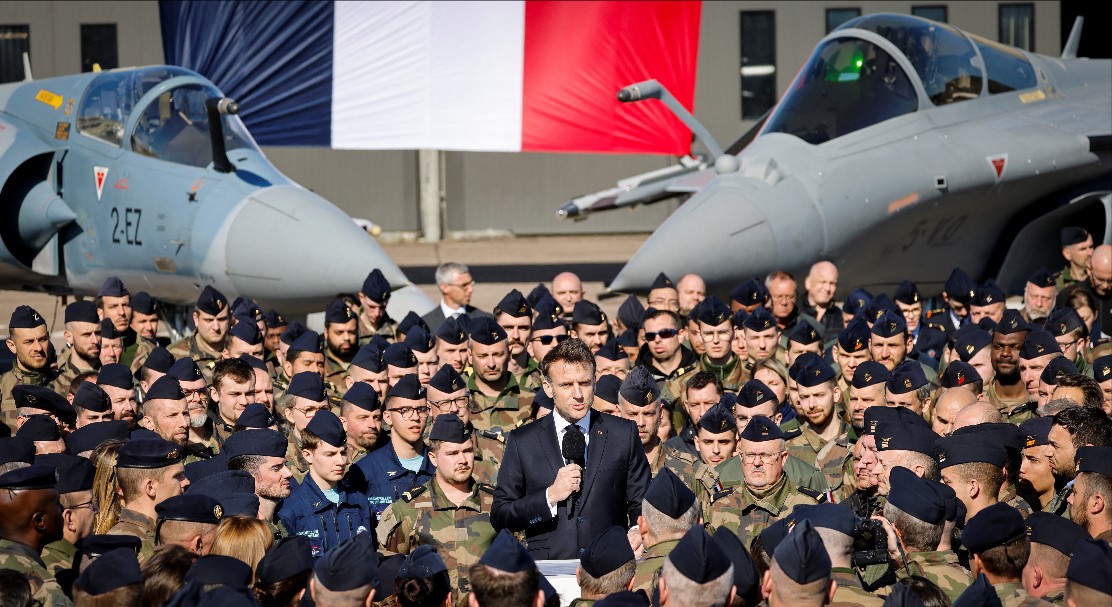
World
France is set to expand its air power and enhance its nuclear deterrence as part of a broader military modernization effort. President Emmanuel Macron has announced plans to procure additional Rafale multirole fighter jets, reinforcing both conventional and nuclear capabilities amid rising global tensions. Boosting the Rafale Fleet The French Air and Space Force will acquire 40 new Rafale jets, forming two new squadrons dedicated to nuclear missions. This follows a previous order of 30 additional aircraft—20 for the Air Force and 10 for the Navy. Currently, France operates a fleet of 108 Rafale jets in the Air and Space Force and 41 in the Navy. To meet the growing demand, Rafale manufacturer Dassault Aviation is ramping up production. The company plans to increase its output from two aircraft per month in 2024 to five per month by 2026. This production surge ensures a steady supply of advanced fighter jets to support France’s evolving defence strategy. Upgrading Nuclear Infrastructure In parallel with expanding the Rafale fleet, France is making significant investments in its nuclear infrastructure. Base aérienne 116 in Luxeuil-Saint Sauveur, home to nuclear-capable aircraft, will undergo a major €1.5 billion upgrade. These improvements will prepare the base for the future Rafale F5 variant, expected to enter service by 2035. France’s airborne nuclear capability currently relies on the ASMP-A missile, which carries tactical nuclear warheads. However, development is underway for its successor—the ASN4G hypersonic missile—which will provide enhanced speed, range, and penetration capabilities against modern air defence systems. Strategic Defence Expansion President Macron has framed these initiatives as essential for maintaining France’s strategic autonomy and reinforcing European security. He has called for an increase in defence spending to between 3% and 3.5% of GDP, compared to the current level of just over 2%. This proposed budget increase reflects France’s commitment to strengthening its military in response to growing geopolitical challenges. With an expanded Rafale fleet, upgraded nuclear infrastructure, and a focus on advanced weaponry, France is positioning itself as a leading military power in Europe. These measures ensure the credibility of its nuclear deterrent and reinforce its ability to respond to future threats.
Read More → Posted on 2025-03-23 15:32:45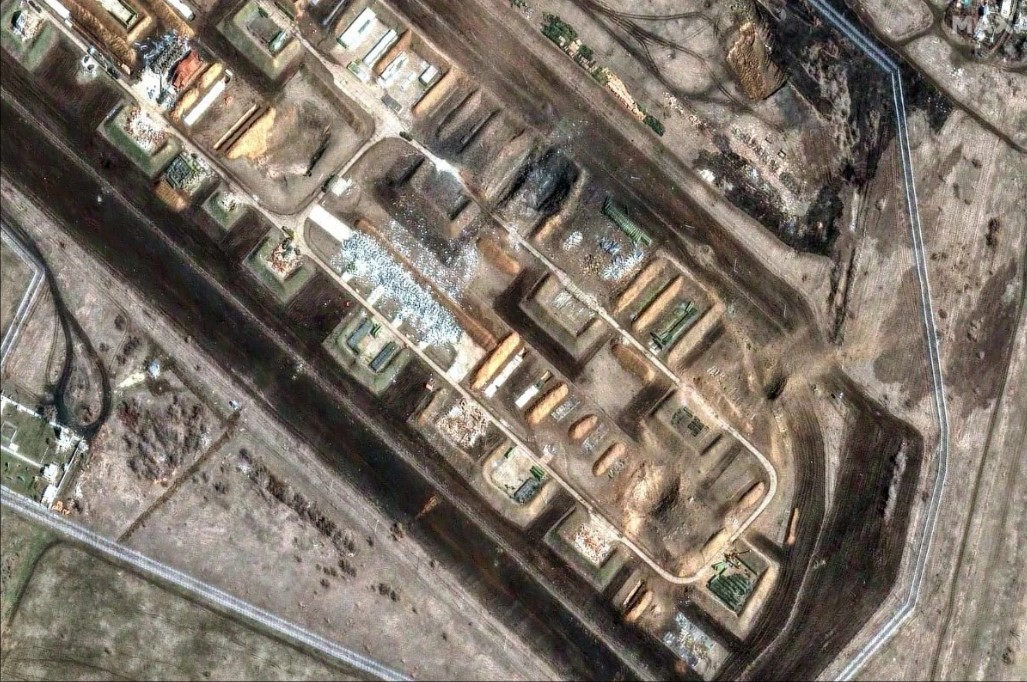
World
Newly released satellite images have confirmed significant destruction at Russia’s Engels-2 airbase, a key site for long-range strategic bombers. The images, dated March 21, reveal multiple large blast craters at a missile storage facility, with several buildings either completely destroyed or severely damaged. Direct Hit on Russian Missile Storage Engels-2, located in Russia’s Saratov region, serves as a critical hub for Tu-160 and Tu-95MS bombers—aircraft frequently used to launch Kh-101 and Kh-555 cruise missiles at Ukraine. The recent attack appears to have targeted the storage areas for these very missiles, potentially affecting Russia’s ability to conduct future strikes. According to Ukrainian sources, the attack was carried out using An-196 Liutyi strike drones, reportedly hitting both the missile storage area and possibly a pre-launch preparation facility for air-launched cruise missiles. A Blow to Russia’s Strategic Air Capabilities The visible damage at the airbase underscores Ukraine’s growing capability to strike deep into Russian territory using long-range drones. The Engels-2 base has been a key operational center for launching missile attacks on Ukraine, making it a high-value target. Open-source analysts confirm that the blast sites align with areas known to store missile containers used for Kh-101 and Kh-555 cruise missiles. These missiles have been used extensively in Russian attacks on Ukrainian cities and energy infrastructure. Russia Remains Silent on the Attack Despite the extensive damage visible from satellite imagery, Russian authorities have not officially commented on the strike. However, local reports and videos suggest emergency response teams were active near the base, with secondary explosions indicating possible ammunition or fuel storage hits. Engels-2 remains one of Russia’s most vital airbases, and any disruption to its infrastructure could complicate future missile operations. This latest attack highlights the evolving nature of warfare, where long-range drone strikes are playing an increasingly decisive role.
Read More → Posted on 2025-03-22 15:43:06
Secrets/Mystery
A team of archaeologists has made a groundbreaking discovery in Egypt’s Anubis Mountain necropolis—a royal tomb dating back 3,600 years. This tomb could provide the strongest evidence yet of the elusive Abydos Dynasty, a little-known ruling lineage of Upper Egypt that existed between 1700 B.C. and 1600 B.C. For years, scholars have debated whether the Abydos Dynasty was real or just a fragmented part of Egyptian history. But the newly uncovered burial site, announced by Egypt’s Ministry of Tourism and Antiquities, might finally validate its existence. A Hidden Tomb Deep Beneath the Sand Led by researchers from the University of Pennsylvania, the excavation revealed a massive underground burial chamber, approximately 7 meters (23 feet) below the surface. Constructed from limestone and mud bricks, the tomb features vaults and a towering 5-meter (16.5-foot) high chamber, unlike anything seen before from this era. At the tomb’s entrance, golden bands of hieroglyphs were discovered, possibly revealing the name of the buried pharaoh. Though his identity remains unknown, the presence of inscriptions dedicated to the goddesses Isis and Nephthys—both associated with mourning and the afterlife—suggests a royal connection. A Connection to King Senebkay? According to Mohamed Abdel Badie, head of the Egyptian Antiquities Sector, the newly found tomb is significantly larger than other known Abydos Dynasty tombs. This suggests that the buried pharaoh might have been a predecessor of King Senebkay, who ruled sometime between 1650 B.C. and 1600 B.C. Joseph Wagner, the head of the excavation mission, pointed out striking similarities between the architectural style of this tomb and that of Senebkay’s, which was discovered in 2014. If further evidence confirms a link between the two, this discovery could rewrite Egypt’s Second Intermediate Period history. The Legacy of Mount Anubis Necropolis The tomb lies within the Anubis Mountain necropolis, one of Egypt’s most significant burial sites. This location also houses the tomb of King Senusret III (1874 B.C.-1855 B.C.), a powerful pharaoh of the Middle Kingdom. His choice to build a grand tomb in the pyramid-shaped summit of Mount Anubis likely set a precedent for future rulers to be buried there. More Discoveries Await In an unexpected twist, another excavation in the area recently uncovered a Roman-era pottery workshop. Researchers found several burials at the site, including a mummified child wearing a colorful hat and the skull of a 30-year-old woman. Wheat roots and seeds from ancient plants were also discovered, shedding light on life and traditions during that time. Egypt’s Minister of Tourism and Antiquities, Sherif Fathy, emphasized that both discoveries—the royal tomb and the pottery workshop—will help boost tourism and offer deeper insights into Egypt’s rich and complex history. Secretary-General of the Supreme Council of Antiquities, Mohamed Ismail Khaled, added that the findings provide crucial context to the political landscape of the Second Intermediate Period. Though much remains to be studied, this hidden tomb has opened a new chapter in the search for Egypt’s lost kings. Further research will determine its exact date and uncover more details about the mysterious pharaoh who once ruled from the shadows of history.
Read More → Posted on 2025-03-22 15:35:58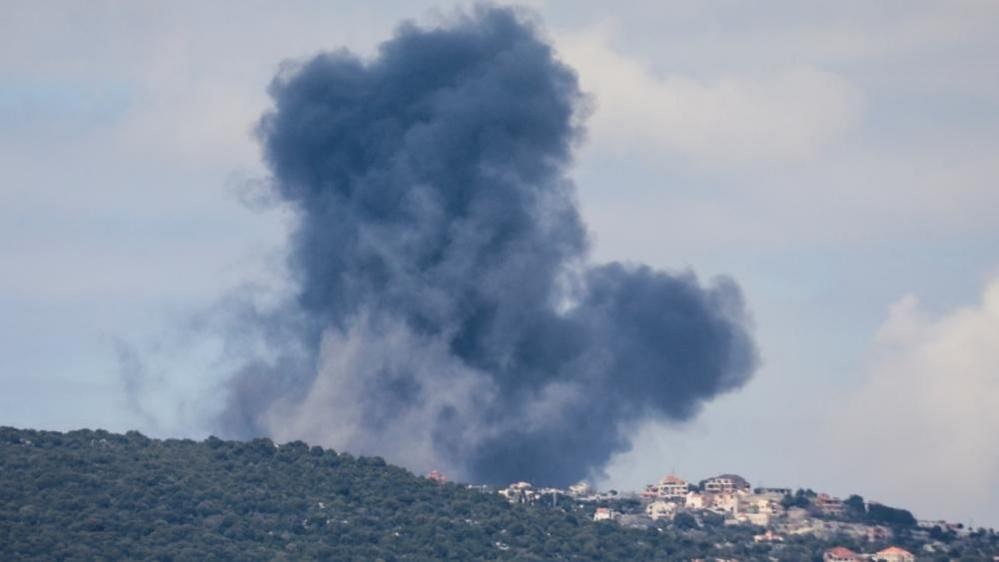
World
Tensions flared on the Israel-Lebanon border as six rockets were fired from Lebanon at the northern Israeli town of Metula on Saturday morning. This marked the first rocket attack in the region since December, reigniting concerns over security along the volatile frontier. IDF Responds with Airstrikes on Hezbollah Targets The Israel Defense Forces (IDF) swiftly responded with a wave of airstrikes targeting dozens of Hezbollah rocket launchers and a command center in southern Lebanon. According to the IDF, three of the rockets fired from Lebanon were intercepted by Israel’s air defense systems, while the remaining three reportedly fell short and landed within Lebanese territory. Fortunately, no injuries or damage were reported on the Israeli side. Residents in Metula Fear for Safety Following the attack, Metula Mayor David Azoulai expressed frustration over the security situation. He noted that some of the town’s residents, who had only recently returned after evacuating in November, decided to leave again due to safety concerns. “The return of residents to Metula under the current conditions is unreasonable. Metula residents won’t be held hostage to a security compromise,” Azoulai stated. Hezbollah Denies Responsibility Despite the IDF’s airstrikes on Hezbollah positions, the terror group denied any involvement in the rocket attack. This raises questions about the source of the assault, though Hezbollah has been involved in past cross-border escalations. The situation remains tense as Israel continues to monitor the border for further threats, while the possibility of renewed conflict looms over the region.
Read More → Posted on 2025-03-22 15:25:54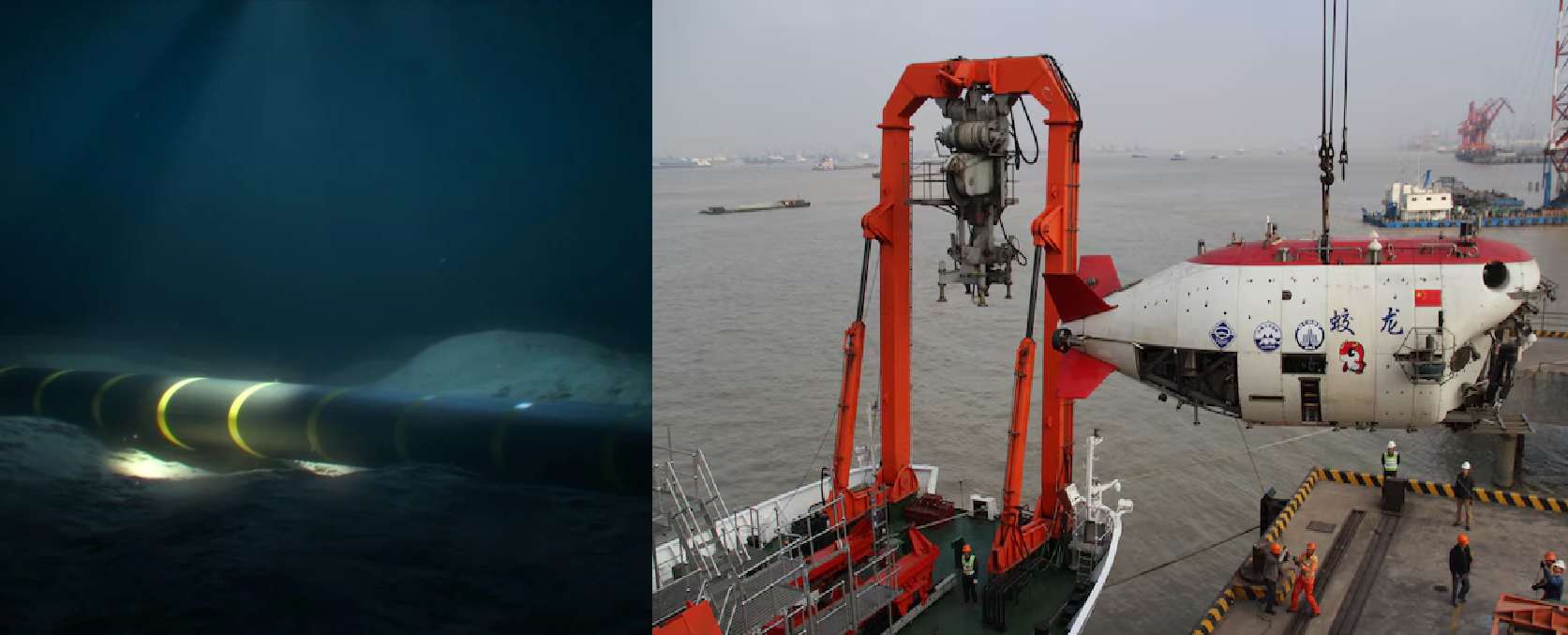
World
China has unveiled a deep-sea cable-cutting device with the capability to sever some of the world’s most fortified underwater communication and power lines. This development could dramatically alter global maritime security, raising concerns among world powers about the potential for strategic disruption. The new tool, capable of operating at depths of up to 4,000 meters—twice the maximum range of most undersea communication cables—marks a significant leap in subsea technology. Designed by the China Ship Scientific Research Centre (CSSRC), it is intended for integration with China’s advanced crewed and uncrewed submersibles, such as the Fendouzhe (Striver) and Haidou series. While officially introduced for civilian purposes like seabed mining and salvage operations, its dual-use potential makes it a formidable asset in modern geopolitical conflicts. A Technological Breakthrough with Strategic Implications Underwater communication cables form the backbone of global connectivity, carrying 95% of the world’s internet and military communications. These cables are heavily reinforced with steel, rubber, and polymer sheaths to resist damage. However, China’s new device, featuring a diamond-coated grinding wheel spinning at 1,600 rpm, can cut through them effortlessly. Unlike traditional cutters, which struggle against steel-reinforced cables, this new tool has been engineered to function under extreme deep-sea pressures exceeding 400 atmospheres. The device is compact and energy-efficient, with a one-kilowatt motor and an 8:1 gear reducer to ensure both precision and power. It can be operated remotely via robotic arms in near-zero visibility, leveraging advanced positioning technology to avoid errors. This capability allows it to cut critical cables with stealth and precision—without the need to surface. A New Dimension in Geopolitical Conflict The implications of this technology extend far beyond marine research. In a geopolitical crisis, cutting undersea cables at key locations like Guam—a critical hub for U.S. military and civilian communications—could disrupt entire regions’ connectivity. The U.S. and its allies heavily rely on secure undersea infrastructure for both civilian internet access and military operations, making such an attack a potential nightmare scenario. The timing of this revelation is also significant. China has been rapidly expanding its deep-sea capabilities, operating the world’s largest fleet of manned and unmanned submersibles. In contrast, the U.S. Navy’s deep-sea fleet is aging, and Japan’s only crewed submersible, Shinkai 6500, is nearing retirement without a replacement in sight. With China already working on a 2,000-meter-deep undersea space station in the South China Sea, its dominance in the oceanic domain is becoming more evident. The Future of Undersea Warfare While China insists that the tool is meant for marine resource development, its strategic potential cannot be ignored. The possibility of stealthy, unmanned submersibles severing key communication lines without leaving a trace has already sparked discussions in military circles. The destruction of Russia’s Nord Stream natural gas pipeline during the Ukraine war remains a mystery, proving that underwater sabotage is no longer a hypothetical scenario. As global superpowers race to secure their undersea assets, the world’s next major conflict may not be fought on land or in the air, but beneath the ocean’s depths.
Read More → Posted on 2025-03-22 14:55:00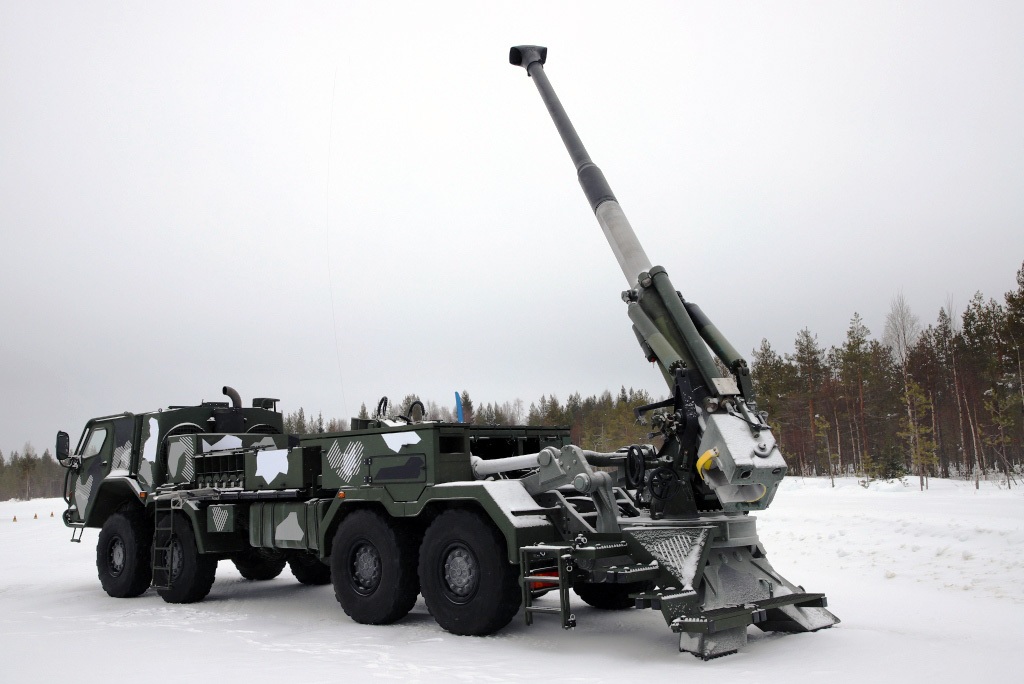
World
Finland’s defence industry took a major step forward as Patria introduced its latest self-propelled artillery system, the ARVE 155mm, designed to enhance the Finnish Navy’s coastal defence. This new system, revealed at the company’s Arctic Event, is expected to replace Finland’s aging fixed coastal artillery with a more mobile and powerful solution. Reviving Coastal Artillery with Modern Firepower For decades, Finland relied on towed heavy artillery to protect its coastal areas. During the Cold War, the Finnish Defence Forces (FDF) used Soviet-era 152mm ML-20 howitzers before transitioning to the 130mm M-46 field guns in the 1970s. These remained the backbone of Finland’s mobile coastal defence until the mid-2000s when the entire coastal artillery arm was disbanded. However, fixed 130mm guns continued to serve in coastal fortifications. Now, with a new requirement for mobile coastal artillery, Finland is shifting towards a NATO-standard 155mm system that offers greater flexibility and firepower. ARVE 155mm: A Practical and Affordable Solution Patria’s ARVE integrates its existing towed 155mm gun-howitzer onto an 8×8 Sisu E13TP all-terrain truck. This design provides enhanced mobility while maintaining performance levels similar to traditional towed artillery. The prototype, equipped with a 52-calibre barrel, boasts a maximum range of 40 km and can fire three rounds within the first 15 seconds. Though manually reloaded, its simple and robust design aligns with Finland’s focus on cost-effective, reservist-friendly equipment. Compared to high-end competitors such as BAE Systems’ Archer, Elbit’s Atmos, KNDS’ CAESAR, and KONŠTRUKTA-Defence’s ZUZANA 2, the ARVE may not have the same level of automation or advanced features. However, its affordability and durability make it a strong contender, particularly for Finland’s defence strategy, which values rugged, easy-to-maintain systems over costly, complex alternatives. Patria’s Strong Ties with the Finnish Defence Forces Patria has a long-standing relationship with Finland’s armed forces, supplying most of the country’s artillery systems over the years. While Finland has also acquired self-propelled K9 Thunder howitzers from South Korea, Patria remains a dominant local supplier. The company is confident that its experience and existing production capabilities will play a crucial role in securing the coastal artillery contract. One of Patria’s key strengths is its ability to manufacture new artillery pieces from scratch, a capability it has maintained despite not producing a complete gun in over two decades. Over the past decade, the company has supplied millions of euros worth of spare parts, including critical components like gun barrels. This ensures that Finland could adopt the ARVE without taking away artillery from the Army’s towed batteries. Future Enhancements and Coastal Defence Applications While the ARVE is based on existing artillery technology, Patria has identified several key areas for future improvements. These include servo-controlled gun-laying, an advanced fire-control system, and enhanced loading mechanisms. Such upgrades would be particularly useful for coastal defence, where artillery must engage fast-moving naval targets with precision and speed. The introduction of the ARVE 155mm marks a significant step in Finland’s evolving defence strategy. As the Finnish Navy looks to modernize its coastal artillery, Patria’s offering provides a blend of mobility, reliability, and affordability—ensuring that Finland’s coastline remains well-protected in the years to come.
Read More → Posted on 2025-03-22 14:47:13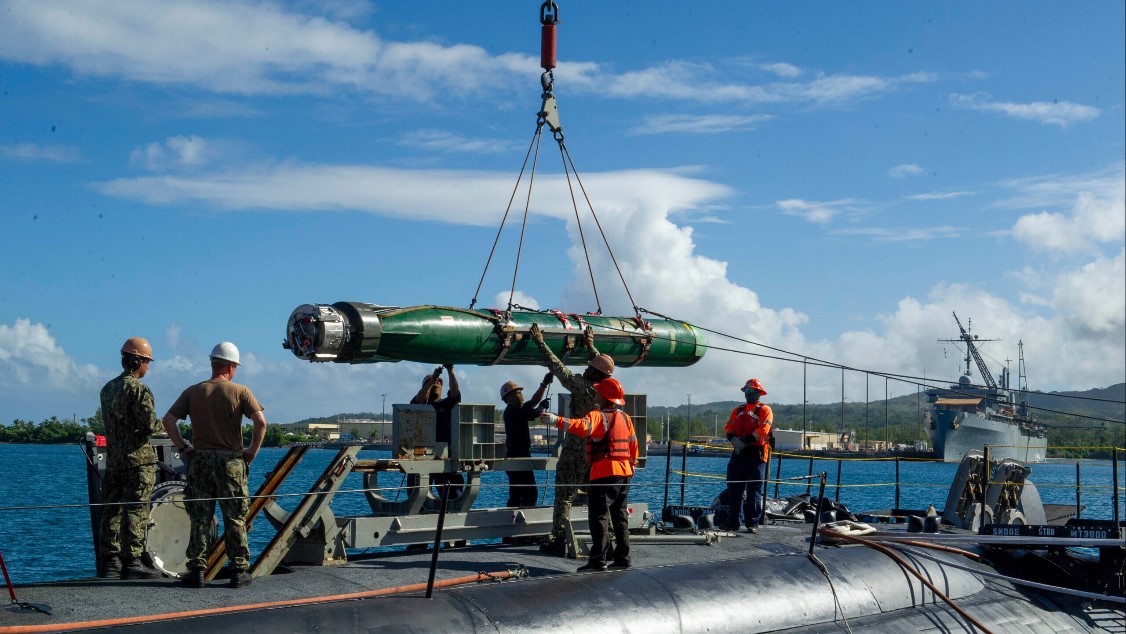
World
Australia is ramping up its naval firepower with the acquisition of additional Mk 48 Heavyweight Torpedoes under a $200 million agreement with the United States. This procurement is set to enhance the Royal Australian Navy’s offensive and defensive capabilities, particularly for its Collins-class submarines and future nuclear-powered fleet. The Mk 48 torpedo is a state-of-the-art weapon designed for both anti-submarine and anti-surface warfare. Known for its advanced guidance systems and high lethality, the torpedo is capable of tracking and neutralizing enemy submarines and surface vessels with pinpoint accuracy. This latest purchase ensures Australia’s submarine fleet remains equipped with cutting-edge firepower, aligning with the country’s long-term defence strategy. This acquisition is part of a broader collaboration between Australia and the United States, reflecting their deep-rooted military partnership. The Mk 48 program involves joint development of both hardware and software, allowing for continuous upgrades and improvements. Australia’s Torpedo Maintenance Facility in Western Australia plays a crucial role in this program, assembling and testing the torpedoes for both the Royal Australian Navy and the United States Navy. This facility is one of the few certified centers globally to maintain and integrate the weapon into operational platforms. The investment aligns with Australia’s 2024 National Defence Strategy, which prioritizes deterrence and rapid response to emerging security challenges. The government has emphasized that strengthening the Royal Australian Navy’s firepower is essential to maintaining regional stability and ensuring the security of Australian waters. Defence Industry Minister Pat Conroy highlighted the significance of this deal, stating that it reinforces the government’s commitment to equipping the navy with advanced technology capable of countering evolving threats. He also underscored that the continuous development of the Mk 48 torpedo ensures Australia’s fleet remains at the forefront of naval warfare capabilities. With this strategic acquisition, Australia is taking another step toward fortifying its maritime defence, ensuring that its submarines remain a formidable force in the Indo-Pacific region.
Read More → Posted on 2025-03-22 14:43:37
World
In a rare admission of potential conflict of interest, former U.S. President Donald Trump stated that billionaire entrepreneur Elon Musk should not be privy to classified Pentagon war strategies involving China. Despite Musk’s close association with Trump and his significant role in cutting government spending through the Department of Government Efficiency (DOGE), the former president made it clear that certain national security matters must remain off-limits. “I don’t want to show it to anybody. You’re talking about a potential war with China,” Trump told reporters in the Oval Office. “Certainly you wouldn’t show it to a businessman who is helping us so much… Elon has businesses in China and he would be susceptible perhaps to that.” Musk, the CEO of Tesla and SpaceX, has extensive business interests in China, including Tesla’s massive gigafactory in Shanghai. At the same time, he holds lucrative defense contracts with the U.S. government, making his dual role as an advisor to Trump a subject of growing scrutiny. Trump’s remarks came in response to media reports that Musk was set to receive a classified Pentagon briefing on maritime warfare strategies in a secure military facility known as “The Tank.” However, the briefing was reportedly canceled after the news was leaked. Trump dismissed these reports, calling them “fake news” and once again labeling The New York Times as the “enemy of the people” for publishing the claims. Despite the controversy, Musk remains a key figure in Trump’s efforts to streamline the federal government, particularly in defense spending. During the same Oval Office interaction, Trump praised the billionaire as a “patriot” and commended his work in reducing government inefficiencies. Defense Secretary Pete Hegseth described Musk’s visit to the Pentagon as an “amazing visit” and emphasized ongoing collaboration between the entrepreneur and the defense establishment. Meanwhile, Musk himself responded to the allegations on his social media platform, X, dismissing the reports as “pure propaganda” and noting that he had been to the Pentagon numerous times before. While Musk’s influence in both Washington and Beijing remains a point of debate, Trump has repeatedly defended his loyalty to the United States. However, concerns persist over his business dealings, particularly his past suggestions that Taiwan should become part of China, a stance that aligns with Beijing’s interests but contradicts U.S. foreign policy. As the billionaire continues to navigate his dual roles as a private businessman and government advisor, questions about national security risks and conflicts of interest are likely to intensify, especially as U.S.-China tensions escalate.
Read More → Posted on 2025-03-22 14:39:42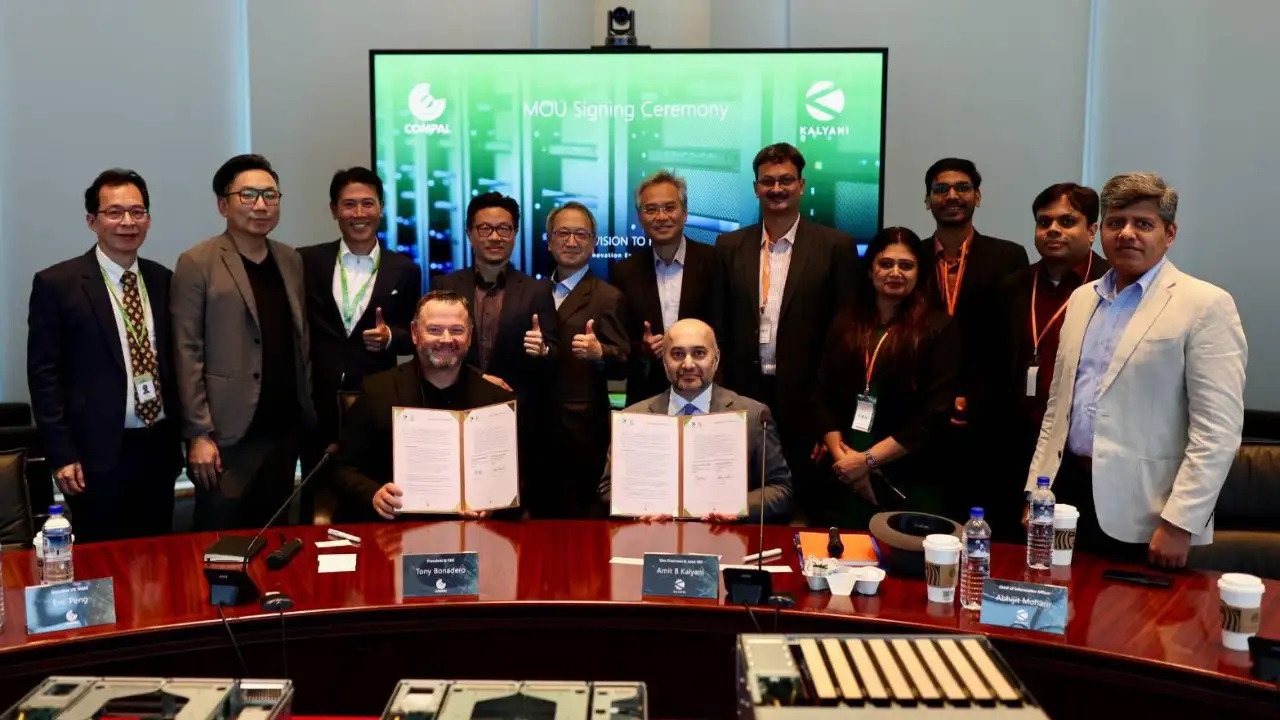
India
Kalyani Powertrain, a subsidiary of Bharat Forge, has partnered with Advanced Micro Devices (AMD) to revolutionize India’s server infrastructure. This collaboration aims to boost local manufacturing and integrate cutting-edge technology into the country’s growing data ecosystem. High-Performance Servers Powered by AMD EPYC At the core of this partnership is AMD’s EPYC processor, known for its high performance, energy efficiency, and advanced security features. These servers will be locally manufactured, reducing India’s reliance on imported technology while optimizing the Total Cost of Ownership (TCO) for data centers. AI and High-Performance Computing (HPC) Integration Beyond traditional server applications, the partnership also focuses on the future of artificial intelligence (AI) and high-performance computing (HPC). Plans are underway to incorporate AMD Instinct accelerators, enhancing AI-driven workloads and supporting large-scale data processing in sectors such as cloud computing, telecommunications, and automotive. Aligning with ‘Make in India’ for Digital Transformation This initiative is a significant step towards India's 'Make in India' vision, reinforcing local manufacturing capabilities while fostering self-reliance in critical technology sectors. By providing advanced, cost-effective server solutions for enterprises, cloud providers, and government organizations, this collaboration is set to play a key role in India’s digital transformation. With Kalyani Powertrain and AMD joining forces, India is well on its way to becoming a major player in global AI and cloud computing infrastructure, paving the way for a more technologically self-sufficient future.
Read More → Posted on 2025-03-22 14:35:45Search
Top Trending in 24 Hours
-
 NASA Demonstrates Space-to-Space Wi-Fi Between Two Orbiting Spacecraft
-
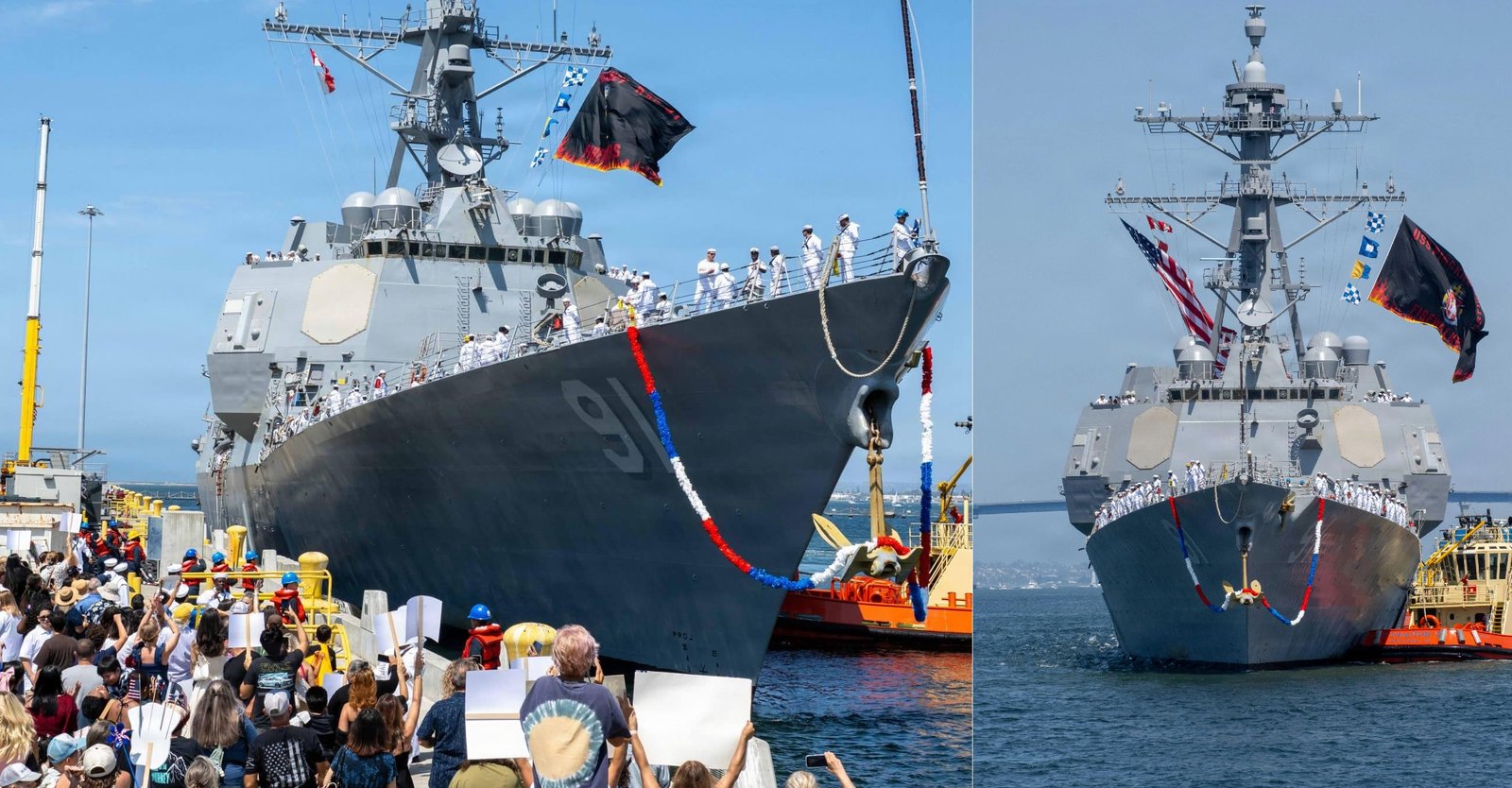 USS Pinckney Becomes First U.S. Navy Destroyer to Begin Phase Two Modernization with Advanced SPY-6 Radar
-
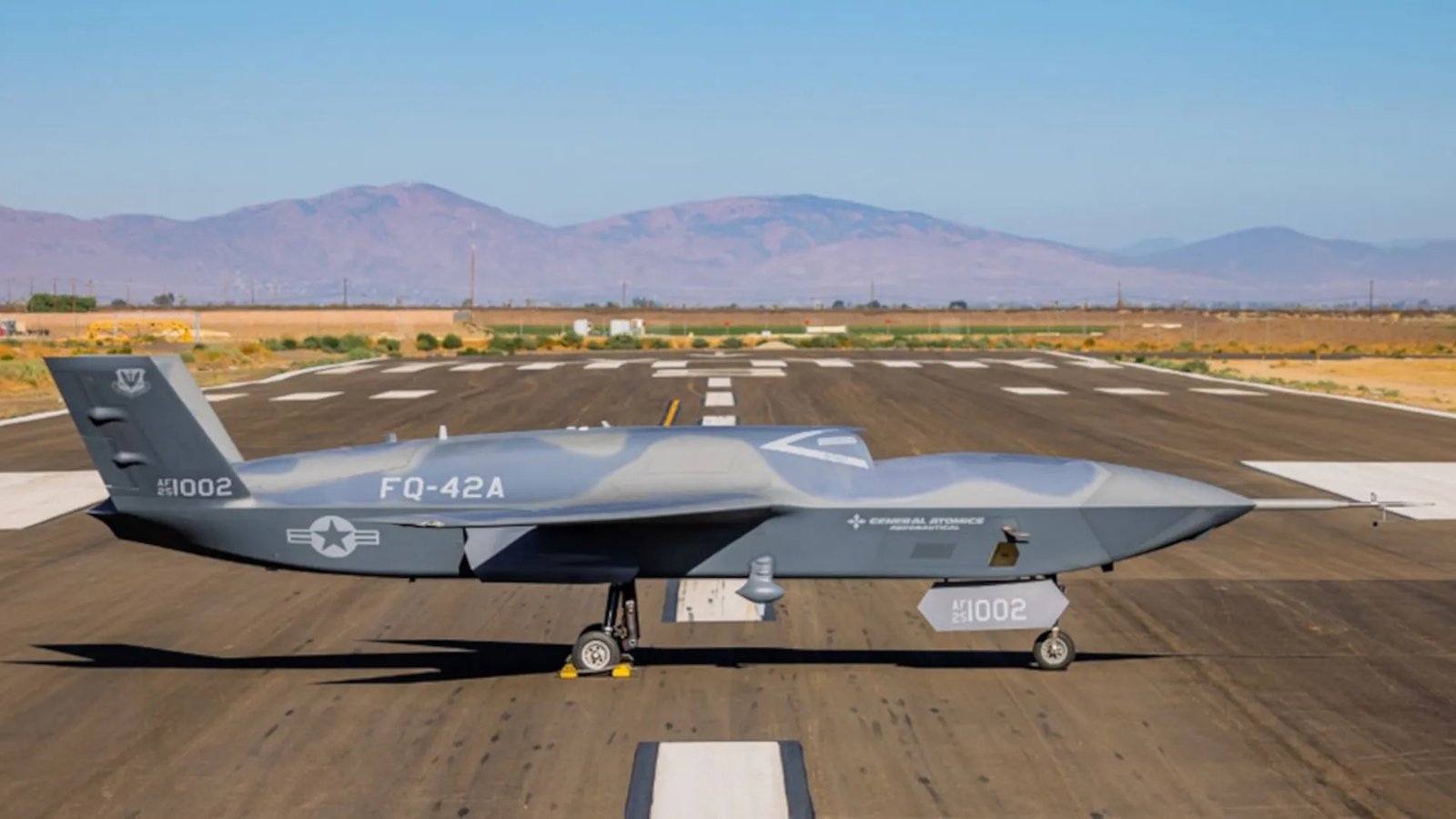 General Atomics Partners With Spirit Defense to Expand FQ-42 Vengeance Production
-
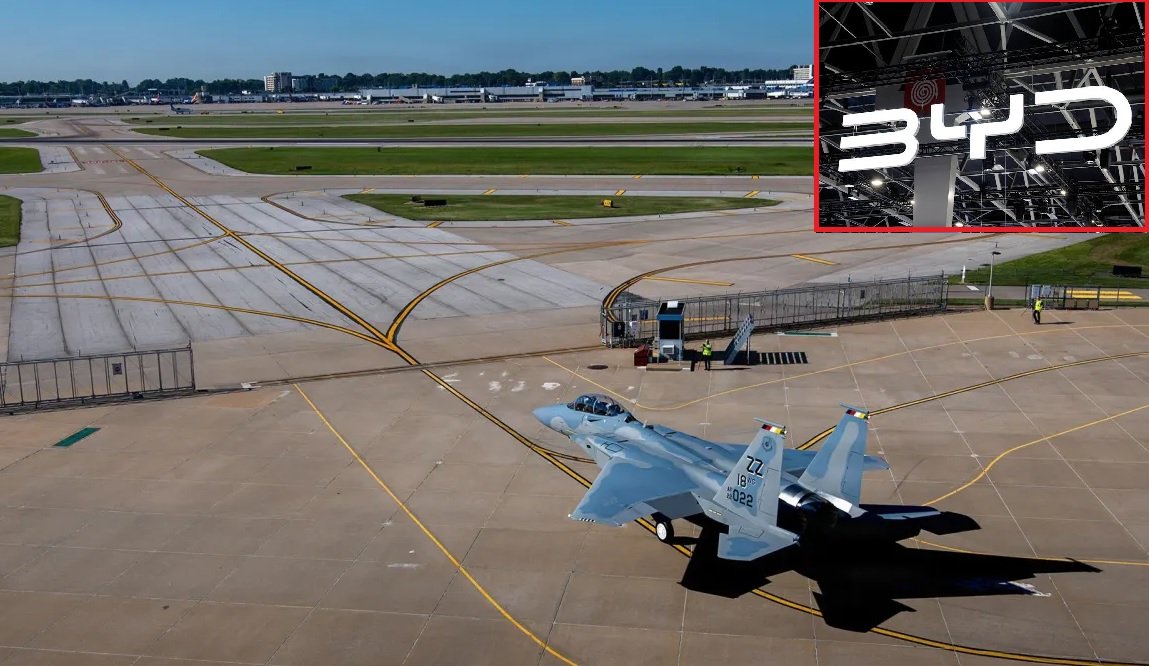 U.S. Military to Ban Chinese Automaker BYD Vehicles from Kadena Air Base in Japan Over Security Concerns
-
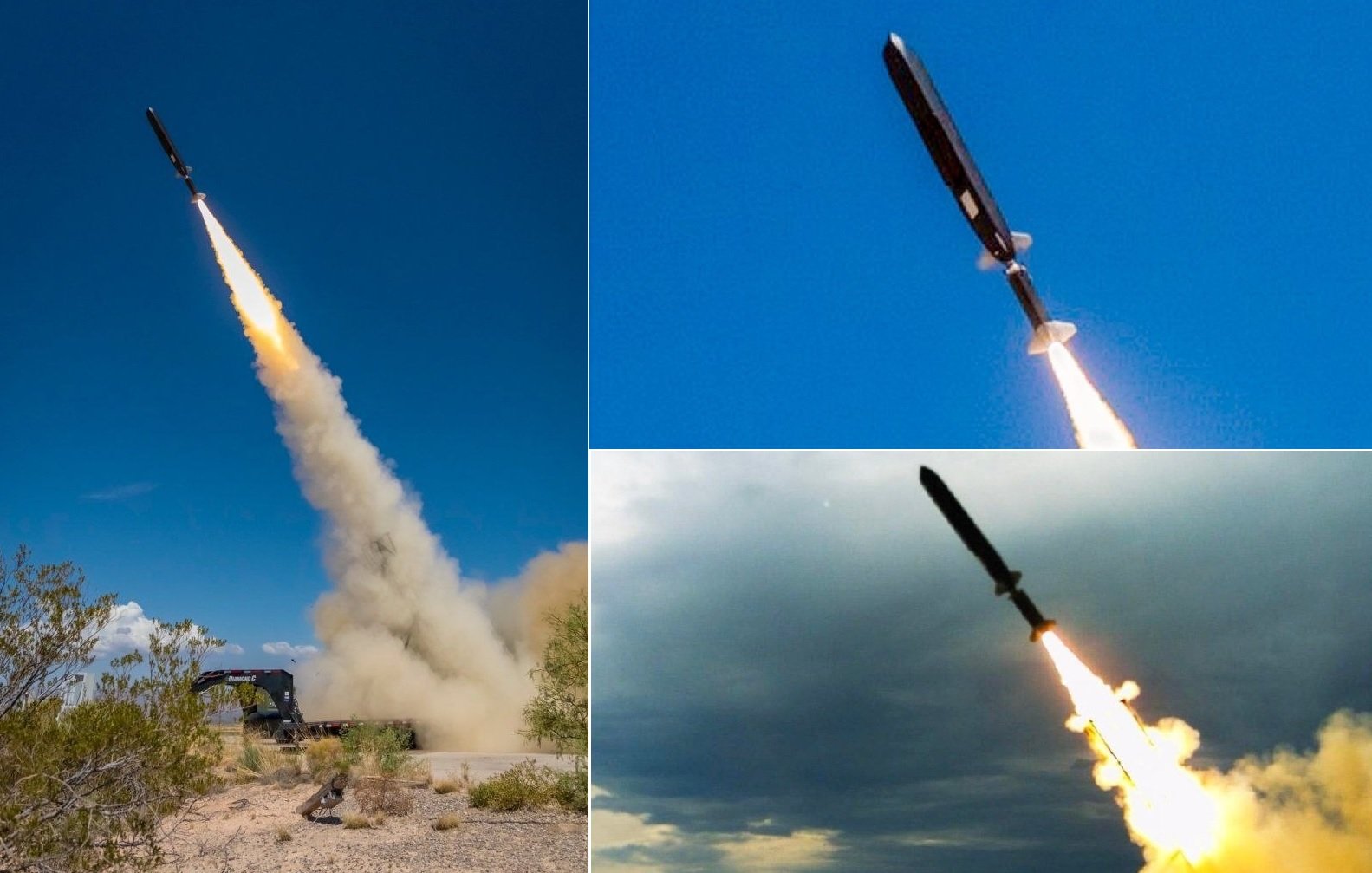 Zone 5 Technologies Demonstrates Ground Launch of Upgraded AGM-188A Rusty Dagger Missile
-
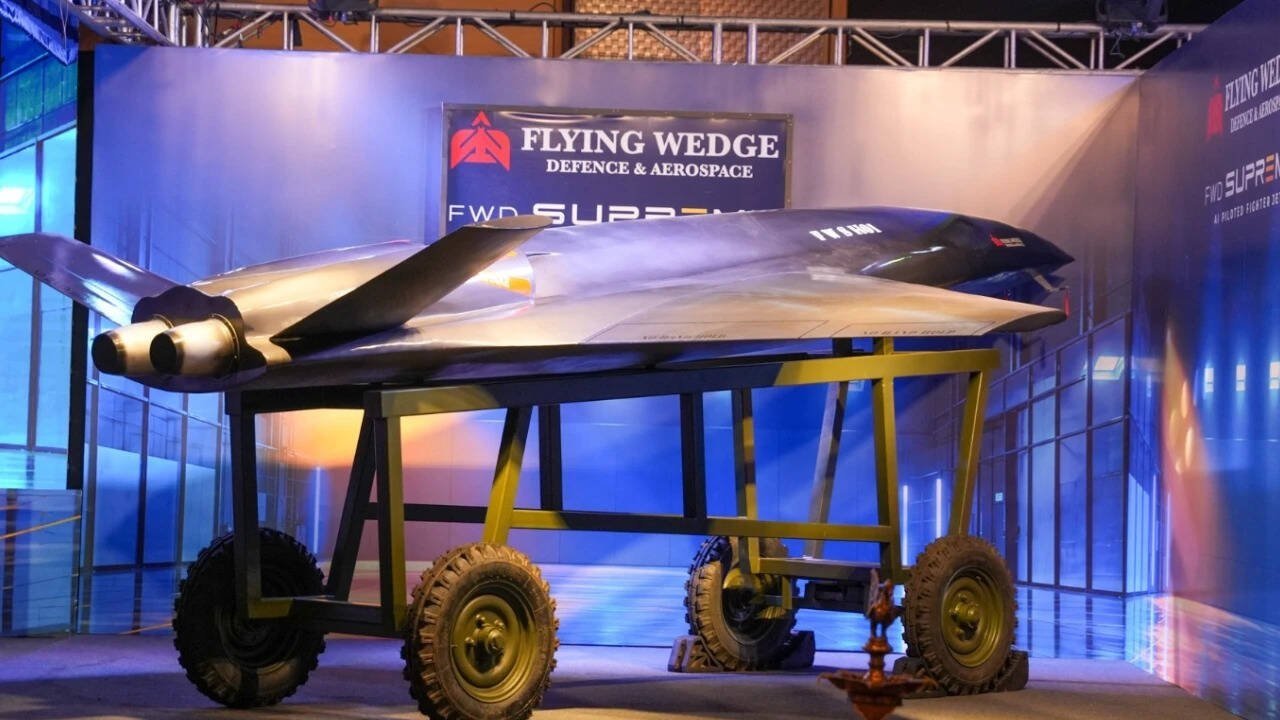 Bengaluru Startup FWDA Unveils FWD Supreme AI-Piloted Loyal Wingman Prototype
-
 Russia Launches Project 20380 Corvette Grozny for Pacific Fleet at Amur Shipyard
-
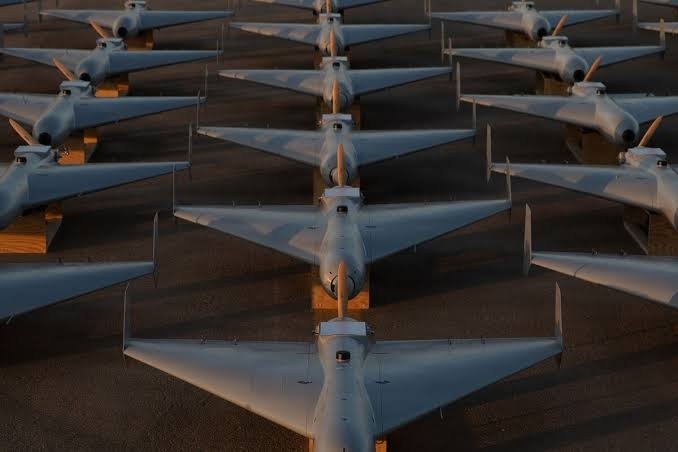 Pentagon Orders 60,000 Kamikaze Drones Under Second Phase of Drone Dominance Program
Top Trending in 4 Days
-
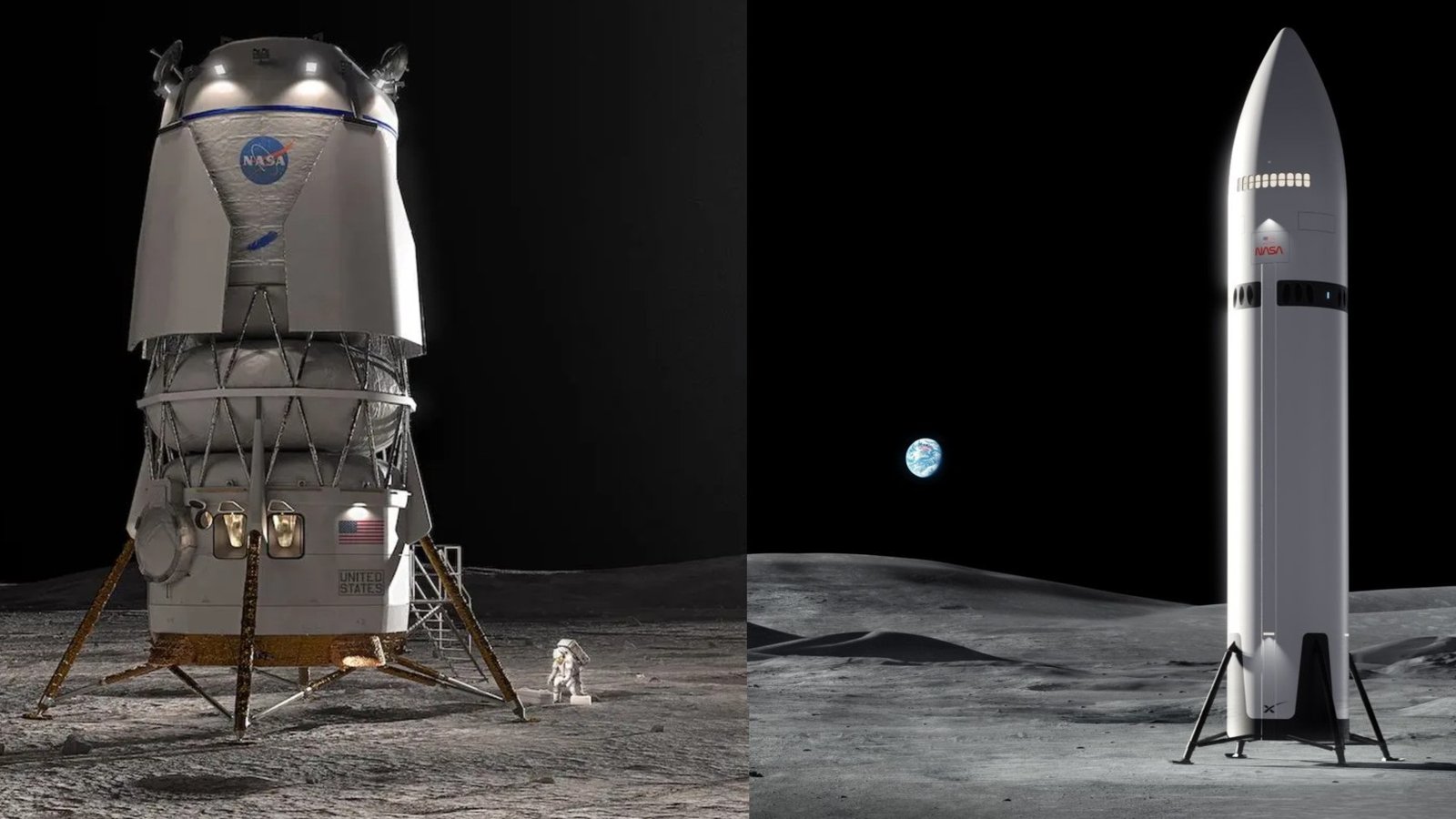 NASA Sets New Artemis Milestones as SpaceX and Blue Origin Target Moon Landings in 2027–2028
-
NASA Demonstrates Space-to-Space Wi-Fi Between Two Orbiting Spacecraft
-
USS Pinckney Becomes First U.S. Navy Destroyer to Begin Phase Two Modernization with Advanced SPY-6 Radar
-
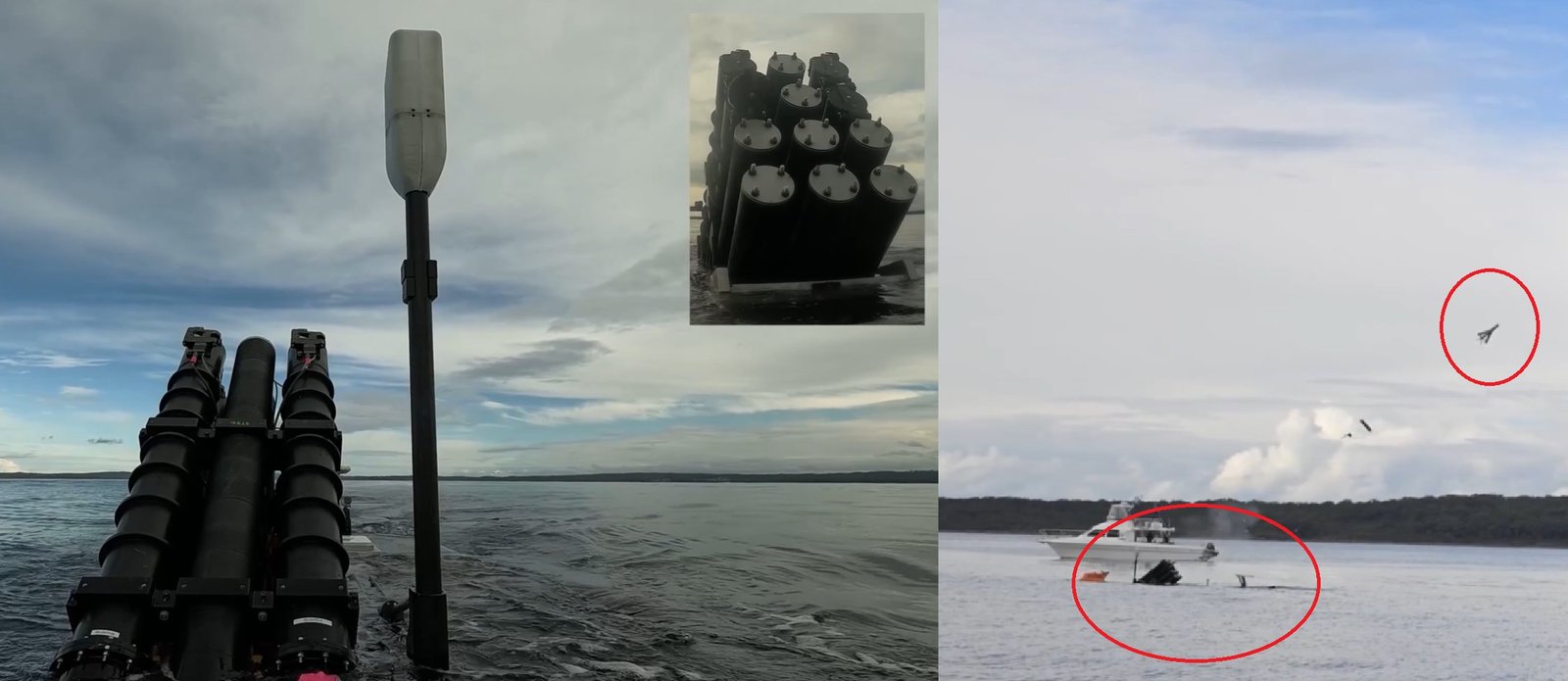 Australia Unveils Ghost Shark Autonomous Submarine’s Mine, Drone and Logistics Capabilities
-
General Atomics Partners With Spirit Defense to Expand FQ-42 Vengeance Production
-
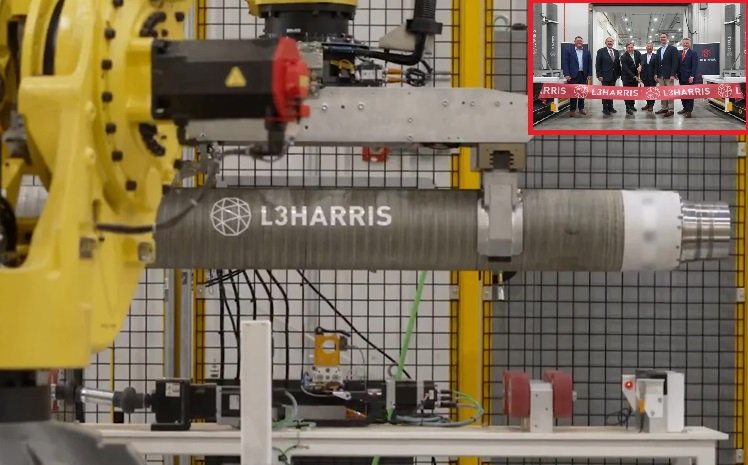 L3Harris Opens ‘Arsenal of Freedom’ Rocket Motor Plant in Arkansas to Double Production Capacity
-
 Unitree Unveils H2-X ‘Kung Fu Legend: Guardian’ Humanoid Robot for Security and Rescue
-
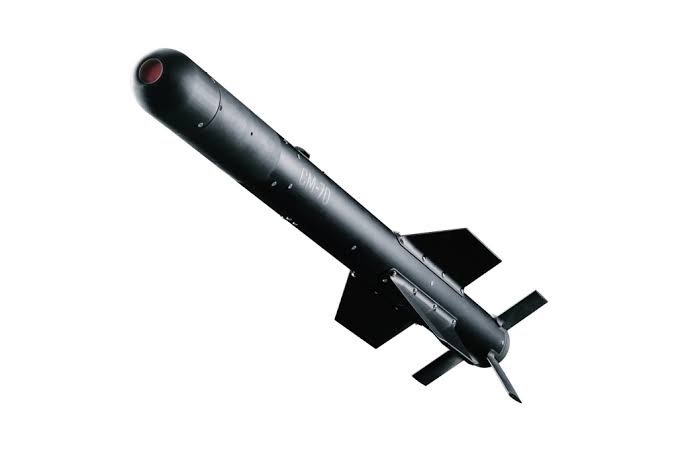 CSG and North Vector Dynamics Sign MoU to Explore European Production of CM-70 Counter-Drone Interceptor
