
World
Honeywell has announced a significant development in military aviation connectivity, as its JetWave X satellite communication system has been chosen by L3Harris Technologies to enhance the U.S. Army’s Airborne Reconnaissance and Electronic Warfare System (ARES). This selection marks a major step forward in providing soldiers with improved global connectivity, faster data transmission, and seamless communication through JetWave X’s multi-network architecture. The ARES aircraft, operated by L3Harris, is based on the Bombardier Global 6000/6500-class business jet. Serving as a demonstrator, it showcases the next generation of airborne intelligence, surveillance, and reconnaissance (ISR) capabilities. Upgrading the ARES with Honeywell’s JetWave X system will significantly boost the Army’s ability to transmit mission-critical information more efficiently compared to existing communication systems. The core advantage of the JetWave X lies in its resilient, multi-network architecture, which ensures uninterrupted connectivity by integrating with various satellite networks. Unlike conventional systems, it seamlessly connects to the Inmarsat Global Xpress, ViaSat-3, and other Ka-band constellations. This versatile connectivity guarantees real-time data access for pilots, helping them make mission-critical decisions even in the most challenging environments. Matt Milas, President of Defense and Space at Honeywell Aerospace Technologies, emphasized the importance of continuous communication for military missions, stating, “Today’s pilots need access to real-time data with uninterrupted connectivity to make mission-critical decisions.” He expressed pride in providing the ARES with JetWave X, highlighting its unique position as the only multi-network satellite communications system tailored specifically for government aviation. The collaboration between Honeywell and L3Harris on the ARES project underscores Honeywell’s commitment to advancing U.S. Army mission capabilities. The JetWave X is an evolved version of Honeywell’s successful JetWave SATCOM system, boasting improved installation processes and enhanced network flexibility. Its open architecture allows it to connect with any Viasat Ka-band satellite, making it compatible with both current and future Ka-band networks. By integrating JetWave X, the U.S. Army stands to benefit from continuous, reliable communication, boosting mission readiness and operational efficiency on a global scale. The system’s ability to adapt to multiple satellite networks makes it particularly valuable for government aviation, ensuring that critical data remains accessible no matter where the mission takes place. Honeywell’s strategic partnership with L3Harris not only highlights the importance of cutting-edge communication systems for modern military operations but also showcases the future of aviation connectivity. As the U.S. Army continues to modernize its airborne platforms, JetWave X will play a pivotal role in maintaining secure and reliable data transmission in dynamic operational settings.
Read More → Posted on 2025-05-18 16:30:38
India
In a significant move to bolster India's military capabilities, the Defence Acquisition Council (DAC) has approved emergency procurement powers amounting to ₹40,000 crore. This decision comes in the wake of the ongoing Operation Sindoor, reflecting India's commitment to strengthening its defence preparedness. Strategic Emergency Procurement The emergency procurement powers enable the Indian Armed Forces to expedite the acquisition of critical defence equipment. This mechanism allows for swift procurement processes, bypassing standard lengthy procedures, to address urgent operational needs. Key Acquisitions Under Emergency Powers Under this initiative, the focus is on procuring advanced equipment such as surveillance drones, kamikaze drones, long-range loitering munitions, and various types of ammunition for artillery, air defence, missiles, and rockets. Notably, systems like the BrahMos and Scalp cruise missiles have been utilized effectively during Operation Sindoor. Operational Impact The emergency procurement powers have previously facilitated the acquisition of essential equipment, including the Heron Mark 2 drones, which have been instrumental in live operations. Additionally, public sector units like Bharat Electronics Limited are expected to receive orders for low-level radars to enhance drone detection capabilities. Procurement Guidelines and Oversight The new emergency powers stipulate a 15% outer limit of the defence budget, with contracts to be finalized within 40 days and deliveries assured within a year. These powers are to be exercised by the vice chiefs of the respective services, ensuring a streamlined and accountable procurement process. The approval of ₹40,000 crore for emergency procurement underscores India's proactive approach to national security. By enabling rapid acquisition of critical defence assets, the Indian Armed Forces are better equipped to address current and future challenges, maintaining a robust defence posture amid ongoing operations.
Read More → Posted on 2025-05-18 16:23:46
India
Adani Defence & Aerospace, a division of Adani Enterprises, has entered into a significant partnership with Sparton DeLeon Springs LLC, a U.S.-based undersea warfare specialist and subsidiary of Israel's Elbit Systems. This collaboration aims to develop and assemble advanced anti-submarine warfare (ASW) solutions, including sonobuoys, for the Indian Navy. Enhancing Indigenous Defence Manufacturing The agreement focuses on localizing the production of sonobuoys and other ASW electronic sensors and navigation systems in India. This initiative aligns with the Indian government's 'Atmanirbhar Bharat' (self-reliant India) and 'Make in India' programs, which promote domestic manufacturing and reduce dependence on foreign suppliers. Importance of Sonobuoys in Naval Defence Sonobuoys are critical electronic devices used to detect, locate, and track submarines and other underwater threats. They enhance undersea domain awareness (UDA) and support the security of carrier strike groups and other naval assets. By deploying sonobuoys, naval forces can monitor vast ocean areas for potential submarine activity, thereby strengthening maritime security. Strategic Significance of the Partnership Historically, India has relied heavily on imports for sophisticated naval technologies like sonobuoys. This partnership marks a strategic move towards building indigenous capabilities in ASW technologies. Adani Defence & Aerospace becomes the first private company in India to offer indigenously assembled sonobuoy solutions to the Indian Navy. The collaboration leverages Sparton's advanced ASW technologies and Adani's expertise in defence manufacturing to create a robust, self-reliant ecosystem for mission-ready intelligence, surveillance, reconnaissance (ISR), and ASW capabilities. Leadership Perspectives Jeet Adani, Vice President of Adani Enterprises, emphasized the strategic importance of strengthening India's undersea warfare capabilities amid an increasingly volatile maritime environment. He stated that the initiative is crucial for safeguarding national sovereignty and interests. Ashish Rajvanshi, CEO of Adani Defence & Aerospace, highlighted that this move will foster high-technology skill development and future-ready defence manufacturing in India. Building on Previous Collaborations This partnership builds on Adani's previous collaborations in the defence sector, including joint ventures with Elbit Systems for drone manufacturing and with Israel Weapon Industries for small arms production. The current agreement marks a significant milestone in India's journey towards defence self-reliance, promising to deliver world-class ASW solutions designed, developed, and manufactured in India for both domestic and global markets. In summary, the collaboration between Adani Defence & Aerospace and Sparton represents a pivotal step in enhancing India's maritime defence capabilities. By focusing on indigenous production of critical ASW technologies, the partnership not only strengthens national security but also contributes to the broader goal of self-reliance in defence manufacturing.
Read More → Posted on 2025-05-18 16:18:45
World
The Royal Air Force (RAF) has taken a significant leap in air combat capabilities with the introduction of its new autonomous collaborative platforms (ACPs) known as "StormShroud." These cutting-edge platforms are equipped with Leonardo’s latest innovation in electronic warfare, the BriteStorm payload. This advanced system is designed to disrupt enemy radar systems during air combat missions, giving the RAF a strategic edge over advanced air defence networks. BriteStorm: A Technological Marvel in Electronic Warfare BriteStorm, branded as a "stand-in jammer," is specifically engineered to operate ahead of high-value crewed combat aircraft. Its primary function is to create confusion and suppress enemy Integrated Air Defence Systems (IADS). By deploying small, uncrewed aircraft or even missiles, BriteStorm leverages high-powered digital jamming and deceptive techniques to disrupt hostile radar operations. This capability allows friendly aircraft to manoeuvre freely, unimpeded by the threat of enemy detection. A spokesperson from Leonardo emphasised that BriteStorm is designed to address both current and future threats. The system's open software architecture allows for rapid reconfiguration, making it highly adaptable against a wide array of evolving challenges. Intelligence gathered during missions is seamlessly integrated, enhancing the system’s effectiveness and reliability. Lightweight, Flexible, and Adaptable One of the most remarkable aspects of BriteStorm is its compact and efficient design. The system comprises a Miniature Techniques Generator (MTG) and Transmit Receive Modules (TRMs), both of which are lightweight and energy-efficient. This design flexibility makes BriteStorm compatible with various uncrewed aerial systems (UAS). Notably, the Tekever AR3 small UAS, set to enter RAF service under the StormShroud name, will be among the first to utilise this innovative payload. The development of BriteStorm reflects the RAF’s commitment to integrating lessons learned from recent combat operations. Its "attritable" nature ensures that while it is designed for reuse and rapid reprogramming, its loss during critical missions is considered acceptable, especially when protecting more valuable crewed aircraft. Built on Years of Research and Innovation The journey of BriteStorm began in 2017 at Leonardo’s Luton facility, a European hub for electronic warfare technology. The site, which employs over 1,200 experts, has made substantial investments in local British suppliers, including nearly £175 million in 2024 alone. This commitment underpins the UK’s broader defence industrial strategy, fostering innovation and domestic manufacturing capabilities. Operational Integration and Future Prospects The StormShroud program itself is a product of collaboration between the Royal Air Force Rapid Capabilities Office (RCO) and the Catalyst team within Defence Equipment & Support (DE&S). It is designed to be operated by both regular and reserve personnel from 216 Squadron, with continued support from Leonardo and other key industry partners. By incorporating BriteStorm into its StormShroud platforms, the RAF is significantly boosting its electronic warfare potential. This strategic enhancement not only increases operational freedom for allied forces but also reinforces the UK's position at the forefront of modern air combat technology.
Read More → Posted on 2025-05-18 16:11:39
World
The Lithuanian Armed Forces have achieved a significant milestone in their defense modernization efforts by successfully conducting the first live firings of the advanced SPIKE LR2 anti-tank guided missiles. These tests were carried out at the General Silvestras Žukauskas Training Area in Pabradė by soldiers from the Grand Duke Algirdas Mechanised Infantry Battalion. Enhancing National Defense Capabilities This successful testing marks a pivotal step in strengthening Lithuania's anti-tank warfare capabilities. By integrating the SPIKE LR2 missiles into their arsenal, the Lithuanian Armed Forces aim to bolster their deterrence and defense posture, aligning with NATO's collective security objectives. Overview of the SPIKE LR2 Missile System Developed by Israeli defense company Rafael Advanced Defense Systems, the SPIKE LR2 is a fifth-generation, long-range, multi-platform missile system. It is designed to engage and destroy a variety of targets, including main battle tanks, armored vehicles, and fortified structures. Key Features: Extended Range: The missile can engage targets up to 5.5 kilometers away when launched from the ground, and up to 10 kilometers when launched from a helicopter. Advanced Guidance System: Equipped with a dual-mode seeker that includes an uncooled infrared sensor and a high-definition day camera, the SPIKE LR2 ensures high accuracy in various combat scenarios. Warhead Options: The missile offers two types of warheads: a tandem high-explosive anti-tank (HEAT) warhead capable of penetrating reactive armor, and a multipurpose blast warhead designed for breaching fortified structures. Operational Flexibility: The system supports multiple firing modes, including "fire-and-forget," "fire, observe and update," and "fire to target coordinates," allowing operators to adapt to dynamic battlefield conditions. Integration with Lithuanian Military Assets In Lithuania, the SPIKE LR2 missiles are integrated into the "Vilkas" infantry fighting vehicles, enhancing their firepower and allowing for effective engagement of targets at extended ranges. This integration provides troops with greater tactical flexibility and the ability to respond swiftly to evolving threats. The successful testing of the SPIKE LR2 missile system signifies a major advancement in Lithuania's defense capabilities. By adopting this state-of-the-art technology, the Lithuanian Armed Forces are better equipped to protect national sovereignty and contribute effectively to NATO's collective defense initiatives.
Read More → Posted on 2025-05-18 16:08:37
India
India's recent military operation, Operation Sindoor, has brought global attention to its indigenous defense capabilities, particularly the AkashTeer system. Developed collaboratively by the Defence Research and Development Organisation (DRDO), Bharat Electronics Limited (BEL), and the Indian Space Research Organisation (ISRO), AkashTeer represents a significant advancement in autonomous warfare technology. Understanding AkashTeer AkashTeer is not a single weapon but an integrated "system-of-systems" designed to detect, analyze, and neutralize aerial threats in real-time. It combines various components: Satellite Surveillance: Utilizing ISRO's Cartosat and RISAT satellites, AkashTeer maintains continuous terrain mapping and dynamic targeting capabilities, ensuring comprehensive situational awareness. Indigenous Navigation: The system leverages India's NAVIC (Navigation with Indian Constellation) for precise positioning, optimized for the diverse terrains of South Asia. Stealth Drone Swarms: AkashTeer deploys lightweight, autonomous drones capable of carrying various payloads, including reconnaissance equipment and munitions. These drones operate on advanced stealth technologies, making them difficult to detect by enemy radars. AI-Driven Autonomy: The core strength of AkashTeer lies in its artificial intelligence, enabling it to make instantaneous decisions, reassign missions, and reprogram drone flight paths without human intervention. Performance in Operation Sindoor During Operation Sindoor, AkashTeer played a pivotal role in countering aerial threats: Neutralizing Drones: The system successfully intercepted and destroyed over 600 Pakistani drones, showcasing its effectiveness in drone warfare. Precision Strikes: AkashTeer's autonomous capabilities allowed for precise retaliatory strikes on strategic targets, including terror camps and military installations. Stealth Advantage: Pakistani radar and air command centers reportedly struggled to detect AkashTeer drones, highlighting the system's advanced stealth features. Global Implications The deployment and success of AkashTeer have prompted a reevaluation of defense strategies worldwide: United States: Analysts acknowledge that AkashTeer's integration of AI and indigenous satellite networks presents a formidable challenge to existing U.S. stealth drone technologies. China: The performance of AkashTeer has led to concerns over the effectiveness of Chinese-manufactured military equipment, especially as used by Pakistan. Turkey: Known for its Bayraktar drones, Turkey is reportedly accelerating its AI upgrades in response to AkashTeer's capabilities. A Milestone in Self-Reliance AkashTeer stands as a testament to India's "Atmanirbhar Bharat" (self-reliant India) initiative. Its development underscores the nation's commitment to indigenous defense production and technological innovation. The system's success not only enhances India's military capabilities but also positions it as a leader in autonomous warfare technology. In conclusion, AkashTeer's integration of AI, satellite surveillance, and stealth technology marks a significant shift in modern warfare, redefining defense strategies and setting new benchmarks for military innovation globally.
Read More → Posted on 2025-05-18 15:58:37
World
In response to the ongoing conflict, Ukraine has introduced an automated DNA collection system to identify missing and deceased soldiers. This initiative aims to collect and store biological samples from 225,000 military personnel by the end of the year. How the System Works The process involves collecting buccal swab samples (from the inside of the cheek) from soldiers at their military units. These samples are then sent to the Genomic Information Accounting Center, where they are cataloged and stored. If a soldier goes missing or is found deceased, authorized personnel can request the sample from the Central Biological and Biological Investigation Center to aid in identification. Supporting Military Personnel In addition to the DNA identification system, Ukraine has launched several programs to support its armed forces: Contract 18-24 Program: This voluntary recruitment scheme targets civilians aged 18 to 24, offering NATO-standard training, competitive salaries, and social benefits not available through civilian jobs. Incentive Leave Program: Soldiers are granted additional leave for destroying enemy equipment—five days for a warplane, four for air defense systems, and three for armored vehicles. Assisting Families of Missing Soldiers Ukraine has also established the "I Want to Find" hotline, managed by the Coordination Centre for the Treatment of Prisoners of War. This service assists Russian families in searching for missing relatives, supporting efforts to organize prisoner exchanges. These initiatives reflect Ukraine's commitment to supporting its military personnel and addressing the challenges posed by the ongoing conflict.
Read More → Posted on 2025-05-17 16:48:13
India
The Netherlands is making significant strides in enhancing its naval defense capabilities by planning to procure the SeaSpider Anti-Torpedo Torpedo (ATT), a cutting-edge system developed by Germany's Atlas Elektronik. This initiative is part of a broader effort to modernize the Royal Netherlands Navy and strengthen its anti-submarine warfare (ASW) operations. Understanding the SeaSpider ATT The SeaSpider ATT is designed as a "hard-kill" defense mechanism, meaning it actively seeks out and neutralizes incoming torpedoes before they can pose a threat to naval vessels. Unlike traditional countermeasures that attempt to divert or confuse torpedoes, the SeaSpider directly intercepts and destroys them. This system is particularly effective against modern torpedoes, including those that home in on the wake of ships, a method that has challenged previous defense technologies. Key features of the SeaSpider include: Advanced Sonar Technology: Equipped with a high-frequency sonar system, the SeaSpider can detect and track incoming torpedoes with precision, even in challenging shallow water environments. Solid Rocket Propulsion: Its unique propulsion system allows for rapid acceleration and maneuverability, enabling the interceptor to reach and neutralize threats swiftly. Compact Design: Weighing approximately 107 kg and measuring 1.94 meters in length, the SeaSpider's size facilitates easy integration into various naval platforms. Integration into the Dutch Navy The Royal Netherlands Navy plans to first deploy the SeaSpider ATT on its upcoming ASW frigates, which are expected to enter service by 2029. These frigates are being developed in collaboration with the Belgian Navy and are designed to replace the current multipurpose M-frigates. The SeaSpider system will complement the frigates' existing arsenal, which includes advanced sonar suites and missile systems, enhancing their overall defensive capabilities. Beyond the ASW frigates, the Netherlands intends to equip other naval assets, such as air defense frigates, amphibious transport ships, and submarines, with the SeaSpider system. This widespread integration underscores the country's commitment to bolstering its maritime defense across various platforms. Collaborative Development and Investment The development and procurement of the SeaSpider ATT are being pursued under the European Union's Permanent Structured Cooperation (PESCO) framework, emphasizing collaborative defense initiatives among EU member states. The Netherlands, alongside Germany, is leading this project, with plans to transition from a demonstration model to a production-ready design by 2028. Full-scale procurement is slated to commence in 2029. Financially, the Dutch Ministry of Defense has allocated a budget ranging between €250 million and €1 billion for the SeaSpider project, spread over the period from 2025 to 2039. This investment reflects the strategic importance the Netherlands places on modernizing its naval defense infrastructure. Conclusion The planned acquisition of the SeaSpider Anti-Torpedo Torpedo marks a significant advancement in the Netherlands' efforts to enhance its naval defense capabilities. By adopting this innovative "hard-kill" system, the Royal Netherlands Navy aims to effectively counter modern torpedo threats, ensuring the safety and operational readiness of its maritime forces in an increasingly complex security environment.
Read More → Posted on 2025-05-17 16:29:41
India
In the aftermath of India's "Operation Sindoor" on May 7, 2025, Pakistan's military and media were quick to claim victory, asserting that they had shot down several Indian Air Force (IAF) aircraft, including advanced Rafale fighter jets. The operation, aimed at targeting terrorist camps in Pakistan and Pakistan-occupied Kashmir (PoK), was a response to a deadly terrorist attack in Pahalgam, Indian-administered Kashmir, on April 22, 2025. Pakistani military spokesperson Lt. Gen. Ahmad Sharif Chaudhary, flanked by Foreign Minister Ishaq Dar, confidently announced that Pakistan Air Force (PAF) had downed three Rafale jets, one MiG-29, one Su-30MKI, and an Israeli-made Heron drone. According to Pakistan, these were downed using Chinese-made Chengdu J-10C fighter jets equipped with PL-15E air-to-air missiles. Social media lit up with images claiming to show Rafale debris from Wuyan village in Jammu and Kashmir, bearing the markings "Le Bozec et Gautier" and the acronym "RFL," which was hastily interpreted as a reference to Rafale. Another photograph from Bathinda, Punjab, supposedly showed wreckage with serial number BS-001, allegedly from India's first Rafale aircraft. These claims briefly found traction in international media, including reports from outlets like CNN and The Washington Post. However, these allegations quickly started to unravel when experts began scrutinizing the supposed evidence. A French aerospace expert, supported by India’s Press Information Bureau (PIB) and other defense analysts, cast doubt on Pakistan's assertions. A thorough technical examination revealed that the so-called Rafale debris from Wuyan was, in fact, an external fuel tank, not proof of a downed aircraft. The tank bore the acronym "RPL," which actually stands for "réservoir pendulaire largable" (jettisonable external tank) and not "RFL." Even more telling was the manufacturing date on the tank—December 1984—predating the Rafale program itself, as the first Rafale flight occurred in July 1986. This timeline clearly indicated that the tank belonged to a Mirage 2000, another French-manufactured aircraft used by the IAF since the 1980s. Experts clarified that the drop tank was likely jettisoned during a mission, a routine procedure when a fighter jet needs to lighten its load. Trevor Ball, an associate researcher at Armament Research Services, corroborated this analysis, stating that while the Wuyan debris could belong to a Mirage 2000 or Rafale, it did not conclusively prove that any aircraft had been shot down. India's PIB also debunked other pieces of so-called evidence. An image purportedly showing a downed Rafale near Bahawalpur was identified as a 2021 photograph from an IAF MiG-21 crash in Moga, Punjab. Another image claimed to depict a burning Rafale was traced back to a MiG-29 crash in Rajasthan in 2024. Additionally, a video said to show a PAF attack on Srinagar Airbase was actually from sectarian violence in Pakistan's Khyber Pakhtunkhwa region. Despite Pakistan's bold announcements, the lack of verifiable proof, such as clear crash site images or identifiable wreckage, has led defense experts to dismiss the claims as part of a coordinated disinformation campaign. Moreover, the Rafale jets, being 4.5-generation multirole fighters equipped with cutting-edge electronic warfare systems, are considered highly resilient. The idea that three such jets could be downed by J-10Cs using PL-15E missiles has met with widespread skepticism. While the Indian government has not officially confirmed or denied any aircraft losses, the swift and detailed refutation of Pakistan's claims through technical analysis and fact-checking suggests confidence that no Rafale jets were lost during the operation. Some analysts have pointed out that initial Western media reports on Rafale losses could have been driven by commercial interests, subtly promoting U.S.-made aircraft like the F-35 in India’s ongoing Multi-Role Fighter Aircraft (MRFA) procurement program. As it stands, the expert evaluations and lack of concrete proof indicate that Pakistan's claims of shooting down Rafale jets are baseless, and the debris presented is most likely from a Mirage 2000's drop tank rather than a downed fighter jet. The narrative, once hyped by Pakistan and some international media, now stands largely discredited.
Read More → Posted on 2025-05-17 16:18:13
World
In a recent address at the Bhuj Air Force Station in Gujarat, Defence Minister Rajnath Singh delivered a resolute message concerning India's military stance towards Pakistan. Referencing the recent Operation Sindoor, Singh emphasized that the action was merely a "trailer," cautioning that if provoked further, "the world will see the entire picture." Operation Sindoor: A Decisive Response Operation Sindoor was initiated by India in retaliation to a significant terror attack in Pahalgam, Jammu & Kashmir, which resulted in the tragic loss of 26 tourists. In response, the Indian Air Force (IAF) executed precision strikes targeting terror infrastructure in Pakistan and Pakistan-Occupied Kashmir (PoK). Singh highlighted the efficiency of the IAF, noting that within just 23 minutes, nine terror camps were dismantled, and several Pakistani air bases were rendered inoperative. This swift action underscored India's capability to respond decisively to threats emanating from across the border. Advanced Military Tactics and Technology The operation showcased India's advanced military tactics and technology. The IAF employed dummy pilotless aircraft to mislead Pakistani air defenses, allowing real fighter jets to carry out their missions with minimal risk. Additionally, India's air defense units successfully intercepted and destroyed over 600 drones launched by Pakistan, demonstrating the robustness of India's defensive capabilities. A Conditional Ceasefire and Ongoing Vigilance While both nations have agreed to a ceasefire, Singh made it clear that this truce is conditional. He stated that Pakistan is effectively "on probation," and any further provocations would be met with swift and punitive retaliation. Singh also accused Pakistan of attempting to rebuild the terror infrastructure destroyed during Operation Sindoor, specifically naming groups like Jaish-e-Mohammed and Lashkar-e-Taiba. He expressed concern over the International Monetary Fund's (IMF) recent approval of a $1 billion loan to Pakistan, arguing that such financial assistance could indirectly support terror activities. India's Firm Stance Against Terrorism Singh reiterated that combating terrorism has become a central pillar of India's national defense doctrine. He praised the IAF's actions for not only neutralizing immediate threats but also reshaping global perceptions of India's military capabilities and resolve. The Defence Minister's statements at Bhuj Airbase signal a robust and uncompromising stance against cross-border terrorism, with a clear warning to Pakistan and the international community that India's response, if provoked further, will be decisive and comprehensive. Operation Sindoor serves as a testament to India's commitment to safeguarding its sovereignty and citizens. The operation's success reflects the nation's readiness to confront and neutralize threats, sending a clear message to adversaries and allies alike about India's strategic capabilities and resolve.
Read More → Posted on 2025-05-17 16:11:52
World
In May 2025, the Dutch Ministry of Defence announced a significant upgrade to its infantry capabilities by signing a contract with Saab, the Swedish defense company, to acquire the Carl-Gustaf M4 multi-role shoulder-launched weapon system. This new system is set to replace the German-made Panzerfaust 3 anti-tank weapons currently in use. Why the Carl-Gustaf M4? The Carl-Gustaf M4 is renowned for its versatility and modern design. Weighing less than 7 kilograms and measuring under one meter in length, it offers enhanced mobility for soldiers in various combat scenarios. The weapon's lightweight construction is achieved through the use of titanium components and improved carbon fiber wrapping, making it easier for troops to carry and handle during operations. One of the standout features of the M4 is its compatibility with a wide range of 84mm ammunition types, including anti-armor, anti-structure, and anti-personnel rounds. This flexibility allows soldiers to engage different targets effectively without the need for multiple weapon systems. Additionally, the M4 supports programmable ammunition, enabling more precise targeting and adaptability on the battlefield. Enhanced Capabilities Compared to the Panzerfaust 3, the Carl-Gustaf M4 offers several improvements: Extended Range: The M4 can engage targets up to 800 meters away, surpassing the Panzerfaust 3's maximum range of 600 meters. Advanced Sighting Systems: Equipped with a Picatinny rail, the M4 can accommodate various sighting options, including thermal imaging and night vision systems, enhancing accuracy in diverse conditions. Improved Ergonomics: Features like an adjustable shoulder rest and front grip provide better handling and comfort for the operator. Safety and Readiness: The M4 includes a two-stage safety system, allowing it to be carried safely while loaded, ensuring quick response times when needed. Deployment Timeline While specific details about the number of units ordered and the contract's value remain undisclosed, the Dutch Ministry of Defence has indicated that the first batch of Carl-Gustaf M4 systems is expected to be delivered within the year. The complete delivery is planned over a span of more than two years, with all units scheduled to be in service by 2028. A Strategic Upgrade The adoption of the Carl-Gustaf M4 aligns with the Dutch Armed Forces' commitment to modernizing their equipment and enhancing operational effectiveness. By replacing the older Panzerfaust 3 systems with the more versatile and advanced M4, the Netherlands aims to provide its infantry units with improved firepower, flexibility, and adaptability to meet the challenges of contemporary warfare.
Read More → Posted on 2025-05-17 16:07:48
India
India is actively exploring a strategic partnership with Japan to co-develop advanced jet engine technology for its upcoming Advanced Medium Combat Aircraft (AMCA), a fifth-generation stealth fighter designed to bolster the Indian Air Force's capabilities. The AMCA Program: A Vision for Indigenous Air Superiority The AMCA represents India's ambition to develop a state-of-the-art stealth multirole combat aircraft. Spearheaded by the Aeronautical Development Agency (ADA) and the Defence Research and Development Organisation (DRDO), with Hindustan Aeronautics Limited (HAL) as a key partner, the AMCA is envisioned to perform a variety of missions, including air superiority, ground attack, and electronic warfare. The program aims to roll out prototypes by 2028, with mass production anticipated to commence by 2035. The Engine Challenge: Seeking High-Thrust Solutions A critical component of the AMCA's success lies in its propulsion system. The initial prototypes are set to use General Electric F414 engines, providing 98 kN of thrust. However, for the production variants, India seeks a more powerful engine in the 110-130 kN thrust range to achieve desired performance metrics such as supercruise capability and enhanced maneuverability. Japan's IHI XF9 Engine: A Promising Candidate In this context, India's proposal to collaborate with Japan on aero engine development gains significance. The IHI XF9 engine, developed by Japan's Acquisition, Technology & Logistics Agency (ATLA) and IHI Corporation, emerges as a strong contender. The XF9 prototype delivers 11 tons (approximately 107 kN) of military thrust and 15 tons (around 147 kN) with afterburner. Notably, the engine's design allows for scalability, with future iterations targeting up to 20 tons (196 kN) of thrust, aligning well with the AMCA's requirements. Strategic Implications: Strengthening Indo-Pacific Defense Ties Beyond technical compatibility, this proposed collaboration underscores the deepening defense ties between India and Japan. Both nations share strategic interests in maintaining stability and security in the Indo-Pacific region. A joint venture on engine development would not only enhance India's indigenous capabilities but also signify a commitment to collaborative defense innovation. Challenges Ahead: Navigating Export Controls and Technology Transfer While the prospects are promising, several challenges need to be addressed. Japan's stringent export controls, rooted in its pacifist constitution, could pose hurdles in transferring sensitive defense technology. However, Japan has shown increased flexibility in recent years, participating in international defense projects like the Global Combat Air Programme (GCAP) alongside the United Kingdom and Italy. Successful collaboration will require careful negotiation to align with both countries' regulatory frameworks and strategic objectives. Conclusion: A Step Towards Self-Reliance and Regional Stability India's interest in the Japanese XF9 engine for the AMCA program represents a strategic move towards achieving self-reliance in defense technology and enhancing its air combat capabilities. By potentially partnering with Japan, India not only seeks to overcome existing technological challenges but also aims to reinforce its role as a key player in ensuring regional security in the Indo-Pacific.
Read More → Posted on 2025-05-17 16:03:15
India
In a remarkable demonstration of air defence prowess, the Indian Army and Air Force successfully neutralised more than 600 drones launched by Pakistan during Operation Sindoor, which took place on May 7 and continued for several days. The operation was initiated to counter a series of hostile drone incursions along the western borders, with the Indian defence forces showcasing a swift and highly coordinated response. A Robust Multi-Layered Defence System To counter the relentless drone waves, India mobilised over 1,000 air defence gun systems and around 750 short and medium-range surface-to-air missile systems. This rapid deployment marked a transformation from a peace posture to full operational readiness, resulting in a comprehensive multi-layered air defence network. The coordinated efforts not only safeguarded critical military and civilian infrastructure but also dispelled the notion of drone supremacy. A senior Army Air Defence (AAD) officer remarked that the operation was a testament to the synergy between Indian soldiers, indigenous technology, and rigorous training. Pakistan's Strategy and Its Failure The drone attack from Pakistan was aimed at overwhelming India’s integrated air defence grid, gathering real-time intelligence, and targeting strategic assets, population centres, and even places of worship. However, the strategy fell flat as India’s readiness, bolstered by consistent ammunition and missile reserves maintained over the last five years, ensured that the enemy's objective remained unattainable. Indian forces strategically handled the air defence system deployment, choosing not to activate all radar systems at once. They refrained from using high-end AD systems like the Russian S-400 and Barak-8 MR-SAM against low-value drone targets, instead opting for legacy systems such as the L-70 anti-aircraft guns, ZU-23 mm twin-barrel guns, and upgraded Schilka. These older yet reliable systems, often underrated in the modern warfare landscape, proved to be highly effective against low-flying and hard-to-detect drones. Indigenous Technology on the Frontline India’s indigenous Akash Air Defence missile systems played a critical role during the operation, particularly against more significant threats such as armed UAVs and Turkish Byker Yiha III kamikaze drones. With an interception range of 25 km, Akash proved to be a formidable shield against aerial threats. Additionally, the Indian Army employed six nodes of the new Akashteer air defence control and reporting systems, which seamlessly integrated with the Indian Air Force’s IACCS (Integrated Air Command and Control System). This digital backbone offered real-time situational awareness and precise command-and-control capabilities, empowering commanders to neutralise aerial threats efficiently. A Turning Point in Air Defence Readiness Operation Sindoor has been hailed as a significant milestone in India’s air defence readiness. The sheer scale of engagement, the rapid speed of deployment, and the unprecedented level of integration between sensors, weapons, and control systems demonstrated India's ability to tackle emerging aerial threats. Through effective coordination and the robust integration of legacy and modern air defence assets, India has not only showcased its capability to defend its skies but also delivered a clear message about the preparedness of its armed forces. Operation Sindoor stands as a pivotal moment that highlights the effectiveness of indigenous solutions and the unwavering spirit of Indian defenders.
Read More → Posted on 2025-05-17 15:56:56
India
India has inaugurated a state-of-the-art BrahMos NG (Next Generation) supersonic cruise missile manufacturing facility in Lucknow, Uttar Pradesh. This development marks a significant stride in bolstering the nation's defense capabilities and promoting indigenous military production. Facility Overview The newly established BrahMos Aerospace Integration and Testing Facility spans over 200 acres in Lucknow's Sarojininagar area. Constructed at an investment of ₹300 crore, the facility is a pivotal component of the Uttar Pradesh Defence Industrial Corridor, an initiative aimed at enhancing India's self-reliance in defense manufacturing. Production Capacity Initially, the facility is set to produce between 80 to 100 BrahMos missiles annually, with plans to scale up production to 100–150 units per year. This increased output is expected to meet both domestic requirements and potential export demands. BrahMos NG: A Technological Leap The BrahMos NG is a lighter and more compact variant of the original BrahMos missile, weighing approximately 1,290 kg compared to the earlier 2,900 kg. This reduction in weight allows for greater versatility, enabling deployment from a wider range of platforms, including lighter fighter aircraft such as the HAL Tejas and Dassault Rafale. The missile maintains a top speed of Mach 2.8 and a range of up to 400 km, ensuring rapid and precise strike capabilities. Strategic Significance The inauguration of this facility underscores India's commitment to enhancing its defense infrastructure amid regional security challenges. By increasing the production of advanced missiles like the BrahMos NG, India aims to strengthen its deterrence capabilities and reduce dependency on foreign weapon systems. Economic and Employment Impact Beyond its strategic importance, the facility is poised to contribute significantly to the local economy. It is expected to generate direct employment for approximately 500 engineers and technicians, with additional indirect job opportunities arising in ancillary industries. This aligns with the broader objectives of the Uttar Pradesh Defence Industrial Corridor to stimulate economic growth and technological advancement in the region. The establishment of the BrahMos NG manufacturing facility in Lucknow represents a milestone in India's journey toward defense self-reliance. It not only enhances the nation's military capabilities but also fosters economic development and technological innovation, reinforcing India's position as a key player in the global defense landscape.
Read More → Posted on 2025-05-16 15:50:31
India
In a significant move to bolster national security, the Indian government has proposed an unprecedented ₹50,000 crore increase to its defence budget. This decision comes in the aftermath of Operation Sindoor, a strategic military response to the tragic Pahalgam terror attack on April 22, 2025, which claimed the lives of 26 civilians. With this supplementary allocation, India's total defence budget for the fiscal year 2025–26 is set to surpass ₹7 lakh crore, marking the highest ever for any ministry and constituting approximately 13% of the national budget. The additional funds are earmarked for enhancing research and development, procuring advanced weaponry, replenishing ammunition reserves, and acquiring cutting-edge military platforms. Operation Sindoor showcased India's military prowess and technological advancement. The Indian Air Force executed precision strikes on nine terror camps located in Pakistan and Pakistan-occupied Kashmir, successfully neutralizing threats without crossing international borders. The operation demonstrated India's capability to conduct non-contact warfare, utilizing long-range missiles, smart weapons, unmanned systems, and sophisticated electronic warfare techniques. Indigenous defence systems played a pivotal role in the operation. The Akash missile defence system and the Bhargavastra counter-drone system were instrumental in creating a robust, layered air defence network, comparable to Israel's Iron Dome. These systems effectively neutralized retaliatory drone and missile attacks, underscoring the effectiveness of India's domestically developed technology. The success of Operation Sindoor has reinforced the government's commitment to self-reliance in defence manufacturing. Defence Minister Rajnath Singh emphasized the importance of indigenous production, highlighting that dependence on foreign equipment can compromise national security. This stance is further supported by the record ₹1.27 lakh crore achieved in indigenous defence production in the fiscal year 2023–24 and ambitious targets to boost defence exports to ₹50,000 crore by 2029. The proposed budget increase reflects a strategic pivot towards technological self-reliance and enhanced military readiness. It aims to strengthen India's defence capabilities amid ongoing regional security challenges, ensuring that the nation remains prepared to address any future threats decisively.
Read More → Posted on 2025-05-16 15:44:23
World
Boeing has announced a significant increase in the production of its F-15EX fighter jets, with a total of 90 aircraft currently in the pipeline. The company is targeting a consistent production rate of two aircraft per month by the end of 2026, marking a substantial boost in manufacturing efficiency. The production surge follows recent improvements in factory operations, which have significantly reduced the need for rework. This has enabled more streamlined manufacturing processes and the timely delivery of aircraft to the U.S. Air Force. Boeing has already commenced delivery from the second production lot of F-15EX aircraft to the Air National Guard. Meanwhile, the third and fourth production lots are currently in various stages of assembly at the St. Louis manufacturing facility. A key part of Boeing’s strategy to optimize production is the “Cut the CoRRS” initiative. This approach aims to minimize rework and maximize quality, supported by daily “Quality Power Hour” meetings where team members proactively address emerging issues. The F-15EX is a modernized version of the legacy fighter jet, designed to enhance the U.S. Air Force’s combat capabilities. Equipped with advanced technology, it is built to handle diverse combat scenarios while maintaining air superiority. Among its advanced features, the F-15EX can carry up to 12 AIM-120 Advanced Medium-Range Air-to-Air Missiles. It also has the potential to carry hypersonic weapons, ensuring the aircraft’s ability to adapt to evolving threats. By increasing production and enhancing efficiency, Boeing aims to meet the Air Force’s demand for this advanced fighter jet. The production improvements mark a crucial step toward sustaining the aircraft’s operational relevance in modern combat environments.
Read More → Posted on 2025-05-16 15:34:24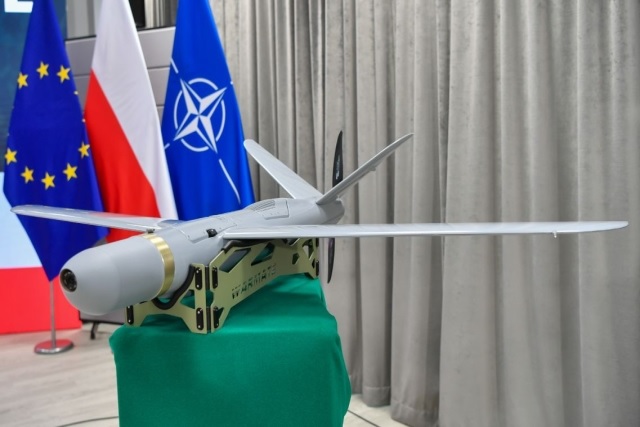
World
In a major step to enhance its battlefield capabilities, Poland has announced the purchase of 10,000 Warmate kamikaze drones from local defense manufacturer WB Group. This large-scale acquisition is one of the biggest drone deals in Europe and reflects Poland’s growing emphasis on modern, unmanned warfare systems amid rising regional tensions. The Warmate drones, also known as loitering munitions, are a type of suicide drone designed to hover over a battlefield, locate a target, and then destroy it in a precision strike. Under the contract, WB Group will deliver these drones in batches of 1,000 units at a time, with the final delivery expected by 2035. The order covers the latest configuration of the Warmate system, equipped with upgraded technology and versatile warhead options. Once delivered, the drones will serve two main roles within the Polish Army. Some will be assigned as portable, standalone systems carried by unmounted troops, giving small units the ability to conduct reconnaissance and strike missions independently. Others will be integrated with military vehicles, providing a mobile launch capability for rapid-response attacks during armored operations. Polish defense officials stated that these drones are intended to identify and eliminate a range of battlefield threats, including light armored vehicles, enemy personnel positions, and fortified posts. Their ability to be quickly deployed and accurately guided makes them a valuable asset for both defensive and offensive missions. About the Warmate Loitering Munition The Warmate is a compact and efficient loitering munition. It measures 1.1 meters in length with a wingspan of 1.6 meters, and has a takeoff weight of just 6 kilograms. Despite its small size, it can carry various types of warheads, including standard high-explosive and thermobaric payloads capable of dealing with different targets. Powered by an electric motor, the drone operates at an altitude of up to 300 meters and can reach speeds of 150 kilometers per hour. Its operational range allows it to strike targets as far as 30 kilometers from its launch point, providing frontline troops with extended reach against enemy positions without putting soldiers at risk. Poland’s Focus on Drone Warfare This ambitious procurement aligns with Poland's broader strategy to modernize its military, especially in the area of unmanned aerial systems. With growing concerns over security in Eastern Europe, the Polish armed forces have prioritized acquiring advanced technologies that can enhance their surveillance and precision-strike capabilities. Interestingly, the Warmate drone has already proven its effectiveness in various conflict zones, where loitering munitions have emerged as game-changers on the modern battlefield. Their ability to loiter in the sky, silently monitor the battlefield, and strike high-value targets when opportunities arise makes them especially valuable in asymmetric and high-intensity conflicts. Conclusion Poland’s decision to purchase 10,000 Warmate kamikaze drones marks a significant milestone in the country's defense modernization program. It not only boosts the Polish Army’s combat effectiveness but also highlights the growing importance of drone warfare in Europe’s future military landscape. As deliveries continue over the next decade, these loitering munitions will play a key role in strengthening Poland’s defensive and offensive operations.
Read More → Posted on 2025-05-16 15:32:21
India
In a major revelation, former Pakistani Air Marshal Masood Akhtar has confirmed that a key Airborne Warning and Control System (AWACS) aircraft was destroyed during a series of precision missile strikes carried out by India on May 9-10. The operation, known as Operation Sindoor, was launched by India in response to the deadly April 22 terror attack in Pahalgam and subsequent Pakistani drone strikes targeting Indian civilian areas. AWACS Destroyed at Bholari Airbase Speaking in a video interview, Air Marshal Akhtar detailed how the Indian military launched multiple BrahMos missiles, which ultimately struck the Bholari airbase, located near Islamabad. According to him, four missiles were launched in succession. While Pakistani pilots tried to scramble and secure their aircraft, the relentless missile barrage proved too much. “The fourth one hit the hangar at Bholari airbase, where one of our AWACS was standing. It was damaged,” Akhtar admitted, underlining the severity of the attack. AWACS aircraft are the eyes and ears of any modern air force. Equipped with powerful radar and communication systems, they play a critical role in detecting enemy aircraft, coordinating air missions, and guiding interceptors in real time. The loss of such an asset is a major strategic setback for Pakistan. India’s Coordinated Precision Strikes India’s missile campaign was not limited to one location. According to official statements, Indian forces struck 11 key military installations across Pakistan within a span of just three hours. These included bases at Rafiqui, Chaklala, Rahim Yar Khan, Sukkur, Sialkot, Chunian, Pasrur, Murid, Skardu, Jacobabad, and Bholari. Satellite imagery released afterward confirmed extensive damage to hangars, radar systems, and ammunition storage sites. This marked the first instance of successful strikes on airbases of a nuclear-armed country. Air Marshal AK Bharti of India noted, “We could have targeted more assets, but we chose to send a message—hit hard, but with restraint to avoid full-scale escalation.” One of the more high-profile strikes also destroyed a Lashkar-e-Taiba command center in Muridke—showcasing India’s precision in identifying and eliminating terror infrastructure. Chinese Systems Fail to Protect Pakistan Pakistan’s air defences, largely supplied by China, failed to intercept any of the incoming Indian missiles. Despite possessing HQ-9 air defence systems and advanced Chinese PL-15 missiles, none of these systems were able to prevent the strikes. The J-10C fighter jets, also of Chinese origin, failed to scramble in time or effectively counter the threat. This operational failure has sparked renewed doubts about the effectiveness of Chinese military hardware. It is not the first time such concerns have emerged. In 2022, the Pakistan Navy faced significant issues with its Chinese-made F-22P frigates. The vessels, which were expected to bolster naval capability, suffered from malfunctioning radar systems and underperforming engines. The lack of adequate maintenance support and the recurring nature of faults in Chinese defence systems have created growing anxiety within the Pakistani military establishment. Economic Pressure Driving Pakistan’s Military Choices Pakistan’s increasing dependence on Chinese military hardware is largely driven by its strained economy. With limited access to Western defence markets and a constant need to upgrade ageing systems, Pakistan has turned to China for more affordable options. Chinese defence deals often come with generous loans, flexible payment terms, and political alignment. However, this shift has come at a cost. Multiple reports, including a past study by the RAND Corporation, have pointed out the recurring faults in Chinese arms supplied to nations like Myanmar, Nigeria, and even Venezuela. These countries faced delays, technical failures, and costly overhauls—patterns now seen in Pakistan as well. A Message Delivered with Precision India’s Operation Sindoor was not just a military retaliation—it was a calibrated strategic message. The destruction of the AWACS aircraft and other military installations exposed Pakistan’s vulnerabilities and highlighted India’s precision-strike capability. It also signaled a shift in India’s strategic posture: one of decisiveness, deterrence, and control. As Air Marshal Bharti summed it up, “We could have destroyed more, but we chose restraint. That’s real power.” Meanwhile, the Pakistani Air Force’s failure to protect its critical assets, despite heavy investments in Chinese systems, may trigger a reassessment of its military procurement strategy—and how much it can really rely on its allies in times of crisis.
Read More → Posted on 2025-05-16 15:29:16
World
In May 2025, a significant escalation unfolded between India and Pakistan, marked by a large-scale drone offensive that brought Turkey's covert involvement into sharp focus. The operation, known as Operation Sindoor, revealed the depth of military collaboration between Turkey and Pakistan, raising serious concerns about regional stability and international norms. A Coordinated Drone Assault On the nights of May 7 and 8, Pakistan launched an unprecedented aerial offensive against India, deploying approximately 300 to 400 drones across 36 locations along the western border, from Leh in Ladakh to Sir Creek in Gujarat. These drones targeted both military installations and civilian areas, aiming to infiltrate Indian airspace, test air defense systems, and gather intelligence. Forensic analyses of the downed drones identified them as Turkish-made Asisguard Songar models, designed for surveillance and precision strikes. Additionally, advanced Turkish drones like the Bayraktar TB2 and Akinci were reportedly utilized, enhancing the offensive's reach and effectiveness. Turkey’s Strategic Involvement Turkey's role extended beyond supplying drones. Reports indicate that Turkish military advisors and operatives were actively involved in planning and executing the drone strikes alongside Pakistani forces. This collaboration included real-time coordination and guidance of drone operations, marking a significant escalation in Turkey's military engagement in the region. In the days leading up to the conflict, six Turkish C-130 transport aircraft landed in Pakistan, raising suspicions of arms deliveries, although officially described as refueling missions. Moreover, the Turkish naval corvette TCG Buyukada docked at Karachi Port just before the conflict, an act perceived by Indian officials as aggressive posturing. India’s Robust Response India responded decisively to the drone incursions. The Indian Armed Forces employed both kinetic and non-kinetic methods to neutralize the aerial threats, successfully intercepting and destroying many of the drones. In retaliation, India launched targeted strikes on Pakistani air defense sites, including the destruction of a radar installation. The Indian Air Force also conducted precision strikes using BrahMos missiles, targeting key Pakistani military infrastructure. These actions underscored India's capability and readiness to counter aerial threats and protect its sovereignty. Diplomatic Fallout and Domestic Repercussions Turkey's involvement in the conflict led to significant diplomatic and domestic repercussions in India. The Indian government revoked the security clearance of Celebi Airport Services India, a Turkish firm operating at major Indian airports, citing national security concerns. Academic institutions also took action; Chhatrapati Shahu Ji Maharaj University in Kanpur terminated its Memorandum of Understanding with Istanbul University, emphasizing the importance of aligning international partnerships with national interests. Public sentiment mirrored these official actions, with widespread calls to boycott Turkish goods and services. Travel bookings to Turkey plummeted, and trade associations initiated campaigns against Turkish products, reflecting a nationwide stance against Turkey's perceived aggression. The events of May 2025 highlighted a complex web of international alliances and the evolving nature of modern warfare. Turkey's covert support for Pakistan's drone offensive against India not only intensified regional tensions but also reshaped diplomatic and economic relations. As nations navigate these challenges, the importance of transparency, adherence to international norms, and the pursuit of peaceful resolutions remains paramount.
Read More → Posted on 2025-05-16 15:23:37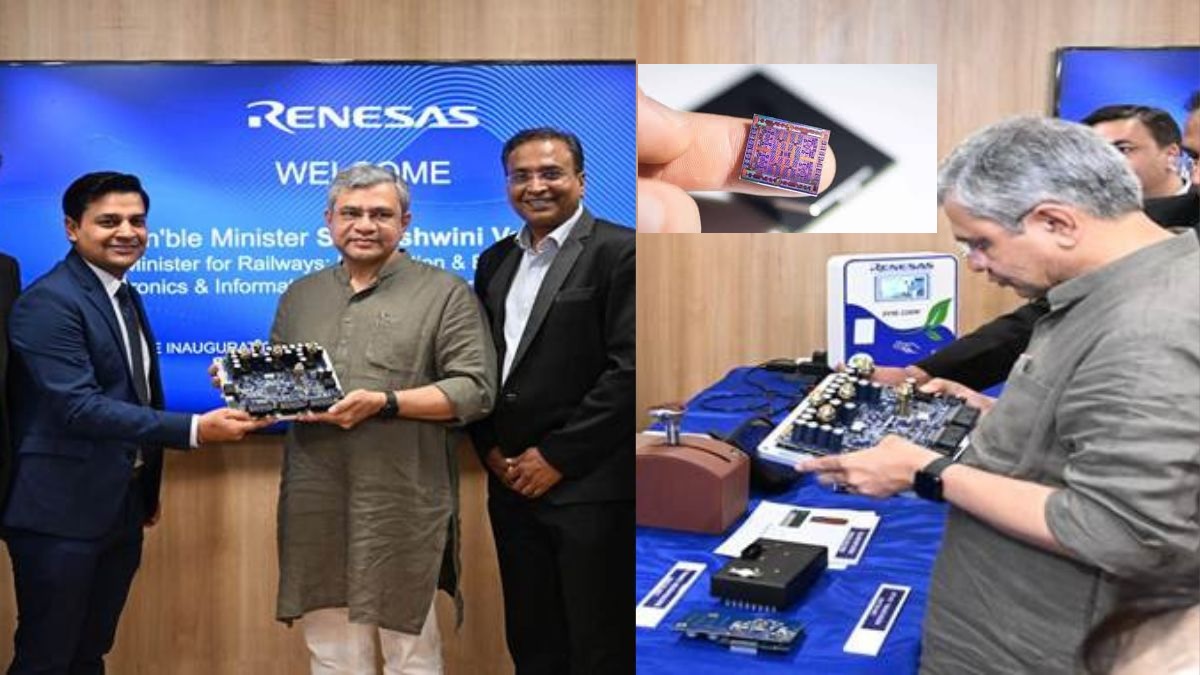
India
India has achieved a significant milestone in the semiconductor industry with the inauguration of its first 3-nanometer (3nm) chip design centres in Noida and Bengaluru. These state-of-the-art facilities, established by Renesas Electronics India Private Limited, were officially opened by Union Minister for Electronics & Information Technology, Railways, and Information & Broadcasting, Shri Ashwini Vaishnaw. This development marks India's entry into the advanced segment of chip design, positioning the country alongside global leaders in semiconductor innovation. Advancing to 3nm Technology The transition to 3nm chip design represents a significant technological advancement. Compared to previous generations like 7nm and 5nm, 3nm chips offer enhanced performance, reduced power consumption, and greater efficiency. These attributes are crucial for a wide range of applications, including smartphones, laptops, servers, medical devices, defense equipment, and automobiles. Minister Vaishnaw emphasized that this move sets a new standard in India's semiconductor capabilities. Strengthening the Semiconductor Ecosystem The Indian government is actively working to develop a comprehensive semiconductor ecosystem. This includes not only chip design but also fabrication, assembly, testing, marking, and packaging (ATMP), as well as the establishment of robust supply chains for equipment, chemicals, and gases. Global confidence in India's semiconductor vision is evident, with significant investments from companies like Applied Materials and Lam Research. Empowering Talent and Innovation To nurture a skilled workforce, the government has introduced a semiconductor learning kit aimed at enhancing practical hardware skills among engineering students. Over 270 academic institutions have already received advanced Electronic Design Automation (EDA) software tools under the India Semiconductor Mission. These institutions will now also receive hands-on hardware kits, integrating software and hardware learning to produce industry-ready engineers. This initiative is part of a broader strategy to invest in long-term talent development. Renesas' Commitment to India Renesas Electronics views India as a strategic cornerstone for its operations. The company is expanding its end-to-end semiconductor capabilities in the country, from architecture to testing. Through government-backed initiatives like the Chips to Startup (C2S) Program and the Design Linked Incentive (DLI) Scheme, Renesas supports over 250 academic institutions and numerous startups. The company's growing presence in India underscores its commitment to fostering innovation and contributing to the global semiconductor lifecycle. A Vision for Self-Reliance Minister Vaishnaw expressed gratitude to Prime Minister Shri Narendra Modi for prioritizing semiconductors as a strategic focus under the Aatmanirbhar Bharat vision. He highlighted that within just three years, India's semiconductor industry has evolved from a nascent stage to an emerging global hub. With the increasing demand for semiconductors across various sectors, this momentum is timely and positions India for sustainable growth in the industry. The inauguration of the 3nm chip design centres in Noida and Bengaluru signifies a pivotal step in India's journey towards technological self-reliance and global competitiveness in the semiconductor sector.
Read More → Posted on 2025-05-16 15:01:12Search
Top Trending in 24 Hours
-
 Iran’s DotOne Plans 200 High-Altitude Platform Station Communication Drones for Nationwide Internet Coverage
-
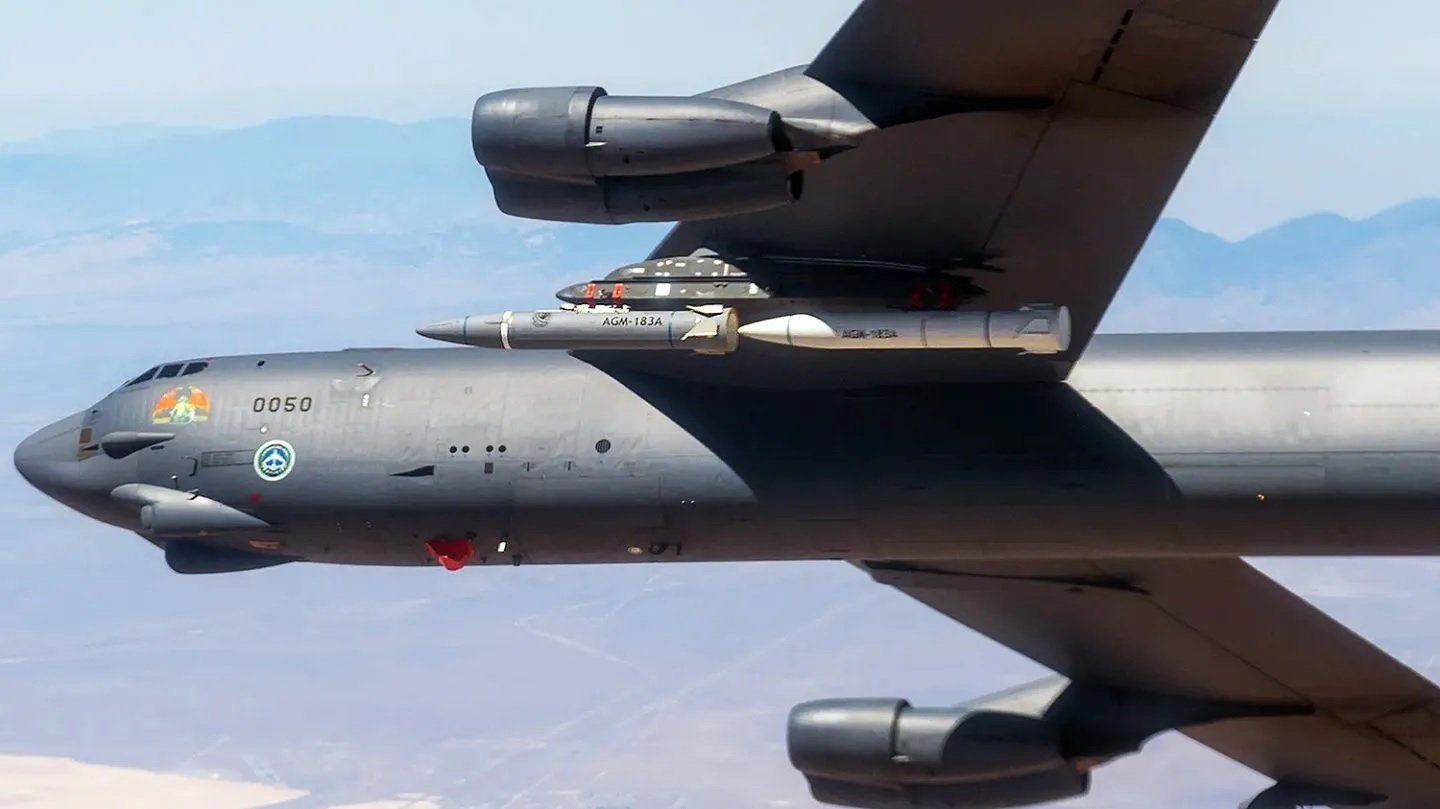 U.S. Air Force Moves First Hypersonic Missile Into Production With $694 Million Contract
-
 Israeli Ad-Tech Firm Discover-Tech Suspected of Tracking Starlink Users Across More Than 100 Countries
-
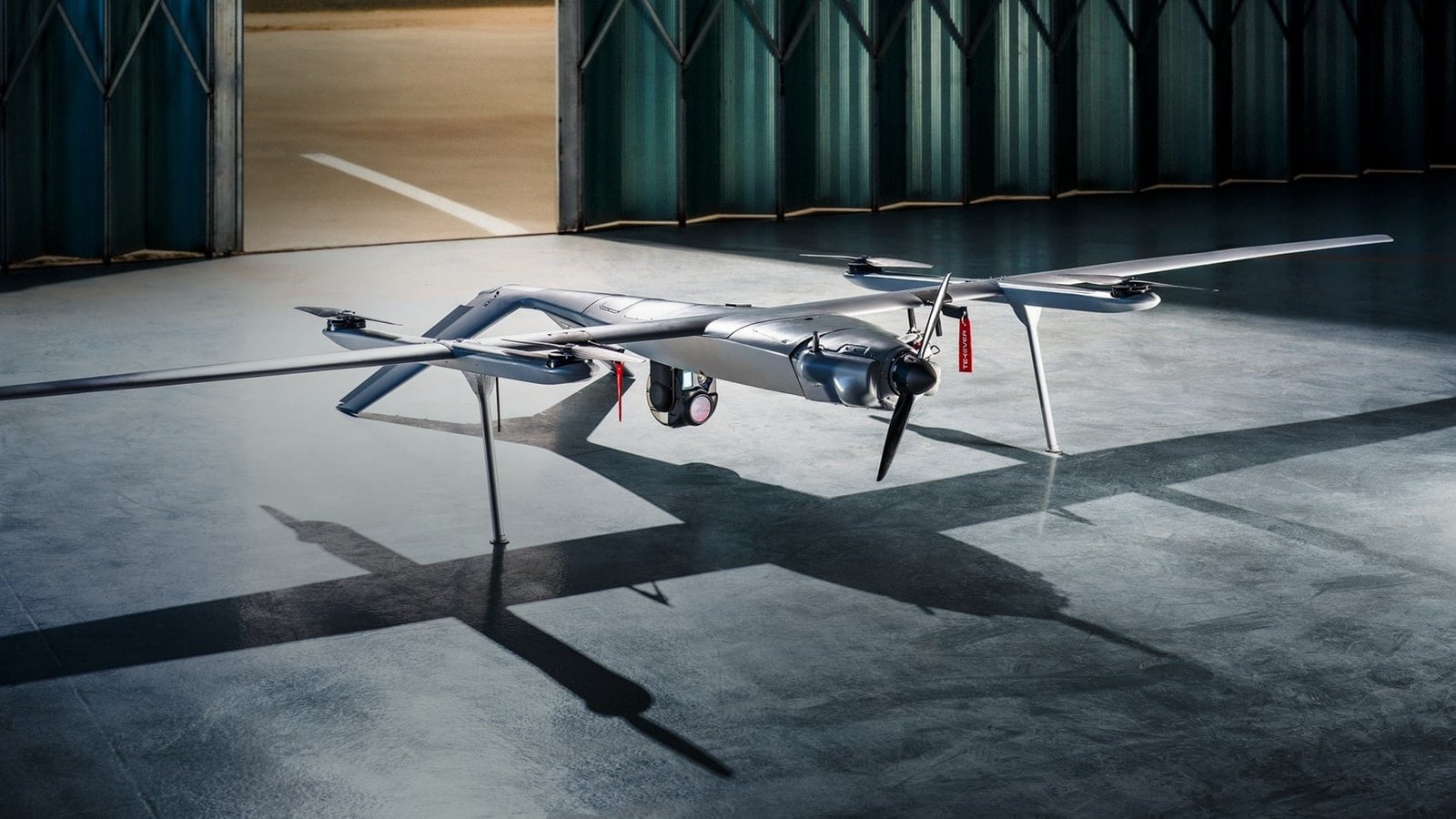 Tekever Wins U.S. Special Operations Command Contract for AR3 Uncrewed Aerial Systems
-
 France’s SEABER Introduces RAVEN Autonomous Underwater Vehicle for Mine Countermeasures
-
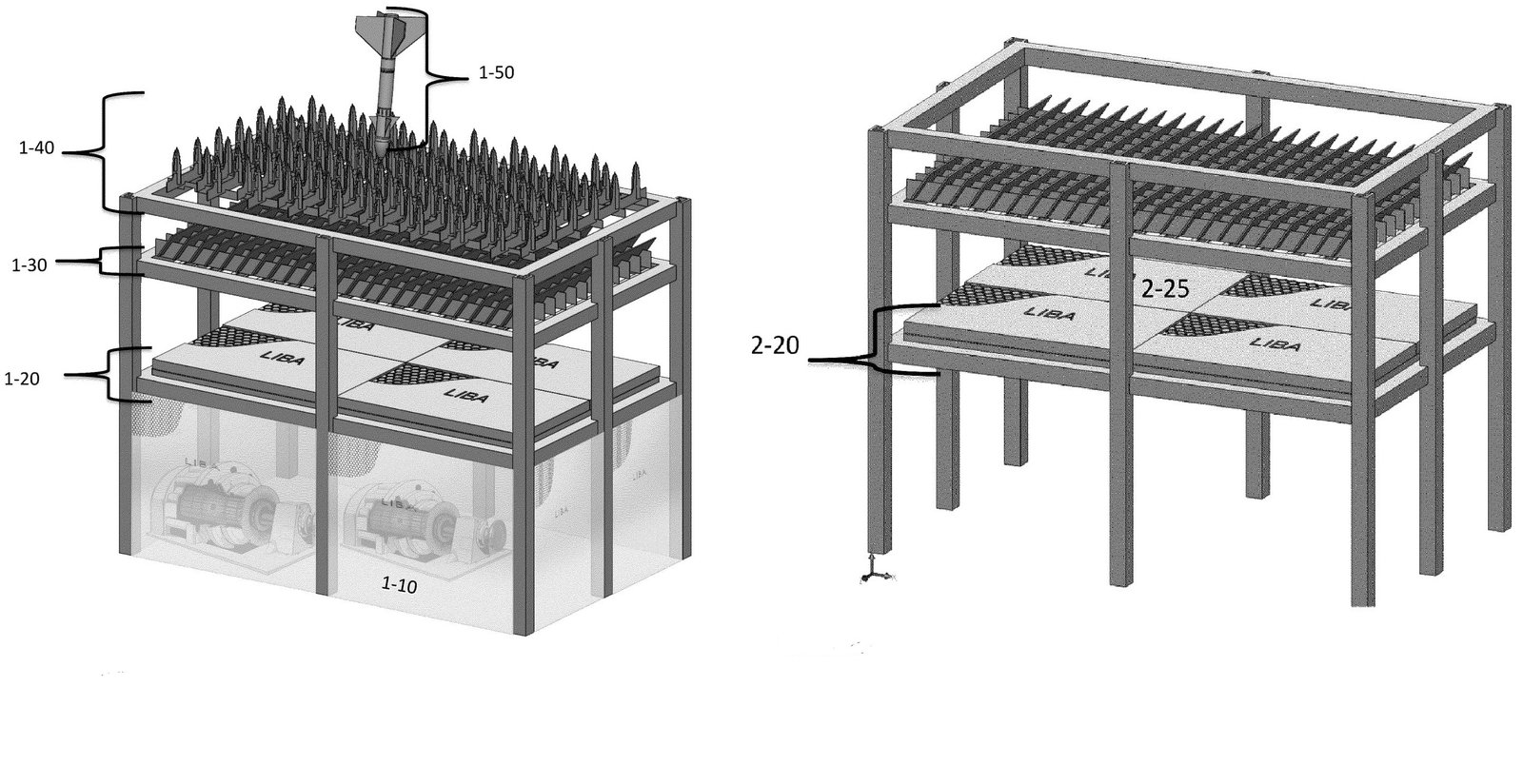 Israel Reportedly Developing Three-Layer Physical Shield for Critical Infrastructure
-
 ESA’s Space Rider Reusable Spaceplane Crashes in Italy During Test After Main Parafoil Detaches
-
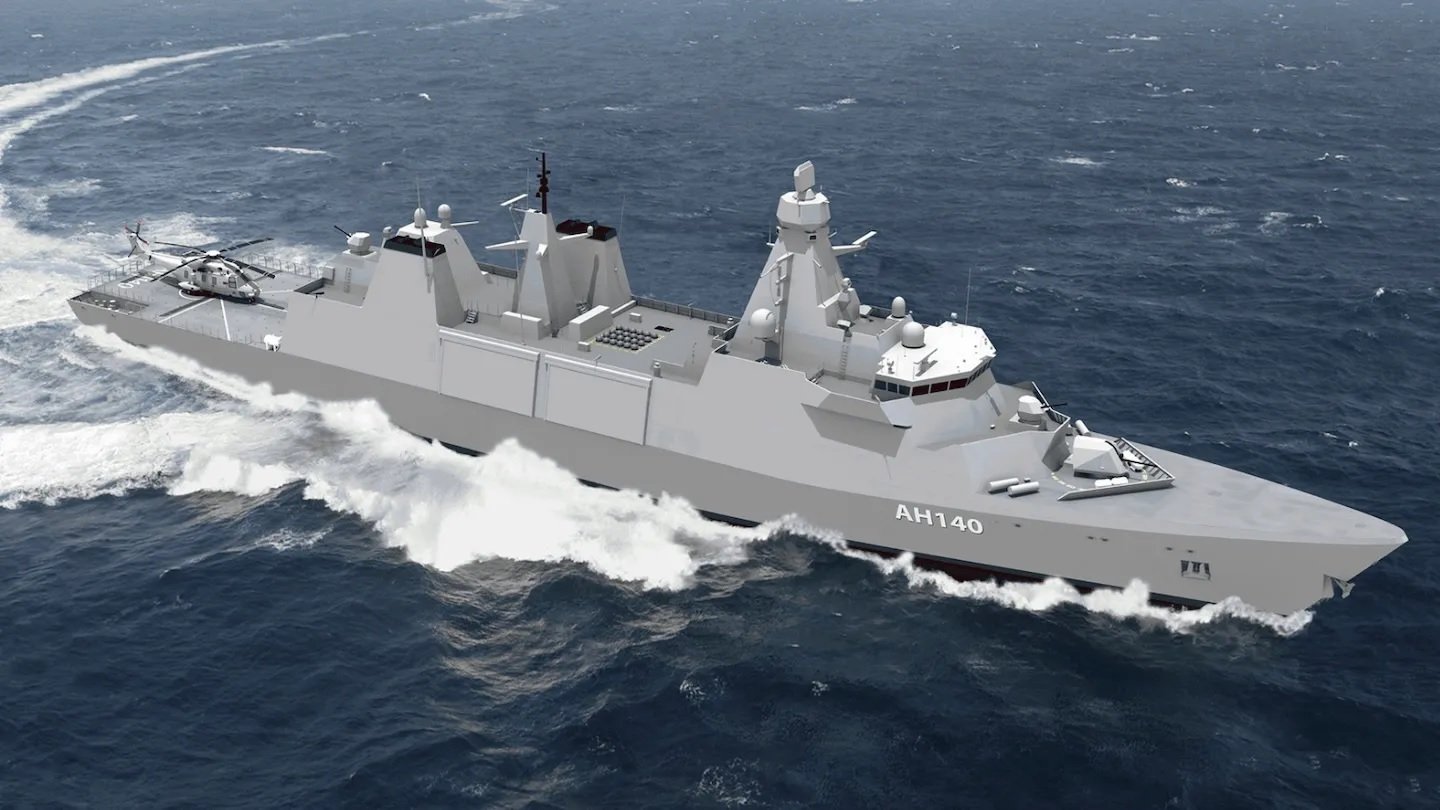 Babcock Offers Arrowhead 140 Frigate Design to U.S. Navy as Potential FF(X) Alternative
Top Trending in 4 Days
-
 Pentagon Launches FORTRESS Initiative to Make Major U.S. Bases Self-Sufficient for 90 Days
-
 NASA Demonstrates Space-to-Space Wi-Fi Between Two Orbiting Spacecraft
-
 USS Pinckney Becomes First U.S. Navy Destroyer to Begin Phase Two Modernization with Advanced SPY-6 Radar
-
 U.S. Military to Ban Chinese Automaker BYD Vehicles from Kadena Air Base in Japan Over Security Concerns
-
 Saudi Arabia, Pakistan and Turkey Hold High-Level Security Talks with Iran in Tehran Amid Reports of Potential Iranian Integration
-
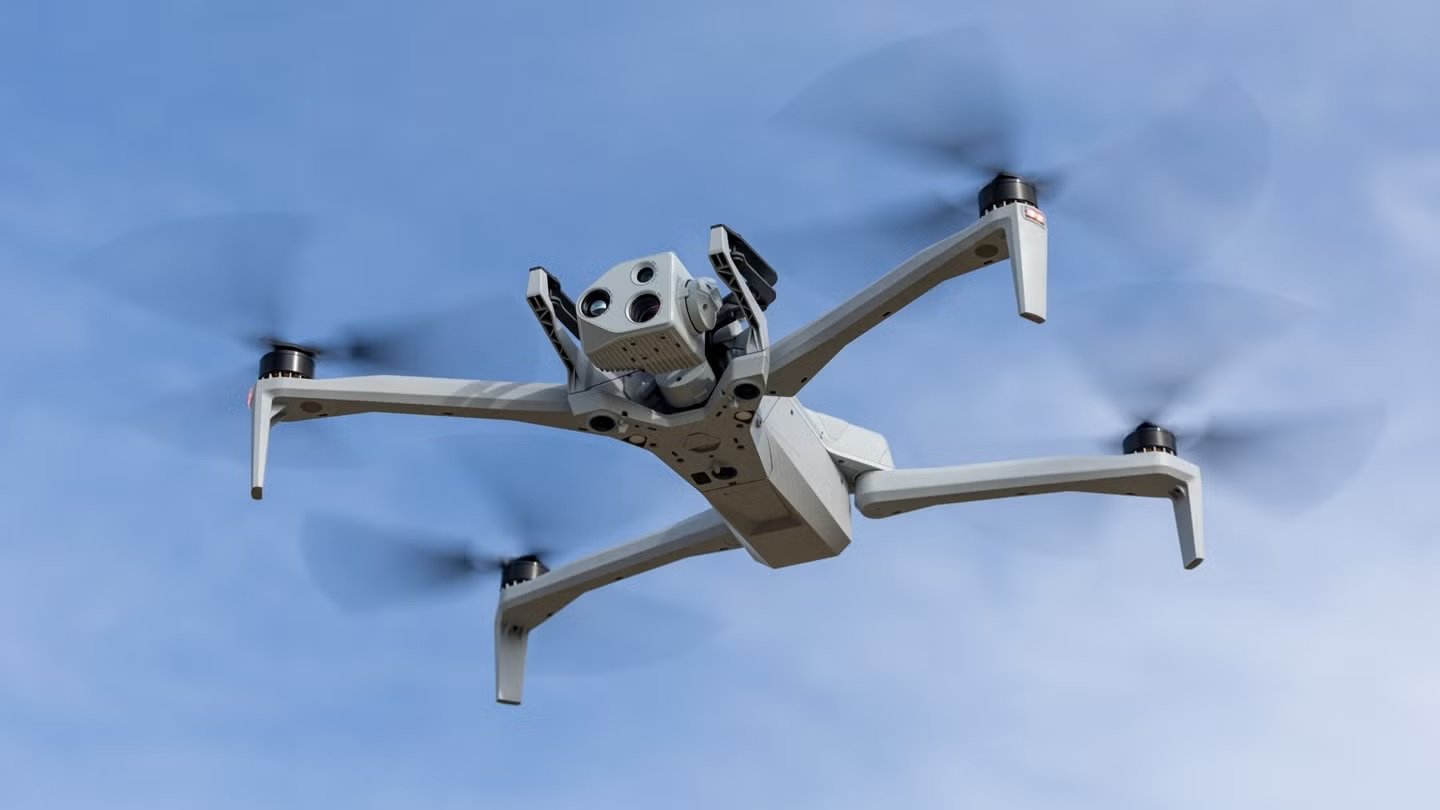 UK Ministry of Defence Opens £120,000 Tender for Skydio X10D Drones
-
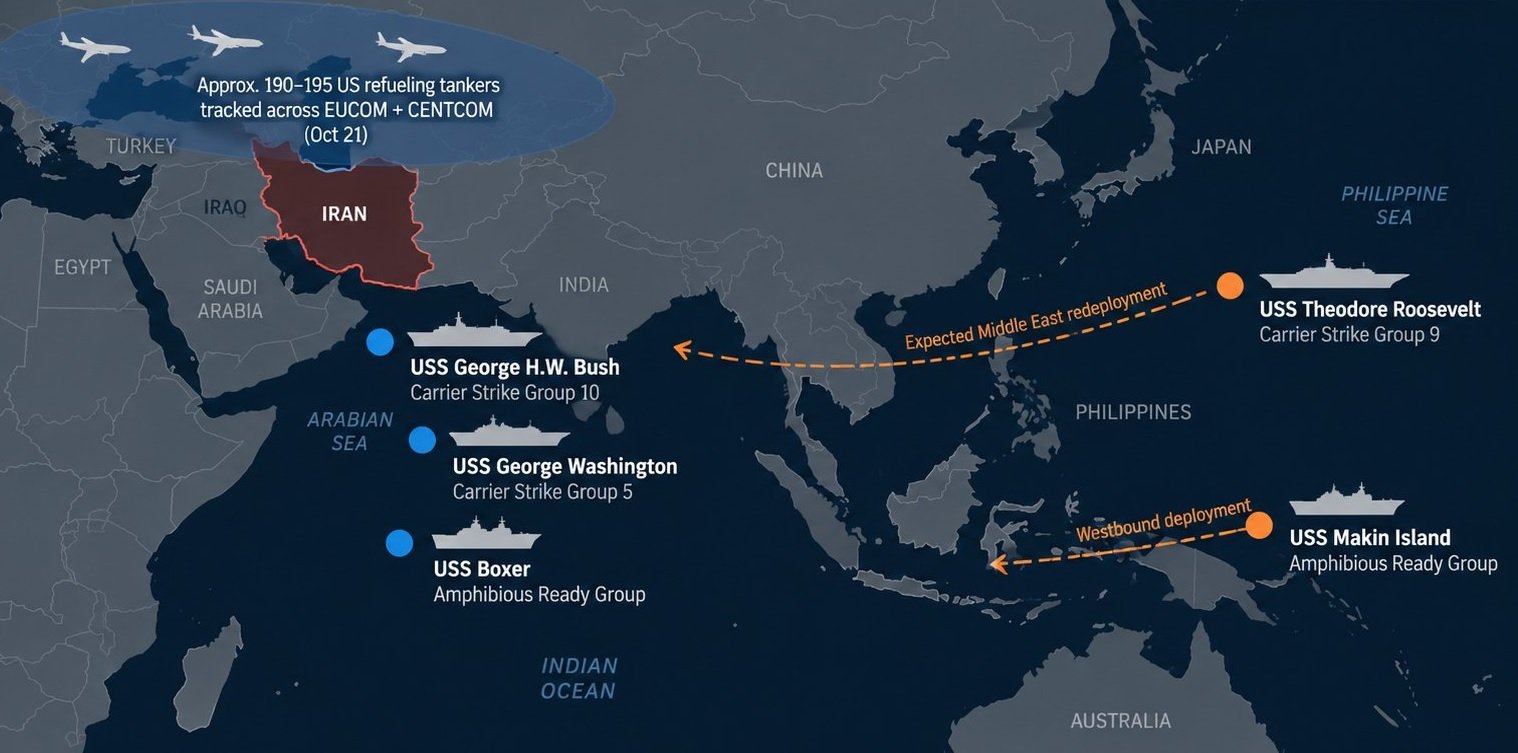 US Expands Military Buildup Near Iran with Third Aircraft Carrier and Additional Marines
-
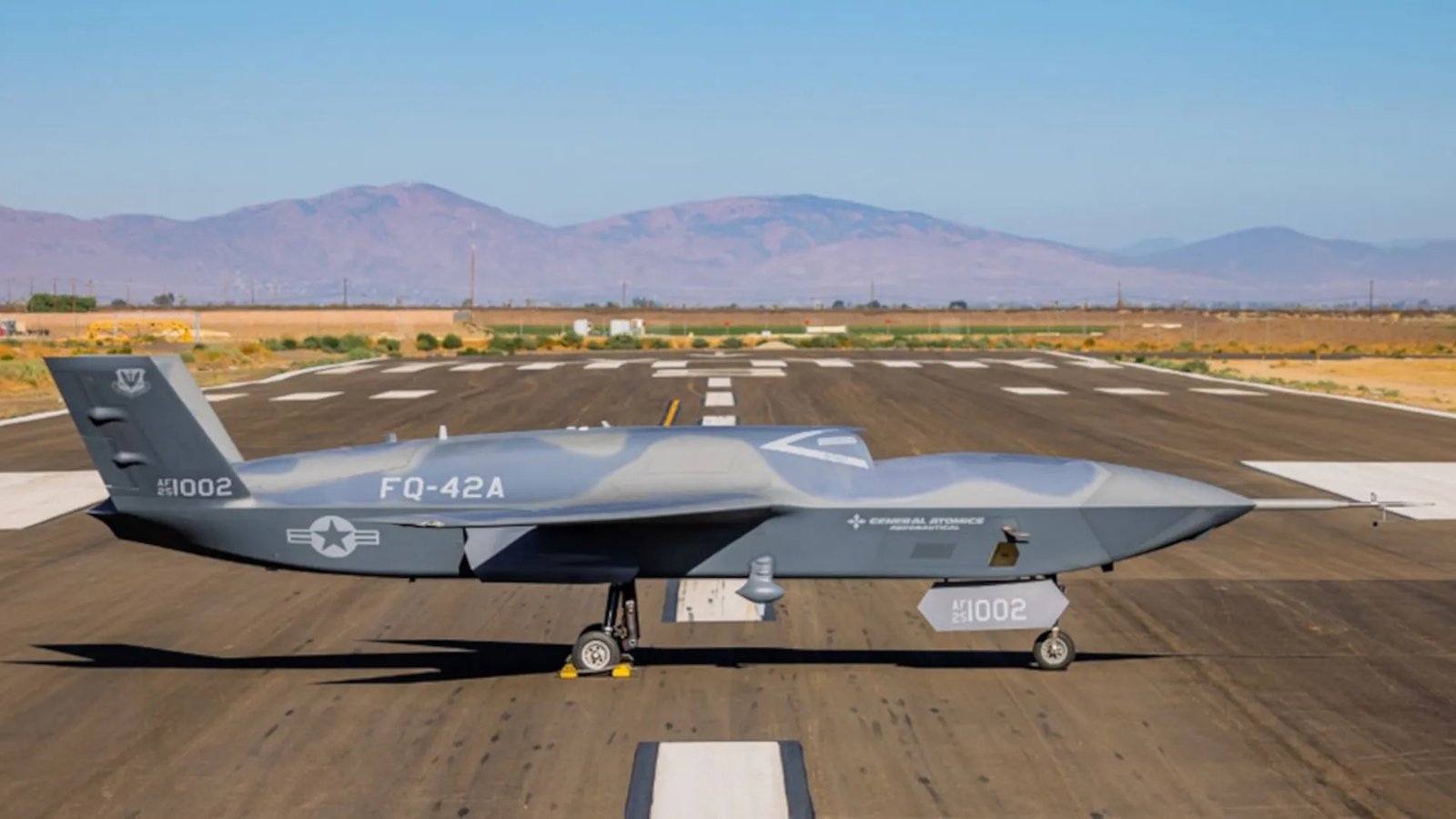 General Atomics Partners With Spirit Defense to Expand FQ-42 Vengeance Production
