World
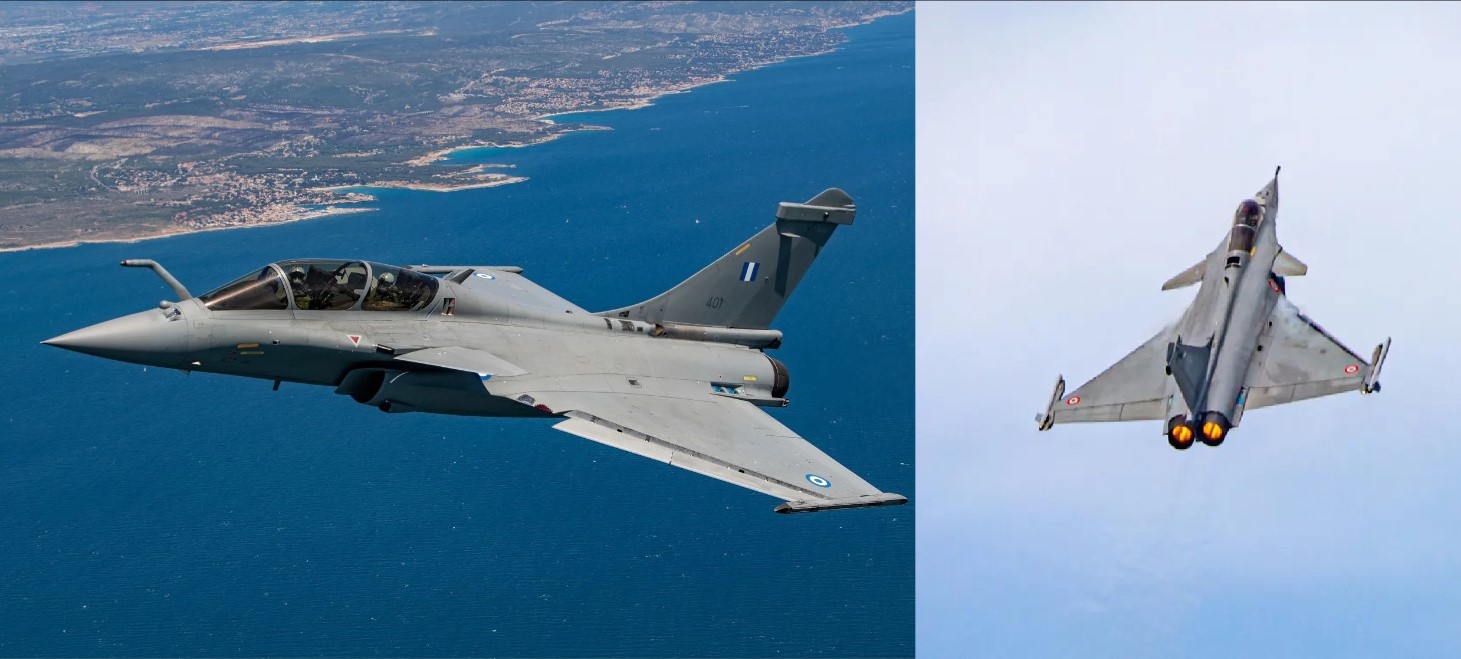
The delicate balance of air power over the Aegean Sea is shifting once again. Greece is now considering the purchase of additional Dassault Rafale fighter jets in response to Turkey’s confirmed deal to acquire Eurofighter Typhoon aircraft — a move that has reignited the long-standing aerial rivalry between the two NATO allies. A Strategic Response to Turkey’s Eurofighter Acquisition Reports from Ekathimerini and French defense outlets suggest that the Hellenic Air Force (HAF) is actively evaluating an order for more Rafales, potentially in the F4 configuration, as part of its broader modernization plan. The development comes after Ankara sealed a $10.7 billion agreement with the United Kingdom for 20 Eurofighter Typhoon jets, with options for additional units in the future. For Athens, Turkey’s Eurofighter purchase represents not just another procurement, but a potential shift in regional air superiority. Turkish officials have indicated their Typhoons will be armed with MBDA Meteor missiles, capable of engaging targets at ranges exceeding 150 kilometers — a direct challenge to Greece’s current advantage in long-range air combat. Maintaining the Edge: Greece’s Rafale Plan Greece first ordered 18 Rafales in 2021 — 12 second-hand and six new — and later expanded that number to 24 aircraft. The jets, based at Tanagra Air Base, have already transformed the operational posture of the HAF with their advanced sensors, AESA radar, and compatibility with Meteor and MICA missiles. Now, Greek defense planners are studying the acquisition of six to twelve more Rafales, possibly of the F4 variant, to further strengthen their qualitative advantage. The Rafale F4 introduces several key upgrades: Enhanced data links and communication systems for network-centric warfare A more advanced infrared search and track (IRST) system Integration with the MICA NG (New Generation) missile Upgraded SPECTRA electronic warfare suite for improved survivability Expanded multi-domain combat capability, integrating air, sea, and land operations The Rafale F4 is designed to remain at the cutting edge through the 2030s, offering Greece a reliable platform even as other regional powers modernize their fleets. The Broader Modernization Framework The new Rafale discussions are part of Greece’s long-term defense modernization plan (2025–2036), valued at over €25 billion. Alongside new fighters, the plan includes: The F-16 Viper upgrade program, bringing Greece’s existing fleet to 4.5-generation standards New air defense and missile systems Investment in unmanned aerial systems (UAS) and naval modernization Athens’ ultimate objective is to maintain a fleet of around 200 modern combat aircraft, phasing out older platforms like the Mirage 2000-5 and F-4 Phantom. The Aegean Rivalry Intensifies The Greek-Turkish air competition has long been a mirror of their geopolitical tensions — over maritime boundaries, energy exploration rights, and regional influence. With Turkey’s new Eurofighters expected to enter service later this decade, Athens fears a narrowing technological gap. Greece’s Rafales, however, currently give it an advantage in sensor fusion, long-range targeting, and electronic warfare. The combination of Meteor missiles and supercruise capability makes the Rafale a formidable opponent, and additional purchases could ensure that advantage remains intact as Turkey upgrades its own forces. Turkish officials have also hinted at parallel progress with the KAAN stealth fighter, formerly known as TF-X, which is expected to enter testing in the coming years. This adds another layer to Athens’ decision-making — to ensure Greece retains a robust, interoperable fleet until fifth-generation platforms become available. Regional and Strategic Implications Beyond national pride, the race for air superiority in the Eastern Mediterranean carries broader NATO implications. Both Greece and Turkey are alliance members, yet their bilateral disputes routinely bring tension within NATO’s southern flank. A growing Greek Rafale fleet — potentially interoperable with France and Egypt — could also strengthen Athens’ position in regional security frameworks. France, meanwhile, sees continued Rafale sales as both an industrial success and a means to reinforce strategic influence in the Mediterranean. The potential deal would also boost Dassault Aviation’s export record, already bolstered by sales to India, Egypt, Croatia, and the UAE. While no official order has been placed yet, sources close to Greece’s Ministry of Defense indicate that discussions with Dassault Aviation are underway and could be finalized once budget approvals are cleared. If completed, this follow-on Rafale acquisition would cement Greece’s airpower dominance in the Aegean — at least for the near future. Yet, with Turkey’s Eurofighters and KAAN program advancing, the regional air balance remains fluid and unpredictable. In the Aegean skies, superiority is not a one-time achievement — it’s a constant race. Greece’s move to expand its Rafale fleet shows that it intends to stay ahead of its rival, no matter how fast Ankara climbs.
Read More → Posted on 2025-11-08 10:58:17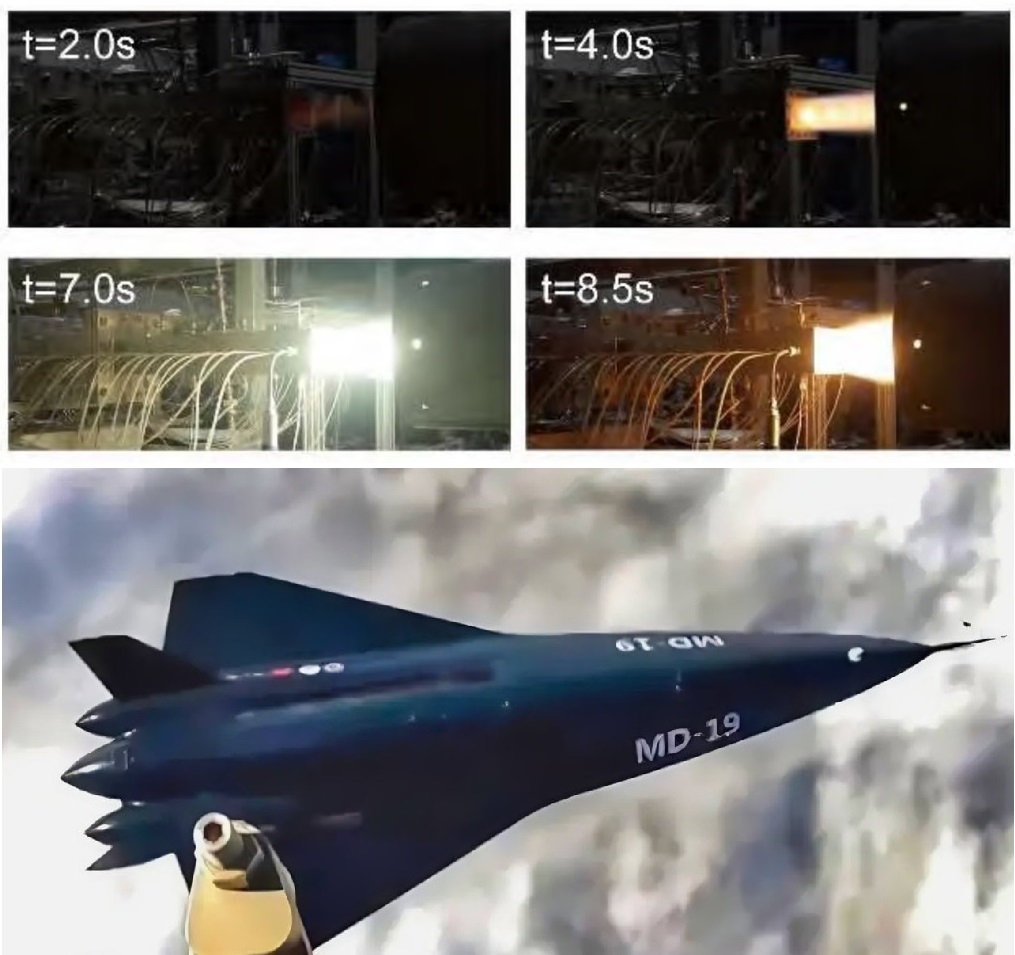
World
In a development that could reshape the future of high-speed aviation and missile technology, Chinese researchers have achieved a major propulsion breakthrough — nearly doubling the thrust of a scramjet engine by injecting magnesium powder into its exhaust stream. The advance, led by Yang Qingchun, an associate professor at Beihang University in Beijing, marks one of the most innovative leaps in hypersonic propulsion in recent years and could accelerate China’s race toward Mach 10 flight. Harnessing Fire Within Fire At the heart of the experiment lies a deceptively simple idea: using metallic fuel to ignite “waste gases.” Traditional scramjet engines burn kerosene-based jet fuel (RP-3) at supersonic speeds, but at extreme velocities — beyond Mach 5 — the fuel’s energy yield begins to plateau. The unburned byproducts, mostly water vapour and carbon dioxide, are expelled as hot exhaust, unused. Yang’s team realized that these exhaust gases could act as oxidisers if combined with a reactive metal such as magnesium, which burns explosively even without oxygen from the air. “Magnesium doesn’t need atmospheric oxygen,” the team wrote in their paper published last month in Acta Aeronautica et Astronautica Sinica. “It reacts violently with water vapour and carbon dioxide, releasing energy that was previously wasted.” The result was a form of secondary combustion — an afterburner that operates not on fresh air but on the engine’s own exhaust. When magnesium powder was injected into the supersonic flow, it ignited instantly, producing a firestorm that released heat at a rate two to three times faster than kerosene alone. Doubling the Thrust at Mach 6 Tests conducted at Beihang University simulated flight conditions at Mach 6 and 30 kilometres altitude, where air is thin and temperatures soar to 1,800 kelvin (1,527 °C). Under these conditions, injecting magnesium equal to just 13 percent of the exhaust mass led to an 86.6 percent increase in thrust, while overall combustion efficiency reached 65.1 percent. The engine’s specific thrust — the amount of force generated per unit of airflow — jumped from 613 Newton-seconds per kilogram to 1,126 N·s/kg, a near-doubling in performance. Engineers attribute this to magnesium’s rapid exothermic reaction with water vapour, forming magnesium oxide and hydrogen gas that further boosts combustion energy. Liquid kerosene, meanwhile, serves a dual purpose: it circulates through the engine first to cool the walls via regenerative cooling, preventing the structure from melting under hypersonic heat. Then, downstream, the magnesium ignites in a supersonic firestorm stabilized by twin cavities and optimized airflow paths — turning every drop of fuel and every molecule of exhaust into usable thrust. Pushing the Boundaries of Hypersonic Propulsion This approach challenges long-standing assumptions about scramjet limits. Traditional designs face two major hurdles: ignition instability at lower speeds and energy plateau at higher Mach numbers. By using magnesium to ignite residual gases, China’s researchers have effectively bypassed both, unlocking a new form of propulsion efficiency. More importantly, the innovation could allow lighter launch weights, longer range, and higher top speeds for future hypersonic systems. If integrated successfully into a full vehicle, the design could reduce fuel consumption or extend operational range for hypersonic cruise missiles, glide vehicles, or even reusable spaceplanes. In strategic terms, it could also tilt the balance in the global race for hypersonic dominance. The U.S. military, for example, has struggled with repeated testing delays and is only now moving toward fielding its first hypersonic weapon. China, by contrast, has already demonstrated air-breathing hypersonic engines reaching speeds beyond Mach 9, and Yang’s magnesium-fueled system may push that limit even further. Challenges on the Path Ahead Yet, even for China’s rapidly advancing aerospace sector, the road to operational deployment remains steep. Supersonic turbulence and shockwaves inside the combustor can cause uneven distribution of magnesium particles — limiting thrust gains if mixing isn’t perfect. In one experiment, reducing magnesium to 5 percent of exhaust mass dropped thrust gains from 86 percent to just 18.7 percent. Then there’s the issue of erosion. When magnesium burns, it forms sharp magnesium oxide crystals — microscopic blades capable of scouring engine walls and nozzles. To withstand this, future engines will require new heat-resistant and erosion-resistant materials, likely ceramics or metal composites far beyond current jet alloys. Scaling the system for real flight adds further complexity. Yang’s team achieved stable powder injection using nitrogen as a carrier gas, but maintaining that consistency across changing Mach numbers and altitudes will be akin to “threading a needle in a hurricane.” The researchers plan to refine fuel blending techniques and test nano-sized magnesium particles, which may combust more uniformly and efficiently. Redefining Hypersonic Power If perfected, magnesium afterburning could redefine what is possible in high-speed flight. By extracting new energy from exhaust gases rather than discarding them, China’s scramjet technology could deliver both higher performance and better fuel economy — critical for aircraft or missiles that must travel thousands of kilometres at Mach 6 or beyond. In practical terms, it could mean longer-ranged hypersonic missiles, faster reconnaissance aircraft, and more efficient spaceplane boosters. For the People’s Liberation Army, it represents a strategic edge: the ability to field air-breathing vehicles that are lighter, faster, and harder to intercept than anything currently in Western arsenals. As the United States, Russia, and China compete to dominate hypersonic propulsion, Beihang University’s magnesium scramjet breakthrough is more than just a laboratory success. It’s a signal that the physics of flight — long thought to be constrained by fuel chemistry and air resistance — may still have room to evolve. For now, the magnesium engine remains a proof of concept. But if Yang Qingchun’s team can tame its volatility, the day may come when the blinding white flash of burning magnesium isn’t confined to laboratory test chambers — but propels the next generation of hypersonic aircraft through the edge of the stratosphere.
Read More → Posted on 2025-11-07 17:35:37
World
China has quietly but decisively entered the race to dominate the next generation of aircraft propulsion. During the annual conference of the Chinese Society of Engineering Thermophysics in Beijing last week, researchers unveiled a major breakthrough: the completion of ground and high-altitude tests of an adaptive cycle engine (ACE) prototype. The tests demonstrated unprecedented gains in thrust, efficiency, and operational speed range — putting China in direct technological contention with the United States, the long-time leader in this field. The Rise of China’s Adaptive Cycle Engine The presentation, led by Xu Gang, deputy director of the Institute of Engineering Thermophysics at the Chinese Academy of Sciences (CAS), showcased years of progress in what Beijing now calls its “next-generation aviation propulsion cornerstone.” Xu’s team has developed a “bypass combustion and inter-stage mixing variable-mode engine” — a revolutionary concept that mitigates the thrust loss suffered by traditional turbine engines at high speeds and altitudes. According to Xu, this ACE prototype is not only capable of sustained supersonic cruise at high Mach numbers but can also serve as the turbine-based propulsion component for combined-cycle systems — a crucial step toward future hypersonic flight. Three-Stream Power: A Step Beyond the U.S. Whereas the U.S. approach to ACE design — exemplified by General Electric’s XA100 and Pratt & Whitney’s XA101 engines — relies on a dual-bypass system, China’s new prototype uses a novel three-stream configuration. The third stream introduces lower-temperature airflow, providing multiple performance advantages: Enhanced power extraction for onboard systems, Superior thermal management, critical for stealth and electronic systems, Reduced infrared signature, making detection harder for enemy sensors, Lower installation drag and exhaust temperature, improving aerodynamic efficiency. This multi-stream architecture represents a significant step toward adaptive propulsion, where the engine autonomously adjusts internal flow paths and thermodynamic cycles to optimize thrust or fuel economy depending on flight conditions. Dual-Mode Operation for Maximum Flexibility Xu’s presentation detailed how the Chinese ACE operates under two primary modes: Mode 1 (Subsonic Cruise) – Only the main combustor operates, maximizing efficiency and reducing fuel burn. Mode 2 (Supersonic Cruise) – The bypass combustor activates, dramatically increasing thrust and enabling high-Mach operation. Ground test data revealed a 27.6% increase in specific thrust, while high-altitude testing showed a 47% increase, compared with conventional turbofan baselines. Fuel consumption was simultaneously reduced by 37.5%, a combination of gains that few engines in history have achieved. Data from Xu’s chart also indicated that the engine could sustain operation at up to Mach 4, placing it in the realm of hypersonic-capable turbine engines — a technology domain that has eluded most global aerospace powers. Engineering the Impossible Designing an adaptive cycle engine is one of the most complex feats in aerospace engineering. At its heart lies the balancing act between thrust and efficiency, two parameters that traditionally conflict. A conventional turbojet or turbofan engine’s efficiency falls sharply at higher speeds due to the increased ram pressure at the compressor inlet, which disrupts airflow and reduces thrust. To overcome this, engineers in the 1960s conceived the variable cycle engine (VCE) — an early ancestor of today’s ACE — which used mechanical actuators and variable ducts to alter bypass ratios and airflow paths dynamically. However, the ACE goes a step further. Rather than relying solely on mechanical adjustments, it uses adaptive airflow routing, bypass combustion, and intelligent control systems to achieve seamless mode transitions. The result is an engine that can behave like a high-bypass turbofan for fuel-efficient subsonic flight and like a low-bypass turbojet when maximum thrust is needed — all within a single powerplant. Global Context: China’s Bid to Catch — or Surpass — the U.S. The United States has spent decades advancing adaptive cycle engines. General Electric’s YF120, tested in the early 1990s on both the YF-22 and YF-23 prototypes, was an early demonstration of this principle. Decades later, the Adaptive Engine Transition Program (AETP) led to the development of GE’s XA100 and Pratt & Whitney’s XA101 — now fully tested and ready for integration into future U.S. aircraft. However, the U.S. Congress’s 2024 defense budget froze ACE integration into the F-35, opting instead to pursue the F135 Engine Core Upgrade (ECU) — a decision that effectively delays military deployment of ACE technology. This pause may provide China with a rare opportunity. While American programs focus on incremental improvements, Beijing’s progress in ACE ground and altitude testing signals a potential leap ahead — particularly if the engine enters flight testing within the next few years. The Bigger Picture: Powering China’s Sixth-Generation Fighter Although Chinese officials have not disclosed the aircraft platform for this engine, observers believe it is being developed for the next-generation stealth fighter sometimes referred to as J-XX or J-20 successor, as well as for future supersonic civilian transport. Chinese state-affiliated aerospace engineers have also hinted that the ACE could serve as part of a combined-cycle propulsion system, integrated with a ramjet or scramjet stage — a critical requirement for hypersonic aircraft and spaceplanes. If successful, this technology could make China the first nation to field an operational adaptive cycle engine capable of Mach 4 operation, reshaping both military and commercial aviation. The Future of Flight — and the End of the “Thrust Trap” Xu Gang’s work represents more than just another aerospace milestone — it’s the culmination of a decades-long ambition to break the so-called “thrust trap”, the point beyond which turbine efficiency collapses at high speeds. By maintaining high thrust across a broad flight envelope — from takeoff to hypersonic cruise — the adaptive cycle engine could dramatically extend combat range, reduce fuel demand, and enhance stealth capabilities of future aircraft. For China, it is not just a technical triumph, but a strategic one — a direct challenge to American dominance in propulsion systems that have defined aerial supremacy for over half a century. As Xu’s presentation concluded in Beijing, one message was clear: “The adaptive cycle engine will redefine what is possible in air-breathing propulsion. It is not just an evolution — it is the foundation of the next era of flight.” If China successfully transitions this prototype from testbed to flight engine, the global balance of aerospace power could shift — and the sky, once again, will become a stage for competition between two technological giants.
Read More → Posted on 2025-11-07 17:26:57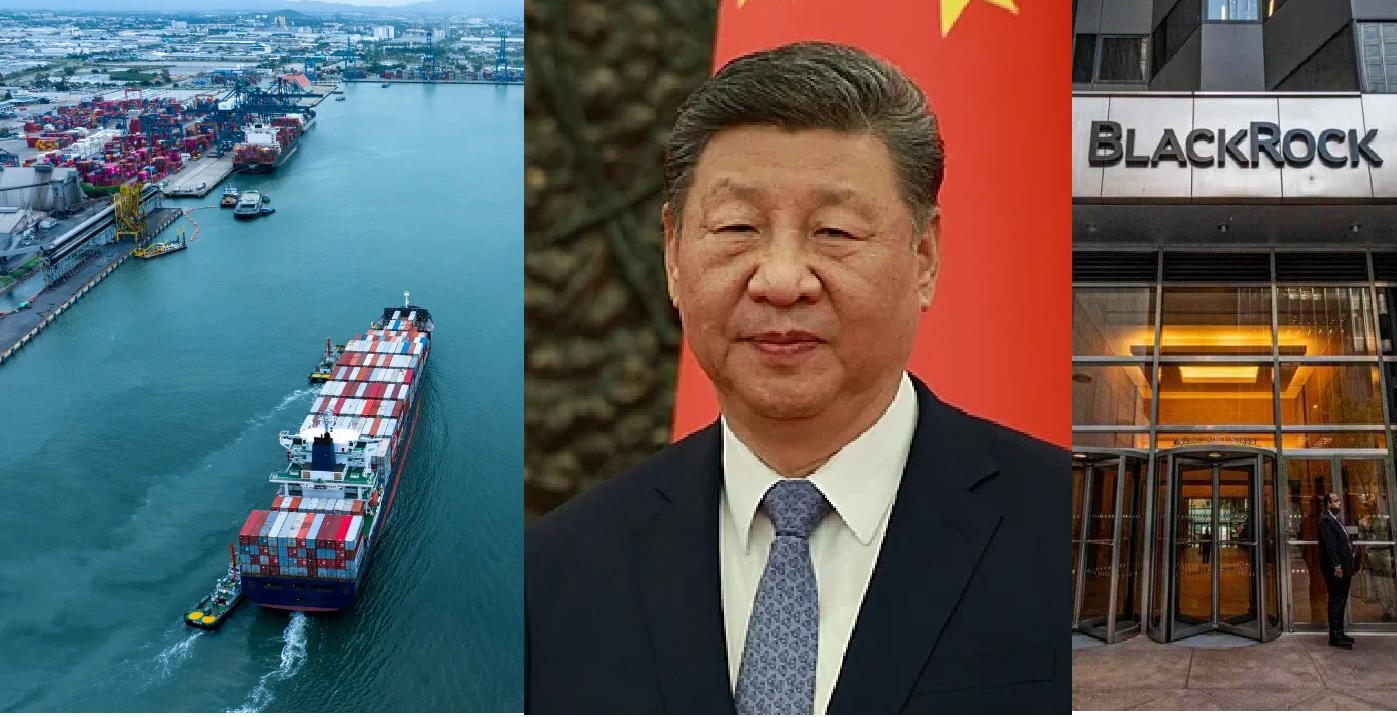
China Blocks BlackRock’s $23 Billion Panama Canal Ports Deal: How Beijing Sank a Landmark Investment
World
In a stunning turn of events, China has effectively blocked a $23 billion deal led by U.S. investment giant BlackRock to acquire a global network of port assets, including two key terminals located at either end of the Panama Canal. What began as a massive infrastructure transaction quickly escalated into a high-stakes geopolitical confrontation—one that reveals how global trade routes are now just as contested as battlefields. The Deal That Could Have Redefined Maritime Power Earlier in 2025, BlackRock Inc., the world’s largest asset management firm, reached an agreement with CK Hutchison Holdings, a Hong Kong-based conglomerate controlled by billionaire Li Ka-shing, to purchase its global port operations for roughly $22.8 billion. The acquisition included 43 ports across 23 countries, with the crown jewels being the ports of Balboa and Cristóbal, located on either side of the Panama Canal—arguably the most strategically important shipping route in the Western Hemisphere. For BlackRock and its partners, including Mediterranean Shipping Company (MSC), this was more than a simple infrastructure buyout. It was an opportunity for Western investors to reassert influence over global maritime logistics—especially in a region where China’s economic reach has grown steadily over the past two decades. As BlackRock described it, the investment would “strengthen global supply chain resilience and expand Western participation in strategic trade routes.” For Washington, it was quietly viewed as a win for U.S. influence near the canal that handles nearly 70 percent of its traffic linked to American trade. Who Is BlackRock—and Why the Deal Mattered Headquartered in New York City, BlackRock manages over $10 trillion in assets, making it the largest investment management company on Earth. The firm has vast holdings across energy, infrastructure, and emerging markets, and has increasingly sought ownership in long-term strategic assets—ports, power grids, and logistics corridors that serve as the arteries of global commerce. The acquisition of CK Hutchison’s port portfolio would have given BlackRock not just a profitable asset class, but also a degree of geoeconomic leverage—especially since Hutchison’s terminals have long been seen as part of China’s global maritime strategy. For decades, Hutchison Ports has been one of the major foreign operators near the Panama Canal, with close historical and operational links to Chinese trade networks. By acquiring it, BlackRock was, in essence, pulling a segment of China’s global logistics web back under Western control. Beijing’s Pushback: How China Blocked the Deal No sooner had the deal been announced than alarm bells began ringing in Beijing. State-controlled media denounced the agreement as “a national security risk” and “a handover of Chinese-linked assets to foreign control.” But behind the headlines, Chinese regulators and political officials began taking decisive action. Regulatory Roadblock:Chinese authorities informed CK Hutchison that the sale could not proceed unless a Chinese state-owned enterprise—specifically, COSCO Shipping Holdings—was allowed to participate in the buyer consortium. This effectively meant China wanted a seat at the table, if not direct veto power over strategic port operations. Pressure Through Hong Kong:Because CK Hutchison is based in Hong Kong, it falls under China’s National Security Law and broader regulatory oversight. Beijing’s officials hinted that approval for such a massive transaction could be withheld indefinitely, creating a bureaucratic chokehold that stalled negotiations. State Media Campaign:Chinese state outlets launched a coordinated campaign portraying the sale as a threat to national interests. Editorials warned that transferring control of “ports of strategic significance” to Western entities would “endanger China’s maritime lifelines.” Shares of CK Hutchison dropped sharply after the coverage. Strategic Retaliation Warning:In mid-July 2025, China’s Ministry of Commerce publicly warned that it would “not tolerate acts of economic coercion” and that Beijing would respond if its “legitimate interests in global maritime trade” were undermined. The message was unmistakable: unless Chinese firms were included, the deal would not pass. Collapse of the Deal and Its Global Ripples By late July 2025, the $23 billion deal had collapsed. CK Hutchison confirmed it was re-evaluating its options and would “seek participation from a strategic partner from the People’s Republic of China” in any future sale. The failure marked a decisive win for Beijing. By using regulatory leverage and national-security framing, China successfully protected its influence over vital shipping hubs—without ever formally nationalizing them. For the U.S. and BlackRock, the outcome was sobering. The incident underscored how major private-sector acquisitions can now be derailed by geopolitical power plays. A transaction intended to strengthen Western control over a global infrastructure network had been blocked through non-military but highly effective economic statecraft. Why the Panama Canal Still Matters The Panama Canal remains one of the most strategically critical maritime arteries in the world. It handles roughly 5 percent of all global trade and connects the Atlantic and Pacific Oceans through a narrow 82-kilometer channel. Whoever controls the ports on either end—Balboa on the Pacific side and Cristóbal on the Atlantic—possesses influence over what enters and exits the canal. That control extends to logistics, security, and even surveillance capabilities. For decades, Washington viewed Hutchison’s role in these ports with suspicion, concerned that Chinese-linked operators could monitor naval or commercial movements. BlackRock’s planned acquisition was meant to mitigate that risk by transferring ownership to a Western firm. Beijing’s intervention ensures that risk—and influence—remain tilted in its favor. The Larger Meaning: A New Era of Economic Power Politics The collapse of the BlackRock-Hutchison deal highlights a broader truth: global infrastructure has become a geopolitical weapon. China’s ability to block a Western consortium from acquiring port assets thousands of miles away demonstrates that it no longer needs to project military power to shape outcomes. Regulatory barriers, capital leverage, and strategic coordination among state-owned firms are proving equally potent tools. For BlackRock, this episode could force a reassessment of how to navigate “geo-regulated” markets, where government influence trumps commercial logic. For the United States, it serves as another reminder that the global contest with China now extends to the very foundations of global trade. And for China, it’s a quiet victory—a reminder that even in an era of Western financial dominance, Beijing’s hand still rests on the levers of global infrastructure. Final Thoughts The $23 billion port deal between BlackRock and CK Hutchison was poised to reshape control over one of the world’s most vital maritime gateways. Instead, it became a case study in how economic diplomacy, regulatory power, and strategic influence can override market forces. China’s decision to block the deal didn’t just halt a corporate acquisition—it reaffirmed the country’s resolve to guard its influence across global shipping lanes, even those far beyond its own coastline. As the Panama Canal saga shows, the next frontier of great-power rivalry isn’t just in weapons or technology—it’s in the ports, terminals, and trade routes that keep the world connected.
Read More → Posted on 2025-11-07 16:12:28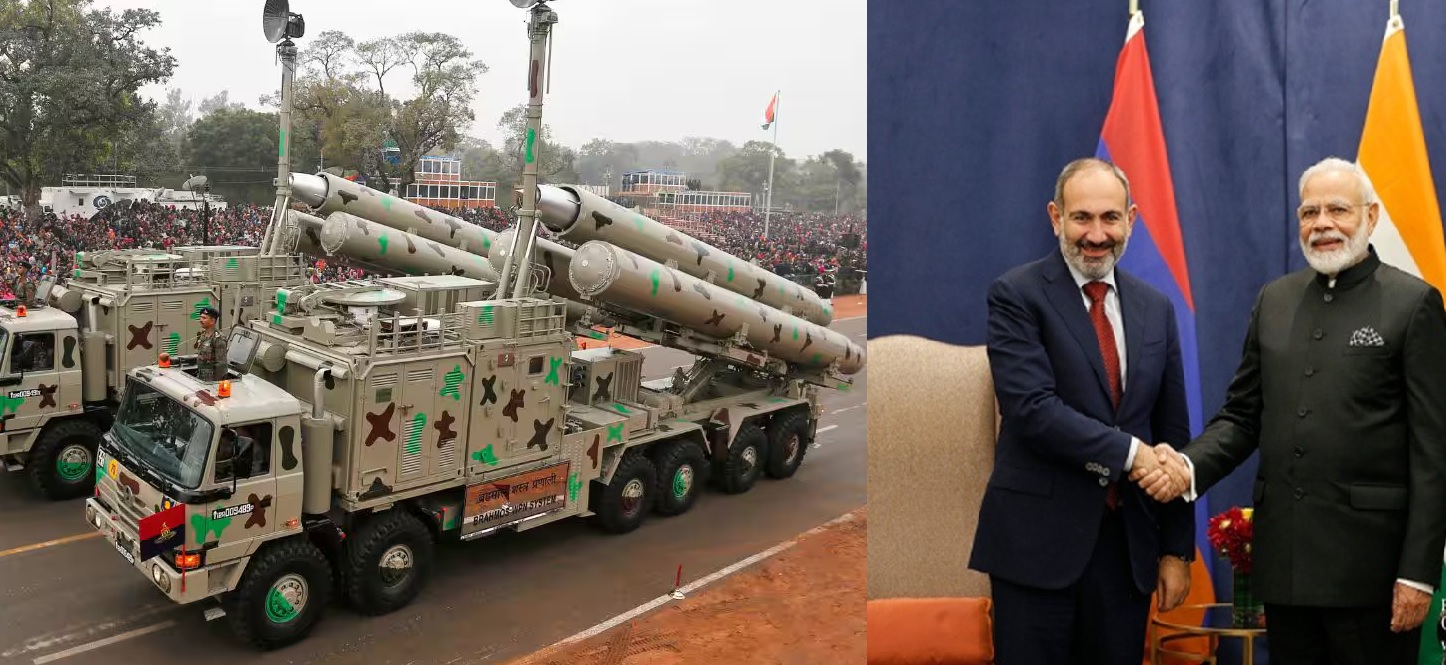
India
India and Armenia are close to signing defence memoranda of understanding (MoUs) worth an estimated $3.5 to $4 billion, marking one of New Delhi’s largest-ever defence export agreements. According to diplomatic and defence sources, the forthcoming deals are centred on modernising Armenia’s air defence network, missile systems, and artillery — a move that could reshape the balance of power in the volatile South Caucasus. Akash-NG: The Cornerstone of Armenia’s Air Defence Revival Sources told Republic Network that negotiations are at an advanced stage for the Akash-NG surface-to-air missile system, India’s next-generation SAM designed by DRDO. The system features an extended interception range of 70–80 km, enhanced radar seeker, and can target multiple aerial threats simultaneously, including drones, aircraft, and cruise missiles. If finalised, the integration of Akash-NG into Armenia’s layered air defence network would mark a strategic leap, providing Yerevan with autonomous protection capabilities independent of Russian-supplied S-300 and 9K33 Osa systems. Armenian officials reportedly see Akash-NG as the backbone of their modern air-defence architecture — flexible, mobile, and battle-proven under Indian conditions. BrahMos Surge After Operation Sindoor The BrahMos supersonic cruise missile — co-developed by India and Russia — has emerged as another focal point of Indo-Armenian discussions. Sources indicate that demand for BrahMos has surged sharply following its successful operational deployment during India’s “Operation Sindoor”, which showcased the missile’s precision and reliability. Negotiators are currently finalising a co-production framework that would allow licensed assembly of BrahMos components within Armenia. This would make Yerevan not just a buyer, but a partner in missile production, a landmark step for India’s growing global defence industry. If concluded, this would be the first instance of BrahMos assembly outside India, underlining both nations’ trust and long-term strategic alignment. Pinaka MLRS: Expanding Armenia’s Artillery Reach Parallel negotiations are also progressing on the Pinaka Multi-Barrel Rocket Launcher System (MLRS) — a powerful, indigenously developed artillery weapon capable of delivering concentrated firepower up to 75 km away. Armenia has shown keen interest in Pinaka due to its mobility, quick deployment, and precision-guided rocket capability, ideal for the country’s mountainous terrain and contested borders. Analysts say the induction of Pinaka would significantly enhance Armenia’s long-range strike and deterrence capabilities, filling a crucial gap in its existing artillery inventory. From Buyer to Partner: Armenia’s Pivot Toward India The groundwork for this unprecedented partnership was laid quietly over the past three years. Armenia, which once relied almost entirely on Russian defence supplies, began diversifying its procurement sources after 2020’s Nagorno-Karabakh conflict. In May 2023, Yerevan posted its first defence attaché in New Delhi, signalling a diplomatic and military realignment. India reciprocated a year later by establishing its first-ever military attaché in Yerevan — the only such posting in the Caucasus region. The relationship deepened with Armenia’s purchase of four Swathi Weapon Locating Radars worth $40 million, systems now deployed along its frontlines and praised for outperforming comparable Russian and Polish models. Since then, India has delivered a steady stream of equipment — from Konkurs anti-tank missiles and Zen anti-drone suites to 155 mm artillery guns and Akash batteries — all under the umbrella of India’s “Make in India” export initiative. Geopolitical and Industrial Significance The upcoming $4 billion deal underscores India’s rise as a global defence supplier. It fits neatly within New Delhi’s goal of reaching $26 billion in defence production by 2030. For Armenia, the agreements offer a strategic alternative to Russian dependency, ensuring supply security and access to advanced, cost-effective technology. This growing partnership also carries regional implications. Armenia’s collaboration with India complements its expanding diplomatic outreach to Greece, Cyprus, and Iran — countries that share a cautious stance toward Turkey and Azerbaijan’s growing assertiveness. By bringing Akash-NG, BrahMos, and Pinaka into Armenia’s arsenal, New Delhi is effectively extending its strategic influence westward into the Caucasus — an area traditionally dominated by Moscow and Ankara. Beyond Weapons: A Broader Strategic Relationship Beyond hardware, both sides are building institutional linkages. The India–Iran–Armenia trilateral dialogue, held in New Delhi in December 2024, focused on transport corridors and cultural cooperation. A week later, Armenia participated in defence-specific talks in Athens with Greece and Cyprus — further proof of its westward reorientation. Each of these developments is part of a larger framework aimed at transforming India–Armenia ties from transactional to strategic.
Read More → Posted on 2025-11-07 16:01:39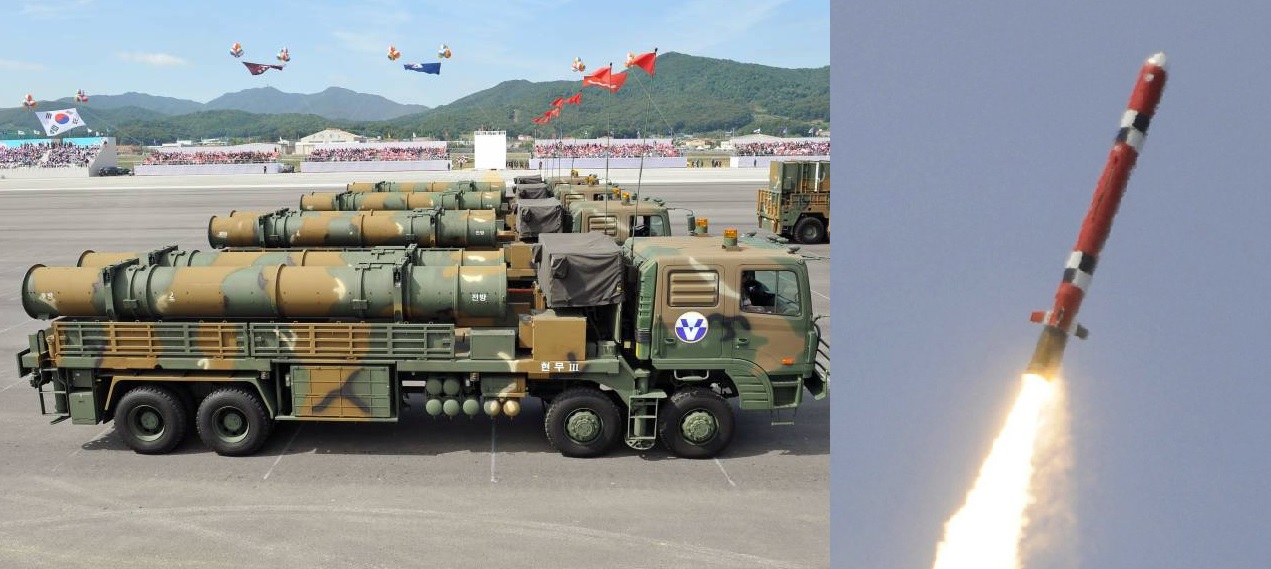
World
According to emerging reports, Saudi Arabia is preparing to acquire South Korea’s Hyunmoo-III long-range cruise missile, a system often compared to the American Tomahawk and the Russian Kalibr. While there has been no official confirmation, discussions are said to have taken place between Riyadh and Seoul, marking a potential milestone in Saudi Arabia’s expanding strategic missile ambitions. The move would represent a major step beyond Saudi Arabia’s existing arsenal of short- and medium-range missiles, signaling the Kingdom’s growing interest in building a credible long-range deterrent. Expanding the Missile Partnership Over the past few years, Saudi Arabia has steadily deepened its defense cooperation with South Korea. Riyadh has already purchased several advanced Korean systems, including the CTM-290 tactical ballistic missile and the M-SAM-II (Cheongung-II) surface-to-air missile interceptor. The CTM-290, with a range of about 290 kilometers, provides battlefield-level precision strikes. However, the Hyunmoo-III would extend Saudi capabilities dramatically, allowing precision engagement at distances well beyond the country’s borders. Hyunmoo-III: A Long-Range Precision Weapon The Hyunmoo-III is a family of land-attack cruise missiles developed by South Korea’s Agency for Defense Development (ADD) and manufactured under tight secrecy. The system’s reported range varies by variant: Hyunmoo-III A: ~500 km Hyunmoo-III B: ~1,000 km Hyunmoo-III C: ~1,500–3,000 km With these ranges, Saudi Arabia could potentially strike key Iranian military sites, including command centers, missile bases, and drone facilities, without deploying aircraft into contested airspace. Each missile is guided by advanced inertial and satellite navigation, capable of high precision and low-altitude flight to avoid radar detection. The payload is estimated to be around 500 kilograms, suitable for conventional high-explosive or penetrating warheads. Haeseong Variants and Submarine Launch Capabilities The Hyunmoo program also includes several naval derivatives under the Haeseong family. These systems have helped South Korea build a multi-layered missile force, adaptable across land, sea, and submarine platforms: Haeseong-I: Anti-ship missile with a range of about 150 km. Haeseong-II: Vertical Launch System (VLS) version for surface ships, with a range near 500 km. Haeseong-III: Submarine-launched cruise missile, estimated range 1,000–1,500 km. Haeseong-V: Believed to be an under-development supersonic cruise missile, possibly extending to 1,000 km. All of these systems are operated by the Republic of Korea Strategic Command, which maintains one of Asia’s most modern missile arsenals. A Quiet but Strategic Cooperation The Hyunmoo missile program remains one of South Korea’s most classified defense projects. Details regarding its deployment, testing, and export are rarely made public. Sources indicate that Saudi and South Korean defense officials began exploring a potential missile cooperation framework in early 2025. The talks reportedly involve not only the purchase of the missiles but also options for limited technology transfer or local assembly within the Kingdom. Such arrangements would align with Saudi Vision 2030, which aims to localize half of Saudi Arabia’s defense procurement through domestic manufacturing and partnership ventures. Finding an Alternative After U.S. and Russian Rejections For years, Riyadh has tried to obtain long-range cruise missiles from global suppliers. Its attempts to acquire the American Tomahawk (range ~1,600 km) were blocked under the Missile Technology Control Regime (MTCR). Similarly, negotiations with Russia for systems like the Kalibr-NK (range ~2,000–2,500 km) did not materialize due to export and political restrictions. By turning to South Korea, Saudi Arabia appears to be pursuing a practical middle ground—acquiring a capable system from a partner known for discretion and reliability. Strategic Lessons from Abqaiq The September 2019 attacks on Saudi oil facilities at Abqaiq and Khurais, which temporarily cut national production in half, remain a defining moment for the Kingdom’s defense strategy. The incident demonstrated vulnerabilities in Saudi Arabia’s infrastructure and highlighted the absence of a credible long-range response option. The potential acquisition of the Hyunmoo-III reflects a broader effort to close that gap. With the missile’s extended reach and precision, Saudi Arabia would be better equipped to deter or respond to long-range drone or missile attacks from adversaries. Regional Implications If completed, the Hyunmoo-III acquisition could make Saudi Arabia the first Middle Eastern nation with a proven long-range, land-attack cruise missile system of Asian origin. Such a capability would not only shift the regional military balance but could also prompt neighboring states—particularly Iran—to further accelerate their own missile programs. Defense analysts suggest that the move could also encourage UAE and Egypt to explore similar missile partnerships, given their growing security and industrial cooperation with Asian defense suppliers. A Subtle but Significant Shift Though unconfirmed, the possibility of Saudi Arabia adding the Hyunmoo-III to its arsenal signals an important shift in its defense strategy. It reflects Riyadh’s intent to reduce dependence on Western suppliers, build indigenous capacity, and establish a credible long-range precision-strike capability. While official details may never be made public due to the confidential nature of missile transfers, such cooperation would quietly place Saudi Arabia among a limited group of countries capable of conducting long-range, precision-guided strikes—without external reliance.
Read More → Posted on 2025-11-07 15:45:43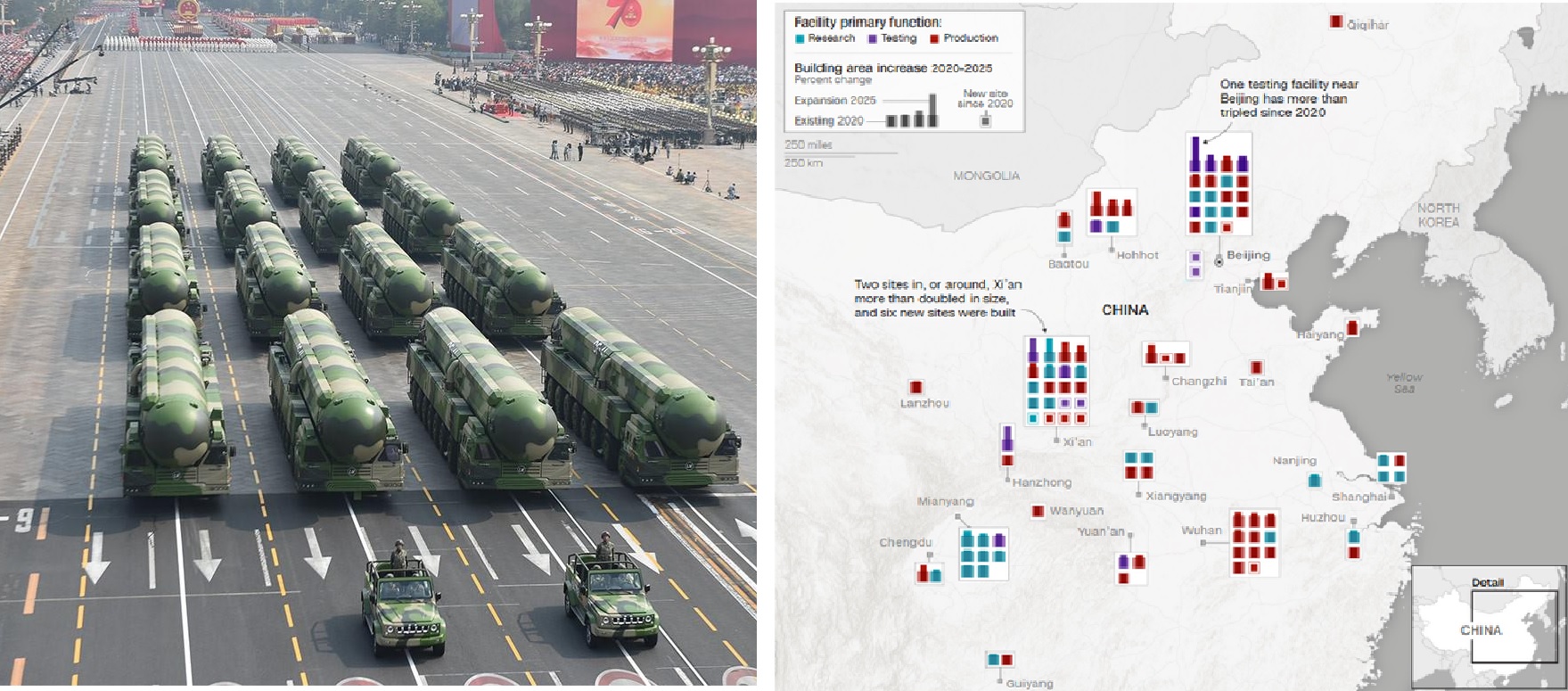
World
A new CNN investigation has unveiled one of the most sweeping military infrastructure expansions in modern history. Since 2020, China has dramatically increased construction at more than 60% of its 136 known facilities tied to missile production and the People’s Liberation Army Rocket Force (PLARF). Satellite analysis shows over 21 million square feet of new buildings — an area roughly the size of 400 football fields — signaling an unprecedented surge in Beijing’s missile manufacturing capacity. The findings point to a broad and coordinated national effort to boost China’s ability to produce, test, and deploy advanced missiles at a pace that could reshape global security dynamics. Many of the new structures are consistent with weapons development, testing centers, and underground bunkers, while missile components are visible at some sites, confirming the military nature of the construction. The Great Expansion of China’s Missile Industry Across China’s industrial landscape, once-quiet sites have transformed into sprawling complexes surrounded by high-security fencing, blast barriers, and multi-level manufacturing halls. According to imagery reviewed by CNN and independent analysts, the majority of these facilities are linked to the China Aerospace Science and Industry Corporation (CASIC) and China Aerospace Science and Technology Corporation (CASC) — two of the country’s largest missile and space enterprises. At several major sites near Beijing, Inner Mongolia, and Anhui, new warehouses and hardened shelters have appeared since 2021. Some are believed to produce components for solid-fuel ballistic missiles such as the DF-26, while others seem designed for hypersonic glide vehicle testing. One analyst quoted in the report described the expansion as “industrial-scale mobilization,” noting that China is now capable of producing short-, medium-, and intermediate-range missiles at rates comparable to Cold War-era U.S. output levels. Post-Ukraine Acceleration: Lessons From Modern War The timeline of China’s missile buildup aligns closely with geopolitical events. Following Russia’s full-scale invasion of Ukraine in early 2022, Beijing’s construction at missile-related sites accelerated sharply. Satellite imagery shows the number of new buildings rising almost twice as fast from 2022 to 2024 compared to the pre-war period. This pattern reflects a growing recognition in Beijing that modern high-intensity warfare requires massive missile stockpiles. The Russia-Ukraine conflict has demonstrated the critical role of precision strikes, long-range fires, and the exhaustion of munitions in sustained campaigns. China’s leadership, according to Western intelligence assessments, appears determined to ensure the PLA is never caught short of munitions in a potential future conflict — particularly one involving Taiwan or a clash with U.S. forces in the Western Pacific. Expanding the Nuclear Dimension While much of the new construction supports conventional missile programs, the nuclear component of China’s arsenal is expanding rapidly as well. U.S. defense officials estimate that China is adding around 100 nuclear warheads each year, bringing its total stockpile to over 600 operational warheads — a figure that could exceed 1,000 by 2030. New missile silos discovered in Xinjiang and Gansu provinces point to a transition toward a launch-ready nuclear posture, mirroring the deterrence model once used by the United States and Soviet Union. Combined with rapid industrial output, these developments suggest that China aims to narrow the nuclear gap with Washington and Moscow while maintaining a credible second-strike capability. The PLA Rocket Force’s Expanding Role The People’s Liberation Army Rocket Force (PLARF) — once a relatively obscure branch — is now at the center of China’s defense modernization strategy. Its growing network of bases, production facilities, and command centers reflects its dual mandate: to provide both conventional precision-strike power and nuclear deterrence. Recent reports indicate that China’s DF-17 hypersonic missile and DF-41 intercontinental ballistic missile (ICBM) are now entering serial production. These systems offer extended range, faster deployment times, and greater survivability, especially when paired with the new infrastructure revealed in the CNN analysis. Strategic Implications: The Dawn of an Industrial Arms Race The scale of China’s expansion has raised alarm across Asia and in Washington. Analysts say the developments mark a transition from incremental modernization to industrial militarization — where the volume of production becomes as important as the sophistication of technology. For the United States, this trend poses new strategic dilemmas. Even with its advanced missile defenses and stockpiles, Washington now faces a rival capable of sustained mass production in a protracted conflict. In the Indo-Pacific, allies such as Japan, South Korea, and Taiwan are reassessing their missile defense and deterrence strategies in light of China’s new capacity. India too, observers note, is watching closely. The expansion of missile production facilities — particularly those capable of manufacturing intermediate-range systems — affects the regional balance of power and adds urgency to India’s own missile modernization efforts. An Era of Endless Expansion Though China still trails the United States and Russia in total nuclear numbers, the trajectory of its missile buildup is steep and sustained. Experts say the country’s current pace of construction suggests a long-term plan extending well into the 2030s, when the PLARF could reach levels of industrial readiness unseen outside major superpower conflicts. The new facilities — sprawling over millions of square feet — are not just signs of modernization. They are part of a deliberate strategy to ensure industrial resilience, allowing China to replenish its missile inventory rapidly during wartime. As one defense researcher summarized:“China is preparing not just for deterrence, but for the logistics of a long war. That changes everything.”
Read More → Posted on 2025-11-07 15:32:29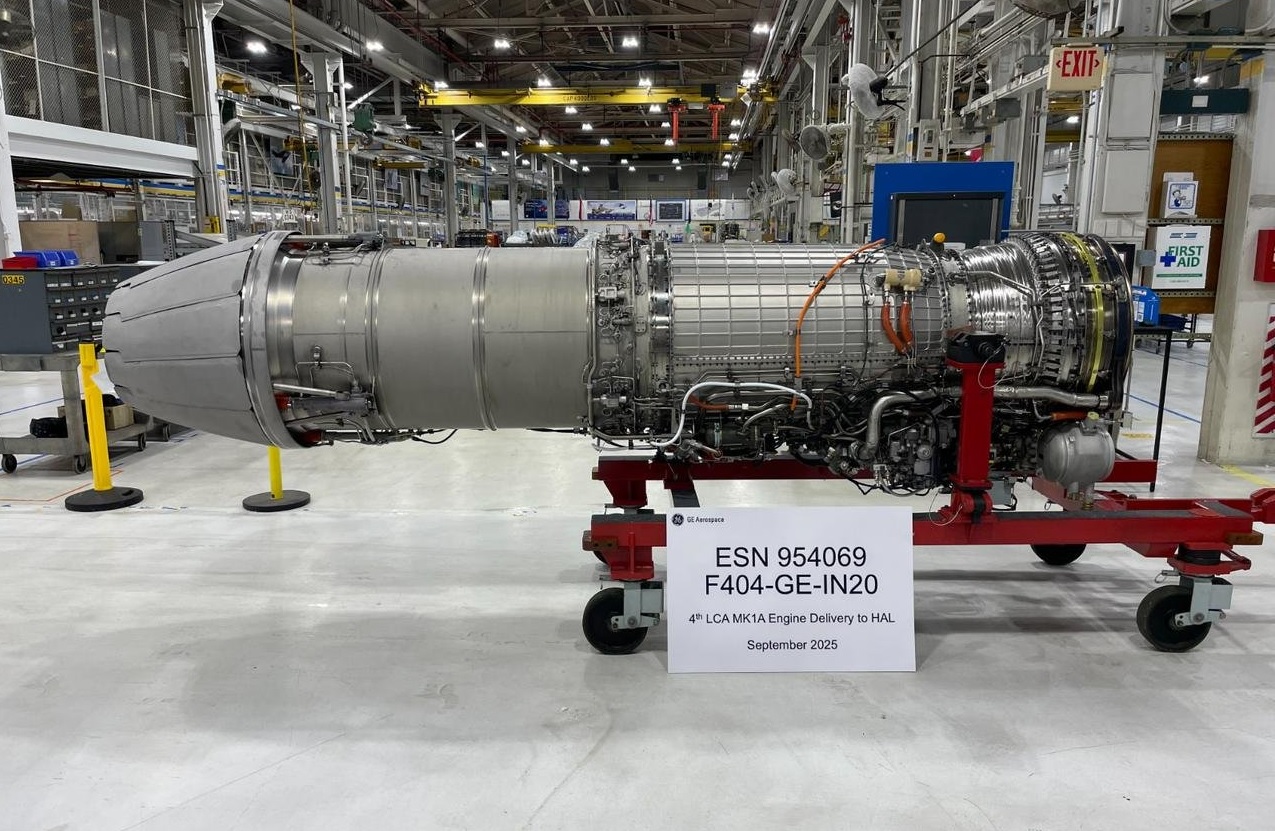
India
Aeronautics Limited (HAL) has sealed a landmark agreement with GE Aerospace to procure 113 F404-GE-IN20 engines along with a comprehensive support package to power the Light Combat Aircraft (LCA) Tejas Mk1A programme. The new deal, announced in November 2025, will ensure the continuity of Tejas production through the early 2030s, marking a key step in India’s aerospace self-reliance drive. The engine acquisition supports the ₹62,370 crore contract that the Ministry of Defence (MoD) signed with HAL on September 25, 2025, for 97 new Tejas Mk1A aircraft — comprising 68 single-seat and 29 twin-seat fighters for the Indian Air Force (IAF). This order expands the indigenous fighter fleet and gives HAL a clear production roadmap for the next decade. Scope and Delivery Timeline Under the fresh agreement, GE Aerospace will supply 113 F404-GE-IN20 engines — including installed units, spares, and support kits — between 2027 and 2032. The timeline has been aligned with the IAF’s Mk1A delivery schedule, ensuring that propulsion availability matches HAL’s growing assembly capacity in Bengaluru and Nashik. The number of engines ordered exceeds the number of aircraft to account for spares, test usage, and attrition reserves, following standard IAF logistics practice. HAL officials have confirmed that the deal includes an engine maintenance and technical support package, which will help the company streamline the fleet’s life-cycle management during initial service years. Building on Earlier Orders This latest deal builds on HAL’s earlier procurement of 99 F404-GE-IN20 engines from GE in 2021, valued at around US$716 million (approximately ₹6,000 crore). That earlier order was meant to power the first batch of 83 Tejas Mk1A aircraft, contracted by the MoD in February 2021. However, global supply-chain disruptions and the need to restart GE’s F404 production line delayed initial deliveries. Over the last two years, deliveries have gradually resumed — a steady sign that the programme has regained momentum. On September 30, 2025, GE Aerospace officially handed over the fourth F404-GE-IN20 engine to HAL at its Bengaluru facility, marking another milestone in fulfilling the 2021 contract. The earlier three engines were delivered After July-2025. This progress demonstrates that GE’s engine production cadence has begun stabilizing, paving the way for larger-scale deliveries under the new 2025 agreement. GE Commits to Ramp Up F404 Engine Production for HAL, Targets 24 Units Per Year by 2027 HAL’s Expanding Production Ecosystem HAL has aggressively expanded its manufacturing footprint to handle the combined orders for 180+ Tejas Mk1A aircraft (83 from 2021 and 97 from 2025). A new Tejas assembly line was inaugurated in Nashik in October 2025, in addition to the existing Bengaluru lines. Once fully operational, HAL will be capable of producing 24 aircraft per year — double its previous rate. However, the company’s production speed is closely tied to the timely availability of engines and imported components such as radars, EW suites, and flight-control actuators. The new 113-engine GE deal is therefore seen as removing a critical bottleneck that had constrained earlier deliveries. The HAL–GE Aerospace agreement for 113 F404-GE-IN20 engines is more than a procurement contract — it’s a structural enabler for India’s indigenous fighter ecosystem. With the first batch of engines from the 2021 deal already in HAL’s possession (the fourth handed over on September 30, 2025), and the next wave of 113 engines scheduled between 2027 and 2032, India’s Tejas Mk1A programme now has a clear propulsion roadmap. This ensures HAL’s assembly lines can operate without critical delays, strengthens the Indian Air Force’s modernization drive, and positions the Tejas as a cornerstone of India’s long-term aerospace independence.
Read More → Posted on 2025-11-07 14:44:44
World
Stockholm, November 2025 — Sweden and Ukraine are intensifying negotiations on a landmark defense agreement that could see Kyiv acquire as many as 150 JAS 39 Gripen E fighter jets, in what would become Sweden’s largest-ever aircraft export deal. The discussions, confirmed by Swedish Defence Minister Pål Jonson in an interview with Reuters, signal Stockholm’s growing role in shaping Europe’s long-term security landscape amid Russia’s ongoing war in Ukraine. A Strategic Partnership Takes Shape The talks stem from a long-term cooperation agreement signed in October, which outlined the framework for Sweden’s military assistance and industrial collaboration with Ukraine. At its core lies the potential export of the Gripen E, Sweden’s latest-generation multirole fighter developed by Saab AB. While the exact value of the proposed deal remains undisclosed, a recent comparison underscores its scale: Thailand’s purchase of just four Gripen jets for 5.3 billion Swedish crowns ($563 million) earlier this year suggests that a 150-aircraft acquisition could be worth tens of billions — a sum far beyond Kyiv’s wartime budget. Yet, Sweden appears willing to shoulder part of the cost. “The financing is moving forward, and we’re working closely with the Ukrainian side,” said Jonson, noting that Sweden is exploring multiple funding avenues, including export credits, frozen Russian assets, and direct military aid. Financing the Future: Sweden’s Aid and EU Assets Sweden’s government has already allocated 40 billion Swedish crowns (approximately $3.7 billion) in its 2026 budget for Ukraine-related aid — with a similar sum expected again in 2027. According to Jonson, portions of this could be directed toward the fighter deal. Another proposal under discussion involves leveraging frozen Russian assets, valued at nearly €200 billion across the European Union, to finance defense assistance to Ukraine. Stockholm has been one of the strongest advocates for using those funds, arguing that they should directly contribute to Ukraine’s reconstruction and military resilience. In parallel, Sweden has presented the concept to a coalition of 16 European countries, informally known as the “coalition of the willing”, which coordinates defense support for Kyiv. Some of these nations — particularly the U.K., whose companies produce components for the Gripen, and the U.S., which supplies the General Electric F414 engine — may also participate financially or industrially in the program. The Gripen E: A Fighter Built for Survival and Affordability The Gripen E represents the most modern variant of Saab’s storied Gripen family. It’s designed for nations seeking high capability without the extreme operational costs associated with fifth-generation fighters like the F-35 Lightning II. Powered by a GE F414G turbofan delivering around 98 kN of thrust, the Gripen E boasts a maximum takeoff weight of 16,500 kg, a combat radius of approximately 800 km, and a top speed exceeding Mach 2. It supports up to 10 external hardpoints, allowing a mix of air-to-air, air-to-ground, and electronic warfare payloads. One of its defining features is its adaptability — it can take off and land on short, unprepared runways, making it ideal for Ukraine’s dispersed basing strategy under wartime conditions. Saab emphasizes that the aircraft’s low maintenance demands and rapid turnaround times allow it to sustain high sortie rates with minimal ground crew — a crucial advantage for a country under continuous threat. Industrial Capacity and Delivery Prospects Saab has confirmed that it can expand Gripen production to meet major new orders. The company currently manufactures the E-series at its facilities in Linköping, Sweden, and at a secondary assembly line in Brazil, where the aircraft is being produced for the Brazilian Air Force. Prime Minister Ulf Kristersson, speaking in October, described the potential Ukraine deal as “very realistic” but acknowledged that first deliveries could take about three years. Saab, for its part, is examining ways to increase output capacity and potentially establish a maintenance or assembly partnership with Ukraine itself to support long-term operations. A Coalition Deal Beyond Borders Analysts suggest that Sweden’s initiative could evolve into a multi-nation procurement program, with European allies financing or co-producing parts of the system. “Countries that already manufacture subcomponents of the Gripen system have clear incentives to participate,” Jonson explained, citing British-made electronics and U.S.-built engines. Such a model mirrors the “F-16 coalition” approach that saw several NATO countries contribute aircraft and training to Ukraine’s Air Force earlier this year. The difference, however, lies in the Gripen’s affordability and its political symbolism — a European jet, built by a non-NATO country, strengthening Ukraine’s defense against Russia. Strategic Implications for Europe If completed, the Gripen deal would mark a historic shift in European defense collaboration. It would secure Ukraine a modern, sustainable fighter fleet while cementing Sweden’s emergence as a major defense exporter just months after joining NATO. For Saab, the contract could transform its order book overnight and accelerate technological partnerships across the transatlantic defense ecosystem. For Ukraine, it would provide a long-term solution to defend its skies with a platform tailored for cost-efficiency, survivability, and independence from U.S.-centric supply chains. Despite the optimism, officials caution that several hurdles remain — including formal export approvals, detailed financing arrangements, and the establishment of pilot training and maintenance infrastructure. However, as Pål Jonson noted during Ukrainian Prime Minister Denys Shmyhal’s visit to Stockholm this week, momentum is clearly building. “We are moving forward together,” he said. “This is not only about jets — it’s about securing Ukraine’s future defense for decades to come.”
Read More → Posted on 2025-11-07 14:22:03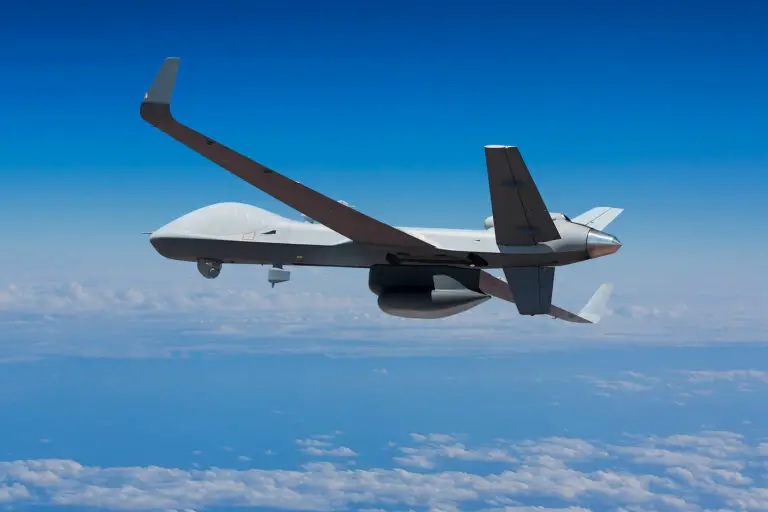
World
Taiwan’s Air Force has confirmed that its first two U.S.-made MQ-9B SkyGuardian unmanned aerial vehicles (UAVs) will arrive in the third quarter of 2026, with the remaining two scheduled for 2027. The timeline was reaffirmed in briefings to Taiwan’s Legislative Yuan and matches earlier projections made by U.S. defense officials, marking a steady progression in one of Taipei’s most significant intelligence, surveillance, and reconnaissance (ISR) programs in years. A Key Delivery in Taiwan’s 2026 Defense Schedule The MQ-9B acquisition forms part of Taiwan’s broader modernization effort aimed at improving early warning, reconnaissance, and precision strike coordination across its armed forces. The schedule of deliveries coincides with several other U.S. equipment programs expected in 2026, including new coastal defense cruise missiles and air defense system components, which together help offset delays in other modernization initiatives. According to multiple defense sources, the $250 million contract, facilitated through the U.S. Air Force under Foreign Military Sales (FMS), covers four MQ-9B SkyGuardian UAVs, two certifiable ground control stations (GCS), and associated logistics, training, and maintenance support packages. The contract also includes sensor integration, data links, and mission system software, ensuring that the Taiwanese fleet is fully interoperable with U.S. and allied intelligence networks. Expanding Taiwan’s Eyes Over the Sea The MQ-9B SkyGuardian, developed by General Atomics Aeronautical Systems, represents one of the world’s most advanced medium-altitude, long-endurance (MALE) drones. It is a variant of the combat-proven MQ-9 Reaper, but redesigned for international customers with enhanced endurance and civil airspace certification standards. For Taiwan, the system’s primary role will be persistent maritime surveillance—tracking Chinese naval movements across the Taiwan Strait, Bashi Channel, and South China Sea approaches. Each drone can remain airborne for over 40 hours, cover vast swathes of ocean, and transmit real-time imagery and radar data back to Taiwan’s joint command centers. The MQ-9B will integrate with Taiwan’s existing radar and sensor networks, giving the Republic of China Air Force (ROCAF) and Navy Command a clearer picture of surface and aerial activity near the island. Defense observers note that this ISR upgrade will be crucial as China expands naval patrols and deploys more advanced aircraft and unmanned systems around Taiwan’s air defense identification zone (ADIZ). Technical Highlights of the MQ-9B SkyGuardian Endurance: 40+ hours Operational Ceiling: 40,000 feet Range: Over 6,000 nautical miles with satellite link Speed: Up to 210 knots Payload Capacity: 2,155 kg (external + internal) Sensor Suite: Multi-spectral targeting system (EO/IR), maritime surveillance radar, synthetic aperture radar (SAR), and signals intelligence modules. Though the current deal focuses on surveillance, the SkyGuardian can be configured for precision strike missions if armed in future upgrades—though Taiwan’s current purchase is understood to be for unarmed ISR variants. The Broader Package and Support Framework Alongside the UAVs, Taiwan’s contract includes training for operators and maintenance personnel, spare parts, and a technical support package. Two ground control stations will be established—likely one in southern Taiwan near Kaohsiung for maritime operations and another in the north for strategic monitoring of the Strait. Taiwan’s Ministry of National Defense has also coordinated with General Atomics for potential data-sharing and integration with existing U.S. Pacific Command systems, allowing real-time coordination in contingency scenarios. Strategic Significance and Regional Implications Analysts view the MQ-9B acquisition as a strategic intelligence multiplier rather than merely a new asset. With endurance extending far beyond manned patrol aircraft, Taiwan’s forces will gain the ability to maintain continuous watch over key maritime corridors, detect naval movements early, and direct response assets with greater precision. In the context of growing Chinese pressure—both militarily and politically—the addition of the SkyGuardian represents a quiet but transformative shift in Taiwan’s situational awareness. It enables Taipei to build a resilient ISR web that can feed targeting data to long-range missiles and air defense systems, improving deterrence without overt escalation. By 2027, Taiwan will operate a four-strong fleet of MQ-9B SkyGuardians, supported by U.S.-supplied ground infrastructure and logistics. While modest in number, the acquisition signals a strategic deepening of U.S.-Taiwan defense cooperation and an essential step toward autonomous, persistent surveillance in one of the world’s most contested airspaces. As one Taiwanese defense official put it during a recent legislative session: “With these systems, Taiwan will see what it could only imagine before—longer, wider, and clearer than ever.”
Read More → Posted on 2025-11-07 14:04:30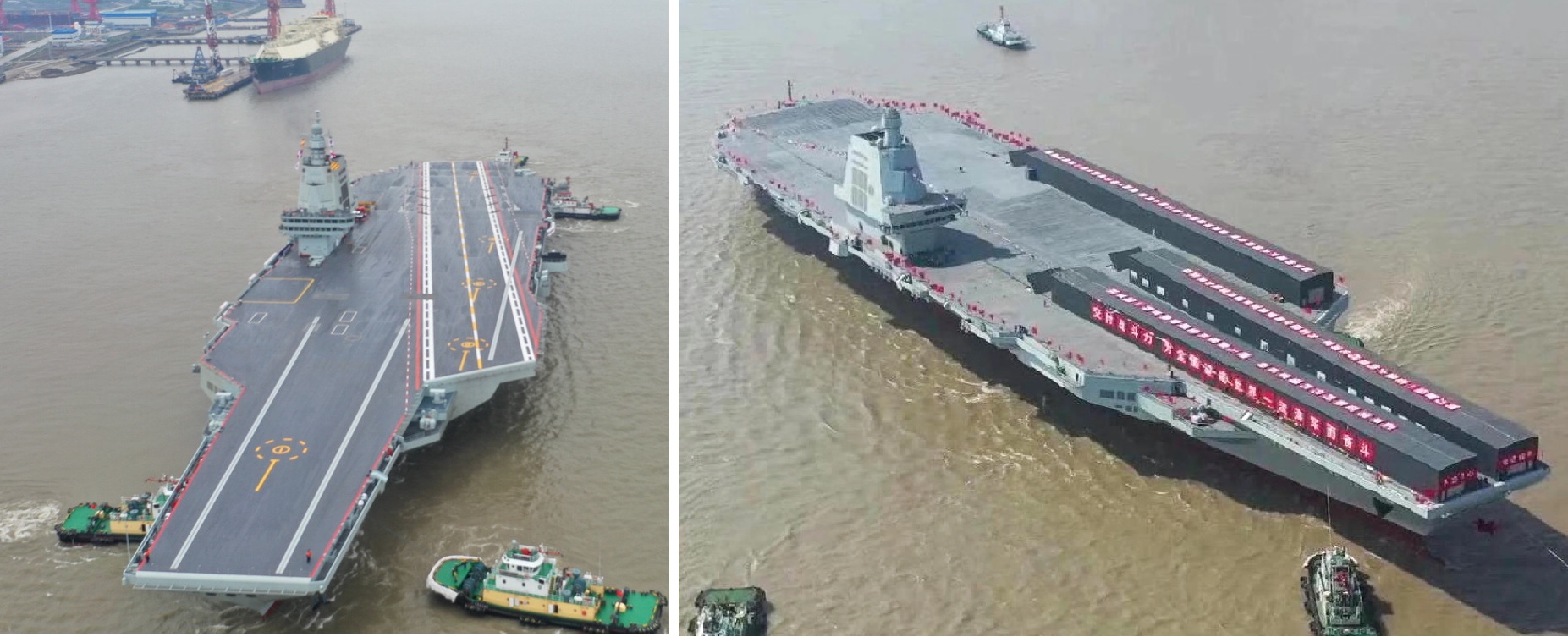
World
China has officially commissioned Fujian (Hull 18), its third aircraft carrier and the first to be fully designed and built indigenously. The commissioning ceremony took place at a naval base in Sanya, Hainan province, with senior Chinese military and political leaders participating in the event. Named after China’s eastern coastal province of Fujian, the supercarrier represents a technological and strategic leap for the People’s Liberation Army Navy (PLAN). This historic induction marks China’s transition from a regional maritime power to a blue-water navy capable of sustained global operations — symbolizing the nation’s growing confidence and shipbuilding prowess. The Fujian: China’s First Supercarrier-Class Design The Fujian (Type 003-class) is the first Chinese carrier to rival American supercarriers in both scale and sophistication. With a full-load displacement of approximately 80,000 to 85,000 tons and a length of around 316 meters, it dwarfs its predecessors Liaoning and Shandong. Unlike those earlier vessels, which use ski-jump ramps to launch aircraft, Fujian is equipped with three Electromagnetic Aircraft Launch Systems (EMALS) — a feature previously exclusive to the U.S. Navy’s Gerald R. Ford-class. The EMALS allows the carrier to launch heavier, stealth-capable, and more heavily armed aircraft, significantly enhancing combat effectiveness and sortie rates. With an aircraft carrying capacity of 60–70 aircraft, Fujian brings a modern air wing into service, including J-35 stealth fighters, J-15T catapult-capable strike fighters, and the KJ-600 early warning aircraft, supported by Z-18 and Z-20 helicopters. Fujian’s Key Specifications Feature Specification Class/Type Type 003 Aircraft Carrier Name Fujian (Hull 18) Displacement 80,000–85,000 tons (full load) Length Approx. 316 meters Beam (Width) Around 78 meters Propulsion Conventional (steam turbines with integrated electric propulsion) Launch System 3 x Electromagnetic Catapults (EMALS) Arresting System Electromagnetic Advanced Arresting Gear Aircraft Capacity 60–70 aircraft Primary Air Wing J-35 stealth fighter, J-15T strike fighter, KJ-600 AEW aircraft, Z-18/Z-20 helicopters Radar System Type 346B AESA Radar Crew Estimated 2,500–2,800 personnel Carrier Aviation: The Rise of the J-35 and KJ-600 The Fujian’s EMALS technology is pivotal for China’s next-generation carrier aviation. It allows for the seamless launch of the J-35 stealth carrier fighter, a twin-engine aircraft with advanced radar-absorbing coatings, internal weapons bays, and long-range strike capabilities designed to rival the U.S. Navy’s F-35C. The KJ-600 airborne early-warning and control aircraft adds another strategic layer, extending the carrier group’s radar coverage and command capabilities across hundreds of kilometers — similar to the U.S. E-2D Hawkeye. These aircraft together enable the PLAN to operate with unprecedented efficiency, awareness, and strike depth. China’s Expanding Carrier Fleet With Fujian’s commissioning, China now officially operates three aircraft carriers, each reflecting an evolution in design and capability: Liaoning (CV-16) – China’s first carrier, a refitted Soviet Kuznetsov-class vessel, commissioned in 2012. It displaces around 60,000 tons and carries 36–40 aircraft, primarily for training and doctrine development. Shandong (CV-17) – China’s first domestically built carrier, commissioned in 2019. It displaces 66,000–70,000 tons and carries around 44 aircraft, featuring structural and operational improvements over Liaoning. Fujian (CV-18) – The first fully indigenous and technologically advanced carrier, commissioned in 2025. With a displacement of 80,000–85,000 tons and a capacity for up to 70 aircraft, Fujian marks China’s transition into the era of electromagnetic catapult-equipped supercarriers. China’s long-term naval ambitions reportedly include a fleet of at least six carriers. The next in line, the Type 004, is expected to be nuclear-powered, providing virtually unlimited range and enhanced power for future energy-intensive systems such as directed-energy weapons. Strategic Implications: Toward a Global Navy The commissioning of Fujian signals China’s ambition to achieve operational parity with the U.S. Navy in the Indo-Pacific. As the PLAN’s most capable warship, Fujian can serve as the flagship for carrier strike groups (CSGs) operating deep into the Pacific, Indian Ocean, and beyond. This advancement strengthens Beijing’s ability to project power around Taiwan, the South China Sea, and Western Pacific, challenging existing U.S. and allied naval dominance. It also aligns with China’s Belt and Road maritime strategy, ensuring protection for overseas trade routes and strategic infrastructure from the Strait of Malacca to the Persian Gulf. A Turning Point for the PLAN The induction of Fujian marks a defining moment for the People’s Liberation Army Navy. With three active aircraft carriers — including its first EMALS-equipped supercarrier — China now has the foundation for continuous carrier operations and sustained global presence. Fujian’s electromagnetic catapult system, stealth aircraft capability, and advanced command architecture place it closer to U.S. supercarriers than any other vessel currently afloat outside the United States. As Fujian transitions from initial operations to full deployment, it will reshape the balance of naval power across the Indo-Pacific. China has effectively crossed the line from carrier possession to carrier mastery, signaling its arrival as a true global maritime power in the 21st century.
Read More → Posted on 2025-11-07 11:42:20
India
Former U.S. President exposes Islamabad’s secret plea after heavy military losses and damaged bases Before Donald Trump’s stunning revelation, defense analysts and global intelligence reports had already indicated that it was Pakistan — not India — that first begged for a ceasefire during the intense May 2025 conflict. Satellite imagery released in the days following the clashes revealed extensive damage to Pakistani airbases, radar stations, and forward-deployed assets, confirming that Islamabad had suffered a far heavier blow than it publicly admitted. Now, Trump’s latest comments have confirmed what the world already suspected — that Pakistan’s Prime Minister Shehbaz Sharif personally pleaded with Washington to intervene before the crisis escalated into what he described as a potential “nuclear war.” “They were going to have a nuclear war with Pakistan,” Trump said in his latest interview.“The Prime Minister of Pakistan stood up the other day and said, if Trump didn’t get involved, many millions of people would have been dead right now.” These remarks directly point to Shehbaz Sharif’s acknowledgment that U.S. intervention under Trump’s guidance stopped the war, a truth that completely contradicts Pakistan’s official narrative that India asked for a ceasefire first. Global Analysts Already Knew: Pakistan Was the First to Plead Even before Trump’s words, military satellite analysis from multiple international agencies had shown Pakistan’s infrastructure in ruins after the intense May 2025 engagements along the Rajasthan–Sindh and Sialkot–Jammu sectors. Independent analysts from the U.S., France, and India identified cratered runways, destroyed hangars, and charred radar domes at key Pakistani airbases, including Mianwali, Shorkot, and Jacobabad. Radio intercepts captured by defense intelligence agencies suggested urgent calls from Pakistan’s General Headquarters (GHQ) to American and Chinese military attachés, seeking emergency diplomatic channels to stop the Indian offensive. This clear pattern of panic left little doubt: Pakistan had lost control of the escalation, and its leadership feared that India might strike deeper if hostilities continued. Trump Confirms: Shehbaz Sharif Pleaded for U.S. Help In Trump’s own words, it was Shehbaz Sharif who stood up publicly and praised him as a “Man of Peace.” That remark, made during an Islamabad press conference shortly after the ceasefire, now takes on a new meaning. At the time, Shehbaz’s statement appeared to be routine diplomacy. But Trump’s revelation exposes it as a confession — an acknowledgment that U.S. intervention saved Pakistan from total military humiliation. “If Trump didn’t get involved, millions would have died,” Shehbaz said, calling the former U.S. President “a man who prevented war.” Trump’s recollection makes it clear: Pakistan begged Washington to stop the war before it lost more aircraft, bases, and credibility. Eight Pakistani Aircraft Downed — Not Seven Perhaps the most explosive part of Trump’s statement was his offhand mention that “eight planes were shot down” — a figure that aligns with independent defense analyses but exceeds Pakistan’s own admission. During the May 2025 conflict, Pakistan’s Air Force launched a series of retaliatory sorties against Indian positions in Rajasthan and Punjab. In response, the Indian Air Force (IAF) conducted electronic counter-air missions and precision strikes, downing multiple Pakistani aircraft over the border zone. Initial Pakistani claims stated that only “a few drones and one aircraft” were lost. But post-conflict radar data, intercepted communications, and satellite heat signatures suggested at least eight confirmed losses, including JF-17s, one upgraded F-16 Block 52, and several UAVs. Trump’s statement confirms U.S. intelligence had a precise assessment — and that Pakistan’s losses were far higher than admitted publicly. Satellite Imagery Exposed Pakistan’s Damaged Bases Within 48 hours of the ceasefire, international commercial satellites — including those operated by Maxar Technologies and Airbus Defence — released imagery showing large-scale damage at Pakistani airbases. At Mushaf Air Base (Sargodha), satellite photos showed burnt shelters and smoke plumes still visible days later. At Mianwali, two hardened aircraft shelters were visibly cratered, suggesting precision strikes by India’s stand-off weapons. Near Jacobabad, radar installations and a logistics depot appeared destroyed, consistent with Indian use of long-range SPICE and Rudram anti-radiation missiles. These visuals left no doubt that Pakistan had absorbed significant punishment, contradicting its official claims of minimal damage. The False Narrative: Pakistan’s “India Asked First” Lie After the ceasefire was declared, Pakistan’s state media immediately claimed that India was the one who requested an end to hostilities — a narrative pushed domestically to protect the government and military from backlash. But diplomats in Washington, New Delhi, and London already knew the truth: Pakistan was the one begging behind closed doors.Trump’s admission simply made public what intelligence circles had been whispering for months — that Islamabad’s ceasefire appeal was born from fear, not strategy. Strategic Aftermath: India Held the Upper Hand By the time the ceasefire took effect, India had already achieved air and electronic superiority, having successfully neutralized several Pakistani radar sites and forward air defenses. Sources in the Indian defense establishment described the May 2025 conflict as “decisive and one-sided”, with Pakistan unable to match India’s advanced drone warfare, electronic jamming, and missile strike capability. For Islamabad, the cost was steep — not just in military losses but in credibility. The revelation that its leadership secretly sought Trump’s help, while publicly claiming victory, has now destroyed Pakistan’s moral and strategic narrative.
Read More → Posted on 2025-11-07 11:18:40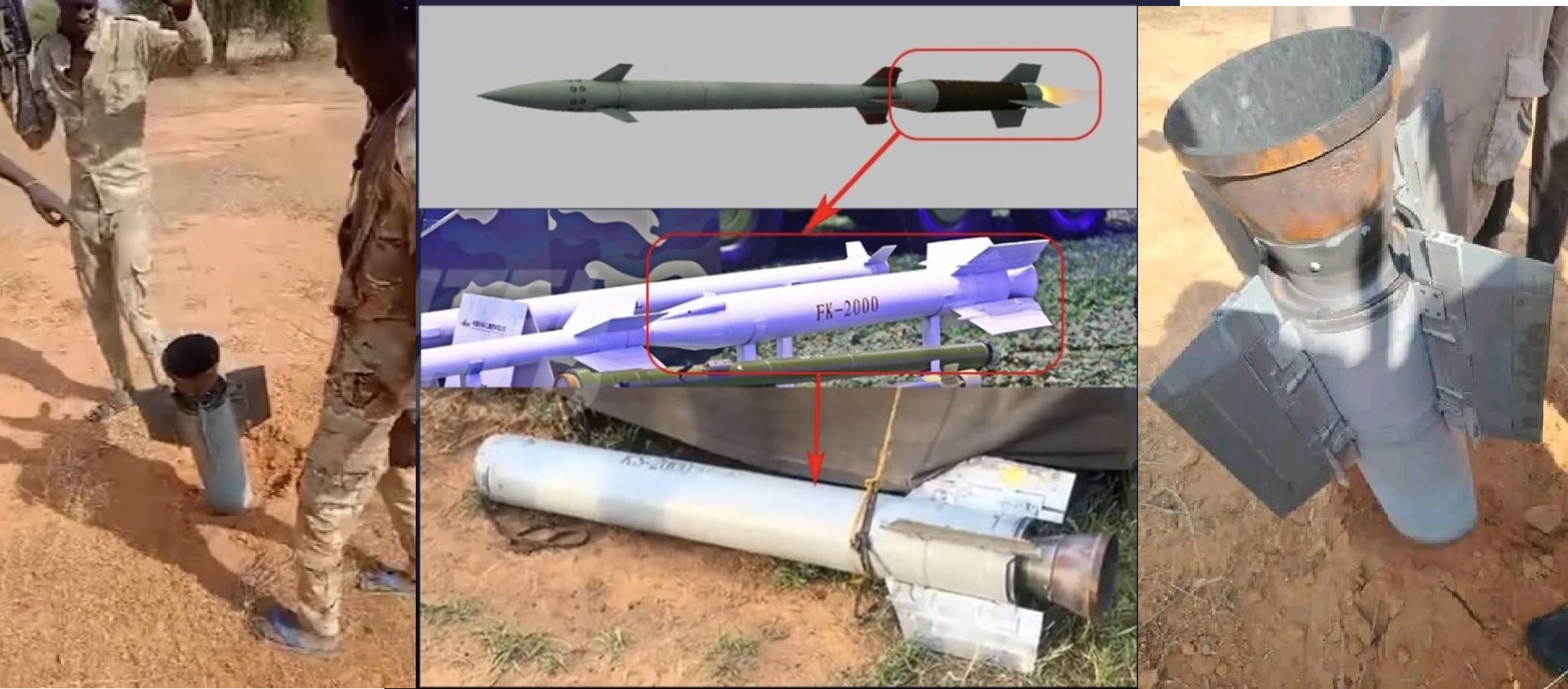
Chinese FK-2000 Missile Debris Found at Babanusa Crash Site Points to Foreign Role in Sudan Conflict
World
Debris from a Chinese-made FK-2000 air-defense missile has been found near the wreckage of a downed military transport aircraft in Babanusa, West Kordofan, according to multiple defense analysts and open-source imagery. The discovery provides the clearest evidence yet that advanced Chinese weapons, allegedly supplied through foreign intermediaries, are now being used inside Sudan’s war. FK-2000 Fragments Confirmed at the Site Images from the crash site show twisted metal fragments, missile guidance circuitry, and rocket casing remnants identified by analysts as belonging to the FK-2000 short-range air-defense system, a weapon developed by the China Aerospace Science and Industry Corporation (CASIC). The FK-2000 is a mobile, radar-guided air-defense system designed to counter low-flying aircraft, cruise missiles, and drones. Each vehicle carries 12 surface-to-air missiles and dual 30 mm cannons, giving it both missile and gun engagement options. The system can strike aerial targets at ranges up to 15 kilometers and altitudes of 10 kilometers. “The FK-2000 is not a common system to find in African conflicts,” said one regional defense analyst. “Its appearance in Sudan indicates that a state-level actor helped supply or transfer it.” Link to Earlier Missile Debris in Kordofan This is the second documented appearance of FK-2000 debris in Sudan this year. In September 2025, identical missile fragments were discovered after another Sudanese military aircraft was downed in Kordofan, prompting an investigation into arms transfers across Sudan’s western border. At that time, intelligence assessments and United Nations monitoring reports suggested that the United Arab Emirates (UAE) had supplied FK-2000 systems to the Rapid Support Forces (RSF) through Chad, using airfields in Amdjarass and Adré as transit points. The UAE denied direct involvement, while China refrained from comment. The latest Babanusa discovery appears to reinforce those earlier findings, pointing to a pattern of advanced Chinese weapons reaching RSF forces through third-party channels. Downed Aircraft and Missile Engagement The FK-2000 debris was found near the remains of a Sudanese military cargo aircraft that was shot down earlier this week near Babanusa. Initially, the Sudanese Armed Forces (SAF) described the aircraft as an Antonov An-12, but video analysis by independent researchers later identified it as a four-engine Ilyushin Il-76, based on its distinctive T-shaped tail and engine configuration. Witnesses reported seeing a missile trail followed by an explosion, suggesting a radar-guided surface-to-air missile strike. The RSF claimed responsibility for the attack, saying its “air-defense forces successfully intercepted an enemy aircraft conducting military resupply operations.” Chinese System’s Role in Changing Battlefield Dynamics The FK-2000’s presence in Sudan marks a major escalation in the country’s air-defense landscape. The system’s mobility and rapid engagement capability allow RSF units to establish temporary no-fly zones, preventing the Sudanese Air Force from safely conducting airlifts or bombing runs in western Sudan. The FK-2000’s integrated radar makes it capable of detecting and locking onto large transports like the Il-76, even at medium altitude — a capability that simpler shoulder-fired MANPADS lack. “This isn’t a black-market system that you can smuggle in pieces,” said a senior African defense researcher. “The FK-2000 is a complete radar-guided network that needs trained crews and logistical support. Its use shows deliberate external assistance.” Foreign Routes and Regional Implications Military analysts believe the FK-2000 systems reached Sudan through complex logistics networks running across Chad, supported by foreign funding and airlift operations from the Gulf region.Several RSF weapons shipments documented this year match the scale and configuration of air-defense equipment, including missile canisters and radar components. The involvement of such systems underscores how Sudan’s internal war has evolved into a regional proxy conflict, where foreign states and contractors channel advanced technology to local factions. Silence from Beijing and Khartoum China has not commented on the presence of FK-2000 components in Sudan, nor has it confirmed whether the systems were part of any sanctioned export. Sudanese officials have also declined to identify the weapon used in the Babanusa shoot-down, citing an ongoing investigation. Meanwhile, defense observers note that the FK-2000 system’s reappearance within just two months suggests that RSF forces now possess at least one fully functional launcher, operated either by trained Sudanese personnel or by foreign advisers. A Turning Point in the Conflict The discovery of FK-2000 debris at Babanusa marks a turning point in Sudan’s conflict, revealing the use of state-grade Chinese technology in what began as an internal power struggle. With each new appearance of foreign weaponry, the war is moving further away from being a local confrontation — and closer to becoming a regional contest shaped by outside powers.
Read More → Posted on 2025-11-07 10:54:56
World
Russia is reportedly preparing to supply up to 2,000 Geran-2 loitering munitions to Venezuela, marking what could be one of the largest drone transfers ever made by Moscow. The proposed delivery would dramatically strengthen Venezuela’s surveillance and strike capabilities and signal a deeper strategic partnership between the two nations. According to defense sources, the deal is part of a broader regional effort that could also see the deployment of similar systems in Cuba and Nicaragua, both long-time allies of Russia in Latin America. Geran-2 Drone: Capabilities and Specifications The Geran-2, known internationally as the Shahed-136, is a low-cost loitering munition designed for long-range precision strikes. Despite its simplicity, the drone has proven highly effective in recent conflicts due to its range, payload, and swarm capability. Key specifications include: Length: ~3.5 meters Wingspan: ~2.5 meters Maximum Takeoff Weight: 200–240 kg Warhead: 40–50 kg (high explosive) Range: 1,000–2,000 km (depending on mission profile) Cruising Speed: 170–180 km/h Guidance System: GNSS/INS, with autonomous flight capability Constructed largely from composite and lightweight materials, the Geran-2 is inexpensive, easy to mass-produce, and difficult to detect due to its small radar cross-section and low engine noise. Strategic Implications for Venezuela and the Region If delivered, the Geran-2 drones would significantly enhance Venezuela’s regional deterrence posture. With a range of up to 2,000 km, the drones could cover the entire Caribbean basin, including areas near Puerto Rico, the Dominican Republic, and Central America. Such coverage would allow Venezuela to monitor maritime movements and potentially threaten adversarial assets operating close to its borders. Defense analysts say that even a partial deployment—just 10–20 percent of the proposed number—could enable saturation attacks, forcing adversaries to expend costly air-defense interceptors against cheap targets. For a nation like Venezuela, which faces U.S. sanctions and limited access to modern aircraft, the Geran-2 offers an affordable way to maintain credible defense and strike options. Russia’s Strategic Motives Moscow’s reported willingness to arm Venezuela with the Geran-2 is part of a broader global balancing strategy aimed at expanding its defense footprint beyond Europe and Asia. Following years of Western sanctions, Russia has increasingly looked toward Latin America, Africa, and the Middle East to expand defense exports and deepen alliances. Venezuela already operates a range of Russian-supplied systems, including Su-30MK2 fighters, S-300VM long-range surface-to-air missiles, and Buk-M2E medium-range systems. The addition of a large drone fleet would mark the next phase in that partnership—one focused on unmanned and asymmetric warfare capabilities. Possible Involvement of Cuba and Nicaragua Reports suggest that both Cuba and Nicaragua are being considered for potential Geran-2 deployments or basing support. Such an arrangement would allow Russia and its regional allies to maintain a distributed drone presence across multiple countries, extending surveillance coverage and complicating any adversary’s response strategy. If realized, this network would create the first coordinated drone-based deterrence structure in Latin America, providing Moscow with strategic visibility and influence near U.S. maritime approaches. Challenges for Venezuela While the potential acquisition represents a major leap in capability, it also comes with practical challenges. Venezuela will need to build infrastructure to store, launch, and maintain thousands of drones, along with establishing a trained operator corps. Integrating these drones into its existing command-and-control network and synchronizing them with radar systems will also take time and investment. Moreover, Venezuela’s economic constraints and exposure to international sanctions could slow procurement and maintenance. Nonetheless, Russia’s growing domestic production capacity for Geran drones—reportedly reaching several hundred units per month—means delivery could be feasible over the next few years. Regional and International Reactions Any confirmed transfer of Geran-2 drones to Venezuela would likely provoke a strong reaction from Washington. The United States and its regional partners are expected to view such a deployment as a destabilizing development, expanding Russian influence in an area long considered part of the U.S. strategic sphere. Regional governments may also express concern over the potential militarization of Caribbean airspace, particularly if the drones are stationed in or near Cuba and Nicaragua. The development could prompt new discussions on regional air defense coordination and renewed U.S. security initiatives in Latin America.
Read More → Posted on 2025-11-06 17:49:40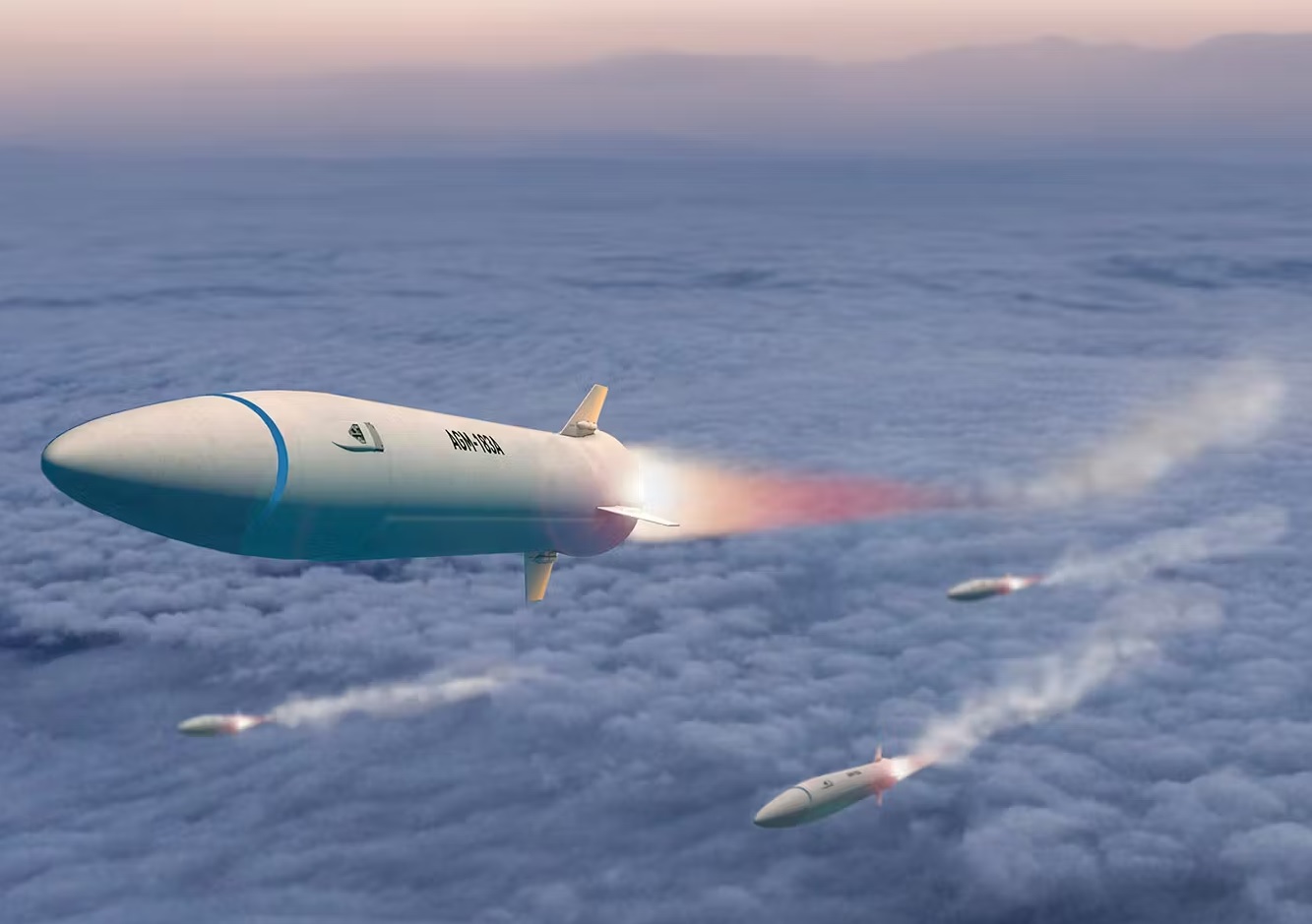
World
The United Kingdom and Germany have taken a major step forward in their defense collaboration, with British Defence Minister John Healey confirming that work is “progressing rapidly” on a new joint long-range precision-guided missile capable of reaching targets at a range of up to 2,000 kilometers. The announcement highlights a deepening partnership between the two European powers under the “Trinity House Defence Agreement”, a strategic framework signed earlier this year to enhance joint weapons development, defense manufacturing, and technological innovation. Although Healey did not specify whether the missile is cruise or ballistic in nature, defense analysts believe the range and development context suggest a next-generation standoff strike weapon, designed to meet the growing demand for long-range precision capabilities in Europe’s evolving security environment. A European Response to Strategic Threats The development of a 2,000 km-class missile marks a significant shift in Europe’s post–Cold War defense posture. Traditionally, NATO’s European members relied heavily on U.S. systems such as the Tomahawk or JASSM-ER for long-range strike missions. However, recent geopolitical developments — including the war in Ukraine and increased instability in Eastern Europe — have accelerated efforts to build indigenous European strike capabilities that reduce dependency on American systems. A missile with a 2,000 km range would give both the Royal Air Force (RAF) and the German Luftwaffe the ability to strike deep targets from safe stand-off distances, well outside enemy air defense zones. If deployed on aircraft such as the Eurofighter Typhoon, it could represent a significant upgrade to European air power, allowing precise, long-range targeting of high-value infrastructure, command posts, and mobile missile systems. The “Trinity House” Framework The Trinity House Defence Agreement, signed in London earlier this year, forms the foundation of this new missile collaboration. The pact aims to deepen UK-German defense industrial cooperation, foster joint research and development, and support modernization of Europe’s defense supply chains. While details of the missile project remain classified, the agreement’s structure reportedly focuses on three pillars — innovation, interoperability, and industrial sustainability — symbolizing the “trinity” concept. Under this framework, the two nations are co-developing advanced propulsion systems, guidance technologies, and warhead designs suitable for multi-platform deployment. The program is also seen as part of a broader European effort to restore long-range strike capabilities once limited by the now-defunct Intermediate-Range Nuclear Forces (INF) Treaty, which restricted land-based systems with ranges between 500 and 5,500 kilometers. With those restrictions no longer in effect, several NATO countries are exploring conventional precision weapons that can deter adversaries without escalating to nuclear thresholds. Strategic and Industrial Implications British defense officials describe the missile project as “a cornerstone of a future European strike complex,” which could later expand to include participation from other NATO allies such as France, Italy, and Poland. It aligns with the UK’s ongoing investments in deep-strike and hypersonic technologies, including the SPEAR-EW, FC/ASW (Future Cruise/Anti-Ship Weapon), and the DragonFire directed-energy system. For Germany, participation in the program represents a notable step toward strengthening its domestic defense industry following the creation of the €100 billion Bundeswehr Special Fund, which aims to modernize the country’s military capabilities. The collaboration with the UK also enhances Germany’s ability to contribute advanced technologies — particularly in propulsion, digital fire control, and manufacturing precision components — to European defense projects. Future Deployment Prospects The missile’s specifications remain undisclosed, but early reports suggest it could feature a dual-mode guidance system, combining inertial navigation, satellite correction (GPS/Galileo), and terrain-matching for precision targeting. Depending on the platform, the system could potentially be adapted for air, sea, or ground-based launch, giving it flexibility similar to the U.S. Tomahawk Block V or the French MdCN cruise missile. British defense sources have indicated that initial flight testing could begin by 2027, with operational deployment expected early in the next decade if development continues on schedule. The weapon is expected to carry a conventional payload, though modular designs could allow different warhead options depending on mission requirements. A Step Toward European Defense Autonomy The rapid progress under the Trinity House framework underscores a wider shift in European defense thinking — moving from reliance to strategic autonomy. As Minister Healey noted, “Our shared security depends on shared capability. The work with Germany under Trinity House strengthens both our nations’ ability to respond rapidly, decisively, and independently.” For the UK and Germany, the 2,000 km missile program is not just about range or technology — it represents a symbol of renewed European defense cooperation, driven by shared strategic interests and industrial strength. Once complete, the system could redefine Europe’s precision strike capability, bridging the gap between deterrence and response in an increasingly uncertain security landscape.
Read More → Posted on 2025-11-06 17:22:31
World
The Polish Ministry of National Defense has announced the launch of a new national initiative, “wGotowości” (In Readiness) — a pilot voluntary defense training program designed to strengthen the country’s civil resilience and preparedness against emerging security challenges. The pilot phase will begin on November 22, 2025, lasting five weeks and involving an estimated 100,000 participants across all age groups. The program is part of a broader plan to train nearly 400,000 Polish citizens over the next year. Deputy Prime Minister and Minister of National Defense Władysław Kosiniak-Kamysz, who officially unveiled the program, described “wGotowości” as a cornerstone of Poland’s long-term national security strategy. The goal, he said, is not merely to expand military capacity but to ensure that every Polish citizen — from children to senior citizens — possesses the essential knowledge and practical skills needed to respond effectively during emergencies, crises, or national threats. Building a Culture of Readiness The new program reflects Poland’s evolving approach to national defense, emphasizing societal resilience as a vital component of deterrence. “Poland’s security depends not only on a strong army and strong alliances,” Kosiniak-Kamysz explained, “but also on our own strength — the strength of our society. Knowledge, awareness, and the ability to act during emergencies are crucial. These are not necessarily military actions, but they are fundamental to national defense.” The “wGotowości” initiative will integrate all existing defense-related education efforts under one framework, combining military awareness with civil protection and crisis management training. The Ministry of National Defense has prepared a modular training structure that includes: Basic defense awareness and civil protection First aid and medical response Stress management and psychological resilience Survival and crisis adaptation Cybersecurity and counter-disinformation training Training will take place in cooperation with 132 organizational units, primarily under the Territorial Defense Forces (TDF), with support from the Operational Command of the Armed Forces. A Program for Every Citizen One of the most distinctive features of “wGotowości” is its inclusivity. The program is open to all Polish citizens, regardless of age or occupation. Modules have been specifically adapted for school students, university youth, employees, private companies, and senior citizens, ensuring that each demographic can receive training relevant to their environment. For children and students, lessons will focus on identifying warning signals, safe behavior during emergencies, and cooperation with rescue services. Adults will participate in more advanced sessions such as first aid, communication under crisis, and cybersecurity awareness. The elderly will receive training tailored to physical limitations, emphasizing safe evacuation, self-protection, and assisting local communities. National Coordination and Future Scale-Up According to Deputy Minister of National Defense Cezary Tomczyk, the Polish government has spent the past six months preparing for the rollout of this nationwide effort. This included instructor training, the development of training materials, and legislative adjustments needed to expand voluntary civil defense education. Tomczyk revealed that during November and December 2025, roughly 20,000 citizens will undergo individual training, while the total number of participants in all forms of training will exceed 100,000. The ministry’s long-term goal is to scale up participation dramatically by 2026, reaching 400,000 trained citizens through combined programs such as “Education with the Army” (Edukacja z Wojskiem), reservist refresher courses, and voluntary service modules. He added that participants will be able to choose specific courses based on personal interest — from basic preparedness and first aid to survival skills and cyber defense awareness. Strengthening Civil Defense in a Changing Security Environment The launch of “wGotowości” comes amid heightened concerns over regional security in Eastern Europe. Following the war in Ukraine and growing hybrid threats across NATO’s eastern flank, Poland has been investing heavily in both its armed forces and civil defense capacity. The government has already implemented measures to modernize its military, expand the Territorial Defense Forces, and improve public awareness of emergency procedures. Experts note that Poland’s strategy mirrors that of countries such as Finland, Sweden, and Estonia, which maintain strong total defense models combining military readiness with civilian preparedness. By introducing large-scale voluntary defense training, Poland aims to create a national culture of readiness, ensuring that the population can assist in emergencies ranging from cyberattacks and disinformation campaigns to natural disasters or armed conflict. Empowering Society Through Knowledge Specialists from the Polish Ministry of Defense who designed the course material emphasize that “wGotowości” is as much about confidence and knowledge as it is about tactical skill. The lessons are expected to include hands-on activities, simulations, and scenario-based exercises focused on problem-solving under pressure. Kosiniak-Kamysz underlined that the program “strengthens social awareness, unity, and preparedness — elements that are essential in defending a modern democratic state.” A Step Toward National Resilience The “wGotowości” pilot represents the beginning of what officials describe as a long-term national project to build resilience across all layers of Polish society. Once the pilot phase concludes, the Ministry of Defense will assess feedback and performance before implementing the program on a national scale in 2026. In the coming year, nearly half a million citizens could undergo some form of defense training under the program — a clear signal that Poland is investing not only in weapons and technology, but in people. By empowering ordinary citizens with practical knowledge, “wGotowości” aims to make readiness a shared responsibility — ensuring that every Pole, regardless of age or background, can contribute to the nation’s safety and stability in an uncertain world.
Read More → Posted on 2025-11-06 17:16:43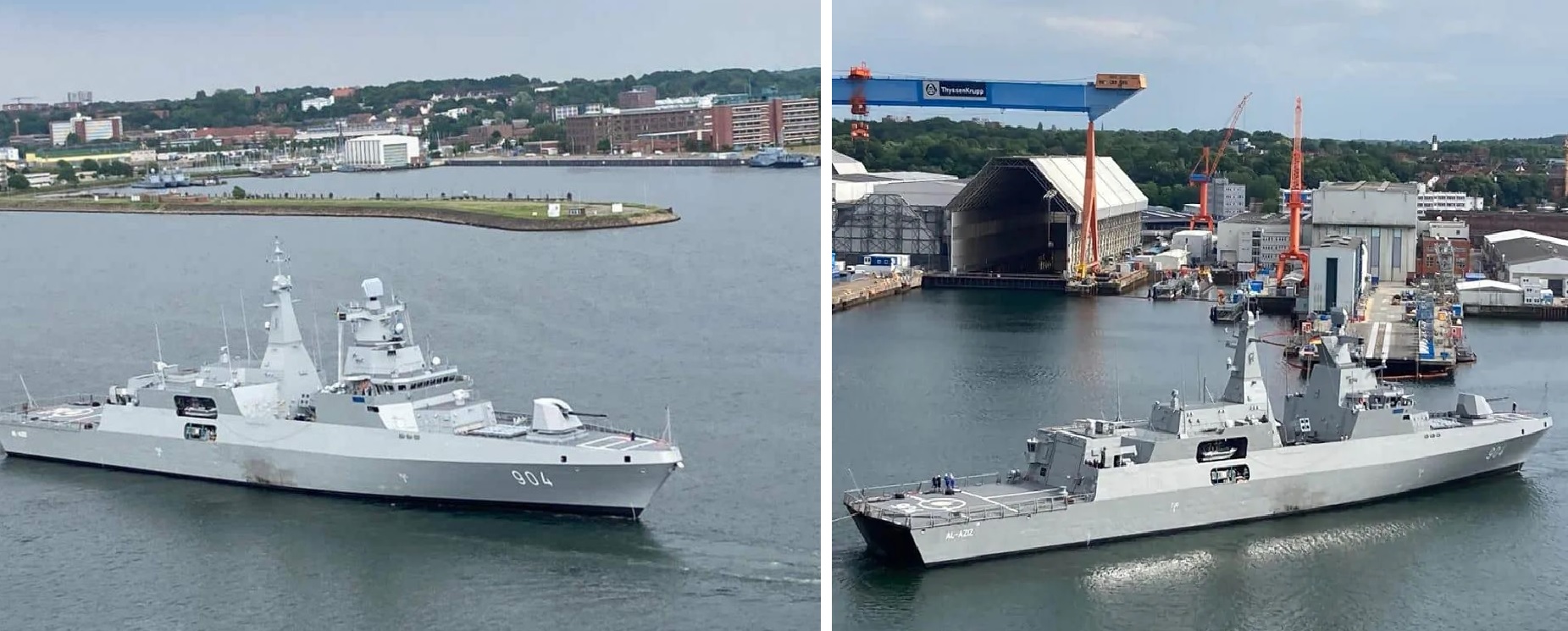
World
Saudi Arabia is reportedly in preliminary discussions with Thyssenkrupp Marine Systems (TKMS) of Germany to evaluate the MEKO A-200 frigate for possible inclusion in the Royal Saudi Naval Forces’ (RSNF) long-term fleet modernization program. The talks, revealed by Tactical Report on November 5, 2025, are part of Riyadh’s ongoing efforts to upgrade its naval assets and expand domestic industrial participation under the Vision 2030 initiative. Exploratory Discussions Underway According to defense industry sources, the discussions remain at an exploratory stage, focused on technical evaluations, cost considerations, and the scope for industrial collaboration. Saudi Arabia is assessing how the MEKO A-200 design could complement its existing surface combatant fleet, which already includes French, U.S., and Spanish-built vessels. MEKO A-200 Frigate: Multi-Role and Modular Design The MEKO A-200 frigate, part of TKMS’s proven MEKO family of modular warships, is a multi-role stealth frigate designed for blue-water and littoral operations. Measuring approximately 121 meters in length with a displacement of around 3,700 to 4,000 tons, it uses a CODAG-WARP (Combined Diesel and Gas – Waterjet and Refined Propeller) propulsion system, enabling speeds over 28 knots and an operational range exceeding 7,000 nautical miles. The design emphasizes low radar, infrared, and acoustic signatures, with integrated exhaust and shaping technologies for reduced detectability. It supports anti-air, anti-surface, and anti-submarine warfare (AAW, ASuW, ASW) missions, as well as maritime patrol, convoy protection, and coastal defense operations. A standard MEKO A-200 configuration includes: 1 × 76mm or 127mm naval gun (Leonardo or OTO Melara) 16–32-cell Vertical Launch System (VLS) for ESSM, Umkhonto-IR, or CAMM missiles 4 to 8 anti-ship missiles (typically RBS-15, Exocet, or NSM) 2 × triple torpedo tubes for lightweight torpedoes Helicopter deck and hangar for a 10-ton class helicopter (e.g., MH-60R Seahawk or NH90) Integrated Combat Management System (CMS) by Atlas Elektronik and a 3D multi-function radar Its modular design allows customization and simplifies maintenance, aligning with Saudi Arabia’s Vision 2030 defense goals, which emphasize local production, technology transfer, and job creation in defense manufacturing. TKMS’s track record with exports to Egypt, Algeria, and South Africa adds to its credibility, as all three navies operate MEKO A-200 variants in climatic conditions similar to the Arabian Gulf and Red Sea. TKMS Export Experience The MEKO A-200 has already seen successful export with operational service in South Africa, Algeria, and Egypt, where it has demonstrated reliability in hot and saline maritime environments similar to the Arabian Gulf and Red Sea. These countries have reported high operational availability, which strengthens its appeal to Saudi Arabia as a proven platform. Vision 2030 and Local Industrial Goals Any potential deal with TKMS is expected to align with Saudi Vision 2030, which mandates 50% localization of defense procurement. This would likely involve Saudi Arabian Military Industries (SAMI) and Zamil Shipyard in local assembly, component manufacturing, or system integration. TKMS has reportedly offered technology transfer and training packages to encourage local participation and ensure long-term sustainment within the Kingdom’s naval industrial ecosystem. Current Strength of the Royal Saudi Naval Forces The Royal Saudi Naval Forces (RSNF) currently operate a mixed fleet of around 55 ships, divided between the Eastern Fleet (based in Jubail) and the Western Fleet (based in Jeddah). 7 Al Riyadh-class (La Fayette variant) frigates – France-built, commissioned in early 2000s. 4 Al Madinah-class frigates – Acquired in the 1980s, approaching the end of service life. 4 Badr-class corvettes – U.S.-built coastal defense ships. 5 Multi-Mission Surface Combatant (MMSC) vessels – U.S.-built; first delivery expected by 2026–2027. 9 Al Jubail-class (Avante 2200) corvettes – Spain-built, currently under delivery by Navantia. 25–30 patrol boats and fast attack craft – Used for coastal surveillance and interdiction missions. Support and auxiliary vessels, including tankers and logistics ships. The RSNF also operates MH-60R Seahawk helicopters for anti-submarine warfare and is expanding its unmanned maritime systems for surveillance and reconnaissance. Why MEKO A-200 Fits Saudi Requirements Saudi Arabia’s naval modernization aims to replace aging French-built Al Madinah and U.S. Badr-class vessels with a modern, long-range frigate featuring advanced missile defense, electronic warfare, and networked command systems. The MEKO A-200’s modular design allows for future integration of new missile types, indigenous sensors, and command systems — an important advantage for long-term fleet sustainability. The ship’s ability to operate effectively in both Red Sea and Arabian Gulf environments makes it particularly suitable for Saudi Arabia’s dual-coast naval structure. Next Steps While no contract has been signed, both sides are reportedly exploring technical evaluations and feasibility studies. If the discussions progress, the project could lead to joint production agreements and localized assembly, strengthening Saudi Arabia’s defense industry base. Industry observers see the potential partnership as part of Riyadh’s strategy to diversify suppliers while building a self-reliant naval capability. The ongoing talks between Saudi Arabia and TKMS reflect the Kingdom’s commitment to modernizing its naval forces with multi-role, technologically advanced platforms. The MEKO A-200 frigate, with its proven operational record and adaptable design, could become a strong candidate to support the RSNF’s next-generation fleet — one designed for long-term sustainment, regional security, and growing industrial independence.
Read More → Posted on 2025-11-06 17:08:20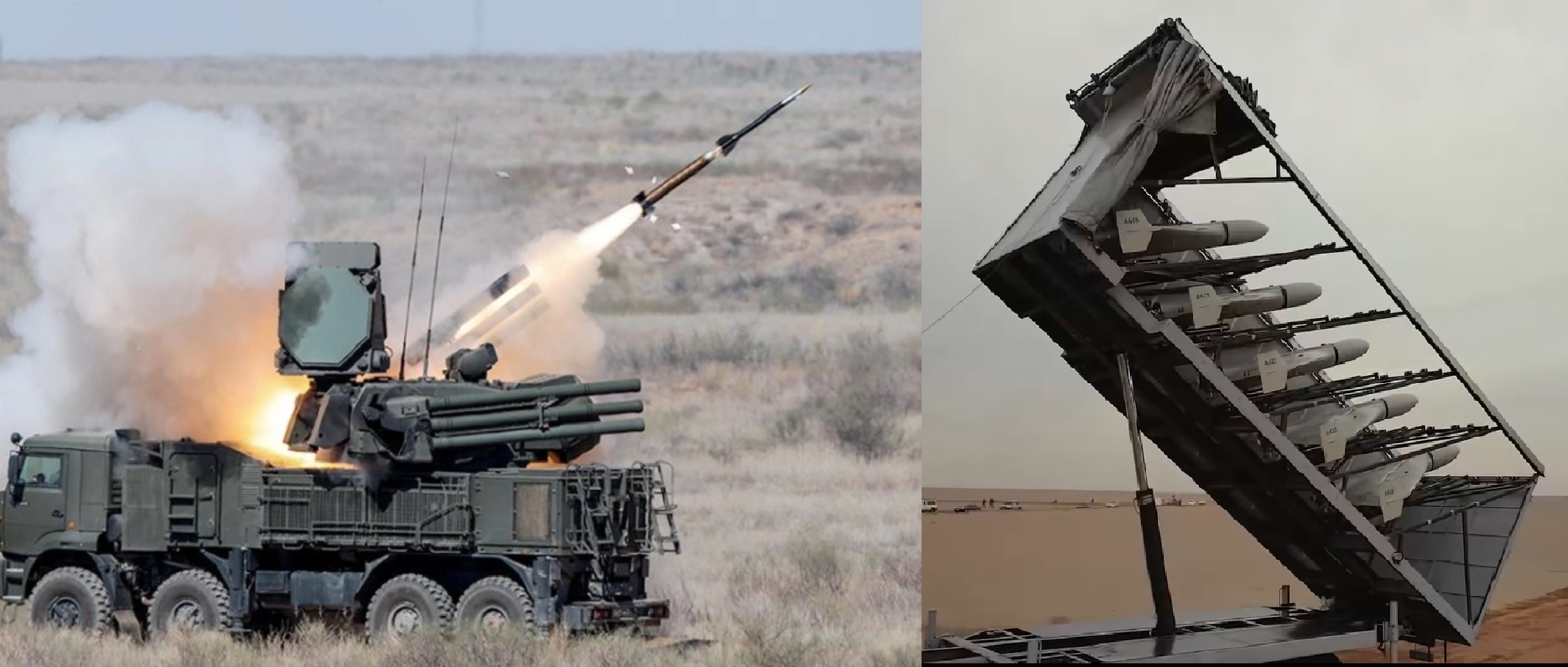
World
Venezuela has significantly expanded its air defense capabilities through new acquisitions from Russia and Iran, according to regional defense and intelligence reports. The government in Caracas has finalized deals for Russia’s S-300VM, Pantsir-S1, and Buk-M2R surface-to-air missile systems, as well as Iranian Shahed-series drones, forming a multi-layered defensive network around key strategic regions, including the capital, Caracas. These purchases come amid growing political and military tension between Venezuela and the United States, with Caracas accusing Washington of plotting “aggressive actions” against its sovereignty. President Nicolás Maduro has said the nation’s Bolivarian Armed Forces are “ready to defend the homeland from any threat,” framing the new acquisitions as essential to deterrence rather than escalation. Financing Through Natural Resources With Venezuela’s access to global credit markets restricted by U.S. sanctions, the defense procurement is believed to have been financed through resource-backed arrangements. Government-linked energy and mining contracts have reportedly been used to settle payments, involving oil shipments, gold exports, and mining concessions to Russia and Iran. Such barter-style agreements have become a hallmark of Caracas’ international partnerships, allowing the government to bypass conventional banking systems. Analysts say these resource-for-weapons arrangements underline both Venezuela’s limited financial flexibility and its deepening strategic dependence on Moscow and Tehran. Three Layers of Russian Air Defense The cornerstone of Venezuela’s modernization is the S-300VM “Antey-2500” system, a long-range surface-to-air missile platform designed to intercept aircraft, cruise missiles, and even some ballistic targets. Each battery can detect targets at distances of up to 300 kilometers and engage them at 200–250 kilometers, giving the Venezuelan Air Defense Command a powerful tool for strategic deterrence. Supporting it is the Buk-M2R, a medium-range missile system capable of targeting aircraft and precision-guided munitions within 45–50 kilometers. It serves as the intermediate layer, filling the operational gap between long-range and point-defense systems. At the close-range level, the Pantsir-S1 provides protection against drones, cruise missiles, and low-flying aircraft. Equipped with both missiles and twin 30mm cannons, it can engage targets at 15–20 kilometers and serves as the last line of defense for high-value assets such as airbases, radar sites, and government centers. Together, the three systems create a tiered, integrated air defense shield, allowing simultaneous detection, tracking, and engagement of multiple targets across different altitudes and distances. Iranian Shahed Drones: Expanding Aerial Reach Complementing the Russian missile systems are the Iranian Shahed-series drones, reportedly including the Shahed-136 loitering munition and Shahed-129 reconnaissance variant. These drones have drawn global attention for their range and cost-effectiveness, offering both surveillance and strike capabilities. The Shahed-136 can fly up to 1,000 kilometers with a small explosive payload, while the larger Shahed-129 can perform long-endurance intelligence and reconnaissance missions. Venezuelan officials have indicated that the drones will be used primarily for border monitoring, coastal patrol, and airspace surveillance, especially along the Caribbean and Amazonian regions. Training, Integration, and Support Integrating advanced Russian and Iranian systems presents technical challenges that require extensive training and logistical support. Russian military advisers are expected to continue assisting Venezuelan personnel with system maintenance, radar integration, and tactical operation, while Iranian experts will oversee drone training and data-link installation. Venezuela’s military has been conducting joint exercises involving its newly upgraded systems. Footage broadcast by state media shows S-300 launch vehicles and Pantsir batteries deployed near Caracas and Maracay, suggesting active operational readiness. Strategic Implications and Regional Concerns Venezuela’s procurement marks one of the largest modernizations of air defense infrastructure in Latin America in recent decades. Defense analysts say these systems significantly enhance the country’s ability to detect and deter aerial incursions, but also risk raising regional security tensions. The United States has repeatedly warned against advanced arms transfers to Venezuela, citing risks of proliferation and misuse. Neighboring nations such as Colombia and Brazil are reportedly monitoring the deployments closely, concerned about potential shifts in regional military balance. For Caracas, however, the move serves a dual purpose: strengthening military deterrence and signaling resilience against international pressure. By aligning more closely with Russia and Iran, Venezuela aims to secure both defense technology and political backing, even as it faces ongoing economic isolation. A Defense Built on Partnerships Venezuela’s newly reinforced air defense network—anchored by the S-300VM, Buk-M2R, Pantsir-S1, and Shahed drones—marks a major step in its military modernization efforts. The combination of long-range missiles, mobile interceptors, and armed drones gives the Bolivarian Armed Forces a more complete defensive posture than ever before. Yet the sustainability of these capabilities will depend on training, spare parts, and consistent funding, all of which remain uncertain given Venezuela’s economic constraints. Still, the acquisitions underscore Caracas’s determination to maintain a credible deterrent against what it sees as external threats. As one senior Venezuelan officer reportedly stated during recent exercises, “Our skies are not open to aggression. Every radar is watching, and every system is ready.” The statement reflects the government’s position clearly: Venezuela’s focus, at least officially, is on defending the homeland — not provoking a conflict, but ensuring it is prepared for one.
Read More → Posted on 2025-11-06 16:56:05
India
In a move underscoring India’s tightening space and communication security policies, the Indian National Space Promotion and Authorisation Centre (IN-SPACe) has rejected new applications from Chinese and Hong Kong-based satellite operators — including Chinasat, ApStar, and AsiaSat — to provide satellite broadcasting and communication services to Indian firms. The decision effectively prevents these foreign operators from leasing transponders or offering bandwidth to Indian broadcasters and telecom companies. The order, issued quietly but with far-reaching consequences, directs all Indian television broadcasters and DTH service providers currently using foreign satellite capacity from these companies to migrate to Indian or approved Western satellites by March 2026. The approved alternatives include India’s GSAT series (operated by ISRO) and Intelsat, a U.S.-based operator with which India has ongoing collaboration for commercial communication services. National Security and Regulatory Considerations Officials familiar with the matter indicate that the denial of Chinese-origin satellite services was driven primarily by national security and data sovereignty concerns. The government’s internal assessment reportedly found that allowing foreign—particularly Chinese-controlled—satellite networks to beam into Indian territory or carry Indian broadcast signals could pose risks to information security, surveillance, and electromagnetic spectrum integrity. Although the rejected companies—Chinasat, ApStar, and AsiaSat—have been long-time global players in satellite communication, they are either state-owned or have significant Chinese government shareholding. Under India’s evolving space policy, any satellite operator wishing to serve Indian customers must undergo strict scrutiny under IN-SPACe and Department of Space (DoS) guidelines, including origin tracing, data handling standards, and end-use verification. An IN-SPACe official, speaking on condition of anonymity, said that the regulator “has taken a cautious approach given the geopolitical situation and the growing sensitivity around space assets and communication networks.” Impact on Indian Broadcasters The immediate effect of this policy shift will be on private TV broadcasters, telecom transmission companies, and content distributors who have leased bandwidth on foreign satellites for years due to limited domestic capacity. Channels that currently rely on AsiaSat-7, ApStar-6C, or Chinasat-12 will now need to transition to ISRO’s GSAT platforms or partner with Intelsat for continued service. To avoid disruption, the government has given a transition window until March 2026, allowing companies time to realign their satellite uplink operations and obtain new transponder leases. The Ministry of Information and Broadcasting (MIB) and Department of Telecommunications (DoT) are expected to jointly issue updated operational guidelines to facilitate a smooth shift. Industry executives acknowledge that while the transition will come with costs and logistical challenges, it also aligns with India’s push for self-reliance in space-based communication infrastructure. ISRO, through its commercial arm NewSpace India Limited (NSIL), has already begun offering additional C-band and Ku-band capacity on the GSAT-30, GSAT-31, and upcoming GSAT-N2 satellites to accommodate displaced broadcasters. A Strategic Policy Direction The rejection of Chinese and Hong Kong-based satellite operators reflects India’s broader strategy to secure its orbital and spectrum assets, especially as the country’s broadcasting and internet infrastructure becomes increasingly satellite-dependent. Over the past few years, India has expanded cooperation with trusted global operators like Intelsat, SES, and Eutelsat while limiting exposure to entities linked with adversarial nations. The move is also consistent with the government’s 2023 Space Policy, which emphasizes the use of Indian-registered or friendly-nation satellites for services within India’s jurisdiction. The policy framework allows private participation but under strict oversight of IN-SPACe, which acts as the gatekeeper for all foreign satellite service approvals. For Indian broadcasters, the 2026 deadline represents both a challenge and an opportunity — a challenge in terms of cost and transition, but an opportunity to participate in a more secure and indigenous satellite communication network. As GSAT capacity expands and private Indian space firms begin launching their own small communication satellites, dependency on foreign transponders is expected to decline steadily. Analysts see the latest IN-SPACe decision as another step in India’s effort to safeguard its space-based communication infrastructure from potential vulnerabilities while promoting Make in India solutions in the satellite services sector. By March 2026, if the migration proceeds as planned, all Indian television and communication signals will either pass through Indian or allied-controlled satellites — marking a quiet but significant milestone in India’s pursuit of space security and strategic autonomy.
Read More → Posted on 2025-11-06 16:06:50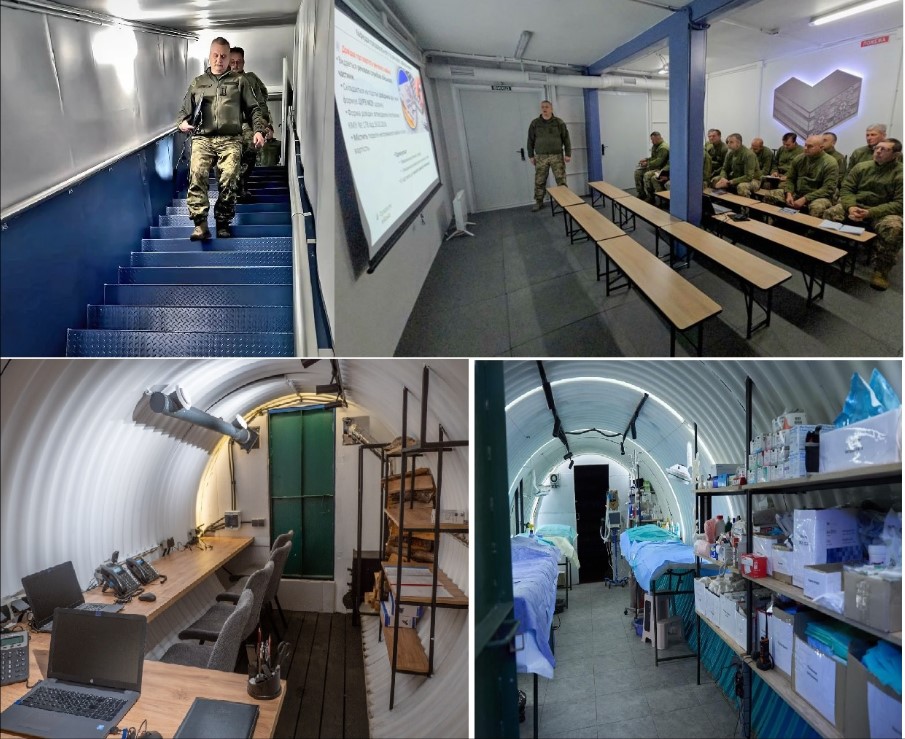
World
Ukraine has unveiled its first underground military training hub, a fortified facility built entirely from steel modules supplied by Metinvest Group under its Steel Dream construction concept. The project, valued at UAH 16 million, is part of Rinat Akhmetov’s Steel Front initiative, which has been supporting Ukraine’s defense and reconstruction efforts since the beginning of the war. The new structure, located at one of Ukraine’s military educational institutions, represents a significant advancement in wartime infrastructure design — combining protection, functionality, and mobility in one system. The steel-constructed complex spans nearly 100 square meters and was completed in just six weeks using prefabricated, high-strength steel segments designed to withstand heavy impacts and aerial debris. According to the developer, the hub meets Ukrainian national construction standards for protective structures and serves as both a secure bomb shelter and a multifunctional training centre. It can accommodate over 70 trainees for daily instruction, and in emergency situations, it can shelter up to 150 people. The shelter’s layout allows uninterrupted training even during air-raid alerts, a vital requirement for maintaining military readiness amid ongoing conflict. Built adjacent to the main academy building, the hub is connected through reinforced steel walkways and buried deep enough to withstand drone strikes, artillery fragments, and collapsing debris. Inside, it houses three training zones, sanitary facilities, and five exits, including a dedicated emergency escape route that leads to a safe distance from the main structure. The design also features foldable furniture and modular partitions, allowing the interior to be quickly reconfigured for lectures, tactical exercises, or combat medicine training. A New Model for Safety and Functionality The facility’s design was developed in response to a request from the Odesa Military Academy, which sought a way to continue training without interruption from air-raid alarms. “We needed a solution that could guarantee safety and allow us to maintain training continuity,” said Andrii Stupin, head of logistics at the academy. “Every attack threatens not only lives but also disrupts the rhythm of military education. Metinvest’s contribution provided a functional and modern environment where lessons, tactical drills, and even rest can take place safely. This shelter is more than steel — it’s about care for the people who serve.” Metinvest Group’s engineers designed the Steel Dream shelter to be modular and easily adaptable. It can be integrated with existing buildings or built as standalone units, offering various configurations depending on space, function, or threat level. The company has also developed variants for anti-radiation, temporary, and civilian shelters, supporting both military and public infrastructure needs. “The Steel Dream concept demonstrates how steel can become a foundation of Ukraine’s resilience and recovery,” said Yuriy Ryzhenkov, CEO of Metinvest Group. “It is a fast, reliable, and sustainable solution that ensures safety and continuity — in education, defense, and public life. Even during war, steel is protecting lives and shaping a new architecture of safety for Ukraine.” Built for War, Ready for Reconstruction While originally developed for military use, the same design principles are now being considered for civilian applications, including schools, hospitals, and administrative buildings in frontline or high-risk areas. The Steel Dream platform currently includes over 200 prefabricated building designs, ranging from emergency housing to commercial facilities, all based on modular steel frames that can be rapidly deployed and assembled. Each design package includes detailed cost estimates, technical documentation, and construction timelines, allowing municipalities or organizations to begin building as soon as funding is secured. This approach has become increasingly vital as Ukraine faces the dual challenge of defense and reconstruction, often in regions where traditional construction is unsafe or impractical. The Steel Front initiative, launched by Rinat Akhmetov in 2022, brings together Metinvest’s industrial resources to provide military-grade materials, shelters, and logistics support to the Armed Forces of Ukraine. To date, the company has supplied thousands of tonnes of rolled steel, protective armor plates, and prefabricated fortification modules for both the front lines and rear areas. A Blueprint for the Future The Odesa Military Academy’s underground hub is expected to become a prototype for similar installations across Ukraine. Discussions are already underway with the Ministry of Defence and regional administrations to replicate the model at other training centers and universities. In a country where air-raid sirens are a daily reality, such innovations are not merely symbolic — they are practical solutions that save time, lives, and infrastructure. The Steel Dream concept shows how modern industrial design can be adapted to meet immediate wartime needs while also laying the groundwork for post-war reconstruction. As Ukraine continues to invest in safety-focused architecture, Metinvest’s steel-built shelters may soon become a familiar sight — protecting both soldiers in training and civilians in recovery, uniting the country’s defense and rebuilding efforts under one resilient framework.
Read More → Posted on 2025-11-06 15:54:19Search
Top Trending in 24 Hours
-
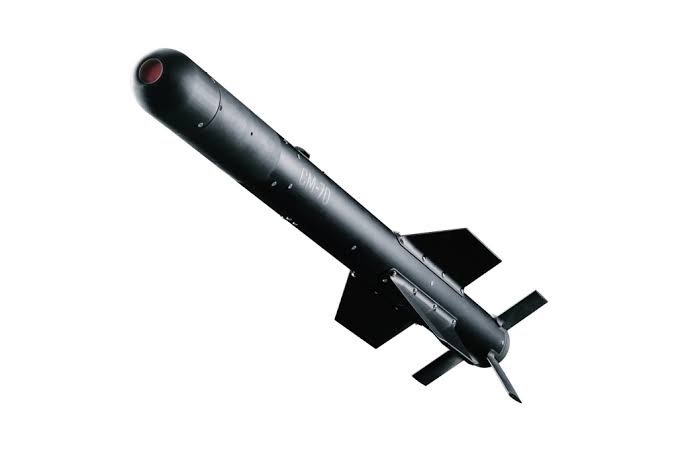 CSG and North Vector Dynamics Sign MoU to Explore European Production of CM-70 Counter-Drone Interceptor
-
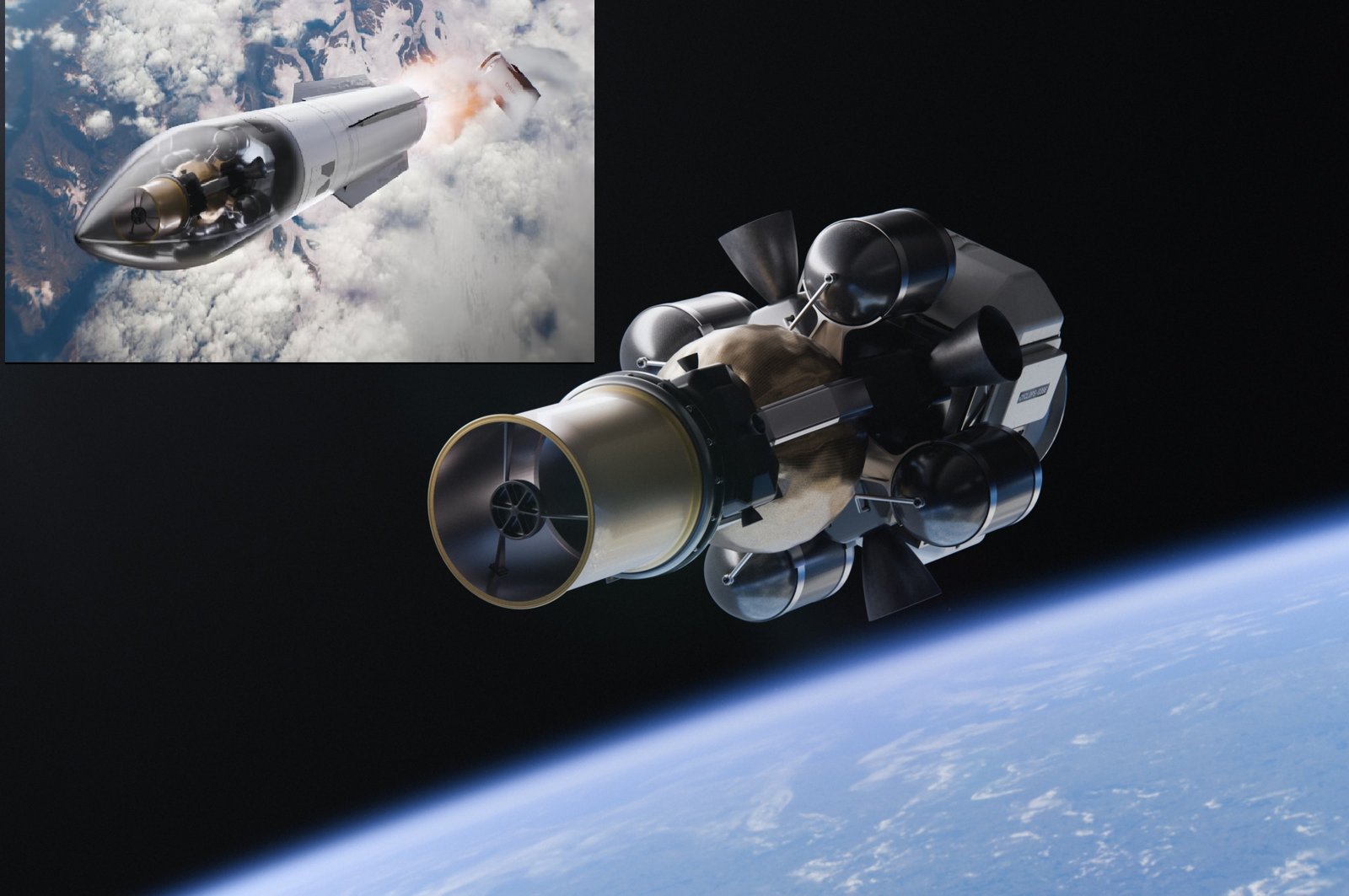 Long Wall Receives $75 Million MDA Award to Complete Cyclops Interceptor Flight Testing
-
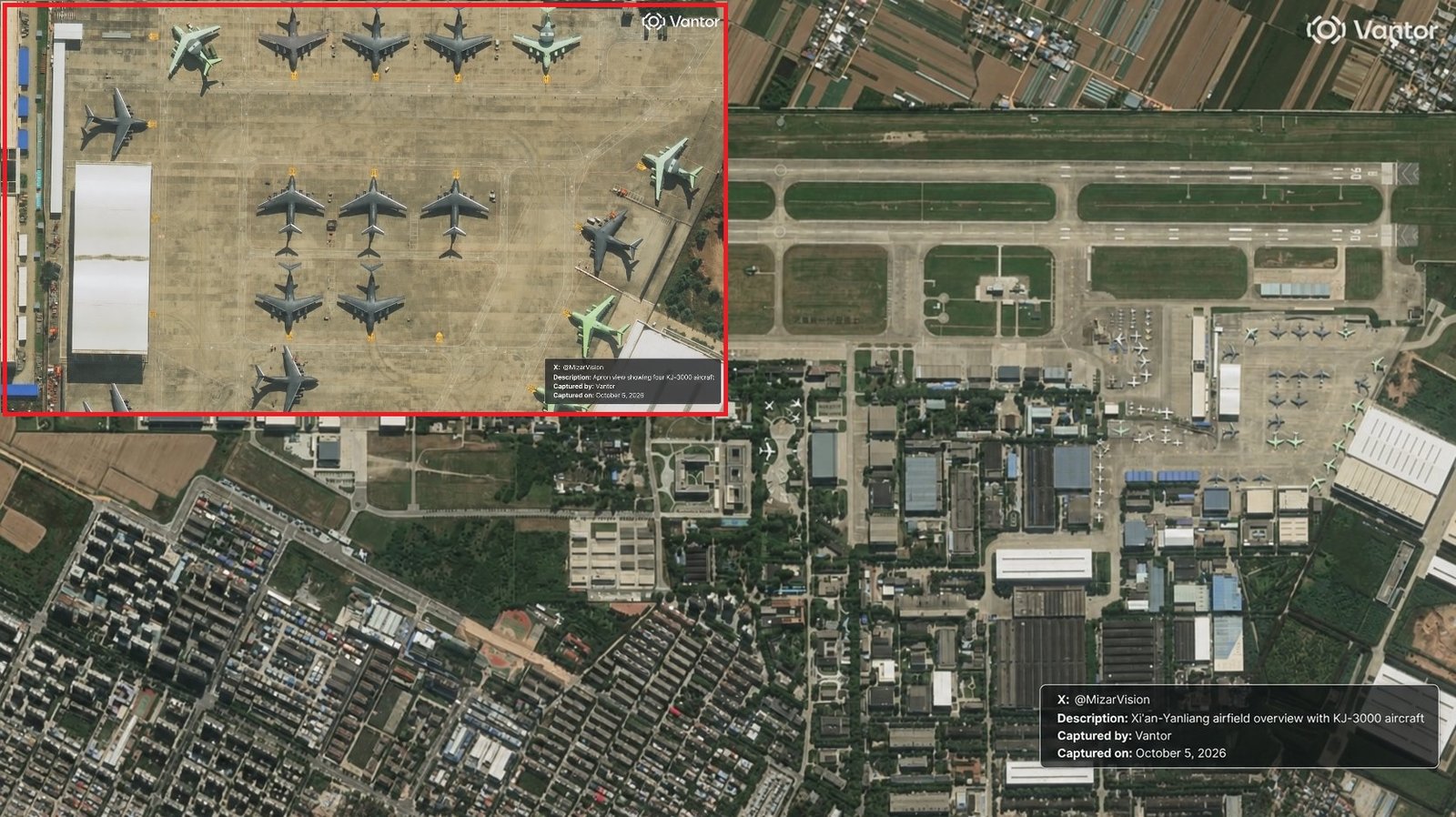 Satellite Images Reveal Four KJ-3000 AEW&C Aircraft at Chinese Aircraft Facility, Hinting at Possible Serial Production
-
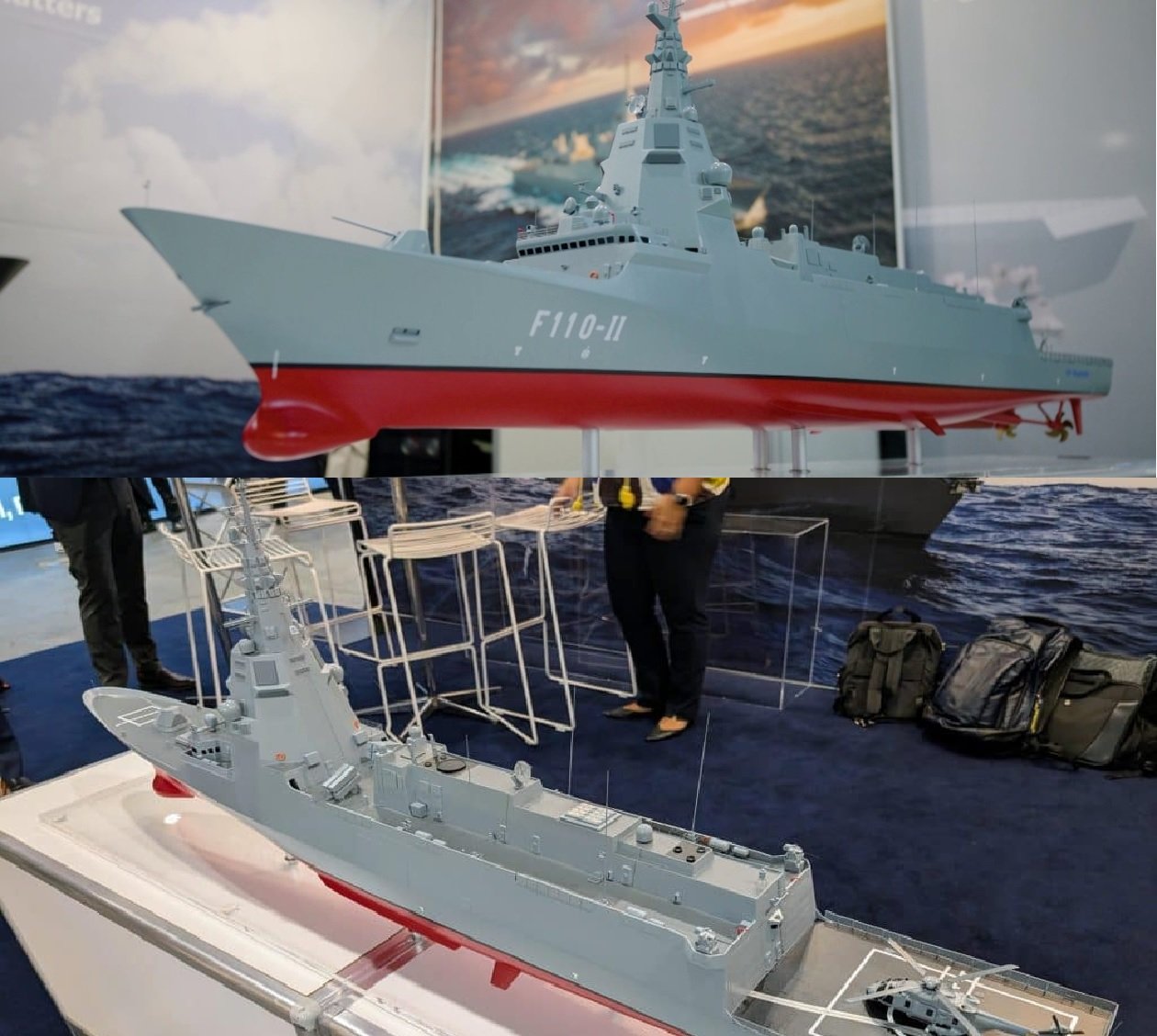 Spanish Navy and Navantia Advance F110 Frigate Design with Enhanced Air and Missile Defence
-
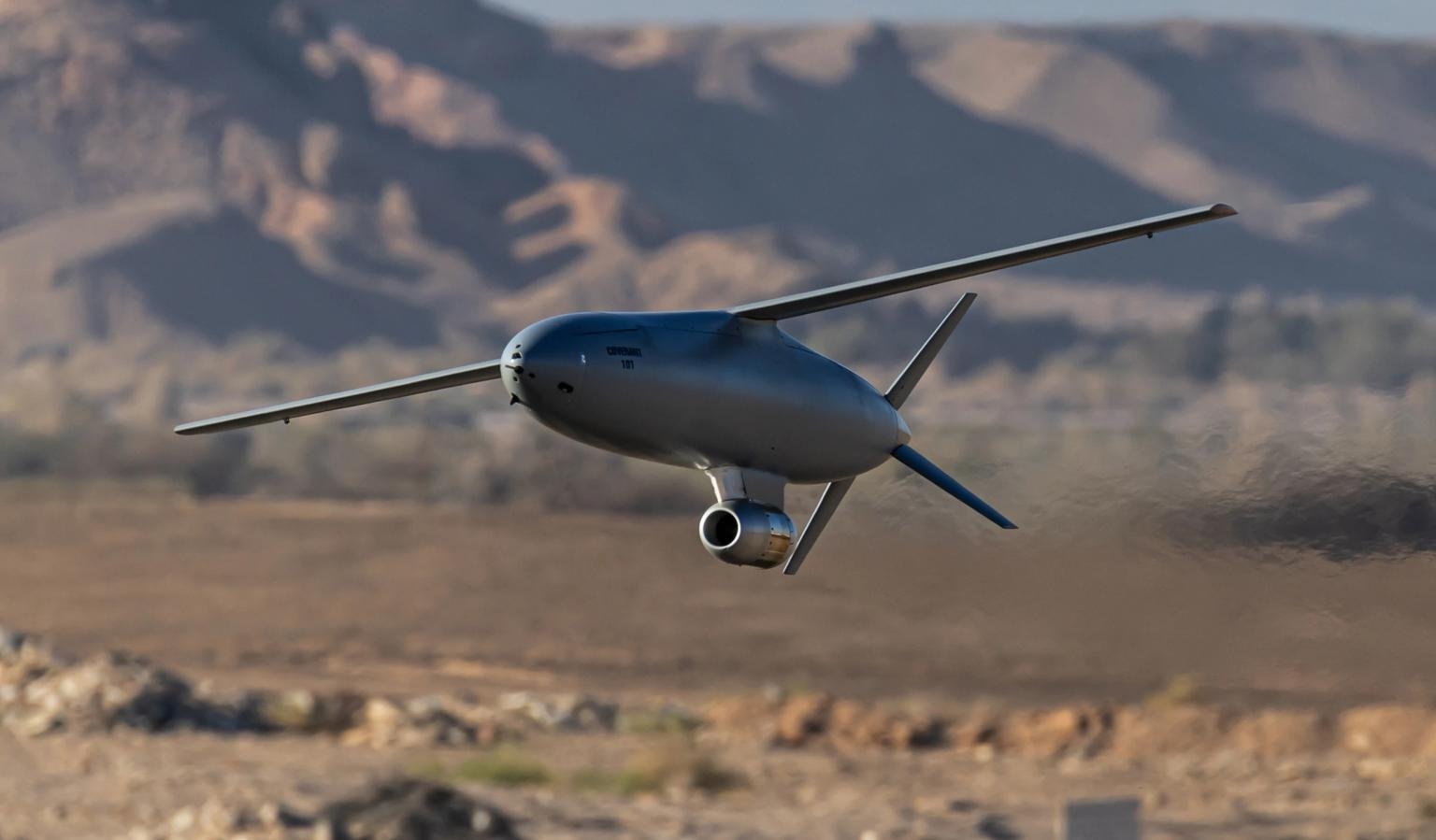 Denmark Acquires Anthem and Joint Strike Missiles in Major Long-Range Defense Overhaul
-
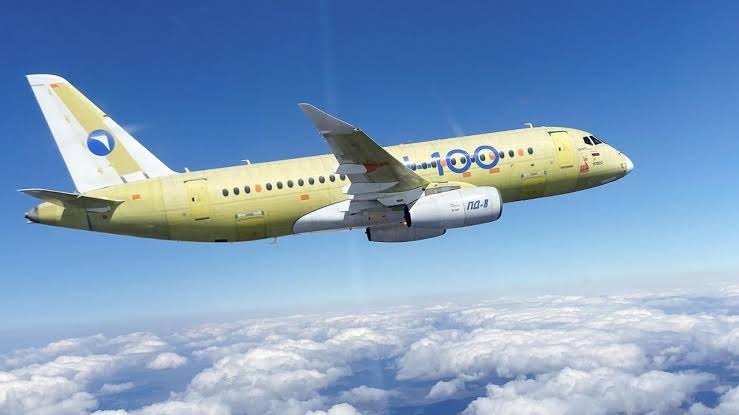 Russia’s SJ-100 Superjet Flight Control System Enters Final Certification Stage After 1,500 Tests
-
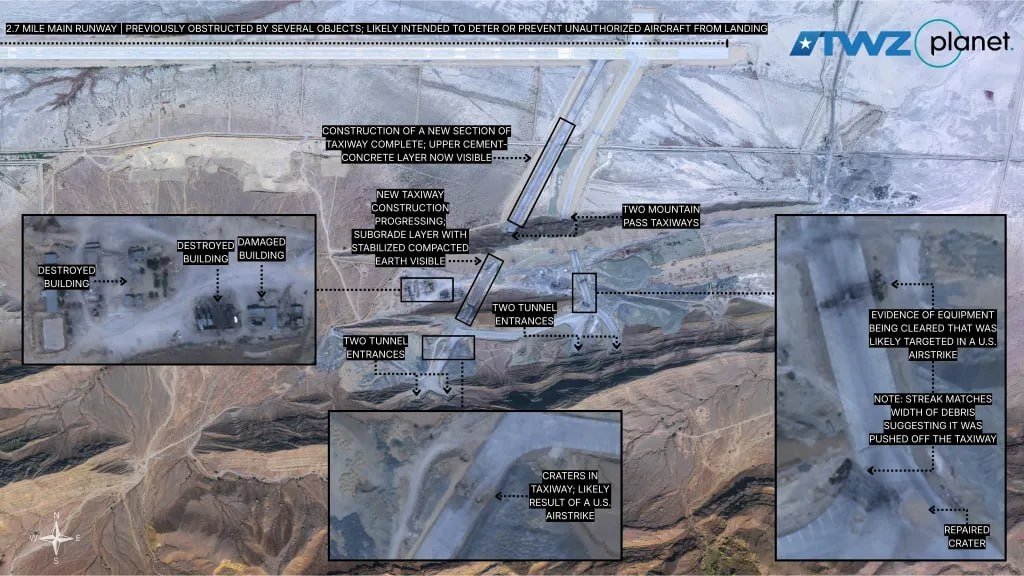 Satellite Images Reveal Iran Continues Restoration of Eagle 44 Underground Airbase After 2026 Strikes
-
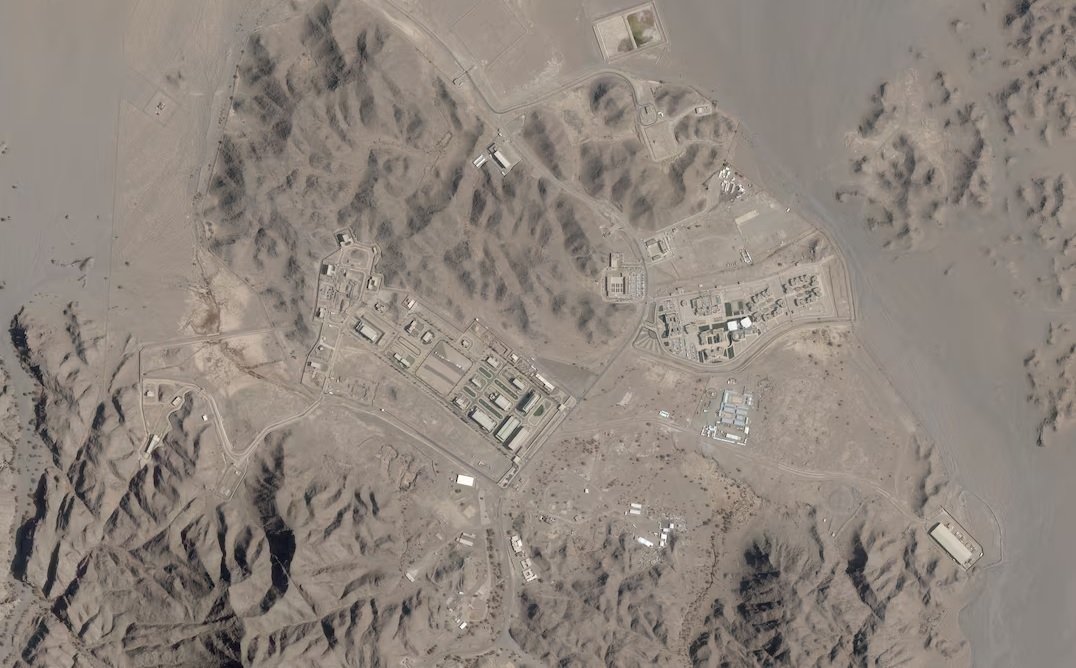 Saudi Arabia Expanding Ballistic Missile Facility for Larger Solid-Fuel Missiles, Satellite Analysis Shows
Top Trending in 4 Days
-
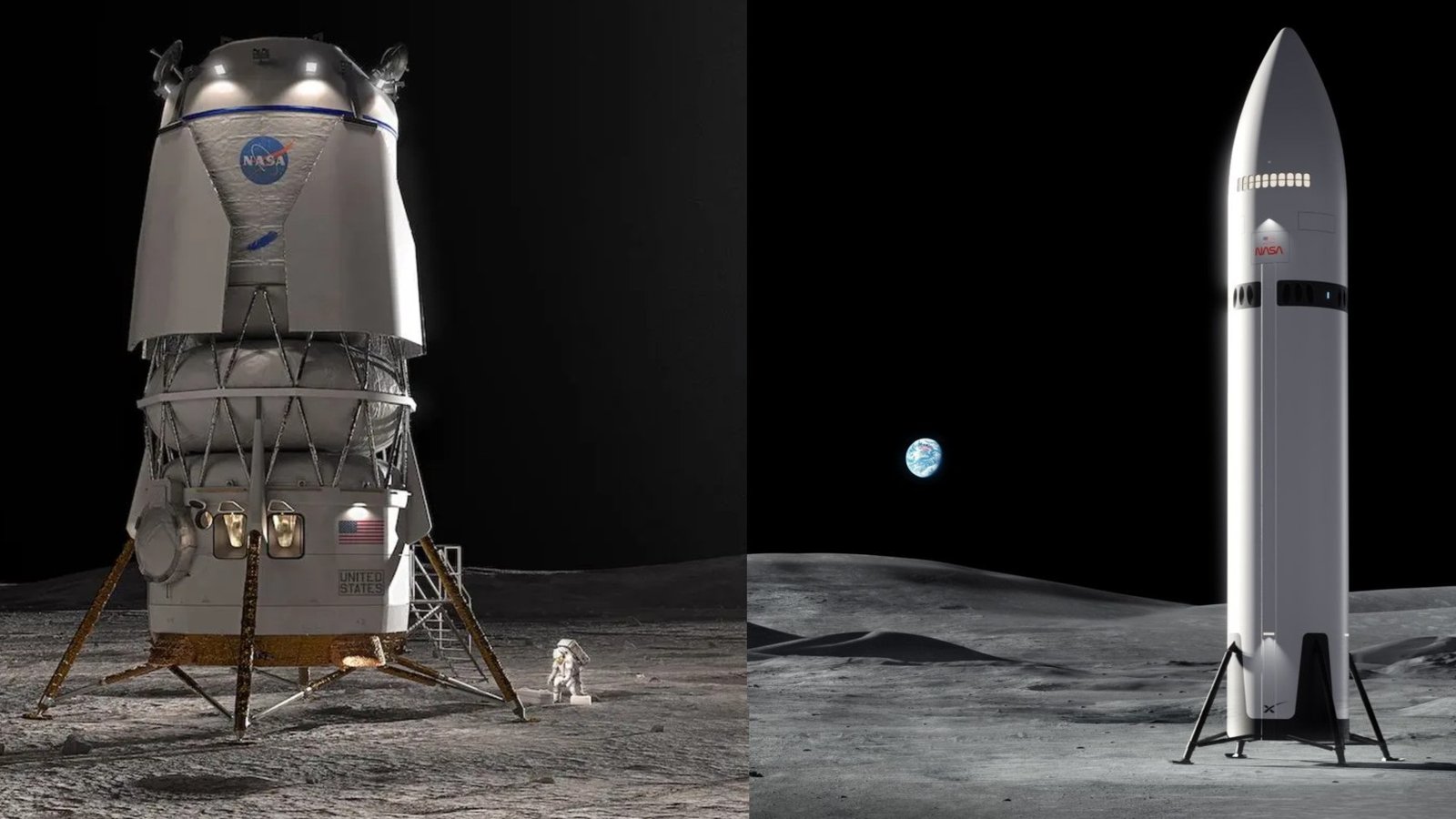 NASA Sets New Artemis Milestones as SpaceX and Blue Origin Target Moon Landings in 2027–2028
-
 U.S. Air Force Awards HII Subsidiary Enlighten IT $332.8 Million Cyber Defense Contract
-
 Four NASA Volunteers Mark One Year in Simulated Mars Habitat
-
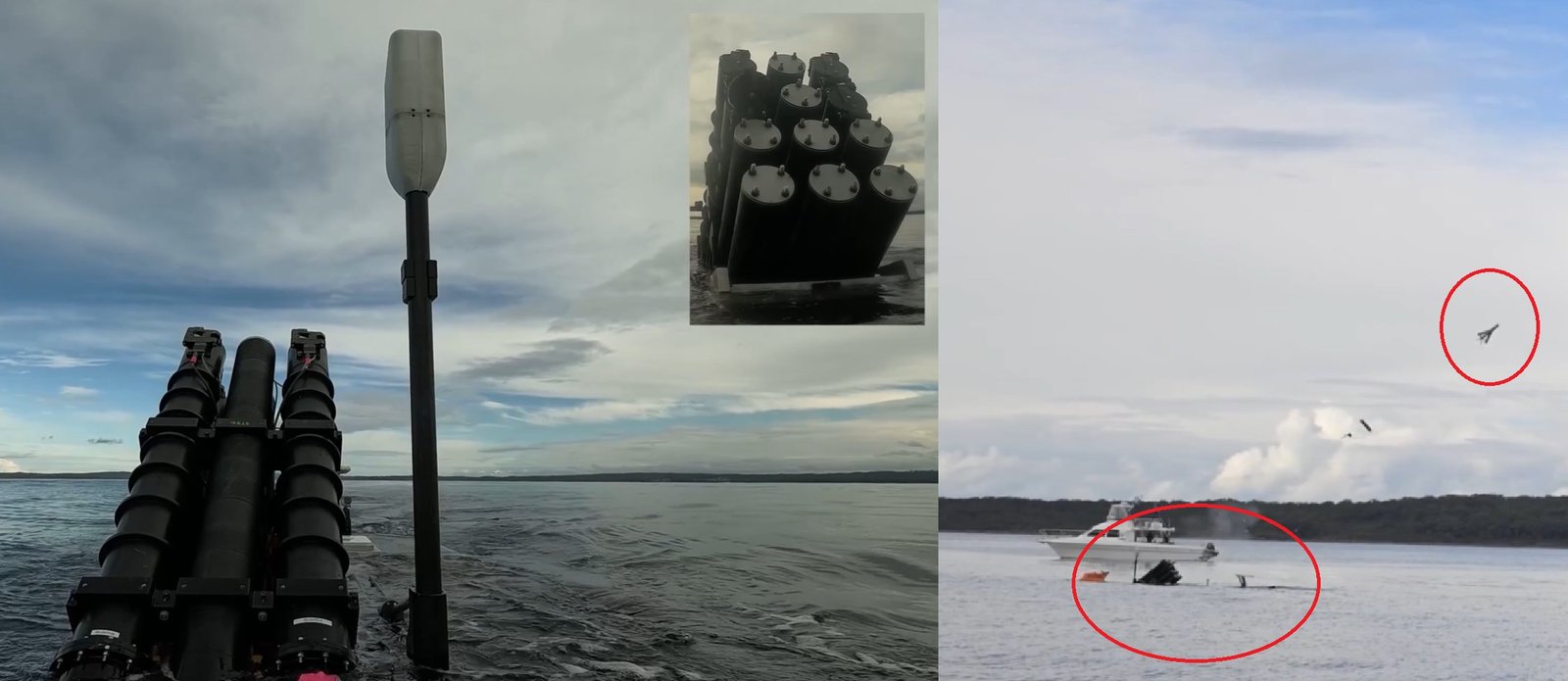 Australia Unveils Ghost Shark Autonomous Submarine’s Mine, Drone and Logistics Capabilities
-
 L3Harris Opens ‘Arsenal of Freedom’ Rocket Motor Plant in Arkansas to Double Production Capacity
-
 Russia Reportedly Offers Su-35 Fighters and S-400 Air Defence System to Protect Tehran
-
 Unitree Unveils H2-X ‘Kung Fu Legend: Guardian’ Humanoid Robot for Security and Rescue
-
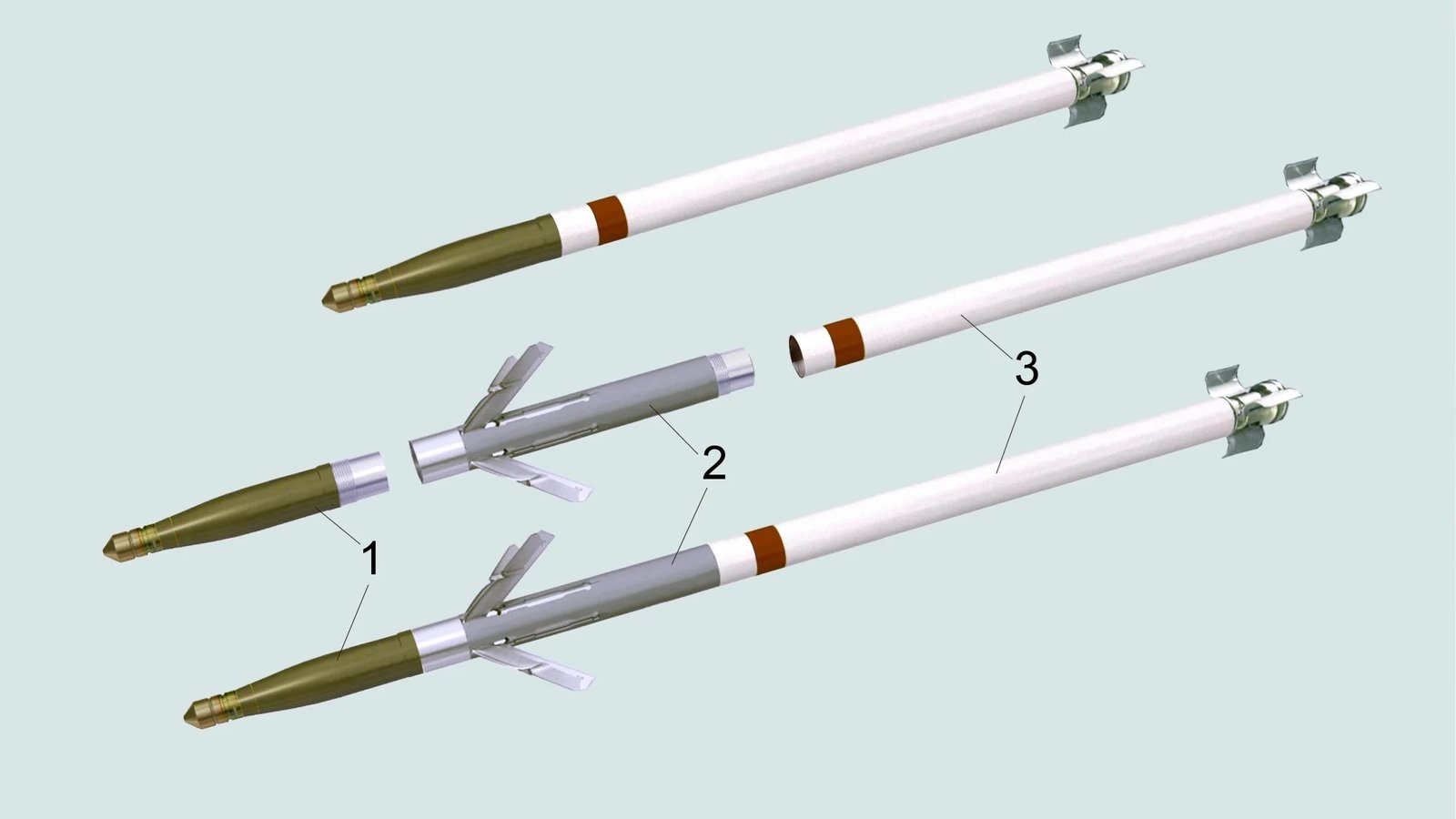 US to Buy Up to 25,000 APKWS Kits Annually, With Option to Increase to 35,000
