
World
NATO has officially embarked on a transformative venture with the Modular Ground-Based Air Defence (GBAD) project, aiming to establish a sophisticated, interoperable air defence system. The NATO Support and Procurement Agency (NSPA) released its initial Request for Proposal (RfP) for the concept stage, a move that represents a crucial step toward redefining how NATO manages air defence.The concept revolves around a modular design that can seamlessly adapt to evolving defence needs. NSPA’s approach is to explore potential system architectures that deliver maximum flexibility and integration, ensuring that future air defence modules can work harmoniously with both new and existing systems. The underlying idea is not just to strengthen air defence but to build a system that can dynamically respond to varying threat levels, whether dealing with drones, artillery, or incoming missiles.This venture, spearheaded by NSPA in collaboration with multiple NATO nations, is expected to encourage innovative proposals from industry players. The modular system will leverage a common command and control backbone and focus on scalability, aiming to handle very short-range to medium-range threats, as well as emerging threats like counter-rockets, artillery, and unmanned aerial systems (C-RAM and C-UAS). This highly adaptive system is designed to allow NATO allies to customize GBAD force packages for specific missions, boosting flexibility in the face of unpredictable adversaries.Contractors interested in participating must submit their proposals by January 10, 2025. The selection process will be stringent but rewarding, based on a "best value" principle. The top five proposals will be shortlisted, and from there, two will proceed to further refine their concepts, offering in-depth technical services. The process will be strategic, ensuring that only the most innovative and effective designs advance.A Bidders’ Conference on November 25, 2024, at the NSPA Headquarters in Luxembourg will provide an opportunity for participants to engage directly with project leads, ask questions, and gain a comprehensive understanding of the expectations and technical specifics. It’s not just a meeting but a forum to promote transparency and collaboration.The project reflects NATO’s emphasis on high-impact technological advancements and multinational cooperation. The Modular GBAD Support Partnership, established in 2023, provides a structured yet adaptable framework for collaboration, enabling the efficient acquisition of next-gen air defence systems. By pooling resources and standardizing solutions, NATO nations can achieve cost savings and streamlined logistics, an approach celebrated for its economic and strategic efficiency.This ambitious initiative also signifies NATO's broader strategic objective: enhancing collective defence capabilities while setting a precedent for how advanced technological solutions can be developed collaboratively. As threats continue to evolve, the Modular GBAD project is set to play a pivotal role in strengthening NATO’s defensive posture and ensuring operational readiness.
Read More → Posted on 2024-11-12 14:46:14
India
India is rapidly advancing in the realm of Unmanned Aerial Vehicle (UAV) technology with its upcoming Archer NG, a sophisticated, weaponized Medium Altitude Long Endurance (MALE) UAV that is nearing its maiden flight trials. This indigenous UAV represents a significant leap forward for India’s defense capabilities, promising to enhance Intelligence, Surveillance, Target Acquisition, Tracking, and Reconnaissance (ISTAR) operations alongside precision-strike missions. The Archer NG, developed under the guidance of the Aeronautical Development Establishment (ADE) and the Defense Research and Development Organisation (DRDO), is set to strengthen India’s self-reliance in critical UAV technology.Two prototypes of the Archer NG are currently in the fabrication phase, expected to commence flight trials soon. This milestone reflects India’s ambition to establish itself as a leader in UAV technology while ensuring that its defense forces have the tools needed to handle diverse mission profiles with cutting-edge ISR and combat capabilities. Key Capabilities of the Archer NG UAVThe Archer NG is specifically designed to handle complex reconnaissance and combat roles, underpinned by an array of powerful specifications that make it suitable for modern warfare. The UAV has an 18.6-meter wingspan and reaches a maximum speed of 225 kilometers per hour, enabling rapid surveillance of large regions. Powered by the Austro 330EP engine, delivering 177 HP, it sustains high-altitude operations up to 28,000 feet and achieves mission endurance exceeding 18 hours, crucial for prolonged, high-stakes deployments.One of Archer NG’s key advantages is its flexible communication system. It operates on Line-of-Sight (LoS) with a 250-kilometer range but can extend up to 1,000 kilometers using Beyond Line-of-Sight (BLOS) capabilities enabled by SATCOM connectivity. This capability allows the UAV to venture deep into sensitive or remote areas while remaining under operator control, facilitating seamless reconnaissance and surveillance over extended distances.Additionally, Archer NG’s payload capacity of 350 kilograms gives it an edge in carrying a versatile loadout. This payload accommodates advanced ISR systems, including Synthetic Aperture Radar (SAR), Maritime Patrol Airborne Radar (MPAR), and high-resolution Electro-Optic (EO) sensors designed for both medium and long-range targets. Such equipment is essential for providing actionable intelligence in real time, allowing operators to conduct effective ground and maritime target tracking.Precision-Strike and Combat VersatilityBeyond ISR capabilities, Archer NG is built to deliver precise combat performance. It features four hardpoints, which can support up to 300 kilograms of munitions, transforming this UAV from a reconnaissance tool into a potent strike asset. This capability enables it to deploy various munitions accurately against high-value targets, making it invaluable for precision-strike missions. With Identification Friend or Foe (IFF) and Traffic Collision Avoidance Systems (TCAS) installed, it maintains secure navigation even in complex or crowded airspaces.Moreover, Archer NG’s situational monitoring includes Electronic Intelligence (ELINT) and Communications Intelligence (COMINT) systems that can detect adversary positions, communication links, and radar installations. This dual capability not only assists in mapping enemy presence but also offers the option of countering or neutralizing such threats with precision attacks, adding a substantial deterrence factor.Flexible Deployment for All-Weather MissionsThe UAV’s design emphasizes all-weather and day-and-night functionality, essential for complex battlefield conditions. Equipped with automatic takeoff and landing systems, it can perform in challenging environments, offering versatile deployment across various terrains. This makes Archer NG a suitable choice for operations in regions with limited infrastructure or under hostile conditions, aligning with India’s strategic need for multi-functional platforms that cater to diverse operational needs.As Archer NG progresses towards its flight trials, it reflects a major step in India’s commitment to developing state-of-the-art, indigenous UAV technology that meets the demands of contemporary warfare. By integrating sophisticated ISR and combat features into a single platform, Archer NG positions India as a growing force in UAV technology, ready to fulfill both domestic and potential international defense needs. This development signals a promising future for India’s defense industry, advancing national security and solidifying India’s status as a self-reliant producer of critical military assets.
Read More → Posted on 2024-11-12 14:43:39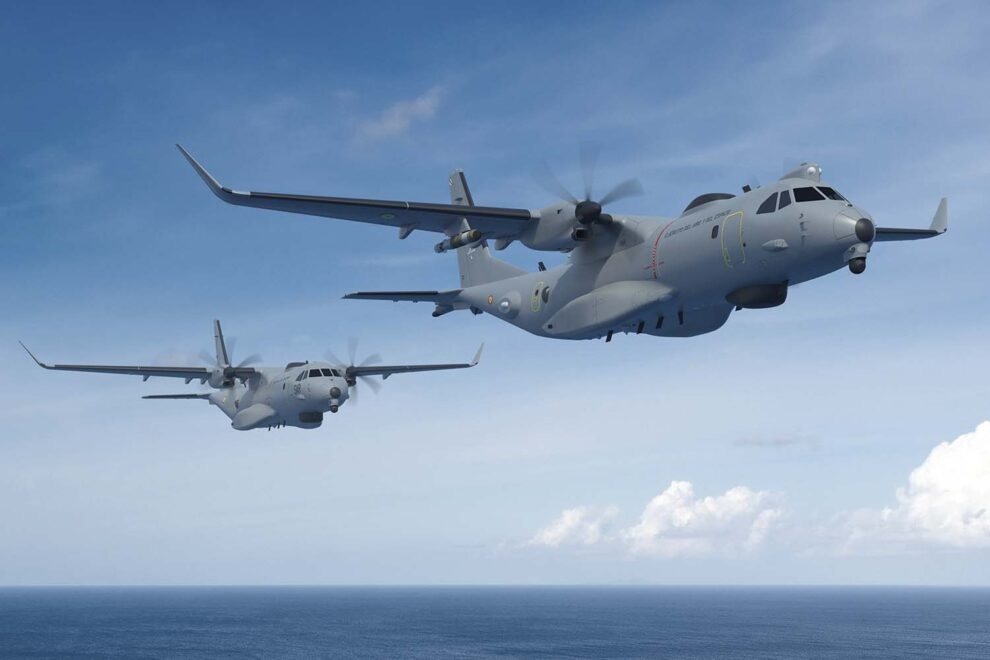
India
India's plans to transform the Airbus C-295 transport aircraft into a robust maritime patrol and anti-submarine warfare (ASW) platform signal a new era for its naval defense strategy. The recent inauguration of the Tata Aircraft Complex in Vadodara marked a pivotal step in realizing this vision. This manufacturing facility will not only assemble C-295 planes for tactical airlift but also produce a sophisticated weaponized variant tailored for maritime operations.Advanced Maritime RoleThe modified C-295 aircraft, envisioned in two distinct variants—the Multi-Mission Maritime Aircraft (MMMA) for the Indian Coast Guard and the Medium-Range Maritime Reconnaissance (MRMR) for the Indian Navy—will feature a suite of sensors and weapon systems designed for India’s extensive and strategically crucial coastline. While the Coast Guard’s MMMA variant will focus on coastal surveillance, search and rescue, and pollution monitoring, the Navy’s MRMR configuration will emphasize anti-submarine and anti-ship missions.Cutting-Edge Weaponry and Detection SystemsThe MRMR variant will be armed to the teeth with potent capabilities:Anti-Ship Missiles (ASMs): The aircraft will be fitted with the DRDO-developed NASM-SR and NASM-MR missiles, enhancing India's ability to strike surface threats at sea. These missiles boast high precision and are optimized for operations in littoral waters.Torpedoes: To tackle underwater threats, the C-295 will carry the Torpedo Advanced Light (TAL), an indigenous lightweight weapon designed for destroying enemy submarines. This adds a significant punch to the Navy's existing arsenal.Sonobuoy Dispensers: The aircraft will deploy advanced sonobuoys for submarine detection. These sensors enable real-time tracking and monitoring, which is critical for ASW operations. Coupled with a sophisticated mission system, the C-295 will relay data back to naval command centers, facilitating swift decision-making.State-of-the-Art Electronics and RadarsFor situational awareness and threat management, the C-295 will be equipped with advanced maritime surveillance radars, electro-optical/infrared (EO/IR) sensors, and electronic warfare (EW) systems. The platform's integration of indigenous technologies, such as high-frequency radar and satellite communication links, emphasizes India's drive for self-reliance in defense.The radar systems are tailored to detect and classify both surface and underwater targets, while the aircraft's data fusion capabilities enable seamless integration with India's broader defense network. The electronic warfare suite ensures survivability against a range of threats, from enemy radars to guided missiles.Strategic Importance and CollaborationThis project not only enhances India's maritime security but also fosters crucial technology transfer and local production capabilities. Airbus's collaboration with Tata for manufacturing in India marks a significant step in the “Make in India” initiative, bolstering the domestic defense sector. Beyond the initial order for 56 aircraft—intended to replace the aging Avro fleet—this production line could evolve into a hub for additional variants.The C-295’s role complements existing platforms, like the Boeing P-8I Poseidon, by filling a medium-range reconnaissance gap. This allows for more comprehensive maritime domain awareness, particularly in critical areas like the Arabian Sea and Bay of Bengal, where strategic threats are ever-present.India’s coastal and offshore installations, critical trade routes, and exclusive economic zones (EEZ) require persistent monitoring and a rapid response mechanism. The weaponized C-295 promises to meet these demands, providing the Indian Navy and Coast Guard with a versatile, high-endurance platform capable of both surveillance and strike missions.In essence, the C-295 project represents a strategic leap for India's maritime defense, combining operational flexibility, cutting-edge technology, and indigenous development to safeguard the nation's vast maritime interests.
Read More → Posted on 2024-11-12 14:35:16
World
In a move that signals Iran’s growing military ambitions, the country’s government has announced plans to triple its defense budget, marking a dramatic increase of nearly 200%. This comes as tensions with Israel have reached unprecedented levels following a series of tit-for-tat missile strikes and escalating military confrontations.The Iranian government's proposed defense budget expansion aims to bolster a wide array of military assets, including advanced missile technology and aerial defense systems. As it stands, Iran’s current defense allocation is approximately $10.3 billion, a stark contrast to regional adversaries like Saudi Arabia, whose budget is about $70 billion, and Turkey at $40 billion. Should the proposal pass parliament as anticipated, this would result in a substantial military infusion that could reshape Iran's strategic posture across the Middle East.Military Might and Missile CapabilitiesThe Iranian military, one of the largest in the Middle East, boasts nearly 610,000 active personnel and 350,000 reserves, bringing the total to almost one million troops. Besides sheer manpower, Iran has poured resources into missile development and aerospace technology. The Islamic Republic’s arsenal includes an extensive range of precision-guided munitions, ballistic missiles, and drone systems. These capabilities have made the Iranian military a formidable player, even without matching the financial resources of its wealthier neighbors.Iran’s missile technology is a particular point of pride and a cornerstone of its deterrence strategy. The country has developed a sophisticated system of long-range rockets and ballistic missiles, many of which can target key regional foes, including Israel and U.S. bases in the Persian Gulf.Escalating Strikes and Retaliation with IsraelThe announcement of the budget increase coincides with a dangerous cycle of conflict between Iran and Israel, highlighted by a series of missile exchanges over the past year. In October, Iran launched over 180 ballistic missiles at Israel following the assassination of Hezbollah leader Hassan Nasrallah and Hamas commander Ismail Haniyeh. Israel's defense systems managed to intercept most of these missiles, but the provocations did not go unanswered. Israel struck back with Operation Days of Repentance, targeting Iranian military installations and missile production sites, further deepening the crisis.The April attacks also saw fierce retaliation, as Tehran fired rockets in response to an Israeli airstrike that damaged Iran’s consulate in Syria and killed several Iranian officials. The escalation has drawn sharp rhetoric from both sides, with Iranian officials vowing to respond to what they describe as continuous aggression.Shifting Alliances and Defense StrategiesAs Iran ramps up its defense spending, it is also looking to solidify alliances with regional partners. The Iranian parliament is working on a "Resistance Pact," a defensive coalition that could involve groups like Hezbollah in Lebanon, Hamas in Palestine, and the Houthis in Yemen. This alliance would commit members to mutual defense in the event of an external attack. The proposal emphasizes comprehensive military and economic support, hinting at Iran's broader strategy of establishing a united front against adversaries, notably Israel and the United States.Iran's Supreme Leader Ayatollah Ali Khamenei has warned that any attack on Iranian soil would be met with a “tooth-breaking” response, underscoring the country’s readiness to leverage its growing military resources.Global and Regional ImplicationsThe budget hike and Iran’s increased militarization raise concerns about an arms race in the already volatile Middle East. U.S. officials have condemned Iran’s activities, including the provision of advanced weaponry to proxy forces in Yemen and Lebanon, while Israel continues to monitor and respond to threats along its northern and southern borders.In the broader geopolitical landscape, Tehran's defense escalation could provoke a recalibration of alliances and military postures among Gulf nations and Israel. The United States, already a major supporter of Israel’s military capabilities, may see renewed pressure to counterbalance Iranian influence in the region.As Iran's defense budget awaits parliamentary approval, the world watches closely, with the potential for a significantly militarized Iranian state altering the strategic balance in the Middle East.
Read More → Posted on 2024-11-12 14:29:08
India
India's Defence Research and Development Organisation (DRDO) has reached a new milestone in the development of indigenous missile systems, successfully testing the Long Range Land Attack Cruise Missile (LRLACM) at the Integrated Test Range in Chandipur, Odisha. This maiden flight marked a significant leap in India's efforts to establish robust long-range precision strike capabilities.The test, overseen by senior officials from the armed forces and DRDO scientists, saw the LRLACM launch from a mobile articulated launcher, emphasizing its flexibility and readiness for rapid deployment. What stood out during the test was the missile's impressive flight performance, closely monitored by a network of radar, telemetry, and electro-optical tracking systems stationed along its path.### Specifications and Design HighlightsThe LRLACM is a sophisticated weapon designed to offer strategic flexibility to both the Indian Army and Navy. It can be launched from mobile ground systems or integrated onto naval platforms using a universal vertical launch module (UVLM), similar to that employed by the BrahMos missile system. The missile boasts an advanced navigation suite combining Inertial Navigation System (INS) with GPS guidance, enabling high-precision strikes across varied terrain. For its final approach, the missile employs a radio frequency (RF) seeker, ensuring accurate target engagement even in adverse conditions.Measuring over 5.6 meters in length and weighing approximately 975 kilograms, the LRLACM has been engineered for both power and efficiency. The missile can travel at subsonic speeds, cruising at Mach 0.7, and is capable of executing complex flight maneuvers at different altitudes, thereby complicating enemy interception efforts. The warhead options include both preformed fragmentation and airburst configurations, making the missile adaptable for a range of tactical and strategic missions.### Developmental Milestones and Future ProspectsThe LRLACM is a testament to India's strides in defense technology, with the Aeronautical Development Establishment in Bengaluru spearheading the project in collaboration with several DRDO labs and Indian industry partners like Bharat Dynamics Limited and Bharat Electronics Limited. This test also reaffirms India's commitment to reducing its dependence on foreign missile technology and boosting indigenous production under the Defence Acquisition Council's Mission Mode Projects.The success of this maiden test is expected to accelerate future programs aimed at developing advanced cruise missiles. DRDO Chairman Dr. Samir V. Kamat lauded the achievement, underscoring its impact on India's defense self-reliance. Defense Minister Rajnath Singh echoed these sentiments, highlighting the strategic advantage conferred by the LRLACM's long-range precision strike capability.As India continues to modernize its military arsenal, the successful demonstration of the LRLACM positions the country as a growing power in missile technology, signaling readiness to meet emerging security challenges both regionally and globally.
Read More → Posted on 2024-11-12 14:23:19
India
In a groundbreaking milestone for India’s defence sector, Bharat Electronics Limited (BEL) has officially flagged off the first Akash Weapon System Battery for export to Armenia. This significant achievement was marked by a special ceremony attended by Mr. Sanjeev Kumar, IAS, Secretary of Defence Production, who highlighted the pivotal role this export plays in elevating India's global defence profile.The Akash Weapon System, a premier short-range surface-to-air missile (SAM) platform developed by the Defence Research and Development Organisation (DRDO), is designed to protect strategic assets from a variety of airborne threats. Originally manufactured by BEL and Bharat Dynamics Limited (BDL), this sophisticated system is already a mainstay of India’s air defence. It boasts an impressive engagement range of up to 30 kilometers and a ceiling altitude of 18,000 meters, with the capability to neutralize multiple threats such as fighter jets, drones, cruise missiles, and precision-guided munitions.For the Armenian armed forces, which have been actively bolstering their defence capabilities amid tensions with Azerbaijan, the Akash system's deployment is timely and strategic. It is anticipated to serve as a robust line of defense against the aerial assets and drone fleets of adversaries, which have played a key role in the region’s ongoing conflicts.What sets the exported variant apart is the comprehensive suite of advanced command and radar technologies integrated by BEL. These include the following:Enhanced C4I Systems: The Command, Control, Communication, Computers, and Intelligence (C4I) suite facilitates real-time information processing and enables seamless communication between different elements of the weapon system. This ensures rapid threat assessment and coordinated missile launches, even in complex and high-stakes combat situations.Upgraded Surveillance Radars: BEL's latest generation of surveillance radars offer panoramic situational awareness, enabling swift identification and tracking of enemy aircraft and unmanned threats. These radars are optimized to function effectively across various terrains and in all weather conditions.Precision Missile Guidance Radars: To maintain pinpoint accuracy, BEL’s guidance radars ensure continuous target lock for the missiles, even when engaging high-speed and maneuverable threats. This advanced guidance capability is crucial for the system's high probability of kill.India’s successful export to Armenia is a testament to the efficacy of government initiatives like “Make in India” and “Atmanirbhar Bharat,” which have not only increased self-reliance in defence production but also significantly boosted defence exports. According to reports, India’s exports in this sector have seen a substantial uptick, and Armenia has emerged as a significant partner, having previously acquired other strategic systems from India, such as the Pinaka multi-barrel rocket launchers and Konkurs anti-tank guided missiles.Armenia’s defence budget has witnessed a sharp increase, reflecting its commitment to modernizing its arsenal. As a part of its diversification away from traditional suppliers like Russia—whose commitments have suffered due to the war in Ukraine—Armenia has turned to India for more comprehensive support. Besides missile systems, there is interest in other advanced platforms, including anti-drone measures and cruise missile technology.The Akash export not only fortifies India-Armenia defence ties but also demonstrates India’s growing reliability as a defence supplier. This development may pave the way for further arms sales to global partners, emphasizing India’s emerging role as a strategic player in the international arms market
Read More → Posted on 2024-11-12 14:18:28
Science
The potential of 6G wireless technology is capturing global attention, promising unparalleled speeds of up to 1 terabyte per second—a leap that could transform connectivity across industries and everyday life. However, the radiation that may accompany 6G technology is also sparking scientific inquiry and health concerns. Recent research conducted by Chinese military scientists suggests that terahertz waves, a type of electromagnetic radiation essential to 6G, may harm male reproductive health, even at radiation levels lower than the maximum safety limits allowed in the United States and other countries.The Terahertz FactorUnlike the 5G networks currently in widespread use, 6G will rely on higher-frequency terahertz waves (THz), which are electromagnetic waves oscillating in the range of trillions of cycles per second. These waves are set to revolutionize data transfer speeds, allowing information to travel up to 10-20 times faster than 5G networks. However, this frequency range, while capable of rapid data transmission, is also raising new questions regarding human health.A peer-reviewed study by scientists from China’s Army Medical University recently examined how terahertz radiation affects male reproductive organs, specifically in a lab environment where the testicular tissue of male mice was exposed to controlled doses of terahertz radiation. The results hinted that radiation levels between 115 and 318 microwatts per square centimeter could potentially harm testicular tissue—a range that exceeds the safety limit set by China for its base stations (40 microwatts per square centimeter) but remains below the thresholds in countries like Japan (600 microwatts per square centimeter) and the United States (450 microwatts per square centimeter).Observed Biological EffectsTo understand the potential risks to male fertility, Professor Chen Chunhai and his team at Army Medical University exposed mice to various intensities of terahertz radiation, observing both immediate and short-term biological responses. Following a five-minute exposure, the mice displayed an acute inflammatory reaction on their skin. Although there were no visible signs of damage to the testes, further analysis revealed that the testes showed increased levels of white matter associated with inflammation, indicating an immune response within the reproductive organs.The researchers suggested that terahertz radiation could be opening an unknown biological pathway, allowing inflammatory compounds to travel from blood vessels into the testicular tissue. This theory, if confirmed, could mean that even surface-level exposure to terahertz waves might impact underlying biological processes within sensitive organs like the testes.Impact on Sperm and Genetic MarkersWhile the experiment did not show an immediate drop in sperm activity, gene sequencing revealed several genetic changes in the sperm cells. Some of these changes suggested the possibility of altered motility—essentially reducing the sperm's ability to swim efficiently, which could compromise fertility. Notably, the study found that these effects were temporary. Within 24 hours after exposure, inflammatory markers and gene expression levels had returned to normal, indicating the body's ability to repair short-term, acute radiation damage.This resilience in the mice is promising but leaves open questions about the cumulative effects of repeated or prolonged exposure. Given that terahertz technology could be part of ubiquitous 6G networks, determining whether long-term exposure poses risks to fertility or other health areas is a priority for researchers.Terahertz Radiation in ContextWhile much of the research on terahertz radiation remains in the preliminary stages, there is existing evidence that terahertz waves could impact biological tissues. Prior studies have shown that terahertz radiation can affect cells in laboratory dishes, but few studies have explored its effects on live animals, due in part to technical challenges in generating and measuring consistent terahertz radiation. The experimental platform used by Chen's team, developed by the China Academy of Engineering Physics, is one of the few capable of producing the terahertz radiation required for such studies.Terahertz waves are expected to find their initial applications in military technologies, where high-speed communication between aircraft or advanced radar systems for submarine detection may benefit from this high-frequency range. The US Air Force, for example, has already begun exploring terahertz waves for high-altitude communications. However, as 6G technology gradually advances toward civilian applications, scientists are racing to understand the potential health implications and adapt safety standards accordingly.Evaluating the Broader ImplicationsExperts remain cautious about generalizing the findings from mouse studies to human health. According to one unnamed Beijing-based radiation researcher, animal models can be more sensitive to radiation than humans, and real-world exposure levels are generally lower than the upper legal limits. Nevertheless, this research is prompting discussions among scientists and health authorities about revisiting safety guidelines as we approach a 6G future.In the coming years, more studies on 6G-related terahertz radiation will be essential to establish comprehensive safety standards. Understanding the long-term impact of repeated low-level radiation exposure on fertility and broader health metrics will be critical as countries navigate the next generation of wireless communications technology. Until then, while the immediate risks remain theoretical, the potential implications of terahertz radiation exposure on human health warrant careful consideration as 6G technology continues to unfold.
Read More → Posted on 2024-11-11 16:37:57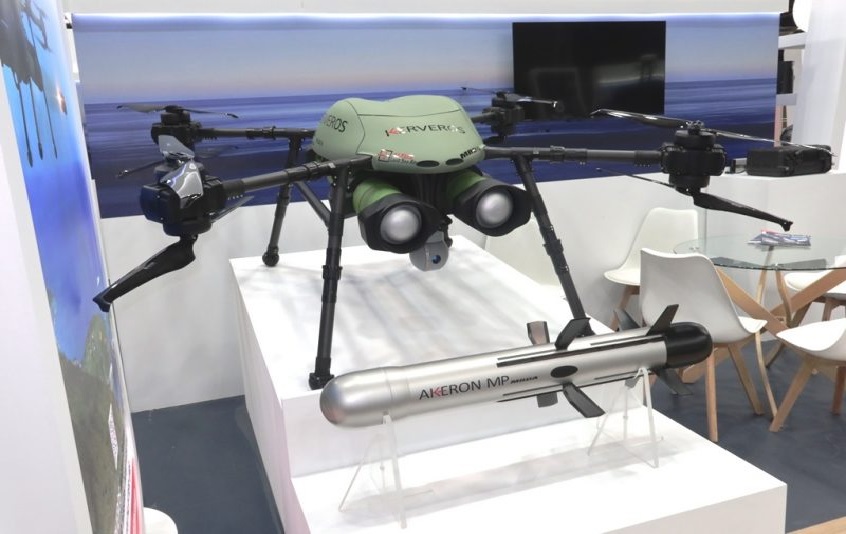
World
At the prestigious Euronaval 2024 event in Paris, a new class of weaponized drone was introduced, combining sophisticated aerial technology with cutting-edge missile capability. This drone, named the "Kerveros," is the result of a collaboration between Greek drone manufacturer Altus and European missile powerhouse MBDA. The Kerveros is essentially a specialized version of Altus' Atlas 8 octocopter, now equipped to carry and deploy Akeron MP missiles, adding a powerful weaponized dimension to what was initially a heavy-lifter unmanned aerial system (UAS).A Convergence of Innovation: Altus and MBDAAltus first presented the Atlas 8 UAS at the DEFEA 2023 event in Athens. Since then, the drone has seen substantial development, particularly in terms of its potential propulsion systems. Two distinct versions of the Atlas 8 have been developed: an all-electric model, which was showcased at Euronaval, and a hybrid model, which remains under development. These two versions differ not only in propulsion but also in size, payload, and endurance. Both share a unique architecture: a central fuselage that houses critical electronics and either batteries for the electric version or an internal combustion engine (ICE) for the hybrid variant. This modular approach allows the Kerveros to maintain a low center of gravity while also maximizing its payload flexibility and robustness.The electric Atlas 8, as seen in Paris, has a take-off weight of 90 kg and can carry a payload of up to 40 kg, while its two powerful 10S1P Lithium-Ion batteries provide a 35-minute flight time. Capable of a maximum speed of 80 km/h and an operating ceiling of 5,000 meters, the Atlas 8 is designed for versatility across various terrains and environments. The all-electric model’s compact design includes foldable spars and rotors, giving it a manageable footprint of 1050x900x400 mm when stored and 2290x2400x680 mm when fully deployed.Precision Firepower with the Akeron MP MissileAt the heart of the Kerveros' weaponized capability is the Akeron MP missile from MBDA, a medium-range, multipurpose missile designed for both anti-tank and anti-structure warfare. The Akeron MP weighs approximately 15 kg and can reach targets up to 4,000 meters away. Equipped with a high-resolution dual-mode seeker, it offers both infrared and visible-spectrum guidance for day and night operations. This dual-mode capability provides remarkable adaptability across a wide range of missions, from precision strikes on armor to more targeted assaults on infrastructure or personnel.One of the Akeron MP’s standout features is its dual guidance capability, offering both "fire-and-forget" as well as “man-in-the-loop” modes. Fire-and-forget allows operators to lock onto targets before launch, enabling the drone to engage multiple targets in succession without further input. Man-in-the-loop mode, however, gives operators more flexibility, as they can refine target selection and adjust the point of impact even during flight, a crucial feature in dynamic combat situations. This adaptability is complemented by selectable warhead modes and an optional top-attack profile, allowing the missile to neutralize even advanced tank armor, including explosive reactive armor, with over 1,000 mm penetration capability.Tactical Versatility: Reconnaissance and EngagementThe Kerveros’ unique octocopter design makes it an ideal tool for a broad range of operations, from tactical reconnaissance to direct engagement. The vertical take-off and landing (VTOL) capability allows it to be deployed from various platforms, including naval vessels, making it highly effective for coastal reconnaissance, convoy escort, and even anti-ship operations. Its integration with Akeron MP missiles means it can deliver rapid, accurate firepower in hostile or inaccessible areas, further extending the reach of any forces using it.In its current electric configuration, the Kerveros has a maximum operational range of around 30 km. However, Altus and MBDA’s plans for a hybrid version will vastly increase this range and endurance. The hybrid Atlas 8 will leverage an ICE to recharge the batteries mid-flight, extending endurance to potentially 3–4 hours. It will also boost the operational range beyond 100 km, allowing the Kerveros to be deployed deep into contested areas or serve as a persistent airborne surveillance and engagement platform.Future Potential and Tactical ImpactThe Kerveros, still undergoing testing at a range on the island of Crete, represents a growing trend toward flexible, multi-role drones that combine reconnaissance and strike capabilities. The hybrid version, when complete, will not only extend endurance and range but also allow the drone to carry a larger payload, opening the possibility for additional armaments or sensors. This ability to adapt for different missions on short notice makes the Kerveros a valuable asset in modern warfare, providing a tool for responsive, precise, and mobile firepower that can be deployed from both land and sea.With the Kerveros, Altus and MBDA have introduced a pioneering system that sets a new standard for weaponized drones. This VTOL drone combines ease of deployment with cutting-edge missile technology, making it an attractive option for armed forces looking to enhance their operational flexibility and tactical options in both urban and open combat theaters.
Read More → Posted on 2024-11-11 16:33:11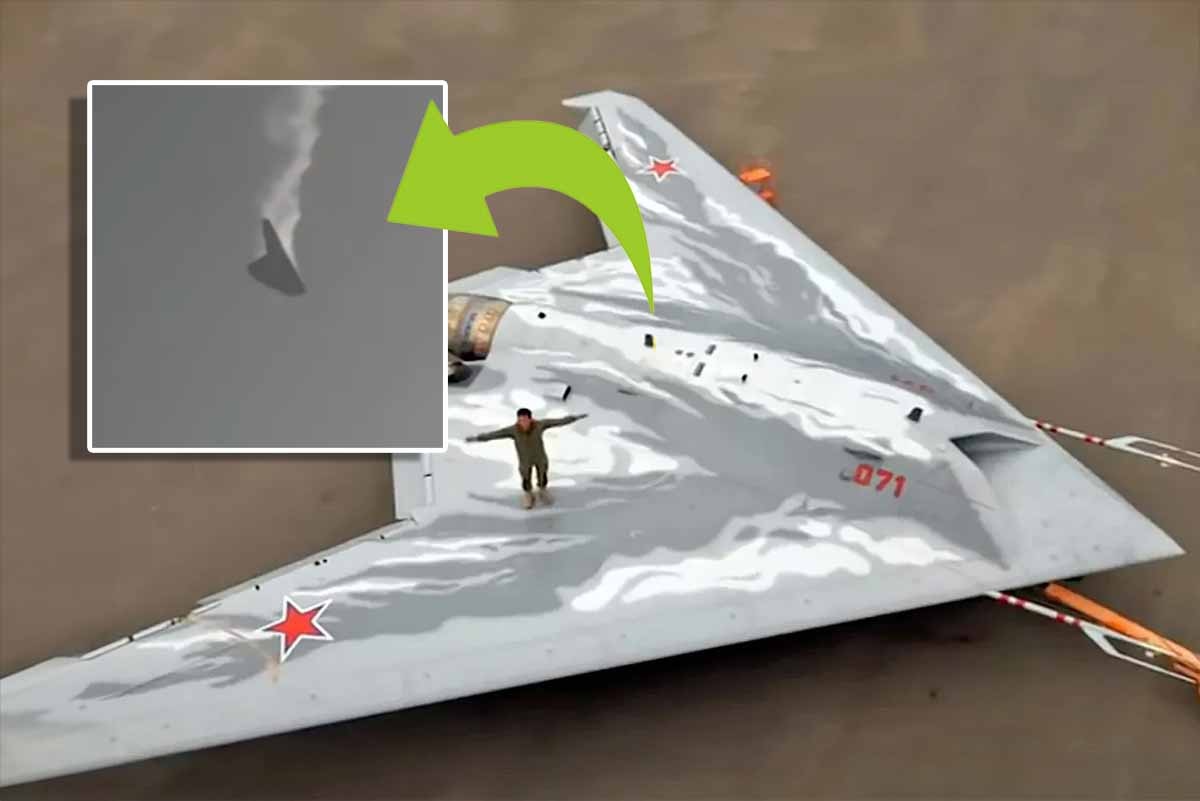
World
In a significant and sobering development, an investigation into the remains of a Russian S-70 “Okhotnik” unmanned combat air vehicle (UCAV) has revealed the use of Western technology, despite the international sanctions intended to curtail Russia's access to advanced components. This discovery, made after the drone was downed on October 5, 2024, near Kostyantynivka in Ukraine's Donetsk region, underscores the complex global challenge of effectively enforcing sanctions and stopping the flow of sensitive tech to adversarial militaries.The S-70 Okhotnik: Russia’s Advanced Stealth Combat DroneThe S-70 Okhotnik, also known as the "Hunter," is one of the most sophisticated UAVs in the Russian arsenal. Modeled after the design principles of the Su-57 stealth fighter jet, this heavy, flying-wing UCAV was created to operate autonomously or in concert with manned aircraft, providing support in high-stakes reconnaissance and strike operations. Equipped to carry an array of weaponry and engineered with stealth capabilities, the Okhotnik represents a key element in Russia’s military ambitions to extend its reach and modernize its air combat strategies.Despite only a few prototypes of the S-70 existing, this model’s deployment in contested airspace over Ukraine highlights its intended role as a high-impact combat asset in Russian military strategy. The October 5 incident, where Russian forces allegedly mistook their own advanced drone for an enemy aircraft and shot it down, underscores the operational complexities and perhaps even the internal communication challenges within the Russian forces. The loss of one of these few prototypes thus bears substantial implications for Russian defense planners.Western Tech Inside: A Deeper Look at Sanction EvasionIn the examination of the downed Okhotnik, Western-origin components were identified in critical parts of the drone’s microelectronics system. The microchips and processors in question came from major manufacturers in the United States and Europe, including Analog Devices, Texas Instruments, and Xilinx-AMD from the United States, Infineon Technologies from Germany, and STMicroelectronics from Switzerland. These findings, documented by the monitoring platform “War & Sanctions,” show that components from these well-known manufacturers were adapted within Russia’s military supply chain to power the core functionalities of the Okhotnik. These components typically include specialized microcontrollers, signal processors, and power management chips—hardware essential for managing complex UAV operations, navigation, and possibly even secure communications.Such electronics are not only foundational to the Okhotnik’s autonomous and semi-autonomous capabilities but are also integral in making the drone a formidable reconnaissance and strike platform. While Russia’s domestic electronics industry has capabilities, it lacks the capacity to produce these advanced, high-performance components, which leads to reliance on foreign technology—even amid ongoing sanctions.Implications for Global Sanctions and Supply Chain OversightThis incident casts a sharp light on the ongoing difficulties in enforcing sanctions and restricting access to sensitive technologies. Analysts have noted that while sanctions theoretically restrict the sale of dual-use components to countries like Russia, practical enforcement often falls short due to the global nature of supply chains, re-export loopholes, and unauthorized third-party transfers. In the case of the S-70, it's likely that these Western parts arrived in Russia through indirect channels or third-party countries that either overlooked or facilitated the transfer of restricted goods.The continued appearance of Western technology in Russian weaponry reveals gaps not just in sanctions enforcement but also in tracking the end-use of dual-use technology (products with both civilian and military applications). Countries exporting these components may not always have full control over where they end up, especially when they pass through multiple distributors or intermediaries. The findings suggest that strengthening these supply chains and enforcing compliance will be a critical ongoing challenge.The Strategic and Tactical Loss of the S-70 for RussiaThe loss of an S-70 prototype not only marks a tactical failure but also presents a strategic setback. For the Russian military, each Okhotnik drone represents years of development and substantial investment. The S-70 is also part of a broader ambition to develop advanced UCAVs capable of complementing Russia’s manned fighter fleet, embodying a leap forward in Russia’s aerial combat capabilities. Losing one of these prototypes, especially under circumstances suggesting a potential mishap with friendly forces, raises questions about the efficiency and coordination within the Russian military and the sustainability of its advanced UAV program.The Bigger Picture: Global Security and Technology RegulationThe S-70 Okhotnik incident raises broader questions about global security, technological proliferation, and the ability of nations to contain advanced military technology. The presence of Western-made parts in such a high-stakes platform speaks to the pervasive challenge of regulating tech flow in a world where supply chains are deeply interconnected. As drones and other autonomous systems become central to modern warfare, the importance of maintaining control over critical tech components is only set to increase.The discovery of Western tech within this sophisticated Russian UCAV adds a new layer to ongoing discussions on arms control and technological oversight, underscoring the need for more robust mechanisms to prevent sanctioned states from obtaining critical technologies. For policymakers and industry leaders, the situation highlights the importance of stringent end-use checks and international cooperation to monitor the flow of potentially sensitive technology.
Read More → Posted on 2024-11-11 16:26:18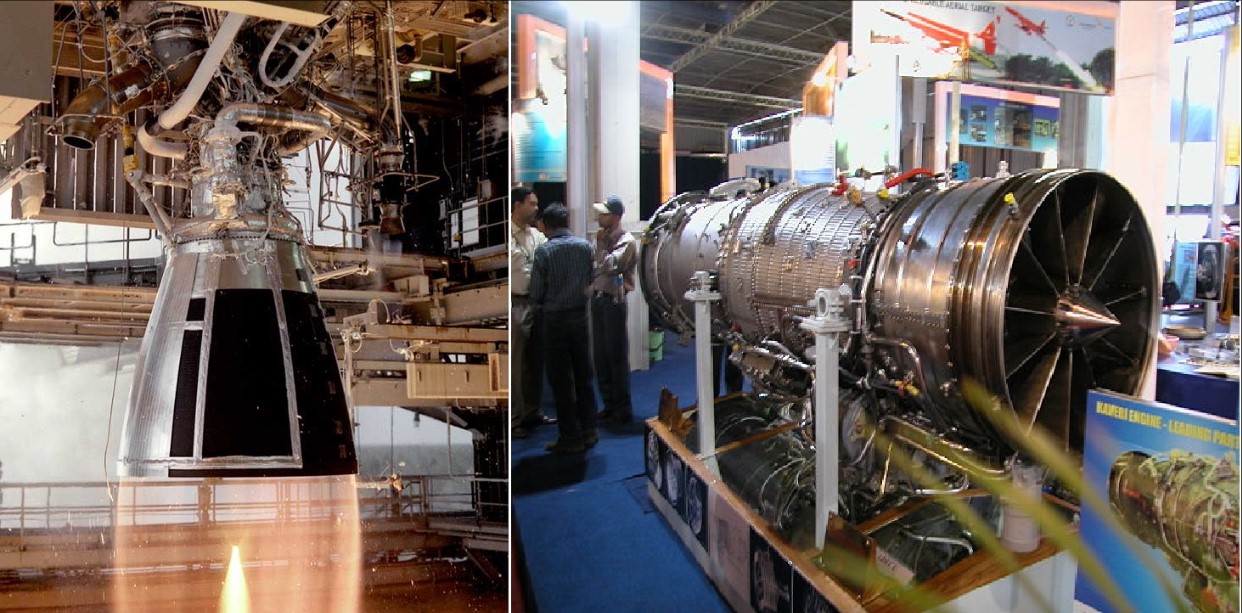
India
India has long sought independence in the realm of defense technology, but one critical challenge persists: developing indigenous fighter jet engines that can rival those used in modern military aviation. Recently, Dr. S. Somanath, Chairman of the Indian Space Research Organisation (ISRO), spotlighted the disparity between India’s achievements in rocket engines and its ongoing reliance on foreign technology for fighter jets. His remarks have sparked a conversation on whether ISRO's prowess in rocket propulsion could be the answer to India’s quest for a homegrown fighter jet engine.India’s Rocket Engine Success and the Fighter Jet Engine GapIndia’s strides in rocket technology have been nothing short of impressive. ISRO has developed a range of propulsion systems, including liquid-fueled Vikas engines and sophisticated cryogenic engines. These technologies have enabled ambitious missions like Mangalyaan (Mars Orbiter Mission), Chandrayaan (lunar missions), and the upcoming Gaganyaan human spaceflight program. ISRO’s cryogenic engine technology, particularly, is advanced enough to place it among a select few nations, such as the U.S., Russia, China, Japan, and the European Union, that possess mastery over these high-performance rocket systems.In contrast, India’s defense sector has struggled to produce a viable indigenous fighter jet engine. The nation’s Light Combat Aircraft (LCA) Tejas currently relies on American-made engines, specifically the General Electric F404 for operational variants and the more powerful F414 engine planned for Tejas Mk2. While this reliance ensures that the Tejas is powered by a reliable, high-performance engine, it also ties India’s defense readiness to international supply chains, an arrangement that Dr. Somanath and others view as limiting for a country with India’s ambitions.The Distinct Demands of Jet Engines and Rocket EnginesThough ISRO’s achievements in rocket engine technology are monumental, translating that expertise to the realm of fighter jet engines is a complex challenge. Rocket engines are designed to provide immense thrust for a short duration and typically operate in outer space, where the absence of atmospheric resistance allows them to function without the intricate cooling mechanisms needed for sustained use in Earth’s atmosphere. On the other hand, fighter jet engines must withstand prolonged periods of operation under extreme conditions: they need to deliver stable, reliable thrust at supersonic speeds, handle rapid changes in power, and be lightweight enough to not compromise aircraft maneuverability.Jet engines face additional engineering challenges like dealing with extremely high temperatures (often above 1,500°C in the turbine section), requiring advanced cooling techniques and materials capable of withstanding sustained thermal stress. Metals such as single-crystal nickel alloys are frequently used, and precise design tolerances are necessary to prevent performance losses at high speeds. Additionally, fighter jets require high-pressure compression systems and robust afterburners to deliver the thrust needed for rapid acceleration and combat maneuvers. The development of such advanced propulsion systems requires experience that India’s defense sector has yet to achieve independently.Can ISRO’s Knowledge Support India’s Fighter Jet Engine Program?While rocket and jet engines are fundamentally different, ISRO’s depth of experience in propulsion technologies could offer valuable insights to bridge this gap. Dr. Somanath's suggestion raises the possibility of knowledge transfer, where ISRO's expertise in advanced combustion, materials science, and thermal management could provide a boost to the country's defense efforts. ISRO has developed engines that operate in vacuum-like conditions and require extreme temperature and pressure management. The agency has also pioneered systems to efficiently monitor and control complex propulsion mechanisms, all of which are essential skills for jet engine development.For instance, ISRO’s cryogenic engines, which use liquid hydrogen and liquid oxygen, have paved the way for innovations in fuel handling and combustion stability—qualities essential to modern aircraft engines. Cryogenic engines, while not identical to jet engines, involve many shared engineering principles, such as advanced fluid dynamics, thermal shielding, and material endurance under thermal cycles. ISRO’s development of the Next-Generation Launch Vehicle (NGLV), intended for heavy-lift and human-rated missions, will involve even more sophisticated propulsion technologies. This expertise might be adapted to address specific challenges in jet engines, from improving material resilience to refining combustion and thermal management techniques.The Potential Path Forward: Collaboration and Cross-Disciplinary InnovationThough not a direct proposal, Dr. Somanath’s remarks hint at a new strategy that could harness the best of India’s scientific capabilities to close this technology gap. Collaboration between ISRO and India’s Defense Research and Development Organisation (DRDO) could lead to a pooling of expertise, where ISRO’s strengths in propulsion and DRDO’s understanding of aviation technology converge. Such partnerships would likely focus on developing core technologies for jet engines, particularly in areas like high-temperature materials, cooling systems, and high-efficiency combustors.A major opportunity lies in developing advanced materials that can withstand both high temperatures and mechanical stresses, key for aircraft engines. DRDO has some experience in this area, having experimented with the Kaveri engine project, although it ultimately fell short of operational readiness. By integrating ISRO’s insights in materials engineering with DRDO’s knowledge of aircraft dynamics, India may find a path toward a reliable indigenous jet engine. Additionally, private sector participation could accelerate this process by bringing in advanced manufacturing techniques and innovations in material science, especially with recent government efforts to encourage defense startups.Conclusion: Realistic Expectations and Long-Term VisionWhile ISRO’s experience offers valuable expertise, developing a fighter jet engine remains a long-term goal requiring concerted effort across multiple fields. ISRO’s knowledge can accelerate key aspects of research, but a sustainable jet engine development program would require significant government funding, policy support, and a skilled workforce dedicated to this mission. With collaboration, both in-house and international, and a vision that prioritizes indigenous capabilities, India may well see success in this endeavor over the coming decades.
Read More → Posted on 2024-11-11 16:20:39
World
Russia recently delivered three additional Su-57 fighter jets, also known by their NATO reporting name “Felon,” to its Aerospace Forces, marking another step in its efforts to modernize its air fleet with advanced combat aircraft. This delivery brings the Russian Su-57 fleet to an estimated total of 30 jets by early 2025, reflecting Moscow's focus on enhancing its aerial warfare capabilities in response to evolving defense demands.The Su-57 is Russia’s answer to the fifth-generation fighter class, incorporating advanced stealth technology, powerful sensors, and a design that enables both air superiority and ground-strike roles. It’s a multi-role fighter designed to engage a range of targets, from enemy aircraft to ground-based threats, showcasing a versatility aimed at countering the military strategies of adversaries like NATO countries.Production Progress and DeploymentRussia's Deputy Prime Minister Denis Manturov recently confirmed that another round of Su-57 and Su-35S fighters would be delivered before the year’s end. The Su-57, which first flew in 2010 and faced years of testing and refinement, now sees a steadier production rate. Russia is working to add dozens of these fighters to its forces, with estimates suggesting a future fleet size of around 76 units by 2028. These additions are part of a broader strategy by the Russian Ministry of Defense to replace aging aircraft and counter new aerial threats, ensuring that their fleet remains competitive on the modern battlefield.New Weapons Capabilities and Tactical Trade-OffsOne of the standout features in the new Su-57 deliveries is the inclusion of the AKU-58U launchers, fitted on external pylons. This upgrade enables the Su-57 to carry a wider array of Russian air-to-surface weapons, including powerful munitions like the Kh-59 cruise missile series. These missiles, built for precise, long-range strikes, bring an additional offensive edge to the Su-57 by expanding its ground-attack potential.However, this external mounting of munitions, while practical for certain missions, also impacts the aircraft’s stealth profile. The Su-57 was initially designed with internal weapon bays to support stealth operations, minimizing radar cross-section and making it less visible to enemy radar systems. But as the external pylons carry munitions, they increase the aircraft's radar visibility, reducing its low-observability benefits. This balancing act—between maximizing firepower and maintaining stealth—is a calculated trade-off by the Russian Aerospace Forces, one that reflects their willingness to prioritize mission flexibility over absolute stealth in certain scenarios.Advanced Features and Combat ReadinessThe Su-57 incorporates an array of high-tech avionics, including sophisticated radar systems and advanced data links, which are essential for detecting and engaging both aerial and ground-based targets in contested environments. Its “glass cockpit” display, featuring multiple digital screens, provides pilots with comprehensive situational awareness and integrates information from various sensors and sources in real-time. This suite of technology enhances the Su-57’s performance, especially in dynamic, high-stakes engagements.The fighter’s two Saturn AL-41F1 engines deliver high thrust and allow supercruise—sustained supersonic flight without afterburners. Future models of the Su-57 are expected to feature the more advanced Izdeliye 30 engines, which will further increase speed, fuel efficiency, and maneuverability. Combined with thrust-vectoring nozzles, these engines grant the Su-57 superior agility, which is critical in dogfights and evasive maneuvers.The Su-57 also features a stealthy airframe design intended to minimize radar detection. However, in combat, operational demands may require Russian pilots to forgo stealth for greater firepower, especially during precision strikes where stealth might be less critical than firepower or range. With the external loadout options introduced, the Su-57 can adjust to meet specific mission needs, allowing for both stealth-oriented and firepower-heavy configurations.Strategic ImplicationsThe Su-57’s development and integration into Russia's air fleet represent Moscow’s commitment to maintaining an advanced, flexible air force. The Felon’s capabilities make it a formidable opponent for any fifth-generation fighter it may encounter, and its dual-role capability ensures it can address both air and ground threats. This versatility could be crucial for Russian defense strategies, as it allows the Aerospace Forces to tailor missions based on specific tactical and operational requirements, whether it's striking high-value ground targets or establishing air dominance.While still behind in production numbers compared to its Western counterparts, the Su-57’s growing presence signifies Russia's determination to field an elite fifth-generation aircraft capable of responding to modern combat challenges.
Read More → Posted on 2024-11-11 16:15:26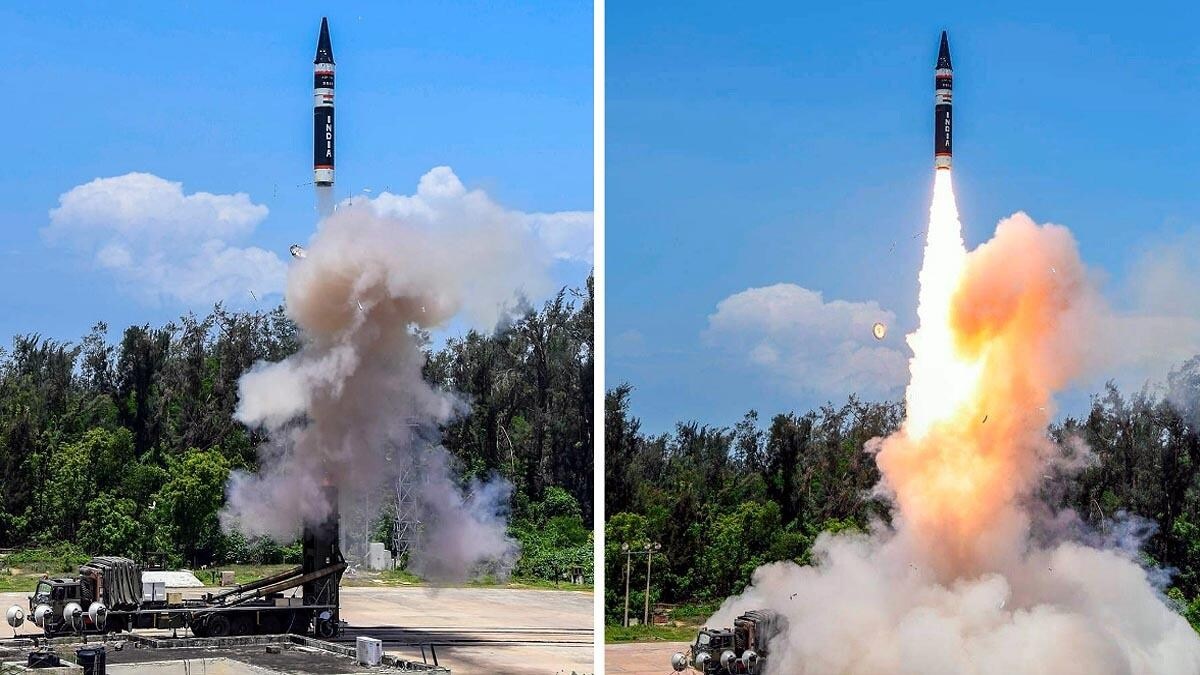
India
India is advancing its anti-ship missile capabilities with the anticipated test of a Long-Range Anti-Ship Missile (LR-AShM), a move marked by a recent Notice to Airmen (NOTAM) covering a 1,700-kilometer stretch in the Bay of Bengal. Scheduled for November 15 to 17, 2024, this test range hints at a high-stakes launch aimed at bolstering India's maritime deterrence, and it reflects India's aspirations to secure a formidable "carrier-killer" weapon—an asset of strategic depth in modern naval warfare.A New Leap for India’s Naval Strike CapabilityThe LR-AShM is expected to bring several high-end capabilities to the Indian arsenal, addressing specific gaps in range and lethality. Unlike conventional anti-ship missiles, India’s LR-AShM, possibly developed by the Defense Research and Development Organisation (DRDO), aims to target large surface vessels like aircraft carriers, posing a significant deterrence factor in a region marked by growing naval competition. This advanced missile is expected to carry sophisticated guidance systems, possibly leveraging satellite navigation, infrared, and radar homing to ensure precision at long ranges. Furthermore, it may employ cutting-edge countermeasures to evade enemy defenses, increasing its survivability against modern shipborne anti-missile systems. Given the 1,700-kilometer test area, the LR-AShM likely has a range capable of projecting India’s influence deep into contested waters.The Strategic Significance of the Bay of Bengal Testing ZoneChoosing the Bay of Bengal as a testing ground is both strategic and pragmatic. The vast waters here offer India an ideal area to evaluate missile characteristics, such as speed, flight stability, and maneuverability in a controlled environment. With growing concerns over naval encroachment in the Indian Ocean Region (IOR), the Bay of Bengal provides a geographically advantageous spot for India to test systems that can secure this space. The designated area for the missile test indicates India's commitment to refining and validating its long-range strike capability, especially in maritime contexts.Technical Advancements: What Makes the LR-AShM Unique?While much about the LR-AShM remains undisclosed, several features are likely given India’s prior experience with missiles like the BrahMos, Nirbhay, and Agni series. The LR-AShM may adopt a dual-mode seeker technology, allowing it to identify targets accurately even under challenging conditions. It could also boast low-altitude "sea-skimming" flight to evade radar detection until it reaches close proximity to its target. The missile’s propulsion system, possibly based on a solid-fuel rocket or air-breathing ramjet engine, would enable it to achieve supersonic or even hypersonic speeds, making interception by adversarial systems extremely difficult.A Boost for India's Defense DoctrineThe LR-AShM test exemplifies India’s focused shift towards anti-access/area-denial (A2/AD) capabilities, a military doctrine aimed at deterring enemy forces from accessing or operating in particular areas. As India diversifies its missile programs, such carrier-killer technology is becoming an essential part of its defensive posture. The integration of the LR-AShM into India’s naval forces, especially on platforms like the Su-30MKI or surface ships, would substantially enhance India’s deterrence profile, especially given the presence of powerful foreign navies in nearby waters.The NOTAM and Test Protocols: Standard Procedure and Strategic MessagingIssuing a NOTAM is customary for tests of this nature, alerting regional air and maritime traffic of a restricted area. Beyond protocol, though, the notification indirectly signals India’s strengthening of its missile arsenal and conveys to both allies and adversaries that the country is capable of defending its maritime boundaries with advanced technology. These tests underscore India’s progress in indigenous missile development, driven by agencies like DRDO, which has accelerated research on next-gen missiles with improved range, accuracy, and survivability.In summary, this missile test represents India’s unwavering commitment to safeguarding its maritime interests and maintaining its defense independence. As the country edges closer to operationalizing the LR-AShM, it sends a clear signal: India is not only prepared to defend its shores but also equipped to project strength across its maritime sphere. This potential "carrier-killer" could change the calculus of naval engagements in the Indian Ocean, reinforcing India's strategic autonomy and regional security footprint.
Read More → Posted on 2024-11-11 16:11:59
India
India has issued a Notice to Airmen (NOTAM) covering a 1,700-kilometer range in the Bay of Bengal for a potential ballistic missile test, scheduled between November 15 and 17, 2024. This strategic notification suggests a significant test that could involve one of India's advanced ballistic missile systems, as the designated range and location point toward the possibility of a long-range missile launch.The extensive 1,700-kilometer range designated in the NOTAM is consistent with the capabilities of India's developing strategic missile inventory. Among the possible candidates for this test are missiles from the Agni series, notably the Agni Prime with HGV, and potentially submarine-launched ballistic missiles (SLBMs) like the K-4 or K-5, which are critical components of India’s second-strike capability. With the Agni Prime's reported range falling between 1,000 and 2,000 kilometers, it aligns well with the range covered by the current NOTAM, making it a likely candidate for the upcoming test. Additionally, advancements in India's SLBM programs, particularly the K-4’s capability to cover 3,500 kilometers and the newer K-5’s range potentially reaching 5,000 kilometers, further underscore India's commitment to ensuring a strong deterrence in the region.The Bay of Bengal’s strategic location has long made it a preferred testing site for India’s missile programs. With its vast maritime expanse, the Bay provides a secure and controlled environment, ensuring minimal disruption to regional activities and facilitating comprehensive monitoring of the missile’s trajectory, accuracy, and overall performance. By designating a 1,700-kilometer range, India ensures that test parameters reflect operational requirements, allowing defense scientists and analysts to evaluate flight data, warhead accuracy, and re-entry mechanics under real-time conditions. This controlled environment is crucial for DRDO and India’s armed forces to validate these systems’ reliability, especially as they enhance or introduce technologies to improve accuracy and adaptability.The Indian ballistic missile program has made substantial advances in recent years, driven largely by the Defense Research and Development Organisation (DRDO) and other supporting defense bodies. As India continues to refine its technology, each test marks an incremental step towards self-reliance in defense, helping establish a credible and indigenous missile capability. Whether this upcoming test involves an updated variant or a new technology demonstration, it highlights India’s investment in a modern, capable deterrent force, with capabilities that not only ensure national security but also project India’s increasing regional defense independence.Issuing a NOTAM ahead of the test is standard international practice, aimed at securing airspace and informing both air and maritime traffic of the restricted zones during the test. This protocol minimizes risks and allows other countries and civilian operators to avoid the designated test area, enhancing overall safety. As India continues to progress with its missile systems, it is likely that similar notifications will be issued to signal future tests, both as a matter of transparency and to maintain international norms.With this upcoming test, India reaffirms its commitment to strengthening its defense capabilities and adapting its missile technology to meet the evolving security landscape in the region.
Read More → Posted on 2024-11-11 16:06:25
World
Recent analysis of satellite images and Chinese government documents strongly indicates that China is forging ahead in developing a nuclear propulsion system for its future aircraft carriers, potentially reshaping naval power dynamics in Asia and beyond. Researchers at the Middlebury Institute of International Studies uncovered this significant development while examining a facility near Leshan in Sichuan Province, long suspected of harboring a nuclear reactor tied to China’s naval ambitions.Instead of revealing a reactor geared towards producing weapons-grade materials, analysts identified evidence pointing to a land-based prototype for powering a large surface warship—specifically, what many believe will be China's first nuclear-powered aircraft carrier. This discovery, dubbed the “Dragon Might Project,” or Longwei, aligns with Beijing's overarching aim to establish a true blue-water navy, capable of projecting power far from its shores. Nuclear-powered aircraft carriers would elevate China's naval capabilities and grant it access to a select club that currently includes only the United States and France.The Strategic Leap: From Conventional to Nuclear PowerChina's naval transformation is already in full swing. The People's Liberation Army Navy (PLAN) is now the world’s largest in sheer numbers, but the addition of nuclear-powered aircraft carriers would signify a quantum leap in capability. This would allow for sustained operations across the globe without needing to refuel frequently, extending China’s military reach into strategic regions like the Western Pacific and Indian Ocean. Such carriers would also have the advantage of more onboard space, as removing the need for fuel oil storage frees up room for additional aircraft and weapons, boosting operational effectiveness.Tong Zhao, a senior fellow at the Carnegie Endowment for International Peace, argues that the development of nuclear-powered carriers would symbolize China's emergence as a formidable naval power. "For China's leadership, this is not just about capability but also national prestige," Zhao said, emphasizing the domestic and international impact of such advancements. The sentiment is echoed by the Pentagon, which has expressed concerns about the growing sophistication of China’s naval assets.Unveiling the Longwei ProjectThe revelation of the Longwei Project came from a blend of satellite imagery, environmental impact reports, and procurement contracts. Imagery from the Mucheng township area has shown significant developments from 2020 to 2023, including the construction of infrastructure needed for a reactor, such as water intake systems. Meanwhile, project tenders have identified equipment for pressurized water reactors, typical of naval propulsion systems, being procured for installation on large surface ships. This evidence strongly suggests the intent to create a nuclear-powered platform rather than a traditional conventional carrier.Documents further revealed that China’s 701 Institute, responsible for designing aircraft carriers, had obtained reactor equipment under the project’s "national defense designation," another clue pointing toward a naval application. Researchers Jeffrey Lewis and his team at Middlebury stressed that this represents the first verifiable step toward China developing nuclear propulsion for carriers.Even as satellite images unveil the site’s expansion, construction noise complaints from local residents have added a human element to the unfolding narrative. Publicly available environmental assessments emphasize the project’s "classified" and "national defense-related" nature, solidifying suspicions about its military purpose.Modernizing and Catching Up: China's Aircraft Carrier EvolutionThe PLAN currently operates three aircraft carriers. The first, the Liaoning, and the second, the Shandong, are conventionally powered and use a ski-jump launch system, a less efficient mechanism compared to the electromagnetic catapults used by the United States. However, the Type 003 carrier, named Fujian and launched in 2022, marked a significant leap forward with its advanced electromagnetic launch system, although it remains conventionally powered. The anticipation surrounding a possible Type 004 nuclear carrier points to an even greater leap, with Beijing potentially preparing to manufacture both types simultaneously.Despite the ambitious timeline, experts like Matthew Funaiole from the Center for Strategic and International Studies believe the next carrier is unlikely to be nuclear-powered. Instead, incremental upgrades to the Fujian’s design may be prioritized. Nevertheless, the groundwork for nuclear propulsion is already being laid, signaling China’s long-term vision to compete with the U.S. Navy, which operates 11 nuclear-powered supercarriers.A Blueprint for Global Naval InfluenceChina's rapid naval modernization is not just about adding more ships but crafting a force capable of asserting dominance in contested waters like the South China Sea and extending influence into the Indian Ocean. By developing nuclear-powered carriers, the PLAN would have the range and endurance to challenge the United States’ ability to intervene in Asia-Pacific affairs, including in defense of Taiwan, an area of high strategic tension.Nick Childs, a senior fellow at the International Institute for Strategic Studies, noted that while China’s current deployments have been cautious, staying near shore-based support, the long-term ambition is clear. "Larger carriers more akin to U.S. models will give China greater flexibility," Childs explained. With nuclear propulsion, these ships could power advanced technologies, such as cutting-edge radars and electromagnetic catapults, making them formidable players on the high seas.Global Implications and the U.S.-China Naval RivalryThe strategic implications of a nuclear-powered Chinese carrier cannot be overstated. Beyond prestige, such vessels would serve as instruments of power projection, capable of operating deep into the Western Pacific and Indian Ocean. They would enable the PLAN to support long-range missions and enhance China's position in territorial disputes across the First Island Chain, an area that encompasses Taiwan and the South China Sea.For the United States, this development adds urgency to maintaining a robust naval presence in the Indo-Pacific. The Pentagon's latest assessments underscore the challenge posed by China's expanding naval capabilities, even as U.S. shipbuilding lags behind in comparison.As Chinese President Xi Jinping continues to emphasize the importance of maritime power in his vision for national rejuvenation, Beijing’s investments in nuclear-powered warships represent a long-term commitment to challenging U.S. dominance on the world's oceans. This new chapter in the maritime rivalry is poised to redefine strategic calculations across the globe, from the Pacific islands to the corridors of Washington, D.C.
Read More → Posted on 2024-11-11 16:00:09
World
North Korea has intensified provocations against South Korea through a series of disruptive GPS jamming operations that spanned over Friday and Saturday. This deliberate interference affected multiple ships navigating the busy waters off the Korean Peninsula and posed significant risks to dozens of civilian aircraft flying in South Korea’s airspace. The South Korean military confirmed the jamming incidents, which come at a particularly volatile time, as relations between Seoul and Pyongyang are at one of their most precarious points in years.The timing of North Korea's latest technological assault is no coincidence. Just a week prior, Pyongyang tested a solid-fuel intercontinental ballistic missile (ICBM), which it claimed was its most sophisticated to date. That test raised international alarm, especially as accusations also surfaced that North Korea had sent military troops to assist Russia in its ongoing conflict in Ukraine. With tensions ratcheting up, South Korea's military responded by firing a Hyunmoo surface-to-surface ballistic missile into the West Sea on Friday. This was meant as a clear message of deterrence, underscoring Seoul's readiness to respond decisively to any provocations from the North.The GPS jamming attacks were launched from areas near Haeju and Kaesong, both strategically located in North Korea. According to a statement from South Korea’s Joint Chiefs of Staff, several vessels and aircraft experienced operational disruptions due to the interference. The South Korean military issued strong warnings to ships and aircraft operating in the Yellow Sea, emphasizing the potential dangers posed by Pyongyang’s actions and urging caution. Additionally, they called on North Korea to immediately halt these aggressive measures, making it clear that Pyongyang would be held accountable for any resulting incidents.Experts are deeply concerned about the dangers associated with such jamming activities. GPS systems are crucial for modern navigation and aviation, and any disruption can have dire consequences, potentially leading to accidents at sea or even mid-air collisions. Yang Moo-jin, president of the University of North Korean Studies in Seoul, commented that the motivations behind these jamming attacks remain uncertain. They could be an attempt to divert attention from North Korea’s military support for Russia, a psychological tactic aimed at destabilizing South Korean society, or a direct response to Seoul’s recent show of military strength.Adding to the complexity, some analysts suggest that North Korea’s interference could be tied to safeguarding its own communication systems. Ahn Chan-il, a defector-turned-researcher who leads the World Institute for North Korea Studies, pointed out that jamming GPS signals might help shield Pyongyang's sensitive military communications from surveillance, especially during critical operations, whether domestically or in foreign theaters like Ukraine. Beyond its aggressive posturing on the peninsula, North Korea has become a vocal and active supporter of Russia in the Ukraine conflict. Intelligence reports indicate that North Korea has supplied ammunition and possibly even missiles to bolster Moscow's war effort. More alarmingly, recent intelligence claims suggest that Pyongyang has deployed around 10,000 troops to assist Russia. This level of involvement, if confirmed, represents a significant escalation and has sparked outcry from not only Seoul but also Kyiv and Western capitals.South Korea has expressed deep concern over these developments. As a staunch ally of Washington, Seoul is particularly wary of any North Korean involvement that could escalate tensions in Europe. In response to these unfolding events, South Korean President Yoon Suk Yeol has not ruled out the possibility of directly supplying Ukraine with weapons, a stark departure from the country's longstanding policy of not exporting arms to nations engaged in active conflict. This consideration comes as pro-Russian cyber-attacks against South Korea have reportedly intensified, a likely response to Pyongyang’s troop deployments to aid Russia.The unfolding scenario paints a picture of an increasingly aggressive North Korea, employing both traditional military provocations and modern cyber warfare to destabilize the region and further entangle itself in global conflicts. The GPS jamming, seemingly a tactical move, could lead to severe unintended consequences, particularly if aircraft safety is compromised. As South Korea navigates these troubled waters, both metaphorically and literally, its leaders remain on high alert, aware of the significant risks involved and determined to protect their nation from any escalation.
Read More → Posted on 2024-11-11 15:53:59
World
Spain's Ministry of Defence has taken a major step to advance its naval and aerial defense capabilities by commissioning a €10 million feasibility study to assess the integration of the Naval Strike Missile (NSM) onto an advanced variant of the NH90 helicopter, known as the HSPN. This initiative reflects Spain's broader ambition to modernize and harmonize its military assets, with Airbus Helicopters leading the charge in developing a new anti-submarine and anti-surface warfare configuration of the NH90.This year-long research project is part of Spain's effort to upgrade the NH90, a helicopter already in service with the Spanish Army and Air Force, where it has proven effective in roles like combat search and rescue (CSAR) and special operations. However, for the Spanish Navy, the proposed HSPN model would represent a leap forward, equipped to tackle complex maritime threats. Notably, the HSPN variant is expected to include cutting-edge technology from leading Spanish defense firms, such as Indra's electronic warfare systems and SAES’s acoustic sensor solutions.The NH90 platform itself boasts advanced specifications. It has a maximum take-off weight of around 11 tonnes, with a range of 430 nautical miles (nearly double that of previous helicopters like the Super Puma). The HSPN configuration will add features like automatic blade and tail folding, a necessity for seamless operations aboard naval vessels. It is expected to work in tandem with Spain’s C-295 maritime patrol aircraft and new F-110 frigates.Integrating the NSM-AL missile—an air-launched version of Kongsberg’s versatile Naval Strike Missile—could give the NH90 a formidable anti-ship capability. The NSM’s low radar signature and high precision make it a critical addition, aligning with Spain’s plans to deploy the missile across other naval platforms, such as F-100 frigates and S-80 submarines. Moreover, this study will explore how effectively the NH90 HSPN can sync with tactical data links like Link 16 and TCDL, crucial for real-time battlefield communication and information sharing.Overall, this ambitious study underlines Spain's commitment to maintaining a sophisticated, interoperable defense fleet, leveraging both domestic and international expertise to secure its strategic interests.
Read More → Posted on 2024-11-11 15:49:55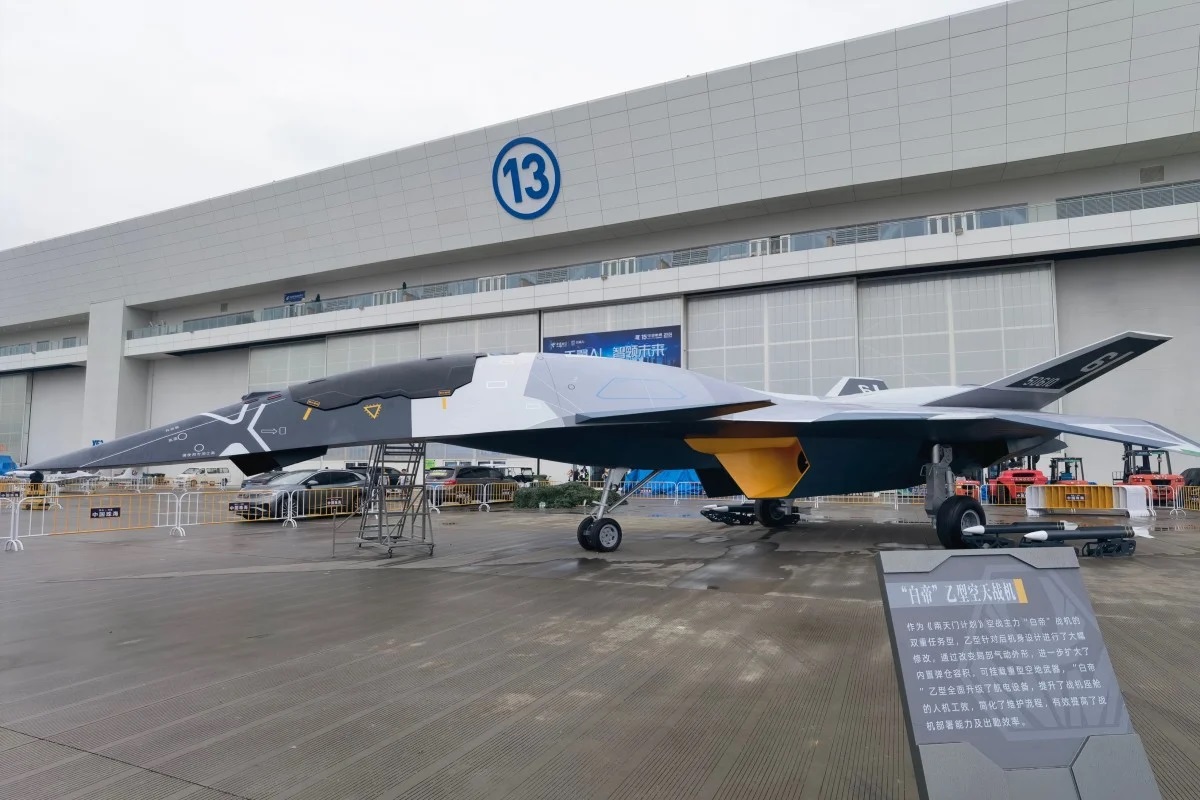
World
At the 2024 Zhuhai Airshow, the Aviation Industry Corporation of China (AVIC) turned heads with the debut of its striking “Baidi B-Type” aerospace fighter concept, which aligns with China’s ambitious Nantianmen Project. This futuristic platform, designed to establish new benchmarks in both air and near-space combat, showcases China's intent to revolutionize its air superiority capabilities and challenge other global military powers like the United States and Russia.The Baidi B-Type, the most advanced in the “Baidi” lineup, features a sleek, sci-fi-inspired design that optimizes aerodynamic performance. This concept jet emphasizes stealth with a refined rear fuselage that incorporates sweeping, contoured lines and advanced composite materials, which help minimize its radar signature. The enlarged weapons bay is another noteworthy feature, allowing this aircraft to carry an expanded suite of munitions, including a mix of advanced air-to-air missiles and precision-guided air-to-ground ordnance. This modular payload capability indicates the jet’s flexibility in handling multi-theater missions.From an avionics standpoint, AVIC has introduced a cutting-edge sensor suite that enhances situational awareness and electronic warfare (EW) efficiency. This comprehensive sensor fusion system integrates AI-driven threat detection, making it more adaptive to rapidly changing combat dynamics. The jet is designed to operate within a connected battlefield, capable of engaging in network-centric warfare alongside UAVs and other high-tech assets, contributing to a seamless military ecosystem.The cockpit redesign is another key highlight, reflecting a human-machine synergy that places a premium on pilot efficiency. Ergonomic controls, augmented reality (AR) helmet displays, and optimized seating configurations are expected to lower pilot fatigue during extended operations. These upgrades underscore a strategic pivot toward making the platform more intuitive and responsive, particularly critical in hypersonic and high-altitude engagements.Moreover, maintainability has been a core focus for AVIC. The Baidi B-Type’s construction employs modular components, aiming to simplify repair processes and expedite turnaround times. This is essential for keeping the fighter battle-ready, especially in scenarios where rapid deployments are crucial. This aspect hints at China’s vision for a robust and sustainable combat fleet that can endure high-intensity conflict scenarios.The Nantianmen Project, under which the Baidi B-Type falls, is not merely about building a fighter but represents a comprehensive effort to integrate aerospace and near-space operational capabilities. The aircraft's potential to operate in the edge-of-space domains signals a strategic leap forward, as this would expand China’s tactical reach and response flexibility.Though the Baidi B-Type remains a conceptual model, the unveiling exemplifies China’s ambition to compete in the race for 6th-generation air superiority technology. With global interest piqued, defense analysts are watching to see how China’s progress could reshape the balance of power, especially as new contenders emerge in this high-stakes arena.The Baidi B-Type’s development represents a bold leap forward, signaling AVIC’s and China’s strategic foresight in aerospace warfare and their commitment to shaping the future battlefield. If this concept reaches operational status, it could serve as a significant force multiplier, reinforcing China’s position in the global race for aerial dominance and advanced aerospace warfare capabilities.
Read More → Posted on 2024-11-11 15:46:31
World
In a recent demonstration of strategic strength, the United States Air Force Global Strike Command launched an unarmed Minuteman III intercontinental ballistic missile (ICBM) from the Vandenberg Space Force Base in California. This launch, part of routine exercises conducted to ensure the nation’s nuclear deterrent remains steadfast and fully operational, emphasized a message of preparedness amid a world where nuclear capabilities continue to hold immense strategic significance.The test showcased the missile’s reliable and precise performance as it soared approximately 4,200 miles (6,759 kilometers) over the Pacific Ocean, eventually reaching its target on the Kwajalein Atoll in the Marshall Islands. While this might seem like a scene lifted straight from a Cold War-era drill, the implications remain highly relevant today, reaffirming the US's ability to defend and respond if necessary. Importantly, this event marked the latest in a series of nearly 300 similar tests that date back decades, all designed to validate the readiness of America’s nuclear triad.At the heart of this demonstration lies the Minuteman III, a system that has served as a backbone of America’s strategic defense since its introduction in the early 1970s. Although built during a previous era, these missiles have been extensively modernized to match present-day security needs. The Minuteman III can reach a top speed of 15,000 miles per hour (24,000 kilometers per hour), allowing it to traverse vast distances—up to 6,000 miles (9,656 kilometers)—in minutes. This speed and range enable the weapon to deliver a powerful deterrent effect, ensuring adversaries understand the far-reaching capabilities at the US's disposal.Beyond its impressive range and velocity, the Minuteman III is also engineered with a sophisticated system of reinforced underground silos. These silos, buried deep within American soil and spread across various secure bases, are built to withstand enemy attacks, providing a layer of defense against potential threats. The system’s resilience doesn’t stop at its physical structure; a network of secure, hardened cables connects these silos to underground launch control centers, creating a fortified communication chain between operators and national decision-makers, such as the president and the secretary of defense.Ensuring that this command structure remains uninterrupted is of critical importance. To bolster the system’s robustness, the Minuteman III features multiple communication lines. If a disruption ever occurs between ground-based controllers and the missile facilities, airborne launch control centers automatically take over command. These airborne crews are always on alert, standing by to carry out presidential orders without delay, which underscores the layers of security that back up this ICBM system.Currently, there are 400 active Minuteman III missiles stationed across various military installations in the United States, primarily in locations such as Malmstrom, Minot, and F.E. Warren Air Force Bases. Each missile is armed with advanced targeting capabilities and designed to support multiple re-entry vehicles, a feature that enhances its strategic flexibility. The design also accommodates routine updates, ensuring that the Minuteman III remains one of the world’s most effective long-range deterrent systems.The significance of this test launch is not just in proving that these missiles still work as intended but in reinforcing the nation’s assurance to its allies and sending a clear signal to adversaries. As the international geopolitical landscape evolves, maintaining and periodically testing such capabilities is essential to uphold a credible deterrent that is both "safe, secure, reliable, and effective," as the Air Force emphasized in its statement. This unceasing vigilance is a testament to the evolving doctrine of nuclear readiness and the ongoing commitment of the United States to its national and allied security.
Read More → Posted on 2024-11-11 15:36:04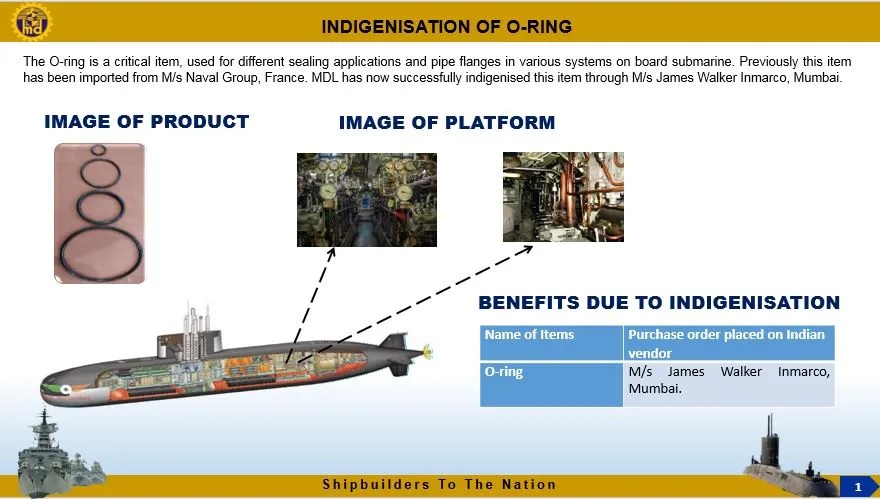
India
Mazagon Dock Shipbuilders Limited (MDL), one of India's premier shipbuilding organizations with a history of delivering state-of-the-art warships and submarines, has reached a remarkable milestone in its mission to boost self-reliance in defence production. In a significant step toward reducing reliance on foreign suppliers, MDL has successfully indigenized the production of O-rings, a small yet critical component used extensively in submarine systems for sealing applications and pipe flanges. This breakthrough not only highlights the growing technological expertise within India’s defence manufacturing sector but also reinforces the country’s commitment to achieving greater self-sufficiency.O-rings, although deceptively simple in appearance, are crucial to the operational safety and integrity of submarines. These circular elastomeric seals are designed to prevent the leakage of gases or fluids by maintaining a tight, watertight seal under various pressure conditions. Given that submarines operate in the extreme depths of the ocean, where pressures can be immense, even the smallest imperfection in an O-ring could lead to catastrophic consequences, jeopardizing both the equipment and crew. Therefore, the quality and reliability of these components are of utmost importance.For many years, MDL depended on imports from the French defence contractor Naval Group for these high-precision O-rings. This dependence not only presented logistical hurdles but also increased the costs associated with sourcing from overseas. Recognizing the strategic importance of having a domestic supply chain for such critical items, MDL initiated an ambitious indigenization project. To achieve this, MDL collaborated with James Walker Inmarco Pvt Ltd, a leading Mumbai-based company specializing in advanced sealing solutions.James Walker Inmarco’s role in this collaboration was pivotal. Known for its expertise in providing engineered sealing solutions for harsh environments, the company undertook the challenge of developing O-rings that met the stringent standards required for submarine applications. The process was far from straightforward. It demanded extensive research, material science expertise, and rigorous testing protocols to ensure that the indigenized O-rings could withstand the harsh underwater conditions submarines face. Each O-ring had to be tested for high resistance to pressure, temperature fluctuations, and corrosive marine environments, ensuring flawless performance during extended submarine operations.The successful indigenization of these O-rings represents a significant leap forward in India's defence manufacturing capabilities. It serves as a testament to the progress made by Indian companies in developing components that meet or even exceed international standards. Furthermore, this development could open the door to a range of future opportunities for the domestic defence industry, as India looks to indigenize other critical technologies related to submarine and naval platforms.The impact of this achievement extends beyond just defence. It reflects the overarching goals of the government’s ‘Make in India’ initiative, which seeks to transform India into a global hub for manufacturing. By fostering collaborations between defence PSUs like MDL and private-sector specialists like James Walker Inmarco, the nation is steadily building a more resilient and capable industrial base, better equipped to support India's strategic and security interests.In summary, MDL's success in indigenizing submarine-grade O-rings not only addresses the immediate need for self-reliance but also sets a precedent for future advancements. As India continues to modernize its navy and expand its maritime capabilities, achievements like these are vital. They demonstrate the tangible progress being made to ensure that India's defence forces are supported by robust, homegrown technological solutions.
Read More → Posted on 2024-11-11 15:13:45
India
India is moving ahead with an ambitious plan to elevate its naval capabilities, powered by new-generation 190-megawatt (MW) nuclear reactors designed by the Bhabha Atomic Research Centre (BARC). These reactors will be the core energy source for India's advanced underwater fleet, which includes nuclear attack submarines (SSNs) and ballistic missile submarines (SSBNs), and could also pave the way for the country's first indigenously-built nuclear-powered aircraft carrier.The development of these reactors represents a significant leap for India's naval aspirations. BARC's engineering approach ensures these reactors are compact yet potent, perfectly suited for the constrained spaces of submarines while providing high reliability for extended underwater missions. Initially, these reactors will be integrated into the upcoming P-77-class SSNs and S5-class SSBNs, enabling India to protect its maritime interests and strategic assets more effectively. The S5-class submarines are poised to be formidable, displacing around 13,000 tons and capable of carrying a substantial payload of nuclear-armed missiles.A unique aspect of this project is its dual-use strategy. The reactors developed for the submarine platforms have the potential to be adapted for a larger nuclear aircraft carrier. A twin-reactor configuration could provide sufficient power for a 70,000-ton carrier equipped with modern technological advancements. Using these reactors on an aircraft carrier would not only maximize investment but also streamline operational efficiency, as both submarine and carrier projects would share critical infrastructure and expertise.India’s vision for a nuclear aircraft carrier also involves cutting-edge innovations like the Electromagnetic Aircraft Launch System (EMALS) and Advanced Arresting Gear (AAG), technologies that enable efficient take-offs and landings for advanced fighter jets such as the Twin Engine Deck Based Fighter (TEDBF). The integration of such sophisticated systems would make the carrier a formidable asset in the Indian Ocean, capable of extending India's strategic reach and responding swiftly to regional threats.Beyond hardware, the Navy's initiative includes developing a workforce skilled in operating nuclear propulsion systems. This long-term investment in human capital is crucial, as managing a nuclear fleet demands specialized expertise. Additionally, the Navy aims to establish a sustainable supply chain for reactor components and fuel, ensuring strategic self-reliance and cost efficiency.In essence, BARC’s 190-MW reactor project is more than just a technological upgrade; it is a strategic enabler that strengthens India’s defense posture in both underwater and surface naval operations. By leveraging nuclear technology efficiently, India is setting the stage for a more resilient and capable maritime force, equipped to safeguard its interests well into the future.
Read More → Posted on 2024-11-11 15:10:30Search
Top Trending in 24 Hours
-
 Western Intelligence Warns Russia Could Launch Nuclear-Armed Satellite as Early as December
-
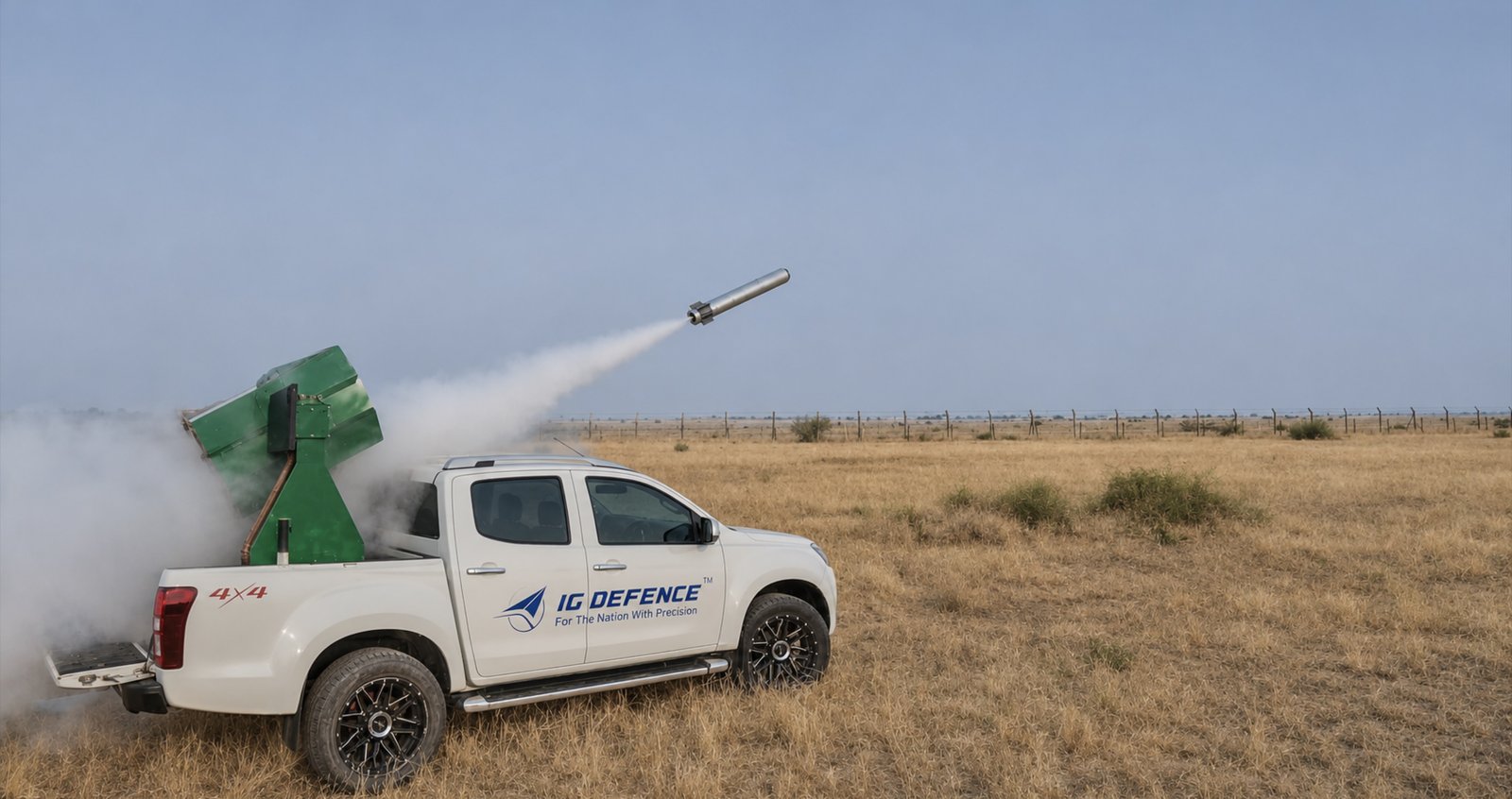 IG Defence Successfully Test-Fires JWALA MK-1 Counter-Drone Missile at Pokhran
-
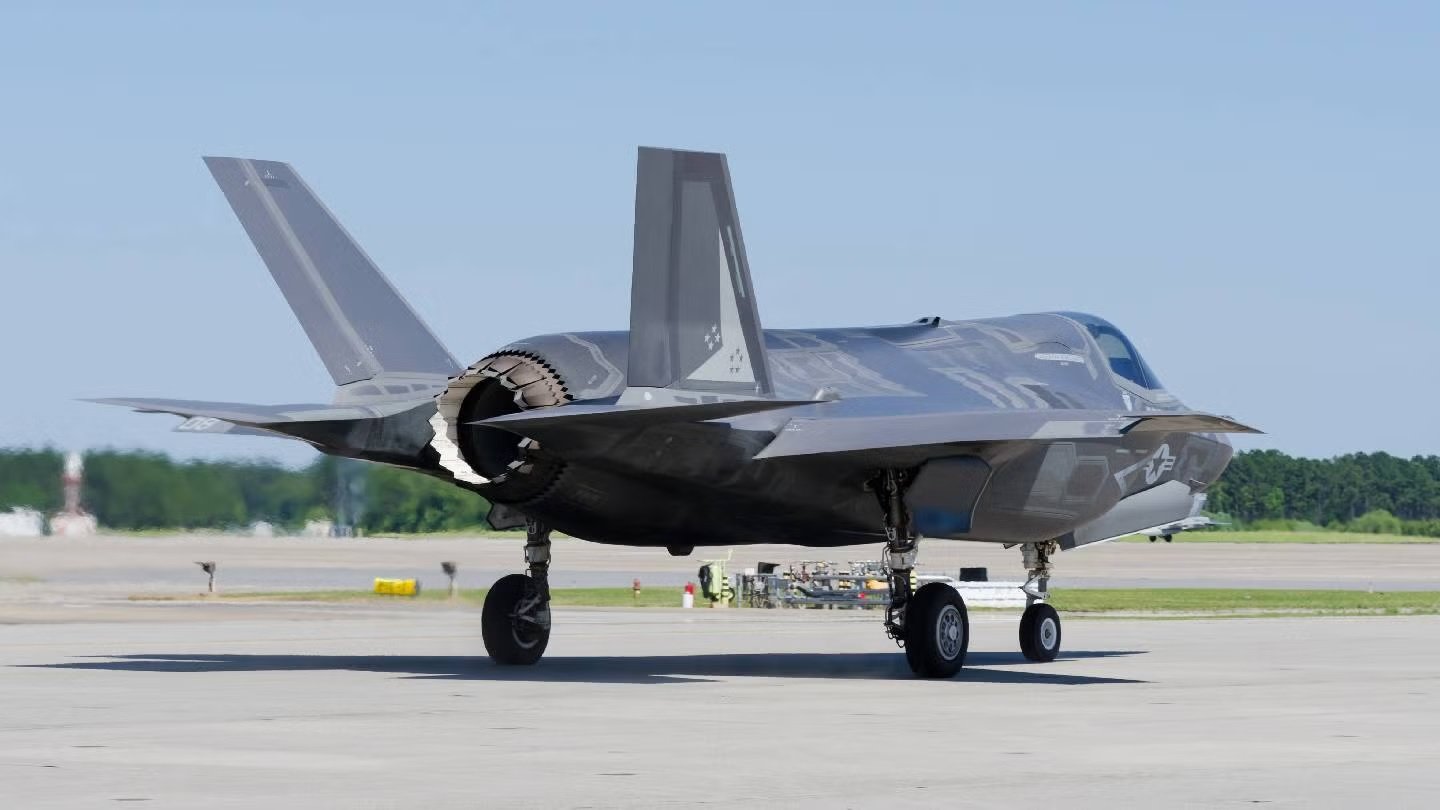 U.S. Awards Lockheed Martin $330.6 Million Contract for Long-Lead Materials Supporting 75 F-35 Lot 22 Aircraft
-
 Germany Tests Kamikaze Drones and AI Targeting Systems in Lithuania Near Belarus Border
-
 Chinese Military Warns U.S. AI Could Threaten China’s Nuclear Missile Survivability
-
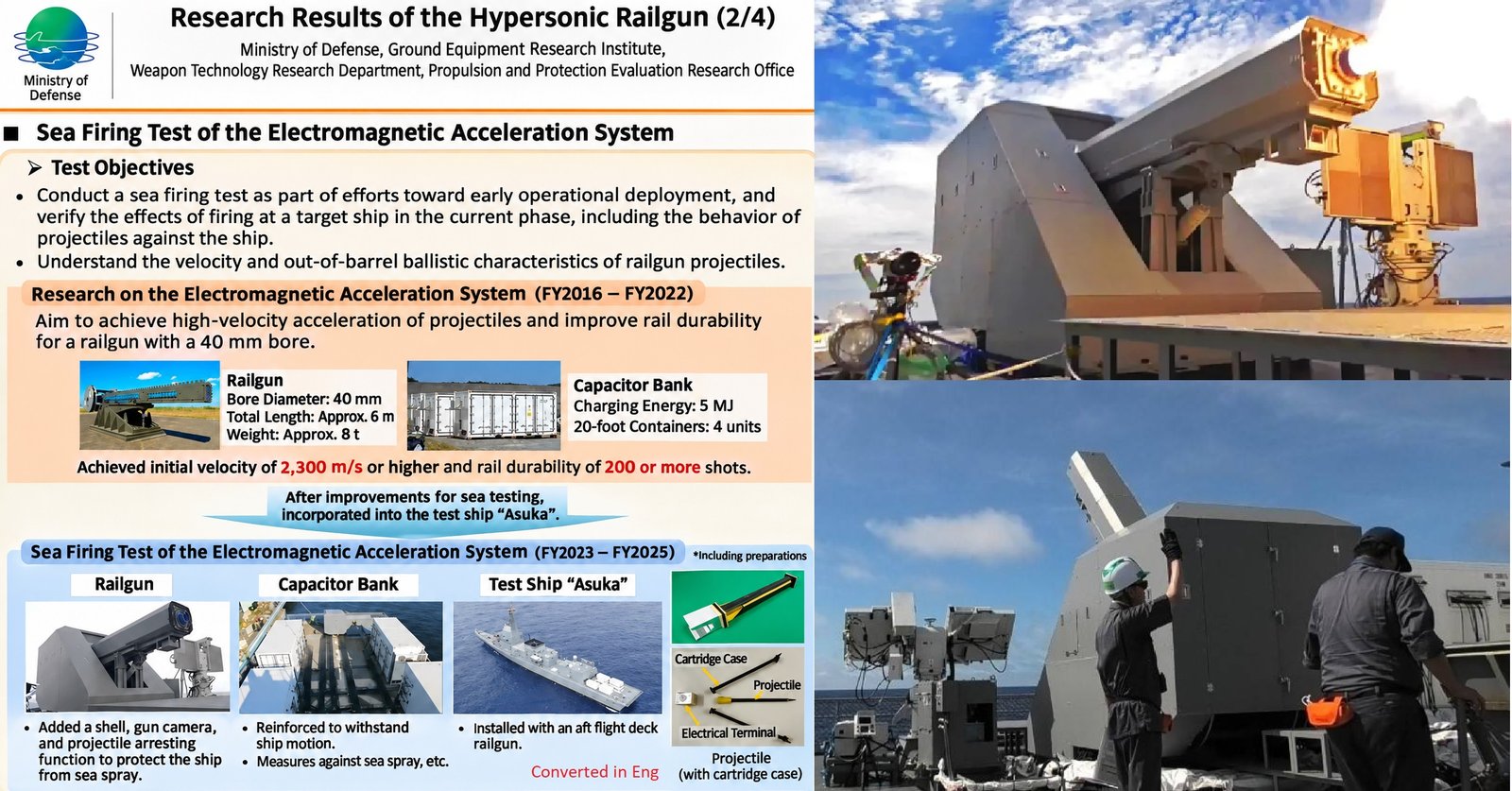 Japan Tests Battery-Powered Railgun in Ten-Shot Rapid-Fire Trial
-
 Ukraine Confirms Using Seven Naval Drones to Sink Russian Corvette Merkury Off Libya, Destroying Ka-27 Helicopter Aboard
-
 U.S. Army Places $60.3 Million Order With Saab for XM919 Shoulder-Fired Weapons
Top Trending in 4 Days
-
 Two Injured in Bahrain After Iranian Attacks; Iran Claims Strike on US Patriot Radars
-
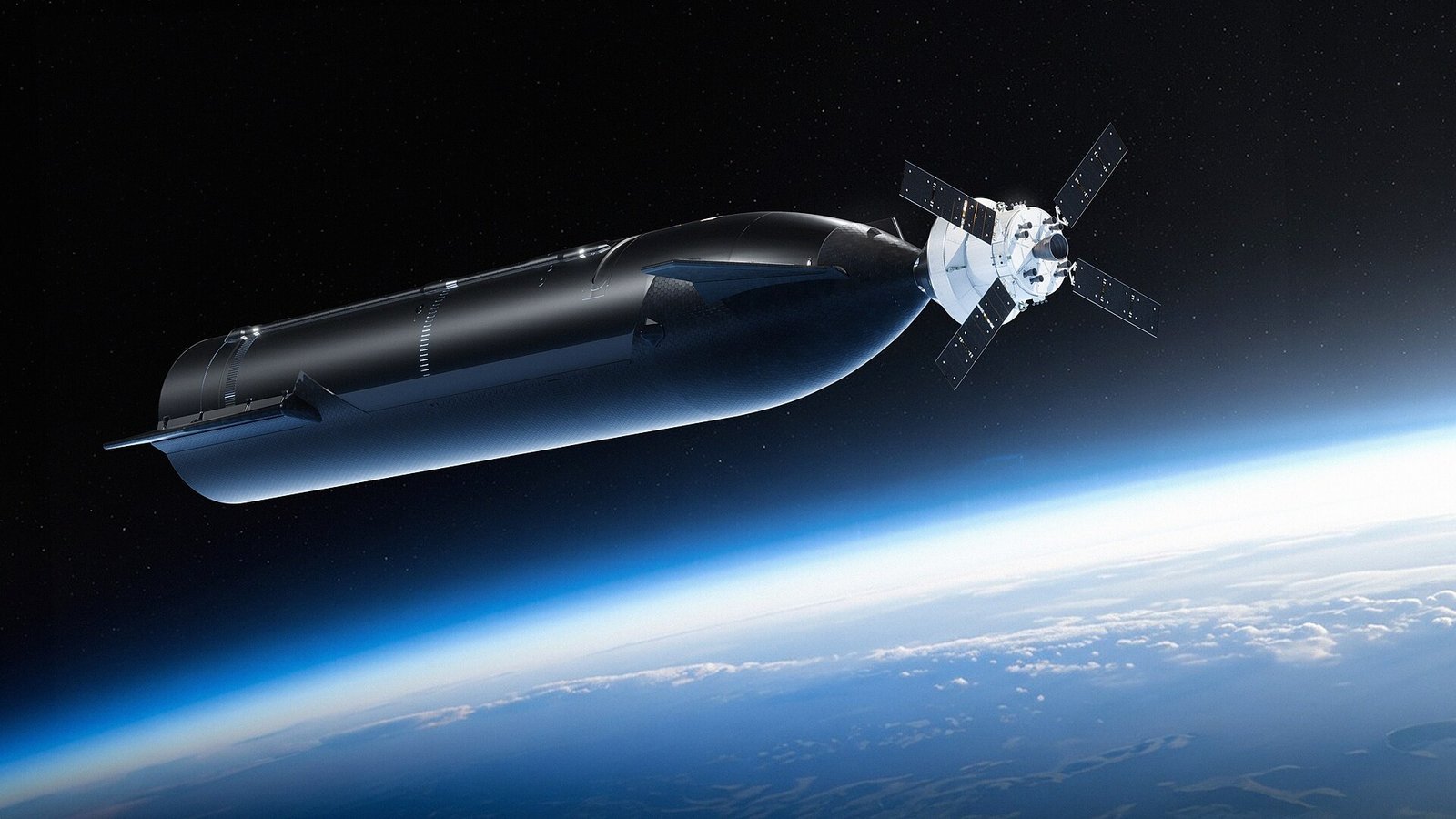 NASA's Orion Spacecraft Needs Major Modifications to Fly Backward with SpaceX Starship
-
 Iran Positions Oil Tankers at Kharg Island Amid Plans to Challenge US Naval Blockade
-
 Russian Corvette Merkury Almost Certainly Destroyed in Benghazi Port Explosion
-
Western Intelligence Warns Russia Could Launch Nuclear-Armed Satellite as Early as December
-
 Atomic-6 Tests Composite Armor Against 16,100 MPH Space Debris for Astronaut Protection
-
 Denmark's Parliament Unanimously Approves US-Greenland Defence Deal with 109–0 Vote, Restricting Russian and Chinese Military Presence
-
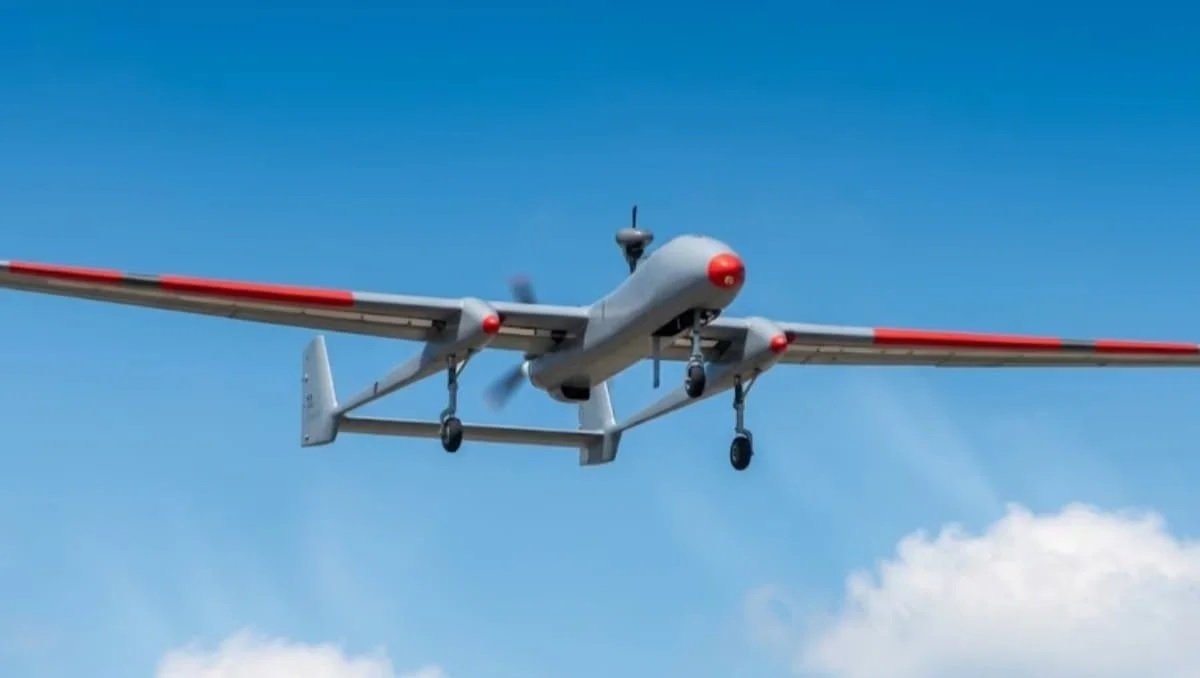 IAF Issues RFI for 500 Indigenous ISR Drones for Surveillance and Electronic Intelligence, with Six-Hour Endurance
