
World
The European Union has pushed forward with a significant effort to supply Ukraine with artillery shells, crucial to its defense against Russia's ongoing invasion. According to EU foreign policy chief Josep Borrell, the bloc has already delivered more than 980,000 shells to Ukraine. Despite earlier setbacks and production challenges, Borrell expressed confidence that the EU will meet its ambitious goal of delivering 1 million shells by the end of 2024.Initially, the EU committed to providing these artillery rounds—specifically 155-mm shells, essential for Ukraine’s counteroffensive—by March 2024. Yet, logistical and production bottlenecks have stymied progress. Borrell acknowledged these difficulties, noting the EU's complex supply chain and the global shortage of munitions. Despite the missed target of spring 2024, European defense industries have ramped up their manufacturing capacity, with numerous defense contracts signed to ensure more efficient delivery in the months ahead.Key contributions have come from individual countries like the Czech Republic. Czech Prime Minister Petr Fiala announced that a separate initiative spearheaded by Prague is set to deliver 500,000 shells by the end of the year. This underscores the fragmented but significant efforts by EU member states to support Ukraine amid the crisis. The EU's defense ministers and the European Defence Agency are also collaborating closely, pooling resources to accelerate ammunition production and procurement.Meanwhile, Ukraine has not remained idle. Recognizing the dire need for a consistent supply of munitions, Kyiv has dramatically scaled up its own defense production. What was once a non-existent domestic capability to produce mortar shells has transformed into a robust operation, with the country now manufacturing millions of rounds annually. This increase in domestic output aims to reduce Ukraine's reliance on international aid and ensure more reliable delivery to the front lines.The EU’s commitment highlights a persistent struggle to balance logistical constraints with the urgent demand on the battlefield. As Russian forces continue aggressive offensives, the availability of ammunition remains a decisive factor. Despite the hurdles, EU officials, along with defense industry players, are making concerted efforts to sustain the flow of critical military support to Ukraine.The evolving landscape of this support—driven by a mix of coordinated EU actions and national-level initiatives—points to an ongoing commitment to assist Ukraine. However, meeting the demands of a war that has stretched resources across the globe remains a test of Europe's industrial and political resolve.
Read More → Posted on 2024-11-11 14:46:57
Space & Technology
The looming retirement of the International Space Station (ISS), set for 2031, has ignited a race among private space enterprises to establish new orbital platforms that will continue humanity's presence in low Earth orbit. Leading the charge is Axiom Space, a Houston-based company that has not only trained astronauts from around the world, including India's upcoming human spaceflight missions, but is also determined to build the world’s first commercial space station.Over the past 25 years, the ISS has been pivotal for international collaboration and space science. Yet, its aging infrastructure has necessitated a new vision, one that NASA and other global agencies are now pushing forward. Instead of constructing and maintaining future stations themselves, NASA has decided to support and rely on the services of private companies like Axiom. This strategic shift enables NASA to focus on deeper space exploration, such as returning humans to the Moon and planning missions to Mars.Axiom’s Ambitious Space Station VisionAxiom Space plans to launch a series of modules that will eventually detach and operate as a self-sufficient space station. The first module, being built in collaboration with Thales Alenia Space in Europe, is slated for a 2026 launch. This initial segment will attach to the ISS, laying the groundwork for Axiom’s station. As more modules are added, they will collectively form a state-of-the-art space platform, hosting scientific research, commercial activities, and even tourism.Key elements of Axiom’s future space haven include modular labs dedicated to microgravity research and technology testing, essential for the next steps in human space exploration. The station will feature robotic systems for payload management, living spaces designed for extended human habitation, and panoramic windows offering breathtaking views of Earth—reminiscent of the iconic Cupola on the ISS.Exploring Indian Space CollaborationTo support this colossal endeavor, Axiom Space is exploring collaborations with ISRO and private Indian space companies like Skyroot and Agnikul. These companies are emerging as vital players, thanks to India's recent regulatory and investment support aimed at nurturing its space sector. With a newly created venture fund and a supportive policy environment, India has become an attractive partner for companies like Axiom that are seeking reliable, cost-effective solutions for building and servicing space infrastructure.Engaging with ISRO and Indian space-tech companies allows Axiom to diversify its logistics network, crucial for reducing the risks associated with depending on a single supplier. Additionally, the collaboration is part of a broader framework set by the US-India Space Flight Agreement, which seeks to deepen space-related cooperation between the two nations.This partnership has the potential to integrate India’s established space technology, known for its efficiency and innovation, into Axiom’s grand vision. For ISRO, being involved in such a transformative project underscores India’s growing status in the global space community and offers opportunities to showcase its technology on an international stage.The Race to Replace the ISSAs Axiom forges ahead, it is not without competition. Other private entities like Blue Origin, with its Orbital Reef project, and Vast, another ambitious player, are also eyeing the opportunity to replace the ISS. Each company brings unique designs and technologies to the table, contributing to a dynamic and competitive era of space station development.Axiom's strategy, however, stands out with its commitment to starting operations while the ISS is still functional. This overlap ensures that there will be no gap in human activities in low Earth orbit, a priority for NASA and its international partners. By securing contracts and forming strategic alliances, Axiom hopes to be at the forefront of the post-ISS era, transforming human spaceflight from a government-led enterprise into a vibrant, commercially driven ecosystem.The next few years will be critical as Axiom and its competitors race to make their visions a reality. With the ISS's days numbered, the stakes are high, and the future of humanity's orbital presence may soon rest in the hands of the private space industry.
Read More → Posted on 2024-11-11 14:43:23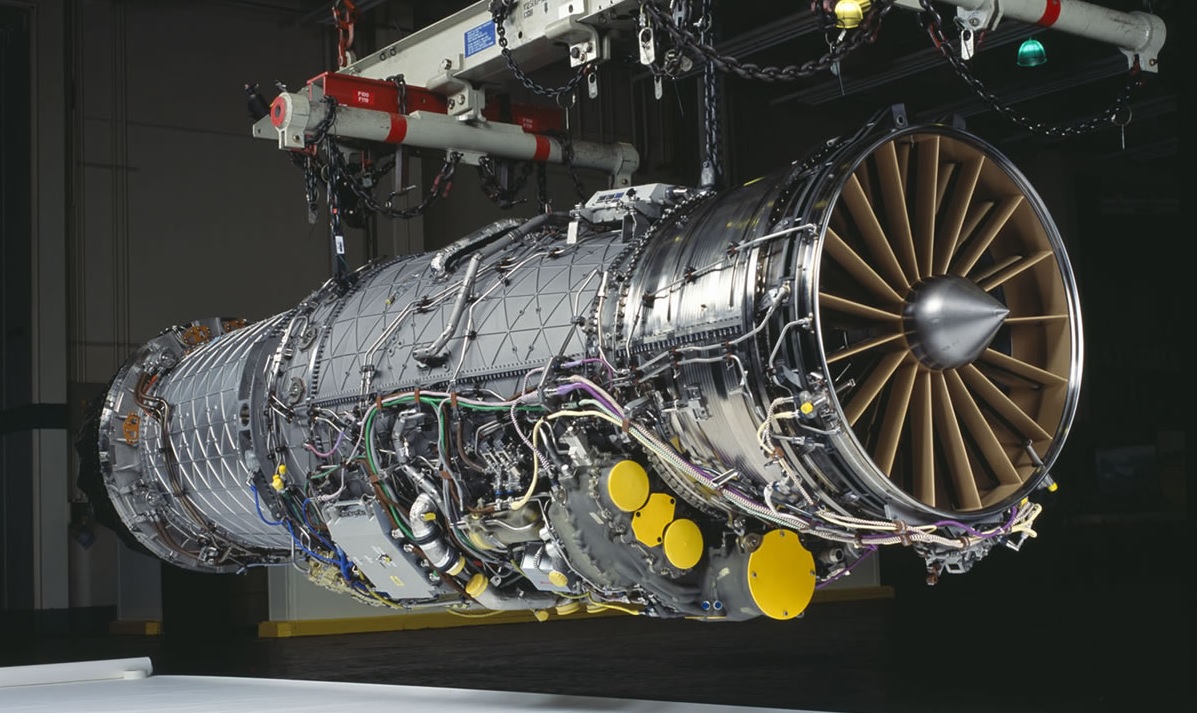
India
In a crucial update for India's defense and aerospace community, Hindustan Aeronautics Limited (HAL) has confirmed a setback in the timeline for finalizing the much-anticipated F-414 engine deal with GE Aerospace. Originally slated for completion by the end of 2024, the agreement is now expected to be sealed by March 2025. Despite this delay, HAL's Chairman and Managing Director, Sunil Kumar, has provided assurances that the deal's quality and commitment to technological advancement remain uncompromised.The postponed timeline has sparked considerable discussion, given that the F-414 engines are pivotal to the development of the Tejas Mk2, India's next-generation Light Combat Aircraft (LCA). The Tejas Mk2, an ambitious upgrade over its predecessor, is set to feature enhanced combat capabilities, advanced avionics, and superior engine performance. The choice of the F-414 engines is seen as a critical factor in fulfilling these aspirations, as these engines will offer significantly more thrust and efficiency than the F-404 engines used in the earlier Tejas Mk1 variants.One of the highlights of this deal is the extensive Transfer of Technology (ToT) agreement. Kumar has emphasized that HAL will benefit from an impressive 80% ToT, a figure that represents a monumental step in India's pursuit of self-reliance in advanced military technology. This level of technology transfer will empower HAL to locally manufacture and maintain the F-414 engines, facilitating the establishment of a robust, indigenous supply chain and reducing dependency on foreign vendors for high-value components.The F-414 engines are known for their impressive specifications. With a maximum thrust output of 98 kN, they will provide the Tejas Mk2 with the power to achieve greater speed, agility, and operational endurance. Additionally, these engines incorporate advanced materials and design features that ensure higher reliability, reduced maintenance needs, and improved fuel efficiency. Such advancements are essential for India’s Air Force, which seeks to modernize its fleet with platforms capable of withstanding the demands of contemporary aerial warfare.Kumar has been transparent about the reasons behind the deal's delay. The complexities of defense contracts, which involve exhaustive regulatory clearances and intricate negotiations over technology transfer clauses, have contributed to the timeline shift. The Indian government and GE Aerospace are meticulously working to fine-tune the agreement, ensuring that India receives substantial technological know-how without compromising on quality or delivery schedules. The careful drafting of these agreements is especially crucial because they will influence HAL's long-term capabilities in building and maintaining high-performance jet engines.Despite the postponed schedule, the benefits promised by the deal are enormous. For HAL, mastering the F-414 engine’s technology will be a game-changer, elevating India's aerospace sector and boosting its competitiveness on the global stage. The local manufacturing of such advanced engines will provide Indian engineers and technicians with invaluable experience, fostering innovation and creating a ripple effect across the country’s defense manufacturing landscape. The development of an indigenous engine ecosystem will also position India to take on more complex aerospace projects in the future, potentially contributing to the design and development of indigenous fifth-generation fighter jets and unmanned aerial systems.When production finally begins, HAL’s advanced facilities, equipped with state-of-the-art manufacturing and testing equipment, will be central to the endeavor. The F-414 engine's integration into the Tejas Mk2 will mark a significant milestone, transforming the aircraft into a more formidable multirole fighter capable of executing a wider range of missions. Enhanced thrust, better fuel efficiency, and superior performance metrics will enable the Tejas Mk2 to perform effectively in both air-to-air and air-to-ground roles.The deal's impact extends beyond just military applications. The expertise gained through this collaboration is expected to have spillover effects, enhancing the capabilities of India's private aerospace firms and research institutions. As a result, the country's overall technological base in aviation is poised to grow stronger, paving the way for future advancements in aerospace engineering and design.In conclusion, while the wait for the F-414 engine deal's finalization may have been extended, HAL and GE Aerospace's dedication to a thorough and high-quality agreement underscores the importance of this collaboration. The advanced technology transfer, combined with the strategic importance of self-reliant engine manufacturing, makes this deal one of the most significant in India's defense modernization journey.
Read More → Posted on 2024-11-11 14:36:47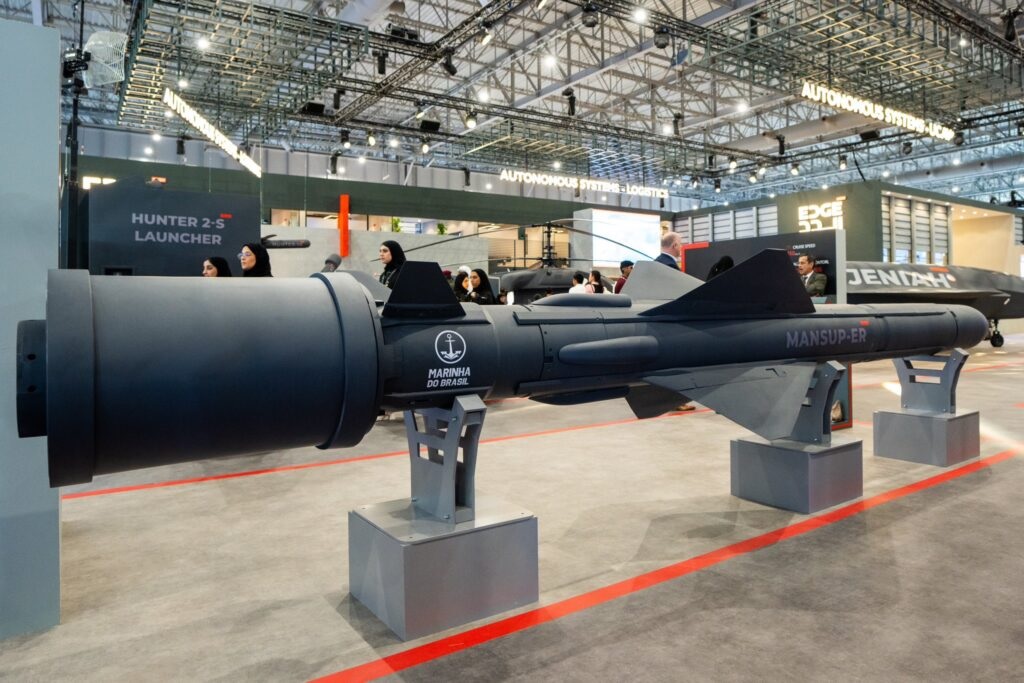
World
In a significant advancement for the United Arab Emirates' naval defense industry, ADSB, a subsidiary of the EDGE Group known for its expertise in designing and constructing naval and commercial vessels, has forged a strategic partnership with Brazilian defense innovator SIATT. This collaboration centers on enhancing ADSB’s latest high-speed vessel, the RABDAN FA-400 Fast Attack craft, with SIATT’s state-of-the-art MANSUP Surface-to-Surface Missile (SSM) launcher.The RABDAN FA-400, a product of ADSB's extensive experience and indigenous innovation, represents a cutting-edge addition to the UAE’s naval fleet. Constructed entirely within the UAE, this vessel stands as a testament to the nation’s rapidly evolving defense capabilities. By integrating SIATT’s MANSUP missile system, the RABDAN FA-400 will gain high-precision, long-range strike potential, making it a formidable presence in modern naval warfare. These features ensure the vessel is not just agile and fast but also highly adaptable to diverse combat scenarios, from coastal defense to blue-water operations.The formal signing of the agreement took place at EURONAVAL 2024 in Paris, a premier maritime and naval defense exhibition. The deal was inked by David Massey, CEO of ADSB, and Paulo Salvador, SIATT’s Commercial Director, and it underscored the collaboration between two defense leaders keen on shaping the future of maritime combat technology. The event marked not only a step forward for ADSB but also a broader vision for SIATT’s expansion into the Middle Eastern market, leveraging its 50% stake held by EDGE.David Massey highlighted the strategic significance of this partnership for the UAE’s naval sector, emphasizing that the RABDAN FA-400 exemplifies the country’s commitment to sovereign defense solutions. “Our newly launched RABDAN FA-400, constructed entirely in the UAE, showcases our dedication to high-performance naval platforms. Integrating the MANSUP missile system from SIATT elevates the vessel’s offensive capabilities, ensuring it remains highly effective and resilient in ever-evolving maritime defense scenarios,” Massey said. He further noted the collaboration as a prime example of synergy among EDGE companies, underscoring how innovation and local expertise are propelling the UAE’s defense industry onto the global stage.Paulo Salvador echoed these sentiments, expressing SIATT’s excitement about partnering with ADSB. He described the agreement as a significant opportunity for SIATT to showcase its advanced defense technologies within the UAE’s robust and growing defense ecosystem. “This collaboration marks a pivotal expansion for SIATT into the UAE’s defense sector. Working alongside ADSB to arm a UAE-built vessel with our MANSUP system symbolizes our dedication to delivering cutting-edge, high-performance solutions that are strategically aligned with the region’s defense needs,” Salvador remarked.The MANSUP missile system itself, a testament to SIATT’s prowess in smart weaponry, brings impressive capabilities to the table. Known for its precision targeting and long operational range, MANSUP is designed to neutralize a variety of threats, from enemy ships to fortified coastal targets. The system's integration onto the RABDAN FA-400 is expected to transform the vessel into a swift and highly armed platform, capable of taking on diverse and high-stakes missions with surgical precision.This partnership not only augments the combat readiness of the UAE’s naval forces but also symbolizes a deeper strategic alignment between UAE and Brazilian defense sectors. It also reflects the broader ambitions of EDGE Group to solidify its position as a leader in global defense innovation by leveraging international partnerships and investing in homegrown technological advancements.With defense cooperation on a global scale becoming increasingly crucial, this integration of Brazilian missile technology with UAE naval engineering marks a promising milestone. Both ADSB and SIATT are poised to deliver a platform that redefines modern naval warfare, ensuring the RABDAN FA-400 is equipped to handle tomorrow’s challenges today.
Read More → Posted on 2024-11-10 15:44:57
India
Recent remarks from a prominent Pakistani defence analyst have reignited conversations about India's missile ambitions, specifically the possibility of an intercontinental ballistic missile (ICBM) capable of reaching Western nations. Professor Dr. Zafar Nawaz Jaspal of Quaid-i-Azam University in Islamabad made headlines by suggesting that India is working on a missile named "Surya" that could have a staggering range of 10,000 to 12,000 kilometers. According to Jaspal, such a development would bring far-flung targets, including the United States and parts of Western Europe, into the range of India's strategic arsenal.Jaspal voiced his concerns during an interview with World Echo News, emphasizing that India's supposed strides in missile technology should worry not just neighboring countries like Pakistan, but also Western powers and Russia. He argued that with India's existing missile capabilities, Pakistan is already within easy reach of New Delhi's arsenal. The development of the so-called Surya ICBM, he claimed, would expand India's strategic ambitions well beyond the subcontinent.However, there is considerable skepticism surrounding the Surya ICBM narrative. India's Defence Research and Development Organisation (DRDO) has repeatedly dismissed reports of such a missile project. DRDO officials maintain that India's missile program is rooted in regional deterrence needs and operates under a policy framework that prioritizes stability in South Asia. Any speculation about an ICBM exceeding the range of the Agni series, they argue, is unfounded.India's current longest-range missile, the Agni-V, has an operational range of approximately 5,500 to 6,000 kilometers. This missile, which has been developed to counter potential threats from China, can target locations across much of Asia and parts of Europe. The Agni-V's capabilities mark a significant leap for India's defense forces, but even this missile is focused on addressing regional concerns rather than projecting power across continents. Unlike the rumored Surya ICBM, the Agni-V has been officially acknowledged, extensively tested, and deployed with strategic deterrence in mind.The mystery of the Surya ICBM appears to be rooted in defense discussions and unofficial reports that have circulated for years. In the 1990s, there were rumors suggesting that India was planning a missile program that could match or exceed the capabilities of major global powers. These claims were never substantiated, and Indian officials have remained tight-lipped or outright dismissive of any such ambitions. As a nation with a "no first use" nuclear policy, India has often underscored its adherence to a doctrine of minimum credible deterrence, aimed at maintaining peace and stability in its immediate neighborhood.Analysts outside of Pakistan have also weighed in on Jaspal's assertions. Many argue that developing a missile with a range of up to 12,000 kilometers would require significant technological and strategic investments, not to mention potential diplomatic repercussions. Given India's emphasis on non-aggressive defense and its current focus on strengthening ballistic missile defense systems, the prospect of a global-strike-capable ICBM seems at odds with its publicly stated defense priorities.Moreover, India's current missile modernization efforts are geared toward enhancing accuracy, reliability, and mobility rather than range extension. The country is actively working on projects like the hypersonic glide vehicle and other advancements that align with its existing strategic deterrence goals. The recent induction of the Agni-V missile and ongoing improvements in indigenous missile defense systems showcase a defense strategy that remains focused on regional power dynamics, particularly the complex relationship with China and Pakistan.As for Western analysts and defense experts, the idea of India possessing a missile like the Surya remains speculative at best. There has been no concrete evidence to suggest that India is actively pursuing such a capability. Nevertheless, geopolitical rivals like Pakistan continue to view India's defense advancements with suspicion, often framing these developments as a sign of broader hegemonic ambitions. Whether this perception holds any truth or remains a narrative driven by regional tensions is still up for debate.In conclusion, while the idea of a Surya ICBM capable of striking Western nations might make for a compelling narrative, the facts do not support the existence of such a program. For now, India's defense priorities seem firmly grounded in regional security, emphasizing advancements that ensure strategic deterrence without pushing the boundaries of global missile warfare.
Read More → Posted on 2024-11-10 15:31:49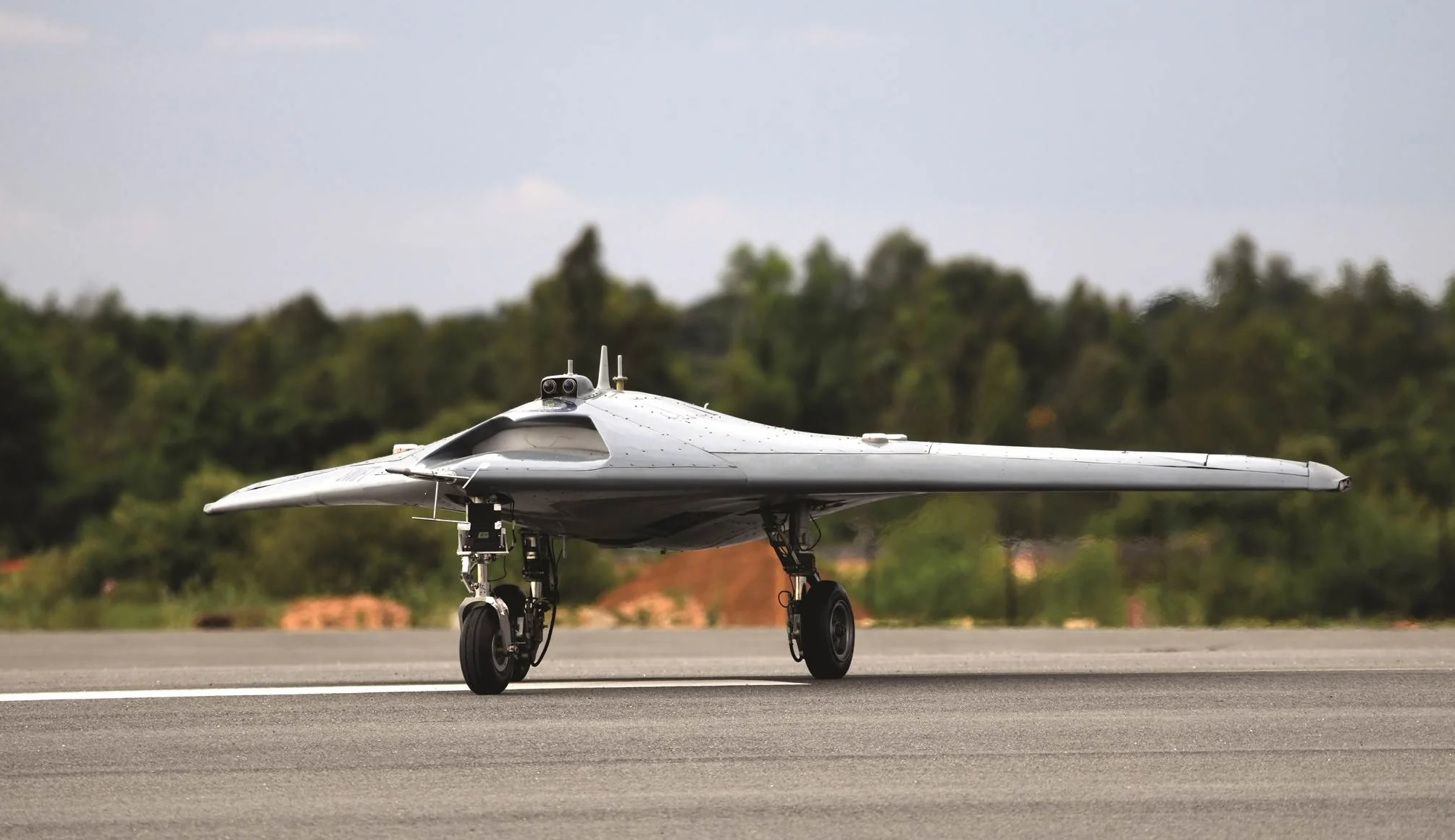
India
The Indian Air Force (IAF) is pushing the boundaries of unmanned aerial technology with the SWiFT (Stealth Wing Flying Testbed) program, aimed at creating a stealthy, highly adaptable drone to operate seamlessly in contested airspace. As air defense systems grow increasingly sophisticated, traditional UAVs, which can be easily tracked and engaged, are no longer sufficient. The SWiFT project addresses this by incorporating cutting-edge stealth features and advanced sensor technologies, transforming India’s drone capabilities.Mastering Stealth and SurvivabilityA central goal of the SWiFT UAV is to achieve superior radar evasion. The aircraft features a sleek, flying-wing design inspired by the principles of radar wave deflection, reducing its cross-section. With an empty weight of 1.1 tons, the UAV is engineered to slip past enemy defenses, maintaining an operational edge in areas thick with surveillance and anti-aircraft systems. The use of composite materials, radar-absorbing coatings, and an optimized airframe profile are all integral to enhancing stealth.Advanced Sensor SuiteThe SWiFT UAV's versatility is highlighted by its ability to carry a diverse array of sensors tailored for different operational needs. One standout technology is the Synthetic Aperture Radar (SAR), a powerful tool that allows high-resolution imaging of the terrain, vital for reconnaissance missions even in poor weather conditions. Combined with Wide-Area Motion Imagery (WAMI) sensors, the UAV can track multiple targets across vast areas in real-time, providing unparalleled situational awareness. The WAMI system, in particular, gives commanders a comprehensive view of dynamic battlefield environments, a capability that has proven transformative in modern conflicts.Beyond Line-of-Sight OperationsUnlike typical drones tethered by line-of-sight control limitations, the SWiFT is equipped with miniature satellite-based Beyond Line-Of-Sight (BLOS) datalinks. This feature expands its mission range, allowing it to operate hundreds of kilometers from its command center. The integration of BLOS capabilities ensures that the SWiFT can carry out extended missions, from deep-strike reconnaissance to monitoring maritime territories.Precision-Strike CapabilitiesOne of the more exciting developments within the SWiFT program is the drone's potential to conduct precision strikes. It can be armed with up to 100 kg of GPS-guided munitions. This includes lightweight, smart bombs, ranging from 10 to 20 kg, designed to neutralize critical targets. The combination of stealth and precision weaponry enables the SWiFT UAV to engage in hit-and-run attacks deep in enemy territory, reducing the risk of detection and retaliation.A Look to the FutureThe IAF’s SWiFT project is more than just a technological leap; it’s a strategic imperative. As global militaries invest heavily in UAV advancements, India’s focus on developing a stealth, multi-role drone highlights a future of air dominance shaped by unmanned platforms. Furthermore, the SWiFT drone lays the groundwork for India’s ambitious Ghatak program, which aims to produce a fully operational Unmanned Combat Aerial Vehicle (UCAV) that can perform autonomous bombing missions.This initiative not only represents a milestone in India’s defense technology but also reflects the country's ambitions to stand shoulder-to-shoulder with leading UAV-producing nations. With the potential for surveillance, combat, and electronic warfare missions, SWiFT is poised to become a game-changer in the region.
Read More → Posted on 2024-11-10 15:25:24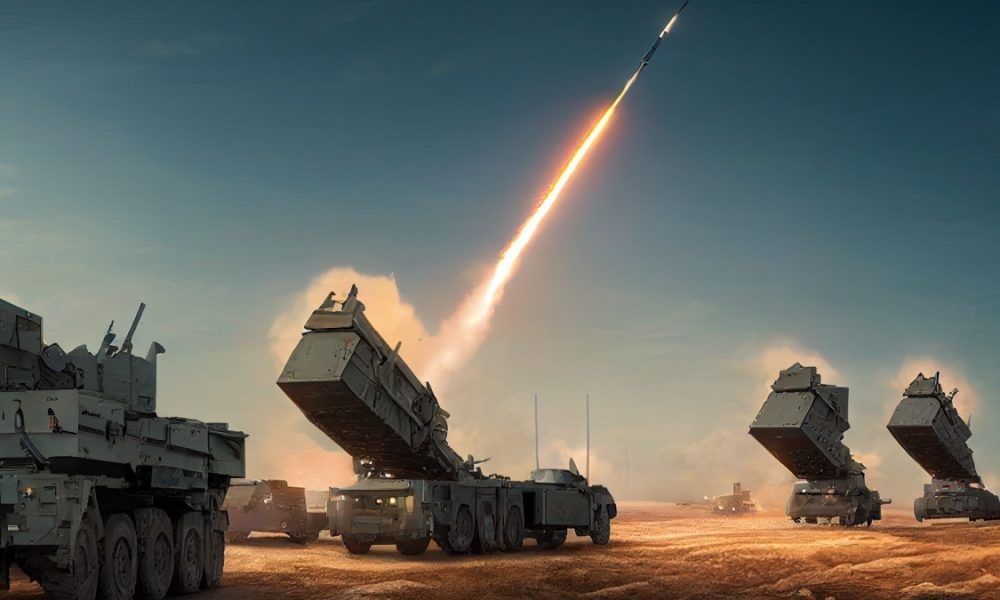
World
Germany is setting the stage for a significant leap in its missile defense capabilities, aiming to deploy the Arrow 3 missile defense system by 2025 in collaboration with Israel. This ambitious project represents a critical advancement in the defense partnership between Germany and Israel and underscores the urgency both nations feel to bolster security in an increasingly volatile global landscape. Preparations are already underway, as officials and defense experts from both countries recently held a series of strategic meetings to kick off the project.The Arrow 3 system stands out as one of the most sophisticated missile defense networks in the world. Designed primarily to intercept and neutralize long-range ballistic missile threats, it operates at altitudes high enough to engage targets in the upper atmosphere, even at the edge of space. Developed jointly by Israel and the United States, Arrow 3 has a proven track record, having successfully defended against ballistic missile attacks. Notably, on April 14 and October 1, 2024, the system effectively intercepted Iranian missiles, demonstrating its readiness to respond to imminent threats.Preparations for Germany's deployment of the Arrow 3 system commenced with a professional meeting held at Israel Aerospace Industries (IAI). The event, organized by the Israel Missile Defense Organization (IMDO), took place over two days and featured participants from Israel's defense sector, including representatives from IAI, Elbit Systems, and MBDA Deutschland GmbH. These defense giants gathered to hammer out the critical details, including the system's technical specifications and the logistics required for deployment. Arrow 3's cutting-edge technology positions it as a game-changer in missile defense. The system features advanced radar and interception mechanisms capable of tracking and destroying incoming threats before they can reach their targets. Israel Aerospace Industries, the prime contractor, plays a central role in delivering these capabilities, collaborating with other key industry partners to ensure the Arrow 3's operational efficiency. Elbit Systems contributes sophisticated components, while Germany’s MBDA Deutschland GmbH integrates the system within European defense networks, making sure the deployment aligns with NATO’s broader security framework.A vital aspect of the Arrow 3's sophistication is its layered approach to missile interception. It complements other defense systems by targeting threats at extreme ranges and altitudes, acting as a critical component in Israel's multi-tiered defense strategy. The IMDO, under the Directorate of Defense Research & Development (DDR&D), continues to pioneer advancements in missile defense technology, fortifying the country’s aerial defense infrastructure. This collaboration with Germany highlights Israel's strategy of expanding its defense partnerships while also enhancing its defense industry's global presence.Germany’s decision to acquire the Arrow 3 comes in response to mounting concerns over security threats from rogue states and non-state actors with advanced missile technology. By investing in a robust, proven defense system like Arrow 3, Germany is taking a proactive step to protect its airspace and citizens from potential missile strikes. The Arrow 3's deployment will also serve as a deterrent, sending a clear message that Germany is committed to defending itself and contributing to European and global security.This partnership also has broader geopolitical implications. It reflects a growing alignment between Germany and Israel in the area of defense and signals both nations’ willingness to share advanced technologies to counter shared threats. Moreover, the collaboration emphasizes the strategic importance of missile defense in the current security environment, where aerial threats are becoming more sophisticated and harder to predict.As Germany prepares to deploy Arrow 3 by 2025, this joint effort marks a new chapter in missile defense cooperation, blending Israeli innovation with German precision. Both countries hope that by 2025, the system will be fully operational, adding an essential layer of protection to Europe’s defenses and further cementing a vital international alliance.
Read More → Posted on 2024-11-10 15:19:03
World
A wave of aerial assaults erupted over Moscow and its surrounding areas overnight into Sunday, shaking the city with unprecedented drone strikes and pushing tension to new heights in the ongoing conflict between Russia and Ukraine. According to officials, a woman in her fifties suffered burns to her face, neck, and hands after drones ignited a blaze in her village southeast of Moscow. Moscow Mayor Sergei Sobyanin confirmed that the city itself escaped injuries, although drone debris set some suburban homes on fire. The chaos temporarily grounded flights at some of Russia’s busiest airports, including Sheremetyevo and Domodedovo, underscoring the sheer impact of the strikes.While the drone attack on Russian soil captured headlines, the wider toll of the war was thrown into sharp focus by a top UK defense official. Admiral Tony Radakin, Chief of the UK Defense Staff, highlighted the staggering human cost that Russian forces have faced. Speaking to the BBC, Radakin revealed that October had been the deadliest month for Russian troops since the full-scale invasion of Ukraine began in February 2022, with Moscow suffering around 1,500 dead and wounded soldiers every single day. This brings Russian military losses in the conflict to a grim total of 700,000.Russia’s defense ministry claimed that it had successfully shot down 70 drones overnight, with 34 of those intercepted in the Moscow area. Despite these measures, the strike’s impact was visible and significant. Traffic at major airports in Moscow was disrupted, and local residents shared videos and images of drones buzzing over the night sky on the popular Russian messaging app, Telegram. Authorities were swift to highlight that the swift response from the Russian military prevented further damage, but the incident added to growing unease within the country.On the Ukrainian front, the devastation continued. Russian forces launched what Ukrainian officials described as a “record” number of drones at their territory, with 145 unmanned aerial vehicles attacking various regions. Ukraine’s air force managed to down 62 drones, while 67 were reportedly lost, likely due to electronic jamming that caused the drones to malfunction. One of the more severe strikes was in the southern port city of Odesa, where drones battered residential areas, leaving at least one person injured. Governor Oleh Kiper of the Odesa region described the scenes of destruction, emphasizing the ongoing threat Russian drones pose to Ukrainian civilians.Admiral Radakin did not disclose the specific methods by which UK intelligence calculated Russian casualty numbers, but he emphasized that the losses were staggering and had come at the cost of very little territory gained. The ongoing Russian offensive in Ukraine’s industrial east has led to a war of attrition, with Moscow’s strategy relying on relentless attacks, often described as “human wave” assaults, aimed at overwhelming Ukrainian defenses. Yet the high cost in human lives continues to spark concern among analysts and military officials.Radakin argued that Western support for Ukraine remains crucial and urged Ukraine’s allies to remain steadfast, even as geopolitical dynamics shift. The financial and human price Russia is paying for its territorial ambitions is beginning to raise questions about the sustainability of its war effort. The economic impact is evident, with defense and security spending straining the Russian budget. Meanwhile, the conflict’s longevity has brought painful sacrifices for ordinary Russians, further contributing to the societal divide created by President Vladimir Putin’s campaign.The political debate over Ukraine’s fate also looms large. Allies of U.S. President-elect Donald Trump have recently hinted that Kyiv might have to consider ceding territory in order to secure peace. This suggestion has raised fears of a compromised resolution that could undermine Ukraine’s sovereignty and embolden Russian aggression. In the end, both Moscow and Kyiv remain highly secretive about casualty numbers, but the relentless reports of large-scale losses make clear that the human cost of this war is mounting with no end in sight.
Read More → Posted on 2024-11-10 15:16:12
India
The Indian Air Force (IAF) is stepping up its game in electronic warfare with the integration of advanced technology into the Tejas Mk1A, India’s indigenously developed light combat aircraft. At the forefront of this advancement is the Scorpius-SP electronic warfare (EW) pod, a system designed to provide unparalleled jamming capabilities against some of the world’s most sophisticated radar and missile defense systems. Produced by Bharat Electronics Limited (BEL), this EW pod promises to transform the Tejas Mk1A into a more formidable adversary in the rapidly evolving landscape of modern aerial warfare.Cutting-Edge Electronic Warfare CapabilitiesThe Scorpius-SP isn’t just an ordinary electronic warfare device; it’s a high-tech, compact, and versatile system built to safeguard aircraft and disrupt enemy radars. At its core is an Active Electronically Scanned Array (AESA) radar jammer, a technology that allows the Scorpius-SP to generate electronic countermeasures across a broad range of frequencies. This real-time, adaptive jamming can mislead, overwhelm, or even render enemy radar systems ineffective by manipulating their signals.The pod's design focuses on both self-protection and offensive jamming, ensuring the aircraft can defend itself while also neutralizing threats at a distance. Its ability to deliver directional jamming enables the system to target specific radar emissions, ensuring a precise and efficient disruption of enemy operations. Furthermore, the Scorpius-SP provides anti-radiation missile protection, which is crucial in modern combat scenarios where the enemy's response is often swift and lethal.Targeting Advanced Chinese and Pakistani Radar SystemsThe Tejas Mk1A’s deployment of the Scorpius-SP comes at a time when regional adversaries have invested heavily in advanced radar and missile technologies. Countries like China and Pakistan have equipped their fighter jets and surface-to-air missile (SAM) systems with state-of-the-art AESA radars. These radars are known for their ability to detect, track, and engage multiple targets with high precision and speed.The Chinese J-10C, for instance, features an AESA radar that provides excellent target resolution and simultaneous multi-target engagement. The Scorpius-SP aims to counter these capabilities by overwhelming the radar’s electronic environment with false signals or by directly interfering with its frequency band. In combat, this could mean the difference between an enemy aircraft acquiring a lock on the Tejas Mk1A or being blinded by a barrage of misleading jamming waves.More challenging is the Chinese J-20, a fifth-generation stealth fighter designed to dominate aerial engagements with its low observability and high-end AESA radar. The Scorpius-SP’s real-time frequency hopping could pose a serious challenge to the J-20’s radar, despite its advanced processing capabilities. By continually shifting its jamming frequencies, the Scorpius-SP can make it harder for the J-20’s systems to maintain a consistent target lock.The multi-role J-16 fighter, also based on a sophisticated AESA radar system, could find its radar compromised under the targeted jamming of the Scorpius-SP. Since these aircraft operate using advanced radar frequencies, the success of the Scorpius-SP would rely on how well it can match and overwhelm these emissions. Additionally, the Pakistani JF-17’s KLJ-7 AESA radar, although not as advanced as the J-20 or J-10C, could be significantly affected by the Scorpius-SP, providing a tactical edge to the IAF.Countering Missile Defense Systems Like the HQ-9B and S-400Beyond air-to-air combat, the Scorpius-SP is crucial for suppressing ground-based threats like the HQ-9B, a Chinese long-range surface-to-air missile system, and the Russian S-400. Both of these systems use complex fire control radars that are difficult to deceive. However, the Scorpius-SP’s capacity for active jamming could disrupt the lock-on mechanisms of these missile systems, creating safer corridors for IAF operations.The HQ-9B’s AESA radar, used for detecting and guiding its interceptors, relies on precise targeting data to engage aerial threats. By emitting concentrated jamming signals, the Scorpius-SP could interfere with the radar’s ability to track aircraft, potentially nullifying the effectiveness of the missile system. Similarly, the S-400, which has been dubbed one of the most advanced air defense systems in the world, could find its targeting capabilities degraded if the Scorpius-SP successfully breaks through its electronic defenses. This would be a monumental achievement, given the S-400’s formidable reputation for range and accuracy.### Specifications and Advanced FeaturesThe Scorpius-SP electronic warfare pod comes equipped with a host of cutting-edge features that make it one of the most advanced EW solutions available. Its AESA radar jammer is built to cover multiple frequency bands, making it effective against a diverse range of radar threats. The pod also boasts anti-radiation missile (ARM) protection mechanisms, ensuring that incoming radar-guided threats can be mitigated or neutralized before they pose a danger to the aircraft.Moreover, the system's ability to perform directional jamming means that it can focus its disruptive energy on specific threats, maximizing efficiency and minimizing the risk of collateral interference. These attributes make the Scorpius-SP an essential tool for air superiority and self-defense, especially in contested environments where electronic warfare plays a crucial role.### Strategic Implications for the Indian Air ForceWith the Tejas Mk1A now equipped with the Scorpius-SP, the IAF gains a strategic advantage in scenarios where electronic warfare is pivotal. The ability to jam and disrupt advanced AESA radars enhances the aircraft’s survivability and effectiveness, whether it’s engaging in aerial dogfights or penetrating sophisticated air defense systems. As regional tensions persist and air combat evolves, platforms like the Tejas Mk1A and its advanced EW capabilities will be instrumental in maintaining India’s aerial edge.This combination of homegrown engineering and state-of-the-art technology highlights India’s commitment to bolstering its defense capabilities, setting the stage for a more resilient and self-reliant military force.
Read More → Posted on 2024-11-10 15:13:36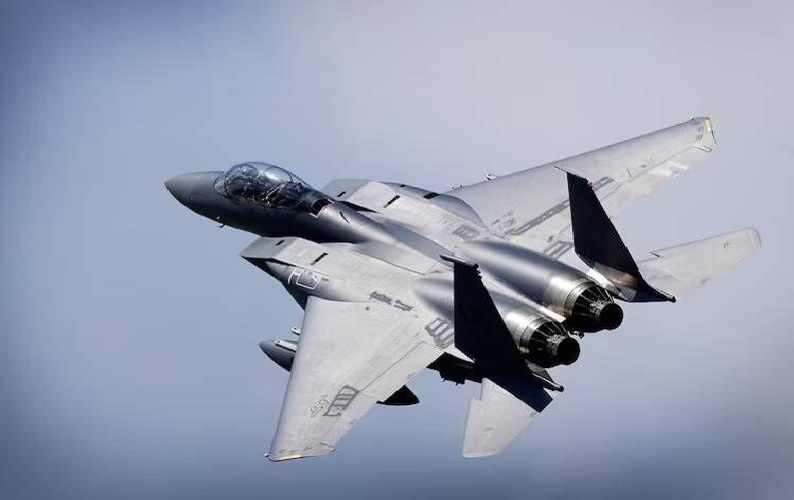
India
In the high-stakes arena of fighter jet procurement, every detail counts, especially when billions of dollars are on the line. India's Multi-Role Fighter Aircraft (MRFA) tender, which aims to add 114 aircraft to the Indian Air Force's (IAF) fleet, has spurred considerable debate, especially in light of Israel's recent deal with Boeing for F-15s. Analysts are now contemplating whether the F-15 could present a better value proposition than the French Dassault Rafale.The Comparative Cost PerspectiveRecently, Israel signed a $5.2 billion contract with Boeing for 25 F-15 fighter jets. The cost per aircraft in this deal, which includes essential infrastructure, logistics, and training, works out to around $208 million. In contrast, when India purchased 36 Rafale jets from Dassault in 2016, the per-unit cost hovered at $236 million, a figure that critics argue was steep even then.Given that India’s MRFA tender involves a far larger number of aircraft, totaling 114 units, the financial implications are significant. If India sticks to the Rafale deal's earlier pricing, the estimated cost could hit a massive $26.9 billion. Opting for the F-15 instead, at Israel's negotiated rate, would potentially save over $3 billion, bringing the overall cost down to about $23.7 billion. In an economy where defense budgets are always under pressure, that is no small amount.The F-15: A Powerhouse of CapabilitiesThe F-15, known for its exceptional thrust-to-weight ratio, remains one of the most powerful air superiority jets in the world. With its ability to carry over 13 tons of munitions, the F-15 excels in payload capacity, surpassing many contemporaries. The aircraft can reach speeds of over Mach 2.5, making it highly suited for both interception and strategic strike missions.Moreover, the F-15EX, a modernized version offered to India, comes equipped with a digital cockpit, advanced radar systems, and open architecture that facilitates quick upgrades. Notably, it boasts compatibility with long-range standoff weapons and can integrate seamlessly with U.S.-made air defense systems, an advantage given India’s growing strategic ties with Washington.The Rafale’s Proven Track RecordHowever, choosing the Rafale isn’t just about the hardware. These jets are already operational within the IAF, with squadrons stationed and experienced pilots accustomed to their systems. The Rafale offers a tried-and-tested multirole capability and benefits from India's existing investment in infrastructure, pilot training, and logistical support. It has proven its reliability in different combat scenarios, including recent exercises showcasing its role in both air defense and precision strike missions.Furthermore, the Rafale deal came bundled with crucial technology transfer agreements and commitments for joint ventures under India's "Make in India" initiative. These factors streamline future integration and reduce additional expenses in adapting the platform.Strategic and Logistical CalculusBeyond cost and performance, strategic considerations loom large. Boeing's F-15 could strengthen India-U.S. defense ties, and the U.S. may offer attractive terms for technology transfer and local assembly. Still, relying heavily on American defense technology poses its own set of geopolitical risks, particularly with the U.S.'s evolving policies in the Indo-Pacific region.In contrast, maintaining strong defense ties with France and Dassault provides India with a balance in its strategic alignments. Moreover, the Rafale deal already comes with interoperability features tailored to Indian specifications, a significant logistical advantage over introducing a completely new aircraft type.The Verdict AheadThe IAF’s decision is far from simple and involves a nuanced evaluation of both aircraft's long-term operational costs, maintenance, and the impact on India's broader defense ecosystem. Choosing the F-15 may offer immediate cost savings and advanced capabilities, but the Rafale's familiarity and embedded integration in the IAF's systems cannot be overlooked.India's final call will weigh both economic and strategic factors, as any choice will shape its defense posture for decades. With billions at stake, a clear, holistic understanding of all trade-offs is critical.
Read More → Posted on 2024-11-10 15:02:28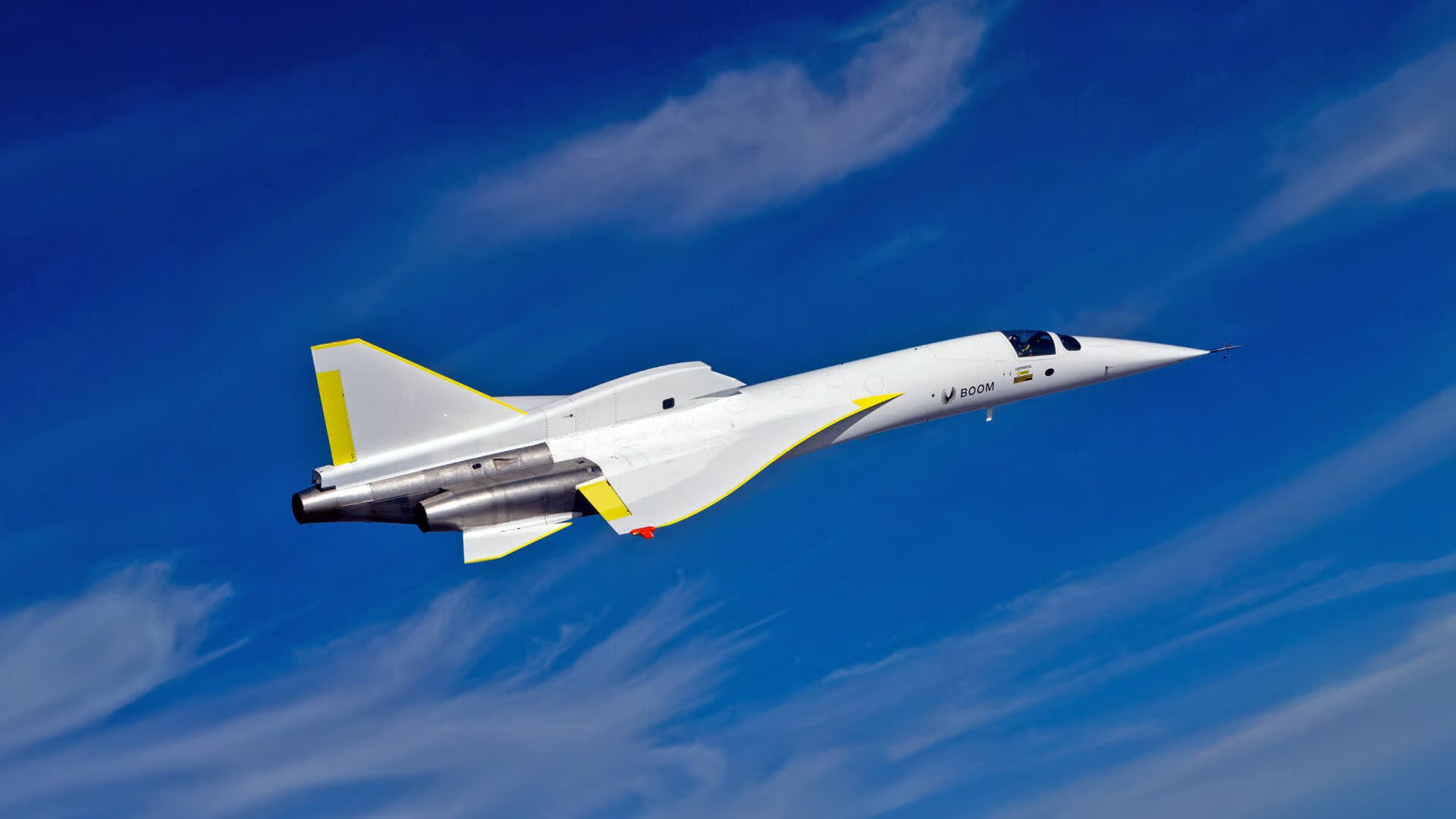
World
In an exciting milestone for the future of high-speed travel, Boom Supersonic's XB-1 jet has set a new speed record during its seventh test flight, pushing closer to its goal of breaking the sound barrier. This sleek and ambitious supersonic demonstrator achieved a top speed of 629 mph (1,012 kph), equivalent to Mach 0.82, during a 55-minute flight on November 5. The Colorado-based company is testing the XB-1 to ultimately lay the groundwork for Overture, their upcoming supersonic airliner designed to cut flight times in half for commercial passengers.The latest test flight, part of a structured 10-flight subsonic program, saw the XB-1 soar to a new altitude record of 23,015 feet (7,015 meters). This altitude marks the aircraft’s preparation phase as it gears up to reach the supersonic threshold of Mach 1, a feat anticipated in upcoming flights.Throughout the November 5 test, Boom’s engineers were focused on critical performance measures. For instance, the flight team ran a series of flutter envelope expansion tests — checks that are crucial for the structural integrity of high-speed aircraft. These tests are designed to observe how the air pressure and movement impact the aircraft structure, ensuring that at increased speeds, no unintended vibrations or oscillations will compromise safety. Tests were executed at speeds of Mach 0.7, 0.75, and 0.8, confirming that the XB-1’s aerodynamic design is ready for even greater speeds.A central achievement in this flight was the cockpit pressure test, which the XB-1 passed successfully. This final check at maximum pressure differential confirmed the cockpit’s resilience, showing it can handle the stress of pressurization at altitudes up to 30,000 feet. This is critical since, at higher altitudes and near-supersonic speeds, the stress on the cockpit and fuselage will intensify. With these successful results, the XB-1 has effectively demonstrated it’s capable of advancing to the next level of altitude and speed.Since its maiden flight in March, XB-1 has made steady progress, with each of its test flights moving Boom closer to achieving safe, efficient supersonic travel. This milestone of Mach 0.82 eclipses its previous record of Mach 0.69, demonstrating rapid development within a few short months. The upcoming three flights in the test program will further assess XB-1’s handling and performance as the team prepares to push beyond Mach 1, marking the transition into supersonic speed.The XB-1's success is essential for Boom Supersonic’s larger vision — the Overture, a passenger aircraft designed to travel at speeds up to Mach 1.7, dramatically reducing travel time on long-haul routes. Overture is expected to fly passengers from New York to London in just three and a half hours, and from San Francisco to Tokyo in six hours, making supersonic travel an exciting and viable option for commercial airlines. Using XB-1 as a testbed, Boom can refine their designs to make Overture both efficient and safe at speeds well beyond what traditional airliners achieve today.With XB-1’s successful record-breaking flight and its safe handling confirmed under test conditions, Boom Supersonic is poised to reshape air travel, offering a sustainable, fast, and efficient future for passengers worldwide. This seventh flight not only sets a record but signals the near-future breakthrough of supersonic speeds, taking us one step closer to a new era in aviation.
Read More → Posted on 2024-11-09 15:35:03
World
The U.S.-designed V-BAT drone, developed by Shield AI, is currently being battle-tested on the front lines in Ukraine, providing an opportunity to evaluate its resilience against Russian electronic warfare (EW) capabilities. Shield AI, known for its advanced unmanned aerial vehicles (UAVs), deployed the V-BAT to Ukraine in June, where it has quickly proven itself in real combat situations. CEO Brandon Tseng confirmed that American technical teams accompanied these drones to support and monitor their performance in this high-stakes environment.The V-BAT has been deployed to aid the Ukrainian forces in gathering critical intelligence in contested areas. Its design emphasizes durability, with Shield AI claiming that the V-BAT has successfully resisted the complex jamming techniques employed by Russian EW units—a feat few UAVs have managed to achieve. Ukrainian sources reported a notable mission in which a V-BAT drone identified a key Russian missile storage site deep within occupied territory, approximately 100 kilometers behind the frontline in the Kherson region. The intelligence it provided enabled Ukrainian forces to execute a precision HIMARS strike, resulting in the facility’s destruction and a significant setback for Russian missile operations in the area.The V-BAT's specifications make it uniquely suited for such missions. Weighing 56.5 kg, the drone can carry an 11 kg payload, which is sufficient for housing advanced optics and sensors critical for high-precision intelligence gathering. With a maximum flight endurance of up to 10 hours, the V-BAT offers extended operational time compared to other tactical UAVs, allowing it to carry out prolonged surveillance without the need for frequent refueling or recharging. Its vertical takeoff and landing (VTOL) capability further distinguishes it from other drones in its category. The V-BAT can launch and land in confined spaces as small as a 4×4 meter area, an advantage in the challenging terrain of the battlefield where open takeoff zones are scarce. This VTOL feature is made possible by a unique design incorporating a fan-enclosed rotor, enabling the drone to ascend and descend vertically. This design also grants it the flexibility to operate effectively in densely forested regions or urban areas where traditional drones with longer takeoff requirements would struggle.The integration of artificial intelligence (AI) enhances the V-BAT’s target recognition, allowing it to identify and track targets with impressive accuracy. The AI-driven system processes real-time data from its advanced optics, enabling Ukrainian forces to make quick decisions based on accurate reconnaissance.Interestingly, the deployment in Ukraine has faced skepticism from some NATO and American defense experts, who doubted that the V-BAT or similar UAVs could withstand Russia’s sophisticated EW measures. Russia has made extensive use of EW to counteract NATO-provided UAVs, targeting their navigation and communication links to disable or mislead them. However, Shield AI reports that the V-BAT has continued to operate effectively despite these countermeasures, marking it as a standout in the contested airspace.The V-BAT’s presence in Ukraine also serves as a valuable test bed for the Pentagon’s Future Tactical Unmanned Aircraft System (FTUAS) program. The program, slated to replace the RQ-7 Shadow by 2026, is evaluating multiple contenders, including Shield AI's V-BAT, Textron Systems, L3Harris Technologies, and Arcturus UAV. By 2025, the Pentagon aims to make a decision on which UAV to proceed with, and data from Ukraine’s battlefield will likely influence their choice. The V-BAT’s ability to operate under heavy EW interference in Ukraine is providing Shield AI with critical performance insights and possibly a competitive edge.This arrangement not only supports Ukraine's immediate operational needs but also grants U.S. and NATO allies a firsthand evaluation of the V-BAT’s resilience. In this electronically contested battlefield, the V-BAT’s successful performance could bolster Shield AI's standing in the FTUAS competition, proving that their UAV can handle the sophisticated electronic threats expected in modern warfare. For Ukraine, it means access to cutting-edge UAV technology that offers a significant advantage in surveillance and strike support, while also delivering real-time feedback on the effectiveness of advanced Western UAVs under some of the harshest conditions.
Read More → Posted on 2024-11-09 15:31:46
India
In a significant step to advance India's air defence capabilities, Bharat Dynamics Limited (BDL) has signed a Memorandum of Understanding (MoU) with Russia's state-owned Rosoboronexport (ROE) to explore the development of variants of the Pantsir air defence missile-gun system tailored for India’s defence needs. This collaboration aims to provide the Indian Army with a cutting-edge solution for its Self-Propelled Air-Defence Gun Missile System (SPAD-GMS) program, a critical component to enhance the protection of its mechanized formations in fast-changing battlefield environments.This MoU, signed during the 5th India-Russia Inter-Governmental Commission (IRIGC) meeting in Goa, signifies a continued commitment by both countries to deepen their longstanding defence partnership while also advancing India's goal of self-reliance in defence manufacturing. As part of India's "Make in India" and "Atmanirbhar Bharat" (Self-Reliant India) initiatives, the partnership could allow for local production and possible customization of the Pantsir system, adapting it to India’s unique operational requirements and reducing the need for imports in a critical defence sector.The Pantsir air defence system is well-regarded globally for its dual weapon integration, combining surface-to-air missiles and a rapid-fire gun, allowing it to counter a wide range of aerial threats. Designed to engage enemy aircraft, helicopters, drones, and precision-guided munitions, the Pantsir system is both versatile and mobile, providing protection on the move for mechanized units. This capability aligns closely with the Indian Army’s requirement for a modern, agile air-defence system that can operate effectively across varied terrains.The Indian Army’s SPAD-GMS program outlines specific performance metrics that the Pantsir variants could meet or even exceed. Key specifications sought by the Army include:Gun System: The air-defence system should feature a gun with a minimum caliber of 30 mm, capable of engaging targets up to 3.5 km away and reaching altitudes of 2.5 km. This would give the system the flexibility to intercept both low-flying aircraft and incoming missiles.Missile System: The missile component should allow for multiple simultaneous engagements with up to six missiles per unit, with an effective range of at least 6.5 km and an altitude ceiling of 3 km. To meet modern combat demands, these missiles need advanced features, such as proximity fuses for higher engagement success rates and counter-jamming technology to handle electronically challenging environments.By collaborating with Rosoboronexport, BDL can access advanced technologies embedded in the Pantsir system, including tracking radar, thermal imaging, and fire control systems that can work seamlessly with both guns and missiles. This makes the Pantsir a powerful choice for layered defence, especially useful in countering swarming attacks from drones or multiple aircraft that can overwhelm conventional systems. The potential to integrate these advanced capabilities directly into the system locally in India not only enhances BDL’s technological know-how but also strengthens India’s position within global defence supply chains.Moreover, this partnership signals a new era in India-Russia defence ties. It goes beyond a typical supplier-customer relationship, as it involves knowledge sharing and technology transfer that would enable India to produce and, potentially, export these advanced systems in the future. For the Indian Army, acquiring such a modern, dual-capable air defence system is crucial to maintain operational superiority, especially given the current and future threats in complex combat scenarios.If successfully implemented, the locally produced Pantsir variants could serve as a vital component of India’s air defence infrastructure, protecting critical assets and frontline forces while also contributing to the larger goal of defence indigenization.
Read More → Posted on 2024-11-09 15:27:34
World
China has recently revealed an advanced laser-based defense system called the Red Wing Vanguard, which is designed to tackle the ever-increasing threat posed by unmanned aerial vehicles (UAVs). This new technology highlights China's ongoing emphasis on developing directed-energy systems, a crucial aspect of modern warfare, especially given the growing reliance on drones for both surveillance and combat.The Red Wing Vanguard boasts a 3-kilowatt laser output capable of neutralizing drones up to a range of 1 kilometer (or approximately 0.62 miles). What sets this system apart is its precision: the laser beam has a spot size of just 20 millimeters at 1,000 meters, ensuring exceptional accuracy and minimizing the risk of collateral damage. This is particularly important in urban settings or sensitive areas where precision is paramount.Versatility and Deployment PlatformsEngineered for adaptability, the Red Wing Vanguard can be mounted on a variety of platforms, offering flexibility in deployment across different terrains. Whether integrated into unmanned ground vehicles for mobile land operations or installed on maritime vessels for naval defense, the system provides scalable anti-drone protection. Such versatility makes it suitable for both conventional battlefields and modern urban environments, where threats from drones are becoming increasingly prevalent.Strategic ImplicationsChina’s investment in systems like the Red Wing Vanguard reflects the strategic importance of counter-drone technologies. With drones becoming a staple in military arsenals around the globe, laser defense systems are seen as a promising solution to mitigate the risks associated with UAVs. They not only offer precise targeting capabilities but also have a lower operational cost compared to traditional missile-based interception methods.This innovation places China at the forefront of laser weapon technology, a field where global competition is intensifying. Other nations, including the United States and Israel, have also been developing similar systems, but the Red Wing Vanguard's specifications and operational readiness indicate China's determination to secure a technological edge in this domain.
Read More → Posted on 2024-11-09 15:21:55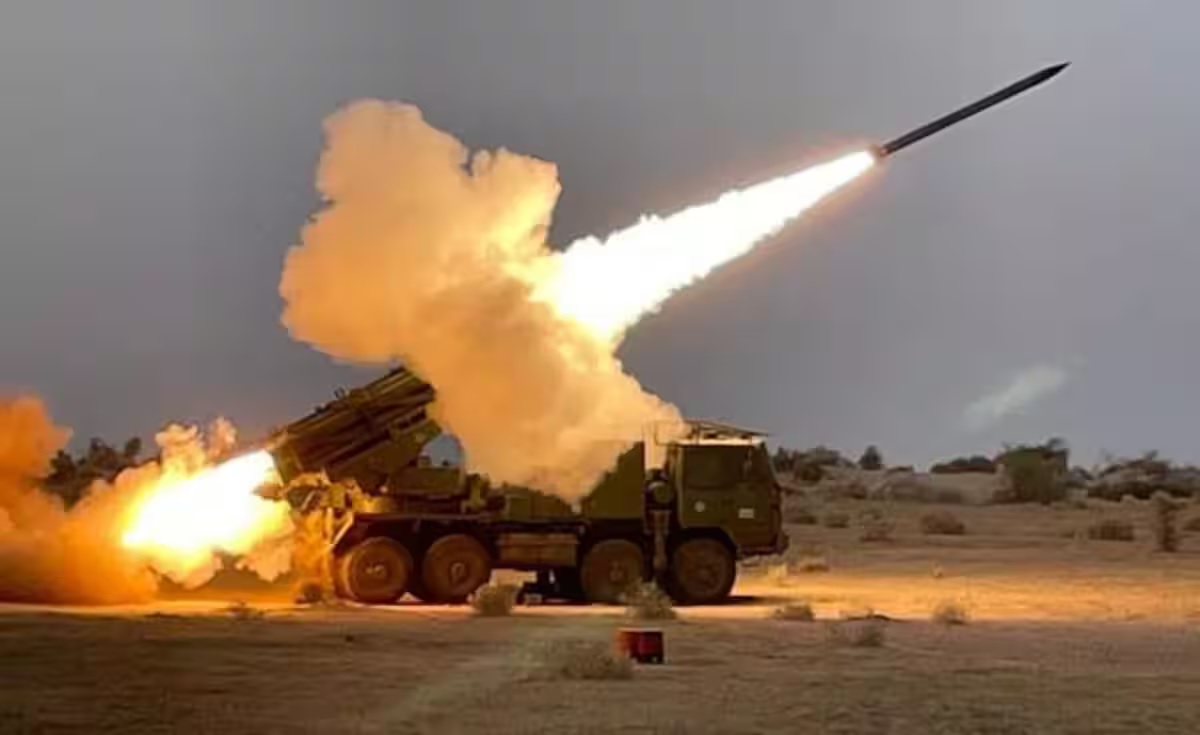
India
In a development that showcases the growing global appeal of India’s defense manufacturing prowess, France has begun evaluating the Pinaka multi-barrel rocket launcher for its army’s operational needs. This evaluation marks a significant milestone in the deepening strategic defense cooperation between the two countries, illustrating a partnership that is as much about innovation and shared defense priorities as it is about economic interests.Brigadier General Stéphane Richou of the French Army recently shared insights into this evolving defense relationship. Speaking about the collaboration, he highlighted the impressive integration of Indian and French efforts, particularly in the realm of co-developing advanced military technology like the Scorpene-class submarines. “When I see the level of individual integration for the development of this equipment, it is outstanding. We are co-building submarines, which are some of the most complex systems ever created by man,” Richou stated, emphasizing the sophisticated nature of the shared technical expertise.His remarks underlined that India is seen as more than just a supplier of military hardware; it is a strategic partner. France considers India’s defense capabilities to be on par with the world's top arms manufacturers, demonstrating India's growing reputation in the global defense ecosystem. This recognition is a testament to India's progress in developing cutting-edge military technology and fostering world-class defense manufacturing capabilities.The Pinaka system, which France is currently evaluating, is a testament to this progress. Developed by the Defence Research and Development Organisation (DRDO) in collaboration with domestic defense companies, Pinaka is a highly versatile and combat-proven weapon system. Designed to deliver swift and powerful strikes, Pinaka can launch multiple rockets in rapid succession, saturating targets over a wide area. Its extended range, now exceeding 40 kilometers, and precision-guided variants make it a formidable asset on the modern battlefield. The launcher is capable of firing a salvo of 12 rockets in under 45 seconds, providing overwhelming firepower that can decisively shift the tide of a battle.Pinaka’s versatility doesn’t end there. The system has been continually upgraded to meet the evolving demands of modern warfare, including the integration of advanced navigation and targeting systems. It also boasts features like automated command and control, which enhance its operational efficiency and make it suitable for diverse combat scenarios. Its adaptability to various types of rockets, from high-explosive fragmentation to anti-personnel and anti-tank munitions, adds to its appeal for international clients like France.Brigadier General Richou emphasized that this cooperation is more than a mere business transaction. “This is much more than a business partnership; this is cooperation,” he said, highlighting the significance of joint innovation, technology transfer, and skill development. The French interest in Pinaka aligns with France’s broader strategy of diversifying its defense suppliers while benefiting from India’s well-established, cost-effective manufacturing base. This approach allows France to tap into a reliable source of advanced defense systems while supporting India’s ambition to emerge as a major global defense exporter.India’s defense exports have seen a notable rise in recent years, with systems like Pinaka playing a key role in boosting the country’s profile. As the French Army considers adopting the Pinaka system, it also signals a vote of confidence in India’s defense industry. France’s rigorous evaluation process ensures that any system it considers must meet the highest international standards. Therefore, Pinaka’s consideration not only highlights its battle-proven reliability but also positions it as a strong competitor in the global defense market.This development is likely to open up more avenues for collaboration between India and France, potentially leading to co-production and joint development projects. The ongoing discussions are also an indication of France’s trust in India’s strategic reliability and its willingness to engage in long-term defense partnerships.In essence, France’s interest in Pinaka is emblematic of the broader narrative of defense cooperation between New Delhi and Paris. As both countries continue to collaborate on high-tech defense projects, from submarines to advanced rocket systems, the partnership looks poised to set new benchmarks in bilateral defense relations, with shared benefits that extend well beyond the realm of arms and equipment.
Read More → Posted on 2024-11-09 15:15:35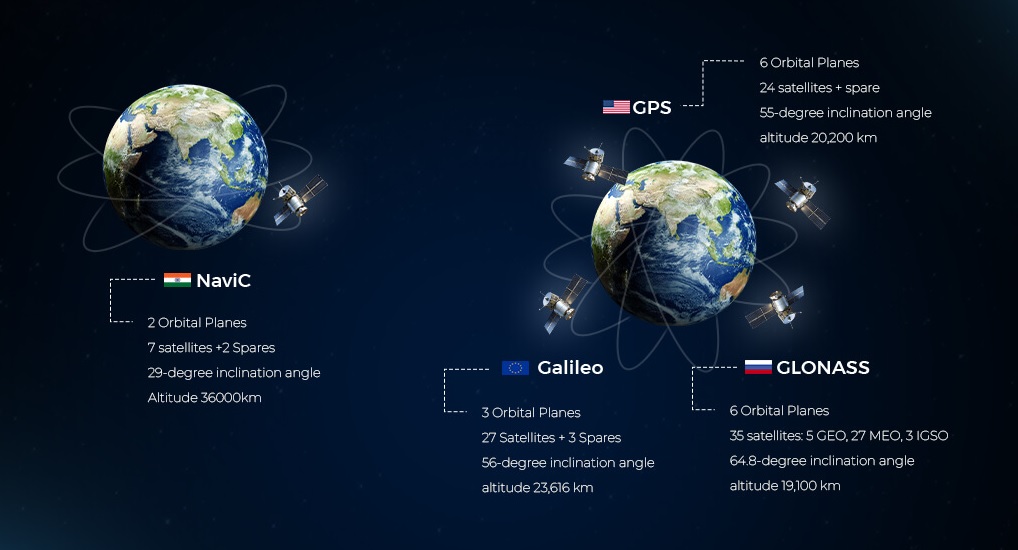
Space & Technology
The Indian Space Research Organisation (ISRO) is stepping up its game in the satellite navigation space with significant advancements to the Navigation with Indian Constellation (NaVIC) system. NaVIC, India's answer to global navigation systems like the United States' GPS and Europe's Galileo, is set for a major upgrade. The rollout of the L1 frequency is a key part of this transformation, aiming to boost NaVIC's usability in both everyday and commercial applications.Until now, NaVIC has operated on a dual-frequency model, providing signals through the L5 and S bands. These frequencies have primarily served strategic users, such as defense and security agencies, while also offering civilian navigation services across the Indian region. However, the addition of the L1 frequency brings NaVIC into a new league. Why is this so significant? Because L1 is the most widely used frequency in global navigation satellite systems (GNSS) like GPS. This strategic addition will make NaVIC signals more accessible and usable by everyday devices, like smartphones and wearables, without the need for specialized, power-hungry chips.ISRO's ambitions don’t stop there. By expanding NaVIC’s coverage from the current 1,500 kilometers beyond Indian borders to a robust 3,000 kilometers, the system aims to serve a larger geographic area. This extension will not only improve navigation capabilities across India but also benefit neighboring countries in the South Asian Association for Regional Cooperation (SAARC) region. Imagine a regional navigation system that could support nations from Bangladesh to Nepal, strengthening regional connectivity and offering a reliable alternative to other GNSS.Starting with the NVS-01 satellite, ISRO will incorporate the L1 frequency in all future launches. This move aligns NaVIC with global systems like the American GPS, Russian Glonass, Chinese BeiDou, and European Galileo, making it compatible with a wider range of navigation devices and applications. With this upgrade, NaVIC could become the preferred choice for businesses and technology developers who are increasingly focused on integrating reliable and energy-efficient location services.The implications of this upgrade are profound. The L1 frequency will open up a plethora of new commercial possibilities. For instance, the burgeoning market of wearable devices, including smartwatches and fitness trackers, will benefit from NaVIC’s signals. These devices often rely on low-power chips, making L1 frequency integration a game-changer. Not only does this enable better location accuracy, but it also ensures lower energy consumption, extending the battery life of gadgets that people use daily.In the mobile phone sector, manufacturers have already started equipping their products with chipsets that can harness NaVIC signals. The L1 frequency will bolster location-based services on these smartphones, offering precision that could rival GPS. This means smoother experiences for everything from ride-hailing apps to real-time navigation.Other significant commercial applications include fleet management and logistics, where companies depend on accurate, real-time vehicle tracking. With NaVIC’s enhanced capabilities, businesses can optimize routes, monitor assets, and improve overall efficiency. In agriculture and fisheries, rural communities can use navigation aids for route optimization and safety measures, especially when dealing with extreme weather conditions like cyclones.The system's reliability will also benefit emergency response teams. Precise navigation data can drastically improve response times during critical situations, such as natural disasters or severe accidents. Whether it’s guiding first responders to a remote location or helping coordinate relief efforts, NaVIC’s enhanced signals could save lives.The tourism industry could also be revolutionized. Navigation apps using NaVIC's upgraded signals will offer tourists more accurate, real-time location data. Imagine exploring a city with seamless, turn-by-turn navigation that not only tells you where to go but also highlights nearby attractions. This could provide a richer, more immersive travel experience.Moreover, sectors like unmanned aerial vehicles (UAVs), or drones, are set to see significant advancements. Whether it’s for agricultural monitoring, delivery services, or surveillance, the integration of NaVIC signals will enable safer and more efficient drone operations.ISRO's long-term vision also includes the possibility of evolving NaVIC into a global navigation system. While this idea is still in the exploratory phase, it signals India’s growing aspirations to be a major player in satellite navigation technology. If successful, this could transform NaVIC from a regional powerhouse into a global alternative, offering robust and independent navigation capabilities on an international scale.In summary, the addition of the L1 frequency to ISRO's NaVIC system is more than just a technical upgrade. It represents a strategic shift towards making India's indigenous navigation technology more relevant and integrated into the daily lives of millions. As ISRO continues to expand NaVIC’s coverage and capabilities, the system stands poised to become a pivotal part of both commercial enterprises and consumer tech, paving the way for a more connected and navigationally efficient future.
Read More → Posted on 2024-11-09 15:12:38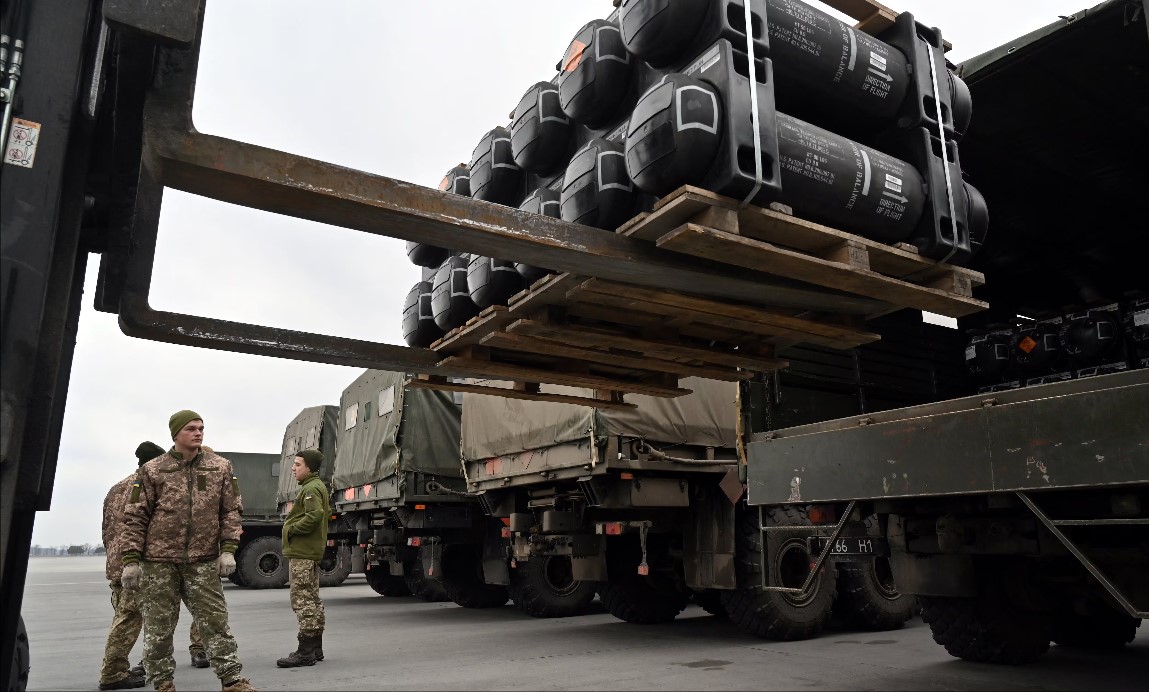
World
In a significant shift in policy, the United States is planning to send a limited number of defense contractors to Ukraine. This decision is aimed at streamlining the repair and upkeep of advanced military systems, including F-16 fighter jets and Patriot air defense systems, which Ukraine relies on heavily in its ongoing battle with Russia. These contractors will work far from the front lines, solely focusing on the maintenance of high-tech weaponry, ensuring equipment is rapidly fixed and returned to service.The Biden administration has been a staunch military supporter of Ukraine, pouring over $60 billion in aid since the Russian invasion began in February 2022. However, up to this point, the U.S. had restricted any deployment of defense contractors to Ukraine, out of concern for escalating tensions with Russia. Traditionally, American-made weapons in need of repairs had to be transported to nearby NATO countries like Poland and Romania, a process that often delayed their return to the battlefield. The new approach could expedite this turnaround, which is seen as critical given the high intensity of current and expected future combat scenarios.This move comes at a time when Ukraine is preparing to receive more sophisticated military hardware. The maintenance of these complex systems requires technical expertise that goes beyond what standard Ukrainian military crews can provide. U.S. officials have emphasized that these contractors will not be involved in combat and will work exclusively to help Ukrainian forces maintain operational capabilities. The administration's decision followed a comprehensive risk assessment and reflects a growing recognition of Ukraine's needs amid ongoing Russian offensives.Interestingly, this shift also intersects with growing political uncertainty in Washington. As President Joe Biden's administration looks to secure more aid for Ukraine before a potential power change, concerns loom over the future of U.S. support. Former President Donald Trump, now a Republican candidate for 2024, has previously indicated skepticism about continued military assistance to Ukraine, which could significantly impact the trajectory of the conflict if he wins a second term. The Biden administration thus appears intent on solidifying long-term support mechanisms before its tenure ends.While the deployment of contractors may enhance operational efficiency, it underscores the delicate balance the U.S. maintains to avoid a deeper direct involvement in the conflict. The policy remains under scrutiny as Washington navigates the complex dynamics of supporting Ukraine while managing the risks of escalation with Russia.The strategic implications of this decision, particularly given the ongoing congressional debates and evolving battlefield conditions, are set to shape the broader context of U.S. foreign policy in the region. As these contractors are set to deploy, the outcome of this strategy remains to be seen, especially as Ukraine anticipates a more complex and challenging fight ahead.This effort signifies an evolving approach, aiming to keep Ukraine’s forces well-equipped and battle-ready, despite the global and domestic political challenges shaping the future of support.
Read More → Posted on 2024-11-09 15:08:32
India
Russia is raising the stakes in the global aerospace industry with the debut of its fifth-generation jet engines at Airshow China, one of the premier aviation showcases in Asia. The United Engine Corporation (UEC), a key subsidiary of Russia's state-owned Rostec, is making waves by exhibiting this advanced propulsion technology outside of Russia for the first time, highlighting its ambitions to attract international buyers, particularly India, where opportunities abound.The centerpiece of UEC’s presentation at Airshow China is the cutting-edge fifth-generation engine designed for operational-tactical aviation. This engine represents years of research and development, aimed at delivering superior performance, enhanced fuel efficiency, and breakthrough thrust vectoring capabilities that promise to redefine air combat agility. While precise specifications of this engine remain under wraps, what’s known is that it is tailored to meet the needs of advanced fighter jets, bringing together technology that could potentially rival Western counterparts.UEC isn’t stopping at just one showcase. Alongside the new-generation marvel, the corporation has brought an updated lineup of its proven AL-31F/FN engine family, an engine series that has long been pivotal in the success of numerous fighter jets worldwide. The AL-31F engine, known for powering the iconic Su-27 and its variants, is lauded for its robust design and adaptability, with the AL-31FN variant marking a significant leap forward in thrust output and platform optimization.The AL-31FN, specifically adapted for China's Chengdu J-10 fighter jet, is notable for achieving thrust levels of up to 12.7 tonnes-force. This version was re-engineered with a redesigned gearbox layout, optimizing its integration with the J-10. However, the upgrades didn't stop there. The Series 3 of the AL-31FN pushed boundaries further, enhancing thrust to an impressive 13.7 tonnes-force, making the engine a key element in China's pursuit of aerial superiority.The Indian Air Force (IAF) has also benefited from UEC's engine advancements. The AL-31FP variant, which powers India’s Su-30MKI fleet, is a testament to Russia’s expertise in jet engine technology. Produced in collaboration with Hindustan Aeronautics Limited (HAL) under a strategic technology transfer agreement, the AL-31FP features thrust vectoring nozzles capable of deflecting up to ±15 degrees at an impressive rate of 30° per second. This thrust vectoring ability significantly boosts the Su-30MKI's maneuverability, giving the fighter jet unmatched agility in close aerial combat situations.As Russia showcases these propulsion advancements, the Indian market remains an area of strategic interest. The timing is critical: India is in the midst of developing its indigenous aircraft programs, which include the ambitious HLFT-42 supersonic trainer. With the Indian Air Force placing a premium on high-performance engines that offer both power and efficiency, UEC’s latest technologies present a compelling case. The HLFT-42 program, in particular, could benefit from engines with thrust vectoring, superior afterburner efficiency, and reduced fuel consumption—areas where UEC’s new engines promise to excel.Moreover, UEC's commitment to innovation is also seen in its unveiling of the SM-100 engine, a potential game-changer in tactical aviation. While details of the SM-100 are limited, it is expected to integrate seamlessly into a range of aircraft configurations, promising advanced features that could attract interest from nations looking to modernize their air fleets.Russia's strategic push into the Asian aviation market, exemplified by UEC’s high-profile presence at Airshow China, signals its readiness to compete for defense contracts in the region. For India, which is looking to enhance the capabilities of its fighter jets and develop new indigenous platforms, these Russian offerings may become integral to future negotiations and defense collaborations. The potential for technology transfer agreements, similar to the one with HAL for the AL-31FP, could shape India's propulsion technology landscape in the years to come.
Read More → Posted on 2024-11-09 15:05:58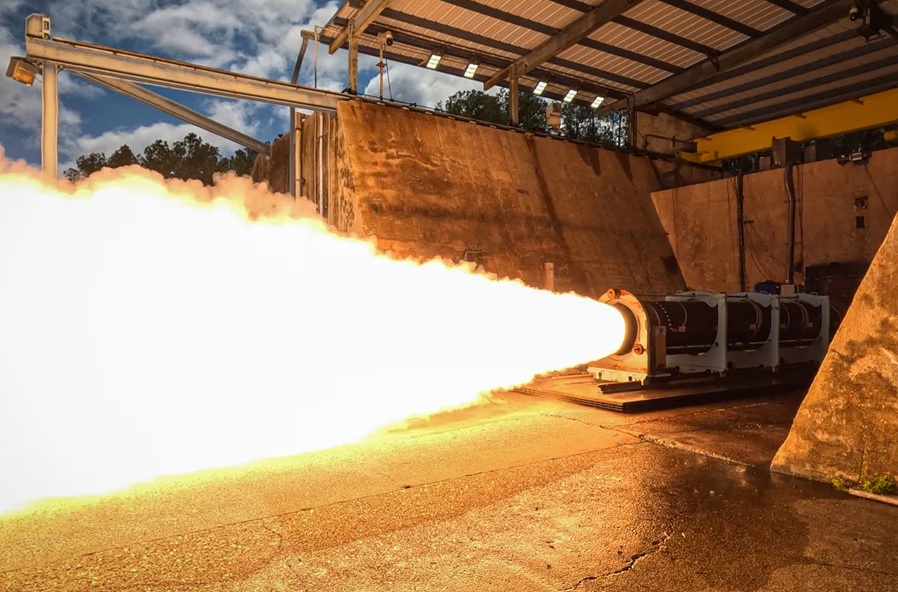
World
In a significant advancement for military rocket propulsion technology, L3Harris Technologies has successfully completed a pivotal flight test, propelling Kratos Defense & Security Solutions’ cutting-edge Large Solid Rocket Motors (LSRMs), named Zeus 1 and Zeus 2. The test results exceeded expectations, achieving all performance metrics and solidifying the motors’ capability to drive future defense and research missions.The Zeus rocket motors represent a strategic leap forward in propulsion engineering, specifically designed to address the U.S. Department of Defense’s evolving needs for high-speed and high-precision weaponry. L3Harris crafted Zeus 1 and Zeus 2 as first and second stage LSRMs, capable of supporting a range of complex and demanding applications. These include hypersonic flight tests, missile defense targets, and atmospheric research via sounding rocket launches.Advanced Rocket Motor CapabilitiesThe Zeus 1 and Zeus 2 rocket motors were engineered not just to meet current defense requirements but to optimize performance while ensuring affordability and infrastructure compatibility. Their design allows them to act as a direct replacement for older rocket motor systems, many of which have been in service for decades and are overdue for modernization. With this strategic upgrade, the motors offer increased reliability, thrust, and overall efficiency, aligning seamlessly with existing launch systems.High-Performance Testing Grounds in ArkansasL3Harris’ cutting-edge Camden, Arkansas, facility is the heart of this technological achievement. This site, which has earned the designation of a Center of Excellence for Solid Rocket Motor Production, is known for its rigorous and advanced manufacturing protocols. Annually, it produces over 100,000 solid rocket motors and conducts around 6,000 live hot fire tests to maintain the highest performance and safety standards. The Camden facility's continuous upgrades have made it a pivotal contributor to the defense sector, emphasizing its ability to deliver large-scale production while meeting precise military specifications.“Our partnership with Kratos in delivering high-performance LSRMs marks a new chapter in propulsion technology,” said Ross Niebergall, President of Aerojet Rocketdyne, a division of L3Harris Technologies. “Our strategic investments in rocket motor manufacturing, especially at Camden, have made it possible to develop advanced systems like Zeus 1 and Zeus 2. We remain committed to supporting our nation’s defense needs through innovative solutions.”Ongoing Commitments and Future DeliveriesThe collaboration between L3Harris and Kratos is far from over. L3Harris is slated to deliver nine more Zeus motors by 2025, which signals a commitment to further development and integration of these advanced rocket systems. The strategic delivery timeline emphasizes the motors’ importance for upcoming defense initiatives, especially as global military dynamics necessitate rapid technological advancement.Technological Impact and Strategic AdvantageThe successful test of Zeus 1 and Zeus 2 comes at a time when the demand for hypersonic and high-speed propulsion systems is at an all-time high. As countries globally invest in technologies that can outpace traditional defenses, having reliable and powerful rocket motors like Zeus provides a tactical advantage. These motors not only facilitate hypersonic research but also offer solutions for potential missile defense interceptors and complex aerospace projects that push the limits of current engineering.As global threats evolve, the partnership between L3Harris and Kratos reflects a proactive approach to maintaining a technological edge. The focus on developing high-quality, scalable propulsion systems underscores a broader commitment to advancing national security and technological prowess. With the success of the Zeus series, L3Harris is set to play a crucial role in shaping the future of high-performance solid rocket motors, ensuring the U.S. and its allies remain at the forefront of defense innovation.
Read More → Posted on 2024-11-09 15:01:56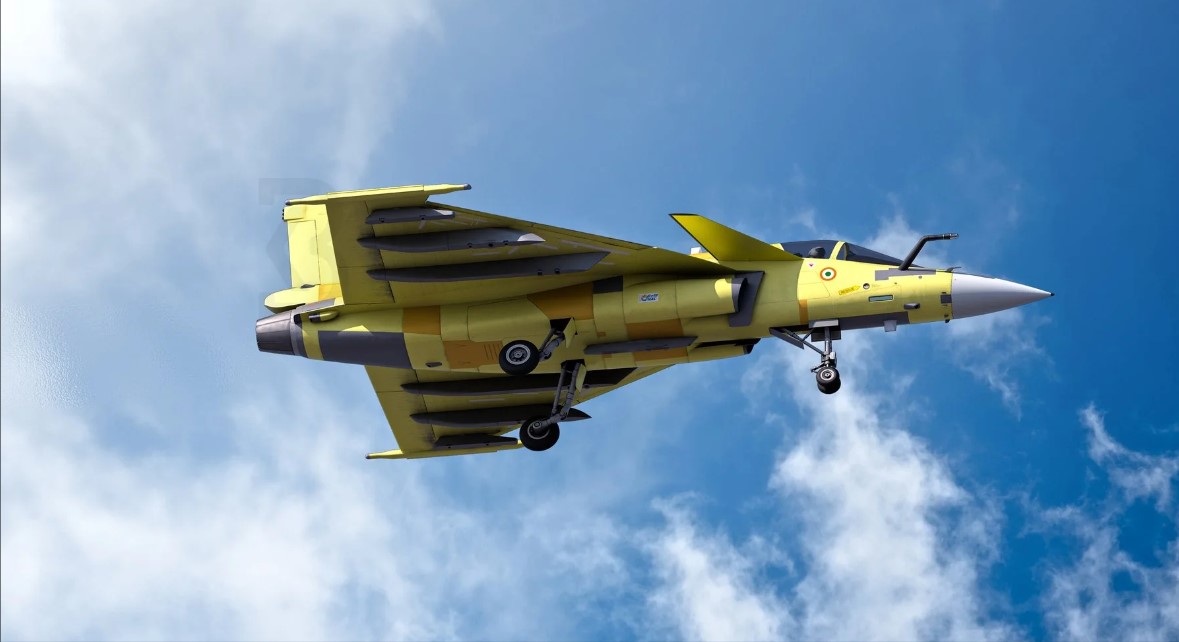
India
Hindustan Aeronautics Limited (HAL) Chairman and Managing Director Sunil Kumar has shed light on the timeline for the significant F-414 engine deal with GE Aerospace, indicating that it will likely be finalized around March 2025, contrary to initial expectations of wrapping it up by the end of 2024. This agreement is pivotal for India’s defense and aerospace sector, specifically for the Tejas Mk II program, which seeks to upgrade the country's indigenous fighter jet capabilities. The F-414 engines represent a leap forward in terms of performance for India's aircraft. They are more powerful and efficient than the F-404 engines currently used in the Tejas Mk I. These engines are designed to deliver around 22,000 pounds of thrust, a considerable improvement that would enable the Tejas Mk II to excel in combat maneuverability and payload capacity. The 99 engines to be procured will be built domestically at HAL's advanced facilities under a substantial Transfer of Technology (ToT) agreement. With 80% of the technology set to be transferred, this collaboration is expected to empower India's efforts to develop an indigenous supply chain for aerospace components.The importance of this deal lies not only in securing high-performance jet engines but also in the strategic potential of the ToT. Defense analysts have highlighted that this agreement marks a first-of-its-kind deal for GE, as the United States has historically been cautious about sharing sensitive jet engine technology, even with close allies. Thus, the arrangement represents a major milestone, strengthening Indo-U.S. defense ties and showcasing India's growing stature as a defense manufacturing hub.Sunil Kumar’s update points to the complexities involved in sealing the deal, primarily linked to regulatory processes and fine-tuning the intricate terms of the ToT. Both HAL and GE Aerospace are committed to ensuring a seamless transition, focusing on quality and minimal disruptions. Once the contract is signed, it will open doors for India to not only build but also maintain and service these engines locally, reducing dependency on foreign support for critical military assets.The strategic implications are far-reaching. Beyond Tejas Mk II, expertise gained from this venture is expected to catalyze further developments in India’s aerospace engine technology. The local manufacturing will also spur innovation and job creation within the Indian defense sector, boosting self-reliance in line with the government’s ‘Make in India’ initiative. Furthermore, the deal could pave the way for future collaboration with other major global defense contractors, reinforcing India's position as a key player in international defense cooperation.The F-414 engine's capabilities extend to superior afterburner performance and advanced safety features, designed to optimize combat readiness. This ensures that the Indian Air Force (IAF) will have a reliable and robust propulsion system for its multirole fighter aircraft, potentially setting the stage for future defense advancements.Overall, while the delay might seem like a setback, the strategic and technological benefits promised by this deal are set to transform India's defense ecosystem. The Tejas Mk II, enhanced with the power and precision of the F-414 engine, will mark a significant step forward for India's homegrown defense capabilities.
Read More → Posted on 2024-11-09 14:58:58Search
Top Trending in 24 Hours
-
 Western Intelligence Warns Russia Could Launch Nuclear-Armed Satellite as Early as December
-
 IG Defence Successfully Test-Fires JWALA MK-1 Counter-Drone Missile at Pokhran
-
 U.S. Awards Lockheed Martin $330.6 Million Contract for Long-Lead Materials Supporting 75 F-35 Lot 22 Aircraft
-
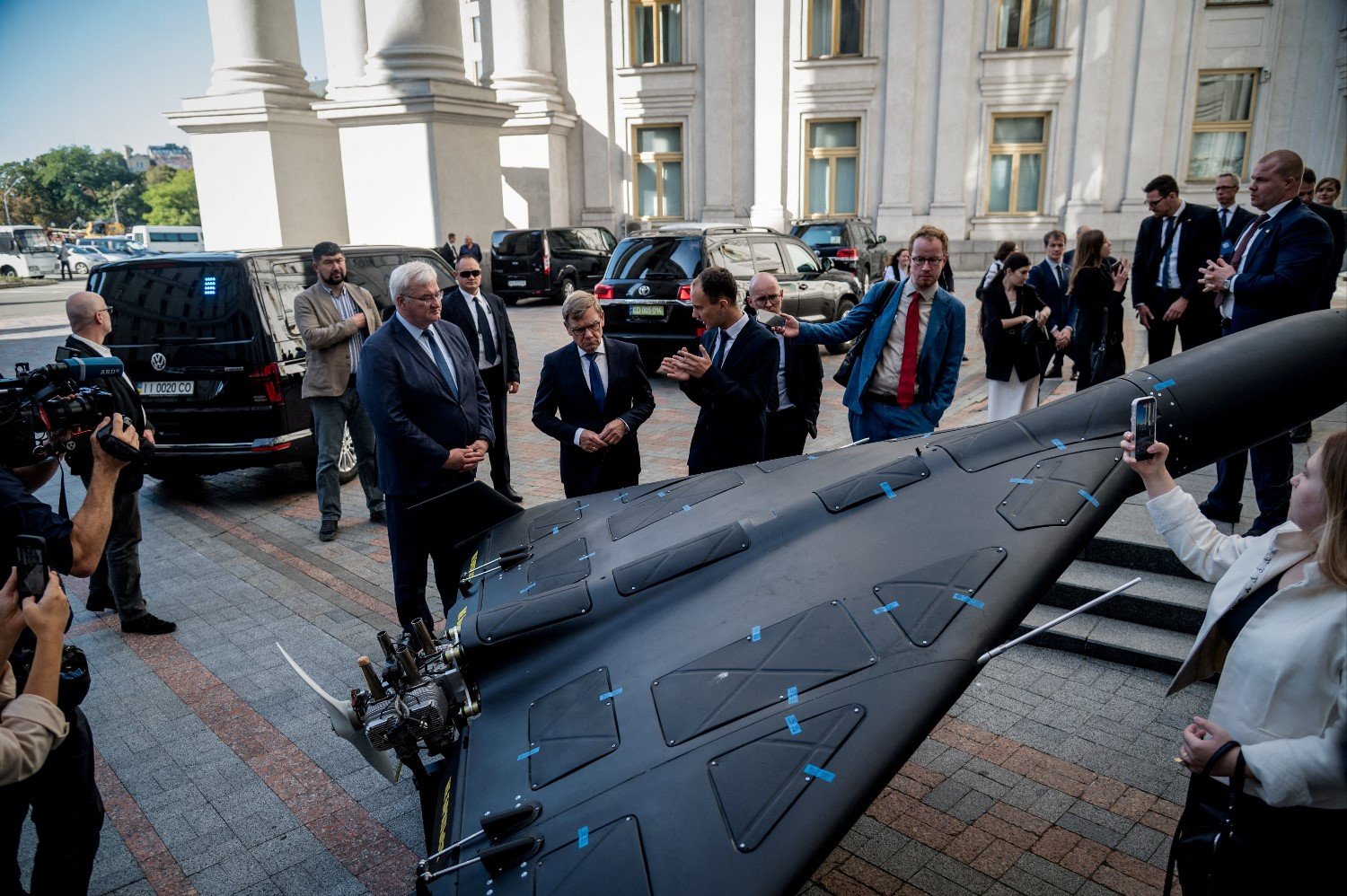 Germany Tests Kamikaze Drones and AI Targeting Systems in Lithuania Near Belarus Border
-
 Chinese Military Warns U.S. AI Could Threaten China’s Nuclear Missile Survivability
-
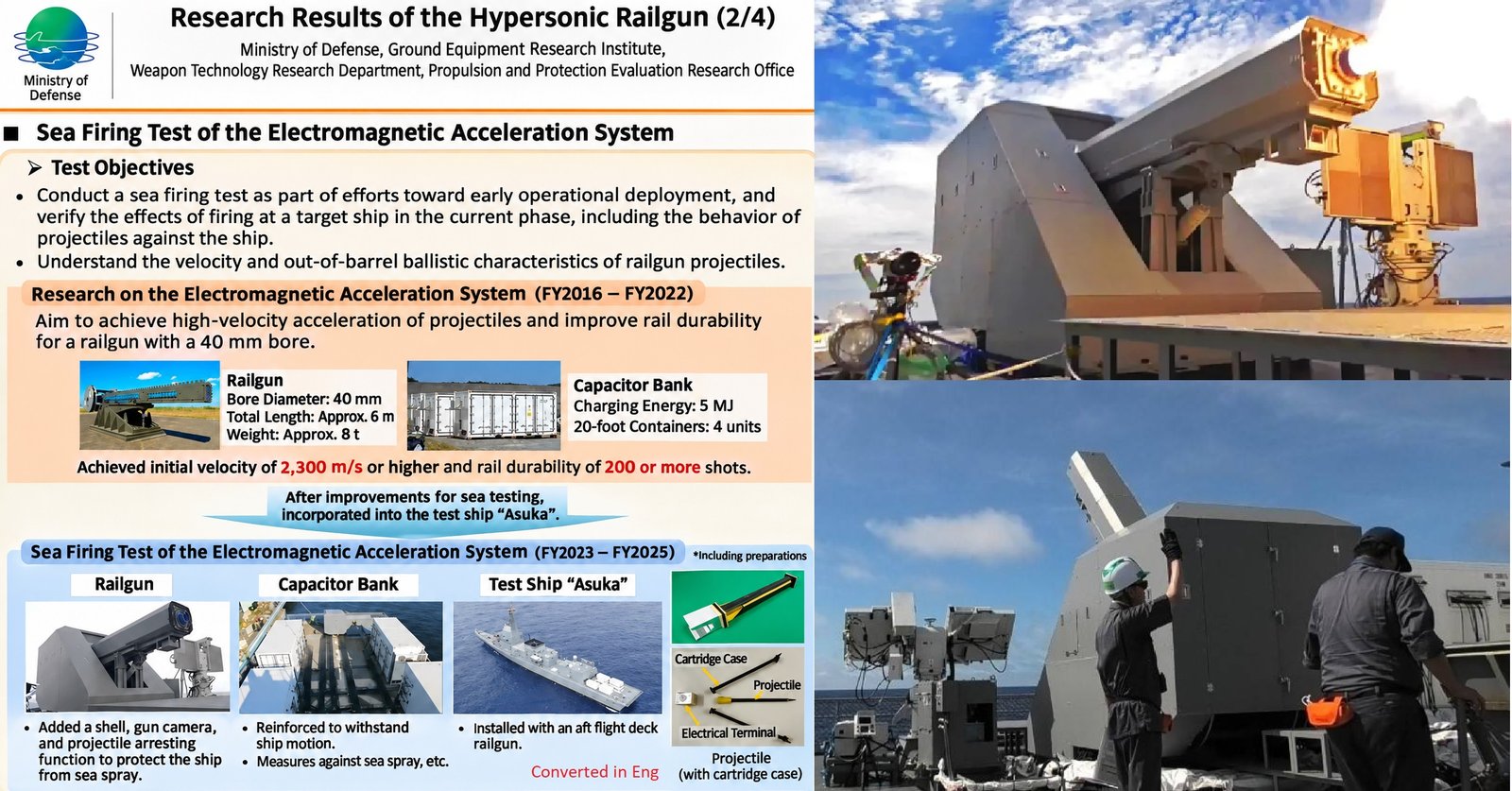 Japan Tests Battery-Powered Railgun in Ten-Shot Rapid-Fire Trial
-
 Ukraine Confirms Using Seven Naval Drones to Sink Russian Corvette Merkury Off Libya, Destroying Ka-27 Helicopter Aboard
-
 U.S. Army Places $60.3 Million Order With Saab for XM919 Shoulder-Fired Weapons
Top Trending in 4 Days
-
 Two Injured in Bahrain After Iranian Attacks; Iran Claims Strike on US Patriot Radars
-
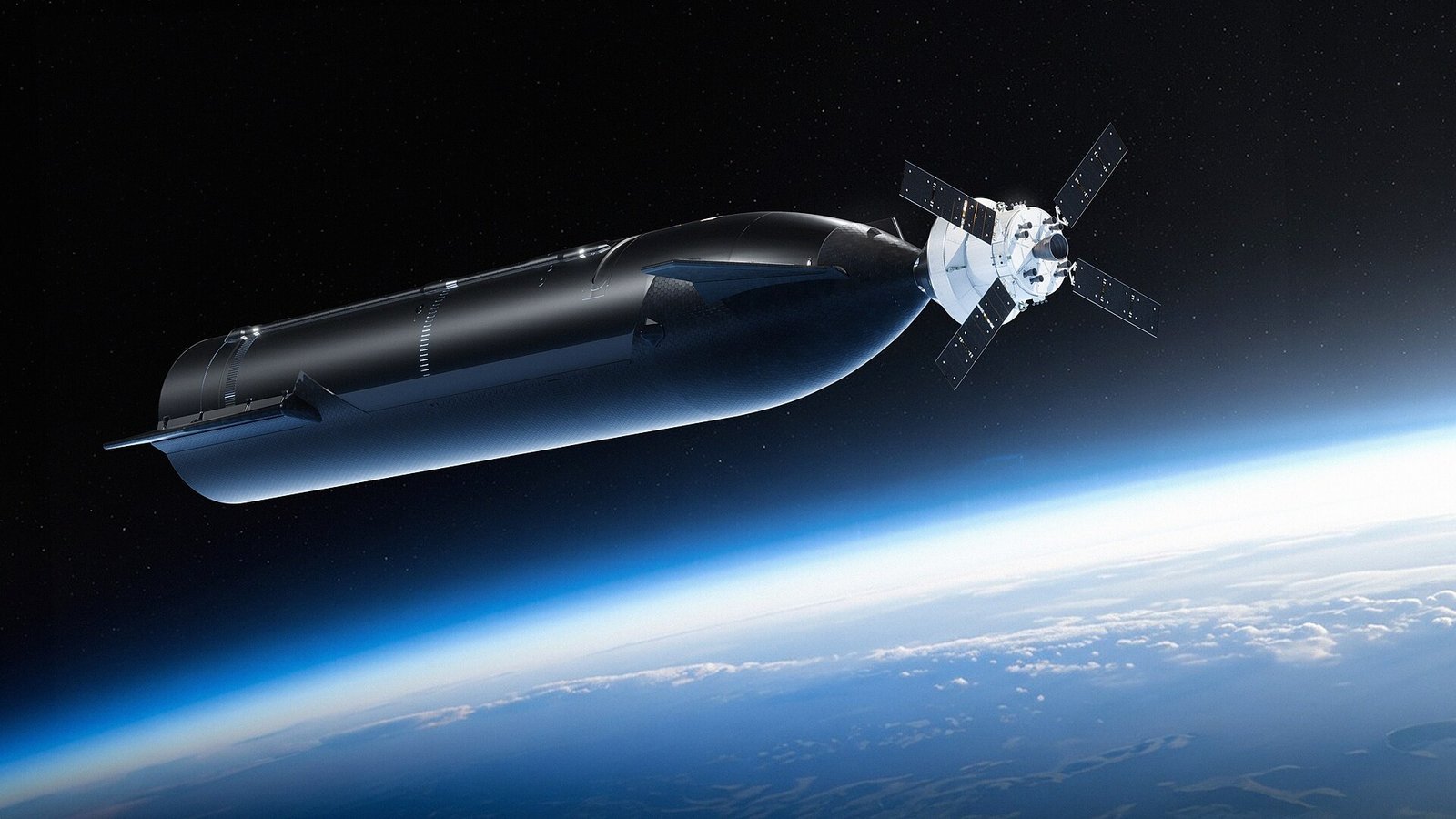 NASA's Orion Spacecraft Needs Major Modifications to Fly Backward with SpaceX Starship
-
 Iran Positions Oil Tankers at Kharg Island Amid Plans to Challenge US Naval Blockade
-
 Russian Corvette Merkury Almost Certainly Destroyed in Benghazi Port Explosion
-
Western Intelligence Warns Russia Could Launch Nuclear-Armed Satellite as Early as December
-
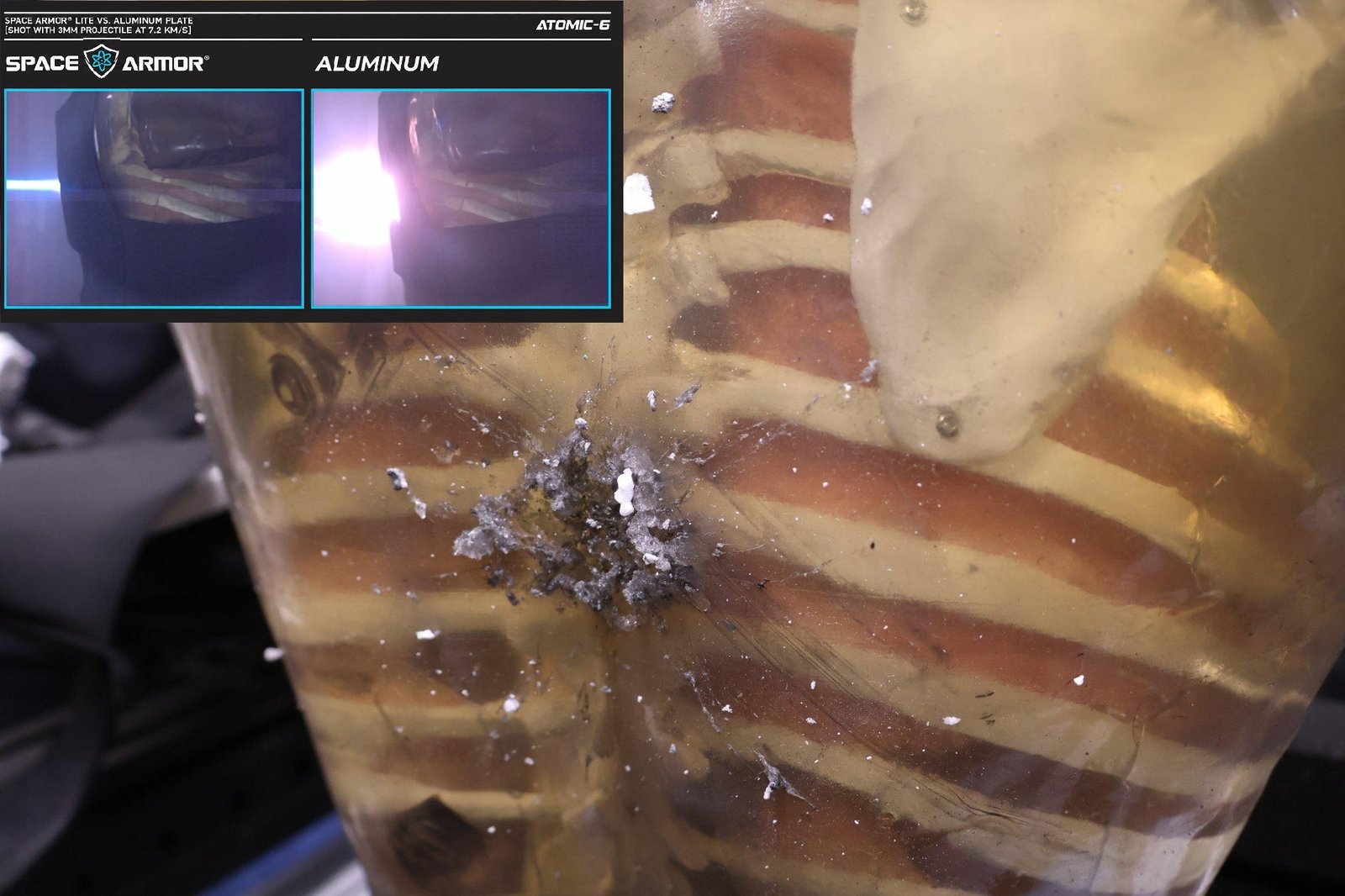 Atomic-6 Tests Composite Armor Against 16,100 MPH Space Debris for Astronaut Protection
-
 Denmark's Parliament Unanimously Approves US-Greenland Defence Deal with 109–0 Vote, Restricting Russian and Chinese Military Presence
-
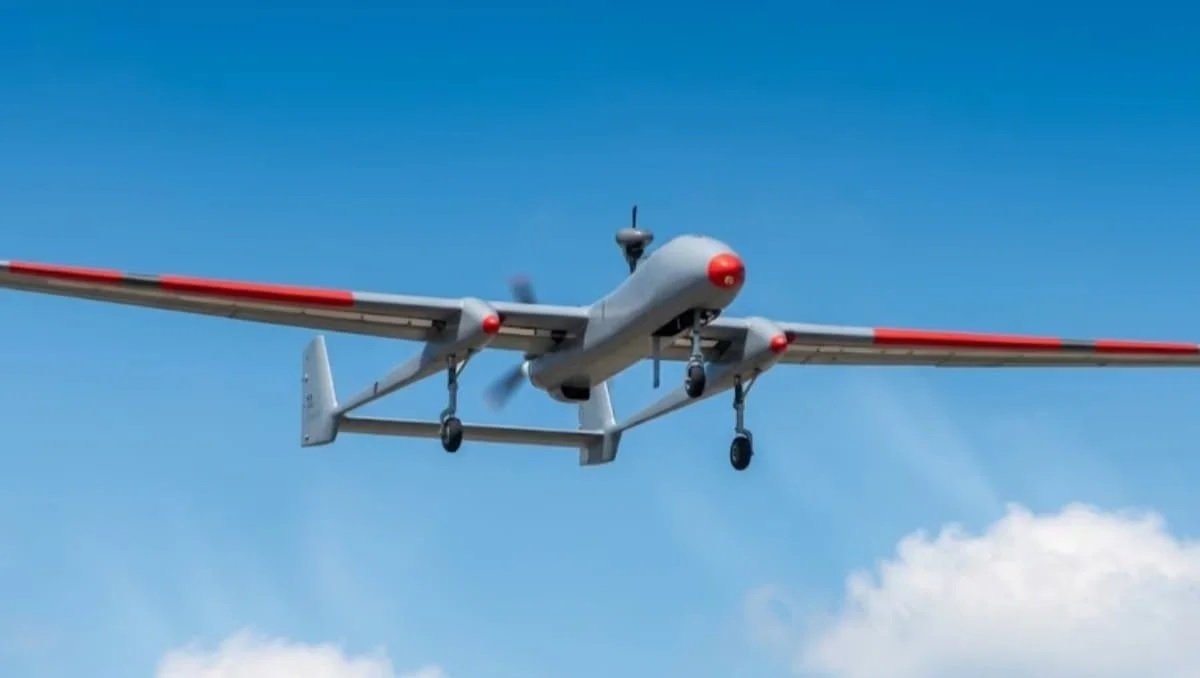 IAF Issues RFI for 500 Indigenous ISR Drones for Surveillance and Electronic Intelligence, with Six-Hour Endurance
