
India
Union Minister VK Singh criticizes Rahul Gandhi's remarks on the Agniveer scheme, urging Gandhi to understand military service before commenting, and accuses Delhi CM Arvind Kejriwal of habitual lying.Union Minister General VK Singh (Retd) has strongly criticized Congress leader Rahul Gandhi for his recent comments about the Agniveer scheme. Gandhi had pledged to cancel the scheme if his party comes to power, claiming it reduces soldiers to mere laborers.In response, General Singh advised Gandhi to serve in the Army before making statements about the Agniveer scheme. "It is not right to say anything if he does not know the Army," Singh remarked.General Singh also accused Delhi Chief Minister Arvind Kejriwal of habitual lying, saying, "It is Arvind Kejriwal’s quality that he lies in such a way that he is speaking the truth. But the people can see the truth."Rahul Gandhi's criticisms of the Agniveer scheme were made during a public rally in Mahendragarh, Haryana, on May 22. He accused Prime Minister Narendra Modi's government of turning soldiers into laborers and promised to scrap the scheme if the Congress-led INDIA bloc comes to power on June 4.Gandhi highlighted the disparity between traditional soldiers and those recruited under the Agniveer scheme, stating that Agniveers would not receive the same pensions, status, or facilities. "This Agniveer will neither get the status of ‘shaheed‘ nor any pension or any other facility," he claimed.He further alleged that the scheme is unwanted by the Army and was imposed by the Prime Minister's Office (PMO). Gandhi declared that the first action of the INDIA bloc government would be to dismantle the Agniveer scheme. "We are going to tear this Agniveer scheme into pieces and dump it in the dustbin," he stated.Background on the Agniveer SchemeThe Agniveer scheme is a recruitment initiative by the Indian government aimed at enrolling young people into the military for short-term service. This program is designed to bring more youth into the armed forces and to address the issue of an aging military. However, it has faced criticism from various quarters, including opposition parties, who argue that it does not provide adequate long-term benefits for those who serve under it.Political ReactionsGeneral VK Singh’s sharp response underscores the deep political divisions surrounding military reforms in India. While the ruling party defends the scheme as a necessary modernization effort, opposition leaders like Rahul Gandhi argue that it undermines the dignity and benefits traditionally accorded to soldiers.ConclusionThe debate over the Agniveer scheme reflects broader tensions in Indian politics about how best to modernize the military while ensuring fair treatment for those who serve. As the controversy continues, the scheme's future remains uncertain, contingent on the outcomes of political struggles and elections.
Read More → Posted on 2024-05-28 15:20:33
World
The UAE explores purchasing China's J-20 fighter jets amidst challenges in acquiring US F-35s, reflecting a strategic shift in defense procurement.The United Arab Emirates (UAE) is considering purchasing China’s J-20 “Mighty Dragon” fighter aircraft. This potential acquisition came to light following a visit by senior UAE military officials to Beijing, where they discussed closer cooperation with the People’s Liberation Army Air Force.Abu Dhabi hopes that strengthening ties with China, a major military power, will increase its chances of acquiring the advanced fifth-generation aircraft, as reported by National Interest. However, China has historically restricted the export of its J-20 jets to maintain technological secrecy and prevent adversaries from studying them closely. This policy currently hampers the UAE's efforts unless Beijing decides to change its stance.Challenges with the US F-35The UAE's interest in the J-20 comes amidst difficulties in securing the US-made F-35. In 2021, the US approved the sale of 50 F-35s and 18 MQ-4B drones to the UAE, in a deal potentially worth $19 billion. However, the deal has stalled due to US concerns over the UAE's growing ties with China, particularly in 5G technology. The US argues that Huawei-supplied 5G technology, used at critical UAE sites, could allow China to gather intelligence on the F-35’s operational capabilities.Additionally, Israel has requested that the US block the sale of F-35s to the UAE, fearing it could undermine its military superiority in the region.Comparison: J-20 vs. F-35Both the American F-35 and the Chinese J-20 are fifth-generation stealth fighters, often compared for their advanced capabilities. The Lockheed Martin F-35 is noted for its advanced avionics, sensor suite, and vertical takeoff and landing capabilities, which allow it to operate without long runways. In contrast, the J-20 is praised for its superior range, weapons capacity, and speed. The J-20 can reach speeds of Mach 2.0, compared to Mach 1.6 for the F-35. It can also carry more ammunition, with a maximum payload of 27,998 pounds (12,700 kilograms) compared to the F-35’s 18,000 pounds (8,164 kilograms).Strategic ImplicationsThe UAE's exploration of the J-20 highlights its strategy to diversify its defense partnerships and capabilities. By potentially acquiring the J-20, the UAE could gain a significant boost in its aerial combat capabilities. However, this move might further complicate its defense relationships with the US and its allies.The ongoing tension and strategic maneuvering reflect broader geopolitical dynamics, where nations seek to balance their security needs with international alliances and technological advancements.ConclusionThe UAE’s interest in China’s J-20 fighter jets underscores its efforts to enhance its military capabilities amidst challenges in acquiring US-made F-35s. This development could signal a shift in defense procurement strategies and influence the geopolitical landscape in the Middle East. As the situation evolves, the UAE’s defense decisions will likely have significant implications for its international relationships and regional security dynamics.
Read More → Posted on 2024-05-28 15:16:58
India
Hyderabad's Zebu Intelligent Systems sets a new Guinness World Record with a drone flight lasting 3 hours, 13 minutes, and 14 seconds, showcasing their advanced electric propulsion technology.Zebu Intelligent Systems, a technology company based in Hyderabad, has set a new Guinness World Record for the longest flight duration of an electric-powered drone weighing under 5 kilograms. Their drone flew for an impressive 3 hours, 13 minutes, and 14 seconds, breaking the previous record by 50 minutes.The flight took place in Hyderabad, piloted by Jogarao Bommana. "Achieving a Guinness World Records title has always been a dream of mine," said Bommana, crediting the team's hard work and technical skills for the success. "This was a challenge we believed we could meet," he added, highlighting the collaborative effort that made this achievement possible.The record title awarded by Guinness World Records is "Longest duration flight of an electrically powered prototype multirotor/drone – 5 kg or less." This accomplishment showcases Zebu Intelligent Systems' technological capabilities and marks a significant milestone for India's drone industry.Electric drones like Zebu's have several advantages, including quieter operation, reduced emissions, and improved efficiency. The increased flight endurance opens up new possibilities for various applications. These include longer surveillance missions, more efficient delivery services, and enhanced disaster response efforts.This achievement by Zebu Intelligent Systems is a clear example of innovation and teamwork. By advancing electric drone technology, they are contributing to a more sustainable and efficient future in aerial operations.About Zebu Intelligent SystemsZebu Intelligent Systems is a technology company based in Hyderabad, India. The company specializes in developing innovative solutions in drone technology, focusing on creating more efficient and sustainable systems for various applications. With this new Guinness World Record, Zebu Intelligent Systems continues to establish itself as a leader in the global drone industry.
Read More → Posted on 2024-05-27 16:18:34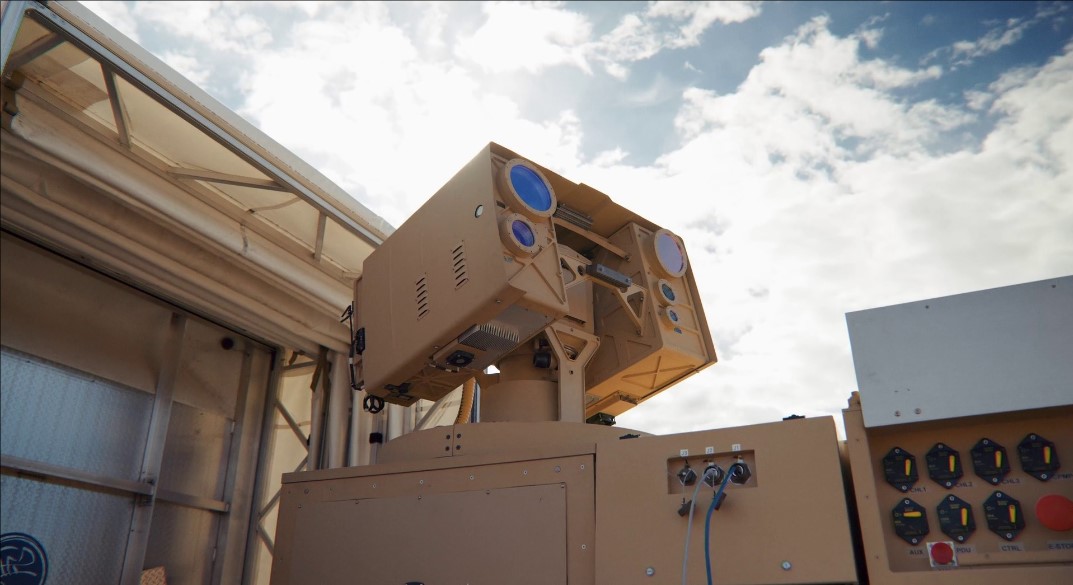
World
BlueHalo secures a $95.4 million contract to advance laser weapon technology for the US Army, focusing on counter-drone capabilities and enhanced defense systems. BlueHalo has been awarded a $95.4-million contract to further develop directed energy technologies for the US Army Space and Missile Defense Command. This contract supports the Laser Technology Research Development and Optimization (LARDO) program, which focuses on creating weapons to counter aerial drones and similar threats.Under the new contract, BlueHalo will enhance the design and manufacturing of its directed energy solutions. The company aims to improve the efficiency, performance, automation, and durability of these systems. Additionally, efforts will be made to optimize the size, weight, and power requirements of the laser weapons.Dr. Vikram Manikonda, BlueHalo's Chief Technology Officer, emphasized the significance of the project, stating, "We are developing tools to win the next war so there is no next war. We are expanding and accelerating BlueHalo’s air defense innovations, not only with Directed Energy technologies but with the diagnostic and surveillance monitoring systems that enable their sustainment, operation, and continuous improvement in the field."BlueHalo's directed energy solutions are designed to be interoperable and user-friendly, providing the Army with a comprehensive system for advancing laser weapon technology to meet national security needs.Counter-Drone MissionsThe contract will leverage BlueHalo’s experience in developing counter-unmanned aerial systems (c-UAS). Notably, their Locust laser systems, which have been deployed in various operations, will play a crucial role. These systems combine precision laser and optical hardware with advanced processing and artificial intelligence software to ensure effective target identification, tracking, and engagement.BlueHalo Chief Operating Officer Trip Ferguson highlighted the importance of this initiative, stating, "Through the LARDO program, the US Army is investing in the rapid innovation and maturation of our Nation’s laser weapon capabilities. BlueHalo’s LOCUST laser systems are deployed overseas, providing multi-domain mission success in UAS threat elimination and force protection. We are honored that the US Army continues to trust BlueHalo to deliver superior Directed Energy technologies and air defense innovations."Additional Laser Weapon ContractsIn addition to the LARDO program, BlueHalo signed a contract in April to support the US Army’s Palletized High Energy Laser (P-HEL) system. This system is designed to protect personnel and critical infrastructure from small drones by using directed energy.Furthermore, in November 2023, BlueHalo accepted a contract to supply Locust systems to the US Marine Corps. These systems will be tested in collaboration with the Naval Surface Warfare Center and integrated into the Marines’ Joint Light Tactical Vehicle fleet.ConclusionBlueHalo's recent contracts reflect a significant investment in directed energy technologies, particularly for counter-drone applications. The company’s advancements in laser weapon systems are poised to enhance the US military’s capabilities in addressing modern aerial threats. With continued innovation and deployment, BlueHalo aims to provide robust defense solutions that contribute to national security.
Read More → Posted on 2024-05-27 16:08:47
India
Tata Advanced Systems Limited (TASL) provides innovative, high-quality bulletproof jackets tailored to meet the diverse needs of India's defense forces. Their commitment to safety and reliability makes them a trusted leader in defense protection.Tata Advanced Systems Limited (TASL) stands out as a prominent name in the Indian defense sector, committed to ensuring the safety of the nation’s defense personnel. Known for their reliable and innovative solutions, TASL offers a comprehensive range of bulletproof jackets designed to meet the diverse needs of various defense missions.Tailored Protection for Diverse NeedsTASL understands that different missions require different levels of protection. Therefore, they provide a wide array of customizable features in their bulletproof jackets. This customization ensures that every jacket is perfectly suited to the specific needs of the mission and the individual wearing it. Unlike standard one-size-fits-all solutions, TASL’s jackets offer a perfect fit for every hero in every situation.Advanced Materials and TechnologyCrafted using the latest materials and technological advancements, TASL’s bulletproof jackets offer superior protection without sacrificing comfort and mobility. The jackets are designed to allow maximum movement and flexibility, enabling personnel to perform their duties with agility and confidence. This balance of protection and comfort is crucial for operational effectiveness in the field.Proven Track RecordTASL’s commitment to protecting India’s defense personnel is evident in their impressive track record. They have successfully manufactured and delivered over 200,000 bulletproof jackets to various branches of the Indian defense and security forces. Their clients include the Army, Navy, Air Force, Coast Guard, Central Armed Police Forces (CAPFs), and State Police Forces. This extensive experience underscores TASL’s reliability and expertise in the field of defense protection.Commitment to Quality and SafetyTASL’s bulletproof jackets are not only designed for protection but also undergo rigorous testing to ensure they meet the highest standards of quality and safety. The company’s dedication to continuous improvement and innovation in defense technology helps maintain the trust and confidence of their clients.Supporting the Nation’s DefenseBy providing high-quality, customized bulletproof jackets, TASL plays a crucial role in supporting India’s defense forces. Their products help safeguard the lives of those who protect the nation, allowing them to carry out their duties more effectively.In summary, Tata Advanced Systems Limited is a leading provider of bulletproof jackets in India, offering tailored, high-quality protection for a variety of defense needs. Their commitment to innovation, safety, and reliability makes them a trusted partner for the nation’s defense forces.
Read More → Posted on 2024-05-27 15:59:09
World
Exail secures a contract to supply Gecdis-W navigation systems for Spanish S80 Plus submarines, enhancing navigational precision and operational capabilities. This partnership with Navantia supports Spain's naval modernization efforts.Exail has secured a contract with Navantia to provide its Gecdis-W Warship Electronic Chart Display and Information System (WECDIS) for the four new Spanish S80 Plus-class submarines. These submarines, developed by Navantia for the Spanish Navy, are designed for high-speed, discreet navigation and enhanced operational mobility, enabling them to perform missions in potentially hostile environments.The Gecdis-W system, which is certified by the International Maritime Organization (IMO) and complies with NATO’s STANAG standards, will improve the navigational capabilities of the S80 Plus-class submarines. This electronic chart system will assist the crew with precise navigation using electronic charts, enhancing safety and operational effectiveness in underwater operations.Alexandre Maia, Regional Sales Manager at Exail, commented on the collaboration: “Exail and Grafinta are honored to maintain a close partnership with Navantia and contribute our expertise to the Spanish S80 submarines. Our WECDIS system aligns with the submarines’ design objectives of stealth, endurance, and operational flexibility, ensuring effective and safe navigation in challenging underwater environments.”This contract highlights Exail's leadership in naval navigation technology. The company has a strong track record, having equipped naval platforms for the French Navy as well as the navies of Latvia, India, Greece, the UAE, and New Zealand.The S80 Plus-class submarines are part of a modernization effort by the Spanish Navy to enhance its underwater capabilities. These submarines are equipped with advanced propulsion systems, allowing them to operate quietly and evade detection. They are also designed to carry a variety of weapons and sensors, making them versatile assets for a range of missions, including anti-submarine warfare, intelligence gathering, and special operations.Exail's Gecdis-W system will play a crucial role in these missions by providing accurate and reliable navigational information. The system’s compliance with international and NATO standards ensures interoperability with other allied naval forces, facilitating joint operations and enhancing overall mission effectiveness.This partnership between Exail and Navantia represents a significant step forward in equipping the Spanish Navy with state-of-the-art technology, reinforcing its capabilities and readiness to face modern naval challenges.
Read More → Posted on 2024-05-27 15:42:33
Space & Technology
NASA launches the PREFIRE mission to study heat emissions from Earth's polar regions, aiming to improve climate change predictions. The mission involves two CubeSats measuring far-infrared radiation.NASA has successfully launched the first of two climate satellites designed to measure heat emissions from Earth's polar regions. The launch took place on Rocket Lab's Electron rocket from Mahia, New Zealand, at 7:41 pm NZST (3:41 am EDT) on Saturday. The mission, called PREFIRE (Polar Radiant Energy in the Far-InfraRed Experiment), involves two small CubeSats that will gather critical data on heat radiation from the Arctic and Antarctic.The PREFIRE mission aims to improve our understanding of how much energy Earth absorbs and releases, particularly from its coldest regions. This data is essential for predicting changes in sea ice, ice sheet melt, and sea level rise, which are crucial for various sectors, including agriculture, fishing, and coastal communities.Ground controllers confirmed that they established communication with the first CubeSat at 8:48 EDT. The second CubeSat is scheduled to launch in the coming days. After a 30-day period to ensure both satellites are functioning correctly, the mission will begin its 10-month operation.Importance of the PREFIRE MissionThe PREFIRE mission addresses a significant gap in our knowledge of Earth's energy budget—the balance between the incoming heat from the Sun and the outgoing heat radiated by the planet. Most of the heat emitted from the polar regions is in the form of far-infrared radiation, which has not been measured in detail until now.Water vapor and cloud characteristics in the atmosphere affect the amount of far-infrared radiation that escapes into space. By measuring this radiation, PREFIRE will help scientists understand when and where heat is being emitted from the poles. This information is vital for improving climate and weather models, leading to better predictions of global warming impacts.Technological InnovationsThe CubeSats carry thermal infrared spectrometers that use specialized mirrors and sensors to measure infrared wavelengths. The instruments were miniaturized to fit into the CubeSat format, a challenging feat that required innovative engineering solutions.Collaboration and DevelopmentThe PREFIRE mission is a collaborative effort between NASA and the University of Wisconsin-Madison. NASA's Jet Propulsion Laboratory (JPL) manages the mission, and Blue Canyon Technologies built the CubeSats. The University of Wisconsin-Madison will handle data processing. Rocket Lab USA Inc., based in Long Beach, California, provided the launch services under NASA's Venture-class Acquisition of Dedicated and Rideshare (VADR) launch services contract.Broader ImplicationsThis mission is part of NASA's broader effort to understand Earth's changing climate. By providing detailed measurements of far-infrared radiation, PREFIRE will enhance our ability to predict and respond to climate changes, especially in the rapidly warming Arctic region.Looking AheadThe successful launch of the first PREFIRE CubeSat marks a significant step in climate research. With the second CubeSat soon to join its counterpart in orbit, scientists are eager to begin analyzing the data that will provide new insights into Earth's heat balance and its implications for global climate patterns.
Read More → Posted on 2024-05-27 15:38:12
World
Israeli airstrikes in Rafah kill two senior Hamas commanders and 35 others following a Hamas rocket attack on Tel Aviv. The strikes defy an ICJ order to halt operations in Gaza.On Sunday night, Israeli airstrikes targeted a Hamas compound in Rafah, resulting in the deaths of two senior Hamas commanders and 35 others, according to reports from The Times of Israel. The strikes came in response to Hamas's recent rocket attack on Tel Aviv, marking the first such attack in months.The Israel Defense Forces (IDF) confirmed the strike, stating it had targeted a compound in the Tel Sultan area of northwestern Rafah. The IDF reported that senior Hamas officials were gathered at the site. The airstrikes also injured dozens and caused a fire in a camp housing displaced civilians.The IDF identified the killed commanders as Yassin Rabia, who led Hamas's West Bank headquarters, and Khaled Najjar, a senior member of the same unit. According to the IDF, Rabia was responsible for managing military operations, transferring funds for terror activities, and directing attacks in the West Bank. Rabia had also participated in deadly attacks against Israeli soldiers in 2001 and 2002.Najjar was similarly involved in orchestrating shooting attacks and other terror activities in the West Bank, as well as funneling funds to Hamas operatives. The IDF noted that Najjar carried out several attacks between 2001 and 2003, resulting in the deaths of both civilians and soldiers.The airstrikes occurred despite an order from the International Court of Justice (ICJ) to halt operations in Rafah. Last Friday, the ICJ issued a directive for Israel to cease its activities in southern Gaza and withdraw from the area. This order was part of a case brought by South Africa accusing Israel of genocide and highlighting the "immense risk" to the Palestinian population.The ICJ's directive marks the third instance this year where the court has issued orders to mitigate the humanitarian crisis in Gaza. Although these orders are legally binding, the ICJ lacks enforcement mechanisms, meaning compliance relies on the cooperation of the parties involved.Currently, Israel continues its ground assault in Rafah, from which eight Hamas rockets were reportedly launched. The ongoing conflict underscores the persistent tension and violence in the region, despite international efforts to mediate and reduce casualties.The Kudankulam Nuclear Power Plant (KKNPP) project is being constructed with Russian assistance under an Inter-Governmental Agreement (IGA) signed in 1988 and later supplemented in 1998. The plant uses VVER-1000 type reactors, a variant of the pressurized water reactor (PWR) technology developed by Russia. The Proryv (Breakthrough) project aims to revolutionize nuclear energy production by creating a closed nuclear fuel cycle. This approach allows for the recycling and reuse of spent nuclear fuel, significantly reducing radioactive waste and enhancing the sustainability of nuclear power. India aims to expand its nuclear power capacity to 63,000 MW by 2032 from the current 6,780 MW as part of its strategy to improve energy security and reduce carbon emissions. Collaboration with Russia and other international partners is crucial in achieving this goal. The ongoing development and expansion of nuclear projects like Kudankulam are essential for meeting India's growing energy needs with a reliable and clean energy source.
Read More → Posted on 2024-05-27 15:33:00
India
Union Home Minister Amit Shah announces that family members of terrorists and stone pelters in Jammu and Kashmir will be barred from government jobs, emphasizing the government's crackdown on terrorism.Union Home Minister Amit Shah announced a strict policy that family members of terrorists and stone pelters in Jammu and Kashmir will not be eligible for government jobs. In an interview with PTI, Shah emphasized the Narendra Modi government's commitment to eliminating terrorism and its ecosystem in the region, leading to a significant reduction in terror incidents.Shah explained that if an individual joins a terrorist organization, their family members will be barred from government employment. The same applies to families of those involved in stone pelting. This decision was challenged by human rights activists in the Supreme Court, but the government ultimately prevailed.An exception will be made for families who proactively inform authorities about a relative joining a terror outfit. Such families will receive relief from the job ban.Shah highlighted changes in handling deceased terrorists, noting that earlier, funeral processions for killed terrorists were common. Now, terrorists are buried with religious formalities but in isolated locations to avoid public gatherings.When security forces corner a terrorist, they first offer a chance to surrender, often involving family members to appeal for their surrender. If the terrorist refuses, force is used, resulting in death.Terror incidents in Jammu and Kashmir have significantly declined due to the government's focus on dismantling the terror ecosystem. The National Investigation Agency (NIA) has taken strong measures against terror funding, severely disrupting financial support for terrorist activities.Shah also mentioned the ban on the Popular Front of India (PFI), a Muslim radical group founded in Kerala, under the Unlawful Activities (Prevention) Act (UAPA) in September 2022. The PFI was accused of links to terror activities, and the ban includes restrictions on publishing and spreading its ideology.Regarding Amritpal Singh, a pro-Khalistani separatist and leader of the radical Sikh group 'Waris Punjab De', Shah stated that Singh is currently jailed under the National Security Act (NSA). Singh was arrested in April 2023 and is now held in Dibrugarh jail in Assam. He recently filed nomination papers from jail to contest the Lok Sabha election from Punjab’s Khadoor Sahib seat.According to data from the Union Home Ministry, there were 228 terrorist-initiated incidents in Jammu and Kashmir in 2018, which decreased to around 50 in 2023. Encounters between security forces and terrorists dropped from 189 in 2018 to about 40 in 2023. Civilian deaths due to terror incidents fell from 55 in 2018 to around five in 2023. Similarly, the number of security personnel killed in terror violence reduced from 91 in 2018 to approximately 15 in 2023.These measures reflect the government's tough stance on terrorism and its efforts to ensure peace and security in Jammu and Kashmir. The decline in terror incidents and casualties underscores the effectiveness of these policies in combating terrorism in the region.
Read More → Posted on 2024-05-27 15:28:18
World
Russian electronic warfare has significantly reduced the effectiveness of US-supplied HIMARS and Excalibur artillery in Ukraine, according to a classified assessment.The High Mobility Artillery Rocket System (HIMARS), supplied to Ukraine by the United States, has been facing significant challenges on the battlefield due to persistent Russian jamming. A classified Ukrainian weapons assessment, seen by The Washington Post, reveals that these sophisticated American weapons have been "completely ineffective" in some instances.The report highlights that Ukraine had to pause or reduce the use of certain US-supplied weapons because Moscow's advanced electronic warfare (EW) capabilities caused targeting issues. One source mentioned that HIMARS sometimes misses its target by over 50 feet (15 meters). In addition to HIMARS, the assessment noted that Russian jamming is also impacting the effectiveness of Excalibur GPS-guided artillery shells. The Excalibur technology, renowned for its "one shot, one target" accuracy, has reportedly "lost its potential" under current battlefield conditions.The Russian Ministry of Defense has stated that HIMARS rockets are no longer difficult targets for their forces. They claim that their Buk-M1 surface-to-air missiles can intercept these advanced American weapons with "sniper accuracy." These missiles are mainly positioned in Donetsk to protect Russian-controlled territories in Ukraine and have a striking range of 100 kilometers (62 miles).Background and Additional DetailsThe HIMARS system, produced by Lockheed Martin, is known for its mobility and precision. It can launch multiple rockets in rapid succession and has been a key asset for Ukraine in its defense efforts. However, the recent assessment shows that Russian electronic warfare is significantly diminishing its effectiveness.The Excalibur artillery shells, another critical component of US military aid to Ukraine, use GPS technology to guide the shells to their targets with high accuracy. Despite their advanced design, Russian jamming has undermined their reliability on the battlefield.Electronic warfare has become a crucial aspect of modern conflicts. Russia's EW capabilities are designed to disrupt communications, navigation, and targeting systems, providing a significant advantage over adversaries relying on these technologies.The ImplicationsThe findings from the Ukrainian weapons assessment underscore the evolving nature of warfare, where electronic and cyber capabilities can neutralize even the most advanced weaponry. This situation raises concerns about the effectiveness of current military aid and the need for improvements to counteract electronic interference.The challenges faced by HIMARS and Excalibur in Ukraine highlight the importance of developing more resilient systems that can withstand electronic attacks. As the conflict continues, both Ukraine and its allies must adapt to these realities to maintain their strategic advantages.In conclusion, while the US-supplied HIMARS and Excalibur artillery have been critical components of Ukraine's defense strategy, Russian electronic warfare tactics have exposed vulnerabilities that need addressing. This development emphasizes the ongoing need for innovation and adaptation in modern military technology to counter sophisticated electronic threats.
Read More → Posted on 2024-05-27 15:24:51
World
Pakistan's security forces engaged in multiple raids in the northwest, leading to intense shootouts that resulted in the deaths of seven soldiers and 23 militants.Pakistan's security forces engaged in multiple raids in the country's volatile northwest, a region formerly dominated by the Pakistani Taliban, leading to intense shootouts that left seven soldiers and 23 militants dead, according to an official statement from the army on Monday.The first clash occurred overnight on the outskirts of Peshawar, the capital of Khyber Pakhtunkhwa province. In this exchange, six militants were killed, and two army officers were reported to have "embraced martyrdom," as stated by Pakistan's military.A second confrontation took place during another security operation in the Tank district on Monday, resulting in the deaths of 10 militants. Additionally, five soldiers and seven militants were killed in a separate gunfight in the Khyber district, the military statement added.The military did not provide further specifics on the operations. However, previous actions in these areas have frequently targeted members of the Pakistani Taliban, also known as Tehreek-e-Taliban Pakistan (TTP). The TTP has been regrouping in the northwestern region of Pakistan in recent years.The Pakistani Taliban, while distinct from the Afghan Taliban, maintains a close alliance with them. The Afghan Taliban seized power in Afghanistan in 2021 as U.S. and NATO troops completed their withdrawal. Since then, many TTP leaders and fighters have found refuge in Afghanistan, complicating Pakistan's security landscape.Background and ContextThe TTP has been responsible for numerous attacks across Pakistan, including assaults on military and civilian targets. The group's resurgence poses a significant threat to Pakistan's stability, especially in the Khyber Pakhtunkhwa province, which has a long history of militant activity.The TTP's objectives include enforcing their version of Sharia law and opposing the Pakistani government. Their activities have resulted in thousands of deaths and widespread instability in the region. The group has also been involved in extortion, kidnappings, and attacks on educational institutions.Regional ImplicationsThe recent clashes underscore the ongoing security challenges Pakistan faces in its northwest region. The presence of TTP militants in Afghanistan complicates counter-terrorism efforts, as cross-border militancy remains a persistent issue. Pakistan has repeatedly urged the Afghan Taliban to prevent the TTP from using Afghan soil for launching attacks, but the effectiveness of these appeals remains uncertain.International ReactionsThe international community continues to monitor the situation closely, particularly in light of the broader implications for regional security. The United States and its allies have expressed concerns about the potential for increased militant activity in the region, which could undermine efforts to stabilize Afghanistan and its neighboring countries.ConclusionThe deadly clashes between Pakistan's security forces and militants highlight the ongoing struggle against terrorism in the region. With both sides suffering significant casualties, the operations reflect the high stakes involved in combating the TTP and other militant groups. As Pakistan continues its efforts to secure its borders and maintain internal stability, the support and cooperation of regional and international partners will be crucial in addressing the complex security challenges it faces.
Read More → Posted on 2024-05-27 15:20:01
World
Thailand's Ministry of Defence will establish a Cyber Command Center in October to enhance the country's digital security and address modern cyber threats.Thailand’s Ministry of Defence has announced plans to establish a Cyber Command Center in October to strengthen the country’s digital security capabilities. This move aims to address modern information and cyber threats that could impact international defense partners, as reported by Bangkok-based news agency, The Nation.The decision was made by Defence Minister Sutin Klungsang and was revealed by Political Affairs Spokesperson Jirayu Houngsub during a recent council meeting. The Cyber Command Center will receive support from various segments of Thailand’s armed forces, according to an update from The Bangkok Post.The project will be overseen by Royal Thai Armed Forces (RTARF) Commander-in-Chief Gen. Songwit Noonphakdi. Once operational, the Cyber Command Center will be led by a lieutenant general and managed by teams from the government’s Royal Development Projects and Security Coordination Center (RDPSCC). The new RDPSCC chief will take on the role of a major general, with the office being transferred under the RTARF’s Armed Forces Development Command.Major Cyber TransitionJirayu mentioned that the Cyber Command Center initiative would be part of a larger restructuring effort. This includes transferring the air force’s cyber center to the defense ministry’s Department of Information and Technology Communications and launching an electronic warfare division under the navy.To support these transitions, the government plans to develop competency programs aimed at producing and upskilling cyber officers. Some RTARF personnel have already been sent to leading countries for training. For in-country training, the government will collaborate with the private sector, educational institutions, and other security agencies. These efforts are expected to produce 300 to 500 skilled personnel annually.Enhancing Cyber SecurityThe establishment of the Cyber Command Center marks a significant step in Thailand’s efforts to bolster its cybersecurity infrastructure. With the increasing prevalence of cyber threats globally, enhancing digital security has become a critical priority for nations worldwide.The establishment of national cyber command centers has become a common strategy for countries looking to strengthen their cybersecurity defenses. These centers are tasked with protecting critical infrastructure, coordinating responses to cyber incidents, and developing cybersecurity strategies and policies.For example, the United States Cyber Command (USCYBERCOM) was established in 2009 to defend military networks and conduct full-spectrum military cyberspace operations. Similarly, the United Kingdom’s National Cyber Security Centre (NCSC), established in 2016, works to protect critical services from cyber attacks and manage major cyber incidents.Thailand’s initiative to establish a Cyber Command Center aligns with global trends and underscores the importance of a robust cybersecurity framework. This move is expected to enhance Thailand’s ability to respond to cyber threats and contribute to international cybersecurity efforts.
Read More → Posted on 2024-05-27 15:13:32
World
Rocket fire targeted Tel Aviv for the first time since January, as Hamas launched missiles from Gaza in response to Israeli military operations. The ongoing conflict has resulted in significant casualties and destruction, with efforts for peace remaining elusive.Tel Aviv and Central Israel Under AttackOn Sunday, sirens blared in Tel Aviv and parts of central Israel as rockets were launched towards the city, marking the first such attack since January. The Israel Defence Forces (IDF) reported that eight rockets were fired from the Rafah area in southern Gaza, with several projectiles being intercepted.Hamas Claims ResponsibilityHamas claimed responsibility for the rocket attack, stating that it targeted Tel Aviv with a "large missile barrage" in retaliation for what it described as Israel's "massacres against civilians."IDF Response and Israeli Defense Minister's UpdateFollowing the attack, Israeli Defense Minister Yoav Gallant met with military officials in Rafah to review the ongoing operations in Gaza. Gallant addressed IDF troops, commending their efforts to dismantle Hamas and work towards the release of hostages held in Gaza. He praised the soldiers for their dedication and sacrifices since the initial Hamas attack on Israel on October 7.Casualties in GazaThe Palestinian Health Ministry in Gaza reported that 81 people were killed and 223 injured due to Israeli military operations in the past 24 hours. Since the conflict began on October 7, the ministry claims 35,984 people have been killed and 80,643 injured. The ministry also accused Israeli forces of committing "eight massacres against families" in Gaza, with many victims reportedly still trapped under rubble and inaccessible to rescue teams.Ongoing ConflictThe conflict between Israel and Hamas has resulted in significant casualties and destruction on both sides. Efforts to mediate a ceasefire have so far been unsuccessful, and the humanitarian situation in Gaza remains dire, with thousands of people displaced and critical infrastructure severely damaged.International ReactionsThe international community has expressed concern over the escalating violence and the humanitarian crisis in Gaza. Calls for de-escalation and a return to peace talks have been made by various nations and international organizations, but a resolution to the conflict remains elusive.ConclusionThe rocket attacks on Tel Aviv highlight the continuing volatility and danger in the region as the conflict between Israel and Hamas shows no signs of abating. Both sides continue to suffer heavy losses, and the prospects for peace remain uncertain.
Read More → Posted on 2024-05-27 06:16:02
World
Rheinmetall strengthens its NATO presence by acquiring a majority stake in Romania's Automecanica Mediaș, showcasing advanced defense solutions at the Black Sea Defense and Aerospace exhibition in Bucharest. This strategic move enhances Rheinmetall's marketing efforts and operational capabilities in Eastern Europe.German defense company Rheinmetall participated in this year’s Black Sea Defense and Aerospace exhibition in Bucharest under its newly established Rheinmetall Automecanica brand. Just days before the exhibition, Rheinmetall finalized the acquisition of a 72.5% majority shareholding in two companies of the Romanian Automecanica Mediaș group, enhancing its footprint on NATO’s eastern flank.With this acquisition, Rheinmetall bolsters its presence in Romania, a strategic move that complements its existing facilities in Hungary, Ukraine, and Lithuania. Automecanica Mediaș has long been a trusted partner of the Romanian Armed Forces, providing Rheinmetall a significant marketing edge in the Romanian defense market.At the exhibition held from May 22-24, Rheinmetall showcased a broad array of defense solutions. One highlight was the Lynx KF41 infantry fighting vehicle (IFV), the latest in Rheinmetall's IFV lineup. The Lynx KF41 has already been selected by the Hungarian Defence Forces, with production facilities established in cooperation with the Hungarian government.The Romanian Ministry of National Defence is planning to procure over 250 infantry fighting vehicles, although the formal tender has yet to be launched. Rheinmetall’s Lynx KF41 is expected to be a strong contender for this procurement.Rheinmetall also presented advanced air defense systems at the exhibition. The Skynex short-range air defense system, featuring the Oerlikon Revolver Gun Mk3 and Oerlikon X-TAR3D Tactical Acquisition Radar mounted on an HX truck, was a key exhibit. This system, delivered by the German government to Ukraine, is designed to counter aerial threats such as drones and cruise missiles.Additionally, Rheinmetall showcased the Skyranger air defense turret, which is designed for integration with various land platforms. The company’s offerings for the Romanian Armed Forces also include different types of 120mm tank ammunition, demonstrating its comprehensive capabilities in defense solutions.Rheinmetall's participation in the Black Sea Defense and Aerospace exhibition underscores its commitment to strengthening its presence in Eastern Europe. The company's strategic acquisitions and partnerships are aligned with its broader goal of supporting NATO allies and enhancing regional security.Rheinmetall's acquisition of Automecanica Mediaș follows a series of strategic expansions in Eastern Europe. The company has been actively increasing its production capabilities and local partnerships to meet the growing defense needs of NATO members and partner countries.The Kudankulam Nuclear Power Plant in India, built with Russian assistance, employs VVER-1000 reactors, a type of pressurized water reactor (PWR) technology developed by Russia. This technology is part of India's broader strategy to enhance energy security and reduce carbon emissions, aiming to increase nuclear power capacity to 63,000 MW by 2032.The Proryv project in Russia, where Rheinmetall's recent meeting took place, aims to revolutionize nuclear energy production by creating a closed nuclear fuel cycle. This approach allows spent nuclear fuel to be recycled and reused, significantly reducing radioactive waste and making nuclear energy more sustainable.The continued development and expansion of nuclear and defense projects like those undertaken by Rheinmetall are crucial for enhancing energy and security infrastructure, meeting the growing needs of nations while addressing environmental and security concerns.
Read More → Posted on 2024-05-27 06:09:50
World
The Multinational Multirole Tanker Transport Unit (MMU) successfully completed its first heavy air-to-air refuelling operation with a C-17 aircraft, marking a significant step towards operational readiness. This mission focused on training and procedural accuracy to ensure future readiness for actual fuel transfer operations.On May 14, the Multinational Multirole Tanker Transport Unit (MMU) achieved a significant milestone by successfully completing its first heavy air-to-air refuelling (AAR) operation with a C-17 aircraft. This mission marks a crucial step in the MMU’s journey towards full operational readiness for heavy AAR.Pilot and Crew ExperienceThe refuelling mission involved four experienced C-17 pilots from the NATO Heavy Airlift Wing (HAW). It was their first time participating in AAR operations with an A330 Multi Role Tanker Transport (MRTT). The mission also served as a training opportunity for two Aerial Refuelling Operators (AROs), enhancing their expertise in heavy AAR procedures.Rene van der Gun, one of the AROs, explained the unique aspects of refuelling heavy receivers like the C-17. Unlike lighter aircraft, which line up on the tanker’s wing before refuelling, heavy receivers approach directly from behind, about 50 feet from the boom. “Everything is much slower with heavy receivers, giving you more time for each action and making it less hectic,” said van der Gun. He noted that the control logic for heavy receivers requires more strength to steer the boom due to its less sensitive nature.Clearance and AssessmentsThe Netherlands Military Aviation Authority (NLD MAA) and MMU test pilots conducted a thorough assessment, granting operational clearance for the MMU without needing additional test flights. Currently, the C-17 is the only heavy receiver cleared for refuelling by the MMU. However, tests are ongoing with NATO AWACS and future operations involving B-52 aircraft are being planned.Mission OutcomesThe mission primarily focused on dry contacts between the A330 MRTT and the C-17. These dry contacts are critical for training and certification, ensuring all personnel are prepared for future refuelling missions involving actual fuel transfer. Nico Temming, the pilot in command of the A330, explained that a typical heavy AAR mission would involve offloading around 30 tons of fuel, but this mission emphasized training and procedural accuracy without transferring fuel.This successful mission demonstrated the capabilities of the A330 MRTT and the readiness of the C-17 pilots, reinforcing the MMU’s commitment to safe and efficient air-to-air refuelling operations. As the MMU continues to expand its operational capabilities, this achievement lays a solid foundation for future heavy AAR operations, supporting a broader range of NATO and allied air forces.The MMU operates the A330 MRTT aircraft, a versatile platform capable of performing air-to-air refuelling, strategic transport of passengers and cargo, and medical evacuation. The unit is part of the NATO Support and Procurement Agency (NSPA), which manages the fleet to support NATO and partner nations.The NATO Heavy Airlift Wing (HAW), based at Pápa Air Base in Hungary, operates three C-17 Globemaster III aircraft. The HAW provides strategic airlift capability for NATO and partner nations, capable of transporting large payloads over long distances.The collaboration between the MMU and HAW enhances the interoperability and effectiveness of NATO air operations, ensuring that allied forces remain ready and capable of responding to various operational requirements worldwide.This milestone in heavy AAR operations signifies a major advancement in the capabilities of NATO and its allies, promoting greater flexibility and readiness in air mobility and refuelling operations.
Read More → Posted on 2024-05-27 05:58:27
World
North Korea plans to launch a rocket carrying its second military spy satellite by next week, sparking strong condemnations from South Korea and Japan. The launch, banned by UN resolutions, coincides with a key trilateral meeting in Seoul.On Monday, North Korea announced plans to launch a rocket carrying its second military spy satellite by early next week. This announcement has drawn swift and strong condemnations from neighboring countries, South Korea and Japan. The launch, which is banned under UN resolutions, coincides with a trilateral meeting in Seoul between South Korean President Yoon Suk Yeol, Japanese Prime Minister Fumio Kishida, and Chinese Premier Li Qiang.Japan's coast guard reported receiving a notification from North Korea about the planned launch of a "satellite rocket." The alert advises caution in waters between the Korean Peninsula and China, as well as east of the Philippine island of Luzon, from Monday until midnight on June 3. Japan's coast guard, responsible for maritime safety information in East Asia, disseminates this launch information.South Korea's military detected signs of preparations for a satellite launch at North Korea's main Tongchangri launch facility. The UN prohibits North Korea from conducting satellite launches, viewing them as veiled tests of long-range missile technology. However, North Korea insists on its right to launch satellites and test missiles, arguing that spy satellites are crucial for monitoring U.S. and South Korean activities and enhancing the precision of its nuclear-capable missiles.President Yoon condemned any North Korean launch using ballistic missile technology, stating it would violate UN Security Council resolutions and threaten regional and global peace. He emphasized the need for a stern international response if North Korea proceeds with the launch. Prime Minister Kishida also urged North Korea to cancel its plans. Premier Li did not address the issue directly, reflecting China's complex relationship with North Korea.Senior diplomats from Japan, South Korea, and the United States held phone talks on Monday, agreeing to urge North Korea to abandon the launch. South Korea's Unification Ministry labeled the planned satellite launch a "provocation" that threatens regional security.North Korea's first military reconnaissance satellite was launched last November as part of its strategy to develop a space-based surveillance network. North Korean leader Kim Jong Un announced plans to launch three additional military spy satellites in 2024. While the effectiveness of North Korea's satellites in producing militarily valuable imagery is debated, experts suggest that multiple satellites could improve North Korea's ability to monitor significant targets continuously.The launch notification identifies the same potential danger zones for rocket debris as previous launches, indicating the use of the same rocket stages. Missile expert Chang Young-keun from the Korea Research Institute for National Strategy noted that launching three satellites this year would enhance North Korea's surveillance capabilities over South Korea, Japan, and the US Pacific territory of Guam.Since 2022, North Korea has conducted numerous missile tests to modernize and expand its arsenal, prompting the US, South Korea, and Japan to strengthen their security cooperation. Experts believe North Korea aims to use its expanded arsenal to gain leverage in future diplomatic negotiations with the US.North Korea was not on the official agenda for Monday's trilateral meeting, but President Yoon discussed North Korea's nuclear program and military ties with Russia in a bilateral meeting with Premier Li on Sunday. Yoon urged China, a permanent member of the UN Security Council, to promote peace on the Korean Peninsula. Despite international pressure, China is suspected of not fully enforcing UN sanctions on North Korea and providing covert aid to support its neighbor.Extra information from the internet reveals that North Korea's satellite launches are part of a broader strategy to enhance its military surveillance and maintain its regime's stability. The international community remains concerned about the implications of North Korea's growing technological capabilities and the potential for increased tensions in the region.
Read More → Posted on 2024-05-27 05:52:09
India
India's Department of Telecommunications and Telecom Service Providers have implemented measures to block international spoofed calls, protecting citizens from financial fraud and cybercrime. Users can report suspected fraud via the Sanchar Saathi portal for enhanced security.The Department of Telecommunications (DoT) and Telecom Service Providers (TSPs) in India have introduced a system to identify and block international spoofed calls targeting Indian citizens. These fraudulent calls, which appear to originate within India but are actually made from abroad, are used by cyber-criminals to commit financial frauds and cybercrimes.Fraudsters manipulate the calling line identity (CLI) to make these calls look like they are coming from Indian mobile numbers. Recent scams using this technique include fake digital arrests, FedEx scams, false accusations involving drugs or narcotics in courier packages, impersonation of government and police officials, and threats of mobile disconnection by DoT or TRAI officials.To combat this issue, the DoT has directed TSPs to block such incoming international spoofed calls. This measure extends the existing practice of blocking international spoofed calls using Indian landline numbers, as per previous DoT directives.The safety and security of telecom users are key priorities under the Digital India initiative. The DoT has launched several initiatives, including the citizen-centric Sanchar Saathi portal (https://sancharsaathi.gov.in/), aimed at protecting telecom users from various types of fraud.Despite these efforts, some fraudsters may still manage to bypass the system. Users are encouraged to report any suspected fraudulent calls through the Chakshu facility on the Sanchar Saathi portal. By doing so, they can help protect themselves and others from falling victim to these scams.International spoofed calls are a growing concern globally. Cyber-criminals use advanced technology to disguise their actual location, making it difficult for authorities to trace them. These calls often lead to significant financial losses and emotional distress for victims.The Sanchar Saathi portal is an important tool for Indian telecom users. It provides services like tracking lost or stolen mobile phones, verifying the authenticity of telecom resources, and reporting fraudulent activities. The portal aims to empower users with the information and tools they need to stay safe in the digital world.Blocking international spoofed calls is a critical step in safeguarding users, but it is also essential for individuals to remain vigilant. Recognizing the signs of potential scams, such as requests for personal information or immediate payment, can help users avoid falling prey to these schemes.The DoT's proactive approach and the cooperation of TSPs demonstrate a strong commitment to enhancing the security of India's telecom network. As cyber threats continue to evolve, ongoing efforts to educate and protect users are vital in maintaining a secure digital environment.
Read More → Posted on 2024-05-27 05:48:35
World
General Dynamics unveiled an enhanced ASCOD Infantry Fighting Vehicle at BSDA 2024, featuring advanced Trophy Active Protection and UT30 Mk2 unmanned turret systems. This upgrade positions the vehicle as a strong contender for Romania's upcoming IFV procurement.At the 2024 Black Sea Defence and Aerospace (BSDA) exhibition in Bucharest, General Dynamics European Land Systems (GDELS) introduced an advanced version of their ASCOD infantry fighting vehicle (IFV). This updated model is equipped with the Trophy Active Protection System (APS), developed by the Israeli company Rafael, and features a UT30 Mk2 unmanned turret from Elbit Systems, another Israeli defence manufacturer.Romania's Upcoming Procurement PlansThe Romanian Ministry of National Defence is gearing up to procure over 250 new tracked IFVs to modernize their land forces. Although the official tender has not yet been announced, the program has already garnered significant interest from both European and South Korean defence industries.Advanced Features of the ASCOD IFV1. Trophy APS: The Trophy APS is a battle-tested system used by the Israel Defence Forces (IDF), known for its high effectiveness in intercepting threats such as anti-tank guided missiles and RPGs. With a success rate of over 90%, it has protected numerous military vehicles and saved many lives during combat operations.2. UT30 Mk2 Unmanned Turret: The ASCOD vehicle displayed at the BSDA is fitted with the UT30 Mk2 unmanned turret. This turret enhances the vehicle’s operational capabilities and integrates seamlessly with the Trophy APS.3. Spike Anti-Tank Guided Missiles: The turret also features launchers for Spike anti-tank guided missiles, further boosting the vehicle's offensive capabilities. These missiles, produced by Rafael, are renowned for their precision and effectiveness in neutralizing armored threats.Significance for RomaniaThe integration of the Trophy APS and Spike missiles with the ASCOD vehicle's turret makes it a formidable contender in Romania's upcoming IFV procurement program. This combination offers enhanced protection and increased lethality, addressing the modern battlefield's evolving threats.Showcase at BSDA 2024The BSDA exhibition served as an excellent platform for GDELS to demonstrate the ASCOD vehicle's cutting-edge technology to military officials and defence industry representatives. This display highlights the vehicle's potential to significantly bolster the Romanian land forces' capabilities.ConclusionAs Romania moves forward with its plan to upgrade its fleet of infantry fighting vehicles, the ASCOD equipped with Trophy APS presents a compelling option. Its advanced protective measures and powerful weaponry make it a strong candidate for enhancing the operational effectiveness and safety of Romanian troops.For more details on the technologies discussed:Trophy APS: A proven system offering robust defense against a wide range of threats.Spike Missiles: Precision-guided munitions with a strong track record in combat.UT30 Mk2 Turret: Enhances vehicle combat capabilities with advanced unmanned technology.These features underscore the ASCOD IFV's readiness to meet the demands of modern warfare, positioning it as a leading option for Romania's military modernization efforts.
Read More → Posted on 2024-05-26 15:55:19
World
The U.S. Air Force releases first official flight images of the B-21 Raider stealth bomber, highlighting its advanced design and strategic capabilities. This next-generation bomber aims to replace current models and enhance America's defense posture.The United States Air Force has released the first official images of the B-21 Raider nuclear bomber in flight. These photos, taken by the B-21 Combined Test Force, show the bomber in its hangar, landing with its wheels down, and flying in the air. This marks a significant moment as previous images taken by the public near Edwards Air Force Base in California were not authorized.The B-21 Raider, developed by Northrop Grumman, is a long-range, stealthy strategic bomber designed to replace the B-1, B-2, and B-52 bombers currently in service. Despite its large size, with a wingspan of 132 feet (40 meters) and an empty weight of 70,000 pounds (31,751 kilograms), the B-21 maintains a low profile for enhanced stealth capabilities.The released images provide new insights into the aircraft's design. They reveal its sharp nose, the stealthy trailing edges of its flying wing fuselage, and the radar-deflecting design of the undercarriage covers. Additionally, a red-painted pitot tube, used for gathering flight data during testing, is visible. The images also show engine air inlets and an open hatch on the upper surface, which may be an intake for an auxiliary engine.The B-21 Raider is designed to work alongside and eventually replace the current bombers in the airborne leg of America's nuclear triad. It boasts a stealth design and high-speed capabilities, allowing it to penetrate enemy airspace and deliver both nuclear and conventional payloads. The Air Force aims to have the B-21 enter service by the middle of the decade, with a minimum production goal of 100 aircraft.Air Force Service Acquisition Executive Andrew Hunter testified before the Senate, stating, "We are in the flight test program, and it is proceeding well. The program is doing what flight test programs are designed to do, which is helping us learn about the unique characteristics of this platform in a very effective way."The B-21 Raider is expected to incorporate advanced stealth technologies, which include improvements over its predecessors, the B-2 Spirit. Its design minimizes radar, infrared, acoustic, and electromagnetic signatures, making it difficult for adversaries to detect and target.The aircraft is anticipated to feature open-systems architecture, allowing for easier integration of new technologies over time. This adaptability will ensure that the B-21 remains capable against evolving threats. Furthermore, the Raider is designed with a dual-capable role, meaning it can deliver both nuclear and conventional weapons.The B-21 program emphasizes affordability, with the goal of reducing both procurement and sustainment costs. Northrop Grumman has focused on using mature and reliable technologies to mitigate risks and control costs.As the B-21 Raider progresses through its testing phases, its successful integration into the Air Force's fleet will mark a significant advancement in maintaining the United States' strategic bomber capabilities. The new bomber is set to play a crucial role in national defense, ensuring the country's ability to project power globally and deter potential adversaries.For further information, the US Air Force and Northrop Grumman continue to provide updates on the B-21 Raider's development and testing progress, highlighting the importance of this next-generation bomber in securing America's future defense strategy.
Read More → Posted on 2024-05-26 15:48:49
India
India partners with Saab to locally produce the Carl Gustaf M4 weapon system, boosting defense capabilities and supporting the "Make in India" initiative. This collaboration enhances India's military readiness and strengthens its defense manufacturing sector.India has taken a significant step towards boosting its defense capabilities and self-reliance by signing a deal with Swedish defense company Saab to produce the Carl Gustaf M4 weapon system domestically. Announced on May 25, 2024, this agreement supports India's “Make in India” initiative, aimed at enhancing local manufacturing and reducing dependency on foreign arms.The Carl Gustaf M4 is a versatile, man-portable, shoulder-launched weapon developed by Saab. Known for its robustness, ease of use, and adaptability, the M4 can be employed in various combat situations, making it a valuable asset for infantry units. The weapon is designed to tackle a wide range of threats, from enemy vehicles to fortified positions.By producing the Carl Gustaf M4 in India, the Indian Armed Forces will see a significant boost in their combat readiness. The local production is expected to streamline the supply chain, reduce costs, and ensure timely availability of the weapon systems. Additionally, it will provide a substantial boost to the Indian defense manufacturing sector, creating jobs and fostering technological advancements.The Carl Gustaf M4 is an advanced version of the widely used Carl Gustaf weapon system. It is lighter and shorter than its predecessors, making it easier for soldiers to carry and operate. The M4 also features an intelligent sighting system, which improves accuracy and effectiveness in various operational scenarios.This agreement is a testament to India's commitment to modernizing its military with state-of-the-art equipment. It also signifies a strong partnership between India and Sweden in the defense sector. The successful implementation of this project could lead to further collaborations on other advanced weapon systems, enhancing India's position as a self-sufficient military power.India’s defense sector has been undergoing significant reforms to promote domestic production. The government has introduced several policies to attract foreign manufacturers to set up production facilities in India. These policies include allowing 100% Foreign Direct Investment (FDI) in the defense sector and providing incentives for domestic companies.The partnership with Saab is expected to set a precedent for future deals under the “Make in India” initiative. As India continues to focus on self-reliance in defense manufacturing, collaborations like this will be crucial in developing a robust and independent defense industry.In conclusion, the local production of the Carl Gustaf M4 weapon system marks a significant milestone in India’s defense modernization efforts. It not only enhances the operational capabilities of the Indian Armed Forces but also strengthens the country’s defense manufacturing base, paving the way for future advancements and collaborations in the sector.
Read More → Posted on 2024-05-26 15:41:13Search
Top Trending in 24 Hours
-
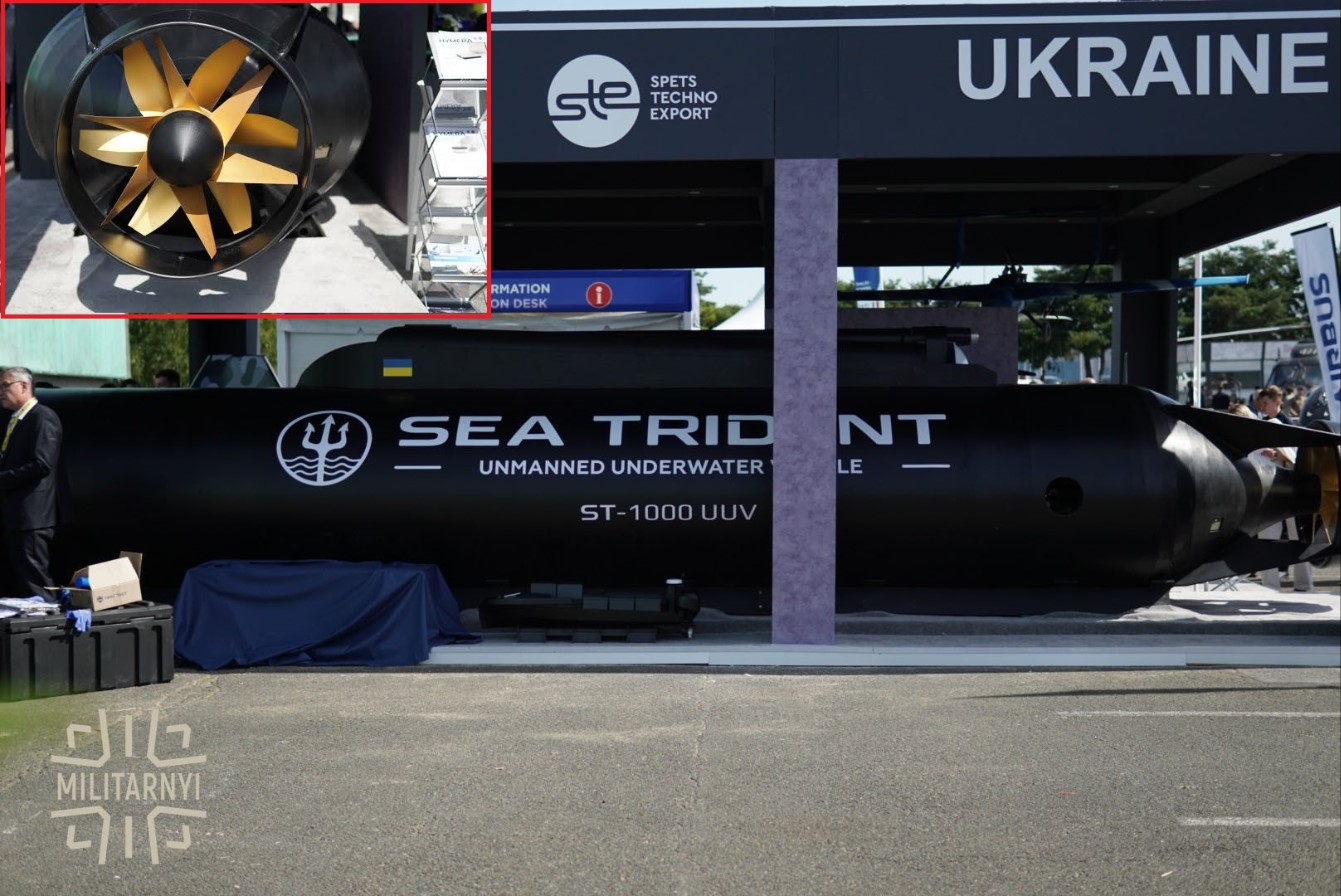 Ukraine Unveils 'Sea Trident' 10-Ton Autonomous Underwater Drone at Eurosatory 2026
-
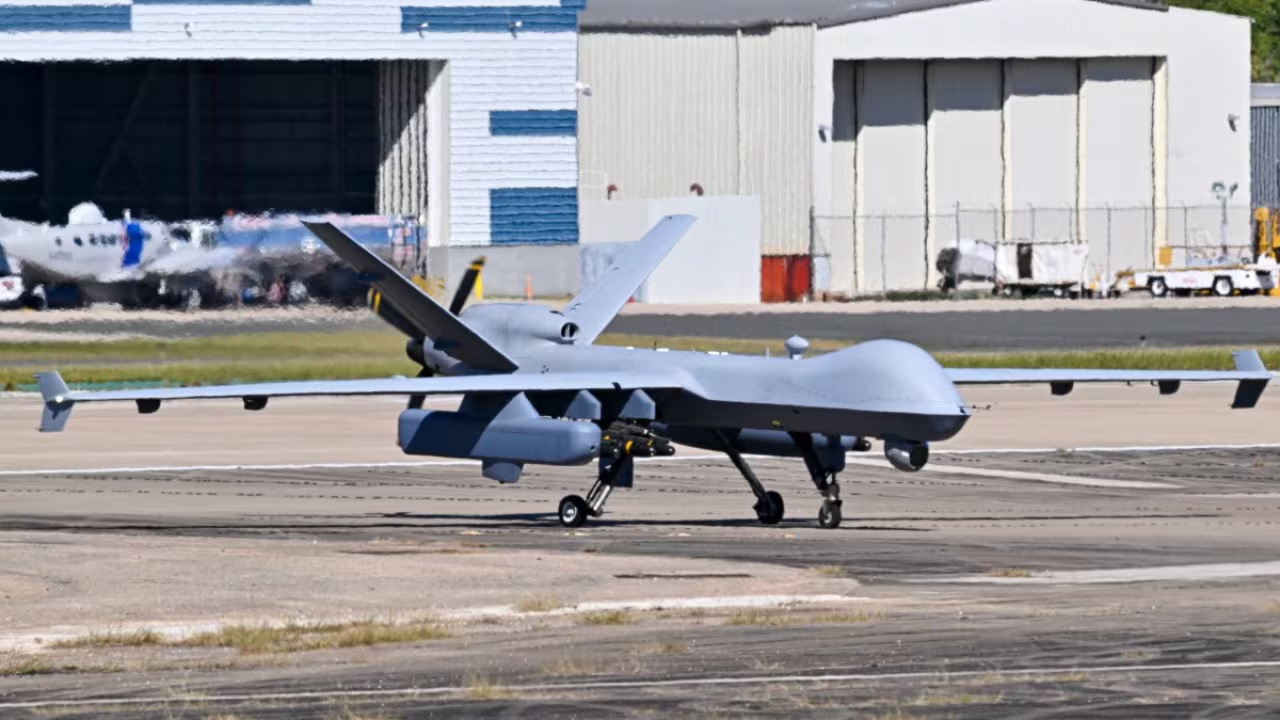 U.S. Air Force Moves to Rebuild MQ-9 Reaper Fleet After Heavy Losses in Iran Conflict
-
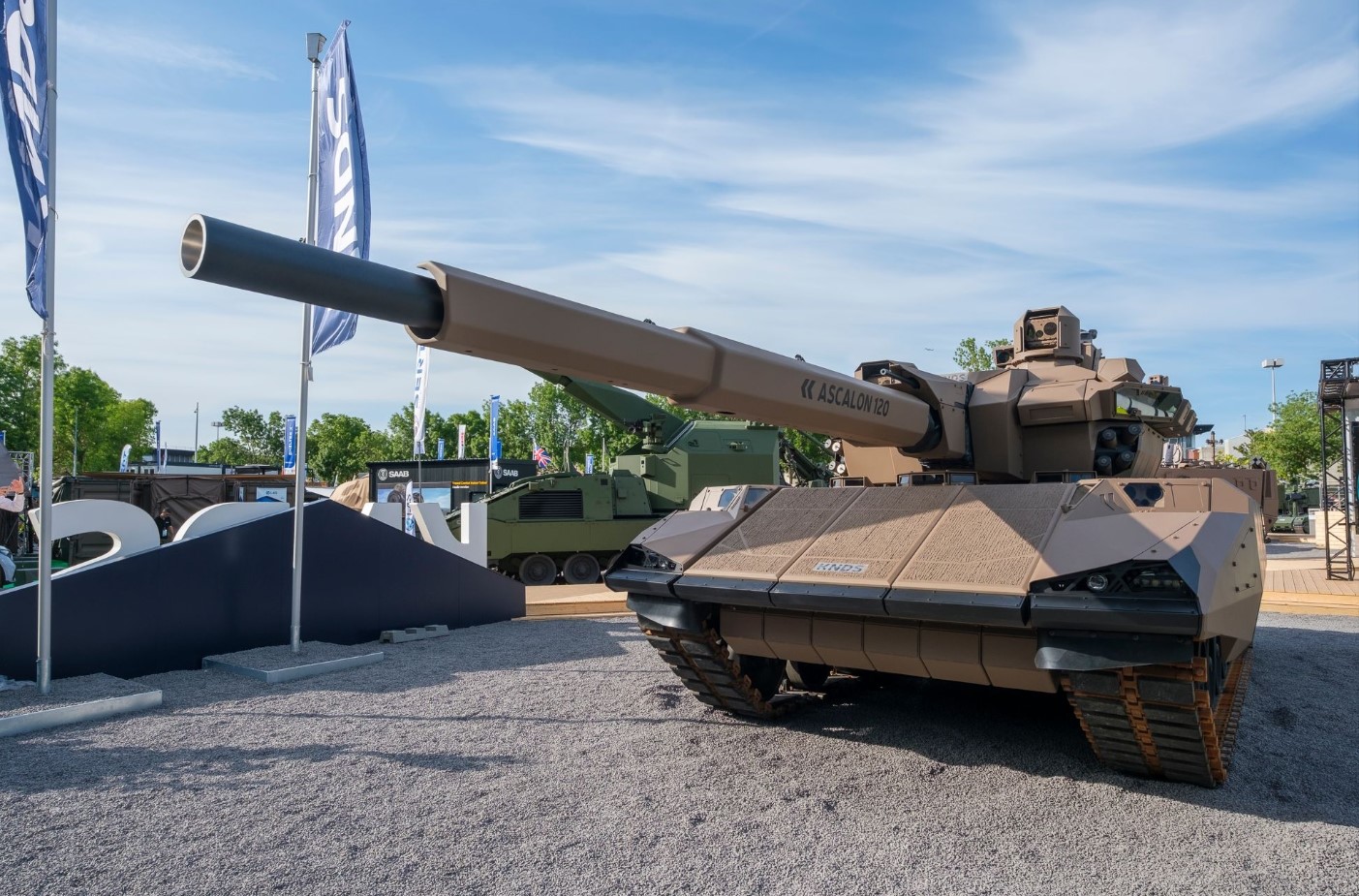 KNDS Unveils CAPINT Main Battle Tank at Eurosatory 2026 as Leclerc Stopgap
-
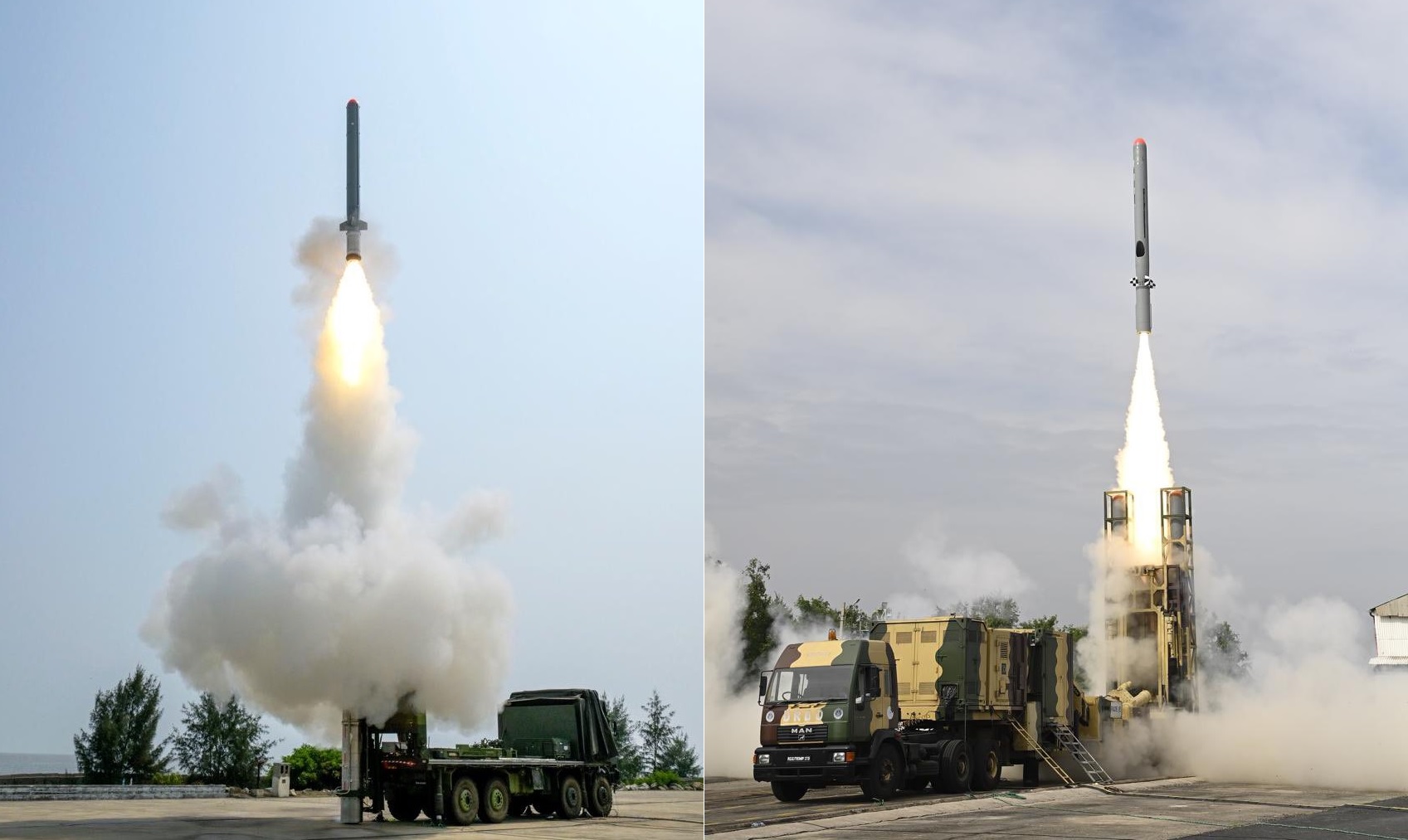 DRDO Conducts Successful Flight Test of Long-Range Land Attack Cruise Missile from Odisha Coast
-
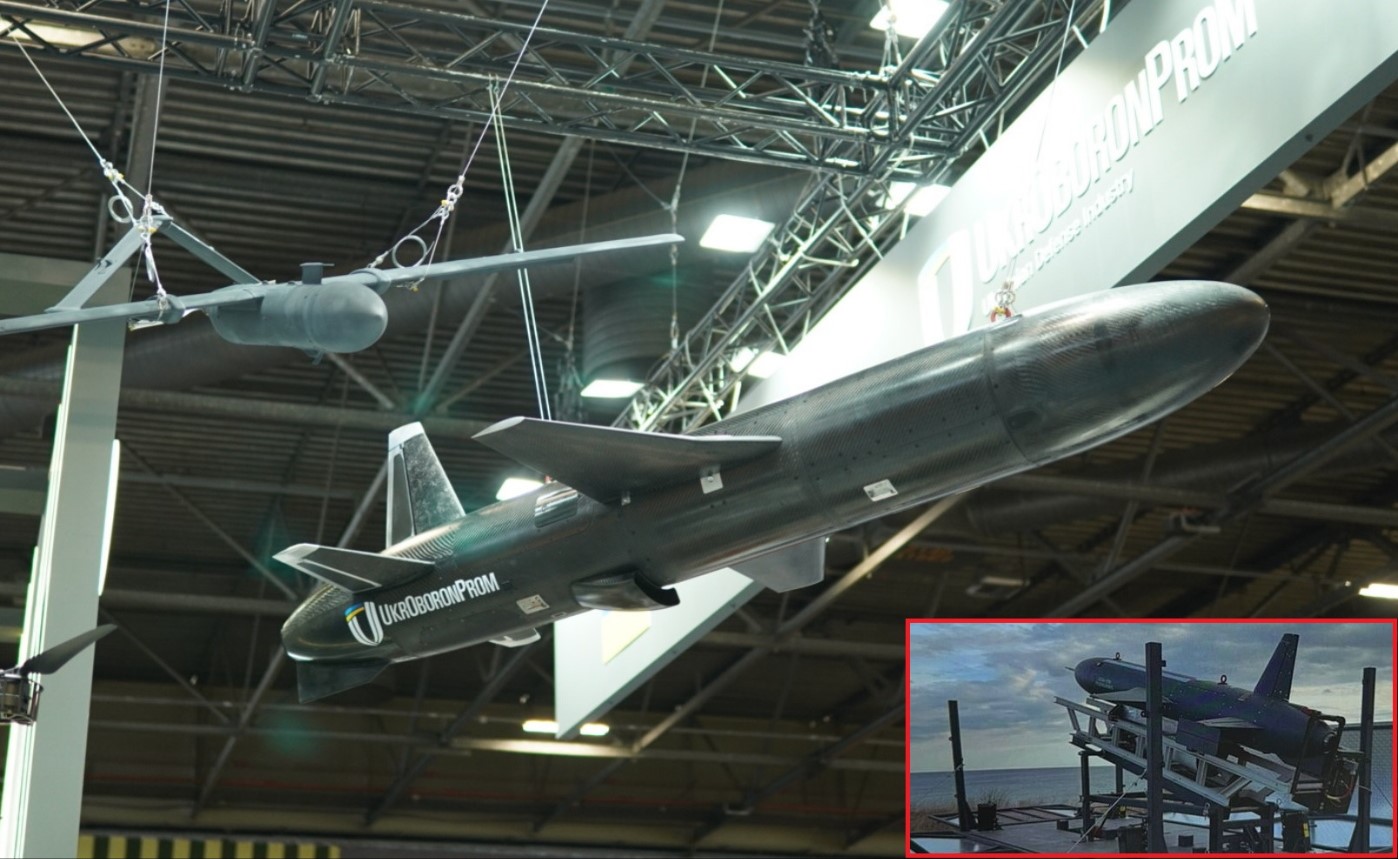 Ukraine Unveils UAV-290 Jet-Powered Strike Drone with 650 km Range at Eurosatory 2026
-
 France Selects Sovereign Thundart Rocket System Over Foreign Alternatives to Replace Aging LRU Launchers
-
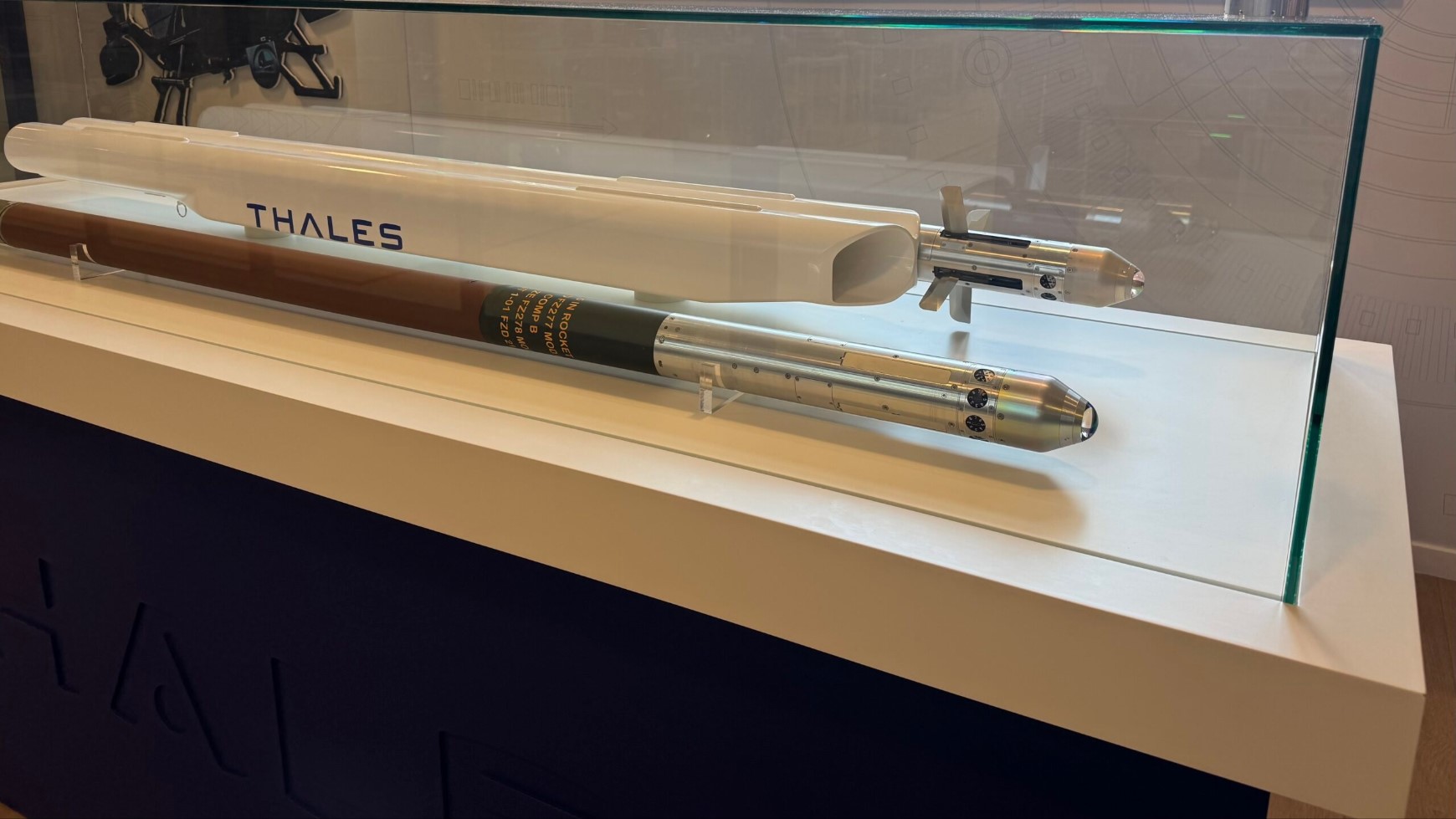 Thales Launches LGR275 Proxy 70mm Laser-Guided Rocket for Drone Defense at Eurosatory 2026
-
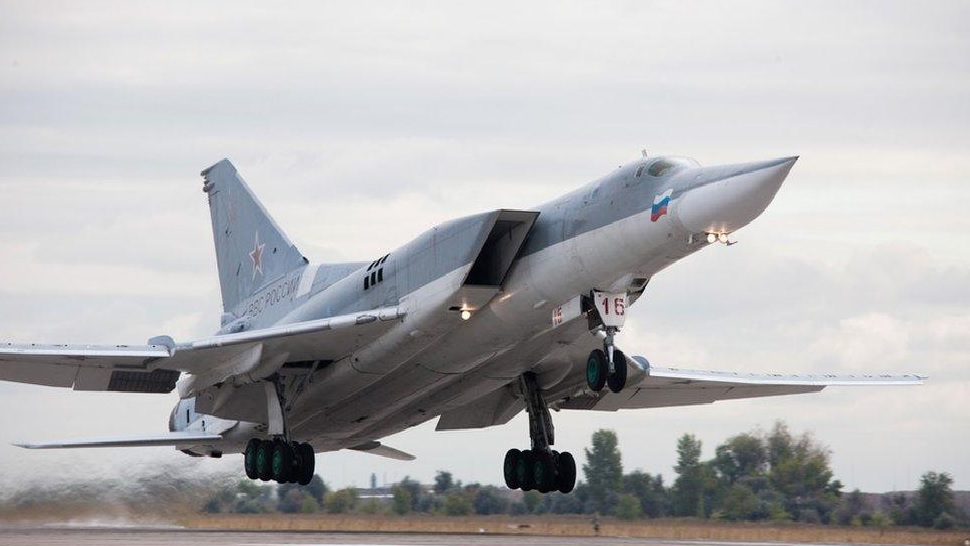 Russian Tu-22M3 Strategic Bomber Crashes in Siberia; All Four Crew Members Eject Safely
Top Trending in 4 Days
-
 Iranian Media Leaks 14-Point U.S.-Iran Peace Framework Amid Ongoing Negotiations
-
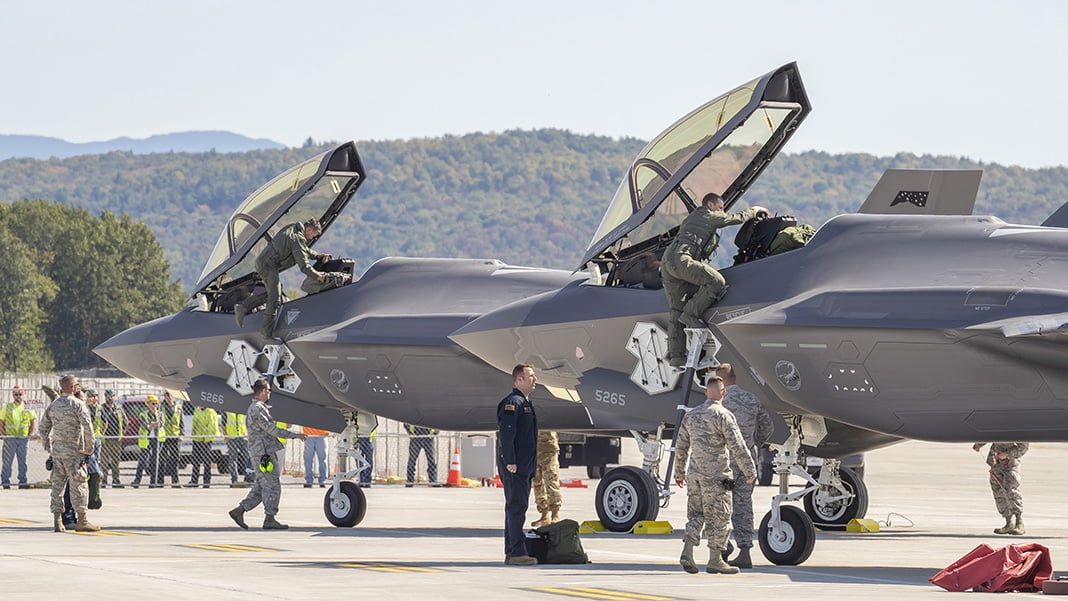 F-35 Fleet Readiness Falls to 25% Amid Parts Shortages and Software Delays: GAO Report
-
 Leonardo Rheinmetall to Unveil Italy’s New IMBT Main Battle Tank at Eurosatory 2026
-
 US Plans Significant Reduction of Fighter Jets and Warships for NATO Operations in Europe
-
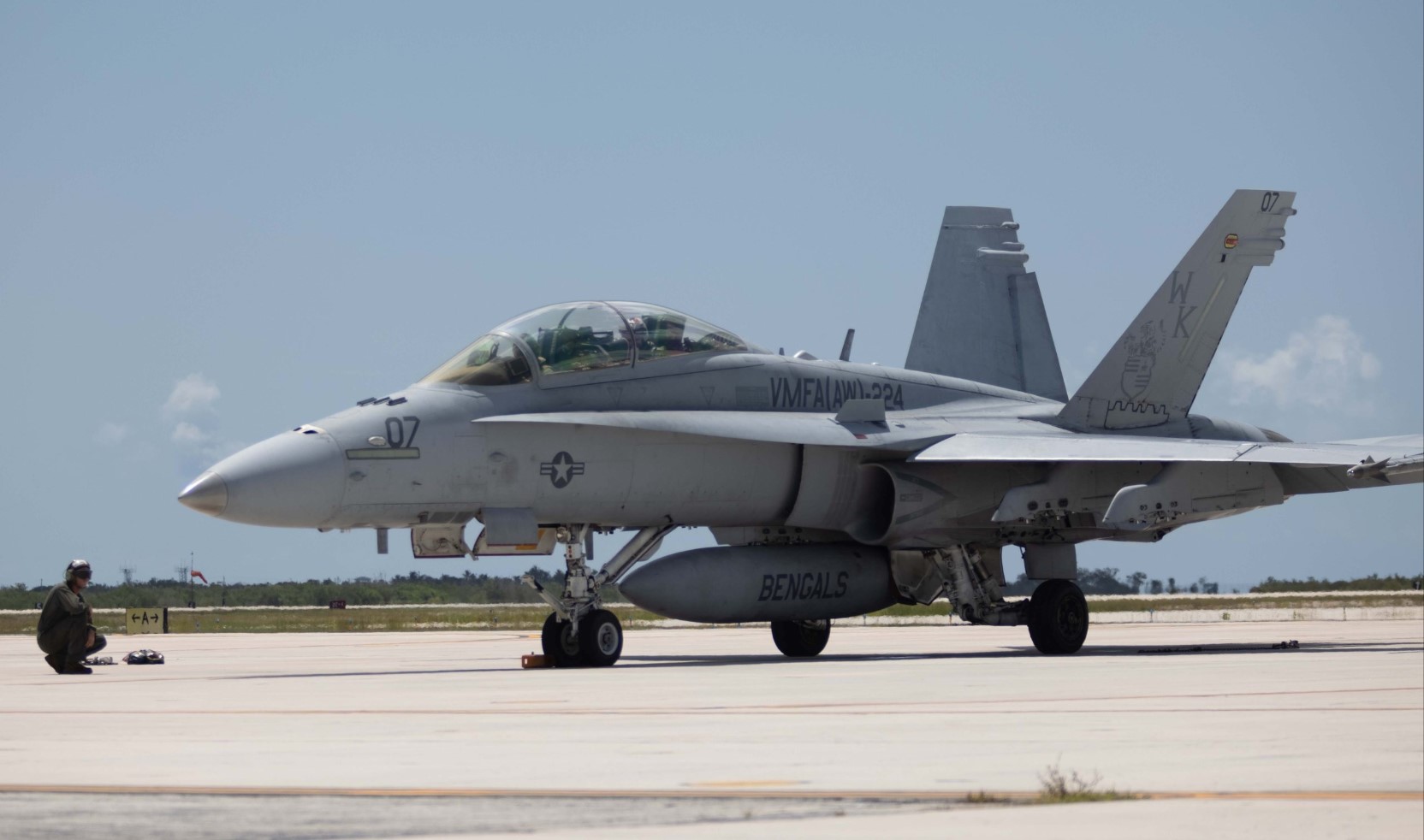 US Marine Corps F/A-18D Hornet Crashes During Training Flight in Washington Mountains; Pilot Ejects Safely
-
 Tulsi Gabbard Releases Declassified Files Detailing U.S.-Backed Network of 120 Biolaboratories Across 30+ Countries
-
 U.S. Air Force Faces Strategic Airlift Shortfall as C-17 Production Restart Remains Uncertain
-
 NATO Commander Says Russia Not Seeking Conflict With Alliance Despite U.S. Force Reductions
