World
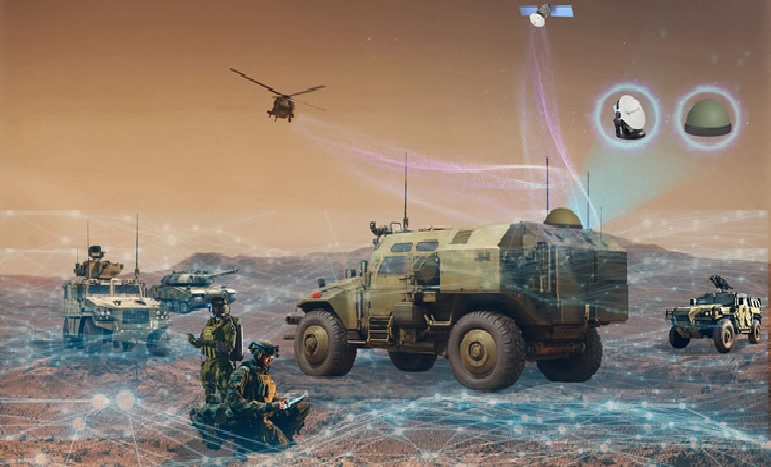
Orbit Communication Systems, a leading Israeli developer of advanced satellite communication solutions, has achieved a major milestone by securing its first substantial contract for land-based SATCOM applications. The Israeli Ministry of Defence (MoD) awarded the $9.1 million contract for the deployment of Orbit’s Multi-Purpose Terminals (MPT), specifically the MPT-30 and MPT-46, for both static and mobile land platforms. This marks a significant expansion for the company, which has historically dominated the maritime and airborne SATCOM markets. Scheduled for delivery in 2025, the deal highlights Orbit’s strategic pivot towards providing resilient and adaptable SATCOM solutions for land forces. With over 4,000 systems already operational on naval vessels and aviation platforms, Orbit now sets its sights on enhancing connectivity and communications for ground-based military operations. Bridging the Communication Gap: Why SATCOM is Vital for Land Forces The MPT series offers unique advantages that align with evolving military needs. Line-of-sight (LOS) communication systems, reliant on VHF/UHF radios, are vulnerable to jamming and signal interference, particularly in contested environments. Orbit CEO Daniel Eshchar emphasized that modern combat scenarios, influenced by lessons from the Russia-Ukraine war and Israel's own defense operations, underscore the need for more resilient communication systems. SATCOM systems like the MPT terminals provide a dependable alternative. Their resistance to jamming and ability to switch seamlessly between frequency bands and satellite constellations make them indispensable for critical military functions. From C4I (Command, Control, Communication, Computer, Intelligence) operations to remotely piloted vehicles, SATCOM ensures secure and uninterrupted communication links in complex terrains such as urban environments, mountains, or densely populated battlefields. Eshchar also highlighted the systems’ future readiness, envisioning their use in autonomous land vehicles, where robust beyond-line-of-sight (BLOS) communication will be crucial for both command and operational control. Cutting-Edge Design for Tough Conditions The MPT-30 and MPT-46 are engineered to withstand extreme conditions across air, sea, and land. With compact, lightweight designs—10 kg and 12 kg, respectively, excluding the radome and block upconverter (BUC)—these systems feature robust Ku- and Ka-band capabilities. Key Technical Highlights: Azimuth Range: 360° continuous. Elevation Range: 0° to 90°. Pointing Accuracy: ~0.1° (static and mobile). Signal Tracking Accuracy: Better than 0.15 dB RMS. Effective Isotropic Radiated Power (EIRP): MPT-30: Up to 52.0 dBW (Ka-band). MPT-46: Up to 56.7 dBW (Ka-band). Data Throughput: 126 Mbps download and 29 Mbps upload. The systems are cybersecure, designed to meet MIL-STD and STANAG standards, and tested on in-house simulators replicating the most challenging operational conditions. Adaptations for land use included software modifications to enhance responsiveness over rough terrain, leveraging design insights from their naval and aerial counterparts. Quick Deployment and International Appeal One of Orbit's key innovations is the ease of installation. The MPT terminals are available in a roll-on/roll-off configuration, allowing them to be fitted to any compatible platform in just 20 minutes, assuming pre-installed cabling. While this contract focuses on Israel’s defense platforms, Orbit is actively pursuing international markets. Demonstrations across Asia-Pacific and Europe are planned, with a successful showcase already conducted in Poland, attended by NATO delegations. Expanding Horizons for Military Connectivity The contract with the Israeli MoD is just the beginning of Orbit’s push to integrate SATCOM solutions into land forces worldwide. With connectivity becoming a cornerstone of modern warfare, the company’s multi-band, multi-orbit terminals are poised to play a pivotal role in ensuring operational superiority. As land forces globally recognize the need for resilient, reliable, and versatile communication systems, Orbit's MPT terminals stand out as a game-changing solution. From securing the battlefield to enabling autonomous systems, these terminals are set to redefine the future of military connectivity.
Read More → Posted on 2024-12-02 15:15:51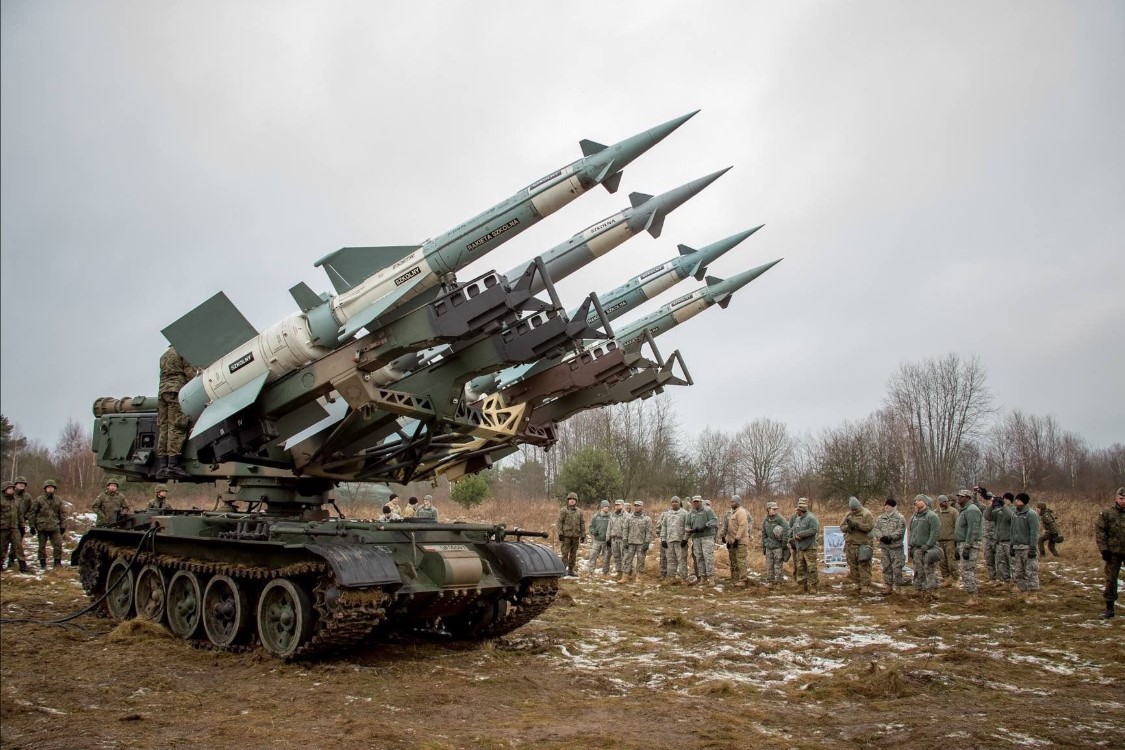
World
In a significant development in the Syrian conflict, Turkish-backed rebels have seized a fully operational S-125 “Pechora” air defense system during their rapid offensive on Aleppo Airport. The dramatic capture underscores the precarious state of the Assad regime’s military hold over northern Syria and highlights the strategic vulnerabilities in its defense infrastructure. A Stunning Seizure Images and videos circulating widely on social media confirm the rebels have acquired an intact and operational S-125 system. This Soviet-era air defense system, also known by its NATO designation SA-3 Goa, was a key asset for Assad’s forces. Capable of engaging targets at altitudes of up to 18 kilometers, the S-125 remains a potent weapon despite its vintage. Defense analysts have noted the surprising condition of the captured system. It is rare for such valuable military hardware to be seized intact during conflict, suggesting either a critical oversight or severe disarray among Assad's forces. One expert remarked, “The fact that no attempt was made to destroy or disable this system points to significant breakdowns in command and operational discipline.” The Offensive on Aleppo Airport The swift assault by Turkish-backed rebels overwhelmed the Assad regime’s defenses at Aleppo Airport earlier this week. According to local reports, regime forces abandoned their positions in haste, leaving behind critical assets including the S-125 system, tanks, and other military hardware. This marks one of the most significant losses of high-value equipment for the regime in recent months. The capture of Aleppo Airport and its assets comes amid a broader rebel offensive in northern Syria. Fierce clashes have allowed rebel factions to consolidate gains in strategic areas, further eroding the Assad regime's foothold in the region. Specifications of the S-125 “Pechora” The S-125 system was originally developed by the Soviet Union in the late 1950s and has undergone numerous upgrades to remain relevant in modern combat. Its medium-range capabilities make it a formidable adversary to enemy aircraft, particularly in contested airspace. Key specifications include: Target Range: Up to 35 kilometers. Target Altitude: Effective engagement at up to 18 kilometers. Guidance System: Semi-active radar homing. Missile Speed: Approximately Mach 3. While the system has seen service worldwide, its role in the Syrian Civil War has primarily been defensive, protecting airbases and key infrastructure. Its loss to the rebels raises concerns about its potential use against both regime and allied aircraft, including those of Russia. Implications for Assad’s Forces The fall of Aleppo Airport and the capture of the S-125 system highlights the Assad regime's growing vulnerabilities. In recent months, rebel forces have seized numerous assets, ranging from armored vehicles to artillery systems. This series of defeats points to weakening morale, poor coordination, and overstretched resources among regime troops. Furthermore, the incident has broader implications for Assad’s allies, including Russia and Iran. Both nations have invested heavily in propping up the regime, and the loss of such a critical system underscores the limits of their support. For Turkey, which backs the rebel factions, the capture is both a tactical and symbolic victory, solidifying its influence in northern Syria. A Turning Point? As the conflict in Syria continues to evolve, the capture of the S-125 “Pechora” system could mark a turning point in the balance of power in the region. While the long-term impact remains uncertain, the incident underscores the shifting dynamics on the battlefield and the increasingly precarious position of the Assad regime in northern Syria. This development also raises pressing questions about the future trajectory of the conflict, including the possibility of further losses of critical military assets and the role of international actors in shaping its outcome.
Read More → Posted on 2024-12-02 15:09:54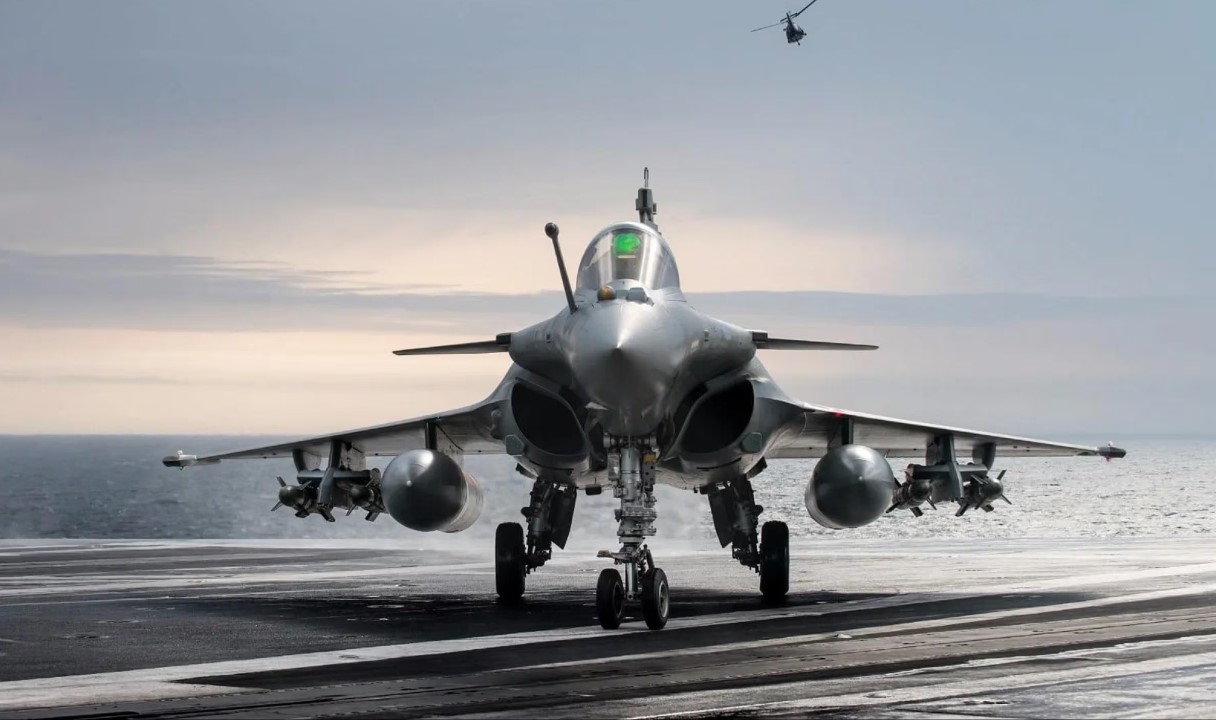
India
The Indian Navy is on the verge of finalizing a landmark deal for 26 Rafale-Marine (Rafale-M) fighter jets, with the agreement expected to be signed within the next month. This strategic acquisition, estimated to cost over ₹50,000 crore, is poised to enhance India’s maritime defense capabilities significantly, particularly in the face of China’s expanding naval power and increasingly sophisticated carrier-based fighter technology. Rafale-M: A Technological Leap for Indian Carriers The Rafale-M, a naval variant of the highly successful Rafale fighter designed by Dassault Aviation, is equipped to operate seamlessly from aircraft carriers. Tailored for the Indian Navy’s needs, it features advanced avionics, active electronically scanned array (AESA) radar, and powerful sensors. It is capable of handling diverse missions such as air dominance, deep strikes, reconnaissance, and electronic warfare. Originally designed for CATOBAR (catapult-assisted takeoff but arrested recovery) operations, the Rafale-M was rigorously tested for compatibility with the ski-jump configuration of India’s carriers, INS Vikrant and INS Vikramaditya. Its successful performance in trials makes it a suitable choice for India's carrier operations. One of the deal's highlights is the logistical and operational synergy it offers. The Rafale-M shares about 80% of its components with the Indian Air Force's Rafale fleet, streamlining maintenance, training, and supply chains. This commonality is expected to reduce operational costs and enhance fleet readiness. A Timely Boost Amidst Regional Challenges This acquisition could not come at a more critical juncture. The People’s Liberation Army Navy (PLAN) of China has showcased its growing maritime strength through dual-carrier operations involving its aircraft carriers, Liaoning and Shandong. The operational deployment of advanced carrier-based fighters like the J-15B and J-15D signals a significant leap in China's ability to project power in the region. The J-15B comes equipped with cutting-edge AESA radar and modernized cockpit systems, while the J-15D serves as a dedicated electronic warfare (EW) platform comparable to the US Navy’s EA-18G Growler. Together, these enhancements boost China’s carrier air wing capabilities, presenting a formidable challenge in the contested waters of the Indian Ocean and beyond. Strategic Implications for India By acquiring Rafale-M jets, India is fortifying its maritime defenses to counterbalance China's assertiveness. These aircraft will primarily operate from the INS Vikrant, India’s first indigenously built aircraft carrier, which was commissioned in 2022. This pairing is expected to bolster India’s power projection across the Indian Ocean Region (IOR), a strategically vital area where China's naval presence has been steadily growing. The Rafale-M deal aligns with India’s broader strategy of modernizing its armed forces to meet emerging challenges. For the Navy, this acquisition is not just a boost in firepower but a critical enabler of long-term operational flexibility. A Move to Secure Maritime Interests India’s decision to invest in the Rafale-M underscores its commitment to maintaining a balance of power in the Indo-Pacific. With the Rafale-M in its arsenal, the Indian Navy will possess a versatile and reliable fighter capable of defending against emerging threats and securing maritime interests. This move is expected to play a vital role in deterring potential adversaries while reinforcing India's standing as a key maritime power.
Read More → Posted on 2024-12-02 15:05:41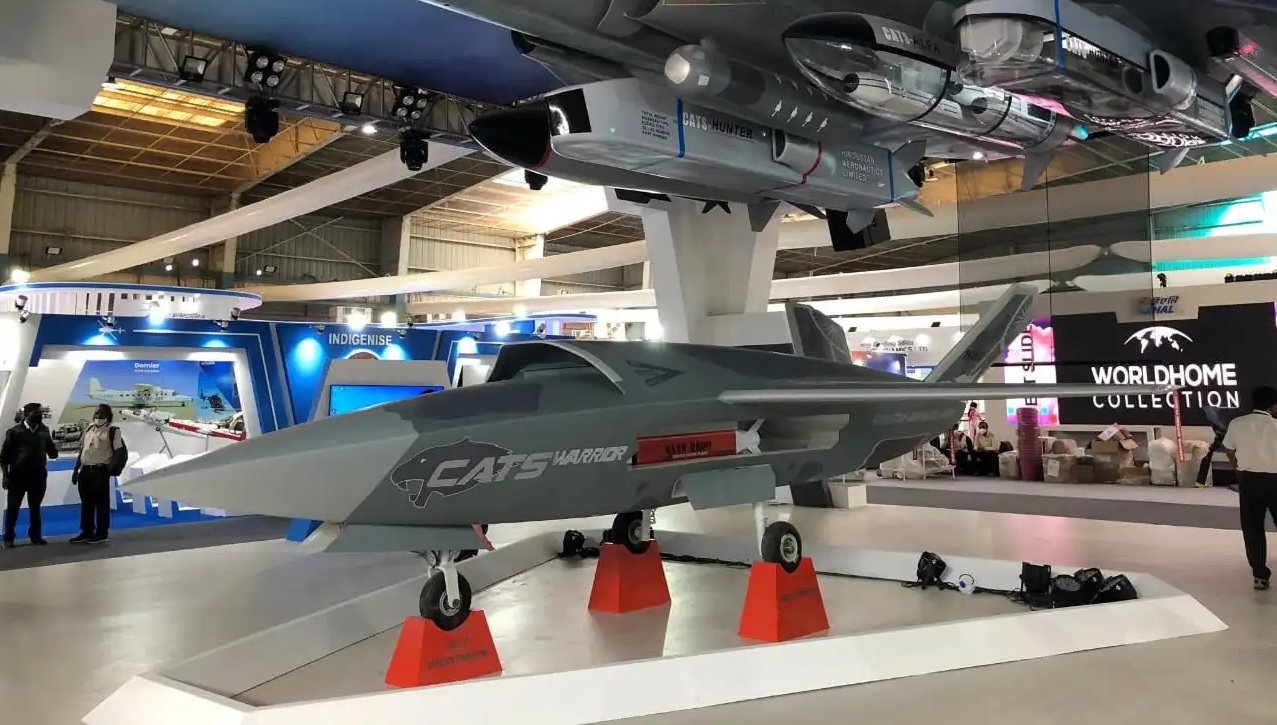
India
Hindustan Aeronautics Limited (HAL) has officially set the record straight about the progress of its ambitious CATS Warrior Unmanned Combat Aerial Vehicle (UCAV). Contrary to recent rumors circulating on social media, the cutting-edge 1.1-ton Loyal Wingman is still under construction, with its maiden flight now scheduled for late 2025. This UCAV is a cornerstone of HAL’s Combat Air Teaming System (CATS), aimed at redefining aerial combat by integrating unmanned and manned aircraft. Designed to operate alongside India’s advanced fighter jets like the Tejas and the upcoming Advanced Medium Combat Aircraft (AMCA), the CATS Warrior represents a significant leap in India’s indigenous defense capabilities. The Road to Development The concept of the CATS Warrior emerged from HAL's vision of creating a "loyal wingman" that can complement manned aircraft during high-stakes missions. The project has already achieved a key milestone: the successful testing of a scaled-down 300-kilogram model. This achievement paved the way for approval to fabricate a full-scale prototype, which is currently under construction. HAL is meticulously assembling the prototype, ensuring every component meets stringent operational and safety benchmarks. If everything stays on schedule, the prototype will be unveiled by mid-2025, with flight trials to follow shortly thereafter. What Makes the CATS Warrior Unique? The CATS Warrior is poised to bring transformative capabilities to the Indian Air Force (IAF). This UCAV's advanced features promise to redefine aerial combat and reconnaissance missions: Loyal Wingman Concept: The Warrior operates as an autonomous or semi-autonomous companion to manned fighter jets, capable of executing coordinated maneuvers under direct pilot command or pre-programmed algorithms. Stealth and Endurance: Its low-observable design allows it to penetrate heavily contested airspaces while remaining undetected. The UCAV also boasts extended endurance, enabling prolonged operations. Versatile Payload: Designed to carry a range of sensors, mission-specific equipment, and weapons, the Warrior is adaptable to diverse roles, including surveillance, reconnaissance, and combat. High Survivability: Engineered for high-risk missions, the Warrior reduces the need to deploy manned aircraft in dangerous scenarios, thereby enhancing pilot safety. Modular Architecture: The design is flexible enough to be customized for specific mission requirements, making it a versatile asset in modern warfare. Strategic Implications for India The CATS Warrior project underscores HAL’s commitment to advancing India’s indigenous defense technologies. Once operational, this UCAV will act as a force multiplier for the IAF, significantly boosting its operational efficiency in multi-domain combat scenarios. By taking on high-risk roles, the Warrior will free up manned fighter jets for other critical operations, effectively reshaping the dynamics of air warfare for India. In addition to its tactical advantages, the CATS Warrior highlights India's strides toward self-reliance in defense manufacturing. With a focus on homegrown innovation, the project aligns with the government’s "Make in India" initiative and positions the nation as a key player in advanced aerospace technologies. The Road Ahead While the CATS Warrior remains a work in progress, the anticipation surrounding its development is palpable. The maiden flight in late 2025 will be a critical milestone, marking the transition of this revolutionary concept from blueprint to battlefield. For now, HAL continues to focus on precision fabrication and rigorous testing, ensuring the CATS Warrior emerges as a game-changer for India's aerial combat capabilities. By blending cutting-edge technology with indigenous expertise, the CATS Warrior represents not just a leap forward for the Indian Air Force but a giant stride toward securing India’s place among global defense innovators.
Read More → Posted on 2024-12-02 15:03:58
World
The Australian Army has taken a significant step forward in modernizing its armored capabilities with the arrival of the first batch of M1A2 SEP v3 Abrams main battle tanks. Earlier this month, the 3rd Brigade, based in Queensland, received four of these state-of-the-art tanks, marking the beginning of a broader transformation of Australia’s armored fleet. These tanks are part of a larger acquisition of 75 M1A2s approved in 2021, which will replace the Army’s aging M1A1 AIMs (Abrams Integrated Management) fleet. The full delivery is scheduled to be completed by the end of 2025, with 14 units already earmarked for the 2nd Cavalry Regiment. A Game-Changer for Combined Arms Warfare The M1A2 SEP v3 (System Enhanced Program Version 3) Abrams tanks bring a suite of advancements in mobility, firepower, and protection that elevate their role in modern combat. According to the Australian Department of Defence, these tanks are critical to the Army’s combined arms fighting system, empowering land forces to dominate key strategic positions. Weighing in at 73.6 tons, the M1A2 SEP v3 incorporates cutting-edge technology designed to adapt to the evolving demands of the battlefield. One of its standout features is the remotely controlled weapon station, allowing the crew to operate mounted weapons such as .50 caliber and 7.62mm machine guns, as well as the MK19 40mm grenade launcher, all while remaining protected inside the vehicle. Enhanced Situational Awareness The tank is equipped with a commander’s independent thermal viewer and upgraded situational awareness systems. These enhancements allow both the commander and gunner to monitor separate areas simultaneously. This capability is a leap forward in operational efficiency, enabling faster target acquisition and improved threat detection. For instance, while the gunner focuses on engaging a specific target, the commander can independently scan the surroundings using the thermal viewer. This ability to operate in different spectrums ensures better coordination and quicker reaction times. Advanced Ammunition and Digital Systems Another significant upgrade is the tank’s fully digital electrical system, powered by dual computers that continuously process and analyze battlefield data. Additionally, an ammunition data link enables programming of new ammunition types for versatile effects such as point detonation, delayed explosions, or airbursts. These capabilities give the M1A2 SEP v3 an edge in engaging various target profiles with precision. Major Trent Lam, Officer Commanding C Squadron, highlighted the tank's ability to fire on the move with enhanced accuracy, a crucial advantage in dynamic combat scenarios. Preparing for the Future The M1A2 SEP v3 is not just a replacement for Australia’s current fleet; it represents a shift toward integrating advanced technologies into the Army’s arsenal. With these tanks, the Australian Defence Force is better equipped to meet future challenges, whether on domestic soil or in international operations. The delivery of these tanks reflects Australia’s commitment to maintaining a modern and capable military force. As the remainder of the 75 units are rolled out, the M1A2 SEP v3 will undoubtedly become a cornerstone of the Army’s operational strategy, reinforcing its ability to secure key strategic positions and deter potential threats.
Read More → Posted on 2024-12-02 14:11:05
World
In a dramatic escalation in northern Syria, pro-Turkey factions have seized control of the strategic town of Tal Rifaat from Kurdish forces, a development with significant implications for the region's fragile balance of power. The Syrian Observatory for Human Rights (SOHR), a UK-based war monitor, reported that the offensive, which unfolded on Sunday, has left tens of thousands of Kurdish civilians besieged and heightened fears of potential atrocities. The Strategic Importance of Tal Rifaat Tal Rifaat is located just 20 kilometers (12 miles) south of the Turkish border, making it a focal point of conflict between Ankara-backed forces and Kurdish fighters. Historically, the town's population comprised Arabs and Turkmen. However, after Turkey's 2018 offensive on the nearby Afrin region, large numbers of displaced Kurdish families sought refuge in Tal Rifaat. The town has been under Kurdish control for years and is strategically significant as it connects key supply routes and serves as a defensive stronghold for Kurdish forces in the Aleppo province. Its capture by pro-Turkey fighters not only disrupts Kurdish supply lines but also consolidates Turkey's influence in northern Syria. Humanitarian Concerns and Communication Blackout SOHR has raised alarms over the situation, reporting that approximately 200,000 Syrian Kurds in the Aleppo province are now besieged by pro-Turkey forces. Communication lines in Kurdish-majority areas have been severed, sparking fears of potential massacres. Activists and humanitarian organizations are struggling to monitor the situation due to the blackout, which further complicates efforts to assess the humanitarian toll. Broader Context of the Offensive The assault on Tal Rifaat is part of a larger campaign launched by pro-Turkey factions in Aleppo province. This offensive has seen violent clashes with both Kurdish fighters and Syrian government forces. According to SOHR, pro-Ankara groups have also captured Safireh, Khanasser, and the Kweyris military airport southeast of Aleppo. The offensive has reportedly resulted in the deaths of at least nine Syrian government soldiers. It marks a significant shift in the dynamics of the Syrian conflict, as it simultaneously targets Kurdish forces, viewed by Turkey as linked to the outlawed Kurdistan Workers’ Party (PKK), and Assad regime troops. Turkey’s Strategic Goals Since 2016, Turkey has launched multiple military operations in northern Syria, aiming to push back Kurdish militias it deems as terrorist threats due to their affiliation with the PKK. The Turkish government has long sought to establish a "safe zone" along its southern border, free from Kurdish fighters, while also resettling Syrian refugees in the area. President Recep Tayyip Erdoğan has previously threatened further incursions into Kurdish-held areas, including Tal Rifaat. The current offensive aligns with Ankara’s broader strategy of expanding its influence in northern Syria, even as it draws criticism from the international community for exacerbating regional instability. International Response The United States, which backs the Kurdish-led Syrian Democratic Forces (SDF), has expressed concern over the recent developments. The SDF, which played a pivotal role in defeating ISIS in Syria, accused Turkey of orchestrating the offensive to divide the country. Turkish Foreign Minister Hakan Fidan discussed the ongoing violence with U.S. Secretary of State Antony Blinken on Sunday, emphasizing Ankara’s support for measures to "reduce tension." However, critics argue that Turkey’s actions on the ground contradict its stated commitment to de-escalation. A Region on Edge The seizure of Tal Rifaat underscores the volatility of northern Syria, where competing interests of regional powers, local militias, and international stakeholders continue to collide. As the conflict unfolds, the humanitarian situation remains dire, with thousands of civilians caught in the crossfire. For now, the battle for northern Syria appears far from over, and the fate of Tal Rifaat and its residents hangs precariously in the balance.
Read More → Posted on 2024-12-02 13:56:09
India
In a significant boost to India's maritime security, Goa Shipyard Limited (GSL) has launched two indigenous Fast Patrol Vessels (FPVs), Adamya and Akshar, for the Indian Coast Guard (ICG). The ceremonial launch, held on October 28, 2024, underscores India's commitment to self-reliance in defence manufacturing under the 'Atmanirbhar Bharat' initiative. Priya Paramesh, wife of ICG Director General Paramesh Sivamani, graced the event as the chief guest, marking a momentous occasion for the shipyard and the nation. Cutting-Edge Features and Indigenous Design The Adamya and Akshar are meticulously designed to bolster the ICG's operational efficiency. Each vessel spans 52 meters in length and 8 meters in breadth, with a displacement of 320 tons. They can achieve a top speed of 27 knots, making them highly agile and responsive to maritime threats. One of the standout features of these FPVs is their indigenization level. Over 60% of the components are sourced from Indian manufacturers, showcasing GSL's dedication to fostering local industry and advancing indigenous technology. This effort aligns seamlessly with the government's vision of reducing dependency on foreign imports in the defence sector. Multifaceted Roles and Strategic Importance The vessels are specifically built to address a variety of challenges along India's vast coastline and in its Exclusive Economic Zone (EEZ). Their roles include: Protecting offshore installations and island territories. Conducting regular surveillance and reconnaissance to detect and deter potential threats. Enhancing maritime security to counter smuggling, illegal fishing, and other unlawful activities. These FPVs are part of a larger contract for eight such vessels, valued at ₹473 crore. The launch of Adamya and Akshar represents a major step forward in this project, which is vital for strengthening India's coastal defence infrastructure. Advanced Infrastructure and Simultaneous Launch What makes this launch unique is GSL's use of its state-of-the-art ship-lift system, enabling the simultaneous launch of two vessels for the first time. This innovative approach underscores GSL's modernization efforts and positions it as a leader in advanced shipbuilding techniques in India. GSL Chairman Brajesh Kumar Upadhyay highlighted the shipyard's robust growth trajectory, with gross revenue surpassing ₹2,000 crore—a 100% increase. He attributed this success to the shipyard's focus on innovation and its ability to deliver cutting-edge platforms for India's maritime defence. Strengthening India’s Maritime Frontiers The launch of Adamya and Akshar not only adds to the operational prowess of the Indian Coast Guard but also signifies the growing capabilities of India's defence shipbuilding industry. As these vessels join the ICG fleet, they will play a pivotal role in safeguarding India’s maritime interests and ensuring the security of its coastline. This event stands as a testament to India’s progress in achieving self-reliance in defence manufacturing while simultaneously enhancing its maritime security framework.
Read More → Posted on 2024-12-02 13:51:35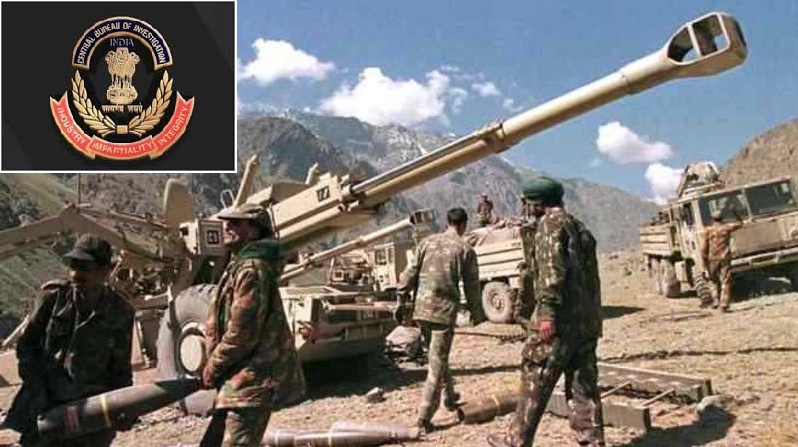
India
The Central Bureau of Investigation (CBI) is reviving interest in the decades-old Bofors bribery scandal, one of India’s most politically sensitive cases. The agency plans to send a judicial request, known as a Letter Rogatory (LR), to the United States, seeking information from Michael Hershman, a private investigator and head of the Fairfax Group. Hershman, who has expressed willingness to assist Indian authorities, claims to have crucial details regarding the alleged Rs 64-crore bribery scandal that surfaced in the 1980s. Background of the Bofors Scandal The Bofors case revolves around allegations of kickbacks in a Rs 1,437-crore defense deal during the 1980s Congress government. The deal involved the purchase of 400 155mm field howitzers from Swedish arms manufacturer Bofors AB. The allegations of a Rs 64-crore bribe led to widespread controversy, significantly impacting the political landscape at the time. The field howitzers, despite the scandal, played a critical role in India's defense capabilities, including their successful deployment during the Kargil war. However, the case has been marred by accusations of political interference and an alleged lack of thorough investigation. Legal Proceedings and Attempts to Reopen the Case The Bofors case saw numerous twists in the legal arena. In 2004, the Delhi High Court exonerated former Prime Minister Rajiv Gandhi, and a year later, it quashed charges against other key accused, including the Hinduja brothers. Italian businessman Ottavio Quattrocchi, who was alleged to be the middleman, was discharged in 2011 after the CBI withdrew prosecution against him. Despite these developments, the case never fully faded from public memory. Hershman reignited interest in 2017, alleging in interviews and public appearances that the investigation was deliberately derailed by the Congress government. The CBI noted his claims and initiated discussions to reopen the case. The Role of Michael Hershman Hershman’s involvement dates back to his tenure at Fairfax Group, a private investigation firm that worked on uncovering financial irregularities. During a visit to India in 2017, he openly expressed his readiness to assist Indian authorities, claiming to possess vital evidence that could shed new light on the case. His assertions prompted the CBI to take formal steps to engage with him. However, initial attempts through letters and reminders sent to US authorities between 2023 and 2024 yielded no actionable response. The agency now hopes that the LR, a formal judicial request, will expedite cooperation. Judicial Request and Next Steps The CBI has informed a special court in India of its intent to send the LR to the US. The process was initiated in October 2024 and is expected to take around 90 days to finalize. The LR mechanism allows courts in one country to request assistance from judicial authorities in another for investigation or prosecution in criminal matters. This move reflects a renewed commitment by the CBI to pursue the case, despite its closure in 2011. The agency believes that Hershman’s insights could provide fresh leads to investigate allegations of corruption in the defense deal. Implications of the Revived Investigation The revival of the Bofors case is not just a legal maneuver but also carries significant political ramifications. The scandal had long been a point of contention between political parties, and any new revelations could stir fresh debates. With Hershman’s cooperation, the CBI may unearth information that could fill gaps in the earlier investigations. However, the outcome largely depends on the US authorities' response and the material Hershman can provide. As the agency pursues this transnational legal route, the Bofors case once again becomes a focal point in India’s legal and political discourse, underlining the complexities of tackling corruption in high-stakes defense deals.
Read More → Posted on 2024-12-02 13:46:44
World
In a landmark development for South Korea's naval capabilities, Hyundai Heavy Industries (HHI) recently delivered an 8,200-ton Aegis destroyer to the Republic of Korea (ROK) Navy, solidifying its role in enhancing maritime defense. The vessel, named Jeongjo the Great, is part of South Korea's strategy to counter growing security threats in the region, particularly from North Korea’s missile and nuclear ambitions. Aegis Destroyer: A Technological Marvel Jeongjo the Great marks the ROK Navy’s fourth Aegis-equipped destroyer, joining the elite ranks of vessels that integrate cutting-edge technologies for maritime warfare. The contract for the ship was signed in 2019 with South Korea's Defense Acquisition Program Administration (DAPA), and construction commenced in 2021. Following its launch in 2022, the destroyer underwent rigorous trials to integrate the US-developed Aegis Combat Management System (CMS) with Korean-made systems. The warship boasts several state-of-the-art features: HHI-Developed Sonar System: Enhances underwater detection and tracking capabilities. Phased Array Radar: A multi-function radar system that provides advanced surveillance and targeting. Korean Vertical Launch System (VLS-II): Equipped for deploying various missile types, including surface-to-air and anti-submarine missiles. Propulsion System: Powered by four gas turbine engines and two hybrid electric drives, delivering unmatched speed and fuel efficiency. MH-60R Helicopter Compatibility: Facilitates extended maritime operations, including anti-submarine warfare. Designed as a core component of South Korea’s maritime-based "three-axis" system, the destroyer aims to provide a robust counter to North Korea's advancing missile technology. Unveiling the Chungnam Frigate The delivery ceremony also featured the unveiling of the Chungnam-class frigate (FFX-III), an advanced vessel set to join the ROK Navy within the month. This frigate underscores South Korea’s ambition to modernize its naval fleet with versatile, multi-role ships. Delegates from seven nations, including defense allies like the US, Poland, and Peru, were present at the event, signaling growing international defense collaborations. The Chungnam-class frigate incorporates: Enhanced Stealth Capabilities: Reducing radar cross-section for improved survivability. Advanced Weaponry Systems: Including anti-ship and anti-air missiles tailored for modern naval conflicts. Integrated Electronic Systems: Supporting situational awareness and combat readiness. A Milestone for HHI and South Korea’s Defense Industry The successful delivery of Jeongjo the Great and the unveiling of the Chungnam-class frigate highlight HHI’s growing prominence in the global defense market. Speaking at the ceremony, Joo Won Ho, Head of Naval and Special Ships at HHI, expressed pride in the accomplishment: “It is a result of our evolving cooperation with affiliated organizations, including DAPA, the ROK Navy, and the Agency for Defense Development (ADD). HHI remains committed to contributing to Korea’s defense exports with the ‘Team Korea, Team Ship’ efforts alongside government organizations.” The second Aegis destroyer is slated for launch in 2025, with construction of the third ship already underway, reflecting South Korea’s continued focus on bolstering its maritime defenses. Global Implications The involvement of international delegates at the ceremony, including representatives from Poland and Peru, highlights the broader implications of South Korea’s naval advancements. Poland’s recent acquisitions of battle tanks and howitzers from South Korea and Peru's defense agreements with Seoul suggest a growing reliance on South Korean expertise in military technology. As geopolitical tensions in the Indo-Pacific region rise, South Korea’s enhanced naval capabilities, exemplified by Jeongjo the Great, position it as a key player in maintaining regional stability and deterring aggression. Conclusion Hyundai’s delivery of the Aegis destroyer and unveiling of the Chungnam frigate not only mark significant milestones for the ROK Navy but also underscore South Korea’s emergence as a global leader in advanced naval technology. With these cutting-edge vessels, South Korea is poised to strengthen its maritime defense capabilities while expanding its footprint in the international defense industry.
Read More → Posted on 2024-12-02 13:33:05
Space & Technology
ITER-India has marked a significant milestone by successfully delivering six Torus Cryopump Housings (TCPHs) to the International Thermonuclear Experimental Reactor (ITER) project in France. This contribution underscores India's pivotal role in advancing nuclear fusion technology through global collaboration. These meticulously designed and manufactured housings were accompanied by crucial components such as bellows and additional loose items, all developed under the tender reference I-ITN19002. The effort reflects not only engineering precision but also India's commitment to maintaining the highest standards of quality and innovation in one of the most ambitious energy projects in human history. What Are Torus Cryopump Housings, and Why Are They Critical? At the heart of ITER’s mission to demonstrate the feasibility of nuclear fusion lies its tokamak, a reactor designed to replicate the energy-producing processes of the sun. The Torus Cryopump Housings play an indispensable role in achieving this vision. Vacuum Maintenance:TCPHs are essential for sustaining the ultra-high vacuum required in the ITER tokamak’s torus chamber. A vacuum of 10−610^{-6} pascals is critical to ensure the purity and stability of the plasma, minimizing impurities that could disrupt fusion reactions. Exhaust Gas Management:The cryopumps within these housings are tasked with pumping and containing exhaust gases produced during fusion, such as helium, tritium, and deuterium. Proper management of these by-products is crucial to maintain reactor efficiency and operational safety. Thermal Insulation:TCPHs also provide an insulating vacuum for the ITER cryostat, shielding sensitive components from thermal fluctuations. This ensures that critical parts of the reactor operate under optimal conditions, enhancing both reliability and performance. Engineering Challenges and Triumphs The development of the TCPHs involved overcoming significant technical hurdles. Precision engineering was key, with tight tolerances required to maintain the vacuum environment and ensure seamless integration with ITER’s complex infrastructure. Additionally, the components had to meet stringent cleanliness standards to prevent contamination that could compromise the reactor's performance. Throughout the manufacturing process, third-party inspections were conducted to verify compliance with these demanding specifications, reflecting ITER-India's unwavering dedication to quality assurance. The Journey to France Transporting the TCPHs from India to France was another logistical accomplishment. These large and delicate components required specialized handling to ensure their safe delivery to the ITER construction site in Cadarache. The logistical planning, coupled with meticulous coordination, ensured the components arrived intact and on schedule. India’s Role in the Future of Energy The delivery of these cryopump housings highlights India's growing expertise in high-end engineering and its significant contribution to global fusion research. As one of 35 countries participating in the ITER project, India’s involvement not only advances the collective goal of achieving clean and virtually limitless energy but also enhances its technological and industrial capabilities. By contributing critical components like the TCPHs, India is not only aiding in the construction of a fusion reactor but also cementing its position as a leader in cutting-edge scientific endeavors. ITER, once operational, is expected to revolutionize the energy landscape by providing a sustainable, carbon-free alternative to traditional energy sources. This achievement is a testament to the collaborative spirit driving the ITER project and the ingenuity of the Indian scientific community. As the world moves closer to harnessing the power of fusion, India’s role in this transformative journey will be remembered as a cornerstone of innovation and global cooperation.
Read More → Posted on 2024-12-02 13:28:08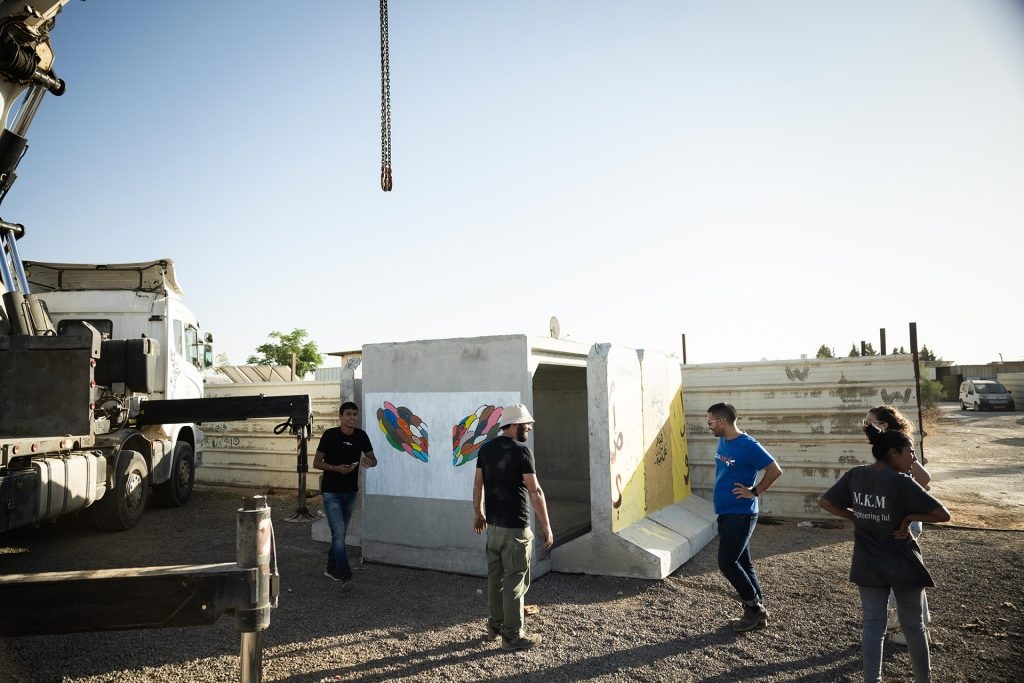
World
In a significant move to bolster civilian safety in its northern regions, Israel has earmarked an estimated $330 million for the construction of private bomb shelters near the Lebanese border. The agreement, part of the ongoing "Northern Shield" project, underscores Israel’s commitment to enhancing defense measures in an area historically vulnerable to cross-border tensions. The Ministry of Defense, in collaboration with the Israel Defense Forces (IDF) Home Front Command and the Ministry of Finance, announced plans to establish approximately 10,000 reinforced rooms in civilian towns situated within 1 to 5 kilometers of the border. These shelters, known as "self-realization" structures, are tailored to protect families in high-risk zones. The initiative also provides a financial grant of up to 132,000 Shekels ($36,360) per household, enabling residents to integrate bomb shelters into their homes. This initiative gains momentum following the signing of an inter-ministerial agreement, which allocates 875 million Shekels ($240.9 million) specifically for these private shelter grants. In addition, the plan encompasses the development of essential community infrastructure, such as medical facilities, in these settlements, enhancing both safety and living standards. Expanding the "Northern Shield" The "Northern Shield" project has been central to Israel’s defense strategy in the north, focusing on fortifying civilian structures against potential threats. Earlier efforts saw the construction of 1,700 reinforced rooms across settlements near the border. The latest agreement accelerates the project’s pace and scale, aiming to provide broader coverage for residents living in areas considered most at risk. Construction efforts are already underway, with the Ministry of Defense's engineering and construction department spearheading the initiative. The shelters are designed to withstand a variety of threats, including rocket fire, ensuring residents have immediate access to life-saving protection in emergencies. Strategic Importance of Northern Israel Northern Israel’s proximity to Lebanon has made it a focal point for defense planning. The region has historically been subject to rocket attacks and heightened military tensions, particularly during conflicts involving Hezbollah. As the security situation remains fluid, the construction of bomb shelters reflects a proactive approach to safeguarding civilians. The decision to allocate substantial resources to this initiative comes amid ongoing ceasefire agreements and efforts to maintain stability along the border. The enhanced shelter infrastructure not only provides immediate protection but also reinforces residents' confidence in the government’s ability to address security concerns. A Broader Vision for Civilian Safety Beyond individual bomb shelters, the Northern Shield project symbolizes a comprehensive approach to regional security. By combining robust infrastructure with financial incentives, Israel seeks to empower communities while ensuring that residents remain protected against potential threats. This dual strategy of physical fortification and economic support exemplifies the nation’s broader commitment to its citizens’ safety and resilience. With construction plans in full swing and funding secured, northern Israel is set to witness a transformative upgrade in civilian defense. These developments underline the government’s recognition of the unique challenges faced by border communities and its determination to provide solutions that are both immediate and enduring.
Read More → Posted on 2024-12-02 13:24:33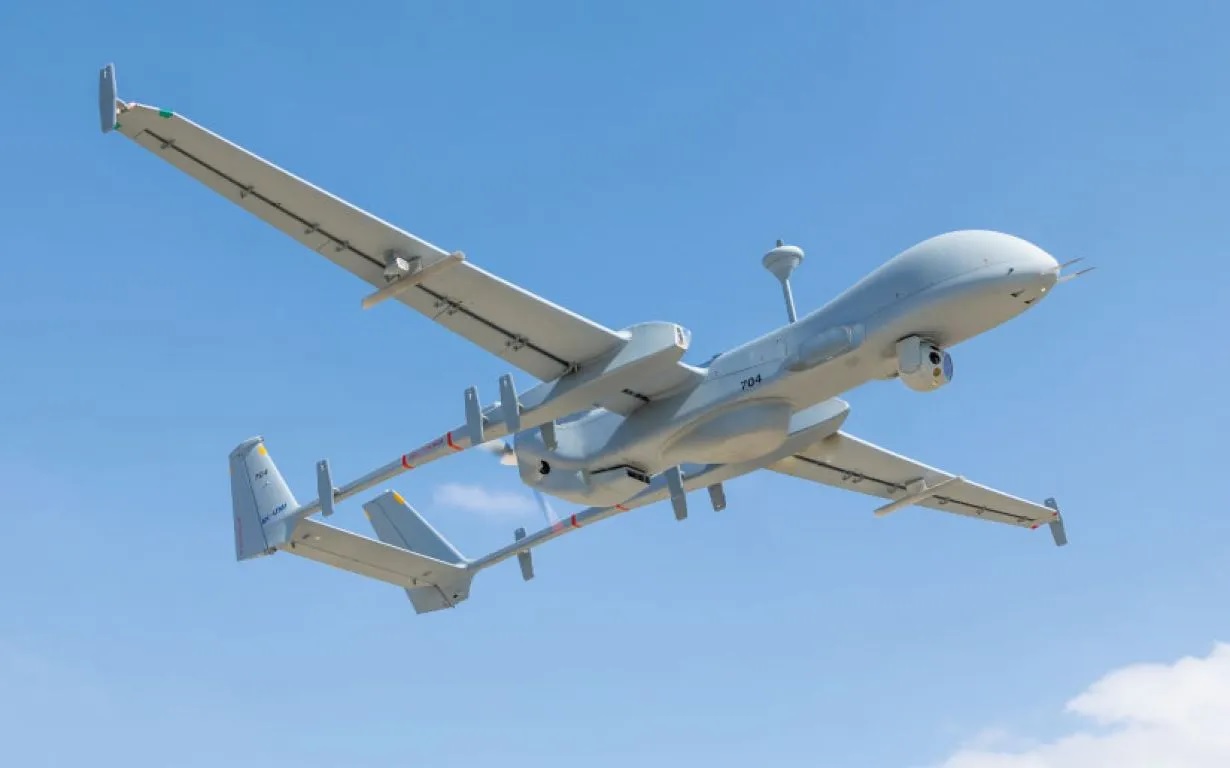
India
India’s march toward self-reliance in defense technology has taken another bold step with the Indian Armed Forces now focusing on acquiring hundreds of indigenously developed Medium Altitude Long Endurance (MALE) drones. Following the successful induction of domestically produced loitering munitions, this ambitious initiative underscores the nation's commitment to reducing its dependence on foreign suppliers. A Strategic Need for MALE Drones MALE drones are critical to modern warfare, serving in roles such as intelligence gathering, surveillance, reconnaissance, and even offensive operations. For years, India has relied heavily on imports, particularly from Israel, to fulfill this need. However, as the country’s strategic demands increase, the armed forces are now seeking domestic solutions to enhance operational readiness and align with the “Atmanirbhar Bharat” vision of self-reliance. Under the Indigenously Designed, Developed, and Manufactured (IDDM) route, the government has mandated that these drones be fully designed and built within India. This policy not only ensures local expertise and job creation but also safeguards the nation's operational independence from potential geopolitical disruptions. The Scope of Procurement The armed forces’ requirement for MALE drones is estimated to be in the hundreds. The acquisition process is expected to be a unified tri-services effort, with drones tailored to the specific operational needs of the Indian Army, Navy, and Air Force. Initial orders may include a smaller batch, serving as a testbed for performance evaluation and fine-tuning. Private Sector’s Role in Defence Innovation Economic Explosives Limited (EEL), a Nagpur-based defense manufacturer, has emerged as a frontrunner in the MALE drone initiative. EEL has proposed an indigenous design under the IDDM category and is leveraging its extensive resources, including a dedicated 1.4-kilometer drone testing runway—the largest private facility of its kind in India. The company has already commenced research and development for long-range drones capable of operating at altitudes of up to 30,000 feet with endurance exceeding 24 hours. These drones are expected to be equipped with advanced sensors, cameras, and communication systems to handle both reconnaissance and combat roles effectively. Building on Success This push for indigenous MALE drones builds on the recent success of India's domestically produced loitering munitions. Developed and delivered under the Emergency Procurement (EP) category, these munitions were fast-tracked to strengthen India's defenses along its tense border with China. The timely delivery and performance of these systems have bolstered confidence in the Indian defense industry’s ability to meet critical requirements. A Game-Changer for India’s Defense Landscape The transition to indigenous MALE drones could be a turning point in India’s defense procurement landscape. By reducing reliance on imports, the country not only secures its defense supply chain but also positions itself as a potential exporter of cutting-edge drone technology. As India continues to invest in indigenous defense capabilities, this initiative promises to enhance the operational capabilities of the armed forces while fostering a robust domestic defense ecosystem. With the private sector taking on a more prominent role, the vision of self-reliance in defense is steadily becoming a reality.
Read More → Posted on 2024-12-02 13:20:45
World
In a striking announcement, former President Donald Trump nominated Kashyap "Kash" Patel, a trusted confidante, as the next Director of the Federal Bureau of Investigation (FBI). This decision, unveiled on Truth Social, marks Patel as the highest-ranking Indian-American in Trump’s envisioned administration, should he return to the White House. Known for his uncompromising "America First" ethos and legal acumen, Patel’s nomination underscores Trump’s intent to recalibrate the agency and its priorities. Kash Patel: A Storied Career in Law and National Security Kash Patel, 44, has carved a distinctive career spanning law, counterterrorism, and intelligence. Born in Queens, New York, to Gujarati parents who migrated to the U.S. in the 1970s, Patel’s upbringing in a culturally rich environment shaped his perspective. After attending college in Virginia and law school in New York, Patel began his career as a public defender in Florida. His transition to federal service saw him tackle international terrorism cases as a prosecutor with the Department of Justice. During this tenure, he worked on high-profile cases across East Africa, Uganda, and Kenya, gaining deep insight into global security challenges. Patel later moved to the Pentagon, where he collaborated with Special Operations Command on interagency targeting operations worldwide. Political Spotlight and Media Recognition Patel’s trajectory took a sharp turn into the political limelight when Congressman Devin Nunes recruited him to serve as senior counsel on counterterrorism for the House Intelligence Committee. Patel played a pivotal role in the Republican-led investigation into alleged misconduct in the Russia inquiry, drafting the controversial “Kash Memo.” This document, endorsed by Trump, alleged partisan bias within federal agencies and spotlighted what he described as systemic failures. Vision for the FBI Trump, in his announcement, lauded Patel as a reformist poised to restore “Fidelity, Bravery, and Integrity” to the FBI. If confirmed, Patel’s agenda includes combating rising crime, dismantling transnational criminal networks, and tackling human and drug trafficking along the southern border. Patel is set to work under former Florida Attorney General Pam Bondi, another staunch Trump ally. Bridging India and America A fervent advocate of U.S.-India relations, Patel has emphasized strengthening ties between the two nations. He attended high-profile rallies featuring Trump and Indian Prime Minister Narendra Modi in Houston and Ahmedabad, underscoring his belief in the bilateral relationship's economic and strategic importance. Patel has critiqued the Biden administration for allegedly letting these ties weaken, particularly in the face of challenges like Chinese aggression and counterterrorism issues involving Pakistan. Patel’s Critique of Bureaucracy Patel’s 2023 book, Government Gangsters, sharply criticized the U.S. bureaucracy, alleging deep-seated corruption and partisanship. The book details what Patel describes as a "two-tier system of justice," accusing officials from both Republican and Democratic administrations of undermining accountability and weaponizing government institutions. A Game-Changing Nomination Trump’s choice of Patel signals a broader strategy to reshape the FBI into a more transparent and reform-oriented agency. Patel’s extensive legal background, coupled with his international experience and reputation as a staunch Trump loyalist, could make him a transformative figure at the FBI’s helm. Whether this nomination will secure Senate approval remains a question, but Patel’s nomination already represents a seismic shift in the landscape of American law enforcement leadership. For Indian-Americans, it also serves as a significant milestone, reflecting the community's growing influence in U.S. politics and governance.
Read More → Posted on 2024-12-01 15:33:33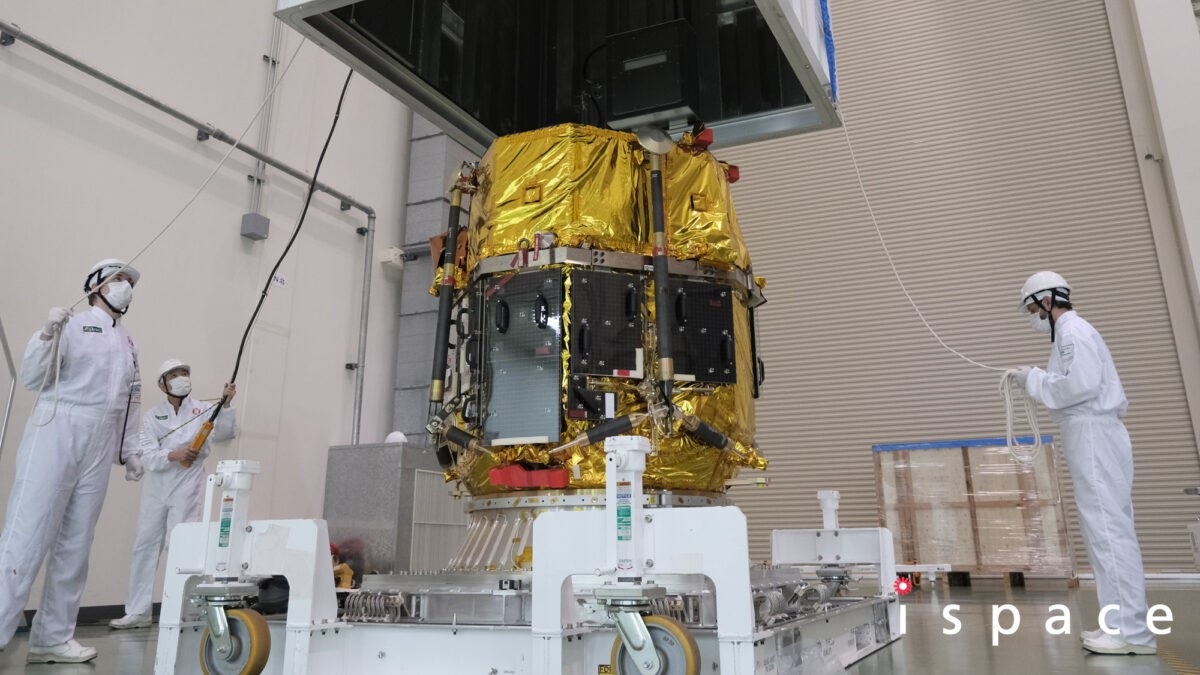
Space & Technology
Japanese space exploration firm ispace is charting a new course to the Moon with its "Resilience" Mission 2 lander, marking a pivotal second attempt to achieve lunar landing success. Following a meticulous series of tests at the Japan Aerospace Exploration Agency (JAXA) facility in Tsukuba, the upgraded spacecraft has arrived in Florida in preparation for its anticipated January 2025 launch aboard a SpaceX Falcon 9 rocket. A Mission Built on Lessons Learned Mission 2 builds upon the experiences and setbacks of ispace's inaugural lunar attempt in April 2023. That mission, while ambitious, concluded in failure when the lander's altitude sensor misinterpreted data due to the unexpected detection of a crater rim. The miscalculation caused the spacecraft to believe it was closer to the lunar surface than it actually was, leading to an unsuccessful landing. This time, the "Resilience" lander has been equipped with enhanced software and redesigned systems, incorporating critical insights gained from the earlier mission. According to Takeshi Hakamada, ispace's founder and CEO, this mission is "the culmination of the Hakuto-R program" and represents the company's steadfast commitment to advancing lunar exploration. Carrying Dreams and Payloads The Resilience lander is not just a technological marvel but also a carrier of collective ambition. It will deliver a small rover named Tenacious, designed by ispace's Luxembourg-based subsidiary, to the Moon. The mission will also transport a mix of commercial and scientific payloads, furthering humanity's lunar knowledge and advancing collaborative space exploration. In alignment with NASA's Artemis program, which aims to establish a sustainable human presence on the Moon, ispace's Mission 2 is expected to contribute valuable data and technological advancements. The company’s collaboration with international partners reflects a growing trend of private firms playing critical roles in global space initiatives. A Roadmap to the Future While Resilience captures the immediate spotlight, ispace is already looking ahead. The company is developing a larger and more advanced lander, the APEX 1.0, slated for its maiden voyage in 2026. This platform is designed to expand payload capacity and accommodate increasingly complex missions, signaling ispace’s long-term ambitions in lunar exploration. The road to the Moon is never without challenges, but with resilience—both figurative and literal—Japan’s ispace is proving that perseverance and innovation are the cornerstones of cosmic success. January 2025 will be a defining moment for the company, showcasing how lessons learned from past missions can fuel future achievements in the final frontier.
Read More → Posted on 2024-12-01 15:29:40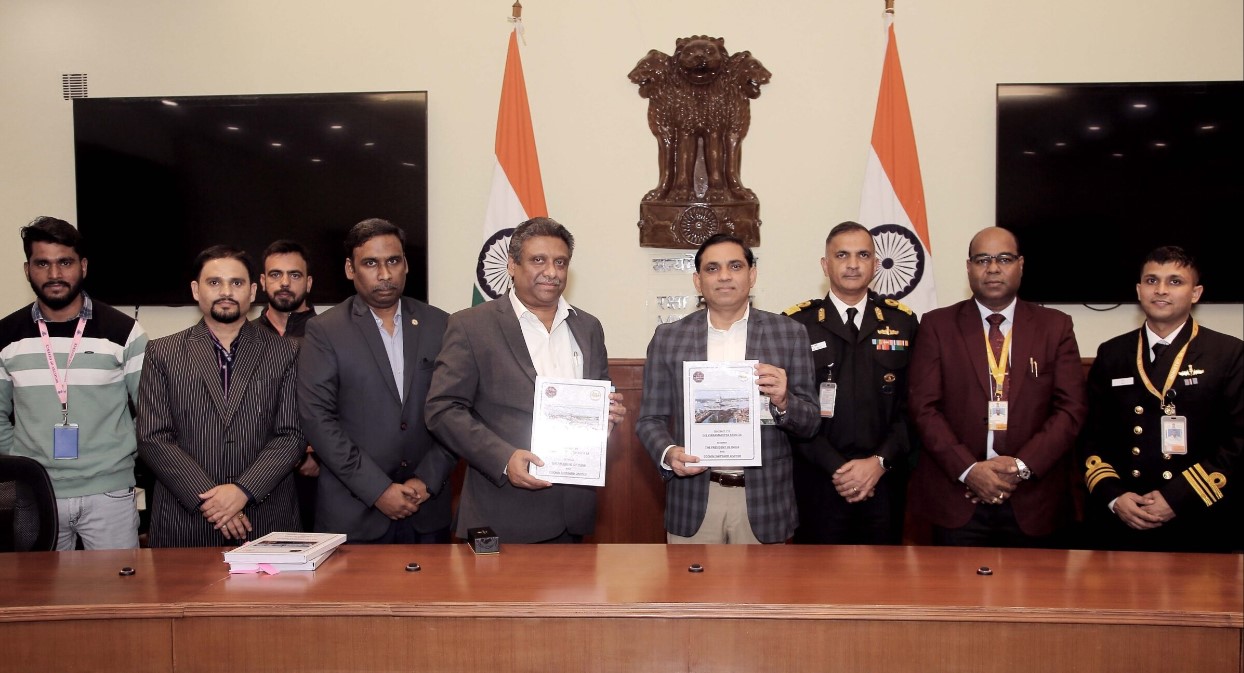
India
The Ministry of Defence (MoD) has signed a significant contract with Cochin Shipyard Limited (CSL), valued at ₹1207.5 crore, for the Short Refit and Dry Docking (SRDD) of INS Vikramaditya. This project not only underscores the strategic importance of maintaining India’s naval strength but also highlights the nation's push toward self-reliance in defense manufacturing under the Atmanirbhar Bharat initiative. What is Short Refit and Dry Docking? Short Refit and Dry Docking is a critical maintenance process aimed at ensuring the operational readiness of naval vessels. The term "short refit" involves scheduled maintenance, upgrades, and repairs to critical systems like propulsion, weapons, and electronic systems. The goal is to restore the ship’s full combat capability and extend its operational life. Dry docking is another integral part of this process, wherein the vessel is brought into a specialized dock that is drained of water, exposing the hull. This allows for thorough inspection and repair of underwater sections, including cleaning and repainting to prevent corrosion, repairing structural damage, and servicing propellers and rudders. For a ship like INS Vikramaditya, which weighs over 44,000 tons, this is a complex and essential procedure to maintain its seaworthiness and performance. INS Vikramaditya: The Backbone of Indian Naval Air Power Commissioned in November 2013, INS Vikramaditya serves as a floating airbase for the Indian Navy, capable of deploying MiG-29K fighter jets and multiple helicopters. The carrier, originally a Soviet-era vessel, underwent an extensive transformation in Russia before being inducted into the Indian Navy. With a length of 284 meters and a crew capacity of over 1,600 personnel, the ship is a linchpin in India’s maritime strategy. The SRDD will equip the carrier with upgraded systems, enhancing its combat capabilities and ensuring its readiness for future missions. This is particularly important given the dynamic nature of maritime security challenges in the Indian Ocean region. Cochin Shipyard’s Role and the Broader Impact The project marks a milestone for Cochin Shipyard Limited, solidifying its position as a Maintenance, Repair, and Overhaul (MRO) hub for the Indian Navy. The involvement of over 50 Micro, Small, and Medium Enterprises (MSMEs) in the project aligns with the government’s vision of fostering an industrial ecosystem and reducing dependence on foreign expertise. The refit will generate employment for more than 3,500 personnel, providing a significant economic boost. It also demonstrates CSL’s growing capability to handle complex naval projects, enhancing India’s strategic autonomy in defense. Strategic Implications Beyond maintenance, this initiative reinforces India's commitment to modernizing its naval forces amid evolving geopolitical challenges. INS Vikramaditya's role in force projection, power balancing, and ensuring free navigation in the Indian Ocean is critical. Its refit ensures that the vessel remains a formidable asset, complementing India’s indigenous carrier, INS Vikrant. By investing in domestic shipyards and leveraging the expertise of Indian companies, the government is steering the defense sector toward self-reliance while ensuring operational readiness of key assets. This is a step forward in achieving long-term strategic goals. Conclusion The ₹1207.5 crore contract between the Ministry of Defence and Cochin Shipyard Limited for the Short Refit and Dry Docking of INS Vikramaditya signifies a strong commitment to maintaining the Indian Navy's operational excellence. As the ship prepares to rejoin the fleet with enhanced capabilities, this project highlights the synergy between defense preparedness, economic growth, and the vision of a self-reliant India.
Read More → Posted on 2024-12-01 15:26:15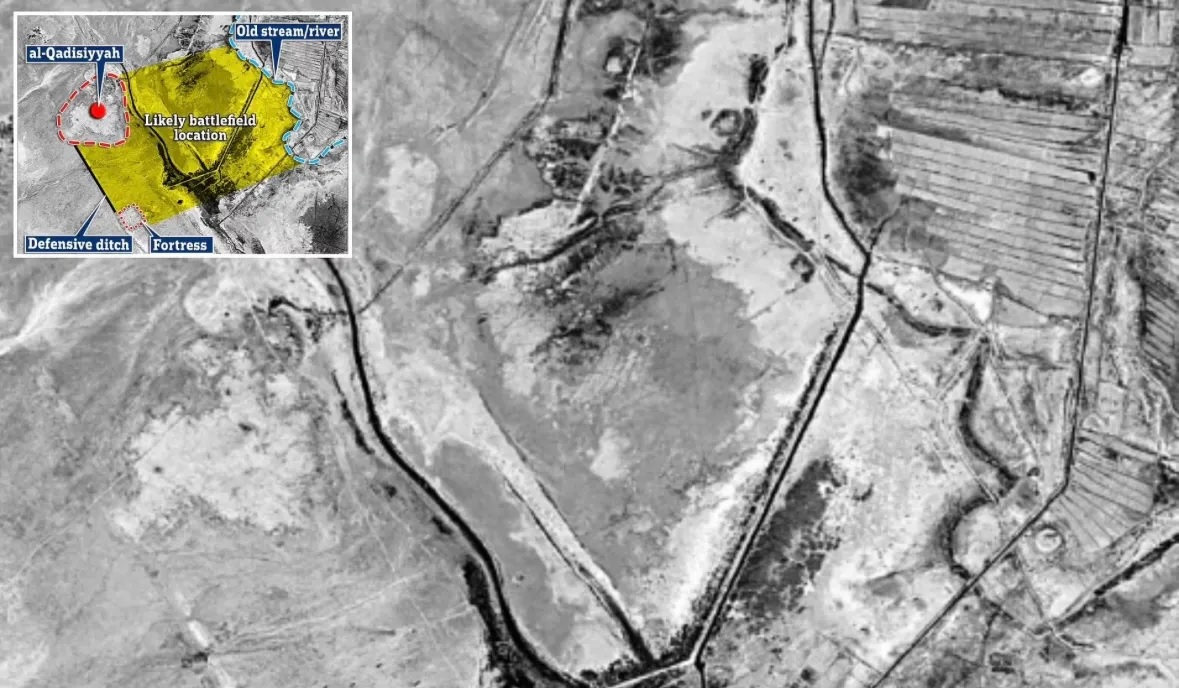
History
In an extraordinary confluence of modern technology and ancient history, declassified spy satellite images have led to the discovery of the long-lost site of the Battle of al-Qadisiyyah, a pivotal moment in the Muslim conquest of Persia. The discovery, detailed in the journal Antiquity, reveals how U.S. Cold War-era surveillance unintentionally preserved clues to a battlefield that shaped the course of Islamic history. A Window into the Past The story begins with satellite imagery captured in 1973 by the KH-9 "Hexagon" reconnaissance program, a cutting-edge spy tool of its time. The KH-9, often referred to as "Big Bird," was part of an advanced U.S. system designed to monitor geopolitical developments during the Cold War. Decades later, these images, declassified in 2011, became a treasure trove for archaeologists looking to explore ancient landscapes. A team led by William Deadman, an archaeologist at Durham University, stumbled upon the battlefield while analyzing these images. Their primary focus was the Darb Zubaydah, a historic Hajj pilgrimage route stretching from Kufa in Iraq to Mecca in Saudi Arabia. The route, prominent during the Abbasid Caliphate (A.D. 750–850), was under review for potential UNESCO World Heritage Site designation. However, the high-resolution imagery unveiled something even more remarkable—a site that matched the historical records of the Battle of al-Qadisiyyah. The Historical Context The Battle of al-Qadisiyyah, fought in A.D. 636 or 637, was a decisive confrontation between the Arab Muslim forces and the Sasanian Empire, which then dominated the region of present-day Iran. The battle not only marked the fall of Sasanian power but also set the stage for the rapid spread of Islam across Persia and Central Asia. According to historical accounts, the battlefield was characterized by a 6-mile-long wall, a moat, and its proximity to a body of water and a bridged stream. Pinpointing the Site Using the declassified KH-9 images, the research team identified a modern agricultural field in Iraq that corresponded with these descriptions. Ground surveys further confirmed the presence of the 6-mile-long wall and the moat referenced in historical texts. The precise location had remained elusive for centuries, but this combination of satellite imagery and archaeological expertise provided a breakthrough. "This discovery provides a tangible geographical context to one of the founding stories of Islamic history," Deadman remarked. The battlefield is more than just a historical site—it is a symbol of cultural transformation and the expansion of Islam into Iraq, Iran, and beyond. From Surveillance to Scholarship The rediscovery of the Battle of al-Qadisiyyah underscores the unexpected ways in which Cold War technology has been repurposed for academic and cultural advancements. The KH-9 imagery, originally intended for espionage, is now helping scholars reconstruct lost landscapes and unearth forgotten chapters of human history. This find also highlights the evolving role of satellite archaeology, which combines historical research with state-of-the-art technology to solve mysteries that traditional methods cannot. From identifying ancient pilgrimage routes to pinpointing battlefields, the possibilities are vast and transformative. As the story of al-Qadisiyyah emerges from the shadows of history, it serves as a reminder of how past events, no matter how distant, continue to shape the cultural and political landscapes of today.
Read More → Posted on 2024-12-01 15:22:35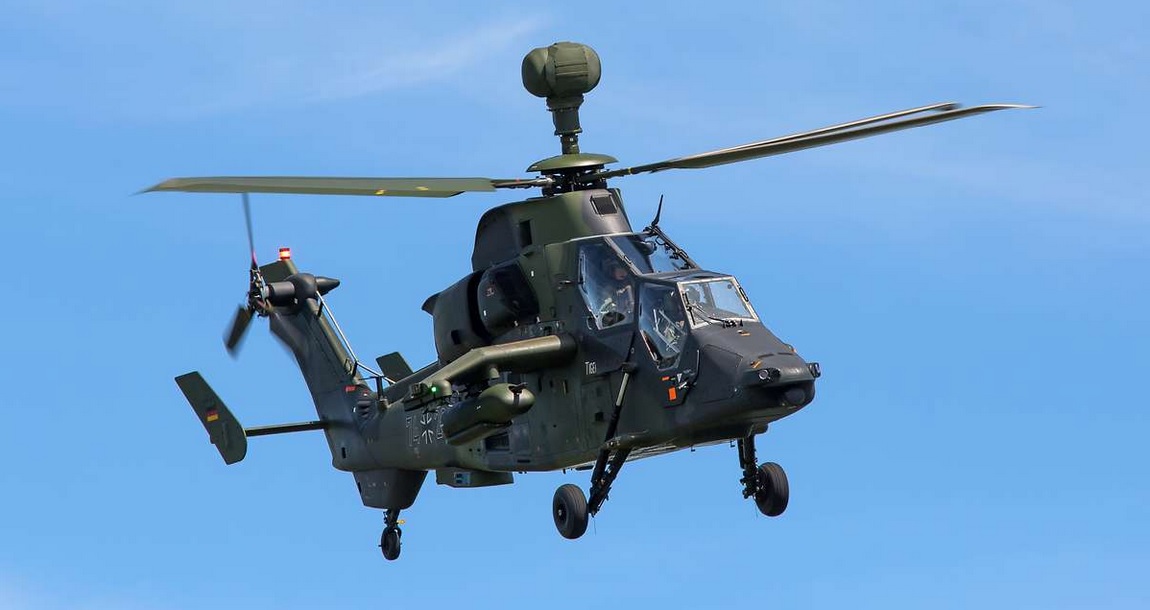
World
In a landmark move to bolster the operational capability of the Tiger helicopter fleet, OCCAR-EA and Airbus Helicopters have signed the second amendment to the Global Support Contract (GSC). The €430 million agreement, spanning an additional five years, underscores the commitment of France, Germany, and Spain to maintain and modernize their Tiger fleets as they approach the Tiger MkIII Mid-Life Upgrade (MLU). The Global Support Contract has become the backbone of the fleet's sustainment, offering critical services such as spare parts supply, repair, and obsolescence management. Over the past five years, the collaboration has led to refined processes and strategies, setting the stage for the long-term readiness and availability of these advanced combat helicopters. Key Enhancements for the Tiger Fleet The contract’s extension is more than a formality; it introduces critical updates informed by years of operational experience. A key focus has been on improving obsolescence management, a vital aspect given the complexity of maintaining cutting-edge systems in dynamic combat environments. By granting Airbus Helicopters increased autonomy in this domain, the contract ensures streamlined logistics and faster response times, directly impacting the fleet's operational readiness. For the French Tiger fleet, Airbus Helicopters is deploying specialized teams directly to army bases. These teams provide tailored maintenance and technical support, ensuring helicopters are mission-ready with minimal downtime. The "service-by-the-hour" model employed here highlights a shift towards performance-based logistics, where operators pay for the availability of spare parts rather than the inventory itself. This system not only improves cost efficiency but also aligns operational needs with real-time maintenance capabilities. The Role of the Tiger MkIII Upgrade With the Tiger MkIII MLU on the horizon, this extended support framework will play a pivotal role in preparing the fleets for integration of advanced technologies. The MkIII upgrade promises enhanced avionics, weapon systems, and communications capabilities, turning the Tiger into a next-generation platform capable of meeting the demands of modern warfare. This makes the current contract extension critical, as it bridges the gap between the current operational capabilities and future advancements. A Strategic Partnership This collaboration also strengthens the multinational partnership between France, Germany, and Spain. By harmonizing support mechanisms across three nations, the agreement ensures consistency in operational standards and fleet management. OCCAR-EA, acting as the central coordinating body, has been instrumental in aligning the priorities of the participating nations while leveraging Airbus Helicopters’ expertise to deliver superior support. As OCCAR-EA remarked, this extension is not just a contract renewal but a milestone that secures the Tiger helicopter fleet’s operational effectiveness for years to come. The focus on innovation, tailored services, and collaborative planning underpins a strategy that will sustain the Tiger as a critical asset in the defense strategies of the three nations. By extending the GSC, OCCAR-EA and Airbus Helicopters are not just addressing immediate operational needs but also laying the groundwork for the Tiger fleet’s future, ensuring that these helicopters remain a cornerstone of European defense well into the next decade.
Read More → Posted on 2024-12-01 15:18:57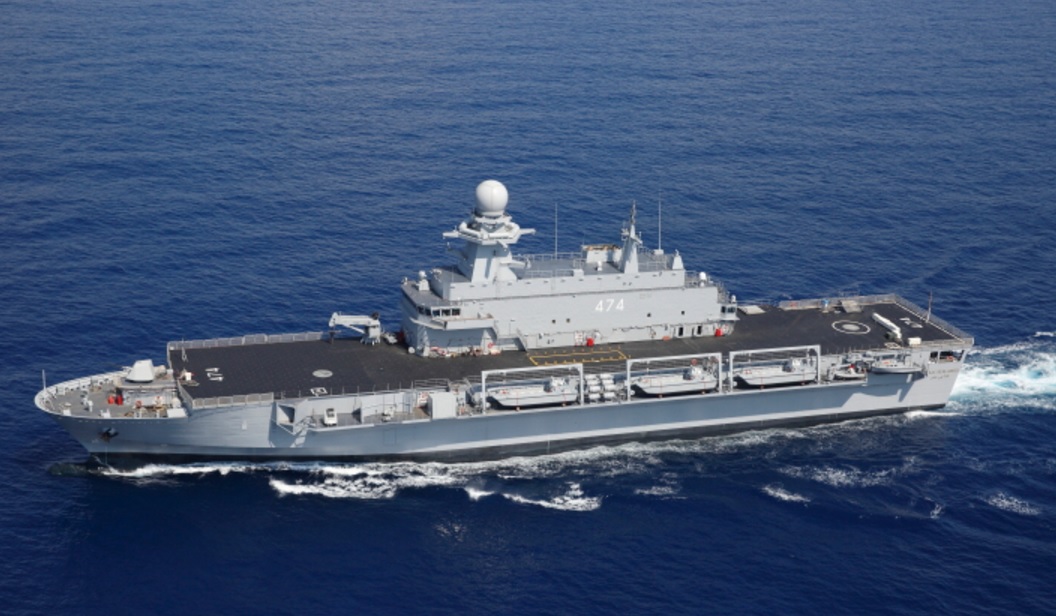
World
Fincantieri, a leading Italian shipbuilding company, has marked a significant achievement with the delivery of the Landing Platform Dock (LPD) Al-Fulk to the Qatar Emiri Naval Forces. The handover ceremony, held at the Muggiano shipyard in La Spezia, Italy, represented the culmination of an ambitious naval program. This program included the delivery of four Al Zubarah-class corvettes, two Musherib-class Offshore Patrol Vessels (OPVs), and the highly advanced Al-Fulk. The event brought together high-ranking officials, including Staff Major General Abdulla Bin Hassan Al Sulaiti of the Qatar Emiri Naval Forces and Vice Admiral Andrea Gueglio of the Italian Navy, alongside key figures from Fincantieri. The collaboration reflects a growing relationship between Italy and Qatar in the realm of advanced naval technology and defense cooperation. A Technologically Advanced Vessel Built at Fincantieri's Palermo and Muggiano facilities, Al-Fulk embodies cutting-edge naval engineering. At approximately 143 meters in length and 21.5 meters in width, the ship boasts a displacement of 9,000 tonnes and is constructed to meet RINAMIL standards, which ensure superior performance in diverse operational scenarios. This includes humanitarian aid, amphibious operations, and air and sea defense missions. The LPD can accommodate up to 550 personnel, offering significant logistical flexibility. Key onboard features include a flight deck designed to host NH90 helicopters, a garage equipped with two ramps for heavy vehicles, and a floodable dock capable of deploying landing craft. These capabilities make Al-Fulk a versatile asset for both peacetime operations and high-intensity conflicts. Advanced Air Defense Capabilities One of Al-Fulk’s standout features is its integration of state-of-the-art air defense systems, tailored to meet Qatar’s specific strategic needs. The ship is equipped with two eight-cell Sylver A50 Vertical Launch Systems (VLS) housing MBDA’s Aster 30 Block 1 missiles. These form part of the SAAM-ESD (Surface-to-Air Anti-Missile Extended Self-Defense) system, offering robust protection against a range of aerial threats, including tactical ballistic missiles. The vessel's radar suite further enhances its defensive capabilities. It features Leonardo’s Kronos multifunction radar, also installed on the Al Zubarah-class corvettes, complemented by the larger Kronos Power Shield L-band radar. This combination provides an extended detection range, creating a shared long-range air picture with other Qatari naval assets. Together, these systems give Al-Fulk an edge comparable to land-based SAMP/T missile defense systems but with added flexibility and mobility at sea. A Global Collaboration in Defense The Al-Fulk project is part of a €5 billion contract signed in 2017 between Qatar and Italy. The deal encompasses a range of vessels, including corvettes, OPVs, and this air defense LPD, showcasing the depth of technological and industrial cooperation between the two nations. The ship’s design is derived from the “BDSL Kalaat Beni Abbes,” delivered by Fincantieri to Algeria in 2015, with significant upgrades tailored to Qatar’s requirements. Fincantieri has also outfitted Al-Fulk with Sylena MK2 decoy launchers from Lacroix, enhancing its survivability against advanced missile threats. These defensive systems ensure that the ship is prepared for complex modern warfare scenarios, making it a cornerstone of Qatar’s maritime strategy. Strengthening Qatar's Naval Forces The delivery of Al-Fulk underscores Qatar's commitment to modernizing its navy and bolstering its maritime security. Working in tandem with the Al Zubarah-class corvettes, the LPD will form a critical part of the country's integrated air defense network. The ship’s ability to share real-time threat data across platforms enhances its role as a force multiplier, providing both offensive and defensive capabilities. As Qatar continues to invest in advanced naval technologies, Al-Fulk represents a significant leap forward, blending innovation, adaptability, and strategic foresight. For Fincantieri, the project highlights its expertise in delivering complex naval platforms that meet the highest operational standards.
Read More → Posted on 2024-12-01 15:16:18
World
China's recent unveiling of the J-35, its second domestically developed fifth-generation stealth fighter, has sparked global attention. Debuting at the 15th China International Aviation and Aerospace Exhibition in Zhuhai, this twin-engine, multirole aircraft is a testament to China's growing ambitions in military aviation. However, comparisons with the U.S.-built F-35 Lightning II—a proven leader in stealth technology—reveal significant gaps in performance, technology, and operational readiness. Aiming for Stealth Superiority The J-35, available in both runway and carrier-capable variants, is designed to complement China's existing J-20 fighters and bolster its ability to project power, particularly in the Indo-Pacific region. With a design echoing the F-35, the J-35 aspires to challenge U.S. dominance in stealth aviation. Yet, the differences between the two aircraft underscore the technological hurdles China still faces. Engine Performance: A Clear Gap The J-35 is currently powered by the WS-13 engine, a design that falls short of the performance metrics required for modern fifth-generation fighters. China's future plans to transition to the more advanced WS-19 engine could enhance its thrust capabilities, but it will likely still lag behind the F-35's Pratt & Whitney F135 engine. The F135 not only delivers higher thrust but also offers greater operational range, with the F-35 capable of covering approximately 2,220 kilometers compared to the J-35's estimated range of 1,200 kilometers. This disparity limits the J-35's effectiveness in extended missions, particularly those requiring deep penetration into contested airspace. Avionics: The Integration Challenge The avionics suite of the J-35 includes a domestically developed Active Electronically Scanned Array (AESA) radar and infrared tracking systems. While these systems are impressive on paper, their real-world performance and integration remain unproven. By contrast, the F-35's AN/APG-81 AESA radar and Distributed Aperture System (DAS) are benchmarks in modern avionics. These technologies provide the F-35 with unparalleled situational awareness, target acquisition, and electronic warfare capabilities, creating a significant edge in contested environments. The F-35's avionics also benefit from decades of refinement, driven by extensive operational feedback. The J-35, as a new entrant, has yet to undergo such rigorous testing, leaving its true effectiveness uncertain. Stealth Technologies: A Work in Progress Stealth is the defining characteristic of fifth-generation fighters, and here, the F-35 sets the gold standard. Both the J-35 and F-35 utilize internal weapon bays and radar-absorbing materials to reduce radar cross-section (RCS). However, the F-35's advanced coatings and materials, developed through decades of research, provide a level of stealth that remains unmatched. China's challenges in replicating this capability lie primarily in material science. The development of Radar Absorbent Materials (RAM) that can effectively scatter or absorb radar waves is a complex and resource-intensive process. Without equivalent materials, the J-35 risks being more detectable to advanced radar systems, undermining its strategic value. Operational Experience: Decades Behind Another critical differentiator is operational experience. The F-35 has been fielded in multiple combat and training scenarios across allied nations for over a decade. This extensive use has allowed for iterative improvements in both hardware and software, ensuring the aircraft remains at the cutting edge. The J-35, by contrast, has yet to prove its mettle in any operational setting. Without real-world testing, its reliability and effectiveness remain speculative. China’s Aspirations and Challenges China's development of the J-35 represents a significant milestone, signaling its intent to close the gap with Western military aviation. However, the deficiencies in engine performance, avionics integration, and stealth technology illustrate the technological and experiential barriers China still faces. Beyond these technical hurdles, China's ability to mass-produce the J-35 while maintaining high quality will be another test of its industrial capacity. The U.S., with its Lockheed Martin production lines, has delivered over 1,000 F-35s to global partners, creating an ecosystem of interoperability and shared knowledge. China will need to replicate this scale and complexity if it hopes to achieve parity. Conclusion While the J-35 showcases China's ambition and progress in stealth aviation, it remains a work in progress compared to the battle-tested F-35. The technological gaps in engine performance, avionics sophistication, and stealth integration highlight the challenges ahead for China's aviation industry. Until these deficiencies are addressed, the F-35 Lightning II will likely maintain its position as the world’s leading fifth-generation stealth fighter, setting a benchmark that remains difficult to surpass.
Read More → Posted on 2024-12-01 15:12:06
World
The long-standing conflict in Syria took a dramatic turn as jihadist-led rebel forces, spearheaded by Hayat Tahrir al-Sham (HTS), seized control of most of Aleppo, Syria’s second-largest city, in a rapid and strategically executed offensive. The operation, which began earlier this week, has resulted in the capture of Aleppo’s airport and dozens of nearby towns. It marks one of the most significant shifts in territorial control since the city was reclaimed by government forces in 2016. A Swift and Devastating Advance The offensive was launched on Wednesday, coinciding with a fragile ceasefire in neighboring Lebanon. Within days, HTS and its Turkish-backed allies overran key strategic locations with minimal resistance, according to the Syrian Observatory for Human Rights. The Britain-based war monitor reported that government forces had retreated from Aleppo’s urban core and surrounding areas, leaving prisons, government offices, and key infrastructure under rebel control. Aleppo, a city of roughly two million and once a hub of Syria's industrial strength, has become a focal point in this renewed wave of violence. In an alarming development, the army reportedly pulled back from Hama, Syria's fourth-largest city, located about 140 kilometers south of Aleppo. However, Syrian state media denied the reports of withdrawal, maintaining that government troops were holding their positions. Moscow and Tehran’s Response The rebel offensive prompted Moscow, a key ally of Syrian President Bashar al-Assad, to conduct its first airstrikes in Aleppo since 2016. Despite these strikes, which targeted rebel-held areas overnight, the overall response from Russia and Iran has been restrained. This muted reaction has led to speculation that Assad’s regime is increasingly isolated, a point highlighted by Rami Abdel Rahman, head of the Observatory, who noted a lack of substantive support from Damascus' allies. Iran expressed "extreme concern" over the developments, with its consulate in Aleppo reportedly coming under attack. Iranian Foreign Minister Abbas Araghchi is set to travel to Damascus and Ankara for consultations. Meanwhile, Russia has emphasized the need for joint efforts with Turkey to stabilize the region, highlighting the delicate balance of alliances at play. Civilian Impact and International Reactions The renewed violence has had a devastating impact on civilians. The Observatory reported that at least 327 people have been killed since the offensive began, including 44 civilians. Airstrikes in Aleppo killed at least 16 civilians and injured 20 others on Saturday alone. Disturbing images from the city showed charred vehicles and lifeless bodies, a grim reminder of the human toll of this conflict. In the city’s center, rebels imposed a curfew, urging civilians to stay indoors for their safety. Many public and private institutions in Aleppo have shuttered operations as fighting continues. Western nations, including the United States and France, have called for the protection of civilians, with Washington suggesting that Assad’s reliance on Moscow and Tehran has contributed to the current crisis. A Decade of Turmoil For many rebel fighters, the capture of Aleppo represents a long-awaited victory. The city, which had been under divided control until government forces reclaimed it in 2016, has remained a symbol of resilience and rebellion. Rebel fighter Mohamed Hammadi expressed optimism, stating, "We’ve been waiting for this for years. We are going to clear all of Syria, God willing." However, the broader implications of this offensive remain uncertain. The Idlib region, the last major rebel stronghold, has been under a tenuous truce brokered by Turkey and Russia since 2020. The current escalation threatens to unravel this fragile agreement, with both Ankara and Moscow seeking ways to navigate the complex dynamics. Looking Ahead The battle for Aleppo underscores the persistent volatility of the Syrian conflict. As rebel forces solidify their hold over newly captured territories, the Assad regime faces mounting challenges to its authority. International actors, including Russia, Iran, and Turkey, continue to play pivotal roles, but their conflicting interests complicate efforts to stabilize the region. With no clear resolution in sight, Aleppo's fate hangs in the balance, a stark reflection of Syria's decade-long descent into chaos. For its residents, the hope for peace remains as elusive as ever, overshadowed by the constant specter of war.
Read More → Posted on 2024-12-01 15:08:23Search
Top Trending in 24 Hours
-
 Western Intelligence Warns Russia Could Launch Nuclear-Armed Satellite as Early as December
-
 IG Defence Successfully Test-Fires JWALA MK-1 Counter-Drone Missile at Pokhran
-
 U.S. Awards Lockheed Martin $330.6 Million Contract for Long-Lead Materials Supporting 75 F-35 Lot 22 Aircraft
-
 Germany Tests Kamikaze Drones and AI Targeting Systems in Lithuania Near Belarus Border
-
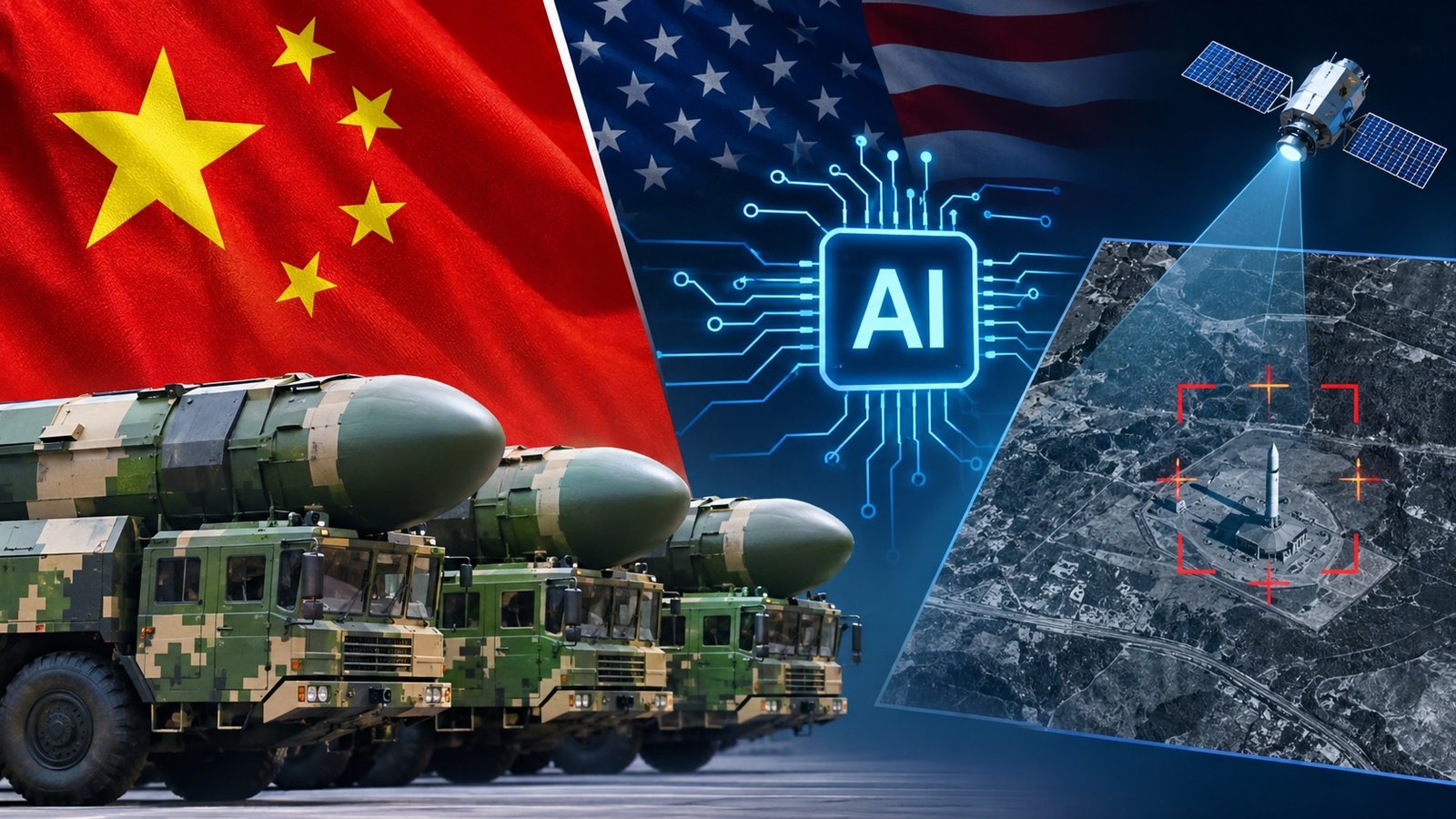 Chinese Military Warns U.S. AI Could Threaten China’s Nuclear Missile Survivability
-
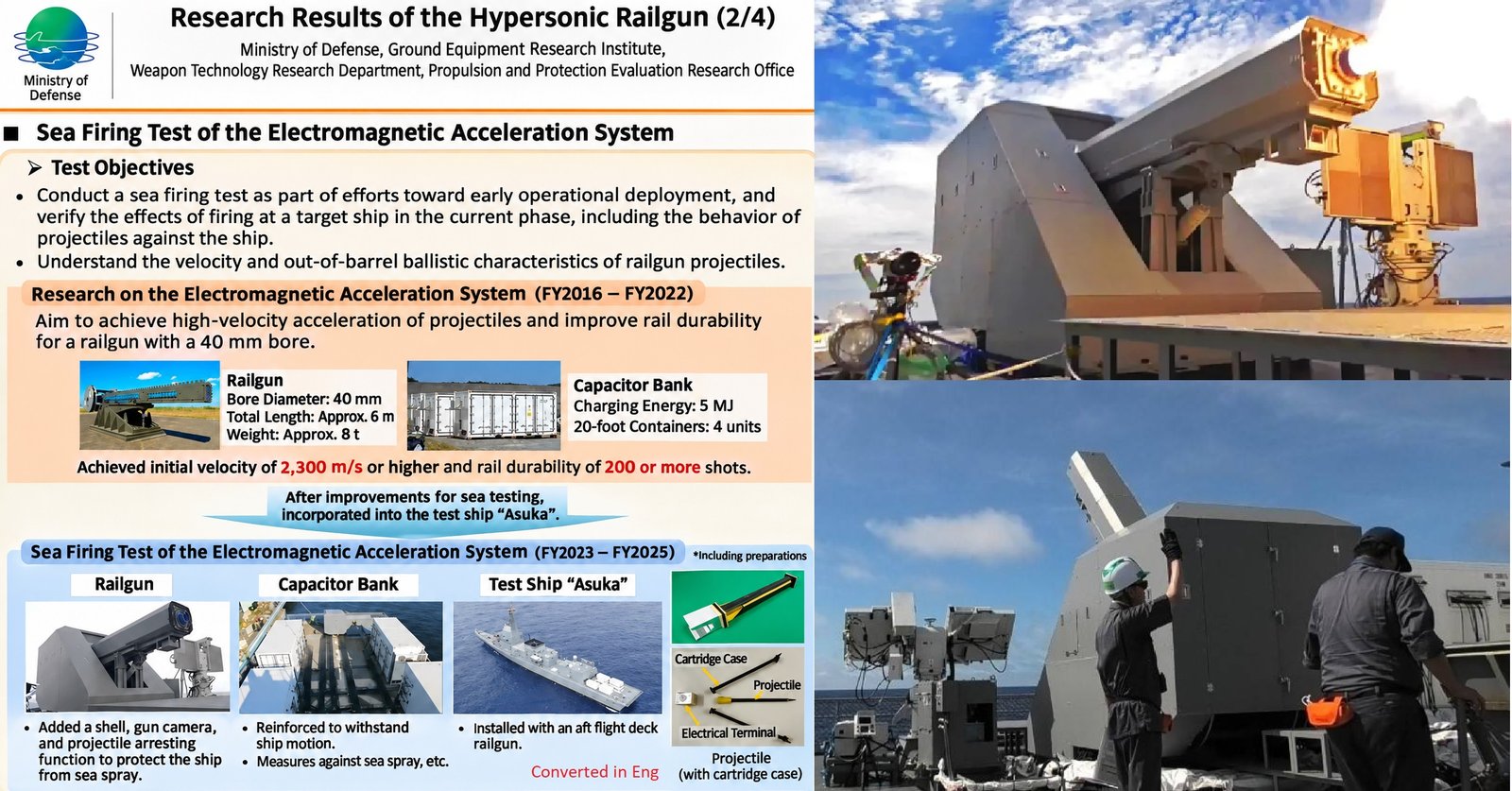 Japan Tests Battery-Powered Railgun in Ten-Shot Rapid-Fire Trial
-
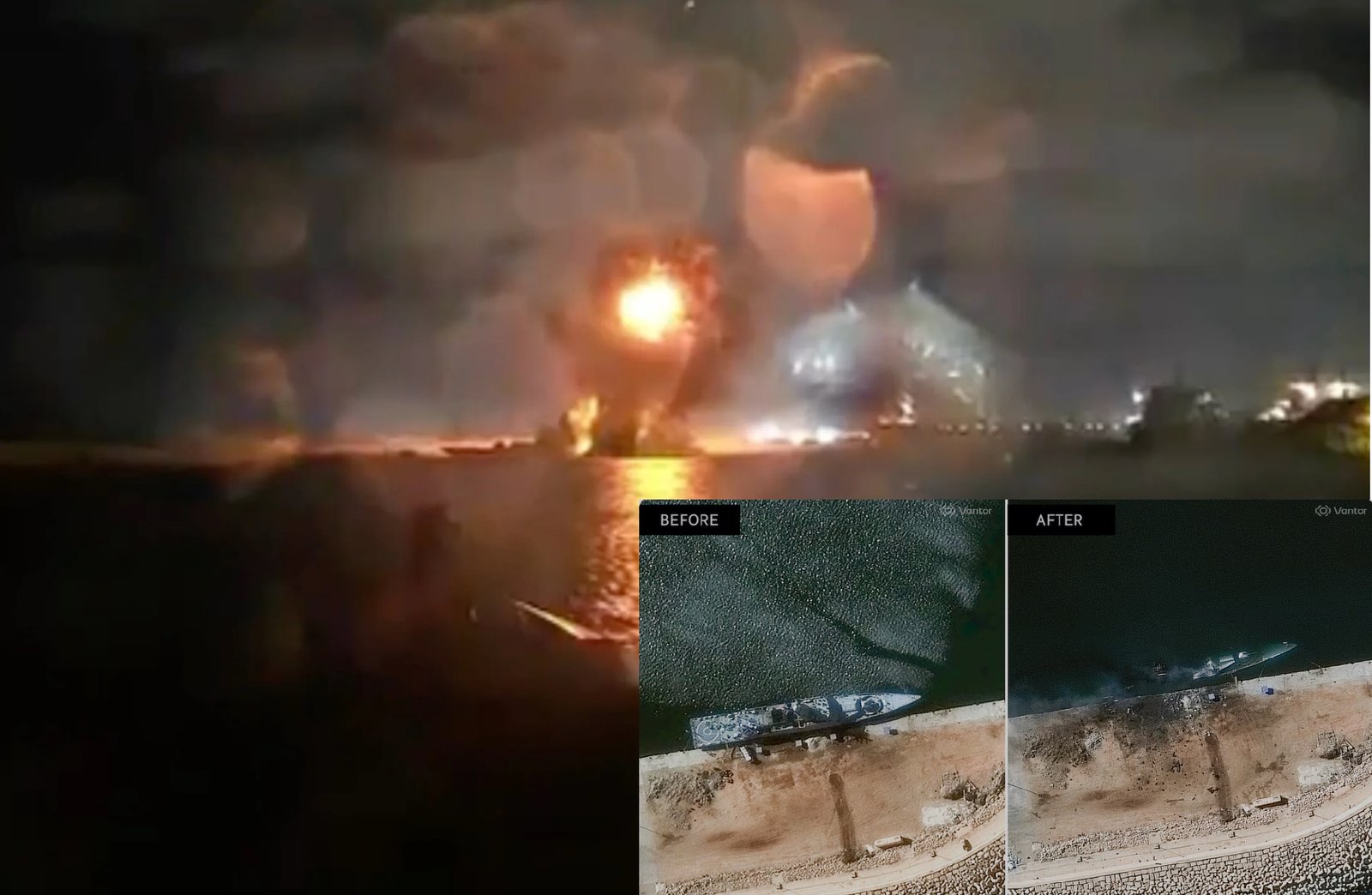 Ukraine Confirms Using Seven Naval Drones to Sink Russian Corvette Merkury Off Libya, Destroying Ka-27 Helicopter Aboard
-
 U.S. Army Places $60.3 Million Order With Saab for XM919 Shoulder-Fired Weapons
Top Trending in 4 Days
-
 Two Injured in Bahrain After Iranian Attacks; Iran Claims Strike on US Patriot Radars
-
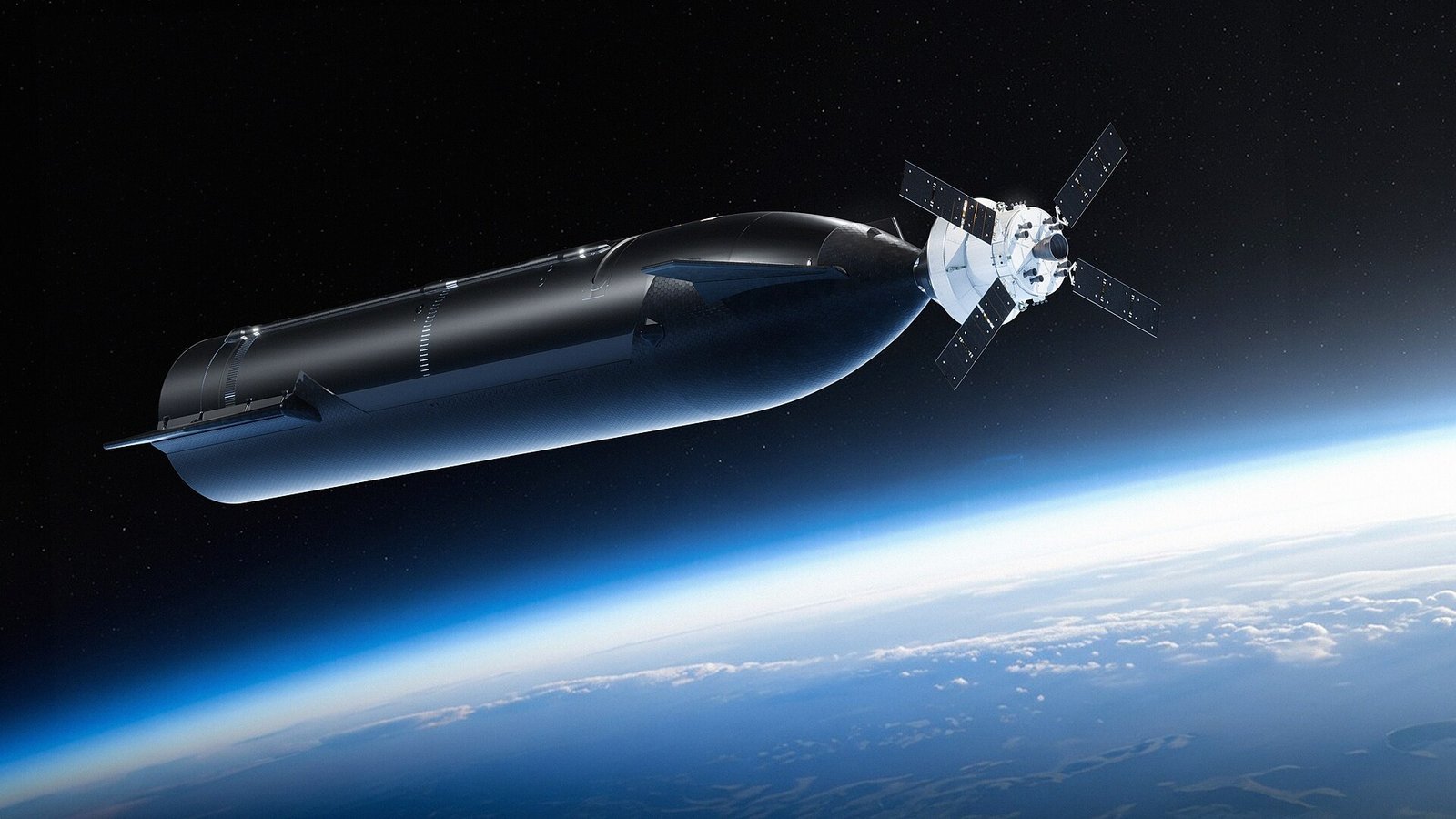 NASA's Orion Spacecraft Needs Major Modifications to Fly Backward with SpaceX Starship
-
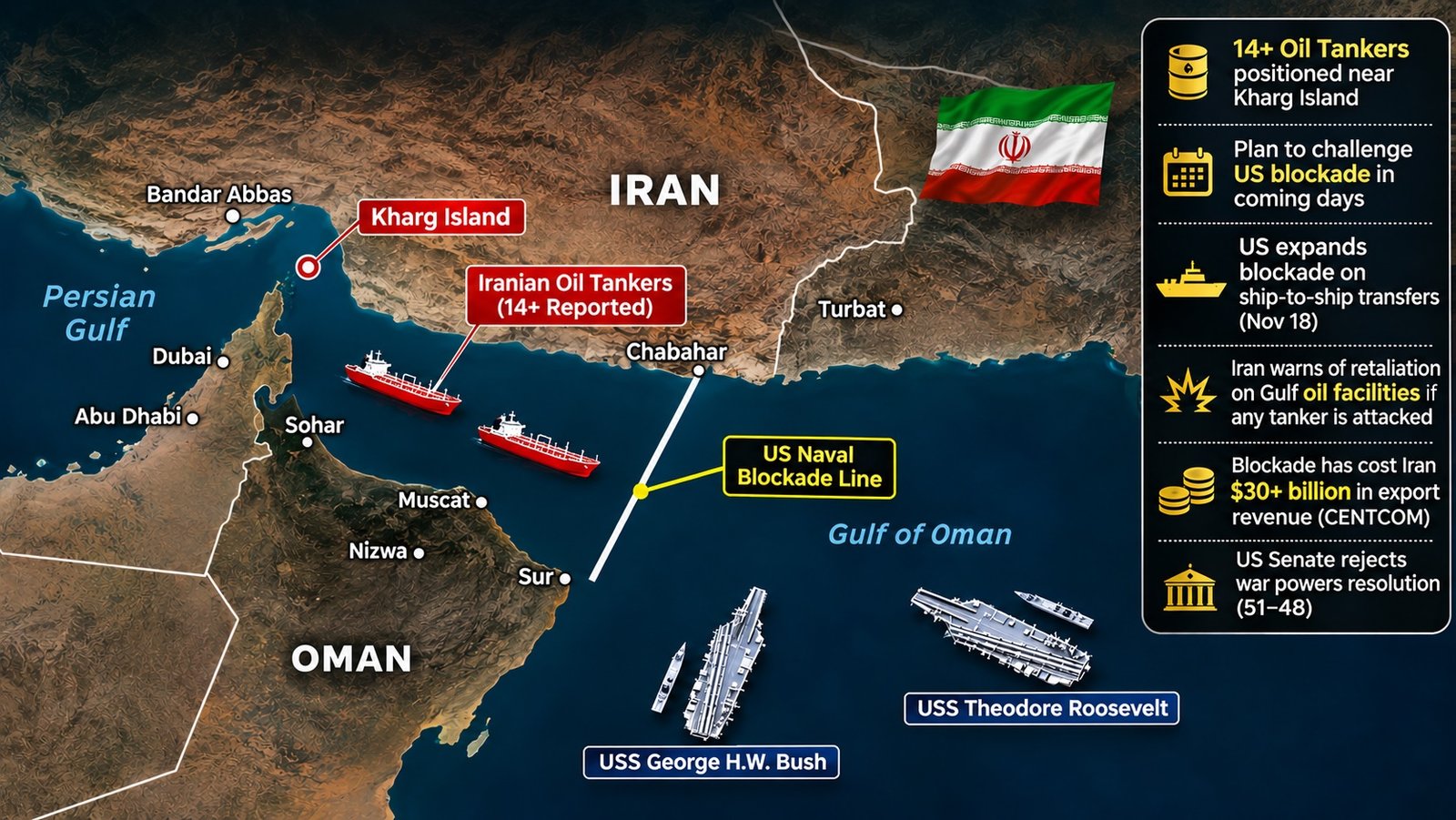 Iran Positions Oil Tankers at Kharg Island Amid Plans to Challenge US Naval Blockade
-
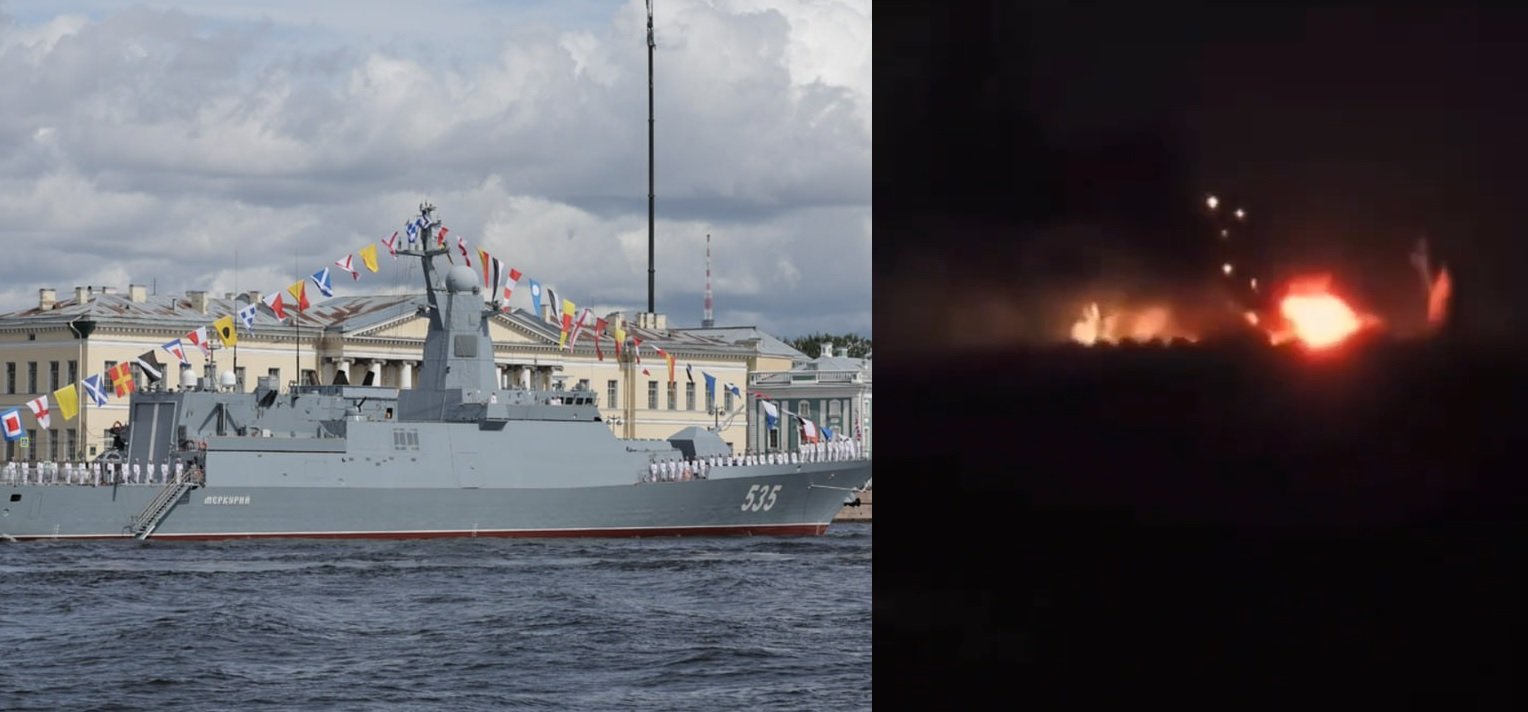 Russian Corvette Merkury Almost Certainly Destroyed in Benghazi Port Explosion
-
Western Intelligence Warns Russia Could Launch Nuclear-Armed Satellite as Early as December
-
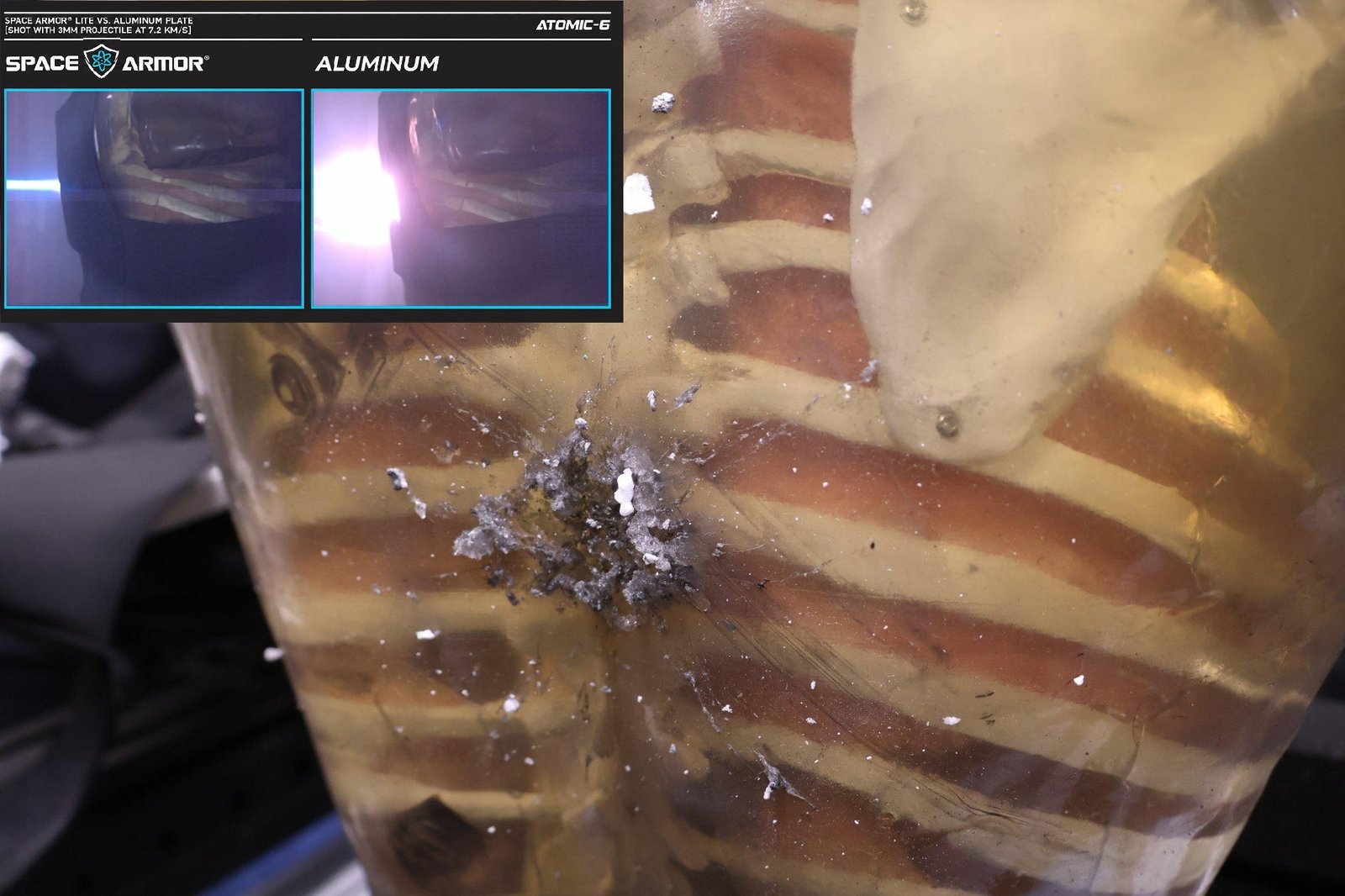 Atomic-6 Tests Composite Armor Against 16,100 MPH Space Debris for Astronaut Protection
-
 Denmark's Parliament Unanimously Approves US-Greenland Defence Deal with 109–0 Vote, Restricting Russian and Chinese Military Presence
-
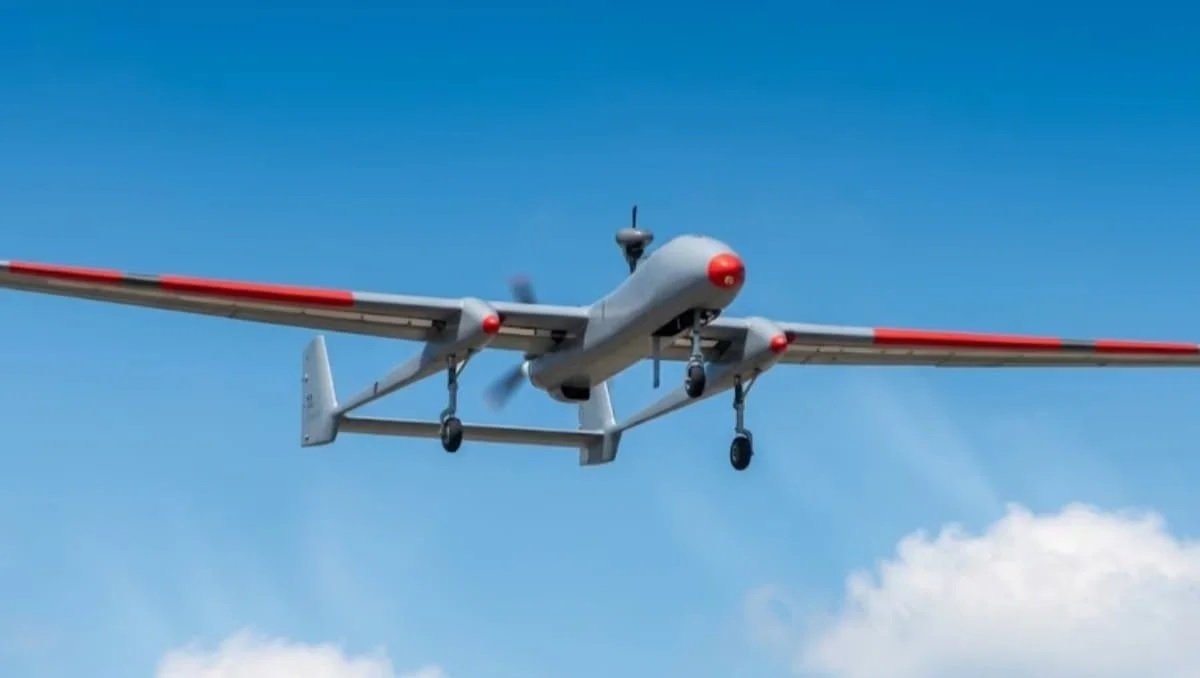 IAF Issues RFI for 500 Indigenous ISR Drones for Surveillance and Electronic Intelligence, with Six-Hour Endurance
