
India
India is set to commission its second nuclear-powered ballistic missile submarine, INS Arighat, by the end of 2024. This milestone comes nearly seven years after the vessel was launched in Visakhapatnam in November 2017.India is on the verge of commissioning its second nuclear-powered ballistic missile submarine (SSBN), INS Arighat. This significant development is expected to take place by the end of 2024. INS Arighat will be formally inducted into the Indian Navy nearly seven years after it was launched in November 2017 at the Indian Navy's Ship Building Centre (SBC) in Visakhapatnam.The Arighat boasts impressive dimensions, with a length of 111.6 meters, a beam of 11 meters, and a draught of 9.5 meters. It has a displacement of 6,000 tonnes. The vessel is powered by an 82.5 MW pressurised light water reactor (LWR), developed with Russian assistance, enabling it to achieve a top speed of 24 knots while submerged and 10 knots on the surface.Arighat is armed with 12 K-15 Sagarika submarine-launched ballistic missiles (SLBMs). These missiles, developed by India's Defence Research and Development Organisation (DRDO), have a range of over 700 kilometers. The submarine features four large vertical launch system (VLS) tubes that house these SLBMs. The K-15 Sagarika is a two-stage, solid-propellant missile with hybrid propulsion, designed to elevate the missile to an altitude of approximately 4 kilometers during its first stage.Constructed using Russian steel equivalent to the US HY-80 grade, the Arighat is divided into seven compartments. These include sections for the propulsion and combat management systems, platform management center, and torpedo room. The submarine is also equipped with a double hull, which includes ballast tanks, two standby auxiliary engines, and a retractable thruster for emergency power and mobility.Arighat is one of three SSBNs launched by India. The first, INS Arihant, was launched in July 2009 and commissioned in August 2016. The third vessel, yet to be named, was launched in November 2021. These submarines form a critical part of India's strategic deterrent capabilities, enhancing the country's defense readiness and maritime security.The commissioning of INS Arighat represents a notable advancement in India's naval power, further solidifying its position as a significant player in the region's maritime security landscape.
Read More → Posted on 2024-05-29 07:41:10
World
The 2024 Primakov Readings in Moscow will focus on BRICS' role in the global economy and key international security issues, coinciding with Yevgeny Primakov's 95th birth anniversary.Russia's leading annual foreign policy forum, the "Primakov Readings," is set to take place in Moscow on June 25-26, 2024. The theme for this year’s event is "Russia in the Global Context." This forum will be particularly significant as it will address the priorities of BRICS (Brazil, Russia, India, China, and South Africa) in light of Russia's presidency of the group in 2024, alongside broader shifts in the global landscape.Prominent attendees include Yury Ushakov, Aide to the President of the Russian Federation; Sergey Lavrov, Foreign Minister; Konstantin Kosachev, Deputy Speaker of the Federation Council; Sergey Lebedev, Secretary General of the CIS; and several other leading Russian and international experts in fields such as international relations, security, economics, and public policy. The forum will also feature participation from several Indian experts.This year’s Primakov Readings holds special significance as it coincides with the 95th birth anniversary of Yevgeny M. Primakov, a former Russian prime minister and esteemed statesman. The opening session will be dedicated to his scientific and political legacy.Key discussion topics at the forum will include:BRICS’s role in shaping a new global economic architecture.The dynamics of interaction among countries within Greater Eurasia.Security concerns in the Baltic region and the impact of current crises on European security.The significance of culture in international relations.The forum's emphasis on BRICS is timely, aligning with Russia’s presidency of the group in 2024 and the upcoming BRICS summit in Kazan, Russia, scheduled for October.Dr. Alexander Dynkin, President of IMEMO, explained the theme choice, highlighting that over nearly 10 years, the forum has tackled global issues such as the risks of returning to confrontation, the horizons of post-globalization, the rise of Eurasia, and the peculiarities of the post-Covid world. He emphasized the forum’s role in predicting and analyzing the evolving global order.Dr. Dynkin also noted the resilience of the Russian economy despite unprecedented sanctions, crediting it to a deep understanding of Russia's realities and the ability to adapt to global changes.The "Primakov Readings" is organized by the Primakov National Research Institute of World Economy and International Relations (IMEMO), Russian Academy of Sciences; the Primakov Centre for Foreign Policy Cooperation; the World Trade Centre; and the Chamber of Commerce and Industry of the Russian Federation.The BRICS group represents over 40% of the world's population and about 25% of the global GDP, making its role in the global economy increasingly influential. The focus on BRICS at the Primakov Readings reflects its potential to drive significant changes in international economic policies and power structures.The forum's attention to security issues in the Baltic region and European security amid current crises is particularly relevant given the ongoing geopolitical tensions and conflicts in Europe, which have wide-ranging implications for global stability.Culture's role in international relations is another vital topic, recognizing how cultural diplomacy can foster better understanding and cooperation among nations, which is crucial in the current polarized global environment.Overall, the Primakov Readings 2024 promises to be a platform for insightful discussions on the major geopolitical and economic challenges facing the world today, with a focus on Russia's role and its strategic partnerships through BRICS.
Read More → Posted on 2024-05-29 07:36:36
Space & Technology
IIT Bombay partners with TCS to create a Quantum Diamond microchip imager, enhancing semiconductor quality control through advanced quantum sensing technology.The Indian Institute of Technology (IIT) Bombay has announced a strategic partnership with Tata Consultancy Services (TCS) to create India’s first Quantum Diamond microchip imager. This advanced sensing tool, to be developed at IIT Bombay’s PQuest Lab, aims to improve the quality control of semiconductor chips. Over the next two years, experts from TCS will collaborate with IIT Bombay to build this innovative device.Improving Semiconductor QualityThe Quantum Diamond microchip imager will enhance the efficiency and reliability of electronic devices by reducing the chances of chip failures. This new tool leverages quantum sensing technology to provide a non-destructive method for examining semiconductor chips. As semiconductor components become increasingly smaller, traditional methods struggle to detect faults accurately. The Quantum Diamond microchip imager addresses this issue by using defects in a diamond’s structure, known as Nitrogen-Vacancy (NV) centers, to identify and analyze anomalies in the chips.National Quantum Mission AlignmentThis collaboration aligns with India's National Quantum Mission, which aims to position the country as a leader in quantum technology. By integrating quantum diamond microscopy with AI and machine learning-powered software imaging, this project will help India advance in the global quantum technology race.Wide-Ranging ApplicationsBeyond semiconductors, the Quantum Diamond microchip imager has potential applications in various fields. It can be used for fine-scale imaging of magnetic fields, biological imaging, and geological studies. The technology's versatility makes it a valuable tool for multiple sectors, including electronics and healthcare.Expert InsightsDr. Kasturi Saha, Associate Professor in the Department of Electrical Engineering at IIT Bombay, expressed enthusiasm about the collaboration. "We are excited to work with TCS on developing a quantum imaging platform for the nondestructive examination of chips. Our expertise in quantum sensing will drive innovation and help transform various sectors."TCS’s Chief Technology Officer, Harrick Vin, emphasized the importance of the project in the context of the Second Quantum Revolution. "The rapid progress in quantum technologies necessitates pooling resources and expertise to build advanced capabilities in sensing, computing, and communication."ConclusionThe partnership between IIT Bombay and TCS marks a significant step forward in India's quantum technology journey. By developing the Quantum Diamond microchip imager, they are set to revolutionize semiconductor quality control and open up new possibilities in various scientific and industrial fields.This initiative not only underscores India's commitment to technological innovation but also highlights the collaborative efforts needed to stay at the forefront of global advancements in quantum technologies.
Read More → Posted on 2024-05-29 07:31:32
Space & Technology
Indian scientists at IISc develop "space bricks" using lunar soil simulants, paving the way for sustainable construction on the moon.Researchers at the Indian Institute of Science (IISc) have made significant strides in developing "space bricks," which could be crucial for building structures on the moon. These bricks, made from lunar soil simulants (LSS), mimic the composition of actual lunar soil, which is abundant on the moon and can be used for construction.Using Lunar Soil for ConstructionLunar soil, or regolith, is a plentiful resource on the moon, making it an ideal material for building. By using LSS, scientists can create bricks that could form the basis of future lunar habitats and infrastructure. This approach significantly reduces the need for transporting building materials from Earth, which is costly and logistically challenging.Innovative Manufacturing ProcessThe IISc team has developed a unique liquid-state sintering process to create these space bricks. This process involves heating lunar regolith simulants to over 1,200°C, the melting point of basalt. Basalt is a common mineral in lunar soil, and when it melts, it acts as a binder, giving the bricks a much higher strength. The resulting space bricks have a compressive strength of up to 58 MPa, nearly four times stronger than those made with traditional solid-state sintering at lower temperatures.Sustainable and Cost-EffectiveThe manufacturing process for these space bricks is both sustainable and cost-effective. The researchers use urea, which can be sourced from human urine, and lunar soil as primary materials, reducing overall costs. Additionally, instead of traditional cement, guar gum is used as a supporting agent, lowering the carbon footprint of the bricks.This method not only holds promise for lunar construction but could also be adapted to produce sustainable bricks on Earth, offering a greener alternative to conventional building materials.Collaborative EffortsThe project is a collaborative effort that combines expertise from biology and mechanical engineering. By harnessing the natural mineral precipitation abilities of bacteria, the team has developed a process that is innovative and practical for space applications. The collaboration with the Indian Space Research Organisation (ISRO) has been vital in advancing this research, providing the necessary support and resources.Potential ApplicationsThese space bricks could be used to construct load-bearing habitats and other infrastructure on the moon, paving the way for future lunar missions and potentially permanent settlements. By using resources available on the moon, this method could significantly reduce the dependence on Earth-based materials, making lunar construction more feasible and economical.ConclusionThe development of space bricks by IISc scientists represents a significant advancement in the field of space construction. With the potential to use lunar soil for building, this innovation could help establish sustainable human presence on the moon. The research also highlights the importance of interdisciplinary collaboration and sustainable practices in advancing space exploration technologies.
Read More → Posted on 2024-05-28 16:44:10
World
North Korea's latest spy satellite launch failed as the rocket exploded mid-air, drawing international condemnation and raising security concerns.North Korea's latest attempt to launch a spy satellite ended in failure when the rocket exploded mid-air during its first stage, according to an official statement from Pyongyang. The National Aerospace Technology Administration cited issues with the operational reliability of a newly developed liquid oxygen and oil engine as the cause of the failure.The incident occurred hours after South Korea and Japan criticized the planned launch. Japanese broadcaster NHK captured footage of a flaming object in the night sky, which then exploded, confirming the failure.International Reactions and ConcernsThe launch attempt was condemned by both South Korea and Japan. South Korea's military confirmed detecting the launch and reported the mid-air explosion. The US Indo-Pacific Command labeled the launch a violation of multiple UN Security Council resolutions, emphasizing the potential threat it poses to regional and global security.North Korea's Persistent EffortsDespite repeated failures, launching a functional spy satellite remains a high priority for North Korean leader Kim Jong-un. North Korea claims that a previous satellite, launched in November, is successfully operating, although this is disputed by South Korean intelligence.Alleged Russian AssistanceSouth Korea has accused North Korea of receiving technical assistance from Russia in exchange for supplying weapons to Moscow, likely for use in the ongoing conflict in Ukraine. Reports suggest that Russian engineers have been present in North Korea to assist with the satellite launch preparations.Broader ImplicationsThe development and launch of spy satellites are seen as crucial for North Korea’s intelligence capabilities, particularly for monitoring South Korea. Analysts point out that the technology used for space launches overlaps significantly with ballistic missile technology, raising concerns about the potential military applications.Regional TensionsThe failed launch follows a trilateral summit between South Korea, Japan, and China, highlighting the tense regional dynamics. South Korean President Yoon Suk Yeol warned that North Korea's actions undermine regional and global stability.ConclusionNorth Korea's determination to develop space and missile technology continues to provoke international condemnation and raises significant security concerns. As Pyongyang persists in its efforts, the international community remains vigilant and prepared to respond to further provocations.
Read More → Posted on 2024-05-28 16:24:10
World
Sikorsky begins flight tests for an innovative unmanned aerial system featuring a "rotor blown wing" design for improved vertical takeoff and landing capabilities.Sikorsky has started flight tests for its new unmanned aerial system (UAS), which features an innovative "rotor blown wing" design. Developed for the Defense Advanced Research Projects Agency (DARPA), this drone can take off and land vertically from a tail-seated position, similar to a rocket. It then transitions to horizontal flight for extended missions.Key Features and Testing ObjectivesThe primary goals of the flight tests are to refine the drone’s aerodynamics and control systems. Additionally, the tests will evaluate the drone's scalability and efficiency for intelligence, surveillance, reconnaissance (ISR), and targeting missions."Flight tests are underway to verify our tail-sitting rotor blown wing UAS can launch and land vertically with high stability and cruise efficiently on wing," said Sikorsky director Igor Cherepinsky.Part of DARPA’s ANCILLARY ProgramThis UAS development is part of DARPA’s ANCILLARY program, which aims to create class 3 VTOL (vertical takeoff and landing) drones capable of operating in adverse weather conditions. Sikorsky's design was selected for further development due to its innovative rotor blown wing concept, which provides continuous airflow to the drone. This design reduces drag during hover mode and during the transition to forward flight.Advanced Technology IntegrationThe capabilities of this new UAS are made possible by integrating the MATRIX autonomy flight control system and an articulated rotor system, similar to those found in traditional helicopters. These technologies work together to ensure stability during vertical takeoff and landing and efficient cruising during horizontal flight.Future DevelopmentsUpon completing the flight tests, Sikorsky plans to explore an electric version of the rotor blown wing UAS. This version aims to carry up to 60 pounds (27 kilograms) of ISR payload, enhancing its utility for various military and surveillance applications.This new UAS represents a significant advancement in drone technology, promising improved performance and versatility for military operations. The ongoing tests will determine its potential for broader deployment and future upgrades.
Read More → Posted on 2024-05-28 16:17:33
Space & Technology
Pixxel plans to launch six hyperspectral imagery satellites in 2024 with ISRO and SpaceX to enhance environmental monitoring and support various industries.Bangalore-based space tech start-up Pixxel is gearing up to launch six satellites in 2024. The company's CEO, Awais Ahmed, has confirmed that these launches will utilize rockets from both the Indian Space Research Organisation (ISRO) and Elon Musk's SpaceX.Ahmed explained that the choice of launch partner will depend on the readiness of their satellites and the schedules of the launch providers. “We are likely to have launches on both SpaceX and PSLV (ISRO's Polar Satellite Launch Vehicle). However, this decision hinges on our satellite readiness and the specific timelines of the launches,” he said.During the inauguration of its 30,000-square-foot facility in Bangalore in February, Pixxel announced its plan to launch six hyperspectral imagery satellites. These satellites will form part of a larger constellation aimed at serving industries such as agriculture, energy, forestry, and environmental monitoring.Pixxel's expansion comes amid a favorable environment for Indian space tech start-ups, bolstered by government support and growing interest from venture capitalists. The space industry in India is projected to reach $44 billion by 2033.Ahmed noted the reliability of SpaceX's Transporter missions, which are designed to carry multiple small satellites into space. “SpaceX missions are usually on time, but there have been instances of delays. For ISRO's PSLV missions, the schedule depends on the primary satellite. If the primary satellite's launch is delayed, our launch has to wait. Therefore, we might have two launches—one with SpaceX and another with ISRO—depending on the circumstances,” he added.Pixxel's track record includes the launch of its Shakuntala (Technology Demonstrator-2) satellite on SpaceX's Falcon-9 rocket in 2022. To date, the start-up has launched three satellites, with the latest launch occurring in November 2022.At their MegaPixxel spacecraft manufacturing facility, which can produce up to 40 large satellites annually, Pixxel is currently working on around nine satellites. Ahmed mentioned that they plan to increase this number in the latter half of the year and into the next year.Additional Context from the Space IndustryPixxel's endeavors align with a broader trend in the space industry where small satellite constellations are increasingly used for Earth observation and data collection. These constellations provide high-resolution images and data that can be used for various applications, from monitoring climate change to improving agricultural practices.SpaceX's Transporter missions offer a cost-effective way for companies like Pixxel to launch multiple small satellites. These rideshare missions have democratized access to space, enabling smaller companies to deploy their technology without the need for dedicated launches.ISRO's PSLV has a long history of successful launches and is known for its versatility in deploying satellites into different orbits. This makes it a reliable option for companies looking to place satellites in specific orbits that match their mission requirements.Pixxel's hyperspectral satellites are expected to provide valuable insights by capturing data across a wide range of wavelengths, which can be used to detect changes in vegetation, soil, water quality, and other environmental parameters. This technology can significantly enhance the ability to monitor and manage natural resources and respond to environmental challenges.As Pixxel continues to grow and expand its satellite constellation, it is poised to make significant contributions to the space industry and the various sectors that rely on satellite data.
Read More → Posted on 2024-05-28 15:47:52
India
The government extends the tenures of DRDO Chairman Dr. Samir V. Kamat and Indian Army Chief General Manoj Pande, ensuring leadership stability in India's defense sector.The Appointments Committee of the Cabinet has announced an extension of one year for Dr. Samir V. Kamat, Chairman of the Defence Research and Development Organisation (DRDO). Dr. Kamat will continue to serve in his current role until May 31, 2025. This decision was officially communicated through an order from the Department of Personnel and Training (DoPT).Dr. Samir Kamat, who also serves as Secretary of the Department of Defence Research and Development (DDR&D), has been instrumental in advancing India's defense research capabilities. The extension ensures continuity in leadership at a crucial time for the DRDO, which is involved in several key projects to enhance India's defense technology.In a related development, the government has also granted a one-month extension to General Manoj Pande, the Chief of the Army Staff (COAS). Originally set to retire on May 31, 2024, General Pande will now continue in his role until June 30, 2024. This extension comes under Rule 16A (4) of the Army Rules, 1954, and is meant to provide additional time for the appointment of his successor.General Pande's extension is notable as it occurs during a transitional period for the Indian government, with the new administration set to form after the election results on June 4. His continued leadership ensures stability within the Indian Army during this interim phase.Dr. Kamat's and General Pande's extensions reflect the government's approach to maintaining experienced leadership in critical defense roles. Both leaders have had significant impacts on their respective organizations, contributing to the overall defense preparedness of the nation.For more details on their achievements and ongoing projects, Dr. Kamat's role at DRDO includes overseeing the development of cutting-edge military technology such as missile systems, combat vehicles, and advanced electronics. General Pande, on the other hand, has focused on modernizing the Indian Army and enhancing its operational capabilities.These extensions highlight the importance of experienced and stable leadership in India's defense sector, ensuring that ongoing projects and strategic initiatives continue without disruption.
Read More → Posted on 2024-05-28 15:42:48
World
Belgium announces plans to supply Ukraine with 30 F-16 fighter jets, marking a significant shift in defense policy to bolster Ukraine's defense capabilities.Belgium's Foreign Minister, Hadja Lahbib, has announced that Belgium will supply Ukraine with 30 F-16 fighter jets. The first batch of these aircraft is set to be delivered before the end of the year. This marks a significant policy shift for Belgium, which had previously avoided specifying the number and timeline for the delivery of these jets.The pledge will be officially formalized today in Brussels during a visit by Ukrainian President Volodymyr Zelensky. This move aligns with Belgium's commitment as part of the F-16 Coalition, a group that includes the Netherlands, Denmark, and Norway. This coalition was established to collectively provide Ukraine with dozens of combat aircraft to support its defense efforts against ongoing conflicts.Initially, Belgium's role in the coalition focused on training Ukrainian pilots and providing technical and logistical support. However, last autumn, the Belgian government committed to transferring a specific number of F-16s to Ukraine once Belgium received its new F-35 fighters. The arrival of the F-35s will free up the older F-16s for transfer.The delivery of the F-16s to Ukraine will be spread out until 2028. This phased approach is necessary because the Ukrainian Air Force currently lacks enough trained personnel to operate Western military equipment effectively. Training and preparation are crucial for the successful integration of these advanced fighter jets into Ukraine's military operations.Belgium's decision to supply the F-16s is a response to Ukraine's urgent need for modern combat aircraft to bolster its defense capabilities. The F-16s, known for their versatility and combat effectiveness, will enhance Ukraine's ability to defend its airspace and support ground operations.This commitment by Belgium reflects a broader trend among NATO and European Union countries to support Ukraine with military aid. By providing these aircraft, Belgium is contributing to the collective efforts to strengthen Ukraine's defense and deter further aggression.In summary, Belgium's pledge to supply 30 F-16 fighter jets to Ukraine represents a notable shift in its defense policy and underscores the country's support for Ukraine amid ongoing conflicts. The phased delivery will ensure that Ukraine can integrate these jets into its military effectively, enhancing its overall defense capabilities.
Read More → Posted on 2024-05-28 15:38:15
World
US Navy warns of escalating infiltration attempts by Chinese and Russian nationals into military bases, highlighting significant national security concerns.A high-ranking US Navy official has issued a warning about the increasing attempts by China and Russia to infiltrate American military bases, raising concerns over national security. US Fleet Forces Commander Daryl Caudle disclosed to Fox News that these infiltration attempts are occurring at least twice a week at Navy bases alone.Commander Caudle explained that while the infiltrators typically possess passports and other documents justifying their stay in the US, their suspicious behavior prevents them from being granted authorization to access military facilities. “Usually, the cover story is ‘I am a student,’ ‘I am an enthusiast,’ ‘I want to see the ships,’ that type of thing… We have to turn them around and … get biometrics,” Caudle stated. He emphasized the difficulty in discerning the true motives of these individuals.Increasing Infiltration AttemptsInfiltration attempts by Chinese and Russian nationals into US military facilities have been a persistent issue. Caudle revealed that over 100 attempts were recorded in 2023 from Chinese nationals alone. These individuals often pose as innocent tourists when apprehended. For instance, last year, the US Defense Department reported incidents of Chinese nationals scuba diving near a rocket launch site in Florida and crossing into a missile range in New Mexico.“This thing of our military bases getting penetrated by foreign nationals is happening more and more,” Caudle stressed. “This is Russian, it’s Chinese… It comes from all these different nations.”Surge in Chinese MigrantsCommander Caudle's warning comes amidst a dramatic increase in the number of Chinese migrants entering the US. Over the past three years, there has been an 8,000 percent increase in such encounters. From just 342 Chinese nationals in 2021, the number surged to 24,125 in 2023, according to American border patrol reports.Dan Bishop, chairman of the Subcommittee on Oversight, Investigations, and Accountability, expressed alarm over these figures. “It should be extremely alarming to everyone, regardless of party, when record numbers of individuals from an adversarial nation flood into our country without vetting or oversight,” Bishop said.National Security ConcernsThese developments underscore the growing challenges faced by the US in securing its military installations and national security. The frequent infiltration attempts by foreign nationals highlight vulnerabilities that adversarial nations like China and Russia are keen to exploit. As these threats continue to evolve, the US military and security agencies are under increased pressure to enhance their vigilance and counterintelligence efforts.ConclusionThe warnings from Commander Caudle reflect a broader concern within the US military about the security of its bases and the potential threats posed by foreign infiltrators. With the increasing number of Chinese migrants and the continuous infiltration attempts by Chinese and Russian nationals, it is crucial for the US to strengthen its security measures and ensure robust vetting processes to protect its national security interests.
Read More → Posted on 2024-05-28 15:34:07
India
Axiscades secures a ₹90 crore order from Bharat Electronics Ltd for the development and supply of radar processing systems for the Arudhra Medium Powered Radar project.Engineering solutions provider Axiscades announced on Monday that its subsidiary, Mistral, has received an order worth ₹90 crore from the state-owned Bharat Electronics Ltd (BEL). This contract involves the design, development, and supply of eight radar processing systems for BEL's Arudhra Medium Powered Radar (MPR) project, which is aimed at enhancing India's defense capabilities.According to the statement from Axiscades, the radar processing systems will be delivered over a period of four years. This order signifies a substantial step forward in Axiscades’ efforts to support indigenous defense projects.Arun Krishnamurthi, CEO and Managing Director of Axiscades Technologies, emphasized the importance of this contract: "We are working to actively support indigenous defense projects, and this order is a significant step in our commitment to deliver advanced technological solutions to enhance India’s defense capabilities."Axiscades, based in Bangalore, is a prominent provider of end-to-end technology and engineering solutions. The company specializes in serving the aerospace, defense, heavy engineering, automotive, and industrial sectors.The Arudhra Medium Powered Radar (MPR) is part of BEL's broader initiative to bolster India's defense infrastructure with advanced radar systems. These systems are crucial for the detection, tracking, and identification of aerial threats, contributing significantly to national security.BEL, a leading defense electronics company, is responsible for developing a wide range of products for the Indian armed forces. Their collaboration with companies like Axiscades underscores the growing focus on leveraging domestic expertise to meet the country’s defense needs.Mistral, Axiscades' subsidiary, brings specialized knowledge in defense electronics and radar systems, making it a key player in this project. The collaboration between BEL and Mistral aims to deliver cutting-edge radar technology that aligns with India’s strategic defense goals.This order from BEL follows Axiscades’ consistent efforts to expand its footprint in the defense sector. The company’s involvement in projects like the Arudhra MPR reflects its capability to provide sophisticated engineering solutions that address modern defense challenges.Axiscades’ strategic partnerships and technological advancements are set to play a pivotal role in enhancing the operational efficiency and defense preparedness of the Indian armed forces.
Read More → Posted on 2024-05-28 15:29:35
India
India and France begin negotiations for a Rs 50,000 crore deal to acquire 26 Rafale Marine fighter jets for the Indian Navy's aircraft carriers, aiming for a final agreement by the end of the financial year.Contract negotiations between India and France for the acquisition of 26 Rafale Marine fighter jets are set to commence on May 30. This deal, valued at over Rs 50,000 crore, aims to enhance the Indian Navy's capabilities by equipping its aircraft carriers with advanced fighter jets.A high-level French delegation, comprising officials from the French Ministry of Defence and representatives from Dassault Aviation and Thales, will arrive in New Delhi to initiate the talks. The Indian delegation will include members from the defence acquisition wing and the Indian Navy.The objective is to finalize the negotiations and sign the agreement by the end of the current financial year. France submitted its response to India's tender for the jets in December, including details on pricing and other contractual elements.The Rafale Marine jets are intended for deployment on India's aircraft carriers, INS Vikrant and INS Vikramaditya. The Indian Navy has conducted a thorough evaluation of the French bid, assessing both the commercial and technical aspects.As the deal is a government-to-government contract, the upcoming negotiations are expected to be rigorous. The Navy Chief has instructed his team to expedite the negotiation process to ensure the timely induction of the aircraft into service.The Rafale Marine, a naval variant of the Dassault Rafale, is designed for carrier-based operations. It is equipped with advanced avionics, radar systems, and weapons capabilities, making it a versatile and formidable fighter jet. The Indian Navy's decision to acquire these jets aligns with its strategic objective to bolster maritime security and enhance operational readiness.India and France have a long-standing defense partnership, with previous collaborations including the acquisition of 36 Rafale fighter jets for the Indian Air Force. This new deal for the Rafale Marine jets further strengthens bilateral defense ties and underscores the commitment of both nations to mutual security interests.The induction of Rafale Marine jets will significantly boost the Indian Navy's combat capabilities, providing a technological edge in the region. These jets will enhance the Navy's ability to conduct a wide range of missions, from air defense and ground attack to reconnaissance and maritime surveillance.The successful conclusion of this deal will mark a major milestone in India's ongoing efforts to modernize its military forces and enhance national defense capabilities.
Read More → Posted on 2024-05-28 15:24:53
India
Union Minister VK Singh criticizes Rahul Gandhi's remarks on the Agniveer scheme, urging Gandhi to understand military service before commenting, and accuses Delhi CM Arvind Kejriwal of habitual lying.Union Minister General VK Singh (Retd) has strongly criticized Congress leader Rahul Gandhi for his recent comments about the Agniveer scheme. Gandhi had pledged to cancel the scheme if his party comes to power, claiming it reduces soldiers to mere laborers.In response, General Singh advised Gandhi to serve in the Army before making statements about the Agniveer scheme. "It is not right to say anything if he does not know the Army," Singh remarked.General Singh also accused Delhi Chief Minister Arvind Kejriwal of habitual lying, saying, "It is Arvind Kejriwal’s quality that he lies in such a way that he is speaking the truth. But the people can see the truth."Rahul Gandhi's criticisms of the Agniveer scheme were made during a public rally in Mahendragarh, Haryana, on May 22. He accused Prime Minister Narendra Modi's government of turning soldiers into laborers and promised to scrap the scheme if the Congress-led INDIA bloc comes to power on June 4.Gandhi highlighted the disparity between traditional soldiers and those recruited under the Agniveer scheme, stating that Agniveers would not receive the same pensions, status, or facilities. "This Agniveer will neither get the status of ‘shaheed‘ nor any pension or any other facility," he claimed.He further alleged that the scheme is unwanted by the Army and was imposed by the Prime Minister's Office (PMO). Gandhi declared that the first action of the INDIA bloc government would be to dismantle the Agniveer scheme. "We are going to tear this Agniveer scheme into pieces and dump it in the dustbin," he stated.Background on the Agniveer SchemeThe Agniveer scheme is a recruitment initiative by the Indian government aimed at enrolling young people into the military for short-term service. This program is designed to bring more youth into the armed forces and to address the issue of an aging military. However, it has faced criticism from various quarters, including opposition parties, who argue that it does not provide adequate long-term benefits for those who serve under it.Political ReactionsGeneral VK Singh’s sharp response underscores the deep political divisions surrounding military reforms in India. While the ruling party defends the scheme as a necessary modernization effort, opposition leaders like Rahul Gandhi argue that it undermines the dignity and benefits traditionally accorded to soldiers.ConclusionThe debate over the Agniveer scheme reflects broader tensions in Indian politics about how best to modernize the military while ensuring fair treatment for those who serve. As the controversy continues, the scheme's future remains uncertain, contingent on the outcomes of political struggles and elections.
Read More → Posted on 2024-05-28 15:20:33
World
The UAE explores purchasing China's J-20 fighter jets amidst challenges in acquiring US F-35s, reflecting a strategic shift in defense procurement.The United Arab Emirates (UAE) is considering purchasing China’s J-20 “Mighty Dragon” fighter aircraft. This potential acquisition came to light following a visit by senior UAE military officials to Beijing, where they discussed closer cooperation with the People’s Liberation Army Air Force.Abu Dhabi hopes that strengthening ties with China, a major military power, will increase its chances of acquiring the advanced fifth-generation aircraft, as reported by National Interest. However, China has historically restricted the export of its J-20 jets to maintain technological secrecy and prevent adversaries from studying them closely. This policy currently hampers the UAE's efforts unless Beijing decides to change its stance.Challenges with the US F-35The UAE's interest in the J-20 comes amidst difficulties in securing the US-made F-35. In 2021, the US approved the sale of 50 F-35s and 18 MQ-4B drones to the UAE, in a deal potentially worth $19 billion. However, the deal has stalled due to US concerns over the UAE's growing ties with China, particularly in 5G technology. The US argues that Huawei-supplied 5G technology, used at critical UAE sites, could allow China to gather intelligence on the F-35’s operational capabilities.Additionally, Israel has requested that the US block the sale of F-35s to the UAE, fearing it could undermine its military superiority in the region.Comparison: J-20 vs. F-35Both the American F-35 and the Chinese J-20 are fifth-generation stealth fighters, often compared for their advanced capabilities. The Lockheed Martin F-35 is noted for its advanced avionics, sensor suite, and vertical takeoff and landing capabilities, which allow it to operate without long runways. In contrast, the J-20 is praised for its superior range, weapons capacity, and speed. The J-20 can reach speeds of Mach 2.0, compared to Mach 1.6 for the F-35. It can also carry more ammunition, with a maximum payload of 27,998 pounds (12,700 kilograms) compared to the F-35’s 18,000 pounds (8,164 kilograms).Strategic ImplicationsThe UAE's exploration of the J-20 highlights its strategy to diversify its defense partnerships and capabilities. By potentially acquiring the J-20, the UAE could gain a significant boost in its aerial combat capabilities. However, this move might further complicate its defense relationships with the US and its allies.The ongoing tension and strategic maneuvering reflect broader geopolitical dynamics, where nations seek to balance their security needs with international alliances and technological advancements.ConclusionThe UAE’s interest in China’s J-20 fighter jets underscores its efforts to enhance its military capabilities amidst challenges in acquiring US-made F-35s. This development could signal a shift in defense procurement strategies and influence the geopolitical landscape in the Middle East. As the situation evolves, the UAE’s defense decisions will likely have significant implications for its international relationships and regional security dynamics.
Read More → Posted on 2024-05-28 15:16:58
India
Hyderabad's Zebu Intelligent Systems sets a new Guinness World Record with a drone flight lasting 3 hours, 13 minutes, and 14 seconds, showcasing their advanced electric propulsion technology.Zebu Intelligent Systems, a technology company based in Hyderabad, has set a new Guinness World Record for the longest flight duration of an electric-powered drone weighing under 5 kilograms. Their drone flew for an impressive 3 hours, 13 minutes, and 14 seconds, breaking the previous record by 50 minutes.The flight took place in Hyderabad, piloted by Jogarao Bommana. "Achieving a Guinness World Records title has always been a dream of mine," said Bommana, crediting the team's hard work and technical skills for the success. "This was a challenge we believed we could meet," he added, highlighting the collaborative effort that made this achievement possible.The record title awarded by Guinness World Records is "Longest duration flight of an electrically powered prototype multirotor/drone – 5 kg or less." This accomplishment showcases Zebu Intelligent Systems' technological capabilities and marks a significant milestone for India's drone industry.Electric drones like Zebu's have several advantages, including quieter operation, reduced emissions, and improved efficiency. The increased flight endurance opens up new possibilities for various applications. These include longer surveillance missions, more efficient delivery services, and enhanced disaster response efforts.This achievement by Zebu Intelligent Systems is a clear example of innovation and teamwork. By advancing electric drone technology, they are contributing to a more sustainable and efficient future in aerial operations.About Zebu Intelligent SystemsZebu Intelligent Systems is a technology company based in Hyderabad, India. The company specializes in developing innovative solutions in drone technology, focusing on creating more efficient and sustainable systems for various applications. With this new Guinness World Record, Zebu Intelligent Systems continues to establish itself as a leader in the global drone industry.
Read More → Posted on 2024-05-27 16:18:34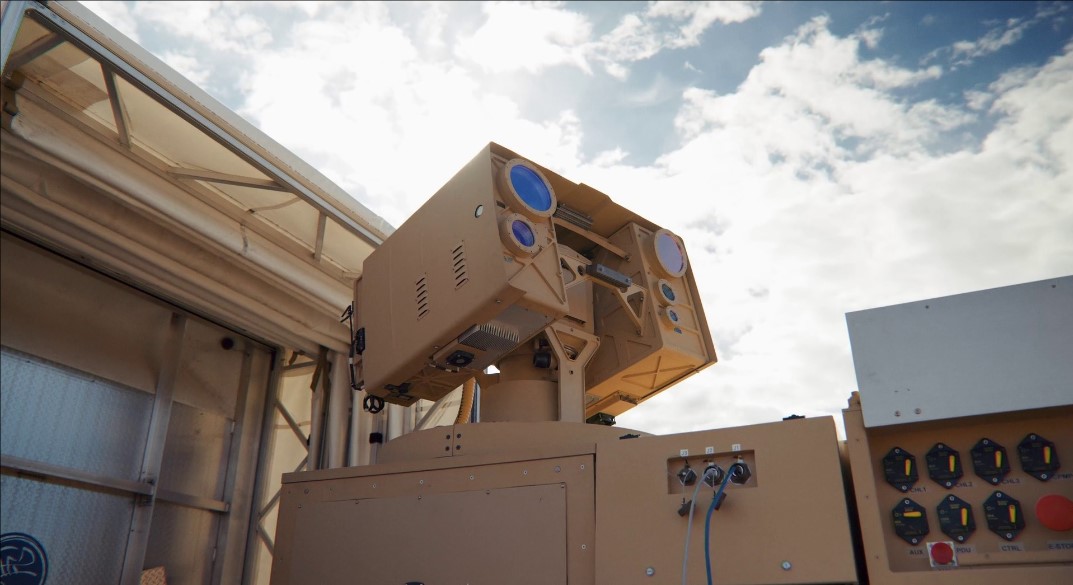
World
BlueHalo secures a $95.4 million contract to advance laser weapon technology for the US Army, focusing on counter-drone capabilities and enhanced defense systems. BlueHalo has been awarded a $95.4-million contract to further develop directed energy technologies for the US Army Space and Missile Defense Command. This contract supports the Laser Technology Research Development and Optimization (LARDO) program, which focuses on creating weapons to counter aerial drones and similar threats.Under the new contract, BlueHalo will enhance the design and manufacturing of its directed energy solutions. The company aims to improve the efficiency, performance, automation, and durability of these systems. Additionally, efforts will be made to optimize the size, weight, and power requirements of the laser weapons.Dr. Vikram Manikonda, BlueHalo's Chief Technology Officer, emphasized the significance of the project, stating, "We are developing tools to win the next war so there is no next war. We are expanding and accelerating BlueHalo’s air defense innovations, not only with Directed Energy technologies but with the diagnostic and surveillance monitoring systems that enable their sustainment, operation, and continuous improvement in the field."BlueHalo's directed energy solutions are designed to be interoperable and user-friendly, providing the Army with a comprehensive system for advancing laser weapon technology to meet national security needs.Counter-Drone MissionsThe contract will leverage BlueHalo’s experience in developing counter-unmanned aerial systems (c-UAS). Notably, their Locust laser systems, which have been deployed in various operations, will play a crucial role. These systems combine precision laser and optical hardware with advanced processing and artificial intelligence software to ensure effective target identification, tracking, and engagement.BlueHalo Chief Operating Officer Trip Ferguson highlighted the importance of this initiative, stating, "Through the LARDO program, the US Army is investing in the rapid innovation and maturation of our Nation’s laser weapon capabilities. BlueHalo’s LOCUST laser systems are deployed overseas, providing multi-domain mission success in UAS threat elimination and force protection. We are honored that the US Army continues to trust BlueHalo to deliver superior Directed Energy technologies and air defense innovations."Additional Laser Weapon ContractsIn addition to the LARDO program, BlueHalo signed a contract in April to support the US Army’s Palletized High Energy Laser (P-HEL) system. This system is designed to protect personnel and critical infrastructure from small drones by using directed energy.Furthermore, in November 2023, BlueHalo accepted a contract to supply Locust systems to the US Marine Corps. These systems will be tested in collaboration with the Naval Surface Warfare Center and integrated into the Marines’ Joint Light Tactical Vehicle fleet.ConclusionBlueHalo's recent contracts reflect a significant investment in directed energy technologies, particularly for counter-drone applications. The company’s advancements in laser weapon systems are poised to enhance the US military’s capabilities in addressing modern aerial threats. With continued innovation and deployment, BlueHalo aims to provide robust defense solutions that contribute to national security.
Read More → Posted on 2024-05-27 16:08:47
India
Tata Advanced Systems Limited (TASL) provides innovative, high-quality bulletproof jackets tailored to meet the diverse needs of India's defense forces. Their commitment to safety and reliability makes them a trusted leader in defense protection.Tata Advanced Systems Limited (TASL) stands out as a prominent name in the Indian defense sector, committed to ensuring the safety of the nation’s defense personnel. Known for their reliable and innovative solutions, TASL offers a comprehensive range of bulletproof jackets designed to meet the diverse needs of various defense missions.Tailored Protection for Diverse NeedsTASL understands that different missions require different levels of protection. Therefore, they provide a wide array of customizable features in their bulletproof jackets. This customization ensures that every jacket is perfectly suited to the specific needs of the mission and the individual wearing it. Unlike standard one-size-fits-all solutions, TASL’s jackets offer a perfect fit for every hero in every situation.Advanced Materials and TechnologyCrafted using the latest materials and technological advancements, TASL’s bulletproof jackets offer superior protection without sacrificing comfort and mobility. The jackets are designed to allow maximum movement and flexibility, enabling personnel to perform their duties with agility and confidence. This balance of protection and comfort is crucial for operational effectiveness in the field.Proven Track RecordTASL’s commitment to protecting India’s defense personnel is evident in their impressive track record. They have successfully manufactured and delivered over 200,000 bulletproof jackets to various branches of the Indian defense and security forces. Their clients include the Army, Navy, Air Force, Coast Guard, Central Armed Police Forces (CAPFs), and State Police Forces. This extensive experience underscores TASL’s reliability and expertise in the field of defense protection.Commitment to Quality and SafetyTASL’s bulletproof jackets are not only designed for protection but also undergo rigorous testing to ensure they meet the highest standards of quality and safety. The company’s dedication to continuous improvement and innovation in defense technology helps maintain the trust and confidence of their clients.Supporting the Nation’s DefenseBy providing high-quality, customized bulletproof jackets, TASL plays a crucial role in supporting India’s defense forces. Their products help safeguard the lives of those who protect the nation, allowing them to carry out their duties more effectively.In summary, Tata Advanced Systems Limited is a leading provider of bulletproof jackets in India, offering tailored, high-quality protection for a variety of defense needs. Their commitment to innovation, safety, and reliability makes them a trusted partner for the nation’s defense forces.
Read More → Posted on 2024-05-27 15:59:09
World
Exail secures a contract to supply Gecdis-W navigation systems for Spanish S80 Plus submarines, enhancing navigational precision and operational capabilities. This partnership with Navantia supports Spain's naval modernization efforts.Exail has secured a contract with Navantia to provide its Gecdis-W Warship Electronic Chart Display and Information System (WECDIS) for the four new Spanish S80 Plus-class submarines. These submarines, developed by Navantia for the Spanish Navy, are designed for high-speed, discreet navigation and enhanced operational mobility, enabling them to perform missions in potentially hostile environments.The Gecdis-W system, which is certified by the International Maritime Organization (IMO) and complies with NATO’s STANAG standards, will improve the navigational capabilities of the S80 Plus-class submarines. This electronic chart system will assist the crew with precise navigation using electronic charts, enhancing safety and operational effectiveness in underwater operations.Alexandre Maia, Regional Sales Manager at Exail, commented on the collaboration: “Exail and Grafinta are honored to maintain a close partnership with Navantia and contribute our expertise to the Spanish S80 submarines. Our WECDIS system aligns with the submarines’ design objectives of stealth, endurance, and operational flexibility, ensuring effective and safe navigation in challenging underwater environments.”This contract highlights Exail's leadership in naval navigation technology. The company has a strong track record, having equipped naval platforms for the French Navy as well as the navies of Latvia, India, Greece, the UAE, and New Zealand.The S80 Plus-class submarines are part of a modernization effort by the Spanish Navy to enhance its underwater capabilities. These submarines are equipped with advanced propulsion systems, allowing them to operate quietly and evade detection. They are also designed to carry a variety of weapons and sensors, making them versatile assets for a range of missions, including anti-submarine warfare, intelligence gathering, and special operations.Exail's Gecdis-W system will play a crucial role in these missions by providing accurate and reliable navigational information. The system’s compliance with international and NATO standards ensures interoperability with other allied naval forces, facilitating joint operations and enhancing overall mission effectiveness.This partnership between Exail and Navantia represents a significant step forward in equipping the Spanish Navy with state-of-the-art technology, reinforcing its capabilities and readiness to face modern naval challenges.
Read More → Posted on 2024-05-27 15:42:33
Space & Technology
NASA launches the PREFIRE mission to study heat emissions from Earth's polar regions, aiming to improve climate change predictions. The mission involves two CubeSats measuring far-infrared radiation.NASA has successfully launched the first of two climate satellites designed to measure heat emissions from Earth's polar regions. The launch took place on Rocket Lab's Electron rocket from Mahia, New Zealand, at 7:41 pm NZST (3:41 am EDT) on Saturday. The mission, called PREFIRE (Polar Radiant Energy in the Far-InfraRed Experiment), involves two small CubeSats that will gather critical data on heat radiation from the Arctic and Antarctic.The PREFIRE mission aims to improve our understanding of how much energy Earth absorbs and releases, particularly from its coldest regions. This data is essential for predicting changes in sea ice, ice sheet melt, and sea level rise, which are crucial for various sectors, including agriculture, fishing, and coastal communities.Ground controllers confirmed that they established communication with the first CubeSat at 8:48 EDT. The second CubeSat is scheduled to launch in the coming days. After a 30-day period to ensure both satellites are functioning correctly, the mission will begin its 10-month operation.Importance of the PREFIRE MissionThe PREFIRE mission addresses a significant gap in our knowledge of Earth's energy budget—the balance between the incoming heat from the Sun and the outgoing heat radiated by the planet. Most of the heat emitted from the polar regions is in the form of far-infrared radiation, which has not been measured in detail until now.Water vapor and cloud characteristics in the atmosphere affect the amount of far-infrared radiation that escapes into space. By measuring this radiation, PREFIRE will help scientists understand when and where heat is being emitted from the poles. This information is vital for improving climate and weather models, leading to better predictions of global warming impacts.Technological InnovationsThe CubeSats carry thermal infrared spectrometers that use specialized mirrors and sensors to measure infrared wavelengths. The instruments were miniaturized to fit into the CubeSat format, a challenging feat that required innovative engineering solutions.Collaboration and DevelopmentThe PREFIRE mission is a collaborative effort between NASA and the University of Wisconsin-Madison. NASA's Jet Propulsion Laboratory (JPL) manages the mission, and Blue Canyon Technologies built the CubeSats. The University of Wisconsin-Madison will handle data processing. Rocket Lab USA Inc., based in Long Beach, California, provided the launch services under NASA's Venture-class Acquisition of Dedicated and Rideshare (VADR) launch services contract.Broader ImplicationsThis mission is part of NASA's broader effort to understand Earth's changing climate. By providing detailed measurements of far-infrared radiation, PREFIRE will enhance our ability to predict and respond to climate changes, especially in the rapidly warming Arctic region.Looking AheadThe successful launch of the first PREFIRE CubeSat marks a significant step in climate research. With the second CubeSat soon to join its counterpart in orbit, scientists are eager to begin analyzing the data that will provide new insights into Earth's heat balance and its implications for global climate patterns.
Read More → Posted on 2024-05-27 15:38:12
World
Israeli airstrikes in Rafah kill two senior Hamas commanders and 35 others following a Hamas rocket attack on Tel Aviv. The strikes defy an ICJ order to halt operations in Gaza.On Sunday night, Israeli airstrikes targeted a Hamas compound in Rafah, resulting in the deaths of two senior Hamas commanders and 35 others, according to reports from The Times of Israel. The strikes came in response to Hamas's recent rocket attack on Tel Aviv, marking the first such attack in months.The Israel Defense Forces (IDF) confirmed the strike, stating it had targeted a compound in the Tel Sultan area of northwestern Rafah. The IDF reported that senior Hamas officials were gathered at the site. The airstrikes also injured dozens and caused a fire in a camp housing displaced civilians.The IDF identified the killed commanders as Yassin Rabia, who led Hamas's West Bank headquarters, and Khaled Najjar, a senior member of the same unit. According to the IDF, Rabia was responsible for managing military operations, transferring funds for terror activities, and directing attacks in the West Bank. Rabia had also participated in deadly attacks against Israeli soldiers in 2001 and 2002.Najjar was similarly involved in orchestrating shooting attacks and other terror activities in the West Bank, as well as funneling funds to Hamas operatives. The IDF noted that Najjar carried out several attacks between 2001 and 2003, resulting in the deaths of both civilians and soldiers.The airstrikes occurred despite an order from the International Court of Justice (ICJ) to halt operations in Rafah. Last Friday, the ICJ issued a directive for Israel to cease its activities in southern Gaza and withdraw from the area. This order was part of a case brought by South Africa accusing Israel of genocide and highlighting the "immense risk" to the Palestinian population.The ICJ's directive marks the third instance this year where the court has issued orders to mitigate the humanitarian crisis in Gaza. Although these orders are legally binding, the ICJ lacks enforcement mechanisms, meaning compliance relies on the cooperation of the parties involved.Currently, Israel continues its ground assault in Rafah, from which eight Hamas rockets were reportedly launched. The ongoing conflict underscores the persistent tension and violence in the region, despite international efforts to mediate and reduce casualties.The Kudankulam Nuclear Power Plant (KKNPP) project is being constructed with Russian assistance under an Inter-Governmental Agreement (IGA) signed in 1988 and later supplemented in 1998. The plant uses VVER-1000 type reactors, a variant of the pressurized water reactor (PWR) technology developed by Russia. The Proryv (Breakthrough) project aims to revolutionize nuclear energy production by creating a closed nuclear fuel cycle. This approach allows for the recycling and reuse of spent nuclear fuel, significantly reducing radioactive waste and enhancing the sustainability of nuclear power. India aims to expand its nuclear power capacity to 63,000 MW by 2032 from the current 6,780 MW as part of its strategy to improve energy security and reduce carbon emissions. Collaboration with Russia and other international partners is crucial in achieving this goal. The ongoing development and expansion of nuclear projects like Kudankulam are essential for meeting India's growing energy needs with a reliable and clean energy source.
Read More → Posted on 2024-05-27 15:33:00Search
Top Trending in 24 Hours
-
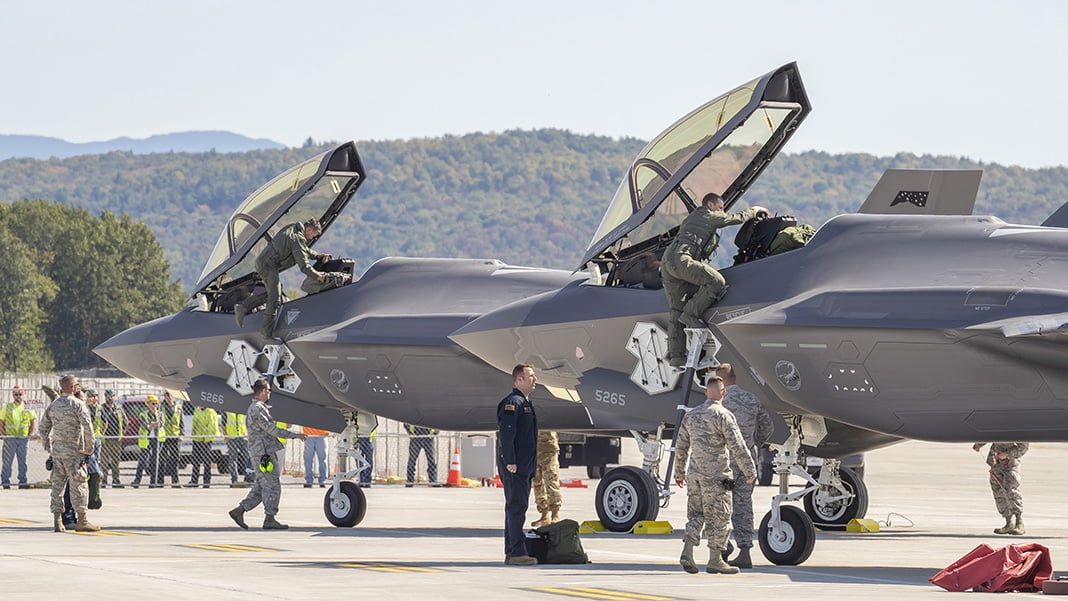 F-35 Fleet Readiness Falls to 25% Amid Parts Shortages and Software Delays: GAO Report
-
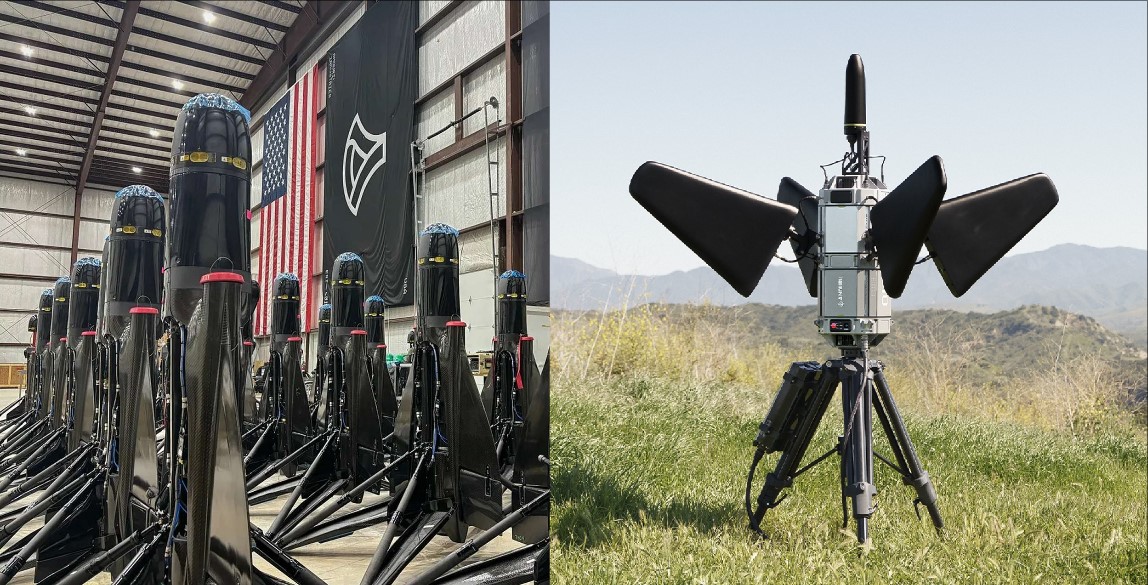 U.S. Approves $1.98 Billion Sale of Anduril AI-Powered Counter-Drone Systems to Kuwait
-
 U.S Navy Orders 50 Blackbeard Hypersonic Missiles in New $23.4 Million Contract
-
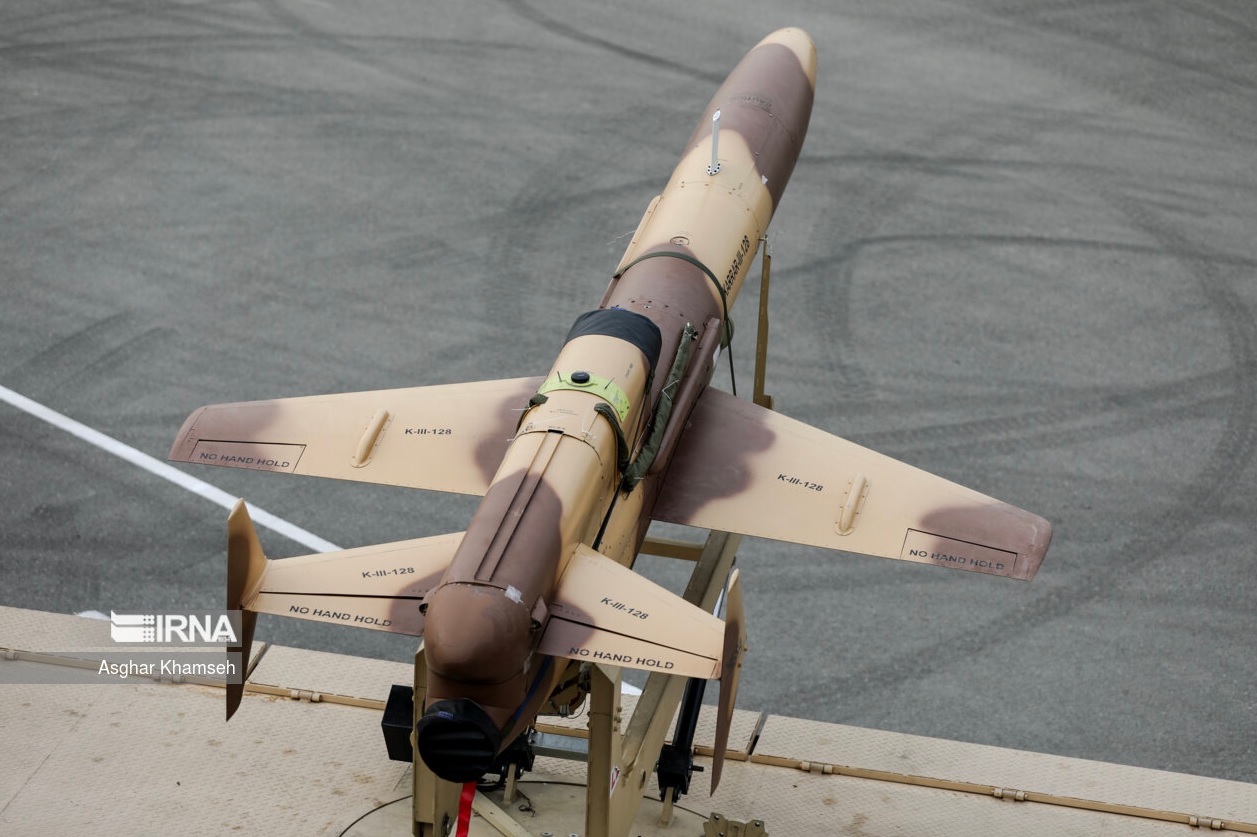 Russia Launches 1,400 Jet-Powered Drones in 2026 as Strike Tactics Evolve to Challenge Ukraine's Air Defenses
-
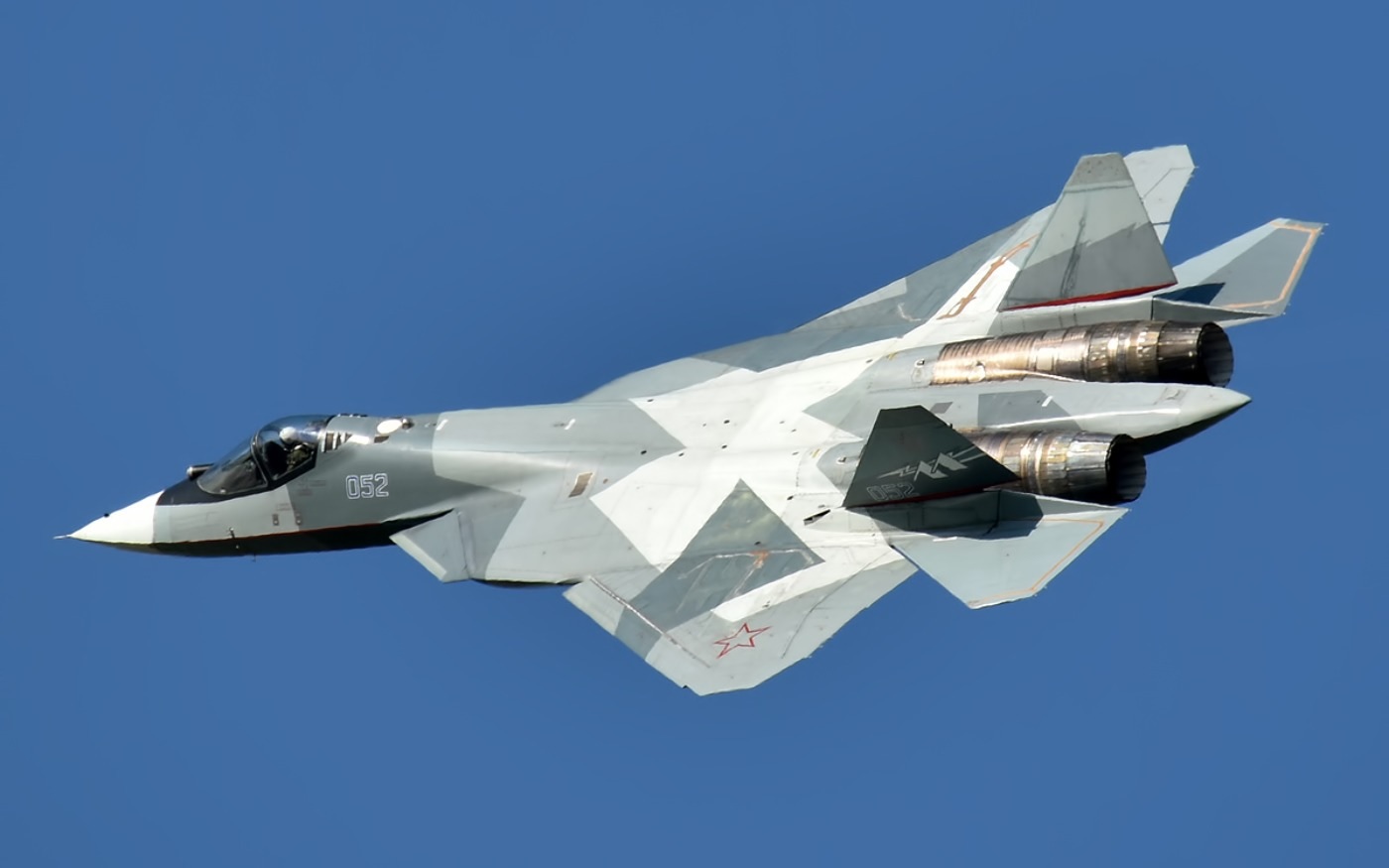 Russian Analysts Debate Su-57 Capabilities After Putin Calls Fighter Superior to F-35
-
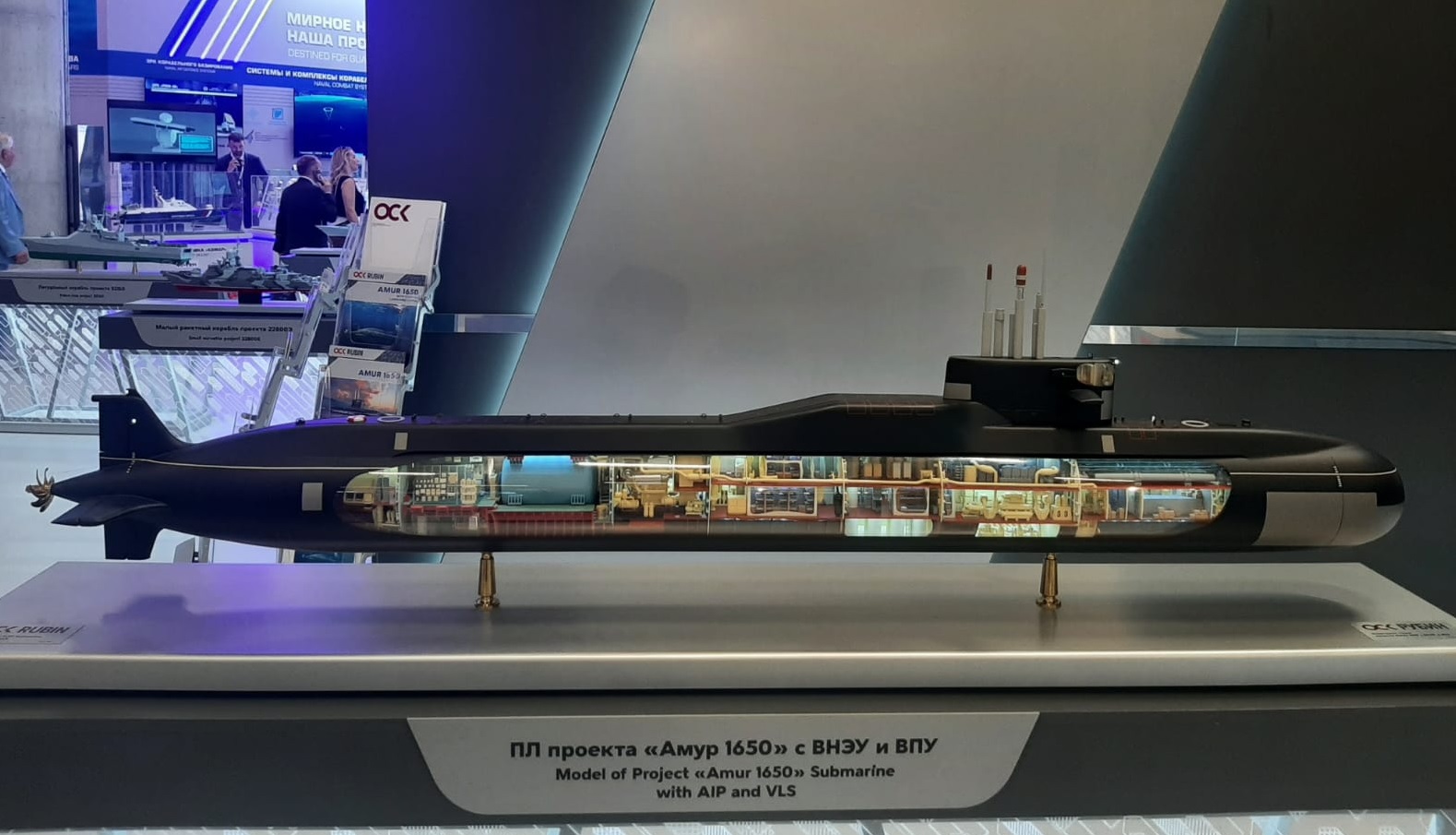 Russia Unveils Amur-1650 AIP Submarine Equipped with BrahMos Vertical Launch System at Fleet-2026
-
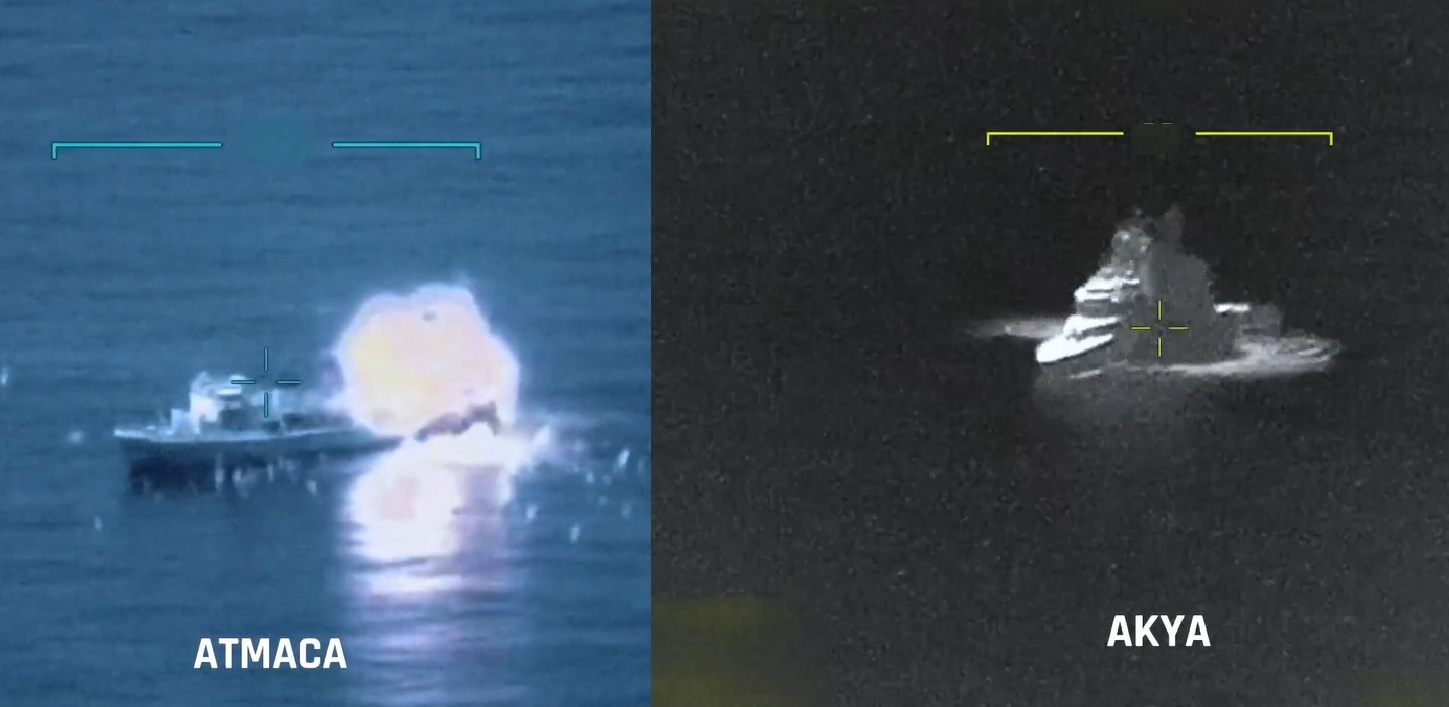 Turkey Navy Successfully Tests AKYA Torpedo and ATMACA Missile During Major Denizkurdu-II Naval Exercise
-
 NASA X-59 Achieves Planned Mission Conditions with Mach 1.4 Flight at 55,000 Feet
Top Trending in 4 Days
-
 Iranian Media Leaks 14-Point U.S.-Iran Peace Framework Amid Ongoing Negotiations
-
 US Plans Significant Reduction of Fighter Jets and Warships for NATO Operations in Europe
-
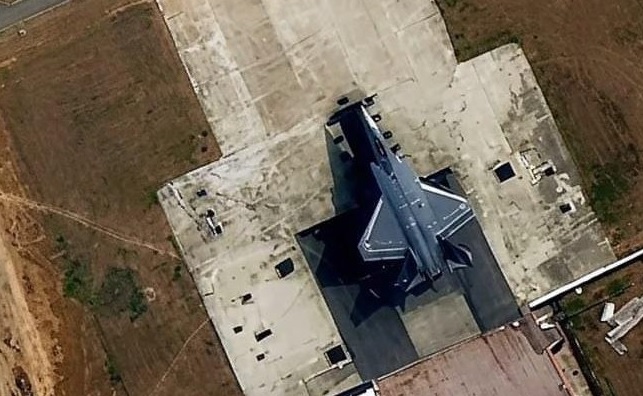 AMCA Airframe Spotted at DRDO’s ORANGE Facility for Radar Cross-Section Testing
-
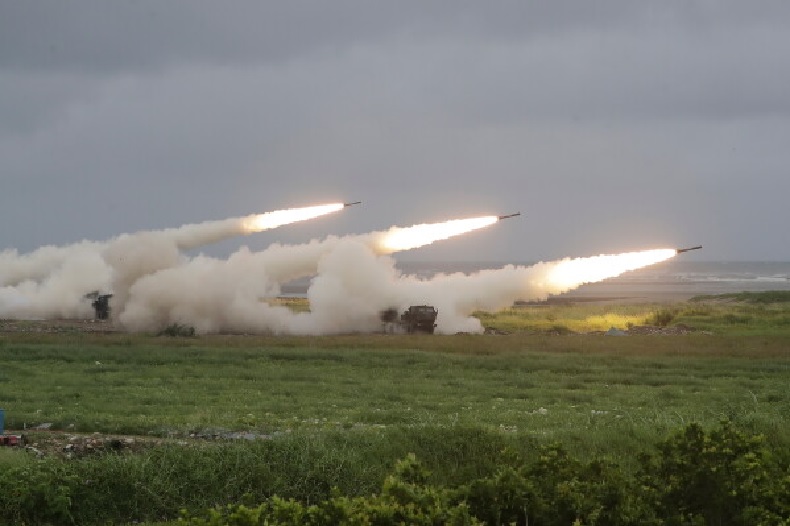 Taiwan Conducts First Live-Fire of HIMARS Rockets From West Coast During Invasion Defense Drill
-
 Boeing Introduces New MQ-28 Ghost Bat Upgrades with Increased Range, Payload and Weapons Capacity at ILA Berlin 2026
-
 Diehl Defence Unveils IRIS-T Armed Cobra 600 Air Defense Drone at ILA Berlin 2026
-
 Russian Defense Firm ZALA Unveils KAMA Unmanned Surface Vessel Family at FLOT-2026 Naval Exhibition
-
 U.S Aircraft Carrier USS Theodore Roosevelt Departs San Diego for Major RIMPAC 2026 Naval Exercise
