
World
The United States has significantly increased its investment in electronic warfare (EW) capabilities, spending approximately $5 billion this year to enhance its defense systems. This effort underscores the nation's commitment to maintaining a technological edge over global adversaries like China and Russia.The United States has spent approximately $5 billion this year to enhance its electronic warfare (EW) capabilities, according to a report by Army Technology. This information is based on market data from GlobalData, a British data analytics and consulting firm.The data highlights that the US has significantly increased its EW expenditure, accounting for 45 percent of global spending between 2021 and 2023. In comparison, Russia and China had much lower shares, with 14 and 13 percent respectively during the same period.Washington has prioritized investments in air-based EW systems over land, sea, and space-based systems. By 2033, the US is expected to allocate $7.5 billion to EW capabilities, representing 47 percent of the projected total EW expenditure among the world’s top nine investors.Challenges from China and RussiaDespite the US being the largest investor in EW systems, its lead is expected to face challenges from China and Russia. The market report predicts that Russia and China's combined EW spending will increase from an estimated $2.5 billion in 2024 to $5.1 billion by 2033.China has announced a major military overhaul focusing on "intelligentized" warfare, integrating electronic, space, cyber, and psychological warfare capabilities. Russia has also stepped up its EW activities, including alleged jamming of civilian and military flights across NATO’s eastern flank.US Electronic Warfare InitiativesElectronic warfare involves using the electromagnetic spectrum to detect enemies, protect assets, and disrupt adversaries' radio frequency signals. The US has undertaken several initiatives to bolster its EW capabilities. In December 2023, Lockheed Martin tested an EW system for the US Navy that can be mounted on a helicopter. Additionally, the US Army deployed an artificial intelligence-enabled EW capability called the Advanced Dynamic Spectrum Reconnaissance, designed to detect and evade enemy jamming attempts.Additional InformationThe US Department of Defense has recognized the growing importance of EW in modern warfare, leading to increased investments in research and development. The Pentagon's 2024 budget includes significant allocations for advanced EW systems to maintain a technological edge over potential adversaries.The Electronic Warfare Program Office, under the Department of Defense, coordinates efforts across various branches of the military to develop and integrate EW capabilities. This includes collaborations with defense contractors like Lockheed Martin, Northrop Grumman, and Raytheon, which are developing next-generation EW systems to address emerging threats.The US is also working on improving its EW training programs to ensure that personnel are well-equipped to operate advanced EW systems. The Joint Electronic Warfare Center, located at Lackland Air Force Base in Texas, plays a crucial role in training and developing EW strategies for the US military.As global tensions rise and technological advancements continue, the importance of electronic warfare in maintaining national security cannot be overstated. The US's ongoing investments in EW capabilities aim to ensure that it remains at the forefront of this critical area of defense.
Read More → Posted on 2024-05-24 14:58:40
World
Taiwan reacts to Chinese military exercises with heightened alertness, prompting concerns over regional stability. Tensions rise as President Lai Ching-te emphasizes defense while urging dialogue with Beijing, amidst international condemnation and support.Taiwan scrambled jets and put its missile, naval, and land units on alert Thursday in response to Chinese military exercises around the self-governing island. These exercises coincide with the inauguration of Taiwan's new president earlier this week.China's military announced that the two-day exercises were a punishment for what it described as separatist forces in Taiwan seeking independence. Beijing claims Taiwan as part of its national territory and regularly sends navy ships and warplanes into the Taiwan Strait to pressure Taiwan's defenses and intimidate its citizens, who overwhelmingly support de facto independence.Taiwan's Defense Ministry condemned the exercises, labeling them as "irrational provocation" that threatens regional peace and stability. The ministry emphasized that while Taiwan seeks no conflict, it will not shy away from defending itself."This pretext for conducting military exercises not only does not contribute to peace and stability across the Taiwan Strait but also shows its hegemonic nature at heart," the ministry stated.In his inauguration address on Monday, President Lai Ching-te urged Beijing to halt its military intimidation and pledged that Taiwan would "neither yield nor provoke" in dealing with China."Facing external challenges and threats, we will continue to maintain the values of freedom and democracy," Lai said during a visit to a marine base in Taoyuan, south of Taipei, on Thursday. While he did not directly mention China's actions, he noted that international society is concerned about Taiwan's security due to its critical role in global supply chains for advanced computer chips and as a democratic stronghold against China's influence in the Asia-Pacific region.Lai has expressed a desire for dialogue with Beijing while maintaining Taiwan's current status and avoiding conflicts that could involve its main ally, the United States, and regional partners like Japan and Australia.The Nationalist Party (KMT), generally seen as pro-China, also condemned Beijing's actions. The KMT urged China to exercise restraint, cease unnecessary maneuvers, and avoid escalating conflict in the Taiwan Strait, highlighting the importance of maintaining peace and development between the sides.The Chinese People's Liberation Army's Eastern Theater Command described the exercises as a test of their navy and air force capabilities, as well as their joint strike abilities. The command stated that the drills are a "powerful punishment" for separatist forces in Taiwan and a warning to external forces against interference and provocation.The PLA released a map showing the exercise area surrounding Taiwan at five different points, including near the outlying islands of Matsu and Kinmen, which are closer to the Chinese mainland.China's coast guard also conducted law enforcement drills near islands close to the Taiwanese-controlled groups of Kinmen and Matsu.In response to the Chinese exercises, U.S. Marine Corps Lt. Gen. Stephen Sklenka, deputy commander of the U.S. Indo-Pacific Command, called on Asia-Pacific nations to condemn China's military actions. Speaking in Australia, Sklenka emphasized the importance of regional nations joining the U.S. in publicly condemning these actions to have a stronger impact.Japan's Foreign Minister Yoko Kamikawa, visiting the U.S., reiterated Japan's support for Taiwan, describing it as an important partner that shares values such as freedom, democracy, and the rule of law. She stressed the significance of maintaining peace in the Taiwan Strait, a vital waterway for global shipping, during her talks with U.S. Secretary of State Antony Blinken.Taiwan's strategic importance extends beyond regional politics. The island is a critical player in the global semiconductor industry, producing advanced chips essential for various technologies. This makes the stability and security of Taiwan a matter of international concern, particularly for countries reliant on these technological components.The current tensions underscore the fragile balance in the Taiwan Strait, where military posturing by China frequently tests Taiwan's resolve and the international community's response. As Taiwan continues to develop its defense capabilities, it also seeks to strengthen diplomatic ties and security assurances from allies to deter potential aggression.
Read More → Posted on 2024-05-24 14:49:59
India
Russia proposes to assist India in building high-capacity nuclear power units, expanding their cooperation in nuclear energy. This offer was made during a meeting between ROSATOM's Director General and India's Atomic Energy Commission Chairman in Seversk, Russia.Russia has offered to help India build high-capacity nuclear power units at a new site, expanding their cooperation in the peaceful use of nuclear energy. This proposal was made by Alexey Likhachev, the Director General of ROSATOM, during a meeting with Ajit Kumar Mohanty, Chairman of India's Atomic Energy Commission, in Seversk, Russia.Likhachev stated that Russia is ready to support the serial construction of Russian-designed high-capacity nuclear power units in India. He also mentioned Russia's willingness to collaborate on land-based and floating low-power generation projects and other non-power applications of nuclear technology. Currently, Russia is involved in constructing the Kudankulam Nuclear Power Plant in Tamil Nadu, India. This project, which began in 2002, includes six light-water nuclear reactors, each with a capacity of 1,000 MW. The first reactor started commercial operations in 2014, followed by the second in 2016. Construction of the third and fourth reactors is ongoing, and agreements have been signed to advance the fifth and sixth reactors.The meeting between Mohanty and Likhachev took place at the Pilot Demonstration Energy Complex (PDEC) in Seversk, part of the Proryv or "Breakthrough" project. This project aims to develop a new power plant with a closed nuclear fuel cycle, addressing issues related to spent nuclear fuel and radioactive waste.India's External Affairs Minister S. Jaishankar, during his visit to Russia last December, indicated India's interest in additional sites for Russian reactors. The Kudankulam project is India's largest nuclear power plant and a flagship venture in Russian-Indian technological and power industry cooperation.ROSATOM has committed to supplying fuel to Kudankulam's reactors throughout their operational life. As of now, construction and equipment installation for Units 3 and 4 are progressing, with parallel development for the project's third stage.This expansion of nuclear energy cooperation between India and Russia highlights the growing strategic partnership between the two countries in the energy sector. It also underscores the importance of nuclear energy in meeting India's increasing energy demands while addressing environmental concerns related to fossil fuels.Additional Information from the Internet:The Kudankulam Nuclear Power Plant (KKNPP) is being built with Russian assistance under an Inter-Governmental Agreement (IGA) signed between India and the former Soviet Union in November 1988, and supplemented by a later agreement in 1998. The plant employs VVER-1000 type reactors, which are a version of the pressurized water reactor (PWR) technology developed by Russia.The Proryv project aims not only at building a new type of nuclear power plant but also at revolutionizing the way nuclear energy is produced and managed by creating a closed nuclear fuel cycle. This means that spent nuclear fuel can be recycled and reused, significantly reducing radioactive waste and making nuclear energy a more sustainable option.India is looking to expand its nuclear power capacity as part of its broader strategy to enhance energy security and reduce carbon emissions. By 2032, India aims to increase its nuclear power capacity to 63,000 MW from the current 6,780 MW. The collaboration with Russia and other international partners is crucial in achieving this goal.The continued development and expansion of nuclear energy projects like Kudankulam are vital for India's energy future, providing a reliable and clean source of power to meet the country's growing energy needs.
Read More → Posted on 2024-05-24 14:43:35
World
South Korea imposes sanctions on seven North Korean individuals and two Russian vessels over weapons trade violations, as part of efforts to enforce U.N. Security Council resolutions. The move comes amidst accusations of North Korea supplying weapons to Russia for use in the Ukraine conflict.On Friday, South Korea imposed sanctions on seven North Korean individuals and two Russian vessels. The sanctions target activities between North Korea and Russia, which Seoul's foreign ministry says breach U.N. Security Council resolutions.The Russian vessels were reportedly transporting a large quantity of containers with military supplies between Russia and North Korea. This action is a clear violation of U.N. resolutions, according to a statement from the South Korean foreign ministry.The United States and South Korea have accused North Korea of supplying weapons to Russia for use in the war in Ukraine. Both Moscow and Pyongyang deny these accusations but have committed to strengthening military relations.One of the sanctioned North Koreans is linked to a state-controlled company in Syria and held negotiations with a Russian from the Wagner Group to promote arms trade between 2022 and 2023. This information comes from an annual report by a U.N. panel monitoring North Korea.Another individual, working at a company based in Russia, facilitated the import of diesel from Russia to North Korea. Both individuals are accused of violating U.N. Security Council resolutions.The other five sanctioned North Koreans are accused of raising funds to support North Korea's nuclear and missile programs. They reportedly earned foreign currency by working as IT professionals abroad.Last month, Russia criticized South Korea's sanctions on its individuals and entities, calling it an "unfriendly move" and warning of a forthcoming response.In a related development, the U.N. panel of experts monitoring North Korea sanctions failed to extend its mandate earlier this year. This failure was due to a veto by Russia, prompting the United States and its allies to explore alternative measures.These sanctions by South Korea reflect ongoing tensions and the international community's efforts to curb North Korea's military activities and its support for Russia amid the Ukraine conflict.
Read More → Posted on 2024-05-24 06:42:42
World
DARPA has selected six innovative designs for its ANCILLARY program to enhance VTOL UAS capabilities, aiming to triple current performance without special infrastructure. The program will culminate with flight testing by early 2026.The Defense Advanced Research Projects Agency (DARPA) has advanced six innovative designs to the next phase of its AdvaNced airCraft Infrastructure-Less Launch And RecoverY (ANCILLARY) program. The selected designs come from AeroVironment, Griffon Aerospace, Karem Aircraft, Method Aeronautics, Northrop Grumman, and Sikorsky. These designs were chosen from a pool of nine submissions, which also included Leidos, AVX Aircraft, and Piasecki Aircraft.Program Goals and ObjectivesThe ANCILLARY program aims to significantly enhance the capabilities of small vertical take-off and landing (VTOL) uncrewed aerial systems (UAS). According to Steve Komadina, the DARPA program manager for ANCILLARY, the goal is to triple the current performance levels of these systems. The focus is on increasing payload weight, range, and endurance through innovative configurations, propulsion, and control mechanisms, all while eliminating the need for special launch and recovery infrastructure.Design RequirementsThe selected VTOL-capable aircraft are expected to operate from naval vessels without the need for large mechanical launchers and landing equipment. They must be capable of taking off and landing on ship decks and remote land locations, even in adverse weather conditions. These systems will provide beyond-line-of-sight capabilities for various missions, such as finding, fixing, tracking, and targeting surface vessels. While primarily aimed at Navy and Marine missions, the technology is also expected to benefit the Army, Air Force, Special Operations Command, and Coast Guard for logistics, strike, and special missions.Development PhasesThe program is currently in Phase 1b, where performers will focus on risk reduction, analysis, and testing for an X-plane demonstrator. This phase will last 10 months, culminating in competitive proposals for Phase II, which involves detailed design, fabrication, and flight testing. The entire project is expected to conclude with flight testing in early 2026.Future ImplicationsThe ANCILLARY program's success could revolutionize how small UAS are deployed and operated, offering greater flexibility and efficiency in various military operations. By removing the need for large infrastructure, these advanced VTOL systems could be rapidly deployed in diverse environments, enhancing mission capabilities and responsiveness.ConclusionDARPA's ANCILLARY program is poised to make significant advancements in the field of VTOL UAS technology. With six innovative designs moving forward, the program is on track to achieve its ambitious goals, potentially transforming the operational landscape for U.S. military forces across multiple branches.
Read More → Posted on 2024-05-24 06:33:56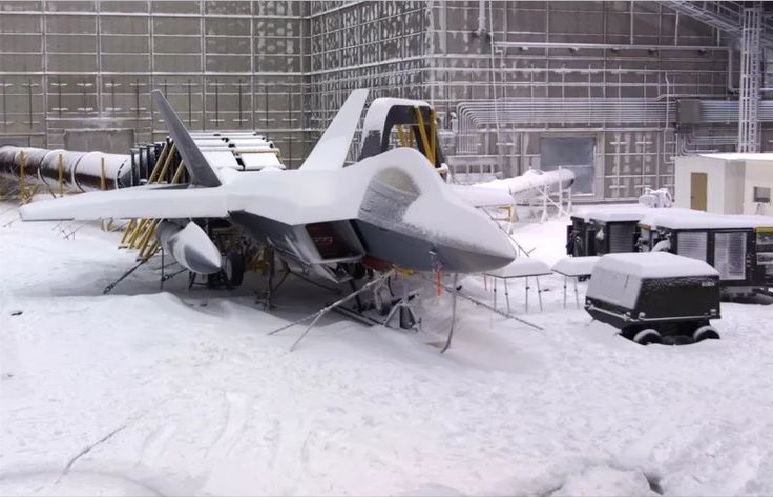
India
India has established an advanced climate chamber test facility, developed by DRDO and HAL, to accelerate and optimize fighter jet development by simulating extreme weather conditions in a controlled environment. This innovation enhances efficiency, reduces costs, and advances self-reliance in defense technology.India is taking a significant step forward in its fighter jet development with the establishment of a new indigenous climate chamber test facility. Developed by the Defence Research and Development Organisation (DRDO) and Hindustan Aeronautics Limited (HAL), this facility will revolutionize the testing and development of fighter jets by simulating a wide range of weather conditions.Climate Control: Transforming Fighter Jet TestingThe climate chamber can replicate extreme weather conditions, from the heat of deserts to the cold of high altitudes. This capability allows for comprehensive testing of fighter jets in a controlled environment, eliminating the need for time-consuming and logistically complex field trials across different locations in India.Faster Development and Increased EfficiencyThe new facility will accelerate the development timelines of fighter jets. The Indian Air Force (IAF) will benefit from faster deployment of advanced aircraft. Continuous, year-round testing is possible in the climate chamber, avoiding delays caused by natural weather patterns. This leads to uninterrupted progress and greater efficiency in the development process.Cost-Effective InnovationTraditional weather trials involve significant costs, including transportation of jets and personnel to various test sites. The climate chamber reduces these expenses by centralizing testing in a single facility. This cost-effective approach allows more resources to be allocated to research and development, promoting further innovation.Precision and RepeatabilityUnlike real-world weather, which is unpredictable, the climate chamber provides precise and repeatable conditions for testing. This ensures meticulous data collection and analysis, helping engineers refine jet designs and optimize performance. The controlled environment also enhances safety for pilots and aircraft during testing.Data-Driven InsightsThe climate chamber integrates advanced data acquisition systems, providing detailed insights into jet performance under various weather conditions. This data helps engineers improve designs, enhance capabilities, and ensure that Indian fighter jets are resilient and adaptable to any operational environment.Advancing Self-Reliance in DefenseThe establishment of this facility underscores India's commitment to self-reliance in defense technology. By speeding up development, reducing costs, and enhancing technological capabilities, India strengthens its defense readiness and positions itself as a leader in aerospace innovation.This new climate chamber test facility marks a significant advancement in India's fighter jet development, ensuring the production of high-quality, reliable, and domestically-made fighter jets to safeguard the nation's skies.
Read More → Posted on 2024-05-24 06:28:42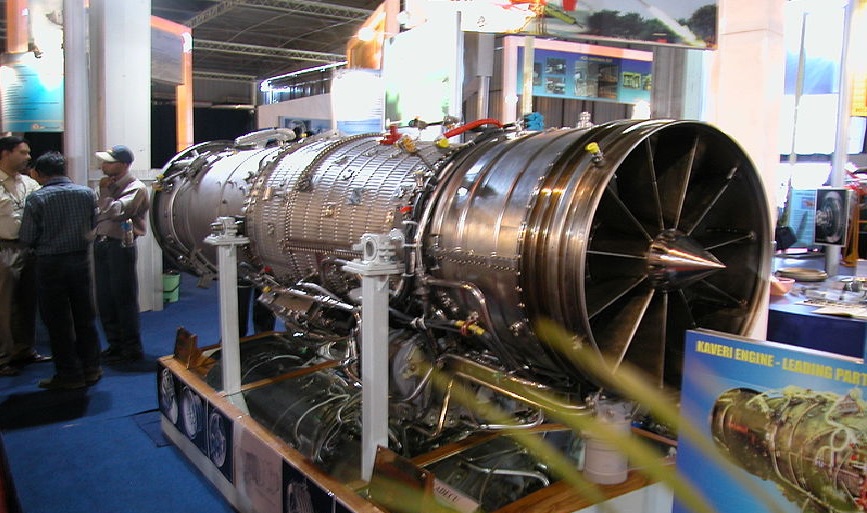
India
AZAD Engineering Limited has secured a contract with GTRE to manufacture advanced gas turbine engines for defense applications, showcasing their precision engineering capabilities. This partnership underscores India's growing prowess in defense manufacturing.AZAD Engineering Limited, a leader in precision engineering and manufacturing, has won a prestigious contract from the Gas Turbine Research Establishment (GTRE). GTRE, a key R&D organization under the Defence Research and Development Organisation (DRDO) and the Ministry of Defence, has selected AZAD as the production agency for an advanced gas turbine engine critical for defense applications. The first batch of these fully integrated engines is expected to be delivered by early 2026.The contract involves the complete manufacturing and assembly of a sophisticated gas turbine engine designed with a single-spool turbojet setup. This includes a 4-stage axial flow compressor, an annular combustor, a single-stage axial flow uncooled turbine, and a fixed exit area nozzle. The advanced propulsion system is intended for various defense applications.AZAD's selection as the sole industry partner for GTRE highlights the company's strong engineering and manufacturing capabilities. India has a solid track record of creating top-tier engine designs using indigenous technology. However, turning these designs into engines that meet stringent mission-critical objectives remains a significant challenge. AZAD's role in this project underscores the confidence in its ability to meet these demands.Rakesh Chopdar, Chairman and CEO of AZAD Engineering, expressed his excitement about the contract, stating, "We are honored to be selected by GTRE for this prestigious contract and are eager to bring this groundbreaking design to life at our facilities in Hyderabad. From power and aviation to defense and oil & gas, we have expanded our manufacturing capabilities to deliver end-to-end production for a fully assembled advanced turbo engine. This creates a significant opportunity for us to provide complete propulsion system solutions for both national and global defense requirements. Our commitment to excellence positions us well to enhance India's defense manufacturing capabilities and establish a strong presence in the defense manufacturing sector. These advancements will enable us to support a new era of defense applications."AZAD Engineering Limited has established itself as a key player in the precision engineering and manufacturing industry, serving sectors such as power, aviation, defense, and oil & gas. The company's involvement in this project is expected to further strengthen India's capabilities in defense manufacturing and contribute to the nation's strategic defense objectives.
Read More → Posted on 2024-05-24 06:23:36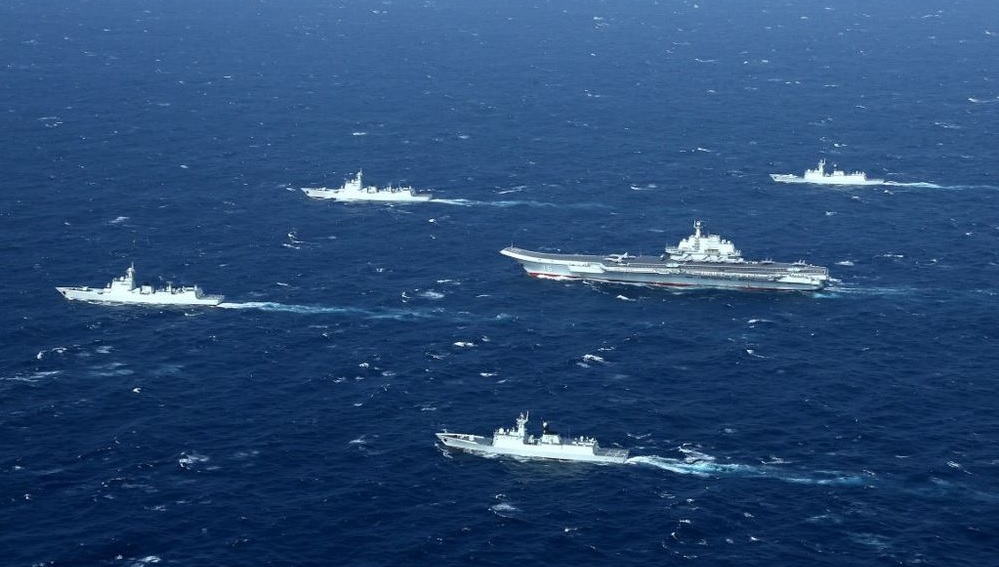
World
China has initiated extensive military drills around Taiwan following President Lai Ching-te's inauguration, escalating tensions and warning of severe consequences for "independence forces." The international community, including the UN and the US, has called for restraint amidst this display of military power.China has initiated extensive military exercises encircling Taiwan, declaring these drills as a test of its ability to seize control over the island. This move comes just days after Lai Ching-te was inaugurated as Taiwan's new president.Starting on Thursday morning, the exercises, named “Joint Sword-2024A,” have involved Chinese naval vessels and military aircraft surrounding Taiwan. The drills were accompanied by strong statements from Beijing, warning that the blood of “independence forces” on the island would flow.The two-day exercises, set to conclude on Friday, are designed to test the capabilities of joint seizure, strikes, and control of key territories, according to Li Xi, spokesperson for the People’s Liberation Army (PLA) Eastern Theater Command.Escalating TensionsThe exercises are part of China's ongoing campaign to intimidate Taiwan, which has included a series of large-scale military maneuvers in recent years. The latest drills follow President Lai Ching-te’s inauguration speech, which China condemned as a declaration of independence.Beijing, which sees Taiwan as a breakaway province, has stated that these drills serve as “strong punishment for the separatist acts of ‘Taiwan independence’ forces.” Chinese state media has shown footage of soldiers preparing for battle and jets taking off, with reports of Chinese sailors warning their Taiwanese counterparts against resisting reunification by force.International ReactionsThe United Nations has called for all sides to avoid escalating the situation, while the United States, Taiwan’s primary ally, has urged China to exercise restraint.In response to the drills, President Lai affirmed his commitment to defending Taiwan, stating he would “stand on the front line,” though he did not specifically mention the ongoing exercises.Chinese Statements and Media CoverageChina’s foreign ministry and state media have used harsh language in their warnings to Taiwan. Spokesperson Wang Wenbin stated that Taiwan independence forces would face severe consequences. Editorials in the Xinhua news agency and the People’s Daily have also criticized President Lai's actions and supported the military exercises.Scope of the DrillsThe drills are being conducted in the Taiwan Strait and to the north, south, and east of the island, including areas around the Kinmen, Matsu, Wuqiu, and Dongyin islands administered by Taipei. Taiwan’s defense ministry reported that the Chinese military approached within 24 nautical miles of Taiwan's main island.Future DevelopmentsWhile the drills are scheduled to end on Friday, analysts suggest that China could extend the exercises or escalate further, potentially launching missiles near Taiwan, as seen after then-US House Speaker Nancy Pelosi’s visit to the island in 2022.ConclusionChina’s military exercises around Taiwan mark a significant escalation in cross-strait tensions, highlighting Beijing's increasing pressure on the self-ruled island. The international community remains watchful, urging restraint to avoid further escalation.
Read More → Posted on 2024-05-24 06:20:31
World
Otokar showcases its COBRA II and ARMA 8x8 armored vehicles at BSDA 2024 in Bucharest, highlighting its global presence and commitment to innovation and strategic markets like Romania. The company aims to strengthen its position in the European defense sector with advanced, adaptable military solutions.Otokar, a leading global manufacturer of land systems, is participating in the Black Sea Defence, Aerospace and Security International Exhibition (BSDA) from May 22-24 in Bucharest, Romania. The company is displaying its renowned COBRA II 4x4 tactical wheeled armored vehicle and the ARMA 8x8 wheeled armored vehicle.Global Presence and CommitmentAykut Özüner, General Manager of Otokar, highlighted the company's extensive global reach. "Otokar is proud to serve as a NATO and UN supplier, with our vehicles operating in various climates and terrains worldwide. Our wide product range and comprehensive logistics services have made us a trusted name in global markets for many years," said Özüner. Otokar's military vehicles are used in over 40 countries across Europe, South America, Southeast Asia, the Americas, Central Asia, Africa, and Eastern Europe.Strategic Focus on RomaniaÖzüner emphasized the strategic importance of Romania for Otokar, noting the country's investment opportunities, strategic location, and skilled workforce. "BSDA allows us to connect with current and potential customers in the region. Romania is a key market for us, and we are eager to support the Romanian Armed Forces," he stated. Otokar has submitted a bid for a tender by C.N. Romtehnica S.A., the Romanian Ministry of National Defence’s company, for the purchase of 4x4 tactical wheeled armored vehicles.Sedef Vehbi, Otokar Military Cluster Head, added, "We have been focusing on Romania and its defense acquisition projects for a long time. Together with our local partner, Automecanica, we have developed a comprehensive business plan to meet the Romanian MoD's requirements. If awarded, we plan to use our facility in Romania as a strategic hub for European operations, including local production, research and development, and collaboration with Romanian suppliers."COBRA II and ARMA 8x8 VehiclesThe COBRA II, displayed at BSDA, is a combat-proven armored vehicle used by over 20 military forces worldwide. It offers high protection against ballistic, mine, and IED threats, with superior mobility and payload capacity. The modular design of COBRA II allows it to be used for various missions, including border protection, internal security, and peacekeeping. It can be configured as a personnel carrier, anti-tank platform, reconnaissance vehicle, command control vehicle, and more.The ARMA 8x8 is another highlight of Otokar's exhibition. This modular platform has amphibious capabilities and meets the survivability, protection, and mobility needs of modern armies. The ARMA 8x8 features a high mission payload capacity, spacious interior, and low silhouette. Its armored monocoque body provides high ballistic and mine protection, making it suitable for a variety of missions such as infantry fighting, command and control, air defense, engineering, ambulance, recovery, and support.Innovative and Adaptive SolutionsOtokar is known for its ability to respond quickly to the changing needs of its users. The company invests about 7% of its revenue in research and development, ensuring that its products remain at the forefront of technology and innovation. Otokar designs and manufactures a wide range of defense industry products, including tactical wheeled and tracked armored vehicles, unmanned vehicles, and turret systems, all recognized for their survivability, mobility, and modularity.
Read More → Posted on 2024-05-24 05:46:43
India
Project 75I aims to bolster India's naval strength with advanced diesel-electric submarines. Contenders from around the world offer innovative technologies, vying for a contract crucial to India's maritime security and defense modernization.India's Project 75I (P-75I) is a highly anticipated initiative aimed at enhancing the Indian Navy's submarine fleet with advanced, stealth-capable diesel-electric attack submarines. This project is a crucial step towards bolstering India's maritime security and defense capabilities. Here is an overview of the contenders vying for this prestigious contract, along with details about their respective submarines:1. Navantia (Spain) - S-80 PlusSubmarine Model: S-80 PlusKey Features:Air-Independent Propulsion (AIP): Utilizes a bio-ethanol fuel cell system for extended underwater endurance.Stealth Capabilities: Low acoustic, magnetic, and infrared signatures.Armament: Equipped with torpedoes, mines, and possible integration of cruise missiles.Operational Depth: Capable of deep-water operations.Crew: Designed for a crew of 32 with accommodation for additional personnel.2. Naval Group (France) - Scorpène 2000Submarine Model: Scorpène 2000Key Features:AIP Technology: Utilizes MESMA (Module d'Energie Sous-Marine Autonome) system for enhanced underwater endurance.Combat Systems: Integrated SUBTICS combat management system.Weapon Systems: Capable of deploying torpedoes and Exocet anti-ship missiles.Stealth Features: Reduced acoustic signature and advanced noise reduction technologies.Modularity: Adaptable design allowing for customization based on specific requirements.3. ThyssenKrupp Marine Systems (Germany) - Type 214Submarine Model: Type 214Key Features:Fuel Cell AIP: Hydrogen fuel cells providing extended submerged endurance.Silent Operation: Advanced noise reduction and acoustic stealth technologies.Armament: Equipped with torpedoes and potential for land-attack cruise missiles.Operational Range: Long-range capabilities suitable for extended missions.Automation: High level of automation reducing crew workload.4. Daewoo Shipbuilding & Marine Engineering (South Korea) - DSME-3000Submarine Model: DSME-3000 (KSS-III)Key Features:AIP System: Fuel cell-based AIP for increased underwater endurance.Vertical Launch System (VLS): Capable of launching ballistic and cruise missiles.Stealth Design: Advanced hull design for reduced detection.Combat Suite: Integrated combat management system for multi-role capabilities.Crew Accommodation: Designed for a crew of 50. 5. Rubin Design Bureau (Russia) - Amur 1650Submarine Model: Amur 1650Key Features:AIP Technology: Uses liquid oxygen for extended underwater operations.Combat Systems: Advanced combat management and weapon control systems.Armament: Equipped with torpedoes, anti-ship, and land-attack cruise missiles.Stealth Capabilities: Reduced acoustic and electromagnetic signatures.Export Variant: Based on the successful Kilo-class submarines.6. Mazagon Dock Shipbuilders Limited (India) - Collaboration with Foreign OEMSubmarine Model: Based on Scorpène design with enhancementsKey Features:AIP Integration: Potential inclusion of DRDO's indigenous AIP technology.Combat Systems: Advanced combat management systems and weaponry.Customization: Tailored to Indian Navy specifications.Operational Experience: Leveraging experience from the construction of Kalvari-class submarines.ConclusionProject 75I is a critical component of India's strategy to modernize its naval capabilities. Each contender brings unique technologies and capabilities to the table, offering the Indian Navy a range of options to enhance its underwater fleet. The decision on the winning bid will significantly impact India's maritime defense landscape and its strategic positioning in the Indian Ocean region.
Read More → Posted on 2024-05-23 16:18:06
World
The United States pledges $275 million in military aid to Ukraine amidst increased Russian aggression, including advanced weaponry like HIMARS and artillery rounds, to bolster Ukraine's defense capabilities. This aid comes as Ukrainian forces face mounting pressure in the Kharkiv region.The United States is stepping up its support for Ukraine by announcing an additional $275 million in military aid. This aid comes at a crucial time as Ukrainian forces face increasing pressure from Russian troops, particularly in the Kharkiv region.The aid package includes advanced weaponry such as high mobility artillery rocket systems (HIMARS) and various types of artillery rounds. These weapons are vital for Ukrainian forces as they defend against Russian incursions.Defense Secretary Lloyd Austin emphasized the urgency of the situation, describing Ukraine as being in a "moment of challenge" due to Russia's intensified attacks. He reassured that the U.S. is committed to ensuring a steady flow of weapons to the front lines.This announcement follows a gathering of defense leaders from Europe and other countries, where the focus was on coordinating efforts to bolster Ukraine's military capabilities. It's clear that the international community recognizes the gravity of the situation and the need for swift action.Russia's aggression has exploited Ukrainian vulnerabilities, including shortages in manpower and weaponry. The delay in U.S. assistance, caused by bureaucratic hurdles in Congress, has only exacerbated the situation.Since the passing of a $95 billion foreign aid package, with a significant portion allocated to Ukraine, the U.S. has been ramping up its support. Nearly $1.7 billion in weapons have already been sent from Pentagon stockpiles, with more on the way.Additionally, the U.S. has committed $6 billion through the Ukraine Security Assistance Initiative, which will provide longer-term support to Ukraine's defense capabilities. However, it's important to note that these weapons may take months or even years to fully materialize.Overall, the U.S. has now provided almost $51 billion in military assistance to Ukraine since the Russian invasion began in February 2022. This ongoing support underscores America's commitment to standing with Ukraine in its struggle for sovereignty and security.
Read More → Posted on 2024-05-23 15:58:13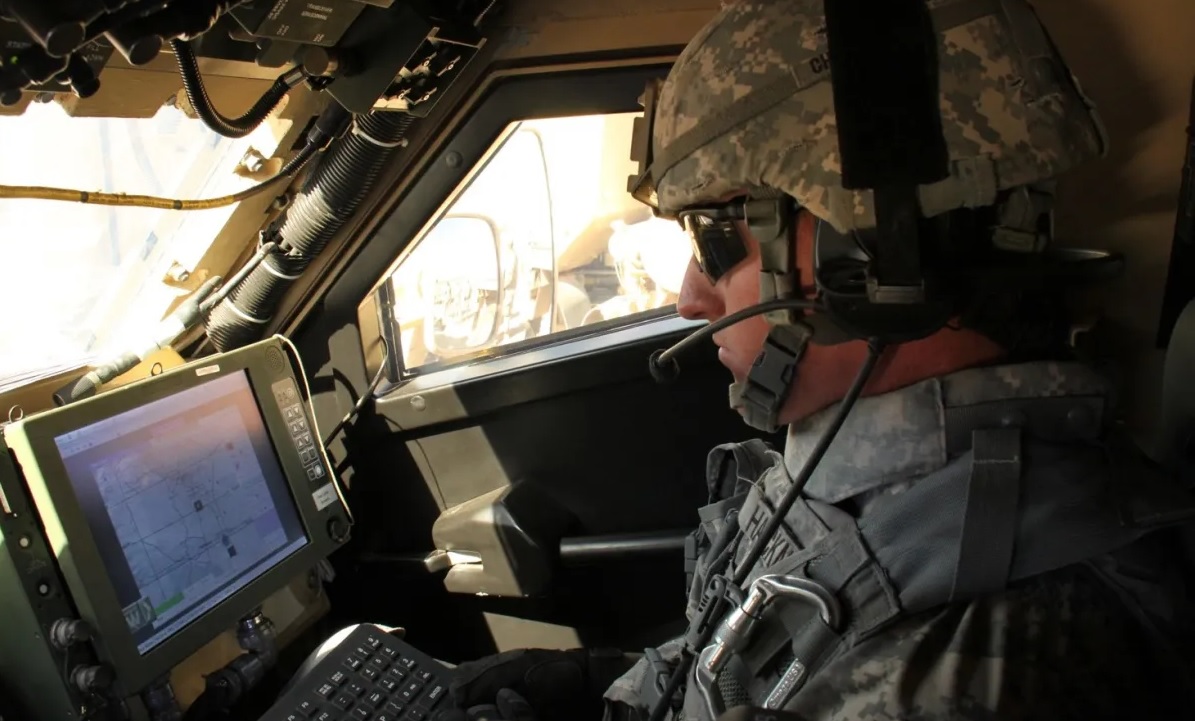
World
iDirect Government has been awarded a contract by the US Defense Innovation Unit to develop a 5G counter-interference prototype, enhancing SATCOM resilience for defense applications. The project leverages their CSIR technology to protect against signal interference. Virginia-based satellite communications provider iDirect Government has been awarded a contract by the US Defense Innovation Unit (DIU) to create a 5G counter-interference prototype. This initiative aims to enhance the resilience of satellite communications (SATCOM) for defense applications.Leveraging CSIR TechnologyThe project will utilize iDirect Government's proprietary Communication Signal Interference Removal (CSIR) technology. CSIR is a co-channel capability designed to reduce, isolate, and eliminate unwanted signals from authorized networks. It can protect against various threats, including continuous waves and multiple strong interferers, without needing prior data about those signals.The technology is compatible with different receivers, ensuring that it can mitigate the risk of communication failures without adding complexity for signals personnel. This adaptability is crucial for maintaining robust and reliable communications in defense operations.Enhancing Defense CommunicationsTim Winter, President of iDirect Government, emphasized the importance of this technology for defense communications. "Any signal interference is harmful to defense communications, and our 5G co-channel capability will ensure our customers have the crucial interference mitigation tool that helps them with communications resiliency," Winter stated.The DIU contract supports the Pentagon’s broader initiative to improve SATCOM resilience for military personnel. The increasing use of 5G technology has exacerbated the challenges of maintaining reliable SATCOM signals, making this project a critical response to these modern communication threats.Broader Implications and Future ApplicationsAccording to DIU Cyber and Telecommunications Project Manager Capt. Anthony Bustamante, addressing 5G co-channel interference is essential for ensuring seamless and robust communication across various technologies. The success of this project could lead to substantial improvements in operational continuity and security for both civilian and defense-related systems. This initiative is expected to serve as a foundation for tackling other radio frequency interference challenges. The solutions developed may also be adapted to protect other critical communication, autonomous, and navigational systems from similar disruptions.Commitment to Electronic WarfareThe contract follows the opening of iDirect’s new Engineering Center of Excellence in Herndon, Virginia, in January. This facility supports the company’s ongoing efforts to deliver electronic warfare and transmission security services for the US military.By enhancing its capabilities through the new center and the DIU contract, iDirect Government aims to provide advanced and scalable solutions that offer flexibility, agility, transmission security, and efficiency to warfighters.ConclusioniDirect Government's development of a 5G counter-interference prototype marks a significant step in strengthening the resilience of defense communications. Through innovative technologies like CSIR, the company is poised to address the growing challenges of signal interference in a 5G-dominated landscape, ensuring that military operations remain secure and effective.
Read More → Posted on 2024-05-23 15:51:53
Space & Technology
The US will send an Indian astronaut to the International Space Station by the end of this year, strengthening space collaboration between the two nations. Additionally, the joint NASA-ISRO NISAR project is set to launch, enhancing global environmental monitoring.The United States has announced that it will send an Indian astronaut to the International Space Station (ISS) by the end of this year. This announcement was made by Eric Garcetti, the US Ambassador to India, during an event celebrating the 248th Independence Day of the United States.This move is part of the promises made during Indian Prime Minister Narendra Modi’s visit to the US in 2023. Ambassador Garcetti confirmed that the mission is on track and emphasized the importance of this collaboration in strengthening the ties between the two countries.NISAR Project to Launch This YearIn addition to the astronaut mission, Garcetti mentioned the upcoming launch of the NISAR project, a joint Earth-observing mission between NASA and the Indian Space Research Organization (ISRO). The NISAR satellite aims to monitor global environmental changes and natural disasters, enhancing the understanding of climate change and ecosystem disturbances.Enhancing Technological CollaborationGarcetti highlighted the potential for increased collaboration in research and emerging technologies between the US and India. He pointed out that India’s success with the Chandrayaan 3 lunar mission, achieved at a significantly lower cost than similar US missions, demonstrates the complementary strengths of the two nations. By combining their capabilities, both countries can achieve greater technological advancements.Civilian Nuclear Energy CooperationOn the topic of civilian nuclear energy, Garcetti expressed optimism about resolving outstanding issues related to the Civil Liability for Nuclear Damage Act of 2010. This Indian law, which mandates prompt compensation for victims of nuclear incidents, has raised concerns among US companies. These companies are interested in building nuclear reactors at designated sites in Gujarat and Andhra Pradesh but are cautious due to the liability stipulations.Looking ForwardThis collaboration reflects the growing partnership between the US and India in space exploration and technology. As both countries continue to leverage each other's strengths, these initiatives are expected to lead to significant advancements in space technology, environmental monitoring, and nuclear energy.Additional ContextThe participation of an Indian astronaut in the ISS mission marks a significant milestone in India's space exploration journey, reflecting its increasing role in international space endeavors. The NISAR project, equipped with advanced radar systems, will provide critical data for managing natural resources and responding to natural disasters. This mission exemplifies how international cooperation can lead to significant scientific and technological achievements.In the realm of nuclear energy, the resolution of liability issues could pave the way for substantial investment and collaboration, enhancing India's energy security and contributing to global efforts in developing safe nuclear energy technologies. This cooperation is part of a broader strategic partnership between the two countries, aiming to address global challenges and promote sustainable development.
Read More → Posted on 2024-05-23 15:42:55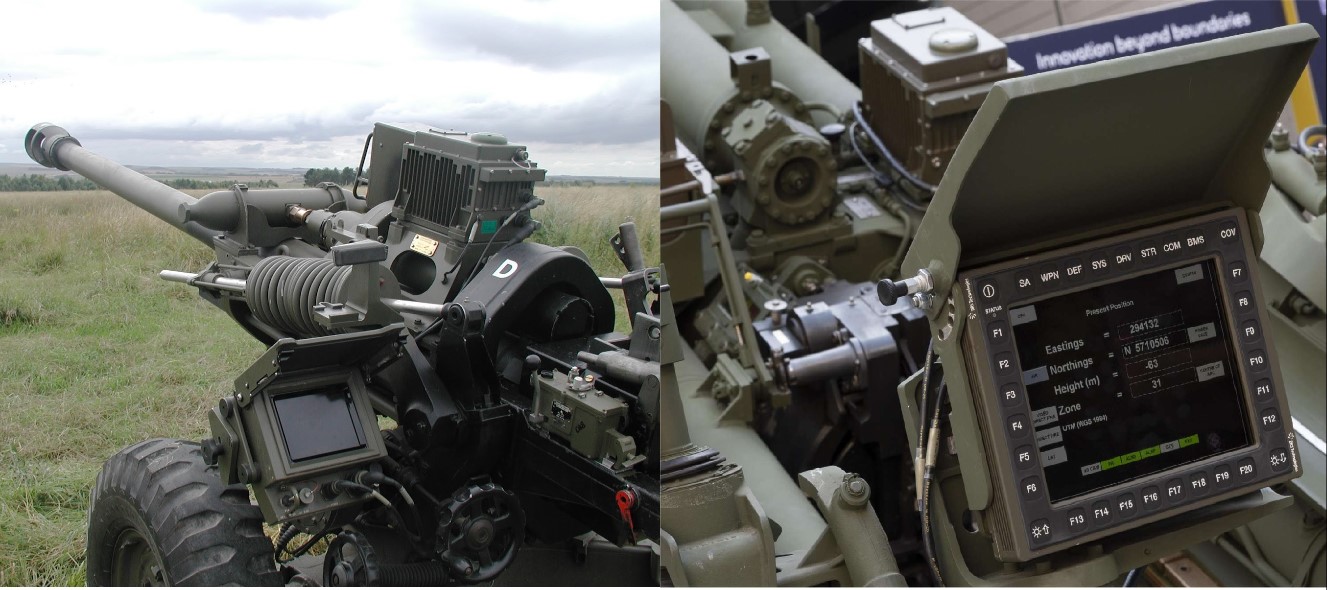
World
Leonardo has secured contracts to supply Italy and the UK with its advanced Laser Inertial Artillery Pointing System (LINAPS), enhancing the precision and reliability of their artillery units. The agreements include equipping Italy's FH70 howitzers and maintaining the UK's L118 light guns until 2030.Leonardo, a prominent defense technology company, has signed significant contracts with both Italy and the UK to supply their armed forces with the Laser Inertial Artillery Pointing System (LINAPS).Italy's Contract for FH70 HowitzersItaly has ordered 39 LINAPS systems to be installed on its FH70 towed howitzers. This upgrade aims to enhance the precision of Italy's artillery capabilities, allowing for more accurate targeting and effective fire support. The FH70 howitzer is a 155mm artillery piece known for its range and firepower, and the integration of LINAPS will significantly improve its operational effectiveness.UK Support Contract for L118 Light GunsThe UK Ministry of Defence has entered into a support contract with Leonardo to ensure the LINAPS systems on its L118 light guns remain in optimal condition. This contract is set to run until 2030, coinciding with the planned retirement of the L118 light guns from service. The L118 is a versatile 105mm light gun used by the British Army, particularly noted for its portability and effectiveness in various combat scenarios.Features of the LINAPS SystemLINAPS is a self-contained, gun-mounted navigation and pointing system that ensures accurate firing in all conditions. It boasts several advanced features:Pinpoint Accuracy: Capable of calculating precise firing solutions for direct fire, even for mortar weapons.All-Weather Operation: Functions reliably under all weather conditions, day and night.Continuous Operation: Equipped with a power source that allows it to operate continuously for up to 115 hours.Versatility: Can be used during helicopter lifts, adding to its operational flexibility.Proven in CombatLINAPS has been battle-tested, having been deployed in Iraq with the British Army's L118 light guns and in Afghanistan with Canada's M777 howitzers. This combat experience underscores its reliability and effectiveness in real-world conditions.Global UsersIn addition to the UK and Italy, LINAPS is used by the armed forces of Canada, New Zealand, and Thailand, reflecting its wide acceptance and trust in the international defense community.ConclusionLeonardo's contracts with Italy and the UK highlight the importance of advanced technology in modern artillery systems. LINAPS provides a significant boost to the precision and effectiveness of artillery units, ensuring that they can operate with greater accuracy and reliability. As these systems are integrated and maintained over the coming years, they will play a crucial role in enhancing the operational capabilities of the Italian and British armed forces.
Read More → Posted on 2024-05-23 15:35:36
India
Indian security agencies are monitoring over 350 women in sensitive roles at MNCs targeted by ISIS for potential exploitation. This operation aims to prevent radicalization and safeguard national security.Indian security agencies have launched an extensive operation to monitor over 350 women employed in sensitive security roles at major multinational corporations (MNCs). These women are reportedly being targeted by international terrorist groups, including ISIS, aiming to exploit them for future attacks and disruptions.Background of the ThreatAccording to reliable sources, a banned terror group based in Kerala with connections to Shaheen Bagh in Delhi has been actively approaching these women. The group often poses as potential employers or colleagues to gain their trust. In some cases, they have even moved into neighborhoods near the targeted women to establish closer contact.This situation has raised alarms, prompting authorities to keep a close watch on the affected women, many of whom are working in Kerala, Karnataka, Andhra Pradesh, and West Bengal. Investigations are also focusing on the family backgrounds of these women, with agencies seeking the help of their family members to prevent them from being radicalized.ISIS’s Recruitment StrategiesISIS has been known to target the Indian diaspora in West Asia, who then identify vulnerable female professionals in India as potential recruits. By recruiting these women, ISIS aims to disrupt operations within MNCs, which could harm consumer interests and damage India's global reputation.This strategy is not new for ISIS, as they have previously targeted individuals with technical expertise. A recent case involved a highly educated Kashmiri couple who were convicted for joining ISIS, highlighting the group's evolving tactics.Government ResponseIn response to this threat, security agencies are employing both technical and human surveillance to monitor potential ISIS recruits and sympathizers. They are also working to raise awareness about the threat among MNCs and their employees. Companies are being advised to:Foster a culture of security awareness among all employees.Encourage employees to report any suspicious activity.Provide training on identifying and avoiding social engineering attacks.Review and strengthen security procedures to protect employees from targeted recruitment.Protective Measures for CompaniesTo safeguard their employees, companies are taking several steps. They are enhancing security training to help employees recognize and avoid potential threats. Regular workshops and informational sessions on cybersecurity and personal safety are being conducted. Additionally, companies are updating their security protocols to include more stringent measures for verifying new hires and monitoring unusual activities within the workplace.The Importance of VigilanceThe targeting of female employees in India by ISIS underscores the evolving nature of terrorist threats. Continuous vigilance from both security agencies and private companies is crucial. By working together to raise awareness, strengthen security measures, and disrupt recruitment efforts, India can effectively counter this threat and protect its citizens.ConclusionIndia's security agencies and MNCs must remain alert to protect female employees from being exploited by terrorist groups. By fostering a secure work environment and promoting awareness, the risk of radicalization can be significantly reduced, ensuring the safety and security of the nation’s workforce.
Read More → Posted on 2024-05-23 15:28:16
World
The U.S. Navy has named two new guided missile destroyers, DDG 143 and DDG 144, after Richard J. Danzig and Admiral Michael J. Mullen, honoring their distinguished service and contributions. These advanced warships will enhance the Navy's global defense capabilities.The U.S. Navy has announced the naming of two future guided missile destroyers, DDG 143 and DDG 144, in honor of two prominent leaders: Richard J. Danzig, the 71st Secretary of the Navy, and retired Admiral Michael J. Mullen, former Chairman of the Joint Chiefs of Staff and Chief of Naval Operations. These will be the first ships to carry their names.Honoring Distinguished ServiceSecretary of the Navy Carlos Del Toro emphasized the impact of both honorees, stating, "Secretary Danzig and Admiral Mullen were visionary leaders. They worked tirelessly to ensure our Sailors and Marines had the resources and capabilities needed for success."Richard J. Danzig's LegacyBorn in 1944 in New York City, Richard J. Danzig's educational background includes a B.A. from Reed College, a J.D. from Yale Law School, and both a Bachelor and Doctor of Philosophy from Oxford University. He began his service in the Office of the Secretary of Defense from 1977 to 1981 and later served as Under Secretary of the Navy from 1993 to 1997. In 1998, he was sworn in as Secretary of the Navy.During his tenure, Danzig focused on treating Sailors and Marines as skilled workers, improving synergy between the Navy and Marine Corps, enhancing the Navy's influence ashore, and embracing new technologies. Post-tenure, he has contributed to various technology and national security think tanks and panels.Admiral Michael J. Mullen's ServiceCommissioned in 1968, Admiral Mullen first deployed aboard the USS Collett (DD 730) during the Vietnam War. His command tours included the USS Noxubee (AOG 56), USS Goldsboro (DDG 20), and several others. He held significant positions such as Commander of the U.S. Second Fleet and NATO Striking Fleet Atlantic.As Chief of Naval Operations, Mullen led maritime strategy and supported the Global War on Terror. As Chairman of the Joint Chiefs of Staff, he focused on operations in Afghanistan and Libya, humanitarian missions in Japan, and the establishment of U.S. Africa Command and U.S. Cyber Command.Significance of the New DestroyersThe Arleigh Burke-class destroyers, known for their advanced Aegis Combat System, form the backbone of the U.S. Navy’s surface fleet. The new ships, DDG 143 and DDG 144, will be among the most technologically advanced warships ever built, featuring stealth capabilities and multi-mission operational capacity.These ships will be vital in protecting national security and maintaining a global presence, capable of handling threats across air, surface, and subsurface domains. Secretary Del Toro highlighted their importance, saying they will continue the legacy of excellence demonstrated by their predecessors.A Lasting TributeBoth Secretary Danzig and Admiral Mullen expressed deep gratitude for this honor. Danzig remarked on the significance of the connection it provides among all Sailors, while Mullen reflected on the special bond it represents with the Navy and his lifetime of service.These new destroyers not only honor the distinguished careers of Danzig and Mullen but also ensure that their legacies will continue to inspire and protect future generations of Sailors and Marines.
Read More → Posted on 2024-05-23 15:20:19
India
The Indian Air Force achieved a significant milestone by successfully landing a C-130J aircraft using night vision goggles at an advanced landing ground in the Eastern sector. This advancement enhances their night-time operational capabilities and strengthens national security.The Indian Air Force (IAF) has reached a significant milestone by successfully landing an aircraft using night vision goggles (NVG) for the first time on an advanced landing ground in the Eastern sector. This achievement was shared by the IAF's official account, highlighting that an IAF C-130J aircraft executed a successful NVG-assisted landing at the specified location. Enhanced Operational CapabilitiesThe Eastern sector of India includes northeastern states such as parts of Odisha, Jharkhand, Sikkim, West Bengal, and Bihar. This region is crucial for the IAF due to its strategic importance and proximity to a 6300 km long international border with China, Nepal, Bhutan, Myanmar, and Bangladesh.NVG technology allows the IAF to conduct safer and more effective operations in low-light conditions. This advancement enhances the IAF's ability to undertake and conclude night-time missions, thus bolstering the country's defense capabilities. The use of NVGs represents a significant leap in operational readiness and safety for the IAF.IAF's Commitment to National SecurityThe IAF shared two clips of the successful landing operation. One video showed the aircraft's smooth landing with the help of NVGs, while the other provided a view from inside the aircraft, both characterized by the green visuals typical of NVG technology.This achievement is part of the IAF's ongoing efforts to enhance its skills and operational reach to safeguard national sovereignty. The IAF emphasized its dedication to this cause with the statement, "Har Kaam Desh Ke Naam," reflecting their commitment to national security.Historical Significance and Previous AchievementsEarlier this year, the IAF conducted a night landing of the same aircraft model (C-130J) at the Kargil airstrip for the first time. The Kargil airstrip, located near the Line of Control (LoC) in the Ladakh region, has been a strategic point for the IAF. While the An-32 multipurpose transport aircraft has historically operated from the Kargil airstrip, primarily for civilian transportation during severe winters, night landing capabilities were not previously available.The IAF's history in the region dates back to the 1962 Sino-Indian war, where the 43 Squadron's An-12s operated in Kargil, Leh, and Thoise in Ladakh, underlining the strategic importance of these areas.Looking AheadThe successful NVG-assisted landing is a testament to the IAF's continuous efforts to improve its operational capabilities. This milestone not only enhances the IAF's night-time operational capabilities but also reinforces its commitment to national security and preparedness. As the IAF continues to innovate and adopt advanced technologies, it remains a crucial component in safeguarding India's borders and maintaining regional stability.
Read More → Posted on 2024-05-23 15:10:53
World
Poland has completed its $270 million purchase of Bayraktar TB2 drones from Turkey, enhancing its defense capabilities amid regional tensions. The deal includes four systems, each with six drones and comprehensive maintenance support.Poland has received the last batch of six Bayraktar TB2 armed unmanned aerial vehicles (UAVs) from Turkey, completing a significant defense acquisition deal. This delivery wraps up the $270 million contract that Warsaw signed with Turkish drone manufacturer Baykar in 2021. The agreement included four unmanned aircraft systems, each consisting of six drones and three ground stations.The deal also covers depot-level maintenance facilities, complete with maintenance and repair tools for the drone engines, ground control stations, and electro-optical/infrared (EO/IR) sensors. The Aviationist reported that these comprehensive maintenance provisions ensure the drones' operational readiness and sustainability.Haluk Bayraktar, CEO of Baykar, announced the completion of the delivery on social media, stating, “Delivered the last system of our Bayraktar TB2 UCAVs to Poland. Thus, for the first time in Turkey’s history, we have successfully completed the export of high-tech UCAVs to [both] a NATO and EU member country.”Key Features of Bayraktar TB2The Bayraktar TB2 is a medium-altitude, long-endurance drone with impressive specifications:Service Ceiling: 25,000 feet (7,620 meters)Endurance: 27 hoursRange: 4,000 kilometers (2,485 miles)Remote Operation Range: Up to 297 kilometers (185 miles)Payload Capacity: 150 kilograms (330 pounds), including laser-guided bombs and rocketsPoland's Modernization EffortsPoland's acquisition of the Bayraktar TB2 drones is part of a broader strategy to upgrade its military capabilities, particularly in light of the Russian invasion of Ukraine. Sharing borders with both Ukraine and Russia, Poland is focused on modernizing its defense equipment, moving away from Soviet-era systems.In addition to the TB2 drones, Poland has recently purchased various advanced military platforms:M1 Abrams TanksK2 Black Panther TanksF-35 Fighter AircraftPoland was the first NATO country to order the Bayraktar TB2 drones, a move followed by other NATO members such as Romania and Albania. Additionally, the Ukrainian military has used a limited number of TB2 drones to counter Russian forces.ConclusionThe successful delivery of the Bayraktar TB2 drones marks a milestone in Poland's efforts to enhance its military capabilities with cutting-edge technology. The completion of this deal also signifies a growing defense collaboration between Poland and Turkey, demonstrating Poland's commitment to maintaining robust defensive and offensive capabilities in a rapidly changing security environment.
Read More → Posted on 2024-05-23 15:05:40
India
The Taliban-led government in Afghanistan supports India's role in developing Iran's Chabahar Port, aiming to reduce dependence on Pakistan and boost regional economic stability. This move signifies a potential improvement in economic relations between Afghanistan and India.In a surprising move, the Taliban-led government in Afghanistan has expressed strong support for India's involvement in developing Iran's Chabahar Port. This endorsement marks a shift in Afghanistan's stance and highlights the Taliban's desire to improve economic relations with India.Strategic Importance of Chabahar PortThe Chabahar Port, located in southeastern Iran, is strategically important as it provides Afghanistan with a direct gateway to international markets. This reduces the country's reliance on Pakistan's Karachi Port and offers a shorter and more cost-effective route for Afghan goods to reach global markets.Zabihullah Mujahid, the spokesperson for the Islamic Emirate, emphasized the potential benefits of the port's development. "We are in favor of better economic relations with all countries, and the Chabahar port should be expanded. The more activity there is in Iran's Chabahar port, the more economic stability in the region is strengthened, benefiting Afghanistan, and we support it," he stated.Economic Benefits for AfghanistanThe development of Chabahar Port is expected to bring several key benefits to Afghanistan:1. Reduced Dependence on Pakistan: By using Chabahar Port, Afghanistan can reduce its reliance on Pakistan's Karachi Port. This move indicates Kabul's growing discomfort with its dependency on Pakistan for trade routes.2. Lower Trade Costs: Sakhi Ahmad Payman, the first deputy of the Chamber of Industries and Mines, noted that increased investment in Chabahar could lower transit costs and increase revenue for Afghanistan. "If investment in the Chabahar port increases and develops, it gives Afghanistan the opportunity to both increase transit levels and revenue and to utilize an alternative route," he said.3. Enhanced Access to International Markets: The port will facilitate easier and more efficient trade with countries like India. Akhundzada Abdul Salam Jawad, the spokesperson for the Ministry of Industry and Commerce, highlighted the significant trade volume between Afghanistan and India. In 2023, Afghanistan-India trade amounted to $773 million, with $579 million in exports from Afghanistan. The development of Chabahar Port could further boost this trade.Implications for India-Afghanistan RelationsThe Taliban's endorsement of Chabahar Port is a positive development for India. It signals the Taliban's recognition of the potential economic benefits of improved relations with India. Chabahar Port has been a critical component of India's development sector outreach to Afghanistan, aiming to enhance trade and economic cooperation.India has been actively involved in developing Chabahar Port, seeing it as a strategic asset that can enhance regional connectivity and trade. The port's development is part of India's broader strategy to strengthen its ties with Afghanistan and other Central Asian countries.ConclusionThe Taliban's support for the development of Chabahar Port highlights a significant shift in regional trade dynamics. By reducing Afghanistan's reliance on Pakistan and offering a more efficient trade route, the port can enhance economic stability and growth in the region. This development also signifies a potential improvement in India-Afghanistan relations, with both countries standing to gain from enhanced economic cooperation.
Read More → Posted on 2024-05-23 14:56:16
World
France has successfully tested the updated ASMPA supersonic missile, enhancing its nuclear deterrence capabilities. The test underscores France's commitment to maintaining a credible defense amid global nuclear tensions.France has achieved a major advancement in its defense capabilities by successfully testing the updated ASMPA supersonic missile, capable of carrying a nuclear warhead. The announcement was made by the country’s Defence Minister, Sébastien Lecornu.Successful Test FlightIn a statement on the social media platform X, Lecornu confirmed that a strategic Rafale fighter jet from the Air Force executed the first flight test of the upgraded ASMPA missile. Lecornu wrote, “The Rafale fighter jet of the strategic air forces has just successfully carried out the first flight test of the updated supersonic nuclear ASMPA missile without a warhead.”This missile test was part of the Durandal military exercises, which are scheduled from May 13 to June 14. Lecornu emphasized that the successful launch underscores the reliability of France’s nuclear deterrence capabilities.Significant Investment in DefenseThe French government has outlined substantial investments in defense as part of its military planning law. This includes allocating 16 billion euros until 2030 to replenish ammunition stockpiles, 5 billion euros for the purchase of drones, and another 5 billion euros for intelligence purposes. These investments are aimed at strengthening the overall military capability and readiness of France.About the ASMPA MissileThe ASMPA (air-sol moyenne portée) is a medium-range air-to-surface missile manufactured by MBDA France. It is designed to be launched from aircraft, particularly the Rafale fighter jet. In French nuclear doctrine, the ASMPA is referred to as a "pre-strategic" weapon, serving as a last-resort warning shot before the full-scale deployment of strategic nuclear weapons from France's Triomphant-class ballistic missile submarines.Global Context and Nuclear TensionsFrance’s missile test occurs amid heightened global nuclear tensions. Concurrently, Russia has been conducting military exercises in its Southern Military District, focusing on the preparation and deployment of non-strategic nuclear weapons. According to the Russian Ministry of Defence, these exercises are intended to ensure the readiness of personnel and equipment for the deployment of nuclear weapons in response to provocations.Russian President Vladimir Putin has made several threatening statements regarding the use of nuclear weapons. Early in the Ukraine conflict, Putin placed Russia’s nuclear forces on “special alert” and threatened to use “all available means” to defend occupied territories in Ukraine. In early 2023, he suspended Russia’s participation in the New START treaty with the United States and announced the deployment of tactical nuclear weapons in Belarus.Implications for International SecurityThe successful test of the ASMPA missile by France highlights the ongoing modernization of its nuclear arsenal and the importance it places on maintaining a credible deterrent. In the context of rising global tensions and the potential for nuclear conflict, this development underscores the strategic importance of such capabilities.France’s commitment to updating its military technology and ensuring the readiness of its defense forces reflects a broader trend among nuclear-armed states to enhance their strategic assets amid a complex and evolving international security environment.
Read More → Posted on 2024-05-23 14:47:29Search
Top Trending in 24 Hours
-
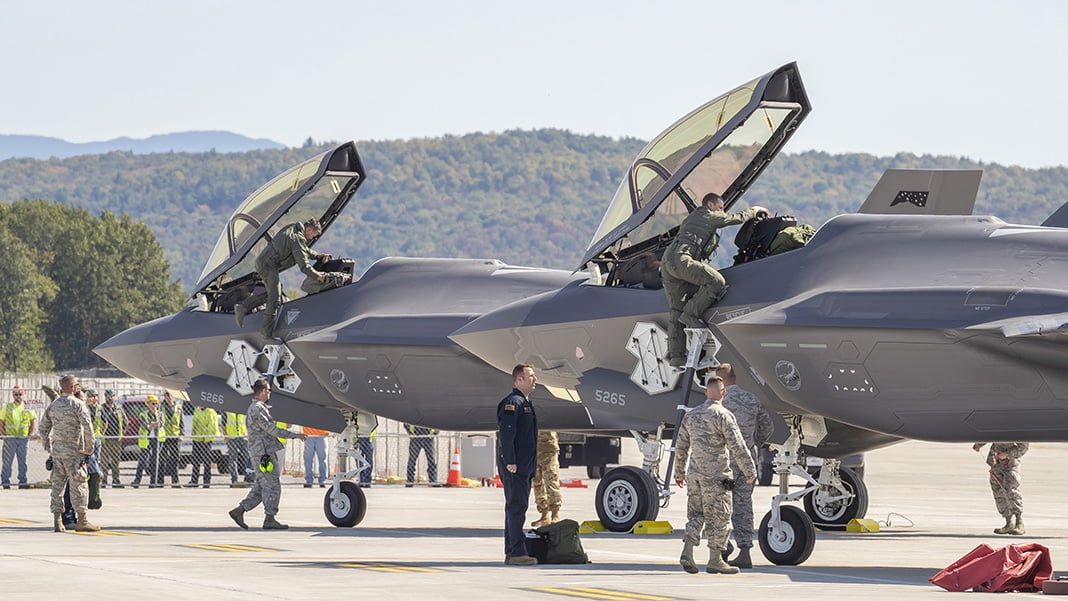 F-35 Fleet Readiness Falls to 25% Amid Parts Shortages and Software Delays: GAO Report
-
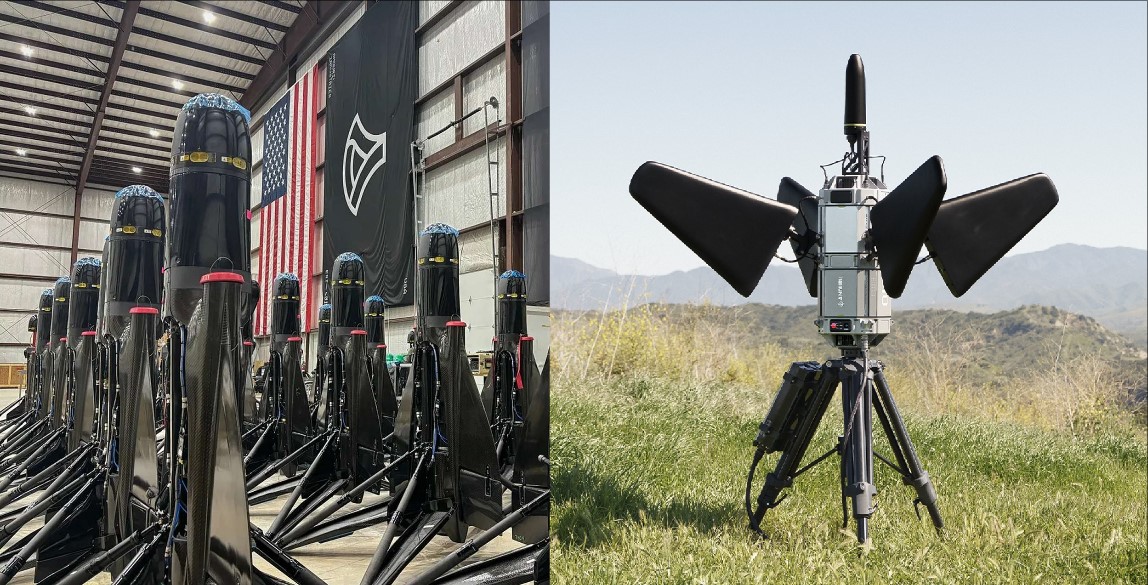 U.S. Approves $1.98 Billion Sale of Anduril AI-Powered Counter-Drone Systems to Kuwait
-
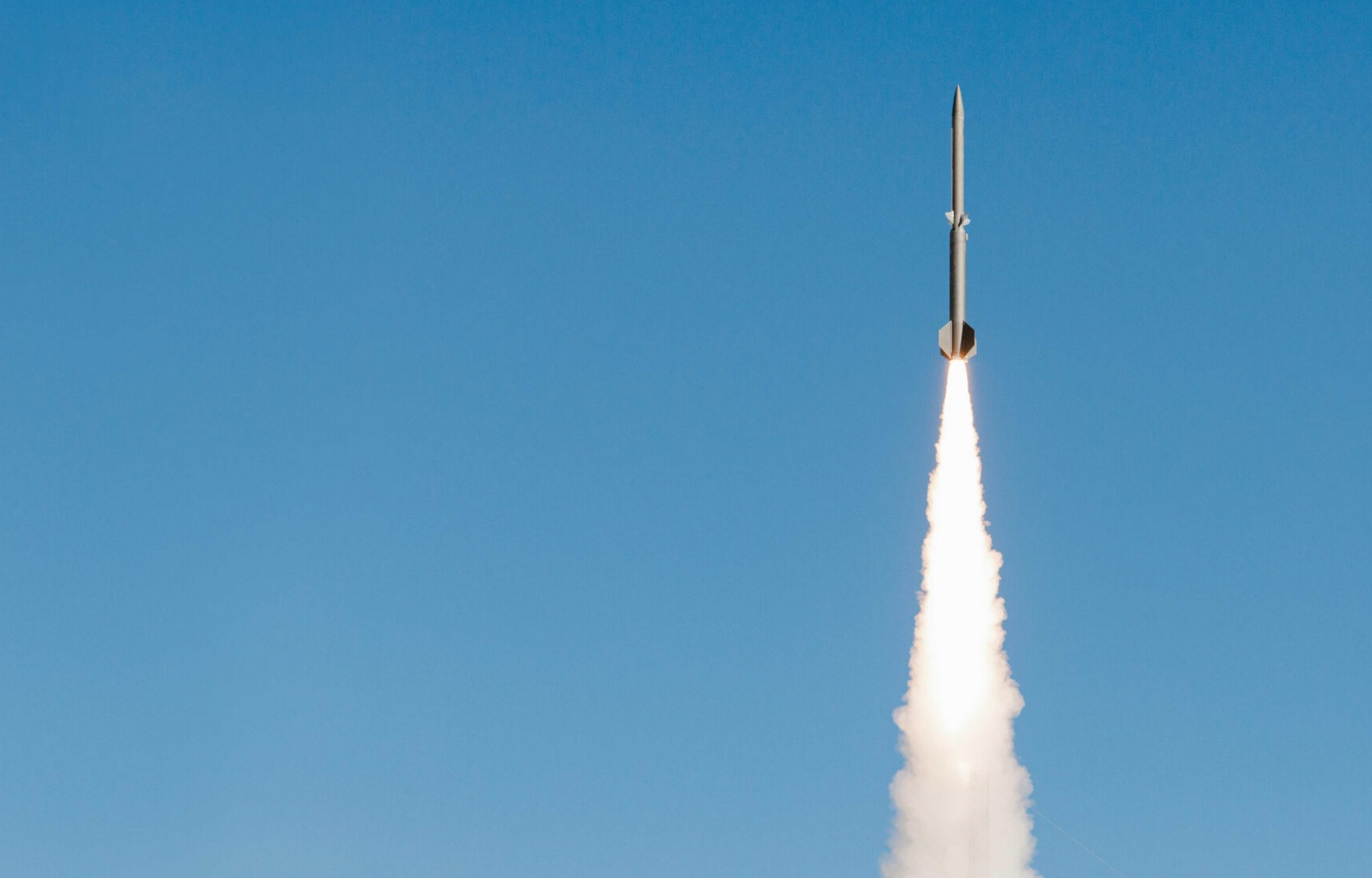 U.S Navy Orders 50 Blackbeard Hypersonic Missiles in New $23.4 Million Contract
-
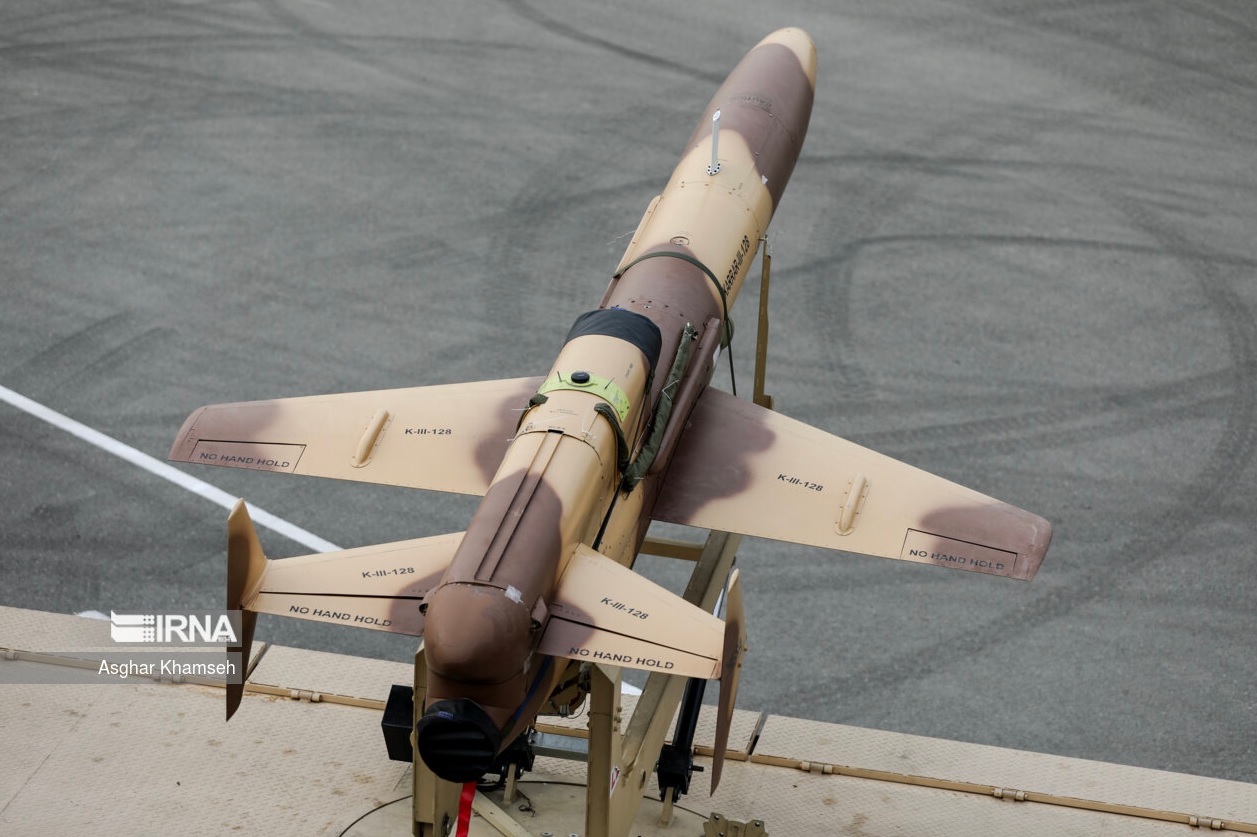 Russia Launches 1,400 Jet-Powered Drones in 2026 as Strike Tactics Evolve to Challenge Ukraine's Air Defenses
-
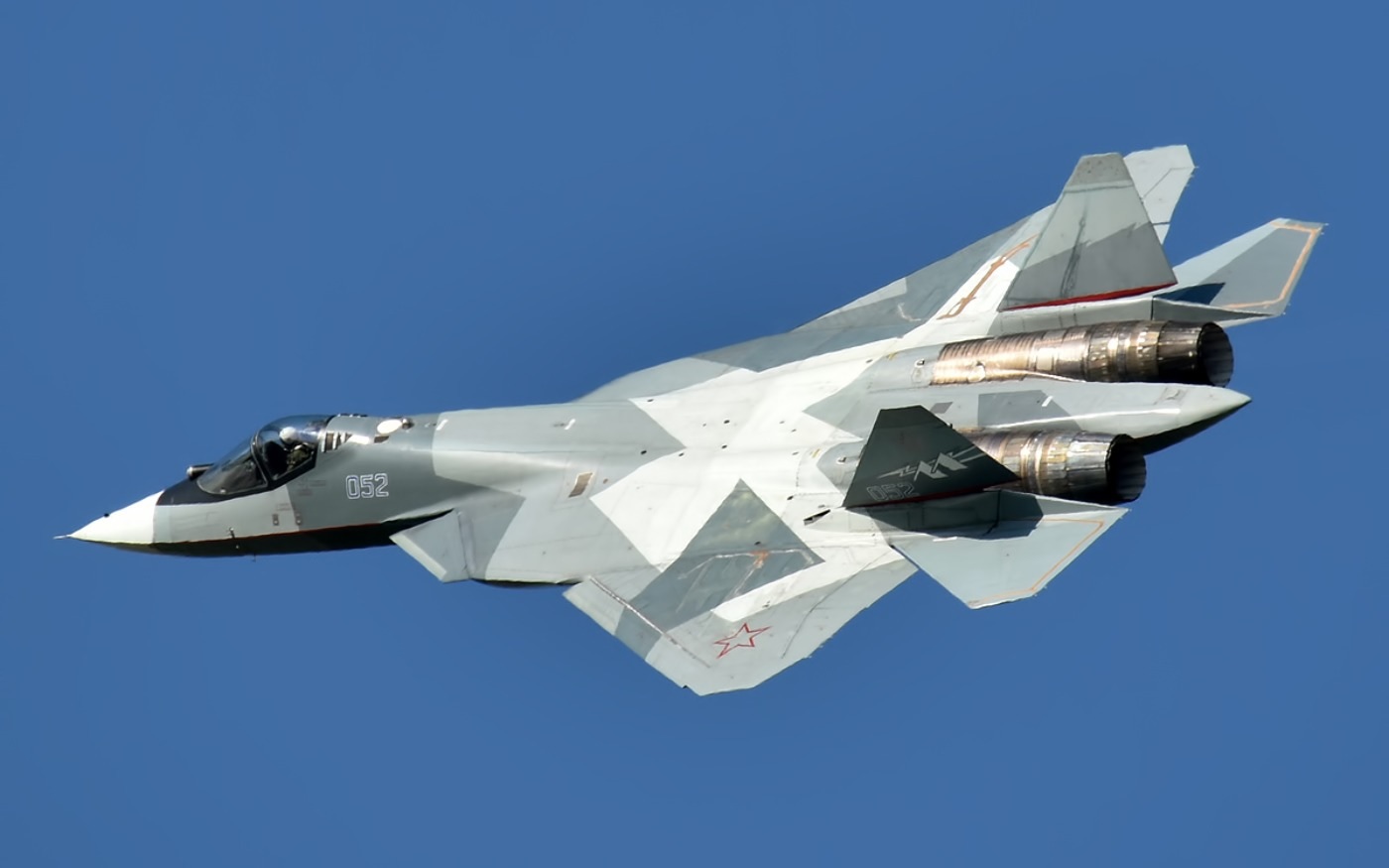 Russian Analysts Debate Su-57 Capabilities After Putin Calls Fighter Superior to F-35
-
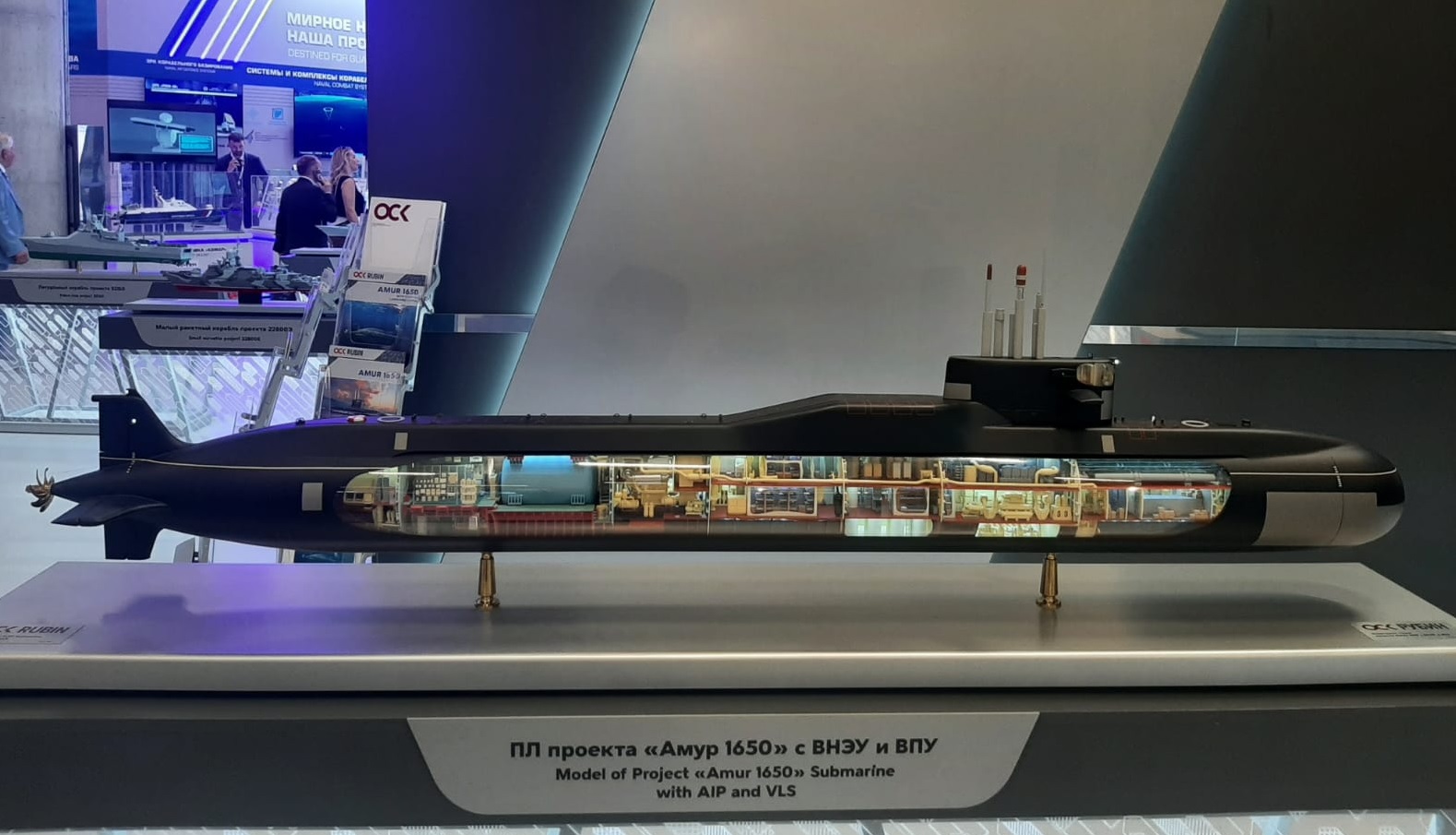 Russia Unveils Amur-1650 AIP Submarine Equipped with BrahMos Vertical Launch System at Fleet-2026
-
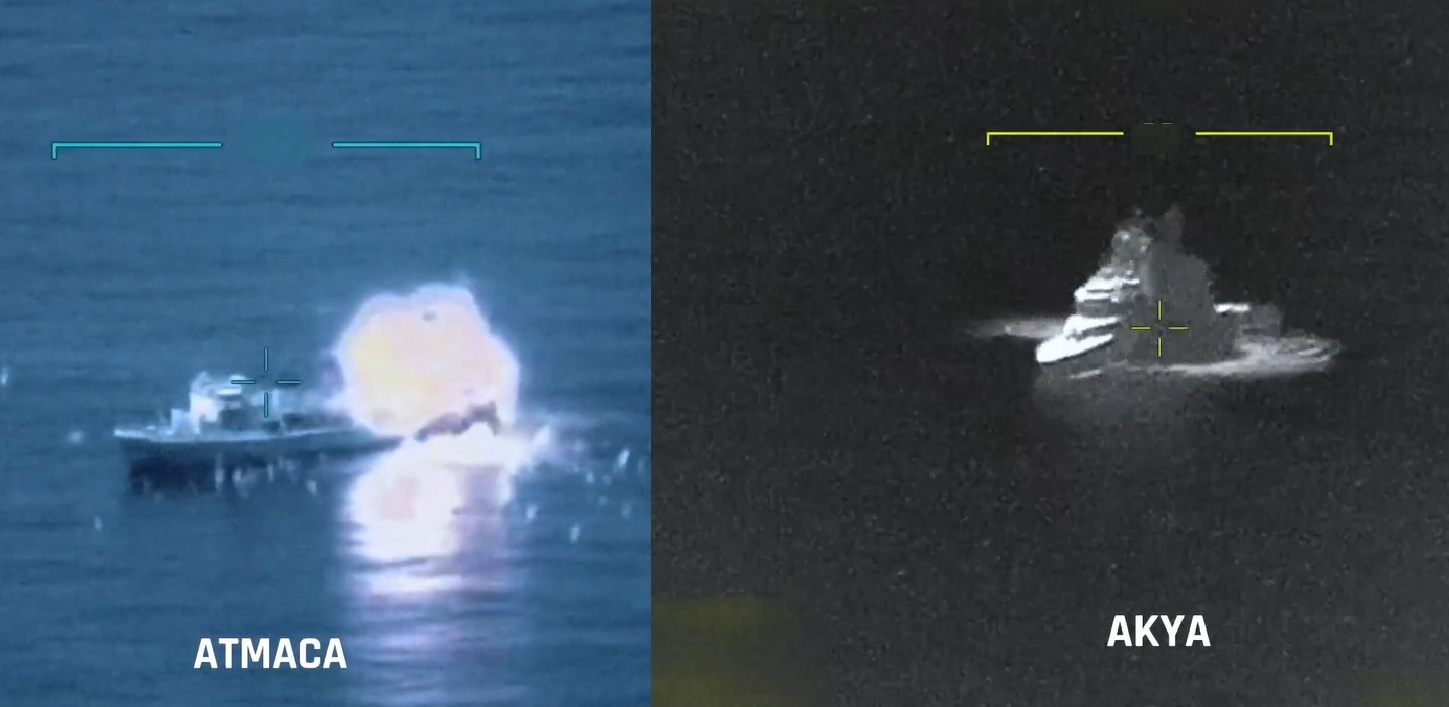 Turkey Navy Successfully Tests AKYA Torpedo and ATMACA Missile During Major Denizkurdu-II Naval Exercise
-
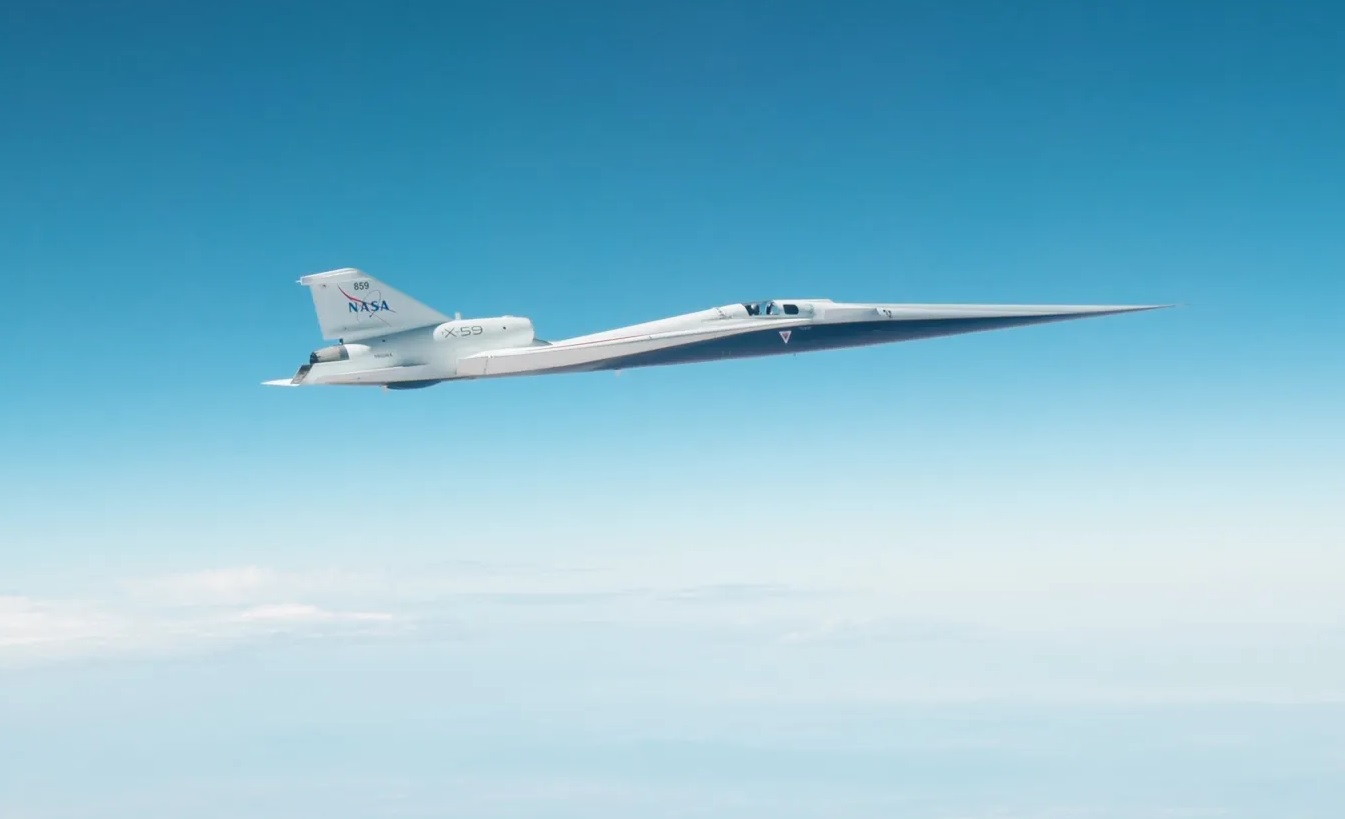 NASA X-59 Achieves Planned Mission Conditions with Mach 1.4 Flight at 55,000 Feet
Top Trending in 4 Days
-
 Iranian Media Leaks 14-Point U.S.-Iran Peace Framework Amid Ongoing Negotiations
-
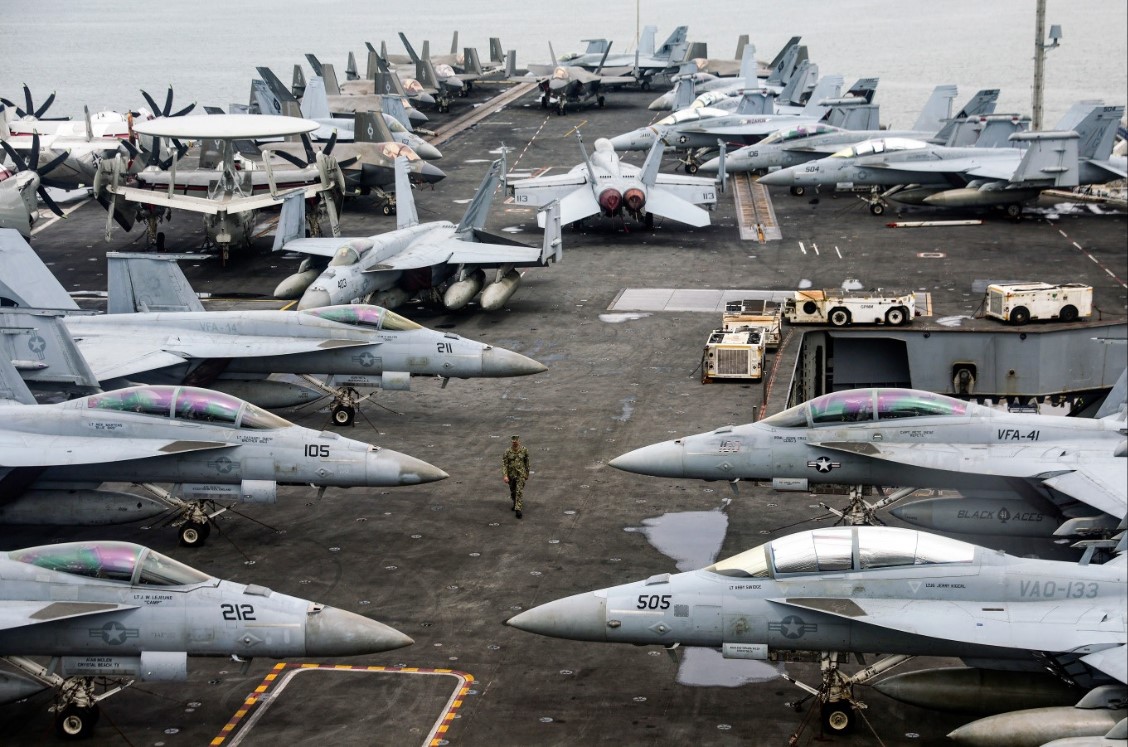 US Plans Significant Reduction of Fighter Jets and Warships for NATO Operations in Europe
-
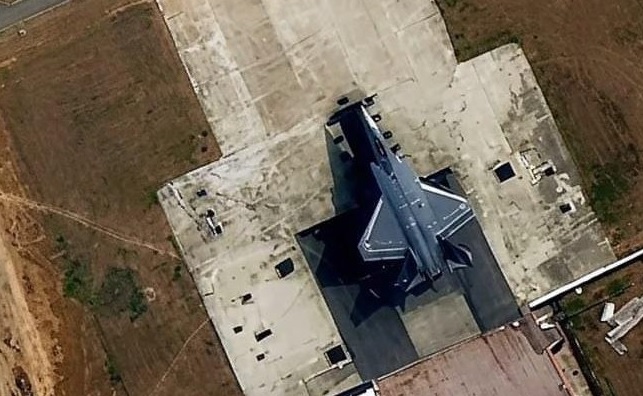 AMCA Airframe Spotted at DRDO’s ORANGE Facility for Radar Cross-Section Testing
-
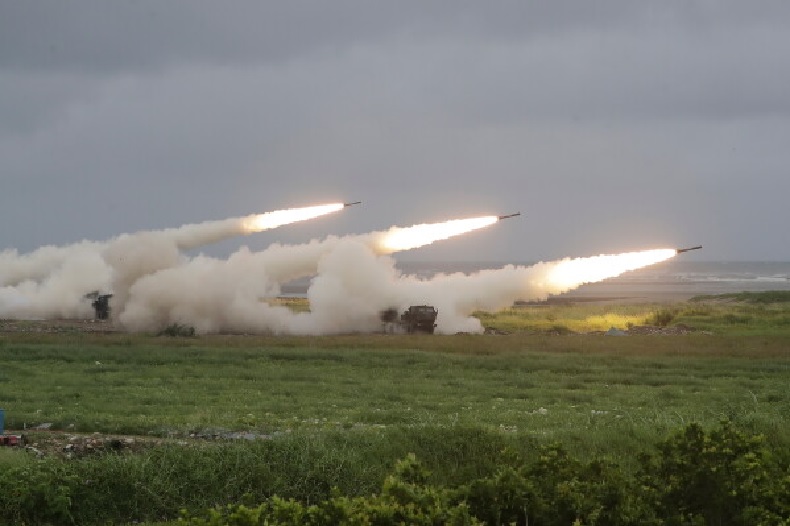 Taiwan Conducts First Live-Fire of HIMARS Rockets From West Coast During Invasion Defense Drill
-
 Boeing Introduces New MQ-28 Ghost Bat Upgrades with Increased Range, Payload and Weapons Capacity at ILA Berlin 2026
-
 Diehl Defence Unveils IRIS-T Armed Cobra 600 Air Defense Drone at ILA Berlin 2026
-
 Russian Defense Firm ZALA Unveils KAMA Unmanned Surface Vessel Family at FLOT-2026 Naval Exhibition
-
 U.S Aircraft Carrier USS Theodore Roosevelt Departs San Diego for Major RIMPAC 2026 Naval Exercise
