WASHINGTON, — The US Department of State has approved a potential $294 million Foreign Military Sale to the Netherlands for advanced missile countermeasure systems and radar warning equipment to improve the protection of Dutch military helicopters.
The requested package includes 16 OT-228/U Common Infrared Countermeasure (CIRCM) systems and 38 AN/APR-39E(V)2 radar warning receivers. US defense company Northrop Grumman, based in Rolling Meadows, Illinois, has been designated as the principal contractor.
CIRCM Systems to Protect Dutch Helicopters
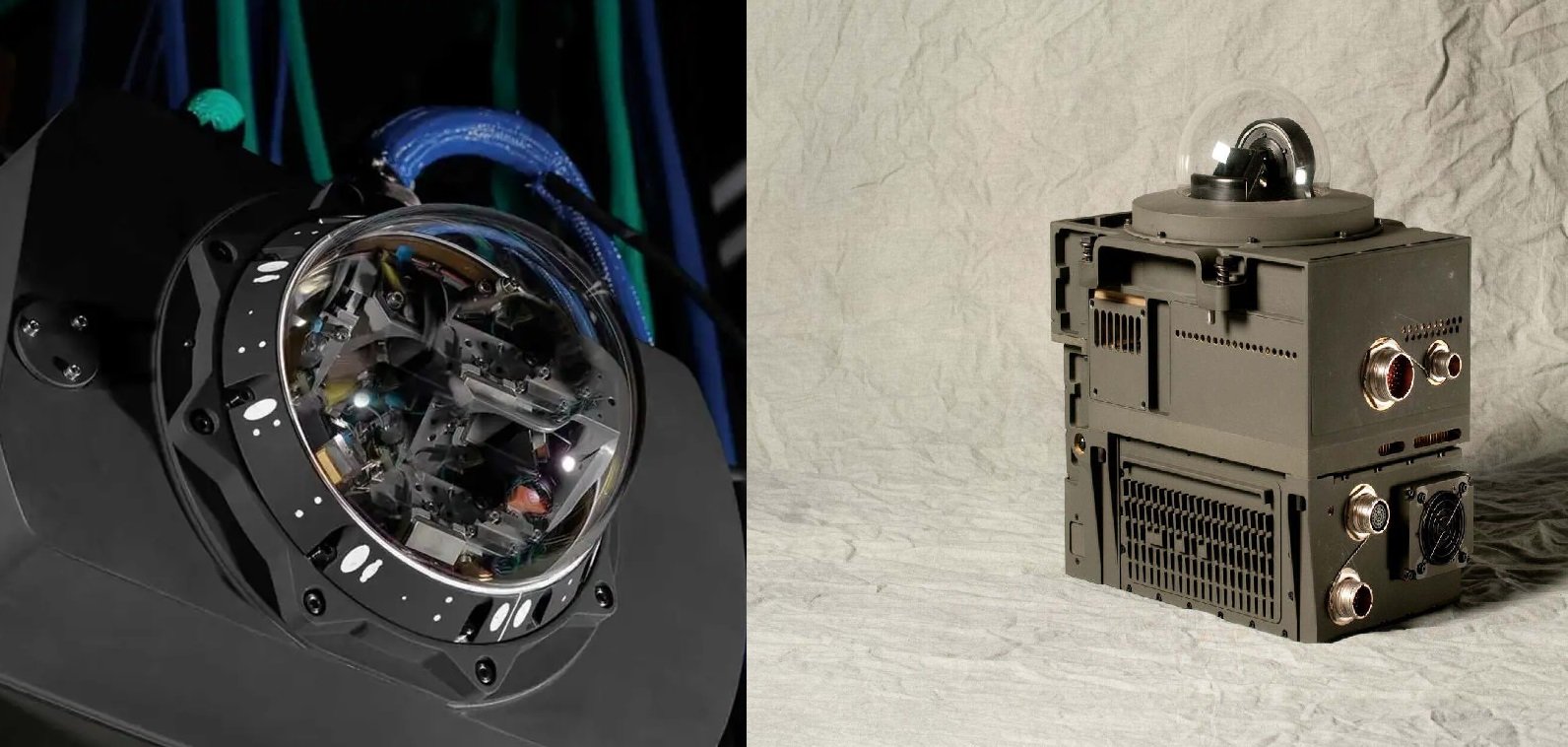
The lightweight CIRCM system uses directed laser energy to protect helicopters, tilt-rotor aircraft and small fixed-wing aircraft against infrared-guided missiles, including man-portable air defense systems (MANPADS).
When onboard missile warning systems detect an incoming threat, CIRCM’s optoelectronic unit acquires and tracks the missile before directing modulated laser energy toward its infrared seeker. This disrupts the missile’s tracking mechanism, helping prevent it from accurately targeting the aircraft.
The AN/APR-39E(V)2 radar warning receivers will complement this protection by alerting flight crews when their aircraft are exposed to radar targeting, helping address both infrared and radio-frequency threats.
Integration on Chinook and Apache Helicopters
The Dutch Ministry of Defense has confirmed that CIRCM will primarily be integrated into the Royal Netherlands Air Force’s CH-47F Chinook transport helicopters as part of its ongoing Chinook modernization program. Delivery and operational deployment are planned for 2028.
Software updates are also under development to enable future integration of CIRCM onto the Netherlands’ AH-64E Apache attack helicopters. The upgrade is intended to strengthen aircraft self-protection and improve compatibility with systems used by other NATO allies.
Support Package and Strategic Significance
Beyond the main equipment, the proposed sale includes technical assistance, personnel training, nonrecurring engineering, site surveys, transportation, technical documentation, incidental travel, ancillary equipment and long-term logistical and program support.
According to the US Department of State, the sale supports American foreign policy and national security objectives by strengthening the defense capabilities of a NATO ally, improving deterrence and enhancing interoperability with US and allied forces. The Netherlands is assessed as capable of absorbing the equipment and services without difficulty.
No offset agreement has been proposed at this stage; any such arrangement would be determined during negotiations between the Netherlands and the contractor. The implementation is not expected to require additional US government or contractor representatives in the Netherlands, affect US defense readiness or alter the basic military balance in the region.
The approval follows Dutch efforts to improve helicopter self-protection and modernize its armed forces. The proposed acquisition is intended to strengthen the survivability of Dutch aircraft against evolving missile threats.
——— End of Article ———