India
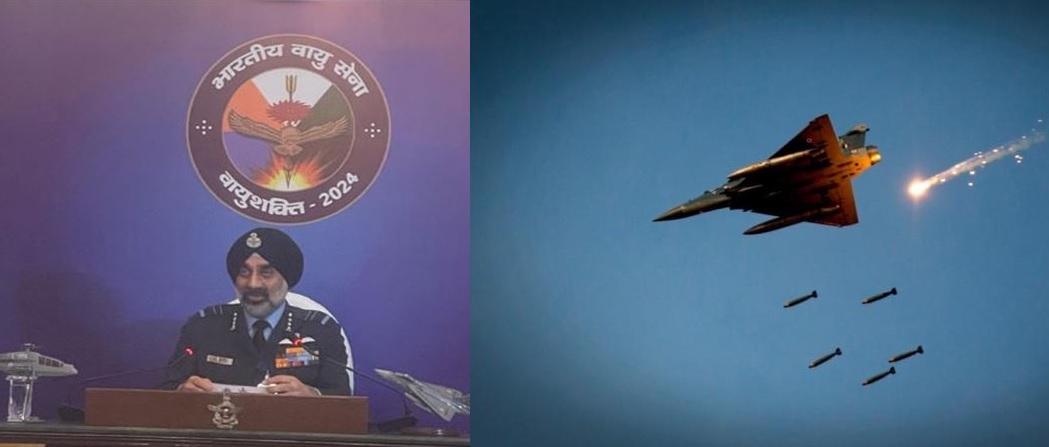
Defense News ,India :- In a recent announcement, Air Force Vice Chief, Air Marshal AP Singh, confirmed the participation of all frontline aircraft, including Rafale fighter jets and Prachand attack choppers, in the upcoming Indian Air Force Exercise Vayushakti. Set to take place on February 17 in Rajasthan's Jaisalmer, this exercise has been a staple since 1954, with this edition promising some groundbreaking additions.For the first time, Rafale fighter jets, Prachand choppers, and the Samar surface-to-air weapon system will join the lineup. Air Marshal AP Singh highlighted the exercise's focus on showcasing the Air Force's capability for accurate bombing, with the Made in India LCA Tejas, Prachand attack helicopters, and ALH Dhruv participating. The exercise aims to drop around 40-50 tonnes of ordnance within a one- to two-kilometer radius in just two hours.A notable inclusion in this edition is the involvement of the Army, which will fire weapons from Rudra choppers, and the Ultra Light Howitzer displayed underslung a Chinook chopper. The Air-to-air missile demonstrations will feature the MICA missile from Rafale and R-73 missiles from LCA Tejas.Vayushakti-2024 promises a major firepower demonstration in Jaisalmer, with major fighter aircraft like Rafale, Su-30MKIs, LCA Tejas, Mirage 2000, and MiG-29s showcasing their capabilities by launching various missiles and bombs at designated targets. A total of 77 fighter planes, 41 helicopters, and five transport aircraft will participate, including demonstrations of Surface To Air, Air To Air, and Air-To-Ground weapons.Following Vayushakti-2024, the Indian Air Force is gearing up for Exercise Gaganshakti, slated for April this year. This pan-India-level exercise, conducted once in five years, will see the activation of nearly all fleets of fighter aircraft, transport planes, helicopters, and drones. The exercise encompasses offensive and defensive missions along all frontiers, featuring close coordination with naval assets, including the P-8I maritime surveillance aircraft and MiG-29K fighters. The activation of the S-400 Sudarshan long-range air defense system is also anticipated on both western and northern fronts during these extensive wargames.
Read More → Posted on 2024-02-02 15:48:18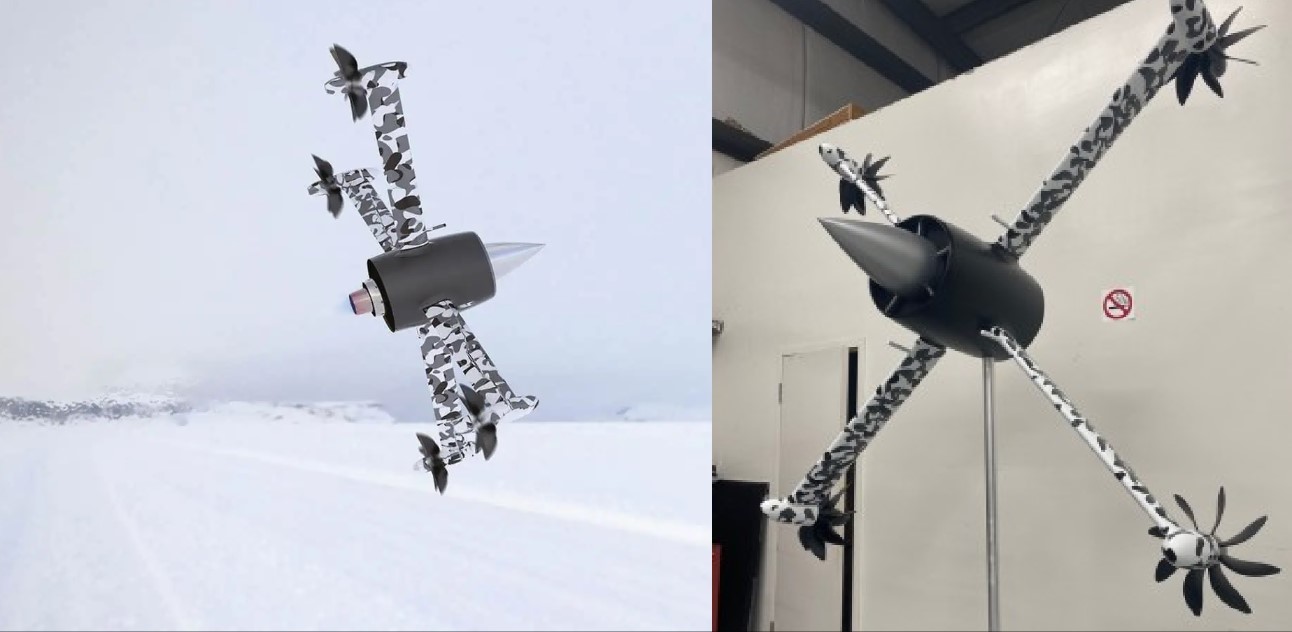
World
Defense News ,U.S :- Connecticut-based WaveAerospace recently revealed the Huntress Turbojet, a cutting-edge multi-role unmanned multi-copter designed to achieve speeds exceeding 500 miles per hour. The result of five years of development, the Huntress Turbojet is slated for flight tests in the upcoming summer, with delivery readiness anticipated by early 2025.This all-weather hybrid-electric drone boasts a top speed of Mach 0.7 (467 knots) and a commendable flight endurance of two hours. Its hybrid propulsion system incorporates a turbojet engine and four high-speed electric propfans, offering versatility and efficiency.Anticipated Features:The Huntress Turbojet comes equipped with a payload capacity of 110 pounds (50 kilograms) and a maximum takeoff weight of 165 kg (365 pounds). It is capable of launch from the ground, a vessel, or another aircraft and can operate in wind conditions exceeding 60 miles (96 kilometers) per hour, as highlighted by the developer.The drone's heightened speed and reverse thrust capabilities enable ship deck landings without the need for cables or harpoon recovery systems.Projected Roles:Primarily designed for military applications, the Huntress Turbojet is expected to excel in search-and-rescue missions, critical logistics flights in harsh environments, and command, control, communications, intelligence, surveillance, and reconnaissance tasks.Mark Strauss, WaveAerospace CEO and co-founder, emphasized the extensive real-world testing undergone by the Huntress Electric, its predecessor, with hundreds of hours of trials conducted in varying conditions, ranging from calm states to Force 10 ocean conditions. Strauss noted, "In essence, we are simply scaling up the aircraft and swapping its 10 kW electric propulsor core with a small turbojet."
Read More → Posted on 2024-02-02 15:41:56
India
Defense News ,India :- In a statement on Friday, the defense ministry revealed that Indian Navy units are strategically stationed in Djibouti, the Gulf of Aden, the East Coast of Somalia, as well as the North and Central Arabian Sea. The primary objective is to safeguard merchant vessels amid the prevailing regional maritime security challenges, according to Minister of State for Defence Ajay Bhatt.Bhatt, speaking in the Lok Sabha, highlighted the Navy's continuous efforts in the Gulf of Aden and along the East coast of Africa since 2008, primarily for anti-piracy patrols. Notably, over 3,440 ships and more than 25,000 seafarers have been successfully escorted during these operations.The article emphasizes the growing global concerns over attacks on merchant ships in the Red Sea by Iran-backed Houthi militants since November, likely in response to Israel's military actions in Gaza. In response to this, Bhatt mentioned that the Navy is actively collaborating with friendly foreign nations to identify the sources and players involved in these attacks.Recent weeks have seen the Indian Navy providing assistance to numerous merchant vessels in the Arabian Sea following attacks. Bhatt emphasized that the Navy is proactively engaging with both regional and extra-regional navies and maritime forces to enhance security in the Indian Ocean region.Bhatt also underscored the Navy's commitment to mission-based deployments in the Indian Ocean Region (IOR) since 2008, with units regularly engaged in anti-piracy patrols. These deployments aim to enhance maritime security, conduct surveillance for increased maritime domain awareness, and address potential contingencies.Moreover, Bhatt highlighted the role of the Information Fusion Centre-Indian Ocean Region (IFC-IOR), which has established linkages with 25 partner nations and over 40 international multinational organizations. This collaborative effort facilitates real-time information exchange to bolster maritime security in the region.In conclusion, Bhatt reiterated that, given the ongoing maritime security situation, Indian Navy units are strategically deployed in critical areas like Djibouti, the Gulf of Aden, the North and Central Arabian Sea, and off the East Coast of Somalia. This deployment is aimed at protecting merchant vessels and providing necessary assistance as required. Additionally, information exchange and intelligence sharing with friendly foreign countries remain integral to identifying the sources and reasons behind maritime incidents and attacks.
Read More → Posted on 2024-02-02 15:10:48
World
Defense News ,UK :- An advanced manufacturing facility at Babcock's Devonport site is dedicated to producing cutting-edge HMT Jackal 3 vehicles, with a total of 70 units planned for completion by the summer of 2024. This project, aligned with the UK's Land Industrial Strategy, involves collaboration between Babcock, Supacat, the British Army, and the Ministry of Defence's (MOD) Defence Equipment & Support (DE&S) team to ensure operational and safety requirements are fully met.Named 'The Raglan Building' in homage to nearby Raglan Barracks, the facility integrates transformative innovation and technology, including bespoke 'Pulse' software, optimizing efficiency during vehicle assembly. Located in the South Devon Freeport, the facility is future-proofed, poised for subsequent build programs, and expected to contribute to the region's economic potential for years to come.The Jackal 3, benefiting from over a decade of Supacat's development, boasts enhancements supporting operational needs, improved crew protection, and increased gross vehicle mass for superior load carrying. With a new suspension system, it promises enhanced off-road performance and the flexibility to transform into a 6-wheel drive vehicle, doubling its load carrying capacity.This program significantly contributes to the South West's economic growth, with nearly all supply chain components sourced in the UK, 50 percent from the region. Over 100 new jobs have been created through a dedicated social value plan, emphasizing skills development and enhancing the workforce's capabilities.Major General Darren Crook CBE, Director for the Land Equipment Operating Centre at DE&S, underscores the project's significance in developing key land defense engineering skills. Babcock's CEO, David Lockwood, emphasizes the importance of delivering the HMT Jackal 3 vehicle in ensuring the UK's safety amid global instability. Supacat's CEO, Nick Ames, expresses pride in providing the British Army with a battle-proven platform and highlights the collaboration with Babcock, emphasizing continued commitment to delivering world-class products.
Read More → Posted on 2024-02-02 15:03:32
World
Defense News ,Baluchistan :- A series of violent incidents, encompassing bomb blasts and shootings, has unfolded across Baluchistan ahead of the upcoming general elections, causing widespread casualties and property destruction, according to The Baluchistan Post.The capital city, Quetta, witnessed a bomb blast near the Sabzal Road police post, resulting in one fatality. The police, however, are yet to identify the deceased. Additionally, two consecutive explosions targeted the Pakistan Muslim League-Nawaz (PML-N) election office and a Police Eagle Force vehicle on Qambarani Road in Quetta. Although no casualties were reported, the Eagle Forces vehicle sustained severe damage from the improvised explosive devices (IEDs) used in the attack.The attacks on election candidates prompted the Pakistan electoral body to intervene, with a request for an immediate report from the Chief Secretary and Inspector General of Baluchistan, as reported by The Baluchistan Post.In a separate incident, unidentified gunmen targeted a trawler carrying stones on the N-25 highway from Karachi to Quetta in the Mangochar area of Kalat. This marked the second attack on natural resource exploration companies along the same highway within 24 hours.Additional incidents include a hand grenade attack on the Pakistan Coast Guard's office, which, fortunately, did not result in an explosion, thanks to the bomb disposal squad. An attack on the Central Jail in Mastung district left a soldier named Sepoy Mudasir injured.In the Chitkan area of Panjgur, a hand grenade was lobbed at the Deputy Commissioner (FC) office, causing no casualties. Meanwhile, armed men attacked a coal mine site in Baluchistan's Dukki district, leading to the abduction of two miners.The surge in violence continued with an attack on an outpost of Pakistani forces in Noshki district and six additional attacks targeting Pakistani forces' positions in different parts of the Kech district.In Turbat city, a grenade attack on an FC post at Ghulam Nabi Chowk reportedly injured one Frontier Corps (FC) soldier. Further attacks were reported on Pakistan forces outposts in Shepchar of Mand, Ginnah, Sami Kalag, and Gwarkop of Kech district. These attacks resulted in losses to both life and property, but official statements from authorities are yet to be issued.The Hoshap area of Kech witnessed over ten rockets fired towards a Pakistani forces post, with sources confirming heavy casualties among the forces. Additionally, an explosion on the national highway in the Dera Allah Yar area of Jafarabad district injured four people in a cracker blast.As the general elections approach, the region has witnessed more than 34 attacks targeting the Pakistani army, election candidates, and natural resources exploration companies across various districts, including Quetta, Khuzdar, Kech, Panjgur, Dukki, Kalat, Noshki, Mastung, and Hub Chowki in the last 24 hours. Despite the intensity of the attacks, no group has claimed responsibility thus far.
Read More → Posted on 2024-02-02 14:45:04
India
Defense News ,India :- In a recent update to the Lok Sabha on Friday, the Indian government announced the appointment of women personnel on warships and as Special Naval Air Operation (NAO) officers in the Indian Navy. Minister of State for Defence, Ajay Bhatt, revealed that women officers are now granted permanent commission in 12 arms and services of the Army, including the medical and dental corps and military nursing service.Responding to a question about the strength of women in the armed forces, Bhatt mentioned that the experimental scheme initiated by the Indian Air Force in 2015 to induct women officers in all combat roles was regularized into a permanent one in 2022.Additionally, Bhatt outlined various measures to boost India's defence manufacturing, including the implementation of a 'green channel policy' for the procurement of military stores and spares. This policy awards 'green channel' status to firms with predefined financial and quality credentials, providing a waiver of pre-dispatch inspection and acceptance of stores under supplier's guarantee/warranty.Highlighting the government's action plans, Bhatt mentioned the establishment of two defence industrial corridors in Uttar Pradesh and Tamil Nadu to attract investment for defence industries and develop domestic supply chains. He also introduced the defence testing infrastructure scheme, aiming to set up greenfield defence testing infrastructure as a common test facility.Moreover, Bhatt noted that defence public sector undertakings are collaborating with various centers of excellence and academic institutes, such as IITs and IIMs, for developmental projects. The Defence Research and Development Organisation (DRDO) has introduced a new transfer of technology (ToT) policy with zero ToT fee for industry partners, promoting the transfer of developed technologies to enhance domestic defence and aerospace manufacturing.
Read More → Posted on 2024-02-02 14:36:26
India
Defense News ,India :- India and the Maldives are currently engaged in crucial talks on Friday, focusing on finding a mutually agreeable solution to sustain the operation of Indian military platforms in the island nation, according to individuals familiar with the matter. This marks the second meeting of the India-Maldives high-level core group, taking place in Delhi, occurring over two weeks after the initial meeting in Male failed to make significant progress on the contentious issue.The ongoing core group meeting aims to identify a solution that is mutually acceptable, as stated by one of the sources mentioned earlier.The decision to establish the core group was made following a meeting between Prime Minister Narendra Modi and Maldivian President Muizzu on the sidelines of the COP28 summit in Dubai in December.In the previous month, President Mohamed Muizzu of the Maldives requested India to withdraw all its military personnel from the island nation by March 15. Currently, approximately 80 Indian military personnel are in the Maldives, primarily tasked with operating two helicopters and an aircraft that have conducted numerous medical evacuations and humanitarian missions.The relationship between the two countries has faced strain since Muizzu assumed power in November. As a perceived pro-China leader, Muizzu has maintained his election promise to evict Indian military personnel from the country. The 45-year-old leader defeated the India-friendly incumbent Ibrahim Mohamed Solih in the presidential runoff held in September last year.The Maldives holds strategic importance as one of India's key maritime neighbors in the Indian Ocean Region. The overall bilateral ties, including defense and security cooperation, saw positive development under the previous government in Male.Muizzu was sworn in as the new Maldivian president on November 17. Soon after taking office, he called for the withdrawal of Indian military personnel from the Maldives.Following the first core group meeting on January 14, the Ministry of External Affairs stated that both sides are actively exploring a mutually workable solution to ensure the continued operation of Indian aviation platforms providing humanitarian and medical evacuation services to the people of the Maldives.
Read More → Posted on 2024-02-02 14:31:59
World
Defense News ,NATO :- Patria, a leading defense technology provider, has recently inked two significant agreements aimed at supplying its cutting-edge Patria ARIS electronic intelligence systems (ELINT) to member countries within the European NATO alliance. The agreements pave the way for customers to access the latest iteration of a high-performance signal intelligence system meticulously tailored to meet the unique requirements of the involved nations.The Patria ARIS electronic intelligence system empowers users to collect crucial information about signals emanating from radars and other radio transmitters utilized by potential adversaries. Its capabilities extend to the detection, location, and identification of radars and military systems leveraging radar technology. The system allows customers to generate comprehensive identification information based on radar signals, a critical asset in the context of modern electronic warfare.Setting itself apart with cutting-edge receiver and signal processing technologies, the ARIS system ensures that even the most sophisticated threats cannot remain concealed in disrupted or congested signal environments. The system's architecture comprises a sensor network, servers compiling a situational picture, and user interfaces enabling centralized operation or remote access. This includes all the requisite software for operational use. Patria's commitment extends to providing each customer with a bespoke total solution, encompassing everything from antennas to signals intelligence databases, along with ongoing support and updates throughout the system's lifecycle.Jukka Holkeri, Executive Vice President of the Global Division at Patria, expressed pride in offering the latest version of the highly refined Patria ARIS system to two new customers, highlighting its long-standing use, exceptional usability, and accuracy in delivering intelligence. In a landscape where electronic warfare capabilities play a decisive role in various arenas, these agreements underscore Patria's dedication to supporting its partners with state-of-the-art defense solutions.
Read More → Posted on 2024-02-02 14:18:21
World
Defense News ,Poland :- Poland's state-owned defense industry group, PGZ (Polska Grupa Zbrojeniowa), has recently inked an agreement with the renowned American technology giant, Lockheed Martin. This significant development falls under the Direct Military Sales (DMS) framework, as Poland proceeds to acquire Mark 41 Vertical Launch Systems (VLS) for its upcoming Miecznik-class frigates.As per PGZ's announcement, each of the three new frigates is set to be outfitted with four Mark 41 VLS launchers, each boasting eight launching cells. Additionally, Poland has opted to include Extensible Launching System (ExLS) modules in the procurement, facilitating the integration of CAMM air defense missiles. These missiles are slated to be supplied by the European company MBDA.The acquisition of Mark 41 VLS systems from Lockheed Martin marks a pivotal stride in the Miecznik project, a key initiative for the modernization of the Polish Navy. Under this comprehensive program, Poland is poised to receive three multi-role frigates based on Babcock’s Arrowhead 140 design. Notably, all three vessels are scheduled to be constructed at the PGZ Stocznia Wojenna naval shipyard in Gdynia, Poland, with the maiden ship's launch anticipated in 2026.Each Miecznik-class frigate is designed to be armed with a formidable arsenal, including a 76 mm Leonardo OTO Melara Super Rapid Strales automatic cannon, four Lockheed Martin Mk 41 launchers, an OSU-35 artillery system featuring 35 mm calibre guns, two 324 mm calibre torpedo launchers, and Saab RBS-15 anti-ship guided missiles. The final piece of the puzzle rests with the multi-purpose deck helicopter, with the outcome hinging on the Kondor program. The program envisions the acquisition of between four and eight aircraft, with potential options such as the Leonardo AW159 Wildcat or Lockheed Martin MH-60R Seahawk being prominently considered.
Read More → Posted on 2024-02-02 14:09:09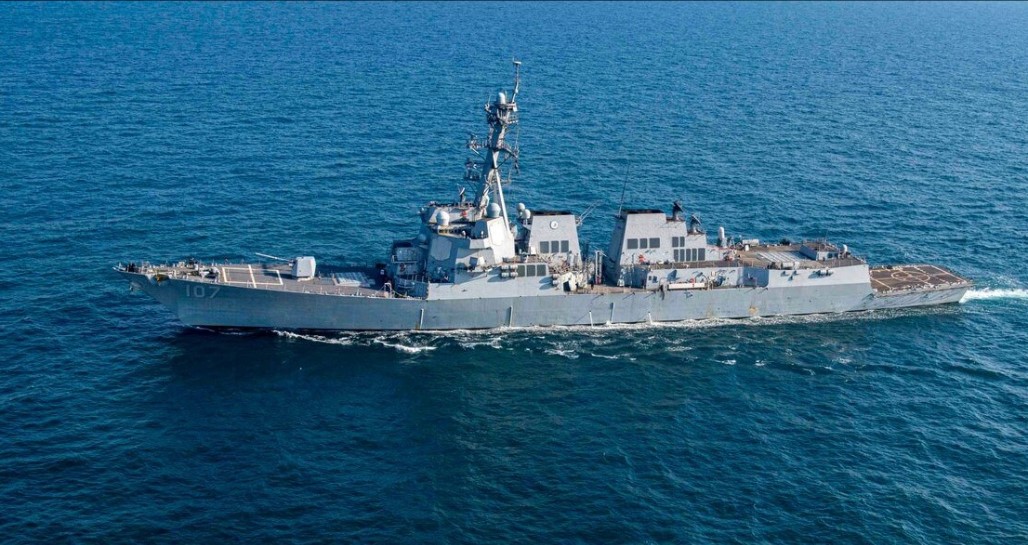
World
Defense News ,Red Sea :- In a recent development, American forces successfully intercepted and neutralized potential threats in the Red Sea. The US military announced that they shot down a drone off the coast of Yemen on Thursday and later destroyed an unmanned surface vessel carrying explosives, which posed a danger to ships in the region.The US Central Command (CENTCOM) reported that Yemen's Iran-backed Houthi rebels launched two anti-ship missiles in the Red Sea, targeting a cargo ship. Fortunately, the missiles did not hit their intended target.The heightened Houthi military activity and increased US strikes and shootdowns in recent days present new challenges for Washington. The US government is preparing to deliver a decisive response following the killing of three American soldiers in a drone attack in Jordan over the weekend.While both the United States and Iran aim to avoid all-out war, Washington seeks to deter further attacks without triggering direct conflict. CENTCOM disclosed that a drone was shot down over the Gulf of Aden, and the Houthis were held responsible for the explosives-laden surface vessel, resulting in "significant secondary explosions" but no reported damage or injuries.In response to the escalating situation, the United States destroyed 10 Houthi drones and a ground control station. Additionally, an American warship intercepted a missile fired by the rebels and three Iranian drones the day before.Houthi aggression in the Red Sea, targeting shipping since November, has prompted US and UK forces to retaliate with strikes against the rebels. The Houthis, in turn, have declared American and British interests as legitimate targets.The ongoing tensions were further fueled when Houthi military spokesman Yahya Saree claimed on social media that rebels targeted a British commercial ship in the Red Sea. However, this incident could not be immediately independently confirmed.In response to the challenges posed by Houthi actions, the United States established a multinational naval task force to safeguard shipping on the critical transit route, responsible for up to 12 percent of global trade.The situation is complicated by the growing anger across the Middle East over Israel's campaign in Gaza, leading to increased violence involving Iran-backed groups in Lebanon, Iraq, Syria, and Yemen.
Read More → Posted on 2024-02-02 14:03:57
Space & Technology
Space News ,India :- In the latest interim Budget for 2024-25, the Department of Space in India has secured a substantial increase of nearly ₹2,000 crore, reaching a total allocation of ₹13,042.75 crore. This marks a notable rise from the previous fiscal year's revised estimate of ₹11,070.07 crore. The surge in funding is particularly evident in space technology, with the allocation jumping from ₹8,180 crore in 2023-24 to ₹10,087 crore in the current fiscal year.Contrastingly, the Department of Atomic Energy is facing a slight reduction in its budget estimates, standing at ₹24,968.98 crore for 2024-25, down from ₹25,078.49 crore in the preceding year.Prime Minister Narendra Modi has set ambitious targets for the Department of Space, envisioning the construction of a 'Bharat Antariksh Station' by 2035 and the landing of an Indian astronaut on the moon by 2040.In the realm of atomic energy, the Department has been allocated ₹36,159.93 crore in the interim Budget, a marginal decrease from ₹36,905.45 crore in 2023-24. Of this total allotment, ₹15,908.79 crore has been designated for capital expenditure, earmarked for power projects, atomic energy agencies, and research. A significant portion of this capital expenditure will be directed towards repaying loans for power projects.In alignment with India's energy objectives, the government has granted approval for the construction of 10 indigenously developed nuclear power plants, each with a capacity of 700 MW, in a fleet mode across the country.
Read More → Posted on 2024-02-02 07:11:03
India
Defense News ,US & India :- Expressing concerns over media coverage, US-India Business Council (USIBC) President Ambassador Atul Keshap strongly criticized certain outlets on Thursday for disseminating "uninformed, erroneous gossip" without proper fact-checking. While upholding the principles of a free and independent media, he underscored the importance of responsible journalism, particularly when dealing with sensitive topics such as defense deals between nations.In a recent interview with ANI, Keshap remarked, "What I find interesting is there’s a lot of absolutely uninformed, erroneous gossip being spread in media organs that, frankly, have a track record of not checking their facts and stories are completely at variance with the actual facts… but people ought to do the bare minimum of fact-checking before they go out and publish what is essentially erroneous gossip."The Biden administration has formally notified the US Congress of its intent to sell nearly $4 billion worth of arms, primarily consisting of MQ-9B drones armed with Hellfire missiles. Keshap highlighted the complexities of arms deals between democracies, emphasizing transparency and the rule of law in the process. He emphasized the need for a systematic approach involving the executive, legislative, and judicial branches in the US for evaluating and approving arms deals, clarifying that the ongoing drone deal follows the same procedural steps as any other defense agreement.Shifting focus to the broader India-US relationship, Keshap acknowledged the positive momentum in both governments' efforts to implement the joint statement made by Prime Minister Narendra Modi and President Joe Biden. Despite impending elections in both countries, he observed a shared commitment to advancing the strategic partnership.Keshap conveyed optimism about the ongoing collaboration in areas such as ISET, Indus X, and the innovation handshake, highlighting progress in key sectors like semiconductors, cybersecurity, outer space, and defense enterprises. He commended the serious work happening on the ground, showcasing the resilience and strength of the strategic relationship between India and the United States."We have more and more Indian leading companies joining our board because USIBC is where a lot of this work is converging. And I see a lot of movement, a lot of intent by both governments to make the most of the ground game in US-India relations in an election year, even as both systems are focused on elections," added the USIBC President. Ambassador Atul Keshap emphasized the continuous convergence of interests and the unwavering commitment of both nations to address challenges and deepen cooperation as the US-India partnership navigates through election cycles.
Read More → Posted on 2024-02-02 06:52:10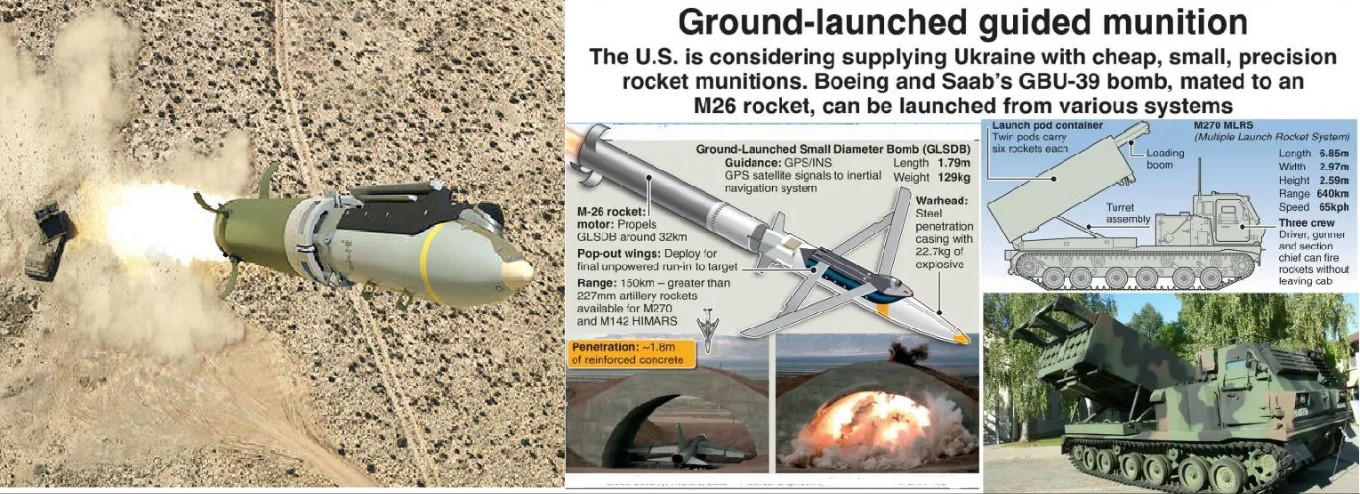
World
Defense News ,Ukraine :- According to a report from politico.com, there were initial claims that the United States was preparing to equip the Armed Forces of Ukraine with the Ground-Launched Small Diameter Bomb (GLSDB), a precision weapon with a range of up to 150 km. However, the US Department of Defense spokesperson, Patric Ryder, refuted the information, stating that providing an exact delivery timeline is currently uncertain.Whether the Ukrainian Armed Forces have already received the GLSDB or are awaiting delivery, it is clear that this weapon will empower them with capabilities to disrupt Russian logistical lines and target significant locations deep within the Russian-controlled territory.The GLSDB, developed in collaboration between Boeing and Saab, is a precision strike munition with rocket propulsion. Combining retired unguided rockets with a GBU-39 glide bomb, the GLSDB's unique design allows it to glide to the target after launch, providing an extended striking range of approximately 150 km.With satellite guidance (GPS) and an inertial navigation system, the GLSDB surpasses the range of standard rocket projectiles like the GMLRS of 227 mm caliber. Weighing around 130 kg, the GLSDB offers a mobile capability to hit targets previously out of reach for land forces, addressing the current and future needs of armed forces, according to Saab and Boeing.The GLSDB's ability to fly non-ballistic trajectories and perform maneuvers enhances its effectiveness, making it suitable for engaging targets inaccessible to conventional direct-fire weapons. The system is equipped with integrated technology, allowing it to navigate towards the target with INS Navigation, supported by highly jamming-resistant GPS.Initial reports about the planned transfer of GLSDB to Ukraine surfaced in early February of the previous year, with the White House announcing the supply of missiles with a 150 km range. If delivered, this weaponry would significantly expand the Ukrainian military’s land strike capabilities, reaching far beyond the front line.The decision to send the new version of GLSDB to Ukraine followed months of testing and is seen as a potentially cost-effective solution for users of M270, HIMARS, and Chunmoo weapon systems. European users of these systems, both current and future, include countries such as Poland, Romania, Estonia, Lithuania, and Latvia.
Read More → Posted on 2024-02-02 06:48:04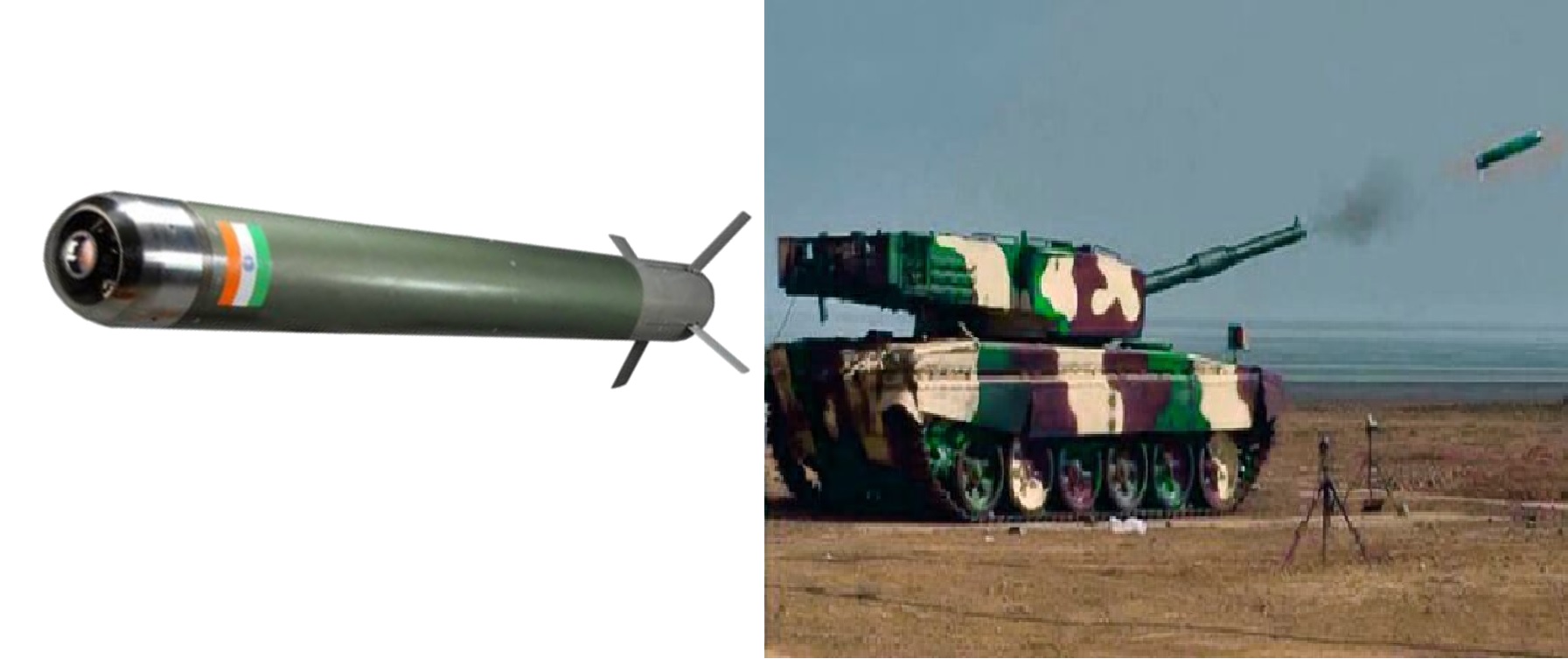
India
Defense News ,India :- India's Defence Research and Development Organisation (DRDO) has reached a pivotal milestone with the successful completion of the 120 mm Cannon Launched Missile Development Program (CLMDP), known as SAMHO (or Semi-Active Mission Homing) . This cutting-edge missile, designed for the Arjun Main Battle Tank (MBT), has surpassed all trials and is now poised for production.The SAMHO marks a significant leap forward in India's anti-tank warfare capabilities. The missile's first trial took place on September 22, 2020, followed by tests in October 2020 and June 2022. The culmination of these efforts resulted in a successful live firing test on August 4, 2022.Tailored for deployment on the Arjun MBT, SAMHO packs a formidable punch against contemporary and future armored threats. Its semi-active laser homing guidance system enables precise targeting of enemy main battle tanks, including those protected by explosive reactive armor, hardened point targets, and even low-flying helicopters. The weapon system also utilizes a High Explosive Anti-Tank Warhead (HEAT) to neutralize heavily armored modern vehicles and tanks.SAMHO exhibits remarkable versatility with two distinct firing modes. The Top Attack Lifted Trajectory, ideal for engaging heavily armored targets from above, offers enhanced protection against countermeasures with a range of 2-5 km. The Direct (Flat) Trajectory, designed for rapid engagements or closer distances, provides a range of 1.5 to 2 km.Anti-Tank Guided Missiles (ATGMs) like SAMHO are primarily designed to hit and destroy heavily armored military vehicles. SAMHO's flexibility extends to its guidance system, capable of receiving laser targeting information from the Arjun tank's co-mounted laser designator or a separate third-party designator, maximizing operational possibilities.The successful development of SAMHO signifies a significant stride in India's pursuit of self-reliance in defense and critical defense technologies. Its potent capabilities not only enhance the offensive and defensive firepower of the Arjun Tank but also provide a formidable advantage on the battlefield. The platform's versatility hints at potential integration with other armored vehicles in the future, further strengthening India's ground forces. Looking ahead, DRDO aims to integrate SAMHO missiles on the T-90 Bhishma Tanks used by the Indian Army's Armored Corps.
Read More → Posted on 2024-02-02 06:42:27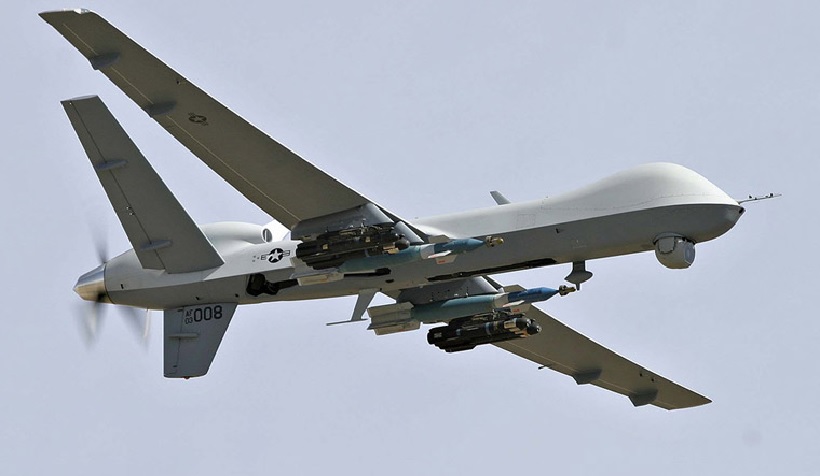
World
Defense News ,India :- In a recent development, the Biden Administration has officially informed the US Congress about its plans to sell arms totaling nearly $4 billion, with a focus on MQ-9B Drones equipped with hellfire missiles. The Defence Security Cooperation Agency, operating under the US Department of Defence, emphasized in a press release on Thursday that this sale aims to strengthen the strategic relationship between the United States and India.According to the agency's statement, the US State Department has given its approval for a possible Foreign Military Sale to the Indian government, involving MQ-9B Remotely Piloted Aircraft and related equipment, estimated at $3.99 billion. The Defence Security Cooperation Agency formally notified Congress of this potential sale, citing the importance of enhancing the security of India, a "major defense partner" contributing to political stability, peace, and economic progress in the Indo-Pacific and South Asia region.The proposed sale includes 31 MQ-9B Sky Guardian aircraft, 161 Embedded Global Positioning and Inertial Navigation Systems, 35 L3 Rio Grande Communications Intelligence Sensor Suites, 170 AGM-114R Hellfire missiles, 16 M36E9 Hellfire Captive Air Training Missiles, 310 GBU-39B/B Laser Small Diameter Bombs, and eight GBU-39B/B LSDB Guided Test Vehicles with live fuzes.The Indian response to this development was diplomatically cautious, with the Ministry of External Affairs spokesperson, Randhir Jaiswal, stating that the matter is within the internal processes of the US, and India respects that. The distribution of the drones indicates that the Indian Navy will receive 15 out of the 31, while the Indian Army and Air Force will each obtain eight high altitude long endurance drones.Simultaneously, progress on the GE-414 engine deal with the US appears promising, and both the drone and aircraft engine deals are under the purview of the national security advisors of India and the US, Ajit Doval and Jake Sullivan, respectively.The significance of this arms deal is underscored by President Biden's efforts to strengthen defense ties with India, positioning it as a potential ally against the backdrop of regional challenges, particularly from China. The State Department emphasizes that the proposed sale aligns with the foreign policy and national security objectives of the United States, enhancing India's capability to address current and future threats through unmanned surveillance and reconnaissance patrols in sea lanes.It's worth noting that this notice to India is not the final decision on the sale, as negotiations could impact prices and unit figures, and lawmakers retain the ability to intervene in the process.
Read More → Posted on 2024-02-02 06:31:29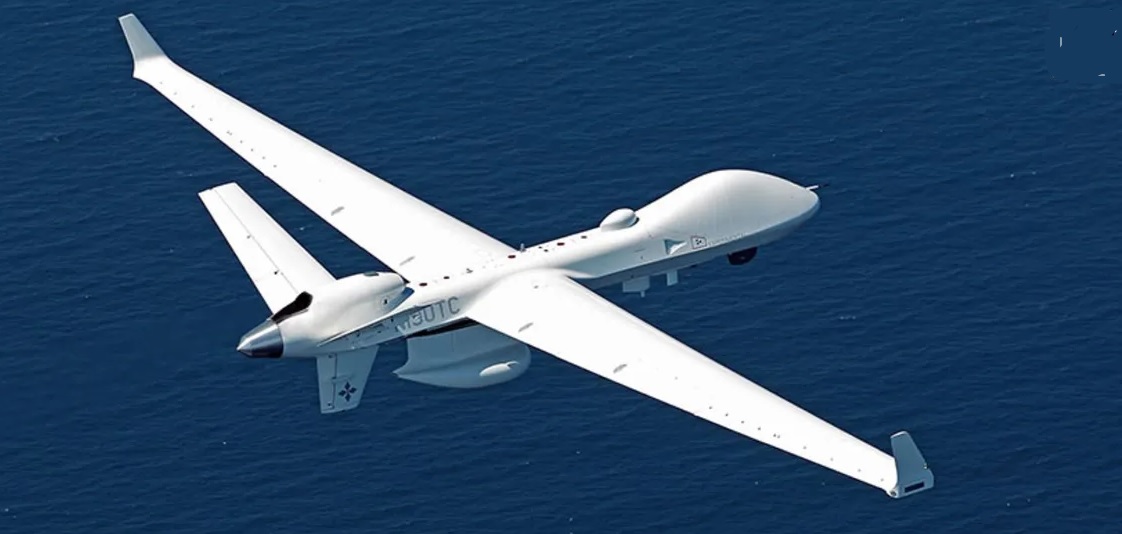
India
Defense News ,India :- In a significant stride toward solidifying the mega deal announced during Prime Minister Narendra Modi's visit to Washington in June last year, the Biden administration has officially informed the US Congress about its proposal to supply 31 MQ-9B Predator long endurance drones to India. The Defence Security Cooperation Agency (DSCA) of the US government provided the necessary certification for the potential sale, marking a crucial step in the approval process.Initiating the Congressional notification process on Thursday, insiders revealed that a letter of approval is anticipated to be dispatched to India approximately 30 days after Congress approves the procurement. The State Department has determined and approved a potential foreign military sale to the Government of India for MQ-9B remotely piloted aircraft and related equipment, estimated at USD 3.99 billion, as disclosed by the DSCA.Following the Congressional approval, negotiations on pricing will commence, with the DSCA emphasizing that the mentioned figure of USD 3.99 billion serves as a threshold to avoid exceeding costs. The DSCA asserted that the proposed sale aims to bolster the US-Indian strategic relationship, enhance national security objectives, and contribute to the foreign policy goals of the United States.Describing India as a vital force for political stability, peace, and economic progress in the Indo-Pacific and South Asia region, the DSCA outlined that the MQ-9B drones would empower India to address current and future threats through unmanned surveillance and reconnaissance patrols in sea lanes of operation. Stressing India's commitment to modernizing its military, the DSCA expressed confidence in India's capability to absorb the equipment and services into its armed forces without disrupting the regional military balance.General Atomics Aeronautical Systems, based in Poway, CA, is designated as the principal contractor for the sale, with potential offset agreements to be defined in negotiations between the purchaser and the contractor.External Affairs Ministry spokesperson Randhir Jaiswal acknowledged the internal processes of the US for such supplies and reiterated New Delhi's respect for those procedures during a media briefing. The article also addresses the ongoing negotiations, internal timelines, and media reports surrounding the drone sale to India, shedding light on the diplomatic intricacies involved.The article concludes by highlighting the significance of India's procurement of MQ-9B drones to enhance surveillance capabilities, particularly along the Line of Actual Control (LAC) with China. The drones, categorized as 'hunter-killer' and capable of extended endurance, are set to be distributed among the Navy, Air Force, and Army, playing a pivotal role in reinforcing India's defense capabilities.
Read More → Posted on 2024-02-02 06:24:14
India
Defense News ,India :- In a significant move on Wednesday, the Reserve Bank of India (RBI) directed Paytm Payments Bank to cease all banking services, including deposit acceptance and payment processing, within a month. Effective February 29, the central bank froze all essential transaction services conducted through Paytm's platforms, such as Unified Payments Interface (UPI), IMPS, Aadhaar-enabled payments, and others.These disciplinary actions, considered unprecedented in the financial services industry, will impact both Paytm app users and the broader merchant community relying on Paytm for payment processing, wage disbursals, and quasi-banking functions. While Paytm will continue offering products in travel, movie tickets, and more, the order is expected to have a significant impact on various fronts.The RBI's directive will particularly disrupt Paytm Payment Bank's Fastag users and National Common Mobility Card (NCMC) holders, given the bank's full support for these services. Paytm Fastags recorded 57 million transactions in December, among the highest in the industry.Notably, Paytm Payments Bank must halt new customer onboarding, deposits, credit transactions, and wallet top-ups from March 2022. Existing customers will be unable to add money to their accounts after February 29, though they can withdraw and utilize existing funds until exhausted. RBI has mandated the settlement of all transactions initiated before February 29 in nodal accounts held by One 97 and Paytm Payments Services by March 15.This regulatory action follows Paytm Payments Bank's earlier embargo on adding new customers since March 11, 2022. An external audit revealed persistent non-compliances and supervisory concerns, leading to a showcause notice from RBI in July 2021 and a subsequent fine of Rs 1 crore on the bank.The impact of this order extends beyond Paytm Payments Bank, affecting various payment channels, including wallet, Paytm UPI, NACH, Fastag, and fixed deposits. Paytm may need to relocate many backend services for its wallet offerings to other banks.The regulatory scrutiny on Paytm has been ongoing, with the company facing obstacles in obtaining licenses for its insurance and payment aggregator businesses. Alleged Chinese shareholding in the past was cited as a reason for these setbacks, though China's Alibaba has since divested its entire stake in Paytm.RBI's actions are viewed as a response to persistent non-compliance and supervisory concerns, potentially related to data localization and access issues. The regulatory move underscores the importance of data security and national security in the tech space, with implications for businesses handling user data within India's territory.
Read More → Posted on 2024-02-01 16:46:33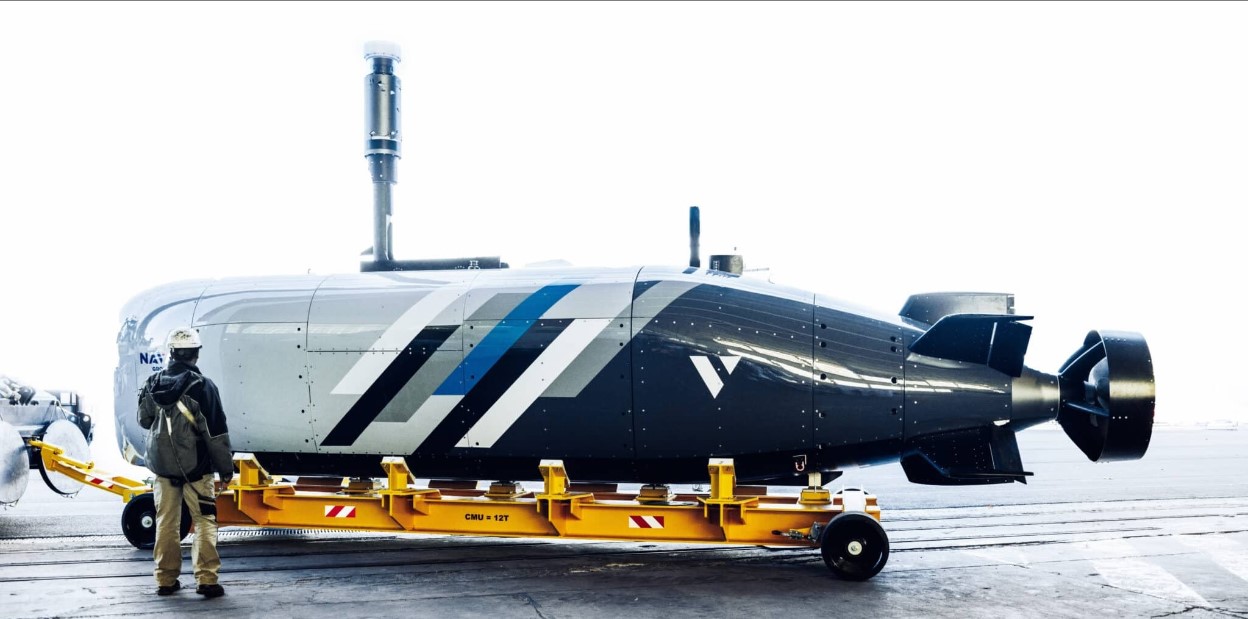
World
Defense News ,France :- Naval Group, a leading naval defense company, has recently inked a comprehensive contract aimed at designing, manufacturing, and testing a prototype of an Uncrewed Combat Underwater Vehicle (UCUV) for the French Navy.The contractual framework builds upon a previous agreement awarded to Naval Group last year, which focused on the initial conceptualization phase of the underwater drone. As part of this latest development, the company has also entered into a subsequent 24-month contract that outlines the detailed development of Naval Group's Autonomous Decision-Making Process—a cutting-edge drone management system.Further contracts are on the horizon, with a specific emphasis on pioneering technologies required to enhance the UCUV's capabilities, such as extending its endurance and refining its underwater detection capabilities, along with the implementation of sub-order advancements.A pivotal element of this initiative is the XL-UUV demonstrator, a notable underwater drone project by Naval Group. This existing project will play a crucial role in the UCUV program, acting as a foundation for technology integration and rigorous testing.Aurore Neuschwander, Director of Naval Group's Drones, Autonomous Systems, and Underwater Weapons division, expressed optimism about leveraging the company's accumulated expertise in naval unmanned systems. Specifically, the XL-UUV demonstrator, launched in 2020 and revealed in 2021, has already undergone sea qualification trials, showcasing its autonomy and seamless interoperability with the navy's manned vessels.
Read More → Posted on 2024-02-01 16:15:58
World
Defense News ,Ukraine :- China recently conveyed a stern message to Ukraine, cautioning that their diplomatic ties might suffer repercussions following Kyiv's classification of over a dozen Chinese companies as "international sponsors of war," as disclosed by two senior Ukrainian sources familiar with the situation, who spoke to Reuters on the condition of anonymity due to the sensitivity of the matter.The warning was reportedly delivered last month during a meeting between China's ambassador to Kyiv and senior Ukrainian government officials. Despite requests for comment, China's foreign ministry, the Chinese embassy in Kyiv, and Ukraine's foreign ministry remained silent on the issue.While maintaining close ties with Moscow and refraining from criticizing Russia's invasion of Ukraine, China has expressed a commitment to respecting the sovereignty and territorial integrity of all nations. Additionally, Beijing has offered mediation assistance in the ongoing conflict.Ukraine, however, has taken a bold stance by identifying 48 global companies, including 14 from China, as "international sponsors of war." The Ukrainian government contends that the business activities of these companies indirectly contribute to Russia's war efforts.According to one source, the Chinese ambassador conveyed concerns about the potential negative impact on bilateral relations due to the blacklist. Notably, China did not impose any specific conditions or temporary frameworks on Ukraine but expressed its viewpoint regarding the contentious list.The second source suggested a potential link between the matter and Chinese purchases of Ukrainian grain, raising questions about the economic ramifications for Ukraine.Prior to Russia's full-scale invasion on February 24, 2022, China was Ukraine's largest trade partner, remaining a significant consumer of Ukrainian grain, sunflower oil, and iron ore. The current situation has placed strain on these economic ties.The blacklist, while lacking legal implications for the listed firms, criticizes extensive cooperation between Chinese and Russian companies, particularly in the oil and gas sectors, which constitute the main revenue sources for Moscow.Promoted by Ukraine's National Agency for Corruption Prevention as a "powerful reputational tool," the blacklist aims to influence global supply chains and encourage the withdrawal of international business from Russia.Despite China's alliance with Russia, Ukraine has been cautious not to provoke the world's second-largest economy and has repeatedly called on Beijing to support diplomatic efforts for peace. However, China's absence from certain high-level international meetings has raised questions about its commitment to these diplomatic endeavors.China, previously a vital destination for Ukrainian food exports, has witnessed a decline in trade, especially since the defunct UN-brokered grain corridor established after Russia's invasion. With China having the most companies on the blacklist, Ukraine's Black Sea shipping corridor, established in August, has seen a significant portion of maritime exports directed towards China.In ongoing diplomatic exchanges, Chinese Vice Foreign Minister Sun Weidong met with Ukraine's ambassador to Beijing, expressing the importance of mutual respect between the two countries while discussing issues of common concern.
Read More → Posted on 2024-02-01 16:12:17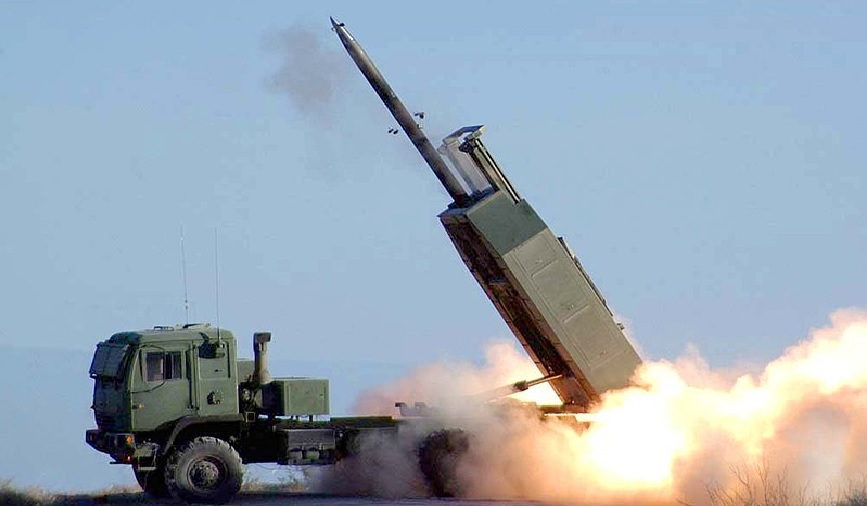
World
Defense News ,Romania :- On January 17, the Romanian Armed Forces achieved a milestone by conducting a highly successful live firing exercise featuring the M142 High Mobility Artillery Rocket System (HIMARS) in partnership with the U.S. Army's 4th Security Forces Assistance Brigade (SFAB). Spearheaded by the Romanian 8th Field Artillery Brigade, this joint effort marked a significant advancement in bolstering readiness and fostering interoperability among NATO allies.U.S. Army Major Zachary Busenbark, commander of Alpha Battery, 4th Battalion, 4th SFAB, and leader of the SFAB Field Artillery Advisor Team, underscored the crucial importance of interoperability with NATO forces and partner nations. He emphasized the regional emphasis on maximizing interoperability in Europe to ensure effective training and collaboration in potential combined team efforts. The HIMARS launchers employed by the Romanian Land Forces represent cutting-edge U.S. missile and rocket systems, capable of launching both the Guided M270 Multiple Launch Rocket System and the MGM-140 Army Tactical Missile System. These systems boast impressive ranges, with the MLRS rocket reaching approximately 70 kilometers and the ATACMS extending up to 300 kilometers.Major Busenbark highlighted the exercise's comprehensive approach, focusing on human, procedural, and technical interoperability domains. The primary goal was to enhance team efficiency and lethality in potential coalition combat scenarios.This live firing exercise not only elevated mission readiness for both Romanian and U.S. forces but also served as valuable preparation for the upcoming NATO Combat Readiness Evaluation scheduled for the following year.Task Force 82, hailing from the 82nd Airborne Division, played a pivotal role in ensuring the security of allies and partners, deterring adversaries, and reinforcing NATO security force assistance in the Black Sea region. Their involvement underscored the collective commitment to maintaining a strong and unified front in the face of potential challenges.
Read More → Posted on 2024-02-01 15:40:00Search
Top Trending in 24 Hours
-
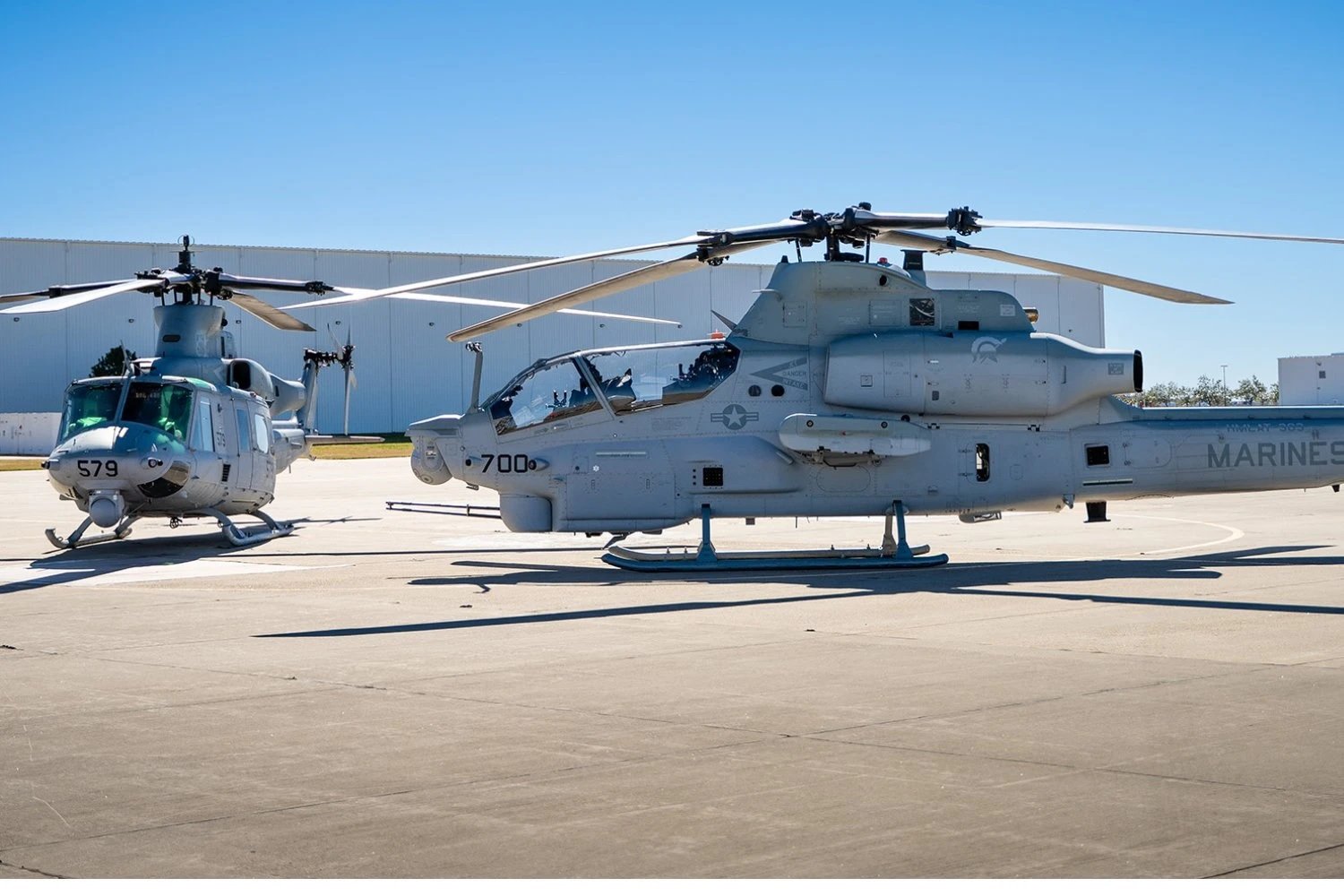 U.S. Awards Bell Textron $33.64 Million Contract for Next Phase of Marine Corps AH-1Z and UH-1Y Helicopter Upgrades
-
 U.S. Military Selectively Intercepts Iranian Missiles to Preserve Shrinking Air Defense Stocks : Report
-
 President Trump Pauses Plans to Expand U.S. Strikes on Iran Amid Concerns Over Air Defense Missile Stocks
-
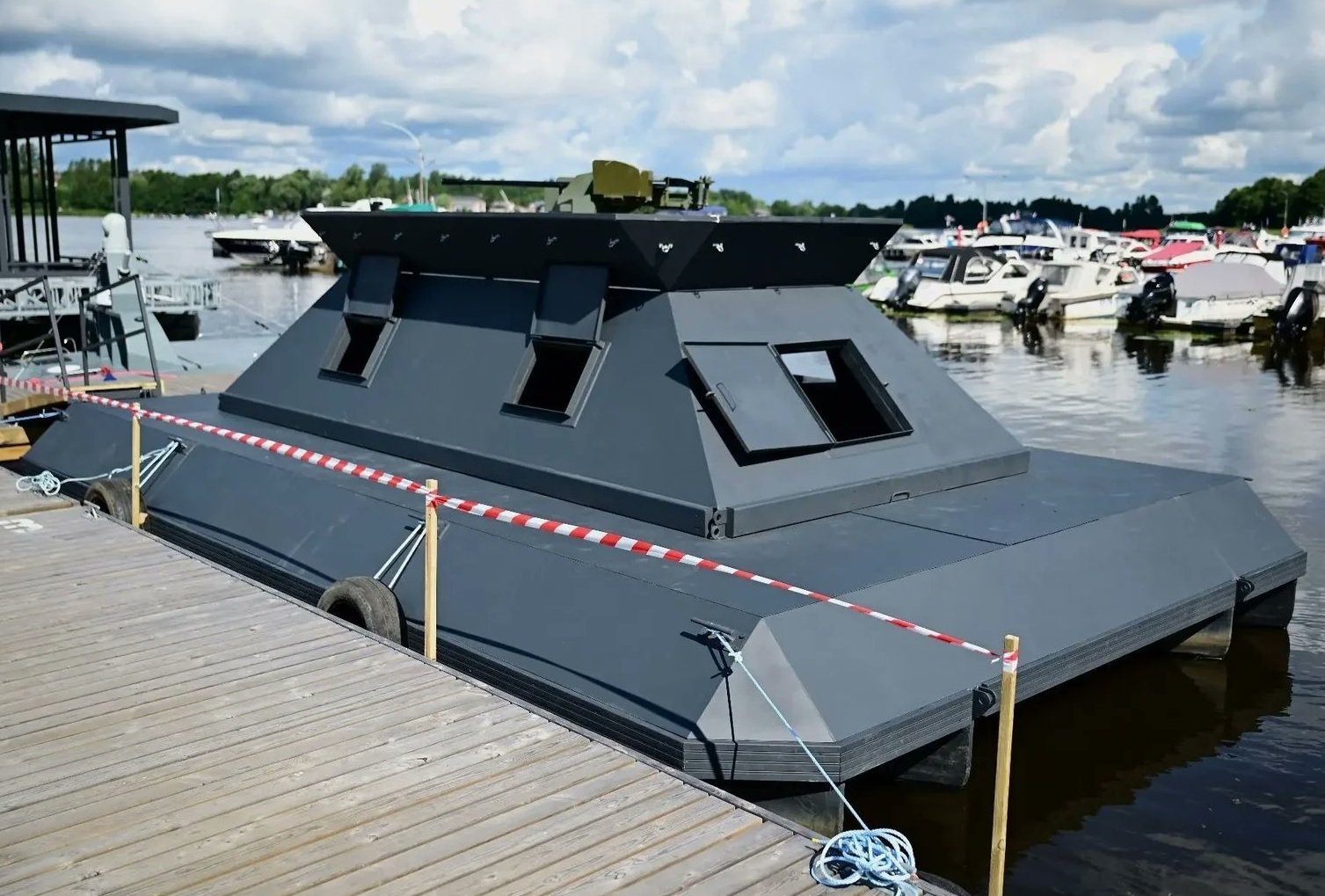 Russia Unveils Experimental Plot-40 Floating Defense Platform to Counter Drone and USV Threats
-
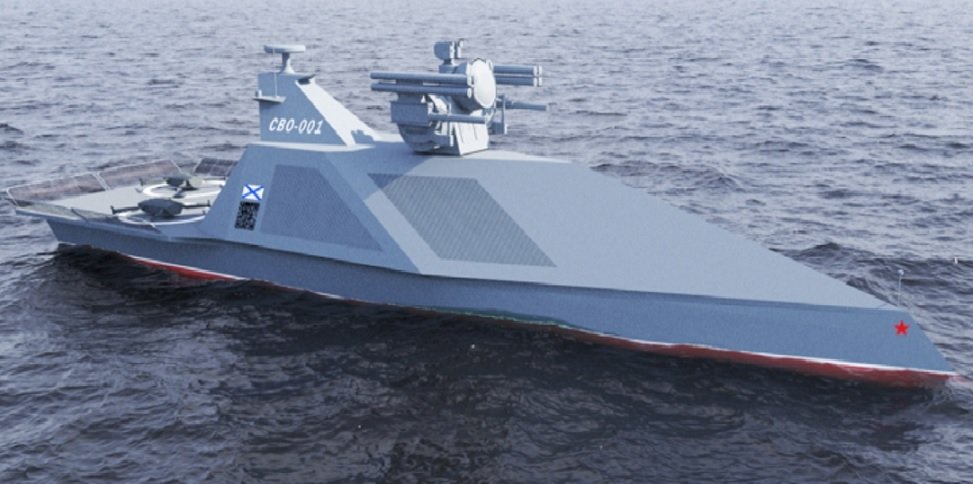 Russia Builds 500-Ton Unmanned Warship For Anti-Submarine Warfare, Plans New 9,500-Ton Warship, Navy Chief Says
-
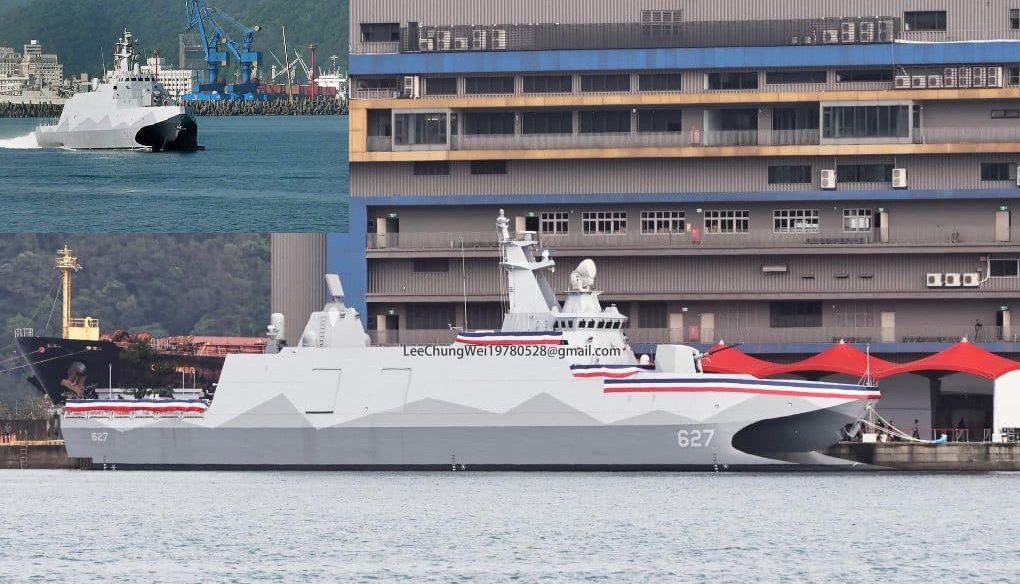 Taiwan Commissions First Batch 2 Tuo Chiang-Class Corvette with New Leonardo Radar
-
 Unreleased Footage Reveals Why Lindsey Graham Dropped Plan to Push Trump on Hezbollah Strikes
-
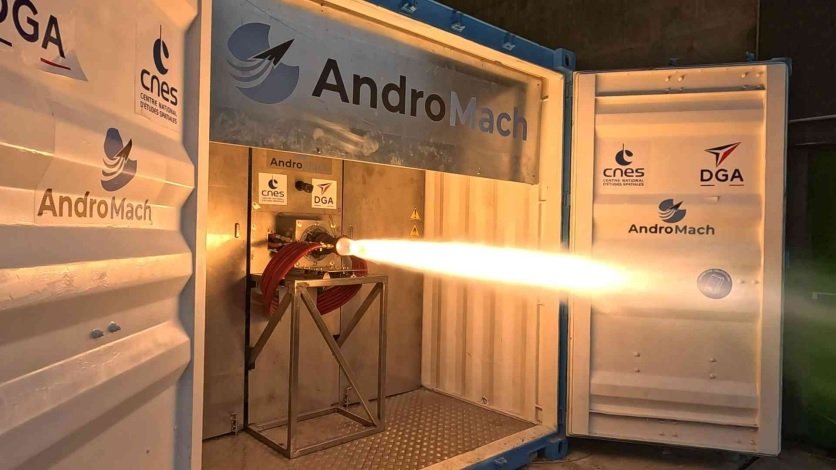 French Startup AndroMach Successfully Tests Reusable Rocket Engine 21 Times for Hypersonic Drone
Top Trending in 4 Days
-
 U.S. Navy Awards Northrop Grumman $1.2 Billion Deal for Three New E-2D Advanced Hawkeyes
-
 U.S. Airstrikes Target IRGC Missile Base Near Taft as Overnight Strikes Hit Central Iran
-
 DRDO Successfully Conducts Maiden Flight Test of 150-km-Range Kusha M1 Air Defence Missile
-
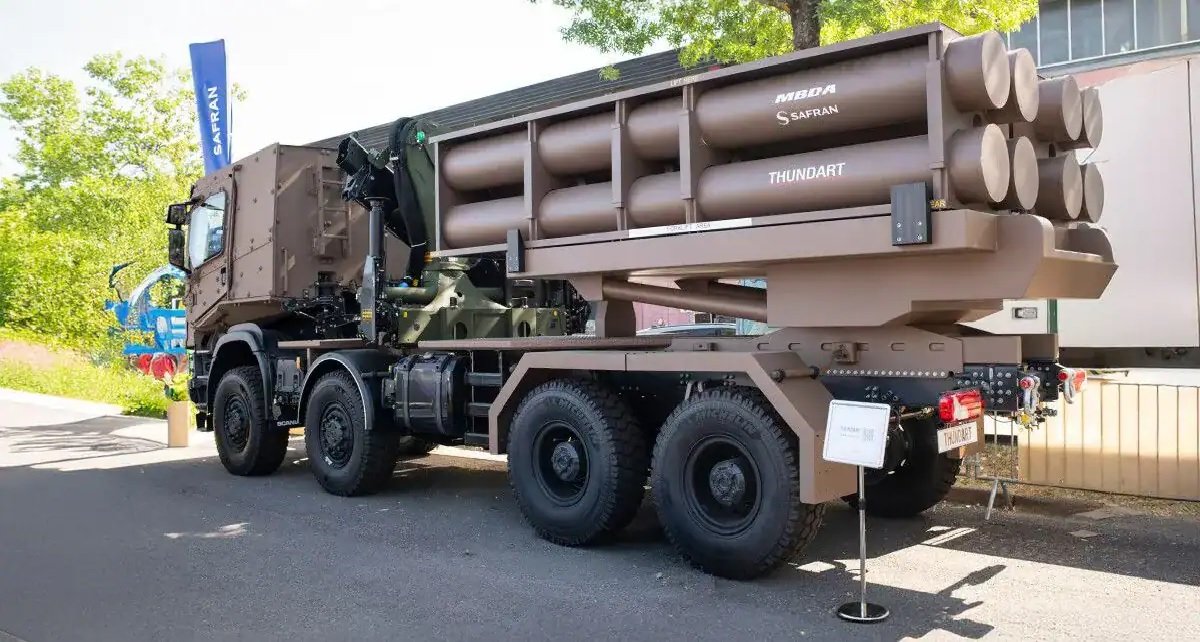 France's THUNDART Long-Range Rocket System May Undergo Prototype Combat Testing in Ukraine
-
 Russian Su-57 Stealth Fighter Crashes During Training Flight Near Moscow, Pilot Ejects Safely
-
 Kuwait and Bahrain Reportedly Launch First Joint Direct Airstrikes on Iran Since War Began : Report
-
 Destinus Unveils Vorexon Interceptor Concept to Defend Critical Sites from Artillery Threats
-
 Australia Commits Additional AUD 4.6 Billion to Expand Osborne Shipyard for AUKUS Submarines
