World
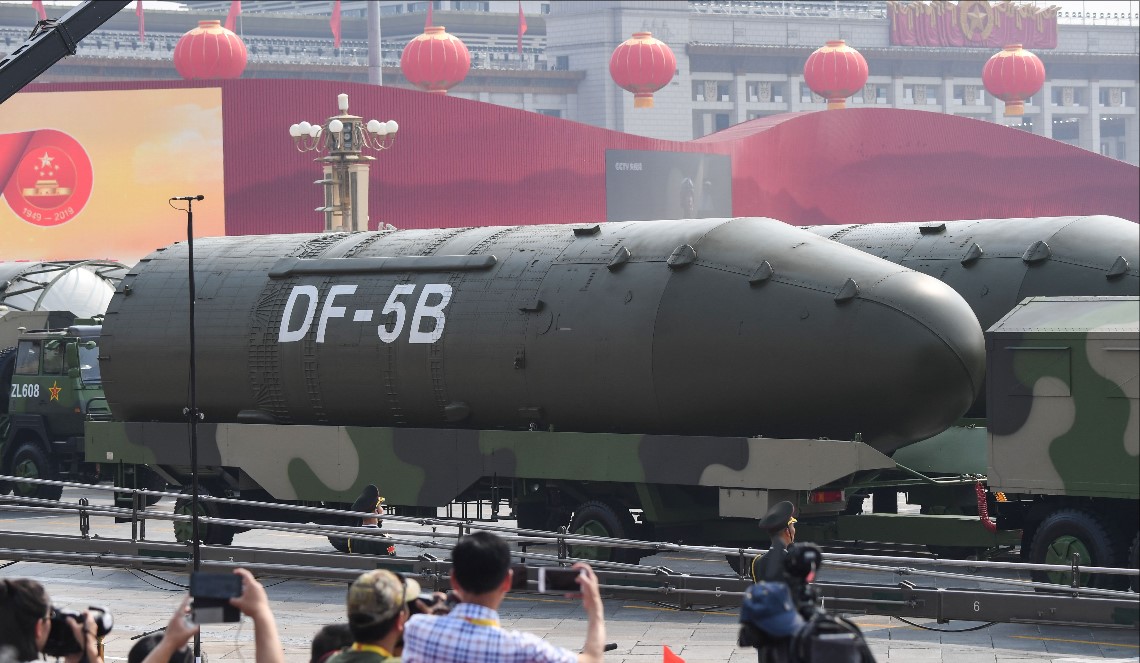
Defense News ,China :- Without providing the world with any word of explanation, in the past five years, the People's Liberation Army Rocket Force (PLARF) of China has expanded the types and quantity of its nuclear-tipped weapons more than at any point in its history.Indeed, last month, the Bulletin of the Atomic Scientists published its annual in-depth Nuclear Notebook. The chapter entitled Chinese Nuclear Weapons, 2024, authored by Hans M Kristensen, Matt Korda, Eliana Johns and Mackenzie Knight, warned, "In all, China's nuclear expansion is among the largest and most rapid modernization campaigns of the nine nuclear-armed states" in the world.The chapter's authors stated that in the past year, "China has continued to develop its three new missile silo fields for solid-fuel intercontinental ballistic missiles [ICBM], expanded the construction of new silos for its liquid-fuel DF-5 ICBMs, has been developing new variants of ICBMs and advanced strategic delivery systems, and has likely produced excess warheads for eventual upload onto these systems once they are deployed. China has also further expanded its dual-capable DF-26 intermediate-range ballistic missile [IRBM] force, which appears to have completely replaced the medium-range DF-21 in the nuclear role."For those advocating reductions in nuclear weapons, such figures make grim reading. Apart from land-based truck-launched and silo-launched missiles, the PLA Navy is now carrying JL-3 submarine-launched ballistic missiles (SLBM) on its six Type 094 nuclear-powered ballistic missile submarines.In the air, H-6 bombers of the PLA Air Force have been reassigned to an operational nuclear mission, plus there is continued development of an air-launched ballistic missile that likely has a nuclear capability. This capacity will grow even more once the stealthy H-20 bomber is fielded.Chinese military spokesmen have neither confirmed nor denied the expansion of the ICBM force, and the authors of the Bulletin of the Atomic Scientists chapter on China acknowledged the opacity of the PLARF: "Analyzing and estimating China's nuclear forces is a challenging endeavor, particularly given the relative lack of state-originating data and the tight control of messaging surrounding the country's nuclear arsenal and doctrine." Beijing has never officially revealed warhead numbers, and its opacity regarding its nuclear capability is legendary.When asked why Chairman Xi Jinping is prioritizing China's ballistic-missile arsenal in such a fashion, Ankit Panda, Stanton Senior Fellow, Nuclear Policy Program at the Carnegie Endowment for International Peace, told ANI: "There is likely no one overarching reason.For one, this may simply be part of Xi's broader efforts to pursue a world-class military for the country. China could also have calculated that a larger force is necessary for assuring retaliation, which is a traditional objective. The surge could also be a result of the Rocket Force gaining greater political power after the 2015 reorganization of the PLA. We simply do not know the exact answer, since China has yet to give us an authoritative case for why the force is growing."Admiral Charles Richard, the previous commander of the US Strategic Command, said in April 2022 that China's expansion of strategic forces was "breathtaking." The force's current commander, General Anthony Cotton, testified vexingly last March that "China seeks to match, or in some areas surpass, quantitative and qualitative parity with the United States in terms of nuclear weapons. China's nuclear capabilities already exceed those needed for its long-professed policy of 'minimum deterrence', but China's capabilities continue to grow at an alarming rate".It is thus the Pentagon's opinion that massive new missile silo fields and the expansion of China's liquid-fueled ICBM inventory show that Beijing is moving to a launch-on-warning posture to increase the peacetime readiness of its nuclear forces.It believes part of this posture involves implementing an "early warning counterstrike" strategy, relying on space- and ground-based sensors to warn of enemy missile strikes so that China has time to launch its own missiles before they are destroyed. On the other hand, Chinainsists it is keeping the PLARF at a "moderate" readiness level.The construction of several hundred of these aforementioned missile silos has created considerable debate regarding China's official "No First Use" policy. The 2024 report noted, "...There is little evidence to suggest that the Chinese government has deviated from it, which is also reiterated in its 2023 national defense strategy."The four authors added: "Regardless of what the specific red lines may be, China's No First Use policy probably has a high threshold. Many experts believe there are very few scenarios in which China would benefit strategically from a first strike, even in the case of conventional conflict with a military power such as the United States."The same document observed: "The modernization of the nuclear forces could gradually influence Chinese nuclear strategy and declaratory policy in the future by offering more efficient ways of deploying, responding, and coercing with nuclear or dual-capable forces. The 2022 US Nuclear Posture Review suggested that China's trajectory of expanding and improving its nuclear arsenal could '...provide [China] with new options before and during a crisis or conflict to leverage nuclear weapons for coercive purposes, including military provocations against US allies and partners in the region'. Advanced non-nuclear weapons could also provide a strategic strike capability that may achieve effects similar to a first use of nuclear weapons."Could a Taiwan invasion scenario constitute such an occasion where China might threaten the use of nuclear weapons? After all, President Vladimir Putin played such a nuclear card to keep NATO and the US from getting directly involved in the Ukraine conflict.Panda offered his assessment of whether nuclear coercion could occur amidst a Taiwan contingency. "China has historically shied away from issuing nuclear threats, and has traditionally maintained a fairly restrained nuclear posture. Xi could calculate, however, that a much larger Chinese nuclear force will imbue US decision-making with greater prudence in a potential Taiwan contingency than a smaller force. He is likely right about that."The Bulletin of the Atomic Scientists estimated that China currently fields 438 nuclear warheads, plus another 62 warheads that have been produced but not operationalized. This assessment corresponds almost identically to the 500 warheads estimated by the Pentagon in last year's report on China's military capabilities.In past editions of these reports, the US Department of Defense predicted that the PLARF's nuclear warhead stockpile would reach 1,000 by 2030, and perhaps even 1,500 by 2035, many of which will be "deployed at higher readiness levels" and most fielded on systems able to reach the continental United States.However, the Bulletin of the Atomic Scientists noted that some previous Pentagon estimates have proven inaccurate, plus there are many variables that are difficult to predict when reaching such figures by the US military. For instance, how many missile silos will China eventually build, how many will actually host a missile, and how many warheads are on each weapon? Also, how many ballistic missile submarines and bombers will be constructed, and how many DF-26 ballistic missiles will be deployed, and what percentage of them will have a nuclear mission?A table in the chapter listed the following amounts for each missile type: IRBMs comprising the DF-26 (x108); ICBMs represented by the DF-5A (x6), DF-5B (x60), DF-31A (x24), DF-31AG (x64) and DF-41 (x84); SLBMs of JL-3 type (x72); gravity bombs dropped by H-6K bomber aircraft (x10),and air-launched ballistic missiles carried by H-6N bombers (x10).There are some interesting points to note in this independent assessment. One is that all nuclear-tipped versions of the DF-21 and DF-31 are likely retired, as are JL-2 SLBMs previously carried on submarines.The DF-17 hypersonic medium-range ballistic missile was once thought capable of carrying a nuclear warhead, but now the general consensus is that this is not the case. In addition, the report assumed that half of China's DF-26 IRBM inventory is armed with nuclear warheads, even though there is no data to verify how accurate this approximation is.Regarding the DF-26 missile, which can have either a conventional or nuclear warhead, such ambiguity makes it difficult for another party during hostilities to decide how they are being targeted. This obviously creates doubt and the risk of swift escalation.In this respect, Panda told ANI: "There are risks here, but those risks could have deterrence benefits for China. In particular, US and allied attempts to possibly attrite China's DF-26 forces could be interpreted by the Chinese leadership as part of an attack on the country's nuclear forces, with escalatory consequences."Panda therefore noted that this should be a topic for dialogue between China and the US. Naturally, that leads to another whole area of complexity, for Beijing refuses to engage with the USA on nuclear weapon control frameworks.Panda observed: "China has said that the US and Russia should first reduce their force sizes to that of Beijing's, before arms control can ensue; we might now be looking at a world where China instead moves closer to where Russia and the United States are. We are potentially looking at a three-way arms race in the coming decades, particularly as US-Russia arms controls fray almost completely."This is a worrying scenario, as the relative stability of the Cold War, with its mutually assured destruction, gives way to a tripartite arms race over nuclear weapons.China is believed to be developing an indigenous HQ-19 anti-ballistic missile system, as well as a hit-to-kill midcourse interceptor. These could target IRBMs and possibly ICBMs, although the Bulletin of the Atomic Scientists authors asserted that "the latter would still take many years to develop."The PLARF has expanded its number of missile brigades. The authors estimated that the force presently has 45 brigades possessing ballistic or cruise missile launchers. An estimated 30 of these operate launchers with nuclear capability, or will upgrade to this status soon. A new missile is believed to be in development too.Called the DF-27, it allegedly has a range of 5,000-8,000 km. Given that such a range is redundant for nuclear strikes, since such distances are easily encompassed by ICBMs, this suggests that the DF-27 may end up with only a conventional strike role. US intelligence assessed in February 2023 that China had conducted a flight test of a multirole hypersonic glide vehicle for the DF-27, which travelled around 2,100km.China has also tested a strategic hypersonic glide vehicle and a fractional orbital bombardment system at least once. A test of the latter in July 2021 was particularly significant, given its unprecedented nature. However, there are limiting factors on the PLARF's ascent.The expansion of China's nuclear stockpile is dependent upon stores of plutonium, highly enriched uranium (HEU), and tritium. The International Panel on Fissile Materials assessed that, as of late 2022, China possessed 14 tonnes of HEU and 2.9 tonnes of separated plutonium, an amount that was sufficient to double China's nuclear weapon inventory over the past five years.However, if China is to field more weapons - such as the 1,000 warheads predicted by the Pentagon, it will need extra fissile material production. Kristensen, Korda, Johns and Knight also noted, "The readiness of the Chinese nuclear missile force was challenged in early 2024 with disclosure that a US intelligence assessment had found that corruption within the People's Liberation Army had led to an erosion of confidence in its overall capabilities, particularly when it comes to the Rocket Force."They added that "recent dismissals of top defense officials and widespread corruption might chill the Chinese leadership's willingness to arm missiles with warheads in peacetime." The PLARF is a strategic force, but Xi is ruing the lack of loyalty amongst its top leadership, and the corruption that appears rife in the organization. It is one thing to invest heavily in this missile force, but there are serious question marks in Xi's mind about its political, and likely combat, reliability.
Read More → Posted on 2024-02-27 06:49:05
World
Defense News ,Dutch :- High Eye, a Dutch company specializing in unmanned helicopter systems, has successfully secured a major international contract. They will be providing their Airboxer vertical take-off and landing (VTOL) unmanned aerial vehicles to the Dutch Armed Forces.The first Airboxer system is expected to be delivered later this year, marking the beginning of a two-year integration program. This program aims to seamlessly incorporate the Airboxer VTOL UAV into the Dutch Ministry of Defence’s operations, both within the country and internationally.The Airboxer is known for its versatility, as it can carry various payloads and sensors weighing up to 7 kg. It boasts impressive endurance and performance capabilities, making it suitable for operation in different environmental conditions.Designed to withstand extreme temperatures, high humidity, and adverse weather, the Airboxer is considered an ideal asset for a wide range of military applications.With this contract, High Eye demonstrates its dedication to enhancing the operational capabilities of the Dutch Ministry of Defence using its state-of-the-art Airboxer VTOL UAV. This marks a significant advancement in unmanned aerial technology.
Read More → Posted on 2024-02-27 06:44:05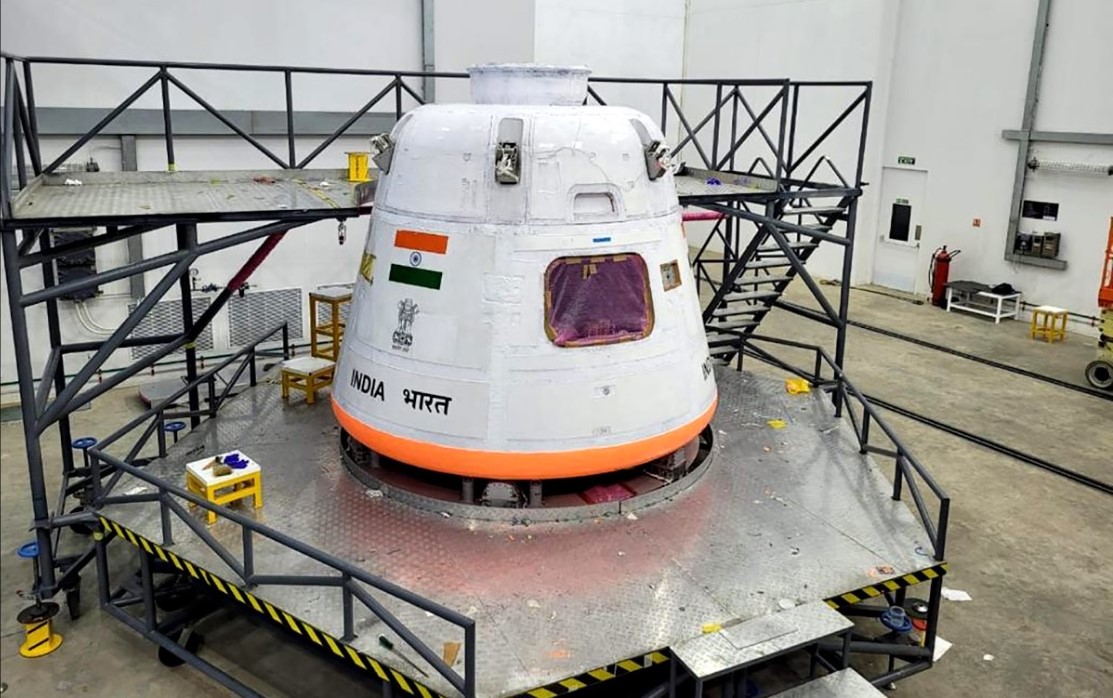
Space & Technology
Space News ,India :- According to a report from TOI, India is making big moves to send its first astronauts into space through the Gaganyaan mission. Currently, four potential astronauts are in training in Bengaluru, but their names haven't been officially announced by the government yet.The chosen individuals are likely to be either wing commanders or group captains. Prime Minister Narendra Modi is scheduled to meet these potential astronauts at the Vikram Sarabhai Space Centre. If successful, India will become the fourth country to send a human into space. Here are the names of the four test pilots undergoing training for India's first human space mission.According to TOI, only 12 test pilots who showed interest in the Gaganyaan mission managed to pass the first selection phase. The selection process occurred in 2019 at the Institute of Aerospace Medicine in Bengaluru, which falls under the Indian Air Force.After several rounds of selection, Prashant Nair, Angad Pratap, Ajit Krishnan, and Chauhan were approved by IAM to participate in the Gaganyaan mission. In 2020, ISRO sent these four individuals to Russia for their initial training. The training concluded in 2021, with the Covid-19 pandemic contributing to a delay in the completion of training.
Read More → Posted on 2024-02-27 06:39:10
Space & Technology
Space News ,India :- The head of the Indian Space Research Organisation (ISRO), S Somanath, shared plans for continued lunar exploration and expressed hope for an Indian moon landing by 2040. He discussed these goals during the opening of the 22nd National Space Science Symposium (NSSS 2024), organized by Goa University in collaboration with ISRO.The symposium's purpose is to connect space science and technology with society. Somanath highlighted the renewed interest in moon exploration from countries like the United States and China. He emphasized that India needs to understand these global efforts, as many nations are working towards lunar exploration.Somanath stressed the importance of ongoing experiments and exploration before achieving a successful Indian moon landing. The discussions at the symposium included plans for interplanetary missions, such as the Venus Orbiter Mission and the Mars Lander. There was also a focus on efforts towards a lunar sample return mission for scientific studies.Governor of Goa P S Sreedharan Pillai inaugurated the symposium, which features exhibitions by ISRO, Space on Wheels, poster sessions, and public lectures. The event aims to foster interaction between professionals, research students, and the public.NSSS 2024, running until March 1, aligns with the upcoming National Science Day celebrations in Goa. The symposium offers various events, including scientific sessions, public lectures, plenary talks, outreach programs, exhibitions, student sessions, and posters, creating a comprehensive platform for scientific exchange.The event includes six parallel scientific sessions on diverse themes of space science and technology, with a dedicated students' session to nurture young minds. Public lectures, plenary and interdisciplinary talks, and invited presentations by experts are expected to enrich the symposium experience. Poster sessions over four days will facilitate in-depth discussions for early-career researchers.Simultaneously, the three-day Science Fiesta 2024 at Goa Science Centre showcases significant developments in science and technology. The exhibition, open to the public, highlights space science technology and milestones achieved by ISRO during the symposium. Industry participants associated with the National Space Science mission showcase innovative contributions, engaging students and the public in the exhibition and outreach events at Manohar Parrikar Law School, Goa University.
Read More → Posted on 2024-02-27 06:35:03
Science
Porphyria, sometimes referred to as the "vampire disease," is a group of eight inherited disorders affecting the production of heme, a molecule essential for transporting oxygen in red blood cells. While some symptoms of certain types of porphyria can be triggered by sunlight, it's crucial to understand that these conditions are not the basis for vampire myths.What is Porphyria?Porphyria arises due to genetic mutations that disrupt the production of heme. This disruption leads to a buildup of porphyrins, chemical precursors to heme, in the body. These accumulated porphyrins can cause damage to various organs, leading to a diverse range of symptoms. There are eight different types of porphyria, each classified by the specific enzyme deficiency and the resulting symptoms.Symptoms and Sun Sensitivity:The symptoms of porphyria vary depending on the type and severity of the condition. However, some common symptoms across different types include:Severe abdominal painNausea and vomitingNeurological problems, like seizures and muscle weaknessSkin sensitivity to sunlight It's important to note that not all types of porphyria cause sun sensitivity. The type often associated with sunlight sensitivity is Porphyria Cutanea Tarda (PCT). People with PCT experience increased fragility and blistering of the skin upon sun exposure.Types of Porphyria :Porphyria is divided into two main types: acute porphyria and cutaneous porphyria.Acute Porphyria:Acute porphyrias strike suddenly, primarily affecting the nervous system, with some impact on the skin. In all cases, there's a buildup of porphyrins in the liver. The specific types include: 1. Acute intermittent porphyria 2. ALAD (delta-aminolevulinic acid dehydratase deficiency) porphyria 3. Hereditary coproporphyria 4. Variegate porphyriaCutaneous Porphyria:Cutaneous porphyrias mainly involve the skin, where porphyrins typically accumulate in the liver or bone marrow. These types are: 1. Porphyria cutanea tarda 2. Congenital erythropoietic porphyria 3. Hepatoerythropoietic porphyria 4. Protoporphyria, including erythropoietic protoporphyria and X-linked protoporphyriaPorphyria Cutanea Tarda is the most common type, responsible for about 20% of cases, while *Acute Intermittent Porphyria* is the most common among acute porphyrias. Symptoms of Porphyria:One common symptom across porphyrias is the presence of red, brown, or purple urine. However, symptoms vary between acute and cutaneous porphyrias.Symptoms of Acute Porphyria:Symptoms appear rapidly and can be severe, lasting days to weeks with varying intensity. Main symptoms include:Red or brown urineAbdominal pain, chest pain, back pain, or pain in extremitiesNausea, vomitingConstipation, diarrheaAnxiety, confusion, hallucinations, paranoia, disorientationUrinary retention or incontinenceMuscle weakness, paralysisSeizuresBreathing problemsPalpitationsHigh blood pressure Symptoms of Cutaneous Porphyria:Cutaneous porphyria symptoms are chronic, lasting a long time and varying in intensity. Main symptoms occur with sunlight exposure and include:Red or brown urineSunlight sensitivity: pain, burning, stinging, redness, swelling, and itchingBlisters on exposed skin (except in erythropoietic protoporphyria and X-linked protoporphyria)Fragile skinInfected blistersScarringChanges in skin colorExcessive hair growth in affected areasDebunking the Myth:While the sun sensitivity in some types of porphyria may have contributed to certain vampire folklore, it's crucial to dispel the misconception that these conditions share all the characteristics of vampires. Vampires are fictional creatures with supernatural abilities, including an aversion to sunlight, an inability to consume human food, and extended lifespans. These do not translate to the realities of porphyria, which are real medical conditions with specific, manageable symptoms.Living with Porphyria:While there is no cure for porphyria, various treatments can manage the symptoms and improve the quality of life for individuals affected. These treatments can include:What Causes It?Porphyria is mostly caused by our genes acting up. When there are changes (mutations) in the genes that control the enzymes responsible for making heme, it messes up the whole heme production process. This process involves at least 8 enzymes, and if anything goes wrong at any step, it can lead to a buildup of porphyrins or their precursors, potentially causing porphyria. Each type of porphyria is linked to a different enzyme in this production process.Genes and InheritanceThese disorders are passed down through families. This means the gene mutations causing porphyria can be inherited from one or both parents, or even from the X chromosome. The way it's passed down can be autosomal dominant (from one parent), autosomal recessive (from both parents), or x-linked. Check out our infographic for a simple explanation of these inheritance modes.Famous Cases of Porphyria: One well-known case of porphyria involves King George III of Great Britain and Ireland, who ruled from 1760 to 1820. This diagnosis came about in 1966, long after his death, when medical records were examined by Macalpine and Hunter. They also discovered that porphyria ran in the royal family, tracing back to Mary Queen of Scots and her son, James VI of Scotland and I of England.King James, in particular, had documented instances of wine-colored urine. This diagnosis helped dispel the notion of madness in the royal bloodline, although not everyone agreed. Some suggested arsenic poisoning as an alternative cause. However, evidence supporting the presence of porphyria surfaced in a descendant of King George III, Princess Charlotte of Prussia (1860-1919). Additionally, a more recent member of the Windsor family, Prince William of Gloucester (1941-1972), a grandson of King George V, was also diagnosed with porphyria.Current Status:While there is no cure for porphyria, significant advancements have been made in treatment and management. These include:Avoiding triggers: Sun protection for those with sun sensitivity.Medication: To help reduce porphyrin production and alleviate symptoms.Gene therapy: An approach still under development for some types. Looking Forward:Research continues to improve diagnostic tools and treatment options for porphyria. By dispelling myths and fostering accurate information, the medical community can better support individuals and families living with these conditions.Remember, porphyria is not a mythical curse, but a group of treatable medical conditions with a complex history and a promising future in terms of management and potentially, future cures.Conclusion:Porphyria is a group of real and complex medical conditions. While it's important to raise awareness about these conditions, it's equally important to dispel myths and misinformation surrounding them. Understanding the true nature of porphyria allows for better support and care for individuals living with these conditions.
Read More → Posted on 2024-02-26 17:13:19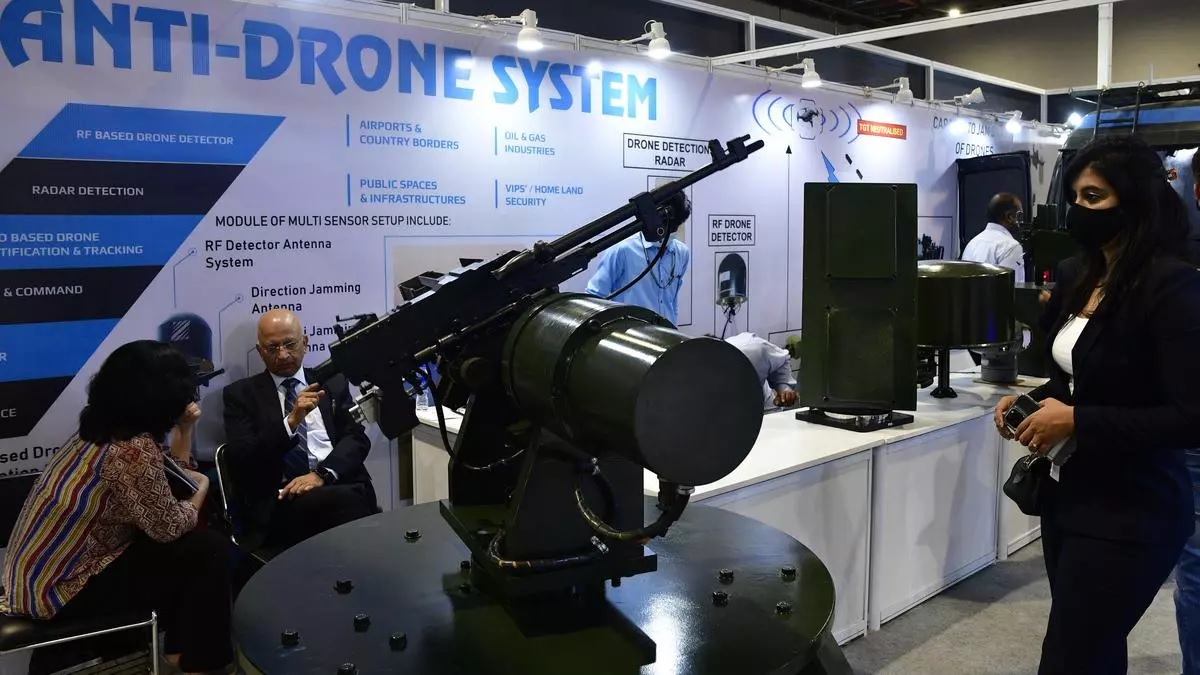
India
Defense News ,India :- Hyderabad-based company Zen Technologies showcased its Hard Kill Anti-Drone system to Defense Minister Rajnath Singh, making a significant impact on India’s defense technology sector. This innovative system, known as the Zen Anti-Drone System/Counter Unmanned Aerial System, marks a big step in countering the emerging threats posed by drones.The Zen Anti-Drone System provides a complete solution for detecting, tracking, and stopping unauthorized drones in restricted airspace. It has a special feature called Hard Kill, offering effective ways to deal with potential threats in real-time.The system has two main Hard Kill options: a Standard Air Defense Guns interface and a net-based drone catcher. Both options are designed to handle different operational needs and scenarios in modern defense environments.The Standard Air Defense Guns interface easily integrates with existing air defense systems. This allows operators to precisely and accurately engage hostile drones. By providing coordinates to the air defense gun, the system can align it with the target's direction, destroying the threat physically.Apart from the gun interface, Zen Technologies provides a net-based drone capture option. This non-lethal method neutralizes rogue drones by launching a dedicated drone equipped with a hanging net. This net captures the unauthorized drone and safely lands it at a designated location. This option is especially suitable for small rogue drones carrying potentially harmful payloads, such as explosives or surveillance equipment.
Read More → Posted on 2024-02-26 16:25:09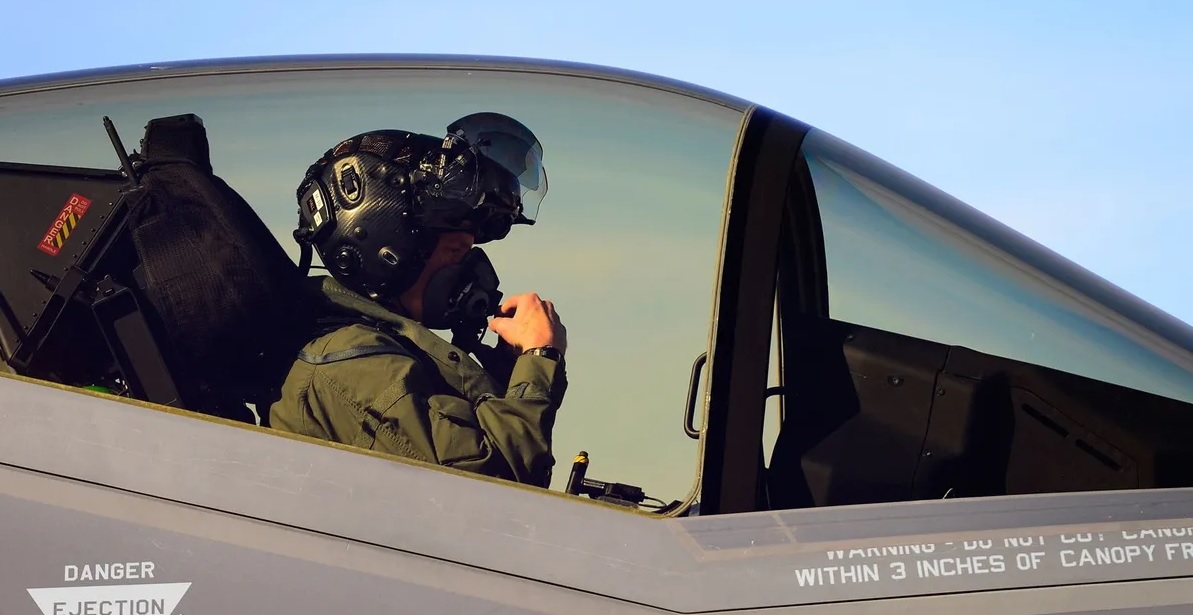
World
Defense News ,U.S :- Collins Elbit Vision Systems (CEVS), a collaboration between Collins Aerospace and Elbit Systems of America, has successfully handed over the 3,000th F-35 Gen III Helmet Mounted Display System (HMDS) to the Joint Strike Fighter. Collins Aerospace is part of RTX.The F-35 Gen III HMDS stands out as the most advanced helmet-mounted display system globally. This high-tech system offers pilots an easy-to-use interface, serving as their main display for essential flight, tactical, and sensor information, whether it's day or night.Daniel Karl, co-general manager of CEVS at Collins Aerospace, expressed, "For nearly 30 years, CEVS has been at the forefront of developing and delivering cutting-edge solutions to keep pilots safe and ready for battle. The HMDS ensures pilots in combat zones have unparalleled situational awareness, providing crucial information for quicker decision-making. Our team in Wilsonville, Oregon, is proud to contribute to the development and production of this technology for our warfighters, helping them succeed in future battles."CEVS has achieved a significant milestone by delivering over 20,000 systems to warfighters, accumulating more than 1 million flight hours on various fighter aircraft platforms in 40 different models.This accomplishment follows the unveiling of the Zero-G HMDS+ for 6th generation fighter aircraft just five months ago. Jeff Hobert, co-general manager of CEVS at Elbit America, explained, "Zero-G, our latest HMDS generation, is the lightest, most capable, and safest helmet-mounted display system ever created. It was specifically designed for next-generation fighter aircraft platforms and can also support 4th and 5th generation aircraft."
Read More → Posted on 2024-02-26 16:17:02
India
Defense News , India :- Indian Navy Chief Admiral R Hari Kumar has declared that the BrahMos supersonic cruise missile will become the primary weapon of the Indian Navy, supplanting older missile systems acquired from other countries. In an interview with ANI, Admiral Kumar stated, "BrahMos will be our primary weapon now as the surface-to-surface missile weapon." He also indicated that the Indian Air Force and its fighter aircraft might adopt BrahMos as their primary air-to-surface weapon. He praised BrahMos for its evolution in range, capabilities, and lethality, emphasizing that the missile is "a very potent missile."Admiral Kumar highlighted the advantage of BrahMos being manufactured in India. He noted, "It is made in India, so we are not dependent on anybody else. It can be repaired, and spares are available." This self-reliance, he added, is a significant advantage for the Indian Navy."It is a very potent missile, and it has been evolving also, in range capability and so on. So the fact is that it is made in India, so we are not dependent on anybody else. It can be repaired, and spares are available. So it's a great advantage," he said.The Navy chief's comments follow the Cabinet Committee on Security's clearance of a deal for over 200 BrahMos missiles under a Rs 19,000 crore contract, expected to be signed on March 5. Admiral Kumar made these remarks on the sidelines of the closing ceremony of the Defence Expo in Pune, where he emphasized the significance of Micro, Small, and Medium Enterprises (MSMEs) in India's quest to achieve self-reliance in defence manufacturing.During his visit to the Defence Expo, Admiral Kumar visited various stalls of MSMEs involved in defence manufacturing. He praised the exhibition for bringing together several MSMEs, highlighting the importance of developing an ecosystem and environment for indigenization in defence manufacturing.The Navy Chief said, "This is a unique exhibition. They have been able to bring together several MSMEs... It is very important that we develop the ecosystem and environment for indigenization. Defence Expos facilitate this and encourage indigenous production... MSME expos like this have huge significance. Over 118 contracts have been signed and around 10-12 products have also been approved. There are a lot of things we are getting from MSMEs and startups."The Defence Expo in Pune saw the participation of a large number of MSMEs, private companies, Defence Research and Development Organisation (DRDO) laboratories, and Defence Public Sector Unit (DPSU) setups in Maharashtra. This reflects India's progress towards achieving self-reliance in defence and the integration of Armed Forces' requirements, research and development, and defence production by public and private players.
Read More → Posted on 2024-02-26 16:10:56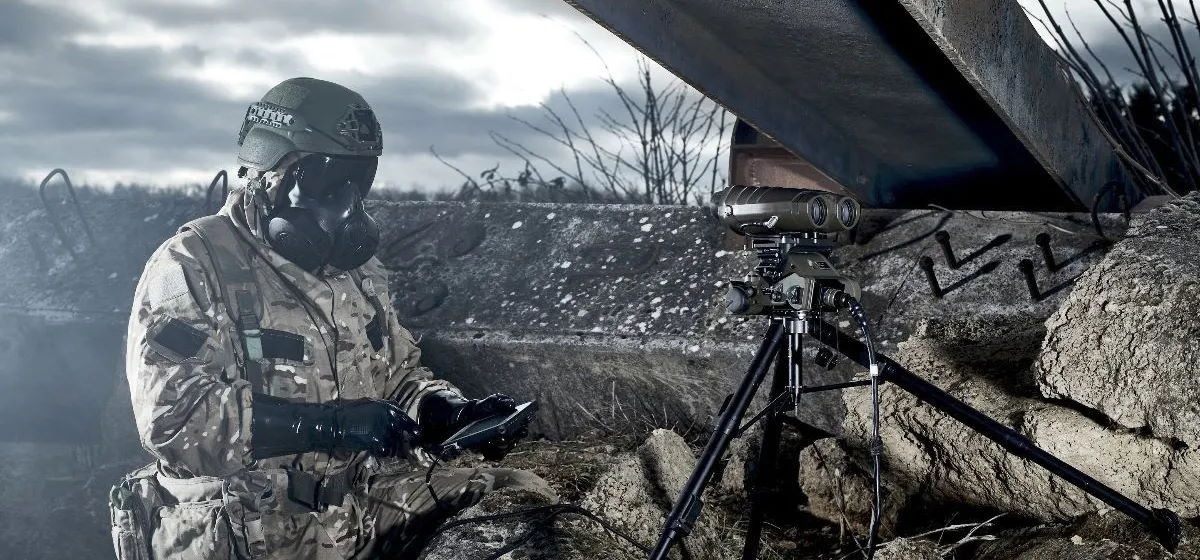
World
Defense News ,UK :- Avon Protection, a leading company in creating advanced protective gear, is proud to introduce the EXOSKIN-S1 CBRN protective suit. This suit is an important addition to their collection of protective wear designed for dealing with chemical, biological, radiological, and nuclear (CBRN) threats. This launch is a big step forward in Avon Protection's mission to provide top-notch protection for individuals facing CBRN threats worldwide.The EXOSKIN-S1 suit, meeting the strict NATO AEP-38 standard, provides unparalleled defense against chemical warfare agents, toxic industrial chemicals, and biological threats for up to 24 hours. This ensures continuous protection for those operating in CBRN environments for extended periods. The suit seamlessly integrates with Avon Protection’s EXOSKIN CBRN protective wear and respiratory systems, prioritizing the safety, comfort, and agility of field operators.To achieve the AEP-38 standard, the EXOSKIN-S1 suit underwent MIST testing as part of Avon Protection’s comprehensive outer protection ensemble, which includes EXOSKIN boots and gloves. This achievement allows users to purchase a complete CBRN protective system from a single supplier, along with Avon Protection’s market-leading CBRN respirators and accessories.Justin Hine, Director of Strategy & Capability at Avon Protection, highlighted their unique approach, saying, “Our goal is to take full responsibility for the entire protection system. We control the design, integration, and performance of all components needed to keep personnel safe in complex CBRN environments. Users can acquire their life-protecting ensemble equipment from a single supplier, benefiting from the superior safety and assurance of the Avon Protection brand.”The EXOSKIN-S1 is crafted with a cotton-poly outer layer and an activated carbon inner lining. It features an integrated hood with a secure seal around the wearer’s respirator. The suit includes adjustable tabs, inner leg gaiters, and a smart layer design with a thumb loop to prevent ingress at vulnerable points. With two jacket zip designs and hook-and-loop fastening, it ensures improved integration with body armor.Avon Protection, with NATO Support and Procurement Agency contracts for various protective gear, remains a leader in CBRN protective technology. Their extensive range of respiratory technologies protects over 4 million users worldwide, including Air Purifying Respirators (APRs), escape devices, Powered Air Purifying Respirators (PAPR), and Self-Contained Breathing Apparatus (SCBA).
Read More → Posted on 2024-02-26 16:07:07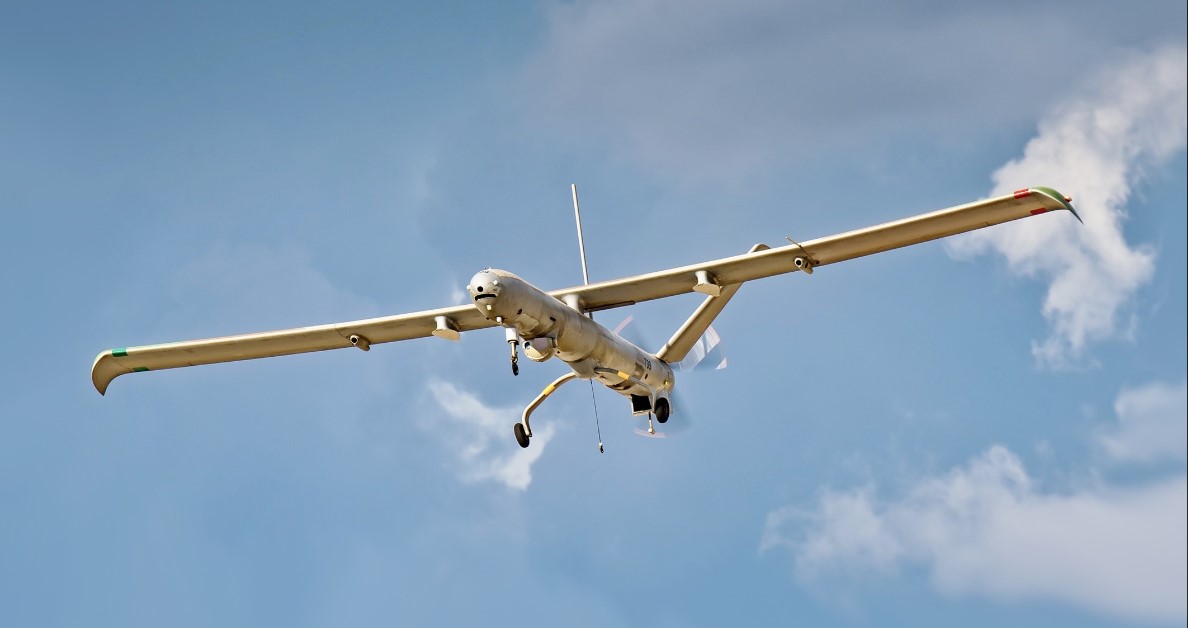
World
Defense News ,Israel :- The Hezbollah group, supported by Iran, announced on Monday that it had successfully shot down an Israeli drone in southern Lebanon. This event comes after almost five months of frequent clashes between Hezbollah and Israel, which were initially triggered by the Gaza war.Hezbollah's statement revealed that its air defense unit used a surface-to-air missile to bring down a large Israeli Hermes 450 drone in the southern part of Lebanon. The group emphasized its commitment to remaining vigilant, with its fighters ready to continue shooting down enemy aircraft and thwarting aggressive goals.The ongoing conflict, starting from October 8, has primarily involved exchanges of fire along the border between Hezbollah and Israel. While most of the strikes have been confined to the border region, Israel has also targeted other areas in Lebanon, including Beirut.As per an AFP tally, since October, at least 278 people have lost their lives on the Lebanese side, predominantly comprising Hezbollah fighters, along with 44 civilians. On the Israeli side, the Israeli army reports 10 soldiers and six civilians killed.The clashes have resulted in the displacement of tens of thousands of civilians on both sides of the border.
Read More → Posted on 2024-02-26 15:57:41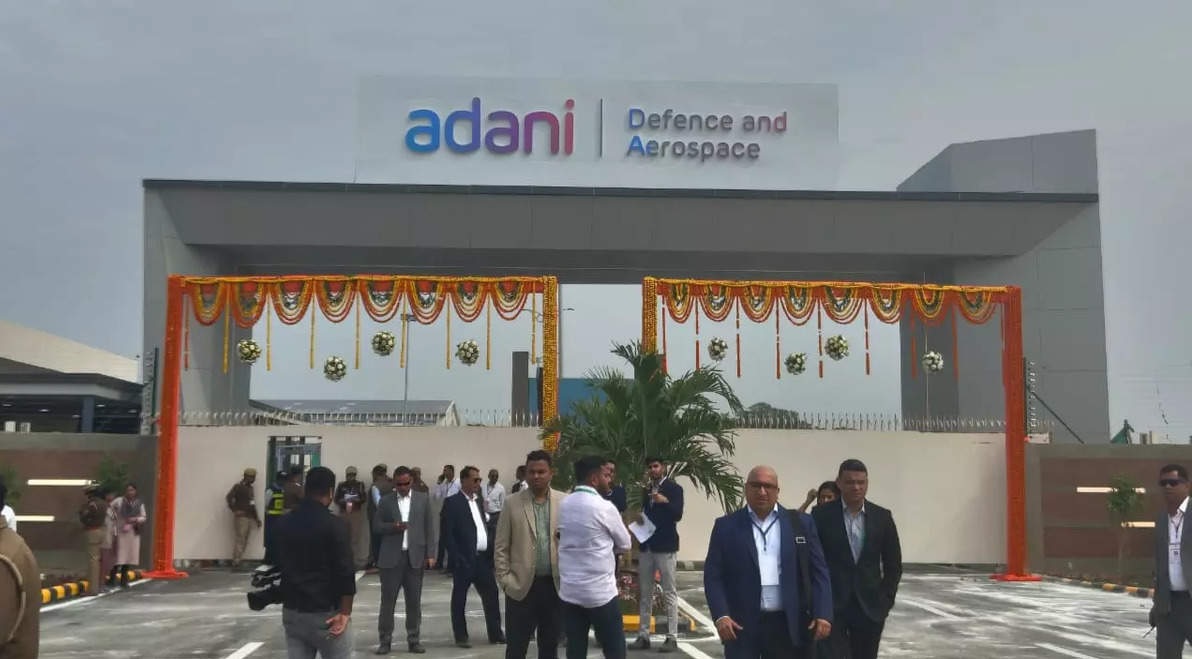
India
Defense News ,India :- Uttar Pradesh Chief Minister Yogi Adityanath on Monday inaugurated the Ammunition & Missiles Complex, the first leg of the state’s defence corridor in the presence of Chief of Army Staff, Gen Manoj Pande.According to Ashish Rajvanshi, CEO, Adani Defence, nearly 4000 jobs will be generated in this complex with five times the multiplier effect on MSMEs and the local ecosystem benefiting from it indirectly and an investment plan of Rs 3000+ crore.The Adani ammunition centre is South Asia’s largest ammunition manufacturing complex and has been dedicated to the brave warriors of the Balakot strike who carried out 'Operation Bandar' in response to the Pulwama attack that claimed the lives of 40 Central Reserve Police Force (CRPF) soldiers.The two units are being projected as a symbol of India's journey towards self-reliance and technological prowess in the defence sector.Spread over 500 acres, the facility in Kanpur is set to become one of the largest integrated ammunition manufacturing complexes. It will produce small, medium and large calibre ammunition for the armed forces, paramilitary forces and police. The facility has started rolling out small calibre ammunition, starting with 150 million rounds estimated at 25 per cent of India’s annual requirement.Moreover, Adani Group will be signing a Memorandum of Understanding (MoU) with the aerospace department of IIT Kanpur, as per Karan Adani.In 2022, Uttar Pradesh Industrial Development Authority (UPIDA) had inked memorandum of understanding (MoU) with Adani Aerospace and Defence and several other firms to develop Kanpur as South Asia's largest manufacturing facility for arms and ammunition.Consequently, the Adani Defence System and Technologies Limited (ADSTL) acquired 202 hectares of land and laid the plan to develop four manufacturing units with state-of-the art technology to build small and medium calibre ammunition, along with short-range air defence missiles.Thereafter, the company formed Carroballista Systems Limited (CSL) and Agneya Systems Limited (ASL) through which it would manufacture around 12 types of guns (with the Israeli firm Elbit System) in addition to making 40 types of ammunition and rocket systems (with Bulgarian firm Armaco JSCO).The Adani unit will also manufacture light machine gun NEGEV, assault rifles ACE and TAVOR, 9mm pistol Masada, sub-machine gun Uzi, sniper rifles Galil and DAN, in collaboration with Israel Weapon Industries (IWI) at Saadh."It will be a key facilitator in India's goal of achieving $5.0 billion exports in defence manufacturing," said Rajvanshi.According to the deputy commissioner, industries, Kanpur, the CSL will manufacture 300 units of gun system per year for 155 mm calibre to 200 mm calibre, on the five acres of land provided on lease by ADSTL."The CSL has claimed to generate 1,000 jobs indirectly from their unit," said Srivastava.Further, the arms manufacturing licence of ASL and ADSTL revealed that every year the group will also manufacture 50,000 units each of bi-modular charge system (BMCS) for artillery guns, anti-aircraft movable rockets, 155mm smoke projectiles, 155 mm artillery shells, mortars (81, 84 and 120 mm), 5 lakh hand grenades, 4 lakh piece of 40mm rocket-propelled grenade and other varied calibre of armour-piercing, high-explosive anti-tank ammunition, and different types of demolition charges.According to the latest SIPRI report, with an 11 per cent share of total global arms imports, India was the world’s biggest importer of major arms from 2018 to 2022, a position it has held for the period 1993–2022.It retained this position even though its arms imports dropped by 11 per cent between 2013–17 and 2018–22.The decrease was attributed to several factors including attempts to replace imports with major arms that are designed and produced domestically, India’s slow and complex arms procurement process and efforts to diversify its arms suppliers.
Read More → Posted on 2024-02-26 15:50:17
India
Defense News ,India :- The Maharashtra MSME Defence Expo successfully concluded, emphasizing the importance of working with small businesses and promoting local manufacturing.During the closing ceremony, Chief of Naval Staff Admiral R Hari Kumar highlighted the need to create an environment for local production. He praised the expo for bringing together many small businesses, stating that such events play a crucial role in developing the country's defense capabilities.Admiral Kumar shared the expo's success, revealing that more than 118 contracts were signed, and around 10–12 products were approved. This demonstrates how startups and small businesses gained valuable opportunities for collaboration and growth in the defense sector.The focus on local production and involving small businesses aligns with India's goal of achieving self-sufficiency in defense. These efforts have the potential to significantly enhance India's defense capabilities and position the country as a global leader in defense production by fostering collaboration between established companies and small businesses.
Read More → Posted on 2024-02-26 15:44:36
World
Defense News ,Burkina Faso :- In a tragic incident in Burkina Faso, two separate attacks on a mosque and a Catholic church claimed the lives of many, shocking the local community. The assault on the mosque occurred in Natiaboani around 5:00 am on Sunday, resulting in the loss of several dozen lives. The victims, predominantly men who had gathered for morning prayers, were mercilessly attacked by armed individuals.According to witnesses, the assailants surrounded the mosque during the early morning hours and opened fire on the faithful attendees, including an important religious leader. The attack was described as large-scale, with a significant number of assailants causing extensive damage. Soldiers and members of the Volunteers for the Defence of the Fatherland (VDP), a civilian force supporting the military, were also targeted during the assault.Natiaboani, a rural community located approximately 60 kilometers south of Fada N’Gourma, has been a hotspot for armed group attacks since 2018. The region has witnessed a series of security challenges, and this recent assault adds to the ongoing concerns about the safety of its residents.Shockingly, on the same day as the mosque attack, another incident unfolded in the northern part of Burkina Faso. A Catholic church in the village of Essakane was targeted during Sunday mass, leading to the death of at least 15 civilians and injuring two others. Jean-Pierre Sawadogo, vicar of the Dori diocese, labeled the incident as a "terrorist attack" that took place while people were gathered for prayer.Essakane village is situated in the volatile "three borders" zone in the northeast, close to the shared borders of Burkina Faso, Mali, and Niger. These coordinated attacks on places of worship, targeting both Muslims and Catholics, highlight the severity of the security situation in Burkina Faso and the urgent need for measures to ensure the safety of its citizens.The twin assaults have left communities mourning the loss of their loved ones and raised concerns about the escalating violence in the region. The international community is closely monitoring the situation as efforts are made to address the root causes of such attacks and enhance security measures to protect the vulnerable population.
Read More → Posted on 2024-02-26 15:41:50
India
Defense News ,India :- In a recent report from Lenta.ru, it's mentioned that Germany is discussing the possibility of buying ammunition from India and then transferring it to the Ukrainian armed forces through intermediaries. According to Der Spiegel, India is hesitant to openly sell ammunition to Ukraine due to its friendly relations with Russia.The German government has not provided any comments on this report.India, while maintaining a neutral stance on the Russia-Ukraine war and advocating for a diplomatic solution, has offered humanitarian aid to Ukraine, including food and medical supplies.It remains uncertain if Germany can successfully secure ammunition from India through intermediaries, as India might be hesitant to sell weapons to countries involved in armed conflicts. Additionally, it's unclear if India has the capacity to export large quantities of ammunition.The global shortage of weapons and ammunition caused by the war in Ukraine has impacted many countries, including Germany. Facing a depleted stockpile, the German government is exploring various options to replenish it, including purchasing weapons from other countries. However, challenges are expected in obtaining the necessary weapons amid the current shortage.
Read More → Posted on 2024-02-26 15:35:53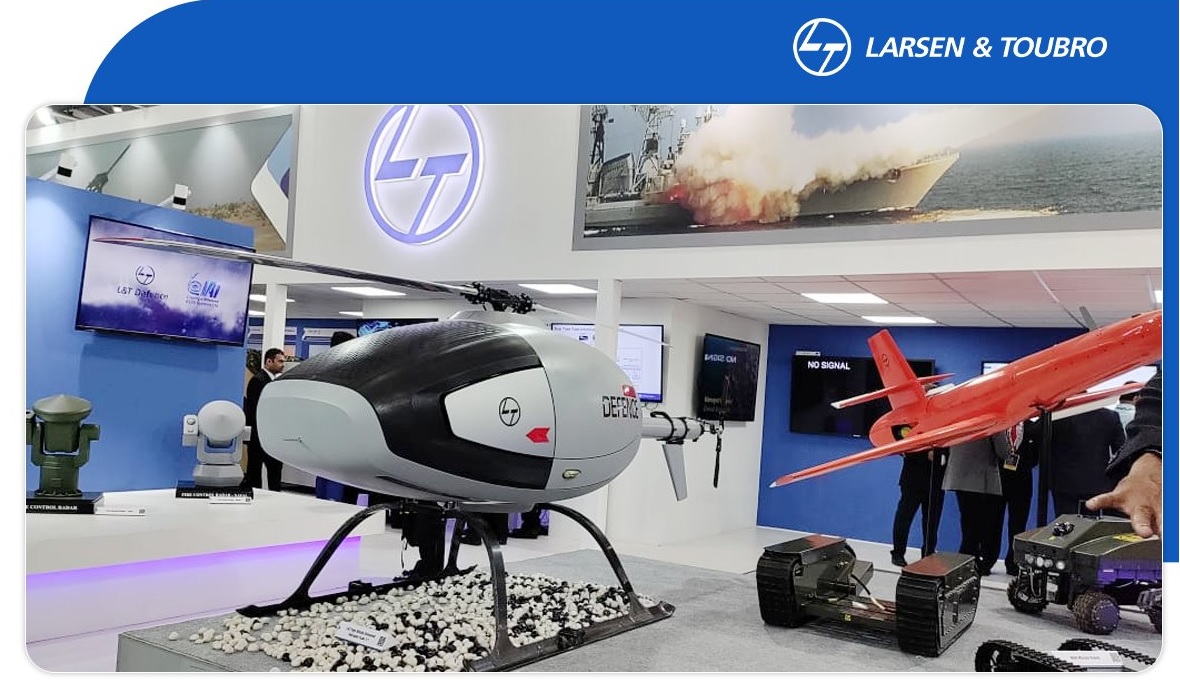
India
Defense News, India :- Larsen & Toubro (L&T) Defence is Working on a new rotary-wing vertical take-off and landing (VTOL) unmanned aerial vehicle and is made for the Indian Army. This is a big deal for L&T as it steps into the growing drone market, making India's defense stronger.Working Together: Even though we don't know exactly who L&T worked with, some experts think it might be a Swedish company called CybAero. They say this because L&T's drone looks a lot like CybAero's "APID One" model, which might mean they used a similar design. Sources say L&T and this partner have been working on this project for about a year.Current Capabilities: The initial version of the L&T UAV boasts an impressive range of functionalities, including:Range: It can go up to 100 km.Endurance: It can stay in the air for 4 hours.Maximum speed: It can fly as fast as 120 km/h.Payload capacity: It can carry up to 40 kg.Operating altitude: It can reach up to 3,000 m.Looking Ahead: L&T is not resting on its laurels. They are currently developing an advanced version specifically tailored to the Indian Army's Requirements. This improved model should be ready in the next two years (by 2024) and will have:Operating altitude: It can go up to 5,500 m.Endurance: It can stay in the air for 6 hours.Maximum speed: It can fly at a maximum speed of 140 km/h.Payload capacity: It can carry more than 40 kg.These upgrades show that L&T is serious about giving the Indian Army a powerful and flexible drone for different jobs like including surveillance, logistics, and reconnaissance.Testing and Adoption: We don't have a lot of details, but talks are happening about the Indian Army trying out the first version of L&T's drone soon. This testing part is really important to see if the drone works well and if the Indian military might start using it.L&T getting into the drone world is a big step for India to be more independent in defense. How well this project goes can decide what future air battles and spying look like for the Indian Army.
Read More → Posted on 2024-02-26 07:50:56
India
Defense Newws ,India ,U.S :- A team from the United States is visiting India on February 28 for the Homeland Security Dialogue with officials from the Union Home Ministry. This meeting is crucial as it marks the first official interaction between the US government delegation and the Central government in two years.The dialogue gains significance due to recent allegations by US federal prosecutors involving an Indian citizen and an unnamed Indian official in a thwarted plot to assassinate Khalistani terrorist Gurpatwant Singh Pannun on US soil.The Homeland Security Dialogue will be attended by high-ranking officials from both nations. Union Home Secretary Ajay Bhalla will lead the Indian delegation, while Acting Deputy Secretary of Homeland Security Kristie Canegallo will lead the US government delegation.Agenda of India-US Homeland Security Dialogue:India has outlined various issues for discussion in the Homeland Security Dialogue with the US, including:Misuse of asylum status by criminalsActivities of pro-Khalistani elements in IndiaSupport to apprehend the attacker of the Indian Consulate in San FranciscoExtradition status of Pakistani-origin Canadian businessman Tahawwur Rana- Investigations into terror fugitives and terror financingIndia is expected to share a list of over 100 fugitives wanted by law enforcement agencies who have sought refuge in the US. The two nations will also discuss collaboration on counterterrorism, cybersecurity, illegal mobility, aviation security, global supply chains, and maritime security.Digital Space Exploited by Terrorists:India will address the exploitation of digital space by terrorist groups for spreading radical views, recruitment, and funding terrorism during the Homeland Security Dialogue.The Indian side will share information about drug seizures by the Narcotics Control Bureau, seeking cooperation from the US Drug Enforcement Administration. The recent seizure of drugs worth Rs 75 crore was made possible with inputs from the US DEA.Cybersecurity and Critical Infrastructure:India will highlight cyberattacks on critical infrastructure, including banks, railways, power and energy, and hospitals. Non-state actors from countries like China, Cambodia, the Philippines, and Myanmar have targeted India's critical infrastructure in the past.Cryptocurrency and Emerging Threats:Discussions will also cover the use of cryptocurrency for illegal activities on the dark web, new forms of terrorism, violent extremism, and the use of unmanned aerial systems for terrorist acts.Representatives from Indian agencies, including the Narcotics Bureau, National Investigation Agency, Central Bureau of Investigation, and Internal Security, will participate in the Homeland Security Dialogue.US Priorities in the Dialogue:The US delegation will focus on anti-Khalistani elements, immigration, counter-narcotics, border and supply chain security, law enforcement cooperation, engagement with local and state law enforcement, child sexual exploitation, human trafficking, trade and economic security, cybersecurity, and a proposal for an electronic travel document.The last Homeland Security Dialogue between India and the US took place in January 2022. The dialogue, initiated in 2010, serves as a follow-up to the India-US Counterterrorism Initiative signed in 2011. Last year, the Director General of the National Investigation Agency (NIA), Dinkar Gupta, discussed various issues with FBI Director Christopher Wray, including investigations into the attack on the Indian consulate in San Francisco by pro-Khalistan elements and the growing nexus between terrorist outfits and organized criminal syndicates.
Read More → Posted on 2024-02-26 07:24:32
World
Defense News ,Ukraine Russia War :- Ukrainian President Volodymyr Zelenskyy said on Sunday that 31,000 Ukrainian soldiers have been killed in action in the two years since Russia launched its full-scale invasion. "31,000 Ukrainian military personnel have been killed in this war. Not 300,000, not 150,000, not whatever Putin and his deceitful circle have been lying about. But nevertheless, each of these losses is a great sacrifice for us," Zelenskyy said at the "Ukraine. Year 2024" forum in Kyiv.The Ukrainian leader said that he wouldn't disclose the number of troops that were wounded or missing.It is the first time that Kyiv has confirmed the number of its losses since Moscow started the full-scale invasion on February 24, 2022.
Read More → Posted on 2024-02-26 07:11:36
India
Defense News ,India , Maldives :- Former Maldivian Minister of Foreign Affairs, Abdulla Shahid, recently spoke out against President Mohamed Muizzu's claims regarding the presence of "thousands of Indian military personnel" in the Maldives. Shahid, now the president of the Maldivian Democratic Party, dismissed Muizzu's statements as lies, emphasizing that there are no armed foreign soldiers stationed in their country.In a social media post, Shahid stressed the importance of transparency and the need for the truth to prevail. He asserted, "Transparency matters, and the truth must prevail." It's noteworthy that Muizzu's party campaigned for the removal of Indian troops in the Maldives. Currently, there are approximately 70 Indian troops, along with Dornier 228 maritime patrol aircraft and two HAL Dhruv helicopters stationed in the Maldives.Muizzu, on his second day in office, officially requested the Indian government to withdraw its military personnel from the Maldives. In December of the previous year, he claimed that an agreement had been reached with the Indian government to withdraw military personnel after diplomatic talks.Muizzu outlined the withdrawal plan, stating that military personnel on one of the three aviation platforms would be withdrawn before March 10, 2024, and those on the remaining two platforms would be withdrawn before May 10, 2024. However, the Ministry of External Affairs in India recently announced that they would replace military personnel at aviation platforms in the Maldives with competent Indian technical personnel.
Read More → Posted on 2024-02-26 07:09:25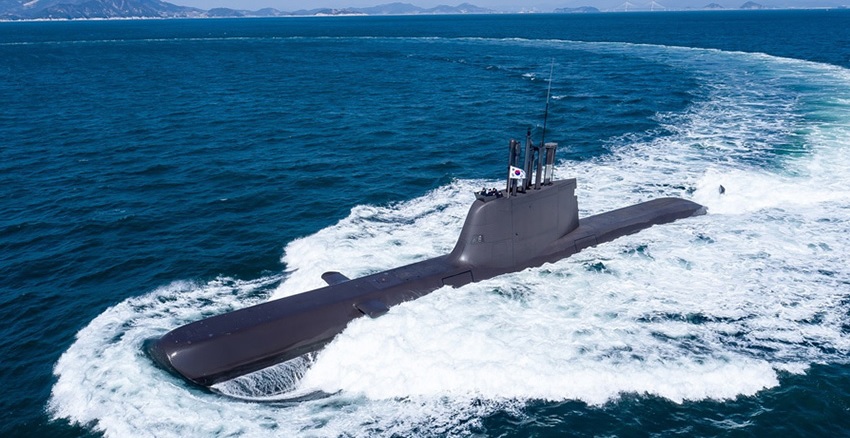
World
Defense News ,World :- Hyundai Heavy Industries is making big moves in the defense sector by teaming up with British company Babcock to create export-type submarines. This collaboration was confirmed during a meeting at the HD Hyundai Global R&D Center, where important people from both companies came together.The focus of the discussion was on a new export-type submarine project that will be lightweight, weighing less than 3,000 tons. Babcock's Weapon Handling and Launch System (WHLS) will be integrated, making this submarine a top-notch choice in technology for the global market.Hyundai Heavy Industries has a track record of success in submarine development, including the construction of a Type 214 submarine with an Air Independent Propulsion (AIP) system, as stated in their press release.Now, Hyundai Heavy Industries is looking to use its expertise to design and build various types of submarines, aiming to be a strong player in the global naval ship export market. They have already secured multiple orders from the Philippines for frigates, patrol vessels, and Offshore Patrol Vessels (OPV), solidifying their leading position in the sector.
Read More → Posted on 2024-02-26 07:03:57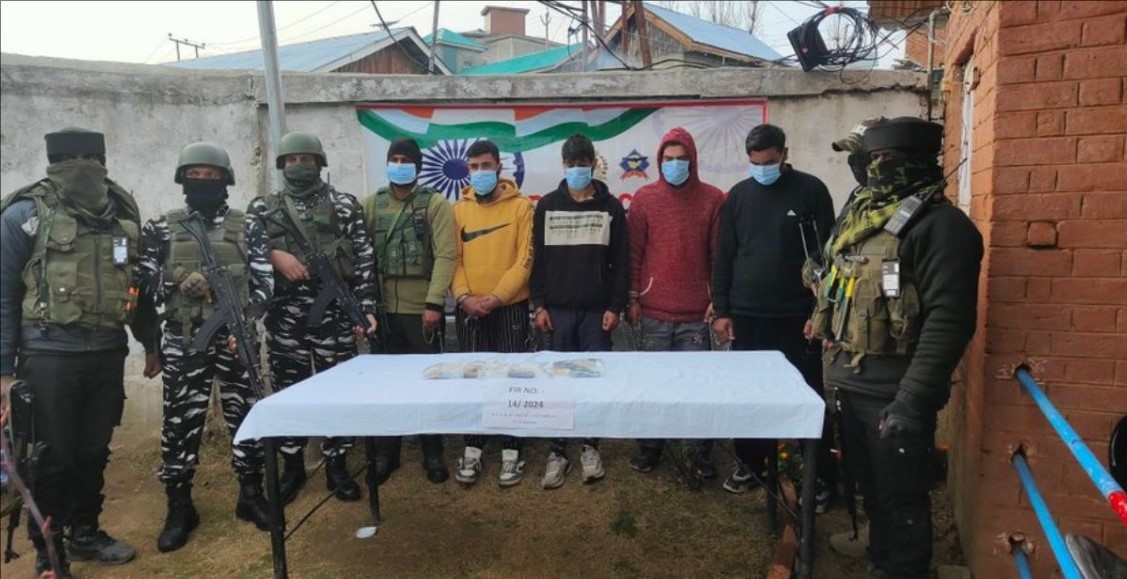
India
Defense News ,India :- Srinagar, A Lashkar-e-Taiba (LeT) terror module was busted on Sunday in Jammu and Kashmir's Kulgam district with the arrest of four militant associates, police said. Security forces arrested four terrorist associates and recovered arms and ammunition from their possession in the south Kashmir district, a police spokesman said.The arrests were made in connection with case FIR no. 14/2024 registered under various sections of the Unlawful Activities (Prevention) Act.The spokesman identified the arrested as Zahoor Ahmad Pandit, Basir Hussain Pandit, Imtiyaz Gull, and Gulzar Ahmad Khar, all residents of Wanpora.A pistol, two magazines, 20 pistol rounds, four UBGs, and 24 INSAS rounds were recovered from their possession, the spokesman said.Further investigation is going on as more arrests and recoveries are expected in the case, he added.
Read More → Posted on 2024-02-26 06:58:57Search
Top Trending in 24 Hours
-
 President Trump Pauses Plans to Expand U.S. Strikes on Iran Amid Concerns Over Air Defense Missile Stocks
-
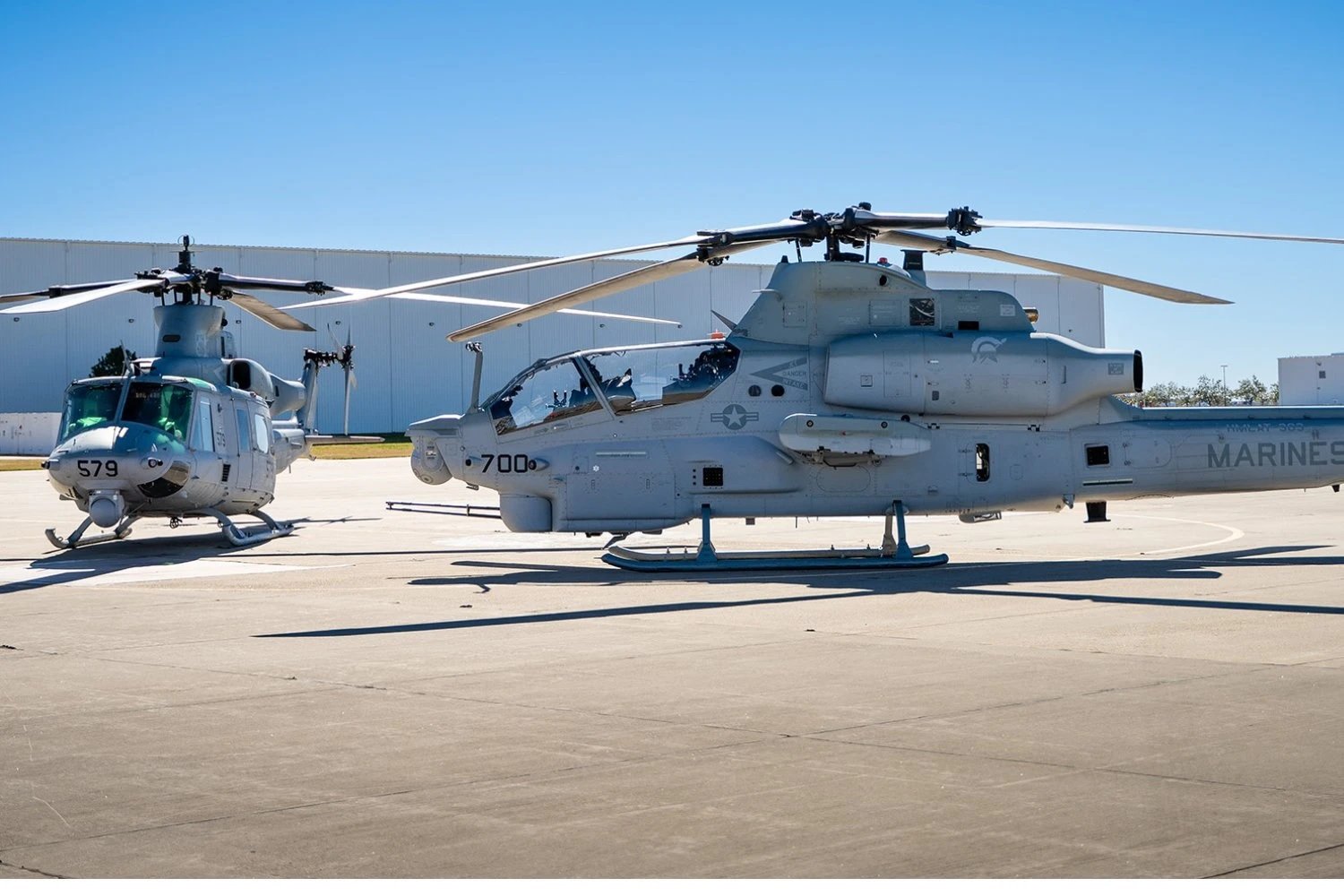 U.S. Awards Bell Textron $33.64 Million Contract for Next Phase of Marine Corps AH-1Z and UH-1Y Helicopter Upgrades
-
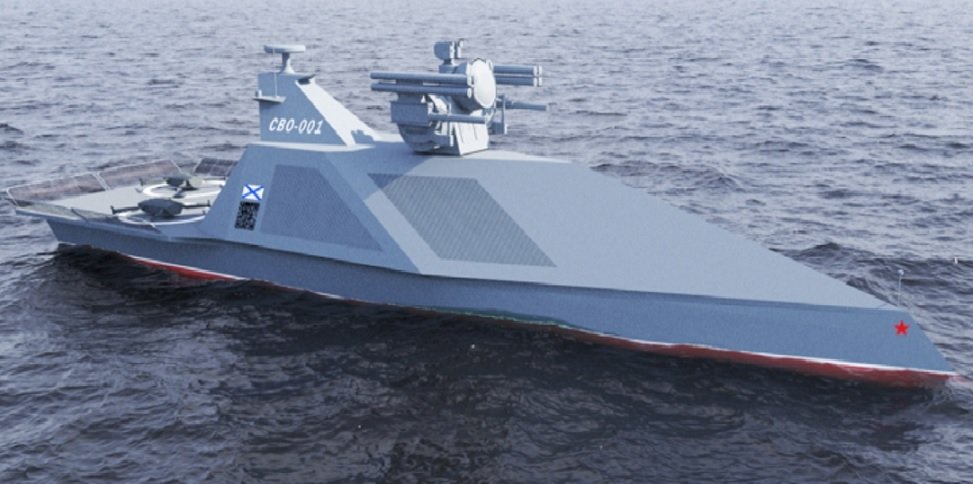 Russia Builds 500-Ton Unmanned Warship For Anti-Submarine Warfare, Plans New 9,500-Ton Warship, Navy Chief Says
-
 Unreleased Footage Reveals Why Lindsey Graham Dropped Plan to Push Trump on Hezbollah Strikes
-
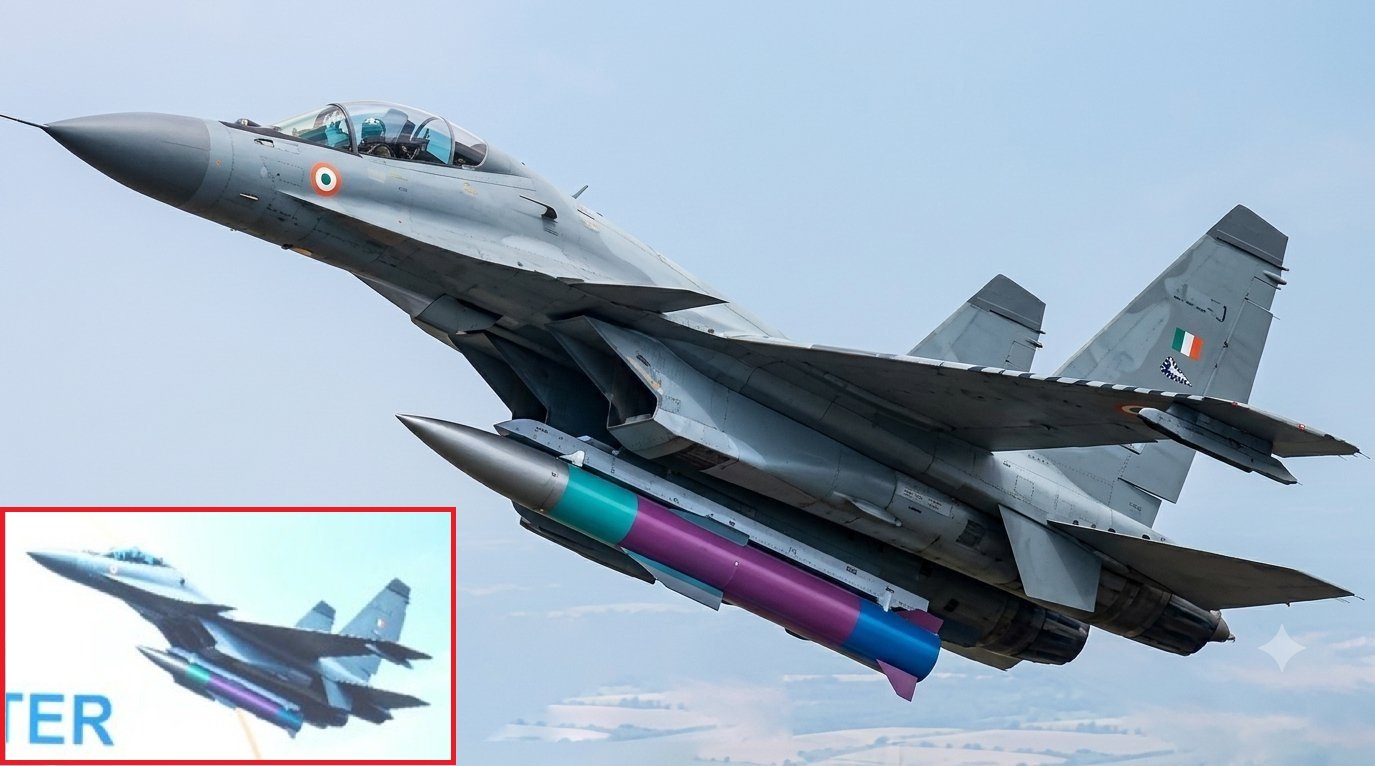 DRDO Developing Long-Range Air-Launched Ballistic Missile for Su-30MKI, Rudram-4 Seen as Likely Candidate
-
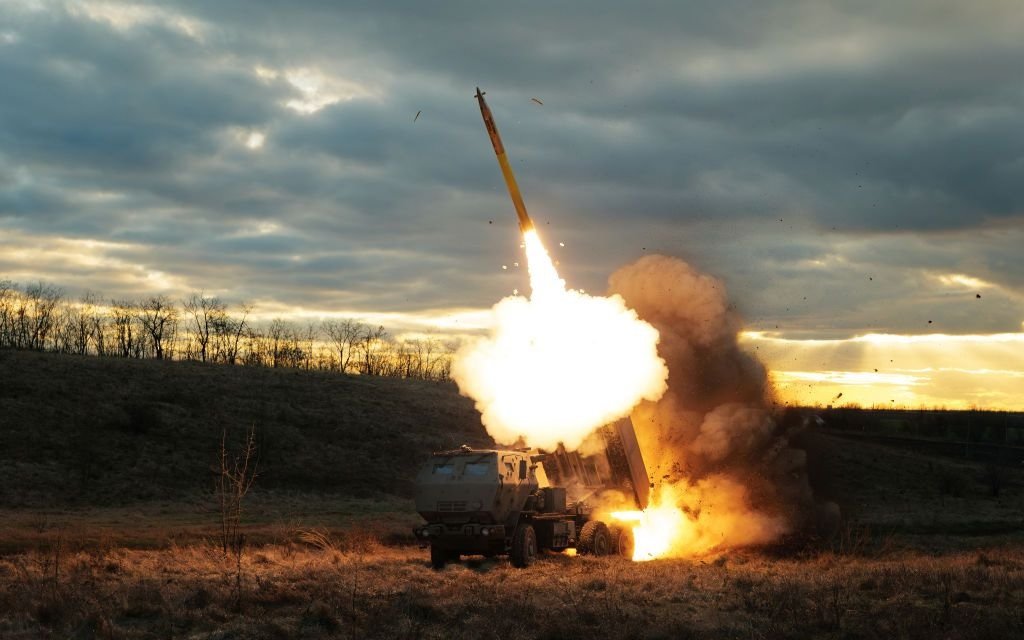 U.S. Military Selectively Intercepts Iranian Missiles to Preserve Shrinking Air Defense Stocks : Report
-
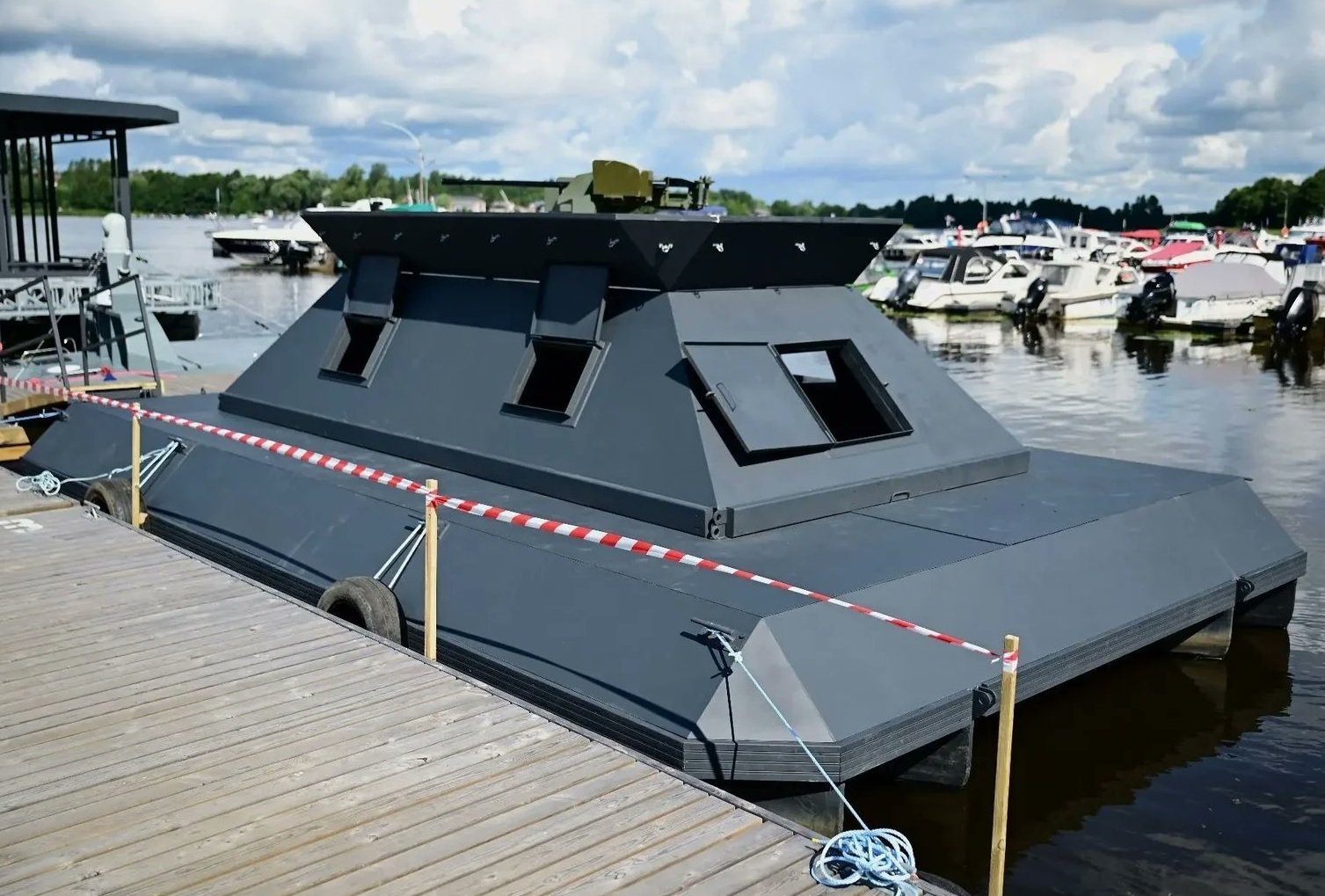 Russia Unveils Experimental Plot-40 Floating Defense Platform to Counter Drone and USV Threats
-
 Taiwan Commissions First Batch 2 Tuo Chiang-Class Corvette with New Leonardo Radar
Top Trending in 4 Days
-
 U.S. Navy Awards Northrop Grumman $1.2 Billion Deal for Three New E-2D Advanced Hawkeyes
-
 U.S. Airstrikes Target IRGC Missile Base Near Taft as Overnight Strikes Hit Central Iran
-
 Kuwait and Bahrain Reportedly Launch First Joint Direct Airstrikes on Iran Since War Began : Report
-
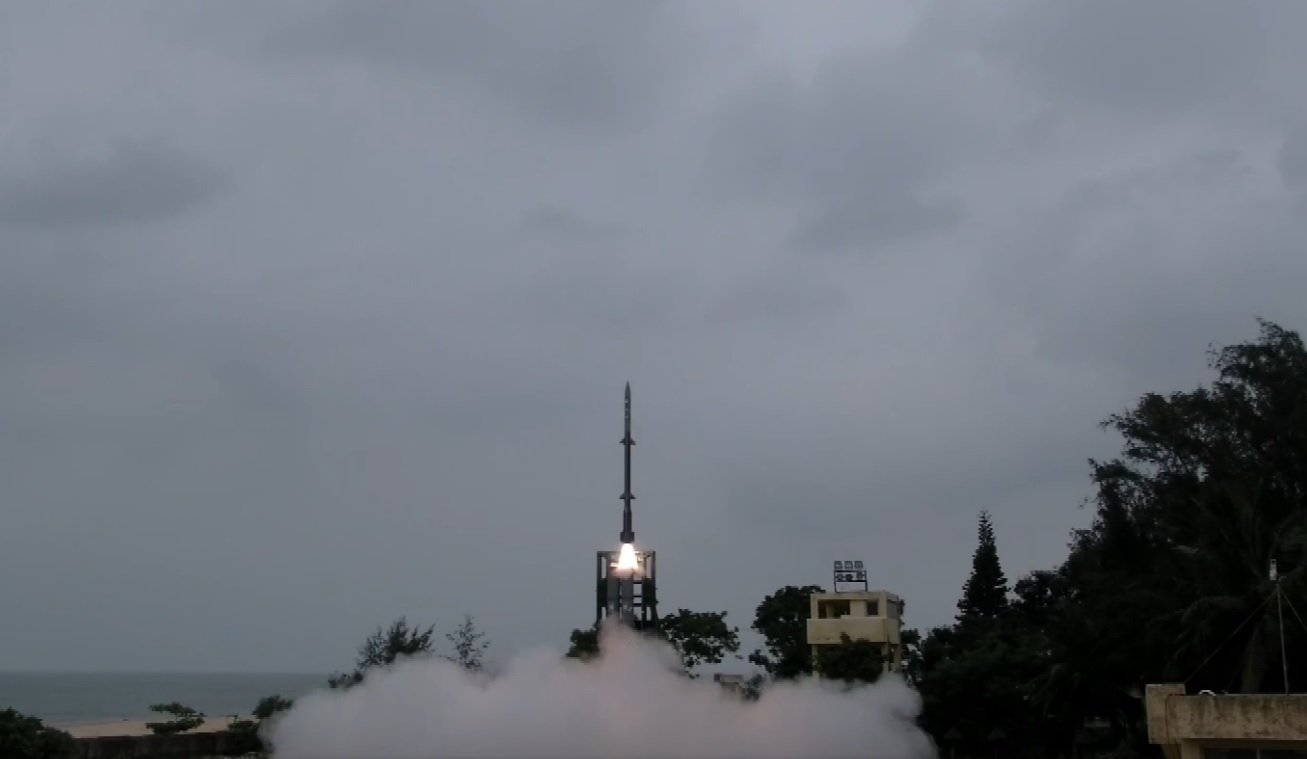 DRDO Successfully Conducts Maiden Flight Test of 150-km-Range Kusha M1 Air Defence Missile
-
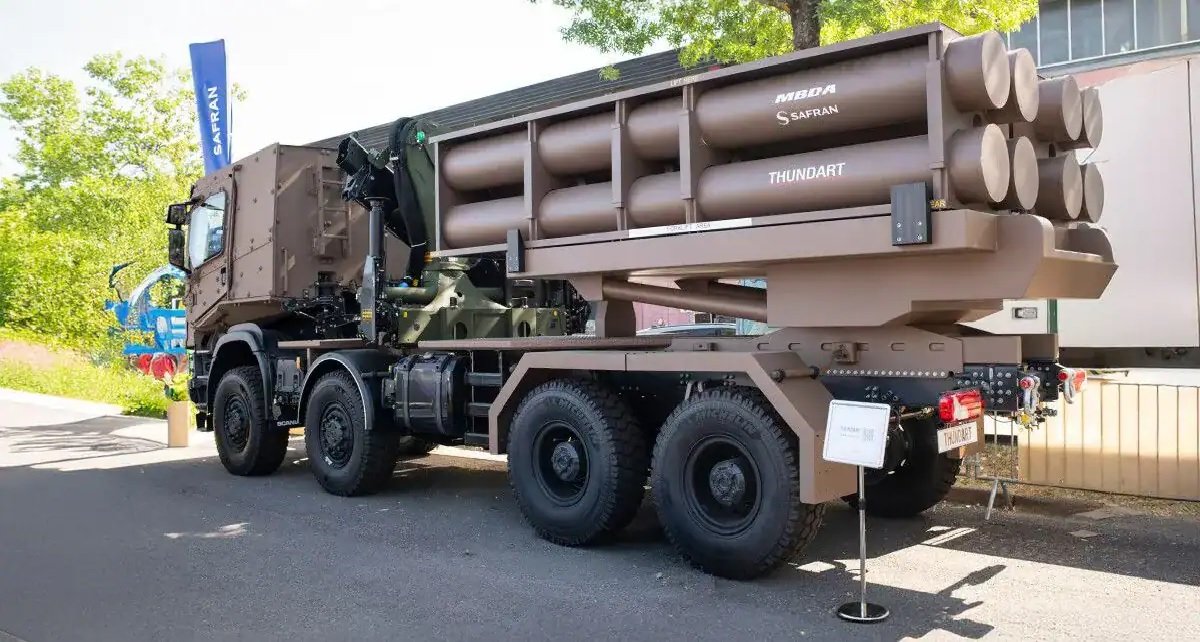 France's THUNDART Long-Range Rocket System May Undergo Prototype Combat Testing in Ukraine
-
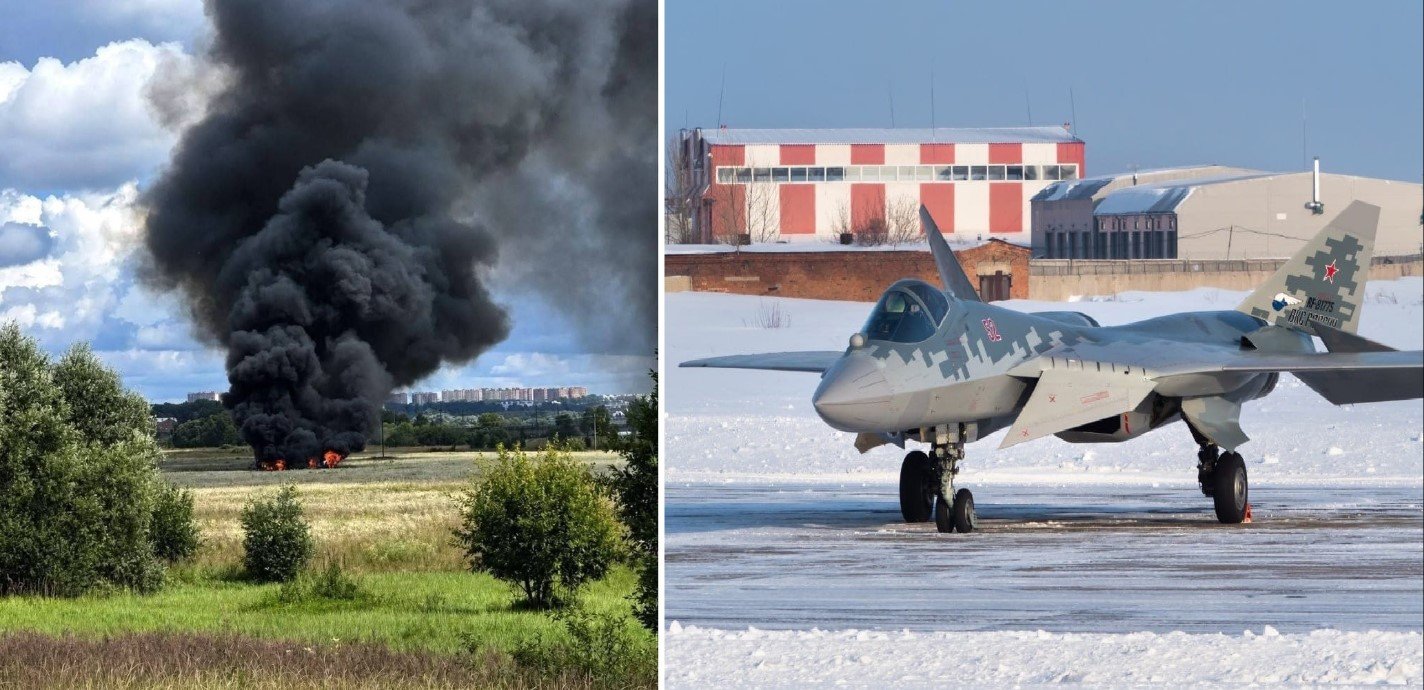 Russian Su-57 Stealth Fighter Crashes During Training Flight Near Moscow, Pilot Ejects Safely
-
 Australia Commits Additional AUD 4.6 Billion to Expand Osborne Shipyard for AUKUS Submarines
-
 Destinus Unveils Vorexon Interceptor Concept to Defend Critical Sites from Artillery Threats
