
India
As Prime Minister Narendra Modi continues his diplomatic engagements, the United States has reiterated its appeal to India, emphasizing the importance of making it clear to Russia that any resolution to the conflict in Ukraine must adhere to the principles of the UN Charter, particularly respecting Ukraine's territorial integrity. This stance was conveyed by the US State Department amidst ongoing high-level dialogues between the US and India.US State Department Spokesperson, Mathew Miller, highlighted this appeal during a daily news briefing. "We would urge India, as we do any country when it engages with Russia, to make clear that any resolution to the conflict in Ukraine needs to be one that respects the UN Charter and respects Ukraine’s territorial integrity, Ukraine’s sovereignty," Miller stated. The message is clear: the US expects its strategic partners to uphold international norms and principles when dealing with conflicts such as the one in Ukraine.This appeal comes against the backdrop of longstanding US concerns about India's relationship with Russia. While India maintains a strategic partnership with the US, it also has deep historical ties with Russia, dating back to the Cold War era. The US has consistently expressed its apprehensions regarding these ties, especially in the context of the Ukraine conflict. However, these concerns have been part of a broader, ongoing dialogue between Washington and New Delhi.The US recognizes India as a crucial strategic partner and engages in comprehensive discussions on various issues, including their bilateral relationship with Russia. Miller underscored that these discussions are open and forthright, covering the full spectrum of bilateral relations. "India is a strategic partner with whom we engage in a full and frank dialogue. And that includes our concerns about the relationship with Russia," he said.Although there is no specific information about whether these discussions have led to any decisions during Prime Minister Modi's visit to Russia, the US continues to emphasize the importance of adhering to international laws and norms. The US's message to India is part of a broader diplomatic effort to isolate Russia and garner global support for Ukraine.Prime Minister Modi's diplomatic engagements, including his visits and meetings with world leaders, play a critical role in shaping India's foreign policy and international stance. As India navigates its complex relationships, balancing ties with both the US and Russia, the international community watches closely, especially in light of the ongoing Ukraine conflict.In summary, the US's call to India to stress the importance of the UN Charter in resolving the Ukraine conflict underscores the intricate dynamics of international diplomacy. It reflects the balancing act India must perform in maintaining its strategic partnerships while addressing global concerns about sovereignty and territorial integrity.
Read More → Posted on 2024-07-09 15:58:10
World
Recent satellite images have revealed that Iran is substantially expanding its ballistic missile facilities, a development confirmed by multiple sources and causing significant international concern. The images, analyzed by two American researchers and corroborated by senior Iranian officials, show over 30 new buildings under construction at the Modarres military base and the Khojir missile production complex near Tehran.Key Sites and DevelopmentsThe satellite imagery, provided by Planet Labs, highlights the ongoing construction at two critical locations: the Modarres military base and the Khojir missile production complex. These structures are surrounded by large dirt berms, a characteristic design to prevent explosions from spreading, indicating they are indeed missile production sites. Jeffrey Lewis, a researcher at the Middlebury Institute of International Studies at Monterey, noted that construction at Khojir began in August last year, while expansion at Modarres started in October.Iran’s Missile Supply to Russia and AlliesThis expansion coincides with an agreement from October 2022, where Iran committed to supplying missiles to Russia for its war against Ukraine. According to Reuters, six sources confirmed that Iran has delivered a substantial number of surface-to-surface ballistic missiles to Russia. Three Iranian sources disclosed that this provision includes around 400 missiles, notably from the Fateh-110 family of short-range ballistic weapons, such as the Zolfaghar.Increased Drone ManufacturingThe new buildings will also facilitate a significant increase in drone production. Iran plans to sell these drones and missile components to Russia and provide drones to the Houthis in Yemen and missiles to Hezbollah in Lebanon. An Iranian official emphasized the strategic importance of these expansions, suggesting a doubling of drone manufacturing capabilities. This move is seen as a way to bolster Iran’s regional influence and military prowess.Strategic Concerns for the US and IsraelThe enhanced missile and drone production capacity is a major concern for the United States and Israel. Iranian drones have been used to support Russia's assaults on Ukrainian cities, and Iran-backed groups like Hezbollah continue to pose a threat to Israel. The US has imposed various sanctions to curb Iran's missile and drone production and exports. While a US National Security Council spokesperson did not confirm the researchers' assessment, they acknowledged ongoing efforts to limit Iran’s military capabilities.Historical Context and Future ImplicationsThe Shahid Modarres and Khojir complexes, overseen by the Islamic Revolutionary Guard Corps (IRGC), have been central to Iran's missile and space programs. The Shahid Modarres complex, in particular, has a storied history. On November 12, 2011, a massive explosion at Shahid Modarres killed 17 IRGC officers, including Gen. Hassan Moqaddam, the "architect" of Iran's ballistic missile program. Construction at Shahid Modarres resumed after the explosion and accelerated last year, indicating renewed focus on missile development.As Iran continues to enhance its military capabilities, the international community remains vigilant. The expansion of missile and drone production at these sites signals potential for increased regional instability. With Iran's growing missile and drone capabilities, the geopolitical dynamics in the Middle East and beyond face significant challenges.
Read More → Posted on 2024-07-09 15:55:52
World
In a devastating assault that shook Ukraine to its core, Russian missiles rained down on cities across the country on Monday. The attack, one of the most brutal since the conflict began, targeted Ukraine's largest children's hospital, causing unprecedented chaos and heartbreak.The daytime barrage saw over 40 missiles of various types unleashed on five Ukrainian cities. The Ukrainian air force managed to intercept 30 of these missiles, but the damage was already catastrophic. In Kyiv, seven of the city's ten districts were hit, resulting in the deaths of at least seven people, including two staff members at the Okhmatdyt children's hospital. Strikes in Kryvyi Rih, President Volodymyr Zelenskyy's birthplace, claimed the lives of ten more.The most harrowing scenes unfolded at the Okhmatdyt children’s hospital. Debris fell into the open chests of heart patients in the middle of surgery, while young cancer patients had their beds wheeled outdoors amidst the chaos. The attack forced surgeries to be interrupted and critical treatments to be administered outside, as the hospital lost water, light, and oxygen. Rescue teams searched through the rubble of the partially collapsed wing, trying to save those trapped beneath.President Zelenskyy condemned the assault in a passionate plea to the world. "It is very important that the world should not be silent about it now and that everyone should see what Russia is and what it is doing,” he declared on social media. His words echoed as he visited Poland, hoping the upcoming NATO summit in Washington would provide more air defense systems to protect Ukraine from further atrocities.The international community reacted swiftly. U.S. President Joe Biden described the missile strikes as "a horrific reminder of Russia’s brutality." U.N. human rights commissioner Volker Türk, who visited the hospital, was appalled by the sight of young patients receiving cancer treatments in makeshift outdoor setups. "This is abominable, and I implore those with influence to do everything in their power to ensure these attacks stop immediately,” Türk said.The attacks came just a day before Western leaders were set to begin a three-day NATO summit to discuss further support for Ukraine. The summit was seen as a critical moment to reassure Kyiv of the alliance’s unwavering support amidst Europe’s biggest conflict since World War II.Russia’s Defense Ministry claimed the strikes targeted Ukrainian defense plants and military air bases, denying any intention of hitting civilian facilities. However, evidence from the scenes painted a different picture, with widespread devastation in civilian areas. Over 1,600 medical facilities have been damaged since the start of the war, with 214 completely destroyed, according to Ukrainian Health Ministry statistics.The Ukrainian air force noted that Russia has been enhancing the effectiveness of its airstrikes, equipping missiles with heat traps to evade air-defense systems. In Monday’s attack, some of the weapons used were Kinzhal hypersonic missiles, among the most advanced in Russia’s arsenal, flying at 10 times the speed of sound and making them nearly impossible to intercept.As Kyiv mourned the lives lost, the city's administrators declared July 9 a day of mourning. Entertainment events were prohibited, and flags were lowered in honor of the victims. The Ukrainian Security Service opened proceedings on war crime charges, with evidence of Russian Kh-101 cruise missiles found at the attack sites.The international response included a scheduled emergency meeting of the U.N. Security Council, called by France and Ecuador, to address the shocking attacks. The council, presided over by Russia this month, faces the grim task of addressing these brutal assaults that starkly highlight the ongoing humanitarian crisis in Ukraine.In the aftermath, Kyiv’s residents grappled with the devastation. Halina Sichievka, a 28-year-old resident, described the destruction of her home. “Now we don’t have anything in our apartment, no windows, no doors, nothing. Nothing at all,” she lamented.As the world watches, Ukraine endures another painful chapter in a conflict that shows no signs of abating. The call for peace grows louder, with hopes that international solidarity will eventually bring an end to the suffering.
Read More → Posted on 2024-07-09 15:52:13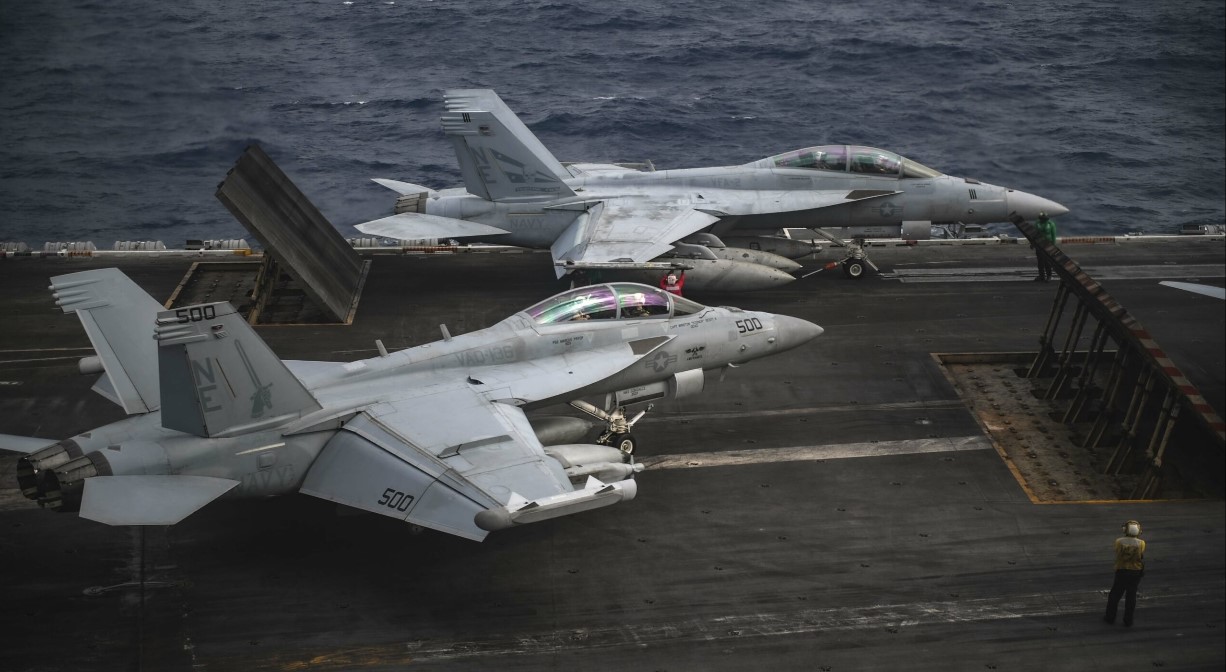
World
The US Navy has given the green light to a groundbreaking prototype design for an electronic warfare (EW) modernization initiative aimed at enhancing the capabilities of its F/A-18 Hornet and Super Hornet fighters. This ambitious project, led by L3Harris Technologies, seeks to equip these aircraft with next-generation electronic warfare systems capable of countering modern radar and countermeasure threats.The $80 million contract for the prototyping effort was awarded to L3Harris in November 2023. This effort is part of a broader strategy to ensure that the Navy's fleet remains at the cutting edge of aerial warfare technology. The development and production phases of this project are expected to continue until 2026.One of the standout features of this initiative is the use of an open modular systems design. This innovative approach allows for the integration of additional compatible technologies in the future, making the system highly adaptable and future-proof. The new EW solution is designed to scan threats across all relevant radio frequency bands, incorporating both support measures and an attack system.L3Harris is not new to such high-stakes projects. The company is already working on equipping the Navy's existing F/A-18s with a self-protection jammer, another critical component of modern electronic warfare.The F/A-18 Hornet and its advanced counterpart, the F/A-18E/F Super Hornet, are among the most formidable aircraft in the Navy's arsenal. The Hornet measures 17.1 meters (56.1 feet) in length with a wingspan of 12.3 meters (40.4 feet). It boasts a top speed of Mach 1.8 (2,222 kilometers or 1,381 miles per hour) and can reach altitudes of up to 15,000 meters (50,000 feet). The Super Hornet, slightly larger at 18.31 meters (69.1 feet) in length and with a wingspan of 4.88 meters (16 feet), can reach Mach 1.6 (1,975 kilometers or 1,227 miles per hour) and has a service ceiling of 15,940 meters (52,300 feet).Both aircraft are armed with a variety of weapons, including rotary cannons, air-to-air and air-to-surface missiles, anti-ship warheads, explosives, guided bombs, and decoy systems, making them versatile and deadly in combat.This approval for the new EW prototype comes on the heels of a significant contract signed in March 2023, in which Boeing was tasked with supplying additional Hornets and Super Hornets to the Navy. This $1.1 billion deal includes not only the aircraft but also a comprehensive technical data package and sustainment services, ensuring the fleet's operational readiness for years to come.In December 2023, Raytheon was awarded a separate $80 million contract to develop another EW prototype for the Navy's fleet, further emphasizing the importance of advanced electronic warfare capabilities in modern naval operations.The Navy's commitment to maintaining and enhancing its strike fighter capabilities through these sophisticated EW systems underscores the ongoing evolution of aerial combat and the critical role of electronic warfare in achieving air superiority.
Read More → Posted on 2024-07-09 15:47:43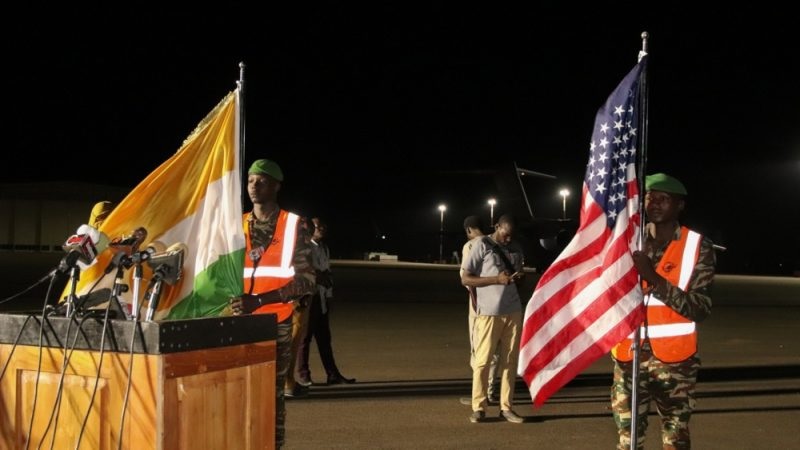
World
The United States has completed its withdrawal from Air Base 101 in Niamey, Niger, marking a significant shift in its military presence in the region. This move follows a decision by Niger's transitional government, which came to power after a coup in July 2023, to terminate the military agreement with the U.S. The Pentagon announced the successful completion of the withdrawal on Monday, noting that the transition, which lasted almost two months, concluded ahead of schedule on July 7.In a joint statement, the U.S. Department of Defence and the Nigerien Ministry of National Defence confirmed the closure of the U.S. compound on Air Base 101. The process culminated in a turnover ceremony, with the final departure of a U.S. Air Force C-17 Globemaster III marking the end of the American presence at the base. Despite the potential for complications, the withdrawal proceeded smoothly, ensuring a safe and orderly transition.With the closure of Air Base 101, U.S. forces are now focusing on withdrawing from Air Base 201 in Agadez. The U.S. and Nigerien officials are working towards a complete withdrawal by September 15, 2024. Both parties have stressed their commitment to the safety and security of American forces throughout this process.The withdrawal from Niger marks a significant change in the U.S. military's strategy in West Africa. Air Base 101 has been a crucial hub for U.S. operations in the Sahel region, supporting counterterrorism efforts and providing logistical support for missions across West Africa. The base in Agadez, known as Air Base 201, has also been vital, particularly in monitoring terrorist activities and providing support for drone operations.The decision to withdraw came after Niger's transitional government decided to end the military agreement with the U.S., citing the interests of the Nigerien people. This development has prompted the U.S. to reassess its military footprint in the region, focusing on ensuring that the withdrawal is conducted responsibly and without jeopardizing the security of its forces.As the U.S. completes its withdrawal from Niger, the future of its counterterrorism operations in the region remains uncertain. The Sahel region has been a hotspot for terrorist activities, with groups like Boko Haram, Al-Qaeda in the Islamic Maghreb (AQIM), and the Islamic State in the Greater Sahara (ISGS) posing significant threats. The U.S. has been a key player in efforts to combat these groups, providing training, intelligence, and logistical support to local forces.The withdrawal from Niger may require the U.S. to find alternative bases and partnerships in the region to continue its counterterrorism efforts. The shift in focus to Agadez suggests that the U.S. is still committed to maintaining a presence in West Africa, albeit in a reduced capacity. How this will impact the broader strategy in the Sahel remains to be seen.The completion of the withdrawal from Air Base 101 is a testament to the cooperation between the U.S. and Nigerien officials. Both parties have worked diligently to ensure that the process is conducted safely and efficiently, reflecting a shared commitment to the security and stability of the region.As the U.S. military presence in Niger winds down, the focus will be on how the U.S. adapts its strategy to address the evolving security challenges in West Africa. The completion of the withdrawal from Agadez will be the next critical step in this process, marking the end of an era for U.S. military operations in Niger.
Read More → Posted on 2024-07-09 15:42:42
World
Lithuania’s Defence Ministry has announced a significant step forward in its air defence capabilities with the acquisition of the RBS70 NG mobile short-range air defence system (MSHORAD) from Swedish defence company Saab. Valued at EUR 147 million, this deal was finalized through the Defence Materiel Agency, with deliveries set to take place from 2025 to 2027.Defence Minister Laurynas Kasčiūnas emphasized the strategic importance of this acquisition, stating, "MSHORAD is designed to provide protection for certain facilities, sites, and critical infrastructure. The advantage of this system is its mobility, which makes it a much-needed system that will significantly enhance the capabilities of the Lithuanian Armed Forces." He added that Lithuania is currently using the older generation RBS70 air defence system and Bolide missiles, highlighting the upgrade's necessity.The MSHORAD system represents a modern upgrade to Lithuania’s existing air defence arsenal. It includes mobile fire control centres, Giraffe 1X mobile radars, and RBS70 NG mobile fire units, all mounted on JLTV armoured all-terrain vehicles. This advanced configuration is set to offer Lithuania enhanced protection and operational flexibility, ensuring rapid response to potential aerial threats.Görgen Johansson, head of Saab’s business area Dynamics, expressed pride in continuing to support Lithuania’s air defence. “MSHORAD is our response to the new threats on the battlefield. Saab’s wide expertise makes us able to deliver everything from radar and firing units as well as our command-and-control system; the result is the most modern and capable mobile short-range air defence solution on the market,” he said.Minister Kasčiūnas also hinted at future plans to further bolster Lithuania’s air defence capabilities. Ongoing considerations include the potential acquisition of Piorun air defence systems from Poland and additional medium-range air defence systems. The Defence Ministry is expected to decide by September whether to opt for NASAMS or IRIS-T SLM systems, neither of which are currently used by the Lithuanian Armed Forces.The acquisition of the MSHORAD system from Saab marks a significant investment in Lithuania’s national security, ensuring the country remains well-protected against modern aerial threats. With future plans to further enhance its air defence, Lithuania is taking proactive steps to safeguard its sovereignty and critical infrastructure.
Read More → Posted on 2024-07-09 15:36:42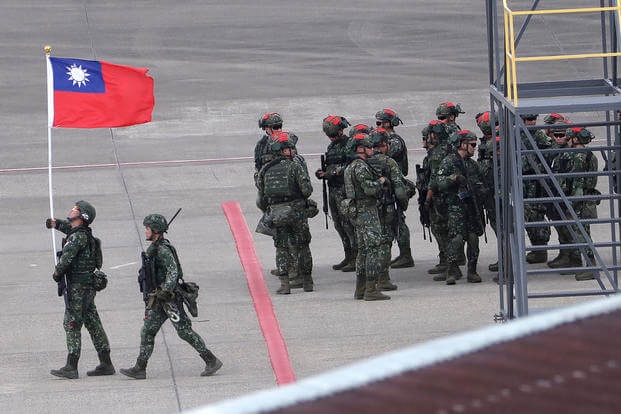
World
In a recent development that underscores the escalating tensions between Taiwan and China, a Taiwanese sergeant has been charged with leaking confidential defense information to China. Prosecutors revealed on Tuesday that the sergeant, surnamed Chen, was indicted for allegedly photographing and sharing sensitive military data with Chinese agents.Chen, who worked at a navy training center, was reportedly recruited by individuals collecting intelligence for mainland China. According to the Taiwan High Prosecutors’ Office, he used messaging apps such as Line and Telegram to send the classified information. The timeframe for these activities spanned from April 2022 to February 2023, during which Chen allegedly took secret national defense photos in various locations, including Pingtung and Yilan counties. For his efforts, Chen received NT$170,000 (approximately $5,230).The charges against Chen include violations of the Criminal Code of the Armed Forces and the Anti-corruption Act. Taiwan’s defense ministry, in cooperation with national security units, played a significant role in the investigation leading to the indictment. Defense ministry spokesman Sun Li-fang highlighted the gravity of the situation, stating that the infiltration by the Chinese Communist Party (CCP) poses a severe threat to Taiwan’s military, comparable to the dangers of missiles, aircraft, and naval ships.China's aggressive stance towards Taiwan has been evident through its frequent military maneuvers in the region. Warships, drones, and fighter jets are a near-daily presence around the island. Earlier this year, China conducted war games following the inauguration of Taiwanese President Lai Ching-te, whom Beijing views as a separatist due to his firm stance on Taiwan's sovereignty.In a pre-recorded address to soldiers at an air force base in Taichung city, President Lai urged vigilance against Chinese infiltration and espionage. Dressed in military fatigues, Lai emphasized the importance of information security and cautioned troops to be wary of potential traps set by Chinese agents.The indictment of Sergeant Chen is part of a broader trend of espionage cases involving China. In April, a father and son were sentenced to eight years in prison for collecting military intelligence and attempting to establish a spy network for Beijing. These incidents highlight the persistent and serious nature of Chinese espionage efforts in Taiwan.As Taiwan continues to navigate its complex relationship with China, the need for stringent security measures and constant vigilance remains paramount. The island’s leadership is determined to safeguard its sovereignty and maintain the integrity of its military operations in the face of ongoing threats from its powerful neighbor.
Read More → Posted on 2024-07-09 15:32:54
India
In a significant move to integrate advanced technology into its operations, the Indian Navy's Eastern Naval Command (ENC) has inaugurated a state-of-the-art Artificial Intelligence (AI) hub in Visakhapatnam. The inauguration, held on a notable Monday, was marked by the presence of Vice Admiral Rajesh Pendharkar, the flag officer commanding-in-chief of ENC. The ceremony took place at the Maritime Reference Library, a fitting venue for such a forward-thinking initiative.The AI hub is designed to harness the transformative potential of AI, equipping naval personnel with the tools and applications necessary to keep pace with rapid technological advancements. According to an official press release from the ENC, the hub aims to stimulate interest and provide extensive exposure to AI among its members. This initiative is expected to foster a culture of continuous learning and innovation, encouraging personnel to explore and implement AI-driven solutions across various naval domains.Vice Admiral Pendharkar, in his address, highlighted the strategic importance of integrating AI into naval operations. He emphasized that the AI hub represents a crucial step towards modernizing the Indian Navy, ensuring that it remains at the forefront of technological progress. The hub is not just a facility but a center of excellence where new ideas and applications can be developed and tested, ultimately enhancing the Navy's operational capabilities.The establishment of the AI hub in Visakhapatnam is part of the Navy's broader strategy to leverage cutting-edge technologies for defense and maritime security. By embracing AI, the Navy aims to improve decision-making processes, enhance predictive maintenance of equipment, optimize logistics, and strengthen cybersecurity measures. The potential applications of AI in naval operations are vast, ranging from autonomous systems and intelligent data analysis to advanced simulation and training programs.Moreover, the AI hub is expected to serve as a collaborative platform, bringing together experts from various fields to work on innovative projects. This interdisciplinary approach will enable the Navy to develop and deploy AI solutions that are not only effective but also tailored to its specific needs. The hub will facilitate knowledge sharing and partnerships with academic institutions, research organizations, and industry leaders, further accelerating the Navy's technological advancement.In the rapidly evolving landscape of defense technology, the Indian Navy's AI hub in Visakhapatnam stands out as a beacon of innovation and progress. It signifies a commitment to embracing new technologies and adapting to the changing dynamics of modern warfare. As the Navy continues to explore the vast potential of AI, it is poised to achieve new levels of efficiency, effectiveness, and operational excellence.The inauguration of the AI hub marks the beginning of an exciting new chapter for the Indian Navy, one where the fusion of traditional maritime prowess and cutting-edge technology will shape the future of naval operations.
Read More → Posted on 2024-07-09 15:30:59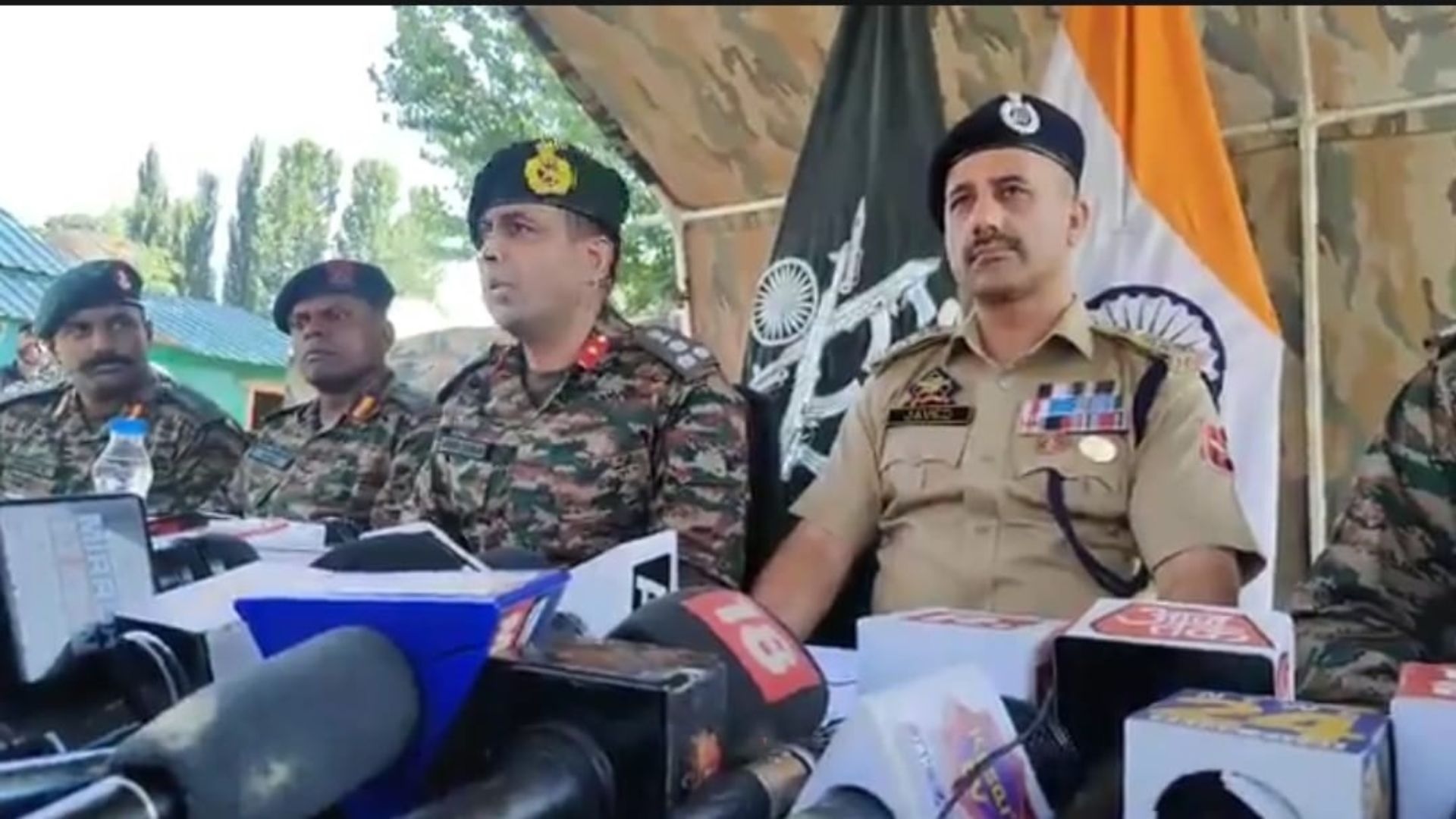
India
The elimination of six Hizbul-Mujahideen terrorists in South Kashmir marks a significant victory for Indian security forces. Brigadier Prithviraj Chauhan, Commander of the 1 Sector Rashtriya Rifles (RR), emphasized that these operations dealt a substantial blow to the insurgent group, which has been a persistent threat in the region. This coordinated effort also highlights the sacrifices made by the Indian Army, with one soldier tragically losing his life during the mission.In the early hours of July 6, the Indian Army received intelligence about terrorist movements in the Chinigham area. The surveillance was a result of meticulous monitoring using advanced Army surveillance devices and cooperation with other agencies. Around 4 pm, soldiers observed suspicious movements. When challenged, the terrorists responded with gunfire, prompting a fierce exchange. During this confrontation, Sepoy Praveen Janjal Prabhakar made the ultimate sacrifice. Following the encounter, security forces discovered and neutralized a 6 kg IED, preventing potential collateral damage.The operation concluded with the elimination of four terrorists, identified as Yavar Bashir Dar, Tauheed Ahmed, Shakeel Ahmed Wani, and Zahir Ahmad Dar. These militants were linked to multiple violent activities in the region. Brigadier Chauhan noted that this successful operation significantly weakens Hizbul-Mujahideen's capabilities in South Kashmir.Meanwhile, another encounter took place in Kulgam, as detailed by Javed Ahmad Matoo, Deputy Inspector General (DIG) of South Kashmir. This joint operation, spanning July 6-7, resulted in the deaths of two more terrorists. Among them was Adil, a known militant with numerous FIRs against him across different police stations. These operations were based on precise intelligence and led to the recovery of a considerable cache of arms and ammunition from the encounter sites. The hideouts used by the terrorists had been under surveillance for some time, and their elimination represents a strategic advantage for the security forces.The Indian Army paid tribute to the fallen soldiers, Lance Naik Pardeep Kumar and Sepoy Praveen Janjal Prabhakar, recognizing their valor and sacrifice. The Chinar Corps Commander, Chief Secretary of Jammu and Kashmir, Director General of Police (DGP) of Jammu and Kashmir, and other dignitaries honored these brave men in a solemn ceremony.The successful elimination of these terrorists not only showcases the effectiveness of the Indian Army's operations but also serves as a deterrent to future insurgent activities in the region. The concerted efforts of the security forces, coupled with advanced surveillance and intelligence, continue to play a crucial role in maintaining peace and stability in Jammu and Kashmir.
Read More → Posted on 2024-07-09 15:27:39
India
In the early hours of a tense morning, the tranquil surroundings of Kathua in Jammu and Kashmir were shattered by the echoes of gunfire. A devastating militant ambush on an army patrol left four soldiers, including a Junior Commissioned Officer (JCO), dead and six others wounded. The severity of the attack demanded an immediate and decisive response, prompting the Indian Army to deploy its elite para commandos via helicopters to the strife-torn region.As the sun began to rise, the army's elite para soldiers were swiftly airdropped into the Mandli Sector, a stone's throw from the ambush site. This rapid deployment underscored the urgency and gravity of the situation. The Mandli Sector, a region known for its rugged terrain and strategic significance, became the focal point of an extensive search and cordon operation aimed at apprehending the assailants who had melted into the shadows of the mountainous landscape.The attack had unfolded with chilling precision. Militants, exploiting the element of surprise, ambushed the unsuspecting army patrol, inflicting heavy casualties before vanishing into the dense foliage. The response from the military was immediate; reinforcements of both police and army personnel were dispatched to the area. However, it was the arrival of the elite para soldiers that marked a significant escalation in the counter-terrorism efforts.These para commandos, part of India's elite airborne forces, are renowned for their rigorous training and combat readiness. Their deployment is often reserved for the most critical situations, where their expertise in unconventional warfare and rapid mobility can turn the tide. The sight of these commandos descending from helicopters and fanning out into the challenging terrain was both a tactical maneuver and a message of resolve from the Indian Army.As the day progressed, the Mandli Sector was transformed into a heavily fortified zone. The air buzzed with the sound of choppers and the ground was a hive of military activity. Checkpoints were established, roads were sealed, and the search operation intensified. The objective was clear: to locate and neutralize the militants responsible for the attack. The six injured soldiers, meanwhile, were rushed to nearby military hospitals, where they received urgent medical care. The condition of the wounded was closely monitored, adding an emotional undercurrent to the military's relentless pursuit of justice.Local residents, accustomed to the occasional skirmishes that mark life in this volatile region, watched with a mix of fear and hope. The presence of the para soldiers was a reassurance of the state's commitment to their safety, but it also served as a stark reminder of the persistent threat posed by militancy. The military's operation was not just about retribution; it was about restoring a sense of security and stability to the region.Official sources remained tight-lipped about the finer details of the operation, but it was evident that the army was leaving no stone unturned. The combination of ground intelligence and aerial reconnaissance aimed to corner the militants and dismantle their network. The attack in Kathua was a grim reminder of the ongoing challenges in Jammu and Kashmir, where peace remains fragile and hard-won.As dusk fell, the search operation continued unabated, with the para soldiers displaying the tenacity and skill that have earned them their elite status. Their presence in Kathua was a testament to the Indian Army's resolve to confront and eliminate the militant threat, ensuring that the sacrifices of their fallen comrades were not in vain. The coming days would undoubtedly reveal more about the perpetrators and their motives, but for now, the focus remained firmly on bringing them to justice and restoring peace to the beleaguered region.
Read More → Posted on 2024-07-09 15:21:29
India
In a highly anticipated diplomatic engagement, Indian Prime Minister Narendra Modi is set to visit Moscow for the first time since Russia's invasion of Ukraine in February 2022. This visit, scheduled for July 8-9, marks a significant moment in India-Russia relations, which have been robust and multifaceted since the Cold War era. Kremlin spokesperson Dmitry Peskov has stated that Western countries are "jealously watching" this visit, highlighting the global significance of Modi's trip.Peskov's remarks underscore the strategic importance of the upcoming 22nd India-Russia Annual Summit. Modi's last visit to Russia was in 2019 when he attended an economic conclave in Vladivostok. Since then, the geopolitical landscape has dramatically shifted, particularly with Russia's actions in Ukraine and the subsequent international response. This visit is not just a routine diplomatic exchange; it is a critical moment for both nations to reassess and reinforce their bilateral ties amidst a changing global order.The summit will provide a platform for Modi and Russian President Vladimir Putin to review the comprehensive range of their countries' relations. They are expected to discuss contemporary regional and global issues of mutual interest, including economic cooperation, defense, and strategic partnerships. The Ministry of External Affairs in New Delhi has emphasized the importance of this high-level visit, suggesting that it will strengthen the already strong ties between the two nations.During an interview with Russia's state-run VGTRK television channel, Peskov highlighted the extensive agenda planned for Modi's visit. He mentioned that the program would be busy, with both formal and informal discussions between the leaders. This indicates a deepening of the strategic partnership, which Peskov described as being at a very high level. He noted that the visit would include one-on-one talks as well as meetings involving delegations from both countries, ensuring a comprehensive dialogue on various fronts.The annual summit between the Indian Prime Minister and the Russian President is the highest institutional dialogue mechanism in their strategic partnership. The 21 previous summits have alternately taken place in India and Russia, with the last one held in New Delhi in December 2021. Putin's visit to India for that summit further solidified the close ties between the two nations.Since the onset of the Ukraine conflict, India's role as a key trading partner for Russia has become even more crucial. Despite Western sanctions against Russian exports, India has significantly increased its purchase of Russian oil, prioritizing its national interests. This pragmatic approach has not gone unnoticed, with Peskov's comments about Western jealousy likely reflecting broader geopolitical tensions.Modi's visit to Moscow is expected to reinforce the strategic partnership between India and Russia, sending a strong message to the international community about their enduring alliance. The extensive agenda and high-level discussions planned for the summit underscore the importance both nations place on this relationship, especially in the current global context.As the world watches closely, this visit will likely have far-reaching implications for international diplomacy, economic partnerships, and geopolitical alliances. It serves as a reminder of the complex and interconnected nature of global politics, where national interests and strategic partnerships play pivotal roles in shaping the future.
Read More → Posted on 2024-07-08 16:04:54
India
The Indian Air Force (IAF) is setting ambitious goals for the upcoming Indian Multi-Role Helicopter (IMRH) program, reflecting its urgent need to modernize its aging helicopter fleet. Reports indicate that the IAF has communicated to Hindustan Aeronautics Limited (HAL) a high production target of 35 units per year from the program's inception. This demand underscores the IAF's urgency in replacing its fleet of Russian-origin Mi-17 helicopters, which have been the backbone of its medium-lift transport capability for decades.The Mi-17 helicopters, which began induction into the IAF in 1971, are gradually becoming obsolete. Maintenance has become increasingly challenging due to dwindling spare part support from Russia. The last significant purchase of Mi-17 helicopters, specifically the Mi-17V-5 variant, was made in 2012 with a contract for 71 units. The IAF retired its last batch of Mi-8 helicopters, the Mi-17's predecessors, in 2018, marking the end of an era.With plans to phase out the older Mi-17 variants, specifically the Mi-17-I, from 2030 onwards, the IAF is keenly focused on ensuring a seamless transition to the new IMRH platform. The IMRH program, designed as the ideal replacement for the Mi-17 fleet, is crucial for maintaining the IAF's operational readiness and capability. The envisioned high production rate of 35 units per year reflects the IAF's eagerness to induct a significant number of IMRH helicopters quickly, with a projected initial operational capability (IOC) around 2028.However, achieving this production rate poses a considerable challenge for HAL. The state-owned aerospace and defense company will need to significantly ramp up its production capacity to meet the IAF's demands. This includes securing a robust supply chain, ensuring adherence to stringent quality and safety standards, and potentially expanding its workforce and manufacturing facilities. The success of the IMRH program will hinge on HAL's ability to manage these complex logistics and production challenges.The IMRH is not just a critical component for the IAF but also represents a significant milestone for India's indigenous defense manufacturing capabilities. The helicopter is expected to be a versatile platform, capable of performing a variety of roles including troop transport, search and rescue, casualty evacuation, and logistics support. Its development and production will likely involve numerous Indian suppliers, contributing to the country's broader defense industrial base.Moreover, the IMRH program aligns with India's broader strategic goal of reducing dependency on foreign military imports and bolstering self-reliance in defense production. By developing and producing a sophisticated multi-role helicopter domestically, India aims to enhance its technological capabilities and ensure greater operational autonomy.In conclusion, the IAF's demand for a high production rate for the IMRH helicopter program highlights the critical need to replace its aging fleet of Mi-17 helicopters swiftly. While this poses significant challenges for HAL, it also presents an opportunity to demonstrate and enhance India's indigenous defense manufacturing capabilities. The successful execution of this program will be a crucial step in ensuring the IAF's operational readiness and supporting India's strategic defense objectives.
Read More → Posted on 2024-07-08 16:01:29
World
On July 7, 2024, the Iranian Navy faced another maritime disaster as the IRIS Sahand, one of its most modern frigates, capsized and sank at its home port in Bandar Abbas. This 12-year-old vessel, which was among the most advanced in Iran's naval fleet, was seen tilted onto its port side with only parts of its hull and sonar dome visible above the water.The incident is currently attributed to a technical failure during maintenance, though poor maintenance, a docking mishap, or even sabotage have not been ruled out. This mishap adds to a troubling history of serious accidents within the Iranian Navy. For instance, Sahand's sister ship, the Damavand, sank in 2018 after running aground, and the Kharg, Iran's largest warship at the time, caught fire and sank in 2021.The Sahand was an upgraded version of the British-designed Vosper Mark 5, a class initially supplied to Iran before the revolution. It was part of the Moudge-class frigates, which featured modern improvements such as a sloped hull for stealth and advanced weaponry. The ship boasted a range of armaments, including surface-to-air and anti-ship missiles, and was equipped with a helicopter for anti-submarine warfare.Despite its advanced design and capabilities, the Sahand's sinking is a significant blow to the Iranian Navy, especially given its recent history of naval accidents. The frigate had been active in strategic regions like the Red Sea, where it was suspected of supporting Houthi forces against merchant ships, reflecting Iran's broader geopolitical engagements.This series of unfortunate events underscores the challenges faced by the Iranian Navy, from maintenance issues to operational hazards. Each incident not only represents a loss of valuable naval assets but also raises questions about the effectiveness and safety protocols of Iran's maritime forces.
Read More → Posted on 2024-07-08 15:57:35
World
Japan's defense landscape is on the cusp of a significant transformation with the development of the Hyper Velocity Gliding Projectile (HVGP). This cutting-edge weapon, set to be deployed by the Japan Ground Self-Defense Force (JGSDF) starting in the fiscal year 2026, represents a major advancement in military technology and strategy.The HVGP is specifically designed for "island defense" roles, reflecting Japan's strategic priorities in a region marked by increasing military threats. The hypersonic weapon is launched from a truck-mounted booster, after which the warhead separates and glides towards its target with remarkable speed and precision. The estimated range of this formidable weapon is approximately 900 kilometers, making it a significant asset in Japan's defense arsenal.A crucial test of the HVGP was conducted on March 23, 2024, in California, USA. This test, captured in footage released by Japan's Acquisition, Technology & Logistics Agency (ATLA), aimed to verify the measurement systems for future launch tests. The successful execution of this test marks a pivotal step in the weapon's development journey.The inception of the HVGP project dates back to the fiscal year 2018, with the goal of completing development by 2025. However, escalating military threats from China and North Korea prompted Japan to accelerate the process, initiating early mass production in the fiscal year 2023, even before the completion of development. Mitsubishi Heavy Industries (MHI), a prominent player in Japan's defense sector, is spearheading the manufacturing of this advanced weapon.In a bid to ensure rapid deployment, the HVGP is being developed in incremental capability enhancements. The recent test focused on the most basic "Early Deployment Version (Block 1)" test projectile. Looking ahead, Japan plans to develop an "Enhanced Capability Version (Block 2A)" with an extended range of up to 2,000 kilometers, and a "Block 2B" version capable of reaching targets 3,000 kilometers away. These advanced versions are slated for completion in the fiscal years 2027 and 2030, respectively.The HVGP's potential extends beyond land-based targets. Future enhanced versions of the projectile could have anti-ship capabilities, posing a significant threat to aircraft carriers and other naval assets. This consideration is part of Japan's broader research efforts aimed at enhancing the HVGP's versatility and effectiveness in various combat scenarios.As Japan continues to navigate a complex security environment, the HVGP stands out as a testament to the country's commitment to bolstering its defense capabilities. The weapon's development underscores Japan's proactive approach to addressing regional threats and maintaining stability in the Asia-Pacific region.The successful development and deployment of the HVGP will not only enhance Japan's military readiness but also serve as a significant deterrent against potential aggressors. With each test and technological breakthrough, Japan moves closer to achieving a robust and resilient defense posture, ensuring the safety and security of its territories.In the broader context of global defense dynamics, Japan's HVGP represents a noteworthy advancement in hypersonic weaponry. As other nations also invest in similar technologies, the HVGP highlights the accelerating pace of military innovation and the critical importance of staying ahead in the ever-evolving landscape of defense technology.For a glimpse into the future of Japan's defense capabilities, one need only look at the HVGP – a symbol of technological prowess and strategic foresight.
Read More → Posted on 2024-07-08 15:53:30
India
The Uttar Pradesh (UP) Defence Industrial Corridor has emerged as a cornerstone of India's ambitious defence manufacturing landscape, attracting over ₹25,000 crore (approximately $3 billion USD) through 154 Memorandums of Understanding (MoUs). This strategic initiative aligns with India's record-breaking defence production, which soared to ₹1.27 trillion ($15.4 billion USD) in the fiscal year 2023-24, marking a significant 16.7% increase from the previous year.Spanning six key districts including Lucknow, Kanpur, Jhansi, Aligarh, Chitrakoot, and Agra, the UP Defence Industrial Corridor is set to create approximately 40,000 new jobs, bolstering the state's economic fabric.Strategic Location and Job CreationThe Kanpur node, a pivotal part of the UP Defence Industrial Corridor, stands out with substantial investments aimed at enhancing India's self-reliance in defence manufacturing. Covering over 218 hectares in Narwal Tehsil, Kanpur, this node has already seen 24 companies expressing interest, with several already operational. Notably, the Adani Group has launched a ₹1,500 crore ammunition manufacturing facility, catering to small, medium, and large-calibre ammunition needs.Key Investments and OperationsVarious companies are making substantial investments in UP's defence infrastructure. Modern Material and Sciences Pvt. Ltd. has invested ₹38 crore for advanced soldier attire, while Netra Global Pvt. Ltd. and Anant Technologies are investing ₹360 crore and ₹3,500 crore respectively for artillery shells and satellite-related equipment.Infrastructure DevelopmentTo support these initiatives, the UP government has allocated over ₹62 crore for infrastructure development in Kanpur alone. More than 210 hectares of land have been earmarked, with investments exceeding ₹1,700 crore already in play, creating immediate employment for 2,500 individuals.Ongoing Projects and MoUsCurrently, ongoing projects valued at ₹33 crore have been completed, with construction underway for projects valued over ₹16 crore. Additionally, tender processes are progressing for projects exceeding ₹13 crore. The UP government has signed 154 MoUs with companies, with another 85 under evaluation, highlighting robust investor confidence in the corridor.Government Commitment and Strategic MilestonesUnion Defence Minister Rajnath Singh recently lauded India's highest-ever defence production growth under the Make in India initiative, emphasizing the country's aspiration to become a global defence manufacturing hub. This growth underscores the contributions from Defence Public Sector Undertakings (DPSUs), other PSUs, and private industry players.Rising Defence Exports and Industry RecognitionIndia's defence exports surged by 32% to ₹21,083 crore ($2.5 billion USD) in 2023-24, with UP leveraging its extensive MSME base to propel the "Make in UP" initiative. The delivery of 35,000 AK-203 assault rifles from the Korwa factory in Amethi district and the upcoming BrahMos missile plant in Lucknow further cement UP's role in enhancing India's defence capabilities.Uttar Pradesh's strategic focus on defence manufacturing, coupled with robust industrial infrastructure and a skilled workforce, positions the state as a pivotal player in India's journey towards defence self-reliance and a significant contributor to the global defence market.This comprehensive approach underscores UP's commitment to fostering industrial growth through strategic defence partnerships, paving the way for a resilient and self-sufficient defence ecosystem in India.
Read More → Posted on 2024-07-08 15:47:51
World
Germany's Defence Minister, Boris Pistorius, expressed frustration on Monday as the budget allocated for the Ministry of Defence in 2025 fell significantly short of his requested amount. Pistorius had proposed a substantial increase of 6.7 billion euros ($7.25 billion) to bolster defence spending, aimed at advancing the country's military capabilities amid growing security concerns."This is disappointing because it means I cannot proceed with certain initiatives as swiftly as 'Zeitenwende' and current threat levels demand," lamented Pistorius, referencing Germany's ambitious plan announced by Chancellor Olaf Scholz following Russia's 2022 invasion of Ukraine.The "Zeitenwende" initiative, translating to a historic turning point, included a 100-billion-euro special fund to enhance Germany's armed forces swiftly. However, the actual budget allocation for 2025 has not been disclosed, leaving uncertainties about the extent of adjustments Pistorius will need to make.Despite the setback, the budget agreement finalized on Friday ensures that German defence spending will remain above the NATO target of 2% of GDP, earmarked for a comprehensive military overhaul. Further commitments include an additional 30 billion euros by 2028, marking a significant financial commitment towards meeting NATO obligations."This mid-term financial plan anticipates a total of 80 billion euros by 2028, the highest in Germany's history," Pistorius emphasized, underscoring the country's long-term strategic goals amidst evolving geopolitical challenges.The shortfall in the 2025 defence budget underscores the challenges in aligning financial commitments with ambitious military modernization plans, necessitating careful adjustments to prioritize critical defence initiatives despite constrained resources.
Read More → Posted on 2024-07-08 15:42:39
India
In a significant step toward bolstering India's indigenous defense capabilities, the Defence Research and Development Organisation (DRDO) has announced plans to integrate a derivative of the Dry Kaveri engine into the Light Combat Aircraft (LCA) Tejas Trainer. This development, revealed by Dr. Samir V. Kamat, Secretary of Defence Research and Development, underscores India's progress in achieving self-reliance in advanced engine technology.The initiative aims to utilize the Tejas Trainer aircraft as a flying testbed for the Dry Kaveri engine, rather than replacing the existing F-404 engines in operational fighter jets. By adapting two existing Tejas Trainer prototypes, PV-5 and PV-6, for this purpose, DRDO is leveraging current resources to accelerate the development cycle and reduce costs. This approach allows for real-flight testing and refinement of the engine under diverse conditions, providing critical data to enhance its performance.The Gas Turbine Research Establishment (GTRE), a key partner in this endeavor, has already started receiving new batches of Dry Kaveri engines for the testing program. These engines are set to undergo high-altitude trials to evaluate their performance in extreme environments, a crucial step in ensuring their reliability and effectiveness. Additionally, GTRE is developing new afterburner modules for the Kaveri engine, aiming to boost its combined thrust to approximately 73-75kN. Although this is slightly below the 84kN thrust of the F-404 engines in the LCA-Tejas Mk1, it represents significant progress in indigenous engine technology.The Dry Kaveri engine is also envisioned to power the Ghatak UCAV (Unmanned Combat Aerial Vehicle), a 13-ton unmanned strike aircraft being developed by the Aeronautical Development Establishment (ADE). This versatile engine is expected to complement India's fifth-generation AMCA (Advanced Medium Combat Aircraft) fighter jet in deep strike missions within contested airspace.The strategic implications of this development are profound. Successfully integrating and testing the Dry Kaveri engine will reduce India's dependency on foreign suppliers for critical fighter jet components, enhancing national security and defense capabilities. Moreover, this achievement could pave the way for the Dry Kaveri engine to potentially replace the F-404 engines in the Tejas Mk1A fleet during future upgrades.While the exact timeline for the integration and subsequent trials remains undisclosed, the progress made thus far highlights India's commitment to advancing its defense technology through indigenous innovation. The collaborative efforts of DRDO and GTRE exemplify the nation's determination to achieve self-reliance in the aerospace sector, marking a pivotal moment in India's defense history.
Read More → Posted on 2024-07-08 15:39:28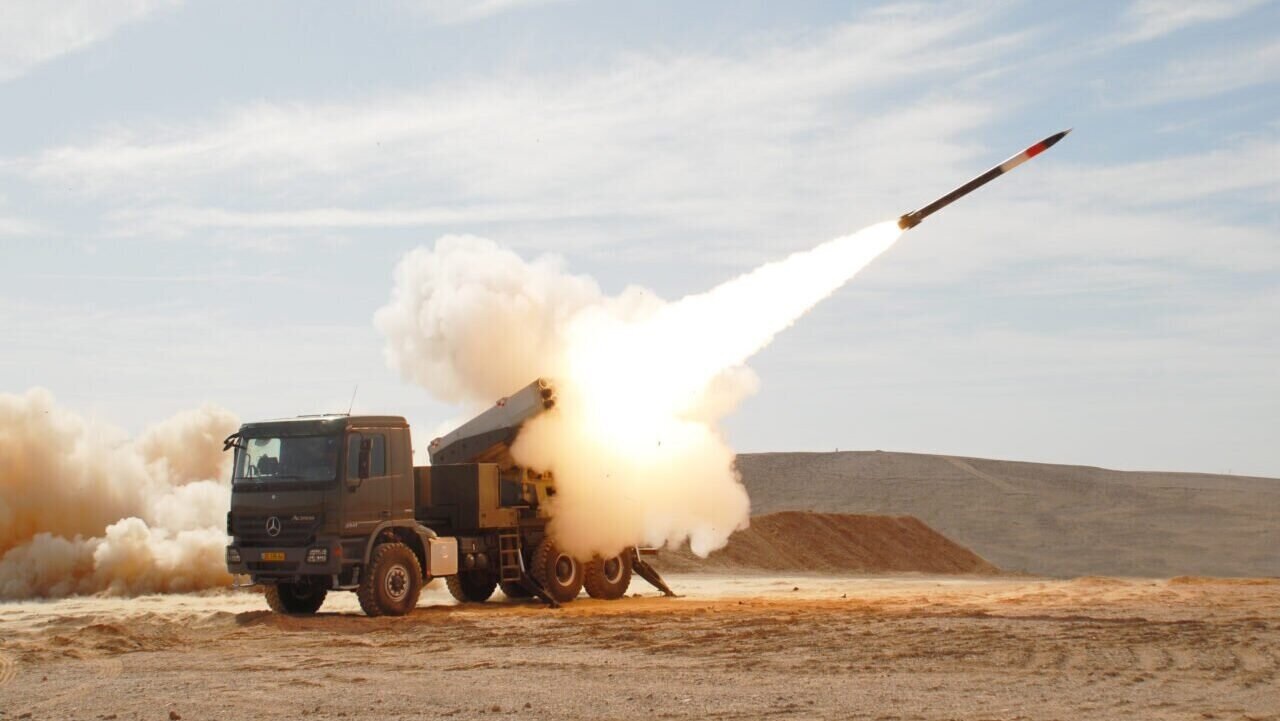
World
The Danish Armed Forces reached a significant milestone on July 2nd with the first test of the PULS (Precise and Universal Launching System) rocket launcher. This historic event, months in the making, took place with a non-explosive round fired approximately 10 kilometers (6.21 miles) into the North Sea. The successful test marks a new chapter in Denmark's military capabilities, enhancing their artillery range and flexibility.The journey to this moment began a year ago when Denmark received its first batch of PULS platforms from Elbit Systems. Since then, extensive planning, training, and integration efforts have been underway, involving the Danish Army, Elbit, and technicians from the Danish Ministry of Defense’s Material and Procurement Agency. This collaboration has been crucial in ensuring that the PULS system meets the specific needs of the Danish military.Brigadier General Henrik Lyhne expressed his satisfaction with the new system, highlighting its impressive performance and the immense firepower it brings. "I am quite impressed. The system works as intended, and the sound is absolutely fantastic," he remarked. The PULS system, according to Lyhne, fills a critical gap in the Danish Army's arsenal, providing significantly increased range and the ability to launch various missile types.The decision to adopt the PULS system was influenced by Denmark's recent defense commitments. In March, Copenhagen ordered the PULS platforms after donating all its 19 French Caesar howitzers to Ukraine. The order included two PULS batteries (eight systems) and a battalion of ATMOS truck-mounted 155mm howitzers (19 guns), costing $133 million and $119 million, respectively. The PULS platform is expected to be fully operational by 2026.The PULS system's versatility is one of its standout features. It can fire an array of guided and unguided missiles and rockets with ranges from 12 to 300 kilometers (7.4 to 186 miles). Moreover, it can be mounted on both tracked and wheeled platforms, making it adaptable to various operational requirements.This test signifies Denmark's commitment to modernizing its military capabilities and ensuring it remains prepared for contemporary defense challenges. The PULS system not only enhances the firepower of the Danish Armed Forces but also represents a leap forward in their operational flexibility and strategic reach.The successful integration and testing of the PULS rocket artillery system highlight Denmark's proactive approach to defense modernization. With the system expected to be operational in 2026, the Danish Armed Forces are set to benefit from a significant upgrade in their artillery capabilities, ready to meet future challenges head-on.
Read More → Posted on 2024-07-08 15:36:15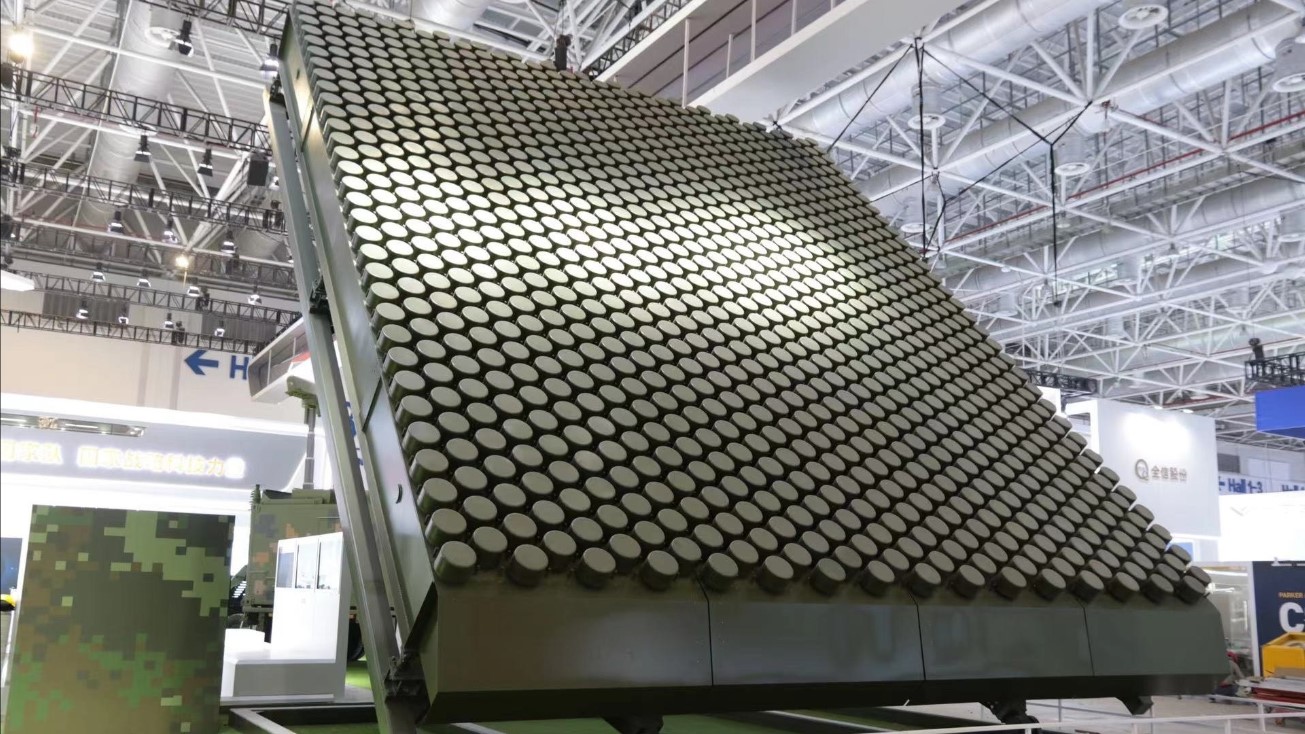
World
Chinese researchers have announced a significant advancement in radar technology, potentially escalating the global race for hypersonic weapons. A team led by Professor Zheng Xiaoping from Tsinghua University's Department of Electronic Engineering claims to have developed a radar system capable of precisely tracking multiple hypersonic missiles traveling at Mach 20 while simultaneously identifying and eliminating false targets.The development of this radar system is a notable milestone. In ground-based simulations, it demonstrated remarkable accuracy, estimating the distance of a missile traveling at nearly 7 kilometers per second with an error margin of just 28 centimeters. It also achieved up to 99.7% accuracy in estimating the missile's speed, a feat previously considered unattainable.One of the significant innovations in this radar system is the incorporation of lasers. By integrating lasers into the radar design, the team was able to generate and analyze high-precision radar signals. This allows information transmission between key nodes to reach the speed of light, enabling the radar system to generate and process complex microwave signals that precisely measure ultra-high-speed objects.According to a peer-reviewed paper published in the Chinese journal Optical Communication Technology, this new microwave photonic radar boasts a detection range of over 600 kilometers. Its compact and lightweight design makes it suitable for deployment on air-defense missiles or aircraft. Military experts consider it a key technology for the next generation of fire-control radars.This breakthrough comes at a time of heightened international focus on hypersonic weapons, which are notoriously difficult to intercept due to their speed and maneuverability. The United States, among other nations, is actively developing hypersonic missiles and seeking to enhance its defense capabilities against them. The Chinese researchers' achievement could have significant implications for the development of hypersonic weapons and defense systems worldwide.However, some experts express caution due to the lack of independent verification of the Chinese team's claims. They emphasize the need for further testing and validation before the technology can be fully accepted. Nonetheless, others believe that this breakthrough could accelerate the development of advanced radar systems and further intensify the global race for hypersonic weapons.In the broader context, this development highlights the rapid pace of technological advancements in military capabilities. As nations continue to invest heavily in research and development, the race for superior hypersonic weapons and defenses is likely to become even more competitive. The success of Professor Zheng Xiaoping's team underscores the importance of innovation in maintaining a strategic edge in modern warfare.
Read More → Posted on 2024-07-08 15:26:44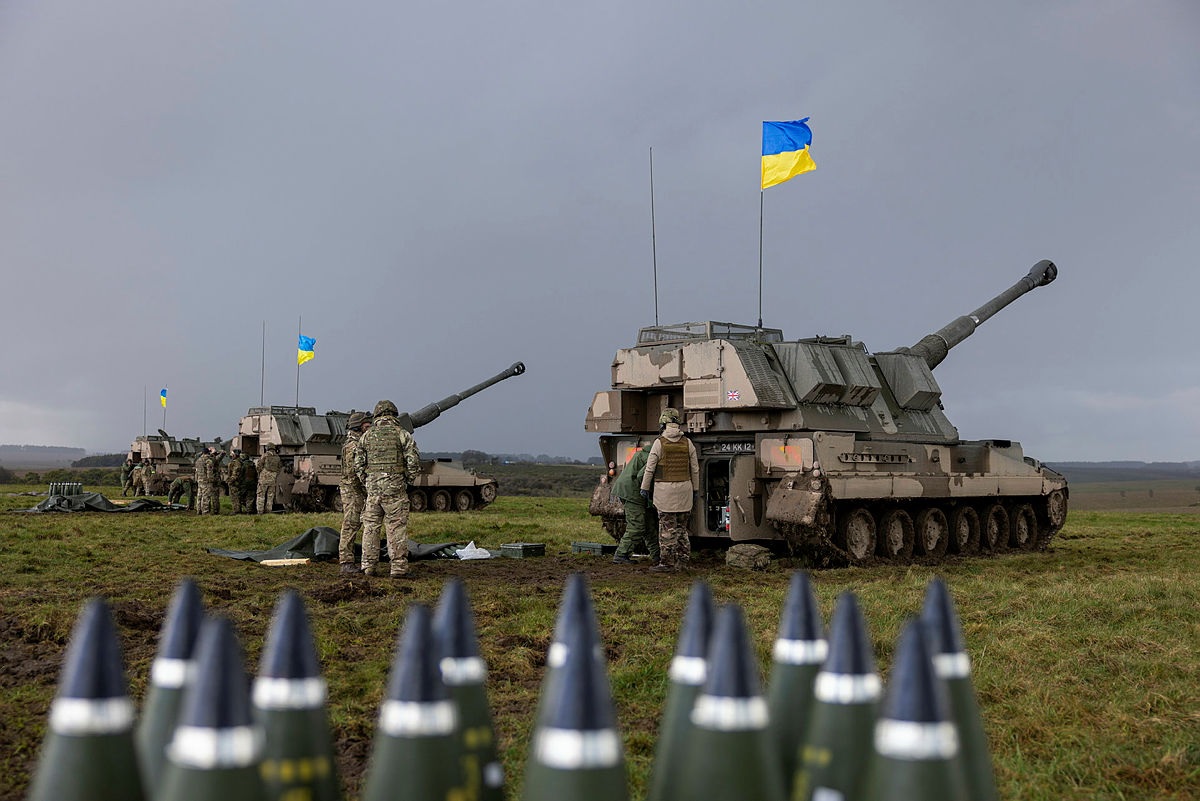
World
In a significant move to bolster Ukraine's defense capabilities, the United Kingdom has announced an extensive military aid package. This new support comes at a critical time, as Ukraine continues to fend off aggression from Russian forces. During a recent visit to Ukraine, Defence Secretary John Healey revealed that the UK would supply 10 additional AS-90 self-propelled artillery guns and 90 Brimstone anti-tank missiles.The AS-90, known for its formidable firepower and mobility, will greatly enhance Ukraine’s artillery strength. This reinforcement comes on top of the previous provision of AS-90 systems, with the new support package including 32 new barrels and spare parts. This will enable Ukrainian forces to fire an additional 60,000 rounds of 155mm artillery, significantly boosting their firepower on the front lines. The AS-90's capabilities in terms of range, accuracy, and rapid deployment make it a valuable asset in the ongoing conflict.The Brimstone missiles, which are highly effective against armored targets, will add a crucial layer of defense against the advancing enemy forces. Known for their precision and versatility, these missiles can be launched from various platforms, including aircraft and ground-based systems, making them a flexible tool in Ukraine's arsenal.This announcement marks the first major military aid initiative by the newly appointed Defence Secretary under the Labour government, highlighting the UK's unwavering commitment to supporting Ukraine. Beyond the artillery systems and missiles, the aid package is comprehensive, reflecting the multifaceted nature of the conflict. The UK will also provide fifty small boats for river and coastal operations, which are essential for maneuvering through Ukraine's diverse terrain. Furthermore, 250,000 rounds of small arms ammunition will help sustain the infantry's operational readiness.In addition, the UK is sending 40 de-mining vehicles to clear the dangerous remnants of war, ensuring safer passage for troops and civilians alike. The inclusion of 61 bulldozers will aid in constructing defensive positions and fortifications, crucial for maintaining strategic advantages in contested areas.This extensive support package not only underscores the UK's dedication to Ukraine's sovereignty but also enhances the operational capabilities of Ukrainian forces, enabling them to mount a more robust defense and improve their chances of reclaiming occupied territories. As the conflict continues, such international support remains vital for Ukraine’s resilience and eventual victory.
Read More → Posted on 2024-07-08 15:22:03Search
Top Trending in 24 Hours
-
 President Trump Pauses Plans to Expand U.S. Strikes on Iran Amid Concerns Over Air Defense Missile Stocks
-
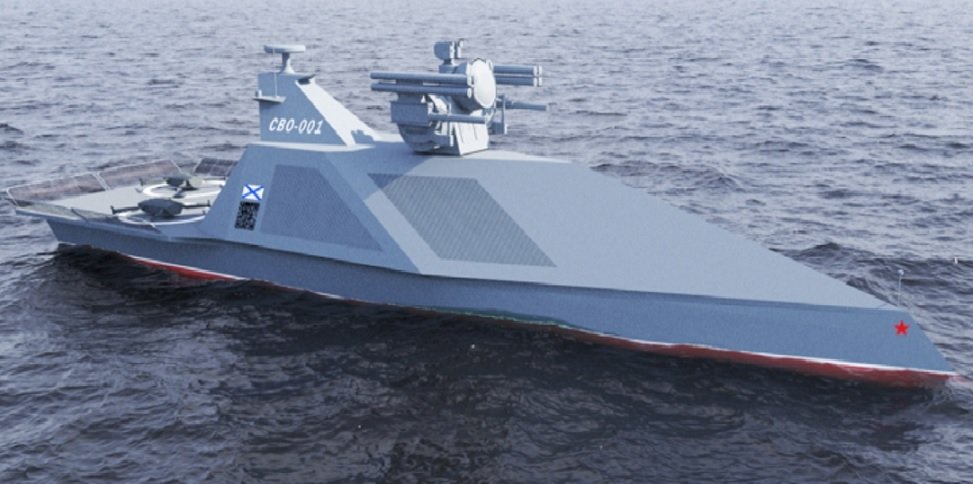 Russia Builds 500-Ton Unmanned Warship For Anti-Submarine Warfare, Plans New 9,500-Ton Warship, Navy Chief Says
-
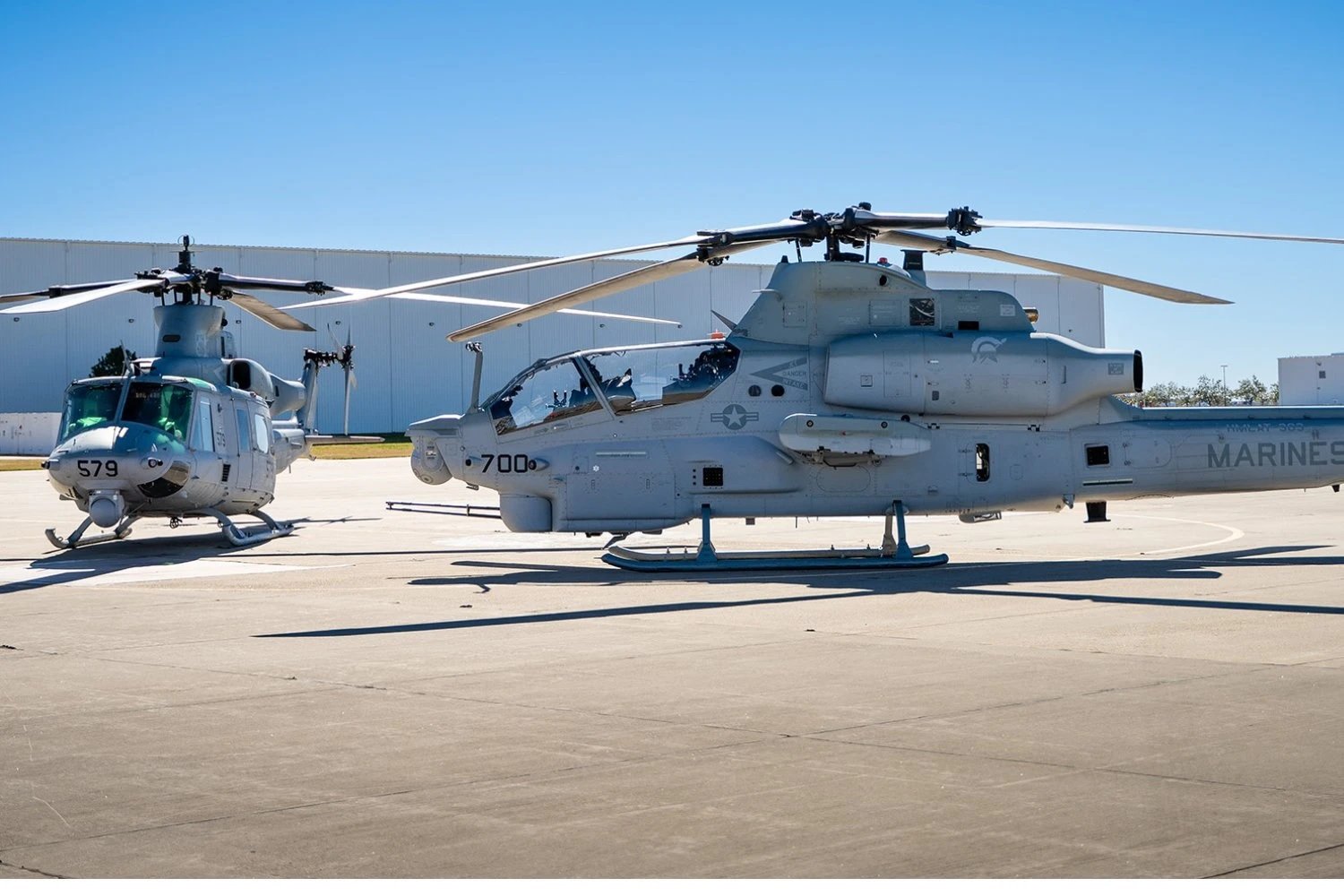 U.S. Awards Bell Textron $33.64 Million Contract for Next Phase of Marine Corps AH-1Z and UH-1Y Helicopter Upgrades
-
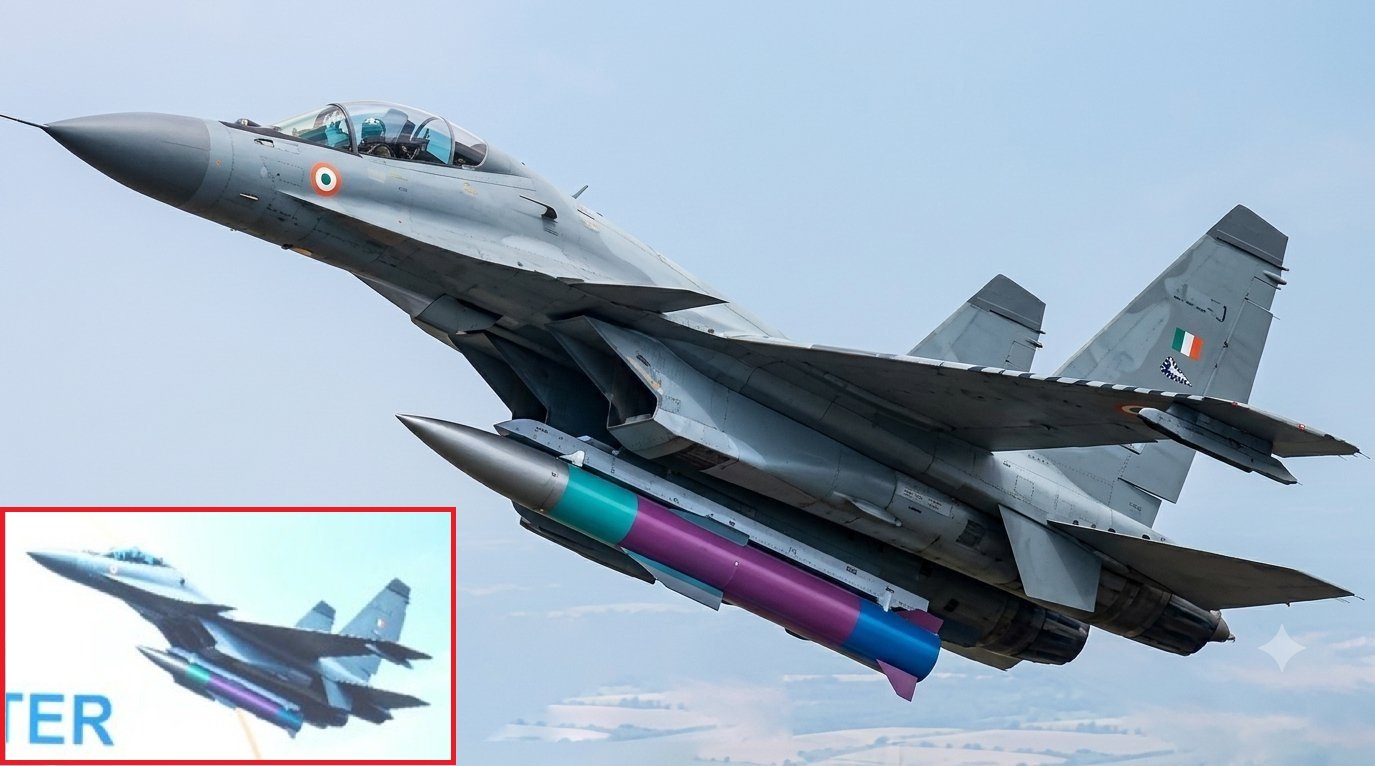 DRDO Developing Long-Range Air-Launched Ballistic Missile for Su-30MKI, Rudram-4 Seen as Likely Candidate
-
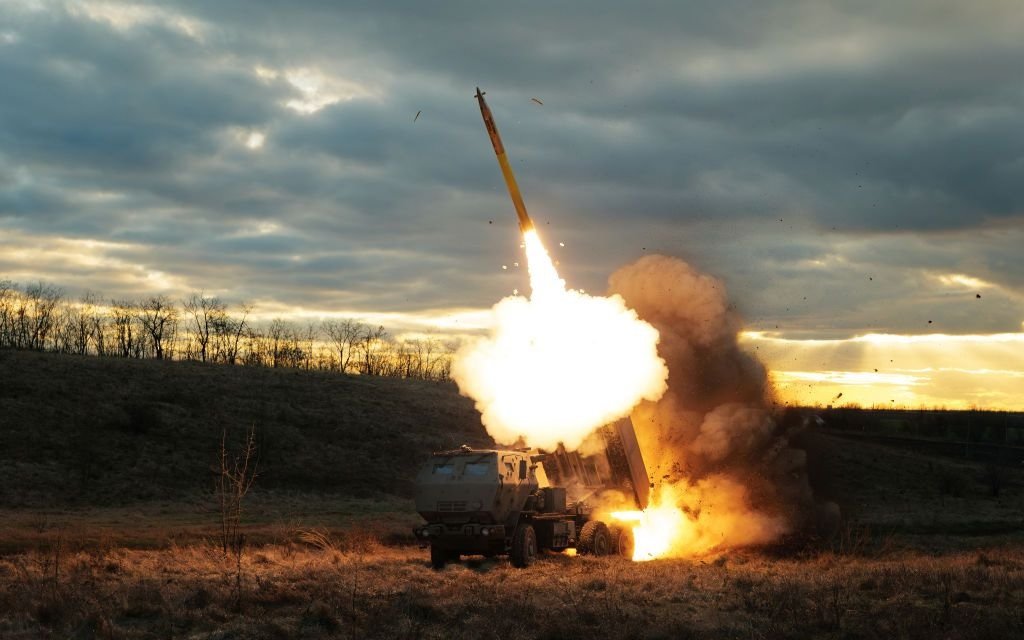 U.S. Military Selectively Intercepts Iranian Missiles to Preserve Shrinking Air Defense Stocks : Report
-
 Unreleased Footage Reveals Why Lindsey Graham Dropped Plan to Push Trump on Hezbollah Strikes
-
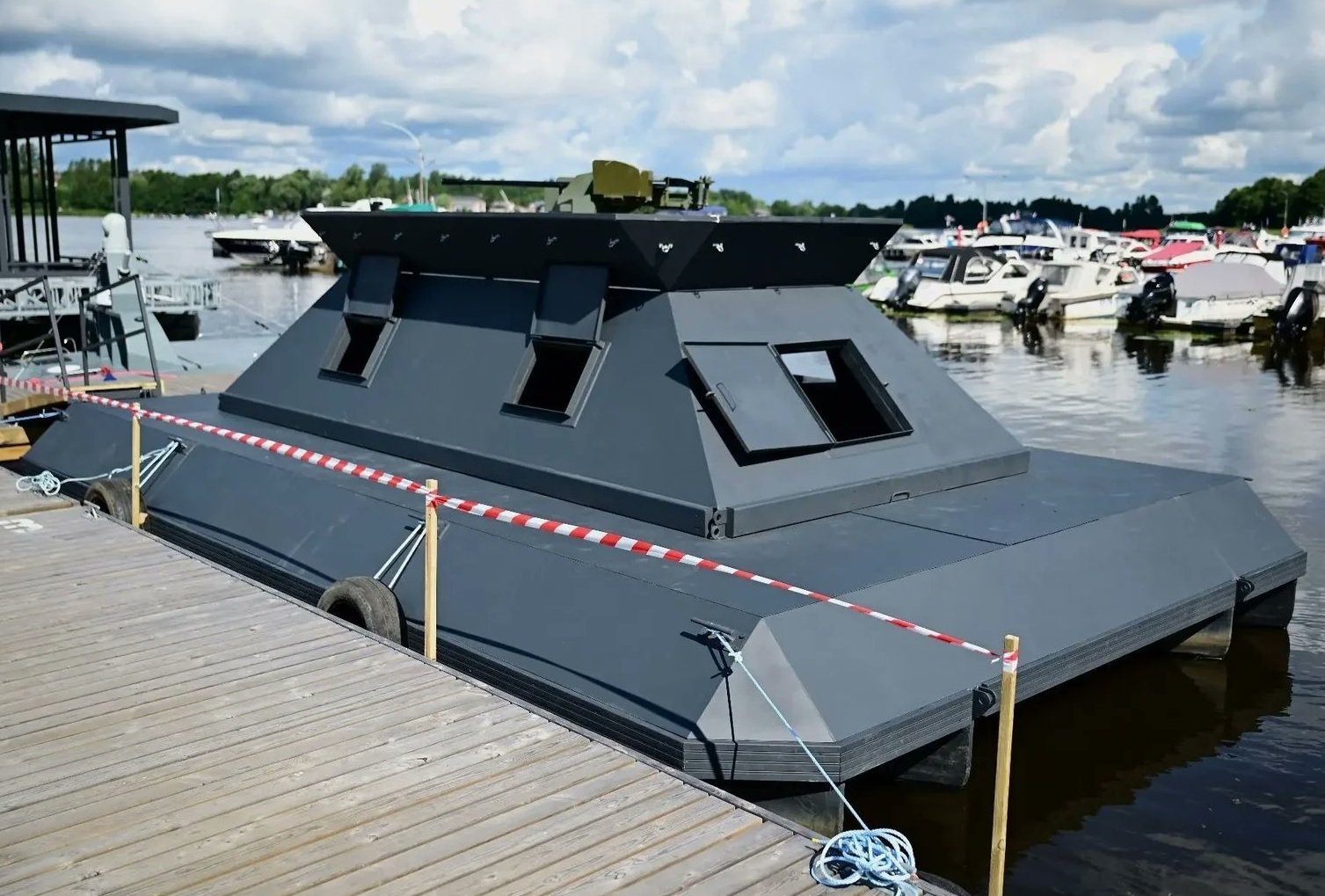 Russia Unveils Experimental Plot-40 Floating Defense Platform to Counter Drone and USV Threats
-
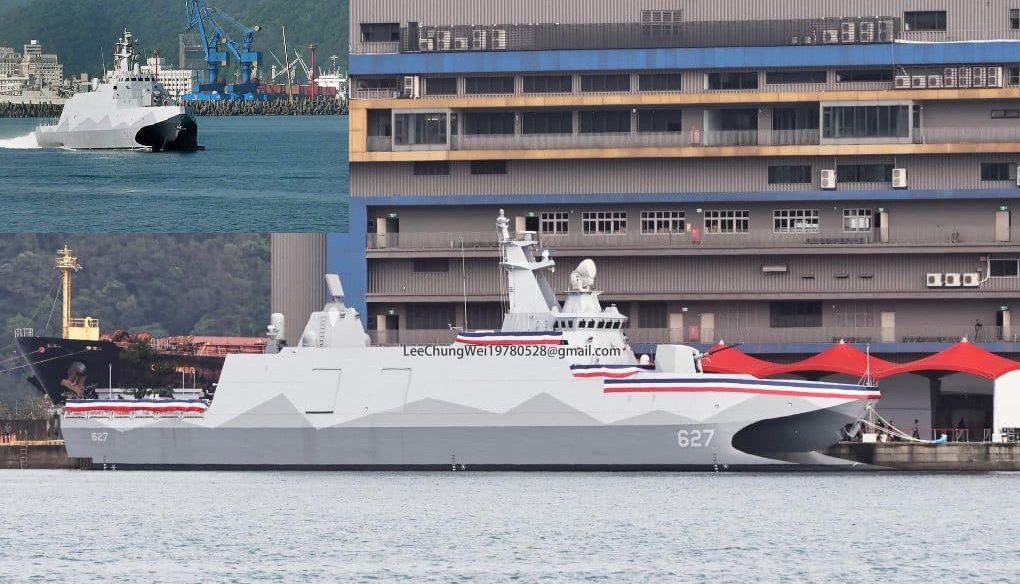 Taiwan Commissions First Batch 2 Tuo Chiang-Class Corvette with New Leonardo Radar
Top Trending in 4 Days
-
 U.S. Navy Awards Northrop Grumman $1.2 Billion Deal for Three New E-2D Advanced Hawkeyes
-
 U.S. Airstrikes Target IRGC Missile Base Near Taft as Overnight Strikes Hit Central Iran
-
 Kuwait and Bahrain Reportedly Launch First Joint Direct Airstrikes on Iran Since War Began : Report
-
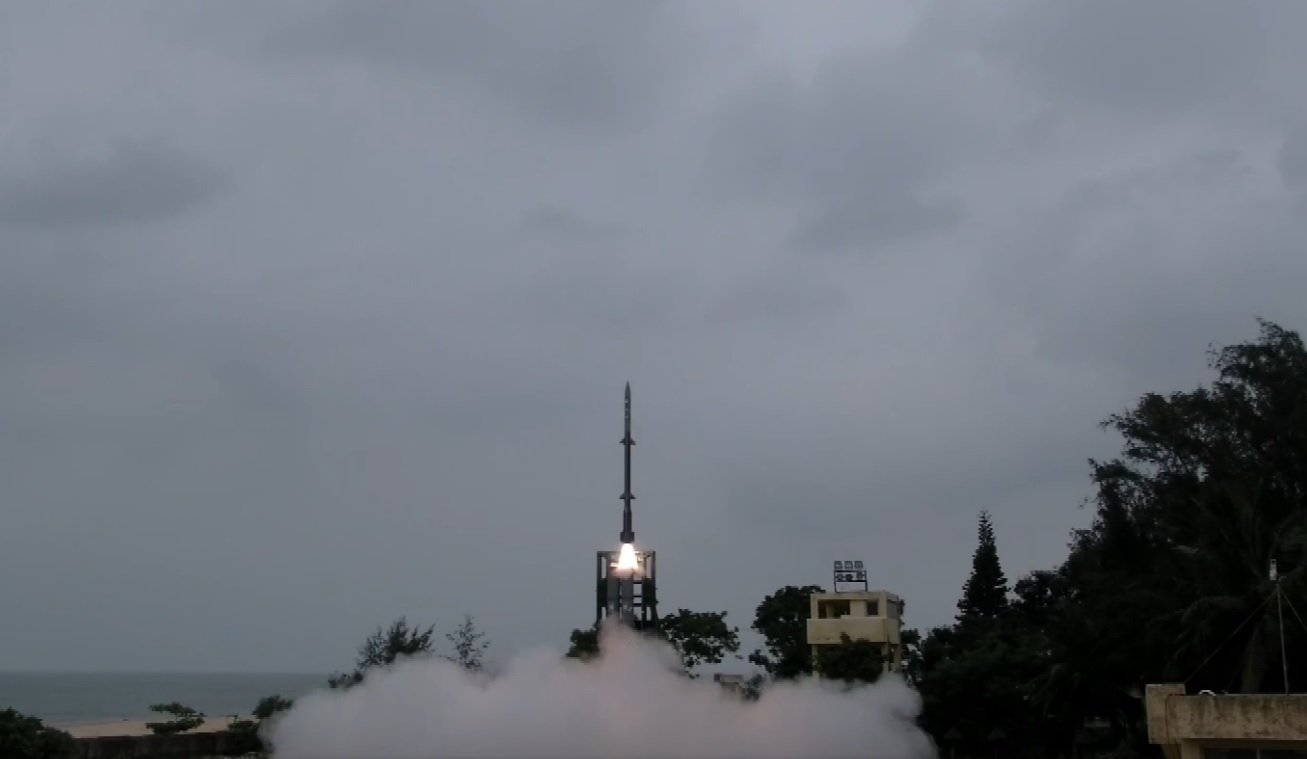 DRDO Successfully Conducts Maiden Flight Test of 150-km-Range Kusha M1 Air Defence Missile
-
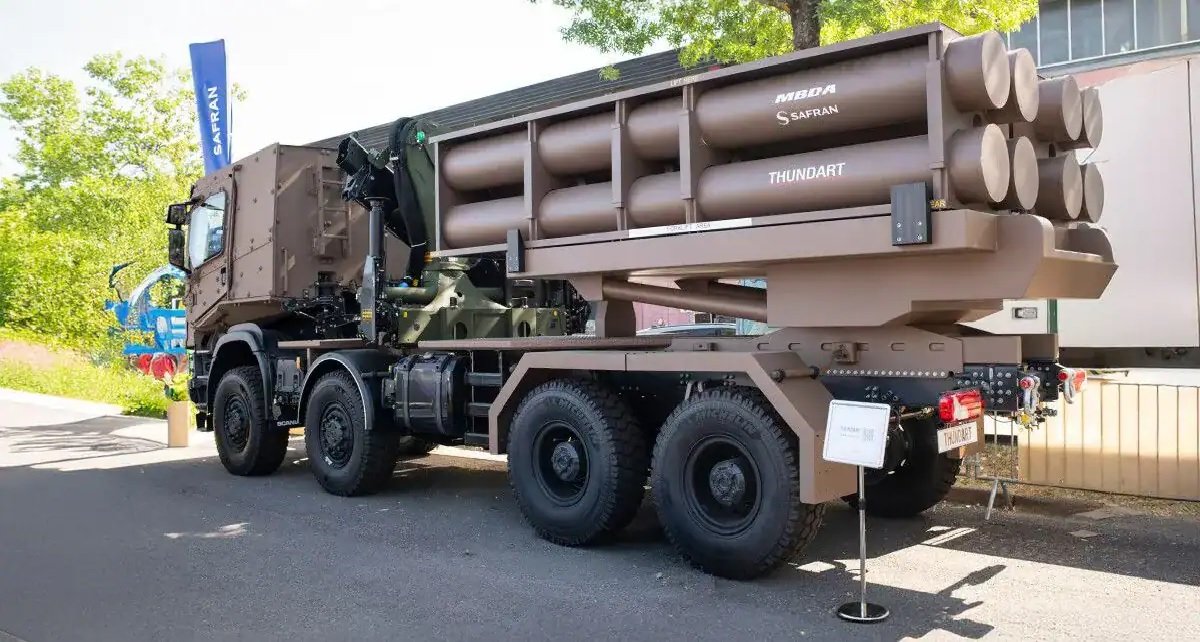 France's THUNDART Long-Range Rocket System May Undergo Prototype Combat Testing in Ukraine
-
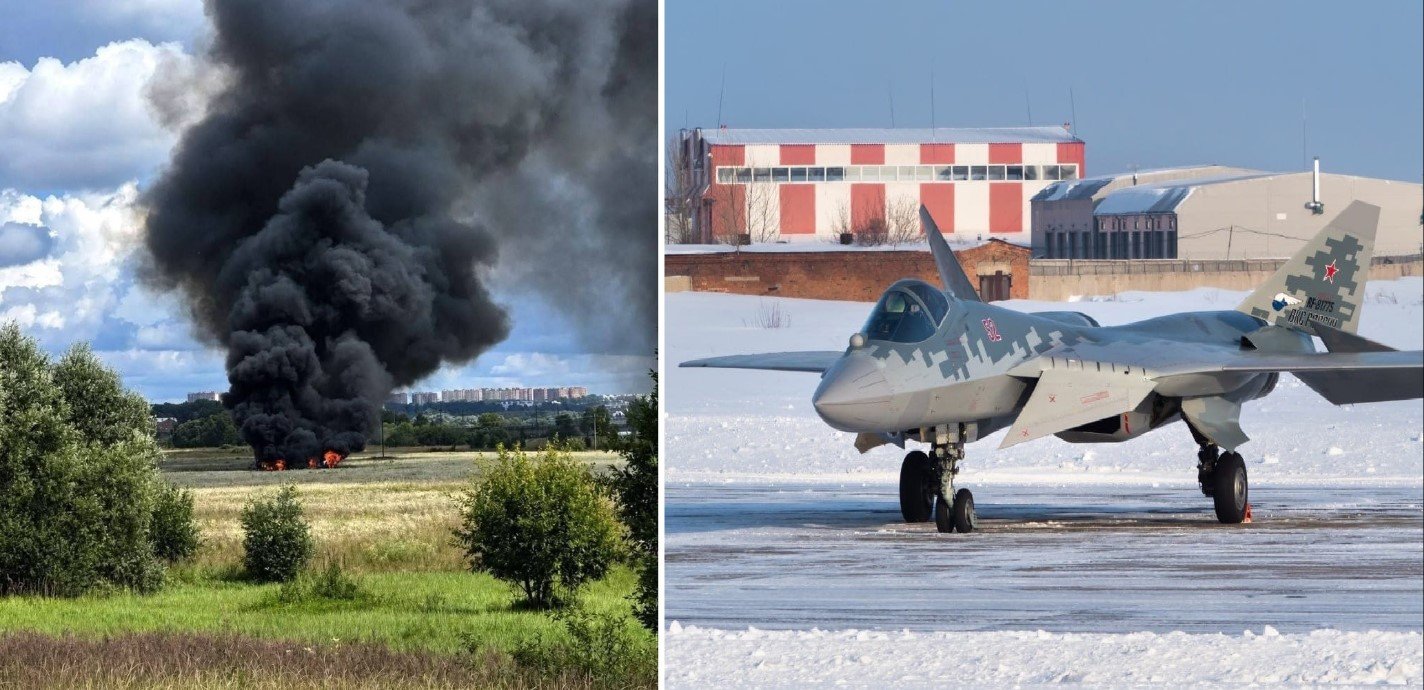 Russian Su-57 Stealth Fighter Crashes During Training Flight Near Moscow, Pilot Ejects Safely
-
 Australia Commits Additional AUD 4.6 Billion to Expand Osborne Shipyard for AUKUS Submarines
-
 China Imposes Dual-Use Export Ban on 14 European Entities After EU's Russia Sanctions
