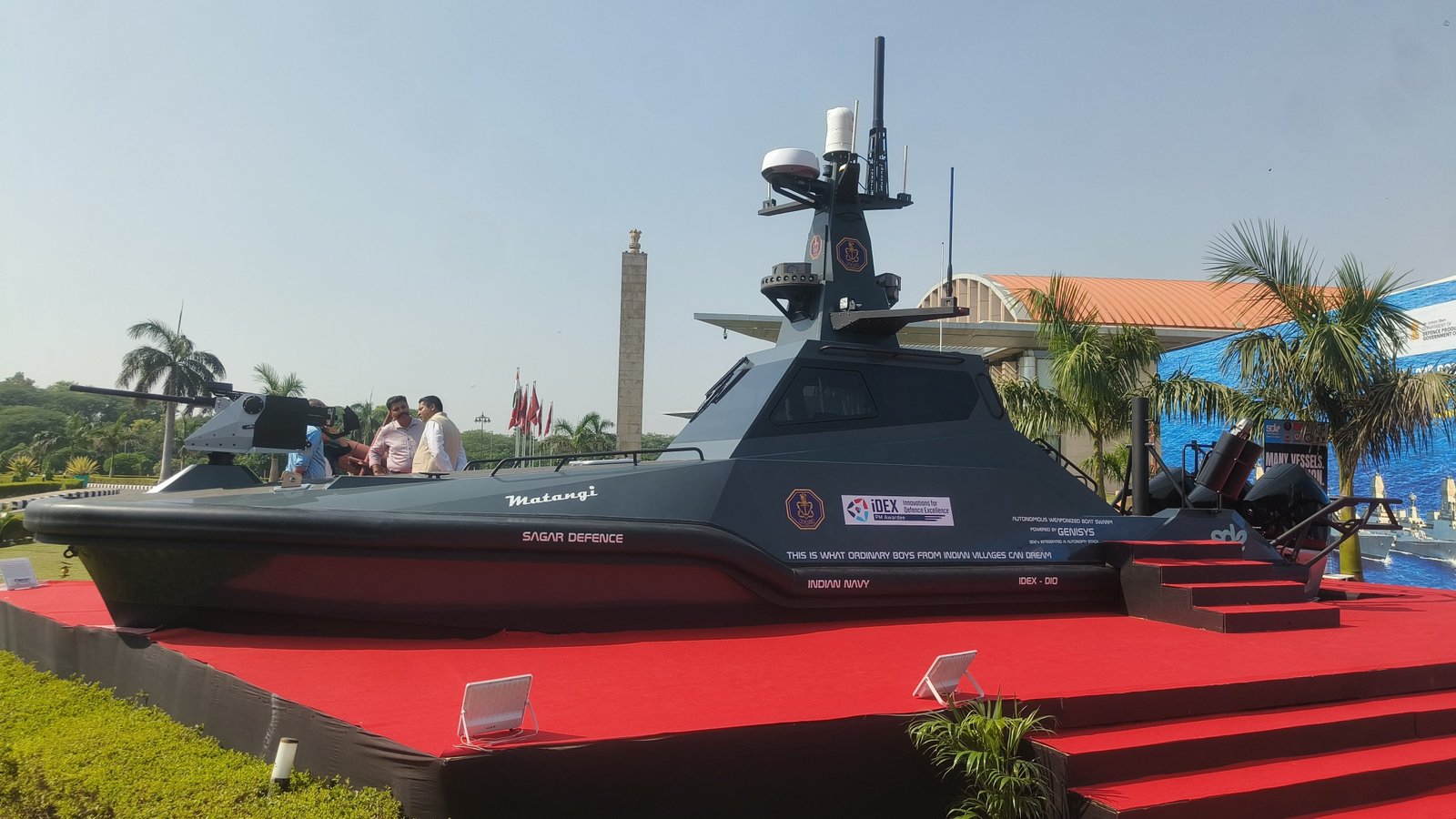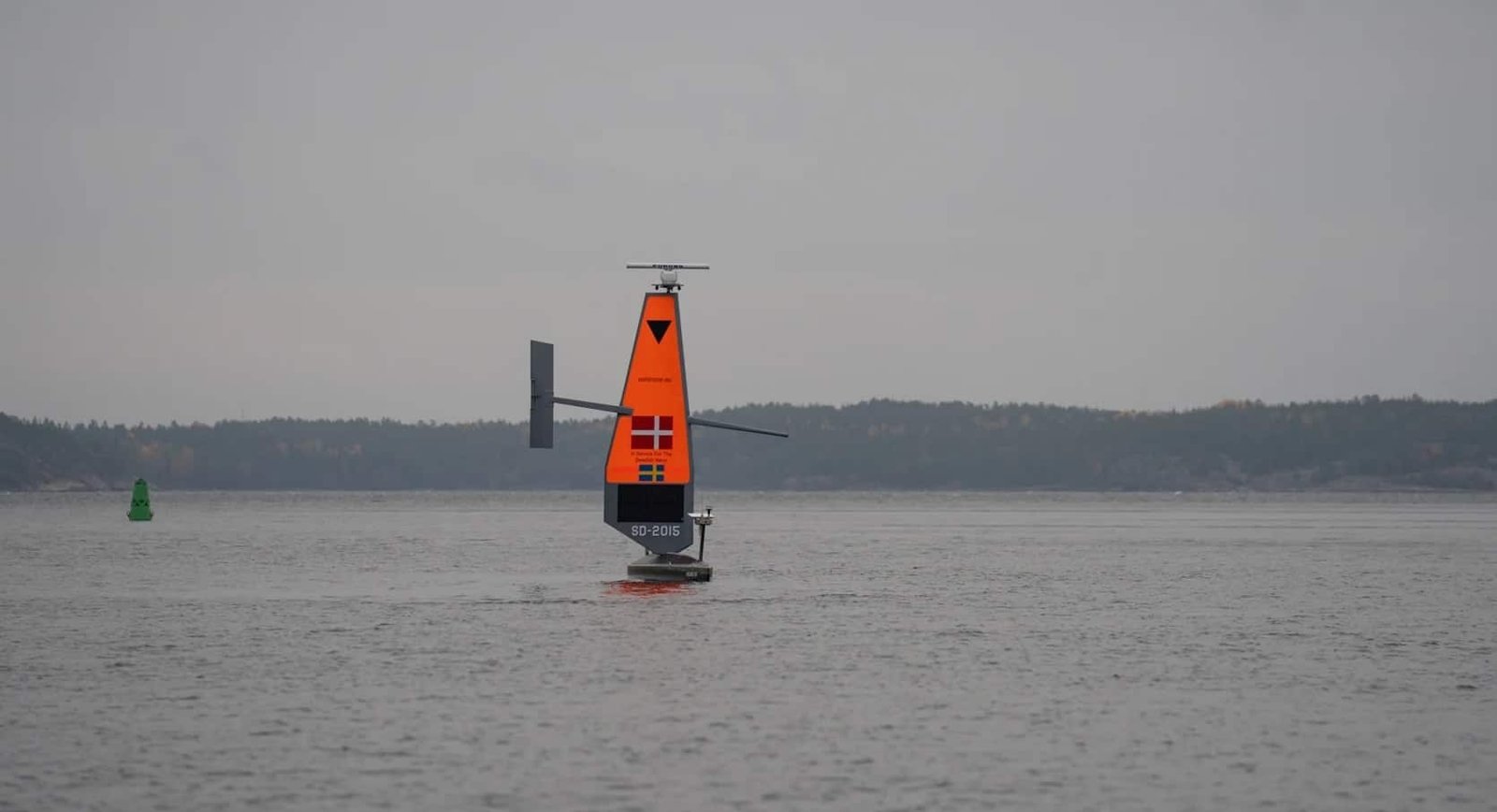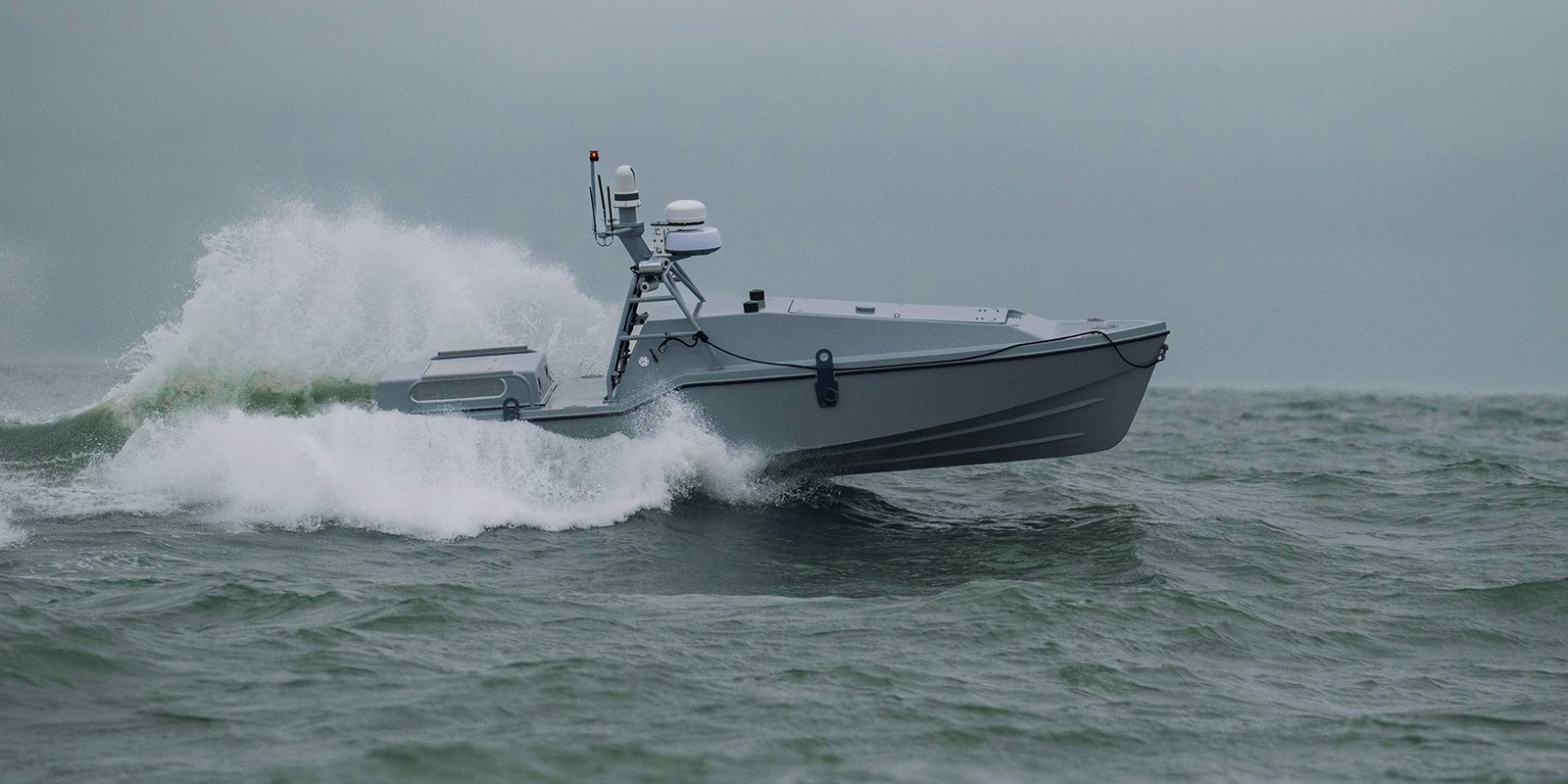
WASHINGTON, — The U.S. Department of Defense’s Defense Innovation Unit (DIU) has launched Sprint 2 of its Suitable Warfighting Adaptive Payloads–Unmanned Surface Vessel (SWAP-USV) challenge, seeking production-ready unmanned boats capable of detecting, tracking, and defeating airborne threats at sea.
Conducted with the Direct Reporting Portfolio Manager for Unmanned Systems, the 12-month competition focuses on affordable maritime air defense against Group 1–3 unmanned aerial systems (UAS), explosive unmanned surface vessels, and rotary-wing aircraft. Selected systems must be suitable for potential forward operational fielding within 120 days.
Operational Requirements and Weapons
Participating vessels must meet these minimum requirements:
-
Cruising speed: At least 10 knots (18.5 km/h).
-
Operational range: At least 200 nautical miles (370 km).
-
Engagement distance: Beyond 3 nautical miles (5.6 km).
Systems must provide 360-degree detection and tracking of aerial and surface threats using sensors designed to handle clutter. They must support autonomous navigation, station-keeping, collision avoidance, and an open, modular command-and-control architecture compatible with Project AVO (Autonomous Vehicle Orchestrator).
Weapons must remain under human supervision, with human-in-the-loop controls for arming, firing, and aborting engagements.
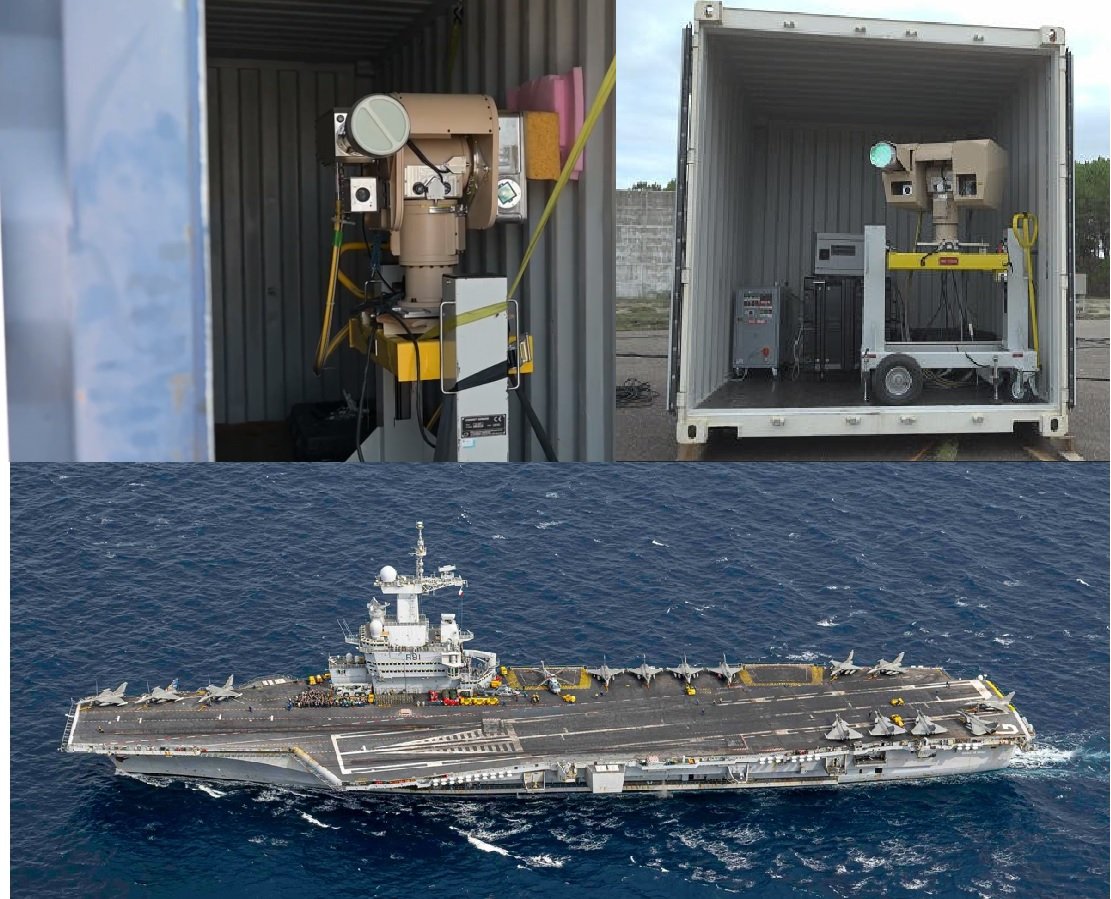
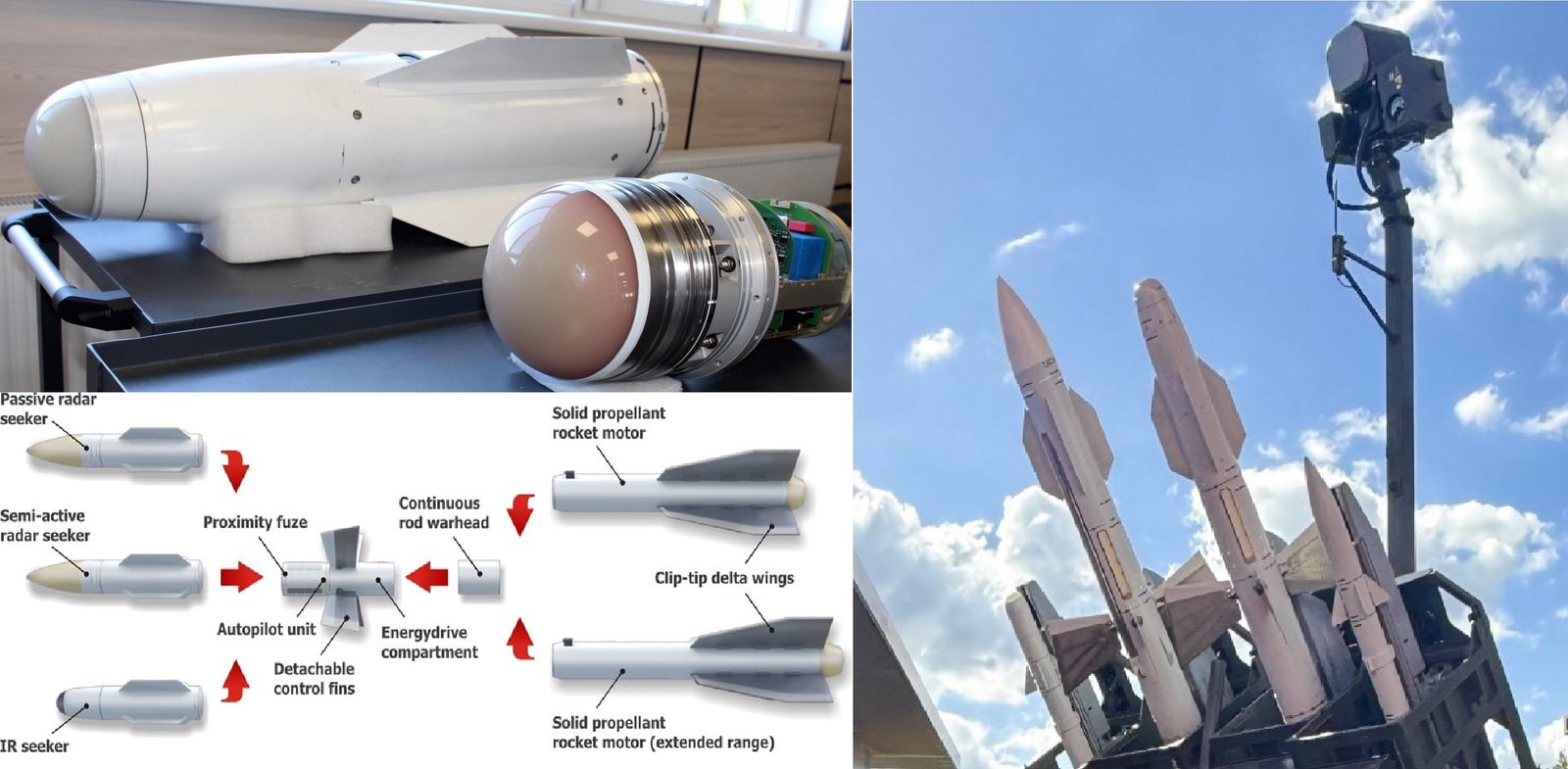
Potential weapons include the AGM-114L Longbow Hellfire, AGM-179 Joint Air-to-Ground Missile (JAGM), Advanced Precision Kill Weapon System (APKWS), Stinger missiles, stabilized machine guns of 7.62 mm caliber or greater, high-power lasers, and other mature kinetic effectors already in production.
Proposals must integrate the vessel, launcher, sensors, and weapon as a complete system. Platform-only and weapon-only submissions will not be considered. Desired features include continuous surveillance, low operating and logistics costs, transport by truck, container or cargo aircraft, GPS-independent navigation, and the ability to engage surface or land targets. Rapid field rearming by a small crew is also preferred.
The competition is open to U.S. and international companies, individually or in teams. Applicants must demonstrate proven integration, past performance, active production lines, and the ability to increase production. The challenge prioritizes lifecycle cost-effectiveness, including production, operating hours, and maintenance, rather than standalone platform performance.
Timeline and Funding
Sprint 2 offers up to $40 million in prize funding. Pitch decks of up to 15 slides are due by November 29 or 30, 2026, according to the reports provided. Selected teams must be ready to demonstrate integrated systems within 30 days of down-selection.
In-water testing is planned for early 2027, beginning with company-run demonstrations and followed by a government evaluation lasting approximately three weeks at Joint Expeditionary Base Little Creek, Virginia. Operators will assess performance against drone and rotary-wing targets in jammed environments, including simulated and live-fire engagements.
The overall SWAP-USV challenge has up to $100 million across three sprints: $40 million each for Sprints 1 and 2 and up to $20 million for Sprint 3. An additional $200 million is budgeted for potential follow-on prototype or production agreements through other transaction authority.
Sprint 1 began in July 2026, focusing on USVs integrated with aerial drones for strike missions and battle-damage assessment. Its testing is expected in fall 2026, while Sprint 3 is scheduled to begin in spring 2027.
The program aims to accelerate the fielding of mature, affordable maritime defense systems rather than fund extensive new development. Final requirements and potential follow-on agreements remain subject to testing and evaluation.
——— End of Article ———