World
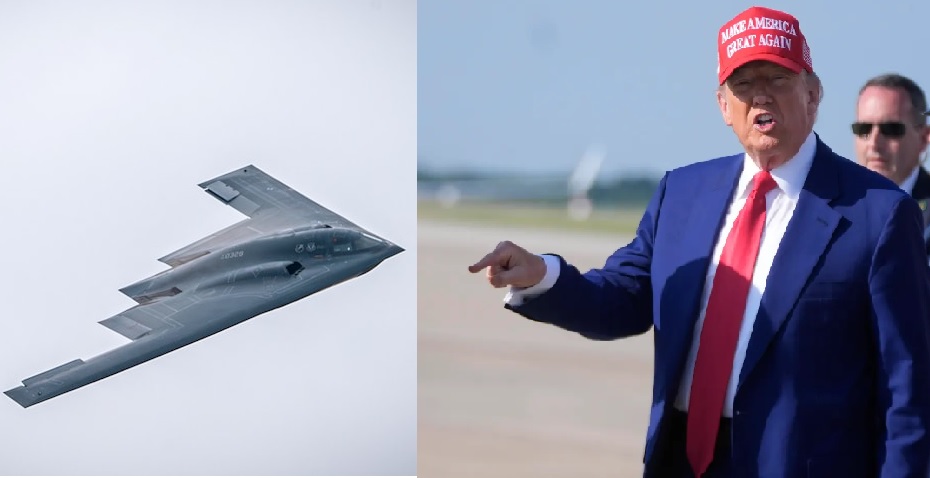
In a dramatic escalation of tensions in the Middle East, the United States launched a powerful airstrike operation on three of Iran’s key nuclear sites. Former U.S. President Donald Trump, who is actively involved in directing military decisions, confirmed the attacks in a statement on his Truth Social platform early Saturday. Which Sites Were Attacked? The U.S. targeted three major Iranian nuclear facilities: Fordow — an underground uranium enrichment facility built deep inside a mountain near the city of Qom. Natanz — Iran's largest and most important uranium enrichment plant. Esfahan — home to nuclear research and fuel production sites. These sites are crucial to Iran's nuclear program, and their targeting marks one of the most significant military moves in the region in recent years. What Was Used in the Attack? According to military sources, the U.S. operation involved: Total 125 U.S Military Aircraft Involved , in which 7 B-2 Spirit stealth bombers — long-range, radar-evading aircraft capable of delivering heavy payloads over fortified targets . The bombers dropped 14 GBU-57 "Massive Ordnance Penetrator" bunker-buster bombs, 12 on the Fordow site & 2 on Natanz, designed specifically to destroy deeply buried and hardened structures like underground nuclear facilities . Total 71 Precision Munitions dropped in this Operation named ' Midnight Hammer ' The operation was supported by one U.S. Navy Ohio-class guided-missile submarine, positioned in the northern Arabian Sea, which launched 30 Tomahawk cruise missiles targeting key air defense and radar installations around Natanz and Esfahan, clearing the way for the bomber strike. Why Was the Attack Carried Out? This military strike comes amid rising tensions between Iran, Israel, and the United States. Just two days earlier, Trump had publicly stated he would decide within two weeks whether to support Israel in its military standoff with Iran. However, increased intelligence about possible Iranian nuclear activities reportedly prompted immediate action. Iran had threatened to retaliate against U.S. military bases and allies in the region if attacked. Despite this, Trump declared the mission a success and urged for peace following the operation. “There’s not another military in the world that could have done this. Now is the time for peace!” Trump wrote. Evacuation of U.S. Citizens from Israel In parallel to the airstrikes, the U.S. Embassy in Israel began evacuating American citizens and residents from Israel and the West Bank due to fears of potential Iranian counterattacks on U.S. personnel and assets in the region. Former Governor Mike Huckabee confirmed on social media that the U.S. government was actively assisting its citizens in the region. What Happens Next? While the immediate military objective appears accomplished, the region remains tense. Iran has vowed to respond, and neighboring countries have increased their military alert levels. Analysts warn of possible retaliatory missile or drone attacks against U.S. bases in Iraq, Syria, and the Persian Gulf.
Read More → Posted on 2025-06-22 10:52:49
India
New Delhi Rejects Speculation of Stealth Fighter TalksOn June 21, 2025, Defence Secretary Rajesh Kumar Singh set the record straight regarding India’s interest in fifth-generation stealth fighter jets. Appearing on a podcast, he said, “On F‑35A and Sukhoi Su‑57E, whatever has been discussed has been informal. We don’t have any formal consultation going on on these.” This statement dispels rumours circulating in recent days that India was in serious negotiations for either the US‑made F‑35A or the Russian Su‑57E (m.economictimes.com). Strategic Shift Towards Self‑RelianceInstead of pursuing foreign stealth jets, India is focusing on developing the Advanced Medium Combat Aircraft (AMCA). With a projected timeline of roughly eight years to first flight and production, this initiative seeks to bolster indigenous capabilities and industrial participation. Singh highlighted that the AMCA programme is now open to both public and private sector firms, including Hindustan Aeronautics Limited (HAL), under a competitive execution model (m.economictimes.com). Procurement Reforms and Growing Export VoiceIn the same podcast, Singh outlined broader defence reforms. He noted that procurement timelines are being accelerated—from six years down to two. He emphasized that funding isn't an issue; rather, red tape is. Additionally, India’s defence exports have surged to ₹23,000 crore, underscoring growing confidence in the domestic defence manufacturing industry (economictimes.indiatimes.com). Russia’s Su‑57E Offer in ContextEarlier this year, Russia officially offered the Su‑57E for joint production in India, promising full technology transfers, local assembly, and source-code access (reuters.com). However, reports suggest New Delhi may condition any future deal on integrating Indian-made AESA radars and mission systems—insisting on GaN-based Uttam and Virupaksha radars rather than Russia’s GaAs-powered Byelka (defencesecurityasia.com). These demands reflect New Delhi's push for technological sovereignty and seamless integration with existing fleets. F-35A: Geopolitics vs. PragmatismThe US has also quietly signalled potential interest in selling F‑35As to India. Still, Singh’s statement confirms no binding or formal steps in that direction—reinforcing New Delhi’s cautious stance and prior reliance on French Rafales, American logistics, and evolving Make‑in‑India priorities (medial.app). What This All Means Key Dimension Implication No Formal Talks Clears public ambiguity—India is not in contract negotiations with U.S. or Russia on stealth jets. AMCA Focus Signals a strategic pivot towards indigenous 5th-generation capability. Tech Sovereignty India insists on domestic avionics and sensors, even for foreign platforms. Procurement Efficiency Faster buy cycles, growing export potential hints at policy overhaul. The Road Ahead AMCA Development First flight targeted around 2033. Open competition may invite private firms like Adani or Tata alongside HAL. MRFA Competition As India progresses with AMCA, it is still expected to fill fleet gaps under the Multi-Role Fighter Aircraft (MRFA) programme—likely involving Rafales, F‑21, Super Hornets, Gripens, and possibly Su‑57E or F‑35A in the long run (x.com, medial.app, en.wikipedia.org). Supplier Strategy India’s insistence on source-code and sensor control may limit choices. Russia appears willing to comply; the U.S. is less flexible on tech transfer. Defence Secretary Singh’s clear stance underscores a multi-pronged approach: no external shortcuts to fifth-gen capabilities, deeper defence industrialization, and procurement reform. India is charting a path balancing strategic autonomy with global partnerships—eyeing stealth but on its own terms.
Read More → Posted on 2025-06-21 16:22:48
World
In a conflict where every second and missile counts, Israel’s once-celebrated missile defense system appears to be under strain. Reports now suggest that the country’s interception rate, which historically hovered around 90%, has fallen sharply to nearly 65% during the latest missile exchanges with Iran. Defense analysts and insiders point to several reasons behind this worrying decline — ranging from missile stock shortages to the introduction of more advanced Iranian weapons. Let’s break down what’s happening. A Steep Drop in Interceptions According to reports from NBC and The New York Times, Iran recently launched around 400 missiles towards Israel. Of these, nearly 40 managed to bypass Israel’s air defense and strike populated areas. While a 90% interception rate might sound impressive, this dip to 65% in the latest attacks is significant for a nation that has long relied on its multi-layered defense shield. This drop comes amid warnings from outlets like The Wall Street Journal and Newsweek that Israel’s stockpile of crucial Arrow missile interceptors is running low — a vulnerability Israel can ill afford at a time of escalating tensions. Why Are Missiles Getting Through? Several interconnected factors explain this drop in interception rates: 1️⃣ Depleting Interceptor Stocks Israel’s air defense relies on a layered system: Iron Dome for short-range threats like rockets and mortars. David’s Sling for medium- to long-range rockets and cruise missiles. Arrow 2 and Arrow 3 for high-altitude ballistic missile threats. Arrow interceptors are highly sophisticated and expensive, costing up to $3 million each. Their production is slow and involves a complex supply chain, partly handled by Boeing in the U.S. The current high operational tempo may be exhausting these stockpiles faster than they can be replenished. 2️⃣ Newer, Faster Iranian Missiles Iran has reportedly deployed hypersonic missiles in these recent attacks. Capable of traveling at extreme speeds while maneuvering mid-flight, these missiles drastically reduce the time Israel’s defenses have to respond — from about 10–11 minutes in past scenarios to just 6–7 minutes now. A senior Israeli official admitted the narrower response window makes interceptions much harder, especially when combined with mass salvos of missiles launched simultaneously. 3️⃣ Multiple-Warhead (Submunition) Missiles Some Iranian missiles now carry multiple warheads or submunitions. In one instance, a missile dispersed around 20 submunitions from 23,000 feet, each capable of striking independently within a 16 km area. This technique overwhelms air defense systems by multiplying targets, forcing Israel to either spread its defenses thin or prioritize critical assets — increasing the risk of some warheads getting through. 4️⃣ Possible Electronic Warfare (EW) Tactics Iran’s Islamic Revolutionary Guard Corps (IRGC) claimed it used advanced electronic warfare techniques to confuse Israeli defenses during a recent missile strike. While this claim remains unverified, Iran has demonstrated EW capabilities before — most notably when it captured a U.S. RQ-170 Sentinel stealth drone in 2011 via GPS spoofing. If true, even limited EW disruption could mislead air defense systems, causing interceptors to miss their targets or, in rare cases, misfire. The Manufacturing Bottleneck Another concern is that manufacturing Arrow 2 and Arrow 3 interceptors takes time — involving sensitive technology and meticulous quality checks. The sophisticated nature of these interceptors, coupled with limited production capacity and expensive components, means Israel cannot rapidly replenish stocks during extended conflicts. Should Israel Be Worried? While it’s too soon to conclusively state that Israel’s missile defenses are failing, the combination of faster, smarter Iranian missiles, advanced tactics, and limited interceptor supplies presents a serious challenge. Even if the drop to 65% interception occurred over a limited 24-hour period, it serves as a stark reminder of how quickly modern warfare evolves — and how even the most advanced defense systems can be stretched thin under sustained pressure. For Israel, the next steps will likely involve: Urgently replenishing interceptor stocks. Upgrading systems to handle hypersonic and submunition threats. Enhancing electronic warfare countermeasures. The broader takeaway for military planners worldwide: no missile shield is invincible, and technology races forward on both sides of any conflict.
Read More → Posted on 2025-06-21 16:07:09
World
On May 27, 2025, what seemed like a simple gesture of diplomatic goodwill may have carried deadly intent. According to an MI6 intelligence leak, Pakistan's Chief of Army Staff, General Asim Munir, allegedly gifted a high-end wristwatch—suspected of concealing an electronic interceptor beacon—to Iran’s top military commander, Major General Mohammad Bagheri, during a private meeting in Rawalpindi. Within 72 hours of this closed-door encounter, Israeli intelligence agency Mossad reportedly used precise geolocation data to eliminate Bagheri in a targeted strike near the Iranian border with Syria—a region long known to be a corridor of Iranian IRGC-Quds Force operations. The unprecedented accuracy of the strike raised red flags in Tehran, prompting a quiet but urgent internal probe into the possibility of electronic compromise. Now, with fingers pointing to an unlikely collaborator—Pakistan—the Islamic Republic finds itself questioning the loyalty of a nation it once considered a strategic Islamic ally. Behind the Scenes: Mossad, MI6, and a Watch The British MI6 report, circulated discreetly among Five Eyes partners and later leaked to select Middle Eastern outlets, paints a damning picture. Sources allege that the wristwatch was embedded with a miniature beacon—likely activated after contact—that relayed General Bagheri’s movements in real time. Experts suggest such devices, small enough to be inserted into the casing of a luxury timepiece, can transmit encrypted signals across vast distances using satellite relays or local cellular networks. Mossad, known for leveraging human intelligence and advanced signal interception technologies, has reportedly been hunting senior IRGC figures involved in arms transfers to Hezbollah and Syria. Bagheri, who oversaw Iran’s foreign military operations, was high on that list. The strike’s timing—days after the supposed gift exchange—raises troubling questions: Did Pakistan knowingly facilitate this operation? Or was it merely a pawn in a much larger intelligence game directed by the West? Strategic Games or Subtle Betrayals? Publicly, Pakistan and Iran have maintained a carefully managed narrative of Islamic brotherhood, joint border security, and economic partnership, especially under the China-Iran-Pakistan corridor discussions. But under the surface, tensions have simmered for years. Iran has accused Pakistan of harboring anti-Shia and separatist elements, especially Baloch insurgents operating across the shared border. Meanwhile, Islamabad views Iran’s deepening military ties with India and Afghanistan with suspicion. Some intelligence analysts suggest Pakistan may be hedging its bets in a volatile region. By subtly aligning with Western intelligence agencies—or even indirectly with Israel—Pakistan could be attempting to clean up its image post-Afghanistan and strengthen its case for more aid and defense support from the U.S. and Gulf monarchies. Others argue this is part of a broader, long-term realignment in West Asia. With Saudi-Israeli normalization talks back on the table and the Abraham Accords still shaping regional diplomacy, Pakistan may see advantage in quietly cultivating backchannels to Tel Aviv—using shared anti-Iran sentiment as a bridge. Iran’s Calculated Silence Interestingly, Iran has not officially accused Pakistan of betrayal, nor has it released any details about the Bagheri assassination. Tehran’s silence may indicate internal uncertainty—or fear of exposing just how deeply its upper echelons may have been penetrated. Leaks from within the Iranian IRGC suggest a complete communications blackout was ordered following the strike, with emergency vetting of all foreign-supplied devices, including diplomatic gifts. Iranian social media, however, has exploded with anger. Hashtags like #TraitorInUmmah and #PakSellout trended on Persian-language Twitter (X), with users questioning whether Pakistan has turned from a brotherly ally into an agent of espionage. Implications for the Ummah Narrative This incident could mark a turning point in how Islamic states perceive each other behind the veil of unity. While organizations like the OIC continue to promote solidarity, the ground reality suggests a world where interests often outweigh ideology. As one Gulf-based analyst told Al-Quds Al-Arabi, “The Ummah is a myth in the age of strategic autonomy. Iran trusted Pakistan; it may have been outmaneuvered not by Zionists, but by its so-called Muslim brethren.” Whether Pakistan played a deliberate role in aiding Mossad, or was an unwitting middleman manipulated by foreign intelligence, the consequences are profound. The Tehran-Islamabad axis, already fragile, is now burdened by a deep layer of mistrust. In an era of shifting alliances and covert wars, the watch on Bagheri’s wrist may become a symbol—not just of betrayal—but of a new Middle East where friendships are conditional, and loyalty is transactional. If this intelligence report holds true, Pakistan stands at the crossroads of an emerging geopolitical realignment—where it must choose between old loyalties and new opportunities. But Tehran will not forget. And in the chessboard of West Asia, every move now will be watched.
Read More → Posted on 2025-06-21 15:27:33
World
In a sharp warning to Washington, Russia has cautioned the United States against any military intervention in the escalating conflict between Iran and Israel, labeling such a move as dangerously unpredictable. The warning comes amid speculation that the U.S. might join Israel in military strikes against Iran following recent hostilities between the two Middle Eastern nations. Tensions soared after Israel carried out a major airstrike on Iranian targets last week, prompting Iran to respond with a barrage of missiles and drones. The situation has alarmed global powers, including Russia and China, who are now calling for immediate de-escalation and a return to diplomacy. Russian foreign ministry spokeswoman Maria Zakharova made Moscow’s stance clear, warning that any U.S. military involvement would be a grave mistake with unforeseeable consequences. "We would like to particularly warn Washington against military intervention in the situation," she said during a press briefing. Former U.S. President Donald Trump, widely expected to be a key player in the upcoming elections, had stated that he was considering joining Israel’s military efforts against Iran. “I may do it, I may not do it,” Trump said, while also dismissing Russian President Vladimir Putin’s offer to mediate the crisis. “Let’s mediate Russia first,” Trump quipped, referring to the ongoing war in Ukraine. Despite being a strategic partner of Iran and having signed a cooperation agreement earlier this year, Russia has not provided any military assistance to Tehran in this conflict. President Putin has clarified that Iran has not requested military aid, and that their agreement does not mandate such a response. "Our Iranian friends have not asked us about this," he said during a press conference, adding that their recent pact was not a defense treaty. Putin has positioned himself as a potential mediator, having held phone conversations with both Israeli Prime Minister Benjamin Netanyahu and Iranian President Masoud Pezeshkian. Russia, he said, is willing to facilitate peace talks if both parties are interested. His spokesman added that Moscow would be ready to send humanitarian aid to Iran if requested. Adding to Russia’s diplomatic push, Putin recently spoke with Chinese President Xi Jinping. Both leaders strongly condemned Israel’s recent military actions and jointly called for an immediate ceasefire. Xi emphasized that armed conflict is not the solution and stressed the importance of avoiding further escalation or regional spillover. China has echoed Russia’s offer for mediation, expressing hope that a political solution can be reached. Putin’s aide, Yuri Ushakov, said both Moscow and Beijing believe that peace can only be achieved through diplomatic efforts, not military force. However, Western leaders remain skeptical of Putin’s intentions. Trump, along with French President Emmanuel Macron and others, has rejected Russia’s attempts to play peacemaker, citing Moscow’s own ongoing war in Ukraine as a reason to question its credibility. Still, Russia’s firm stance and involvement in Middle East diplomacy highlight its attempt to maintain influence in a region where it has long balanced relationships with multiple players — including Israel, Iran, and Syria. But with the fall of its Syrian ally Bashar al-Assad and the growing instability in the region, Moscow now finds itself walking a diplomatic tightrope, trying to project itself as a stabilizing force while safeguarding its own interests. As the Iran-Israel conflict continues to evolve, the global community watches closely — with hopes of de-escalation, and growing fears of a wider war if international powers become directly involved.
Read More → Posted on 2025-06-21 15:18:00
World
Indonesia is steadily moving towards a significant milestone in its naval modernization plans by showing active interest in acquiring an aircraft carrier — specifically, the Giuseppe Garibaldi, a former Italian Navy flagship. This potential procurement was highlighted at the IndoDefence 2025 exhibition held in Jakarta from 11–14 June 2025, where Indonesian defense firm REPUBLIKORP, in collaboration with PT Palindo Marine, unveiled a conceptual model of a future naval fleet. The display featured various vessels including a stealth corvette, submarine, fast attack craft, unmanned surface vehicle (USV), and notably, an aircraft carrier model labeled “Giuseppe Garibaldi.” Carrier Model Suggests New Direction Interestingly, the model bore little resemblance to Italy’s actual Giuseppe Garibaldi light aircraft carrier, suggesting it was more of a conceptual design symbolizing Indonesia’s aspirations for a modern carrier fleet, rather than a direct replica. A display panel described the Garibaldi’s roles as a mobile command center capable of air defense, anti-submarine operations, escort missions, and humanitarian aid, underlining its versatility. General characteristics from the panel included: Displacement: 10,100 tons (standard), 13,850 tons (full load) Length: 180.2 meters (591 ft) Beam: 33.4 meters (109 ft) Draught: 5.7 meters (19 ft) These figures suggest a compact light carrier, optimized for regional operations and well-suited to Indonesia’s vast maritime environment. Talks with Fincantieri Confirmed In an interview with Naval News, Mauro Mansini, Director of Sales Naval Business Unit at Italian shipbuilder Fincantieri, confirmed that discussions between the Indonesian and Italian governments are underway. No formal decision has been made yet, but the possibility of transferring the Giuseppe Garibaldi remains on the table. Mansini emphasized the ship’s 15–20 years of remaining service life and its suitability for helicopters, drones, fixed-wing aircraft, and amphibious operations. He also highlighted its history of humanitarian missions, including deployments after the 2010 Haiti earthquake. If an agreement proceeds, the carrier would undergo a refit tailored to TNI AL (Tentara Nasional Indonesia Angkatan Laut) operational needs. Indonesia Eyes TB3 UCAVs for Carrier Operations A notable feature of the exhibition was the presence of Baykar Technologies’ Bayraktar TB3 unmanned combat aerial vehicles (UCAVs) at the REPUBLIKORP booth, displayed aboard the carrier model. The TB3, currently being trialed on Turkey’s TCG Anadolu, is capable of short take-offs from aircraft carriers and amphibious ships. Baykar representatives confirmed that Indonesia has shown serious interest, and a preliminary agreement has been signed for the purchase of 60 TB3 drones. The final deal is reportedly in advanced discussions. For the first time, Baykar officials also revealed that the TB3 exists in two variants: A shipborne model designed for carrier operations A land-based variant with higher maximum take-off weight, larger fuel capacity, and longer endurance This dual-configuration capability could significantly boost Indonesia’s ability to project air power both at sea and from shore bases. What This Means for Indonesia If the Giuseppe Garibaldi deal is finalized, Indonesia would join a small group of Asian nations with an aircraft carrier, strengthening its presence in regional waters amid growing maritime challenges. Coupled with an operational fleet of carrier-capable drones, the move would represent a significant leap in Indonesia’s maritime defense and disaster relief capabilities. For now, official negotiations continue, but the display at IndoDefence 2025 signals Indonesia’s clear intent to develop a modern, flexible, and unmanned-capable naval force.
Read More → Posted on 2025-06-21 15:11:50
India
India is preparing to enter a new era in air combat capability with the planned mass production of the Astra Mk2 beyond-visual-range air-to-air missile (BVR-AAM). Designed and developed by the Defence Research and Development Organisation (DRDO), the Astra Mk2 is set to become the backbone of the Indian Air Force’s long-range air combat arsenal. In a significant move to accelerate delivery and support self-reliance in defence, the Ministry of Defence will implement a dual production strategy involving both public and private sector players. The Astra Mk2 missile is a significant upgrade over its predecessor, the Astra Mk1, boasting an extended range of 160 km compared to the Mk1’s 110 km. This range expansion, combined with a suite of advanced technologies, makes the Mk2 a formidable weapon in modern air warfare. One of its most critical enhancements is the dual-pulse rocket motor. This innovative system allows the missile to conserve fuel in its mid-course and then ignite a second thrust during its terminal phase, giving it the power to chase down highly maneuverable enemy aircraft in the final moments before impact. Equipped with a state-of-the-art Active Electronically Scanned Array (AESA) seeker, the Astra Mk2 can detect, lock onto, and engage targets with pinpoint precision, even in complex electronic warfare environments. Its smokeless propulsion system ensures a low visual and infrared signature, enhancing its stealth capability. The missile can reach speeds of Mach 4.5, or about 5,500 km/h, putting it in the same league as the world’s most advanced BVR missiles, such as the AIM-120 AMRAAM and the European Meteor. India’s decision to mass-produce the Astra Mk2 reflects deep confidence in its performance. The Indian Air Force is expected to place an initial order for over 500 missiles, which will be integrated across a wide range of platforms, including the Su-30MKI, Rafale, MiG-29K, and the indigenous Tejas Mk1A. This broad integration strategy will help significantly reduce India’s dependence on foreign missiles such as the Russian R-77 and the French MICA. To meet this high demand, India is implementing a dual-track production strategy. Bharat Dynamics Limited (BDL), the public sector missile manufacturing giant, will manage one production line. Alongside BDL, a second line is being created within the private sector, with companies like Larsen & Toubro and Tata Advanced Systems expected to play a central role. This strategy is not only intended to boost production speed but also to foster healthy competition and innovation between the sectors, while building a resilient supply chain. This approach is closely aligned with the government’s “Aatmanirbhar Bharat” (self-reliant India) initiative. By involving private industry and relying heavily on domestic supply chains—over 85% of the Astra Mk2’s components are locally sourced—the project aims to build long-term industrial capability and strengthen India’s position as a defence exporter. Several small and medium enterprises are expected to be drawn into the production ecosystem, offering a boost to local manufacturing and technological development. Operationally, the Astra Mk2 will provide India with a crucial strategic edge, especially in the context of rising regional tensions. It is seen as a direct response to China's PL-15, which is believed to have a range exceeding 200 km, and Pakistan’s AIM-120C missiles. With the Astra Mk2 paired with advanced AESA radars aboard aircraft like the Rafale and Su-30MKI, the Indian Air Force will be able to engage enemy fighters from a safe stand-off distance, enhancing survivability and mission effectiveness. Despite its promise, the path ahead will require careful coordination between the DRDO, BDL, and private partners to ensure the missile's performance meets military expectations. Scaling up production while maintaining rigorous quality control and ensuring timely integration into various aircraft fleets are challenges that must be carefully managed. Still, the upcoming induction of the Astra Mk2 marks a major leap for India’s defence capabilities—one that combines cutting-edge technology, strategic foresight, and industrial innovation.
Read More → Posted on 2025-06-21 14:58:18
World
In a remarkable leap for miniature robotics, a military robotics laboratory in China has successfully developed a mosquito-sized drone designed for covert operations. The breakthrough comes from the National University of Defence Technology (NUDT), located in Hunan province, and was recently showcased on CCTV 7, China’s military television channel. During the broadcast, NUDT researchers displayed a range of advanced robotics projects — from humanoid robots to micro-sized drones almost invisible to the naked eye. One of the most attention-grabbing inventions was a tiny, mosquito-like drone capable of gathering information discreetly in sensitive military situations. A New Tool for Stealth Reconnaissance Liang Hexiang, a student at NUDT, presented the microdrone during the telecast. Holding the tiny device delicately between his fingers, he described it as “especially suited to information reconnaissance and special missions on the battlefield.” The drone, resembling an insect, features two delicate, leaf-shaped wings on each side and three thin, hair-like legs attached to a slender, stick-shaped body. Such micro-sized drones pose unique engineering challenges, as critical components like sensors, control circuits, and power sources must all be miniaturized without compromising performance. Achieving this requires the integration of various advanced technologies, including micro-device engineering, bionics, and materials science. Part of a Global Microdrone Race China’s move mirrors a growing global interest in micro-sized unmanned aerial vehicles (UAVs). One of the best-known examples is the Black Hornet — a palm-sized, helicopter-shaped drone developed in Norway and now widely used by military forces around the world. Its latest version, the Black Hornet 4, recently earned the prestigious US Department of Defence Blue UAS Refresh award for improved battery life, durability, and operational range. Similarly, in the United States, Harvard University’s Wyss Institute has made headlines with its RoboBee project — a microdrone capable of swimming underwater, flying, and even perching on surfaces using static electricity. Although the US Air Force confirmed work on its own microdrones back in 2021, there’s been little public information since about their progress. Beyond the Battlefield While military applications remain a prime focus, micro-robotics technology holds promise far beyond combat. In the medical world, researchers are exploring micro and nanorobotics for tasks such as targeted drug delivery, minimally invasive surgeries, and high-precision diagnostic procedures. These tiny machines could one day navigate the human body, treating diseases from within. The unveiling of China’s mosquito-sized drone highlights the rapid pace of advancement in military robotics and micro-robotics globally. As nations continue to develop stealthier, smarter, and more capable unmanned systems, such technology is set to reshape the future of both warfare and peaceful applications. Whether on the battlefield, in hospitals, or in environmental monitoring, micro-robots like these are a glimpse into a highly advanced — and potentially discreet — future.
Read More → Posted on 2025-06-21 11:42:53
World
In a development that could significantly destabilize the already volatile Middle East-South Asia corridor, Pakistan has reportedly leased two of its military bases in Balochistan to the United States, with possible operational access extended to Israeli forces, for launching potential military strikes against Iran, according to regional intelligence sources. The bases—believed to be near Panjgur and Washuk, close to the Iran-Afghanistan border—are strategically located just kilometers from Iran’s southeastern Sistan-Baluchistan province, a region known for its restive dynamics and past insurgencies. Their proximity would allow for rapid deployment of air and drone assets against Iranian military and nuclear sites in the event of an escalation. Strategic Implications If confirmed, this marks a seismic geopolitical shift in Pakistan’s foreign policy calculus. Historically, Pakistan has tried to balance relations between Saudi Arabia, the US, and Iran, but this move could effectively place it at the center of a future US-Israel military campaign against Tehran. Military analysts suggest the location of these bases is not coincidental. “These aren’t just symbolic outposts. They are perfectly positioned for tactical strikes into Iran’s eastern flank, bypassing heavily defended western zones,” said a senior regional analyst.US and Israeli drones or strike aircraft could potentially use these forward bases to carry out surprise, low-altitude attacks deep into Iranian territory, avoiding detection from Iran’s robust western air defense systems. Iranian Response & Regional Fallout Iran has previously warned of “full-spectrum retaliation” if any neighboring country hosts foreign forces involved in aggression against it. Tehran maintains that any launch of attacks from Pakistani soil would be viewed as “an act of war” by Pakistan itself, not just the US or Israel. Iran's Islamic Revolutionary Guard Corps (IRGC) has already been reinforcing its eastern border and is likely to elevate threat levels in Sistan-Baluchistan, possibly responding with asymmetric warfare or proxy strikes. The situation could also spark a second front in the ongoing Middle East crisis, stretching Iran’s resources and forcing it to confront a regional coalition that includes not just Israel and the US, but potentially Gulf allies operating from Pakistani or Omani territory. Domestic Blowback for Pakistan Within Pakistan, the decision—if officially confirmed—could cause severe domestic political and security repercussions. Balochistan has been a hotspot for separatist insurgency and anti-state sentiment, and locals are unlikely to welcome a foreign military presence targeting a neighboring country with deep sectarian and cultural ties. Further, Pakistan’s fragile internal politics, its economic crisis, and rising public sympathy for Palestine and Iran could lead to mass protests and internal unrest if the population perceives the military as “selling sovereignty” to Western powers. International Reactions & Next Steps As of now, official confirmation from Islamabad or Washington remains absent, but satellite imagery and restricted NOTAM (Notice to Airmen) zones around the two Balochistan airfields have intensified speculation. Iran is reportedly monitoring military flights and drone activity originating from the region. Should a conflict break out, Pakistan risks becoming a battleground—not just a staging ground—for future retaliation, with massive economic and geopolitical consequences. By leasing strategic bases to foreign powers with clear intent to strike Iran, Pakistan may be walking into a geopolitical minefield. What might be a short-term strategic or financial gain could escalate into long-term instability, both across its borders and within its own fractured domestic landscape. As tensions simmer across the region, the world watches to see whether this decision lights the fuse of a new regional war.
Read More → Posted on 2025-06-21 11:25:30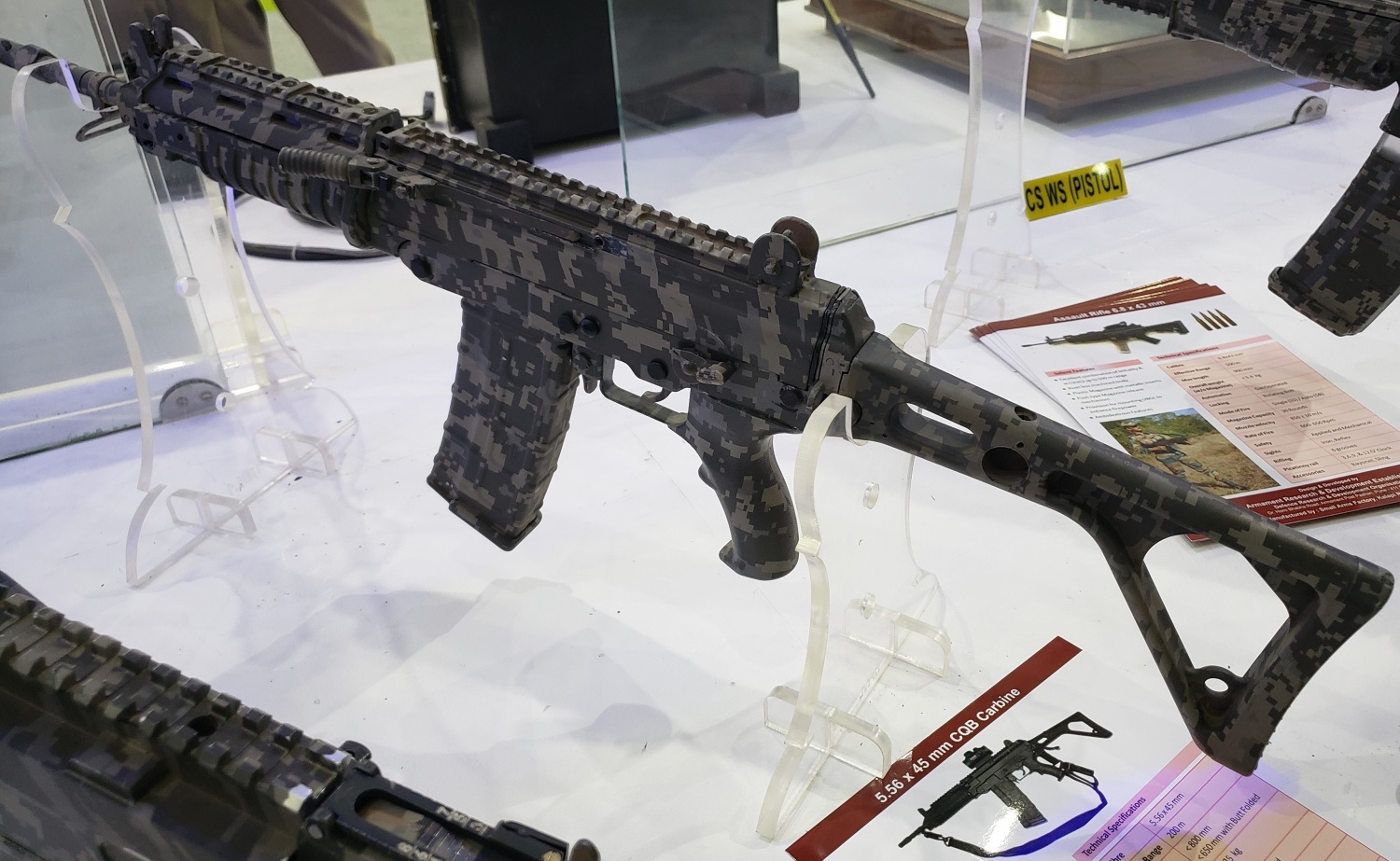
India
In a significant boost to India’s indigenous small arms manufacturing capability, Bharat Forge Ltd has emerged as the lowest bidder (L1) for a major ₹2000 crore contract to supply 4.5 lakh Close Quarter Battle (CQB) carbines to the Indian Army. The carbines, chambered for 5.56x45mm NATO ammunition, are based on a design developed by the Defence Research and Development Organisation (DRDO) and are intended to meet the Army’s long-pending demand for compact, modern, and reliable close-combat weapons. This procurement marks a major milestone for the Atmanirbhar Bharat (Self-Reliant India) initiative in the defense sector, with Bharat Forge—a part of the Kalyani Group—poised to become a key contributor to the Indian Army’s infantry modernization. Operational Requirements: The Indian Army’s Specs for CQB Carbines The Indian Army issued a detailed General Staff Qualitative Requirement (GSQR) for the CQB carbines to ensure they meet the demanding conditions of modern urban and jungle warfare. The key characteristics of the weapon are: Calibre & Ammunition Calibre: 5.56 x 45mm Ammunition: Must be compatible with existing in-service Indian ammunition stockpiles, ensuring logistical ease and interoperability. Range & Accuracy Effective Range: Minimum 200 meters Accuracy at 100 meters: Single Shot: 9 out of 10 shots within a 15 cm x 15 cm group Automatic Fire: Minimum 60% hits in a 24 cm x 24 cm target during short bursts from a full magazine Reliability Must not exceed: 3 stoppages (Class I or II) per 2000 rounds Zero Class III stoppages, as per Indian Army’s Test Operations Procedure (TOP) 3-2-045 Design & Ergonomics BayonetSupplied with a detachable hardened bayonet (minimum blade length 120mm) with cover. Vertical Forehand GripDetachable grip mountable at the 6 o’clock rail without tools. Rail System (MIL-STD 1913 - Picatinny) Top Rail (12 O’clock): For optics and sights Side Rails (3, 6 & 9 O’clock): For accessories like lights, lasers, and grips Weight & Dimensions Weight: Not exceeding 3 kg ±10% (excluding magazine and accessories) Length: Folded/ Retracted: Max 650mm Extended: Max 800mm Buttstock ConfigurationOptions include fixed, retractable, folding, or combination stocks for operational flexibility. Performance in Harsh Environments The weapon is expected to function reliably across a wide temperature spectrum: Cold: –20°C to –10°C Hot: +40°C to +45°C It is also expected to have a minimum service life of 15 years or 15,000 rounds, backed by OEM certification. Strategic Significance of the Bharat Forge Victory Bharat Forge’s emergence as the L1 bidder signals a turning point in India’s effort to localize small arms production, a segment that has long relied on imports or licensed manufacturing. The DRDO’s design—validated through extensive testing—combined with Bharat Forge’s industrial might and manufacturing experience, promises to deliver a high-performance carbine suited to India’s unique operational environments. The deal will not only equip frontline troops with state-of-the-art weapons but will also stimulate the domestic defense ecosystem, opening opportunities for Tier-2 and Tier-3 suppliers involved in materials, optics, and accessory manufacturing. The ₹2000 crore CQB carbine project is more than just a contract—it represents India’s strategic shift toward self-sufficiency in critical infantry weapon systems. With modern warfare increasingly fought in close quarters—urban, jungle, and counter-terror environments—the induction of these DRDO-designed carbines will provide the Indian Army with a much-needed edge. Bharat Forge’s success in this bid reaffirms the capability of India’s private sector to meet the armed forces’ complex requirements and paves the way for further indigenous innovation in infantry weaponry.
Read More → Posted on 2025-06-21 11:20:35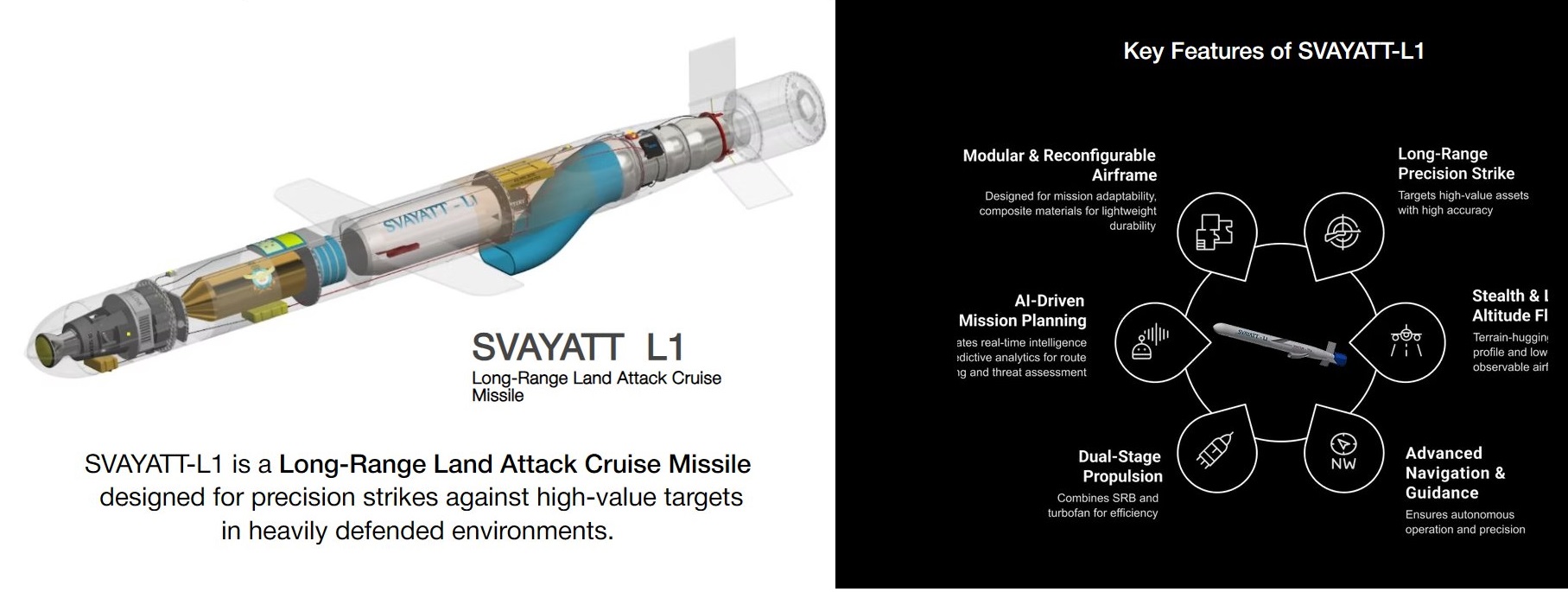
India
Hyderabad-based defense tech firm Paninian India Pvt. Ltd. is quietly carving its place in India's growing strategic weapons landscape with the development of the SVAYATT-L1, an advanced long-range land attack cruise missile. This cutting-edge missile is purpose-built for precision strikes on high-value targets in heavily defended and GPS-contested environments, placing it in the league of next-generation standoff weapons. SVAYATT-L1’s design philosophy is rooted in stealth, adaptability, and high-precision lethality. The missile features a terrain-hugging low-altitude flight profile, minimizing its radar cross-section and improving survivability in dense air defense zones. Its low observable architecture helps evade enemy radar detection, significantly increasing the chances of penetrating deep into contested airspace. Key Features of SVAYATT-L1: Long-Range Precision Strike : Optimized for deep-strike missions, SVAYATT-L1 is capable of engaging strategic targets with high accuracy over extended ranges, making it ideal for both pre-emptive and retaliatory missions. Stealth & Terrain-Following Flight : The missile incorporates a terrain-hugging flight profile—a tactic often used in modern cruise missiles to fly below enemy radar coverage. This significantly boosts its survivability and effectiveness in radar-dense battle zones. Advanced Navigation & Guidance : What sets SVAYATT-L1 apart is its ability to operate in GPS-denied environments. It uses a sophisticated blend of inertial navigation systems (INS), terrain contour mapping, and optical navigation, ensuring high-precision targeting even under electronic warfare conditions where GPS signals are jammed or spoofed. Dual-Stage Propulsion System : The missile is powered by a booster-sustainer configuration, with the first stage providing the initial thrust using a solid rocket booster (SRB), while the second stage employs a turbofan engine for sustained cruise flight. This enables SVAYATT-L1 to travel at subsonic speeds over long distances with optimal fuel efficiency. Modular & Reconfigurable Airframe : Designed with mission adaptability in mind, the SVAYATT-L1 uses lightweight composite materials and a modular internal layout. This not only ensures durability but also allows for quick reconfiguration depending on mission objectives or payload requirements. AI-Driven Mission Planning : A standout feature is its AI-assisted mission planning tool, which enables autonomous route selection, obstacle avoidance, threat assessment, and real-time re-targeting. This kind of smart targeting capability allows operators to use SVAYATT-L1 in rapidly evolving tactical scenarios. Strategic Significance The development of SVAYATT-L1 underscores India’s ambition to build a robust indigenous long-range strike capability that doesn’t rely on foreign satellite infrastructure. With adversaries investing heavily in anti-access/area denial (A2/AD) strategies and GPS jamming, the importance of autonomous, terrain-mapping, and AI-enabled missiles like SVAYATT-L1 is becoming ever more crucial. By combining stealth, modularity, and AI-powered precision, Paninian India Pvt. Ltd. is setting a new benchmark in indigenous missile design. Once inducted, SVAYATT-L1 will offer India a surgical, survivable, and scalable option for strategic deterrence and battlefield dominance, especially in high-threat zones. SVAYATT-L1 isn’t just another missile; it represents a transformational leap in India’s cruise missile capability—with a sharp focus on survivability, autonomy, and adaptability in modern war zones. As global military doctrines increasingly shift toward multi-domain and denied-environment warfare, systems like SVAYATT-L1 are not just relevant—they are essential.
Read More → Posted on 2025-06-21 11:02:05
Space & Technology
At the Paris Air Show on 20th June 2025, a major announcement signaled a new chapter in France’s space ambitions. French Minister of the Armed Forces Sébastien Lecornu and Dassault Aviation Chairman and CEO Eric Trappier revealed the signing of an agreement to develop a reusable spaceplane demonstrator, launching the ambitious VORTEX programme — short for Véhicule Orbital Réutilisable de Transport et d’Exploration (Reusable Orbital Vehicle for Transport and Exploration). What is the VORTEX Programme? The VORTEX programme aims to create a new family of reusable space vehicles capable of carrying out autonomous orbital missions and safely transporting payloads and equipment to and from space. Designed as a dual-use platform, it will support both civilian and military space operations. This makes it a valuable asset for France, as space increasingly becomes a vital area of national security and economic development. It’s a bold move to strengthen France’s strategic independence in the growing global space economy, positioning the country alongside other leading space powers like the United States, China, and India. Dassault Aviation’s Experience in Space Projects Although Dassault Aviation is better known for its fighter jets and business aircraft like the Rafale and Falcon series, the company has a long history in space-related projects. In the past, Dassault was involved in notable European spaceplane initiatives such as: Hermès – a proposed crewed spaceplane by the European Space Agency (ESA) in the 1980s. X-38 – a prototype for an emergency crew return vehicle for the International Space Station. IXV (Intermediate eXperimental Vehicle) – a successful ESA mission that tested re-entry technologies in 2015. The VORTEX demonstrator will build upon the technical knowledge gained from these earlier efforts, focusing on cutting-edge capabilities like hypersonic flight control, advanced thermal protection systems, and autonomous flight management — essential for any reusable orbital vehicle. Why Reusable Spaceplanes Matter Reusable spaceplanes are a critical part of modern space strategy. Unlike traditional rockets that are used only once, spaceplanes can take off, enter orbit, return to Earth, and be prepared for another mission. This dramatically reduces launch costs and turnaround times, making space more accessible and responsive for both government and commercial uses. Globally, companies like SpaceX (with its Starship) and China’s Shenlong spaceplane project are actively developing such vehicles. France’s VORTEX programme ensures it keeps pace with these developments, safeguarding national interests and opening opportunities in satellite servicing, space surveillance, cargo transport, and rapid response missions in orbit. NewSpace Approach and Future Prospects The project reflects Dassault’s embrace of the NewSpace philosophy — a trend where traditional aerospace companies adopt the faster, more flexible, and cost-conscious practices seen in private space startups. The VORTEX demonstrator aims to quickly test and validate critical technologies, reducing risks for future operational spaceplanes. According to Dassault Aviation CEO Eric Trappier: “Like our civil and military aircraft, the VORTEX spaceplane is designed to be highly versatile. It will transform the uses of the space sector and open up new fields of application. At the crossroads of aviation and space technologies, VORTEX will pave the way for a new generation of space aeronautics, reinforcing France’s position as a major space power.” What’s Next? The immediate goal is to develop and test the VORTEX demonstrator over the next few years. If successful, it would lead to the creation of an operational reusable spaceplane for France, available for a variety of missions, from deploying small satellites to military reconnaissance and future crewed missions. With growing global competition in space, this initiative is a timely move for France to safeguard its interests, innovate in aerospace technology, and contribute to Europe's independent access to space.
Read More → Posted on 2025-06-21 10:52:09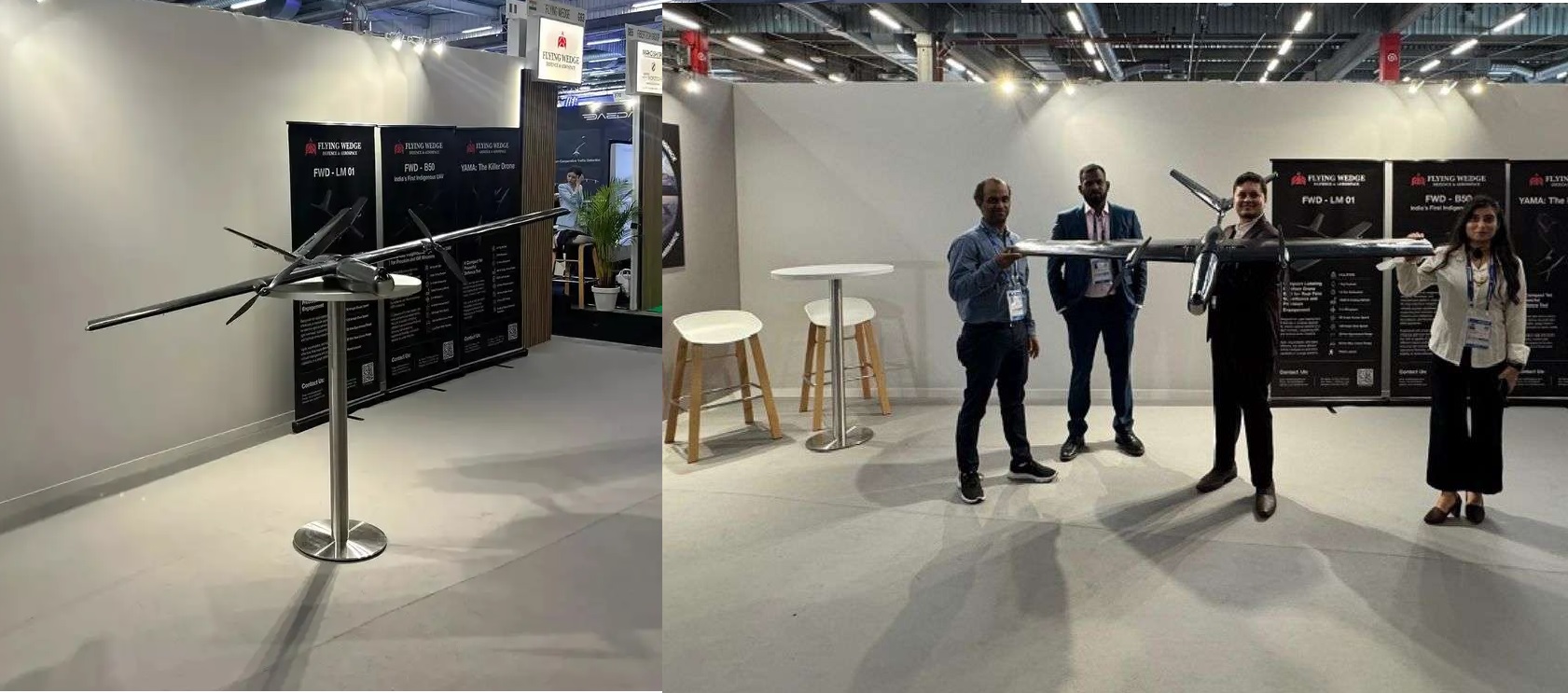
India
India has taken a remarkable step forward in its defense technology evolution with the introduction of the FWD-LM01, an advanced AI-enabled loitering munition boasting a 100-kilometre range. Developed by the Bengaluru-based Flying Wedge Defence and Aerospace (FWDA), this indigenous system not only enhances India’s tactical capabilities but also reflects its growing confidence in indigenous innovation. Unveiled at the 55th Paris Air Show in 2025—one of the world’s most prestigious defense showcases—the FWD-LM01 instantly made headlines as India’s first export-ready, long-range loitering munition. Until now, Indian-made loitering munitions were restricted to significantly shorter ranges, rarely exceeding 40 kilometers. This new entrant has not only doubled that range but also added cutting-edge artificial intelligence, giving India a competitive edge in next-generation warfare. Compact yet powerful, the FWD-LM01 weighs just 6 kilograms and is designed for rapid, field-level deployment. It can be launched in less than five minutes without the need for elaborate setups or ground infrastructure—an ideal solution for quick-response teams and mobile combat units operating in dynamic battlefield conditions. Despite its small frame, the system is capable of staying airborne for up to 90 minutes and reaching altitudes of 17,000 feet, enabling it to loiter silently over enemy territory in search of targets. One of its most impressive features is its 2-kilogram warhead, guided by EOIR (electro-optical infrared) sensors and an AI-powered navigation and targeting system. This allows the drone to independently identify, verify, and engage enemy assets with precision, significantly reducing human involvement and risk. Such automation is particularly valuable in modern warfare scenarios where speed, precision, and low detection are key to mission success. From its very design to its final assembly, the FWD-LM01 is entirely made in India, in line with the ‘Atmanirbhar Bharat’ vision that aims to build self-reliant defense capabilities. The project moved from concept to prototype and flight testing entirely within FWDA’s Bengaluru facility, showcasing the maturity of India’s private defense tech ecosystem. Importantly, the development of the FWD-LM01 is not just a domestic milestone—it’s also a signal of India’s intent to become a serious exporter of high-tech defense systems. Live explosive trials scheduled for later in 2025 will help secure international certifications, paving the way for global sales and collaborative defense agreements. FWDA is also setting its sights on more ambitious projects, including unmanned aerial systems that can engage enemy fighter jets, such as Pakistan’s F-16s and JF-17s. Though still in the conceptual phase, these goals reflect a broader commitment to positioning India as a leader in AI-driven and autonomous defense technologies. India’s defense drone sector is growing rapidly, with industry forecasts pointing to a compound annual growth rate of over 80% from 2020 to 2025 and sustained momentum beyond. As a result, systems like the FWD-LM01 could become the foundation for a new class of Indian-made precision weapons that are fast, intelligent, and capable of neutralizing threats with minimal collateral damage. In essence, the FWD-LM01 is far more than a tactical drone—it’s a symbol of India’s strategic shift toward self-reliance, technological innovation, and global defense leadership. As unmanned systems redefine the nature of warfare, India's timely leap into AI-powered munitions puts it firmly on the map of modern military powers.
Read More → Posted on 2025-06-21 10:47:22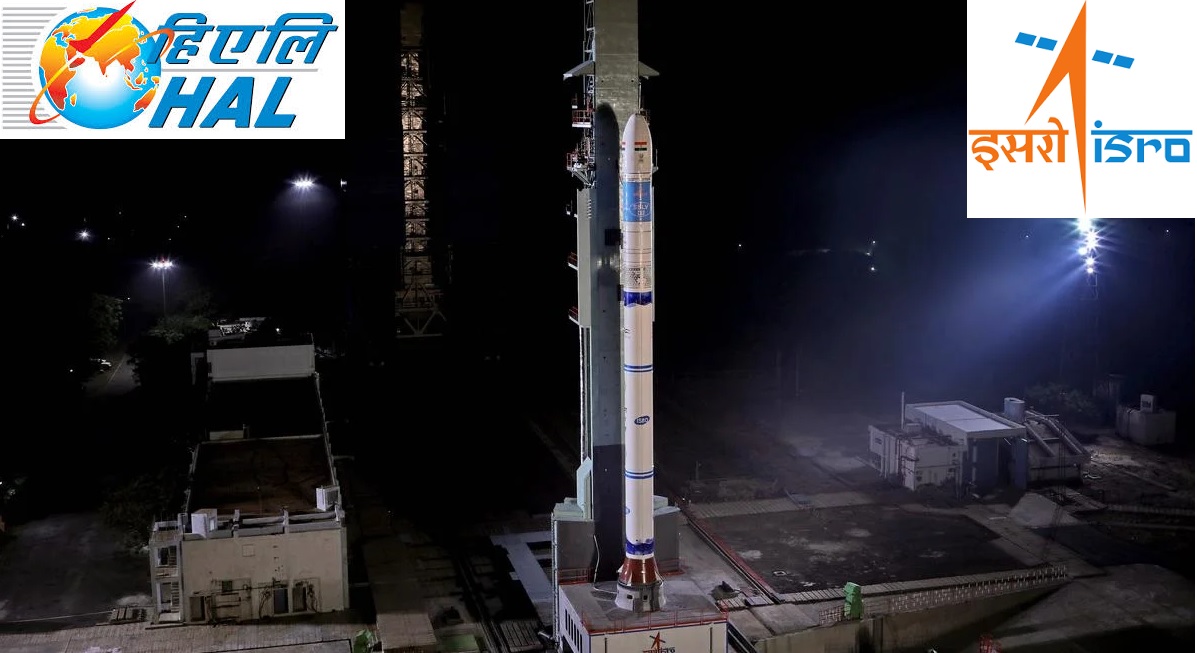
India
In a major development for India’s space and defence sector, Hindustan Aeronautics Limited (HAL) has officially won the bid to acquire the transfer of technology (ToT) for the Small Satellite Launch Vehicle (SSLV) from the Indian Space Research Organisation (ISRO). HAL edged out two competing consortia, including one led by Alpha Design Technologies, a firm backed by the Adani Group, to secure this crucial deal. The deal, valued at ₹511 crore, marks a historic milestone as it is one of the first instances of ISRO transferring complete launch vehicle technology to a private-sector company. The formal technology transfer process is expected to be completed over the next two years. What Is SSLV and Why It Matters The SSLV is a small, agile rocket developed by ISRO to launch payloads of up to 500 kg into low-Earth orbit (LEO). Unlike larger launch vehicles, SSLV is designed for quick assembly and rapid deployment, making it ideal for launching small satellites on demand — a crucial capability for defence, emergency situations, and commercial customers alike. This technology is especially valuable today as the global demand for small satellite launches continues to grow, driven by applications in telecommunication, remote sensing, and defence surveillance. Why HAL Wanted This Deal Though HAL is traditionally known as India’s premier fighter jet and aerospace manufacturer, this move signals the company’s entry into the booming commercial space sector. According to HAL officials, the plan is to manufacture between 6 to 10 SSLV rockets each year, based on market demand, with an expected revenue of about $6.5 million per launch. But why is HAL investing in rockets? Diversification: HAL is strategically expanding beyond military aircraft to include space launch services. Future Demand: The small satellite market is growing rapidly worldwide, with increasing needs from both government and private customers. Defence Readiness: Quick-launch capabilities like SSLV are essential during national emergencies, making it a strategic asset. Indigenous Capacity: This positions India to rely more on domestic companies for satellite launches, reducing dependency on foreign providers. What Happens Next As per the agreement, ISRO will train and assist HAL engineers in building the first two SSLV rockets over the next two years. After this phase, HAL will gain the freedom to manufacture, own, and commercialise SSLV launches independently. They will also be allowed to improve upon the rocket’s design and select their own vendors. This development makes HAL the third Indian company with rocket manufacturing capability, joining private start-ups Skyroot Aerospace and Agnikul Cosmos, who are also working on small launch vehicles. A Strategic Shift for ISRO This collaboration is part of a broader effort by ISRO to focus on advanced research, deep space missions, and new technologies, while delegating routine satellite launch operations to the private industry. The move is expected to boost India’s space economy and create a thriving ecosystem of satellite launch services within the country. Pawan Kumar Goenka, chairman of IN-SPACe, said,“This SSLV technology transfer marks a pivotal moment in India’s commercial space sector and will significantly enhance our capacity to meet global demand for small satellite launches.” With this landmark deal, HAL is set to play a key role in India’s space ambitions, leveraging SSLV to tap into the rapidly growing small satellite launch market. It not only strengthens India’s space defence readiness but also helps position the country as a competitive player in the global commercial space industry.
Read More → Posted on 2025-06-21 10:42:27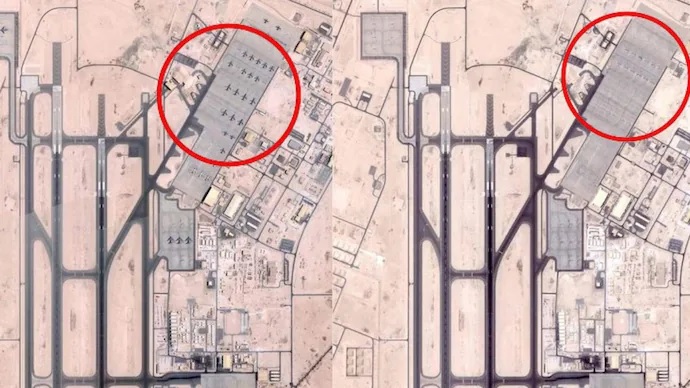
World
Dozens of U.S. military aircraft have mysteriously disappeared from the tarmac of Al Udeid Air Base in Qatar, according to new satellite images, raising questions about a potential repositioning of American military assets in response to rising tensions with Iran. The development comes at a time when Washington is weighing possible military involvement alongside Israel, which has recently escalated its conflict with Tehran. Satellite photos from June 5 showed nearly 40 military aircraft, including Hercules C-130 transport planes and reconnaissance aircraft, clearly visible at Al Udeid, one of the most strategic American air bases in the Middle East. However, by June 19, updated imagery revealed that only three aircraft remained visible on the same tarmac, suggesting a significant relocation or repositioning of assets. This sudden absence of aircraft is widely believed to be a precautionary move to protect high-value assets from possible Iranian missile or drone strikes. With U.S. President Donald Trump expected to decide in the coming days whether to formally support Israeli operations against Iran, American military facilities in the region are on heightened alert. The U.S. Embassy in Qatar has already restricted access to Al Udeid, citing “an abundance of caution” and warning personnel to remain vigilant in light of ongoing regional hostilities. Though no official details have been given about the exact movements of aircraft, defense experts say the relocation is likely part of a broader effort to reduce the vulnerability of U.S. forces stationed close to Iran. Mark Schwartz, a retired U.S. Army lieutenant general and Middle East defense analyst, emphasized the base’s exposure. He pointed out that even shrapnel from a nearby missile strike could damage parked aircraft, making them unusable. According to him, minimizing the presence of assets in open areas is a critical step in safeguarding American operational capability. While it remains unclear whether the aircraft were moved into hangars at Al Udeid or relocated to other bases across the region, the pattern aligns with a larger mobilization of U.S. military forces. In recent days, an additional U.S. aircraft carrier has been deployed to the Middle East, and a surge in aerial activity has been observed. Open-source flight data indicates that at least 27 U.S. military refueling aircraft — including KC-46A Pegasus and KC-135 Stratotanker planes — flew from the United States to Europe between June 15 and 18. Of those, 25 remained in Europe as of mid-week, suggesting preparations for a wider operational scope. While the Pentagon has not disclosed the exact movements or strategy behind these actions, a defense official reiterated the military’s commitment to operational security and mission readiness. The reduction of visible aircraft at Al Udeid, combined with growing military movements across the region, signals that the U.S. is preparing for various contingencies. Whether this results in direct military involvement in the Iran-Israel conflict remains to be seen, but the shift suggests Washington is taking no chances when it comes to protecting its assets and personnel.
Read More → Posted on 2025-06-20 16:29:10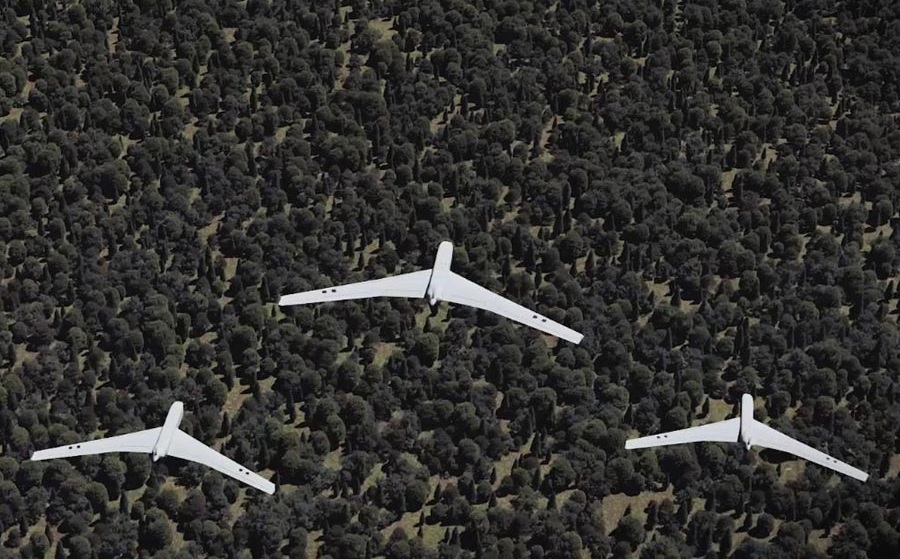
World
Thales, one of Europe’s leading defence and technology companies, has announced a major step into the long-range loitering munition market through a new partnership with Boreal, a French drone specialist under the MISTRAL Group. The two companies have signed a cooperation agreement to jointly develop a cutting-edge loitering munition system that aims to enhance France’s defence capabilities with a sovereign, high-performance solution. The project, called MTO-LP1, will mark France’s entry into the fast-growing category of long-range, precision-guided loitering munitions — often described as "kamikaze drones". These systems are designed to loiter in the air over a target area for an extended time before striking a designated target with precision. About MTO-LP1: A Next-Gen Strike System The MTO-LP1 will be built on existing, proven platform and payload technologies, ensuring reliability and ease of integration with current military systems. Designed to meet operational needs of both French Armed Forces and NATO allies, the munition will have an operational range of several hundred kilometres. Key features of the MTO-LP1 include: Rapid deployment capability: The system can be set up and launched by just two operators within 30 minutes. Mass-launch option: Up to 10 loitering munitions can be launched simultaneously for coordinated missions. Flexible payload design: The munition can carry different types of warheads or surveillance equipment, depending on mission requirements, making it highly adaptable and reducing logistical demands. Safe and portable: The design prioritises ease of transport, storage, and operational safety for forces in the field. Production Timeline and Future Upgrades Initial flight trials for the MTO-LP1 are scheduled for summer 2025, with serial production expected to begin in 2026 at a pace of 1,000 warheads per year. By 2027, the system is planned to receive upgrades, including advanced protection against countermeasures, new mission profiles, and a wider selection of warhead types for diverse strike missions. Strengthening France’s Defence Industry This partnership represents more than just a product development effort — it’s a strategic move to strengthen France’s position in advanced defence technology and reduce reliance on foreign suppliers in critical areas. The collaboration also paves the way for Boreal to scale up its industrial capabilities, with prospects for future projects, particularly in Belgium through MISTRAL Group’s European network. Eric Normant, Vice President of Vehicles and Tactical Systems at Thales, expressed enthusiasm for the joint venture, highlighting Boreal’s reputation for reliable, long-endurance UAV platforms. He noted, “By combining the agility of Boreal with Thales’ industrial strength, we’re creating a high-performance, operationally ready solution tailored for modern battlefield demands.” About Boreal Boreal SAS is known for its rugged, long-endurance UAV systems, widely used in surveillance, reconnaissance, and military support roles. As part of the MISTRAL Group, it benefits from close ties to other defence technology specialists, including M3 Systems France and Belgium, known for their expertise in positioning and navigation solutions for demanding operational environments. In Summary:The Thales-Boreal partnership is a significant step for France’s defence sector, offering a sovereign, scalable, and modern loitering munition capability from 2026. With its flexibility, ease of use, and long operational range, the MTO-LP1 is poised to become a valuable asset for both French and NATO forces in future conflicts.
Read More → Posted on 2025-06-20 15:19:02
China Turns Sci-Fi Into Reality with Successfully Test Artillery-Launched Drones After 12-Year Quest
World
After more than a decade of skepticism and technical hurdles, Chinese engineers have finally turned an ambitious military concept into reality — successfully developing and testing drones that can be fired from artillery guns. This futuristic technology, once thought impossible, involves launching compact drones packed inside 155mm artillery shells. These drones are designed to survive the crushing force of an artillery blast, which is equivalent to over 3,000 times their own weight — or, as experts describe it, like having 35 adult African elephants press down on a single person. The breakthrough was achieved through a collaboration between the Shaanxi Applied Physics and Chemistry Research Institute, the Chinese air force, and major defence contractor Norinco. The key to this success lies in a specially designed pyrotechnic ejection mechanism that allows the drone to separate from its shell mid-air without using any electronic controls. A Simple, Smart Solution Instead of relying on delicate electronics, which would likely be destroyed under such extreme forces, the engineers designed a chain of carefully timed small explosions. This sequence safely ejects the drone from its shell, protects it from aerodynamic forces during separation, and prepares it for immediate operation once airborne. The heart of the system is a hardened stainless steel frame capable of withstanding stresses of up to 1,100 megapascals. Inside, specially formulated explosives, including lead azide and boron-based charges, survive the intense forces. The engineers added clever features like a maze-like channel system that safely directs explosive pressure and prevents debris from clogging critical pathways. This entire ejection sequence unfolds in eight rapid stages — starting from fuse ignition to bulkhead thrust, capsule ejection, delayed igniters, and protective panel release — all without a single electronic component. Overcoming a Decade of Doubt The idea of artillery-launched drones was first proposed by Chinese military scientists in 2013, under a concept called Tianyan or "Sky Eye." Despite early interest, the program faced heavy skepticism, especially regarding whether sensitive drone components could survive the brutal launch forces. Even as recently as last year, Chinese military experts doubted its feasibility, citing the difficulty of protecting electronics against ultra-high G-forces. But undeterred, the team pressed on, supported by consistent government and military funding. By moving away from electronics and opting for a purely mechanical and pyrotechnic system, the team finally achieved reliable results. In five successful ground tests and five live-fire artillery launches at a western test range, the drones survived and deployed flawlessly, enduring forces of over 3,500 times gravity. Why It Matters These artillery-launched drones can travel distances of over 10 kilometers in just seconds and loiter in the air for surveillance, target tracking, or even attack missions. Their method of deployment gives them an edge — firing from cannons allows rapid, long-range insertion without needing runways, drone launchers, or large aircraft. Such drones also promise lower operational costs and increased versatility on the battlefield, capable of being launched in harsh environments ranging from freezing -50°C to sweltering 80°C. The Chinese research team believes this invention could play a vital role in future military operations, offering new ways to deploy reconnaissance or attack drones deep behind enemy lines, or into areas where traditional launch methods are impossible. As one of the senior engineers, Huang Yunluan, wrote:"These drones will undoubtedly hold a pivotal position in future military development." With this success, China positions itself at the forefront of turning once science-fiction-style battlefield concepts into working military technologies.
Read More → Posted on 2025-06-20 15:12:35
India
Indian intelligence and investigative agencies, along with global partners, have launched a high-level probe into the mysterious series of accidents involving ships in the Arabian Sea. The focus of the investigation is on the possible use of high-power microwave (HPM) or electromagnetic pulse (EMP)-based weapons—technologies capable of disabling electronic systems critical for modern navigation and communication. Concerns over this possibility gained traction following a series of unusual maritime mishaps that showed signs of GPS failures and erratic electronic behavior. The growing suspicion is that these were not mere technical faults but possibly acts of electronic sabotage. Investigators are now actively examining whether these ship incidents were caused by the deployment of HPM or EMP-based systems. Recent intelligence reports have highlighted Turkey’s advancement in this area. One notable example is the Alka–Directed Energy Weapon (DEW), developed by Turkish defense agency Roketsan. This portable weapon, about the size of a sports car, can operate at power levels between 2.5 to 5 kilowatts and is effective over distances ranging from 1,500 to 5,000 meters. It is designed to disable or damage electronic systems on ships and aircraft without the need for conventional explosives or missiles. Authorities are now studying electricity consumption patterns and anomalies at key coastal and island locations to trace any unauthorized or sudden spikes in power usage—an indirect method to detect the operation of high-energy electromagnetic weapons. Investigators believe that the timing and location of certain electrical fluctuations may correlate with reported disruptions to ship navigation systems in the region. These directed energy weapons can not only interfere with GPS and communication but also potentially ignite combustible materials using electromagnetic radiation. This has added to the urgency of the investigation, as the consequences of their use at sea could be catastrophic, especially on oil tankers or ships carrying hazardous cargo. Insurance companies, especially those involved in underwriting maritime operations, have grown increasingly alarmed. The Joint Marine Insurance Committee based in the US has already flagged incidents in the Arabian Sea that showed signs of EMP-level interference. In response, a team of global maritime insurance investigators visited Kerala last week to assess the situation on the ground, suggesting the issue is being taken seriously at both commercial and strategic levels. While the investigation is still in its early stages, the possibility of advanced electronic warfare technology being used in the Arabian Sea marks a concerning development in maritime security. If confirmed, it could change the way naval operations, cargo routes, and defense postures are planned in the region. Indian authorities are expected to coordinate closely with international allies to uncover the source and extent of this emerging threat.
Read More → Posted on 2025-06-20 11:52:51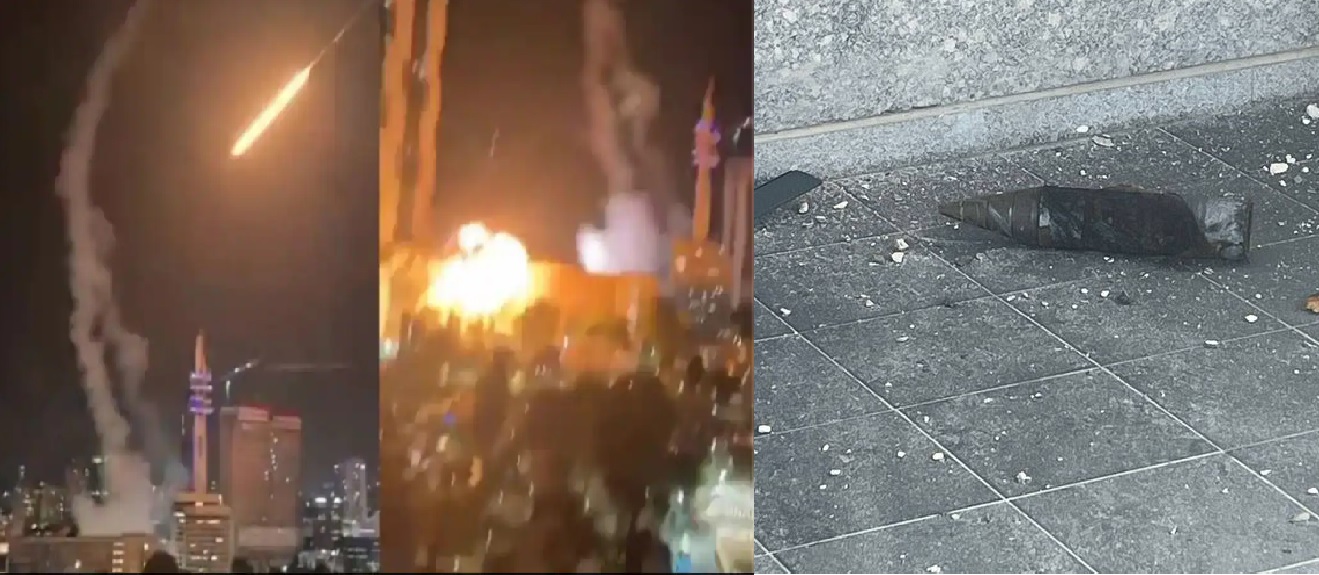
World
In a significant escalation of hostilities in the Middle East, Israel's Home Front Command confirmed that a rocket which struck Tel Aviv early this morning carried cluster munitions, marking the first known use of such weapons against an Israeli city in this ongoing conflict. According to Israeli military officials, the rocket exploded at an altitude of approximately 7 kilometers, dispersing 20 bomblets over an area spanning roughly 8 kilometers. The bomblets scattered across several districts of the Tel Aviv metropolitan region, causing damage to infrastructure and lightly injuring a number of civilians. Emergency services responded swiftly, cordoning off affected zones and warning residents to avoid handling any unexploded submunitions. Implications: Iran’s Role Suspected While no official claim of responsibility has been made, Israeli defense sources and international intelligence assessments strongly indicate that the rocket originated from Iranian-backed forces, possibly launched either directly from Iran or via proxy groups in Lebanon, Syria, or even Iraq. The use of such a sophisticated weapon — capable of delivering multiple explosive submunitions at high altitude — suggests a new phase of Iran’s missile warfare strategy against Israel. The Israeli Air Force has reportedly been placed on high alert, and retaliatory measures are under active consideration by the Israeli Security Cabinet. "This was not a conventional missile. The use of cluster warheads is a game-changer. It demonstrates intent to cause wide-area civilian harm," a senior IDF official told local media. What Are Cluster Munitions? Cluster munitions are weapons designed to release smaller explosive submunitions (commonly called bomblets) over a wide area. Rather than a single impact point like a traditional warhead, cluster bombs maximize area damage by dispersing dozens, sometimes hundreds, of these bomblets, many of which can remain unexploded and pose a threat for days, months, or even years. This makes them particularly controversial and dangerous in urban environments, where civilians are often caught in the blast radius, and unexploded submunitions pose a long-term risk. Violation of International Norms The use of cluster munitions has been condemned globally due to their indiscriminate nature. The Convention on Cluster Munitions (CCM), adopted in 2008 and entered into force in 2010, prohibits all use, production, transfer, and stockpiling of these weapons. It also obliges states to clear contaminated areas and assist victims. To date, 123 countries are signatories to the convention, including many NATO members and U.S. allies. However, Iran, Israel, the United States, Russia, and China are not parties to the treaty, meaning they are not legally bound by its terms. Nevertheless, their use is still widely condemned under customary international humanitarian law, which prohibits indiscriminate attacks on civilian populations. "This incident should serve as a wake-up call," said Mary Wareham of Human Rights Watch. "Using cluster munitions in civilian areas should be off-limits for any nation or group, regardless of their treaty obligations." Rising Tensions: A Regional Flashpoint This comes amid weeks of rising tensions across the region. Iranian and Israeli forces have already exchanged limited cross-border fire and cyberattacks. But the use of cluster munitions marks an unprecedented escalation, crossing a psychological and tactical red line. Israeli officials are reportedly considering bringing the case to the United Nations Security Council, even though such actions are likely to be vetoed by Russia or China. Meanwhile, European nations and the United States are expected to issue strong condemnations and possibly push for new sanctions if Iran’s direct involvement is confirmed. The confirmed use of cluster munitions over Tel Aviv has added a dangerous new dimension to the Iran-Israel conflict. Beyond the immediate physical damage and humanitarian concern, it sets a worrying precedent — that weapons designed to cause widespread and indiscriminate harm are now being used in densely populated cities. With both regional and global implications, the world is watching closely as the stakes continue to rise in the Middle East.
Read More → Posted on 2025-06-20 11:42:20
World
Germany has officially launched the development of a cutting-edge airborne defence system that will combine drones with advanced air-to-air missiles. This new system, known as the Airborne Launching and Attack System (AirLAS), is being developed through a partnership between Diehl Defence and the German aerospace start-up POLARIS Raumflugzeuge. The agreement for this ambitious project was formally signed at the Paris Air Show 2025 by the CEOs of both companies, Helmut Rauch of Diehl Defence and Dr. Alexander Kopp of POLARIS. At the heart of the AirLAS project is the plan to integrate Diehl Defence’s IRIS-T air-to-air guided missiles onto POLARIS’ unmanned aerial carrier systems. This combination will create a powerful, flexible, and cost-effective defence system capable of operating in various environments and mission scenarios. The IRIS-T is a highly advanced, combat-proven missile widely used by several air forces around the world. Known for its accuracy, agility, and effectiveness in close combat, the IRIS-T will give these unmanned drones serious offensive and defensive capabilities in the air. The new AirLAS system aims to deliver several key benefits: Extended operational range compared to traditional air defence systems Affordability and cost-efficiency thanks to reusable drone platforms Quick deployment in various operational environments Flexibility to support multi-domain missions, including air, land, and maritime operations One of the major highlights of this project is its potential for future integration with Germany’s and Europe’s Future Combat Air System (FCAS) — a next-generation air combat initiative — and possibly with future long-range hypersonic weapon systems. Initial flight tests of the combined drone-and-missile system are expected to take place later this year, marking an important step towards a new era of unmanned air combat and air defence. Both companies believe that AirLAS will offer armed forces a highly adaptable and scalable solution to meet the evolving demands of modern warfare, particularly in the area of ground-based air defence and airborne interception missions. In simple terms, this new project is about combining a reliable missile with a smart, unmanned drone to create a powerful new weapon that can protect airspace, respond quickly to threats, and be used in many types of military missions in the future.
Read More → Posted on 2025-06-20 11:36:08Search
Top Trending in 24 Hours
-
 USS Abraham Lincoln Faces Extended Deployment and Supply Challenges Linked to Iranian Attacks on Bahrain Base
-
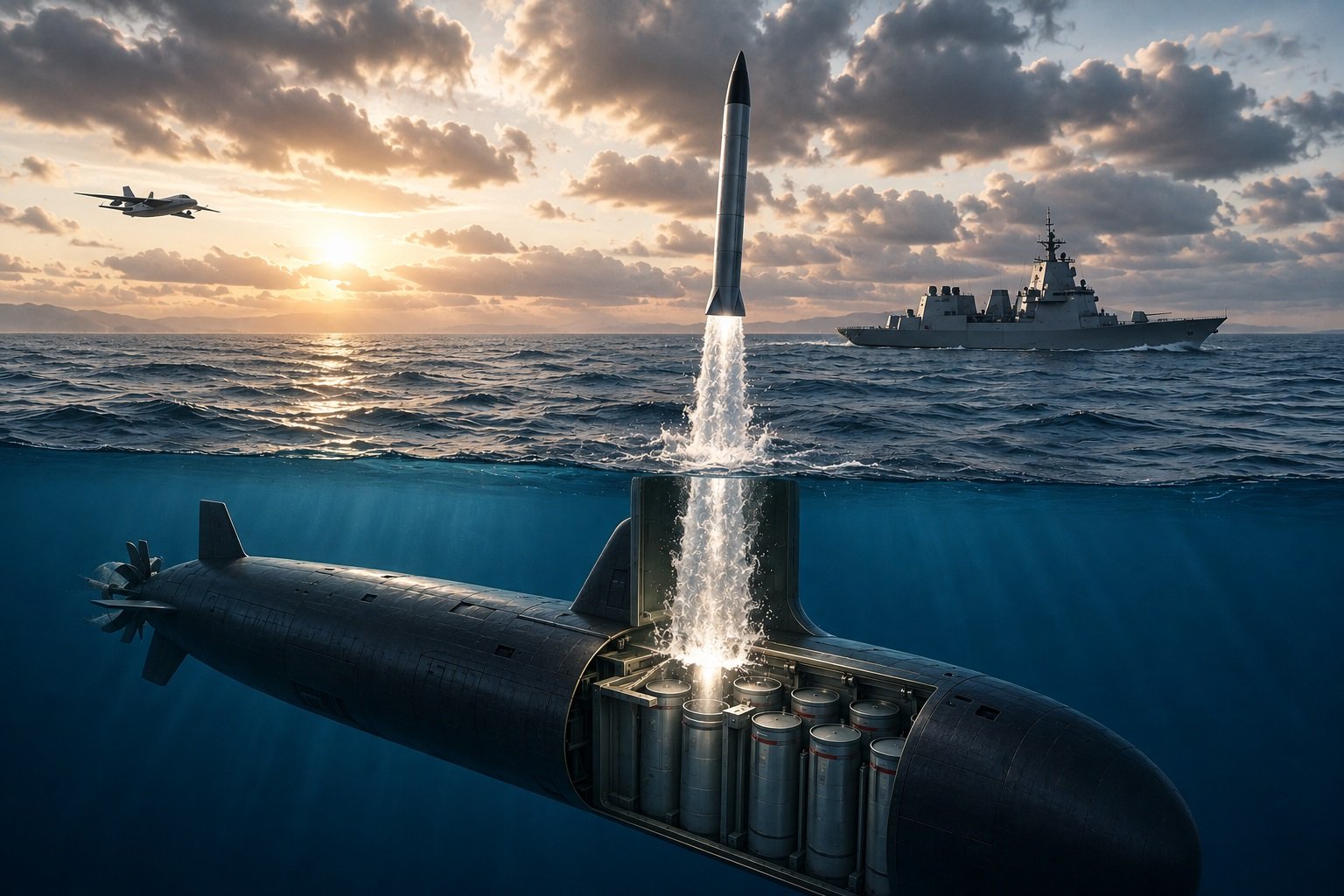 Japan Plans Submarine-Launched Hypersonic Missile Development in Fiscal 2027 Budget
-
 U.S. Navy Invests $50 Million in Shield AI’s X-BAT for Runway-Independent Maritime Strike
-
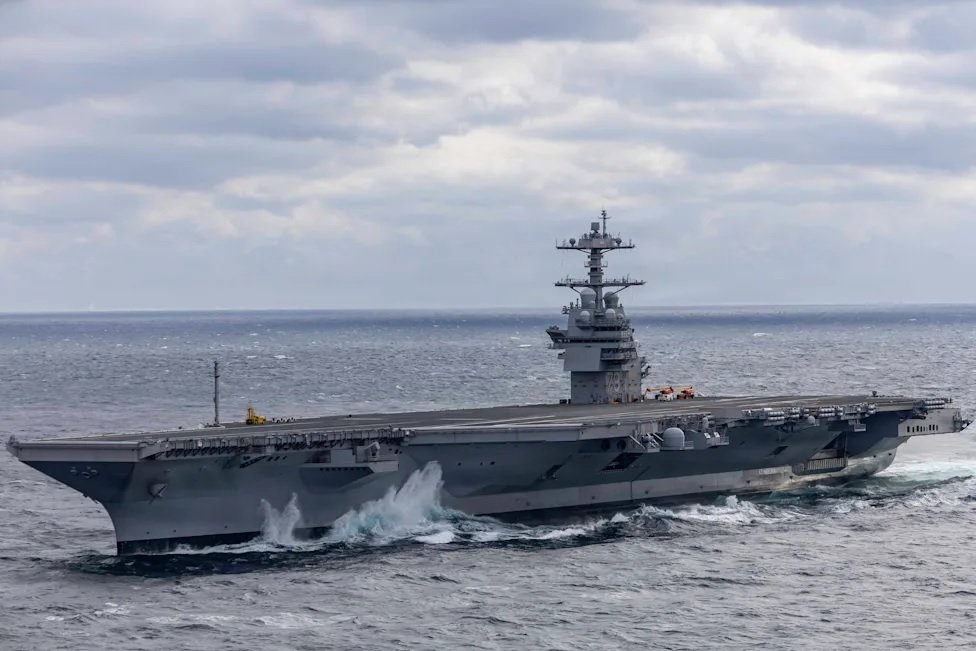 Raytheon’s SPY-6(V)3 Radar Completes Acceptance Trials on U.S. Navy’s Future Aircraft Carrier USS John F. Kennedy
-
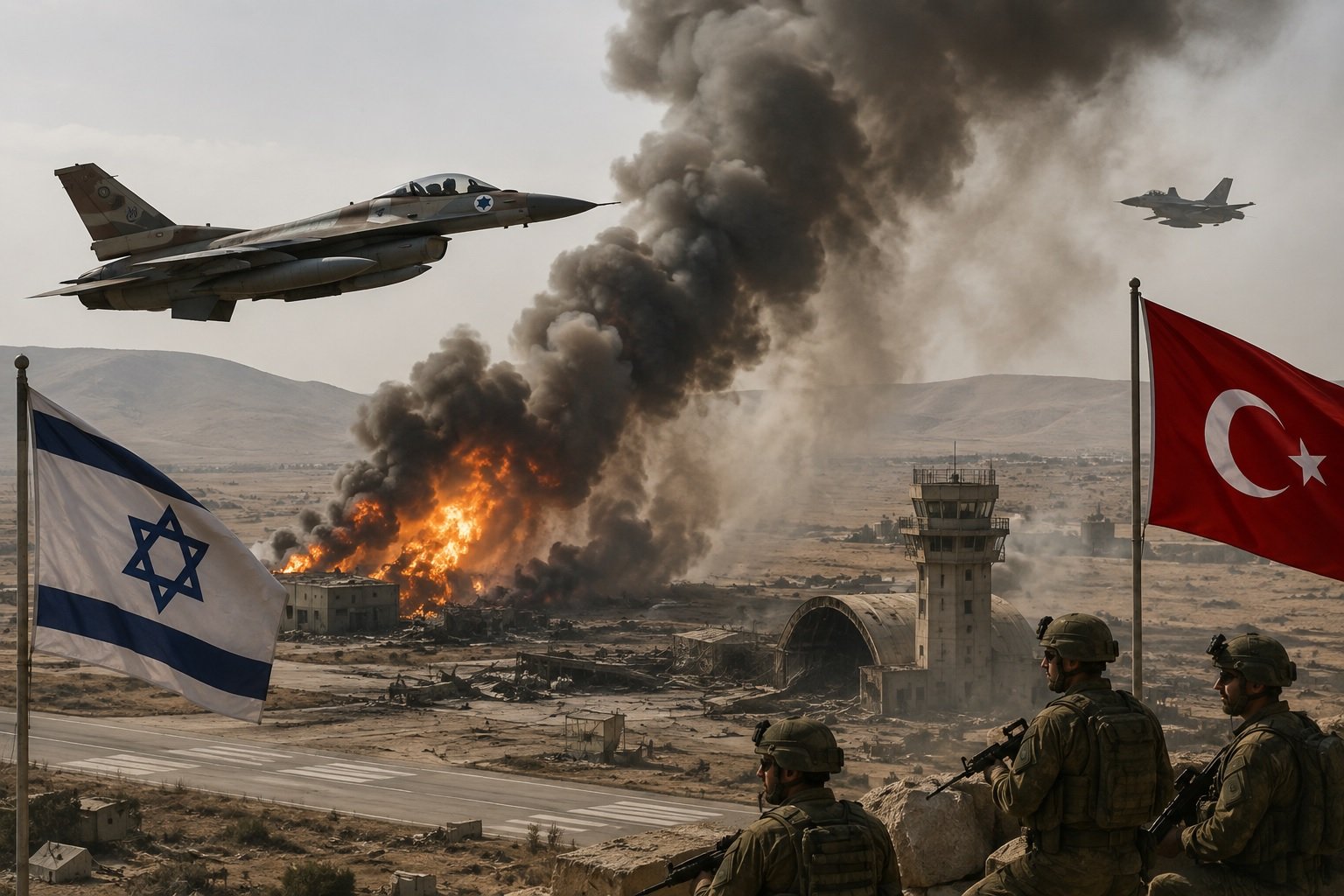 Israel-Turkey Tensions Rise After Israeli Strikes on Syrian Airbase
-
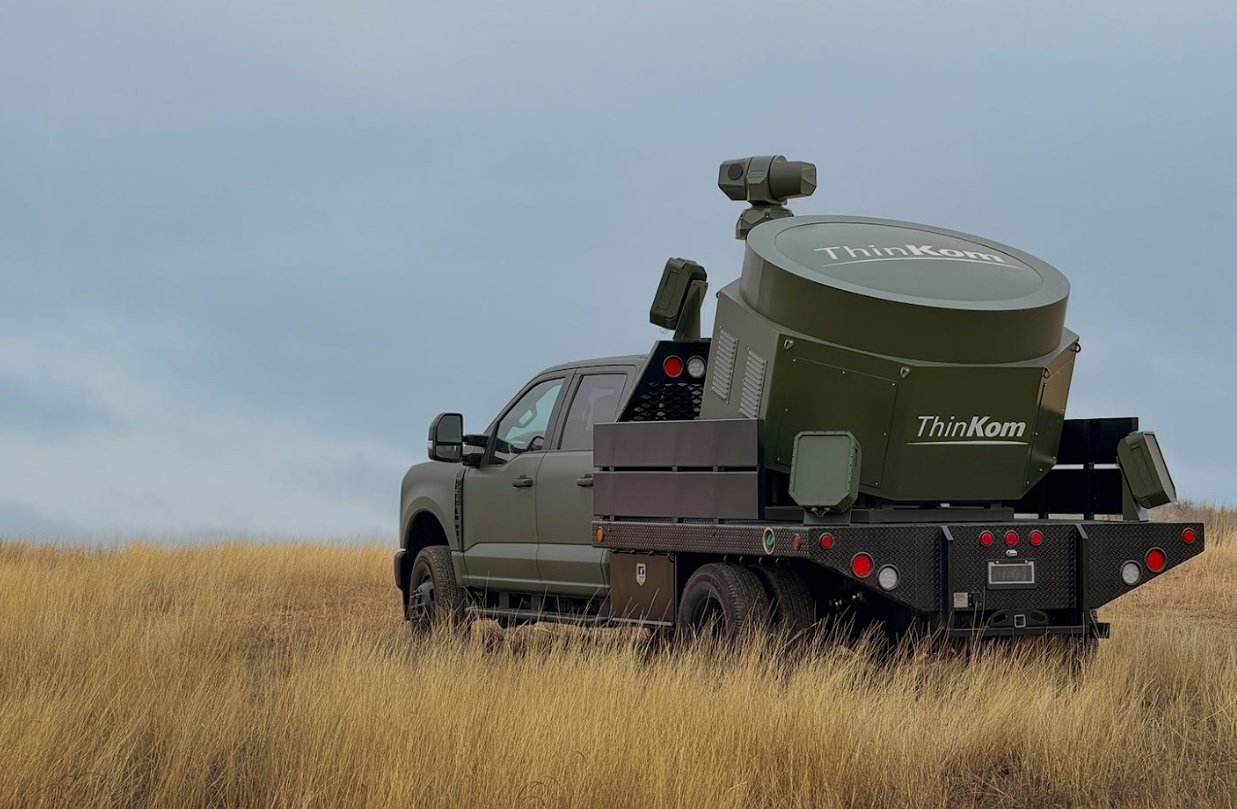 U.S. Army Awards ThinKom Up to $49 Million for Alecto Mobile High-Power Microwave Counter-Drone System Prototype
-
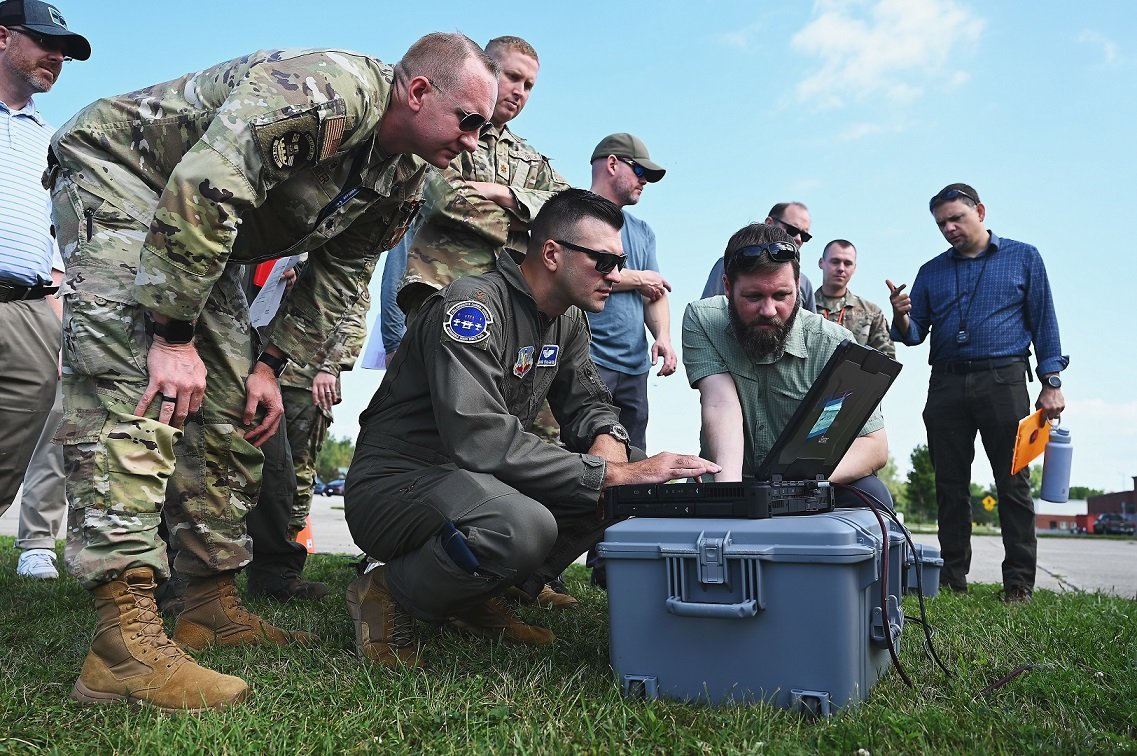 U.S. Air Force Completes First Prototype Tests for Portable CCA Command System
-
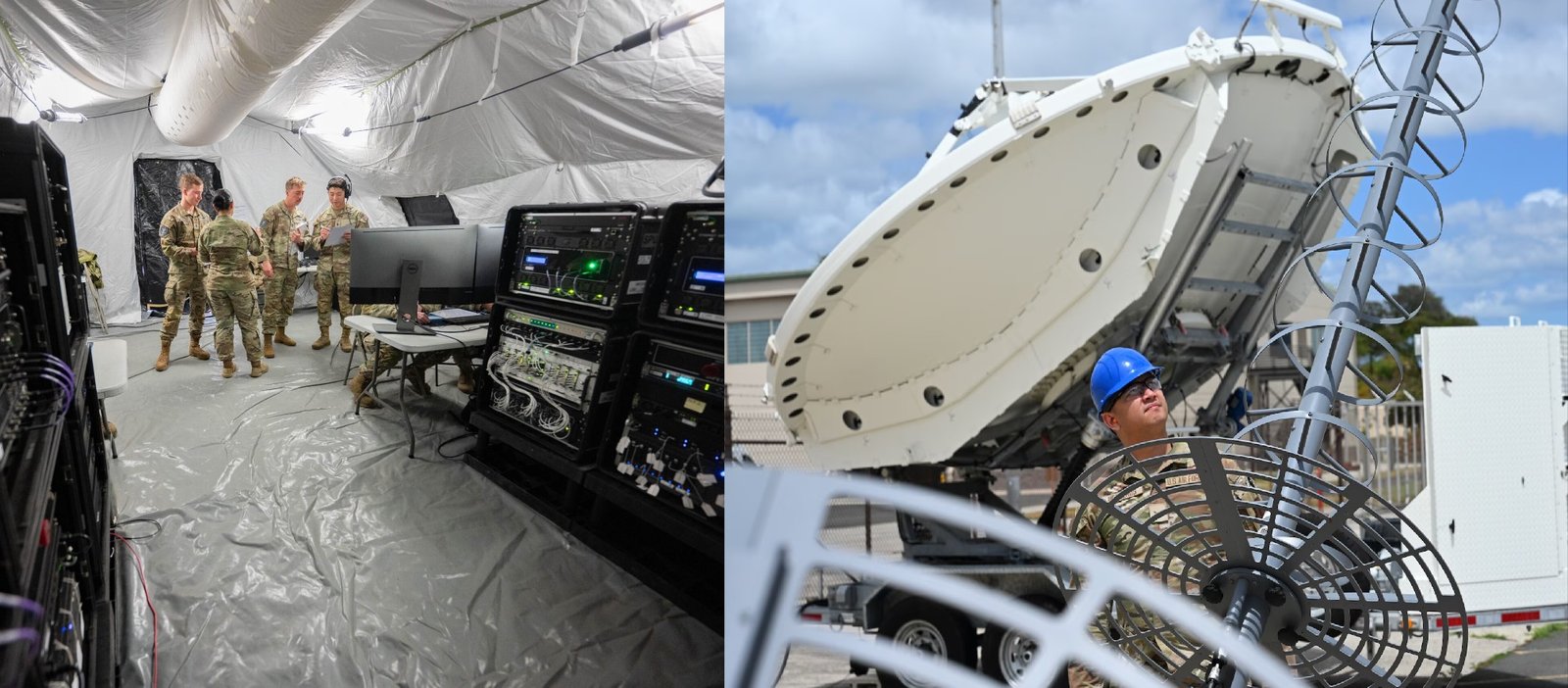 U.S. Space Force Activates 1stElectromagnetic Warfare Squadron Equipped With Meadowlands and Bounty Hunter
Top Trending in 4 Days
-
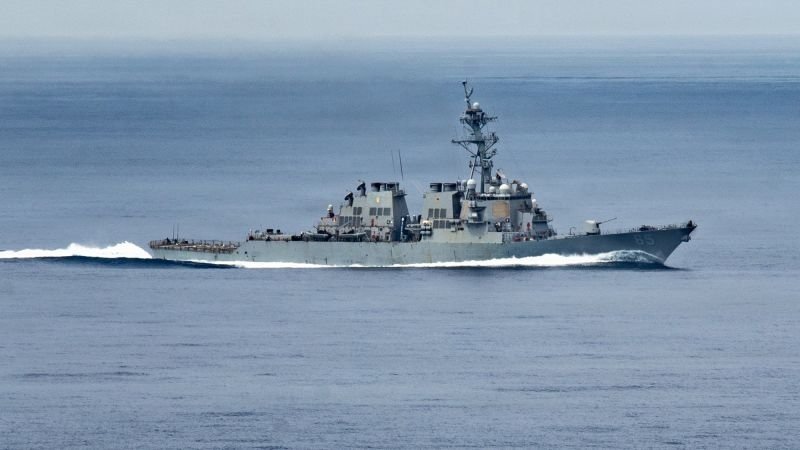 U.S. Navy Destroyer USS Benfold Spent Four Days Without Power in South China Sea After Generator Failure
-
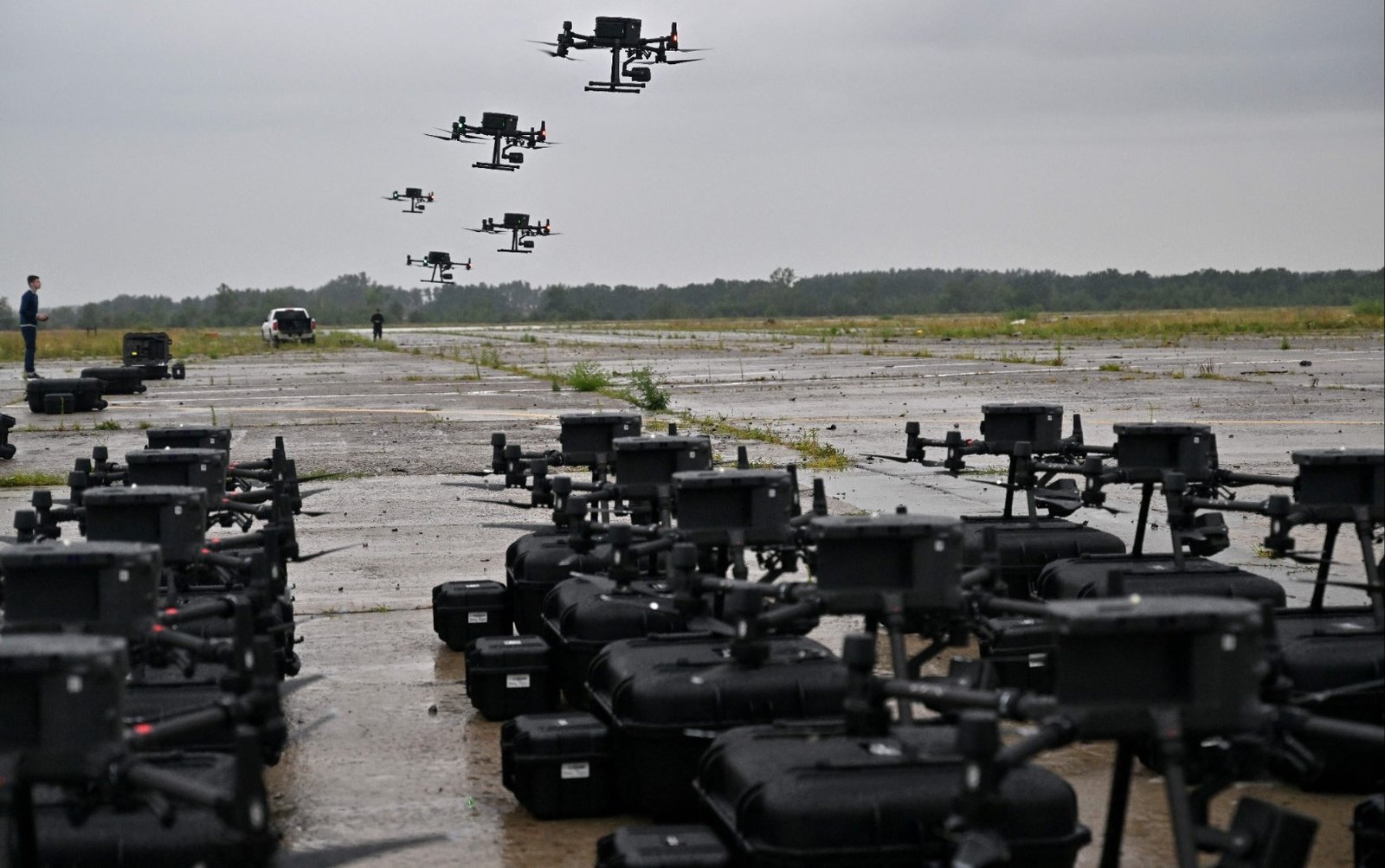 U.S. Air Force to Buy Chinese DJI Drones for Counter-Drone Training at Nuclear Missile Base
-
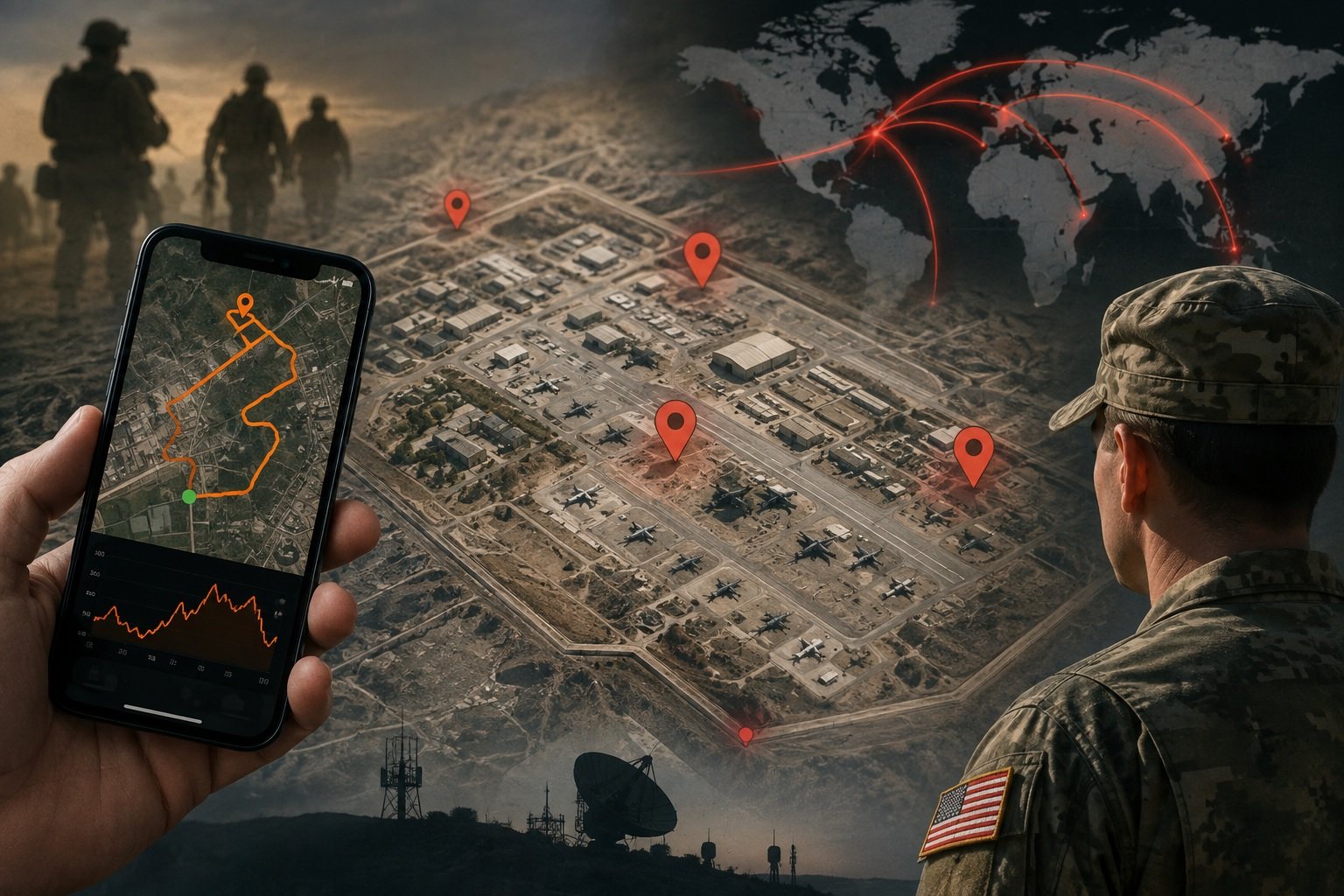 Iran May Be Using Data From Fitness Apps to Track U.S. Military Personnel in the Middle East
-
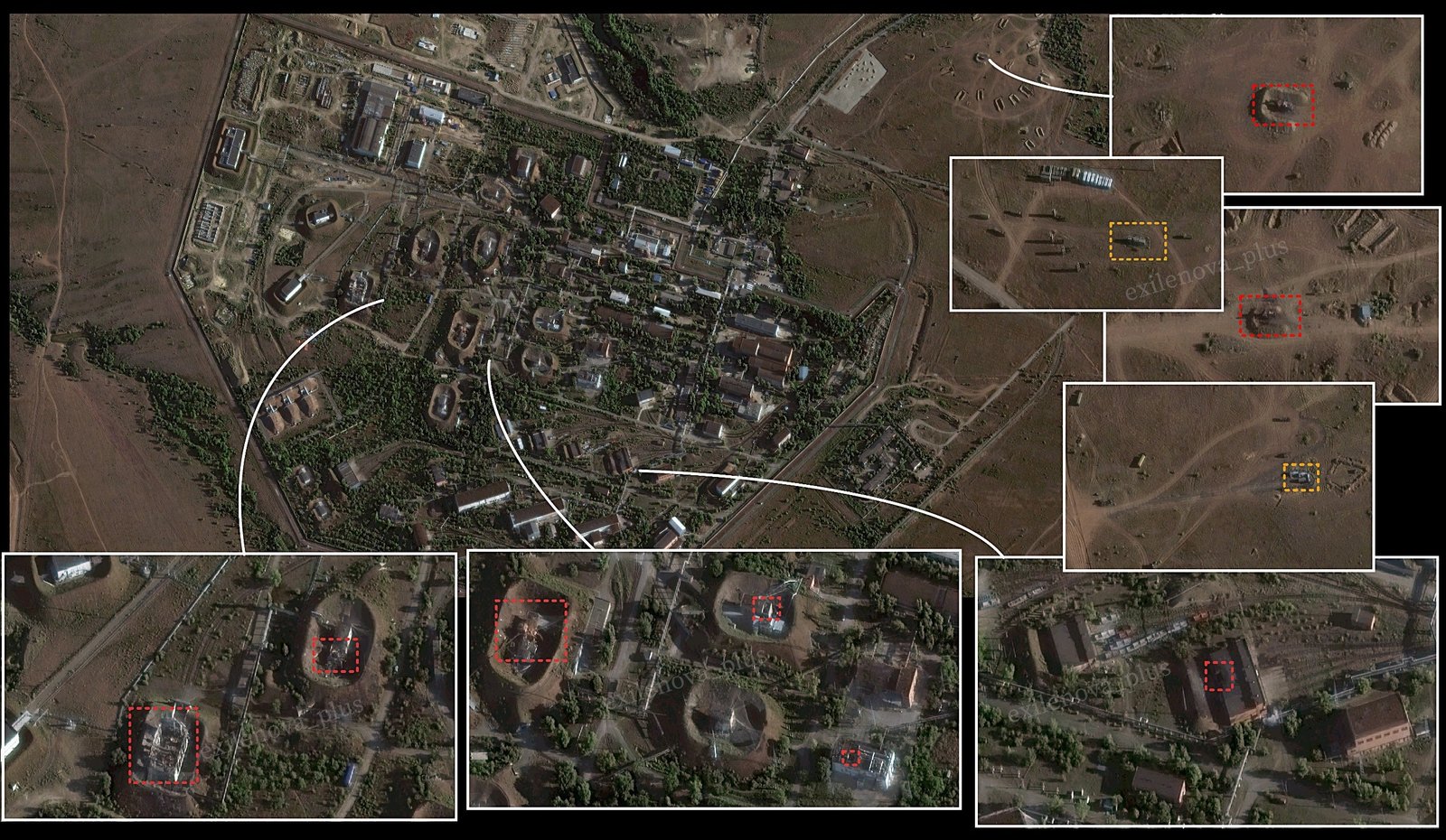 Satellite Images Show Ukrainian Drone Strike Hits Russian Rocket Fuel Plant and Air Defense Systems in Rostov Region
-
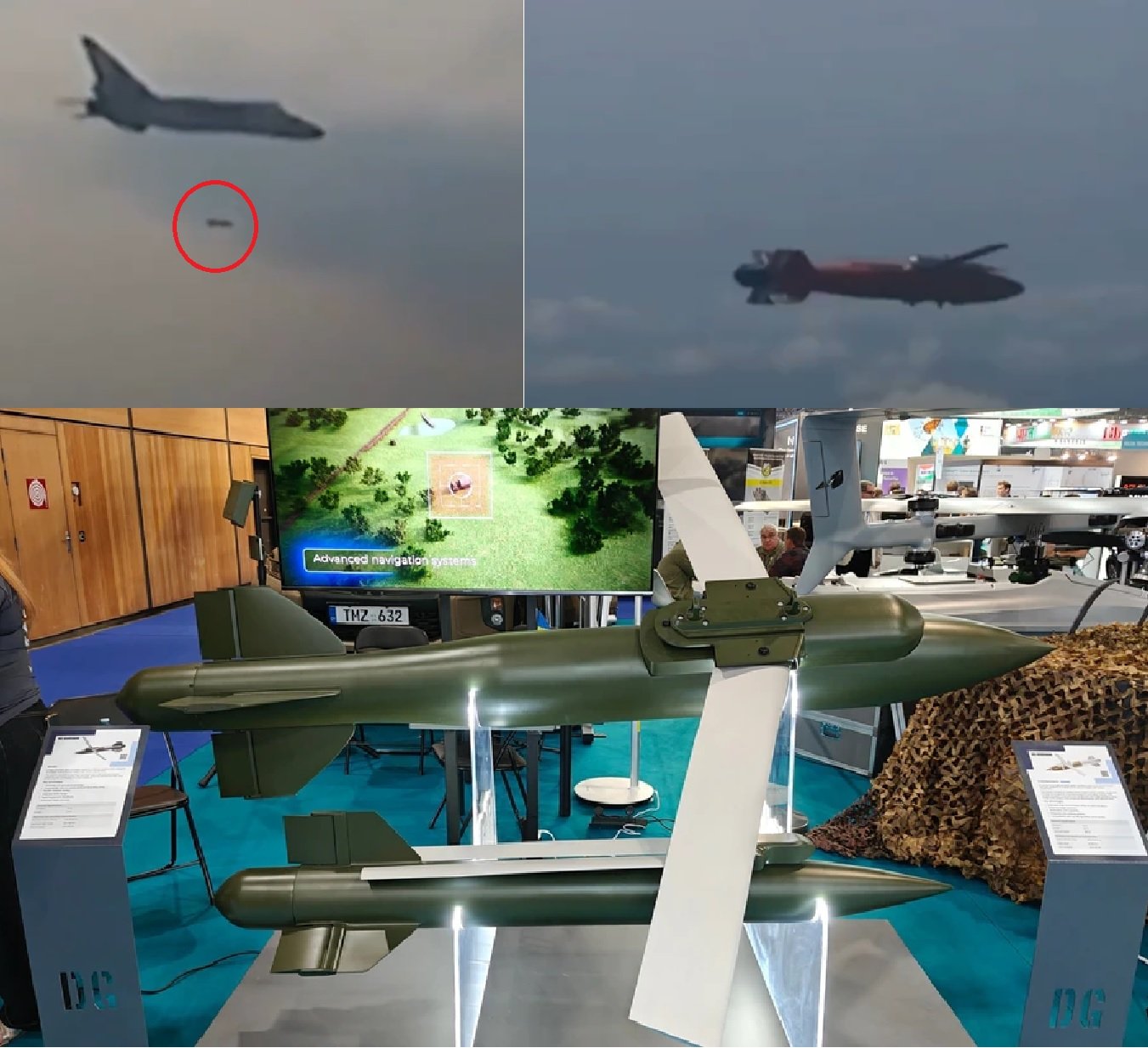 Ukraine Begins Procurement of Vyrivniuvach Guided Aerial Bomb
-
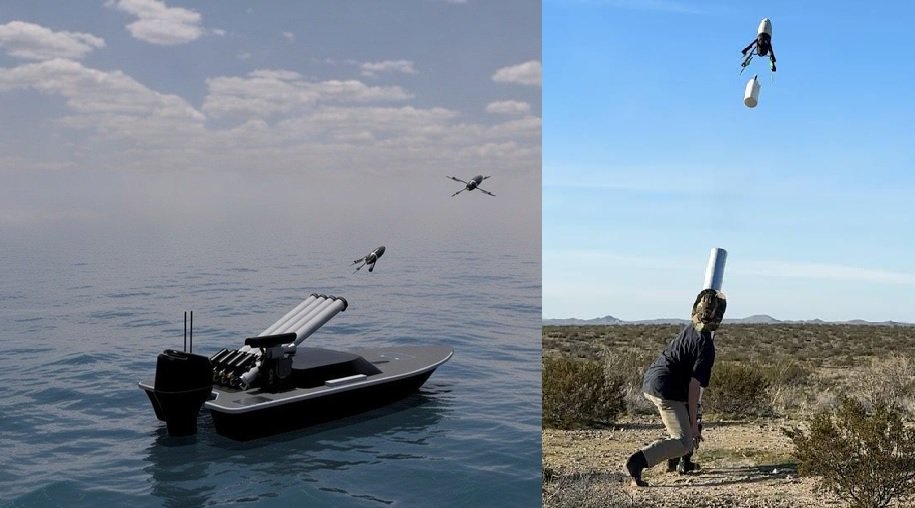 Thermopylae Aerospace Unveils SPART Tube-Launched Drone Interceptor for Group 2-3 and Turbojet UAS Threats
-
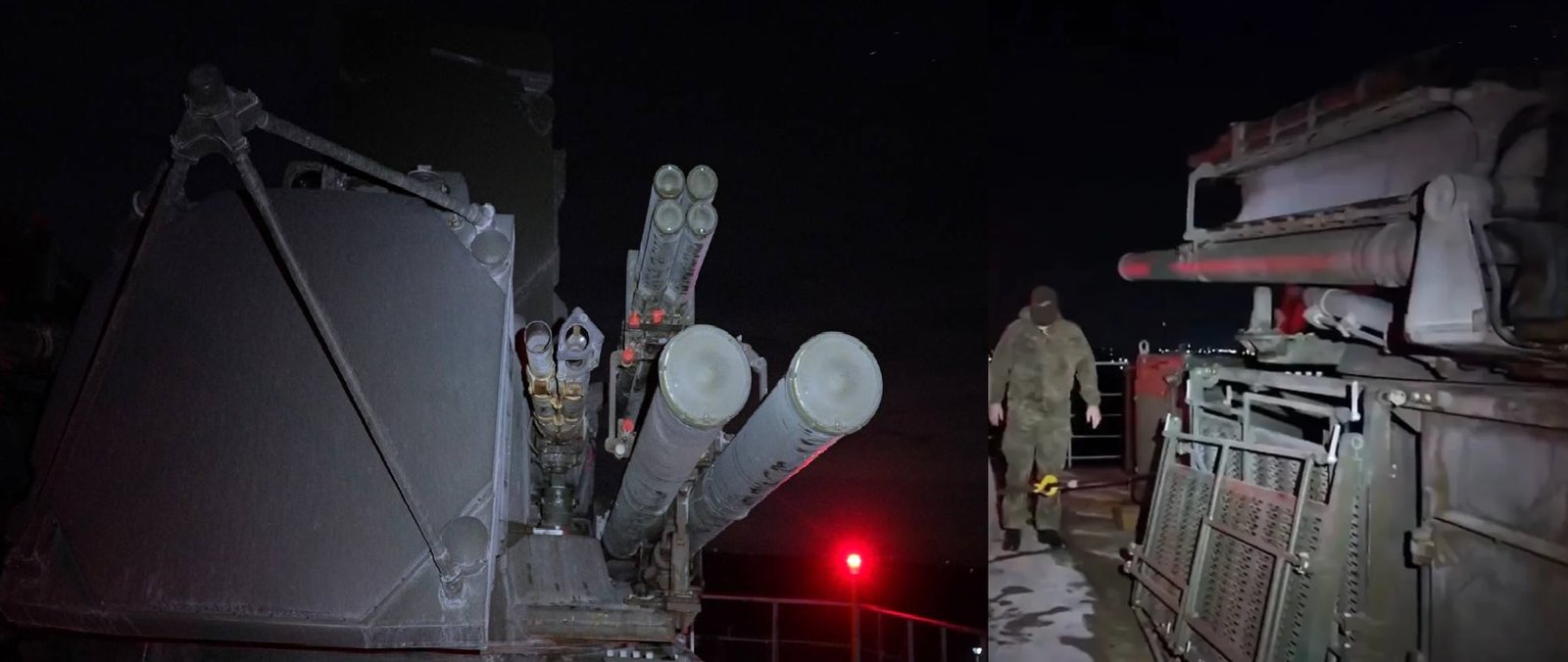 Russia Expands Moscow’s Anti-Drone Defense Network With Specialized 35-Meter Towers for Pantsir Systems
-
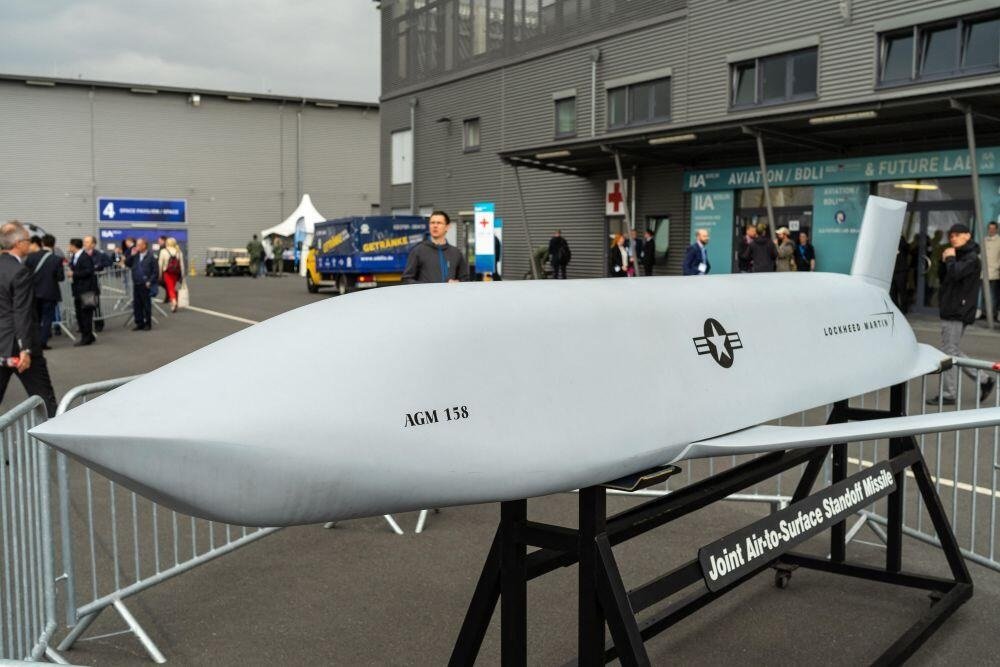 U.S. Air Force Selects GE-Kratos F143 Engine as Second Engine Source for JASSM Missile
