
World
In a significant move to bolster its missile defense capabilities, South Korea has awarded a 3.4-billion-won (approximately $24 million) contract to domestic defense firm LIG Nex1 to develop a cutting-edge counter-ballistic missile simulation system. The project, overseen by the Defense Acquisition Program Administration (DAPA), is expected to be completed by 2028. A Critical Tool for Modern Missile Defense The new simulation system is designed to mirror the complex and evolving ballistic missile threats posed by regional adversaries, particularly North Korea. It will provide South Korea's armed forces with a realistic, integrated training environment where personnel can rehearse detection, interception, and response procedures against simulated missile attacks. According to DAPA, the model will simulate the entire engagement process — from early detection of missile launch signs to interception operations, strike decisions, and post-strike damage assessments. This will be achieved using advanced computer-based modeling and simulation (M&S) technologies within a sophisticated virtual battlefield environment. How the System Will Work: Technical Details The simulation model will employ several key technical components: Early Detection Simulation: Simulates the operation of ground-based and airborne surveillance assets (like South Korea’s Green Pine radar systems and early warning satellites) to detect and track ballistic missile launches in real-time. Threat Analysis and Tracking Algorithms: Incorporates real-time computational models to track multiple incoming targets, predict trajectories, and assess threat levels based on simulated missile speed, altitude, and flight path. Interception Decision Simulation: Mimics command-and-control decision-making processes for intercepting incoming missiles using air defense systems such as PAC-3 MSE (Patriot Missiles), KM-SAM (Cheongung-II), and L-SAM (Long-range Surface-to-Air Missile) batteries. Kill Chain and Counterstrike Training: Integrates elements of South Korea’s Kill Chain preemptive strike system and Korea Massive Punishment and Retaliation (KMPR) plan, allowing forces to practice immediate retaliatory measures using strike aircraft, cruise missiles, and other counterforce capabilities. Damage Assessment Module: Uses computer-generated battlefield damage models to visualize and analyze the impact of both successful interceptions and potential missile strikes. By integrating these capabilities, the simulation system aims to prepare South Korea’s military for a wide range of missile attack scenarios, from isolated single-missile launches to coordinated, multi-vector ballistic barrages. Part of Korea’s Three-Axis Strategy The new simulation model is a critical asset supporting South Korea’s Three-Axis Defense Strategy, which was specifically designed to counter the nuclear and missile threat from North Korea. This strategy includes: Kill Chain: A preemptive strike capability to neutralize imminent missile threats. Korea Air and Missile Defense (KAMD): A layered missile defense system to intercept incoming missiles. Korea Massive Punishment and Retaliation (KMPR): A plan for large-scale retaliatory strikes against key North Korean targets in the event of a nuclear or missile attack. According to Jeong Jae-jun, Director of DAPA’s Advanced Technology Business Division, “Once this system development project is completed, a practical and integrated training environment based on advanced simulation technology will be created.” He added that DAPA would continue to work closely with domestic firms like LIG Nex1 to ensure that the project progresses smoothly and meets its strategic objectives. Enhancing Domestic Defense Industry Capabilities Beyond its operational military benefits, the simulation system is also expected to strengthen the technological base of South Korea’s domestic defense sector. By developing indigenous modeling and simulation software for complex missile defense operations, firms like LIG Nex1 can improve their competitiveness in both local and international defense markets. As ballistic missile threats in Northeast Asia grow more sophisticated, South Korea’s decision to invest in advanced simulation-based training tools represents a forward-thinking approach to national defense. The partnership with LIG Nex1 promises to deliver a crucial capability that not only prepares the South Korean military for future conflicts but also nurtures the country’s defense technology ecosystem.
Read More → Posted on 2025-06-26 12:22:35
India
In a significant diplomatic gesture that underscores India’s firm stance against terrorism and double standards in multilateral forums, Defence Minister Rajnath Singh refused to sign a key defence-related document at the Shanghai Cooperation Organisation (SCO) meeting held in China. The Indian delegation objected to the omission of a condemnation of the recent Pahalgam terrorist attack in Jammu & Kashmir while the document curiously included references to Balochistan, a region where Pakistan has long faced accusations of severe human rights violations. The SCO Document Dispute The SCO, which includes China, Russia, India, Pakistan, and several Central Asian countries, held its annual Defence Ministers’ meeting in Beijing. During the drafting of a joint communiqué, India raised strong objections to a portion of the final text. The proposed document not only failed to mention or condemn the terrorist attack in Pahalgam on June 16, which resulted in the death of several Indian security personnel and civilians, but also included politically charged language on Balochistan, a Pakistani province often highlighted by Islamabad as a grievance against foreign interference. Sources familiar with the negotiations said that India viewed the silence on the Pahalgam attack as a deliberate omission that undermined the global fight against terrorism. The inclusion of Balochistan, meanwhile, was seen as an indirect effort to equate Pakistan's internal insurgency with India's counter-terrorism operations in Kashmir—a comparison India has repeatedly rejected. Rajnath Singh, during the closed-door session, is reported to have clearly expressed that unless terrorism in all forms was unequivocally condemned, particularly incidents that targeted India, New Delhi could not be a party to the statement. Consequently, India became the only SCO member not to endorse the document, marking a rare but firm diplomatic dissent. The Hypocrisy Around Balochistan The inclusion of Balochistan in the SCO communiqué raises deeper concerns. Pakistan has long used international forums to portray Balochistan as a victim of external interference, especially alleging Indian support for separatists. However, this narrative often deflects from the chronic and grave human rights violations carried out by the Pakistani state in the region. For decades, Balochistan has remained a hotbed of unrest due to systemic neglect, resource exploitation, and suppression of political voices. Human rights organizations, including Amnesty International and Human Rights Watch, have documented thousands of cases of enforced disappearances, extrajudicial killings, and torture in the province. Families of missing persons frequently hold protests demanding accountability, with little to no response from Pakistani authorities. The case of abducted Baloch activists is particularly harrowing. Students, journalists, human rights defenders, and members of civil society critical of the Pakistani military’s role in Balochistan have been forcibly taken from their homes, often never to return. According to local rights groups, over 5,000 people have gone missing over the past two decades, while the actual numbers may be even higher. Activists such as Mama Qadeer Baloch have led long marches and peaceful protests to raise awareness about the atrocities in Balochistan, but such efforts are often met with intimidation or outright bans. In international circles, however, Pakistan continues to label Baloch dissent as “terrorism” while seeking global sympathy for alleged interference, all while denying basic civil rights to its own people. India’s Stand: A Broader Message India’s decision to walk away from the SCO statement is not merely a diplomatic snub—it’s a pointed reminder that counter-terrorism commitments cannot be selective, and that human rights must not be overshadowed by political narratives. By refusing to lend credibility to a document that implicitly legitimized Pakistan’s narrative on Balochistan while ignoring real acts of terrorism in Kashmir, India has drawn a clear red line. This act also signals a growing maturity in India’s foreign policy, where participation in multilateral organizations is not seen as unconditional. It reiterates New Delhi’s demand for an honest global discourse on terrorism—one that is not hostage to geopolitical agendas. While China and Pakistan may attempt to steer regional dialogues in directions that suit their interests, India’s refusal to rubber-stamp biased narratives indicates that global legitimacy still hinges on fairness, consistency, and truth.
Read More → Posted on 2025-06-26 12:14:01
India
In a major milestone for India’s indigenous defence technology, the upcoming Tejas Mk2 fighter aircraft is set to feature an advanced Gallium Nitride (GaN)-based Active Electronically Scanned Array (AESA) radar by 2026 — years ahead of the French Dassault Rafale F5 variant, which isn’t expected to field a similar radar until 2033. This development firmly positions India as an early leader in deploying next-generation sensor technology, reinforcing its Atmanirbhar Bharat (Self-Reliant India) initiative in defence manufacturing. What Makes This New Radar Special? The Uttam AESA radar, developed by the Electronics and Radar Development Establishment (LRDE) under India’s Defence Research and Development Organisation (DRDO), is already undergoing successful trials. The Mk2 version of this radar will feature 912 Transmit/Receive Modules (TRMs) — the heart of the radar system that sends and collects radio signals to detect, track, and engage targets. For comparison: The Thales RBE2 AESA radar currently on Rafale F3R and F4 variants has 838 TRMs and uses Gallium Arsenide (GaAs) technology. The planned Rafale F5 will adopt GaN-based AESA radar only around 2033. GaN semiconductors represent a new generation in radar technology. Compared to GaAs, GaN allows: Higher power output Improved thermal management Greater electronic warfare resistance Extended detection ranges According to DRDO and defence analysts: The GaN-based Uttam radar is expected to detect fighter-sized targets over 200 km away and track multiple targets with higher precision than most current-generation systems. Tejas Mk2 The Tejas Mk2 is an advanced 4.5-generation medium-weight multirole fighter with a larger airframe than the existing Tejas Mk1A. This allows integration of more powerful systems, including: The new GaN-based Uttam radar Indigenous long-range missiles like Astra Mk3 (range 350 km) Modern electronic warfare suites Its first prototype rollout is expected by late 2025, with the maiden flight planned in 2026 — crucially, with the new radar integrated. Meanwhile, starting from the 41st production unit, even the existing Tejas Mk1A fleet will begin receiving Uttam AESA radars, replacing the currently used Israeli ELM-2052 AESA radars. Technical Highlights of the GaN-Based Uttam AESA Radar Feature Tejas Mk2 (Uttam GaN AESA) Rafale F3R/F4 (RBE2-AA) Technology Type Gallium Nitride (GaN) Gallium Arsenide (GaAs) Number of T/R Modules 912 838 Detection Range (Fighter Target) 200 km ~120-130 km Target Tracking Multiple simultaneously Multiple simultaneously Jamming Resistance Superior (due to GaN) Good Operational Year (With GaN) 2026 ~2033 (Rafale F5 planned) Why This Matters While France is planning a broad upgrade with the Rafale F5 — including a GaN radar, new engines, and integration with unmanned combat aerial vehicles (UCAVs) — India’s decision to operationalize GaN-based AESA radar by 2026 gives it a distinct sensor technology edge in the 2020s. This also means the Indian Air Force (IAF) will possess fighters capable of longer-range detection and better resistance to electronic warfare threats, improving its air defence and offensive capabilities against both 4.5-gen and 5th-gen adversaries. India’s move to field an indigenous GaN-based AESA radar in the Tejas Mk2 ahead of advanced European platforms like the Rafale F5 is a significant stride in modernising its air combat fleet and defence industry. It underlines India’s capability not just to match, but in certain domains like radar technology — to lead globally. This technological leap, achieved within the country, is a powerful example of what India’s defence R&D ecosystem is capable of delivering under the Atmanirbhar Bharat vision.
Read More → Posted on 2025-06-26 12:07:00
India
Safran Aircraft Engines has officially announced the establishment of a dedicated MRO (Maintenance, Repair and Overhaul) facility for the Rafale’s M88 engine in Hyderabad. This facility will be the first of its kind outside France, a landmark move that not only enhances India’s operational readiness but also positions the country as a global hub for high-end military aviation sustainment. This decision by the French engine manufacturer reflects a growing trust in India’s industrial and technical ecosystem. The Hyderabad facility will serve as the first international site to maintain M88 engine modules, used by the Rafale fighter jets, which form a critical part of the Indian Air Force’s frontline air superiority capabilities. With an annual capacity to handle over 600 engine modules, the site is expected to become operational in phases and generate up to 150 highly skilled jobs by 2040. Christophe Bruneau, Executive Vice President of Military Engines at Safran Aircraft Engines, described the project as a milestone not just for the company, but for India's aspirations in aerospace sovereignty. “We are delighted to select Hyderabad as the location for this strategic initiative. This project is an important step in supporting M88 export customers, especially the Indian Air Force, and it reinforces our long-term commitment to India’s aerospace sector,” he said. Safran’s investment in Hyderabad aligns seamlessly with the country’s push for localization of high-value defence manufacturing. In recent years, Hyderabad has emerged as a major aerospace cluster, already housing the Dassault Aviation and Tata Advanced Systems Limited (TASL) joint venture that manufactures parts of the Rafale’s fuselage. This new MRO facility adds another vital layer to that ecosystem, integrating sustainment and repair operations into the same regional footprint as component manufacturing. The M88 turbofan engine, a compact yet powerful powerplant, is the heart of the Rafale’s exceptional performance. Ensuring timely and efficient maintenance of these engines is crucial for the Indian Air Force to keep its fleet mission-ready. Until now, all engine modules required maintenance in France—a time-consuming and logistically complex process. The Hyderabad MRO center will drastically reduce turnaround times and bring engine support closer to the point of use, increasing sortie rates and reducing downtime. More broadly, the facility represents a deeper level of technology transfer and industrial cooperation. By hosting M88 module maintenance capabilities domestically, India is effectively entering the elite club of nations capable of supporting advanced fighter jet engines at home. It also opens up the possibility of India serving as a regional support hub for other Rafale operators in Asia and the Middle East in the future. In every sense, this is more than just a maintenance facility. It is a strategic enabler, a force multiplier, and a clear indicator of how India’s defence partnership with France has matured into one of mutual capability building. With Safran’s expertise and India’s growing industrial base, Hyderabad is set to become a key node in the global aerospace supply chain—not just for Rafale engines, but for the broader future of Indo-French defence cooperation.
Read More → Posted on 2025-06-25 15:38:42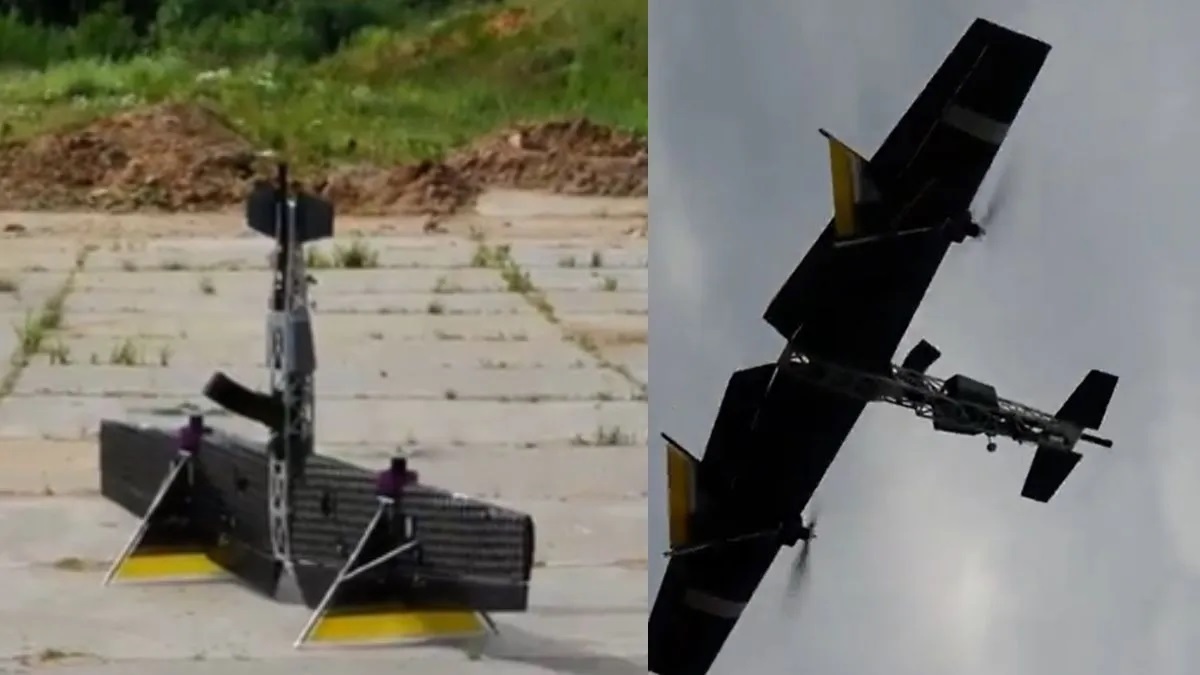
India
In a bold step toward next-generation combat systems, Delhi-based defense tech firm BSS Alliance has revealed a prototype drone integrated with the Indo-Russian AK-203 assault rifle, offering a game-changing vision for future battlefield operations. Presented recently at a defense innovation forum, the concept fuses conventional firepower with autonomous aerial systems, marking a significant leap in India’s homegrown unmanned combat capabilities. At first glance, the idea of mounting an assault rifle on a drone might seem straight out of science fiction — but for BSS Alliance, it’s a practical response to the evolving needs of modern warfare. From counter-insurgency missions to urban combat, the AK-203-armed drone is designed to strike fast, strike hard, and do it without risking soldier lives. A Classic Weapon Meets a Modern Platform The AK-203, India’s new standard-issue rifle produced at the Indo-Russia Rifles Pvt Ltd facility in Amethi, is a 7.62x39mm weapon known for its simplicity, reliability, and rugged performance. By choosing this platform, BSS Alliance ensures that their drone weapon system is both battle-proven and logistically easy to maintain, using ammunition already widely available to Indian forces. This isn’t just a gun bolted onto a drone. According to preliminary specifications: The system uses a stabilized gimbal mount to absorb recoil. It features a remotely operated fire-control mechanism, allowing the operator to aim and shoot with real-time visual feed. The multirotor drone is equipped with HD cameras, thermal optics, and secure data links to its ground station. In short, this is a flying sharpshooter — capable of engaging targets while hovering, maneuvering through tight urban spaces, or loitering above suspicious terrain. Why It Matters The battlefield is changing. From Ukraine to the Middle East, drones have already proven their worth — first as eyes in the sky, and now as weapons in their own right. What BSS Alliance is doing is extending that logic to the infantry level, giving India’s soldiers an aerial companion that can shoot back. This new system can be deployed in: Anti-terror operations, for surgical strikes inside buildings or remote hideouts. Border security, especially in terrain like forests or mountainous regions where ground access is difficult. Convoy protection, flying alongside or ahead of ground vehicles to scout and engage potential threats. Autonomous perimeter defense, where drones can patrol and even respond to movement or intrusion in high-risk zones. If scaled, these drones could even operate in swarms, creating a decentralized and mobile defense network where each unit covers others in a coordinated strike pattern. Technical Challenges Of course, mounting a rapid-fire weapon on a lightweight UAV isn’t without its complications: Recoil management: Even the AK-203’s moderate kick can throw a drone off balance mid-flight. Target identification: A remote operator must clearly distinguish combatants from civilians — requiring high-quality optics and AI-based tracking systems. Flight endurance: Payload weight and firing systems reduce flight time, which must be compensated by better batteries or lighter airframes. Nevertheless, the mere demonstration of such a concept is significant. It shows that Indian private firms are stepping into the complex world of drone warfare — an area once reserved for top militaries like the U.S., China, and Israel. India’s Private Defense Sector Steps Up BSS Alliance’s innovation is also emblematic of a broader shift: India’s defense ecosystem is no longer solely reliant on state-owned players. As the government promotes initiatives like Make in India and iDEX (Innovations for Defence Excellence), companies like BSS Alliance are seizing the opportunity to design indigenous solutions tailored for the Indian battlefield. The AK-203 drone isn’t yet ready for deployment — but it doesn’t need to be. Its real value lies in what it represents: a new kind of firepower. One that flies. One that sees first. And one that strikes without hesitation. As Indian forces prepare for future conflicts characterized by speed, precision, and low-risk engagement, drone-mounted rifles may soon shift from experimental showcases to standard tools in the military’s arsenal. In the near future, it might not be a soldier pulling the trigger — but a drone flying above, linked by satellite and camera to a commander miles away, choosing the perfect moment to strike. And that future is already taking shape, one innovation at a time.
Read More → Posted on 2025-06-25 15:29:17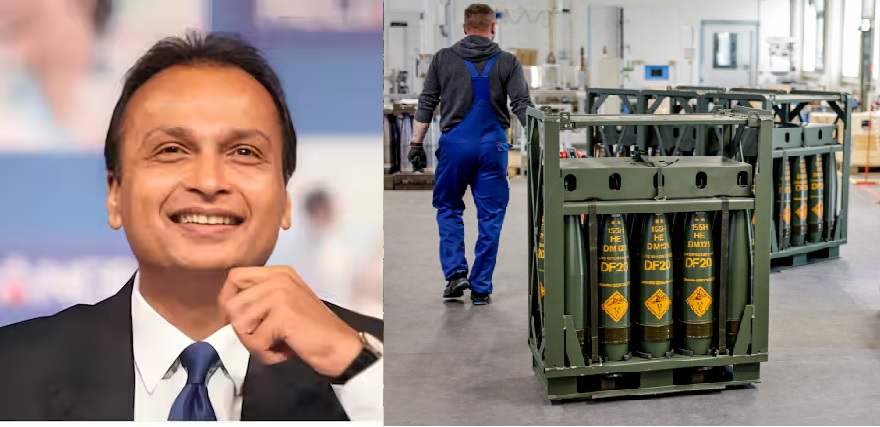
India
Reliance Defence has received a big export order worth ₹600 crore from Rheinmetall Waffe Munition GmbH, a top defence company from Germany. This deal is focused on high-tech ammunition and is one of the biggest contracts in this field for an Indian private company. This order comes soon after Reliance Defence and Rheinmetall announced a new partnership. The aim of this partnership is to bring advanced defence technology to India and also make India a major supplier in the global defence market. Anil Ambani, Chairman of the Reliance Group, called this deal a major step forward for India’s private defence industry. He said that the partnership will help India become more self-reliant in defence and also become a trusted exporter to other countries. Rheinmetall’s CEO, Armin Papperger, said the company is committed to working closely with India and praised the Indian government’s focus on strengthening local defence production. He said this deal is a strong example of Germany’s support for India’s ‘Make in India’ vision. Reliance Defence, backed by Reliance Infrastructure, is working to become one of the top three defence exporters from India. The company is involved in making advanced weapons, surveillance systems, and ammunition for both the Indian military and international buyers. This new export order is a big boost not just for Reliance Defence, but also for India’s defence industry. It shows that global defence companies are trusting Indian firms and that India is becoming a serious player in the global arms market.
Read More → Posted on 2025-06-25 15:10:32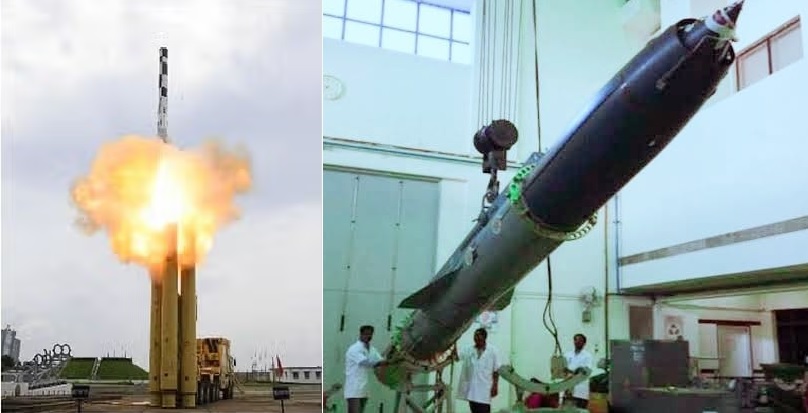
India
In a significant revelation that challenges long-standing perceptions about one of India’s most iconic missile systems, Dr. A. Sivathanu Pillai, former CEO of the BrahMos Aerospace, has confirmed that the BrahMos Extended Range (ER) missile possesses an actual strike range of 600 kilometers—far beyond the 290 km originally associated with the missile and the often-publicized 450 km ER variant. This announcement reaffirms that India’s supersonic cruise missile capability is far more advanced than generally understood, and highlights the technological evolution that followed a major diplomatic milestone: India's entry into the Missile Technology Control Regime (MTCR) in 2016. From 290 km to 600+ km: How MTCR Opened the Door Originally developed as a joint venture between India’s DRDO and Russia’s NPO Mashinostroyenia, the BrahMos missile was restricted by the MTCR guidelines. Prior to India joining the MTCR, Russia was legally bound not to share or co-develop missiles with a range exceeding 300 km with non-member states. Hence, the initial BrahMos was capped at 290 km to remain within this regulatory framework. However, after India officially became a member of the MTCR in 2016, the regulatory roadblock was removed. This enabled India and Russia to extend the missile’s range significantly, starting with the BrahMos ER (Extended Range) variant, which was initially cited as having a range of 450 km. According to Dr. Pillai, the true performance envelope of BrahMos ER allows it to reach 600 km — depending on the warhead configuration and launch conditions. 800+ km Variant Also in Development In an even more compelling development, Dr. Pillai also hinted at an ultra-long-range BrahMos variant with a range of over 800 km, which has already undergone multiple developmental trials. While this variant remains classified and unconfirmed officially, it is believed to feature: Optimized propulsion cycles Reduced payload weight Advanced flight programming Possibly enhanced airframe aerodynamics and fuel efficiency This longer-range BrahMos is likely meant for strategic missions, where stand-off precision strikes from deep within Indian territory or airspace could target adversarial command centers, high-value assets, or naval fleets. Strategic Implications With the confirmed range of 600 km and development of 800+ km variants, BrahMos has become a true strategic standoff weapon, capable of: Striking deep enemy assets without crossing frontlines Neutralizing hostile naval fleets from beyond their air defense cover Supporting preemptive or retaliatory strikes in limited conflict scenarios This capability further complicates the planning of adversarial militaries like China and Pakistan, who must now account for a vastly expanded BrahMos threat envelope across land and sea domains. BrahMos—More Than What Meets the Eye The unveiling of the true 600 km range of BrahMos ER by Dr. Pillai, along with the confirmation of an 800+ km variant, shows that India’s cruise missile capabilities are far more mature and strategically potent than public numbers would suggest. While export versions remain limited by MTCR constraints, India’s indigenous variants represent a deterrent edge with unmatched speed, precision, and reach. BrahMos is no longer just a tactical missile — it is fast evolving into a pillar of India’s strategic strike doctrine.
Read More → Posted on 2025-06-25 14:38:21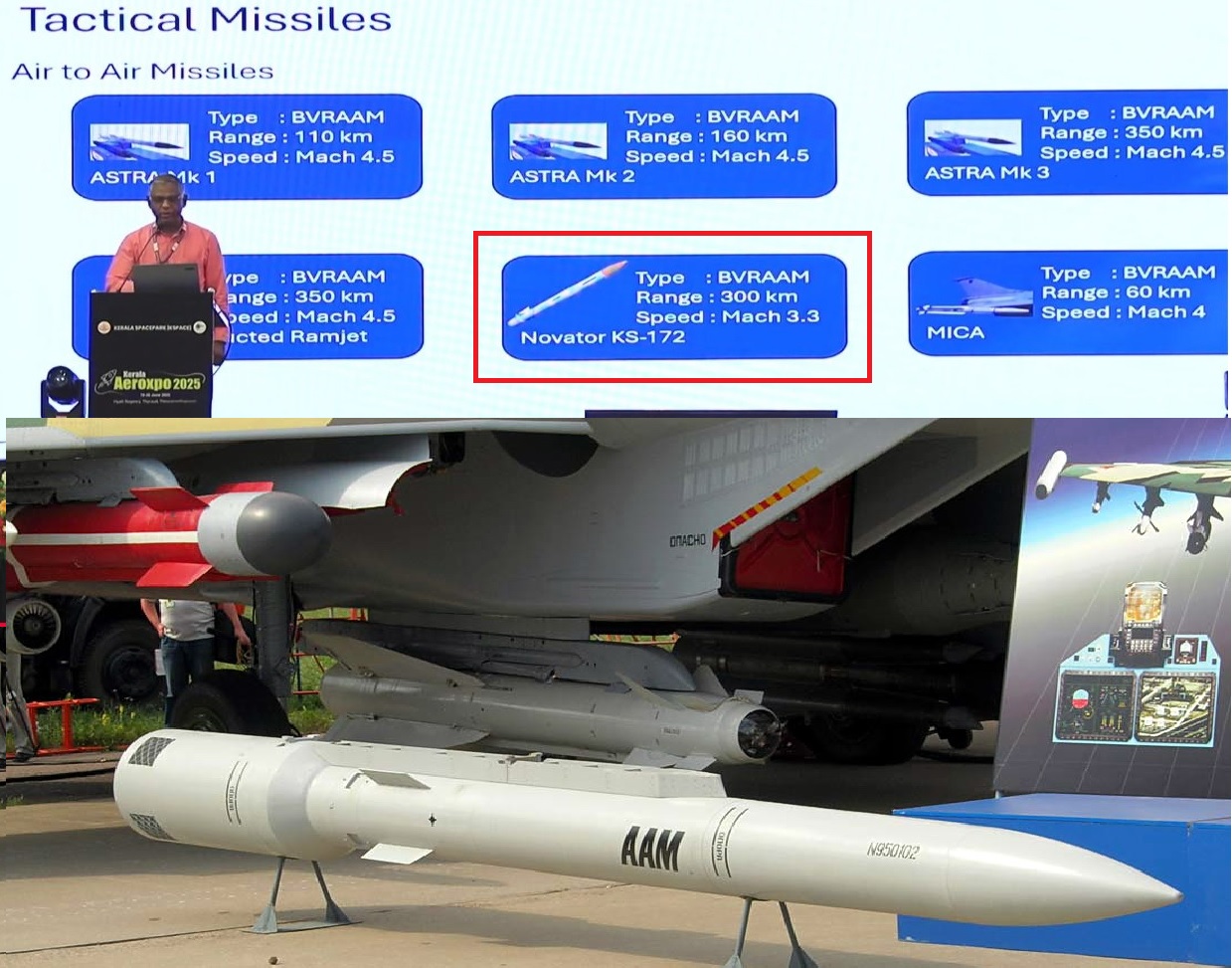
India
In a surprising confirmation at the Kerala AeroExpo 2025, a DRDO presentation slide has reignited interest in two major air-to-air missile (AAM) programs that had long been mired in ambiguity and speculation — the Novator KS-172 and the Astra Mk3. What was once thought to be vaporware or dead-end concepts has now emerged with concrete parameters, hinting at a resurgent Indian interest in long-range air dominance and counter-AWACS capabilities. KS-172: Rumor No More? For years, the KS-172 was considered a Russian-origin experimental missile, often discussed in niche military forums but rarely taken seriously due to its elusive development status and lack of deployment. Once envisioned as a "AWACS killer" with a massive range of over 400 km, the program had appeared to fizzle out. However, the DRDO slide shown at Kerala AeroExpo now explicitly lists the Novator KS-172 as a BVRAAM (Beyond Visual Range Air-to-Air Missile) with: Range: 300 km Speed: Mach 3.3 This strongly suggests either a revival of the program in collaboration with Russia, or more intriguingly, an indigenous DRDO-led version of the KS-172, potentially as a co-developed or licensed derivative. If DRDO is indeed actively developing this missile, it fills a critical void in India’s aerial arsenal: a long-range AAM designed to target high-value support aircraft such as AWACS, refueling tankers, or standoff jammers — all key nodes in adversarial air networks like China’s PLAAF. Technical Aspects: Likely to be powered by a dual-stage solid motor, possibly with terminal active radar homing. Its range allows standoff targeting of support aircraft well outside conventional fighter engagement envelopes. Could complement India’s Su-30MKI fleet, known for their range and endurance — ideal platforms for launching such weapons. Astra Mk3 Is Not What We Thought Equally intriguing is the listing of the Astra Mk3 as a separate missile from what many had previously assumed to be the Astra Mk3 SFDR variant — a ramjet-powered missile now identified as Gandiva. In the AeroExpo slide: Astra Mk3 is listed with: Range: 350 km Speed: Mach 4.5 Type: BVRAAM (non-ramjet) This clearly differentiates it from the Solid Fuel Ducted Ramjet (SFDR) variant, which has been under development in collaboration with Russia’s assistance on propulsion tech. The Astra Mk3, therefore, appears to be: A conventional solid-fuel missile, possibly a scaled-up derivative of Astra Mk2. Designed for high-speed, extended-range engagements, most likely with dual-pulse motors. Potentially integrating Indian seekers and guidance algorithms for terminal-phase accuracy. This implies Gandiva (SFDR) and Astra Mk3 are now distinct branches in India’s air-to-air missile roadmap — one focused on ramjet propulsion for sustained thrust and energy maneuverability, the other using conventional rocket motors but enhanced kinematic reach. AAM Landscape at a Glance (As per the Presentation Slide) Missile Range Speed Remarks Astra Mk1 110 km Mach 4.5 In service Astra Mk2 160 km Mach 4.5 Under induction Astra Mk3 350 km Mach 4.5 New solid-fuel long-range missile SFDR (Gandiva) 350 km Mach 4.5 Ramjet-powered variant KS-172 300 km Mach 3.3 AWACS killer – surprise reappearance MICA 60 km Mach 4 French-origin, in use on Mirage-2000 Strategic Implications: AAM Supremacy in the Making With this expanded missile family, India’s air-to-air doctrine is undergoing a dramatic shift — from reactive defense to strategic preemption. The combination of: Gandiva SFDR for agile dogfights and long-range kills, Astra Mk3 for deep strike against enemy combat air patrols, KS-172 for targeting high-value aerial assets, means the IAF could soon be capable of multi-layered, long-range engagement across the entire aerial battlespace. These systems also counterbalance Chinese advances in long-range AAMs like the PL-15 and rumored PL-21, and represent a maturation of India's indigenous missile development ecosystem. Clear Skies Ahead for Indigenous Air Combat Tech While final confirmation and deployment timelines are awaited, the AeroExpo 2025 slide serves as a clear indicator of DRDO’s expansive and maturing roadmap for air-to-air missile dominance. What was once speculation around KS-172 has now emerged as a visible project. And Astra Mk3, no longer to be confused with the SFDR/Gandiva program, seems to be a formidable missile in its own right. India’s AAM landscape is no longer playing catch-up — it is charging ahead, with high-speed, high-altitude precision systems that could dominate future skies.
Read More → Posted on 2025-06-25 13:32:45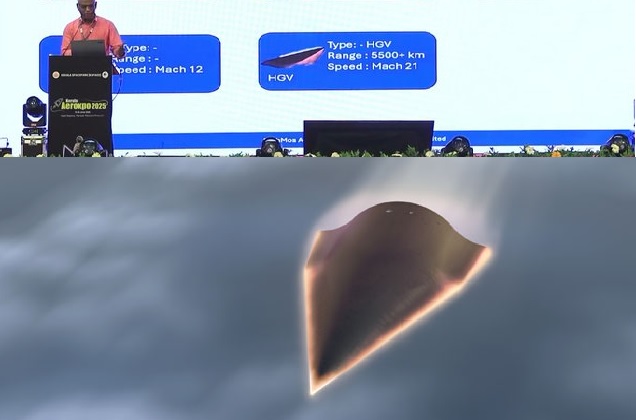
India
In a major leap for India’s strategic deterrence capabilities, the Defence Research and Development Organisation (DRDO) has officially confirmed the development of a Hypersonic Glide Vehicle (HGV)-based missile system named Project Dhvani. Designed to travel at speeds exceeding Mach 21 (~25,000 km/h), this next-generation system is being built for long-range, high-speed strategic missions capable of defeating even the most advanced missile defense systems in the world. Once operational, Dhvani will place India in the elite league of nations mastering wave-riding HGVs, a space currently dominated by Russia’s Avangard and China’s DF-17. However, sources suggest that India’s Dhvani glider is significantly larger and heavier than the Chinese DF-17—a clear indicator of its intended deep-penetration and heavy payload capabilities. The Dhvani HGV Capability Project Dhvani isn’t just a high-speed missile—it is a highly maneuverable, atmospheric-gliding platform that launches atop a ballistic missile booster before detaching and skimming through the upper atmosphere at hypersonic velocities. Key Features and Capabilities: Top Speed: Mach 21+ (~25,200 km/h), making interception extremely difficult. Range: Estimated to exceed 5,500 km, placing it well into the intermediate-range strategic weapon category. Design: Blended Wing Body (BWB) architecture similar to Russia’s Avangard, optimized for sustained wave-riding using atmospheric pressure. Maneuverability: Extreme lateral movement and unpredictable flight paths to evade detection and interception. Unlike conventional ballistic missiles that follow predictable parabolic trajectories, HGVs like Dhvani can perform continuous evasive maneuvers during re-entry, making them immune to most modern Ballistic Missile Defense (BMD) systems. Penetrating the Dragon’s Shield: BMD Evasion China has deployed an extensive multi-layered missile defense network, including: HQ-19: For high-altitude interception. HQ-26: Designed for long-range BMD, including boost-phase and mid-course kills. DN-3 and DN-4: Mid-course space interceptors with exo-atmospheric kill vehicles. However, Dhvani is designed to bypass or neutralize each of these layers: Hypersonic maneuvering prevents tracking locks by mid-course BMD systems. Low atmospheric flight allows the glide vehicle to fly beneath the radar horizon of ground-based interceptors. Unpredictable terminal path reduces the effectiveness of kill vehicle interception algorithms. As a result, Dhvani can slip through layered BMDs like a phantom, arriving at its target before the enemy even realizes it has been hit. This capability mirrors the surprise effectiveness of Indian air-launched weapons used in past strikes on Pakistani military assets—operations that left adversaries scrambling for explanations after the fact. Massive Payload and Strategic Implications The large physical dimensions of Dhvani’s glide body suggest it will carry either a heavy conventional warhead or a thermonuclear payload—possibly even Multiple Independently Targetable Reentry Vehicles (MIRVs) or maneuvering reentry vehicles (MaRVs) in future iterations. With such capabilities, Dhvani could: Strike deep targets across continental Asia, including critical infrastructure in China. Serve as a second-strike weapon in a nuclear conflict, surviving first-wave attacks and retaliating through BMD layers. Be launched from road-mobile or canisterized platforms, increasing survivability and reducing launch detection timelines. A Vision of Strategic Supremacy Project Dhvani isn’t just a technological milestone—it’s a message. India is evolving from a regional deterrent power to a strategically autonomous player capable of shaping the high-speed battlefield of tomorrow. By mastering hypersonic glide technology, DRDO has given India an asymmetric edge—something even the most sophisticated defense systems of its adversaries will find nearly impossible to counter. While operational timelines are yet to be formally announced, the scale, ambition, and confirmed development of Dhvani signal that India’s hypersonic age has officially begun—with chilling implications for anyone on the receiving end.
Read More → Posted on 2025-06-25 12:57:36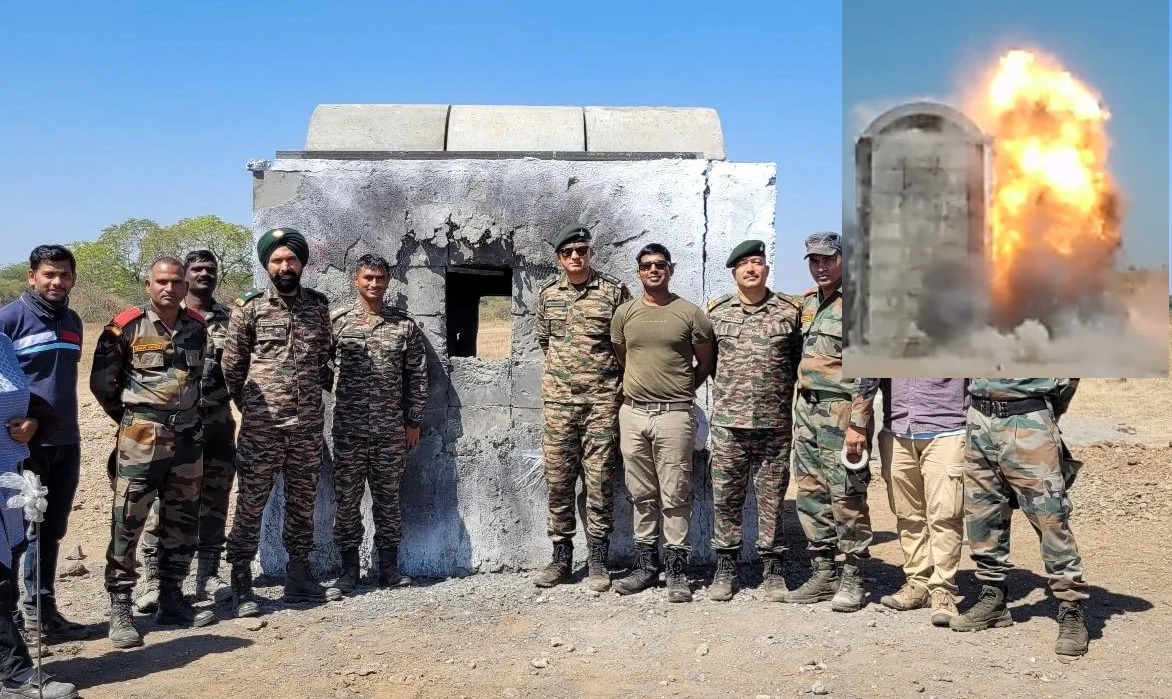
India
In a significant breakthrough that could redefine how India fortifies its frontline troops, researchers at the Indian Institute of Technology (IIT) Bombay have developed a revolutionary modular bunker system designed to offer superior protection against modern threats like drones, precision-guided munitions, and missile strikes. Developed over nine years of intensive research, this initiative has emerged at a time when India’s defence preparedness is under renewed scrutiny. The recent Indo-Pak conflict, which saw drones carrying ammunition and missiles breaching Indian airspace, underscored just how vulnerable both soldiers and civilian infrastructure are to the evolving nature of warfare. From Stone and Sandbags to Smart Concrete Engineering Traditional bunkers—built with materials like stone, sandbags, cement, and wire mesh—have long served as permanent defensive positions. But their limitations are glaring: they’re time-consuming to build, logistically challenging to transport, and ineffective against today’s advanced firepower. To address these gaps, a team led by Professor Manish Kumar from IIT Bombay, in collaboration with the College of Military Engineering (CME), Pune, created modular, prefabricated bunkers using ultra-high-performance concrete (UHPC). These structures were field-tested at the Mechanised Infantry Centre and School (MICS) in Ahilyanagar, under the leadership of Lt. Col Bharatbhushan More, building on foundational work initiated by Lt. Col Alok Dua. Build-Anywhere Design: Portable, Scalable, and Battle-Tested What makes these bunkers truly game-changing is their LEGO-like design. Each block weighs under 20 kilograms, requires no special tools or construction expertise, and can be assembled in hours—even under hostile conditions. Curved roof panels—a standout feature—are engineered to deflect aerial projectiles, unlike traditional flat slabs, which absorb direct hits. The modular structure allows bunkers to be scaled up or down depending on the threat level, by simply adding or removing interlocking blocks. No need for mortar or welding, allowing for rapid deployment and reusability. These features offer a strategic edge in remote or high-risk regions where traditional construction would be either too slow or altogether impossible. Real Combat Trials: Designed for War, Proven in the Field During extensive trials, the modular bunkers were subjected to direct hits from real ammunition, including explosive and ballistic impacts. The results were striking: Curved roof elements delivered five times the resistance compared to flat concrete slabs of the same thickness. The shelters withstood multiple missile strikes without collapsing or compromising internal safety. Unlike traditional bunkers, these structures resisted spalling—the dangerous internal cracking that compromises protection—and minimized fragmentation risks to occupants. Redefining Battlefield Infrastructure In an era where threats can arrive silently via drones or explode on impact with laser-guided accuracy, India’s defensive infrastructure must evolve beyond sandbags and steel sheets. These modular bunkers signal a new era of agile fortification—infrastructure that moves with the troops, adapts to threats, and keeps pace with the fluid nature of modern conflict. By fusing academic research with battlefield reality, IIT Bombay and CME Pune have delivered a solution that could save lives and enable quicker military responses in future conflicts. As the nature of warfare shifts toward speed, precision, and mobility, India’s defences must do the same. The modular bunker system is not just a research project—it’s a blueprint for how nations can reimagine battlefield survivability in the 21st century.
Read More → Posted on 2025-06-25 12:21:58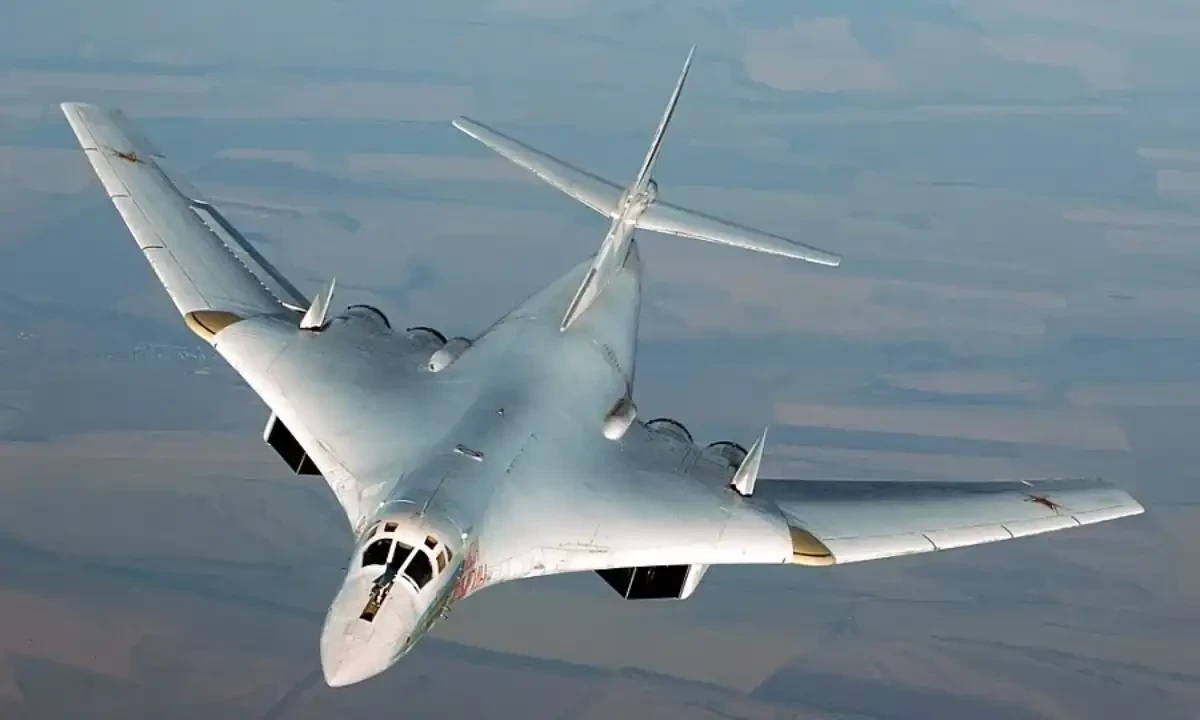
India
In a move that could drastically elevate India's strategic airpower capabilities, unconfirmed reports suggest that the Indian Air Force (IAF) is currently evaluating a Russian proposal to lease 6 to 8 Tupolev Tu-160M “White Swan” strategic bombers. If confirmed and pursued, this development would mark a major leap in India’s ability to conduct long-range heavy strike missions, both nuclear and conventional, across a wide range of conflict scenarios. Though no official statement has been released by India’s Ministry of Defence or the Russian side, the proposal, as reported by defense watchers on open-source platforms and social media, is believed to be under quiet deliberation at senior levels of IAF planning. The White Swan: A Long-Range Arsenal Aircraft The Tu-160M, an upgraded version of the original Cold War-era Tu-160, is the largest and fastest supersonic strategic bomber in service anywhere in the world. With its sleek variable-sweep wing design, the aircraft is often referred to as the “White Swan” (or “Blackjack” by NATO). Key capabilities include: Range: Over 12,000 km without refueling, extendable with aerial refueling. Speed: Mach 2.05 at high altitude. Payload: Can carry up to 45 tonnes of armament—including cruise missiles, gravity bombs, and future hypersonic weapons. Endurance: Capable of global missions from Indian soil with aerial refueling. Tu-160M’s Role in India: Beyond Strategic Bombing If inducted, the Tu-160M could serve as India’s long-range strike platform, much like the U.S. B-1B Lancer or B-52 Stratofortress. It would provide a powerful deterrent and rapid-strike capability across two fronts, especially against hardened and deeply defended enemy targets. Crucially, the bomber could become a flying arsenal ship, saturating enemy defenses with multiple stand-off munitions. Can it Carry BrahMos? While the Tu-160M was originally designed to carry Kh-55 and Kh-101/102 cruise missiles, speculation has emerged about its compatibility with BrahMos-A, the air-launched version of India’s supersonic cruise missile. Although the BrahMos missile is larger and heavier (2.5–3 tonnes) than Russian air-launched equivalents, the Tu-160M’s massive internal bays and 45-tonne payload theoretically make it possible to carry 6 to 12 BrahMos missiles, depending on integration and structural modifications. These could be: Mounted internally with rotary launchers (as in Kh-101 use), Or externally underwing if necessary, with adaptations. If equipped this way, a single Tu-160M could fire a massive volley of supersonic cruise missiles at stand-off ranges, overwhelming enemy air defense systems and destroying critical infrastructure, C4ISR nodes, or anti-access/area-denial (A2/AD) bubbles. Multi-Missile Saturation and Strategic Impact Beyond BrahMos, the aircraft could carry a mix of: Russian-origin missiles like Kh-101 (conventional) or Kh-55 (nuclear), Future Indian cruise missiles, such as the upcoming ITCM, NG-ARM, or even air-launched variants of Pralay or Nirbhay, Hypersonic weapons under development, depending on integration feasibility. This gives the IAF the ability to launch a saturation strike with dozens of missiles from a single platform, degrading or destroying enemy radar systems, airbases, naval fleets, or command centers from thousands of kilometers away—without crossing into enemy airspace. Strategic Utility for India Extended Strike Reach: Allows India to project power far beyond the subcontinent—from the Middle East to the Western Pacific. Nuclear & Conventional Flexibility: Could be armed with nuclear payloads for strategic deterrence, or conventional weapons for precision bombing. Rapid Firepower Surge: Acts as a “first-strike” or “pre-emptive decapitation” tool in wartime, targeting enemy leadership or infrastructure. Deterrent Against Two-Front War: Enhances India’s ability to hold key Pakistani and Chinese targets at risk simultaneously. A Proposal—Not Yet Confirmed It must be stressed that this entire development has not been officially confirmed by either Indian or Russian defense authorities. The information currently exists in the realm of open-source intelligence, leaks, and discussions on platforms like X (formerly Twitter). Notably, the idea appears to have gained traction after Russia showcased newly upgraded Tu-160M aircraft with modern avionics and weapons control systems, and amid the increasing emphasis globally on long-range air power and stand-off precision strike. Final Thoughts If India does proceed with leasing or even purchasing Tu-160Ms, it would mark a transformative leap in airpower doctrine—positioning the IAF alongside global strategic forces like the USAF and Russian Aerospace Forces. However, questions remain about cost, basing infrastructure, integration with Indian weapons systems, and political optics of acquiring heavy bombers amid conventional air force modernization needs. Nonetheless, even as a proposal, the idea underlines India’s growing ambition to develop a credible, flexible, and far-reaching strategic strike capability—one that is not solely reliant on missiles and submarines, but can take the battle deep into enemy territory with speed, stealth, and overwhelming firepower.
Read More → Posted on 2025-06-25 12:02:13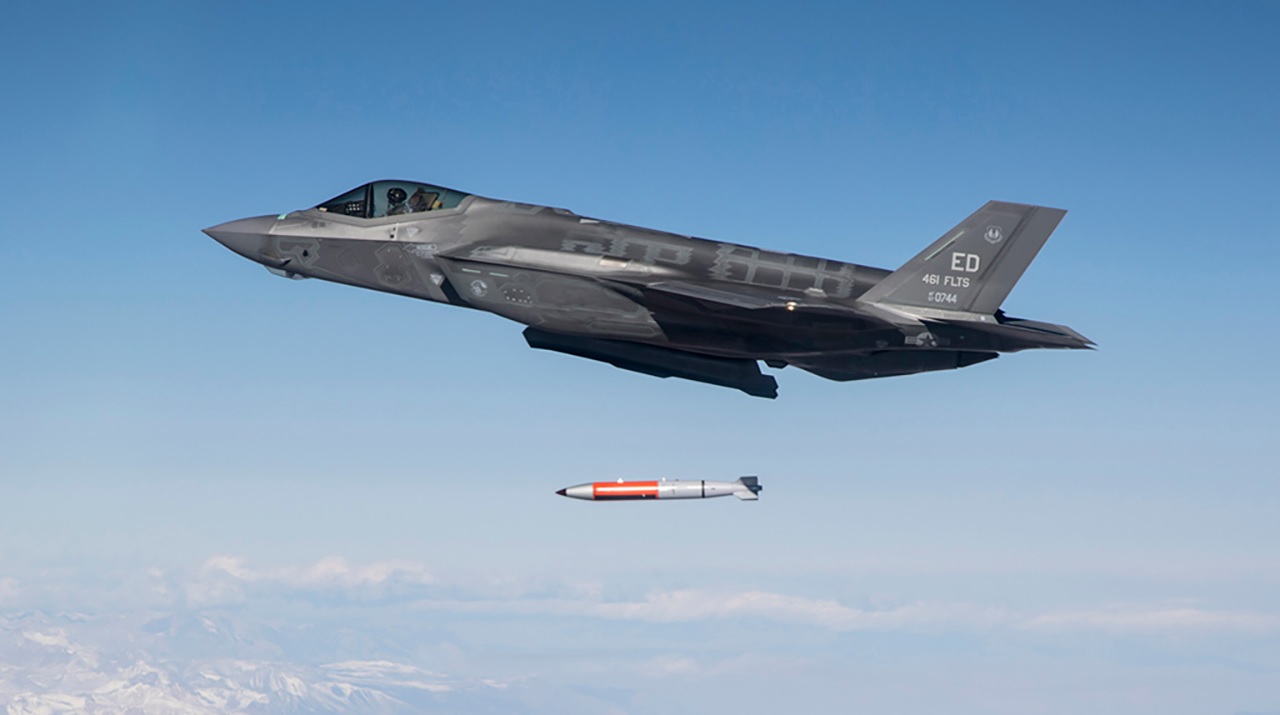
World
In a landmark move reshaping Britain’s nuclear strategy, the United Kingdom has confirmed it will purchase 12 U.S.-made F-35A stealth fighter jets capable of carrying nuclear weapons. The decision marks the country's return to an air-delivered nuclear strike role for the first time since the Cold War and signals a deepened commitment to NATO’s collective deterrence. Prime Minister Keir Starmer is expected to formally announce the procurement during the NATO summit, describing the move as a pillar of his government’s broader “Plan for Change” focused on strengthening national security in an increasingly unstable world. “In an era of radical uncertainty, we can no longer take peace for granted,” he stated. “That’s why my government is investing in our national security.” These advanced aircraft will be stationed at RAF Marham in Norfolk and form part of a broader long-term goal to procure up to 138 F-35s for the Royal Air Force. The current order focuses specifically on the F-35A variant, a conventional takeoff and landing version which is both compatible with NATO’s Dual Capable Aircraft (DCA) mission and up to 25% less expensive than the vertical takeoff F-35B variant already in service with the UK. The addition of F-35As to the RAF fleet directly integrates the UK into NATO’s nuclear mission. These aircraft are designed to carry both conventional and nuclear payloads, allowing the UK to deliver tactical nuclear weapons under NATO command if required. This complements the UK’s sea-based nuclear deterrent, creating a two-pronged strategic defense posture. Beyond military capability, the purchase will also boost Britain’s economy. The F-35 programme already supports more than 20,000 jobs in the UK, with over 100 UK-based companies—including BAE Systems, Rolls-Royce, MBDA, and Leonardo UK—contributing to the jet’s global production. This contract is expected to further stimulate the domestic defense industry, highlighting how defense spending can also fuel economic growth. NATO Secretary General Mark Rutte welcomed the UK's decision, calling it a “robust British contribution” to the alliance. “The UK has declared its nuclear deterrent to NATO for many decades, and I strongly welcome that it will now also play a direct role in NATO’s nuclear air mission,” he said. Defence Secretary John Healey echoed this view, linking the purchase to evolving global threats. “We face new nuclear risks as adversaries increase and modernize their arsenals,” he warned. “This commitment strengthens NATO, reinforces the UK’s leadership within it, and supports thousands of jobs at home.” The purchase of F-35A fighters fits into a broader modernization of the UK’s strategic forces. It comes alongside ongoing efforts such as the construction of four Dreadnought-class nuclear submarines in Barrow-in-Furness and the continued funding of the UK’s sovereign nuclear warhead programme. The government recently allocated £15 billion to this effort, underlining its long-term investment in credible deterrence. At the same time, the UK reaffirmed its adherence to the Nuclear Non-Proliferation Treaty (NPT) and the global goal of disarmament. Officials stressed that while deterrence remains essential in today’s security environment, the country remains committed to eventual global nuclear reductions. With this latest step, the UK has made it clear that it will not only continue to support NATO’s strategic stability goals but will now play a frontline role in executing them—both in the air and at sea.
Read More → Posted on 2025-06-25 11:45:32
World
In a significant milestone for American missile defense, the US Missile Defense Agency (MDA) has successfully carried out the first live flight test of its Long Range Discrimination Radar (LRDR) system. The test, known as Flight Test Other-26a (FTX-26a), took place at Clear Space Force Station in Alaska, roughly two years later than originally planned. What Happened in the Test? During the trial, a live intercontinental ballistic missile (ICBM) representative target was launched, flying over 2,000 kilometers (about 1,243 miles) off the southern coast of Alaska. The LRDR, working in coordination with the Upgraded Early Warning Radar, detected, tracked, and monitored the missile's flight. Both radars transmitted real-time tracking data to the Ground-Based Midcourse Defense system and the Command and Control Battle Management and Communications (C2BMC) system for a simulated interception scenario. This simulated how the system would respond in an actual missile attack, coordinating defenses to engage the threat. According to the MDA, initial results confirmed that the test achieved its primary goals. It validated critical radar functions and marked a key step toward the radar’s full operational integration into the US missile defense network. Why This Test Matters Lieutenant General Heath Collins, Director of the MDA, highlighted the importance of this test, calling it a crucial moment in the development and deployment of the LRDR system. The radar plays a vital role in strengthening the country’s ability to detect and precisely track potential long-range missile threats, particularly from nations like North Korea. But the LRDR isn’t just for missile defense — it also supports space domain awareness. This means it can help track satellites, space debris, and other objects orbiting the Earth, enhancing the United States Space Force’s ability to monitor and manage space activity. What Is the Long Range Discrimination Radar (LRDR)? The LRDR is an advanced, active electronically scanned array (AESA) radar developed by Lockheed Martin. The system was contracted in 2015 to improve the US’s capability to detect and discriminate between actual missile warheads and decoys or non-lethal objects in space. Operating in the S-band frequency, the LRDR uses gallium nitride (GaN) technology, making it highly efficient and capable of continuous operation, even during routine maintenance. This ensures that US missile defenses remain vigilant at all times. The radar provides persistent surveillance, high-precision tracking, and the ability to distinguish between real and false threats — a critical capability when dealing with advanced ballistic missiles that may deploy multiple decoys. Program Delays and Progress Originally, the LRDR was scheduled to achieve initial operational capability by 2021 and full operational readiness by 2023. However, the program faced several delays, notably due to the COVID-19 pandemic in 2020 and a canceled flight test in August 2023 because of an anomaly with the missile target. Despite these setbacks, the recent successful flight test marks a major recovery for the program and strengthens the US’s layered missile defense system designed to protect the homeland against long-range missile attacks. With this test completed, the LRDR will now undergo a formal operational assessment before being fully integrated into the US missile defense architecture. Once operational, it will provide US Northern Command (USNORTHCOM) and the US Space Force with enhanced capabilities to track and defend against both missile threats and objects in space. In a world of growing missile capabilities and space-based competition, systems like the LRDR will be vital in maintaining US defense readiness and deterrence for years to come.
Read More → Posted on 2025-06-25 11:42:47
World
In a landmark foreign military sales agreement valued at $1 billion, Qatar is set to receive advanced counter-unmanned aircraft systems (C-UAS) technology from U.S.-based SRC, Inc., marking a significant step in international defense cooperation. This deal, facilitated by the U.S. government, represents the first international sale of the U.S. Army’s sophisticated Fixed Site–Low, Slow, Small Unmanned Aircraft System Integrated Defeat System, widely known as LIDS. SRC, a not-for-profit defense research and development organization, will deliver this high-end counter-drone solution, which is engineered to detect, track, identify, and neutralize small and slow-flying unmanned aerial vehicles (UAVs). As modern battlefields increasingly face the threat of small drones—often difficult to detect with traditional air defense systems—LIDS offers a vital shield against these emerging dangers. The technology package going to Qatar includes powerful radar sensors, electro-optical systems, radio frequency detectors, and electronic warfare tools. These components work together to create a layered defense system, capable of protecting military bases, strategic infrastructure, and other critical fixed sites. What sets LIDS apart is its system-of-systems architecture, which allows seamless integration of various sensors and effectors depending on mission requirements. This modular design ensures that the system remains adaptable as drone threats evolve, offering Qatar a future-ready solution that can be upgraded with newer technologies over time. SRC President and CEO Kevin Hair highlighted the significance of the export, saying, “We’re proud that our proven systems will be deployed internationally to secure critical airspace, defend warfighters, and protect high-value infrastructure.” He also emphasized the need for advanced sensing and electronic warfare capabilities in today’s fast-changing threat environment. Designed to minimize collateral damage, the LIDS system offers precision engagement against hostile drones while ensuring safety for friendly troops and nearby structures. It’s especially suited for fixed-site protection, such as air bases or energy installations, where uninterrupted operations are essential. This deal also reflects a growing global consensus about the urgency to defend against the rise of drone warfare. With drones being used for reconnaissance, strikes, and even kamikaze-style attacks, countries are rapidly investing in systems that can neutralize these low-cost but high-impact threats. By supplying LIDS to Qatar, SRC not only deepens U.S. military-industrial ties with the Gulf state but also opens the door to broader international adoption of U.S. C-UAS technologies. As nations worldwide reassess their airspace security in light of recent conflicts and drone proliferation, this deal positions SRC as a global leader in unmanned threat mitigation. With deliveries set to begin under U.S. oversight, the agreement marks a strategic win for all involved—enhancing Qatar’s airspace defense while promoting American defense innovation on a global stage.
Read More → Posted on 2025-06-25 11:37:04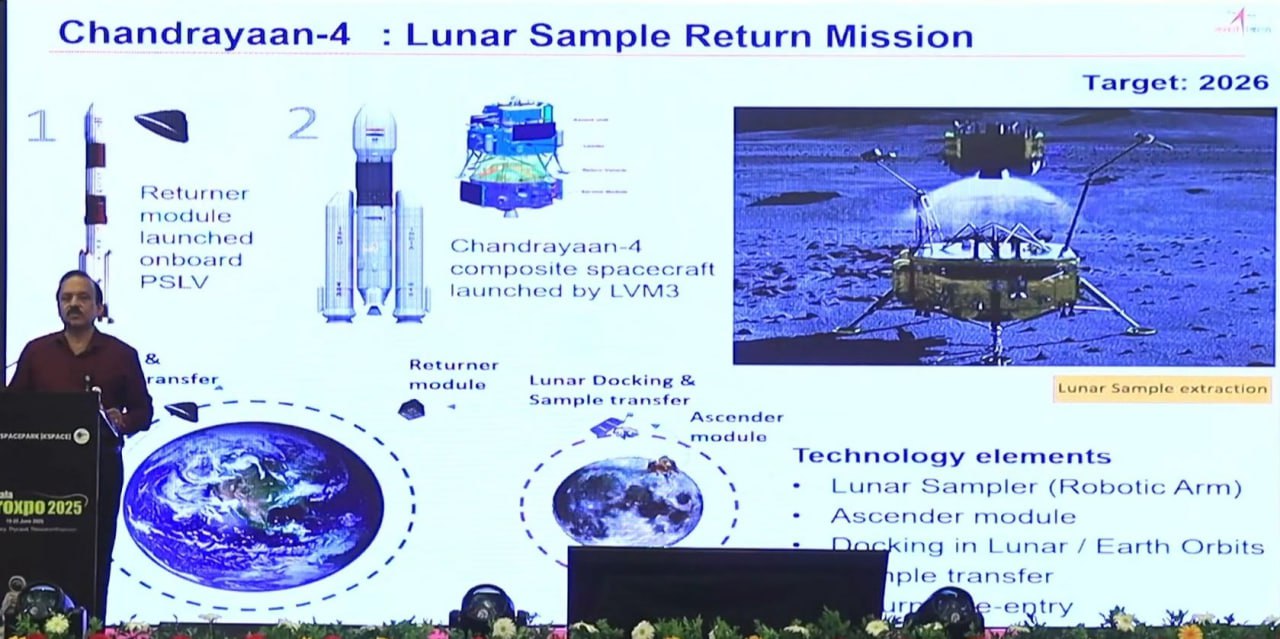
Space & Technology
The Indian Space Research Organisation (ISRO) is preparing for a landmark lunar mission—Chandrayaan-4, a sophisticated Lunar Sample Return Mission—with a targeted launch window of 2026–2027. This mission will mark a significant leap in India’s planetary exploration capabilities, as it aims not just to land on the Moon, but to collect and return lunar soil and rock samples to Earth—a feat previously accomplished only by the United States, Russia, and China. Dual Launch Strategy: PSLV and LVM3 The mission architecture, as outlined by ISRO in a recent presentation, reveals a two-launch configuration involving PSLV and LVM3: First Launch: Returner Module via PSLV The Returner Module—which is designed to bring the lunar samples back to Earth—will be launched first using India’s workhorse PSLV (Polar Satellite Launch Vehicle). This module will be placed in Earth orbit, where it will await rendezvous with the lunar sample-holding vehicle. Second Launch: Chandrayaan-4 Composite Spacecraft via LVM3 The main Chandrayaan-4 spacecraft, a complex assembly including a lander, Lunar Sampler (robotic arm), and an Ascender Module, will be launched separately using LVM3 (Launch Vehicle Mark-3). Once in lunar orbit, the lander will descend to the Moon’s surface to collect samples using a robotic arm. Sample Retrieval and Return Mechanism The mission will follow a multi-phase process: After landing, the robotic arm will extract lunar regolith and store it in the Ascender Module. The Ascender Module will then lift off from the lunar surface and enter orbit, where it will dock with the Returner Module—already in place in lunar orbit or having traveled there after Earth orbit rendezvous. Once the docking and sample transfer are complete, the Returner Module will head back to Earth, completing the mission with a controlled re-entry. Core Technologies Involved The mission demands several cutting-edge technologies, many of which are new to India’s lunar program: Lunar Sampler: A robotic arm capable of operating in the harsh lunar environment to collect regolith. Ascender Module: A mini-launch vehicle capable of vertical takeoff from the Moon. Orbital Docking: First-of-its-kind for ISRO, in both lunar and Earth orbits. Sample Transfer Mechanism: A system to ensure safe and sterile transfer of the lunar payload. Earth Re-entry Capsule: Designed to withstand high-speed atmospheric entry with valuable samples onboard. Strategic Significance With Chandrayaan-4, India is not just aiming for lunar presence but asserting its position in deep space exploration and planetary science. Success in this mission would place India in an elite club of nations that have returned samples from the Moon, opening doors for scientific analysis, international collaboration, and potential lunar resource utilization. This mission aligns with ISRO’s broader goals under the “Amritkaal” vision for space exploration, signaling a shift from demonstration to complex interplanetary capabilities. If successful, Chandrayaan-4 will mark a defining moment in India’s space history—combining precision engineering, orbital mechanics, and robotic science in a single, high-stakes mission.
Read More → Posted on 2025-06-24 15:28:29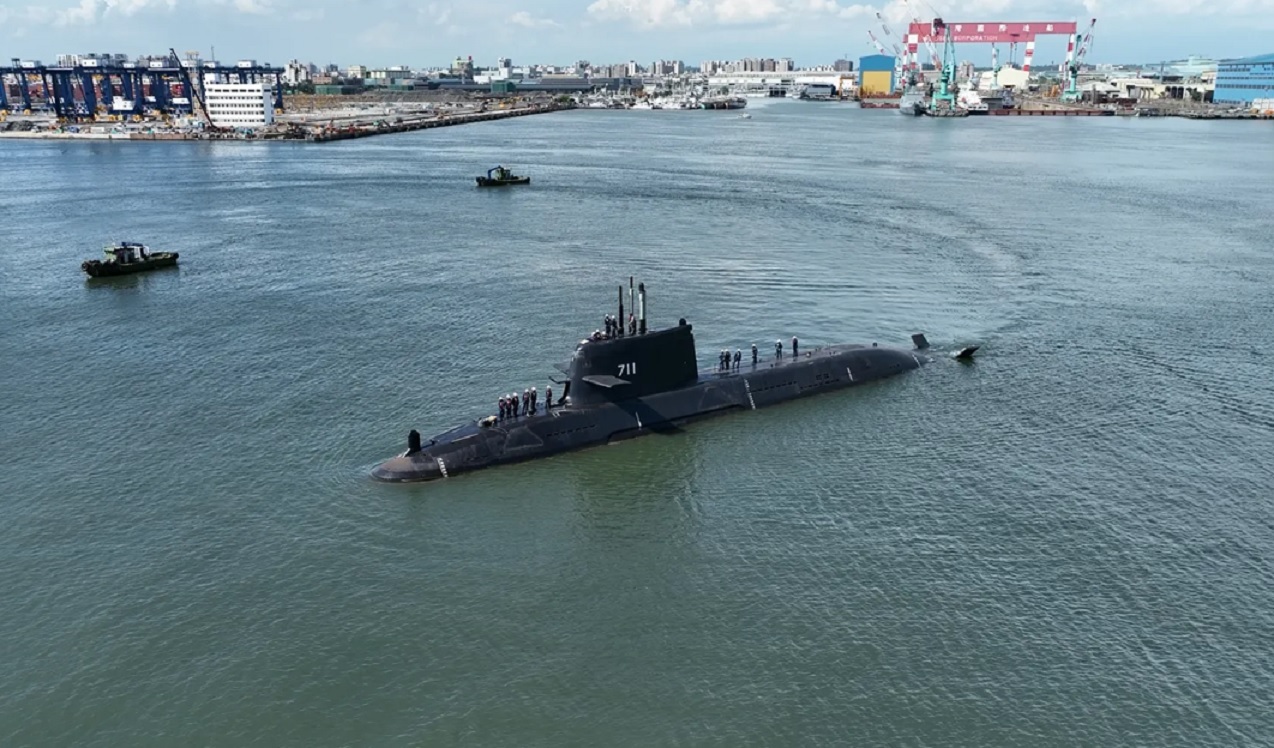
World
Taiwan has taken a major step forward in strengthening its maritime defense capabilities. On June 17, 2025, the country’s first Indigenous Defense Submarine (IDS), named Hai Kun (SS-711) — also known as Narwhal — successfully completed its maiden sea trial, according to its builder CSBC Corporation. This achievement marks a historic milestone for Taiwan, as it builds its own submarine for the first time in modern history. A Major Moment at Sea The Hai Kun was spotted operating independently in the Port of Kaohsiung last week. On its first trial day, the submarine sailed out of the CSBC shipyard, passed Cijin Island (旗津), and was observed with over a dozen military personnel and technicians aboard, some standing on its deck and sail. To secure the submarine during these sensitive sea trials, Taiwan’s Navy deployed a wide range of naval and aerial assets including assault boats, missile boats, frigates, and aircraft. This was done to protect the submarine’s position, route, and technical details from potential surveillance or sabotage, especially amid ongoing tensions in the Taiwan Strait. Sea Trial Phases and Submarine Capabilities CSBC Corporation revealed that Hai Kun underwent multiple systems tests during the trial, including propulsion, steering, electrical systems, ventilation, communication, and navigation checks. The sea trials are planned in three stages: Surface Navigation Tests Shallow-Depth Testing Progressive Deep-Diving Tests After each stage, the submarine’s systems will be reviewed, and adjustments made based on performance and safety standards before moving to the next phase. Amid online speculation about a visible bulge on the submarine’s bow during trials, CSBC clarified that it is not a structural flaw, but actually the housing for the submarine’s passive ranging sonar system — a critical feature for underwater detection and navigation. CSBC urged the public to support the program, emphasizing the national pride associated with Taiwan’s growing defense self-reliance. Challenges Ahead Despite Hai Kun’s successful trial, the IDS program faces political hurdles. Around 50% of the budget for additional indigenous submarines remains frozen, largely due to opposition parties seen as having pro-China leanings. These funds will only be released after Hai Kun completes its Sea Acceptance Test and a comprehensive report is submitted to the Taiwanese legislature. However, Navy Chief of Staff Vice Admiral Chiu Chun-jung confirmed that the submarine is still on track for delivery in November 2025, as originally scheduled. Taiwan’s Existing Submarine Fleet Currently, Taiwan’s Republic of China (ROC) Navy operates four submarines: ROCS Hai Shih (Sea Lion) SS-791 and ROCS Hai Pao (Seal) SS-792:These are former World War II-era U.S. Navy submarines, transferred in the 1970s and upgraded under the GUPPY program. Remarkably, they remain operational. ROCS Hai Lung (Sea Dragon) SS-793 and ROCS Hai Hu (Sea Tiger) SS-794:These are Chien Lung-class submarines, built by the Netherlands in the 1980s. Both submarines are armed with AEG SUT 264 torpedoes, Harpoon anti-ship missiles, and MK-48 torpedoes acquired from the U.S. With the impending induction of Hai Kun, Taiwan’s submarine fleet will gain a modern, locally built vessel with advanced stealth and combat capabilities — a critical asset amid the island's growing security challenges. The successful maiden trial of the Hai Kun submarine is more than a technical achievement — it’s a strategic message of resilience and self-reliance. As Taiwan faces increased military pressure in the region, building its own defense platforms like Hai Kun signals a determined commitment to safeguarding its maritime sovereignty.
Read More → Posted on 2025-06-24 15:27:15
World
Russia has officially begun full-scale production of its new intermediate-range ballistic missile (IRBM) system, named Oreshnik, in what many analysts are calling a bold escalation in Moscow’s strategic posturing toward NATO and the West. On June 23, 2025, President Vladimir Putin announced the launch of serial production during a nationally televised address to military academy graduates, framing the missile as a key component in Russia’s growing arsenal amid deteriorating arms control agreements. The Oreshnik missile, though newly named, is widely believed to be a reworked version of the RS-26 Rubezh, a solid-fueled, road-mobile missile that had been shelved in the past due to funding issues. Now revived and modernized, the Oreshnik carries chilling implications. Capable of speeds exceeding Mach 10 and a range of up to 5,000 kilometers, the missile can strike targets across most of Europe with little warning. It is believed to carry multiple independently targetable reentry vehicles (MIRVs), each possibly armed with submunitions, and can be launched from highly mobile platforms, making it both elusive and deadly. Oreshnik’s first real-world use came in November 2024, when it was launched in a conventional configuration against Ukraine’s Yuzhmash defense-industrial facility in Dnipro. Though the missile appeared to cause only limited damage, the strike was widely interpreted as a political message rather than a military necessity. Experts noted that even an inert hypersonic missile can cause significant destruction due to its kinetic energy alone. The attack was meant to showcase capabilities—especially to Western audiences—rather than to destroy a specific target. Now that the missile is in full production, discussions are underway to deploy it more widely. Russian military experts suggest that Oreshnik brigades could be stationed within every combined arms or tank army. The missile's mobility, short active flight time, and ability to avoid interception make it a formidable threat to NATO's forward bases. Russian analysts have already suggested that Belarus may be among the first foreign territories to host the missile system, likely by the end of 2025, further shortening strike times against European capitals. This escalation comes as the last remaining arms control agreements between Russia and the United States crumble. The INF Treaty, which banned intermediate-range land-based missiles, collapsed in 2019, and Russia suspended participation in the New START Treaty in 2023. Russian officials claim their restraint has gone unreciprocated by the West, leading to the reactivation of previously mothballed missile programs like Oreshnik. Putin has justified these moves by arguing that NATO’s growing presence near Russia’s borders and the influx of Western weapons into Ukraine are fueling an arms race. He insists the development of Oreshnik and other advanced platforms—like the Avangard hypersonic glide vehicle and modernized Yars ICBMs—is Russia’s sovereign response to what he calls a fabricated “Russian threat” narrative. He also emphasized that Russia’s focus will continue on enhancing its nuclear triad, strategic naval capabilities, and even establishing new unmanned forces. Beyond Europe, Oreshnik’s range and mobility could give Russia a wider global reach. Analysts speculate it might eventually be deployed in the Far East to counterbalance developments in the Indo-Pacific, particularly U.S. and allied activities near China and Taiwan. International reactions to Russia’s actions have been swift and alarmed. Ukrainian President Volodymyr Zelensky called the missile’s use a dangerous escalation, and NATO countries have condemned the Dnipro strike and the subsequent ramp-up in production. The NATO–Ukraine Council labeled the move an intimidation tactic aimed not only at Ukraine but at the alliance as a whole. Military experts warn that the deployment of conventionally armed ballistic missiles that resemble nuclear-capable systems carries an enormous risk of miscalculation. In high-tension scenarios, adversaries could mistakenly assume a nuclear launch is underway, triggering unintended and potentially catastrophic responses. With traditional arms control frameworks now in disarray, the risk of such misinterpretations only grows. The unveiling and mass production of Oreshnik represent more than just a new weapon—it signals Russia’s deeper strategic pivot toward missile-based deterrence and power projection. As tensions between Moscow and the West continue to simmer, Oreshnik stands as both a technological achievement and a stark warning of the dangers of a world drifting further from the stability once promised by arms control.
Read More → Posted on 2025-06-24 15:20:16
India
India is preparing to take a major leap in its defense aviation sector, with a landmark deal between Hindustan Aeronautics Limited (HAL) and US defense giant GE Aerospace expected to be sealed by March 2025. The agreement will pave the way for the joint production of GE’s powerful F-414 jet engines in India—an important milestone in the country's push for self-reliance in high-end military technologies. HAL Chairman and Managing Director C.B. Ananthakrishnan (referred to as D.K. Sunil in some reports) confirmed that crucial negotiations over the Transfer of Technology (ToT) have been successfully concluded, with around 80% of the engine's technology to be transferred to India. With the technical discussions mostly settled, both sides are now focusing on finalizing the commercial terms of the agreement. The F-414 engine is a high-performance, afterburning turbofan engine used in several frontline fighter aircraft including the US Navy’s F/A-18 Super Hornet and combat jets in countries like Sweden and Australia. For India, these engines are central to powering the upcoming Tejas Mark 2 variant and the prototype of the fifth-generation Advanced Medium Combat Aircraft (AMCA), a major indigenous fighter jet project. This deal stems from an announcement made during Prime Minister Narendra Modi’s visit to Washington in 2023, where both countries pledged deeper cooperation in defense and technology. However, due to the sensitive nature of American military technology, negotiations on ToT took longer than expected. The progress is considered significant as it marks a shift in the traditionally tight US export controls on advanced defense systems. The Tejas Mark 2, which will benefit from the F-414 engines, is a more advanced version of the current Tejas fighter. It will have increased thrust, improved avionics, a superior electronic warfare suite, and greater payload capacity. The Indian Air Force (IAF) has already committed to acquiring around 180 Tejas Mk-1A aircraft, which are expected to replace the aging MiG-21 fleet. The AMCA project, another major indigenous initiative, aims to build a stealth-capable, deep-strike fighter with advanced features such as internal weapons bays and next-gen sensors. Together with the Tejas, AMCA is envisioned to form the backbone of the Indian Air Force in the coming decades. In addition to the engine program, HAL has secured a massive order for 156 Prachand Light Combat Helicopters (LCH) from the Ministry of Defence, valued at ₹62,700 crore. Deliveries of these indigenously developed attack helicopters are scheduled to begin in 2028. Designed for high-altitude warfare, Prachand can operate above 4,500 meters and is equipped with rockets, air-to-air missiles, and anti-tank guided missiles—making it ideal for deployment in mountainous terrain like Ladakh and Arunachal Pradesh. According to HAL, the Prachand order is the largest-ever helicopter deal in Indian military history and is a major step forward for India’s 'Aatmanirbhar Bharat' (self-reliant India) vision. The successful delivery of 15 limited series variants to the armed forces has already demonstrated HAL’s manufacturing capability and commitment to indigenous defense production. Together, the F-414 engine collaboration and the Prachand helicopter program mark a transformative phase in India's defense sector—one that combines cutting-edge global partnerships with robust domestic development, reinforcing the country's military readiness for the future.
Read More → Posted on 2025-06-24 15:15:37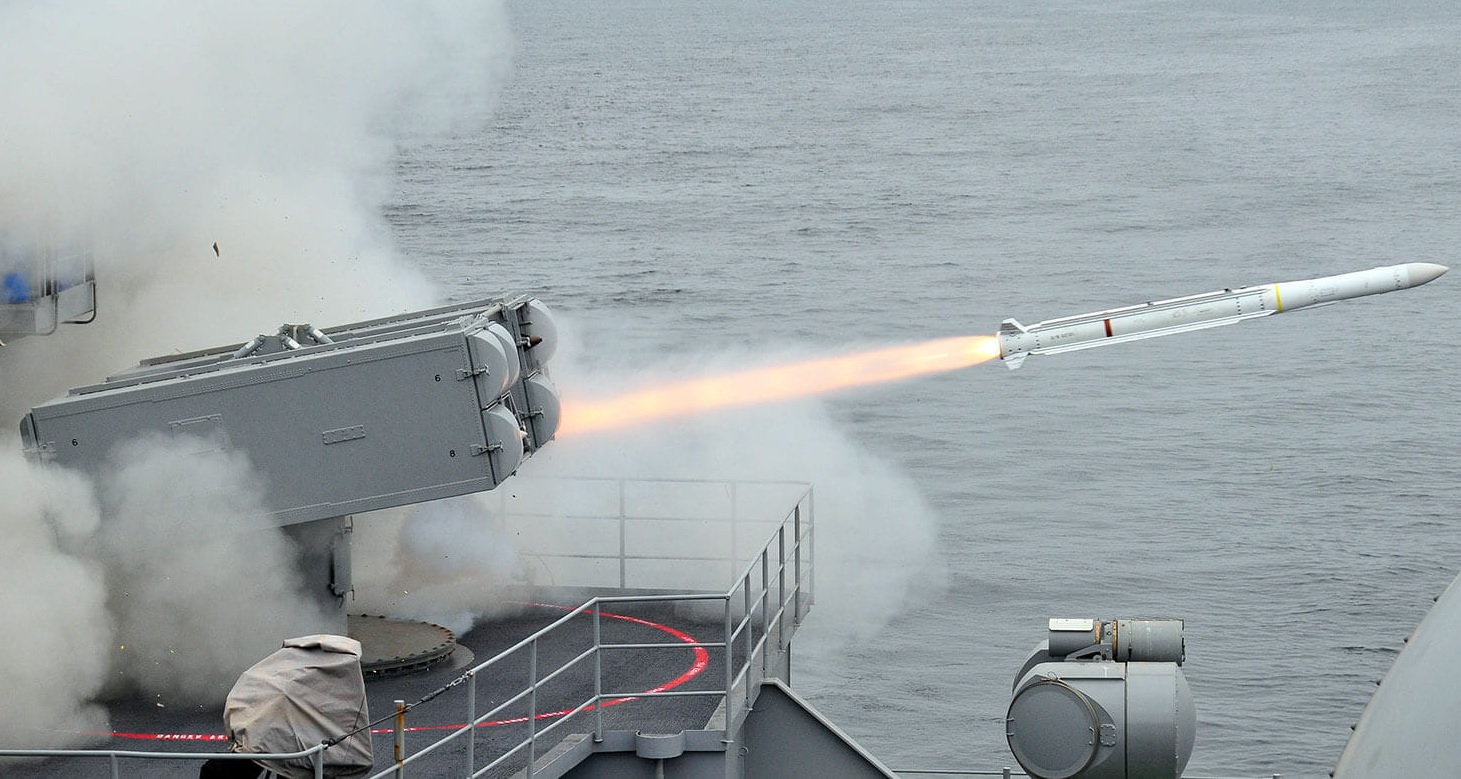
World
In a significant step toward strengthening Japan’s missile defense capability and deepening its defense ties with the United States, Raytheon has signed a $250 million contract with Japan’s Mitsubishi Electric Corporation (MELCO) for the licensed production of the advanced ESSM Block 2 missile system. This contract, arranged under a Direct Commercial Sale, will allow Japan to domestically produce these state-of-the-art ship-launched missiles using kits and components supplied by Raytheon, along with extensive technical support. The deal is more than just a defense sale—it’s the continuation of over five decades of trusted partnership between Raytheon and MELCO. Barbara Borgonovi, president of Naval Power at Raytheon, described the agreement as “the culmination of decades of partnership,” emphasizing that it not only strengthens Japan’s missile defenses but also enhances the longstanding security alliance between the U.S. and Japan. The Evolved SeaSparrow Missile (ESSM) Block 2 represents a major upgrade in naval missile defense. Designed for short to medium-range engagement, the ESSM Block 2 offers advanced dual-mode guidance, increased agility, and improved targeting. Unlike older systems, it can function with less reliance on shipboard radar illumination, making it more flexible and capable in high-threat environments. It’s suitable for defending against a range of airborne threats including cruise missiles, drones, and hostile aircraft. By producing the missile domestically, Japan is reinforcing its defense self-reliance while staying closely aligned with international defense standards. The country is already an active member of the NATO SEASPARROW Consortium, a multinational group of 12 nations collaborating on missile development and interoperability. This contract reinforces Japan’s continued participation in joint development efforts and its commitment to maintaining regional stability, especially amid growing security challenges in the Indo-Pacific. For Raytheon, the deal strengthens its global defense footprint, while for Japan, it provides critical capabilities through local production, supports its defense industrial base, and sends a clear signal of deterrence and preparedness. This strategic move also reflects the broader trend of trusted allies investing in co-production and licensed manufacturing to ensure quicker delivery timelines, better integration with national infrastructure, and greater control over maintenance and upgrades—key factors in modern military planning.
Read More → Posted on 2025-06-24 14:40:23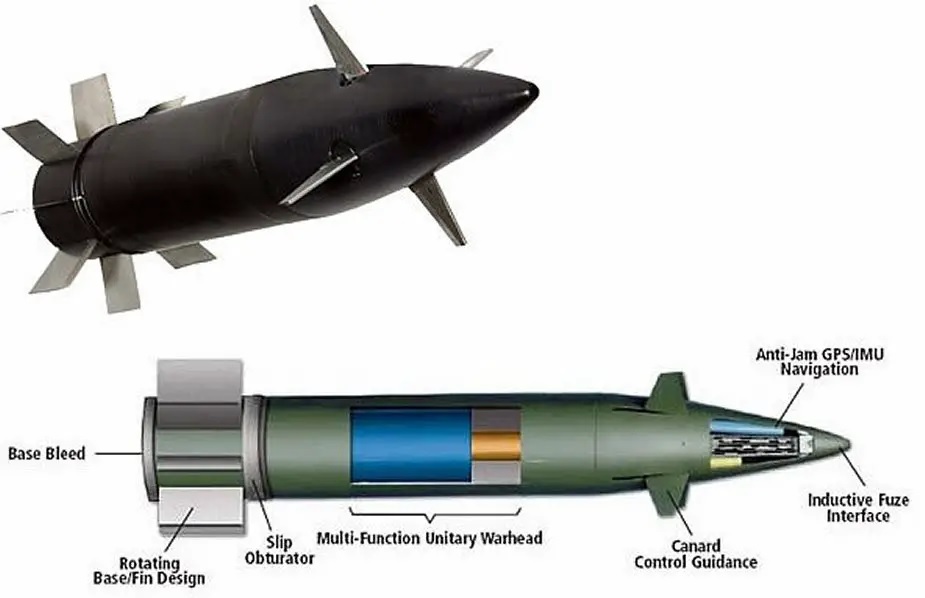
India
In a significant step towards modernizing its artillery firepower and reinforcing the Make in India initiative, the Indian Army released a Request for Information (RFI) on 23 June 2025 for the procurement of 155mm Precision-Guided Munitions (PGMs). These advanced shells are intended for use with all standard howitzer calibers in Indian service — including 39, 45, and 52 caliber barrels — and the RFI submission window remains open until 10 August 2025. This move is not just a procurement exercise; it represents India's ongoing effort to break free from dependency on foreign high-precision artillery shells and replace them with robust, indigenously-developed alternatives that match global standards in range, accuracy, and lethality. The Need for Precision in Modern Artillery Conventional artillery has traditionally relied on area saturation fire. However, the evolution of battlefield tactics and the emphasis on reducing collateral damage have made precision-guided artillery shells essential. These shells offer pinpoint accuracy, often with a circular error probable (CEP) of less than 10 meters, and are effective against hardened or high-value enemy positions, moving targets, and urban threats. The Indian Army currently operates a wide variety of 155mm howitzers including the Dhanush, ATAGS, K9 Vajra-T, and M777 Ultra-Light Howitzer, and is now looking to arm these with high-accuracy PGMs developed under the Make in India framework. RFI Objectives and Key Requirements The RFI outlines the following goals: Indigenous development under Make in India and Atmanirbhar Bharat guidelines Compatibility with 39, 45, and 52 caliber howitzers Ability to engage static and moving targets with high precision Enhanced range of at least 40–50 km for most variants Incorporation of guidance systems such as GPS, NavIC, INS, or semi-active laser homing Support for different fuse types (point-detonation, delay, airburst) Indian Developers of 155mm Precision-Guided Munitions The RFI has attracted the attention of both public and private sector firms, many of which are already developing or testing advanced guided artillery shells. 1. Munitions India Limited (MIL) + IIT Madras A collaborative project between MIL and IIT Madras is developing precision-guided 155mm artillery shells with: CEP < 10m GPS/NavIC-based navigation Multi-mode fuzing (airburst, delayed, impact) Target range up to 48 kmThis project aims to deliver India’s first fully indigenous smart artillery round optimized for Dhanush and ATAGS systems. 2. DRDO’s Guided Projectile Revealed at Aero India 2025, DRDO showcased a fin-stabilized guided 155mm shell: Length: ~1 meter; Weight: ~50 kg Range: Up to 50 km Integrated GPS/INS guidanceThe projectile is designed for compatibility with existing 155mm platforms and is undergoing internal evaluation trials. 3. Ramjet-Propelled Precision Shell Another DRDO-IIT collaborative venture involves ramjet propulsion technology to push the guided shell’s range beyond 60 km, while maintaining a high hit probability. This is currently in the prototype phase and could eventually serve long-range artillery such as ATAGS and K9 Vajra-T. 4. Reliance Defence – Diehl Defence Partnership In one of the most ambitious private-sector efforts, Reliance Defence, in collaboration with Diehl Defence (Germany), is setting up facilities to locally manufacture the Vulcano 155mm PGMs. These shells use: GPS and inertial navigation Precision glide fins for mid-course correction Range: Over 70 kmThe licensed production is expected to start in Ratnagiri, Maharashtra, with a long-term goal of delivering both guided and extended-range ammunition for Indian and export markets. 5. Kalyani Group (Bharat Forge) While primarily focused on gun systems, Kalyani Strategic Systems is also investing in guided projectile development, with shell body manufacturing and integration of terminal guidance kits. 6. Other Notable Contributors Solar Industries (Nagpur): Known for its work in loitering munitions and missile boosters, Solar is well-placed to assist with payload and guidance tech integration. Goodluck India: Engaged in forging artillery shell bodies and components with claimed capacity to produce over 150,000 shells annually, potentially including PGMs. Strategic Implications The RFI is a strategic move that underscores India’s shift from traditional firepower to precision-based battlefield dominance. Guided munitions significantly reduce ammunition wastage and logistic burden while enhancing strike effectiveness against entrenched, fortified, or time-sensitive targets. This initiative also reflects a clear policy direction from the Ministry of Defence to prioritize indigenous content, promote public-private partnership, and create a globally competitive defense manufacturing ecosystem. With the successful execution of these projects, India can drastically reduce its reliance on foreign imports like the Krasnopol (Russia) and Excalibur (U.S.), while simultaneously paving the way for exports of locally manufactured PGMs to friendly foreign countries. As the RFI deadline of 10 August 2025 approaches, Indian developers have a crucial window to demonstrate technical maturity, scalable production capabilities, and battlefield effectiveness. With trials, prototype demonstrations, and procurement evaluations set to follow, the road ahead looks promising for India’s artillery precision programs. This RFI is not merely a procurement document — it is a signal of transformation. One that moves India from being an importer of precision firepower to becoming a creator and exporter of smart battlefield solutions.
Read More → Posted on 2025-06-24 12:49:13Search
Top Trending in 24 Hours
-
 USS Abraham Lincoln Faces Extended Deployment and Supply Challenges Linked to Iranian Attacks on Bahrain Base
-
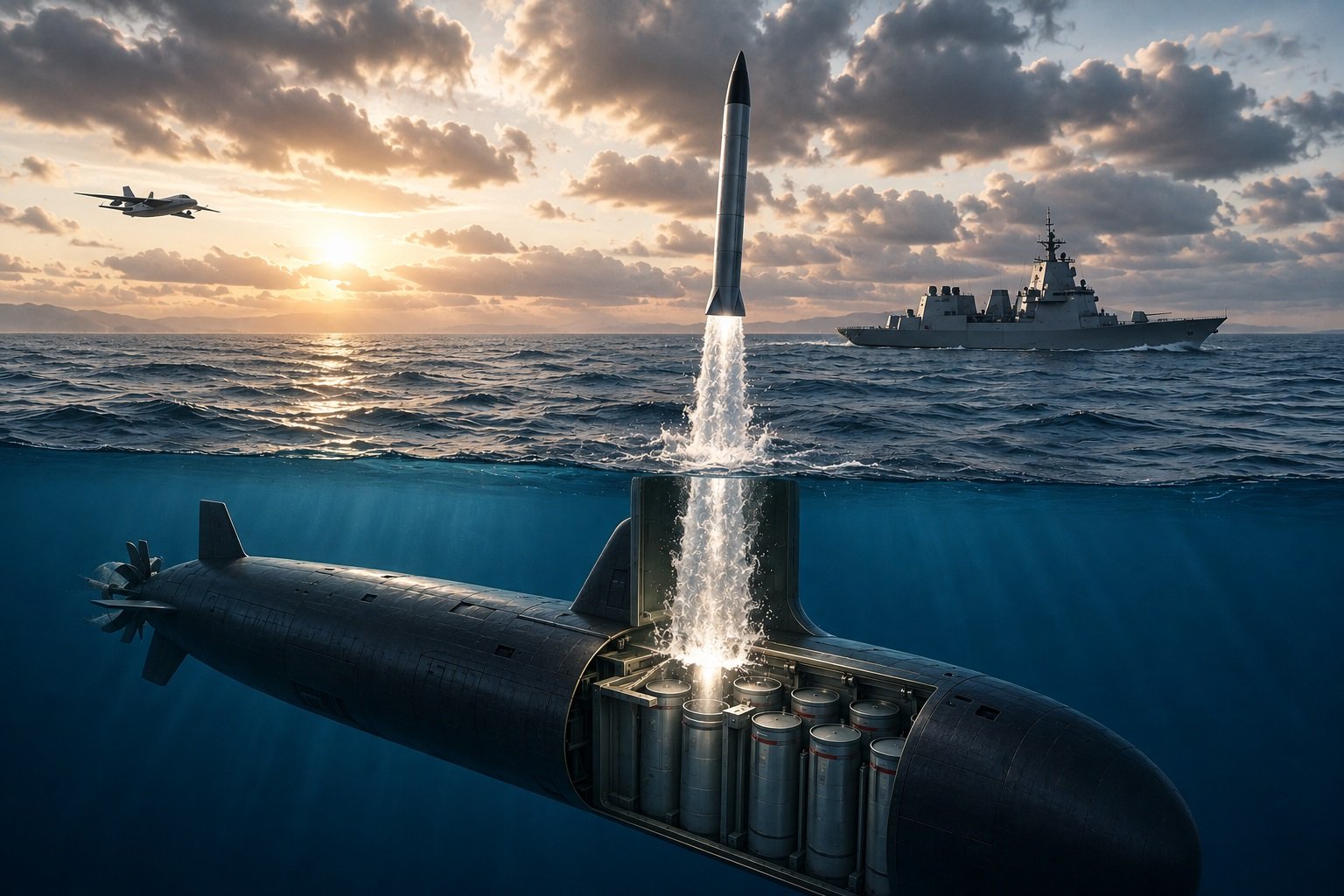 Japan Plans Submarine-Launched Hypersonic Missile Development in Fiscal 2027 Budget
-
 U.S. Navy Invests $50 Million in Shield AI’s X-BAT for Runway-Independent Maritime Strike
-
 Raytheon’s SPY-6(V)3 Radar Completes Acceptance Trials on U.S. Navy’s Future Aircraft Carrier USS John F. Kennedy
-
 Israel-Turkey Tensions Rise After Israeli Strikes on Syrian Airbase
-
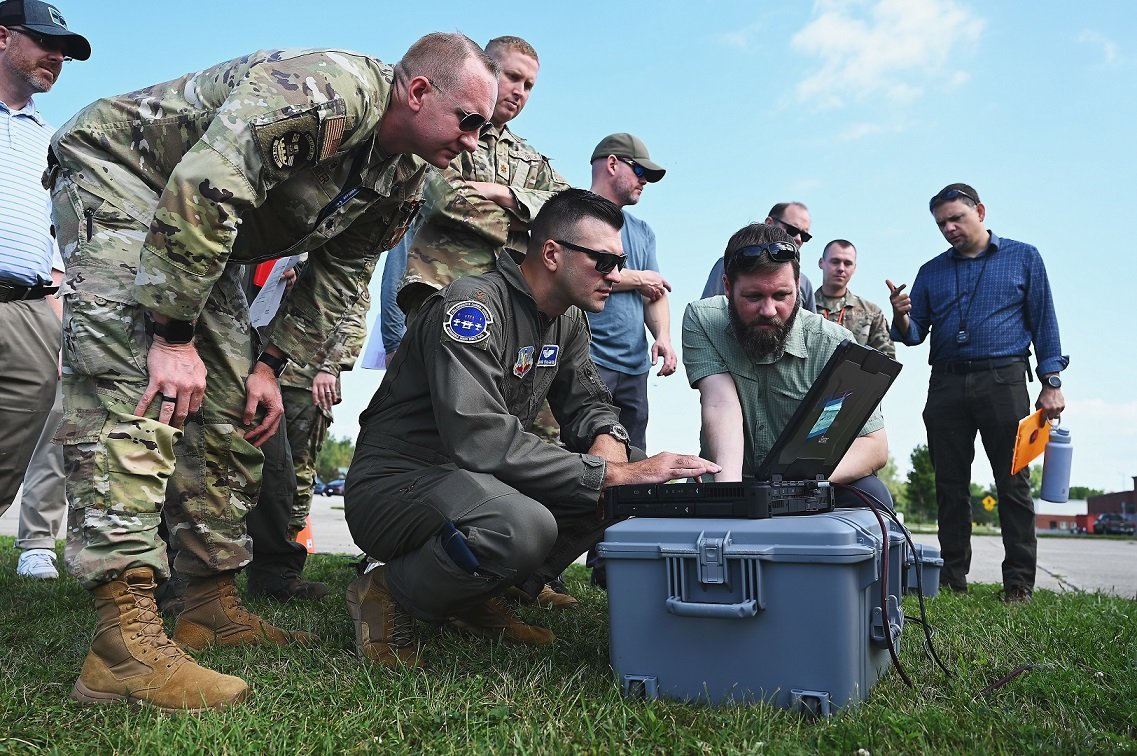 U.S. Air Force Completes First Prototype Tests for Portable CCA Command System
-
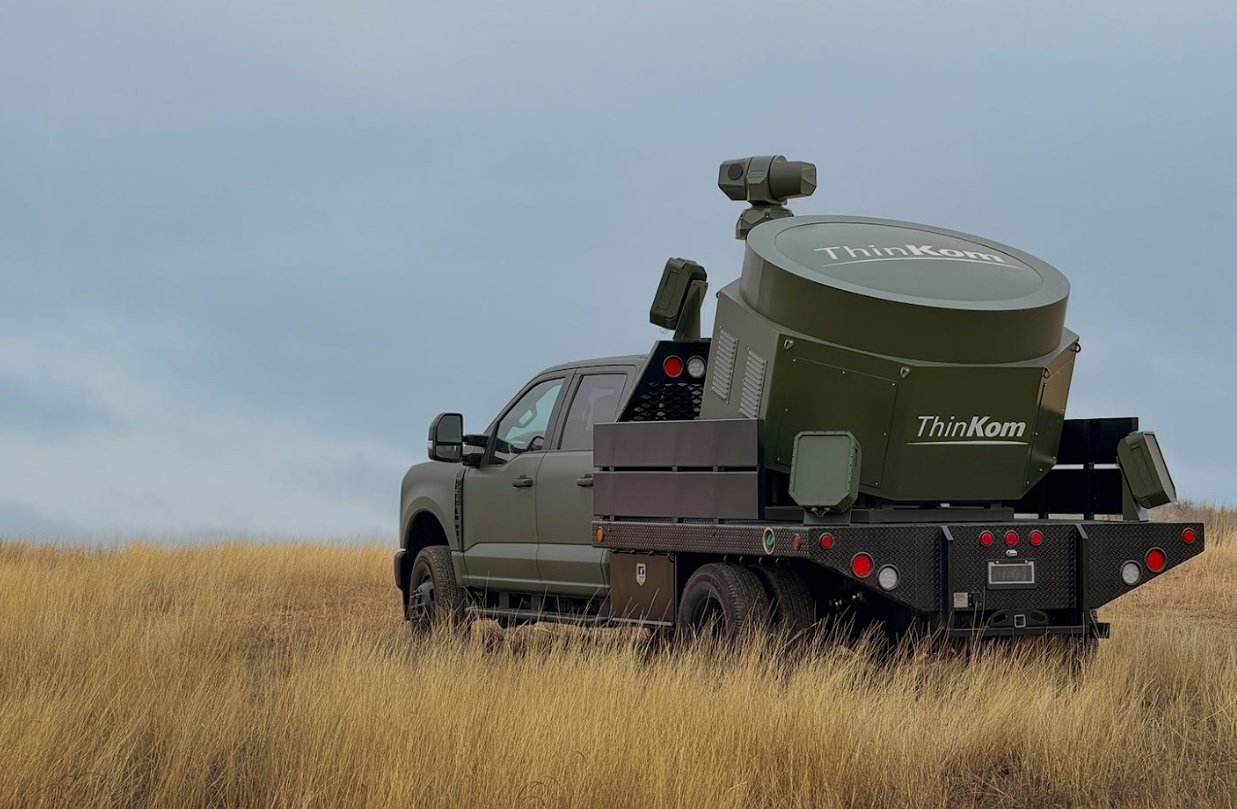 U.S. Army Awards ThinKom Up to $49 Million for Alecto Mobile High-Power Microwave Counter-Drone System Prototype
-
 UK PM Andy Burnham Reaffirms Full Support for Ukraine After Russian Warning Over British Drones
Top Trending in 4 Days
-
 U.S. Navy Destroyer USS Benfold Spent Four Days Without Power in South China Sea After Generator Failure
-
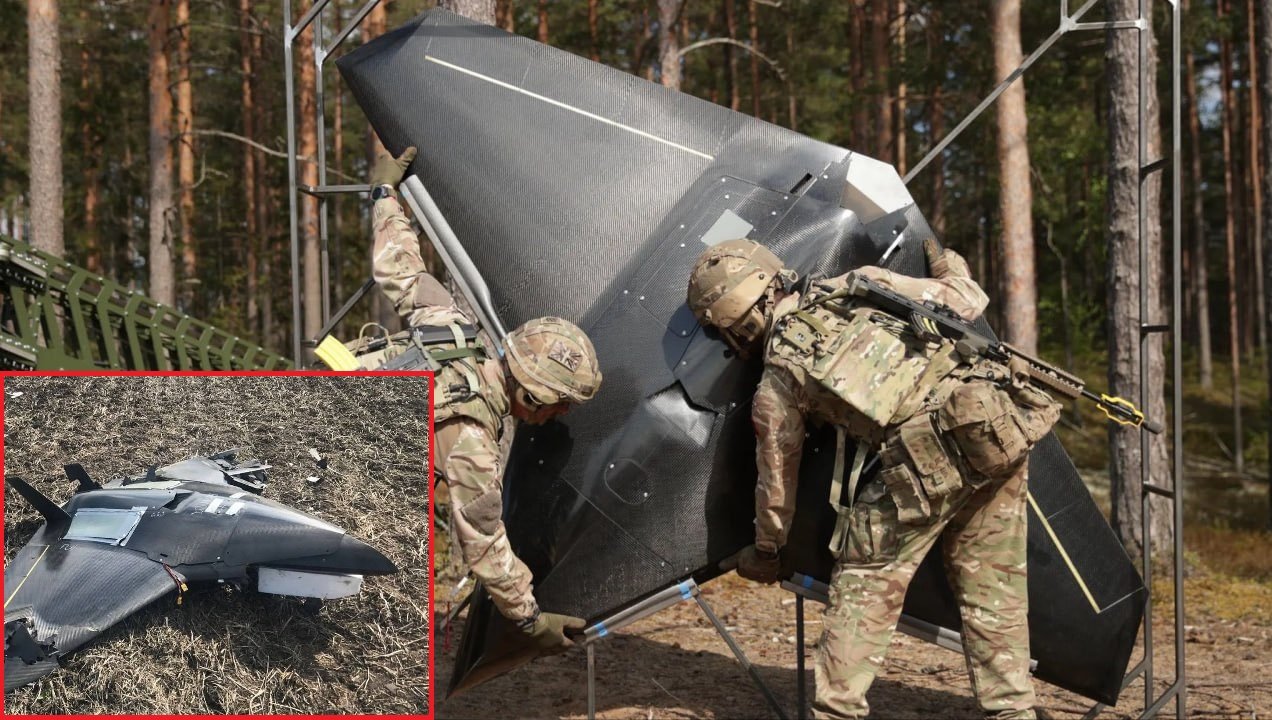 Ukraine Uses British-Made Nyan Drones in Deep Strikes Against Russian Targets
-
 U.S. Air Force to Buy Chinese DJI Drones for Counter-Drone Training at Nuclear Missile Base
-
 Iran May Be Using Data From Fitness Apps to Track U.S. Military Personnel in the Middle East
-
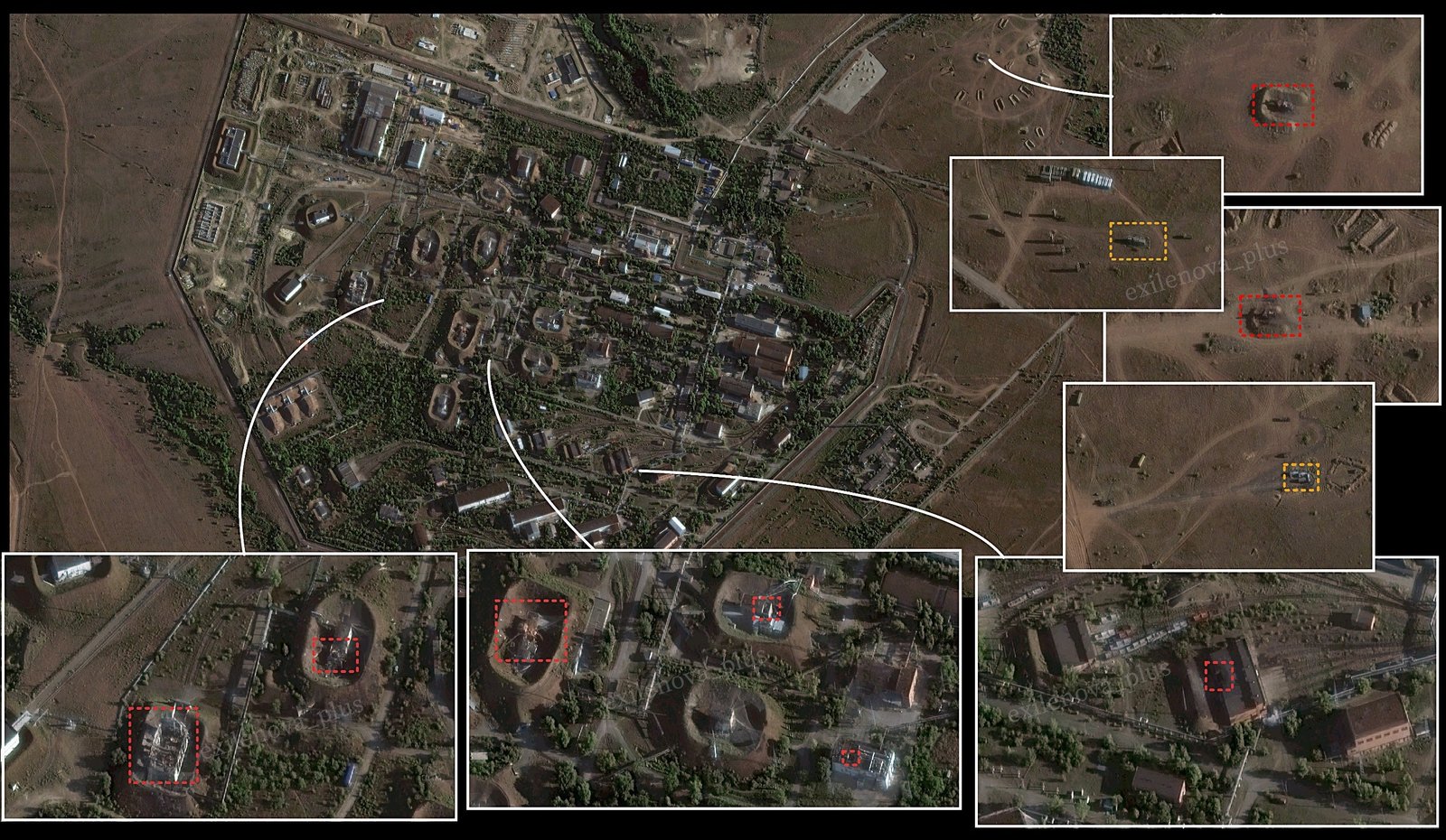 Satellite Images Show Ukrainian Drone Strike Hits Russian Rocket Fuel Plant and Air Defense Systems in Rostov Region
-
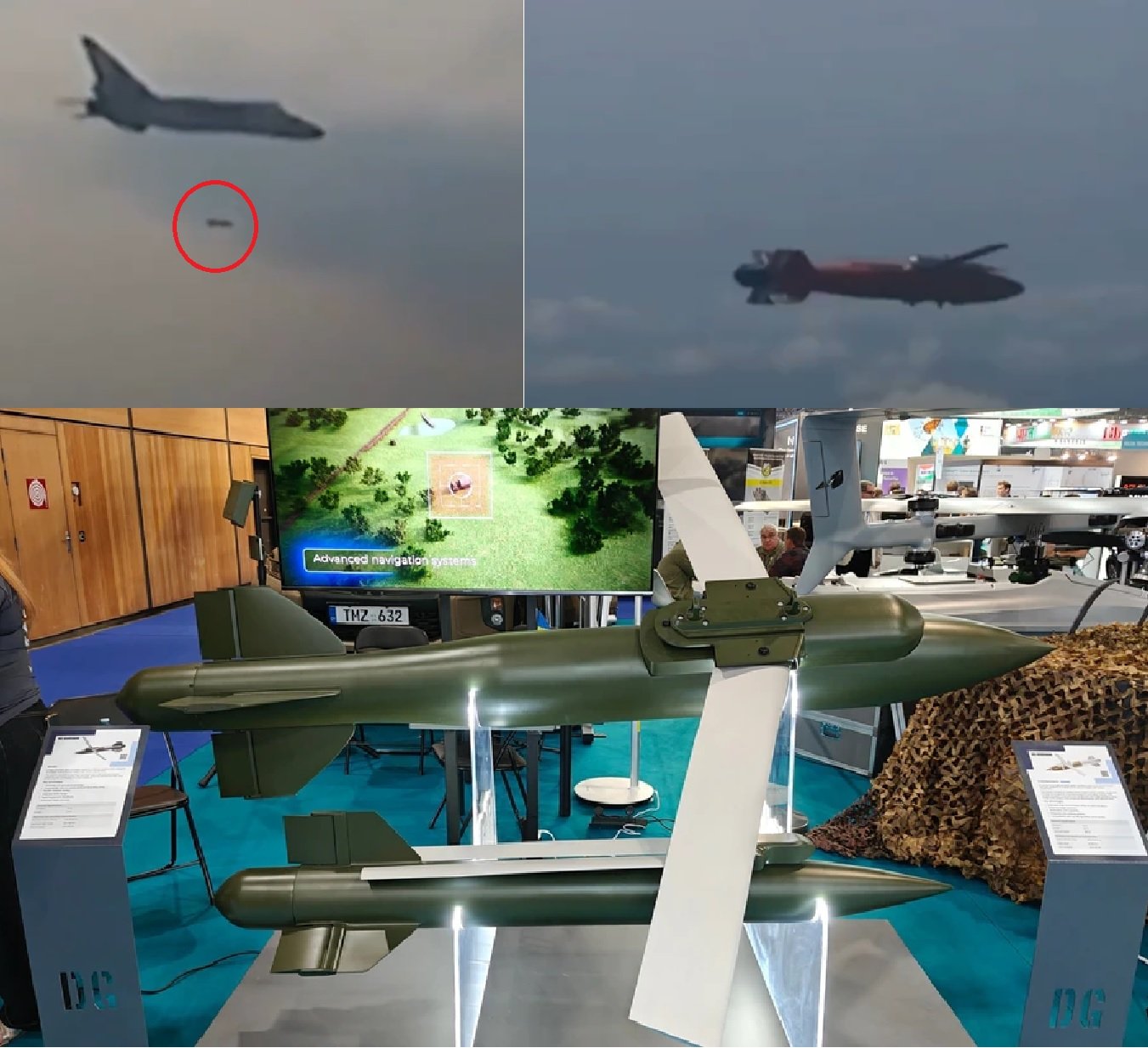 Ukraine Begins Procurement of Vyrivniuvach Guided Aerial Bomb
-
 600 Ukrainian Drones Strike Major Logistics Warehouses in Moscow region, Only 201 Intercepted
-
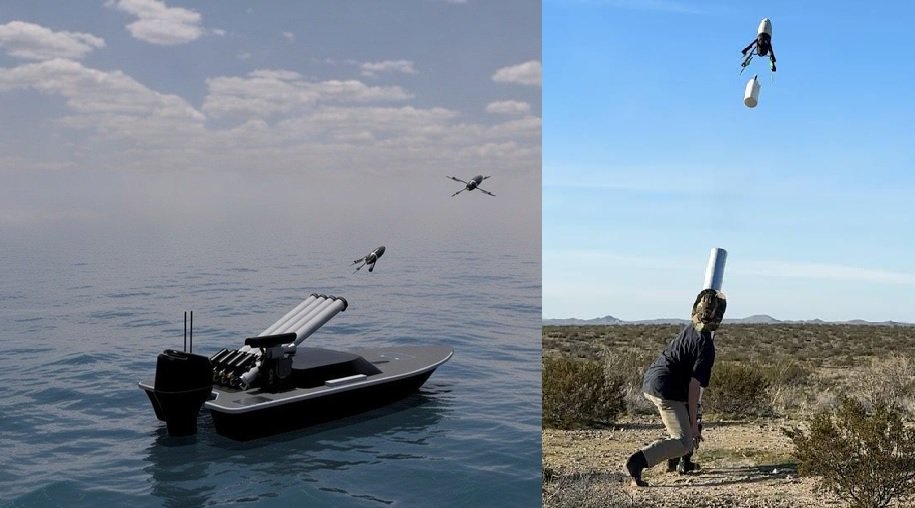 Thermopylae Aerospace Unveils SPART Tube-Launched Drone Interceptor for Group 2-3 and Turbojet UAS Threats
